Library
Browse and search novels
1,323 novels found
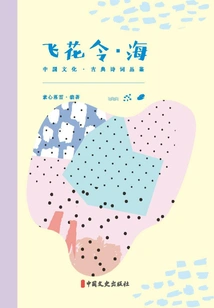
飞花令·海(中国文化·古典诗词品鉴)
Compiled By Su Xin Luoxue
In accordance with the rules of the traditional Chinese poetry culture game "Feihua Ling", this book carefully selects 106 classic ancient poems containing the word "sea" written by more than 70 poets. Each poem is followed by corresponding annotations, brief analysis, background and comments from famous experts, leading readers to embark on a beautiful and moving journey of poetry culture in the sea of books and ink. This book is reasonably organized, with pictures and texts. It is a popular cultural book that combines knowledge, aesthetics and culture.
In accordance with the rules of the traditional Chinese poetry culture game "Feihua Ling", this book carefully selects 106 classic ancient poems containing the word "sea" written by more than 70 poets. Each poem is followed by corresponding annotations, brief analysis, background and comments from famous experts, leading readers to embark on a beautiful and moving journey of poetry culture in the sea of books and ink. This book is reasonably organized, with pictures and texts. It is a popular cultural book that combines knowledge, aesthetics and culture.
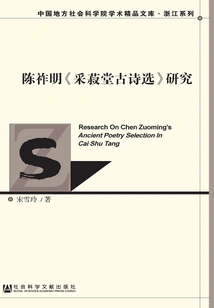
陈祚明《采菽堂古诗选》研究
Song Xueling
This book discusses in detail the life and writings of Chen Zuoming, a poetry anthologist and poetry critic from Zhejiang in the early Qing Dynasty, as well as the poetic theoretical system, editing standards, poetry comments, and his position in the history of Ming and Qing poetry in the "Selected Ancient Poems of Caishutang".
This book discusses in detail the life and writings of Chen Zuoming, a poetry anthologist and poetry critic from Zhejiang in the early Qing Dynasty, as well as the poetic theoretical system, editing standards, poetry comments, and his position in the history of Ming and Qing poetry in the "Selected Ancient Poems of Caishutang".
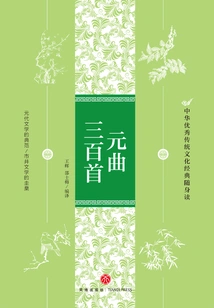
Three Hundred Yuan Songs
Literature元曲三百首
Compiled By Wang Hui And Shao Shimei
Yuan opera is the last masterpiece of ancient Chinese poetry and is known as the best literature of the Yuan Dynasty, on par with Tang poetry and Song lyrics. Yuan opera includes Zaju and Sanqu, and this book is a selection of Sanqu. Sanqu has a wide range of themes, the most amazing of which are descriptions of scenes, chanting history, sighing about the world, retreating into seclusion, and describing the love between men and women and their grievances. This book selects 280 works by more than 80 people, including Guan Hanqing, Ma Zhiyuan, Bai Pu, Zhang Kejiu, etc. These works are rich in content and have reached considerable heights in terms of language skills, artistic realm, and ideological connotation. They are models of Yuan Dynasty literature.
Yuan opera is the last masterpiece of ancient Chinese poetry and is known as the best literature of the Yuan Dynasty, on par with Tang poetry and Song lyrics. Yuan opera includes Zaju and Sanqu, and this book is a selection of Sanqu. Sanqu has a wide range of themes, the most amazing of which are descriptions of scenes, chanting history, sighing about the world, retreating into seclusion, and describing the love between men and women and their grievances. This book selects 280 works by more than 80 people, including Guan Hanqing, Ma Zhiyuan, Bai Pu, Zhang Kejiu, etc. These works are rich in content and have reached considerable heights in terms of language skills, artistic realm, and ideological connotation. They are models of Yuan Dynasty literature.
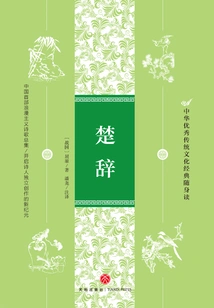
Songs of Chu
Literature楚辞
Qu Yuan
"Songs of Chu" is my country's first collection of romantic poems. It was written by Liu Xiang, a writer in the Western Han Dynasty, and includes 16 works by Qu Yuan and Song Yu, as well as works by Dongfang Shuo, Wang Bao, Liu Xiang and others in the Han Dynasty that imitated Qu Yuan and Song Yu. "Chu Ci" mainly expresses personal emotions. It has grand chapters, rich imagination, gorgeous literary talent, uneven sentence patterns and rich changes. It created the tradition of Chinese romantic literature and occupies an important position in the history of Chinese poetry. This book selects Qu Yuan's famous works such as "Li Sao", "Nine Songs", "Heavenly Questions", "Nine Chapters", "Yuan Yu", "Divination" and "The Fisherman".
"Songs of Chu" is my country's first collection of romantic poems. It was written by Liu Xiang, a writer in the Western Han Dynasty, and includes 16 works by Qu Yuan and Song Yu, as well as works by Dongfang Shuo, Wang Bao, Liu Xiang and others in the Han Dynasty that imitated Qu Yuan and Song Yu. "Chu Ci" mainly expresses personal emotions. It has grand chapters, rich imagination, gorgeous literary talent, uneven sentence patterns and rich changes. It created the tradition of Chinese romantic literature and occupies an important position in the history of Chinese poetry. This book selects Qu Yuan's famous works such as "Li Sao", "Nine Songs", "Heavenly Questions", "Nine Chapters", "Yuan Yu", "Divination" and "The Fisherman".
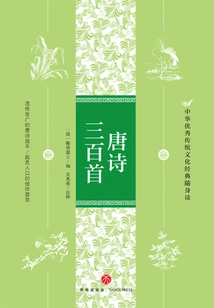
Three Hundred Tang Poems
Literature唐诗三百首
Hengtang Retirees
"Three Hundred Tang Poems" is a popular reading of Tang poetry selected by retired scholars from Hengtang in the Qing Dynasty. It selects more than 300 poems from more than 70 poets in the Tang Dynasty. The whole book is divided into eight parts according to genre, including five-character ancient poetry, seven-character ancient poetry, five-character rhythmic poetry, and seven-character rhythmic poetry. The various genres are roughly arranged in order of the poet's era. The selected poems are either impassioned, sad or melancholy, with various styles. Since the publication of "Three Hundred Tang Poems", "Three Hundred Tang Poems" has become "popular throughout the country and is found in almost every home". It still plays an important and positive role in enlightening education and cultivating people's aesthetic taste.
"Three Hundred Tang Poems" is a popular reading of Tang poetry selected by retired scholars from Hengtang in the Qing Dynasty. It selects more than 300 poems from more than 70 poets in the Tang Dynasty. The whole book is divided into eight parts according to genre, including five-character ancient poetry, seven-character ancient poetry, five-character rhythmic poetry, and seven-character rhythmic poetry. The various genres are roughly arranged in order of the poet's era. The selected poems are either impassioned, sad or melancholy, with various styles. Since the publication of "Three Hundred Tang Poems", "Three Hundred Tang Poems" has become "popular throughout the country and is found in almost every home". It still plays an important and positive role in enlightening education and cultivating people's aesthetic taste.
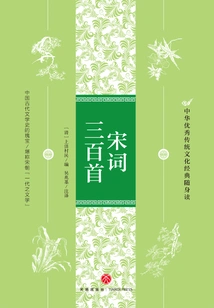
Three Hundred Song Poems
Literature宋词三百首
(qing Dynasty) Shangqiang Villagers
Song poetry, with its perfect artistic form, complements Tang poetry and Yuan music. They are both three wonders in the literary garden of ancient my country. They have been attracting readers for hundreds of years, and many famous poems and lines have become household names and are popular among people. "Three Hundred Poems of the Song Dynasty" selected by the villagers in the Qing Dynasty is an excellent anthology favored by lovers of the Song Dynasty. This book selects more than 300 excellent lyrics representing various styles of the Song Dynasty, comprehensively displaying the characteristics of the times and life styles of the Song Dynasty.
Song poetry, with its perfect artistic form, complements Tang poetry and Yuan music. They are both three wonders in the literary garden of ancient my country. They have been attracting readers for hundreds of years, and many famous poems and lines have become household names and are popular among people. "Three Hundred Poems of the Song Dynasty" selected by the villagers in the Qing Dynasty is an excellent anthology favored by lovers of the Song Dynasty. This book selects more than 300 excellent lyrics representing various styles of the Song Dynasty, comprehensively displaying the characteristics of the times and life styles of the Song Dynasty.
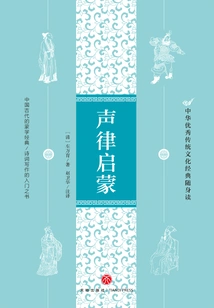
K
Literaturek
I
"Rhythm Enlightenment" is a work about the rhyme of poetry, and it is an enlightenment book for ancient children to learn to compose poetry. "Rhythm Enlightenment" is divided into rhymes, including virtual and real responses to astronomy, geography, flowers and trees, birds and beasts, people, utensils, idioms, allusions, historical facts, etc. There are single-character pairs, double-character pairs, three-character pairs, five-character pairs, seven-character pairs, and eleven-character pairs. The language is elegant and lively, the content is rich and plain, the rhythm is lively, catchy, and has strong readability. As an introductory book for learning poetry writing, "Rhythm Enlightenment" has been widely circulated and enduring since its publication.
"Rhythm Enlightenment" is a work about the rhyme of poetry, and it is an enlightenment book for ancient children to learn to compose poetry. "Rhythm Enlightenment" is divided into rhymes, including virtual and real responses to astronomy, geography, flowers and trees, birds and beasts, people, utensils, idioms, allusions, historical facts, etc. There are single-character pairs, double-character pairs, three-character pairs, five-character pairs, seven-character pairs, and eleven-character pairs. The language is elegant and lively, the content is rich and plain, the rhythm is lively, catchy, and has strong readability. As an introductory book for learning poetry writing, "Rhythm Enlightenment" has been widely circulated and enduring since its publication.
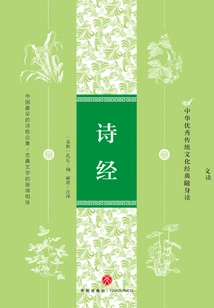
Book of Songs
Literature诗经
Kongqiu
The Book of Songs is the earliest collection of poetry in my country, including folk songs and temple music dating from the early Western Zhou Dynasty to the middle of the Spring and Autumn Period. It is divided into three parts: Feng, Ya, and Song. It is said that Confucius once compiled it, and there are 305 existing poems in total. The content of "The Book of Songs" involves politics, economy, ethics, astronomy, geography, customs, literature and art, etc. It widely reflects the social life at that time and is known as the "Encyclopedia of Ancient Chinese Society". The Book of Songs has exerted a broad and far-reaching influence on the history and culture of our country and is a precious spiritual and cultural wealth of the Chinese nation.
The Book of Songs is the earliest collection of poetry in my country, including folk songs and temple music dating from the early Western Zhou Dynasty to the middle of the Spring and Autumn Period. It is divided into three parts: Feng, Ya, and Song. It is said that Confucius once compiled it, and there are 305 existing poems in total. The content of "The Book of Songs" involves politics, economy, ethics, astronomy, geography, customs, literature and art, etc. It widely reflects the social life at that time and is known as the "Encyclopedia of Ancient Chinese Society". The Book of Songs has exerted a broad and far-reaching influence on the history and culture of our country and is a precious spiritual and cultural wealth of the Chinese nation.
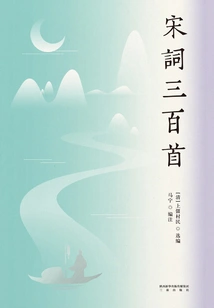
Three Hundred Song Poems
Literature宋词三百首
(qing Dynasty) Selections From Shangqiang Villagers, Edited And Annotated By Ma Ning
"Three Hundred Song Ci Poems" was originally compiled by Zhu Zumou (a villager in Shangqiang) of the Qing Dynasty. It has been added and deleted three times. It has an elegant and upright style, and the selection highlights everyone while taking into account the small family. It is currently the most popular anthology of Song Ci. (1) This edition contains a total of 103 poets and 312 poems. Added 13 uncollected poets by the Zhu family, such as Zhu Shuzhen, Wen Tianxiang, etc., And composed 68 poems such as "Niannujiao·Going eastward from the east of the Yangtze River", "Jiangchengzi·Hunting in Mizhou", "Magpie Bridge Fairy·Xianyun Nongqiao", "Like Mengling·Last night it rained and the wind blew suddenly", "Broken Time·Watching a Sword while Drunk", "Hairhaired Phoenix·Hongsu Hands". (2) This book is mainly collated and edited based on Tang Guizhang's "Annotations to Three Hundred Poems of the Song Dynasty". For individual discrepancies, please refer to the "Complete Song Ci" and the anthologies of various poets for correction. (3) The selected passages are accompanied by explanations and phonetic notes to facilitate readers' understanding and appreciation. Attached is the history of the Song Dynasty and the chronology of important poets, making it easier for readers to have an in-depth understanding of the lyrics. (4) This book is mainly arranged according to the author's birth year. For those whose birth and death years are unknown, it is arranged according to their approximate active years. (5) There is also an appendix with 10 poems from 6 pre-Song poets and 28 poems from 12 poets after the Song Dynasty, helping readers to have an overview of the origins and changes of Song poems.
"Three Hundred Song Ci Poems" was originally compiled by Zhu Zumou (a villager in Shangqiang) of the Qing Dynasty. It has been added and deleted three times. It has an elegant and upright style, and the selection highlights everyone while taking into account the small family. It is currently the most popular anthology of Song Ci. (1) This edition contains a total of 103 poets and 312 poems. Added 13 uncollected poets by the Zhu family, such as Zhu Shuzhen, Wen Tianxiang, etc., And composed 68 poems such as "Niannujiao·Going eastward from the east of the Yangtze River", "Jiangchengzi·Hunting in Mizhou", "Magpie Bridge Fairy·Xianyun Nongqiao", "Like Mengling·Last night it rained and the wind blew suddenly", "Broken Time·Watching a Sword while Drunk", "Hairhaired Phoenix·Hongsu Hands". (2) This book is mainly collated and edited based on Tang Guizhang's "Annotations to Three Hundred Poems of the Song Dynasty". For individual discrepancies, please refer to the "Complete Song Ci" and the anthologies of various poets for correction. (3) The selected passages are accompanied by explanations and phonetic notes to facilitate readers' understanding and appreciation. Attached is the history of the Song Dynasty and the chronology of important poets, making it easier for readers to have an in-depth understanding of the lyrics. (4) This book is mainly arranged according to the author's birth year. For those whose birth and death years are unknown, it is arranged according to their approximate active years. (5) There is also an appendix with 10 poems from 6 pre-Song poets and 28 poems from 12 poets after the Song Dynasty, helping readers to have an overview of the origins and changes of Song poems.
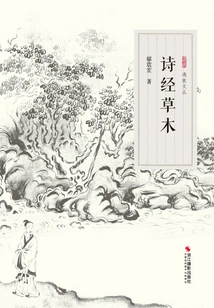
Book of Songs Grass and Trees
Literature诗经草木
Yu Zhenhong
Ancient Chinese literati often wrote about their elegant lives, expressing their feelings and chanting in mountains and rivers, borrowing objects from pavilions and pavilions, or even savoring a meal of vegetables. These leisurely and elegant feelings have become the ideal life that modern people pursue. Classical original works, exquisite pictures, coupled with simple, elegant and simple introductory words, are intended to create a set of beautiful, elegant, and meaningful little books. The Book of Songs is the beginning of ancient Chinese poetry. It collects a total of 311 poems from the early Western Zhou Dynasty to the middle of the Spring and Autumn Period. It is rich in content and reflects labor and love, war and corvee, oppression and resistance, customs and marriage, ancestor worship and peace meetings, and even celestial phenomena, landforms, animals, plants and other aspects. This book captures 50 representative poems from the Book of Songs. While savoring the ancient poetry, it further describes the political culture, local customs and customs of the time, and uses poetry as a guide to display the ancient historical and humanistic picture.
Ancient Chinese literati often wrote about their elegant lives, expressing their feelings and chanting in mountains and rivers, borrowing objects from pavilions and pavilions, or even savoring a meal of vegetables. These leisurely and elegant feelings have become the ideal life that modern people pursue. Classical original works, exquisite pictures, coupled with simple, elegant and simple introductory words, are intended to create a set of beautiful, elegant, and meaningful little books. The Book of Songs is the beginning of ancient Chinese poetry. It collects a total of 311 poems from the early Western Zhou Dynasty to the middle of the Spring and Autumn Period. It is rich in content and reflects labor and love, war and corvee, oppression and resistance, customs and marriage, ancestor worship and peace meetings, and even celestial phenomena, landforms, animals, plants and other aspects. This book captures 50 representative poems from the Book of Songs. While savoring the ancient poetry, it further describes the political culture, local customs and customs of the time, and uses poetry as a guide to display the ancient historical and humanistic picture.
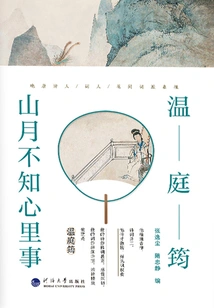
温庭筠:山月不知心里事
Zhang Yichen Sui Zhongjing
Wen Tingyun, courtesy name Feiqing, is a famous poet and lyricist in the late Tang Dynasty and a representative figure of the Huajian Ci School. He was quick-thinking, arrogant and fond of ridiculing the powerful, so his official career was often hindered. In terms of poetry, he is as famous as Li Shangyin, and was called "Wen Li" at that time. His achievements in poetry were even higher, and he created the fragrant style of Huajian Ci School. This book selects Wen Tingyun's classic poetry works and organizes his life, allowing readers to appreciate the charm of the works of a generation of literary giants.
Wen Tingyun, courtesy name Feiqing, is a famous poet and lyricist in the late Tang Dynasty and a representative figure of the Huajian Ci School. He was quick-thinking, arrogant and fond of ridiculing the powerful, so his official career was often hindered. In terms of poetry, he is as famous as Li Shangyin, and was called "Wen Li" at that time. His achievements in poetry were even higher, and he created the fragrant style of Huajian Ci School. This book selects Wen Tingyun's classic poetry works and organizes his life, allowing readers to appreciate the charm of the works of a generation of literary giants.
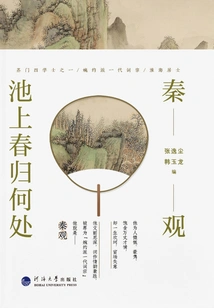
秦观:池上春归何处
Zhang Yichen Han Yulong
Qin Guan, also known as Shaoyou, also known as Huaihai Jushi, was one of the four scholars of the Su family and a famous poet of the graceful school in the late Northern Song Dynasty. This book contains many poetry works by Qin Guan, a representative figure of the graceful and sentimental poets. The language of the book is clear and elegant, and the melody is harmonious and mellow. It selects model works to display Qin Guan's sad and sentimental artistic style and personality charm. It is intended to lead readers to experience Qin Guan's amazing artistic expression in graceful and sentimental lyrics and enter his aesthetic realm of sincere emotions, delicateness and beauty.
Qin Guan, also known as Shaoyou, also known as Huaihai Jushi, was one of the four scholars of the Su family and a famous poet of the graceful school in the late Northern Song Dynasty. This book contains many poetry works by Qin Guan, a representative figure of the graceful and sentimental poets. The language of the book is clear and elegant, and the melody is harmonious and mellow. It selects model works to display Qin Guan's sad and sentimental artistic style and personality charm. It is intended to lead readers to experience Qin Guan's amazing artistic expression in graceful and sentimental lyrics and enter his aesthetic realm of sincere emotions, delicateness and beauty.
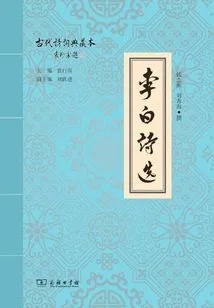
Selected Poems of Li Bai
Literature李白诗选
Written By Qian Zhixi And Liu Qinghai
"Selected Poems of Li Bai" is one of the series of "Collection of Ancient Poetry Dictionaries". Following the format of the series, "Selected Poems of Li Bai" consists of three parts: original works, annotations, and reviews. It is preceded by an introduction and a general preface. The whole book is about 250,000 words. This book selects 1,560 of Li Bai's finest poems, annotates them and gives them appreciation. The annotations are detailed and appropriate; the comments are knowledgeable, insightful, talented, and full of meaning: it is a very rare and high-quality book with great personality.
"Selected Poems of Li Bai" is one of the series of "Collection of Ancient Poetry Dictionaries". Following the format of the series, "Selected Poems of Li Bai" consists of three parts: original works, annotations, and reviews. It is preceded by an introduction and a general preface. The whole book is about 250,000 words. This book selects 1,560 of Li Bai's finest poems, annotates them and gives them appreciation. The annotations are detailed and appropriate; the comments are knowledgeable, insightful, talented, and full of meaning: it is a very rare and high-quality book with great personality.
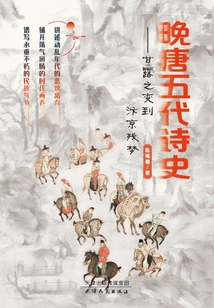
晚唐五代诗史:甘露之变到汴京残梦
Chen Xijun
This book focuses on the ancient poetry of the late Tang Dynasty and the Five Dynasties, as well as the historical stories behind the ancient poetry. It covers various categories of poetry such as bold, graceful, pastoral, frontier, chanting things, chanting feelings, and chanting history, etc., Focusing on the themes of outstanding traditional Chinese culture such as loyalty, filial piety, benevolence and righteousness, and patriotism. The author strives to lead the whole people to review the ancient poems they have learned through the appreciation of the knowledge of poetry in the late Tang Dynasty and the Five Dynasties, share the beauty of poetry, and feel the fun of poetry. By analyzing the meaning of ancient poems and interpreting the creative background, interesting anecdotes, etc. Behind the ancient poems, it is convenient for readers to read and understand, allowing readers to read poems while studying history, and gain insight into history while reading poems.
This book focuses on the ancient poetry of the late Tang Dynasty and the Five Dynasties, as well as the historical stories behind the ancient poetry. It covers various categories of poetry such as bold, graceful, pastoral, frontier, chanting things, chanting feelings, and chanting history, etc., Focusing on the themes of outstanding traditional Chinese culture such as loyalty, filial piety, benevolence and righteousness, and patriotism. The author strives to lead the whole people to review the ancient poems they have learned through the appreciation of the knowledge of poetry in the late Tang Dynasty and the Five Dynasties, share the beauty of poetry, and feel the fun of poetry. By analyzing the meaning of ancient poems and interpreting the creative background, interesting anecdotes, etc. Behind the ancient poems, it is convenient for readers to read and understand, allowing readers to read poems while studying history, and gain insight into history while reading poems.
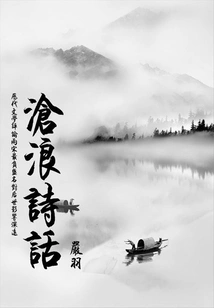
文学经典必读:沧浪诗话
Yan Yu
This book is a book on ancient Chinese poetry theory and poetic aesthetics written by Yan Yu. It was written approximately during the Shaoding and Chunyou years of Lizong in the Southern Song Dynasty. Yan Yu was a famous poetry critic in the late Southern Song Dynasty. This book is divided into five chapters: "Poetry Analysis", "Poetry Style", "Poetry Method", "Poetry Criticism" and "Critical Research", combined into one volume. This book has been further improved in terms of systematicity and theory, and has basically changed the characteristics of the early "Poetic Talks": "chatting with a casual mind" after dinner. It is the most famous poetic talk in the entire Song Dynasty and has a profound influence on later generations.
This book is a book on ancient Chinese poetry theory and poetic aesthetics written by Yan Yu. It was written approximately during the Shaoding and Chunyou years of Lizong in the Southern Song Dynasty. Yan Yu was a famous poetry critic in the late Southern Song Dynasty. This book is divided into five chapters: "Poetry Analysis", "Poetry Style", "Poetry Method", "Poetry Criticism" and "Critical Research", combined into one volume. This book has been further improved in terms of systematicity and theory, and has basically changed the characteristics of the early "Poetic Talks": "chatting with a casual mind" after dinner. It is the most famous poetic talk in the entire Song Dynasty and has a profound influence on later generations.
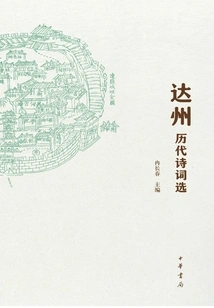
Selected Poems from Dazhou Dynasties
Literature达州历代诗词选
Editor-in-chief Ran Changchun
Dazhou is located at the southern foot of Daba Mountain, the upper reaches of the Jialing River, at the juncture of Sichuan, Chongqing and Shaanxi, with majestic mountains and lush waters, abundant resources and abundant people. It has a long history. It was called Badi in ancient times and Tongzhou in the past. It is an accessible place with rich culture, especially poetry. This book selects Li Bai, Du Fu, Bai Juyi, Yuan Zhen, Ouyang Xiu, Su Shi, Wang Huaizeng, Wang Huaimeng, Jiang Guolin, etc. From the Tang Dynasty to the Republic of China, poets of all dynasties have eulogized the scenery and people of Dazhou. A small number of excellent works by Dazhou poets on other subjects are also selected as tributes to Dazhou poets, which may fill the gap in the lack of special anthologies of Dazhou poetry in the past, or may serve the needs of local cultural research and serve as teaching materials for patriotism and hometown.
Dazhou is located at the southern foot of Daba Mountain, the upper reaches of the Jialing River, at the juncture of Sichuan, Chongqing and Shaanxi, with majestic mountains and lush waters, abundant resources and abundant people. It has a long history. It was called Badi in ancient times and Tongzhou in the past. It is an accessible place with rich culture, especially poetry. This book selects Li Bai, Du Fu, Bai Juyi, Yuan Zhen, Ouyang Xiu, Su Shi, Wang Huaizeng, Wang Huaimeng, Jiang Guolin, etc. From the Tang Dynasty to the Republic of China, poets of all dynasties have eulogized the scenery and people of Dazhou. A small number of excellent works by Dazhou poets on other subjects are also selected as tributes to Dazhou poets, which may fill the gap in the lack of special anthologies of Dazhou poetry in the past, or may serve the needs of local cultural research and serve as teaching materials for patriotism and hometown.
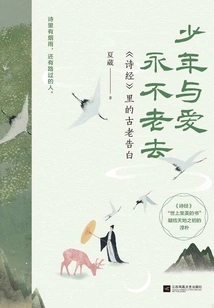
少年与爱永不老去:《诗经》里的古老告白
Xia Wei
The Book of Songs is known as "the most beautiful book in the world", embodying the simplicity of the beginning of heaven and earth. It has been circulated for more than two thousand years, injected into the depths of our souls, and is as fresh as yesterday. This book extracts 40 classic works from the Book of Songs, divided into five volumes: "Beauty is like a flower", "A gentleman is like a jade", "Good times are like a dream", "Fireworks are like a family" and "Life in the Floating World". The author tastes it with an elegant and spiritual pen, explains the ageless sentiments of the Book of Songs, and interprets the love, hate, resentment, ups and downs of the people in the five thousand years of Chinese history. Let the people who once wrote and sang these ancient songs live again, and be able to show the thickness of life and the thinness of time. After all the vicissitudes of life, what has settled down are human affairs and human relationships. When reading the Book of Songs and looking at these beautiful characters, a thousand years seems like a blink of an eye. The rich daily life and full thoughts of the sages were inadvertently thrown into the vast river of history by these poems. It happened to be picked up by you and me thousands of years later, and it turned into a thousand years in an instant. Today, we still feel the same way.
The Book of Songs is known as "the most beautiful book in the world", embodying the simplicity of the beginning of heaven and earth. It has been circulated for more than two thousand years, injected into the depths of our souls, and is as fresh as yesterday. This book extracts 40 classic works from the Book of Songs, divided into five volumes: "Beauty is like a flower", "A gentleman is like a jade", "Good times are like a dream", "Fireworks are like a family" and "Life in the Floating World". The author tastes it with an elegant and spiritual pen, explains the ageless sentiments of the Book of Songs, and interprets the love, hate, resentment, ups and downs of the people in the five thousand years of Chinese history. Let the people who once wrote and sang these ancient songs live again, and be able to show the thickness of life and the thinness of time. After all the vicissitudes of life, what has settled down are human affairs and human relationships. When reading the Book of Songs and looking at these beautiful characters, a thousand years seems like a blink of an eye. The rich daily life and full thoughts of the sages were inadvertently thrown into the vast river of history by these poems. It happened to be picked up by you and me thousands of years later, and it turned into a thousand years in an instant. Today, we still feel the same way.
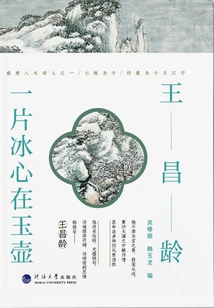
王昌龄:一片冰心在玉壶
Wu Xiuli Han Yulong
Wang Changling, nicknamed Shaobo, was a frontier poet in the prosperous Tang Dynasty. He was good at poetic descriptions of frontier fortresses, boudoir's grudges, and farewells. His emotions were delicate, real and touching, and he was especially good at Qijue's creations. He was known as the "Qijue Master" and "Poet Master Wang Jiangning". His representative works are "Out of the Fortress", "Seven Poems on the Military March" and "Girls' Grudge". The book starts with the poet's life and creation, and collects more than a hundred classic poems by Wang Changling. It provides precise annotations and translations of the allusions to the poet's poems.
Wang Changling, nicknamed Shaobo, was a frontier poet in the prosperous Tang Dynasty. He was good at poetic descriptions of frontier fortresses, boudoir's grudges, and farewells. His emotions were delicate, real and touching, and he was especially good at Qijue's creations. He was known as the "Qijue Master" and "Poet Master Wang Jiangning". His representative works are "Out of the Fortress", "Seven Poems on the Military March" and "Girls' Grudge". The book starts with the poet's life and creation, and collects more than a hundred classic poems by Wang Changling. It provides precise annotations and translations of the allusions to the poet's poems.
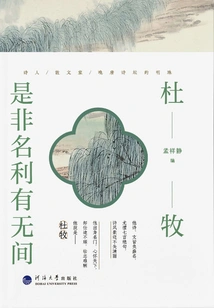
杜牧:是非名利有无间
Meng Xiangjing
Du Mu was a famous poet and essayist in the late Tang Dynasty. As a shining pearl in the poetry world of the late Tang Dynasty, Du Mu is famous in both poetry and literature. His poems are famous for their seven-character quatrains and are highly accomplished. This book selects Du Mu's important poems, carefully annotates and translates them, and organizes and summarizes his life and creation, so that readers can appreciate the ideological sources of his works while appreciating his works.
Du Mu was a famous poet and essayist in the late Tang Dynasty. As a shining pearl in the poetry world of the late Tang Dynasty, Du Mu is famous in both poetry and literature. His poems are famous for their seven-character quatrains and are highly accomplished. This book selects Du Mu's important poems, carefully annotates and translates them, and organizes and summarizes his life and creation, so that readers can appreciate the ideological sources of his works while appreciating his works.
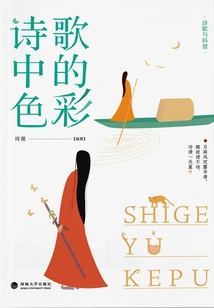
诗歌与科普:诗歌中的色彩
Compiled By He Wei
This series of books is based on the themes of "Architecture", "Plants", "Animals", "Food", "Clothing" and "Color". Poems with these themes are selected, accompanied by popular science about famous objects. With the help of poetry, we try to penetrate the gaps in history and re-present before our eyes the once dazzling buildings, unknown species, the profound Chinese food, traditional Chinese colors and costumes, etc. This book selects ancient poems that contain traditional Chinese colors from many ancient poems. It is not only accompanied by poem annotations, but also related color science, as well as hand-drawn illustrations, etc., And extracts the exclusive chromatogram of traditional Chinese colors in the poems, so that readers can have a deeper understanding and inheritance of China's color culture.
This series of books is based on the themes of "Architecture", "Plants", "Animals", "Food", "Clothing" and "Color". Poems with these themes are selected, accompanied by popular science about famous objects. With the help of poetry, we try to penetrate the gaps in history and re-present before our eyes the once dazzling buildings, unknown species, the profound Chinese food, traditional Chinese colors and costumes, etc. This book selects ancient poems that contain traditional Chinese colors from many ancient poems. It is not only accompanied by poem annotations, but also related color science, as well as hand-drawn illustrations, etc., And extracts the exclusive chromatogram of traditional Chinese colors in the poems, so that readers can have a deeper understanding and inheritance of China's color culture.
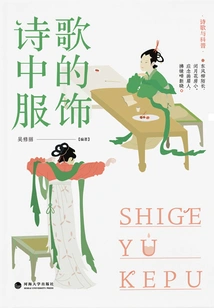
诗歌与科普:诗歌中的服饰
Compiled By Wu Xiuli
This series of books is based on the themes of "Architecture", "Plants", "Animals", "Food", "Clothing" and "Color". Poems with these themes are selected, accompanied by popular science about famous objects. With the help of poetry, we try to penetrate the gaps in history and re-present before our eyes the once dazzling buildings, unknown species, the profound Chinese food, traditional Chinese colors and costumes, etc. This book selects from many ancient poems those involving the theme of traditional Chinese clothing. It is not only accompanied by poetry annotations, but also related popular science on clothing, as well as hand-drawn illustrations. On the one hand, it shows the beauty of Chinese clothing, and on the other hand, it also facilitates readers to appreciate the unique charm of traditional Chinese clothing.
This series of books is based on the themes of "Architecture", "Plants", "Animals", "Food", "Clothing" and "Color". Poems with these themes are selected, accompanied by popular science about famous objects. With the help of poetry, we try to penetrate the gaps in history and re-present before our eyes the once dazzling buildings, unknown species, the profound Chinese food, traditional Chinese colors and costumes, etc. This book selects from many ancient poems those involving the theme of traditional Chinese clothing. It is not only accompanied by poetry annotations, but also related popular science on clothing, as well as hand-drawn illustrations. On the one hand, it shows the beauty of Chinese clothing, and on the other hand, it also facilitates readers to appreciate the unique charm of traditional Chinese clothing.
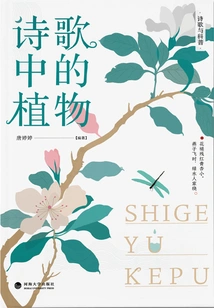
诗歌与科普:诗歌中的植物
Compiled By Tang Tingting
This series of books is based on the themes of "Architecture", "Plants", "Animals", "Food", "Clothing" and "Color". Poems with these themes are selected, accompanied by popular science about famous objects. With the help of poetry, we try to penetrate the gaps in history and re-present before our eyes the once dazzling buildings, unknown species, the profound Chinese food, traditional Chinese colors and costumes, etc. This book selects ancient poems involving plant themes from many ancient poems. It is not only accompanied by poetry annotations, but also related plant science, as well as hand-drawn illustrations, etc., So that readers can not only feel the beauty of poetry, but also know and understand different plants.
This series of books is based on the themes of "Architecture", "Plants", "Animals", "Food", "Clothing" and "Color". Poems with these themes are selected, accompanied by popular science about famous objects. With the help of poetry, we try to penetrate the gaps in history and re-present before our eyes the once dazzling buildings, unknown species, the profound Chinese food, traditional Chinese colors and costumes, etc. This book selects ancient poems involving plant themes from many ancient poems. It is not only accompanied by poetry annotations, but also related plant science, as well as hand-drawn illustrations, etc., So that readers can not only feel the beauty of poetry, but also know and understand different plants.
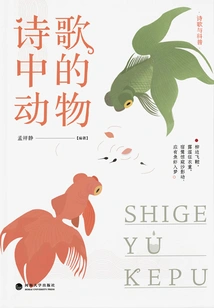
诗歌与科普:诗歌中的动物
Compiled By Meng Xiangjing
This series of books is based on the themes of "Architecture", "Plants", "Animals", "Food", "Clothing" and "Color". Poems with these themes are selected, accompanied by popular science about famous objects. With the help of poetry, we try to penetrate the gaps in history and re-present before our eyes the once dazzling buildings, unknown species, the profound Chinese food, traditional Chinese colors and costumes, etc. This book selects ancient poems involving animal themes from many ancient poems. It is not only accompanied by poetry annotations, but also related animal science, as well as hand-drawn illustrations, etc., Allowing readers to feel that animals are so delicate and have attracted countless poets to bow down, and at the same time, they can also know and understand different animals.
This series of books is based on the themes of "Architecture", "Plants", "Animals", "Food", "Clothing" and "Color". Poems with these themes are selected, accompanied by popular science about famous objects. With the help of poetry, we try to penetrate the gaps in history and re-present before our eyes the once dazzling buildings, unknown species, the profound Chinese food, traditional Chinese colors and costumes, etc. This book selects ancient poems involving animal themes from many ancient poems. It is not only accompanied by poetry annotations, but also related animal science, as well as hand-drawn illustrations, etc., Allowing readers to feel that animals are so delicate and have attracted countless poets to bow down, and at the same time, they can also know and understand different animals.
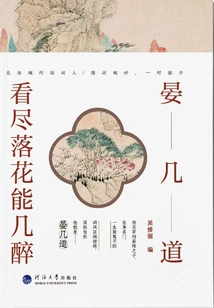
晏几道:看尽落花能几醉
Wu Xiuli
Yan Jidao, whose courtesy name was Shuyuan and his nickname was Xiaoshan. He was born into a prime minister's family and enjoyed all the glory and wealth in his early years. Later, his family fell into decline and his fate went through many twists and turns. Yan Jidao has a distinctive personality, he is arrogant to the powerful, and his style of writing is sad, sentimental, sincere and moving. This book combs Yan Jidao's life story, selects Yan Jidao's classic lyrics, and provides annotations and translations to help readers read and deeply appreciate the essence of his works.
Yan Jidao, whose courtesy name was Shuyuan and his nickname was Xiaoshan. He was born into a prime minister's family and enjoyed all the glory and wealth in his early years. Later, his family fell into decline and his fate went through many twists and turns. Yan Jidao has a distinctive personality, he is arrogant to the powerful, and his style of writing is sad, sentimental, sincere and moving. This book combs Yan Jidao's life story, selects Yan Jidao's classic lyrics, and provides annotations and translations to help readers read and deeply appreciate the essence of his works.
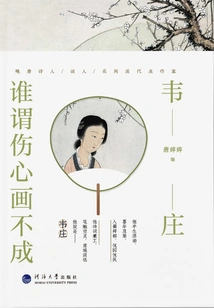
韦庄:谁谓伤心画不成
Tang Tingting
Wei Zhuang is a famous poet and lyricist in the late Tang Dynasty. His poems have various themes and are elegant and beautiful. This book provides a comprehensive interpretation of Wei Zhuang's life, showing his twists and turns. This book selects Wei Zhuang's classic poems, leading readers into Wei Zhuang's world, feeling his ethereal brushwork, distant artistic conception, and tasting his lingering and gentle affection.
Wei Zhuang is a famous poet and lyricist in the late Tang Dynasty. His poems have various themes and are elegant and beautiful. This book provides a comprehensive interpretation of Wei Zhuang's life, showing his twists and turns. This book selects Wei Zhuang's classic poems, leading readers into Wei Zhuang's world, feeling his ethereal brushwork, distant artistic conception, and tasting his lingering and gentle affection.
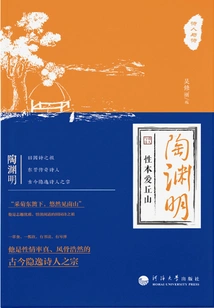
陶渊明:性本爱丘山
Wu Xiuli
The extremely splendid life is based on the pride of not being complicit in the world, and the ink is painted with pure, beautiful, tranquil and elegant pastoral feelings. With a few strokes of the pen, he has created Tao Yuanming, the "ancestor of ancient and modern reclusive poets" who "comes to this world only for the mountains and rivers". This book carefully collects many classic poems by the pastoral poet Tao Yuanming. The poems are full of mellow charm and delicate emotions. Through careful translation and detailed annotation, they can put aside the turmoil of the world, follow the poet's freedom of spirit and simplicity of quality, reveal the poet's true heart, and appreciate the elegant charm of poetry.
The extremely splendid life is based on the pride of not being complicit in the world, and the ink is painted with pure, beautiful, tranquil and elegant pastoral feelings. With a few strokes of the pen, he has created Tao Yuanming, the "ancestor of ancient and modern reclusive poets" who "comes to this world only for the mountains and rivers". This book carefully collects many classic poems by the pastoral poet Tao Yuanming. The poems are full of mellow charm and delicate emotions. Through careful translation and detailed annotation, they can put aside the turmoil of the world, follow the poet's freedom of spirit and simplicity of quality, reveal the poet's true heart, and appreciate the elegant charm of poetry.
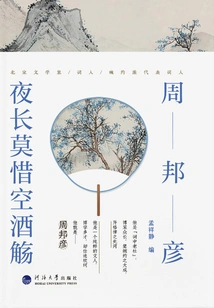
周邦彦:夜长莫惜空酒觞
Meng Xiangjing
Zhou Bangyan was a writer in the Northern Song Dynasty. He was also a poet and lyricist, especially good at composing lyrics. He was one of the representative poets of the "Graceful School" of Song lyrics and the sect of the Metrical School of lyricists. This book selects Zhou Bangyan's poetry works, carefully annotates them, and organizes and summarizes his life and creation, so that readers can appreciate the ideological sources of his works while appreciating his works.
Zhou Bangyan was a writer in the Northern Song Dynasty. He was also a poet and lyricist, especially good at composing lyrics. He was one of the representative poets of the "Graceful School" of Song lyrics and the sect of the Metrical School of lyricists. This book selects Zhou Bangyan's poetry works, carefully annotates them, and organizes and summarizes his life and creation, so that readers can appreciate the ideological sources of his works while appreciating his works.
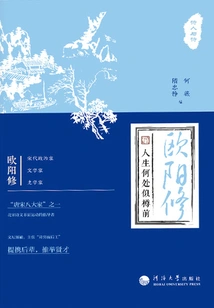
欧阳修:人生何处似樽前
He Wei Sui Zhongjing
Ouyang Xiu, courtesy name Yongshu, nicknamed Zuiweng, later nicknamed Liuyi Jushi, was a famous politician, writer, and historian in the Song Dynasty, and one of the "Eight Great Masters of the Tang and Song Dynasties". He inherited and developed Han Yu's ancient prose theory and led the poetry innovation movement in the Northern Song Dynasty. He was a literary leader who created a generation of literary style in the literary history of the Song Dynasty. This book selects Ouyang Xiu's classic poetry works and organizes his life, leading readers to appreciate the charm of the works of a generation of literary leaders.
Ouyang Xiu, courtesy name Yongshu, nicknamed Zuiweng, later nicknamed Liuyi Jushi, was a famous politician, writer, and historian in the Song Dynasty, and one of the "Eight Great Masters of the Tang and Song Dynasties". He inherited and developed Han Yu's ancient prose theory and led the poetry innovation movement in the Northern Song Dynasty. He was a literary leader who created a generation of literary style in the literary history of the Song Dynasty. This book selects Ouyang Xiu's classic poetry works and organizes his life, leading readers to appreciate the charm of the works of a generation of literary leaders.
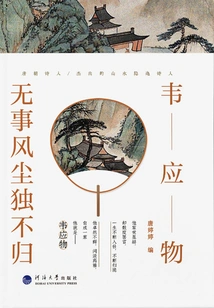
韦应物:无事风尘独不归
Tang Tingting
Wei Yingwu was an important poet in the mid-Tang Dynasty, with a fresh and natural poetry style. This book provides a comprehensive interpretation of Wei Yingwu's life, showing his elegant and leisurely life. This book selects Wei Yingwu's classic poems, leading readers into Wei Yingwu's works and world, feeling the bright and elegant color beauty and music beauty in his works, and tasting his unique thoughts.
Wei Yingwu was an important poet in the mid-Tang Dynasty, with a fresh and natural poetry style. This book provides a comprehensive interpretation of Wei Yingwu's life, showing his elegant and leisurely life. This book selects Wei Yingwu's classic poems, leading readers into Wei Yingwu's works and world, feeling the bright and elegant color beauty and music beauty in his works, and tasting his unique thoughts.
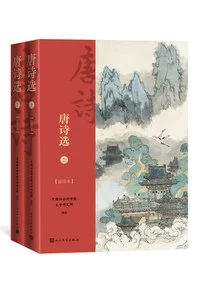
唐诗选(插图本)(全集)
Annotated By The Institute Of Literature, Chinese Academy Of Social Sciences
Tang poetry is the essence of ancient poetry and best embodies the artistic characteristics of ancient Chinese poetry. "Selected Poems of the Tang Dynasty" is one of the classic anthologies of classical literature. It contains more than 130 poets and more than 630 poems. It is a richer and more comprehensive reading book than "Three Hundred Poems of the Tang Dynasty". The selection and annotation of this book was completed by Yu Guanying, Wang Boxiang, Qian Zhongshu, Chen Youqin, Qiao Xiangzhong, Wang Shuizhao, Wu Gengshun and others. The selection and annotation are first-class and can be said to be the crystallization of collective wisdom.
Tang poetry is the essence of ancient poetry and best embodies the artistic characteristics of ancient Chinese poetry. "Selected Poems of the Tang Dynasty" is one of the classic anthologies of classical literature. It contains more than 130 poets and more than 630 poems. It is a richer and more comprehensive reading book than "Three Hundred Poems of the Tang Dynasty". The selection and annotation of this book was completed by Yu Guanying, Wang Boxiang, Qian Zhongshu, Chen Youqin, Qiao Xiangzhong, Wang Shuizhao, Wu Gengshun and others. The selection and annotation are first-class and can be said to be the crystallization of collective wisdom.
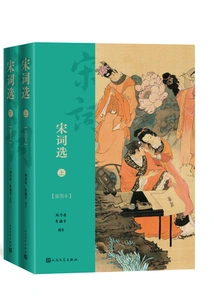
宋词选(插图本)(全集)
Selected Notes By Liu Naichang And Zhu Decai
Song lyrics are the most prominent subject matter in the literature of the Song Dynasty and the Song Dynasty, and they are also a hot topic in the current public reading of ancient poetry. This book is annotated by experts and scholars who study Song poetry. It contains more than 800 poems, with accurate annotations and detailed explanations. It is more complete than the ordinary Song poetry reading book "Three Hundred Song Poems".
Song lyrics are the most prominent subject matter in the literature of the Song Dynasty and the Song Dynasty, and they are also a hot topic in the current public reading of ancient poetry. This book is annotated by experts and scholars who study Song poetry. It contains more than 800 poems, with accurate annotations and detailed explanations. It is more complete than the ordinary Song poetry reading book "Three Hundred Song Poems".
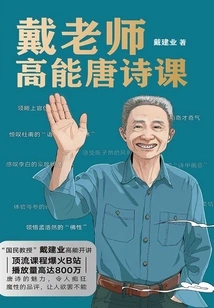
戴老师高能唐诗课
Dai Jianye
"National Professor" Dai Jianye's new work for the beginning of 2022 - "Teacher Dai's High-Energy Tang Poetry Class", provides a passionate explanation of more than 80 representative works of more than 20 famous Tang Dynasty poets, and extended explanations of more than 100 poems. It is a wonderful presentation of nearly 40 years of painstaking research. From the first year of Emperor Wude of the Tang Dynasty to the early years of Emperor Xuanzong of the Tang Dynasty, the poetry circle of the early Tang Dynasty lasted for about a hundred years. From Wang Ji to Chen Ziang, from Yu Shinan and Shangguan Yi to Shen Quanqi and Song Zhiwen, many poets accumulated a lot of experience for the poetry of the prosperous Tang Dynasty from different aspects. Around the fifteenth year of Kaiyuan, Meng Haoran, Wang Wei, Li Bai, Du Fu, Cen Shen and others successively entered the poetry world. This was the "prosperity of Tang" in the country of poetry. The poetry of the Tang Dynasty became so brilliant that not only the Tang Dynasty but also Chinese classical poetry entered the golden age. Famous poets such as Han Yu, Bai Juyi, Liu Yuxi, Liu Zongyuan, Li He and Meng Jiao appeared in the poetry world of the Mid-Tang Dynasty, and the poetry world of the Mid-Tang Dynasty was still in full bloom. Even in the late Tang Dynasty, Du Mu, Li Shangyin, and Wen Tingyun emerged, and the poetry world at that time was still "the sunset is infinitely beautiful." If Li Bai and Du Fu in the prosperous Tang Dynasty were on Mount Everest, its majesty would shock people; in the middle Tang Dynasty, Bai Juyi, Han Yu, Liu Zongyuan, Liu Yuxi and others were on the mountainside of Mount Everest, and its colorful scenes are still very spectacular. And "Little Li Du" and others are at the foothills of Mount Everest, and its unique scenery is still fascinating. In short, this book will talk about the outstanding figures in Tang poetry and their representative works from the early Tang Dynasty, the prosperous Tang Dynasty, the middle Tang Dynasty to the late Tang Dynasty.
"National Professor" Dai Jianye's new work for the beginning of 2022 - "Teacher Dai's High-Energy Tang Poetry Class", provides a passionate explanation of more than 80 representative works of more than 20 famous Tang Dynasty poets, and extended explanations of more than 100 poems. It is a wonderful presentation of nearly 40 years of painstaking research. From the first year of Emperor Wude of the Tang Dynasty to the early years of Emperor Xuanzong of the Tang Dynasty, the poetry circle of the early Tang Dynasty lasted for about a hundred years. From Wang Ji to Chen Ziang, from Yu Shinan and Shangguan Yi to Shen Quanqi and Song Zhiwen, many poets accumulated a lot of experience for the poetry of the prosperous Tang Dynasty from different aspects. Around the fifteenth year of Kaiyuan, Meng Haoran, Wang Wei, Li Bai, Du Fu, Cen Shen and others successively entered the poetry world. This was the "prosperity of Tang" in the country of poetry. The poetry of the Tang Dynasty became so brilliant that not only the Tang Dynasty but also Chinese classical poetry entered the golden age. Famous poets such as Han Yu, Bai Juyi, Liu Yuxi, Liu Zongyuan, Li He and Meng Jiao appeared in the poetry world of the Mid-Tang Dynasty, and the poetry world of the Mid-Tang Dynasty was still in full bloom. Even in the late Tang Dynasty, Du Mu, Li Shangyin, and Wen Tingyun emerged, and the poetry world at that time was still "the sunset is infinitely beautiful." If Li Bai and Du Fu in the prosperous Tang Dynasty were on Mount Everest, its majesty would shock people; in the middle Tang Dynasty, Bai Juyi, Han Yu, Liu Zongyuan, Liu Yuxi and others were on the mountainside of Mount Everest, and its colorful scenes are still very spectacular. And "Little Li Du" and others are at the foothills of Mount Everest, and its unique scenery is still fascinating. In short, this book will talk about the outstanding figures in Tang poetry and their representative works from the early Tang Dynasty, the prosperous Tang Dynasty, the middle Tang Dynasty to the late Tang Dynasty.
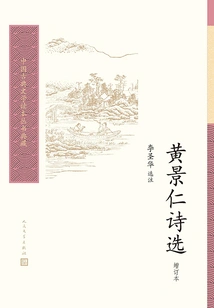
黄景仁诗选(增订本)
Selected Notes By Li Shenghua
Huang Jingren was one of the most important poets in the mid-Qing Dynasty. His career was difficult and he was poor and embarrassed, but he wrote a large number of poems. He was outstanding among the poets of the Qing Dynasty with his melancholy, bitter and melancholy style of poetry and his many good words and aphorisms, and was deeply loved by later generations of readers. The author of this book is an outstanding scholar in the field of Ming and Qing literature studies. He has written extensively and has profound skills, which ensures the quality of this book. This book uses a large number of documents and carefully selects 348 poems by Huang Jingren, with detailed annotations and interpretations. In the process of selecting and annotating poems, the author avoids the disadvantages of selecting works that are based on old and new works, and takes "new, beautiful, and lively" as the criterion; and under the perspective of literary history, the author strives to select poems to more fully reflect the reality of Huang Jingren's creation.
Huang Jingren was one of the most important poets in the mid-Qing Dynasty. His career was difficult and he was poor and embarrassed, but he wrote a large number of poems. He was outstanding among the poets of the Qing Dynasty with his melancholy, bitter and melancholy style of poetry and his many good words and aphorisms, and was deeply loved by later generations of readers. The author of this book is an outstanding scholar in the field of Ming and Qing literature studies. He has written extensively and has profound skills, which ensures the quality of this book. This book uses a large number of documents and carefully selects 348 poems by Huang Jingren, with detailed annotations and interpretations. In the process of selecting and annotating poems, the author avoids the disadvantages of selecting works that are based on old and new works, and takes "new, beautiful, and lively" as the criterion; and under the perspective of literary history, the author strives to select poems to more fully reflect the reality of Huang Jingren's creation.
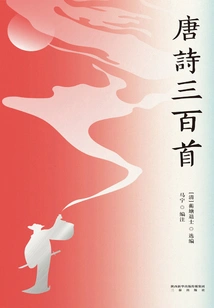
Three Hundred Tang Poems
Literature唐诗三百首
(qing Dynasty) Selections From Retired Scholars From Hengtang, Edited And Annotated By Ma Ning
"Three Hundred Tang Poems" is an anthology of Tang poems compiled by Sun Zhu and Xu Lanying during the Qing Dynasty. It includes more than 300 works by 76 poets. The selected poems are of a variety of styles and can be appreciated by both refined and popular people. Since their publication, they have been widely circulated. As the proverb goes: "If you read 300 Tang poems by heart, you can recite them even if you don't know how to compose them." Based on the selection by Sun and his wife, this edition makes appropriate adjustments to the selection and adds Lu Zhaolin, Yang Jiong, Zhang Ruoxu, Li He, Luo Yin, etc. From different periods and schools. The representative works of the poets of the Tang Dynasty include Wang Wei, Li Bai, Du Fu, Bai Juyi and other famous poets. The selections have also been expanded. In the end, a total of 384 Tang poems by ninety-seven poets have been included, all of which are time-tested and universally acclaimed masterpieces. The style is organized according to the order of the poet's life era, so as to present the development changes and characteristics of the Tang poetry in the early, prosperous, middle and late periods. The poem is accompanied by a biography of the poet and the background of the poem's creation, as well as annotations on the characters, geography, customs, and famous objects that appear in the poem. With annotations, contemporary readers can easily recite and read, cultivate their temperament, and develop their ability to appreciate the art of Chinese classical poetry. The whole book is carefully edited based on "Complete Poems of the Tang Dynasty" and poets' collections. For some works, priority is given to the "Compulsory Education Textbooks Organized by the Ministry of Education" (Ministry Edition) for reference. Printed in full color, with both pictures and texts, it contains hundreds of masterpieces of landscapes and figures by more than 70 famous calligraphers and painters. There are paintings within the poems and poems within the paintings. Attached is the "Chronology of Tang Poems", which provides a comprehensive overview of the historical development of the Tang Dynasty over the past 289 years, and allows us to understand Tang poetry in history. It also provides an overview of the lives and activities of important poets in the Tang Dynasty, allowing us to understand people and the world, and interpret history through poetry.
"Three Hundred Tang Poems" is an anthology of Tang poems compiled by Sun Zhu and Xu Lanying during the Qing Dynasty. It includes more than 300 works by 76 poets. The selected poems are of a variety of styles and can be appreciated by both refined and popular people. Since their publication, they have been widely circulated. As the proverb goes: "If you read 300 Tang poems by heart, you can recite them even if you don't know how to compose them." Based on the selection by Sun and his wife, this edition makes appropriate adjustments to the selection and adds Lu Zhaolin, Yang Jiong, Zhang Ruoxu, Li He, Luo Yin, etc. From different periods and schools. The representative works of the poets of the Tang Dynasty include Wang Wei, Li Bai, Du Fu, Bai Juyi and other famous poets. The selections have also been expanded. In the end, a total of 384 Tang poems by ninety-seven poets have been included, all of which are time-tested and universally acclaimed masterpieces. The style is organized according to the order of the poet's life era, so as to present the development changes and characteristics of the Tang poetry in the early, prosperous, middle and late periods. The poem is accompanied by a biography of the poet and the background of the poem's creation, as well as annotations on the characters, geography, customs, and famous objects that appear in the poem. With annotations, contemporary readers can easily recite and read, cultivate their temperament, and develop their ability to appreciate the art of Chinese classical poetry. The whole book is carefully edited based on "Complete Poems of the Tang Dynasty" and poets' collections. For some works, priority is given to the "Compulsory Education Textbooks Organized by the Ministry of Education" (Ministry Edition) for reference. Printed in full color, with both pictures and texts, it contains hundreds of masterpieces of landscapes and figures by more than 70 famous calligraphers and painters. There are paintings within the poems and poems within the paintings. Attached is the "Chronology of Tang Poems", which provides a comprehensive overview of the historical development of the Tang Dynasty over the past 289 years, and allows us to understand Tang poetry in history. It also provides an overview of the lives and activities of important poets in the Tang Dynasty, allowing us to understand people and the world, and interpret history through poetry.
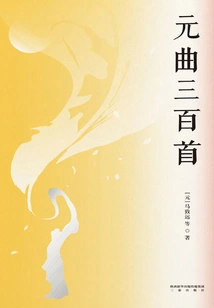
Three Hundred Yuan Songs
Literature元曲三百首
(yuan) Ma Zhiyuan Et Al.
Selects 345 highly popular and enduring Yuan opera works by 97 Yuan opera writers. It also specially selects ten representative plays from different periods and genres of the "Four Masters of Yuan Zaju", with complete story outlines and appreciation of classic arias. The repertoire covers "Four Major Tragedies" and "Four Major Love Dramas". Take a look at another peak of Chinese classical literature.
Selects 345 highly popular and enduring Yuan opera works by 97 Yuan opera writers. It also specially selects ten representative plays from different periods and genres of the "Four Masters of Yuan Zaju", with complete story outlines and appreciation of classic arias. The repertoire covers "Four Major Tragedies" and "Four Major Love Dramas". Take a look at another peak of Chinese classical literature.
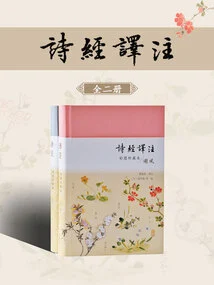
诗经译注(彩图珍藏本)(全二册)
Translated And Annotated By Cheng Junying (japanese) Illustrated By Yu Hosoi And Others
"The Book of Songs Translated and Annotated" is a fully annotated and fully translated version compiled by Professor Cheng Junying from the Institute of Ancient Books of East China Normal University, a well-known expert on the Book of Songs in my country. Since its publication in 1982, it has been very popular among readers and has educated countless students at home and abroad. It is also the first choice for many English translations of The Book of Songs. Each poem in the book includes four parts: original text, title explanation, annotation and translated poem. The explanation uses exquisite geographical diagrams to briefly describe the background of the vassal states and clarify the theme of the poem, eliminating the far-fetched explanations of ancient classics. The annotations draw on the best of others, and if two theories coexist, they are accompanied by annotations, allowing readers to think and make choices. There are phonetic notations above all unfamiliar characters. The annotations and translated poems are arranged sentence by sentence on both sides of the original poem to facilitate comparison and reading. This publication includes more than 230 color pictures of famous objects in the Book of Songs drawn by Hosoi Sagi, Tachibana Kunio, Moori Umezono, Iwasaki Suanen and others during the Edo period. They are compared with the original poems to help readers "know more about the names of birds, animals, and plants." Fourteen exquisite maps of the Book of Songs are specially drawn, with captions written by Mr. Cheng Junying to analyze the background of the vassal states and the ancient and modern geographical relationships. Mr. Cheng Junying's vernacular translation of "The Book of Songs" has the unique romantic charm of female scholars. Whether it is a well-known poem in the style of the Fifteen Kingdoms or a poem with difficult language in the "Elegance and Three Odes", through Mr. Cheng Junying's rhythmic translation of the vernacular poems, the real life and simple emotions of the ancestors in the "Book of Songs" era are vividly presented, and the reading has a fresh, timeless, plain and natural beauty.
"The Book of Songs Translated and Annotated" is a fully annotated and fully translated version compiled by Professor Cheng Junying from the Institute of Ancient Books of East China Normal University, a well-known expert on the Book of Songs in my country. Since its publication in 1982, it has been very popular among readers and has educated countless students at home and abroad. It is also the first choice for many English translations of The Book of Songs. Each poem in the book includes four parts: original text, title explanation, annotation and translated poem. The explanation uses exquisite geographical diagrams to briefly describe the background of the vassal states and clarify the theme of the poem, eliminating the far-fetched explanations of ancient classics. The annotations draw on the best of others, and if two theories coexist, they are accompanied by annotations, allowing readers to think and make choices. There are phonetic notations above all unfamiliar characters. The annotations and translated poems are arranged sentence by sentence on both sides of the original poem to facilitate comparison and reading. This publication includes more than 230 color pictures of famous objects in the Book of Songs drawn by Hosoi Sagi, Tachibana Kunio, Moori Umezono, Iwasaki Suanen and others during the Edo period. They are compared with the original poems to help readers "know more about the names of birds, animals, and plants." Fourteen exquisite maps of the Book of Songs are specially drawn, with captions written by Mr. Cheng Junying to analyze the background of the vassal states and the ancient and modern geographical relationships. Mr. Cheng Junying's vernacular translation of "The Book of Songs" has the unique romantic charm of female scholars. Whether it is a well-known poem in the style of the Fifteen Kingdoms or a poem with difficult language in the "Elegance and Three Odes", through Mr. Cheng Junying's rhythmic translation of the vernacular poems, the real life and simple emotions of the ancestors in the "Book of Songs" era are vividly presented, and the reading has a fresh, timeless, plain and natural beauty.
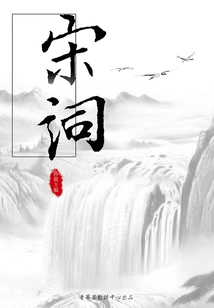
Song Lyrics
Literature宋词
Editor-in-chief Han Zhen
Song lyrics, with their perfect artistic form, complement each other with Tang poetry and Yuan opera. They are both three wonders in the literary garden of ancient my country. They have been attracting readers for hundreds of years. Many famous poems and lines have become household names and are popular among people. "Song Ci" is one of the "Series of Enlightenment Books on Chinese Studies". This series of books guides young people to approach Chinese studies and cultivates their simple moral values. The relevant and wonderful stories compiled in this book combine knowledge and interest, allowing young people to get close to Chinese studies easily and happily while reading, and feel the charm of Chinese studies more intuitively and truly. They can accumulate cultural heritage and cultivate good moral character through reading, which will benefit them throughout their lives.
Song lyrics, with their perfect artistic form, complement each other with Tang poetry and Yuan opera. They are both three wonders in the literary garden of ancient my country. They have been attracting readers for hundreds of years. Many famous poems and lines have become household names and are popular among people. "Song Ci" is one of the "Series of Enlightenment Books on Chinese Studies". This series of books guides young people to approach Chinese studies and cultivates their simple moral values. The relevant and wonderful stories compiled in this book combine knowledge and interest, allowing young people to get close to Chinese studies easily and happily while reading, and feel the charm of Chinese studies more intuitively and truly. They can accumulate cultural heritage and cultivate good moral character through reading, which will benefit them throughout their lives.
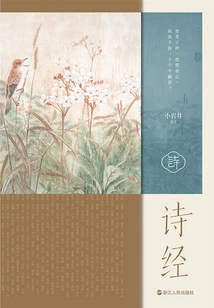
Book of Songs
Literature诗经
Translation And Annotation By Koiwai
The Book of Songs is the earliest poetry collection in my country. It was written around the Spring and Autumn Period. It is the result of folk songs collected by poetry collectors in the Zhou Dynasty and collective creations of aristocratic literati. It is divided into three parts: "Wind", "Ya" and "Ode", totaling 305 articles. All aspects of ancient people's emotions, scenery, customs and other secular life, as well as political, military and other major events, are all recorded in poems. "The Book of Songs" is the Chinese people's enlightenment book of Chinese studies. It not only teaches people to understand society, but also learns to speak and write. The simple and warm emotions of the ancients still allow modern people to empathize and achieve spiritual growth. This edition is a hardcover version fully translated by the young writer Koiwai, with full-color illustrations of famous objects from the Book of Songs, taking you directly to the source of classical aesthetics and feeling all the poetry of life.
The Book of Songs is the earliest poetry collection in my country. It was written around the Spring and Autumn Period. It is the result of folk songs collected by poetry collectors in the Zhou Dynasty and collective creations of aristocratic literati. It is divided into three parts: "Wind", "Ya" and "Ode", totaling 305 articles. All aspects of ancient people's emotions, scenery, customs and other secular life, as well as political, military and other major events, are all recorded in poems. "The Book of Songs" is the Chinese people's enlightenment book of Chinese studies. It not only teaches people to understand society, but also learns to speak and write. The simple and warm emotions of the ancients still allow modern people to empathize and achieve spiritual growth. This edition is a hardcover version fully translated by the young writer Koiwai, with full-color illustrations of famous objects from the Book of Songs, taking you directly to the source of classical aesthetics and feeling all the poetry of life.
汉魏六朝民俗与诗歌
Lu Hualiang Wang Zheng Hou Xiaoshan
The Wei, Jin and Six Dynasties were an important period for the formation and development of ancient Chinese poetry. The poetry of this period had a great influence on the poetry of future generations. "Folk Customs and Poetry of the Han, Wei and Six Dynasties" is a monograph that interprets the folk customs and poetry of the Han, Wei and Six Dynasties. It mainly studies the folk cultural phenomena reflected in the poetry of the Han, Wei and Six Dynasties and various categories of material folk customs, social folk customs and belief customs. The authors Lu Hualiang, Wang Zheng, Hou Xiaoshan and others start from the perspective of folk culture, combine other documents and classic materials, and adopt a comprehensive observation method to try to restore the folk forms and characteristics in the poetry of the Han, Wei and Six Dynasties, explore the aesthetic value and artistic role of folk descriptions in poetry, actively construct the "folk poetics" of ancient China, and help readers comprehensively understand the development of literature in this period by appreciating and evaluating the colorful works and glorious artistic achievements of this period.
The Wei, Jin and Six Dynasties were an important period for the formation and development of ancient Chinese poetry. The poetry of this period had a great influence on the poetry of future generations. "Folk Customs and Poetry of the Han, Wei and Six Dynasties" is a monograph that interprets the folk customs and poetry of the Han, Wei and Six Dynasties. It mainly studies the folk cultural phenomena reflected in the poetry of the Han, Wei and Six Dynasties and various categories of material folk customs, social folk customs and belief customs. The authors Lu Hualiang, Wang Zheng, Hou Xiaoshan and others start from the perspective of folk culture, combine other documents and classic materials, and adopt a comprehensive observation method to try to restore the folk forms and characteristics in the poetry of the Han, Wei and Six Dynasties, explore the aesthetic value and artistic role of folk descriptions in poetry, actively construct the "folk poetics" of ancient China, and help readers comprehensively understand the development of literature in this period by appreciating and evaluating the colorful works and glorious artistic achievements of this period.
History of Chinese Rhymes
Literature中国韵文史
Long Yusheng
This book is divided into two parts: poetry, lyrics and music. The first part is based on the Book of Songs, Chu Ci, Yuefu poems, five-seven-character ancient and modern poetry, Tang, Song, Yuan, Ming and Qing poems, etc.; The second part is about the rise of lyrics and music due to music, the development of Ling Ci and slow Ci, the establishment of the authentic Ci School, the development of the Bold Ci School in the Jin Dynasty, the rise of Xiaoling Suites in the North and South, the prosperity of the Yuan Dynasty Sanqu writers, the decline of Yuan and Ming Ci, the revival of Qing Ci, the decline of Sanqu, and the ending of Qing Ci.
This book is divided into two parts: poetry, lyrics and music. The first part is based on the Book of Songs, Chu Ci, Yuefu poems, five-seven-character ancient and modern poetry, Tang, Song, Yuan, Ming and Qing poems, etc.; The second part is about the rise of lyrics and music due to music, the development of Ling Ci and slow Ci, the establishment of the authentic Ci School, the development of the Bold Ci School in the Jin Dynasty, the rise of Xiaoling Suites in the North and South, the prosperity of the Yuan Dynasty Sanqu writers, the decline of Yuan and Ming Ci, the revival of Qing Ci, the decline of Sanqu, and the ending of Qing Ci.
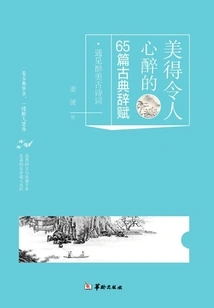
Meet the Intoxicating Beauty of Ancient Poems: 65 Intoxicatingly Beautiful Classical Poems
Literature遇见醉美古诗词:美得令人心醉的65篇古典辞赋
Jiang Bo
Classical poetry is like ancient love letters, beautiful, profound, and sentimental; like the emotional storehouse of a dynasty, it is so beautiful that it is indescribable, and its love is so strong that people cannot bear to look back. Zhang Ailing once said: "Our generation is lucky, after all, we can still understand "Dream of Red Mansions"." We are also lucky, after all, we can still read these classic poems. As soon as I picked up the pen and chanted, savoring the taste, the emperor's love, wine fairy music, songs of the prosperous age, parting songs, lovesickness, and nostalgia in the poems overflowed my chest. Several words were cut into one foot of beauty, three inches of sadness, and weaved into the big Weiyang. Looking back, although everything is in the past, these flower-like words are like stories in time, telling a different kind of style, teaching people to wave hello in the long tunnel of time and not bear to leave.
Classical poetry is like ancient love letters, beautiful, profound, and sentimental; like the emotional storehouse of a dynasty, it is so beautiful that it is indescribable, and its love is so strong that people cannot bear to look back. Zhang Ailing once said: "Our generation is lucky, after all, we can still understand "Dream of Red Mansions"." We are also lucky, after all, we can still read these classic poems. As soon as I picked up the pen and chanted, savoring the taste, the emperor's love, wine fairy music, songs of the prosperous age, parting songs, lovesickness, and nostalgia in the poems overflowed my chest. Several words were cut into one foot of beauty, three inches of sadness, and weaved into the big Weiyang. Looking back, although everything is in the past, these flower-like words are like stories in time, telling a different kind of style, teaching people to wave hello in the long tunnel of time and not bear to leave.
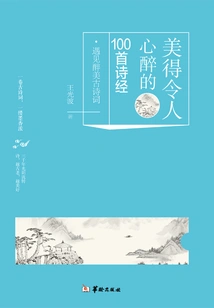
Meet the Intoxicating Beauty of Ancient Poetry: 100 Poems That Are so Mesmerizingly Beautiful
Literature遇见醉美古诗词:美得令人心醉的100首诗经
Wang Guangbo
The Book of Songs, the older it is, the more beautiful it is. Its antiquity is due to the passage of time and the influence of the years for three thousand years. It has become more and more clean and simple, as simple as a bright mirror, without a trace of dark lines. Its beauty is natural, without any decoration. Whether farming and chopping wood, offering sacrifices and hunting, traveling to distant places, or visiting the waterfront, our ancestors simply sang out every episode of their lives, creating a long, water-like poetic rhyme. Listen to the songs of the ancestors, realize the eternity of love, recall the ritual music that has passed away, and praise the elegant and innocent thinking. Draw nourishment of knowledge from classics and find the foundation of life in tradition. Time has amazed the years, and "The Book of Songs" has purified the years.
The Book of Songs, the older it is, the more beautiful it is. Its antiquity is due to the passage of time and the influence of the years for three thousand years. It has become more and more clean and simple, as simple as a bright mirror, without a trace of dark lines. Its beauty is natural, without any decoration. Whether farming and chopping wood, offering sacrifices and hunting, traveling to distant places, or visiting the waterfront, our ancestors simply sang out every episode of their lives, creating a long, water-like poetic rhyme. Listen to the songs of the ancestors, realize the eternity of love, recall the ritual music that has passed away, and praise the elegant and innocent thinking. Draw nourishment of knowledge from classics and find the foundation of life in tradition. Time has amazed the years, and "The Book of Songs" has purified the years.
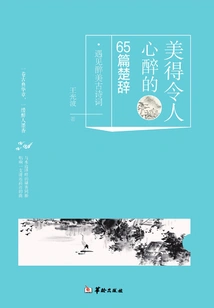
遇见醉美古诗词:美得令人心醉的65篇楚辞
Wang Guangbo
The simple words restore the folk customs that inspire sorrow; the feelings of awe stir up the heroic and wandering heroic songs; the charming mood sings the beautiful and gentle sentiments. This is Chu Ci, this is a lonely song sung on the vast land after tasting the bitter wine of life and tasting the complex taste of life. It carries the sounds, tunes, thoughts and even spiritual outlook of the Chu people. In the wind, frost, snow and rain of thousands of years, it records the beauty and sadness that are glimpsed in life, and transforms into the ultimate sad beauty. Chu Ci has a long history, is both light, agile and profound. Its eternal cultural connotation and literary value give it eternal charm. The tragedy of troubled times in the words, the pain of unrecognized talents, the sadness of abandonment of loyalty and innocence, and the lingering absurd reality are repeatedly sung in the long elegiac song.
The simple words restore the folk customs that inspire sorrow; the feelings of awe stir up the heroic and wandering heroic songs; the charming mood sings the beautiful and gentle sentiments. This is Chu Ci, this is a lonely song sung on the vast land after tasting the bitter wine of life and tasting the complex taste of life. It carries the sounds, tunes, thoughts and even spiritual outlook of the Chu people. In the wind, frost, snow and rain of thousands of years, it records the beauty and sadness that are glimpsed in life, and transforms into the ultimate sad beauty. Chu Ci has a long history, is both light, agile and profound. Its eternal cultural connotation and literary value give it eternal charm. The tragedy of troubled times in the words, the pain of unrecognized talents, the sadness of abandonment of loyalty and innocence, and the lingering absurd reality are repeatedly sung in the long elegiac song.
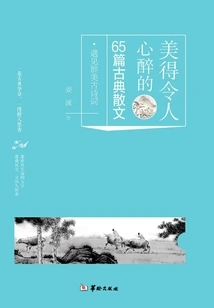
Meet the Intoxicating Beauty of Ancient Poetry: 65 Intoxicatingly Beautiful Classical Prose Pieces
Literature遇见醉美古诗词:美得令人心醉的65篇古典散文
Jiang Bo
Walking and searching all the way, the snow, moon, wind, flowers, thousands of mountains and dusk, every plant and tree all have stories. In this reading tour of classical prose, we can appreciate the long speeches of the pre-Qin period; the majestic poetry of poets in the Han Dynasty; the creations of literati in the Wei, Jin, southern and northern dynasties like spring bamboo shoots after the rain; the poetry of literati in the Tang and Song Dynasties: a pool of spring water, a cutting of slanting wind, a green willow tree, and a piece of falling red; Classic is an unparalleled beauty, and beauty itself is a value. Reading classics, perhaps knowing each other and staying together is the best ending. Although life cannot escape death, it is most appropriate to be with classics at the other end of the world, on a shore so far away that you cannot touch in your lifetime, regardless of the vicissitudes of the world and the passage of time.
Walking and searching all the way, the snow, moon, wind, flowers, thousands of mountains and dusk, every plant and tree all have stories. In this reading tour of classical prose, we can appreciate the long speeches of the pre-Qin period; the majestic poetry of poets in the Han Dynasty; the creations of literati in the Wei, Jin, southern and northern dynasties like spring bamboo shoots after the rain; the poetry of literati in the Tang and Song Dynasties: a pool of spring water, a cutting of slanting wind, a green willow tree, and a piece of falling red; Classic is an unparalleled beauty, and beauty itself is a value. Reading classics, perhaps knowing each other and staying together is the best ending. Although life cannot escape death, it is most appropriate to be with classics at the other end of the world, on a shore so far away that you cannot touch in your lifetime, regardless of the vicissitudes of the world and the passage of time.
Compilation of Tang and Song Poetry
Literature唐宋词谱粹编
Xie Taofang
"The Collection of Ci Pu of the Tang and Song Dynasties" is a sorting, screening and interpretation of the Ci Pu of the Tang and Song Dynasties. The scholar Mr. Xie Taofang selected two hundred tones commonly used by poets of the Tang and Song Dynasties, and compiled them into different categories. The system was noted under each tune. After the tune, a brief explanation of the palace tune and the source of the tune was attached, as well as a brief explanation of the system and the characteristics of the tone. This book is a good read for those who love poetry.
"The Collection of Ci Pu of the Tang and Song Dynasties" is a sorting, screening and interpretation of the Ci Pu of the Tang and Song Dynasties. The scholar Mr. Xie Taofang selected two hundred tones commonly used by poets of the Tang and Song Dynasties, and compiled them into different categories. The system was noted under each tune. After the tune, a brief explanation of the palace tune and the source of the tune was attached, as well as a brief explanation of the system and the characteristics of the tone. This book is a good read for those who love poetry.
A Thousand Family Poems (part 2)
Literature千家诗(下)
Editor-in-chief Guo Yanhong
This book is based on the actual situation of educational work, including a preface, main text, appendices, etc. The preface briefly introduces the writing process and basic situation of "Poems of Thousand Families", including the Five Jue and Five Rhythms in "Poems of Thousand Families". The main text includes the original text, annotations, general ideas, and interpretations, and provides an in-depth interpretation of "Poems of Thousand Families". The annotations are concise and concise, the main ideas are fluent and specific, and the interpretation is detailed and in-depth. In order to reflect the practicality and distinctiveness of the teacher's book, columns such as teaching guidance and explanation of doubts are set up to facilitate teachers' reading and use. The readers of this book are primary and secondary school teachers and traditional culture enthusiasts. In terms of sales channels, this book is suitable for library distribution, farm bookstores, library distribution, etc., And is also suitable for bookstore sales.
This book is based on the actual situation of educational work, including a preface, main text, appendices, etc. The preface briefly introduces the writing process and basic situation of "Poems of Thousand Families", including the Five Jue and Five Rhythms in "Poems of Thousand Families". The main text includes the original text, annotations, general ideas, and interpretations, and provides an in-depth interpretation of "Poems of Thousand Families". The annotations are concise and concise, the main ideas are fluent and specific, and the interpretation is detailed and in-depth. In order to reflect the practicality and distinctiveness of the teacher's book, columns such as teaching guidance and explanation of doubts are set up to facilitate teachers' reading and use. The readers of this book are primary and secondary school teachers and traditional culture enthusiasts. In terms of sales channels, this book is suitable for library distribution, farm bookstores, library distribution, etc., And is also suitable for bookstore sales.
诗情画意:中国经典诗词
Li Guicang
This book is a teaching material for teaching Chinese as a foreign language, which collects well-known classic Chinese poems. It aims to help international students understand the most distinctive cultural images in traditional Chinese culture, so that they can more deeply appreciate the breadth and depth of Chinese culture. The book has 15 chapters in total, divided by theme, covering flowers, seasons, landscapes, philosophy, sentiments, family ties, friendship, love, etc. The selected poetry genres are rich, including Han Yuefu, folk songs of the Southern and Northern Dynasties, Tang poetry, Song lyrics, Yuan opera, etc.; Each chapter includes two to three poems from the main text and two to five extended reading articles. This textbook is suitable for international students in the third year of full-time undergraduate studies and above. It can be read and studied by Chinese and foreign readers who love Chinese and traditional Chinese culture.
This book is a teaching material for teaching Chinese as a foreign language, which collects well-known classic Chinese poems. It aims to help international students understand the most distinctive cultural images in traditional Chinese culture, so that they can more deeply appreciate the breadth and depth of Chinese culture. The book has 15 chapters in total, divided by theme, covering flowers, seasons, landscapes, philosophy, sentiments, family ties, friendship, love, etc. The selected poetry genres are rich, including Han Yuefu, folk songs of the Southern and Northern Dynasties, Tang poetry, Song lyrics, Yuan opera, etc.; Each chapter includes two to three poems from the main text and two to five extended reading articles. This textbook is suitable for international students in the third year of full-time undergraduate studies and above. It can be read and studied by Chinese and foreign readers who love Chinese and traditional Chinese culture.
Li Sao
Literature离骚
Qu Yuan
"Li Sao" is a literary work created by Qu Yuan, a poet of the Warring States Period. This book uses a combination of annotations and drawings to present Li Sao to everyone in a romantic way.
"Li Sao" is a literary work created by Qu Yuan, a poet of the Warring States Period. This book uses a combination of annotations and drawings to present Li Sao to everyone in a romantic way.
经典诗歌读物:千家诗
Zhang Juzheng
"Poems of a Thousand Families" is a popular children's book that was widely circulated and had far-reaching influence during the Ming and Qing dynasties. It is an anthology of metrical poems with an enlightening nature in my country's old times. Although it is said to have thousands of families, only 122 are actually recorded. The poems selected in the book include landscapes and pastoral poems, farewell gifts to friends, homesickness and nostalgia for people, mourning the past and regretting the present, chanting about objects and paintings, serving banquets, etc. The themes are diverse and easy to learn and understand. It is easy to understand, fluent and natural, catchy, easy to read and remember. Once it is recited, it is often unforgettable. The selected poems relatively widely reflected the social reality of the Tang and Song Dynasties, so they were widely circulated among the people and had a profound influence. "Poems of a Thousand Families" can cultivate the feeling and understanding of beauty. There is the majesty of "the day is over the mountains, the Yellow River flows into the sea", and the tranquility of "all the birds are flying high, and the lonely clouds are alone"; Being immersed in the artistic conception of poetry can arouse people's beautiful yearning and trigger people's rich feelings. Not only that, you can also get to know and understand our country's excellent traditional culture through reading.
"Poems of a Thousand Families" is a popular children's book that was widely circulated and had far-reaching influence during the Ming and Qing dynasties. It is an anthology of metrical poems with an enlightening nature in my country's old times. Although it is said to have thousands of families, only 122 are actually recorded. The poems selected in the book include landscapes and pastoral poems, farewell gifts to friends, homesickness and nostalgia for people, mourning the past and regretting the present, chanting about objects and paintings, serving banquets, etc. The themes are diverse and easy to learn and understand. It is easy to understand, fluent and natural, catchy, easy to read and remember. Once it is recited, it is often unforgettable. The selected poems relatively widely reflected the social reality of the Tang and Song Dynasties, so they were widely circulated among the people and had a profound influence. "Poems of a Thousand Families" can cultivate the feeling and understanding of beauty. There is the majesty of "the day is over the mountains, the Yellow River flows into the sea", and the tranquility of "all the birds are flying high, and the lonely clouds are alone"; Being immersed in the artistic conception of poetry can arouse people's beautiful yearning and trigger people's rich feelings. Not only that, you can also get to know and understand our country's excellent traditional culture through reading.
Qin
Literature秦
Anonymous
The name of the vassal state of China in the Zhou Dynasty, in the area of present-day Shaanxi and Gansu Provinces.
The name of the vassal state of China in the Zhou Dynasty, in the area of present-day Shaanxi and Gansu Provinces.