Library
Browse and search books
499 novels found
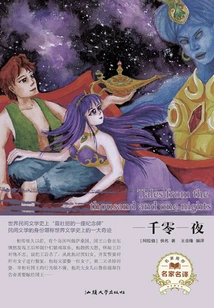
One Thousand and One Nights
Literature一千零一夜
(arab) Anonymous
This book is a famous collection of ancient Arabic folktales. It is called "Arabian Nights" in the West, but has a unique name in China: "Arabian Nights". "Tianfang" is the ancient Chinese name for Arabia. This name alone is enough to transport people to a mysterious and exotic world. It is one of the most vital, most famous, most read and influential works in the world. At the same time, with its simple status as folk literature, it can be ranked among the world's classics, which can be called a miracle in the history of world literature.
This book is a famous collection of ancient Arabic folktales. It is called "Arabian Nights" in the West, but has a unique name in China: "Arabian Nights". "Tianfang" is the ancient Chinese name for Arabia. This name alone is enough to transport people to a mysterious and exotic world. It is one of the most vital, most famous, most read and influential works in the world. At the same time, with its simple status as folk literature, it can be ranked among the world's classics, which can be called a miracle in the history of world literature.
Xingshiyan (classical Library)
Literature型世言(古典文库)
S
"Xing Shiyan", the full name of "Zhengxiao Pavilion's Evaluation of Popular Romance Xing Shiyan", is a collection of imitative novels written by Lu Renlong, a novelist in the late Ming Dynasty. It was written about the fifth year of Chongzhen (1632). A model is a model or a role model. This is a book that teaches people how to live in society. The author aims to educate readers and correct the world through his works. "Xingshiyan" reflects the social and political life of the Ming Dynasty quite extensively, and truly and vividly depicts the social life pictures of the Ming Dynasty.
"Xing Shiyan", the full name of "Zhengxiao Pavilion's Evaluation of Popular Romance Xing Shiyan", is a collection of imitative novels written by Lu Renlong, a novelist in the late Ming Dynasty. It was written about the fifth year of Chongzhen (1632). A model is a model or a role model. This is a book that teaches people how to live in society. The author aims to educate readers and correct the world through his works. "Xingshiyan" reflects the social and political life of the Ming Dynasty quite extensively, and truly and vividly depicts the social life pictures of the Ming Dynasty.
客天下楹联集锦
Editor-in-chief Chen Ping
This book uses couplets as a literary style that can be appreciated by both refined and popular people. It is rooted in the fertile soil of my country's ancient Han culture and popular literature. It has a deep-rooted mass base and outstanding national literary characteristics. It is a veritable "national quintessence" cultural treasure of the Chinese nation; it is also a literary and art form that both "Yangchun Baixue" and "Lower Riba people" are happy to accept. It has been popular in the literary world and applied to society for thousands of years. It has not been lost due to changing dynasties, nor has it been eliminated by the advancement of the times. It shows its enduring vitality. It is the most popular and most frequently used literary style in my country's literary gardens and is appreciated by both refined and popular people.
This book uses couplets as a literary style that can be appreciated by both refined and popular people. It is rooted in the fertile soil of my country's ancient Han culture and popular literature. It has a deep-rooted mass base and outstanding national literary characteristics. It is a veritable "national quintessence" cultural treasure of the Chinese nation; it is also a literary and art form that both "Yangchun Baixue" and "Lower Riba people" are happy to accept. It has been popular in the literary world and applied to society for thousands of years. It has not been lost due to changing dynasties, nor has it been eliminated by the advancement of the times. It shows its enduring vitality. It is the most popular and most frequently used literary style in my country's literary gardens and is appreciated by both refined and popular people.
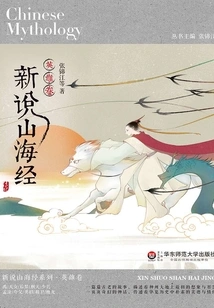
新说山海经:英雄卷
Zhang Jinjiang Et Al.
"The Classic of Mountains and Seas" is an important pre-Qin ancient book, and it is also an absurd and strange book. The writing team from the Children's Literature Research and Promotion Society pays tribute to "The Classic of Mountains and Seas" thousands of years later, using romantic and bizarre Chinese myths to lead readers on a fantasy journey about the world of "The Classic of Mountains and Seas".
"The Classic of Mountains and Seas" is an important pre-Qin ancient book, and it is also an absurd and strange book. The writing team from the Children's Literature Research and Promotion Society pays tribute to "The Classic of Mountains and Seas" thousands of years later, using romantic and bizarre Chinese myths to lead readers on a fantasy journey about the world of "The Classic of Mountains and Seas".
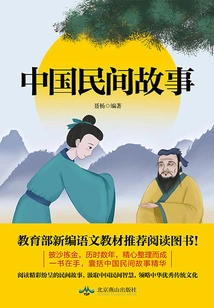
Chinese Folk Tales
Literature中国民间故事
Nie Yang
Chinese folktales have a long history. From the pre-Qin Dynasty to the late Qing Dynasty, they have been passed down orally from generation to generation, leaving countless excellent stories. These stories are the accumulation of five thousand years of historical development in China and directly reflect the cultural connotation of the Chinese nation. They include historical allusions, myths and legends, love stories, folk fables, etc., And their contents are all-encompassing and cover all kinds of situations in the world. Read these stories to appreciate the different cultures and customs of various ethnic groups, and witness the breadth and depth of Chinese culture. This book selects nearly sixty popular folk tales. The content is simple, the truth is profound, and it combines knowledge and interest. It can stimulate students' interest in reading and promote their mental development. It is a good partner on their growth path. Each story carries its own unique value and connotation. One story, "Grinding a Needle with an Iron Pestle", lets people know that no matter how difficult it is, as long as you are determined and perseverant, hard work will pay off, and those who are determined will eventually achieve their goals; one "Three Monks" warns people that selfishness will only harm others and themselves; one "Hua Tuo's Study of Medicine" makes people understand that miracle doctors also come step by step, and they must firm up the correct goal and work unremittingly for it...
Chinese folktales have a long history. From the pre-Qin Dynasty to the late Qing Dynasty, they have been passed down orally from generation to generation, leaving countless excellent stories. These stories are the accumulation of five thousand years of historical development in China and directly reflect the cultural connotation of the Chinese nation. They include historical allusions, myths and legends, love stories, folk fables, etc., And their contents are all-encompassing and cover all kinds of situations in the world. Read these stories to appreciate the different cultures and customs of various ethnic groups, and witness the breadth and depth of Chinese culture. This book selects nearly sixty popular folk tales. The content is simple, the truth is profound, and it combines knowledge and interest. It can stimulate students' interest in reading and promote their mental development. It is a good partner on their growth path. Each story carries its own unique value and connotation. One story, "Grinding a Needle with an Iron Pestle", lets people know that no matter how difficult it is, as long as you are determined and perseverant, hard work will pay off, and those who are determined will eventually achieve their goals; one "Three Monks" warns people that selfishness will only harm others and themselves; one "Hua Tuo's Study of Medicine" makes people understand that miracle doctors also come step by step, and they must firm up the correct goal and work unremittingly for it...
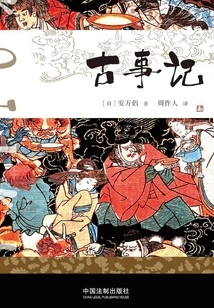
J
Literaturej
K
"Kojiki" is the first written classic in Japanese history and one of the earliest extant Japanese literary works. The book is divided into three volumes. The first volume is about the origins and myths and legends of Japanese gods. The middle volume is from Emperor Jimmu to Emperor Ogami. The second volume is from Emperor Nitoku to Emperor Suiko. It combines historical facts and fiction and records royal legends.
"Kojiki" is the first written classic in Japanese history and one of the earliest extant Japanese literary works. The book is divided into three volumes. The first volume is about the origins and myths and legends of Japanese gods. The middle volume is from Emperor Jimmu to Emperor Ogami. The second volume is from Emperor Nitoku to Emperor Suiko. It combines historical facts and fiction and records royal legends.
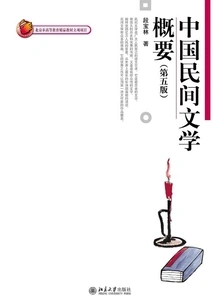
中国民间文学概要(第五版)
Duan Baolin
This book systematically clarifies the basic knowledge, basic theories, representative works and research methods of folk literature. The content includes the characteristics and social value of folk literature, folk myths, legends, stories, jokes, fables, fairy tales, folk songs, proverbs, riddles, long poems, folk arts, folk dramas and other types. It collects and organizes the principles of folk literature. , Three-dimensional description methods, etc., With narratives and discussions in the discussion, and a large number of examples and works to illustrate theoretical issues. It is a good introductory textbook on folk literature and has been adopted by many universities. It has been a best-seller for many years as a basic folk literature course textbook in the Chinese Department. It was included in the "Beijing Higher Education Quality Textbook Project" and was rated as "Excellent Textbook of Peking University". Since its first publication in 1981, it has been continuously updated and revised. In 1996, it won the "Peter Award" from the International Center of Anthropology in Palermo, Italy. This fifth edition has been updated to include new content on the protection of "intangible cultural heritage", as well as new achievements in various folk literature genres and general folk literature in recent years, making the content richer and more comprehensive.
This book systematically clarifies the basic knowledge, basic theories, representative works and research methods of folk literature. The content includes the characteristics and social value of folk literature, folk myths, legends, stories, jokes, fables, fairy tales, folk songs, proverbs, riddles, long poems, folk arts, folk dramas and other types. It collects and organizes the principles of folk literature. , Three-dimensional description methods, etc., With narratives and discussions in the discussion, and a large number of examples and works to illustrate theoretical issues. It is a good introductory textbook on folk literature and has been adopted by many universities. It has been a best-seller for many years as a basic folk literature course textbook in the Chinese Department. It was included in the "Beijing Higher Education Quality Textbook Project" and was rated as "Excellent Textbook of Peking University". Since its first publication in 1981, it has been continuously updated and revised. In 1996, it won the "Peter Award" from the International Center of Anthropology in Palermo, Italy. This fifth edition has been updated to include new content on the protection of "intangible cultural heritage", as well as new achievements in various folk literature genres and general folk literature in recent years, making the content richer and more comprehensive.
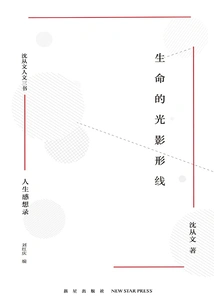
The Light and Shadow Shapes of Life
Literature生命的光影形线
Written By Shen Congwen Edited By Liu Hongqing
Content Introduction This book presents the true face of Shen Congwen as a thinker. His philosophical thinking on life and destiny is particularly enlightening; his criticism of human nature and reality is thought-provoking because of his profound insight; his vision and design of New China are touching because of his innocent heart.
Content Introduction This book presents the true face of Shen Congwen as a thinker. His philosophical thinking on life and destiny is particularly enlightening; his criticism of human nature and reality is thought-provoking because of his profound insight; his vision and design of New China are touching because of his innocent heart.
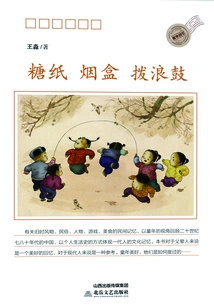
Sugar Paper Cigarette Box Rattle
Literature糖纸烟盒拨浪鼓
Wang Miao
Folk memories about old times, folk customs, characters, games, and food review China in the 1970s and 1980s from the perspective of childhood, and reflect the cultural memory of a generation in the form of personal life history. Life in the past does not mean that it never existed. Life in the 1970s and 1980s is very different from today. This book is a beautiful memory for the parents' generation and a reference for modern people. For that era when technology was not very developed, how did children spend their childhood...
Folk memories about old times, folk customs, characters, games, and food review China in the 1970s and 1980s from the perspective of childhood, and reflect the cultural memory of a generation in the form of personal life history. Life in the past does not mean that it never existed. Life in the 1970s and 1980s is very different from today. This book is a beautiful memory for the parents' generation and a reference for modern people. For that era when technology was not very developed, how did children spend their childhood...
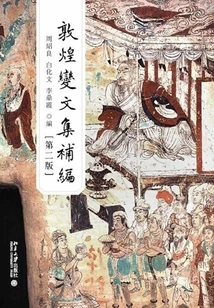
敦煌变文集补编(第二版)
Zhou Shaoliang Bai Huawen Li Dingxia
This book is an important document collection in the field of Dunhuang Bianwen. It is another compilation of Dunhuang Bianwen. It includes a total of 9 newly published articles and 6 revised articles. It comprehensively grasps the achievements of Dunhuang popular literature and fully reflects the historical context of Dunhuang Bianwen research. The first half is a handwritten photocopy, and the second half is a photocopy of the Dunhuang manuscript.
This book is an important document collection in the field of Dunhuang Bianwen. It is another compilation of Dunhuang Bianwen. It includes a total of 9 newly published articles and 6 revised articles. It comprehensively grasps the achievements of Dunhuang popular literature and fully reflects the historical context of Dunhuang Bianwen research. The first half is a handwritten photocopy, and the second half is a photocopy of the Dunhuang manuscript.
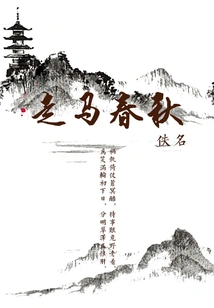
The Spring and Autumn Period
Literature走马春秋
Anonymous
"Zou Ma Chun Qiu", also known as "Le Yi Fa Qi", is the fifth part of "Six Parts of Spring and Autumn". It is a novel about gods and demons adapted from "Quan Xiang Ping Hua". It tells the story of the death of King Xuan of Qi and the succession of King Min of Qi. At this time, King Min of Qi was very powerful and united Han, Zhao and Wei to attack Qin and expand its territory. All the vassal states planned to desert Qin and submit to Qi. However, King Min of Qi was arrogant and arrogant, and the people could not tolerate his tyranny. He favored Concubine Zou and forced Sun Bin away. Le Yi came to surrender and was not reused, so he defected to Yan and led his troops to attack Qi. King Xiang of Qi came to the throne and invited Sun Bin to retreat from the Yan army. Le Yi invited his master Huang Boyang to angrily set up an array of five ghosts to trap Sun Bin. Jin Yanmao then asked Wang Chan to go down the mountain to rescue him. Both sides had gods to help him fight.
"Zou Ma Chun Qiu", also known as "Le Yi Fa Qi", is the fifth part of "Six Parts of Spring and Autumn". It is a novel about gods and demons adapted from "Quan Xiang Ping Hua". It tells the story of the death of King Xuan of Qi and the succession of King Min of Qi. At this time, King Min of Qi was very powerful and united Han, Zhao and Wei to attack Qin and expand its territory. All the vassal states planned to desert Qin and submit to Qi. However, King Min of Qi was arrogant and arrogant, and the people could not tolerate his tyranny. He favored Concubine Zou and forced Sun Bin away. Le Yi came to surrender and was not reused, so he defected to Yan and led his troops to attack Qi. King Xiang of Qi came to the throne and invited Sun Bin to retreat from the Yan army. Le Yi invited his master Huang Boyang to angrily set up an array of five ghosts to trap Sun Bin. Jin Yanmao then asked Wang Chan to go down the mountain to rescue him. Both sides had gods to help him fight.
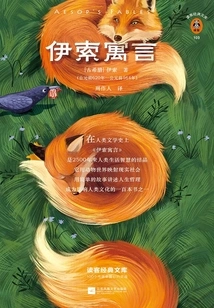
J
Literaturej
H
This little story that has been passed down for 2,500 years has cultivated the great wisdom of countless philosophers! In the history of human literature, "Aesop's Fables" is the crystallization of human life wisdom over the past 2,500 years. It uses the animal world to map the real society and uses simple stories to tell the philosophy of life. It has become one of the 100 books that have influenced human culture. 365 Days a year, a fable every day, gain a piece of life wisdom! Great philosophers such as Socrates, Plato, and Aristotle were all influenced by "Aesop's Fables"! According to Plato, while Socrates was in prison awaiting execution, he attempted to rewrite Aesop's fables in verse. Plato mentioned Aesop several times in his masterpiece "Dialogues". Aristotle was very keen on collecting "Aesop's fables", classifying them into categories and showing them to his disciples. "Aesop's Fables" have eternal value and are beneficial to every generation. --Lin Haiyin (famous Chinese writer, representative work "Old Things in the South of the City") "The Tortoise and the Hare", "The Fox and the Crow" and "The Wolf Is Coming!" These philosophical stories you are familiar with are among them, and they have been passed down for more than 2,000 years!
This little story that has been passed down for 2,500 years has cultivated the great wisdom of countless philosophers! In the history of human literature, "Aesop's Fables" is the crystallization of human life wisdom over the past 2,500 years. It uses the animal world to map the real society and uses simple stories to tell the philosophy of life. It has become one of the 100 books that have influenced human culture. 365 Days a year, a fable every day, gain a piece of life wisdom! Great philosophers such as Socrates, Plato, and Aristotle were all influenced by "Aesop's Fables"! According to Plato, while Socrates was in prison awaiting execution, he attempted to rewrite Aesop's fables in verse. Plato mentioned Aesop several times in his masterpiece "Dialogues". Aristotle was very keen on collecting "Aesop's fables", classifying them into categories and showing them to his disciples. "Aesop's Fables" have eternal value and are beneficial to every generation. --Lin Haiyin (famous Chinese writer, representative work "Old Things in the South of the City") "The Tortoise and the Hare", "The Fox and the Crow" and "The Wolf Is Coming!" These philosophical stories you are familiar with are among them, and they have been passed down for more than 2,000 years!
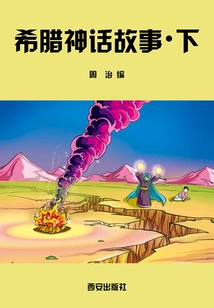
Greek Mythology·part 2
Literature希腊神话故事·下
Zhou Zhi
Greek culture originated from the ancient Aegean civilization. They were the ancestors of Western civilization and had outstanding nature and extraordinary imagination. In those primitive times, they felt mysterious and incomprehensible about natural phenomena and human life and death, so they continued to fantasize and meditate. In their imagination, everything in the universe is alive.
Greek culture originated from the ancient Aegean civilization. They were the ancestors of Western civilization and had outstanding nature and extraordinary imagination. In those primitive times, they felt mysterious and incomprehensible about natural phenomena and human life and death, so they continued to fantasize and meditate. In their imagination, everything in the universe is alive.
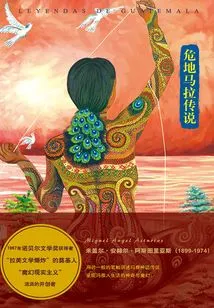
Legend of Guatemala (asturias Series)
Literature危地马拉传说(阿斯图里亚斯系列作品)
K
"Legends of Guatemala" is an important early work by Guatemalan writer Miguel Ángel Asturias. It is a collection of mythological stories full of magical colors and is known as the pioneering work of Latin American magical realism. It was written by the author based on the Indian myths and legends he heard from his mother in his early years. It was published in Madrid in 1930. The book includes nine magical and poetic folk legends, "Guatemala", "Now I Think of It", "The Legend of the Volcano", "The Legend of the Phantom Beast", "The Legend of the Tattooed Girl", "The Legend of the Man in the Big Hat", "The Legend of the Treasure in the Flower Field", "The Wizard of the Spring Storm" and "Kukulkan the Feathered Serpent". These works present an original, magical and amazing world in front of readers. The author also makes a beautiful description of the unique natural scenery of Guatemala, and the whole book is like a gorgeous and colorful oil painting. These legends directly or indirectly adopt the themes and techniques of the famous Indian mythology "Popol Ou", and are shrouded in a strong magical color.
"Legends of Guatemala" is an important early work by Guatemalan writer Miguel Ángel Asturias. It is a collection of mythological stories full of magical colors and is known as the pioneering work of Latin American magical realism. It was written by the author based on the Indian myths and legends he heard from his mother in his early years. It was published in Madrid in 1930. The book includes nine magical and poetic folk legends, "Guatemala", "Now I Think of It", "The Legend of the Volcano", "The Legend of the Phantom Beast", "The Legend of the Tattooed Girl", "The Legend of the Man in the Big Hat", "The Legend of the Treasure in the Flower Field", "The Wizard of the Spring Storm" and "Kukulkan the Feathered Serpent". These works present an original, magical and amazing world in front of readers. The author also makes a beautiful description of the unique natural scenery of Guatemala, and the whole book is like a gorgeous and colorful oil painting. These legends directly or indirectly adopt the themes and techniques of the famous Indian mythology "Popol Ou", and are shrouded in a strong magical color.
闽南民间文学研究
Xiang Yiqiu
This book mainly uses the research method of close reading of texts, combined with the cultural spirit of southern Fujian, and focuses on the research of southern Fujian folk myths, folk stories, folk legends, folk songs, folk operas, folk proverbs and riddles. As the first book in China that specifically studies various genres of folk literature in the Xiamen, Zhangzhou, and Quan areas, this book clearly defines the theoretical connotation of southern Fujian folk literature and explores the deep connection between southern Fujian folk literature and southern Fujian culture.
This book mainly uses the research method of close reading of texts, combined with the cultural spirit of southern Fujian, and focuses on the research of southern Fujian folk myths, folk stories, folk legends, folk songs, folk operas, folk proverbs and riddles. As the first book in China that specifically studies various genres of folk literature in the Xiamen, Zhangzhou, and Quan areas, this book clearly defines the theoretical connotation of southern Fujian folk literature and explores the deep connection between southern Fujian folk literature and southern Fujian culture.
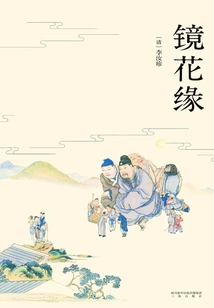
Mirror Flowers
Literature镜花缘
(qing Dynasty) Li Ruzhen
"Flowers in the Mirror" is a novel written by Li Ruzhen, a literati in the Qing Dynasty. When Wu Zetian was in power, the scholar Tang Ao was frustrated in his official career and went to sea with his wife's uncle Lin Zhiyang, traveling to more than 40 countries. In the country of gentlemen, the people wear swords and are willing to be modest; in the Republic of Bai, all of them are handsome and elegant, but in fact they are uneducated in arts; in the country of girls, men wear skirts backwards to attend to domestic affairs, and women wear boots and hats backwards to attend to foreign affairs; after experiencing various strange things, Tang Ao finally realized something and escaped into Penglai, a fairy mountain... The author used imaginary overseas stories to ridicule current events and embody ideals. The structure is similar to " "Gulliver's Travels", in which the section on the Kingdom of Women was praised by Hu Shi as an immortal text in the history of world feminism; the three characters in the book, Tang Ao, Lin Zhiyang, and Duo Jiugong, have distinct personalities, and their dialogues and plots are often witty and humorous. The author is erudite and talented, and he also shows knowledge of various classical entertainments in the novel. Lu Xun classified him as "a scholar in the Qing Dynasty who showed his talents through novels." "Flower Through the Mirror" is a very special and carefully written classic among Chinese classical novels.
"Flowers in the Mirror" is a novel written by Li Ruzhen, a literati in the Qing Dynasty. When Wu Zetian was in power, the scholar Tang Ao was frustrated in his official career and went to sea with his wife's uncle Lin Zhiyang, traveling to more than 40 countries. In the country of gentlemen, the people wear swords and are willing to be modest; in the Republic of Bai, all of them are handsome and elegant, but in fact they are uneducated in arts; in the country of girls, men wear skirts backwards to attend to domestic affairs, and women wear boots and hats backwards to attend to foreign affairs; after experiencing various strange things, Tang Ao finally realized something and escaped into Penglai, a fairy mountain... The author used imaginary overseas stories to ridicule current events and embody ideals. The structure is similar to " "Gulliver's Travels", in which the section on the Kingdom of Women was praised by Hu Shi as an immortal text in the history of world feminism; the three characters in the book, Tang Ao, Lin Zhiyang, and Duo Jiugong, have distinct personalities, and their dialogues and plots are often witty and humorous. The author is erudite and talented, and he also shows knowledge of various classical entertainments in the novel. Lu Xun classified him as "a scholar in the Qing Dynasty who showed his talents through novels." "Flower Through the Mirror" is a very special and carefully written classic among Chinese classical novels.
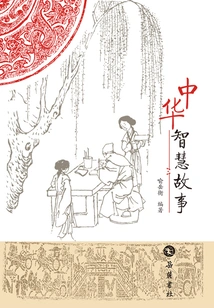
Chinese Wisdom Story
Literature中华智慧故事
Yu Yueheng
This book excerpts about 200 classic stories that embody the wisdom of the ancients from ancient official histories and other classics, and organizes them into categories such as decision-making, political affairs, military, science and technology, art and literature, litigation, interpersonal, rhetoric, talent, and child wisdom. In addition to briefly narrating the stories according to the original text, it also provides brief reviews, allowing readers to draw wisdom from the wisdom of the ancients and use it as a reference for people today. The target audience is middle school students and general readers with middle education.
This book excerpts about 200 classic stories that embody the wisdom of the ancients from ancient official histories and other classics, and organizes them into categories such as decision-making, political affairs, military, science and technology, art and literature, litigation, interpersonal, rhetoric, talent, and child wisdom. In addition to briefly narrating the stories according to the original text, it also provides brief reviews, allowing readers to draw wisdom from the wisdom of the ancients and use it as a reference for people today. The target audience is middle school students and general readers with middle education.

希腊罗马神话(插图本)
(us) Tobble Finch
This book is based on the epic poems of Homer, Virgil, Ovid and other classical works, and narrates the most classic stories in Greek and Roman mythology in prose form. This book "is both a source of entertainment. It can also be used to impart knowledge about mythology."
This book is based on the epic poems of Homer, Virgil, Ovid and other classical works, and narrates the most classic stories in Greek and Roman mythology in prose form. This book "is both a source of entertainment. It can also be used to impart knowledge about mythology."
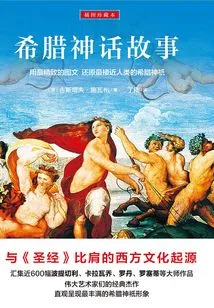
Greek Mythology (illustrated Collection)
Literature希腊神话故事(插图珍藏本)
I
Greek mythology has been circulating for more than 3,000 years. Its glorious and grand scenes, distinctive characters and beautiful and tortuous storylines have made it popular among readers all over the world. As one of the two pillars of Western civilization, Greek mythology continues to influence the development of Western society, culture, literature and art, and is one of the most convenient ways for us to truly understand the West. Due to the passage of time, Greek myths were chaotically included in various versions. In the 19th century, the German romantic poet Schwab, who had been committed to sorting out and preserving classical culture, used his vivid words of great literary value and rigorous and sophisticated national characteristics to change the original story's complexity and chaos, and completed "Greek Myth Stories" with a relatively clear genealogy of the gods and a relatively concentrated storyline. Since the book came out, it has been translated into various languages and is a best-seller to this day.
Greek mythology has been circulating for more than 3,000 years. Its glorious and grand scenes, distinctive characters and beautiful and tortuous storylines have made it popular among readers all over the world. As one of the two pillars of Western civilization, Greek mythology continues to influence the development of Western society, culture, literature and art, and is one of the most convenient ways for us to truly understand the West. Due to the passage of time, Greek myths were chaotically included in various versions. In the 19th century, the German romantic poet Schwab, who had been committed to sorting out and preserving classical culture, used his vivid words of great literary value and rigorous and sophisticated national characteristics to change the original story's complexity and chaos, and completed "Greek Myth Stories" with a relatively clear genealogy of the gods and a relatively concentrated storyline. Since the book came out, it has been translated into various languages and is a best-seller to this day.
陕西文学研究(第二辑)
Xing Xiaoli
"Shaanxi Literature Research (Second Series)" is an academic work on regional literary criticism organized and compiled by the Creative Research Office of the Shaanxi Provincial Writers Association. This manuscript covers contemporary (focusing on contemporary), modern and ancient macro or micro case studies, reviews, historical materials, textual research, debates, characters, etc. Related to Shaanxi literature. It systematically discusses the current situation of Shaanxi literature research and strives to provide more thinking and reference for the development of Shaanxi regional literature.
"Shaanxi Literature Research (Second Series)" is an academic work on regional literary criticism organized and compiled by the Creative Research Office of the Shaanxi Provincial Writers Association. This manuscript covers contemporary (focusing on contemporary), modern and ancient macro or micro case studies, reviews, historical materials, textual research, debates, characters, etc. Related to Shaanxi literature. It systematically discusses the current situation of Shaanxi literature research and strives to provide more thinking and reference for the development of Shaanxi regional literature.
陕西文学研究(第一辑)
Xing Xiaoli
"Shaanxi Literature Research (First Series)" is an academic work on regional literary criticism organized and compiled by the Creative Research Office of the Shaanxi Provincial Writers Association. This manuscript covers contemporary (focusing on contemporary), modern and ancient macro or micro case studies, reviews, historical materials, textual research, debates, characters, etc. Related to Shaanxi literature. It systematically discusses the current situation of Shaanxi literature research and strives to provide more thinking and reference for the development of Shaanxi regional literature.
"Shaanxi Literature Research (First Series)" is an academic work on regional literary criticism organized and compiled by the Creative Research Office of the Shaanxi Provincial Writers Association. This manuscript covers contemporary (focusing on contemporary), modern and ancient macro or micro case studies, reviews, historical materials, textual research, debates, characters, etc. Related to Shaanxi literature. It systematically discusses the current situation of Shaanxi literature research and strives to provide more thinking and reference for the development of Shaanxi regional literature.
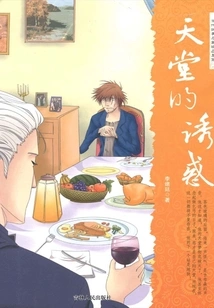
Temptation of Paradise
Literature天堂的诱惑
Li Xuting
Ever since there have been humans who can use tools on the earth, legends have been unfolding non-stop. Just like the stories in this book, the characters may be emperors and generals, hermits and strangers, or overseas natives... Different living environments lead to different wonderful lives. When you get close to them, you will not only get the pleasure of reading, but also the insights and thoughts about life.
Ever since there have been humans who can use tools on the earth, legends have been unfolding non-stop. Just like the stories in this book, the characters may be emperors and generals, hermits and strangers, or overseas natives... Different living environments lead to different wonderful lives. When you get close to them, you will not only get the pleasure of reading, but also the insights and thoughts about life.
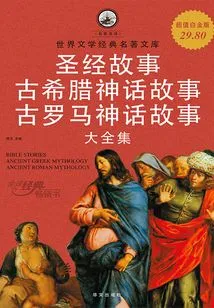
圣经故事·古希腊神话故事·古罗马神话故事大全集
Blog Editor-in-chief
For a long time, the Bible, ancient Greek mythology and ancient Roman mythology have been regarded as the oldest and greatest classics of Western culture. They are not only the source of the emergence and development of Western civilization, but also an important part of all human civilization. They profoundly affect human cultural life and spiritual pursuits, and are extremely important world cultural heritage. This book is a collection of "Biblical Stories", "Ancient Greek Mythological Stories" and "Ancient Roman Mythological Stories" born from these three major cultural heritages. It not only provides readers with a platform to understand ancient human civilization, but also allows readers to feel the magnificence and profundity of Western culture while deepening their understanding of traditional human culture and stimulating the imagination and creativity hidden in their hearts.
For a long time, the Bible, ancient Greek mythology and ancient Roman mythology have been regarded as the oldest and greatest classics of Western culture. They are not only the source of the emergence and development of Western civilization, but also an important part of all human civilization. They profoundly affect human cultural life and spiritual pursuits, and are extremely important world cultural heritage. This book is a collection of "Biblical Stories", "Ancient Greek Mythological Stories" and "Ancient Roman Mythological Stories" born from these three major cultural heritages. It not only provides readers with a platform to understand ancient human civilization, but also allows readers to feel the magnificence and profundity of Western culture while deepening their understanding of traditional human culture and stimulating the imagination and creativity hidden in their hearts.
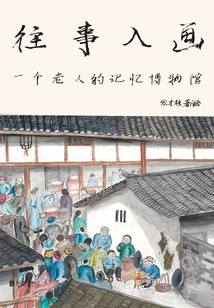
Painting the Past
Literature往事入画
Zhang Caizhu
This book is the sincere and warm life memories of a seventy-year-old man. Elder Zhang Caizhu used more than 100 "memory paintings" to record the joy of childhood, the scenery of the countryside, the hardship of labor, the tenacity of life and the changes of the times, vividly reproducing the life and production scenes in rural Chongqing from the 1950s to the 1980s. In his paintings, ordinary daily scenes are transformed into pieces of fallen flowers full of affection, giving off a warm luster. The memories of home and country woven from the lives of ordinary people are intertwined with beauty and sadness, allowing us to see beauty, pain, and strength.
This book is the sincere and warm life memories of a seventy-year-old man. Elder Zhang Caizhu used more than 100 "memory paintings" to record the joy of childhood, the scenery of the countryside, the hardship of labor, the tenacity of life and the changes of the times, vividly reproducing the life and production scenes in rural Chongqing from the 1950s to the 1980s. In his paintings, ordinary daily scenes are transformed into pieces of fallen flowers full of affection, giving off a warm luster. The memories of home and country woven from the lives of ordinary people are intertwined with beauty and sadness, allowing us to see beauty, pain, and strength.
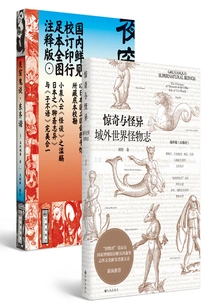
国外神鬼志怪必读套装《惊奇与怪异》《夜窗鬼谈》
Liu Xing Ishikawa Kosai
"Surprises and Weirdness: Chronicles of Monsters from the Extraterrestrial World" is a book of curiosity, compiled from occasional insights in the process of searching for the wonders, weirdness, and extraordinary things in the world. It is also a book of strange things. It collects the misunderstandings condensed by people's imagination on the way to understand unknown things, and digs into these misunderstandings in a simple and simple way, trying to find out the stories behind them. At the same time, it is also a book of mirror images. I hope that by comparing this book, I can discover some common concepts and thinking between the East and the West, and try to reduce some of the myths about the cognitive differences between the East and the West. "Ghost Talk at the Night Window" is a famous collection of Chinese short stories in Japan. It was based on the collected works of predecessors and folk anecdotes, and was developed through cutting, polishing, editing, processing and secondary development. "Dong Qi Xie" is his original story about gods and ghosts, and some of them are based on existing traditional ghost stories and adapted into witty jokes, which are very entertaining.
"Surprises and Weirdness: Chronicles of Monsters from the Extraterrestrial World" is a book of curiosity, compiled from occasional insights in the process of searching for the wonders, weirdness, and extraordinary things in the world. It is also a book of strange things. It collects the misunderstandings condensed by people's imagination on the way to understand unknown things, and digs into these misunderstandings in a simple and simple way, trying to find out the stories behind them. At the same time, it is also a book of mirror images. I hope that by comparing this book, I can discover some common concepts and thinking between the East and the West, and try to reduce some of the myths about the cognitive differences between the East and the West. "Ghost Talk at the Night Window" is a famous collection of Chinese short stories in Japan. It was based on the collected works of predecessors and folk anecdotes, and was developed through cutting, polishing, editing, processing and secondary development. "Dong Qi Xie" is his original story about gods and ghosts, and some of them are based on existing traditional ghost stories and adapted into witty jokes, which are very entertaining.
纳训译一千零一夜
Anonymous
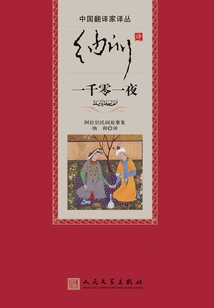
"One Thousand and One Nights", also known as "Arabian Nights", is a collection of Arabic folk tales. According to legend, a king hated his queen for being selfish and killed her. From then on, he married a girl every day and killed her the next morning. In order to save the innocent woman, the prime minister's daughter voluntarily married the king and told stories every night to arouse the king's interest. Her story was told for a thousand and one nights, and finally the king was influenced.
"One Thousand and One Nights", also known as "Arabian Nights", is a collection of Arabic folk tales. According to legend, a king hated his queen for being selfish and killed her. From then on, he married a girl every day and killed her the next morning. In order to save the innocent woman, the prime minister's daughter voluntarily married the king and told stories every night to arouse the king's interest. Her story was told for a thousand and one nights, and finally the king was influenced.
Arabian Nights
Literature天方夜谭
Anonymous
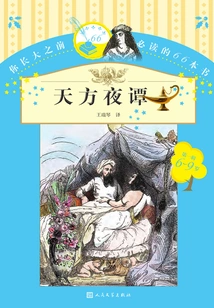
In ancient times, a certain king of Arabia had a grudge against women because of his wife's misbehavior. Every day, he asked the prime minister to find him a young girl, marry her, and then kill her the next day. Shanruzod, the daughter of the prime minister, asked her father to marry her to the king in order to save the young girls in the world. From the first day she got married, she told stories to the king. The stories came one after another, big stories within small stories, and new stories inside the small stories. When it was almost dawn, she stopped at the important point. The king repeatedly postponed the time to kill her in order to listen to the story. It is said that Scheherazade's story was told for one thousand and one nights.
In ancient times, a certain king of Arabia had a grudge against women because of his wife's misbehavior. Every day, he asked the prime minister to find him a young girl, marry her, and then kill her the next day. Shanruzod, the daughter of the prime minister, asked her father to marry her to the king in order to save the young girls in the world. From the first day she got married, she told stories to the king. The stories came one after another, big stories within small stories, and new stories inside the small stories. When it was almost dawn, she stopped at the important point. The king repeatedly postponed the time to kill her in order to listen to the story. It is said that Scheherazade's story was told for one thousand and one nights.
杨骚:现代文学与传统乡土的印记
Zhang Jingrong
"Yang Sao: Modern Literature and the Imprint of Traditional Countryside" is the first monograph on "Yang Sao Studies" in the true sense in the history of modern Chinese literature. This book mainly takes Yang Sao's literary creation and life path as the research object. It combines the historical environment, cultural system, and complex situations at home and abroad. It uses detailed information to examine Yang Sao's cultural feelings from the perspective of the process of modern Chinese literature and the Zhangzhou writers. It discusses Yang Sao's role in modern my country. An early symbolist poet in the history of modern literature, he used his life's "blood and tears" to write about his wandering, ups and downs, short and endless struggle of life. He took the initiative to place himself in the torrent of the times, consciously shared the hardships with the country and the people, and enthusiastically expressed the themes of the times. This book points out that Yang Sao's creations not only show common characteristics of the times in the literary world, but also show the regional characteristics of Fujian and the characteristics of southern Fujian. Because Yang Saohuai has deep feelings for Fujian, his spiritual world and cultural psychology are deeply imprinted on the life image of southern Fujian society and culture. Yang Sao walked a unique path as a "son of Fujian", from "an early symbolist poet" to "writing the mainstream and mood of the times" to "a 'warrior with pen'", representing the "life path shared by thousands of revolutionary writers of that era". To sum up, this book studies Yang Sao from a cultural perspective. It has new insights in exploring Yang Sao's modern literary characteristics of following the tendency of symbolist poetics, exploring the core spirit of the left-wing era, the feelings of Fujian with regional colors, the inheritance and innovation of national culture, the humanistic care for cultural transcendence, and the artistic expression of the soul. The conclusions are plain and reliable. With rich information, novel perspectives, and profound discussions, this book advances the academic research on Yang Sao.
"Yang Sao: Modern Literature and the Imprint of Traditional Countryside" is the first monograph on "Yang Sao Studies" in the true sense in the history of modern Chinese literature. This book mainly takes Yang Sao's literary creation and life path as the research object. It combines the historical environment, cultural system, and complex situations at home and abroad. It uses detailed information to examine Yang Sao's cultural feelings from the perspective of the process of modern Chinese literature and the Zhangzhou writers. It discusses Yang Sao's role in modern my country. An early symbolist poet in the history of modern literature, he used his life's "blood and tears" to write about his wandering, ups and downs, short and endless struggle of life. He took the initiative to place himself in the torrent of the times, consciously shared the hardships with the country and the people, and enthusiastically expressed the themes of the times. This book points out that Yang Sao's creations not only show common characteristics of the times in the literary world, but also show the regional characteristics of Fujian and the characteristics of southern Fujian. Because Yang Saohuai has deep feelings for Fujian, his spiritual world and cultural psychology are deeply imprinted on the life image of southern Fujian society and culture. Yang Sao walked a unique path as a "son of Fujian", from "an early symbolist poet" to "writing the mainstream and mood of the times" to "a 'warrior with pen'", representing the "life path shared by thousands of revolutionary writers of that era". To sum up, this book studies Yang Sao from a cultural perspective. It has new insights in exploring Yang Sao's modern literary characteristics of following the tendency of symbolist poetics, exploring the core spirit of the left-wing era, the feelings of Fujian with regional colors, the inheritance and innovation of national culture, the humanistic care for cultural transcendence, and the artistic expression of the soul. The conclusions are plain and reliable. With rich information, novel perspectives, and profound discussions, this book advances the academic research on Yang Sao.
Collection of Chinese Folk Tales
Literature中国民间故事集
Editor-in-chief Zhu Dake
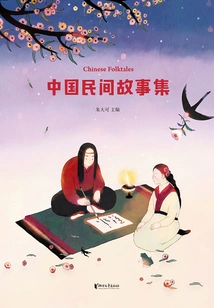
"Collection of Chinese Folktales" is a collection of folktales for children compiled by the famous scholar and cultural critic Professor Zhu Dake. The book selects 20 folktales that have been passed down for thousands of years, such as the familiar ones "Playing with the Princes at the Beacon Fire" and "Bo Ya Falling". "Qin", "Mulan Joins the Army", etc., The writing style of the whole book is lively and lively, and the causes and consequences of each story are told in a language that children can understand, with exquisite and interesting illustrations, making the Chinese folk tales that originally felt "ancient" regain their childlike glory.
"Collection of Chinese Folktales" is a collection of folktales for children compiled by the famous scholar and cultural critic Professor Zhu Dake. The book selects 20 folktales that have been passed down for thousands of years, such as the familiar ones "Playing with the Princes at the Beacon Fire" and "Bo Ya Falling". "Qin", "Mulan Joins the Army", etc., The writing style of the whole book is lively and lively, and the causes and consequences of each story are told in a language that children can understand, with exquisite and interesting illustrations, making the Chinese folk tales that originally felt "ancient" regain their childlike glory.
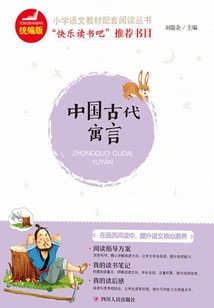
Ancient Chinese Fables
Literature中国古代寓言
Liu Jingyu
"Ancient Chinese Fables (Primary School Chinese Textbook Companion Reading Series, Compiled Edition)" is a collection of ancient Chinese fables, which includes more than 60 fables such as "Practice Makes Perfect", "Learning in Handan" and "Monkey Fishing for the Moon". Each story is followed by "instruments of moral meaning". The selected fables are simple but rich in meaning, and the language is profound and simple, allowing readers to understand the philosophy contained in the short fables through easy reading, draw a lot of wisdom from them, and understand more principles of life and things.
"Ancient Chinese Fables (Primary School Chinese Textbook Companion Reading Series, Compiled Edition)" is a collection of ancient Chinese fables, which includes more than 60 fables such as "Practice Makes Perfect", "Learning in Handan" and "Monkey Fishing for the Moon". Each story is followed by "instruments of moral meaning". The selected fables are simple but rich in meaning, and the language is profound and simple, allowing readers to understand the philosophy contained in the short fables through easy reading, draw a lot of wisdom from them, and understand more principles of life and things.
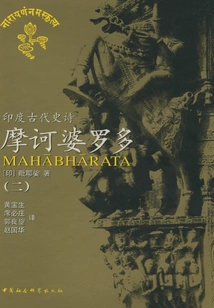
Mahabharata (2)
Literature摩诃婆罗多(二)
(india) Vyasa
"Mahabharata" and "Ramayana" are known as the two major Indian epics. "Ramayana" was translated by Mr. Ji Xianlin and published in the 1980s. The Mahabharata is four times as long as the Ramayana. The book is divided into eighteen chapters. The core story is set against the background of Indian society in the era of strife among nations. It narrates the struggle between two descendants of the Bharata tribe, the Kolulu and Pandava tribes, for the right to inherit the throne. This so-called encyclopedic epic is large in scale and complex in content. So far, there are only a fine revision of the Mahabharata completed by Indian Sanskrit scholars in half a century and the previous English translation in the world, while translations by French, American and other scholars have all failed midway. In the late 1980s, under the support and leadership of Mr. Jin Kemu, the translation project of the Chinese version of the Mahabharata was launched. After the hard work of a group of scholars, it took 17 years to complete the project and handed it down to the world with the support of Mr. Huang Baosheng. It has become one of the only three texts in the world today.
"Mahabharata" and "Ramayana" are known as the two major Indian epics. "Ramayana" was translated by Mr. Ji Xianlin and published in the 1980s. The Mahabharata is four times as long as the Ramayana. The book is divided into eighteen chapters. The core story is set against the background of Indian society in the era of strife among nations. It narrates the struggle between two descendants of the Bharata tribe, the Kolulu and Pandava tribes, for the right to inherit the throne. This so-called encyclopedic epic is large in scale and complex in content. So far, there are only a fine revision of the Mahabharata completed by Indian Sanskrit scholars in half a century and the previous English translation in the world, while translations by French, American and other scholars have all failed midway. In the late 1980s, under the support and leadership of Mr. Jin Kemu, the translation project of the Chinese version of the Mahabharata was launched. After the hard work of a group of scholars, it took 17 years to complete the project and handed it down to the world with the support of Mr. Huang Baosheng. It has become one of the only three texts in the world today.
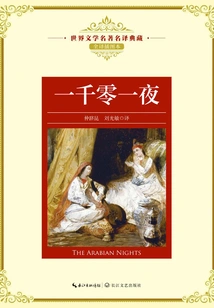
一千零一夜(世界文学名著名译典藏)
Anonymous
"One Thousand and One Nights" includes myths and legends, fables, fairy tales, love stories, sailing adventure stories and palace anecdotes, etc. These include many of the most popular stories today, such as "Aladdin and the Magic Lamp", "Alibaba and the Forty Thieves", etc. The characters in the book are all-encompassing, including gods and spirits, kings and ministers, wealthy businessmen, common people, and three religions, covering all aspects of medieval Arab social life. World literary giants such as Voltaire, Stendhal, La Fontaine, Boccaccio, Goethe, Chaucer and others have read One Thousand and One Nights more than once and gained inspiration from it. Grimm's fairy tales, Andersen's fairy tales, and Pushkin's fairy tales are all affected by its content to varying degrees. It is not difficult to see clues of "One Thousand and One Nights" in some works of famous artists such as Beethoven and Tchaikovsky.
"One Thousand and One Nights" includes myths and legends, fables, fairy tales, love stories, sailing adventure stories and palace anecdotes, etc. These include many of the most popular stories today, such as "Aladdin and the Magic Lamp", "Alibaba and the Forty Thieves", etc. The characters in the book are all-encompassing, including gods and spirits, kings and ministers, wealthy businessmen, common people, and three religions, covering all aspects of medieval Arab social life. World literary giants such as Voltaire, Stendhal, La Fontaine, Boccaccio, Goethe, Chaucer and others have read One Thousand and One Nights more than once and gained inspiration from it. Grimm's fairy tales, Andersen's fairy tales, and Pushkin's fairy tales are all affected by its content to varying degrees. It is not difficult to see clues of "One Thousand and One Nights" in some works of famous artists such as Beethoven and Tchaikovsky.
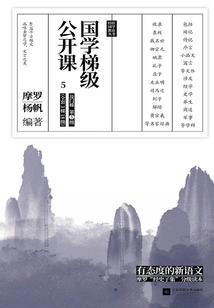
Chinese Studies Ladder Open Class 5
Literature国学梯级公开课5
Compiled By Moro Yang Fan
The 5th level of "Chinese Studies Ladder Open Course", the collection and sub-parts show the style of several famous figures in the Ming and Qing Dynasties, including travel notes, essays, biographies, prefaces, essays, strategies, fables, etc. Yuan Mei, Huang Zongxi, Xie Jin, Yao Nai, and Dai Mingshi are all world-famous great scholars and great writers, and they still attract attention today. "A Trip to the Yellow Cliffs of Mount Lu and Encountering Rain" is a wonderful travelogue. The travel notes are so thrilling, and there are no dangers at the end. This is a truly magical writing. "The Book of Sutra" still focuses on "The Analects" and "Mencius", highlighting the theme of "words and deeds", which is the key point of Confucian moral practice and is worth learning.
The 5th level of "Chinese Studies Ladder Open Course", the collection and sub-parts show the style of several famous figures in the Ming and Qing Dynasties, including travel notes, essays, biographies, prefaces, essays, strategies, fables, etc. Yuan Mei, Huang Zongxi, Xie Jin, Yao Nai, and Dai Mingshi are all world-famous great scholars and great writers, and they still attract attention today. "A Trip to the Yellow Cliffs of Mount Lu and Encountering Rain" is a wonderful travelogue. The travel notes are so thrilling, and there are no dangers at the end. This is a truly magical writing. "The Book of Sutra" still focuses on "The Analects" and "Mencius", highlighting the theme of "words and deeds", which is the key point of Confucian moral practice and is worth learning.
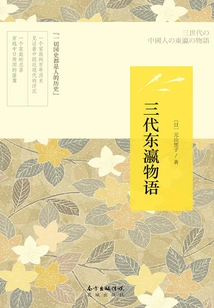
The Story of Three Generations of Japan
Literature三代东瀛物语
(japan) Riko Motoyama
This book is a century-old history of a family, witnessing the history of China's modern transformation period. Spanning more than half a century of turmoil and going through some of the most important periods in China and Japan, a family's fortunes have experienced ups and downs following the changes of the times. From remote rural areas to county towns; from private schools and new schools to prestigious universities; from China to Japan and back to China. Each generation takes a different path and interprets a different life. The author narrates family stories, full of wisdom and affection.
This book is a century-old history of a family, witnessing the history of China's modern transformation period. Spanning more than half a century of turmoil and going through some of the most important periods in China and Japan, a family's fortunes have experienced ups and downs following the changes of the times. From remote rural areas to county towns; from private schools and new schools to prestigious universities; from China to Japan and back to China. Each generation takes a different path and interprets a different life. The author narrates family stories, full of wisdom and affection.
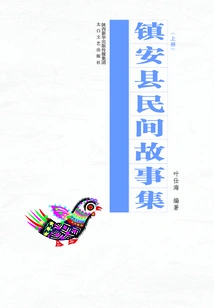
镇安民间故事集(上)
Compiled By Ye Shihai
Our Zhen'an has a long history, and our folk literature is rich in colorful forms and profound in connotation. As an old cultural person, I am of course responsible for the inheritance of folk literature. I like folk culture, especially folk stories and folk jokes. Therefore, as early as the early 1990s, I wanted to do some work for Zhenan's folk culture, but due to official duties, I was never able to do so. It wasn't until I retired that I had more free time, so I made up my mind to do something visible and tangible for Zhenan's folk literature in my lifetime. So, from the beginning of 2013, I began to collect, excavate, and organize Zhenan folk tales, folk jokes, place name legends, and custom stories.
Our Zhen'an has a long history, and our folk literature is rich in colorful forms and profound in connotation. As an old cultural person, I am of course responsible for the inheritance of folk literature. I like folk culture, especially folk stories and folk jokes. Therefore, as early as the early 1990s, I wanted to do some work for Zhenan's folk culture, but due to official duties, I was never able to do so. It wasn't until I retired that I had more free time, so I made up my mind to do something visible and tangible for Zhenan's folk literature in my lifetime. So, from the beginning of 2013, I began to collect, excavate, and organize Zhenan folk tales, folk jokes, place name legends, and custom stories.
飘落的岁月(谷臻小简·AI导读版)
Song Chuanen
While we spend our days in various ways, the years drift away from us like fallen leaves in the wind, silently and seemingly without a trace. These articles in the book lovingly record the disappearing folk workshops, folk arts, folk crafts, farm tools, and life outlook in the decades since the turn of the century.
While we spend our days in various ways, the years drift away from us like fallen leaves in the wind, silently and seemingly without a trace. These articles in the book lovingly record the disappearing folk workshops, folk arts, folk crafts, farm tools, and life outlook in the decades since the turn of the century.
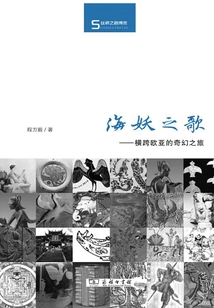
Siren's Song
Literature海妖之歌
Cheng Fangyi
This book focuses on the spread of myths, stories and artistic images of animals and plants among European and Asian civilizations. It includes the familiar stories of Sun Wukong, Cinderella fairy tales, Siren legends, etc., As well as some stories that have been lost to history and unknown to us.
This book focuses on the spread of myths, stories and artistic images of animals and plants among European and Asian civilizations. It includes the familiar stories of Sun Wukong, Cinderella fairy tales, Siren legends, etc., As well as some stories that have been lost to history and unknown to us.
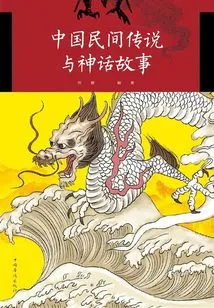
Chinese Folklore and Mythology
Literature中国民间传说与神话故事
Compiled By Liu Yuan
This book is divided into three parts: folklore, ancient mythology, and myths and legends of ethnic minorities. It selects more than a hundred exquisite pictures to express the plot of the story. While telling each touching story, it also strives to show readers a lifelike and complete genealogy of Chinese mythology. Myths and legends are ancient stories originating from ancient times and among the people. They are also everlasting topics. "Chinese Folklore and Mythical Stories" compiled by Liu Yuan is divided into three parts: folklore, ancient mythology, and myths and legends of ethnic minorities. It is accompanied by more than a hundred carefully drawn pictures showing the plot of the story. Through each touching story, it shows the ancient people's heroic struggle against natural forces and their persistent pursuit of truth, goodness and beauty.
This book is divided into three parts: folklore, ancient mythology, and myths and legends of ethnic minorities. It selects more than a hundred exquisite pictures to express the plot of the story. While telling each touching story, it also strives to show readers a lifelike and complete genealogy of Chinese mythology. Myths and legends are ancient stories originating from ancient times and among the people. They are also everlasting topics. "Chinese Folklore and Mythical Stories" compiled by Liu Yuan is divided into three parts: folklore, ancient mythology, and myths and legends of ethnic minorities. It is accompanied by more than a hundred carefully drawn pictures showing the plot of the story. Through each touching story, it shows the ancient people's heroic struggle against natural forces and their persistent pursuit of truth, goodness and beauty.
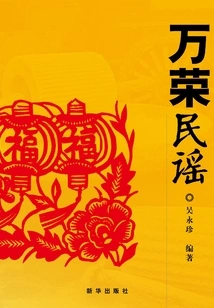
Vang Vieng Folk Songs
Literature万荣民谣
Wu Yongzhen
The content of this book includes: Dragon Boat Festival Wine, Five Googles, Wanting a Wife and Looking for a Lover, Pretty Girls and Lazy Wifes, Delicious Food and Drinks All Seasons, You Take One and I Take One, My Daughter Will Marry a Farmer, My Sister-in-law and My Mother-in-Law, etc.
The content of this book includes: Dragon Boat Festival Wine, Five Googles, Wanting a Wife and Looking for a Lover, Pretty Girls and Lazy Wifes, Delicious Food and Drinks All Seasons, You Take One and I Take One, My Daughter Will Marry a Farmer, My Sister-in-law and My Mother-in-Law, etc.
Your Favorite Bedtime Story Book
Literature你最想要的睡前故事书
Guo Changcun
Behind every ghost story, there is thought-provoking wisdom. While experiencing the stimulation of the senses, every reader will also further understand the collision of love and family, the confrontation of perseverance and cowardice, the weakness of human nature, details and destiny, and the importance of character and action, thereby enjoying the pleasure of reading while also further sublimating their own lives. Therefore, this book is not only a collection of interesting and terrifying ghost stories, but also a collection of life philosophies.
Behind every ghost story, there is thought-provoking wisdom. While experiencing the stimulation of the senses, every reader will also further understand the collision of love and family, the confrontation of perseverance and cowardice, the weakness of human nature, details and destiny, and the importance of character and action, thereby enjoying the pleasure of reading while also further sublimating their own lives. Therefore, this book is not only a collection of interesting and terrifying ghost stories, but also a collection of life philosophies.
名家谈孟姜女哭长城
Gu Jiegang Et Al.
This book contains 26 articles, discussing the origin and evolution, place of origin, spread, protagonist, cultural connotation and related folk customs of Meng Jiangnu's story.
This book contains 26 articles, discussing the origin and evolution, place of origin, spread, protagonist, cultural connotation and related folk customs of Meng Jiangnu's story.
Kindness is as Heavy as a Mountain
Literature恩重如山
Liu Xinglong
When the fourth deaf man heard people talking about drum books, he always imagined that one day a snail or vixen would turn into a woman and come to wash and cook for him as his wife. This morning, this wish was about to come true, but in the blink of an eye, he turned into a flowered cotton-padded jacket and then into a baby. --"Grandness is as heavy as a mountain"
When the fourth deaf man heard people talking about drum books, he always imagined that one day a snail or vixen would turn into a woman and come to wash and cook for him as his wife. This morning, this wish was about to come true, but in the blink of an eye, he turned into a flowered cotton-padded jacket and then into a baby. --"Grandness is as heavy as a mountain"
Lonely Singing
Literature寂寞歌唱
Liu Xinglong
Is it decadence or fashion? Is it pursuit or madness? Today's era is an era of confusion, and people in this era have become complicated because of this: a dragon and a snake are in the same cave, just like a man and a ghost are in the same cave. Good and bad are no longer the only criteria for distinguishing right and wrong, and moral class affiliation seems to be doubted. People's hearts are not ancient, and the world's customs are unpredictable. However, where is the hope? Hope is conceived in the hearts of those who long for hope. Thus, a new industrial era began vigorously and quietly. What we talk about vigorously is the phenomenon, and what we talk about quietly is the essence. As long as you calm down a little, you will find that the new director of the agricultural machinery factory Lin Mao's method of going to the "high seas" will not only fail to save the company, but will also take the fish from the high seas into the "private sea", making him rich and millions of families poor. Thought-provoking and thought-provoking.
Is it decadence or fashion? Is it pursuit or madness? Today's era is an era of confusion, and people in this era have become complicated because of this: a dragon and a snake are in the same cave, just like a man and a ghost are in the same cave. Good and bad are no longer the only criteria for distinguishing right and wrong, and moral class affiliation seems to be doubted. People's hearts are not ancient, and the world's customs are unpredictable. However, where is the hope? Hope is conceived in the hearts of those who long for hope. Thus, a new industrial era began vigorously and quietly. What we talk about vigorously is the phenomenon, and what we talk about quietly is the essence. As long as you calm down a little, you will find that the new director of the agricultural machinery factory Lin Mao's method of going to the "high seas" will not only fail to save the company, but will also take the fish from the high seas into the "private sea", making him rich and millions of families poor. Thought-provoking and thought-provoking.
Folklore Research on Nuwa's Myth
Literature女娲神话的民俗研究
J
Peking University Micro Lecture Hall is a popular science lecture held by Peking University for students. It invites professors, famous experts, academicians, etc. From various disciplines to explain the content in an authoritative yet easy-to-understand manner.
Peking University Micro Lecture Hall is a popular science lecture held by Peking University for students. It invites professors, famous experts, academicians, etc. From various disciplines to explain the content in an authoritative yet easy-to-understand manner.
乡土课程与教学实践创新案例
Tang Wenxian
As an important entry point and breakthrough for deepening educational reform and expanding quality education, rural courses focus on the development of students' comprehensive quality. This book collects, analyzes, and discusses innovative teaching cases of local courses at multiple levels and angles from seven themes: local moral education, resource construction, curriculum design, local classrooms, teacher development, curriculum evaluation, and characteristic schools.
As an important entry point and breakthrough for deepening educational reform and expanding quality education, rural courses focus on the development of students' comprehensive quality. This book collects, analyzes, and discusses innovative teaching cases of local courses at multiple levels and angles from seven themes: local moral education, resource construction, curriculum design, local classrooms, teacher development, curriculum evaluation, and characteristic schools.
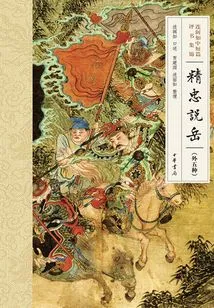
连阔如中短篇评书集锦:精忠说岳(外五种)
Oral Narration By Lian Kuoru, Edited By Jia Jianguo And Compiled By Lian Liru
This book includes six short and medium-length narrative stories, "Jing Zhong Shuo Yue", "Evil Tiger Village", "Evil Tiger Village", "Five Women Catching Orchids", "Three Beats of Han Tong" and "Xiaoyao King". Among them, "Xiaoyao Wang" is a continuation of "The Romance of the Eastern Han Dynasty" and was written by Jia Jianguo and Lian Liru. "Jing Zhong Shuo Yue", "Evil Tiger Village", "Evil Tiger Village", "Five Women Catching Orchids" and "Three Strikes of Hantong" are all excavated and sorted out the secret scripts of the famous storytelling artist Lian Kuoru that were orally published in various newspapers and periodicals during the Republic of China. This book retains the writing style and colloquial characteristics of storytelling scripts, and adapts to the reading habits of today's readers. It is a collection of storytelling that appeals to both refined and popular tastes.
This book includes six short and medium-length narrative stories, "Jing Zhong Shuo Yue", "Evil Tiger Village", "Evil Tiger Village", "Five Women Catching Orchids", "Three Beats of Han Tong" and "Xiaoyao King". Among them, "Xiaoyao Wang" is a continuation of "The Romance of the Eastern Han Dynasty" and was written by Jia Jianguo and Lian Liru. "Jing Zhong Shuo Yue", "Evil Tiger Village", "Evil Tiger Village", "Five Women Catching Orchids" and "Three Strikes of Hantong" are all excavated and sorted out the secret scripts of the famous storytelling artist Lian Kuoru that were orally published in various newspapers and periodicals during the Republic of China. This book retains the writing style and colloquial characteristics of storytelling scripts, and adapts to the reading habits of today's readers. It is a collection of storytelling that appeals to both refined and popular tastes.
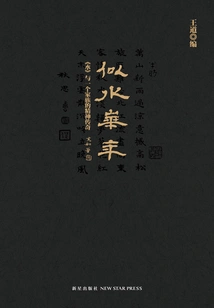
似水华年:《水》与一个家族的精神传奇
Kingly Way
The Zhang family's internal magazine "Water" was founded in 1929 and is still edited and published spontaneously today, becoming a cultural phenomenon of a traditional Chinese family. "Water" not only produced four sisters and six brothers of the Zhang family, but also cultivated relatives and friends who had contact with the Zhang family. It contains current reviews, essays, sketches, science, drama, Kunqu opera, autobiography, calligraphy and painting, and photography. Its content is all-encompassing and carries the changes in modern Chinese history. The publication was suspended during the Anti-Japanese War, but was resumed in Beijing in 1996. Zhang Yunhe, wife of Zhou Youguang, served as editor-in-chief, and was later handed over to Zhang Huanhe and Shen Longzhu. The evolution of publications from paper to online, from home to global distribution, has become a continuation of history.
The Zhang family's internal magazine "Water" was founded in 1929 and is still edited and published spontaneously today, becoming a cultural phenomenon of a traditional Chinese family. "Water" not only produced four sisters and six brothers of the Zhang family, but also cultivated relatives and friends who had contact with the Zhang family. It contains current reviews, essays, sketches, science, drama, Kunqu opera, autobiography, calligraphy and painting, and photography. Its content is all-encompassing and carries the changes in modern Chinese history. The publication was suspended during the Anti-Japanese War, but was resumed in Beijing in 1996. Zhang Yunhe, wife of Zhou Youguang, served as editor-in-chief, and was later handed over to Zhang Huanhe and Shen Longzhu. The evolution of publications from paper to online, from home to global distribution, has become a continuation of history.
J
Literaturej
K
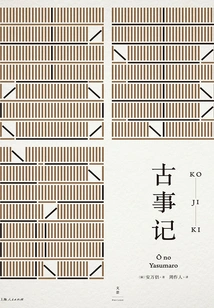
"Kojiki" was written in 712. It is the first written classic in Japanese history and one of the earliest extant Japanese literary works. The book is divided into three volumes. The first volume records the origins and myths and legends of Japanese gods, focusing on the formation of Japan's territory and the beginning of the emperor. The two gods Ienaki and Ienami created the country on the orders of the gods. They entered into a divine marriage and gave birth to children to the gods. After things such as "relinquishing the kingdom" and "descending from heaven", the descendant of Amaterasu Omikami, the god Waiha Rebi Komei, was finally born. Emperor Jinmu, the first emperor of Japan, ruled the China of Weihara according to the destiny. The middle volume and the second volume are the records and legends of the thirty-three generations of Japanese emperors from Emperor Jimmu to Emperor Suiko. Historical facts are mixed with fiction. The records mainly focus on the Japanese emperor's conquests and quelling chaos, administrative structures, royal family legends, etc.
"Kojiki" was written in 712. It is the first written classic in Japanese history and one of the earliest extant Japanese literary works. The book is divided into three volumes. The first volume records the origins and myths and legends of Japanese gods, focusing on the formation of Japan's territory and the beginning of the emperor. The two gods Ienaki and Ienami created the country on the orders of the gods. They entered into a divine marriage and gave birth to children to the gods. After things such as "relinquishing the kingdom" and "descending from heaven", the descendant of Amaterasu Omikami, the god Waiha Rebi Komei, was finally born. Emperor Jinmu, the first emperor of Japan, ruled the China of Weihara according to the destiny. The middle volume and the second volume are the records and legends of the thirty-three generations of Japanese emperors from Emperor Jimmu to Emperor Suiko. Historical facts are mixed with fiction. The records mainly focus on the Japanese emperor's conquests and quelling chaos, administrative structures, royal family legends, etc.
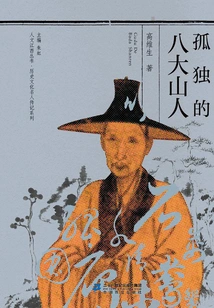
Lonely Bada Shanren
Literature孤独的八大山人
Gao Weisheng
This series is positioned as a popular book that is both cultural and readable, suitable for both refined and popular tastes, well-received by professional circles, and well-received by the reading community. It rejects unfounded, excessively romantic, and "alternative" popular books for consumption, and does not include professional research works that are overly academic. Instead, it "walks the middle road." Based on this consideration, the single book is positioned as a biographical novel with historical themes. The text focuses on creating a sense of picture and situation, attracting readers to return to the historical scene. "The Lonely Bada Shanren" (author: Gao Weisheng), "The Blue Blood Painting by Wen Tianxiang" (authors: Lu Yuan, Cao Bo), "The Ups and Downs of Wang Anshi" (authors: Sun Yan, Cui Fengzhen), "A Generation of Confucian Scholars" "Talk about Zeng Gong" (author: Xu Xu), "The Great Scholar Recommends Zhu Xi" (author: Lu Wei), "Yang Wanli Inside and Outside Chengzhai" (author: Duan Shouxin), "Meeting Yan Shu after Returning from Yan" (author: Wu Xiangchun).
This series is positioned as a popular book that is both cultural and readable, suitable for both refined and popular tastes, well-received by professional circles, and well-received by the reading community. It rejects unfounded, excessively romantic, and "alternative" popular books for consumption, and does not include professional research works that are overly academic. Instead, it "walks the middle road." Based on this consideration, the single book is positioned as a biographical novel with historical themes. The text focuses on creating a sense of picture and situation, attracting readers to return to the historical scene. "The Lonely Bada Shanren" (author: Gao Weisheng), "The Blue Blood Painting by Wen Tianxiang" (authors: Lu Yuan, Cao Bo), "The Ups and Downs of Wang Anshi" (authors: Sun Yan, Cui Fengzhen), "A Generation of Confucian Scholars" "Talk about Zeng Gong" (author: Xu Xu), "The Great Scholar Recommends Zhu Xi" (author: Lu Wei), "Yang Wanli Inside and Outside Chengzhai" (author: Duan Shouxin), "Meeting Yan Shu after Returning from Yan" (author: Wu Xiangchun).