Library
Browse and search books
2,273 novels found
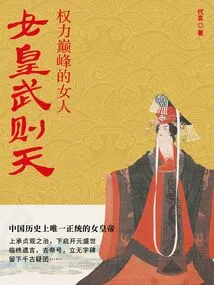
Empress Wu Zetian: a Woman at the Pinnacle of Power
General Fiction女皇武则天:权力巅峰的女人
Endorsement
She was capable of literature and martial arts, and practiced Confucianism as well as Buddhism and Taoism; she was benevolent and righteous, but she was ruthless; driven by ambition for power, she eliminated dissidents and eventually became a great treasure; she inherited the rule of Zhenguan and ushered in the prosperous Kaiyuan era; her last words were to remove the title of emperor and erect an unmarked monument. , Leaving an eternal mystery... Wu Zetian, the only orthodox female emperor in Chinese history, the author wrote from the age of 0 to 83. On the basis of history, he constructed lifelike scenes and reproduced the legendary life story of the empress Wu Zetian.
She was capable of literature and martial arts, and practiced Confucianism as well as Buddhism and Taoism; she was benevolent and righteous, but she was ruthless; driven by ambition for power, she eliminated dissidents and eventually became a great treasure; she inherited the rule of Zhenguan and ushered in the prosperous Kaiyuan era; her last words were to remove the title of emperor and erect an unmarked monument. , Leaving an eternal mystery... Wu Zetian, the only orthodox female emperor in Chinese history, the author wrote from the age of 0 to 83. On the basis of history, he constructed lifelike scenes and reproduced the legendary life story of the empress Wu Zetian.
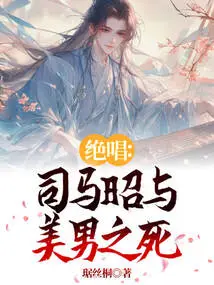
The Last Song: Sima Zhao and the Death of the Beautiful Man
General Fiction绝唱:司马昭与美男之死
Jusitong
AD 245. Inside the residence of Son Tao in Hanoi District. Shan Tao, who is middle-aged and has just entered officialdom, is entertaining two friends. One is the great talent Ji Kang, whom we met not long ago. The other one is Ruan Ji, a celebrity whom I just met a few days ago. And the story of the great talent also unfolds...
AD 245. Inside the residence of Son Tao in Hanoi District. Shan Tao, who is middle-aged and has just entered officialdom, is entertaining two friends. One is the great talent Ji Kang, whom we met not long ago. The other one is Ruan Ji, a celebrity whom I just met a few days ago. And the story of the great talent also unfolds...
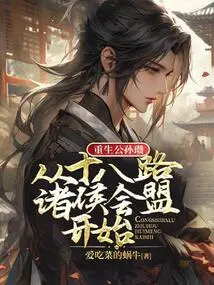
重生公孙瓒,从十八路诸侯会盟开始
A Snail That Loves To Eat Vegetables
[No System + Historical Illusion + Three Kingdoms Struggle + Slow Heat] At the end of the Eastern Han Dynasty, this was an era when the people were like grass and grass. The Yellow Turban Rebellion exhausted the last of the Han Dynasty's heritage! Dong Zhuo, Yuan Shao, Cao Cao, Liu Bei, and Sun Quan each led the way and attacked each other to compete in the world! White bones are exposed in the wild, there are no roosters crowing for thousands of miles, and hundreds of living people are missing, and the hearts of those who think about it are broken! A modern soul dreamed of returning to the Eastern Han Dynasty and became Gongsun Zan, a prince. He vowed to change the fate of defeat in history, save the people from disaster, and make the world no longer have the rule of a weak emperor, the abuse of subordinate officials, and the injustice of good people!
[No System + Historical Illusion + Three Kingdoms Struggle + Slow Heat] At the end of the Eastern Han Dynasty, this was an era when the people were like grass and grass. The Yellow Turban Rebellion exhausted the last of the Han Dynasty's heritage! Dong Zhuo, Yuan Shao, Cao Cao, Liu Bei, and Sun Quan each led the way and attacked each other to compete in the world! White bones are exposed in the wild, there are no roosters crowing for thousands of miles, and hundreds of living people are missing, and the hearts of those who think about it are broken! A modern soul dreamed of returning to the Eastern Han Dynasty and became Gongsun Zan, a prince. He vowed to change the fate of defeat in history, save the people from disaster, and make the world no longer have the rule of a weak emperor, the abuse of subordinate officials, and the injustice of good people!
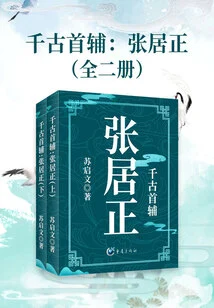
千古首辅:张居正(全二册)
Su Qiwen
This book is a biographical novel focusing on the life of Zhang Juzheng, detailing Zhang Juzheng's official career. His life can be summarized as follows: becoming a Jinshi at a young age, entering the Hanlin Academy for the first time, studying next to the prince, becoming the second assistant to the first assistant, following the path of a whip, a breeze with two sleeves, reforms will eventually pay off, and he will leave his name through the ages. In this book, you can see the intrigues and wits of the six chief ministers Xia Yan, Yan Song, Xu Jie, Gao Gong, Li Chunfang, and Zhang Juzheng. You can also see the manipulation of power by the three emperors Jiajing, Longqing, and Wanli. You can also see the power game and social laws in the prosperous age. Zhang Juzheng's life story is a real-life adventure of a lifetime in officialdom. From ancient times to the present, it is not necessary to use great wisdom to solve problems, but small cleverness can often win the day. Zhang Juzheng's ups and downs in officialdom can be summed up as follows: there is no right or wrong method, only the speed or slowness of the results. Let's look at how he used unscrupulous tactics to save the world. Perhaps by understanding Zhang Juzheng's life, we can also understand how we should live this self-consistent life.
This book is a biographical novel focusing on the life of Zhang Juzheng, detailing Zhang Juzheng's official career. His life can be summarized as follows: becoming a Jinshi at a young age, entering the Hanlin Academy for the first time, studying next to the prince, becoming the second assistant to the first assistant, following the path of a whip, a breeze with two sleeves, reforms will eventually pay off, and he will leave his name through the ages. In this book, you can see the intrigues and wits of the six chief ministers Xia Yan, Yan Song, Xu Jie, Gao Gong, Li Chunfang, and Zhang Juzheng. You can also see the manipulation of power by the three emperors Jiajing, Longqing, and Wanli. You can also see the power game and social laws in the prosperous age. Zhang Juzheng's life story is a real-life adventure of a lifetime in officialdom. From ancient times to the present, it is not necessary to use great wisdom to solve problems, but small cleverness can often win the day. Zhang Juzheng's ups and downs in officialdom can be summed up as follows: there is no right or wrong method, only the speed or slowness of the results. Let's look at how he used unscrupulous tactics to save the world. Perhaps by understanding Zhang Juzheng's life, we can also understand how we should live this self-consistent life.
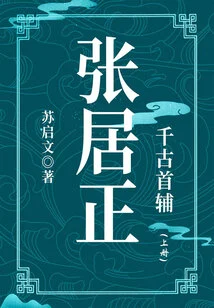
千古首辅:张居正(上册)
Su Qiwen
This book is a biographical novel focusing on the life of Zhang Juzheng, detailing Zhang Juzheng's official career. His life can be summarized as follows: becoming a Jinshi at a young age, entering the Hanlin Academy for the first time, studying next to the prince, becoming the second assistant to the first assistant, following the path of a whip, a breeze with two sleeves, reforms will eventually pay off, and he will leave his name through the ages. In this book, you can see the intrigues and wits of the six chief ministers Xia Yan, Yan Song, Xu Jie, Gao Gong, Li Chunfang, and Zhang Juzheng. You can also see the manipulation of power by the three emperors Jiajing, Longqing, and Wanli. You can also see the power game and social laws in the prosperous age. Zhang Juzheng's life story is a real-life adventure of a lifetime in officialdom. From ancient times to the present, it is not necessary to use great wisdom to solve problems, but small cleverness can often win the day. Zhang Juzheng's ups and downs in officialdom can be summed up as follows: there is no right or wrong method, only the speed or slowness of the results. Let's look at how he used unscrupulous tactics to save the world. Perhaps by understanding Zhang Juzheng's life, we can also understand how we should live this self-consistent life.
This book is a biographical novel focusing on the life of Zhang Juzheng, detailing Zhang Juzheng's official career. His life can be summarized as follows: becoming a Jinshi at a young age, entering the Hanlin Academy for the first time, studying next to the prince, becoming the second assistant to the first assistant, following the path of a whip, a breeze with two sleeves, reforms will eventually pay off, and he will leave his name through the ages. In this book, you can see the intrigues and wits of the six chief ministers Xia Yan, Yan Song, Xu Jie, Gao Gong, Li Chunfang, and Zhang Juzheng. You can also see the manipulation of power by the three emperors Jiajing, Longqing, and Wanli. You can also see the power game and social laws in the prosperous age. Zhang Juzheng's life story is a real-life adventure of a lifetime in officialdom. From ancient times to the present, it is not necessary to use great wisdom to solve problems, but small cleverness can often win the day. Zhang Juzheng's ups and downs in officialdom can be summed up as follows: there is no right or wrong method, only the speed or slowness of the results. Let's look at how he used unscrupulous tactics to save the world. Perhaps by understanding Zhang Juzheng's life, we can also understand how we should live this self-consistent life.
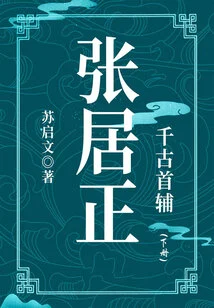
千古首辅:张居正(下册)
Su Qiwen
This book is a biographical novel focusing on the life of Zhang Juzheng, detailing Zhang Juzheng's official career. His life can be summarized as follows: becoming a Jinshi at a young age, entering the Hanlin Academy for the first time, studying next to the prince, becoming the second assistant to the first assistant, following the path of a whip, a breeze with two sleeves, reforms will eventually pay off, and he will leave his name through the ages. In this book, you can see the intrigues and wits of the six chief ministers Xia Yan, Yan Song, Xu Jie, Gao Gong, Li Chunfang, and Zhang Juzheng. You can also see the manipulation of power by the three emperors Jiajing, Longqing, and Wanli. You can also see the power game and social laws in the prosperous age. Zhang Juzheng's life story is a real-life adventure of a lifetime in officialdom. From ancient times to the present, it is not necessary to use great wisdom to solve problems, but small cleverness can often win the day. Zhang Juzheng's ups and downs in officialdom can be summed up as follows: there is no right or wrong method, only the speed or slowness of the results. Let's look at how he used unscrupulous tactics to save the world. Perhaps by understanding Zhang Juzheng's life, we can also understand how we should live this self-consistent life.
This book is a biographical novel focusing on the life of Zhang Juzheng, detailing Zhang Juzheng's official career. His life can be summarized as follows: becoming a Jinshi at a young age, entering the Hanlin Academy for the first time, studying next to the prince, becoming the second assistant to the first assistant, following the path of a whip, a breeze with two sleeves, reforms will eventually pay off, and he will leave his name through the ages. In this book, you can see the intrigues and wits of the six chief ministers Xia Yan, Yan Song, Xu Jie, Gao Gong, Li Chunfang, and Zhang Juzheng. You can also see the manipulation of power by the three emperors Jiajing, Longqing, and Wanli. You can also see the power game and social laws in the prosperous age. Zhang Juzheng's life story is a real-life adventure of a lifetime in officialdom. From ancient times to the present, it is not necessary to use great wisdom to solve problems, but small cleverness can often win the day. Zhang Juzheng's ups and downs in officialdom can be summed up as follows: there is no right or wrong method, only the speed or slowness of the results. Let's look at how he used unscrupulous tactics to save the world. Perhaps by understanding Zhang Juzheng's life, we can also understand how we should live this self-consistent life.
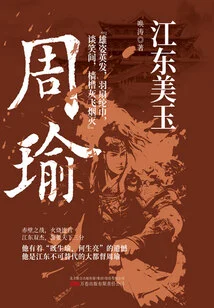
Jiangdong Jade: Zhou Yu
General Fiction江东美玉:周瑜
Call Tao
This book tells the story of Zhou Yu's life. He was in harmony with Sun Quan, but secretly he was on pins and needles. He battled wits and courage with Zhuge Liang, but was criticized and lost all his fame. He played chess with Cao Cao for a lifetime and became a great friend. The first biographical novel on the Internet to show the life of the Governor of Soochow in the Three Kingdoms, Zhou Yu said it was a good read! Zhou Yu was eager to learn since he was a child. After returning to his hometown from Luoyang, he began to travel and study. By chance, he met Sun Ce, a close friend of the same age, and the two supported each other since then. When Sun Ce's father passed away, the two had to rely on Yuan Shu. With their efforts, they established their own power, and then crossed the Yangtze River to seek independence. The two men unified Jiangdong with their extraordinary strategies. After Sun Ce's death, Zhou Yu assisted Sun Quan. When Cao Cao went south, Zhou Yu led his troops to a complete victory. In order to divide the world into two parts, Zhou Yu finally fell on the road to attack Yizhou. From now on, there will be no more Zhou Lang in the world.
This book tells the story of Zhou Yu's life. He was in harmony with Sun Quan, but secretly he was on pins and needles. He battled wits and courage with Zhuge Liang, but was criticized and lost all his fame. He played chess with Cao Cao for a lifetime and became a great friend. The first biographical novel on the Internet to show the life of the Governor of Soochow in the Three Kingdoms, Zhou Yu said it was a good read! Zhou Yu was eager to learn since he was a child. After returning to his hometown from Luoyang, he began to travel and study. By chance, he met Sun Ce, a close friend of the same age, and the two supported each other since then. When Sun Ce's father passed away, the two had to rely on Yuan Shu. With their efforts, they established their own power, and then crossed the Yangtze River to seek independence. The two men unified Jiangdong with their extraordinary strategies. After Sun Ce's death, Zhou Yu assisted Sun Quan. When Cao Cao went south, Zhou Yu led his troops to a complete victory. In order to divide the world into two parts, Zhou Yu finally fell on the road to attack Yizhou. From now on, there will be no more Zhou Lang in the world.
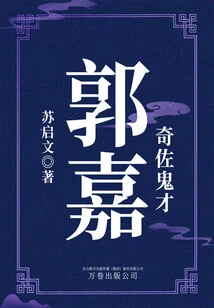
Qi Zuo Genius: Guo Jia
General Fiction奇佐鬼才:郭嘉
Su Qiwen
At the end of the Eastern Han Dynasty, Guo Jia, a counselor, often lived in seclusion in the mountains and forests, but he made friends with heroes all over the world. He looked forward to one day meeting the Ming Lord and fulfilling his ambitions. He first sought refuge with Yuan Shao and stayed under his tent for dozens of days. He realized that Yuan Shao was not a wise master, so he left angrily. Then he lived in seclusion for six years, during which time he married a wife and had children. In the first year of Jian'an, his friend Xun Yu introduced him to Cao Cao. Guo Jia did not understand court etiquette, and was disheveled and slovenly in front of Cao Cao. This unique temperament not only did not disgust Cao Cao, but also made him like him very much, and he gradually became Cao Cao's confidant. Subsequently, Guo Jiazun made plans to capture Zhang Xiu and Lu Bu, and even defeated Yuan Shao in Guandu, establishing the "Cao Group"'s absolute dominance in the north. Cao Cao respected Guo Jiazun, and the two often talked happily over wine and discussed the country. But sadly, Guo Jia did not accompany Cao Cao to dominate the world in the end. He contracted a serious illness and died on his way back to conquer Wuhuan. A generation of "Qi Zuo ghosts" passed away quietly, just like the rolling water of the Yangtze River passing by, and the waves eventually wiped out the heroes.
At the end of the Eastern Han Dynasty, Guo Jia, a counselor, often lived in seclusion in the mountains and forests, but he made friends with heroes all over the world. He looked forward to one day meeting the Ming Lord and fulfilling his ambitions. He first sought refuge with Yuan Shao and stayed under his tent for dozens of days. He realized that Yuan Shao was not a wise master, so he left angrily. Then he lived in seclusion for six years, during which time he married a wife and had children. In the first year of Jian'an, his friend Xun Yu introduced him to Cao Cao. Guo Jia did not understand court etiquette, and was disheveled and slovenly in front of Cao Cao. This unique temperament not only did not disgust Cao Cao, but also made him like him very much, and he gradually became Cao Cao's confidant. Subsequently, Guo Jiazun made plans to capture Zhang Xiu and Lu Bu, and even defeated Yuan Shao in Guandu, establishing the "Cao Group"'s absolute dominance in the north. Cao Cao respected Guo Jiazun, and the two often talked happily over wine and discussed the country. But sadly, Guo Jia did not accompany Cao Cao to dominate the world in the end. He contracted a serious illness and died on his way back to conquer Wuhuan. A generation of "Qi Zuo ghosts" passed away quietly, just like the rolling water of the Yangtze River passing by, and the waves eventually wiped out the heroes.
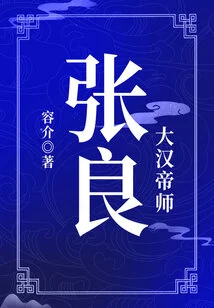
Imperial Master of the Han Dynasty: Zhang Liang
General Fiction大汉帝师:张良
Yosuke
This book is a biographical novel focusing on the life of Zhang Liang. He, Xiao He and Han Xin are known as the "Three Heroes of the Early Han Dynasty". They assisted Liu Bang in winning the conflict between Chu and Han and established the Han Dynasty. With his outstanding wisdom, he ended the civil strife after the end of Qin and achieved the unification of the country. He has very high military talents and has the reputation of "strategically planning and winning from thousands of miles away"! Only the best counselor of all time can be called the emperor's advisor. Zhang Liang never asked for a high-ranking official or a large salary in his life, and finally retired with great success, hiding his merit and fame! Our great man Premier Zhou commented like this: Xiang Yu fought a hundred battles and won, but he couldn't resist Zhang Liang's idea. His advantage turned into a disadvantage, so he had to sue for peace.
This book is a biographical novel focusing on the life of Zhang Liang. He, Xiao He and Han Xin are known as the "Three Heroes of the Early Han Dynasty". They assisted Liu Bang in winning the conflict between Chu and Han and established the Han Dynasty. With his outstanding wisdom, he ended the civil strife after the end of Qin and achieved the unification of the country. He has very high military talents and has the reputation of "strategically planning and winning from thousands of miles away"! Only the best counselor of all time can be called the emperor's advisor. Zhang Liang never asked for a high-ranking official or a large salary in his life, and finally retired with great success, hiding his merit and fame! Our great man Premier Zhou commented like this: Xiang Yu fought a hundred battles and won, but he couldn't resist Zhang Liang's idea. His advantage turned into a disadvantage, so he had to sue for peace.
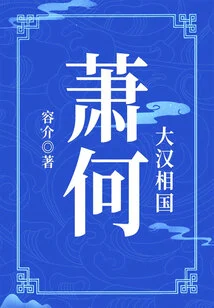
Prime Minister of the Han Dynasty: Xiao He
General Fiction大汉相国:萧何
Yosuke
This book is a biographical novel that focuses on the life of Xiao He. Together with Zhang Liang and Han Xin, he is known as the "Three Heroes of the Early Han Dynasty". He assisted Liu Bang, the emperor of the Han Dynasty, to win the conflict between Chu and Han and established the Han Dynasty. With his outstanding wisdom, he ended the civil disputes after the end of the Qin Dynasty and achieved the unification of the country. Xiao He was better at guarding the rear and managing the ministers. After assuming the post of Prime Minister of the Han Dynasty, he adopted the six laws of the Qin Dynasty, formulated and implemented the "Nine Chapters", advocated governance by doing nothing, and promulgated many decrees that benefited the country and the people. As a result, the early Han Dynasty was governed and the people of the world gradually recuperated. In his later years, he assisted Liu Bang in killing Han Xin, Ying Bu and other princes and kings with different surnames, and also built the new capital city of Chang'an, which means "long-lasting peace and stability". After Liu Bang died, he assisted Han Hui Emperor Liu Ying to ascend the throne with the help of Lu Fei's kindness and power. Finally, after completing his dedicated life, he was buried in Xianyang County, Yongzhou.
This book is a biographical novel that focuses on the life of Xiao He. Together with Zhang Liang and Han Xin, he is known as the "Three Heroes of the Early Han Dynasty". He assisted Liu Bang, the emperor of the Han Dynasty, to win the conflict between Chu and Han and established the Han Dynasty. With his outstanding wisdom, he ended the civil disputes after the end of the Qin Dynasty and achieved the unification of the country. Xiao He was better at guarding the rear and managing the ministers. After assuming the post of Prime Minister of the Han Dynasty, he adopted the six laws of the Qin Dynasty, formulated and implemented the "Nine Chapters", advocated governance by doing nothing, and promulgated many decrees that benefited the country and the people. As a result, the early Han Dynasty was governed and the people of the world gradually recuperated. In his later years, he assisted Liu Bang in killing Han Xin, Ying Bu and other princes and kings with different surnames, and also built the new capital city of Chang'an, which means "long-lasting peace and stability". After Liu Bang died, he assisted Han Hui Emperor Liu Ying to ascend the throne with the help of Lu Fei's kindness and power. Finally, after completing his dedicated life, he was buried in Xianyang County, Yongzhou.
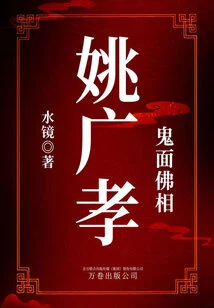
Ghost Face and Buddha Image: Yao Guangxiao
General Fiction鬼面佛相:姚广孝
Water Mirror
This book is a biographical novel focusing on the life of Yao Guangxiao. He was originally a monk in the ancient temple of Yingtianfu. After entering the world, he became the most important counselor under Zhu Di, assisting him in completing his life journey to fight for the throne. At the same time, he was also the main planner behind the "Battle of Jingnan", which ultimately promoted Zhu Di from King Yan to the number one contributor to Emperor Yongle. It also changed Zhu Di's life experiences in the second half of his life. In his later years, he was named the Prince's Young Master. He served as the attendant of the Crown Prince Zhu Gaochi and the eldest grandson of the emperor Zhu Zhanji. He presided over the compilation of "Yongle Dadian" and "Records of Ming Taizu" and other books. He also suggested that Zhu Di reuse Zheng He, strongly supported the country's financial support for Western exploration, and strengthened cultural and trade exchanges with countries around the world. Yao Guangxiao was indifferent to fame and wealth throughout his life. He wore black robes as a monk all his life. He did not want Zhu Di to give him gold, silver, jewelry, and mansions with women. He lived in Qingshou Temple all year round and died of illness here. The Ming Dynasty conducted a funeral and burial with the highest etiquette of a monk. Yao Guangxiao was a man of great intelligence, mysterious temperament, strong political skills, and devoted his life to his duties. However, he wore cassocks all his life, but he was fond of killing, and his later generations also received mixed praises and criticisms. In the Ming Dynasty, since Zhu Yuanzhang abolished Zhongshu Province, there was no prime minister anymore. When Zhu Di was in charge of the imperial power, Yao Guangxiao also rejected the proposal to return to the secular world and join the cabinet. However, his importance to Zhu Di and his actual influence were no less than that of the prime minister, so later generations also called him the "prime minister in black".
This book is a biographical novel focusing on the life of Yao Guangxiao. He was originally a monk in the ancient temple of Yingtianfu. After entering the world, he became the most important counselor under Zhu Di, assisting him in completing his life journey to fight for the throne. At the same time, he was also the main planner behind the "Battle of Jingnan", which ultimately promoted Zhu Di from King Yan to the number one contributor to Emperor Yongle. It also changed Zhu Di's life experiences in the second half of his life. In his later years, he was named the Prince's Young Master. He served as the attendant of the Crown Prince Zhu Gaochi and the eldest grandson of the emperor Zhu Zhanji. He presided over the compilation of "Yongle Dadian" and "Records of Ming Taizu" and other books. He also suggested that Zhu Di reuse Zheng He, strongly supported the country's financial support for Western exploration, and strengthened cultural and trade exchanges with countries around the world. Yao Guangxiao was indifferent to fame and wealth throughout his life. He wore black robes as a monk all his life. He did not want Zhu Di to give him gold, silver, jewelry, and mansions with women. He lived in Qingshou Temple all year round and died of illness here. The Ming Dynasty conducted a funeral and burial with the highest etiquette of a monk. Yao Guangxiao was a man of great intelligence, mysterious temperament, strong political skills, and devoted his life to his duties. However, he wore cassocks all his life, but he was fond of killing, and his later generations also received mixed praises and criticisms. In the Ming Dynasty, since Zhu Yuanzhang abolished Zhongshu Province, there was no prime minister anymore. When Zhu Di was in charge of the imperial power, Yao Guangxiao also rejected the proposal to return to the secular world and join the cabinet. However, his importance to Zhu Di and his actual influence were no less than that of the prime minister, so later generations also called him the "prime minister in black".
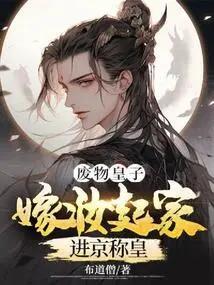
废物皇子:嫁妆起家进京称皇
Preacher
Zhou Yi was reborn as the cowardly stallion prince who was civilized in the country. A secret letter made him a thorn in the side of the powerful prince. Look at how he made a comeback, relying on the dowry of his cheap wife, starting from the border and moving to Beijing to become emperor!
Zhou Yi was reborn as the cowardly stallion prince who was civilized in the country. A secret letter made him a thorn in the side of the powerful prince. Look at how he made a comeback, relying on the dowry of his cheap wife, starting from the border and moving to Beijing to become emperor!
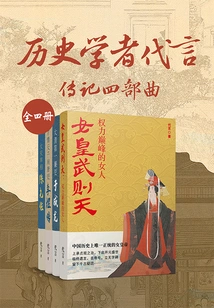
Historian Spokesperson: Biography Quartet (all 4 Volumes)
General Fiction历史学者代言:传记四部曲(全4册)
Endorsement
"Empress Wu Zetian: A Woman at the Peak of Power": Written from the age of 0 to 83, it constructs lifelike scenes based on history and reproduces the legendary life story of Empress Wu Zetian. "The Legend of Li Yu, the Talented Emperor of the Southern Tang Dynasty": With a cowardly character, he shouldn't have been born into an emperor's family, but he happened to be. Since ancient times, fate has been intertwined. His political frustration also contributed to his supreme achievements in literature and art. "Chen Yaozuo, Prime Minister of the Song Dynasty": According to historical records, after Chen Yaozuo became a Jinshi in his 20s, he started as a county lieutenant and rose to the rank of prime minister. He was diligent and honest in government, had outstanding political achievements, and was a talented poet. He was highly praised by literary leader Ouyang Xiu. "The Most Incorruptible Official in the Qing Dynasty Yu Chenglong": During his more than 20 years of official career, he had a political voice wherever he went. In particular, he was always honest and self-sufficient, practiced good governance, and was deeply loved by the people. He was a representative figure of Xunli in the Qing Dynasty. Emperor Kangxi praised him as "the most honest official in the world."
"Empress Wu Zetian: A Woman at the Peak of Power": Written from the age of 0 to 83, it constructs lifelike scenes based on history and reproduces the legendary life story of Empress Wu Zetian. "The Legend of Li Yu, the Talented Emperor of the Southern Tang Dynasty": With a cowardly character, he shouldn't have been born into an emperor's family, but he happened to be. Since ancient times, fate has been intertwined. His political frustration also contributed to his supreme achievements in literature and art. "Chen Yaozuo, Prime Minister of the Song Dynasty": According to historical records, after Chen Yaozuo became a Jinshi in his 20s, he started as a county lieutenant and rose to the rank of prime minister. He was diligent and honest in government, had outstanding political achievements, and was a talented poet. He was highly praised by literary leader Ouyang Xiu. "The Most Incorruptible Official in the Qing Dynasty Yu Chenglong": During his more than 20 years of official career, he had a political voice wherever he went. In particular, he was always honest and self-sufficient, practiced good governance, and was deeply loved by the people. He was a representative figure of Xunli in the Qing Dynasty. Emperor Kangxi praised him as "the most honest official in the world."
Wang Mang Usurped Power
General Fiction王莽篡政
Lu Xinglu
On Wuwu Day in June of the second year of Yuan Shou, the declining Western Han Dynasty royal family was on the verge of collapse. The 26-year-old Emperor Ai gave up and left. Wang Mang, the Marquis of Xindu, who was sent back to the feudal country, took advantage of the sorrow and chaos in the palace to coerce the Empress Dowager and defraud the emperor's seal and jade seal, seize the Han Dynasty, and establish himself as the emperor to tyrannize the world. The sky was angry and people were resentful, and the people were in dire straits. They rose up one after another and overthrew the stupid and unscrupulous emperor.
On Wuwu Day in June of the second year of Yuan Shou, the declining Western Han Dynasty royal family was on the verge of collapse. The 26-year-old Emperor Ai gave up and left. Wang Mang, the Marquis of Xindu, who was sent back to the feudal country, took advantage of the sorrow and chaos in the palace to coerce the Empress Dowager and defraud the emperor's seal and jade seal, seize the Han Dynasty, and establish himself as the emperor to tyrannize the world. The sky was angry and people were resentful, and the people were in dire straits. They rose up one after another and overthrew the stupid and unscrupulous emperor.
Green Forest Rush
General Fiction绿林狂飙
Lu Xinglu
In the 17th year of the AD, during Wang Mang's new reign, most parts of the country were plagued by floods, droughts and locusts for many years. The people lacked food and clothing, and mourned everywhere. In addition, there were many government corvees and excessive levies. The people in the Green Forest Mountain area were even more miserable. Wang Kuang, Wang Feng, and Wang Chang from Jingshan New City raised the banner of rebellion. In a few months, the number grew to 7,000 to 8,000 people, and they were known as the "Green Forest Army" in history. In January 23 AD, the Green Forest Army advanced westward and approached Wancheng, a military town ruled by Wang Mang. At this time, the Green Forest Army had grown to more than 100,000 people. In order to prevent the Liu brothers from usurping the fruits of victory, the Green Forest Rebel Army insisted on February 1, 23 AD. On the first day of February in the Qingshui (now Baihe), an altar was set up on the sandbank in Qingshui (now Baihe) to support Liu Xuan, a weak and incompetent member of the Liu family, as emperor. They were named "Gengshi" and the Green Forest Army was also renamed "Han Army".
In the 17th year of the AD, during Wang Mang's new reign, most parts of the country were plagued by floods, droughts and locusts for many years. The people lacked food and clothing, and mourned everywhere. In addition, there were many government corvees and excessive levies. The people in the Green Forest Mountain area were even more miserable. Wang Kuang, Wang Feng, and Wang Chang from Jingshan New City raised the banner of rebellion. In a few months, the number grew to 7,000 to 8,000 people, and they were known as the "Green Forest Army" in history. In January 23 AD, the Green Forest Army advanced westward and approached Wancheng, a military town ruled by Wang Mang. At this time, the Green Forest Army had grown to more than 100,000 people. In order to prevent the Liu brothers from usurping the fruits of victory, the Green Forest Rebel Army insisted on February 1, 23 AD. On the first day of February in the Qingshui (now Baihe), an altar was set up on the sandbank in Qingshui (now Baihe) to support Liu Xuan, a weak and incompetent member of the Liu family, as emperor. They were named "Gengshi" and the Green Forest Army was also renamed "Han Army".
Liu Xiuchuan
General Fiction刘秀传
Lu Xinglu
During Liu Xiu's tour in Hebei, he used the strategy of "to calm the world first, and then the world will be at peace." He gathered talents and appeased the people, and his power continued to grow. Based on the 100 people who first left Hebei, it has developed into a huge army of nearly 200,000 people. With the concerted efforts of the generals, they traveled thousands of miles to quell the rebellion under the banner of "a wise king rules the world with law." In the chaotic situation where emperors were established in all directions, Wang Lang was destroyed, Bronze Horse was killed, Red Eyebrow was defeated, Chengdu was conquered and Gongsun Shu was killed. The rebel separatist forces in Xizhou and Xishu were pacified, and the rebel forces in the inner palace were eliminated. Finally unified the world, in 25 AD, Liu Xiu, who was only 30 years old, proclaimed himself emperor in Hacheng, Hebei Province and became the founder of the Eastern Han Dynasty, known as Emperor Guangwu in history.
During Liu Xiu's tour in Hebei, he used the strategy of "to calm the world first, and then the world will be at peace." He gathered talents and appeased the people, and his power continued to grow. Based on the 100 people who first left Hebei, it has developed into a huge army of nearly 200,000 people. With the concerted efforts of the generals, they traveled thousands of miles to quell the rebellion under the banner of "a wise king rules the world with law." In the chaotic situation where emperors were established in all directions, Wang Lang was destroyed, Bronze Horse was killed, Red Eyebrow was defeated, Chengdu was conquered and Gongsun Shu was killed. The rebel separatist forces in Xizhou and Xishu were pacified, and the rebel forces in the inner palace were eliminated. Finally unified the world, in 25 AD, Liu Xiu, who was only 30 years old, proclaimed himself emperor in Hacheng, Hebei Province and became the founder of the Eastern Han Dynasty, known as Emperor Guangwu in history.
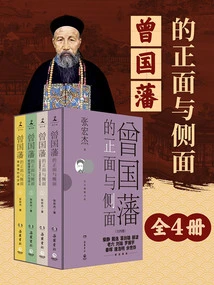
Zeng Guofan's Front and Side (4 Volumes in Total)
General Fiction曾国藩的正面与侧面(全4册)
Zhang Hongjie
This is not only a personal life history of Zeng Guofan, but also a political and social history of the late Qing Dynasty. Through this book, you can not only understand a more comprehensive Zeng Guofan, but also understand the operating rules of traditional Chinese social politics. The set consists of 4 volumes, focusing on the life experiences and methods of life of Zeng Guofan, a famous official in the late Qing Dynasty. The first part tells about Zeng Guofan's career as an official and his principles, thereby exploring Zeng Guofan's inner world and career success or failure as a typical feudal official; the second part mainly tells about Zeng Guofan's family tradition and family management, through the analysis of his relationship with his parents and brothers. , The way of getting along with children, showing the ethical relationships in typical official and gentry families in the late Qing Dynasty; the third part mainly tells the cooperative and conflicting relationship between Zeng Guofan and his colleagues and subordinates, in-depth analysis of the interpersonal communication patterns and various undercurrents of separation and separation in the officialdom of the late Qing Dynasty, and more three-dimensionally reproduces the era environment and social environment in which Zeng Guofan lived. By observing his economic life, the fourth part can provide a glimpse into a little-known aspect of the last saint in traditional society. His "sincerity" and "hypocrisy", his principled yet realistic and tactful attitude in the face of the temptation of money, present the various subtle and complex "rules" of the officialdom of the late Qing Dynasty.
This is not only a personal life history of Zeng Guofan, but also a political and social history of the late Qing Dynasty. Through this book, you can not only understand a more comprehensive Zeng Guofan, but also understand the operating rules of traditional Chinese social politics. The set consists of 4 volumes, focusing on the life experiences and methods of life of Zeng Guofan, a famous official in the late Qing Dynasty. The first part tells about Zeng Guofan's career as an official and his principles, thereby exploring Zeng Guofan's inner world and career success or failure as a typical feudal official; the second part mainly tells about Zeng Guofan's family tradition and family management, through the analysis of his relationship with his parents and brothers. , The way of getting along with children, showing the ethical relationships in typical official and gentry families in the late Qing Dynasty; the third part mainly tells the cooperative and conflicting relationship between Zeng Guofan and his colleagues and subordinates, in-depth analysis of the interpersonal communication patterns and various undercurrents of separation and separation in the officialdom of the late Qing Dynasty, and more three-dimensionally reproduces the era environment and social environment in which Zeng Guofan lived. By observing his economic life, the fourth part can provide a glimpse into a little-known aspect of the last saint in traditional society. His "sincerity" and "hypocrisy", his principled yet realistic and tactful attitude in the face of the temptation of money, present the various subtle and complex "rules" of the officialdom of the late Qing Dynasty.
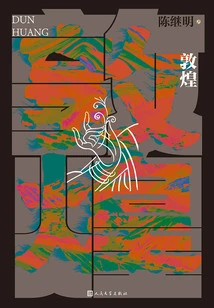
Dunhuang
General Fiction敦煌
Chen Jiming
This book is the latest novel by Chen Jiming, winner of the Chinese Good Book of the Year and the National Five One Project Award. The novel takes the imperial painter of the Tang Dynasty as his main line and goes to Dunhuang in search of colors. It tells the history of Dunhuang, the process of the integration of Tuyuhun and Han people, and the folk secularization of Dunhuang caves. The novel breaks the limitations of ancient and modern time, the geographical limitations of the Central Plains, and the barriers between ethnic groups, and shows the huge spiritual space and irresistible charm of China contained in Dunhuang as one of the matrices of Chinese culture in a broader time and space. The novel continues to take advantage of Chen Jiming's characteristics of being good at narrative in small incisions and showing a broad historical vision and realistic context in the delicate relationship and psychology of characters, presenting readers with a full-length novel with advanced narrative skills and high artistic standards.
This book is the latest novel by Chen Jiming, winner of the Chinese Good Book of the Year and the National Five One Project Award. The novel takes the imperial painter of the Tang Dynasty as his main line and goes to Dunhuang in search of colors. It tells the history of Dunhuang, the process of the integration of Tuyuhun and Han people, and the folk secularization of Dunhuang caves. The novel breaks the limitations of ancient and modern time, the geographical limitations of the Central Plains, and the barriers between ethnic groups, and shows the huge spiritual space and irresistible charm of China contained in Dunhuang as one of the matrices of Chinese culture in a broader time and space. The novel continues to take advantage of Chen Jiming's characteristics of being good at narrative in small incisions and showing a broad historical vision and realistic context in the delicate relationship and psychology of characters, presenting readers with a full-length novel with advanced narrative skills and high artistic standards.
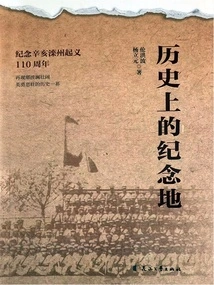
Historical Monument
General Fiction历史上的纪念地
Lun Hongbo Yang Liyuan
This is a novel that comprehensively and accurately reflects the Luanzhou Uprising of 1911. The novel takes the Autumn Exercises held by the Qing government in Luanzhou in 1911 as a starting point, and truly and vividly reproduces the revolutionary feats of the Qing Dynasty's New Army's 20th Town, as well as bourgeois revolutionary organizations such as the Tongmenhui and the Iron-Blooded Society, who shed blood, overthrew the Qing government, and established a republic, with fierce ambition and generous elegance. It carries forward the spirit of the Luanzhou Uprising and reveals the significance of the Luanzhou Uprising of 1911 with its magnificent sense of history, breathtaking tragic beauty, and fascinating artistic charm. It also goes beyond the historical foundation and has profound inspiration and appeal for building a harmonious society and realizing the Chinese dream today.
This is a novel that comprehensively and accurately reflects the Luanzhou Uprising of 1911. The novel takes the Autumn Exercises held by the Qing government in Luanzhou in 1911 as a starting point, and truly and vividly reproduces the revolutionary feats of the Qing Dynasty's New Army's 20th Town, as well as bourgeois revolutionary organizations such as the Tongmenhui and the Iron-Blooded Society, who shed blood, overthrew the Qing government, and established a republic, with fierce ambition and generous elegance. It carries forward the spirit of the Luanzhou Uprising and reveals the significance of the Luanzhou Uprising of 1911 with its magnificent sense of history, breathtaking tragic beauty, and fascinating artistic charm. It also goes beyond the historical foundation and has profound inspiration and appeal for building a harmonious society and realizing the Chinese dream today.
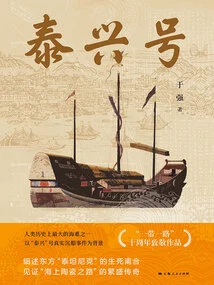
Taixing
General Fiction泰兴号
Yu Qiang
The "Taixing" is a rare giant luxury sailing ship in ancient times, and can be called the "Titanic" of the East. It set sail from Xiamen Port in January 1822, carrying more than one million pieces of blue and white porcelain, mostly produced by Dehua Kiln, and headed for Batavia. Unfortunately, it hit a rock and sank when it sailed to the waters of Java Island. People from all walks of life in southern Fujian board the "Taixing" with different purposes. The direction of the story and the fate of the characters are intertwined through this merchant ship sailing on the sea. The great love between people and the brilliance of humanity shown in the face of disasters are confusing, twists and turns, and touching. The "Taixing" sank, but the spirit carried by the "Taixing" did not sink, and will forever be recorded in the history of the Chinese nation. The precipitation and charm of Dehua's porcelain art will shine forever. This is the historical significance of the tragedy of the "Taixing" and the artistic value of this novel.
The "Taixing" is a rare giant luxury sailing ship in ancient times, and can be called the "Titanic" of the East. It set sail from Xiamen Port in January 1822, carrying more than one million pieces of blue and white porcelain, mostly produced by Dehua Kiln, and headed for Batavia. Unfortunately, it hit a rock and sank when it sailed to the waters of Java Island. People from all walks of life in southern Fujian board the "Taixing" with different purposes. The direction of the story and the fate of the characters are intertwined through this merchant ship sailing on the sea. The great love between people and the brilliance of humanity shown in the face of disasters are confusing, twists and turns, and touching. The "Taixing" sank, but the spirit carried by the "Taixing" did not sink, and will forever be recorded in the history of the Chinese nation. The precipitation and charm of Dehua's porcelain art will shine forever. This is the historical significance of the tragedy of the "Taixing" and the artistic value of this novel.
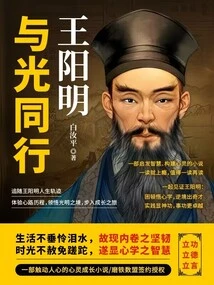
Walking with the Light: Wang Yangming
General Fiction与光同行:王阳明
Bai Ruping
Wang Yangming, an outstanding thinker, politician, and military strategist in the Ming Dynasty, was hailed as a model of life in history for his unique "Xinxue" thinking and outstanding political and military talents. Through a unique perspective, this novel deeply analyzes Wang Yangming's life trajectory and shows the evolution of his psychological growth and psychological thoughts. Readers can find inner guidance in reading, get out of the haze, explore the true self and direction of life, walk with the light, and ultimately achieve the harmony and unity of individuals and society.
Wang Yangming, an outstanding thinker, politician, and military strategist in the Ming Dynasty, was hailed as a model of life in history for his unique "Xinxue" thinking and outstanding political and military talents. Through a unique perspective, this novel deeply analyzes Wang Yangming's life trajectory and shows the evolution of his psychological growth and psychological thoughts. Readers can find inner guidance in reading, get out of the haze, explore the true self and direction of life, walk with the light, and ultimately achieve the harmony and unity of individuals and society.
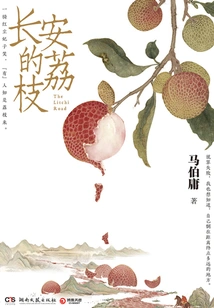
Lychees of Chang'an (original Novel of the Film and Television Series Starring Lei Jiayin and Yue Yunpeng)
General Fiction长安的荔枝(雷佳音、岳云鹏主演影视剧原著小说)
Ma Boyong
The physical book of the same name is now on the market, a masterpiece in Ma Boyong's historical short novel "Jianwei" series! In the 14th year of Tianbao in the Tang Dynasty, Li Shande, a small official in Chang'an City, suddenly received a task: to transport fresh lychees from Lingnan before the birthday of the imperial concubine. The shelf life of lychees is only three days, and Lingnan is more than 5,000 miles away from Chang'an, with vast mountains and rivers, making this an impossible task. For the sake of his family, Li Shande had no choice but to give it a try... The ancient costume version of the story of survival of a social animal, an epic about a little man caught in the cracks of the empire.
The physical book of the same name is now on the market, a masterpiece in Ma Boyong's historical short novel "Jianwei" series! In the 14th year of Tianbao in the Tang Dynasty, Li Shande, a small official in Chang'an City, suddenly received a task: to transport fresh lychees from Lingnan before the birthday of the imperial concubine. The shelf life of lychees is only three days, and Lingnan is more than 5,000 miles away from Chang'an, with vast mountains and rivers, making this an impossible task. For the sake of his family, Li Shande had no choice but to give it a try... The ancient costume version of the story of survival of a social animal, an epic about a little man caught in the cracks of the empire.
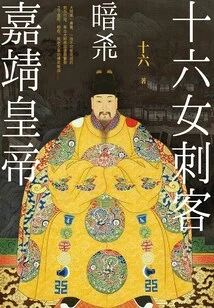
Sixteen Female Assassins Assassinated Emperor Jiajing
General Fiction十六女刺客暗杀嘉靖皇帝
Sixteen
In 1542 AD, sixteen female assassins assassinated Emperor Jiajing, the eleventh emperor of the Ming Dynasty. It was a real historical event, the first unsolved case of the Ming Dynasty, and the most successful assassination of an emperor by women in the past thousand years. It was known in history as the "Renyin Palace Incident." This story revolves around the famous "Sea Ban Dispute" in the history of the mid-Ming Dynasty as the main background. It tells the story of the underworld guards headed by Wu Yiyao who assassinated the Jiajing Emperor Zhu Houcong. As early as 1368 AD, before the founding of the Ming Dynasty, Zhu Yuanzhang, who had not yet proclaimed himself emperor, had formed an alliance with the mysterious organization Hades. The covenant stipulated that the Hades Guards would protect the Ming Emperor for 200 years. During these 200 years, the Hades Guards of all generations secretly protected the safety of the Ming Emperors with their absolute loyalty and ruthless methods.
In 1542 AD, sixteen female assassins assassinated Emperor Jiajing, the eleventh emperor of the Ming Dynasty. It was a real historical event, the first unsolved case of the Ming Dynasty, and the most successful assassination of an emperor by women in the past thousand years. It was known in history as the "Renyin Palace Incident." This story revolves around the famous "Sea Ban Dispute" in the history of the mid-Ming Dynasty as the main background. It tells the story of the underworld guards headed by Wu Yiyao who assassinated the Jiajing Emperor Zhu Houcong. As early as 1368 AD, before the founding of the Ming Dynasty, Zhu Yuanzhang, who had not yet proclaimed himself emperor, had formed an alliance with the mysterious organization Hades. The covenant stipulated that the Hades Guards would protect the Ming Emperor for 200 years. During these 200 years, the Hades Guards of all generations secretly protected the safety of the Ming Emperors with their absolute loyalty and ruthless methods.
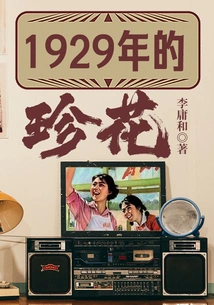
Treasures of 1929
General Fiction1929年的珍花
Li Yonghe
Zhu Zhenhua has experienced the waves of modern history. Since 1936, she has experienced separation from her family and friends, the war of aggression, being imprisoned in a concentration camp, and famine in the south... Many things have happened to her while wandering across the country. Before her death, she recorded her entire ups and downs on manuscript paper as carefully as possible. This is dedicated to the world, to her parents and brothers, and finally to her husband and nephew Xu Cuntong.
Zhu Zhenhua has experienced the waves of modern history. Since 1936, she has experienced separation from her family and friends, the war of aggression, being imprisoned in a concentration camp, and famine in the south... Many things have happened to her while wandering across the country. Before her death, she recorded her entire ups and downs on manuscript paper as carefully as possible. This is dedicated to the world, to her parents and brothers, and finally to her husband and nephew Xu Cuntong.
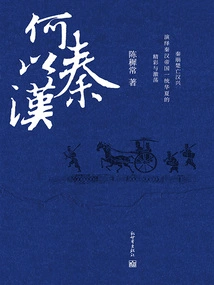
Why Qin and Han
General Fiction何以秦汉
Chen Mauchang
"Why Qin and Han" is a chapter-style novel. From the time when Qin Shihuang unified the six kingdoms in 221 BC until Liu Bang proclaimed himself emperor in 202 BC, it wonderfully interprets the historical chapter of the collapse of Qin, the collapse of Chu, the rise of Han, and the unification of China. It counts the famous military battles in the historical events of the Chu-Han struggle for hegemony, as well as the ins and outs of historical stories such as Xu Fu's overseas quest for immortality, Huang Shigong's award of books to Zhang Liang, burning books to entrap Confucians, the Sand Dune Conspiracy, Calling a Deer a Horse, Hongmen Banquet, Farewell My Concubine, etc. It also introduces historical common sense such as the emperor's title, Qin Dynasty clothes, Xianyang's name, doctorate's official position, etc. This book can not only serve as an introductory book on Qin and Han history for general readers, but also a reference book for historical research.
"Why Qin and Han" is a chapter-style novel. From the time when Qin Shihuang unified the six kingdoms in 221 BC until Liu Bang proclaimed himself emperor in 202 BC, it wonderfully interprets the historical chapter of the collapse of Qin, the collapse of Chu, the rise of Han, and the unification of China. It counts the famous military battles in the historical events of the Chu-Han struggle for hegemony, as well as the ins and outs of historical stories such as Xu Fu's overseas quest for immortality, Huang Shigong's award of books to Zhang Liang, burning books to entrap Confucians, the Sand Dune Conspiracy, Calling a Deer a Horse, Hongmen Banquet, Farewell My Concubine, etc. It also introduces historical common sense such as the emperor's title, Qin Dynasty clothes, Xianyang's name, doctorate's official position, etc. This book can not only serve as an introductory book on Qin and Han history for general readers, but also a reference book for historical research.
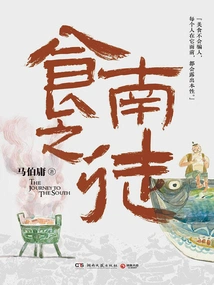
Southern Eaters
General Fiction食南之徒
Ma Boyong
Tang Meng, the greedy Han envoy, came to South Vietnam, the country that knows best about food. The food here is abundant, making it a glutton's dream. However, behind the delicious food, there are conflicts between the north and the south, ethnic estrangements, struggles for power and position, the rise and fall of national policies... All kinds of changes are more complex than the flavors of Lingnan ingredients. This lazy envoy from the Han Dynasty was caught in the political whirlpool of Lingnan. The only partner he can trust is food; the only way to break the situation is the pursuit of the ultimate food. No one thought that that subtle taste would be related to the fate of the Han Dynasty, South Vietnam, and even the entire Chinese territory...
Tang Meng, the greedy Han envoy, came to South Vietnam, the country that knows best about food. The food here is abundant, making it a glutton's dream. However, behind the delicious food, there are conflicts between the north and the south, ethnic estrangements, struggles for power and position, the rise and fall of national policies... All kinds of changes are more complex than the flavors of Lingnan ingredients. This lazy envoy from the Han Dynasty was caught in the political whirlpool of Lingnan. The only partner he can trust is food; the only way to break the situation is the pursuit of the ultimate food. No one thought that that subtle taste would be related to the fate of the Han Dynasty, South Vietnam, and even the entire Chinese territory...
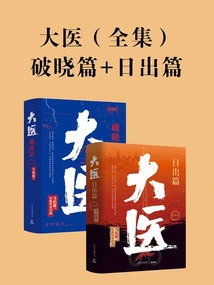
The Great Doctor (complete Collection)
General Fiction大医(全集)
Ma Boyong
Ma Boyong's new full-length historical novel is divided into two volumes: "The Great Doctor: Breaking Dawn" and "The Great Doctor: Sunrise". This book is the complete collection. To save the nation from destruction and to strengthen the country and preserve its species, this was the cry of doctors during the changes in the late Qing Dynasty. A great doctor is like a history, and with his benevolence to help the world, he has witnessed the hundreds of years of great changes in the era. A northeastern boy who narrowly escaped death in the Russo-Japanese War, a Guangdong boy who ran errands at the London Legation, and a Shanghai girl who refused to enjoy her wealth and status - these three young people with different origins, personalities, and circumstances entered the Red Cross General Hospital of China at the same time at the critical juncture of 1910, and began their entangled medical careers. The story of "The Great Doctor: Breaking Dawn" mainly focuses on Shanghai, Guandong, Northern Anhui and London, England from 1904 to 1911; the story of "The Great Doctor: The Sunrise" extends from the Beiyang warlord era to the Anti-Japanese War and even the Liberation War. Through a group of doctors who were involved in the turbulent situation in the first half of the 20th century, and through the perspective and subjective intervention of these medical workers, we look back passionately on the most painful and arduous "big history" of modern China, and write the magnificent and shocking history of the Chinese people's struggle.
Ma Boyong's new full-length historical novel is divided into two volumes: "The Great Doctor: Breaking Dawn" and "The Great Doctor: Sunrise". This book is the complete collection. To save the nation from destruction and to strengthen the country and preserve its species, this was the cry of doctors during the changes in the late Qing Dynasty. A great doctor is like a history, and with his benevolence to help the world, he has witnessed the hundreds of years of great changes in the era. A northeastern boy who narrowly escaped death in the Russo-Japanese War, a Guangdong boy who ran errands at the London Legation, and a Shanghai girl who refused to enjoy her wealth and status - these three young people with different origins, personalities, and circumstances entered the Red Cross General Hospital of China at the same time at the critical juncture of 1910, and began their entangled medical careers. The story of "The Great Doctor: Breaking Dawn" mainly focuses on Shanghai, Guandong, Northern Anhui and London, England from 1904 to 1911; the story of "The Great Doctor: The Sunrise" extends from the Beiyang warlord era to the Anti-Japanese War and even the Liberation War. Through a group of doctors who were involved in the turbulent situation in the first half of the 20th century, and through the perspective and subjective intervention of these medical workers, we look back passionately on the most painful and arduous "big history" of modern China, and write the magnificent and shocking history of the Chinese people's struggle.
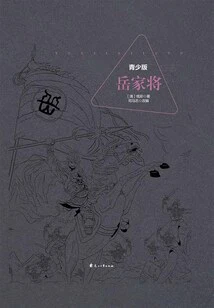
Yue Family General (youth Edition)
General Fiction岳家将(青少版)
(qing Dynasty) Written By Qian Cai And Adapted By Sima Zhi
"Generals of the Yue Family", formerly known as "The Complete Biography of Yue Yue", and its full name as "The Complete Biography of King Yue of the New Jingzhong Romance", has a total of 20 volumes and 80 chapters, written by Qian Cai. The earliest extant edition is the Yuqingtang engraved edition of the Jin family. "General of the Yue Family" is as famous as "General of the Yang Family" and "General of the Hu Family". This book starts from Yue Fei's birth to Yue Lei's sweep of the north. It mainly tells the story of Yue Fei and his son leading an army to fight against the invasion of Jin soldiers when the Northern Song Dynasty fell and the Southern Song Dynasty was unstable. "The Generals of the Yue Family (Youth Edition)" written by Qian Cai is a heroic saga novel with a sense of historical romance. It praises the patriotic generals headed by Yue Fei for their bravery in fighting and serving the country with loyalty, and lashes out at the ugly crimes of the traitorous group headed by Qin Hui who betrayed the country for glory and framed Zhongliang. The book has a complete structure, vivid content, detailed and profound plots, lively language, smooth writing, and lifelike characters. It is one of the most successful works among heroic and legendary novels.
"Generals of the Yue Family", formerly known as "The Complete Biography of Yue Yue", and its full name as "The Complete Biography of King Yue of the New Jingzhong Romance", has a total of 20 volumes and 80 chapters, written by Qian Cai. The earliest extant edition is the Yuqingtang engraved edition of the Jin family. "General of the Yue Family" is as famous as "General of the Yang Family" and "General of the Hu Family". This book starts from Yue Fei's birth to Yue Lei's sweep of the north. It mainly tells the story of Yue Fei and his son leading an army to fight against the invasion of Jin soldiers when the Northern Song Dynasty fell and the Southern Song Dynasty was unstable. "The Generals of the Yue Family (Youth Edition)" written by Qian Cai is a heroic saga novel with a sense of historical romance. It praises the patriotic generals headed by Yue Fei for their bravery in fighting and serving the country with loyalty, and lashes out at the ugly crimes of the traitorous group headed by Qin Hui who betrayed the country for glory and framed Zhongliang. The book has a complete structure, vivid content, detailed and profound plots, lively language, smooth writing, and lifelike characters. It is one of the most successful works among heroic and legendary novels.
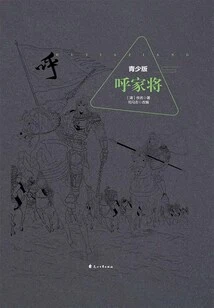
Hu Jia Jiang (youth Edition)
General Fiction呼家将(青少版)
(qing Dynasty) Anonymous Works Adapted By Sima Zhi
"Hujiajiang" is also known as "Shuohu Quanzhuan" and "Purple Gold Whip Romance". It consists of twelve volumes and forty chapters. The author's name has been lost. The earliest available version is the one published by Jin Chang Shuye Tang during the Qianlong period of the Qing Dynasty. It mainly tells the story of the Song Dynasty's Renzong period. Huyan Pixian, the son of the founding father Hu Yanzan, was framed by the traitor Pang Wen, the father of the empress of the West Palace, Pang Fei. More than 300 members of the Hu family were executed, and Huyan Pixian's two sons, Huyan Shouyong and Huyan Shouxin, were killed. He hated his ancestors, risked his life to worship his ancestors, led the troops in the Central Plains to hoe traitors, and defeated the Feisha Formation and the Five Elements Formation. With the support of Bao Zheng, the Eighth Prince and other loyal ministers who protected the country, he finally gave Concubine Pang to death, beheaded Pang Ji, and the Hu family general Zhaoxue was granted the title, winning the struggle. "The Husband" is a popular literary work that the common people love to read, and it is also a work about the victory of justice over evil. The courageous heroism and spirit of loyalty and filial piety shown are worthy of praise. The book has a complete and ingenious chapter structure, a twists and turns of the plot layout, and vivid characters, which make the conflicts between the Hu and Pang families tense, orderly, and exciting. The pictures in the book are vivid and vivid, making it refreshing to read and endless aftertaste.
"Hujiajiang" is also known as "Shuohu Quanzhuan" and "Purple Gold Whip Romance". It consists of twelve volumes and forty chapters. The author's name has been lost. The earliest available version is the one published by Jin Chang Shuye Tang during the Qianlong period of the Qing Dynasty. It mainly tells the story of the Song Dynasty's Renzong period. Huyan Pixian, the son of the founding father Hu Yanzan, was framed by the traitor Pang Wen, the father of the empress of the West Palace, Pang Fei. More than 300 members of the Hu family were executed, and Huyan Pixian's two sons, Huyan Shouyong and Huyan Shouxin, were killed. He hated his ancestors, risked his life to worship his ancestors, led the troops in the Central Plains to hoe traitors, and defeated the Feisha Formation and the Five Elements Formation. With the support of Bao Zheng, the Eighth Prince and other loyal ministers who protected the country, he finally gave Concubine Pang to death, beheaded Pang Ji, and the Hu family general Zhaoxue was granted the title, winning the struggle. "The Husband" is a popular literary work that the common people love to read, and it is also a work about the victory of justice over evil. The courageous heroism and spirit of loyalty and filial piety shown are worthy of praise. The book has a complete and ingenious chapter structure, a twists and turns of the plot layout, and vivid characters, which make the conflicts between the Hu and Pang families tense, orderly, and exciting. The pictures in the book are vivid and vivid, making it refreshing to read and endless aftertaste.
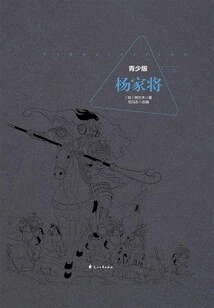
Yang Family General (youth Edition)
General Fiction杨家将(青少版)
(ming Dynasty) Written By Xiong Damu, Adapted By Sima Zhi
"Generals of the Yang Family", also known as "Zhibiography of the Northern Song Dynasty" and "Romance of the Generals of the Yang Family", consists of ten volumes and fifty chapters, written by Xiong Damu. The earliest extant version is the Santaiguan edition of Yu Xiangdou of Jianyang Bookstore during the Wanli period of the Ming Dynasty. This book begins with Emperor Taizong of the Song Dynasty sending his army to the Northern Expedition and Yang Jiye returned to the Song Dynasty, and ends with Mu Guiying's victory over the Tianmen Formation and the Twelve Widows' expedition to Xixia. It mainly tells the story of the famous Northern Song Dynasty general Yang Jiye and his descendants who bravely resisted the Liao Dynasty and defended their country. "The Generals of the Yang Family (Youth Edition) (Essence)" written by Xiong Damu is the earliest surviving novel in my country that describes the story of the Yang Family Generals. It not only successfully created the heroic image of several generations of Yang family generals headed by Yang Jiye, but also created the heroic image of a group of female generals of the Yang family headed by She Taijun. It was a groundbreaking breakthrough at the time. The book has a complete structure, vivid content, and ups and downs of the plot. The author believes that there are three main factors (or pillars of success) that are crucial to training boys to become men, namely education, character and life skills. Please keep these three factors in mind as you read this book. Using this knowledge and your own gifts as a woman and mother, you will help him grow into a wise man, a son you are proud to call a man.
"Generals of the Yang Family", also known as "Zhibiography of the Northern Song Dynasty" and "Romance of the Generals of the Yang Family", consists of ten volumes and fifty chapters, written by Xiong Damu. The earliest extant version is the Santaiguan edition of Yu Xiangdou of Jianyang Bookstore during the Wanli period of the Ming Dynasty. This book begins with Emperor Taizong of the Song Dynasty sending his army to the Northern Expedition and Yang Jiye returned to the Song Dynasty, and ends with Mu Guiying's victory over the Tianmen Formation and the Twelve Widows' expedition to Xixia. It mainly tells the story of the famous Northern Song Dynasty general Yang Jiye and his descendants who bravely resisted the Liao Dynasty and defended their country. "The Generals of the Yang Family (Youth Edition) (Essence)" written by Xiong Damu is the earliest surviving novel in my country that describes the story of the Yang Family Generals. It not only successfully created the heroic image of several generations of Yang family generals headed by Yang Jiye, but also created the heroic image of a group of female generals of the Yang family headed by She Taijun. It was a groundbreaking breakthrough at the time. The book has a complete structure, vivid content, and ups and downs of the plot. The author believes that there are three main factors (or pillars of success) that are crucial to training boys to become men, namely education, character and life skills. Please keep these three factors in mind as you read this book. Using this knowledge and your own gifts as a woman and mother, you will help him grow into a wise man, a son you are proud to call a man.
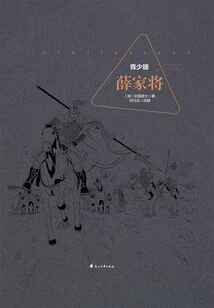
Xue Jiajiang (youth Version)
General Fiction薛家将(青少版)
(qing Dynasty) Written By Rulian, Adapted By Sima Zhi
"Xue Family General" is one of my country's popular novels. The content uses Xue Rengui's life as the longitude and his deeds in conquering the East as the weft. They are criss-crossed and depict a grand blueprint for heroes to pacify the world. Xue Rengui was originally a commoner. When the Six Kingdoms of Xiliang invaded the Tang Dynasty, Tang King Li Shimin decided to lead the expedition himself, so he enlisted in the army and was buried in the Huotou Army. During the campaign to the east, Xue Rengui repeatedly performed extraordinary feats, but was falsely claimed by the traitor Zhang Shigui and his son-in-law He Zongxian. Later, with the help and insight of veteran generals Wei Chigong, Cheng Yaojin and national advisor Xu Maogong, the truth was finally revealed, and he was later named King of Ping Liao. The book is in the form of chapters, rich in content, compact in plot, and easy to understand. In particular, the character descriptions are very vivid and precise, including Xue Rengui, who has outstanding martial arts talents, Yu Chigong, who is loyal and brave, and Cheng Yaojin, who acts recklessly. It can be called one of the classic works of Chinese classical literature for teenagers.
"Xue Family General" is one of my country's popular novels. The content uses Xue Rengui's life as the longitude and his deeds in conquering the East as the weft. They are criss-crossed and depict a grand blueprint for heroes to pacify the world. Xue Rengui was originally a commoner. When the Six Kingdoms of Xiliang invaded the Tang Dynasty, Tang King Li Shimin decided to lead the expedition himself, so he enlisted in the army and was buried in the Huotou Army. During the campaign to the east, Xue Rengui repeatedly performed extraordinary feats, but was falsely claimed by the traitor Zhang Shigui and his son-in-law He Zongxian. Later, with the help and insight of veteran generals Wei Chigong, Cheng Yaojin and national advisor Xu Maogong, the truth was finally revealed, and he was later named King of Ping Liao. The book is in the form of chapters, rich in content, compact in plot, and easy to understand. In particular, the character descriptions are very vivid and precise, including Xue Rengui, who has outstanding martial arts talents, Yu Chigong, who is loyal and brave, and Cheng Yaojin, who acts recklessly. It can be called one of the classic works of Chinese classical literature for teenagers.
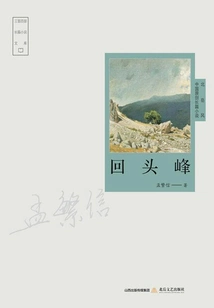
Huitou Peak
General Fiction回头峰
Meng Fanxin
"The Peak of Return" is a contemporary historical novel. This novel is set in the 1980s and 1990s. The story revolves around three people, Sensen, Xiaoshouzi and Damasi, who grew up together and were apprentices of the martial arts master Fang. The novel takes "profit" as its priority and "righteousness" as its slogan, and the whole story is full of Jianghu atmosphere. The novel reveals social contradictions and explores human nature in depth, and the characters are distinctive and full of personality.
"The Peak of Return" is a contemporary historical novel. This novel is set in the 1980s and 1990s. The story revolves around three people, Sensen, Xiaoshouzi and Damasi, who grew up together and were apprentices of the martial arts master Fang. The novel takes "profit" as its priority and "righteousness" as its slogan, and the whole story is full of Jianghu atmosphere. The novel reveals social contradictions and explores human nature in depth, and the characters are distinctive and full of personality.
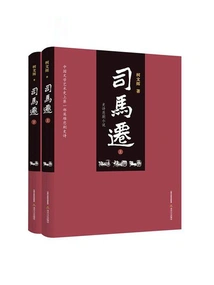
Sima Qian (2 Volumes in Total)
General Fiction司马迁(全2册)
Ke Wenhui
With brilliant colors, epic language, unique conception, and a broad historical background, this book writes the magnificent tragic life of the great ancient historian Sima Qian. We can read not only Sima Qian's great genius and great personality, but also the author's sustenance. Only when more than two thousand years later, after more than a hundred years of twists and turns of the anti-feudal struggle, is it possible to finally break out of the vicious cycle of the "cycle of heaven" and create a great "human country", will it be possible for people to step onto a higher platform and rediscover the ancient heroic cause with new eyes and minds. This is the valuable and gratifying aspect of this novel.
With brilliant colors, epic language, unique conception, and a broad historical background, this book writes the magnificent tragic life of the great ancient historian Sima Qian. We can read not only Sima Qian's great genius and great personality, but also the author's sustenance. Only when more than two thousand years later, after more than a hundred years of twists and turns of the anti-feudal struggle, is it possible to finally break out of the vicious cycle of the "cycle of heaven" and create a great "human country", will it be possible for people to step onto a higher platform and rediscover the ancient heroic cause with new eyes and minds. This is the valuable and gratifying aspect of this novel.
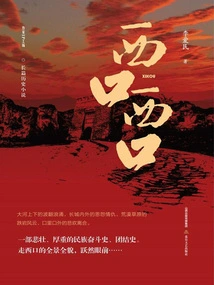
West Exit, West Exit
General Fiction西口,西口
Li Aimin
This book is a full-length historical novel. The time is limited to the mid-Qing Dynasty to the late Qing Dynasty. Through the tortuous journey of the three little dragons of He, Bao and Pian - Li Xiaoduo, Chen Jiafeng and Guo Wangsu - from the west entrance, it shows the hardships of the mainland Han people in seeking to survive outside the country, as well as the unyielding spirit of having the courage to fight against fate. At the same time, through the coexistence, unity and exchanges between the Han people and the Mongolian people, the nomadic culture and farming culture of each other penetrated and integrated with each other, promoting the long-term common progress of the Mongolian and Han peoples. The work has a grand structure, detailed historical materials, various characters, and complex stories. It artistically reproduces the major historical event of Walking to the West Exit. It is the first complete literary work on the theme of Walking to the West Exit in China.
This book is a full-length historical novel. The time is limited to the mid-Qing Dynasty to the late Qing Dynasty. Through the tortuous journey of the three little dragons of He, Bao and Pian - Li Xiaoduo, Chen Jiafeng and Guo Wangsu - from the west entrance, it shows the hardships of the mainland Han people in seeking to survive outside the country, as well as the unyielding spirit of having the courage to fight against fate. At the same time, through the coexistence, unity and exchanges between the Han people and the Mongolian people, the nomadic culture and farming culture of each other penetrated and integrated with each other, promoting the long-term common progress of the Mongolian and Han peoples. The work has a grand structure, detailed historical materials, various characters, and complex stories. It artistically reproduces the major historical event of Walking to the West Exit. It is the first complete literary work on the theme of Walking to the West Exit in China.
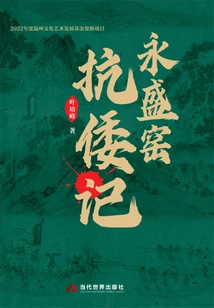
Yongsheng Kiln's Anti-japanese War
General Fiction永盛窑抗倭记
Ye Peifeng
This book is a historical romance novel with the background of the military and civilian resistance against Japanese aggression in the southeastern coast of the Ming Dynasty. It is also a heroic legend about the children of eastern Zhejiang who protected their homes and country during the Ming Dynasty. In the Ming Dynasty, Japanese pirates were a problem. Zhuxian Town and Zhuzhu specially hired Qi Feixia as the chief guard of the Yongsheng kiln, responsible for supervising the transportation, unloading and maritime escort of porcelain at the dock. Qi Feixia mastered the "Lightning Thunder Sword Technique" and led the Yongsheng kiln guarding team to be resourceful, brave, tenacious and unyielding. They fought against Japanese pirates many times and won. At the same time, the relationship between Qi Feixia and Zhu Zhu also became stronger and they finally became a couple.
This book is a historical romance novel with the background of the military and civilian resistance against Japanese aggression in the southeastern coast of the Ming Dynasty. It is also a heroic legend about the children of eastern Zhejiang who protected their homes and country during the Ming Dynasty. In the Ming Dynasty, Japanese pirates were a problem. Zhuxian Town and Zhuzhu specially hired Qi Feixia as the chief guard of the Yongsheng kiln, responsible for supervising the transportation, unloading and maritime escort of porcelain at the dock. Qi Feixia mastered the "Lightning Thunder Sword Technique" and led the Yongsheng kiln guarding team to be resourceful, brave, tenacious and unyielding. They fought against Japanese pirates many times and won. At the same time, the relationship between Qi Feixia and Zhu Zhu also became stronger and they finally became a couple.
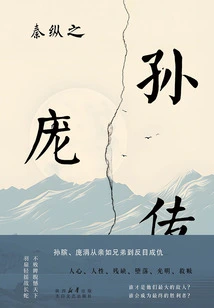
Biography of Qin Zong's Grandson Pang
General Fiction秦纵之孙庞传
People On The Internet
During the Warring States Period, the situation in the world was turbulent. Pang Juan came out of the mountain at the invitation of Wei Guogongzi Yin and started his wonderful life. At the same time, in the war after war, his heart was also changing, and victory gradually became his bondage. After Sun Bin defected to his junior brother Pang Juan, he thought it was the beginning of his rise in life. Unexpectedly, because he was implicated in Wei Yang's defection to Qin, he lost his twins and changed his name to Sun Bin. After experiencing repeated betrayals and double physical and psychological blows, Sun Bin's character has undergone tremendous changes. The two people who were once like brothers inevitably broke up. The challenges they encountered were not only from other vassal states, but also from their own hearts. In the face of setbacks, where will their lives go? And can it be redeemed?
During the Warring States Period, the situation in the world was turbulent. Pang Juan came out of the mountain at the invitation of Wei Guogongzi Yin and started his wonderful life. At the same time, in the war after war, his heart was also changing, and victory gradually became his bondage. After Sun Bin defected to his junior brother Pang Juan, he thought it was the beginning of his rise in life. Unexpectedly, because he was implicated in Wei Yang's defection to Qin, he lost his twins and changed his name to Sun Bin. After experiencing repeated betrayals and double physical and psychological blows, Sun Bin's character has undergone tremendous changes. The two people who were once like brothers inevitably broke up. The challenges they encountered were not only from other vassal states, but also from their own hearts. In the face of setbacks, where will their lives go? And can it be redeemed?
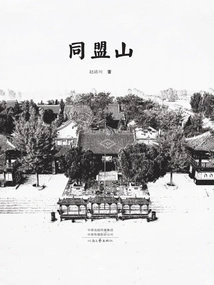
Confederate Mountain
General Fiction同盟山
Zhao Qingchuan
The author re-examines this period of history based on the folk tales circulated in Makino. He re-writes the history and characters with a new perspective and refers to historical books. He interprets a group of lifelike characters and constructs an ups and downs story.
The author re-examines this period of history based on the folk tales circulated in Makino. He re-writes the history and characters with a new perspective and refers to historical books. He interprets a group of lifelike characters and constructs an ups and downs story.
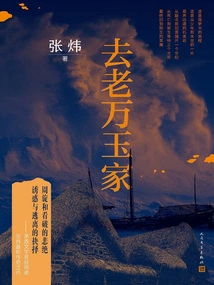
Go to Lao Wanyu's House
General Fiction去老万玉家
Zhang Wei
This book is a heavy novel that Zhang Wei, winner of the Mao Dun Literature Prize, has been preparing for decades. On the Jiaodong Peninsula, several forces are surging undercurrents: the Qing government's official army, local bandits, and the revolutionary army coming from the south. "Lao Wanyu" is one of the legendary bandits who are both good and evil. A secret "Picture of a Woman Riding a Horse" and a last wish related to a blood feud made the young and handsome Prince Wan Ping of the Shu Mansion embark on a journey to meet "Old Wan Yu". Along the way, this army living among the islands made him surprised, admired, and recognized, but also made him doubt, pain, and anger... This was a rush full of expectations, and an escape without hesitation. During the return, Shu Wanping finally completed the spiritual baptism and found his own path in life.
This book is a heavy novel that Zhang Wei, winner of the Mao Dun Literature Prize, has been preparing for decades. On the Jiaodong Peninsula, several forces are surging undercurrents: the Qing government's official army, local bandits, and the revolutionary army coming from the south. "Lao Wanyu" is one of the legendary bandits who are both good and evil. A secret "Picture of a Woman Riding a Horse" and a last wish related to a blood feud made the young and handsome Prince Wan Ping of the Shu Mansion embark on a journey to meet "Old Wan Yu". Along the way, this army living among the islands made him surprised, admired, and recognized, but also made him doubt, pain, and anger... This was a rush full of expectations, and an escape without hesitation. During the return, Shu Wanping finally completed the spiritual baptism and found his own path in life.
Mainstay: Zeng Guofan
General Fiction中流砥柱:曾国藩
Water Mirror
This book is a biographical novel focusing on the second half of Zeng Guofan's life, including the founding of the Hunan Army, the battle against Hunan and Jiangxi, the attack on Jiangning, the Westernization Program, his appointment in Liangjiang, his death from illness, and the title of hero. His half-life experience was the last reflection of the declining feudal dynasty. His talents include knowing others and cultivating general talents. According to historical statistics, he has trained more than 400 talents in his life, covering various fields such as politics, economy, diplomacy, military, scientific research, culture and so on. His moral character was deeply influenced by Confucian culture, and he devoted his life to becoming a noble man praised by everyone. His family tradition advocates adhering to diligence, thrift, and integrity. His family is full of talented people. Three generations have been officials in the government. His brothers include Zeng Guoquan, who has a great military record, and Zeng Guohua, who sacrificed his life for the country. His descendants include Zeng Jize, a famous diplomat in modern history, and Zeng Jihong, a third son, a famous mathematician. Even his grandchildren have translators, chemists, educators, and other talents of value to the nation. Zeng Guofan left a motto: "My progress in life comes only when I am frustrated and humiliated." ' As the first famous minister in the late Qing Dynasty, he deservedly became the last mainstay of the Qing court.
This book is a biographical novel focusing on the second half of Zeng Guofan's life, including the founding of the Hunan Army, the battle against Hunan and Jiangxi, the attack on Jiangning, the Westernization Program, his appointment in Liangjiang, his death from illness, and the title of hero. His half-life experience was the last reflection of the declining feudal dynasty. His talents include knowing others and cultivating general talents. According to historical statistics, he has trained more than 400 talents in his life, covering various fields such as politics, economy, diplomacy, military, scientific research, culture and so on. His moral character was deeply influenced by Confucian culture, and he devoted his life to becoming a noble man praised by everyone. His family tradition advocates adhering to diligence, thrift, and integrity. His family is full of talented people. Three generations have been officials in the government. His brothers include Zeng Guoquan, who has a great military record, and Zeng Guohua, who sacrificed his life for the country. His descendants include Zeng Jize, a famous diplomat in modern history, and Zeng Jihong, a third son, a famous mathematician. Even his grandchildren have translators, chemists, educators, and other talents of value to the nation. Zeng Guofan left a motto: "My progress in life comes only when I am frustrated and humiliated." ' As the first famous minister in the late Qing Dynasty, he deservedly became the last mainstay of the Qing court.
Late Qing Dynasty: Li Hongzhang
General Fiction晚清风云:李鸿章
Water Mirror
This book is a biographical novel that focuses on the second half of Li Hongzhang's life, including countering the rebellion, organizing the Huai Army, running the Westernization Service, building a navy, signing treaties, visiting Europe and the United States, dying of illness and illness, and discussing through the ages. His half-life experience is enough to support a history of the late Qing Dynasty. Regarding the historical controversy surrounding his person, there is still no comprehensive evaluation that can balance the views of all parties in academic circles at home and abroad. To his credit, he proposed that China has experienced changes that have not happened in three thousand years. By learning advanced Western technology and then carrying out domestic reforms, he not only established a naval and military system, but also established an industrial production and financial order, which the world should recognize. On the other hand, he blindly bowed to the decadent feudal dynasty. He only knew how to show foolish loyalty to the court, but did not know how to safeguard the interests of the people. It should be noted that a high-ranking official regards the welfare of the people as his own duty. In the end, he was nailed to the pillar of shame forever because he signed several treaties for the imperial court that involved losing power, humiliating the country, and ceding territory to pay compensation. Throughout Li Hongzhang's life, his talent and selfish desires complemented each other, so Liang Qichao once made a pertinent comment: I respect Li Hongzhang's talent, I cherish Li Hongzhang's knowledge, and I am saddened by Li Hongzhang's fate.
This book is a biographical novel that focuses on the second half of Li Hongzhang's life, including countering the rebellion, organizing the Huai Army, running the Westernization Service, building a navy, signing treaties, visiting Europe and the United States, dying of illness and illness, and discussing through the ages. His half-life experience is enough to support a history of the late Qing Dynasty. Regarding the historical controversy surrounding his person, there is still no comprehensive evaluation that can balance the views of all parties in academic circles at home and abroad. To his credit, he proposed that China has experienced changes that have not happened in three thousand years. By learning advanced Western technology and then carrying out domestic reforms, he not only established a naval and military system, but also established an industrial production and financial order, which the world should recognize. On the other hand, he blindly bowed to the decadent feudal dynasty. He only knew how to show foolish loyalty to the court, but did not know how to safeguard the interests of the people. It should be noted that a high-ranking official regards the welfare of the people as his own duty. In the end, he was nailed to the pillar of shame forever because he signed several treaties for the imperial court that involved losing power, humiliating the country, and ceding territory to pay compensation. Throughout Li Hongzhang's life, his talent and selfish desires complemented each other, so Liang Qichao once made a pertinent comment: I respect Li Hongzhang's talent, I cherish Li Hongzhang's knowledge, and I am saddened by Li Hongzhang's fate.
Qixun is Good at Planning: Lu Xun
General Fiction奇逊善谋:陆逊
Su Qiwen
This book tells the life of Lu Xun. After losing his father when he was young, he joined Sun Quan's camp at the age of 21. He later served for Sun Quan, won many wars, and formed a deep comradeship with Lu Meng and Zhuge Jin. After the Battle of Chibi, regarding the occupation of Jingzhou, there was no fault, and the expedition was bound to fail. In the end, a series of plots were devised, forcing Guan Yu to defeat Maicheng. After the death of Lu Su, Lu Xun was reused and appreciated by Sun Quan. He became the prime minister and gradually moved into the center of power in Soochow. Sun He and Sun Ba were involved in the dispute between Sun Quan and his son during the "Second Palace Controversy", and finally died in depression. Throughout his life, he did not realize all his ambitions.
This book tells the life of Lu Xun. After losing his father when he was young, he joined Sun Quan's camp at the age of 21. He later served for Sun Quan, won many wars, and formed a deep comradeship with Lu Meng and Zhuge Jin. After the Battle of Chibi, regarding the occupation of Jingzhou, there was no fault, and the expedition was bound to fail. In the end, a series of plots were devised, forcing Guan Yu to defeat Maicheng. After the death of Lu Su, Lu Xun was reused and appreciated by Sun Quan. He became the prime minister and gradually moved into the center of power in Soochow. Sun He and Sun Ba were involved in the dispute between Sun Quan and his son during the "Second Palace Controversy", and finally died in depression. Throughout his life, he did not realize all his ambitions.
Great Business Sage: Fan Li
General Fiction大国商圣:范蠡
Yosuke
Fan Li can be described as a legendary figure for thousands of years. He rose from a commoner to a high-ranking official and general of the Yue Kingdom. When the Yue Kingdom was destroyed and its monarch was humiliated, Fan Li used his perseverance and grand strategy to assist the monarch Gou Jian in reviving the Yue Kingdom that was on the verge of destruction, defeating the Wu Kingdom that dominated the princes, and creating a great cause of revitalizing and destroying one country. After completing the great cause of restoring the Yue Kingdom, Fan Li did not love power and retreated bravely, so he took his family on a boat trip across the five lakes with the wish of finding Xi Shi. When the Qi State suffered a natural disaster, Fan Li took the world as his own responsibility and shouldered the moral responsibility. He became the Prime Minister of Qi again and helped the people in danger. After the prosperity of Qi State, Fan Li resigned from office again and retired. Fan Li started his business and started a business, making three fortunes, and became the world-famous Tao Zhugong. Today, there is a saying that "in ancient times there was Tao Zhugong in the pre-Qin Dynasty, and in recent times there is Hu Xueyan in the late Qing Dynasty." Fan Li gathered and dispersed from time to time, squandering his wealth as he pleased. People worshiped this hero who had easy access to wealth as the God of Wealth. This book introduces Fan Li's magnificent and legendary life, demonstrates his outstanding political and military talents, and tells the various legends about how he created huge wealth after abandoning politics and entering business. It interprets the speculations he left for future generations in a romantic form, and tells his life wisdom for us to taste and learn from.
Fan Li can be described as a legendary figure for thousands of years. He rose from a commoner to a high-ranking official and general of the Yue Kingdom. When the Yue Kingdom was destroyed and its monarch was humiliated, Fan Li used his perseverance and grand strategy to assist the monarch Gou Jian in reviving the Yue Kingdom that was on the verge of destruction, defeating the Wu Kingdom that dominated the princes, and creating a great cause of revitalizing and destroying one country. After completing the great cause of restoring the Yue Kingdom, Fan Li did not love power and retreated bravely, so he took his family on a boat trip across the five lakes with the wish of finding Xi Shi. When the Qi State suffered a natural disaster, Fan Li took the world as his own responsibility and shouldered the moral responsibility. He became the Prime Minister of Qi again and helped the people in danger. After the prosperity of Qi State, Fan Li resigned from office again and retired. Fan Li started his business and started a business, making three fortunes, and became the world-famous Tao Zhugong. Today, there is a saying that "in ancient times there was Tao Zhugong in the pre-Qin Dynasty, and in recent times there is Hu Xueyan in the late Qing Dynasty." Fan Li gathered and dispersed from time to time, squandering his wealth as he pleased. People worshiped this hero who had easy access to wealth as the God of Wealth. This book introduces Fan Li's magnificent and legendary life, demonstrates his outstanding political and military talents, and tells the various legends about how he created huge wealth after abandoning politics and entering business. It interprets the speculations he left for future generations in a romantic form, and tells his life wisdom for us to taste and learn from.
Minister of Humility: Zuo Zongtang
General Fiction肱股之臣:左宗棠
Water Mirror
This book is a biographical novel focusing on the second half of Zuo Zongtang's life. He retired to seclusion in his early years and emerged from the mountains in his later years. He controlled Hunan, pacified Fujian and Zhejiang, attacked Shaanxi and Gansu, settled the frontiers, and raised border defenses, but regretted his life. His military talent was always able to strategize and win decisively thousands of miles away. He was known as "Zhuge's reincarnation". However, his temperament is weird, changeable and surly. If he does not get along with him, he will not be worthy of being respected by outsiders. But the only unchanging fact is that when he was alive, he would not give up an inch of China's territory and would attack it with troops. People all over the world respected Zuo Zongtang as "Zuo Gong" because of his spirit of loyalty to the country. In his later years, he repeatedly stopped the humiliating policy of "ceding land and paying indemnity" set by the imperial court. However, as the deadline had come, he could no longer make a comeback and died of illness in Fuzhou when he was over seventy years old. His colleague once wrote a poem to express Zuo Gong's life aspirations. The poem said: The general has not yet returned the border, and the descendants of Hunan and Xiang are all over the Tianshan Mountains. Three thousand miles of newly planted willows attract the spring breeze to Yuguan. Therefore, looking at the late Qing Dynasty, if anyone can be called a minister of humiliation, Zuo Gong deserves it.
This book is a biographical novel focusing on the second half of Zuo Zongtang's life. He retired to seclusion in his early years and emerged from the mountains in his later years. He controlled Hunan, pacified Fujian and Zhejiang, attacked Shaanxi and Gansu, settled the frontiers, and raised border defenses, but regretted his life. His military talent was always able to strategize and win decisively thousands of miles away. He was known as "Zhuge's reincarnation". However, his temperament is weird, changeable and surly. If he does not get along with him, he will not be worthy of being respected by outsiders. But the only unchanging fact is that when he was alive, he would not give up an inch of China's territory and would attack it with troops. People all over the world respected Zuo Zongtang as "Zuo Gong" because of his spirit of loyalty to the country. In his later years, he repeatedly stopped the humiliating policy of "ceding land and paying indemnity" set by the imperial court. However, as the deadline had come, he could no longer make a comeback and died of illness in Fuzhou when he was over seventy years old. His colleague once wrote a poem to express Zuo Gong's life aspirations. The poem said: The general has not yet returned the border, and the descendants of Hunan and Xiang are all over the Tianshan Mountains. Three thousand miles of newly planted willows attract the spring breeze to Yuguan. Therefore, looking at the late Qing Dynasty, if anyone can be called a minister of humiliation, Zuo Gong deserves it.
Red-topped Wealthy Businessman: Hu Xueyan
General Fiction红顶巨贾:胡雪岩
Ye Pingsheng
As a wealthy businessman who was active in the second half of the 19th century, Hu Xueyan's life experience is also a microcosm of an era. He relied on Wang Youling in the first half of his life, and assisted Zuo Zongtang in the second half of his life. He opened a bank, ran a medicine hall, raised food and grass, helped disaster victims, borrowed foreign money, and scattered family wealth. His life was full of ups and downs and overcoming obstacles. With one hand, he was able to navigate the officialdom and political circles, and with the other hand, he had extensive connections with the gentry and celebrities, from a waiter to a famous Huizhou businessman. Behind this great success were his keen sense of smell, extraordinary courage, and tenacious character. He and Zuo Zongtang became confidants in times of need, assisting Zuo Zongtang in establishing the route of Westernization to save the country, hiring Western craftsmen, attracting foreign investment and equipment, and developing new shipping management. During Zuo Zongtang's Western Expedition in his later years, he raised huge amounts of silver to cover the logistics expenses of the army, and made immortal contributions to the success of the Western Expedition. With the tide of history and opportunities, a commercial empire with banks, silk shops, grain merchants, and medicine halls as its core was established step by step. In the end, he was awarded the second-pin red dome for his achievements in the Western Expedition, which made him famous all over the world and will be remembered by future generations. Looking at the history of China, no merchants can compare. But in his later years, unexpected changes occurred due to the dispute over the Chinese and foreign silk trade, and he was persecuted by treacherous bureaucrats. Eventually, he ended up with all his wealth, fame and fame, and a miserable death. Standing at the end of the historical tunnel and looking back, Hu Xueyan's life experience is the epitome of the rise and fall of merchant houses under the turbulent tide of the times, and has written an important chapter in the history of modern China.
As a wealthy businessman who was active in the second half of the 19th century, Hu Xueyan's life experience is also a microcosm of an era. He relied on Wang Youling in the first half of his life, and assisted Zuo Zongtang in the second half of his life. He opened a bank, ran a medicine hall, raised food and grass, helped disaster victims, borrowed foreign money, and scattered family wealth. His life was full of ups and downs and overcoming obstacles. With one hand, he was able to navigate the officialdom and political circles, and with the other hand, he had extensive connections with the gentry and celebrities, from a waiter to a famous Huizhou businessman. Behind this great success were his keen sense of smell, extraordinary courage, and tenacious character. He and Zuo Zongtang became confidants in times of need, assisting Zuo Zongtang in establishing the route of Westernization to save the country, hiring Western craftsmen, attracting foreign investment and equipment, and developing new shipping management. During Zuo Zongtang's Western Expedition in his later years, he raised huge amounts of silver to cover the logistics expenses of the army, and made immortal contributions to the success of the Western Expedition. With the tide of history and opportunities, a commercial empire with banks, silk shops, grain merchants, and medicine halls as its core was established step by step. In the end, he was awarded the second-pin red dome for his achievements in the Western Expedition, which made him famous all over the world and will be remembered by future generations. Looking at the history of China, no merchants can compare. But in his later years, unexpected changes occurred due to the dispute over the Chinese and foreign silk trade, and he was persecuted by treacherous bureaucrats. Eventually, he ended up with all his wealth, fame and fame, and a miserable death. Standing at the end of the historical tunnel and looking back, Hu Xueyan's life experience is the epitome of the rise and fall of merchant houses under the turbulent tide of the times, and has written an important chapter in the history of modern China.
Romance of the Two Jin Dynasties (part 1)
General Fiction两晋演义(上)
Cai Dongfan
"The Romance of the Two Jin Dynasties" uses a chapter-like structure, popular articles, and witty comments to truly reproduce the magnificent historical evolution of Chinese civilization and narrate the rise and fall of the Jin Dynasty. There are one hundred chapters in total, starting from the Sima Yan Dynasty in the Wei Dynasty and ending in the Liu Song Dynasty in the Jin Dynasty, which lasted for 156 years. The Western Jin Dynasty ended nearly a hundred years of division. However, the Eight Kings Rebellion depleted the country's capital and the Hu people, who were mixed with the Han people, took the opportunity to launch attacks one after another, leading to the fall of the Western Jin Dynasty. The Eastern Jin Dynasty rebuilt in Jiangdong, accumulated energy, and launched the difficult task of the Northern Expedition, but its strength was lost due to internal power struggles. General Liu Yu stood out and made two Northern Expeditions to recapture Chang'an. After that, he deposed two emperors one after another, founded the Song Dynasty, and fell to the Eastern Jin Dynasty. This book is the first part of "The Romance of the Two Jin Dynasties". It tells the history from "the first chapter, sacrificing Sima Kaiji in the southern suburbs, setting up the East Palace to prevent disasters" to "the fiftieth chapter, selecting generals in Liangzhou to defeat the enemy, building a palace and seducing the Shi family to promote prostitution".
"The Romance of the Two Jin Dynasties" uses a chapter-like structure, popular articles, and witty comments to truly reproduce the magnificent historical evolution of Chinese civilization and narrate the rise and fall of the Jin Dynasty. There are one hundred chapters in total, starting from the Sima Yan Dynasty in the Wei Dynasty and ending in the Liu Song Dynasty in the Jin Dynasty, which lasted for 156 years. The Western Jin Dynasty ended nearly a hundred years of division. However, the Eight Kings Rebellion depleted the country's capital and the Hu people, who were mixed with the Han people, took the opportunity to launch attacks one after another, leading to the fall of the Western Jin Dynasty. The Eastern Jin Dynasty rebuilt in Jiangdong, accumulated energy, and launched the difficult task of the Northern Expedition, but its strength was lost due to internal power struggles. General Liu Yu stood out and made two Northern Expeditions to recapture Chang'an. After that, he deposed two emperors one after another, founded the Song Dynasty, and fell to the Eastern Jin Dynasty. This book is the first part of "The Romance of the Two Jin Dynasties". It tells the history from "the first chapter, sacrificing Sima Kaiji in the southern suburbs, setting up the East Palace to prevent disasters" to "the fiftieth chapter, selecting generals in Liangzhou to defeat the enemy, building a palace and seducing the Shi family to promote prostitution".
Romance of the Two Jin Dynasties (part 2)
General Fiction两晋演义(下)
Cai Dongfan
"The Romance of the Two Jin Dynasties" uses a chapter-like structure, popular articles, and witty comments to truly reproduce the magnificent historical evolution of Chinese civilization and narrate the rise and fall of the Jin Dynasty. There are one hundred chapters in total, starting from the Sima Yan Dynasty in the Wei Dynasty and ending in the Liu Song Dynasty in the Jin Dynasty, which lasted for 156 years. The Western Jin Dynasty ended nearly a hundred years of division. However, the Eight Kings Rebellion depleted the country's capital and the Hu people, who were mixed with the Han people, took the opportunity to launch attacks one after another, leading to the fall of the Western Jin Dynasty. The Eastern Jin Dynasty rebuilt in Jiangdong, accumulated energy, and launched the difficult task of the Northern Expedition, but its strength was lost due to internal power struggles. General Liu Yu stood out and made two Northern Expeditions to recapture Chang'an. After that, he deposed two emperors one after another, founded the Song Dynasty, and fell to the Eastern Jin Dynasty. This book is the second part of "Romance of the Two Jin Dynasties". It tells the history from "Chapter 51: Punishing the Nizi, setting fire to the body and blaming the patient for resisting Yan Ji's remonstrance" to "Chapter 100: Inciting bandits to invade the Qin Pass and then losing the throne, forcing him to take the Zen position of Jin Zuo and end his life".
"The Romance of the Two Jin Dynasties" uses a chapter-like structure, popular articles, and witty comments to truly reproduce the magnificent historical evolution of Chinese civilization and narrate the rise and fall of the Jin Dynasty. There are one hundred chapters in total, starting from the Sima Yan Dynasty in the Wei Dynasty and ending in the Liu Song Dynasty in the Jin Dynasty, which lasted for 156 years. The Western Jin Dynasty ended nearly a hundred years of division. However, the Eight Kings Rebellion depleted the country's capital and the Hu people, who were mixed with the Han people, took the opportunity to launch attacks one after another, leading to the fall of the Western Jin Dynasty. The Eastern Jin Dynasty rebuilt in Jiangdong, accumulated energy, and launched the difficult task of the Northern Expedition, but its strength was lost due to internal power struggles. General Liu Yu stood out and made two Northern Expeditions to recapture Chang'an. After that, he deposed two emperors one after another, founded the Song Dynasty, and fell to the Eastern Jin Dynasty. This book is the second part of "Romance of the Two Jin Dynasties". It tells the history from "Chapter 51: Punishing the Nizi, setting fire to the body and blaming the patient for resisting Yan Ji's remonstrance" to "Chapter 100: Inciting bandits to invade the Qin Pass and then losing the throne, forcing him to take the Zen position of Jin Zuo and end his life".
Romance of Tang History (part 1)
General Fiction唐史演义(上)
Cai Dongfan
"The Romance of Tang History" is a chapter-style historical romance novel with a total of one hundred chapters. It tells the story of Li Yuan and his son's troops stationed in Chang'an, the unification of the Tang Dynasty, the rule of Zhenguan, Wu Zetian's replacement of the Tang Dynasty and the establishment of the Zhou Dynasty, the prosperity of the Kaiyuan Dynasty and the Anshi Rebellion, as well as the eunuch monopoly, separatist feudal towns, Huangchao Uprising, and the demise of the Tang Dynasty in the Middle Tang Dynasty. It has a glorious three-hundred-year history. This book is the first part of "The Romance of Tang History". It tells the history from "The first chapter of Longxing's founding of the People's Republic of China to the selection of seeds to serve at banquets to earn money for the Duke of Tang Dynasty" to the "fiftieth chapter of the story of Chen Zhen, the boy of Qinzhenglou, and Fan Yangzhen's rebellion against Hu Gou Chaos".
"The Romance of Tang History" is a chapter-style historical romance novel with a total of one hundred chapters. It tells the story of Li Yuan and his son's troops stationed in Chang'an, the unification of the Tang Dynasty, the rule of Zhenguan, Wu Zetian's replacement of the Tang Dynasty and the establishment of the Zhou Dynasty, the prosperity of the Kaiyuan Dynasty and the Anshi Rebellion, as well as the eunuch monopoly, separatist feudal towns, Huangchao Uprising, and the demise of the Tang Dynasty in the Middle Tang Dynasty. It has a glorious three-hundred-year history. This book is the first part of "The Romance of Tang History". It tells the history from "The first chapter of Longxing's founding of the People's Republic of China to the selection of seeds to serve at banquets to earn money for the Duke of Tang Dynasty" to the "fiftieth chapter of the story of Chen Zhen, the boy of Qinzhenglou, and Fan Yangzhen's rebellion against Hu Gou Chaos".
Romance of Tang History (part 2)
General Fiction唐史演义(下)
Cai Dongfan
"The Romance of Tang History" is a chapter-style historical romance novel with a total of one hundred chapters. It tells the story of Li Yuan and his son's troops stationed in Chang'an, the unification of the Tang Dynasty, the rule of Zhenguan, Wu Zetian's replacement of the Tang Dynasty and the establishment of the Zhou Dynasty, the prosperity of the Kaiyuan Dynasty and the Anshi Rebellion, as well as the eunuch monopoly, separatist feudal towns, Huangchao Uprising, and the demise of the Tang Dynasty in the Middle Tang Dynasty. It has a glorious three-hundred-year history. This book is the second part of "The Romance of Tang History". It tells the history from "Chapter 51: Brother Shuhan lost his army at Tongguan and Concubine Yang Guifei died in Zhumawei" to "Chapter 100: Zhu Quanzhong went to kill Zhu Quanzhong in his disciples and moved to Zuo Zhao to destroy Emperor Xuan of the Tang Dynasty".
"The Romance of Tang History" is a chapter-style historical romance novel with a total of one hundred chapters. It tells the story of Li Yuan and his son's troops stationed in Chang'an, the unification of the Tang Dynasty, the rule of Zhenguan, Wu Zetian's replacement of the Tang Dynasty and the establishment of the Zhou Dynasty, the prosperity of the Kaiyuan Dynasty and the Anshi Rebellion, as well as the eunuch monopoly, separatist feudal towns, Huangchao Uprising, and the demise of the Tang Dynasty in the Middle Tang Dynasty. It has a glorious three-hundred-year history. This book is the second part of "The Romance of Tang History". It tells the history from "Chapter 51: Brother Shuhan lost his army at Tongguan and Concubine Yang Guifei died in Zhumawei" to "Chapter 100: Zhu Quanzhong went to kill Zhu Quanzhong in his disciples and moved to Zuo Zhao to destroy Emperor Xuan of the Tang Dynasty".
A Suicide Note Half a Century Late
General Fiction迟到半个世纪的遗书
Yang Jianru
Tie Baihan, the youngest son of Tie Zhongliang, the old boxer in Tiejiazhuang, carried his father's handwriting in his arms and went to Beijing to join his uncle who was working for Emperor Guangxu. Later, Tie Baihan was appointed as the imperial guard by Guangxu. The reason why he was appointed as a sword-bearing guard by the emperor was because Tiemen's shadowless sword impressed the emperor. Although Tie Baihan was only twenty years old, he had received the true inheritance from his father. But the series of events that followed were puzzling.
Tie Baihan, the youngest son of Tie Zhongliang, the old boxer in Tiejiazhuang, carried his father's handwriting in his arms and went to Beijing to join his uncle who was working for Emperor Guangxu. Later, Tie Baihan was appointed as the imperial guard by Guangxu. The reason why he was appointed as a sword-bearing guard by the emperor was because Tiemen's shadowless sword impressed the emperor. Although Tie Baihan was only twenty years old, he had received the true inheritance from his father. But the series of events that followed were puzzling.