Library
Browse and search books
6,953 novels found
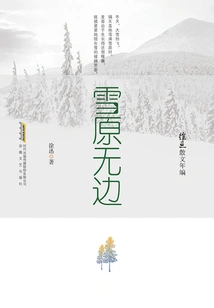
徐迅散文年编:雪原无边
Xu Xun
This book is the first volume of Xu Xun's annual prose collection. It contains more than one hundred prose essays written by the author from 1985 to 1998. Among them, works with the themes of describing scenes, recalling people, reading, reminiscing about the past, and remembering hometown, as well as prefaces and book reviews written for others. The writing is fresh and warm, simple and refreshing, the description of the scene is full of interest, the expression of emotion is profound and meaningful, and the direction is positive. The writing of the communication with friends shows the author's cordial and sincere personality.
This book is the first volume of Xu Xun's annual prose collection. It contains more than one hundred prose essays written by the author from 1985 to 1998. Among them, works with the themes of describing scenes, recalling people, reading, reminiscing about the past, and remembering hometown, as well as prefaces and book reviews written for others. The writing is fresh and warm, simple and refreshing, the description of the scene is full of interest, the expression of emotion is profound and meaningful, and the direction is positive. The writing of the communication with friends shows the author's cordial and sincere personality.
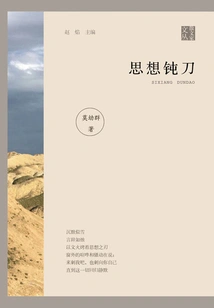
Dull Knife of Thought
Literature思想钝刀
Mo Youqun
This is a collection of ideological and cultural prose essays. The book includes four parts: "Every generation has ten good years", "If you are really a nymphomaniac", "Morning of an Idol" and "Self on the Bookshelf". It mainly describes the author's objective views on contemporary life and cultural hot spots, as well as personal reading experience. Expressing his positive attitude of loving life and savoring life.
This is a collection of ideological and cultural prose essays. The book includes four parts: "Every generation has ten good years", "If you are really a nymphomaniac", "Morning of an Idol" and "Self on the Bookshelf". It mainly describes the author's objective views on contemporary life and cultural hot spots, as well as personal reading experience. Expressing his positive attitude of loving life and savoring life.
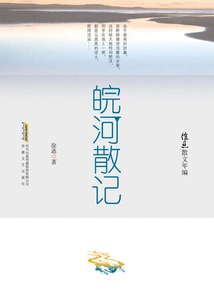
徐迅散文年编:皖河散记
Xu Xun
This book is the second volume of Xu Xun's annual prose collection. It contains more than a hundred prose essays written by the author from 1985 to 1998. Among them, works with the themes of describing scenes, recalling people, reading, reminiscing about the past, and remembering hometown, as well as prefaces and book reviews written for others. The writing is fresh and warm, simple and refreshing, the description of the scene is full of interest, the expression of emotion is profound and meaningful, and the direction is positive. The writing of the communication with friends shows the author's cordial and sincere personality.
This book is the second volume of Xu Xun's annual prose collection. It contains more than a hundred prose essays written by the author from 1985 to 1998. Among them, works with the themes of describing scenes, recalling people, reading, reminiscing about the past, and remembering hometown, as well as prefaces and book reviews written for others. The writing is fresh and warm, simple and refreshing, the description of the scene is full of interest, the expression of emotion is profound and meaningful, and the direction is positive. The writing of the communication with friends shows the author's cordial and sincere personality.
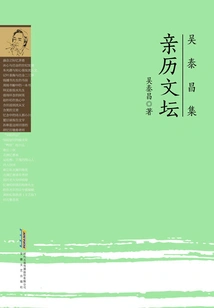
Experience the Literary World
Literature亲历文坛
Wu Taichang
"Experiencing the Literary World" is a collection of memoir articles. The author is an evergreen tree in the ci garden, a literary aristocrat, and has contacts with most people in the literary world. This volume selects the author's articles about Qian Zhongshu, Zhu Guangqian, Bing Xin, Ba Jin, Ye Shengtao, Chen Xuezhao, Ai Qing, Yuan Ying, Ke Ling, Yang Jiang, Chen Zhongshi, Lu Yanzhou and other literary figures. These articles focus on narrating interactions with literary masters, using first-hand information to interpret literary predecessors and mentors, and describing their people, writings and events. In fact, they outline unique profiles of literary masters.
"Experiencing the Literary World" is a collection of memoir articles. The author is an evergreen tree in the ci garden, a literary aristocrat, and has contacts with most people in the literary world. This volume selects the author's articles about Qian Zhongshu, Zhu Guangqian, Bing Xin, Ba Jin, Ye Shengtao, Chen Xuezhao, Ai Qing, Yuan Ying, Ke Ling, Yang Jiang, Chen Zhongshi, Lu Yanzhou and other literary figures. These articles focus on narrating interactions with literary masters, using first-hand information to interpret literary predecessors and mentors, and describing their people, writings and events. In fact, they outline unique profiles of literary masters.
Qing Dynasty (second Edition)
Literature岁朝清供(二版)
Wang Zengqi
This book selects Wang Zengqi's classic prose, including one about nature, vegetation, insects, fish, birds and beasts, one about food and drink, and one about old friends and past events. It also selects some of his "prose" novels, and the last one is about language and composition. Wang Zengqi's language is plain and beautiful, and he has unique insights into language, which is a masterpiece in the contemporary literary world.
This book selects Wang Zengqi's classic prose, including one about nature, vegetation, insects, fish, birds and beasts, one about food and drink, and one about old friends and past events. It also selects some of his "prose" novels, and the last one is about language and composition. Wang Zengqi's language is plain and beautiful, and he has unique insights into language, which is a masterpiece in the contemporary literary world.
欹枕听潮音
Zhang Peizhong
Chaoshan culture is extensive and profound, with numerous classics and documents. Compiling a synopsis of the Chaoshan culture that has lasted for thousands of years and a reading book suitable for all ages is a difficult task, but it is also a matter of extraordinary significance. This book explores the origins of Chaoshan culture from the Chaoshan classics of the past dynasties, and sorts out the context of Chaoshan culture from the rich scholars and writers. The voice it presents is not only the voice of the tide, the voice of all living beings, but also the voice of the trendy people and the voice of the times. I hope that readers will have a preliminary impression of Chaoshan culture and even arouse some interest in Chaoshan culture. If this can give rise to the elegance of going to the house and exploring it, it will be a great blessing.
Chaoshan culture is extensive and profound, with numerous classics and documents. Compiling a synopsis of the Chaoshan culture that has lasted for thousands of years and a reading book suitable for all ages is a difficult task, but it is also a matter of extraordinary significance. This book explores the origins of Chaoshan culture from the Chaoshan classics of the past dynasties, and sorts out the context of Chaoshan culture from the rich scholars and writers. The voice it presents is not only the voice of the tide, the voice of all living beings, but also the voice of the trendy people and the voice of the times. I hope that readers will have a preliminary impression of Chaoshan culture and even arouse some interest in Chaoshan culture. If this can give rise to the elegance of going to the house and exploring it, it will be a great blessing.
I Am Xiake
Literature偶为霞客
Fang Ing-wen
This book is the first pure travelogue written by Fang Yingwen, the famous writer and vice chairman of the Shaanxi Provincial Writers Association. The content of the book is collected and compiled by the author and spans nearly 30 years. It mainly records what the author saw, heard and felt after traveling to the great rivers and mountains of the motherland, including the wonderful experiences of traveling to Nanjing, Taihu Lake, Mount Emei, Chengdu and other places. The content and language of the article are humorous, and the reading is full of life sentiment. It has a unique taste after reading it.
This book is the first pure travelogue written by Fang Yingwen, the famous writer and vice chairman of the Shaanxi Provincial Writers Association. The content of the book is collected and compiled by the author and spans nearly 30 years. It mainly records what the author saw, heard and felt after traveling to the great rivers and mountains of the motherland, including the wonderful experiences of traveling to Nanjing, Taihu Lake, Mount Emei, Chengdu and other places. The content and language of the article are humorous, and the reading is full of life sentiment. It has a unique taste after reading it.

I Won't Surrender to This World
Literature我不向这个世界俯首称臣
Liu Kongqing
What kind of life are you living now? Are you looking at the vast sea of people and feeling panicked? Are you tired of coping with work and sighing inwardly? Or do you keep using "Buddhism" to comfort yourself? You often talk about "the world" and say you want to see bigger places. In the end, you will eventually find that your world is right in front of you. Those days when you are unremarkable but working hard, those days when you are full of fighting spirit but things go against your expectations, your world is full of regrets and panic. However, the south wall is for bumping into, and youth is for trial and error. The heart that is uneasy about the status quo, please always run for yourself. No matter how arrogant the world is, don't give up your knees easily. There is no need for worldly awareness or worldly shrewdness. Being in your own world and being willful without bowing your head is very cute.
What kind of life are you living now? Are you looking at the vast sea of people and feeling panicked? Are you tired of coping with work and sighing inwardly? Or do you keep using "Buddhism" to comfort yourself? You often talk about "the world" and say you want to see bigger places. In the end, you will eventually find that your world is right in front of you. Those days when you are unremarkable but working hard, those days when you are full of fighting spirit but things go against your expectations, your world is full of regrets and panic. However, the south wall is for bumping into, and youth is for trial and error. The heart that is uneasy about the status quo, please always run for yourself. No matter how arrogant the world is, don't give up your knees easily. There is no need for worldly awareness or worldly shrewdness. Being in your own world and being willful without bowing your head is very cute.
Heart is Like a Mirror
Literature心如明镜台
Huang Fucai
Some people say that the moon in foreign countries is rounder than that in China. This is considered to be due to a mentality of worshiping foreign countries and favoring foreign countries. Therefore, it has been criticized by many Chinese people with strong national self-esteem. In fact, both foreign countries and China share the same moon, so why is it different in size? This truth is so obvious that it seems like there is no need to say more. But recently, I read Brother Fucai's upcoming collection of essays, "The Heart is Like a Mirror," and it aroused some other associations in me: In the eyes of some people, the moon in foreign countries may be rounder than in China; while in the eyes of others, they may feel that the moon in their hometown is rounder than anywhere else. This is entirely due to being in a leisurely environment, a kind of instant aesthetic emotion is generated, which is exactly the effect of "red rain making waves at will". And the key point is that this is the moon in the eyes of Chinese people. If you think about it carefully, it seems that the Chinese people have always had a special liking for the moon, and there are endless wonderful poems and sentences about the moon.
Some people say that the moon in foreign countries is rounder than that in China. This is considered to be due to a mentality of worshiping foreign countries and favoring foreign countries. Therefore, it has been criticized by many Chinese people with strong national self-esteem. In fact, both foreign countries and China share the same moon, so why is it different in size? This truth is so obvious that it seems like there is no need to say more. But recently, I read Brother Fucai's upcoming collection of essays, "The Heart is Like a Mirror," and it aroused some other associations in me: In the eyes of some people, the moon in foreign countries may be rounder than in China; while in the eyes of others, they may feel that the moon in their hometown is rounder than anywhere else. This is entirely due to being in a leisurely environment, a kind of instant aesthetic emotion is generated, which is exactly the effect of "red rain making waves at will". And the key point is that this is the moon in the eyes of Chinese people. If you think about it carefully, it seems that the Chinese people have always had a special liking for the moon, and there are endless wonderful poems and sentences about the moon.
Crying Bitterly in Badain Jaran
Literature在巴丹吉林失声痛哭
Yang Xianping
This is a book of time and personal history. Taking the personal perspective and even the trajectory of life and destiny as the basic clues, it runs through the author's true experience of life and unique thinking in the desert and even in foreign places for more than ten years. This book contains not only personal life descriptions and realistic depictions of specific situations and mentality, but also detailed observations and discoveries about natural things and life. It involves a lot of regional culture and historical relics, and even various experiences in the life process of individuals, many of which are "unknown to Taoists and difficult to describe."
This is a book of time and personal history. Taking the personal perspective and even the trajectory of life and destiny as the basic clues, it runs through the author's true experience of life and unique thinking in the desert and even in foreign places for more than ten years. This book contains not only personal life descriptions and realistic depictions of specific situations and mentality, but also detailed observations and discoveries about natural things and life. It involves a lot of regional culture and historical relics, and even various experiences in the life process of individuals, many of which are "unknown to Taoists and difficult to describe."
No More Crying at the Age of Sixteen
Literature十六岁不再哭泣
Lan Ruohuan
There are some decisive moments in everyone's life, which are called turning points, such as the college entrance examination, such as marriage... The biggest turning point in my life occurred when I was seventeen years old. My life stopped at the summer when I was seventeen years old. On my seventeenth birthday, a huge remittance appeared in my account. My parents said they would not visit me this year. Think about it, how many years have they not seen me? To be honest, I was just the result of a one-night affair between the two of them. The only thing in the world that can prove my existence is the large amount of remittances that appear every month. They have a family, a business, and children. What about me? Not even an onion.
There are some decisive moments in everyone's life, which are called turning points, such as the college entrance examination, such as marriage... The biggest turning point in my life occurred when I was seventeen years old. My life stopped at the summer when I was seventeen years old. On my seventeenth birthday, a huge remittance appeared in my account. My parents said they would not visit me this year. Think about it, how many years have they not seen me? To be honest, I was just the result of a one-night affair between the two of them. The only thing in the world that can prove my existence is the large amount of remittances that appear every month. They have a family, a business, and children. What about me? Not even an onion.
Distant Smoke
Literature遥远的炊烟
Huang Rongcai
The countryside is the eternal home. Walking in the countryside always makes people friendly and peaceful. Rural life is full of poetry in the author's writings. Childhood years, childhood games, and farm life are restored in the author's writings to the appearance of yesterday. Even the sufferings in the past are still warm. "Distant Smoke" is a collection of essays by the author Huang Rongcai. There are no neon lights and noisy food stalls in the city at night in the countryside, and there are no vehicles whizzing by in the city. At 10 o'clock, many of the lights in the countryside are extinguished, and there is no saying that nightlife starts at midnight. Occasionally, a dog barks, and the villagers who have already fallen asleep or are about to fall asleep will know that someone has come home late. They mutter something or say nothing, turn over and continue to immerse themselves in the warm quilt.
The countryside is the eternal home. Walking in the countryside always makes people friendly and peaceful. Rural life is full of poetry in the author's writings. Childhood years, childhood games, and farm life are restored in the author's writings to the appearance of yesterday. Even the sufferings in the past are still warm. "Distant Smoke" is a collection of essays by the author Huang Rongcai. There are no neon lights and noisy food stalls in the city at night in the countryside, and there are no vehicles whizzing by in the city. At 10 o'clock, many of the lights in the countryside are extinguished, and there is no saying that nightlife starts at midnight. Occasionally, a dog barks, and the villagers who have already fallen asleep or are about to fall asleep will know that someone has come home late. They mutter something or say nothing, turn over and continue to immerse themselves in the warm quilt.
Be a Comfortable Person
Literature做个自在人
Li Zisheng
The first part of the book is called Hometown Collection, which is what Li Zisheng saw and heard while walking in his hometown of Bailitan, which has the cultural value of fishing and salt; the second part, Gardener Collection, is Li Zisheng's thoughts as a teacher and a father, which has positive significance for many parents in educating their children. Li Zisheng has been very successful in educating his children. After graduating from Peking University in 2007, his son will continue his studies at the University of London. The third part is a collection of journeys, which records the fragmentary insights of Li Zisheng's life experience as a teacher and writer. The fourth part is some articles related to Li Zisheng's literary activities, recording the process of Li Zisheng's literary creation. This book is very readable, especially the series of articles about the writer's experience in educating children as a teacher, which has promotional value to the majority of parents.
The first part of the book is called Hometown Collection, which is what Li Zisheng saw and heard while walking in his hometown of Bailitan, which has the cultural value of fishing and salt; the second part, Gardener Collection, is Li Zisheng's thoughts as a teacher and a father, which has positive significance for many parents in educating their children. Li Zisheng has been very successful in educating his children. After graduating from Peking University in 2007, his son will continue his studies at the University of London. The third part is a collection of journeys, which records the fragmentary insights of Li Zisheng's life experience as a teacher and writer. The fourth part is some articles related to Li Zisheng's literary activities, recording the process of Li Zisheng's literary creation. This book is very readable, especially the series of articles about the writer's experience in educating children as a teacher, which has promotional value to the majority of parents.
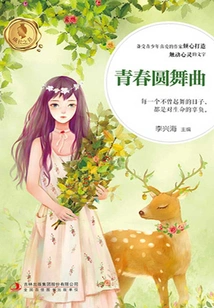
Youth Waltz
Literature青春圆舞曲
Editor-in-chief Li Xinghai
"Youth Waltz" is a story that focuses on the growth, worries, and secrets of adolescence, and is told from a girl's perspective. Puberty has both sweetness and sadness. Words such as inferiority, pride, cowardice, desire, and dreams can all be synonymous with adolescent girls. Li Xinghai, whose pen name is Blooming all the way, is from Xuanwei, Yunnan. He is a leading author of powerful youth literature, a well-known domestic American writer, a contract writer for magazines such as "Reader", "Youth Digest", "Yilin" and "Maxim", and a columnist for large periodicals such as "Chinese Language News" and "Crazy Reading".
"Youth Waltz" is a story that focuses on the growth, worries, and secrets of adolescence, and is told from a girl's perspective. Puberty has both sweetness and sadness. Words such as inferiority, pride, cowardice, desire, and dreams can all be synonymous with adolescent girls. Li Xinghai, whose pen name is Blooming all the way, is from Xuanwei, Yunnan. He is a leading author of powerful youth literature, a well-known domestic American writer, a contract writer for magazines such as "Reader", "Youth Digest", "Yilin" and "Maxim", and a columnist for large periodicals such as "Chinese Language News" and "Crazy Reading".
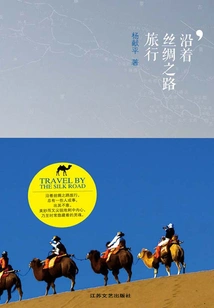
Travel Along the Silk Road
Literature沿着丝绸之路旅行
Yang Xianping
This is a collection of essays involving personal travel history and spiritual history in the northern region. It is a solitary journey to the waist of the ancient Silk Road, from the Lanzhou section of the Yellow River to Dunhuang. Most of them focus on the Badain Jaran Desert where the author has lived for many years, such as the author's on-the-spot investigation and discovery of Ejina, the ancient Rinai deep in the quicksand, the flowing Ruoshui River, the Yanzhi Mountain of the royal racecourse of the past dynasties, Gansu and Suzhou, and even Dunhuang, a place where sandstorms are raging. The article not only contains thoughts based on history and reality, but also expresses personal emotions under special circumstances during the journey. From it, readers can understand the historical and cultural changes of the Silk Road and even most of the northern region over thousands of years. Oasis, Populus euphratica, rapeseed flowers; Gobi, castles, sandstorms... When traveling along the Silk Road, there are always some people or things that unexpectedly touch the heart, and even the soul that is often hidden.
This is a collection of essays involving personal travel history and spiritual history in the northern region. It is a solitary journey to the waist of the ancient Silk Road, from the Lanzhou section of the Yellow River to Dunhuang. Most of them focus on the Badain Jaran Desert where the author has lived for many years, such as the author's on-the-spot investigation and discovery of Ejina, the ancient Rinai deep in the quicksand, the flowing Ruoshui River, the Yanzhi Mountain of the royal racecourse of the past dynasties, Gansu and Suzhou, and even Dunhuang, a place where sandstorms are raging. The article not only contains thoughts based on history and reality, but also expresses personal emotions under special circumstances during the journey. From it, readers can understand the historical and cultural changes of the Silk Road and even most of the northern region over thousands of years. Oasis, Populus euphratica, rapeseed flowers; Gobi, castles, sandstorms... When traveling along the Silk Road, there are always some people or things that unexpectedly touch the heart, and even the soul that is often hidden.
Nostalgia in Accent
Literature口音里的乡愁
Huang Guiyuan
I have flown across the Pacific Ocean several times. Everything turned into the boundless blue of the sea, the blue of the sky, and it seemed that even the air among them was the kind of floating and transparent tile blue. After being washed by the bright sunshine, they become vast, dazzling, mysterious and thrillingly blue, as if they are in a fairyland. At that moment, I felt that the plane was not moving, as if it was melting into the boundless blue sky. Thinking about it in the future, I always feel that the blue tiles washed by the sun are both real and illusory. Without the help of modern flight carriers in the twentieth century, crossing the Pacific Ocean would be just a dream for most people, but for me, such a dream is impossible.
I have flown across the Pacific Ocean several times. Everything turned into the boundless blue of the sea, the blue of the sky, and it seemed that even the air among them was the kind of floating and transparent tile blue. After being washed by the bright sunshine, they become vast, dazzling, mysterious and thrillingly blue, as if they are in a fairyland. At that moment, I felt that the plane was not moving, as if it was melting into the boundless blue sky. Thinking about it in the future, I always feel that the blue tiles washed by the sun are both real and illusory. Without the help of modern flight carriers in the twentieth century, crossing the Pacific Ocean would be just a dream for most people, but for me, such a dream is impossible.

When a Grass Has a Dream
Literature当一株小草有了梦想
Xing Shulan
"When a Grass Has a Dream" sincerely connects with life and smiles in anticipation of dreams. It is a nutrition book that cultivates the soul. It is a book that can help you calmly break through difficulties and deal with setbacks calmly. It is a book that teaches you lessons through the years. It displays all aspects of life from multiple perspectives such as ordinary people, teachers, and students; it also collects life thoughts from multiple aspects such as trivial matters, travel experiences, stories, and allusions.
"When a Grass Has a Dream" sincerely connects with life and smiles in anticipation of dreams. It is a nutrition book that cultivates the soul. It is a book that can help you calmly break through difficulties and deal with setbacks calmly. It is a book that teaches you lessons through the years. It displays all aspects of life from multiple perspectives such as ordinary people, teachers, and students; it also collects life thoughts from multiple aspects such as trivial matters, travel experiences, stories, and allusions.

Whose Heartstrings Have You Touched?
Literature你曾拨动了谁的心弦
Guanzhi
"Whose Heartstrings Have You Touched" Youth is colorful. It is hard to imagine how pale youth would be without disputes, secret wars, misunderstandings and regrets, without reconciliation, advice, understanding or even sweetness. Don't laugh at childishness, and don't laugh at stupidity. Only through stumbling on the road of growth will you feel and gain. In our youth, the various confusions and confusions we experienced are the most precious wealth we have accumulated, and our youth has depth and hardness as a result.
"Whose Heartstrings Have You Touched" Youth is colorful. It is hard to imagine how pale youth would be without disputes, secret wars, misunderstandings and regrets, without reconciliation, advice, understanding or even sweetness. Don't laugh at childishness, and don't laugh at stupidity. Only through stumbling on the road of growth will you feel and gain. In our youth, the various confusions and confusions we experienced are the most precious wealth we have accumulated, and our youth has depth and hardness as a result.
Youyoumuzi Lake
Literature幽幽眸子湖
Compiled By Li Shaolin
Every Valentine's Day, the night evokes tender feelings. The word love is so hard, and girls can't be too pretty. Singing loneliness, the memory of early spring, don't say forever! The past is like water. Today and tomorrow will also disappear with the water. I was in the boundless water of time, forgetting the way I came and going back, and the date of arrival and return. Turning over the pages of the book over time, there are red leaves written with love - on campus, under the moonlight, in the quiet lake, migratory birds sing softly, and a refreshing morning breeze blows away the long thoughts of dreamers, and brings endless coolness and fragrance to people. The exquisite gifts will put you in a gentle rose-colored ocean, the warm wind blows slowly, the distant lovesickness is faint, and the boat of love floats precariously to a heart harbor with beautiful mountains and clear waters... Enter the world in the hearts of boys and girls. Enter the passionate world of youth.
Every Valentine's Day, the night evokes tender feelings. The word love is so hard, and girls can't be too pretty. Singing loneliness, the memory of early spring, don't say forever! The past is like water. Today and tomorrow will also disappear with the water. I was in the boundless water of time, forgetting the way I came and going back, and the date of arrival and return. Turning over the pages of the book over time, there are red leaves written with love - on campus, under the moonlight, in the quiet lake, migratory birds sing softly, and a refreshing morning breeze blows away the long thoughts of dreamers, and brings endless coolness and fragrance to people. The exquisite gifts will put you in a gentle rose-colored ocean, the warm wind blows slowly, the distant lovesickness is faint, and the boat of love floats precariously to a heart harbor with beautiful mountains and clear waters... Enter the world in the hearts of boys and girls. Enter the passionate world of youth.
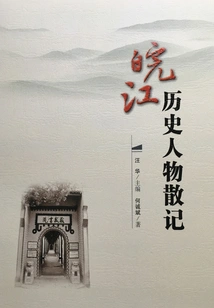
Essays on Historical Figures in Wanjiang
Literature皖江历史人物散记
Editor-in-chief Wang Hua Written By He Chengbin
This book is not a character introduction, nor is it a biography, nor is it an academic textual research. Rather, they are character notes, miscellaneous notes, and notes. There is understanding, thinking, and analysis. Either pay attention to one point, or pay attention to one aspect; or be completely transformed, or touch the skin. If it is not in the annals, write it down in detail; if it is well-known, skip it. When others talk in a long way, I talk in a few words; when others talk in a disorganized way, I organize them into chapters. It is divided into nine series, namely, the noble and distinguished people, the knowledgeable people, the artistic and skillful people, the romantic people, the strange people, the wise and wise people, the calligraphy and calligraphy scholars, the outstanding and talented people, and the outstanding and elegant people.
This book is not a character introduction, nor is it a biography, nor is it an academic textual research. Rather, they are character notes, miscellaneous notes, and notes. There is understanding, thinking, and analysis. Either pay attention to one point, or pay attention to one aspect; or be completely transformed, or touch the skin. If it is not in the annals, write it down in detail; if it is well-known, skip it. When others talk in a long way, I talk in a few words; when others talk in a disorganized way, I organize them into chapters. It is divided into nine series, namely, the noble and distinguished people, the knowledgeable people, the artistic and skillful people, the romantic people, the strange people, the wise and wise people, the calligraphy and calligraphy scholars, the outstanding and talented people, and the outstanding and elegant people.
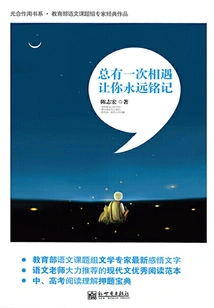
总有一次相遇让你永远铭记
Chen Zhihong
"There's Always an Encounter That Will Make You Remember Forever" written by Chen Zhihong, the author draws on every detail around him, uses perception as the warp, emotion as the weft, and love and care as the material, and carefully weaves a detailed network of hearts to express his expectations for life, love for life, care for growth, watch for love, care for family, optimism for the future, and perseverance for ideals and beliefs. This is the writer Chen Zhihong's sentimental words. The stories in the book are taken from every detail around the writer. With sentiment as the warp, emotion as the weft, and love and care as the material, they carefully weave a fine network of hearts to express expectations for life, love for life, care for growth, watch for love, care for family, optimism for the future, and perseverance for ideals and beliefs. A drop of water reflects the sun's rays, and an article stretches out its soft tentacles to feel the heat and coolness of the world. The words in this book describe happiness in the world, and enlightenment is the sweetener of ordinary life. I look forward to every kind and critical look to stay here.
"There's Always an Encounter That Will Make You Remember Forever" written by Chen Zhihong, the author draws on every detail around him, uses perception as the warp, emotion as the weft, and love and care as the material, and carefully weaves a detailed network of hearts to express his expectations for life, love for life, care for growth, watch for love, care for family, optimism for the future, and perseverance for ideals and beliefs. This is the writer Chen Zhihong's sentimental words. The stories in the book are taken from every detail around the writer. With sentiment as the warp, emotion as the weft, and love and care as the material, they carefully weave a fine network of hearts to express expectations for life, love for life, care for growth, watch for love, care for family, optimism for the future, and perseverance for ideals and beliefs. A drop of water reflects the sun's rays, and an article stretches out its soft tentacles to feel the heat and coolness of the world. The words in this book describe happiness in the world, and enlightenment is the sweetener of ordinary life. I look forward to every kind and critical look to stay here.
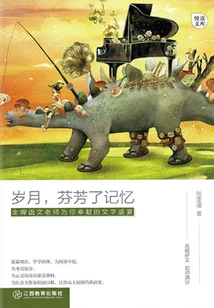
Years Fragrant Memories
Literature岁月,芬芳了记忆
Zhang Yaling
"Time Fragrances Memory" uses simple sentences to help us learn to hide our stubbornness, learn not to be absurd, learn to be mature and needy, and be patient and strong. After many years, the smell of earth after the rain is still lingering. The years are like the scorching sun, which exposes the fragrance of our youth. If the years cannot grasp happiness, it is because we are not strong enough. Time is the wilderness that protects our growth rings. What a wonderful day, you are looking forward to going, and I am willing to accompany you. Happiness is tangible, has texture, and smells like furry sunshine. Even if there is a trace of casual sadness, it is slowly washed away and made clear as we gently read this book.
"Time Fragrances Memory" uses simple sentences to help us learn to hide our stubbornness, learn not to be absurd, learn to be mature and needy, and be patient and strong. After many years, the smell of earth after the rain is still lingering. The years are like the scorching sun, which exposes the fragrance of our youth. If the years cannot grasp happiness, it is because we are not strong enough. Time is the wilderness that protects our growth rings. What a wonderful day, you are looking forward to going, and I am willing to accompany you. Happiness is tangible, has texture, and smells like furry sunshine. Even if there is a trace of casual sadness, it is slowly washed away and made clear as we gently read this book.
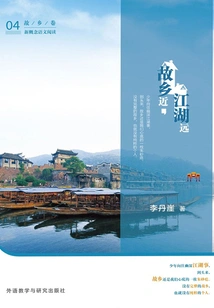
故乡近,江湖远(故乡卷)
Li Danya
The "Green Reading Series" brings together the outstanding works of 10 emerging writers. The authors are all contracted authors of magazines such as "Reader", "Youth Digest", "Yilin", and "China Youth". Their works are often selected as reading test questions for high school entrance exams in various provinces and cities across the country. Each book in the "Green Reading Series" is divided into eight to ten series. From each series, an article with the most propositional value, thought-provoking and resonance is selected and placed at the end. The "Author's Thoughts", "Action and Thoughts" and "Reference Answers" columns are carefully set up to allow readers to gain something from reading. The "Green Reading Series" protects students' spiritual development and transformation, allowing students to experience rich emotions, feel the joy of reading, climb to spiritual heights, and choose a broader and richer life. "Hometown is near, rivers and lakes are far away (Family Love Volume)" Young people yearn for the deep world, but in the end, hometown is still a cinnabar mole in our hearts. Without a complete hometown, there is no pure individual.
The "Green Reading Series" brings together the outstanding works of 10 emerging writers. The authors are all contracted authors of magazines such as "Reader", "Youth Digest", "Yilin", and "China Youth". Their works are often selected as reading test questions for high school entrance exams in various provinces and cities across the country. Each book in the "Green Reading Series" is divided into eight to ten series. From each series, an article with the most propositional value, thought-provoking and resonance is selected and placed at the end. The "Author's Thoughts", "Action and Thoughts" and "Reference Answers" columns are carefully set up to allow readers to gain something from reading. The "Green Reading Series" protects students' spiritual development and transformation, allowing students to experience rich emotions, feel the joy of reading, climb to spiritual heights, and choose a broader and richer life. "Hometown is near, rivers and lakes are far away (Family Love Volume)" Young people yearn for the deep world, but in the end, hometown is still a cinnabar mole in our hearts. Without a complete hometown, there is no pure individual.
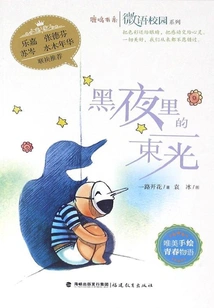
A Ray of Light in the Dark Night
Literature黑夜里的一束光
Bloom All The Way
The "Miscellaneous Campus Series" is a full set of six volumes in color. Each volume contains beautiful hand-drawn comics, Weibo-style philosophical quotes and exquisite original prose. It focuses on young people's perceptions of family, friendship, and teacher-student relationships as they grow up. It shows the positive energy of youth such as their inspirational trek in difficult situations, their growth with a grateful heart, and their respect and kindness to all things. In addition to dozens of beautiful hand-drawn drawings accompanied by philosophical quotes, "A Beam of Light in the Dark Night" also contains 33 fine essays. Some of these essays look at ordinary and humble people in the world through the perspective of youth, full of compassion and goodwill; some describe the conflicts and care between children and parents, revealing the understanding and acceptance that two generations have developed in the trivial life. The whole book is sincere and touching and worth collecting.
The "Miscellaneous Campus Series" is a full set of six volumes in color. Each volume contains beautiful hand-drawn comics, Weibo-style philosophical quotes and exquisite original prose. It focuses on young people's perceptions of family, friendship, and teacher-student relationships as they grow up. It shows the positive energy of youth such as their inspirational trek in difficult situations, their growth with a grateful heart, and their respect and kindness to all things. In addition to dozens of beautiful hand-drawn drawings accompanied by philosophical quotes, "A Beam of Light in the Dark Night" also contains 33 fine essays. Some of these essays look at ordinary and humble people in the world through the perspective of youth, full of compassion and goodwill; some describe the conflicts and care between children and parents, revealing the understanding and acceptance that two generations have developed in the trivial life. The whole book is sincere and touching and worth collecting.
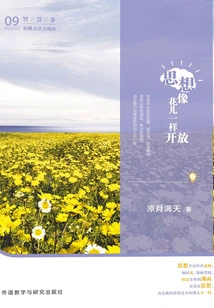
思想像花儿一样开放·智慧卷
The Cool Moon Fills The Sky
"Green Reading Series - New Concept Chinese Reading - Thoughts Open Like Flowers (Wisdom Volume)" extends the tentacles of thought from natural scenes, human feelings, the happiest of doing good, past time, life insights, etc., Expresses one's thinking in precise language, conveys to readers the positive energy towards truth, goodness, beauty and upwards, and expresses the author's life attitude of living seriously and thinking tirelessly. The author will lead you to discover and search in the intersection of philosophy and reality, and to meditate and question in the complicated and noisy chaos.
"Green Reading Series - New Concept Chinese Reading - Thoughts Open Like Flowers (Wisdom Volume)" extends the tentacles of thought from natural scenes, human feelings, the happiest of doing good, past time, life insights, etc., Expresses one's thinking in precise language, conveys to readers the positive energy towards truth, goodness, beauty and upwards, and expresses the author's life attitude of living seriously and thinking tirelessly. The author will lead you to discover and search in the intersection of philosophy and reality, and to meditate and question in the complicated and noisy chaos.
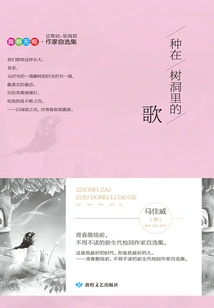
Song Planted in a Tree Hole
Literature种在树洞里的歌
Ma Jiawei
When I was a teenager, I often used tree branches to fight with my friends in the village in the open space, fighting for territory. As time went by, I became an out-and-out wild child. Days like this seemed to cover my entire youth, like a long dream in which I ran chasing the wind. The roadsides were filled with many unknown flowers. Although they were inconspicuous, they represented the entire spring. There are always so many elusive stories when I was a teenager, which are unforgettable.
When I was a teenager, I often used tree branches to fight with my friends in the village in the open space, fighting for territory. As time went by, I became an out-and-out wild child. Days like this seemed to cover my entire youth, like a long dream in which I ran chasing the wind. The roadsides were filled with many unknown flowers. Although they were inconspicuous, they represented the entire spring. There are always so many elusive stories when I was a teenager, which are unforgettable.
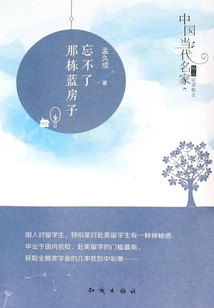
Can't Forget That Blue House
Literature忘不了那栋蓝房子
Meng Jiucheng
As a parent of international students, the author conducted detailed interviews with more than a dozen international students, describing their hard-working growth process in China, as well as their study, work and life in the United States. He also gave a special detailed account of their marriage and love life, which truly reflected their living conditions in the United States and presented a "three-dimensional image." Wang Feng's parents work in state-owned enterprises. The year she graduated from elementary school, Wuhan abolished the entrance examination system and replaced it with direct admission to a junior high school nearby. However, educational resources are limited, and parents still focus on those key middle schools. The original intention of canceling the entrance examination is undoubtedly good. The purpose is to reduce the academic burden of children. However, the result will not dilute competition at all. It just changes the method and transfers competition from children to families. The pressure on parents suddenly increases and they become more helpless. For example, parents will take their children to participate in various art classes and sports classes, because various certificates will increase their children's weight in entering key middle schools.
As a parent of international students, the author conducted detailed interviews with more than a dozen international students, describing their hard-working growth process in China, as well as their study, work and life in the United States. He also gave a special detailed account of their marriage and love life, which truly reflected their living conditions in the United States and presented a "three-dimensional image." Wang Feng's parents work in state-owned enterprises. The year she graduated from elementary school, Wuhan abolished the entrance examination system and replaced it with direct admission to a junior high school nearby. However, educational resources are limited, and parents still focus on those key middle schools. The original intention of canceling the entrance examination is undoubtedly good. The purpose is to reduce the academic burden of children. However, the result will not dilute competition at all. It just changes the method and transfers competition from children to families. The pressure on parents suddenly increases and they become more helpless. For example, parents will take their children to participate in various art classes and sports classes, because various certificates will increase their children's weight in entering key middle schools.
Dreaming About the Seine
Literature寻梦塞纳河
Jianjun
"Dream of the Seine River" provides a detailed and realistic description of the specific time and place of the trip and the customs and customs of the cities passed by during the trip. Each country highlights its own characteristics. It uses the language of prose poetry to describe the scenic spots and objects in detail, and pays attention to the charm of the article, giving the entire travel note a literary beauty.
"Dream of the Seine River" provides a detailed and realistic description of the specific time and place of the trip and the customs and customs of the cities passed by during the trip. Each country highlights its own characteristics. It uses the language of prose poetry to describe the scenic spots and objects in detail, and pays attention to the charm of the article, giving the entire travel note a literary beauty.
Ten Years: Phalaenopsis in Dreams
Literature十年:梦里的蝴蝶兰
Compiled By Huang Xing
"Ten Years: Phalaenopsis in Dreams" brings together the outstanding works of 27 award-winning authors from the 1st to 10th "New Concept Composition Contest", including Tao Jiahui, Shang Huage, Lu Xiaotong, Xu Yiman, and Ding Mingjie. Here you can not only read about the magnificence of the mountains and rivers in the North, the elegance of the water towns in the South of the Yangtze River, the confusing history, the turmoil of youth, the happiness and sweetness of love... You can also learn about unrestrained writing methods, unconventional language, and unique thinking and insights.
"Ten Years: Phalaenopsis in Dreams" brings together the outstanding works of 27 award-winning authors from the 1st to 10th "New Concept Composition Contest", including Tao Jiahui, Shang Huage, Lu Xiaotong, Xu Yiman, and Ding Mingjie. Here you can not only read about the magnificence of the mountains and rivers in the North, the elegance of the water towns in the South of the Yangtze River, the confusing history, the turmoil of youth, the happiness and sweetness of love... You can also learn about unrestrained writing methods, unconventional language, and unique thinking and insights.
Heavy Body
Literature沉重的肉身
Relax
Before Sun Honglei was assigned to work as a worker at Hongqi Machinery Factory, she was a member of the women's basketball team of the Municipal Sports Commission. On the court, her specialty was to "suddenly" slam the basketball into the basket when no one was prepared. In today's terms, she was a slam dunk master. After Sun Honglei played basketball for several years under the leadership of the Sports Committee, her retirement age has arrived. At this time, her high school classmates have graduated from college and joined the workforce, but she cannot move up the level. What should she do? Fortunately, in that era, in addition to production and operation, our country's enterprises also had to bear many social responsibilities and even political responsibilities, such as culture and education, publicity, health, sports, and even family planning. Therefore, a company often needs to recruit many talents of all kinds that have nothing to do with production and operation. In this way, Sun Honglei was absorbed into Hongqi Machinery Factory as a warehouse supervisor. The reason why Hongqi Machinery Factory is willing to admit Sun Honglei into the factory is that the factory director Wang is a basketball enthusiast.
Before Sun Honglei was assigned to work as a worker at Hongqi Machinery Factory, she was a member of the women's basketball team of the Municipal Sports Commission. On the court, her specialty was to "suddenly" slam the basketball into the basket when no one was prepared. In today's terms, she was a slam dunk master. After Sun Honglei played basketball for several years under the leadership of the Sports Committee, her retirement age has arrived. At this time, her high school classmates have graduated from college and joined the workforce, but she cannot move up the level. What should she do? Fortunately, in that era, in addition to production and operation, our country's enterprises also had to bear many social responsibilities and even political responsibilities, such as culture and education, publicity, health, sports, and even family planning. Therefore, a company often needs to recruit many talents of all kinds that have nothing to do with production and operation. In this way, Sun Honglei was absorbed into Hongqi Machinery Factory as a warehouse supervisor. The reason why Hongqi Machinery Factory is willing to admit Sun Honglei into the factory is that the factory director Wang is a basketball enthusiast.
Exotic Labyrinth
Literature异域的迷宫
Xue Yiwei
Xue Yiwei's latest collection of essays. The title of the book is taken from the series of essays "The Labyrinth of Foreign Lands" serialized by Xue Yiwei in "Harvest" magazine seven years ago. The book uses life in foreign lands as the material and tells the story of the people with distinctive personalities that the writer met in foreign lands. Careful readers can also discover a different kind of guide to life in a foreign land. The book is divided into four parts, namely: The Labyrinth in a Foreign Land, The Last Lunch, When the Tulips Bloom, and The Reader in Heaven.
Xue Yiwei's latest collection of essays. The title of the book is taken from the series of essays "The Labyrinth of Foreign Lands" serialized by Xue Yiwei in "Harvest" magazine seven years ago. The book uses life in foreign lands as the material and tells the story of the people with distinctive personalities that the writer met in foreign lands. Careful readers can also discover a different kind of guide to life in a foreign land. The book is divided into four parts, namely: The Labyrinth in a Foreign Land, The Last Lunch, When the Tulips Bloom, and The Reader in Heaven.
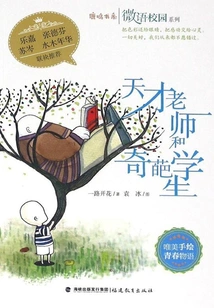
Genius Teacher and Weird Student
Literature天才老师和奇葩学生
Bloom All The Way
"Genius Teacher and Weird Student" mainly tells all kinds of interesting things that happen between teachers and students. There are students in the book who are good at making mistakes, and there are also teachers who are good at guiding students to the right path in life. Various experiences on campus constitute the most colorful and beautiful times in young people's lives. Reading these works makes our hearts moved.
"Genius Teacher and Weird Student" mainly tells all kinds of interesting things that happen between teachers and students. There are students in the book who are good at making mistakes, and there are also teachers who are good at guiding students to the right path in life. Various experiences on campus constitute the most colorful and beautiful times in young people's lives. Reading these works makes our hearts moved.
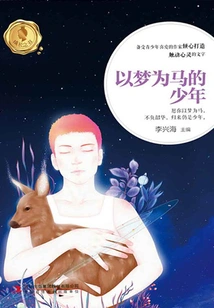
The Boy Who Uses Dreams as Horses
Literature以梦为马的少年
Editor-in-chief Li Xinghai
From then on, the young and young man realized a truth for the first time: as long as he persists in doing what he wants to do, he will definitely succeed! However, his first film failed at the box office and he almost went bankrupt. What is unexpected is that 6 months later, his film was nominated for Best Director at the Tokyo Film Festival. Although it was only a nomination, it fully affirmed his efforts. In an instant, tears burst from his eyes.
From then on, the young and young man realized a truth for the first time: as long as he persists in doing what he wants to do, he will definitely succeed! However, his first film failed at the box office and he almost went bankrupt. What is unexpected is that 6 months later, his film was nominated for Best Director at the Tokyo Film Festival. Although it was only a nomination, it fully affirmed his efforts. In an instant, tears burst from his eyes.
Golden Pomegranate
Literature金石榴
Qian Guodan
Shuguang Garden is a brand project completed at the beginning of this century. Whether it is exterior design or interior decoration, it is a masterpiece. The owners who move in are either rich or noble, and they have particularly stringent security requirements. Year after year, there is no incident of lost property here, not to mention that Doctor He's family is very ordinary, and the gangsters came to her house to rob her. They were really blind! It was a sunny noon in spring. The warm sunshine filtered through the gaps between the leaves, and lively light spots danced on the ground. The cherry blossoms, peach blossoms and weeping crabapples couldn't restrain the restlessness of life and bloomed openly and brilliantly; sparrows and thrushes were having fun on the branches, and the fallen petals fell gracefully to the ground. The community seemed particularly quiet and peaceful.
Shuguang Garden is a brand project completed at the beginning of this century. Whether it is exterior design or interior decoration, it is a masterpiece. The owners who move in are either rich or noble, and they have particularly stringent security requirements. Year after year, there is no incident of lost property here, not to mention that Doctor He's family is very ordinary, and the gangsters came to her house to rob her. They were really blind! It was a sunny noon in spring. The warm sunshine filtered through the gaps between the leaves, and lively light spots danced on the ground. The cherry blossoms, peach blossoms and weeping crabapples couldn't restrain the restlessness of life and bloomed openly and brilliantly; sparrows and thrushes were having fun on the branches, and the fallen petals fell gracefully to the ground. The community seemed particularly quiet and peaceful.
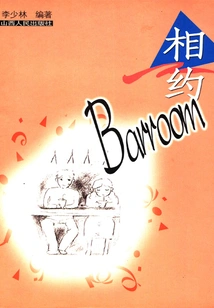
Meet at Barroom
Literature相约Barroom
Compiled By Li Shaolin
Follow the rotation of seasons and follow the drumbeat of youth - meet in the Barroom, bringing white sails to boys to spread their longing; bringing fragrance to girls to stay in their youth. It is the call of adolescence, the hope that the other side of love is covered with mysterious fruits, and the attachment of an oasis of virgin land in the distance... Holding the Barroom, there is always a sincere blessing, watching in the lilac rain lane, there is always a bright smile, washing away the clouds in your heart. Under bright or dim lights, the two of them started to fall in love with each other as they talked. He looked at her and found that a few sips of wine made her lips rippling, her teeth and cheeks fragrant, and endearing, and he became a little intoxicated.
Follow the rotation of seasons and follow the drumbeat of youth - meet in the Barroom, bringing white sails to boys to spread their longing; bringing fragrance to girls to stay in their youth. It is the call of adolescence, the hope that the other side of love is covered with mysterious fruits, and the attachment of an oasis of virgin land in the distance... Holding the Barroom, there is always a sincere blessing, watching in the lilac rain lane, there is always a bright smile, washing away the clouds in your heart. Under bright or dim lights, the two of them started to fall in love with each other as they talked. He looked at her and found that a few sips of wine made her lips rippling, her teeth and cheeks fragrant, and endearing, and he became a little intoxicated.
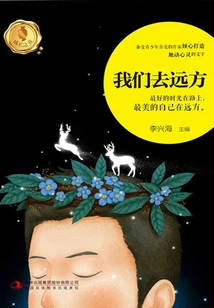
Let's Go to a Distant Place
Literature我们去远方
Editor-in-chief Li Xinghai
Travel is an event of the soul. When you carry your luggage and walk towards the vast and empty mountains, forests, rivers, valleys and plains, the road under your feet will lead your soul step by step into the inner spiritual world; through the majesty of the peaks, you will discover the elegance of your soul; through the flow of rivers, you will discover the ruggedness of your soul; through the vastness of the desert, you will discover the vastness of your soul...
Travel is an event of the soul. When you carry your luggage and walk towards the vast and empty mountains, forests, rivers, valleys and plains, the road under your feet will lead your soul step by step into the inner spiritual world; through the majesty of the peaks, you will discover the elegance of your soul; through the flow of rivers, you will discover the ruggedness of your soul; through the vastness of the desert, you will discover the vastness of your soul...
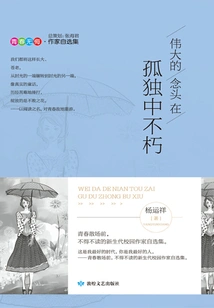
Great Ideas Are Immortal in Solitude
Literature伟大的念头在孤独中不朽
Yang Yunxiang
Youth, for you, is just a passing time. For me, besides long time no see, there is also regret. If during these seven years, I could contact you before he did, I would let go of my longing for you for so many years. Maybe the groom standing next to you is no longer him. Over the years, friends have changed one group after another, and everything around us is changing. When I saw you again, the feeling I had for you was still there, as if everything else except you was just make do.
Youth, for you, is just a passing time. For me, besides long time no see, there is also regret. If during these seven years, I could contact you before he did, I would let go of my longing for you for so many years. Maybe the groom standing next to you is no longer him. Over the years, friends have changed one group after another, and everything around us is changing. When I saw you again, the feeling I had for you was still there, as if everything else except you was just make do.
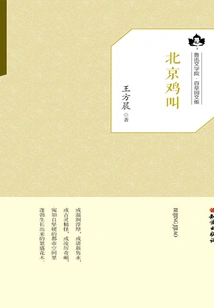
Beijing Rooster Crows
Literature北京鸡叫
Wang Fangchen
In my impression, the most lovable boys in the world are all named Xiao Shitou. In August of that year, a boy came to Shangshu Street. He was tall, strong and handsome. The neighbor Aunt Wei came up and asked, and sure enough, her name was Xiao Shitou. My family is from the countryside of Surabaya, and I just found a job after graduating from university. The company didn't have a dormitory, so we rented a room at the house of our boss Gu Xiuqi on Shangshu Street. Boss Gu's house has many vacant rooms. Boss Gu lives alone and his children are abroad. Boss Gu went to live abroad for a month. When he came back, he said he couldn't get used to living there. People on the street say that Boss Gu is cheap. People come and go in his yard all year round. We all know that he is afraid of being left alone. The colorful rental notices at our Shang Shu Street entrance were all posted by him.
In my impression, the most lovable boys in the world are all named Xiao Shitou. In August of that year, a boy came to Shangshu Street. He was tall, strong and handsome. The neighbor Aunt Wei came up and asked, and sure enough, her name was Xiao Shitou. My family is from the countryside of Surabaya, and I just found a job after graduating from university. The company didn't have a dormitory, so we rented a room at the house of our boss Gu Xiuqi on Shangshu Street. Boss Gu's house has many vacant rooms. Boss Gu lives alone and his children are abroad. Boss Gu went to live abroad for a month. When he came back, he said he couldn't get used to living there. People on the street say that Boss Gu is cheap. People come and go in his yard all year round. We all know that he is afraid of being left alone. The colorful rental notices at our Shang Shu Street entrance were all posted by him.
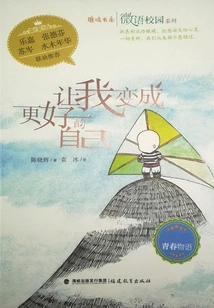
Let Me Become a Better Version of Myself
Literature让我变成更好的自己
Chen Xiaohui
"Let Me Become a Better Me" uses exquisite pictures and text to show how teenagers can face the people and things around them in the correct way when they encounter unsatisfactory life and study, so that they can smile at life and become stronger mentally after experiencing setbacks. These stories serve as a positive reference for the growth of teenagers.
"Let Me Become a Better Me" uses exquisite pictures and text to show how teenagers can face the people and things around them in the correct way when they encounter unsatisfactory life and study, so that they can smile at life and become stronger mentally after experiencing setbacks. These stories serve as a positive reference for the growth of teenagers.
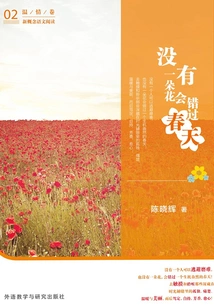
没有一朵花会错过春天(温情卷)
Chen Xiaohui
"No Flower Will Miss Spring (Warmth Volume)", in this vast world, we always meet so many ordinary and even humble people, things and things, but we never truly experience the warmth and touch of our existence. We always like to look up to find something, but we forget that the clearest and most prosperous beauty is right under our feet. As long as you listen quietly, as long as you are as soft and kind as water, then everything around you will become poetic and spiritual, and will become our indispensable wealth in life.
"No Flower Will Miss Spring (Warmth Volume)", in this vast world, we always meet so many ordinary and even humble people, things and things, but we never truly experience the warmth and touch of our existence. We always like to look up to find something, but we forget that the clearest and most prosperous beauty is right under our feet. As long as you listen quietly, as long as you are as soft and kind as water, then everything around you will become poetic and spiritual, and will become our indispensable wealth in life.
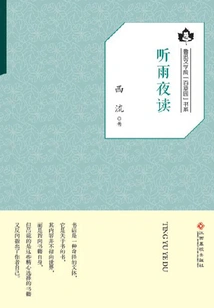
Listen to the Rainy Night Reading
Literature听雨夜读
Westward Flow
Believe me, those who say this are either booksellers or bookworms. As for some people who say that reading, like eating and reproducing, are the innate nature of human beings, that is even less credible. The reason is very simple. Just take China as an example. From the time when knotting ropes to record events to Cangjie's creation of the Chinese character "Ghosts and Gods Cry", there were few books that were good to read. From the emergence of oracle bone inscriptions to the invention of papermaking and movable type printing, during these thousands of years, it was difficult for ordinary people to read books. It took more than 100 years for reading to become truly popular. So we really don't need to belittle ourselves today. It is said that in 2008, the per capita reading of our country's citizens was only 4.58 Books. However, if newspapers and the Internet are included, the number must be more than this. You can't say that reading newspapers and online articles does not count as reading, although it does not count as reading "books". But I don't understand, why do we have to study?
Believe me, those who say this are either booksellers or bookworms. As for some people who say that reading, like eating and reproducing, are the innate nature of human beings, that is even less credible. The reason is very simple. Just take China as an example. From the time when knotting ropes to record events to Cangjie's creation of the Chinese character "Ghosts and Gods Cry", there were few books that were good to read. From the emergence of oracle bone inscriptions to the invention of papermaking and movable type printing, during these thousands of years, it was difficult for ordinary people to read books. It took more than 100 years for reading to become truly popular. So we really don't need to belittle ourselves today. It is said that in 2008, the per capita reading of our country's citizens was only 4.58 Books. However, if newspapers and the Internet are included, the number must be more than this. You can't say that reading newspapers and online articles does not count as reading, although it does not count as reading "books". But I don't understand, why do we have to study?

This Life is Not Finished
Literature此生未完成
Yu Juan
This is a book that records thoughts about life and living, written for you who are soft-hearted but lost in the world: How much does it cost us to understand the meaning of life! We are reminded again and again that we should seize the moment and live in a way that we will not regret in the future. The book contains the author's cancer treatment experience, understanding of life, and some memories and reflections on his busy first half of life. As well as deep feelings about hometown, family love, etc. In the diary during his illness, the author reflects on his bad living habits and life details, summarizes many philosophical views on life based on his life and death experiences, and constantly fights against fate with an optimistic and open-minded attitude towards life. It makes people re-examine the "meaning of living", treat death rationally, cherish life, cherish feelings, and cherish life.
This is a book that records thoughts about life and living, written for you who are soft-hearted but lost in the world: How much does it cost us to understand the meaning of life! We are reminded again and again that we should seize the moment and live in a way that we will not regret in the future. The book contains the author's cancer treatment experience, understanding of life, and some memories and reflections on his busy first half of life. As well as deep feelings about hometown, family love, etc. In the diary during his illness, the author reflects on his bad living habits and life details, summarizes many philosophical views on life based on his life and death experiences, and constantly fights against fate with an optimistic and open-minded attitude towards life. It makes people re-examine the "meaning of living", treat death rationally, cherish life, cherish feelings, and cherish life.
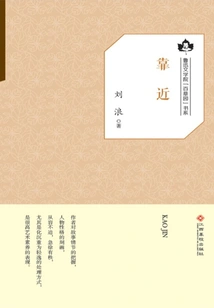
Near
Literature靠近
Liu Lang
Later, Yang Xiaobai told me that his first reaction was to put his right hand into his pocket and hold the handle of the knife. Hold tightly. He said that what he felt at that time was that something like a big stone suddenly suppressed his heart. For two full minutes, his heart was still. Then it suddenly jumped up and down like a drum, making the roots of his ears itchy and swollen. It should be noted that this knife originally belonged to Chen Siqing and was stolen by Yang Xiaobai. This is not to say that Yang Xiaobai couldn't bear to see Chen Sirqing using this knife to peel apples during class. On the contrary, when Chen Sirqing was peeling apples, the little finger of his right hand was raised high, which was really exciting.
Later, Yang Xiaobai told me that his first reaction was to put his right hand into his pocket and hold the handle of the knife. Hold tightly. He said that what he felt at that time was that something like a big stone suddenly suppressed his heart. For two full minutes, his heart was still. Then it suddenly jumped up and down like a drum, making the roots of his ears itchy and swollen. It should be noted that this knife originally belonged to Chen Siqing and was stolen by Yang Xiaobai. This is not to say that Yang Xiaobai couldn't bear to see Chen Sirqing using this knife to peel apples during class. On the contrary, when Chen Sirqing was peeling apples, the little finger of his right hand was raised high, which was really exciting.
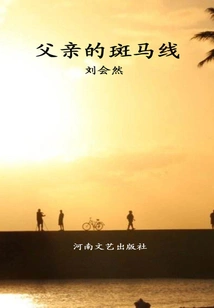
Father's Zebra Crossing
Literature父亲的斑马线
Liu Huiran
In the afterglow of the setting sun, a bakery on a street corner on the outskirts of the city was shining with splendor. In this remote area, the bakery is like a charming lady, looking up at the flow of people with her breasts and butt raised. This is an urban-rural juncture, and the rent is one-fifth of that in the downtown area. The people living here are migrant workers who work in the downtown area. They leave early and return late, hurriedly following fixed routes like migratory birds. Now is the holiday, and some children of migrant workers have come here to reunite. They cannot accompany their parents to work. They stayed in the rental house or wandered the streets around the house while their parents were at work. They are tempted by new items or magical objects they have seen on TV, but currently they are still unable to go to the downtown area and touch them closely.
In the afterglow of the setting sun, a bakery on a street corner on the outskirts of the city was shining with splendor. In this remote area, the bakery is like a charming lady, looking up at the flow of people with her breasts and butt raised. This is an urban-rural juncture, and the rent is one-fifth of that in the downtown area. The people living here are migrant workers who work in the downtown area. They leave early and return late, hurriedly following fixed routes like migratory birds. Now is the holiday, and some children of migrant workers have come here to reunite. They cannot accompany their parents to work. They stayed in the rental house or wandered the streets around the house while their parents were at work. They are tempted by new items or magical objects they have seen on TV, but currently they are still unable to go to the downtown area and touch them closely.
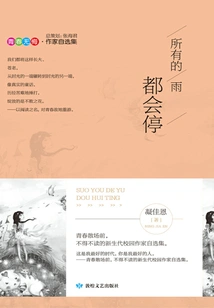
All the Rain Will Stop
Literature所有的雨都会停
Ning Jia En
There have been three full years since 2012. During the period when time and space are quietly changing, the young white poplars are rising up step by step, depicting the growth of things and people. The velvet flutters in the wind, gently rotating, and raising the past of the place. All experiences are used to recall, and all emotions are integrated into each character created by one's own hands. I have always been grateful that my passion for writing has not diminished over the years, and I have always been full of expectations. I am always grateful that the merciful time has allowed me to stay with books forever, and I will never leave them until death. No matter when, no matter where you are, you can eventually use writing as a needle, work hard through several holes, embroider an immortal legend of struggle, and hang up the stories related to words.
There have been three full years since 2012. During the period when time and space are quietly changing, the young white poplars are rising up step by step, depicting the growth of things and people. The velvet flutters in the wind, gently rotating, and raising the past of the place. All experiences are used to recall, and all emotions are integrated into each character created by one's own hands. I have always been grateful that my passion for writing has not diminished over the years, and I have always been full of expectations. I am always grateful that the merciful time has allowed me to stay with books forever, and I will never leave them until death. No matter when, no matter where you are, you can eventually use writing as a needle, work hard through several holes, embroider an immortal legend of struggle, and hang up the stories related to words.
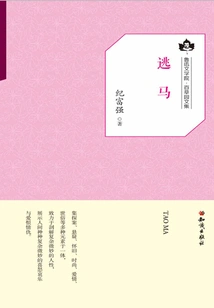
Fleeing Horse
Literature逃马
Ji Fuqiang
Everyone is talking about his stay in Beijing. Some people hope that no matter what they do, they will never go back to their hometown, for fear of meeting someone they hate again, such as their ex-wife. Some people want him to stay in Beijing because they hope to replace him in a useless position, such as a small room. Others do nothing, hoping that he can stay in Beijing to serve the people, live in a big house, and live a life that everyone envies. Of course, this is completely ironic. If you keep him, his face will turn the color of shit with jealousy, such as Old Liu and others. Of course, there are still people who sincerely hope that he will stay as he wishes, but only if he uses it as a springboard for her new life in the next life, such as the butterfly who always looked as pure as the Qiongtai fairy. Perhaps the only person who least expected him to stay in Beijing was his daughter Duoduo. When she came home this time, her eyes suddenly lit up, and then she jumped into her arms and wouldn't let go. Whether she was eating, sleeping, or playing, she stayed close to him. When she said goodbye, her cries almost tore through the sky, making him feel uncomfortable for more than a hundred kilometers away.
Everyone is talking about his stay in Beijing. Some people hope that no matter what they do, they will never go back to their hometown, for fear of meeting someone they hate again, such as their ex-wife. Some people want him to stay in Beijing because they hope to replace him in a useless position, such as a small room. Others do nothing, hoping that he can stay in Beijing to serve the people, live in a big house, and live a life that everyone envies. Of course, this is completely ironic. If you keep him, his face will turn the color of shit with jealousy, such as Old Liu and others. Of course, there are still people who sincerely hope that he will stay as he wishes, but only if he uses it as a springboard for her new life in the next life, such as the butterfly who always looked as pure as the Qiongtai fairy. Perhaps the only person who least expected him to stay in Beijing was his daughter Duoduo. When she came home this time, her eyes suddenly lit up, and then she jumped into her arms and wouldn't let go. Whether she was eating, sleeping, or playing, she stayed close to him. When she said goodbye, her cries almost tore through the sky, making him feel uncomfortable for more than a hundred kilometers away.
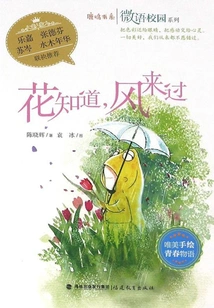
Flowers Know That the Wind Has Come
Literature花知道,风来过
Chen Xiaohui
The "Miscellaneous Campus Series" is a full set of six volumes in color. Each volume contains beautiful hand-drawn comics, Weibo-style philosophical quotes and exquisite original prose. It focuses on young people's perceptions of family, friendship, and teacher-student relationships as they grow up. It shows the positive energy of youth such as their inspirational trek in difficult situations, their growth with a grateful heart, and their respect and kindness to all things. "The Flower Knows, the Wind Comes" uses exquisite pictures and texts to show teenagers' observations, experiences and feelings about the people, things and things around them as they grow up. Through a series of real and short stories, it reveals a person's life insights and philosophical thoughts. The pictures and texts are rich, the text is concise, and it is suitable for teenagers to read.
The "Miscellaneous Campus Series" is a full set of six volumes in color. Each volume contains beautiful hand-drawn comics, Weibo-style philosophical quotes and exquisite original prose. It focuses on young people's perceptions of family, friendship, and teacher-student relationships as they grow up. It shows the positive energy of youth such as their inspirational trek in difficult situations, their growth with a grateful heart, and their respect and kindness to all things. "The Flower Knows, the Wind Comes" uses exquisite pictures and texts to show teenagers' observations, experiences and feelings about the people, things and things around them as they grow up. Through a series of real and short stories, it reveals a person's life insights and philosophical thoughts. The pictures and texts are rich, the text is concise, and it is suitable for teenagers to read.
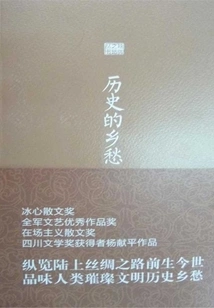
Historical Nostalgia
Literature历史的乡愁
Yang Xianping
This work is a collection of lecture notes given by Mr. Xiong Zhaozheng at well-known universities such as Peking University, Renmin University, and Wuhan University, covering all aspects of history, literature, life, society, and daily life. These speeches are the result of the author's years of reading and thinking. They sparkle with wisdom and permeate with a sense of worry. For example, the author is deeply worried about social issues such as the prevalence of money worship in today's society, the rupture of traditional culture, and the loss of awe. They convey the sense of responsibility of a historian and writer: to resurrect history so that people today can examine the present and gain insight into the future from the distant past.
This work is a collection of lecture notes given by Mr. Xiong Zhaozheng at well-known universities such as Peking University, Renmin University, and Wuhan University, covering all aspects of history, literature, life, society, and daily life. These speeches are the result of the author's years of reading and thinking. They sparkle with wisdom and permeate with a sense of worry. For example, the author is deeply worried about social issues such as the prevalence of money worship in today's society, the rupture of traditional culture, and the loss of awe. They convey the sense of responsibility of a historian and writer: to resurrect history so that people today can examine the present and gain insight into the future from the distant past.
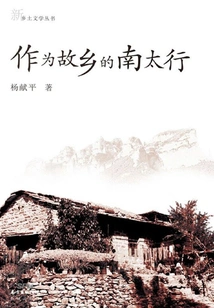
Nantaihang as Hometown
Literature作为故乡的南太行
Yang Xianping
This is a touching collection of rural prose. The writer writes about the origin of a remote village in the north, the many strange personnel affairs, various crafts and craftsmen in the late Qing Dynasty and the Anti-Japanese War era, and the village conditions and growth experience in his childhood. It also involves the real-life experiences and fate of some relatives, and describes the village's unique geographical scenery, people and customs in detail. The feelings are sincere and deep, and the language is poetic. Yang Xianping, born in Shahe, Hebei Province in 1973, currently works for the poetry magazine "Stars" of the Sichuan Provincial Writers Association. His major works include the long text "Frontier of Dreams", the novel "The Hun Empire", the collection of essays "The Book of the Desert", "Glimmer of Water in the Desert", "Hometown of Life and Death", "Historical Nostalgia", and the collection of poems "Destiny", etc. His works have won many awards.
This is a touching collection of rural prose. The writer writes about the origin of a remote village in the north, the many strange personnel affairs, various crafts and craftsmen in the late Qing Dynasty and the Anti-Japanese War era, and the village conditions and growth experience in his childhood. It also involves the real-life experiences and fate of some relatives, and describes the village's unique geographical scenery, people and customs in detail. The feelings are sincere and deep, and the language is poetic. Yang Xianping, born in Shahe, Hebei Province in 1973, currently works for the poetry magazine "Stars" of the Sichuan Provincial Writers Association. His major works include the long text "Frontier of Dreams", the novel "The Hun Empire", the collection of essays "The Book of the Desert", "Glimmer of Water in the Desert", "Hometown of Life and Death", "Historical Nostalgia", and the collection of poems "Destiny", etc. His works have won many awards.