Library
Browse and search books
3,417 novels found
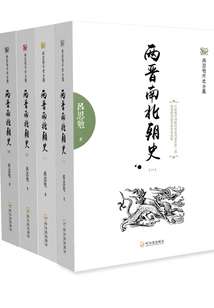
两晋南北朝史(全集)
Lu Simian
"History of the Two Jin and Southern and Northern Dynasties" edited by Lu Simian consists of four volumes, which focuses on the political situation of the two Jin Dynasties, the changes of dynasties in the Southern and Northern Dynasties, as well as the social organization, people's life, culture, academic and religion during this period. Lu Gong used his rigorous spirit, professional writing style, and noble sentiments to narrate the history of the Jin, Southern and Northern Dynasties, and quoted from other sources to complete the story in one go. The taste makes people think deeply. It is no exaggeration to call it a masterpiece and a masterpiece in the history of the times.
"History of the Two Jin and Southern and Northern Dynasties" edited by Lu Simian consists of four volumes, which focuses on the political situation of the two Jin Dynasties, the changes of dynasties in the Southern and Northern Dynasties, as well as the social organization, people's life, culture, academic and religion during this period. Lu Gong used his rigorous spirit, professional writing style, and noble sentiments to narrate the history of the Jin, Southern and Northern Dynasties, and quoted from other sources to complete the story in one go. The taste makes people think deeply. It is no exaggeration to call it a masterpiece and a masterpiece in the history of the times.
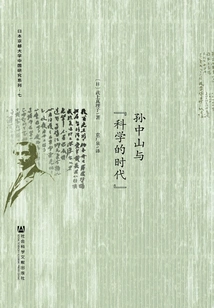
孙中山与“科学的时代”
(japan) Takegami Mariko
This book regards Sun Yat-sen as a "scientific man" who bases his thoughts and actions on science. From the introduction, translation, popularization, and application of "science" in China at the end of the 19th century and the beginning of the 20th century, it explores in detail the formation process of Sun Yat-sen's scientific outlook, and the process by which his core idea of "philosophy of life" deepened with "science" as a bridge.
This book regards Sun Yat-sen as a "scientific man" who bases his thoughts and actions on science. From the introduction, translation, popularization, and application of "science" in China at the end of the 19th century and the beginning of the 20th century, it explores in detail the formation process of Sun Yat-sen's scientific outlook, and the process by which his core idea of "philosophy of life" deepened with "science" as a bridge.
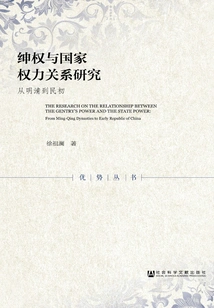
绅权与国家权力关系研究:从明清到民初
Xu Zulan
Studying the relationship between gentry power and state power from the perspective of rural power structure is not only a legal history issue, but also an important issue in public law. Adhering to an academic stance that combines historical description with academic analysis, this book uses a long historical lens to delve into China's rural society from the Ming and Qing dynasties to the early Republic of China. It explores the pair of power relationships that once existed in the rural public power system - gentry power and state power. It reveals how rural autonomy was achieved in the game between the two, and what impact the demise of gentry power had on modern rural society and even the political country.
Studying the relationship between gentry power and state power from the perspective of rural power structure is not only a legal history issue, but also an important issue in public law. Adhering to an academic stance that combines historical description with academic analysis, this book uses a long historical lens to delve into China's rural society from the Ming and Qing dynasties to the early Republic of China. It explores the pair of power relationships that once existed in the rural public power system - gentry power and state power. It reveals how rural autonomy was achieved in the game between the two, and what impact the demise of gentry power had on modern rural society and even the political country.
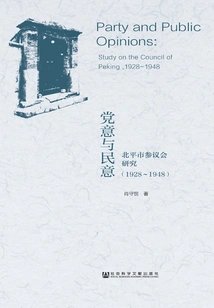
党意与民意:北平市参议会研究(1928~1948)
Xiao Shoumao
This book discusses the background of the Peking City Senate from 1933 to 1934, the Beiping City Provisional Senate in 1946, and the Beiping City Official Senate from 1947 to 1948, the election process and personnel composition of the senators, the submission and handling of bills after the Senate, etc., Focusing on analyzing the actual operation of the Senate. The author pointed out that the operation of the Peking Municipal Council has always been in an extremely complex factional environment. The political competition between the central and local governments, within local governments, and within the Kuomintang has had a huge impact on the operational effectiveness and deliberation characteristics of the Council.
This book discusses the background of the Peking City Senate from 1933 to 1934, the Beiping City Provisional Senate in 1946, and the Beiping City Official Senate from 1947 to 1948, the election process and personnel composition of the senators, the submission and handling of bills after the Senate, etc., Focusing on analyzing the actual operation of the Senate. The author pointed out that the operation of the Peking Municipal Council has always been in an extremely complex factional environment. The political competition between the central and local governments, within local governments, and within the Kuomintang has had a huge impact on the operational effectiveness and deliberation characteristics of the Council.
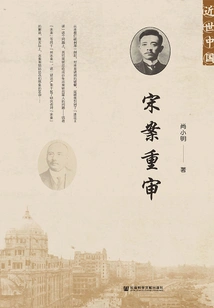
Song Case Retrial
History宋案重审
Shang Xiaoming
The biggest problem in the study of the century-old Song Dynasty case is that researchers mistakenly equate "Song Dynasty case" with "Assassination of Song Dynasty case". This book completely corrects this deviation and clearly reveals that the "Song Case" is actually a complicated case caused by the sequential evolution and interweaving of multiple plots such as the appeasement of the Communist Party, the investigation of the welcoming Congress group, the manipulation of the drafting of the constitution, the frame-up of "Sun Huang Song", the "Anonymous" attack, the purchase of public bonds at low prices, and the assassination of Song Jiaoren. It uses extremely delicate research to thoroughly reveal the inner relationship between the seemingly unrelated plots, and finally convincingly unveils a series of mysteries of the Song case. About 90% of the materials in the book have not been used by previous researchers of Song Dynasty cases, and a considerable part of them have been made public for the first time.
The biggest problem in the study of the century-old Song Dynasty case is that researchers mistakenly equate "Song Dynasty case" with "Assassination of Song Dynasty case". This book completely corrects this deviation and clearly reveals that the "Song Case" is actually a complicated case caused by the sequential evolution and interweaving of multiple plots such as the appeasement of the Communist Party, the investigation of the welcoming Congress group, the manipulation of the drafting of the constitution, the frame-up of "Sun Huang Song", the "Anonymous" attack, the purchase of public bonds at low prices, and the assassination of Song Jiaoren. It uses extremely delicate research to thoroughly reveal the inner relationship between the seemingly unrelated plots, and finally convincingly unveils a series of mysteries of the Song case. About 90% of the materials in the book have not been used by previous researchers of Song Dynasty cases, and a considerable part of them have been made public for the first time.
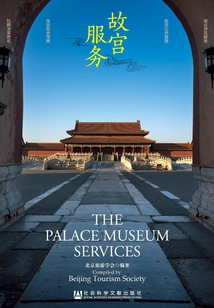
Forbidden City Service
History故宫服务
Beijing Tourism Society
This book starts from the four dimensions of visitor service, tourism public management, comprehensive tourism guarantee, and optimization of community relations, and analyzes the Forbidden City's service concepts and measures based on tourist satisfaction and oriented on comprehensive benefit improvement through 20 special topics, providing a model that can be used as a reference for various scenic spots (spots) across the country.
This book starts from the four dimensions of visitor service, tourism public management, comprehensive tourism guarantee, and optimization of community relations, and analyzes the Forbidden City's service concepts and measures based on tourist satisfaction and oriented on comprehensive benefit improvement through 20 special topics, providing a model that can be used as a reference for various scenic spots (spots) across the country.
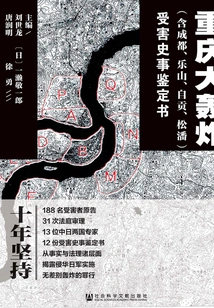
重庆大轰炸(含成都、乐山、自贡、松潘)受害史事鉴定书(全集)
Liu Shilong Et Al.
This book contains 12 testimonials written for the Chongqing bombing civil claims lawsuit against Japan. In order to file and promote this lawsuit, a total of 13 experts and scholars from China and Japan, with the full support of Chinese victims and their families, Chinese and Japanese lawyers, etc., Have worked as volunteers in the past ten years to conduct a large number of archives research, original site inspections and oral interviews, and wrote 12 testimonials, focusing on exposing the abuses. The Chinese and Japanese troops carried out indiscriminate bombings on Chongqing, Chengdu, Leshan, Zigong, Songpan and other places without distinguishing between military and non-military targets, killing Chinese people on a large scale and seriously damaging their property. The crime was submitted to the Tokyo District Court as strong evidence, which has profound legal, practical and historical value.
This book contains 12 testimonials written for the Chongqing bombing civil claims lawsuit against Japan. In order to file and promote this lawsuit, a total of 13 experts and scholars from China and Japan, with the full support of Chinese victims and their families, Chinese and Japanese lawyers, etc., Have worked as volunteers in the past ten years to conduct a large number of archives research, original site inspections and oral interviews, and wrote 12 testimonials, focusing on exposing the abuses. The Chinese and Japanese troops carried out indiscriminate bombings on Chongqing, Chengdu, Leshan, Zigong, Songpan and other places without distinguishing between military and non-military targets, killing Chinese people on a large scale and seriously damaging their property. The crime was submitted to the Tokyo District Court as strong evidence, which has profound legal, practical and historical value.
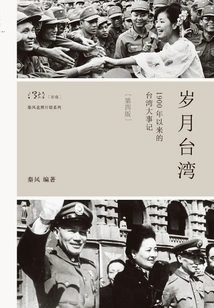
岁月台湾:1900年以来的台湾大事记(第四版)
Compiled By Qin Feng
A best-selling Taiwanese classic for ten years, it is the best illustrated book to learn about Taiwan over the past century. From the beginning of Japan's colonization of Taiwan to Ma Ying-jeou's re-election, Taiwan entered a more complex stage of development, and cross-strait relations entered the "deep water zone." This book uses a chronological style to record the land, people, and years of Baodao for more than a hundred years since 1900, including politics, economy, society, education, culture, etc. Since the 20th century, Taiwan has been closely linked to the historical destiny of the motherland. The path that Taiwan has taken is now being taken by many mainlanders. Taiwan is a part of China's great history. Its characteristic lies not in the size of its population or land, but in the sharp contrast of historical experience and the lessons and wisdom that can be learned from it.
A best-selling Taiwanese classic for ten years, it is the best illustrated book to learn about Taiwan over the past century. From the beginning of Japan's colonization of Taiwan to Ma Ying-jeou's re-election, Taiwan entered a more complex stage of development, and cross-strait relations entered the "deep water zone." This book uses a chronological style to record the land, people, and years of Baodao for more than a hundred years since 1900, including politics, economy, society, education, culture, etc. Since the 20th century, Taiwan has been closely linked to the historical destiny of the motherland. The path that Taiwan has taken is now being taken by many mainlanders. Taiwan is a part of China's great history. Its characteristic lies not in the size of its population or land, but in the sharp contrast of historical experience and the lessons and wisdom that can be learned from it.
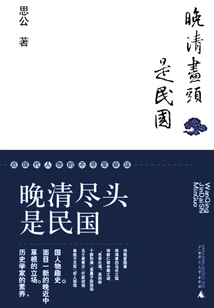
The End of the Late Qing Dynasty is the Republic of China: the Unusual Fate of Modern Figures
History晚清尽头是民国:近现代人物的不寻常命运
Si Gong
The quality of a historian, the grassroots stance, and the list of outstanding people in recent China have changed beyond recognition. In the great changes of the era that have not happened in three thousand years, strange people suffered strange fates: the national hero Lin Zexu rashly banned smoking, the famous ZTE minister Li Hongzhang endured the humiliation, the number one prime minister Weng Tonghe ruined the country by talking about it, the Jianhu heroine Qiu Jin was relocated ten times, the father of constitutionalism Song Jiaoren was assassinated in Shanghai, the first president Yuan Shikai Beijing's anti-corruption campaign, the eldest son of the Republic of China, Yuan Kewen, left the world, the vice president of Yan University, Lu Siyi, ran to raise funds, the learned revolutionary Zhang Kuangren shocked the world with his five scoldings, "my friend" Hu Shizhi treated others with gentleness... After reading it in one breath, it seems that familiar characters seem strange, and unfamiliar characters become vivid.
The quality of a historian, the grassroots stance, and the list of outstanding people in recent China have changed beyond recognition. In the great changes of the era that have not happened in three thousand years, strange people suffered strange fates: the national hero Lin Zexu rashly banned smoking, the famous ZTE minister Li Hongzhang endured the humiliation, the number one prime minister Weng Tonghe ruined the country by talking about it, the Jianhu heroine Qiu Jin was relocated ten times, the father of constitutionalism Song Jiaoren was assassinated in Shanghai, the first president Yuan Shikai Beijing's anti-corruption campaign, the eldest son of the Republic of China, Yuan Kewen, left the world, the vice president of Yan University, Lu Siyi, ran to raise funds, the learned revolutionary Zhang Kuangren shocked the world with his five scoldings, "my friend" Hu Shizhi treated others with gentleness... After reading it in one breath, it seems that familiar characters seem strange, and unfamiliar characters become vivid.
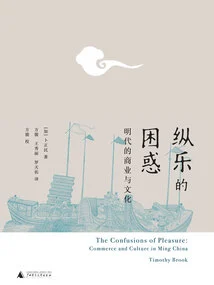
纵乐的困惑:明代的商业与文化
I
This classic work by the famous sinologist Bu Zhengmin shows how business gradually changed the daily lives of people in the Ming Dynasty. In the middle and late Ming Dynasty, China experienced an economic transformation, and the booming development of commerce prompted a series of changes in society and culture. In the early Ming Dynasty, Zhu Yuanzhang built a communication network for a small country with few people, which became the cornerstone of the growth of the business world. People chase fashion and enjoy material pleasures. Wealthy businessmen exchanged their real money for a pass to the upper class. In this bizarre world of the late Ming Dynasty, money seems to have become the only bargaining chip, and old social identities and even moral boundaries are blurred to the point of confusion. With his superb narrative skills, Bu Zhengmin connects officials, tourists, diplomatic envoys, bricklayers, businessmen, textile workers, prostitutes and other characters and their stories into vivid social scenes. At the same time, he retains the rigor and profundity of academic writing. His insights into the culture and society of the Ming Dynasty are still inspiring.
This classic work by the famous sinologist Bu Zhengmin shows how business gradually changed the daily lives of people in the Ming Dynasty. In the middle and late Ming Dynasty, China experienced an economic transformation, and the booming development of commerce prompted a series of changes in society and culture. In the early Ming Dynasty, Zhu Yuanzhang built a communication network for a small country with few people, which became the cornerstone of the growth of the business world. People chase fashion and enjoy material pleasures. Wealthy businessmen exchanged their real money for a pass to the upper class. In this bizarre world of the late Ming Dynasty, money seems to have become the only bargaining chip, and old social identities and even moral boundaries are blurred to the point of confusion. With his superb narrative skills, Bu Zhengmin connects officials, tourists, diplomatic envoys, bricklayers, businessmen, textile workers, prostitutes and other characters and their stories into vivid social scenes. At the same time, he retains the rigor and profundity of academic writing. His insights into the culture and society of the Ming Dynasty are still inspiring.
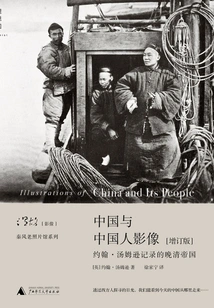
China and the Chinese Image (enhanced Edition): the Late Qing Empire as Documented by John Thomson
History中国与中国人影像(增订版):约翰·汤姆逊记录的晚清帝国
(english) John Thomson
This is a classic work that everyone in the Chinese photography community admires in awe! China's earliest panoramic image record truly reproduces the late Qing Empire 150 years ago! The Opium War, the Taiping Heavenly Kingdom... The decaying late Qing Empire began the Westernization Movement while taking a breather. Western learning spread eastward, and changes quietly occurred. John Thomson, the pioneer of documentary photography, came to China at the right time. With a strong documentary style, he recorded the coexistence of backwardness and decadence and the pursuit of change and strength in China. Thomson is not only a master photographer, but also an observer who walks with his own thoughts. His analysis of Chinese society involves all aspects. Whether it is the lens or the text, the perspective is quite scientific and rigorous, and it is still fresh and vivid to this day.
This is a classic work that everyone in the Chinese photography community admires in awe! China's earliest panoramic image record truly reproduces the late Qing Empire 150 years ago! The Opium War, the Taiping Heavenly Kingdom... The decaying late Qing Empire began the Westernization Movement while taking a breather. Western learning spread eastward, and changes quietly occurred. John Thomson, the pioneer of documentary photography, came to China at the right time. With a strong documentary style, he recorded the coexistence of backwardness and decadence and the pursuit of change and strength in China. Thomson is not only a master photographer, but also an observer who walks with his own thoughts. His analysis of Chinese society involves all aspects. Whether it is the lens or the text, the perspective is quite scientific and rigorous, and it is still fresh and vivid to this day.
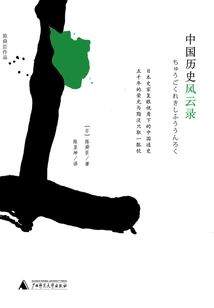
Records of Chinese History
History中国历史风云录
H
The Chinese-Japanese historian has compiled the current general history of China and written down the glory and gloom of five thousand years in the style of a mystery novel. "Chinese History Chronicles", formerly known as "China Five Thousand Years", is the masterpiece of Chen Shunchen, a well-known Chinese historical writer in Japan. It has been best-selling in Japan for more than 30 years. The work takes the rise and fall of dynasty power as a clue, writes about the decisive moments and shining figures in Chinese history with magnificent pen and ink, combines mystery novels with historical themes, lays out historical details and approaches the truth in sorting out the historical context. The Shang Dynasty, where gods and men danced together, the Zhou Dynasty, which was humanistic and pragmatic, the Song Dynasty, which favored literature over martial arts, and the Ming Dynasty, which was overtly profit-oriented... Dynasties with very different personalities are taking turns to appear on paper, ready to come out, showing the glory and gloom of Chinese history from ancient times to modern times. Chen Shun-chen, "Japan's first person on Chinese historical subjects", uses the power of mystery novels, cold literary style, and solid and rich historical materials to integrate the mixed knowledge of history, archeology, and philology to create a general history of China that is both elegant and popular, and full of interest.
The Chinese-Japanese historian has compiled the current general history of China and written down the glory and gloom of five thousand years in the style of a mystery novel. "Chinese History Chronicles", formerly known as "China Five Thousand Years", is the masterpiece of Chen Shunchen, a well-known Chinese historical writer in Japan. It has been best-selling in Japan for more than 30 years. The work takes the rise and fall of dynasty power as a clue, writes about the decisive moments and shining figures in Chinese history with magnificent pen and ink, combines mystery novels with historical themes, lays out historical details and approaches the truth in sorting out the historical context. The Shang Dynasty, where gods and men danced together, the Zhou Dynasty, which was humanistic and pragmatic, the Song Dynasty, which favored literature over martial arts, and the Ming Dynasty, which was overtly profit-oriented... Dynasties with very different personalities are taking turns to appear on paper, ready to come out, showing the glory and gloom of Chinese history from ancient times to modern times. Chen Shun-chen, "Japan's first person on Chinese historical subjects", uses the power of mystery novels, cold literary style, and solid and rich historical materials to integrate the mixed knowledge of history, archeology, and philology to create a general history of China that is both elegant and popular, and full of interest.
The Yuan Family is in Power
History袁氏当国
Tang Degang
Since the founding of the Republic by Sun Wen, and the rise of the movement to protect the country by arresting Cai E, during the years when Yuan Shikai was in power, the country was in decline and the people were miserable. Before and after the founding of the Republic of China, Empress Dowager Longyu, who listened behind the curtain but had no control over politics, Regent Zaifeng, who brought a pair of widows and orphans into the throne, Yuan Shikai, a tragic figure in the bubble dynasty when the monarchy turned around, Sun Yat-sen, the supreme figure in the country's founding blueprint, Song Jiaoren, an organizer with ambitions and theoretical foundations, Huang Xing, a polished commander with no generals, and the emperor who came from the United States. Goodnow, the constitutional consultant who controlled Dongfeng, Yang Du, who started the republic and ended the monarchy but mistakenly believed in the Yuan family, the "Six Gentlemen" who subsidized themselves or were praised by others as the monarchists, Yuan Keding, the straw baggage in the eyes of the Chinese people, Liang Qichao, who brought down a Hongxian dynasty with one article, Cai E in the bubble war... The inauguration of President Sun Wen was the beginning of this new era. The old monarchy is gradually sinking in the ocean of history; the new democracy is slowly rising on the horizon. Although growth is slow, it will eventually reach its peak. How Yuan Shikai cultivated an enemy between the late Qing government and the National Revolutionary Military Government to covet the presidential throne; what background is hinted at by the historical mystery of Song Jiaoren's assassination; what impact did Sun Yat-sen's personality have on his transformation of the Kuomintang in pursuit of revolution; how complex and changeable was Yuan's domestic and foreign affairs during his time in power; what was the relationship between the "Six Gentlemen" of the Security Council and Yuan's government; and what was Professor Goodnow's political philosophy that should not be forgotten. With his consistent scholarly integrity, Mr. Tang does not rely on wind and grass, does not follow what others say, insists on basing his opinions on history, and insists that his words must be well-founded.
Since the founding of the Republic by Sun Wen, and the rise of the movement to protect the country by arresting Cai E, during the years when Yuan Shikai was in power, the country was in decline and the people were miserable. Before and after the founding of the Republic of China, Empress Dowager Longyu, who listened behind the curtain but had no control over politics, Regent Zaifeng, who brought a pair of widows and orphans into the throne, Yuan Shikai, a tragic figure in the bubble dynasty when the monarchy turned around, Sun Yat-sen, the supreme figure in the country's founding blueprint, Song Jiaoren, an organizer with ambitions and theoretical foundations, Huang Xing, a polished commander with no generals, and the emperor who came from the United States. Goodnow, the constitutional consultant who controlled Dongfeng, Yang Du, who started the republic and ended the monarchy but mistakenly believed in the Yuan family, the "Six Gentlemen" who subsidized themselves or were praised by others as the monarchists, Yuan Keding, the straw baggage in the eyes of the Chinese people, Liang Qichao, who brought down a Hongxian dynasty with one article, Cai E in the bubble war... The inauguration of President Sun Wen was the beginning of this new era. The old monarchy is gradually sinking in the ocean of history; the new democracy is slowly rising on the horizon. Although growth is slow, it will eventually reach its peak. How Yuan Shikai cultivated an enemy between the late Qing government and the National Revolutionary Military Government to covet the presidential throne; what background is hinted at by the historical mystery of Song Jiaoren's assassination; what impact did Sun Yat-sen's personality have on his transformation of the Kuomintang in pursuit of revolution; how complex and changeable was Yuan's domestic and foreign affairs during his time in power; what was the relationship between the "Six Gentlemen" of the Security Council and Yuan's government; and what was Professor Goodnow's political philosophy that should not be forgotten. With his consistent scholarly integrity, Mr. Tang does not rely on wind and grass, does not follow what others say, insists on basing his opinions on history, and insists that his words must be well-founded.
Tang Dynasty
History唐·乱
Li Xudong
The Tang Dynasty was a powerful empire that gave birth to the Khan of Heaven, and a powerful dynasty that created the prosperous Kaiyuan era. The sudden invasion of the Anshi Rebellion caused the Tang Empire to fall into an abyss of pain in an instant. The glory of the past has turned into fragments of memory that remain in the wind and rain. The Daming Palace, which once remembered the prosperity of the Tang Dynasty, has long been lost in the red dust, and the East-West Market, which once recorded the prosperity of the Tang Dynasty, has long disappeared into the depths of history. Only the Big Wild Goose Pagoda, which has gone through many vicissitudes of life, still seems like an old man silently telling the glory of the past. In order to fully understand the thrilling incident that ended the prosperous age of the Tang Dynasty, let us peel off the veil of time, shake off the dust of history, and enter the historical time and space of the golden age...
The Tang Dynasty was a powerful empire that gave birth to the Khan of Heaven, and a powerful dynasty that created the prosperous Kaiyuan era. The sudden invasion of the Anshi Rebellion caused the Tang Empire to fall into an abyss of pain in an instant. The glory of the past has turned into fragments of memory that remain in the wind and rain. The Daming Palace, which once remembered the prosperity of the Tang Dynasty, has long been lost in the red dust, and the East-West Market, which once recorded the prosperity of the Tang Dynasty, has long disappeared into the depths of history. Only the Big Wild Goose Pagoda, which has gone through many vicissitudes of life, still seems like an old man silently telling the glory of the past. In order to fully understand the thrilling incident that ended the prosperous age of the Tang Dynasty, let us peel off the veil of time, shake off the dust of history, and enter the historical time and space of the golden age...
满天星斗:苏秉琦论远古中国
Su Bingqi
In China from the Neolithic Age to the Xia and Shang dynasties, many civilizations with similar levels of development existed at the same time, scattered in all directions in China, like stars in the sky. Mr. Su Bingqi vividly summarized this as a "sky full of stars" model. This model breaks the deep-rooted traditional concepts of the center of the ancient Central Plains, the Han people, and the dynasty in the field of historical archaeology, and raises many questions worth rethinking about the origin of Chinese civilization. "A Sky Full of Stars: Su Bingqi on Ancient China" has been carefully selected and arranged by philosopher Zhao Tingyang for readers to represent Mr. Su Bingqi's academic thoughts and style: paying attention to the ideas that can be developed by archaeological evidence, and developing almost philosophical analysis and speculation on the basis of empirical knowledge.
In China from the Neolithic Age to the Xia and Shang dynasties, many civilizations with similar levels of development existed at the same time, scattered in all directions in China, like stars in the sky. Mr. Su Bingqi vividly summarized this as a "sky full of stars" model. This model breaks the deep-rooted traditional concepts of the center of the ancient Central Plains, the Han people, and the dynasty in the field of historical archaeology, and raises many questions worth rethinking about the origin of Chinese civilization. "A Sky Full of Stars: Su Bingqi on Ancient China" has been carefully selected and arranged by philosopher Zhao Tingyang for readers to represent Mr. Su Bingqi's academic thoughts and style: paying attention to the ideas that can be developed by archaeological evidence, and developing almost philosophical analysis and speculation on the basis of empirical knowledge.
中华二千年史(下)
Deng Zhicheng
Deng Zhicheng began to write "General History of China" for teaching needs. In 1934, the Commercial Press included it in the "University Series" and renamed it "Two Thousand Years of History of China". Twenty years later, the author continued to compile the Ming and Qing Dynasty parts, and the whole book was completed, with 2.7 Million words. It is unique among similar historical works. From the unification of the Qin Dynasty to the Revolution of 1911 and the fall of the Qing Dynasty, it narrates the Three Kingdoms, the Jin and the Southern and Northern Dynasties, the Sui, Tang, and Five Dynasties, the Song, Liao, Jin, Xia, and Yuan Dynasties, etc. It is finally completed in 5 volumes and 9 volumes. It is truly a magnificent masterpiece. The book combines several genres such as chronicle style, chronological style, biographical style, and chapter style. The chronicle style is the backbone of the book, compiling historical facts, institutions, academics, literature, customs, religions, etc. Of each dynasty, supplemented by charts, using simplicity to control complexity, with clear entries and rich content.
Deng Zhicheng began to write "General History of China" for teaching needs. In 1934, the Commercial Press included it in the "University Series" and renamed it "Two Thousand Years of History of China". Twenty years later, the author continued to compile the Ming and Qing Dynasty parts, and the whole book was completed, with 2.7 Million words. It is unique among similar historical works. From the unification of the Qin Dynasty to the Revolution of 1911 and the fall of the Qing Dynasty, it narrates the Three Kingdoms, the Jin and the Southern and Northern Dynasties, the Sui, Tang, and Five Dynasties, the Song, Liao, Jin, Xia, and Yuan Dynasties, etc. It is finally completed in 5 volumes and 9 volumes. It is truly a magnificent masterpiece. The book combines several genres such as chronicle style, chronological style, biographical style, and chapter style. The chronicle style is the backbone of the book, compiling historical facts, institutions, academics, literature, customs, religions, etc. Of each dynasty, supplemented by charts, using simplicity to control complexity, with clear entries and rich content.
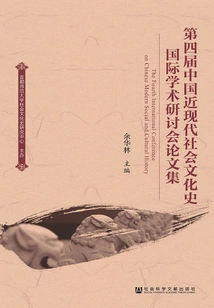
第四届中国近现代社会文化史国际学术研讨会论文集
Yu Hualin
This book is a collection of papers from the "Fourth International Academic Symposium on the Social and Cultural History of Modern China". The book contains 13 papers from the conference, which provide heated and in-depth discussions on the theories and methods of Chinese social and cultural history, the relationship between social and cultural history, social history, and the history of daily life, as well as issues such as marriage, family, women, and children in modern China. It is of a high level, fully demonstrates the latest research results in this field, highlights the cutting-edge trends of academic research, and provides useful reference for the further development of social and cultural history in the future.
This book is a collection of papers from the "Fourth International Academic Symposium on the Social and Cultural History of Modern China". The book contains 13 papers from the conference, which provide heated and in-depth discussions on the theories and methods of Chinese social and cultural history, the relationship between social and cultural history, social history, and the history of daily life, as well as issues such as marriage, family, women, and children in modern China. It is of a high level, fully demonstrates the latest research results in this field, highlights the cutting-edge trends of academic research, and provides useful reference for the further development of social and cultural history in the future.
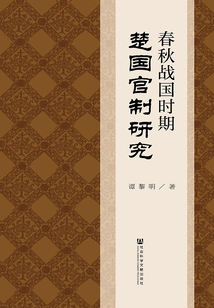
春秋战国时期楚国官制研究
Tan Liming
Chu State was the political, economic and cultural center of the South during the Spring and Autumn Period and the Warring States Period. It was a powerful country with a long history. Chu State not only had a unique culture, but also had its own official system. The official system of Chu State was relatively complete and had strong local characteristics. Studying the official system of the Chu State is very necessary to understand the rules and regulations of the Chu State, the status and role of the official system of the Chu State in the official system of the pre-Qin Dynasty, and its impact on the official systems of future generations. Studying the official system of the Chu State is also an indispensable part of the study of the history of the political system of the Chu State and even the history of the political system of the Pre-Qin Dynasty. This book comprehensively, systematically and deeply discusses the central official system, local official system and official management system of Chu State.
Chu State was the political, economic and cultural center of the South during the Spring and Autumn Period and the Warring States Period. It was a powerful country with a long history. Chu State not only had a unique culture, but also had its own official system. The official system of Chu State was relatively complete and had strong local characteristics. Studying the official system of the Chu State is very necessary to understand the rules and regulations of the Chu State, the status and role of the official system of the Chu State in the official system of the pre-Qin Dynasty, and its impact on the official systems of future generations. Studying the official system of the Chu State is also an indispensable part of the study of the history of the political system of the Chu State and even the history of the political system of the Pre-Qin Dynasty. This book comprehensively, systematically and deeply discusses the central official system, local official system and official management system of Chu State.
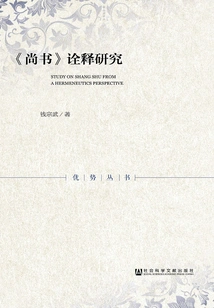
《尚书》诠释研究
Qian Zongwu
"Research on the Interpretation of Shangshu" has a strong sense of innovation. All the topics discussed are long-term theoretical and practical issues that need to be solved in Shangshu studies and linguistics. Some of these issues also involve classical philology, forgery, annals, philosophy, intellectual history research and other fields. The authors can all use their broad academic vision, solid literature foundation, and profound theoretical literacy to explore the subtleties and demonstrate repeatedly. The book has thorough analysis, rigorous logic, and rich examples. Its conclusions may correct the mistakes of predecessors, or advance the argumentation of relevant issues, or give readers new enlightenment, which has important academic value.
"Research on the Interpretation of Shangshu" has a strong sense of innovation. All the topics discussed are long-term theoretical and practical issues that need to be solved in Shangshu studies and linguistics. Some of these issues also involve classical philology, forgery, annals, philosophy, intellectual history research and other fields. The authors can all use their broad academic vision, solid literature foundation, and profound theoretical literacy to explore the subtleties and demonstrate repeatedly. The book has thorough analysis, rigorous logic, and rich examples. Its conclusions may correct the mistakes of predecessors, or advance the argumentation of relevant issues, or give readers new enlightenment, which has important academic value.
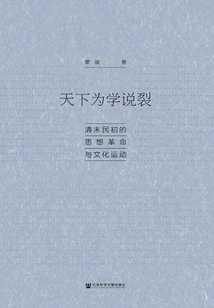
天下为学说裂:清末民初的思想革命与文化运动
Qu Jun
At the end of the Qing Dynasty and the beginning of the Republic of China, China faced "great changes unseen in three thousand years." In this era of transformation, scholars who cared about the fate of the nation, the country, and themselves launched various ideological revolutions and cultural movements in response to the Western trend. The author reconstructs the collective image of scholars in the late Qing Dynasty and the early Republic of China through a detailed investigation of student life, textbooks, the "Manchu" revolution and other issues. He attempts to explore several aspects of these scholars' lives, actions and moods at that time, and explains the depth and pain of change in China in the late Qing Dynasty and the early Republic of China.
At the end of the Qing Dynasty and the beginning of the Republic of China, China faced "great changes unseen in three thousand years." In this era of transformation, scholars who cared about the fate of the nation, the country, and themselves launched various ideological revolutions and cultural movements in response to the Western trend. The author reconstructs the collective image of scholars in the late Qing Dynasty and the early Republic of China through a detailed investigation of student life, textbooks, the "Manchu" revolution and other issues. He attempts to explore several aspects of these scholars' lives, actions and moods at that time, and explains the depth and pain of change in China in the late Qing Dynasty and the early Republic of China.
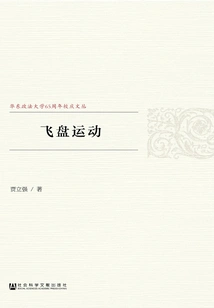
Frisbee
History飞盘运动
Jia Liqiang
This article first reviews the origin and development of Frisbee, and then briefly introduces the various ways of playing Frisbee. In addition, this book focuses on a detailed introduction to Ultimate Frisbee and Frisbee Golf in Frisbee sports, including various throwing and catching methods of Frisbee, various offensive and defensive tactics of Ultimate Frisbee, and competition skills of Frisbee Golf, etc. Chapters seven and eight of the book are an introduction to the physical and psychological quality training of Frisbee players. Therefore, this book can be used as a reference book for teachers in class and for understanding the training of Frisbee teams.
This article first reviews the origin and development of Frisbee, and then briefly introduces the various ways of playing Frisbee. In addition, this book focuses on a detailed introduction to Ultimate Frisbee and Frisbee Golf in Frisbee sports, including various throwing and catching methods of Frisbee, various offensive and defensive tactics of Ultimate Frisbee, and competition skills of Frisbee Golf, etc. Chapters seven and eight of the book are an introduction to the physical and psychological quality training of Frisbee players. Therefore, this book can be used as a reference book for teachers in class and for understanding the training of Frisbee teams.
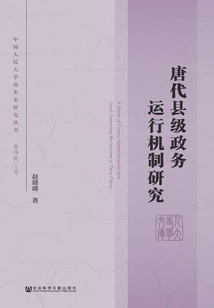
唐代县级政务运行机制研究
Zhao Lulu
This book takes county bureaus, which are the grassroots organizations for national government operations, as the research object. It sorts out the changes in the county-level government operation mechanisms in different periods of the Tang Dynasty from the aspects of personnel composition and attributes, functional scope and government content, institutional status, and operating mechanisms. Its focus or focus is on the transformation of the national governance system and state form between the Tang and Song Dynasties.
This book takes county bureaus, which are the grassroots organizations for national government operations, as the research object. It sorts out the changes in the county-level government operation mechanisms in different periods of the Tang Dynasty from the aspects of personnel composition and attributes, functional scope and government content, institutional status, and operating mechanisms. Its focus or focus is on the transformation of the national governance system and state form between the Tang and Song Dynasties.
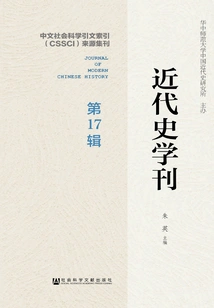
近代史学刊(第17辑)
Zhu Ying
"Journal of Modern History" is an academic journal in the field of modern Chinese history sponsored by the Institute of Modern Chinese History of Central China Normal University. This book is the 17th volume, divided into two topics: "Modern Chinese Handicraft Industry" and "Chinese Revolution in the 20th Century", as well as "Political and Institutional History Research", "Economic and Social History Research", "Ideological and Educational History Research", "Academic History Review" and "Conference Review" In the five major sections, the authors of each article start from the fields they are familiar with. The topics involve politics, economy, and society in the late Qing Dynasty and the Republic of China. They include re-discussions of previous studies and new explorations based on historical materials, including many innovations and breakthroughs.
"Journal of Modern History" is an academic journal in the field of modern Chinese history sponsored by the Institute of Modern Chinese History of Central China Normal University. This book is the 17th volume, divided into two topics: "Modern Chinese Handicraft Industry" and "Chinese Revolution in the 20th Century", as well as "Political and Institutional History Research", "Economic and Social History Research", "Ideological and Educational History Research", "Academic History Review" and "Conference Review" In the five major sections, the authors of each article start from the fields they are familiar with. The topics involve politics, economy, and society in the late Qing Dynasty and the Republic of China. They include re-discussions of previous studies and new explorations based on historical materials, including many innovations and breakthroughs.
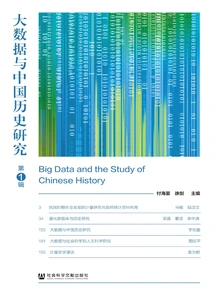
大数据与中国历史研究(第1辑)
Fu Haiyan Xu Jian
"Big Data and Chinese History Research" is co-sponsored by the Institute for Advanced Studies in Humanities and Social Sciences and the School of History and Culture of Central China Normal University. Since 2013, Central China Normal University and Hong Kong University of Science and Technology have begun to cooperate in big data history research and talent training. In terms of professional curriculum, the big data history major has opened many distinctive professional courses. Among them, the "Big Data and Chinese History" lecture series is co-organized by the Institute for Advanced Study and the School of History and Culture. Senior professors and emerging young scholars with expertise in quantitative historical research and digital humanities research are invited to give special lectures. This book is a collection of some scholars' research results and speeches.
"Big Data and Chinese History Research" is co-sponsored by the Institute for Advanced Studies in Humanities and Social Sciences and the School of History and Culture of Central China Normal University. Since 2013, Central China Normal University and Hong Kong University of Science and Technology have begun to cooperate in big data history research and talent training. In terms of professional curriculum, the big data history major has opened many distinctive professional courses. Among them, the "Big Data and Chinese History" lecture series is co-organized by the Institute for Advanced Study and the School of History and Culture. Senior professors and emerging young scholars with expertise in quantitative historical research and digital humanities research are invited to give special lectures. This book is a collection of some scholars' research results and speeches.
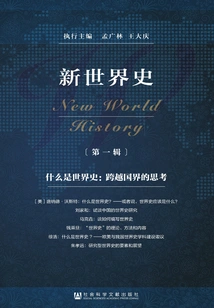
New World History (volume 1)
History新世界史(第1辑)
Meng Guanglin Wang Daqing
"New World History" is a collection sponsored by the School of History at Renmin University of China. It is guided by Marxism and strives to work hard on the interpretation of new materials, the application of new theories and new methods, and the exploration of new perspectives. Each issue sets different research themes, with "special research" "Research", "Historical Materials and Selected Translations of Treatises", "Academic Trends", "History Reading Notes", "Interviews with Famous Experts", "Round Table Discussion" and other columns comprehensively display the new results of Chinese world history research and contribute to the construction of world history research with Chinese characteristics and characteristics of the times. This book is the first volume and discusses the theme of "What is World History: Thinking Across National Boundaries".
"New World History" is a collection sponsored by the School of History at Renmin University of China. It is guided by Marxism and strives to work hard on the interpretation of new materials, the application of new theories and new methods, and the exploration of new perspectives. Each issue sets different research themes, with "special research" "Research", "Historical Materials and Selected Translations of Treatises", "Academic Trends", "History Reading Notes", "Interviews with Famous Experts", "Round Table Discussion" and other columns comprehensively display the new results of Chinese world history research and contribute to the construction of world history research with Chinese characteristics and characteristics of the times. This book is the first volume and discusses the theme of "What is World History: Thinking Across National Boundaries".
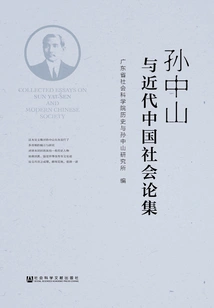
孙中山与近代中国社会论集
Guangdong Academy Of Social Sciences History And Sun Yat-sen Institute
On the occasion of the 150th anniversary of the birth of Dr. Sun Yat-sen, the History and Sun Yat-sen Institute of the Guangdong Academy of Social Sciences selected articles written by our institute and its colleagues and compiled them into a collection of essays. The study of Sun Yat-sen has always been a strong subject of the institute. A number of famous experts including Li Shiyue, Zhang Lei, Huang Yan and Liu Wangling have emerged and published many monographs. This collection of essays reveals and studies many aspects of Dr. Sun Yat-sen; it also has special articles on other historical figures in the late Qing Dynasty and the early Republic of China, such as Yuan Shikai and Lu Zhengxiang. The articles are all sound and insightful, and worth reading.
On the occasion of the 150th anniversary of the birth of Dr. Sun Yat-sen, the History and Sun Yat-sen Institute of the Guangdong Academy of Social Sciences selected articles written by our institute and its colleagues and compiled them into a collection of essays. The study of Sun Yat-sen has always been a strong subject of the institute. A number of famous experts including Li Shiyue, Zhang Lei, Huang Yan and Liu Wangling have emerged and published many monographs. This collection of essays reveals and studies many aspects of Dr. Sun Yat-sen; it also has special articles on other historical figures in the late Qing Dynasty and the early Republic of China, such as Yuan Shikai and Lu Zhengxiang. The articles are all sound and insightful, and worth reading.
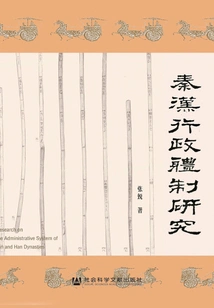
秦汉行政体制研究
Zhang Rui
The Qin and Han Dynasties were the period when my country's basic national conditions such as vast territory, large population, complex ethnic situation, strong cultural inheritance, and centralization of power were formed. The administrative system of the Qin and Han Dynasties established to adapt to the basic national conditions already had a large number of modern features. This book conducts in-depth research on the administrative system of the Qin and Han Dynasties using handed down historical records and unearthed slips and tablets, which has certain reference significance for the reform of the contemporary administrative system.
The Qin and Han Dynasties were the period when my country's basic national conditions such as vast territory, large population, complex ethnic situation, strong cultural inheritance, and centralization of power were formed. The administrative system of the Qin and Han Dynasties established to adapt to the basic national conditions already had a large number of modern features. This book conducts in-depth research on the administrative system of the Qin and Han Dynasties using handed down historical records and unearthed slips and tablets, which has certain reference significance for the reform of the contemporary administrative system.
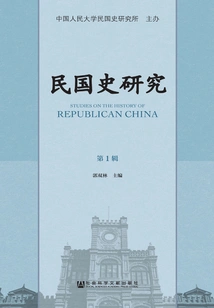
民国史研究(第1辑)
Guo Shuanglin
"Republic of China History Research" is a professional academic journal sponsored by the Institute of Republic of China History at Renmin University of China. Relying on the location advantage of Beijing and the existing academic conditions of this unit, while comprehensively paying attention to the history of the entire Republic of China period, it consciously focuses on the historical research of the Beijing government period. While taking into account political history, economic history, social history and other fields, it particularly highlights the research characteristics of ideological and cultural history. In addition, it will also provide a dedicated and sustained academic publishing platform to promote research on the history of Beijing during the Republic of China. This is the first issue and is divided into five columns: "Special Papers", "Academic Talks", "Frontier Information", "Book Reviews" and "Rare Documents".
"Republic of China History Research" is a professional academic journal sponsored by the Institute of Republic of China History at Renmin University of China. Relying on the location advantage of Beijing and the existing academic conditions of this unit, while comprehensively paying attention to the history of the entire Republic of China period, it consciously focuses on the historical research of the Beijing government period. While taking into account political history, economic history, social history and other fields, it particularly highlights the research characteristics of ideological and cultural history. In addition, it will also provide a dedicated and sustained academic publishing platform to promote research on the history of Beijing during the Republic of China. This is the first issue and is divided into five columns: "Special Papers", "Academic Talks", "Frontier Information", "Book Reviews" and "Rare Documents".
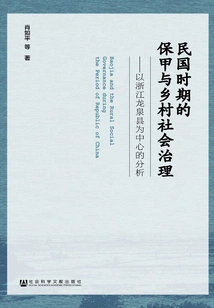
民国时期的保甲与乡村社会治理:以浙江龙泉县为中心的分析
Xiao Ruping
This book mainly uses the archives of the Republic of China in the Longquan Municipal Archives and takes Baojia in Longquan County, Zhejiang Province as the research object. It examines the overview of the implementation of Baojia in Longquan, the functions, personnel composition, selection, appointment and dismissal, rewards and punishments of township and village Baojia chiefs, and explores how the government uses the Baojia organization to implement population surveys and personnel registration, and how to pass the Baojia Bao national schools, township people's conferences, people's conferences, and township and village cooperatives carry out rural political mobilization, promote rural economic construction and cultural education, and how Baojia is used to implement taxation and conscription, thereby analyzing the complex relationship between the government, Baojia and rural society, and the role of Baojia in rural social governance.
This book mainly uses the archives of the Republic of China in the Longquan Municipal Archives and takes Baojia in Longquan County, Zhejiang Province as the research object. It examines the overview of the implementation of Baojia in Longquan, the functions, personnel composition, selection, appointment and dismissal, rewards and punishments of township and village Baojia chiefs, and explores how the government uses the Baojia organization to implement population surveys and personnel registration, and how to pass the Baojia Bao national schools, township people's conferences, people's conferences, and township and village cooperatives carry out rural political mobilization, promote rural economic construction and cultural education, and how Baojia is used to implement taxation and conscription, thereby analyzing the complex relationship between the government, Baojia and rural society, and the role of Baojia in rural social governance.
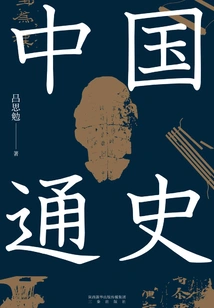
General History of China
History中国通史
Lu Simian
"General History of China" was originally called "General History of China by Lu" and was divided into the first volume (1940, Kaiming Bookstore) and the second volume (1944, Kaiming Bookstore). It is now combined into one volume, divided into the upper part and the lower part. The first part describes the development of social and economic systems, political systems, and cultural academics in categories, including eighteen categories such as marriage, clan system, political system, class, property, official system, election, taxation, military system, criminal law, industry, currency, food and clothing, housing and transportation, education, language, academics, and religion; the second part narrates the changes in political history in historical order. The upper and lower volumes together constitute a complete and concise exposition of the overall picture of Chinese history and culture. Eighteen chapters on special topics and thirty-six chapters on overview, covering the changes in Chinese culture and times.
"General History of China" was originally called "General History of China by Lu" and was divided into the first volume (1940, Kaiming Bookstore) and the second volume (1944, Kaiming Bookstore). It is now combined into one volume, divided into the upper part and the lower part. The first part describes the development of social and economic systems, political systems, and cultural academics in categories, including eighteen categories such as marriage, clan system, political system, class, property, official system, election, taxation, military system, criminal law, industry, currency, food and clothing, housing and transportation, education, language, academics, and religion; the second part narrates the changes in political history in historical order. The upper and lower volumes together constitute a complete and concise exposition of the overall picture of Chinese history and culture. Eighteen chapters on special topics and thirty-six chapters on overview, covering the changes in Chinese culture and times.
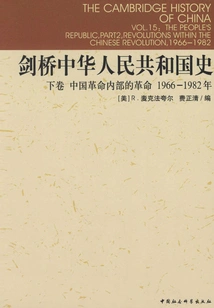
剑桥中华人民共和国史(下卷):中国革命内部的革命(1966-1982年)
(u. S.) R. Macfarquhar, Edited By Fairbank Fairbank And Edited By Li Dianchang
This book is the Chinese translation of the 15th volume in the "Cambridge History of China" series. It discusses the historical process of the People's Republic of China from 1966 to 1982, and provides an in-depth and careful exploration of the development of Mao Zedong Thought, the occurrence of the "Cultural Revolution", and the far-reaching impact resulting therefrom. ; It focuses on Deng Xiaoping's economic reforms and the great changes in China's economy after Mao Zedong; it analyzes the Kuomintang's rule in Taiwan Province, and also studies and examines China's political, economic, diplomatic, educational, literary and intellectual issues throughout this period. The authors of this book are all Western experts on modern Chinese history. They represent Western research levels and academic perspectives and have high reference value.
This book is the Chinese translation of the 15th volume in the "Cambridge History of China" series. It discusses the historical process of the People's Republic of China from 1966 to 1982, and provides an in-depth and careful exploration of the development of Mao Zedong Thought, the occurrence of the "Cultural Revolution", and the far-reaching impact resulting therefrom. ; It focuses on Deng Xiaoping's economic reforms and the great changes in China's economy after Mao Zedong; it analyzes the Kuomintang's rule in Taiwan Province, and also studies and examines China's political, economic, diplomatic, educational, literary and intellectual issues throughout this period. The authors of this book are all Western experts on modern Chinese history. They represent Western research levels and academic perspectives and have high reference value.
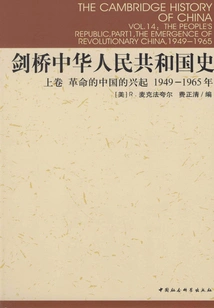
剑桥中华人民共和国史(上卷):革命的中国的兴起(1949-1965年)
(u. S.) R. Macfarquhar, Edited By Fairbank Fairbank And Edited By Xie Liangsheng
This book is the Chinese translation of the 14th volume in the "Cambridge History of China" series. It describes the achievements and problems encountered by the People's Republic of China in its efforts to solve contemporary problems in China from 1949 to 1965. This book consists of two parts. The first part records the new regime's attempts to apply the Soviet model to China, while the second part discusses the efforts made to find a domestic development model. Both volumes analyze the key issues and developments in politics, economy, education, the party and intellectuals, and diplomacy during this period, as well as the interrelationships, interactions, and effects of the "Cultural Revolution" on all these aspects.
This book is the Chinese translation of the 14th volume in the "Cambridge History of China" series. It describes the achievements and problems encountered by the People's Republic of China in its efforts to solve contemporary problems in China from 1949 to 1965. This book consists of two parts. The first part records the new regime's attempts to apply the Soviet model to China, while the second part discusses the efforts made to find a domestic development model. Both volumes analyze the key issues and developments in politics, economy, education, the party and intellectuals, and diplomacy during this period, as well as the interrelationships, interactions, and effects of the "Cultural Revolution" on all these aspects.
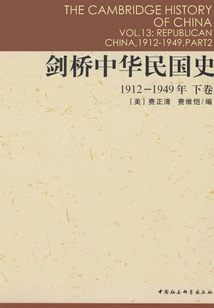
剑桥中华民国史(1912-1949年)(下卷)
(u. S.) Fairbank, Edited By Fei Weikai, Edited By Xie Liangsheng
This book is the Chinese translation of Volume 13 of "The Cambridge History of China". It narrates the history of China from 1912 to 1949, covering international relations, the communist movement, the Kuomintang regime, the Sino-Japanese War, the conflict between the Kuomintang and the Communist Party, as well as culture, education, etc. During this period. The book is written by well-known Western scholars and draws on the research results of Chinese and Japanese scholars, including the latest research results of Chinese scholars at that time. It can be said to be a historical monograph that represents Western academic perspectives, research levels and trends.
This book is the Chinese translation of Volume 13 of "The Cambridge History of China". It narrates the history of China from 1912 to 1949, covering international relations, the communist movement, the Kuomintang regime, the Sino-Japanese War, the conflict between the Kuomintang and the Communist Party, as well as culture, education, etc. During this period. The book is written by well-known Western scholars and draws on the research results of Chinese and Japanese scholars, including the latest research results of Chinese scholars at that time. It can be said to be a historical monograph that represents Western academic perspectives, research levels and trends.
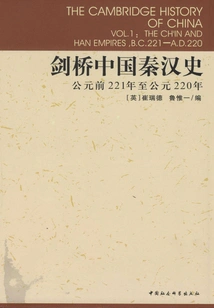
剑桥中国秦汉史(公元前221年至公元220年)
(english) Cui Ruide (english) Edited By Lu Weiyi, Zhang Shusheng, And Edited By Yang Pinquan
This book is the first volume in the "Cambridge History of China" series and was published by Cambridge University Press in 1986. This volume has a total of 16 chapters, covering the rise and fall of the Qin, Western Han, and Eastern Han empires, systems, laws, foreign relations, economic and social history, and ideological and cultural history. The content of ideological and cultural history accounts for about 1\u002F3 of the whole book. It discusses the introduction of Buddhism, folk religion, and the relationship between Buddhism and Taoism in particular detail. This book cites a wide range of documents, attaches great importance to the identification and textual research of documents, makes full use of the research results of Chinese, Japanese and Western scholars, and reflects the results and level of foreign Qin and Han history research.
This book is the first volume in the "Cambridge History of China" series and was published by Cambridge University Press in 1986. This volume has a total of 16 chapters, covering the rise and fall of the Qin, Western Han, and Eastern Han empires, systems, laws, foreign relations, economic and social history, and ideological and cultural history. The content of ideological and cultural history accounts for about 1\u002F3 of the whole book. It discusses the introduction of Buddhism, folk religion, and the relationship between Buddhism and Taoism in particular detail. This book cites a wide range of documents, attaches great importance to the identification and textual research of documents, makes full use of the research results of Chinese, Japanese and Western scholars, and reflects the results and level of foreign Qin and Han history research.
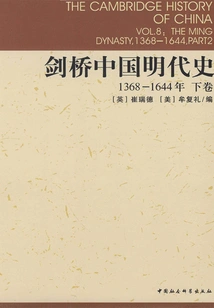
剑桥中国明代史(1368-1644年)(下卷)
(english) Cui Ruide (american) Edited By Mou Fuli And Edited By Yang Pinquan
This book is the eighth volume in the "Cambridge History of China" series. Different from the previously published "Cambridge History of the Ming Dynasty in China" (which has been reprinted as "Volume 1"), it focuses on the study of political history. This volume covers government agencies, financial management, legal transportation, commerce, official religion, Buddhism, Taoism, and rural social and economic development in the Ming Dynasty. The foreign relations of the Ming Dynasty Departments, tributary relations with North Korea, relations with European coastal countries, etc.; There are also special histories such as the study of Ming Dynasty Confucian thought, the impact of Christianity and other ideas on China. The authors of each chapter are world-renowned historical experts Cui Ruide, Mou Fuli, Huang Renyu, Peterson and other famous scholars.
This book is the eighth volume in the "Cambridge History of China" series. Different from the previously published "Cambridge History of the Ming Dynasty in China" (which has been reprinted as "Volume 1"), it focuses on the study of political history. This volume covers government agencies, financial management, legal transportation, commerce, official religion, Buddhism, Taoism, and rural social and economic development in the Ming Dynasty. The foreign relations of the Ming Dynasty Departments, tributary relations with North Korea, relations with European coastal countries, etc.; There are also special histories such as the study of Ming Dynasty Confucian thought, the impact of Christianity and other ideas on China. The authors of each chapter are world-renowned historical experts Cui Ruide, Mou Fuli, Huang Renyu, Peterson and other famous scholars.
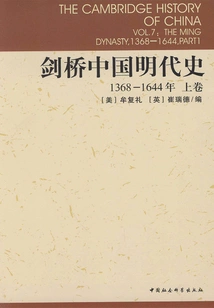
剑桥中国明代史(1368-1644年)(上卷)
(us) Mou Fuli (uk) Edited By Cui Ruide And Edited By Xie Liangsheng
This book is the Chinese translation of Volume 7 in the Cambridge History of China series. Written by foreign experts on the history of the Ming Dynasty, it draws on research results from China, Japan and the West, and also creatively explores some issues and puts forward some new insights. The political history of the Ming Dynasty is mainly analyzed based on the social, economic and cultural background.
This book is the Chinese translation of Volume 7 in the Cambridge History of China series. Written by foreign experts on the history of the Ming Dynasty, it draws on research results from China, Japan and the West, and also creatively explores some issues and puts forward some new insights. The political history of the Ming Dynasty is mainly analyzed based on the social, economic and cultural background.
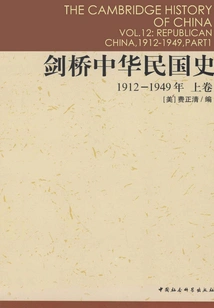
剑桥中华民国史(1912-1949年)(上卷)
(u. S.) Edited By Fairbank And Edited By Xie Liangsheng And Others
This book is the Chinese translation of the 12 volumes of the "Cambridge History of China" series. It mainly discusses the history before the Kuomintang established its capital in Nanjing. This book is divided into 12 chapters, written by world-renowned scholars such as Fairbank, Fei Weikai, Andrew J. Nathan, James E. Sheridan, Chen Zhirang, Ji Watts, and Li Oufan. It reflects the level and trend of foreign Chinese history research and has high academic reference value. The book is also accompanied by a detailed bibliography and a bibliographic introduction that discusses the relevant materials and treatises in each chapter.
This book is the Chinese translation of the 12 volumes of the "Cambridge History of China" series. It mainly discusses the history before the Kuomintang established its capital in Nanjing. This book is divided into 12 chapters, written by world-renowned scholars such as Fairbank, Fei Weikai, Andrew J. Nathan, James E. Sheridan, Chen Zhirang, Ji Watts, and Li Oufan. It reflects the level and trend of foreign Chinese history research and has high academic reference value. The book is also accompanied by a detailed bibliography and a bibliographic introduction that discusses the relevant materials and treatises in each chapter.
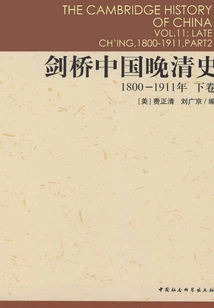
剑桥中国晚清史(1800-1911年)(下卷)
U
A
A
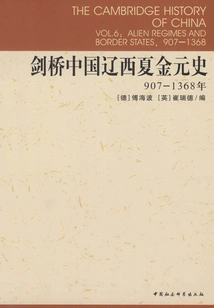
剑桥中国辽西夏金元史(907-1368年)
(germany) Fu Haibo (english) Edited By Cui Ruide, Chen Gaohua, Shi Weimin And Others
This book describes the changes in the four dynasties of Liao, Xixia, Jin, and Yuan established by ethnic minorities in Chinese history from the 10th to the 14th century. It conducts in-depth research on a series of issues such as the development of ethnic relations and state relations; the composition and mutual influence of multiculturalism and changes in social customs; discusses the changes and formation of political systems and material culture of rulers of various ethnic groups under the influence of Central Plains culture; focuses on revealing the role of the Khitan, Dangxiang, Jurchen and Mongolians in the history of each dynasty; and highlights important historical figures such as Yelu Abaoji, Weiming Yuanhao, Aguda, Genghis Khan, and Kublai Khan.
This book describes the changes in the four dynasties of Liao, Xixia, Jin, and Yuan established by ethnic minorities in Chinese history from the 10th to the 14th century. It conducts in-depth research on a series of issues such as the development of ethnic relations and state relations; the composition and mutual influence of multiculturalism and changes in social customs; discusses the changes and formation of political systems and material culture of rulers of various ethnic groups under the influence of Central Plains culture; focuses on revealing the role of the Khitan, Dangxiang, Jurchen and Mongolians in the history of each dynasty; and highlights important historical figures such as Yelu Abaoji, Weiming Yuanhao, Aguda, Genghis Khan, and Kublai Khan.
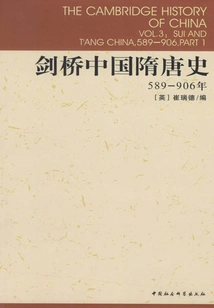
剑桥中国隋唐史(589-906年)
(uk) Cui Ruide
This book is the third volume in the "Cambridge History of China" series. It discusses the dynasty history of the Sui and Tang Dynasties and serves as the first volume of "Cambridge History of China, Sui and Tang Dynasties". The original book was published in 1979, which to a certain extent represents the level of foreign research on the history of the Sui and Tang Dynasties. The fourth volume of this series (the second volume of "The Cambridge History of Sui and Tang Dynasties in China") will be published in the future.
This book is the third volume in the "Cambridge History of China" series. It discusses the dynasty history of the Sui and Tang Dynasties and serves as the first volume of "Cambridge History of China, Sui and Tang Dynasties". The original book was published in 1979, which to a certain extent represents the level of foreign research on the history of the Sui and Tang Dynasties. The fourth volume of this series (the second volume of "The Cambridge History of Sui and Tang Dynasties in China") will be published in the future.
剑桥中华民国史(1912-1949年)(合集)
(u. S.) Fairbank
The first volume is the Chinese translation of the 12 volumes in the series. It mainly discusses the history before the Kuomintang established its capital in Nanjing. This book is divided into 12 chapters, written by world-renowned scholars such as Fairbank, Fei Weikai, Andrew J. Nathan, James E. Sheridan, Chen Zhirang, Ji Watts, and Li Oufan. It reflects the level and trends of foreign Chinese history research and has high academic reference value. The next volume is the translation of Volume 13. Provides a history of China from 1912 to 1949.
The first volume is the Chinese translation of the 12 volumes in the series. It mainly discusses the history before the Kuomintang established its capital in Nanjing. This book is divided into 12 chapters, written by world-renowned scholars such as Fairbank, Fei Weikai, Andrew J. Nathan, James E. Sheridan, Chen Zhirang, Ji Watts, and Li Oufan. It reflects the level and trends of foreign Chinese history research and has high academic reference value. The next volume is the translation of Volume 13. Provides a history of China from 1912 to 1949.
剑桥中国晚清史(1800-1911年)(上卷)
X
E
E
剑桥中国明代史(1368-1644年)(合集)
(us) Mou Fuli (uk) Cui Ruide
This book is the Chinese translation of Volume 7 in the Cambridge History of China series. Written by foreign experts on the history of the Ming Dynasty, it draws on research results from China, Japan and the West, and also creatively explores some issues and puts forward some new insights. The political history of the Ming Dynasty is mainly analyzed based on the social, economic and cultural background.
This book is the Chinese translation of Volume 7 in the Cambridge History of China series. Written by foreign experts on the history of the Ming Dynasty, it draws on research results from China, Japan and the West, and also creatively explores some issues and puts forward some new insights. The political history of the Ming Dynasty is mainly analyzed based on the social, economic and cultural background.
中国历史青年通读本
Lu Simian
"Youth Comprehensive Reading of Chinese History" includes five parts: ancient history, medieval history, modern history, modern history, a comprehensive review, and an appendix. Ancient History tells the story from ancient legends to the Spring and Autumn Period and the Warring States Period, covering various aspects such as ethnicity, politics, economy, and culture. It vividly describes China's emergence from scratch, from barbarism to civilization, and opens the wheel of historical progress; Ancient history spans more than 1,800 years from the unification of Qin to the fall of Ming Dynasty, with the changes of dynasties, divisions and mergers, and changes in world affairs. The content involves domestic affairs and diplomacy, workers, peasants, military and merchants, transportation and trade, academic thought, etc., And has witnessed this. The first stage of national integration, prosperity, wars, and dynasty chaos showed scenes of breathtaking prosperity and horrific desolation; modern history tells the story from the early Qing Dynasty to the late Qing Dynasty, covering national integration, cultural subjugation, external oppression, political reform, international relations, etc. It witnessed the rise of the early Qing Dynasty to the Great Peace, from the Opium War to the Eight-Power Allied Forces, from the proposal to the failure of the constitutional movement... This period of history is The beginning of China's feudal society's transition from prosperity to decline was the beginning of the loss of power and national humiliation, and was a booster of historical change; modern history tells the story from the Revolution of 1911 to the Republic of China to the warlords' melee, covering domestic affairs and diplomacy, national economy and people's livelihood, national movements, international relations, etc., Showing the development of national character and the desire for national liberation, which was the last darkness in the early dawn of Chinese history; the summary tells the relationship between history and human life, the formation and development of the Chinese nation In terms of rejuvenation, cultural evolution and its glory, international status, etc., It fully demonstrates the progress and evolution of Chinese history from the perspective of macro-evolution, revealing the inevitability and hope of national rejuvenation; the appendix shows an outline of the country's history, using clear classifications to present the inheritance and development of all aspects of Chinese history such as academics, writing, taxation, religion, criminal law, military system, reform, etc., Allowing readers to read more concisely and clearly, and better grasp and understand the essence of the book.
"Youth Comprehensive Reading of Chinese History" includes five parts: ancient history, medieval history, modern history, modern history, a comprehensive review, and an appendix. Ancient History tells the story from ancient legends to the Spring and Autumn Period and the Warring States Period, covering various aspects such as ethnicity, politics, economy, and culture. It vividly describes China's emergence from scratch, from barbarism to civilization, and opens the wheel of historical progress; Ancient history spans more than 1,800 years from the unification of Qin to the fall of Ming Dynasty, with the changes of dynasties, divisions and mergers, and changes in world affairs. The content involves domestic affairs and diplomacy, workers, peasants, military and merchants, transportation and trade, academic thought, etc., And has witnessed this. The first stage of national integration, prosperity, wars, and dynasty chaos showed scenes of breathtaking prosperity and horrific desolation; modern history tells the story from the early Qing Dynasty to the late Qing Dynasty, covering national integration, cultural subjugation, external oppression, political reform, international relations, etc. It witnessed the rise of the early Qing Dynasty to the Great Peace, from the Opium War to the Eight-Power Allied Forces, from the proposal to the failure of the constitutional movement... This period of history is The beginning of China's feudal society's transition from prosperity to decline was the beginning of the loss of power and national humiliation, and was a booster of historical change; modern history tells the story from the Revolution of 1911 to the Republic of China to the warlords' melee, covering domestic affairs and diplomacy, national economy and people's livelihood, national movements, international relations, etc., Showing the development of national character and the desire for national liberation, which was the last darkness in the early dawn of Chinese history; the summary tells the relationship between history and human life, the formation and development of the Chinese nation In terms of rejuvenation, cultural evolution and its glory, international status, etc., It fully demonstrates the progress and evolution of Chinese history from the perspective of macro-evolution, revealing the inevitability and hope of national rejuvenation; the appendix shows an outline of the country's history, using clear classifications to present the inheritance and development of all aspects of Chinese history such as academics, writing, taxation, religion, criminal law, military system, reform, etc., Allowing readers to read more concisely and clearly, and better grasp and understand the essence of the book.
General History of China
History中国通史
Lu Simian
"General History of China" was created by Mr. Lu Simian during the Anti-Japanese War. In order to meet the needs of history teaching at that time, this book is concise and the language is easy to understand. After its publication, it became the most widely circulated general history of China during the Republic of China. To this day, it is still the first choice for many readers to get started with history. The whole book summarizes the historical changes of China over thousands of years from ancient times to modern times, and systematically summarizes the development of major historical events, social economy, political system, and cultural academics. This book can not only satisfy readers' needs to understand major historical events in China, but also be of great help in understanding the development of China's social economy, political system, and academic culture.
"General History of China" was created by Mr. Lu Simian during the Anti-Japanese War. In order to meet the needs of history teaching at that time, this book is concise and the language is easy to understand. After its publication, it became the most widely circulated general history of China during the Republic of China. To this day, it is still the first choice for many readers to get started with history. The whole book summarizes the historical changes of China over thousands of years from ancient times to modern times, and systematically summarizes the development of major historical events, social economy, political system, and cultural academics. This book can not only satisfy readers' needs to understand major historical events in China, but also be of great help in understanding the development of China's social economy, political system, and academic culture.
晚清河山
(uk) Thomas Allom (uk) George N. Wright
"Rivers and Mountains of the Late Qing Dynasty" was published in 1843, the year the First Opium War ended. At that time, the British people were full of curiosity about the empire that had just fought a war with them, so the publisher invited two authors to publish this album, which introduced China's landscapes, customs and people's conditions with pictures and texts. This album has been reprinted many times, translated into different European languages, and published in other countries. The most valuable thing about this album is that, in an era when photography had not yet been invented, it preserved pictures reflecting the landscape, customs and sentiments of China in the late Qing Dynasty in the form of extremely delicate steel engravings.
"Rivers and Mountains of the Late Qing Dynasty" was published in 1843, the year the First Opium War ended. At that time, the British people were full of curiosity about the empire that had just fought a war with them, so the publisher invited two authors to publish this album, which introduced China's landscapes, customs and people's conditions with pictures and texts. This album has been reprinted many times, translated into different European languages, and published in other countries. The most valuable thing about this album is that, in an era when photography had not yet been invented, it preserved pictures reflecting the landscape, customs and sentiments of China in the late Qing Dynasty in the form of extremely delicate steel engravings.
革命策略与合作运动:革命动员视角下中共农业互助合作运动研究(1927~1949)
Wei Benquan
This book uses the agricultural mutual aid and cooperation movement as the perspective to observe, think and interpret the mass economic movement in China's revolutionary base areas, and examines why the agricultural mutual aid and cooperation movement became a mass movement based on the production mobilization and revolutionary strategies of the Communist Party of China. Examining the occurrence and development, complex aspects, micro-mechanisms, operating mechanisms and interactive relationships between the party and the masses in the revolutionary base areas from this perspective will, on the one hand, help deepen the understanding of the agricultural mutual aid and cooperation movement from the perspective of mass movements. On the other hand, this can provide an empirical basis for a deep understanding of the Chinese revolution, how the Chinese Communist Party "won the masses" and "win the countryside", and an understanding of China's revolutionary modernity. It also has theoretical innovation value for continuing to deepen the study of the Chinese revolution, integrating the paradigm of revolutionary history, modernization paradigm and post-modern paradigm, and building a research paradigm of revolutionary social history.
This book uses the agricultural mutual aid and cooperation movement as the perspective to observe, think and interpret the mass economic movement in China's revolutionary base areas, and examines why the agricultural mutual aid and cooperation movement became a mass movement based on the production mobilization and revolutionary strategies of the Communist Party of China. Examining the occurrence and development, complex aspects, micro-mechanisms, operating mechanisms and interactive relationships between the party and the masses in the revolutionary base areas from this perspective will, on the one hand, help deepen the understanding of the agricultural mutual aid and cooperation movement from the perspective of mass movements. On the other hand, this can provide an empirical basis for a deep understanding of the Chinese revolution, how the Chinese Communist Party "won the masses" and "win the countryside", and an understanding of China's revolutionary modernity. It also has theoretical innovation value for continuing to deepen the study of the Chinese revolution, integrating the paradigm of revolutionary history, modernization paradigm and post-modern paradigm, and building a research paradigm of revolutionary social history.
图说微历史:细节中的中国史
Pinmo
The small jokes under the big history, the small characters among the big figures are interesting, informative and well-founded. The panoramic display of Chinese history in details is three-dimensional, vivid and fresh, and the Weibo style reproduces the interesting things in history. Here, you will read a different Chinese history.
The small jokes under the big history, the small characters among the big figures are interesting, informative and well-founded. The panoramic display of Chinese history in details is three-dimensional, vivid and fresh, and the Weibo style reproduces the interesting things in history. Here, you will read a different Chinese history.
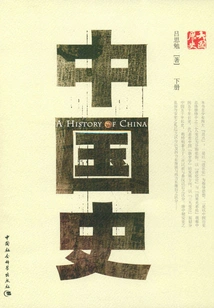
Chinese History (part 2)
History中国史(下)
Lu Simian
The author Lu Simian has been engaged in literature and history education and research for a long time. He is a famous historian in the 20th century and has made important contributions to the study of ancient Chinese history. This book is his masterpiece. After being published by the Commercial Press in 1923, it was widely praised throughout the country. This book describes in detail the history of China from ancient times to the Washington Conference in the 11th year of the Republic of China, including political historical events, socio-economic and cultural phenomena. It is the first general history of China written in vernacular.
The author Lu Simian has been engaged in literature and history education and research for a long time. He is a famous historian in the 20th century and has made important contributions to the study of ancient Chinese history. This book is his masterpiece. After being published by the Commercial Press in 1923, it was widely praised throughout the country. This book describes in detail the history of China from ancient times to the Washington Conference in the 11th year of the Republic of China, including political historical events, socio-economic and cultural phenomena. It is the first general history of China written in vernacular.