Library
Browse and search books
2,823 novels found
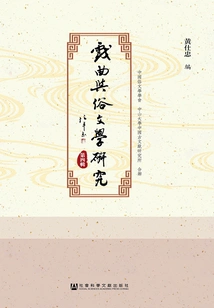
戏曲与俗文学研究(第4辑)
Huang Shizhong
This book provides a platform for the textual research of Chinese popular literature. The book takes the study of ancient operas and popular literature as its main object, features empirical research, attaches great importance to the discovery and utilization of first-hand documentary materials, and emphasizes the investigation, cataloging, and textual research of basic literature. It especially emphasizes the research of textual research on literature and materials, that is, it focuses on author research, important event research, edition literature research, collection of catalogs for collectors at home and abroad, research on rare documents, and collection and interpretation of new literature materials. Opera, popular literature, literature, and empirical evidence are the key words that distinguish this book from other similar publications.
This book provides a platform for the textual research of Chinese popular literature. The book takes the study of ancient operas and popular literature as its main object, features empirical research, attaches great importance to the discovery and utilization of first-hand documentary materials, and emphasizes the investigation, cataloging, and textual research of basic literature. It especially emphasizes the research of textual research on literature and materials, that is, it focuses on author research, important event research, edition literature research, collection of catalogs for collectors at home and abroad, research on rare documents, and collection and interpretation of new literature materials. Opera, popular literature, literature, and empirical evidence are the key words that distinguish this book from other similar publications.
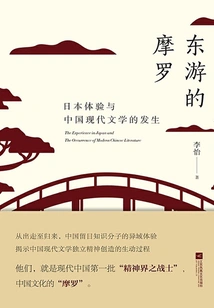
Moro Traveling Eastward: Japanese Experience and the Emergence of Modern Chinese Literature
Literature东游的摩罗:日本体验与中国现代文学的发生
Li Yi
The period from the late Qing Dynasty to the May Fourth Movement is generally regarded as the "period of emergence" of modern Chinese literature. During this process, Japan became the "intermediary" that activated Chinese writers' living feelings and transmitted foreign culture. Several generations of Chinese writers from Huang Zunxian and Liang Qichao to the Creation Society have completed the self-activation of their creative subjects through the experience of studying in Japan. They have reflected on their own world in a new sense and expressed unprecedented fresh insights. This has effectively promoted the emergence of modern Chinese literature.
The period from the late Qing Dynasty to the May Fourth Movement is generally regarded as the "period of emergence" of modern Chinese literature. During this process, Japan became the "intermediary" that activated Chinese writers' living feelings and transmitted foreign culture. Several generations of Chinese writers from Huang Zunxian and Liang Qichao to the Creation Society have completed the self-activation of their creative subjects through the experience of studying in Japan. They have reflected on their own world in a new sense and expressed unprecedented fresh insights. This has effectively promoted the emergence of modern Chinese literature.
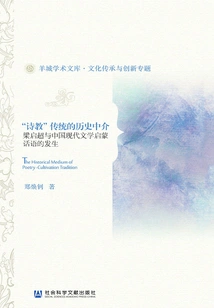
“诗教”传统的历史中介:梁启超与中国现代文学启蒙话语的发生
Zheng Huanzhao
This book focuses on the genetic relationship between Liang Qichao's theory and practice of "New People's" literary enlightenment and the enlightenment discourse of modern Chinese literature. Starting from the overall cultural perspective of Liang Qichao's political enlightenment, the author explores how the discourse logic, discourse form, discourse connotation and discourse value orientation of using literature as a method of enlightenment affect the occurrence of enlightenment discourse in modern Chinese literature. The author aims to reveal the inherent "educational" logic of enlightenment discourse in modern Chinese literature and confirm the importance of Liang Qichao's literary enlightenment discourse as a historical intermediary between the classical "poetry" tradition and the modernization.
This book focuses on the genetic relationship between Liang Qichao's theory and practice of "New People's" literary enlightenment and the enlightenment discourse of modern Chinese literature. Starting from the overall cultural perspective of Liang Qichao's political enlightenment, the author explores how the discourse logic, discourse form, discourse connotation and discourse value orientation of using literature as a method of enlightenment affect the occurrence of enlightenment discourse in modern Chinese literature. The author aims to reveal the inherent "educational" logic of enlightenment discourse in modern Chinese literature and confirm the importance of Liang Qichao's literary enlightenment discourse as a historical intermediary between the classical "poetry" tradition and the modernization.
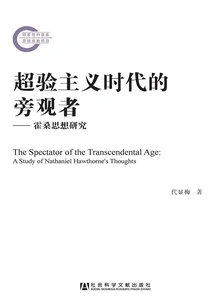
超验主义时代的旁观者:霍桑思想研究
Dai Xianmei
Nathaniel Hawthorne is an important novelist in the history of American literature. His reflection and inheritance of the American Puritan cultural tradition, his emphasis on the history of colonial New England, his use of allegorical and symbolic techniques to create romantic literature, his deep understanding and delicate portrayal of character psychology, his serious thinking and literary expression of the development trend of American society in the first half of the 19th century have become a valuable literary legacy, which greatly influenced later American novelists such as Melville and Henry James. "The Bystander in the Transcendentalist Era: A Study of Hawthorne's Thoughts" uses the perspective of cultural studies to carefully read and study Hawthorne's forty-year literary works in the era in which he lived and the Western cultural and ideological tradition. It studies and discusses Hawthorne's outlook on life, morality, history, progress, human nature, and women. It focuses on exploring the reference value of worldly care, the beauty of the mean, and humanistic care in Hawthorne's thought to the development of our current era.
Nathaniel Hawthorne is an important novelist in the history of American literature. His reflection and inheritance of the American Puritan cultural tradition, his emphasis on the history of colonial New England, his use of allegorical and symbolic techniques to create romantic literature, his deep understanding and delicate portrayal of character psychology, his serious thinking and literary expression of the development trend of American society in the first half of the 19th century have become a valuable literary legacy, which greatly influenced later American novelists such as Melville and Henry James. "The Bystander in the Transcendentalist Era: A Study of Hawthorne's Thoughts" uses the perspective of cultural studies to carefully read and study Hawthorne's forty-year literary works in the era in which he lived and the Western cultural and ideological tradition. It studies and discusses Hawthorne's outlook on life, morality, history, progress, human nature, and women. It focuses on exploring the reference value of worldly care, the beauty of the mean, and humanistic care in Hawthorne's thought to the development of our current era.
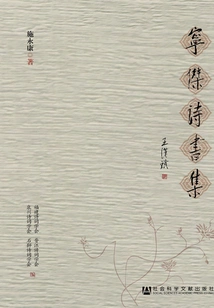
Ning Jie's Poems and Books
Literature宁杰诗书集
Shi Yongkang
"Collection of Ning Jie's Poems and Books" is Comrade Shi Yongkang's third poetry collection, mainly composed of classical poems, after "Collection of Ning Jie's Singing Harmonies" and "Collection of Ning Jie's Songs". The book contains 328 works written by the author over more than 40 years since the 1970s, 40 poetry manuscripts, and more than 190 poems sung by friends in poetry circles. This collection of poems and books is expressed in various forms and covers rich content. It mainly encourages reform and opening up and gives people positive energy.
"Collection of Ning Jie's Poems and Books" is Comrade Shi Yongkang's third poetry collection, mainly composed of classical poems, after "Collection of Ning Jie's Singing Harmonies" and "Collection of Ning Jie's Songs". The book contains 328 works written by the author over more than 40 years since the 1970s, 40 poetry manuscripts, and more than 190 poems sung by friends in poetry circles. This collection of poems and books is expressed in various forms and covers rich content. It mainly encourages reform and opening up and gives people positive energy.
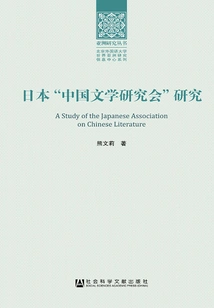
日本“中国文学研究会”研究
Xiong Wenli
The Japanese "Chinese Literature Research Society" is a society with the goal of opposing traditional Japanese Sinology and China studies (called "China studies" before World War II). It occupies a decisive position in Japanese Chinese studies in the 20th century. It was founded by Takeuchi Yoshi and Takeda Taijun. This book uses the journal "Chinese Literature" published by the Chinese Literature Research Society as a clue to place the Chinese Literature Research Society in the specific context of Japan's sinology system, academic system, political ideology, publishing system, and external expansion. By sorting out a large amount of basic data, it explores its historical position in Japan's Chinese studies from the perspective of development history, and strives to present a full picture of the Chinese Literature Research Society.
The Japanese "Chinese Literature Research Society" is a society with the goal of opposing traditional Japanese Sinology and China studies (called "China studies" before World War II). It occupies a decisive position in Japanese Chinese studies in the 20th century. It was founded by Takeuchi Yoshi and Takeda Taijun. This book uses the journal "Chinese Literature" published by the Chinese Literature Research Society as a clue to place the Chinese Literature Research Society in the specific context of Japan's sinology system, academic system, political ideology, publishing system, and external expansion. By sorting out a large amount of basic data, it explores its historical position in Japan's Chinese studies from the perspective of development history, and strives to present a full picture of the Chinese Literature Research Society.
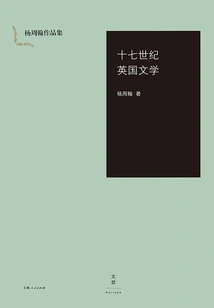
杨周翰作品集:十七世纪英国文学
Yang Zhouhan
"British Literature in the Seventeenth Century" is Mr. Yang Zhouhan's masterpiece that uses comparative methods to study British literature in the seventeenth century from a broad perspective and a new perspective. He used 17th-century British literature as a breakthrough point, put 17th-century literature into a historical context, and used some writers who had far-reaching influence but little attention as a starting point to reveal the fashion and ideological trends of 17th-century British literature, and unearthed the unique significance of 17th-century British literature in the history of thought and literature. It rewrites the history of seventeenth-century British literature from a completely new perspective. Mr. Yang Zhouhan is not limited to classic literature, but brings some literary genres and cultural phenomena that have not been paid attention to by previous literary historians, such as mourning poems, into the scope of his research. From the unique perspective of Chinese scholars, he comparatively studies ancient Chinese mourning poems and draws some brand-new conclusions.
"British Literature in the Seventeenth Century" is Mr. Yang Zhouhan's masterpiece that uses comparative methods to study British literature in the seventeenth century from a broad perspective and a new perspective. He used 17th-century British literature as a breakthrough point, put 17th-century literature into a historical context, and used some writers who had far-reaching influence but little attention as a starting point to reveal the fashion and ideological trends of 17th-century British literature, and unearthed the unique significance of 17th-century British literature in the history of thought and literature. It rewrites the history of seventeenth-century British literature from a completely new perspective. Mr. Yang Zhouhan is not limited to classic literature, but brings some literary genres and cultural phenomena that have not been paid attention to by previous literary historians, such as mourning poems, into the scope of his research. From the unique perspective of Chinese scholars, he comparatively studies ancient Chinese mourning poems and draws some brand-new conclusions.
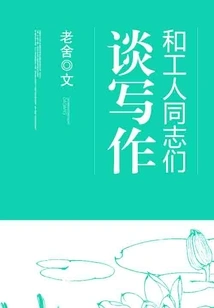
和工人同志们谈写作
Lao She
"Talking About Writing with Comrade Workers" tells about some writing methods, writing skills and characteristics introduced by Mr. Lao She and comrades workers.
"Talking About Writing with Comrade Workers" tells about some writing methods, writing skills and characteristics introduced by Mr. Lao She and comrades workers.
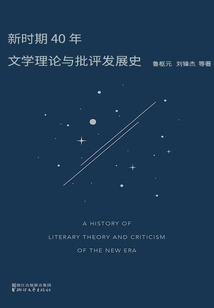
新时期40年文学理论与批评发展史
Lu Shuyuan Liu Fenjie Et Al.
"The Development History of Literary Theory and Criticism in the New Era for 40 Years" is a summary work of the development of literary criticism and literary theory in China in the past 40 years, completed by a team led by the famous scholar Professor Lu Shuyuan. It is the final result of the National Social Science Fund key project "Literary Theory Construction and Literary Criticism Research in the New Era", and is also one of the "Thirteenth Five-Year Plan" national key publication planning projects. This book takes the overall development of literary theory construction and literary criticism practice since the new era as the object of reflection, and connects it with the reality of contemporary society; it deeply explores the literary concepts, moral norms, and humanistic thoughts contained in China's excellent traditional culture, and demonstrates the eternal value and immortal contribution of ancient Chinese literary theory; it combines with modern Western literary trends to establish the unique status of China's literary development in the new era in the history of world literature. By sorting out the inheritance and sublation of traditional culture in China's literary criticism and theoretical construction in the past 40 years, as well as the mutual influence and absorption of world literary trends of thought, this book re-establishes the status and value of Chinese literature in the new era from the perspective of ancient and modern times, both at home and abroad, and outlines a clear blueprint for the development trajectory of Chinese literary theory construction and literary criticism practice in the new era.
"The Development History of Literary Theory and Criticism in the New Era for 40 Years" is a summary work of the development of literary criticism and literary theory in China in the past 40 years, completed by a team led by the famous scholar Professor Lu Shuyuan. It is the final result of the National Social Science Fund key project "Literary Theory Construction and Literary Criticism Research in the New Era", and is also one of the "Thirteenth Five-Year Plan" national key publication planning projects. This book takes the overall development of literary theory construction and literary criticism practice since the new era as the object of reflection, and connects it with the reality of contemporary society; it deeply explores the literary concepts, moral norms, and humanistic thoughts contained in China's excellent traditional culture, and demonstrates the eternal value and immortal contribution of ancient Chinese literary theory; it combines with modern Western literary trends to establish the unique status of China's literary development in the new era in the history of world literature. By sorting out the inheritance and sublation of traditional culture in China's literary criticism and theoretical construction in the past 40 years, as well as the mutual influence and absorption of world literary trends of thought, this book re-establishes the status and value of Chinese literature in the new era from the perspective of ancient and modern times, both at home and abroad, and outlines a clear blueprint for the development trajectory of Chinese literary theory construction and literary criticism practice in the new era.
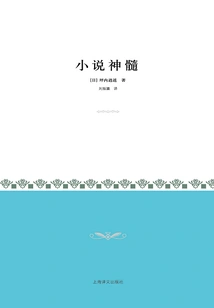
The Essence of the Novel
Literature小说神髓
(japan) Ping Nei Xiaoyao
"The Essence of Novel" was written in 1885. It is Tsubouchi Xiaoyao's literary criticism and an important theoretical work in the history of modern Japanese literature. After the Meiji period, two trends became popular in the Japanese literary world. One was dramatic literature that inherited the humorous tradition of Edo, and the other was political novels with the purpose of spreading Western ideas. "The Essence of Novel" advocates that literature should exclude morality and utilitarianism and be based on objective description. The "realism" proposed by Tsubouchi Xiaoyao had a profound impact on the birth of modern Japanese literature. The book is divided into two parts. The first volume advocates that the most important thing in novels is to describe human feelings, and further explains that they should describe the appearance and customs of the world. The second volume discusses specific writing methods.
"The Essence of Novel" was written in 1885. It is Tsubouchi Xiaoyao's literary criticism and an important theoretical work in the history of modern Japanese literature. After the Meiji period, two trends became popular in the Japanese literary world. One was dramatic literature that inherited the humorous tradition of Edo, and the other was political novels with the purpose of spreading Western ideas. "The Essence of Novel" advocates that literature should exclude morality and utilitarianism and be based on objective description. The "realism" proposed by Tsubouchi Xiaoyao had a profound impact on the birth of modern Japanese literature. The book is divided into two parts. The first volume advocates that the most important thing in novels is to describe human feelings, and further explains that they should describe the appearance and customs of the world. The second volume discusses specific writing methods.
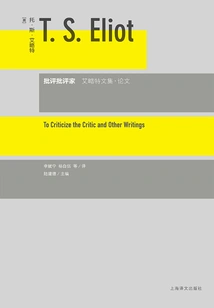
批评批评家:艾略特文集·论文
I
"Critical Critic: Eliot's Collected Works and Essays" contains nine critical articles and speeches written by Eliot from 1917 to 1961. This critic with a high reputation in the literary world has a unique vision and commented on many cultural phenomena, such as the use of literary criticism. In addition, he also evaluated several writers who had a huge influence on him, and emphasized the importance of receiving a true education.
"Critical Critic: Eliot's Collected Works and Essays" contains nine critical articles and speeches written by Eliot from 1917 to 1961. This critic with a high reputation in the literary world has a unique vision and commented on many cultural phenomena, such as the use of literary criticism. In addition, he also evaluated several writers who had a huge influence on him, and emphasized the importance of receiving a true education.
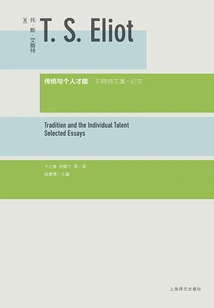
传统与个人才能:艾略特文集·论文
I
This book contains a total of 18 critical articles and speeches written by Eliot from 1919 to 1936. With his profound literary connotation and calm and keen insight, this outstanding critic conducted a continuous examination of the representative poets of great importance in the history of British literature. At the same time, he also expressed his unique insights into the meaning and techniques of literary criticism.
This book contains a total of 18 critical articles and speeches written by Eliot from 1919 to 1936. With his profound literary connotation and calm and keen insight, this outstanding critic conducted a continuous examination of the representative poets of great importance in the history of British literature. At the same time, he also expressed his unique insights into the meaning and techniques of literary criticism.
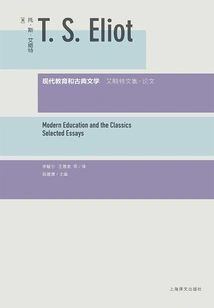
现代教育和古典文学:艾略特文集·论文
I
This book contains a total of 20 critical articles and speeches written by Eliot from 1919 to 1936. Eliot, who was also devoted to the creation of poetry and drama, carefully explored the golden age of drama - the Elizabethan era. He put Shakespeare, Marlowe and other playwrights under his pen for careful and cautious analysis. At the same time, he pointed out the crisis of modern education at the end and proposed the significance of classical literature cultivation in modern education.
This book contains a total of 20 critical articles and speeches written by Eliot from 1919 to 1936. Eliot, who was also devoted to the creation of poetry and drama, carefully explored the golden age of drama - the Elizabethan era. He put Shakespeare, Marlowe and other playwrights under his pen for careful and cautious analysis. At the same time, he pointed out the crisis of modern education at the end and proposed the significance of classical literature cultivation in modern education.
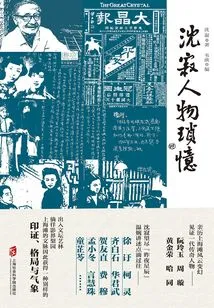
Memories of Silent Characters
Literature沈寂人物琐忆
Silence
This is the sequel to "Last Night's Star" published in 2015. In this monograph, Mr. Shen Ji uses his distinctive and consistent documentary style to expand from movies to anecdotal stories about people in literature, art, opera and other fields. In writing, the author uses oral reminiscences to elaborate on the life path and literary career of each involved character, or to excerpt fragments to write about their character and experiences from one side. He narrates the little-known past events of his old friend, which is historical and readable. It is a rare and vivid record and memoir of literary and artistic exchanges, which is extremely precious.
This is the sequel to "Last Night's Star" published in 2015. In this monograph, Mr. Shen Ji uses his distinctive and consistent documentary style to expand from movies to anecdotal stories about people in literature, art, opera and other fields. In writing, the author uses oral reminiscences to elaborate on the life path and literary career of each involved character, or to excerpt fragments to write about their character and experiences from one side. He narrates the little-known past events of his old friend, which is historical and readable. It is a rare and vivid record and memoir of literary and artistic exchanges, which is extremely precious.
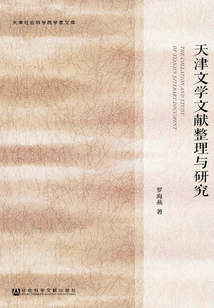
天津文学文献整理与研究
Luo Haiyan
Under the broad perspective of "Cultural Tianjin", this book classifies, introduces and evaluates ancient and modern Tianjin literary documents, and uses this to further construct the basic framework of Tianjin literary philology. Its main content includes the compilation of Tianjin literary documents and Tianjin literature, traditional poetry documents, miscellaneous notes, local chronicles, inscriptions, Tianjin newspapers and periodicals, Tianjin literature research treatises, etc. Since this book is a relatively detailed compilation of existing documents, it will undoubtedly promote the rescue excavation and collation of certain important documents, and will also help Tianjin City plan to carry out Tianjin cultural projects including "Tianjin Document Integration" in the future.
Under the broad perspective of "Cultural Tianjin", this book classifies, introduces and evaluates ancient and modern Tianjin literary documents, and uses this to further construct the basic framework of Tianjin literary philology. Its main content includes the compilation of Tianjin literary documents and Tianjin literature, traditional poetry documents, miscellaneous notes, local chronicles, inscriptions, Tianjin newspapers and periodicals, Tianjin literature research treatises, etc. Since this book is a relatively detailed compilation of existing documents, it will undoubtedly promote the rescue excavation and collation of certain important documents, and will also help Tianjin City plan to carry out Tianjin cultural projects including "Tianjin Document Integration" in the future.
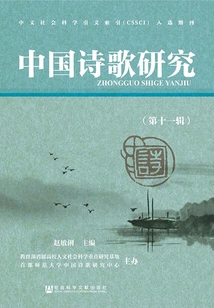
Research on Chinese Poetry (11th Series)
Literature中国诗歌研究(第十一辑)
Editor-in-chief Zhao Minli
"Chinese Poetry Research" is an academic journal sponsored by the Chinese Poetry Research Center of Capital Normal University. This is the eleventh series and is divided into five columns: "Special Articles of this Journal", "Research on Ancient and Modern Chinese Poetry", "Research on Poetry History and Poetry Documents", "Elegant Sound from Abroad" and "Youth Forum". The book contains both research on ancient poetry and modern poetry; it not only includes the research results of domestic scholars, but also pays attention to the research results of foreign scholars such as Japan, Europe and the United States; it contains not only articles by famous scholars, but also articles by young scholars.
"Chinese Poetry Research" is an academic journal sponsored by the Chinese Poetry Research Center of Capital Normal University. This is the eleventh series and is divided into five columns: "Special Articles of this Journal", "Research on Ancient and Modern Chinese Poetry", "Research on Poetry History and Poetry Documents", "Elegant Sound from Abroad" and "Youth Forum". The book contains both research on ancient poetry and modern poetry; it not only includes the research results of domestic scholars, but also pays attention to the research results of foreign scholars such as Japan, Europe and the United States; it contains not only articles by famous scholars, but also articles by young scholars.
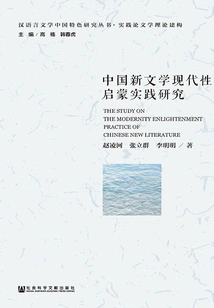
中国新文学现代性启蒙实践研究(汉语言文学中国特色研究丛书·实践论文学理论建构)
Zhao Linghe Zhang Liqun Li Mingming
The modern enlightenment of Chinese new literature originated from the path of enlightenment in the "breeding of the late Qing Dynasty." As China encountered Western modernity and entered the modern historical stage, a group of people with lofty ideals started a path of enlightenment that overthrew the imperial system and promoted the vigorous development of science and democracy through the comparison of Chinese and Western cultures. This book introduces in detail the origin and development of the modern enlightenment of new literature, specifically explains the various modern practice forms of new literary creation, and deeply analyzes the modern practice attributes of new literary criticism.
The modern enlightenment of Chinese new literature originated from the path of enlightenment in the "breeding of the late Qing Dynasty." As China encountered Western modernity and entered the modern historical stage, a group of people with lofty ideals started a path of enlightenment that overthrew the imperial system and promoted the vigorous development of science and democracy through the comparison of Chinese and Western cultures. This book introduces in detail the origin and development of the modern enlightenment of new literature, specifically explains the various modern practice forms of new literary creation, and deeply analyzes the modern practice attributes of new literary criticism.
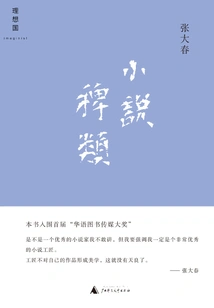
Novel Barnyard
Literature小说稗类
Zhang Dachun
Zhang Dachun is one of the best contemporary Chinese novelists. He boldly said that he is "probably the master with the most comprehensive equipment and the most varied techniques among Chinese novelists" (Liang Wendao). In this work, readers will see that he is knowledgeable about hundreds of schools of thought and has a clear structure. Starting from Zhuangzi, Zhang Dachun shows off his skills by imitating Marquez, parodying Sima Zhongyuan... And he is extremely capable of playing ruffian and mocking. It is rare that he is so knowledgeable and knowledgeable about hundreds of schools of thought, and it is even rarer that he has such a clear structure and a unique view of novels.
Zhang Dachun is one of the best contemporary Chinese novelists. He boldly said that he is "probably the master with the most comprehensive equipment and the most varied techniques among Chinese novelists" (Liang Wendao). In this work, readers will see that he is knowledgeable about hundreds of schools of thought and has a clear structure. Starting from Zhuangzi, Zhang Dachun shows off his skills by imitating Marquez, parodying Sima Zhongyuan... And he is extremely capable of playing ruffian and mocking. It is rare that he is so knowledgeable and knowledgeable about hundreds of schools of thought, and it is even rarer that he has such a clear structure and a unique view of novels.
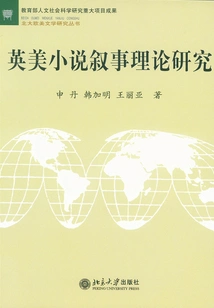
英美小说叙事理论研究
Shen Dan Han Jiaming Wang Liya
Many of the issues discussed in "Research on Narrative Theory of British and American Novels" have been ignored in previous studies, and many of the views in the book are proposed for the first time at home and abroad. The research method used in the first and middle parts, which combines novelists' narrative perspectives with creative practices, is innovative compared with previous research. The comparative study of different narrative traditions of British and American novels also constitutes a new approach. The second part clears up the confusion of related concepts and terminology in postclassical narrative theory and corrects various biases.
Many of the issues discussed in "Research on Narrative Theory of British and American Novels" have been ignored in previous studies, and many of the views in the book are proposed for the first time at home and abroad. The research method used in the first and middle parts, which combines novelists' narrative perspectives with creative practices, is innovative compared with previous research. The comparative study of different narrative traditions of British and American novels also constitutes a new approach. The second part clears up the confusion of related concepts and terminology in postclassical narrative theory and corrects various biases.
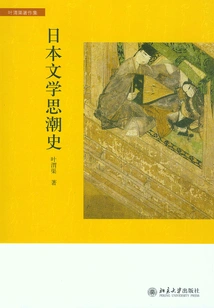
History of Japanese Literary Thoughts
Literature日本文学思潮史
Ye Weiqu
"History of Japanese Literary Thoughts" combs and introduces Japan's various cultural chaotic states in ancient times, the independent generation of original literary consciousness, realistic "truth", romantic "material sorrow", symbolic "empty silence" and "idle silence", etc., And systematically discusses the development process of literary trends in modern Japanese realism, romanticism, naturalism, aestheticism, modernism, as well as post-war literary trends with Japanese characteristics, scoundrel literary trends and other ideological trends. "History of Japanese Literary Thoughts" provides an in-depth analysis of the internal inevitability and external factors of the occurrence, development, prosperity, and decline of various literary trends of thought. At the same time, the correspondence and continuity in the evolution of Japanese literary trends from conceptual forms to ism forms are discussed to highlight their national characteristics.
"History of Japanese Literary Thoughts" combs and introduces Japan's various cultural chaotic states in ancient times, the independent generation of original literary consciousness, realistic "truth", romantic "material sorrow", symbolic "empty silence" and "idle silence", etc., And systematically discusses the development process of literary trends in modern Japanese realism, romanticism, naturalism, aestheticism, modernism, as well as post-war literary trends with Japanese characteristics, scoundrel literary trends and other ideological trends. "History of Japanese Literary Thoughts" provides an in-depth analysis of the internal inevitability and external factors of the occurrence, development, prosperity, and decline of various literary trends of thought. At the same time, the correspondence and continuity in the evolution of Japanese literary trends from conceptual forms to ism forms are discussed to highlight their national characteristics.
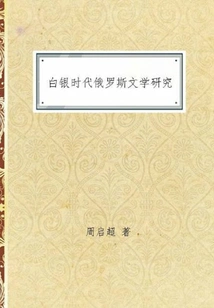
白银时代俄罗斯文学研究
Zhou Qichao
"A Study of Russian Literature in the Silver Age" is a book that records some schools of Russian literature that emerged in the Silver Age, as well as important writers and representative works. The book is divided into eight chapters, which introduces the style of the genre, the spirit of the group, the individual posture, the lyrical charm, etc.
"A Study of Russian Literature in the Silver Age" is a book that records some schools of Russian literature that emerged in the Silver Age, as well as important writers and representative works. The book is divided into eight chapters, which introduces the style of the genre, the spirit of the group, the individual posture, the lyrical charm, etc.
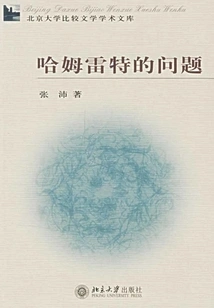
Hamlet's Problem
Literature哈姆雷特的问题
Zhang Pei
This book is an explanation and interpretation of the Western classic "Hamlet". On the basis of careful reading of the original text, the author attempts to combine Chinese and Western classics in the form of notes and poems to examine the life issues such as sacrifice, self-understanding, revenge, life and death that Hamlet, the eternal mirror of mankind, faces from a dual cultural perspective, and deeply analyzes Hamlet's character and existential circumstances, as well as the individual destiny formed by the conflict between the two.
This book is an explanation and interpretation of the Western classic "Hamlet". On the basis of careful reading of the original text, the author attempts to combine Chinese and Western classics in the form of notes and poems to examine the life issues such as sacrifice, self-understanding, revenge, life and death that Hamlet, the eternal mirror of mankind, faces from a dual cultural perspective, and deeply analyzes Hamlet's character and existential circumstances, as well as the individual destiny formed by the conflict between the two.
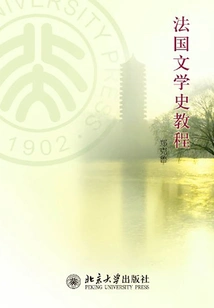
French Literary History Tutorial
Literature法国文学史教程
Zheng Klu
"French Literary History Course" has the following characteristics from its discussion in the Middle Ages to the present day: First, it is comprehensive and focused. The second is to change the way that the previous "History of French Literature" used each hundred years as a period of literary development, basically using genres as the dividing criteria for each chapter, especially the literature of the 19th and 20th centuries, using "19th-century Romanticism", "19th-century Realism", "Parnastism, Symbolism" Chapters such as "and Naturalistic Literature", "20th Century Realistic Literature", "Stream of Consciousness, Futurism and Surrealism", "Existentialism, New Novel and Absurdism", etc., Open up the literature of these two centuries. In other words, the phenomenon of literary development is used as the basis for horizontal division, and the law of literary development is paid attention to. The third is to analyze the historical and cultural background, the formation of the genre, and the ideological and artistic characteristics in the "Overview" section to show the overview of literary development and allow students to gain an overall understanding of these literary genres. The fourth is to not only analyze the ideological content, but also pay attention to the artistic achievements of writers and the artistic analysis of works to improve students' artistic accomplishment and appreciation. The fifth is to provide a certain number of examples, quote a piece of work, and attach the original text, so that students can gain a real understanding.
"French Literary History Course" has the following characteristics from its discussion in the Middle Ages to the present day: First, it is comprehensive and focused. The second is to change the way that the previous "History of French Literature" used each hundred years as a period of literary development, basically using genres as the dividing criteria for each chapter, especially the literature of the 19th and 20th centuries, using "19th-century Romanticism", "19th-century Realism", "Parnastism, Symbolism" Chapters such as "and Naturalistic Literature", "20th Century Realistic Literature", "Stream of Consciousness, Futurism and Surrealism", "Existentialism, New Novel and Absurdism", etc., Open up the literature of these two centuries. In other words, the phenomenon of literary development is used as the basis for horizontal division, and the law of literary development is paid attention to. The third is to analyze the historical and cultural background, the formation of the genre, and the ideological and artistic characteristics in the "Overview" section to show the overview of literary development and allow students to gain an overall understanding of these literary genres. The fourth is to not only analyze the ideological content, but also pay attention to the artistic achievements of writers and the artistic analysis of works to improve students' artistic accomplishment and appreciation. The fifth is to provide a certain number of examples, quote a piece of work, and attach the original text, so that students can gain a real understanding.
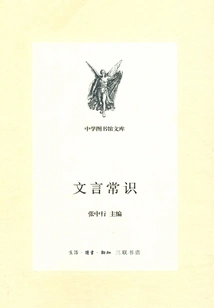
Common Sense in Classical Chinese
Literature文言常识
Zhang Zhongxing
Although there is no consensus on whether classical Chinese should be learned or not, as long as we consider that there are countless treasures in ancient culture and that classical Chinese is very beneficial to thinking and imagination, it should be said that it is a wise move to create conditions and think of ways to master it. "Middle School Library Library: Common Sense of Classical Chinese" is divided into six chapters: an overview of classical Chinese, the structure of classical Chinese, the style and fashion of classical Chinese, and the rhetoric of classical Chinese. Each chapter has a concise theory and relevant and vivid examples. It is not difficult to overcome the major and minor obstacles such as vocabulary, grammar, and nouns that must be overcome in the process of learning classical Chinese. With the help of careful study of these common sense monographs, it will not be difficult to overcome them one by one.
Although there is no consensus on whether classical Chinese should be learned or not, as long as we consider that there are countless treasures in ancient culture and that classical Chinese is very beneficial to thinking and imagination, it should be said that it is a wise move to create conditions and think of ways to master it. "Middle School Library Library: Common Sense of Classical Chinese" is divided into six chapters: an overview of classical Chinese, the structure of classical Chinese, the style and fashion of classical Chinese, and the rhetoric of classical Chinese. Each chapter has a concise theory and relevant and vivid examples. It is not difficult to overcome the major and minor obstacles such as vocabulary, grammar, and nouns that must be overcome in the process of learning classical Chinese. With the help of careful study of these common sense monographs, it will not be difficult to overcome them one by one.
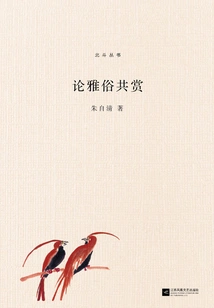
On Appreciating Both Refined and Popular
Literature论雅俗共赏
Zhu Ziqing
"On the Appreciation of Refined and Popular Poems" contains Mr. Zhu Ziqing's "fourteen essays on literature and art". The book discusses the standards and differences in appreciation of poetic works and puts forward many incisive and thought-provoking opinions. The author said in his preface that he "attempts to understand tradition from a modern standpoint", and the so-called "modern standpoint", according to the author's understanding, "can be said to be the standpoint of 'appreciating both refined and popular tastes', or it can be said to be a standpoint that emphasizes the layman and ordinary people, or it can be said to be a standpoint close to the people. All the essays in the book speak in this direction."
"On the Appreciation of Refined and Popular Poems" contains Mr. Zhu Ziqing's "fourteen essays on literature and art". The book discusses the standards and differences in appreciation of poetic works and puts forward many incisive and thought-provoking opinions. The author said in his preface that he "attempts to understand tradition from a modern standpoint", and the so-called "modern standpoint", according to the author's understanding, "can be said to be the standpoint of 'appreciating both refined and popular tastes', or it can be said to be a standpoint that emphasizes the layman and ordinary people, or it can be said to be a standpoint close to the people. All the essays in the book speak in this direction."
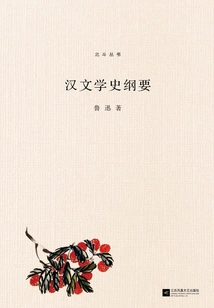
汉文学史纲要
Lu Xun
As the founder of my country's new literature, Mr. Lu Xun also had extremely in-depth and systematic research and unique viewpoints on my country's classical literature. He once planned to write "History of Chinese Literature", but unfortunately it failed to be realized due to various reasons. The only thing left was this "Outline of the History of Chinese Literature". The book was originally a handout compiled by Lu Xun when he was teaching a course on the history of Chinese literature at Xiamen University in 1923, titled "A Brief History of Chinese Literature"; it was used again the following year when he was teaching the same course at Sun Yat-sen University in Guangzhou, and was retitled "An Outline of the History of Ancient Chinese Literature". It was not officially published during the author's lifetime, but was renamed when it was compiled into "The Complete Works of Lu Xun" in 1938. Also included is Lu Xun's article "The Relationship between Wei and Jin Styles and Articles, Medicine and Wine".
As the founder of my country's new literature, Mr. Lu Xun also had extremely in-depth and systematic research and unique viewpoints on my country's classical literature. He once planned to write "History of Chinese Literature", but unfortunately it failed to be realized due to various reasons. The only thing left was this "Outline of the History of Chinese Literature". The book was originally a handout compiled by Lu Xun when he was teaching a course on the history of Chinese literature at Xiamen University in 1923, titled "A Brief History of Chinese Literature"; it was used again the following year when he was teaching the same course at Sun Yat-sen University in Guangzhou, and was retitled "An Outline of the History of Ancient Chinese Literature". It was not officially published during the author's lifetime, but was renamed when it was compiled into "The Complete Works of Lu Xun" in 1938. Also included is Lu Xun's article "The Relationship between Wei and Jin Styles and Articles, Medicine and Wine".
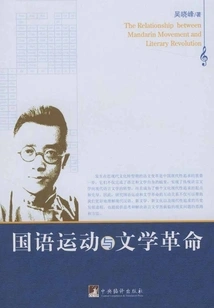
国语运动与文学革命
Wu Xiaofeng
The main content of "The Mandarin Movement and Literary Revolution": The language changes that occurred during the cultural transformation period of modern times are an important step in China's pursuit of modernity. They not only completed the transformation of language and literature themselves, and realized the transformation of traditional language and literature into modern language and literature, but also became the starting point and forerunner of the entire pursuit of cultural modernity. Therefore, studying the interactive relationship between the Mandarin Movement and the literary revolution can not only help us better understand the historical development process of modern Chinese, new literature, and the pursuit of modernity, but also provide ideas and methods for thinking about and solving practical problems faced by language and literature.
The main content of "The Mandarin Movement and Literary Revolution": The language changes that occurred during the cultural transformation period of modern times are an important step in China's pursuit of modernity. They not only completed the transformation of language and literature themselves, and realized the transformation of traditional language and literature into modern language and literature, but also became the starting point and forerunner of the entire pursuit of cultural modernity. Therefore, studying the interactive relationship between the Mandarin Movement and the literary revolution can not only help us better understand the historical development process of modern Chinese, new literature, and the pursuit of modernity, but also provide ideas and methods for thinking about and solving practical problems faced by language and literature.
文学的多重视域与理论构建
Editor-in-chief Wang Wenxue
This book is a collection of literature research conference proceedings, including two parts: conference lecture notes and conference papers. The transcript of the special lectures of the conference includes special speeches by nationally renowned scholars such as Yang Yi, Chao Gejin, Yin Hubin, Li Zhengrong, Yao Xinyong, Wu Zilin and other experts. These excellent papers fully demonstrate the grand vision of literary research, present multiple paths of literary research, and expand the scope of research. This book is a collection of essays that studies literary cases from multiple perspectives and attempts to construct literary theories.
This book is a collection of literature research conference proceedings, including two parts: conference lecture notes and conference papers. The transcript of the special lectures of the conference includes special speeches by nationally renowned scholars such as Yang Yi, Chao Gejin, Yin Hubin, Li Zhengrong, Yao Xinyong, Wu Zilin and other experts. These excellent papers fully demonstrate the grand vision of literary research, present multiple paths of literary research, and expand the scope of research. This book is a collection of essays that studies literary cases from multiple perspectives and attempts to construct literary theories.
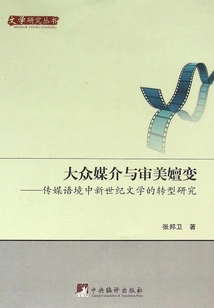
大众媒介与审美嬗变:传媒语境中新世纪文学的转型研究
Zhang Bangwei
This book focuses on the interactive relationship between "mass media and new century literature", focuses on the "literary revolution" and "aesthetic transformation" of mass media, focuses on the "media context" of new century literature, focuses on literary issues in the media context, and focuses on the "evolution" and "transformation" of new century literature. Specifically, it includes six parts: ecology and vitality: the overall view of new century literature; control and rescue: the media problem of new century literature; mutation and breakthrough: the mechanism problem of new century literature; mutual restraint and mutual growth: the image problem of new century literature; disease and evolution: the aesthetic problem of new century literature; uneducated and educated: the educational problem of new century literature.
This book focuses on the interactive relationship between "mass media and new century literature", focuses on the "literary revolution" and "aesthetic transformation" of mass media, focuses on the "media context" of new century literature, focuses on literary issues in the media context, and focuses on the "evolution" and "transformation" of new century literature. Specifically, it includes six parts: ecology and vitality: the overall view of new century literature; control and rescue: the media problem of new century literature; mutation and breakthrough: the mechanism problem of new century literature; mutual restraint and mutual growth: the image problem of new century literature; disease and evolution: the aesthetic problem of new century literature; uneducated and educated: the educational problem of new century literature.
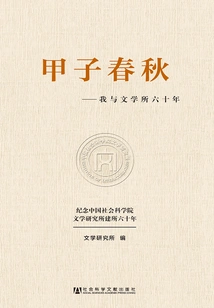
甲子春秋:我与文学所六十年
Institute Of Literature, Chinese Academy Of Social Sciences
2013 is the 60th anniversary of the establishment of the Institute of Literature. During these 60 years, generations of scholars from the Institute have witnessed the extraordinary years that this collective has gone through with their own experiences, and have jointly achieved the glory, honor and contribution of the Institute with the unremitting efforts of everyone. It is for this reason that, entrusted by the leadership team of the institute, a research team composed mainly of young scholars conducted interviews with twenty older generation scholars since 2011 to compile this oral history. The interview is based on the principle of "personal experience". The content includes the interviewees' work, academics, life, colleagues and other aspects at different periods in the Institute of Literature. Regarding their experiences during the "Cultural Revolution" in literature, which were rarely recalled by people in the past, some old comrades interviewed also faced it calmly and spoke freely, leaving valuable information for the study of this period of history.
2013 is the 60th anniversary of the establishment of the Institute of Literature. During these 60 years, generations of scholars from the Institute have witnessed the extraordinary years that this collective has gone through with their own experiences, and have jointly achieved the glory, honor and contribution of the Institute with the unremitting efforts of everyone. It is for this reason that, entrusted by the leadership team of the institute, a research team composed mainly of young scholars conducted interviews with twenty older generation scholars since 2011 to compile this oral history. The interview is based on the principle of "personal experience". The content includes the interviewees' work, academics, life, colleagues and other aspects at different periods in the Institute of Literature. Regarding their experiences during the "Cultural Revolution" in literature, which were rarely recalled by people in the past, some old comrades interviewed also faced it calmly and spoke freely, leaving valuable information for the study of this period of history.
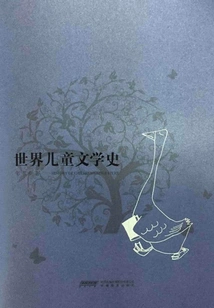
History of World Children's Literature
Literature世界儿童文学史
Wei Wei
"History of World Children's Literature" is a basic book written by Professor Wei Wei, a recognized expert in the history of children's literature in China, for students of children's literature. The content covers the history of children's literature from the emergence of children's literature in the 18th century to the development of contemporary children's literature. The information is informative, the review is objective, and the logic is rigorous. According to the world Periods of literary history are divided into chronological periods and major historical events, and overviews and descriptions are organically combined; writers, works, and regions are arranged vertically and horizontally, with longitude and latitude running through them, to construct a complete and clear coordinate system for the history of children's literature to reveal the historical panorama of world children's literature and its development trajectory.
"History of World Children's Literature" is a basic book written by Professor Wei Wei, a recognized expert in the history of children's literature in China, for students of children's literature. The content covers the history of children's literature from the emergence of children's literature in the 18th century to the development of contemporary children's literature. The information is informative, the review is objective, and the logic is rigorous. According to the world Periods of literary history are divided into chronological periods and major historical events, and overviews and descriptions are organically combined; writers, works, and regions are arranged vertically and horizontally, with longitude and latitude running through them, to construct a complete and clear coordinate system for the history of children's literature to reveal the historical panorama of world children's literature and its development trajectory.
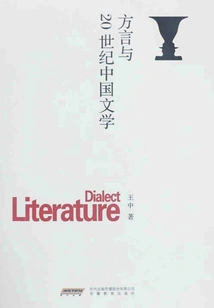
方言与20世纪中国文学
Wang Zhong
"Dialects and Chinese Literature in the 20th Century" uses the evolution of language concepts, language changes and literary transformation in modern Chinese novels in the 20th century as the overall background to sort out the changes in dialect theory and dialect creation (including novels, dramas and poems) in the history of modern literature, and selects typical "cases" for specific analysis. It is divided into two parts: one is mainly about the history of dialect literature before the "May 4th" vernacular movement and a review of dialect theory in modern literature. The other part mainly explains the novel creation and its stylistic characteristics in dialect literature.
"Dialects and Chinese Literature in the 20th Century" uses the evolution of language concepts, language changes and literary transformation in modern Chinese novels in the 20th century as the overall background to sort out the changes in dialect theory and dialect creation (including novels, dramas and poems) in the history of modern literature, and selects typical "cases" for specific analysis. It is divided into two parts: one is mainly about the history of dialect literature before the "May 4th" vernacular movement and a review of dialect theory in modern literature. The other part mainly explains the novel creation and its stylistic characteristics in dialect literature.
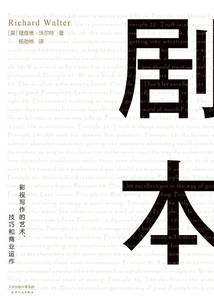
Script
Literature剧本
(us) Richard Walter
The film and television writing major of the University of California, Los Angeles (UCLA) School of Film is ranked No. 1 In the United States, and the author of this book, Richard Walter, is the chairman of this major. The film and television writing courses he teaches have been unanimously praised as legendary by the New York Times, Wall Street Journal, and Los Angeles Times. Not only are they famous all over the world, but their students have won Oscars, Golden Globes and other awards one after another. "Script" serves as the content outline of this course, covering standard script formats, script modification methods, and real industry environments. It has been used as a textbook by more than 100 universities around the world for more than 30 years. It's easy to understand and teaches you step by step how to write a professional film and television script.
The film and television writing major of the University of California, Los Angeles (UCLA) School of Film is ranked No. 1 In the United States, and the author of this book, Richard Walter, is the chairman of this major. The film and television writing courses he teaches have been unanimously praised as legendary by the New York Times, Wall Street Journal, and Los Angeles Times. Not only are they famous all over the world, but their students have won Oscars, Golden Globes and other awards one after another. "Script" serves as the content outline of this course, covering standard script formats, script modification methods, and real industry environments. It has been used as a textbook by more than 100 universities around the world for more than 30 years. It's easy to understand and teaches you step by step how to write a professional film and television script.
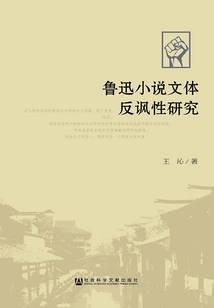
鲁迅小说文体反讽性研究
Wang Qin
This book uses the theory of irony to examine Lu Xun's stylistic choices and stylistic effects in the creation process of his novels, and to inquire into the stylistic appeal behind them. It finds that irony in Lu Xun's novels is a speaking strategy, closely related to the ever-changing environment of the times, his nihilistic life experience, and his attitude towards life that resists despair. The despair of human nature and reality did not make him willing to wander and sink into decadence. On the contrary, his rational personality and historical responsibility as an intellectual drove him to choose to resist nothingness to the end: to completely bravely face and ruthlessly dissect the darkness of reality, including his own heart, and eventually become a complete ironist.
This book uses the theory of irony to examine Lu Xun's stylistic choices and stylistic effects in the creation process of his novels, and to inquire into the stylistic appeal behind them. It finds that irony in Lu Xun's novels is a speaking strategy, closely related to the ever-changing environment of the times, his nihilistic life experience, and his attitude towards life that resists despair. The despair of human nature and reality did not make him willing to wander and sink into decadence. On the contrary, his rational personality and historical responsibility as an intellectual drove him to choose to resist nothingness to the end: to completely bravely face and ruthlessly dissect the darkness of reality, including his own heart, and eventually become a complete ironist.
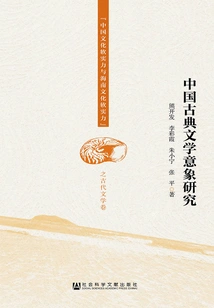
中国古典文学意象研究
Xiong Kafa Li Caixia Zhu Xiaoning Zhang Ping
Imagery and its related topics (such as "meaning" and "image", "image", "weather", etc.) Are the core categories and basic issues in constructing ancient Chinese literary theory. They are also the fundamental way to enter and truly understand the aesthetic characteristics of traditional Chinese literature and art. This book conducts research from multiple angles and levels, including etymological examination, ancient Chinese traditional image concepts, characteristics of image composition in Tang poetry, analysis of image creation by important writers, and re-examination of image from the dimensions of narratology and phenomenology. It not only inherits and draws on the academic achievements of predecessors, but also includes the researcher's own more in-depth examination and new interpretation.
Imagery and its related topics (such as "meaning" and "image", "image", "weather", etc.) Are the core categories and basic issues in constructing ancient Chinese literary theory. They are also the fundamental way to enter and truly understand the aesthetic characteristics of traditional Chinese literature and art. This book conducts research from multiple angles and levels, including etymological examination, ancient Chinese traditional image concepts, characteristics of image composition in Tang poetry, analysis of image creation by important writers, and re-examination of image from the dimensions of narratology and phenomenology. It not only inherits and draws on the academic achievements of predecessors, but also includes the researcher's own more in-depth examination and new interpretation.
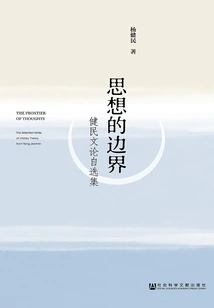
思想的边界:健民文论自选集
Yang Jianmin
This book contains 28 essays and comments by the author, providing in-depth theoretical explanations of contemporary literature, painting theory, and ideological culture. The book is divided into three volumes. "The Threshold of Sensation: A Theoretical Setting" outlines a theoretical setting established by the author in the 1980s - artistic sensory theory; "Image of Criticism: Perspective and Genealogy" discusses the genealogy of modern writer theory and the historical evolution of early Hong Kong literature from the perspective of the "May Fourth" literary criticism background; "Interpretation Puzzles: What is Open" discusses the stylistic function of essays from a humanistic sense, and also comments on the literary theories of Liu Zaifu and others as well as some writers, poets, and painters.
This book contains 28 essays and comments by the author, providing in-depth theoretical explanations of contemporary literature, painting theory, and ideological culture. The book is divided into three volumes. "The Threshold of Sensation: A Theoretical Setting" outlines a theoretical setting established by the author in the 1980s - artistic sensory theory; "Image of Criticism: Perspective and Genealogy" discusses the genealogy of modern writer theory and the historical evolution of early Hong Kong literature from the perspective of the "May Fourth" literary criticism background; "Interpretation Puzzles: What is Open" discusses the stylistic function of essays from a humanistic sense, and also comments on the literary theories of Liu Zaifu and others as well as some writers, poets, and painters.
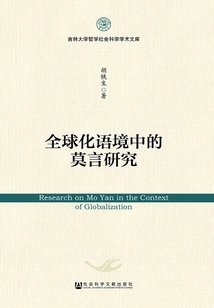
全球化语境中的莫言研究
Hu Tiesheng
This book is a macro-exploration of the global development of Mo Yan's novels. The main line is Mo Yan's reference to the outstanding achievements of foreign literature, his insistence on independent innovation and personalized development, and foreign translation and dissemination. This book breaks through the traditional paradigm of Mo Yan research and does not avoid the different views of critics on Mo Yan. It insists on speaking with facts and has certain reference significance for researchers, doctoral students and ordinary readers in related fields.
This book is a macro-exploration of the global development of Mo Yan's novels. The main line is Mo Yan's reference to the outstanding achievements of foreign literature, his insistence on independent innovation and personalized development, and foreign translation and dissemination. This book breaks through the traditional paradigm of Mo Yan research and does not avoid the different views of critics on Mo Yan. It insists on speaking with facts and has certain reference significance for researchers, doctoral students and ordinary readers in related fields.
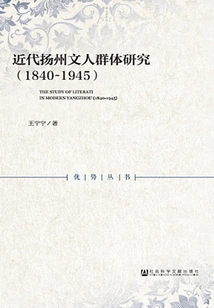
近代扬州文人群体研究(1840~1945)
Wang Ningning
"Literati" is a unique social and cultural class with a long history in Chinese history. With the evolution of social history, their roles and identities are constantly evolving and transforming. In the process of evolution and spread, the appearance of the literati class has maintained the continuity of inheritance from generation to generation, and there is a certain coupling and correlation between this and the ultra-stable structure of Chinese society. The research period of this book focuses on the period from 1840 to 1945. It focuses on the group of modern Yangzhou literati, conducts systematic and in-depth excavation and analysis, examines the overall evolution of Yangzhou literati, and its interactive relationship with urban social changes, showing the correlation between modern Yangzhou intellectuals and the cultural destiny of the city.
"Literati" is a unique social and cultural class with a long history in Chinese history. With the evolution of social history, their roles and identities are constantly evolving and transforming. In the process of evolution and spread, the appearance of the literati class has maintained the continuity of inheritance from generation to generation, and there is a certain coupling and correlation between this and the ultra-stable structure of Chinese society. The research period of this book focuses on the period from 1840 to 1945. It focuses on the group of modern Yangzhou literati, conducts systematic and in-depth excavation and analysis, examines the overall evolution of Yangzhou literati, and its interactive relationship with urban social changes, showing the correlation between modern Yangzhou intellectuals and the cultural destiny of the city.
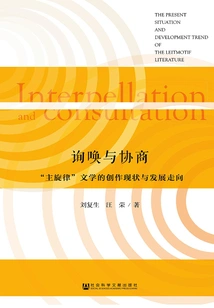
Inquiry and Negotiation: the Current Situation and Development Trend of "theme" Literature Creation
Literature询唤与协商:“主旋律”文学的创作现状与发展走向
Liu Fusheng Wang Rong
"Main theme" literature refers to literary works that reflect the mainstream ideology or social and cultural values advocated by the country, mainly novels. In recent years, the development of "main theme" literature has surpassed the monotonous pattern of the early days, showing diversity in content expression, reaching a considerable height in artistic skills, and achieving ideological and artistic achievements and breakthroughs. This book takes historical novels, new revolutionary historical novels, Dachang novels, and anti-corruption novels as the research objects, examines the current situation and trend of "main theme" literature, and uses this to observe the "inquiry" and "negotiation" in the entire contemporary literary system.
"Main theme" literature refers to literary works that reflect the mainstream ideology or social and cultural values advocated by the country, mainly novels. In recent years, the development of "main theme" literature has surpassed the monotonous pattern of the early days, showing diversity in content expression, reaching a considerable height in artistic skills, and achieving ideological and artistic achievements and breakthroughs. This book takes historical novels, new revolutionary historical novels, Dachang novels, and anti-corruption novels as the research objects, examines the current situation and trend of "main theme" literature, and uses this to observe the "inquiry" and "negotiation" in the entire contemporary literary system.
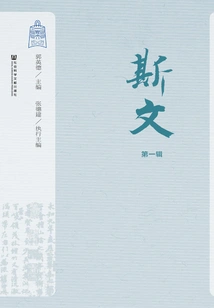
Sven (volume 1)
Literature斯文(第1辑)
Guo Yingde Zhang Dejian
This book is divided into seven columns: "Special Articles", "Broad View", "Prose Research Literature Review", "Stylistic Research" and "Writer Research". The selected papers focus on many major issues in the fields of ancient Chinese prose and traditional thought and culture, and are dedicated to thinking and discussing new methods of research on ancient Chinese prose. Raise new questions, provide unique understanding with new thinking, launch and praise works on the study of ancient Chinese prose, lead the theoretical consciousness and method innovation of ancient Chinese prose research, promote the comprehensive and in-depth work of collating ancient Chinese prose documents, and provide a solid foundation for the study of ancient Chinese prose.
This book is divided into seven columns: "Special Articles", "Broad View", "Prose Research Literature Review", "Stylistic Research" and "Writer Research". The selected papers focus on many major issues in the fields of ancient Chinese prose and traditional thought and culture, and are dedicated to thinking and discussing new methods of research on ancient Chinese prose. Raise new questions, provide unique understanding with new thinking, launch and praise works on the study of ancient Chinese prose, lead the theoretical consciousness and method innovation of ancient Chinese prose research, promote the comprehensive and in-depth work of collating ancient Chinese prose documents, and provide a solid foundation for the study of ancient Chinese prose.
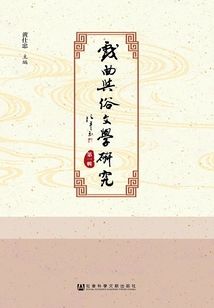
戏曲与俗文学研究(第1辑)
Huang Shizhong
This book provides a platform for the textual research of Chinese popular literature. The book takes the study of ancient operas and popular literature as its main object, features empirical research, attaches great importance to the discovery and utilization of first-hand documentary materials, and emphasizes the investigation, cataloging, and textual research of basic literature. It especially emphasizes the research of textual research on literature and materials, that is, it focuses on author research, important event research, edition literature research, collection of catalogs for collectors at home and abroad, research on rare documents, and collection and interpretation of new literature materials. Opera, popular literature, literature, and empirical evidence are the key words that distinguish this book from other similar publications.
This book provides a platform for the textual research of Chinese popular literature. The book takes the study of ancient operas and popular literature as its main object, features empirical research, attaches great importance to the discovery and utilization of first-hand documentary materials, and emphasizes the investigation, cataloging, and textual research of basic literature. It especially emphasizes the research of textual research on literature and materials, that is, it focuses on author research, important event research, edition literature research, collection of catalogs for collectors at home and abroad, research on rare documents, and collection and interpretation of new literature materials. Opera, popular literature, literature, and empirical evidence are the key words that distinguish this book from other similar publications.
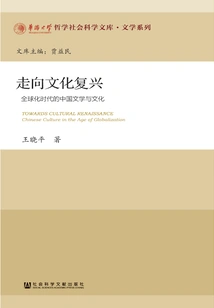
走向文化复兴:全球化时代的中国文学与文化
Wang Xiaoping
At present, China is committed to realizing the "Chinese Dream" and the great cause of national rejuvenation. China's great rejuvenation is fundamentally the rejuvenation of Chinese culture and civilization. How to achieve this goal is directly related to how to understand the current cultural situation in China. This is the cultural scene of China in the era of accelerated globalization since the 1990s. This book is dedicated to the investigation of the situation of Chinese literature and culture during this period, and attempts to draw a general theoretical summary of the situation and characteristics of Chinese culture in the current transitional period through the analysis of specific and representative typical texts, so as to provide reference ideas for current cultural construction.
At present, China is committed to realizing the "Chinese Dream" and the great cause of national rejuvenation. China's great rejuvenation is fundamentally the rejuvenation of Chinese culture and civilization. How to achieve this goal is directly related to how to understand the current cultural situation in China. This is the cultural scene of China in the era of accelerated globalization since the 1990s. This book is dedicated to the investigation of the situation of Chinese literature and culture during this period, and attempts to draw a general theoretical summary of the situation and characteristics of Chinese culture in the current transitional period through the analysis of specific and representative typical texts, so as to provide reference ideas for current cultural construction.
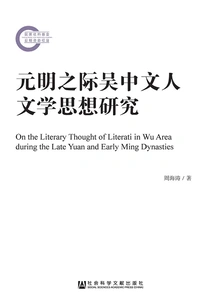
元明之际吴中文人文学思想研究
Zhou Haitao
During the period of the Change of Dynasties, Wuzhong literati paid attention to social reality and criticized current affairs when they should show their personal qualities and express their emotions; when they should cheer for the new regime, they yearned for freedom and pursued unbridledness. This book is guided by this line of thought and gives a panoramic view of the synchronic and diachronic characteristics of Wuzhong literati during the three regime changes of the Yuan, Zhang Shicheng and Ming regimes. In terms of research ideas, this book adopts the research method of the history of literary thought, using the mentality of literati as an intermediary to connect social and cultural changes with literary thought.
During the period of the Change of Dynasties, Wuzhong literati paid attention to social reality and criticized current affairs when they should show their personal qualities and express their emotions; when they should cheer for the new regime, they yearned for freedom and pursued unbridledness. This book is guided by this line of thought and gives a panoramic view of the synchronic and diachronic characteristics of Wuzhong literati during the three regime changes of the Yuan, Zhang Shicheng and Ming regimes. In terms of research ideas, this book adopts the research method of the history of literary thought, using the mentality of literati as an intermediary to connect social and cultural changes with literary thought.
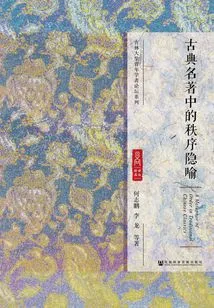
Order Metaphors in Classical Works
Literature古典名著中的秩序隐喻
He Zhipeng Li Long
This book is a classroom record of the public elective course "Classical Masterpieces and Contemporary China" at Jilin University. Nine scholars from different disciplines in the field of humanities and social sciences have provided detailed, in-depth and interesting interpretations of Chinese classical masterpieces represented by the Four Great Masters from their own unique perspectives. Their interpretation is an interesting and meaningful attempt. It is not only an analysis and appreciation of classical masterpieces, but also a new exploration of the modern significance and multiple implications of classical masterpieces from the perspective of intellectual history, politics, law, sociology, education and other disciplines as China moves towards globalization.
This book is a classroom record of the public elective course "Classical Masterpieces and Contemporary China" at Jilin University. Nine scholars from different disciplines in the field of humanities and social sciences have provided detailed, in-depth and interesting interpretations of Chinese classical masterpieces represented by the Four Great Masters from their own unique perspectives. Their interpretation is an interesting and meaningful attempt. It is not only an analysis and appreciation of classical masterpieces, but also a new exploration of the modern significance and multiple implications of classical masterpieces from the perspective of intellectual history, politics, law, sociology, education and other disciplines as China moves towards globalization.
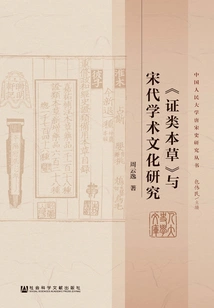
《证类本草》与宋代学术文化研究
Zhou Yunyi
This book uses the method of philology to comprehensively grasp the history of materia medica before "Zhenglei Materia Medica", the masterpiece of Materia Medica in the Song Dynasty. A multi-level comparative study of it with Song Dynasty prescriptions, exegesis, Taoism, history, and literature-related works reveals the materia medica value and document compilation value of "Zhenglei Materia Medica" as well as the characteristics and hidden dangers of Song Dynasty materia medica, which will help deepen the study of the history of medicine and culture in the Song Dynasty.
This book uses the method of philology to comprehensively grasp the history of materia medica before "Zhenglei Materia Medica", the masterpiece of Materia Medica in the Song Dynasty. A multi-level comparative study of it with Song Dynasty prescriptions, exegesis, Taoism, history, and literature-related works reveals the materia medica value and document compilation value of "Zhenglei Materia Medica" as well as the characteristics and hidden dangers of Song Dynasty materia medica, which will help deepen the study of the history of medicine and culture in the Song Dynasty.
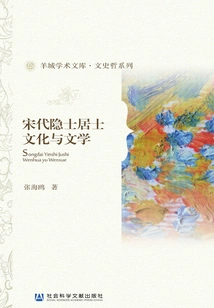
宋代隐士居士文化与文学
Zhang Haiou
The hermits and laymen of the Song Dynasty used a relatively free lifestyle to realize the value of life and enrich life practice mainly from the cultural and aesthetic dimensions. They created cultural and artistic achievements full of life passion and aesthetic interest. Among them, the connotations of politics, culture, history, literature and art are extremely rich, which can be regarded as precious spiritual heritage and have high research value. The first part of this book is a special discussion, which explores the culture and literature of hermits and laymen in the Song Dynasty from multiple perspectives such as literature, history, philosophy, etc. The second part is a narrative of hermits and lay people in the Song Dynasty, including 570 hermits and 291 lay people. A biography is written about each of them and the main documentary clues are noted.
The hermits and laymen of the Song Dynasty used a relatively free lifestyle to realize the value of life and enrich life practice mainly from the cultural and aesthetic dimensions. They created cultural and artistic achievements full of life passion and aesthetic interest. Among them, the connotations of politics, culture, history, literature and art are extremely rich, which can be regarded as precious spiritual heritage and have high research value. The first part of this book is a special discussion, which explores the culture and literature of hermits and laymen in the Song Dynasty from multiple perspectives such as literature, history, philosophy, etc. The second part is a narrative of hermits and lay people in the Song Dynasty, including 570 hermits and 291 lay people. A biography is written about each of them and the main documentary clues are noted.
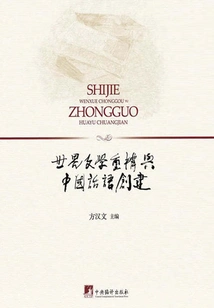
世界文学重构与中国话语创建
Editor-in-chief Fang Hanwen
This book is the final result of the Humanities and Social Sciences Research Planning Fund Project of the Ministry of Education "Reconstruction of World Literature and the Creation of Chinese Discourse" (12YJA751011). It collects 38 papers published by project-level members in the past three years, as well as about 5 translations by professors Damroš and Pucciner of Harvard University in the United States. It mainly focuses on four aspects: contextual analysis of reconstruction theory, theoretical concepts of world literature reconstruction, principles of compilation and selection of world literature masterpieces, and cultural criticism of world literature. It questions the theoretical concepts and construction systems of world literature centered on the West, and proposes a new dialectical concept of multi-civilization dialogue among Chinese scholars. It believes that the construction theory of world literature should be reconstructed and a Chinese discourse system of world literature should be created.
This book is the final result of the Humanities and Social Sciences Research Planning Fund Project of the Ministry of Education "Reconstruction of World Literature and the Creation of Chinese Discourse" (12YJA751011). It collects 38 papers published by project-level members in the past three years, as well as about 5 translations by professors Damroš and Pucciner of Harvard University in the United States. It mainly focuses on four aspects: contextual analysis of reconstruction theory, theoretical concepts of world literature reconstruction, principles of compilation and selection of world literature masterpieces, and cultural criticism of world literature. It questions the theoretical concepts and construction systems of world literature centered on the West, and proposes a new dialectical concept of multi-civilization dialogue among Chinese scholars. It believes that the construction theory of world literature should be reconstructed and a Chinese discourse system of world literature should be created.
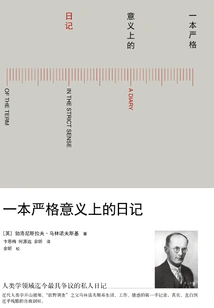
A Diary in the Strictest Sense
Literature一本严格意义上的日记
(british) Bronislav Malinowski, School Of Yu Xin
Anthropology's most controversial private diary to date. As one of the most important anthropologists of the 20th century, Malinowski's diary sparked a controversy that lasted for nearly two decades after it was published in 1967. This book mainly consists of two parts, namely Malinowski's diaries from 1914-1915 and 1917-1918. In the diary, he recorded various experiences during his fieldwork. As a private diary that was never intended to be published, his record is simple and clear. It is a precious historical record. From it, we can get a glimpse of the actual living conditions of the New Guinea natives at that time, as well as the darker side of Malinowski as an ordinary person and his thoughts on personal life, career and emotions.
Anthropology's most controversial private diary to date. As one of the most important anthropologists of the 20th century, Malinowski's diary sparked a controversy that lasted for nearly two decades after it was published in 1967. This book mainly consists of two parts, namely Malinowski's diaries from 1914-1915 and 1917-1918. In the diary, he recorded various experiences during his fieldwork. As a private diary that was never intended to be published, his record is simple and clear. It is a precious historical record. From it, we can get a glimpse of the actual living conditions of the New Guinea natives at that time, as well as the darker side of Malinowski as an ordinary person and his thoughts on personal life, career and emotions.
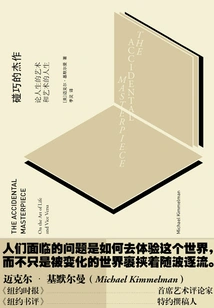
A Masterpiece by Chance
Literature碰巧的杰作
(us) Michael Kimmelman
The most understandable explanation of art, the most profound and ultimate experience of life. The field of art is filled with characters and stories through which truths about the world can be told. This book is a collection of stories that the author has heard or personally experienced while traveling around the world. There are great artists, art lovers, and unknown art practitioners who appear in these stories. They are all passionate and dedicated to art, and art also provides them with some clues for them to experience life more fully. The author uses a unique perspective to interpret the experience gained from art, artworks, and artists through his meticulous understanding. Art is a journey that can open up unexpected new worlds for everyone. A life devoted to art may itself be a kind of art.
The most understandable explanation of art, the most profound and ultimate experience of life. The field of art is filled with characters and stories through which truths about the world can be told. This book is a collection of stories that the author has heard or personally experienced while traveling around the world. There are great artists, art lovers, and unknown art practitioners who appear in these stories. They are all passionate and dedicated to art, and art also provides them with some clues for them to experience life more fully. The author uses a unique perspective to interpret the experience gained from art, artworks, and artists through his meticulous understanding. Art is a journey that can open up unexpected new worlds for everyone. A life devoted to art may itself be a kind of art.