Library
Browse and search books
2,823 novels found
Research on "zhang Ji and Wang Jianti
Literature“张籍、王建体”研究
Yu Zhandong
This book uses the creations of the Mid-Tang Dynasty poets Zhang Ji and Wang Jian as basic research materials, draws on and utilizes existing research results, examines the origin and connotation of "Zhang Ji and Wang Jian's style" in detail, and conducts a comprehensive and in-depth study of Zhang Ji and Wang Jian's poetry creation, contribution and influence.
This book uses the creations of the Mid-Tang Dynasty poets Zhang Ji and Wang Jian as basic research materials, draws on and utilizes existing research results, examines the origin and connotation of "Zhang Ji and Wang Jian's style" in detail, and conducts a comprehensive and in-depth study of Zhang Ji and Wang Jian's poetry creation, contribution and influence.
Research on Poetry Literature
Literature集句诗文献研究
Zhang Minghua Li Xiaoli
In this book's research on collection poetry, in addition to making great efforts to collect collection poetry works of the past dynasties, the author of this book further explores the preservation and recording of collection poetry, the literature review and error identification of collection poetry, the value of collection poetry lost, the imbalance and relativity of the value of collection poetry documents, etc. It is the first monograph to systematically study the literature of collection poetry.
In this book's research on collection poetry, in addition to making great efforts to collect collection poetry works of the past dynasties, the author of this book further explores the preservation and recording of collection poetry, the literature review and error identification of collection poetry, the value of collection poetry lost, the imbalance and relativity of the value of collection poetry documents, etc. It is the first monograph to systematically study the literature of collection poetry.
《歌德谈话录》与歌德文艺美学
He Ji
Starting from the basic concepts of aesthetics in "Goethe's Conversations \u003E and Goethe's Literary Aesthetics", the topic of "Goethe's Literary Aesthetics" is developed from six aspects. First, "\u003C Goethe's Conversations \u003E and Goethe's Literary Aesthetics" reviews Goethe's spontaneous materialism and spontaneous dialectics, and clarifies that his spontaneous materialist worldview is the ideological basis of his realist aesthetics. Second, "\u003C Goethe's Conversations \u003E and Goethe's Literary Aesthetics" is based on Goethe's harmonious nature. Characterizing him as an eclectic, he believes that artistic beauty is the organic unity of formal beauty and content beauty, perceptual images and rational concepts; "\u003C Goethe's Conversations \u003E and Goethe's Literary Aesthetics" also analyzes Goethe's independent and confident habits. It was this habit that drove him to initiate a symbolic revolution to cultivate pure art in the German literary field at the end of the 18th and early 19th centuries, and defended classical independent aesthetics. Third. "\U003C Goethe's Conversations \u003E and Goethe's Literary Aesthetics" discusses Goethe's theory of creation. Goethe believed that artistic creation mainly relies on imagination, and imagination is an important means to upgrade natural reality into artistic reality; he regarded genius as outstanding creativity and used magic to explain genius. Fourth, "\u003C Goethe's Conversations \u003E and Goethe's Literary Aesthetics" analyzes Goethe's view of nature, and Goethe starts from naturalism. Taking the universal and ideal ancient Greek and Roman literature and art as a model, he created classical realist aesthetics; using an empirical rationalist way of thinking, he established a typical creative method of "expressing the general in the particular". Fifth, "\u003C Goethe's Conversations \u003E and Goethe's Literary Aesthetics" introduces Goethe's internal research on artworks. He divided artworks into three organic structural elements (material, connotation and form), and proposed the theory of characteristics. He defined characteristics as expression objects that have both individual and universal connotations, and the result of formal artistic processing of connotations is artistic beauty. Sixth, "\u003C Goethe's Conversations \u003E and Goethe's Literary Aesthetics" reviews Goethe's concept of world literature, which refers to international literary exchanges. The conclusion of "\u003C Goethe's Conversations \u003E and Goethe's Literary Aesthetics" is that Goethe's literary aesthetics is a kind of classical realist aesthetics with romanticism.
Starting from the basic concepts of aesthetics in "Goethe's Conversations \u003E and Goethe's Literary Aesthetics", the topic of "Goethe's Literary Aesthetics" is developed from six aspects. First, "\u003C Goethe's Conversations \u003E and Goethe's Literary Aesthetics" reviews Goethe's spontaneous materialism and spontaneous dialectics, and clarifies that his spontaneous materialist worldview is the ideological basis of his realist aesthetics. Second, "\u003C Goethe's Conversations \u003E and Goethe's Literary Aesthetics" is based on Goethe's harmonious nature. Characterizing him as an eclectic, he believes that artistic beauty is the organic unity of formal beauty and content beauty, perceptual images and rational concepts; "\u003C Goethe's Conversations \u003E and Goethe's Literary Aesthetics" also analyzes Goethe's independent and confident habits. It was this habit that drove him to initiate a symbolic revolution to cultivate pure art in the German literary field at the end of the 18th and early 19th centuries, and defended classical independent aesthetics. Third. "\U003C Goethe's Conversations \u003E and Goethe's Literary Aesthetics" discusses Goethe's theory of creation. Goethe believed that artistic creation mainly relies on imagination, and imagination is an important means to upgrade natural reality into artistic reality; he regarded genius as outstanding creativity and used magic to explain genius. Fourth, "\u003C Goethe's Conversations \u003E and Goethe's Literary Aesthetics" analyzes Goethe's view of nature, and Goethe starts from naturalism. Taking the universal and ideal ancient Greek and Roman literature and art as a model, he created classical realist aesthetics; using an empirical rationalist way of thinking, he established a typical creative method of "expressing the general in the particular". Fifth, "\u003C Goethe's Conversations \u003E and Goethe's Literary Aesthetics" introduces Goethe's internal research on artworks. He divided artworks into three organic structural elements (material, connotation and form), and proposed the theory of characteristics. He defined characteristics as expression objects that have both individual and universal connotations, and the result of formal artistic processing of connotations is artistic beauty. Sixth, "\u003C Goethe's Conversations \u003E and Goethe's Literary Aesthetics" reviews Goethe's concept of world literature, which refers to international literary exchanges. The conclusion of "\u003C Goethe's Conversations \u003E and Goethe's Literary Aesthetics" is that Goethe's literary aesthetics is a kind of classical realist aesthetics with romanticism.
三国与红楼论集
Liu Shide
This book is one of the collections of special articles by members of the Chinese Academy of Social Sciences. This book is divided into four volumes, and all the articles collected have been published in academic journals or academic lectures at home and abroad. Among them, the paper on the Korean copper movable type version of "Romance of the Three Kingdoms" was the theme paper at the 2010 Korean International Academic Conference. This paper fills the gap in domestic academic circles. "Catch and Release Cao" - From "Romance of the Three Kingdoms" to "Romance of the Three Kingdoms" is a speech delivered at Korea University in South Korea and the Japanese Society of Three Kingdoms. Two long articles, "The Preface to the Printed Version of "The Romance of the Three Kingdoms"" and "Summary of the Dream of Red Mansions" comprehensively, systematically, and in-depth introduce and discuss the author, edition, content, and artistic features of the two books "Three Kingdoms" and "Red". Many of them are the author's own opinions and arguments. The author has his own writing style and characteristics. It is both in-depth and highly readable. The book contains both essays expounding the author's own views, as well as articles debating with opponents, such as the debate on the authenticity of the original version of "A Dream of Red Mansions". The author has published the monographs "Diagnosis of Cao Xueqin's Ancestral Origin", "Exploration of Versions of Dream of Red Mansions", "Exploration of Red Mansions - Liu Shide on the Dream of Red Mansions", "The Mystery of the Dream of Red Mansions - Liu Shide's Academic Lectures", "Novels of the Ming and Qing Dynasties - Liu Shide's Academic Lectures", "Liu Shide Talks about the Three Kingdoms", "A Study of the Authors and Versions of the Romance of the Three Kingdoms". The articles collected in this book are mainly articles published in recent years, and they are all not included in the above monographs. The author has his own style of writing, without any difficult words or sentences. He is very rational and logical, and his writing is concise and clear.
This book is one of the collections of special articles by members of the Chinese Academy of Social Sciences. This book is divided into four volumes, and all the articles collected have been published in academic journals or academic lectures at home and abroad. Among them, the paper on the Korean copper movable type version of "Romance of the Three Kingdoms" was the theme paper at the 2010 Korean International Academic Conference. This paper fills the gap in domestic academic circles. "Catch and Release Cao" - From "Romance of the Three Kingdoms" to "Romance of the Three Kingdoms" is a speech delivered at Korea University in South Korea and the Japanese Society of Three Kingdoms. Two long articles, "The Preface to the Printed Version of "The Romance of the Three Kingdoms"" and "Summary of the Dream of Red Mansions" comprehensively, systematically, and in-depth introduce and discuss the author, edition, content, and artistic features of the two books "Three Kingdoms" and "Red". Many of them are the author's own opinions and arguments. The author has his own writing style and characteristics. It is both in-depth and highly readable. The book contains both essays expounding the author's own views, as well as articles debating with opponents, such as the debate on the authenticity of the original version of "A Dream of Red Mansions". The author has published the monographs "Diagnosis of Cao Xueqin's Ancestral Origin", "Exploration of Versions of Dream of Red Mansions", "Exploration of Red Mansions - Liu Shide on the Dream of Red Mansions", "The Mystery of the Dream of Red Mansions - Liu Shide's Academic Lectures", "Novels of the Ming and Qing Dynasties - Liu Shide's Academic Lectures", "Liu Shide Talks about the Three Kingdoms", "A Study of the Authors and Versions of the Romance of the Three Kingdoms". The articles collected in this book are mainly articles published in recent years, and they are all not included in the above monographs. The author has his own style of writing, without any difficult words or sentences. He is very rational and logical, and his writing is concise and clear.
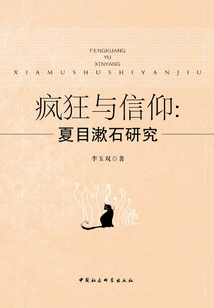
疯狂与信仰:夏目漱石研究
Li Yushuang
This book mainly uses comparative literature research methods to place Natsume Soseki's literature in the historical context of world literature, modern Japanese literature and civilization. It uses detailed text analysis to explore issues such as suffering and harmony, madness and faith, sinking and redemption involved in his creation, and strives to restore a living Natsume Soseki. He is like a mirror, reflecting the mental trauma of modern Japanese intellectuals and the difficult process of exploring how to heal.
This book mainly uses comparative literature research methods to place Natsume Soseki's literature in the historical context of world literature, modern Japanese literature and civilization. It uses detailed text analysis to explore issues such as suffering and harmony, madness and faith, sinking and redemption involved in his creation, and strives to restore a living Natsume Soseki. He is like a mirror, reflecting the mental trauma of modern Japanese intellectuals and the difficult process of exploring how to heal.
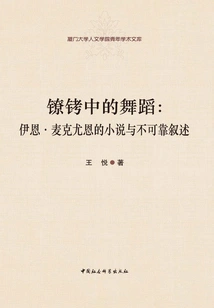
镣铐中的舞蹈:伊恩·麦克尤恩的小说与不可靠叙述
Wang Yue
Ian McEwan is a famous British writer and one of the most influential writers in contemporary Western literary circles. His creations are mainly novels, and he has published two collections of short stories and eleven novels so far. This article takes all of McEwan's novels as the research object, analyzes the unreliable narrative characteristics in his novels, and uses this as an entry point to study McEwan's creations to launch an in-depth discussion of McEwan's novels. Unreliable narration is a very important theoretical concept in today's narratology research, and it is also a very expressive narrative strategy that has been widely used in Ian McEwan's novels. The writer deliberately makes the narrative unreliable, just like an excellent dancer deliberately puts on shackles to dance to show his superb dancing skills. In this way, an extraordinary narrative effect is achieved. This manuscript is based on the different manifestations of unreliable narrative techniques in McEwan's novels. Through detailed and in-depth text analysis, his thirteen novels are interpreted in sequence, and the specific use of unreliable narrative in them, the way it is generated, and its unique artistic expression are elaborated from a narratological perspective. This comprehensive study of Ian McEwan's novel creation is the first of its kind in the country. As a contemporary heavyweight writer, McEwan deserves more attention in the country. Choosing unreliable narrative as the entry point for studying McEwan well captures the key points of the writer's narrative strategy, from which the essence of the writer's thoughts and artistic level can be unearthed, which has important academic value. At the same time, this research also led to the academic discussion of the concept of unreliable narrative, and demonstrated strong theoretical innovation through the narratological explanation of its six types of performance mechanisms.
Ian McEwan is a famous British writer and one of the most influential writers in contemporary Western literary circles. His creations are mainly novels, and he has published two collections of short stories and eleven novels so far. This article takes all of McEwan's novels as the research object, analyzes the unreliable narrative characteristics in his novels, and uses this as an entry point to study McEwan's creations to launch an in-depth discussion of McEwan's novels. Unreliable narration is a very important theoretical concept in today's narratology research, and it is also a very expressive narrative strategy that has been widely used in Ian McEwan's novels. The writer deliberately makes the narrative unreliable, just like an excellent dancer deliberately puts on shackles to dance to show his superb dancing skills. In this way, an extraordinary narrative effect is achieved. This manuscript is based on the different manifestations of unreliable narrative techniques in McEwan's novels. Through detailed and in-depth text analysis, his thirteen novels are interpreted in sequence, and the specific use of unreliable narrative in them, the way it is generated, and its unique artistic expression are elaborated from a narratological perspective. This comprehensive study of Ian McEwan's novel creation is the first of its kind in the country. As a contemporary heavyweight writer, McEwan deserves more attention in the country. Choosing unreliable narrative as the entry point for studying McEwan well captures the key points of the writer's narrative strategy, from which the essence of the writer's thoughts and artistic level can be unearthed, which has important academic value. At the same time, this research also led to the academic discussion of the concept of unreliable narrative, and demonstrated strong theoretical innovation through the narratological explanation of its six types of performance mechanisms.
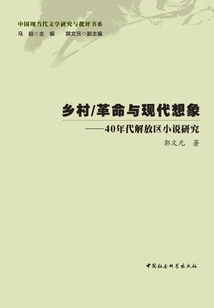
乡村、革命与现代想象:40年代解放区小说研究
Guo Wenyuan
"Countryside, Revolution and Modern Imagination: A Study of Novels in the Liberated Areas of the 1940s" starts from the perspective of literary imagination and explores the collision and integration of rural experience and revolutionary consciousness in the rural narratives of novels in the liberated areas in the 1940s, and explores the various modern consciousnesses that entered the countryside during the process of rural modernization and the author's initial way of imagining rural modernity. Zhao Shuli's rural imagination strives to construct a rural social order that emphasizes humane ethics while introducing modern consciousness into the countryside; the class discourse in Ding Ling and Zhou Libo's land reform revolutionary writings was not completely influenced by rural experience, but their emphasis on the ideological enlightenment of villagers and the democracy of the revolutionary process made their rural modernity The original thoughts are extremely revolutionary; Liu Qing and Ouyang Shan's cooperative narratives describe the complexity of economic transformation issues and leadership issues in the process of rural revolution in a period of change; the writing of daily modern symbols in new life also reflects the diversity of the original thoughts of the villages in the liberated areas in the 1940s. The diversity and complexity of rural/revolutionary modern ideas in the literature of the liberated areas in the 1940s reflect the many possibilities of rural modernity.
"Countryside, Revolution and Modern Imagination: A Study of Novels in the Liberated Areas of the 1940s" starts from the perspective of literary imagination and explores the collision and integration of rural experience and revolutionary consciousness in the rural narratives of novels in the liberated areas in the 1940s, and explores the various modern consciousnesses that entered the countryside during the process of rural modernization and the author's initial way of imagining rural modernity. Zhao Shuli's rural imagination strives to construct a rural social order that emphasizes humane ethics while introducing modern consciousness into the countryside; the class discourse in Ding Ling and Zhou Libo's land reform revolutionary writings was not completely influenced by rural experience, but their emphasis on the ideological enlightenment of villagers and the democracy of the revolutionary process made their rural modernity The original thoughts are extremely revolutionary; Liu Qing and Ouyang Shan's cooperative narratives describe the complexity of economic transformation issues and leadership issues in the process of rural revolution in a period of change; the writing of daily modern symbols in new life also reflects the diversity of the original thoughts of the villages in the liberated areas in the 1940s. The diversity and complexity of rural/revolutionary modern ideas in the literature of the liberated areas in the 1940s reflect the many possibilities of rural modernity.
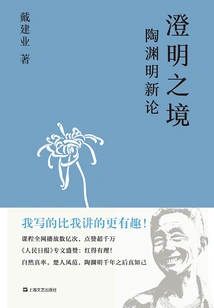
澄明之境:陶渊明新论
Dai Jianye
Tao Yuanming neither has the grandeur and tragedy of Qu Yuan, nor the boldness and elegance of Li Bai, nor the majesty and majesty of Du Fu. With his hundreds of poems, how did Tao Yuanming win a lofty status on par with these three giants of poetry? Su Shi believed: "Cao, Liu, Bao, Xie, Li, and Du are all beyond comparison." Wang Guowei pointed out: "After Qu Zi, there are only literary heroes, especially Yuan Ming." Zhu Guangqian said: Tao Yuanming's "lofty status as a poet can be compared with him. Before him was Qu Yuan, and after him only Du Fu." Chen Yinke believed: "Tao Yuanming not only ranks among the top in literary quality in ancient and modern times, but also is actually the best poet in history. A great thinker in the medieval era of our country." Teacher Dai Jianye used his profound academic background, solid historical foundation, interesting writing style, and unique value orientation to discuss Tao Yuanming's literary achievements, personality, and spiritual world, restoring to readers a true and full Tao Yuanming - he was a clear spring in the turbulent current, and a real person in the era of "the rise of falsehood".
Tao Yuanming neither has the grandeur and tragedy of Qu Yuan, nor the boldness and elegance of Li Bai, nor the majesty and majesty of Du Fu. With his hundreds of poems, how did Tao Yuanming win a lofty status on par with these three giants of poetry? Su Shi believed: "Cao, Liu, Bao, Xie, Li, and Du are all beyond comparison." Wang Guowei pointed out: "After Qu Zi, there are only literary heroes, especially Yuan Ming." Zhu Guangqian said: Tao Yuanming's "lofty status as a poet can be compared with him. Before him was Qu Yuan, and after him only Du Fu." Chen Yinke believed: "Tao Yuanming not only ranks among the top in literary quality in ancient and modern times, but also is actually the best poet in history. A great thinker in the medieval era of our country." Teacher Dai Jianye used his profound academic background, solid historical foundation, interesting writing style, and unique value orientation to discuss Tao Yuanming's literary achievements, personality, and spiritual world, restoring to readers a true and full Tao Yuanming - he was a clear spring in the turbulent current, and a real person in the era of "the rise of falsehood".
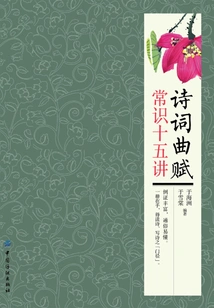
诗词曲赋常识十五讲
Yu Haizhou Yu Xuetang
"Fifteen Lectures on Common Sense of Poetry, Ci, Music and Fu" provides a comprehensive and systematic introduction to the common sense of "Poem, Ci, Music and Fu". Organized into a book in the form of a special topic, it first discusses the "three elements" of rhyme and rhythm, and then discusses the style, rhythm and basic knowledge of writing of poetry, lyrics, music and poetry, providing an entry-level introduction to the appreciation and creation of classical poetry. For beginners who love classical poetry, "Fifteen Lectures on Common Sense of Poetry, Ci, Music and Fu" are targeted to solve problems such as difficulty in in-depth understanding and "doorway" due to insufficient understanding of the rhythm, form, expression methods, etc.; For readers who are keen on creating classical poetry, "Fifteen Lectures on Common Knowledge of Poetry, Composition and Fu" is an even better guide. Each topic in the book not only has a large number of examples, but also interesting exercises and reference materials. The content is very rich and practical.
"Fifteen Lectures on Common Sense of Poetry, Ci, Music and Fu" provides a comprehensive and systematic introduction to the common sense of "Poem, Ci, Music and Fu". Organized into a book in the form of a special topic, it first discusses the "three elements" of rhyme and rhythm, and then discusses the style, rhythm and basic knowledge of writing of poetry, lyrics, music and poetry, providing an entry-level introduction to the appreciation and creation of classical poetry. For beginners who love classical poetry, "Fifteen Lectures on Common Sense of Poetry, Ci, Music and Fu" are targeted to solve problems such as difficulty in in-depth understanding and "doorway" due to insufficient understanding of the rhythm, form, expression methods, etc.; For readers who are keen on creating classical poetry, "Fifteen Lectures on Common Knowledge of Poetry, Composition and Fu" is an even better guide. Each topic in the book not only has a large number of examples, but also interesting exercises and reference materials. The content is very rich and practical.
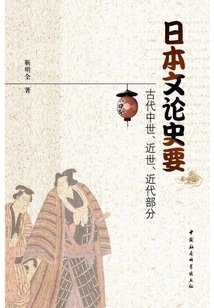
A History of Japanese Literary Theory
Literature日本文论史要
Jin Mingquan
This is my country's first monograph on the history of ancient Japanese literary theory written in Chinese. It covers the period from AD 721 to 1945 and is divided into three stages: ancient medieval times, modern times, and modern times. Each stage is divided into categories according to its order, focusing on the sorting, evaluation, and translation of representative Japanese literary theory writers and works of literary theory in each period. This book is intended to be used for teaching graduate students majoring in Comparative Literature and World Literature, which is part of the Chinese Language and Literature discipline. Therefore, the discussion is intended to be concise, not complex, and concise.
This is my country's first monograph on the history of ancient Japanese literary theory written in Chinese. It covers the period from AD 721 to 1945 and is divided into three stages: ancient medieval times, modern times, and modern times. Each stage is divided into categories according to its order, focusing on the sorting, evaluation, and translation of representative Japanese literary theory writers and works of literary theory in each period. This book is intended to be used for teaching graduate students majoring in Comparative Literature and World Literature, which is part of the Chinese Language and Literature discipline. Therefore, the discussion is intended to be concise, not complex, and concise.
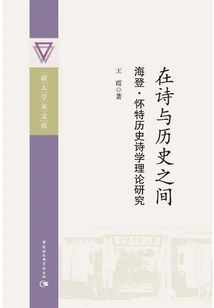
在诗与历史之间: 海登·怀特历史诗学理论研究
Wang Xia
Hayden White is a famous contemporary historical philosopher, literary critic, and cultural historian in the United States. He is one of the representatives of New Historicism. His theory of historical poetics advocates the poetic construction of history and breaks the disciplinary boundaries between history and literature. He has attracted much attention from domestic and foreign academic circles. Based on sorting out and analyzing the main content and academic context of Hayden White's theory of historical poetics, this book combines the texts of American sinologist Shi Jingqian and the case of the Nazi Holocaust to analyze White's historical textualism and historical relativism from the perspective of debate, and then discusses White's theoretical contributions, hoping to promote the current research on Hayden White and promote the proliferation of his ideas.
Hayden White is a famous contemporary historical philosopher, literary critic, and cultural historian in the United States. He is one of the representatives of New Historicism. His theory of historical poetics advocates the poetic construction of history and breaks the disciplinary boundaries between history and literature. He has attracted much attention from domestic and foreign academic circles. Based on sorting out and analyzing the main content and academic context of Hayden White's theory of historical poetics, this book combines the texts of American sinologist Shi Jingqian and the case of the Nazi Holocaust to analyze White's historical textualism and historical relativism from the perspective of debate, and then discusses White's theoretical contributions, hoping to promote the current research on Hayden White and promote the proliferation of his ideas.
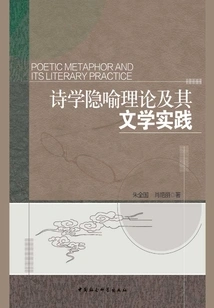
诗学隐喻理论及其文学实践
Zhu Quanguo Xiao Yanli
Metaphor involves all levels of literary activities. Based on the relationship between metaphor and literary thinking, language operation, discourse form, and work meaning, this book conducts an in-depth analysis of several issues such as metaphor and literary thinking, metaphor and rhetoric, metaphor and work structure, metaphor and meaning, metaphor and discourse, metaphor and style.
Metaphor involves all levels of literary activities. Based on the relationship between metaphor and literary thinking, language operation, discourse form, and work meaning, this book conducts an in-depth analysis of several issues such as metaphor and literary thinking, metaphor and rhetoric, metaphor and work structure, metaphor and meaning, metaphor and discourse, metaphor and style.
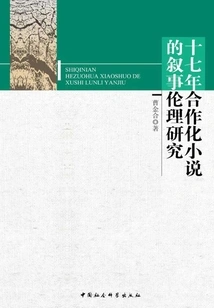
十七年合作化小说的叙事伦理研究
Cao Jinhe
The narrative ethics used in this book mainly include two aspects: first, an ethical value concept reflected by the narrator in the description of environment, characterization of characters, arrangement of plot structure, choice of rhetorical techniques, etc.; Second, an ethical appeal shown behind the motivation of the writer as to why he writes this way. On the basis of close reading of the text, combined with theoretical dialectical thinking, it mainly examines the narrative ethics concepts reflected by the authors of cooperative novels when dealing with the relationship between "what to write", "how to write" and "why to write like this". Therefore, the narrative ethics of cooperative novels are thought and analyzed from four aspects: First, starting from the creation of character images , observe the ethical implications behind the author's typical method of character creation; second, analyze the ethical implications reflected in the linear plot structure of the seventeen-year cooperative novel; third, explore the ethical implications of the description of time and space in the seventeen-year cooperative novel; fourth, focus on the ethical values expressed by the narrator's adoption of different rhetorical arts and techniques.
The narrative ethics used in this book mainly include two aspects: first, an ethical value concept reflected by the narrator in the description of environment, characterization of characters, arrangement of plot structure, choice of rhetorical techniques, etc.; Second, an ethical appeal shown behind the motivation of the writer as to why he writes this way. On the basis of close reading of the text, combined with theoretical dialectical thinking, it mainly examines the narrative ethics concepts reflected by the authors of cooperative novels when dealing with the relationship between "what to write", "how to write" and "why to write like this". Therefore, the narrative ethics of cooperative novels are thought and analyzed from four aspects: First, starting from the creation of character images , observe the ethical implications behind the author's typical method of character creation; second, analyze the ethical implications reflected in the linear plot structure of the seventeen-year cooperative novel; third, explore the ethical implications of the description of time and space in the seventeen-year cooperative novel; fourth, focus on the ethical values expressed by the narrator's adoption of different rhetorical arts and techniques.
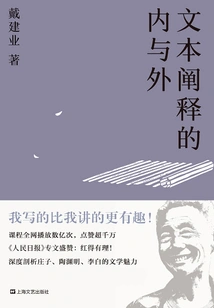
文本阐释的内与外
Dai Jianye
The interpretation of literary texts can start from the text itself or from factors outside the text. This is what the American literary theorist Wellek calls "internal research" and "external research." This book uses both the internal and external perspectives of the text to examine the poetic works and spiritual worlds of Zhuangzi, Zuo Si, Bao Zhao, Tao Yuanming, Xie Lingyun, and Li Bai, and discusses in depth the literary significance of Zhengshi argumentative essays, Yuanjia seven-character ancient poetry, and modern new poetry.
The interpretation of literary texts can start from the text itself or from factors outside the text. This is what the American literary theorist Wellek calls "internal research" and "external research." This book uses both the internal and external perspectives of the text to examine the poetic works and spiritual worlds of Zhuangzi, Zuo Si, Bao Zhao, Tao Yuanming, Xie Lingyun, and Li Bai, and discusses in depth the literary significance of Zhengshi argumentative essays, Yuanjia seven-character ancient poetry, and modern new poetry.
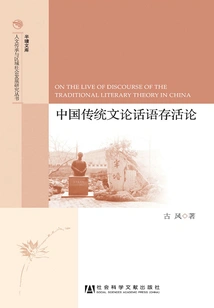
中国传统文论话语存活论
Antiquity
"Research on the Categories of Ancient Chinese Literary Theory Surviving in Modern Literary Theory" is a cutting-edge new topic proposed by the author in recent years. Based on literature survey and data analysis, this book places the phenomenon of "survival" in the complex and ever-changing historical and cultural context of the 20th century from the perspectives of ancient Chinese literary theory, modern Chinese literary theory and foreign literary theory, conducts macro analysis and micro perspective, and proposes new concepts and perspectives such as "survival", "hidden inheritance", "traditional regeneration mechanism" and "four levels of discourse", forming an original "survival theory".
"Research on the Categories of Ancient Chinese Literary Theory Surviving in Modern Literary Theory" is a cutting-edge new topic proposed by the author in recent years. Based on literature survey and data analysis, this book places the phenomenon of "survival" in the complex and ever-changing historical and cultural context of the 20th century from the perspectives of ancient Chinese literary theory, modern Chinese literary theory and foreign literary theory, conducts macro analysis and micro perspective, and proposes new concepts and perspectives such as "survival", "hidden inheritance", "traditional regeneration mechanism" and "four levels of discourse", forming an original "survival theory".
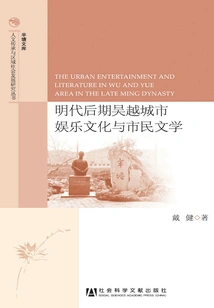
明代后期吴越城市娱乐文化与市民文学
Dai Jian
In the late Ming Dynasty, Wuyue City was very prosperous in drama performances, commentaries, singing, opera and acrobatic performances, as well as leisure reading such as scripts, novels, Mongolian books, and essays. The author of the book combed out its relationship with the creation and dissemination of citizen literature by investigating the living conditions, communication channels, and main characteristics of urban entertainment culture in the Wuyue area at that time. The author pointed out that the Wuyue area was the origin and gathering place of the new humanistic thought trend in the late Ming Dynasty. The unorthodox ideas representing the spiritual demands of citizens were reflected through citizen literature and spread rapidly and widely through entertainment consumption. The book is rich in information and thoughtful in argumentation, and is a well-founded monograph.
In the late Ming Dynasty, Wuyue City was very prosperous in drama performances, commentaries, singing, opera and acrobatic performances, as well as leisure reading such as scripts, novels, Mongolian books, and essays. The author of the book combed out its relationship with the creation and dissemination of citizen literature by investigating the living conditions, communication channels, and main characteristics of urban entertainment culture in the Wuyue area at that time. The author pointed out that the Wuyue area was the origin and gathering place of the new humanistic thought trend in the late Ming Dynasty. The unorthodox ideas representing the spiritual demands of citizens were reflected through citizen literature and spread rapidly and widely through entertainment consumption. The book is rich in information and thoughtful in argumentation, and is a well-founded monograph.
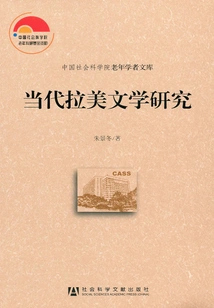
当代拉美文学研究
Zhu Jingdong
The prosperity and achievements of contemporary Latin American literature are well known to the world, and this book strives to fully reflect this grand occasion: while commenting on the overview of the development of contemporary Latin American novels, poetry, and drama, it conducts in-depth research on the fruitful achievements and artistic levels of dozens of important writers in their respective fields from the aspects of novelists and novels, poets and poetry, dramatists and drama. For each writer, after introducing their life and literary career, they select their representative works and analyze the ideological content and artistic characteristics of the works, thereby showing the literary path each writer has taken and their literary achievements. At the same time, literary schools and tendencies such as magical realism, structural realism, fantasy novels, time patterns, special poetic structural forms, and absurd dramas that emerged in contemporary Latin American literature are discussed.
The prosperity and achievements of contemporary Latin American literature are well known to the world, and this book strives to fully reflect this grand occasion: while commenting on the overview of the development of contemporary Latin American novels, poetry, and drama, it conducts in-depth research on the fruitful achievements and artistic levels of dozens of important writers in their respective fields from the aspects of novelists and novels, poets and poetry, dramatists and drama. For each writer, after introducing their life and literary career, they select their representative works and analyze the ideological content and artistic characteristics of the works, thereby showing the literary path each writer has taken and their literary achievements. At the same time, literary schools and tendencies such as magical realism, structural realism, fantasy novels, time patterns, special poetic structural forms, and absurd dramas that emerged in contemporary Latin American literature are discussed.
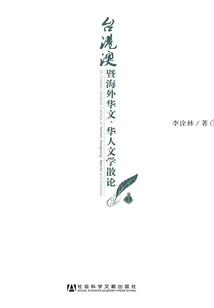
台港澳暨海外华文、华人文学散论
Li Quanlin
The author has accumulated more than ten years of experience in studying Chinese and Chinese literature in Taiwan, Hong Kong, Macao and overseas, and strives to construct a theoretical system of disciplinary theory and methodology for the disciplines of Chinese and Chinese literature in Taiwan, Hong Kong, Macao and overseas. Although this book is titled "Essays", it actually uses the framework and spirit of disciplinary theory to guide the entire article. At the same time, it also takes into account the discussion of research methodologies that are rarely involved in the current research on Chinese and Chinese literature in Taiwan, Hong Kong, Macao and overseas.
The author has accumulated more than ten years of experience in studying Chinese and Chinese literature in Taiwan, Hong Kong, Macao and overseas, and strives to construct a theoretical system of disciplinary theory and methodology for the disciplines of Chinese and Chinese literature in Taiwan, Hong Kong, Macao and overseas. Although this book is titled "Essays", it actually uses the framework and spirit of disciplinary theory to guide the entire article. At the same time, it also takes into account the discussion of research methodologies that are rarely involved in the current research on Chinese and Chinese literature in Taiwan, Hong Kong, Macao and overseas.
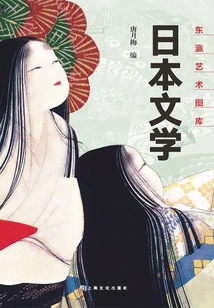
Japanese Literature
Literature日本文学
Tang Yuemei
In the long history, Japanese literature has experienced a development process from natural occurrence to being deeply influenced by Chinese literature, then to the restoration of its own literary tradition, and finally to the vigorous absorption of Western literary concepts and literary techniques. "Japanese Literature" is written in chronological order, from ancient times to modern times, introducing the development of oral literature to written literature in detail, describing myths, legends, primitive ballads, Japanese songs, Chinese poems, stories, diaries, essays, renditions, haiku, popular novels and modern novels. Literary forms evolved from the duality of early modern literature to mid-term literature, which gradually became diversified, common people, and popular, resulting in rich and varied literary forms. In the process of its literary development, Japan has always insisted on being eclectic and vigorously absorbing excellent foreign literature and culture, making Japanese literature always occupy an important place in world literature.
In the long history, Japanese literature has experienced a development process from natural occurrence to being deeply influenced by Chinese literature, then to the restoration of its own literary tradition, and finally to the vigorous absorption of Western literary concepts and literary techniques. "Japanese Literature" is written in chronological order, from ancient times to modern times, introducing the development of oral literature to written literature in detail, describing myths, legends, primitive ballads, Japanese songs, Chinese poems, stories, diaries, essays, renditions, haiku, popular novels and modern novels. Literary forms evolved from the duality of early modern literature to mid-term literature, which gradually became diversified, common people, and popular, resulting in rich and varied literary forms. In the process of its literary development, Japan has always insisted on being eclectic and vigorously absorbing excellent foreign literature and culture, making Japanese literature always occupy an important place in world literature.
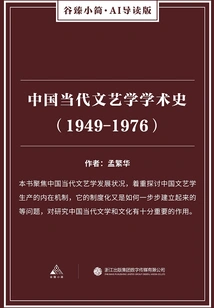
中国当代文艺学学术史(1949-1976)(谷臻小简·AI导读版)
Meng Fanhua
This book focuses on the development of contemporary Chinese literature and art, focusing on exploring the internal mechanism of Chinese literature and art production, and how its institutionalization was established step by step. It plays a very important role in the study of contemporary Chinese literature and culture.
This book focuses on the development of contemporary Chinese literature and art, focusing on exploring the internal mechanism of Chinese literature and art production, and how its institutionalization was established step by step. It plays a very important role in the study of contemporary Chinese literature and culture.
General Introduction to Contemporary Chinese Literature (gu Zhen's Briefs·ai Introduction Edition)
Literature中国当代文学通论(谷臻小简·AI导读版)
Meng Fanhua
With a cutting-edge perspective and the latest vision, this book describes the history of the occurrence and development of contemporary literature as well as the most profound changes since the new century. The profound insights and rich information contained in the book will surely give readers new enlightenment.
With a cutting-edge perspective and the latest vision, this book describes the history of the occurrence and development of contemporary literature as well as the most profound changes since the new century. The profound insights and rich information contained in the book will surely give readers new enlightenment.
当代中国文论八讲
Zhu Shouxian
This article selects eight topics that have had a certain influence in the field of Chinese literary theory since the 1980s, namely, literary activity theory, literary humanities theory, literary subject theory, rationalist and irrationalist literary theory, essentialist and anti-essentialist literary theory, rewriting literary history, ontology issues in literary history, and methodological issues in literary history. This paper cuts into the local evolution of contemporary Chinese literary theory from two perspectives, and then conducts an in-depth discussion on it, trying to outline the history, historical and current connotation of contemporary Chinese literary theory from one side. It also provides readers with an intellectual picture that can be used as a reference for understanding the subject concepts, knowledge structure, and evolutionary path of contemporary Chinese literary theory, and then grasping its inner logic.
This article selects eight topics that have had a certain influence in the field of Chinese literary theory since the 1980s, namely, literary activity theory, literary humanities theory, literary subject theory, rationalist and irrationalist literary theory, essentialist and anti-essentialist literary theory, rewriting literary history, ontology issues in literary history, and methodological issues in literary history. This paper cuts into the local evolution of contemporary Chinese literary theory from two perspectives, and then conducts an in-depth discussion on it, trying to outline the history, historical and current connotation of contemporary Chinese literary theory from one side. It also provides readers with an intellectual picture that can be used as a reference for understanding the subject concepts, knowledge structure, and evolutionary path of contemporary Chinese literary theory, and then grasping its inner logic.
中国中外文艺理论研究.2014~2015
Qian Zhongwen Gao Jianping Ding Guoguo
Under the general title of "Literary Theory and Criticism Facing the Times", this book collects 50 research papers on seven special topics, including "Basic Theory of Literature", "Ancient Chinese Literary Theory", "Comparison of Western Literary Theory and Chinese and Foreign Literary Theory", "Western Marxist Literary Theory", "Culture and New Media Ecocriticism", "Literary Criticism Research and Work Analysis", "Literature and Art Research", and 2 "Addresses", totaling more than 530,000 words. The papers included now were selected from more than 80 articles through careful reading. These research papers focus on problem awareness, emphasize academicity, reality, and orientation. They have conducted in-depth thinking on important issues in the current field of literary and art theory in our country, and conducted in-depth research on some theoretical issues in literature, art and culture in the form of thematic theory. Many of the authors of the paper are famous domestic scholars in related fields. This collection of academic articles also has a special topic of "Literature and Art Research", and selects three latest research results by foreign scholars, which plays an important role in the exchange and dialogue between my country's research in related fields and foreign research. This book is based on the national society "China Chinese and Foreign Literary Theory Society" and uses the papers of the society's academic annual conference as the main source of articles. It has been carefully reviewed and selected by the editorial board. It will have a wide impact after publication and will definitely have an important impact on promoting the sustainable development of my country's literary theory research.
Under the general title of "Literary Theory and Criticism Facing the Times", this book collects 50 research papers on seven special topics, including "Basic Theory of Literature", "Ancient Chinese Literary Theory", "Comparison of Western Literary Theory and Chinese and Foreign Literary Theory", "Western Marxist Literary Theory", "Culture and New Media Ecocriticism", "Literary Criticism Research and Work Analysis", "Literature and Art Research", and 2 "Addresses", totaling more than 530,000 words. The papers included now were selected from more than 80 articles through careful reading. These research papers focus on problem awareness, emphasize academicity, reality, and orientation. They have conducted in-depth thinking on important issues in the current field of literary and art theory in our country, and conducted in-depth research on some theoretical issues in literature, art and culture in the form of thematic theory. Many of the authors of the paper are famous domestic scholars in related fields. This collection of academic articles also has a special topic of "Literature and Art Research", and selects three latest research results by foreign scholars, which plays an important role in the exchange and dialogue between my country's research in related fields and foreign research. This book is based on the national society "China Chinese and Foreign Literary Theory Society" and uses the papers of the society's academic annual conference as the main source of articles. It has been carefully reviewed and selected by the editorial board. It will have a wide impact after publication and will definitely have an important impact on promoting the sustainable development of my country's literary theory research.
穿越:乡村与城市:“晋军”小说新方阵扫描
Duan Chongxuan
Chinese literature is in the midst of a great transformation, and the pattern of rural literature as the main body will gradually be replaced by the pattern of urban literature as the mainstream. In such literary changes, Shanxi literature, which has a tradition of realistic rural themes, will suffer unprecedented impacts, challenges and transformations. What is gratifying is that in the process of exploration and transformation of Shanxi literature, a new group of writers with vitality and impressive achievements has emerged: the fifth generation of Shanxi writers. They inherited the traditions of their predecessors, created a new world, made new explorations and achieved fruitful results in rural themes, urban themes, urban-rural integration themes and other subject areas, becoming the new and main force of Shanxi literature today. There are now more than 20 outstanding writers of this generation, and more than a dozen of them have gone nationwide and attracted much attention. Liu Cixin, Ge Shuiping, Li Junhu, Wang Baozhong, Sun Pin, Yang Yao, etc. Have become representative writers.
Chinese literature is in the midst of a great transformation, and the pattern of rural literature as the main body will gradually be replaced by the pattern of urban literature as the mainstream. In such literary changes, Shanxi literature, which has a tradition of realistic rural themes, will suffer unprecedented impacts, challenges and transformations. What is gratifying is that in the process of exploration and transformation of Shanxi literature, a new group of writers with vitality and impressive achievements has emerged: the fifth generation of Shanxi writers. They inherited the traditions of their predecessors, created a new world, made new explorations and achieved fruitful results in rural themes, urban themes, urban-rural integration themes and other subject areas, becoming the new and main force of Shanxi literature today. There are now more than 20 outstanding writers of this generation, and more than a dozen of them have gone nationwide and attracted much attention. Liu Cixin, Ge Shuiping, Li Junhu, Wang Baozhong, Sun Pin, Yang Yao, etc. Have become representative writers.
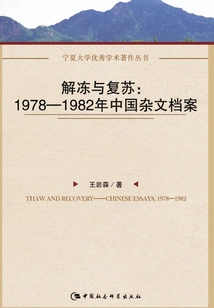
解冻与复苏:1978~1982年中国杂文档案
Wang Yansen
This book uses a chronicle method and style to study and sort out the history of the creation, dissemination, and acceptance of Chinese essays from 1978 to 1982, as well as its experiences and lessons. The main contents include: 1. Important political, ideological, and cultural policies; 2. Social trends of thought, ideological movements, and cultural life that have a significant impact on the development of essays; 3. , Representative essay concepts, debates and construction of essay theory; 4. Essay style and development of essay art; 5. Essay writers' interactions (societies, school activities, etc.); 6. Life stories of important essay writers; 7. Creation, publication and review of important essay works and research results; 8. Others. Trying to return to the first-hand information, through the excavation, arrangement, collection, and compilation of the original materials, to obtain as detailed and complete as possible accurate and informative historical materials. On this basis, through the screening and selection, comparison and listing of these historical materials, a logic and order of literary history that "speaks with facts" are constructed. This kind of logic and order is not based on opinions to "glue" historical materials, but on the connections between historical facts. The author's opinions and evaluations are implicit in these historical facts and the relationships they establish.
This book uses a chronicle method and style to study and sort out the history of the creation, dissemination, and acceptance of Chinese essays from 1978 to 1982, as well as its experiences and lessons. The main contents include: 1. Important political, ideological, and cultural policies; 2. Social trends of thought, ideological movements, and cultural life that have a significant impact on the development of essays; 3. , Representative essay concepts, debates and construction of essay theory; 4. Essay style and development of essay art; 5. Essay writers' interactions (societies, school activities, etc.); 6. Life stories of important essay writers; 7. Creation, publication and review of important essay works and research results; 8. Others. Trying to return to the first-hand information, through the excavation, arrangement, collection, and compilation of the original materials, to obtain as detailed and complete as possible accurate and informative historical materials. On this basis, through the screening and selection, comparison and listing of these historical materials, a logic and order of literary history that "speaks with facts" are constructed. This kind of logic and order is not based on opinions to "glue" historical materials, but on the connections between historical facts. The author's opinions and evaluations are implicit in these historical facts and the relationships they establish.
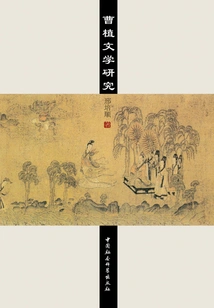
Research on Cao Zhi's Literature
Literature曹植文学研究
Xing Peishun
This book attempts to use rich materials and fresh perspectives to make a comprehensive discussion and summary of Cao Zhi's literary achievements and historical status. This article comprehensively discusses Cao Zhi's historical and cultural environment, reconsideration of the issue of heir struggle, Cao Zhi's academic origins, literary inheritance, the evolution of Jian'an literature and Cao Zhi's status, the stages of Cao Zhi's creation, Cao Zhi's poetry theory, Cao Zhi's poetry theory, Cao Zhi's prose theory, the secular tendency of Cao Zhi's literary creation, Cao Zhi and Jian'an style, and Cao Zhi's influence on the literature of the Wei, Jin, Southern and Northern Dynasties. This book provides an objective and fair analysis of Cao Zhi's person, events and writings.
This book attempts to use rich materials and fresh perspectives to make a comprehensive discussion and summary of Cao Zhi's literary achievements and historical status. This article comprehensively discusses Cao Zhi's historical and cultural environment, reconsideration of the issue of heir struggle, Cao Zhi's academic origins, literary inheritance, the evolution of Jian'an literature and Cao Zhi's status, the stages of Cao Zhi's creation, Cao Zhi's poetry theory, Cao Zhi's poetry theory, Cao Zhi's prose theory, the secular tendency of Cao Zhi's literary creation, Cao Zhi and Jian'an style, and Cao Zhi's influence on the literature of the Wei, Jin, Southern and Northern Dynasties. This book provides an objective and fair analysis of Cao Zhi's person, events and writings.
比较视域下的湖湘女性文学研究
Luo Ting Et Al.
The 20th century was an era of the spread of Western learning to the east and the blending of Chinese and Western cultures. Hunan female writers who are immersed in Huxiang regional cultural factors are also an outstanding group with a global perspective and acceptance of Western civilization. Most of them have experience studying abroad, are proficient in foreign languages, and are deeply influenced by Western culture. Some are even writers, experts in foreign literature, translators, and educators. This book starts from the perspectives of time, region, gender, etc., Uses comparative research, and selects more than 10 Hunan female writers to conduct special research on their relationship with foreign literature, analyzing their choices and choices of Western culture and literature, as well as their influence and status in the world literary world. This book is not only conducive to writing the history of Hunan women's literature and promoting the development of Hunan women's literature and Chinese women's literature, but also conducive to the exchange and dialogue between Chinese and Western women's literature, and better promoting Hunan women's literature to the world.
The 20th century was an era of the spread of Western learning to the east and the blending of Chinese and Western cultures. Hunan female writers who are immersed in Huxiang regional cultural factors are also an outstanding group with a global perspective and acceptance of Western civilization. Most of them have experience studying abroad, are proficient in foreign languages, and are deeply influenced by Western culture. Some are even writers, experts in foreign literature, translators, and educators. This book starts from the perspectives of time, region, gender, etc., Uses comparative research, and selects more than 10 Hunan female writers to conduct special research on their relationship with foreign literature, analyzing their choices and choices of Western culture and literature, as well as their influence and status in the world literary world. This book is not only conducive to writing the history of Hunan women's literature and promoting the development of Hunan women's literature and Chinese women's literature, but also conducive to the exchange and dialogue between Chinese and Western women's literature, and better promoting Hunan women's literature to the world.
期刊类型与中国现代文学生产(1917-1937)
Zhang Xinmin
This book aims at the current problems of different classification standards and complicated types of literary journals in the academic world. From the perspective of the literary production mechanism, this book attempts to clarify the classification of literary journals, explores the intrinsic relationship between literary journals and literary production, and strives to use relatively rich historical materials to give people a sense of the scene of modern literary production.
This book aims at the current problems of different classification standards and complicated types of literary journals in the academic world. From the perspective of the literary production mechanism, this book attempts to clarify the classification of literary journals, explores the intrinsic relationship between literary journals and literary production, and strives to use relatively rich historical materials to give people a sense of the scene of modern literary production.
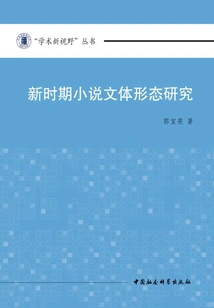
新时期小说文体形态研究
Guo Baoliang
This book is an academic monograph that explores the stylistic form of novels in the new era from the perspective of stylistics. Based on extensive reading of novels in the new era, the author summarizes four major stylistic forms with important theoretical value - namely, the joke-carnival style, the symbolic-allegorical style, the poetic-prose style, and the new growth-autobiographical style - for study, and both diachronic stylistics Exploring the evolutionary rules, and also exploring various aspects of synchronic stylistics, thus basing the study of stylistics on a perceptual and living creation basis. Not only does it not have the problem of theoretically rigidly framing creation, but it also has certain methodological significance. This book has strong theoretical color, novel viewpoints, vivid writing, and sufficient evidence. It is a research work on novels in the new era with important academic innovation value.
This book is an academic monograph that explores the stylistic form of novels in the new era from the perspective of stylistics. Based on extensive reading of novels in the new era, the author summarizes four major stylistic forms with important theoretical value - namely, the joke-carnival style, the symbolic-allegorical style, the poetic-prose style, and the new growth-autobiographical style - for study, and both diachronic stylistics Exploring the evolutionary rules, and also exploring various aspects of synchronic stylistics, thus basing the study of stylistics on a perceptual and living creation basis. Not only does it not have the problem of theoretically rigidly framing creation, but it also has certain methodological significance. This book has strong theoretical color, novel viewpoints, vivid writing, and sufficient evidence. It is a research work on novels in the new era with important academic innovation value.
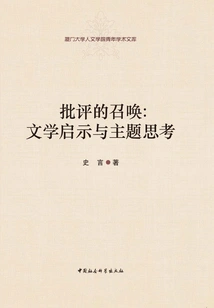
批评的召唤:文学启示与主题思考
Historical Words
This book brings together authors from across the Taiwan Strait and four places who have studied Bachelard's spatial poetics, with a total of fifteen academic papers. Consciousness is a very abstract thing. It is an idea, a perspective, and even a role that controls the self. Because it has no form, we can only discover its existence through constant exploration. "Poetics of Space" is such a book. He starts from the house and explores the space in which people live, and then shrinks this space continuously, even himself. Then we see the universe, life, and the basic consciousness that a person has. Researchers explore Barash's poetics from various angles, which has certain publication value.
This book brings together authors from across the Taiwan Strait and four places who have studied Bachelard's spatial poetics, with a total of fifteen academic papers. Consciousness is a very abstract thing. It is an idea, a perspective, and even a role that controls the self. Because it has no form, we can only discover its existence through constant exploration. "Poetics of Space" is such a book. He starts from the house and explores the space in which people live, and then shrinks this space continuously, even himself. Then we see the universe, life, and the basic consciousness that a person has. Researchers explore Barash's poetics from various angles, which has certain publication value.
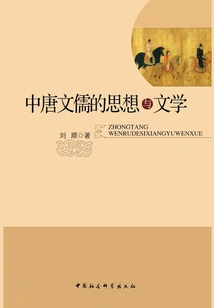
中唐文儒的思想与文学
Liu Shun
The Mid-Tang Dynasty was a turning point from the Middle Ages to modern times, and it was also an era of change. The three major groups of Confucians in the Mid-Tang Dynasty were the recipients and reflectors of the crisis in the Mid-Tang Dynasty. This book takes the crisis of the Mid-Tang Dynasty and the Confucianism in the Mid-Tang Dynasty as the research object, and conducts in-depth research and analysis on the ideological changes in the Mid-Tang Dynasty and its impact on literature.
The Mid-Tang Dynasty was a turning point from the Middle Ages to modern times, and it was also an era of change. The three major groups of Confucians in the Mid-Tang Dynasty were the recipients and reflectors of the crisis in the Mid-Tang Dynasty. This book takes the crisis of the Mid-Tang Dynasty and the Confucianism in the Mid-Tang Dynasty as the research object, and conducts in-depth research and analysis on the ideological changes in the Mid-Tang Dynasty and its impact on literature.
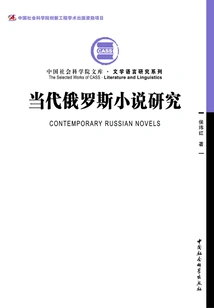
Research on Contemporary Russian Novels
Literature当代俄罗斯小说研究
Hou Weihong
This book focuses on the novels of the twenty years after the disintegration of the Soviet Union as the research object, and divides them into three schools: realism, post-realism and post-modernism. Each school is elaborated on the development process and new trends in the current stage of development. At the same time, it is combined with specific works for in-depth interpretation and prospects for the future development of the school.
This book focuses on the novels of the twenty years after the disintegration of the Soviet Union as the research object, and divides them into three schools: realism, post-realism and post-modernism. Each school is elaborated on the development process and new trends in the current stage of development. At the same time, it is combined with specific works for in-depth interpretation and prospects for the future development of the school.
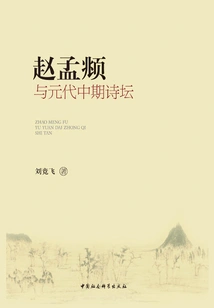
赵孟頫与元代中期诗坛
Liu Jingfei
"Zhao Mengfu and the Poetry Circle of the Mid-Yuan Dynasty" mainly includes content from conception to reality: changing emotions and values, between rewards: life emotions as communication tools, acceptance and comparison of styles: with the characters in the Xuetang Yaji as the core, the group basis for style acceptance: the political beliefs of the northern celebrities, the aesthetics of the celebrities: the similarities and differences in poetic styles between the north and the south.
"Zhao Mengfu and the Poetry Circle of the Mid-Yuan Dynasty" mainly includes content from conception to reality: changing emotions and values, between rewards: life emotions as communication tools, acceptance and comparison of styles: with the characters in the Xuetang Yaji as the core, the group basis for style acceptance: the political beliefs of the northern celebrities, the aesthetics of the celebrities: the similarities and differences in poetic styles between the north and the south.
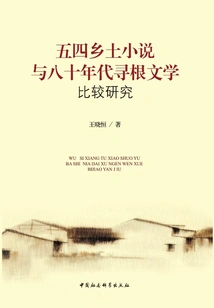
A Comparative Study of the May 4th Native Novels and the Root-seeking Literature of the 1980s
Literature五四乡土小说与八十年代寻根文学比较研究
Wang Xiaoheng
In the history of Chinese vernacular novels in the 20th century, although the May Fourth vernacular novels and the root-seeking literature of the 1980s are more than half a century apart, they show many similarities and intrinsic connections. This book conducts a comparative study of the two from six aspects: comparison of the historical and cultural context in which literature occurred, comparison of traditional national cultural attitudes, comparison in the sense of enlightenment, comparison of writers' emotions and attitudes towards custom descriptions, comparison of character series, and comparison of tragic styles. Through a series of comparisons, it can be seen that the development of literature follows rules, and literary creation will show a similar state in a similar historical and cultural context.
In the history of Chinese vernacular novels in the 20th century, although the May Fourth vernacular novels and the root-seeking literature of the 1980s are more than half a century apart, they show many similarities and intrinsic connections. This book conducts a comparative study of the two from six aspects: comparison of the historical and cultural context in which literature occurred, comparison of traditional national cultural attitudes, comparison in the sense of enlightenment, comparison of writers' emotions and attitudes towards custom descriptions, comparison of character series, and comparison of tragic styles. Through a series of comparisons, it can be seen that the development of literature follows rules, and literary creation will show a similar state in a similar historical and cultural context.
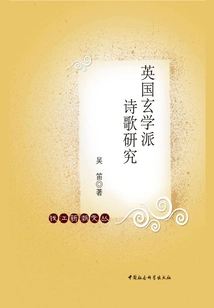
A Study of British Metaphysical Poetry
Literature英国玄学派诗歌研究
Wu Di
Metaphysics refers to a unique poetry school that emerged in the British literary world in the 17th century. The British poet John Dunn is a representative figure of this genre. He is famous in the literary world for his exquisite use of "fantasy" metaphors in his poems. Metaphysics did not receive enough attention in the development of the classicism trend in the 18th century and the romanticism in the 19th century. It was not fully recognized in the literary world until the 20th century, and it had a profound influence on British and American literature in the 20th century. This book starts the study of British metaphysical poetry from three parts: theme and thought, poetic art and imagery, comparison and influence. It intends to make a macro overview of the ideological characteristics, artistic contribution and research significance of this school of poetry, as well as make an in-depth micro analysis of many important poetic texts that have not been translated into Chinese.
Metaphysics refers to a unique poetry school that emerged in the British literary world in the 17th century. The British poet John Dunn is a representative figure of this genre. He is famous in the literary world for his exquisite use of "fantasy" metaphors in his poems. Metaphysics did not receive enough attention in the development of the classicism trend in the 18th century and the romanticism in the 19th century. It was not fully recognized in the literary world until the 20th century, and it had a profound influence on British and American literature in the 20th century. This book starts the study of British metaphysical poetry from three parts: theme and thought, poetic art and imagery, comparison and influence. It intends to make a macro overview of the ideological characteristics, artistic contribution and research significance of this school of poetry, as well as make an in-depth micro analysis of many important poetic texts that have not been translated into Chinese.
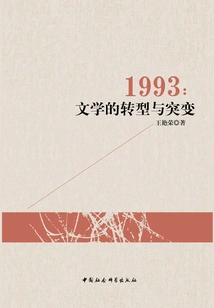
1993:文学的转型与突变
Wang Yanrong
Chinese literature entered the 1990s and took on a completely new style that was completely different from that of the 1980s. During this period of transformation, 1993 became a watershed in the literature of the 1980s and 1990s. Through the study of literary and cultural phenomena around 1993, this book finds that 1993 was a very important era for Chinese literature. The most prominent symptom was that diverse cultures began to be highlighted, and the coexistence of three cultures began to take shape. The transformation and mutation of literature in 1993 influenced and established the literary pattern of the late 20th century and even the 21st century. 1993 Is of great value and significance to the literary history before and after it. It is a watershed and boundary stone that marked the literary landscape of the 1980s and 1990s.
Chinese literature entered the 1990s and took on a completely new style that was completely different from that of the 1980s. During this period of transformation, 1993 became a watershed in the literature of the 1980s and 1990s. Through the study of literary and cultural phenomena around 1993, this book finds that 1993 was a very important era for Chinese literature. The most prominent symptom was that diverse cultures began to be highlighted, and the coexistence of three cultures began to take shape. The transformation and mutation of literature in 1993 influenced and established the literary pattern of the late 20th century and even the 21st century. 1993 Is of great value and significance to the literary history before and after it. It is a watershed and boundary stone that marked the literary landscape of the 1980s and 1990s.
中国说唱文学之发展流变
Sheng Zhimei
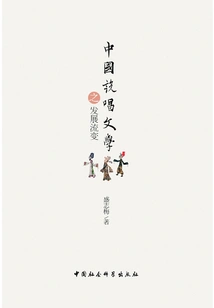
The content of this book is divided into four parts: introduction, part 1, part 2, and part 2. The specific content includes the tracing of the origin of Chinese rap literature and an overview of rap literature before the Tang Dynasty (Introduction), Tang Dynasty rap literature (Tang Dynasty rap literature) in Dunhuang posthumous documents, Song, Jin, Yuan and Ming rap literature such as Zhugong Diao, Tao Zhen, and Cihua (Part 2). Main rap literature in the Ming and Qing Dynasties such as Guci (Dugu), Zidi Shu, Baojuan, Slang, and other rap literature styles created and adapted by literati (Part 2). The content basically includes all the major forms of rap in various historical periods of ancient China. Although the degree of research in each part is different, the general idea is the same, that is, within the framework of the clues of vertical development, the different representative rap literature types in each historical period are examined horizontally. Each category strives to trace its origins, focusing mainly on the changes in the narrative system and performance system.
The content of this book is divided into four parts: introduction, part 1, part 2, and part 2. The specific content includes the tracing of the origin of Chinese rap literature and an overview of rap literature before the Tang Dynasty (Introduction), Tang Dynasty rap literature (Tang Dynasty rap literature) in Dunhuang posthumous documents, Song, Jin, Yuan and Ming rap literature such as Zhugong Diao, Tao Zhen, and Cihua (Part 2). Main rap literature in the Ming and Qing Dynasties such as Guci (Dugu), Zidi Shu, Baojuan, Slang, and other rap literature styles created and adapted by literati (Part 2). The content basically includes all the major forms of rap in various historical periods of ancient China. Although the degree of research in each part is different, the general idea is the same, that is, within the framework of the clues of vertical development, the different representative rap literature types in each historical period are examined horizontally. Each category strives to trace its origins, focusing mainly on the changes in the narrative system and performance system.
Research on the Interactive Relationship between Chinese Translated Literature and Local Literature
Literature中国翻译文学与本土文学的互动关系研究
Li Qin
Chinese translated literature has a history of more than 100 years. During the development process of more than 100 years, Chinese translated literature and local literature have been engaging in frequent and close interactions, influencing each other, promoting each other, and prospering together. This book takes the development of the history of Chinese translated literature as a clue, from the perspective of translation studies and comparative literature, and describes the interaction between Chinese translated literature and local social culture, the interaction between Chinese social ideology and literary translation, the interaction between Chinese translated literature and local literature, and the interaction between Chinese translators' literary translation and literary creation.
Chinese translated literature has a history of more than 100 years. During the development process of more than 100 years, Chinese translated literature and local literature have been engaging in frequent and close interactions, influencing each other, promoting each other, and prospering together. This book takes the development of the history of Chinese translated literature as a clue, from the perspective of translation studies and comparative literature, and describes the interaction between Chinese translated literature and local social culture, the interaction between Chinese social ideology and literary translation, the interaction between Chinese translated literature and local literature, and the interaction between Chinese translators' literary translation and literary creation.
Western Culture and Literature and Art
Literature西方文化与文学艺术
Zhu Hong
The main purpose of this book is to interpret Western literature and art from the perspective of cultural studies. The structure mainly uses time as a clue, supplemented by the division of countries and regions, to sort out and give new interpretations to the development history of Western culture, literature and art from ancient Greece to the 20th century. While deeply grasping the cultural spirit of different periods and nations, we try to break through the misunderstandings caused by cross-cultural ideological differences, in order to gain a deeper and broader understanding of Western literature, painting, sculpture, architecture and other arts and even the entire culture through the discussion of intertextuality.
The main purpose of this book is to interpret Western literature and art from the perspective of cultural studies. The structure mainly uses time as a clue, supplemented by the division of countries and regions, to sort out and give new interpretations to the development history of Western culture, literature and art from ancient Greece to the 20th century. While deeply grasping the cultural spirit of different periods and nations, we try to break through the misunderstandings caused by cross-cultural ideological differences, in order to gain a deeper and broader understanding of Western literature, painting, sculpture, architecture and other arts and even the entire culture through the discussion of intertextuality.
Prosperity and Loneliness: a Study on the Reception History of Liu Yong and Zhou Bangyan's Ci
Literature繁华与落寞:柳永、周邦彦词接受史研究
Chen Fusheng
Liu Yong and Zhou Bangyan are two milestone poets in the history of the development of Song Ci. Both of them are talented people who know music and music well. Because of the rhythm, romance and graceful style of their lyrics, they are often regarded by later generations as
Liu Yong and Zhou Bangyan are two milestone poets in the history of the development of Song Ci. Both of them are talented people who know music and music well. Because of the rhythm, romance and graceful style of their lyrics, they are often regarded by later generations as
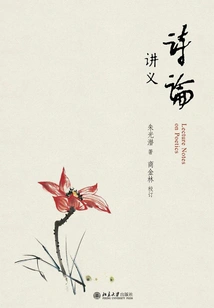
Lecture Notes on Poetry
Literature诗论讲义
Zhu Guangqian
"Poetic Theory" was originally called "General Theory of Poetics" and was first completed at the end of 1932. When he applied for a job in the Department of Foreign Languages and Literature at Peking University in 1933, Zhu Guangqian submitted "On Poetry" to Hu Shi. Hu Shi was so impressed that he not only hired Mr. Zhu as a professor in the English Department, but also invited him to lecture on "On Poetry" in the Chinese Department for a year. What Professor Shang Jinlin of the Department of Chinese Language and Literature of Peking University discovered this time was Mr. Zhu's course lecture notes at Peking University. It was a mimeographed 16-format volume with the title "On Poetry published as a modern appendix on July 5th" on the cover. The main text was titled "General Theory of Poetics". On the side of each page was printed the words "Peking University Lecture Notes July 4th G Publishing Group Printed by Li School (or Zhao School, Song School)". The text consists of seven chapters and about 100,000 words. "On Poetry" is Mr. Zhu's masterpiece, which can be said to have been written for a lifetime. This handout not only has theoretical and aesthetic value for readers, but as an early version of "On Poetry", it is also an important document and has important historical significance for examining the development of Mr. Zhu's poetic theory and academic path. Those who study literature (poetry) and aesthetics can compare it with later versions and see the changes in Mr. Zhu's poetic concepts, the expansion of his academic vision, and the refinement of his language. The editor has organized and revised the entire manuscript, and written a detailed postscript introducing the evolution of each version of "Poetry" and Mr. Zhu's lifelong pursuit of "poetics" research, which can be referenced by researchers and literature lovers.
"Poetic Theory" was originally called "General Theory of Poetics" and was first completed at the end of 1932. When he applied for a job in the Department of Foreign Languages and Literature at Peking University in 1933, Zhu Guangqian submitted "On Poetry" to Hu Shi. Hu Shi was so impressed that he not only hired Mr. Zhu as a professor in the English Department, but also invited him to lecture on "On Poetry" in the Chinese Department for a year. What Professor Shang Jinlin of the Department of Chinese Language and Literature of Peking University discovered this time was Mr. Zhu's course lecture notes at Peking University. It was a mimeographed 16-format volume with the title "On Poetry published as a modern appendix on July 5th" on the cover. The main text was titled "General Theory of Poetics". On the side of each page was printed the words "Peking University Lecture Notes July 4th G Publishing Group Printed by Li School (or Zhao School, Song School)". The text consists of seven chapters and about 100,000 words. "On Poetry" is Mr. Zhu's masterpiece, which can be said to have been written for a lifetime. This handout not only has theoretical and aesthetic value for readers, but as an early version of "On Poetry", it is also an important document and has important historical significance for examining the development of Mr. Zhu's poetic theory and academic path. Those who study literature (poetry) and aesthetics can compare it with later versions and see the changes in Mr. Zhu's poetic concepts, the expansion of his academic vision, and the refinement of his language. The editor has organized and revised the entire manuscript, and written a detailed postscript introducing the evolution of each version of "Poetry" and Mr. Zhu's lifelong pursuit of "poetics" research, which can be referenced by researchers and literature lovers.
Materials and Notes
Literature材料与注释
Hong Zicheng
This book contains the author's latest academic papers: the main body is a review of some contemporary literary historical materials, which have been published in publications such as "Modern Chinese Literature" and "Literary Review". It uses the form of juxtaposition of materials and annotations. The materials include important speeches, meeting minutes, etc. The annotations supplement the relevant historical background, literary events, character relationships, etc., So that students and researchers who are not familiar with the materials of that year can gain a more comprehensive understanding; the other articles are discussions on the writing and teaching of contemporary literary history.
This book contains the author's latest academic papers: the main body is a review of some contemporary literary historical materials, which have been published in publications such as "Modern Chinese Literature" and "Literary Review". It uses the form of juxtaposition of materials and annotations. The materials include important speeches, meeting minutes, etc. The annotations supplement the relevant historical background, literary events, character relationships, etc., So that students and researchers who are not familiar with the materials of that year can gain a more comprehensive understanding; the other articles are discussions on the writing and teaching of contemporary literary history.
American Gender Critical Theory Research
Literature美国性别批评理论研究
Wang Nan
Based on rich literature and text reading at home and abroad, this book strives to enter into the perspective of gender critics by reproducing the historical, social and theoretical context of female criticism.
Based on rich literature and text reading at home and abroad, this book strives to enter into the perspective of gender critics by reproducing the historical, social and theoretical context of female criticism.
从形式主义到历史主义:晚近文学理论'“向外转”的深层机理探究
Yao Wenfang
Formalism was the mainstream literary theory in the 20th century. From the 1910s to the 1980s, formalism dominated the field of literary theory for more than half a century. Russian formalism transformed the language form\
Formalism was the mainstream literary theory in the 20th century. From the 1910s to the 1980s, formalism dominated the field of literary theory for more than half a century. Russian formalism transformed the language form\
Introduction to Metrological Stylistics
Literature计量文体学导论
Shi Jianjun
This book introduces the basic knowledge of statistics required to carry out stylistic measurement research in a simple and detailed manner, and uses statistical methods and computer text mining technology (text clustering and classification technology) based on modern statistical theory to carry out research in the following aspects: extraction of stylistic features of ancient and modern Chinese literary works, author identification methods, stylistic analysis of specific works, variations in writers' language use, and the use of software tools related to computer stylistic measurement. This paper uses quantitative methods to study some stylistic issues that have always received widespread attention from society. The language is easy to understand, and the mathematics and computer knowledge involved are described in simple ways. Readers with a high school level of knowledge can read and understand it. The theories and methods of quantitative stylistics are powerful weapons for accurately examining the stylistic style of works and identifying the authors of works. They can provide scientific identification clues for judicial work, provide more scientific means for the collation and research of Chinese classical documents, and further scientificize the study of Chinese traditional culture. The study of metrological stylistics has a long history abroad and has accumulated fruitful scientific research results. But generally speaking, there is still a big gap compared with the research in this area in Europe, America, and Japan, and it is in a backward situation. This book attempts to draw lessons from relevant Japanese technologies and research methods, hoping to serve as a starting point.
This book introduces the basic knowledge of statistics required to carry out stylistic measurement research in a simple and detailed manner, and uses statistical methods and computer text mining technology (text clustering and classification technology) based on modern statistical theory to carry out research in the following aspects: extraction of stylistic features of ancient and modern Chinese literary works, author identification methods, stylistic analysis of specific works, variations in writers' language use, and the use of software tools related to computer stylistic measurement. This paper uses quantitative methods to study some stylistic issues that have always received widespread attention from society. The language is easy to understand, and the mathematics and computer knowledge involved are described in simple ways. Readers with a high school level of knowledge can read and understand it. The theories and methods of quantitative stylistics are powerful weapons for accurately examining the stylistic style of works and identifying the authors of works. They can provide scientific identification clues for judicial work, provide more scientific means for the collation and research of Chinese classical documents, and further scientificize the study of Chinese traditional culture. The study of metrological stylistics has a long history abroad and has accumulated fruitful scientific research results. But generally speaking, there is still a big gap compared with the research in this area in Europe, America, and Japan, and it is in a backward situation. This book attempts to draw lessons from relevant Japanese technologies and research methods, hoping to serve as a starting point.
The Evolution of Image Categories
Literature意象范畴的流变
Hu Xuegang
"The Evolution of Image Categories" is one of the "Chinese Aesthetic Category Series". With the category of "image" as its core and ontology as its starting point, this book comprehensively examines the historical process of the formation of the category of "image", thus providing a systematic explanation of the construction of aesthetic imagery and its main characteristics. It also defines and analyzes adjacent or similar aesthetic categories, which can provide a useful reference for literary theory and literary creation.
"The Evolution of Image Categories" is one of the "Chinese Aesthetic Category Series". With the category of "image" as its core and ontology as its starting point, this book comprehensively examines the historical process of the formation of the category of "image", thus providing a systematic explanation of the construction of aesthetic imagery and its main characteristics. It also defines and analyzes adjacent or similar aesthetic categories, which can provide a useful reference for literary theory and literary creation.
Doris Lessing Research
Literature多丽丝·莱辛研究
Wang Lili
This book provides the first comprehensive review of the theoretical thoughts and creations of Doris Lessing, the winner of the 2007 Nobel Prize for Literature. The first part not only traces the origin of Lessing's thoughts, explores various cultural backgrounds, excavates personal life and experience, and analyzes the social conditions and current situation at that time, but also combs and summarizes the core concepts of his theoretical thoughts and creative ideas and styles. The next article focuses on the interpretation of Lessing's novels. The style of the book is unique, with both plot introduction and commentary summary, as well as analysis of text structure and theme. It is of great significance for an overall understanding of Lessing's thoughts, views and works.
This book provides the first comprehensive review of the theoretical thoughts and creations of Doris Lessing, the winner of the 2007 Nobel Prize for Literature. The first part not only traces the origin of Lessing's thoughts, explores various cultural backgrounds, excavates personal life and experience, and analyzes the social conditions and current situation at that time, but also combs and summarizes the core concepts of his theoretical thoughts and creative ideas and styles. The next article focuses on the interpretation of Lessing's novels. The style of the book is unique, with both plot introduction and commentary summary, as well as analysis of text structure and theme. It is of great significance for an overall understanding of Lessing's thoughts, views and works.
Water Margin Collection
Literature水浒论集
Liu Shide
This book is a special collection of the study of "Water Margin" by Mr. Liu Shide, an expert in classical literature at the Chinese Academy of Social Sciences. It contains the main results of Mr. Liu Shide's many years of research on "Water Margin", reflecting the author's research characteristics of focusing on version textual research and his in-depth understanding of Chinese classical literature. The book consists of five parts and 32 articles, including edition research, life research of Shi Naian and Jin Shengtan, and analysis of some unknown little characters in "Water Margin", presenting Mr. Liu Shide's unique insights. This book is a well-established academic monograph on classical literature and an essential reference for studying "Water Margin".
This book is a special collection of the study of "Water Margin" by Mr. Liu Shide, an expert in classical literature at the Chinese Academy of Social Sciences. It contains the main results of Mr. Liu Shide's many years of research on "Water Margin", reflecting the author's research characteristics of focusing on version textual research and his in-depth understanding of Chinese classical literature. The book consists of five parts and 32 articles, including edition research, life research of Shi Naian and Jin Shengtan, and analysis of some unknown little characters in "Water Margin", presenting Mr. Liu Shide's unique insights. This book is a well-established academic monograph on classical literature and an essential reference for studying "Water Margin".
《世界文学》中的美术:从老《译文》到《世界文学》
Zhuang Jianing
The "Final Issue" and "Album of Mourning the Death of Mr. Lu Xun" of the old "Translation", in which Mr. Huang Yuan recalled the circumstances of Mr. Lu Xun's founding of "Translation", have certain historical value for my research, as well as the research on the history of Chinese periodicals and the general readers. This book selects nearly 200 paintings and foreign literary illustrations published in "World Literature" in different periods, and almost collects the outstanding pictures of the publication in the past 80 years into one book. In the domestic journal industry, we are the only magazine that can do this. This book provides readers who love foreign literature with a way to appreciate foreign literature in the form of illustrations in addition to text. Each illustration has a story behind it. Readers who love foreign art can also learn about literary stories and backgrounds from these texts. It also has certain reference value for book binding design professionals. It can be seen how "World Literature" inherits Mr. Lu Xun's emphasis on the role of illustrations in literary works.
The "Final Issue" and "Album of Mourning the Death of Mr. Lu Xun" of the old "Translation", in which Mr. Huang Yuan recalled the circumstances of Mr. Lu Xun's founding of "Translation", have certain historical value for my research, as well as the research on the history of Chinese periodicals and the general readers. This book selects nearly 200 paintings and foreign literary illustrations published in "World Literature" in different periods, and almost collects the outstanding pictures of the publication in the past 80 years into one book. In the domestic journal industry, we are the only magazine that can do this. This book provides readers who love foreign literature with a way to appreciate foreign literature in the form of illustrations in addition to text. Each illustration has a story behind it. Readers who love foreign art can also learn about literary stories and backgrounds from these texts. It also has certain reference value for book binding design professionals. It can be seen how "World Literature" inherits Mr. Lu Xun's emphasis on the role of illustrations in literary works.