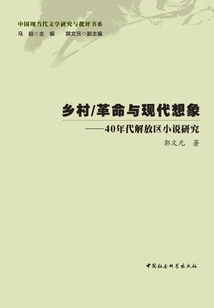
Countryside, Revolution and Modern Imagination: a Study of Novels in the Liberated Areas of the 1940s
by Guo Wenyuan
About This Novel
"Countryside, Revolution and Modern Imagination: A Study of Novels in the Liberated Areas of the 1940s" starts from the perspective of literary imagination and explores the collision and integration of rural experience and revolutionary consciousness in the rural narratives of novels in the liberated areas in the 1940s, and explores the various modern consciousnesses that entered the countryside during the process of rural modernization and the author's initial way of imagining rural modernity. Zhao Shuli's rural imagination strives to construct a rural social order that emphasizes humane ethics while introducing modern consciousness into the countryside; the class discourse in Ding Ling and Zhou Libo's land reform revolutionary writings was not completely influenced by rural experience, but their emphasis on the ideological enlightenment of villagers and the democracy of the revolutionary process made their rural modernity The original thoughts are extremely revolutionary; Liu Qing and Ouyang Shan's cooperative narratives describe the complexity of economic transformation issues and leadership issues in the process of rural revolution in a period of change; the writing of daily modern symbols in new life also reflects the diversity of the original thoughts of the villages in the liberated areas in the 1940s. The diversity and complexity of rural/revolutionary modern ideas in the literature of the liberated areas in the 1940s reflect the many possibilities of rural modernity.
Official Sources
What Readers Think
Rating
Community(0)
Rating
Community(0)