Library
Browse and search books
2,317 novels found

City·grand Concert Hall (part 2)
Literature城市·大演奏厅(下)
Liu Yuanju
I heard a very legendary thing with my own ears: Zhaoyi and his wife once went to Tibet. They went in and out of the temple devoutly. When they arrived at the Potala Palace, in a main hall, there was a statue of Bodhisattva and many people gathered around it. Gao Hongxia and a parent of a student saw so many people surrounding them, so they curiously went over to see what was going on. At this time, someone advised them to try their luck. The so-called luck means that people keep throwing khatas on the Bodhisattva. If the hada can be hung on the Bodhisattva's shoulder or arm when thrown up, it indicates that good luck will come. However, the Hada is too light, and anyone who throws it cannot throw it high, and it is still a long way from the arm of the Buddha statue! When it was Gao Hongxia's turn, she raised her head and threw the hada in her hand upwards. The hada seemed to be carried by a wave of air and flew straight into the sky. It floated up to the top of the Bodhisattva's head and actually hung on the mole on the Bodhisattva's face. This suddenly shocked everyone present! Afterwards, people cheered for Gao Hongxia: Good luck must come!
I heard a very legendary thing with my own ears: Zhaoyi and his wife once went to Tibet. They went in and out of the temple devoutly. When they arrived at the Potala Palace, in a main hall, there was a statue of Bodhisattva and many people gathered around it. Gao Hongxia and a parent of a student saw so many people surrounding them, so they curiously went over to see what was going on. At this time, someone advised them to try their luck. The so-called luck means that people keep throwing khatas on the Bodhisattva. If the hada can be hung on the Bodhisattva's shoulder or arm when thrown up, it indicates that good luck will come. However, the Hada is too light, and anyone who throws it cannot throw it high, and it is still a long way from the arm of the Buddha statue! When it was Gao Hongxia's turn, she raised her head and threw the hada in her hand upwards. The hada seemed to be carried by a wave of air and flew straight into the sky. It floated up to the top of the Bodhisattva's head and actually hung on the mole on the Bodhisattva's face. This suddenly shocked everyone present! Afterwards, people cheered for Gao Hongxia: Good luck must come!

Rainbow over Ice
Literature冰上彩虹
Zhang Lijiang
Zhang Hong met President Xi in Sochi! The news spread overnight at the People's Liberation Army ice base. Zhang Hong had already attracted much attention from his comrades. After hearing the news, the comrades watched the video of President Xi visiting the Chinese sports delegation. Looking at the video of Zhang Hong standing behind Chairman Xi and taking a group photo, the comrades felt that she was so happy! When Zhang Hong introduced the skates to President Xi on behalf of the speed skaters, he first saluted President Xi with a solemn military salute. This military salute inspired the officers and soldiers. During his visit to Russia on February 9, President Xi visited and expressed condolences to the athletes and staff participating in the 2014 Sochi Winter Olympics.
Zhang Hong met President Xi in Sochi! The news spread overnight at the People's Liberation Army ice base. Zhang Hong had already attracted much attention from his comrades. After hearing the news, the comrades watched the video of President Xi visiting the Chinese sports delegation. Looking at the video of Zhang Hong standing behind Chairman Xi and taking a group photo, the comrades felt that she was so happy! When Zhang Hong introduced the skates to President Xi on behalf of the speed skaters, he first saluted President Xi with a solemn military salute. This military salute inspired the officers and soldiers. During his visit to Russia on February 9, President Xi visited and expressed condolences to the athletes and staff participating in the 2014 Sochi Winter Olympics.

Tea Oil Era
Literature茶油时代
Li Qingsong
Food is the most important thing for the people, but people today often ignore the mystery and exquisiteness of food. Take cooking oil as an example. You will definitely have many misunderstandings. How much do you know about its relationship with health? Do you know the most popular cooking oil fashion in the world right now? How much do you know about the emerging trend of "locavoreism"? You won't know if you don't look at it, but you will be shocked when you look at it. Li Qingsong's reportage "The Age of Camellia Oil" published in this issue shows unexpected health knowledge and new health concepts about cooking oil. Perhaps it will herald the arrival of a new lifestyle? Health is the greatest wealth in life. --Inscription. You may not have eaten camellia oil, but you must have had a relationship with camellia oleifera. As long as you chew xylitol. As soon as Jordan came on the court, his mouth was definitely buzzing.
Food is the most important thing for the people, but people today often ignore the mystery and exquisiteness of food. Take cooking oil as an example. You will definitely have many misunderstandings. How much do you know about its relationship with health? Do you know the most popular cooking oil fashion in the world right now? How much do you know about the emerging trend of "locavoreism"? You won't know if you don't look at it, but you will be shocked when you look at it. Li Qingsong's reportage "The Age of Camellia Oil" published in this issue shows unexpected health knowledge and new health concepts about cooking oil. Perhaps it will herald the arrival of a new lifestyle? Health is the greatest wealth in life. --Inscription. You may not have eaten camellia oil, but you must have had a relationship with camellia oleifera. As long as you chew xylitol. As soon as Jordan came on the court, his mouth was definitely buzzing.

Hankou Hui Merchants
Literature汉口徽商
Liu Fudao
Liu Fudao: A native of Wuhan City, graduated from Hanyang No. 1 Middle School. Former vice chairman of the Hubei Provincial Writers Association, dean of the School of Liberal Arts, and editor-in-chief of the "Yangtze River" series. He has written collections of novels, essays, literary essays, film and play collections, and long biographies. His works that have won national awards include the novels "Glasses" and "Moon over the South Lake", the reportage "Questions of Life", and "The First Street in the World: Wuhan Hanzheng Street" won the 4th Hubei Literature Award. In 2012, readers of Wuhan Library voted it as one of the top ten books. The full documentary text of "Hanyang Incident" was well received by the reading circle. "Hankou Huizhou Merchants" was a key work support project of the Chinese Writers Association in 2014. I decided to write a book "Hankou Huizhou Merchants". I think this is a top priority and a rescue project. If I don't do it now, it will be even more difficult when someone does it in the future.
Liu Fudao: A native of Wuhan City, graduated from Hanyang No. 1 Middle School. Former vice chairman of the Hubei Provincial Writers Association, dean of the School of Liberal Arts, and editor-in-chief of the "Yangtze River" series. He has written collections of novels, essays, literary essays, film and play collections, and long biographies. His works that have won national awards include the novels "Glasses" and "Moon over the South Lake", the reportage "Questions of Life", and "The First Street in the World: Wuhan Hanzheng Street" won the 4th Hubei Literature Award. In 2012, readers of Wuhan Library voted it as one of the top ten books. The full documentary text of "Hanyang Incident" was well received by the reading circle. "Hankou Huizhou Merchants" was a key work support project of the Chinese Writers Association in 2014. I decided to write a book "Hankou Huizhou Merchants". I think this is a top priority and a rescue project. If I don't do it now, it will be even more difficult when someone does it in the future.

History of Cross-strait Air War
Literature海峡两岸空战史
Seedlings
One after another, the Kuomintang Air Force spy planes carrying out top-secret missions were shot down on the Chinese mainland one after another. It was a hidden history. Sun Tzu said: "Know yourself and the enemy, and a hundred battles will be fought without success." In the history of Chinese and foreign wars in ancient and modern times, whoever has accurate and detailed military intelligence on either side of the enemy holds the key to defeating the opponent. Therefore, military intelligence has always been a target pursued by both hostile parties at any cost. In modern times, aircraft have always been an important means and way to obtain military intelligence due to their fast speed, high efficiency, large coverage, and low casualties.
One after another, the Kuomintang Air Force spy planes carrying out top-secret missions were shot down on the Chinese mainland one after another. It was a hidden history. Sun Tzu said: "Know yourself and the enemy, and a hundred battles will be fought without success." In the history of Chinese and foreign wars in ancient and modern times, whoever has accurate and detailed military intelligence on either side of the enemy holds the key to defeating the opponent. Therefore, military intelligence has always been a target pursued by both hostile parties at any cost. In modern times, aircraft have always been an important means and way to obtain military intelligence due to their fast speed, high efficiency, large coverage, and low casualties.

Aircraft Carrier Comes to China
Literature航母来中国
Rock Ye Biao
When it comes to the aircraft carrier "Varyag", it can be said that everyone knows it; but when it comes to who bought it back from Ukraine, I am afraid not many people know it. The Hong Kong businessman who bought back "Varyag" was Xu Zengping. This former basketball player in the army and a member of the National Committee of the Chinese People's Political Consultative Conference in his late sixties is tall, enthusiastic and bold, and his speech and behavior clearly bear the imprint of a Shandong native. When it came to the matter of repurchasing the aircraft carrier, Xu Zengping became very low-key and said lightly: "This is a once-in-a-century opportunity, really a once-in-a-lifetime opportunity." These short words made people understand the chivalrous courage he had when he stepped forward resolutely.
When it comes to the aircraft carrier "Varyag", it can be said that everyone knows it; but when it comes to who bought it back from Ukraine, I am afraid not many people know it. The Hong Kong businessman who bought back "Varyag" was Xu Zengping. This former basketball player in the army and a member of the National Committee of the Chinese People's Political Consultative Conference in his late sixties is tall, enthusiastic and bold, and his speech and behavior clearly bear the imprint of a Shandong native. When it came to the matter of repurchasing the aircraft carrier, Xu Zengping became very low-key and said lightly: "This is a once-in-a-century opportunity, really a once-in-a-lifetime opportunity." These short words made people understand the chivalrous courage he had when he stepped forward resolutely.

一元决定论与灰色阐释学
Li Jianjun
In the early 1980s, you finally got your wish and entered university to study Chinese. It was an era of literature, and even the whispers of swallows seemed to have a literary tone and charm. It was a beautiful spring like a holiday for Chinese language students: almost every day there were new topics to talk about, and almost every day there were excellent works to read. Like many literary young people at that time, you also had your own literary dream. You put Belinsky's works in your schoolbag and carry them with you everywhere. You follow the path paved by his words and roam the land of Russian literature, watching three sets of cars speeding across the endless snowfields, watching the "old-style landlords" quarreling and eating watermelons, and watching a group of philistine officials fawning over the "imperial envoy" Khlestakov. This great critic made you fall in love with Gogol and also made you feel the charm of literary criticism. You dream about becoming an enthusiastic editor and enthusiastic critic in the future, being able to run a literary magazine like "Motherland Chronicle" and "Modern Man", and being able to make a clear and honest voice on the literature of your own time.
In the early 1980s, you finally got your wish and entered university to study Chinese. It was an era of literature, and even the whispers of swallows seemed to have a literary tone and charm. It was a beautiful spring like a holiday for Chinese language students: almost every day there were new topics to talk about, and almost every day there were excellent works to read. Like many literary young people at that time, you also had your own literary dream. You put Belinsky's works in your schoolbag and carry them with you everywhere. You follow the path paved by his words and roam the land of Russian literature, watching three sets of cars speeding across the endless snowfields, watching the "old-style landlords" quarreling and eating watermelons, and watching a group of philistine officials fawning over the "imperial envoy" Khlestakov. This great critic made you fall in love with Gogol and also made you feel the charm of literary criticism. You dream about becoming an enthusiastic editor and enthusiastic critic in the future, being able to run a literary magazine like "Motherland Chronicle" and "Modern Man", and being able to make a clear and honest voice on the literature of your own time.

巨龙穿行中原
Ni Heping Miao Xiuxia
Bozhou City is a land with rich historical and cultural heritage. There used to be cars and horses, and merchants gathered there; there are traces of the saint king Shang Tang who guided the country; there was the place where Cao Cao, a politician, strategist, and writer, practiced military exercises, drank, drank and sang wildly. His poem "Landing the Jieshi in the east to see the sea" still lingers in the ancient city. The remaining underground troop transportation roads and the vortex shoal where sailors practiced It also attracts the attention of today's people; there are anecdotes about Cao Pi, the Emperor Wen of Wei, who was "talented in literature, knowledgeable and knowledgeable", and Cao Zhi, who wrote a poem in seven steps; there are also Zhang Liang, Cao Ren, Cao Hong, Xia Houyuan, Xu Chu who shocked the past and the present in China's military... Bozhou's geographical location is also quite advantageous in history, and it is convenient for water and land, and it has been extremely brilliant economically.
Bozhou City is a land with rich historical and cultural heritage. There used to be cars and horses, and merchants gathered there; there are traces of the saint king Shang Tang who guided the country; there was the place where Cao Cao, a politician, strategist, and writer, practiced military exercises, drank, drank and sang wildly. His poem "Landing the Jieshi in the east to see the sea" still lingers in the ancient city. The remaining underground troop transportation roads and the vortex shoal where sailors practiced It also attracts the attention of today's people; there are anecdotes about Cao Pi, the Emperor Wen of Wei, who was "talented in literature, knowledgeable and knowledgeable", and Cao Zhi, who wrote a poem in seven steps; there are also Zhang Liang, Cao Ren, Cao Hong, Xia Houyuan, Xu Chu who shocked the past and the present in China's military... Bozhou's geographical location is also quite advantageous in history, and it is convenient for water and land, and it has been extremely brilliant economically.

九八·共和国一号黑社会要案
Longbow
September 19, 2000, Changchun City, Jilin Province. This day may forever be recorded in the history of Jilin Province and Changchun City: the case of Liang Xiaoming (also known as Liang Xudong), a gangster criminal gang that shocked the whole country, was completed by the Changchun Intermediate People's Court in the first instance. The Jilin Provincial Higher People's Court made a final ruling to reject the appeal and maintain the original case. The death penalty was immediately executed against seven main criminals including the "boss" of the gangster gang, Liang Xudong. Due to the seriousness of the case, this case, which came with nearly 10 million yuan in civil compensation, went through a month-long trial. On August 26, with the 256-page verdict and the six-hour pronouncement of the presiding judge, the first-instance verdict was finally made. The "boss" Liang Xudong, who was disguised as a criminal police officer, and six other main members were sentenced to death, and the other 29 members were sentenced to life imprisonment and fixed-term imprisonment respectively.
September 19, 2000, Changchun City, Jilin Province. This day may forever be recorded in the history of Jilin Province and Changchun City: the case of Liang Xiaoming (also known as Liang Xudong), a gangster criminal gang that shocked the whole country, was completed by the Changchun Intermediate People's Court in the first instance. The Jilin Provincial Higher People's Court made a final ruling to reject the appeal and maintain the original case. The death penalty was immediately executed against seven main criminals including the "boss" of the gangster gang, Liang Xudong. Due to the seriousness of the case, this case, which came with nearly 10 million yuan in civil compensation, went through a month-long trial. On August 26, with the 256-page verdict and the six-hour pronouncement of the presiding judge, the first-instance verdict was finally made. The "boss" Liang Xudong, who was disguised as a criminal police officer, and six other main members were sentenced to death, and the other 29 members were sentenced to life imprisonment and fixed-term imprisonment respectively.

Narrow Escape
Literature九死一生
You Lingjun
This old man, this veteran, is called Xu Qinlin, a veteran who participated in the Battle of Kinmen in October 1949. He currently lives in his hometown, Yangshang Village, Dabao Town, Guangrao County, Shandong Province. The Battle of Kinmen was the only battle our army defeated in the War of Liberation. Our army dispatched 9,086 people (including 350 boatmen and civilians), of whom more than 5,000 died and more than 3,000 were captured. The Kuomintang troops suffered more than 9,000 casualties. Xu Qinlin was the only soldier who escaped back to the mainland after this battle. After his right calf was injured, he escaped being captured and killed only because of the Kuomintang military uniform he was wearing, and he "infiltrated" into the Kuomintang army. In February 1950, he went to the Zhoushan Islands with the Kuomintang troops. When the enemy retreated in May, he took the opportunity to run into the mountains and later found our troops attacking the island before returning to the mainland and his troops. Let's first introduce the Battle of Kinmen.
This old man, this veteran, is called Xu Qinlin, a veteran who participated in the Battle of Kinmen in October 1949. He currently lives in his hometown, Yangshang Village, Dabao Town, Guangrao County, Shandong Province. The Battle of Kinmen was the only battle our army defeated in the War of Liberation. Our army dispatched 9,086 people (including 350 boatmen and civilians), of whom more than 5,000 died and more than 3,000 were captured. The Kuomintang troops suffered more than 9,000 casualties. Xu Qinlin was the only soldier who escaped back to the mainland after this battle. After his right calf was injured, he escaped being captured and killed only because of the Kuomintang military uniform he was wearing, and he "infiltrated" into the Kuomintang army. In February 1950, he went to the Zhoushan Islands with the Kuomintang troops. When the enemy retreated in May, he took the opportunity to run into the mountains and later found our troops attacking the island before returning to the mainland and his troops. Let's first introduce the Battle of Kinmen.
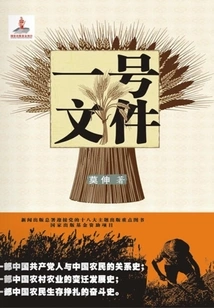
Document No. 1
Literature一号文件
Mo Shen
A long documentary reportage written with conscience and sincerity that ushered in a new generation of "national style"; a true, concrete and vivid history of China's rural changes and the history of China's agricultural development. China is a large agricultural country in the traditional sense, and the development of rural areas in the new era is an important manifestation of the historical development of New China. The work starts from the perspective of the highly concerned Central Document No. 1 And uses vivid historical stories as its theme. It starts from the reflection on the huge setbacks caused by "Left" ideological trends in Chinese agriculture. It intercepts representative production and life scenes, landmark events and influential figures in contemporary Chinese rural areas. It reflects the unprecedented and profound changes that have taken place in Chinese rural areas, and then pursues a new path for contemporary agricultural development; it explores and thinks about the future of Chinese farmers, agriculture and rural areas. The Propaganda Department of the Central Committee of the Communist Party of China and the General Administration of Press and Publication publish key books on the theme of the 18th National Congress of the Communist Party of China; projects funded by the National Publishing Fund; and major cultural quality projects in Shaanxi Province.
A long documentary reportage written with conscience and sincerity that ushered in a new generation of "national style"; a true, concrete and vivid history of China's rural changes and the history of China's agricultural development. China is a large agricultural country in the traditional sense, and the development of rural areas in the new era is an important manifestation of the historical development of New China. The work starts from the perspective of the highly concerned Central Document No. 1 And uses vivid historical stories as its theme. It starts from the reflection on the huge setbacks caused by "Left" ideological trends in Chinese agriculture. It intercepts representative production and life scenes, landmark events and influential figures in contemporary Chinese rural areas. It reflects the unprecedented and profound changes that have taken place in Chinese rural areas, and then pursues a new path for contemporary agricultural development; it explores and thinks about the future of Chinese farmers, agriculture and rural areas. The Propaganda Department of the Central Committee of the Communist Party of China and the General Administration of Press and Publication publish key books on the theme of the 18th National Congress of the Communist Party of China; projects funded by the National Publishing Fund; and major cultural quality projects in Shaanxi Province.

jia Liqun B-ultrasound
Literature“贾立群牌B超”
Galaxy
1977. For the Chinese people, this is a year of transition from the old to the new, and also a year of complicated emotions. There are still slogans with "Cultural Revolution" colors on the walls in the streets and alleys. The Third Plenary Session of the 11th Central Committee of the Communist Party of China, which will kick off the reform and opening up, will not be held for a year. However, the admissions examination for colleges and universities, which has been suspended for more than ten years, has been officially resumed. In the last month of the year, 5.7 Million candidates walked into the examination room, trying to change their destiny with knowledge.
1977. For the Chinese people, this is a year of transition from the old to the new, and also a year of complicated emotions. There are still slogans with "Cultural Revolution" colors on the walls in the streets and alleys. The Third Plenary Session of the 11th Central Committee of the Communist Party of China, which will kick off the reform and opening up, will not be held for a year. However, the admissions examination for colleges and universities, which has been suspended for more than ten years, has been officially resumed. In the last month of the year, 5.7 Million candidates walked into the examination room, trying to change their destiny with knowledge.

jianghe Ten Years' Journey" Diary (2006)
Literature“江河十年行”日记(2006)
Wang Yongchen
It was raining lightly in the morning. When we set off from Chengdu and arrived at the completed Zipingpu Dam, the entire dam was locked in fog. Zhang Lixin, deputy captain of the Environmental Supervision Team of the Dujiangyan Environmental Protection Bureau, told reporters that the construction of the dam played a role in regulating the water volume of the Minjiang River. However, Fan Xiao, chief engineer of the Geological Regional Survey Team of the Sichuan Bureau of Geology and Mineral Resources, pointed to several collapsed banks near the Zipingpu Reservoir and said: Zipingpu can play a role in providing water to the Minjiang River during the dry season. However, due to the uneven flow of water, this will have an impact on the river bed and the geology on both sides. Moreover, the regulation of water after the dam is built must be focused on generating electricity first, and the ecological water use of the Minjiang River must be put second. Construction of the Zipingpu Reservoir began in 2000 and was basically completed in 2006. The reservoir is 6 kilometers away from the Dujiangyan World Cultural Heritage Site.
It was raining lightly in the morning. When we set off from Chengdu and arrived at the completed Zipingpu Dam, the entire dam was locked in fog. Zhang Lixin, deputy captain of the Environmental Supervision Team of the Dujiangyan Environmental Protection Bureau, told reporters that the construction of the dam played a role in regulating the water volume of the Minjiang River. However, Fan Xiao, chief engineer of the Geological Regional Survey Team of the Sichuan Bureau of Geology and Mineral Resources, pointed to several collapsed banks near the Zipingpu Reservoir and said: Zipingpu can play a role in providing water to the Minjiang River during the dry season. However, due to the uneven flow of water, this will have an impact on the river bed and the geology on both sides. Moreover, the regulation of water after the dam is built must be focused on generating electricity first, and the ecological water use of the Minjiang River must be put second. Construction of the Zipingpu Reservoir began in 2000 and was basically completed in 2006. The reservoir is 6 kilometers away from the Dujiangyan World Cultural Heritage Site.

Height (top)
Literature高度(上)
Tieliu
Since 2015, the Chinese Writers Association has cooperated with the Chinese Academy of Sciences to organize a group of writers to begin writing a series of reportages with the theme of "70 Years of Innovation to Serve the Country" by Chinese scientists. The major scientific research achievement of artificially synthesizing bovine insulin is undoubtedly a representative and benchmark event in the scientific community since the founding of New China, and deserves a special mention. As an experienced reportage writer, Tie Liu has the courage to take on this important task. Through in-depth and detailed interviews, he created the long reportage "Height", trying to restore the exciting and magnificent historical scene half a century ago, and restore the extraordinary journey of the group army operations of the Shanghai Institute of Biochemistry, Institute of Organic Chemistry, Peking University and other units of the Chinese Academy of Sciences. After arduous exploration and climbing, they finally achieved a major breakthrough.
Since 2015, the Chinese Writers Association has cooperated with the Chinese Academy of Sciences to organize a group of writers to begin writing a series of reportages with the theme of "70 Years of Innovation to Serve the Country" by Chinese scientists. The major scientific research achievement of artificially synthesizing bovine insulin is undoubtedly a representative and benchmark event in the scientific community since the founding of New China, and deserves a special mention. As an experienced reportage writer, Tie Liu has the courage to take on this important task. Through in-depth and detailed interviews, he created the long reportage "Height", trying to restore the exciting and magnificent historical scene half a century ago, and restore the extraordinary journey of the group army operations of the Shanghai Institute of Biochemistry, Institute of Organic Chemistry, Peking University and other units of the Chinese Academy of Sciences. After arduous exploration and climbing, they finally achieved a major breakthrough.

急管繁弦 人间暗换
Zhao Baitian
Many years later, Sun Chuanfang lived in seclusion in the Buddhist Concession in Tianjin. When he recalled the defeat in the spring of 1927, what worried him most was not his successive command mistakes on the battlefield in Jiangxi, but the fact that the businessmen and capitalists in Shanghai did not want to see him at all. After Sun's troops withdrew from Jiangsu and Zhejiang, where they had been entrenched for many years, they withdrew all their troops to the north of the Yangtze River. With a sullen look on his face, he ran to Tianjin in a single coat to renew his friendship with Zhang Zuolin. He still wanted to borrow troops to fight back to the south of the Yangtze River, where he made his fortune. At this time, the National Revolutionary Army did not have enough power to eat all Sun's troops. Sun Chuanfang is known as the commander of the five-province coalition. Even if he suffered a defeat in Jiangxi, he still had more than 50,000 troops to fight. Moreover, due to the imminent split between Ningxia and Han Dynasty, Chiang Kai-shek was also eager to find partners out of the need to compete with Wuhan, so he secretly sent his close confidant Zhang Qun to contact Sun Yat-sen University.
Many years later, Sun Chuanfang lived in seclusion in the Buddhist Concession in Tianjin. When he recalled the defeat in the spring of 1927, what worried him most was not his successive command mistakes on the battlefield in Jiangxi, but the fact that the businessmen and capitalists in Shanghai did not want to see him at all. After Sun's troops withdrew from Jiangsu and Zhejiang, where they had been entrenched for many years, they withdrew all their troops to the north of the Yangtze River. With a sullen look on his face, he ran to Tianjin in a single coat to renew his friendship with Zhang Zuolin. He still wanted to borrow troops to fight back to the south of the Yangtze River, where he made his fortune. At this time, the National Revolutionary Army did not have enough power to eat all Sun's troops. Sun Chuanfang is known as the commander of the five-province coalition. Even if he suffered a defeat in Jiangxi, he still had more than 50,000 troops to fight. Moreover, due to the imminent split between Ningxia and Han Dynasty, Chiang Kai-shek was also eager to find partners out of the need to compete with Wuhan, so he secretly sent his close confidant Zhang Qun to contact Sun Yat-sen University.

Plan Life
Literature计程人生
Shanghai Automobile Museum
Since cars entered human society, taxis have become a part of people's lives for more than a century. They are cars that people are familiar with and often come into contact with. They are an extension of countless urban living spaces and often best reflect the character of a city or an ethnic group. The same car embodies the lives of different people. The people who drive and those who ride in the car each have their own stories, but due to chance, they are temporarily gathered in the same space. The theme of this book is to use the prism of taxis to show the impressions of people's lives and cars in different countries and regions, and then reveal the memories of cars that have progressed with the times and become increasingly close to people's lives. While readers can appreciate the wonderful taxi customs in different countries, they can also read the stories of people traveling with taxis from near to far over the past hundred years.
Since cars entered human society, taxis have become a part of people's lives for more than a century. They are cars that people are familiar with and often come into contact with. They are an extension of countless urban living spaces and often best reflect the character of a city or an ethnic group. The same car embodies the lives of different people. The people who drive and those who ride in the car each have their own stories, but due to chance, they are temporarily gathered in the same space. The theme of this book is to use the prism of taxis to show the impressions of people's lives and cars in different countries and regions, and then reveal the memories of cars that have progressed with the times and become increasingly close to people's lives. While readers can appreciate the wonderful taxi customs in different countries, they can also read the stories of people traveling with taxis from near to far over the past hundred years.
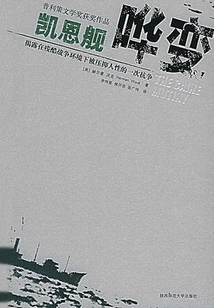
Caine Mutiny
Literature凯恩舰哗变
Herman Walker
In 1944, before World War II ended, the USS Kane was floating on the surface of the South Pacific; it was on this old-fashioned warship that was almost scrapped that the most famous mutiny in the history of the U. S. Navy broke out! This was no longer just a mutiny as it was understood in the old days - swords flashed, captains imprisoned, desperate sailors turned outlaws. Is the mutinous party headed by Vice-Captain Malik a hero with a sense of responsibility and justice who saves the ship from danger, or is it a thug who conspires to rebel? And Captain Queeg, is he a willful dictator, or is he a coward and a fearful man? Willie Keith became the threader of this story. The last captain of the Kane was like the key that opened the magic door, unfolding the entire incident in front of us layer by layer.
In 1944, before World War II ended, the USS Kane was floating on the surface of the South Pacific; it was on this old-fashioned warship that was almost scrapped that the most famous mutiny in the history of the U. S. Navy broke out! This was no longer just a mutiny as it was understood in the old days - swords flashed, captains imprisoned, desperate sailors turned outlaws. Is the mutinous party headed by Vice-Captain Malik a hero with a sense of responsibility and justice who saves the ship from danger, or is it a thug who conspires to rebel? And Captain Queeg, is he a willful dictator, or is he a coward and a fearful man? Willie Keith became the threader of this story. The last captain of the Kane was like the key that opened the magic door, unfolding the entire incident in front of us layer by layer.

此高洪波非彼高洪波(外七篇)
Hu Yinhong
When football still gave the Chinese people a little hope, I knew that the Guoan team had a star with small eyes, Gao Hongbo. Later, by chance, I met another Gao Hongbo. At a literary event in the late 1980s, brother Wang Zhaoqian of "Contemporary" magazine gave me a "serious" introduction to Gao Hongbo, a children's literature writer and poet who was then the deputy editor of "Chinese Writers". In the mid-1990s, I went to the Chinese Writers Association to submit a manuscript to Gao Wei, the editor-in-chief of Writers' Newsletter. I happened to catch up with Gao Hongbo, then director of the Innovation and Liaison Department, in his office. Gao Hongbo complimented several of the articles I had written. At that time, I was working as a reporter for a newspaper in the medical and health industry. I worked for humanitarianism during the day and had literary dreams at night. A month later, I tentatively called Gao Hongbo to ask if he could recommend me to work as a reporter at the "Literary Newspaper", so that I could legitimately be regarded as a literary youth. He said: Yes, the editor-in-chief Zheng Bonong is my old leader and chess friend for many years.
When football still gave the Chinese people a little hope, I knew that the Guoan team had a star with small eyes, Gao Hongbo. Later, by chance, I met another Gao Hongbo. At a literary event in the late 1980s, brother Wang Zhaoqian of "Contemporary" magazine gave me a "serious" introduction to Gao Hongbo, a children's literature writer and poet who was then the deputy editor of "Chinese Writers". In the mid-1990s, I went to the Chinese Writers Association to submit a manuscript to Gao Wei, the editor-in-chief of Writers' Newsletter. I happened to catch up with Gao Hongbo, then director of the Innovation and Liaison Department, in his office. Gao Hongbo complimented several of the articles I had written. At that time, I was working as a reporter for a newspaper in the medical and health industry. I worked for humanitarianism during the day and had literary dreams at night. A month later, I tentatively called Gao Hongbo to ask if he could recommend me to work as a reporter at the "Literary Newspaper", so that I could legitimately be regarded as a literary youth. He said: Yes, the editor-in-chief Zheng Bonong is my old leader and chess friend for many years.

Theater Has Its Soul
Literature剧场有它的灵魂
Edited By Everyone
I can clearly remember many things after the age of three. Some people praise me for my good memory, which is true, but the more important reason is that I have collected stamps since I was a child, and the nature of my work later developed the habit of creating files. When writing articles, I have notepads, negatives, program notes, and newspaper clippings for reference. I was born in the coastal city of Yantai. At that time, this small city in Jiaodong was beautiful and simple. Unlike now, it has become featureless. The first theater I remember entering was on a small street west of Changyu Company, called Shifu Street, which has now become a wide road. What I watched was not a drama, but some dances, live newspaper dramas, poetry recitations, etc. With strong revolutionary overtones.
I can clearly remember many things after the age of three. Some people praise me for my good memory, which is true, but the more important reason is that I have collected stamps since I was a child, and the nature of my work later developed the habit of creating files. When writing articles, I have notepads, negatives, program notes, and newspaper clippings for reference. I was born in the coastal city of Yantai. At that time, this small city in Jiaodong was beautiful and simple. Unlike now, it has become featureless. The first theater I remember entering was on a small street west of Changyu Company, called Shifu Street, which has now become a wide road. What I watched was not a drama, but some dances, live newspaper dramas, poetry recitations, etc. With strong revolutionary overtones.
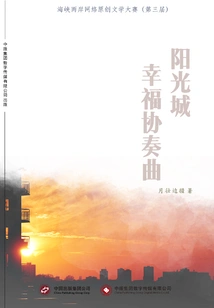
Sunshine City Happiness Concerto
Literature阳光城幸福协奏曲
Yuezhuang Frontier
The newly built Sunshine City on the outskirts of Dongfang City is a large-scale affordable housing community that covers renovated housing and affordable housing in many old urban areas. In just a few years, it has quickly moved in tens of thousands of residents, tens of thousands of people who originally had poor living conditions and varying cultural awareness. Coupled with the renting population from different provinces and cities who came to international cities to work hard, old rural customs, living habits in old lanes, and regional differences in life, Sunshine City's social workers are facing difficult and diverse challenges. The shortage of resources caused by the relatively lagging public infrastructure has caused Sunshine City to be called "an island abandoned by the city" by residents. Although it is despised, it is in urgent need of follow-up services. In the team of community workers who are a blend of old and new, there are employees who have transformed from enterprises who put modern enterprise management concepts first and live in affordable housing. They are joined by hot military wives who came to the city with the army and have never been exposed to community services. There are also "alley prime ministers" positions that were previously held by retired aunts. They and their families each have their own worries. How can they play a career success song? ... The older generation of leaders of grassroots party organizations who have braved the wind and rain must follow the Party Central Committee's banner of "innovating grassroots social governance" and "sing good folk operas" with modern music, while worrying about the "food, clothing, housing, transportation, happiness, anger, sorrow, and joy" of the common people. While we have to worry about pushing those "frizzy little guys" to the forefront of grassroots work that serves the masses, we also have to think about how to mobilize the power of all sectors of society to follow the needs of the people and play a song of harmony and inclusion...
The newly built Sunshine City on the outskirts of Dongfang City is a large-scale affordable housing community that covers renovated housing and affordable housing in many old urban areas. In just a few years, it has quickly moved in tens of thousands of residents, tens of thousands of people who originally had poor living conditions and varying cultural awareness. Coupled with the renting population from different provinces and cities who came to international cities to work hard, old rural customs, living habits in old lanes, and regional differences in life, Sunshine City's social workers are facing difficult and diverse challenges. The shortage of resources caused by the relatively lagging public infrastructure has caused Sunshine City to be called "an island abandoned by the city" by residents. Although it is despised, it is in urgent need of follow-up services. In the team of community workers who are a blend of old and new, there are employees who have transformed from enterprises who put modern enterprise management concepts first and live in affordable housing. They are joined by hot military wives who came to the city with the army and have never been exposed to community services. There are also "alley prime ministers" positions that were previously held by retired aunts. They and their families each have their own worries. How can they play a career success song? ... The older generation of leaders of grassroots party organizations who have braved the wind and rain must follow the Party Central Committee's banner of "innovating grassroots social governance" and "sing good folk operas" with modern music, while worrying about the "food, clothing, housing, transportation, happiness, anger, sorrow, and joy" of the common people. While we have to worry about pushing those "frizzy little guys" to the forefront of grassroots work that serves the masses, we also have to think about how to mobilize the power of all sectors of society to follow the needs of the people and play a song of harmony and inclusion...

毒战:中国禁毒英雄实录
Guo Yi
They are film and television singers. For the cause of anti-drugs, they resolutely devote themselves to anti-drug propaganda and serve as anti-drug image ambassadors. They go to drug rehabilitation centers, villages, and communities to spread love and warmth through their own influence; they are anti-drug policemen, who are either undercover or directly Faced with drug dealers, in the struggle against drug dealers, they sacrificed their lives, punished the evil and promoted the good, and shouldered the moral responsibility; they are anti-drug volunteers or community workers, they lashed out the evil, inspired the lost prodigal, they were doctors who were benevolent and persevered with love... What kind of legendary stories are there in them? How are they fighting for the dream of a drug-free China? It's all in "Dancing with the Devil", which will reveal the secrets exclusively for you!
They are film and television singers. For the cause of anti-drugs, they resolutely devote themselves to anti-drug propaganda and serve as anti-drug image ambassadors. They go to drug rehabilitation centers, villages, and communities to spread love and warmth through their own influence; they are anti-drug policemen, who are either undercover or directly Faced with drug dealers, in the struggle against drug dealers, they sacrificed their lives, punished the evil and promoted the good, and shouldered the moral responsibility; they are anti-drug volunteers or community workers, they lashed out the evil, inspired the lost prodigal, they were doctors who were benevolent and persevered with love... What kind of legendary stories are there in them? How are they fighting for the dream of a drug-free China? It's all in "Dancing with the Devil", which will reveal the secrets exclusively for you!
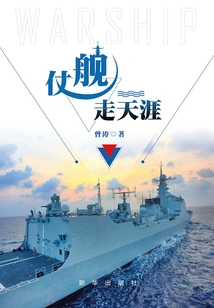
仗舰走天涯
Zeng Tao
On April 3, 2015, the author set out from Zhoushan with the Chinese Navy's 152nd fleet to perform escort missions in the Gulf of Aden and Somali waters and visit around the world. The 152-ship fleet successfully completed the 20th batch of naval escort missions, escorting a total of 39 batches of 90 Chinese and foreign ships, effectively maintaining the security of strategic passages. After the escort mission ended, the formation directly transferred to the global mission without rest, visiting 16 countries across 5 continents. The escort and global visits of the 152nd naval fleet were fruitful and had far-reaching influence. They fully demonstrated the achievements of the navy's modernization construction and the excellent military and political qualities of the officers and soldiers, and won honor for the motherland and the army.
On April 3, 2015, the author set out from Zhoushan with the Chinese Navy's 152nd fleet to perform escort missions in the Gulf of Aden and Somali waters and visit around the world. The 152-ship fleet successfully completed the 20th batch of naval escort missions, escorting a total of 39 batches of 90 Chinese and foreign ships, effectively maintaining the security of strategic passages. After the escort mission ended, the formation directly transferred to the global mission without rest, visiting 16 countries across 5 continents. The escort and global visits of the 152nd naval fleet were fruitful and had far-reaching influence. They fully demonstrated the achievements of the navy's modernization construction and the excellent military and political qualities of the officers and soldiers, and won honor for the motherland and the army.
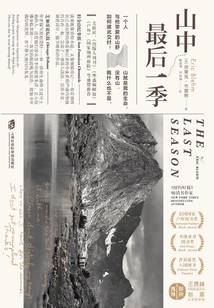
The Last Season in the Mountains
Literature山中最后一季
(us) Eric Brehm
Randy Morgenson is a legendary ranger at Sequoia and Kings Canyon National Parks. He has rescued many climbers in trouble and guided many tourists to appreciate the beauty of the mountains. He is "the kindest soul walking on the trails in the park." On July 21, 1996, 54-year-old Randy disappeared while on patrol. After that, the park dispatched 100 manpower, five helicopters, and eight teams of search and rescue dogs to launch an unprecedented search and rescue operation, but nothing was found. Randy was born and raised in the Yosemite Valley and has been a summer mountain ranger in Sequoia and Kings Canyon for 28 years and a winter cross-country ranger for more than ten years. If there is any disturbance on the mountain, he will know it immediately. This makes his disappearance even more mysterious.
Randy Morgenson is a legendary ranger at Sequoia and Kings Canyon National Parks. He has rescued many climbers in trouble and guided many tourists to appreciate the beauty of the mountains. He is "the kindest soul walking on the trails in the park." On July 21, 1996, 54-year-old Randy disappeared while on patrol. After that, the park dispatched 100 manpower, five helicopters, and eight teams of search and rescue dogs to launch an unprecedented search and rescue operation, but nothing was found. Randy was born and raised in the Yosemite Valley and has been a summer mountain ranger in Sequoia and Kings Canyon for 28 years and a winter cross-country ranger for more than ten years. If there is any disturbance on the mountain, he will know it immediately. This makes his disappearance even more mysterious.
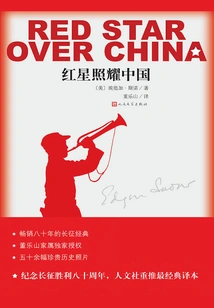
P
Literaturep
I
The movie of the same name adapted from the book will be released on August 8, starring Conan He Pei, Wang Pengkai, Li Xuejian, Jiang Wenli, and Li Youbin. "Red Star Shines on China" (also translated as "The Journey to the West") has been a best-seller since its publication in 1937. Dong Leshan's translation is today's classic reading for understanding the Chinese Workers' and Peasants' Red Army. This book truly records what Snow saw and heard during on-the-spot interviews in the revolutionary base areas in northwest China from June to October 1936, and reported the situation in the red base areas to the world. This new edition is equipped with more than ten precious historical photos and is a classic edition launched by People's Literature Publishing House.
The movie of the same name adapted from the book will be released on August 8, starring Conan He Pei, Wang Pengkai, Li Xuejian, Jiang Wenli, and Li Youbin. "Red Star Shines on China" (also translated as "The Journey to the West") has been a best-seller since its publication in 1937. Dong Leshan's translation is today's classic reading for understanding the Chinese Workers' and Peasants' Red Army. This book truly records what Snow saw and heard during on-the-spot interviews in the revolutionary base areas in northwest China from June to October 1936, and reported the situation in the red base areas to the world. This new edition is equipped with more than ten precious historical photos and is a classic edition launched by People's Literature Publishing House.
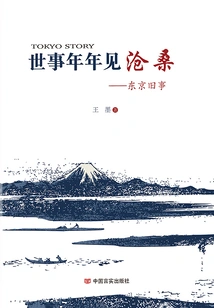
世事年年见沧桑:东京旧事
Wang Mo
Wang Mo, the translator of Murayama Tomiichiden and carrying the little red flag on his shoulders, witnessed the impact of changes in the international situation on Sino-Japanese relations in the "competition" with Koizumi, Shinzo Abe's diplomatic and strategic advisor Hisahiko Okazaki and the people around him, especially the changes in Sino-Japanese relations from the honeymoon period to the deterioration period. As a result, Wang Mo saw a Japanese upper-level view of China and Sino-Japanese relations that no one else could understand. As a result, he got acquainted with Japan's former Prime Minister Tomiichi Murayama. He also gained a unique perspective on Sino-Japanese relations and many key issues between China and Japan. Perhaps these views gained from contact with Japan's political elite will serve as an important reference for the future development of Sino-Japanese relations.
Wang Mo, the translator of Murayama Tomiichiden and carrying the little red flag on his shoulders, witnessed the impact of changes in the international situation on Sino-Japanese relations in the "competition" with Koizumi, Shinzo Abe's diplomatic and strategic advisor Hisahiko Okazaki and the people around him, especially the changes in Sino-Japanese relations from the honeymoon period to the deterioration period. As a result, Wang Mo saw a Japanese upper-level view of China and Sino-Japanese relations that no one else could understand. As a result, he got acquainted with Japan's former Prime Minister Tomiichi Murayama. He also gained a unique perspective on Sino-Japanese relations and many key issues between China and Japan. Perhaps these views gained from contact with Japan's political elite will serve as an important reference for the future development of Sino-Japanese relations.
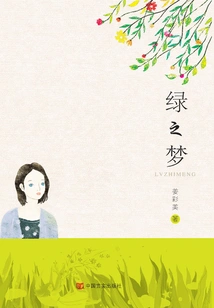
Green Dream
Literature绿之梦
Jiang Caimei
Most of the manuscripts for "Green Dream" come from newsletter reports written in the past. Especially in recent years, relocation of new buildings and regional adjustments have brought opportunities and challenges to the school.
Most of the manuscripts for "Green Dream" come from newsletter reports written in the past. Especially in recent years, relocation of new buildings and regional adjustments have brought opportunities and challenges to the school.
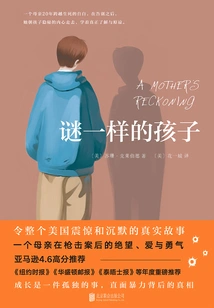
Enigmatic Child
Literature谜一样的孩子
(us) Susan Klebold
In the Columbine shooting, 13 teachers and students were shot and killed, and 24 others were injured. Subsequently, the gunmen Eric Harris and Dylan Klebold committed suicide. In the 20 years since the incident, Dylan's mother, Susan, has lived with the unspeakable sadness and pain caused by that day. The son she loved deeply and raised carefully did such a cruel thing, and as a mother, she was unaware of anything wrong with her son. What tell-tale signs did she miss? What actions could she have taken to avoid the tragedy? Every day after the incident, Susan struggled to find answers to these questions. In the book, she unabashedly and openly records how she accepted this incredible reality step by step. She compiled her diary, the videos and texts left by Dylan, and countless interviews with mental experts, and presented them to the world. She hopes her personal epiphanies and interpretations will help more families recognize and intervene promptly when their children are in trouble.
In the Columbine shooting, 13 teachers and students were shot and killed, and 24 others were injured. Subsequently, the gunmen Eric Harris and Dylan Klebold committed suicide. In the 20 years since the incident, Dylan's mother, Susan, has lived with the unspeakable sadness and pain caused by that day. The son she loved deeply and raised carefully did such a cruel thing, and as a mother, she was unaware of anything wrong with her son. What tell-tale signs did she miss? What actions could she have taken to avoid the tragedy? Every day after the incident, Susan struggled to find answers to these questions. In the book, she unabashedly and openly records how she accepted this incredible reality step by step. She compiled her diary, the videos and texts left by Dylan, and countless interviews with mental experts, and presented them to the world. She hopes her personal epiphanies and interpretations will help more families recognize and intervene promptly when their children are in trouble.
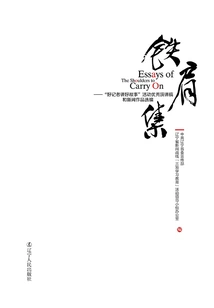
铁肩集:“好记者讲好故事”活动优秀演讲稿和新闻作品选编
Propaganda Department Of Liaoning Provincial Committee Of The Communist Party Of China
In August 2014, the Propaganda Department of the CPC Central Committee and the "Three Educational Affairs Offices" across the country organized and carried out the "Good Journalists Tell Good Stories" speech event on the news front. This activity has played a positive role in deepening the education of Marxist news concepts, carrying forward the fine traditions of journalism, and strengthening the construction of news teams. Our province carefully organized and actively participated. A large number of journalists, represented by Northeast News Network reporter Li Li and Dalian Radio and Television Station reporter Lu Jianwei, affectionately told good stories about their personal experiences, seeing, hearing and acting, which fully demonstrated their responsibility and good image of taking guidance as their soul, taking truth as their life, and being people-centered.
In August 2014, the Propaganda Department of the CPC Central Committee and the "Three Educational Affairs Offices" across the country organized and carried out the "Good Journalists Tell Good Stories" speech event on the news front. This activity has played a positive role in deepening the education of Marxist news concepts, carrying forward the fine traditions of journalism, and strengthening the construction of news teams. Our province carefully organized and actively participated. A large number of journalists, represented by Northeast News Network reporter Li Li and Dalian Radio and Television Station reporter Lu Jianwei, affectionately told good stories about their personal experiences, seeing, hearing and acting, which fully demonstrated their responsibility and good image of taking guidance as their soul, taking truth as their life, and being people-centered.
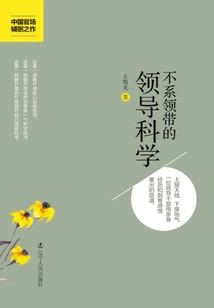
The Science of Leadership Without a Tie
Literature不系领带的领导科学
Wang Xuguang
The author has been engaged in cadre work for a long time in the past and has some insights into the self-development of leading cadres. In the past three years, I have carefully studied a series of speeches made by General Secretary Xi Jinping on strengthening the leadership team and the team of leading cadres, and I have been very educated and inspired. The author thought a lot and finally decided to organize these thoughts into a book to make it a little more systematic. This book mainly talks about the learning experience and insights based on the author's work experience, so the color of practice, experience, communication, heart-to-heart talk, and diffuse color are relatively strong. Because it is not "standardized" enough, the author calls it "leadership science without a tie".
The author has been engaged in cadre work for a long time in the past and has some insights into the self-development of leading cadres. In the past three years, I have carefully studied a series of speeches made by General Secretary Xi Jinping on strengthening the leadership team and the team of leading cadres, and I have been very educated and inspired. The author thought a lot and finally decided to organize these thoughts into a book to make it a little more systematic. This book mainly talks about the learning experience and insights based on the author's work experience, so the color of practice, experience, communication, heart-to-heart talk, and diffuse color are relatively strong. Because it is not "standardized" enough, the author calls it "leadership science without a tie".
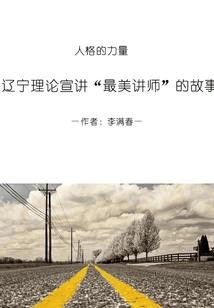
The Power of Personality: the Story of the "most Beautiful Lecturer" Taught by Liaoning Theory
Literature人格的力量:辽宁理论宣讲“最美讲师”的故事
Li Manchun
In recent years, a group of theoretical propaganda volunteers have emerged in Liaoning. They have been active at the grassroots level for many years. With their unswerving firm belief, diligent exploration spirit, and rigorous and realistic scientific attitude, they actively preach Marxism-Leninism, Mao Zedong Thought, the theoretical system of socialism with Chinese characteristics, and the party's line, principles, and policies. They have become an important force in promoting the construction of the Marxist theory dissemination system in our province. They have contributed to consolidating the guiding position of Marxism in the ideological field and consolidating the common ideological foundation for the united struggle of the people of the province.
In recent years, a group of theoretical propaganda volunteers have emerged in Liaoning. They have been active at the grassroots level for many years. With their unswerving firm belief, diligent exploration spirit, and rigorous and realistic scientific attitude, they actively preach Marxism-Leninism, Mao Zedong Thought, the theoretical system of socialism with Chinese characteristics, and the party's line, principles, and policies. They have become an important force in promoting the construction of the Marxist theory dissemination system in our province. They have contributed to consolidating the guiding position of Marxism in the ideological field and consolidating the common ideological foundation for the united struggle of the people of the province.

A Dream and a Home
Literature一个梦一个家
Shenyang Heping District Committee Of The Communist Party Of China
This article takes Heping District, Shenyang City as an example, and uses the story of the family, the "taste of home" in the community, the colorful family culture, and the return of spring after abandoning the community... To promote the family tradition of tutoring and establish the feelings of family and country.
This article takes Heping District, Shenyang City as an example, and uses the story of the family, the "taste of home" in the community, the colorful family culture, and the return of spring after abandoning the community... To promote the family tradition of tutoring and establish the feelings of family and country.
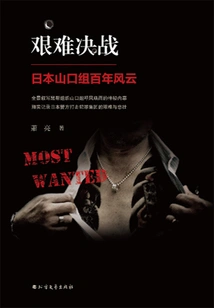
A Tough Battle
Literature艰难决战
Xiao Liang
This is a documentary work that uses detailed information to introduce the difficult process of the struggle between the Japanese government and police and the Yamaguchi-gumi family, a gang organization. Wearing the cloak of so-called "legal existence", you can do whatever you want and call the storms? "Violence and crime" cannot be tolerated in any society, and the Yamaguchi-gumi is no exception. The composition of this "Asian mysterious organization" is quietly changing... This book vividly introduces the development of the Yamaguchi-gumi family and its huge influence on Japanese society. It focuses on describing the determination and actions of the police in order to rebuild social order, stabilize the social environment, and fight crime at all costs.
This is a documentary work that uses detailed information to introduce the difficult process of the struggle between the Japanese government and police and the Yamaguchi-gumi family, a gang organization. Wearing the cloak of so-called "legal existence", you can do whatever you want and call the storms? "Violence and crime" cannot be tolerated in any society, and the Yamaguchi-gumi is no exception. The composition of this "Asian mysterious organization" is quietly changing... This book vividly introduces the development of the Yamaguchi-gumi family and its huge influence on Japanese society. It focuses on describing the determination and actions of the police in order to rebuild social order, stabilize the social environment, and fight crime at all costs.
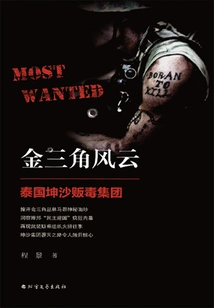
The Golden Triangle
Literature金三角风云
Cheng Jing
This is a documentary literary work that introduces with detailed information the difficult process of the Thai government and police annihilating the Khun Sa drug trafficking group in the Golden Triangle. The mysterious Golden Triangle is filled with poppies all over the mountains and fields, but it breeds crime and killing. It once had a "master" - the drug lord Khun Sa. How was his drug empire established and how did it collapse? Countering drugs worldwide still has a long way to go. This book introduces the origin and development of the Khun Sa Drug Group in detail, focusing on the determination and actions of the Thai police to fight against drug traffickers at all costs in order to protect national interests.
This is a documentary literary work that introduces with detailed information the difficult process of the Thai government and police annihilating the Khun Sa drug trafficking group in the Golden Triangle. The mysterious Golden Triangle is filled with poppies all over the mountains and fields, but it breeds crime and killing. It once had a "master" - the drug lord Khun Sa. How was his drug empire established and how did it collapse? Countering drugs worldwide still has a long way to go. This book introduces the origin and development of the Khun Sa Drug Group in detail, focusing on the determination and actions of the Thai police to fight against drug traffickers at all costs in order to protect national interests.
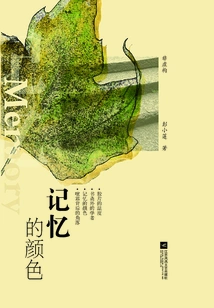
Color of Memory
Literature记忆的颜色
Peng Xiaolian
As a film director and writer, Peng Xiaolian has long been concerned about the spiritual world and personal relationships of the older generation of scholars and literati, and has continuously written articles, shot videos, conducted exclusive interviews for them, and has even become friends and colleagues in daily life. This stems not only from Peng Xiaolian's personal family influence, but also from her choices and interests after years of studying abroad and directing career. In a non-fictional way, this book writes a long article about "memory" through four groups of characters: Zhao Dan, Huang Zongying, Jia Zhifang, family members and Shanghai street massage parlor owners. It contains not only the grand narrative of historical changes, but also the detailed speech, choices, love and hate of each living life. Overall, it constitutes a long scroll about memory: it is not only Peng Xiaolian's personal memory, but also a memory of the country and the nation.
As a film director and writer, Peng Xiaolian has long been concerned about the spiritual world and personal relationships of the older generation of scholars and literati, and has continuously written articles, shot videos, conducted exclusive interviews for them, and has even become friends and colleagues in daily life. This stems not only from Peng Xiaolian's personal family influence, but also from her choices and interests after years of studying abroad and directing career. In a non-fictional way, this book writes a long article about "memory" through four groups of characters: Zhao Dan, Huang Zongying, Jia Zhifang, family members and Shanghai street massage parlor owners. It contains not only the grand narrative of historical changes, but also the detailed speech, choices, love and hate of each living life. Overall, it constitutes a long scroll about memory: it is not only Peng Xiaolian's personal memory, but also a memory of the country and the nation.
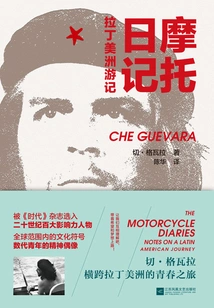
摩托日记:拉丁美洲游记
J
Selected by Time magazine as one of the 100 most influential people of the 20th century, a global cultural symbol, and the spiritual idol of generations of youth, Che Guevara's youth journey across Latin America. Included in "Memoirs of the Cuban Revolutionary War", you can relive the passionate years of joining the revolution! In December 1951, Che Guevara and his friend Alberto Granado began their long-awaited trip on a dilapidated motorcycle. They set out from Cordoba and traveled north across the entire South American continent. Guevara wrote his travel diary during his travels, recording his hardships, wanderings and thrilling adventures. This is not a story about heroic deeds, nor is it just a story about a somewhat "cynical" person. This is a life experience of two people who set out on the road with hopes and dreams and walked a specific route.
Selected by Time magazine as one of the 100 most influential people of the 20th century, a global cultural symbol, and the spiritual idol of generations of youth, Che Guevara's youth journey across Latin America. Included in "Memoirs of the Cuban Revolutionary War", you can relive the passionate years of joining the revolution! In December 1951, Che Guevara and his friend Alberto Granado began their long-awaited trip on a dilapidated motorcycle. They set out from Cordoba and traveled north across the entire South American continent. Guevara wrote his travel diary during his travels, recording his hardships, wanderings and thrilling adventures. This is not a story about heroic deeds, nor is it just a story about a somewhat "cynical" person. This is a life experience of two people who set out on the road with hopes and dreams and walked a specific route.
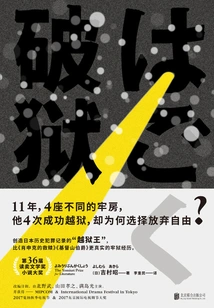
Break Out of Jail
Literature破狱
(japan) Akira Yoshimura
In 1936, Japan's Aomori Penitentiary, single cell, close surveillance day and night - successful escape. Sakuma Seitaro (the prototype is Japan's "Prison Break King" Yuei Shiratori), who was sentenced to life imprisonment for robbery resulting in death, was dissatisfied with the inhumane treatment in prison. With his genius mind, careful planning, fearless mobility, extraordinary physical strength, and the ability to control people's hearts, he successfully escaped from prison four times, setting an unprecedented record in the history of Japanese crime. He was called the "Showa Escape King" by the Japanese media, and was also regarded by the Japanese people as a "hero" who resisted Japanese imperialist rule. However, Sakuma chose to surrender twice after escaping from prison. How did Sakuma escape from prison, and why did he choose to give up the "freedom" he had obtained after successfully escaping from prison?
In 1936, Japan's Aomori Penitentiary, single cell, close surveillance day and night - successful escape. Sakuma Seitaro (the prototype is Japan's "Prison Break King" Yuei Shiratori), who was sentenced to life imprisonment for robbery resulting in death, was dissatisfied with the inhumane treatment in prison. With his genius mind, careful planning, fearless mobility, extraordinary physical strength, and the ability to control people's hearts, he successfully escaped from prison four times, setting an unprecedented record in the history of Japanese crime. He was called the "Showa Escape King" by the Japanese media, and was also regarded by the Japanese people as a "hero" who resisted Japanese imperialist rule. However, Sakuma chose to surrender twice after escaping from prison. How did Sakuma escape from prison, and why did he choose to give up the "freedom" he had obtained after successfully escaping from prison?
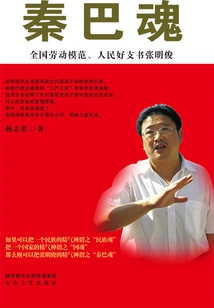
Qin Bahun
Literature秦巴魂
Yang Zhiyong
Through this long reportage, the author of this book fully, vividly and meticulously demonstrates to all walks of life Zhang Mingjun's political character of firm belief and loyalty to the party; his great love for the people and sincerity; his entrepreneurial spirit of being down-to-earth and hardworking; his pursuit spirit of endless life and struggle; and his noble sentiments of strict self-discipline and integrity.
Through this long reportage, the author of this book fully, vividly and meticulously demonstrates to all walks of life Zhang Mingjun's political character of firm belief and loyalty to the party; his great love for the people and sincerity; his entrepreneurial spirit of being down-to-earth and hardworking; his pursuit spirit of endless life and struggle; and his noble sentiments of strict self-discipline and integrity.
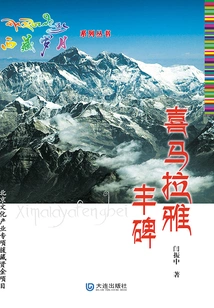
Tibetan Years Series·himalayan Monument
Literature西藏岁月系列丛书·喜马拉雅丰碑
Yan Zhenzhong
This book consists of three parts, the upper and lower parts and appendix. The previous article "Polar Heroes" mainly tells about some events when the advance company of the People's Liberation Army entered Tibet and liberated Tibet. In the face of severe cold, hypoxia, food and water shortages, altitude sickness and other difficulties, the officers and soldiers of the advance company broke through the limits of life again and again and completed the tasks assigned by their superiors. The officers and soldiers of the advance company sacrificed their lives for the smooth march of the follow-up troops into Tibet; they moved the Tibetan compatriots with their warmth and selfless dedication; and they stabilized the reactionary forces in Tibet with their wisdom. "Tibet Years Series: Himalayan Monument" mainly tells some touching stories of the Toula Radar Station, Gambala Radar Station, and Yadong Border Police Station, showing the importance of Tibetan border defense work in the new era, and praising the heroic spirit of border guards and soldiers in the new era; the appendix introduces the construction of the "One River and Two Rivers" project, the green ribbon on the third pole of the earth, and the prosperity it brought to the Tibetan region, as well as the author's interviews in Gacha, which are real and simple.
This book consists of three parts, the upper and lower parts and appendix. The previous article "Polar Heroes" mainly tells about some events when the advance company of the People's Liberation Army entered Tibet and liberated Tibet. In the face of severe cold, hypoxia, food and water shortages, altitude sickness and other difficulties, the officers and soldiers of the advance company broke through the limits of life again and again and completed the tasks assigned by their superiors. The officers and soldiers of the advance company sacrificed their lives for the smooth march of the follow-up troops into Tibet; they moved the Tibetan compatriots with their warmth and selfless dedication; and they stabilized the reactionary forces in Tibet with their wisdom. "Tibet Years Series: Himalayan Monument" mainly tells some touching stories of the Toula Radar Station, Gambala Radar Station, and Yadong Border Police Station, showing the importance of Tibetan border defense work in the new era, and praising the heroic spirit of border guards and soldiers in the new era; the appendix introduces the construction of the "One River and Two Rivers" project, the green ribbon on the third pole of the earth, and the prosperity it brought to the Tibetan region, as well as the author's interviews in Gacha, which are real and simple.
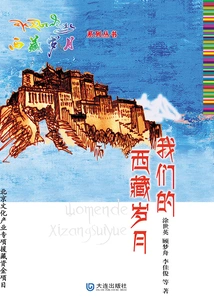
Tibetan Years Series·our Tibetan Years
Literature西藏岁月系列丛书·我们的西藏岁月
Tu Shiying Gu Mengzhou Li Jiajun
"Tibetan Years Series: Our Tibetan Years" is edited by Tu Shiying, Gu Mengzhou, Li Jiajun and others. "Tibet Years Series: Our Years in Tibet" is a collective creation of literature workers who aid Tibet. It shows readers touching pictures of cadres aiding Tibet and Tibetan compatriots working hard, enduring hardships, and perseverance to change the face of Tibet. It reflects the cadres aiding Tibet's love for their second hometown, Tibet, and their sincere feelings for Tibetan compatriots, and reflects the party and the country's care for the Tibetan people.
"Tibetan Years Series: Our Tibetan Years" is edited by Tu Shiying, Gu Mengzhou, Li Jiajun and others. "Tibet Years Series: Our Years in Tibet" is a collective creation of literature workers who aid Tibet. It shows readers touching pictures of cadres aiding Tibet and Tibetan compatriots working hard, enduring hardships, and perseverance to change the face of Tibet. It reflects the cadres aiding Tibet's love for their second hometown, Tibet, and their sincere feelings for Tibetan compatriots, and reflects the party and the country's care for the Tibetan people.
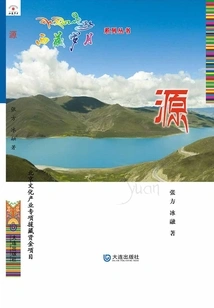
Tibetan Years Series·source
Literature西藏岁月系列丛书·源
Zhang Fang Bingrong
"Tibet Years Series: Source" is written by Zhang Fang and Bing Rong. It is a reportage reflecting the work of aiding Tibet. "Tibet Years Series: Source" introduces the advanced deeds of the protagonist, Zhang Chunrong, a water conservancy expert who aided Tibet, who contributed to Tibet's water conservancy construction, highway construction and the development of Tibet. As an older generation expert in aiding Tibet, he took root in the border areas and carried forward the "old Tibetan spirit" and set an example for subsequent Tibet aiders. The work focuses on the specific deeds of Zhang Chunrong who led the local people to manage mountains and rivers and changed the local appearance after entering Tibet. It is deeply touching.
"Tibet Years Series: Source" is written by Zhang Fang and Bing Rong. It is a reportage reflecting the work of aiding Tibet. "Tibet Years Series: Source" introduces the advanced deeds of the protagonist, Zhang Chunrong, a water conservancy expert who aided Tibet, who contributed to Tibet's water conservancy construction, highway construction and the development of Tibet. As an older generation expert in aiding Tibet, he took root in the border areas and carried forward the "old Tibetan spirit" and set an example for subsequent Tibet aiders. The work focuses on the specific deeds of Zhang Chunrong who led the local people to manage mountains and rivers and changed the local appearance after entering Tibet. It is deeply touching.
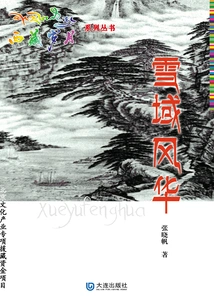
Tibetan Years Series·snow Land Elegance
Literature西藏岁月系列丛书·雪域风华
Zhang Xiaofan
"The Tibetan Years Series: Snowy Land" is written by the author who has worked in Tibet for 20 years in "Old Tibet". Based on her own personal experience, she eulogizes the Party's wise and great ethnic policies, the selfless dedication of Old Tibet, the spirit of revolutionary heroism that endured great hardships, the ethnic unity and friendship of the Tibetan and Han people as close as one family, the majestic natural scenery of the motherland's borders, and the folk customs of ethnic minorities, etc. The whole article is filled with the revolutionary sentiments of an old Tibetan.
"The Tibetan Years Series: Snowy Land" is written by the author who has worked in Tibet for 20 years in "Old Tibet". Based on her own personal experience, she eulogizes the Party's wise and great ethnic policies, the selfless dedication of Old Tibet, the spirit of revolutionary heroism that endured great hardships, the ethnic unity and friendship of the Tibetan and Han people as close as one family, the majestic natural scenery of the motherland's borders, and the folk customs of ethnic minorities, etc. The whole article is filled with the revolutionary sentiments of an old Tibetan.
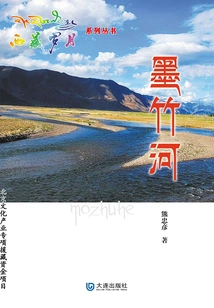
Tibetan Years Series·mozhu River
Literature西藏岁月系列丛书·墨竹河
Xiong Zhongyan
"Mozhu River" takes the author (Xiong Zhongyan)'s life and work experience during his 12 years of aiding Tibet as the main line. Based on the original diary, it uses a documentary style to tell the moving story of the hard work of various Tibet-aid builders in Mozhu Gongka County, and reproduces the local customs The human relations and living customs show the noble sentiments and harmonious relationship between Tibetan and Han cadres and the masses in the era from 1976 to 1988, and eulogize the "old Tibetan spirit" that is "especially able to endure hardship, be patient and dedicated".
"Mozhu River" takes the author (Xiong Zhongyan)'s life and work experience during his 12 years of aiding Tibet as the main line. Based on the original diary, it uses a documentary style to tell the moving story of the hard work of various Tibet-aid builders in Mozhu Gongka County, and reproduces the local customs The human relations and living customs show the noble sentiments and harmonious relationship between Tibetan and Han cadres and the masses in the era from 1976 to 1988, and eulogize the "old Tibetan spirit" that is "especially able to endure hardship, be patient and dedicated".
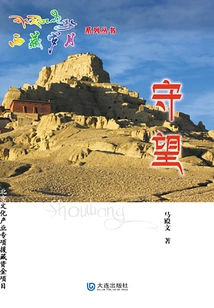
Tibetan Years Series·watching
Literature西藏岁月系列丛书·守望
Ma Dianwen
From different angles and in different forms, "Tibet Years Series: Watching" profoundly depicts the major historical changes of the peaceful liberation of Tibet, the march into Tibet, the liberation of Tibet, and the construction of Tibet, as well as how the central government continued to care about Tibet during the period of reform, opening up, and modernization, and the country selflessly supported Tibet, which led to the gratifying situation of rapid development and change in Tibet.
From different angles and in different forms, "Tibet Years Series: Watching" profoundly depicts the major historical changes of the peaceful liberation of Tibet, the march into Tibet, the liberation of Tibet, and the construction of Tibet, as well as how the central government continued to care about Tibet during the period of reform, opening up, and modernization, and the country selflessly supported Tibet, which led to the gratifying situation of rapid development and change in Tibet.
西藏岁月系列丛书·彩霞东来
Jiao Donghai
"The Tibetan Years Series: Colorful Clouds Coming from the East" is the culmination of author Jiao Donghai's half-life work. "The Tibetan Years Series: Colorful Clouds Coming from the East" is both a history textbook and a life textbook. The book involves the deeds of many revolutionary predecessors and people who contributed to the liberation and construction of Tibet. It is full of commemoration and inspiration, and is documentary, historical, philosophical, collectible, readable, and educational.
"The Tibetan Years Series: Colorful Clouds Coming from the East" is the culmination of author Jiao Donghai's half-life work. "The Tibetan Years Series: Colorful Clouds Coming from the East" is both a history textbook and a life textbook. The book involves the deeds of many revolutionary predecessors and people who contributed to the liberation and construction of Tibet. It is full of commemoration and inspiration, and is documentary, historical, philosophical, collectible, readable, and educational.
西藏岁月系列丛书·高原的记忆
Liu Shengfu
Every story in the "Tibet Years Series: Memories of the Plateau" is written with truth, every feeling is full of sincerity, every emotion pours out sincerity, and demonstrates the basic principles and wisdom of leadership in doing things for people and serving as officials in simplicity; the political character of being devoted to the party, the professionalism of diligent study and thinking, and the dedication to duty, and the boldness and courage to be bold, responsible, and innovative... Walking into the book, you are full of feelings; closing the page, it is thought-provoking.
Every story in the "Tibet Years Series: Memories of the Plateau" is written with truth, every feeling is full of sincerity, every emotion pours out sincerity, and demonstrates the basic principles and wisdom of leadership in doing things for people and serving as officials in simplicity; the political character of being devoted to the party, the professionalism of diligent study and thinking, and the dedication to duty, and the boldness and courage to be bold, responsible, and innovative... Walking into the book, you are full of feelings; closing the page, it is thought-provoking.
Tibetan Years Series·plateau Soul
Literature西藏岁月系列丛书·高原魂
Chen Hanchang
"Tibet Years Series: Soul of the Plateau" contains 169 poems written by the author. The first part was created while the author was working in Tibet. The author eulogizes a large number of advanced figures with plateau spirit represented by the spirit of "Old Tibet" and made extraordinary contributions. This is the soul of the plateau. The second part was mostly created by authors who participated in calligraphy activities across the country after their retirement.
"Tibet Years Series: Soul of the Plateau" contains 169 poems written by the author. The first part was created while the author was working in Tibet. The author eulogizes a large number of advanced figures with plateau spirit represented by the spirit of "Old Tibet" and made extraordinary contributions. This is the soul of the plateau. The second part was mostly created by authors who participated in calligraphy activities across the country after their retirement.
Discover the Most Beautiful
Literature发现最美
Deng Zhaoan
Jiaodong Online's news topic "Relay Searching for Beauty and Warming China" won the first prize in the 22nd China News Award. For prefecture-level websites, it is not only the highest honor, but also a huge encouragement. The "Love Spreads in 100 Cities" campaign was planned and launched based on the incident in which Yantai's "most beautiful girl" Diao Na sacrificed her life to save others. It linked up with hundreds of city websites across the country to discover numerous "civilian heroes" from all over the country and realized the spread of love in one city to hundreds of cities, allowing the "most beautiful flower" to bloom all over the country. The book has the same name as the award-winning news topic. It is divided into five chapters: discovering the most beautiful, praising the most beautiful, inheriting the most beautiful, moving the most beautiful, and practicing the most beautiful. It reorganizes the experience and practices accumulated in the process of discovering and amplifying Diao Na, a typical figure. ?
Jiaodong Online's news topic "Relay Searching for Beauty and Warming China" won the first prize in the 22nd China News Award. For prefecture-level websites, it is not only the highest honor, but also a huge encouragement. The "Love Spreads in 100 Cities" campaign was planned and launched based on the incident in which Yantai's "most beautiful girl" Diao Na sacrificed her life to save others. It linked up with hundreds of city websites across the country to discover numerous "civilian heroes" from all over the country and realized the spread of love in one city to hundreds of cities, allowing the "most beautiful flower" to bloom all over the country. The book has the same name as the award-winning news topic. It is divided into five chapters: discovering the most beautiful, praising the most beautiful, inheriting the most beautiful, moving the most beautiful, and practicing the most beautiful. It reorganizes the experience and practices accumulated in the process of discovering and amplifying Diao Na, a typical figure. ?
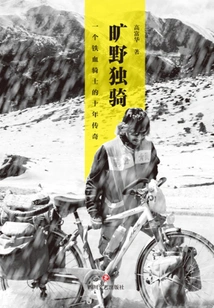
旷野独骑·一个铁血骑士的十年传奇
Gao Fuhua
The book tells the story of more than ten years of cycling experience of Luo Weixiao, who is over fifty years old. From Ya'an to the Qinghai-Tibet Plateau, from the Qinghai-Tibet Plateau to various parts of the motherland, and finally traveled to a foreign country alone to reach the French city of Espelette.
The book tells the story of more than ten years of cycling experience of Luo Weixiao, who is over fifty years old. From Ya'an to the Qinghai-Tibet Plateau, from the Qinghai-Tibet Plateau to various parts of the motherland, and finally traveled to a foreign country alone to reach the French city of Espelette.
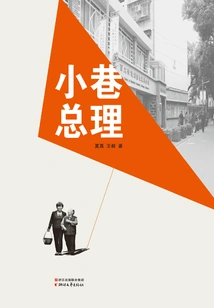
Alley Premier
Literature小巷总理
Xia Zhen Wang Yi
"Alley Prime Minister", co-authored by Xia Zhen and Wang Yi, tells the story of Yu Fuling, secretary of the Ningbo Boating Community, who grew from an ordinary laid-off female worker to an outstanding moral model and representative of the 18th National Congress of the Communist Party of China, praised by Xi Jinping and eager to learn from the whole country. She is affectionately called "the caring community leader and the selfless alley premier" by residents. Through vivid examples, the work vividly tells how Yu Fuling used her "sincerity, mother-in-law's mouth, donkey's feet, and rubber belly" to solve problems for laid-off female workers, single mothers, empty-nest elderly, autistic patients and other people. It restores the bumpy and unyielding mental journey of this seemingly ordinary middle-aged woman and shows her true and noble soul.
"Alley Prime Minister", co-authored by Xia Zhen and Wang Yi, tells the story of Yu Fuling, secretary of the Ningbo Boating Community, who grew from an ordinary laid-off female worker to an outstanding moral model and representative of the 18th National Congress of the Communist Party of China, praised by Xi Jinping and eager to learn from the whole country. She is affectionately called "the caring community leader and the selfless alley premier" by residents. Through vivid examples, the work vividly tells how Yu Fuling used her "sincerity, mother-in-law's mouth, donkey's feet, and rubber belly" to solve problems for laid-off female workers, single mothers, empty-nest elderly, autistic patients and other people. It restores the bumpy and unyielding mental journey of this seemingly ordinary middle-aged woman and shows her true and noble soul.