Library
Browse and search books
653 novels found
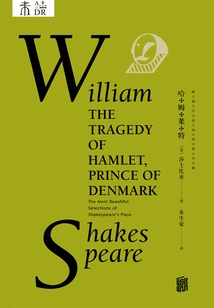
最美莎翁经典剧作集:哈姆莱特
H
400 years after Shakespeare's death, his works are unparalleled in popularity and influence among all other classic writers. The English vocabulary and classic sayings he created have rewritten the entire history of world literature and influenced hundreds of millions of readers for several generations. "Hamlet" is one of the world's famous tragedies and Shakespeare's most famous play. It tells the story of Prince Hamlet of Denmark who was studying abroad when his uncle Claudius poisoned King Hamlet, usurped the throne and married Queen Gertrude. After Hamlet returned home, his father's ghost told him the cause of his death. He followed the ghost's instructions and decided to take revenge. At the same time, the king began to doubt Hamlet. On the advice of the minister Polonius, he used the minister's daughter and Hamlet's lover Ophelia to test him. He also ordered Rosencrantz and Guildenstern to test him, but he found out. Hamlet took advantage of the opportunity of a troupe to perform in the palace, confirmed the ghost's words, and decided to act. However, in a series of actions, the story turned towards tragedy...
400 years after Shakespeare's death, his works are unparalleled in popularity and influence among all other classic writers. The English vocabulary and classic sayings he created have rewritten the entire history of world literature and influenced hundreds of millions of readers for several generations. "Hamlet" is one of the world's famous tragedies and Shakespeare's most famous play. It tells the story of Prince Hamlet of Denmark who was studying abroad when his uncle Claudius poisoned King Hamlet, usurped the throne and married Queen Gertrude. After Hamlet returned home, his father's ghost told him the cause of his death. He followed the ghost's instructions and decided to take revenge. At the same time, the king began to doubt Hamlet. On the advice of the minister Polonius, he used the minister's daughter and Hamlet's lover Ophelia to test him. He also ordered Rosencrantz and Guildenstern to test him, but he found out. Hamlet took advantage of the opportunity of a troupe to perform in the palace, confirmed the ghost's words, and decided to act. However, in a series of actions, the story turned towards tragedy...
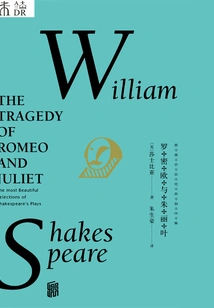
最美莎翁经典剧作集:罗密欧与朱丽叶
H
400 years after Shakespeare's death, his works are unparalleled in popularity and influence among all other classic writers. The English vocabulary and classic sayings he created have rewritten the entire history of world literature and influenced hundreds of millions of readers for several generations. "Romeo and Juliet" is a famous tragedy by Shakespeare. "Romeo and Juliet" tells the story of two young men and women who fell in love, but suffered misfortune due to the generational hatred between the two families, and finally led to the reconciliation of the two families. The play has been popular throughout the ages and, along with "Hamlet", has become the most frequently performed Shakespeare play...
400 years after Shakespeare's death, his works are unparalleled in popularity and influence among all other classic writers. The English vocabulary and classic sayings he created have rewritten the entire history of world literature and influenced hundreds of millions of readers for several generations. "Romeo and Juliet" is a famous tragedy by Shakespeare. "Romeo and Juliet" tells the story of two young men and women who fell in love, but suffered misfortune due to the generational hatred between the two families, and finally led to the reconciliation of the two families. The play has been popular throughout the ages and, along with "Hamlet", has become the most frequently performed Shakespeare play...
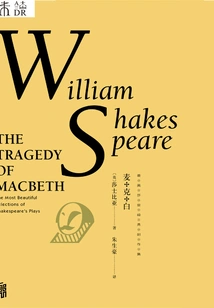
最美莎翁经典剧作集:麦克白
H
400 years after Shakespeare's death, his works are unparalleled in popularity and influence among all other classic writers. The English vocabulary and classic sayings he created have rewritten the entire history of world literature and influenced hundreds of millions of readers for several generations. Macbeth is Shakespeare's shortest tragedy and one of his most popular works. It is often considered the darkest and most powerful of his tragedies. The story is set in Scotland and observes the evil of chasing power and betrayal in a dramatic way, through psychological effects and political struggles. The play tells the story of Macbeth, a brave Scottish general who receives a prophecy from three witches that he will one day become King of Scotland. Out of ambition and the instigation of his wife, Macbeth assassinated King Duncan and proclaimed himself king. Tormented by self-blame and fantasy, he soon degenerated into a tyrant, forced to protect his throne and suppress hostility and suspicion through constant ruthlessness. The massacre and civil war made Macbeth and his wife arrogant and crazy. Macbeth, who gained power by insidiously usurping the throne, eventually went to destruction...
400 years after Shakespeare's death, his works are unparalleled in popularity and influence among all other classic writers. The English vocabulary and classic sayings he created have rewritten the entire history of world literature and influenced hundreds of millions of readers for several generations. Macbeth is Shakespeare's shortest tragedy and one of his most popular works. It is often considered the darkest and most powerful of his tragedies. The story is set in Scotland and observes the evil of chasing power and betrayal in a dramatic way, through psychological effects and political struggles. The play tells the story of Macbeth, a brave Scottish general who receives a prophecy from three witches that he will one day become King of Scotland. Out of ambition and the instigation of his wife, Macbeth assassinated King Duncan and proclaimed himself king. Tormented by self-blame and fantasy, he soon degenerated into a tyrant, forced to protect his throne and suppress hostility and suspicion through constant ruthlessness. The massacre and civil war made Macbeth and his wife arrogant and crazy. Macbeth, who gained power by insidiously usurping the throne, eventually went to destruction...
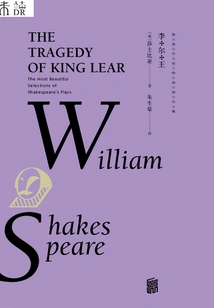
最美莎翁经典剧作集:李尔王
H
400 years after Shakespeare's death, his works are unparalleled in popularity and influence among all other classic writers. The English vocabulary and classic sayings he created have rewritten the entire history of world literature and influenced hundreds of millions of readers for several generations. "King Lear" is a famous tragedy by Shakespeare. "King Lear" tells the story of the elderly King Lear who, after abdicating the throne, was driven into the wilderness by his eldest and second daughters who could only speak sweet words. The third daughter, who became the Queen of France, led an army to save her father, but was killed instead. King Lear was so heartbroken that he died beside his younger daughter...
400 years after Shakespeare's death, his works are unparalleled in popularity and influence among all other classic writers. The English vocabulary and classic sayings he created have rewritten the entire history of world literature and influenced hundreds of millions of readers for several generations. "King Lear" is a famous tragedy by Shakespeare. "King Lear" tells the story of the elderly King Lear who, after abdicating the throne, was driven into the wilderness by his eldest and second daughters who could only speak sweet words. The third daughter, who became the Queen of France, led an army to save her father, but was killed instead. King Lear was so heartbroken that he died beside his younger daughter...
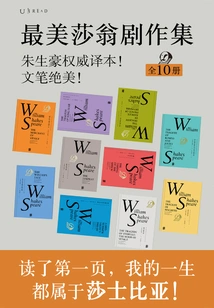
最美莎翁经典剧作集(全10册)
(english) Shakespeare
400 years after Shakespeare's death, his works are unparalleled in popularity and influence among all other classic writers. The English vocabulary and classic sayings he created have rewritten the entire history of world literature and influenced hundreds of millions of readers for several generations. Among all Shakespeare's works, the four tragedies "Hamlet", "Othello", "Macbeth" and "King Lear" can be called the pearls in the crown; the comedies "The Merchant of Venice" and "A Midsummer Night's Dream" are the most popular Shakespeare comedies; "Romeo" "With Juliet" is a well-known love story in China; the two tragicomedies "The Winter's Tale" and "The Tempest" are the two last works of Shakespeare in his later years; and "The Taming of the Shrew", as one of Shakespeare's earliest comedies, represents the starting point of his playwriting career. The cutting-edge literary and art book brand "Unread" has launched "The Most Beautiful Collection of Shakespeare's Classic Plays" with a new and exquisite binding. It selects the ten plays that best represent Shakespeare, carefully edits them based on the recognized translation of Zhu Shenghao, and invites the well-known book binding designer Ma Shirui to design, presenting to Chinese readers a "high-looking" new version of Shakespeare's works that coexists with classics and fashion sense.
400 years after Shakespeare's death, his works are unparalleled in popularity and influence among all other classic writers. The English vocabulary and classic sayings he created have rewritten the entire history of world literature and influenced hundreds of millions of readers for several generations. Among all Shakespeare's works, the four tragedies "Hamlet", "Othello", "Macbeth" and "King Lear" can be called the pearls in the crown; the comedies "The Merchant of Venice" and "A Midsummer Night's Dream" are the most popular Shakespeare comedies; "Romeo" "With Juliet" is a well-known love story in China; the two tragicomedies "The Winter's Tale" and "The Tempest" are the two last works of Shakespeare in his later years; and "The Taming of the Shrew", as one of Shakespeare's earliest comedies, represents the starting point of his playwriting career. The cutting-edge literary and art book brand "Unread" has launched "The Most Beautiful Collection of Shakespeare's Classic Plays" with a new and exquisite binding. It selects the ten plays that best represent Shakespeare, carefully edits them based on the recognized translation of Zhu Shenghao, and invites the well-known book binding designer Ma Shirui to design, presenting to Chinese readers a "high-looking" new version of Shakespeare's works that coexists with classics and fashion sense.
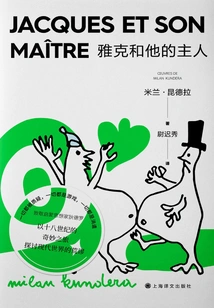
雅克和他的主人:米兰·昆德拉作品系列(2022版)
Milan Kundera
Everything is questioned, everything is a game, everything is a pastime. Kundera's masterpiece of drama pays homage to the Enlightenment thinker Diderot, exploring the absurdity of the modern world through a fantastic journey through the eighteenth century. "Jacques and His Master" is Kundera's masterpiece. The script was completed in 1971 and has been staged in Czechoslovakia, France, the United States and Australia. It is recognized as one of the masterpieces of contemporary drama. This play is adapted from the novel "Jacques the Fatalist and His Master" by French Enlightenment thinker Diderot. The story begins with the wandering experience of Jacques and his master. During the journey, the master and servant not only constantly reflected and debated on the popular social topics at the time, from religion, class to male-female relations, and moral ethics, but also told various interesting stories in a joking tone. These overwhelming themes, endless episodes, and a large number of digressions make the plot of the entire script intricate and constitute the greatest pleasure in reading the script.
Everything is questioned, everything is a game, everything is a pastime. Kundera's masterpiece of drama pays homage to the Enlightenment thinker Diderot, exploring the absurdity of the modern world through a fantastic journey through the eighteenth century. "Jacques and His Master" is Kundera's masterpiece. The script was completed in 1971 and has been staged in Czechoslovakia, France, the United States and Australia. It is recognized as one of the masterpieces of contemporary drama. This play is adapted from the novel "Jacques the Fatalist and His Master" by French Enlightenment thinker Diderot. The story begins with the wandering experience of Jacques and his master. During the journey, the master and servant not only constantly reflected and debated on the popular social topics at the time, from religion, class to male-female relations, and moral ethics, but also told various interesting stories in a joking tone. These overwhelming themes, endless episodes, and a large number of digressions make the plot of the entire script intricate and constitute the greatest pleasure in reading the script.
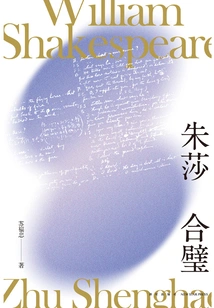
Zhusha Combined
Literature朱莎合璧
Su Fuzhong
The famous translator Zhu Shenghao died young and translated thirty-one of Shakespeare's plays. The author of this book spent three years carefully studying the original text and the translation, repeatedly considering the characteristics and achievements of Zhu Shenghao's translation, and selected hundreds of examples to be included in this book. When choosing examples, the first principle is to see whether Shakespeare's expression is superb, subtle, profound, and thoughtful. In fact, if Shakespeare's lines are wonderful, Zhu Shenghao's translation will also be wonderful. In this selection process, the concept of "Zhu Sha combined with beauty" naturally emerged. The book is divided into six parts, respectively analyzing and studying Zhu Shenghao's understanding of Shakespeare's works from the following aspects: Zhu Shenghao's play title, Zhu Shenghao's comedy elements, Shakespeare's view of history, Zhu Shenghao's tragic character, and how Zhu Shenghao and Shakespeare complement each other, as well as the beauty of Zhu Shenghao's translation work.
The famous translator Zhu Shenghao died young and translated thirty-one of Shakespeare's plays. The author of this book spent three years carefully studying the original text and the translation, repeatedly considering the characteristics and achievements of Zhu Shenghao's translation, and selected hundreds of examples to be included in this book. When choosing examples, the first principle is to see whether Shakespeare's expression is superb, subtle, profound, and thoughtful. In fact, if Shakespeare's lines are wonderful, Zhu Shenghao's translation will also be wonderful. In this selection process, the concept of "Zhu Sha combined with beauty" naturally emerged. The book is divided into six parts, respectively analyzing and studying Zhu Shenghao's understanding of Shakespeare's works from the following aspects: Zhu Shenghao's play title, Zhu Shenghao's comedy elements, Shakespeare's view of history, Zhu Shenghao's tragic character, and how Zhu Shenghao and Shakespeare complement each other, as well as the beauty of Zhu Shenghao's translation work.
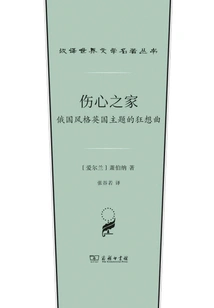
伤心之家:俄国风格英国主题的狂想曲(汉译世界文学名著丛书)
J
"Heartbreak House" is one of the series of "Masterpieces of World Literature in Chinese Translation". It is a three-act comedy created by Irish dramatist Bernard Shaw in 1919. The plot takes place in the English countryside on the eve of the outbreak of World War I. "Heartbreak House" is deliberately written in the atmosphere-creating style of Chekhov's "The Cherry Orchard". The script has a subtitle:\
"Heartbreak House" is one of the series of "Masterpieces of World Literature in Chinese Translation". It is a three-act comedy created by Irish dramatist Bernard Shaw in 1919. The plot takes place in the English countryside on the eve of the outbreak of World War I. "Heartbreak House" is deliberately written in the atmosphere-creating style of Chekhov's "The Cherry Orchard". The script has a subtitle:\
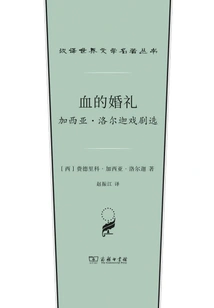
血的婚礼:加西亚·洛尔迦戏剧选(汉译世界文学名著丛书)
(western) Federico Garcia Lorca
The drama "Blood Wedding" is based on a real event that happened in Nijar (Almeria) in 1928: On the morning of the wedding, a young woman and her cousin, her lover, ran away. Not long after, the injured bride was found next to the body of her lover, who had been killed by the groom's brother. The double stimulus of an honor case washed with blood - like many dramas of the golden century, the dry and harsh environment of eastern Andalusia is purified and brought into play in the play. Two peasant families prepare for the wedding of their children: the groom's mother has a deep hatred for the Felix family because they murdered her husband and one of her sons. The bride's father wanted to connect the two families' lands together. On the day of the wedding, the bride's former lover, Leonardo Felix, came. Although he is married, he still loves her. As for the bride, she doesn't love her fiancé, but thinks she will forget Leonardo after marriage. In the middle of the wedding, they elope on horseback. The mother and groom chased after them until they caught up with them in a wooded area. The groom and Leonardo fight to death. "Blood Wedding" is a drama that reflects a secular scene, mainly showing repressed and forbidden love. What the hero and heroine face is a closed and backward society, the feud between two families and the economic interests between the characters. However, their love broke through all restraints, betrayed the moral principles of society, and even violated their own reason. The famous literary critic Fernandez Almagro called "Blood Wedding" "the soul of the nation with a primitive flavor".
The drama "Blood Wedding" is based on a real event that happened in Nijar (Almeria) in 1928: On the morning of the wedding, a young woman and her cousin, her lover, ran away. Not long after, the injured bride was found next to the body of her lover, who had been killed by the groom's brother. The double stimulus of an honor case washed with blood - like many dramas of the golden century, the dry and harsh environment of eastern Andalusia is purified and brought into play in the play. Two peasant families prepare for the wedding of their children: the groom's mother has a deep hatred for the Felix family because they murdered her husband and one of her sons. The bride's father wanted to connect the two families' lands together. On the day of the wedding, the bride's former lover, Leonardo Felix, came. Although he is married, he still loves her. As for the bride, she doesn't love her fiancé, but thinks she will forget Leonardo after marriage. In the middle of the wedding, they elope on horseback. The mother and groom chased after them until they caught up with them in a wooded area. The groom and Leonardo fight to death. "Blood Wedding" is a drama that reflects a secular scene, mainly showing repressed and forbidden love. What the hero and heroine face is a closed and backward society, the feud between two families and the economic interests between the characters. However, their love broke through all restraints, betrayed the moral principles of society, and even violated their own reason. The famous literary critic Fernandez Almagro called "Blood Wedding" "the soul of the nation with a primitive flavor".
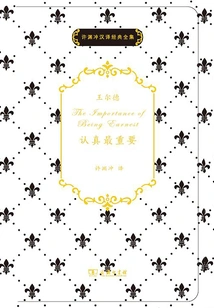
Seriousness is the Most Important
Literature认真最重要
G
"Earnestness Is Most Important" (1895) is one of Wilde's dramatic works in the "Complete Chinese Translation Classics by Xu Yuanchong". The plot tells the story of the male protagonist Jacques Worthing (JackWorthing), whose pseudonym is "ErnestWorthing" (ErnestWorthing). Ernest is a homophone for "earnest" (serious). He falls in love with Guando, the cousin of his good friend Yagelon. His ability to love him has a lot to do with his name being Ernest; and Agelon fell in love with Jacques's ward, Cecile, and came to see Cecile as Jacques's cousin. Cecile thought that Agelon was called Ernest - because Jacques once told her that he had a cousin named Ernest. As a result, both girls fell in love with the fictitious Mr. Ernest at the same time, and they became love rivals due to misunderstanding. This shows how important the "seriousness" represented by Ernest is to girls! At the end of the story, the mystery of Jacques' life experience is finally revealed, and the two couples get married.
"Earnestness Is Most Important" (1895) is one of Wilde's dramatic works in the "Complete Chinese Translation Classics by Xu Yuanchong". The plot tells the story of the male protagonist Jacques Worthing (JackWorthing), whose pseudonym is "ErnestWorthing" (ErnestWorthing). Ernest is a homophone for "earnest" (serious). He falls in love with Guando, the cousin of his good friend Yagelon. His ability to love him has a lot to do with his name being Ernest; and Agelon fell in love with Jacques's ward, Cecile, and came to see Cecile as Jacques's cousin. Cecile thought that Agelon was called Ernest - because Jacques once told her that he had a cousin named Ernest. As a result, both girls fell in love with the fictitious Mr. Ernest at the same time, and they became love rivals due to misunderstanding. This shows how important the "seriousness" represented by Ernest is to girls! At the end of the story, the mystery of Jacques' life experience is finally revealed, and the two couples get married.
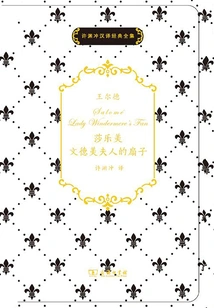
Salome Vendéme's Lady's Fan
Literature莎乐美·文德美妇人的扇子
G
"Salome: Lady Vendéme's Fan" is one of Oscar Wilde's dramatic works in the "Complete Chinese Translation Classics by Xu Yuanchong". The book includes two plays. The story frame of Oscar Wilde's "Salome" (1891) comes from the Bible, but the plot is different: the young and beautiful Salome is the daughter of Herodia, the second wife of King Hero, the ruler of Galilee in Palestine. King Hero can't control his obsession with his stepdaughter Salome and wants Salome to dance for him; but Salome is obsessed with the imprisoned prophet Jocanan and falls madly in love with him, but is rejected. In order to kiss Jokanan, Salome agreed to dance for King Hero on the condition that King Hero agreed to a request she made - no matter what the request was. After the dance, Salome offered to ask for Kannan's head. King Hero could not break his promise and had to satisfy Salome's bloodthirsty demands. Salome finally kissed Jocanan's head, but was eventually executed by King Hero. The plot of "Lady Bonaventure's Fan" (1892) tells the story of Lady Bonaventure, who did not know that Lady Irene, whom her husband was secretly supporting and insisting on inviting to her birthday party, was her mother who had eloped. She suspected that her husband had an affair with Lady Irene, and angrily came to the home of Lord Darlington, who was pursuing her. Lady Irene came to persuade her to go home. Just as Lord Darlington and several guests returned, the two ladies hid, but Lady Vendéme's forgotten fan was discovered. In order to prevent her daughter from making a fool of herself, Mrs. Irene came out and admitted that the fan was hers, allowing her daughter to leave secretly, preserving her daughter's reputation and marriage.
"Salome: Lady Vendéme's Fan" is one of Oscar Wilde's dramatic works in the "Complete Chinese Translation Classics by Xu Yuanchong". The book includes two plays. The story frame of Oscar Wilde's "Salome" (1891) comes from the Bible, but the plot is different: the young and beautiful Salome is the daughter of Herodia, the second wife of King Hero, the ruler of Galilee in Palestine. King Hero can't control his obsession with his stepdaughter Salome and wants Salome to dance for him; but Salome is obsessed with the imprisoned prophet Jocanan and falls madly in love with him, but is rejected. In order to kiss Jokanan, Salome agreed to dance for King Hero on the condition that King Hero agreed to a request she made - no matter what the request was. After the dance, Salome offered to ask for Kannan's head. King Hero could not break his promise and had to satisfy Salome's bloodthirsty demands. Salome finally kissed Jocanan's head, but was eventually executed by King Hero. The plot of "Lady Bonaventure's Fan" (1892) tells the story of Lady Bonaventure, who did not know that Lady Irene, whom her husband was secretly supporting and insisting on inviting to her birthday party, was her mother who had eloped. She suspected that her husband had an affair with Lady Irene, and angrily came to the home of Lord Darlington, who was pursuing her. Lady Irene came to persuade her to go home. Just as Lord Darlington and several guests returned, the two ladies hid, but Lady Vendéme's forgotten fan was discovered. In order to prevent her daughter from making a fool of herself, Mrs. Irene came out and admitted that the fan was hers, allowing her daughter to leave secretly, preserving her daughter's reputation and marriage.
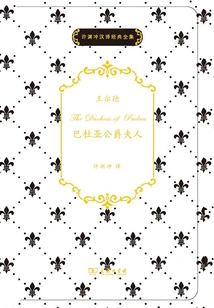
Duchess of Badua
Literature巴杜亚公爵夫人
G
"The Duchess of Badua" (1893) is one of the "Complete Classics Translated into Chinese by Xu Yuanchong". The plot tells the story of a young man, Guido Fernanti, who was told that his father was betrayed and killed. The person who betrayed his father was the current Duke. In order to avenge his father, he was recommended by others and became a close confidant of the Duke, and gained the Duke's trust. At the same time, Guido and the Duchess fell in love. The constant conflict between the passion of love and the rationality of revenge caused his love with the Duchess to be hot and cold, and to leave suddenly. The Duchess did not know that Guido was on a mission of revenge. In order to win Guido's love, she killed the duke. Although she unintentionally avenged Guido's father, she lost Guido's love. The desperate duchess, turned from love to hatred, framed Guido for killing the duke. Facing the legal trial, Guido admitted that he had killed the duke. Before execution, the Duchess disguised herself and entered the cell, hoping to rescue Quito and die in his place. However, Quito did not choose to escape, and the two died in prison.
"The Duchess of Badua" (1893) is one of the "Complete Classics Translated into Chinese by Xu Yuanchong". The plot tells the story of a young man, Guido Fernanti, who was told that his father was betrayed and killed. The person who betrayed his father was the current Duke. In order to avenge his father, he was recommended by others and became a close confidant of the Duke, and gained the Duke's trust. At the same time, Guido and the Duchess fell in love. The constant conflict between the passion of love and the rationality of revenge caused his love with the Duchess to be hot and cold, and to leave suddenly. The Duchess did not know that Guido was on a mission of revenge. In order to win Guido's love, she killed the duke. Although she unintentionally avenged Guido's father, she lost Guido's love. The desperate duchess, turned from love to hatred, framed Guido for killing the duke. Facing the legal trial, Guido admitted that he had killed the duke. Before execution, the Duchess disguised herself and entered the cell, hoping to rescue Quito and die in his place. However, Quito did not choose to escape, and the two died in prison.
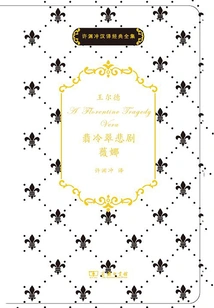
Feileng Cui Tragedy·vina
Literature翡冷翠悲剧·薇娜
G
"The Tragedy of Florence - Vina" is one of Oscar Wilde's dramatic works in the "Complete Collection of Classic Chinese Translations by Xu Yuanchong". The book includes two scripts: "The Tragedy of Florence" has only one scene, and the plot takes place in Florence, Italy in the early 16th century. Bianca, the wife of the businessman Simon, was loved and pursued by Guido Bardi, the son of the Grand Duke of Florence, and the two had an affair. After Simon found out when he returned home, he had a drinking contest with Kido, defeated him and killed him. "Vina" is a tragedy in four acts. The story takes place at the end of the 19th century. Anarchists with Veina as the center gathered in secret to resist and overthrow the brutal rule of the Tsar. They vowed never to love or be loved by others, and to abandon ordinary human emotions. The son of the old tsar, Alesh, had ideas of innovation and love for the people. He disguised himself as a medical student to participate in a secret gathering of anarchists, and fell in love with Vina involuntarily and silently. After the old tsar was assassinated, Alesh inherited the throne of the tsar. This was considered a betrayal by the anarchists, so they sent Vina to assassinate Alesh in the palace. At the last moment, Wei Na chose to kill herself to protect Alessi.
"The Tragedy of Florence - Vina" is one of Oscar Wilde's dramatic works in the "Complete Collection of Classic Chinese Translations by Xu Yuanchong". The book includes two scripts: "The Tragedy of Florence" has only one scene, and the plot takes place in Florence, Italy in the early 16th century. Bianca, the wife of the businessman Simon, was loved and pursued by Guido Bardi, the son of the Grand Duke of Florence, and the two had an affair. After Simon found out when he returned home, he had a drinking contest with Kido, defeated him and killed him. "Vina" is a tragedy in four acts. The story takes place at the end of the 19th century. Anarchists with Veina as the center gathered in secret to resist and overthrow the brutal rule of the Tsar. They vowed never to love or be loved by others, and to abandon ordinary human emotions. The son of the old tsar, Alesh, had ideas of innovation and love for the people. He disguised himself as a medical student to participate in a secret gathering of anarchists, and fell in love with Vina involuntarily and silently. After the old tsar was assassinated, Alesh inherited the throne of the tsar. This was considered a betrayal by the anarchists, so they sent Vina to assassinate Alesh in the palace. At the last moment, Wei Na chose to kill herself to protect Alessi.
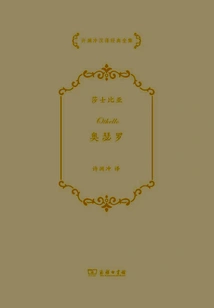
L
LiteratureL
H
"Othello" is one of the "Complete Chinese Translation Classics by Xu Yuanchong" and one of Shakespeare's famous tragedies. The plot tells the story of Othello, a Moorish commander employed by the Venetian city-state, who fell in love with Desdemona, the daughter of the senator Brabantio, and secretly married. Othello's general Iago is cunning and cunning. Out of jealousy and dissatisfaction, he uses means to sow discord between Othello and Desdemona. Othello suspects that Desdemona is unfaithful to him and strangles her to death with his own hands. Othello himself regretted and committed suicide after learning the truth.
"Othello" is one of the "Complete Chinese Translation Classics by Xu Yuanchong" and one of Shakespeare's famous tragedies. The plot tells the story of Othello, a Moorish commander employed by the Venetian city-state, who fell in love with Desdemona, the daughter of the senator Brabantio, and secretly married. Othello's general Iago is cunning and cunning. Out of jealousy and dissatisfaction, he uses means to sow discord between Othello and Desdemona. Othello suspects that Desdemona is unfaithful to him and strangles her to death with his own hands. Othello himself regretted and committed suicide after learning the truth.
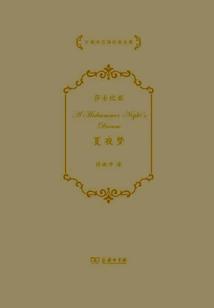
Summer Night Dream
Literature夏夜梦
H
"A Summer Night's Dream" (also translated as "A Midsummer Night's Dream") is one of the "Complete Chinese Translation Classics of Xu Yuanchong" and one of Shakespeare's famous comedies. The plot tells the story of several lovers who finally get married. The story takes place in Athens, ancient Greece. The love between Hemeiya and Lishande, Helena's love for Demetrius, the story of the Fairy Queen and the Fairy King, forest elves and love potions are added to make this comedy full of romance and fairy tale color. Although the story is full of suspense and misunderstandings, the final ending is that the lovers finally get married.
"A Summer Night's Dream" (also translated as "A Midsummer Night's Dream") is one of the "Complete Chinese Translation Classics of Xu Yuanchong" and one of Shakespeare's famous comedies. The plot tells the story of several lovers who finally get married. The story takes place in Athens, ancient Greece. The love between Hemeiya and Lishande, Helena's love for Demetrius, the story of the Fairy Queen and the Fairy King, forest elves and love potions are added to make this comedy full of romance and fairy tale color. Although the story is full of suspense and misunderstandings, the final ending is that the lovers finally get married.
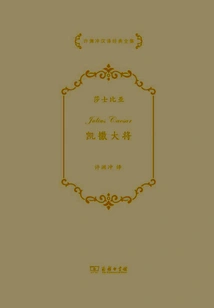
Caesar
Literature凯撒大将
H
"Julius Caesar" (also translated as "Julius Caesar") is one of the "Complete Chinese Translation Classics by Xu Yuanchong" and one of Shakespeare's masterpieces. The plot tells that in the play, Caesar is the representative of the dictatorship. He has high achievements and strives to expand his own power, so it is inevitable to wear the imperial robe; while the republicans headed by Cassius and others oppose personal dictatorship and attempt to eradicate Caesar's power, but they are weak, so they instigate the highly respected Bruda to participate in their actions. Led by Bruda, the Republicans assassinated Caesar. Afterwards, Caesar's confidant Antony incited the Roman people with passionate speeches, causing them to change their original intentions and turn against Bruda, and expelled Bruda and others from the city of Rome. Finally, under siege by the soldiers of Antony and others, Bruda committed suicide and the republic was destroyed.
"Julius Caesar" (also translated as "Julius Caesar") is one of the "Complete Chinese Translation Classics by Xu Yuanchong" and one of Shakespeare's masterpieces. The plot tells that in the play, Caesar is the representative of the dictatorship. He has high achievements and strives to expand his own power, so it is inevitable to wear the imperial robe; while the republicans headed by Cassius and others oppose personal dictatorship and attempt to eradicate Caesar's power, but they are weak, so they instigate the highly respected Bruda to participate in their actions. Led by Bruda, the Republicans assassinated Caesar. Afterwards, Caesar's confidant Antony incited the Roman people with passionate speeches, causing them to change their original intentions and turn against Bruda, and expelled Bruda and others from the city of Rome. Finally, under siege by the soldiers of Antony and others, Bruda committed suicide and the republic was destroyed.
H
LiteratureH
H
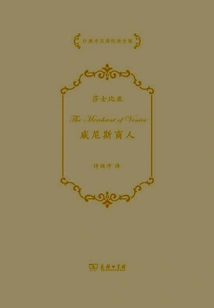
"The Merchant of Venice" is one of the "Complete Chinese Translation Classics by Xu Yuanchong" and one of Shakespeare's famous comedies. The plot tells the story of the Venetian businessman Antonio, who borrows a usury loan from the Jewish businessman Shylock in order to help his friend Bassao propose to the beautiful girl Portia, and signs a contract: If Antonio cannot repay the loan when it expires, Shylock has the right to cut off a pound of flesh from Antonio. The weather was not good and Antonio's merchant ship disappeared at sea, so he had no choice but to fulfill the contract. At this critical moment, the smart and beautiful Pocia disguised herself as a man and staged a wise play, successfully saving Antonio and punishing Shylock. At the same time, several new couples also became lovers.
"The Merchant of Venice" is one of the "Complete Chinese Translation Classics by Xu Yuanchong" and one of Shakespeare's famous comedies. The plot tells the story of the Venetian businessman Antonio, who borrows a usury loan from the Jewish businessman Shylock in order to help his friend Bassao propose to the beautiful girl Portia, and signs a contract: If Antonio cannot repay the loan when it expires, Shylock has the right to cut off a pound of flesh from Antonio. The weather was not good and Antonio's merchant ship disappeared at sea, so he had no choice but to fulfill the contract. At this critical moment, the smart and beautiful Pocia disguised herself as a man and staged a wise play, successfully saving Antonio and punishing Shylock. At the same time, several new couples also became lovers.
Macbeth
Literature马克白
H
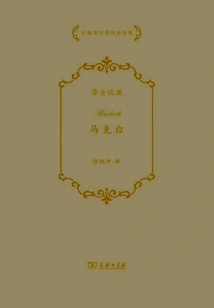
"Macbeth" (also translated as "Macbeth") is one of the "Complete Chinese Translation Classics by Xu Yuanchong" and one of Shakespeare's famous tragedies. The plot tells the story of Macbeth, the cousin of King Duncan of Scotland. After serving the king in quelling the rebellion and resisting the invasion of foreign enemies, he became ambitious and wanted to regicide and usurp the throne. Stimulated by the witches' prophecies and with the support of Lady Macbeth, Macbeth succeeded in usurping the throne and massacred the generals and subordinates who threatened him. In the end, Lady Macbeth went mad and died, and Macbeth also fell under the sword of the Avengers.
"Macbeth" (also translated as "Macbeth") is one of the "Complete Chinese Translation Classics by Xu Yuanchong" and one of Shakespeare's famous tragedies. The plot tells the story of Macbeth, the cousin of King Duncan of Scotland. After serving the king in quelling the rebellion and resisting the invasion of foreign enemies, he became ambitious and wanted to regicide and usurp the throne. Stimulated by the witches' prophecies and with the support of Lady Macbeth, Macbeth succeeded in usurping the throne and massacred the generals and subordinates who threatened him. In the end, Lady Macbeth went mad and died, and Macbeth also fell under the sword of the Avengers.
Make False Come True
Literature弄假成真
H
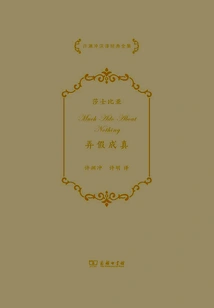
"Make Fake True" (also translated as "Much Ado About Nothing") is one of the "Complete Chinese Translation Classics of Xu Yuanchong" and one of Shakespeare's masterpieces. The plot tells two types of love stories of that era: one is Ciro and Croud, who follow social norms and family status concepts and represent a traditional union; the other is Benleti and Bellis, who mock each other and refuse to give in at first, but finally fall in love with each other and achieve a perfect union. In this comedy, Shakespeare explores issues such as self-awareness, sincerity and mutual respect between men and women, and social order.
"Make Fake True" (also translated as "Much Ado About Nothing") is one of the "Complete Chinese Translation Classics of Xu Yuanchong" and one of Shakespeare's masterpieces. The plot tells two types of love stories of that era: one is Ciro and Croud, who follow social norms and family status concepts and represent a traditional union; the other is Benleti and Bellis, who mock each other and refuse to give in at first, but finally fall in love with each other and achieve a perfect union. In this comedy, Shakespeare explores issues such as self-awareness, sincerity and mutual respect between men and women, and social order.
N
LiteratureN
H
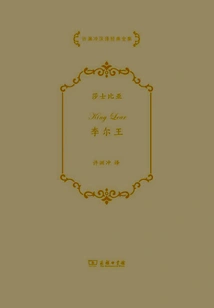
"King Lear" is one of the "Complete Chinese Translation Classics by Xu Yuanchong" and one of Shakespeare's famous tragedies. The story told is familiar to readers: King Lear, as the king of Britain, likes to listen to sweet words, and uses this to judge the extent of his three daughters' love for him. As a result, he was deceived by the sweet words of the eldest daughter and the second daughter, and granted them territory and power. The younger daughter was not accepted by King Lear because she was not good at speaking out. Although she was loyal and filial in her heart, she was left out and married away. After King Lear was deceived and abused by his two daughters and had no place to stay, he finally distinguished between the loyal and the traitor. Unfortunately, the tragedy had already occurred.
"King Lear" is one of the "Complete Chinese Translation Classics by Xu Yuanchong" and one of Shakespeare's famous tragedies. The story told is familiar to readers: King Lear, as the king of Britain, likes to listen to sweet words, and uses this to judge the extent of his three daughters' love for him. As a result, he was deceived by the sweet words of the eldest daughter and the second daughter, and granted them territory and power. The younger daughter was not accepted by King Lear because she was not good at speaking out. Although she was loyal and filial in her heart, she was left out and married away. After King Lear was deceived and abused by his two daughters and had no place to stay, he finally distinguished between the loyal and the traitor. Unfortunately, the tragedy had already occurred.
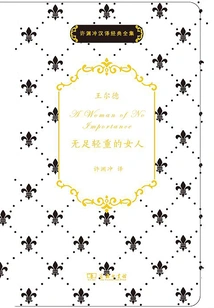
Insignificant Woman
Literature无足轻重的女人
G
"The Woman of No Importance" (1892) is one of Wilde's dramatic works in the "Complete Chinese Translation Classics by Xu Yuanchong". The plot tells the story of a young man named Gerald Yarbrough who was lucky enough to be favored by Lord Illingworth and wanted to use him as his secretary and support him. Gerald's mother, Mrs. Yarbrough, came to see Lord Illingworth to express her gratitude. When they met, they discovered that they were "old friends." It turns out that she was a lover with the Lord when she was young, but was abandoned after becoming pregnant. Gerald was actually the illegitimate son of Lord Illinwall. Mrs. Yarbrough had been humiliated and humiliated for her "mistakes" in her youth for half her life, and she had to bear a heavy moral cross. However, Lord Illingworth was not ashamed of what he had done, and regarded Mrs. Yarbrough as an "insignificant woman."
"The Woman of No Importance" (1892) is one of Wilde's dramatic works in the "Complete Chinese Translation Classics by Xu Yuanchong". The plot tells the story of a young man named Gerald Yarbrough who was lucky enough to be favored by Lord Illingworth and wanted to use him as his secretary and support him. Gerald's mother, Mrs. Yarbrough, came to see Lord Illingworth to express her gratitude. When they met, they discovered that they were "old friends." It turns out that she was a lover with the Lord when she was young, but was abandoned after becoming pregnant. Gerald was actually the illegitimate son of Lord Illinwall. Mrs. Yarbrough had been humiliated and humiliated for her "mistakes" in her youth for half her life, and she had to bear a heavy moral cross. However, Lord Illingworth was not ashamed of what he had done, and regarded Mrs. Yarbrough as an "insignificant woman."
Antony and Cleopatra
Literature安东尼与克柳葩
H
"Antony and Cleopatra" (also translated as "Antony and Cleopatra") is one of the "Complete Chinese Translation Classics by Xu Yuanchong" and one of Shakespeare's famous tragedies. The plot tells the story of Antony, one of the three chiefs of Rome, who is obsessed with the beauty of Cleopatra and almost forgets national affairs. Later, Rome suffered from the rebellion of Thedas Pompeii, the invasion of pirates, the invasion of Parthians from the east, and the death of Antony's wife. Antony regained his strength, returned to Rome, and married Octavian's sister to consolidate political relations. When the wheel subsided, Antony returned to Clupa. Later, a confrontation between Antony and Octavian was formed in Rome. During the sea battle between the two, Antony escaped after Clupa's ship, resulting in the defeat. Antony committed suicide in grief, and Clupa also committed suicide.
"Antony and Cleopatra" (also translated as "Antony and Cleopatra") is one of the "Complete Chinese Translation Classics by Xu Yuanchong" and one of Shakespeare's famous tragedies. The plot tells the story of Antony, one of the three chiefs of Rome, who is obsessed with the beauty of Cleopatra and almost forgets national affairs. Later, Rome suffered from the rebellion of Thedas Pompeii, the invasion of pirates, the invasion of Parthians from the east, and the death of Antony's wife. Antony regained his strength, returned to Rome, and married Octavian's sister to consolidate political relations. When the wheel subsided, Antony returned to Clupa. Later, a confrontation between Antony and Octavian was formed in Rome. During the sea battle between the two, Antony escaped after Clupa's ship, resulting in the defeat. Antony committed suicide in grief, and Clupa also committed suicide.
As Wished
Literature如愿
(english) Shakespeare
"As You Like It" (also translated as "As You Like It") is one of the "Complete Chinese Translation Classics of Xu Yuanchong" and one of Shakespeare's famous comedies. The plot tells the story of Rosalind, the duke's daughter who was usurped by her brothers and exiled, disguised herself as a man and went to the Arden Forest to find her father. She met her beloved Orlando, who was abused by her elder brother... In the end, all the good people who were persecuted were rewarded, the evil people were inspired, and the lovers got married.
"As You Like It" (also translated as "As You Like It") is one of the "Complete Chinese Translation Classics of Xu Yuanchong" and one of Shakespeare's famous comedies. The plot tells the story of Rosalind, the duke's daughter who was usurped by her brothers and exiled, disguised herself as a man and went to the Arden Forest to find her father. She met her beloved Orlando, who was abused by her elder brother... In the end, all the good people who were persecuted were rewarded, the evil people were inspired, and the lovers got married.
N
LiteratureN
H
"Romeo and Juliet" is one of the "Complete Chinese Translation Classics by Xu Yuanchong" and is also one of Shakespeare's famous tragedies. The story told is familiar to the majority of readers: the plot tells the story of Juliet, the daughter of the Kapler family, an Italian aristocratic family, and Montague, who have been enemies for generations. The son Romeo fell in love at first sight, fell in love persistently, and had a secret union. However, due to the conflict and mutual killing between the two families, Romeo was exiled. With the help of the priest, Juliet took medicine and faked her death to escape the marriage arranged by her father, and finally both died in love.
"Romeo and Juliet" is one of the "Complete Chinese Translation Classics by Xu Yuanchong" and is also one of Shakespeare's famous tragedies. The story told is familiar to the majority of readers: the plot tells the story of Juliet, the daughter of the Kapler family, an Italian aristocratic family, and Montague, who have been enemies for generations. The son Romeo fell in love at first sight, fell in love persistently, and had a secret union. However, due to the conflict and mutual killing between the two families, Romeo was exiled. With the help of the priest, Juliet took medicine and faked her death to escape the marriage arranged by her father, and finally both died in love.
Storm
Literature风暴
H
"The Tempest" (also translated as "The Tempest") is one of the "Complete Chinese Translation Classics of Xu Yuanchong" and one of Shakespeare's masterpieces. The plot tells the story of Duke Probe of Milan, whose title was usurped by his younger brother Antonius. He fled to a desert island with his infant daughter Miranda and relied on magic to become the owner of the island. Later, he created a storm and brought the ships of the nearby King of Naples, Prince Ferdinand and accompanying Antonius to the desert island. He also used magic to facilitate the marriage between the prince and Miranda. The ending is that Probet restored his title, forgave his enemies, and returned home.
"The Tempest" (also translated as "The Tempest") is one of the "Complete Chinese Translation Classics of Xu Yuanchong" and one of Shakespeare's masterpieces. The plot tells the story of Duke Probe of Milan, whose title was usurped by his younger brother Antonius. He fled to a desert island with his infant daughter Miranda and relied on magic to become the owner of the island. Later, he created a storm and brought the ships of the nearby King of Naples, Prince Ferdinand and accompanying Antonius to the desert island. He also used magic to facilitate the marriage between the prince and Miranda. The ending is that Probet restored his title, forgave his enemies, and returned home.
Ac
Literatureac
H
"Twelfth Night" is one of the "Complete Chinese Translation Classics by Xu Yuanchong" and one of Shakespeare's famous comedies. Plot: Sebadian and Weihenna, twin brothers and sisters, were unfortunately killed during a sea voyage. They each escaped by chance and lived in Ilia. Weihenna disguises herself as a man and works as a page for Duke Orsino. She secretly loves the Duke, but the Duke loves a Countess Olivia. But Olivia didn't love him. Instead, she fell in love with Weihenna, who wooed her on the Duke's behalf. After some interesting twists and turns, Weihenna and Orsino, Olivia and Sebadian both formed a happy marriage. Although Olivia's original love was not Sebadian, his face was exactly the same as Weihena's, which fulfilled her wish.
"Twelfth Night" is one of the "Complete Chinese Translation Classics by Xu Yuanchong" and one of Shakespeare's famous comedies. Plot: Sebadian and Weihenna, twin brothers and sisters, were unfortunately killed during a sea voyage. They each escaped by chance and lived in Ilia. Weihenna disguises herself as a man and works as a page for Duke Orsino. She secretly loves the Duke, but the Duke loves a Countess Olivia. But Olivia didn't love him. Instead, she fell in love with Weihenna, who wooed her on the Duke's behalf. After some interesting twists and turns, Weihenna and Orsino, Olivia and Sebadian both formed a happy marriage. Although Olivia's original love was not Sebadian, his face was exactly the same as Weihena's, which fulfilled her wish.
Passionate and Ruthless
Literature有情无情
H
"Love Without Mercy" (also translated as "Love in vain") is one of the "Complete Chinese Translation Classics of Xu Yuanchong" and one of Shakespeare's masterpieces. The plot tells the story of the four kings and ministers of the Nava Kingdom who vowed to be pure in desire, reject all material enjoyment, stay away from women, and concentrate on studying for three years. But when the beautiful French princess and her maids came to the court, they forgot all about their vows and rushed to woo them. But because they lacked real feelings, the French princess scolded them and left them. In this play, Shakespeare satirizes the court aristocrats' views on love and rhetoric.
"Love Without Mercy" (also translated as "Love in vain") is one of the "Complete Chinese Translation Classics of Xu Yuanchong" and one of Shakespeare's masterpieces. The plot tells the story of the four kings and ministers of the Nava Kingdom who vowed to be pure in desire, reject all material enjoyment, stay away from women, and concentrate on studying for three years. But when the beautiful French princess and her maids came to the court, they forgot all about their vows and rushed to woo them. But because they lacked real feelings, the French princess scolded them and left them. In this play, Shakespeare satirizes the court aristocrats' views on love and rhetoric.
亚·奥斯特洛夫斯基戏剧六种
(russia) A. Ostrovsky
This book selects several of Ostrovsky's plays that are famous among Chinese readers. "Thunderstorm" exposes the darkness of feudal serfdom and patriarchal patriarchy through the tragedy of family life. Katerina is the most beautiful and moving tragic female image in Russian drama in the 19th century. Dobrolyubov, a 19th-century Russian revolutionary democratic critic, once spoke highly of the ideological and artistic value of Katerina's image, calling her "a ray of light in the kingdom of darkness." The content of "The Girl Without a Dowry" is that a girl reluctantly agreed to marry someone she did not like. Later, her old lover Baratov suddenly returned. The innocent girl could not see that Baratov was an ungrateful lover and expressed her hope to resume the old relationship with him. The cynical Baratov took advantage of the situation. Two other entrepreneurs also planned to take possession of the girl who did not have a dowry. In the end, the girl realized that they did not treat her as an equal human being, and she died at the hands of her fiancé.
This book selects several of Ostrovsky's plays that are famous among Chinese readers. "Thunderstorm" exposes the darkness of feudal serfdom and patriarchal patriarchy through the tragedy of family life. Katerina is the most beautiful and moving tragic female image in Russian drama in the 19th century. Dobrolyubov, a 19th-century Russian revolutionary democratic critic, once spoke highly of the ideological and artistic value of Katerina's image, calling her "a ray of light in the kingdom of darkness." The content of "The Girl Without a Dowry" is that a girl reluctantly agreed to marry someone she did not like. Later, her old lover Baratov suddenly returned. The innocent girl could not see that Baratov was an ungrateful lover and expressed her hope to resume the old relationship with him. The cynical Baratov took advantage of the situation. Two other entrepreneurs also planned to take possession of the girl who did not have a dowry. In the end, the girl realized that they did not treat her as an equal human being, and she died at the hands of her fiancé.
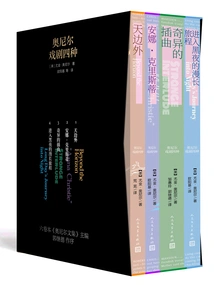
奥尼尔戏剧四种(全四册)
K
"Four Kinds of O'Neill's Plays" is an anthology of plays by Nobel Prize winner Eugene O'Neill, including four of his Pulitzer Prize-winning plays, "The End of the World," "Anna Christie," "Strange Interlude" and "Long Journey Into Night." O'Neill is the founder and creator of modern American drama, and is called "the American Shakespeare" by critics. These four works were written in different periods and provide in-depth discussions on the true meaning of life from different angles. They demonstrate the author's superb writing skills, colorful dramatic artistic style and fearless pioneering spirit. They are of great significance to understanding and studying the essence of O'Neill's drama creation.
"Four Kinds of O'Neill's Plays" is an anthology of plays by Nobel Prize winner Eugene O'Neill, including four of his Pulitzer Prize-winning plays, "The End of the World," "Anna Christie," "Strange Interlude" and "Long Journey Into Night." O'Neill is the founder and creator of modern American drama, and is called "the American Shakespeare" by critics. These four works were written in different periods and provide in-depth discussions on the true meaning of life from different angles. They demonstrate the author's superb writing skills, colorful dramatic artistic style and fearless pioneering spirit. They are of great significance to understanding and studying the essence of O'Neill's drama creation.
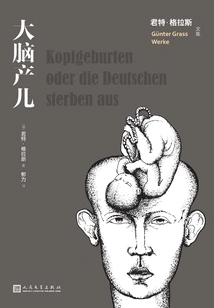
Brain Birth
Literature大脑产儿
I
In 1979, Günter Grass and his wife traveled to Asian countries. During and around the trip, the author conceived a movie script that had never been made into a film: Hamm and Dot, a middle school teacher couple from North Germany, embarked on a trip to Asia. However, whether in Bangkok, Mumbai, or Bali, although the images of the third world came one after another, the lingering German question lingered in their minds, and they were wavering on whether they should have children. Their worries are: What will the future look like? Will there be nuclear power plants? Will Strauss take the stage? Will people shoulder the burden of pensions? Will Germans die out due to declining birth rates? These issues are also of concern to the author himself and he joins the discussion from time to time. The work is a collection of essays, novels and movie scripts that have not been made into films, and the writing is humorous.
In 1979, Günter Grass and his wife traveled to Asian countries. During and around the trip, the author conceived a movie script that had never been made into a film: Hamm and Dot, a middle school teacher couple from North Germany, embarked on a trip to Asia. However, whether in Bangkok, Mumbai, or Bali, although the images of the third world came one after another, the lingering German question lingered in their minds, and they were wavering on whether they should have children. Their worries are: What will the future look like? Will there be nuclear power plants? Will Strauss take the stage? Will people shoulder the burden of pensions? Will Germans die out due to declining birth rates? These issues are also of concern to the author himself and he joins the discussion from time to time. The work is a collection of essays, novels and movie scripts that have not been made into films, and the writing is humorous.
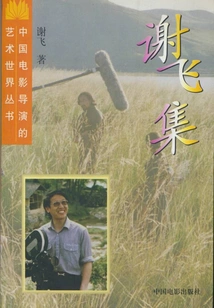
Xie Feiji
Literature谢飞集
Xie Fei
This book provides us with rich and comprehensive first-hand materials on studying Xie Fei, a contemporary internationally renowned director, from multiple aspects and angles. The book includes seven theoretical articles on director Xie Fei's film creation, working scripts of important films such as "Our Field", "Benming Year", "Scented Soul Girl" and "Black Horse", the director's explanations and interviews and talks. At the back of the book is a "Chronology of Xie Fei's Works and Awards". They are not only the reality of Director Xie Fei's creative process, but also his summary of his many years of creative practice experience and interpretation of his artistic insights. By reading this book, you can understand Xie Fei's unique artistic pursuit and charming director world.
This book provides us with rich and comprehensive first-hand materials on studying Xie Fei, a contemporary internationally renowned director, from multiple aspects and angles. The book includes seven theoretical articles on director Xie Fei's film creation, working scripts of important films such as "Our Field", "Benming Year", "Scented Soul Girl" and "Black Horse", the director's explanations and interviews and talks. At the back of the book is a "Chronology of Xie Fei's Works and Awards". They are not only the reality of Director Xie Fei's creative process, but also his summary of his many years of creative practice experience and interpretation of his artistic insights. By reading this book, you can understand Xie Fei's unique artistic pursuit and charming director world.
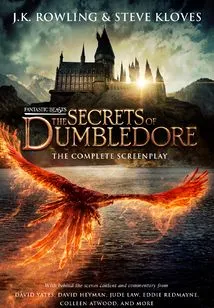
Fantastic Beasts The Secrets of Dumbledore:The Complete Screenplay
J. K. Rowling&steve Kloves
Professor Albus Dumbledore knows the powerful Dark wizard Gellert Grindelwald is moving to seize control of the wizarding world. Unable to stop him alone, he entrusts Magizoologist Newt Scamander to lead an intrepid team of wizards, witches, and one brave Muggle baker on a dangerous mission, where they encounter old and new beasts and clash with Grindelwald's growing legion of followers. But with the stakes so high, how long can Dumbledore remain on the sidelines? The official screenplay of is the ultimate companion to the film, and invites readers to explore every scene of the complete original script penned by J. K. Rowling & Steve Kloves. Special features include behind-the-scenes content and commentary from David Yates, David Heyman, Jude Law, Eddie Redmayne, Colleen Atwood and more.
Professor Albus Dumbledore knows the powerful Dark wizard Gellert Grindelwald is moving to seize control of the wizarding world. Unable to stop him alone, he entrusts Magizoologist Newt Scamander to lead an intrepid team of wizards, witches, and one brave Muggle baker on a dangerous mission, where they encounter old and new beasts and clash with Grindelwald's growing legion of followers. But with the stakes so high, how long can Dumbledore remain on the sidelines? The official screenplay of is the ultimate companion to the film, and invites readers to explore every scene of the complete original script penned by J. K. Rowling & Steve Kloves. Special features include behind-the-scenes content and commentary from David Yates, David Heyman, Jude Law, Eddie Redmayne, Colleen Atwood and more.
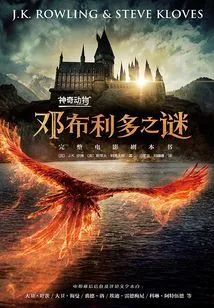
Fantastic Beasts: Dumbledore Mysteries
Literature神奇动物:邓布利多之谜
(uk) J. K. Rowling (us) Steve Kloves
Professor Albus Dumbledore knew that the powerful dark wizard Gellert Grindelwald was seeking to seize control of the wizarding world. Unable to stop him on his own, Dumbledore entrusts magizoologist Newt Scamander to lead a brave team of wizards and witches, as well as a Muggle baker, on a dangerous mission. Along the way, they encounter magical creatures, both familiar and unfamiliar, and come face-to-face with Grindelwald's growing army of followers. Taking such a big risk, how long can Dumbledore stay on the sidelines? The official script for Fantastic Beasts: Dumbledore Mysteries is a perfect companion to the film. It invites readers to explore every scene of the complete script written by J. K. Rowling and Steve Kloves. The book also features behind-the-scenes footage and commentary from David Yates, David Heyman, Jude Law, Eddie Redmayne, Colleen Atwood and others.
Professor Albus Dumbledore knew that the powerful dark wizard Gellert Grindelwald was seeking to seize control of the wizarding world. Unable to stop him on his own, Dumbledore entrusts magizoologist Newt Scamander to lead a brave team of wizards and witches, as well as a Muggle baker, on a dangerous mission. Along the way, they encounter magical creatures, both familiar and unfamiliar, and come face-to-face with Grindelwald's growing army of followers. Taking such a big risk, how long can Dumbledore stay on the sidelines? The official script for Fantastic Beasts: Dumbledore Mysteries is a perfect companion to the film. It invites readers to explore every scene of the complete script written by J. K. Rowling and Steve Kloves. The book also features behind-the-scenes footage and commentary from David Yates, David Heyman, Jude Law, Eddie Redmayne, Colleen Atwood and others.
Hauptmann's Three Plays
Literature豪普特曼戏剧三种
(german) Hauptmann
This book includes German writer Hauptmann's representative dramas "The Weaver", "Beaver Coat" and "Rat". "The Weavers" is based on the 1844 textile workers' uprising in Silesia, Germany. It breaks the tradition of not putting proletarians on the stage in German dramas, effectively reflects the reality of class opposition in German society, and is a masterpiece of critical realism literature. The comedy "Beaver Coat" satirizes and criticizes the stupidity and incompetence of the Prussian state bureaucracy, and portrays the distinctive character of the "thief" Aunt Wolf. "Rat" focuses on a tragedy at the bottom of Germany's society, revealing the corrupt nature of the German Empire, which is strong on the outside and incompetent on the inside, and the situation before the building is about to collapse.
This book includes German writer Hauptmann's representative dramas "The Weaver", "Beaver Coat" and "Rat". "The Weavers" is based on the 1844 textile workers' uprising in Silesia, Germany. It breaks the tradition of not putting proletarians on the stage in German dramas, effectively reflects the reality of class opposition in German society, and is a masterpiece of critical realism literature. The comedy "Beaver Coat" satirizes and criticizes the stupidity and incompetence of the Prussian state bureaucracy, and portrays the distinctive character of the "thief" Aunt Wolf. "Rat" focuses on a tragedy at the bottom of Germany's society, revealing the corrupt nature of the German Empire, which is strong on the outside and incompetent on the inside, and the situation before the building is about to collapse.
Three Types of Plays by Bernard Shaw
Literature萧伯纳戏剧三种
K
"Three Kinds of Bernard Shaw's Plays" is a collection of plays by Bernard Shaw, the Nobel Prize winner and the outstanding Irish realist playwright. It selects three plays: "Mrs. Warren's Profession", "Another Island of the British" and "Major Barbara". They are translated by three translators: Pan Jiaxun, Zhu Guangqian and Ying Ruocheng. Mr. Wang Zuoliang writes a preface. Bernard Shaw used profound realism techniques; he was good at expressing character conflicts and themes through character dialogue and ideological and emotional confrontation, which improved his dramatic art and made bold innovations; his language was sharp, full of wit, and he blurted out witty aphorisms, which changed the sluggish situation of British drama throughout the century. The three plays in this book are George Bernard Shaw's masterpieces and can showcase his dramatic achievements.
"Three Kinds of Bernard Shaw's Plays" is a collection of plays by Bernard Shaw, the Nobel Prize winner and the outstanding Irish realist playwright. It selects three plays: "Mrs. Warren's Profession", "Another Island of the British" and "Major Barbara". They are translated by three translators: Pan Jiaxun, Zhu Guangqian and Ying Ruocheng. Mr. Wang Zuoliang writes a preface. Bernard Shaw used profound realism techniques; he was good at expressing character conflicts and themes through character dialogue and ideological and emotional confrontation, which improved his dramatic art and made bold innovations; his language was sharp, full of wit, and he blurted out witty aphorisms, which changed the sluggish situation of British drama throughout the century. The three plays in this book are George Bernard Shaw's masterpieces and can showcase his dramatic achievements.
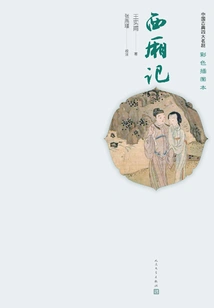
P
Literaturep
Q
The drama "The West Chamber" written by Wang Shifu in the Yuan Dynasty is an important work in the history of Chinese opera and has always attracted the attention of literature lovers. There are five plays in total, namely "Zhang Junrui's Dojo Zaju", "Cui Yingying's Listening to the Piano at Night", "Zhang Junrui's Lovesick Zaju", "Caoqiaodian Meng Yingying's Zaju" and "Zhang Junrui's Qing Tuan Chuan Zaju". Each book has four folds and one wedge, showing the structural characteristics of the more typical Yuan dramas. The book tells the story of Zhang Sheng and Cui Yingying, with the help of their maid matchmaker, they broke through the constraints of various feudal ethics and difficulties in real life and finally got married. At the same time, it shows high artistic achievement. The gorgeous diction, the twists and turns of the story, the ups and downs of emotions, the delicate writing style, and the vividness of the characters are all a masterpiece. Its superb psychological portrayal and twists and turns of structure are also among the best in ancient literary and artistic works with the theme of love.
The drama "The West Chamber" written by Wang Shifu in the Yuan Dynasty is an important work in the history of Chinese opera and has always attracted the attention of literature lovers. There are five plays in total, namely "Zhang Junrui's Dojo Zaju", "Cui Yingying's Listening to the Piano at Night", "Zhang Junrui's Lovesick Zaju", "Caoqiaodian Meng Yingying's Zaju" and "Zhang Junrui's Qing Tuan Chuan Zaju". Each book has four folds and one wedge, showing the structural characteristics of the more typical Yuan dramas. The book tells the story of Zhang Sheng and Cui Yingying, with the help of their maid matchmaker, they broke through the constraints of various feudal ethics and difficulties in real life and finally got married. At the same time, it shows high artistic achievement. The gorgeous diction, the twists and turns of the story, the ups and downs of emotions, the delicate writing style, and the vividness of the characters are all a masterpiece. Its superb psychological portrayal and twists and turns of structure are also among the best in ancient literary and artistic works with the theme of love.
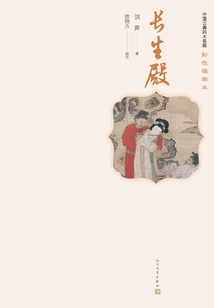
Palace of Eternal Life
Literature长生殿
(qing Dynasty) Written By Hong Sheng And Edited By Xu Shuofang
"The Palace of Eternal Life", one of the "Twin Jewels of the Early Qing Dynasty Theater", is based on Bai Juyi's long poem "Song of Everlasting Sorrow" and Bai Pu's play "Indus Rain". It emotionally and deeply interprets the love story between Emperor Xuanzong of the Tang Dynasty and his imperial concubine Yang Yuhuan, and conveys the author's thoughts about his homeland. This book is based on the original edition of Baiqi Caotang, and is revised on the edition of Wenruilou and "The Legend of Warm Red Room Collection". It has detailed and accurate annotations. It is the best compiled edition at present. This revision also adds a number of color illustrations, such as "The Emperor Ming's Visit to Shu", "The Emperor Ming Plays Chess", "The Imperial Concubine Leaving the Bath", "The Imperial Concubine's Dawn Makeup", etc. Most of the illustrations selected in the book were created by painters of the Ming and Qing Dynasties. After processing, the colors are restored to a high degree, which can bring readers a vivid aesthetic experience.
"The Palace of Eternal Life", one of the "Twin Jewels of the Early Qing Dynasty Theater", is based on Bai Juyi's long poem "Song of Everlasting Sorrow" and Bai Pu's play "Indus Rain". It emotionally and deeply interprets the love story between Emperor Xuanzong of the Tang Dynasty and his imperial concubine Yang Yuhuan, and conveys the author's thoughts about his homeland. This book is based on the original edition of Baiqi Caotang, and is revised on the edition of Wenruilou and "The Legend of Warm Red Room Collection". It has detailed and accurate annotations. It is the best compiled edition at present. This revision also adds a number of color illustrations, such as "The Emperor Ming's Visit to Shu", "The Emperor Ming Plays Chess", "The Imperial Concubine Leaving the Bath", "The Imperial Concubine's Dawn Makeup", etc. Most of the illustrations selected in the book were created by painters of the Ming and Qing Dynasties. After processing, the colors are restored to a high degree, which can bring readers a vivid aesthetic experience.
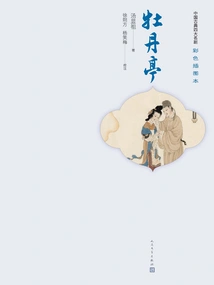
Peony Pavilion
Literature牡丹亭
(ming Dynasty) Written By Tang Xianzu, Edited By Xu Shuofang And Edited By Yang Xiaomei
"The Peony Pavilion" is a representative work by Tang Xianzu, a playwright of the Ming Dynasty. It tells the story of Du Liniang, a daughter of an official, who fell in love with Liu Mengmei, a scholar in her dream, and died of grief. "The Peony Pavilion" is famous for its beautiful diction, its lyrics are organic and interesting, and its music and lyrics take advantage of both the vigorous and turbulent Northern music and the subtle and elegant Southern poetry. Lu Tiancheng of the Ming Dynasty called it "thrilling, ingenious and endlessly new, truly worthy of the ages!" The author Tang Xianzu praised the true love of "the living can die, and the dead can live", which is lingering, beautiful and deeply touching. "The Peony Pavilion" is a masterpiece with the highest artistic achievement and greatest influence among ancient love dramas after "The Romance of the West Chamber".
"The Peony Pavilion" is a representative work by Tang Xianzu, a playwright of the Ming Dynasty. It tells the story of Du Liniang, a daughter of an official, who fell in love with Liu Mengmei, a scholar in her dream, and died of grief. "The Peony Pavilion" is famous for its beautiful diction, its lyrics are organic and interesting, and its music and lyrics take advantage of both the vigorous and turbulent Northern music and the subtle and elegant Southern poetry. Lu Tiancheng of the Ming Dynasty called it "thrilling, ingenious and endlessly new, truly worthy of the ages!" The author Tang Xianzu praised the true love of "the living can die, and the dead can live", which is lingering, beautiful and deeply touching. "The Peony Pavilion" is a masterpiece with the highest artistic achievement and greatest influence among ancient love dramas after "The Romance of the West Chamber".
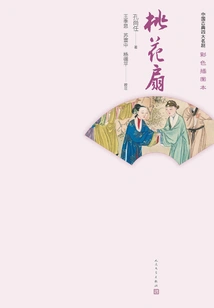
Peach Blossom Fan
Literature桃花扇
(qing Dynasty) Written By Kong Shangren And Edited By Wang Jisi And Others
The legend "The Peach Blossom Fan" created by Kong Shangren in the Qing Dynasty "borrows the feelings of separation and reunion to describe the feelings of rise and fall." It expresses the history of the fall of the Southern Ming Dynasty through the love story of Hou Fangyu and Li Xiangjun. "The Peach Blossom Fan" also has an outstanding artistic feature, that is, it uses a large amount of fiction to create historical dramas based on real people and real events with evidence. Among them, "Coaxing", "Detective Play", "Noisy", "Welcoming the Driver", "Facing the Seat" and "The Cursing Banquet" are all good plays that can show the author's flexible and creative thinking. The characters in the play are well-characterized, both physically and spiritually, and have a high level of artistic achievement.
The legend "The Peach Blossom Fan" created by Kong Shangren in the Qing Dynasty "borrows the feelings of separation and reunion to describe the feelings of rise and fall." It expresses the history of the fall of the Southern Ming Dynasty through the love story of Hou Fangyu and Li Xiangjun. "The Peach Blossom Fan" also has an outstanding artistic feature, that is, it uses a large amount of fiction to create historical dramas based on real people and real events with evidence. Among them, "Coaxing", "Detective Play", "Noisy", "Welcoming the Driver", "Facing the Seat" and "The Cursing Banquet" are all good plays that can show the author's flexible and creative thinking. The characters in the play are well-characterized, both physically and spiritually, and have a high level of artistic achievement.
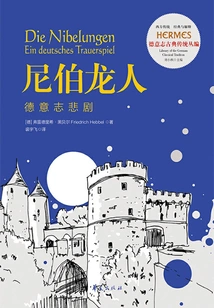
Nibelungs
Literature尼伯龙人
(germany) Friedrich Heibel
"The Nibelungs" is adapted from "The Nibelungenlied", one of the most important narrative literatures in medieval Germany. It is a trilogy of plays written by Friedrich Heibel from 1850 to 1860. It was published in 1861. It is the most influential drama with the theme of the Nibelung myth besides Richard Wagner's opera "The Ring of the Nibelungs". The play consists of the one-act play "Siegfried with skin like dragon scales", the five-act tragedy "The Death of Siegfried" and the five-act tragedy "Kriemhild's Revenge". Translating this play into China will, on the one hand, help domestic readers have a more comprehensive understanding of the history of the reception of traditional legends in modern Germany, and on the other hand, it will also enable more readers to have a better understanding of Hebel, an important writer of the 19th century.
"The Nibelungs" is adapted from "The Nibelungenlied", one of the most important narrative literatures in medieval Germany. It is a trilogy of plays written by Friedrich Heibel from 1850 to 1860. It was published in 1861. It is the most influential drama with the theme of the Nibelung myth besides Richard Wagner's opera "The Ring of the Nibelungs". The play consists of the one-act play "Siegfried with skin like dragon scales", the five-act tragedy "The Death of Siegfried" and the five-act tragedy "Kriemhild's Revenge". Translating this play into China will, on the one hand, help domestic readers have a more comprehensive understanding of the history of the reception of traditional legends in modern Germany, and on the other hand, it will also enable more readers to have a better understanding of Hebel, an important writer of the 19th century.
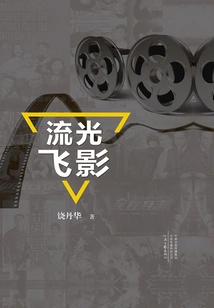
Streaming Light and Flying Shadow
Literature流光飞影
Rao Danhua
The author takes "Huizhou Women", "Cliff", "Sunny", "The Story of the Editorial Office", "Chinese Partners", "Orchid Pavilion", "Flying Swords of Dragon Gate", "Witnessed by All" and other dozens of dramas, film and television works that have attracted public attention as the research objects. From the perspective of creative rules, literary and artistic society From the perspectives of science and mass communication, it analyzes the humanistic care and social value of contemporary drama, film and television creation, and summarizes the development rules and experience gains and losses of literary and artistic creation in the new era. It is both ideological and academic, interesting and readable, and has high publication value.
The author takes "Huizhou Women", "Cliff", "Sunny", "The Story of the Editorial Office", "Chinese Partners", "Orchid Pavilion", "Flying Swords of Dragon Gate", "Witnessed by All" and other dozens of dramas, film and television works that have attracted public attention as the research objects. From the perspective of creative rules, literary and artistic society From the perspectives of science and mass communication, it analyzes the humanistic care and social value of contemporary drama, film and television creation, and summarizes the development rules and experience gains and losses of literary and artistic creation in the new era. It is both ideological and academic, interesting and readable, and has high publication value.
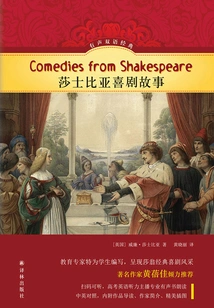
莎士比亚喜剧故事(有声双语经典)
H
Shakespeare was a great playwright and poet during the English Renaissance. His plays had a huge influence around the world and were an insurmountable literary peak. In addition to the well-known "Four Comedies", "A Midsummer Night's Dream", "The Merchant of Venice", "Twelfth Night" and "As You Like It", this edition also selects four famous works: "Much Ado About Nothing", "The Tempest", "The Winter's Tale" and "Weddings". They take love and friendship as their themes, contain the beautiful ideals of humanism, and are filled with optimism.
Shakespeare was a great playwright and poet during the English Renaissance. His plays had a huge influence around the world and were an insurmountable literary peak. In addition to the well-known "Four Comedies", "A Midsummer Night's Dream", "The Merchant of Venice", "Twelfth Night" and "As You Like It", this edition also selects four famous works: "Much Ado About Nothing", "The Tempest", "The Winter's Tale" and "Weddings". They take love and friendship as their themes, contain the beautiful ideals of humanism, and are filled with optimism.
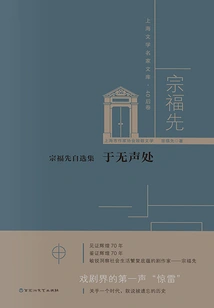
宗福先自选集:于无声处
Zong Fuxian
This book is a self-selected collection by the famous writer Zong Fusheng, which includes the four-act drama "In Silence", the drama script and the film and literary script "Blood is Always Hot". It is about an era and tells the forgotten history. Known as the silent "thunder" in the theater world!
This book is a self-selected collection by the famous writer Zong Fusheng, which includes the four-act drama "In Silence", the drama script and the film and literary script "Blood is Always Hot". It is about an era and tells the forgotten history. Known as the silent "thunder" in the theater world!
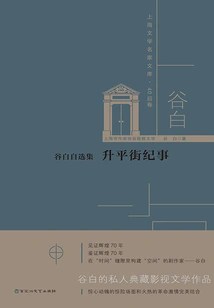
谷白自选集:升平街纪事
Gu Bai
This book is a self-selected collection of film and television literature by the famous playwright Gu Bai. It includes four representative works of the author: "Heroic Tribulation", "Chronicles of Shengping Street", "Wang Shiwu Biography" and "Xue Dou'e's Injustice". Among them, "The Story of Shengping Street", which tells the story of the changes in Shengping Street in Shanghai, was shortlisted for "the first batch of high-quality scripts solicited by Shanghai Media Group in 2006"; the new drama "The Injustice of Snow Dou'e" adapted from Guan Hanqing's "The Injustice of Dou E" retells the entire story from the perspective of the "foolish official judge" who has been ignored for thousands of years in the original work, which is both traditional and familiar, yet innovative.
This book is a self-selected collection of film and television literature by the famous playwright Gu Bai. It includes four representative works of the author: "Heroic Tribulation", "Chronicles of Shengping Street", "Wang Shiwu Biography" and "Xue Dou'e's Injustice". Among them, "The Story of Shengping Street", which tells the story of the changes in Shengping Street in Shanghai, was shortlisted for "the first batch of high-quality scripts solicited by Shanghai Media Group in 2006"; the new drama "The Injustice of Snow Dou'e" adapted from Guan Hanqing's "The Injustice of Dou E" retells the entire story from the perspective of the "foolish official judge" who has been ignored for thousands of years in the original work, which is both traditional and familiar, yet innovative.
经典古代悲剧:清忠谱(上)
Li Yu
This book is a legend (drama) created by Li Yu in the Qing Dynasty and published in the 17th year of Shunzhi in the Qing Dynasty. It is written about the struggle of the Donglin Party against the brutal rule of Wei Zhongxian and other eunuchs in the late Ming Dynasty, and concentratedly exposes the crimes of the Wei Party's spy politics at that time. "Qing Zhongpu" is Li Yu's masterpiece in his later years and is listed as one of China's top ten classical tragedies. At that time, Wei Party agents used various vicious criminal laws to harm the people in order to maintain their reactionary rule. The author did not write about Wei Zhongxian directly, but wrote about the arrogant politicians under his command, highlighting Wei Zhongxian's cruelty and evil. "Qingzhongpu" depicts the raging civil struggle on the opera stage for the first time, truly reproducing the vigorous mass struggle scene, making the common people a symbol of justice, affirming their historical status, and making them important figures in the drama. This is unprecedented in the history of Chinese opera. "Qingzhongpu" has a unique status. It is the first historical drama in the history of Chinese opera that "accordes to the facts" and played an important role on the stage of the Qing Dynasty. This had an influence on later dramas such as "The Peach Blossom Fan". After the work came out, it was adapted into the Peking Opera "Five People's Righteousness", which also had a great influence among the masses. A classic not to be missed by readers interested in opera. There are many characters in the play, the struggle scenes are magnificent, and the scenes change frequently. However, the script does not make people feel messy, but the plot unfolds in an orderly manner and the structure is relatively rigorous. Whether it is a hobby or a hobby, this book has great reading value.
This book is a legend (drama) created by Li Yu in the Qing Dynasty and published in the 17th year of Shunzhi in the Qing Dynasty. It is written about the struggle of the Donglin Party against the brutal rule of Wei Zhongxian and other eunuchs in the late Ming Dynasty, and concentratedly exposes the crimes of the Wei Party's spy politics at that time. "Qing Zhongpu" is Li Yu's masterpiece in his later years and is listed as one of China's top ten classical tragedies. At that time, Wei Party agents used various vicious criminal laws to harm the people in order to maintain their reactionary rule. The author did not write about Wei Zhongxian directly, but wrote about the arrogant politicians under his command, highlighting Wei Zhongxian's cruelty and evil. "Qingzhongpu" depicts the raging civil struggle on the opera stage for the first time, truly reproducing the vigorous mass struggle scene, making the common people a symbol of justice, affirming their historical status, and making them important figures in the drama. This is unprecedented in the history of Chinese opera. "Qingzhongpu" has a unique status. It is the first historical drama in the history of Chinese opera that "accordes to the facts" and played an important role on the stage of the Qing Dynasty. This had an influence on later dramas such as "The Peach Blossom Fan". After the work came out, it was adapted into the Peking Opera "Five People's Righteousness", which also had a great influence among the masses. A classic not to be missed by readers interested in opera. There are many characters in the play, the struggle scenes are magnificent, and the scenes change frequently. However, the script does not make people feel messy, but the plot unfolds in an orderly manner and the structure is relatively rigorous. Whether it is a hobby or a hobby, this book has great reading value.
经典古代悲剧:清忠谱(下)
Li Yu
This book is a legend (drama) created by Li Yu in the Qing Dynasty and published in the 17th year of Shunzhi in the Qing Dynasty. It is written about the struggle of the Donglin Party against the brutal rule of Wei Zhongxian and other eunuchs in the late Ming Dynasty, and concentratedly exposes the crimes of the Wei Party's spy politics at that time. "Qing Zhongpu" is Li Yu's masterpiece in his later years and is listed as one of China's top ten classical tragedies. At that time, Wei Party agents used various vicious criminal laws to harm the people in order to maintain their reactionary rule. The author did not write about Wei Zhongxian directly, but wrote about the arrogant politicians under his command, highlighting Wei Zhongxian's cruelty and evil. "Qingzhongpu" depicts the raging civil struggle on the opera stage for the first time, truly reproducing the vigorous mass struggle scene, making the common people a symbol of justice, affirming their historical status, and making them important figures in the drama. This is unprecedented in the history of Chinese opera. "Qingzhongpu" has a unique status. It is the first historical drama in the history of Chinese opera that "accordes to the facts" and played an important role on the stage of the Qing Dynasty. This had an influence on later dramas such as "The Peach Blossom Fan". After the work came out, it was adapted into the Peking Opera "Five People's Righteousness", which also had a great influence among the masses. A classic not to be missed by readers interested in opera. There are many characters in the play, the struggle scenes are magnificent, and the scenes change frequently. However, the script does not make people feel messy, but the plot unfolds in an orderly manner and the structure is relatively rigorous. Whether it is a hobby or a hobby, this book has great reading value.
This book is a legend (drama) created by Li Yu in the Qing Dynasty and published in the 17th year of Shunzhi in the Qing Dynasty. It is written about the struggle of the Donglin Party against the brutal rule of Wei Zhongxian and other eunuchs in the late Ming Dynasty, and concentratedly exposes the crimes of the Wei Party's spy politics at that time. "Qing Zhongpu" is Li Yu's masterpiece in his later years and is listed as one of China's top ten classical tragedies. At that time, Wei Party agents used various vicious criminal laws to harm the people in order to maintain their reactionary rule. The author did not write about Wei Zhongxian directly, but wrote about the arrogant politicians under his command, highlighting Wei Zhongxian's cruelty and evil. "Qingzhongpu" depicts the raging civil struggle on the opera stage for the first time, truly reproducing the vigorous mass struggle scene, making the common people a symbol of justice, affirming their historical status, and making them important figures in the drama. This is unprecedented in the history of Chinese opera. "Qingzhongpu" has a unique status. It is the first historical drama in the history of Chinese opera that "accordes to the facts" and played an important role on the stage of the Qing Dynasty. This had an influence on later dramas such as "The Peach Blossom Fan". After the work came out, it was adapted into the Peking Opera "Five People's Righteousness", which also had a great influence among the masses. A classic not to be missed by readers interested in opera. There are many characters in the play, the struggle scenes are magnificent, and the scenes change frequently. However, the script does not make people feel messy, but the plot unfolds in an orderly manner and the structure is relatively rigorous. Whether it is a hobby or a hobby, this book has great reading value.
戏曲爱情故事:琵琶记(上)
Gao Zecheng
"The Story of the Pipa" is a Southern opera adapted from the long-circulated folk opera "Zhao Zhennu Cai Erlang" by Gao Ming, a late-Yuan opera writer. It is a classic work in ancient Chinese opera. It describes the love story of Cai Bojie and Zhao Wuniang, a scholar in the Han Dynasty. Readers who like opera stories, this book is worth reading. "The Story of Pipa" basically inherits the framework of the story of "Zhao Zhennu", but changes the image of Cai Bojie in the original story who betrayed his parents and abandoned his wife. It retains Zhao Zhennu's "chastity and fidelity", but comprehensively transforms Cai Bojie's image, making him a scholar who is "all loyal and all filial". The whole play has a complete and ingenious structure, elegant and vivid language, showing the literati's delicate vision and smooth technique. It is a work that combines highly developed Chinese lyric literature and dramatic art. The literary achievement of "Pipa Ji" greatly exceeds the works in "Three Types of Operas in Yongle Dadian". Since its inception, it has been popular for more than 600 years and has always attracted the attention of the world. It has also been translated into French and Japanese and spread abroad. The whole play is elegant, complete, vivid and rich, showing the literati's delicate vision and hearty technique. It is a combination of highly developed Chinese lyric literature and dramatic art. No matter in terms of ideological content, characters, structure and language, "Pipa Ji" has unique features and is worthy of appreciation and consideration. Therefore, "The Story of Pipa" is an excellent play worth promoting. The artistic achievements of "Pipa Chronicles" not only affected the theater world at that time, but also set a model for the legends of the Ming and Qing Dynasties. Therefore, it was called the "ancestor of Southern Opera" in the past.
"The Story of the Pipa" is a Southern opera adapted from the long-circulated folk opera "Zhao Zhennu Cai Erlang" by Gao Ming, a late-Yuan opera writer. It is a classic work in ancient Chinese opera. It describes the love story of Cai Bojie and Zhao Wuniang, a scholar in the Han Dynasty. Readers who like opera stories, this book is worth reading. "The Story of Pipa" basically inherits the framework of the story of "Zhao Zhennu", but changes the image of Cai Bojie in the original story who betrayed his parents and abandoned his wife. It retains Zhao Zhennu's "chastity and fidelity", but comprehensively transforms Cai Bojie's image, making him a scholar who is "all loyal and all filial". The whole play has a complete and ingenious structure, elegant and vivid language, showing the literati's delicate vision and smooth technique. It is a work that combines highly developed Chinese lyric literature and dramatic art. The literary achievement of "Pipa Ji" greatly exceeds the works in "Three Types of Operas in Yongle Dadian". Since its inception, it has been popular for more than 600 years and has always attracted the attention of the world. It has also been translated into French and Japanese and spread abroad. The whole play is elegant, complete, vivid and rich, showing the literati's delicate vision and hearty technique. It is a combination of highly developed Chinese lyric literature and dramatic art. No matter in terms of ideological content, characters, structure and language, "Pipa Ji" has unique features and is worthy of appreciation and consideration. Therefore, "The Story of Pipa" is an excellent play worth promoting. The artistic achievements of "Pipa Chronicles" not only affected the theater world at that time, but also set a model for the legends of the Ming and Qing Dynasties. Therefore, it was called the "ancestor of Southern Opera" in the past.
戏曲爱情故事:琵琶记(下)
Gao Zecheng
"The Story of the Pipa" is a Southern opera adapted from the long-circulated folk opera "Zhao Zhennu Cai Erlang" by Gao Ming, a late-Yuan opera writer. It is a classic work in ancient Chinese opera. It describes the love story of Cai Bojie and Zhao Wuniang, a scholar in the Han Dynasty. Readers who like opera stories, this book is worth reading. "The Story of Pipa" basically inherits the framework of the story of "Zhao Zhennu", but changes the image of Cai Bojie in the original story who betrayed his parents and abandoned his wife. It retains Zhao Zhennu's "chastity and fidelity", but comprehensively transforms Cai Bojie's image, making him a scholar who is "all loyal and all filial". The whole play has a complete and ingenious structure, elegant and vivid language, showing the literati's delicate vision and smooth technique. It is a work that combines highly developed Chinese lyric literature and dramatic art. The literary achievement of "Pipa Ji" greatly exceeds the works in "Three Types of Operas in Yongle Dadian". Since its inception, it has been popular for more than 600 years and has always attracted the attention of the world. It has also been translated into French and Japanese and spread abroad. The whole play is elegant, complete, vivid and rich, showing the literati's delicate vision and hearty technique. It is a combination of highly developed Chinese lyric literature and dramatic art. No matter in terms of ideological content, characters, structure and language, "Pipa Ji" has unique features and is worthy of appreciation and consideration. Therefore, "The Story of Pipa" is an excellent play worth promoting. The artistic achievements of "Pipa Chronicles" not only affected the theater world at that time, but also set a model for the legends of the Ming and Qing Dynasties. Therefore, it was called the "ancestor of Southern Opera" in the past.
"The Story of the Pipa" is a Southern opera adapted from the long-circulated folk opera "Zhao Zhennu Cai Erlang" by Gao Ming, a late-Yuan opera writer. It is a classic work in ancient Chinese opera. It describes the love story of Cai Bojie and Zhao Wuniang, a scholar in the Han Dynasty. Readers who like opera stories, this book is worth reading. "The Story of Pipa" basically inherits the framework of the story of "Zhao Zhennu", but changes the image of Cai Bojie in the original story who betrayed his parents and abandoned his wife. It retains Zhao Zhennu's "chastity and fidelity", but comprehensively transforms Cai Bojie's image, making him a scholar who is "all loyal and all filial". The whole play has a complete and ingenious structure, elegant and vivid language, showing the literati's delicate vision and smooth technique. It is a work that combines highly developed Chinese lyric literature and dramatic art. The literary achievement of "Pipa Ji" greatly exceeds the works in "Three Types of Operas in Yongle Dadian". Since its inception, it has been popular for more than 600 years and has always attracted the attention of the world. It has also been translated into French and Japanese and spread abroad. The whole play is elegant, complete, vivid and rich, showing the literati's delicate vision and hearty technique. It is a combination of highly developed Chinese lyric literature and dramatic art. No matter in terms of ideological content, characters, structure and language, "Pipa Ji" has unique features and is worthy of appreciation and consideration. Therefore, "The Story of Pipa" is an excellent play worth promoting. The artistic achievements of "Pipa Chronicles" not only affected the theater world at that time, but also set a model for the legends of the Ming and Qing Dynasties. Therefore, it was called the "ancestor of Southern Opera" in the past.
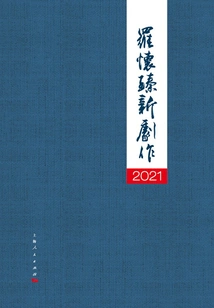
2021 Luo Huaizhen's New Play
Literature2021罗怀臻新剧作
Luo Huaizhen
This manuscript contains 10 new plays by the famous playwright Luo Huaizhen. Including Kun Opera "Guo Feng" and "Autumn in the Han Palace", Peking Opera "Changing Worlds", Huai Opera "Han Mei", Yang Opera "Alian Crossing the River", dance dramas "The Eternal Wave", "The Source of the River", "AI Mother", ballets "Liang Shanbo and Zhu Yingtai", "Du Liniang", etc. These ten plays more vividly reflect the author's achievements in opera creation and are full of characteristics.
This manuscript contains 10 new plays by the famous playwright Luo Huaizhen. Including Kun Opera "Guo Feng" and "Autumn in the Han Palace", Peking Opera "Changing Worlds", Huai Opera "Han Mei", Yang Opera "Alian Crossing the River", dance dramas "The Eternal Wave", "The Source of the River", "AI Mother", ballets "Liang Shanbo and Zhu Yingtai", "Du Liniang", etc. These ten plays more vividly reflect the author's achievements in opera creation and are full of characteristics.