Library
Browse and search books
2,982 novels found
道观可道的中国(九说中国)
Zhang Xiaohong
Taoist temples are important places for Taoists to worship and practice. They are often hidden in a considerable number of Taoist holy places. If a Taoist master comes here to practice Buddhism, or even writes a book, then the reputation of these Taoist temples will naturally spread widely. Therefore, together with the famous Taoist mountains, they constitute an important part of the Taoist cave heaven and blessed land. The distribution, rise and fall of these cave-heaven blessed lands all over China are closely related to the development of Taoism. Therefore, this book selects nine representative Cave Heaven Blessed Lands, trying to reflect the formation and development of Taoism through them, and from them, it can see the role and influence of Taoism, a local religion, on the spiritual and cultural life of the Chinese people. Zhang Xiaohong is the director, professor and doctoral supervisor of the Chinese Institute of Historical Geography, the director of the Historical Geography Center of Fudan University, a key research base for humanities and social sciences of the Ministry of Education, a Harvard-Yenching Scholar in 2002-2003, and currently the vice president of the Shanghai Geographical Society. Mainly engaged in research on historical urban geography and historical and cultural geography. He has presided over a number of research projects of the National Natural Science Foundation, the National Social Science Foundation and the Ministry of Education. He is the author of the monographs "Differentiation and Integration of Cultural Regions - Research on the Historical and Cultural Geography of Shaanxi", "Ancient Capitals and Cities", and editors of "What All Peoples Depend on: Architecture and Imagery", "Dongtian Blessed Land", etc.
Taoist temples are important places for Taoists to worship and practice. They are often hidden in a considerable number of Taoist holy places. If a Taoist master comes here to practice Buddhism, or even writes a book, then the reputation of these Taoist temples will naturally spread widely. Therefore, together with the famous Taoist mountains, they constitute an important part of the Taoist cave heaven and blessed land. The distribution, rise and fall of these cave-heaven blessed lands all over China are closely related to the development of Taoism. Therefore, this book selects nine representative Cave Heaven Blessed Lands, trying to reflect the formation and development of Taoism through them, and from them, it can see the role and influence of Taoism, a local religion, on the spiritual and cultural life of the Chinese people. Zhang Xiaohong is the director, professor and doctoral supervisor of the Chinese Institute of Historical Geography, the director of the Historical Geography Center of Fudan University, a key research base for humanities and social sciences of the Ministry of Education, a Harvard-Yenching Scholar in 2002-2003, and currently the vice president of the Shanghai Geographical Society. Mainly engaged in research on historical urban geography and historical and cultural geography. He has presided over a number of research projects of the National Natural Science Foundation, the National Social Science Foundation and the Ministry of Education. He is the author of the monographs "Differentiation and Integration of Cultural Regions - Research on the Historical and Cultural Geography of Shaanxi", "Ancient Capitals and Cities", and editors of "What All Peoples Depend on: Architecture and Imagery", "Dongtian Blessed Land", etc.
节日里的中国(九说中国)
Zhong Fulan
China's traditional festivals are inseparable from the production and life of the Chinese people. They embody the rich wisdom of the Chinese people and maintain the deep emotions of the Chinese people. They are an integral part of the long history and culture of the Chinese nation. This book selects nine important festivals that still have a great influence on social life, such as the Spring Festival, Dragon Boat Festival, Mid-Autumn Festival, Double Ninth Festival, etc., Sort out the origins, customs, related legends and other aspects of the festivals, trace their origins, and elucidate the profound connotations and rich implications of traditional festivals. Zhong Fulan is a professor at East China Normal University and the president of the Shanghai Folklore Society. He has devoted himself to the study of Chinese folk culture and folk communication for many years. He is the author of "General Introduction to Chinese Folklore", "A Comprehensive Review of Vietnamese Intangible Cultural Heritage", "Clear Water and Moisturizing Soil: Jiangnan Folk Customs", "Shanghai Folk Customs - Daily Life in Shanghai from the Perspective of Folk Culture", "Folklore Communication", etc. Some of his works have been translated into English, Russian, Japanese, Korean and other languages. A large number of papers and articles have been published in newspapers and magazines at home and abroad, and he has undertaken a number of national and Shanghai cultural and creative research projects.
China's traditional festivals are inseparable from the production and life of the Chinese people. They embody the rich wisdom of the Chinese people and maintain the deep emotions of the Chinese people. They are an integral part of the long history and culture of the Chinese nation. This book selects nine important festivals that still have a great influence on social life, such as the Spring Festival, Dragon Boat Festival, Mid-Autumn Festival, Double Ninth Festival, etc., Sort out the origins, customs, related legends and other aspects of the festivals, trace their origins, and elucidate the profound connotations and rich implications of traditional festivals. Zhong Fulan is a professor at East China Normal University and the president of the Shanghai Folklore Society. He has devoted himself to the study of Chinese folk culture and folk communication for many years. He is the author of "General Introduction to Chinese Folklore", "A Comprehensive Review of Vietnamese Intangible Cultural Heritage", "Clear Water and Moisturizing Soil: Jiangnan Folk Customs", "Shanghai Folk Customs - Daily Life in Shanghai from the Perspective of Folk Culture", "Folklore Communication", etc. Some of his works have been translated into English, Russian, Japanese, Korean and other languages. A large number of papers and articles have been published in newspapers and magazines at home and abroad, and he has undertaken a number of national and Shanghai cultural and creative research projects.
寺院映现的中国(九说中国)
Zhang Weiran
What is the connection between the architectural style of Sinicized temples and traditional Chinese architecture? How many ups and downs and changes has it experienced in the vast history of Yu? What is the content of the daily life of monks in monasteries, and what impact does it have on the spiritual and cultural life of the public? This book uses multidisciplinary knowledge to conduct a systematic and three-dimensional investigation of Chinese temples from nine aspects. It not only discusses the above issues in detail, but also incorporates rich humanistic and historical allusions on this basis to present readers with a sacred space carrying profound cultural heritage. Of course, the author is not limited to discussing the temple itself, but uses the temple as a mirror to gain insight into Chinese society in the historical changes and the complex customs and world conditions, which is very helpful in guiding readers to understand Chinese Buddhism. Zhang Weiran is a professor and doctoral supervisor at the Institute of Chinese Historical Geography at Fudan University, a director of the Chinese Geographical Society, deputy director and secretary-general of the Historical Geography Professional Committee of the Chinese Geographical Society, an editorial board member of "Geographical Research", "Historical Research" and "Tropical Geography", a distinguished professor of "Chutian Scholar" at Yangtze University, and a member of the Xiling Seal Society. Mainly engaged in historical and humanistic geography research, especially good at historical and cultural geography. He is one of the earliest scholars in China to conduct research on Buddhist geography. He is the author of "Geographic Imagery in Medieval Literature", "The Connection between History and Modernity", "Respect and Warmth of Learning", etc.
What is the connection between the architectural style of Sinicized temples and traditional Chinese architecture? How many ups and downs and changes has it experienced in the vast history of Yu? What is the content of the daily life of monks in monasteries, and what impact does it have on the spiritual and cultural life of the public? This book uses multidisciplinary knowledge to conduct a systematic and three-dimensional investigation of Chinese temples from nine aspects. It not only discusses the above issues in detail, but also incorporates rich humanistic and historical allusions on this basis to present readers with a sacred space carrying profound cultural heritage. Of course, the author is not limited to discussing the temple itself, but uses the temple as a mirror to gain insight into Chinese society in the historical changes and the complex customs and world conditions, which is very helpful in guiding readers to understand Chinese Buddhism. Zhang Weiran is a professor and doctoral supervisor at the Institute of Chinese Historical Geography at Fudan University, a director of the Chinese Geographical Society, deputy director and secretary-general of the Historical Geography Professional Committee of the Chinese Geographical Society, an editorial board member of "Geographical Research", "Historical Research" and "Tropical Geography", a distinguished professor of "Chutian Scholar" at Yangtze University, and a member of the Xiling Seal Society. Mainly engaged in historical and humanistic geography research, especially good at historical and cultural geography. He is one of the earliest scholars in China to conduct research on Buddhist geography. He is the author of "Geographic Imagery in Medieval Literature", "The Connection between History and Modernity", "Respect and Warmth of Learning", etc.
九首古诗里的中国(九说中国)
Hu Xiaoming
The nine ancient poems selected in this book start from the "Book of Songs" in the pre-Qin era and end with "Miscellaneous Poems of Jihai" written by Gong Zizhen in the Qing Dynasty. With Qu Yuan, Tao Yuanming, Li Bai, Du Fu, and Su Dongpo as the mainstay, Zhang Ruoxu and Wang Yangming are the must-selects. Its characteristic is that it uses the most essential works in the history of poetry to form a Chinese humanistic poetics pedigree from Shi Sao to the late Qing Dynasty, expressing the cultural spirit of ancient Chinese poetry for thousands of years. With one volume in hand, you can find the era and the overall situation, masters and famous works, philosophy and artistic realm, poetic style, Li Du, Tang and Song Dynasty, oddity and integrity, hardness and softness, all at the same time. The way of interpreting ancient poetry is actually a way of life and existence. People today still resonate with ancient poems when they read them, because they awaken our feelings about life and allow us to realize the origin of life and the fullness of existence. Hu Xiaoming is a tenured professor and library director of East China Normal University, deputy director of the Institute of Modern Chinese Thought and Culture at the Humanities and Social Sciences Research Base of the Ministry of Education, and director of the China Jiangnan Literature Research Center. He is also the president of the Ancient Chinese Literature Theory Society and Nanshan Chair Professor of the China Academy of Art. Currently engaged in research on Chinese literary thought and Jiangnan culture. He is the author of "The Spirit of Chinese Poetics", "Moon of Ten Thousand Rivers: The Spiritual Realm of Chinese Landscape Poetry", "Spiritual Roots and Emotions: Research on Pre-Qin Literary Thoughts", "Notes on Cultural Jiangnan", "Poetry and Cultural Soul", "Poetics of Jiangnan Culture", etc.
The nine ancient poems selected in this book start from the "Book of Songs" in the pre-Qin era and end with "Miscellaneous Poems of Jihai" written by Gong Zizhen in the Qing Dynasty. With Qu Yuan, Tao Yuanming, Li Bai, Du Fu, and Su Dongpo as the mainstay, Zhang Ruoxu and Wang Yangming are the must-selects. Its characteristic is that it uses the most essential works in the history of poetry to form a Chinese humanistic poetics pedigree from Shi Sao to the late Qing Dynasty, expressing the cultural spirit of ancient Chinese poetry for thousands of years. With one volume in hand, you can find the era and the overall situation, masters and famous works, philosophy and artistic realm, poetic style, Li Du, Tang and Song Dynasty, oddity and integrity, hardness and softness, all at the same time. The way of interpreting ancient poetry is actually a way of life and existence. People today still resonate with ancient poems when they read them, because they awaken our feelings about life and allow us to realize the origin of life and the fullness of existence. Hu Xiaoming is a tenured professor and library director of East China Normal University, deputy director of the Institute of Modern Chinese Thought and Culture at the Humanities and Social Sciences Research Base of the Ministry of Education, and director of the China Jiangnan Literature Research Center. He is also the president of the Ancient Chinese Literature Theory Society and Nanshan Chair Professor of the China Academy of Art. Currently engaged in research on Chinese literary thought and Jiangnan culture. He is the author of "The Spirit of Chinese Poetics", "Moon of Ten Thousand Rivers: The Spiritual Realm of Chinese Landscape Poetry", "Spiritual Roots and Emotions: Research on Pre-Qin Literary Thoughts", "Notes on Cultural Jiangnan", "Poetry and Cultural Soul", "Poetics of Jiangnan Culture", etc.
玉石里的中国(九说中国)
Ye Shuxian
The main purpose of this book is to use jade culture to explain why China is China. By examining the development route of jade culture, it presents the vastness of Chinese civilization and its long history, allowing readers to appreciate the breadth and depth of Chinese culture; by decoding the wonders of Chinese culture composed of jade culture, it highlights the unique features and cultural heritage of this ancient civilization's exclusive beliefs. The book draws on fieldwork, archaeological sites, cultural relics, written texts, and many other aspects, combined with vivid cases of new archaeological discoveries, and applies new results of material culture research to comb in detail the inheritance of the so-called jade "gene" in the ten thousand-year tradition of Chinese civilization. It gives the unique symbolic meaning of jade in Chinese history and culture, updates our overall understanding of China with the times, and strives to present "previously unknown Chinese stories" to readers. Ye Shuxian is one of the first batch of senior professors of humanities and social sciences at Shanghai Jiao Tong University. He once served as a professor at the Institute of Literature, Chinese Academy of Social Sciences; executive director of the Chinese Society of Comparative Literature, and director of the Youth Academic Committee. Vice President of the Chinese Literary Anthropology Research Association. Visiting professor at Yale University in the United States from 1999 to 2000; visiting professor at the British Academy, Oxford University, and Cambridge University in 2001; visiting professor at the Royal Netherlands Academy in 2003. In 1993, he was awarded the title of "Expert Enjoying Special Government Allowance". His main research fields are comparative literature and literary anthropology, specializing in ancient Chinese culture and literature. He has published 30 books, including "Literature and Anthropology", "Chinese Mythology and Philosophy", and 5 translations. Published more than 300 papers. He has opened personal columns in publications such as "Chinese Comparative Literature" and "Literary Contest", and has played an active role in innovating literary research methods and even Chinese studies methods. The literary anthropology research he advocates has formed a new school with considerable momentum in China.
The main purpose of this book is to use jade culture to explain why China is China. By examining the development route of jade culture, it presents the vastness of Chinese civilization and its long history, allowing readers to appreciate the breadth and depth of Chinese culture; by decoding the wonders of Chinese culture composed of jade culture, it highlights the unique features and cultural heritage of this ancient civilization's exclusive beliefs. The book draws on fieldwork, archaeological sites, cultural relics, written texts, and many other aspects, combined with vivid cases of new archaeological discoveries, and applies new results of material culture research to comb in detail the inheritance of the so-called jade "gene" in the ten thousand-year tradition of Chinese civilization. It gives the unique symbolic meaning of jade in Chinese history and culture, updates our overall understanding of China with the times, and strives to present "previously unknown Chinese stories" to readers. Ye Shuxian is one of the first batch of senior professors of humanities and social sciences at Shanghai Jiao Tong University. He once served as a professor at the Institute of Literature, Chinese Academy of Social Sciences; executive director of the Chinese Society of Comparative Literature, and director of the Youth Academic Committee. Vice President of the Chinese Literary Anthropology Research Association. Visiting professor at Yale University in the United States from 1999 to 2000; visiting professor at the British Academy, Oxford University, and Cambridge University in 2001; visiting professor at the Royal Netherlands Academy in 2003. In 1993, he was awarded the title of "Expert Enjoying Special Government Allowance". His main research fields are comparative literature and literary anthropology, specializing in ancient Chinese culture and literature. He has published 30 books, including "Literature and Anthropology", "Chinese Mythology and Philosophy", and 5 translations. Published more than 300 papers. He has opened personal columns in publications such as "Chinese Comparative Literature" and "Literary Contest", and has played an active role in innovating literary research methods and even Chinese studies methods. The literary anthropology research he advocates has formed a new school with considerable momentum in China.
寓言里的中国(九说中国)
Xia Deyuan
In the thousands of years of civilization history of the Chinese nation, fables have played a huge role in shaping the national soul, prospering national culture, and enriching national language. Ancient Chinese fables, like a mirror, reflect the characteristics and creative power of our Chinese nation. Today, they can still be used as a valuable reference for us to cultivate our personal moral character, carry forward traditional culture, and reshape the national image. From fables, we can appreciate life, understand the relationship between people and things around us, understand the trend of historical development, and comprehend the infinite mysteries of the universe... This book selects several medieval fables from nine perspectives, and provides a popular interpretation that combines history and logic, trying to show the Chinese cultural character and the unique mental journey and spiritual outlook of the Chinese nation reflected in the fables. Xia Deyuan was born in Xishui, Hubei Province in October 1963. Ph. D., Editor and reviewer. He has worked in Fudan University Press, Oriental Publishing Center, Shanghai Educational Audio and Video Press and other publishing institutions. He is currently a professor at the School of Publishing, Printing and Art Design of the University of Shanghai for Science and Technology. He has published works such as "The Romance of Proverbs", "Readers Have Their Books", "Chinese Proverbs", "Chinese Family Style Stories", "The Rise of Electronic Media People - The Mediaization of People and the Evolution of the Relationship between People and the Media" and "The Anxiety of Communication".
In the thousands of years of civilization history of the Chinese nation, fables have played a huge role in shaping the national soul, prospering national culture, and enriching national language. Ancient Chinese fables, like a mirror, reflect the characteristics and creative power of our Chinese nation. Today, they can still be used as a valuable reference for us to cultivate our personal moral character, carry forward traditional culture, and reshape the national image. From fables, we can appreciate life, understand the relationship between people and things around us, understand the trend of historical development, and comprehend the infinite mysteries of the universe... This book selects several medieval fables from nine perspectives, and provides a popular interpretation that combines history and logic, trying to show the Chinese cultural character and the unique mental journey and spiritual outlook of the Chinese nation reflected in the fables. Xia Deyuan was born in Xishui, Hubei Province in October 1963. Ph. D., Editor and reviewer. He has worked in Fudan University Press, Oriental Publishing Center, Shanghai Educational Audio and Video Press and other publishing institutions. He is currently a professor at the School of Publishing, Printing and Art Design of the University of Shanghai for Science and Technology. He has published works such as "The Romance of Proverbs", "Readers Have Their Books", "Chinese Proverbs", "Chinese Family Style Stories", "The Rise of Electronic Media People - The Mediaization of People and the Evolution of the Relationship between People and the Media" and "The Anxiety of Communication".
New Comments on Haihunhou
History海昏侯新论
Xin Deyong
"New Treatise on Haihunhou" is a companion volume to "Haihunhou Liu He" and is also its advanced reading. Combining the continuously published documents and cultural relics from the tomb of Marquis Haihun, the author uses historical research methods to analyze the content that has not been discussed in detail in "Haihun Marquis Liu He" and the controversial or new thinking issues, such as the meaning of the name "Haihun", the layout of Liu He's cemetery, and its relationship with the layout of Chang'an City in the Han Dynasty. We will conduct an in-depth exploration of the relationship between the book, the philological value of the fragments of "The Analects of Confucius" unearthed from the tomb, the political and cultural significance of the so-called "horseshoe gold" and its relationship with the shape of gold coins in the Qin and Han Dynasties, etc. It is hoped that it can substantively promote the research on issues related to Haihunhou in both social, cultural and academic research.
"New Treatise on Haihunhou" is a companion volume to "Haihunhou Liu He" and is also its advanced reading. Combining the continuously published documents and cultural relics from the tomb of Marquis Haihun, the author uses historical research methods to analyze the content that has not been discussed in detail in "Haihun Marquis Liu He" and the controversial or new thinking issues, such as the meaning of the name "Haihun", the layout of Liu He's cemetery, and its relationship with the layout of Chang'an City in the Han Dynasty. We will conduct an in-depth exploration of the relationship between the book, the philological value of the fragments of "The Analects of Confucius" unearthed from the tomb, the political and cultural significance of the so-called "horseshoe gold" and its relationship with the shape of gold coins in the Qin and Han Dynasties, etc. It is hoped that it can substantively promote the research on issues related to Haihunhou in both social, cultural and academic research.
Liu He, Marquis of Haihun
History海昏侯刘贺
Xin Deyong
As one of the top ten archaeological discoveries in the country in 2015, the Tomb of Haihunhou of the Western Han Dynasty in Nanchang, Jiangxi Province. The large number of exquisite funerary objects unearthed are amazing, and the legendary experience of the tomb owner Liu He is even more talked about. This book is the first academic research monograph on Haihunhou and his era. Based on the life of Liu He recorded in literature and combined with unearthed cultural relics, the author explains in detail many major historical events from the later years of Emperor Wu of the Han Dynasty to the period of Emperor Xuan of the Han Dynasty. By analyzing Liu He's experiences and actions, he reveals his personal living environment and personality traits, and believes that Liu He's dramatic life was not only created by the times but also by his personality.
As one of the top ten archaeological discoveries in the country in 2015, the Tomb of Haihunhou of the Western Han Dynasty in Nanchang, Jiangxi Province. The large number of exquisite funerary objects unearthed are amazing, and the legendary experience of the tomb owner Liu He is even more talked about. This book is the first academic research monograph on Haihunhou and his era. Based on the life of Liu He recorded in literature and combined with unearthed cultural relics, the author explains in detail many major historical events from the later years of Emperor Wu of the Han Dynasty to the period of Emperor Xuan of the Han Dynasty. By analyzing Liu He's experiences and actions, he reveals his personal living environment and personality traits, and believes that Liu He's dramatic life was not only created by the times but also by his personality.
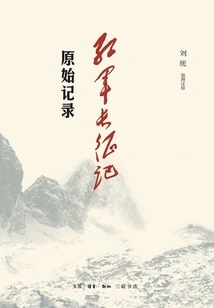
红军长征记:原始记录
Liu Tong Compiled And Commented
This book is a compilation of Long March memoirs organized and compiled by Comrade Mao Zedong in 1936. Its original version is an important source of information for "A Journey to the West" and is the most original record of the Long March. The large number of little-known historical details in the memoirs not only reflect the hardships of the Long March, but also record the geography, climate, folk customs, life, transportation and other conditions along the way. They are indispensable first-hand materials for studying the history of the Long March.
This book is a compilation of Long March memoirs organized and compiled by Comrade Mao Zedong in 1936. Its original version is an important source of information for "A Journey to the West" and is the most original record of the Long March. The large number of little-known historical details in the memoirs not only reflect the hardships of the Long March, but also record the geography, climate, folk customs, life, transportation and other conditions along the way. They are indispensable first-hand materials for studying the history of the Long March.
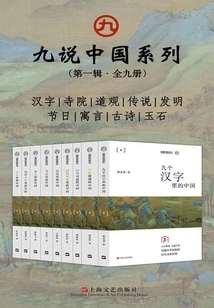
九说中国系列(第一辑·全九册)
Jiang Xiaoyuan Ye Shuxian Et Al.
The "Nine Talks about China" series is a large-scale popularization series of Chinese traditional culture launched by Shanghai Literature and Art Publishing House. The "Nine Talks about China" series has nine single books in each volume. Each single book is written by an expert with academic reputation in the relevant professional field. Starting from the many small parts and links that carry the excellent Chinese culture, the characters, things, scenery, scenery, and utensils that best represent the Chinese temperament, Chinese atmosphere, and Chinese style are written. Nine cases or nine interpretive dimensions are selected to outline the great cultural traditions and splendid civilization of the Chinese nation. The first series includes nine categories: "China in Nine Chinese Characters", "China in Temples", "China in Taoist Temples", "China in Folklore", "China in Inventions", "China in Festivals", "China in Fables", "China in Nine Ancient Poems" and "China in Jade".
The "Nine Talks about China" series is a large-scale popularization series of Chinese traditional culture launched by Shanghai Literature and Art Publishing House. The "Nine Talks about China" series has nine single books in each volume. Each single book is written by an expert with academic reputation in the relevant professional field. Starting from the many small parts and links that carry the excellent Chinese culture, the characters, things, scenery, scenery, and utensils that best represent the Chinese temperament, Chinese atmosphere, and Chinese style are written. Nine cases or nine interpretive dimensions are selected to outline the great cultural traditions and splendid civilization of the Chinese nation. The first series includes nine categories: "China in Nine Chinese Characters", "China in Temples", "China in Taoist Temples", "China in Folklore", "China in Inventions", "China in Festivals", "China in Fables", "China in Nine Ancient Poems" and "China in Jade".
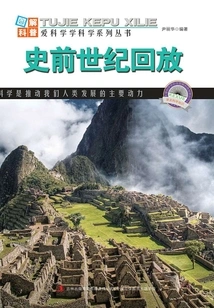
史前世纪回放(图解日新月异的科技)
Yin Lihua
Who taught the Mayans the calendar? Who made the crystal head? What are ancient ships used for? Some people believe that the many puzzling relics left around the world are just remnants of ancient civilizations that were fortunate enough to be preserved, and that contemporary humans are also descendants of those survivors. Do humans really have reincarnation? It is equipped with a large number of pictures or diagrams that match the text, making the layout more lively, reading more interesting, and learning easier.
Who taught the Mayans the calendar? Who made the crystal head? What are ancient ships used for? Some people believe that the many puzzling relics left around the world are just remnants of ancient civilizations that were fortunate enough to be preserved, and that contemporary humans are also descendants of those survivors. Do humans really have reincarnation? It is equipped with a large number of pictures or diagrams that match the text, making the layout more lively, reading more interesting, and learning easier.
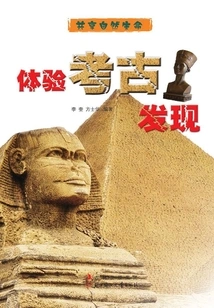
体验考古发现(共享自然生命)
Li Kui Fang Shihua
The river of history has submerged many footprints of human progress, and we are tirelessly searching for these lost clues, as if we are looking for our lost memories. Facing the past, we feel confused and lost. Where can we find our ancestors and our future? Now, let us quickly open this book and follow the archaeological discoveries in the book to find the answers we need!
The river of history has submerged many footprints of human progress, and we are tirelessly searching for these lost clues, as if we are looking for our lost memories. Facing the past, we feel confused and lost. Where can we find our ancestors and our future? Now, let us quickly open this book and follow the archaeological discoveries in the book to find the answers we need!
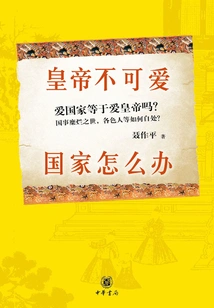
皇帝不可爱,国家怎么办
Nie Zuoping
This book is a collection of the latest historical essays by the well-known historical writer Nie Zuoping. It takes the late Ming Dynasty as the background and observes the deeds of the monarchs, ministers, soldiers and civilians in the last days. It either calmly explains, or laughs and curses, directly stating the historical truth and embodying the feelings of the world. Most of what is said and discussed is common sense in life, which is enough to make people think.
This book is a collection of the latest historical essays by the well-known historical writer Nie Zuoping. It takes the late Ming Dynasty as the background and observes the deeds of the monarchs, ministers, soldiers and civilians in the last days. It either calmly explains, or laughs and curses, directly stating the historical truth and embodying the feelings of the world. Most of what is said and discussed is common sense in life, which is enough to make people think.
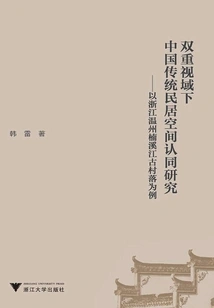
双重视域下中国传统民居空间认同研究:以浙江温州楠溪江古村落为例
Han Lei
This book takes two ancient villages in the Nanxi River Basin in Wenzhou, Zhejiang as examples. Based on in-depth field surveys, it focuses on four aspects: the history of spatial identity of traditional Chinese dwellings, changes in clan culture, changes in village life culture, and urbanization. It studies the spatial identity of the dwellings of the residents of the ancient villages, and then explores in depth the issues of protection of traditional dwellings' cultural heritage from the perspective of folk beliefs.
This book takes two ancient villages in the Nanxi River Basin in Wenzhou, Zhejiang as examples. Based on in-depth field surveys, it focuses on four aspects: the history of spatial identity of traditional Chinese dwellings, changes in clan culture, changes in village life culture, and urbanization. It studies the spatial identity of the dwellings of the residents of the ancient villages, and then explores in depth the issues of protection of traditional dwellings' cultural heritage from the perspective of folk beliefs.
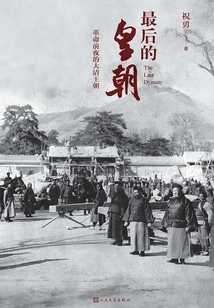
最后的皇朝:革命前夜的大清王朝
Zhu Yong
When the Year of Xinhai arrived, there was no sign that this would be the last year of this iron-blooded empire. This year began with the singing and dancing of Empress Dowager Longyu's Longevity Festival (the tenth day of the first lunar month). However, on December 25 (February 12, 1912), which was about to end, Longyu issued an abdication edict, and China's feudal regime ended. The sudden turn of history was unthinkable to most people at the time (including revolutionary leaders). The famous scholar Zhu Yong uses non-fiction to lead us back to the last year of the dynasty and the Forbidden City in this year.
When the Year of Xinhai arrived, there was no sign that this would be the last year of this iron-blooded empire. This year began with the singing and dancing of Empress Dowager Longyu's Longevity Festival (the tenth day of the first lunar month). However, on December 25 (February 12, 1912), which was about to end, Longyu issued an abdication edict, and China's feudal regime ended. The sudden turn of history was unthinkable to most people at the time (including revolutionary leaders). The famous scholar Zhu Yong uses non-fiction to lead us back to the last year of the dynasty and the Forbidden City in this year.
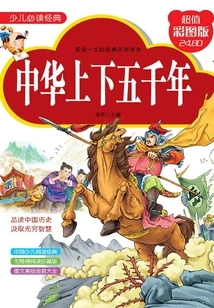
Five Thousand Years of China
History中华上下五千年
Hong En
Chinese culture has a long history and there are numerous historical works. For parents, how to select the best among many works so that their children can master knowledge in a relaxed and happy mood is a very important issue. Therefore, Hong En compiled this book "China Over Five Thousand Years". This book takes the development of time as the outline and major historical events as the axis. It uses pictures, texts, and detailed phonetic explanations to explain the ups and downs of war stories, touching heroes, and dazzling cultural achievements in Chinese history. It is lively, entertaining, and educational. It can enable children to effectively master basic Chinese humanities knowledge, develop image thinking and rational thinking, constantly broaden their horizons, cultivate their sentiments, and ultimately improve their overall quality.
Chinese culture has a long history and there are numerous historical works. For parents, how to select the best among many works so that their children can master knowledge in a relaxed and happy mood is a very important issue. Therefore, Hong En compiled this book "China Over Five Thousand Years". This book takes the development of time as the outline and major historical events as the axis. It uses pictures, texts, and detailed phonetic explanations to explain the ups and downs of war stories, touching heroes, and dazzling cultural achievements in Chinese history. It is lively, entertaining, and educational. It can enable children to effectively master basic Chinese humanities knowledge, develop image thinking and rational thinking, constantly broaden their horizons, cultivate their sentiments, and ultimately improve their overall quality.
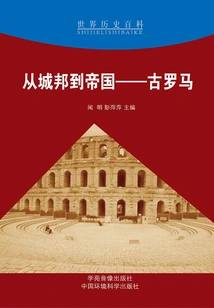
从城邦到帝国:古罗马
Wen Ming Peng Pingping
Through in-depth analysis of ancient Rome's architecture, army, battlefields, arena, politics, law, religion, art, geography and other aspects, this book shows the civilization and art of this ancient civilization that has existed for thousands of years.
Through in-depth analysis of ancient Rome's architecture, army, battlefields, arena, politics, law, religion, art, geography and other aspects, this book shows the civilization and art of this ancient civilization that has existed for thousands of years.
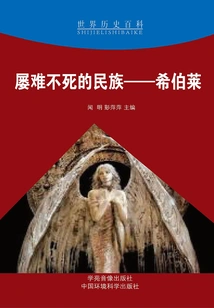
屡难不死的民族:希伯莱
Wen Ming Peng Pingping
The uniqueness of Hebrew civilization and the uniqueness of the Hebrew nation are closely linked. In a general sense of national origin, the Hebrew nation is a member of the ethnic groups in the two river basins of the Mesopotamian plain. Abraham, the patriarch of the Hebrews, was born in this area. From an ethnic perspective, the Hebrew nation should be an integral part of the Semitic nation. However, the concept of race is not the only criterion for the Hebrew nation to define its ethnic composition. Secondly, blood relationship is not the only criterion for defining Hebrew identity. To a large extent, or as a more important symbol, the definition of Hebrews is based on belief. Only those who share a unity of faith are considered Hebrews
The uniqueness of Hebrew civilization and the uniqueness of the Hebrew nation are closely linked. In a general sense of national origin, the Hebrew nation is a member of the ethnic groups in the two river basins of the Mesopotamian plain. Abraham, the patriarch of the Hebrews, was born in this area. From an ethnic perspective, the Hebrew nation should be an integral part of the Semitic nation. However, the concept of race is not the only criterion for the Hebrew nation to define its ethnic composition. Secondly, blood relationship is not the only criterion for defining Hebrew identity. To a large extent, or as a more important symbol, the definition of Hebrews is based on belief. Only those who share a unity of faith are considered Hebrews
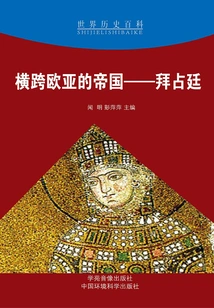
横跨欧亚的帝国:拜占廷
Wen Ming Peng Pingping
The name "Byzantium" originally referred to the ancient city of Byzantium on the Bosporus. This city was founded in the commercial colonial era of ancient Greece. In the 4th century, Emperor Constantine (reigned 324-337) elaborately expanded the eastern capital of the Roman Empire on the site of the ancient city and revived the empire's glory. Since then, the city of Byzantium has developed rapidly and become the largest city in the Mediterranean region, and the name Byzantium has spread throughout the world.
The name "Byzantium" originally referred to the ancient city of Byzantium on the Bosporus. This city was founded in the commercial colonial era of ancient Greece. In the 4th century, Emperor Constantine (reigned 324-337) elaborately expanded the eastern capital of the Roman Empire on the site of the ancient city and revived the empire's glory. Since then, the city of Byzantium has developed rapidly and become the largest city in the Mediterranean region, and the name Byzantium has spread throughout the world.
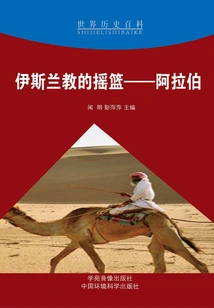
The Cradle of Islam: Arabia
History伊斯兰教的摇篮:阿拉伯
Wen Ming Peng Pingping
The Arab historians collectively refer to the historical stage of the Arabs before the birth of Islam, that is, the era of the Prophet Muhammad before the Quran was revealed to the Arabs, as the "Age of Ignorance." The famous Arab historian Hiti further divided the "age of ignorance" into two concepts: broad sense and narrow sense. The broad concept refers to the birth of the ancestor Adam to the time when Muhammad was "ordered" to be a prophet; the narrow concept refers to the 100 years before the rise of Islam.
The Arab historians collectively refer to the historical stage of the Arabs before the birth of Islam, that is, the era of the Prophet Muhammad before the Quran was revealed to the Arabs, as the "Age of Ignorance." The famous Arab historian Hiti further divided the "age of ignorance" into two concepts: broad sense and narrow sense. The broad concept refers to the birth of the ancestor Adam to the time when Muhammad was "ordered" to be a prophet; the narrow concept refers to the 100 years before the rise of Islam.
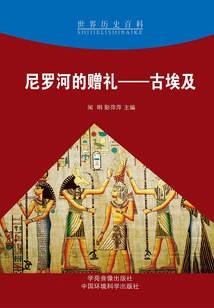
尼罗河的赠礼:古埃及
Wen Ming Peng Pingping
In a history of more than 5,000 years, ancient Egypt undoubtedly created the most dazzling civilization in the world. The great pyramids, mysterious mummies, and advanced solar calendars have attracted generations of people to study with great concentration. Although the ancient Egyptian civilization has quietly disappeared in the mists of history, people's search and exploration of it have never stopped. This book vividly reproduces the glorious and immortal ancient civilization of Ancient Egypt by interpreting the evolution of the ancient Egyptian dynasty, showing the splendid civilization of ancient Egypt, studying the mysterious religion of ancient Egypt, and exploring the mysteries of ancient Egypt that have survived for thousands of years.
In a history of more than 5,000 years, ancient Egypt undoubtedly created the most dazzling civilization in the world. The great pyramids, mysterious mummies, and advanced solar calendars have attracted generations of people to study with great concentration. Although the ancient Egyptian civilization has quietly disappeared in the mists of history, people's search and exploration of it have never stopped. This book vividly reproduces the glorious and immortal ancient civilization of Ancient Egypt by interpreting the evolution of the ancient Egyptian dynasty, showing the splendid civilization of ancient Egypt, studying the mysterious religion of ancient Egypt, and exploring the mysteries of ancient Egypt that have survived for thousands of years.
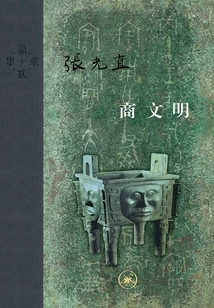
Shang Wenming
History商文明
(us) Zhang Guangzhi
Shang, in the Zhou Dynasty documents, was first the name of the royal family that achieved dynastic status. It is the title of the country ruled by the Shang royal family. It is also used to refer to the civilization created by the people of Shang and other contemporaries. Shang is also used to refer to the era in Chinese history that was ruled by the Shang Dynasty. This book starts from five perspectives: traditional historical documents, bronzes, divine armor and bones, archeology, and theoretical models. Based on the known archaeological discoveries and documentary materials, this book strives to comprehensively present all aspects of Shang civilization.
Shang, in the Zhou Dynasty documents, was first the name of the royal family that achieved dynastic status. It is the title of the country ruled by the Shang royal family. It is also used to refer to the civilization created by the people of Shang and other contemporaries. Shang is also used to refer to the era in Chinese history that was ruled by the Shang Dynasty. This book starts from five perspectives: traditional historical documents, bronzes, divine armor and bones, archeology, and theoretical models. Based on the known archaeological discoveries and documentary materials, this book strives to comprehensively present all aspects of Shang civilization.
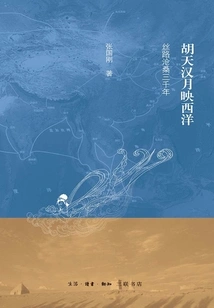
Hu Tianhan's Moon Reflects the Western Ocean: Three Thousand Years of Vicissitudes on the Silk Road
History胡天汉月映西洋:丝路沧桑三千年
Zhang Guogang
The "Silk Road" has broad connotations. It was the largest passage on the Eurasian continent in pre-modern times, connecting various important civilization regions in history. Chinese civilization has lasted for thousands of years. In the process of collision and integration of Eastern culture and foreign culture, it has inspired and formed a more splendid and diverse civilization. From a historical and cultural perspective, this book focuses on the historical evolution of the "Belt and Road Initiative" from ancient times, Han to Tang, Song to Ming, late Ming to mid-Qing. Through characters, events, artifacts, art and other aspects, it deeply explains the conflict and integration between the universality and particularity of civilization, and understands the contribution and influence of Chinese culture on world civilization.
The "Silk Road" has broad connotations. It was the largest passage on the Eurasian continent in pre-modern times, connecting various important civilization regions in history. Chinese civilization has lasted for thousands of years. In the process of collision and integration of Eastern culture and foreign culture, it has inspired and formed a more splendid and diverse civilization. From a historical and cultural perspective, this book focuses on the historical evolution of the "Belt and Road Initiative" from ancient times, Han to Tang, Song to Ming, late Ming to mid-Qing. Through characters, events, artifacts, art and other aspects, it deeply explains the conflict and integration between the universality and particularity of civilization, and understands the contribution and influence of Chinese culture on world civilization.
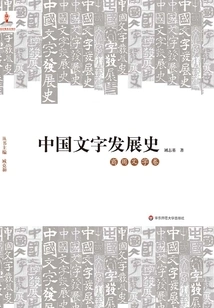
中国文字发展史·商周文字卷
Liu Zhiji
"Shang and Zhou Text Volume" provides in-depth statistics on the word frequency, components, structure, posture and other levels of various text materials in each period of the Shang and Zhou Dynasties. Completed for the first time a chronological study of the development history of pre-Qin characters. With sufficient data, scientific analysis, and a systematic focus, it can be regarded as an overall breakthrough in the history of research on the development of pre-Qin characters.
"Shang and Zhou Text Volume" provides in-depth statistics on the word frequency, components, structure, posture and other levels of various text materials in each period of the Shang and Zhou Dynasties. Completed for the first time a chronological study of the development history of pre-Qin characters. With sufficient data, scientific analysis, and a systematic focus, it can be regarded as an overall breakthrough in the history of research on the development of pre-Qin characters.
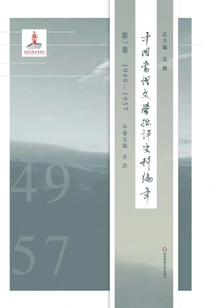
中国当代文学批评史料编年·第一卷:1949-1957
Wu Jun Xiao Jin
"Chronicle of Historical Materials of Contemporary Chinese Literary Criticism" has 12 volumes and 5.5 Million words. It chronicles various documents and materials of contemporary Chinese literary criticism from 1949 to 2009, including historical materials of criticism from mainland China, Taiwan, Hong Kong, Macao, and overseas, including published and published works, papers, information on conferences and activities, relevant policy documents, important instructions and reports of leaders or leading organizations, relevant materials in newspapers, periodicals, publications, etc., As well as various literary historical phenomena closely related to literary criticism. This book is the first volume.
"Chronicle of Historical Materials of Contemporary Chinese Literary Criticism" has 12 volumes and 5.5 Million words. It chronicles various documents and materials of contemporary Chinese literary criticism from 1949 to 2009, including historical materials of criticism from mainland China, Taiwan, Hong Kong, Macao, and overseas, including published and published works, papers, information on conferences and activities, relevant policy documents, important instructions and reports of leaders or leading organizations, relevant materials in newspapers, periodicals, publications, etc., As well as various literary historical phenomena closely related to literary criticism. This book is the first volume.
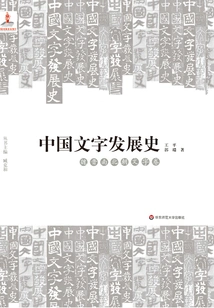
中国文字发展史·魏晋南北朝文字卷
Wang Ping Guo Rui
"Volume of Texts of the Wei, Jin, Southern and Northern Dynasties" exhaustively investigates the written materials of the Wei, Jin, Southern and Northern Dynasties. In addition to the own laws of the evolution of Chinese characters, it also describes and discusses the entire stages of the occurrence, development, and maturity of the regular script of Chinese characters from the perspective of media conversion.
"Volume of Texts of the Wei, Jin, Southern and Northern Dynasties" exhaustively investigates the written materials of the Wei, Jin, Southern and Northern Dynasties. In addition to the own laws of the evolution of Chinese characters, it also describes and discusses the entire stages of the occurrence, development, and maturity of the regular script of Chinese characters from the perspective of media conversion.
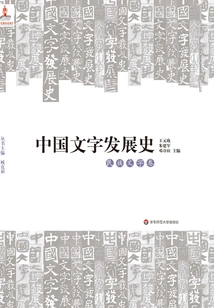
中国文字发展史·民族文字卷
Wang Yuanlu Zhu Jianjun Deng Zhangying
The person responsible for the "Volume of Ethnic Characters" is a domestic expert who has been engaged in ethnic character surveys and comparative philology research for a long time. "Ethnic Writing Volume" solved several problems of the integrity of the writing system: it determined the origins of individual characters of some writings, examined the Marima script, confirmed that it is an independent script, confirmed that Shuishi, Yi, and Zhuang scripts are all "patch scripts", etc.
The person responsible for the "Volume of Ethnic Characters" is a domestic expert who has been engaged in ethnic character surveys and comparative philology research for a long time. "Ethnic Writing Volume" solved several problems of the integrity of the writing system: it determined the origins of individual characters of some writings, examined the Marima script, confirmed that it is an independent script, confirmed that Shuishi, Yi, and Zhuang scripts are all "patch scripts", etc.
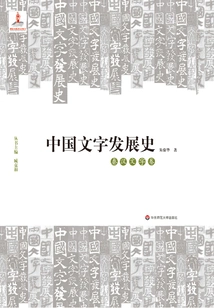
中国文字发展史·秦汉文字卷
Zhu Baohua
Based on the quantitative and qualitative analysis of the rich Qin and Han bamboo slip documents as well as the stone inscriptions, brick inscriptions, bronze inscriptions, seal inscriptions and other materials of the same period, "Qin and Han Text Volume" conducts a scientific discussion and study on the development and transformation of ancient writing to modern writing - Libian, showing the complete process of Chinese character Libian.
Based on the quantitative and qualitative analysis of the rich Qin and Han bamboo slip documents as well as the stone inscriptions, brick inscriptions, bronze inscriptions, seal inscriptions and other materials of the same period, "Qin and Han Text Volume" conducts a scientific discussion and study on the development and transformation of ancient writing to modern writing - Libian, showing the complete process of Chinese character Libian.
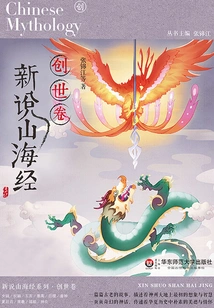
新说山海经·创世卷
Zhang Jinjiang Et Al.
"The Classic of Mountains and Seas" is an important pre-Qin ancient book, and it is also an absurd and strange book. Paying tribute to "The Classic of Mountains and Seas" after a thousand years, it uses romantic and bizarre Chinese mythology to lead readers on a fantasy journey about the world of "The Classic of Mountains and Seas".
"The Classic of Mountains and Seas" is an important pre-Qin ancient book, and it is also an absurd and strange book. Paying tribute to "The Classic of Mountains and Seas" after a thousand years, it uses romantic and bizarre Chinese mythology to lead readers on a fantasy journey about the world of "The Classic of Mountains and Seas".
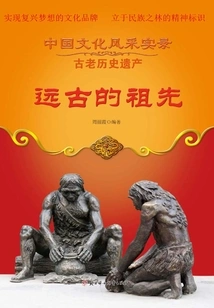
Ancient Ancestors
History远古的祖先
Zhou Lixia
Chinese culture is extensive and profound. It is the sum of the material civilization and spiritual civilization created and inherited by the Chinese people of all ethnic groups over more than 5,000 years. Its content is all-encompassing and vast, with a strong sense of cultural depth and rich treasures. Inheriting and carrying forward excellent national cultural traditions and protecting national cultural heritage have attracted attention from all walks of life. This is not only of far-reaching significance to the great cause of the rejuvenation of the Chinese nation, but also an important contribution to the protection of human cultural diversity. This set of works displays a panoramic view, vertically and horizontally, tells stories, has popular language, pictures and texts, intuitive images, ancient elegance, and warm style. It has strong readability, appreciation and knowledge. It can allow readers to fully touch and feel the connotation and charm of Chinese culture, and enhance the national Self-esteem and cultural pride, and the ability to well inherit and carry forward Chinese culture, create an advanced national culture with Chinese characteristics in the future, and lead the Chinese nation towards a great rejuvenation. On the stage of the future world, in the gorgeous dreamland of Chinese rejuvenation, it will show its unique charm of flying dragons and phoenixes.
Chinese culture is extensive and profound. It is the sum of the material civilization and spiritual civilization created and inherited by the Chinese people of all ethnic groups over more than 5,000 years. Its content is all-encompassing and vast, with a strong sense of cultural depth and rich treasures. Inheriting and carrying forward excellent national cultural traditions and protecting national cultural heritage have attracted attention from all walks of life. This is not only of far-reaching significance to the great cause of the rejuvenation of the Chinese nation, but also an important contribution to the protection of human cultural diversity. This set of works displays a panoramic view, vertically and horizontally, tells stories, has popular language, pictures and texts, intuitive images, ancient elegance, and warm style. It has strong readability, appreciation and knowledge. It can allow readers to fully touch and feel the connotation and charm of Chinese culture, and enhance the national Self-esteem and cultural pride, and the ability to well inherit and carry forward Chinese culture, create an advanced national culture with Chinese characteristics in the future, and lead the Chinese nation towards a great rejuvenation. On the stage of the future world, in the gorgeous dreamland of Chinese rejuvenation, it will show its unique charm of flying dragons and phoenixes.
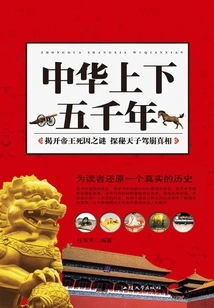
中华上下五千年(上下册)
Compiled By Ren Fangfang
History is a mirror. Every country and nation pays attention to using its own history to educate and encourage its people, especially its young people. The Chinese nation has a five-thousand-year history. Its strong cohesion and endless vitality are the spiritual temperament and life heritage of every Chinese son and daughter, giving the Chinese nation great strength accumulated over time. Chinese history is tortuous and profound, and Chinese culture is broad and profound. As Chinese, we should fully understand the history of our nation. History contains the rise and fall of a nation from generation to generation, and the profound ways of success and failure and internal laws are hidden through the appearance of events. Therefore, only by fully understanding the history of the Chinese nation can we better grasp today and create tomorrow.
History is a mirror. Every country and nation pays attention to using its own history to educate and encourage its people, especially its young people. The Chinese nation has a five-thousand-year history. Its strong cohesion and endless vitality are the spiritual temperament and life heritage of every Chinese son and daughter, giving the Chinese nation great strength accumulated over time. Chinese history is tortuous and profound, and Chinese culture is broad and profound. As Chinese, we should fully understand the history of our nation. History contains the rise and fall of a nation from generation to generation, and the profound ways of success and failure and internal laws are hidden through the appearance of events. Therefore, only by fully understanding the history of the Chinese nation can we better grasp today and create tomorrow.
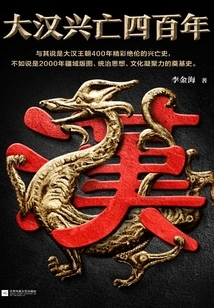
大汉兴亡四百年
Li Jinhai
Influence future generations for two thousand years! It is not so much a wonderful 400-year history of rise and fall as it is a 2000-year history of the foundation of Chinese civilization! Liu Bang and Xiang Yu fought for hegemony between Chu and Han; Huo Qubing sealed the wolf as a coward; Ban Chao joined the army... These stories that make people's blood boil as soon as they hear their names constitute a wonderful 400-year history of the rise and fall of the Han Dynasty! With the efforts of Wei Qing, Huo Qubing, Ban Chao and others, the territory of the Han Dynasty continued to advance and consolidate; Emperor Wu of the Han Dynasty adopted the suggestion of "deposing hundreds of schools of thought and respecting Confucianism alone". Confucianism has since been respected by rulers of all dynasties; the Han Dynasty established a unified The selection criteria for officials guide the people to form unified customs, culture, and values, and dissolve the complex regional cultural barriers since the Western Zhou Dynasty... Open this book and see how the Han Dynasty's wonderful 400 years influenced the next 2,000 years!
Influence future generations for two thousand years! It is not so much a wonderful 400-year history of rise and fall as it is a 2000-year history of the foundation of Chinese civilization! Liu Bang and Xiang Yu fought for hegemony between Chu and Han; Huo Qubing sealed the wolf as a coward; Ban Chao joined the army... These stories that make people's blood boil as soon as they hear their names constitute a wonderful 400-year history of the rise and fall of the Han Dynasty! With the efforts of Wei Qing, Huo Qubing, Ban Chao and others, the territory of the Han Dynasty continued to advance and consolidate; Emperor Wu of the Han Dynasty adopted the suggestion of "deposing hundreds of schools of thought and respecting Confucianism alone". Confucianism has since been respected by rulers of all dynasties; the Han Dynasty established a unified The selection criteria for officials guide the people to form unified customs, culture, and values, and dissolve the complex regional cultural barriers since the Western Zhou Dynasty... Open this book and see how the Han Dynasty's wonderful 400 years influenced the next 2,000 years!
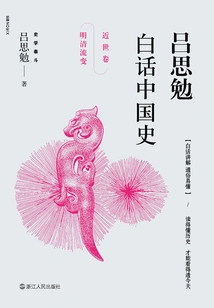
Lu Simian's History of China in Vernacular (modern Volume: Changes in Ming and Qing Dynasties)
History吕思勉白话中国史(近世卷·明清流变)
Lu Simian
"Lü Simian's Vernacular History of China" is divided into "Lü Simian's Vernacular History of China·Ancient Scrolls·Early Rise of China", "Lü Simian's Vernacular History of China·Middle Ancient Scrolls·The First Sound of the Han and Tang Dynasties", "Lü Simian's Vernacular History of China·Modern Scrolls·The Rise and Fall of the Song and Yuan Dynasties", "Lü Simian's Vernacular History of China·Modern Scrolls·Ming and Qing Dynasties" The five books in the series "The Changes" and "Lü Simian's Vernacular Chinese History·Modern Volume·What Was the Republic of China" are the first comprehensive histories written in vernacular with complete meaning. They respectively describe the political history, social economy, and cultural phenomena at each stage, and also describe the relationship between various countries and China. This version is based on the first edition of the Commercial Press in 1923. In order to make it easier to understand and read, the era of the Republic of China was changed to the AD era. The changed place names were also marked in detail, and the text was completely revised.
"Lü Simian's Vernacular History of China" is divided into "Lü Simian's Vernacular History of China·Ancient Scrolls·Early Rise of China", "Lü Simian's Vernacular History of China·Middle Ancient Scrolls·The First Sound of the Han and Tang Dynasties", "Lü Simian's Vernacular History of China·Modern Scrolls·The Rise and Fall of the Song and Yuan Dynasties", "Lü Simian's Vernacular History of China·Modern Scrolls·Ming and Qing Dynasties" The five books in the series "The Changes" and "Lü Simian's Vernacular Chinese History·Modern Volume·What Was the Republic of China" are the first comprehensive histories written in vernacular with complete meaning. They respectively describe the political history, social economy, and cultural phenomena at each stage, and also describe the relationship between various countries and China. This version is based on the first edition of the Commercial Press in 1923. In order to make it easier to understand and read, the era of the Republic of China was changed to the AD era. The changed place names were also marked in detail, and the text was completely revised.
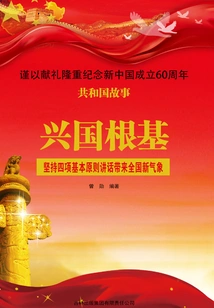
兴国根基:坚持四项基本原则讲话带来全国新气象
Compiled By Zeng Xun
Although "Story of the Republic" is a story, it has nothing to do with drama. We just want to record this period of history with the help of popular and appealing words. This 500-volume series brings together 500 historical events that had a profound impact on the history of the Republic. In terms of the layout of the series, we have tried our best to select a number of events that are representative or of universal significance in each era and describe them so that they can reflect the panorama and context of the development of the Republic. In order to prevent the setting of topics from being too big and too empty, we focus on the origin, process, ending, time, place, characters, etc. Of each major historical event, grasping every detail and trivial matter, and striving to be thorough.
Although "Story of the Republic" is a story, it has nothing to do with drama. We just want to record this period of history with the help of popular and appealing words. This 500-volume series brings together 500 historical events that had a profound impact on the history of the Republic. In terms of the layout of the series, we have tried our best to select a number of events that are representative or of universal significance in each era and describe them so that they can reflect the panorama and context of the development of the Republic. In order to prevent the setting of topics from being too big and too empty, we focus on the origin, process, ending, time, place, characters, etc. Of each major historical event, grasping every detail and trivial matter, and striving to be thorough.
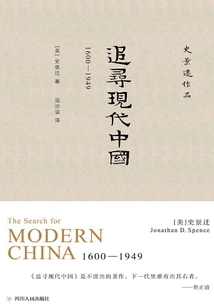
In Pursuit of Modern China
History追寻现代中国
J
A "modern" country can be integrated and inclusive, have a clear self-identity, and compete on an equal footing for new markets, new technologies, and new ideas. Taking the end of the 16th century as the starting point of the narrative, this book shows the changes in China's society, politics, economy, ideology and culture. It reviews with sympathy the opportunities and setbacks China has encountered in its journey to modernity, and identifies the causes of China's problems and what kind of knowledge, economy, and emotions the Chinese should rely on to solve these problems.
A "modern" country can be integrated and inclusive, have a clear self-identity, and compete on an equal footing for new markets, new technologies, and new ideas. Taking the end of the 16th century as the starting point of the narrative, this book shows the changes in China's society, politics, economy, ideology and culture. It reviews with sympathy the opportunities and setbacks China has encountered in its journey to modernity, and identifies the causes of China's problems and what kind of knowledge, economy, and emotions the Chinese should rely on to solve these problems.
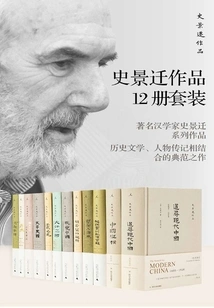
Shi Jingqian's 12-volume Set
History史景迁作品12册套装
J
This collection of Shi Jingqian's works includes the following 12 works: "In Search of Modern China" takes the end of the 16th century as the starting point of the narrative and shows the changes in China's society, politics, economy, ideology and culture. "China Across the World" contains Shi Jingqian's most representative essay "Matteo Ricci's Memory Palace." Shi Jingqian skillfully built a complete picture of the intersection of two great civilizations. "Cao Yin and Kangxi" focuses on Cao Yin's life when he was in charge of weaving in Jiangnan, describing and exploring the interactive relationship between the ruler and the prosperous area in Jiangnan and the representatives of the area. The book "Hu Ruowang's Questions" reproduces Hu Ruowang's adventures more than 200 years ago. The book "Changing China" is about Western consultants in China. "The Kingdom of the Great Khan" has broadened our horizons to understand the encounter, collision and interaction of different cultures. The literary narrative of "The Death of Wang" reproduces the lives of the rural people in Yancheng and Zichuan, Shandong in the early Qing Dynasty. "The Taiping Rebellion" provides an orderly historical context to understand Hong Xiuquan's inner world and trace the logic of his behavior. "Dayi Jue Mi Lu of the Yongzheng Dynasty" tells the detailed process of the formation, spread, ban and destruction of the strange book "Dayi Jue Mi Lu". "Kangxi" tells the story of Kangxi's inner world through the words of Kangxi himself, and provides an in-depth understanding of Kangxi's personality traits and mental thoughts. "Memories of Past Dynasties" The glitz and desolation of Zhang Dai's life are faintly revealed between the intertwining fluctuations of dreams and memories.
This collection of Shi Jingqian's works includes the following 12 works: "In Search of Modern China" takes the end of the 16th century as the starting point of the narrative and shows the changes in China's society, politics, economy, ideology and culture. "China Across the World" contains Shi Jingqian's most representative essay "Matteo Ricci's Memory Palace." Shi Jingqian skillfully built a complete picture of the intersection of two great civilizations. "Cao Yin and Kangxi" focuses on Cao Yin's life when he was in charge of weaving in Jiangnan, describing and exploring the interactive relationship between the ruler and the prosperous area in Jiangnan and the representatives of the area. The book "Hu Ruowang's Questions" reproduces Hu Ruowang's adventures more than 200 years ago. The book "Changing China" is about Western consultants in China. "The Kingdom of the Great Khan" has broadened our horizons to understand the encounter, collision and interaction of different cultures. The literary narrative of "The Death of Wang" reproduces the lives of the rural people in Yancheng and Zichuan, Shandong in the early Qing Dynasty. "The Taiping Rebellion" provides an orderly historical context to understand Hong Xiuquan's inner world and trace the logic of his behavior. "Dayi Jue Mi Lu of the Yongzheng Dynasty" tells the detailed process of the formation, spread, ban and destruction of the strange book "Dayi Jue Mi Lu". "Kangxi" tells the story of Kangxi's inner world through the words of Kangxi himself, and provides an in-depth understanding of Kangxi's personality traits and mental thoughts. "Memories of Past Dynasties" The glitz and desolation of Zhang Dai's life are faintly revealed between the intertwining fluctuations of dreams and memories.
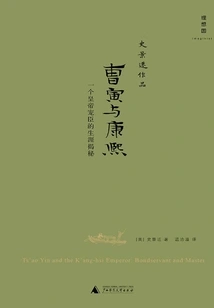
Cao Yin and Kangxi
History曹寅与康熙
I
This book focuses on Cao Yin's life when he was in charge of weaving in Jiangnan. It describes and explores the interactive relationship between the ruler and the prosperous area of Jiangnan and its representatives, and depicts the racial contradictions and social conflicts under the surface of Kangxi's prosperous era.
This book focuses on Cao Yin's life when he was in charge of weaving in Jiangnan. It describes and explores the interactive relationship between the ruler and the prosperous area of Jiangnan and its representatives, and depicts the racial contradictions and social conflicts under the surface of Kangxi's prosperous era.
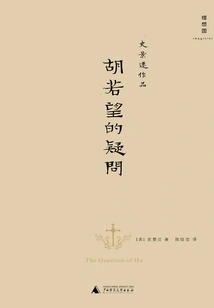
Hu Ruowang's Question
History胡若望的疑问
(us) Shi Jingqian
This book records the miraculous life experience of a Chinese Catholic named Hu Ruowang in France in the 18th century in the form of a diary, and supplements this early history of cultural and religious exchanges between China and foreign countries. The huge differences between Eastern and Western cultures made this Chinese man's journey to France full of hardships and twists and turns, and his soul suffered so much that he ended up in a mental hospital. This book reproduces Hu Ruowang's adventures more than 200 years ago and attempts to provide historical and cultural explanations for his doubts.
This book records the miraculous life experience of a Chinese Catholic named Hu Ruowang in France in the 18th century in the form of a diary, and supplements this early history of cultural and religious exchanges between China and foreign countries. The huge differences between Eastern and Western cultures made this Chinese man's journey to France full of hardships and twists and turns, and his soul suffered so much that he ended up in a mental hospital. This book reproduces Hu Ruowang's adventures more than 200 years ago and attempts to provide historical and cultural explanations for his doubts.
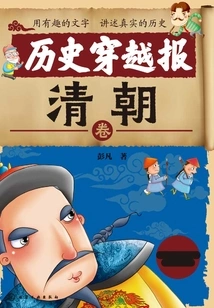
历史穿越报:清朝卷
Peng Fan
"Historical Time Travel Report" has 10 volumes in total, including "Historical Time Travel Newspaper - Xia, Shang and Western Zhou Volume", "Historical Time Travel Newspaper - Spring and Autumn Period and Warring States Volume", "History Time Travel Newspaper - Qin and Han Dynasty Volume", "History Time Travel Newspaper - Three Kingdoms, Two Jins, Southern and Northern Dynasties Volume", "History Time Travel Newspaper - Sui and Tang Dynasties Volume", "History Time Travel Newspaper - Volume of Five Dynasties and Ten Kingdoms", "History Time Travel Newspaper - Volume of Five Dynasties and Ten Kingdoms", "Historical Time Travel Newspaper - Volume of Yuan Dynasty", "Historical Time Travel Report - Ming Dynasty Volume", "Historical Time Travel Report - Qing Dynasty Volume". There are war reports and world affairs passed down by the ancients, allowing children to understand the process of history and the changes of the times; there are gossip news unearthed by reporters, with lively and vivid content; there are folk opinions collected by correspondents, so readers can listen to the voices of the ancients; interviews with historical celebrities, allowing readers to learn more about the powerful figures in history; there are also a large number of illustrations and funny cartoons... The content is rich, colorful, lively and interesting. Opening this book is like traveling back in time to the mysterious and distant Qing Dynasty, laughing and sharing the same destiny with the ancients, and witnessing China's historical development and dynasty changes; it is novel, interesting, humorous and unique, and is a must-have reading for primary school students and junior high school students during the holidays.
"Historical Time Travel Report" has 10 volumes in total, including "Historical Time Travel Newspaper - Xia, Shang and Western Zhou Volume", "Historical Time Travel Newspaper - Spring and Autumn Period and Warring States Volume", "History Time Travel Newspaper - Qin and Han Dynasty Volume", "History Time Travel Newspaper - Three Kingdoms, Two Jins, Southern and Northern Dynasties Volume", "History Time Travel Newspaper - Sui and Tang Dynasties Volume", "History Time Travel Newspaper - Volume of Five Dynasties and Ten Kingdoms", "History Time Travel Newspaper - Volume of Five Dynasties and Ten Kingdoms", "Historical Time Travel Newspaper - Volume of Yuan Dynasty", "Historical Time Travel Report - Ming Dynasty Volume", "Historical Time Travel Report - Qing Dynasty Volume". There are war reports and world affairs passed down by the ancients, allowing children to understand the process of history and the changes of the times; there are gossip news unearthed by reporters, with lively and vivid content; there are folk opinions collected by correspondents, so readers can listen to the voices of the ancients; interviews with historical celebrities, allowing readers to learn more about the powerful figures in history; there are also a large number of illustrations and funny cartoons... The content is rich, colorful, lively and interesting. Opening this book is like traveling back in time to the mysterious and distant Qing Dynasty, laughing and sharing the same destiny with the ancients, and witnessing China's historical development and dynasty changes; it is novel, interesting, humorous and unique, and is a must-have reading for primary school students and junior high school students during the holidays.
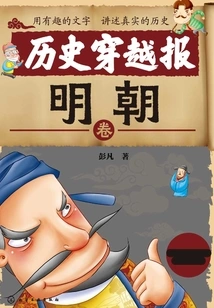
历史穿越报:明朝卷
Peng Fan
"Historical Time Travel Report" has 10 volumes in total, including "Historical Time Travel Newspaper - Xia, Shang and Western Zhou Volume", "Historical Time Travel Newspaper - Spring and Autumn Period and Warring States Volume", "History Time Travel Newspaper - Qin and Han Dynasty Volume", "History Time Travel Newspaper - Three Kingdoms, Two Jins, Southern and Northern Dynasties Volume", "History Time Travel Newspaper - Sui and Tang Dynasties Volume", "History Time Travel Newspaper - Volume of Five Dynasties and Ten Kingdoms", "History Time Travel Newspaper - Volume of Five Dynasties and Ten Kingdoms", "Historical Time Travel Newspaper - Volume of Yuan Dynasty", "Historical Time Travel Report - Ming Dynasty Volume", "Historical Time Travel Report - Qing Dynasty Volume". There are war reports and world affairs passed down by the ancients, allowing children to understand the process of history and the changes of the times; there are gossip news unearthed by reporters, with lively and vivid content; there are folk opinions collected by correspondents, so readers can listen to the voices of the ancients; interviews with historical celebrities, allowing readers to learn more about the powerful figures in history; there are also a large number of illustrations and funny cartoons... The content is rich, colorful, lively and interesting. Opening this book is like traveling to the mysterious and distant Ming Dynasty, laughing and sharing the same fate with the ancients, and witnessing the historical development and dynasty changes of China with your own eyes; it is novel, interesting, humorous and unique, making it a must-have reading for primary school students and junior high school students during the holidays.
"Historical Time Travel Report" has 10 volumes in total, including "Historical Time Travel Newspaper - Xia, Shang and Western Zhou Volume", "Historical Time Travel Newspaper - Spring and Autumn Period and Warring States Volume", "History Time Travel Newspaper - Qin and Han Dynasty Volume", "History Time Travel Newspaper - Three Kingdoms, Two Jins, Southern and Northern Dynasties Volume", "History Time Travel Newspaper - Sui and Tang Dynasties Volume", "History Time Travel Newspaper - Volume of Five Dynasties and Ten Kingdoms", "History Time Travel Newspaper - Volume of Five Dynasties and Ten Kingdoms", "Historical Time Travel Newspaper - Volume of Yuan Dynasty", "Historical Time Travel Report - Ming Dynasty Volume", "Historical Time Travel Report - Qing Dynasty Volume". There are war reports and world affairs passed down by the ancients, allowing children to understand the process of history and the changes of the times; there are gossip news unearthed by reporters, with lively and vivid content; there are folk opinions collected by correspondents, so readers can listen to the voices of the ancients; interviews with historical celebrities, allowing readers to learn more about the powerful figures in history; there are also a large number of illustrations and funny cartoons... The content is rich, colorful, lively and interesting. Opening this book is like traveling to the mysterious and distant Ming Dynasty, laughing and sharing the same fate with the ancients, and witnessing the historical development and dynasty changes of China with your own eyes; it is novel, interesting, humorous and unique, making it a must-have reading for primary school students and junior high school students during the holidays.
罗马的复辟:帝国陨落之后的欧洲
(uk) Peter Heather
In 476, the last emperor of Western Rome was deposed, and centuries of imperial tradition came to an end. However, the culture, system, and spirit of the empire still existed, and the interests associated with them spurred the ambition to rebuild the empire. In the west, Theoderic the Goth almost restored the empire to its glory. In 511, he used Roman methods to direct the affairs of nearly half of the Western Roman homeland, and his hegemony extended to North Africa and Central Europe. But as soon as he died, the aura of the empire completely disappeared from his former territory. In Eastern Rome, Emperor Justinian, who ascended the throne in 527, compiled legal codes and used war to demonstrate his strength. He conquered North Africa and recaptured Italy. He was like the reviver of the Western Empire. But less than two generations after his death, Eastern Rome's territory was only one-third of its former size, and it no longer had the power to regain its glory. On Christmas Day 800, Charlemagne, a Frank from the north, walked into St. Peter's Basilica. The Pope crowned him and declared him emperor of the Romans. Charlemagne initiated reforms as a divine monarch and unified Christian culture within the empire. After his death, however, the fortunes of the Carolingian dynasty ran out, and succession disputes shattered the dream of a renewed empire. 500 Years after the fall of Western Rome, attempts at revival from the west, east, and north have all failed. The structure of the western part of the Eurasian continent is no longer what it once was, and it is impossible for the empire that embodies the essence of Rome to be resurrected. However, the competition for royal power gave religion great power and inadvertently created the pope's new Roman Empire - Latin Christendom, which has stood for thousands of years since the 11th century and its influence continues to this day.
In 476, the last emperor of Western Rome was deposed, and centuries of imperial tradition came to an end. However, the culture, system, and spirit of the empire still existed, and the interests associated with them spurred the ambition to rebuild the empire. In the west, Theoderic the Goth almost restored the empire to its glory. In 511, he used Roman methods to direct the affairs of nearly half of the Western Roman homeland, and his hegemony extended to North Africa and Central Europe. But as soon as he died, the aura of the empire completely disappeared from his former territory. In Eastern Rome, Emperor Justinian, who ascended the throne in 527, compiled legal codes and used war to demonstrate his strength. He conquered North Africa and recaptured Italy. He was like the reviver of the Western Empire. But less than two generations after his death, Eastern Rome's territory was only one-third of its former size, and it no longer had the power to regain its glory. On Christmas Day 800, Charlemagne, a Frank from the north, walked into St. Peter's Basilica. The Pope crowned him and declared him emperor of the Romans. Charlemagne initiated reforms as a divine monarch and unified Christian culture within the empire. After his death, however, the fortunes of the Carolingian dynasty ran out, and succession disputes shattered the dream of a renewed empire. 500 Years after the fall of Western Rome, attempts at revival from the west, east, and north have all failed. The structure of the western part of the Eurasian continent is no longer what it once was, and it is impossible for the empire that embodies the essence of Rome to be resurrected. However, the competition for royal power gave religion great power and inadvertently created the pope's new Roman Empire - Latin Christendom, which has stood for thousands of years since the 11th century and its influence continues to this day.
迎风破浪:1992 年的中国
Chong Qingyu Yang Deshan
"Reading National History: The National History Series of the Glory Era" selects 12 landmark years that have produced major turning points in the history of the Republic or caused accelerated social development. One book is published for each year. It describes the major historical events that occurred in this year with vivid writing and detailed information, describes its economic and political development and social features, and discusses its important position in the 65-year development of New China.
"Reading National History: The National History Series of the Glory Era" selects 12 landmark years that have produced major turning points in the history of the Republic or caused accelerated social development. One book is published for each year. It describes the major historical events that occurred in this year with vivid writing and detailed information, describes its economic and political development and social features, and discusses its important position in the 65-year development of New China.
历史的沉思:亚非奇迹
Wen Ming Peng Pingping
Among the seven wonders recognized by the world, the first is the Great Pyramid of Giza near Cairo, Egypt. Giza is the capital of Egypt's Giza Province and a tourist attraction. It is located on the west bank of the lower reaches of the Nile River, about six kilometers southwest of Cairo. It is across the river from Cairo and connected by a bridge. It has a population of 1.509 Million. Since ancient times, it has been famous for its pyramids. In the Libyan Desert 10 kilometers southwest of the city, there are the famous Giza Pyramids, the Sphinx and the Marble Tomb Temple and other monuments. The northernmost Pyramid of Khufu* originally had a height of 146.6 Meters and a base length of 230 meters. Its current height has been reduced to 137 meters. In the middle is the Pyramid of Khafre, and to the south is the Pyramid of Menkafra. They are the most majestic buildings among the approximately 80 pyramids in the country and were built during the Fourth Dynasty of Egypt.
Among the seven wonders recognized by the world, the first is the Great Pyramid of Giza near Cairo, Egypt. Giza is the capital of Egypt's Giza Province and a tourist attraction. It is located on the west bank of the lower reaches of the Nile River, about six kilometers southwest of Cairo. It is across the river from Cairo and connected by a bridge. It has a population of 1.509 Million. Since ancient times, it has been famous for its pyramids. In the Libyan Desert 10 kilometers southwest of the city, there are the famous Giza Pyramids, the Sphinx and the Marble Tomb Temple and other monuments. The northernmost Pyramid of Khufu* originally had a height of 146.6 Meters and a base length of 230 meters. Its current height has been reduced to 137 meters. In the middle is the Pyramid of Khafre, and to the south is the Pyramid of Menkafra. They are the most majestic buildings among the approximately 80 pyramids in the country and were built during the Fourth Dynasty of Egypt.
历史的惊叹:欧美奇迹
Wen Ming Peng Pingping
The architectural culture of Nordic civilization is based on wood materials. As a legacy of Nordic civilization, the few preserved wooden buildings occupy an important position in the history of Scandinavian art. Compared with the Romanesque stone buildings developed at the same time, wooden buildings are particularly suitable for artistic decoration. The numerous wooden statues of religious figures are more likely to make people feel real due to their simple style. During that period, the myth of stone construction was deeply rooted in Western European civilization as a primitive concept of durability, and wood was only seen as a material for temporary and emergency shelter. Compared with the permanence required by religious buildings, wooden churches seem to be contradictory, but the group of wooden churches in Norway has overturned this myth.
The architectural culture of Nordic civilization is based on wood materials. As a legacy of Nordic civilization, the few preserved wooden buildings occupy an important position in the history of Scandinavian art. Compared with the Romanesque stone buildings developed at the same time, wooden buildings are particularly suitable for artistic decoration. The numerous wooden statues of religious figures are more likely to make people feel real due to their simple style. During that period, the myth of stone construction was deeply rooted in Western European civilization as a primitive concept of durability, and wood was only seen as a material for temporary and emergency shelter. Compared with the permanence required by religious buildings, wooden churches seem to be contradictory, but the group of wooden churches in Norway has overturned this myth.
The Forgotten Age: Exogenous Climate Shocks and Social Changes in Western Europe in the 17th Century
History被遗忘的年代:气候的外生冲击与17世纪西欧社会变迁
Sun Yifei
Based on the use of historical documents of 17th-century Western European society and the synthesis of relevant Western research, this book outlines the social landscape of Western Europe in this "forgotten century (by historians)" and demonstrates the complexity of Western European society and the various development possibilities it faces during its evolution. The author chooses climate, population, military, civilization and other angles to write about this topic. He further elaborates on the relationship between climate and society and civilization in the 17th century, integrating a novel environmental history perspective. This is an area that is rarely covered by similar domestic works.
Based on the use of historical documents of 17th-century Western European society and the synthesis of relevant Western research, this book outlines the social landscape of Western Europe in this "forgotten century (by historians)" and demonstrates the complexity of Western European society and the various development possibilities it faces during its evolution. The author chooses climate, population, military, civilization and other angles to write about this topic. He further elaborates on the relationship between climate and society and civilization in the 17th century, integrating a novel environmental history perspective. This is an area that is rarely covered by similar domestic works.
Tokyo Trial: for World Peace
History东京审判:为了世界和平
Cheng Zhaoqi
After the end of World War II, the "Trial of the Century" was held in Tokyo, Japan, from May 3, 1946 to November 12, 1948. Judges from 11 Allied countries formed the International Military Tribunal for the Far East to conduct trials against Japanese Class-A war criminals to liquidate their war crimes. Although many years have passed since the Tokyo Trial, the legal legacy left to the international community is cherished by all countries. Over the years, discussions in the international political, historical, and legal circles surrounding the historical contribution and limitations of the Tokyo Trial have also attracted widespread attention from all walks of life. After 818 hearings, the court confirmed that Japan's Class A war criminals committed countless crimes: using censorship and police repression in Japan to promote foreign expansion plans to the people and vigorously promote militaristic policies; committing heinous crimes against the Chinese people, supporting the "Puppet Manchukuo", launching the "Marco Bridge Incident", and creating the appalling Nanjing Massacre; actively establishing the Axis alliance; invading Southeast Asian countries; attacking Pearl Harbor... What legal dilemmas and challenges does the Tokyo Trial itself face? How can the trial team overcome the delaying tactics implemented by the defense based on the Anglo-American procedural rules? Can the leaders, planners and implementers of war be held personally criminally responsible? ... The author of this book, Cheng Zhaoqi, is the director of the Tokyo Trial Research Center and can be described as the "first person to write about the Tokyo Trial" in China. From a professional Tokyo Trial research perspective, combined with first-hand historical materials collected from around the world over many years, this book presents readers with the most authoritative and informative treatise on the Tokyo Trial. Defend justice and remember history.
After the end of World War II, the "Trial of the Century" was held in Tokyo, Japan, from May 3, 1946 to November 12, 1948. Judges from 11 Allied countries formed the International Military Tribunal for the Far East to conduct trials against Japanese Class-A war criminals to liquidate their war crimes. Although many years have passed since the Tokyo Trial, the legal legacy left to the international community is cherished by all countries. Over the years, discussions in the international political, historical, and legal circles surrounding the historical contribution and limitations of the Tokyo Trial have also attracted widespread attention from all walks of life. After 818 hearings, the court confirmed that Japan's Class A war criminals committed countless crimes: using censorship and police repression in Japan to promote foreign expansion plans to the people and vigorously promote militaristic policies; committing heinous crimes against the Chinese people, supporting the "Puppet Manchukuo", launching the "Marco Bridge Incident", and creating the appalling Nanjing Massacre; actively establishing the Axis alliance; invading Southeast Asian countries; attacking Pearl Harbor... What legal dilemmas and challenges does the Tokyo Trial itself face? How can the trial team overcome the delaying tactics implemented by the defense based on the Anglo-American procedural rules? Can the leaders, planners and implementers of war be held personally criminally responsible? ... The author of this book, Cheng Zhaoqi, is the director of the Tokyo Trial Research Center and can be described as the "first person to write about the Tokyo Trial" in China. From a professional Tokyo Trial research perspective, combined with first-hand historical materials collected from around the world over many years, this book presents readers with the most authoritative and informative treatise on the Tokyo Trial. Defend justice and remember history.
犹太难民与上海:情牵虹口
Feng Jinsheng Et Al.
30,000 Jewish refugees came to Shanghai, and more than 20,000 of them were driven by the Japanese invading authorities to the "Stateless Refugee Quarantine Zone" in Tilanqiao, Hongkou. In an area of less than 1 square kilometer, more than 20,000 Jewish refugees and nearly 100,000 Shanghai citizens lived together, leaving behind many difficult but heartwarming stories. This book focuses on how Shanghai people who also suffered from the war helped their Jewish brothers with a friendly and tolerant attitude; Jewish refugees also brought art and culture to Shanghai, and even "Bethune"-like figures and anti-Japanese comrades emerged among them.
30,000 Jewish refugees came to Shanghai, and more than 20,000 of them were driven by the Japanese invading authorities to the "Stateless Refugee Quarantine Zone" in Tilanqiao, Hongkou. In an area of less than 1 square kilometer, more than 20,000 Jewish refugees and nearly 100,000 Shanghai citizens lived together, leaving behind many difficult but heartwarming stories. This book focuses on how Shanghai people who also suffered from the war helped their Jewish brothers with a friendly and tolerant attitude; Jewish refugees also brought art and culture to Shanghai, and even "Bethune"-like figures and anti-Japanese comrades emerged among them.
犹太难民与上海:海上明月
Lu Zhide Feng Jinsheng
Since the 1990s, Austrian artist Lu Zhide has created a unique type of painting - new pen and ink painting - by combining Chinese and Western painting methods. For many years, Mr. Lu Zhide has devoted himself to researching the history of Jewish refugees in Shanghai. When he traveled around the world, he always paid attention to collecting stories about Jews and Shanghai. He has created a large number of art works based on the story of "Jewish Refugees in Shanghai", using his paintbrush to build a bridge of friendship between the Chinese nation and the Jewish nation. This collection selected 37 works of Lu Zhide.
Since the 1990s, Austrian artist Lu Zhide has created a unique type of painting - new pen and ink painting - by combining Chinese and Western painting methods. For many years, Mr. Lu Zhide has devoted himself to researching the history of Jewish refugees in Shanghai. When he traveled around the world, he always paid attention to collecting stories about Jews and Shanghai. He has created a large number of art works based on the story of "Jewish Refugees in Shanghai", using his paintbrush to build a bridge of friendship between the Chinese nation and the Jewish nation. This collection selected 37 works of Lu Zhide.
犹太难民与上海:上海记忆
Pan Zhen
The memories of more than 60 years ago are indelible. The friendship between Jewish refugees and their descendants and the people of Shanghai continues, and people are deeply attached to Shanghai. This book records an overseas interview with Jewish refugees and the former U. S. Secretary of the Treasury at the end of June this year, the "Jewish Refugees in Shanghai" exhibition hosted by Shanghai, which was held on Capitol Hill in the United States, the two consuls general of Germany and Israel in Shanghai jointly calling for the preservation of the relics of the past, the renovation of the Moses Synagogue, and Pan Guang's telling of Jewish stories at the United Nations. It tells the story of Jewish refugees who settled in Shanghai and never forget their "Shanghai roots."
The memories of more than 60 years ago are indelible. The friendship between Jewish refugees and their descendants and the people of Shanghai continues, and people are deeply attached to Shanghai. This book records an overseas interview with Jewish refugees and the former U. S. Secretary of the Treasury at the end of June this year, the "Jewish Refugees in Shanghai" exhibition hosted by Shanghai, which was held on Capitol Hill in the United States, the two consuls general of Germany and Israel in Shanghai jointly calling for the preservation of the relics of the past, the renovation of the Moses Synagogue, and Pan Guang's telling of Jewish stories at the United Nations. It tells the story of Jewish refugees who settled in Shanghai and never forget their "Shanghai roots."