Library
Browse and search books
2,317 novels found
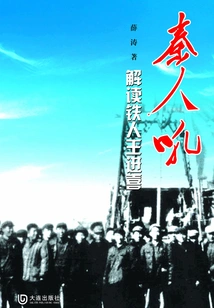
秦人吼:解读铁人王进喜
Xue Tao
The origin of the book "Qin Ren Roar: Interpretation of Iron Man Wang Jinxi" was in July 2006, when Daqing held the founding meeting of the "Daqing Spirit, Iron Man Spirit" Research Association, Gai Ruyin, then secretary of the Daqing Municipal Committee of the Communist Party of China, named the author and specially invited the author to attend the meeting. What they were really interested in was the record of the conversation between me and Wang Jinxi. I knew the importance of this conversation record, and I decided to use this conversation record as material to write a literary work praising Wang Jinxi.
The origin of the book "Qin Ren Roar: Interpretation of Iron Man Wang Jinxi" was in July 2006, when Daqing held the founding meeting of the "Daqing Spirit, Iron Man Spirit" Research Association, Gai Ruyin, then secretary of the Daqing Municipal Committee of the Communist Party of China, named the author and specially invited the author to attend the meeting. What they were really interested in was the record of the conversation between me and Wang Jinxi. I knew the importance of this conversation record, and I decided to use this conversation record as material to write a literary work praising Wang Jinxi.
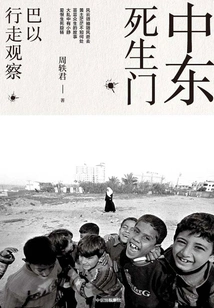
中东死生门:巴以行走观察
Zhou Yijun
The conflict between Arabs and Jews can be traced back to more than a hundred years ago. It may be the oldest war on the planet that continues to this day. It has left all mankind helpless and there is no perfect solution yet. Two years of living in Gaza made Zhou Yijun, then a resident correspondent of Xinhua News Agency, face life and death, and could not tolerate pretentiousness. For people living in Gaza and the Holy Land of Jerusalem, where conflicts are still common, peace may be just an illusion between wars. War is tiring, and leaders disappear with the wind. What remains to defeat time is the daily life of all living beings.
The conflict between Arabs and Jews can be traced back to more than a hundred years ago. It may be the oldest war on the planet that continues to this day. It has left all mankind helpless and there is no perfect solution yet. Two years of living in Gaza made Zhou Yijun, then a resident correspondent of Xinhua News Agency, face life and death, and could not tolerate pretentiousness. For people living in Gaza and the Holy Land of Jerusalem, where conflicts are still common, peace may be just an illusion between wars. War is tiring, and leaders disappear with the wind. What remains to defeat time is the daily life of all living beings.
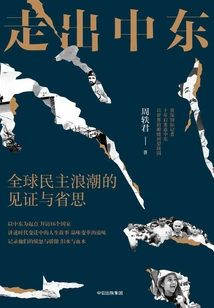
走出中东:全球民主浪潮的见证与省思
Zhou Yijun
The relationship with the Middle East called Zhou Yijun back to the starting point: Turkey, Egypt, Bahrain, Libya, Iran, Nepal... One stop after another, earth-shaking. Major global transformation events such as the restructuring of Nepal, the reconstruction of Iraq, the Arab Spring, the war in Ukraine, the shadow of Venezuela, the Liechtenstein referendum, and the survival of the Queen of England are all shown one by one in the book. After traveling to 16 countries and interviewing 135 people, Zhou Yijun started writing in the Middle East and moved to major news hot spots around the world. She risked sexual harassment, discrimination, and even car bombs to create a universal depiction of the reversal, chaos and turmoil that this era is experiencing. With objective, true and speculative writing, she recorded everyone's situation in the turning point of history, and the laughter and tears in the changes. Widen the distance of time, and you will know the taste of every change.
The relationship with the Middle East called Zhou Yijun back to the starting point: Turkey, Egypt, Bahrain, Libya, Iran, Nepal... One stop after another, earth-shaking. Major global transformation events such as the restructuring of Nepal, the reconstruction of Iraq, the Arab Spring, the war in Ukraine, the shadow of Venezuela, the Liechtenstein referendum, and the survival of the Queen of England are all shown one by one in the book. After traveling to 16 countries and interviewing 135 people, Zhou Yijun started writing in the Middle East and moved to major news hot spots around the world. She risked sexual harassment, discrimination, and even car bombs to create a universal depiction of the reversal, chaos and turmoil that this era is experiencing. With objective, true and speculative writing, she recorded everyone's situation in the turning point of history, and the laughter and tears in the changes. Widen the distance of time, and you will know the taste of every change.
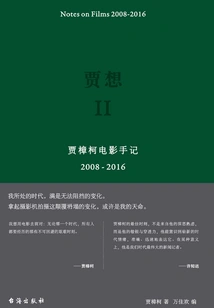
贾想Ⅱ:贾樟柯电影手记(2008—2016)
Jia Zhangke
This book collects Jia Zhangke's articles, speeches, and conversations from 2008 to 2016. These texts, which are parallel to his film works, record his life and thoughts inside and outside the film, as well as his care and reflection on historical and social drastic changes, presenting a broader and deeper background of his life, and also revealing the origin and destiny of his films. In the film, Jia Zhangke records individuals who were disturbed by politics in the great era and life details forgotten by time, stares at individuals who were thrown to the margins by power and economic interests in the era of drastic changes, and narrates the joys and sorrows of ordinary people in the surreal economic movement. Putting down the camera and picking up the pen, Jia Zhangke bid farewell to his youth in the thick smoke, but he felt sad countless times. His thoughts drifted back to the streets of Fenyang and the alleys of Beijing, thinking of the teenagers in the county and their bored youth.
This book collects Jia Zhangke's articles, speeches, and conversations from 2008 to 2016. These texts, which are parallel to his film works, record his life and thoughts inside and outside the film, as well as his care and reflection on historical and social drastic changes, presenting a broader and deeper background of his life, and also revealing the origin and destiny of his films. In the film, Jia Zhangke records individuals who were disturbed by politics in the great era and life details forgotten by time, stares at individuals who were thrown to the margins by power and economic interests in the era of drastic changes, and narrates the joys and sorrows of ordinary people in the surreal economic movement. Putting down the camera and picking up the pen, Jia Zhangke bid farewell to his youth in the thick smoke, but he felt sad countless times. His thoughts drifted back to the streets of Fenyang and the alleys of Beijing, thinking of the teenagers in the county and their bored youth.
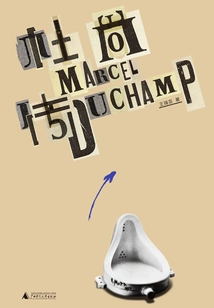
Biography of Duchamp (revised Edition)
Literature杜尚传(修订版)
Wang Ruiyun
This book is the first biography of Duchamp written in Chinese. It has 300,000 words and traces the artistic history and spiritual world of this legendary figure. It also depicts a picture of the changes in Western modern art in the 20th century. Duchamp single-handedly reversed the trend of contemporary art, but he always kept a secret and did not follow the rules. His attitude towards life, his artistic viewpoint, his detachment and selflessness allowed him to avoid all kinds of fetters and stand above art. By understanding Duchamp, we can clearly see the success or failure of modern and contemporary art; through Duchamp, we can clearly see the value of a person's life.
This book is the first biography of Duchamp written in Chinese. It has 300,000 words and traces the artistic history and spiritual world of this legendary figure. It also depicts a picture of the changes in Western modern art in the 20th century. Duchamp single-handedly reversed the trend of contemporary art, but he always kept a secret and did not follow the rules. His attitude towards life, his artistic viewpoint, his detachment and selflessness allowed him to avoid all kinds of fetters and stand above art. By understanding Duchamp, we can clearly see the success or failure of modern and contemporary art; through Duchamp, we can clearly see the value of a person's life.
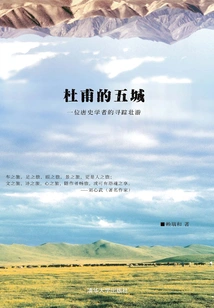
杜甫的五城:一位唐史学者的寻踪壮游
Lai Ruihe
The new edition of "Du Fu's Five Cities" adds more than a hundred color photos taken by the author himself, recording many precious images that have passed away. Today, with the rapid development of society, through this book, we can look back at the Chinese social scene and life styles thirty years ago, appreciate the lives of people at that time, and start thinking about the future.
The new edition of "Du Fu's Five Cities" adds more than a hundred color photos taken by the author himself, recording many precious images that have passed away. Today, with the rapid development of society, through this book, we can look back at the Chinese social scene and life styles thirty years ago, appreciate the lives of people at that time, and start thinking about the future.
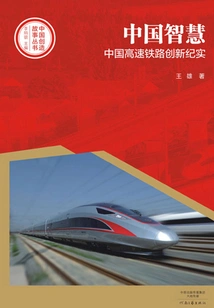
中国智慧:中国高速铁路创新纪实
Editor-in-chief Li Bingyin
High-speed rail has changed people's travel methods and lifestyles. With its advantages of safety, convenience and comfort, it has become the preferred means of transportation for Chinese people today. China's great achievements in innovative development of high-speed rail have given the world a surprise. High-speed rail embodies the culmination of today's high technologies, overcomes difficulties and endures hardships, interprets wonderful stories and legends, and demonstrates outstanding Chinese wisdom and Chinese style. With a public perspective, professional interpretation, smart language, and exquisite pictures, this book takes you on a journey through the ocean of high-speed rail science and technology knowledge, explores the mysteries of technological innovation in great countries, and demonstrates the unique charm of Chinese wisdom.
High-speed rail has changed people's travel methods and lifestyles. With its advantages of safety, convenience and comfort, it has become the preferred means of transportation for Chinese people today. China's great achievements in innovative development of high-speed rail have given the world a surprise. High-speed rail embodies the culmination of today's high technologies, overcomes difficulties and endures hardships, interprets wonderful stories and legends, and demonstrates outstanding Chinese wisdom and Chinese style. With a public perspective, professional interpretation, smart language, and exquisite pictures, this book takes you on a journey through the ocean of high-speed rail science and technology knowledge, explores the mysteries of technological innovation in great countries, and demonstrates the unique charm of Chinese wisdom.
S
LiteratureS
H
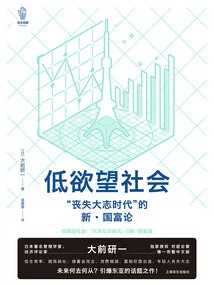
"Low Desire Society" is a best-selling social observation work recently published by the famous Japanese management scientist and "Mr. Strategy" Kenichi Omae. The book focuses on Japan's current socio-economic status and characteristics, and summarizes social problems that other mature countries have not encountered yet into one word, "Low Desire Society" - -The population is shrinking, super-aging, and more and more young people have lost their ambition and desire; citizens hold a large amount of financial assets, and companies also have high internal reserves, but they fail to use funds effectively. Neither monetary easing policies nor public investment can improve consumer confidence, and money-spreading policies cannot revitalize the economy...
"Low Desire Society" is a best-selling social observation work recently published by the famous Japanese management scientist and "Mr. Strategy" Kenichi Omae. The book focuses on Japan's current socio-economic status and characteristics, and summarizes social problems that other mature countries have not encountered yet into one word, "Low Desire Society" - -The population is shrinking, super-aging, and more and more young people have lost their ambition and desire; citizens hold a large amount of financial assets, and companies also have high internal reserves, but they fail to use funds effectively. Neither monetary easing policies nor public investment can improve consumer confidence, and money-spreading policies cannot revitalize the economy...
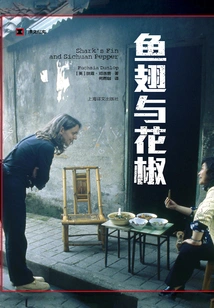
Shark's Fin and Sichuan Pepper
Literature鱼翅与花椒
I
This book is about the unexpected beauty of Chinese food and the adventures of a British girl in China. Fu Xia, who won the British Food Writers Guild Award, went to China for a long stay in 1994. From the beginning she had sworn that no matter how strange the food might be, she would accept it. In this rare memoir, Fuxia traces the evolution of her relationship with Chinese food. Through Fuxia's eyes, we can understand the familiar Chinese food from a new perspective. It turns out that food from different places has its own unique temperament. Sichuan cuisine is spicy with a hint of sweetness, just like the laid-back and charming Sichuan people, who always have a hint of sweetness and thoughtfulness; Hunan cuisine is direct and uncompromising, just like the military leaders trained there; Yangzhou cuisine is the food of the peaceful times, warm and soothing. From the bustling markets of Sichuan to the remote scenery of northern Gansu, from the mountains of Fujian to the charming ancient city of Yangzhou, the book presents the unforgettable and wonderful taste of Chinese cuisine, and deeply depicts the differences between Chinese and Western food cultures, with both humanistic observation and humor.
This book is about the unexpected beauty of Chinese food and the adventures of a British girl in China. Fu Xia, who won the British Food Writers Guild Award, went to China for a long stay in 1994. From the beginning she had sworn that no matter how strange the food might be, she would accept it. In this rare memoir, Fuxia traces the evolution of her relationship with Chinese food. Through Fuxia's eyes, we can understand the familiar Chinese food from a new perspective. It turns out that food from different places has its own unique temperament. Sichuan cuisine is spicy with a hint of sweetness, just like the laid-back and charming Sichuan people, who always have a hint of sweetness and thoughtfulness; Hunan cuisine is direct and uncompromising, just like the military leaders trained there; Yangzhou cuisine is the food of the peaceful times, warm and soothing. From the bustling markets of Sichuan to the remote scenery of northern Gansu, from the mountains of Fujian to the charming ancient city of Yangzhou, the book presents the unforgettable and wonderful taste of Chinese cuisine, and deeply depicts the differences between Chinese and Western food cultures, with both humanistic observation and humor.
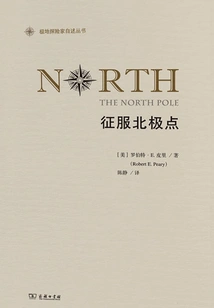
Conquer the North Pole
Literature征服北极点
(us) Robert E. Peary
This book is a record of Arctic exploration activities. American explorer Peary tells how he led the expedition team after repeated failures for 25 years. Finally, with the help of the Eskimos, he set foot on the northernmost point of the earth for the first time on behalf of mankind. In 1891, Peary organized an expedition to conduct serious exploration of North Greenland, which had never been reached before. He reached Greenland's northern coast, thus proving that Greenland was a large island. Therefore, the northernmost part of Greenland was named Piriland. During the expedition, Piri also discovered the world's heaviest meteorite known to date. This meteorite weighs 90 tons and is now preserved in the American Museum of Natural History in New York. In the next 12 years, Peary conducted many more exploration voyages to Greenland and learned to live like an Eskimo. Yet on each voyage, Peary managed to get closer to his ultimate goal - the North Pole. In 1909, Pirie organized a capable expedition team. The team members rotated regularly during the expedition. Finally, Pirie and a black assistant Matthew Hansen launched an attack on the North Pole. They arrived at the North Pole on April 6. In 1911, for this achievement, Peary was appointed rear admiral of the United States Navy.
This book is a record of Arctic exploration activities. American explorer Peary tells how he led the expedition team after repeated failures for 25 years. Finally, with the help of the Eskimos, he set foot on the northernmost point of the earth for the first time on behalf of mankind. In 1891, Peary organized an expedition to conduct serious exploration of North Greenland, which had never been reached before. He reached Greenland's northern coast, thus proving that Greenland was a large island. Therefore, the northernmost part of Greenland was named Piriland. During the expedition, Piri also discovered the world's heaviest meteorite known to date. This meteorite weighs 90 tons and is now preserved in the American Museum of Natural History in New York. In the next 12 years, Peary conducted many more exploration voyages to Greenland and learned to live like an Eskimo. Yet on each voyage, Peary managed to get closer to his ultimate goal - the North Pole. In 1909, Pirie organized a capable expedition team. The team members rotated regularly during the expedition. Finally, Pirie and a black assistant Matthew Hansen launched an attack on the North Pole. They arrived at the North Pole on April 6. In 1911, for this achievement, Peary was appointed rear admiral of the United States Navy.
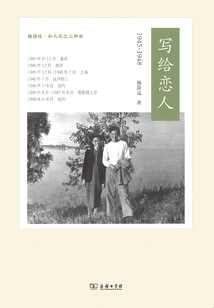
Letters to Lovers (1945-1948)
Literature写给恋人(1945-1948)
Yang Jingyuan
"Letter to Lovers: 1945-1948" is a collection of letters written by Ms. Yang Jingyuan, which is a record of her love journey in the 1940s. The book collects a total of 120 letters written by the author to his fiancé during his stay in the United States. As a graduate of Wuhan University, the author got engaged and later went to the United States to study alone. However, her love life was not interrupted, but became everlasting.
"Letter to Lovers: 1945-1948" is a collection of letters written by Ms. Yang Jingyuan, which is a record of her love journey in the 1940s. The book collects a total of 120 letters written by the author to his fiancé during his stay in the United States. As a graduate of Wuhan University, the author got engaged and later went to the United States to study alone. However, her love life was not interrupted, but became everlasting.
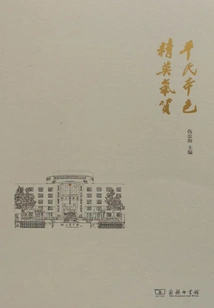
Commoner Character, Elite Temperament
Literature平民本色,精英气质
Qiu Zhonghai
"Common people's nature and elite temperament" are the educational goals of Shanghai Qibao Middle School. In the process of school-running practice and exploration, Qibao Middle School has refined and summarized the school-running philosophy of "all-round development, excellence in humanities" and the education goal of "civilian nature, elite temperament". By telling stories that happened on campus, the book shows the educational practice and experience of Qibao Middle School under the educational goal of "civilian nature and elite temperament". It is rich in cases, vivid in language and highly readable.
"Common people's nature and elite temperament" are the educational goals of Shanghai Qibao Middle School. In the process of school-running practice and exploration, Qibao Middle School has refined and summarized the school-running philosophy of "all-round development, excellence in humanities" and the education goal of "civilian nature, elite temperament". By telling stories that happened on campus, the book shows the educational practice and experience of Qibao Middle School under the educational goal of "civilian nature and elite temperament". It is rich in cases, vivid in language and highly readable.
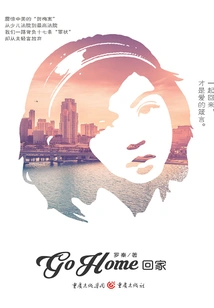
Go Home
Literature回家
Luo Qin
A girl born and raised in Chongqing, a talented Hunan scholar with extensive knowledge, traveled across the ocean to Tennessee, USA, looking forward to a happy future. She never wanted to have her peaceful life disrupted by a rape case. Just when the charges were about to be cleared, another wave of unrest arose, and the family was once again involved in the case of kidnapping. The cultural differences between China and the United States made the originally ordinary civil case complicated. The two appealed from the children's court to the state supreme court. They fought repeatedly and never gave up. It took seven years. Finally, with the help of Chinese groups, media and the embassy, they received a fair verdict. The couple finally returned to China with their three children.
A girl born and raised in Chongqing, a talented Hunan scholar with extensive knowledge, traveled across the ocean to Tennessee, USA, looking forward to a happy future. She never wanted to have her peaceful life disrupted by a rape case. Just when the charges were about to be cleared, another wave of unrest arose, and the family was once again involved in the case of kidnapping. The cultural differences between China and the United States made the originally ordinary civil case complicated. The two appealed from the children's court to the state supreme court. They fought repeatedly and never gave up. It took seven years. Finally, with the help of Chinese groups, media and the embassy, they received a fair verdict. The couple finally returned to China with their three children.
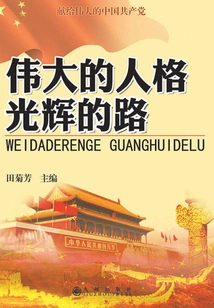
Great Personality, Glorious Road
Literature伟大的人格 光辉的路
Editor-in-chief Tian Jufang
This book includes: the founding of the Communist Party of China, the period of the Great Revolution, the period of the Agrarian Revolution, the period of the Anti-Japanese War, the period of the Liberation War, the founding of New China, the initial exploration of the socialist cause, the ten years of the "Cultural Revolution", the new period of socialist construction, the new period of reform and opening up, advancing the party-building project in the spirit of reform, the convening of the 16th National Congress and the construction of a moderately prosperous society, the convening of the 17th National Congress and the construction of a harmonious society, etc.
This book includes: the founding of the Communist Party of China, the period of the Great Revolution, the period of the Agrarian Revolution, the period of the Anti-Japanese War, the period of the Liberation War, the founding of New China, the initial exploration of the socialist cause, the ten years of the "Cultural Revolution", the new period of socialist construction, the new period of reform and opening up, advancing the party-building project in the spirit of reform, the convening of the 16th National Congress and the construction of a moderately prosperous society, the convening of the 17th National Congress and the construction of a harmonious society, etc.
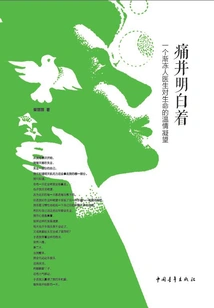
痛并明白着:一个渐冻人医生对生命的温情凝望
Chai Lili
This book is the autobiography of a 35-year-old doctor. 35 Is not the age to write an autobiography, but the author said, "I really don't know if I have the 'luck' to live until the sunset, and I don't even know if I am lucky enough to live until I am gray-headed and can still write and write." She is a patient who was diagnosed with muscular dystrophy when she was 22 months old. She is a person who is destined to be disabled for life since she was born. But she realized her dream of becoming a doctor. In people's eyes, she is a legend and an inspirational book. But she said that everything she did was not an act of bravery, but she was just trying to live her life as well as she could under the fate of her fate. Because the author is a doctor, her experience of physical pain and life is extremely delicate, sensitive, rich and unique. Her writing shows the beauty of human life, and her description of the pursuit of ideals and her perception of life and death are even more touching. This is a rare book of life education.
This book is the autobiography of a 35-year-old doctor. 35 Is not the age to write an autobiography, but the author said, "I really don't know if I have the 'luck' to live until the sunset, and I don't even know if I am lucky enough to live until I am gray-headed and can still write and write." She is a patient who was diagnosed with muscular dystrophy when she was 22 months old. She is a person who is destined to be disabled for life since she was born. But she realized her dream of becoming a doctor. In people's eyes, she is a legend and an inspirational book. But she said that everything she did was not an act of bravery, but she was just trying to live her life as well as she could under the fate of her fate. Because the author is a doctor, her experience of physical pain and life is extremely delicate, sensitive, rich and unique. Her writing shows the beauty of human life, and her description of the pursuit of ideals and her perception of life and death are even more touching. This is a rare book of life education.
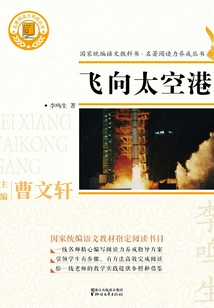
Fly to Spaceport
Literature飞向太空港
Li Mingsheng
This book sets a precedent for Chinese literature to write about "space civilization" and shows the remarkable achievements of China's aerospace science and technology. It is called the pioneering work of China's "aerospace literature". In the 1990s, Chinese astronauts used the "Long March 3" rocket at the Xichang Satellite Launch Center to successfully launch the U. S. "Asia-1" satellite into space, starting a new journey for China's aerospace industry to go abroad and go global. This is China's first launch of a foreign commercial satellite, marking China's great success in the international aerospace industry. This book is an account of this process.
This book sets a precedent for Chinese literature to write about "space civilization" and shows the remarkable achievements of China's aerospace science and technology. It is called the pioneering work of China's "aerospace literature". In the 1990s, Chinese astronauts used the "Long March 3" rocket at the Xichang Satellite Launch Center to successfully launch the U. S. "Asia-1" satellite into space, starting a new journey for China's aerospace industry to go abroad and go global. This is China's first launch of a foreign commercial satellite, marking China's great success in the international aerospace industry. This book is an account of this process.
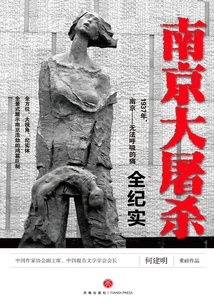
Complete Records of the Nanjing Massacre
Literature南京大屠杀全纪实
He Jianming
On December 13, 1937, the Japanese invaders captured Nanjing and caused a tragic massacre. The Japanese army brutally massacred more than 300,000 Chinese defenders and ordinary citizens who had laid down their weapons. The author uses detailed facts and first-hand information, as well as many unknown historical truths, and multiple perspectives to comprehensively and completely reflect the whole story of the Nanjing Massacre. He uses sharp torture to prompt today's readers to deeply reflect on the history of the Nanjing Massacre and think deeply about the practical significance of its historical lessons.
On December 13, 1937, the Japanese invaders captured Nanjing and caused a tragic massacre. The Japanese army brutally massacred more than 300,000 Chinese defenders and ordinary citizens who had laid down their weapons. The author uses detailed facts and first-hand information, as well as many unknown historical truths, and multiple perspectives to comprehensively and completely reflect the whole story of the Nanjing Massacre. He uses sharp torture to prompt today's readers to deeply reflect on the history of the Nanjing Massacre and think deeply about the practical significance of its historical lessons.
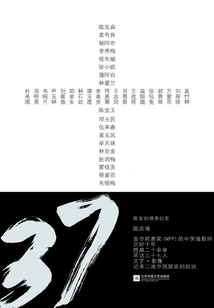
37:慰安妇调查纪实
Chen Qinggang
37, 27, 17, 7... Time flies by like water, but it cannot heal the pain in the world. What is left is the passing of the sick body, but what is left is the words and images that record them. Chen Qinggang, a famous Chinese photojournalist, spent more than ten years tracking World War II survivors, investigating and recording the living conditions of comfort women who were harmed by the Japanese army. Reflect on the pain of war and remember the sorrow of the whole country.
37, 27, 17, 7... Time flies by like water, but it cannot heal the pain in the world. What is left is the passing of the sick body, but what is left is the words and images that record them. Chen Qinggang, a famous Chinese photojournalist, spent more than ten years tracking World War II survivors, investigating and recording the living conditions of comfort women who were harmed by the Japanese army. Reflect on the pain of war and remember the sorrow of the whole country.
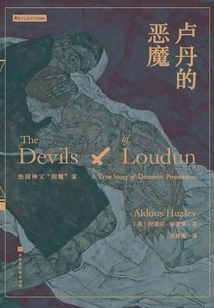
卢丹的恶魔:法国神父“附魔”案
I
"Loudan's Demon" records a huge unjust, false and wrong case in European history. It happened in the middle of the seventeenth century AD after the end of the dark Middle Ages and before the outbreak of the French Revolution. At that time, the name of the rector of the small French town of Loudain was Urbain Grandier. This man was knowledgeable and handsome, but unfortunately he was also a lover and secretly owed many romantic debts. These scandals made him enemies of many people in Loudain, and his enemies were determined to exact revenge on him. Soon, a group of nuns in a local monastery were "possessed by demons" and claimed that it was all because Father Grandi signed a contract with the devil, causing a group of demons to come to the center and indulge in extravagant behavior with them, and they were possessed by unclean spirits. After trials by religious courts and secular courts, Grandier was found guilty. Not only was he physically tortured, but he was eventually burned to death.
"Loudan's Demon" records a huge unjust, false and wrong case in European history. It happened in the middle of the seventeenth century AD after the end of the dark Middle Ages and before the outbreak of the French Revolution. At that time, the name of the rector of the small French town of Loudain was Urbain Grandier. This man was knowledgeable and handsome, but unfortunately he was also a lover and secretly owed many romantic debts. These scandals made him enemies of many people in Loudain, and his enemies were determined to exact revenge on him. Soon, a group of nuns in a local monastery were "possessed by demons" and claimed that it was all because Father Grandi signed a contract with the devil, causing a group of demons to come to the center and indulge in extravagant behavior with them, and they were possessed by unclean spirits. After trials by religious courts and secular courts, Grandier was found guilty. Not only was he physically tortured, but he was eventually burned to death.
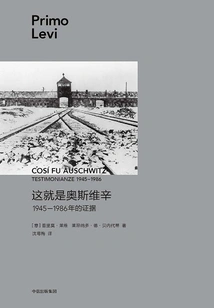
这就是奥斯维辛:1945—1986年的证据
(italian) Primo Levi Leonardo De Benedetti
The testimonials of Auschwitz prisoners, persecutors and even the perpetrators' families are true and shocking testimonials of the Nazi concentration camp. Levi's outstanding contribution as a witness to Auschwitz is supported by historical facts in "The Drowned and the Saved". "This Is Auschwitz" is a collection of testimonies from survivors of the Auschwitz concentration camp, compiled and written by Levi, a chemist, and his Auschwitz prisoner and surgeon De Benedetti. These testimonies from 1945 to 1986 come from various sources, including the facts narrated by Levi and de Benedetti themselves, as well as other detainees, persecutors and even the perpetrators' family members, but they all truly and powerfully reflect the inhuman life of the prisoners in the concentration camp. As Levi said, "The persistence of correcting one's possible errors often gives the person searching for the truth an identity that is better than that of a mere witness." These testimonies are indispensable memories and become the basis for us to reflect on history and human values. The "Levi Works" series also includes "The Drowned and the Rescued", "The Wrench", "Other People's Trades", "The Uncertain Moment: Selected Poems of Levi", "Truce" and "If Not Now, When?" "Moments of Reprieve", "Voices of Memory: Interviews with Levi 1961-1987", "I Talking to You: Conversations between Levi and Tessio", etc.
The testimonials of Auschwitz prisoners, persecutors and even the perpetrators' families are true and shocking testimonials of the Nazi concentration camp. Levi's outstanding contribution as a witness to Auschwitz is supported by historical facts in "The Drowned and the Saved". "This Is Auschwitz" is a collection of testimonies from survivors of the Auschwitz concentration camp, compiled and written by Levi, a chemist, and his Auschwitz prisoner and surgeon De Benedetti. These testimonies from 1945 to 1986 come from various sources, including the facts narrated by Levi and de Benedetti themselves, as well as other detainees, persecutors and even the perpetrators' family members, but they all truly and powerfully reflect the inhuman life of the prisoners in the concentration camp. As Levi said, "The persistence of correcting one's possible errors often gives the person searching for the truth an identity that is better than that of a mere witness." These testimonies are indispensable memories and become the basis for us to reflect on history and human values. The "Levi Works" series also includes "The Drowned and the Rescued", "The Wrench", "Other People's Trades", "The Uncertain Moment: Selected Poems of Levi", "Truce" and "If Not Now, When?" "Moments of Reprieve", "Voices of Memory: Interviews with Levi 1961-1987", "I Talking to You: Conversations between Levi and Tessio", etc.
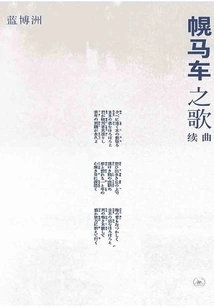
Continuation of the Song of the Carriage
Literature幌马车之歌续曲
Lan Bozhou
This book presents to us the life stories of three Taiwanese youths, Li Cangjiang, Lan Minggu, and Qiu Lianqiu, who died during the white terror period in Taiwan in the 1950s. They were born in colonial Taiwan under Japanese occupation and had to accept the "imperial" and "enslavement" education implemented by Japan. They had personal feelings about national oppression and had a strong anti-Japanese spirit and awareness of the motherland since they were young. After the outbreak of the Anti-Japanese War, they worked hard to join the historical wave of resisting foreign invaders and striving for national independence and self-strength through various channels, closely linking their ideals with the liberation of the motherland and the return of Taiwan. It was also during this process that they saw the hardship of the people under the rule of the Kuomintang, so they took the initiative to move closer to communism ideologically and participated in the Communist Party's underground organization in Taiwan. As a result, they were eventually arrested, tortured and executed by the Kuomintang intelligence agency during the white terror period in the 1950s. In order to prevent the history of the predecessors from being obliterated and distorted, Lan Bozhou, the author of "The Song of the Carriage", continued to pursue the life footprints and imprints of the predecessors, painstakingly searched in the cruel silence of history, tried every means to collect historical materials and witness, and finally In the end, these figures buried and forgotten by the dust of time are unfolded as testimonies of the times, witnessing the passionate lives of three young Taiwanese people, Li Cangjiang, Lan Minggu, and Qiu Lianqiu, who sacrificed their lives for their ideals, as well as the historical traces that cannot be erased or edited.
This book presents to us the life stories of three Taiwanese youths, Li Cangjiang, Lan Minggu, and Qiu Lianqiu, who died during the white terror period in Taiwan in the 1950s. They were born in colonial Taiwan under Japanese occupation and had to accept the "imperial" and "enslavement" education implemented by Japan. They had personal feelings about national oppression and had a strong anti-Japanese spirit and awareness of the motherland since they were young. After the outbreak of the Anti-Japanese War, they worked hard to join the historical wave of resisting foreign invaders and striving for national independence and self-strength through various channels, closely linking their ideals with the liberation of the motherland and the return of Taiwan. It was also during this process that they saw the hardship of the people under the rule of the Kuomintang, so they took the initiative to move closer to communism ideologically and participated in the Communist Party's underground organization in Taiwan. As a result, they were eventually arrested, tortured and executed by the Kuomintang intelligence agency during the white terror period in the 1950s. In order to prevent the history of the predecessors from being obliterated and distorted, Lan Bozhou, the author of "The Song of the Carriage", continued to pursue the life footprints and imprints of the predecessors, painstakingly searched in the cruel silence of history, tried every means to collect historical materials and witness, and finally In the end, these figures buried and forgotten by the dust of time are unfolded as testimonies of the times, witnessing the passionate lives of three young Taiwanese people, Li Cangjiang, Lan Minggu, and Qiu Lianqiu, who sacrificed their lives for their ideals, as well as the historical traces that cannot be erased or edited.
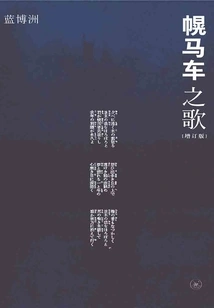
幌马车之歌(增订版)
Lan Bozhou
Based on interviews with survivors, their relatives and friends, and the collection and review of a large number of confidential files, this book uses the form of reportage to describe the short but fiery life of Taiwanese revolutionary youth Chung Ho-tung of Hakka origin - from resisting Japanese colonial rule, to returning from a narrow escape to join the anti-Japanese war, to dedicating himself to education to reform Taiwanese society, to finally dying generously for the liberation of Taiwan and sacrificing his ideals. Using many similar "Chung Ho-tungs" as a background, and through the intertwining of historical materials, records, and literature, the author strives to restore and reconstruct Taiwan's modern history that has been deliberately annihilated or even distorted since the first half of the twentieth century. In the process of tracing the revolutionary career and life trajectory of these young people, this book firmly conveys to us the power contained in the depths of history. With the help of this power, readers can get close to the memories on both sides of the Taiwan Strait that are full of pain and regret from a new perspective. This book was selected as the best novel in Taiwan in 1988 (Hong Xingfu Novel Award). In 1991, it ranked first in the "United Literature" top ten best book writers. Hou Hsiao-hsien created the movies "Sad City" and "Good Men and Good Women" based on part of the prototype of this story, and won the Golden Lion Award at the 46th Venice International Film Festival.
Based on interviews with survivors, their relatives and friends, and the collection and review of a large number of confidential files, this book uses the form of reportage to describe the short but fiery life of Taiwanese revolutionary youth Chung Ho-tung of Hakka origin - from resisting Japanese colonial rule, to returning from a narrow escape to join the anti-Japanese war, to dedicating himself to education to reform Taiwanese society, to finally dying generously for the liberation of Taiwan and sacrificing his ideals. Using many similar "Chung Ho-tungs" as a background, and through the intertwining of historical materials, records, and literature, the author strives to restore and reconstruct Taiwan's modern history that has been deliberately annihilated or even distorted since the first half of the twentieth century. In the process of tracing the revolutionary career and life trajectory of these young people, this book firmly conveys to us the power contained in the depths of history. With the help of this power, readers can get close to the memories on both sides of the Taiwan Strait that are full of pain and regret from a new perspective. This book was selected as the best novel in Taiwan in 1988 (Hong Xingfu Novel Award). In 1991, it ranked first in the "United Literature" top ten best book writers. Hou Hsiao-hsien created the movies "Sad City" and "Good Men and Good Women" based on part of the prototype of this story, and won the Golden Lion Award at the 46th Venice International Film Festival.
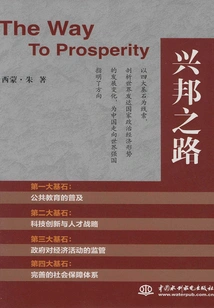
The Road to Prosperity
Literature兴邦之路
(us) Simon Zhu
This book is narrated based on four cornerstones. The author uses a unique perspective and wise vision to conduct a detailed analysis of the development and changes of the political and economic situation in developed countries in the world over decades or even hundreds of years. Through a large number of examples, it introduces the popularization and development of public education in the United States, New Zealand, and Finland as the first cornerstone; the promotion of economic development and talent strategy through scientific research and innovation in the United States and Germany as the second cornerstone; the support and supervision of economic activities by the governments of the United States, Germany, and Japan as the third cornerstone; and the improved social security systems of the United States and European countries as the fourth cornerstone. Through the four cornerstones and combined with China's national conditions, this book provides in-depth and simple interpretations of public education, scientific research and innovation, government support and supervision of economic activities, and a sound social security system, pointing out the direction for China's continued path to health. This book is suitable for students majoring in economics and management, and is also suitable for reference by professional scholars.
This book is narrated based on four cornerstones. The author uses a unique perspective and wise vision to conduct a detailed analysis of the development and changes of the political and economic situation in developed countries in the world over decades or even hundreds of years. Through a large number of examples, it introduces the popularization and development of public education in the United States, New Zealand, and Finland as the first cornerstone; the promotion of economic development and talent strategy through scientific research and innovation in the United States and Germany as the second cornerstone; the support and supervision of economic activities by the governments of the United States, Germany, and Japan as the third cornerstone; and the improved social security systems of the United States and European countries as the fourth cornerstone. Through the four cornerstones and combined with China's national conditions, this book provides in-depth and simple interpretations of public education, scientific research and innovation, government support and supervision of economic activities, and a sound social security system, pointing out the direction for China's continued path to health. This book is suitable for students majoring in economics and management, and is also suitable for reference by professional scholars.
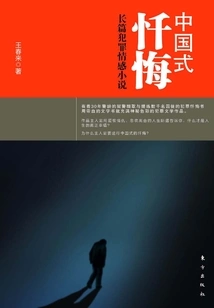
Chinese Confession
Literature中国式忏悔
Wang Chunlai
From the book, we can see a vivid picture of a contemporary Chinese young man's life in his family and society before he was arrested. This is the real life experience of the young people born in the 1980s in today's society; this is the true confession of criminal youths from behind the high walls of prisons, and this is the true record of the prison life of today's Chinese criminals... The author of this book, as a prison guard, uses vivid and delicate writing and vivid and touching plots to create a vivid image of the criminal youth born in the 1980s who come from the depths of the mountains.
From the book, we can see a vivid picture of a contemporary Chinese young man's life in his family and society before he was arrested. This is the real life experience of the young people born in the 1980s in today's society; this is the true confession of criminal youths from behind the high walls of prisons, and this is the true record of the prison life of today's Chinese criminals... The author of this book, as a prison guard, uses vivid and delicate writing and vivid and touching plots to create a vivid image of the criminal youth born in the 1980s who come from the depths of the mountains.
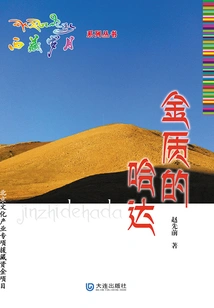
Tibetan Years Series·golden Hada
Literature西藏岁月系列丛书·金质的哈达
Zhao Qianqian
"The Tibetan Years Series: The Golden Hada" is a collection of previous reminiscence articles by Zhao, a veteran of the New Fourth Army. It traces the author's combat experience during the New Fourth Army period, as well as the deeds of the army entering Tibet to build roads during the peaceful liberation of Tibet. It especially provides a detailed and profound description of the achievements of the heroes. It is touching and thought-provoking. The spirit of revolutionary optimism permeating the lines is inspiring. The content of "Tibetan Years Series: Golden Hada" is positive and healthy, and the narrative is vivid and vivid. The author uses personal experience and rich social life details to unfold the narrative, which can not only provide real and profound teachings and inspirations with real power, but also enable readers to obtain historical and cultural knowledge related to the liberation and construction period of Tibet.
"The Tibetan Years Series: The Golden Hada" is a collection of previous reminiscence articles by Zhao, a veteran of the New Fourth Army. It traces the author's combat experience during the New Fourth Army period, as well as the deeds of the army entering Tibet to build roads during the peaceful liberation of Tibet. It especially provides a detailed and profound description of the achievements of the heroes. It is touching and thought-provoking. The spirit of revolutionary optimism permeating the lines is inspiring. The content of "Tibetan Years Series: Golden Hada" is positive and healthy, and the narrative is vivid and vivid. The author uses personal experience and rich social life details to unfold the narrative, which can not only provide real and profound teachings and inspirations with real power, but also enable readers to obtain historical and cultural knowledge related to the liberation and construction period of Tibet.
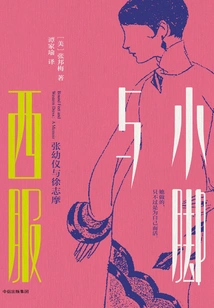
Little Feet and Suits
Literature小脚与西服
(u. S.) Zhang Bangmei
Zhang Youyi grew up in a traditional Chinese society that did not value women. After her divorce, she strived to move up the ladder and became a banker and general manager of a clothing company in Shanghai. Her descendants, on the other hand, found their own place amidst the conflicts between East and West of the previous generation. Zhang Youyi and Zhang Bangmei each wrote a page worth remembering about the experience of Chinese women. They are a precious gift for women living in modern times.
Zhang Youyi grew up in a traditional Chinese society that did not value women. After her divorce, she strived to move up the ladder and became a banker and general manager of a clothing company in Shanghai. Her descendants, on the other hand, found their own place amidst the conflicts between East and West of the previous generation. Zhang Youyi and Zhang Bangmei each wrote a page worth remembering about the experience of Chinese women. They are a precious gift for women living in modern times.
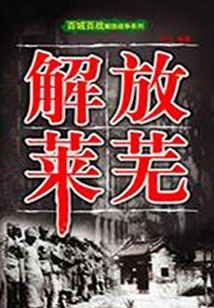
Liberate Laiwu
Literature解放莱芜
Record Work
After the Lunan Campaign ended in mid-January 1947, the entire Jiangsu and Anhui areas south of Longhai Road transitioned into a guerrilla warfare environment behind enemy lines. The main force of the Central China Field Army moved northward to Shandong. In the Third Civil Revolutionary War, the East China Field Army of the People's Liberation Army conducted a mobile warfare campaign against the Kuomintang Army from the south of Linyi to Laiwu in Shandong Province. This battle was called the Laiwu Campaign. Content introduction: The main force of the East China Field Army gathered in Linyi area to rest and standby. Facing the attack of the Kuomintang army, the field army commander and political commissar Chen Yi, deputy commander Su Yu, and deputy political commissar Tan Zhenlin tried to use the means of defeating and annihilating the enemy one by one. They first lured the three-line Kuomintang army attacking on the southern front to stand out one way, cut it off and annihilate the rest. This battle shattered the Kuomintang army's plan to attack from the north and south and forced the East China Field Army to fight decisively with it under unfavorable conditions. The large number of captured enemies and the speed of annihilation in this battle set a record since the beginning of the Liberation War.
After the Lunan Campaign ended in mid-January 1947, the entire Jiangsu and Anhui areas south of Longhai Road transitioned into a guerrilla warfare environment behind enemy lines. The main force of the Central China Field Army moved northward to Shandong. In the Third Civil Revolutionary War, the East China Field Army of the People's Liberation Army conducted a mobile warfare campaign against the Kuomintang Army from the south of Linyi to Laiwu in Shandong Province. This battle was called the Laiwu Campaign. Content introduction: The main force of the East China Field Army gathered in Linyi area to rest and standby. Facing the attack of the Kuomintang army, the field army commander and political commissar Chen Yi, deputy commander Su Yu, and deputy political commissar Tan Zhenlin tried to use the means of defeating and annihilating the enemy one by one. They first lured the three-line Kuomintang army attacking on the southern front to stand out one way, cut it off and annihilate the rest. This battle shattered the Kuomintang army's plan to attack from the north and south and forced the East China Field Army to fight decisively with it under unfavorable conditions. The large number of captured enemies and the speed of annihilation in this battle set a record since the beginning of the Liberation War.
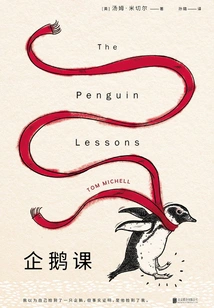
Penguin Lesson
Literature企鹅课
(uk) Tom Mitchell
In 1975, Tom Mitchell, a 23-year-old British youth who yearned for freedom and loved adventure, went to the other side of the world to work in a boarding school in Argentina. One weekend while traveling to Uruguay, Tom rescued a penguin covered in crude oil on the beach and took it back to his apartment, hoping to clean it up before sending it back to the sea. However, the penguin refused to leave. So, Tom had to take it back to school and raise it on the rooftop of the school. At that time, Argentina had just experienced the overthrow of the Peron government. The social situation was turbulent, inflation was serious, and the future was full of gloom. But when this gentleman-like penguin came to the boarding school, he not only conquered everyone with his unparalleled charm and brought countless happiness to everyone in the difficult years with an uncertain future, but also taught Tom and other teachers and students a valuable lesson with his unique attitude towards life, changing their life trajectories...
In 1975, Tom Mitchell, a 23-year-old British youth who yearned for freedom and loved adventure, went to the other side of the world to work in a boarding school in Argentina. One weekend while traveling to Uruguay, Tom rescued a penguin covered in crude oil on the beach and took it back to his apartment, hoping to clean it up before sending it back to the sea. However, the penguin refused to leave. So, Tom had to take it back to school and raise it on the rooftop of the school. At that time, Argentina had just experienced the overthrow of the Peron government. The social situation was turbulent, inflation was serious, and the future was full of gloom. But when this gentleman-like penguin came to the boarding school, he not only conquered everyone with his unparalleled charm and brought countless happiness to everyone in the difficult years with an uncertain future, but also taught Tom and other teachers and students a valuable lesson with his unique attitude towards life, changing their life trajectories...
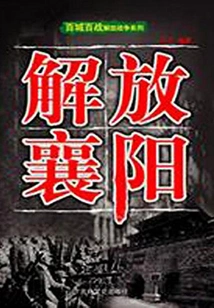
Liberate Xiangyang
Literature解放襄阳
Record Work
In July 1948, a regiment of the People's Liberation Army that was responsible for siege operations concentrated its forces based on the terrain characteristics of Xiangyang. It first split the Pipa Mountain, captured the Zhenwu Mountain closest to the city, opened the corridors and arteries, and advanced directly to the city, making all the enemies on the surrounding hills lose their defensive capabilities. It only took eight days to break through the city, capture Kangze alive, liberate Xiangyang, and defeat the "impregnable" Kuomintang army's Hanshui defense line.
In July 1948, a regiment of the People's Liberation Army that was responsible for siege operations concentrated its forces based on the terrain characteristics of Xiangyang. It first split the Pipa Mountain, captured the Zhenwu Mountain closest to the city, opened the corridors and arteries, and advanced directly to the city, making all the enemies on the surrounding hills lose their defensive capabilities. It only took eight days to break through the city, capture Kangze alive, liberate Xiangyang, and defeat the "impregnable" Kuomintang army's Hanshui defense line.
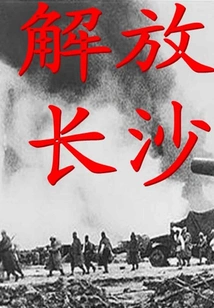
Liberate Changsha
Literature解放长沙
Record Work
This book uses documentary techniques to record the glorious deeds of the Chinese People's Liberation Army in the bloody battle to liberate Changsha, praises their fearless spirit, and reproduces the tragic scenes of the liberation war... Changsha was still one of the revolutionary centers of Chinese politics during the Republic of China. On October 22, 1911, the new uprising army led by Jiao Dafeng and Chen Zuoxin regained Changsha. In 1915, Cai E, who was studying at the School of Current Affairs, launched the National Defense Movement. In 1919, Changsha sent a large number of May Fourth youths to France for work-study studies. Changsha was also one of the places where the Communist Group was established. A number of early leaders of the Communist Party of China, including Mao Zedong, He Shuheng, Ren Bishi, Cai Hesen, and Xiang Jingyu, all studied or engaged in political activities in Changsha. In 1927, Mao Zedong launched the Autumn Harvest Uprising and tried to attack Changsha; after the failure, he turned to the realistic policy of "surrounding the cities from the countryside." On August 5, 1949, the Communist regime was officially established in Changsha. After the founding of the People's Republic of China, Changsha began to rebuild and develop.
This book uses documentary techniques to record the glorious deeds of the Chinese People's Liberation Army in the bloody battle to liberate Changsha, praises their fearless spirit, and reproduces the tragic scenes of the liberation war... Changsha was still one of the revolutionary centers of Chinese politics during the Republic of China. On October 22, 1911, the new uprising army led by Jiao Dafeng and Chen Zuoxin regained Changsha. In 1915, Cai E, who was studying at the School of Current Affairs, launched the National Defense Movement. In 1919, Changsha sent a large number of May Fourth youths to France for work-study studies. Changsha was also one of the places where the Communist Group was established. A number of early leaders of the Communist Party of China, including Mao Zedong, He Shuheng, Ren Bishi, Cai Hesen, and Xiang Jingyu, all studied or engaged in political activities in Changsha. In 1927, Mao Zedong launched the Autumn Harvest Uprising and tried to attack Changsha; after the failure, he turned to the realistic policy of "surrounding the cities from the countryside." On August 5, 1949, the Communist regime was officially established in Changsha. After the founding of the People's Republic of China, Changsha began to rebuild and develop.
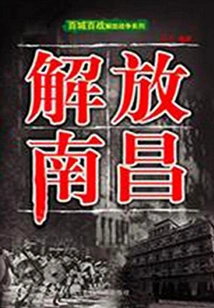
Liberate Nanchang
Literature解放南昌
Record Work
The 4th Corps of the Second Field Army is responsible for crossing the Jiangxi section of the Anhui-Jiangxi border. On April 21, commander and political commissar Chen Geng led the 4th Corps to forcefully cross the Yangtze River from Bajiao Prefecture, Pengze County, breaking through the enemy's defense line from Jiujiang to Anqing. At 17:00 on the 22nd, they occupied the Madang Fortress in Pengze County, Jiangxi Province. Liu Bocheng and Deng Xiaoping, based on the chaotic trend of the Kuomintang army after the breakthrough of Jiang defense, decided to cancel the 4th Corps' mission to take over Nanjing and instead advance along the right side of the 5th Corps to the east and west areas of Shangrao to annihilate the enemies on the Zhejiang-Jiangxi line, cut off the connection between Jiangxi and Guangxi, and attack Nanchang.
The 4th Corps of the Second Field Army is responsible for crossing the Jiangxi section of the Anhui-Jiangxi border. On April 21, commander and political commissar Chen Geng led the 4th Corps to forcefully cross the Yangtze River from Bajiao Prefecture, Pengze County, breaking through the enemy's defense line from Jiujiang to Anqing. At 17:00 on the 22nd, they occupied the Madang Fortress in Pengze County, Jiangxi Province. Liu Bocheng and Deng Xiaoping, based on the chaotic trend of the Kuomintang army after the breakthrough of Jiang defense, decided to cancel the 4th Corps' mission to take over Nanjing and instead advance along the right side of the 5th Corps to the east and west areas of Shangrao to annihilate the enemies on the Zhejiang-Jiangxi line, cut off the connection between Jiangxi and Guangxi, and attack Nanchang.
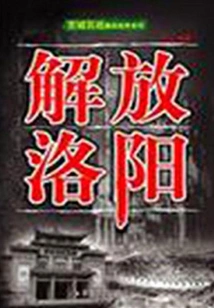
Liberate Luoyang
Literature解放洛阳
Record Work
The Battle of Luoyang was jointly initiated by the Chen Shiju and Tang Liang Corps of the East China Field Army and the Chen Geng Corps that crossed the Yellow River from western Henan. The third column of the Chen and Tang regiments, the 1st Battalion of the 23rd Regiment of the 8th Division, was responsible for breaking through the east gate of Luoyang; the four columns of the Chen Geng Corps were responsible for breaking through the west gate. Luoyang is an important town in the Central Plains and an important strategic point on the Longhai Road. Although the garrison force is not large, the fortifications are strong, the city walls are high and thick, and there are many fortresses, making it easy to defend but difficult to attack.
The Battle of Luoyang was jointly initiated by the Chen Shiju and Tang Liang Corps of the East China Field Army and the Chen Geng Corps that crossed the Yellow River from western Henan. The third column of the Chen and Tang regiments, the 1st Battalion of the 23rd Regiment of the 8th Division, was responsible for breaking through the east gate of Luoyang; the four columns of the Chen Geng Corps were responsible for breaking through the west gate. Luoyang is an important town in the Central Plains and an important strategic point on the Longhai Road. Although the garrison force is not large, the fortifications are strong, the city walls are high and thick, and there are many fortresses, making it easy to defend but difficult to attack.
The Final Battle
Literature巅峰决战
Bai Ruixue
Supercomputers can calculate the sky, the earth, and people. We use supercomputers to perform CT scans of the earth to search for oil. Analyze human genes and interpret the mysteries of life; implement numerical wind tunnels to make newly designed aircraft fly faster and more fuel-efficient; analyze past climate conditions and predict future climate changes... Supercomputers are at our service all the time. Supercomputers are also accelerators of scientific and technological innovation. There are few disciplines that can serve as many scientific research projects as computing technology. On "Tianhe-1", there are more than 14,000 applications running every day, which correspond to more than hundreds of scientific research and exploration activities, all year round. This is a force of technological innovation that cannot be underestimated. "The Final Battle" shows us the historical picture of the development of computers in the world and the arduous process and brilliant achievements of my country's independent development of supercomputers. It is worth reading.
Supercomputers can calculate the sky, the earth, and people. We use supercomputers to perform CT scans of the earth to search for oil. Analyze human genes and interpret the mysteries of life; implement numerical wind tunnels to make newly designed aircraft fly faster and more fuel-efficient; analyze past climate conditions and predict future climate changes... Supercomputers are at our service all the time. Supercomputers are also accelerators of scientific and technological innovation. There are few disciplines that can serve as many scientific research projects as computing technology. On "Tianhe-1", there are more than 14,000 applications running every day, which correspond to more than hundreds of scientific research and exploration activities, all year round. This is a force of technological innovation that cannot be underestimated. "The Final Battle" shows us the historical picture of the development of computers in the world and the arduous process and brilliant achievements of my country's independent development of supercomputers. It is worth reading.
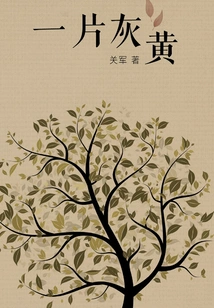
A Grayish Yellow
Literature一片灰黄
Guan Jun
This is a non-fiction work that attempts to use close and long-term observation to perceive the psychological impact of family members going out to work on underage students, and to describe their true life situations. It is part of the "2015 White Paper on the Mental Conditions of Left-behind Children in China". The original meaning of the word "left-behind" implies a certain kind of responsibility. However, I don't see what responsibility those children whose families have left behind need to bear - the responsibility does not belong to their age. If there is any, it is imposed by life, that is, to endure the pain accumulated by historical and practical problems on them. Please believe that understanding is a more precious emotion than sympathy, and for rural children, it is also more acceptable to them.
This is a non-fiction work that attempts to use close and long-term observation to perceive the psychological impact of family members going out to work on underage students, and to describe their true life situations. It is part of the "2015 White Paper on the Mental Conditions of Left-behind Children in China". The original meaning of the word "left-behind" implies a certain kind of responsibility. However, I don't see what responsibility those children whose families have left behind need to bear - the responsibility does not belong to their age. If there is any, it is imposed by life, that is, to endure the pain accumulated by historical and practical problems on them. Please believe that understanding is a more precious emotion than sympathy, and for rural children, it is also more acceptable to them.
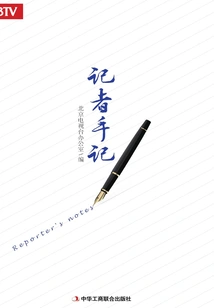
Reporter's Notes
Literature记者手记
Beijing Tv Station Office
In 2010, with the revision of the Taiwan intranet, the "Journalist's Notes" column came into being, creating a platform for BTV reporters working on the front line of news to record their work and reflect their thoughts and insights. Over the past five years, the column has continued to add bricks and tiles to the hut, gradually growing into a forum for communication and sharing among reporters and between reporters and cadres and workers across Taiwan. Today, this garden has gathered thousands of notes, and behind them are condensed the sweat of several years of traveling in winter, summer, spring and autumn, and frozen in countless precious moments of the "first scene."
In 2010, with the revision of the Taiwan intranet, the "Journalist's Notes" column came into being, creating a platform for BTV reporters working on the front line of news to record their work and reflect their thoughts and insights. Over the past five years, the column has continued to add bricks and tiles to the hut, gradually growing into a forum for communication and sharing among reporters and between reporters and cadres and workers across Taiwan. Today, this garden has gathered thousands of notes, and behind them are condensed the sweat of several years of traveling in winter, summer, spring and autumn, and frozen in countless precious moments of the "first scene."
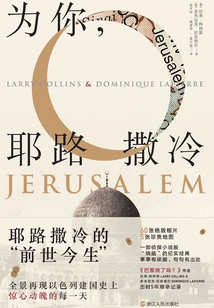
For You, Jerusalem
Literature为你,耶路撒冷
U
The most famous documentary writer in the contemporary world - "Did Paris Burn?" "The authors, Lale Collins and Dominique LaPierre, have joined forces to present a documentary literature classic to readers around the world. The two authors spent two years interviewing a large number of historical participants, from heads of state to ordinary soldiers, and reviewed a vast amount of historical materials and first-hand precious information. On this basis, they spent another three years writing this book. The book records in detail the wars and games that took place around Jerusalem before and after the founding of the state of Israel. The author reproduces many lifelike characters and uses detailed descriptions like "Along the River During the Qingming Festival" to amazingly restore the historical scene and present the most realistic and vivid details.
The most famous documentary writer in the contemporary world - "Did Paris Burn?" "The authors, Lale Collins and Dominique LaPierre, have joined forces to present a documentary literature classic to readers around the world. The two authors spent two years interviewing a large number of historical participants, from heads of state to ordinary soldiers, and reviewed a vast amount of historical materials and first-hand precious information. On this basis, they spent another three years writing this book. The book records in detail the wars and games that took place around Jerusalem before and after the founding of the state of Israel. The author reproduces many lifelike characters and uses detailed descriptions like "Along the River During the Qingming Festival" to amazingly restore the historical scene and present the most realistic and vivid details.
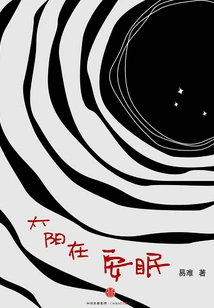
The Sun is Sleeping
Literature太阳在安眠
Easy Or Difficult
26 stories in parallel worlds, bright and passionate love, heavy and cruel family affection, intertwined in the incompatible light and darkness, share every strange and familiar emotion with you. I only hope that whether your life is noble or embarrassing, proud or humble, you can go on without fear and find the sun in your heart. Our eyes need tears, our sun needs sleep. Yi Nan uses wonderful and delicate writing to write about love and hatred, the most subtle relationship between people, and the dilemma of gain and loss. The language in her novels is sometimes simple and bright, sometimes deep and melancholy. The love she writes about is some cruel, some lively, and some poignant. 26 Stories are about finding love and thinking about love.
26 stories in parallel worlds, bright and passionate love, heavy and cruel family affection, intertwined in the incompatible light and darkness, share every strange and familiar emotion with you. I only hope that whether your life is noble or embarrassing, proud or humble, you can go on without fear and find the sun in your heart. Our eyes need tears, our sun needs sleep. Yi Nan uses wonderful and delicate writing to write about love and hatred, the most subtle relationship between people, and the dilemma of gain and loss. The language in her novels is sometimes simple and bright, sometimes deep and melancholy. The love she writes about is some cruel, some lively, and some poignant. 26 Stories are about finding love and thinking about love.
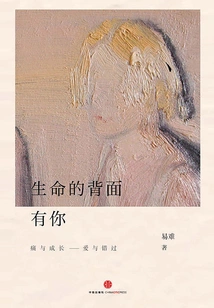
On the Back Side of Life, There is You
Literature生命的背面,有你
Easy Or Difficult
Wheat, who lives in his hometown in the north, met his mother for the first time when he was thirteen years old. The reincarnation of the South and the North, the heartbreak of life and death. Growing up between strength and fragility, she maintains her inner faith and looks for memories from twenty years ago. Accustomed to self-protection between inferiority complex and stubbornness, she couldn't let go of her past attachment, and she didn't have the courage to open her heart to find her true happiness. Between pain and growth, between tossing and wandering, what kind of struggles and hardships are there? Love and miss, what kind of search and abandonment are there between family affection and friendship? In the story written by Chu Fei, Xiaomai, a girl from the north, searches for the meaning of life between the loneliness and hesitation of youth, the loss and cherishment of family ties. Even though the person she loves is no longer there, the relatives cannot recognize each other, and the love is wandering and helpless, she never gives up the expectation of happiness. And after the story ends, how should Chu Fei, who faces his true self again, write his own life? Between me in reality and you in the story, who is the backside of whose life?
Wheat, who lives in his hometown in the north, met his mother for the first time when he was thirteen years old. The reincarnation of the South and the North, the heartbreak of life and death. Growing up between strength and fragility, she maintains her inner faith and looks for memories from twenty years ago. Accustomed to self-protection between inferiority complex and stubbornness, she couldn't let go of her past attachment, and she didn't have the courage to open her heart to find her true happiness. Between pain and growth, between tossing and wandering, what kind of struggles and hardships are there? Love and miss, what kind of search and abandonment are there between family affection and friendship? In the story written by Chu Fei, Xiaomai, a girl from the north, searches for the meaning of life between the loneliness and hesitation of youth, the loss and cherishment of family ties. Even though the person she loves is no longer there, the relatives cannot recognize each other, and the love is wandering and helpless, she never gives up the expectation of happiness. And after the story ends, how should Chu Fei, who faces his true self again, write his own life? Between me in reality and you in the story, who is the backside of whose life?
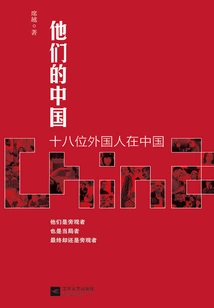
Their China
Literature他们的中国
Xi Yue
The author Xi Yue has interviewed more than 30 foreigners living in Beijing and Shanghai since 2010, and compiled the interviews into this book. The protagonists in the book come from all over the world: Japan, South Korea, Germany, the United States, Brazil, Israel... They have been in China for as long as twenty years, and their hometown has become a "distant place that they cannot return to." In just a few months, the image of China in my mind is being refreshed every day. Their identities in China are also different. Some are translators who translate and introduce the works of famous Chinese masters to their home country, some are experts and scholars who come to China for exchange visits, and some are enthusiastic young people who are full of longing to start a business in China. In their eyes, what kind of different picture does China look like?
The author Xi Yue has interviewed more than 30 foreigners living in Beijing and Shanghai since 2010, and compiled the interviews into this book. The protagonists in the book come from all over the world: Japan, South Korea, Germany, the United States, Brazil, Israel... They have been in China for as long as twenty years, and their hometown has become a "distant place that they cannot return to." In just a few months, the image of China in my mind is being refreshed every day. Their identities in China are also different. Some are translators who translate and introduce the works of famous Chinese masters to their home country, some are experts and scholars who come to China for exchange visits, and some are enthusiastic young people who are full of longing to start a business in China. In their eyes, what kind of different picture does China look like?
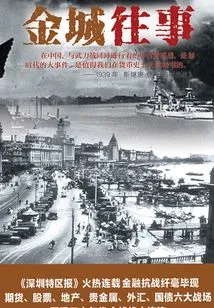
Past Events in Jincheng
Literature金城往事
Sperson
In 1931, Shanghai was the fifth largest city in the world, the lifeline of China's economy and the core of central fiscal and tax revenue. Financial genius Li Jiehua returned from the United States and made an appointment with Shanghai's financial giants on cotton futures. He became famous in one fell swoop and got acquainted with a group of people in the financial industry who were both enemies and friends. Li Jiehua's talents attracted the attention of senior officials from both China and Japan. For the sake of national justice, Li Jiehua was appointed as the "Shanghai Financial Commissioner". Chinese senior officials and he both hoped to use professional financial technology to reverse China's economic situation that was on the verge of collapse. At the same time, Japan sent another top player to compete with him, and he went through six battles in futures, stocks, real estate, precious metals, foreign exchange, and national debt. The two of them are rivals in chess and cherish each other; they are also like fire and water, and they are incompatible with each other.
In 1931, Shanghai was the fifth largest city in the world, the lifeline of China's economy and the core of central fiscal and tax revenue. Financial genius Li Jiehua returned from the United States and made an appointment with Shanghai's financial giants on cotton futures. He became famous in one fell swoop and got acquainted with a group of people in the financial industry who were both enemies and friends. Li Jiehua's talents attracted the attention of senior officials from both China and Japan. For the sake of national justice, Li Jiehua was appointed as the "Shanghai Financial Commissioner". Chinese senior officials and he both hoped to use professional financial technology to reverse China's economic situation that was on the verge of collapse. At the same time, Japan sent another top player to compete with him, and he went through six battles in futures, stocks, real estate, precious metals, foreign exchange, and national debt. The two of them are rivals in chess and cherish each other; they are also like fire and water, and they are incompatible with each other.
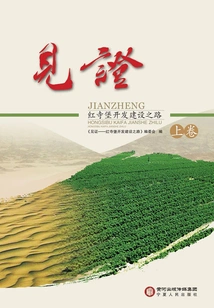
见证:红寺堡开发建设之路(上卷)
"witness: The Road To Development And Construction Of Hongsibao" Editorial Board
"Witness: The Road to the Development and Construction of Hongsibao" is a cultural masterpiece that brings together the rich connotations of Ningxia's immigrant history and culture and engraved the traces of Hongsibao's long history. The complete set of books deeply explores the history of Ningxia immigrants and the rich connotations of Yellow River culture, Hui culture, immigrant culture, and charity culture. It comprehensively sorts out the historical context of Hongsibao from ancient times to the present. It integrates history, politics, economy, and culture. It is a masterpiece that reflects immigrant culture.
"Witness: The Road to the Development and Construction of Hongsibao" is a cultural masterpiece that brings together the rich connotations of Ningxia's immigrant history and culture and engraved the traces of Hongsibao's long history. The complete set of books deeply explores the history of Ningxia immigrants and the rich connotations of Yellow River culture, Hui culture, immigrant culture, and charity culture. It comprehensively sorts out the historical context of Hongsibao from ancient times to the present. It integrates history, politics, economy, and culture. It is a masterpiece that reflects immigrant culture.
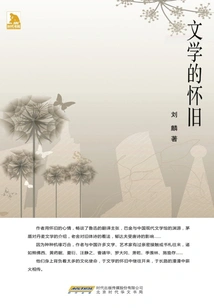
Literary Nostalgia
Literature文学的怀旧
Liu Lin
This book is a collection of works, with more than fifty articles, which can be roughly divided into two parts: the first is articles that study Lu Xun's translation and translation ideas. In terms of the translation of literary works, the author believes that Lu Xun's translation ideas advocate that the translation must be fluent, which has not been taken seriously so far. The second is to recall articles from many interviews with old writers. Regarding the writers visited, including Ba Jin, Luo Sun, Bi Ye, Xiao Qian, etc., These conversations are of epic significance, and we can also understand the entire process of the establishment of the Museum of Modern Chinese Literature.
This book is a collection of works, with more than fifty articles, which can be roughly divided into two parts: the first is articles that study Lu Xun's translation and translation ideas. In terms of the translation of literary works, the author believes that Lu Xun's translation ideas advocate that the translation must be fluent, which has not been taken seriously so far. The second is to recall articles from many interviews with old writers. Regarding the writers visited, including Ba Jin, Luo Sun, Bi Ye, Xiao Qian, etc., These conversations are of epic significance, and we can also understand the entire process of the establishment of the Museum of Modern Chinese Literature.
Road to Reform
Literature改革之路
Wang Qiang
This manuscript is a collection of work research reports of Ningxia Newspaper Media Group. It consists of 11 research reports. The content carefully considers the development of the newspaper cultural industry from different fields and different perspectives. It includes analysis of the current situation, introduction to solving the problem, as well as suggestions for ideas and predictions of trends. The large amount of first-hand information in the manuscript provides valuable basis for the reform, development and management of relevant departments and units.
This manuscript is a collection of work research reports of Ningxia Newspaper Media Group. It consists of 11 research reports. The content carefully considers the development of the newspaper cultural industry from different fields and different perspectives. It includes analysis of the current situation, introduction to solving the problem, as well as suggestions for ideas and predictions of trends. The large amount of first-hand information in the manuscript provides valuable basis for the reform, development and management of relevant departments and units.
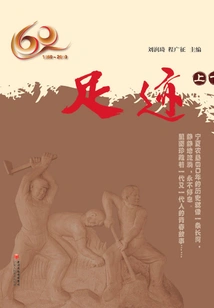
Footprints
Literature足迹
Liu Runqi Chief Editor Cheng Guangzheng
This book truly reflects the 60-year struggle of Ningxia Farmers. Through it, you can understand the creation, evolution and development of Ningxia Farmers. It shows the magnificent 60-year entrepreneurial history of Ningxia Farmers and eulogizes the heroic achievements of several generations of farmers.
This book truly reflects the 60-year struggle of Ningxia Farmers. Through it, you can understand the creation, evolution and development of Ningxia Farmers. It shows the magnificent 60-year entrepreneurial history of Ningxia Farmers and eulogizes the heroic achievements of several generations of farmers.
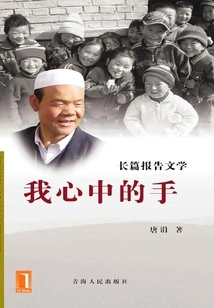
Hand in My Heart
Literature我心中的手
Tang Juan
Ma Fuxing, a primary school teacher in Xiamal Village, Handong Township, Huangzhong County, our province, lost his hands since childhood and had extremely inconvenient life. He overcame various difficulties that ordinary people could not imagine. He has been working at the grassroots teaching position for decades and has made outstanding contributions to the development of education in ethnic minority areas. The long reportage "The Hand in My Heart" written by Tang Juan, a famous female writer in our province, was recently published by Qinghai People's Publishing House. The book vividly describes the touching deeds of Ma Fuxing in a poetic style, which is another important harvest of our province's literary creation. For this reason, the supplement "Jiangheyuan" has specially compiled and published this set of manuscripts for the benefit of readers.
Ma Fuxing, a primary school teacher in Xiamal Village, Handong Township, Huangzhong County, our province, lost his hands since childhood and had extremely inconvenient life. He overcame various difficulties that ordinary people could not imagine. He has been working at the grassroots teaching position for decades and has made outstanding contributions to the development of education in ethnic minority areas. The long reportage "The Hand in My Heart" written by Tang Juan, a famous female writer in our province, was recently published by Qinghai People's Publishing House. The book vividly describes the touching deeds of Ma Fuxing in a poetic style, which is another important harvest of our province's literary creation. For this reason, the supplement "Jiangheyuan" has specially compiled and published this set of manuscripts for the benefit of readers.
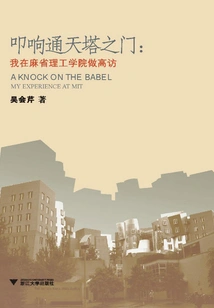
叩响通天塔之门:我在麻省理工学院做高访
Wu Huiqin
The text of this book is fluent, and all the conversations are translated into Chinese and accompanied by the corresponding English. It is also accompanied by a large number of photos, achieving the effect of both pictures and texts. This is a feature of this book. Chapters 9, 10, and 11 of this book detail the author's interviews with Chomsky, Hauser, and Pinker, which are also the focus of this book. This book also records the life stories of scholars studying in the United States and against the background of the study and life of Chinese Americans studying in the United States. I believe that the publication of this book will definitely enable us to gain a more in-depth and specific understanding of Chomsky's academic thoughts and personality, thus promoting the research on generative grammar in our country.
The text of this book is fluent, and all the conversations are translated into Chinese and accompanied by the corresponding English. It is also accompanied by a large number of photos, achieving the effect of both pictures and texts. This is a feature of this book. Chapters 9, 10, and 11 of this book detail the author's interviews with Chomsky, Hauser, and Pinker, which are also the focus of this book. This book also records the life stories of scholars studying in the United States and against the background of the study and life of Chinese Americans studying in the United States. I believe that the publication of this book will definitely enable us to gain a more in-depth and specific understanding of Chomsky's academic thoughts and personality, thus promoting the research on generative grammar in our country.
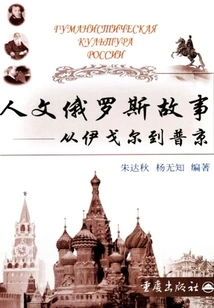
人文俄罗斯故事:从伊戈尔到普京
Compiled By Zhu Daqiu And Yang Wuwu
This book is based on celebrities from all walks of life such as politics, history, culture, science and technology, and tells 126 interesting stories, allowing people to fully understand the complex history of the rise and fall of the Russian power over thousands of years in an easy reading. Among them, it not only briefly introduces the formation of Russia, the changes of various dynasties, the uprisings of peasants and Decembrists, the reforms of Peter the Great, and the strange events of the three empresses; it also narrates the Russian Enlightenment and the different experiences of a series of thinkers, writers, artists, and scientists; it shows the processes of the February and October revolutions, including It objectively reflects the victory of the Patriotic War, the struggle between the Soviet Union and the United States, the rise and end of many political figures, and the ups and downs of officialdom. It also depicts Russia's customs, religious customs, development status, literary and artistic achievements, and also reveals many little-known historical mysteries. It is a very informative and readable small encyclopedia.
This book is based on celebrities from all walks of life such as politics, history, culture, science and technology, and tells 126 interesting stories, allowing people to fully understand the complex history of the rise and fall of the Russian power over thousands of years in an easy reading. Among them, it not only briefly introduces the formation of Russia, the changes of various dynasties, the uprisings of peasants and Decembrists, the reforms of Peter the Great, and the strange events of the three empresses; it also narrates the Russian Enlightenment and the different experiences of a series of thinkers, writers, artists, and scientists; it shows the processes of the February and October revolutions, including It objectively reflects the victory of the Patriotic War, the struggle between the Soviet Union and the United States, the rise and end of many political figures, and the ups and downs of officialdom. It also depicts Russia's customs, religious customs, development status, literary and artistic achievements, and also reveals many little-known historical mysteries. It is a very informative and readable small encyclopedia.
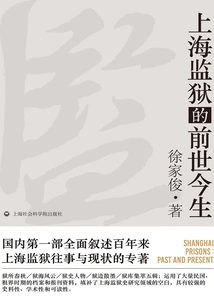
上海监狱的前世今生
Xu Jiajun
This book is the first monograph in China that comprehensively describes the past and current situation of Shanghai prisons over the past century. It uses a large number of archives and newspaper materials from the Republic of China and the concession period to three-dimensionally display the emergence, development and changes of Shanghai's modern prisons. It has a sense of the times and has reference significance. At the same time, it fills the gap in the field of Shanghai prison history research, and is highly historical, academic and readable.
This book is the first monograph in China that comprehensively describes the past and current situation of Shanghai prisons over the past century. It uses a large number of archives and newspaper materials from the Republic of China and the concession period to three-dimensionally display the emergence, development and changes of Shanghai's modern prisons. It has a sense of the times and has reference significance. At the same time, it fills the gap in the field of Shanghai prison history research, and is highly historical, academic and readable.
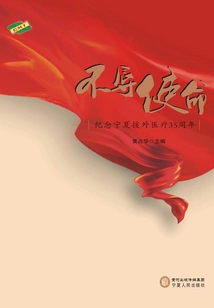
不辱使命:纪念宁夏援外医疗35周年
Huang Zhanhua
This book is a picture album that reflects the work and life conditions of the members of the Ningxia Medical Aid Team in Benin, summarizes the glorious achievements of Ningxia Medical Aid to Benin in its 35th anniversary, promotes the spirit of internationalism and patriotism, and displays the noble virtues and spiritual outlook of the medical staff in the Ningxia Hui Autonomous Region's medical and health industry in the new era who sincerely offer medicine and cherish life. The main content is divided into: cordial care, intensive training, getting ready, diagnosis and treatment activities, major surgeries, friendship bridges, cultural exchanges, colorful life, exotic style, fulfilling the mission, returning with honor, historical review, etc.
This book is a picture album that reflects the work and life conditions of the members of the Ningxia Medical Aid Team in Benin, summarizes the glorious achievements of Ningxia Medical Aid to Benin in its 35th anniversary, promotes the spirit of internationalism and patriotism, and displays the noble virtues and spiritual outlook of the medical staff in the Ningxia Hui Autonomous Region's medical and health industry in the new era who sincerely offer medicine and cherish life. The main content is divided into: cordial care, intensive training, getting ready, diagnosis and treatment activities, major surgeries, friendship bridges, cultural exchanges, colorful life, exotic style, fulfilling the mission, returning with honor, historical review, etc.