Library
Browse and search books
2,472 novels found
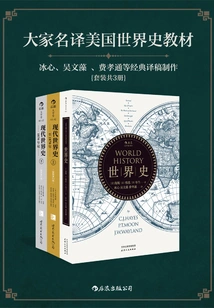
大家名译美国世界史教材(套装共三册)
Hayes Moon Wayland R. R. Palmer Joe Colton Lloyd Kramer
"World History (Illustrated Revised Edition)" Translation by Fei Xiaotong and others. This time we used the 1975 translation, replaced it with a large number of exquisite and interesting illustrations, and wrote rich and diverse illustrations to show the style of the original work. Although this book was written nearly a century ago, it is still useful and interesting to read today. It divides the long process from the emergence of human civilization to the end of World War II in 1945 into four stages - the beginning of civilization, classical civilization, Christian civilization, and modern civilization - to introduce it, focusing especially on the development path of Western civilization. The writing is brisk, the exposition is precise, and it often provides refreshing insights. The author is good at revealing the general trend of history from details. In a short space of time, he presents a vivid and colorful picture of the development of civilization that includes both upper-class elites and ordinary people's daily lives. "History of the Modern World (Part 1 and 2)" Since its first publication in 1950, "History of the Modern World" written by Palmer and others has been hailed as a palace-level historical academic textbook and has been widely used as a teaching material. In the past 60 years, the author has continuously revised this book, and it is now in its 10th edition. This book is rich in content and broad in scope, using more than a million words to explain the rise of modern Europe, a global event. In the author's writing, Europe (or the West), which was once unknown, has gradually created a world system in politics, economy, military, science and technology that radiates around the world in more than 500 years from the beginning of the 16th century to the present.
"World History (Illustrated Revised Edition)" Translation by Fei Xiaotong and others. This time we used the 1975 translation, replaced it with a large number of exquisite and interesting illustrations, and wrote rich and diverse illustrations to show the style of the original work. Although this book was written nearly a century ago, it is still useful and interesting to read today. It divides the long process from the emergence of human civilization to the end of World War II in 1945 into four stages - the beginning of civilization, classical civilization, Christian civilization, and modern civilization - to introduce it, focusing especially on the development path of Western civilization. The writing is brisk, the exposition is precise, and it often provides refreshing insights. The author is good at revealing the general trend of history from details. In a short space of time, he presents a vivid and colorful picture of the development of civilization that includes both upper-class elites and ordinary people's daily lives. "History of the Modern World (Part 1 and 2)" Since its first publication in 1950, "History of the Modern World" written by Palmer and others has been hailed as a palace-level historical academic textbook and has been widely used as a teaching material. In the past 60 years, the author has continuously revised this book, and it is now in its 10th edition. This book is rich in content and broad in scope, using more than a million words to explain the rise of modern Europe, a global event. In the author's writing, Europe (or the West), which was once unknown, has gradually created a world system in politics, economy, military, science and technology that radiates around the world in more than 500 years from the beginning of the 16th century to the present.

死屋:沙皇统治时期的西伯利亚流放制度
(uk) Daniel Beale
Siberia is known as the "big prison without a roof." From the early 19th century until the Russian Revolution, the tsarist regime exiled more than 1 million prisoners and their families to Siberia east of the Ural Mountains. This book vividly portrays the history of common criminals and political radicals, the victims of serfdom and village politics, the wives and children who followed their husbands and fathers, and the history of fugitives and bounty hunters. Drawing on a wealth of previously unknown primary sources from European Russian and Siberian archives, this book tells the story of Tsarist Russia's struggle to govern its horrific penal colonies and Siberia's significant influence on political power in the modern world.
Siberia is known as the "big prison without a roof." From the early 19th century until the Russian Revolution, the tsarist regime exiled more than 1 million prisoners and their families to Siberia east of the Ural Mountains. This book vividly portrays the history of common criminals and political radicals, the victims of serfdom and village politics, the wives and children who followed their husbands and fathers, and the history of fugitives and bounty hunters. Drawing on a wealth of previously unknown primary sources from European Russian and Siberian archives, this book tells the story of Tsarist Russia's struggle to govern its horrific penal colonies and Siberia's significant influence on political power in the modern world.
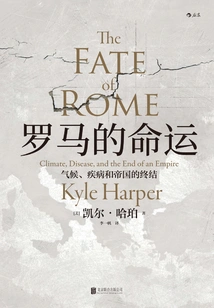
罗马的命运:气候、疾病和帝国的终结
(us) Kyle Harper
Combining a grand historical narrative with cutting-edge climate science and genetic research, Kyle Harper shows that the fate of the Roman Empire was determined not just by emperors, soldiers, and barbarians, but also by volcanic eruptions, solar cycles, unstable climate, and deadly viruses and bacteria. He recounts the story from the height of the Roman Empire in the second century to the fragmentation of the Byzantine Empire in the seventh century. Harper describes how the Romans recovered under enormous environmental pressures and faced crises again, until they could no longer withstand the blows of the "Little Ice Age" and recurring plague outbreaks. "The Fate of Rome" profoundly reflects the close relationship between human beings and the environment, and comprehensively describes how one of the greatest civilizations in history faced and endured the pressure of the environment, and ultimately collapsed. The example of the Roman Empire reminds us of the surprising ways in which climate change and bacterial evolution have shaped the world we inhabit.
Combining a grand historical narrative with cutting-edge climate science and genetic research, Kyle Harper shows that the fate of the Roman Empire was determined not just by emperors, soldiers, and barbarians, but also by volcanic eruptions, solar cycles, unstable climate, and deadly viruses and bacteria. He recounts the story from the height of the Roman Empire in the second century to the fragmentation of the Byzantine Empire in the seventh century. Harper describes how the Romans recovered under enormous environmental pressures and faced crises again, until they could no longer withstand the blows of the "Little Ice Age" and recurring plague outbreaks. "The Fate of Rome" profoundly reflects the close relationship between human beings and the environment, and comprehensively describes how one of the greatest civilizations in history faced and endured the pressure of the environment, and ultimately collapsed. The example of the Roman Empire reminds us of the surprising ways in which climate change and bacterial evolution have shaped the world we inhabit.
毛里求斯(文化中行:“一带一路”国别文化手册)
Bank Of China Co., Ltd. Social Sciences Literature Press
The book is divided into four chapters: an overview of the national conditions, political environment, economic conditions and bilateral relations. It introduces Mauritius's physical geography, history and humanity, customs and habits, political system, judicial environment, policy orientation, resource status, foreign enterprises, financial markets, economic and trade relations, overseas Chinese, etc. The appendix also provides the country's ranking in the business environment rankings of various countries released by the World Bank, as well as the contact information of our country's embassies and consulates abroad.
The book is divided into four chapters: an overview of the national conditions, political environment, economic conditions and bilateral relations. It introduces Mauritius's physical geography, history and humanity, customs and habits, political system, judicial environment, policy orientation, resource status, foreign enterprises, financial markets, economic and trade relations, overseas Chinese, etc. The appendix also provides the country's ranking in the business environment rankings of various countries released by the World Bank, as well as the contact information of our country's embassies and consulates abroad.
印度(文化中行:“一带一路”国别文化手册)
Bank Of China Co., Ltd. Social Sciences Literature Press
The book is divided into four chapters: overview of national conditions, political environment, economic status, and bilateral relations. It introduces India's physical geography, history and humanity, customs and habits, political system, judicial environment, policy orientation, resource status, foreign enterprises, financial markets, economic and trade relations, overseas Chinese, etc. The appendix also provides the country's ranking in the business environment rankings of various countries released by the World Bank, as well as the contact information of my country's embassies and consulates abroad.
The book is divided into four chapters: overview of national conditions, political environment, economic status, and bilateral relations. It introduces India's physical geography, history and humanity, customs and habits, political system, judicial environment, policy orientation, resource status, foreign enterprises, financial markets, economic and trade relations, overseas Chinese, etc. The appendix also provides the country's ranking in the business environment rankings of various countries released by the World Bank, as well as the contact information of my country's embassies and consulates abroad.
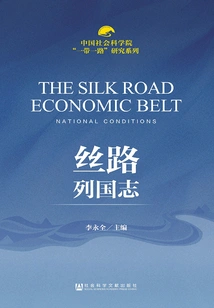
丝路列国志(中国社会科学院“一带一路”研究系列)
Editor-in-chief Li Yongquan
This book introduces the basic situation of 35 countries in the "Silk Road Economic Belt" of Eurasia. Each article uses more than 10,000 words to briefly describe the basic national conditions of each country, including the political system, party system, economic and social development. It also introduces the geography, population, brief history of national development and cultural characteristics of each country. It also introduces the investment environment of each country, especially the investment policy. This is a consultation manual to facilitate readers to inquire and understand the most basic knowledge of these countries.
This book introduces the basic situation of 35 countries in the "Silk Road Economic Belt" of Eurasia. Each article uses more than 10,000 words to briefly describe the basic national conditions of each country, including the political system, party system, economic and social development. It also introduces the geography, population, brief history of national development and cultural characteristics of each country. It also introduces the investment environment of each country, especially the investment policy. This is a consultation manual to facilitate readers to inquire and understand the most basic knowledge of these countries.
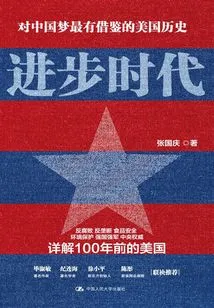
Progressive Era
History进步时代
Zhang Guoqing
The United States once had an era of corruption, with corruption emerging endlessly and ordinary people losing confidence. What methods have Americans found to curb corruption? There was an era in the United States that was rich in nouveau riche. Rich people rushed to burn money and made people jealous. How did Americans get rid of the image of nouveau riche and lead global innovation? There was an era of counterfeiting in the United States. Poisoned rats were mixed into meat grinders; hand-washing water was mixed into seasonings... People were worried about food safety. How can Americans make food safe? There was an era of environmental destruction in the United States. The land was ravaged and the pollution was shocking. How did Americans regain blue skies, white clouds and fresh air? The United States once had an era of "keeping a low profile". Even when Japanese warships were equipped with modern equipment, the U. S. Naval fleet was still made of wood. How did Americans establish their dominance? This book tells us that the United States also encountered serious bottlenecks. It overcame it and became the world's hegemon. Instead of being envious and jealous, it is better to learn from what it did in that era. A detailed explanation of the United States 100 years ago. Provide real historical reference for the Chinese Dream.
The United States once had an era of corruption, with corruption emerging endlessly and ordinary people losing confidence. What methods have Americans found to curb corruption? There was an era in the United States that was rich in nouveau riche. Rich people rushed to burn money and made people jealous. How did Americans get rid of the image of nouveau riche and lead global innovation? There was an era of counterfeiting in the United States. Poisoned rats were mixed into meat grinders; hand-washing water was mixed into seasonings... People were worried about food safety. How can Americans make food safe? There was an era of environmental destruction in the United States. The land was ravaged and the pollution was shocking. How did Americans regain blue skies, white clouds and fresh air? The United States once had an era of "keeping a low profile". Even when Japanese warships were equipped with modern equipment, the U. S. Naval fleet was still made of wood. How did Americans establish their dominance? This book tells us that the United States also encountered serious bottlenecks. It overcame it and became the world's hegemon. Instead of being envious and jealous, it is better to learn from what it did in that era. A detailed explanation of the United States 100 years ago. Provide real historical reference for the Chinese Dream.
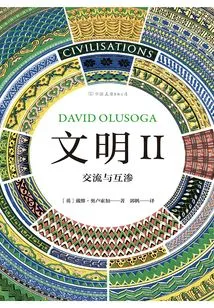
文明Ⅱ:交流与互渗
(uk) David Olusoga
The book "Civilization II" was born out of the sixth and eighth episodes of the documentary Civilisations written by David Olusoga at the invitation of the BBC. This documentary project focuses on challenging the previous cultural respect for "the civilization" (the civilisation), expanding its horizons to more countries in the world and their splendid cultural heritage. Olusoga set his sights on the conflicts and integration in the cultural field that occurred when Western civilization met civilizations in other parts of the world after the era of "Geographic Discovery" in the 15th century. Previously, people's narratives of this period of history were often simplistic, but Olusoga uses abundant historical materials and eloquent arguments to tell us that the story is far from simple. When two or even multiple civilizations meet, various wonderful reactions occur that cannot be classified into these grand narratives. The result is that each civilization often gets something new from it. In this era of globalization, all civilizations need to deal with the threats and opportunities brought by foreign and heterogeneous elements. At the same time, they are constantly absorbing others and being changed by others.
The book "Civilization II" was born out of the sixth and eighth episodes of the documentary Civilisations written by David Olusoga at the invitation of the BBC. This documentary project focuses on challenging the previous cultural respect for "the civilization" (the civilisation), expanding its horizons to more countries in the world and their splendid cultural heritage. Olusoga set his sights on the conflicts and integration in the cultural field that occurred when Western civilization met civilizations in other parts of the world after the era of "Geographic Discovery" in the 15th century. Previously, people's narratives of this period of history were often simplistic, but Olusoga uses abundant historical materials and eloquent arguments to tell us that the story is far from simple. When two or even multiple civilizations meet, various wonderful reactions occur that cannot be classified into these grand narratives. The result is that each civilization often gets something new from it. In this era of globalization, all civilizations need to deal with the threats and opportunities brought by foreign and heterogeneous elements. At the same time, they are constantly absorbing others and being changed by others.
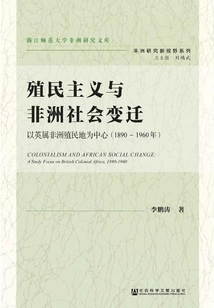
殖民主义与非洲社会变迁:以英属非洲殖民地为中心(1890-1960年)
Li Pengtao
The period from around the 1890s to the 1960s was the colonial period of African history. African colonial rule was brutal and exploitative, and at the same time exposed the fragility of hegemony. It was unable to effectively control colonial social changes, which was reflected in all aspects of colonial social changes. This book focuses on the British African colonies, aiming to show the dramatic changes in African society during the colonial era and highlight the active role of the African people in the process of colonial social change. On the premise of adhering to historical materialism, the author strives to broaden the research field, not only focusing on colonial rule, but also trying to comprehensively display African social changes; combining colonialism with African social changes, emphasizing that Africans are the subject of African historical changes.
The period from around the 1890s to the 1960s was the colonial period of African history. African colonial rule was brutal and exploitative, and at the same time exposed the fragility of hegemony. It was unable to effectively control colonial social changes, which was reflected in all aspects of colonial social changes. This book focuses on the British African colonies, aiming to show the dramatic changes in African society during the colonial era and highlight the active role of the African people in the process of colonial social change. On the premise of adhering to historical materialism, the author strives to broaden the research field, not only focusing on colonial rule, but also trying to comprehensively display African social changes; combining colonialism with African social changes, emphasizing that Africans are the subject of African historical changes.
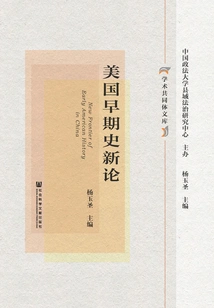
美国早期史新论
Yang Yusheng
This book selects representative papers on the early history of the United States by young and middle-aged scholars such as Professor Man Yunlong and Professor Li Jianming, and re-studies topics such as the American Revolution. All of them have new topics, new perspectives, new materials and other characteristics. From one aspect, it shows the new progress in the study of American history in China since the reform and opening up.
This book selects representative papers on the early history of the United States by young and middle-aged scholars such as Professor Man Yunlong and Professor Li Jianming, and re-studies topics such as the American Revolution. All of them have new topics, new perspectives, new materials and other characteristics. From one aspect, it shows the new progress in the study of American history in China since the reform and opening up.
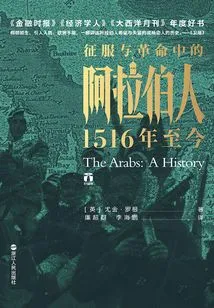
征服与革命中的阿拉伯人:1516年至今
(uk) Eugene Rogan
The history of the Arab world is a bloody story of colonization, war and resistance, but also a diverse and moving story full of creativity. In this groundbreaking work for both the popular and the secular, award-winning Oxford historian Eugene Rogan draws extensively on five centuries of Arab sources to place the Arab experience in its critical historical context and to present it objectively from the perspective of the Arabs themselves. Covering the entire Arab world from North Africa to the Arabian Peninsula, this landmark book explores every aspect of modern Arab history. Starting from the conquest of the Ottoman Empire in the 16th century, to the era of European imperialism, the superpower competition during the Cold War, and now to the current era of American hegemony, Rogan vividly depicts the evolution of Arab identity and the tortuous journey of striving for national sovereignty and realizing national rejuvenation over the past five hundred years. He explores the historical causes of many difficulties in the Arab world today, and is full of authoritative and wise academic insights. In many parts of the world, the history, culture and character of the Arab nation are often seriously misunderstood. This book is an essential choice for anyone who wants a clear, efficient, and reliable understanding of the modern Arab world.
The history of the Arab world is a bloody story of colonization, war and resistance, but also a diverse and moving story full of creativity. In this groundbreaking work for both the popular and the secular, award-winning Oxford historian Eugene Rogan draws extensively on five centuries of Arab sources to place the Arab experience in its critical historical context and to present it objectively from the perspective of the Arabs themselves. Covering the entire Arab world from North Africa to the Arabian Peninsula, this landmark book explores every aspect of modern Arab history. Starting from the conquest of the Ottoman Empire in the 16th century, to the era of European imperialism, the superpower competition during the Cold War, and now to the current era of American hegemony, Rogan vividly depicts the evolution of Arab identity and the tortuous journey of striving for national sovereignty and realizing national rejuvenation over the past five hundred years. He explores the historical causes of many difficulties in the Arab world today, and is full of authoritative and wise academic insights. In many parts of the world, the history, culture and character of the Arab nation are often seriously misunderstood. This book is an essential choice for anyone who wants a clear, efficient, and reliable understanding of the modern Arab world.
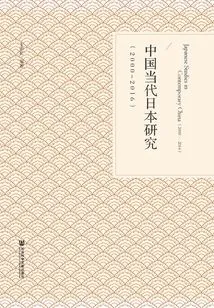
中国当代日本研究(2000~2016)
Wang Zhisong
After experiencing a "recovery period" in the 1980s and 1990s, Japanese studies in China entered a "development period" in 2000, with fruitful results and gradually showing its characteristics. This book comprehensively reviews the research status since the 21st century, summarizes the changes in paradigms, and looks forward to new trends. Fields include: linguistics and educational research (Japanese linguistics, Japanese education, and Chinese-Japanese translation), literary and artistic research (Japanese ancient literature, Japanese modern literature, Japanese art, and Japanese popular culture), social research (Japanese society, Japanese economy, Japanese politics, and Japanese diplomacy), and cultural research (Japanese history, Japanese thought, Japanese folklore, and Japanese religion).
After experiencing a "recovery period" in the 1980s and 1990s, Japanese studies in China entered a "development period" in 2000, with fruitful results and gradually showing its characteristics. This book comprehensively reviews the research status since the 21st century, summarizes the changes in paradigms, and looks forward to new trends. Fields include: linguistics and educational research (Japanese linguistics, Japanese education, and Chinese-Japanese translation), literary and artistic research (Japanese ancient literature, Japanese modern literature, Japanese art, and Japanese popular culture), social research (Japanese society, Japanese economy, Japanese politics, and Japanese diplomacy), and cultural research (Japanese history, Japanese thought, Japanese folklore, and Japanese religion).
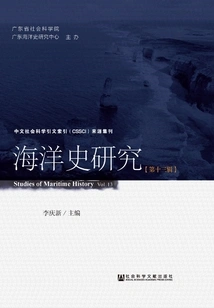
海洋史研究(第13辑)
Li Qingxin
This book mainly explores in depth the issues of long-distance trade of special commodities, special artifacts and technological exchanges between the East and the West on the Silk Road since the third millennium BC, and fills several gaps in the study of maritime history and the history of exchanges between the East and the West. At the same time, the papers included in the book also have unique insights into the research on Champa history and Vietnamese history, Japanese "Fengshu" and the Ming and Qing Dynasties, research on the development of the Rhine River Delta and the Yangtze River Delta, research on Shandong and the Maritime Silk Road, as well as new developments in China's maritime history research in 2018, etc., Presenting the cutting-edge results of current international maritime history research.
This book mainly explores in depth the issues of long-distance trade of special commodities, special artifacts and technological exchanges between the East and the West on the Silk Road since the third millennium BC, and fills several gaps in the study of maritime history and the history of exchanges between the East and the West. At the same time, the papers included in the book also have unique insights into the research on Champa history and Vietnamese history, Japanese "Fengshu" and the Ming and Qing Dynasties, research on the development of the Rhine River Delta and the Yangtze River Delta, research on Shandong and the Maritime Silk Road, as well as new developments in China's maritime history research in 2018, etc., Presenting the cutting-edge results of current international maritime history research.
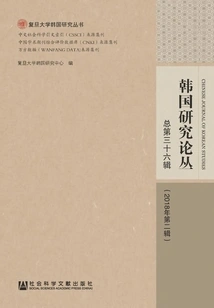
韩国研究论丛(总第36辑\u002F2018年第2辑)
Fudan University Korean Studies Center
"Korean Studies Series" is an academic journal sponsored by the Korean Studies Center of Fudan University. It was founded in 1995. It has always adhered to the purpose of "cutting edge, originality, and authority" and is committed to the study of Korean Peninsula issues. It publishes articles covering various fields of Korean Peninsula issues. The book has three topics: politics, diplomacy and security; history, philosophy and culture; society, economy and management.
"Korean Studies Series" is an academic journal sponsored by the Korean Studies Center of Fudan University. It was founded in 1995. It has always adhered to the purpose of "cutting edge, originality, and authority" and is committed to the study of Korean Peninsula issues. It publishes articles covering various fields of Korean Peninsula issues. The book has three topics: politics, diplomacy and security; history, philosophy and culture; society, economy and management.
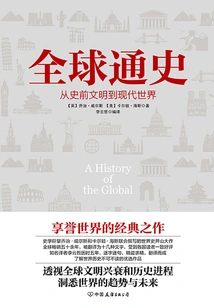
Global History
History全球通史
(uk) George Wells (us) Carlton Hayes
"A General History of the World" co-written by British historian George Wells and American historian Carlton Hayes is a world-renowned classic and is known as the pioneering work in the field of world history. Since its publication, it has been translated into more than a dozen languages in many countries and has been unanimously praised by readers around the world. The Chinese version of this book was translated by the well-known translator Li Yunzhe, who took five years to translate it word for word and sentence by sentence, with reference to a variety of materials. The text is fresh and meaningful, interesting and profound, and the structure is grand. It authentically shows the original style of "Global History" and can be called a classic model of translation. The book starts from the origin of human beings and prehistoric civilization - the birth of the Paleolithic Age, and runs through thousands of years, analyzing five continents, and ends with the end of World War II and the beginning of the Cold War. The book is divided into twenty chapters, taking the evolution and development of human civilization, especially the four major civilizations, as the longitude, and taking the prosperity, decline, and changes of world regions as the latitude. It is written vertically and horizontally, with more than 500,000 words, to provide a perspective on the rise and fall of global civilizations and the historical process. After reading this book, you will not only have a clear picture of the interpretation of the world from ancient times to the present, but also have a profound and even philosophical understanding of global trends and future. George Wells and Carlton Hayes are both giants in world history. Their "General History of the World" is different from other authors' general history versions. Not only is the content more detailed and richer, the coverage is deeper and broader, but the text is also more concise and popular. It is suitable for readers of all ages and knowledge levels. It is a must-read for understanding global history.
"A General History of the World" co-written by British historian George Wells and American historian Carlton Hayes is a world-renowned classic and is known as the pioneering work in the field of world history. Since its publication, it has been translated into more than a dozen languages in many countries and has been unanimously praised by readers around the world. The Chinese version of this book was translated by the well-known translator Li Yunzhe, who took five years to translate it word for word and sentence by sentence, with reference to a variety of materials. The text is fresh and meaningful, interesting and profound, and the structure is grand. It authentically shows the original style of "Global History" and can be called a classic model of translation. The book starts from the origin of human beings and prehistoric civilization - the birth of the Paleolithic Age, and runs through thousands of years, analyzing five continents, and ends with the end of World War II and the beginning of the Cold War. The book is divided into twenty chapters, taking the evolution and development of human civilization, especially the four major civilizations, as the longitude, and taking the prosperity, decline, and changes of world regions as the latitude. It is written vertically and horizontally, with more than 500,000 words, to provide a perspective on the rise and fall of global civilizations and the historical process. After reading this book, you will not only have a clear picture of the interpretation of the world from ancient times to the present, but also have a profound and even philosophical understanding of global trends and future. George Wells and Carlton Hayes are both giants in world history. Their "General History of the World" is different from other authors' general history versions. Not only is the content more detailed and richer, the coverage is deeper and broader, but the text is also more concise and popular. It is suitable for readers of all ages and knowledge levels. It is a must-read for understanding global history.
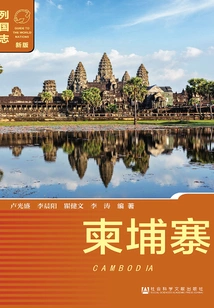
柬埔寨(3版)(列国志(新版))
Lu Guangsheng Li Chenyang Qu Jianwen Li Tao
The Kingdom of Cambodia, referred to as Cambodia, is located in the southern part of the Indochina Peninsula. It is an ancient civilization in Southeast Asia with a long history. It owns the Angkor monument, a common treasure of human history and culture. Cambodia has been under colonial rule for nearly a hundred years, and has experienced wars and turmoil since independence. After the signing of the Paris Peace Agreement in 1993, Cambodia truly embarked on a path of development of peace, independence, and neutrality. In recent years, Cambodia's political development has been relatively stable and its economy has maintained a high growth rate, giving this ancient civilization a new charm.
The Kingdom of Cambodia, referred to as Cambodia, is located in the southern part of the Indochina Peninsula. It is an ancient civilization in Southeast Asia with a long history. It owns the Angkor monument, a common treasure of human history and culture. Cambodia has been under colonial rule for nearly a hundred years, and has experienced wars and turmoil since independence. After the signing of the Paris Peace Agreement in 1993, Cambodia truly embarked on a path of development of peace, independence, and neutrality. In recent years, Cambodia's political development has been relatively stable and its economy has maintained a high growth rate, giving this ancient civilization a new charm.
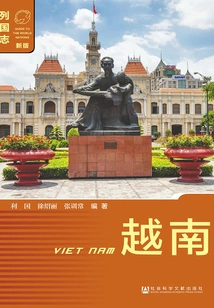
越南(第3版)(列国志(新版))
Li Guo Xu Shaoli Zhang Xunchang
The Socialist Republic of Vietnam, referred to as "Vietnam", is located in the eastern part of the Indochina Peninsula and is a neighbor with long-standing relations with China. The long and narrow land 3\u002F4 is composed of mountains and plateaus. The Red River and Mekong River basins are densely populated and have developed agriculture. After the unification of Vietnam in 1976, especially after the implementation of economic reforms in 1986, Vietnam's society and economy have made great progress after going through vicissitudes of life. This book provides a relatively comprehensive introduction to Vietnam from various aspects such as geography, history, politics, economy, military, culture, and diplomacy.
The Socialist Republic of Vietnam, referred to as "Vietnam", is located in the eastern part of the Indochina Peninsula and is a neighbor with long-standing relations with China. The long and narrow land 3\u002F4 is composed of mountains and plateaus. The Red River and Mekong River basins are densely populated and have developed agriculture. After the unification of Vietnam in 1976, especially after the implementation of economic reforms in 1986, Vietnam's society and economy have made great progress after going through vicissitudes of life. This book provides a relatively comprehensive introduction to Vietnam from various aspects such as geography, history, politics, economy, military, culture, and diplomacy.
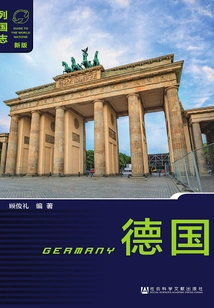
德国(第2版)(列国志(新版))
Gu Junli
Germany, located in central Europe, is a "country of poets and thinkers" and is also a major economic and technological power in the world today. Its post-war "economic miracle" has attracted the world's attention, and its overcoming resistance to achieve national reunification has made the world deeply aware of the wisdom of the German nation. By opening this book, readers will get closer to Germany and gain a comprehensive understanding of Germany.
Germany, located in central Europe, is a "country of poets and thinkers" and is also a major economic and technological power in the world today. Its post-war "economic miracle" has attracted the world's attention, and its overcoming resistance to achieve national reunification has made the world deeply aware of the wisdom of the German nation. By opening this book, readers will get closer to Germany and gain a comprehensive understanding of Germany.
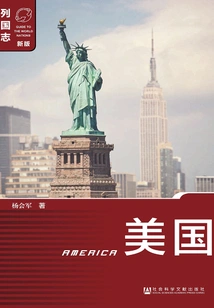
美国(第2版)(列国志(新版))
Yang Huijun
The United States is the world's most powerful country, the leader of the developed Western economies, an important leader of multiple regional economic and trade cooperation organizations, and the main setter of modern and contemporary world governance rules. The United States is also China's largest trading partner and main economic competitor, and is the largest external variable in China's peaceful development. In bilateral and multilateral fields, the United States will still have far-reaching and huge influence on China now and for a long time to come. A thorough understanding of the United States is still an important international assignment for China today. With rich information, comprehensive discussion, and popular writing, this book provides readers with a new key to understanding the United States.
The United States is the world's most powerful country, the leader of the developed Western economies, an important leader of multiple regional economic and trade cooperation organizations, and the main setter of modern and contemporary world governance rules. The United States is also China's largest trading partner and main economic competitor, and is the largest external variable in China's peaceful development. In bilateral and multilateral fields, the United States will still have far-reaching and huge influence on China now and for a long time to come. A thorough understanding of the United States is still an important international assignment for China today. With rich information, comprehensive discussion, and popular writing, this book provides readers with a new key to understanding the United States.
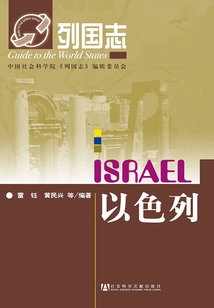
以色列(列国志(新版))
Huang Minxing Huang Minxing Lei Yu
This book is a comprehensive introduction to Israel. Compared with previous domestic books on Israel, this book not only comprehensively introduces Israel's history, politics, economy, culture and other aspects, but also covers its science and technology, culture, military, diplomacy and Sino-French relations. The content of the book is complete, rich and close to reality.
This book is a comprehensive introduction to Israel. Compared with previous domestic books on Israel, this book not only comprehensively introduces Israel's history, politics, economy, culture and other aspects, but also covers its science and technology, culture, military, diplomacy and Sino-French relations. The content of the book is complete, rich and close to reality.
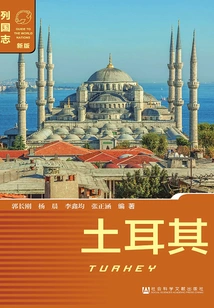
土耳其(列国志(新版))
Guo Changgang Yang Chen Li Xinjun Zhang Zhenghan
Türkiye is located at the junction of Europe and Asia and is the center of the intersection and collision of Eurasian civilizations. Türkiye has a long history and diverse cultures. Turkic culture, Arab-Islamic culture, Western culture, etc. Blend here, and many religions such as Islam, Christianity, and Judaism meet here. In the process of democratization and globalization, Türkiye faces the huge tension between "tradition" and "modernity" and actively explores the identification of cultural identity and the path of social development. With rich and detailed information, this book comprehensively and systematically introduces the development and current situation of Turkey's politics, history, economy, science, education, ethnicity and religion.
Türkiye is located at the junction of Europe and Asia and is the center of the intersection and collision of Eurasian civilizations. Türkiye has a long history and diverse cultures. Turkic culture, Arab-Islamic culture, Western culture, etc. Blend here, and many religions such as Islam, Christianity, and Judaism meet here. In the process of democratization and globalization, Türkiye faces the huge tension between "tradition" and "modernity" and actively explores the identification of cultural identity and the path of social development. With rich and detailed information, this book comprehensively and systematically introduces the development and current situation of Turkey's politics, history, economy, science, education, ethnicity and religion.
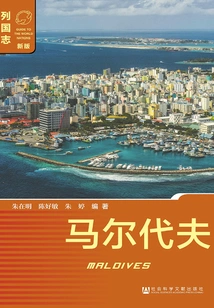
马尔代夫(第2版)(列国志(新版))
Zhu Zaiming Chen Haomin Zhu Ting
The Republic of Maldives is an island country with a long history in the Indian Ocean, with many islands and a small land area. The Maldives is known as the "Garland Islands" and "Island of Palaces". It has beautiful scenery and charming scenery. It is one of the ideal tourist destinations in the world. Tourism and fishing are the pillar industries of the Maldives economy. This book provides a relatively comprehensive introduction to the Maldives from various aspects such as geography, history, politics, economy, military, culture, and diplomacy.
The Republic of Maldives is an island country with a long history in the Indian Ocean, with many islands and a small land area. The Maldives is known as the "Garland Islands" and "Island of Palaces". It has beautiful scenery and charming scenery. It is one of the ideal tourist destinations in the world. Tourism and fishing are the pillar industries of the Maldives economy. This book provides a relatively comprehensive introduction to the Maldives from various aspects such as geography, history, politics, economy, military, culture, and diplomacy.
历史语境下的德国与欧洲
Hu Xiaochen Li Wei
On July 1-2, 2017, an academic forum for doctoral students in German history was held in Beijing. Young students from universities at home and abroad, including Peking University, Tsinghua University, Renmin University of China, Freie Universität Berlin, and Ecole Normale Supérieure de France, attended the forum. With the theme of "Germany and Europe in the Historical Context", the forum strives to draw on and absorb theories and achievements in the fields of humanities and social sciences such as history, philosophy, German literature, international relations, politics, sociology, law, and economics to achieve positive cross-disciplinary interaction. More than thirty papers published at the forum have been compiled into this book, showing new explorations of German and European issues.
On July 1-2, 2017, an academic forum for doctoral students in German history was held in Beijing. Young students from universities at home and abroad, including Peking University, Tsinghua University, Renmin University of China, Freie Universität Berlin, and Ecole Normale Supérieure de France, attended the forum. With the theme of "Germany and Europe in the Historical Context", the forum strives to draw on and absorb theories and achievements in the fields of humanities and social sciences such as history, philosophy, German literature, international relations, politics, sociology, law, and economics to achieve positive cross-disciplinary interaction. More than thirty papers published at the forum have been compiled into this book, showing new explorations of German and European issues.
以色列阿拉伯人:身份地位与生存状况(1948~2018)
Wang Yu
This book shows the living conditions of the Arab minority in the past seventy years since the founding of the State of Israel from aspects such as political participation, economic development, cultural education, identity and social change. It also analyzes the policies and attitudes of the Israeli government, the ruling party and the Jewish majority towards the Arab minority in the country, revealing how Israel, as a modern democratic country, can find a suitable balance between national security, national democracy and national Jewishness, avoid serious conflicts and humanitarian crises, avoid international community intervention, maintain Israeli social stability and achieve sustainable economic and social development.
This book shows the living conditions of the Arab minority in the past seventy years since the founding of the State of Israel from aspects such as political participation, economic development, cultural education, identity and social change. It also analyzes the policies and attitudes of the Israeli government, the ruling party and the Jewish majority towards the Arab minority in the country, revealing how Israel, as a modern democratic country, can find a suitable balance between national security, national democracy and national Jewishness, avoid serious conflicts and humanitarian crises, avoid international community intervention, maintain Israeli social stability and achieve sustainable economic and social development.
世界近现代史研究(第15辑)
Nankai University Center For Modern And Contemporary World History
"World Modern History Research" is an academic annual journal sponsored by the World Modern History Research Center of Nankai University, a key humanities and social science research base of the Ministry of Education. It is oriented to domestic universities and research institutions and provides a forum for academic exchanges to promote and promote domestic research on world modern history. It has columns such as historical theoretical research, global history research, international relations history, regional and national history, doctoral student forums, debates, book reviews, historical materials, research reviews, etc. It has important academic value in promoting China's research on world modern history.
"World Modern History Research" is an academic annual journal sponsored by the World Modern History Research Center of Nankai University, a key humanities and social science research base of the Ministry of Education. It is oriented to domestic universities and research institutions and provides a forum for academic exchanges to promote and promote domestic research on world modern history. It has columns such as historical theoretical research, global history research, international relations history, regional and national history, doctoral student forums, debates, book reviews, historical materials, research reviews, etc. It has important academic value in promoting China's research on world modern history.
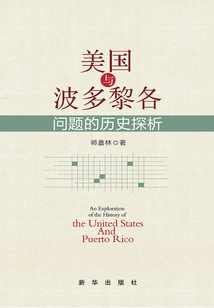
美国与波多黎各问题的历史叹息
Shi Jialin
This book is revised and completed by the author on the basis of his doctoral thesis. The Puerto Rico issue has been postponed to this day due to strategic, economic, and cultural considerations of the United States. This book attempts to use detailed historical materials, research results of Western scholars and newspaper documents to peek into the political issues of Puerto Rico under the US colonial rule, with the aim of briefly sorting out the US policy towards Puerto Rico for more than a hundred years, and comprehensively analyzing the historical inheritance of Puerto Rico's political issues through four aspects: US government decisions, congressional acts, local political trends in Puerto Rico, local populism, and the independence movement.
This book is revised and completed by the author on the basis of his doctoral thesis. The Puerto Rico issue has been postponed to this day due to strategic, economic, and cultural considerations of the United States. This book attempts to use detailed historical materials, research results of Western scholars and newspaper documents to peek into the political issues of Puerto Rico under the US colonial rule, with the aim of briefly sorting out the US policy towards Puerto Rico for more than a hundred years, and comprehensively analyzing the historical inheritance of Puerto Rico's political issues through four aspects: US government decisions, congressional acts, local political trends in Puerto Rico, local populism, and the independence movement.
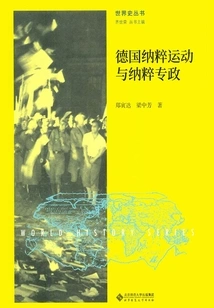
德国纳粹运动与纳粹专政
Zheng Yinda Liang Zhongfang
This book describes the full picture and relevant details of the Nazi movement and Nazi dictatorship in Germany, including the emergence of the Nazi Party, the beer hall coup, eradicating the left-leaning forces represented by the "Northern faction" in the party, consolidating the leadership system of the "leadership principle", seizing national dominance, establishing a totalitarian governance system, forming a "national community", foreign aggression and defeat, etc. It shows the origin, development and demise of the German Nazi movement.
This book describes the full picture and relevant details of the Nazi movement and Nazi dictatorship in Germany, including the emergence of the Nazi Party, the beer hall coup, eradicating the left-leaning forces represented by the "Northern faction" in the party, consolidating the leadership system of the "leadership principle", seizing national dominance, establishing a totalitarian governance system, forming a "national community", foreign aggression and defeat, etc. It shows the origin, development and demise of the German Nazi movement.
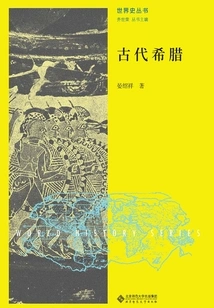
Ancient Greece
History古代希腊
Yan Shaoxiang
This book provides an overview of the history of ancient Greece from the Cretan-Mycenaean civilization to the death of Alexander of Macedonia, focusing on the rise and fall of Greek city-states from the archaic to the classical era. The content includes Aegean civilization, the Homeric era, the formation of city-states, Sparta and Spartan society, the formation and development of Athenian democracy, the Greco-Persian War, the Peloponnesian War, Alexander's invasion of the East, the culture of ancient Greece, etc., Showing the glorious ancient Greek civilization.
This book provides an overview of the history of ancient Greece from the Cretan-Mycenaean civilization to the death of Alexander of Macedonia, focusing on the rise and fall of Greek city-states from the archaic to the classical era. The content includes Aegean civilization, the Homeric era, the formation of city-states, Sparta and Spartan society, the formation and development of Athenian democracy, the Greco-Persian War, the Peloponnesian War, Alexander's invasion of the East, the culture of ancient Greece, etc., Showing the glorious ancient Greek civilization.
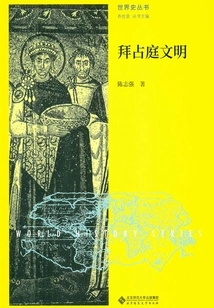
Byzantine Civilization
History拜占庭文明
Chen Zhiqiang
This book provides a relatively comprehensive overview of Byzantine political activities, economic life, military and diplomacy, cultural life, and religious activities. It combs the main clues of the development of Byzantine civilization, introduces many important figures and events, and displays the Byzantine Empire's history of more than a thousand years and its rich spiritual and material heritage.
This book provides a relatively comprehensive overview of Byzantine political activities, economic life, military and diplomacy, cultural life, and religious activities. It combs the main clues of the development of Byzantine civilization, introduces many important figures and events, and displays the Byzantine Empire's history of more than a thousand years and its rich spiritual and material heritage.
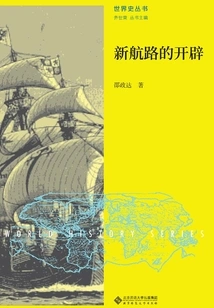
新航路的开辟
Shao Zhengda
This book describes the journey of explorers from emerging nation-states such as Portugal, Spain, the Netherlands, the United Kingdom, and France in the Age of Discovery from the 15th to the 17th centuries as they opened up new routes to Asia and the Americas and completed global voyages.
This book describes the journey of explorers from emerging nation-states such as Portugal, Spain, the Netherlands, the United Kingdom, and France in the Age of Discovery from the 15th to the 17th centuries as they opened up new routes to Asia and the Americas and completed global voyages.
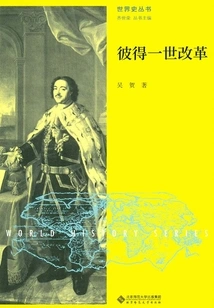
Reforms of Peter I
History彼得一世改革
Wu He
This book provides an all-round description of the reforms of Peter I in Russia, including the origin of the reforms, military reforms, financial and economic reforms, political and religious reforms, cultural and educational reforms, etc. Peter I's reforms kicked off Russia's modernization and pushed Russia into a new historical era.
This book provides an all-round description of the reforms of Peter I in Russia, including the origin of the reforms, military reforms, financial and economic reforms, political and religious reforms, cultural and educational reforms, etc. Peter I's reforms kicked off Russia's modernization and pushed Russia into a new historical era.
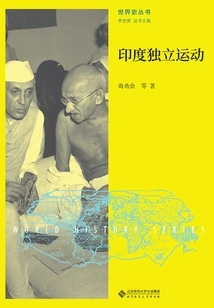
Indian Independence Movement
History印度独立运动
Shang Persuades Yu And Others
This book provides a comprehensive and systematic account of the Indian Independence Movement from 1857 to 1947, including the Indian National Uprising from 1857 to 1859, the birth and early activities of the Congress Party, the Indian National Revolutionary Movement from 1905 to 1908, the birth and activities of the Muslim League, and the Indian National Revolution during the First World War. The development of the Indian national movement, the non-violent disobedience movement in the 1920s, the civilized disobedience movement in the 1930s, provincial autonomy of the Congress Party, the "Quit India" movement in the 1940s, and final independence outline the historical trajectory and evolution of the Indian national movement with ups and downs.
This book provides a comprehensive and systematic account of the Indian Independence Movement from 1857 to 1947, including the Indian National Uprising from 1857 to 1859, the birth and early activities of the Congress Party, the Indian National Revolutionary Movement from 1905 to 1908, the birth and activities of the Muslim League, and the Indian National Revolution during the First World War. The development of the Indian national movement, the non-violent disobedience movement in the 1920s, the civilized disobedience movement in the 1930s, provincial autonomy of the Congress Party, the "Quit India" movement in the 1940s, and final independence outline the historical trajectory and evolution of the Indian national movement with ups and downs.
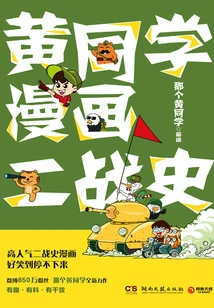
黄同学漫画二战史
That Classmate Huang
This book is the first work in the series of "Classmate Huang's Comic History of World War II". Through the form of comics, the author takes everyone back to the smoke-filled battlefields of World War II and relives the magnificent epic written by the anti-fascist warriors with their blood for the sake of peace for all mankind. The contents of this book include famous battles, legends of famous generals, battlefield anecdotes, introductions to weapons, etc. Through this book, readers will have a more comprehensive understanding and deeper understanding of this largest war in human history.
This book is the first work in the series of "Classmate Huang's Comic History of World War II". Through the form of comics, the author takes everyone back to the smoke-filled battlefields of World War II and relives the magnificent epic written by the anti-fascist warriors with their blood for the sake of peace for all mankind. The contents of this book include famous battles, legends of famous generals, battlefield anecdotes, introductions to weapons, etc. Through this book, readers will have a more comprehensive understanding and deeper understanding of this largest war in human history.
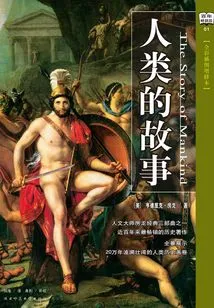
人类的故事(全彩插图增修本)
I
This is the story of the Bible. I wrote this book because I think you should know more about the Bible than you do now, and I really can't tell you where to find the kind of knowledge I want you to have. Of course, I can ask you to read the original Bible, but I am not sure whether you will actually read it. Some people believe that this holy book was entrusted specifically to them. For years, boys your age have been scared away by the solemn faces and unapproachable attitudes of these men. However, you would not be fully educated if you did not know these stories. And, there may be a time in your life when the wisdom contained in this ancient chronicle is greatly needed.
This is the story of the Bible. I wrote this book because I think you should know more about the Bible than you do now, and I really can't tell you where to find the kind of knowledge I want you to have. Of course, I can ask you to read the original Bible, but I am not sure whether you will actually read it. Some people believe that this holy book was entrusted specifically to them. For years, boys your age have been scared away by the solemn faces and unapproachable attitudes of these men. However, you would not be fully educated if you did not know these stories. And, there may be a time in your life when the wisdom contained in this ancient chronicle is greatly needed.
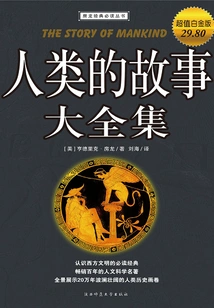
人类的故事大全集(超值白金版)
I
The main contents of this book include: Chapter 1: The formation of the stage of human history; Chapter 2: The earliest ancestors of mankind; Chapter 3: Prehistoric humans; Chapter 4: Hieroglyphs; Chapter 5: The Nile Valley; 5. Similarity factors: the driving force behind the development of love; the story of Egypt in Chapter 6, etc. In 1921, the American company Boni and Liveright published "The Story of Man" for the first time, which immediately aroused a huge response among readers. Its author, the versatile and energetic Dutch-American Van Rooster, also became famous. "The Story of Mankind" creates a way of telling history to ordinary people, with profound thoughts but not profoundness, and writing that is light but not frivolous. In the decades after the first edition, at least more than 30 editions were published by different publishing houses in the United States, and the total sales in the United States alone reached more than 10 million copies.
The main contents of this book include: Chapter 1: The formation of the stage of human history; Chapter 2: The earliest ancestors of mankind; Chapter 3: Prehistoric humans; Chapter 4: Hieroglyphs; Chapter 5: The Nile Valley; 5. Similarity factors: the driving force behind the development of love; the story of Egypt in Chapter 6, etc. In 1921, the American company Boni and Liveright published "The Story of Man" for the first time, which immediately aroused a huge response among readers. Its author, the versatile and energetic Dutch-American Van Rooster, also became famous. "The Story of Mankind" creates a way of telling history to ordinary people, with profound thoughts but not profoundness, and writing that is light but not frivolous. In the decades after the first edition, at least more than 30 editions were published by different publishing houses in the United States, and the total sales in the United States alone reached more than 10 million copies.

Japanese History
History日本史
Shigeru Yoshida
As Japan's most reputable and influential prime minister after the war, Yoshida Shigeru relied on his statesman's grand perspective and unique vision to deeply analyze Japan's century-old development history since the Meiji Restoration from all aspects of politics, economy, and education. He elaborated on how Japan relied on the power of the nation and its citizens to seize opportunities in the ever-changing world structure, move from a barren island country to revitalization, re-establish itself from the ruins after the war, and become a world power. This book uses short and profound language and precious and rich historical pictures to take you back into Japan's century-old vicissitudes, and to carefully read the unique culture of the Japanese nation's perseverance and progress. This book became very popular in China in the 1980s and was rated as one of the "100 books that have influenced China in the past 20 years" by Sanlian Bookstore.
As Japan's most reputable and influential prime minister after the war, Yoshida Shigeru relied on his statesman's grand perspective and unique vision to deeply analyze Japan's century-old development history since the Meiji Restoration from all aspects of politics, economy, and education. He elaborated on how Japan relied on the power of the nation and its citizens to seize opportunities in the ever-changing world structure, move from a barren island country to revitalization, re-establish itself from the ruins after the war, and become a world power. This book uses short and profound language and precious and rich historical pictures to take you back into Japan's century-old vicissitudes, and to carefully read the unique culture of the Japanese nation's perseverance and progress. This book became very popular in China in the 1980s and was rated as one of the "100 books that have influenced China in the past 20 years" by Sanlian Bookstore.
捷克(文化中行:“一带一路”国别文化手册)
Bank Of China Co., Ltd. Social Sciences Literature Press
The book is divided into four chapters: an overview of the national conditions, political environment, economic conditions and bilateral relations. It introduces the Czech physical geography, history and humanity, customs and habits, political system, judicial environment, policy orientation, resource status, foreign enterprises, financial markets, economic and trade relations, overseas Chinese, etc. The appendix also provides the country's ranking in the business environment rankings of various countries released by the World Bank, as well as the contact information of our country's embassies and consulates abroad.
The book is divided into four chapters: an overview of the national conditions, political environment, economic conditions and bilateral relations. It introduces the Czech physical geography, history and humanity, customs and habits, political system, judicial environment, policy orientation, resource status, foreign enterprises, financial markets, economic and trade relations, overseas Chinese, etc. The appendix also provides the country's ranking in the business environment rankings of various countries released by the World Bank, as well as the contact information of our country's embassies and consulates abroad.
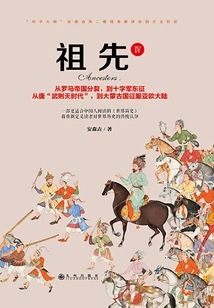
Ancestor Iv
History祖先Ⅳ
An Senyao
This is a "Brief History of the World" that is more suitable for Chinese people to read. The author An Senyao is a "Zhihu Master" and a graduate student at Kyoto Institute of Technology in Japan. In this book, he adopts a new two-dimensional perspective, using the flow of time as a line and historical events as points, to comprehensively tell the history from the split of the Roman Empire to the Crusades, from the "Wu Zetian Era" of the Tang Dynasty to Genghis Khan's conquest of the Eurasian continent. The content of this book is divided into two main lines, the East and the West, with comparative and interspersed explanations based on the dimension of time, hoping to enable readers to view the history of world civilization from a higher, wider, and farther perspective. Through this new perspective, this book will redefine readers' traditional understanding of world history, and will give readers a new look at the world that is completely different from their previous impressions - this world and its history are so different from what you imagined. Why was Empress Wu Zetian forced to abdicate? How did the Battle of Talas begin? Why could the Anshi Rebellion turn the Tang Dynasty upside down? What changes happened in Europe in the Middle Ages? What ups and downs did the Five Dynasties and Ten Kingdoms experience when changing emperors was like changing clothes? How did Genghis Khan conquer Eurasia step by step? Let An Senyao decipher it for you.
This is a "Brief History of the World" that is more suitable for Chinese people to read. The author An Senyao is a "Zhihu Master" and a graduate student at Kyoto Institute of Technology in Japan. In this book, he adopts a new two-dimensional perspective, using the flow of time as a line and historical events as points, to comprehensively tell the history from the split of the Roman Empire to the Crusades, from the "Wu Zetian Era" of the Tang Dynasty to Genghis Khan's conquest of the Eurasian continent. The content of this book is divided into two main lines, the East and the West, with comparative and interspersed explanations based on the dimension of time, hoping to enable readers to view the history of world civilization from a higher, wider, and farther perspective. Through this new perspective, this book will redefine readers' traditional understanding of world history, and will give readers a new look at the world that is completely different from their previous impressions - this world and its history are so different from what you imagined. Why was Empress Wu Zetian forced to abdicate? How did the Battle of Talas begin? Why could the Anshi Rebellion turn the Tang Dynasty upside down? What changes happened in Europe in the Middle Ages? What ups and downs did the Five Dynasties and Ten Kingdoms experience when changing emperors was like changing clothes? How did Genghis Khan conquer Eurasia step by step? Let An Senyao decipher it for you.
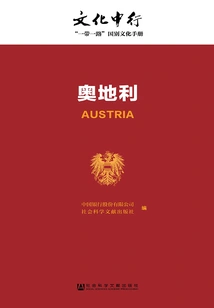
奥地利(文化中行:“一带一路”国别文化手册)
Bank Of China Co., Ltd. Social Sciences Literature Press
The book is divided into four chapters: overview of national conditions, political environment, economic status and bilateral relations. It introduces Austria's physical geography, history and humanity, customs and habits, political system, judicial environment, policy orientation, resource status, foreign enterprises, financial markets, economic and trade relations, overseas Chinese, etc. The appendix also provides the country's ranking in the business environment rankings of various countries released by the World Bank, as well as the contact information of my country's embassies and consulates abroad.
The book is divided into four chapters: overview of national conditions, political environment, economic status and bilateral relations. It introduces Austria's physical geography, history and humanity, customs and habits, political system, judicial environment, policy orientation, resource status, foreign enterprises, financial markets, economic and trade relations, overseas Chinese, etc. The appendix also provides the country's ranking in the business environment rankings of various countries released by the World Bank, as well as the contact information of my country's embassies and consulates abroad.
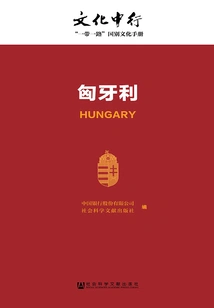
匈牙利(文化中行:“一带一路”国别文化手册)
Bank Of China Co., Ltd. Social Sciences Literature Press
The book is divided into four parts: overview of national conditions, political environment, economic status and bilateral relations. It introduces Hungary's physical geography, history and humanity, customs and habits, political system, judicial environment, policy orientation, resource status, foreign enterprises, financial markets, economic and trade relations, overseas Chinese and other aspects. The appendix also provides the country's ranking in the business environment rankings of various countries released by the World Bank, as well as the contact information of my country's embassies and consulates abroad.
The book is divided into four parts: overview of national conditions, political environment, economic status and bilateral relations. It introduces Hungary's physical geography, history and humanity, customs and habits, political system, judicial environment, policy orientation, resource status, foreign enterprises, financial markets, economic and trade relations, overseas Chinese and other aspects. The appendix also provides the country's ranking in the business environment rankings of various countries released by the World Bank, as well as the contact information of my country's embassies and consulates abroad.
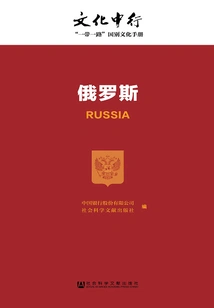
俄罗斯(文化中行:“一带一路”国别文化手册)
Bank Of China Co., Ltd. Social Sciences Literature Press
The book is divided into four chapters: overview of national conditions, political environment, economic status and bilateral relations. It introduces Russia's physical geography, history and humanity, customs and habits, political system, judicial environment, policy orientation, resource status, foreign enterprises, financial markets, economic and trade relations, overseas Chinese, etc. The appendix also provides the country's ranking in the business environment rankings of various countries released by the World Bank, as well as the contact information of our country's embassies and consulates abroad.
The book is divided into four chapters: overview of national conditions, political environment, economic status and bilateral relations. It introduces Russia's physical geography, history and humanity, customs and habits, political system, judicial environment, policy orientation, resource status, foreign enterprises, financial markets, economic and trade relations, overseas Chinese, etc. The appendix also provides the country's ranking in the business environment rankings of various countries released by the World Bank, as well as the contact information of our country's embassies and consulates abroad.
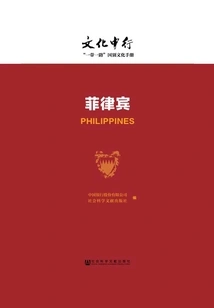
菲律宾(文化中行:“一带一路”国别文化手册)
Bank Of China Co., Ltd. Social Sciences Literature Press
The book is divided into four chapters: an overview of the country's national conditions, political environment, economic conditions and bilateral relations. It introduces the Philippines' physical geography, history and humanity, customs and habits, political system, judicial environment, policy orientation, resource status, foreign enterprises, financial markets, economic and trade relations, overseas Chinese, etc. The appendix also provides the country's ranking in the business environment rankings of various countries released by the World Bank, as well as the contact information of my country's embassies and consulates abroad.
The book is divided into four chapters: an overview of the country's national conditions, political environment, economic conditions and bilateral relations. It introduces the Philippines' physical geography, history and humanity, customs and habits, political system, judicial environment, policy orientation, resource status, foreign enterprises, financial markets, economic and trade relations, overseas Chinese, etc. The appendix also provides the country's ranking in the business environment rankings of various countries released by the World Bank, as well as the contact information of my country's embassies and consulates abroad.
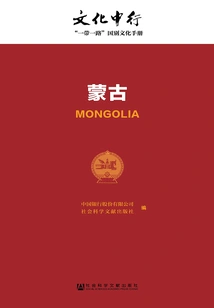
蒙古(文化中行:“一带一路”国别文化手册)
Bank Of China Co., Ltd. Social Sciences Literature Press
The book is divided into four chapters: overview of national conditions, political environment, economic status, and bilateral relations. It introduces Mongolia's physical geography, history and humanity, customs and habits, political system, judicial environment, policy orientation, resource status, foreign enterprises, financial markets, economic and trade relations, overseas Chinese, etc. The appendix also provides the country's ranking in the business environment rankings of various countries released by the World Bank, as well as the contact information of my country's embassies and consulates abroad.
The book is divided into four chapters: overview of national conditions, political environment, economic status, and bilateral relations. It introduces Mongolia's physical geography, history and humanity, customs and habits, political system, judicial environment, policy orientation, resource status, foreign enterprises, financial markets, economic and trade relations, overseas Chinese, etc. The appendix also provides the country's ranking in the business environment rankings of various countries released by the World Bank, as well as the contact information of my country's embassies and consulates abroad.
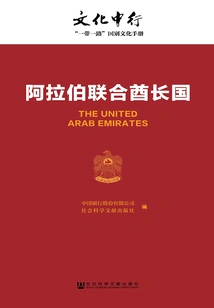
阿拉伯联合酋长国(文化中行:“一带一路”国别文化手册)
Bank Of China Co., Ltd. Social Sciences Literature Press
The book is divided into four chapters: an overview of the national conditions, political environment, economic conditions and bilateral relations. It introduces the United Arab Emirates' physical geography, history and humanity, customs and habits, political system, judicial environment, policy orientation, resource status, foreign enterprises, financial markets, economic and trade relations, overseas Chinese, etc. The appendix also provides the country's ranking in the business environment rankings of various countries released by the World Bank, as well as the contact information of our country's embassies and consulates abroad.
The book is divided into four chapters: an overview of the national conditions, political environment, economic conditions and bilateral relations. It introduces the United Arab Emirates' physical geography, history and humanity, customs and habits, political system, judicial environment, policy orientation, resource status, foreign enterprises, financial markets, economic and trade relations, overseas Chinese, etc. The appendix also provides the country's ranking in the business environment rankings of various countries released by the World Bank, as well as the contact information of our country's embassies and consulates abroad.
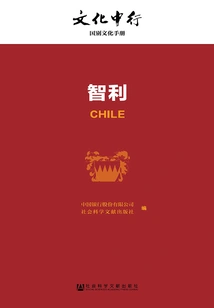
智利(文化中行:国别文化手册)
Bank Of China Co., Ltd. Social Sciences Literature Press
The book is divided into four chapters: overview of national conditions, political environment, economic status and bilateral relations. It introduces Chile's physical geography, history and humanity, customs and habits, political system, judicial environment, policy orientation, resource status, foreign enterprises, financial markets, economic and trade relations, overseas Chinese, etc. The appendix also provides the country's ranking in the business environment rankings of various countries released by the World Bank, as well as the contact information of my country's embassies and consulates abroad.
The book is divided into four chapters: overview of national conditions, political environment, economic status and bilateral relations. It introduces Chile's physical geography, history and humanity, customs and habits, political system, judicial environment, policy orientation, resource status, foreign enterprises, financial markets, economic and trade relations, overseas Chinese, etc. The appendix also provides the country's ranking in the business environment rankings of various countries released by the World Bank, as well as the contact information of my country's embassies and consulates abroad.
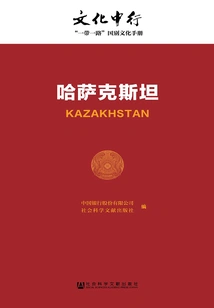
哈萨克斯坦(文化中行:“一带一路”国别文化手册)
Bank Of China Co., Ltd. Social Sciences Literature Press
The book is divided into four chapters: overview of national conditions, political environment, economic status and bilateral relations. It introduces Kazakhstan's physical geography, history and humanity, customs and habits, political system, judicial environment, policy orientation, resource status, foreign enterprises, financial markets, economic and trade relations, overseas Chinese, etc. The appendix also provides the country's ranking in the business environment rankings of various countries released by the World Bank, as well as the contact information of my country's embassies and consulates abroad.
The book is divided into four chapters: overview of national conditions, political environment, economic status and bilateral relations. It introduces Kazakhstan's physical geography, history and humanity, customs and habits, political system, judicial environment, policy orientation, resource status, foreign enterprises, financial markets, economic and trade relations, overseas Chinese, etc. The appendix also provides the country's ranking in the business environment rankings of various countries released by the World Bank, as well as the contact information of my country's embassies and consulates abroad.
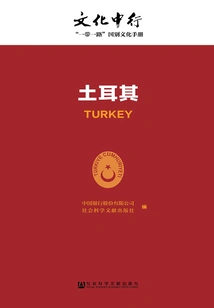
土耳其(文化中行:“一带一路”国别文化手册)
Bank Of China Co., Ltd. Social Sciences Literature Press
The book is divided into four parts: overview of national conditions, political environment, economic status and bilateral relations. It introduces Turkey's physical geography, history and humanity, customs and habits, political system, judicial environment, policy orientation, resource status, foreign enterprises, financial markets, economic and trade relations, overseas Chinese, etc. The appendix also provides the country's ranking in the business environment rankings of various countries released by the World Bank, as well as the contact information of our country's embassies and consulates abroad.
The book is divided into four parts: overview of national conditions, political environment, economic status and bilateral relations. It introduces Turkey's physical geography, history and humanity, customs and habits, political system, judicial environment, policy orientation, resource status, foreign enterprises, financial markets, economic and trade relations, overseas Chinese, etc. The appendix also provides the country's ranking in the business environment rankings of various countries released by the World Bank, as well as the contact information of our country's embassies and consulates abroad.
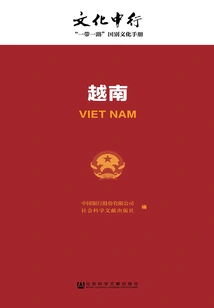
越南(文化中行:“一带一路”国别文化手册)
Bank Of China Co., Ltd. Social Sciences Literature Press
The book is divided into four chapters: overview of national conditions, political environment, economic status, and bilateral relations. It introduces Vietnam's physical geography, history and humanity, customs and habits, political system, judicial environment, policy orientation, resource status, foreign enterprises, financial markets, economic and trade relations, overseas Chinese, etc. The appendix also provides the country's ranking in the business environment rankings of various countries released by the World Bank, as well as the contact information of our country's embassies and consulates abroad.
The book is divided into four chapters: overview of national conditions, political environment, economic status, and bilateral relations. It introduces Vietnam's physical geography, history and humanity, customs and habits, political system, judicial environment, policy orientation, resource status, foreign enterprises, financial markets, economic and trade relations, overseas Chinese, etc. The appendix also provides the country's ranking in the business environment rankings of various countries released by the World Bank, as well as the contact information of our country's embassies and consulates abroad.
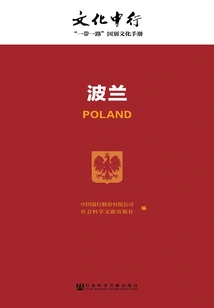
波兰(文化中行:“一带一路”国别文化手册)
Bank Of China Co., Ltd. Social Sciences Literature Press
The book is divided into four parts: overview of national conditions, political environment, economic status and bilateral relations. It introduces Poland's physical geography, history and humanity, customs and habits, political system, judicial environment, policy orientation, resource status, foreign enterprises, financial markets, economic and trade relations, overseas Chinese, etc. The appendix also provides the country's ranking in the business environment rankings of various countries released by the World Bank, as well as the contact information of my country's embassies and consulates abroad.
The book is divided into four parts: overview of national conditions, political environment, economic status and bilateral relations. It introduces Poland's physical geography, history and humanity, customs and habits, political system, judicial environment, policy orientation, resource status, foreign enterprises, financial markets, economic and trade relations, overseas Chinese, etc. The appendix also provides the country's ranking in the business environment rankings of various countries released by the World Bank, as well as the contact information of my country's embassies and consulates abroad.