Library
Browse and search books
2,273 novels found

Assassinate the Powerful Emperor
General Fiction刺杀权臣第一帝
Zhou Zhiyong
It was an ordinary night in May of the year 260 AD. At dusk and the beginning of the month, the noisy capital of Luoyang finally calmed down. Every household had turned off their lights and had a rest, and no one was seen on the unlit stone roads. Dark clouds obscured a full moon, but from time to time the bright moonlight quietly emitted some light from the gaps in the dark clouds, as if it was carrying out an unyielding struggle. An owl squatted among the ghostly dark branches, its blue eyes flashing like will-o'-the-wisps, and its mouth occasionally making strange, human-like calls. A group of majestic imperial guards lined up from far and near. The boots under their feet made a unified "thud, thud" sound. The tip of the silver spear raised at an angle reflected a cold light in the bright moonlight. The cold light shone coldly on the owl, and the owl flew away as if frightened.
It was an ordinary night in May of the year 260 AD. At dusk and the beginning of the month, the noisy capital of Luoyang finally calmed down. Every household had turned off their lights and had a rest, and no one was seen on the unlit stone roads. Dark clouds obscured a full moon, but from time to time the bright moonlight quietly emitted some light from the gaps in the dark clouds, as if it was carrying out an unyielding struggle. An owl squatted among the ghostly dark branches, its blue eyes flashing like will-o'-the-wisps, and its mouth occasionally making strange, human-like calls. A group of majestic imperial guards lined up from far and near. The boots under their feet made a unified "thud, thud" sound. The tip of the silver spear raised at an angle reflected a cold light in the bright moonlight. The cold light shone coldly on the owl, and the owl flew away as if frightened.

Kung Fu Lies Beyond Chess
General Fiction功夫在棋外
Zhang Xinmin
Bai Jubuyi is the alias of Master Fengguang. Before the beautiful mother gave birth, she suddenly felt a gentle breeze blowing through the trees, and every leaf on the tree was swaying slightly. For a moment, the sunlight refracted by the leaves was bright and dazzling. I woke up from a dream, feeling relaxed all over. I touched my belly and found it was much deflated. He hurriedly sat up and touched again, but the baby had already fallen on the bed. People in the village were surprised and invited a fortune teller to interpret their dreams. The husband shook his head and said, "The rustling one is the wind; the bright and prosperous one is the light. Scenery, scenery, my father and mother's ancestors, this is why my son is so beautiful!" So he named the child Fengguang. Fengguang is two years old and has never met her biological father. When Fengguang's mother was pregnant, her father was sent by the imperial court to build a temple in Qiantang, but he never came home during the New Year and holidays.
Bai Jubuyi is the alias of Master Fengguang. Before the beautiful mother gave birth, she suddenly felt a gentle breeze blowing through the trees, and every leaf on the tree was swaying slightly. For a moment, the sunlight refracted by the leaves was bright and dazzling. I woke up from a dream, feeling relaxed all over. I touched my belly and found it was much deflated. He hurriedly sat up and touched again, but the baby had already fallen on the bed. People in the village were surprised and invited a fortune teller to interpret their dreams. The husband shook his head and said, "The rustling one is the wind; the bright and prosperous one is the light. Scenery, scenery, my father and mother's ancestors, this is why my son is so beautiful!" So he named the child Fengguang. Fengguang is two years old and has never met her biological father. When Fengguang's mother was pregnant, her father was sent by the imperial court to build a temple in Qiantang, but he never came home during the New Year and holidays.

The First Escort Agency in Kanto
General Fiction关东第一镖局
Shizhongshan
Feng Sen, the well-known number one bodyguard in Fengtian City, the bodyguard he escorted this time was extraordinary. It was Zhang Zuolin, the commander-in-chief of the Northeast Army, who had enough arms to equip a regiment. But he was robbed inexplicably in Xiaogushan. The person who robbed the escort was none other than Guangtai, a good brother of the escort master Feng Sen who kowtows to him. This was something that no one expected, and something that bodyguard Feng Sen never even thought about. A group of men led by Feng Sen were robbed without any explanation. Feng Sen was riding a horse, his face was livid, his eyes were looking straight ahead, without saying a word. Behind him was a team of brothers who were also withered and dull. When the horse team came to the door of the escort agency sparsely, Miss Yang Si was washing clothes in front of the escort agency. She never dreamed that Feng Sen's escort would be robbed.
Feng Sen, the well-known number one bodyguard in Fengtian City, the bodyguard he escorted this time was extraordinary. It was Zhang Zuolin, the commander-in-chief of the Northeast Army, who had enough arms to equip a regiment. But he was robbed inexplicably in Xiaogushan. The person who robbed the escort was none other than Guangtai, a good brother of the escort master Feng Sen who kowtows to him. This was something that no one expected, and something that bodyguard Feng Sen never even thought about. A group of men led by Feng Sen were robbed without any explanation. Feng Sen was riding a horse, his face was livid, his eyes were looking straight ahead, without saying a word. Behind him was a team of brothers who were also withered and dull. When the horse team came to the door of the escort agency sparsely, Miss Yang Si was washing clothes in front of the escort agency. She never dreamed that Feng Sen's escort would be robbed.

Tragic Beauty
General Fiction惨烈红颜
Zhang Yao
In March in the south of the Yangtze River, although the grass is short and the moss is green, it is still chilly. On March 19, the third year of Xianfeng's reign in the Qing Dynasty (1853), the Taiping Army used landmines to destroy Nanjing's Yifeng Gate and breach the outer city. The next day, the army invaded Nanjing in three groups. The ancient capital of the Six Dynasties, which had not known fighting for two centuries, suffered an unprecedented catastrophe. The number of deaths among officials, gentry, soldiers and civilians in the city reached as many as 40,000. The Qing clan, General Jiangning, and Admiral Xianghou committed suicide with his sword; Imperial Envoy and Governor of Liangjiang Lu Jianying was killed. What is especially hateful are those Qing soldiers who took advantage of the situation to plunder, burn, kill, rape and loot. They were extremely cruel and made a mad leap before destruction. On the bank of the Qinhuai River, on Chaoku Street, there is a small courtyard. Although it occupies an area of less than one acre, it still has small earthen buildings, exquisite rocks, and sparse flowers and trees. Several ancient plum blossoms bloom in the spring sun, with layers of green and slender beauty.
In March in the south of the Yangtze River, although the grass is short and the moss is green, it is still chilly. On March 19, the third year of Xianfeng's reign in the Qing Dynasty (1853), the Taiping Army used landmines to destroy Nanjing's Yifeng Gate and breach the outer city. The next day, the army invaded Nanjing in three groups. The ancient capital of the Six Dynasties, which had not known fighting for two centuries, suffered an unprecedented catastrophe. The number of deaths among officials, gentry, soldiers and civilians in the city reached as many as 40,000. The Qing clan, General Jiangning, and Admiral Xianghou committed suicide with his sword; Imperial Envoy and Governor of Liangjiang Lu Jianying was killed. What is especially hateful are those Qing soldiers who took advantage of the situation to plunder, burn, kill, rape and loot. They were extremely cruel and made a mad leap before destruction. On the bank of the Qinhuai River, on Chaoku Street, there is a small courtyard. Although it occupies an area of less than one acre, it still has small earthen buildings, exquisite rocks, and sparse flowers and trees. Several ancient plum blossoms bloom in the spring sun, with layers of green and slender beauty.

Emperor Han Beheaded His Son
General Fiction汉帝斩子
Zou Jimeng
Ever since Liu Qi, Emperor Jing of the Western Han Dynasty, mistakenly believed Wu King Liu Bi's slander of "asking Chao Cuo to be killed in order to side with Qing Jun", he failed to distinguish between loyal and traitorous people, and killed Chao Cuo in vain, resulting in an eternal injustice. In this way, does it mean that the king's side cannot be cleared, and there is no need to clear it? In fact, nothing could be further from the truth. Since ancient times, in the center of every dynasty and around every king, there have always been people of all kinds: civil servants and generals, relatives of the emperor, concubines and eunuchs, as well as debaters, monks, and divination and astrology masters, all from the three religions and nine streams. Of course, there are many people who care about the country and love the people, are well-educated, upright and honest, but there are also more people who are greedy for position and live in the world; there is also a kind of people who are ignorant, insidious, cunning, greedy, vicious, and domineering.
Ever since Liu Qi, Emperor Jing of the Western Han Dynasty, mistakenly believed Wu King Liu Bi's slander of "asking Chao Cuo to be killed in order to side with Qing Jun", he failed to distinguish between loyal and traitorous people, and killed Chao Cuo in vain, resulting in an eternal injustice. In this way, does it mean that the king's side cannot be cleared, and there is no need to clear it? In fact, nothing could be further from the truth. Since ancient times, in the center of every dynasty and around every king, there have always been people of all kinds: civil servants and generals, relatives of the emperor, concubines and eunuchs, as well as debaters, monks, and divination and astrology masters, all from the three religions and nine streams. Of course, there are many people who care about the country and love the people, are well-educated, upright and honest, but there are also more people who are greedy for position and live in the world; there is also a kind of people who are ignorant, insidious, cunning, greedy, vicious, and domineering.

The Woman's Head Fell to the Ground When She Shouted
General Fiction喊声娘人头落地
Wang Jinliang
In the first year of Emperor Daizong of the Tang Dynasty (AD 762), Emperor Li Yu had just sat down in court this morning when the military minister presented a memorial. The memorial stated: Shen Taizhi, the governor of southern Hunan Province, colluded with local gangs and neglected his duties and neglected military affairs. The city was repeatedly harassed by "Western Barbarians". Shen Taizhi was afraid, swept away Kuyin and abandoned the city and fled. The grain stores in the city were robbed, houses were burned, cattle and horses were plundered, and the people fled one after another. I hope that the emperor will immediately send someone to serve as the governor of Daozhou to appease the people and quell the chaos. Emperor Li Yu frowned after reading the memorial. In recent years, some places on the border between Hunan and Guangxi have taken advantage of the "Anshi Rebellion" and the imperial court did not pay attention to it, and gathered four to five thousand people, known as the "Xiyuan Army". The "Xiyuan Army" did not care about occupying territory, but focused on capturing people and property. Every time they attacked, they looted and looted without leaving any grass behind. The people called them "Xiyuan Barbarians".
In the first year of Emperor Daizong of the Tang Dynasty (AD 762), Emperor Li Yu had just sat down in court this morning when the military minister presented a memorial. The memorial stated: Shen Taizhi, the governor of southern Hunan Province, colluded with local gangs and neglected his duties and neglected military affairs. The city was repeatedly harassed by "Western Barbarians". Shen Taizhi was afraid, swept away Kuyin and abandoned the city and fled. The grain stores in the city were robbed, houses were burned, cattle and horses were plundered, and the people fled one after another. I hope that the emperor will immediately send someone to serve as the governor of Daozhou to appease the people and quell the chaos. Emperor Li Yu frowned after reading the memorial. In recent years, some places on the border between Hunan and Guangxi have taken advantage of the "Anshi Rebellion" and the imperial court did not pay attention to it, and gathered four to five thousand people, known as the "Xiyuan Army". The "Xiyuan Army" did not care about occupying territory, but focused on capturing people and property. Every time they attacked, they looted and looted without leaving any grass behind. The people called them "Xiyuan Barbarians".

Chinese Students Participating in the Gulf War
General Fiction参与海湾战争的中国留学生
Xin Baoping
"In 1961, the country suffered a serious natural disaster, and hunger threatened the people. In order to survive, I fled across the border from Yunnan to North Vietnam; two months later, I smuggled myself to Saigon, South Vietnam. I worked as a coolie at the Western Cargo Terminal until the winter of 1963. I originally wanted to send the three hundred dollars I earned back to my country. Your father and your mother, but the strong desire to make a fortune prompted me to use the three hundred dollars to bribe a sailor on a Spanish freighter, who hid me in a container and smuggled me into the United States." Tao's uncle was immersed in the past, his hands trembling slightly, "I am a 'black man' with no household registration and no right of residence in the United States. In order to survive, I joined the underworld in Chinatown. Within four years, I fought, cheated, and did all the bad things except killing anyone. Then, I made $100,000 in four years, and I quit the underworld and opened a business on Thirty-Seventh Street in New York. A restaurant. Over the past 20 years, I have saved millions of dollars. When your brother Kang was only eight years old, I brought him to the United States and became an American citizen. My purpose was to have an heir for the family fortune that I had earned through blood and sweat!" Tao's uncle burst into tears and was filled with grief.
"In 1961, the country suffered a serious natural disaster, and hunger threatened the people. In order to survive, I fled across the border from Yunnan to North Vietnam; two months later, I smuggled myself to Saigon, South Vietnam. I worked as a coolie at the Western Cargo Terminal until the winter of 1963. I originally wanted to send the three hundred dollars I earned back to my country. Your father and your mother, but the strong desire to make a fortune prompted me to use the three hundred dollars to bribe a sailor on a Spanish freighter, who hid me in a container and smuggled me into the United States." Tao's uncle was immersed in the past, his hands trembling slightly, "I am a 'black man' with no household registration and no right of residence in the United States. In order to survive, I joined the underworld in Chinatown. Within four years, I fought, cheated, and did all the bad things except killing anyone. Then, I made $100,000 in four years, and I quit the underworld and opened a business on Thirty-Seventh Street in New York. A restaurant. Over the past 20 years, I have saved millions of dollars. When your brother Kang was only eight years old, I brought him to the United States and became an American citizen. My purpose was to have an heir for the family fortune that I had earned through blood and sweat!" Tao's uncle burst into tears and was filled with grief.

Chunqiu Hexagram
General Fiction春秋卦
Fu Jianren
Spring and Autumn, the interpretation is the Spring and Autumn period of struggle for hegemony. In the Spring and Autumn Period, there was a theory of "Five Hegemons". The order of "Xunzi Wang Ba" is: Duke Huan of Qi, Duke Wen of Jin, King Zhuang of Chu, King Helu of Wu, and King Goujian of Yue. The order of "Five Uncles" in "Customs of Customs" is: Duke Huan of Qi, Duke Wen of Jin, Duke Mu of Qin, Duke Xiang of Song, and King Zhuang of Chu. In addition to Duke Huan of Qi, Duke Wen of Jin, and King Zhuang of Chu, who are always in the order of overlords, historians continue to debate and question whether Duke Mu of Qin, Duke Xianggang of Song, King Helu of Wu, and King Gou Jian of Yue were overlords. Arguments and questions are in the judgment of the beholder and the wise. Although Duke Mu of Qin did not dominate the Central Plains, he dominated the Western Regions. It is understandable that he should be the overlord.
Spring and Autumn, the interpretation is the Spring and Autumn period of struggle for hegemony. In the Spring and Autumn Period, there was a theory of "Five Hegemons". The order of "Xunzi Wang Ba" is: Duke Huan of Qi, Duke Wen of Jin, King Zhuang of Chu, King Helu of Wu, and King Goujian of Yue. The order of "Five Uncles" in "Customs of Customs" is: Duke Huan of Qi, Duke Wen of Jin, Duke Mu of Qin, Duke Xiang of Song, and King Zhuang of Chu. In addition to Duke Huan of Qi, Duke Wen of Jin, and King Zhuang of Chu, who are always in the order of overlords, historians continue to debate and question whether Duke Mu of Qin, Duke Xianggang of Song, King Helu of Wu, and King Gou Jian of Yue were overlords. Arguments and questions are in the judgment of the beholder and the wise. Although Duke Mu of Qin did not dominate the Central Plains, he dominated the Western Regions. It is understandable that he should be the overlord.

Cao Cao and China's First Tribute
General Fiction曹操与中华第一贡
Ancient One
Qian Qian was very unfortunate. Her father died before she was born, and her mother contracted an incurable disease while she was still breastfeeding. Her mother, Ji Wanting, took her last breath and sent her to her uncle Guang Lingzi, who was the leader of the Qingcheng sect, and then died. Therefore, Qian Qian has been raised by her uncle. Although Qianqian was a relative of Guanglingzi and was entrusted to him by his mother to take care of her before she died, he did not show any special care or concern for Qianqian. In the ten years since Qianqian came to the mountain, he had always maintained a lukewarm attitude and a lukewarm distance towards Qianqian. Qian Qian even felt that he was not as good to him as he was to the extremely ordinary disciples under Qingcheng Sect. Why does the master (uncle) treat me like this and last for so many years?
Qian Qian was very unfortunate. Her father died before she was born, and her mother contracted an incurable disease while she was still breastfeeding. Her mother, Ji Wanting, took her last breath and sent her to her uncle Guang Lingzi, who was the leader of the Qingcheng sect, and then died. Therefore, Qian Qian has been raised by her uncle. Although Qianqian was a relative of Guanglingzi and was entrusted to him by his mother to take care of her before she died, he did not show any special care or concern for Qianqian. In the ten years since Qianqian came to the mountain, he had always maintained a lukewarm attitude and a lukewarm distance towards Qianqian. Qian Qian even felt that he was not as good to him as he was to the extremely ordinary disciples under Qingcheng Sect. Why does the master (uncle) treat me like this and last for so many years?

Big Staff
General Fiction大幕僚
Lin Shen
Shucao of the Song Dynasty, whose courtesy name was Ye Ye and whose name was Wuhen Jushi. In his later years, he changed his name to Ye Weng and his name to Wuhen Faushi. Later generations called him "Mr. Faust". Song Shucao was born in the house of Song Wenyu, the richest man in Wendeng. On his 100th birthday, all his relatives and friends congratulated him and said, "This son has an extraordinary appearance. He will be very noble in the future!" His father Wen Yu thought deeply of this. He stroked his chin and said word by word: "Wen Yu has been fond of writing since he was a child. He just wants to be able to drive four-horse chariots on the eight-legged road and rule the enlightened world with his talents. Who knows that it is difficult to violate destiny, so I am Nan Zhan actually became a wealthy merchant." He looked at Xiao Shucao, smiled slightly and said, "I felt that this son was extraordinary when he was born. I decided to let him teach Mo Caoshu to fulfill my unfinished business. Therefore, I named him Shucao..." "Well done to Shucao!" All the relatives and friends praised him again.
Shucao of the Song Dynasty, whose courtesy name was Ye Ye and whose name was Wuhen Jushi. In his later years, he changed his name to Ye Weng and his name to Wuhen Faushi. Later generations called him "Mr. Faust". Song Shucao was born in the house of Song Wenyu, the richest man in Wendeng. On his 100th birthday, all his relatives and friends congratulated him and said, "This son has an extraordinary appearance. He will be very noble in the future!" His father Wen Yu thought deeply of this. He stroked his chin and said word by word: "Wen Yu has been fond of writing since he was a child. He just wants to be able to drive four-horse chariots on the eight-legged road and rule the enlightened world with his talents. Who knows that it is difficult to violate destiny, so I am Nan Zhan actually became a wealthy merchant." He looked at Xiao Shucao, smiled slightly and said, "I felt that this son was extraordinary when he was born. I decided to let him teach Mo Caoshu to fulfill my unfinished business. Therefore, I named him Shucao..." "Well done to Shucao!" All the relatives and friends praised him again.

The Hero is One Hundred and Nine Years Old This Year
General Fiction大侠今年一百零九岁
Dou Xinping
At the end of the Qing Dynasty and the beginning of the Republic of China, there were many martial arts heroes in China, and there were many heroes. However, there were only three martial arts masters who could be called famous at home and abroad. They are the Jinmen hero Huo Yuanjia, the Guandong hero Du Yuanwu and the Yangtze River hero Lu Zijian. Nowadays, time has passed and the stars have changed. Huo Yuanjia and Du Yuanwu, who were once so majestic, passed away one after another during the Republic of China and became a generation of heroes who will forever be remembered in the annals of history. However, no one would have thought that today in the 22nd century, Lu Zijian, the "Yangtze River Hero" who was as famous as Huo Yuanjia and Du Yuanwu in martial arts, would still be alive in the world. Moreover, at the age of 109, it is still as majestic and prestigious as ever, and is well-known in the mountain city at the confluence of the Yangtze River and Jialing River.
At the end of the Qing Dynasty and the beginning of the Republic of China, there were many martial arts heroes in China, and there were many heroes. However, there were only three martial arts masters who could be called famous at home and abroad. They are the Jinmen hero Huo Yuanjia, the Guandong hero Du Yuanwu and the Yangtze River hero Lu Zijian. Nowadays, time has passed and the stars have changed. Huo Yuanjia and Du Yuanwu, who were once so majestic, passed away one after another during the Republic of China and became a generation of heroes who will forever be remembered in the annals of history. However, no one would have thought that today in the 22nd century, Lu Zijian, the "Yangtze River Hero" who was as famous as Huo Yuanjia and Du Yuanwu in martial arts, would still be alive in the world. Moreover, at the age of 109, it is still as majestic and prestigious as ever, and is well-known in the mountain city at the confluence of the Yangtze River and Jialing River.

Assassination of Genghis Khan
General Fiction刺杀成吉思汗
Du Xinlian
Although it is June, the climate in the mountains at the southern foot of Qingshui County in Liupan Mountain still appears to be changing. The mountain peaks at an altitude of 3,000 meters are towering, overlooking the deep Weihe River Valley. The dense virgin forest contributes to the arrival of the early summer rainy season in the mountainous areas. When Genghis Khan entered the hillside on the side of the river valley to hunt wild deer, he accidentally fell off his horse and was injured. The day after a heavy rainstorm washed the mountains green as new. A few days ago, Burhan, the late king of the Western Xia Dynasty who had just been conquered by Genghis Khan, went to see the arrogant grassland emperor and bowed to him with generous tributes. Burhan did not know the news that Genghis Khan was injured after falling from his horse. He brought a group of people with him, including dazzling gold Buddha statues, gold and silver utensils, boys and girls, and many horses and camels.
Although it is June, the climate in the mountains at the southern foot of Qingshui County in Liupan Mountain still appears to be changing. The mountain peaks at an altitude of 3,000 meters are towering, overlooking the deep Weihe River Valley. The dense virgin forest contributes to the arrival of the early summer rainy season in the mountainous areas. When Genghis Khan entered the hillside on the side of the river valley to hunt wild deer, he accidentally fell off his horse and was injured. The day after a heavy rainstorm washed the mountains green as new. A few days ago, Burhan, the late king of the Western Xia Dynasty who had just been conquered by Genghis Khan, went to see the arrogant grassland emperor and bowed to him with generous tributes. Burhan did not know the news that Genghis Khan was injured after falling from his horse. He brought a group of people with him, including dazzling gold Buddha statues, gold and silver utensils, boys and girls, and many horses and camels.

Operation to Assassinate Gorbachev
General Fiction刺杀戈尔巴乔夫行动
Ji Chun
On December 21, 1989, at 23:35 before midnight, a biting cold wind blew and heavy snow fell in Moscow. Two red "Seagull" cars drove from Arbat Street across the frozen Moskva River Bridge and entered the city. Ten minutes later, the seagull stopped quietly near the "Katerinburg" subway station, and a middle-aged man in a shabby coat got out of the car. This man is tall, burly and strong, with very typical Russian characteristics. He ducked into a roadside phone booth, picked up the phone, took out a coin, put it into the phone box, and dialed the number.
On December 21, 1989, at 23:35 before midnight, a biting cold wind blew and heavy snow fell in Moscow. Two red "Seagull" cars drove from Arbat Street across the frozen Moskva River Bridge and entered the city. Ten minutes later, the seagull stopped quietly near the "Katerinburg" subway station, and a middle-aged man in a shabby coat got out of the car. This man is tall, burly and strong, with very typical Russian characteristics. He ducked into a roadside phone booth, picked up the phone, took out a coin, put it into the phone box, and dialed the number.

Bloody Yangcheng Lake (3)
General Fiction喋血阳澄湖(三)
Tang Xiong
Chen Hao recalled in this article: "We wore gray military uniforms, but not all cotton ones were issued. Sometimes only cotton-padded jackets were issued without shirts, and the empty shells were worn all winter. In the spring, the cotton inside was removed, and it became a jacket. In summer, the lining was removed and turned into single clothes. When the cold season came again, new cotton-padded clothes were issued, and the old single shirts were tied with ropes to wear straw sandals. At that time, everyone learned how to tie the straw sandals with their two big toes, put on the rope, and then tie up the old cloth strips layer by layer. The "little devils" like to be beautiful, and tie a red cloth strip or red headband on the head of the straw sandals, which really adds a bit of beauty and is very comfortable to wear. "I stayed in a village for a month.
Chen Hao recalled in this article: "We wore gray military uniforms, but not all cotton ones were issued. Sometimes only cotton-padded jackets were issued without shirts, and the empty shells were worn all winter. In the spring, the cotton inside was removed, and it became a jacket. In summer, the lining was removed and turned into single clothes. When the cold season came again, new cotton-padded clothes were issued, and the old single shirts were tied with ropes to wear straw sandals. At that time, everyone learned how to tie the straw sandals with their two big toes, put on the rope, and then tie up the old cloth strips layer by layer. The "little devils" like to be beautiful, and tie a red cloth strip or red headband on the head of the straw sandals, which really adds a bit of beauty and is very comfortable to wear. "I stayed in a village for a month.

东北平原写生集(小说二题)
K
The eldest aunt married into Dugutun. This was more than 30 years ago. One day, when I accidentally thought of this incident, I also thought of my eldest aunt in my youth, her beautiful appearance, her subsequent experiences, and of course, the "bridal send-off" event that I will never forget. Speaking of sending relatives off, this is a custom. In my hometown, when a man and a woman get married, if the groom and the bride do not live in the same village, the mother's family is responsible for sending the bride to the groom's husband. This is called a wedding send-off. --This custom still exists today. In those days, horse-drawn carriages were basically used to send relatives off. It's a rubber-tired cart pulled by four horses. Generally speaking, a carriage is enough.
The eldest aunt married into Dugutun. This was more than 30 years ago. One day, when I accidentally thought of this incident, I also thought of my eldest aunt in my youth, her beautiful appearance, her subsequent experiences, and of course, the "bridal send-off" event that I will never forget. Speaking of sending relatives off, this is a custom. In my hometown, when a man and a woman get married, if the groom and the bride do not live in the same village, the mother's family is responsible for sending the bride to the groom's husband. This is called a wedding send-off. --This custom still exists today. In those days, horse-drawn carriages were basically used to send relatives off. It's a rubber-tired cart pulled by four horses. Generally speaking, a carriage is enough.

东北平原写生集(小说二题)
Bao Shi
Bao Shi is originally from Heilongjiang Province and now lives in Guangzhou. Vice Chairman of the Guangzhou Writers Association, president and editor-in-chief of the Guangzhou Literary Newspaper and Periodicals, a contracted writer with the Guangdong Literary Institute, and a member of the Chinese Writers Association. Published short and medium story collections "Visiting the Village", "My Father and Mother", "The Sound of Sunflowers Blooming - Selected Collection of Bao Shi's Novels"; novels "Obsession", "The Year of Good Luck", "My Father and Mother"; Japanese version of the novel "The Road to First Love" (translated by Shiono Yonematsu, published by Kodansha), "The Road" "Mother·Cherry" (translated by Riko Miyoshi, published by Japan's Orient Publishing House), "The Story of Zizhou" (translated by Miyuki Sekiguchi, published in Japan's "Modern Chinese Literature", Issue 6, 2011), "The Sound of Sunflowers Blooming" (translated by Miyuki Sekiguchi, published in Japan's "Modern Chinese Literature", Issue 9, 2012), etc. His works have been selected by "Selected Novels", "Novel Monthly", "Selected Chinese Literature", "Xinhua Digest", "Selected Novels", "Works and Controversies", and have been included in various annual anthologies. The novella "In Memory of Me" was adapted into the movie "My Father and Mother". The film won the Silver Bear Award at the 50th Berlin Film Festival in Germany, the Outstanding Film Award at the 1999 China Film Huabiao Award, the Best Film Award at the 23rd Hundred Flowers Awards, the Best Film Award at the 20th Golden Rooster Award, the Grand Prize at the Sundance Film Festival in the United States, and the Amethyst Award at the Iran International Film Festival. Both the novel and the film were selected as reading and appreciation textbooks for Chinese language classes at a university in Taiwan.
Bao Shi is originally from Heilongjiang Province and now lives in Guangzhou. Vice Chairman of the Guangzhou Writers Association, president and editor-in-chief of the Guangzhou Literary Newspaper and Periodicals, a contracted writer with the Guangdong Literary Institute, and a member of the Chinese Writers Association. Published short and medium story collections "Visiting the Village", "My Father and Mother", "The Sound of Sunflowers Blooming - Selected Collection of Bao Shi's Novels"; novels "Obsession", "The Year of Good Luck", "My Father and Mother"; Japanese version of the novel "The Road to First Love" (translated by Shiono Yonematsu, published by Kodansha), "The Road" "Mother·Cherry" (translated by Riko Miyoshi, published by Japan's Orient Publishing House), "The Story of Zizhou" (translated by Miyuki Sekiguchi, published in Japan's "Modern Chinese Literature", Issue 6, 2011), "The Sound of Sunflowers Blooming" (translated by Miyuki Sekiguchi, published in Japan's "Modern Chinese Literature", Issue 9, 2012), etc. His works have been selected by "Selected Novels", "Novel Monthly", "Selected Chinese Literature", "Xinhua Digest", "Selected Novels", "Works and Controversies", and have been included in various annual anthologies. The novella "In Memory of Me" was adapted into the movie "My Father and Mother". The film won the Silver Bear Award at the 50th Berlin Film Festival in Germany, the Outstanding Film Award at the 1999 China Film Huabiao Award, the Best Film Award at the 23rd Hundred Flowers Awards, the Best Film Award at the 20th Golden Rooster Award, the Grand Prize at the Sundance Film Festival in the United States, and the Amethyst Award at the Iran International Film Festival. Both the novel and the film were selected as reading and appreciation textbooks for Chinese language classes at a university in Taiwan.

Sketching of the Northeast Plains
General Fiction东北平原写生
K
Xiyaowo, the full name is Xiyaowotun. A few years ago, a major event happened here that shocked the entire county. In July last year, I came to the county to visit a friend and went back to my hometown with him, which is Xiyaowotun. After having lunch (and drinking a little wine), he and his old father were sitting on the kang chatting, and they accidentally talked about that incident. The old father is almost 80 years old. He has a shaved head and speaks in a loud voice. The old man worked as an accountant in a production team in his early years. He is proficient in writing and has read "Three Kingdoms" and "Water Margin". He said there was nothing wrong with him except that he was a little deaf. I asked him to explain the matter in detail. He said: "What's the point of churning these seven hundred years of millet and eight hundred years of chaff? They say that you are a book writer and you like to explore such things, so let me tell you.
Xiyaowo, the full name is Xiyaowotun. A few years ago, a major event happened here that shocked the entire county. In July last year, I came to the county to visit a friend and went back to my hometown with him, which is Xiyaowotun. After having lunch (and drinking a little wine), he and his old father were sitting on the kang chatting, and they accidentally talked about that incident. The old father is almost 80 years old. He has a shaved head and speaks in a loud voice. The old man worked as an accountant in a production team in his early years. He is proficient in writing and has read "Three Kingdoms" and "Water Margin". He said there was nothing wrong with him except that he was a little deaf. I asked him to explain the matter in detail. He said: "What's the point of churning these seven hundred years of millet and eight hundred years of chaff? They say that you are a book writer and you like to explore such things, so let me tell you.

Fang Yitu, a Talented Man of the Qing Dynasty
General Fiction大清才子方易图
Lin Shen
Zhifu is a place full of fairy spirit. Unconsciously, a white mist spreads from the sea, like the newly washed gauze. It is thin and wet. You can grab a handful of water and soak it all in Zhifu... Beautiful places always produce some outstanding people. The land is beautiful and the people are beautiful. Zhifu is a place where great people come from. Fang Yitu, a talented scholar in the late Qing Dynasty and a second-class Jinshi, was a native of Zhifu. Fang Yi Tu, whose character is Zhen, is named Baiou Xiushi. He was born in Chaimen and was a poor scholar. He has to study hard for his future career. He has to work hard for the immediate survival. He herded cattle, cut grass, farmed, fished, carried bags, drove horses, burned lime... And did all kinds of hard work to earn a living.
Zhifu is a place full of fairy spirit. Unconsciously, a white mist spreads from the sea, like the newly washed gauze. It is thin and wet. You can grab a handful of water and soak it all in Zhifu... Beautiful places always produce some outstanding people. The land is beautiful and the people are beautiful. Zhifu is a place where great people come from. Fang Yitu, a talented scholar in the late Qing Dynasty and a second-class Jinshi, was a native of Zhifu. Fang Yi Tu, whose character is Zhen, is named Baiou Xiushi. He was born in Chaimen and was a poor scholar. He has to study hard for his future career. He has to work hard for the immediate survival. He herded cattle, cut grass, farmed, fished, carried bags, drove horses, burned lime... And did all kinds of hard work to earn a living.

Bloody Yangcheng Lake (2)
General Fiction喋血阳澄湖(二)
Tang Xiong
Yangcheng Lake is a typical land of fish and rice in the south of the Yangtze River. There are 92 in and out rivers, including 34 inlet ports and 58 outlet ports. There are 66 species of fish in the lake, especially the clear water hairy crabs. There are more than 20 kinds of large aquatic plants, among which submerged plants such as Echinacea, Vallisneria, Ceratophylla, and Echinacea are the most common. Emergent plants are mainly reeds and wildflowers. The average plant density of the entire lake is 1,026 grams per square meter, with 17,000 acres of reeds and 2.3 Square kilometers of beach land, forming a natural barrier to hide the whereabouts of the hospital behind us. Xiaojing Village and Lotus Duo are the best hiding places. There are countless piers in the two peninsulas and the whole island in Yangcheng Lake. These piers are the local people's abbreviation of Zhuanshui Dun and Huoluowei.
Yangcheng Lake is a typical land of fish and rice in the south of the Yangtze River. There are 92 in and out rivers, including 34 inlet ports and 58 outlet ports. There are 66 species of fish in the lake, especially the clear water hairy crabs. There are more than 20 kinds of large aquatic plants, among which submerged plants such as Echinacea, Vallisneria, Ceratophylla, and Echinacea are the most common. Emergent plants are mainly reeds and wildflowers. The average plant density of the entire lake is 1,026 grams per square meter, with 17,000 acres of reeds and 2.3 Square kilometers of beach land, forming a natural barrier to hide the whereabouts of the hospital behind us. Xiaojing Village and Lotus Duo are the best hiding places. There are countless piers in the two peninsulas and the whole island in Yangcheng Lake. These piers are the local people's abbreviation of Zhuanshui Dun and Huoluowei.

Great Upright Official Zhao Shuqiao
General Fiction大清官赵舒翘
Wang Yuebin
After passing through Daqing Gate, passing through Qipan Street, crossing Jiangmi Alley, going up and down Zhongyu River Bridge, and returning home from the Yamen of the Ministry of Punishment, Zhao Shuqiao, a foreign minister, kept his head drooped until he entered the courtyard. This made the housekeeper Zhao Hu very strange. Normally, Zhao Shuqiao always walked in the door with her head raised, then walked into the study, sat down, read, and waited for her wife to greet her for dinner. At that time, he was young, in his early thirties, and his official career was smooth and prosperous. Zhao Hu thought that something might have happened to his master. With this thought in mind, he walked towards the east wing. There, Mrs. Zhao is preparing dinner. Seeing Zhao Hu enter the door, Mrs. Zhao raised her right hand, wiped the fine sweat on her forehead with the back of her hand, and asked, is the master back? Zhao Hu said, he is back. However, there is something wrong with Mr. Jian today.
After passing through Daqing Gate, passing through Qipan Street, crossing Jiangmi Alley, going up and down Zhongyu River Bridge, and returning home from the Yamen of the Ministry of Punishment, Zhao Shuqiao, a foreign minister, kept his head drooped until he entered the courtyard. This made the housekeeper Zhao Hu very strange. Normally, Zhao Shuqiao always walked in the door with her head raised, then walked into the study, sat down, read, and waited for her wife to greet her for dinner. At that time, he was young, in his early thirties, and his official career was smooth and prosperous. Zhao Hu thought that something might have happened to his master. With this thought in mind, he walked towards the east wing. There, Mrs. Zhao is preparing dinner. Seeing Zhao Hu enter the door, Mrs. Zhao raised her right hand, wiped the fine sweat on her forehead with the back of her hand, and asked, is the master back? Zhao Hu said, he is back. However, there is something wrong with Mr. Jian today.

Bloody Yangcheng Lake
General Fiction喋血阳澄湖
Tang Xiong
This year marks the 70th anniversary of the victory of the Chinese People's War of Resistance Against Japanese Aggression and the 70th anniversary of the victory of the World Anti-Fascist War. It is also the day when China commemorates the 78th anniversary of the outbreak of the National War of Resistance. China's War of Resistance Against Japanese Aggression was China's first complete victory in its war of national liberation against foreign invasion in modern times. The Chinese people's victory in the War of Resistance against Japan made a huge contribution to the victory of the world's anti-fascist war. The Anti-Japanese War waged by the Chinese people was part of the entire world's anti-fascist war. It started the earliest and lasted the longest, lasting for 14 years starting from the September 18th Incident in 1931.
This year marks the 70th anniversary of the victory of the Chinese People's War of Resistance Against Japanese Aggression and the 70th anniversary of the victory of the World Anti-Fascist War. It is also the day when China commemorates the 78th anniversary of the outbreak of the National War of Resistance. China's War of Resistance Against Japanese Aggression was China's first complete victory in its war of national liberation against foreign invasion in modern times. The Chinese people's victory in the War of Resistance against Japan made a huge contribution to the victory of the world's anti-fascist war. The Anti-Japanese War waged by the Chinese people was part of the entire world's anti-fascist war. It started the earliest and lasted the longest, lasting for 14 years starting from the September 18th Incident in 1931.
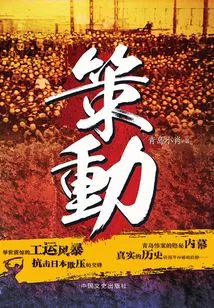
Instigate
General Fiction策动
Qingdao Xiaoxiao
In the form of a "written movie", this book shows the arduous journey of Deng Enming and Wang Jinmei, the first representatives of the Communist Party of China, in establishing the party and leading the workers' movement in Qingdao in the early 1920s; it reveals how early female members of the Communist Party of China obtained information; it recreates Liu Shaoqi and others' guidance of the labor movement at No. 18 Coast Road, the Qingdao organization of the Communist Party of China united the Kuomintang leftists and patriots from all walks of life to form a united front, and set off the climax of the "May 30" patriotic movement. This book is the first full-length novel since the founding of New China that reflects the process of Deng Enming, Wang Jinmei and other major representatives leading the anti-Japanese strike in Qingdao and fighting against Japanese manufacturers and factory police. It reveals a series of little-known historical secrets and restores that intricate history. The novel is written in the style of a spy war. The story is smooth, the plot is ups and downs, and it is full of suspense.
In the form of a "written movie", this book shows the arduous journey of Deng Enming and Wang Jinmei, the first representatives of the Communist Party of China, in establishing the party and leading the workers' movement in Qingdao in the early 1920s; it reveals how early female members of the Communist Party of China obtained information; it recreates Liu Shaoqi and others' guidance of the labor movement at No. 18 Coast Road, the Qingdao organization of the Communist Party of China united the Kuomintang leftists and patriots from all walks of life to form a united front, and set off the climax of the "May 30" patriotic movement. This book is the first full-length novel since the founding of New China that reflects the process of Deng Enming, Wang Jinmei and other major representatives leading the anti-Japanese strike in Qingdao and fighting against Japanese manufacturers and factory police. It reveals a series of little-known historical secrets and restores that intricate history. The novel is written in the style of a spy war. The story is smooth, the plot is ups and downs, and it is full of suspense.

Montenegro Legend
General Fiction黑山传奇
Sun Daoxiong
In the spring of the 35th year of the Republic of China, a military plane flying from Guiyang to Kunming crashed on the Laohei Mountain at the junction of Yunnan and Guizhou. Two sheepherders who advocated the path of the earth witnessed the crash. One of the sheepherders was named Kong Laosan and the other was named Ergou. That day they drove the sheep into a depression to eat grass sprouts and find a place to light a bonfire. Suddenly, a thunderous rumble was heard, and suddenly, a giant silver-gray bird emerged from the thick clouds and swooped down toward the nearby mountain. The crash was a small military plane, and Kong Laosan found a sealed iron box in the back cabin. They buried the box and returned to the depression. The bonfire had long been extinguished. Kong Laosan gathered the scattered sheep together and moved to another pasture with the two dogs. When a cave appeared beside the mountain road, Kong Laosan rolled his eyes a few times and said to Ergou: "Look at the cave."
In the spring of the 35th year of the Republic of China, a military plane flying from Guiyang to Kunming crashed on the Laohei Mountain at the junction of Yunnan and Guizhou. Two sheepherders who advocated the path of the earth witnessed the crash. One of the sheepherders was named Kong Laosan and the other was named Ergou. That day they drove the sheep into a depression to eat grass sprouts and find a place to light a bonfire. Suddenly, a thunderous rumble was heard, and suddenly, a giant silver-gray bird emerged from the thick clouds and swooped down toward the nearby mountain. The crash was a small military plane, and Kong Laosan found a sealed iron box in the back cabin. They buried the box and returned to the depression. The bonfire had long been extinguished. Kong Laosan gathered the scattered sheep together and moved to another pasture with the two dogs. When a cave appeared beside the mountain road, Kong Laosan rolled his eyes a few times and said to Ergou: "Look at the cave."

The Emperor Who Drank Eighteen Bowls of Jelly
General Fiction喝十八碗凉粉的皇帝
Xu Guohua
The yang serves the yin and violates the ambition of the wolf, bullying the king and suppressing the people and disrupting the government. The wise young master used a small plan to capture Ao and was praised by others. These four short poems are about a strange court case that happened during the Kangxi period of the Qing Dynasty. What's strange is that the child emperor, who was just over ten years old, actually defeated a powerful traitor who had all the power in the government and the public, and was murderous and arrogant. Moreover, the planning was so clever and the actions were so neat. Without anyone noticing, he took the power back into his own hands without making a sound or a bloody blow. One day in July of the sixth year of Kangxi's reign, that is, 1667, in the Hall of Supreme Harmony in the Imperial Palace in Beijing, bells and drums were ringing, and incense was swirling.
The yang serves the yin and violates the ambition of the wolf, bullying the king and suppressing the people and disrupting the government. The wise young master used a small plan to capture Ao and was praised by others. These four short poems are about a strange court case that happened during the Kangxi period of the Qing Dynasty. What's strange is that the child emperor, who was just over ten years old, actually defeated a powerful traitor who had all the power in the government and the public, and was murderous and arrogant. Moreover, the planning was so clever and the actions were so neat. Without anyone noticing, he took the power back into his own hands without making a sound or a bloody blow. One day in July of the sixth year of Kangxi's reign, that is, 1667, in the Hall of Supreme Harmony in the Imperial Palace in Beijing, bells and drums were ringing, and incense was swirling.

Long Live the Audit
General Fiction计审万岁爷
Zhang Shunyong
During the Zhengde period of the Ming Dynasty, there emerged a romantic emperor who was famous in Chinese history. His surname was Zhu Houzhao and his name was Wuzong. Ming Wuzong ascended the throne at the age of fifteen, died at the age of thirty-one, and reigned for sixteen years. He is not good at sitting in court and managing politics, he is fond of leisure, specializes in romance, and likes to travel in disguise, looking for flowers and willows, picking laurels and picking plums. Anyone who hears that there is a beautiful lady, a beautiful woman or a beautiful concubine, whether it is a famous family, the home of a high-ranking official, or the home of ordinary people, merchants and farmers, must rush straight in, force them to sleep with them, and let them have their way. Those who like it will be admitted to the palace and enjoy it to their heart's content; those who dislike it will girdle their waists and leave angrily, and they will be punished in the light case and beheaded in the serious case. As a result, many tragic incidents occurred, with families broken up and families separated, and wives separated from husbands, causing panic among people both inside and outside the capital. There were also several loyal ministers and good assistants in the imperial court who risked their lives to give advice.
During the Zhengde period of the Ming Dynasty, there emerged a romantic emperor who was famous in Chinese history. His surname was Zhu Houzhao and his name was Wuzong. Ming Wuzong ascended the throne at the age of fifteen, died at the age of thirty-one, and reigned for sixteen years. He is not good at sitting in court and managing politics, he is fond of leisure, specializes in romance, and likes to travel in disguise, looking for flowers and willows, picking laurels and picking plums. Anyone who hears that there is a beautiful lady, a beautiful woman or a beautiful concubine, whether it is a famous family, the home of a high-ranking official, or the home of ordinary people, merchants and farmers, must rush straight in, force them to sleep with them, and let them have their way. Those who like it will be admitted to the palace and enjoy it to their heart's content; those who dislike it will girdle their waists and leave angrily, and they will be punished in the light case and beheaded in the serious case. As a result, many tragic incidents occurred, with families broken up and families separated, and wives separated from husbands, causing panic among people both inside and outside the capital. There were also several loyal ministers and good assistants in the imperial court who risked their lives to give advice.

The Special Female Guest of the Military Command Bureau
General Fiction军统局的特殊女客人
Huang Jiefen Et Al.
A code book about the Japanese Navy and Air Force triggered a spy game between the United States, China and the British Allies. Someone wants to give, someone wants to take, someone wants to watch, and the spy becomes the protagonist in this game. They plotted against each other and directed each other, but only in the end did they realize that everything was just an act, that's all... In 1941, the European continent was immersed in blood and smoke, and hundreds of thousands of Hitler's elite soldiers gathered in the English Channel, with the potential to aspire to the Kingdom of Great Britain and Northern Ireland. In July, Hitler made a long speech at a high-level military meeting and made some vivid curses against Churchill. But Churchill was not very interested in Hitler's speech, which angered Hitler.
A code book about the Japanese Navy and Air Force triggered a spy game between the United States, China and the British Allies. Someone wants to give, someone wants to take, someone wants to watch, and the spy becomes the protagonist in this game. They plotted against each other and directed each other, but only in the end did they realize that everything was just an act, that's all... In 1941, the European continent was immersed in blood and smoke, and hundreds of thousands of Hitler's elite soldiers gathered in the English Channel, with the potential to aspire to the Kingdom of Great Britain and Northern Ireland. In July, Hitler made a long speech at a high-level military meeting and made some vivid curses against Churchill. But Churchill was not very interested in Hitler's speech, which angered Hitler.

Founding Ceremony
General Fiction开国盛典
Lin Yuhua
Why was the founding ceremony of the People's Republic of China in 1949 chosen to be held at 3 pm on October 1? Who proposed and designed the automatic device that Chairman Mao Zedong used to push the button to raise the five-star red flag? How about the preparations for a large and complex organization? Although 60 years have passed since the founding ceremony of the People's Republic of China in 1949, it still maintains great historical charm. In the golden autumn of October, when the whole country solemnly celebrates the 60th anniversary of the founding of the People's Republic of China, the reportage "Founding Ceremony" written by Lin Yuhua recreates for us the exciting historical scenes of that year. The central government established the Preparatory Committee for the Founding Ceremony of the People's Republic of China in 1949. The situation developed rapidly and unexpectedly. The People's Liberation Army swept away the millions of Kuomintang troops with overwhelming force. After the People's Liberation Army occupied Chiang Kai-shek's Presidential Palace, the Blue Sky and White Sun Flag was chopped down from the flagpole of the Presidential Palace.
Why was the founding ceremony of the People's Republic of China in 1949 chosen to be held at 3 pm on October 1? Who proposed and designed the automatic device that Chairman Mao Zedong used to push the button to raise the five-star red flag? How about the preparations for a large and complex organization? Although 60 years have passed since the founding ceremony of the People's Republic of China in 1949, it still maintains great historical charm. In the golden autumn of October, when the whole country solemnly celebrates the 60th anniversary of the founding of the People's Republic of China, the reportage "Founding Ceremony" written by Lin Yuhua recreates for us the exciting historical scenes of that year. The central government established the Preparatory Committee for the Founding Ceremony of the People's Republic of China in 1949. The situation developed rapidly and unexpectedly. The People's Liberation Army swept away the millions of Kuomintang troops with overwhelming force. After the People's Liberation Army occupied Chiang Kai-shek's Presidential Palace, the Blue Sky and White Sun Flag was chopped down from the flagpole of the Presidential Palace.

Hard Times
General Fiction艰苦的岁月
Yao Mountain Wall
Cotton was introduced to my country from Java in the Song Dynasty. It was once called Jibei, which is the transliteration of Malay. Huang Daopo in the Yuan Dynasty had mastered a complete set of textile technologies. Xu Guangqi in the Ming Dynasty wrote a famous "Jibei Shu" to emphasize the importance of cotton. After the Industrial Revolution in Europe, the textile industry developed rapidly and landed in China at the beginning of the 20th century. In the 1930s and 1940s, the modern textile industry in Shanghai (Shanghai), Qing (dao), and Tian (jin) began to take shape. However, cotton spinning in the North China Plain still stayed at the level of Huang Daopo. Southern Hebei Province has sandy soil and long sunshine, which is suitable for growing cotton. Its output accounts for more than 40% of the country's total, and it is a famous "cotton nest".
Cotton was introduced to my country from Java in the Song Dynasty. It was once called Jibei, which is the transliteration of Malay. Huang Daopo in the Yuan Dynasty had mastered a complete set of textile technologies. Xu Guangqi in the Ming Dynasty wrote a famous "Jibei Shu" to emphasize the importance of cotton. After the Industrial Revolution in Europe, the textile industry developed rapidly and landed in China at the beginning of the 20th century. In the 1930s and 1940s, the modern textile industry in Shanghai (Shanghai), Qing (dao), and Tian (jin) began to take shape. However, cotton spinning in the North China Plain still stayed at the level of Huang Daopo. Southern Hebei Province has sandy soil and long sunshine, which is suitable for growing cotton. Its output accounts for more than 40% of the country's total, and it is a famous "cotton nest".

Golden Warrior
General Fiction金武士
Kou Hui
You only have the right to love her, but not the right to force her to love you. True love does not need to be reciprocated. Love and death are to you powerless to change... You cannot force the love of others, your conquered, the woman you have captured, to love you. You can't avoid death. You have the world, but it can't extend your life. Your life is destined. You can't enjoy one more day, one night, one hour, one minute, one second. Yu Chu's mother believed that there was a golden warrior among the millions of terracotta warriors. This warrior figurine is made of enough gold for a chariot. It is unknown whether it is an armored warrior figurine or a tabard warrior figurine. Which one has more artistic value, an all-gold or pure-gold jersey or an all-gold or pure-gold armor? It's really hard to judge without seeing the real thing. The value should be equivalent, not higher or lower. There is no trace of this golden warrior figurine so far.
You only have the right to love her, but not the right to force her to love you. True love does not need to be reciprocated. Love and death are to you powerless to change... You cannot force the love of others, your conquered, the woman you have captured, to love you. You can't avoid death. You have the world, but it can't extend your life. Your life is destined. You can't enjoy one more day, one night, one hour, one minute, one second. Yu Chu's mother believed that there was a golden warrior among the millions of terracotta warriors. This warrior figurine is made of enough gold for a chariot. It is unknown whether it is an armored warrior figurine or a tabard warrior figurine. Which one has more artistic value, an all-gold or pure-gold jersey or an all-gold or pure-gold armor? It's really hard to judge without seeing the real thing. The value should be equivalent, not higher or lower. There is no trace of this golden warrior figurine so far.

Japanese Spies Around Chiang Kai-shek
General Fiction蒋介石身边的日本间谍
Shao Ye
In early August 1937, the terrifying atmosphere of war quietly enveloped Shanghai. Every day, Japanese soldiers rampaged through the streets looking for trouble. There are various signs that the advancing Japanese invaders will start a war in Shanghai! The Ninth Army of the National Revolutionary Army is responsible for the defense of Shanghai. Seeing the aggressive Japanese offensive, Commander-in-Chief Zhang Zhizhong was extremely anxious. At present, China has not openly broken with the Japanese. According to the "January 28" armistice agreement, China cannot station regular troops, so there is only one security regiment in Shanghai.
In early August 1937, the terrifying atmosphere of war quietly enveloped Shanghai. Every day, Japanese soldiers rampaged through the streets looking for trouble. There are various signs that the advancing Japanese invaders will start a war in Shanghai! The Ninth Army of the National Revolutionary Army is responsible for the defense of Shanghai. Seeing the aggressive Japanese offensive, Commander-in-Chief Zhang Zhizhong was extremely anxious. At present, China has not openly broken with the Japanese. According to the "January 28" armistice agreement, China cannot station regular troops, so there is only one security regiment in Shanghai.

蒋经国上海“打虎”始末
Shen Haiqing
In November 1948, a shocking news shocked the whole country: the "Jiangxia" passenger ship was sailing near the Zhoushan Islands, and a first-class cabin suddenly exploded, killing dozens of people, including Chiang Ching-kuo's secretary and his family. How could the "Jiangxia" ship explode? Here is a little-known story. One to three hundred legal currency buys a box of matches. Chiang Kai-shek suffered successive defeats on the battlefield, and his finances to maintain his guns also collapsed rapidly. Song Ziwen, who was in charge of finance at the time, once calculated that every six hours of civil war expenditure was equivalent to the food expenses of all 4,500 students of Nanjing Central University for a whole year.
In November 1948, a shocking news shocked the whole country: the "Jiangxia" passenger ship was sailing near the Zhoushan Islands, and a first-class cabin suddenly exploded, killing dozens of people, including Chiang Ching-kuo's secretary and his family. How could the "Jiangxia" ship explode? Here is a little-known story. One to three hundred legal currency buys a box of matches. Chiang Kai-shek suffered successive defeats on the battlefield, and his finances to maintain his guns also collapsed rapidly. Song Ziwen, who was in charge of finance at the time, once calculated that every six hours of civil war expenditure was equivalent to the food expenses of all 4,500 students of Nanjing Central University for a whole year.

Chiang Kai-shek Traps and Kills Han Fuju
General Fiction蒋介石诱杀韩复榘
Zhang Ke
Just after New Year's Day in 1938, a heavy snowfall began to visit the ancient and deep city of Kaifeng again... Large flakes of snow fell from the gray cloud sky. In the blink of an eye, the city wall turned white, the iron tower turned white, the Dragon Pavilion turned white, and everything in the ancient city turned white. A black Chevrolet sedan drove out of a deep house compound on Xufu Street, turned onto Zhongshan Road, and walked through the snow. After crossing a few streets, it stopped in front of the Kaifeng Air Defense Command with a "squeak" sound. Liu Zhi, the Kuomintang army general, commander-in-chief of the Second Group Army and chairman of the Henan Provincial Government, walked out of the car wearing a yellow woolen cloak. The guards immediately stood at attention and saluted. Liu Zhi strode into the courtyard of the Air Defense Command, and the short and fat Commander Li hurriedly came out to greet him with a smile.
Just after New Year's Day in 1938, a heavy snowfall began to visit the ancient and deep city of Kaifeng again... Large flakes of snow fell from the gray cloud sky. In the blink of an eye, the city wall turned white, the iron tower turned white, the Dragon Pavilion turned white, and everything in the ancient city turned white. A black Chevrolet sedan drove out of a deep house compound on Xufu Street, turned onto Zhongshan Road, and walked through the snow. After crossing a few streets, it stopped in front of the Kaifeng Air Defense Command with a "squeak" sound. Liu Zhi, the Kuomintang army general, commander-in-chief of the Second Group Army and chairman of the Henan Provincial Government, walked out of the car wearing a yellow woolen cloak. The guards immediately stood at attention and saluted. Liu Zhi strode into the courtyard of the Air Defense Command, and the short and fat Commander Li hurriedly came out to greet him with a smile.

The Legend of Our Fathers
General Fiction父辈的传奇
Li Jingyu
When the story happened, my grandfather had passed away for ten years. What I want to talk about here is my parents, my four uncles and my father. Originally, I always thought that my ancestors had always lived in the remote area at the junction of the three provinces of Shandong, Shandong and Anhui. In fact, this was not the case. My ancestors had been living in the Northeast for generations. That year, there was a flood in my hometown in the Northeast, and the houses with earthen walls and thatched roofs were completely destroyed by the flood. My grandparents had to take my four uncles and my father to leave their hometown and go south to the customs. They came to a place called Xiaozhuang at the junction of Sulu and Anhui provinces, which is now my hometown. When our tired family surnamed Li was preparing to set up camp in Xiaozhuang, we encountered unanimous resistance from the entire village, men, women, and children.
When the story happened, my grandfather had passed away for ten years. What I want to talk about here is my parents, my four uncles and my father. Originally, I always thought that my ancestors had always lived in the remote area at the junction of the three provinces of Shandong, Shandong and Anhui. In fact, this was not the case. My ancestors had been living in the Northeast for generations. That year, there was a flood in my hometown in the Northeast, and the houses with earthen walls and thatched roofs were completely destroyed by the flood. My grandparents had to take my four uncles and my father to leave their hometown and go south to the customs. They came to a place called Xiaozhuang at the junction of Sulu and Anhui provinces, which is now my hometown. When our tired family surnamed Li was preparing to set up camp in Xiaozhuang, we encountered unanimous resistance from the entire village, men, women, and children.

Before Jiang Weiguo Went to Taiwan
General Fiction蒋纬国去台之前
Tang Xiong
Chiang Kai-shek's second son, Chiang Weiguo, was talented and well-educated. He spent his childhood and youth in Suzhou. What is little known is that the Second Young Master Jiang once left many popular romantic histories in Suzhou. The author is a native of Suzhou. After long-term accumulation and collection, based on historical data, he created this documentary novella for the readers of "Zhanghui Novel". Early winter of 1931. The ancient garden city of Suzhou. The humiliating smoke of the "9·18" incident is still filling the sky over Suzhou City. It has been four years since Yao Aqiao and Xiao Weiguo, who had just turned one year old, moved from Shanghai to Suzhou in the early spring of 28. The Chiang Family Suzhou Residence is located in Cai Zhenfang, South Park, Suzhou City.
Chiang Kai-shek's second son, Chiang Weiguo, was talented and well-educated. He spent his childhood and youth in Suzhou. What is little known is that the Second Young Master Jiang once left many popular romantic histories in Suzhou. The author is a native of Suzhou. After long-term accumulation and collection, based on historical data, he created this documentary novella for the readers of "Zhanghui Novel". Early winter of 1931. The ancient garden city of Suzhou. The humiliating smoke of the "9·18" incident is still filling the sky over Suzhou City. It has been four years since Yao Aqiao and Xiao Weiguo, who had just turned one year old, moved from Shanghai to Suzhou in the early spring of 28. The Chiang Family Suzhou Residence is located in Cai Zhenfang, South Park, Suzhou City.

孝文帝生母生父之谜
Yingyong
One afternoon in early August in the 14th year of Taihe (AD 490), a young man was sitting on a bed facing the wall just north of the Taihua Hall of the Imperial Palace in Pingcheng (today's Datong City, Shanxi Province). He wears a black jacket with narrow sleeves, black trousers with wide waist and crotch, high-heeled black boots, a crimson quilt around his waist, and a black tiger-skin hat with a pointed top on his head. There are braids more than a foot long trailing behind his head, and his angular facial features and whole His face was as if it were carved, with a dark complexion and erect brows. His dark brown eyes shot out bright, cone-like light. The memorial in his hand moved up and down, and he secretly screamed in his heart: Uncle, how dare you disobey my edict and take bribes and pervert the law? This person is Tuoba Hong, the sixth emperor of the Northern Wei Dynasty (the abbreviation of Wei State in the Northern and Southern Dynasties), known as Emperor Xiaowen in history. He is a Xianbei tribesman. He is 23 years old and has been in charge for nine years.
One afternoon in early August in the 14th year of Taihe (AD 490), a young man was sitting on a bed facing the wall just north of the Taihua Hall of the Imperial Palace in Pingcheng (today's Datong City, Shanxi Province). He wears a black jacket with narrow sleeves, black trousers with wide waist and crotch, high-heeled black boots, a crimson quilt around his waist, and a black tiger-skin hat with a pointed top on his head. There are braids more than a foot long trailing behind his head, and his angular facial features and whole His face was as if it were carved, with a dark complexion and erect brows. His dark brown eyes shot out bright, cone-like light. The memorial in his hand moved up and down, and he secretly screamed in his heart: Uncle, how dare you disobey my edict and take bribes and pervert the law? This person is Tuoba Hong, the sixth emperor of the Northern Wei Dynasty (the abbreviation of Wei State in the Northern and Southern Dynasties), known as Emperor Xiaowen in history. He is a Xianbei tribesman. He is 23 years old and has been in charge for nine years.

Emperor Xiaowen and His Sister Queens
General Fiction孝文帝与姊妹皇后
Yingyong
On a midsummer day in the seventh year of Taihe in the Northern and Southern Dynasties (AD 483), as it was getting dark, surrounded by some ministers, eunuchs, and guards, two wedding carriages carrying Emperor Xiaowen Tuoba Hong of the Northern Wei Dynasty, sisters Feng Miaolian and Feng Yulian on the left and Zhaoyi on the right, entered the south gate of the palace located in the northern half of Pingcheng (now Datong, Shanxi). Feng Miaolian and Feng Yulian's wedding cars arrived at the gate of the East Palace one after another and got off one after another. Both of them are seventeen years old (age is based on the traditional custom of indicating the age). Both of them have four braids on the back of their heads, small square hats embroidered with colorful lilies, light green jackets, sky blue leggings, and green cloth shoes embroidered with lotus flowers and cloud patterns. Although the two girls are dressed the same, it can be concluded from their appearance that they are not twins.
On a midsummer day in the seventh year of Taihe in the Northern and Southern Dynasties (AD 483), as it was getting dark, surrounded by some ministers, eunuchs, and guards, two wedding carriages carrying Emperor Xiaowen Tuoba Hong of the Northern Wei Dynasty, sisters Feng Miaolian and Feng Yulian on the left and Zhaoyi on the right, entered the south gate of the palace located in the northern half of Pingcheng (now Datong, Shanxi). Feng Miaolian and Feng Yulian's wedding cars arrived at the gate of the East Palace one after another and got off one after another. Both of them are seventeen years old (age is based on the traditional custom of indicating the age). Both of them have four braids on the back of their heads, small square hats embroidered with colorful lilies, light green jackets, sky blue leggings, and green cloth shoes embroidered with lotus flowers and cloud patterns. Although the two girls are dressed the same, it can be concluded from their appearance that they are not twins.
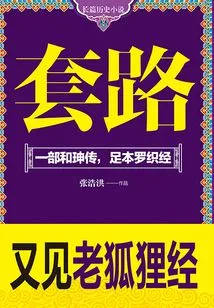
Routine
General Fiction套路
Zhang Haohong
Heshen (May 28, 1750 - February 22, 1799), Niu Hulu's surname, formerly known as Shanbao, was a native of Erjiala of Zhenghong Banner in Manchuria. He was a minister in the middle of the Qing Dynasty. Together with Liu Yong and Ji Xiaolan, he was one of the three major central halls in the Qianlong period of the Qing Dynasty. When he first became an official, He Shen was smart and capable. Because Emperor Qianlong favored him, his personal desires expanded day by day, so he took advantage of his position to form cliques for personal gain and amass money. He accompanied Qianlong for more than 20 years, holding or concurrently holding many key positions in the central government of the Qing Dynasty. He was awarded the title of first-class loyal minister and bachelor of Wenhua Palace. It can be said that he is inferior to one person and superior to ten thousand people. In the fourth year of Jiaqing, Emperor Jiaqing gave Heshen the gift to commit suicide, thus ending a generation of heroes. This book exhausts the existing historical materials, uses a new perspective, truly interprets He Shen's legendary life, and fully interprets the inevitable law of his decline from peak to decline.
Heshen (May 28, 1750 - February 22, 1799), Niu Hulu's surname, formerly known as Shanbao, was a native of Erjiala of Zhenghong Banner in Manchuria. He was a minister in the middle of the Qing Dynasty. Together with Liu Yong and Ji Xiaolan, he was one of the three major central halls in the Qianlong period of the Qing Dynasty. When he first became an official, He Shen was smart and capable. Because Emperor Qianlong favored him, his personal desires expanded day by day, so he took advantage of his position to form cliques for personal gain and amass money. He accompanied Qianlong for more than 20 years, holding or concurrently holding many key positions in the central government of the Qing Dynasty. He was awarded the title of first-class loyal minister and bachelor of Wenhua Palace. It can be said that he is inferior to one person and superior to ten thousand people. In the fourth year of Jiaqing, Emperor Jiaqing gave Heshen the gift to commit suicide, thus ending a generation of heroes. This book exhausts the existing historical materials, uses a new perspective, truly interprets He Shen's legendary life, and fully interprets the inevitable law of his decline from peak to decline.

Death Row Prisoners in Tangshan Earthquake
General Fiction唐山大地震中的死囚
Heart Sword
Believe it or not, this is indeed true. The tragic Tangshan earthquake in the 1970s was a natural disaster and a sobering man-made tragedy. Tangshan is famous for its Kailuan coal mine. As early as the early years of Guangxu in the Qing Dynasty, Li Hongzhang introduced machinery from abroad for mining. After a hundred years of vicissitudes, as underground mineral deposits continue to flow out of the surface, the depths of the strata have A huge hollow has been formed in the heavy land of Tangshan. For a long time, it has only been supported by countless wooden pillars. A disaster like the sky collapsing and the earth collapsing has become inevitable when the mineral resources are about to be exhausted and the wooden pillars decay. The Tangshan earthquake was by no means as calm as people described it before it happened. In fact, there were obvious signs as early as three years before the earthquake.
Believe it or not, this is indeed true. The tragic Tangshan earthquake in the 1970s was a natural disaster and a sobering man-made tragedy. Tangshan is famous for its Kailuan coal mine. As early as the early years of Guangxu in the Qing Dynasty, Li Hongzhang introduced machinery from abroad for mining. After a hundred years of vicissitudes, as underground mineral deposits continue to flow out of the surface, the depths of the strata have A huge hollow has been formed in the heavy land of Tangshan. For a long time, it has only been supported by countless wooden pillars. A disaster like the sky collapsing and the earth collapsing has become inevitable when the mineral resources are about to be exhausted and the wooden pillars decay. The Tangshan earthquake was by no means as calm as people described it before it happened. In fact, there were obvious signs as early as three years before the earthquake.

Corrupt Country
General Fiction贪腐败国
Gao Zhanxiang
There is an ancient city on the south bank of the lower reaches of the Yangtze River in my country. It belonged to Wu in the Spring and Autumn Period. During the Warring States Period, Chu established Jinling City, and Qin Dynasty called it Moling. At the end of the Eastern Han Dynasty, Zhuge Liang and Sun Quan inspected the Yangtze River and saw the Zhongshan Mountain to the east of Moling and the Stone Mountain to the west. They couldn't help but sigh, "Zhongfu is surrounded by dragons and tigers, and Stone City is the home of a true emperor." After Sun Quan became emperor, he made it the capital of Wu State and renamed it "Jianye". During the reign of Emperor Min of the Western Jin Dynasty, it was renamed "Jiankang". In 317 AD, Sima Rui ascended the throne in Jiankang, and it was known as the Eastern Jin Dynasty in history. In 420 AD, General Liu Yu of the Eastern Jin Dynasty deposed Emperor Gong of the Jin Dynasty and proclaimed himself emperor and founded the Song Dynasty. In 479, Xiao Daocheng deposed Emperor Shun of the Song Dynasty and established himself as the Southern Qi Dynasty. In July of the first year of Yongtai (498), Qi Ming Emperor Xiao Luan passed away. On his deathbed, he passed the throne to the sixteen-year-old prince Xiao Baojuan. He ordered six ministers of Gu Ming to assist the government, who were called "Six Nobles" at that time. In the first month of the following year, the reign name was changed to Yongyuan.
There is an ancient city on the south bank of the lower reaches of the Yangtze River in my country. It belonged to Wu in the Spring and Autumn Period. During the Warring States Period, Chu established Jinling City, and Qin Dynasty called it Moling. At the end of the Eastern Han Dynasty, Zhuge Liang and Sun Quan inspected the Yangtze River and saw the Zhongshan Mountain to the east of Moling and the Stone Mountain to the west. They couldn't help but sigh, "Zhongfu is surrounded by dragons and tigers, and Stone City is the home of a true emperor." After Sun Quan became emperor, he made it the capital of Wu State and renamed it "Jianye". During the reign of Emperor Min of the Western Jin Dynasty, it was renamed "Jiankang". In 317 AD, Sima Rui ascended the throne in Jiankang, and it was known as the Eastern Jin Dynasty in history. In 420 AD, General Liu Yu of the Eastern Jin Dynasty deposed Emperor Gong of the Jin Dynasty and proclaimed himself emperor and founded the Song Dynasty. In 479, Xiao Daocheng deposed Emperor Shun of the Song Dynasty and established himself as the Southern Qi Dynasty. In July of the first year of Yongtai (498), Qi Ming Emperor Xiao Luan passed away. On his deathbed, he passed the throne to the sixteen-year-old prince Xiao Baojuan. He ordered six ministers of Gu Ming to assist the government, who were called "Six Nobles" at that time. In the first month of the following year, the reign name was changed to Yongyuan.
Blue Blood and Heart of the Southern Song Dynasty
General Fiction碧血丹心之南宋
Wang Kangmin
This book is a melancholy, generous and tragic novel, which presents a historical picture of the pain of country subjugation and the longing for the motherland. It reflects the special historical period of the Southern Song Dynasty when the country changed hands and the imperial court changed. After the people of the Southern Song Dynasty experienced the pain of national subjugation, their hearts suffered incurable trauma. It shows the criss-crossing relationships of characters from different walks of life and the ups and downs of love and hatred in a multi-layered and multi-faceted manner. This reveals human beings' confusion and deep sorrow in the face of the ever-changing ups and downs of the human world and the decline of clans, and their strong desire to grasp the inevitable. By describing the "Battle of Yashan" at the end of the Southern Song Dynasty, this book gives a detailed account of the cause, course and impact of the naval battle on later generations, and consciously intersperses several specific historical figures, making people sigh with emotion.
This book is a melancholy, generous and tragic novel, which presents a historical picture of the pain of country subjugation and the longing for the motherland. It reflects the special historical period of the Southern Song Dynasty when the country changed hands and the imperial court changed. After the people of the Southern Song Dynasty experienced the pain of national subjugation, their hearts suffered incurable trauma. It shows the criss-crossing relationships of characters from different walks of life and the ups and downs of love and hatred in a multi-layered and multi-faceted manner. This reveals human beings' confusion and deep sorrow in the face of the ever-changing ups and downs of the human world and the decline of clans, and their strong desire to grasp the inevitable. By describing the "Battle of Yashan" at the end of the Southern Song Dynasty, this book gives a detailed account of the cause, course and impact of the naval battle on later generations, and consciously intersperses several specific historical figures, making people sigh with emotion.
Secret Stories of the Tang Dynasty
General Fiction唐人秘传故事
Wang Xiaobo
I live in a dilapidated building at No. 1, Lixin Street. During the Gengzi period, a group of foreign masters garrisoned here, attracting thousands of Boxer uncles and surrounding it. They brought the red-coated cannon, the black-coated cannon, the general, the dragon crossing the river, the three-eyed gun, the elm spray, the big lifting pole, the sky full of stars, a thunder, a swarm of bees, marlezi, two kicks, the old man took a hundred stars, iron cannons, copper cannons, fireworks, shotguns, earthen guns, and water guns, and loaded them Fireworks medicine, firecracker medicine, yam medicine, shotgun medicine, rat medicine, dog skin plaster, filled with grenades, shotgun shells, incendiary bombs, grape bombs, rotten eggs, plowshare sand, lead sand, were fired at its head, hitting holes all over it, but it still survived. To this day, more than eighty years later, it still stands rickety and I still have to live in it.
I live in a dilapidated building at No. 1, Lixin Street. During the Gengzi period, a group of foreign masters garrisoned here, attracting thousands of Boxer uncles and surrounding it. They brought the red-coated cannon, the black-coated cannon, the general, the dragon crossing the river, the three-eyed gun, the elm spray, the big lifting pole, the sky full of stars, a thunder, a swarm of bees, marlezi, two kicks, the old man took a hundred stars, iron cannons, copper cannons, fireworks, shotguns, earthen guns, and water guns, and loaded them Fireworks medicine, firecracker medicine, yam medicine, shotgun medicine, rat medicine, dog skin plaster, filled with grenades, shotgun shells, incendiary bombs, grape bombs, rotten eggs, plowshare sand, lead sand, were fired at its head, hitting holes all over it, but it still survived. To this day, more than eighty years later, it still stands rickety and I still have to live in it.

A Generation of British Heroes Cast Tongbao
General Fiction一代英主铸通宝
Gao Zhanxiang
During the Five Dynasties period, there emerged a hermit named Chen Tuan who was rich in learning and talents. Because he is the best at observing stars, observing people's aura, and accurately predicting good and bad luck through divination, everyone from emperors and generals to farmers and pastors, as well as people from all three religions and professions, respects him like a god and pays him a courtesy visit. There are dignitaries who ask about their wealth, talents and young students who ask if they can be named on the gold medal list, and businessmen who sit in the business and ask for a profit, and so on. There are countless people who build houses and bury graves, marry daughters and wives, and go out to find out the auspicious days of the zodiac. Chen Tuan, who was indifferent by nature, was fond of mountains and rivers, and was dissolute and dissolute. He couldn't bear it, so he simply disguised himself as a Taoist priest and traveled around. One evening in the spring of 924 AD, Chen Tuan came to Longgang, Xingzhou, and saw a screen of green mountains, lingering green water, dark willows and bright flowers, and singing orioles and dancing swallows.
During the Five Dynasties period, there emerged a hermit named Chen Tuan who was rich in learning and talents. Because he is the best at observing stars, observing people's aura, and accurately predicting good and bad luck through divination, everyone from emperors and generals to farmers and pastors, as well as people from all three religions and professions, respects him like a god and pays him a courtesy visit. There are dignitaries who ask about their wealth, talents and young students who ask if they can be named on the gold medal list, and businessmen who sit in the business and ask for a profit, and so on. There are countless people who build houses and bury graves, marry daughters and wives, and go out to find out the auspicious days of the zodiac. Chen Tuan, who was indifferent by nature, was fond of mountains and rivers, and was dissolute and dissolute. He couldn't bear it, so he simply disguised himself as a Taoist priest and traveled around. One evening in the spring of 924 AD, Chen Tuan came to Longgang, Xingzhou, and saw a screen of green mountains, lingering green water, dark willows and bright flowers, and singing orioles and dancing swallows.

Wrong Souls in Heaven
General Fiction天国冤魂
Zhou Gang
At the border of Anhui, Jiangsu, and Zhejiang provinces, there is a small city called Guangde. Although Guangde is small, it covers a vast area with rolling hills and dangerous terrain. It leads from Langxi to the north, controls the Yangtze River ferry, and goes to northern Zhejiang in the east. It is a barrier to Hangzhou and has always been a battleground for military strategists. According to the romance "Shuo Yue Quan Zhuan", the Northern Song Dynasty was destroyed, and King Kang Zhaogou Fleeing south, Ni Ma crossed the Yangtze River and met Yue Fei's army in Guangde. In order to block the pursuit of the Jin soldiers, Yue Fei and Jin Wushu launched an earth-shattering and dangerous protracted battle at Niutoushan. Later, internal strife broke out in the Jin Dynasty, Jin Wushu retreated, and Zhao Goucai went to Hangzhou to establish the Southern Song Dynasty in a peaceful corner. From then on, Niutoushan became a famous ancient battle in the south of the Yangtze River.
At the border of Anhui, Jiangsu, and Zhejiang provinces, there is a small city called Guangde. Although Guangde is small, it covers a vast area with rolling hills and dangerous terrain. It leads from Langxi to the north, controls the Yangtze River ferry, and goes to northern Zhejiang in the east. It is a barrier to Hangzhou and has always been a battleground for military strategists. According to the romance "Shuo Yue Quan Zhuan", the Northern Song Dynasty was destroyed, and King Kang Zhaogou Fleeing south, Ni Ma crossed the Yangtze River and met Yue Fei's army in Guangde. In order to block the pursuit of the Jin soldiers, Yue Fei and Jin Wushu launched an earth-shattering and dangerous protracted battle at Niutoushan. Later, internal strife broke out in the Jin Dynasty, Jin Wushu retreated, and Zhao Goucai went to Hangzhou to establish the Southern Song Dynasty in a peaceful corner. From then on, Niutoushan became a famous ancient battle in the south of the Yangtze River.

Where Did the Treasures of the Taiping Heavenly Kingdom Go?
General Fiction太平天国的财宝哪去了
Lu Xianren
In the third year of Tongzhi reign of the Qing Dynasty in Prince You's Mansion? A. D. 1864? Snow falls on April 28th. According to the celestial calendar of the Taiping Heavenly Kingdom, it is April 20th in the ancient capital of Jinling? The acupoint is Nanjing? Snow, this is the eleventh year since the Taiping Heavenly Kingdom renamed Tianjing. Jinling was originally one of the three great furnaces in China. The weather got hot early this year, and it was like midsummer before the May Festival. It seemed that the summer in Tianjing this year was going to be unbearably hot. There was a little coolness at night, but Wei Yunchuan in Prince You's Mansion still had no intention of falling asleep.
In the third year of Tongzhi reign of the Qing Dynasty in Prince You's Mansion? A. D. 1864? Snow falls on April 28th. According to the celestial calendar of the Taiping Heavenly Kingdom, it is April 20th in the ancient capital of Jinling? The acupoint is Nanjing? Snow, this is the eleventh year since the Taiping Heavenly Kingdom renamed Tianjing. Jinling was originally one of the three great furnaces in China. The weather got hot early this year, and it was like midsummer before the May Festival. It seemed that the summer in Tianjing this year was going to be unbearably hot. There was a little coolness at night, but Wei Yunchuan in Prince You's Mansion still had no intention of falling asleep.

History: the Smell of Isinglass
General Fiction历史:鱼胶的气味
(uk) V. S. Naipaul
For many years I accepted this: the city I knew as a child no longer existed, and what was there now belonged to someone else. Nazarari Baksh made the clothes I wore when I went abroad, but it has long ceased to be a name on St. Vincent Street. However, looking towards the ruins where his tailor shop once stood, one will miss him more than ever. Across the road, one side of the Gothic Victorian police headquarters building - for which he made custom uniforms - had been blown away from the inside. The gray façade still stood, but blackened; smoke billowed from the pointed arcades.
For many years I accepted this: the city I knew as a child no longer existed, and what was there now belonged to someone else. Nazarari Baksh made the clothes I wore when I went abroad, but it has long ceased to be a name on St. Vincent Street. However, looking towards the ruins where his tailor shop once stood, one will miss him more than ever. Across the road, one side of the Gothic Victorian police headquarters building - for which he made custom uniforms - had been blown away from the inside. The gray façade still stood, but blackened; smoke billowed from the pointed arcades.

Death of Liu Yong
General Fiction柳永之死
Feng Minfei
The lights in Xinle Building are no longer red, the wine is no longer green, it is all plain, and the door is covered with white flowers. The place where singing and dancing used to be a peaceful place became my mourning hall. The spiritual tablets that had been idle for more than twenty years actually came into use, and my name was restored to Liu Qi. After hearing the news, women from other brothels also came to express their condolences. They cried: For thousands of years, countless men have gone to brothels, but how many of them really love us? One after another, brothels and brothels went out of business and set up mourning halls for me. The place where birds sang and danced in the past became a place where ghosts cried and gods wept, and the sky was dark.
The lights in Xinle Building are no longer red, the wine is no longer green, it is all plain, and the door is covered with white flowers. The place where singing and dancing used to be a peaceful place became my mourning hall. The spiritual tablets that had been idle for more than twenty years actually came into use, and my name was restored to Liu Qi. After hearing the news, women from other brothels also came to express their condolences. They cried: For thousands of years, countless men have gone to brothels, but how many of them really love us? One after another, brothels and brothels went out of business and set up mourning halls for me. The place where birds sang and danced in the past became a place where ghosts cried and gods wept, and the sky was dark.

Bloody Northeast
General Fiction血沃东北
Li Lin
In a fierce and fierce battle, the Japanese army with better weapons was dozens of times stronger than mine. Most of the anti-alliance fighters died, and only 13 seriously injured people were taken prisoner. The ferocious enemy quickly took them to an open space at the foot of the mountain and executed them. Suddenly, a prisoner stood up and said: Imperial Army, I surrender. In order to show my loyalty to the Imperial Army, give me a gun and I will execute them personally. Then, I will lead you to the Anti-Union secret camp.
In a fierce and fierce battle, the Japanese army with better weapons was dozens of times stronger than mine. Most of the anti-alliance fighters died, and only 13 seriously injured people were taken prisoner. The ferocious enemy quickly took them to an open space at the foot of the mountain and executed them. Suddenly, a prisoner stood up and said: Imperial Army, I surrender. In order to show my loyalty to the Imperial Army, give me a gun and I will execute them personally. Then, I will lead you to the Anti-Union secret camp.
Mrs. Shexiang
General Fiction奢香夫人
Ouyang Qiansen
600 years ago, at the turn of the Yuan and Ming Dynasties, the ethnic groups in the southwest border were divided and the situation was turbulent. Shexiang, a princess of the Yi ethnic group, is engaged to Aicui, who is more than 20 years older than her. After marriage, she became Aicui's internal assistant, often assisting her husband in handling the political affairs of the Xuanwei Department. After her husband's death, because his son was still young and could not inherit his father's duties, Shexiang took over the post of Xuanwei envoy of Guizhou Province. She promoted Chinese studies and developed the Yi economy.
600 years ago, at the turn of the Yuan and Ming Dynasties, the ethnic groups in the southwest border were divided and the situation was turbulent. Shexiang, a princess of the Yi ethnic group, is engaged to Aicui, who is more than 20 years older than her. After marriage, she became Aicui's internal assistant, often assisting her husband in handling the political affairs of the Xuanwei Department. After her husband's death, because his son was still young and could not inherit his father's duties, Shexiang took over the post of Xuanwei envoy of Guizhou Province. She promoted Chinese studies and developed the Yi economy.

Joking About Liu Xiu
General Fiction戏说刘秀
Wei Shangtian
Trees have roots and water has sources. Liu Xiu's life experience is not made up. It is absolutely well-documented to say that Liu Xiu is a descendant of the Han Dynasty. Although his origin is cast in a disgraceful shadow, he is definitely not like Liu Bei in the late Eastern Han Dynasty. His family was so poor that he went to the streets to sell straw sandals, and even said that no one could find out what he was. Queen Jing of Zhongshan. You have to start from the beginning. Since Liu Bang founded the Han Dynasty, he became Emperor Gaozu and gave birth to Emperor Wen Liu Heng, who gave birth to Emperor Jing Liu Qi. Once, Liu Qi got drunk and asked a concubine to sleep with him. There are seventy-two concubines in the three palaces and six courtyards of the palace, as well as thousands of concubines. Although they have different names, statuses, and levels, they are all the wives of the emperor. It would take several years for each of these women to sleep with the emperor alone.
Trees have roots and water has sources. Liu Xiu's life experience is not made up. It is absolutely well-documented to say that Liu Xiu is a descendant of the Han Dynasty. Although his origin is cast in a disgraceful shadow, he is definitely not like Liu Bei in the late Eastern Han Dynasty. His family was so poor that he went to the streets to sell straw sandals, and even said that no one could find out what he was. Queen Jing of Zhongshan. You have to start from the beginning. Since Liu Bang founded the Han Dynasty, he became Emperor Gaozu and gave birth to Emperor Wen Liu Heng, who gave birth to Emperor Jing Liu Qi. Once, Liu Qi got drunk and asked a concubine to sleep with him. There are seventy-two concubines in the three palaces and six courtyards of the palace, as well as thousands of concubines. Although they have different names, statuses, and levels, they are all the wives of the emperor. It would take several years for each of these women to sleep with the emperor alone.