Library
Browse and search books
2,273 novels found
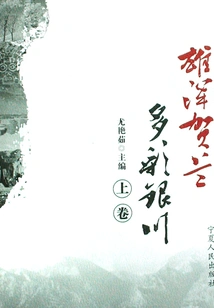
Powerful Helan Colorful Yinchuan
General Fiction雄浑贺兰 多彩银川
You Yanru
"Mighty Helan and Colorful Yinchuan (upper and lower)" profoundly explains the city image and cultural connotation of "Mighty Helan, Colorful Yinchuan", and comprehensively introduces the great economic, social and cultural achievements of Yinchuan City in the 50 years since the establishment of Ningxia Hui Autonomous Region. The first volume systematically displays Helan Mountain's natural landscape, historical events, historical sites, poems, prose and stories through four parts: love tales, poems, historical tales and legends, allowing people to deepen their understanding of it and admire its majestic righteousness and enterprising spirit. The second volume records the great achievements of Yinchuan's construction, changes in city appearance, model figures, people's customs and scenery from multiple angles through the four parts of Yinchuan's style, style, customs and scenery. It allows people to understand the rapid progress of society and at the same time rationally discover the city's inclusive, inclusive, cultural character and hard work, unity and hard work of the times.
"Mighty Helan and Colorful Yinchuan (upper and lower)" profoundly explains the city image and cultural connotation of "Mighty Helan, Colorful Yinchuan", and comprehensively introduces the great economic, social and cultural achievements of Yinchuan City in the 50 years since the establishment of Ningxia Hui Autonomous Region. The first volume systematically displays Helan Mountain's natural landscape, historical events, historical sites, poems, prose and stories through four parts: love tales, poems, historical tales and legends, allowing people to deepen their understanding of it and admire its majestic righteousness and enterprising spirit. The second volume records the great achievements of Yinchuan's construction, changes in city appearance, model figures, people's customs and scenery from multiple angles through the four parts of Yinchuan's style, style, customs and scenery. It allows people to understand the rapid progress of society and at the same time rationally discover the city's inclusive, inclusive, cultural character and hard work, unity and hard work of the times.
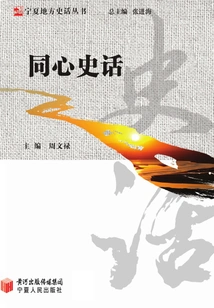
History of Tongxin
General Fiction同心史话
Zhou Wenlu
This book tells history through stories, describing the social changes, national traditions, historical evolution and cultural inheritance of Tongxin County.
This book tells history through stories, describing the social changes, national traditions, historical evolution and cultural inheritance of Tongxin County.
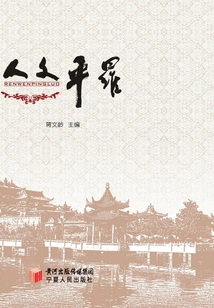
Humanities Pingluo
General Fiction人文平罗
Jiang Wenling
This book describes the regional culture and social customs and characteristics of Pingluo County. The content includes historical roots, mountain relics, iron-blooded loyalty and bravery, ancient scholarship, characters, folk customs, abundant special products, fragrant food, ancient and modern poems, inscriptions on stele, folklore, etc.
This book describes the regional culture and social customs and characteristics of Pingluo County. The content includes historical roots, mountain relics, iron-blooded loyalty and bravery, ancient scholarship, characters, folk customs, abundant special products, fragrant food, ancient and modern poems, inscriptions on stele, folklore, etc.
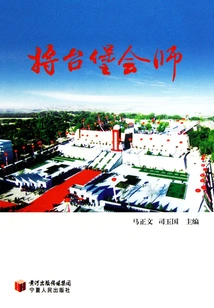
Join Forces at Taibao
General Fiction将台堡会师
Ma Zhengwen Si Yuguo
This book introduces the relevant situation of Jiangtaibao's rendezvous, including: historical review, historical factual research, construction of signs, and inscriptions.
This book introduces the relevant situation of Jiangtaibao's rendezvous, including: historical review, historical factual research, construction of signs, and inscriptions.
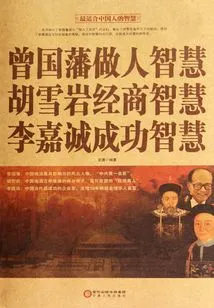
Zeng Guofan's Wisdom in Life, Hu Xueyan's Business Wisdom, Li Ka-shing's Wisdom in Success
General Fiction曾国藩做人智慧 胡雪岩经商智慧 李嘉诚成功智慧
Long Xiao
Zeng Guofan, the most influential figure in China's late Qing Dynasty, is known as "the most famous minister of the ZTE" and "the most perfect man in China through the ages"; Hu Xueyan, a once-in-a-century business wizard in China's late Qing Dynasty, a "red-top businessman" with unparalleled wealth, is nicknamed the "God of Wealth of the Qing Dynasty"; Li Ka-shing, the most successful and outstanding entrepreneur in contemporary China, has been the richest Chinese in the world for 16 consecutive years and is known as the "Business Superman". How did they achieve this impressive feat? The reason is that they each have a set of great wisdom in life for successful life and work.
Zeng Guofan, the most influential figure in China's late Qing Dynasty, is known as "the most famous minister of the ZTE" and "the most perfect man in China through the ages"; Hu Xueyan, a once-in-a-century business wizard in China's late Qing Dynasty, a "red-top businessman" with unparalleled wealth, is nicknamed the "God of Wealth of the Qing Dynasty"; Li Ka-shing, the most successful and outstanding entrepreneur in contemporary China, has been the richest Chinese in the world for 16 consecutive years and is known as the "Business Superman". How did they achieve this impressive feat? The reason is that they each have a set of great wisdom in life for successful life and work.
Inca Empire Trilogy (light of Machu Picchu)
General Fiction印加帝国三部曲(马丘比丘之光)
(french) Anthony B. Daniel
Cusco, it was nearly noon on May 1, 1536. Jia Boye slipped to the edge of the city without anyone noticing, and huddled in the corner facing Gonzalo Pizarro's official residence. His robes had not been taken off for weeks and were already dirty enough to hide from others. He smeared dirt on his face, trying to cover up his newly grown golden mustache. When the Spaniards saw him, they would only think of him as a sloppy guy from nowhere, or a native Indian living on the streets of Cusco. Precisely because Jia Boye pulled the brim of his hat extremely low and wore it crookedly, completely covering his forehead, even the Indians mistakenly thought he was a country bumpkin from Lake Titicaca. However, they didn't know that there was a small, heavy copper mace hidden in his gown, which was tied to a slender belt around his waist. Moreover, this mace tied Jia Boye's only hope.
Cusco, it was nearly noon on May 1, 1536. Jia Boye slipped to the edge of the city without anyone noticing, and huddled in the corner facing Gonzalo Pizarro's official residence. His robes had not been taken off for weeks and were already dirty enough to hide from others. He smeared dirt on his face, trying to cover up his newly grown golden mustache. When the Spaniards saw him, they would only think of him as a sloppy guy from nowhere, or a native Indian living on the streets of Cusco. Precisely because Jia Boye pulled the brim of his hat extremely low and wore it crookedly, completely covering his forehead, even the Indians mistakenly thought he was a country bumpkin from Lake Titicaca. However, they didn't know that there was a small, heavy copper mace hidden in his gown, which was tied to a slender belt around his waist. Moreover, this mace tied Jia Boye's only hope.
Inca Empire Trilogy (golden City of Cusco)
General Fiction印加帝国三部曲(库斯科黄金城)
(french) Anthony B. Daniel
Wailas Mountains, April 5, 1533. Jia Boye held the reins in one hand and carefully placed his boots on the fragile gems with the other hand. He walked at the front of the team, following closely behind the two tent porters. The mountain road was just wide and narrow enough for his reddish-brown horse to follow leisurely. At dawn, they walked straight up a cliff. The morning fog was so thick that the sky was not visible above and the river was not visible below. I could only hear the sound of rolling water coming from the foot of the mountain in the distance. However, suddenly, as if a huge mouth took a strong breath, the morning mist suddenly rose from the foot of the steep mountain, spread in all directions, and became denser and denser, until it hit the sharp corners of the rocks and split. This morning mist is like a gentle and sweet breath, gently blowing across Jia Boye's face.
Wailas Mountains, April 5, 1533. Jia Boye held the reins in one hand and carefully placed his boots on the fragile gems with the other hand. He walked at the front of the team, following closely behind the two tent porters. The mountain road was just wide and narrow enough for his reddish-brown horse to follow leisurely. At dawn, they walked straight up a cliff. The morning fog was so thick that the sky was not visible above and the river was not visible below. I could only hear the sound of rolling water coming from the foot of the mountain in the distance. However, suddenly, as if a huge mouth took a strong breath, the morning mist suddenly rose from the foot of the steep mountain, spread in all directions, and became denser and denser, until it hit the sharp corners of the rocks and split. This morning mist is like a gentle and sweet breath, gently blowing across Jia Boye's face.
Inca Empire Trilogy (sun Princess)
General Fiction印加帝国三部曲(太阳公主)
(french) Anthony B. Daniel
The heroine of this book, Anna Maya, is of mixed race, so her appearance is different from that of ordinary Indian girls. She has dark blue eyes, fair skin, a flat forehead, a slender nose, and small, thin lips. The author uses the character of Ana Maya to narrate the Spanish invasion of the American colonies. The Inca Empire began to expand outward in the mid-fifteenth century and experienced four generations of kings during this century. By the time of Huayna-Capac, the Inca empire had expanded into central Peru. Peru (Peru) is not the original name of the Inca Empire, but a new name given to the Inca Empire after the Spanish arrived. "Peru" is a common noun, a general term for "river". The Spanish asked the Indians where they had come, and the Indians replied with the word "Peru." In fact, what the Indians wanted to say was the "river" where they were located, but the Spaniards thought they had arrived in "Peru", and the name "Peru" was introduced to the West.
The heroine of this book, Anna Maya, is of mixed race, so her appearance is different from that of ordinary Indian girls. She has dark blue eyes, fair skin, a flat forehead, a slender nose, and small, thin lips. The author uses the character of Ana Maya to narrate the Spanish invasion of the American colonies. The Inca Empire began to expand outward in the mid-fifteenth century and experienced four generations of kings during this century. By the time of Huayna-Capac, the Inca empire had expanded into central Peru. Peru (Peru) is not the original name of the Inca Empire, but a new name given to the Inca Empire after the Spanish arrived. "Peru" is a common noun, a general term for "river". The Spanish asked the Indians where they had come, and the Indians replied with the word "Peru." In fact, what the Indians wanted to say was the "river" where they were located, but the Spaniards thought they had arrived in "Peru", and the name "Peru" was introduced to the West.
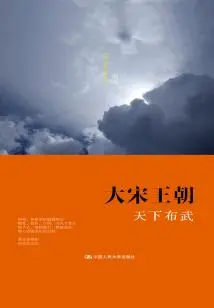
The Song Dynasty·the World Spreads Military Force
General Fiction大宋王朝·天下布武
He Hui
"The Song Dynasty·The World is Armed" is the third part of "The Song Dynasty". In this part, Zhao Kuangyin takes a few cronies to secretly visit Huainan in order to grasp the details of Huainan and prepare for the future annexation of the Southern Tang Dynasty. In Yangzhou, Zhao Kuangyin fell in love with Liu Ying, a woman living in the world of mortals. Han Tong's son Han Minxin continues to advance his revenge plan at all costs. Zhaoyi Jiedushi Li Jun continued to plot against the Song Dynasty. In order to consolidate the interests of the Chai Group, Chai Shouli, the leader of the Chai family in Xijing, went around to mediate, win over the military envoys from various places, and held a meeting in Luoyang. This meeting eventually developed into a game between Zhao Kuangyin's political and military clique and Chai's political and military clique. All of a sudden, the whole world was in a state of violence and tensions were rising.
"The Song Dynasty·The World is Armed" is the third part of "The Song Dynasty". In this part, Zhao Kuangyin takes a few cronies to secretly visit Huainan in order to grasp the details of Huainan and prepare for the future annexation of the Southern Tang Dynasty. In Yangzhou, Zhao Kuangyin fell in love with Liu Ying, a woman living in the world of mortals. Han Tong's son Han Minxin continues to advance his revenge plan at all costs. Zhaoyi Jiedushi Li Jun continued to plot against the Song Dynasty. In order to consolidate the interests of the Chai Group, Chai Shouli, the leader of the Chai family in Xijing, went around to mediate, win over the military envoys from various places, and held a meeting in Luoyang. This meeting eventually developed into a game between Zhao Kuangyin's political and military clique and Chai's political and military clique. All of a sudden, the whole world was in a state of violence and tensions were rising.
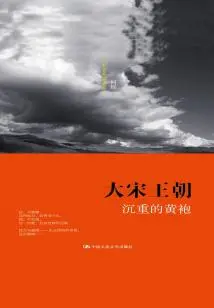
Song Dynasty·heavy Yellow Robe
General Fiction大宋王朝·沉重的黄袍
He Hui
"The Song Dynasty: The Heavy Yellow Robe" is one of He Hui's long historical novels "The Song Dynasty". The novel develops rich imagination based on historical research, clears up historical doubts, makes up for the gaps in historical books, and digs into the mysterious inside story of Chen Qiao's mutiny, Li Jun's rebellion in Song Dynasty and other major events that affected Chinese history. The story begins with the "Chenqiao Mutiny" and tells intricate stories such as Han Tong, an important minister of the Later Zhou Dynasty, who was killed by Zhao Kuangyin's subordinates in the mutiny, Li Yun, the governor of Luzhou, rebelled, Khitan attacked Dizhou secretly, Han Tong's son Han Minxin plotted revenge, and the emperor's brother Zhao Kuangyi plotted to develop his personal power. It was interspersed with the emotional stories of Zhao Kuangyin, Han Minxin and others. The protagonist of the novel is Zhao Kuangyin, the founding king of the Song Dynasty. The author's writing goes deep into his heart, explores his complex and profound emotional world, and depicts his multifaceted and contradictory personality. Centering on the shaping of this character, the novel depicts a series of vivid characters, ranging from the imperial palace to street vendors. Most of these characters are real people in history, and some are fictional characters for the needs of novel creation. The novel not only shows the magnificent struggle scenes between the Song Dynasty and the Southern Tang Dynasty, Khitan and other countries, as well as local forces such as Luzhou and Huainan in the early Northern Song Dynasty, but also shows the colorful social situation in the early Northern Song Dynasty in a layered manner.
"The Song Dynasty: The Heavy Yellow Robe" is one of He Hui's long historical novels "The Song Dynasty". The novel develops rich imagination based on historical research, clears up historical doubts, makes up for the gaps in historical books, and digs into the mysterious inside story of Chen Qiao's mutiny, Li Jun's rebellion in Song Dynasty and other major events that affected Chinese history. The story begins with the "Chenqiao Mutiny" and tells intricate stories such as Han Tong, an important minister of the Later Zhou Dynasty, who was killed by Zhao Kuangyin's subordinates in the mutiny, Li Yun, the governor of Luzhou, rebelled, Khitan attacked Dizhou secretly, Han Tong's son Han Minxin plotted revenge, and the emperor's brother Zhao Kuangyi plotted to develop his personal power. It was interspersed with the emotional stories of Zhao Kuangyin, Han Minxin and others. The protagonist of the novel is Zhao Kuangyin, the founding king of the Song Dynasty. The author's writing goes deep into his heart, explores his complex and profound emotional world, and depicts his multifaceted and contradictory personality. Centering on the shaping of this character, the novel depicts a series of vivid characters, ranging from the imperial palace to street vendors. Most of these characters are real people in history, and some are fictional characters for the needs of novel creation. The novel not only shows the magnificent struggle scenes between the Song Dynasty and the Southern Tang Dynasty, Khitan and other countries, as well as local forces such as Luzhou and Huainan in the early Northern Song Dynasty, but also shows the colorful social situation in the early Northern Song Dynasty in a layered manner.
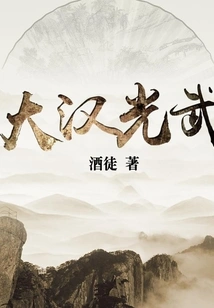
Guangwu of the Han Dynasty
General Fiction大汉光武
Drinker
Young Liu Xiu and his good friend Yan Guang and others went to Chang'an to study. When they saw the royal convoy traveling, General Jinwu led the way in front of the convoy. Suddenly, he felt a sigh of relief, "When you are an official, you should be like Jin Wu, and when you marry, you should be like Yin Lihua." When this sentence came out, he was laughed at by relatives and friends around him. They all said that Liu Xiu was daydreaming. However, his good friend Yan Guang believed that life cannot be without dreams... Dreams always have to be had. What happens once they are realized?
Young Liu Xiu and his good friend Yan Guang and others went to Chang'an to study. When they saw the royal convoy traveling, General Jinwu led the way in front of the convoy. Suddenly, he felt a sigh of relief, "When you are an official, you should be like Jin Wu, and when you marry, you should be like Yin Lihua." When this sentence came out, he was laughed at by relatives and friends around him. They all said that Liu Xiu was daydreaming. However, his good friend Yan Guang believed that life cannot be without dreams... Dreams always have to be had. What happens once they are realized?
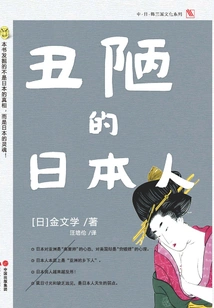
Ugly Japanese
General Fiction丑陋的日本人
(japan) Jin Literature
Every country has its national flaws to a greater or lesser extent, but it is rare for Japan to have such unbearable and even "ugly" national flaws. This shortcoming profoundly affects Japan's reality and future. This book is a masterpiece by Jin Wenxue, a well-known comparative cultural scholar who has lived and worked in Japan for decades, and deeply analyzed Japan's national character through his own personal experience, feelings and thinking. It shows readers Japan's various dark sides and unearths the deep crux behind all this "ugliness". It provides Chinese readers with a deep understanding of Japan's tangled neighbor's behavioral patterns and predicts its development direction, providing a wealth of information and wisdom support.
Every country has its national flaws to a greater or lesser extent, but it is rare for Japan to have such unbearable and even "ugly" national flaws. This shortcoming profoundly affects Japan's reality and future. This book is a masterpiece by Jin Wenxue, a well-known comparative cultural scholar who has lived and worked in Japan for decades, and deeply analyzed Japan's national character through his own personal experience, feelings and thinking. It shows readers Japan's various dark sides and unearths the deep crux behind all this "ugliness". It provides Chinese readers with a deep understanding of Japan's tangled neighbor's behavioral patterns and predicts its development direction, providing a wealth of information and wisdom support.
Wu Shang
General Fiction吴殇
Li Minfa
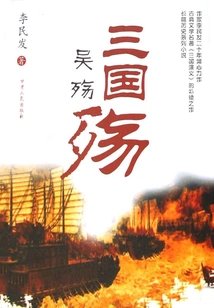
In the hundreds of years since the publication of "The Romance of the Three Kingdoms", many readers have been ecstatically looking forward to and longing to see the turbulent war scenes of the middle and late Three Kingdoms, and to read about the fierce competition between dragons and tigers, and the fierce competition between lions and leopards to make up for the regret in their hearts. However, to the disappointment of generations of readers, although there were several novels such as "The Cause of the Three Kingdoms", "The New Three Kingdoms", "The New Three Kingdoms", and "The Romance of the Three Kingdoms" during the Ming and Qing Dynasties and the Republic of China. ; But they are either borrowing the topic, far-fetched, fabricated, or absurd. They are all deceptive works that are used to deceive the world and steal the reputation. They cannot be compared with "The Romance of the Three Kingdoms" at all! The author Li Minfa devoted his efforts for twenty years to work. It is a sequel to the classic literary masterpiece "The Romance of the Three Kingdoms" and a long series of historical novels - "The War of the Three Kingdoms". It depicts the historical picture of the return of the Three Kingdoms to the Jin Dynasty. It depicts the bloody history of the Three Kingdoms with thick ink and heavy colors. It uses meticulous carvings to create the image of the descendants of famous people in the Three Kingdoms. It makes up for the shortcomings of "The Romance of the Three Kingdoms".
In the hundreds of years since the publication of "The Romance of the Three Kingdoms", many readers have been ecstatically looking forward to and longing to see the turbulent war scenes of the middle and late Three Kingdoms, and to read about the fierce competition between dragons and tigers, and the fierce competition between lions and leopards to make up for the regret in their hearts. However, to the disappointment of generations of readers, although there were several novels such as "The Cause of the Three Kingdoms", "The New Three Kingdoms", "The New Three Kingdoms", and "The Romance of the Three Kingdoms" during the Ming and Qing Dynasties and the Republic of China. ; But they are either borrowing the topic, far-fetched, fabricated, or absurd. They are all deceptive works that are used to deceive the world and steal the reputation. They cannot be compared with "The Romance of the Three Kingdoms" at all! The author Li Minfa devoted his efforts for twenty years to work. It is a sequel to the classic literary masterpiece "The Romance of the Three Kingdoms" and a long series of historical novels - "The War of the Three Kingdoms". It depicts the historical picture of the return of the Three Kingdoms to the Jin Dynasty. It depicts the bloody history of the Three Kingdoms with thick ink and heavy colors. It uses meticulous carvings to create the image of the descendants of famous people in the Three Kingdoms. It makes up for the shortcomings of "The Romance of the Three Kingdoms".
Concentration Camp Dancers
General Fiction集中营的舞者
(dutch) Glaser
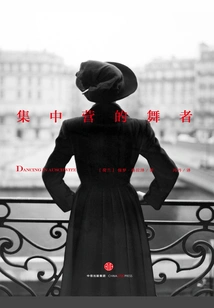
Paul was unaware of his family's Jewish background and rarely traveled with his relatives. He accidentally visited the museum at the Auschwitz Concentration Camp and saw his aunt Rosie Glaser's name on the name tag of a suitcase. He spent many years collecting a large amount of information and finally revealed a secret family past: Before the outbreak of World War II, Rosie Glaser was an internationally renowned dance teacher. She was young and beautiful, with extraordinary dancing skills and a promising life. However, during the German occupation of the Netherlands, she was betrayed by her husband. Like many Jews at that time, she was sent to a concentration camp by the Nazi SS. Young Rosie experienced a total of seven concentration camps during the war. She was tortured but never lost her will to survive. During the day she worked as hard as other prisoners, but at night she transformed into a dance and etiquette teacher, teaching the Nazi officers in the concentration camp. Betrayal, imprisonment, pain, despair... When life encounters sudden darkness, perhaps staying alive is the only answer.
Paul was unaware of his family's Jewish background and rarely traveled with his relatives. He accidentally visited the museum at the Auschwitz Concentration Camp and saw his aunt Rosie Glaser's name on the name tag of a suitcase. He spent many years collecting a large amount of information and finally revealed a secret family past: Before the outbreak of World War II, Rosie Glaser was an internationally renowned dance teacher. She was young and beautiful, with extraordinary dancing skills and a promising life. However, during the German occupation of the Netherlands, she was betrayed by her husband. Like many Jews at that time, she was sent to a concentration camp by the Nazi SS. Young Rosie experienced a total of seven concentration camps during the war. She was tortured but never lost her will to survive. During the day she worked as hard as other prisoners, but at night she transformed into a dance and etiquette teacher, teaching the Nazi officers in the concentration camp. Betrayal, imprisonment, pain, despair... When life encounters sudden darkness, perhaps staying alive is the only answer.
Yuan Shikai's Twenty-one Years of the Republic of China
General Fiction袁世凯的民国风云二十一年
Mingyue Talks About History
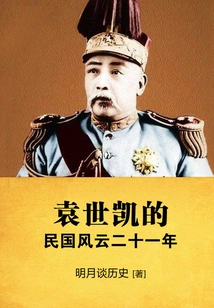
The whole article takes Yuan Shikai, a historical figure of the Republic of China as the main line, and uses narrative, analysis and insertion methods to tell the ups and downs of Yuan Shikai's life. The writing is smooth and concise, the language is vivid and humorous, and the unpredictable current situation of the Republic of China is thoroughly analyzed.
The whole article takes Yuan Shikai, a historical figure of the Republic of China as the main line, and uses narrative, analysis and insertion methods to tell the ups and downs of Yuan Shikai's life. The writing is smooth and concise, the language is vivid and humorous, and the unpredictable current situation of the Republic of China is thoroughly analyzed.

Ship Sailing to 1919
General Fiction驶往1919年的船
Zhao Baitian
His country was now involved in a larger war, and the construction of the monastery was ultimately abandoned. Three years later, on an extremely cold winter day, when the gods welcomed him to another world, the Eastern world was still shrouded in the flames of war. A few days before his death, Brother Bede left his last words "Letter to Chinese Compatriots" to his compatriots. This is a short message of more than 200 words translated into Chinese. At the end of the letter, he said that all the advantages of the West are not in the selfish wealth and power of various countries, but in the teachings of Christ. --"The doctrine of Christ is the grace of God."
His country was now involved in a larger war, and the construction of the monastery was ultimately abandoned. Three years later, on an extremely cold winter day, when the gods welcomed him to another world, the Eastern world was still shrouded in the flames of war. A few days before his death, Brother Bede left his last words "Letter to Chinese Compatriots" to his compatriots. This is a short message of more than 200 words translated into Chinese. At the end of the letter, he said that all the advantages of the West are not in the selfish wealth and power of various countries, but in the teachings of Christ. --"The doctrine of Christ is the grace of God."

Pick up Jade Bracelet
General Fiction拾玉镯
Ye Guangqin
A "Jade Bracelet" that has been passed down for several generations records the story of the old and young of the royal family in the capital, and also carries the complex lives and emotions of the old and young. The author speaks calmly and eloquently, bringing readers into that long-gone history. And that period of history and those different lives are still vivid, interesting and thought-provoking to read today.
A "Jade Bracelet" that has been passed down for several generations records the story of the old and young of the royal family in the capital, and also carries the complex lives and emotions of the old and young. The author speaks calmly and eloquently, bringing readers into that long-gone history. And that period of history and those different lives are still vivid, interesting and thought-provoking to read today.
Yanyuntai (starring Tang Yan and Dou Xiao)
General Fiction燕云台(唐嫣、窦骁主演)
Jiang Shengnan
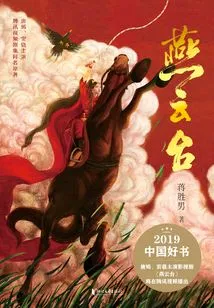
Tang Yan and Dou Xiao star in the original novel of the same name. The Liao Kingdom had nine emperors and lived for 210 years. The queens came from the Xiao family for generations. In the early years of Khitan's founding, the political power was in turmoil. Three sisters from descendant families married into three branches of the royal family respectively. They were forced to fight against each other for the sake of their lover's country and political ideals. Xiao Yanyan was born into a descendant family, and Han Derang, a Han Chinese, was originally attracted to her childhood sweetheart, but she was attracted by the prince Yelvxian. After a coup, the prince Yelvxian succeeded to the throne, and at the same time, the noble concubine Xiao Yanyan was welcomed into the palace. After Xiao Yanyan entered the palace, Liao Jingzong Yelu Xian taught her how to use power to rule a country, but the wise minister Han Derang helped her become a Ming Dynasty emperor and empress. Xiao Yanyan actively promoted the Han system and established a 120-year peace between Song and Liao. Under the rule of Xiao Yanyan, the Khitan went from resurgence to prosperity.
Tang Yan and Dou Xiao star in the original novel of the same name. The Liao Kingdom had nine emperors and lived for 210 years. The queens came from the Xiao family for generations. In the early years of Khitan's founding, the political power was in turmoil. Three sisters from descendant families married into three branches of the royal family respectively. They were forced to fight against each other for the sake of their lover's country and political ideals. Xiao Yanyan was born into a descendant family, and Han Derang, a Han Chinese, was originally attracted to her childhood sweetheart, but she was attracted by the prince Yelvxian. After a coup, the prince Yelvxian succeeded to the throne, and at the same time, the noble concubine Xiao Yanyan was welcomed into the palace. After Xiao Yanyan entered the palace, Liao Jingzong Yelu Xian taught her how to use power to rule a country, but the wise minister Han Derang helped her become a Ming Dynasty emperor and empress. Xiao Yanyan actively promoted the Han system and established a 120-year peace between Song and Liao. Under the rule of Xiao Yanyan, the Khitan went from resurgence to prosperity.

Dog Grave
General Fiction狗坟
Qinling Mountains
The northwest wind was blowing loudly. When the convoy going to the countryside to inspect farmland infrastructure passed the anti-Japanese village, County Magistrate Niu Xidong suddenly felt a little nervous, as if the convoy was not crawling on a rugged rural dirt road but had entered a world of chaos and panic. He asked the people around him: "Is this an anti-Japanese village?" A member of the Wu Department rushed to answer: "Mr. Niu, you have a very good memory and know the grassroots so well. This is an anti-Japanese village." Niu Xidong did not respond to such untimely flattery. He wanted to go around the village quickly, but soon a certain part of his heart However, he was hit hard by a new grave that stood upright in the wilderness, and a chill chilled his spine. Based on his understanding of rural folk customs, he immediately deduced whose grave it was. He said with some sadness: "Comrades, get out of the car, let's take a look at this child. "
The northwest wind was blowing loudly. When the convoy going to the countryside to inspect farmland infrastructure passed the anti-Japanese village, County Magistrate Niu Xidong suddenly felt a little nervous, as if the convoy was not crawling on a rugged rural dirt road but had entered a world of chaos and panic. He asked the people around him: "Is this an anti-Japanese village?" A member of the Wu Department rushed to answer: "Mr. Niu, you have a very good memory and know the grassroots so well. This is an anti-Japanese village." Niu Xidong did not respond to such untimely flattery. He wanted to go around the village quickly, but soon a certain part of his heart However, he was hit hard by a new grave that stood upright in the wilderness, and a chill chilled his spine. Based on his understanding of rural folk customs, he immediately deduced whose grave it was. He said with some sadness: "Comrades, get out of the car, let's take a look at this child. "

Mikasa Park
General Fiction三笠公园
Zhang Chengzhi
Your theory of strength and victory has failed. Only after a miserable defeat like hell on earth can you understand the theory that there is no winner except the truth. The shadowy, infinitely powerful master will not allow a dream of a strong country that cuts off the hopes of others; it will not realize the prospect of a nation that tramples on the dignity and survival of others. If we count the time since the founding of the country under the pressure of the black ships and the nation's choice of hegemony, Japan's dream of becoming a powerful nation has only lasted less than a hundred years. The great Japanese spirit, the longed-for Japanese spirit, was defeated not by the atomic bomb, not by black iron or material weapons, but by the spirit. In the face of historical truth and eternal morality, Japan failed.
Your theory of strength and victory has failed. Only after a miserable defeat like hell on earth can you understand the theory that there is no winner except the truth. The shadowy, infinitely powerful master will not allow a dream of a strong country that cuts off the hopes of others; it will not realize the prospect of a nation that tramples on the dignity and survival of others. If we count the time since the founding of the country under the pressure of the black ships and the nation's choice of hegemony, Japan's dream of becoming a powerful nation has only lasted less than a hundred years. The great Japanese spirit, the longed-for Japanese spirit, was defeated not by the atomic bomb, not by black iron or material weapons, but by the spirit. In the face of historical truth and eternal morality, Japan failed.
A Brief History of World War I: the Imperial Illusion
General Fiction一战简史:帝国幻觉
J
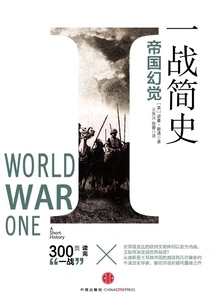
On the European continent, there has long been a confrontational relationship between France and Germany. Russia was growing in power, the Ottoman Empire was on the verge of disintegration, and the world outside of Europe seemed to be falling apart. Although Berlin was called the Athens of the world at that time, Germany was panicked by Russia's rapid development. Germany, which competed with Britain for global supremacy, established a completely unnecessary navy in the early 20th century that was directed at British ports. It was in this relationship between countries that the Sarajevo incident started the First World War. Europe in 1914 was like a colossus that everyone admired. Four years later, the continent faced catastrophic fragmentation from economy to society, from life to dreams. In this book, "A Brief History of World War I: The Illusion of Empire," Norman Stone changed the historical professional writing method that was mainly based on analysis to narrative. With novel and unique insights, he concisely and clearly outlines "World War I", the most important and complex topic of the twentieth century.
On the European continent, there has long been a confrontational relationship between France and Germany. Russia was growing in power, the Ottoman Empire was on the verge of disintegration, and the world outside of Europe seemed to be falling apart. Although Berlin was called the Athens of the world at that time, Germany was panicked by Russia's rapid development. Germany, which competed with Britain for global supremacy, established a completely unnecessary navy in the early 20th century that was directed at British ports. It was in this relationship between countries that the Sarajevo incident started the First World War. Europe in 1914 was like a colossus that everyone admired. Four years later, the continent faced catastrophic fragmentation from economy to society, from life to dreams. In this book, "A Brief History of World War I: The Illusion of Empire," Norman Stone changed the historical professional writing method that was mainly based on analysis to narrative. With novel and unique insights, he concisely and clearly outlines "World War I", the most important and complex topic of the twentieth century.
The Rise and Fall of Great Powers (part 1): Economic Change and Military Conflict, 1500-2000
General Fiction大国的兴衰(上):1500-2000年的经济变革与军事冲突
(british) Kennedy
Introduction to "The Rise and Fall of the Great Powers (Part 1)": "The Rise and Fall of the Great Powers" is divided into two volumes. It makes a comprehensive comparison of the military and economic status of various countries after 1500 AD. It covers many theoretical issues such as military and national power, economic development cycles, etc. It is a work that comprehensively analyzes the ebb and flow of the national power of the great powers from a global perspective. It provides a large amount of detailed information for contemporary readers who are eager to understand the changing trends in the economic, military and other national power comparisons of the major powers. The focus of "The Rise and Fall of the Great Powers" has not departed from the traditional areas of history - economic history and military history, but its connotation has undergone qualitative changes. As the author Paul Kennedy said, "The Rise and Fall of the Great Powers" is not a military history, nor is it an economic history.
Introduction to "The Rise and Fall of the Great Powers (Part 1)": "The Rise and Fall of the Great Powers" is divided into two volumes. It makes a comprehensive comparison of the military and economic status of various countries after 1500 AD. It covers many theoretical issues such as military and national power, economic development cycles, etc. It is a work that comprehensively analyzes the ebb and flow of the national power of the great powers from a global perspective. It provides a large amount of detailed information for contemporary readers who are eager to understand the changing trends in the economic, military and other national power comparisons of the major powers. The focus of "The Rise and Fall of the Great Powers" has not departed from the traditional areas of history - economic history and military history, but its connotation has undergone qualitative changes. As the author Paul Kennedy said, "The Rise and Fall of the Great Powers" is not a military history, nor is it an economic history.
The Rise and Fall of Great Powers (part 2): Economic Change and Military Conflict, 1500-2000
General Fiction大国的兴衰(下):1500-2000年的经济变革与军事冲突
K
"The Rise and Fall of the Great Powers" is divided into two volumes. It makes a comprehensive comparison of the military and economic status of various countries after 1500 AD. It covers many theoretical issues such as military and national power, economic development cycles, etc. It is a comprehensive analysis of the decline and fall of the national power of the great powers from a global perspective. It provides a large amount of detailed information for contemporary readers who are eager to understand the changing trends in the economic, military and other national power comparisons of the major powers. The focus of "The Rise and Fall of the Great Powers" has not departed from the traditional areas of history - economic history and military history, but its connotation has undergone qualitative changes. As the author Paul Kennedy said, "The Rise and Fall of the Great Powers" is not a military history, nor is it an economic history.
"The Rise and Fall of the Great Powers" is divided into two volumes. It makes a comprehensive comparison of the military and economic status of various countries after 1500 AD. It covers many theoretical issues such as military and national power, economic development cycles, etc. It is a comprehensive analysis of the decline and fall of the national power of the great powers from a global perspective. It provides a large amount of detailed information for contemporary readers who are eager to understand the changing trends in the economic, military and other national power comparisons of the major powers. The focus of "The Rise and Fall of the Great Powers" has not departed from the traditional areas of history - economic history and military history, but its connotation has undergone qualitative changes. As the author Paul Kennedy said, "The Rise and Fall of the Great Powers" is not a military history, nor is it an economic history.

The History Contained in Half a Cocoon
General Fiction半个蚕茧包含的历史风云
Dai Jun
Xiyin Village, Xia County, about 20 kilometers northeast of Yuncheng City, Shanxi Province, was originally a remote village, but it became world-famous due to an archaeological excavation by Mr. Li Ji in 1926. At that time, after one and a half months of hard excavation, Li Ji finally determined that the Xiyin Village site belonged to the Neolithic painted pottery culture. Although no metal utensils were found in the remains, half of a silkworm cocoon was found among the many pottery pieces and stone artifacts, and smooth artificial cutting marks were seen. Later, experts identified that half of the cocoon was indeed that of a species of domestic silkworm, thus proving that the Chinese had known how to raise silkworms and spin silk in the prehistoric Neolithic Age. But that half of the cocoon, which is a milestone in the history of Chinese civilization, has experienced decades of ups and downs...
Xiyin Village, Xia County, about 20 kilometers northeast of Yuncheng City, Shanxi Province, was originally a remote village, but it became world-famous due to an archaeological excavation by Mr. Li Ji in 1926. At that time, after one and a half months of hard excavation, Li Ji finally determined that the Xiyin Village site belonged to the Neolithic painted pottery culture. Although no metal utensils were found in the remains, half of a silkworm cocoon was found among the many pottery pieces and stone artifacts, and smooth artificial cutting marks were seen. Later, experts identified that half of the cocoon was indeed that of a species of domestic silkworm, thus proving that the Chinese had known how to raise silkworms and spin silk in the prehistoric Neolithic Age. But that half of the cocoon, which is a milestone in the history of Chinese civilization, has experienced decades of ups and downs...

Steel Mold in Grave
General Fiction坟墓里的钢模子
Yuan Tieji
In the year of Jihai (1899), the Longyang area suffered from a severe drought, with no rain from June to October. The seedlings in the fields are as dry as thatch. The news was reported to the governor. The governor had no intention of providing disaster relief, and the bank took the opportunity to extort and exploit the grain. As a result, the price of grain was high, and the hungry people gathered fern and thatch roots for food. Feng Deqian, the owner of a charcoal kiln in Longyang County, contacted Xiaoyong and plotted an uprising. On the third day of the twelfth lunar month in the lunar calendar, Feng Deqian and other heroes drank blood and wine, shouted the slogan of robbing the rich and giving to the poor, proclaimed himself a general, and led more than 700 people to attack the county town, killing officials and gentry, burning down the bureau, confiscating the pawn shop property, and opening three porridge factories in the official warehouse. The streets were plastered with plaster slogans and the hungry people cheered. Feng Deqian ordered to set up a point to recruit new soldiers. In an instant, a long line of applicants formed.
In the year of Jihai (1899), the Longyang area suffered from a severe drought, with no rain from June to October. The seedlings in the fields are as dry as thatch. The news was reported to the governor. The governor had no intention of providing disaster relief, and the bank took the opportunity to extort and exploit the grain. As a result, the price of grain was high, and the hungry people gathered fern and thatch roots for food. Feng Deqian, the owner of a charcoal kiln in Longyang County, contacted Xiaoyong and plotted an uprising. On the third day of the twelfth lunar month in the lunar calendar, Feng Deqian and other heroes drank blood and wine, shouted the slogan of robbing the rich and giving to the poor, proclaimed himself a general, and led more than 700 people to attack the county town, killing officials and gentry, burning down the bureau, confiscating the pawn shop property, and opening three porridge factories in the official warehouse. The streets were plastered with plaster slogans and the hungry people cheered. Feng Deqian ordered to set up a point to recruit new soldiers. In an instant, a long line of applicants formed.

The Plan to Abolish the Establishment
General Fiction废立之谋
Zhou Shushan
This man's history goes back to the eve of the collapse of the last empire. At that time, the government was corrupt and the eunuchs were dictatorial. The northwest warlord Dong Zhuo took the opportunity to lead troops to Beijing, deposed and killed the nine-year-old emperor, and established the eight-year-old King Chenliu as emperor. Dong Zhuo burned Luoyang, the capital of the Eastern Han Dynasty, to the ground in a fire and moved the capital to Chang'an. Wang Yun, Situ of the Han Dynasty, used a beauty trick to make Diao Chan drive a wedge between Dong Zhuo and his adopted son Lu Bu. Lu Bu was angry and killed Dong Zhuo. Dong Zhuo's generals Li and Guo Si avenged Dong Zhuo, captured Chang'an, and killed Wang Yun and his family. On a dark and stormy night, two teenagers climbed over the city wall and narrowly escaped. They are Wang Yun's two nephews, one of whom is named Wang Ling. Fifty years have passed since then. The young man who fled for his life has become famous. Wang Ling has gained a high position in the new empire and has become an important minister of the court.
This man's history goes back to the eve of the collapse of the last empire. At that time, the government was corrupt and the eunuchs were dictatorial. The northwest warlord Dong Zhuo took the opportunity to lead troops to Beijing, deposed and killed the nine-year-old emperor, and established the eight-year-old King Chenliu as emperor. Dong Zhuo burned Luoyang, the capital of the Eastern Han Dynasty, to the ground in a fire and moved the capital to Chang'an. Wang Yun, Situ of the Han Dynasty, used a beauty trick to make Diao Chan drive a wedge between Dong Zhuo and his adopted son Lu Bu. Lu Bu was angry and killed Dong Zhuo. Dong Zhuo's generals Li and Guo Si avenged Dong Zhuo, captured Chang'an, and killed Wang Yun and his family. On a dark and stormy night, two teenagers climbed over the city wall and narrowly escaped. They are Wang Yun's two nephews, one of whom is named Wang Ling. Fifty years have passed since then. The young man who fled for his life has become famous. Wang Ling has gained a high position in the new empire and has become an important minister of the court.

High
General Fiction高度
Wang Weiju
In China, wine is not only a drink, but also contains rich cultural connotations. What this article reveals is the history of such a century-old wine company. There are bamboo leaves competing here, why point to the apricot blossoms from afar. --Ouyang Changbo, Qing Dynasty. Many ancient towns have been formed in our country's long history. With the evolution of history and the development of society, some ancient towns have developed into modern central cities, and many ancient towns that were very prosperous in the past have been annihilated several times and gradually become remote old streets and alleys. In the end, their traces can only be found in historical records.
In China, wine is not only a drink, but also contains rich cultural connotations. What this article reveals is the history of such a century-old wine company. There are bamboo leaves competing here, why point to the apricot blossoms from afar. --Ouyang Changbo, Qing Dynasty. Many ancient towns have been formed in our country's long history. With the evolution of history and the development of society, some ancient towns have developed into modern central cities, and many ancient towns that were very prosperous in the past have been annihilated several times and gradually become remote old streets and alleys. In the end, their traces can only be found in historical records.

Mori Tea Legend
General Fiction莫里茶传奇
Yang Xiaomei
"Ping Shen!" Emperor Kangxi took the painting from Wu Zhengfang, asked him to sit down and reply, and then handed the painting to Suk Saha. Suk Saha unfolded it and saw a landscape painting with the words "Mengmao Landscape Painting" on it. Kangxi had a puzzled look on his face: "Whose painting is this?" Wu Zhengfang replied respectfully: "Long live this painting is the ancestral secret recipe of Mori tea!" "This painting is the ancestral secret recipe of Mori tea?" Emperor Kangxi asked. Wu Zhengfang nodded: "Yes, Your Majesty, you will know in a moment." After he finished speaking, he took a sip of Mori tea and sprayed it on the painting. Then he asked his daughter Wu Lin to light the stove and asked Yan Sanfeng, Li Shumin and Wu Lin to help. The four of them each held a corner of the painting and baked it by the stove. A strange thing happened. The landscape in the painting slowly disappeared, and a few lines of calligraphy gradually became clear...
"Ping Shen!" Emperor Kangxi took the painting from Wu Zhengfang, asked him to sit down and reply, and then handed the painting to Suk Saha. Suk Saha unfolded it and saw a landscape painting with the words "Mengmao Landscape Painting" on it. Kangxi had a puzzled look on his face: "Whose painting is this?" Wu Zhengfang replied respectfully: "Long live this painting is the ancestral secret recipe of Mori tea!" "This painting is the ancestral secret recipe of Mori tea?" Emperor Kangxi asked. Wu Zhengfang nodded: "Yes, Your Majesty, you will know in a moment." After he finished speaking, he took a sip of Mori tea and sprayed it on the painting. Then he asked his daughter Wu Lin to light the stove and asked Yan Sanfeng, Li Shumin and Wu Lin to help. The four of them each held a corner of the painting and baked it by the stove. A strange thing happened. The landscape in the painting slowly disappeared, and a few lines of calligraphy gradually became clear...

Pawns Crossing the River
General Fiction过河卒子
Zhao Baitian
After returning from Europe in the autumn of 1929, Chen Guangfu seldom saw those powerful military and political officials in his diary. He is a rigorous person who understands that a person's history is written by his deeds during his lifetime and shaped by his words. Therefore, no matter how busy he is, whenever he is quiet at night, he will always record what he has experienced, encountered, and thought during the day. Some of these diaries were written in bound books, and some were scrawled on bank letterheads. When your mood is calm, use a calligraphy pen; when you have many things to worry about, use a fountain pen to scribble them down. But what was different from before 1928 was that after that, although his diary contained less about the overall situation of the world, there were more daily records of social interactions, reading, business affairs, and self-cultivation. He seems to be deliberately trying to drive out all the big guys like politicians and generals from his world, and just focus on building his financial kingdom.
After returning from Europe in the autumn of 1929, Chen Guangfu seldom saw those powerful military and political officials in his diary. He is a rigorous person who understands that a person's history is written by his deeds during his lifetime and shaped by his words. Therefore, no matter how busy he is, whenever he is quiet at night, he will always record what he has experienced, encountered, and thought during the day. Some of these diaries were written in bound books, and some were scrawled on bank letterheads. When your mood is calm, use a calligraphy pen; when you have many things to worry about, use a fountain pen to scribble them down. But what was different from before 1928 was that after that, although his diary contained less about the overall situation of the world, there were more daily records of social interactions, reading, business affairs, and self-cultivation. He seems to be deliberately trying to drive out all the big guys like politicians and generals from his world, and just focus on building his financial kingdom.

国史冷吟:“蚕在茧中找到自己”
Xia Zhongyi
"The silkworm found itself in the cocoon", the original text comes from "Hong Kong Sketch" (1982) written by Wang Xindi (1912-2004). This poem laments a historical fact that he learned during his visit to Hong Kong in 1981: A Hong Kong lady found Xin Di's 1948 edition of "The Collection of Palms" (manuscript) in the 1960s and fell in love with it. She actually spent days and nights copying the entire text, but she had no idea that the poet had not passed away at that time. This should not help but make Xin Di rejoice that the old work "flowers inside the wall and smells outside the wall", but also suddenly feels that "the world has been around for thousands of years": it turns out that his long-dormant poetic nature has come back at home and abroad, and is regarded as a living "cultural relic".
"The silkworm found itself in the cocoon", the original text comes from "Hong Kong Sketch" (1982) written by Wang Xindi (1912-2004). This poem laments a historical fact that he learned during his visit to Hong Kong in 1981: A Hong Kong lady found Xin Di's 1948 edition of "The Collection of Palms" (manuscript) in the 1960s and fell in love with it. She actually spent days and nights copying the entire text, but she had no idea that the poet had not passed away at that time. This should not help but make Xin Di rejoice that the old work "flowers inside the wall and smells outside the wall", but also suddenly feels that "the world has been around for thousands of years": it turns out that his long-dormant poetic nature has come back at home and abroad, and is regarded as a living "cultural relic".

Raging Fire
General Fiction烈火丛生
Stop Cloud
In January 1932, it was surprisingly cold in Shanghai, but there was no snow, only wind. On both sides of the Huangpu River, homeless people died of cold and starvation every day, and were thrown into the river by Indian policemen wearing turbans. As the tram passed by, the handsome young man wrapped in a coat let out a long sigh. He is not wearing a hat. The black hair was not neatly combed, and the serious, youthful face looked a little tired and slack. He got off at an unknown station. There was no one around, and the noise of the motor was all that was heard. This is the territory of the French Concession, and large Paulownia trees are planted densely on both sides of the road. More than four months have passed since September 18th. Not to mention how weak and incompetent the Nationalist government is, it is now seen that Shanghai, the largest city in the Far East, is about to follow the footsteps of the three eastern provinces and fall into the hands of the Japanese. Isn't this biting cold wind just the smoke of desolation?
In January 1932, it was surprisingly cold in Shanghai, but there was no snow, only wind. On both sides of the Huangpu River, homeless people died of cold and starvation every day, and were thrown into the river by Indian policemen wearing turbans. As the tram passed by, the handsome young man wrapped in a coat let out a long sigh. He is not wearing a hat. The black hair was not neatly combed, and the serious, youthful face looked a little tired and slack. He got off at an unknown station. There was no one around, and the noise of the motor was all that was heard. This is the territory of the French Concession, and large Paulownia trees are planted densely on both sides of the road. More than four months have passed since September 18th. Not to mention how weak and incompetent the Nationalist government is, it is now seen that Shanghai, the largest city in the Far East, is about to follow the footsteps of the three eastern provinces and fall into the hands of the Japanese. Isn't this biting cold wind just the smoke of desolation?

1982: the "modernist" Crisis
General Fiction1982:“现代派”风波
Liu Xicheng
The third issue of "Foreign Literature Research" (bimonthly) in 1980 published Ye Yongyi's "How to Treat Western Modern Literature?" ", Triggered a discussion "about Western modernist literature". In the initial stage of the new era, the rise of modernist thought was mainly related to hazy poetry, while "stream-of-consciousness novels" appeared in the literary world a little later. "What do you think of Western modern literature?" "A proposition like this is actually a theoretical choice in the literary world that seeks change and breaks away from traditional consciousness and thinking. Who knows, the discussion in "Foreign Literature Research" did not go beyond the circle of foreign literature researchers, and did not receive more attention in the relatively active circles of literary creation and theoretical criticism, so it did not have a major impact.
The third issue of "Foreign Literature Research" (bimonthly) in 1980 published Ye Yongyi's "How to Treat Western Modern Literature?" ", Triggered a discussion "about Western modernist literature". In the initial stage of the new era, the rise of modernist thought was mainly related to hazy poetry, while "stream-of-consciousness novels" appeared in the literary world a little later. "What do you think of Western modern literature?" "A proposition like this is actually a theoretical choice in the literary world that seeks change and breaks away from traditional consciousness and thinking. Who knows, the discussion in "Foreign Literature Research" did not go beyond the circle of foreign literature researchers, and did not receive more attention in the relatively active circles of literary creation and theoretical criticism, so it did not have a major impact.

Einstein's Shanghai Adventure
General Fiction爱因斯坦上海历险
Li Fugui
The great scientist Albert Einstein came to China twice. He planned to give lectures and planned to stay for a month or two. However, the lectures failed and he left after less than three days in total. What's the reason? December 10, 1922 AD. The headline on the front page of Shanghai's Shenbao: "The great scientist Einstein will arrive in Shanghai on the 13th of this month." The visit of Einstein, the scientific giant who rewrote the history of world physics, to Shanghai is more meaningful than the visit of the President of the United States to Shanghai. The streets were filled with the cries of newsboys: "Newspapers for sale, newspapers for sale! The great scientist Einstein will arrive in Shanghai on the 13th of this month..." Paper was expensive in Luoyang for a while.
The great scientist Albert Einstein came to China twice. He planned to give lectures and planned to stay for a month or two. However, the lectures failed and he left after less than three days in total. What's the reason? December 10, 1922 AD. The headline on the front page of Shanghai's Shenbao: "The great scientist Einstein will arrive in Shanghai on the 13th of this month." The visit of Einstein, the scientific giant who rewrote the history of world physics, to Shanghai is more meaningful than the visit of the President of the United States to Shanghai. The streets were filled with the cries of newsboys: "Newspapers for sale, newspapers for sale! The great scientist Einstein will arrive in Shanghai on the 13th of this month..." Paper was expensive in Luoyang for a while.

Harbin Old Man Had Lunch with Hitler
General Fiction哈尔滨老人与希特勒共进午餐
Lu Xiaoshu
At first, someone told me that there was such an old man who had met Hitler more than a dozen times, and even shook hands and had dinner with him. After hearing this, I thought this was quite ridiculous; if there really is such a person, why hasn't he been made into a news figure long ago? Later, another person told me about this, and the plot was similar. I just smiled and thought it was just a rumor that I had grown legs. Until a few months ago, a booklet was given to me by the Zhanghui Novel Editorial Department from a person who was unlikely to listen to hearsay. I opened it and saw that it was a memoir written by the legendary old man. This is the legendary experience of a puppet Manchukuo diplomat. I was dumbfounded by his story. During the fourteen years of his stay in Manchukuo, he successively served as an employee and secretary of the Manchukuo Consulate in Chita, secretary of the Manchukuo Legation in Berlin, and counselor of the General Affairs Department of the State Council of the Puppet Manchukuo.
At first, someone told me that there was such an old man who had met Hitler more than a dozen times, and even shook hands and had dinner with him. After hearing this, I thought this was quite ridiculous; if there really is such a person, why hasn't he been made into a news figure long ago? Later, another person told me about this, and the plot was similar. I just smiled and thought it was just a rumor that I had grown legs. Until a few months ago, a booklet was given to me by the Zhanghui Novel Editorial Department from a person who was unlikely to listen to hearsay. I opened it and saw that it was a memoir written by the legendary old man. This is the legendary experience of a puppet Manchukuo diplomat. I was dumbfounded by his story. During the fourteen years of his stay in Manchukuo, he successively served as an employee and secretary of the Manchukuo Consulate in Chita, secretary of the Manchukuo Legation in Berlin, and counselor of the General Affairs Department of the State Council of the Puppet Manchukuo.

Harbin Old Man Meets Hitler's Adjutant
General Fiction哈尔滨老人与希特勒副官相遇
Lu Xiaoshu
One day in the early winter of 1995, an old woman was sitting on a train from Shenyang to Harbin. She was well-dressed, with a weathered face, a pair of slender eyes unique to oriental women, slightly high cheekbones, and a few freckles scattered on her fair face. It could be seen that she was not beautiful when she was young, but her very decent manners proved that she had received a good education. At this time, she felt very uneasy. She raised her head slightly, looked at the big bag of things on the luggage rack, and thought: "Where am I going? Can the person written in the newspaper really be him? There are many people with the same name.
One day in the early winter of 1995, an old woman was sitting on a train from Shenyang to Harbin. She was well-dressed, with a weathered face, a pair of slender eyes unique to oriental women, slightly high cheekbones, and a few freckles scattered on her fair face. It could be seen that she was not beautiful when she was young, but her very decent manners proved that she had received a good education. At this time, she felt very uneasy. She raised her head slightly, looked at the big bag of things on the luggage rack, and thought: "Where am I going? Can the person written in the newspaper really be him? There are many people with the same name.

Harbin's Anger
General Fiction哈尔滨的愤怒
Meteor
Official corruption and judicial corruption are the biggest forms of corruption and are important causes that breed and encourage other corruptions. --Jiang Zemin's speech at the Eighth Plenary Session of the Central Commission for Discipline Inspection. Harbin is a heroic city, the first provincial capital city to seize and establish red power, and the general rear area of the National Liberation War. The Harbin Municipal People's Government was established in the spring of 1946. The lead-gray municipal government building is located in Daoli District, embraced by two streets named after martyrs - Shangzhi Street and Zhaolin Street. The small building where the mayors work is very close to the place where General Li Zhaolin was murdered, and Li Zhaolin's body, which had been stabbed seven times, was parked in the courtyard of the large-roofed building across the street.
Official corruption and judicial corruption are the biggest forms of corruption and are important causes that breed and encourage other corruptions. --Jiang Zemin's speech at the Eighth Plenary Session of the Central Commission for Discipline Inspection. Harbin is a heroic city, the first provincial capital city to seize and establish red power, and the general rear area of the National Liberation War. The Harbin Municipal People's Government was established in the spring of 1946. The lead-gray municipal government building is located in Daoli District, embraced by two streets named after martyrs - Shangzhi Street and Zhaolin Street. The small building where the mayors work is very close to the place where General Li Zhaolin was murdered, and Li Zhaolin's body, which had been stabbed seven times, was parked in the courtyard of the large-roofed building across the street.

Buddha's Calamity
General Fiction佛劫
Luo Rong
There is a small Kongtong Mountain on the bank of Ganjiang River. It stretches for several miles with numerous mountains and steep cliffs. The sun is blocked by dense forests. Ancient vines stretch out and stretch around the ground. In the morning, there is a vast green mist and in the evening, there is a vast purple mist. There is a dangerous cliff next to the river, which is as flat as a mat within a radius. The eminent monk Hui Yin of the Eastern Jin Dynasty traveled to the south of the Yangtze River. As soon as he set foot here, his shins seemed to be trapped, so he built a temple here. Over thousands of years, through donations from pilgrims and monks, Zuo Huiyin Temple has developed into a major scenic spot in the south of the Yangtze River. During the Wanli period of the Ming Dynasty, Huiyin Temple was renovated with a huge sum of money by Sun Long, a wealthy businessman from southern Guangdong, making a thousand-year-old temple shine with golden light. Since then, Huiyin Temple has become more and more popular, and together with Nanputuo Temple in Xiamen, Kaiyuan Temple in Quanzhou and Liurong Temple in Guangzhou, it is known as the four famous temples in the South. If you go boating on the Gan River and look far into the distance, you will see this temple surrounded by light auspicious clouds and surrounded by auspicious mist. The red tiles and green tiles are as high as the sky above; the morning bells and evening drums, and the sound of rivers and rivers below, make people's secular thoughts disappear.
There is a small Kongtong Mountain on the bank of Ganjiang River. It stretches for several miles with numerous mountains and steep cliffs. The sun is blocked by dense forests. Ancient vines stretch out and stretch around the ground. In the morning, there is a vast green mist and in the evening, there is a vast purple mist. There is a dangerous cliff next to the river, which is as flat as a mat within a radius. The eminent monk Hui Yin of the Eastern Jin Dynasty traveled to the south of the Yangtze River. As soon as he set foot here, his shins seemed to be trapped, so he built a temple here. Over thousands of years, through donations from pilgrims and monks, Zuo Huiyin Temple has developed into a major scenic spot in the south of the Yangtze River. During the Wanli period of the Ming Dynasty, Huiyin Temple was renovated with a huge sum of money by Sun Long, a wealthy businessman from southern Guangdong, making a thousand-year-old temple shine with golden light. Since then, Huiyin Temple has become more and more popular, and together with Nanputuo Temple in Xiamen, Kaiyuan Temple in Quanzhou and Liurong Temple in Guangzhou, it is known as the four famous temples in the South. If you go boating on the Gan River and look far into the distance, you will see this temple surrounded by light auspicious clouds and surrounded by auspicious mist. The red tiles and green tiles are as high as the sky above; the morning bells and evening drums, and the sound of rivers and rivers below, make people's secular thoughts disappear.

Catching the Wind
General Fiction捕风
Li Huiquan
Mrs. Hu received the news of the attack on the warehouse at twelve o'clock in the evening. "What, the Caoqiao warehouse was attacked by a group of unknown people, causing heavy casualties?" The call came from Song Mingyuan, captain of the special brigade of the police station. Mrs. Hu was furious when she heard this. How could she not be furious? The Caoqiao Warehouse is an important warehouse of the Police Department. Not only does it contain a lot of supplies for the Police Department, it also contains items stored there by Harbin Police Chief Masoji Asano, including weapons, ammunition and other military supplies. Mrs. Hu, the deputy director of the police station, was just trying to be honest. He really didn't want to leave a bad impression on Asano at this time. He did not dare to delay, and ordered Song Mingyuan to protect the scene and strengthen his vigilance, saying that he would be there soon. He didn't even hear his wife Mei Xiang's words clearly, put on his clothes, hurried downstairs, and drove away. There was chaos inside the warehouse.
Mrs. Hu received the news of the attack on the warehouse at twelve o'clock in the evening. "What, the Caoqiao warehouse was attacked by a group of unknown people, causing heavy casualties?" The call came from Song Mingyuan, captain of the special brigade of the police station. Mrs. Hu was furious when she heard this. How could she not be furious? The Caoqiao Warehouse is an important warehouse of the Police Department. Not only does it contain a lot of supplies for the Police Department, it also contains items stored there by Harbin Police Chief Masoji Asano, including weapons, ammunition and other military supplies. Mrs. Hu, the deputy director of the police station, was just trying to be honest. He really didn't want to leave a bad impression on Asano at this time. He did not dare to delay, and ordered Song Mingyuan to protect the scene and strengthen his vigilance, saying that he would be there soon. He didn't even hear his wife Mei Xiang's words clearly, put on his clothes, hurried downstairs, and drove away. There was chaos inside the warehouse.

Past Events in Hankou
General Fiction汉口往事
Jiang Yanming
Just after a near-miss air raid siren, cousin Jin Lin, like a race against time, dragged Meisheng to attend the dance held by Macquarie Bank. It was said that Dong Yunchen, the new manager of the bank, specially invited Miss Bai Meisheng, and she could not let down his good intentions. In fact, what my cousin did was all due to her father's intentions. Regarding the school's early holiday, his father Bai Yingqi is 100% in favor. In this troubled world, if your life is not guaranteed, why should you read? Recently, he has been thinking about Mei Sheng. She is almost seventeen years old. It is already time for girls of this age to get married. Fortunately, he had drank some foreign ink, and now working as a deputy comprador at Jardine Matheson, he had a brighter mind than ordinary people. Seeing that Meisheng liked school, and even said that he wanted to go to university and study abroad, he had always been in favor of it.
Just after a near-miss air raid siren, cousin Jin Lin, like a race against time, dragged Meisheng to attend the dance held by Macquarie Bank. It was said that Dong Yunchen, the new manager of the bank, specially invited Miss Bai Meisheng, and she could not let down his good intentions. In fact, what my cousin did was all due to her father's intentions. Regarding the school's early holiday, his father Bai Yingqi is 100% in favor. In this troubled world, if your life is not guaranteed, why should you read? Recently, he has been thinking about Mei Sheng. She is almost seventeen years old. It is already time for girls of this age to get married. Fortunately, he had drank some foreign ink, and now working as a deputy comprador at Jardine Matheson, he had a brighter mind than ordinary people. Seeing that Meisheng liked school, and even said that he wanted to go to university and study abroad, he had always been in favor of it.

Isolated Version of Su Xiaomei
General Fiction孤版苏小妹
Wang Yungao
In the first year of Yuanfu (Wuyin, 1098) of Emperor Zhezong of the Song Dynasty, a new editor came to the Hengzhou regiment training institute. He was about forty-seven or eighty-eight years old. Because few people could understand the northern dialect he spoke, people privately called him "old man". (This kind of folk custom still exists sparsely today after 910 years.) But in person, people call him Qin Qi or Qin Ge. I set up a "Floating House" in Gaoling, west of the city, and spent my days in solitude. This "editing and management" system was a punishment for officials who made mistakes but could not be beheaded or imprisoned. It was commonly known as "exile". Although you don't necessarily have to carry a gun and mount a horse to do hard work, it can still be regarded as giving you a taste of hardship, knowing that the world is difficult and becoming more honest. Similar to the later "control".
In the first year of Yuanfu (Wuyin, 1098) of Emperor Zhezong of the Song Dynasty, a new editor came to the Hengzhou regiment training institute. He was about forty-seven or eighty-eight years old. Because few people could understand the northern dialect he spoke, people privately called him "old man". (This kind of folk custom still exists sparsely today after 910 years.) But in person, people call him Qin Qi or Qin Ge. I set up a "Floating House" in Gaoling, west of the city, and spent my days in solitude. This "editing and management" system was a punishment for officials who made mistakes but could not be beheaded or imprisoned. It was commonly known as "exile". Although you don't necessarily have to carry a gun and mount a horse to do hard work, it can still be regarded as giving you a taste of hardship, knowing that the world is difficult and becoming more honest. Similar to the later "control".
Huangpu Storm (part 2)
General Fiction黄埔风云(下)
Wu Changhua
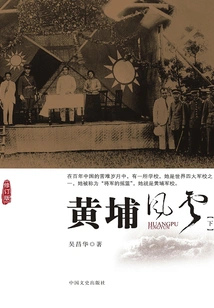
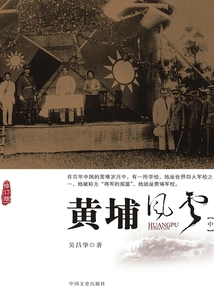
Huangpu Military Academy was founded in the 1920s on the initiative of Sun Yat-sen and the first cooperation between the Kuomintang and the Communist Party. This military academy is one of the four most famous military academies in the world. It has trained and created a large number of outstanding military and political talents for the Chinese revolution. This book reproduces the tumultuous history before and after the founding of Whampoa Military Academy in vivid and delicate writing. The author of the book and his father are both from the older generation of Huangpu people. They have been engaged in history, especially the research and writing of Huangpu history for a long time, and have certain authority in this field. The book is rich in detailed content and has been published in multiple editions for more than ten years and has been a bestseller.
Huangpu Military Academy was founded in the 1920s on the initiative of Sun Yat-sen and the first cooperation between the Kuomintang and the Communist Party. This military academy is one of the four most famous military academies in the world. It has trained and created a large number of outstanding military and political talents for the Chinese revolution. This book reproduces the tumultuous history before and after the founding of Whampoa Military Academy in vivid and delicate writing. The author of the book and his father are both from the older generation of Huangpu people. They have been engaged in history, especially the research and writing of Huangpu history for a long time, and have certain authority in this field. The book is rich in detailed content and has been published in multiple editions for more than ten years and has been a bestseller.
Huangpu Storm (chinese)
General Fiction黄埔风云(中)
Wu Changhua
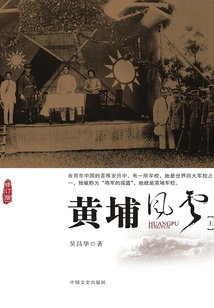
Huangpu Military Academy was founded in the 1920s on the initiative of Sun Yat-sen and the first cooperation between the Kuomintang and the Communist Party. This military academy is one of the four most famous military academies in the world. It has trained and created a large number of outstanding military and political talents for the Chinese revolution. This book reproduces the tumultuous history before and after the founding of Whampoa Military Academy in vivid and delicate writing. The author of the book and his father are both from the older generation of Huangpu people. They have been engaged in history, especially the research and writing of Huangpu history for a long time, and have certain authority in this field. The book is rich in detailed content and has been published in multiple editions for more than ten years and has been a bestseller.
Huangpu Military Academy was founded in the 1920s on the initiative of Sun Yat-sen and the first cooperation between the Kuomintang and the Communist Party. This military academy is one of the four most famous military academies in the world. It has trained and created a large number of outstanding military and political talents for the Chinese revolution. This book reproduces the tumultuous history before and after the founding of Whampoa Military Academy in vivid and delicate writing. The author of the book and his father are both from the older generation of Huangpu people. They have been engaged in history, especially the research and writing of Huangpu history for a long time, and have certain authority in this field. The book is rich in detailed content and has been published in multiple editions for more than ten years and has been a bestseller.
Huangpu Storm (part 1)
General Fiction黄埔风云(上)
Wu Changhua
Huangpu Military Academy was founded in the 1920s on the initiative of Sun Yat-sen and the first cooperation between the Kuomintang and the Communist Party. This military academy is one of the four most famous military academies in the world. It has trained and created a large number of outstanding military and political talents for the Chinese revolution. This book reproduces the tumultuous history before and after the founding of Whampoa Military Academy in vivid and delicate writing. The author of the book and his father are both from the older generation of Huangpu people. They have been engaged in history, especially the research and writing of Huangpu history for a long time, and have certain authority in this field. The book is rich in detailed content and has been published in multiple editions for more than ten years and has been a bestseller.
Huangpu Military Academy was founded in the 1920s on the initiative of Sun Yat-sen and the first cooperation between the Kuomintang and the Communist Party. This military academy is one of the four most famous military academies in the world. It has trained and created a large number of outstanding military and political talents for the Chinese revolution. This book reproduces the tumultuous history before and after the founding of Whampoa Military Academy in vivid and delicate writing. The author of the book and his father are both from the older generation of Huangpu people. They have been engaged in history, especially the research and writing of Huangpu history for a long time, and have certain authority in this field. The book is rich in detailed content and has been published in multiple editions for more than ten years and has been a bestseller.

Ming Dynasty Wizards
General Fiction大明奇才
Li Wansheng
On the bank of the Wenshui River in Jishui County in central Jiangxi, there is a towering mountain, like a huge brush, with its peak reaching into the clouds and pointing straight into the blue sky. The locals call it Wenfeng Mountain. According to legend, during the Three Kingdoms period, Guan Yunchang was defeated in Maicheng and was named Emperor Guanwu by the Jade Emperor after his death. On the day when he was conferred immortality, he passed by Jishui County. Guan Yunchang was attracted by the majesty of Wenfeng Mountain. He sat on a red rabbit horse and overlooked the mountain scenery. He didn't expect to catch up with the monks of Longhua Temple in Taiping Mountain in the east of the city to ring the bell. The mount was startled by the loud ringing of the bell and jumped straight into the sky. Guan Yunchang was unprepared and dropped his whip. The riding whip fell straight down from the clouds and landed on a large bluestone on the top of Wenfeng Mountain. There was a loud "bang" sound, and the bluestone cracked into two pieces. The riding whip was inserted into the stone, and it instantly grew into a green bamboo.
On the bank of the Wenshui River in Jishui County in central Jiangxi, there is a towering mountain, like a huge brush, with its peak reaching into the clouds and pointing straight into the blue sky. The locals call it Wenfeng Mountain. According to legend, during the Three Kingdoms period, Guan Yunchang was defeated in Maicheng and was named Emperor Guanwu by the Jade Emperor after his death. On the day when he was conferred immortality, he passed by Jishui County. Guan Yunchang was attracted by the majesty of Wenfeng Mountain. He sat on a red rabbit horse and overlooked the mountain scenery. He didn't expect to catch up with the monks of Longhua Temple in Taiping Mountain in the east of the city to ring the bell. The mount was startled by the loud ringing of the bell and jumped straight into the sky. Guan Yunchang was unprepared and dropped his whip. The riding whip fell straight down from the clouds and landed on a large bluestone on the top of Wenfeng Mountain. There was a loud "bang" sound, and the bluestone cracked into two pieces. The riding whip was inserted into the stone, and it instantly grew into a green bamboo.

Legend of Helena
General Fiction传奇海兰察
Yang Zhongmin
In the eleventh year of Yongzheng's reign, a city was built on the desert grassland. The city is backed by the Greater Khingan Mountains and bordered by the Muye River. It is the first strategic military town outside the Great Wall to defend against Tsarist Russia. This is the Hulunbuir City newly established by Heilongjiang General Yamen. The official rank of the garrison envoy is an official with the title of deputy capital commander and a third-rank official. This wilderness is vast, and the grass and sky are connected to the edge. This lush pasture is rarely visited by shepherds. Why? The ground is cold and the sky is cold, and snow falling in June is nothing unusual. The Erut Mongolians once went to this place with abundant water and grass for nomadic herding. However, due to the thick winter snow and the severe cold wind, the cattle and sheep left here because they did not want to gain weight. Until the Eight Banners of the Butha Solon tribe were moved to build a city, the Barhu tribe was moved to live in herding, and merchants were moved from the capital, the Hulunbuir grassland became densely populated.
In the eleventh year of Yongzheng's reign, a city was built on the desert grassland. The city is backed by the Greater Khingan Mountains and bordered by the Muye River. It is the first strategic military town outside the Great Wall to defend against Tsarist Russia. This is the Hulunbuir City newly established by Heilongjiang General Yamen. The official rank of the garrison envoy is an official with the title of deputy capital commander and a third-rank official. This wilderness is vast, and the grass and sky are connected to the edge. This lush pasture is rarely visited by shepherds. Why? The ground is cold and the sky is cold, and snow falling in June is nothing unusual. The Erut Mongolians once went to this place with abundant water and grass for nomadic herding. However, due to the thick winter snow and the severe cold wind, the cattle and sheep left here because they did not want to gain weight. Until the Eight Banners of the Butha Solon tribe were moved to build a city, the Barhu tribe was moved to live in herding, and merchants were moved from the capital, the Hulunbuir grassland became densely populated.
Tao Kan
General Fiction名将陶侃
Xu Guanchao
The novel is a historical romance based on the life of Tao Kan (the great-grandfather of Tao Yuanming), the great Sima of the Eastern Jin Dynasty, who was a famous historical general in Jiangxi and who combined the loyalty, obedience and hard work of Wei Wuji Shenming Jian and Zhuge Liang. It traces the trajectory of national division and integration, and writes about the incomplete humanity and royal righteousness amid war and peace in the depths of history. In the helplessness and desolation of national history, and in the trajectory of human nature's fission, lies the true meaning of the endless life of all nations. The novel travels through a touch of nostalgia for the homeland and a foreign country. The plot is real and charming, the details are absurd and humorous, and the language is simple and witty.
The novel is a historical romance based on the life of Tao Kan (the great-grandfather of Tao Yuanming), the great Sima of the Eastern Jin Dynasty, who was a famous historical general in Jiangxi and who combined the loyalty, obedience and hard work of Wei Wuji Shenming Jian and Zhuge Liang. It traces the trajectory of national division and integration, and writes about the incomplete humanity and royal righteousness amid war and peace in the depths of history. In the helplessness and desolation of national history, and in the trajectory of human nature's fission, lies the true meaning of the endless life of all nations. The novel travels through a touch of nostalgia for the homeland and a foreign country. The plot is real and charming, the details are absurd and humorous, and the language is simple and witty.

Shock in Chu Palace
General Fiction楚宫惊变
Zhang Yao
On a hot summer day in 262 BC, blue clouds rolled low, fire wheels spewed high, and the Qinchuan River was scorched by a scorching heat wave for 800 miles. A young man with a pale appearance drove a chariot with two horses, galloping on the post road from Tongguan to Hangu Pass. He was Xiong Wan, the Prince of Chu who was serving as a hostage in Xianyang, the capital of Qin. Because his father was seriously ill, he was designed by Huang Xie, the Grand Tutor of Chu who also came to Xianyang. He took advantage of the conclusion of the peace treaty between Qin and Chu to pretend to be the driver of the Chu envoy Zhu Ying and escape from Qin. With gold and silver in hand, the chariot easily got out of the pass and sped eastward. Due to excessive concern and nervousness, coupled with the muggy weather, Prince Xiong Wan, pretending to be a coachman, turned pale and sweat rolled down his forehead. Zhu Ying said hurriedly: "Prince, come down quickly and let Wei Chen drive!" As soon as he finished speaking, the weak Xiong Wan fell off the horse and fainted. Zhu Ying was so frightened that she jumped out of the car, picked up Xiong Wan and shouted urgently: "Prince! Prince! Wake up, wake up!"
On a hot summer day in 262 BC, blue clouds rolled low, fire wheels spewed high, and the Qinchuan River was scorched by a scorching heat wave for 800 miles. A young man with a pale appearance drove a chariot with two horses, galloping on the post road from Tongguan to Hangu Pass. He was Xiong Wan, the Prince of Chu who was serving as a hostage in Xianyang, the capital of Qin. Because his father was seriously ill, he was designed by Huang Xie, the Grand Tutor of Chu who also came to Xianyang. He took advantage of the conclusion of the peace treaty between Qin and Chu to pretend to be the driver of the Chu envoy Zhu Ying and escape from Qin. With gold and silver in hand, the chariot easily got out of the pass and sped eastward. Due to excessive concern and nervousness, coupled with the muggy weather, Prince Xiong Wan, pretending to be a coachman, turned pale and sweat rolled down his forehead. Zhu Ying said hurriedly: "Prince, come down quickly and let Wei Chen drive!" As soon as he finished speaking, the weak Xiong Wan fell off the horse and fainted. Zhu Ying was so frightened that she jumped out of the car, picked up Xiong Wan and shouted urgently: "Prince! Prince! Wake up, wake up!"

sichuan Butcher" Zhao Erfeng
General Fiction“四川屠户”赵尔丰
Tian Wenyi
"Commander, the Wuhou Temple in Chengdu has arrived." On June 11th, the third year of Xuantong in the Qing Dynasty, the former Sichuan border envoy and newly appointed governor of Sichuan Province, Zhao Erfeng, who had fought at the Kangzang scriptures for seven years, traveled thousands of miles, wading through mountains and rivers, from the high mountains and ridges of Kangdi back to the depths of Bazi in western Sichuan - Chengdu, known as the gentle and prosperous hometown. He dismounted his horse and transferred to a large green sedan chair carried by eight people in Yucheng Ya'an, the watershed between Sichuan and Kangxi and the first important town.
"Commander, the Wuhou Temple in Chengdu has arrived." On June 11th, the third year of Xuantong in the Qing Dynasty, the former Sichuan border envoy and newly appointed governor of Sichuan Province, Zhao Erfeng, who had fought at the Kangzang scriptures for seven years, traveled thousands of miles, wading through mountains and rivers, from the high mountains and ridges of Kangdi back to the depths of Bazi in western Sichuan - Chengdu, known as the gentle and prosperous hometown. He dismounted his horse and transferred to a large green sedan chair carried by eight people in Yucheng Ya'an, the watershed between Sichuan and Kangxi and the first important town.

Northern Expedition to Datong
General Fiction北伐大同
Yang Jinlin
Xu Xifeng, also known as Xu Tongxi, during the Revolution of 1911, experienced many major historical events such as guarding Datong, serving as Shanxi Patrol Road, Huashan Juyi, Beijing coup, etc., And was praised by Sun Yat-sen as "a person who risked his own life to save the country and the people." "Northern Expedition to Datong" excerpts some chapters from the long documentary "Continuation of Xifeng" for the readers' enjoyment. Xishe Village in Nao County in November 1911. The biting north wind has blown away the leaves on the catalpa trees. The crops in the back ditch have been harvested and returned to the warehouse, and the water in the same river has not yet frozen. Qinyang Lane is a narrow alley in Xishe Village, and Xu Xifeng lives in Qinyang Lane.
Xu Xifeng, also known as Xu Tongxi, during the Revolution of 1911, experienced many major historical events such as guarding Datong, serving as Shanxi Patrol Road, Huashan Juyi, Beijing coup, etc., And was praised by Sun Yat-sen as "a person who risked his own life to save the country and the people." "Northern Expedition to Datong" excerpts some chapters from the long documentary "Continuation of Xifeng" for the readers' enjoyment. Xishe Village in Nao County in November 1911. The biting north wind has blown away the leaves on the catalpa trees. The crops in the back ditch have been harvested and returned to the warehouse, and the water in the same river has not yet frozen. Qinyang Lane is a narrow alley in Xishe Village, and Xu Xifeng lives in Qinyang Lane.