Library
Browse and search books
2,075 novels found
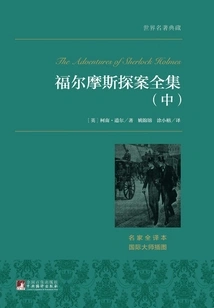
The Complete Works of Sherlock Holmes (part 2)
General Fiction福尔摩斯探案全集(中)
(uk) Conan Doyle
"The Complete Works of Sherlock Holmes" is one of the best-selling literary works in the world. Because of its original layout, suspenseful plot, exquisite and unique narrative techniques and concise and beautiful language, detective novels entered the elegant palace of world literature for the first time, making detective novels an independent literary category and highly praised by the world. In China alone, from the 1980s to the present, the total number of copies printed has exceeded 20 million. In the climactic plot, the confrontation between detectives and criminals, and the confrontation between justice and evil, strongly attracts readers to seek answers, stimulates readers' emotions, mobilizes readers' brains, and makes readers feel terrifying and exciting, but unable to stop. It was difficult to put the book down while reading, but I was deeply impressed after reading it. These magical crime-solving stories have influenced generations of people and are still popular and best-selling.
"The Complete Works of Sherlock Holmes" is one of the best-selling literary works in the world. Because of its original layout, suspenseful plot, exquisite and unique narrative techniques and concise and beautiful language, detective novels entered the elegant palace of world literature for the first time, making detective novels an independent literary category and highly praised by the world. In China alone, from the 1980s to the present, the total number of copies printed has exceeded 20 million. In the climactic plot, the confrontation between detectives and criminals, and the confrontation between justice and evil, strongly attracts readers to seek answers, stimulates readers' emotions, mobilizes readers' brains, and makes readers feel terrifying and exciting, but unable to stop. It was difficult to put the book down while reading, but I was deeply impressed after reading it. These magical crime-solving stories have influenced generations of people and are still popular and best-selling.
S
General Fictions
T
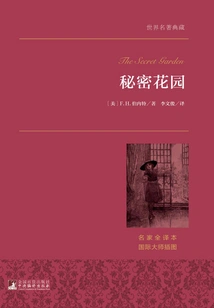
This article is the most famous work of American children's literature writer Mrs. Burnett and a classic in the world's children's literature. "The Secret Garden" tells a story: Mary, a willful and lonely little girl from a rich family, became an orphan due to a sudden plague and was sent to a relative's home in an old manor in England for adoption. In the secluded and quiet countryside and among the simple villagers, her temperament gradually became peaceful. Late one night, following the faint cry coming from one end of the corridor of the mysterious mansion, she was brought to an equally weird and lonely little life. Colin, Mary's cousin and the young master of the mansion, was born weak and has been bedridden for many years. His temperament is surly and unpredictable. In order to help Colin, Mary took him into the secret garden in the manor that had been closed for many years. The children played undisturbed in the vibrant little world, learned to be friendly to others, and restored their pure and happy nature. A garden that had been closed because of its involvement in the memory of death was now reopened because of the vitality of new life within it. This cannot but be said to be the secret of natural force and the miracle of vitality.
This article is the most famous work of American children's literature writer Mrs. Burnett and a classic in the world's children's literature. "The Secret Garden" tells a story: Mary, a willful and lonely little girl from a rich family, became an orphan due to a sudden plague and was sent to a relative's home in an old manor in England for adoption. In the secluded and quiet countryside and among the simple villagers, her temperament gradually became peaceful. Late one night, following the faint cry coming from one end of the corridor of the mysterious mansion, she was brought to an equally weird and lonely little life. Colin, Mary's cousin and the young master of the mansion, was born weak and has been bedridden for many years. His temperament is surly and unpredictable. In order to help Colin, Mary took him into the secret garden in the manor that had been closed for many years. The children played undisturbed in the vibrant little world, learned to be friendly to others, and restored their pure and happy nature. A garden that had been closed because of its involvement in the memory of death was now reopened because of the vitality of new life within it. This cannot but be said to be the secret of natural force and the miracle of vitality.
Shakespeare's Tragedies
General Fiction莎士比亚悲剧集
G
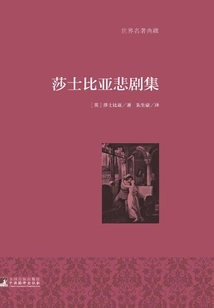
Shakespeare is a universally recognized drama master. His plays contain rich philosophy of life, profound knowledge and endless profound thoughts. This "Shakespeare's Tragedies" contains five of Shakespeare's representative tragedies, including "Romeo and Juliet" and "Othello" which are about love tragedies, "Hamlet" which is about revenge, "King Lear" and "Macbeth" which profoundly expose the evils of power and ambition. These tragic works show the intertwining and complexity of human nature and destiny through complex dramatic conflicts and gorgeous or joking dialogues, and represent Shakespeare's most outstanding artistic achievements.
Shakespeare is a universally recognized drama master. His plays contain rich philosophy of life, profound knowledge and endless profound thoughts. This "Shakespeare's Tragedies" contains five of Shakespeare's representative tragedies, including "Romeo and Juliet" and "Othello" which are about love tragedies, "Hamlet" which is about revenge, "King Lear" and "Macbeth" which profoundly expose the evils of power and ambition. These tragic works show the intertwining and complexity of human nature and destiny through complex dramatic conflicts and gorgeous or joking dialogues, and represent Shakespeare's most outstanding artistic achievements.
Gone with the Wind (part 2)
General Fiction飘(下)
H
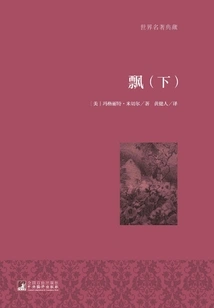
This book is the only novel written by female writer Margaret Mitchell in her short life. The story in the novel took place on the eve of the American Civil War. The heroine Scarlett Hao is a pampered manor lady. After experiencing the war, she finally transformed into a strong, self-reliant businesswoman. Her character has multiple characteristics such as selfishness, greed, determination, daring to love and hate, etc. She is one of the richest, fullest and most classic female images in American novels. The alluring love in the novel has become the most romantic and legendary love story in the history of American novels.
This book is the only novel written by female writer Margaret Mitchell in her short life. The story in the novel took place on the eve of the American Civil War. The heroine Scarlett Hao is a pampered manor lady. After experiencing the war, she finally transformed into a strong, self-reliant businesswoman. Her character has multiple characteristics such as selfishness, greed, determination, daring to love and hate, etc. She is one of the richest, fullest and most classic female images in American novels. The alluring love in the novel has become the most romantic and legendary love story in the history of American novels.
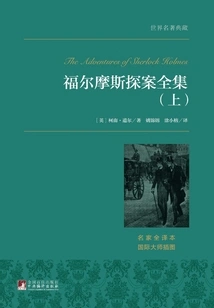
The Complete Works of Sherlock Holmes (part 1)
General Fiction福尔摩斯探案全集(上)
(uk) Conan Doyle
"The Complete Works of Sherlock Holmes" is one of the best-selling literary works in the world. Because of its original layout, suspenseful plot, exquisite and unique narrative techniques and concise and beautiful language, detective novels entered the elegant palace of world literature for the first time, making detective novels an independent literary category and highly praised by the world. In China alone, from the 1980s to the present, the total number of copies printed has exceeded 20 million. In the climactic plot, the confrontation between detectives and criminals, and the confrontation between justice and evil, strongly attracts readers to seek answers, stimulates readers' emotions, mobilizes readers' brains, and makes readers feel terrifying and exciting, but unable to stop. It was difficult to put the book down while reading, but I was deeply impressed after reading it. These magical crime-solving stories have influenced generations of people and are still popular and best-selling.
"The Complete Works of Sherlock Holmes" is one of the best-selling literary works in the world. Because of its original layout, suspenseful plot, exquisite and unique narrative techniques and concise and beautiful language, detective novels entered the elegant palace of world literature for the first time, making detective novels an independent literary category and highly praised by the world. In China alone, from the 1980s to the present, the total number of copies printed has exceeded 20 million. In the climactic plot, the confrontation between detectives and criminals, and the confrontation between justice and evil, strongly attracts readers to seek answers, stimulates readers' emotions, mobilizes readers' brains, and makes readers feel terrifying and exciting, but unable to stop. It was difficult to put the book down while reading, but I was deeply impressed after reading it. These magical crime-solving stories have influenced generations of people and are still popular and best-selling.
N
General FictionN
Z
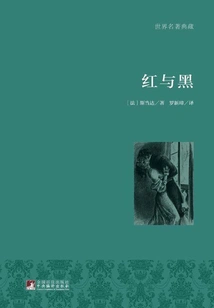
The protagonist Julien is the son of a small business owner. With his intelligence, he hooked up with the mayor's wife when he was working as a tutor in the local mayor's house. After the affair was exposed, he fled the mayor's house and entered the seminary. Recommended by the dean of the seminary, he went to Paris to work as a personal secretary for the Marquis de Larmore, a backbone of the extreme royalist party. He was quickly appreciated and reused by the Marquis. At the same time, Julien had an affair with the Marquis' daughter. Finally, under the church's planning, the mayor's wife was forced to write an informant letter to expose him, ruining his career. In anger, he shot and wounded the mayor's wife and was sentenced to death and put on the guillotine.
The protagonist Julien is the son of a small business owner. With his intelligence, he hooked up with the mayor's wife when he was working as a tutor in the local mayor's house. After the affair was exposed, he fled the mayor's house and entered the seminary. Recommended by the dean of the seminary, he went to Paris to work as a personal secretary for the Marquis de Larmore, a backbone of the extreme royalist party. He was quickly appreciated and reused by the Marquis. At the same time, Julien had an affair with the Marquis' daughter. Finally, under the church's planning, the mayor's wife was forced to write an informant letter to expose him, ruining his career. In anger, he shot and wounded the mayor's wife and was sentenced to death and put on the guillotine.
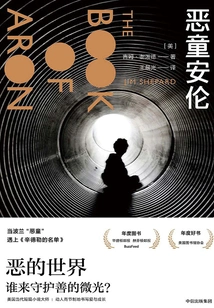
Evil Boy an Lun
General Fiction恶童安伦
(us) Jim Shepard
The boy Anlun was only eight years old when his family moved to the capital Warsaw. Under the control of the German army and Jewish police, the family's life became increasingly difficult, and An Lun became a smuggling leader from a young apprentice. When his mother passed away, An Lun lost his last support. On the winter street, the old doctor Kozak took Anlun back to the orphanage and continued to live with hundreds of orphans. Kozak went door to door asking for help, fighting for his children's right to live. An Lun's humanity was awakened. In 1942, German soldiers forcibly transported two hundred children to Nazi concentration camps for massacre. Regardless of life or death, Kozak insisted on staying with his children until the last moment of his life.
The boy Anlun was only eight years old when his family moved to the capital Warsaw. Under the control of the German army and Jewish police, the family's life became increasingly difficult, and An Lun became a smuggling leader from a young apprentice. When his mother passed away, An Lun lost his last support. On the winter street, the old doctor Kozak took Anlun back to the orphanage and continued to live with hundreds of orphans. Kozak went door to door asking for help, fighting for his children's right to live. An Lun's humanity was awakened. In 1942, German soldiers forcibly transported two hundred children to Nazi concentration camps for massacre. Regardless of life or death, Kozak insisted on staying with his children until the last moment of his life.
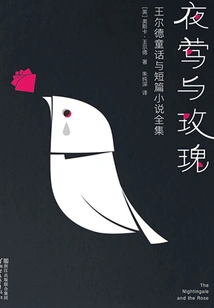
夜莺与玫瑰:王尔德童话与短篇小说全集
(uk)oscar Wilde
The complete simplified Chinese version of Oscar Wilde's fairy tales and short stories is available in China for the first time in 126 years! It completely contains 9 fairy tales and 5 novels that are rare in China, including Wilde's recognized masterpieces. It is a must-read in your life! Zhu Chunshen, winner of the Song Qi Translation Award for three consecutive times, translated "The Happy Prince", "The Nightingale and the Rose", "The Stingy Giant", "Courageous Friends", "The Extraordinary Cannon", "The Little King", "The Princess's Birthday", "The Fisherman and the Soul", "The Little Star Child", "The Crimes of Lord Arthur Saville", "The Sphinx without Secrets", "The Canterville Ghost", "The Model Millionaire" and "The Portrait of Mr W. H.". Wilde's works exude a slightly suspenseful, slightly romantic and slightly thrilling atmosphere, which is fascinating; he once cried when telling fairy tales to his son: "Really beautiful things make people sad."
The complete simplified Chinese version of Oscar Wilde's fairy tales and short stories is available in China for the first time in 126 years! It completely contains 9 fairy tales and 5 novels that are rare in China, including Wilde's recognized masterpieces. It is a must-read in your life! Zhu Chunshen, winner of the Song Qi Translation Award for three consecutive times, translated "The Happy Prince", "The Nightingale and the Rose", "The Stingy Giant", "Courageous Friends", "The Extraordinary Cannon", "The Little King", "The Princess's Birthday", "The Fisherman and the Soul", "The Little Star Child", "The Crimes of Lord Arthur Saville", "The Sphinx without Secrets", "The Canterville Ghost", "The Model Millionaire" and "The Portrait of Mr W. H.". Wilde's works exude a slightly suspenseful, slightly romantic and slightly thrilling atmosphere, which is fascinating; he once cried when telling fairy tales to his son: "Really beautiful things make people sad."
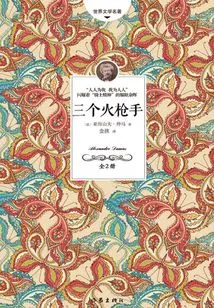
The Three Musketeers (2 Volumes in Total)
General Fiction三个火枪手(全2册)
(france) Alexandre Dumas
"The Three Musketeers", also translated as "The Three Musketeers" and "The Hidden Hero", is one of the masterpieces of French writer Alexandre Dumas. The novel mainly describes the story of the French Cardinal Richelieu, who became prime minister in 1624 and captured the city of La Rochelle, the main base of the Huguenots in 1628. In order to help King Louis XIII, Archbishop Richelieu tried his best to seize the Queen's ambiguous relationship with the British Prime Minister, the Duke of Buckingham. The protagonist d'Artagnan and his good friends the three musketeers launched a series of struggles to rescue the queen, break through the trap set by the archbishop, and ultimately save the queen's reputation.
"The Three Musketeers", also translated as "The Three Musketeers" and "The Hidden Hero", is one of the masterpieces of French writer Alexandre Dumas. The novel mainly describes the story of the French Cardinal Richelieu, who became prime minister in 1624 and captured the city of La Rochelle, the main base of the Huguenots in 1628. In order to help King Louis XIII, Archbishop Richelieu tried his best to seize the Queen's ambiguous relationship with the British Prime Minister, the Duke of Buckingham. The protagonist d'Artagnan and his good friends the three musketeers launched a series of struggles to rescue the queen, break through the trap set by the archbishop, and ultimately save the queen's reputation.
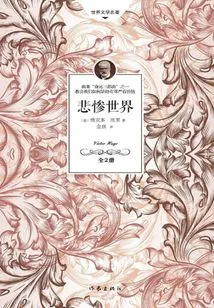
Les Miserables (2 Volumes in Total)
General Fiction悲惨世界(全2册)
H
"Les Misérables" is one of the most famous "Trilogy of Destiny" by Victor Hugo, a famous French writer and representative of world romantic literature. This book deeply exposes and criticizes the decadence of French feudal autocratic society in the 19th century by describing the tragic experiences of Jean Valjean and others and a series of touching things that Jean Valjean did after being influenced by Bian Furu. It also expresses deep sympathy for the miserable lives of the poor people under feudal oppression. Hugo's passionate writing outlines a group of vivid little characters. Noble moral sentiments such as living with dignity, benevolence, righteousness, and kindness run through the entire book, making it soul-stirring to read.
"Les Misérables" is one of the most famous "Trilogy of Destiny" by Victor Hugo, a famous French writer and representative of world romantic literature. This book deeply exposes and criticizes the decadence of French feudal autocratic society in the 19th century by describing the tragic experiences of Jean Valjean and others and a series of touching things that Jean Valjean did after being influenced by Bian Furu. It also expresses deep sympathy for the miserable lives of the poor people under feudal oppression. Hugo's passionate writing outlines a group of vivid little characters. Noble moral sentiments such as living with dignity, benevolence, righteousness, and kindness run through the entire book, making it soul-stirring to read.
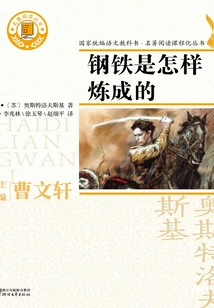
L
General Fictionl
H
At this time when "sissy" is popular, for teenagers to read this book and understand Paul, it is a "baptism of the soul" for themselves. This book is divided into two parts, telling the story of the protagonist Paul's glorious life that continues to grow in the flames of war. After the novel was published, it was translated into many languages and received strong international response. In 1941, the book had a Chinese translation. After the founding of the People's Republic of China, it was recommended by the Central Committee of the Communist Youth League as an excellent reading book for young people. The whole novel or fragments were selected as university and middle school textbooks. This book is one of our company's "nationally compiled Chinese textbooks and classics reading ability development series".
At this time when "sissy" is popular, for teenagers to read this book and understand Paul, it is a "baptism of the soul" for themselves. This book is divided into two parts, telling the story of the protagonist Paul's glorious life that continues to grow in the flames of war. After the novel was published, it was translated into many languages and received strong international response. In 1941, the book had a Chinese translation. After the founding of the People's Republic of China, it was recommended by the Central Committee of the Communist Youth League as an excellent reading book for young people. The whole novel or fragments were selected as university and middle school textbooks. This book is one of our company's "nationally compiled Chinese textbooks and classics reading ability development series".
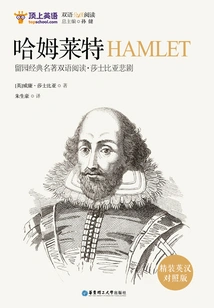
Hamlet (english-chinese Version)
General Fiction哈姆莱特(英汉对照版)
G
"Hamlet", also known as "Hamlet", the play tells the story of the Danish prince Hamlet, whose father suddenly died mysteriously while taking a nap in the garden. The royal uncle succeeded to the throne and married his mother. Hamlet, who was deeply ashamed and angry, had doubts about the cause of his father's death. He looked sad all day long due to excessive melancholy. One night he met the ghost of his father and complained, and finally found out that it was the emperor's uncle who poisoned his brother in order to usurp the throne and marry his wife. The hesitant prince wanted to avenge his father and launched a revenge plan against the emperor's uncle.
"Hamlet", also known as "Hamlet", the play tells the story of the Danish prince Hamlet, whose father suddenly died mysteriously while taking a nap in the garden. The royal uncle succeeded to the throne and married his mother. Hamlet, who was deeply ashamed and angry, had doubts about the cause of his father's death. He looked sad all day long due to excessive melancholy. One night he met the ghost of his father and complained, and finally found out that it was the emperor's uncle who poisoned his brother in order to usurp the throne and marry his wife. The hesitant prince wanted to avenge his father and launched a revenge plan against the emperor's uncle.
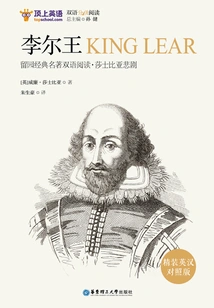
King Lear (english-chinese Version)
General Fiction李尔王(英汉对照版)
G
"King Lear" tells the story of the aging King Lear who plans to abdicate and divide the kingdom among his three daughters according to how much they say they love him. Annoyed and disappointed by his younger daughter Cordelia's words, Lear exiled her and divided the kingdom equally between his eldest and second daughters. Jealousy and pride devour the consciences of the two sisters, and Lear is driven into the wilderness by them. The youngest daughter who became the Queen of France led an army to rescue her father, but was killed. Lear died sadly beside her.
"King Lear" tells the story of the aging King Lear who plans to abdicate and divide the kingdom among his three daughters according to how much they say they love him. Annoyed and disappointed by his younger daughter Cordelia's words, Lear exiled her and divided the kingdom equally between his eldest and second daughters. Jealousy and pride devour the consciences of the two sisters, and Lear is driven into the wilderness by them. The youngest daughter who became the Queen of France led an army to rescue her father, but was killed. Lear died sadly beside her.
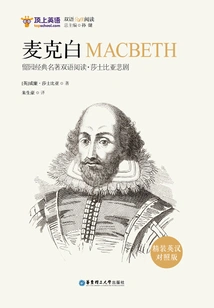
Macbeth (english-chinese Version)
General Fiction麦克白(英汉对照版)
G
"Macbeth" tells the story of General Macbeth, cousin of King Duncan of Scotland, who served the king in suppressing rebellion and resisting invasion. Driven by ambition, he murdered Duncan and became king. In order to cover up others' eyes and prevent others from seizing the throne, he gradually killed Duncan's bodyguards, Banquo, and the wife and children of the noble Macduff. Fear and suspicion make Macbeth more and more evil and cruel. Lady Macbeth also committed suicide due to a nervous breakdown. With all the rebels and relatives separated, Macbeth faced the siege of Duncan's son and the English reinforcements, and ended up bowing his head.
"Macbeth" tells the story of General Macbeth, cousin of King Duncan of Scotland, who served the king in suppressing rebellion and resisting invasion. Driven by ambition, he murdered Duncan and became king. In order to cover up others' eyes and prevent others from seizing the throne, he gradually killed Duncan's bodyguards, Banquo, and the wife and children of the noble Macduff. Fear and suspicion make Macbeth more and more evil and cruel. Lady Macbeth also committed suicide due to a nervous breakdown. With all the rebels and relatives separated, Macbeth faced the siege of Duncan's son and the English reinforcements, and ended up bowing his head.

Wreck-it Ralph 2 (disney English Original Version)
General Fiction无敌破坏王2(迪士尼英文原版)
Disney Company Of America
This book tells the story of the protagonists Ralph and Vanellope who will search the Internet for the missing puzzle pieces in the game "Sweet Rush".
This book tells the story of the protagonists Ralph and Vanellope who will search the Internet for the missing puzzle pieces in the game "Sweet Rush".

Wreck-it Ralph 2 (bilingual Reading of Disney Movies)
General Fiction无敌破坏王2(迪士尼大电影双语阅读)
Disney Company Of America
This book tells the story of the protagonists Ralph and Vanellope who will search the Internet for the missing puzzle pieces in the game "Sweet Rush".
This book tells the story of the protagonists Ralph and Vanellope who will search the Internet for the missing puzzle pieces in the game "Sweet Rush".

1984 (illustrated Collector's Edition)
General Fiction1984(插图珍藏版)
George Orwell
"1984" is Orwell's masterpiece and a famous dystopian and anti-totalitarian political allegory novel in the world of literature. The novel was written in 1948, and the author turned 48 upside down to become 84 as the title. This book tells the story of an imaginary society that implements highly centralized rule, uses extreme means such as changing history, changing language, and breaking up families to suppress people's thoughts and instincts, uses a "telescreen" with surveillance and listening functions to control people's behavior, and uses personality worship of leaders and hatred of domestic and foreign enemies to maintain social operation. Through the life of an ordinary person in this society, Winston Smith, it projects the essence of totalitarianism in real life.
"1984" is Orwell's masterpiece and a famous dystopian and anti-totalitarian political allegory novel in the world of literature. The novel was written in 1948, and the author turned 48 upside down to become 84 as the title. This book tells the story of an imaginary society that implements highly centralized rule, uses extreme means such as changing history, changing language, and breaking up families to suppress people's thoughts and instincts, uses a "telescreen" with surveillance and listening functions to control people's behavior, and uses personality worship of leaders and hatred of domestic and foreign enemies to maintain social operation. Through the life of an ordinary person in this society, Winston Smith, it projects the essence of totalitarianism in real life.
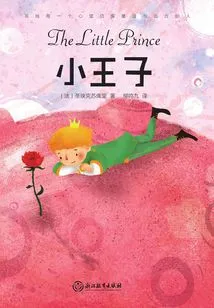
小王子(四师推荐精装版)
Saint-exupéry
This version of "The Little Prince" is designated and recommended by four well-known writers, Mai Jia, Su Tong, Alai, and Ma Jiahui. Alai, the Mao Dun Literature Award winner and writer, has written a preface for an in-depth interpretation. The story tells: A pilot was forced to land in the desert due to a plane malfunction and met a cute little prince. The little prince quarreled with the beautiful and proud rose and ran away in anger, traveling to many different planets and experiencing various adventures. The little prince met an arrogant king, a willful drunkard, a profit-seeking businessman, and a dogmatic geographer, and then came to the earth to try to find a cure for loneliness and pain... This book is dedicated to everyone who still has fairy tales and distant places in their hearts.
This version of "The Little Prince" is designated and recommended by four well-known writers, Mai Jia, Su Tong, Alai, and Ma Jiahui. Alai, the Mao Dun Literature Award winner and writer, has written a preface for an in-depth interpretation. The story tells: A pilot was forced to land in the desert due to a plane malfunction and met a cute little prince. The little prince quarreled with the beautiful and proud rose and ran away in anger, traveling to many different planets and experiencing various adventures. The little prince met an arrogant king, a willful drunkard, a profit-seeking businessman, and a dogmatic geographer, and then came to the earth to try to find a cure for loneliness and pain... This book is dedicated to everyone who still has fairy tales and distant places in their hearts.
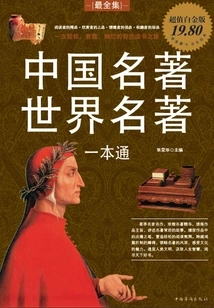
中国名著世界名著一本通
Zhang Ronghua
This book is a reference book to help readers quickly learn and master Chinese and foreign classics. The content involves politics, economy, military, medicine, science and technology and other aspects.
This book is a reference book to help readers quickly learn and master Chinese and foreign classics. The content involves politics, economy, military, medicine, science and technology and other aspects.
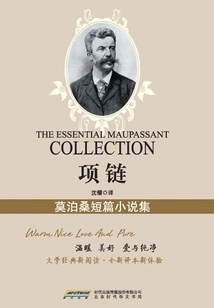
The Necklace: a Collection of Short Stories by Maupassant
General Fiction项链:莫泊桑短篇小说集
H
Maupassant's works have a spicy style, and are good at capturing and discovering typical fragments of ordinary and trivial life, reflecting reality from small perspectives, and describing the human world. In addition, his novels are unique in their conception and layout, and their character language and story endings are unique, making people endlessly memorable. This book selects 19 classic short stories by Maupassant, including his representative works "Ball of Suet", "The Necklace" and "My Uncle Jules".
Maupassant's works have a spicy style, and are good at capturing and discovering typical fragments of ordinary and trivial life, reflecting reality from small perspectives, and describing the human world. In addition, his novels are unique in their conception and layout, and their character language and story endings are unique, making people endlessly memorable. This book selects 19 classic short stories by Maupassant, including his representative works "Ball of Suet", "The Necklace" and "My Uncle Jules".
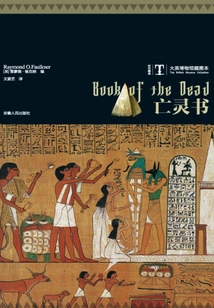
亡灵书(大英博物馆藏图本)
(english) Raymond Faulkner Translated By Wen Aiyi
The Book of the Dead is an ancient and grand collection of poems, with 27 poems in total, including incantations, hymns, lengthy explanations, various ritual mantras, names of gods, etc. They are usually carved or written on the walls of pyramids or tombs, and some are printed on coffins or carved on exquisite sarcophagi. Because the original text was in hieroglyphics and had long been lost, it was only in the early 19th century that the inscriptions in hieroglyphics and Coptic (a Greek-based script) were found to be deciphered. The book contains hundreds of rare pictures from the British Museum and mysterious incantations and poems that generally reflect the far-reaching culture of ancient Greece.
The Book of the Dead is an ancient and grand collection of poems, with 27 poems in total, including incantations, hymns, lengthy explanations, various ritual mantras, names of gods, etc. They are usually carved or written on the walls of pyramids or tombs, and some are printed on coffins or carved on exquisite sarcophagi. Because the original text was in hieroglyphics and had long been lost, it was only in the early 19th century that the inscriptions in hieroglyphics and Coptic (a Greek-based script) were found to be deciphered. The book contains hundreds of rare pictures from the British Museum and mysterious incantations and poems that generally reflect the far-reaching culture of ancient Greece.
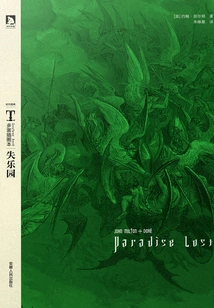
Paradise Lost (illustrated by Dorey)
General Fiction失乐园(多雷插图本)
(english) John Milton Translated By Zhu Weiwei
"Paradise Lost" was written by the great British poet Milton and is recognized by the world as a masterpiece handed down from generation to generation. The translation by the late famous scholar Zhu Weizhi is also the best Chinese translation recommended by the academic community. The wonderful illustrations by the great French painter Doré add to the masterpiece and translation.
"Paradise Lost" was written by the great British poet Milton and is recognized by the world as a masterpiece handed down from generation to generation. The translation by the late famous scholar Zhu Weizhi is also the best Chinese translation recommended by the academic community. The wonderful illustrations by the great French painter Doré add to the masterpiece and translation.
Selected Works of Shakespeare (4 Sad, 4 Happy and 1 Poetry Collection, English-chinese Bilingual)
General Fiction莎士比亚精选集(4悲4喜1诗集 英汉双语)
(english) William Shakespeare Translated By Wang Gaidi, Etc.
Translated based on the Royal Edition of "The Complete Works of Shakespeare", the most authentic text, the most authoritative annotation, and the most poetic translation! "Shakespeare Collection" is a set of Shakespeare's most classic works, including 4 volumes of "Shakespeare's Four Tragedies", 4 volumes of "Shakespeare's Four Comedies", and 1 "Shakespeare's Collected Poems", for a total of 9 volumes.
Translated based on the Royal Edition of "The Complete Works of Shakespeare", the most authentic text, the most authoritative annotation, and the most poetic translation! "Shakespeare Collection" is a set of Shakespeare's most classic works, including 4 volumes of "Shakespeare's Four Tragedies", 4 volumes of "Shakespeare's Four Comedies", and 1 "Shakespeare's Collected Poems", for a total of 9 volumes.
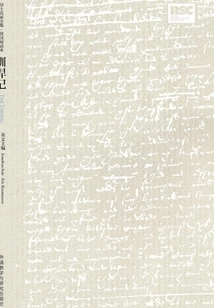
The Taming of the Shrew (shakespeare's Comedy Series)
General Fiction驯悍记(莎士比亚喜剧系列)
(english) Shakespeare
The latest classic version of FLTRP! "The Taming of the Shrew" tells the story of a smart man who used ingenious strategies to successfully transform a grumpy rich girl into a gentle and virtuous wife.
The latest classic version of FLTRP! "The Taming of the Shrew" tells the story of a smart man who used ingenious strategies to successfully transform a grumpy rich girl into a gentle and virtuous wife.
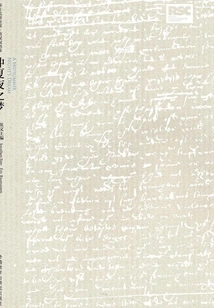
仲夏夜之梦:英汉对照(莎士比亚喜剧系列)
G
The latest classic version of FLTRP! The story told in "A Midsummer Night's Dream" took place on a midsummer night. Two pairs of lovers fled to fight against an absurd law. When they fled to the woods, the intervention of elves confused the objects of each other's love. After a period of chaos, everyone finally regained their sanity and harmony.
The latest classic version of FLTRP! The story told in "A Midsummer Night's Dream" took place on a midsummer night. Two pairs of lovers fled to fight against an absurd law. When they fled to the woods, the intervention of elves confused the objects of each other's love. After a period of chaos, everyone finally regained their sanity and harmony.
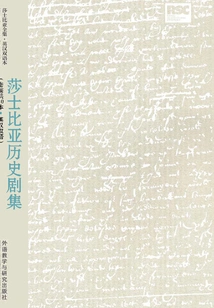
Shakespeare's Historical Dramas (set of 10 Books in Total, English-chinese Bilingual)
General Fiction莎士比亚历史剧集(套装共10本 英汉双语 )
(english) William Shakespeare, Translated By Qin Xuelan, Etc.
Translated based on the Royal Edition of "The Complete Works of Shakespeare", the most authentic text, the most authoritative annotation, and the most poetic translation! There are 10 books in total in "Shakespeare's Historical Dramas". The historical figures in his works are more real and credible than the records in historical archives, and more complex and full-bodied than the characters in reality.
Translated based on the Royal Edition of "The Complete Works of Shakespeare", the most authentic text, the most authoritative annotation, and the most poetic translation! There are 10 books in total in "Shakespeare's Historical Dramas". The historical figures in his works are more real and credible than the records in historical archives, and more complex and full-bodied than the characters in reality.
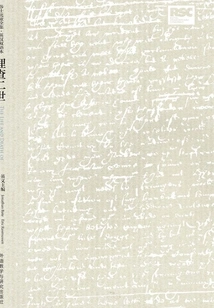
Richard Ii (shakespeare Historical Drama Series)
General Fiction理查二世(莎士比亚历史剧系列)
G
The latest classic version of FLTRP! "Richard II" tells the whole process of Richard II being politically defeated, militarily besieged, and finally imprisoned and killed by Bolingbroke (who became Henry IV after seizing the throne).
The latest classic version of FLTRP! "Richard II" tells the whole process of Richard II being politically defeated, militarily besieged, and finally imprisoned and killed by Bolingbroke (who became Henry IV after seizing the throne).
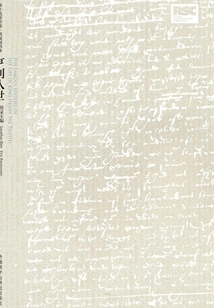
Henry Viii (shakespeare Historical Drama Series)
General Fiction亨利八世(莎士比亚历史剧系列)
G
The latest classic version of FLTRP! "Henry VIII" tells the story of the execution of the Duke of Buckingham, the deposing of Queen Catherine, the deposing of Archbishop Wolsey, the coronation of Anne Boleyn, and the separation of the Church of England from the rule of the Holy See and the independent establishment of the Church of England under the direct leadership of the King of England during the reign of Henry VIII.
The latest classic version of FLTRP! "Henry VIII" tells the story of the execution of the Duke of Buckingham, the deposing of Queen Catherine, the deposing of Archbishop Wolsey, the coronation of Anne Boleyn, and the separation of the Church of England from the rule of the Holy See and the independent establishment of the Church of England under the direct leadership of the King of England during the reign of Henry VIII.
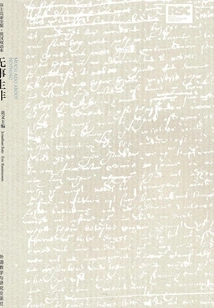
Much Ado About Nothing (shakespeare Comedy Series)
General Fiction无事生非(莎士比亚喜剧系列)
G
The latest classic version of FLTRP! "Much Ado About Nothing" has two parallel clues around the theme of proposal, telling the story of two couples' experiences of falling in love, proposing, and finally getting married.
The latest classic version of FLTRP! "Much Ado About Nothing" has two parallel clues around the theme of proposal, telling the story of two couples' experiences of falling in love, proposing, and finally getting married.
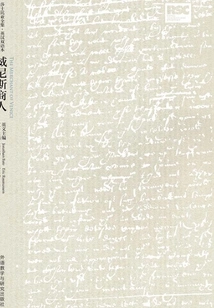
The Merchant of Venice (shakespeare Comedy Series)
General Fiction威尼斯商人(莎士比亚喜剧系列)
G
The latest classic version of FLTRP! "The Merchant of Venice" creates the typical image of Shylock, a profit-seeking, ruthless loan shark, reflects the contradiction between the commercial bourgeoisie and the loan sharks in the early stage of capitalism, and expresses the author's humanistic thoughts on issues such as money, law, and religion in bourgeois society.
The latest classic version of FLTRP! "The Merchant of Venice" creates the typical image of Shylock, a profit-seeking, ruthless loan shark, reflects the contradiction between the commercial bourgeoisie and the loan sharks in the early stage of capitalism, and expresses the author's humanistic thoughts on issues such as money, law, and religion in bourgeois society.
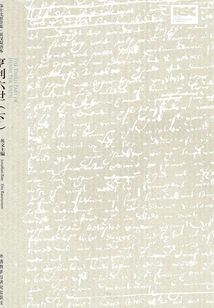
Henry Vi (part 2) (shakespeare's Historical Drama Series)
General Fiction亨利六世(下)(莎士比亚历史剧系列)
G
The latest classic version of FLTRP! "Henry VI" (Part 2) outlines the history of England from the age of 34 to 50 when Henry VI was 34 years old. Due to the king's cowardice and incompetence, the War of the Roses between the royal families continued, with the two factions winning and losing, and the people suffering.
The latest classic version of FLTRP! "Henry VI" (Part 2) outlines the history of England from the age of 34 to 50 when Henry VI was 34 years old. Due to the king's cowardice and incompetence, the War of the Roses between the royal families continued, with the two factions winning and losing, and the people suffering.
The Two Gentlemen of Verona (shakespeare Comedy Series)
General Fiction维洛那二绅士(莎士比亚喜剧系列)
G
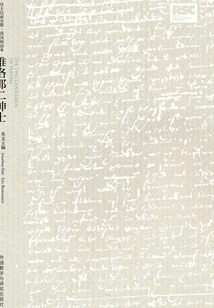
The latest classic version of FLTRP! "The Two Gentlemen of Verona" is Shakespeare's first romantic comedy with the theme of love and friendship. The main plot is the twists and turns in love between two friends. In the play, Valentine's integrity and simplicity and Proteus's cunning and debauchery are both very clear.
The latest classic version of FLTRP! "The Two Gentlemen of Verona" is Shakespeare's first romantic comedy with the theme of love and friendship. The main plot is the twists and turns in love between two friends. In the play, Valentine's integrity and simplicity and Proteus's cunning and debauchery are both very clear.
Little Prince
General Fiction小王子
Saint-exupéry
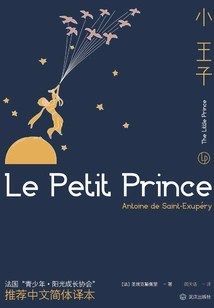
"The Little Prince" is a book with a clear mind and a fairy tale written by adults for adults. The protagonist of this book is a little prince from an alien planet. The book uses a pilot as the narrator to tell the story of the various adventures the little prince experienced during his journey from his own planet to the earth. With the child-like vision of the little prince, the author reveals the emptiness, blindness, ignorance and rigid dogma of adults, and writes in plain and innocent language the loneliness and loneliness of human beings, the fate of wandering in the wind without a foundation. At the same time, it also expresses the author's criticism of money relationships and his praise of truth, goodness and beauty.
"The Little Prince" is a book with a clear mind and a fairy tale written by adults for adults. The protagonist of this book is a little prince from an alien planet. The book uses a pilot as the narrator to tell the story of the various adventures the little prince experienced during his journey from his own planet to the earth. With the child-like vision of the little prince, the author reveals the emptiness, blindness, ignorance and rigid dogma of adults, and writes in plain and innocent language the loneliness and loneliness of human beings, the fate of wandering in the wind without a foundation. At the same time, it also expresses the author's criticism of money relationships and his praise of truth, goodness and beauty.
莎士比亚喜剧集(套装共14本 英汉双语)
(english) William Shakespeare, Translated By Gu Zhengkun, Etc.
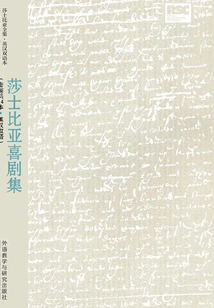
Translated based on the Royal Edition of "The Complete Works of Shakespeare", the most authentic text, the most authoritative annotation, and the most poetic translation! The set of "Shakespeare's Comedies" contains 14 volumes in total, including all of Shakespeare's comedies. In language banter, power and truth alternate, and carnival and rationality coexist. In laughter, death and rebirth combine, transforming decay into magic.
Translated based on the Royal Edition of "The Complete Works of Shakespeare", the most authentic text, the most authoritative annotation, and the most poetic translation! The set of "Shakespeare's Comedies" contains 14 volumes in total, including all of Shakespeare's comedies. In language banter, power and truth alternate, and carnival and rationality coexist. In laughter, death and rebirth combine, transforming decay into magic.
莎士比亚四大喜剧(套装共4本 英汉双语)
(english) William Shakespeare, Translated By Shao Xueping, Etc.
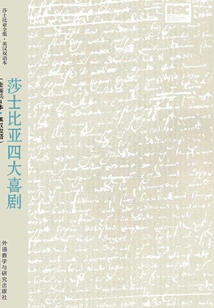
Translated based on the Royal Edition of "The Complete Works of Shakespeare", the most authentic text, the most authoritative annotation, and the most poetic translation! "Shakespeare's Four Comedies" include "The Merchant of Venice", "A Midsummer Night's Dream", "As You Like It" and "Twelfth Night". Romantic and lyrical, full of whimsy and wit, the product of a combination of poetry and agility, filled with the unique brilliance of beauty and humor.
Translated based on the Royal Edition of "The Complete Works of Shakespeare", the most authentic text, the most authoritative annotation, and the most poetic translation! "Shakespeare's Four Comedies" include "The Merchant of Venice", "A Midsummer Night's Dream", "As You Like It" and "Twelfth Night". Romantic and lyrical, full of whimsy and wit, the product of a combination of poetry and agility, filled with the unique brilliance of beauty and humor.
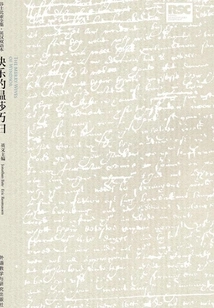
The Merry Wives of Windsor (shakespeare Comedy Series)
General Fiction快乐的温莎巧妇(莎士比亚喜剧系列)
(english) Shakespeare
The latest classic version of FLTRP! "The Merry Wives of Windsor" describes the experience of Sir John Falstaff, a greedy and lustful man, who was teased by the wives of two wealthy gentlemen in the town of Windsor.
The latest classic version of FLTRP! "The Merry Wives of Windsor" describes the experience of Sir John Falstaff, a greedy and lustful man, who was teased by the wives of two wealthy gentlemen in the town of Windsor.
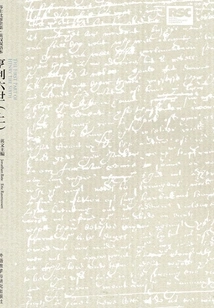
亨利六世(上):英汉对照(莎士比亚历史剧系列)
G
The latest classic version of FLTRP! "Henry VI" (Part 1) tells the story of the strife between the royal family and relatives during Henry VI's infancy, as well as the failure of Britain to safeguard its rights and interests in France.
The latest classic version of FLTRP! "Henry VI" (Part 1) tells the story of the strife between the royal family and relatives during Henry VI's infancy, as well as the failure of Britain to safeguard its rights and interests in France.
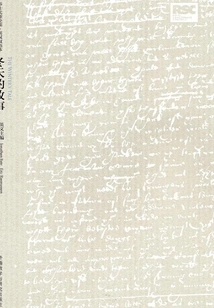
The Winter's Tale (shakespeare's Comedy Series)
General Fiction冬天的故事(莎士比亚喜剧系列)
G
The latest classic version of FLTRP! "The Winter's Tale" tells the story of King Leontes of Sicily who suspected that Queen Hermione was having an affair with his friend Polixenes, so he imprisoned the queen and abandoned his newborn daughter. When his daughter was pursued by Polixenes' son, her true identity was discovered, and the queen who everyone thought was dead also emerged from hiding.
The latest classic version of FLTRP! "The Winter's Tale" tells the story of King Leontes of Sicily who suspected that Queen Hermione was having an affair with his friend Polixenes, so he imprisoned the queen and abandoned his newborn daughter. When his daughter was pursued by Polixenes' son, her true identity was discovered, and the queen who everyone thought was dead also emerged from hiding.
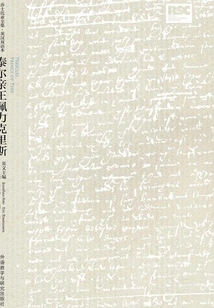
Pericles, Prince of Tire: English-chinese (shakespeare)
General Fiction泰尔亲王佩力克里斯:英汉对照(莎士比亚作品)
G
The latest classic version of FLTRP! "Pericles, Prince of Tire" tells the story of Prince Pericles who discovered the incestuous privacy of Antiochus and his daughter, feared his power, and fled his country on a long voyage. After a lot of ups and downs, he reunited with his wife and daughter.
The latest classic version of FLTRP! "Pericles, Prince of Tire" tells the story of Prince Pericles who discovered the incestuous privacy of Antiochus and his daughter, feared his power, and fled his country on a long voyage. After a lot of ups and downs, he reunited with his wife and daughter.
The Comedy of Errors (shakespeare Comedy Series)
General Fiction错误的喜剧(莎士比亚喜剧系列)
G
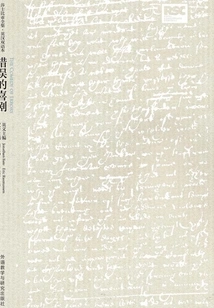
The latest classic version of FLTRP! "The Comedy of Errors" mainly tells the story of a pair of twin brothers who are very similar in appearance and body. After being separated at sea, they appeared together in a foreign city, causing many ridiculous plots of misunderstanding.
The latest classic version of FLTRP! "The Comedy of Errors" mainly tells the story of a pair of twin brothers who are very similar in appearance and body. After being separated at sea, they appeared together in a foreign city, causing many ridiculous plots of misunderstanding.
Two Noble Brothers (shakespeare's Works)
General Fiction两贵亲(莎士比亚作品)
G
The latest classic version of FLTRP! "Two Noble Kinsmen" tells the story of a duel between two noble knights over a beautiful girl.
The latest classic version of FLTRP! "Two Noble Kinsmen" tells the story of a duel between two noble knights over a beautiful girl.
亨利四世(下):英汉对照(莎士比亚历史剧系列)
G
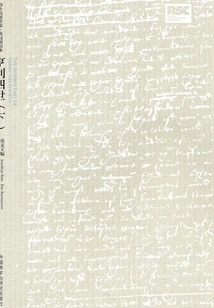
The latest classic version of FLTRP! "Henry IV" (Part 2) tells the story of the activities of the young prince Henry (called Henry V after he ascended the throne) during the reign of Henry IV.
The latest classic version of FLTRP! "Henry IV" (Part 2) tells the story of the activities of the young prince Henry (called Henry V after he ascended the throne) during the reign of Henry IV.
The Tempest (shakespeare Comedy Series)
General Fiction暴风雨(莎士比亚喜剧系列)
G
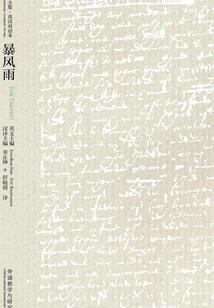
The latest classic version of FLTRP! "The Tempest" tells the experience of Prospero who rules the Principality of Milan. He is a landless emperor and a great magician. He uses imagination as a commanding attendant spirit. He can sink ships, enslave enemies, and marry lovers at will. His omnipotence, and the source of all his power, lies in his gentleness, kindness, and charitable broad-mindedness.
The latest classic version of FLTRP! "The Tempest" tells the experience of Prospero who rules the Principality of Milan. He is a landless emperor and a great magician. He uses imagination as a commanding attendant spirit. He can sink ships, enslave enemies, and marry lovers at will. His omnipotence, and the source of all his power, lies in his gentleness, kindness, and charitable broad-mindedness.
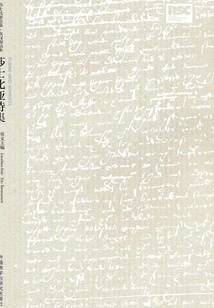
Collected Poems of Shakespeare (shakespeare's Works, Fltrp Poetry Translation Edition)
General Fiction莎士比亚诗集(莎士比亚作品,外研社诗体译版)
G
The latest classic version of FLTRP! "Shakespeare's Poems" contains sonnets and other poems written by Shakespeare, many of which are popular and widely circulated. The form of poetry is unrestricted, free and unrestrained, and the language of poetry is also full of imagination and emotion.
The latest classic version of FLTRP! "Shakespeare's Poems" contains sonnets and other poems written by Shakespeare, many of which are popular and widely circulated. The form of poetry is unrestricted, free and unrestrained, and the language of poetry is also full of imagination and emotion.
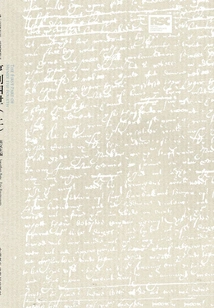
Henry Iv (part 1) (shakespeare's Historical Drama Series)
General Fiction亨利四世(上)(莎士比亚历史剧系列)
G
The latest classic version of FLTRP! "Henry IV" (Part 1) tells the story of the activities of the young prince Henry (called Henry V after he ascended the throne) during the reign of Henry IV.
The latest classic version of FLTRP! "Henry IV" (Part 1) tells the story of the activities of the young prince Henry (called Henry V after he ascended the throne) during the reign of Henry IV.
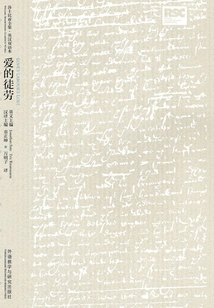
Love in Vain (shakespeare Comedy Series)
General Fiction爱的徒劳(莎士比亚喜剧系列)
(english) Shakespeare
The latest classic version of FLTRP! "Love in vain" tells the story of the King of Navarre and his three noble courtiers. The four vowed not to have sex with women for three years. Unexpectedly, the French king sent a princess with three maids to claim the old province of Aquitaine. The four soon gave up their original intention and each fell in love.
The latest classic version of FLTRP! "Love in vain" tells the story of the King of Navarre and his three noble courtiers. The four vowed not to have sex with women for three years. Unexpectedly, the French king sent a princess with three maids to claim the old province of Aquitaine. The four soon gave up their original intention and each fell in love.
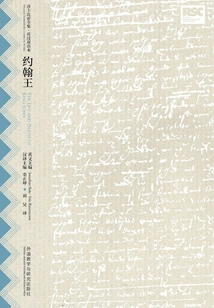
King John (shakespeare Historical Drama Series)
General Fiction约翰王(莎士比亚历史剧系列)
G
The latest classic version of FLTRP! "King John" tells the main experiences of King John's life, such as his war with the French royal family for the British throne, his persecution of the legitimate heir to the throne, his plunder of the church and his conflict with the Holy See, the betrayal and surrender of the nobles to him, and his poisoning to death by monks.
The latest classic version of FLTRP! "King John" tells the main experiences of King John's life, such as his war with the French royal family for the British throne, his persecution of the legitimate heir to the throne, his plunder of the church and his conflict with the Holy See, the betrayal and surrender of the nobles to him, and his poisoning to death by monks.
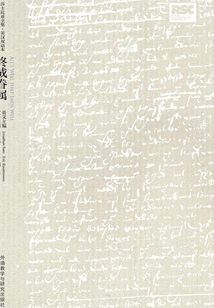
Married at Last (shakespeare Comedy Series)
General Fiction终成眷属(莎士比亚喜剧系列)
G
The latest classic version of FLTRP! "Finally Married" tells the story of how a beautiful and talented heroine goes to great lengths to win the love of a noble-born, arrogant and superficial playboy.
The latest classic version of FLTRP! "Finally Married" tells the story of how a beautiful and talented heroine goes to great lengths to win the love of a noble-born, arrogant and superficial playboy.
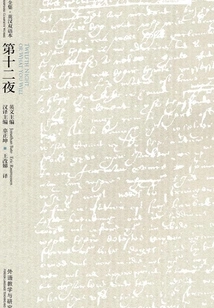
Twelfth Night (shakespeare Comedy Series)
General Fiction第十二夜(莎士比亚喜剧系列)
(english) Shakespeare
The latest classic version of FLTRP! "Twelfth Night" tells the story of twin brothers Sebastian and Viola who reunited after a series of twists and turns after being shipwrecked.
The latest classic version of FLTRP! "Twelfth Night" tells the story of twin brothers Sebastian and Viola who reunited after a series of twists and turns after being shipwrecked.