Library
Browse and search books
513 novels found
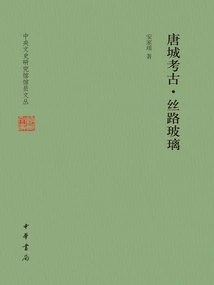
唐城考古·丝路玻璃
An Jiayao
"Tangcheng Archeology Silk Road Glass", written by An Jiayao, contains 21 of the author's main academic papers, divided into "Archaeology" and "Ancient Glass". At the end of the article are several proposals involving cultural heritage protection when the author was a member of the National Committee of the Chinese People's Political Consultative Conference. "Archaeology" contains 6 papers, most of which are the author's research experiences from the archaeological excavations of Ximing Temple, Yuanqiu, Daming Palace, and Taiye Pool in Chang'an City of the Tang Dynasty. They cover major issues related to religious temples, ritual buildings, palace buildings, etc. In the study of Chang'an City in the Sui and Tang Dynasties. "Ancient Glass" contains 15 papers. This is a research field that the author has been working on for more than 40 years. From point to surface, from micro to macro, combined with Chinese and foreign archaeological discoveries and historical documents, it summarizes the development and technological characteristics of ancient glass in my country, and proposes that "the historical east-west transportation artery is not only the Silk Road, but also the Glass Road."
"Tangcheng Archeology Silk Road Glass", written by An Jiayao, contains 21 of the author's main academic papers, divided into "Archaeology" and "Ancient Glass". At the end of the article are several proposals involving cultural heritage protection when the author was a member of the National Committee of the Chinese People's Political Consultative Conference. "Archaeology" contains 6 papers, most of which are the author's research experiences from the archaeological excavations of Ximing Temple, Yuanqiu, Daming Palace, and Taiye Pool in Chang'an City of the Tang Dynasty. They cover major issues related to religious temples, ritual buildings, palace buildings, etc. In the study of Chang'an City in the Sui and Tang Dynasties. "Ancient Glass" contains 15 papers. This is a research field that the author has been working on for more than 40 years. From point to surface, from micro to macro, combined with Chinese and foreign archaeological discoveries and historical documents, it summarizes the development and technological characteristics of ancient glass in my country, and proposes that "the historical east-west transportation artery is not only the Silk Road, but also the Glass Road."
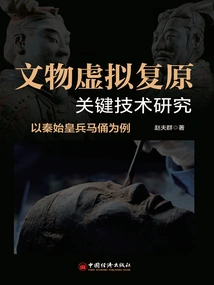
文物虚拟复原关键技术研究:以秦始皇兵马俑为例
Zhao Fuqun
This book selects Qin Shihuang's Terracotta Warriors and Horses as a typical case to explore the virtual restoration technology that can be adopted for cultural relics along the "One Belt, One Road" initiative. As a project of the National Natural Science Foundation of China and a research project of major theoretical and practical issues in social sciences of Shaanxi Province, this book focuses on the digital protection plan of cultural relics along the "One Belt and One Road". It determines a three-dimensional data model for the rigid cultural relic fragments represented by the Terracotta Warriors and Horses, and adopts a fragment matching method based on multiple characteristics on the fracture surface to match and splice adjacent fragments to achieve virtual restoration of cultural relics. This book explores the technical possibilities of virtual restoration of cultural relics along the "One Belt and One Road".
This book selects Qin Shihuang's Terracotta Warriors and Horses as a typical case to explore the virtual restoration technology that can be adopted for cultural relics along the "One Belt, One Road" initiative. As a project of the National Natural Science Foundation of China and a research project of major theoretical and practical issues in social sciences of Shaanxi Province, this book focuses on the digital protection plan of cultural relics along the "One Belt and One Road". It determines a three-dimensional data model for the rigid cultural relic fragments represented by the Terracotta Warriors and Horses, and adopts a fragment matching method based on multiple characteristics on the fracture surface to match and splice adjacent fragments to achieve virtual restoration of cultural relics. This book explores the technical possibilities of virtual restoration of cultural relics along the "One Belt and One Road".
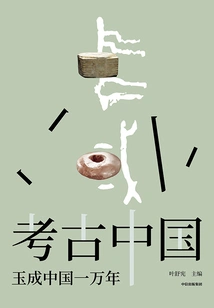
考古中国:玉成中国一万年
Editor-in-chief Ye Shuxian
"Archaeology of China: Ten Thousand Years of Jade in China" is a general reading book that uses jade cultural sites and typical jade articles to present China's ten thousand year jade culture. The book introduces more than 30 prehistoric and Xia-Shang period sites such as Chahai, Hongshan, Yangshao, Lingjiatan, Liangzhu, Longshan, Yinxu, and Sanxingdui, as well as the shapes, craftsmanship, and uses of typical jade articles from the above-mentioned sites. It reflects the spiritual beliefs of the ancients and presents the inheritance and exchange of jade culture. This book is edited by Ye Shuxian, a senior professor of liberal arts at Shanghai Jiao Tong University, and 13 scholars including well-known archaeologists, anthropology researchers, and museum curators participated in the writing. Professor Ye Shuxian leads the book with his unique perspective of "jade makes China", presenting the process of jade culture building a diverse and unified Chinese civilization over thousands of years.
"Archaeology of China: Ten Thousand Years of Jade in China" is a general reading book that uses jade cultural sites and typical jade articles to present China's ten thousand year jade culture. The book introduces more than 30 prehistoric and Xia-Shang period sites such as Chahai, Hongshan, Yangshao, Lingjiatan, Liangzhu, Longshan, Yinxu, and Sanxingdui, as well as the shapes, craftsmanship, and uses of typical jade articles from the above-mentioned sites. It reflects the spiritual beliefs of the ancients and presents the inheritance and exchange of jade culture. This book is edited by Ye Shuxian, a senior professor of liberal arts at Shanghai Jiao Tong University, and 13 scholars including well-known archaeologists, anthropology researchers, and museum curators participated in the writing. Professor Ye Shuxian leads the book with his unique perspective of "jade makes China", presenting the process of jade culture building a diverse and unified Chinese civilization over thousands of years.
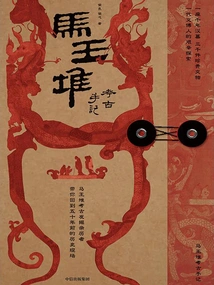
马王堆考古手记
Hou Liang Hou Yi
A thousand-year-old Han tomb, three thousand precious cultural relics, and the arduous exploration of a generation of cultural experts. "Mawangdui Archaeological Notes" truly restores the archaeological excavation process of the Mawangdui Han Tomb that shocked the world at that time. It uses first-hand information to dispel widespread rumors and reviews the twists and turns of the excavation process 50 years ago with a fascinating narrative. Hou Liang, one of the authors of this book, is one of the witnesses and leaders of the archaeological excavation of the Mawangdui Han Tomb. Mr. Hou Liang has devoted his life to the research and popularization of Mawangdui. In him, we can see the sense of belief of the older generation of archaeologists who "choose one thing and live a lifetime." This book combs through the large number of manuscripts, book manuscripts and internal materials left by Mr. Hou Liang, and includes precious video materials from the excavation site. The Mawangdui Han Tombs are among the seventh batch of national key cultural relics protection units and were selected into the country's "Top 100 Archaeological Discoveries in a Century". A large number of cultural relics unearthed in Mawangdui can be regarded as rare treasures, which can derive independent knowledge, such as silk books, silk paintings, bamboo slips, lacquerware, etc. This book provides high-definition pictures of cultural relics from the Hunan Museum, bringing you a viewing experience as if you were at the scene. From the unique perspective of museology, it narrates the life world of the Han Dynasty behind the cultural relics.
A thousand-year-old Han tomb, three thousand precious cultural relics, and the arduous exploration of a generation of cultural experts. "Mawangdui Archaeological Notes" truly restores the archaeological excavation process of the Mawangdui Han Tomb that shocked the world at that time. It uses first-hand information to dispel widespread rumors and reviews the twists and turns of the excavation process 50 years ago with a fascinating narrative. Hou Liang, one of the authors of this book, is one of the witnesses and leaders of the archaeological excavation of the Mawangdui Han Tomb. Mr. Hou Liang has devoted his life to the research and popularization of Mawangdui. In him, we can see the sense of belief of the older generation of archaeologists who "choose one thing and live a lifetime." This book combs through the large number of manuscripts, book manuscripts and internal materials left by Mr. Hou Liang, and includes precious video materials from the excavation site. The Mawangdui Han Tombs are among the seventh batch of national key cultural relics protection units and were selected into the country's "Top 100 Archaeological Discoveries in a Century". A large number of cultural relics unearthed in Mawangdui can be regarded as rare treasures, which can derive independent knowledge, such as silk books, silk paintings, bamboo slips, lacquerware, etc. This book provides high-definition pictures of cultural relics from the Hunan Museum, bringing you a viewing experience as if you were at the scene. From the unique perspective of museology, it narrates the life world of the Han Dynasty behind the cultural relics.
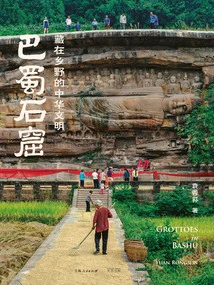
巴蜀石窟:藏在乡野的中华文明
Yuan Rongsun
This book is a documentary work with pictures and texts that introduces the Bashu Grottoes, the carrier of Chinese civilization. This book tells the story of the Bashu Grottoes, an important part of Chinese grottoes. It is divided into six chapters: "North Sichuan Shu Road", "Jialing Riverside", "Western Sichuan Bazi", "Chengyu Ancient Road", "Anyue Grottoes" and "Dazu Rock Carvings". Following the path of the spread of grotto art from the Central Plains to Bashu, 37 representative grottoes represented by the Dazu Rock Carvings are selected. Based on the author's 16-year search and shooting experience, 612 pictures are included. The film introduces the long history, artistic value, humanistic anecdotes of the grottoes, the historical geography and local features of the grottoes' location, with a special focus on the local residents who live adjacent to the grottoes. It records the touching deeds of more than 50 rural cultural administrators guarding the grottoes, highlighting the important value of the Bashu Grottoes as a carrier of Chinese civilization, and the inherent spiritual qualities of the Chinese nation such as inheritance and protection reflected in the protection of cultural relics in the grottoes.
This book is a documentary work with pictures and texts that introduces the Bashu Grottoes, the carrier of Chinese civilization. This book tells the story of the Bashu Grottoes, an important part of Chinese grottoes. It is divided into six chapters: "North Sichuan Shu Road", "Jialing Riverside", "Western Sichuan Bazi", "Chengyu Ancient Road", "Anyue Grottoes" and "Dazu Rock Carvings". Following the path of the spread of grotto art from the Central Plains to Bashu, 37 representative grottoes represented by the Dazu Rock Carvings are selected. Based on the author's 16-year search and shooting experience, 612 pictures are included. The film introduces the long history, artistic value, humanistic anecdotes of the grottoes, the historical geography and local features of the grottoes' location, with a special focus on the local residents who live adjacent to the grottoes. It records the touching deeds of more than 50 rural cultural administrators guarding the grottoes, highlighting the important value of the Bashu Grottoes as a carrier of Chinese civilization, and the inherent spiritual qualities of the Chinese nation such as inheritance and protection reflected in the protection of cultural relics in the grottoes.
汉长安城研究(2006—2021)
Institute Of Archeology, Chinese Academy Of Social Sciences
This book is a collection of the archaeological discoveries and research results of Chang'an City in the Han Dynasty from 2006 to 2021. It contains almost all excavation materials and monographs during this period. It is an indispensable and important reference book for researchers in related fields. The book is divided into two parts: the upper part contains field archaeological data, including 12 excavation reports and 12 briefs (materials before the excavation work has been completed but has not yet been compiled into a formal report); the lower part contains research papers, including 4 research reviews and 42 related thematic papers. The capital is a place where the material civilization and spiritual civilization of a dynasty gather. Chang'an City of the Han Dynasty was the capital of the Western Han Dynasty and the Xinmang Dynasty. It was the political, economic, military and cultural center of the country. It ran through the founding starting point of the Silk Road between China and the West. Together with Rome in the West, it was called the largest and most important city in the world at that time. After 65 years of archaeological exploration, the plane shape and scale of Han Chang'an City, the structure of the city walls and moats, the shape of the city gates and inner city streets, the distribution of water systems inside and outside the city, the scope and layout of Weiyang Palace, Changle Palace, Gui Palace, and Beigong Palace, the location and architectural configuration of the arsenal, the types of handicraft workshops in the northwest, etc. Have been basically clarified. Represented by the ritual buildings in the southern suburbs, the appearance of the suburbs has gradually become clearer.
This book is a collection of the archaeological discoveries and research results of Chang'an City in the Han Dynasty from 2006 to 2021. It contains almost all excavation materials and monographs during this period. It is an indispensable and important reference book for researchers in related fields. The book is divided into two parts: the upper part contains field archaeological data, including 12 excavation reports and 12 briefs (materials before the excavation work has been completed but has not yet been compiled into a formal report); the lower part contains research papers, including 4 research reviews and 42 related thematic papers. The capital is a place where the material civilization and spiritual civilization of a dynasty gather. Chang'an City of the Han Dynasty was the capital of the Western Han Dynasty and the Xinmang Dynasty. It was the political, economic, military and cultural center of the country. It ran through the founding starting point of the Silk Road between China and the West. Together with Rome in the West, it was called the largest and most important city in the world at that time. After 65 years of archaeological exploration, the plane shape and scale of Han Chang'an City, the structure of the city walls and moats, the shape of the city gates and inner city streets, the distribution of water systems inside and outside the city, the scope and layout of Weiyang Palace, Changle Palace, Gui Palace, and Beigong Palace, the location and architectural configuration of the arsenal, the types of handicraft workshops in the northwest, etc. Have been basically clarified. Represented by the ritual buildings in the southern suburbs, the appearance of the suburbs has gradually become clearer.
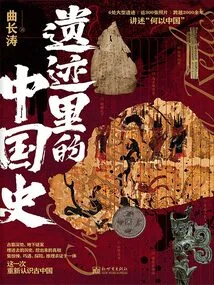
Chinese History in Ruins
History遗迹里的中国史
Qu Changtao
6 large-scale ruins, nearly 300 photos of ruins and cultural relics, spanning more than 2,000 years - telling "Why China" This book selects large-scale ruins such as the Yinxu ruins, the Sanxingdui ruins, the tomb of King Anli of Wei, the Qin tomb in Suihudi, the Han tomb of Mawangdui, and the tomb of Haihunhou, and tells the story It describes the origin, excavation process, excavation harvest and the tracing process of unearthed cultural relics, involving 88 emperors and princes, and contains nearly 300 photos, including archaeological sites, historical relics, true appearance of cultural relics, lost ancient books, precious remains, tomb skeletons, etc. It allows readers to be immersed in the field, interpret Chinese history from the perspective of archaeological remains, understand the ins and outs of history more easily, and restore the past and present of our country in different eras and regions.
6 large-scale ruins, nearly 300 photos of ruins and cultural relics, spanning more than 2,000 years - telling "Why China" This book selects large-scale ruins such as the Yinxu ruins, the Sanxingdui ruins, the tomb of King Anli of Wei, the Qin tomb in Suihudi, the Han tomb of Mawangdui, and the tomb of Haihunhou, and tells the story It describes the origin, excavation process, excavation harvest and the tracing process of unearthed cultural relics, involving 88 emperors and princes, and contains nearly 300 photos, including archaeological sites, historical relics, true appearance of cultural relics, lost ancient books, precious remains, tomb skeletons, etc. It allows readers to be immersed in the field, interpret Chinese history from the perspective of archaeological remains, understand the ins and outs of history more easily, and restore the past and present of our country in different eras and regions.
20世纪黑龙江考古
Shi Yan
As we all know, frontier archeology is an important part of Chinese archeology and has unique value because of its geographical scope and cultural characteristics. Heilongjiang archeology is one of the frontier archaeological areas in my country. The results obtained from archaeological excavations have become historical witnesses to the formation of my country's unified multi-ethnic country and physical witnesses to the territory of the Chinese nation. They have reproduced for us the history of the formation of the multi-ethnic country with Han as the main body in Heilongjiang and the northeastern territory. This book is based on the practice of archaeological work in the Heilongjiang region in the 20th century, from the Paleolithic Age to the Qing Dynasty, and spatially centered on the Songnen Plain, the Sanjiang Plain, and the three major areas of the Mudanjiang and Suifen river basins in modern Heilongjiang. It summarizes and summarizes the materials, achievements and understandings collected over the past century. Through these basic works, it explores the origins of civilization in the Heilongjiang region and its gradual development process, and proves the status and contribution of border areas in the formation of the pluralistic unity of the Chinese nation.
As we all know, frontier archeology is an important part of Chinese archeology and has unique value because of its geographical scope and cultural characteristics. Heilongjiang archeology is one of the frontier archaeological areas in my country. The results obtained from archaeological excavations have become historical witnesses to the formation of my country's unified multi-ethnic country and physical witnesses to the territory of the Chinese nation. They have reproduced for us the history of the formation of the multi-ethnic country with Han as the main body in Heilongjiang and the northeastern territory. This book is based on the practice of archaeological work in the Heilongjiang region in the 20th century, from the Paleolithic Age to the Qing Dynasty, and spatially centered on the Songnen Plain, the Sanjiang Plain, and the three major areas of the Mudanjiang and Suifen river basins in modern Heilongjiang. It summarizes and summarizes the materials, achievements and understandings collected over the past century. Through these basic works, it explores the origins of civilization in the Heilongjiang region and its gradual development process, and proves the status and contribution of border areas in the formation of the pluralistic unity of the Chinese nation.
A Preliminary Study on the Archeology of Disease Treatment: Xinjiang Bronze Age to Early Iron Age
History疾病医疗考古初探:新疆青铜时代至早期铁器时代
Relax
Disease archeology is a discipline that uses paleopathological methods to scientifically identify diseases and trauma manifested in human remains, and uses documentary materials, images and unearthed relics to conduct a comprehensive analysis of the social relationships, livelihood patterns and cultural customs of relevant groups of people. This article comprehensively analyzes human bone materials from 38 published cemeteries and sites of the Bronze Age and Early Iron Age in Xinjiang, which are divided into three units: the Altai Mountains, the Tianshan Mountains, and the Kunlun Mountains according to the geographical concept. Combining the natural environment and historical background, it studies trauma, dental diseases, congenital malformations, tumors, joint diseases, respiratory diseases, infectious diseases, metabolic and endocrine diseases, as well as skull deformation, drilling, skull trepanation and other phenomena, objectively reflecting the human-land relationship and ethnic conflicts in Xinjiang during this period.
Disease archeology is a discipline that uses paleopathological methods to scientifically identify diseases and trauma manifested in human remains, and uses documentary materials, images and unearthed relics to conduct a comprehensive analysis of the social relationships, livelihood patterns and cultural customs of relevant groups of people. This article comprehensively analyzes human bone materials from 38 published cemeteries and sites of the Bronze Age and Early Iron Age in Xinjiang, which are divided into three units: the Altai Mountains, the Tianshan Mountains, and the Kunlun Mountains according to the geographical concept. Combining the natural environment and historical background, it studies trauma, dental diseases, congenital malformations, tumors, joint diseases, respiratory diseases, infectious diseases, metabolic and endocrine diseases, as well as skull deformation, drilling, skull trepanation and other phenomena, objectively reflecting the human-land relationship and ethnic conflicts in Xinjiang during this period.
考古四记:田野中的历史人生
Zheng Jiali
This warm-hearted archaeological notebook integrates fieldwork, archeology, reading, history, personal emotions and life experiences into four parts: archaeological notes, field notes, historical notes and life notes. This is a warm archaeological note. The author uses a rational style that combines sensibility and field investigation notes to clearly and completely present his more than 20 years of exploration and exploration in the fields. The book is divided into four chapters: Archaeological Notes, which return to the archaeological excavation site and restore the first-line sites and tomb excavation scenes; Field Notes, which describe the experiences and thoughts during field trips, conveying the charm and interest of archaeological work; Historical Notes, which explore the mysteries of monuments and artifacts, presenting a complete historical picture; Life Notes, which use light pen to write deep feelings, recall those unforgettable people and things, and express the cherishment of the warmth and goodwill of the world. These simple, sincere and enthusiastic words embody the author's thinking about life and enthusiasm for archaeological work, trying to establish a connection between archaeologists and the public in terms of knowledge, interest, emotion and thought.
This warm-hearted archaeological notebook integrates fieldwork, archeology, reading, history, personal emotions and life experiences into four parts: archaeological notes, field notes, historical notes and life notes. This is a warm archaeological note. The author uses a rational style that combines sensibility and field investigation notes to clearly and completely present his more than 20 years of exploration and exploration in the fields. The book is divided into four chapters: Archaeological Notes, which return to the archaeological excavation site and restore the first-line sites and tomb excavation scenes; Field Notes, which describe the experiences and thoughts during field trips, conveying the charm and interest of archaeological work; Historical Notes, which explore the mysteries of monuments and artifacts, presenting a complete historical picture; Life Notes, which use light pen to write deep feelings, recall those unforgettable people and things, and express the cherishment of the warmth and goodwill of the world. These simple, sincere and enthusiastic words embody the author's thinking about life and enthusiasm for archaeological work, trying to establish a connection between archaeologists and the public in terms of knowledge, interest, emotion and thought.
黄沙下的世界:埃及学黄金时代的探险和考古
O
The West's fascination with ancient Egypt can be traced back to ancient Greece, and the practice of collecting Egyptian artifacts was common as early as ancient Rome. Nothing is more exciting than digging for Pharaonic golden treasures in the yellow sands of Egypt. The artifacts of the Nile have been a source of imagination and inspiration for Westerners for centuries. On this basis, a real discipline - Egyptology - was gradually formed. The 19th century to the early 20th century was the heyday of Egyptology. This complex era witnessed all the great discoveries and prompted the recurring "Egyptian fever" in the West. This golden age of scholarship and adventure ended with two landmark events: Champollion's deciphering of hieroglyphics in 1822, and the discovery of Tutankhamun's tomb exactly 100 years later. The former provides the key to unlocking the mysteries of the Pharaonic civilization, prompting people to desperately go to Egypt to find more artifacts; the latter shows the prosperity and complexity of the Pharaonic civilization, sounding the death knell for the West's dominance in Egypt. "The World Beneath the Yellow Sand" by Cambridge Egyptian archaeologist Toby Wilkinson takes the timeline of the development of Egyptology as the main axis and provides a comprehensive restoration of the emergence of Egyptology and the exploration and archeology of the Golden Age. His combing of Egyptology helps us gradually see a real ancient Egyptian civilization - from a mysterious source of wisdom, to an alien within the framework of the Bible and classical literature, to a civilization that shares its glory with the ancient Roman Empire. "The World Under the Yellow Sand" not only records the grand expeditions and residual jealous competition and plunder carried out by the four countries of Britain, France, Germany and the United States to seize ancient Egyptian cultural relics, but also reflects how Egypt, which was invaded by European colonization, entered the modernization process in a bumpy way. The book tells the story of all kinds of people - unscrupulous antiquities dealers, explorers who challenge new things, archaeologists who devote themselves to learning, wily diplomats, Egyptian rulers obsessed with Europeanization, and the fascinating stories that happened to them. Their fascination with ancient Egyptian civilization has changed our understanding of the Nile Valley and its people, enhanced our understanding of the rich and colorful local history and culture, and also had a profound impact on Egypt. Regardless of their motivations and methods, their exploration and archeology, which lasted for more than a century, had an impact on the development of Egyptology to a certain extent and revealed to us a lost world that had been buried under the yellow sand for centuries.
The West's fascination with ancient Egypt can be traced back to ancient Greece, and the practice of collecting Egyptian artifacts was common as early as ancient Rome. Nothing is more exciting than digging for Pharaonic golden treasures in the yellow sands of Egypt. The artifacts of the Nile have been a source of imagination and inspiration for Westerners for centuries. On this basis, a real discipline - Egyptology - was gradually formed. The 19th century to the early 20th century was the heyday of Egyptology. This complex era witnessed all the great discoveries and prompted the recurring "Egyptian fever" in the West. This golden age of scholarship and adventure ended with two landmark events: Champollion's deciphering of hieroglyphics in 1822, and the discovery of Tutankhamun's tomb exactly 100 years later. The former provides the key to unlocking the mysteries of the Pharaonic civilization, prompting people to desperately go to Egypt to find more artifacts; the latter shows the prosperity and complexity of the Pharaonic civilization, sounding the death knell for the West's dominance in Egypt. "The World Beneath the Yellow Sand" by Cambridge Egyptian archaeologist Toby Wilkinson takes the timeline of the development of Egyptology as the main axis and provides a comprehensive restoration of the emergence of Egyptology and the exploration and archeology of the Golden Age. His combing of Egyptology helps us gradually see a real ancient Egyptian civilization - from a mysterious source of wisdom, to an alien within the framework of the Bible and classical literature, to a civilization that shares its glory with the ancient Roman Empire. "The World Under the Yellow Sand" not only records the grand expeditions and residual jealous competition and plunder carried out by the four countries of Britain, France, Germany and the United States to seize ancient Egyptian cultural relics, but also reflects how Egypt, which was invaded by European colonization, entered the modernization process in a bumpy way. The book tells the story of all kinds of people - unscrupulous antiquities dealers, explorers who challenge new things, archaeologists who devote themselves to learning, wily diplomats, Egyptian rulers obsessed with Europeanization, and the fascinating stories that happened to them. Their fascination with ancient Egyptian civilization has changed our understanding of the Nile Valley and its people, enhanced our understanding of the rich and colorful local history and culture, and also had a profound impact on Egypt. Regardless of their motivations and methods, their exploration and archeology, which lasted for more than a century, had an impact on the development of Egyptology to a certain extent and revealed to us a lost world that had been buried under the yellow sand for centuries.
了不起的世界文明:找寻世界十大考古遗迹
Li Ling Et Al.
The general background of this book is the "going out" of Chinese archaeology - in the past ten years or so, some Chinese universities and cultural relics and archaeological institutions have successively gone abroad, starting from neighboring countries, and gradually moved to distant Egypt and Central America, and carried out archaeological work in various countries around the world, gradually becoming a prairie fire. Why discover other ancient civilizations? How to conduct archaeological research on ancient nomadic culture? What archaeological imprints did the Huns leave behind when they swept across Eurasia? How did Angkor Wat rise from the ruins? Did Zheng He's fleet really leave "blood" in Africa? How was the global civilization map formed? Ten front-line archaeological leaders who "go global" return to ancient civilizations around the world from a Chinese perspective, and personally describe what they saw and thought during the excavations, as well as the civilizational connotations behind the archaeological remains. These ten unique overseas archaeological cases are a concentrated representation of our exploration of world civilization, and are also a vivid portrayal of Chinese archaeology going abroad. The book is supplemented by more than 500 frames of pictures, and provides concise and clear space-time coordinate axes, the history of discovery\u002F excavation, extended reading, museum exhibits and other special information. Readers can have a bird's-eye view and overview of ancient civilizations around the world.
The general background of this book is the "going out" of Chinese archaeology - in the past ten years or so, some Chinese universities and cultural relics and archaeological institutions have successively gone abroad, starting from neighboring countries, and gradually moved to distant Egypt and Central America, and carried out archaeological work in various countries around the world, gradually becoming a prairie fire. Why discover other ancient civilizations? How to conduct archaeological research on ancient nomadic culture? What archaeological imprints did the Huns leave behind when they swept across Eurasia? How did Angkor Wat rise from the ruins? Did Zheng He's fleet really leave "blood" in Africa? How was the global civilization map formed? Ten front-line archaeological leaders who "go global" return to ancient civilizations around the world from a Chinese perspective, and personally describe what they saw and thought during the excavations, as well as the civilizational connotations behind the archaeological remains. These ten unique overseas archaeological cases are a concentrated representation of our exploration of world civilization, and are also a vivid portrayal of Chinese archaeology going abroad. The book is supplemented by more than 500 frames of pictures, and provides concise and clear space-time coordinate axes, the history of discovery\u002F excavation, extended reading, museum exhibits and other special information. Readers can have a bird's-eye view and overview of ancient civilizations around the world.
寻秦迹:透过秦俑看秦朝
Xu Weihong Shen Shen
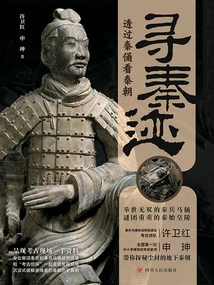
[Recommended by Xu Hong, Ma Boyong, and Yu Genzhe! Enter the excavation site with the "archaeological detective"] The Terracotta Warriors and Horses are a symbol of the strength and magnanimity of the Qin Empire. Behind the Terracotta Warriors and Horses are proof that countless living individuals have lived in the era. They are like cells of the Qin Empire and have become the most vivid annotations of the Qin Empire. Xu Weihong, the leader of the third excavation of the Terracotta Warriors and Horses Pit No. 1 And the excavation of the Qin Xianyang City ruins, has been unremittingly "searching for relatives" and studying Qin history for 30 years. In this book, she presents us with many subtle discoveries at the terracotta warriors and horses archaeological excavation site. Together, they reproduce a vivid picture of Qin Dynasty society: along the branching lineage of the Qin Terracotta Warriors family, what kind of innovation and inheritance, reality and expectations can be seen of the Qin people? The "Wule Gongming" system is improving day by day, and the terracotta warriors and horses repaired with "bone paste" represent the pragmatism of the Qin people or the compromise of the regulatory authorities? How did the developed local lacquerware technology in the Qin Dynasty support craftsmen to create such vividly colored terracotta warriors and horses? What three types of people built the Qin Mausoleum, and how did they provide logistical support? ... And following the author's exploration of the living past of Qin and Korea, we can also see the reality of the Qin Dynasty behind more cultural relics and sites: How does the "Jue Juezi" in Qiangnu reflect the Qin Dynasty's military pursuit and surpassing of the nomads? Is Qin Shihuang's "conquering the world's troops" true or false? Is the implementation of the policy flexible? "Bao Qin" has a strict mourning process for soldiers who died in battle. Can it help us solve a little bit of our doubts about "why Qin unified the world?" What contribution did the development and growth of Liyi make to the Qin Empire's stabilization of its national rule...
[Recommended by Xu Hong, Ma Boyong, and Yu Genzhe! Enter the excavation site with the "archaeological detective"] The Terracotta Warriors and Horses are a symbol of the strength and magnanimity of the Qin Empire. Behind the Terracotta Warriors and Horses are proof that countless living individuals have lived in the era. They are like cells of the Qin Empire and have become the most vivid annotations of the Qin Empire. Xu Weihong, the leader of the third excavation of the Terracotta Warriors and Horses Pit No. 1 And the excavation of the Qin Xianyang City ruins, has been unremittingly "searching for relatives" and studying Qin history for 30 years. In this book, she presents us with many subtle discoveries at the terracotta warriors and horses archaeological excavation site. Together, they reproduce a vivid picture of Qin Dynasty society: along the branching lineage of the Qin Terracotta Warriors family, what kind of innovation and inheritance, reality and expectations can be seen of the Qin people? The "Wule Gongming" system is improving day by day, and the terracotta warriors and horses repaired with "bone paste" represent the pragmatism of the Qin people or the compromise of the regulatory authorities? How did the developed local lacquerware technology in the Qin Dynasty support craftsmen to create such vividly colored terracotta warriors and horses? What three types of people built the Qin Mausoleum, and how did they provide logistical support? ... And following the author's exploration of the living past of Qin and Korea, we can also see the reality of the Qin Dynasty behind more cultural relics and sites: How does the "Jue Juezi" in Qiangnu reflect the Qin Dynasty's military pursuit and surpassing of the nomads? Is Qin Shihuang's "conquering the world's troops" true or false? Is the implementation of the policy flexible? "Bao Qin" has a strict mourning process for soldiers who died in battle. Can it help us solve a little bit of our doubts about "why Qin unified the world?" What contribution did the development and growth of Liyi make to the Qin Empire's stabilization of its national rule...
丰镐地区西周墓葬研究
Zhang Liyan
This book conducts a typological analysis of the pottery unearthed from the Western Zhou tombs in Fenghao area, divides the Western Zhou tombs in Fenghao area into six periods, and summarizes the main characteristics of each period of pottery. It also analyzes the cultural factors of the pottery unearthed from the Western Zhou tombs in the area, and examines the shape and structure of the tombs, burial styles, various funerary objects, sacrificial remains, etc. Based on the diachronic changes in characteristics, it was concluded that there were two periods of change in the main characteristics of the Western Zhou tombs in Fenghao area; the tombs were classified into hierarchies, and the differences in social status between the Zhou people and the Yin survivors were examined from a hierarchical perspective, and it was pointed out that the Zhou people and the Yin survivors each used their own ways to demonstrate their status in burial customs.
This book conducts a typological analysis of the pottery unearthed from the Western Zhou tombs in Fenghao area, divides the Western Zhou tombs in Fenghao area into six periods, and summarizes the main characteristics of each period of pottery. It also analyzes the cultural factors of the pottery unearthed from the Western Zhou tombs in the area, and examines the shape and structure of the tombs, burial styles, various funerary objects, sacrificial remains, etc. Based on the diachronic changes in characteristics, it was concluded that there were two periods of change in the main characteristics of the Western Zhou tombs in Fenghao area; the tombs were classified into hierarchies, and the differences in social status between the Zhou people and the Yin survivors were examined from a hierarchical perspective, and it was pointed out that the Zhou people and the Yin survivors each used their own ways to demonstrate their status in burial customs.
读墓:南宋的墓葬与礼俗
Zheng Jiali
As a kind of man-made space, tombs are not only a display space for the evolution of skills such as architectural construction and artifact production, but also a stage for the competition of ideas and concepts such as family ethics and funeral customs. It is also the result of social politics, economic development, technological evolution, and changes in ideas and concepts. This book takes the tombs of the Southern Song Dynasty and related issues as the research object, takes the Southern Song Dynasty as the center, starts from the field, and uses the tombs as the fulcrum, seeking the possibility of comprehensive integration of field and documents, archeology and history. In the long historical development context, it explores and reveals the inheritance and changes of the tomb system, social etiquette, and ideological concepts, and gives the archeology of the tombs of the Southern Song Dynasty a relatively systematic academic value.
As a kind of man-made space, tombs are not only a display space for the evolution of skills such as architectural construction and artifact production, but also a stage for the competition of ideas and concepts such as family ethics and funeral customs. It is also the result of social politics, economic development, technological evolution, and changes in ideas and concepts. This book takes the tombs of the Southern Song Dynasty and related issues as the research object, takes the Southern Song Dynasty as the center, starts from the field, and uses the tombs as the fulcrum, seeking the possibility of comprehensive integration of field and documents, archeology and history. In the long historical development context, it explores and reveals the inheritance and changes of the tomb system, social etiquette, and ideological concepts, and gives the archeology of the tombs of the Southern Song Dynasty a relatively systematic academic value.
馆藏墓室壁画数字修复技术(上下册)
Wu Meng Et Al.
Under the background of digital survival of cultural relics, museums have successively carried out high-definition digital collection of cultural relics in their collections, resulting in a large number of cultural relic image materials full of traces of time. This digital cultural relic information is an important material for studying culture and verifying history. In the process of irreversible decline of cultural relics, the use of digital information processing methods to record and reconstruct cultural relic information is a development trend in the scientific and technological protection of cultural relics. Especially for two-dimensional cultural relics such as murals, if the cultural and historical information passed down by their pictures disappears, the value of the cultural relic itself will no longer exist. They are the type of cultural relics that museums most urgently need to restore. The restoration of murals in museum collections involves a tedious process and the restoration cycle is very long. Due to the unpredictable effects of restoration and the shortage of restoration personnel, most of the murals are stored in the storage department and have not yet entered the exhibition hall. The research object of this article is the digital information of the tomb murals collected in high definition. The research goal is to extract the digital files of the murals non-contactly and non-destructively through the analysis of the existing information, and simulate the process of manual restoration of the murals, so as to establish a complete digital restoration system that meets the museum management process. The digital restoration of the tomb murals in the collection is based on the Bayesian inverse principle and includes three parts: extracting prior knowledge of the remaining information on the murals, establishing a data model for the mural disease information, and establishing a repair model for the damaged mural information. During the research process, the paper fully considered the strong pathological nature of solving such inverse problems and the principles of Gestalt visual psychology, established subjective and objective evaluation methods, and designed an interactive digital restoration management platform to share remote expert experience and dynamically adjust restoration plans.
Under the background of digital survival of cultural relics, museums have successively carried out high-definition digital collection of cultural relics in their collections, resulting in a large number of cultural relic image materials full of traces of time. This digital cultural relic information is an important material for studying culture and verifying history. In the process of irreversible decline of cultural relics, the use of digital information processing methods to record and reconstruct cultural relic information is a development trend in the scientific and technological protection of cultural relics. Especially for two-dimensional cultural relics such as murals, if the cultural and historical information passed down by their pictures disappears, the value of the cultural relic itself will no longer exist. They are the type of cultural relics that museums most urgently need to restore. The restoration of murals in museum collections involves a tedious process and the restoration cycle is very long. Due to the unpredictable effects of restoration and the shortage of restoration personnel, most of the murals are stored in the storage department and have not yet entered the exhibition hall. The research object of this article is the digital information of the tomb murals collected in high definition. The research goal is to extract the digital files of the murals non-contactly and non-destructively through the analysis of the existing information, and simulate the process of manual restoration of the murals, so as to establish a complete digital restoration system that meets the museum management process. The digital restoration of the tomb murals in the collection is based on the Bayesian inverse principle and includes three parts: extracting prior knowledge of the remaining information on the murals, establishing a data model for the mural disease information, and establishing a repair model for the damaged mural information. During the research process, the paper fully considered the strong pathological nature of solving such inverse problems and the principles of Gestalt visual psychology, established subjective and objective evaluation methods, and designed an interactive digital restoration management platform to share remote expert experience and dynamically adjust restoration plans.
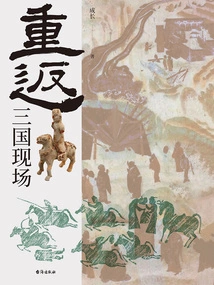
Return: Three Kingdoms Live
History重返:三国现场
Growing Up
"Return: The Three Kingdoms Scene" uses history, cultural relics, and relics as clues. Through sorting out the cultural relics from the late Han Dynasty and the Three Kingdoms period collected in major cultural and museum institutions and investigating the cultural relics of the Three Kingdoms across the country, "Return: The Three Kingdoms Scene" uses the "dual evidence method" of "materials in the underground" and "materials on paper" to present readers with a more realistic, three-dimensional and interesting era of the Three Kingdoms. History's personal experience is greater than any narration. The book covers ancient city sites, ancient tombs, ancient battlefields, temples, murals, calligraphy, inscriptions, porcelain, lacquerware, coins, weapons, architecture, clothing, food, social life, religion, Sino-foreign exchanges and many other fields related to the Three Kingdoms. It contains more than 400 national treasure-level cultural relics and on-site photos and hand-drawn maps of the Three Kingdoms relics. The perspective is novel and the pictures and texts provide a panoramic view of the "Visible Three Kingdoms".
"Return: The Three Kingdoms Scene" uses history, cultural relics, and relics as clues. Through sorting out the cultural relics from the late Han Dynasty and the Three Kingdoms period collected in major cultural and museum institutions and investigating the cultural relics of the Three Kingdoms across the country, "Return: The Three Kingdoms Scene" uses the "dual evidence method" of "materials in the underground" and "materials on paper" to present readers with a more realistic, three-dimensional and interesting era of the Three Kingdoms. History's personal experience is greater than any narration. The book covers ancient city sites, ancient tombs, ancient battlefields, temples, murals, calligraphy, inscriptions, porcelain, lacquerware, coins, weapons, architecture, clothing, food, social life, religion, Sino-foreign exchanges and many other fields related to the Three Kingdoms. It contains more than 400 national treasure-level cultural relics and on-site photos and hand-drawn maps of the Three Kingdoms relics. The perspective is novel and the pictures and texts provide a panoramic view of the "Visible Three Kingdoms".
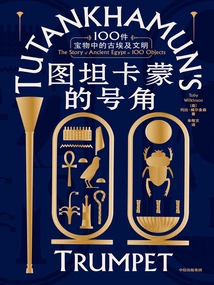
图坦卡蒙的号角:100件宝物中的古埃及文明
O
In the book "Tutankhamun's Horn", British Egypt archaeologist Toby Wilkinson uses a unique perspective and entry point to look at the tomb and unearthed objects. He did not focus on the familiar process of discovering the tomb, nor did he dwell too much on the short life of the young pharaoh and the political disintegration of Egypt during his reign. Instead, he introduced the dazzling ancient Egyptian culture and its far-reaching influence in detail through the pharaoh's funerary objects. From more than 5,000 funerary objects, he selected 100 artifacts and divided them into 10 groups. According to 10 themes, he comprehensively introduced all aspects of social life such as the natural environment, religious beliefs, royal politics, trade networks, science and technology, and daily life of ancient Egyptian civilization. A gold-decorated chariot shows the advanced technology of Egypt at that time. Bread, fruit baskets and wine jars reflect the fertility of the Nile Valley and the abundance of feasts enjoyed by the local people. Jewelry made from Nubian ebony and Libyan desert glass also illustrate Egypt's active trade and vast diplomatic network. Shaving utensils and chessboards reveal another aspect of people's daily life... Nowadays, the music of Tutankhamun's era, represented by the most touching object in the tomb - Tutankhamen's horn (silver horn), has been wiped out like the man himself, leaving only the echoes of the past, relics of the distant past. Fortunately, through these funerary objects, we can still awaken the world of Tutankhamun and the ancient Egyptian civilization that he represented as a symbol.
In the book "Tutankhamun's Horn", British Egypt archaeologist Toby Wilkinson uses a unique perspective and entry point to look at the tomb and unearthed objects. He did not focus on the familiar process of discovering the tomb, nor did he dwell too much on the short life of the young pharaoh and the political disintegration of Egypt during his reign. Instead, he introduced the dazzling ancient Egyptian culture and its far-reaching influence in detail through the pharaoh's funerary objects. From more than 5,000 funerary objects, he selected 100 artifacts and divided them into 10 groups. According to 10 themes, he comprehensively introduced all aspects of social life such as the natural environment, religious beliefs, royal politics, trade networks, science and technology, and daily life of ancient Egyptian civilization. A gold-decorated chariot shows the advanced technology of Egypt at that time. Bread, fruit baskets and wine jars reflect the fertility of the Nile Valley and the abundance of feasts enjoyed by the local people. Jewelry made from Nubian ebony and Libyan desert glass also illustrate Egypt's active trade and vast diplomatic network. Shaving utensils and chessboards reveal another aspect of people's daily life... Nowadays, the music of Tutankhamun's era, represented by the most touching object in the tomb - Tutankhamen's horn (silver horn), has been wiped out like the man himself, leaving only the echoes of the past, relics of the distant past. Fortunately, through these funerary objects, we can still awaken the world of Tutankhamun and the ancient Egyptian civilization that he represented as a symbol.
Research on Tombs of the Southern Song Dynasty (zhejiang Archeology and Chinese Civilization Series)
History南宋墓葬研究(浙江考古与中华文明系列)
Zheng Jiali
As a kind of man-made space, tombs are not only a display space for the evolution of skills such as architectural construction and artifact production, but also a stage for the competition of ideas and concepts such as family ethics and funeral customs. It is also the result of social politics, economic development, technological evolution, and changes in ideas and concepts. This book takes the tombs of the Southern Song Dynasty and related issues as the research object, takes the Southern Song Dynasty as the center, starts from the field, and uses the tombs as the fulcrum, seeking the possibility of comprehensive integration of field and documents, archeology and history. In the long historical development context, it explores and reveals the inheritance and changes of the tomb system, social etiquette, and ideological concepts, and gives the archeology of the tombs of the Southern Song Dynasty a relatively systematic academic value.
As a kind of man-made space, tombs are not only a display space for the evolution of skills such as architectural construction and artifact production, but also a stage for the competition of ideas and concepts such as family ethics and funeral customs. It is also the result of social politics, economic development, technological evolution, and changes in ideas and concepts. This book takes the tombs of the Southern Song Dynasty and related issues as the research object, takes the Southern Song Dynasty as the center, starts from the field, and uses the tombs as the fulcrum, seeking the possibility of comprehensive integration of field and documents, archeology and history. In the long historical development context, it explores and reveals the inheritance and changes of the tomb system, social etiquette, and ideological concepts, and gives the archeology of the tombs of the Southern Song Dynasty a relatively systematic academic value.
吴越国考古(浙江考古与中华文明系列)
Li Huida
The Wuyue State was a local government that ruled the two Zhejiang provinces during the Five Dynasties. The three and five kings of the Qian family took the basic strategy of doing good to China and protecting the country and the people to create a stable territory in the troubled times of the Five Dynasties. Based on the results of archaeological work in the past few decades, this book starts from six aspects: cities, tombs, inscriptions, religion, handicrafts, and overseas exchanges. From the perspective of regional research, this book comprehensively elaborates on the archaeological results and values of the Wuyue Kingdom, showing the rich and diverse socio-economic and cultural features of the southeastern region during the Five Dynasties period, as well as Wuyue Kingdom's outstanding contributions to Sino-foreign exchanges.
The Wuyue State was a local government that ruled the two Zhejiang provinces during the Five Dynasties. The three and five kings of the Qian family took the basic strategy of doing good to China and protecting the country and the people to create a stable territory in the troubled times of the Five Dynasties. Based on the results of archaeological work in the past few decades, this book starts from six aspects: cities, tombs, inscriptions, religion, handicrafts, and overseas exchanges. From the perspective of regional research, this book comprehensively elaborates on the archaeological results and values of the Wuyue Kingdom, showing the rich and diverse socio-economic and cultural features of the southeastern region during the Five Dynasties period, as well as Wuyue Kingdom's outstanding contributions to Sino-foreign exchanges.
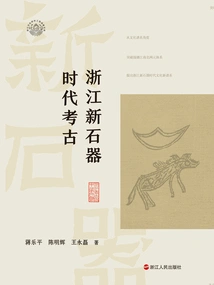
浙江新石器时代考古(浙江考古与中华文明系列)
Jiang Leping Chen Minghui Wang Yonglei
About 10,000 years ago, Zhejiang's prehistoric culture entered the Neolithic Age. The earliest Neolithic culture discovered so far in Zhejiang is the Shangshan Culture named after the Shangshan site. Since then, Neolithic sites of various ages have been found almost throughout Zhejiang. This book shows the basic aspects of Zhejiang Neolithic archeology. From the perspective of cultural genealogy, it breaks through the dual system of north and south of the Qiantang River and reconstructs a new genealogy of Neolithic culture in Zhejiang: Qiantang River period (Shangshan Culture and Kuahuqiao Culture) - Hangzhou Bay Period (Hemudu Culture and early Majiabang Culture) - Taihu Period (late Majiabang Culture to Songze Culture and Liangzhu Culture) - Return Period (Qianshanyang Culture and Guangfulin Culture), which has important academic value.
About 10,000 years ago, Zhejiang's prehistoric culture entered the Neolithic Age. The earliest Neolithic culture discovered so far in Zhejiang is the Shangshan Culture named after the Shangshan site. Since then, Neolithic sites of various ages have been found almost throughout Zhejiang. This book shows the basic aspects of Zhejiang Neolithic archeology. From the perspective of cultural genealogy, it breaks through the dual system of north and south of the Qiantang River and reconstructs a new genealogy of Neolithic culture in Zhejiang: Qiantang River period (Shangshan Culture and Kuahuqiao Culture) - Hangzhou Bay Period (Hemudu Culture and early Majiabang Culture) - Taihu Period (late Majiabang Culture to Songze Culture and Liangzhu Culture) - Return Period (Qianshanyang Culture and Guangfulin Culture), which has important academic value.
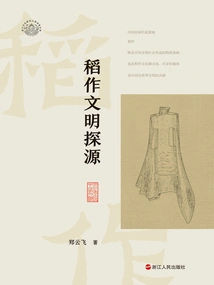
稻作文明探源(浙江考古与中华文明系列)
Zheng Yunfei
Rice is one of the world's most important food crops, with more than half of the world's population eating rice. Rice farming is the material foundation for the development of Asian civilization and the core feature of society. Rice farming culture is the traditional mainstream culture of China and most countries in East Asia, Southeast Asia and South Asia. The author has been engaged in archaeological work in the lower reaches of the Yangtze River for a long time. The specific content of this book is mainly based on materials from this area, and explores the grand issue of the origin of rice farming. The book is divided into six chapters, each of which describes and analyzes the origin, evolution, and development process of rice farming around the world. It also focuses on analyzing the rich and colorful cultural styles and diverse characteristics that rice farming civilization has developed in various parts of Asia due to differences in geographical location and regional environment.
Rice is one of the world's most important food crops, with more than half of the world's population eating rice. Rice farming is the material foundation for the development of Asian civilization and the core feature of society. Rice farming culture is the traditional mainstream culture of China and most countries in East Asia, Southeast Asia and South Asia. The author has been engaged in archaeological work in the lower reaches of the Yangtze River for a long time. The specific content of this book is mainly based on materials from this area, and explores the grand issue of the origin of rice farming. The book is divided into six chapters, each of which describes and analyzes the origin, evolution, and development process of rice farming around the world. It also focuses on analyzing the rich and colorful cultural styles and diverse characteristics that rice farming civilization has developed in various parts of Asia due to differences in geographical location and regional environment.
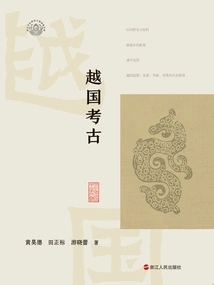
越国考古(浙江考古与中华文明系列)
Huang Haode Tian Zhengbiao You Xiaolei
The Yue people originated from Zhejiang, and the Yue State was founded in Zhejiang. This also makes the archeology of the Yue State of great value and significance in restoring the history of the Yue State, and makes it the focus of Xia, Shang and Zhou archeology in Zhejiang. Relying on the latest archaeological results such as mound tombs and stone chamber mound tombs, Yue royal tombs and noble tombs, and original porcelain kiln sites, this book not only makes the historical context of the origin, development, struggle for hegemony, and decline of the Yue Kingdom increasingly clear, but also comprehensively shows the life of the Yue people, including production, life, burial customs, and so on. Through comparative analysis, the book also discusses how the Yue people came into contact with the culture of the Central Plains, and how this connection affected the lives of the Yue people. The book is full of pictures and texts, systematically and comprehensively showing the whole picture of the archaeological work of the Yue Kingdom in Zhejiang.
The Yue people originated from Zhejiang, and the Yue State was founded in Zhejiang. This also makes the archeology of the Yue State of great value and significance in restoring the history of the Yue State, and makes it the focus of Xia, Shang and Zhou archeology in Zhejiang. Relying on the latest archaeological results such as mound tombs and stone chamber mound tombs, Yue royal tombs and noble tombs, and original porcelain kiln sites, this book not only makes the historical context of the origin, development, struggle for hegemony, and decline of the Yue Kingdom increasingly clear, but also comprehensively shows the life of the Yue people, including production, life, burial customs, and so on. Through comparative analysis, the book also discusses how the Yue people came into contact with the culture of the Central Plains, and how this connection affected the lives of the Yue people. The book is full of pictures and texts, systematically and comprehensively showing the whole picture of the archaeological work of the Yue Kingdom in Zhejiang.
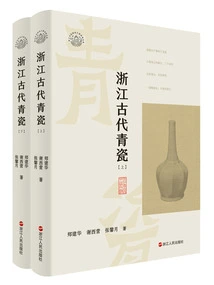
浙江古代青瓷全2册(浙江考古与中华文明系列)
Zheng Jianhua Xie Xiying Zhang Xinyue
Porcelain production began with celadon. Since its birth during the Xia and Shang Dynasties, for more than three thousand years, famous kilns emerged in large numbers from both official and civilian lines. It can be said that "a history of ceramics, half of it is in Zhejiang". Starting from the five stages of origin, growth, development, heyday and decline, this book introduces the long and ups and downs development history of ancient Zhejiang celadon. It also has a special chapter to conduct textual research and differentiation on Gong kiln, Guan kiln and Ge kiln, and sort out the process of celadon export and the spread of production technology. As the first book to systematically organize the archaeological results of ancient Zhejiang celadon and comprehensively reflect the research level of ancient Zhejiang celadon, this book clarifies the development, production and management system of ancient Zhejiang celadon, summarizes the historical achievements of ancient Zhejiang celadon, and reveals its important position in the history of China and even human civilization.
Porcelain production began with celadon. Since its birth during the Xia and Shang Dynasties, for more than three thousand years, famous kilns emerged in large numbers from both official and civilian lines. It can be said that "a history of ceramics, half of it is in Zhejiang". Starting from the five stages of origin, growth, development, heyday and decline, this book introduces the long and ups and downs development history of ancient Zhejiang celadon. It also has a special chapter to conduct textual research and differentiation on Gong kiln, Guan kiln and Ge kiln, and sort out the process of celadon export and the spread of production technology. As the first book to systematically organize the archaeological results of ancient Zhejiang celadon and comprehensively reflect the research level of ancient Zhejiang celadon, this book clarifies the development, production and management system of ancient Zhejiang celadon, summarizes the historical achievements of ancient Zhejiang celadon, and reveals its important position in the history of China and even human civilization.
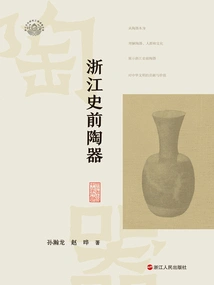
浙江史前陶器(浙江考古与中华文明系列)
Sun Hanlong Zhao Ye
Pottery, as the most basic research object in archaeology, is of irreplaceable importance for understanding a region, a culture, and a group of people. The main research object of this book is Zhejiang's prehistoric pottery. The structure is basically in chronological order, introducing Shangshan Culture, Kuahuqiao Culture, Hemudu Culture, Majiabang Culture, Songze Culture, Liangzhu Culture, Haochuan Culture, and Qianshanyang Culture. It also introduces the characteristics and production techniques of pottery of Guangfulin Culture, as well as the basic situation and main understanding of each archaeological culture. It aims to provide a cultural background for understanding pottery and demonstrate the contribution and value of Zhejiang prehistoric pottery to Chinese civilization.
Pottery, as the most basic research object in archaeology, is of irreplaceable importance for understanding a region, a culture, and a group of people. The main research object of this book is Zhejiang's prehistoric pottery. The structure is basically in chronological order, introducing Shangshan Culture, Kuahuqiao Culture, Hemudu Culture, Majiabang Culture, Songze Culture, Liangzhu Culture, Haochuan Culture, and Qianshanyang Culture. It also introduces the characteristics and production techniques of pottery of Guangfulin Culture, as well as the basic situation and main understanding of each archaeological culture. It aims to provide a cultural background for understanding pottery and demonstrate the contribution and value of Zhejiang prehistoric pottery to Chinese civilization.
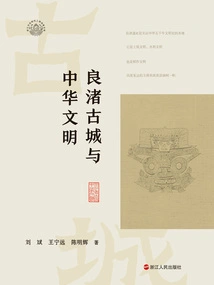
Liangzhu Ancient City and Chinese Civilization (zhejiang Archeology and Chinese Civilization Series)
History良渚古城与中华文明(浙江考古与中华文明系列)
Liu Bin Wang Ningyuan Chen Minghui
The Liangzhu ruins are a holy place that demonstrates the five thousand years of Chinese civilization history. It is an earth-building civilization, a water conservancy civilization, a rice farming civilization, and its highly developed jade system is unique. It also occupies an important position in the history of Chinese urban development. This book reveals the rich connotation and far-reaching influence of Liangzhu Civilization by sorting out the discovery history, layout and functional divisions, construction techniques and engineering, archaeological history and latest progress, and its relationship with Chinese civilization of Liangzhu Ancient City.
The Liangzhu ruins are a holy place that demonstrates the five thousand years of Chinese civilization history. It is an earth-building civilization, a water conservancy civilization, a rice farming civilization, and its highly developed jade system is unique. It also occupies an important position in the history of Chinese urban development. This book reveals the rich connotation and far-reaching influence of Liangzhu Civilization by sorting out the discovery history, layout and functional divisions, construction techniques and engineering, archaeological history and latest progress, and its relationship with Chinese civilization of Liangzhu Ancient City.
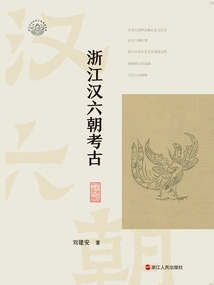
浙江汉六朝考古(浙江考古与中华文明系列)
Liu Jian'an
The nearly 800 years from the founding of the Western Han Dynasty to the fall of the Southern Dynasties was an important historical period for Zhejiang from poverty to rise again. During this period, Zhejiang's local traditional cultural elements were inherited and innovated, and gradually integrated with Han culture, forming the distinctive archaeological material culture of the Jiangdong region. The southward migration of the Central Plains population brought exchanges of knowledge and skills and cultural integration. Zhejiang also gave birth to a number of aristocratic families, which greatly promoted social progress. This book uses archaeological data as clues to connect social and cultural history, and vividly explains the social, historical and cultural evolution process and material culture of Zhejiang during the Han and Six Dynasties.
The nearly 800 years from the founding of the Western Han Dynasty to the fall of the Southern Dynasties was an important historical period for Zhejiang from poverty to rise again. During this period, Zhejiang's local traditional cultural elements were inherited and innovated, and gradually integrated with Han culture, forming the distinctive archaeological material culture of the Jiangdong region. The southward migration of the Central Plains population brought exchanges of knowledge and skills and cultural integration. Zhejiang also gave birth to a number of aristocratic families, which greatly promoted social progress. This book uses archaeological data as clues to connect social and cultural history, and vividly explains the social, historical and cultural evolution process and material culture of Zhejiang during the Han and Six Dynasties.
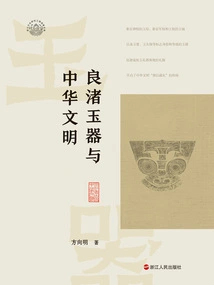
良渚玉器与中华文明(浙江考古与中华文明系列)
Clear Direction
Jade culture is an important cultural gene of Chinese civilization. In the Liangzhu period, more than 5,000 years ago, a jade system has been formed that uses jade congs symbolizing divine power, jade axes symbolizing military power and royal power, as well as jade bis and jade headdresses as carriers to mark status and rank. The etiquette system embodied in the group of jade ritual utensils started the tradition of "containing rituals with utensils" in Chinese civilization. This book demonstrates the important contribution Liangzhu civilization made to the development of Chinese civilization by discussing the status of jade in Chinese civilization, the typical use of jade in Liangzhu, the age of jade and the origin of Chinese civilization.
Jade culture is an important cultural gene of Chinese civilization. In the Liangzhu period, more than 5,000 years ago, a jade system has been formed that uses jade congs symbolizing divine power, jade axes symbolizing military power and royal power, as well as jade bis and jade headdresses as carriers to mark status and rank. The etiquette system embodied in the group of jade ritual utensils started the tradition of "containing rituals with utensils" in Chinese civilization. This book demonstrates the important contribution Liangzhu civilization made to the development of Chinese civilization by discussing the status of jade in Chinese civilization, the typical use of jade in Liangzhu, the age of jade and the origin of Chinese civilization.
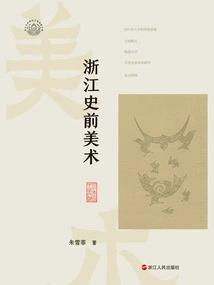
浙江史前美术(浙江考古与中华文明系列)
Zhu Xuefei
The purpose of research on prehistoric art is not only to explore the origin of aesthetics, but also to study the spiritual world of early humans through prehistoric material cultural remains. Prehistoric Zhejiang has contributed a wide variety of art themes such as ancient painted pottery, peak jade craftsmanship, and unique carving art. More importantly, it contains the spiritual thread that runs through the development of Zhejiang's prehistoric archaeological culture. This book is based on archaeological research methods and connects four different topics to form the structure of the whole book. By extracting repeated "patterns" in different types and forms of art themes, it constructs appropriate rules for interpreting symbolic meanings, hoping to break through the cognitive bottleneck caused by subjective analogies that is common in prehistoric art research.
The purpose of research on prehistoric art is not only to explore the origin of aesthetics, but also to study the spiritual world of early humans through prehistoric material cultural remains. Prehistoric Zhejiang has contributed a wide variety of art themes such as ancient painted pottery, peak jade craftsmanship, and unique carving art. More importantly, it contains the spiritual thread that runs through the development of Zhejiang's prehistoric archaeological culture. This book is based on archaeological research methods and connects four different topics to form the structure of the whole book. By extracting repeated "patterns" in different types and forms of art themes, it constructs appropriate rules for interpreting symbolic meanings, hoping to break through the cognitive bottleneck caused by subjective analogies that is common in prehistoric art research.
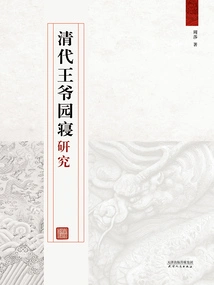
清代王爷园寝研究
Zhou Sha
This book is an academic monograph on the study of the gardens and bedrooms of princes in the Qing Dynasty. After the Qing Dynasty entered the customs, most of the princes lived in Beijing. After their death, they were buried in Beijing and its surrounding areas of Tianjin and Hebei according to regulations, thus forming a Qing Dynasty princely garden cluster with Beijing as the center. Regarding this huge royal garden dormitory group, various documentary records are very limited, and contemporary research results are also very few, with no comprehensive and systematic monograph. The author spent ten years researching the existing Qing Dynasty royal palaces and ruins in the Beijing-Tianjin-Hebei region and Liaoyang City, Liaoning Province, and conducted field investigations such as taking pictures, rubbing inscriptions, and field visits, and combined it with sorting out many documents to write this monograph. This book introduces the Qing Dynasty princes' system and garden bed building regulations, typical characteristics, and distribution conditions. It has many innovations in data collection and theoretical construction. It is the latest research result in this field and provides accurate and rich information for the study of Qing Dynasty princes' gardens and bedchambers, the protection of cultural relics, and the study of Qing history. It has high academic value.
This book is an academic monograph on the study of the gardens and bedrooms of princes in the Qing Dynasty. After the Qing Dynasty entered the customs, most of the princes lived in Beijing. After their death, they were buried in Beijing and its surrounding areas of Tianjin and Hebei according to regulations, thus forming a Qing Dynasty princely garden cluster with Beijing as the center. Regarding this huge royal garden dormitory group, various documentary records are very limited, and contemporary research results are also very few, with no comprehensive and systematic monograph. The author spent ten years researching the existing Qing Dynasty royal palaces and ruins in the Beijing-Tianjin-Hebei region and Liaoyang City, Liaoning Province, and conducted field investigations such as taking pictures, rubbing inscriptions, and field visits, and combined it with sorting out many documents to write this monograph. This book introduces the Qing Dynasty princes' system and garden bed building regulations, typical characteristics, and distribution conditions. It has many innovations in data collection and theoretical construction. It is the latest research result in this field and provides accurate and rich information for the study of Qing Dynasty princes' gardens and bedchambers, the protection of cultural relics, and the study of Qing history. It has high academic value.
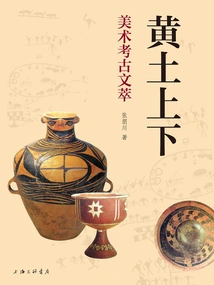
黄土上下:美术考古文萃
Zhang Pengchuan
"Above and Below the Loess: Excerpts from Art Archeology" is a collection of research articles that the author has been engaged in art archeology for many years. He uses archaeological typology research methods to conduct multi-faceted scientific research on ancient Chinese art, especially meaningful and in-depth research on primitive art, Han and Jin murals, ceramic art, and the origin of Chinese calligraphy and painting styles. It also provides unique insights into the research on art archeology, art history, and design art.
"Above and Below the Loess: Excerpts from Art Archeology" is a collection of research articles that the author has been engaged in art archeology for many years. He uses archaeological typology research methods to conduct multi-faceted scientific research on ancient Chinese art, especially meaningful and in-depth research on primitive art, Han and Jin murals, ceramic art, and the origin of Chinese calligraphy and painting styles. It also provides unique insights into the research on art archeology, art history, and design art.
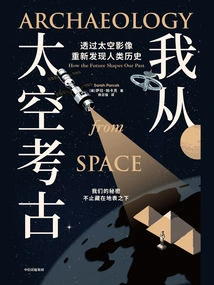
我从太空考古
(us) Sarah Parcak
The space archeology we are talking about here is not an "archaeology" of materials in the universe, but a science that uses aviation or aerospace data to analyze satellite images to find ancient human features or ruins on the earth. The author of this book, a super cool space archaeologist, combines human history and future technology from a very interesting perspective. Starting from the public's curiosity about the profession of space archaeologists, he changes the historical period of 1944 AD-1944 BCE and proposes how we should start from now on the premise of being full of firm hope for the future. As an archaeologist, she has worked on remote sensing projects in 12 countries and 4 continents, identifying thousands of potential archaeological sites using multispectral and high-resolution satellite image analysis. These include previously unknown settlements, roads, fortresses, palaces, tombs and even potential pyramids. She currently works primarily on crowdsourcing maps of ancient civilizations in Peru and India. In this book, the authors describe the field's evolution, major discoveries, and future potential. After decoding spy photography techniques, she shares her findings in the field on a new map of Egypt's mysterious city of Tanis, revealing why space archeology is not only exciting, but vital to preserving the world's ancient treasures for future generations. The story takes readers back in time, across borders, and back into the daily lives of ancient humans who demonstrated courage and wisdom over thousands of years.
The space archeology we are talking about here is not an "archaeology" of materials in the universe, but a science that uses aviation or aerospace data to analyze satellite images to find ancient human features or ruins on the earth. The author of this book, a super cool space archaeologist, combines human history and future technology from a very interesting perspective. Starting from the public's curiosity about the profession of space archaeologists, he changes the historical period of 1944 AD-1944 BCE and proposes how we should start from now on the premise of being full of firm hope for the future. As an archaeologist, she has worked on remote sensing projects in 12 countries and 4 continents, identifying thousands of potential archaeological sites using multispectral and high-resolution satellite image analysis. These include previously unknown settlements, roads, fortresses, palaces, tombs and even potential pyramids. She currently works primarily on crowdsourcing maps of ancient civilizations in Peru and India. In this book, the authors describe the field's evolution, major discoveries, and future potential. After decoding spy photography techniques, she shares her findings in the field on a new map of Egypt's mysterious city of Tanis, revealing why space archeology is not only exciting, but vital to preserving the world's ancient treasures for future generations. The story takes readers back in time, across borders, and back into the daily lives of ancient humans who demonstrated courage and wisdom over thousands of years.
先秦秦汉时期岭南社会与文化考索:以考古学为视角
Zhao Shande
This book mainly uses archaeological data and research results to restore the history of the Lingnan region in the Pre-Qin, Qin and Han Dynasties to the greatest extent possible. The book has nine chapters in total, including: enlightenment on the distribution of cultural relics in the south of the Ling Dynasty in the pre-Qin period, research on the restoration of production and life of the residents in the karst area at the southern foot of the mountains in the pre-Qin period, research on the restoration of production and life of the residents of the Minghe Plain in the southern part of the Pearl River Delta in the pre-Qin period, research on the restoration of production and life of the residents of the Minghe Plain in the northern part of the Pearl River Delta in the pre-Qin period, etc.
This book mainly uses archaeological data and research results to restore the history of the Lingnan region in the Pre-Qin, Qin and Han Dynasties to the greatest extent possible. The book has nine chapters in total, including: enlightenment on the distribution of cultural relics in the south of the Ling Dynasty in the pre-Qin period, research on the restoration of production and life of the residents in the karst area at the southern foot of the mountains in the pre-Qin period, research on the restoration of production and life of the residents of the Minghe Plain in the southern part of the Pearl River Delta in the pre-Qin period, research on the restoration of production and life of the residents of the Minghe Plain in the northern part of the Pearl River Delta in the pre-Qin period, etc.
一看就懂的考古学
Zhao Dongsheng Bai Guozhu
This book introduces the basic knowledge of archeology, including what archaeologists are doing, what archeology is, a brief history of archeology, the theories and methods of archeology, the progress of natural science and archeology, the protection of cultural heritage and large sites, the current situation of archeology in China, etc.
This book introduces the basic knowledge of archeology, including what archaeologists are doing, what archeology is, a brief history of archeology, the theories and methods of archeology, the progress of natural science and archeology, the protection of cultural heritage and large sites, the current situation of archeology in China, etc.
Liandu Cultural Relics Story
History莲都文物故事
Compiled By Chen Fanghong
Liandu District has a long history and many cultural and historical monuments. According to statistics, there are 298 ancient dwellings, 102 ancestral halls, 49 temples, 55 ancient bridges, 14 ancient ruins and 101 others listed as cultural relic protection units. Among them, there are 1 national-level cultural relics protection unit, 13 provincial-level cultural relics protection units, 8 municipal-level cultural relics protection units, 6 district-level cultural relics protection units, and 591 general cultural relics protection units. These cultural relic protection units are dotted across the land of Liandu District, carrying the vicissitudes of history. This book aims to unearth and sort out the stories behind the cultural relics. It takes the form of field surveys, local chronicles and genealogy documents to comprehensively describe the thousand-year history of Liandu District and unearth and sort out the unique humanistic information contained in the cultural relics.
Liandu District has a long history and many cultural and historical monuments. According to statistics, there are 298 ancient dwellings, 102 ancestral halls, 49 temples, 55 ancient bridges, 14 ancient ruins and 101 others listed as cultural relic protection units. Among them, there are 1 national-level cultural relics protection unit, 13 provincial-level cultural relics protection units, 8 municipal-level cultural relics protection units, 6 district-level cultural relics protection units, and 591 general cultural relics protection units. These cultural relic protection units are dotted across the land of Liandu District, carrying the vicissitudes of history. This book aims to unearth and sort out the stories behind the cultural relics. It takes the form of field surveys, local chronicles and genealogy documents to comprehensively describe the thousand-year history of Liandu District and unearth and sort out the unique humanistic information contained in the cultural relics.
大国霓裳:沈从文和我们的纺织考古之路
Compiled By Wang Yarong
The author of this book, Mr. Wang Yarong, is a famous textile archaeologist in my country and an expert in the field of Chinese weaving and embroidery. The author followed Mr. Shen Congwen in the research work of Chinese costume archeology, personally participated in major events of Chinese costume archeology, and also witnessed the development of Chinese costume archeology. This book follows the unearthed process of major textile cultural relics from various periods in China, such as the silk fabrics from the Eastern Zhou Tomb, the Chu Tomb during the Warring States Period, the Mawangdui Han Tomb, the "Five Stars from the East" arm unearthed at the Niya site, etc., To the Yuan Dynasty brocade quilt, Song Dynasty Bai Ziyi, etc. The author also recorded with deep emotion the cross-section of clothing research and archaeological work conducted by Mr. Shen Congwen, a pioneer in the study of ancient Chinese clothing. The publication of this book has positive significance for the development of archaeological textiles, display of Chinese civilization, and promotion of China's excellent traditional culture.
The author of this book, Mr. Wang Yarong, is a famous textile archaeologist in my country and an expert in the field of Chinese weaving and embroidery. The author followed Mr. Shen Congwen in the research work of Chinese costume archeology, personally participated in major events of Chinese costume archeology, and also witnessed the development of Chinese costume archeology. This book follows the unearthed process of major textile cultural relics from various periods in China, such as the silk fabrics from the Eastern Zhou Tomb, the Chu Tomb during the Warring States Period, the Mawangdui Han Tomb, the "Five Stars from the East" arm unearthed at the Niya site, etc., To the Yuan Dynasty brocade quilt, Song Dynasty Bai Ziyi, etc. The author also recorded with deep emotion the cross-section of clothing research and archaeological work conducted by Mr. Shen Congwen, a pioneer in the study of ancient Chinese clothing. The publication of this book has positive significance for the development of archaeological textiles, display of Chinese civilization, and promotion of China's excellent traditional culture.
空中花园:追踪一座扑朔迷离的世界奇迹(方尖碑)
(uk) Stephanie Daly
Where is the sky garden? What does it look like? Why did the ancient Greeks and Romans call it one of the seven wonders of the world? Which great emperor actually built it? What amazing technological achievements are used in the garden? What impact did it have on the garden design of later generations? Stephanie Daly delves into mythology, legends and classical texts to offer a new interpretation of the location and image of this legendary garden, vividly depicting an almost forgotten ancient civilization.
Where is the sky garden? What does it look like? Why did the ancient Greeks and Romans call it one of the seven wonders of the world? Which great emperor actually built it? What amazing technological achievements are used in the garden? What impact did it have on the garden design of later generations? Stephanie Daly delves into mythology, legends and classical texts to offer a new interpretation of the location and image of this legendary garden, vividly depicting an almost forgotten ancient civilization.
良渚侧影:卞家山
Zhao Ye
Bianjiashan is a long site on the south side of the Liangzhu ancient city and is also part of the outer city wall of the late Liangzhu period. After three excavations, important relics such as a cemetery, a harbor-shaped ash ditch, and a wooden pier were discovered in the western part of the site. A large number of relics such as pottery, stone tools, lacquered wood wares, bone horn wares, and jade wares were also unearthed. Although there are no high-level tombs or ritual activity sites in Bianjiashan, it systematically reflects the production and life of ordinary people during the Liangzhu period, embodies all aspects of the living conditions of Liangzhu ancestors, and is an excellent window for understanding the secular life of Liangzhu society. Through the interpretation of Bianjiashan ruins and relics, this book allows readers to fully understand Bianjiashan, a site that can be called the silhouette of Liangzhu society.
Bianjiashan is a long site on the south side of the Liangzhu ancient city and is also part of the outer city wall of the late Liangzhu period. After three excavations, important relics such as a cemetery, a harbor-shaped ash ditch, and a wooden pier were discovered in the western part of the site. A large number of relics such as pottery, stone tools, lacquered wood wares, bone horn wares, and jade wares were also unearthed. Although there are no high-level tombs or ritual activity sites in Bianjiashan, it systematically reflects the production and life of ordinary people during the Liangzhu period, embodies all aspects of the living conditions of Liangzhu ancestors, and is an excellent window for understanding the secular life of Liangzhu society. Through the interpretation of Bianjiashan ruins and relics, this book allows readers to fully understand Bianjiashan, a site that can be called the silhouette of Liangzhu society.
考古一百年:重现中国
Yang Hong
Based on the fruitful achievements of Chinese archeology in the past century, this book outlines and reproduces the indelible glorious trajectory of ancient Chinese civilization from the prehistoric period. The book is divided into nine chapters, with both pictures and text. The author carefully selected 327 pictures as auxiliary explanations of the text. Many cultural relics and archaeological excavation photos are very rare. The explanations are simple and fascinating. It can be called a small book for everyone. The book not only has a vision of crossing rivers and seas, but also contains warm details. It is relaxed and relaxed, and it is full of reading sense. It can arouse the interest of ordinary readers and continue to explore carefully, and continue to gain an increasingly in-depth and comprehensive understanding of ancient Chinese civilization.
Based on the fruitful achievements of Chinese archeology in the past century, this book outlines and reproduces the indelible glorious trajectory of ancient Chinese civilization from the prehistoric period. The book is divided into nine chapters, with both pictures and text. The author carefully selected 327 pictures as auxiliary explanations of the text. Many cultural relics and archaeological excavation photos are very rare. The explanations are simple and fascinating. It can be called a small book for everyone. The book not only has a vision of crossing rivers and seas, but also contains warm details. It is relaxed and relaxed, and it is full of reading sense. It can arouse the interest of ordinary readers and continue to explore carefully, and continue to gain an increasingly in-depth and comprehensive understanding of ancient Chinese civilization.
亲历中国考古系列(套装全八册)
Fan Jinshi Et Al.
This series includes 8 books: "Splendid Dunhuang", "Tomb of Zeng Houyi", "Famous Temple Underground Palace", "Loulaniya", "Western Han Dynasty Nanyue Kingdom", "Mancheng Han Tombs", "Mawangdui Han Tombs" and "Qin Terracotta Warriors". 10 Archaeological experts have millions of words to interpret the eight major cultural relics in depth.
This series includes 8 books: "Splendid Dunhuang", "Tomb of Zeng Houyi", "Famous Temple Underground Palace", "Loulaniya", "Western Han Dynasty Nanyue Kingdom", "Mancheng Han Tombs", "Mawangdui Han Tombs" and "Qin Terracotta Warriors". 10 Archaeological experts have millions of words to interpret the eight major cultural relics in depth.
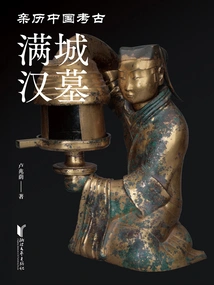
Mancheng Han Tombs
History满城汉墓
Lu Zhaoyin
The tomb of King Jing Liu Sheng and the tomb of Queen Dou Wan in Zhongshan Mancheng are among the 100 major archaeological discoveries in China in the 20th century. In these two ancient tombs that were not disturbed, intact jade clothes with gold threads were discovered for the first time, confirming the accuracy of the documentary records. The mystery of the golden jade clothing in history was revealed; the practical and beautiful Changxin palace lantern was discovered in the tomb of Queen Dou Wan. At the same time, the daily utensils of Prince Jing Liu Sheng and his wife of Zhongshan were also discovered in the two tombs, which provided material historical materials for the construction of the aristocratic life of the Han Dynasty. The author Lu Zhaoyin participated in the entire excavation work. Together with his colleagues, he unveiled the mystery of these two tombs. He narrates the excavation process of Han tombs in Mancheng in plain words, uses the rigorous attitude of archaeologists to reproduce the identity of the tomb owners, and leads us into the Western Han Dynasty society thousands of years ago.
The tomb of King Jing Liu Sheng and the tomb of Queen Dou Wan in Zhongshan Mancheng are among the 100 major archaeological discoveries in China in the 20th century. In these two ancient tombs that were not disturbed, intact jade clothes with gold threads were discovered for the first time, confirming the accuracy of the documentary records. The mystery of the golden jade clothing in history was revealed; the practical and beautiful Changxin palace lantern was discovered in the tomb of Queen Dou Wan. At the same time, the daily utensils of Prince Jing Liu Sheng and his wife of Zhongshan were also discovered in the two tombs, which provided material historical materials for the construction of the aristocratic life of the Han Dynasty. The author Lu Zhaoyin participated in the entire excavation work. Together with his colleagues, he unveiled the mystery of these two tombs. He narrates the excavation process of Han tombs in Mancheng in plain words, uses the rigorous attitude of archaeologists to reproduce the identity of the tomb owners, and leads us into the Western Han Dynasty society thousands of years ago.
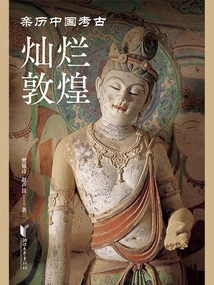
Splendid Dunhuang
History灿烂敦煌
Fan Jinshi Zhao Shengliang
The Dunhuang Grottoes are a world-famous Buddhist cultural relic and a treasure house of ancient oriental art. Mr. Ji Xianlin believes that the brilliance of Dunhuang culture is the fusion of the cultural essences of all ethnic groups in the world, and is also a model of the continuous integration of Chinese civilization that has gone back thousands of years. Famous Dunhuang scholars Fan Jinshi and Zhao Shengliang have lived in the Gobi for many years. Based on decades of research, they co-wrote this book to introduce the history and culture of Dunhuang, interpret the sculptures and painting art of the grottoes, and reveal the perseverance and enthusiasm of generations of Dunhuang people.
The Dunhuang Grottoes are a world-famous Buddhist cultural relic and a treasure house of ancient oriental art. Mr. Ji Xianlin believes that the brilliance of Dunhuang culture is the fusion of the cultural essences of all ethnic groups in the world, and is also a model of the continuous integration of Chinese civilization that has gone back thousands of years. Famous Dunhuang scholars Fan Jinshi and Zhao Shengliang have lived in the Gobi for many years. Based on decades of research, they co-wrote this book to introduce the history and culture of Dunhuang, interpret the sculptures and painting art of the grottoes, and reveal the perseverance and enthusiasm of generations of Dunhuang people.
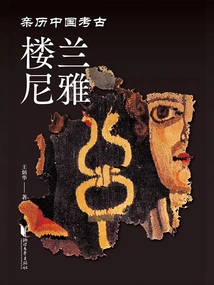
Loulaniya
History楼兰尼雅
Wang Binghua
This book is a monograph written by archaeologist Wang Binghua introducing the great archaeological discoveries in Lop Nur and Niya. Loulan, located in the Lop Nur wasteland, and Jingjue, located in the oasis on the banks of the Niya River, are both ancient countries in the Western Regions and must-pass places on the Silk Road. The two kingdoms have their own characteristics, but they have many things in common in their historical development process from prosperity to extinction, from vitality to decline, as well as the process in which their respective historical civilizations are revealed. The author of this book has nearly half a century of archaeological experience in Xinjiang. On the basis of decades of investigation and research, he has organized and summarized the gains of Chinese and foreign archaeologists at the two sites over the past 100 years. He tells it in two parts, condensing and refining his thoughts on the rise and fall of Loulan and Jingjue kingdoms, and discusses the historical lessons worth learning after the mulberry fields turned into seas of sand and the environment changed dramatically.
This book is a monograph written by archaeologist Wang Binghua introducing the great archaeological discoveries in Lop Nur and Niya. Loulan, located in the Lop Nur wasteland, and Jingjue, located in the oasis on the banks of the Niya River, are both ancient countries in the Western Regions and must-pass places on the Silk Road. The two kingdoms have their own characteristics, but they have many things in common in their historical development process from prosperity to extinction, from vitality to decline, as well as the process in which their respective historical civilizations are revealed. The author of this book has nearly half a century of archaeological experience in Xinjiang. On the basis of decades of investigation and research, he has organized and summarized the gains of Chinese and foreign archaeologists at the two sites over the past 100 years. He tells it in two parts, condensing and refining his thoughts on the rise and fall of Loulan and Jingjue kingdoms, and discusses the historical lessons worth learning after the mulberry fields turned into seas of sand and the environment changed dramatically.
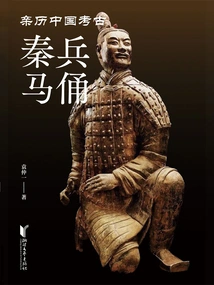
秦兵马俑
Yuan Zhongyi
This book is a popular archaeological book about the Mausoleum of Qin Shihuang. The Mausoleum of Qin Shihuang is one of the most significant archaeological discoveries in China in the 20th century. In 1961, it was announced by the State Council as one of the first batch of national key cultural relics protection units. In 1974, the Terracotta Army was discovered. In 1987, the Mausoleum of Qin Shihuang and the Terracotta Warriors and Horses were approved by UNESCO to be included in the World Heritage List, and were hailed as the "Eighth Wonder of the World" and became a golden business card of the glorious civilization of ancient China. As the captain of the archaeological team, the author of this book has personally experienced the entire excavation process of the Terracotta Warriors and Horses Pit. In this book, he describes the thrilling excavation process to readers through in-depth and easy-to-understand words, brilliantly analyzes the formation of underground military formations, and reproduces the historical moments of the Qin Empire's military conflicts.
This book is a popular archaeological book about the Mausoleum of Qin Shihuang. The Mausoleum of Qin Shihuang is one of the most significant archaeological discoveries in China in the 20th century. In 1961, it was announced by the State Council as one of the first batch of national key cultural relics protection units. In 1974, the Terracotta Army was discovered. In 1987, the Mausoleum of Qin Shihuang and the Terracotta Warriors and Horses were approved by UNESCO to be included in the World Heritage List, and were hailed as the "Eighth Wonder of the World" and became a golden business card of the glorious civilization of ancient China. As the captain of the archaeological team, the author of this book has personally experienced the entire excavation process of the Terracotta Warriors and Horses Pit. In this book, he describes the thrilling excavation process to readers through in-depth and easy-to-understand words, brilliantly analyzes the formation of underground military formations, and reproduces the historical moments of the Qin Empire's military conflicts.
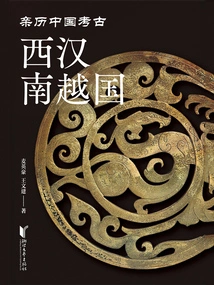
西汉南越国
Mai Yinghao Wang Wenjian
From the late Qin Dynasty to the Western Han Dynasty, there once existed a mysterious kingdom in the Lingnan region of China. It inherited the traditions of the Central Plains people and had strong southern characteristics, but there are very few records about it in history books. The stone chamber tomb excavated in Xianggang, Guangzhou City has filled the historical gap in the Lingnan area with archaeological discoveries. The author of this book, Mai Yinghao, is the leader of the excavation team of the Nanyue royal tombs, and Wang Wenjian is a researcher of the Nanyue royal tombs. They truly recorded the excavation process of the royal tombs, described the precious cultural relics in the tombs, and helped readers remove the layers of fog of the Nanyue Kingdom and get a glimpse of its splendor thousands of years ago.
From the late Qin Dynasty to the Western Han Dynasty, there once existed a mysterious kingdom in the Lingnan region of China. It inherited the traditions of the Central Plains people and had strong southern characteristics, but there are very few records about it in history books. The stone chamber tomb excavated in Xianggang, Guangzhou City has filled the historical gap in the Lingnan area with archaeological discoveries. The author of this book, Mai Yinghao, is the leader of the excavation team of the Nanyue royal tombs, and Wang Wenjian is a researcher of the Nanyue royal tombs. They truly recorded the excavation process of the royal tombs, described the precious cultural relics in the tombs, and helped readers remove the layers of fog of the Nanyue Kingdom and get a glimpse of its splendor thousands of years ago.
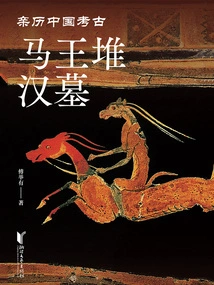
Mawangdui Han Tomb
History马王堆汉墓
Fu Juyou
"Mawangdui Han Tomb" is one of the series "Experiencing Chinese Archeology". The Mawangdui Han Tomb is the tomb of Li Cang, the Prime Minister of Changsha in the Western Han Dynasty, and his family members. The excavation of this tomb is one of the "Top 100 Archaeological Discoveries in a Century" in China. The archaeological team discovered here the lifelike Lady of Bianhou after more than 2,000 years, the earliest extant astronomical works and measured maps in the world, the earliest medical books and comet maps discovered in my country... The author Fu Juyou is known as the "Watcher of Mawangdui Han Tomb cultural relics". As the deputy captain of the archaeological team, he vividly recounts the legendary details of the excavation process in the book, explains the unearthed cultural relics exquisitely, corrects errors in "Historical Records", opens up the treasure house of civilization of the Western Han Dynasty for readers, and recreates the prosperous years of the tomb owner.
"Mawangdui Han Tomb" is one of the series "Experiencing Chinese Archeology". The Mawangdui Han Tomb is the tomb of Li Cang, the Prime Minister of Changsha in the Western Han Dynasty, and his family members. The excavation of this tomb is one of the "Top 100 Archaeological Discoveries in a Century" in China. The archaeological team discovered here the lifelike Lady of Bianhou after more than 2,000 years, the earliest extant astronomical works and measured maps in the world, the earliest medical books and comet maps discovered in my country... The author Fu Juyou is known as the "Watcher of Mawangdui Han Tomb cultural relics". As the deputy captain of the archaeological team, he vividly recounts the legendary details of the excavation process in the book, explains the unearthed cultural relics exquisitely, corrects errors in "Historical Records", opens up the treasure house of civilization of the Western Han Dynasty for readers, and recreates the prosperous years of the tomb owner.
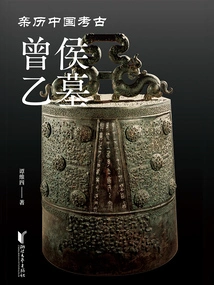
Tomb of Marquis Yi of Zeng
History曾侯乙墓
Tan Weisi
The tomb of Zeng Hou Yi is the tomb of Zeng Hou Yi, the king of Zeng State in the early Warring States Period. In 1978, the tomb of Zeng Hou Yi was opened by an archaeological excavation team. The unearthed chimes and other ancient musical instruments were an unprecedented discovery in the history of Chinese music and world music. The author of this book, Tan Weisi, was the captain of the archaeological excavation team of Zeng Hou Yi's Tomb. He presided over and participated in the entire process of field archaeological excavation and indoor organization and research from beginning to end. He told the interesting stories and secrets during the excavation in moving words, and narrated the everlasting charm of the unearthed cultural relics for thousands of years.
The tomb of Zeng Hou Yi is the tomb of Zeng Hou Yi, the king of Zeng State in the early Warring States Period. In 1978, the tomb of Zeng Hou Yi was opened by an archaeological excavation team. The unearthed chimes and other ancient musical instruments were an unprecedented discovery in the history of Chinese music and world music. The author of this book, Tan Weisi, was the captain of the archaeological excavation team of Zeng Hou Yi's Tomb. He presided over and participated in the entire process of field archaeological excavation and indoor organization and research from beginning to end. He told the interesting stories and secrets during the excavation in moving words, and narrated the everlasting charm of the unearthed cultural relics for thousands of years.
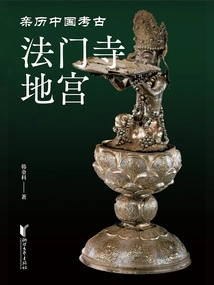
法门寺地宫
Han Jinke
"The Underground Palace of Famen Temple" is one of the series "Experiencing Chinese Archeology". On August 24, 1981, the True Body Pagoda of Famen Temple collapsed. In April 1987, the underground palace of Famen Temple was opened. More than 2,000 pieces (groups) of important treasures of the Tang Dynasty, supporting the finger bones and relics of the Buddha Sakyamuni's real body, shined with a dazzling light in an unparalleled manner, making the cultural relics of the underground palace of Famen Temple famous all over the world as soon as they were unearthed. The author of this book, Han Jinke, a researcher and former director of the Famen Temple Museum, introduces the unearthing process of these rare treasures, as well as the related historical culture and Buddhist culture as a personal witness, showing readers a splendid treasure house of the Tang Dynasty and the grand occasion of Famen Temple culture going to the world.
"The Underground Palace of Famen Temple" is one of the series "Experiencing Chinese Archeology". On August 24, 1981, the True Body Pagoda of Famen Temple collapsed. In April 1987, the underground palace of Famen Temple was opened. More than 2,000 pieces (groups) of important treasures of the Tang Dynasty, supporting the finger bones and relics of the Buddha Sakyamuni's real body, shined with a dazzling light in an unparalleled manner, making the cultural relics of the underground palace of Famen Temple famous all over the world as soon as they were unearthed. The author of this book, Han Jinke, a researcher and former director of the Famen Temple Museum, introduces the unearthing process of these rare treasures, as well as the related historical culture and Buddhist culture as a personal witness, showing readers a splendid treasure house of the Tang Dynasty and the grand occasion of Famen Temple culture going to the world.
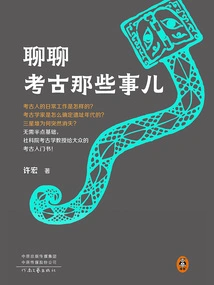
Let's Talk About Archeology
History聊聊考古那些事儿
Xu Hong
What is the daily life of an archaeologist? Often disgraced, occasionally earth-shattering. The archaeological team members made up a jingle to joke with themselves: "From a distance, they look like refugees, but up close, they look like beggars. Upon closer inspection, they are from the Academy of Social Sciences, and it turns out they are engaged in cultural relic investigation and exploration." Archaeologists care about the daily lives of ordinary people, and some details of their lives, such as what they eat, what they use, and what they throw away. In a sense, archeology is a science about garbage. Our excavation objects are often ruins and garbage dumps, but we can find many treasures from them. What is the use of archeology? Human history is at least two to three million years old. If these two to three million years are assumed to be 24 hours, then the history with writing will not enter until after 11:57 in the middle of the night. As for the long history of human development beyond this, if we want to understand its process, restore its trajectory, and answer questions such as who we are and how we came to be, we can only rely on archeology.
What is the daily life of an archaeologist? Often disgraced, occasionally earth-shattering. The archaeological team members made up a jingle to joke with themselves: "From a distance, they look like refugees, but up close, they look like beggars. Upon closer inspection, they are from the Academy of Social Sciences, and it turns out they are engaged in cultural relic investigation and exploration." Archaeologists care about the daily lives of ordinary people, and some details of their lives, such as what they eat, what they use, and what they throw away. In a sense, archeology is a science about garbage. Our excavation objects are often ruins and garbage dumps, but we can find many treasures from them. What is the use of archeology? Human history is at least two to three million years old. If these two to three million years are assumed to be 24 hours, then the history with writing will not enter until after 11:57 in the middle of the night. As for the long history of human development beyond this, if we want to understand its process, restore its trajectory, and answer questions such as who we are and how we came to be, we can only rely on archeology.