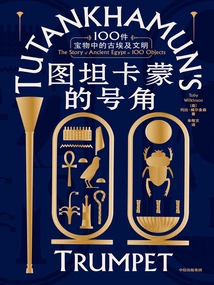
Tutankhamun's Horn: Ancient Egyptian Civilization in 100 Treasures
by O
About This Novel
In the book "Tutankhamun's Horn", British Egypt archaeologist Toby Wilkinson uses a unique perspective and entry point to look at the tomb and unearthed objects. He did not focus on the familiar process of discovering the tomb, nor did he dwell too much on the short life of the young pharaoh and the political disintegration of Egypt during his reign. Instead, he introduced the dazzling ancient Egyptian culture and its far-reaching influence in detail through the pharaoh's funerary objects. From more than 5,000 funerary objects, he selected 100 artifacts and divided them into 10 groups. According to 10 themes, he comprehensively introduced all aspects of social life such as the natural environment, religious beliefs, royal politics, trade networks, science and technology, and daily life of ancient Egyptian civilization. A gold-decorated chariot shows the advanced technology of Egypt at that time. Bread, fruit baskets and wine jars reflect the fertility of the Nile Valley and the abundance of feasts enjoyed by the local people. Jewelry made from Nubian ebony and Libyan desert glass also illustrate Egypt's active trade and vast diplomatic network. Shaving utensils and chessboards reveal another aspect of people's daily life... Nowadays, the music of Tutankhamun's era, represented by the most touching object in the tomb - Tutankhamen's horn (silver horn), has been wiped out like the man himself, leaving only the echoes of the past, relics of the distant past. Fortunately, through these funerary objects, we can still awaken the world of Tutankhamun and the ancient Egyptian civilization that he represented as a symbol.
Official Sources
What Readers Think
Rating
Community(0)
Rating
Community(0)
