Library
Browse and search books
311 novels found
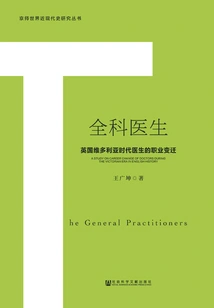
全科医生:英国维多利亚时代医生的职业变迁
Wang Guangkun
This book will focus on elucidating the changes in the profession of doctors and the adjustment and change of the doctor's professional pattern in the British Victorian era, and sort out the social background of the emergence and rise of the British doctor profession and general practitioners before the Victorian era. On this basis, it will explain how the medical reform promoted by general practitioners out of their sense of responsibility and mission to treat diseases and save lives has promoted the professional changes of British doctors and the adjustment of the doctor's professional pattern. This paper focuses on the significant impact that the emergence of general practitioners, changes in the medical profession, and the evolution and adjustment of the professional pattern of doctors in the British medical community had on British society during the changes in the doctor's profession in the Victorian era in Britain.
This book will focus on elucidating the changes in the profession of doctors and the adjustment and change of the doctor's professional pattern in the British Victorian era, and sort out the social background of the emergence and rise of the British doctor profession and general practitioners before the Victorian era. On this basis, it will explain how the medical reform promoted by general practitioners out of their sense of responsibility and mission to treat diseases and save lives has promoted the professional changes of British doctors and the adjustment of the doctor's professional pattern. This paper focuses on the significant impact that the emergence of general practitioners, changes in the medical profession, and the evolution and adjustment of the professional pattern of doctors in the British medical community had on British society during the changes in the doctor's profession in the Victorian era in Britain.
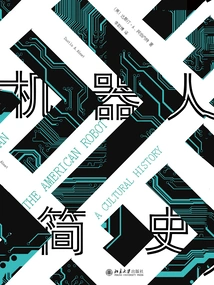
A Brief History of Robots
History机器人简史
(us) Dustin A. Abnett
This book traces the history of the idea of robots in American culture, exploring the evolution of Americans' ideas about cyborgs, automatons, and robots from the 18th to the 21st centuries. Starting from an interdisciplinary perspective and drawing on sources such as intellectual history, literature, film, and television, the author explores how robots and the devices derived from them are not only conceptually related to each other, but also embody some of the most important issues in modern culture, such as male and female differences, racial differences, slavery, republicanism, mechanization, post-industrialism, etc.
This book traces the history of the idea of robots in American culture, exploring the evolution of Americans' ideas about cyborgs, automatons, and robots from the 18th to the 21st centuries. Starting from an interdisciplinary perspective and drawing on sources such as intellectual history, literature, film, and television, the author explores how robots and the devices derived from them are not only conceptually related to each other, but also embody some of the most important issues in modern culture, such as male and female differences, racial differences, slavery, republicanism, mechanization, post-industrialism, etc.
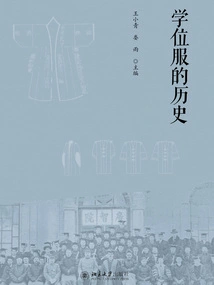
学位服的历史
Editor-in-chief Wang Xiaoqing Lou Yu
Based on sorting out the origin, change and development of academic uniforms, this book studies academic uniforms in the UK, Japan, the United States and other countries, ancient Chinese costumes (from "deep clothes" to "shirts"), the late Qing Dynasty and the Republic of China, and current academic uniforms.
Based on sorting out the origin, change and development of academic uniforms, this book studies academic uniforms in the UK, Japan, the United States and other countries, ancient Chinese costumes (from "deep clothes" to "shirts"), the late Qing Dynasty and the Republic of China, and current academic uniforms.
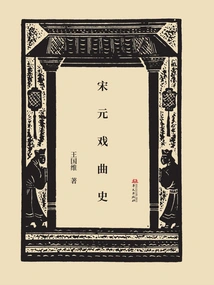
宋元戏曲史
Wang Guowei
"History of Opera in the Song and Yuan Dynasties" is the first treatise in my country that systematically studies the development history of opera. The book consists of sixteen chapters, mainly discussing the origins of Zaju in the Song, Jin and Yuan Dynasties, dramatic literature and its influence on later generations, as well as tunes and performances. It also introduces the situation before the Song Dynasty, after the Yuan Dynasty and the Southern Opera in the Yuan Dynasty. This book examines the formation, evolution, and development of Chinese classical opera, depicts clear paths and clues, and makes a specific analysis and development of the artistic characteristics and aesthetic value of the opera language. When the "Posthumous Notes of Mr. Wang Jing'an of Haining" were included in this work, it was renamed "A Study of Operas of the Song and Yuan Dynasties". "History of Opera in the Song and Yuan Dynasties" was originally published by the Commercial Press in September 1915. This publication uses the "Small Series of Chinese Studies" series edition of the Commercial Press in March 1933 as the base, and the cover also refers to this edition. On the basis of retaining the language and writing habits of the time, the text, punctuation, etc. Were corrected and modernized. At the same time, rare words were notated and explained in the form of under-page notes to help readers better understand.
"History of Opera in the Song and Yuan Dynasties" is the first treatise in my country that systematically studies the development history of opera. The book consists of sixteen chapters, mainly discussing the origins of Zaju in the Song, Jin and Yuan Dynasties, dramatic literature and its influence on later generations, as well as tunes and performances. It also introduces the situation before the Song Dynasty, after the Yuan Dynasty and the Southern Opera in the Yuan Dynasty. This book examines the formation, evolution, and development of Chinese classical opera, depicts clear paths and clues, and makes a specific analysis and development of the artistic characteristics and aesthetic value of the opera language. When the "Posthumous Notes of Mr. Wang Jing'an of Haining" were included in this work, it was renamed "A Study of Operas of the Song and Yuan Dynasties". "History of Opera in the Song and Yuan Dynasties" was originally published by the Commercial Press in September 1915. This publication uses the "Small Series of Chinese Studies" series edition of the Commercial Press in March 1933 as the base, and the cover also refers to this edition. On the basis of retaining the language and writing habits of the time, the text, punctuation, etc. Were corrected and modernized. At the same time, rare words were notated and explained in the form of under-page notes to help readers better understand.
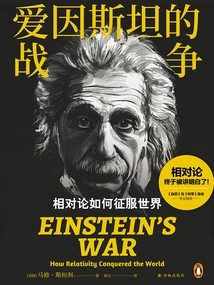
爱因斯坦的战争:相对论如何征服世界(译林思想史)
(us) Matthew Stanley
Everyone knows the theory of relativity, but few people know that the proposal and verification of the theory of relativity transcended the barriers of war and nationalism and combined the efforts of two scientists from hostile countries to form a cornerstone of international scientific consensus. This book is a gripping and humanistic history of science. It not only shows the history of the conquest of the world by the theory of relativity, but also presents the First World War, which was full of estrangement and hostility, and how Einstein and Eddington, who were in hostile countries, made extraordinary efforts and overcame unimaginable hardships to make the theory of relativity the foundational theory of modern physics. This work by Matthew Stanley is an epic about how scientific rationality and the spirit of curiosity defeat prejudice and nationalism. It is also a paean to the contemporary scientific spirit and international cooperation.
Everyone knows the theory of relativity, but few people know that the proposal and verification of the theory of relativity transcended the barriers of war and nationalism and combined the efforts of two scientists from hostile countries to form a cornerstone of international scientific consensus. This book is a gripping and humanistic history of science. It not only shows the history of the conquest of the world by the theory of relativity, but also presents the First World War, which was full of estrangement and hostility, and how Einstein and Eddington, who were in hostile countries, made extraordinary efforts and overcame unimaginable hardships to make the theory of relativity the foundational theory of modern physics. This work by Matthew Stanley is an epic about how scientific rationality and the spirit of curiosity defeat prejudice and nationalism. It is also a paean to the contemporary scientific spirit and international cooperation.
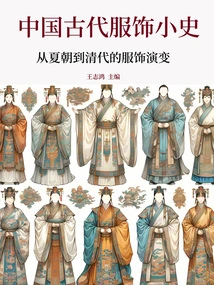
中国古代服饰小史:从夏朝到清代的服饰演变
Editor-in-chief Wang Zhihong
Chinese clothing has a long history, and its development process can be regarded as a vivid cultural history. The long development process of Chinese clothing culture from the Xia Dynasty to the Qing Dynasty shows the unique style and changing trajectory of clothing in each dynasty. As an important carrier of social culture, clothing not only reflects the aesthetic concepts and craftsmanship levels of different historical periods, but also profoundly reflects social structure, cultural integration and political changes. It can be said that from the simple clothing of primitive society to the modern new Chinese clothing style, Chinese clothing has experienced countless changes and innovations. Every change carries historical memory and cultural inheritance. This book will lead readers to explore the development and changes of clothing in ancient China, from the Xia Dynasty to the Qing Dynasty, to understand the etiquette, clothing changes and style characteristics, clothing connotations and aesthetic concepts, and social influence of each dynasty, so as to gain a glimpse of the cultural value behind ancient Chinese clothing.
Chinese clothing has a long history, and its development process can be regarded as a vivid cultural history. The long development process of Chinese clothing culture from the Xia Dynasty to the Qing Dynasty shows the unique style and changing trajectory of clothing in each dynasty. As an important carrier of social culture, clothing not only reflects the aesthetic concepts and craftsmanship levels of different historical periods, but also profoundly reflects social structure, cultural integration and political changes. It can be said that from the simple clothing of primitive society to the modern new Chinese clothing style, Chinese clothing has experienced countless changes and innovations. Every change carries historical memory and cultural inheritance. This book will lead readers to explore the development and changes of clothing in ancient China, from the Xia Dynasty to the Qing Dynasty, to understand the etiquette, clothing changes and style characteristics, clothing connotations and aesthetic concepts, and social influence of each dynasty, so as to gain a glimpse of the cultural value behind ancient Chinese clothing.
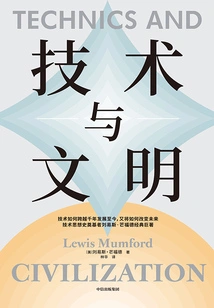
Technology and Civilization
History技术与文明
M
"Technology and Civilization" brings together pioneering methods and rich and informative historical data, and it also explains a novel theory that is still very forward-looking today: people internalize the external world and externalize the inner world - our greatest success in material activities is often the projection of our deep spiritual needs and the greatest rational and irrational passions. Therefore, understanding technology is not only the first step in reorienting our civilization, but also a means of understanding society and, by extension, ourselves. Mumford is surprisingly optimistic in his examination of the plight of early modern society. He identifies the nature of the problems that lead to economic, social, and environmental collapse, including the militarization of social organization, the waste of resources, the gross destruction of natural systems, and the promotion of mindless consumerism as the ultimate satisfaction in life. He believes that it is entirely possible that the injustices of the paleotechnical period will eventually be replaced by a humanizing new technological era. But after witnessing the Cold War, the nuclear arms race, the mystification of public opinion, and more, his original confidence no longer existed and was replaced by growing skepticism. Perhaps it is for this reason that we should revisit Mumford's former thinking. Back then, the light had not yet been obscured by shadows and the best possibilities still existed. Let us ask with young Lewis Mumford: What kind of world do we want to build?
"Technology and Civilization" brings together pioneering methods and rich and informative historical data, and it also explains a novel theory that is still very forward-looking today: people internalize the external world and externalize the inner world - our greatest success in material activities is often the projection of our deep spiritual needs and the greatest rational and irrational passions. Therefore, understanding technology is not only the first step in reorienting our civilization, but also a means of understanding society and, by extension, ourselves. Mumford is surprisingly optimistic in his examination of the plight of early modern society. He identifies the nature of the problems that lead to economic, social, and environmental collapse, including the militarization of social organization, the waste of resources, the gross destruction of natural systems, and the promotion of mindless consumerism as the ultimate satisfaction in life. He believes that it is entirely possible that the injustices of the paleotechnical period will eventually be replaced by a humanizing new technological era. But after witnessing the Cold War, the nuclear arms race, the mystification of public opinion, and more, his original confidence no longer existed and was replaced by growing skepticism. Perhaps it is for this reason that we should revisit Mumford's former thinking. Back then, the light had not yet been obscured by shadows and the best possibilities still existed. Let us ask with young Lewis Mumford: What kind of world do we want to build?
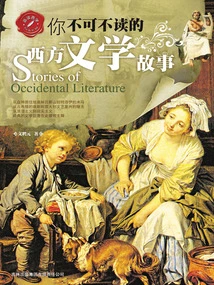
你不可不读的西方文学故事(品读西学系列)
Wen Pinyuan
This book introduces representative writers and their works from various countries in the history of Western literature. The language is fluent and highly readable.
This book introduces representative writers and their works from various countries in the history of Western literature. The language is fluent and highly readable.
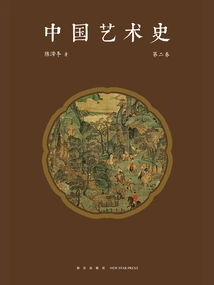
中国艺术史(第二卷)
Chen Zhidong
"History of Chinese Art (Volume 2)" (Three Kingdoms, Two Jins, Southern and Northern Dynasties, Sui and Tang to Two Songs) This volume shows the development of Chinese art in the fields of painting, calligraphy, sculpture, architecture, etc., From the third century to the thirteenth century AD. It also pays attention to social changes in different eras and explores the social thoughts and humanistic values behind artistic works. During these thousands of years, the Chinese nation has experienced the blending of various cultures and has been constantly rejuvenated: since the Wei and Jin Dynasties, there has been the integration and development of foreign Buddhist art and local civilization, as well as the formation of local religion-Taoism and its symbiotic dance with calligraphy; during the Sui and Tang Dynasties, figure painting gradually matured, and in the middle of the Tang Dynasty, there was the rise of landscape painting. In the late Tang Dynasty, the rise of flower-and-bird painting and "super realism" painting showed another mood of the times. At the same time, Chinese intellectuals gradually developed research on early Chinese art history, marking the high maturity of Chinese art; then the ink art of the Song Dynasty gradually matured, and calligraphy art and painting art diverged again, affecting the development of Chinese art in the following hundred years; the establishment of literati painting standards epoch-making opened up two aesthetic tendencies, the court and the folk, and Chinese art continued to develop in a more diversified direction...
"History of Chinese Art (Volume 2)" (Three Kingdoms, Two Jins, Southern and Northern Dynasties, Sui and Tang to Two Songs) This volume shows the development of Chinese art in the fields of painting, calligraphy, sculpture, architecture, etc., From the third century to the thirteenth century AD. It also pays attention to social changes in different eras and explores the social thoughts and humanistic values behind artistic works. During these thousands of years, the Chinese nation has experienced the blending of various cultures and has been constantly rejuvenated: since the Wei and Jin Dynasties, there has been the integration and development of foreign Buddhist art and local civilization, as well as the formation of local religion-Taoism and its symbiotic dance with calligraphy; during the Sui and Tang Dynasties, figure painting gradually matured, and in the middle of the Tang Dynasty, there was the rise of landscape painting. In the late Tang Dynasty, the rise of flower-and-bird painting and "super realism" painting showed another mood of the times. At the same time, Chinese intellectuals gradually developed research on early Chinese art history, marking the high maturity of Chinese art; then the ink art of the Song Dynasty gradually matured, and calligraphy art and painting art diverged again, affecting the development of Chinese art in the following hundred years; the establishment of literati painting standards epoch-making opened up two aesthetic tendencies, the court and the folk, and Chinese art continued to develop in a more diversified direction...
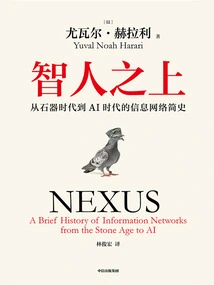
Above Homo Sapiens: a Brief History of Information Networks from the Stone Age to the Ai era
History智人之上:从石器时代到AI时代的信息网络简史
H
Over the past 100,000 years, humans have built large cooperative networks and accumulated tremendous power. However, continuous inventions and conquests have also pushed mankind into an existential crisis. The global ecosystem is on the verge of collapse and false information is rampant. We are heading headlong into an era of artificial intelligence composed of new information networks that could destroy us. Why are humans so intelligent, but always prone to self-destruction? Why have we reached the brink of ecological and technological suicide? When inhuman intelligence threatens human survival, how can humans make wise choices? From oral stories, to writing, to artificial intelligence, "Beyond Homo Sapiens" tells how information networks have shaped us and our world through the long lens of history. It invites us to think about the complex relationships between information and truth, myth and bureaucracy, wisdom and power, and explores the key dilemmas that different social structures face when trying to build information networks. If we broaden our horizons and look at how human information networks have developed over the past few thousand years, we may be able to better understand what is happening today and in the future.
Over the past 100,000 years, humans have built large cooperative networks and accumulated tremendous power. However, continuous inventions and conquests have also pushed mankind into an existential crisis. The global ecosystem is on the verge of collapse and false information is rampant. We are heading headlong into an era of artificial intelligence composed of new information networks that could destroy us. Why are humans so intelligent, but always prone to self-destruction? Why have we reached the brink of ecological and technological suicide? When inhuman intelligence threatens human survival, how can humans make wise choices? From oral stories, to writing, to artificial intelligence, "Beyond Homo Sapiens" tells how information networks have shaped us and our world through the long lens of history. It invites us to think about the complex relationships between information and truth, myth and bureaucracy, wisdom and power, and explores the key dilemmas that different social structures face when trying to build information networks. If we broaden our horizons and look at how human information networks have developed over the past few thousand years, we may be able to better understand what is happening today and in the future.
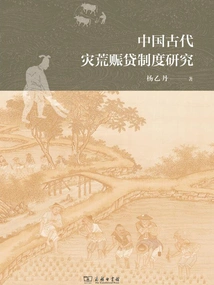
中国古代灾荒赈贷制度研究
Yang Yidan
As a unique policy to relieve famine and support the people, loan relief has been an important aspect of famine management practice for thousands of years, and to a certain extent, it has maintained the continuation and development of smallholder family agriculture in ancient China. Compared with other famine relief measures, although relief loans are also embedded in the bureaucracy and governance system of feudal countries and can therefore be explained by political discourses such as maintaining rule, consolidating political power, and achieving continued exploitation, it has its own particularities in terms of institutional culture, operational logic, and mechanism design. On the one hand, the famine relief loan system is derived from the moral relationship between the state and farmers in ancient China, and at the same time it promotes the continuous shaping of this moral relationship. It takes the moral responsibility of the rulers to the peasants as an important logical starting point, and takes "benevolence" and "righteousness" as the core evaluation criteria. On the other hand, in ancient emergency disaster relief measures, free relief reflected relief in a pure sense, which was no different from benevolent charity. Affordable relief relied on market mechanisms and used state-controlled prices to provide conditional relief to poor people who had difficulty making a living.
As a unique policy to relieve famine and support the people, loan relief has been an important aspect of famine management practice for thousands of years, and to a certain extent, it has maintained the continuation and development of smallholder family agriculture in ancient China. Compared with other famine relief measures, although relief loans are also embedded in the bureaucracy and governance system of feudal countries and can therefore be explained by political discourses such as maintaining rule, consolidating political power, and achieving continued exploitation, it has its own particularities in terms of institutional culture, operational logic, and mechanism design. On the one hand, the famine relief loan system is derived from the moral relationship between the state and farmers in ancient China, and at the same time it promotes the continuous shaping of this moral relationship. It takes the moral responsibility of the rulers to the peasants as an important logical starting point, and takes "benevolence" and "righteousness" as the core evaluation criteria. On the other hand, in ancient emergency disaster relief measures, free relief reflected relief in a pure sense, which was no different from benevolent charity. Affordable relief relied on market mechanisms and used state-controlled prices to provide conditional relief to poor people who had difficulty making a living.
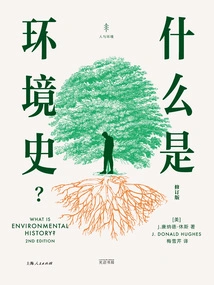
什么是环境史?(修订版)
(us) J. Donald Hughes
This book focuses on the question "What is environmental history?". It is aimed at environmental history learners and general readers who are interested in environmental history. It introduces the origin, current situation, problems and future development directions of environmental history research in a relatively detailed and comprehensive manner, and lists representative scholars and their works in the field of environmental history research around the world. It is a reading that is both academic and popular. This book focuses on the relationship between humans and the environment from a historical perspective, emphasizes the action and reaction between humans and the environment, and calls for the establishment of a healthy and green relationship between humans and nature. It can not only become a teaching book and reading material for courses related to environmental history, but also help promote the concept of "environmental history", and is also conducive to the dissemination of environmental protection concepts and the development of practical movements.
This book focuses on the question "What is environmental history?". It is aimed at environmental history learners and general readers who are interested in environmental history. It introduces the origin, current situation, problems and future development directions of environmental history research in a relatively detailed and comprehensive manner, and lists representative scholars and their works in the field of environmental history research around the world. It is a reading that is both academic and popular. This book focuses on the relationship between humans and the environment from a historical perspective, emphasizes the action and reaction between humans and the environment, and calls for the establishment of a healthy and green relationship between humans and nature. It can not only become a teaching book and reading material for courses related to environmental history, but also help promote the concept of "environmental history", and is also conducive to the dissemination of environmental protection concepts and the development of practical movements.
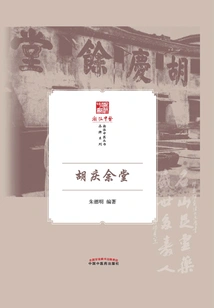
Hu Qingyutang
History胡庆余堂
Compiled By Zhu Deming
"Hu Qingyutang" will collect 146 archival documents from its founding in 1874 to 2020. It is divided into the first chapter: the late Qing Dynasty - from creation to bankruptcy, the second chapter of the Republic of China - from change of ownership to maintenance, the third chapter of the national economic recovery period - from transformation to joint venture, the fourth chapter of the reform and opening up period - from recovery to revitalization, and the fifth chapter of the 21st century - from innovation to glory. There are five chapters in total, more than 200 photos and explanations, comprehensively discussing the development history of Hu Qingyutang. The monograph "Hu Qingyutang" has the functions of "preserving history, assisting government, and educating people", and plays an irreplaceable role in inheriting the civilization of traditional Chinese medicine and creating the future of traditional Chinese medicine. Therefore, it is very necessary to review the past and learn the new, to compile a "Hu Qing Yu Tang" in a chronological way according to Chinese historical periods, and to show the world the splendid history of famous shops and factories of "Zhejiang School of Traditional Chinese Medicine"! This is conducive to the development of medical tourism resources, the renovation and development of medical cultural monuments in the Medicinal Street, the construction of medical museums, the repair and opening of traditional Chinese medicine stores, the construction of famous traditional Chinese medicine clinics, and the construction of traditional Chinese medicine health and cultural industries. It will also help promote the global promotion of traditional Chinese medicine culture and expand the exchange of medical culture between China and foreign countries. The research results can also be applied to research in the fields of medicine, medical history and philology, economics, history, archaeology, literature, tourism management, sociology, bibliography, local chronicles, folklore, library science and other fields. The publication of this monograph will produce excellent social effects, economic benefits and academic repercussions.
"Hu Qingyutang" will collect 146 archival documents from its founding in 1874 to 2020. It is divided into the first chapter: the late Qing Dynasty - from creation to bankruptcy, the second chapter of the Republic of China - from change of ownership to maintenance, the third chapter of the national economic recovery period - from transformation to joint venture, the fourth chapter of the reform and opening up period - from recovery to revitalization, and the fifth chapter of the 21st century - from innovation to glory. There are five chapters in total, more than 200 photos and explanations, comprehensively discussing the development history of Hu Qingyutang. The monograph "Hu Qingyutang" has the functions of "preserving history, assisting government, and educating people", and plays an irreplaceable role in inheriting the civilization of traditional Chinese medicine and creating the future of traditional Chinese medicine. Therefore, it is very necessary to review the past and learn the new, to compile a "Hu Qing Yu Tang" in a chronological way according to Chinese historical periods, and to show the world the splendid history of famous shops and factories of "Zhejiang School of Traditional Chinese Medicine"! This is conducive to the development of medical tourism resources, the renovation and development of medical cultural monuments in the Medicinal Street, the construction of medical museums, the repair and opening of traditional Chinese medicine stores, the construction of famous traditional Chinese medicine clinics, and the construction of traditional Chinese medicine health and cultural industries. It will also help promote the global promotion of traditional Chinese medicine culture and expand the exchange of medical culture between China and foreign countries. The research results can also be applied to research in the fields of medicine, medical history and philology, economics, history, archaeology, literature, tourism management, sociology, bibliography, local chronicles, folklore, library science and other fields. The publication of this monograph will produce excellent social effects, economic benefits and academic repercussions.
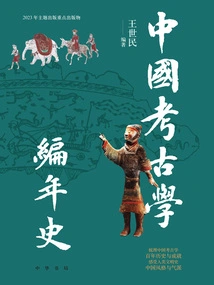
中国考古学编年史
Compiled By Wang Shimin
China is an ancient civilization with a long history. Scholars have long cherished and studied ancient relics and relics. During the Northern Song Dynasty, a specialized knowledge - epigraphy was formed. The emergence of modern archeology has a history of a hundred years, especially since the founding of the People's Republic of China. After the efforts of several generations of archaeologists, Chinese archeology is experiencing a golden age, gradually establishing and improving the discipline system, and constantly making shining achievements. This book systematically reviews the development and achievements of Chinese archeology over the past one hundred years, as well as the overview of epigraphy before the birth of modern archeology. It divides Chinese archeology into seven stages: the predecessor epigraphy period, the gestation period, the birth period, the initial development period, the comprehensive development period, the continued development period, and the new development period. It chronicles the dazzling historical facts of Chinese archaeological discoveries and research, with detailed information, rigorous narrative, and easy retrieval. With a century of achievements, it demonstrates the breadth, depth and long history of Chinese civilization; with its fruitful achievements, it witnesses the significant contribution of Chinese archeology to world civilization.
China is an ancient civilization with a long history. Scholars have long cherished and studied ancient relics and relics. During the Northern Song Dynasty, a specialized knowledge - epigraphy was formed. The emergence of modern archeology has a history of a hundred years, especially since the founding of the People's Republic of China. After the efforts of several generations of archaeologists, Chinese archeology is experiencing a golden age, gradually establishing and improving the discipline system, and constantly making shining achievements. This book systematically reviews the development and achievements of Chinese archeology over the past one hundred years, as well as the overview of epigraphy before the birth of modern archeology. It divides Chinese archeology into seven stages: the predecessor epigraphy period, the gestation period, the birth period, the initial development period, the comprehensive development period, the continued development period, and the new development period. It chronicles the dazzling historical facts of Chinese archaeological discoveries and research, with detailed information, rigorous narrative, and easy retrieval. With a century of achievements, it demonstrates the breadth, depth and long history of Chinese civilization; with its fruitful achievements, it witnesses the significant contribution of Chinese archeology to world civilization.
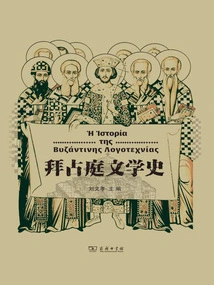
Byzantine Literary History
History拜占庭文学史
Editor-in-chief Liu Wenxiao
The Byzantine Empire is probably the longest-existing state entity in the world, spanning Europe, Asia, and Africa. From the time when Constantinople was established as its capital in 330 AD, it lasted 1,123 years until Constantinople fell into the hands of the Ottoman Empire in 1453. The Byzantine Empire was a typical medieval feudal state in the era of human religious culture. The main branch of Christianity, "Oriental Orthodoxy," was its state religion. Because it has a beginning and an end, it is the most complete example of a medieval country. Its literature of more than 1,300 years (including more than 200 years after the fall of the country) is a complete model of medieval literature. Although its main body is literature shrouded in Christian doctrine, its literary thoughts are extremely complex and contain almost all literary thoughts of later generations; in terms of themes, it also contains almost all kinds of literary motifs of later generations; in terms of literary forms, it has created all literary genres except "film and television literature".
The Byzantine Empire is probably the longest-existing state entity in the world, spanning Europe, Asia, and Africa. From the time when Constantinople was established as its capital in 330 AD, it lasted 1,123 years until Constantinople fell into the hands of the Ottoman Empire in 1453. The Byzantine Empire was a typical medieval feudal state in the era of human religious culture. The main branch of Christianity, "Oriental Orthodoxy," was its state religion. Because it has a beginning and an end, it is the most complete example of a medieval country. Its literature of more than 1,300 years (including more than 200 years after the fall of the country) is a complete model of medieval literature. Although its main body is literature shrouded in Christian doctrine, its literary thoughts are extremely complex and contain almost all literary thoughts of later generations; in terms of themes, it also contains almost all kinds of literary motifs of later generations; in terms of literary forms, it has created all literary genres except "film and television literature".
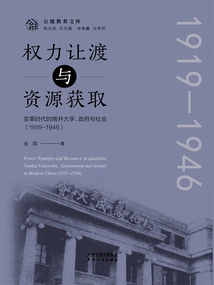
权力让渡与资源获取:变革时代的南开大学、政府与社会(1919—1946)
Kingdom Of Jin
This book is an academic work. This book focuses on the core elements of the development of private universities - school-running autonomy and school-running resources. Starting from key and typical events, and on the basis of detailing the interaction process between private Nankai University, the government and society, it further explores and analyzes the ways and significance of private universities striving for school-running autonomy under the special background of modern China, as well as the role dilemmas and choices faced by operators. This book takes the interactive relationship between Nankai University, a representative private university during the Republic of China, and the outside world as the research topic, and explores the survival and development of private universities in a specific historical period. The topic selection has great theoretical value and high practical significance.
This book is an academic work. This book focuses on the core elements of the development of private universities - school-running autonomy and school-running resources. Starting from key and typical events, and on the basis of detailing the interaction process between private Nankai University, the government and society, it further explores and analyzes the ways and significance of private universities striving for school-running autonomy under the special background of modern China, as well as the role dilemmas and choices faced by operators. This book takes the interactive relationship between Nankai University, a representative private university during the Republic of China, and the outside world as the research topic, and explores the survival and development of private universities in a specific historical period. The topic selection has great theoretical value and high practical significance.
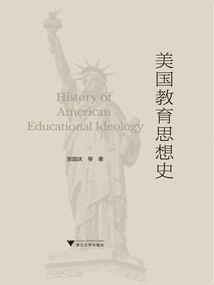
美国教育思想史
He Guoqing Et Al.
This book is divided into seven chapters. The first chapter explains the educational thought in the colonial period of the United States; the second chapter explains the educational thought from the founding of the United States to the mid-19th century; the third chapter explains the educational thought from the Civil War to the early 20th century; the fourth chapter explains the educational thought in the first half of the 20th century; the fifth chapter explains the educational thought from the post-World War II period to the 1970s; the sixth chapter explains the educational thought since the 1980s; and the seventh chapter explains the evolution and development of educational philosophy that has great influence in the United States.
This book is divided into seven chapters. The first chapter explains the educational thought in the colonial period of the United States; the second chapter explains the educational thought from the founding of the United States to the mid-19th century; the third chapter explains the educational thought from the Civil War to the early 20th century; the fourth chapter explains the educational thought in the first half of the 20th century; the fifth chapter explains the educational thought from the post-World War II period to the 1970s; the sixth chapter explains the educational thought since the 1980s; and the seventh chapter explains the evolution and development of educational philosophy that has great influence in the United States.
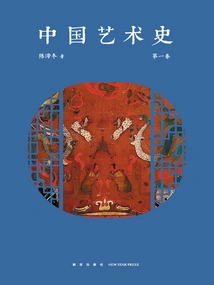
中国艺术史(第一卷)
Chen Zhidong
A rich and comprehensive history of Chinese art. The latest original work of the famous scholar-artist Mr. Chen Zhidong explores the historical changes of Chinese art and thought with unique language and perspective. Mr. Chen Zhidong, an art history researcher, painter, calligrapher, and collector, has profound accomplishments in Chinese classical literature and rich experience in artistic creation. The "History of Chinese Art" series, which he spent many years creating, is based on getting rid of the historical view of Western centralism, reinterprets the long development process of Chinese art from a Chinese perspective, and shares the latest academic results and related archaeological discoveries. The book dates from the time of the Chinese ancestors to the early 20th century, covering art categories such as painting, calligraphy, architecture, and sculpture. It also focuses on the social background, creative ideas, and humanistic values behind the works of art. It can be said that the "History of Chinese Art" series is not only a comprehensive general history of Chinese art, but also a history of Chinese thought. This volume shows how the civilizations within the East Asian continent integrated and oscillated from prehistoric times to the late second century AD, eventually forming the mainstream of Chinese culture. Including: China's Neolithic painted pottery culture; unique bronzes and jades in the Shang and Zhou dynasties, as well as the birth of writing: engraving, casting and handwriting; the formation of representative calligraphy art - the change of seal script during the Qin and Han Dynasties; the awakening of painting and painterliness - lines in the plastic arts of the Han Dynasty, and other exciting contents.
A rich and comprehensive history of Chinese art. The latest original work of the famous scholar-artist Mr. Chen Zhidong explores the historical changes of Chinese art and thought with unique language and perspective. Mr. Chen Zhidong, an art history researcher, painter, calligrapher, and collector, has profound accomplishments in Chinese classical literature and rich experience in artistic creation. The "History of Chinese Art" series, which he spent many years creating, is based on getting rid of the historical view of Western centralism, reinterprets the long development process of Chinese art from a Chinese perspective, and shares the latest academic results and related archaeological discoveries. The book dates from the time of the Chinese ancestors to the early 20th century, covering art categories such as painting, calligraphy, architecture, and sculpture. It also focuses on the social background, creative ideas, and humanistic values behind the works of art. It can be said that the "History of Chinese Art" series is not only a comprehensive general history of Chinese art, but also a history of Chinese thought. This volume shows how the civilizations within the East Asian continent integrated and oscillated from prehistoric times to the late second century AD, eventually forming the mainstream of Chinese culture. Including: China's Neolithic painted pottery culture; unique bronzes and jades in the Shang and Zhou dynasties, as well as the birth of writing: engraving, casting and handwriting; the formation of representative calligraphy art - the change of seal script during the Qin and Han Dynasties; the awakening of painting and painterliness - lines in the plastic arts of the Han Dynasty, and other exciting contents.
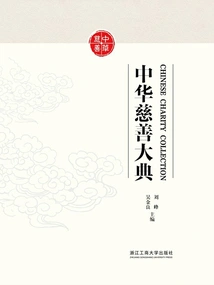
China Charity Ceremony
History中华慈善大典
Liu Feng Wu Jinliang
This book is a narrative history of Chinese philanthropy. This book systematically sorts out ancient Chinese philanthropic thoughts, as well as the development of Chinese philanthropy from the Qin and Han Dynasties to the founding of New China. In particular, it vividly restores the humanitarian actions of rescuing people in distress and supporting the poor and weak practiced by the Red Cross Society of China and national philanthropists over the past century. This book contains detailed information and rich cases, and systematically reviews the history of the evolution of China's philanthropy. This book is of great significance for understanding the cultural origins and social conditions of charity in today's society, and for promoting China's philanthropy in the process of modernization.
This book is a narrative history of Chinese philanthropy. This book systematically sorts out ancient Chinese philanthropic thoughts, as well as the development of Chinese philanthropy from the Qin and Han Dynasties to the founding of New China. In particular, it vividly restores the humanitarian actions of rescuing people in distress and supporting the poor and weak practiced by the Red Cross Society of China and national philanthropists over the past century. This book contains detailed information and rich cases, and systematically reviews the history of the evolution of China's philanthropy. This book is of great significance for understanding the cultural origins and social conditions of charity in today's society, and for promoting China's philanthropy in the process of modernization.
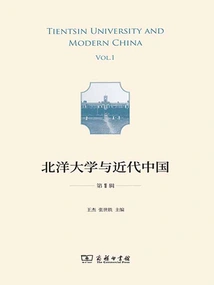
北洋大学与近代中国(第1辑)
Editor-in-chief Wang Jie Zhang Shitie
"Beiyang University and China (Volume 1)" is a collection of research papers exploring the history of Beiyang University. This book discusses the development history of Peiyang University and modern China in detail, with rich content and detailed historical materials. It not only combs the history of the rise and development of Beiyang University, discusses the relevant figures of Beiyang University and their influence, but also touches on many topics such as Beiyang University and modern Chinese society. As the first modern public university in China, studying the history of Peiyang University is of great significance to understanding the interaction between universities and society in modern China. This book excavates relevant historical materials of Beiyang University, clarifies issues, and elucidates debates. It will be helpful for readers to gain a deeper understanding of Beiyang University and the interaction between universities and society in modern China.
"Beiyang University and China (Volume 1)" is a collection of research papers exploring the history of Beiyang University. This book discusses the development history of Peiyang University and modern China in detail, with rich content and detailed historical materials. It not only combs the history of the rise and development of Beiyang University, discusses the relevant figures of Beiyang University and their influence, but also touches on many topics such as Beiyang University and modern Chinese society. As the first modern public university in China, studying the history of Peiyang University is of great significance to understanding the interaction between universities and society in modern China. This book excavates relevant historical materials of Beiyang University, clarifies issues, and elucidates debates. It will be helpful for readers to gain a deeper understanding of Beiyang University and the interaction between universities and society in modern China.
《孝经》学发展史
Liu Zengguang
This book is a comprehensive history of the development of the study of "The Classic of Filial Piety". It combines newly unearthed documents and adopts a method of combining classics and philosophy to sort out the doctrinal context of the development of the study of "The Classic of Filial Piety" and its internal connection with philosophical trends. It attempts to master the literature, analyze the history of ideas, and explore the awareness of the problems of the study of "The Classic of Filial Piety" itself. Achieve breakthroughs, deeply reveal the true spirit of "The Classic of Filial Piety" and the Confucian concept of filial piety, clarify some misunderstandings attached to the "Book of Filial Piety" and the concept of filial piety, and even Confucianism and Chinese culture in modern times; and through the analysis of the worries of modernity, in the perspective of the distinction between ancient and modern times, demonstrate the practical value and significance of Confucian filial piety thought.
This book is a comprehensive history of the development of the study of "The Classic of Filial Piety". It combines newly unearthed documents and adopts a method of combining classics and philosophy to sort out the doctrinal context of the development of the study of "The Classic of Filial Piety" and its internal connection with philosophical trends. It attempts to master the literature, analyze the history of ideas, and explore the awareness of the problems of the study of "The Classic of Filial Piety" itself. Achieve breakthroughs, deeply reveal the true spirit of "The Classic of Filial Piety" and the Confucian concept of filial piety, clarify some misunderstandings attached to the "Book of Filial Piety" and the concept of filial piety, and even Confucianism and Chinese culture in modern times; and through the analysis of the worries of modernity, in the perspective of the distinction between ancient and modern times, demonstrate the practical value and significance of Confucian filial piety thought.
近现代出版与新知识传播
Department Of History, Fudan University, Etc.
Publishing is an important medium for making ideas and knowledge public, and Shanghai is the birthplace and center of modern publishing in China. Before 1949, more than 80% of the country's publishing institutions were concentrated in Shanghai, and more than 90% of modern academic works were published in Shanghai. Shanghai's publishing industry led the trend of new knowledge dissemination and ideological progress in modern China. On October 29 and 30, 2022, the Department of History of Fudan University and the Museum of Modern Press and Publication of China co-sponsored the academic seminar on "Modern Publishing and the Dissemination of New Knowledge". Nearly 50 scholars from all over the country participated in the meeting and discussed seven topics: "Publishing and the Dissemination of New Knowledge", "Publishing and Cultural Exchange", "Publishing and Business Interaction", "Dictionary and Textbook Publishing", "Publishing and New Culture", "Publishing and Scientific and Technological Knowledge", and "Publishing and Political Activities". This book compiles more than 30 papers from this conference. The research covers diverse topics such as book history, reading history, printing, translation, editions and bibliography, and reflects the cutting-edge trends in publishing history research.
Publishing is an important medium for making ideas and knowledge public, and Shanghai is the birthplace and center of modern publishing in China. Before 1949, more than 80% of the country's publishing institutions were concentrated in Shanghai, and more than 90% of modern academic works were published in Shanghai. Shanghai's publishing industry led the trend of new knowledge dissemination and ideological progress in modern China. On October 29 and 30, 2022, the Department of History of Fudan University and the Museum of Modern Press and Publication of China co-sponsored the academic seminar on "Modern Publishing and the Dissemination of New Knowledge". Nearly 50 scholars from all over the country participated in the meeting and discussed seven topics: "Publishing and the Dissemination of New Knowledge", "Publishing and Cultural Exchange", "Publishing and Business Interaction", "Dictionary and Textbook Publishing", "Publishing and New Culture", "Publishing and Scientific and Technological Knowledge", and "Publishing and Political Activities". This book compiles more than 30 papers from this conference. The research covers diverse topics such as book history, reading history, printing, translation, editions and bibliography, and reflects the cutting-edge trends in publishing history research.
牛津通识读本:数学简史(中文版)
(uk) Jacqueline Stoddall
Mathematics is a fundamental human activity that can be practiced and understood in many ways; in fact, mathematical ideas themselves are not fixed, but adapt and change across different eras and cultures. In this book, Jacqueline Stedall starts from the case of the famous mathematician Wiles cracking Fermat's Last Theorem, and lists many in-depth examples on different topics to sort out the history of the subject of mathematics, and explores the rich historical and cultural diversity of human mathematical research from the distant past to the present. The author arranges the content by theme to show the different backgrounds in which people learn, use, and transmit mathematics. He also selects cases from different periods including ancient China, the medieval Islamic world, and 19th-century England for research, condensing the development of mathematics over thousands of years into a small and interesting book.
Mathematics is a fundamental human activity that can be practiced and understood in many ways; in fact, mathematical ideas themselves are not fixed, but adapt and change across different eras and cultures. In this book, Jacqueline Stedall starts from the case of the famous mathematician Wiles cracking Fermat's Last Theorem, and lists many in-depth examples on different topics to sort out the history of the subject of mathematics, and explores the rich historical and cultural diversity of human mathematical research from the distant past to the present. The author arranges the content by theme to show the different backgrounds in which people learn, use, and transmit mathematics. He also selects cases from different periods including ancient China, the medieval Islamic world, and 19th-century England for research, condensing the development of mathematics over thousands of years into a small and interesting book.
人类心理3000年:从荷马史诗到人工智能
(us) Thomas Hardy Lehey
As a discipline rooted in philosophy, psychology has a long history of development. From absorbing scientific research methods and getting rid of the speculative nature of philosophy to using scientific empirical methods to study all aspects of people's lives, psychology has gradually become an indispensable subject in the field of science and social life. This book reviews the development history of psychology from a panoramic perspective, and uses the historical research method of the new scientific historical perspective to sort out the development of psychological thought from the ancient Greek period to the present. The content covers from the philosophical foundation of psychology to the new trends and perspectives of modern psychological research, providing readers with a broader perspective for understanding and learning psychology. The author of this book, Thomas Hardy Lehey, has been committed to the study of philosophical psychology and the history of psychology. This book represents his academic achievements in these two fields and is suitable for every reader who is interested in understanding the development of psychology.
As a discipline rooted in philosophy, psychology has a long history of development. From absorbing scientific research methods and getting rid of the speculative nature of philosophy to using scientific empirical methods to study all aspects of people's lives, psychology has gradually become an indispensable subject in the field of science and social life. This book reviews the development history of psychology from a panoramic perspective, and uses the historical research method of the new scientific historical perspective to sort out the development of psychological thought from the ancient Greek period to the present. The content covers from the philosophical foundation of psychology to the new trends and perspectives of modern psychological research, providing readers with a broader perspective for understanding and learning psychology. The author of this book, Thomas Hardy Lehey, has been committed to the study of philosophical psychology and the history of psychology. This book represents his academic achievements in these two fields and is suitable for every reader who is interested in understanding the development of psychology.
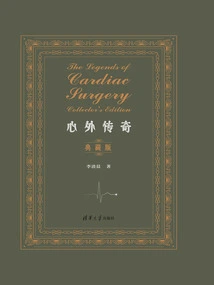
心外传奇(典藏版)
Li Qingchen
This is a popular science book and a history of surgery. It revolves around a series of people and events in various stages of the development of cardiac surgery. In the development of the story, it shows the unique scientific process of human beings challenging the restricted area of the heart. It can be called "a medical history as beautiful as a novel." Although the author's work is a re-creation based on "Legend of the Heart" completed ten years ago, the author has added a lot of new historical materials and new thinking, revised some key historical facts, and added the story of an artificial heart. Therefore, the content of the entire work is more detailed, delicate and complete, the various important plots are more coherent, the thinking is deeper, and the reading is more vivid and legendary.
This is a popular science book and a history of surgery. It revolves around a series of people and events in various stages of the development of cardiac surgery. In the development of the story, it shows the unique scientific process of human beings challenging the restricted area of the heart. It can be called "a medical history as beautiful as a novel." Although the author's work is a re-creation based on "Legend of the Heart" completed ten years ago, the author has added a lot of new historical materials and new thinking, revised some key historical facts, and added the story of an artificial heart. Therefore, the content of the entire work is more detailed, delicate and complete, the various important plots are more coherent, the thinking is deeper, and the reading is more vivid and legendary.
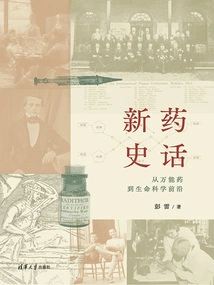
新药史话:从万能药到生命科学前沿
Peng Lei
"History of New Drugs: From Panacea to the Frontier of Life Sciences" is a popular science book on the history of new drug science. It tells the background of the proliferation of "panacea" in history, the industrial revolution, war and the formation of the world's pharmaceutical industry system. Describes the development process from university to pharmacopoeia, drug regulatory act and the history of alchemy, modern chemistry and drug synthesis. It introduces the progress of vivisection, model organisms and pharmacology, the theory of evolution, the emergence of genes and biological drugs, as well as the theory of etiology, pathogen screening and serum therapy. It tells about bloodletting, blood transfusion, transplantation and new drug design, deadly viruses and the key to the secret of life. Finally, it introduces immunotherapy and cell therapy. The content is very rich and the viewpoints are novel. It clearly states that what drives the discovery of new drugs are theoretical debates, scientific competitions, patent disputes, etc. The whole book not only describes the inspiration and contributions of scientists, but also highlights the mistakes of scientists and shows another side of scientists. The book is easy to understand, has clear layers, and has in-depth analysis. It has strong readability and exploration value for people in the biomedical field and science enthusiasts.
"History of New Drugs: From Panacea to the Frontier of Life Sciences" is a popular science book on the history of new drug science. It tells the background of the proliferation of "panacea" in history, the industrial revolution, war and the formation of the world's pharmaceutical industry system. Describes the development process from university to pharmacopoeia, drug regulatory act and the history of alchemy, modern chemistry and drug synthesis. It introduces the progress of vivisection, model organisms and pharmacology, the theory of evolution, the emergence of genes and biological drugs, as well as the theory of etiology, pathogen screening and serum therapy. It tells about bloodletting, blood transfusion, transplantation and new drug design, deadly viruses and the key to the secret of life. Finally, it introduces immunotherapy and cell therapy. The content is very rich and the viewpoints are novel. It clearly states that what drives the discovery of new drugs are theoretical debates, scientific competitions, patent disputes, etc. The whole book not only describes the inspiration and contributions of scientists, but also highlights the mistakes of scientists and shows another side of scientists. The book is easy to understand, has clear layers, and has in-depth analysis. It has strong readability and exploration value for people in the biomedical field and science enthusiasts.
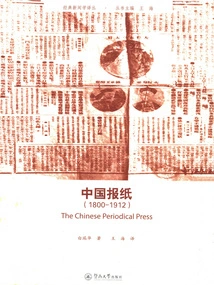
中国报纸(1800—1912)
Bai Ruihua
This book is an overview of the newspaper industry during the period when China's modern journalism developed and local newspapers disappeared. The book includes the Chinese people's reaction to foreign newspapers, Wang Tao and Hong Kong newspapers, foreign newspapers in treaty ports, "Shen Shen" and Shanghai newspapers, the rise of mass newspapers, Liang Qichao and reformist newspapers, government and news reform, revolutionary newspapers, new newspapers and old newspapers, etc.
This book is an overview of the newspaper industry during the period when China's modern journalism developed and local newspapers disappeared. The book includes the Chinese people's reaction to foreign newspapers, Wang Tao and Hong Kong newspapers, foreign newspapers in treaty ports, "Shen Shen" and Shanghai newspapers, the rise of mass newspapers, Liang Qichao and reformist newspapers, government and news reform, revolutionary newspapers, new newspapers and old newspapers, etc.
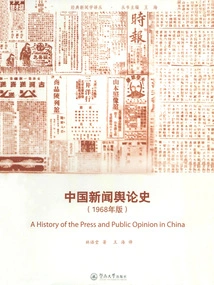
中国新闻舆论史(1968年版)
Lin Yutang
The core issue explored in this book is how China's public opinion has been expressed from ancient times to modern times. The author divides the ancient and modern parts into two parts to explore the circumstances and ways in which ancient Chinese scholars and ordinary people practiced public criticism.
The core issue explored in this book is how China's public opinion has been expressed from ancient times to modern times. The author divides the ancient and modern parts into two parts to explore the circumstances and ways in which ancient Chinese scholars and ordinary people practiced public criticism.
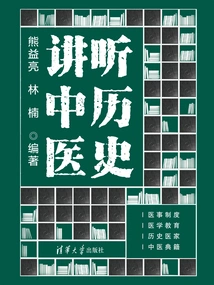
听历史讲中医
Compiled By Xiong Yiliang And Lin Nan
"Listening to History and Telling Traditional Chinese Medicine" mainly starts from the compilation of historical Chinese medicine documents, and displays the appearance of ancient Chinese medicine and the historical inheritance and development of Chinese medicine from four aspects: medical system, medical education, famous doctors, and Chinese medical literature. It does not involve issues related to historical methods and Chinese medicine research. This is discussed in the first chapter of this book. In addition, this book does not involve the diagnosis and treatment of traditional Chinese medicine. It aims to help people understand the status and development of traditional Chinese medicine in ancient times, so as to better promote the culture of traditional Chinese medicine. From the writing perspective and content, we hope to use this book to benefit readers who are willing or want to learn about traditional Chinese medicine.
"Listening to History and Telling Traditional Chinese Medicine" mainly starts from the compilation of historical Chinese medicine documents, and displays the appearance of ancient Chinese medicine and the historical inheritance and development of Chinese medicine from four aspects: medical system, medical education, famous doctors, and Chinese medical literature. It does not involve issues related to historical methods and Chinese medicine research. This is discussed in the first chapter of this book. In addition, this book does not involve the diagnosis and treatment of traditional Chinese medicine. It aims to help people understand the status and development of traditional Chinese medicine in ancient times, so as to better promote the culture of traditional Chinese medicine. From the writing perspective and content, we hope to use this book to benefit readers who are willing or want to learn about traditional Chinese medicine.
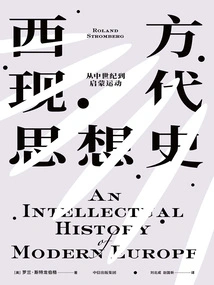
西方现代思想史:从中世纪到启蒙运动
(us) Roland Stromberg
This intellectual history textbook has been popular in European and American universities for half a century. It is the masterpiece of Roland Stromberg, a professor at the University of Wisconsin. It has been reprinted many times since the Chinese version came out. It vividly and concisely outlines the panorama of modern Western thought with a high-level historical perspective, exciting and high-spirited text expressions, and sharp and thorough philosophical analysis. In this volume, the author follows the historical context and genealogy of ideological development and reviews the modern Western ideological trends from the late Middle Ages to the Enlightenment: The Middle Ages was the age of witchcraft and magic, and the birth of modern science and philosophy. In its later period, the most important ideological renaissance in European history occurred, which laid the foundation and created conditions for all subsequent developments. The 17th century was a "century of genius." From Kepler and Galileo to Descartes and Newton, the Western world entered science and rationality, and the material world and the spiritual world separated. The scientific revolution shaped the century and spilled over into the political sphere, as thought turned toward the Enlightenment. The 18th century was the century of enlightenment. People shifted the focus of understanding the world from nature to the human world. The Enlightenment set off a trend of ideological emancipation. Romanticism and skepticism went hand in hand. The ideas and concepts of freedom, democracy, and equality exerted a lasting influence. The following French Revolution ushered in the practical climax of Enlightenment thought... Liu Beicheng, a professor of history at Tsinghua University, and Zhao Guoxin, a professor at Beijing Foreign Studies University, worked together to create a full translation of the classic, accurately reproducing the grand ideological picture of the original book.
This intellectual history textbook has been popular in European and American universities for half a century. It is the masterpiece of Roland Stromberg, a professor at the University of Wisconsin. It has been reprinted many times since the Chinese version came out. It vividly and concisely outlines the panorama of modern Western thought with a high-level historical perspective, exciting and high-spirited text expressions, and sharp and thorough philosophical analysis. In this volume, the author follows the historical context and genealogy of ideological development and reviews the modern Western ideological trends from the late Middle Ages to the Enlightenment: The Middle Ages was the age of witchcraft and magic, and the birth of modern science and philosophy. In its later period, the most important ideological renaissance in European history occurred, which laid the foundation and created conditions for all subsequent developments. The 17th century was a "century of genius." From Kepler and Galileo to Descartes and Newton, the Western world entered science and rationality, and the material world and the spiritual world separated. The scientific revolution shaped the century and spilled over into the political sphere, as thought turned toward the Enlightenment. The 18th century was the century of enlightenment. People shifted the focus of understanding the world from nature to the human world. The Enlightenment set off a trend of ideological emancipation. Romanticism and skepticism went hand in hand. The ideas and concepts of freedom, democracy, and equality exerted a lasting influence. The following French Revolution ushered in the practical climax of Enlightenment thought... Liu Beicheng, a professor of history at Tsinghua University, and Zhao Guoxin, a professor at Beijing Foreign Studies University, worked together to create a full translation of the classic, accurately reproducing the grand ideological picture of the original book.
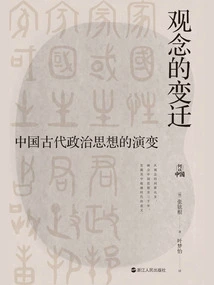
观念的变迁:中国古代政治思想的演变(何以中国)
(korean) Jang Hyun-geun
Starting from the etymology of concepts, it integrates three thousand years of Chinese intellectual history and discovers its significance that transcends the times. From the perspective of the history of concepts, this book explains the evolution of 12 groups of concepts in ancient Chinese history, including "politics, destiny, character, country, king, subjects, morality, benevolence and righteousness, etiquette, loyalty and filial piety, public and private, and Huayi". These 12 groups of 24 concepts have different original meanings, but they have each experienced integration and changes in the context of political and social development. We seem to be familiar with these words and use them frequently, but we rarely think about them in depth, let alone the huge changes that have occurred in their historical evolution. Based on literature, this book carefully analyzes these key texts in the history of political thought, revealing its original meaning and its changing characteristics and context in the historical process. It is hailed as a model work for "from primary school to Confucian classics" in the study of intellectual history.
Starting from the etymology of concepts, it integrates three thousand years of Chinese intellectual history and discovers its significance that transcends the times. From the perspective of the history of concepts, this book explains the evolution of 12 groups of concepts in ancient Chinese history, including "politics, destiny, character, country, king, subjects, morality, benevolence and righteousness, etiquette, loyalty and filial piety, public and private, and Huayi". These 12 groups of 24 concepts have different original meanings, but they have each experienced integration and changes in the context of political and social development. We seem to be familiar with these words and use them frequently, but we rarely think about them in depth, let alone the huge changes that have occurred in their historical evolution. Based on literature, this book carefully analyzes these key texts in the history of political thought, revealing its original meaning and its changing characteristics and context in the historical process. It is hailed as a model work for "from primary school to Confucian classics" in the study of intellectual history.
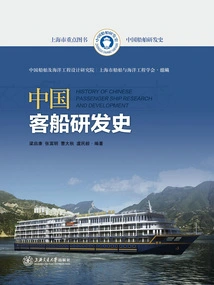
中国客船研发史
Compiled By Liang Qikang And Others
This book is one of the series "History of Chinese Ship Research and Development". Passenger ships are ships used for water transportation of passengers, and they are also a means of transportation to meet people's needs for traveling to rivers, lakes and seas. China has a long history of passenger ship development. In the early 1950s, the People's Republic of China's first large-scale Yangtze River passenger ship was developed. Later, the first coastal passenger and cargo ship "Democracy 10" and the "Democracy" series were developed, including dozens of coastal passenger and cargo ships, the "Yangtze River Paradise" tourist ship and large luxury cruise ships. This book is divided into nine chapters, focusing on the research and development history and great achievements of China's passenger ships since the founding of the People's Republic of China. It also explains the patriotic enthusiasm of our country's ship research and development design team with the motherland in mind and serving the people, as well as the innovative spirit of bravely climbing to the peak of ship science and daring to be the first.
This book is one of the series "History of Chinese Ship Research and Development". Passenger ships are ships used for water transportation of passengers, and they are also a means of transportation to meet people's needs for traveling to rivers, lakes and seas. China has a long history of passenger ship development. In the early 1950s, the People's Republic of China's first large-scale Yangtze River passenger ship was developed. Later, the first coastal passenger and cargo ship "Democracy 10" and the "Democracy" series were developed, including dozens of coastal passenger and cargo ships, the "Yangtze River Paradise" tourist ship and large luxury cruise ships. This book is divided into nine chapters, focusing on the research and development history and great achievements of China's passenger ships since the founding of the People's Republic of China. It also explains the patriotic enthusiasm of our country's ship research and development design team with the motherland in mind and serving the people, as well as the innovative spirit of bravely climbing to the peak of ship science and daring to be the first.
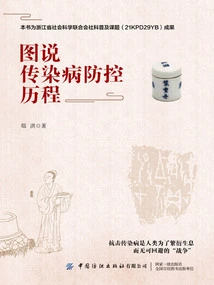
图说传染病防控历程
Zheng Hong
"Plague" is associated with human civilization. Since ancient times, our people have been constantly looking for ways to resist infectious diseases. The bravery, strength and fearless spirit burst out in the "war epidemics" of past generations are worthy of being remembered and learned by future generations. This book reviews the process of fighting epidemics in Chinese civilization from ancient times to the present, describing important epidemics, important epidemic prevention events and outstanding anti-epidemic figures in history. The text focuses on being simple and easy-to-understand, and is aimed at ordinary readers, providing a popular scientific interpretation of medical knowledge related to the war epidemic. The arrangement focuses on the combination of pictures and text, and combines a large number of historical photos to reflect the true history of the war epidemic. The whole book aims to summarize history and enlighten the present.
"Plague" is associated with human civilization. Since ancient times, our people have been constantly looking for ways to resist infectious diseases. The bravery, strength and fearless spirit burst out in the "war epidemics" of past generations are worthy of being remembered and learned by future generations. This book reviews the process of fighting epidemics in Chinese civilization from ancient times to the present, describing important epidemics, important epidemic prevention events and outstanding anti-epidemic figures in history. The text focuses on being simple and easy-to-understand, and is aimed at ordinary readers, providing a popular scientific interpretation of medical knowledge related to the war epidemic. The arrangement focuses on the combination of pictures and text, and combines a large number of historical photos to reflect the true history of the war epidemic. The whole book aims to summarize history and enlighten the present.
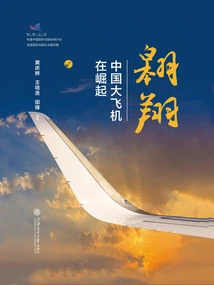
翱翔:中国大飞机在崛起
Compiled By Huang Qingqiao Et Al.
Based on the history of the development of large aircraft in the world, this book summarizes the world pattern of large aircraft dominated by the two giants of the United States and Europe, as well as the tortuous development process of large aircraft in Japan, Canada, Indonesia, Russia, Brazil and other countries, and sorts out the magnificent development history of China's large civil aircraft. From the sudden end of the development of "Yunshi" to the end of the cooperation with McDonnell Douglas, from the strategic decision-making of the Party Central Committee at the beginning of the 21st century to the emergence of COMAC, from the successful put into operation of ARJ21 to the stunning first flight and successful delivery of C919, this book starts from the historical context, It strives to build a panoramic portrait of the development history of China's large aircraft industry, including the background of the times, national strategic decisions, key core technology research and other aspects, and demonstrates the hard work and struggle spirit of China's large aircraft people. It is a book that integrates thematic, ideological, story-telling and readability.
Based on the history of the development of large aircraft in the world, this book summarizes the world pattern of large aircraft dominated by the two giants of the United States and Europe, as well as the tortuous development process of large aircraft in Japan, Canada, Indonesia, Russia, Brazil and other countries, and sorts out the magnificent development history of China's large civil aircraft. From the sudden end of the development of "Yunshi" to the end of the cooperation with McDonnell Douglas, from the strategic decision-making of the Party Central Committee at the beginning of the 21st century to the emergence of COMAC, from the successful put into operation of ARJ21 to the stunning first flight and successful delivery of C919, this book starts from the historical context, It strives to build a panoramic portrait of the development history of China's large aircraft industry, including the background of the times, national strategic decisions, key core technology research and other aspects, and demonstrates the hard work and struggle spirit of China's large aircraft people. It is a book that integrates thematic, ideological, story-telling and readability.
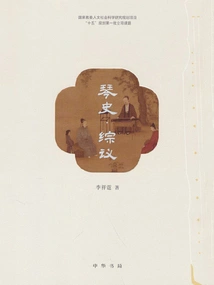
琴史·综议
Li Xiangting
This book is a monograph by Mr. Li Xiangting, a master of guqin performance. It traces the entire historical process of the creation, development and cultural evolution of guqin, from the Shang and Zhou dynasties, the Spring and Autumn Period and the Warring States, to the Qin and Han, Sui and Tang, Song, Yuan, Ming and Qing dynasties. It discusses the status, social and cultural role and status of guqin art in each dynasty, focusing on It expounds on the important guqin players and classics of the past dynasties, with special emphasis on the study of the performance methods and performance techniques of ancient famous music, and a detailed analysis of its artistic characteristics and contributions. It also expresses the profound and unique insights into the artistic characteristics, performance methods, improvisation and selection of guqin in special topics.
This book is a monograph by Mr. Li Xiangting, a master of guqin performance. It traces the entire historical process of the creation, development and cultural evolution of guqin, from the Shang and Zhou dynasties, the Spring and Autumn Period and the Warring States, to the Qin and Han, Sui and Tang, Song, Yuan, Ming and Qing dynasties. It discusses the status, social and cultural role and status of guqin art in each dynasty, focusing on It expounds on the important guqin players and classics of the past dynasties, with special emphasis on the study of the performance methods and performance techniques of ancient famous music, and a detailed analysis of its artistic characteristics and contributions. It also expresses the profound and unique insights into the artistic characteristics, performance methods, improvisation and selection of guqin in special topics.
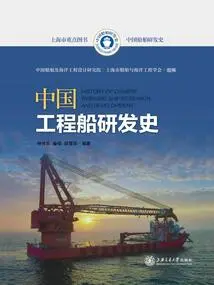
中国工程船研发史
Compiled By Zhong Weidong, Qin Qi And Others
This book is one of the series on the history of Chinese ship research and development. Engineering ships are ships specially used for the construction of various above-water and underwater projects. This book starts from the definition, classification, key equipment, and ship type development of engineering ships, and focuses on the development history of my country's representative engineering ships such as crane ships, semi-submersible transport ships, pipe-laying ships, cable laying ships, submersible engineering ships, and wind turbine installation ships. It shows the achievements of my country's engineering ships in the 70 years since the founding of the People's Republic of China, and shows the spirit of the development team's self-reliance, hard work, courageous climbing, and pursuit of excellence, so that readers can be inspired by it.
This book is one of the series on the history of Chinese ship research and development. Engineering ships are ships specially used for the construction of various above-water and underwater projects. This book starts from the definition, classification, key equipment, and ship type development of engineering ships, and focuses on the development history of my country's representative engineering ships such as crane ships, semi-submersible transport ships, pipe-laying ships, cable laying ships, submersible engineering ships, and wind turbine installation ships. It shows the achievements of my country's engineering ships in the 70 years since the founding of the People's Republic of China, and shows the spirit of the development team's self-reliance, hard work, courageous climbing, and pursuit of excellence, so that readers can be inspired by it.
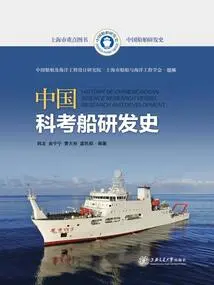
中国科考船研发史
Compiled By Han Long, Qu Ningning And Others
This book is one of the series on the history of Chinese ship research and development, telling the history of the research and development of Chinese scientific research ships. The scientific research ship is a platform for investigating and studying marine activities, and it is also an important equipment for developing the ocean, utilizing marine resources, and building a maritime power. This book introduces the historical origins of scientific research ships, the characteristics, functions and types of scientific research ships, the research and development process of Chinese scientific research ships, and the fruitful results achieved by its R&D team by carrying forward the spirit of self-reliance, hard work, and seizing the day, and catching up with the world's advanced level in the research and development and construction of scientific research ships. This book combines professionalism, knowledge and popularity, with pictures and texts. It can be read by professional and technical personnel who develop scientific research ships and readers who are interested in marine scientific surveys, so as to encourage readers to work hard and devote themselves to the great cause of building a maritime power.
This book is one of the series on the history of Chinese ship research and development, telling the history of the research and development of Chinese scientific research ships. The scientific research ship is a platform for investigating and studying marine activities, and it is also an important equipment for developing the ocean, utilizing marine resources, and building a maritime power. This book introduces the historical origins of scientific research ships, the characteristics, functions and types of scientific research ships, the research and development process of Chinese scientific research ships, and the fruitful results achieved by its R&D team by carrying forward the spirit of self-reliance, hard work, and seizing the day, and catching up with the world's advanced level in the research and development and construction of scientific research ships. This book combines professionalism, knowledge and popularity, with pictures and texts. It can be read by professional and technical personnel who develop scientific research ships and readers who are interested in marine scientific surveys, so as to encourage readers to work hard and devote themselves to the great cause of building a maritime power.
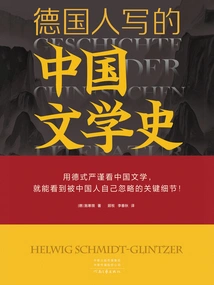
德国人写的中国文学史
(german) Shi Hanwei
Tao Yuanming's poetry was not taken seriously until the Song Dynasty: few people know that Tao Yuanming, who is regarded as the originator of "idyllic poetry", was not taken seriously before the Tang Dynasty. It was not until the bureaucracy of China's feudal dynasty gradually strengthened in the Northern Song Dynasty, and literati increasingly yearned for pastoral life, that Tao Yuanming's works began to be highly respected. It can be said that the history of Tao Yuanming's acceptance is the history of the evolution of Chinese literati's thoughts. In addition to Tang poetry, the Tang Dynasty also had the source of drama - "Bianwen": Compared with Tang poetry, "Bianwen" is a literary style of the Tang Dynasty that is often overlooked. It originated from Buddhism, and its contents are mostly Buddhist stories and folklore. Its form is mainly a combination of singing and chanting, and is deeply loved by ordinary people. "Bianwen not only promoted the process of literature changing from elegance to vulgarity, but also became the source of drama in later generations. Opening this book, you will find more key details that have been ignored: oracles, poetry, drum poetry...
Tao Yuanming's poetry was not taken seriously until the Song Dynasty: few people know that Tao Yuanming, who is regarded as the originator of "idyllic poetry", was not taken seriously before the Tang Dynasty. It was not until the bureaucracy of China's feudal dynasty gradually strengthened in the Northern Song Dynasty, and literati increasingly yearned for pastoral life, that Tao Yuanming's works began to be highly respected. It can be said that the history of Tao Yuanming's acceptance is the history of the evolution of Chinese literati's thoughts. In addition to Tang poetry, the Tang Dynasty also had the source of drama - "Bianwen": Compared with Tang poetry, "Bianwen" is a literary style of the Tang Dynasty that is often overlooked. It originated from Buddhism, and its contents are mostly Buddhist stories and folklore. Its form is mainly a combination of singing and chanting, and is deeply loved by ordinary people. "Bianwen not only promoted the process of literature changing from elegance to vulgarity, but also became the source of drama in later generations. Opening this book, you will find more key details that have been ignored: oracles, poetry, drum poetry...
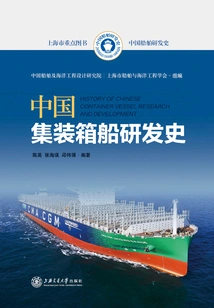
中国集装箱船研发史
Compiled By Chen Ying Et Al.
This book is one of the series on the history of Chinese ship research and development. Container ships are one of the three main ship types of modern ships with high added value and high technology. This book is divided into nine chapters to introduce the research and development process of China's container ships and its great achievements. Chapters 1 and 2 briefly introduce the origin, development and types of container ships. Chapter 3 mainly introduces the composition, key systems and construction technology of container ships to help people have a comprehensive understanding of container ships; Chapters 4, 5 and 6 introduce the development process of the design and construction of container ships in my country from scratch, from small to large, from Made in China to Created in China. Chapter 7 mainly introduces the development of feeder container ships. Chapter 8 introduces the R&D and design team of container ships, who are not afraid of difficulties and bravely climb to the top, and have made contributions to the development of container ships in our country. Chapter 9 looks forward to the future and development of container ships from aspects such as ship type, intelligence, and green environmental protection.
This book is one of the series on the history of Chinese ship research and development. Container ships are one of the three main ship types of modern ships with high added value and high technology. This book is divided into nine chapters to introduce the research and development process of China's container ships and its great achievements. Chapters 1 and 2 briefly introduce the origin, development and types of container ships. Chapter 3 mainly introduces the composition, key systems and construction technology of container ships to help people have a comprehensive understanding of container ships; Chapters 4, 5 and 6 introduce the development process of the design and construction of container ships in my country from scratch, from small to large, from Made in China to Created in China. Chapter 7 mainly introduces the development of feeder container ships. Chapter 8 introduces the R&D and design team of container ships, who are not afraid of difficulties and bravely climb to the top, and have made contributions to the development of container ships in our country. Chapter 9 looks forward to the future and development of container ships from aspects such as ship type, intelligence, and green environmental protection.
中国书法的来龙去脉(外二种)
Deng Sanmu
This book mainly contains Deng's articles on the history of calligraphy. Among them, "The Ins and Outs of Chinese Calligraphy" was serialized in issues 1, 2 and 4 of "New Observation" in 1957, mainly sorting out the evolution of Chinese calligraphy. Since the above-mentioned article was published earlier and was not easily found by readers in the 1980s, Deng Guozhi compiled an article "Talk about the Evolution of Chinese Calligraphy" based on Deng's manuscripts and published it in the 1985 issue of "Shupu" magazine. Its main points are the same as "The Ins and Outs of Chinese Calligraphy", but more concise and concise. Different from the above two articles, from "Wang Xizhi Learned from Others' Strong Points" to "A New Evaluation of Zhao Zhiqian's Calligraphy" are reviews written by Deng on famous calligraphers of the past dynasties. The content covers the characteristics of each calligraphy, the current status of calligraphy, and the reference significance for current calligraphy learning. The publication of this part of the articles is based on the first published books and periodicals, and has been re-edited and punctuated.
This book mainly contains Deng's articles on the history of calligraphy. Among them, "The Ins and Outs of Chinese Calligraphy" was serialized in issues 1, 2 and 4 of "New Observation" in 1957, mainly sorting out the evolution of Chinese calligraphy. Since the above-mentioned article was published earlier and was not easily found by readers in the 1980s, Deng Guozhi compiled an article "Talk about the Evolution of Chinese Calligraphy" based on Deng's manuscripts and published it in the 1985 issue of "Shupu" magazine. Its main points are the same as "The Ins and Outs of Chinese Calligraphy", but more concise and concise. Different from the above two articles, from "Wang Xizhi Learned from Others' Strong Points" to "A New Evaluation of Zhao Zhiqian's Calligraphy" are reviews written by Deng on famous calligraphers of the past dynasties. The content covers the characteristics of each calligraphy, the current status of calligraphy, and the reference significance for current calligraphy learning. The publication of this part of the articles is based on the first published books and periodicals, and has been re-edited and punctuated.
Leap of Ideas
History观念的跃升
I
During the Stone Age, early Homo sapiens developed most of our current ideas. Entering the agricultural age, we experienced the development of social organization concepts, followed by the evolution from chiefs to kings. Intellectuals appeared, wrote texts, formulated laws, deified kingship, and established work ethics and family concepts. Humanity entered the Axial Age and ushered in Moses, Zoroaster, Confucius and the ancient Greek sages. They not only provided the concept of creation, but also the concept of redemption and the concept of fraternity. Their influence widely affected the body and spirit, the country and the church, politics and religion. These ideas foreshadowed the way we think now and have dominated our thoughts and feelings for 1,400 years. After the Age of Faith, the Renaissance, the Reformation and the Scientific Revolution followed, discovering the world and also discovering human nature. The 18th century was an era of enlightenment. In the 19th century, nationalism, militarism, advocating violence, racial origin, scientific supremacy, historical inevitability, and worship of the country became popular. For human civilization, thought is the real protagonist. Thought is not only the key ability for human advancement, but also the main driving force for changes in human lifestyles and historical evolution. For modern people, the basic ideological tools we rely on to live today have been developed over the course of tens of thousands of years. If we are to truly understand human history and ourselves, we must confront the evolution of ideas and the value of ideas. This 200,000-year history of human thought from a broad historical perspective will lead you to appreciate the full picture of human knowledge, re-understand society, and understand ourselves.
During the Stone Age, early Homo sapiens developed most of our current ideas. Entering the agricultural age, we experienced the development of social organization concepts, followed by the evolution from chiefs to kings. Intellectuals appeared, wrote texts, formulated laws, deified kingship, and established work ethics and family concepts. Humanity entered the Axial Age and ushered in Moses, Zoroaster, Confucius and the ancient Greek sages. They not only provided the concept of creation, but also the concept of redemption and the concept of fraternity. Their influence widely affected the body and spirit, the country and the church, politics and religion. These ideas foreshadowed the way we think now and have dominated our thoughts and feelings for 1,400 years. After the Age of Faith, the Renaissance, the Reformation and the Scientific Revolution followed, discovering the world and also discovering human nature. The 18th century was an era of enlightenment. In the 19th century, nationalism, militarism, advocating violence, racial origin, scientific supremacy, historical inevitability, and worship of the country became popular. For human civilization, thought is the real protagonist. Thought is not only the key ability for human advancement, but also the main driving force for changes in human lifestyles and historical evolution. For modern people, the basic ideological tools we rely on to live today have been developed over the course of tens of thousands of years. If we are to truly understand human history and ourselves, we must confront the evolution of ideas and the value of ideas. This 200,000-year history of human thought from a broad historical perspective will lead you to appreciate the full picture of human knowledge, re-understand society, and understand ourselves.
中国散货船研发史
Compiled By Mou Leipin And Others
This book is one of the series of books on the history of Chinese ship research and development. It takes bulk carriers, one of the three major ship types in the world, as well as general cargo ships and multi-purpose cargo ships as the research object. It focuses on describing the development of bulk cargo transportation and bulk carriers in the world, the types and typical characteristics of bulk carriers, the research and development history of general cargo ships, bulk carriers and multi-purpose cargo ships in my country, typical bulk carriers in my country, the hard-working and enterprising R&D design team, and the future research and development trends of general cargo ships, bulk carriers and multi-purpose cargo ships. This book is not only a science and technology book for students in universities and technical secondary schools to understand the history of the research and development of general cargo ships, bulk carriers and multi-purpose cargo ships in our country, but also a professional book that can be used as a reference for scientific and technical personnel engaged in the research and development of bulk carriers.
This book is one of the series of books on the history of Chinese ship research and development. It takes bulk carriers, one of the three major ship types in the world, as well as general cargo ships and multi-purpose cargo ships as the research object. It focuses on describing the development of bulk cargo transportation and bulk carriers in the world, the types and typical characteristics of bulk carriers, the research and development history of general cargo ships, bulk carriers and multi-purpose cargo ships in my country, typical bulk carriers in my country, the hard-working and enterprising R&D design team, and the future research and development trends of general cargo ships, bulk carriers and multi-purpose cargo ships. This book is not only a science and technology book for students in universities and technical secondary schools to understand the history of the research and development of general cargo ships, bulk carriers and multi-purpose cargo ships in our country, but also a professional book that can be used as a reference for scientific and technical personnel engaged in the research and development of bulk carriers.
地图学史(第二卷·第三分册):非洲、美洲、北极圈、澳大利亚与太平洋传统社会的地图学史
(u. S.) David Woodward And Other Editors
This volume provides an overview of the cartography of traditional societies in Africa, the Americas, the Eurasian Arctic, Australia, and the Pacific Islands. Although people in these traditional societies lack the kind of artifacts that are customarily called maps like those developed by civilizations in the Eurasian continent, they still have cartographic thinking and can use images to present their understanding of space. Therefore, the study of these traditional social cartography can, on the one hand, reveal the diversity of human ethnic groups in different environments in expressing cartographic thinking and implementing cartographic activities according to local conditions; on the other hand, it can reveal the commonalities in cartographic thinking of various human ethnic groups. The first chapter, the introduction, introduces the theoretical framework required when studying traditional social cartography, and points out that terms such as "map" and "cartography" need to be treated in a broad sense. Chapters 2 and 3 discuss the traditional cartography of southern Africa and tropical Africa respectively; Chapters 4 and 5 detail the indigenous cartography of North America and Central America in a cultural sense respectively; Chapters 6 and 7 discuss the indigenous cartography of the two regions of South America; Chapter 8 discusses the traditional cartography of the Arctic and sub-Arctic regions of the Eurasian continent. ; Chapters 9 and 10 explore the cartographic practice of Australian Aboriginals from two perspectives; Chapters 11 to 14 cover the traditional cartography of the Pacific Islands, of which Chapter 12 introduces the Papua New Guinea region, Chapter 13 introduces the nautical cartography of Oceania, and Chapter 14 covers the cartography of the Maori people of New Zealand. The conclusion of Chapter 15 provides a preliminary summary of the common features of cartographic thinking in traditional societies, providing useful inspiration for further understanding the history of human cartography practice through cross-cultural approaches in the future.
This volume provides an overview of the cartography of traditional societies in Africa, the Americas, the Eurasian Arctic, Australia, and the Pacific Islands. Although people in these traditional societies lack the kind of artifacts that are customarily called maps like those developed by civilizations in the Eurasian continent, they still have cartographic thinking and can use images to present their understanding of space. Therefore, the study of these traditional social cartography can, on the one hand, reveal the diversity of human ethnic groups in different environments in expressing cartographic thinking and implementing cartographic activities according to local conditions; on the other hand, it can reveal the commonalities in cartographic thinking of various human ethnic groups. The first chapter, the introduction, introduces the theoretical framework required when studying traditional social cartography, and points out that terms such as "map" and "cartography" need to be treated in a broad sense. Chapters 2 and 3 discuss the traditional cartography of southern Africa and tropical Africa respectively; Chapters 4 and 5 detail the indigenous cartography of North America and Central America in a cultural sense respectively; Chapters 6 and 7 discuss the indigenous cartography of the two regions of South America; Chapter 8 discusses the traditional cartography of the Arctic and sub-Arctic regions of the Eurasian continent. ; Chapters 9 and 10 explore the cartographic practice of Australian Aboriginals from two perspectives; Chapters 11 to 14 cover the traditional cartography of the Pacific Islands, of which Chapter 12 introduces the Papua New Guinea region, Chapter 13 introduces the nautical cartography of Oceania, and Chapter 14 covers the cartography of the Maori people of New Zealand. The conclusion of Chapter 15 provides a preliminary summary of the common features of cartographic thinking in traditional societies, providing useful inspiration for further understanding the history of human cartography practice through cross-cultural approaches in the future.
金陵书局与晚清学术:1864—1911
Lan Qiuyang
Jinling Bookstore was the most prestigious local bookstore in the late Qing Dynasty and the most important official publishing institution. This book provides an in-depth review and discussion of Jinling Book Company's historical periodization, engraving staff, book engraving standards, etc. It also examines the number of books in detail, outlines their outlines, identifies their historical facts, and reveals the complex reasons for the rise of local bookstores in the late Qing Dynasty and the theoretical activities of relevant scholars. It is worth noting that the author has connected the research on publishing history and academic history, trying to explore book publishing and reading dissemination in the late Qing Dynasty by studying Jinling Bookstore, analyzing the knowledge structure and ideological status of scholars, revealing the changes in Confucianism and the beginning of new learning at this time, and better answering the question of the relationship between book publishing and the evolution of academic culture. This book puts a lot of effort into researching historical facts, and the ideas it puts forward are quite original, and have attracted much attention from the academic community.
Jinling Bookstore was the most prestigious local bookstore in the late Qing Dynasty and the most important official publishing institution. This book provides an in-depth review and discussion of Jinling Book Company's historical periodization, engraving staff, book engraving standards, etc. It also examines the number of books in detail, outlines their outlines, identifies their historical facts, and reveals the complex reasons for the rise of local bookstores in the late Qing Dynasty and the theoretical activities of relevant scholars. It is worth noting that the author has connected the research on publishing history and academic history, trying to explore book publishing and reading dissemination in the late Qing Dynasty by studying Jinling Bookstore, analyzing the knowledge structure and ideological status of scholars, revealing the changes in Confucianism and the beginning of new learning at this time, and better answering the question of the relationship between book publishing and the evolution of academic culture. This book puts a lot of effort into researching historical facts, and the ideas it puts forward are quite original, and have attracted much attention from the academic community.
汉代身体美学考论
Liu Chengji
For a long time, the Han Dynasty has been a weak link in the study of Chinese aesthetic history. This book uses the body as the entry point to reconstruct the understanding of Han Dynasty aesthetics. The author believes that the cognition of the body in the aesthetics of the Han Dynasty is divided into five levels, namely establishing the philosophical foundation for body cognition with the theory of vitality and nature, defining the essential composition of the body with the theory of form, spirit and bone, constructing the relationship between the body and the world with the theory of symmetry between heaven and man, recreating the social nature of the body with rituals, music and clothing, and expressing expectations for the immortality of the body with health preservation and lavish burial. With this as a background, this book further explores the contribution of the Han Dynasty's body concept to the aesthetics of the Wei and Jin Dynasties. It believes that the theory of literary spirit in Wei and Jin literature, the theory of form and spirit in painting, and the theory of muscles and bones in calligraphy are all extensions of the body theory of the previous dynasties to the field of art; the Han Dynasty's examination system is the historical motivation for the formation of the style of Wei and Jin people.
For a long time, the Han Dynasty has been a weak link in the study of Chinese aesthetic history. This book uses the body as the entry point to reconstruct the understanding of Han Dynasty aesthetics. The author believes that the cognition of the body in the aesthetics of the Han Dynasty is divided into five levels, namely establishing the philosophical foundation for body cognition with the theory of vitality and nature, defining the essential composition of the body with the theory of form, spirit and bone, constructing the relationship between the body and the world with the theory of symmetry between heaven and man, recreating the social nature of the body with rituals, music and clothing, and expressing expectations for the immortality of the body with health preservation and lavish burial. With this as a background, this book further explores the contribution of the Han Dynasty's body concept to the aesthetics of the Wei and Jin Dynasties. It believes that the theory of literary spirit in Wei and Jin literature, the theory of form and spirit in painting, and the theory of muscles and bones in calligraphy are all extensions of the body theory of the previous dynasties to the field of art; the Han Dynasty's examination system is the historical motivation for the formation of the style of Wei and Jin people.
何以“新”闻:电报的应用与晚清《申报》发展
Qian Jiayong
This book chooses the telegraph, a new communication technology that emerged in the 1860s, to discuss how this technology changed the "knowledge type" represented by the news reports of "Shen Shen", and ultimately made the newspaper tend to refer to "the present", "the world" and "facts".
This book chooses the telegraph, a new communication technology that emerged in the 1860s, to discuss how this technology changed the "knowledge type" represented by the news reports of "Shen Shen", and ultimately made the newspaper tend to refer to "the present", "the world" and "facts".
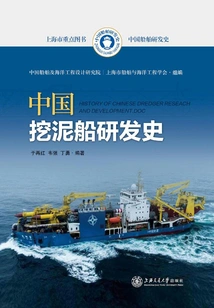
中国挖泥船研发史
Compiled By Yu Zaihong And Others
This book is one of the series "History of Chinese Ship Research and Development". Dredgers play an important role in the national economy and national defense construction. This book reflects the spirit of self-reliance and hard work carried forward by the vast number of workers and scientific and technological personnel on the shipbuilding front in our country over the past 70 years, and clarifies the key technologies overcome and developed in the development process of dredgers from small to large, from weak to strong. The rapid development of dredgers has brought my country's dredging equipment into the world's advanced ranks and achieved brilliant results. This book can be used as a reference for workers, cadres and scientific and technical personnel in related fields.
This book is one of the series "History of Chinese Ship Research and Development". Dredgers play an important role in the national economy and national defense construction. This book reflects the spirit of self-reliance and hard work carried forward by the vast number of workers and scientific and technological personnel on the shipbuilding front in our country over the past 70 years, and clarifies the key technologies overcome and developed in the development process of dredgers from small to large, from weak to strong. The rapid development of dredgers has brought my country's dredging equipment into the world's advanced ranks and achieved brilliant results. This book can be used as a reference for workers, cadres and scientific and technical personnel in related fields.
自行车的诞生:从手稿到环球利器
Compiled By Shanghai Automobile Museum
Bicycles, which are commonplace today, may have a much higher status in the history of transportation than everyone imagines. This is the first time that humans have a tool that can expand the free transportation radius at minimal cost without relying on animal power. It is convenient, practical, and very fashionable. It once opened a way of sports and social interaction that fashionable men and women were most interested in, and triggered a huge change in women's clothing in Western society. It took people four hundred years to build this exquisite machine bit by bit, like a colorful and charming puzzle. The design and craftsmen of each era contributed to its completion, until the modern version was completed in the late 19th and early 20th centuries.
Bicycles, which are commonplace today, may have a much higher status in the history of transportation than everyone imagines. This is the first time that humans have a tool that can expand the free transportation radius at minimal cost without relying on animal power. It is convenient, practical, and very fashionable. It once opened a way of sports and social interaction that fashionable men and women were most interested in, and triggered a huge change in women's clothing in Western society. It took people four hundred years to build this exquisite machine bit by bit, like a colorful and charming puzzle. The design and craftsmen of each era contributed to its completion, until the modern version was completed in the late 19th and early 20th centuries.
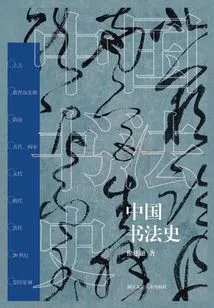
中国书法史
Xu Jianrong
The "History of Chinese Calligraphy" edition was published in 1999. This revised publication has been replaced with large high-definition color pictures, and some text and content have been modified. In terms of chapter style, this book takes time as the axis to describe calligraphy in ancient times, Wei, Jin, Southern and Northern Dynasties, Sui and Tang Dynasties, Five Dynasties, Two Song Dynasties, Yuan Dynasty, Ming Dynasty, Qing Dynasty and the 20th century. On the basis of a comprehensive analysis of the history of calligraphy, the stylistic characteristics of calligraphy, calligraphy artists, calligraphy works, calligraphy history research works, and style arguments are analyzed and discussed. It is a very practical introductory book to calligraphy. I believe that the publication of this book will be very enlightening to beginners of calligraphy. This is followed by a portion of the seal and seal carving content to increase its added value.
The "History of Chinese Calligraphy" edition was published in 1999. This revised publication has been replaced with large high-definition color pictures, and some text and content have been modified. In terms of chapter style, this book takes time as the axis to describe calligraphy in ancient times, Wei, Jin, Southern and Northern Dynasties, Sui and Tang Dynasties, Five Dynasties, Two Song Dynasties, Yuan Dynasty, Ming Dynasty, Qing Dynasty and the 20th century. On the basis of a comprehensive analysis of the history of calligraphy, the stylistic characteristics of calligraphy, calligraphy artists, calligraphy works, calligraphy history research works, and style arguments are analyzed and discussed. It is a very practical introductory book to calligraphy. I believe that the publication of this book will be very enlightening to beginners of calligraphy. This is followed by a portion of the seal and seal carving content to increase its added value.