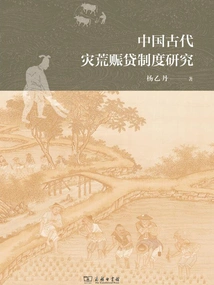
Research on the Famine Relief Loan System in Ancient China
by Yang Yidan
About This Novel
As a unique policy to relieve famine and support the people, loan relief has been an important aspect of famine management practice for thousands of years, and to a certain extent, it has maintained the continuation and development of smallholder family agriculture in ancient China. Compared with other famine relief measures, although relief loans are also embedded in the bureaucracy and governance system of feudal countries and can therefore be explained by political discourses such as maintaining rule, consolidating political power, and achieving continued exploitation, it has its own particularities in terms of institutional culture, operational logic, and mechanism design. On the one hand, the famine relief loan system is derived from the moral relationship between the state and farmers in ancient China, and at the same time it promotes the continuous shaping of this moral relationship. It takes the moral responsibility of the rulers to the peasants as an important logical starting point, and takes "benevolence" and "righteousness" as the core evaluation criteria. On the other hand, in ancient emergency disaster relief measures, free relief reflected relief in a pure sense, which was no different from benevolent charity. Affordable relief relied on market mechanisms and used state-controlled prices to provide conditional relief to poor people who had difficulty making a living.
Official Sources
What Readers Think
Rating
Community(0)
Rating
Community(0)