Library
Browse and search books
653 novels found
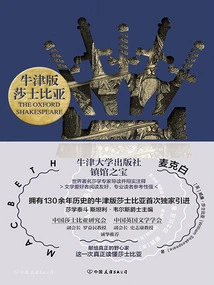
Oxford Edition of Shakespeare: Macbeth
Literature牛津版莎士比亚:麦克白
H
Scottish general Macbeth learns from the three fateful sisters that he is about to become the new king. On the night when the old king Duncan stayed overnight, Macbeth was encouraged by his wife to kill Duncan with a knife. When the prophecy finally came true, Macbeth was backlashed by ambition and sin, became suspicious and insane, and was eventually beheaded by his rebellious subordinates. "Macbeth" is one of the works with the strongest dramatic conflict among Shakespeare's plays. It is the smallest in size, but has multiple climaxes and layered reversals, and is as complex as the protagonist Macbeth in Hamlet. The subtlety of this play lies in its exploration and exposure of the deepest parts of the human heart. In Macbeth's long monologue, we get a glimpse of the intertwining and confrontation between ambition and conscience, desire and cowardice, and good and evil in the individual soul. Many illusions wander around, adding to the romanticism. The introduction and annotations of this book are compiled by Professor Nicholas Brooke of the University of East Anglia. It analyzes this Shakespeare classic tragedy from novel perspectives such as diverse dramatic illusions, outstanding language effects, Baroque aesthetics of "Macbeth", and more than 400 years of performance history.
Scottish general Macbeth learns from the three fateful sisters that he is about to become the new king. On the night when the old king Duncan stayed overnight, Macbeth was encouraged by his wife to kill Duncan with a knife. When the prophecy finally came true, Macbeth was backlashed by ambition and sin, became suspicious and insane, and was eventually beheaded by his rebellious subordinates. "Macbeth" is one of the works with the strongest dramatic conflict among Shakespeare's plays. It is the smallest in size, but has multiple climaxes and layered reversals, and is as complex as the protagonist Macbeth in Hamlet. The subtlety of this play lies in its exploration and exposure of the deepest parts of the human heart. In Macbeth's long monologue, we get a glimpse of the intertwining and confrontation between ambition and conscience, desire and cowardice, and good and evil in the individual soul. Many illusions wander around, adding to the romanticism. The introduction and annotations of this book are compiled by Professor Nicholas Brooke of the University of East Anglia. It analyzes this Shakespeare classic tragedy from novel perspectives such as diverse dramatic illusions, outstanding language effects, Baroque aesthetics of "Macbeth", and more than 400 years of performance history.
B
LiteratureB
H
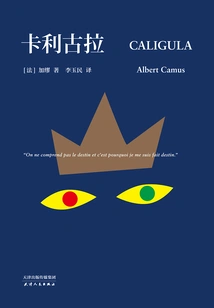
"Other people always think that a person is in so much pain because the person he loves passed away in one day. In fact, the value of his pain is higher: that is, he discovered that sadness cannot last, and even pain has lost its meaning." After the death of his lover, the Roman monarch Caligula discovered that personality, dignity, and even pain are meaningless in the face of death. He began to use his power to extremes, wantonly destroying and trampling on all the original human systems, good and evil, and emotions, and became a tyrant that everyone feared... He wanted to know what truth is, what eternity is, and wanted to expose all the hypocrisy in the world...
"Other people always think that a person is in so much pain because the person he loves passed away in one day. In fact, the value of his pain is higher: that is, he discovered that sadness cannot last, and even pain has lost its meaning." After the death of his lover, the Roman monarch Caligula discovered that personality, dignity, and even pain are meaningless in the face of death. He began to use his power to extremes, wantonly destroying and trampling on all the original human systems, good and evil, and emotions, and became a tyrant that everyone feared... He wanted to know what truth is, what eternity is, and wanted to expose all the hypocrisy in the world...
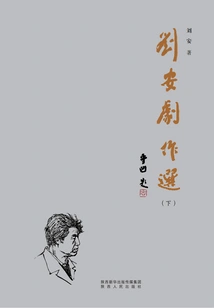
刘安剧作选(下册)
Liu An
This book is a comprehensive display of the original achievements of Liu An, a famous playwright in our province, who is known as the "Hometown of Drama" over the past decades. The whole book is divided into two volumes: upper and lower. The first volume is a "big script", including more than a dozen large-scale opera scripts, including Mr. Liu An's famous work "The Butcher Number One Scholar", which has won numerous awards, and the large-scale historical dramas "Xuan Zang", "Li Zicheng's Troops", "Shang Jun Shang Yu Xing" ", there are "Moon River" and "Immortal" adapted from Jia Pingwa's novels, as well as modern dramas "Mountain Guest", "Hometown Moon", "Mountain Anecdotes" and so on. The themes are clear and profound, the content is grand and thick, and the lyrics are soul-stirring. The second volume is "Small Opera Sketch", including "Buckwheat Noodles", "Happiness at the Gate", "Blind Date", "Three Qin Love" and more than 31 small opera scripts that are full of Shangluo customs and life atmosphere. Mr. Liu An has always adhered to the people-centered creative orientation. All his plays are based on the core socialist values, adhere to the Chinese cultural stance, promote the spirit of the times, and highlight the artistic pursuit of truth, goodness and beauty.
This book is a comprehensive display of the original achievements of Liu An, a famous playwright in our province, who is known as the "Hometown of Drama" over the past decades. The whole book is divided into two volumes: upper and lower. The first volume is a "big script", including more than a dozen large-scale opera scripts, including Mr. Liu An's famous work "The Butcher Number One Scholar", which has won numerous awards, and the large-scale historical dramas "Xuan Zang", "Li Zicheng's Troops", "Shang Jun Shang Yu Xing" ", there are "Moon River" and "Immortal" adapted from Jia Pingwa's novels, as well as modern dramas "Mountain Guest", "Hometown Moon", "Mountain Anecdotes" and so on. The themes are clear and profound, the content is grand and thick, and the lyrics are soul-stirring. The second volume is "Small Opera Sketch", including "Buckwheat Noodles", "Happiness at the Gate", "Blind Date", "Three Qin Love" and more than 31 small opera scripts that are full of Shangluo customs and life atmosphere. Mr. Liu An has always adhered to the people-centered creative orientation. All his plays are based on the core socialist values, adhere to the Chinese cultural stance, promote the spirit of the times, and highlight the artistic pursuit of truth, goodness and beauty.
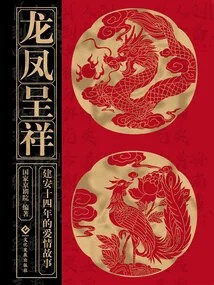
龙凤呈祥:建安十四年的爱情故事
Compiled By National Peking Opera Company
Since its inception, "Dragon and Phoenix" has become one of the most popular plays in theaters during the Spring Festival due to its auspicious meaning and humorous plot. The intrigues and intrigues, the twists and turns of the marriage, the hilarious dialogues between the characters, and the interpretations of Peking Opera masters from past generations have made it an enduring classic. This book includes the sung version of "Dragon and Phoenix Presenting Auspiciousness", a rare story book of "The Popular Romance of the Three Kingdoms" from the Wanli period, and the on-stage and behind-the-scenes performance of the National Peking Opera Theatre, showing the charm of the classic from multiple angles. This book contains the corresponding excerpts from the Zhouyue edition of the Wanjuanlou publication in Jinling during the Wanli period of the Ming Dynasty.
Since its inception, "Dragon and Phoenix" has become one of the most popular plays in theaters during the Spring Festival due to its auspicious meaning and humorous plot. The intrigues and intrigues, the twists and turns of the marriage, the hilarious dialogues between the characters, and the interpretations of Peking Opera masters from past generations have made it an enduring classic. This book includes the sung version of "Dragon and Phoenix Presenting Auspiciousness", a rare story book of "The Popular Romance of the Three Kingdoms" from the Wanli period, and the on-stage and behind-the-scenes performance of the National Peking Opera Theatre, showing the charm of the classic from multiple angles. This book contains the corresponding excerpts from the Zhouyue edition of the Wanjuanlou publication in Jinling during the Wanli period of the Ming Dynasty.
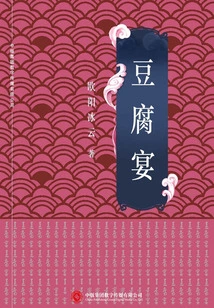
Tofu Feast
Literature豆腐宴
Ouyang Bingyun
The work tells the story of officialdom during the Jiaqing period of the Qing Dynasty. The author uses the form of traditional opera scripts to portray the image of an upright official who cares about the people and is honest in government.
The work tells the story of officialdom during the Jiaqing period of the Qing Dynasty. The author uses the form of traditional opera scripts to portray the image of an upright official who cares about the people and is honest in government.
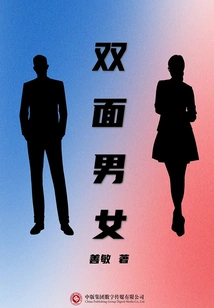
Two-sided Male and Female
Literature双面男女
Good And Sensitive
Cheng Jiajun, a teacher at Shanghai Hongda Middle School who was heavily in debt and was fired, agreed to a business marriage after an "unexpected incident" and became Lin Liyang, a history teacher at Mingren University. The trajectory of his life began to change with a mysterious and lovely girl Mu Yi, and their common innocence brought them closer to each other. However, this girl is his business marriage partner Yang Qinyao, a young and promising Chinese business leader. What is it that she and he insist on guarding?
Cheng Jiajun, a teacher at Shanghai Hongda Middle School who was heavily in debt and was fired, agreed to a business marriage after an "unexpected incident" and became Lin Liyang, a history teacher at Mingren University. The trajectory of his life began to change with a mysterious and lovely girl Mu Yi, and their common innocence brought them closer to each other. However, this girl is his business marriage partner Yang Qinyao, a young and promising Chinese business leader. What is it that she and he insist on guarding?

Time Bus
Literature时光巴士
Zhang Jinli'er
Jin Lili, who was hit hard by her job, also encountered obstacles in her life. In addition, her mother's frequent illnesses made her breathless. She became more and more envious of her biological sister Jin Nana, who lived a prosperous life with her father. She often imagined that if God gave her another chance to choose, she would have a chance to go back to the past, but the ending was not as beautiful as she thought.
Jin Lili, who was hit hard by her job, also encountered obstacles in her life. In addition, her mother's frequent illnesses made her breathless. She became more and more envious of her biological sister Jin Nana, who lived a prosperous life with her father. She often imagined that if God gave her another chance to choose, she would have a chance to go back to the past, but the ending was not as beautiful as she thought.
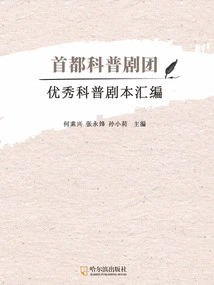
首都科普剧团优秀科普剧本汇编
He Suxing, Zhang Yongfeng, Editor-in-chief Sun Xiaoli
This book is a collection of scripts that compiles many excellent popular science scripts from the Capital Popular Science Theater, including "Flying Over the Central Axis", "Around the Earth", "JOJO's Adventures", "It's Not My Fault: The Wonderful Respiratory System", "Feifei's Urban Adventure", "The Last One-Leaf Grass", "The Fantasy Journey of Heaven's Creation" and "Thousand-Year-Old Stone Carvings" "The Adventure King of Chinese Characters", "Restore the Truth: The Case of the Missing Diamond" and "The Magician from the Science Center", this script compilation is a classic script selected and recommended by various theater troupes. It covers standard script formats, excellent writing methods, and real industry environments. It will provide script template examples for science popularization work units and relevant practitioners of theater troupes, which is conducive to learning and research.
This book is a collection of scripts that compiles many excellent popular science scripts from the Capital Popular Science Theater, including "Flying Over the Central Axis", "Around the Earth", "JOJO's Adventures", "It's Not My Fault: The Wonderful Respiratory System", "Feifei's Urban Adventure", "The Last One-Leaf Grass", "The Fantasy Journey of Heaven's Creation" and "Thousand-Year-Old Stone Carvings" "The Adventure King of Chinese Characters", "Restore the Truth: The Case of the Missing Diamond" and "The Magician from the Science Center", this script compilation is a classic script selected and recommended by various theater troupes. It covers standard script formats, excellent writing methods, and real industry environments. It will provide script template examples for science popularization work units and relevant practitioners of theater troupes, which is conducive to learning and research.
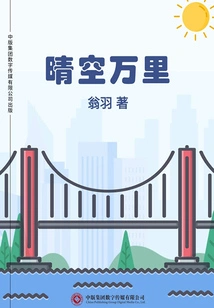
Clear Sky
Literature晴空万里
Weng Yu
The work is a literary script. Li Liguo, who had been imprisoned for 20 years for being falsely accused of rape and wrongfully convicted of rape, returned to his hometown after being released from prison. In order to regain his innocence, he found Zhao Lili, the victim who also identified himself, and wanted her to appear in court to overturn the case. But Zhao Lili has a hidden past and is already married and living a stable life. After Li Liguo came to the door, Zhao Lili did not want her husband Sheng Jinxiang to know about her unbearable past, so she rejected his request. Li Liguo found lawyer Cao to help him reverse the case. Based on clues, Li Liguo found the two real culprits who committed the crime that year. One of them had already died due to an accident, leaving only Wang Haicheng, an entrepreneur with a flourishing career. In order to cover up the truth, Wang Haicheng bribed lawyer Cao, Sheng Jinxiang and Li Liguo's sister. Sheng Jinxiang knew the truth of the matter and could not accept that Zhao Lili had deceived him. The relationship between the two was only in name only. They accidentally led to the death of their child during a dispute. Zhao Lili was completely disappointed. Wang Haicheng hired a murderer to get rid of Li Liguo, but Li Liguo was lucky enough to escape. Feeling that he was in a dead end, he decided to take the initiative to obtain evidence to prove his innocence. At this time, Zhao Lili, who had no worries, decided to help Li Guo reverse the case, but Li Guo also let go of his hatred for her. Under Liguo's life-and-death pressure, Wang Haicheng finally told the truth, Liguo obtained evidence, and finally the police helped Li Liguo regain his innocence, and the truth about Liguo's case came to light...
The work is a literary script. Li Liguo, who had been imprisoned for 20 years for being falsely accused of rape and wrongfully convicted of rape, returned to his hometown after being released from prison. In order to regain his innocence, he found Zhao Lili, the victim who also identified himself, and wanted her to appear in court to overturn the case. But Zhao Lili has a hidden past and is already married and living a stable life. After Li Liguo came to the door, Zhao Lili did not want her husband Sheng Jinxiang to know about her unbearable past, so she rejected his request. Li Liguo found lawyer Cao to help him reverse the case. Based on clues, Li Liguo found the two real culprits who committed the crime that year. One of them had already died due to an accident, leaving only Wang Haicheng, an entrepreneur with a flourishing career. In order to cover up the truth, Wang Haicheng bribed lawyer Cao, Sheng Jinxiang and Li Liguo's sister. Sheng Jinxiang knew the truth of the matter and could not accept that Zhao Lili had deceived him. The relationship between the two was only in name only. They accidentally led to the death of their child during a dispute. Zhao Lili was completely disappointed. Wang Haicheng hired a murderer to get rid of Li Liguo, but Li Liguo was lucky enough to escape. Feeling that he was in a dead end, he decided to take the initiative to obtain evidence to prove his innocence. At this time, Zhao Lili, who had no worries, decided to help Li Guo reverse the case, but Li Guo also let go of his hatred for her. Under Liguo's life-and-death pressure, Wang Haicheng finally told the truth, Liguo obtained evidence, and finally the police helped Li Liguo regain his innocence, and the truth about Liguo's case came to light...
温莎的快乐夫人(新译莎士比亚全集)
G
This is one of Shakespeare's famous comedies. The play takes place in the town of Windsor and revolves around Falstaff's simultaneous courtship of Mrs. Ford and Mrs. Page. There are a lot of ridiculous plots and characters in the middle, such as Mrs. Ford's suspicious husband, Guikeli who passes messages between Miss Page's two suitors, and Evans whose unclear English pronunciation leads to a lot of jokes. While the main plot is going on, the side plot shows the young people's firm persistence in love. The daughter of the Page family unswervingly chooses the object of her pursuit, and successfully marries her lover with the help of Guikeli. This play is Shakespeare's mature work, with rich dialogues and a large number of witticisms. For Chinese readers, it is an important work for understanding Shakespeare's language style.
This is one of Shakespeare's famous comedies. The play takes place in the town of Windsor and revolves around Falstaff's simultaneous courtship of Mrs. Ford and Mrs. Page. There are a lot of ridiculous plots and characters in the middle, such as Mrs. Ford's suspicious husband, Guikeli who passes messages between Miss Page's two suitors, and Evans whose unclear English pronunciation leads to a lot of jokes. While the main plot is going on, the side plot shows the young people's firm persistence in love. The daughter of the Page family unswervingly chooses the object of her pursuit, and successfully marries her lover with the help of Guikeli. This play is Shakespeare's mature work, with rich dialogues and a large number of witticisms. For Chinese readers, it is an important work for understanding Shakespeare's language style.
爱的徒劳(新译莎士比亚全集)
G
"Love's Labour's Labour" is one of Shakespeare's most satirical early court comedies with a lighter style. It mainly tells the story of the King of Navarre and three noble courtiers, who swore not to have sex with women for three years. Unexpectedly, the King of France sent a princess with three maids to negotiate the ownership of a certain place. The four men soon gave up their original intentions and fell in love with each other. Four pairs of men and women staged a series of burlesque plays. Although the play is called "Love in vain," judging from the plot, the theme of the play is that love can conquer all. The whole play is full of romanticism, eulogizing the magical power of love, praising the beauty of human nature, and praising the vitality of youth. It exudes a strong color of humanism and has publication value.
"Love's Labour's Labour" is one of Shakespeare's most satirical early court comedies with a lighter style. It mainly tells the story of the King of Navarre and three noble courtiers, who swore not to have sex with women for three years. Unexpectedly, the King of France sent a princess with three maids to negotiate the ownership of a certain place. The four men soon gave up their original intentions and fell in love with each other. Four pairs of men and women staged a series of burlesque plays. Although the play is called "Love in vain," judging from the plot, the theme of the play is that love can conquer all. The whole play is full of romanticism, eulogizing the magical power of love, praising the beauty of human nature, and praising the vitality of youth. It exudes a strong color of humanism and has publication value.
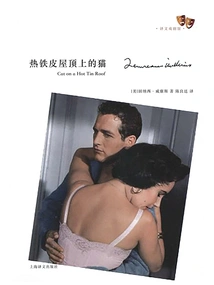
热铁皮屋顶上的猫(译文戏剧馆)
(us)tennessee Williams
The tragedy of a big southern family whose family relationships are all maintained by lies. "Cat on a Hot Tin Roof" is one of Tennessee Williams' most important masterpieces and won him his second Pulitzer Prize. "Big Daddy" was seriously ill and passed away soon. His two sons, Brick and Cooper, with opposite personalities, took their wives to attend his sixty-fifth birthday party. The Coopers are bent on acquiring a huge fortune; the younger brother Brick becomes an alcoholic due to self-doubt about his homosexuality. The images of "Big Daddy" and Maggie are rich and full, ready to come out. This play is also one of the most famous repertoires in the American theater world. The film version has also become a classic in film history, starring two idols and great actors, Paul Newman and Elizabeth Taylor. It is a classic masterpiece of the golden age of American theater and film.
The tragedy of a big southern family whose family relationships are all maintained by lies. "Cat on a Hot Tin Roof" is one of Tennessee Williams' most important masterpieces and won him his second Pulitzer Prize. "Big Daddy" was seriously ill and passed away soon. His two sons, Brick and Cooper, with opposite personalities, took their wives to attend his sixty-fifth birthday party. The Coopers are bent on acquiring a huge fortune; the younger brother Brick becomes an alcoholic due to self-doubt about his homosexuality. The images of "Big Daddy" and Maggie are rich and full, ready to come out. This play is also one of the most famous repertoires in the American theater world. The film version has also become a classic in film history, starring two idols and great actors, Paul Newman and Elizabeth Taylor. It is a classic masterpiece of the golden age of American theater and film.
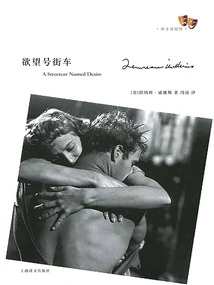
欲望号街车(译文戏剧馆)
H
Who drove Blanche crazy? "A Streetcar Named Desire" undoubtedly sent a deafening scream to the society. "A Streetcar Named Desire" is undoubtedly the masterpiece among Williams' many works. The heroine Blanche is a typical southern lady. After her family fell into decline, she refused to give up her old way of life and gradually became corrupted. Later, she had to seek refuge with her sister Stella. However, he was incompatible with his brother-in-law Stanley's rough lifestyle, and was raped by his brother-in-law, and was eventually sent to a lunatic asylum. The brutal and cruel forces in modern society mercilessly ravage the gentle and elegant weak. "A Streetcar Named Desire" undoubtedly sent a deafening scream to the society - who drove Blanche crazy! The play was a huge success after being staged in New York in 1947, winning three American drama awards: the Pulitzer Prize, the New York Drama Award and the Donaldson Award. The film adaptation of the same name is the number one work in the American theater and film circles, starring Marlon Brando and Vivien Leigh.
Who drove Blanche crazy? "A Streetcar Named Desire" undoubtedly sent a deafening scream to the society. "A Streetcar Named Desire" is undoubtedly the masterpiece among Williams' many works. The heroine Blanche is a typical southern lady. After her family fell into decline, she refused to give up her old way of life and gradually became corrupted. Later, she had to seek refuge with her sister Stella. However, he was incompatible with his brother-in-law Stanley's rough lifestyle, and was raped by his brother-in-law, and was eventually sent to a lunatic asylum. The brutal and cruel forces in modern society mercilessly ravage the gentle and elegant weak. "A Streetcar Named Desire" undoubtedly sent a deafening scream to the society - who drove Blanche crazy! The play was a huge success after being staged in New York in 1947, winning three American drama awards: the Pulitzer Prize, the New York Drama Award and the Donaldson Award. The film adaptation of the same name is the number one work in the American theater and film circles, starring Marlon Brando and Vivien Leigh.
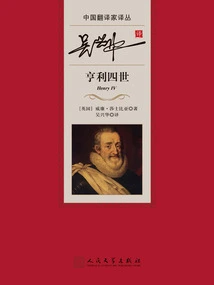
Henry Iv Translated by Wu Xinghua
Literature吴兴华译亨利四世
(english) Shakespeare
"Henry IV" is the most successful and popular historical drama by Shakespeare, the master of British Renaissance drama, and is regarded as the representative work of Shakespeare's historical dramas. The main content of this work is to reflect the process of Henry IV and his princes' desperate struggle against the rebellious princes and nobles. In the play, the relaxed, mediocre, happy city life full of mischief is in sharp contrast with the tense, complicated palace life full of bloody conspiracies, making the content of the work not only exude a strong flavor of life, but also have a certain historical depth. Wu Xinghua was a talented poet, writer and translator in my country in the 1940s and 1950s. His works have unique artistic conceptions, magnificent words, and have high literary and artistic value. Although Wu Xinghua's translation works are not many, they are all excellent. "Henry IV" is his masterpiece of translation, but it reflects his unique insights and profound understanding of translation.
"Henry IV" is the most successful and popular historical drama by Shakespeare, the master of British Renaissance drama, and is regarded as the representative work of Shakespeare's historical dramas. The main content of this work is to reflect the process of Henry IV and his princes' desperate struggle against the rebellious princes and nobles. In the play, the relaxed, mediocre, happy city life full of mischief is in sharp contrast with the tense, complicated palace life full of bloody conspiracies, making the content of the work not only exude a strong flavor of life, but also have a certain historical depth. Wu Xinghua was a talented poet, writer and translator in my country in the 1940s and 1950s. His works have unique artistic conceptions, magnificent words, and have high literary and artistic value. Although Wu Xinghua's translation works are not many, they are all excellent. "Henry IV" is his masterpiece of translation, but it reflects his unique insights and profound understanding of translation.
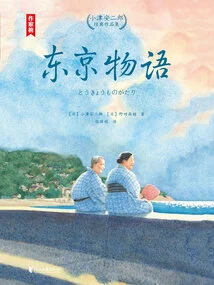
东京物语(小津安二郎经典作品集)
K
"If you understand Yasujiro Ozu, you will understand life." Yasujiro Ozu is a well-known Japanese film director and playwright. He directed a total of 54 films in his lifetime, creating a unique film aesthetics that profoundly influenced the development of Japanese and even world film history, as well as Japan's modern life aesthetics and people's attitudes towards daily life. Opening the collection of Ozu Yasujiro's classic works, you will be pleasantly surprised to find that Ozu Yasujiro often speaks a few words, which can enlighten people and instantly awaken our love for daily life. This book includes Ozu Yasujiro's "Tokyo Story", "Early Spring" and "Tokyo Twilight".
"If you understand Yasujiro Ozu, you will understand life." Yasujiro Ozu is a well-known Japanese film director and playwright. He directed a total of 54 films in his lifetime, creating a unique film aesthetics that profoundly influenced the development of Japanese and even world film history, as well as Japan's modern life aesthetics and people's attitudes towards daily life. Opening the collection of Ozu Yasujiro's classic works, you will be pleasantly surprised to find that Ozu Yasujiro often speaks a few words, which can enlighten people and instantly awaken our love for daily life. This book includes Ozu Yasujiro's "Tokyo Story", "Early Spring" and "Tokyo Twilight".
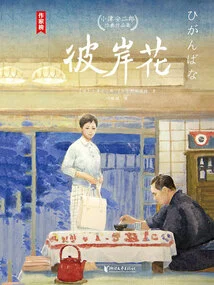
彼岸花(小津安二郎经典作品集)
J
"If you understand Yasujiro Ozu, you will understand life." Yasujiro Ozu is a well-known Japanese film director and playwright. He directed a total of 54 films in his lifetime, creating a unique film aesthetics that profoundly influenced the development of Japanese and even world film history, as well as Japan's modern life aesthetics and people's attitudes towards daily life. Opening the collection of Ozu Yasujiro's classic works, you will be pleasantly surprised to find that Ozu Yasujiro often speaks a few words, which can enlighten people and instantly awaken our love for daily life. This book includes Ozu Yasujiro's "Flowers of the Other Shore", "Good Morning" and "Floating Grass".
"If you understand Yasujiro Ozu, you will understand life." Yasujiro Ozu is a well-known Japanese film director and playwright. He directed a total of 54 films in his lifetime, creating a unique film aesthetics that profoundly influenced the development of Japanese and even world film history, as well as Japan's modern life aesthetics and people's attitudes towards daily life. Opening the collection of Ozu Yasujiro's classic works, you will be pleasantly surprised to find that Ozu Yasujiro often speaks a few words, which can enlighten people and instantly awaken our love for daily life. This book includes Ozu Yasujiro's "Flowers of the Other Shore", "Good Morning" and "Floating Grass".
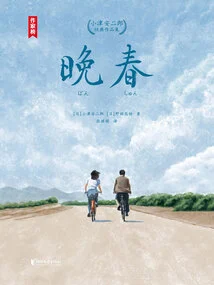
晚春(小津安二郎经典作品集)
J
"If you understand Yasujiro Ozu, you will understand life." Yasujiro Ozu is a well-known Japanese film director and playwright. He directed a total of 54 films in his lifetime, creating a unique film aesthetics that profoundly influenced the development of Japanese and even world film history, as well as Japan's modern life aesthetics and people's attitudes towards daily life. Opening the collection of Ozu Yasujiro's classic works, you will be pleasantly surprised to find that Ozu Yasujiro often speaks a few words, which can enlighten people and instantly awaken our love for daily life. This book includes "Late Spring", "Wheat Autumn" and "The Taste of Tea and Rice" by Yasujirō Ozu.
"If you understand Yasujiro Ozu, you will understand life." Yasujiro Ozu is a well-known Japanese film director and playwright. He directed a total of 54 films in his lifetime, creating a unique film aesthetics that profoundly influenced the development of Japanese and even world film history, as well as Japan's modern life aesthetics and people's attitudes towards daily life. Opening the collection of Ozu Yasujiro's classic works, you will be pleasantly surprised to find that Ozu Yasujiro often speaks a few words, which can enlighten people and instantly awaken our love for daily life. This book includes "Late Spring", "Wheat Autumn" and "The Taste of Tea and Rice" by Yasujirō Ozu.
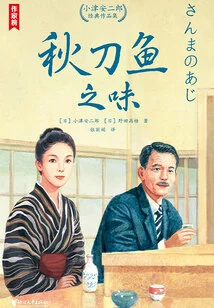
秋刀鱼之味(小津安二郎经典作品集)
J
"If you understand Yasujiro Ozu, you will understand life." Yasujiro Ozu is a well-known Japanese film director and playwright. He directed a total of 54 films in his lifetime, creating a unique film aesthetics that profoundly influenced the development of Japanese and even world film history, as well as Japan's modern life aesthetics and people's attitudes towards daily life. Opening the collection of Ozu Yasujiro's classic works, you will be pleasantly surprised to find that Ozu Yasujiro often speaks a few words, which can enlighten people and instantly awaken our love for daily life. This book includes "Autumn Peace", "Autumn in the Kobayakawa Family" and "The Taste of Saury" by Yasujiro Ozu.
"If you understand Yasujiro Ozu, you will understand life." Yasujiro Ozu is a well-known Japanese film director and playwright. He directed a total of 54 films in his lifetime, creating a unique film aesthetics that profoundly influenced the development of Japanese and even world film history, as well as Japan's modern life aesthetics and people's attitudes towards daily life. Opening the collection of Ozu Yasujiro's classic works, you will be pleasantly surprised to find that Ozu Yasujiro often speaks a few words, which can enlighten people and instantly awaken our love for daily life. This book includes "Autumn Peace", "Autumn in the Kobayakawa Family" and "The Taste of Saury" by Yasujiro Ozu.
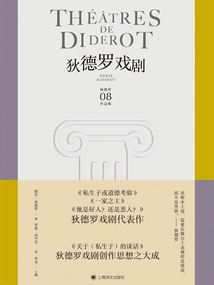
狄德罗戏剧(狄德罗文集08)
H
What needs to be expressed on the stage is the situation, not the character. The masterpiece of drama by Diderot, the outstanding French Enlightenment thinker, is the culmination of Diderot's drama creation thoughts. "The Dramas of Diderot" is the eighth volume of the "Collected Works of Diderot" and contains three representative works of Diderot's plays - "The Bastard or the Test of Morality", "Head of the Family" and "Is He a Good Man?" Or a villain? ", And a talk about theater - "A Talk About." Among them, "The Bastard" tells the story of Dorval, an illegitimate son who was invited by Clavier and his sister to stay at their home. During this period, Doval fell deeply in love with Clavier's fiancée Rosalie, and was tortured by his conscience for this. "A Conversation About" explains Diderot's thoughts on drama creation through the dialogue and debate between Doval and Diderot, the male protagonists of "The Bastard". Diderot's "serious drama" - "People cannot always be happy without pain, so there must be a middle ground between comedy and tragedy" - advocates no longer focusing on myths and historical legends, but getting the source of life from the joys and sorrows of ordinary people.
What needs to be expressed on the stage is the situation, not the character. The masterpiece of drama by Diderot, the outstanding French Enlightenment thinker, is the culmination of Diderot's drama creation thoughts. "The Dramas of Diderot" is the eighth volume of the "Collected Works of Diderot" and contains three representative works of Diderot's plays - "The Bastard or the Test of Morality", "Head of the Family" and "Is He a Good Man?" Or a villain? ", And a talk about theater - "A Talk About." Among them, "The Bastard" tells the story of Dorval, an illegitimate son who was invited by Clavier and his sister to stay at their home. During this period, Doval fell deeply in love with Clavier's fiancée Rosalie, and was tortured by his conscience for this. "A Conversation About" explains Diderot's thoughts on drama creation through the dialogue and debate between Doval and Diderot, the male protagonists of "The Bastard". Diderot's "serious drama" - "People cannot always be happy without pain, so there must be a middle ground between comedy and tragedy" - advocates no longer focusing on myths and historical legends, but getting the source of life from the joys and sorrows of ordinary people.
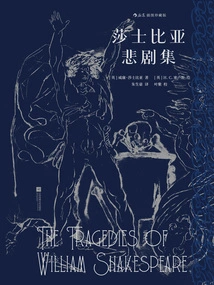
莎士比亚悲剧集(插图珍藏版)
S
This book contains Shakespeare's five representative tragedies: "Romeo and Juliet", "Hamlet", "Othello", "King Lear" and "Macbeth". The play carries fierce dramatic conflicts with wild imagination, tense language and strict structure, focusing on depicting the contradictory and complex inner world of the characters, implying concern and exploration of human nature.
This book contains Shakespeare's five representative tragedies: "Romeo and Juliet", "Hamlet", "Othello", "King Lear" and "Macbeth". The play carries fierce dramatic conflicts with wild imagination, tense language and strict structure, focusing on depicting the contradictory and complex inner world of the characters, implying concern and exploration of human nature.
The Apple Cart: Political Rhapsody (chinese Translation of World Literature Masterpieces Series)
Literature苹果车:政治狂想曲(汉译世界文学名著丛书)
(british) Bernard Shaw
"The Apple Cart: A Political Rhapsody" is a play written by Irish playwright Bernard Shaw in 1928. The title of the book "The Apple Cart" comes from the British proverb "overturning the apple cart", which means "upsetting a wishful thinking". This is a satirical comedy about political philosophy. The author expresses his hidden worries about British politics through this fictional story. Synopsis: The fictional King Magnus of England has a dispute with Prime Minister Brotus and his cabinet. The prime minister and cabinet tried to deprive the monarchy of its remaining political influence. The king used his wisdom to resolve the crisis, and everything was business as usual. But in the end, a political problem was left unresolved... Bernard Shaw expressed his hidden worries about British politics through this fictional story. Although it has certain limitations, it is very prescient. This book is translated by Lao She and is the crystallization of the wisdom of two Chinese and foreign drama masters.
"The Apple Cart: A Political Rhapsody" is a play written by Irish playwright Bernard Shaw in 1928. The title of the book "The Apple Cart" comes from the British proverb "overturning the apple cart", which means "upsetting a wishful thinking". This is a satirical comedy about political philosophy. The author expresses his hidden worries about British politics through this fictional story. Synopsis: The fictional King Magnus of England has a dispute with Prime Minister Brotus and his cabinet. The prime minister and cabinet tried to deprive the monarchy of its remaining political influence. The king used his wisdom to resolve the crisis, and everything was business as usual. But in the end, a political problem was left unresolved... Bernard Shaw expressed his hidden worries about British politics through this fictional story. Although it has certain limitations, it is very prescient. This book is translated by Lao She and is the crystallization of the wisdom of two Chinese and foreign drama masters.
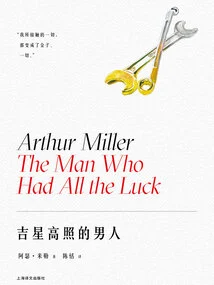
吉星高照的男人(阿瑟·米勒作品系列)
(us) Arthur Miller
"Everything I touch turns to gold. Everything." Auspicious stars are shining. Is this a blessing or a curse? Why do young winners in life choose to commit suicide? From the "American Dream" to the "American Nightmare." Arthur Miller is one of the greatest contemporary playwrights and is known as "the conscience of American drama." This play is Arthur Miller's first play on Broadway. It explores the loss of order and moral collapse during the Great Depression, and asks a question that seems to have no answer - "Is fate fair?" In the eyes of people around him, David Beavers is an out-and-out "winner in life" - he is young, has a happy family, a successful career, and a lot of good luck. All obstacles can disappear in front of him, as if some god has given him the ability to turn stone into gold. However, his auspicious stars constantly reveal the tragedy of those around him, and before he knows it, his path to success turns into a nightmare of doubt. He is struggling to find some clear operating rules in a seemingly irrational universe, and his despair brings him to the edge of madness... The play is permeated by the fear of failure and the guilt of success, which runs through almost all of Arthur Miller's subsequent works. It was through this play that Miller "began to get a taste of what it was like to be a playwright, and maybe even a human being."
"Everything I touch turns to gold. Everything." Auspicious stars are shining. Is this a blessing or a curse? Why do young winners in life choose to commit suicide? From the "American Dream" to the "American Nightmare." Arthur Miller is one of the greatest contemporary playwrights and is known as "the conscience of American drama." This play is Arthur Miller's first play on Broadway. It explores the loss of order and moral collapse during the Great Depression, and asks a question that seems to have no answer - "Is fate fair?" In the eyes of people around him, David Beavers is an out-and-out "winner in life" - he is young, has a happy family, a successful career, and a lot of good luck. All obstacles can disappear in front of him, as if some god has given him the ability to turn stone into gold. However, his auspicious stars constantly reveal the tragedy of those around him, and before he knows it, his path to success turns into a nightmare of doubt. He is struggling to find some clear operating rules in a seemingly irrational universe, and his despair brings him to the edge of madness... The play is permeated by the fear of failure and the guilt of success, which runs through almost all of Arthur Miller's subsequent works. It was through this play that Miller "began to get a taste of what it was like to be a playwright, and maybe even a human being."
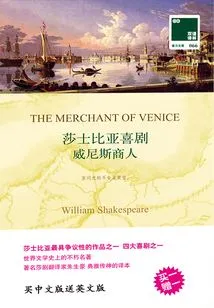
莎士比亚喜剧 威尼斯商人 The Merchant of Venice(双语译林)
H
"The Merchant of Venice" was written around 1596-1597. It is an important early work of Shakespeare. It is a highly satirical comedy and one of Shakespeare's four major comedies. The script unfolds through three clues. The main line is the "pound of flesh" contract dispute caused by the Venetian merchant Antonio borrowing 3,000 gold coins from the Jewish loan shark Shylock in order to help Bassanio get married. Its theme is to celebrate benevolence, friendship and love, while also expressing humanistic thoughts on issues such as money, law and religion. An important literary achievement of this play is the creation of the typical image of Shylock, a loan shark. Since its publication in 1600, it has been adapted into movies and TV series many times, the most famous of which is the 2004 movie starring Al Pacino.
"The Merchant of Venice" was written around 1596-1597. It is an important early work of Shakespeare. It is a highly satirical comedy and one of Shakespeare's four major comedies. The script unfolds through three clues. The main line is the "pound of flesh" contract dispute caused by the Venetian merchant Antonio borrowing 3,000 gold coins from the Jewish loan shark Shylock in order to help Bassanio get married. Its theme is to celebrate benevolence, friendship and love, while also expressing humanistic thoughts on issues such as money, law and religion. An important literary achievement of this play is the creation of the typical image of Shylock, a loan shark. Since its publication in 1600, it has been adapted into movies and TV series many times, the most famous of which is the 2004 movie starring Al Pacino.
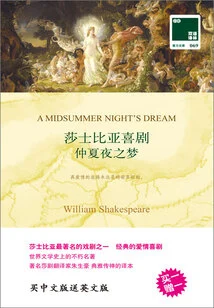
莎士比亚喜剧 仲夏夜之梦 The Midsummer Night's Dream(双语译林)
H
"A Midsummer Night's Dream", with a dreamlike name, is a relatively mature comedy work by the British playwright William Shakespeare in his youth. It is also one of William Shakespeare's most famous comedies. It tells a love story in which lovers finally get married. This play has had a huge influence on the history of world literature, especially the history of drama. Later generations adapted it into movies, stories, games, paintings, etc.
"A Midsummer Night's Dream", with a dreamlike name, is a relatively mature comedy work by the British playwright William Shakespeare in his youth. It is also one of William Shakespeare's most famous comedies. It tells a love story in which lovers finally get married. This play has had a huge influence on the history of world literature, especially the history of drama. Later generations adapted it into movies, stories, games, paintings, etc.
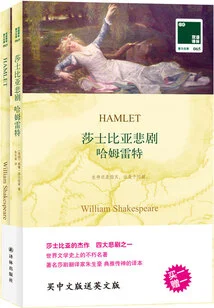
莎士比亚悲剧:哈姆雷特 Hamlet(双语译林)
H
"Hamlet" is a representative work of Shakespeare's tragedies. This work was written in 1602. It has reached unprecedented depth and breadth in ideological content, profoundly revealing the sins and essential characteristics of late feudal society. Among them, plots such as the father being killed by an evil uncle, the throne being usurped, the mother marrying the murderer in incest, the crown prince trying to take revenge and pretending to be crazy, etc., Can all be found in ancient Nordic legends. Shakespeare belongs not only to one era but to all centuries. His plays are like the Big Dipper in the bright starry sky, guiding people in the direction. "To survive or not to perish, this is a question worth considering." He raised this question as a basic proposition of philosophy.
"Hamlet" is a representative work of Shakespeare's tragedies. This work was written in 1602. It has reached unprecedented depth and breadth in ideological content, profoundly revealing the sins and essential characteristics of late feudal society. Among them, plots such as the father being killed by an evil uncle, the throne being usurped, the mother marrying the murderer in incest, the crown prince trying to take revenge and pretending to be crazy, etc., Can all be found in ancient Nordic legends. Shakespeare belongs not only to one era but to all centuries. His plays are like the Big Dipper in the bright starry sky, guiding people in the direction. "To survive or not to perish, this is a question worth considering." He raised this question as a basic proposition of philosophy.
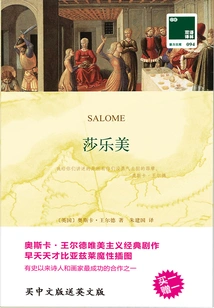
Salome Salome (bilingual Translator)
Literature莎乐美 Salome(双语译林)
G
"Salome" is a drama written by Wilde and a representative work of aestheticism. The story was born out of the Bible and adapted by Oscar Wilde. It tells the story of Salome, who was rejected by St. John and turned from love to hatred. While dancing the seven-veil dance for King Herod, she took the opportunity to ask for John's head and then kissed his head.
"Salome" is a drama written by Wilde and a representative work of aestheticism. The story was born out of the Bible and adapted by Oscar Wilde. It tells the story of Salome, who was rejected by St. John and turned from love to hatred. While dancing the seven-veil dance for King Herod, she took the opportunity to ask for John's head and then kissed his head.
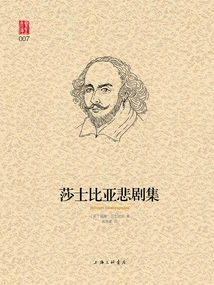
Shakespeare's Tragedies
Literature莎士比亚悲剧集
H
"Shakespeare's Tragedies" collects Shakespeare's five representative tragedies, including "Romeo and Juliet", "Hamlet", "Othello", "King Lear" and "Macbeth", covering all aspects of social life: there are tragedies with love as the theme, tragedies with revenge as the clue, and tragedies that directly expose evil. These tragic works represent Shakespeare's outstanding achievements, profoundly depict the tragedy of human nature and the destiny of mankind, and are great works in world literature. In "Romeo and Juliet", a series of accidental plots create a conflict between family feud and true love, and continue to intensify the conflict, making it impossible to resolve the conflict in a satisfactory way, and the only choice is final destruction. "Hamlet" uses the history of Denmark in the 8th century to reflect the social reality of England in the late 16th and early 17th centuries. "Othello" describes the strange love story between a Venetian noblewoman who has no experience in the world and the son of an African Moorish tribe leader. The story of "King Lear" comes from ancient British legends. There are many poems and proses on this theme. Shakespeare added original content such as the tragic ending and King Lear's madness based on the story blueprint. "Macbeth" has the dual aesthetic qualities of tragedy of fate and tragedy of character, which is consistent with the spirit of the times at that time.
"Shakespeare's Tragedies" collects Shakespeare's five representative tragedies, including "Romeo and Juliet", "Hamlet", "Othello", "King Lear" and "Macbeth", covering all aspects of social life: there are tragedies with love as the theme, tragedies with revenge as the clue, and tragedies that directly expose evil. These tragic works represent Shakespeare's outstanding achievements, profoundly depict the tragedy of human nature and the destiny of mankind, and are great works in world literature. In "Romeo and Juliet", a series of accidental plots create a conflict between family feud and true love, and continue to intensify the conflict, making it impossible to resolve the conflict in a satisfactory way, and the only choice is final destruction. "Hamlet" uses the history of Denmark in the 8th century to reflect the social reality of England in the late 16th and early 17th centuries. "Othello" describes the strange love story between a Venetian noblewoman who has no experience in the world and the son of an African Moorish tribe leader. The story of "King Lear" comes from ancient British legends. There are many poems and proses on this theme. Shakespeare added original content such as the tragic ending and King Lear's madness based on the story blueprint. "Macbeth" has the dual aesthetic qualities of tragedy of fate and tragedy of character, which is consistent with the spirit of the times at that time.
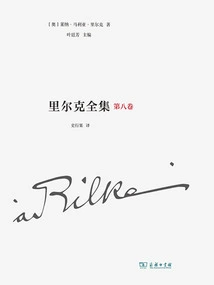
里尔克全集(第八卷):戏剧(1895-1901)
J
"The Complete Works of Rilke" is translated based on the 12-volume "The Complete Works of Rilke" (RainerMairaRilke. S? MtlicheWerkeinzw? LfB? Nden) published by Island Publishing House in 1975. The Chinese version has 11 volumes in total. This volume contains nine of Rilke's early plays, all of which are narrative. Verse plays are included in the fifth volume. These nine works are arranged in the order of creation time. Among them, "In the Spring Cold", "Now and When We Die..." And "Everyday Life" have all been performed in Prague or Vienna. Of the nine plays in this volume (including one unfinished work), three have been published in periodicals, two have been published by publishing houses, and the rest were not published during Rilke's lifetime.
"The Complete Works of Rilke" is translated based on the 12-volume "The Complete Works of Rilke" (RainerMairaRilke. S? MtlicheWerkeinzw? LfB? Nden) published by Island Publishing House in 1975. The Chinese version has 11 volumes in total. This volume contains nine of Rilke's early plays, all of which are narrative. Verse plays are included in the fifth volume. These nine works are arranged in the order of creation time. Among them, "In the Spring Cold", "Now and When We Die..." And "Everyday Life" have all been performed in Prague or Vienna. Of the nine plays in this volume (including one unfinished work), three have been published in periodicals, two have been published by publishing houses, and the rest were not published during Rilke's lifetime.
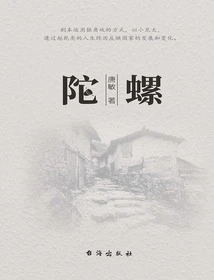
Top
Literature陀螺
Tang Min
This book contains three drama scripts, among which "Soda" commemorates the 14th anniversary of the earthquake relief. It reflects the selfless dedication of the people in the disaster area through the story of An Sanwa, a villager in Chaping, who sacrificed his own life to save the pregnant Li Xiufen. "Men's Room" explores the current attitudes of men towards work, marriage and the meaning of life through the chats of three men of different ages in the online virtual space. "Gyro" reflects the changes brought about by rural revitalization through the love of an old man. The script uses a one-man show to see the big from the small, and reflects the development and changes of the country through Zhao Qianliang's life experience.
This book contains three drama scripts, among which "Soda" commemorates the 14th anniversary of the earthquake relief. It reflects the selfless dedication of the people in the disaster area through the story of An Sanwa, a villager in Chaping, who sacrificed his own life to save the pregnant Li Xiufen. "Men's Room" explores the current attitudes of men towards work, marriage and the meaning of life through the chats of three men of different ages in the online virtual space. "Gyro" reflects the changes brought about by rural revitalization through the love of an old man. The script uses a one-man show to see the big from the small, and reflects the development and changes of the country through Zhao Qianliang's life experience.
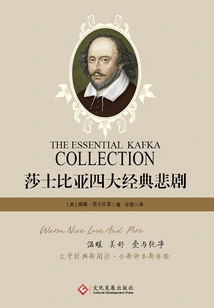
Shakespeare's Four Classic Tragedies
Literature莎士比亚四大经典悲剧
H
"Hamlet", "Othello", "King Lear" and "Macbeth" are recognized as Shakespeare's "four great tragedies". The stories are all taken from European historical legends. The four tragedies express the tragic conflict between humanistic ideals and the evil forces of real society and the disillusionment of ideals. "Hamlet" was written between 1599 and 1602. It tells the story of Hamlet's uncle Claudius who murdered Hamlet's father, usurped the throne, and married the king's widow Gertrude; Prince Hamlet therefore avenges his father on his uncle. "Othello" was written around 1603. It tells the story of a jealous Moor who killed his innocent wife because he believed his subordinates' slander. "King Lear" tells the story of the elderly King Lear who abdicated and was driven into the wilderness by his eldest and second daughters. The third daughter, who became the Queen of France, led an army to save her father, but was killed. King Lear died sadly beside her. "Macbeth" was written in 1606. It tells the story of the greed for power of the greedy king and queen and their final overthrow.
"Hamlet", "Othello", "King Lear" and "Macbeth" are recognized as Shakespeare's "four great tragedies". The stories are all taken from European historical legends. The four tragedies express the tragic conflict between humanistic ideals and the evil forces of real society and the disillusionment of ideals. "Hamlet" was written between 1599 and 1602. It tells the story of Hamlet's uncle Claudius who murdered Hamlet's father, usurped the throne, and married the king's widow Gertrude; Prince Hamlet therefore avenges his father on his uncle. "Othello" was written around 1603. It tells the story of a jealous Moor who killed his innocent wife because he believed his subordinates' slander. "King Lear" tells the story of the elderly King Lear who abdicated and was driven into the wilderness by his eldest and second daughters. The third daughter, who became the Queen of France, led an army to save her father, but was killed. King Lear died sadly beside her. "Macbeth" was written in 1606. It tells the story of the greed for power of the greedy king and queen and their final overthrow.
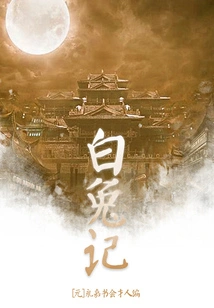
White Rabbit
Literature白兔记
(yuan) Yongjia Book Club Edited By Talented People
"White Rabbit", also known as "Liu Zhiyuan's White Rabbit", is a Southern Opera work of the Yuan Dynasty. It was compiled by talented people from the Yongjia Calligraphy Society. It tells the story of the joys and sorrows of Liu Zhiyuan and Li Sanniang: Liu Zhiyuan was the founding emperor of the Later Han Dynasty in the Five Dynasties. He ascended to the throne from a homeless man. His legendary experience is popular among the people. This play tells that he lost his fortune due to gambling and became homeless. He was taken in by the wealthy Li Wenkui and worked as a servant in the Li family. Li Wenkui saw a snake piercing his orifices while he was sleeping, and concluded that he would be rich in the future, so he betrothed his daughter Li Sanniang to him. After Li Wenkui's death, Sanniang's brother and sister-in-law assigned Liu Zhiyuan to guard the melon garden, which was troubled by melon spirits, on the grounds of dividing the family, in order to harm him. Li Sanniang knew the plan and tried to prevent Liu Zhiyuan from guarding the garden. Liu Zhiyuan, who was skilled in martial arts, grabbed the stick and left. Zhiyuan defeated Guajing and obtained the military book and sword. He said goodbye to Sanniang and went to Fenzhou to join the army. Because of his repeated military exploits, Liu Zhiyuan was promoted several times and went to Jiuzhou to appease him and married the Yue family. Sanniang was tortured at home. She was overworked and gave birth to a son in a mill. Since she had no scissors, she bit off the umbilical cord with her mouth, so she was named "Navel Biter". He also asked Duke Dou to send his son to Zhiyuan to be raised. Fifteen years later, Liu Zhiyuan ordered his son to return to the village to visit his mother. The navel-biting man went out hunting one day. As he was chasing a white rabbit, he met his mother who was drawing water from a well. The navel-biting man went back to report to his father. Liu Zhiyuan led his troops back to Shatuo and reunited with Li Sanniang.
"White Rabbit", also known as "Liu Zhiyuan's White Rabbit", is a Southern Opera work of the Yuan Dynasty. It was compiled by talented people from the Yongjia Calligraphy Society. It tells the story of the joys and sorrows of Liu Zhiyuan and Li Sanniang: Liu Zhiyuan was the founding emperor of the Later Han Dynasty in the Five Dynasties. He ascended to the throne from a homeless man. His legendary experience is popular among the people. This play tells that he lost his fortune due to gambling and became homeless. He was taken in by the wealthy Li Wenkui and worked as a servant in the Li family. Li Wenkui saw a snake piercing his orifices while he was sleeping, and concluded that he would be rich in the future, so he betrothed his daughter Li Sanniang to him. After Li Wenkui's death, Sanniang's brother and sister-in-law assigned Liu Zhiyuan to guard the melon garden, which was troubled by melon spirits, on the grounds of dividing the family, in order to harm him. Li Sanniang knew the plan and tried to prevent Liu Zhiyuan from guarding the garden. Liu Zhiyuan, who was skilled in martial arts, grabbed the stick and left. Zhiyuan defeated Guajing and obtained the military book and sword. He said goodbye to Sanniang and went to Fenzhou to join the army. Because of his repeated military exploits, Liu Zhiyuan was promoted several times and went to Jiuzhou to appease him and married the Yue family. Sanniang was tortured at home. She was overworked and gave birth to a son in a mill. Since she had no scissors, she bit off the umbilical cord with her mouth, so she was named "Navel Biter". He also asked Duke Dou to send his son to Zhiyuan to be raised. Fifteen years later, Liu Zhiyuan ordered his son to return to the village to visit his mother. The navel-biting man went out hunting one day. As he was chasing a white rabbit, he met his mother who was drawing water from a well. The navel-biting man went back to report to his father. Liu Zhiyuan led his troops back to Shatuo and reunited with Li Sanniang.
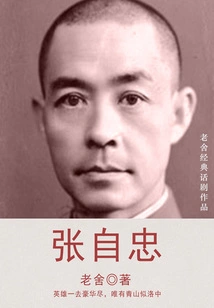
Zhang Zizhong (lao She's Classic Play)
Literature张自忠(老舍经典话剧)
Lao She
The play "Zhang Zizhong" was created during the anti-Japanese war in 1940. After the anti-Japanese general Zhang Zizhong (1891-1940) died for his country, Lao She was inspired by his heroic deeds. He spent three months and revised five drafts to create the four-act drama "Zhang Zizhong", creating a vivid image of the anti-Japanese general. The script describes Zhang Zizhong's persistence in the war of resistance. During the Battle of Linyi, he led his troops to defend the west bank of the Yi River. He fought bloody battles on Chaye Mountain for 7 days and 7 nights. He took the lead, used offense as defense, and pushed back the Japanese Itagaki Division 80 miles. The work focuses on the anti-Japanese war general Zhang Zizhong's example of leading the army, strict military discipline, understanding of the situation, and winning the hearts of the people. It particularly highlights his bravery and fearlessness, fighting the invaders to the end and dying on the battlefield, in order to inspire the people in the anti-war.
The play "Zhang Zizhong" was created during the anti-Japanese war in 1940. After the anti-Japanese general Zhang Zizhong (1891-1940) died for his country, Lao She was inspired by his heroic deeds. He spent three months and revised five drafts to create the four-act drama "Zhang Zizhong", creating a vivid image of the anti-Japanese general. The script describes Zhang Zizhong's persistence in the war of resistance. During the Battle of Linyi, he led his troops to defend the west bank of the Yi River. He fought bloody battles on Chaye Mountain for 7 days and 7 nights. He took the lead, used offense as defense, and pushed back the Japanese Itagaki Division 80 miles. The work focuses on the anti-Japanese war general Zhang Zizhong's example of leading the army, strict military discipline, understanding of the situation, and winning the hearts of the people. It particularly highlights his bravery and fearlessness, fighting the invaders to the end and dying on the battlefield, in order to inspire the people in the anti-war.
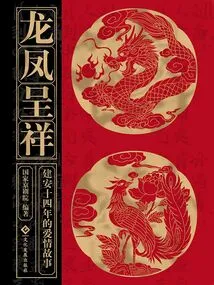
龙凤呈祥
Compiled By National Peking Opera Company
Since its inception, "Dragon and Phoenix" has become one of the most popular plays in theaters during the Spring Festival due to its auspicious meaning and humorous plot. The intrigues and intrigues, the twists and turns of the marriage, the hilarious dialogues between the characters, and the interpretations of Peking Opera masters from past generations have made it an enduring classic. This book includes the sung version of "Dragon and Phoenix Presenting Auspiciousness", a rare story book of "The Popular Romance of the Three Kingdoms" from the Wanli period, and the on-stage and behind-the-scenes performance of the National Peking Opera Theatre, showing the charm of the classic from multiple angles. This book contains the corresponding excerpts from the Zhouyue edition of the Wanjuanlou publication in Jinling during the Wanli period of the Ming Dynasty.
Since its inception, "Dragon and Phoenix" has become one of the most popular plays in theaters during the Spring Festival due to its auspicious meaning and humorous plot. The intrigues and intrigues, the twists and turns of the marriage, the hilarious dialogues between the characters, and the interpretations of Peking Opera masters from past generations have made it an enduring classic. This book includes the sung version of "Dragon and Phoenix Presenting Auspiciousness", a rare story book of "The Popular Romance of the Three Kingdoms" from the Wanli period, and the on-stage and behind-the-scenes performance of the National Peking Opera Theatre, showing the charm of the classic from multiple angles. This book contains the corresponding excerpts from the Zhouyue edition of the Wanjuanlou publication in Jinling during the Wanli period of the Ming Dynasty.
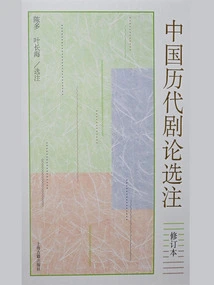
中国历代剧论选注(修订本)
Selected Notes By Chen Duo And Ye Changhai
This book selects 138 representative articles on Chinese drama theory in past dynasties, divided into four chapters: "Pre-Qin to Yuan Dynasty", "Ming Dynasty", "Qing Dynasty" and "Early Twentieth Century". It strives to summarize and reflect the development trajectory of the history of Chinese drama theory and highlight its main achievements. This book provides popular annotations for the selected chapters, and provides brief explanations or hints of their main arguments or related issues.
This book selects 138 representative articles on Chinese drama theory in past dynasties, divided into four chapters: "Pre-Qin to Yuan Dynasty", "Ming Dynasty", "Qing Dynasty" and "Early Twentieth Century". It strives to summarize and reflect the development trajectory of the history of Chinese drama theory and highlight its main achievements. This book provides popular annotations for the selected chapters, and provides brief explanations or hints of their main arguments or related issues.
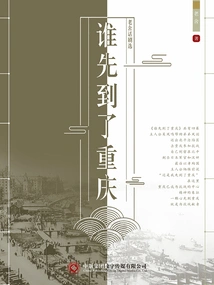
老舍话剧选:谁先到了重庆
Lao She
"Who Arrives in Chongqing First" has four scenes. The protagonist Wu Fengming helps his younger brother Feng Yu escape from the occupied areas of Peiping and go to Chongqing to participate in the Anti-Japanese War. He stays in Peiping to assassinate Japanese officers and traitors, and finally dies for his country. Before his death, the protagonist said, "I got to Chongqing first." Here, Chongqing has become the center and spiritual symbol of the Anti-Japanese War. The first thing that comes to Chongqing is to devote oneself to the Anti-Japanese War.
"Who Arrives in Chongqing First" has four scenes. The protagonist Wu Fengming helps his younger brother Feng Yu escape from the occupied areas of Peiping and go to Chongqing to participate in the Anti-Japanese War. He stays in Peiping to assassinate Japanese officers and traitors, and finally dies for his country. Before his death, the protagonist said, "I got to Chongqing first." Here, Chongqing has become the center and spiritual symbol of the Anti-Japanese War. The first thing that comes to Chongqing is to devote oneself to the Anti-Japanese War.
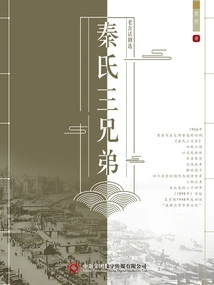
老舍话剧选:秦氏三兄弟
Lao She
The predecessor of "Tea House" is "The Three Qin Brothers". In 1956, Lao She wrote a drama "The Three Qin Brothers" to promote universal suffrage. It has four acts and six scenes. It uses the four historical periods of the Reform Movement of 1898, the Revolution of 1911, the Northern Expedition, and the eve of liberation as the plot background and has many characters. The play begins in the 24th year of Guangxu's reign (1898) and ends in 1948 when the reactionaries "elected the Beijing Municipal Senate."
The predecessor of "Tea House" is "The Three Qin Brothers". In 1956, Lao She wrote a drama "The Three Qin Brothers" to promote universal suffrage. It has four acts and six scenes. It uses the four historical periods of the Reform Movement of 1898, the Revolution of 1911, the Northern Expedition, and the eve of liberation as the plot background and has many characters. The play begins in the 24th year of Guangxu's reign (1898) and ends in 1948 when the reactionaries "elected the Beijing Municipal Senate."
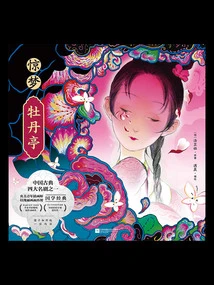
Jingmeng·peony Pavilion
Literature惊梦·牡丹亭
(ming Dynasty) Original Work By Tang Xianzu, Compiled And Illustrated By Man Chen
I don't know where the love started, but it goes deep! Young illustrators from CAFA recreate the Chinese classic "The Peony Pavilion" with magnificent images. "The Peony Pavilion" is one of the four famous classical Chinese dramas and a famous work by the Ming Dynasty dramatist Tang Xianzu. "The Peony Pavilion" is based on this Chinese classic, integrating modern painting art with traditional classics, and reinterpreting Du Liniang's ancient love story of dying and resurrecting due to love in an elegant, flexible and fantasy-filled work. The interweaving and integration of aesthetics and literature present the oriental poetic love passed down from generation to generation.
I don't know where the love started, but it goes deep! Young illustrators from CAFA recreate the Chinese classic "The Peony Pavilion" with magnificent images. "The Peony Pavilion" is one of the four famous classical Chinese dramas and a famous work by the Ming Dynasty dramatist Tang Xianzu. "The Peony Pavilion" is based on this Chinese classic, integrating modern painting art with traditional classics, and reinterpreting Du Liniang's ancient love story of dying and resurrecting due to love in an elegant, flexible and fantasy-filled work. The interweaving and integration of aesthetics and literature present the oriental poetic love passed down from generation to generation.
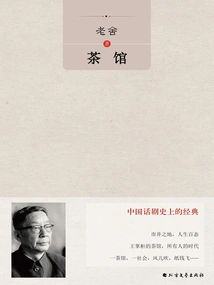
Teahouse
Literature茶馆
Lao She
This book is Lao She's classic drama. Friends who like Lao She's works should not miss it. "Teahouse" is structured into three acts. It takes the rise and fall of a large teahouse called Yutai in old Beijing as the background, and shows the social landscape of Beijing and the life changes of different people from all walks of life in the nearly 50 years from the late Qing Dynasty to the Beiyang Warlord period and then to the victory of the Anti-Japanese War. Each scene describes an era, with people from all walks of life in Beijing coming in and out of this big teahouse. What the whole play displays are magnificent historical pictures, vividly explaining the inevitable demise of old China and the inevitability of the birth of new China. There are nearly 50 characters appearing in the script. There are many characters but distinct personalities. You can "know the person by hearing their voice" and "outline the outline of a character in a few words." The work depicts the dismal management of the ancestral "Yutai Teahouse" by teahouse owner Wang Lifa. Although he is shrewd, tactful, and devoted, he is ultimately unable to stop the decline. It reflects the trend of Chinese society from the side.
This book is Lao She's classic drama. Friends who like Lao She's works should not miss it. "Teahouse" is structured into three acts. It takes the rise and fall of a large teahouse called Yutai in old Beijing as the background, and shows the social landscape of Beijing and the life changes of different people from all walks of life in the nearly 50 years from the late Qing Dynasty to the Beiyang Warlord period and then to the victory of the Anti-Japanese War. Each scene describes an era, with people from all walks of life in Beijing coming in and out of this big teahouse. What the whole play displays are magnificent historical pictures, vividly explaining the inevitable demise of old China and the inevitability of the birth of new China. There are nearly 50 characters appearing in the script. There are many characters but distinct personalities. You can "know the person by hearing their voice" and "outline the outline of a character in a few words." The work depicts the dismal management of the ancestral "Yutai Teahouse" by teahouse owner Wang Lifa. Although he is shrewd, tactful, and devoted, he is ultimately unable to stop the decline. It reflects the trend of Chinese society from the side.
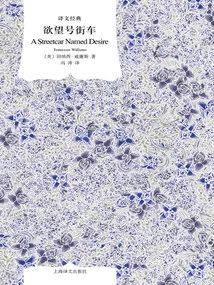
欲望号街车(译文经典)
H
Tennessee Williams, the controversial genius playwright of the 20th century, is the most influential play in the United States. He won three major drama awards including the Pulitzer Prize, the New York Drama Award, and the Donaldson Award. "A Streetcar Named Desire" is Williams' masterpiece. The heroine Blanche is a typical southern lady. After her family fell into decline, she refused to give up her old way of life and gradually became corrupted. Later, she had to seek refuge with her sister Stella. However, he was incompatible with his brother-in-law Stanley's rough lifestyle, and was raped by his brother-in-law, and was eventually sent to a lunatic asylum. The brutal and cruel forces in modern society mercilessly ravage the gentle and elegant weak. "A Streetcar Named Desire" undoubtedly sent a deafening scream to the society - who drove Blanche crazy! The play was a huge success after being staged in New York in 1947, winning three American drama awards: the Pulitzer Prize, the New York Drama Award and the Donaldson Award. Arthur Miller said, "The premiere of A Streetcar Named Desire is equivalent to planting a flag of beauty in the land of commercial drama."
Tennessee Williams, the controversial genius playwright of the 20th century, is the most influential play in the United States. He won three major drama awards including the Pulitzer Prize, the New York Drama Award, and the Donaldson Award. "A Streetcar Named Desire" is Williams' masterpiece. The heroine Blanche is a typical southern lady. After her family fell into decline, she refused to give up her old way of life and gradually became corrupted. Later, she had to seek refuge with her sister Stella. However, he was incompatible with his brother-in-law Stanley's rough lifestyle, and was raped by his brother-in-law, and was eventually sent to a lunatic asylum. The brutal and cruel forces in modern society mercilessly ravage the gentle and elegant weak. "A Streetcar Named Desire" undoubtedly sent a deafening scream to the society - who drove Blanche crazy! The play was a huge success after being staged in New York in 1947, winning three American drama awards: the Pulitzer Prize, the New York Drama Award and the Donaldson Award. Arthur Miller said, "The premiere of A Streetcar Named Desire is equivalent to planting a flag of beauty in the land of commercial drama."
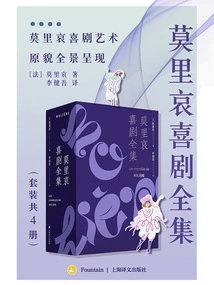
莫里哀喜剧全集(套装共4册)
I
Molière's comic art is presented in its original form. The drama master Molière and the super translator Li Jianwu are a perfect combination and complement each other. It compiles precious materials such as reviews of famous writers of the same era and chronological records of writers. Molière is one of the most important figures in the history of European literature and drama. He adhered to the classic rules of comedy - comedy educates people while entertaining, and elevated comedy to almost the same status as tragedy. In fact, later Western comedy creations followed Molière more than Shakespeare, because the "comedy" of Molière's period can be regarded as "critical and breakthrough." He promoted the advancement of drama throughout his life and exposed the darkness of society in a comic form. His artistic achievements are highly admired by future generations. "The Complete Comedies of Molière" contains a total of 27 comedies translated by Molière by Li Jianwu, including the masterpieces "The Ridiculous Talent", "The School of Wives", "Dardufo or the Liar", "The Scrooge", "The Cynic", etc. It also includes important reference materials such as the translator's preface, the original preface, the author's chronology, and comments by famous contemporary writers.
Molière's comic art is presented in its original form. The drama master Molière and the super translator Li Jianwu are a perfect combination and complement each other. It compiles precious materials such as reviews of famous writers of the same era and chronological records of writers. Molière is one of the most important figures in the history of European literature and drama. He adhered to the classic rules of comedy - comedy educates people while entertaining, and elevated comedy to almost the same status as tragedy. In fact, later Western comedy creations followed Molière more than Shakespeare, because the "comedy" of Molière's period can be regarded as "critical and breakthrough." He promoted the advancement of drama throughout his life and exposed the darkness of society in a comic form. His artistic achievements are highly admired by future generations. "The Complete Comedies of Molière" contains a total of 27 comedies translated by Molière by Li Jianwu, including the masterpieces "The Ridiculous Talent", "The School of Wives", "Dardufo or the Liar", "The Scrooge", "The Cynic", etc. It also includes important reference materials such as the translator's preface, the original preface, the author's chronology, and comments by famous contemporary writers.
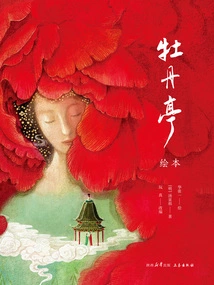
The Peony Pavilion·picture Book
Literature牡丹亭·绘本
(ming Dynasty) Written By Tang Xianzu, Adapted By Wan Zhen And Painted By Hua Zhang
"The Peony Pavilion Picture Book" was carefully painted by the young painter Hua Zhangyi over a period of three years, recreating the fantasy and romantic love story that transcends life and death in the works of Tang Xianzu, a playwright of the Ming Dynasty. During a dream trip to a garden, Du Liniang, a daughter of an official family who had been living in a boudoir for a long time, fell in love at first sight with the scholar Liu Mengmei in her dream. However, she died of grief and turned into a ghost, and fell in love with a human ghost in Liu Sheng. After many twists and turns, Du Liniang came back to life, and the two married themselves without a matchmaker, and they will be together forever. More than 70 master-level paintings in the book are a new interpretation of the pinnacle of Chinese classical drama "The Peony Pavilion". The vernacular text adapted in a storyboard style retains the complete story line, three-dimensional character portrayal and classic lyrics, allowing readers to quickly appreciate the essence of the story of "The Peony Pavilion". This is not only an easy-to-read master-level picture book that depicts the drama classic "The Peony Pavilion", but it is also a work of art with great aesthetic value and collection value.
"The Peony Pavilion Picture Book" was carefully painted by the young painter Hua Zhangyi over a period of three years, recreating the fantasy and romantic love story that transcends life and death in the works of Tang Xianzu, a playwright of the Ming Dynasty. During a dream trip to a garden, Du Liniang, a daughter of an official family who had been living in a boudoir for a long time, fell in love at first sight with the scholar Liu Mengmei in her dream. However, she died of grief and turned into a ghost, and fell in love with a human ghost in Liu Sheng. After many twists and turns, Du Liniang came back to life, and the two married themselves without a matchmaker, and they will be together forever. More than 70 master-level paintings in the book are a new interpretation of the pinnacle of Chinese classical drama "The Peony Pavilion". The vernacular text adapted in a storyboard style retains the complete story line, three-dimensional character portrayal and classic lyrics, allowing readers to quickly appreciate the essence of the story of "The Peony Pavilion". This is not only an easy-to-read master-level picture book that depicts the drama classic "The Peony Pavilion", but it is also a work of art with great aesthetic value and collection value.
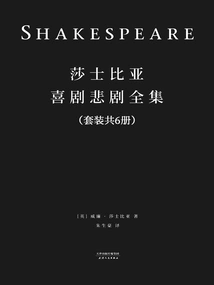
莎士比亚喜剧悲剧全集(套装共六册)
H
A complete collection of twenty-three plays from Shakespeare's comedies and tragedies. There are six volumes in total, three volumes of comedy and three volumes of tragedy. In 1947, "The Complete Works of Shakespeare's Dramas" translated by Mr. Zhu Shenghao was published by World Book Company. The entire book was selected and edited based on this edition. As one of China's earliest translators of Shakespeare's works, Zhu Shenghao's primary purpose of translation is to "maintain the charm of the original work", followed by clarity. It has been translated for more than seventy years and is still very popular. Zhu's translation is basically consistent with the style of today's Chinese. The distinctive Wu dialect and words that are unknown to modern readers but are rich in allusions and have great literary talent are all preserved in this edition. If combined with the context, these expressions will not cause obstacles to understanding the original text, and readers can also appreciate the charm of the original translation.
A complete collection of twenty-three plays from Shakespeare's comedies and tragedies. There are six volumes in total, three volumes of comedy and three volumes of tragedy. In 1947, "The Complete Works of Shakespeare's Dramas" translated by Mr. Zhu Shenghao was published by World Book Company. The entire book was selected and edited based on this edition. As one of China's earliest translators of Shakespeare's works, Zhu Shenghao's primary purpose of translation is to "maintain the charm of the original work", followed by clarity. It has been translated for more than seventy years and is still very popular. Zhu's translation is basically consistent with the style of today's Chinese. The distinctive Wu dialect and words that are unknown to modern readers but are rich in allusions and have great literary talent are all preserved in this edition. If combined with the context, these expressions will not cause obstacles to understanding the original text, and readers can also appreciate the charm of the original translation.
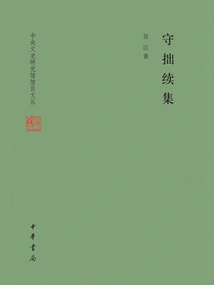
守拙续集(中央文史研究馆馆员文丛)
Wujiang
This book is a collection of Mr. Wu Jiang's articles and scripts on Peking Opera. Mr. Wu Jiang entered the Beijing Opera School at the age of nine to study Peking Opera performance. He later engaged in artistic creation, art education, and art research. In February 2000, he was transferred to the director of the China Peking Opera Company. The papers selected in this book include reviews such as "The Philosophical Spirit of Chinese Opera", "A Brief Discussion of Opera Screenwriters", "My Opinion on the Development of Peking Opera" and "The Beauty of Opera Art", as well as Peking Opera scripts such as "Sister Qiu", "Blood-Stained Wooden Drum" and "Tomb Robbers".
This book is a collection of Mr. Wu Jiang's articles and scripts on Peking Opera. Mr. Wu Jiang entered the Beijing Opera School at the age of nine to study Peking Opera performance. He later engaged in artistic creation, art education, and art research. In February 2000, he was transferred to the director of the China Peking Opera Company. The papers selected in this book include reviews such as "The Philosophical Spirit of Chinese Opera", "A Brief Discussion of Opera Screenwriters", "My Opinion on the Development of Peking Opera" and "The Beauty of Opera Art", as well as Peking Opera scripts such as "Sister Qiu", "Blood-Stained Wooden Drum" and "Tomb Robbers".
最美莎翁经典剧作集:暴风雨
H
400 years after Shakespeare's death, his works are unparalleled in popularity and influence among all other classic writers. The English vocabulary and classic sayings he created have rewritten the entire history of world literature and influenced hundreds of millions of readers for several generations. "The Tempest" is considered to be the last play written by Shakespeare alone. It has the characteristics of tragedy and comedy, so it is classified as a "legend play". The plot tells the story of Prospero, Duke of Milan, who was usurped by his younger brother because he was studying behind closed doors and ignoring state affairs. He was exiled to the sea with his infant daughter. Thanks to the help of the kind-hearted minister Gongchaluo, they managed to survive and ended up living on a desert island. Prospero relied on the powerful magic he learned in the book to rescue the suffering elves on the island. He also used the power of the elves to control wind and rain, attract enemies, and make them repent and admit their mistakes. Finally, Prospero forgave his enemies with his broad mind, and found a lover for his daughter. Everyone left the island and returned to Milan.
400 years after Shakespeare's death, his works are unparalleled in popularity and influence among all other classic writers. The English vocabulary and classic sayings he created have rewritten the entire history of world literature and influenced hundreds of millions of readers for several generations. "The Tempest" is considered to be the last play written by Shakespeare alone. It has the characteristics of tragedy and comedy, so it is classified as a "legend play". The plot tells the story of Prospero, Duke of Milan, who was usurped by his younger brother because he was studying behind closed doors and ignoring state affairs. He was exiled to the sea with his infant daughter. Thanks to the help of the kind-hearted minister Gongchaluo, they managed to survive and ended up living on a desert island. Prospero relied on the powerful magic he learned in the book to rescue the suffering elves on the island. He also used the power of the elves to control wind and rain, attract enemies, and make them repent and admit their mistakes. Finally, Prospero forgave his enemies with his broad mind, and found a lover for his daughter. Everyone left the island and returned to Milan.
最美莎翁经典剧作集:仲夏夜之梦
H
400 years after Shakespeare's death, his works are unparalleled in popularity and influence among all other classic writers. The English vocabulary and classic sayings he created have rewritten the entire history of world literature and influenced hundreds of millions of readers for several generations. "A Midsummer Night's Dream" is the most romantic of all Shakespeare's plays. This play tells the story of a pair of lovers in Athens, Hermia and Lysander, who fled Athens due to the opposition of their families and the possible legal sanctions they may face. Demetrius, who loves Hermia, and Helena, who is obsessed with Demetrius, also followed the lovers into the forest. At this time, the fairy king and queen in the forest were at odds because of a "changer". In order to make the Fairy Queen make concessions, the Fairy King sent Puck to get the magic juice to tease the Fairy Queen. This magic juice has such magical power: if you drop it on the eyelids of a sleeping person, no matter whether you are a man or a woman, you will fall madly in love with the first creature you see when you wake up. Because of the emergence of magic juice, the whole story changed dramatically...
400 years after Shakespeare's death, his works are unparalleled in popularity and influence among all other classic writers. The English vocabulary and classic sayings he created have rewritten the entire history of world literature and influenced hundreds of millions of readers for several generations. "A Midsummer Night's Dream" is the most romantic of all Shakespeare's plays. This play tells the story of a pair of lovers in Athens, Hermia and Lysander, who fled Athens due to the opposition of their families and the possible legal sanctions they may face. Demetrius, who loves Hermia, and Helena, who is obsessed with Demetrius, also followed the lovers into the forest. At this time, the fairy king and queen in the forest were at odds because of a "changer". In order to make the Fairy Queen make concessions, the Fairy King sent Puck to get the magic juice to tease the Fairy Queen. This magic juice has such magical power: if you drop it on the eyelids of a sleeping person, no matter whether you are a man or a woman, you will fall madly in love with the first creature you see when you wake up. Because of the emergence of magic juice, the whole story changed dramatically...
最美莎翁经典剧作集:冬天的故事
H
400 years after Shakespeare's death, his works are unparalleled in popularity and influence among all other classic writers. The English vocabulary and classic sayings he created have rewritten the entire history of world literature and influenced hundreds of millions of readers for several generations. "The Winter's Tale" is one of the last tragicomedies created by Shakespeare in his later years and occupies an important position in Shakespeare's plays. "The Winter's Tale" tells the story of King Leontes of Sicily who asked Queen Hermione to help persuade his best friend, King Polixenes of Bohemia, to stay in the palace for a longer period of time. The queen finally succeeded in persuading him to stay, and Leontes finally succeeded in persuading him to stay. This caused Thys to become jealous without warning, accusing Hermione and Polixenes of having an affair, forcing the queen to death, frightening the little prince Mamelus to death, and abandoning his infant daughter Perdita, for which he was cursed by the gods. Sixteen years later, Perdita, who was rescued by a Bohemian shepherd, grew up and fell in love with the Bohemian prince Florizel. However, she was strongly opposed by the Bohemian king. The two eloped to Sicily, which eventually led to the recognition of Leontes and Perdita as father and daughter, and Hermione's "resurrection" from the statue...
400 years after Shakespeare's death, his works are unparalleled in popularity and influence among all other classic writers. The English vocabulary and classic sayings he created have rewritten the entire history of world literature and influenced hundreds of millions of readers for several generations. "The Winter's Tale" is one of the last tragicomedies created by Shakespeare in his later years and occupies an important position in Shakespeare's plays. "The Winter's Tale" tells the story of King Leontes of Sicily who asked Queen Hermione to help persuade his best friend, King Polixenes of Bohemia, to stay in the palace for a longer period of time. The queen finally succeeded in persuading him to stay, and Leontes finally succeeded in persuading him to stay. This caused Thys to become jealous without warning, accusing Hermione and Polixenes of having an affair, forcing the queen to death, frightening the little prince Mamelus to death, and abandoning his infant daughter Perdita, for which he was cursed by the gods. Sixteen years later, Perdita, who was rescued by a Bohemian shepherd, grew up and fell in love with the Bohemian prince Florizel. However, she was strongly opposed by the Bohemian king. The two eloped to Sicily, which eventually led to the recognition of Leontes and Perdita as father and daughter, and Hermione's "resurrection" from the statue...
最美莎翁经典剧作集:奥瑟罗
H
400 years after Shakespeare's death, his works are unparalleled in popularity and influence among all other classic writers. The English vocabulary and classic sayings he created have rewritten the entire history of world literature and influenced hundreds of millions of readers for several generations. "Othello" is one of Shakespeare's four great tragedies. It tells the story of Desdemona, the daughter of Venetian senator Brabantio, who fell in love with the Moor Othello, and the two held a private wedding. After Brabantio learned of this, he went to the Senate to accuse Othello. Othello defended himself and told the story of the love proposal, and Brabantio had no choice but to agree. At this time, the Venetian authorities sent Othello to lead troops to resist the Turkish fleet's invasion of the island of Cyprus. Desdemona happily accompanied her husband on the expedition. After arriving in Cyprus, Iago, Othello's flag officer, was very scheming and cunning. He hated Othello for promoting the young officer Cassio to his lieutenant, so he planned to take revenge on Othello...
400 years after Shakespeare's death, his works are unparalleled in popularity and influence among all other classic writers. The English vocabulary and classic sayings he created have rewritten the entire history of world literature and influenced hundreds of millions of readers for several generations. "Othello" is one of Shakespeare's four great tragedies. It tells the story of Desdemona, the daughter of Venetian senator Brabantio, who fell in love with the Moor Othello, and the two held a private wedding. After Brabantio learned of this, he went to the Senate to accuse Othello. Othello defended himself and told the story of the love proposal, and Brabantio had no choice but to agree. At this time, the Venetian authorities sent Othello to lead troops to resist the Turkish fleet's invasion of the island of Cyprus. Desdemona happily accompanied her husband on the expedition. After arriving in Cyprus, Iago, Othello's flag officer, was very scheming and cunning. He hated Othello for promoting the young officer Cassio to his lieutenant, so he planned to take revenge on Othello...
最美莎翁经典剧作集:驯悍记
H
400 years after Shakespeare's death, his works are unparalleled in popularity and influence among all other classic writers. The English vocabulary and classic sayings he created have rewritten the entire history of world literature and influenced hundreds of millions of readers for several generations. "The Taming of the Shrew" is a famous early humorous comedy by Shakespeare. "The Taming of the Shrew" tells the story of Katharina, who could not find any man who dared to marry her because of her bad temper and stubborn temper. Reluctantly, she married Petruchio, a tall, strong bearded man. Petruchio was determined to train Katharina to be a good wife who would be obedient to him, so he came up with a strategy and started an interesting story of taming the shrew by "fighting violence with violence"...
400 years after Shakespeare's death, his works are unparalleled in popularity and influence among all other classic writers. The English vocabulary and classic sayings he created have rewritten the entire history of world literature and influenced hundreds of millions of readers for several generations. "The Taming of the Shrew" is a famous early humorous comedy by Shakespeare. "The Taming of the Shrew" tells the story of Katharina, who could not find any man who dared to marry her because of her bad temper and stubborn temper. Reluctantly, she married Petruchio, a tall, strong bearded man. Petruchio was determined to train Katharina to be a good wife who would be obedient to him, so he came up with a strategy and started an interesting story of taming the shrew by "fighting violence with violence"...
最美莎翁经典剧作集:威尼斯商人
H
400 years after Shakespeare's death, his works are unparalleled in popularity and influence among all other classic writers. The English vocabulary and classic sayings he created have rewritten the entire history of world literature and influenced hundreds of millions of readers for several generations. "The Merchant of Venice" is Shakespeare's important early work and a highly satirical comedy. In order to help his friend Bassanio get married, the Venetian merchant Antonio borrowed three thousand gold coins from the Jewish loan shark Shylock. Because Antonio lent money to others without interest, which affected his business and insulted him, Shylock took the opportunity to retaliate and wrote in the loan agreement that if the money was not paid at the end of three months, he would cut off a pound of Antonio's flesh to pay off the debt. Antonio was unable to repay the money as scheduled due to a shipwreck, so Shylock filed a lawsuit and asked Antonio to fulfill the loan agreement...
400 years after Shakespeare's death, his works are unparalleled in popularity and influence among all other classic writers. The English vocabulary and classic sayings he created have rewritten the entire history of world literature and influenced hundreds of millions of readers for several generations. "The Merchant of Venice" is Shakespeare's important early work and a highly satirical comedy. In order to help his friend Bassanio get married, the Venetian merchant Antonio borrowed three thousand gold coins from the Jewish loan shark Shylock. Because Antonio lent money to others without interest, which affected his business and insulted him, Shylock took the opportunity to retaliate and wrote in the loan agreement that if the money was not paid at the end of three months, he would cut off a pound of Antonio's flesh to pay off the debt. Antonio was unable to repay the money as scheduled due to a shipwreck, so Shylock filed a lawsuit and asked Antonio to fulfill the loan agreement...