Library
Browse and search books
2,823 novels found
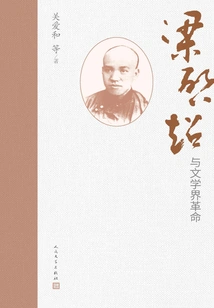
Liang Qichao and the Literary Revolution
Literature梁启超与文学界革命
Care And Wait
In the early 20th century, the figure with the most outstanding achievements and influence in Chinese intellectual and literary history must be Liang Qichao. In January 1929, this all-powerful cultural master in modern Chinese history passed away. Domestic cultural celebrities recalled his life of supporting the reform and experiencing successes and failures. The most highly praised was Liang's contribution to saving the country as a scholar and reviving the people through literature. Liang Qichao was the leader of China's ideological enlightenment movement in the early 20th century and the instigator of the revolution in the literary world. This book contains six chapters: "Liang Qichao's Theory and Practice of Literary Revolution", "Literary Revolution and New Styles", "Poetry Revolution and New Poetry", "Novel Revolution and New Novels", "Drama Revolution and Reformed New Drama", "Liang Qichao and the Translation of Late Qing Literature", "Literary Revolution and the 'May Fourth' New Literature'", etc., Which comprehensively presents Liang Qichao and the development and transformation of Chinese literature in the 20th century.
In the early 20th century, the figure with the most outstanding achievements and influence in Chinese intellectual and literary history must be Liang Qichao. In January 1929, this all-powerful cultural master in modern Chinese history passed away. Domestic cultural celebrities recalled his life of supporting the reform and experiencing successes and failures. The most highly praised was Liang's contribution to saving the country as a scholar and reviving the people through literature. Liang Qichao was the leader of China's ideological enlightenment movement in the early 20th century and the instigator of the revolution in the literary world. This book contains six chapters: "Liang Qichao's Theory and Practice of Literary Revolution", "Literary Revolution and New Styles", "Poetry Revolution and New Poetry", "Novel Revolution and New Novels", "Drama Revolution and Reformed New Drama", "Liang Qichao and the Translation of Late Qing Literature", "Literary Revolution and the 'May Fourth' New Literature'", etc., Which comprehensively presents Liang Qichao and the development and transformation of Chinese literature in the 20th century.
中国之读:“中国文学”的理论和方法
Zhang Weimin
This book is a selection of the author's literary research and literary criticism papers in recent years. Focusing on the construction and exploration of "Chinese discourse" in literary theory and criticism, starting from exploring the connotation of the concept of "China", it made an enlightening preliminary exploration of the theory, structure and methods of "Chinese literature" itself, and proposed the idea of establishing "Chinese literature" at the combination of Chinese literary history and literary theory; exploring China The ideological and historical connotation of the concept of "life" in context has launched a preliminary explanation and discussion of the "life theory of literary aesthetics" in the new century; in terms of macro research and criticism of literature in the new century, the theoretical perspective of China's "new modernity" has been adopted to initially sort out the development characteristics, main trends of thought and context of Chinese literature since the new century. The academic vision is broad, close to the reality of Chinese literature, rich in content and useful inspiration.
This book is a selection of the author's literary research and literary criticism papers in recent years. Focusing on the construction and exploration of "Chinese discourse" in literary theory and criticism, starting from exploring the connotation of the concept of "China", it made an enlightening preliminary exploration of the theory, structure and methods of "Chinese literature" itself, and proposed the idea of establishing "Chinese literature" at the combination of Chinese literary history and literary theory; exploring China The ideological and historical connotation of the concept of "life" in context has launched a preliminary explanation and discussion of the "life theory of literary aesthetics" in the new century; in terms of macro research and criticism of literature in the new century, the theoretical perspective of China's "new modernity" has been adopted to initially sort out the development characteristics, main trends of thought and context of Chinese literature since the new century. The academic vision is broad, close to the reality of Chinese literature, rich in content and useful inspiration.
壮族文学二十年:文学地理学视域下新世纪壮族文学转型研究(2000-2020)
Rong Benzhen Et Al.
This book mainly studies and interprets the occurrence and development of Zhuang writers' creations from the perspective of literary geography, and deeply explores the distinctive magnanimity, style and characteristics of contemporary Zhuang literature in the literary environment of Guangxi and even China. Using literary geography as the theoretical background, this paper examines the birthplace, study tours, residences and their relationship with creation of Zhuang writers, examines the cultural causes of the convergence, formation, and development of the Zhuang writers group, explores the cultural motivation for Zhuang literature to shine in the new century, and examines Zhuang writers within the historical and cultural background and tradition of Chinese literary research. It explores how Zhuang writers established their own subjectivity, nationality, and contributions to national literature, cultural construction, and Chinese literary history through transformational creation in the new century.
This book mainly studies and interprets the occurrence and development of Zhuang writers' creations from the perspective of literary geography, and deeply explores the distinctive magnanimity, style and characteristics of contemporary Zhuang literature in the literary environment of Guangxi and even China. Using literary geography as the theoretical background, this paper examines the birthplace, study tours, residences and their relationship with creation of Zhuang writers, examines the cultural causes of the convergence, formation, and development of the Zhuang writers group, explores the cultural motivation for Zhuang literature to shine in the new century, and examines Zhuang writers within the historical and cultural background and tradition of Chinese literary research. It explores how Zhuang writers established their own subjectivity, nationality, and contributions to national literature, cultural construction, and Chinese literary history through transformational creation in the new century.
20世纪英国女作家研究
Ren Yiming
The novel creation of British female writers is a glorious page in the history of world literature. This book focuses on the influential British female writers and their works in the 20th century, including famous female writers such as Virginia Woolf and Alice Murdoch, as well as the creative practices of female writers who immigrated to the UK since the mid-20th century and some female writers from former British colonial countries. It explores their experiments in new forms of novels, their artistic treatment of the relationship between tradition and innovation, and their in-depth exploration and expansion of the connotation of novels in terms of philosophical thinking, identity politics, and gender politics. Their works not only focus on the expression of female self-awareness, but also extend their reach to broader social, historical, philosophical, religious and other themes. The content of this book is divided into five chapters. Chapter 1, Pioneer of Formal Experiments: Exploring the Boundlessness of Borders; Chapter 2, Perceptual Expression of Ideas: Novels as the Artistic Carrier of Thought; Chapter 3, Feminist Tango: Writing in Swinging Advances and Retreats; Chapter 4, British Suspense: Tradition and Innovation of Intellectual Elegance; Chapter 5, Inside and Outside Culture: Home Imagination and Identity Construction. This book is mainly suitable for university teachers, students and researchers who are engaged in the study of British literature, feminist literature and post-colonial literature.
The novel creation of British female writers is a glorious page in the history of world literature. This book focuses on the influential British female writers and their works in the 20th century, including famous female writers such as Virginia Woolf and Alice Murdoch, as well as the creative practices of female writers who immigrated to the UK since the mid-20th century and some female writers from former British colonial countries. It explores their experiments in new forms of novels, their artistic treatment of the relationship between tradition and innovation, and their in-depth exploration and expansion of the connotation of novels in terms of philosophical thinking, identity politics, and gender politics. Their works not only focus on the expression of female self-awareness, but also extend their reach to broader social, historical, philosophical, religious and other themes. The content of this book is divided into five chapters. Chapter 1, Pioneer of Formal Experiments: Exploring the Boundlessness of Borders; Chapter 2, Perceptual Expression of Ideas: Novels as the Artistic Carrier of Thought; Chapter 3, Feminist Tango: Writing in Swinging Advances and Retreats; Chapter 4, British Suspense: Tradition and Innovation of Intellectual Elegance; Chapter 5, Inside and Outside Culture: Home Imagination and Identity Construction. This book is mainly suitable for university teachers, students and researchers who are engaged in the study of British literature, feminist literature and post-colonial literature.
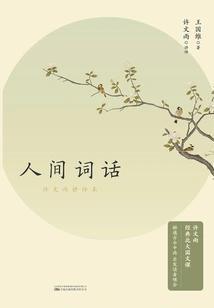
Human Words: Xu Wenyu's Commentary
Literature人间词话:许文雨讲评本
Written By Wang Guowei And Commented By Xu Wenyu
"Human Words" is the representative work of Wang Guowei, a master of modern Chinese studies. In the form of traditional words, Wang Guowei combined with Western philosophy, literature and aesthetic thoughts to comment on traditional Chinese literature, forming a literary system with incisive arguments and a rich and complete theoretical structure with the theory of "realm" as the core. It is one of the most classic works of Chinese classical literary criticism. This book is newly edited and edited based on "Reports on Human Words" compiled by literary criticism theorist Xu Wenyu. It contains a total of 91 articles from "Human Words", each of which is appropriately annotated by Xu Wenyu. At the same time, the appendices "Supplement to Human Words and Words", "The Life and Doctrine of Mr. Wang Guowei" and "Chronology of Wang Guowei" are included, aiming to help readers more thoroughly understand and understand "Human Words and Words", a classical literary theory work. It is a literary book that is both practical and professional.
"Human Words" is the representative work of Wang Guowei, a master of modern Chinese studies. In the form of traditional words, Wang Guowei combined with Western philosophy, literature and aesthetic thoughts to comment on traditional Chinese literature, forming a literary system with incisive arguments and a rich and complete theoretical structure with the theory of "realm" as the core. It is one of the most classic works of Chinese classical literary criticism. This book is newly edited and edited based on "Reports on Human Words" compiled by literary criticism theorist Xu Wenyu. It contains a total of 91 articles from "Human Words", each of which is appropriately annotated by Xu Wenyu. At the same time, the appendices "Supplement to Human Words and Words", "The Life and Doctrine of Mr. Wang Guowei" and "Chronology of Wang Guowei" are included, aiming to help readers more thoroughly understand and understand "Human Words and Words", a classical literary theory work. It is a literary book that is both practical and professional.
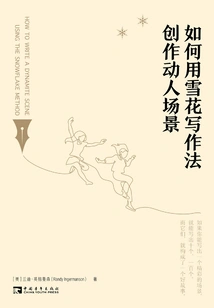
如何用雪花写作法创作动人场景
P
This book is a writing guide based on the author's own "snowflake writing method" and focuses on the construction of novel scenes. Why is the scene so important? A good novel uses scenes to speak for itself. For most writers, learning to design engaging scenes is a particularly good way to make substantial progress in their writing. This book focuses on this topic, helping creators who are keen on novel writing quickly master the method of designing scenes, focusing on the setting of specific links in active scenes and passive scenes, and the setting of character perspectives... Analyzing specific scene cases to unlock the potential creativity of each creator.
This book is a writing guide based on the author's own "snowflake writing method" and focuses on the construction of novel scenes. Why is the scene so important? A good novel uses scenes to speak for itself. For most writers, learning to design engaging scenes is a particularly good way to make substantial progress in their writing. This book focuses on this topic, helping creators who are keen on novel writing quickly master the method of designing scenes, focusing on the setting of specific links in active scenes and passive scenes, and the setting of character perspectives... Analyzing specific scene cases to unlock the potential creativity of each creator.
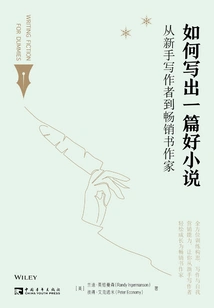
如何写出一篇好小说:从新手写作者到畅销书作家
(u. S.) Randy Ingermanson (u. S.) Peter Economy
This is a complete guide to writing novels. Publishing a great novel is a worthy goal, and this book is designed to guide you every step of the way, from casual writer to royalty-earning author. Read this book and you'll gain the following skills: Strategic Planning: Determine where you are on the publishing roadmap; Discover something in a story that every reader desperately wants; Establish a foothold in a marketable category... Build a Novel: Build an authentic story world;
This is a complete guide to writing novels. Publishing a great novel is a worthy goal, and this book is designed to guide you every step of the way, from casual writer to royalty-earning author. Read this book and you'll gain the following skills: Strategic Planning: Determine where you are on the publishing roadmap; Discover something in a story that every reader desperately wants; Establish a foothold in a marketable category... Build a Novel: Build an authentic story world;
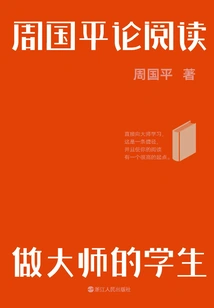
周国平论阅读:做大师的学生
Zhou Guoping
There are many enjoyments in life, and reading is one of them. How to make reading a happy thing, why to read, what to read, and how to read. In response to these issues, Zhou Guoping used his reading experience for most of his life, combined with philosophical language, to systematically and sincerely put forward his understanding, and conducted profound reflections on the predicament of human existence and the mental state of contemporary people. The author's proposition on reading can be summed up in one sentence, which is to be a student of the master.
There are many enjoyments in life, and reading is one of them. How to make reading a happy thing, why to read, what to read, and how to read. In response to these issues, Zhou Guoping used his reading experience for most of his life, combined with philosophical language, to systematically and sincerely put forward his understanding, and conducted profound reflections on the predicament of human existence and the mental state of contemporary people. The author's proposition on reading can be summed up in one sentence, which is to be a student of the master.
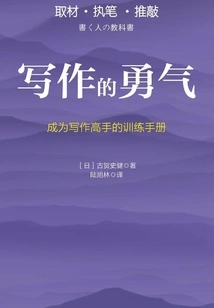
写作的勇气:成为写作高手的训练手册
(japan) Fumiken Koga
With the belief of writing a "textbook for writers", the author created this book. Or to be more precise, "If I were to open a school to train writers, then I would want to have a textbook like this" - this is the starting point for writing this book. Including the introduction, this book has a total of 10 chapters, which are mainly composed of three parts: "drawing materials", "writing" and "elaboration". It tells us what is the real core of writing, all the processes we need to go through before completing the work, and the abilities we should have when conveying information through words. At the same time, in this book, the author also introduces many writing methods, from the principles, principles, mentality, techniques to structural design of writing, leading readers to master the true core of writing! The author sincerely hopes that this book can help professional writers and editors, as well as people who are interested in this, and all people who want to change themselves and the world through writing, to improve their writing skills.
With the belief of writing a "textbook for writers", the author created this book. Or to be more precise, "If I were to open a school to train writers, then I would want to have a textbook like this" - this is the starting point for writing this book. Including the introduction, this book has a total of 10 chapters, which are mainly composed of three parts: "drawing materials", "writing" and "elaboration". It tells us what is the real core of writing, all the processes we need to go through before completing the work, and the abilities we should have when conveying information through words. At the same time, in this book, the author also introduces many writing methods, from the principles, principles, mentality, techniques to structural design of writing, leading readers to master the true core of writing! The author sincerely hopes that this book can help professional writers and editors, as well as people who are interested in this, and all people who want to change themselves and the world through writing, to improve their writing skills.
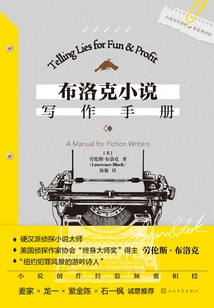
Bullock's Novel Writing Handbook
Literature布洛克小说写作手册
H
"Block's Novel Writing Handbook" is a must-read work based on Lawrence Block's most popular columns in "Author's Digest". It provides an in-depth look at the creative context and tells you what kind of profession the novel is and how to develop your writing skills. His suggestions are all based on experience, allowing writers to stay in the creative game, avoid pitfalls, and travel freely. Starting from analyzing the market, to how to demand oneself, "creative procrastination", to dealing with the disappointment and loneliness of rejected manuscripts, "Block's Novel School" is an invaluable practical guide, providing solid and feasible writing rules, allowing readers and writers to master the key to novel writing.
"Block's Novel Writing Handbook" is a must-read work based on Lawrence Block's most popular columns in "Author's Digest". It provides an in-depth look at the creative context and tells you what kind of profession the novel is and how to develop your writing skills. His suggestions are all based on experience, allowing writers to stay in the creative game, avoid pitfalls, and travel freely. Starting from analyzing the market, to how to demand oneself, "creative procrastination", to dealing with the disappointment and loneliness of rejected manuscripts, "Block's Novel School" is an invaluable practical guide, providing solid and feasible writing rules, allowing readers and writers to master the key to novel writing.
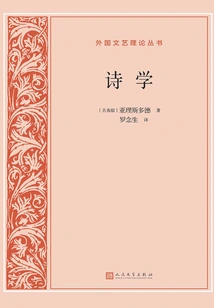
Poetics
Literature诗学
(ancient Greece) Aristotle
"Poetics" is an important aesthetic treatise by Aristotle (now commonly translated as Aristotle). Its original name is literally translated as "On Poetry", which means "discussing the art of poetry". Aristotle divided science into three categories based on the differences in human activities. Among them, creative science, where poetry is located, is the third category. The author believes that it is a course that his disciples should learn at the end of their studies. It can make people become poets and orators. There are twenty-six chapters in this book, which mainly discuss the origin, writing style, and evaluation of tragedy and epic. In the book, Aristotle answered questions about poetry raised by his teacher Plato, from which we can see the author's materialist aesthetic views, which deeply influenced later generations of writers and literary researchers starting from the seventeenth century.
"Poetics" is an important aesthetic treatise by Aristotle (now commonly translated as Aristotle). Its original name is literally translated as "On Poetry", which means "discussing the art of poetry". Aristotle divided science into three categories based on the differences in human activities. Among them, creative science, where poetry is located, is the third category. The author believes that it is a course that his disciples should learn at the end of their studies. It can make people become poets and orators. There are twenty-six chapters in this book, which mainly discuss the origin, writing style, and evaluation of tragedy and epic. In the book, Aristotle answered questions about poetry raised by his teacher Plato, from which we can see the author's materialist aesthetic views, which deeply influenced later generations of writers and literary researchers starting from the seventeenth century.
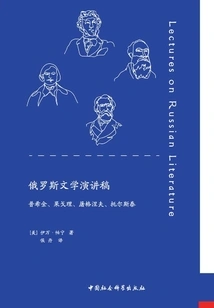
俄罗斯文学演讲稿:普希金、果戈理、屠格涅夫、托尔斯泰
(us) Ivan Panin
Ivan Panin's speech on Russian literature has beautiful language, gorgeous rhetoric, unique viewpoints, and is self-contained. He does not simply look at literary works from the perspective of literature and literary criticism, but links the development of literature with the development of human self-awareness and the development of the race, and regards literature as a record of the growth process of the human soul from childhood to maturity. Explaining how this law works on Russian soil, how it combines with Russian national characteristics and forms the unique face of Russian literature is the main content of Panin's speech on Russian literature.
Ivan Panin's speech on Russian literature has beautiful language, gorgeous rhetoric, unique viewpoints, and is self-contained. He does not simply look at literary works from the perspective of literature and literary criticism, but links the development of literature with the development of human self-awareness and the development of the race, and regards literature as a record of the growth process of the human soul from childhood to maturity. Explaining how this law works on Russian soil, how it combines with Russian national characteristics and forms the unique face of Russian literature is the main content of Panin's speech on Russian literature.
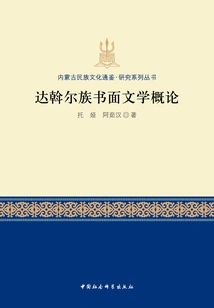
达斡尔族书面文学概论
Toya Aruhan
This book is divided into two parts. The first part takes a holistic view of Daur written literature from the time dimension and clarifies the overall direction of the development of Daur written literature and its value and significance. The second part examines classic writers and works as the core content, focusing on their development, changes and aesthetic expression, and explores the writing characteristics and temperament of Daur writers in different periods.
This book is divided into two parts. The first part takes a holistic view of Daur written literature from the time dimension and clarifies the overall direction of the development of Daur written literature and its value and significance. The second part examines classic writers and works as the core content, focusing on their development, changes and aesthetic expression, and explores the writing characteristics and temperament of Daur writers in different periods.
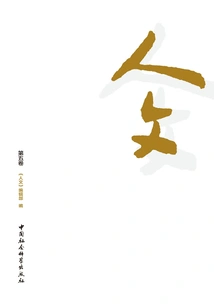
Humanities (volume 5)
Literature人文(第五卷)
"humanities" Editorial Department
The academic journal "Humanities" is sponsored by the Institute of Advanced Humanities of Henan University, edited by the editorial department of "Humanities", and published by China Social Sciences Press. "Humanities" adheres to the correct guidance of public opinion and the purpose of publishing the journal, insists on putting social benefits first, and pays attention to content construction and journal quality. "Humanities" centers on humanistic care, highlights academic originality and the dissemination of new knowledge, focuses on empirical research, encourages comprehensive innovation, and strives to integrate various disciplines, explore various academic thoughts and historical and cultural issues, promote in-depth thinking in different knowledge fields, and showcase new achievements in Chinese ideological and academic circles. The journal "Humanities" strives to provide a platform for the academic community to publish high-quality academic results, and to work with academic friends to contribute to the development of Chinese academics in the new era. Humanistic care, academic quality; highlighting new insights, both literary and intellectual beauty. This is our pursuit. A serious and high-grade academic and cultural journal is our goal. The articles published in this journal strive to have a clear awareness of issues, have great theoretical significance, reflect the academic level of the subject, and reflect the research frontiers and hot spots of the subject; the articles strive to have solid materials, full exposition, clear explanations, prove new insights, and suggest things that have not been published before. In addition to the main articles, "Humanities" has additional columns such as "Dialogue", "Xuelin", "Notes", "Books", "Historical Materials" and "Book Reviews" to reflect the research results of scholars in multiple forms and levels. The articles in "Humanities" are mainly academic articles (essays), but ideological academic essays and other forms of academic articles are also welcome. We welcome any article that involves humanities, thought, academia, culture, etc., Has new ideas, is clear and fresh in writing, and is carefully written.
The academic journal "Humanities" is sponsored by the Institute of Advanced Humanities of Henan University, edited by the editorial department of "Humanities", and published by China Social Sciences Press. "Humanities" adheres to the correct guidance of public opinion and the purpose of publishing the journal, insists on putting social benefits first, and pays attention to content construction and journal quality. "Humanities" centers on humanistic care, highlights academic originality and the dissemination of new knowledge, focuses on empirical research, encourages comprehensive innovation, and strives to integrate various disciplines, explore various academic thoughts and historical and cultural issues, promote in-depth thinking in different knowledge fields, and showcase new achievements in Chinese ideological and academic circles. The journal "Humanities" strives to provide a platform for the academic community to publish high-quality academic results, and to work with academic friends to contribute to the development of Chinese academics in the new era. Humanistic care, academic quality; highlighting new insights, both literary and intellectual beauty. This is our pursuit. A serious and high-grade academic and cultural journal is our goal. The articles published in this journal strive to have a clear awareness of issues, have great theoretical significance, reflect the academic level of the subject, and reflect the research frontiers and hot spots of the subject; the articles strive to have solid materials, full exposition, clear explanations, prove new insights, and suggest things that have not been published before. In addition to the main articles, "Humanities" has additional columns such as "Dialogue", "Xuelin", "Notes", "Books", "Historical Materials" and "Book Reviews" to reflect the research results of scholars in multiple forms and levels. The articles in "Humanities" are mainly academic articles (essays), but ideological academic essays and other forms of academic articles are also welcome. We welcome any article that involves humanities, thought, academia, culture, etc., Has new ideas, is clear and fresh in writing, and is carefully written.
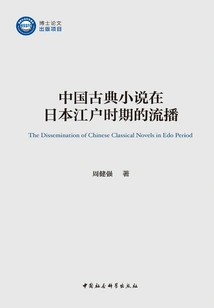
中国古典小说在日本江户时期的流播
Zhou Jianqiang
During the Edo period, China and Japan maintained close exchanges of classics and culture. In modern academic history, scholars' research on vernacular novels such as "Sanyan Erpai" often begins with the rediscovery of Chinese novel literature that has flowed into Japan. This book examines the circulation of Chinese classical novels in Japan during the Edo period from four perspectives: introduction and acquisition, reading and training, translation and commentary, reprinting and selection. It focuses on the Sino-Japanese book trade and the comparison of book prices between China and Japan, as well as all aspects of the history of book circulation such as Karamotoya, Yorimotoya, vernacular dictionaries to assist reading, the training and translation of vernacular novels, and the evolution of readership groups.
During the Edo period, China and Japan maintained close exchanges of classics and culture. In modern academic history, scholars' research on vernacular novels such as "Sanyan Erpai" often begins with the rediscovery of Chinese novel literature that has flowed into Japan. This book examines the circulation of Chinese classical novels in Japan during the Edo period from four perspectives: introduction and acquisition, reading and training, translation and commentary, reprinting and selection. It focuses on the Sino-Japanese book trade and the comparison of book prices between China and Japan, as well as all aspects of the history of book circulation such as Karamotoya, Yorimotoya, vernacular dictionaries to assist reading, the training and translation of vernacular novels, and the evolution of readership groups.
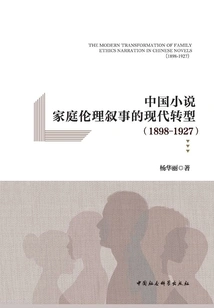
中国小说家庭伦理叙事的现代转型:1898—1927
Yang Huali
This book is dedicated to studying the causes, appearance and path of transformation of family ethics narratives in Chinese novels from the late Qing Dynasty to the May Fourth Period. In addition to carefully sorting out the specific changes in family ethics concepts between the late Qing Dynasty and the early Republic of China and the May Fourth period, this book also conducts a detailed comparative study of family ethics writing in novels during this period, in order to gain a more macroscopic and in-depth understanding of the evolution of family ethics narratives in novels during these thirty years, and to clarify the complex state of inheritance and variation, moderation and radicalness, and the mixture of new and old, so as to carefully consider the difficult process of the transformation of family ethics into modern times.
This book is dedicated to studying the causes, appearance and path of transformation of family ethics narratives in Chinese novels from the late Qing Dynasty to the May Fourth Period. In addition to carefully sorting out the specific changes in family ethics concepts between the late Qing Dynasty and the early Republic of China and the May Fourth period, this book also conducts a detailed comparative study of family ethics writing in novels during this period, in order to gain a more macroscopic and in-depth understanding of the evolution of family ethics narratives in novels during these thirty years, and to clarify the complex state of inheritance and variation, moderation and radicalness, and the mixture of new and old, so as to carefully consider the difficult process of the transformation of family ethics into modern times.
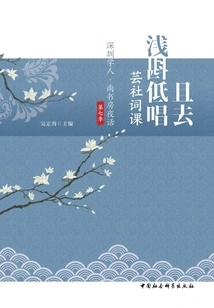
Let's Go and Sing in a Low Voice: Yunshe Ci Class (shenzhen Scholar·nan Shufang Night Talk Season 7)
Literature且去浅斟低唱:芸社词课(深圳学人·南书房夜话第七季)
Editor-in-chief Wu Dinghai
Ci is a classical music style that originated in the Sui and Tang Dynasties and flourished in the Song Dynasty. It has a fragrant and delicate beauty and is deeply loved by young people. The seventh season of "Shenzhen Scholars Nanshufang Night Talk" takes the appreciation and creation of Ci as its theme. It invites famous contemporary Ci writers and researchers to conduct a series of lectures. This book is a record of the lectures at that time. Readers can learn about the stylistic characteristics of words and try their hand at word creation. "Shenzhen Scholars Nanshufang Night Talk" is a cultural salon jointly founded by the Shenzhen Academy of Social Sciences and the Shenzhen Library. It aims to build an academic and cultural exchange platform and a three-dimensional reading space that integrates Shenzhen scholars, readers, and books.
Ci is a classical music style that originated in the Sui and Tang Dynasties and flourished in the Song Dynasty. It has a fragrant and delicate beauty and is deeply loved by young people. The seventh season of "Shenzhen Scholars Nanshufang Night Talk" takes the appreciation and creation of Ci as its theme. It invites famous contemporary Ci writers and researchers to conduct a series of lectures. This book is a record of the lectures at that time. Readers can learn about the stylistic characteristics of words and try their hand at word creation. "Shenzhen Scholars Nanshufang Night Talk" is a cultural salon jointly founded by the Shenzhen Academy of Social Sciences and the Shenzhen Library. It aims to build an academic and cultural exchange platform and a three-dimensional reading space that integrates Shenzhen scholars, readers, and books.
乾嘉文学思想研究(1736-1820)
Zhang Haosu
This book is the first monograph to conduct specialized research on "Qianjia Literary Thought" using the research methods of the history of literary thought. On the basis of a large number of careful readings of texts, this paper attempts to conduct an in-depth exploration of many literary and ideological phenomena during the Qianjia and Qianjia periods of the Qing Dynasty (1736-1820), taking into account the commonality and individuality of different styles of elegant and popular literature, straightening out the relationship between literary creation, literary criticism, and literary dissemination, and forming a systematic argument for a systematic understanding of Qianjia and Qianjia literary thoughts. This book is divided into six chapters. In addition to a systematic analysis of previous research methods on the history of literary thought, it mainly discusses the in-depth influence and all-round integration of political forces and textual research on literary thought during the Qianjia and Qianjia periods in the Qing Dynasty. It focuses on the "prosperous age" background that gave rise to the leisurely carving of art and the "masterpiece" style of literary thought. At the same time, it also gave rise to a new creative situation that valued academic cultivation and individual liberation. This book also elucidates new phenomena in narrative literary genres such as "autobiography" from the perspective of literary thought.
This book is the first monograph to conduct specialized research on "Qianjia Literary Thought" using the research methods of the history of literary thought. On the basis of a large number of careful readings of texts, this paper attempts to conduct an in-depth exploration of many literary and ideological phenomena during the Qianjia and Qianjia periods of the Qing Dynasty (1736-1820), taking into account the commonality and individuality of different styles of elegant and popular literature, straightening out the relationship between literary creation, literary criticism, and literary dissemination, and forming a systematic argument for a systematic understanding of Qianjia and Qianjia literary thoughts. This book is divided into six chapters. In addition to a systematic analysis of previous research methods on the history of literary thought, it mainly discusses the in-depth influence and all-round integration of political forces and textual research on literary thought during the Qianjia and Qianjia periods in the Qing Dynasty. It focuses on the "prosperous age" background that gave rise to the leisurely carving of art and the "masterpiece" style of literary thought. At the same time, it also gave rise to a new creative situation that valued academic cultivation and individual liberation. This book also elucidates new phenomena in narrative literary genres such as "autobiography" from the perspective of literary thought.
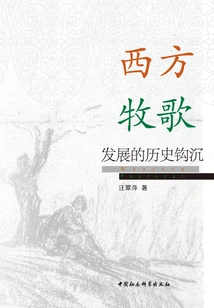
西方牧歌发展的历史钩沉
Wang Cuiping
Based on a comprehensive summary of the concept of pastoral, this book combs the research on pastoral from the perspective of Chinese and Western literary criticism, analyzes the original value of ancient Greek pastoral and the classic significance of ancient Roman pastoral, and elaborates on the evolution and development, inheritance and innovation of western pastoral. This book points out that pastoral songs have philosophical connotations such as reverence for nature and heaven, reliance on human ethics, and the pursuit of tranquility, as well as the dual nature of poetic freehand and secular realism. Pastoral has established a literary tradition that is completely different from epic and tragedy, and is of great significance in the history of Western literature.
Based on a comprehensive summary of the concept of pastoral, this book combs the research on pastoral from the perspective of Chinese and Western literary criticism, analyzes the original value of ancient Greek pastoral and the classic significance of ancient Roman pastoral, and elaborates on the evolution and development, inheritance and innovation of western pastoral. This book points out that pastoral songs have philosophical connotations such as reverence for nature and heaven, reliance on human ethics, and the pursuit of tranquility, as well as the dual nature of poetic freehand and secular realism. Pastoral has established a literary tradition that is completely different from epic and tragedy, and is of great significance in the history of Western literature.
时代性 人民性 实验性:老舍抗战戏剧论稿
Mei Qibo
Lao She's Anti-Japanese War drama is a high degree of unity of the times, people's nature and artistic experimentation. Lao She transformed from an elite writer who returned from overseas to an artist serving the times and the people. The Anti-Japanese War was an important opportunity of the times. Although Lao She had some discomfort when he turned to the creation of Anti-Japanese War dramas for propaganda purposes, Lao She was fundamentally a national writer who "put the country first", so he could always breathe and share the fate of the people. Lao She's people-oriented stance earned him the title of "People's Artist" after liberation, and also made him inevitably ahead of the main trends of the times and politics. It was not natural for Lao She to be at the forefront of the times. It was due to his constant pursuit and pain. Lao She's anti-war dramas have always been looking for a balance between politics, propaganda and art. Lao She's Anti-Japanese War dramas were full of experimentation. He integrated traditional folk art and Western stage art in his Anti-Japanese War dramas. His bold attempt was an innovation and breakthrough in drama creation, which also left valuable experience for Chinese drama art creation.
Lao She's Anti-Japanese War drama is a high degree of unity of the times, people's nature and artistic experimentation. Lao She transformed from an elite writer who returned from overseas to an artist serving the times and the people. The Anti-Japanese War was an important opportunity of the times. Although Lao She had some discomfort when he turned to the creation of Anti-Japanese War dramas for propaganda purposes, Lao She was fundamentally a national writer who "put the country first", so he could always breathe and share the fate of the people. Lao She's people-oriented stance earned him the title of "People's Artist" after liberation, and also made him inevitably ahead of the main trends of the times and politics. It was not natural for Lao She to be at the forefront of the times. It was due to his constant pursuit and pain. Lao She's anti-war dramas have always been looking for a balance between politics, propaganda and art. Lao She's Anti-Japanese War dramas were full of experimentation. He integrated traditional folk art and Western stage art in his Anti-Japanese War dramas. His bold attempt was an innovation and breakthrough in drama creation, which also left valuable experience for Chinese drama art creation.
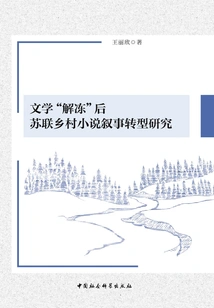
A Study on the Narrative Transformation of Post-soviet Rural Novels after the Literary "thaw
Literature文学“解冻”后苏联乡村小说叙事转型研究
Wang Lixin
This book focuses on the narrative characteristics of rural novels after the "thawing" of Soviet literature in the 20th century, classifies and studies the narrative types of novels, and uses a variety of methods to explore the narrative transformation of rural novels. This book analyzes the historical and cultural roots of rural novels, the creative context and the changes in the writer's thoughts, the changes in image narrative, the evolution of narrative focus, hypothetical narrative and spatial narrative. It shows the modern transformation of rural novel narrative techniques based on realism and illustrates the Russian literary tradition that rural novel writers have always adhered to while pursuing the diversity of narrative art, that is, concern for human existence, morality and ethics, and the destiny of the country and the nation.
This book focuses on the narrative characteristics of rural novels after the "thawing" of Soviet literature in the 20th century, classifies and studies the narrative types of novels, and uses a variety of methods to explore the narrative transformation of rural novels. This book analyzes the historical and cultural roots of rural novels, the creative context and the changes in the writer's thoughts, the changes in image narrative, the evolution of narrative focus, hypothetical narrative and spatial narrative. It shows the modern transformation of rural novel narrative techniques based on realism and illustrates the Russian literary tradition that rural novel writers have always adhered to while pursuing the diversity of narrative art, that is, concern for human existence, morality and ethics, and the destiny of the country and the nation.
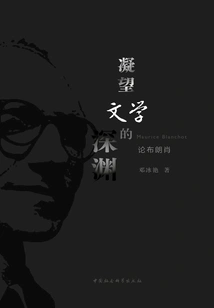
凝望文学的深渊:论布朗肖
Deng Bingyan
This book takes Blanchot's literary thoughts as the research object, and uses themes such as literature, writers, works, narratives, literary language, and readers as basic clues to explain how these basic literary elements are disintegrated one by one under Blanchot's perspective, thus presenting a "literary space" that makes Blanchot's thoughts full of destructive power. Focusing on this space, this book not only discusses Blanchot's writing thought of opening "literary space" as his essential task, but in the final part, it turns from literature to ethics and discusses the essential changes in the relationship between people and the world and between people presented by "literary space". Ultimately, this book uses literature as a breakthrough point to combine Blanchot's thinking on literature with his thinking on themes such as death, writing, neutrality, night, silence, loneliness, community, friendship, etc., Hoping to comprehensively explain Blanchot's thought and retain the destructive power of this thought to the greatest extent.
This book takes Blanchot's literary thoughts as the research object, and uses themes such as literature, writers, works, narratives, literary language, and readers as basic clues to explain how these basic literary elements are disintegrated one by one under Blanchot's perspective, thus presenting a "literary space" that makes Blanchot's thoughts full of destructive power. Focusing on this space, this book not only discusses Blanchot's writing thought of opening "literary space" as his essential task, but in the final part, it turns from literature to ethics and discusses the essential changes in the relationship between people and the world and between people presented by "literary space". Ultimately, this book uses literature as a breakthrough point to combine Blanchot's thinking on literature with his thinking on themes such as death, writing, neutrality, night, silence, loneliness, community, friendship, etc., Hoping to comprehensively explain Blanchot's thought and retain the destructive power of this thought to the greatest extent.
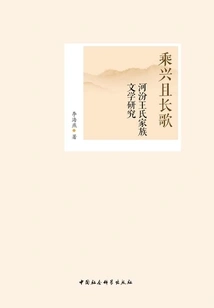
Riding on the Joy and Singing Songs: a Study on the Literature of the Wang Family in Hefen
Literature乘兴且长歌:河汾王氏家族文学研究
Li Haiyan
This book examines the lives and writings of the main members of the Wang family writers group such as Wang Tong, Wang Du, Wang Ji, and Wang Bo who lived in Hefen during the Sui and Tang Dynasties. It explores their contribution to the development of novels, poems, poems, parallel prose and other literary styles in the Tang Dynasty. It also examines the influence of the style of the Wei and Jin Dynasties on The influence of the members of the Wang family and their transformation during the Sui and Tang Dynasties was analyzed. The influence of the family on the pastoral poetry school was analyzed. Wang Tong's "Three Religions Can Be One" thought and the fusion spirit of Wang family literature were discussed. The reasons for the prosperity of Wang family literature were summarized. Through this family that pioneered literature in the Tang Dynasty, we can get a glimpse of the development of literature during the Sui and Tang Dynasties, as well as the unique charm of family literature.
This book examines the lives and writings of the main members of the Wang family writers group such as Wang Tong, Wang Du, Wang Ji, and Wang Bo who lived in Hefen during the Sui and Tang Dynasties. It explores their contribution to the development of novels, poems, poems, parallel prose and other literary styles in the Tang Dynasty. It also examines the influence of the style of the Wei and Jin Dynasties on The influence of the members of the Wang family and their transformation during the Sui and Tang Dynasties was analyzed. The influence of the family on the pastoral poetry school was analyzed. Wang Tong's "Three Religions Can Be One" thought and the fusion spirit of Wang family literature were discussed. The reasons for the prosperity of Wang family literature were summarized. Through this family that pioneered literature in the Tang Dynasty, we can get a glimpse of the development of literature during the Sui and Tang Dynasties, as well as the unique charm of family literature.
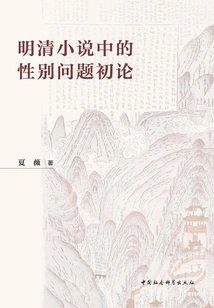
明清小说中的性别问题初论
Xia Wei
This book starts from issues such as gender wars and the formation and development of gender protracted wars in primitive societies. Taking various ancient novels as examples, this book explores the impact of the androcentric gender system in ancient Chinese society on the gender outlook of novel authors from the perspective of novel creation, and its specific manifestation in the creation process. The book discusses how, under the dual view of women (including the two contradictory concepts of a woman's insubordination and a virtuous wife), conflicted and fearful men teach women recklessly, how they create alternative hierarchical classifications of women in the confusion of moral standards, and The novel represents the existential status of both sexes in ancient society; it explores how the author treats real or unreal materials, how they are selected by the novel author, where they are used, and what kind of creative intentions, ideology and gender concepts the author expresses.
This book starts from issues such as gender wars and the formation and development of gender protracted wars in primitive societies. Taking various ancient novels as examples, this book explores the impact of the androcentric gender system in ancient Chinese society on the gender outlook of novel authors from the perspective of novel creation, and its specific manifestation in the creation process. The book discusses how, under the dual view of women (including the two contradictory concepts of a woman's insubordination and a virtuous wife), conflicted and fearful men teach women recklessly, how they create alternative hierarchical classifications of women in the confusion of moral standards, and The novel represents the existential status of both sexes in ancient society; it explores how the author treats real or unreal materials, how they are selected by the novel author, where they are used, and what kind of creative intentions, ideology and gender concepts the author expresses.
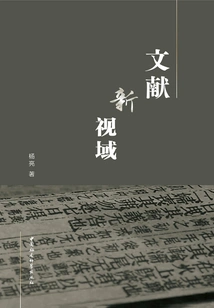
New Horizons of Literature
Literature文献新视域
Yang Liang
"The rise and fall of learning depends on the importance of the times." Scholars engaged in classical literature all attach great importance to the "technical" aspect, including editions, catalogs, and collations. This is the academic orthodoxy of the ancients. Documents are the basis of all discipline research. Deeper research also lies in the ideological and methodological level of documents, that is, the "Tao" level. There is an intricate relationship between the two. In the face of traditional literature, on the one hand, it is necessary to clarify the evolution of academic traditions, and it is necessary to distinguish academic chapters and examine their origins; on the other hand, it is necessary to study classics from a modern disciplinary perspective. When talking about learning, one should have the state of "I am willing to study in books and grow old, and I will not hesitate to turn myself into a silverfish". "The only difficulty in the world is reading." Although it is "building a house under the house and putting a bed on the bed", the line of academic inheritance can also be seen. This book takes lecture notes as the main body, interspersed with ideological essays "shadowed by the shadows in the book," in order to show a new horizon of literature research.
"The rise and fall of learning depends on the importance of the times." Scholars engaged in classical literature all attach great importance to the "technical" aspect, including editions, catalogs, and collations. This is the academic orthodoxy of the ancients. Documents are the basis of all discipline research. Deeper research also lies in the ideological and methodological level of documents, that is, the "Tao" level. There is an intricate relationship between the two. In the face of traditional literature, on the one hand, it is necessary to clarify the evolution of academic traditions, and it is necessary to distinguish academic chapters and examine their origins; on the other hand, it is necessary to study classics from a modern disciplinary perspective. When talking about learning, one should have the state of "I am willing to study in books and grow old, and I will not hesitate to turn myself into a silverfish". "The only difficulty in the world is reading." Although it is "building a house under the house and putting a bed on the bed", the line of academic inheritance can also be seen. This book takes lecture notes as the main body, interspersed with ideological essays "shadowed by the shadows in the book," in order to show a new horizon of literature research.
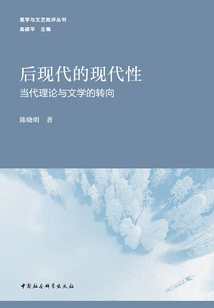
后现代的现代性:当代理论与文学的转向
Chen Xiaoming
This book is divided into two parts. The contents of the previous section "Hidden Worries of Modernity" include: "Replacement and Supplement: From Postmodernity to Modernity", "Resilience of Literature: Historicization and Personal Memory", "The Historical Void Under the Ghost Shadow", "Multiple Meanings of Memory: History "Returns" or Is Elsewhere", etc. The content of the second part of "Post-Contemporary Illusion" includes: "The Liberation of Memory: 'Private' and the Historical Trap", "Rewriting Hometown and the Flower of Evil in Postmodernity", "New Neo-Romanticism: The Metamorphosis of Postmodernity", etc.
This book is divided into two parts. The contents of the previous section "Hidden Worries of Modernity" include: "Replacement and Supplement: From Postmodernity to Modernity", "Resilience of Literature: Historicization and Personal Memory", "The Historical Void Under the Ghost Shadow", "Multiple Meanings of Memory: History "Returns" or Is Elsewhere", etc. The content of the second part of "Post-Contemporary Illusion" includes: "The Liberation of Memory: 'Private' and the Historical Trap", "Rewriting Hometown and the Flower of Evil in Postmodernity", "New Neo-Romanticism: The Metamorphosis of Postmodernity", etc.
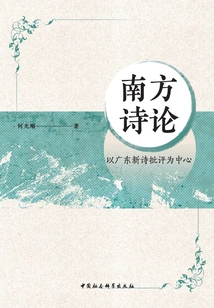
南方诗论:以广东新诗批评为中心
He Guangshun
The southern tradition of modern new poetry was born along with the great changes that have not happened in Chinese civilization for three thousand years. It developed in the turbulence of Chinese and Western cultures and the fission between classical and modern. Although it originated from the geographical space of the Pearl River Delta in southern China, it eventually diffused and became a new spirit and new artistic characteristics of Chinese literature and poetry. This is southern poetry, southern poetics, southern spirit, southern imagination, and southern tradition. This book focuses on such a noteworthy southern spiritual and artistic genealogy of modern new poetry. The book mainly includes four parts: the theoretical foundation of southern poetics, the diverse landscape of the southern poet community, the case analysis of southern poets, and the artistic origins of southern poets. This is also a monograph on contemporary poetry criticism that clearly puts forward relevant propositions of southern poetics and conducts special research.
The southern tradition of modern new poetry was born along with the great changes that have not happened in Chinese civilization for three thousand years. It developed in the turbulence of Chinese and Western cultures and the fission between classical and modern. Although it originated from the geographical space of the Pearl River Delta in southern China, it eventually diffused and became a new spirit and new artistic characteristics of Chinese literature and poetry. This is southern poetry, southern poetics, southern spirit, southern imagination, and southern tradition. This book focuses on such a noteworthy southern spiritual and artistic genealogy of modern new poetry. The book mainly includes four parts: the theoretical foundation of southern poetics, the diverse landscape of the southern poet community, the case analysis of southern poets, and the artistic origins of southern poets. This is also a monograph on contemporary poetry criticism that clearly puts forward relevant propositions of southern poetics and conducts special research.
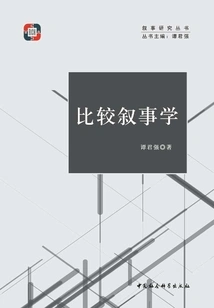
Comparative Narratology
Literature比较叙事学
Tan Junqiang
This book focuses on a cutting-edge field of narrative research: comparative narratology. It is a certain turn in the development of disciplines and academic research, and it is also a new direction presented by the organic grafting of comparative literature and narratology. This book strives to conduct a comprehensive study of comparative narratology as a whole, tracking and sorting out the origin and development of comparative narratology from the perspective of academic history; theoretically elaborating on the disciplinary foundation of comparative narratology and its necessity, feasibility, value and significance; in practice, it selects some important issues related to comparative narratology research, such as time and narrative time, spatiotemporal relationship and spatial narrative, narrative and focus, etc., And combines a large number of Chinese and foreign ancient and modern narrative works to carry out analysis and discussion in the sense of combining theory and textual practice. The purpose is to provide a more complete and systematic description and interpretation of the subject of comparative narratology, provide a basic grasp of the orientation of this subject, and promote more fruitful research in this field.
This book focuses on a cutting-edge field of narrative research: comparative narratology. It is a certain turn in the development of disciplines and academic research, and it is also a new direction presented by the organic grafting of comparative literature and narratology. This book strives to conduct a comprehensive study of comparative narratology as a whole, tracking and sorting out the origin and development of comparative narratology from the perspective of academic history; theoretically elaborating on the disciplinary foundation of comparative narratology and its necessity, feasibility, value and significance; in practice, it selects some important issues related to comparative narratology research, such as time and narrative time, spatiotemporal relationship and spatial narrative, narrative and focus, etc., And combines a large number of Chinese and foreign ancient and modern narrative works to carry out analysis and discussion in the sense of combining theory and textual practice. The purpose is to provide a more complete and systematic description and interpretation of the subject of comparative narratology, provide a basic grasp of the orientation of this subject, and promote more fruitful research in this field.
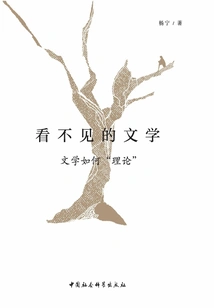
看不见的文学:文学如何“理论”
Yang Ning
This book is compiled and sublimated based on the video course system launched by the author on well-known domestic video websites in 2021. It is divided into four parts: Literature and the World, Literature and Authors, Literature and Readers, and Literature and Text. Specifically, it includes sixteen chapters such as the nature and aesthetic issues of literature, the author-centered view and its deconstruction, and the issue of intention in literary interpretation.
This book is compiled and sublimated based on the video course system launched by the author on well-known domestic video websites in 2021. It is divided into four parts: Literature and the World, Literature and Authors, Literature and Readers, and Literature and Text. Specifically, it includes sixteen chapters such as the nature and aesthetic issues of literature, the author-centered view and its deconstruction, and the issue of intention in literary interpretation.
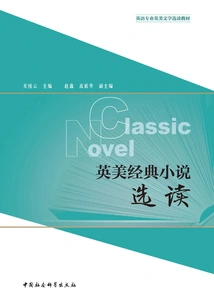
英美经典小说选读
Editor-in-chief Guan Guiyun
This textbook comprehensively considers issues such as the genre of the writer, the era in which the writer lived, the representativeness of the work, the influence of the work, the degree of difficulty, and the male-to-female ratio of writers. It finally selects Daniel Defoe's "Robinson Crusoe", Wilkie Collins's "The Woman in White", Jane Austen's "Pride and Prejudice", Charles Dickens's "A Tale of Two Cities", Thomas Hardy's "Tess of the D'Urbervilles" and Excerpts from the novel "Sons and Lovers" by David Herbert Lawrence, "The Legend of Sleepy Hollow" by Washington Irving, "The Scarlet Letter" by Nathaniel Hawthorne, "The Black Cat" by Edgar Allan Poe, "The Adventures of Huckleberry Finn" by Mark Twain, "The Sun Also Rises" by Ernest Hemingway and "Beloved" by Toni Morrison in the history of American literature are included in the selection of classic British and American novels. Each chapter of this textbook includes a brief introduction to the author's life, a plot summary of the selected novel, an introduction to the main characters of the selected novel, selected chapters of the novel, and Chinese translations of the selected novel chapters. These contents can allow readers to better understand the writing characteristics of the author and the selected novel. The language of this textbook is concise and clear. It is a good choice whether it is a textbook for English major students or an interest reading for English lovers.
This textbook comprehensively considers issues such as the genre of the writer, the era in which the writer lived, the representativeness of the work, the influence of the work, the degree of difficulty, and the male-to-female ratio of writers. It finally selects Daniel Defoe's "Robinson Crusoe", Wilkie Collins's "The Woman in White", Jane Austen's "Pride and Prejudice", Charles Dickens's "A Tale of Two Cities", Thomas Hardy's "Tess of the D'Urbervilles" and Excerpts from the novel "Sons and Lovers" by David Herbert Lawrence, "The Legend of Sleepy Hollow" by Washington Irving, "The Scarlet Letter" by Nathaniel Hawthorne, "The Black Cat" by Edgar Allan Poe, "The Adventures of Huckleberry Finn" by Mark Twain, "The Sun Also Rises" by Ernest Hemingway and "Beloved" by Toni Morrison in the history of American literature are included in the selection of classic British and American novels. Each chapter of this textbook includes a brief introduction to the author's life, a plot summary of the selected novel, an introduction to the main characters of the selected novel, selected chapters of the novel, and Chinese translations of the selected novel chapters. These contents can allow readers to better understand the writing characteristics of the author and the selected novel. The language of this textbook is concise and clear. It is a good choice whether it is a textbook for English major students or an interest reading for English lovers.
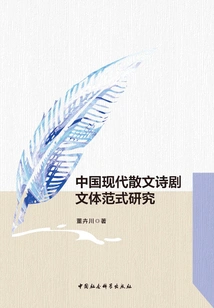
中国现代散文诗剧文体范式研究
Dong Huichuan
The stylistic paradigm of modern Chinese prose poetry and drama mainly includes genre paradigm, artistic expression paradigm, language paradigm, and stylistic style paradigm. The genre paradigm of modern Chinese prose poetry and drama is expounded from three aspects: prose genre form, poetic genre core and dramatic genre characteristics. In terms of the language expression paradigm of modern Chinese prose poetry drama, it mainly includes easy-to-understand, straightforward and clear verbal expressions, as well as indirect and subtle verbal expressions with a lingering aftertaste. In terms of the hybrid paradigm of language, the hybrid paradigm of modern Chinese prose, poetry and drama language is mainly manifested in the hybridization of spoken and written language, and the hybridization of Mandarin and Europeanized languages. In terms of rhetorical paradigm, the use of rhetorical figures such as "symbol" and "opposite and complementary" is expounded. Symbols and metaphors, irony and irony, contradictions and paradoxes are some of the most common artistic expression techniques in the creation of modern Chinese poetic dramas, especially prose poetry dramas, and they are also interpretation objects that need to be distinguished carefully. The stylistic paradigm of modern Chinese prose poetry drama mainly includes serious and profound objective representation, elegance and abstract intellectual speculation, and solemn irony of internal and external conflicts.
The stylistic paradigm of modern Chinese prose poetry and drama mainly includes genre paradigm, artistic expression paradigm, language paradigm, and stylistic style paradigm. The genre paradigm of modern Chinese prose poetry and drama is expounded from three aspects: prose genre form, poetic genre core and dramatic genre characteristics. In terms of the language expression paradigm of modern Chinese prose poetry drama, it mainly includes easy-to-understand, straightforward and clear verbal expressions, as well as indirect and subtle verbal expressions with a lingering aftertaste. In terms of the hybrid paradigm of language, the hybrid paradigm of modern Chinese prose, poetry and drama language is mainly manifested in the hybridization of spoken and written language, and the hybridization of Mandarin and Europeanized languages. In terms of rhetorical paradigm, the use of rhetorical figures such as "symbol" and "opposite and complementary" is expounded. Symbols and metaphors, irony and irony, contradictions and paradoxes are some of the most common artistic expression techniques in the creation of modern Chinese poetic dramas, especially prose poetry dramas, and they are also interpretation objects that need to be distinguished carefully. The stylistic paradigm of modern Chinese prose poetry drama mainly includes serious and profound objective representation, elegance and abstract intellectual speculation, and solemn irony of internal and external conflicts.
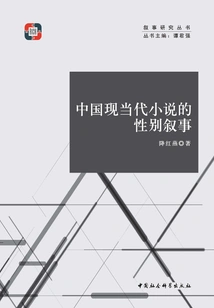
中国现当代小说的性别叙事
Jiang Hongyan
This book takes representative novel texts in modern and contemporary Chinese literature as its object, adopts critical methods dominated by gender theory and feminist narratology, and explores the relationship between narrative and gender in modern and contemporary Chinese novels. It aims to open up the channels of internal research and external research in literary research, thereby grasping the creative characteristics of modern and contemporary Chinese literature, and contributing to the creation and theory of contemporary Chinese literature.
This book takes representative novel texts in modern and contemporary Chinese literature as its object, adopts critical methods dominated by gender theory and feminist narratology, and explores the relationship between narrative and gender in modern and contemporary Chinese novels. It aims to open up the channels of internal research and external research in literary research, thereby grasping the creative characteristics of modern and contemporary Chinese literature, and contributing to the creation and theory of contemporary Chinese literature.
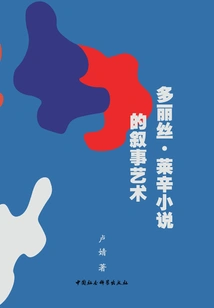
多丽丝·莱辛小说的叙事艺术
Lu Jing
Doris Lessing is a contemporary British female writer with world influence. The study of this book focuses on the novels written by Lessing from 1950 to 1970. Through the investigation of the narrative art of his novels, it reveals the writer's social thinking, political ideals, literary attitudes and cultural stance. The first part combines the writer's personal experience, ideological process and social, historical and cultural changes to sort out the history of Lessing's novel creation; the second part conducts a comprehensive investigation of "The Golden Notebook", starting from multiple levels such as "double clues", "time art", "space processing", "narrative mode" and "body metaphor", and explores how Lessing integrates social and political criticism, women's life thinking, individual spiritual exploration and novel art, making the work a grand epic of contemporary social ideological criticism.
Doris Lessing is a contemporary British female writer with world influence. The study of this book focuses on the novels written by Lessing from 1950 to 1970. Through the investigation of the narrative art of his novels, it reveals the writer's social thinking, political ideals, literary attitudes and cultural stance. The first part combines the writer's personal experience, ideological process and social, historical and cultural changes to sort out the history of Lessing's novel creation; the second part conducts a comprehensive investigation of "The Golden Notebook", starting from multiple levels such as "double clues", "time art", "space processing", "narrative mode" and "body metaphor", and explores how Lessing integrates social and political criticism, women's life thinking, individual spiritual exploration and novel art, making the work a grand epic of contemporary social ideological criticism.
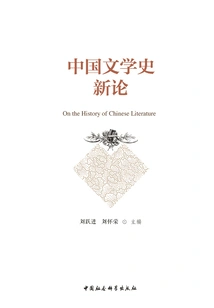
中国文学史新论
Liu Yuejin Editor-in-chief Liu Huairong
This book is a collection of some papers from the "International Academic Symposium on Chinese Literary History Concepts and Literary History Research" jointly sponsored by the editorial department of "Literary Heritage" and Ocean University of China. It is divided into two parts: the upper and lower parts. The first part focuses on the issues related to the concept of literary history and the writing of literary history, while the second part mainly conducts case analysis on literary history topics related to poetry, poetry, prose and other genres. The argumentation has diverse perspectives and novel ideas, and has important academic value in promoting and deepening the literary history concept and literary history research.
This book is a collection of some papers from the "International Academic Symposium on Chinese Literary History Concepts and Literary History Research" jointly sponsored by the editorial department of "Literary Heritage" and Ocean University of China. It is divided into two parts: the upper and lower parts. The first part focuses on the issues related to the concept of literary history and the writing of literary history, while the second part mainly conducts case analysis on literary history topics related to poetry, poetry, prose and other genres. The argumentation has diverse perspectives and novel ideas, and has important academic value in promoting and deepening the literary history concept and literary history research.
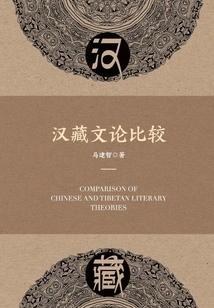
汉藏文论比较
Ma Jianzhi
This book is the first to conduct a comprehensive comparative study of the traditional literary theories of Han and Tibetan people. The Chinese nation has fifty-six ethnic groups, of which the Han nationality is the majority. Other ethnic minorities are important members of the Chinese family. They have created splendid culture in history and made certain contributions in literary theory. The Tibetans are important representatives. Our current history of ancient literary theory failed to well absorb the literary theories of ethnic minorities, and in fact became the history of Han literary theory. Therefore, it did not fully display the broad and profound content of Chinese literary theory, nor did it reflect the rich and diverse true style of Chinese literary theory. Previous research on ethnic minority literary theory generally focused on separate formations, sorting out and summarizing their respective development histories and characteristics, and lacked an overall comparative study on the exchange and integration of Chinese literary theory. This book comprehensively compares Tibetan literary theory with Han Chinese literary theory. It is an attempt to conduct an overall study of Chinese literary theory, an expansion of the research horizons of traditional Chinese literary theory, and an exploration of research paths for ethnic minority literary theory.
This book is the first to conduct a comprehensive comparative study of the traditional literary theories of Han and Tibetan people. The Chinese nation has fifty-six ethnic groups, of which the Han nationality is the majority. Other ethnic minorities are important members of the Chinese family. They have created splendid culture in history and made certain contributions in literary theory. The Tibetans are important representatives. Our current history of ancient literary theory failed to well absorb the literary theories of ethnic minorities, and in fact became the history of Han literary theory. Therefore, it did not fully display the broad and profound content of Chinese literary theory, nor did it reflect the rich and diverse true style of Chinese literary theory. Previous research on ethnic minority literary theory generally focused on separate formations, sorting out and summarizing their respective development histories and characteristics, and lacked an overall comparative study on the exchange and integration of Chinese literary theory. This book comprehensively compares Tibetan literary theory with Han Chinese literary theory. It is an attempt to conduct an overall study of Chinese literary theory, an expansion of the research horizons of traditional Chinese literary theory, and an exploration of research paths for ethnic minority literary theory.
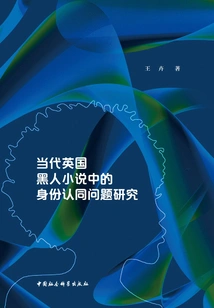
当代英国黑人小说中的身份认同问题研究
Wang Hui
This book takes contemporary black British novels as the research object and is divided into two parts: construction and change. The former mainly shows the process of black immigrants struggling to survive and construct their identity in British society; the latter explores the role of black immigrants in Britain in the process of changing Englishness to Britishness. The core idea of this book is that the process of black immigrants' existence in Britain is a process of construction and change. Contemporary black British novels are an important part of contemporary British literature. A systematic study of them will help to better grasp the process and trend of contemporary British literature, and better sort out the inheritance and development of British literary tradition. In addition, contemporary black British novels are a mirror of British ethnic literature. The study of them can help to more thoroughly examine the development of British ethnic literature, see through the development and changes of British culture, politics, and economy, and provide a literary perspective for its research.
This book takes contemporary black British novels as the research object and is divided into two parts: construction and change. The former mainly shows the process of black immigrants struggling to survive and construct their identity in British society; the latter explores the role of black immigrants in Britain in the process of changing Englishness to Britishness. The core idea of this book is that the process of black immigrants' existence in Britain is a process of construction and change. Contemporary black British novels are an important part of contemporary British literature. A systematic study of them will help to better grasp the process and trend of contemporary British literature, and better sort out the inheritance and development of British literary tradition. In addition, contemporary black British novels are a mirror of British ethnic literature. The study of them can help to more thoroughly examine the development of British ethnic literature, see through the development and changes of British culture, politics, and economy, and provide a literary perspective for its research.
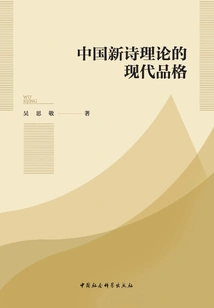
中国新诗理论的现代品格
Wu Sijing
Based on the background of the cultural environment of the new century, this book combs and reflects on the development of Chinese New Poetry Theory over the past century, and discusses certain regularities; it elaborates on the tradition of Chinese New Poetry, the basic character of Chinese New Poetry Theory, the historical development of Chinese New Poetry Theory, and the modern transformation of Chinese New Poetry Theory; it reviews relevant theoretical schools, representative poetry critics and poetry theoretical works; and combines Chinese poetry with The writing of the contemporary volume of Getong History combs the development of contemporary Chinese poetry and pays attention to the theoretical issues involved; at the same time, it also casts its sights on the contemporary poetry world, examines the current poetry ecology of China, and pursues and analyzes the phenomenon of contemporary poetry since the reform and opening up. It also introduces Mr. Wu Sijing's academic relationship with the poetry theory journal "Poetry Exploration" in order to arouse everyone's further thinking on the theoretical construction of new Chinese poetry in the new century.
Based on the background of the cultural environment of the new century, this book combs and reflects on the development of Chinese New Poetry Theory over the past century, and discusses certain regularities; it elaborates on the tradition of Chinese New Poetry, the basic character of Chinese New Poetry Theory, the historical development of Chinese New Poetry Theory, and the modern transformation of Chinese New Poetry Theory; it reviews relevant theoretical schools, representative poetry critics and poetry theoretical works; and combines Chinese poetry with The writing of the contemporary volume of Getong History combs the development of contemporary Chinese poetry and pays attention to the theoretical issues involved; at the same time, it also casts its sights on the contemporary poetry world, examines the current poetry ecology of China, and pursues and analyzes the phenomenon of contemporary poetry since the reform and opening up. It also introduces Mr. Wu Sijing's academic relationship with the poetry theory journal "Poetry Exploration" in order to arouse everyone's further thinking on the theoretical construction of new Chinese poetry in the new century.
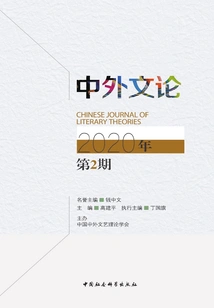
中外文论(2020年第2期)
Gao Jianping Editor-in-chief Ding Guoguo
This book has five columns: Cultural Tradition and Transformation of Modernity, Ancient Literary Theory, Western Literary Theory, Text Criticism, and Translation. It includes articles such as "On the Importance of Chinese Traditional Culture in the Construction of Zhu Guangqian's Poetry", "On the Reality of Art", "Literary Classics and Their Canonization", "Looking at Zhao Puchu's Interpretation of Painting from Poems on Paintings and Poems on Paintings", and "What is Criticism".
This book has five columns: Cultural Tradition and Transformation of Modernity, Ancient Literary Theory, Western Literary Theory, Text Criticism, and Translation. It includes articles such as "On the Importance of Chinese Traditional Culture in the Construction of Zhu Guangqian's Poetry", "On the Reality of Art", "Literary Classics and Their Canonization", "Looking at Zhao Puchu's Interpretation of Painting from Poems on Paintings and Poems on Paintings", and "What is Criticism".
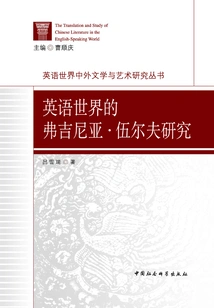
英语世界的弗吉尼亚·伍尔夫研究
Lu Xuerui
This book aims to re-examine the shortcomings and deficiencies in domestic Woolf research and change the stereotype of Woolf in the minds of domestic readers through a systematic review of Woolf research in the English-speaking world and a detailed interpretation of major issues related to the development of Woolf research. The first three chapters of the book unfold in diachronic order, using a comparison between China and the West to show the status and main concerns of Woolf research in the English-speaking world at different stages. The last two chapters focus on important issues in Woolf's research that have not received enough attention in the country. By sorting out the history of Woolf research in the English-speaking world, examining Woolf research from different critical perspectives, and comparing the similarities and differences between Woolf research in China and the English-speaking world, the author further explores the commonalities and differences between researchers in different civilization systems when they examine the same writer.
This book aims to re-examine the shortcomings and deficiencies in domestic Woolf research and change the stereotype of Woolf in the minds of domestic readers through a systematic review of Woolf research in the English-speaking world and a detailed interpretation of major issues related to the development of Woolf research. The first three chapters of the book unfold in diachronic order, using a comparison between China and the West to show the status and main concerns of Woolf research in the English-speaking world at different stages. The last two chapters focus on important issues in Woolf's research that have not received enough attention in the country. By sorting out the history of Woolf research in the English-speaking world, examining Woolf research from different critical perspectives, and comparing the similarities and differences between Woolf research in China and the English-speaking world, the author further explores the commonalities and differences between researchers in different civilization systems when they examine the same writer.
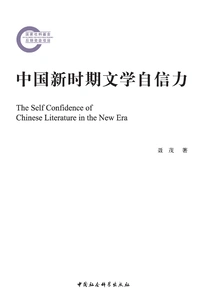
中国新时期文学自信力
Nie Mao
This book stands at the academic forefront of the global context, focuses on the main literary trends of the 1980s, and puts forward the important proposition of "literary self-confidence." By analyzing the text characteristics, aesthetic styles, spiritual pursuits and feelings of family and country of representative writers of literature in the new era, it comprehensively, objectively, truly and vividly presents the unique character of literature in the new era in world literature. The study found that: when economic globalization increasingly demonstrates China's influence, the literature of the new era that accompanied the historical process of reform and opening up not only turned in heavy answers in the world literature examination room and won the respect that international colleagues deserved, but also answered the question of what kind of cultural consciousness and cultural confidence Chinese writers with the rise of the economy should use to write Chinese stories, highlight China's position, and serve as an important window for foreign audiences to understand the real China.
This book stands at the academic forefront of the global context, focuses on the main literary trends of the 1980s, and puts forward the important proposition of "literary self-confidence." By analyzing the text characteristics, aesthetic styles, spiritual pursuits and feelings of family and country of representative writers of literature in the new era, it comprehensively, objectively, truly and vividly presents the unique character of literature in the new era in world literature. The study found that: when economic globalization increasingly demonstrates China's influence, the literature of the new era that accompanied the historical process of reform and opening up not only turned in heavy answers in the world literature examination room and won the respect that international colleagues deserved, but also answered the question of what kind of cultural consciousness and cultural confidence Chinese writers with the rise of the economy should use to write Chinese stories, highlight China's position, and serve as an important window for foreign audiences to understand the real China.
Reading Improvement: Theory and Practice
Literature阅读力提升:理论与实践
Liu Ge Et Al.
This book is divided into theoretical and practical chapters with a total of 8 chapters. The content includes: the history of reading, the meaning of reading, reading objects, types of reading, speed reading skills and training, intensive reading skills and training, whole book reading steps and skills, and reading methods and training of literary works.
This book is divided into theoretical and practical chapters with a total of 8 chapters. The content includes: the history of reading, the meaning of reading, reading objects, types of reading, speed reading skills and training, intensive reading skills and training, whole book reading steps and skills, and reading methods and training of literary works.
初期白话诗选三种
Zhou Wen
The New Poetry Anthology has had an important influence in the process of dissemination and canonization of modern vernacular new poetry. The earliest known anthology of new poems, "New Poems (Part 1)", was published in January 1920, two months earlier than Hu Shi's "Anthology Collection". Compared with the publication of personal poetry collections, various "new poetry anthologies" that collected new poems from various schools not only had a profound impact on the literary world at that time, but their research value deserves the attention of today's scholars. However, anthologies of early vernacular poetry are still scarce documents and have never been seen by most readers except for a few poetry literature experts. "Three Selections of Early Vernacular Poems" includes "Collection of New Poems (Part 1)" (published by the Publishing Department of the New Poetry Society in January 1920), "Selected Collections of Classified Vernacular Poems (One: Five Hundred New Poems)" (published by Shanghai Chongwen Bureau on August 8, 1920) and "Annual Selections of New Poems (1919)" (Published by Shanghai Yadong Library in August 1922), these three poetry anthologies are the earliest known vernacular poetry anthologies, and their selections are precisely the new vernacular poetry of the "May Fourth Movement" period. These three documents are of great benefit to poetry lovers and modern literature researchers in re-understanding early new vernacular poetry. For the convenience of readers, this book has reorganized and arranged the original works while converting them into traditional and simplified versions. While complying with the new publishing standards, this book presents these three poetry selections as closely as possible to the original text for the enjoyment of readers.
The New Poetry Anthology has had an important influence in the process of dissemination and canonization of modern vernacular new poetry. The earliest known anthology of new poems, "New Poems (Part 1)", was published in January 1920, two months earlier than Hu Shi's "Anthology Collection". Compared with the publication of personal poetry collections, various "new poetry anthologies" that collected new poems from various schools not only had a profound impact on the literary world at that time, but their research value deserves the attention of today's scholars. However, anthologies of early vernacular poetry are still scarce documents and have never been seen by most readers except for a few poetry literature experts. "Three Selections of Early Vernacular Poems" includes "Collection of New Poems (Part 1)" (published by the Publishing Department of the New Poetry Society in January 1920), "Selected Collections of Classified Vernacular Poems (One: Five Hundred New Poems)" (published by Shanghai Chongwen Bureau on August 8, 1920) and "Annual Selections of New Poems (1919)" (Published by Shanghai Yadong Library in August 1922), these three poetry anthologies are the earliest known vernacular poetry anthologies, and their selections are precisely the new vernacular poetry of the "May Fourth Movement" period. These three documents are of great benefit to poetry lovers and modern literature researchers in re-understanding early new vernacular poetry. For the convenience of readers, this book has reorganized and arranged the original works while converting them into traditional and simplified versions. While complying with the new publishing standards, this book presents these three poetry selections as closely as possible to the original text for the enjoyment of readers.
中国文学思想史研究论丛(第一辑)
Institute Of Chinese Literary Thought, Capital Normal University
This book aims to create a window to display the research results of Chinese literary thought, to deeply explore the rich connotations of literary concepts, theoretical categories, academic methods and historical development clues in China's excellent traditional literature, to display the original results of Chinese scholars' theoretical methods, to provide useful ideological resources and theoretical reference for the construction of today's literary theory, and to enhance the influence and competitiveness of Chinese culture.
This book aims to create a window to display the research results of Chinese literary thought, to deeply explore the rich connotations of literary concepts, theoretical categories, academic methods and historical development clues in China's excellent traditional literature, to display the original results of Chinese scholars' theoretical methods, to provide useful ideological resources and theoretical reference for the construction of today's literary theory, and to enhance the influence and competitiveness of Chinese culture.
顿河哥萨克的群体精神探寻与历史悲剧:《静静的顿河》新论
Cao Haiyan
This book takes the Soviet writer Sholokhov's novel "The Quiet Don" as the research object. Through the analysis of the image and life course of the novel's protagonist Grigory Melehov, it interprets the Don Cossack group's spiritual pursuit of independence, freedom, justice, peace, homeland and ideal love as its main content. It also explores the tragic historical fate of this group's pursuit of failure in the era of war and revolution in the early 20th century. Sholokhov took historical reality as his basic creative principle and vividly revealed this historical necessity.
This book takes the Soviet writer Sholokhov's novel "The Quiet Don" as the research object. Through the analysis of the image and life course of the novel's protagonist Grigory Melehov, it interprets the Don Cossack group's spiritual pursuit of independence, freedom, justice, peace, homeland and ideal love as its main content. It also explores the tragic historical fate of this group's pursuit of failure in the era of war and revolution in the early 20th century. Sholokhov took historical reality as his basic creative principle and vividly revealed this historical necessity.
西方进步叙事的前现代足迹
Guo Xiaolei
By conducting a horizontal and vertical review of texts from different periods and sequences in Western history, this book strives to find multiple perspectives for understanding the texts, and explores how the "progress narrative" formed, implicitly or explicitly, "before modernity." This book is directly inspired by reality. After all, we living in "postmodernity" are still somewhat inspired by the promise of "progress", and this promise does not come directly from classical China. Exploring the origins of the stories and concepts of "progress" in the West is not only relevant to knowledge, but also to our daily lives. Texts and concepts are not the products of industrial lathes, nor are they the food grown on the land, but the products of thinking - the direct soil where thinking phenomena occur is the history of thinking itself. Out of respect for this basic reality, the tracking of "progress" in this book will be based on grasping the spiritual context and spiritual motivations on which this narrative and conceptual system is generated.
By conducting a horizontal and vertical review of texts from different periods and sequences in Western history, this book strives to find multiple perspectives for understanding the texts, and explores how the "progress narrative" formed, implicitly or explicitly, "before modernity." This book is directly inspired by reality. After all, we living in "postmodernity" are still somewhat inspired by the promise of "progress", and this promise does not come directly from classical China. Exploring the origins of the stories and concepts of "progress" in the West is not only relevant to knowledge, but also to our daily lives. Texts and concepts are not the products of industrial lathes, nor are they the food grown on the land, but the products of thinking - the direct soil where thinking phenomena occur is the history of thinking itself. Out of respect for this basic reality, the tracking of "progress" in this book will be based on grasping the spiritual context and spiritual motivations on which this narrative and conceptual system is generated.
性别视域下托妮·莫里森小说的身体研究(英文)
Ma Yan
This monograph integrates historical context, theoretical research and literary reading practice. It adopts multi-faceted gender theory and body theory in the field of current African American literature and cultural criticism. It starts from the text and adopts the principle of combining theoretical analysis and text close reading. Focusing on the three dimensions of gender, body and history, it conducts in-depth research on the body in the novels of African American female writer Toni Morrison. At the same time, this book also conducts a single analysis of issues such as race, identity, and social class reflected in Morrison's works from a multi-faceted feminist perspective, and strives to expand the research on Morrison's works.
This monograph integrates historical context, theoretical research and literary reading practice. It adopts multi-faceted gender theory and body theory in the field of current African American literature and cultural criticism. It starts from the text and adopts the principle of combining theoretical analysis and text close reading. Focusing on the three dimensions of gender, body and history, it conducts in-depth research on the body in the novels of African American female writer Toni Morrison. At the same time, this book also conducts a single analysis of issues such as race, identity, and social class reflected in Morrison's works from a multi-faceted feminist perspective, and strives to expand the research on Morrison's works.
怦然心动:中国古代文学艺术中的惊奇之美
Li Xiaoyun
Whether in China or the West, in literature and art, "surprise" is a hidden topic that has received widespread attention and has been mentioned by commentators throughout the ages. In the history of Western philosophy, it is generally believed that philosophy originated from surprise. The ancient Greeks were even more surprised by the harmony between man and existence and the unity with all things. Surprise has always been imbued with a strong aesthetic color in ancient Chinese literature and art. It can also be said to be one of the highest value orientations of its literary and artistic ideals. The so-called "words that are not surprising will never stop", "the pen falls in the storm", "the poem becomes so weeping ghosts and gods", etc. Can be regarded as unique descriptions of the aesthetic effect of surprise. Excellent literary and artistic works can often cause strong psychological shock in the recipients, and with their strong artistic appeal, they are repeatedly chanted and amazed by future generations. Wandering around in this kind of works is like wandering in Zhuze or Denglin, wandering with your eyes wandering, feeling your spirit galloping, your soul swaying, and your heart startled. At the same time, you feel as if you have reached a state of freedom and carefreeness, and you can get a materialized aesthetic psychological feeling. It is an indescribable spiritual meeting and spiritual connection, "peak beauty" and "peak passion". At the moment of greatest emotional concentration, you can indulge in the surprising moment of aesthetics and enjoy the passion and joy that comes from it. It can be said that surprise makes the object suddenly open up from its daily concealed state, showing an aesthetic charm that is rarely seen in ordinary times.
Whether in China or the West, in literature and art, "surprise" is a hidden topic that has received widespread attention and has been mentioned by commentators throughout the ages. In the history of Western philosophy, it is generally believed that philosophy originated from surprise. The ancient Greeks were even more surprised by the harmony between man and existence and the unity with all things. Surprise has always been imbued with a strong aesthetic color in ancient Chinese literature and art. It can also be said to be one of the highest value orientations of its literary and artistic ideals. The so-called "words that are not surprising will never stop", "the pen falls in the storm", "the poem becomes so weeping ghosts and gods", etc. Can be regarded as unique descriptions of the aesthetic effect of surprise. Excellent literary and artistic works can often cause strong psychological shock in the recipients, and with their strong artistic appeal, they are repeatedly chanted and amazed by future generations. Wandering around in this kind of works is like wandering in Zhuze or Denglin, wandering with your eyes wandering, feeling your spirit galloping, your soul swaying, and your heart startled. At the same time, you feel as if you have reached a state of freedom and carefreeness, and you can get a materialized aesthetic psychological feeling. It is an indescribable spiritual meeting and spiritual connection, "peak beauty" and "peak passion". At the moment of greatest emotional concentration, you can indulge in the surprising moment of aesthetics and enjoy the passion and joy that comes from it. It can be said that surprise makes the object suddenly open up from its daily concealed state, showing an aesthetic charm that is rarely seen in ordinary times.

北美“留学生作家群”后期写作研究
Peng Guichang
This book takes Nie Hualing, Yu Lihua, Bai Xianyong and other writers who studied in North America from Taiwan as the research object, and points out that their creations after the 1980s are quite different from the "overseas student literature" of the 1960s and 1970s. In their later writing, writers integrated into the local culture and constructed their own identity in the United States through writing about their "new home"; they pursued the roots of culture and continued their parent culture through writing about their "homeland"; they used "marginal" writing to reconstruct the identity legitimacy of minority groups and deconstruct the "center-periphery" power structure of mainstream discourse. The "Group of Foreign Student Writers" in North America "goes to the West and returns to the East" with their later writing.
This book takes Nie Hualing, Yu Lihua, Bai Xianyong and other writers who studied in North America from Taiwan as the research object, and points out that their creations after the 1980s are quite different from the "overseas student literature" of the 1960s and 1970s. In their later writing, writers integrated into the local culture and constructed their own identity in the United States through writing about their "new home"; they pursued the roots of culture and continued their parent culture through writing about their "homeland"; they used "marginal" writing to reconstruct the identity legitimacy of minority groups and deconstruct the "center-periphery" power structure of mainstream discourse. The "Group of Foreign Student Writers" in North America "goes to the West and returns to the East" with their later writing.
五四复调:疑古思潮与白话文学史的建构
Chen Anfeng
This book mainly re-examines the construction of the history of vernacular literature from the perspective of anti-ancient thoughts, with both historical tracing and synchronic comparison: the former is reflected in the key role played by anti-ancient thoughts in the construction of the history of vernacular literature; the latter can be seen in Hu Shi and Gu Jiegang's discussions on the methodology of constructing the history of vernacular literature, the theory of folk literature, and the relationship between the history of vernacular literature and nationalism. For the first time, this book regards Gu Jiegang as a key figure who jointly constructed the history of vernacular literature with Hu Shi. In short, this book involves not only a discussion of the history of vernacular literature, but also a review and revaluation of modern academic history.
This book mainly re-examines the construction of the history of vernacular literature from the perspective of anti-ancient thoughts, with both historical tracing and synchronic comparison: the former is reflected in the key role played by anti-ancient thoughts in the construction of the history of vernacular literature; the latter can be seen in Hu Shi and Gu Jiegang's discussions on the methodology of constructing the history of vernacular literature, the theory of folk literature, and the relationship between the history of vernacular literature and nationalism. For the first time, this book regards Gu Jiegang as a key figure who jointly constructed the history of vernacular literature with Hu Shi. In short, this book involves not only a discussion of the history of vernacular literature, but also a review and revaluation of modern academic history.