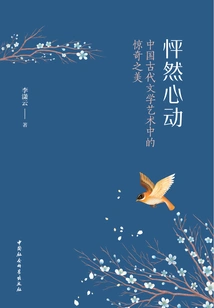
Heart-pounding: the Surprising Beauty in Ancient Chinese Literature and Art
by Li Xiaoyun
About This Novel
Whether in China or the West, in literature and art, "surprise" is a hidden topic that has received widespread attention and has been mentioned by commentators throughout the ages. In the history of Western philosophy, it is generally believed that philosophy originated from surprise. The ancient Greeks were even more surprised by the harmony between man and existence and the unity with all things. Surprise has always been imbued with a strong aesthetic color in ancient Chinese literature and art. It can also be said to be one of the highest value orientations of its literary and artistic ideals. The so-called "words that are not surprising will never stop", "the pen falls in the storm", "the poem becomes so weeping ghosts and gods", etc. Can be regarded as unique descriptions of the aesthetic effect of surprise. Excellent literary and artistic works can often cause strong psychological shock in the recipients, and with their strong artistic appeal, they are repeatedly chanted and amazed by future generations. Wandering around in this kind of works is like wandering in Zhuze or Denglin, wandering with your eyes wandering, feeling your spirit galloping, your soul swaying, and your heart startled. At the same time, you feel as if you have reached a state of freedom and carefreeness, and you can get a materialized aesthetic psychological feeling. It is an indescribable spiritual meeting and spiritual connection, "peak beauty" and "peak passion". At the moment of greatest emotional concentration, you can indulge in the surprising moment of aesthetics and enjoy the passion and joy that comes from it. It can be said that surprise makes the object suddenly open up from its daily concealed state, showing an aesthetic charm that is rarely seen in ordinary times.
Official Sources
What Readers Think
Rating
Community(0)
Rating
Community(0)