Library
Browse and search books
2,273 novels found
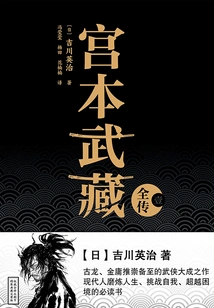
The Complete Biography of Miyamoto Musashi (1)
General Fiction宫本武藏全传(壹)
I
Miyamoto Musashi, a well-known legend in Japan. A Japanese swordsman, strategist, and artist from the late Warring States Period to the early Edo Period. In the hearts of the Japanese, Miyamoto Musashi is a strong man, a wise man, a philosopher, a martial artist, and the eternal winner. We have only read half of "Miyamoto Musashi" so far. "Miyamoto Musashi" by Eiji Yoshikawa is actually just a prequel to "The Complete Biography of Miyamoto Musashi", and "Miyamoto Musashi" by Koyama Katsuki is its postquel. Only by reading the complete "The Complete Biography of Miyamoto Musashi" can we understand the real Miyamoto Musashi. This book describes the complete life legend of the sword master Miyamoto Musashi, reveals the spiritual code and cultural spirit of the Japanese nation, awakens sensitive, impetuous, and weak modern people, and regains the strong mental outlook, dreams and sincere pursuit of life possessed by human beings. It is a must-read for modern people to temper their lives, challenge themselves, and overcome difficulties. There are five volumes in total. "The Complete Biography of Miyamoto Musashi 1" contains the content of three volumes: the volume of earth, the volume of water, and the volume of fire.
Miyamoto Musashi, a well-known legend in Japan. A Japanese swordsman, strategist, and artist from the late Warring States Period to the early Edo Period. In the hearts of the Japanese, Miyamoto Musashi is a strong man, a wise man, a philosopher, a martial artist, and the eternal winner. We have only read half of "Miyamoto Musashi" so far. "Miyamoto Musashi" by Eiji Yoshikawa is actually just a prequel to "The Complete Biography of Miyamoto Musashi", and "Miyamoto Musashi" by Koyama Katsuki is its postquel. Only by reading the complete "The Complete Biography of Miyamoto Musashi" can we understand the real Miyamoto Musashi. This book describes the complete life legend of the sword master Miyamoto Musashi, reveals the spiritual code and cultural spirit of the Japanese nation, awakens sensitive, impetuous, and weak modern people, and regains the strong mental outlook, dreams and sincere pursuit of life possessed by human beings. It is a must-read for modern people to temper their lives, challenge themselves, and overcome difficulties. There are five volumes in total. "The Complete Biography of Miyamoto Musashi 1" contains the content of three volumes: the volume of earth, the volume of water, and the volume of fire.
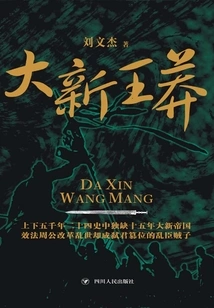
Daxin Wang Mang (top, Middle, Bottom)
General Fiction大新王莽(上、中、下)
Liu Wenjie
This book is a historical novel with the new emperor Wang Mang as the protagonist. It has about 1.2 Million words and is divided into three volumes: the first, middle and second volumes. Based on "The True Story of Wang Mang" (Part 1 and 2), a biography published in 2002 that is faithful to historical documents, the author rediscovers history. From a new perspective and using a literary style, he describes the era of darkness and hope, conservativeness and reform in the late Western Han Dynasty.
This book is a historical novel with the new emperor Wang Mang as the protagonist. It has about 1.2 Million words and is divided into three volumes: the first, middle and second volumes. Based on "The True Story of Wang Mang" (Part 1 and 2), a biography published in 2002 that is faithful to historical documents, the author rediscovers history. From a new perspective and using a literary style, he describes the era of darkness and hope, conservativeness and reform in the late Western Han Dynasty.
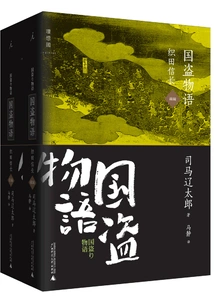
国盗物语:织田信长(套装共两册)
J
Preface: After conquering Mino, Saito Douzan fell under the blade of his adopted son Yoshiryu's rebellion. He placed his dream of unifying the world on his son-in-law Oda Nobunaga. Nobunaga, who suddenly attacked Imagawa Yoshimoto at the beginning of the Yuan Dynasty, took the opportunity to avenge his father-in-law Dozo, and got the help of his wise ministers Kinoshita Tokichiro and Takenaka Hanbei to outwit Mino. Nobunaga, who aspired to go to the capital, then prepared to dominate the Kyoto area... This article describes Nobunaga's innovative tactics and employment skills, and shows his strong and angry personality through his adviser Akechi Mitsuhide. Post-editing: Oda Nobunaga, who launched his attack at lightning speed, was able to go to the capital, support Ashikaga Yoshiaki as general, and gradually implement the ideal of spreading military force all over the world. However, an insurmountable gap developed between Nobunaga and his important minister Akechi Mitsuhide. The extroverted passion and the delicate feeling of introverted depression - both of them were favored by Saito Dozo, and they admired each other's talents but were ultimately incompatible. As the final chapter, this chapter depicts two strong personalities with a modern sense and reveals the truth of the "Honnoji Incident".
Preface: After conquering Mino, Saito Douzan fell under the blade of his adopted son Yoshiryu's rebellion. He placed his dream of unifying the world on his son-in-law Oda Nobunaga. Nobunaga, who suddenly attacked Imagawa Yoshimoto at the beginning of the Yuan Dynasty, took the opportunity to avenge his father-in-law Dozo, and got the help of his wise ministers Kinoshita Tokichiro and Takenaka Hanbei to outwit Mino. Nobunaga, who aspired to go to the capital, then prepared to dominate the Kyoto area... This article describes Nobunaga's innovative tactics and employment skills, and shows his strong and angry personality through his adviser Akechi Mitsuhide. Post-editing: Oda Nobunaga, who launched his attack at lightning speed, was able to go to the capital, support Ashikaga Yoshiaki as general, and gradually implement the ideal of spreading military force all over the world. However, an insurmountable gap developed between Nobunaga and his important minister Akechi Mitsuhide. The extroverted passion and the delicate feeling of introverted depression - both of them were favored by Saito Dozo, and they admired each other's talents but were ultimately incompatible. As the final chapter, this chapter depicts two strong personalities with a modern sense and reveals the truth of the "Honnoji Incident".
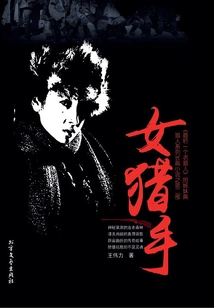
Huntress
General Fiction女猎手
Wang Weili
This book is a novel and a companion volume to "The Last Old Hunter". It tells the legendary story of how Wang Errui, the second daughter of hunter Wang Dazhi, grew up to be a resourceful and brave huntress who suppressed bandits and defended her family and country in the Northeast. The author's purpose in writing this novel is to let people remember the history of Heilongjiang people's arduous and indomitable struggle, to know the hungry, cold, and arduous life of Heilongjiang people living in the ice and snow, to understand Heilongjiang's customs and natural resources, to inherit the heroic, tenacious, and fearless spirit of Heilongjiang people's fight against nature, beards, and devils, and to remember those heroes and martyrs who resisted aggression in order to defend their homeland and country.
This book is a novel and a companion volume to "The Last Old Hunter". It tells the legendary story of how Wang Errui, the second daughter of hunter Wang Dazhi, grew up to be a resourceful and brave huntress who suppressed bandits and defended her family and country in the Northeast. The author's purpose in writing this novel is to let people remember the history of Heilongjiang people's arduous and indomitable struggle, to know the hungry, cold, and arduous life of Heilongjiang people living in the ice and snow, to understand Heilongjiang's customs and natural resources, to inherit the heroic, tenacious, and fearless spirit of Heilongjiang people's fight against nature, beards, and devils, and to remember those heroes and martyrs who resisted aggression in order to defend their homeland and country.
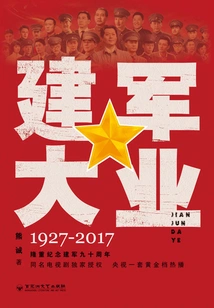
The Great Cause of Building an Army
General Fiction建军大业
Xiong Cheng
This book begins with the Iron Armored Corps of Generalissimo Sun Yat-sen and ends at the Gutian Conference, covering a span of six years. It describes in detail the great journey of the people's army from being weak and difficult in its infancy to developing and developing the idea of building an army. It involves a series of major historical events such as the Whampoa Military Academy, the Northern Expedition, the April 12th Coup, the Nanchang Uprising, the Autumn Harvest Uprising, the Guangzhou Uprising, and the Shonan Uprising. It eulogizes the glorious history of the establishment, growth, and expansion of the people's army under the leadership of the Communist Party of China.
This book begins with the Iron Armored Corps of Generalissimo Sun Yat-sen and ends at the Gutian Conference, covering a span of six years. It describes in detail the great journey of the people's army from being weak and difficult in its infancy to developing and developing the idea of building an army. It involves a series of major historical events such as the Whampoa Military Academy, the Northern Expedition, the April 12th Coup, the Nanchang Uprising, the Autumn Harvest Uprising, the Guangzhou Uprising, and the Shonan Uprising. It eulogizes the glorious history of the establishment, growth, and expansion of the people's army under the leadership of the Communist Party of China.
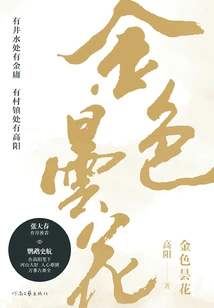
Golden Epiphyllum
General Fiction金色昙花
Gaoyang
This book tells the story of regime changes, politicians and warlords competing for power and intrigue in the eight years from 1916 when Yuan Shikai failed to proclaim himself emperor to 1924 when the Zhili warlords were defeated in the Second Zhili-Fengtian War. The battle between the imperial court, Zhang Xun's restoration, the Paris Peace Conference, the burning of Zhaojia Tower, the Zhi-Wan war, the Zhi-Feng war, the coup in Beijing, Puyi's departure from the palace... Detailed description of the causes and consequences of each major event. Kang Youwei, Liang Qichao, Duan Qirui, Zhang Xun, Feng Yuxiang, Wu Peifu, Zhang Zuolin... Tell the ups and downs and merits and demerits of each influential figure. "Right and wrong, success and failure turn around in vain", everything is like a golden epiphyllum, which shines for a moment and then withers.
This book tells the story of regime changes, politicians and warlords competing for power and intrigue in the eight years from 1916 when Yuan Shikai failed to proclaim himself emperor to 1924 when the Zhili warlords were defeated in the Second Zhili-Fengtian War. The battle between the imperial court, Zhang Xun's restoration, the Paris Peace Conference, the burning of Zhaojia Tower, the Zhi-Wan war, the Zhi-Feng war, the coup in Beijing, Puyi's departure from the palace... Detailed description of the causes and consequences of each major event. Kang Youwei, Liang Qichao, Duan Qirui, Zhang Xun, Feng Yuxiang, Wu Peifu, Zhang Zuolin... Tell the ups and downs and merits and demerits of each influential figure. "Right and wrong, success and failure turn around in vain", everything is like a golden epiphyllum, which shines for a moment and then withers.
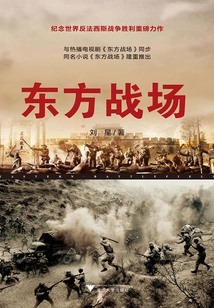
Eastern Battlefield
General Fiction东方战场
Liu Xing
The book is a revolutionary historical novel. It tells the story of the Japanese Kwantung Army's surprise attack on the Beida Camp in Shenyang in 1931, which kicked off a fourteen-year anti-aggression war. From that day on, China became the main battlefield against fascism - the Eastern battlefield. In the past fourteen years, the Communist Party of China has held high the great banner of the national united front and has always stood on the front line of the Eastern battlefield. Together with people of all ethnic groups and all walks of life across the country, they have fought bravely and fought tenaciously and successively. This has demonstrated the great ideals, lofty pursuits and fearless spirit of sacrifice of the Chinese Communists. At the same time, it has also eulogized the heroic deeds of the outstanding sons and daughters of the Chinese nation. In this war and on this battlefield, the Chinese nation won its due status among the nations of the world, and China won its dignity.
The book is a revolutionary historical novel. It tells the story of the Japanese Kwantung Army's surprise attack on the Beida Camp in Shenyang in 1931, which kicked off a fourteen-year anti-aggression war. From that day on, China became the main battlefield against fascism - the Eastern battlefield. In the past fourteen years, the Communist Party of China has held high the great banner of the national united front and has always stood on the front line of the Eastern battlefield. Together with people of all ethnic groups and all walks of life across the country, they have fought bravely and fought tenaciously and successively. This has demonstrated the great ideals, lofty pursuits and fearless spirit of sacrifice of the Chinese Communists. At the same time, it has also eulogized the heroic deeds of the outstanding sons and daughters of the Chinese nation. In this war and on this battlefield, the Chinese nation won its due status among the nations of the world, and China won its dignity.
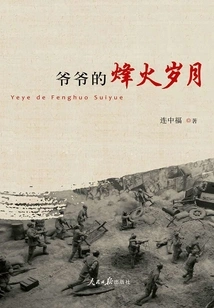
Grandpa's War Years
General Fiction爷爷的烽火岁月
Lien Chung Fu
The author of this book has collected and compiled touching stories of ordinary people in Changshan County, Zhejiang Province, who fought and sacrificed for the people of the motherland in the face of the national crisis. The owners of these stories have become farther and farther away from us, and the stories they left behind have gradually become blurred with their figures, and some have gradually disappeared. We should remember this tragic history written with the blood of our ancestors. The manuscript creates a group portrait of heroic people through vivid stories.
The author of this book has collected and compiled touching stories of ordinary people in Changshan County, Zhejiang Province, who fought and sacrificed for the people of the motherland in the face of the national crisis. The owners of these stories have become farther and farther away from us, and the stories they left behind have gradually become blurred with their figures, and some have gradually disappeared. We should remember this tragic history written with the blood of our ancestors. The manuscript creates a group portrait of heroic people through vivid stories.
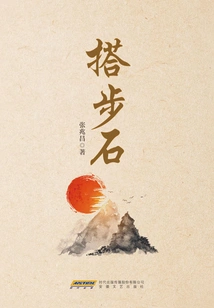
Stepping Stone
General Fiction搭步石
Zhang Zhaochang
This book is a chapter-length novel, based on the serial "Che Jian Lu" published by the author at the special request of "People's Democracy Daily". The whole book takes legal education as the main line and promotes social morality through typical cases. Through the ideological changes of the characters, the legal orientation, moral orientation and cultural orientation are reflected.
This book is a chapter-length novel, based on the serial "Che Jian Lu" published by the author at the special request of "People's Democracy Daily". The whole book takes legal education as the main line and promotes social morality through typical cases. Through the ideological changes of the characters, the legal orientation, moral orientation and cultural orientation are reflected.
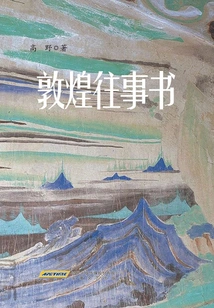
Dunhuang Past Chronicles
General Fiction敦煌往事书
Takano
The Book of Past Events in Dunhuang is a novel in which the author uses the techniques of ancient Greek tragedy to describe the life of Mingyue Nu, a young muralist in Dunhuang during the Tang Dynasty. During the Tang Dynasty, it was popular for famous families to open caves for painting in Dunhuang, and the outstanding muralist Mingyue Nu was in high demand. However, Mingyue Nu was never satisfied with his works. He always pursued the realm of integrating human and painting. An accidental eye disease allowed him to see pictures that others could not see, which opened up a new aspect of his artistic creation, and the mystery of his own life experience was slowly revealed.
The Book of Past Events in Dunhuang is a novel in which the author uses the techniques of ancient Greek tragedy to describe the life of Mingyue Nu, a young muralist in Dunhuang during the Tang Dynasty. During the Tang Dynasty, it was popular for famous families to open caves for painting in Dunhuang, and the outstanding muralist Mingyue Nu was in high demand. However, Mingyue Nu was never satisfied with his works. He always pursued the realm of integrating human and painting. An accidental eye disease allowed him to see pictures that others could not see, which opened up a new aspect of his artistic creation, and the mystery of his own life experience was slowly revealed.
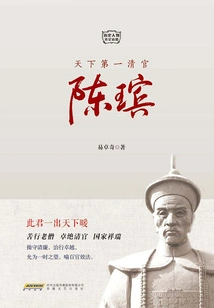
Chen Yao, the Most Honest Official in the World
General Fiction天下第一清官陈瑸
Yi Zhuoqi
This book is a biographical novel of historical figures. The protagonist is Chen Yu, an official during the Kangxi period of the Qing Dynasty. He has successively served as the magistrate of Gutian County, the county magistrate of Taiwan, the Taixia Military Prefecture, the magistrate of Taiwan, the governor of Pianyuan (Hunan), the governor of Fujian, and the governor of Fujian and Zhejiang. In particular, he has served as the longest-serving official in Taiwan and is the first person to govern Taiwan. Make great contributions to Taiwan's civilization and progress and the country's unity and strength. The work successfully created the image of Chen Yao as an upright official and capable minister, which has great reference value in today's era of fighting corruption, promoting integrity, and governing for the people.
This book is a biographical novel of historical figures. The protagonist is Chen Yu, an official during the Kangxi period of the Qing Dynasty. He has successively served as the magistrate of Gutian County, the county magistrate of Taiwan, the Taixia Military Prefecture, the magistrate of Taiwan, the governor of Pianyuan (Hunan), the governor of Fujian, and the governor of Fujian and Zhejiang. In particular, he has served as the longest-serving official in Taiwan and is the first person to govern Taiwan. Make great contributions to Taiwan's civilization and progress and the country's unity and strength. The work successfully created the image of Chen Yao as an upright official and capable minister, which has great reference value in today's era of fighting corruption, promoting integrity, and governing for the people.
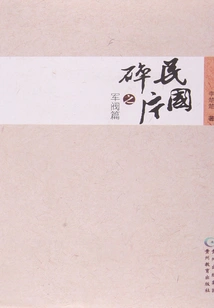
Fragments of the Republic of China: Warlords
General Fiction民国碎片之军阀篇
Li Chuchu
In the troubled times of the Republic of China, heroes emerged in large numbers. This was an era rich in warlords. They held their own troops and separated themselves from each other. They were like meteors, suddenly streaking across the chaotic sky, leaving their own unique marks on the curtain of time. They were like wildfires, burning on the grassland of history, illuminating that rough life. The warlords of the Republic of China can be divided into factions: the Beiyang Clan, the Anhui Clique, the Zhili Clan, the Fengcian Clan, the Northwest Clique, etc. All of them had heavy troops and separated themselves into kings. In 1911, when the Revolution of 1911 overthrew the Qing Dynasty, these warlords began to appear bustling on the big stage of the Republic of China. You sing and I appear, each leading the way for three to five years.
In the troubled times of the Republic of China, heroes emerged in large numbers. This was an era rich in warlords. They held their own troops and separated themselves from each other. They were like meteors, suddenly streaking across the chaotic sky, leaving their own unique marks on the curtain of time. They were like wildfires, burning on the grassland of history, illuminating that rough life. The warlords of the Republic of China can be divided into factions: the Beiyang Clan, the Anhui Clique, the Zhili Clan, the Fengcian Clan, the Northwest Clique, etc. All of them had heavy troops and separated themselves into kings. In 1911, when the Revolution of 1911 overthrew the Qing Dynasty, these warlords began to appear bustling on the big stage of the Republic of China. You sing and I appear, each leading the way for three to five years.
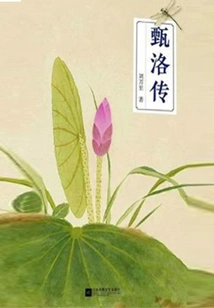
The Legend of Zhen Luo
General Fiction甄洛传
Liu Wanli
This novel tells the story of the emotional entanglement between a woman and three men, Cao Cao, Cao Pi, Cao Zhi, and her first love Liu Zongbiao in the war-torn Three Kingdoms. Through the vision of a woman, it shows the disputes and grievances of the Three Kingdoms. The storyline is ups and downs, exciting and fascinating. It is a good selling point and interesting novel.
This novel tells the story of the emotional entanglement between a woman and three men, Cao Cao, Cao Pi, Cao Zhi, and her first love Liu Zongbiao in the war-torn Three Kingdoms. Through the vision of a woman, it shows the disputes and grievances of the Three Kingdoms. The storyline is ups and downs, exciting and fascinating. It is a good selling point and interesting novel.
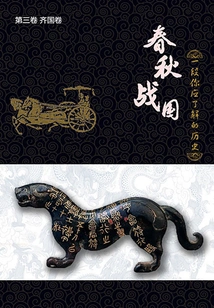
The Spring and Autumn Period and the Warring States Period: a History You Should Know (volume 3)
General Fiction春秋战国:一段你应了解的历史(第三卷)
Thatched Cottage Xiaosheng
The history of the Spring and Autumn Period and the Warring States Period is both familiar and unfamiliar to us ordinary people. What is familiar is that there were familiar historical figures in that era, such as Gou Jian and Qu Yuan; what is unfamiliar is that that era is too far away from us, and the stories and background of this period of history are almost blank to us. Although it is very far away and unfamiliar, the history of the Spring and Autumn Period and the Warring States Period is the period of history that we should most understand and learn from. China's thousands of years of feudal culture and national culture originated here. It is the "childhood" of our Chinese culture and has profoundly influenced the politics, thought and culture of our Chinese people.
The history of the Spring and Autumn Period and the Warring States Period is both familiar and unfamiliar to us ordinary people. What is familiar is that there were familiar historical figures in that era, such as Gou Jian and Qu Yuan; what is unfamiliar is that that era is too far away from us, and the stories and background of this period of history are almost blank to us. Although it is very far away and unfamiliar, the history of the Spring and Autumn Period and the Warring States Period is the period of history that we should most understand and learn from. China's thousands of years of feudal culture and national culture originated here. It is the "childhood" of our Chinese culture and has profoundly influenced the politics, thought and culture of our Chinese people.
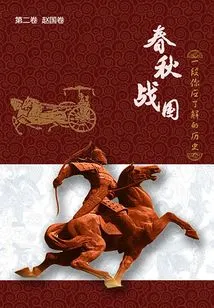
The Spring and Autumn Period and the Warring States Period: a History You Should Know (volume 2)
General Fiction春秋战国:一段你应了解的历史(第二卷)
Thatched Cottage Xiaosheng
The history of the Spring and Autumn Period and the Warring States Period is both familiar and unfamiliar to us ordinary people. What is familiar is that there were familiar historical figures in that era, such as Gou Jian and Qu Yuan; what is unfamiliar is that that era is too far away from us, and the stories and background of this period of history are almost blank to us. Although it is very far away and unfamiliar, the history of the Spring and Autumn Period and the Warring States Period is the period of history that we should most understand and learn from. China's thousands of years of feudal culture and national culture originated here. It is the "childhood" of our Chinese culture and has profoundly influenced the politics, thought and culture of our Chinese people.
The history of the Spring and Autumn Period and the Warring States Period is both familiar and unfamiliar to us ordinary people. What is familiar is that there were familiar historical figures in that era, such as Gou Jian and Qu Yuan; what is unfamiliar is that that era is too far away from us, and the stories and background of this period of history are almost blank to us. Although it is very far away and unfamiliar, the history of the Spring and Autumn Period and the Warring States Period is the period of history that we should most understand and learn from. China's thousands of years of feudal culture and national culture originated here. It is the "childhood" of our Chinese culture and has profoundly influenced the politics, thought and culture of our Chinese people.
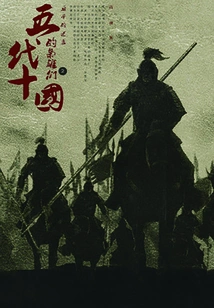
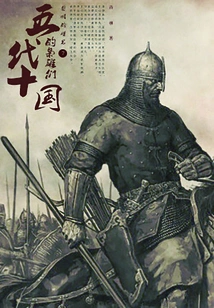
五代十国的枭雄们4:亚子的逆袭
Pony Chain
Read "Minna" in prosperous times, and "Five Dynasties" in troubled times. The first vernacular historical book in history that gives a panoramic description of the troubled times of the Five Dynasties and Ten Kingdoms shows you the spectrum of heroic beings. He is as treacherous as Cao Cao, as brave as Lu Bu, as courageous as Zilong, as loyal as Guan Yu, as righteous as Zhang Fei, as wise as Kong Ming, as benevolent as Liu Bei, and as handsome as Zhou Yu. The five generations of heroes mobilized to interpret an era more exciting than the Three Kingdoms!
Read "Minna" in prosperous times, and "Five Dynasties" in troubled times. The first vernacular historical book in history that gives a panoramic description of the troubled times of the Five Dynasties and Ten Kingdoms shows you the spectrum of heroic beings. He is as treacherous as Cao Cao, as brave as Lu Bu, as courageous as Zilong, as loyal as Guan Yu, as righteous as Zhang Fei, as wise as Kong Ming, as benevolent as Liu Bei, and as handsome as Zhou Yu. The five generations of heroes mobilized to interpret an era more exciting than the Three Kingdoms!
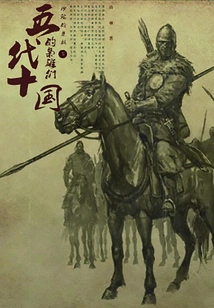
五代十国的枭雄们7:黎明的曙光
Pony Chain
Read "Ming Na" in prosperous times, and read "Five Dynasties" in troubled times. He is as treacherous as Cao Cao, as brave as Lu Bu, as courageous as Zilong, as loyal as Guan Yu, as righteous as Zhang Fei, as wise as Kong Ming, as benevolent as Liu Bei, and as handsome as Zhou Yu. The five generations of heroes mobilized to interpret an era more exciting than the Three Kingdoms! "Heroes of the Five Dynasties and Ten Kingdoms" is the first vernacular historical book in history that gives a panoramic description of the troubled times of the Five Dynasties and Ten Kingdoms, showing you the spectrum of heroes.
Read "Ming Na" in prosperous times, and read "Five Dynasties" in troubled times. He is as treacherous as Cao Cao, as brave as Lu Bu, as courageous as Zilong, as loyal as Guan Yu, as righteous as Zhang Fei, as wise as Kong Ming, as benevolent as Liu Bei, and as handsome as Zhou Yu. The five generations of heroes mobilized to interpret an era more exciting than the Three Kingdoms! "Heroes of the Five Dynasties and Ten Kingdoms" is the first vernacular historical book in history that gives a panoramic description of the troubled times of the Five Dynasties and Ten Kingdoms, showing you the spectrum of heroes.
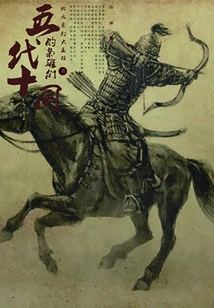
五代十国的枭雄们 5:沙陀的皇朝
Pony Chain
Read "Minna" in prosperous times, and "Five Dynasties" in troubled times. The first vernacular historical book in history that gives a panoramic description of the troubled times of the Five Dynasties and Ten Kingdoms shows you the spectrum of heroic beings. He is as treacherous as Cao Cao, as brave as Lu Bu, as courageous as Zilong, as loyal as Guan Yu, as righteous as Zhang Fei, as wise as Kong Ming, as benevolent as Liu Bei, and as handsome as Zhou Yu. The five generations of heroes mobilized to interpret an era more exciting than the Three Kingdoms!
Read "Minna" in prosperous times, and "Five Dynasties" in troubled times. The first vernacular historical book in history that gives a panoramic description of the troubled times of the Five Dynasties and Ten Kingdoms shows you the spectrum of heroic beings. He is as treacherous as Cao Cao, as brave as Lu Bu, as courageous as Zilong, as loyal as Guan Yu, as righteous as Zhang Fei, as wise as Kong Ming, as benevolent as Liu Bei, and as handsome as Zhou Yu. The five generations of heroes mobilized to interpret an era more exciting than the Three Kingdoms!
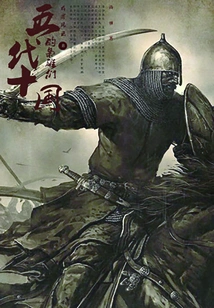
Heroes of the Five Dynasties and Ten Kingdoms 6: Changing King's Flag on the City Wall
General Fiction五代十国的枭雄们6:城头变幻大王旗
Pony Chain
Read "Ming Na" in prosperous times, and read "Five Dynasties" in troubled times. He is as treacherous as Cao Cao, as brave as Lu Bu, as courageous as Zilong, as loyal as Guan Yu, as righteous as Zhang Fei, as wise as Kong Ming, as benevolent as Liu Bei, and as handsome as Zhou Yu. The five generations of heroes mobilized to interpret an era more exciting than the Three Kingdoms! "Heroes of the Five Dynasties and Ten Kingdoms" is the first vernacular historical book in history that gives a panoramic description of the troubled times of the Five Dynasties and Ten Kingdoms, showing you the spectrum of heroes.
Read "Ming Na" in prosperous times, and read "Five Dynasties" in troubled times. He is as treacherous as Cao Cao, as brave as Lu Bu, as courageous as Zilong, as loyal as Guan Yu, as righteous as Zhang Fei, as wise as Kong Ming, as benevolent as Liu Bei, and as handsome as Zhou Yu. The five generations of heroes mobilized to interpret an era more exciting than the Three Kingdoms! "Heroes of the Five Dynasties and Ten Kingdoms" is the first vernacular historical book in history that gives a panoramic description of the troubled times of the Five Dynasties and Ten Kingdoms, showing you the spectrum of heroes.
五代十国的枭雄们 8:前蜀风云
Pony Chain
Read "Ming Na" in prosperous times, and read "Five Dynasties" in troubled times. He is as treacherous as Cao Cao, as brave as Lu Bu, as courageous as Zilong, as loyal as Guan Yu, as righteous as Zhang Fei, as wise as Kong Ming, as benevolent as Liu Bei, and as handsome as Zhou Yu. The five generations of heroes mobilized to interpret an era more exciting than the Three Kingdoms! "Heroes of the Five Dynasties and Ten Kingdoms" is the first vernacular historical book in history that gives a panoramic description of the troubled times of the Five Dynasties and Ten Kingdoms, showing you the spectrum of heroes.
Read "Ming Na" in prosperous times, and read "Five Dynasties" in troubled times. He is as treacherous as Cao Cao, as brave as Lu Bu, as courageous as Zilong, as loyal as Guan Yu, as righteous as Zhang Fei, as wise as Kong Ming, as benevolent as Liu Bei, and as handsome as Zhou Yu. The five generations of heroes mobilized to interpret an era more exciting than the Three Kingdoms! "Heroes of the Five Dynasties and Ten Kingdoms" is the first vernacular historical book in history that gives a panoramic description of the troubled times of the Five Dynasties and Ten Kingdoms, showing you the spectrum of heroes.
Heroes of the Five Dynasties and Ten Kingdoms 3: the Competition between Liang and Jin
General Fiction五代十国的枭雄们 3:梁晋的角逐
Pony Chain
Read Ming Na in prosperous times, read Five Dynasties in troubled times. The first vernacular historical book in history that gives a panoramic description of the troubled times of the Five Dynasties and Ten Kingdoms, showing you the spectrum of heroic beings. He is as treacherous as Cao Cao, as brave as Lu Bu, as courageous as Zilong, as loyal as Guan Yu, as righteous as Zhang Fei, as wise as Kong Ming, as benevolent as Liu Bei, and as handsome as Zhou Yu. The five generations of heroes mobilized to interpret an era more exciting than the Three Kingdoms!
Read Ming Na in prosperous times, read Five Dynasties in troubled times. The first vernacular historical book in history that gives a panoramic description of the troubled times of the Five Dynasties and Ten Kingdoms, showing you the spectrum of heroic beings. He is as treacherous as Cao Cao, as brave as Lu Bu, as courageous as Zilong, as loyal as Guan Yu, as righteous as Zhang Fei, as wise as Kong Ming, as benevolent as Liu Bei, and as handsome as Zhou Yu. The five generations of heroes mobilized to interpret an era more exciting than the Three Kingdoms!
五代十国的枭雄们2:枭雄的盛宴
Pony Chain
We read "Those Things in the Ming Dynasty" and Wu read "Heroes of the Five Dynasties and Ten Kingdoms". This is the first vernacular reading book in history that provides a panoramic interpretation of the troubled times of the Five Dynasties and Ten Kingdoms. A panoramic description of the most chaotic period of war between heroes in Chinese history.
We read "Those Things in the Ming Dynasty" and Wu read "Heroes of the Five Dynasties and Ten Kingdoms". This is the first vernacular reading book in history that provides a panoramic interpretation of the troubled times of the Five Dynasties and Ten Kingdoms. A panoramic description of the most chaotic period of war between heroes in Chinese history.
五代十国的枭雄们 1:满城尽带黄金甲
Pony Chain
Read Ming Na in prosperous times, read Five Dynasties in troubled times. He is as treacherous as Cao Cao, as brave as Lu Bu, as courageous as Zilong, as loyal as Guan Yu, as righteous as Zhang Fei, as wise as Kong Ming, as benevolent as Liu Bei, and as handsome as Zhou Yu. The five generations of heroes mobilized to interpret an era more exciting than the Three Kingdoms! "Heroes of the Five Dynasties and Ten Kingdoms" is the first vernacular historical book in history that gives a panoramic description of the troubled times of the Five Dynasties and Ten Kingdoms, showing you the spectrum of heroes. Features: 1. Starting from human nature, it goes straight into the heart of the hero and shows a different history of struggle for hegemony in troubled times. 2. The language is vivid, the descriptions are nuanced, and the writing style is borrowed from the novel. The whole story is smooth and makes people unable to put it down. 3. Fully comment on historical events and use modern management knowledge to interpret them, making it beneficial for readers to open the book.
Read Ming Na in prosperous times, read Five Dynasties in troubled times. He is as treacherous as Cao Cao, as brave as Lu Bu, as courageous as Zilong, as loyal as Guan Yu, as righteous as Zhang Fei, as wise as Kong Ming, as benevolent as Liu Bei, and as handsome as Zhou Yu. The five generations of heroes mobilized to interpret an era more exciting than the Three Kingdoms! "Heroes of the Five Dynasties and Ten Kingdoms" is the first vernacular historical book in history that gives a panoramic description of the troubled times of the Five Dynasties and Ten Kingdoms, showing you the spectrum of heroes. Features: 1. Starting from human nature, it goes straight into the heart of the hero and shows a different history of struggle for hegemony in troubled times. 2. The language is vivid, the descriptions are nuanced, and the writing style is borrowed from the novel. The whole story is smooth and makes people unable to put it down. 3. Fully comment on historical events and use modern management knowledge to interpret them, making it beneficial for readers to open the book.
Q
General FictionQ
H
"Chronicles of the Nations of the Eastern Zhou Dynasty" is a chapter-length historical novel describing the history of my country's Eastern Zhou Dynasty. It relatively comprehensively reflects the deeds of various countries competing for hegemony and dominance during the Eastern Zhou Dynasty for more than a hundred years. The whole book is based on the famous ancient historical books "Zuo Zhuan", "Guoyu", "Warring States Policy" and "Historical Records" as the basic basis for narration, and takes the Five Hegemons of the Spring and Autumn Period and the Seven Heroes of the Warring States Period as the main line. The grand scenes, the large time span, the complexity of the events, the number of characters, and the profound descriptions are difficult to match in the history books of later generations. The stories connected in chronological order contain the political strategy of strengthening the army and enriching the people, the diplomatic wisdom of all-in-one, and the philosophy of life in dealing with the world. They enable people to gain a high-level overall thinking and profound and pure cultural nourishment, which has far-reaching influence.
"Chronicles of the Nations of the Eastern Zhou Dynasty" is a chapter-length historical novel describing the history of my country's Eastern Zhou Dynasty. It relatively comprehensively reflects the deeds of various countries competing for hegemony and dominance during the Eastern Zhou Dynasty for more than a hundred years. The whole book is based on the famous ancient historical books "Zuo Zhuan", "Guoyu", "Warring States Policy" and "Historical Records" as the basic basis for narration, and takes the Five Hegemons of the Spring and Autumn Period and the Seven Heroes of the Warring States Period as the main line. The grand scenes, the large time span, the complexity of the events, the number of characters, and the profound descriptions are difficult to match in the history books of later generations. The stories connected in chronological order contain the political strategy of strengthening the army and enriching the people, the diplomatic wisdom of all-in-one, and the philosophy of life in dealing with the world. They enable people to gain a high-level overall thinking and profound and pure cultural nourishment, which has far-reaching influence.
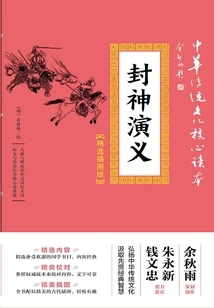
Fengshenyanyi
General Fiction封神演义
J
"Feng Shen Yan Yi" is a perfect example of the combination of historical and mythological themes in Chinese classical novels. The book has 100 chapters and more than 700,000 words, describing the struggle between the kind and loving King Wu and the tyrannical and unjust King Zhou. "Fengshen Yanyi" uses the past to satirize the present, and reflects the social reality at that time in a tortuous way, criticizes the tyranny of feudal society, yearns for benevolent kings and benevolent government, and embodies the author's progressive thoughts.
"Feng Shen Yan Yi" is a perfect example of the combination of historical and mythological themes in Chinese classical novels. The book has 100 chapters and more than 700,000 words, describing the struggle between the kind and loving King Wu and the tyrannical and unjust King Zhou. "Fengshen Yanyi" uses the past to satirize the present, and reflects the social reality at that time in a tortuous way, criticizes the tyranny of feudal society, yearns for benevolent kings and benevolent government, and embodies the author's progressive thoughts.
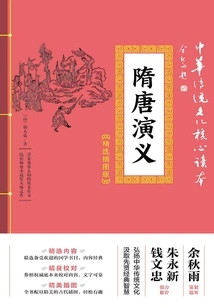
L
General Fictionl
I
"The Romance of the Sui and Tang Dynasties" describes the history of more than 170 years from the time when Emperor Wen of the Sui Dynasty launched his army to attack Chen to the time when Emperor Ming of the Tang Dynasty returned to Sichuan and died. It is a masterpiece of historical novels of the Sui and Tang Dynasties. The content focuses on describing palace life and chivalrous legendary stories of heroes in troubled times. The plot is vivid, interesting and extremely attractive. After the publication of "The Romance of the Sui and Tang Dynasties", it has been widely circulated and has become an influential and handed down masterpiece among similar novels. It is deeply loved and welcomed by the broad masses of the people.
"The Romance of the Sui and Tang Dynasties" describes the history of more than 170 years from the time when Emperor Wen of the Sui Dynasty launched his army to attack Chen to the time when Emperor Ming of the Tang Dynasty returned to Sichuan and died. It is a masterpiece of historical novels of the Sui and Tang Dynasties. The content focuses on describing palace life and chivalrous legendary stories of heroes in troubled times. The plot is vivid, interesting and extremely attractive. After the publication of "The Romance of the Sui and Tang Dynasties", it has been widely circulated and has become an influential and handed down masterpiece among similar novels. It is deeply loved and welcomed by the broad masses of the people.
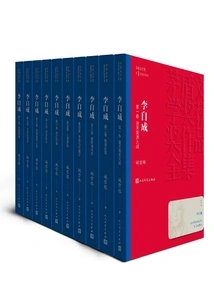
Li Zicheng (10 Volumes in Total)
General Fiction李自成(全10册)
Yao Xueyin
The novel takes the peasant uprising army led by Li Zicheng in the late Ming Dynasty from weak to strong, turning defeat into victory to overthrow the rule of the Ming Dynasty, and resist the Qing army's march south as the main clue. It reproduces the changing historical landscape of the late Ming and early Qing dynasty and the tragic ending of the peasant uprising army from victory to defeat from multiple angles, multi-facets and multi-levels. It reveals the laws of the development of peasant wars and historical movements, and creates a series of vivid historical figures.
The novel takes the peasant uprising army led by Li Zicheng in the late Ming Dynasty from weak to strong, turning defeat into victory to overthrow the rule of the Ming Dynasty, and resist the Qing army's march south as the main clue. It reproduces the changing historical landscape of the late Ming and early Qing dynasty and the tragic ending of the peasant uprising army from victory to defeat from multiple angles, multi-facets and multi-levels. It reveals the laws of the development of peasant wars and historical movements, and creates a series of vivid historical figures.
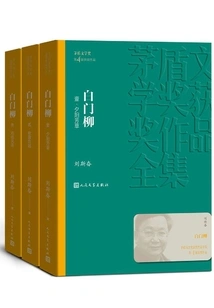
Baimenliu (all 3 Volumes)
General Fiction白门柳(全3册)
Liu Sifen
"White Gate Willow" consists of three volumes, the first volume is "Sunset Grass", the second volume is "Autumn Dew Dangerous City", and the third volume is "Cockcrow and Storm". It is a novel written by the famous writer Liu Sifen over a period of 16 years. It tells the story of the late Ming Dynasty. The story of the three famous prostitutes Liu Rushi, Li Shiniang, Dong Xiaowan and the celebrity Qian Qianyi in the "Eight Beauties of Qinhuai" in the early Qing Dynasty struggled with the times and destiny. Some commentators called it "an epic of the political chaos of traditional intellectuals in the old era."
"White Gate Willow" consists of three volumes, the first volume is "Sunset Grass", the second volume is "Autumn Dew Dangerous City", and the third volume is "Cockcrow and Storm". It is a novel written by the famous writer Liu Sifen over a period of 16 years. It tells the story of the late Ming Dynasty. The story of the three famous prostitutes Liu Rushi, Li Shiniang, Dong Xiaowan and the celebrity Qian Qianyi in the "Eight Beauties of Qinhuai" in the early Qing Dynasty struggled with the times and destiny. Some commentators called it "an epic of the political chaos of traditional intellectuals in the old era."
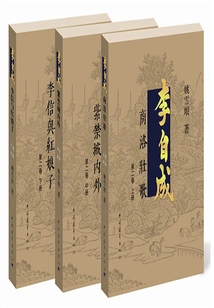
Li Zicheng (volume 2): Shangluo Zhuangge
General Fiction李自成(第二卷):商洛壮歌
Yao Xueyin
The Mao Dun Literature Award-winning work "Li Zicheng" has achieved many achievements. First of all, it successfully portrays a series of characters such as Li Zicheng and Emperor Chongzhen. The changes in Li Zicheng's thought and character, as well as Emperor Chongzhen's night clothes and food when he maintained the precarious political power, are all written with depth and breadth. Secondly, the novel devotes much time and effort to social life scenes in the late Ming and early Qing dynasties. From the palace to the battlefield, from the capital to the countryside, there is no lack of vivid descriptions; from political competitions to battlefield confrontations, from laws and etiquette to human relations and customs, the descriptions are mostly detailed and realistic.
The Mao Dun Literature Award-winning work "Li Zicheng" has achieved many achievements. First of all, it successfully portrays a series of characters such as Li Zicheng and Emperor Chongzhen. The changes in Li Zicheng's thought and character, as well as Emperor Chongzhen's night clothes and food when he maintained the precarious political power, are all written with depth and breadth. Secondly, the novel devotes much time and effort to social life scenes in the late Ming and early Qing dynasties. From the palace to the battlefield, from the capital to the countryside, there is no lack of vivid descriptions; from political competitions to battlefield confrontations, from laws and etiquette to human relations and customs, the descriptions are mostly detailed and realistic.
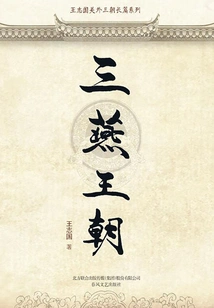
Three Yan Dynasty
General Fiction三燕王朝
Wang Zhiguo
The story told in "Three Yan Dynasties\u002F Wang Zhiguo's Three Dynasties Outside the Pass" written by Wang Zhiguo took place during the Sixteen Kingdoms of the Jin Dynasty and the Southern and Northern Dynasties. The three countries of Qian Yan, Later Yan and Bei Yan were established in western Liaoning, based on the history of that period. The main line of history and folk legends describe the rise, prosperity and decline of the Xianbei people of the Murong family. It shows a history of three ups and downs, ups and downs, majestic and soul-stirring, and tastes the popular legends that have been passed down for thousands of years. Walking into that period of history and experiencing the ups and downs with the characters in the book, I believe it will brighten your eyes and inspire you deeply.
The story told in "Three Yan Dynasties\u002F Wang Zhiguo's Three Dynasties Outside the Pass" written by Wang Zhiguo took place during the Sixteen Kingdoms of the Jin Dynasty and the Southern and Northern Dynasties. The three countries of Qian Yan, Later Yan and Bei Yan were established in western Liaoning, based on the history of that period. The main line of history and folk legends describe the rise, prosperity and decline of the Xianbei people of the Murong family. It shows a history of three ups and downs, ups and downs, majestic and soul-stirring, and tastes the popular legends that have been passed down for thousands of years. Walking into that period of history and experiencing the ups and downs with the characters in the book, I believe it will brighten your eyes and inspire you deeply.
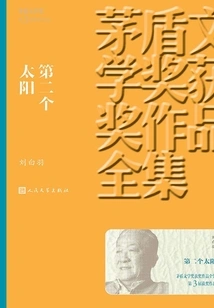
Second Sun
General Fiction第二个太阳
Liu Baiyu
Against the broad background of the People's Liberation Army crossing the Yangtze River, the author uses passionate writing to describe the rich inner emotions and firm revolutionary will of Qin Zhen, Chen Wenhong, Liang Shuguang and other high- and mid-level commanders and ordinary soldiers of the People's Liberation Army. Relatives parting and dying, soldiers bleeding and sacrificing, and New China gushing out like the rising sun - the author combines his poetic and beautiful language with the ups and downs of the storyline, giving the work a unique artistic style.
Against the broad background of the People's Liberation Army crossing the Yangtze River, the author uses passionate writing to describe the rich inner emotions and firm revolutionary will of Qin Zhen, Chen Wenhong, Liang Shuguang and other high- and mid-level commanders and ordinary soldiers of the People's Liberation Army. Relatives parting and dying, soldiers bleeding and sacrificing, and New China gushing out like the rising sun - the author combines his poetic and beautiful language with the ups and downs of the storyline, giving the work a unique artistic style.
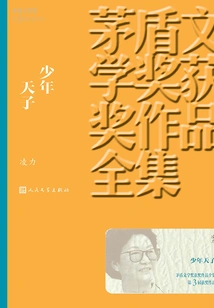
The Young Emperor (starring Deng Chao, Pan Hong, Hao Lei)
General Fiction少年天子(邓超、潘虹、郝蕾主演)
Ling Li
This is a long historical novel describing the political career and love life of Shunzhi, the first emperor after the Qing Dynasty entered the customs. During the Ming and Qing dynasties, social turmoil and conflicts intertwined, making Shunzhi's reform difficult. Shunzhi, who was extremely majestic in the Dragon Court, was actually a sentimental emperor. Regardless of the opposition of his mother and courtiers, he fell in love with Wu Yunzhu, who had become his sister-in-law. Two hearts promise each other and love each other madly. In the end, his beloved son was killed and Concubine Dong E passed away. Shunzhi lost all hope and fled to Buddhism. Unfortunately, he contracted smallpox and died young. Critics have praised it: a rare, profound and majestic historical novel.
This is a long historical novel describing the political career and love life of Shunzhi, the first emperor after the Qing Dynasty entered the customs. During the Ming and Qing dynasties, social turmoil and conflicts intertwined, making Shunzhi's reform difficult. Shunzhi, who was extremely majestic in the Dragon Court, was actually a sentimental emperor. Regardless of the opposition of his mother and courtiers, he fell in love with Wu Yunzhu, who had become his sister-in-law. Two hearts promise each other and love each other madly. In the end, his beloved son was killed and Concubine Dong E passed away. Shunzhi lost all hope and fled to Buddhism. Unfortunately, he contracted smallpox and died young. Critics have praised it: a rare, profound and majestic historical novel.
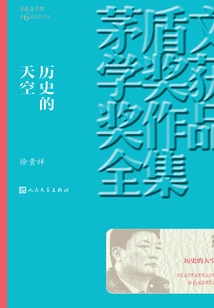
The Sky of History
General Fiction历史的天空
Xu Guixiang
The work takes the Anti-Japanese War as the main background, depicts the images of Liang Bida, Chen Mohan, Zhu Yudao and other anti-Japanese soldiers, and displays a majestic and heroic picture of the national war. Rural youth Liang Bida and others fled to the Kuomintang army in Aotu Mountain to escape the pursuit of the Japanese army. They accidentally broke into the base of the Eighth Route Army.
The work takes the Anti-Japanese War as the main background, depicts the images of Liang Bida, Chen Mohan, Zhu Yudao and other anti-Japanese soldiers, and displays a majestic and heroic picture of the national war. Rural youth Liang Bida and others fled to the Kuomintang army in Aotu Mountain to escape the pursuit of the Japanese army. They accidentally broke into the base of the Eighth Route Army.
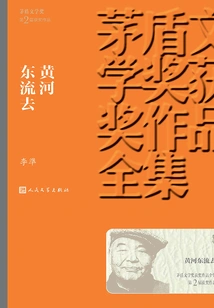
The Yellow River Flows Eastward
General Fiction黄河东流去
Li Xuan
In 1938, the Japanese invaders entered the Central Plains. The Kuomintang troops who retreated and fled south broke open the Huayuankou embankment of the Yellow River and flooded 44 counties in Henan, Jiangsu, and Anhui provinces. More than 10 million people were affected by the disaster. As the background of this historical event, it describes the profound disasters and evocative struggles experienced by the people in the Yellow River area from 1938 to 1948.
In 1938, the Japanese invaders entered the Central Plains. The Kuomintang troops who retreated and fled south broke open the Huayuankou embankment of the Yellow River and flooded 44 counties in Henan, Jiangsu, and Anhui provinces. More than 10 million people were affected by the disaster. As the background of this historical event, it describes the profound disasters and evocative struggles experienced by the people in the Yellow River area from 1938 to 1948.
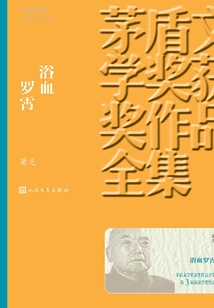
Bathed in Blood and Luo Xiao
General Fiction浴血罗霄
Xiao Ke
In 1933, the Kuomintang's 500,000-strong army launched its fifth large-scale "encirclement and suppression" campaign against the Central Soviet Area led by the Communist Party of China. The Luo Xiao Column, the main force of the Red Army in the Hunan-Jiangxi Soviet Area in the middle of the Luoxiao Mountains, followed the instructions of the Central Committee and advanced northward to the new Soviet area. Luo Xiao's column broke through the enemy's blockade in one fell swoop, conquered and attacked the enemy's fortress with fire. Along the way, pursued by the enemy's aircraft and infantry on the ground, Luo Xiao's column broke through the enemy's pursuit and interception time and time again. However, in the difficult and cruel environment, Luo Xiao's column suffered heavy losses, and many soldiers sacrificed their young lives.
In 1933, the Kuomintang's 500,000-strong army launched its fifth large-scale "encirclement and suppression" campaign against the Central Soviet Area led by the Communist Party of China. The Luo Xiao Column, the main force of the Red Army in the Hunan-Jiangxi Soviet Area in the middle of the Luoxiao Mountains, followed the instructions of the Central Committee and advanced northward to the new Soviet area. Luo Xiao's column broke through the enemy's blockade in one fell swoop, conquered and attacked the enemy's fortress with fire. Along the way, pursued by the enemy's aircraft and infantry on the ground, Luo Xiao's column broke through the enemy's pursuit and interception time and time again. However, in the difficult and cruel environment, Luo Xiao's column suffered heavy losses, and many soldiers sacrificed their young lives.
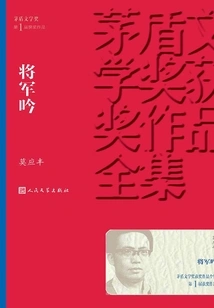
General's Chant
General Fiction将军吟
Mo Yingfeng
This book, written by Mo Yingfeng, is a novel that directly confronts the catastrophes of the last ten years. It takes the persecution experience of Peng Qi, the commander of a certain air force regiment, as the main line. Through the fate of three generals, it praises the principle and struggle of the older generation of revolutionaries under the test of life and death. The novel not only uses poetic ideals to express the inner turmoil of an upright general in a specific era, but also reproduces the spiritual life of an era through vivid portraits of characters. This book won the first Mao Dun Literature Award.
This book, written by Mo Yingfeng, is a novel that directly confronts the catastrophes of the last ten years. It takes the persecution experience of Peng Qi, the commander of a certain air force regiment, as the main line. Through the fate of three generals, it praises the principle and struggle of the older generation of revolutionaries under the test of life and death. The novel not only uses poetic ideals to express the inner turmoil of an upright general in a specific era, but also reproduces the spiritual life of an era through vivid portraits of characters. This book won the first Mao Dun Literature Award.
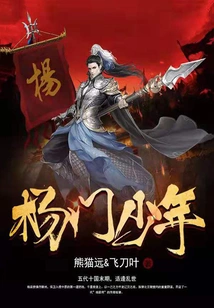
Yang Family Boy
General Fiction杨门少年
Panda Yuan Flying Knife Leaf
During the Five Dynasties and Ten Kingdoms period, the Central Plains changed hands frequently. At the end of the Later Han Dynasty, the emperor died, and the northern and southern states coveted the Central Plains and were ready to move. Linzhou is the place where the Central Plains and foreign countries meet. It is a time of trouble and bandits are rampant. Linzhou City and the generals of the Yang family were stationed in Linzhou to guard the first fortress in the northwest. The people here are fierce and fierce, and all the people are soldiers. Yang Chonggui, the eldest son of the governor, was in danger when he was young because of his temporary talents. After this incident, young Yang Chonggui understood his responsibility as the eldest son of the Linzhou governor, and also understood that learning guns and martial arts was not just for bravery and ruthlessness. After many years, Yang Chonggui has already developed martial arts skills, guarding Linzhou City and repelling bandits many times. He made the Yang family gun famous.
During the Five Dynasties and Ten Kingdoms period, the Central Plains changed hands frequently. At the end of the Later Han Dynasty, the emperor died, and the northern and southern states coveted the Central Plains and were ready to move. Linzhou is the place where the Central Plains and foreign countries meet. It is a time of trouble and bandits are rampant. Linzhou City and the generals of the Yang family were stationed in Linzhou to guard the first fortress in the northwest. The people here are fierce and fierce, and all the people are soldiers. Yang Chonggui, the eldest son of the governor, was in danger when he was young because of his temporary talents. After this incident, young Yang Chonggui understood his responsibility as the eldest son of the Linzhou governor, and also understood that learning guns and martial arts was not just for bravery and ruthlessness. After many years, Yang Chonggui has already developed martial arts skills, guarding Linzhou City and repelling bandits many times. He made the Yang family gun famous.
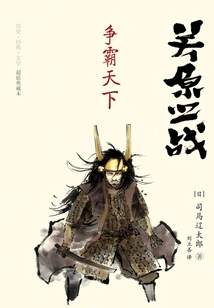
The Battle of Guanyuan: Fighting for World Hegemony
General Fiction关原之战:争霸天下
I
Toyotomi Hideyoshi, the overlord of a generation, passed away due to illness, and the world was suddenly in turmoil. Tokugawa Ieyasu, who harbors ambitions in his heart but looks like a down-to-earth farmer, is waiting for the opportunity to become the world leader. He was well versed in people's hearts, and he flattered Hideyoshi's main wife Homasa Sho in every possible way, aiming to win over the generals Kato Kiyomasa and Fukushima Masanori, who regarded Homasa as his mother. Mitsunari Ishida, the capable official whom Hideyoshi trusted most during his lifetime, saw through Ieyasu's ambitions and devoted himself to defending the Toyotomi regime. Although Sancheng has a superb intellect to make plans, he is arrogant and upright and does not understand the secrets of the human heart. He often offends people and has many conflicts with military commanders. Ieyasu used careful strategies to win over the generals of the "anti-Misei faction" one after another. On the way to conquer Kagekatsu Kamikami, at a military meeting in Noshu Hill, he turned the generals who followed the orders of Hideyoshi's successor Hideyori into the Tokugawa family's private army in one fell swoop. Ieyasu's Eastern Army and 30% of the Western Army were fully deployed in Sekigahara on the Nobi Plains, intending to show off. The scheming Ieyasu is thinking about how to bring about the collapse of the Western Army camp. When Kobayakawa's army collapsed behind the Western Army, the Toyotomi era ended and the Tokugawa era came.
Toyotomi Hideyoshi, the overlord of a generation, passed away due to illness, and the world was suddenly in turmoil. Tokugawa Ieyasu, who harbors ambitions in his heart but looks like a down-to-earth farmer, is waiting for the opportunity to become the world leader. He was well versed in people's hearts, and he flattered Hideyoshi's main wife Homasa Sho in every possible way, aiming to win over the generals Kato Kiyomasa and Fukushima Masanori, who regarded Homasa as his mother. Mitsunari Ishida, the capable official whom Hideyoshi trusted most during his lifetime, saw through Ieyasu's ambitions and devoted himself to defending the Toyotomi regime. Although Sancheng has a superb intellect to make plans, he is arrogant and upright and does not understand the secrets of the human heart. He often offends people and has many conflicts with military commanders. Ieyasu used careful strategies to win over the generals of the "anti-Misei faction" one after another. On the way to conquer Kagekatsu Kamikami, at a military meeting in Noshu Hill, he turned the generals who followed the orders of Hideyoshi's successor Hideyori into the Tokugawa family's private army in one fell swoop. Ieyasu's Eastern Army and 30% of the Western Army were fully deployed in Sekigahara on the Nobi Plains, intending to show off. The scheming Ieyasu is thinking about how to bring about the collapse of the Western Army camp. When Kobayakawa's army collapsed behind the Western Army, the Toyotomi era ended and the Tokugawa era came.
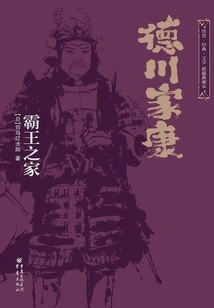
Tokugawa Ieyasu: the Overlord's House
General Fiction德川家康:霸王之家
J
He was born in the closed and backward Sanhe area. He was separated from his biological mother when he was three years old and was taken as a hostage in another country when he was six years old. The bitter and miserable life of a hostage has tempered his incomparable tenacity and alert and steady personality. When he became an adult, he succeeded him as the city lord, but there were many wealthy families in his territory and powerful enemies outside his territory. In order to survive in troubled times, he did not hesitate to act as cannon fodder for Imagawa Yoshimoto, and then led the Mikawa samurai to follow Oda Nobunaga in various expeditions. He had just won his own living space, but he had to kill his wife and son in order to win Nobunaga's trust. After Nobunaga dreamed of destroying Honnōji Temple, Hideyoshi took control of the situation first. On the one hand, he bowed to the knees of generations of noble samurai and bowed at the feet of Hideyoshi, who was born in a humble family; on the other hand, he devoted himself to expanding his sphere of influence in local areas. When the opportunity came, he struck decisively and completely destroyed potential enemies. His greatest characteristic is summed up as "patience". Perhaps in order to be able to compete with many geniuses, this ordinary person with neither extraordinary creativity nor outstanding talent can only use "patience" to temper and improve himself. But patience is to go a further distance. He, uncreative, devoted himself to imitating the strengths of others, combining Takeda's art of war, Nobunaga's decisiveness, and Hideyoshi's strategy. He conquered Nobunaga and Hideyoshi with his integrity and loyalty, but when Hideyoshi died, he suddenly became a cunning leader. It can be seen that his integrity and loyalty are by no means sincere, but just a way of doing things to cover up his sharp edge. Ryotaro Shiba uses smooth and sharp writing to describe the tortuous life of Tokugawa Ieyasu, the founder of a dynasty, from hostage to king, allowing readers to deeply understand Tokugawa Ieyasu's brilliance, forbearance and cunning as a strategist.
He was born in the closed and backward Sanhe area. He was separated from his biological mother when he was three years old and was taken as a hostage in another country when he was six years old. The bitter and miserable life of a hostage has tempered his incomparable tenacity and alert and steady personality. When he became an adult, he succeeded him as the city lord, but there were many wealthy families in his territory and powerful enemies outside his territory. In order to survive in troubled times, he did not hesitate to act as cannon fodder for Imagawa Yoshimoto, and then led the Mikawa samurai to follow Oda Nobunaga in various expeditions. He had just won his own living space, but he had to kill his wife and son in order to win Nobunaga's trust. After Nobunaga dreamed of destroying Honnōji Temple, Hideyoshi took control of the situation first. On the one hand, he bowed to the knees of generations of noble samurai and bowed at the feet of Hideyoshi, who was born in a humble family; on the other hand, he devoted himself to expanding his sphere of influence in local areas. When the opportunity came, he struck decisively and completely destroyed potential enemies. His greatest characteristic is summed up as "patience". Perhaps in order to be able to compete with many geniuses, this ordinary person with neither extraordinary creativity nor outstanding talent can only use "patience" to temper and improve himself. But patience is to go a further distance. He, uncreative, devoted himself to imitating the strengths of others, combining Takeda's art of war, Nobunaga's decisiveness, and Hideyoshi's strategy. He conquered Nobunaga and Hideyoshi with his integrity and loyalty, but when Hideyoshi died, he suddenly became a cunning leader. It can be seen that his integrity and loyalty are by no means sincere, but just a way of doing things to cover up his sharp edge. Ryotaro Shiba uses smooth and sharp writing to describe the tortuous life of Tokugawa Ieyasu, the founder of a dynasty, from hostage to king, allowing readers to deeply understand Tokugawa Ieyasu's brilliance, forbearance and cunning as a strategist.
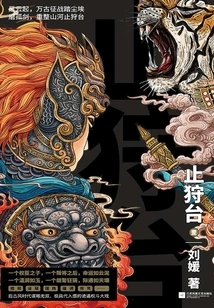
The Hunting Terrace (part 1)
General Fiction止狩台(第一部)
Liu Yuan
A palace coup rewrote Dayan's era and reversed Dayan's national destiny. Weiyang, a talented and strategist, intended to revive the country and regain the lost territory of Dayan, but unfortunately he died in the battle against Dongluo. By an unexpected combination of circumstances, Tang Yu, the son of a powerful official, and Sun Muye, the son of a rebel general, were chosen to inherit Wei Yang's legacy. The two go hand in hand on the road of civil affairs and military warfare, and are responsible for the rise and fall of a country. Tang Yu experienced three ups and downs in political struggles, and Sun Muye experienced four battles and four victories on the battlefield. Dayan finally ushered in the dawn of revival, and the two of them also walked towards the same destiny through different paths.
A palace coup rewrote Dayan's era and reversed Dayan's national destiny. Weiyang, a talented and strategist, intended to revive the country and regain the lost territory of Dayan, but unfortunately he died in the battle against Dongluo. By an unexpected combination of circumstances, Tang Yu, the son of a powerful official, and Sun Muye, the son of a rebel general, were chosen to inherit Wei Yang's legacy. The two go hand in hand on the road of civil affairs and military warfare, and are responsible for the rise and fall of a country. Tang Yu experienced three ups and downs in political struggles, and Sun Muye experienced four battles and four victories on the battlefield. Dayan finally ushered in the dawn of revival, and the two of them also walked towards the same destiny through different paths.
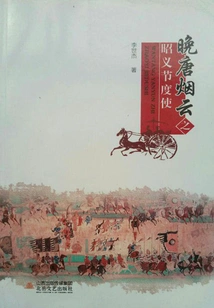
Zhaoyi Jiedu Envoy of Yanyun in the Late Tang Dynasty
General Fiction晚唐烟云之昭义节度使
Li Shijie
This book is based on the historical facts that during the Wuzong period of the late Tang Dynasty, the imperial court opposed Zhaoyi Town's independent military envoy, then encircled and suppressed its rebellion, and achieved victory. The magnificent and ups and downs historical story unfolds between Zhi, Prime Minister Li Deyu, Zhaoyi Jiedushi Liu Congjian, Zhaoyi Jiedushi Liu Zhen, Zhaoyi Town general Wang Xie, Guo Yi, Liu Congjian's son (Li Deyu's adopted son) Liu Zhi, Guo Yuxin (Guo Yi's daughter, Liu Zhi's lover) and many other characters. Among them are the contradictions and struggles between the emperor, courtiers and the great eunuch group, the contradictions and struggles between the eunuch group and the feudal town forces, the contradictions and struggles between the imperial court and Zhaoyi Jiedushi and other feudal town forces, as well as the contradictions and struggles within the imperial court and within Zhaoyi town. Interspersed with conspiracy, massacre, war, justice, benevolence and other plots, it is both gripping and thrilling.
This book is based on the historical facts that during the Wuzong period of the late Tang Dynasty, the imperial court opposed Zhaoyi Town's independent military envoy, then encircled and suppressed its rebellion, and achieved victory. The magnificent and ups and downs historical story unfolds between Zhi, Prime Minister Li Deyu, Zhaoyi Jiedushi Liu Congjian, Zhaoyi Jiedushi Liu Zhen, Zhaoyi Town general Wang Xie, Guo Yi, Liu Congjian's son (Li Deyu's adopted son) Liu Zhi, Guo Yuxin (Guo Yi's daughter, Liu Zhi's lover) and many other characters. Among them are the contradictions and struggles between the emperor, courtiers and the great eunuch group, the contradictions and struggles between the eunuch group and the feudal town forces, the contradictions and struggles between the imperial court and Zhaoyi Jiedushi and other feudal town forces, as well as the contradictions and struggles within the imperial court and within Zhaoyi town. Interspersed with conspiracy, massacre, war, justice, benevolence and other plots, it is both gripping and thrilling.
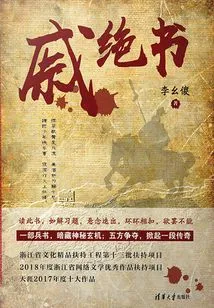
Qi Jueshu
General Fiction戚绝书
Li Yaosha
Qi Jiguang was demoted in his later years and died miserably. There are rumors in the world that before his death, he wrote a "Book of Qi Jue", in which he wrote down the terrain, defenses, fortresses, advantages and disadvantages of various places along the southeast coast. He hid this book in the mountains to wait for the enlightenment. For this book, masters from the late Ming Dynasty, Jianghu, Japan, Korea, and the late Jin Dynasty competed with each other, determined to win it. As a result, a game within a game, a plan within a plan, a case within a case, a set within a set, and scenes of great drama began... No one thought that the clues of "Qi Jueshu" were actually hidden in a hexagram: "Singing and dancing in the greenery are full of romance, and fine wine is like a knife to solve thousands of sorrows. A wasted young man is happy, and he goes to the red building late at night with the lights on." How to decipher this hexagram? Who will "Qi Jueshu" eventually belong to? The plot of this book is full of suspense and interlocking, making you want to read it.
Qi Jiguang was demoted in his later years and died miserably. There are rumors in the world that before his death, he wrote a "Book of Qi Jue", in which he wrote down the terrain, defenses, fortresses, advantages and disadvantages of various places along the southeast coast. He hid this book in the mountains to wait for the enlightenment. For this book, masters from the late Ming Dynasty, Jianghu, Japan, Korea, and the late Jin Dynasty competed with each other, determined to win it. As a result, a game within a game, a plan within a plan, a case within a case, a set within a set, and scenes of great drama began... No one thought that the clues of "Qi Jueshu" were actually hidden in a hexagram: "Singing and dancing in the greenery are full of romance, and fine wine is like a knife to solve thousands of sorrows. A wasted young man is happy, and he goes to the red building late at night with the lights on." How to decipher this hexagram? Who will "Qi Jueshu" eventually belong to? The plot of this book is full of suspense and interlocking, making you want to read it.
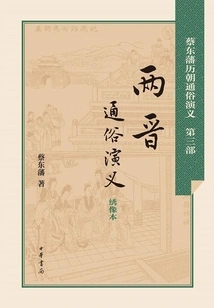
Popular Romance of the Two Jin Dynasties (popular Romance of Cai Dongfan's Past Dynasties)
General Fiction两晋通俗演义(蔡东藩历朝通俗演义)
Cai Dongfan
"The Popular Romance of Cai Dongfan's Dynasties" written by Cai Dongfan was written from the Qin and Han Dynasties to the Republic of China. The book has more than a thousand chapters and more than 5 million words, covering nearly 2,200 years of history.
"The Popular Romance of Cai Dongfan's Dynasties" written by Cai Dongfan was written from the Qin and Han Dynasties to the Republic of China. The book has more than a thousand chapters and more than 5 million words, covering nearly 2,200 years of history.
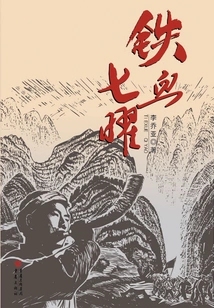
Iron Blood Qiyao
General Fiction铁血七曜
Li Qiaoya
The heroic and tragic armed struggle, the majestic and unique natural legend; the tear-jerking love song, and the rich Tujia customs. The work describes that from 1947 to 1949, the Chinese Communists represented by Liu Meng and his wife, in order to implement the instructions of the Central Committee of the Communist Party of China on launching armed struggles in the rear areas of the Kuomintang-controlled areas to cooperate with the War of Liberation, united and led a group of poor mountain people who had awakened from oppression, such as Wang Xuding and Tan Changyao, to form a guerrilla force in the Qiyao Mountains of Eastern Lower Sichuan. In an extremely complex and difficult environment, they fought the Kuomintang reactionaries in an arduous battle of national strategic significance. The work eulogizes the spirit of revolutionary heroism, the firm belief and broad mind of the Communists, describes the rich folk life style of the Tujia people in the Qiyao Mountain area, and tells a touching story soaked in the blood and tears of the Tujia people.
The heroic and tragic armed struggle, the majestic and unique natural legend; the tear-jerking love song, and the rich Tujia customs. The work describes that from 1947 to 1949, the Chinese Communists represented by Liu Meng and his wife, in order to implement the instructions of the Central Committee of the Communist Party of China on launching armed struggles in the rear areas of the Kuomintang-controlled areas to cooperate with the War of Liberation, united and led a group of poor mountain people who had awakened from oppression, such as Wang Xuding and Tan Changyao, to form a guerrilla force in the Qiyao Mountains of Eastern Lower Sichuan. In an extremely complex and difficult environment, they fought the Kuomintang reactionaries in an arduous battle of national strategic significance. The work eulogizes the spirit of revolutionary heroism, the firm belief and broad mind of the Communists, describes the rich folk life style of the Tujia people in the Qiyao Mountain area, and tells a touching story soaked in the blood and tears of the Tujia people.
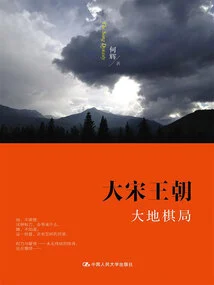
Great Song Dynasty·dadi Chess Game
General Fiction大宋王朝·大地棋局
He Hui
"The Great Song Dynasty: Chess Game" is the second part of He Hui's long series of historical novels "The Great Song Dynasty". In this part, Zhao Kuangyin strives to stabilize the new regime, break up the conspiracy between Li Jun and Daliao, and cleverly shock the Southern Tang Dynasty. The overt or covert, civil or military struggles between the Song, Liao, Southern Tang and many other forces unfolded on the land like a chess game. This big game of chess is interconnected with each other and every step is startling. Han Tong's son Han Minxin conceived a more complicated revenge plan, the emperor's brother Zhao Kuangyi continued to plot to develop his personal power, and Zhao Kuangyin's first adviser, Zhao Pu, struggled between loyalty and betrayal in order to survive. Female images such as Zhao Kuangyin's wife Ruyue and Zhao Guangyi's wife Xiaofu each have their own characteristics, adding another kind of interest to the thrilling political and military stage. Many characters appeared on the stage one after another, and complex human nature collided in reality. The novel depicts a series of vivid characters, ranging from the imperial court to street vendors. Most of these characters were real in history, and some were fictional characters for the purpose of novel creation. The novel not only shows the magnificent struggle scenes between the Song Dynasty and the Southern Tang Dynasty, Khitan and other countries, as well as local forces such as Luzhou and Huainan in the early Northern Song Dynasty, but also shows the colorful social situation in the early Northern Song Dynasty in a layered manner.
"The Great Song Dynasty: Chess Game" is the second part of He Hui's long series of historical novels "The Great Song Dynasty". In this part, Zhao Kuangyin strives to stabilize the new regime, break up the conspiracy between Li Jun and Daliao, and cleverly shock the Southern Tang Dynasty. The overt or covert, civil or military struggles between the Song, Liao, Southern Tang and many other forces unfolded on the land like a chess game. This big game of chess is interconnected with each other and every step is startling. Han Tong's son Han Minxin conceived a more complicated revenge plan, the emperor's brother Zhao Kuangyi continued to plot to develop his personal power, and Zhao Kuangyin's first adviser, Zhao Pu, struggled between loyalty and betrayal in order to survive. Female images such as Zhao Kuangyin's wife Ruyue and Zhao Guangyi's wife Xiaofu each have their own characteristics, adding another kind of interest to the thrilling political and military stage. Many characters appeared on the stage one after another, and complex human nature collided in reality. The novel depicts a series of vivid characters, ranging from the imperial court to street vendors. Most of these characters were real in history, and some were fictional characters for the purpose of novel creation. The novel not only shows the magnificent struggle scenes between the Song Dynasty and the Southern Tang Dynasty, Khitan and other countries, as well as local forces such as Luzhou and Huainan in the early Northern Song Dynasty, but also shows the colorful social situation in the early Northern Song Dynasty in a layered manner.
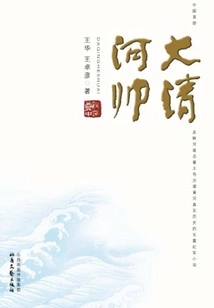
Daqingheshuai
General Fiction大清河帅
Wang Hua Wang Zhuoyan
Late at night on the 20th day of the eighth lunar month in the 43rd year of Emperor Qianlong's reign in the Qing Dynasty (1778), in Hunyuan Prefecture at the foot of Hengshan Mountain in Beiyue, the night was deep and quiet, and the crescent moon was slanting in the west. The lights were on in the west main room of a small courtyard. Women's chaotic shouts kept coming from the room, and the shadows of two men were wandering uneasily in the courtyard.
Late at night on the 20th day of the eighth lunar month in the 43rd year of Emperor Qianlong's reign in the Qing Dynasty (1778), in Hunyuan Prefecture at the foot of Hengshan Mountain in Beiyue, the night was deep and quiet, and the crescent moon was slanting in the west. The lights were on in the west main room of a small courtyard. Women's chaotic shouts kept coming from the room, and the shadows of two men were wandering uneasily in the courtyard.
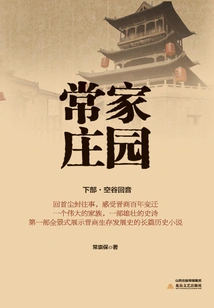
Chang Family Manor: Echo in the Empty Valley (part 2)
General Fiction常家庄园:空谷回音(下)
Chang Chongbao
In Chewang Village, Yuci, Shanxi Province, there is a famous foreign trade family, cultural family, and educational family in the three Jin Dynasties - the Chang family. The Chang family are immigrants who fled from famine in the Luliang Mountains to Chewang Village in Yuci. In Chewang Village in the Jinzhong Valley, the Chang family went from poverty to wealth, and there were so many gripping stories; and from the family's prosperity to its decline, there were so many touching past events...
In Chewang Village, Yuci, Shanxi Province, there is a famous foreign trade family, cultural family, and educational family in the three Jin Dynasties - the Chang family. The Chang family are immigrants who fled from famine in the Luliang Mountains to Chewang Village in Yuci. In Chewang Village in the Jinzhong Valley, the Chang family went from poverty to wealth, and there were so many gripping stories; and from the family's prosperity to its decline, there were so many touching past events...
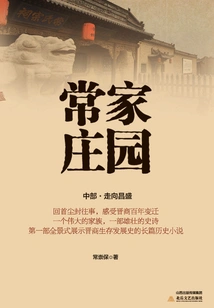
Changjia Manor: Toward Prosperity (part 2)
General Fiction常家庄园:走向昌盛(中)
Chang Chongbao
In Chewang Village, Yuci, Shanxi Province, there is a famous foreign trade family, cultural family, and educational family in the three Jin Dynasties - the Chang family. The Chang family are immigrants who fled from famine in the Luliang Mountains to Chewang Village in Yuci. In Chewang Village in the Jinzhong Valley, the Chang family went from poverty to wealth, and there were so many gripping stories; and from the family's prosperity to its decline, there were so many touching past events...
In Chewang Village, Yuci, Shanxi Province, there is a famous foreign trade family, cultural family, and educational family in the three Jin Dynasties - the Chang family. The Chang family are immigrants who fled from famine in the Luliang Mountains to Chewang Village in Yuci. In Chewang Village in the Jinzhong Valley, the Chang family went from poverty to wealth, and there were so many gripping stories; and from the family's prosperity to its decline, there were so many touching past events...
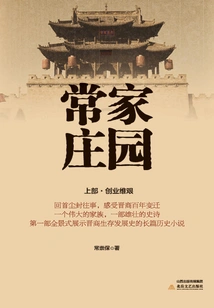
Changjia Manor: Starting a Business is Difficult (part 1)
General Fiction常家庄园:创业违艰(上)
Chang Chongbao
In Chewang Village, Yuci, Shanxi Province, there is a famous foreign trade family, cultural family, and educational family in the three Jin Dynasties - the Chang family. The Chang family are immigrants who fled from famine in the Luliang Mountains to Chewang Village in Yuci. In Chewang Village in the Jinzhong Valley, the Chang family went from poverty to wealth, and there were so many gripping stories; and from the family's prosperity to its decline, there were so many touching past events...
In Chewang Village, Yuci, Shanxi Province, there is a famous foreign trade family, cultural family, and educational family in the three Jin Dynasties - the Chang family. The Chang family are immigrants who fled from famine in the Luliang Mountains to Chewang Village in Yuci. In Chewang Village in the Jinzhong Valley, the Chang family went from poverty to wealth, and there were so many gripping stories; and from the family's prosperity to its decline, there were so many touching past events...