Library
Browse and search books
2,472 novels found
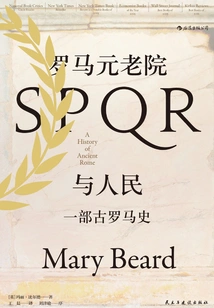
罗马元老院与人民:一部古罗马史
I
As a country that has experienced three political systems: monarchy, republic, and empire and has continued to exist for more than a thousand years, the history of ancient Rome has always attracted people's thinking and research. This book is a brand-new history of Rome written by a world-class classicist who has accumulated more than 50 years of work. The author chooses the "Senate and People of Rome" (SPQR), the political hub of Rome, as the starting point. He cleverly and profoundly begins with the incident of Cicero versus Catiline in 63 BC, and passionately tells the story of Rome to readers. The book not only explores how Rome grew from an insignificant village in central Italy to an empire spanning three continents, but also reveals how the Romans viewed themselves and their achievements. Throughout, the author describes various stages of Roman history from both an external and internal perspective. At the same time, the book is also permeated with strong realistic concerns. When the author discusses Rome's military expansion, democracy, immigration, religious conflicts, social mobility, citizenship, exploitation and other issues, we will always see the shadow of today's world, and thus understand why ancient Rome is still important to us. The book has a grand framework but is full of vivid details. Although it makes extensive use of the latest achievements in archaeology, numismatics, and inscriptions, it rarely uses professional terminology. The author tells the "other side" of many stories in a plain and humorous way, challenging traditional views and presenting readers with a vivid and charming Rome that still has many unsolved mysteries.
As a country that has experienced three political systems: monarchy, republic, and empire and has continued to exist for more than a thousand years, the history of ancient Rome has always attracted people's thinking and research. This book is a brand-new history of Rome written by a world-class classicist who has accumulated more than 50 years of work. The author chooses the "Senate and People of Rome" (SPQR), the political hub of Rome, as the starting point. He cleverly and profoundly begins with the incident of Cicero versus Catiline in 63 BC, and passionately tells the story of Rome to readers. The book not only explores how Rome grew from an insignificant village in central Italy to an empire spanning three continents, but also reveals how the Romans viewed themselves and their achievements. Throughout, the author describes various stages of Roman history from both an external and internal perspective. At the same time, the book is also permeated with strong realistic concerns. When the author discusses Rome's military expansion, democracy, immigration, religious conflicts, social mobility, citizenship, exploitation and other issues, we will always see the shadow of today's world, and thus understand why ancient Rome is still important to us. The book has a grand framework but is full of vivid details. Although it makes extensive use of the latest achievements in archaeology, numismatics, and inscriptions, it rarely uses professional terminology. The author tells the "other side" of many stories in a plain and humorous way, challenging traditional views and presenting readers with a vivid and charming Rome that still has many unsolved mysteries.
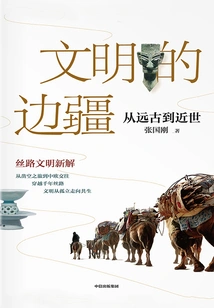
文明的边疆:从远古到近世
Zhang Guogang
From ancient times to the 18th century, particularly grand exchanges and mutual learning among civilizations took place along the Silk Road that traversed Asia and Europe. The opening up of the Silk Road began with the mutual attraction between civilizations. The fundamental driving force behind its ability to last for thousands of years lies in mankind's shared desire for wealth and yearning for a beautiful civilization. "Frontiers of Civilization: From Ancient Times to Modern Times" is a new interpretation of Silk Road civilization. The book examines the civilizational exchanges of various Eurasian peoples on the Silk Road from a large-scale, long-term, and historical perspective, and divides this three-thousand-year history into four grand chapters: from the prehistoric Silk Road to the hollowing out, the ancient East and the West met for the first time; the gods entered China during the Han and Tang Dynasties, and the four major civilization systems The convergence of borders in the Western Regions began to form a diverse trade and cultural exchange network; during the Song and Ming Dynasties, spices came from the east, porcelain went to the west, and Chinese products reached Central Asia and as far away as Europe via the Maritime Silk Road; in the late Ming and Qing Dynasties, missionaries came from the east, kicking off the mutual learning of civilizations between China and Europe from imagining foreign countries to the East-West debate. At this point, the Silk Road finally closely connected the three continents of Asia, Africa and Europe, that is, the civilized world before modern times.
From ancient times to the 18th century, particularly grand exchanges and mutual learning among civilizations took place along the Silk Road that traversed Asia and Europe. The opening up of the Silk Road began with the mutual attraction between civilizations. The fundamental driving force behind its ability to last for thousands of years lies in mankind's shared desire for wealth and yearning for a beautiful civilization. "Frontiers of Civilization: From Ancient Times to Modern Times" is a new interpretation of Silk Road civilization. The book examines the civilizational exchanges of various Eurasian peoples on the Silk Road from a large-scale, long-term, and historical perspective, and divides this three-thousand-year history into four grand chapters: from the prehistoric Silk Road to the hollowing out, the ancient East and the West met for the first time; the gods entered China during the Han and Tang Dynasties, and the four major civilization systems The convergence of borders in the Western Regions began to form a diverse trade and cultural exchange network; during the Song and Ming Dynasties, spices came from the east, porcelain went to the west, and Chinese products reached Central Asia and as far away as Europe via the Maritime Silk Road; in the late Ming and Qing Dynasties, missionaries came from the east, kicking off the mutual learning of civilizations between China and Europe from imagining foreign countries to the East-West debate. At this point, the Silk Road finally closely connected the three continents of Asia, Africa and Europe, that is, the civilized world before modern times.
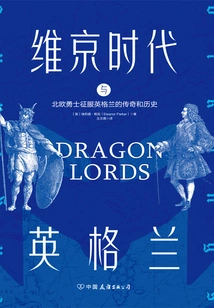
维京时代与英格兰:北欧勇士征服英格兰的传奇和历史
(uk) Eleanor Parker
In the past, Viking pirates often appeared in various legends and stories as brutal, bloody, and mysterious images. But we don't know what they really are. What is the secret of the Dragon Head Long Ship? What did the real Vikings look like? Is the "Viking Battle Ax" a brutal and barbaric invader or a warrior who opens up new territories? Was their bloody rule over England driven by bloodlust and plunder or was there something else? This book starts from bizarre myths and legends, analyzes fictional stories, reveals the real history, puts aside the conventional public perception, and paints a different portrait of "Vikings" for us. The book introduces the legend and history of the Norse warriors' conquest of England, and also shows us how Viking culture traveled through a long period of time and had a huge impact on today's world.
In the past, Viking pirates often appeared in various legends and stories as brutal, bloody, and mysterious images. But we don't know what they really are. What is the secret of the Dragon Head Long Ship? What did the real Vikings look like? Is the "Viking Battle Ax" a brutal and barbaric invader or a warrior who opens up new territories? Was their bloody rule over England driven by bloodlust and plunder or was there something else? This book starts from bizarre myths and legends, analyzes fictional stories, reveals the real history, puts aside the conventional public perception, and paints a different portrait of "Vikings" for us. The book introduces the legend and history of the Norse warriors' conquest of England, and also shows us how Viking culture traveled through a long period of time and had a huge impact on today's world.
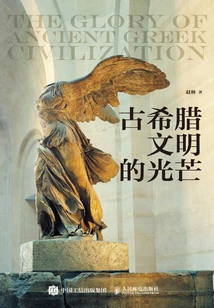
古希腊文明的光芒
Zhao Lin
Why were the ancient Greeks able to create systems and civilizations from 0 to 1 that would astonish future generations? Why is it that as long as one understands Greek mythology and "Homer's Epic", it is easy to interpret most Western classics and metaphors? Greek mythology, city-state system, sculpture and architecture, tragic philosophy... The glory of ancient Greece shines on the entire history of mankind and can be called the source and model of Western civilization. You can start with this book to see the 2,000 years of ancient Greek civilization and appreciate the beauty of classics. Professor Zhao Lin has been studying Western learning for 40 years and has conducted 10 field visits. Using very real first-hand information, he will take you to the Acropolis of Athens, the ruins of Delphi, and various museums in Greece, and to re-understand Homer, Solon, Aeschylus, Socrates... The inspiration of myths, the thin hair of art, the pulse of thought, and the emergence of genius. Let us meet in the book at the Parthenon in the morning light, the ancient Olympia Stadium in the evening light, and the ancient Greek civilization, the hometown of beauty.
Why were the ancient Greeks able to create systems and civilizations from 0 to 1 that would astonish future generations? Why is it that as long as one understands Greek mythology and "Homer's Epic", it is easy to interpret most Western classics and metaphors? Greek mythology, city-state system, sculpture and architecture, tragic philosophy... The glory of ancient Greece shines on the entire history of mankind and can be called the source and model of Western civilization. You can start with this book to see the 2,000 years of ancient Greek civilization and appreciate the beauty of classics. Professor Zhao Lin has been studying Western learning for 40 years and has conducted 10 field visits. Using very real first-hand information, he will take you to the Acropolis of Athens, the ruins of Delphi, and various museums in Greece, and to re-understand Homer, Solon, Aeschylus, Socrates... The inspiration of myths, the thin hair of art, the pulse of thought, and the emergence of genius. Let us meet in the book at the Parthenon in the morning light, the ancient Olympia Stadium in the evening light, and the ancient Greek civilization, the hometown of beauty.
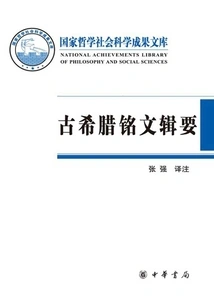
古希腊铭文辑要
Translation And Annotation By Zhang Qiang
There are 116 inscriptions compiled in this achievement, covering various types of inscriptions from the three main historical periods of ancient Greece. Each inscription is divided into three parts: an explanation, a translation, and annotations. In addition to the place where the inscription was found, where it was hidden, and the original manuscript it is based on, the explanation mainly introduces the relevant historical background and a brief analysis of the entire text. In the translation part, there are annotations for the translation of individual words and phrases that are different from the selected original. In addition, for terminology that appears in the translation, especially some misunderstandings in Chinese writings, analysis and corrections are also found in the relevant notes.
There are 116 inscriptions compiled in this achievement, covering various types of inscriptions from the three main historical periods of ancient Greece. Each inscription is divided into three parts: an explanation, a translation, and annotations. In addition to the place where the inscription was found, where it was hidden, and the original manuscript it is based on, the explanation mainly introduces the relevant historical background and a brief analysis of the entire text. In the translation part, there are annotations for the translation of individual words and phrases that are different from the selected original. In addition, for terminology that appears in the translation, especially some misunderstandings in Chinese writings, analysis and corrections are also found in the relevant notes.
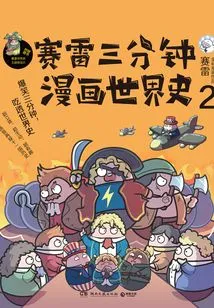
赛雷三分钟漫画世界史2
Saire
Sai Lei's Three-Minute Comic World History 2 is Sai Lei's latest comic world history work. Continuing the style of the first book of Sai Lei's Three Minute Comic World History, Sai Lei's Three Minute Comic World History 2 also uses Sai Lei's humorous style to present solid historical facts. Three minutes of laughter and a thorough understanding of world history! Learn the history of eleven countries in one book! "Super Cute Sai Lei" watched by 10 million people, reproduces the historical scenes of the eleven countries in a movie-style full scene! Super three-dimensional, super vivid and super interesting full-color comic world history! Highly recommended by schools and bookstores in many places, it is an extracurricular history reading book suitable for all ages! The past of the southern country on the beautiful island, the treasure of King Solomon, the history of the Maple Leaf Country, Brazil where heaven and hell coexist, the history of Sweden when a neutral country is still a wallflower, the helmsman of the Age of Discovery, etc... Sai Lei's latest comic world history work, solid historical facts, In a hilarious style, 11 stories about the history of countries around the world that no one knows about outline the face of world history, allowing you to understand the knowledge of world history while laughing. There are funny jokes on every page. It is a full-color comic book about world history that is suitable for the whole family to read together.
Sai Lei's Three-Minute Comic World History 2 is Sai Lei's latest comic world history work. Continuing the style of the first book of Sai Lei's Three Minute Comic World History, Sai Lei's Three Minute Comic World History 2 also uses Sai Lei's humorous style to present solid historical facts. Three minutes of laughter and a thorough understanding of world history! Learn the history of eleven countries in one book! "Super Cute Sai Lei" watched by 10 million people, reproduces the historical scenes of the eleven countries in a movie-style full scene! Super three-dimensional, super vivid and super interesting full-color comic world history! Highly recommended by schools and bookstores in many places, it is an extracurricular history reading book suitable for all ages! The past of the southern country on the beautiful island, the treasure of King Solomon, the history of the Maple Leaf Country, Brazil where heaven and hell coexist, the history of Sweden when a neutral country is still a wallflower, the helmsman of the Age of Discovery, etc... Sai Lei's latest comic world history work, solid historical facts, In a hilarious style, 11 stories about the history of countries around the world that no one knows about outline the face of world history, allowing you to understand the knowledge of world history while laughing. There are funny jokes on every page. It is a full-color comic book about world history that is suitable for the whole family to read together.

何谓民族?:普法战争与厄内斯特·勒南的民族主义思想
Li Yingliang
This book eliminates the color of moral judgment and ideology in the study of Renan's thoughts, gets rid of the interference of "nationalist typology" originating from the British and American academic circles on the study of Renan's thoughts, and provides a deeper understanding of Renan and his representative work "What is a Nation?" "The historical context of the book more truly restores the true nature of Renan's nationalist thought.
This book eliminates the color of moral judgment and ideology in the study of Renan's thoughts, gets rid of the interference of "nationalist typology" originating from the British and American academic circles on the study of Renan's thoughts, and provides a deeper understanding of Renan and his representative work "What is a Nation?" "The historical context of the book more truly restores the true nature of Renan's nationalist thought.
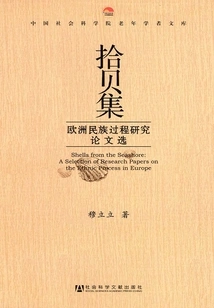
拾贝集:欧洲民族过程研究论文选
Mu Lili
The book explains the different conditions for the formation of nations and nation-states in Eastern Europe and Western Europe respectively, and analyzes the various reasons for their cohesiveness and centrifugal force. This can provide some reference for my country's ethnic work. There are also several articles that compare the national process in Europe and the national process in China, thereby demonstrating that under different conditions, the "differences" between nations and the "commonalities" between nations have dual characteristics that may cause conflicts between nations, or may also promote the aggregation of nations. This will not only deepen the understanding of European history and reality, but also help understand the reasons why the Chinese nation, a multi-ethnic community, formed and exists for a long time.
The book explains the different conditions for the formation of nations and nation-states in Eastern Europe and Western Europe respectively, and analyzes the various reasons for their cohesiveness and centrifugal force. This can provide some reference for my country's ethnic work. There are also several articles that compare the national process in Europe and the national process in China, thereby demonstrating that under different conditions, the "differences" between nations and the "commonalities" between nations have dual characteristics that may cause conflicts between nations, or may also promote the aggregation of nations. This will not only deepen the understanding of European history and reality, but also help understand the reasons why the Chinese nation, a multi-ethnic community, formed and exists for a long time.
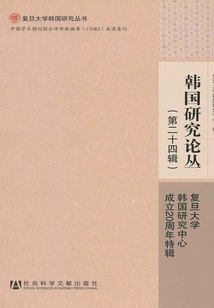
韩国研究论丛(第二十四辑)
Fudan University Korean Studies Center
"Korean Studies Series" has been published continuously for 17 years and has published 24 volumes in total. Selected into the first CSSCI Source Collection and CNKI Source Collection. The Dissertation Series has played a positive role in promoting the research of Korean studies in China and the development of Sino-Korean relations, and has exerted an increasingly important influence in the domestic and foreign academic circles. It is one of the Korean studies research journals with the longest persistence, the best quality, and the largest number of publications in China.
"Korean Studies Series" has been published continuously for 17 years and has published 24 volumes in total. Selected into the first CSSCI Source Collection and CNKI Source Collection. The Dissertation Series has played a positive role in promoting the research of Korean studies in China and the development of Sino-Korean relations, and has exerted an increasingly important influence in the domestic and foreign academic circles. It is one of the Korean studies research journals with the longest persistence, the best quality, and the largest number of publications in China.
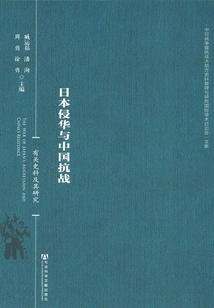
Japan's Invasion of China and China's Anti-japanese War: Relevant Historical Materials and Research
History日本侵华与中国抗战:有关史料及其研究
Zang Yunhu Xu Yong Pan Xun Zhou Yong
From November 25 to 29, 2011, the "Academic Symposium on the Compilation and Research of Historical Materials on the Sino-Japanese War and the Anti-Japanese War Rear Area" was jointly organized by the Department of History of Peking University and the History and Culture Research Center of China's Anti-Japanese War Rear Area at Southwest University, and was held at Southwest University in Chongqing. More than 30 scholars from China and Japan published academic papers. This book is the collection of papers from this seminar. It is mainly divided into (1) Japanese invasion of China - political and diplomatic chapter, military strategy chapter, socio-economic and cultural chapter; (2) China's Anti-Japanese War - the latter is divided into the National Government chapter and the Anti-Japanese War rear area chapter. The manuscript is rich in content and roughly reflects the progress in collecting, sorting, and researching historical materials on the rear areas of the Anti-Japanese War.
From November 25 to 29, 2011, the "Academic Symposium on the Compilation and Research of Historical Materials on the Sino-Japanese War and the Anti-Japanese War Rear Area" was jointly organized by the Department of History of Peking University and the History and Culture Research Center of China's Anti-Japanese War Rear Area at Southwest University, and was held at Southwest University in Chongqing. More than 30 scholars from China and Japan published academic papers. This book is the collection of papers from this seminar. It is mainly divided into (1) Japanese invasion of China - political and diplomatic chapter, military strategy chapter, socio-economic and cultural chapter; (2) China's Anti-Japanese War - the latter is divided into the National Government chapter and the Anti-Japanese War rear area chapter. The manuscript is rich in content and roughly reflects the progress in collecting, sorting, and researching historical materials on the rear areas of the Anti-Japanese War.
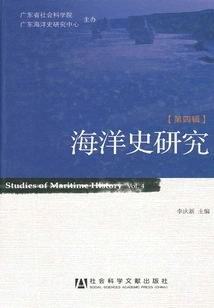
海洋史研究(第4辑)
Li Qingxin
This volume includes a group of monographs on the social life, maritime economic connections, and administrative jurisdiction of the Beibu Gulf from prehistory to the Tang Dynasty. It deeply explores the maritime characteristics of this region's early history from multiple angles. Other monographs respectively explore the large-scale outflow of Chinese people overseas due to economic and political reasons during the Ming and Qing Dynasties. It explores important issues such as smuggling, sailor management in overseas trade, international smuggling networks and trade changes in the Pearl River Estuary Bay Area, Mazu belief and its comparative research. It excavates and uses a large number of first-hand Chinese and foreign literature materials, archaeological cultural relics materials and field investigation findings. It has a unique vision, subtle research, and a high academic level.
This volume includes a group of monographs on the social life, maritime economic connections, and administrative jurisdiction of the Beibu Gulf from prehistory to the Tang Dynasty. It deeply explores the maritime characteristics of this region's early history from multiple angles. Other monographs respectively explore the large-scale outflow of Chinese people overseas due to economic and political reasons during the Ming and Qing Dynasties. It explores important issues such as smuggling, sailor management in overseas trade, international smuggling networks and trade changes in the Pearl River Estuary Bay Area, Mazu belief and its comparative research. It excavates and uses a large number of first-hand Chinese and foreign literature materials, archaeological cultural relics materials and field investigation findings. It has a unique vision, subtle research, and a high academic level.
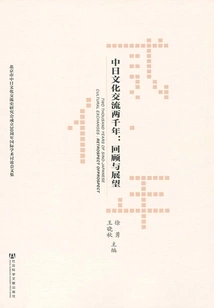
中日文化交流两千年:回顾与展望
Xu Yong Wang Xiaoqiu
On December 18-19, 2010, to commemorate the 30th anniversary of the establishment of the Beijing Research Society for the History of Sino-Japanese Cultural Exchanges, the Department of History of Peking University, the Beijing Research Society for the History of Sino-Japanese Cultural Exchanges, the Institute of Chinese Foreign Relations at Peking University and other units jointly organized the "Two Thousand Years of Sino-Japanese Cultural Exchanges: Review and Prospects International Academic Symposium". More than 60 experts and scholars from China and Japan attended the conference and submitted nearly 40 papers. This book is a collection of papers from this conference. This collection of essays is divided into five parts: memorial, general, ancient and medieval times, modern times, and wartime and post-war parts. The content covers issues of cultural exchange and mutual relations in the fields of ancient and modern politics, culture, military, education, economy, and language.
On December 18-19, 2010, to commemorate the 30th anniversary of the establishment of the Beijing Research Society for the History of Sino-Japanese Cultural Exchanges, the Department of History of Peking University, the Beijing Research Society for the History of Sino-Japanese Cultural Exchanges, the Institute of Chinese Foreign Relations at Peking University and other units jointly organized the "Two Thousand Years of Sino-Japanese Cultural Exchanges: Review and Prospects International Academic Symposium". More than 60 experts and scholars from China and Japan attended the conference and submitted nearly 40 papers. This book is a collection of papers from this conference. This collection of essays is divided into five parts: memorial, general, ancient and medieval times, modern times, and wartime and post-war parts. The content covers issues of cultural exchange and mutual relations in the fields of ancient and modern politics, culture, military, education, economy, and language.
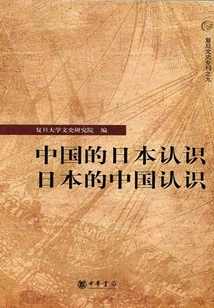
中国的日本认识·日本的中国认识
Fudan University Institute Of Literature And History
This book is a collection of papers from the international symposium "China's Understanding of Japan? Japan's Understanding of China" sponsored by the Institute of Literature and History of Fudan University and the International Center for Japanese Cultural Studies (Kyoto, Japan). Includes 11 papers by Enomoto Wataru, Zhu Yi, Zhu Lili, Ito Takayuki, Sun Yinggang, Sueki Fumiji, Hu Lingyuan, Ai Jing, Takii Kazuhiro, Liu Jianhui, Xu Jingbo, and Zhu Haijing.
This book is a collection of papers from the international symposium "China's Understanding of Japan? Japan's Understanding of China" sponsored by the Institute of Literature and History of Fudan University and the International Center for Japanese Cultural Studies (Kyoto, Japan). Includes 11 papers by Enomoto Wataru, Zhu Yi, Zhu Lili, Ito Takayuki, Sun Yinggang, Sueki Fumiji, Hu Lingyuan, Ai Jing, Takii Kazuhiro, Liu Jianhui, Xu Jingbo, and Zhu Haijing.
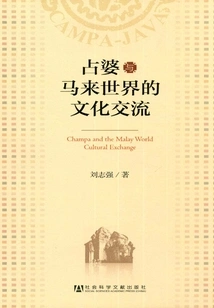
占婆与马来世界的文化交流
Liu Zhiqiang
The history of the relationship between Cham and the Malay world is a new topic. In addition to using documentary materials, the author makes full use of the methods of history, philology, and ethnology to study and live with the Cham people. He combines "dead materials" and "living materials" to study, trying to clarify the history and cultural development of Champa, the relationship between Champa and the Malay world since the 15th century, and the basic situation of cultural exchanges. This book fills the current gap in this research field with the richness of literature and the diversity of literature sources.
The history of the relationship between Cham and the Malay world is a new topic. In addition to using documentary materials, the author makes full use of the methods of history, philology, and ethnology to study and live with the Cham people. He combines "dead materials" and "living materials" to study, trying to clarify the history and cultural development of Champa, the relationship between Champa and the Malay world since the 15th century, and the basic situation of cultural exchanges. This book fills the current gap in this research field with the richness of literature and the diversity of literature sources.
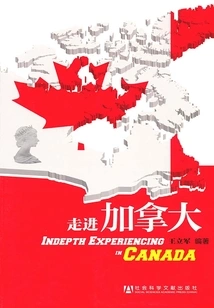
Enter Canada
History走进加拿大
Wang Lijun
This book is compiled by the author based on his local knowledge of various real situations, combined with various relevant local books, important documents and articles published at home and abroad, as well as local media information in Canada. The book borrows a large number of historical materials, legal documents, events, characters, data and examples as well as the author's personal experience to provide a comprehensive and systematic introduction to Canada's politics, economy, foreign economics, diplomacy, industry, agriculture, transportation, mineral resources, finance, culture, education, sports, tourism, social security, real estate, environmental protection, history, justice, local residents and other aspects from different perspectives. In particular, combined with the in-depth development of relations between China and Canada in recent years and the economic and trade cooperation between the two countries, it provides a more detailed introduction to the investment and establishment of Chinese enterprises in Canada, as well as the life of Chinese immigrants and international students starting businesses and studying in Canada, allowing readers to have a more comprehensive and detailed understanding of Canadian society.
This book is compiled by the author based on his local knowledge of various real situations, combined with various relevant local books, important documents and articles published at home and abroad, as well as local media information in Canada. The book borrows a large number of historical materials, legal documents, events, characters, data and examples as well as the author's personal experience to provide a comprehensive and systematic introduction to Canada's politics, economy, foreign economics, diplomacy, industry, agriculture, transportation, mineral resources, finance, culture, education, sports, tourism, social security, real estate, environmental protection, history, justice, local residents and other aspects from different perspectives. In particular, combined with the in-depth development of relations between China and Canada in recent years and the economic and trade cooperation between the two countries, it provides a more detailed introduction to the investment and establishment of Chinese enterprises in Canada, as well as the life of Chinese immigrants and international students starting businesses and studying in Canada, allowing readers to have a more comprehensive and detailed understanding of Canadian society.
韩国研究论丛(第二十五辑·2013年第一辑)
Fudan University Korean Studies Center
"Korean Studies Series" has been published continuously for 17 years and has published 24 volumes in total. Selected into the first CSSCI Source Collection and CNKI Source Collection. The Dissertation Series has played a positive role in promoting the research of Korean studies in China and the development of Sino-Korean relations, and has exerted an increasingly important influence in the domestic and foreign academic circles. It is one of the Korean studies research journals with the longest persistence, the best quality, and the largest number of publications in China.
"Korean Studies Series" has been published continuously for 17 years and has published 24 volumes in total. Selected into the first CSSCI Source Collection and CNKI Source Collection. The Dissertation Series has played a positive role in promoting the research of Korean studies in China and the development of Sino-Korean relations, and has exerted an increasingly important influence in the domestic and foreign academic circles. It is one of the Korean studies research journals with the longest persistence, the best quality, and the largest number of publications in China.
Babylonian Civilization
History巴比伦文明
Feng Huijuan
The first city in the world was born here; the world's written code was promulgated; the first writing, the first school, the first library were created; the first fables, aphorisms, proverbs and love poems appeared; and even the world's first pharmacopoeia and a farmer's almanac were left behind... "Babylonian Civilization" provides a concise introduction to the achievements of Babylonian civilization based on existing knowledge, allowing readers to have a close understanding of this ancient civilization in human history.
The first city in the world was born here; the world's written code was promulgated; the first writing, the first school, the first library were created; the first fables, aphorisms, proverbs and love poems appeared; and even the world's first pharmacopoeia and a farmer's almanac were left behind... "Babylonian Civilization" provides a concise introduction to the achievements of Babylonian civilization based on existing knowledge, allowing readers to have a close understanding of this ancient civilization in human history.
人类的故事(世界文学名著)
Fanglong
"The Story of Mankind" is a masterpiece that describes the history of human civilization in a popular way. As soon as it was published in 1921, it won Van Loon a worldwide reputation. The book was once selected as a history textbook in American middle schools. It also won the Newbery Medal, the most famous children's literature award in the United States, and has a great influence in the world. With his straightforward narration, humorous language, playful and wise writing, and original ideas, Van Loon shows us the mighty history of mankind from the time humans entered the historical stage, prehistoric humans, the earliest writing, the Nile Valley, the story of Greece, the Roman Empire, the Crusades, the Renaissance, to the modern American Revolution and even the scientific age. There are fast-paced "big history" narratives, and there are also events and details that truly affect the process of human civilization.
"The Story of Mankind" is a masterpiece that describes the history of human civilization in a popular way. As soon as it was published in 1921, it won Van Loon a worldwide reputation. The book was once selected as a history textbook in American middle schools. It also won the Newbery Medal, the most famous children's literature award in the United States, and has a great influence in the world. With his straightforward narration, humorous language, playful and wise writing, and original ideas, Van Loon shows us the mighty history of mankind from the time humans entered the historical stage, prehistoric humans, the earliest writing, the Nile Valley, the story of Greece, the Roman Empire, the Crusades, the Renaissance, to the modern American Revolution and even the scientific age. There are fast-paced "big history" narratives, and there are also events and details that truly affect the process of human civilization.
二战后期美国马特霍恩计划研究
Hu Yueying
From June 1944 to March 1945, the United States used the most advanced B-29 heavy bombers at the time to launch from the Kolkata base in India and the forward airfield near Chengdu, China, to carry out long-range strategic bombing operations against Kyushu in southern Japan and the Japanese-occupied areas of Anshan and Taiwan in China. This was the "Operation Matterhorn Plan". When the plan was being planned, it was opposed by some U. S. Military figures and even some high-level national policymakers due to its "poor" expected results and high economic and political costs. However, the Joint Chiefs of Staff headed by Roosevelt insisted on implementing it despite all objections. This book narrates the historical process of the Matterhorn Project, paying particular attention to its relationship with other historical events and its impact. In efforts to "restore" historical narratives, various questions are raised and answers are sought.
From June 1944 to March 1945, the United States used the most advanced B-29 heavy bombers at the time to launch from the Kolkata base in India and the forward airfield near Chengdu, China, to carry out long-range strategic bombing operations against Kyushu in southern Japan and the Japanese-occupied areas of Anshan and Taiwan in China. This was the "Operation Matterhorn Plan". When the plan was being planned, it was opposed by some U. S. Military figures and even some high-level national policymakers due to its "poor" expected results and high economic and political costs. However, the Joint Chiefs of Staff headed by Roosevelt insisted on implementing it despite all objections. This book narrates the historical process of the Matterhorn Project, paying particular attention to its relationship with other historical events and its impact. In efforts to "restore" historical narratives, various questions are raised and answers are sought.
一本书读懂欧洲史
Ma Shili Chen Guangyu
European history is one of many types of human civilization. It has both the common characteristics of human civilization and its unique civilization personality. This book takes historical events and characters as the main body, and presents an overview of European civilization in the specific historical process. The chapter is prefaced by the basic clues of the development of European history. At the same time, it selects representative figures and events to describe the historical details. It strives to be concise and focused, telling the history of Europe from the birth of civilization to the 20th century.
European history is one of many types of human civilization. It has both the common characteristics of human civilization and its unique civilization personality. This book takes historical events and characters as the main body, and presents an overview of European civilization in the specific historical process. The chapter is prefaced by the basic clues of the development of European history. At the same time, it selects representative figures and events to describe the historical details. It strives to be concise and focused, telling the history of Europe from the birth of civilization to the 20th century.
用年表读通世界史
Editor-in-chief Ma Shili
This is a practical reference book and an interesting history book. "Historical chronology" concisely presents the beginning and end of events, the lives of characters and cultural achievements; "historical narrative" easily tells important historical facts in the form of storytelling, integrating chronological and chronicle styles, using time as the longitude, events and characters as the latitude, and clearly presenting the world historical process from ancient times to the end of the 20th century.
This is a practical reference book and an interesting history book. "Historical chronology" concisely presents the beginning and end of events, the lives of characters and cultural achievements; "historical narrative" easily tells important historical facts in the form of storytelling, integrating chronological and chronicle styles, using time as the longitude, events and characters as the latitude, and clearly presenting the world historical process from ancient times to the end of the 20th century.
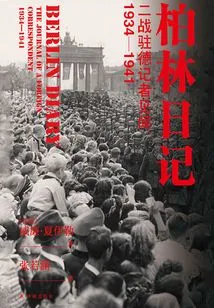
柏林日记:二战驻德记者见闻:1934-1941(方尖碑)
M
From 1934 to 1941, William Shirer, as a reporter stationed in Germany, witnessed and reported on the entire process of the nascent Nazi Germany gradually dragging the entire Europe and even the world into the abyss of war. He experienced major historical events such as the riots at the Place de la Concorde, the German annexation of Austria, and the partition of Czechoslovakia, and promptly conveyed to the world a large amount of first-hand information on battlefields such as the Battle of Poland, the Battle of Norway, the Battle of France, and the British Air War. During his stay in Berlin, he had close contact with high-level German officials such as Hitler, Goering, and Goebbels, as well as diplomats and media personnel from Britain and the United States, and made meticulous observations of all aspects of German political life. "Berlin Diary: Observations of a Correspondent in Germany during World War II, 1934-1941" contains Shirer's records and reflections on the situation in Europe and the daily lives of ordinary people, and later gave birth to the classic masterpiece "The Rise and Fall of the Third Reich: A History of Nazi Germany".
From 1934 to 1941, William Shirer, as a reporter stationed in Germany, witnessed and reported on the entire process of the nascent Nazi Germany gradually dragging the entire Europe and even the world into the abyss of war. He experienced major historical events such as the riots at the Place de la Concorde, the German annexation of Austria, and the partition of Czechoslovakia, and promptly conveyed to the world a large amount of first-hand information on battlefields such as the Battle of Poland, the Battle of Norway, the Battle of France, and the British Air War. During his stay in Berlin, he had close contact with high-level German officials such as Hitler, Goering, and Goebbels, as well as diplomats and media personnel from Britain and the United States, and made meticulous observations of all aspects of German political life. "Berlin Diary: Observations of a Correspondent in Germany during World War II, 1934-1941" contains Shirer's records and reflections on the situation in Europe and the daily lives of ordinary people, and later gave birth to the classic masterpiece "The Rise and Fall of the Third Reich: A History of Nazi Germany".
美国简史
Liu Fang
The United States can be said to be one of the youngest countries in the world. It was only founded more than 200 years ago, but it is currently the most powerful country in the world. This book outlines a majestic historical picture for readers, narrating the historical development of the United States from the barbaric period to modern civilization, making readers feel as if they are personally there and feel the unique charm of American culture. To a certain extent, the work can be regarded as an introduction to American history. I hope that in the process of reading this book, readers can have an objective and clear understanding of American history, and further understand the unique temperament of Americans and the evolution of their national character.
The United States can be said to be one of the youngest countries in the world. It was only founded more than 200 years ago, but it is currently the most powerful country in the world. This book outlines a majestic historical picture for readers, narrating the historical development of the United States from the barbaric period to modern civilization, making readers feel as if they are personally there and feel the unique charm of American culture. To a certain extent, the work can be regarded as an introduction to American history. I hope that in the process of reading this book, readers can have an objective and clear understanding of American history, and further understand the unique temperament of Americans and the evolution of their national character.
世界近现代史研究(第12辑)
Nankai University Center For Modern And Contemporary World History
"World Modern History Research" is an academic annual journal sponsored by the World Modern History Research Center of Nankai University, a key humanities and social science research base of the Ministry of Education. It is oriented to domestic universities and research institutions and provides a forum for academic exchanges to promote and promote domestic research on world modern history. It has columns such as historical theoretical research, global history research, international relations history, regional and national history, doctoral student forums, debates, book reviews, historical materials, research reviews, etc. It has important academic value in promoting China's research on world modern history. The theme of this volume is "War and Peace: World War II and the Changes in the Postwar World."
"World Modern History Research" is an academic annual journal sponsored by the World Modern History Research Center of Nankai University, a key humanities and social science research base of the Ministry of Education. It is oriented to domestic universities and research institutions and provides a forum for academic exchanges to promote and promote domestic research on world modern history. It has columns such as historical theoretical research, global history research, international relations history, regional and national history, doctoral student forums, debates, book reviews, historical materials, research reviews, etc. It has important academic value in promoting China's research on world modern history. The theme of this volume is "War and Peace: World War II and the Changes in the Postwar World."
殖民统治时期的斯里兰卡
Tong Jiameng
Sri Lanka has experienced more than four centuries of Western colonial rule in modern times. From the Portuguese to the Dutch to the British, the intervention of colonial powers has profoundly changed Sri Lanka's inherent cultural heritage and social order. This influence is still deeply rooted in many social levels today. This book mainly discusses the political development, social and cultural changes in Sri Lanka's historical process during the modern colonial period, the collision between local and foreign cultures, and its impact on Sri Lanka's inherent social culture.
Sri Lanka has experienced more than four centuries of Western colonial rule in modern times. From the Portuguese to the Dutch to the British, the intervention of colonial powers has profoundly changed Sri Lanka's inherent cultural heritage and social order. This influence is still deeply rooted in many social levels today. This book mainly discusses the political development, social and cultural changes in Sri Lanka's historical process during the modern colonial period, the collision between local and foreign cultures, and its impact on Sri Lanka's inherent social culture.
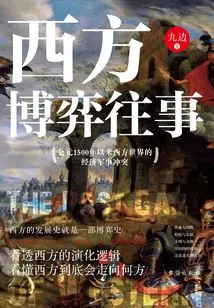
Past Events of Western Games
History西方博弈往事
Nine Sides
The author uses a unique perspective to tell the history of Western countries' conquests and games since 1500 AD in a simple and easy-to-understand way, covering many aspects such as economy, finance, military, culture, etc., Allowing you to have an overview of how the West developed. For hundreds of years, in the process of conquest and development, the West brutally suppressed and even eliminated different civilizations. On the one hand, under the guise of civilization, the West has invaded and exploited other civilizations in a bone-draining manner; on the other hand, the West has greatly promoted the development of technology, scientific progress, and institutional innovation... Compared with other civilizations, Western civilization has fully demonstrated its advantages. However, since its development, Western civilization has encountered various problems: excessive concentration of wealth, excessive welfare, and a shift away from reality to reality... To this day, in the process of great changes in the world, the West still uses the same methods as in the past to compete with other civilizations. From a brand-new perspective, this book lets you know what happened in the West in the past and helps you foresee what will happen in the West in the future!
The author uses a unique perspective to tell the history of Western countries' conquests and games since 1500 AD in a simple and easy-to-understand way, covering many aspects such as economy, finance, military, culture, etc., Allowing you to have an overview of how the West developed. For hundreds of years, in the process of conquest and development, the West brutally suppressed and even eliminated different civilizations. On the one hand, under the guise of civilization, the West has invaded and exploited other civilizations in a bone-draining manner; on the other hand, the West has greatly promoted the development of technology, scientific progress, and institutional innovation... Compared with other civilizations, Western civilization has fully demonstrated its advantages. However, since its development, Western civilization has encountered various problems: excessive concentration of wealth, excessive welfare, and a shift away from reality to reality... To this day, in the process of great changes in the world, the West still uses the same methods as in the past to compete with other civilizations. From a brand-new perspective, this book lets you know what happened in the West in the past and helps you foresee what will happen in the West in the future!
至竟终须合大群:南开日本研究的回顾和前瞻
Liu Yuebing
This book is a collection of research results from the Japan Research Institute of Nankai University. The book is divided into three parts: the first part includes papers and meeting minutes from relevant academic seminars; the second part includes book review articles from the "Nankai Japanese Library" and a summary of Japanese history research at Nankai University over the past 70 years since the founding of the People's Republic of China; the third part is "Documentary Supplements", aiming to feel the reason and enthusiasm of Nankai sages in different eras. 2020 Is the centenary anniversary of Nankai University. The Japan Research Institute of Nankai University has launched the first series of 19 volumes of the "Centennial Nankai Japanese Studies Library" as a gift for the anniversary. After the publication of "Wenku", the Japan Research Institute of Nankai University held many academic seminars, and a group of well-known domestic scholars in the field of Japanese studies published many book reviews. 2021 Is the "first year of the new century" for Nankai University. In this "first year of fighting for the new century", Nankai Institute of Japanese Studies has compiled and published the above research results as a new starting point for Nankai Japanese studies to carry forward the past and open up the future.
This book is a collection of research results from the Japan Research Institute of Nankai University. The book is divided into three parts: the first part includes papers and meeting minutes from relevant academic seminars; the second part includes book review articles from the "Nankai Japanese Library" and a summary of Japanese history research at Nankai University over the past 70 years since the founding of the People's Republic of China; the third part is "Documentary Supplements", aiming to feel the reason and enthusiasm of Nankai sages in different eras. 2020 Is the centenary anniversary of Nankai University. The Japan Research Institute of Nankai University has launched the first series of 19 volumes of the "Centennial Nankai Japanese Studies Library" as a gift for the anniversary. After the publication of "Wenku", the Japan Research Institute of Nankai University held many academic seminars, and a group of well-known domestic scholars in the field of Japanese studies published many book reviews. 2021 Is the "first year of the new century" for Nankai University. In this "first year of fighting for the new century", Nankai Institute of Japanese Studies has compiled and published the above research results as a new starting point for Nankai Japanese studies to carry forward the past and open up the future.
我用年表读历史:一看就懂的世界史
Liu Cuiqing
This is a practical reference book and an interesting history book. "Historical chronology" concisely presents the beginning and end of events, the lives of characters and cultural achievements; "historical narrative" easily tells important historical facts in the form of storytelling, integrating chronological and chronicle styles, using time as the longitude, events and characters as the latitude, and clearly presenting the world historical process from ancient times to the end of the 20th century.
This is a practical reference book and an interesting history book. "Historical chronology" concisely presents the beginning and end of events, the lives of characters and cultural achievements; "historical narrative" easily tells important historical facts in the form of storytelling, integrating chronological and chronicle styles, using time as the longitude, events and characters as the latitude, and clearly presenting the world historical process from ancient times to the end of the 20th century.
牛津通识课:西班牙殖民者
(uk) Matthew Restall Felipe Fernandez-almeste
It will lead you in three hours to understand the super-large-scale cultural invasion in modern history. European and American high school students are studying this, the source of IELTS and TOEFL real questions. The series of books published by Oxford University Press since 1995 can be called the treasure of the town. A total of 10 million copies have been sold around the world, and many of them have been selected as introductory university textbooks. It is a general reading written by world-renowned experts in various fields and translated by domestic professional scholars. Focusing on the field of military science, this book covers all aspects of "On War", World War I, the Napoleonic Wars, and Spanish colonists. It is both professional-level and easy-to-understand, with no reading difficulties. Open this book and Professor Restall and Professor Almeste will take you back to the 15th century and sort out the ins and outs of the Spanish colonists' conquest of America.
It will lead you in three hours to understand the super-large-scale cultural invasion in modern history. European and American high school students are studying this, the source of IELTS and TOEFL real questions. The series of books published by Oxford University Press since 1995 can be called the treasure of the town. A total of 10 million copies have been sold around the world, and many of them have been selected as introductory university textbooks. It is a general reading written by world-renowned experts in various fields and translated by domestic professional scholars. Focusing on the field of military science, this book covers all aspects of "On War", World War I, the Napoleonic Wars, and Spanish colonists. It is both professional-level and easy-to-understand, with no reading difficulties. Open this book and Professor Restall and Professor Almeste will take you back to the 15th century and sort out the ins and outs of the Spanish colonists' conquest of America.
牛津通识课:战争论
(uk) Michael Howard
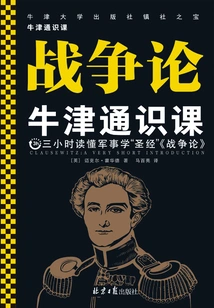
It will lead you to understand the "Bible" of military science and "On War" in three hours. European and American high school students are studying this, the source of IELTS and TOEFL real questions. The series of books published by Oxford University Press since 1995 can be called the treasure of the town. A total of 10 million copies have been sold around the world, and many of them have been selected as introductory university textbooks. It is a general reading written by world-renowned experts in various fields and translated by domestic professional scholars. Focusing on the field of military science, this book covers all aspects of "On War", World War I, the Napoleonic Wars, and Spanish colonists. It is both professional-level and easy-to-understand, with no reading difficulties. Open this book and Professor Michael Howard will take you back to the 19th century. Combining the life trajectory of the author Clausewitz and the historical background of "On War", starting from its core ideas, he will explain "On War" thoroughly.
It will lead you to understand the "Bible" of military science and "On War" in three hours. European and American high school students are studying this, the source of IELTS and TOEFL real questions. The series of books published by Oxford University Press since 1995 can be called the treasure of the town. A total of 10 million copies have been sold around the world, and many of them have been selected as introductory university textbooks. It is a general reading written by world-renowned experts in various fields and translated by domestic professional scholars. Focusing on the field of military science, this book covers all aspects of "On War", World War I, the Napoleonic Wars, and Spanish colonists. It is both professional-level and easy-to-understand, with no reading difficulties. Open this book and Professor Michael Howard will take you back to the 19th century. Combining the life trajectory of the author Clausewitz and the historical background of "On War", starting from its core ideas, he will explain "On War" thoroughly.
牛津通识课:拿破仑战争
(uk) Mike Laporte
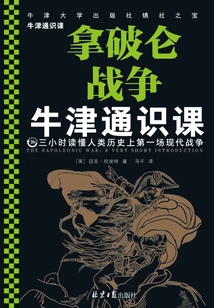
It will lead you to understand the first modern war in human history in three hours. European and American high school students are studying this, the source of IELTS and TOEFL real questions. The series of books published by Oxford University Press since 1995 can be called the treasure of the town. A total of 10 million copies have been sold around the world, and many of them have been selected as introductory university textbooks. It is a general reading written by world-renowned experts in various fields and translated by domestic professional scholars. Focusing on the field of military science, this book covers all aspects of "On War", World War I, the Napoleonic Wars, and Spanish colonists. It is both professional-level and easy-to-understand, with no reading difficulties. Opening this book, Professor Matthew Laporte will take you back to the Napoleonic era, and provide an in-depth and easy-to-understand interpretation of the Napoleonic Wars and their impact on later generations from the perspectives of military, politics, and international relations.
It will lead you to understand the first modern war in human history in three hours. European and American high school students are studying this, the source of IELTS and TOEFL real questions. The series of books published by Oxford University Press since 1995 can be called the treasure of the town. A total of 10 million copies have been sold around the world, and many of them have been selected as introductory university textbooks. It is a general reading written by world-renowned experts in various fields and translated by domestic professional scholars. Focusing on the field of military science, this book covers all aspects of "On War", World War I, the Napoleonic Wars, and Spanish colonists. It is both professional-level and easy-to-understand, with no reading difficulties. Opening this book, Professor Matthew Laporte will take you back to the Napoleonic era, and provide an in-depth and easy-to-understand interpretation of the Napoleonic Wars and their impact on later generations from the perspectives of military, politics, and international relations.
牛津通识课:第一次世界大战
(uk) Michael Howard
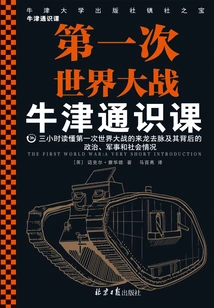
It will lead you in three hours to understand the ins and outs of World War I and the political, military and social conditions behind it. European and American high school students are studying this, the source of IELTS and TOEFL real questions. The series of books published by Oxford University Press since 1995 can be called the treasure of the town. A total of 10 million copies have been sold around the world, and many of them have been selected as introductory university textbooks. It is a general reading written by world-renowned experts in various fields and translated by domestic professional scholars. Focusing on the field of military science, this book covers all aspects of "On War", World War I, the Napoleonic Wars, and Spanish colonists. It is both professional-level and easy-to-understand, with no reading difficulties. Open this book and Professor Michael Howard will take you back to the 20th century to comprehensively analyze the causes, process and results of World War I from three perspectives: politics, economy and society.
It will lead you in three hours to understand the ins and outs of World War I and the political, military and social conditions behind it. European and American high school students are studying this, the source of IELTS and TOEFL real questions. The series of books published by Oxford University Press since 1995 can be called the treasure of the town. A total of 10 million copies have been sold around the world, and many of them have been selected as introductory university textbooks. It is a general reading written by world-renowned experts in various fields and translated by domestic professional scholars. Focusing on the field of military science, this book covers all aspects of "On War", World War I, the Napoleonic Wars, and Spanish colonists. It is both professional-level and easy-to-understand, with no reading difficulties. Open this book and Professor Michael Howard will take you back to the 20th century to comprehensively analyze the causes, process and results of World War I from three perspectives: politics, economy and society.
蒋百里讲欧洲文艺复兴史
Jiang Baili
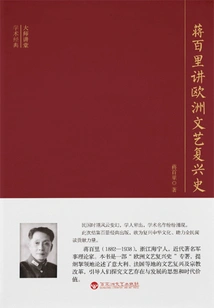
This book is based on a selection of "History of the European Renaissance", China's first classic work on the Renaissance published in 1921. It is the ideological product of Jiang Baili after he traveled to Europe with Liang Qichao from 1918 to 1920. It integrates history, culture and art, and is profound and inspiring. After traveling in Europe, Jiang Baili saw the grand scene of "all the flowers blooming and good valleys growing", and believed that China must embark on the road of Renaissance that is "people's discovery" and "the world's discovery", because this road is actually the spring thunder of the human spiritual world and the dawn of our nation's dream. The two points put forward in the book that "people's ideas are the world's ideas" are vivid footnotes of "democracy and science" and are in line with the spirit of the times.
This book is based on a selection of "History of the European Renaissance", China's first classic work on the Renaissance published in 1921. It is the ideological product of Jiang Baili after he traveled to Europe with Liang Qichao from 1918 to 1920. It integrates history, culture and art, and is profound and inspiring. After traveling in Europe, Jiang Baili saw the grand scene of "all the flowers blooming and good valleys growing", and believed that China must embark on the road of Renaissance that is "people's discovery" and "the world's discovery", because this road is actually the spring thunder of the human spiritual world and the dawn of our nation's dream. The two points put forward in the book that "people's ideas are the world's ideas" are vivid footnotes of "democracy and science" and are in line with the spirit of the times.
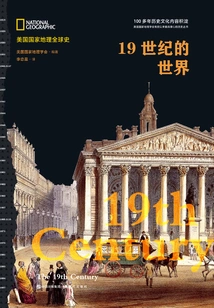
19th Century World
History19世纪的世界
National Geographic Society
The National Geographic Global History Series is a large-scale history book series project produced by the National Geographic Society. It is the cultivation and accumulation of historical and cultural content over more than 100 years, with a total of 30 kinds of books. The contents of this series of books are carefully created by scholars from top international universities and a multi-disciplinary team. 5,000 Rare four-color historical pictures, with great collection value. The key word of the 19th century was "revolution" - the demographic revolution, the industrial revolution, the political revolution and the revolution of social thought. This book tells the story of the political, social, and economic turbulence and changes in the entire world during this century, the evolution and development of history and civilization in various countries around the world, and the war factors brewing in the process of these turmoils and order reorganization. National Geographic Global History Bibliography - "The First Pharaohs", "Egyptian Empire", "The End of Ancient Egypt", "Mesopotamian Civilization", "Kingdoms and Empires of the Near East", "The Origin of Greece", "Classical Greece", "The Fall of Athens", "Alexander's Empire", "The Roman Republic", "Roman Conquerors of the Mediterranean" "The End of the Roman Republic", "The Rise of the Roman Empire", "Rome Rules the World", "The Fall of the Roman Empire", "The Glory of Byzantium", "Medieval Europe", "The Expansion of Islam", "Christendom and the Crusades", "The New Route to the East", "The End of the Middle Ages", "The Conquest of America", "The Renaissance", "Turkey, the Russian Empire and Ming Dynasty China", "Absolute Monarchy", "The Age of Exploration", "The Enlightenment", "The French Revolution and Napoleon", "The World of the 19th Century", "The World Wars".
The National Geographic Global History Series is a large-scale history book series project produced by the National Geographic Society. It is the cultivation and accumulation of historical and cultural content over more than 100 years, with a total of 30 kinds of books. The contents of this series of books are carefully created by scholars from top international universities and a multi-disciplinary team. 5,000 Rare four-color historical pictures, with great collection value. The key word of the 19th century was "revolution" - the demographic revolution, the industrial revolution, the political revolution and the revolution of social thought. This book tells the story of the political, social, and economic turbulence and changes in the entire world during this century, the evolution and development of history and civilization in various countries around the world, and the war factors brewing in the process of these turmoils and order reorganization. National Geographic Global History Bibliography - "The First Pharaohs", "Egyptian Empire", "The End of Ancient Egypt", "Mesopotamian Civilization", "Kingdoms and Empires of the Near East", "The Origin of Greece", "Classical Greece", "The Fall of Athens", "Alexander's Empire", "The Roman Republic", "Roman Conquerors of the Mediterranean" "The End of the Roman Republic", "The Rise of the Roman Empire", "Rome Rules the World", "The Fall of the Roman Empire", "The Glory of Byzantium", "Medieval Europe", "The Expansion of Islam", "Christendom and the Crusades", "The New Route to the East", "The End of the Middle Ages", "The Conquest of America", "The Renaissance", "Turkey, the Russian Empire and Ming Dynasty China", "Absolute Monarchy", "The Age of Exploration", "The Enlightenment", "The French Revolution and Napoleon", "The World of the 19th Century", "The World Wars".
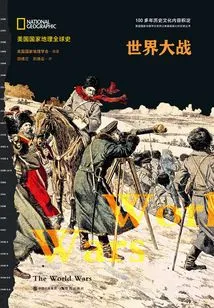
World War
History世界大战
National Geographic Society
The National Geographic Global History Series is a large-scale history book series project produced by the National Geographic Society. It is the cultivation and accumulation of historical and cultural content over more than 100 years, with a total of 30 kinds of books. The contents of this series of books are carefully created by scholars from top international universities and a multi-disciplinary team. 5,000 Rare four-color historical pictures, with great collection value. From the perspective of global history, "World War" records the political, economic, cultural and artistic evolution and joint influence experienced by relevant countries before and after the two world wars, and explores the historical inevitable factors of the two world wars and their subversion of the global balance of power and its impact on the world structure. National Geographic Global History Bibliography - "The First Pharaohs", "Egyptian Empire", "The End of Ancient Egypt", "Mesopotamian Civilization", "Kingdoms and Empires of the Near East", "The Origin of Greece", "Classical Greece", "The Fall of Athens", "Alexander's Empire", "The Roman Republic", "Roman Conquerors of the Mediterranean" "The End of the Roman Republic", "The Rise of the Roman Empire", "Rome Rules the World", "The Fall of the Roman Empire", "The Glory of Byzantium", "Medieval Europe", "The Expansion of Islam", "Christendom and the Crusades", "The New Route to the East", "The End of the Middle Ages", "The Conquest of America", "The Renaissance", "Turkey, the Russian Empire and Ming Dynasty China", "Absolute Monarchy", "The Age of Exploration", "The Enlightenment", "The French Revolution and Napoleon", "The World of the 19th Century", "The World Wars".
The National Geographic Global History Series is a large-scale history book series project produced by the National Geographic Society. It is the cultivation and accumulation of historical and cultural content over more than 100 years, with a total of 30 kinds of books. The contents of this series of books are carefully created by scholars from top international universities and a multi-disciplinary team. 5,000 Rare four-color historical pictures, with great collection value. From the perspective of global history, "World War" records the political, economic, cultural and artistic evolution and joint influence experienced by relevant countries before and after the two world wars, and explores the historical inevitable factors of the two world wars and their subversion of the global balance of power and its impact on the world structure. National Geographic Global History Bibliography - "The First Pharaohs", "Egyptian Empire", "The End of Ancient Egypt", "Mesopotamian Civilization", "Kingdoms and Empires of the Near East", "The Origin of Greece", "Classical Greece", "The Fall of Athens", "Alexander's Empire", "The Roman Republic", "Roman Conquerors of the Mediterranean" "The End of the Roman Republic", "The Rise of the Roman Empire", "Rome Rules the World", "The Fall of the Roman Empire", "The Glory of Byzantium", "Medieval Europe", "The Expansion of Islam", "Christendom and the Crusades", "The New Route to the East", "The End of the Middle Ages", "The Conquest of America", "The Renaissance", "Turkey, the Russian Empire and Ming Dynasty China", "Absolute Monarchy", "The Age of Exploration", "The Enlightenment", "The French Revolution and Napoleon", "The World of the 19th Century", "The World Wars".
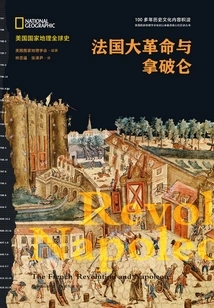
法国大革命与拿破仑
National Geographic Society
The National Geographic Global History Series is a large-scale history book series project produced by the National Geographic Society. It is the cultivation and accumulation of historical and cultural content over more than 100 years, with a total of 30 kinds of books. The contents of this series of books are carefully created by scholars from top international universities and a multi-disciplinary team. 5,000 Rare four-color historical pictures, with great collection value. "The French Revolution and Napoleon" explores the causes, historical development process and details of the outbreak of the French Revolution, as well as the game of different political factions after the revolution, aiming to re-understand the inspiration and warning of the French Revolution and Napoleon on the transformation of modern countries from a global perspective. National Geographic Global History Bibliography - "The First Pharaohs", "Egyptian Empire", "The End of Ancient Egypt", "Mesopotamian Civilization", "Kingdoms and Empires of the Near East", "The Origin of Greece", "Classical Greece", "The Fall of Athens", "Alexander's Empire", "The Roman Republic", "Roman Conquerors of the Mediterranean" "The End of the Roman Republic", "The Rise of the Roman Empire", "Rome Rules the World", "The Fall of the Roman Empire", "The Glory of Byzantium", "Medieval Europe", "The Expansion of Islam", "Christendom and the Crusades", "The New Route to the East", "The End of the Middle Ages", "The Conquest of America", "The Renaissance", "Turkey, the Russian Empire and Ming Dynasty China", "Absolute Monarchy", "The Age of Exploration", "The Enlightenment", "The French Revolution and Napoleon", "The World of the 19th Century", "The World Wars".
The National Geographic Global History Series is a large-scale history book series project produced by the National Geographic Society. It is the cultivation and accumulation of historical and cultural content over more than 100 years, with a total of 30 kinds of books. The contents of this series of books are carefully created by scholars from top international universities and a multi-disciplinary team. 5,000 Rare four-color historical pictures, with great collection value. "The French Revolution and Napoleon" explores the causes, historical development process and details of the outbreak of the French Revolution, as well as the game of different political factions after the revolution, aiming to re-understand the inspiration and warning of the French Revolution and Napoleon on the transformation of modern countries from a global perspective. National Geographic Global History Bibliography - "The First Pharaohs", "Egyptian Empire", "The End of Ancient Egypt", "Mesopotamian Civilization", "Kingdoms and Empires of the Near East", "The Origin of Greece", "Classical Greece", "The Fall of Athens", "Alexander's Empire", "The Roman Republic", "Roman Conquerors of the Mediterranean" "The End of the Roman Republic", "The Rise of the Roman Empire", "Rome Rules the World", "The Fall of the Roman Empire", "The Glory of Byzantium", "Medieval Europe", "The Expansion of Islam", "Christendom and the Crusades", "The New Route to the East", "The End of the Middle Ages", "The Conquest of America", "The Renaissance", "Turkey, the Russian Empire and Ming Dynasty China", "Absolute Monarchy", "The Age of Exploration", "The Enlightenment", "The French Revolution and Napoleon", "The World of the 19th Century", "The World Wars".
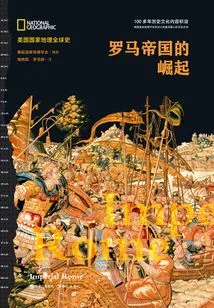
The Rise of the Roman Empire
History罗马帝国的崛起
National Geographic Society
The National Geographic Global History Series is a large-scale history book series project produced by the National Geographic Society. It is the cultivation and accumulation of historical and cultural content over more than 100 years, with a total of 30 kinds of books. The contents of this series of books are carefully created by scholars from top international universities and a multi-disciplinary team. 5,000 Rare four-color historical pictures, with great collection value. "The Rise of the Roman Empire" relies on first-hand historical materials to truly reproduce the epic story of the birth and rise of the Roman Empire. From the dynasty of Julia Claudius to the disputes in the Year of the Four Emperors, it vividly depicts the characters and life experiences of the Roman emperors (Octavian, Claudius, Nero, etc.), And unfolds the interpretation of the Roman Empire's internal affairs, diplomacy, culture, daily life, and internal relations among the royal family. National Geographic Global History Bibliography - "The First Pharaohs", "Egyptian Empire", "The End of Ancient Egypt", "Mesopotamian Civilization", "Kingdoms and Empires of the Near East", "The Origin of Greece", "Classical Greece", "The Fall of Athens", "Alexander's Empire", "The Roman Republic", "Roman Conquerors of the Mediterranean" "The End of the Roman Republic", "The Rise of the Roman Empire", "Rome Rules the World", "The Fall of the Roman Empire", "The Glory of Byzantium", "Medieval Europe", "The Expansion of Islam", "Christendom and the Crusades", "The New Route to the East", "The End of the Middle Ages", "The Conquest of America", "The Renaissance", "Turkey, the Russian Empire and Ming Dynasty China", "Absolute Monarchy", "The Age of Exploration", "The Enlightenment", "The French Revolution and Napoleon", "The World of the 19th Century", "The World Wars".
The National Geographic Global History Series is a large-scale history book series project produced by the National Geographic Society. It is the cultivation and accumulation of historical and cultural content over more than 100 years, with a total of 30 kinds of books. The contents of this series of books are carefully created by scholars from top international universities and a multi-disciplinary team. 5,000 Rare four-color historical pictures, with great collection value. "The Rise of the Roman Empire" relies on first-hand historical materials to truly reproduce the epic story of the birth and rise of the Roman Empire. From the dynasty of Julia Claudius to the disputes in the Year of the Four Emperors, it vividly depicts the characters and life experiences of the Roman emperors (Octavian, Claudius, Nero, etc.), And unfolds the interpretation of the Roman Empire's internal affairs, diplomacy, culture, daily life, and internal relations among the royal family. National Geographic Global History Bibliography - "The First Pharaohs", "Egyptian Empire", "The End of Ancient Egypt", "Mesopotamian Civilization", "Kingdoms and Empires of the Near East", "The Origin of Greece", "Classical Greece", "The Fall of Athens", "Alexander's Empire", "The Roman Republic", "Roman Conquerors of the Mediterranean" "The End of the Roman Republic", "The Rise of the Roman Empire", "Rome Rules the World", "The Fall of the Roman Empire", "The Glory of Byzantium", "Medieval Europe", "The Expansion of Islam", "Christendom and the Crusades", "The New Route to the East", "The End of the Middle Ages", "The Conquest of America", "The Renaissance", "Turkey, the Russian Empire and Ming Dynasty China", "Absolute Monarchy", "The Age of Exploration", "The Enlightenment", "The French Revolution and Napoleon", "The World of the 19th Century", "The World Wars".
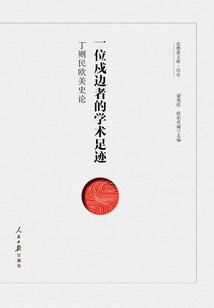
The Academic Footprint of a Border Guard: Ding Zemin's Essay on European and American History
History一位戍边者的学术足迹:丁则民欧美史论
Liang Maoxin Ouyang Zhencheng
This book collects Ding Zemin's published papers from 1951 to 2001. The content covers the history of Chinese exclusion in the United States, the history of American foreign policy, the history of American cities, the history of immigration, the history of Indian policy, etc. The papers are arranged in order of publication time, which is a reflection of Mr. Ding Zemin's teaching and educating people, creating and promoting Chinese American history and world modern history. Almost every article is a pioneering work in the field of Chinese American history research.
This book collects Ding Zemin's published papers from 1951 to 2001. The content covers the history of Chinese exclusion in the United States, the history of American foreign policy, the history of American cities, the history of immigration, the history of Indian policy, etc. The papers are arranged in order of publication time, which is a reflection of Mr. Ding Zemin's teaching and educating people, creating and promoting Chinese American history and world modern history. Almost every article is a pioneering work in the field of Chinese American history research.
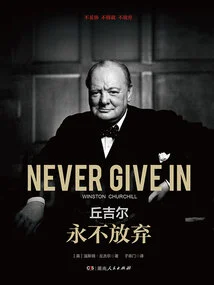
Churchill: Never Give Up
History丘吉尔:永不放弃
(english) Winston Churchill
This is a collection of Churchill's speeches. Churchill was an excellent orator, especially his speeches on World War II, which were the most inspiring speeches during World War II. Each speech used the courage and vision of a statesman, starting from the fundamental interests of the British people, and under specific historical conditions, calling for a united front with anti-fascist forces of different ideologies, so as to achieve the final victory of the war. When the collection of Churchill's important speeches reached eight volumes, Churchill's grandson, Winston S. Churchill, compiled a volume of his favorite speeches from all of his grandfather's speeches. This collection covers Churchill's life - from the publication of his first novel to the last day of his life. It includes not only Churchill's best speeches, but also unknown speech fragments that have never been made public.
This is a collection of Churchill's speeches. Churchill was an excellent orator, especially his speeches on World War II, which were the most inspiring speeches during World War II. Each speech used the courage and vision of a statesman, starting from the fundamental interests of the British people, and under specific historical conditions, calling for a united front with anti-fascist forces of different ideologies, so as to achieve the final victory of the war. When the collection of Churchill's important speeches reached eight volumes, Churchill's grandson, Winston S. Churchill, compiled a volume of his favorite speeches from all of his grandfather's speeches. This collection covers Churchill's life - from the publication of his first novel to the last day of his life. It includes not only Churchill's best speeches, but also unknown speech fragments that have never been made public.
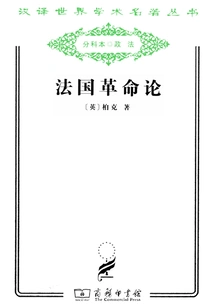
法国革命论(汉译世界学术名著丛书)
(british) Burke
The real world has its various problems, and it inevitably has its various ills; therefore, the real world must always have good and bad, good and evil mixed and intertwined with each other. If people blindly pursue the pure and pure, the result will only be deception that leads astray and will lead to corruption. The French Revolution that broke out in 1789 was an epoch-making event in world history. It is quite similar to the October Revolution in Russia at the beginning of the 20th century, which forced almost every intellectual at that time to stand in front of it and express their attitude. The next year, Burke's influential figures in his later years all stood in front of it to express their attitudes.
The real world has its various problems, and it inevitably has its various ills; therefore, the real world must always have good and bad, good and evil mixed and intertwined with each other. If people blindly pursue the pure and pure, the result will only be deception that leads astray and will lead to corruption. The French Revolution that broke out in 1789 was an epoch-making event in world history. It is quite similar to the October Revolution in Russia at the beginning of the 20th century, which forced almost every intellectual at that time to stand in front of it and express their attitude. The next year, Burke's influential figures in his later years all stood in front of it to express their attitudes.
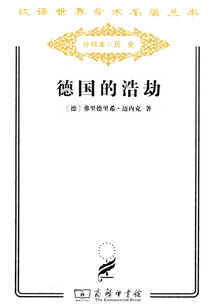
德国的浩劫(汉译世界学术名著丛书)
(germany) Meinecke
"The Cataclysm of Germany" is one of the world's famous academic books in Chinese translation. The author focuses on the two centuries of German historical and cultural background and gives his own answer to the reasons that led to the fascist dictatorship.
"The Cataclysm of Germany" is one of the world's famous academic books in Chinese translation. The author focuses on the two centuries of German historical and cultural background and gives his own answer to the reasons that led to the fascist dictatorship.
莱茵河(汉译世界学术名著丛书)
T
This book is an important historical work by Lucien Favre, the founder of the Annales School. By sorting out the historical development of the Rhine River, it reveals the internal factors of the proud peoples and countries on both sides of the Rhine River from ancient times to the present, thereby warning and predicting the future direction of relations between France and Germany, which are separated by the river.
This book is an important historical work by Lucien Favre, the founder of the Annales School. By sorting out the historical development of the Rhine River, it reveals the internal factors of the proud peoples and countries on both sides of the Rhine River from ancient times to the present, thereby warning and predicting the future direction of relations between France and Germany, which are separated by the river.
Catiline's Conspiracy and Jugurtha's War (chinese Translation of World Academic Masterpieces Series)
History喀提林阴谋朱古达战争(汉译世界学术名著丛书)
(ancient Rome) Sallustius
Sallustius once wrote a "History of Rome", which recorded the major events in Rome from 78 BC to 67 BC. It is a pity that this work has never been found since it was lost. Only a few clues and fragments can be found in his other two works. The two works he handed down are: "Conspiracy of Catiline" (also translated as "Catiline's Rebellion"), which describes how the Roman noble Catiline took advantage of the dissatisfaction in the society at that time to launch a rebellion and finally died in battle. "Jugurthine War" describes how Rome sent troops to the Kingdom of Numidia in the late 2nd century BC, and its king Jugurtha led his army to resist and was ultimately defeated.
Sallustius once wrote a "History of Rome", which recorded the major events in Rome from 78 BC to 67 BC. It is a pity that this work has never been found since it was lost. Only a few clues and fragments can be found in his other two works. The two works he handed down are: "Conspiracy of Catiline" (also translated as "Catiline's Rebellion"), which describes how the Roman noble Catiline took advantage of the dissatisfaction in the society at that time to launch a rebellion and finally died in battle. "Jugurthine War" describes how Rome sent troops to the Kingdom of Numidia in the late 2nd century BC, and its king Jugurtha led his army to resist and was ultimately defeated.
东方的文明(汉译世界学术名著丛书)上册
H
"Civilization of the East" is one of the masterpieces of the famous French orientalist Rene Gruset. Four volumes, namely "Civilization of the Near East and the Middle East", "Civilization of India", "Civilization of China" and "Civilization of Japan", have been published successively since 1929. Because of its clear clues, detailed information, rich illustrations, clear concepts, and concise text, it caused great repercussions in the Eastern and Western academic circles. It was soon translated into English and published, and became one of the must-read books on Oriental studies in the world.
"Civilization of the East" is one of the masterpieces of the famous French orientalist Rene Gruset. Four volumes, namely "Civilization of the Near East and the Middle East", "Civilization of India", "Civilization of China" and "Civilization of Japan", have been published successively since 1929. Because of its clear clues, detailed information, rich illustrations, clear concepts, and concise text, it caused great repercussions in the Eastern and Western academic circles. It was soon translated into English and published, and became one of the must-read books on Oriental studies in the world.
东方的文明(汉译世界学术名著丛书)下册
H
"Civilization of the East" is one of the masterpieces of the famous French orientalist René Gruset. Four volumes, namely "Civilization of the Near East and the Middle East", "Civilization of India", "Civilization of China" and "Civilization of Japan", have been published successively since 1929. Because of its clear clues, detailed information, rich illustrations, clear viewpoints, and concise writing, it aroused great repercussions in the Eastern and Western academic circles. It was soon translated into English and published, and became one of the must-read books on Oriental studies in the world.
"Civilization of the East" is one of the masterpieces of the famous French orientalist René Gruset. Four volumes, namely "Civilization of the Near East and the Middle East", "Civilization of India", "Civilization of China" and "Civilization of Japan", have been published successively since 1929. Because of its clear clues, detailed information, rich illustrations, clear viewpoints, and concise writing, it aroused great repercussions in the Eastern and Western academic circles. It was soon translated into English and published, and became one of the must-read books on Oriental studies in the world.
革命节日(汉译世界学术名著丛书)
(french) Mona Ozouf
"Revolutionary Festival" is Mona Ozouf's masterpiece. Different from traditional historical research, Ozouf studied the festivals during the French Revolution from the perspectives of cultural history and anthropology, and incorporated cultural factors into the analysis of collective actions during the Revolution. This book provides a perspective on the political culture during the Revolution, not only analyzes the connections and differences between revolutionary festivals and traditions, but also reveals the significance of revolutionary festivals to collective action and collective mentality during the French Revolution. This book is regarded as the first work in the study of the cultural history of the French Revolution.
"Revolutionary Festival" is Mona Ozouf's masterpiece. Different from traditional historical research, Ozouf studied the festivals during the French Revolution from the perspectives of cultural history and anthropology, and incorporated cultural factors into the analysis of collective actions during the Revolution. This book provides a perspective on the political culture during the Revolution, not only analyzes the connections and differences between revolutionary festivals and traditions, but also reveals the significance of revolutionary festivals to collective action and collective mentality during the French Revolution. This book is regarded as the first work in the study of the cultural history of the French Revolution.
法国革命史(汉译世界学术名著丛书)
(france) Lefebvre
The ideological wealth and academic value contained in "History of the French Revolution" are well known to scholars and need no further elaboration. The contents of "History of the French Revolution" complement each other and are comprehensive, which is not only convenient for study and examination, but also conducive to cultural accumulation.
The ideological wealth and academic value contained in "History of the French Revolution" are well known to scholars and need no further elaboration. The contents of "History of the French Revolution" complement each other and are comprehensive, which is not only convenient for study and examination, but also conducive to cultural accumulation.
希罗多德历史(汉译世界学术名著丛书)
N
"History" written by Herodotus is the first historical masterpiece in ancient Western times. Its main content is an "investigation and study" of the history and culture of various nations around the world at that time. It was divided into nine volumes by later generations of scholars. Taking the relationship between Greeks and foreigners as the main line, the author describes the geographical environment, ethnic distribution, economic life, political system, and history of Lydia, Media, Babylon, Egypt, Persia, India, Scythia, Libya, and the Aegean Sea region of Greece. It includes historical events, customs, religious beliefs, places of interest, etc., And then focuses on describing the course of the ancient "World War" - the Persian War, starting from the beginning of the war, passing through the Battle of Marathon, the Battle of Salamis, and ending with the Battle of Plataea and the Battle of Mycale.
"History" written by Herodotus is the first historical masterpiece in ancient Western times. Its main content is an "investigation and study" of the history and culture of various nations around the world at that time. It was divided into nine volumes by later generations of scholars. Taking the relationship between Greeks and foreigners as the main line, the author describes the geographical environment, ethnic distribution, economic life, political system, and history of Lydia, Media, Babylon, Egypt, Persia, India, Scythia, Libya, and the Aegean Sea region of Greece. It includes historical events, customs, religious beliefs, places of interest, etc., And then focuses on describing the course of the ancient "World War" - the Persian War, starting from the beginning of the war, passing through the Battle of Marathon, the Battle of Salamis, and ending with the Battle of Plataea and the Battle of Mycale.
十八世纪产业革命(汉译世界学术名著丛书)
(france) Paul Manto
This book mainly narrates economic historical facts, with rich materials; it also has a certain description of the transformation of economic theory, such as the establishment of laissez-faire thought and the country's attitude towards economic life; it also describes and exposes the exploitation of the liberal bourgeoisie. This book is of great reference value for our study of the British Industrial Revolution.
This book mainly narrates economic historical facts, with rich materials; it also has a certain description of the transformation of economic theory, such as the establishment of laissez-faire thought and the country's attitude towards economic life; it also describes and exposes the exploitation of the liberal bourgeoisie. This book is of great reference value for our study of the British Industrial Revolution.