Library
Browse and search books
2,472 novels found
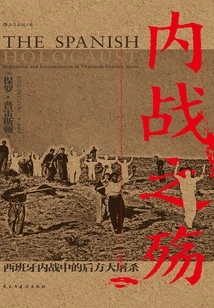
内战之殇:西班牙内战中的后方大屠杀
(uk) Paul Preston
This book is carefully created by the author based on more than ten years of research results, aiming to reveal the horrific experiences of the Spanish people in their fierce civil war from 1936 to 1945. The horrific events described in the book took place behind the battlefield, in what the author calls the "Spanish Massacre." They have previously escaped the attention of historians, but now the author provides us with the first comprehensive picture: mass extrajudicial murder of some 200,000 victims, summary trials, torture, systematic abuse of women and children, mass incarceration, and horrific exiles. Those responsible for the horrors were named and the victims identified. This was a dark period in modern European history, and the scars it caused are still felt in Spain today.
This book is carefully created by the author based on more than ten years of research results, aiming to reveal the horrific experiences of the Spanish people in their fierce civil war from 1936 to 1945. The horrific events described in the book took place behind the battlefield, in what the author calls the "Spanish Massacre." They have previously escaped the attention of historians, but now the author provides us with the first comprehensive picture: mass extrajudicial murder of some 200,000 victims, summary trials, torture, systematic abuse of women and children, mass incarceration, and horrific exiles. Those responsible for the horrors were named and the victims identified. This was a dark period in modern European history, and the scars it caused are still felt in Spain today.
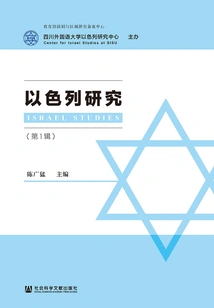
Israel Studies (series 1)
History以色列研究(第1辑)
Editor-in-chief Chen Guangmeng
"Israel Studies" is sponsored by the Israel Studies Center of Sichuan International Studies University. Guided by Marxism, it strives to use new materials, absorb new theories, and adopt new methods to conduct comprehensive research on contemporary Israeli politics, economy, education, culture, society, etc., As well as related Jewish studies and Middle East studies, comprehensively displaying the new achievements of Chinese Israel studies scholars, and aiming to serve the construction of national and regional studies with Chinese characteristics. The book includes columns such as interviews with famous figures, contemporary Israel, Jewish studies, Israel and the Middle East, and book reviews.
"Israel Studies" is sponsored by the Israel Studies Center of Sichuan International Studies University. Guided by Marxism, it strives to use new materials, absorb new theories, and adopt new methods to conduct comprehensive research on contemporary Israeli politics, economy, education, culture, society, etc., As well as related Jewish studies and Middle East studies, comprehensively displaying the new achievements of Chinese Israel studies scholars, and aiming to serve the construction of national and regional studies with Chinese characteristics. The book includes columns such as interviews with famous figures, contemporary Israel, Jewish studies, Israel and the Middle East, and book reviews.
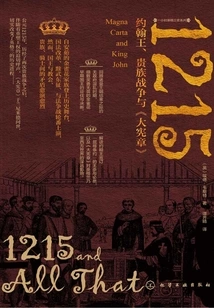
1215:约翰王、贵族战争与《大宪章》
(uk) Ed West
This book reviews the century-old tumultuous history of the early Plantagenet Dynasty by tracing the background, key factors, and main characters of the signing of the Magna Carta. From Henry II and the Lionheart to King John and Henry III, in addition to introducing the lives and major events of each king, it also analyzes their different ruling styles and relationships with the church, thereby illustrating how the conflicts between the king and the nobles developed, intensified, and finally broke out. This book also explains the later influence of Magna Carta, aiming to emphasize why Magna Carta became the pioneer of the Western constitutional system and fundamentally changed the history of England and the English-speaking nation.
This book reviews the century-old tumultuous history of the early Plantagenet Dynasty by tracing the background, key factors, and main characters of the signing of the Magna Carta. From Henry II and the Lionheart to King John and Henry III, in addition to introducing the lives and major events of each king, it also analyzes their different ruling styles and relationships with the church, thereby illustrating how the conflicts between the king and the nobles developed, intensified, and finally broke out. This book also explains the later influence of Magna Carta, aiming to emphasize why Magna Carta became the pioneer of the Western constitutional system and fundamentally changed the history of England and the English-speaking nation.
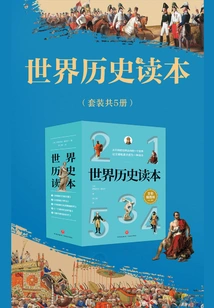
世界历史读本(套装共5册)
(uk) Elizabeth O'neill
"World History Reader" (set of 5 volumes) is a popular reader of world history created by the famous British historian Elizabeth O'Neill. The work wonderfully and vividly tells the entire process of mankind from the birth to the 20th century and the history of countries and regions that have a significant impact on the world pattern. This book is very story-telling, the narration is friendly and interesting, and the language is concise and smooth. It is the best choice for beginners to easily understand the history of the world.
"World History Reader" (set of 5 volumes) is a popular reader of world history created by the famous British historian Elizabeth O'Neill. The work wonderfully and vividly tells the entire process of mankind from the birth to the 20th century and the history of countries and regions that have a significant impact on the world pattern. This book is very story-telling, the narration is friendly and interesting, and the language is concise and smooth. It is the best choice for beginners to easily understand the history of the world.
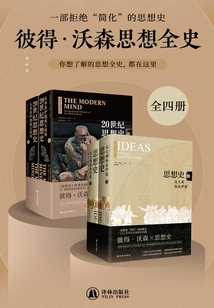
彼得·沃森思想全史(全四册)
Y
This set contains two books: "History of Ideas: From Fire to Freud" and "History of 20th-Century Ideas: From Freud to the Internet". Among them, "History of Thought: From Fire to Freud" is a splendid encyclopedia-style masterpiece with millions of words for general readers. An overview of the ideological and cultural development from the time when humans walked upright and made fire to the contention of a hundred schools of thought in the early 20th century. Ancient Homo sapiens were originally an inconspicuous primate in Africa. What factors caused them to spread throughout the earth and even embark on a journey to explore outer space? What kind of development made them reflect on the damage humans have brought to the earth and adopt a conscientious lifestyle? Watson uses thought-provoking writing to tell how humans became what they are today, helping readers gain a deeper understanding of the world and themselves. This is a general history written based on ideas. History is no longer about the changes of dynasties and successful kings and defeated bandits, but about those important ideas and trends that have contributed to promoting human understanding of the world and ourselves. "History of Thought in the 20th Century: From Freud to the Internet" is an encyclopedic masterpiece with millions of words for general readers. Continuing the clues of "History of Thought: From Fire to Freud", we have an overview of the changing 20th century, get rid of the fog of war and politics, and understand the intellectual achievements of mankind in this century from the perspective of thought. The 20th century was not only a troubled period for mankind, but also a glorious century of ideological progress. In this century, all mankind has advanced in twists and turns, seeking common ground while reserving differences, amidst slavery, confrontation, war, and liberation. We have also made major discoveries in various major disciplines such as microscopic particles, genetic structure, and modernism. Peter Watson uses precise and beautiful narrative style to narrate the ideological development of mankind in the 20th century, helping readers in the 21st century understand how we arrived in today's world and where we will go in the future. This is a general history of the 20th century written with ideas. The protagonists in the book are no longer world wars and political games, but it will include the ideological consequences of the war, the scientific competition during the Cold War, the aftermath of the wave of decolonization, and other spiritual wealth that are still closely related to us. They will be the key to our understanding of today's world and ourselves.
This set contains two books: "History of Ideas: From Fire to Freud" and "History of 20th-Century Ideas: From Freud to the Internet". Among them, "History of Thought: From Fire to Freud" is a splendid encyclopedia-style masterpiece with millions of words for general readers. An overview of the ideological and cultural development from the time when humans walked upright and made fire to the contention of a hundred schools of thought in the early 20th century. Ancient Homo sapiens were originally an inconspicuous primate in Africa. What factors caused them to spread throughout the earth and even embark on a journey to explore outer space? What kind of development made them reflect on the damage humans have brought to the earth and adopt a conscientious lifestyle? Watson uses thought-provoking writing to tell how humans became what they are today, helping readers gain a deeper understanding of the world and themselves. This is a general history written based on ideas. History is no longer about the changes of dynasties and successful kings and defeated bandits, but about those important ideas and trends that have contributed to promoting human understanding of the world and ourselves. "History of Thought in the 20th Century: From Freud to the Internet" is an encyclopedic masterpiece with millions of words for general readers. Continuing the clues of "History of Thought: From Fire to Freud", we have an overview of the changing 20th century, get rid of the fog of war and politics, and understand the intellectual achievements of mankind in this century from the perspective of thought. The 20th century was not only a troubled period for mankind, but also a glorious century of ideological progress. In this century, all mankind has advanced in twists and turns, seeking common ground while reserving differences, amidst slavery, confrontation, war, and liberation. We have also made major discoveries in various major disciplines such as microscopic particles, genetic structure, and modernism. Peter Watson uses precise and beautiful narrative style to narrate the ideological development of mankind in the 20th century, helping readers in the 21st century understand how we arrived in today's world and where we will go in the future. This is a general history of the 20th century written with ideas. The protagonists in the book are no longer world wars and political games, but it will include the ideological consequences of the war, the scientific competition during the Cold War, the aftermath of the wave of decolonization, and other spiritual wealth that are still closely related to us. They will be the key to our understanding of today's world and ourselves.
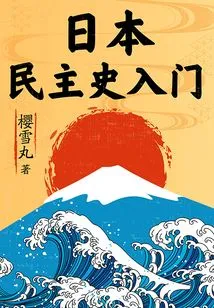
日本民主史入门
Sakura Snowmaru
Sakura Yukimaru's masterpiece on the history of Japanese democracy! From the germination of democracy in the Meiji period to the civil struggle in Japan after World War II, it vividly and interestingly tells the tortuous story of Japan's democratic development and reform in five historical stages. The realization of any modern democracy will never be achieved overnight! From the germination of modern democracy in the Meiji period, to the short-lived Taisho democratic government, to the continuous civil struggle in post-war Japan, the fierce collision of institutions and human nature has intertwined into a complex history of Japanese democracy. Based on the five major historical stages, it sorts out the major "political events" and "civilian struggles" that really happened in Japan, and vividly and interestingly reproduces the reform and development of Japan's democracy. People first, peace, human rights! This is a popular history of Japanese democracy that does not shy away from the truth or exaggerate the results!
Sakura Yukimaru's masterpiece on the history of Japanese democracy! From the germination of democracy in the Meiji period to the civil struggle in Japan after World War II, it vividly and interestingly tells the tortuous story of Japan's democratic development and reform in five historical stages. The realization of any modern democracy will never be achieved overnight! From the germination of modern democracy in the Meiji period, to the short-lived Taisho democratic government, to the continuous civil struggle in post-war Japan, the fierce collision of institutions and human nature has intertwined into a complex history of Japanese democracy. Based on the five major historical stages, it sorts out the major "political events" and "civilian struggles" that really happened in Japan, and vividly and interestingly reproduces the reform and development of Japan's democracy. People first, peace, human rights! This is a popular history of Japanese democracy that does not shy away from the truth or exaggerate the results!
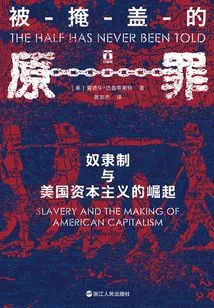
被掩盖的原罪:奴隶制与美国资本主义的崛起(好望角丛书)
(us) Edward Baptiste
Historian Edward Baptiste tells readers the fact that in the 80 years after American independence, the expansion of slavery promoted the development and modernization of the United States. In just a few decades, the South grew from dilapidated tobacco plantations in the coastal panhandle to a transcontinental cotton empire, laying an important foundation for the United States to develop into a modern capitalist industrial economy. Baptiste combines slave oral accounts, plantation-related records, and relevant statements from newspapers, politicians, entrepreneurs, and escaped slaves to give a new and bold interpretation of American history. He makes readers aware of the violence at the heart of American hegemony and the survival desire and resistance that ended slavery and created the culture that underpinned America's deepest dreams of freedom.
Historian Edward Baptiste tells readers the fact that in the 80 years after American independence, the expansion of slavery promoted the development and modernization of the United States. In just a few decades, the South grew from dilapidated tobacco plantations in the coastal panhandle to a transcontinental cotton empire, laying an important foundation for the United States to develop into a modern capitalist industrial economy. Baptiste combines slave oral accounts, plantation-related records, and relevant statements from newspapers, politicians, entrepreneurs, and escaped slaves to give a new and bold interpretation of American history. He makes readers aware of the violence at the heart of American hegemony and the survival desire and resistance that ended slavery and created the culture that underpinned America's deepest dreams of freedom.
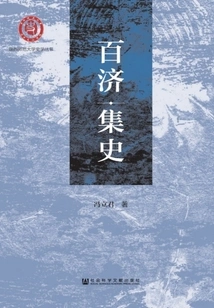
Collected History of Baekje
History百济集史
Feng Lijun
The ancient country of Baekje during the Han and Tang Dynasties had a long history and splendid civilization, and had established extensive and diverse connections with the surrounding world. The study of Baekje is of great significance to the study of Han and Tang history, Asian history, especially the history of Sino-foreign relations. This book is the first work on the history of Baekje in the Chinese literary world. The content mainly includes: a summary of Baekje historical events, that is, the basic historical facts and outline of Baekje; a summary of Baekje historical materials, that is, an introduction to Baekje-related classics, epigraphic documents, and archaeological materials; and a summary of the history of Baekje, which reviews the research results of scholars from China, Japan, and South Korea by country. The book is also accompanied by more than a hundred charts and graphs.
The ancient country of Baekje during the Han and Tang Dynasties had a long history and splendid civilization, and had established extensive and diverse connections with the surrounding world. The study of Baekje is of great significance to the study of Han and Tang history, Asian history, especially the history of Sino-foreign relations. This book is the first work on the history of Baekje in the Chinese literary world. The content mainly includes: a summary of Baekje historical events, that is, the basic historical facts and outline of Baekje; a summary of Baekje historical materials, that is, an introduction to Baekje-related classics, epigraphic documents, and archaeological materials; and a summary of the history of Baekje, which reviews the research results of scholars from China, Japan, and South Korea by country. The book is also accompanied by more than a hundred charts and graphs.
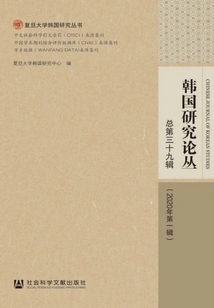
韩国研究论丛(2020年第1辑\u002F总第39辑)
Fudan University Korean Studies Center
"Korean Studies Series" is an academic journal sponsored by the Korean Studies Center of Fudan University. It was founded in 1995. It has always adhered to the purpose of "cutting edge, originality, and authority" and is committed to the study of Korean Peninsula issues. It publishes articles covering various fields of Korean Peninsula issues. The book has three topics: politics, diplomacy and security; history, philosophy and culture; society, economy and management.
"Korean Studies Series" is an academic journal sponsored by the Korean Studies Center of Fudan University. It was founded in 1995. It has always adhered to the purpose of "cutting edge, originality, and authority" and is committed to the study of Korean Peninsula issues. It publishes articles covering various fields of Korean Peninsula issues. The book has three topics: politics, diplomacy and security; history, philosophy and culture; society, economy and management.
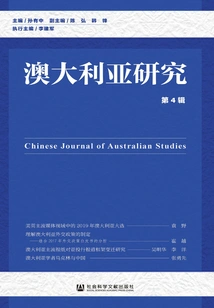
澳大利亚研究(第4辑)
Editor-in-chief Sun Youzhong Han Feng Deputy Editor-in-chief Chen Hong Executive Editor-in-chief Li Jianjun
"Australian Studies" is sponsored by the China Australia Studies Association and the Australian Studies Center of Beijing Foreign Studies University. It is the first interdisciplinary academic collection of Australian country studies in China. It mainly collects academic articles in various fields such as Australian politics, economy, diplomacy, culture, history, etc. Each issue sets a different research theme, focuses on contemporary times, takes into account history, and advocates interdisciplinary research. It aims to create an authoritative platform for Chinese Australian studies and comprehensively display the new results of Australian country studies.
"Australian Studies" is sponsored by the China Australia Studies Association and the Australian Studies Center of Beijing Foreign Studies University. It is the first interdisciplinary academic collection of Australian country studies in China. It mainly collects academic articles in various fields such as Australian politics, economy, diplomacy, culture, history, etc. Each issue sets a different research theme, focuses on contemporary times, takes into account history, and advocates interdisciplinary research. It aims to create an authoritative platform for Chinese Australian studies and comprehensively display the new results of Australian country studies.
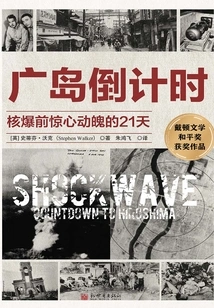
广岛倒计时:核爆前惊心动魄的21天
V
At 8:15 am on August 6, 1945 (Japan time), a bomb named "Little Boy" exploded over Hiroshima and was written into history. The first atomic bomb used in actual combat immediately killed 70,000 people, and cancer and other complications induced by nuclear radiation would claim more than 200,000 lives. Much has been written about the circumstances surrounding the explosion and its subsequent effects. In this unique book "Countdown to Hiroshima", author Stephen Walker uses calm and restrained writing to describe the thrilling 21 days before the explosion of the atomic bomb in Hiroshima and everything in the 18 hours after the explosion: from the U. S. Atomic bomb test at Los Alamos to the diplomatic game between the "Big Three"; from the scientists who proposed the concept of the atomic bomb opposed the use of this "Frankenstein's Monster" From the hardliners' insistence on dropping bombs without warning; from the bomber crew's "endurance and humiliation" to practice difficult flying maneuvers to a wild pilot who dropped a bomb on the Japanese Imperial Palace; from the wonderful night a pair of Hiroshima lovers spent before the explosion to the "glimpse of hell" described by witnesses after the explosion... Every time you turn a page, you can feel the time ticking away and a disaster getting closer and closer. In the end, together with the characters in the book, you will experience the long 30 minutes, 3 minutes, and 45 seconds before the nuclear explosion, and witness with the survivors the tragic scenes after the explosion: those corpses that were charred to the point of being inhuman form, the fire storm that swept everything, the "walking dead" whose bodies were so scorched that they could no longer tell whether they were male or female... The information in this book is extremely rich and detailed. The author's interviews with more than 40 bomber crew members who were still alive when the book was written, scientists involved in the development of the atomic bomb, and survivors of the Hiroshima nuclear bombing; memoirs and letters from the parties and their relatives; declassified documents from authoritative organizations such as the U. S. National Archives; academic writings by historians in related fields; and photos provided by many people who experienced it. In this book, Stephen Walker never exaggerates hatred, but calmly describes this event of far-reaching historical significance from multiple angles, showing the horror of war, especially nuclear weapons. Perhaps it is for this reason that this masterpiece won the prestigious Dayton Literary Peace Prize in 2006.
At 8:15 am on August 6, 1945 (Japan time), a bomb named "Little Boy" exploded over Hiroshima and was written into history. The first atomic bomb used in actual combat immediately killed 70,000 people, and cancer and other complications induced by nuclear radiation would claim more than 200,000 lives. Much has been written about the circumstances surrounding the explosion and its subsequent effects. In this unique book "Countdown to Hiroshima", author Stephen Walker uses calm and restrained writing to describe the thrilling 21 days before the explosion of the atomic bomb in Hiroshima and everything in the 18 hours after the explosion: from the U. S. Atomic bomb test at Los Alamos to the diplomatic game between the "Big Three"; from the scientists who proposed the concept of the atomic bomb opposed the use of this "Frankenstein's Monster" From the hardliners' insistence on dropping bombs without warning; from the bomber crew's "endurance and humiliation" to practice difficult flying maneuvers to a wild pilot who dropped a bomb on the Japanese Imperial Palace; from the wonderful night a pair of Hiroshima lovers spent before the explosion to the "glimpse of hell" described by witnesses after the explosion... Every time you turn a page, you can feel the time ticking away and a disaster getting closer and closer. In the end, together with the characters in the book, you will experience the long 30 minutes, 3 minutes, and 45 seconds before the nuclear explosion, and witness with the survivors the tragic scenes after the explosion: those corpses that were charred to the point of being inhuman form, the fire storm that swept everything, the "walking dead" whose bodies were so scorched that they could no longer tell whether they were male or female... The information in this book is extremely rich and detailed. The author's interviews with more than 40 bomber crew members who were still alive when the book was written, scientists involved in the development of the atomic bomb, and survivors of the Hiroshima nuclear bombing; memoirs and letters from the parties and their relatives; declassified documents from authoritative organizations such as the U. S. National Archives; academic writings by historians in related fields; and photos provided by many people who experienced it. In this book, Stephen Walker never exaggerates hatred, but calmly describes this event of far-reaching historical significance from multiple angles, showing the horror of war, especially nuclear weapons. Perhaps it is for this reason that this masterpiece won the prestigious Dayton Literary Peace Prize in 2006.
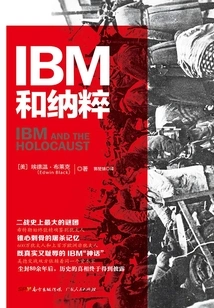
Ibm and the Nazis
HistoryIBM和纳粹
(us) Edwin Blake
As punch cards pierced the protective shield of non-Aryans, American business oligarchs sounded the death knell for European Jewry. Why did the massacre happen? How did it happen on such a large scale in a short period of time? Why were the victims accurately identified? Why did IBM form an alliance with the Nazis? Is this the distortion and abuse of human rights politics or the interest game in the speculative economy? How was IBM's advanced technology introduced to Europe? How are frozen funds transferred out of German-occupied Europe? What kind of opportunity did the U. S. State Department become the personal postman for IBM's European business? Historians have always been amazed by the efficiency and accuracy with which the Nazis identified European Jews, but until now, the mystery has not been fully solved. Only by accurately identifying the Jews could Hitler effectively impose asset confiscation, segregation, deportation, enslavement and ultimately genocide. This task is a great list and organization challenge and requires a computer to complete. But in the 1930s, computers had not yet been born. To this end, as a leader in modern information technology, IBM did not hesitate to create an "Aryan" identity, and helped Hitler accelerate the massacre process with a specially designed and continuously updated Hollerith punch card system. In fact, the technology provided by IBM was used to organize almost everything related to Germany and later occupied Europe, from the Jewish census and ancestry certification to the use of the railway system and the organization of concentration camp labor. Only with the technical support of IBM could Hitler achieve such a large-scale massacre. Now, Edwin Blake has revealed the final mystery of Germany's massacre of the Jews.
As punch cards pierced the protective shield of non-Aryans, American business oligarchs sounded the death knell for European Jewry. Why did the massacre happen? How did it happen on such a large scale in a short period of time? Why were the victims accurately identified? Why did IBM form an alliance with the Nazis? Is this the distortion and abuse of human rights politics or the interest game in the speculative economy? How was IBM's advanced technology introduced to Europe? How are frozen funds transferred out of German-occupied Europe? What kind of opportunity did the U. S. State Department become the personal postman for IBM's European business? Historians have always been amazed by the efficiency and accuracy with which the Nazis identified European Jews, but until now, the mystery has not been fully solved. Only by accurately identifying the Jews could Hitler effectively impose asset confiscation, segregation, deportation, enslavement and ultimately genocide. This task is a great list and organization challenge and requires a computer to complete. But in the 1930s, computers had not yet been born. To this end, as a leader in modern information technology, IBM did not hesitate to create an "Aryan" identity, and helped Hitler accelerate the massacre process with a specially designed and continuously updated Hollerith punch card system. In fact, the technology provided by IBM was used to organize almost everything related to Germany and later occupied Europe, from the Jewish census and ancestry certification to the use of the railway system and the organization of concentration camp labor. Only with the technical support of IBM could Hitler achieve such a large-scale massacre. Now, Edwin Blake has revealed the final mystery of Germany's massacre of the Jews.
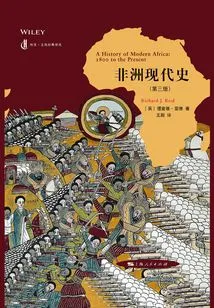
非洲现代史(第三版)
(uk)richard Read
This book explores the political, economic and social history of the African continent over more than two centuries, describing the shaping of modern Africa in a detailed and easy-to-understand style, helping readers understand key concepts and understand major themes. The book is divided into six parts, namely: the uniqueness and violence of Africa in the 19th century; the revival and transformation of the 19th century; Africa and Europe; commerce, conflict and cooperation to 1920; colonialism; the disintegration of empires; legacies, new beginnings and unfinished business. Design major historical topics such as the slave trade, colonies and revolutions, government and partition. The author emphasizes explaining the current situation of the African continent from the history of the 19th century and beyond, emphasizing the environmental factors and African agency in African history, and explores the legacy of the 19th century and the colonial period in the contemporary context. Compared with traditional historical research, it has certain innovative significance.
This book explores the political, economic and social history of the African continent over more than two centuries, describing the shaping of modern Africa in a detailed and easy-to-understand style, helping readers understand key concepts and understand major themes. The book is divided into six parts, namely: the uniqueness and violence of Africa in the 19th century; the revival and transformation of the 19th century; Africa and Europe; commerce, conflict and cooperation to 1920; colonialism; the disintegration of empires; legacies, new beginnings and unfinished business. Design major historical topics such as the slave trade, colonies and revolutions, government and partition. The author emphasizes explaining the current situation of the African continent from the history of the 19th century and beyond, emphasizing the environmental factors and African agency in African history, and explores the legacy of the 19th century and the colonial period in the contemporary context. Compared with traditional historical research, it has certain innovative significance.
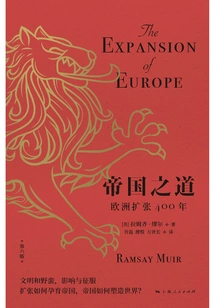
帝国之道:欧洲扩张400年(第六版)
(british) Ramsay Muir
"The Way of Empire: 400 Years of European Expansion" is an important work by the famous British historian and thinker Ramsay Muir, first published in 1917 and reprinted many times over the past 20 years. This book is translated based on the 1939 sixth edition. The book describes the global expansion process of Europe from a rational and balanced perspective, including the competition among the great powers such as Britain, France, the Netherlands, Spain, Portugal, Germany, and Russia as participants in the expansion process, as well as the relationship between the colonies and the metropolitan country. Among them, Ramsay Muir focuses on exploring the motivations of imperialist expansion, the various forms of expansion, the different stages of European expansion, and the relationship between World War I and European expansion. "The Way of Empire: 400 Years of European Expansion" has high reference value, both in terms of the academic significance of understanding the history of European expansion and the practical significance of understanding the current world structure, relations between European countries, and the game of great powers.
"The Way of Empire: 400 Years of European Expansion" is an important work by the famous British historian and thinker Ramsay Muir, first published in 1917 and reprinted many times over the past 20 years. This book is translated based on the 1939 sixth edition. The book describes the global expansion process of Europe from a rational and balanced perspective, including the competition among the great powers such as Britain, France, the Netherlands, Spain, Portugal, Germany, and Russia as participants in the expansion process, as well as the relationship between the colonies and the metropolitan country. Among them, Ramsay Muir focuses on exploring the motivations of imperialist expansion, the various forms of expansion, the different stages of European expansion, and the relationship between World War I and European expansion. "The Way of Empire: 400 Years of European Expansion" has high reference value, both in terms of the academic significance of understanding the history of European expansion and the practical significance of understanding the current world structure, relations between European countries, and the game of great powers.
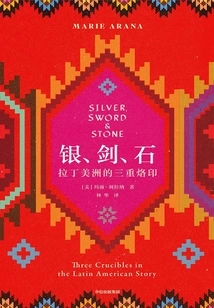
银、剑、石:拉丁美洲的三重烙印
(us) Mary Alana
In Silver, Sword, Stone, Peruvian writer Marie Arana uses rich historical materials and solid documentary writing to seamlessly weave the stories of three contemporary Latin Americans with the history of Latin America over the past millennium, thereby illuminating three enduring themes that have defined Latin America from pre-Columbian times to the present: the endless demands for resources from the outside (silver), the lingering shadow of violence (sword), and deep-rooted religious beliefs (stone). Connecting history and reality, and putting aside the "winner's perspective", Alana tries to explore the "nature" established by the unique experience of Latin America and outline the identity, mentality and destiny of the people on this land.
In Silver, Sword, Stone, Peruvian writer Marie Arana uses rich historical materials and solid documentary writing to seamlessly weave the stories of three contemporary Latin Americans with the history of Latin America over the past millennium, thereby illuminating three enduring themes that have defined Latin America from pre-Columbian times to the present: the endless demands for resources from the outside (silver), the lingering shadow of violence (sword), and deep-rooted religious beliefs (stone). Connecting history and reality, and putting aside the "winner's perspective", Alana tries to explore the "nature" established by the unique experience of Latin America and outline the identity, mentality and destiny of the people on this land.
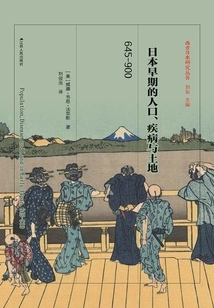
日本早期的人口、疾病与土地(645-900)
(u. S.) William Wayne Farris
Based on tax registration and household registration, legal decrees, other original materials, and newly acquired Japanese documents, the author systematically and scientifically explains Japan's early population situation for the first time, including the role of diseases in the process of economic development. This work provides a comprehensive study of land reclamation, agricultural technology, and the conditions of rural settlements, and reinterprets the functions and nature of the legal system in a revised demographic and economic context. Farris's text is accompanied by several maps, population pyramids of five regions, and original maps and text translations of some tax and household registers. These documents further illuminate Japan's demographic and economic conditions during the three hundred years of the seventh, eighth, and ninth centuries.
Based on tax registration and household registration, legal decrees, other original materials, and newly acquired Japanese documents, the author systematically and scientifically explains Japan's early population situation for the first time, including the role of diseases in the process of economic development. This work provides a comprehensive study of land reclamation, agricultural technology, and the conditions of rural settlements, and reinterprets the functions and nature of the legal system in a revised demographic and economic context. Farris's text is accompanied by several maps, population pyramids of five regions, and original maps and text translations of some tax and household registers. These documents further illuminate Japan's demographic and economic conditions during the three hundred years of the seventh, eighth, and ninth centuries.
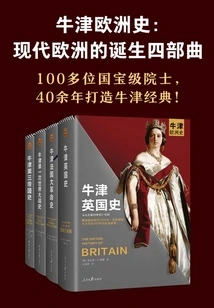
牛津欧洲史:现代欧洲的诞生四部曲
(uk) Kenneth O. Morgan William Doyle Hugh Strone Robert Gratley
The "Oxford European History" series is planned and launched by Oxford University Press. Relying on its strong academic and publishing resources, it has assembled more than 100 national treasure-level academician authors across the ages and spent more than 40 years creating this set of Oxford classics. "Oxford History of Britain" tells the story of the rise and fall of Britain for more than two thousand years, from 55 BC to the 21st century. "The Oxford History of the French Revolution" reproduces the ups and downs of the Revolution in a panoramic manner, and immerses you in experiencing the rapid changes of the great turning point. "Oxford History of the First World War" Open this book and you will see a panoramic epic of the First World War: not just a battle of killing, but also a battle for women's equality, a battle for colonial awakening, and a battle for the liberation of new ideas! Open the book "Oxford History of the Third Reich" and see how ordinary people voluntarily became Hitler's executioners.
The "Oxford European History" series is planned and launched by Oxford University Press. Relying on its strong academic and publishing resources, it has assembled more than 100 national treasure-level academician authors across the ages and spent more than 40 years creating this set of Oxford classics. "Oxford History of Britain" tells the story of the rise and fall of Britain for more than two thousand years, from 55 BC to the 21st century. "The Oxford History of the French Revolution" reproduces the ups and downs of the Revolution in a panoramic manner, and immerses you in experiencing the rapid changes of the great turning point. "Oxford History of the First World War" Open this book and you will see a panoramic epic of the First World War: not just a battle of killing, but also a battle for women's equality, a battle for colonial awakening, and a battle for the liberation of new ideas! Open the book "Oxford History of the Third Reich" and see how ordinary people voluntarily became Hitler's executioners.
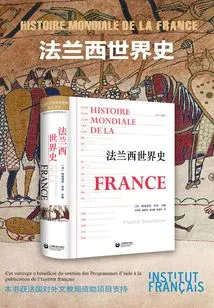
French World History
History法兰西世界史
(french) Editor-in-chief Patrick Boujon
This book is edited by Patrick Boujom, a professor at the Collège de France, with the participation of 122 history professors and researchers from academic institutions such as the French National Academy of Sciences, the French Ecole Supérieure des Sciences Supérieures, Sciences Po, and the National Archives. What is special about this work is that it is not a traditional French history, nor a traditional world history, but "a French history that uses world history as data." Using time as a clue (from prehistory to 2015), the authors selected important historical events and phenomena in politics, literature, medicine, art, education and other fields, and discussed the mutual influence and connections between France and the world. France and the world blend naturally in this book, which is an interesting innovation among history books around the world.
This book is edited by Patrick Boujom, a professor at the Collège de France, with the participation of 122 history professors and researchers from academic institutions such as the French National Academy of Sciences, the French Ecole Supérieure des Sciences Supérieures, Sciences Po, and the National Archives. What is special about this work is that it is not a traditional French history, nor a traditional world history, but "a French history that uses world history as data." Using time as a clue (from prehistory to 2015), the authors selected important historical events and phenomena in politics, literature, medicine, art, education and other fields, and discussed the mutual influence and connections between France and the world. France and the world blend naturally in this book, which is an interesting innovation among history books around the world.
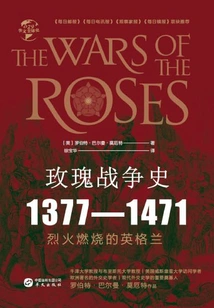
玫瑰战争史:1377—1471(华文全球史)
K
This book is the representative work of the famous British diplomatic historian Robert Balmain Mowert. It tells the whole process of the murder of Richard II, the destruction of the English throne succession system, the century-old fierce battle between the York family and the Lancaster family for the right to inherit the throne, the collapse of the Plantagenet dynasty, and the ascension of Henry VII to the throne to establish the Tudor dynasty. Why did Richard II fail in the coup? Why did the Houses of York and Lancaster gain legal inheritance rights to the throne of England after the death of Richard II? Why is this civil war in England called the "War of the Roses"? Why were the dynasties established by the Yorks and Lancastrians never able to stabilize the political situation? What battle in the War of the Roses determined the fate of both families? Why did Henry Tudor become a beneficiary of the Wars of the Roses? This book will answer it in detail.
This book is the representative work of the famous British diplomatic historian Robert Balmain Mowert. It tells the whole process of the murder of Richard II, the destruction of the English throne succession system, the century-old fierce battle between the York family and the Lancaster family for the right to inherit the throne, the collapse of the Plantagenet dynasty, and the ascension of Henry VII to the throne to establish the Tudor dynasty. Why did Richard II fail in the coup? Why did the Houses of York and Lancaster gain legal inheritance rights to the throne of England after the death of Richard II? Why is this civil war in England called the "War of the Roses"? Why were the dynasties established by the Yorks and Lancastrians never able to stabilize the political situation? What battle in the War of the Roses determined the fate of both families? Why did Henry Tudor become a beneficiary of the Wars of the Roses? This book will answer it in detail.
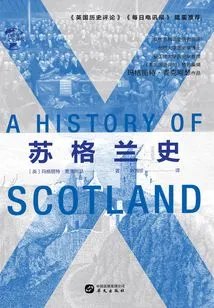
苏格兰史(华文全球史)
(uk) Margaret Macarthur
This book is the representative work of Margaret MacArthur, a pioneer in the study of modern Scottish history. How was the Kingdom of Scotland born? How was the hereditary system of the throne established? What contribution did William Wallace make to Scotland's independence? Did Robert the Bruce really take inspiration from the failure of spiders to build webs and defeat the English army? Mary Stuart became Queen of Scots six days after she was born. Why did she struggle with power and desire throughout her life? What role has religion played in Scottish history? How did the once sovereign and independent Kingdom of Scotland become part of the British Empire? What was the historical direction of Scotland during the communist era? This book will answer it in detail.
This book is the representative work of Margaret MacArthur, a pioneer in the study of modern Scottish history. How was the Kingdom of Scotland born? How was the hereditary system of the throne established? What contribution did William Wallace make to Scotland's independence? Did Robert the Bruce really take inspiration from the failure of spiders to build webs and defeat the English army? Mary Stuart became Queen of Scots six days after she was born. Why did she struggle with power and desire throughout her life? What role has religion played in Scottish history? How did the once sovereign and independent Kingdom of Scotland become part of the British Empire? What was the historical direction of Scotland during the communist era? This book will answer it in detail.
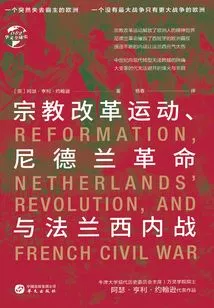
宗教改革运动、尼德兰革命与法兰西内战(华文全球史)
C
This book is one of the most important works of Arthur Henry Johnson, an expert on British medieval history and a history lecturer at Oxford University. It takes the major historical events of the second half of the 16th century Europe as the Reformation, the Dutch Revolution and the French Civil War as the main line, and provides a detailed interpretation of the entire process of differentiation and integration of European political and religious forces. The final result was that the Catholic unification of Western Europe was completely broken; Spain lost its status as the European hegemon; France collapsed and its vitality was severely damaged; the religious conflicts in the Holy Roman Empire intensified, and a larger-scale war was about to come; the Kingdom of England stayed out of the matter, reaped the benefits, and gradually realized its strategic rise. After reading this book, I am deeply moved.
This book is one of the most important works of Arthur Henry Johnson, an expert on British medieval history and a history lecturer at Oxford University. It takes the major historical events of the second half of the 16th century Europe as the Reformation, the Dutch Revolution and the French Civil War as the main line, and provides a detailed interpretation of the entire process of differentiation and integration of European political and religious forces. The final result was that the Catholic unification of Western Europe was completely broken; Spain lost its status as the European hegemon; France collapsed and its vitality was severely damaged; the religious conflicts in the Holy Roman Empire intensified, and a larger-scale war was about to come; the Kingdom of England stayed out of the matter, reaped the benefits, and gradually realized its strategic rise. After reading this book, I am deeply moved.
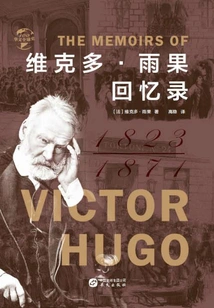
维克多·雨果回忆录(华文全球史)
G
This book records what Victor Hugo saw, heard, felt, and thought for nearly fifty years from 1823 to 1871. It was praised by Le Figaro as "one of the documents of French history in the 19th century." In this epic work, Victor Hugo comprehensively records and profoundly analyzes a series of magnificent and major historical events such as the Coup of 18 Brumaire, the Napoleonic Wars, the Restoration of the Bourbon Dynasty, the July Revolution of 1830, the June Uprising of 1848, the Franco-Prussian War, and the Paris Commune Uprising.
This book records what Victor Hugo saw, heard, felt, and thought for nearly fifty years from 1823 to 1871. It was praised by Le Figaro as "one of the documents of French history in the 19th century." In this epic work, Victor Hugo comprehensively records and profoundly analyzes a series of magnificent and major historical events such as the Coup of 18 Brumaire, the Napoleonic Wars, the Restoration of the Bourbon Dynasty, the July Revolution of 1830, the June Uprising of 1848, the Franco-Prussian War, and the Paris Commune Uprising.
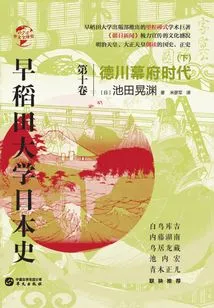
早稻田大学日本史(卷十):德川幕府时代(下)(华文全球史)
L
This book is an important document for studying the history of the Tokugawa Shogunate. It systematically tells the history of the reigns of generals such as Tokugawa Tsunayoshi, Tokugawa Yoshimune, Tokugawa Ieshige, Tokugawa Ieharu, and Tokugawa Ieqi. How did Tokugawa Tsunayoshi handle the relationship between the shogunate and the daimyo? From Tokugawa Tsunayoshi to Tokugawa Ienbu, what subtle changes have taken place in Japan's policy toward North Korea? From Tokugawa Yoshimune to Tokugawa Ieshige, why did the theory of imperial restoration arise in Japan? During the Tokugawa Ieharu period, why did Tanuma Yoshitsu's dictatorship appear? How did Tokugawa Iesai's economic policies promote the shogunate's rule to its peak? This book will answer them one by one.
This book is an important document for studying the history of the Tokugawa Shogunate. It systematically tells the history of the reigns of generals such as Tokugawa Tsunayoshi, Tokugawa Yoshimune, Tokugawa Ieshige, Tokugawa Ieharu, and Tokugawa Ieqi. How did Tokugawa Tsunayoshi handle the relationship between the shogunate and the daimyo? From Tokugawa Tsunayoshi to Tokugawa Ienbu, what subtle changes have taken place in Japan's policy toward North Korea? From Tokugawa Yoshimune to Tokugawa Ieshige, why did the theory of imperial restoration arise in Japan? During the Tokugawa Ieharu period, why did Tanuma Yoshitsu's dictatorship appear? How did Tokugawa Iesai's economic policies promote the shogunate's rule to its peak? This book will answer them one by one.
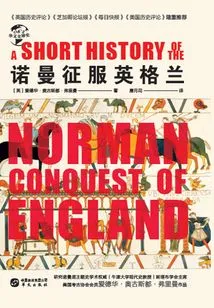
诺曼征服英格兰(华文全球史)
(english) Edward Augustus Freeman
This book is the representative work of Professor Edward Augustus Freeman, a famous British historian. It takes Duke William of Normandy to lead an army to attack England, win the decisive victory at the Battle of Hastings, and seize the throne of England as the main line. It unveils the mystery of the Frenchization of the Normans and the Normanization of the English. Why was the Duke of Normandy called William the Bastard? William was a concubine, so why did he eventually become the Duke of Normandy? As the suzerain of the Principality of Normandy, why is the King of France afraid of William, Duke of Normandy? Is William, Duke of Normandy's claim to the English throne legitimate? Why were the Norman nobles willing to follow William, Duke of Normandy, on his cross-sea expedition to England? How did William, Duke of Normandy, become the Kingdom of England and change the geopolitics of Western Europe? This book will explain it in detail. The book was first published in 1880.
This book is the representative work of Professor Edward Augustus Freeman, a famous British historian. It takes Duke William of Normandy to lead an army to attack England, win the decisive victory at the Battle of Hastings, and seize the throne of England as the main line. It unveils the mystery of the Frenchization of the Normans and the Normanization of the English. Why was the Duke of Normandy called William the Bastard? William was a concubine, so why did he eventually become the Duke of Normandy? As the suzerain of the Principality of Normandy, why is the King of France afraid of William, Duke of Normandy? Is William, Duke of Normandy's claim to the English throne legitimate? Why were the Norman nobles willing to follow William, Duke of Normandy, on his cross-sea expedition to England? How did William, Duke of Normandy, become the Kingdom of England and change the geopolitics of Western Europe? This book will explain it in detail. The book was first published in 1880.
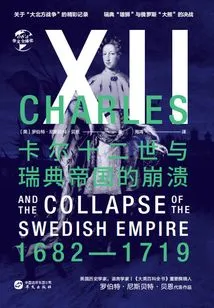
卡尔十二世与瑞典帝国的崩溃(华文全球史)
(english)robert Nisbet Bain
This book is the representative work of the British historian and linguist Robert Nisbet Bain. It is a historical masterpiece about the Great Northern War. Why did Sweden become the hegemon of the Baltic Sea during the reign of King Karl XII? Why did Russia lose again and again under the attack of the Swedish army? How did Peter the Great restore order, organize his army, and actively prepare for war after he ascended the throne? During the Great Northern War, how did Karl XII command the Swedish army to victory? Facing a great situation, what fatal mistake did Karl XII make that led to his failure? Why did King Karl XII fail to recover and lose the opportunity to revive Sweden? This book will explain it in depth.
This book is the representative work of the British historian and linguist Robert Nisbet Bain. It is a historical masterpiece about the Great Northern War. Why did Sweden become the hegemon of the Baltic Sea during the reign of King Karl XII? Why did Russia lose again and again under the attack of the Swedish army? How did Peter the Great restore order, organize his army, and actively prepare for war after he ascended the throne? During the Great Northern War, how did Karl XII command the Swedish army to victory? Facing a great situation, what fatal mistake did Karl XII make that led to his failure? Why did King Karl XII fail to recover and lose the opportunity to revive Sweden? This book will explain it in depth.
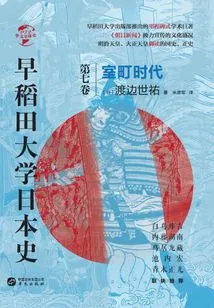
早稻田大学日本史(卷七):室町时代(华文全球史)
X
This book tells the history of Japan from 1336 to 1573 in an all-round, multi-level and wide perspective. How did the Ashikaga clan adapt to the changing circumstances and take advantage of the situation? What role did the Ashikaga clan play in the merger of the Southern Dynasty and the Northern Dynasty? How did the Muromachi shogunate enter its heyday during the reign of Ashikaga Yoshimitsu? From Ashikaga Yoshimichi to Ashikaga Yoshitsune, why did the Muromachi shogunate begin to fall into a ruling crisis? How did the Onin Rebellion lead to the decline of the Muromachi Shogunate? Why did Japan enter an era of divided power? This book will answer them one by one.
This book tells the history of Japan from 1336 to 1573 in an all-round, multi-level and wide perspective. How did the Ashikaga clan adapt to the changing circumstances and take advantage of the situation? What role did the Ashikaga clan play in the merger of the Southern Dynasty and the Northern Dynasty? How did the Muromachi shogunate enter its heyday during the reign of Ashikaga Yoshimitsu? From Ashikaga Yoshimichi to Ashikaga Yoshitsune, why did the Muromachi shogunate begin to fall into a ruling crisis? How did the Onin Rebellion lead to the decline of the Muromachi Shogunate? Why did Japan enter an era of divided power? This book will answer them one by one.
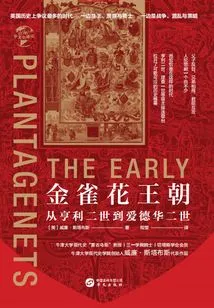
金雀花王朝:从亨利二世到爱德华二世(华文全球史)
(uk) William Stubbs
This book is the representative work of William Stubbs, Professor of Modern History at Oxford University and founder of the School of Modern History at Oxford University. It starts from the political situation in England in the late period of Henry I, who was facing the crisis of the crown prince, and ends with the political situation in England during the tragic death of Edward II. It covers the periods of six kings, Henry II, Richard I, King John, Henry III, Edward I, and Edward II. Was Henry, Duke of Normandy's claim to the throne of England legitimate? Why did his marriage to Eleanor become a necessary condition for him to seize the throne of England? What is the realistic logic behind the human tragedy that occurred when Henry II had a scuffle with his disciples? Why is Richard I called the "Lion-Hearted King"? What was Richard I's contribution to the Crusades? Why did King John become the "landless king"? Was Henry III's reign really uneventful? Why do historians think Edward I kicked off the co-ownership of England and Scotland? Why did Edward II die at the hands of his queen Isabella? This book will explain it in detail.
This book is the representative work of William Stubbs, Professor of Modern History at Oxford University and founder of the School of Modern History at Oxford University. It starts from the political situation in England in the late period of Henry I, who was facing the crisis of the crown prince, and ends with the political situation in England during the tragic death of Edward II. It covers the periods of six kings, Henry II, Richard I, King John, Henry III, Edward I, and Edward II. Was Henry, Duke of Normandy's claim to the throne of England legitimate? Why did his marriage to Eleanor become a necessary condition for him to seize the throne of England? What is the realistic logic behind the human tragedy that occurred when Henry II had a scuffle with his disciples? Why is Richard I called the "Lion-Hearted King"? What was Richard I's contribution to the Crusades? Why did King John become the "landless king"? Was Henry III's reign really uneventful? Why do historians think Edward I kicked off the co-ownership of England and Scotland? Why did Edward II die at the hands of his queen Isabella? This book will explain it in detail.
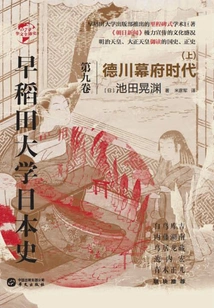
早稻田大学日本史(卷九):德川幕府时代(上)(华文全球史)
P
This book is an important document for studying the history of the Tokugawa Shogunate. It systematically tells the history of the four generations of shoguns: Tokugawa Ieyasu, Tokugawa Hidetada, Tokugawa Iemitsu, and Tokugawa Ietsuna. It is not only the history of the Tokugawa Shogunate's early consolidation of unification, but also the history of institutional design and orderly rule. After the death of Toyotomi Hideyoshi, the political situation in Japan changed drastically. How did Tokugawa Ieyasu stand out? In what ways did Tokugawa Ieyasu gain power and establish the shogunate? How did Tokugawa Ieyasu and Tokugawa Hidetada lay the foundation for their rule for more than 260 years? How were the attendance transfer and the shogunate system established? How were the Tokugawa Shogunate's financial problems solved? This book will answer them one by one.
This book is an important document for studying the history of the Tokugawa Shogunate. It systematically tells the history of the four generations of shoguns: Tokugawa Ieyasu, Tokugawa Hidetada, Tokugawa Iemitsu, and Tokugawa Ietsuna. It is not only the history of the Tokugawa Shogunate's early consolidation of unification, but also the history of institutional design and orderly rule. After the death of Toyotomi Hideyoshi, the political situation in Japan changed drastically. How did Tokugawa Ieyasu stand out? In what ways did Tokugawa Ieyasu gain power and establish the shogunate? How did Tokugawa Ieyasu and Tokugawa Hidetada lay the foundation for their rule for more than 260 years? How were the attendance transfer and the shogunate system established? How were the Tokugawa Shogunate's financial problems solved? This book will answer them one by one.
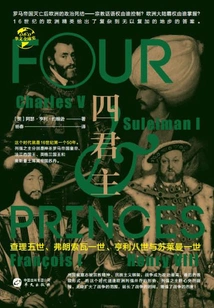
四君主:查理五世、弗朗索瓦一世、亨利八世与苏莱曼一世(华文全球史)
O
This book is an authoritative work generally recognized by European academic circles. It tells the complex and changeable history of Europe in the first half of the 16th century. It focuses on the two royal families of Habsburg and Valois competing for Italy and European hegemony. It also focuses on the Holy Roman Emperor Charles V, King Francois I of France, King Henry VIII of England, and King Osman. It starts with the bloody wars and the various diplomatic struggles between the Sultan Suleiman I of the Man-Turk Empire, and is mixed with a series of far-reaching historical events such as the religious reform and the discovery of the New World. It provides a profound interpretation of the complicated and ebbing relationships between national power and international power, monarchy and religious power. It is well worth reading.
This book is an authoritative work generally recognized by European academic circles. It tells the complex and changeable history of Europe in the first half of the 16th century. It focuses on the two royal families of Habsburg and Valois competing for Italy and European hegemony. It also focuses on the Holy Roman Emperor Charles V, King Francois I of France, King Henry VIII of England, and King Osman. It starts with the bloody wars and the various diplomatic struggles between the Sultan Suleiman I of the Man-Turk Empire, and is mixed with a series of far-reaching historical events such as the religious reform and the discovery of the New World. It provides a profound interpretation of the complicated and ebbing relationships between national power and international power, monarchy and religious power. It is well worth reading.
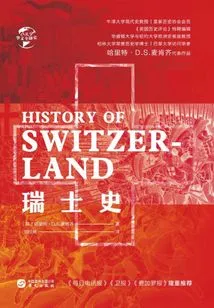
瑞士史(华文全球史)
(uk) Harriet D. S. Mackenzie
This book is the representative work of Professor Harriet D. S. Mackenzie. It relatively objectively explains Switzerland's strategic position as a country at the crossroads of Europe and the great power games, struggles and wars it has caused. It also systematically analyzes Switzerland's influence on the rise and fall of European powers. Why was Switzerland "hidden" in the Alps while exerting a decisive influence on the geopolitical pattern of Europe in the Middle Ages and modern times? Why did Swiss mercenaries become a "hot" brand in the Middle Ages? Why was Switzerland's independence and unity the result of a compromise between Austria and France? Why was Switzerland unable to avoid the pain of war as it moved towards modern times? How was Switzerland's neutral status established and guaranteed? This book provides detailed answers.
This book is the representative work of Professor Harriet D. S. Mackenzie. It relatively objectively explains Switzerland's strategic position as a country at the crossroads of Europe and the great power games, struggles and wars it has caused. It also systematically analyzes Switzerland's influence on the rise and fall of European powers. Why was Switzerland "hidden" in the Alps while exerting a decisive influence on the geopolitical pattern of Europe in the Middle Ages and modern times? Why did Swiss mercenaries become a "hot" brand in the Middle Ages? Why was Switzerland's independence and unity the result of a compromise between Austria and France? Why was Switzerland unable to avoid the pain of war as it moved towards modern times? How was Switzerland's neutral status established and guaranteed? This book provides detailed answers.
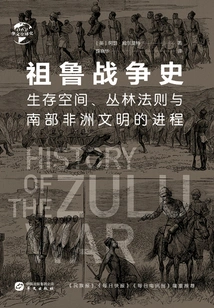
祖鲁战争史(华文全球史)
(english) Arthur Wilmot
The book begins with the early history of the Zulu Kingdom and the Natal Colony, telling the external wars and military system of Zulu King Shaka, the brutal rule of Shaka's brother Dingang after usurping the throne, and his conflict with the Boers. It then outlines the laws, regulations, customs, and religion of the Zulu people, reveals the triggers for the outbreak of the Zulu War, and shows the current situation before the outbreak of the Zulu War. It then details the Zulu King Se Chiwayo's expansion policy led to the outbreak of war with the British, the Battle of Isandlwana, the Defense of Locke Ferry, the Battle of Ekwe, the Battle of Injezan, the Battle of Zlobane Mountain, the Battle of Kambula, the Great Victory of Intombe, the Battle of Gianhelovo, the Battle of Ulundi, the capture of Cetshwayo and other major historical events; it deeply analyzes the dialectical relationship between living space, the law of the jungle and the process of southern African civilization.
The book begins with the early history of the Zulu Kingdom and the Natal Colony, telling the external wars and military system of Zulu King Shaka, the brutal rule of Shaka's brother Dingang after usurping the throne, and his conflict with the Boers. It then outlines the laws, regulations, customs, and religion of the Zulu people, reveals the triggers for the outbreak of the Zulu War, and shows the current situation before the outbreak of the Zulu War. It then details the Zulu King Se Chiwayo's expansion policy led to the outbreak of war with the British, the Battle of Isandlwana, the Defense of Locke Ferry, the Battle of Ekwe, the Battle of Injezan, the Battle of Zlobane Mountain, the Battle of Kambula, the Great Victory of Intombe, the Battle of Gianhelovo, the Battle of Ulundi, the capture of Cetshwayo and other major historical events; it deeply analyzes the dialectical relationship between living space, the law of the jungle and the process of southern African civilization.
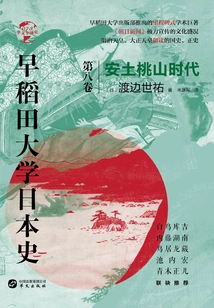
Waseda University Japanese History (volume 8): Azuchi Momoyama Period (chinese Global History)
History早稻田大学日本史(卷八):安土桃山时代(华文全球史)
S
This book is about an era of great success and glory in Japanese history, an era when heroes are vying for the throne and moving toward unification, and an era that lays the foundation for Japan's transformation into modernity. The Azuchi period and the Momoyama period are closely related and complement each other. The former loses something, the latter gains something. The Azuchi era was an era of exploration, trial and error, and the Momoyama era was an era of error correction and success. The stage of activities in the Azuchi period was concentrated in Kinai, Tokai, Higashiyama, Sanin, and Sanyo. The stage of activities in the Momoyama period expanded to the whole of Japan and as far away as Korea, China, and the Nanyang Islands. In other words, the Azuchi period has local characteristics, and the Momoyama period has local characteristics. How does power transfer from top to bottom, from generals to leaders, from leaders to family chiefs, and from family chiefs to their cronies? What is the relationship between the emergence of the phenomenon of "lower and higher" and the formation of Japan's troubled times? How does social disorder break down "mobility barriers" and lead to the emergence of heroes in large numbers? What role did Oda Nobunaga and Toyotomi Hideyoshi play in Japan's transition from division to reunification, and from decline to revival? This book will answer it in detail.
This book is about an era of great success and glory in Japanese history, an era when heroes are vying for the throne and moving toward unification, and an era that lays the foundation for Japan's transformation into modernity. The Azuchi period and the Momoyama period are closely related and complement each other. The former loses something, the latter gains something. The Azuchi era was an era of exploration, trial and error, and the Momoyama era was an era of error correction and success. The stage of activities in the Azuchi period was concentrated in Kinai, Tokai, Higashiyama, Sanin, and Sanyo. The stage of activities in the Momoyama period expanded to the whole of Japan and as far away as Korea, China, and the Nanyang Islands. In other words, the Azuchi period has local characteristics, and the Momoyama period has local characteristics. How does power transfer from top to bottom, from generals to leaders, from leaders to family chiefs, and from family chiefs to their cronies? What is the relationship between the emergence of the phenomenon of "lower and higher" and the formation of Japan's troubled times? How does social disorder break down "mobility barriers" and lead to the emergence of heroes in large numbers? What role did Oda Nobunaga and Toyotomi Hideyoshi play in Japan's transition from division to reunification, and from decline to revival? This book will answer it in detail.
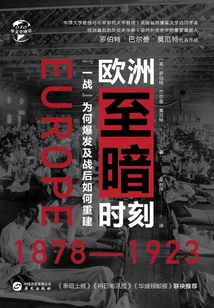
欧洲至暗时刻(1878—1923):“一战”为何爆发及战后如何重建(华文全球史)
(english)robert Balmain Moult
"Europe's Darkest Hour (1878-1923): Why the First World War broke out and how to rebuild after the war" is the representative work of Robert Balmain Mowert, a famous European diplomatic historian and an important founder of modern diplomatic history. It begins with the signing of the Treaty of Berlin in 1878 and ends with the Ruhr Crisis in 1923. It tells in detail the important events in the 45-year history of Europe, and provides an in-depth interpretation of the Balkan crisis, "World War I", the Paris Peace Conference, the League of Nations, and the failed post-war reconstruction of Europe. With deep emotions and rational thinking, the author depicts the greedy expansion of European powers and their tendency to go to war. The victorious countries carried out humiliating and bone-crushing slaughter on the defeated countries. After the war, the European powers lost their rationality and fell into madness, thus plunging Europe into the darkest moments of viciousness.
"Europe's Darkest Hour (1878-1923): Why the First World War broke out and how to rebuild after the war" is the representative work of Robert Balmain Mowert, a famous European diplomatic historian and an important founder of modern diplomatic history. It begins with the signing of the Treaty of Berlin in 1878 and ends with the Ruhr Crisis in 1923. It tells in detail the important events in the 45-year history of Europe, and provides an in-depth interpretation of the Balkan crisis, "World War I", the Paris Peace Conference, the League of Nations, and the failed post-war reconstruction of Europe. With deep emotions and rational thinking, the author depicts the greedy expansion of European powers and their tendency to go to war. The victorious countries carried out humiliating and bone-crushing slaughter on the defeated countries. After the war, the European powers lost their rationality and fell into madness, thus plunging Europe into the darkest moments of viciousness.
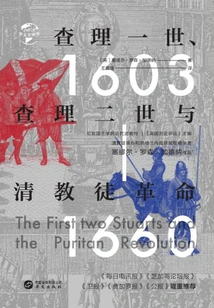
查理一世、查理二世与清教徒革命(华文全球史)
(english) Samuel Rosen Gardner
This book is a companion volume to "The History of the Thirty Years' War (1618-1648): The Decline of the Habsburg Family, the Establishment of the Continental Hegemony of the Kingdom of France and the Establishment of the "Westphalian System"". It tells the entire story of the occurrence, development, climax, reversal, and end of the major historical event that changed the direction of England's history - the Puritan Revolution. Cheng, gave a relatively in-depth interpretation of the transmission mechanism that triggered the Puritan Revolution in England during the Thirty Years' War, and comprehensively described major historical events such as the struggle for power between the royal family and Parliament, the intensification of conflicts between the royal family and Parliament, the outbreak of war between the royal family and Parliament, the collapse of the royal power and the period of the Lord Protector, the compromise between Parliament and the royal family, the restoration of royal power, the era of Charles II and the Glorious Revolution.
This book is a companion volume to "The History of the Thirty Years' War (1618-1648): The Decline of the Habsburg Family, the Establishment of the Continental Hegemony of the Kingdom of France and the Establishment of the "Westphalian System"". It tells the entire story of the occurrence, development, climax, reversal, and end of the major historical event that changed the direction of England's history - the Puritan Revolution. Cheng, gave a relatively in-depth interpretation of the transmission mechanism that triggered the Puritan Revolution in England during the Thirty Years' War, and comprehensively described major historical events such as the struggle for power between the royal family and Parliament, the intensification of conflicts between the royal family and Parliament, the outbreak of war between the royal family and Parliament, the collapse of the royal power and the period of the Lord Protector, the compromise between Parliament and the royal family, the restoration of royal power, the era of Charles II and the Glorious Revolution.
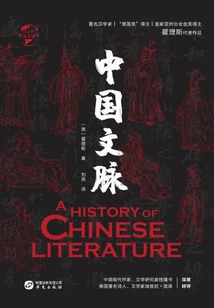
中国文脉(华文全球史)
(british) Giles
This book cites a large number of works fragments, historical materials, scholar comments, etc. To place Chinese literature in a broad social and cultural background. It tells the vast Chinese literature and the development context of Chinese literature in the eyes of Westerners. It introduces in detail the important works and achievements of famous Chinese writers in the past dynasties, and profoundly reveals the relationship between cultural context and national context, and cultural destiny and national destiny.
This book cites a large number of works fragments, historical materials, scholar comments, etc. To place Chinese literature in a broad social and cultural background. It tells the vast Chinese literature and the development context of Chinese literature in the eyes of Westerners. It introduces in detail the important works and achievements of famous Chinese writers in the past dynasties, and profoundly reveals the relationship between cultural context and national context, and cultural destiny and national destiny.
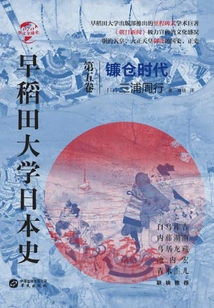
早稻田大学日本史(卷五):镰仓时代(华文全球史)
(japan) Miura Weekly Tour
This book tells the entire process of the Kamakura shogunate from its rise to its decline. How did Minamoto Yoritomo create the shogunate and establish the samurai regime in Kamakura? Why was the Kamakura shogunate the inevitable result of the confrontation between samurai politics and public politics? Why did Japan have the strange historical phenomenon of real power returning to the shogunate and the emperor becoming a king? How did the Kamakura period transform from a shogun dictatorship to a collegial system? Why did the imperial family system collapse? This book will explain it in depth.
This book tells the entire process of the Kamakura shogunate from its rise to its decline. How did Minamoto Yoritomo create the shogunate and establish the samurai regime in Kamakura? Why was the Kamakura shogunate the inevitable result of the confrontation between samurai politics and public politics? Why did Japan have the strange historical phenomenon of real power returning to the shogunate and the emperor becoming a king? How did the Kamakura period transform from a shogun dictatorship to a collegial system? Why did the imperial family system collapse? This book will explain it in depth.
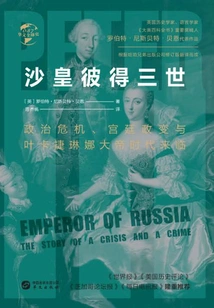
沙皇彼得三世:政治危机、宫廷政变与叶卡捷琳娜大帝时代来临(华文全球史)
M
This book tells the political situation in the Russian Empire and Europe from 1741 to 1762. Peter III came to Russia from the age of fourteen when he was designated as the heir by his aunt Tsar Elizabeth Petrovna to being overthrown by his wife Catherine the Great in 1762. What kind of legendary life did he experience in his short life of thirty-four years? What significant impact did his becoming Tsar have on the Seven Years' War? How did Tsar Peter III disrupt European politics? Why did his wife stage a coup to depose him? In his short reign of more than 180 days, what impact did the various bills passed have on the church, the people at the bottom and the nobility? Why did Peter III die? What indispensable preparations did the reign of Peter III make for the coming of the era of Catherine the Great? This book will answer it in detail.
This book tells the political situation in the Russian Empire and Europe from 1741 to 1762. Peter III came to Russia from the age of fourteen when he was designated as the heir by his aunt Tsar Elizabeth Petrovna to being overthrown by his wife Catherine the Great in 1762. What kind of legendary life did he experience in his short life of thirty-four years? What significant impact did his becoming Tsar have on the Seven Years' War? How did Tsar Peter III disrupt European politics? Why did his wife stage a coup to depose him? In his short reign of more than 180 days, what impact did the various bills passed have on the church, the people at the bottom and the nobility? Why did Peter III die? What indispensable preparations did the reign of Peter III make for the coming of the era of Catherine the Great? This book will answer it in detail.
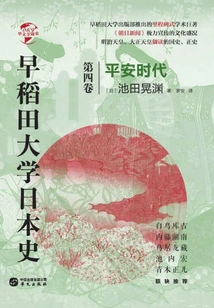
早稻田大学日本史(卷四):平安时代(华文全球史)
L
This book is the representative work of Professor Kobuchi Ikeda. Professor Kobuchi Ikeda carefully researched the official history and connected the key nodes of historical turning points from a vast sea of classics. He analyzed in depth the construction of Heiankyo, the conquest of Ezo, the Yakuko Rebellion, the Otenmon Rebellion, the Shomon Juntomo Rebellion, the Homoto Heiji Rebellion and other major historical events. He comprehensively presented Emperor Kanmu, Sugawara Michizane, Fujiwara Michinaga, Goshirakawain, Taira Kiyomori and other figures in the whirlpool of power.
This book is the representative work of Professor Kobuchi Ikeda. Professor Kobuchi Ikeda carefully researched the official history and connected the key nodes of historical turning points from a vast sea of classics. He analyzed in depth the construction of Heiankyo, the conquest of Ezo, the Yakuko Rebellion, the Otenmon Rebellion, the Shomon Juntomo Rebellion, the Homoto Heiji Rebellion and other major historical events. He comprehensively presented Emperor Kanmu, Sugawara Michizane, Fujiwara Michinaga, Goshirakawain, Taira Kiyomori and other figures in the whirlpool of power.
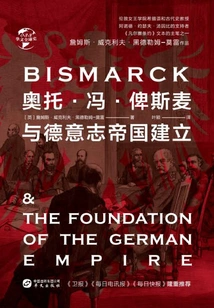
奥托·冯·俾斯麦与德意志帝国建立(华文全球史)
(uk) James Wycliffe Headham
This book is the most important work in the academic career of Professor James Wycliffe Headham-Morley, a supporter of Arnold Joseph Toynbee. It describes in detail Otto von Bismarck's role in the establishment of the German Empire, his dexterous political skills, diverse diplomatic strategies, and determined military struggle. It focused on analyzing the stages, conditions, strategies and complexity of German unification, and deeply excavated Otto von Bismarck's political thinking and interest considerations of adhering to the "iron-blood policy" but never the iron-blood policy, winning the Austro-Prussian War and the Franco-Prussian War, but never dismembering Austria and France.
This book is the most important work in the academic career of Professor James Wycliffe Headham-Morley, a supporter of Arnold Joseph Toynbee. It describes in detail Otto von Bismarck's role in the establishment of the German Empire, his dexterous political skills, diverse diplomatic strategies, and determined military struggle. It focused on analyzing the stages, conditions, strategies and complexity of German unification, and deeply excavated Otto von Bismarck's political thinking and interest considerations of adhering to the "iron-blood policy" but never the iron-blood policy, winning the Austro-Prussian War and the Franco-Prussian War, but never dismembering Austria and France.
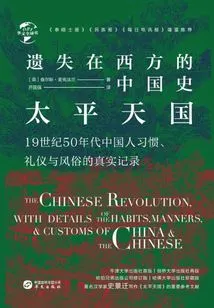
太平天国(华文全球史)
(uk) Charles Macfarlane
This book is an important work for Westerners to observe and study the Taiping Revolution. It is an important material that contemporary people cannot avoid when studying the history of the Taiping Heavenly Kingdom. This book relies on first-hand information such as the experiences of missionaries who traveled in China at that time and the records of Western officials in China. It shows the entire process of the outbreak, rise and development of the Taiping Revolution in an all-round, multi-layered and wide-angle manner.
This book is an important work for Westerners to observe and study the Taiping Revolution. It is an important material that contemporary people cannot avoid when studying the history of the Taiping Heavenly Kingdom. This book relies on first-hand information such as the experiences of missionaries who traveled in China at that time and the records of Western officials in China. It shows the entire process of the outbreak, rise and development of the Taiping Revolution in an all-round, multi-layered and wide-angle manner.
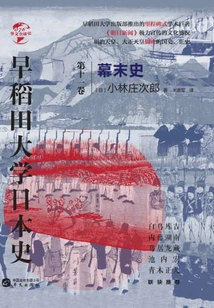
早稻田大学日本史(卷十一):幕末史(华文全球史)
(japan) Kobayashi Shojiro
This book details the decline of the Tokugawa shogunate in the last years, the development of overseas situations and its impact on Japan, the changes in the Tokugawa shogunate's foreign policy and coastal defense theory, the U. S. Naval general's mission to Japan, the Russian envoy's mission to Japan, the conclusion of a treaty of friendship and trade, and the awakening of the Tokugawa shogunate. , American Minister Townsend Harris arrived in Japan, the issue of the successor of the general who conquered the barbarians, the negotiations between the imperial court and the shogunate, Naoki Ii's administration, Ansei Prison, the Sakurada Gate Incident and other important contents, which profoundly demonstrated the history of internal and external troubles and social turmoil in the late Tokugawa shogunate.
This book details the decline of the Tokugawa shogunate in the last years, the development of overseas situations and its impact on Japan, the changes in the Tokugawa shogunate's foreign policy and coastal defense theory, the U. S. Naval general's mission to Japan, the Russian envoy's mission to Japan, the conclusion of a treaty of friendship and trade, and the awakening of the Tokugawa shogunate. , American Minister Townsend Harris arrived in Japan, the issue of the successor of the general who conquered the barbarians, the negotiations between the imperial court and the shogunate, Naoki Ii's administration, Ansei Prison, the Sakurada Gate Incident and other important contents, which profoundly demonstrated the history of internal and external troubles and social turmoil in the late Tokugawa shogunate.
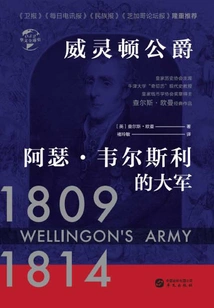
威灵顿公爵阿瑟·韦尔斯利的大军(华文全球史)
(uk) Charles Ohman
This book takes the Iberian Peninsula Army led by Arthur Wellesley, Duke of Wellington, as the main content during the Iberian Peninsula War, and elaborates on the organization of the army, the life and psychological state of the soldiers. Who was Arthur Wellesley, Duke of Wellington? What were the infantry tactics of Arthur Wellesley, Duke of Wellington? What were the cavalry and artillery tactics of Arthur Wellesley, Duke of Wellington? How are the headquarters, divisions, brigades and regiments of the Iberian Peninsula army composed? What state were the officers and men of the regiment in? What are the affiliated organizations of the Iberian Peninsula Army? How disciplined were the armies of the Iberian Peninsula? What are the uniforms and weapons of the Iberian Peninsula army? This book provides an in-depth explanation.
This book takes the Iberian Peninsula Army led by Arthur Wellesley, Duke of Wellington, as the main content during the Iberian Peninsula War, and elaborates on the organization of the army, the life and psychological state of the soldiers. Who was Arthur Wellesley, Duke of Wellington? What were the infantry tactics of Arthur Wellesley, Duke of Wellington? What were the cavalry and artillery tactics of Arthur Wellesley, Duke of Wellington? How are the headquarters, divisions, brigades and regiments of the Iberian Peninsula army composed? What state were the officers and men of the regiment in? What are the affiliated organizations of the Iberian Peninsula Army? How disciplined were the armies of the Iberian Peninsula? What are the uniforms and weapons of the Iberian Peninsula army? This book provides an in-depth explanation.
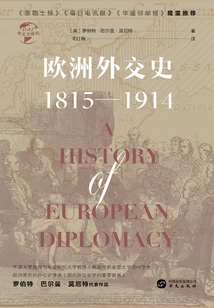
欧洲外交史:1815—1914(华文全球史)
J
This book systematically analyzes the dramatic changes in Europe over the past century from the perspective of diplomatic history. What was the political landscape of Europe after the second abdication of Napoleon Bonaparte and the fall of his empire? Under what background was the Congress of Vienna held? How did the great powers maintain the balance of power in Europe? Why was the European political trend after the Congress of Vienna dominated by the "Holy Alliance" and the "Quadruple Alliance"? How did Spain's American colonies become independent? What was the purpose of the United States issuing the Monroe Declaration? When did nationalism replace orthodoxy? How did the Crimean War break out? How did European diplomats solve the Italian problem? How did Prussia rise? How was the German Empire unified? What role did the unification of Italy and Germany play in the formation of an armed peace situation in Europe? Why is the establishment of the German Empire the most important political event in Europe in the 19th century? What is the reason for the reappearance of the Eastern Question? What were the differences between the two Balkan Wars? Why is imperialism the root cause of the outbreak of World War I? This book will explain it in depth.
This book systematically analyzes the dramatic changes in Europe over the past century from the perspective of diplomatic history. What was the political landscape of Europe after the second abdication of Napoleon Bonaparte and the fall of his empire? Under what background was the Congress of Vienna held? How did the great powers maintain the balance of power in Europe? Why was the European political trend after the Congress of Vienna dominated by the "Holy Alliance" and the "Quadruple Alliance"? How did Spain's American colonies become independent? What was the purpose of the United States issuing the Monroe Declaration? When did nationalism replace orthodoxy? How did the Crimean War break out? How did European diplomats solve the Italian problem? How did Prussia rise? How was the German Empire unified? What role did the unification of Italy and Germany play in the formation of an armed peace situation in Europe? Why is the establishment of the German Empire the most important political event in Europe in the 19th century? What is the reason for the reappearance of the Eastern Question? What were the differences between the two Balkan Wars? Why is imperialism the root cause of the outbreak of World War I? This book will explain it in depth.
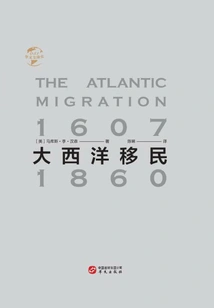
大西洋移民:1607—1860(华文全球史)
(us) Marcus Lee Hansen
This book is one of the major works of Professor Marcus Lee Hansen, a famous immigration history expert, and won the 1941 Pulitzer Prize for History. Unlike most experts on the history of immigration, Professor Marcus Lee Hansen studies immigration from a European rather than an American standpoint: How did the intertwining of factors such as changes in farming and land ownership, the rise of industry, natural disasters, political oppression, religious discrimination, and the coercive policies of immigration agencies lead to the formation of immigration waves? What possibilities does the development of science and technology provide for the formation of immigration waves? Why did people at that time spend everything they had in order to design a sailing route? As the paradise that people yearn for, why is there a low tide of immigration in the United States? Why does the U. S. Government sometimes actively promote and sometimes deliberately hinder immigration? In short, this book reproduces the magnificent history of civilian immigrants from major European countries to the United States from the 17th to the 19th century in an epic style.
This book is one of the major works of Professor Marcus Lee Hansen, a famous immigration history expert, and won the 1941 Pulitzer Prize for History. Unlike most experts on the history of immigration, Professor Marcus Lee Hansen studies immigration from a European rather than an American standpoint: How did the intertwining of factors such as changes in farming and land ownership, the rise of industry, natural disasters, political oppression, religious discrimination, and the coercive policies of immigration agencies lead to the formation of immigration waves? What possibilities does the development of science and technology provide for the formation of immigration waves? Why did people at that time spend everything they had in order to design a sailing route? As the paradise that people yearn for, why is there a low tide of immigration in the United States? Why does the U. S. Government sometimes actively promote and sometimes deliberately hinder immigration? In short, this book reproduces the magnificent history of civilian immigrants from major European countries to the United States from the 17th to the 19th century in an epic style.
希腊独立战争:1821—1833(华文全球史)
(english) Walter Allison Phillips
This book takes the great struggle of Greece to resist the rule of the Ottoman Empire and strive for national independence as the main line, and the great powers' struggle for the Balkan Peninsula as the background. It tells the complex international situation, diplomatic games, and military struggles from 1821 to 1833. It is not only a history of the Greek War of Independence, but also a history of the struggle for hegemony in the Balkans. It profoundly reveals the inevitable relationship between the joint intervention of the great powers in the Greek War of Independence and the decline of the Ottoman Empire.
This book takes the great struggle of Greece to resist the rule of the Ottoman Empire and strive for national independence as the main line, and the great powers' struggle for the Balkan Peninsula as the background. It tells the complex international situation, diplomatic games, and military struggles from 1821 to 1833. It is not only a history of the Greek War of Independence, but also a history of the struggle for hegemony in the Balkans. It profoundly reveals the inevitable relationship between the joint intervention of the great powers in the Greek War of Independence and the decline of the Ottoman Empire.
Queen Victoria and the Golden Age of the Empire on Which the Sun Never Sets (chinese Global History)
History维多利亚女王与日不落帝国的黄金时代(华文全球史)
B
This book tells the internal history, diplomatic history, economic history, and expansion history of the British Empire in the era of Queen Victoria of the Hanoverian Dynasty. It systematically interprets the inevitable relationship between the succession rules of the Hanoverian Dynasty and the arrival of the Victorian era, the decision-making mechanism of the British government under the decentralized system of monarch and parliament, the pros and cons of diversified royal marriages, the 1848 Revolution, the Irish Independence Movement, the Crimean War, the Indian Mutiny, the Boer War and other major events.
This book tells the internal history, diplomatic history, economic history, and expansion history of the British Empire in the era of Queen Victoria of the Hanoverian Dynasty. It systematically interprets the inevitable relationship between the succession rules of the Hanoverian Dynasty and the arrival of the Victorian era, the decision-making mechanism of the British government under the decentralized system of monarch and parliament, the pros and cons of diversified royal marriages, the 1848 Revolution, the Irish Independence Movement, the Crimean War, the Indian Mutiny, the Boer War and other major events.
哥特王国史(华文全球史)
(english) Henry Bradley
This book tells the history of the Goths from barbarians to royalty, from backwardness to civilization, and from strength to decline. What is the relationship between the Goths and the Germans? How did the Goths evolve into the Ostrogoths and Visigoths? What is the realistic logic between barbarian invasions and the decline and division of the Roman Empire? How did the Ostrogoths found their country? How did Emperor Theodoric achieve his great ambitions? Why did the Ostrogothic Kingdom decline rapidly after Emperor Theodoric? How did the Visigoths attack Italy, fight in Gaul, conquer Spain, and establish the Visigothic Kingdom? Why did the Visigothic Kingdom decline for thirty years? How did the Saracen invasion lead to the demise of the Visigothic Kingdom? This book will explain it in depth.
This book tells the history of the Goths from barbarians to royalty, from backwardness to civilization, and from strength to decline. What is the relationship between the Goths and the Germans? How did the Goths evolve into the Ostrogoths and Visigoths? What is the realistic logic between barbarian invasions and the decline and division of the Roman Empire? How did the Ostrogoths found their country? How did Emperor Theodoric achieve his great ambitions? Why did the Ostrogothic Kingdom decline rapidly after Emperor Theodoric? How did the Visigoths attack Italy, fight in Gaul, conquer Spain, and establish the Visigothic Kingdom? Why did the Visigothic Kingdom decline for thirty years? How did the Saracen invasion lead to the demise of the Visigothic Kingdom? This book will explain it in depth.
百年战争史:1327—1485(华文全球史)
(uk) Charles Ohman
This book is the representative work of Professor Charles Ohman, President of the Royal Historical Society. After more than a hundred years of war, Edward III's dream of unifying England and France and establishing a trans-oceanic power was finally shattered, and the French nation ushered in the dawn of unity and rejuvenation. What caused the war? Was Edward III's claim to the French throne legitimate? How did the French territory of England encircle the Kingdom of France, the internal contradictions in the Kingdom of France weaken its resistance to the enemy, and the military command skills of Edward the Black Prince, so that the French suffered the disaster and humiliation of having their homeland ravaged and their king captured? How did the Black Death force a halt to the intense war between Britain and France? Why did the death of Richard II pave the way for the outbreak of the Wars of the Roses? How did Henry V and Henry VI's continued war against France push the Kingdom of France to the edge of the kingdom? How did Joan of Arc save the Kingdom of France? England fell into the abyss of the War of the Roses. How did the French take the opportunity to seize the French territories in England? This book will provide an in-depth explanation.
This book is the representative work of Professor Charles Ohman, President of the Royal Historical Society. After more than a hundred years of war, Edward III's dream of unifying England and France and establishing a trans-oceanic power was finally shattered, and the French nation ushered in the dawn of unity and rejuvenation. What caused the war? Was Edward III's claim to the French throne legitimate? How did the French territory of England encircle the Kingdom of France, the internal contradictions in the Kingdom of France weaken its resistance to the enemy, and the military command skills of Edward the Black Prince, so that the French suffered the disaster and humiliation of having their homeland ravaged and their king captured? How did the Black Death force a halt to the intense war between Britain and France? Why did the death of Richard II pave the way for the outbreak of the Wars of the Roses? How did Henry V and Henry VI's continued war against France push the Kingdom of France to the edge of the kingdom? How did Joan of Arc save the Kingdom of France? England fell into the abyss of the War of the Roses. How did the French take the opportunity to seize the French territories in England? This book will provide an in-depth explanation.
德国无限制潜艇战(华文全球史)
(u. S.) Burton Jesse Hendrick William Soden Sims
This book takes Germany's unrestricted submarine warfare from March 1917 to August 1918 as a clue. It mainly tells the important role played by the U. S. Navy in the German Navy's attempt to blockade British ports and force Britain to withdraw from the war. It reveals the maritime combat situation of European countries and the United States in the late World War I, as well as the intricate interest relationships between various countries. The book introduces in detail the naval warfare strategies adopted by Germany, the United Kingdom, the United States and other countries, and analyzes the process and reasons why the powerful German navy failed step by step.
This book takes Germany's unrestricted submarine warfare from March 1917 to August 1918 as a clue. It mainly tells the important role played by the U. S. Navy in the German Navy's attempt to blockade British ports and force Britain to withdraw from the war. It reveals the maritime combat situation of European countries and the United States in the late World War I, as well as the intricate interest relationships between various countries. The book introduces in detail the naval warfare strategies adopted by Germany, the United Kingdom, the United States and other countries, and analyzes the process and reasons why the powerful German navy failed step by step.