Library
Browse and search novels
1,326 novels found
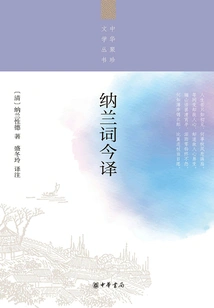
纳兰词今译(中华聚珍文学丛书)
G
This book selects ninety-eight classic works from Nalan Xingde's lyrics, each of which is composed of four sections: 1. A brief introduction to the relevant background and allusions. 2. The original text of the poem. 3. Clear and easy-to-understand vernacular translation, which corresponds to the original text sentence by sentence, making it easy to understand. 4. Notes on key words. At the same time, there is a long introduction written by experts at the front of the book, which comprehensively introduces Nalan Xingde's life and achievements, so that readers can get a macro and comprehensive understanding. The whole book explains the profound things in simple terms and can be appreciated by both refined and popular people. It is a good introductory book for learning and appreciating Nalan Xingde's lyrics.
This book selects ninety-eight classic works from Nalan Xingde's lyrics, each of which is composed of four sections: 1. A brief introduction to the relevant background and allusions. 2. The original text of the poem. 3. Clear and easy-to-understand vernacular translation, which corresponds to the original text sentence by sentence, making it easy to understand. 4. Notes on key words. At the same time, there is a long introduction written by experts at the front of the book, which comprehensively introduces Nalan Xingde's life and achievements, so that readers can get a macro and comprehensive understanding. The whole book explains the profound things in simple terms and can be appreciated by both refined and popular people. It is a good introductory book for learning and appreciating Nalan Xingde's lyrics.
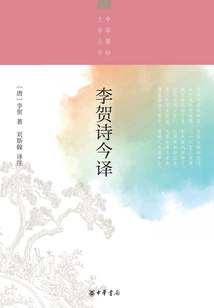
李贺诗今译(中华聚珍文学丛书)
(tang Dynasty) Li He
This book selects sixty-six classic works from Li He's poetry. Each poem is composed of four sections: 1. A brief introduction to the relevant background and allusions. 2. The original text of the poem. 3. Clear and easy-to-understand vernacular translation, which corresponds to the original text sentence by sentence, making it easy to understand. 4. Notes on key words. At the same time, there is a long introduction written by experts at the front of the book, which comprehensively introduces Li He's life and achievements, so that readers can get a macro and comprehensive understanding. The book explains profound things in simple terms and can be enjoyed by both refined and popular people. It is a good introductory book for learning and appreciating Li He's poetry.
This book selects sixty-six classic works from Li He's poetry. Each poem is composed of four sections: 1. A brief introduction to the relevant background and allusions. 2. The original text of the poem. 3. Clear and easy-to-understand vernacular translation, which corresponds to the original text sentence by sentence, making it easy to understand. 4. Notes on key words. At the same time, there is a long introduction written by experts at the front of the book, which comprehensively introduces Li He's life and achievements, so that readers can get a macro and comprehensive understanding. The book explains profound things in simple terms and can be enjoyed by both refined and popular people. It is a good introductory book for learning and appreciating Li He's poetry.
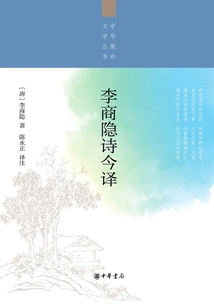
李商隐诗今译(中华聚珍文学丛书)
Li Shangyin
This book selects 131 classic works from Li Shangyin's poems. Each poem is composed of four sections: 1. A brief introduction to the relevant background and allusions. 2. The original text of the poem. 3. Clear and easy-to-understand vernacular translation, which corresponds to the original text sentence by sentence, making it easy to understand. 4. Notes on key words. At the same time, there is a long introduction written by experts at the front of the book, which comprehensively introduces Li Shangyin's life and achievements, so that readers can get a macro and comprehensive understanding. At the back of the book is a compendium of Li Shangyin's chronology for easy searching. The book explains profound things in simple terms and can be enjoyed by both refined and popular people. It is a good introductory book for learning and appreciating Li Shangyin's poetry.
This book selects 131 classic works from Li Shangyin's poems. Each poem is composed of four sections: 1. A brief introduction to the relevant background and allusions. 2. The original text of the poem. 3. Clear and easy-to-understand vernacular translation, which corresponds to the original text sentence by sentence, making it easy to understand. 4. Notes on key words. At the same time, there is a long introduction written by experts at the front of the book, which comprehensively introduces Li Shangyin's life and achievements, so that readers can get a macro and comprehensive understanding. At the back of the book is a compendium of Li Shangyin's chronology for easy searching. The book explains profound things in simple terms and can be enjoyed by both refined and popular people. It is a good introductory book for learning and appreciating Li Shangyin's poetry.
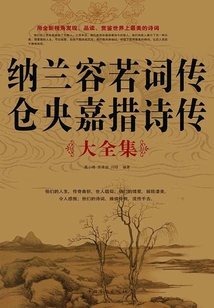
Biography of Nalan Rongruo's Poems Complete Collection of Poems and Biography of Cangyang Gyatso
Literature纳兰容若词传 仓央嘉措诗传大全集
Compiled By Nie Xiaoqing, Quan Lingbo, And Yan Han
One is a great poet in the Qing Dynasty, who wrote about the beauty and sorrow of life; the other is a reincarnated living Buddha, but countless beautiful love poems have been handed down. They have almost everything in the world, but they have no happiness; they are "the most beautiful lovers in the world" and they are also frustrated people who have been teased by nature.
One is a great poet in the Qing Dynasty, who wrote about the beauty and sorrow of life; the other is a reincarnated living Buddha, but countless beautiful love poems have been handed down. They have almost everything in the world, but they have no happiness; they are "the most beautiful lovers in the world" and they are also frustrated people who have been teased by nature.
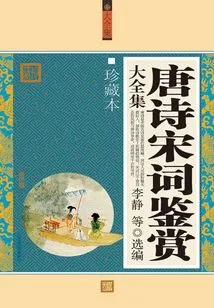
唐诗宋词鉴赏大全集
Selected By Li Jing Et Al.
Tang poetry and Song poetry have always been regarded as two masterpieces. They are two wonderful flowers in the ancient Chinese literature. From ancient times to the present, Tang poetry and Song poetry contain profound thoughts, upright character, graceful sentiments, and honest quality. They have always exuded endless charm. With their good ideological and artistic qualities, they have become two shining pearls in the treasure house of Chinese literature, and have also created the glory of ancient Chinese literary history.
Tang poetry and Song poetry have always been regarded as two masterpieces. They are two wonderful flowers in the ancient Chinese literature. From ancient times to the present, Tang poetry and Song poetry contain profound thoughts, upright character, graceful sentiments, and honest quality. They have always exuded endless charm. With their good ideological and artistic qualities, they have become two shining pearls in the treasure house of Chinese literature, and have also created the glory of ancient Chinese literary history.
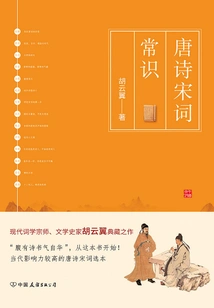
唐诗宋词常识
Hu Yunyi
"Common Knowledge of Tang Poetry and Song Ci" selects parts of Mr. Hu Yunyi's "Research on Tang Poetry" and "Research on Song Ci", and collects the classic parts of the two books together. The first volume is about Tang poetry, the main contents include ancient and modern misunderstandings of Tang poetry, the meaning and characteristics of Tang poetry, the basic concepts of studying Tang poetry, the origin of Tang poetry and its different styles in various periods, biographies of poets in the Tang Dynasty, etc. The second volume is about Song poetry, the main content includes the origin and rise and fall of Song poetry, the pioneers of Song poetry, the causes, overview, pros and cons of the development of Song poetry, and the genres and classifications of Song poetry. This book explains the meaning and characteristics of Tang poetry and Song poetry, covering all aspects of the study of Tang poetry and Song poetry. It is an essential reading for appreciating and studying Tang poetry and Song poetry.
"Common Knowledge of Tang Poetry and Song Ci" selects parts of Mr. Hu Yunyi's "Research on Tang Poetry" and "Research on Song Ci", and collects the classic parts of the two books together. The first volume is about Tang poetry, the main contents include ancient and modern misunderstandings of Tang poetry, the meaning and characteristics of Tang poetry, the basic concepts of studying Tang poetry, the origin of Tang poetry and its different styles in various periods, biographies of poets in the Tang Dynasty, etc. The second volume is about Song poetry, the main content includes the origin and rise and fall of Song poetry, the pioneers of Song poetry, the causes, overview, pros and cons of the development of Song poetry, and the genres and classifications of Song poetry. This book explains the meaning and characteristics of Tang poetry and Song poetry, covering all aspects of the study of Tang poetry and Song poetry. It is an essential reading for appreciating and studying Tang poetry and Song poetry.
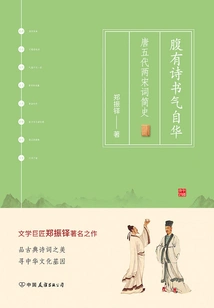
腹有诗书气自华:唐五代两宋词简史
Zheng Zhenduo
In "Poetry and Calligraphy in the Belly: A Brief History of Ci Poetry in the Tang, Five Dynasties and Song Dynasties", the author studies the development of Ci poetry starting from the Yuefu Ci of the Han and Tang Dynasties. Taking Ci from the Middle and Late Tang Dynasty, Ci from the Five Dynasties, Ci and Bianwen found in Dunhuang scrolls, Northern Song Ci, and Southern Song Ci as the context, the process of the emergence, development, peak, and final formation of a fixed style of Ci as a literary form is sorted out. Every time he talks about an era, the author will quote a large number of Ci works, use vivid and detailed language to explain the differences in Ci style in each period, as well as what new developments Ci poetry has achieved at that time, and what opportunities there are for development, presenting readers with a brief history of Chinese classical poetry.
In "Poetry and Calligraphy in the Belly: A Brief History of Ci Poetry in the Tang, Five Dynasties and Song Dynasties", the author studies the development of Ci poetry starting from the Yuefu Ci of the Han and Tang Dynasties. Taking Ci from the Middle and Late Tang Dynasty, Ci from the Five Dynasties, Ci and Bianwen found in Dunhuang scrolls, Northern Song Ci, and Southern Song Ci as the context, the process of the emergence, development, peak, and final formation of a fixed style of Ci as a literary form is sorted out. Every time he talks about an era, the author will quote a large number of Ci works, use vivid and detailed language to explain the differences in Ci style in each period, as well as what new developments Ci poetry has achieved at that time, and what opportunities there are for development, presenting readers with a brief history of Chinese classical poetry.
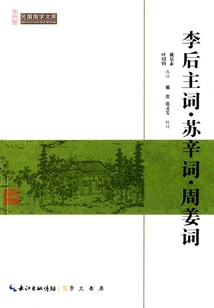
Chinese Studies Library of the Republic of China: Li Hou's Ci, Su Xin's Ci, Zhou Jiang's Ci
Literature民国国学文库:李后主词·苏辛词·周姜词
Selected Notes By Dai Jingsu And Ye Shaojun
The "Republic of China Chinese Studies Library" series was originally called "Students' Chinese Studies Library" and was a sub-series of the "Wanyou Library" edited by Wang Yunwu of the Commercial Press in the 1920s and 1930s. In order to highlight its mark of the times, it has been renamed "Republic of China Chinese Studies Library" and is dedicated to the vast number of Chinese studies enthusiasts. The original series had a total of 60 categories. Taking into account factors such as difficulty level, balance of the four volumes, and length, and based on extensive solicitation of expert opinions, it has been reduced to 34 categories and 49 volumes, basically retaining the chapter structure of the original book. There are very few deletions made to suit the current situation. The original text was checked using the general and authoritative version of the full text, and the necessary checks and revisions were made based on the editor's own opinions. For smooth and convenient reading, the source of the edition is not marked one by one. The annotations are based on the structure of the original text, using post-paragraph notes and post-text notes respectively to facilitate readers' convenience.
The "Republic of China Chinese Studies Library" series was originally called "Students' Chinese Studies Library" and was a sub-series of the "Wanyou Library" edited by Wang Yunwu of the Commercial Press in the 1920s and 1930s. In order to highlight its mark of the times, it has been renamed "Republic of China Chinese Studies Library" and is dedicated to the vast number of Chinese studies enthusiasts. The original series had a total of 60 categories. Taking into account factors such as difficulty level, balance of the four volumes, and length, and based on extensive solicitation of expert opinions, it has been reduced to 34 categories and 49 volumes, basically retaining the chapter structure of the original book. There are very few deletions made to suit the current situation. The original text was checked using the general and authoritative version of the full text, and the necessary checks and revisions were made based on the editor's own opinions. For smooth and convenient reading, the source of the edition is not marked one by one. The annotations are based on the structure of the original text, using post-paragraph notes and post-text notes respectively to facilitate readers' convenience.
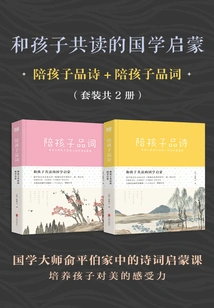
和孩子共读的国学启蒙(套装共2册)
I
Yu Biyun inherited his family education at a young age and made great achievements in literature, especially poetry. In order to teach poetry to children at home, Yu Biyun selected some famous poems from the five thousand years of Hanruo Xinghe, and carefully discussed the rhythm, sentence structure, and beauty of the artistic conception of the poems. Guide children to appreciate the beautiful and coordinated rhythms, elegant and fluent language, pure and noble character, and the pure, true, dream-like artistic conception in poetry while reading and reciting poetry.
Yu Biyun inherited his family education at a young age and made great achievements in literature, especially poetry. In order to teach poetry to children at home, Yu Biyun selected some famous poems from the five thousand years of Hanruo Xinghe, and carefully discussed the rhythm, sentence structure, and beauty of the artistic conception of the poems. Guide children to appreciate the beautiful and coordinated rhythms, elegant and fluent language, pure and noble character, and the pure, true, dream-like artistic conception in poetry while reading and reciting poetry.
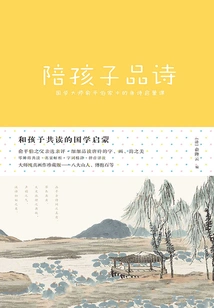
Accompany Children to Read Poems
Literature陪孩子品诗
Yu Biyun
Yu Biyun inherited his family education at a young age and made great achievements in literature, especially poetry. In order to teach poetry to children at home, Yu Biyun selected some famous poems from the five thousand years of Hanruo Xinghe, and carefully discussed the rhythm, sentence structure, and beauty of the artistic conception of the poems. Guide children to appreciate the beautiful and coordinated rhythms, elegant and fluent language, pure and noble character, and the pure, true, dream-like artistic conception in poetry while reading and reciting poetry.
Yu Biyun inherited his family education at a young age and made great achievements in literature, especially poetry. In order to teach poetry to children at home, Yu Biyun selected some famous poems from the five thousand years of Hanruo Xinghe, and carefully discussed the rhythm, sentence structure, and beauty of the artistic conception of the poems. Guide children to appreciate the beautiful and coordinated rhythms, elegant and fluent language, pure and noble character, and the pure, true, dream-like artistic conception in poetry while reading and reciting poetry.
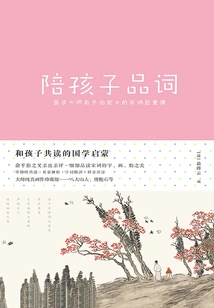
Accompany Children to Write Poems
Literature陪孩子品词
Yu Biyun
Yu Biyun inherited his family education at a young age and made great achievements in literature, especially poetry. In order to teach poetry to children at home, Yu Biyun selected some famous poems from the five thousand years of Hanruo Xinghe, and carefully discussed the rhythm, sentence structure, and beauty of the artistic conception of the poems. Guide children to appreciate the beautiful and coordinated rhythms, elegant and fluent language, pure and noble character, and the pure, true, dream-like artistic conception in poetry while reading and reciting poetry.
Yu Biyun inherited his family education at a young age and made great achievements in literature, especially poetry. In order to teach poetry to children at home, Yu Biyun selected some famous poems from the five thousand years of Hanruo Xinghe, and carefully discussed the rhythm, sentence structure, and beauty of the artistic conception of the poems. Guide children to appreciate the beautiful and coordinated rhythms, elegant and fluent language, pure and noble character, and the pure, true, dream-like artistic conception in poetry while reading and reciting poetry.
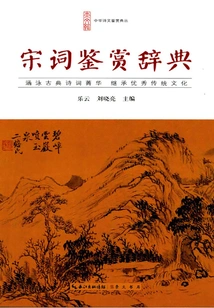
中华诗文鉴赏典丛:宋词鉴赏辞典
Le Yun Liu Xiaoliang
Chinese poetry appreciation dictionary books are a set of books that focus on popularization and appreciation by both refined and popular people. China is a country of poetry. Classical poetry has a long history and embodies the essence of the excellent traditional culture of the Chinese nation. In the history of poetry that spans more than three thousand years starting from the Book of Songs, famous writers have emerged in large numbers, shining like stars; their masterpieces are numerous and spectacular, exuding eternal artistic charm. Studying and appreciating classical poetry is a blessing that generations of Chinese people enjoy. Starting in the 1970s, Shanghai Dictionary Publishing House began to publish such books, which were extremely popular among readers and continued to sell well. Since then, similar books have appeared one after another. This series of appreciation books organized by our publisher is slightly smaller and more carefully selected. The appreciation text pays more attention to the exposition of the original content and less boring textual research. It explains the basic content and then guides readers to appreciate art. The readers are targeted at college and middle school students and general readers at lower levels.
Chinese poetry appreciation dictionary books are a set of books that focus on popularization and appreciation by both refined and popular people. China is a country of poetry. Classical poetry has a long history and embodies the essence of the excellent traditional culture of the Chinese nation. In the history of poetry that spans more than three thousand years starting from the Book of Songs, famous writers have emerged in large numbers, shining like stars; their masterpieces are numerous and spectacular, exuding eternal artistic charm. Studying and appreciating classical poetry is a blessing that generations of Chinese people enjoy. Starting in the 1970s, Shanghai Dictionary Publishing House began to publish such books, which were extremely popular among readers and continued to sell well. Since then, similar books have appeared one after another. This series of appreciation books organized by our publisher is slightly smaller and more carefully selected. The appreciation text pays more attention to the exposition of the original content and less boring textual research. It explains the basic content and then guides readers to appreciate art. The readers are targeted at college and middle school students and general readers at lower levels.
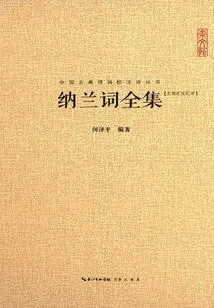
Chinese Classical Poetry Annotation and Commentary Series: the Complete Collection of Nalan Ci
Literature中国古典诗词校注评丛书:纳兰词全集
Min Zeping
"The Complete Works of Nalan Xingde" compiles all works of Nalan Xingde's poems and is the current comprehensive collection of Nalan Xingde's poems. Each article is given annotations and brief explanations, striving to provide a comprehensive and objective interpretation of Nalan Xingde's poems and Nalan Xingde himself.
"The Complete Works of Nalan Xingde" compiles all works of Nalan Xingde's poems and is the current comprehensive collection of Nalan Xingde's poems. Each article is given annotations and brief explanations, striving to provide a comprehensive and objective interpretation of Nalan Xingde's poems and Nalan Xingde himself.
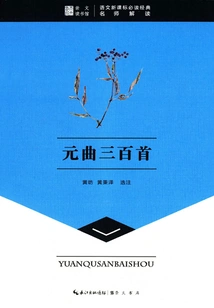
崇文读书馆:元曲三百首
Selected Notes By Huang Fang And Huang Bingze
Classics and masterpieces are the accumulation of human civilization and the crystallization of cultural thoughts. They condense human wisdom and have a significant impact on human history. They have withstood the test of time and have been recognized by readers. In today's society, we need to read classics to travel through the tunnel of history and understand the wonderful historical, cultural and artistic achievements of various countries in the world, so as to gain inspiration and expand our lives.
Classics and masterpieces are the accumulation of human civilization and the crystallization of cultural thoughts. They condense human wisdom and have a significant impact on human history. They have withstood the test of time and have been recognized by readers. In today's society, we need to read classics to travel through the tunnel of history and understand the wonderful historical, cultural and artistic achievements of various countries in the world, so as to gain inspiration and expand our lives.
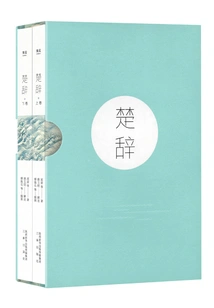
Songs of Chu
Literature楚辞
(warring States) Qu Yuan And Others
The Songs of Chu are the source of Chinese American literature and the first poetry collection with an author in China. It is also the classic that has the most profound influence on Chinese literature. Directly influenced the spiritual temperament and literary creation of later famous figures such as Sima Qian, Jia Yi, Li Bai, and Du Fu. The emergence of "Chu Ci" filled the gap in the poetry world more than 300 years after the publication of "The Book of Songs". Lu Xun's evaluation of Chu Ci's influence on Chinese literature was even greater than that of The Book of Songs. The famous lines in "Chu Ci" have been passed down from generation to generation. They are a golden stone for sharpening the virtues of literati in the past dynasties and a treasure book for naming. Qu Yuan's work "Li Sao" pioneered Sao-style poetry and was the most representative among Chu Ci. From this, later generations called "Chu Ci" and "The Book of Songs" both "Feng Sao". Qu Yuan is the first great patriotic poet in the history of Chinese literature. His noble spiritual qualities of perseverance, faith, and unwillingness to be servile and change his mind were a spiritual model for countless literati in later generations.
The Songs of Chu are the source of Chinese American literature and the first poetry collection with an author in China. It is also the classic that has the most profound influence on Chinese literature. Directly influenced the spiritual temperament and literary creation of later famous figures such as Sima Qian, Jia Yi, Li Bai, and Du Fu. The emergence of "Chu Ci" filled the gap in the poetry world more than 300 years after the publication of "The Book of Songs". Lu Xun's evaluation of Chu Ci's influence on Chinese literature was even greater than that of The Book of Songs. The famous lines in "Chu Ci" have been passed down from generation to generation. They are a golden stone for sharpening the virtues of literati in the past dynasties and a treasure book for naming. Qu Yuan's work "Li Sao" pioneered Sao-style poetry and was the most representative among Chu Ci. From this, later generations called "Chu Ci" and "The Book of Songs" both "Feng Sao". Qu Yuan is the first great patriotic poet in the history of Chinese literature. His noble spiritual qualities of perseverance, faith, and unwillingness to be servile and change his mind were a spiritual model for countless literati in later generations.
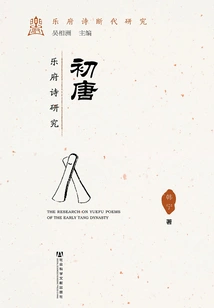
初唐乐府诗研究
Han Ning
"Research on Yuefu Poetry in the Early Tang Dynasty" is one of the sub-topics of the "Research on the Chronology of Yuefu Poetry", a major project of the Key Research Base of Humanities and Social Sciences of the Ministry of Education. This book uses a large number of literature, history and other related materials. On the one hand, it describes the characteristics of the Yuefu era in the early Tang Dynasty as a whole, and analyzes the particularity of the Yuefu itself in integrating song and poetry. On the other hand, it examines the specific situation of the Yuefu in the early Tang Dynasty from the aspects of its collection, unique tunes, creative characteristics, etc., And demonstrates the special status of the Yuefu in the early Tang Dynasty in the history of poetry development. This book has high reference value for scholars who study ancient Chinese literature, and is suitable for general literature lovers to read.
"Research on Yuefu Poetry in the Early Tang Dynasty" is one of the sub-topics of the "Research on the Chronology of Yuefu Poetry", a major project of the Key Research Base of Humanities and Social Sciences of the Ministry of Education. This book uses a large number of literature, history and other related materials. On the one hand, it describes the characteristics of the Yuefu era in the early Tang Dynasty as a whole, and analyzes the particularity of the Yuefu itself in integrating song and poetry. On the other hand, it examines the specific situation of the Yuefu in the early Tang Dynasty from the aspects of its collection, unique tunes, creative characteristics, etc., And demonstrates the special status of the Yuefu in the early Tang Dynasty in the history of poetry development. This book has high reference value for scholars who study ancient Chinese literature, and is suitable for general literature lovers to read.
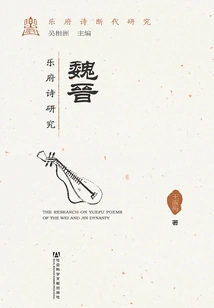
魏晋乐府诗研究
Wang Shumei
"Research on Yuefu Poems of the Wei and Jin Dynasties" conducts a systematic study on the classification and classification of Yuefu Poems of the Cao Wei (Western) and Jin Dynasties from three levels: philology, musicology, and literature. In terms of philology, based on the supplementary recording of Yuefu poems in the Wei and Jin Dynasties, the problem of the tune of "How High is the Western Mountain" and the recording form of Yuefu poems in the Wei and Jin Dynasties were investigated. In terms of musicology, it examines the music institutions, Yuefu poetry creation subjects and their division of labor in the Wei and Jin Dynasties, and examines the performance and musical nature of Xianghe lyrics, drumming lyrics, and miscellaneous lyrics. In terms of literature, it examines the characteristics of Wei and Jin's advocacy, elegy, erotic songs, and poems about immortals, as well as their inheritance and development of the Yuefu tradition of Han Dynasty.
"Research on Yuefu Poems of the Wei and Jin Dynasties" conducts a systematic study on the classification and classification of Yuefu Poems of the Cao Wei (Western) and Jin Dynasties from three levels: philology, musicology, and literature. In terms of philology, based on the supplementary recording of Yuefu poems in the Wei and Jin Dynasties, the problem of the tune of "How High is the Western Mountain" and the recording form of Yuefu poems in the Wei and Jin Dynasties were investigated. In terms of musicology, it examines the music institutions, Yuefu poetry creation subjects and their division of labor in the Wei and Jin Dynasties, and examines the performance and musical nature of Xianghe lyrics, drumming lyrics, and miscellaneous lyrics. In terms of literature, it examines the characteristics of Wei and Jin's advocacy, elegy, erotic songs, and poems about immortals, as well as their inheritance and development of the Yuefu tradition of Han Dynasty.
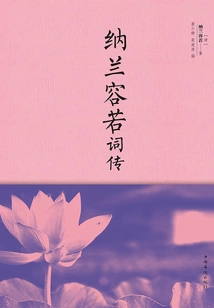
Nalan Rongruo's Ci Biography
Literature纳兰容若词传
(qing) Nalan Rongruo
"Nalan Rongruo's Ci Biography" takes Nalan Rongruo's life as the main line, and details Nalan Rongruo's words and feelings from aspects such as his background, career, emotions, friends, etc., And presents you with a vivid Nalan Rongruo. Opening this book, through the graceful, graceful, clear and clear Xiao Ling and Long Tun, it seems that you can see a person with peerless talent, outstanding appearance, and noble conduct standing there.
"Nalan Rongruo's Ci Biography" takes Nalan Rongruo's life as the main line, and details Nalan Rongruo's words and feelings from aspects such as his background, career, emotions, friends, etc., And presents you with a vivid Nalan Rongruo. Opening this book, through the graceful, graceful, clear and clear Xiao Ling and Long Tun, it seems that you can see a person with peerless talent, outstanding appearance, and noble conduct standing there.
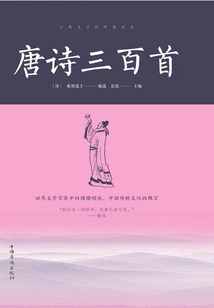
Three Hundred Tang Poems
Literature唐诗三百首
(qing Dynasty) Selected Retired Scholars From Hengtang, Editor-in-chief Silu
This book adopts the selected version of "Three Hundred Tang Poems" by the Qing Dynasty writer Hengtang Tuishi (Sun Zhu), and the title and order have not been changed. Translation into new poetry is the focus of this book. For the convenience of readers' reading and understanding, an introduction to the poet, a brief "explanation" of the ideas and artistic features of the original work, and annotations of word allusions are also added. This book was co-written by Wu Kunding, Tao Wenpeng, and Zhang Hougan. However, there is a general division of labor, so there are naturally differences in translation styles. Some translations are as close as possible to the original poems in terms of lines and even rhyme; others use their imaginations and make some reasonable developments. This also takes into account that there is no need to artificially set a pattern and avoid being the same, in order to achieve a fresh, lively and "colorful" effect.
This book adopts the selected version of "Three Hundred Tang Poems" by the Qing Dynasty writer Hengtang Tuishi (Sun Zhu), and the title and order have not been changed. Translation into new poetry is the focus of this book. For the convenience of readers' reading and understanding, an introduction to the poet, a brief "explanation" of the ideas and artistic features of the original work, and annotations of word allusions are also added. This book was co-written by Wu Kunding, Tao Wenpeng, and Zhang Hougan. However, there is a general division of labor, so there are naturally differences in translation styles. Some translations are as close as possible to the original poems in terms of lines and even rhyme; others use their imaginations and make some reasonable developments. This also takes into account that there is no need to artificially set a pattern and avoid being the same, in order to achieve a fresh, lively and "colorful" effect.
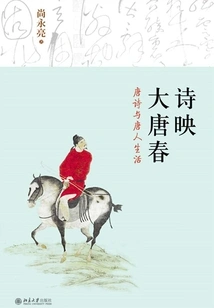
诗映大唐春:唐诗与唐人生活
Shang Yongliang
The Tang Dynasty was a country of poetry, and the life of the Tang people and poetry naturally formed an indissoluble bond. I write poems when I am proud, and even more poems when I am frustrated; I write poems when we are apart, and when we get together, and sometimes I even use poems as letters, invitations, and passes. Poems are indispensable for reading in the mountains and forests, wandering around, expressing feelings about the mountains and rivers, jumping on horses at the frontier fortress, holding academic papers, ups and downs in officialdom, being demoted and exiled, traveling in the forest, singing and dancing at banquets, drinking and drinking, and celebrating weddings and love festivals. Although the poems written by poets in different periods and under different circumstances have different styles, most of them have the power to express their feelings, appreciate things and entertain their emotions, feel the times and save the world, and lift people's hearts. It can be said that poetry became an indispensable companion for the Tang people, and the life of the Tang people also had a strong artistic sentiment due to poetry. This book takes poetry and life as the main thread. Through vivid and nuanced narratives, it focuses on showing the scenes in history that are romantic, leisurely, sad or joyful. It not only accompanies readers to return to the Tang Dynasty to see how the people of the Tang Dynasty created a world of poetry in their lives, but also enriches the taste of our lives with the help of classic readings and nourishes the modern mind that is gradually drifting away from poetry.
The Tang Dynasty was a country of poetry, and the life of the Tang people and poetry naturally formed an indissoluble bond. I write poems when I am proud, and even more poems when I am frustrated; I write poems when we are apart, and when we get together, and sometimes I even use poems as letters, invitations, and passes. Poems are indispensable for reading in the mountains and forests, wandering around, expressing feelings about the mountains and rivers, jumping on horses at the frontier fortress, holding academic papers, ups and downs in officialdom, being demoted and exiled, traveling in the forest, singing and dancing at banquets, drinking and drinking, and celebrating weddings and love festivals. Although the poems written by poets in different periods and under different circumstances have different styles, most of them have the power to express their feelings, appreciate things and entertain their emotions, feel the times and save the world, and lift people's hearts. It can be said that poetry became an indispensable companion for the Tang people, and the life of the Tang people also had a strong artistic sentiment due to poetry. This book takes poetry and life as the main thread. Through vivid and nuanced narratives, it focuses on showing the scenes in history that are romantic, leisurely, sad or joyful. It not only accompanies readers to return to the Tang Dynasty to see how the people of the Tang Dynasty created a world of poetry in their lives, but also enriches the taste of our lives with the help of classic readings and nourishes the modern mind that is gradually drifting away from poetry.
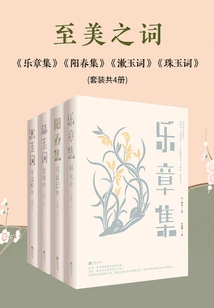
至美之词:乐章集+阳春集+漱玉词+珠玉词(套装共4册)
(song) Li Qingzhao Liu Yong Yan Shu (southern Tang) Feng Yansi
This series of packages includes four collections of poems: "Yangchun Collection", "Movement Collection", "Shuyu Ci", and "Zhuyu Ci", which respectively contain the lyrics of Feng Yansi in the Southern Tang Dynasty, Liu Yong, Li Qingzhao and Yan Shu in the Song Dynasty. Please refer to the "Complete Song Ci" and other editions This book has been strictly collated, and based on the original words, it has added annotations, phonetic notation of rare words, translations and comments by scholars, so that readers can further appreciate the subtleties of words and sentences on the basis of smooth reading and easy understanding. Classic lyrics, such as "Watching the Sea Tide·The Southeastern Shape", "Rain Lin Ring·Cicadas' Sorrow", "Slow Sound·Looking for Search", "Huanxisha·A New Song and a Glass of Wine", etc. Are all included. These four collections of poems are indispensable readers for understanding Chinese poetry culture and appreciating excellent poems.
This series of packages includes four collections of poems: "Yangchun Collection", "Movement Collection", "Shuyu Ci", and "Zhuyu Ci", which respectively contain the lyrics of Feng Yansi in the Southern Tang Dynasty, Liu Yong, Li Qingzhao and Yan Shu in the Song Dynasty. Please refer to the "Complete Song Ci" and other editions This book has been strictly collated, and based on the original words, it has added annotations, phonetic notation of rare words, translations and comments by scholars, so that readers can further appreciate the subtleties of words and sentences on the basis of smooth reading and easy understanding. Classic lyrics, such as "Watching the Sea Tide·The Southeastern Shape", "Rain Lin Ring·Cicadas' Sorrow", "Slow Sound·Looking for Search", "Huanxisha·A New Song and a Glass of Wine", etc. Are all included. These four collections of poems are indispensable readers for understanding Chinese poetry culture and appreciating excellent poems.
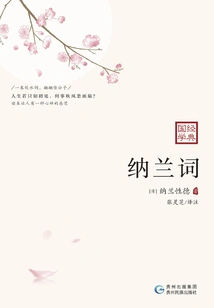
Nalan Ci
Literature纳兰词
(qing Dynasty) Works By Nalan Xingde Translated And Annotated By Zhang Lingzhi
"Nalan Ci" is a collection of Nalan Xingde's poems, which is a true portrayal of his emotions throughout his life. His style of writing is quite similar to that of the late masters of the Southern Tang Dynasty. His love stories are sincere and sentimental, and his poems about mourning are even more painful to read and cannot bear to be read. It is also often compared with Song Liuyong's poetry. There is a saying that "every family competes to sing "Drinking Water Ci", and how many people know Nalan's thoughts." His poems about scenery, such as poems about frontier fortresses, have a desolate style and a tragic beauty. The lotus flowers and water colors he writes often depict a dynamic and quiet beauty, exaggerating a Chinese culture and literati spirit in which water is the only virtue. This book relies on multiple versions of "Nalan Ci" and strives to reproduce the artistic conception in Nalan Xingde's writings, express the sincere feelings and the beauty of the scenery, and allow readers to experience the charm of poetry and the beauty and charm in the heart of a rare talent encountered in a thousand years.
"Nalan Ci" is a collection of Nalan Xingde's poems, which is a true portrayal of his emotions throughout his life. His style of writing is quite similar to that of the late masters of the Southern Tang Dynasty. His love stories are sincere and sentimental, and his poems about mourning are even more painful to read and cannot bear to be read. It is also often compared with Song Liuyong's poetry. There is a saying that "every family competes to sing "Drinking Water Ci", and how many people know Nalan's thoughts." His poems about scenery, such as poems about frontier fortresses, have a desolate style and a tragic beauty. The lotus flowers and water colors he writes often depict a dynamic and quiet beauty, exaggerating a Chinese culture and literati spirit in which water is the only virtue. This book relies on multiple versions of "Nalan Ci" and strives to reproduce the artistic conception in Nalan Xingde's writings, express the sincere feelings and the beauty of the scenery, and allow readers to experience the charm of poetry and the beauty and charm in the heart of a rare talent encountered in a thousand years.
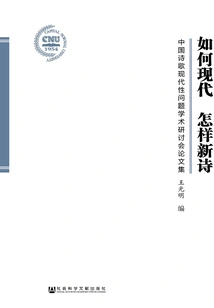
如何现代 怎样新诗:中国诗歌现代性问题学术研讨会论文集
Wang Guangming
This book is a collection of essays discussing the modernity of poetry, with the theme of "How to modernize and create new poetry." In the development process of Chinese poetry, its modernity has shown a very rich and complex modality, the pursuit of novelty and dazzling, the intricacies between negation and affirmation. At the level of these modern landscapes, on the one hand, it shows that modernity has the characteristics of "perpetual motion" and instability, on the other hand, it also exposes many of its potential problems. The book is divided into several themes such as "The Pursuit of Modernity", "Language Strategies of Modern Poetry", "Modernity Issues in Modern Poetry" and "Modernity in Contemporary Poetry", respectively discussing the modernity issues in Chinese poetry.
This book is a collection of essays discussing the modernity of poetry, with the theme of "How to modernize and create new poetry." In the development process of Chinese poetry, its modernity has shown a very rich and complex modality, the pursuit of novelty and dazzling, the intricacies between negation and affirmation. At the level of these modern landscapes, on the one hand, it shows that modernity has the characteristics of "perpetual motion" and instability, on the other hand, it also exposes many of its potential problems. The book is divided into several themes such as "The Pursuit of Modernity", "Language Strategies of Modern Poetry", "Modernity Issues in Modern Poetry" and "Modernity in Contemporary Poetry", respectively discussing the modernity issues in Chinese poetry.
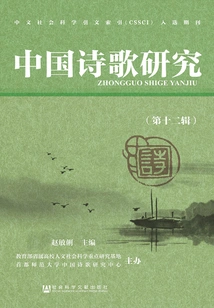
中国诗歌研究(第十二辑)
Editor-in-chief Zhao Minli Key Research Base For Humanities And Social Sciences In Provincial Universities Of The Ministry Of Education Sponsored By The Chinese Poetry Research Center Of Capital Normal University
"Chinese Poetry Research" is an academic journal sponsored by the Chinese Poetry Research Center of Capital Normal University. This is the twelfth series. It is divided into four columns: "Research on Ancient and Modern Chinese Poetry", "Research on Modern and Contemporary Chinese Poetry", "Youth Forum" and "Research on Poetry Documents". The articles include combing and textualizing documents and versions, as well as analyzing doctrines. The articles involve research on ancient literature, modern and contemporary literature, and literature and art, especially ancient literature. There are both senior academics such as Li Binghai, as well as young scholars who are still growing up.
"Chinese Poetry Research" is an academic journal sponsored by the Chinese Poetry Research Center of Capital Normal University. This is the twelfth series. It is divided into four columns: "Research on Ancient and Modern Chinese Poetry", "Research on Modern and Contemporary Chinese Poetry", "Youth Forum" and "Research on Poetry Documents". The articles include combing and textualizing documents and versions, as well as analyzing doctrines. The articles involve research on ancient literature, modern and contemporary literature, and literature and art, especially ancient literature. There are both senior academics such as Li Binghai, as well as young scholars who are still growing up.
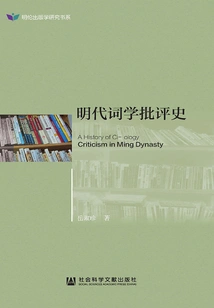
明代词学批评史
Yue Shuzhen
The study of Ci is a focus in the field of ancient Chinese literature, and the study of Ci criticism is the focus of Ci studies. Judging from the current status of Ci studies, many researchers focus on the Song Dynasty, the period when Ci flourished, and the Qing Dynasty, the middle period of Ci studies. However, the theory of Ci during the Ming Dynasty, which is between the two peaks, has become a weak area of research. This book explores this weak area. This book outlines the development and evolution of the critical theory of Ci in the Ming Dynasty, divides the development of Ci theory in the Ming Dynasty into the early, middle and late stages for study, and clarifies the changing characteristics and evolution rules of the Ci theory in the Ming Dynasty in each period.
The study of Ci is a focus in the field of ancient Chinese literature, and the study of Ci criticism is the focus of Ci studies. Judging from the current status of Ci studies, many researchers focus on the Song Dynasty, the period when Ci flourished, and the Qing Dynasty, the middle period of Ci studies. However, the theory of Ci during the Ming Dynasty, which is between the two peaks, has become a weak area of research. This book explores this weak area. This book outlines the development and evolution of the critical theory of Ci in the Ming Dynasty, divides the development of Ci theory in the Ming Dynasty into the early, middle and late stages for study, and clarifies the changing characteristics and evolution rules of the Ci theory in the Ming Dynasty in each period.
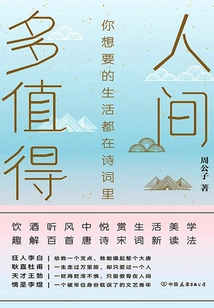
The World is Worth so Much
Literature人间多值得
Mr. Zhou
The poet Bai Juyi of the generation drank, tasted tea, and loved beautiful women; Li Shangyin, who valued love and justice, was lonely, sad, and had a difficult love life; the peerless talented woman Li Qingzhao, was greedy for alcohol, gambling, and divorced; the patriotic poet Xin Qiji was a soldier, recited poetry, and loved to dance swords; this book is the author of the public account "Master Zhou Loves Reading" Li Ren Zhou Gongzi's first collection of books deeply restores the ups and downs of the 15 Tang and Song poets' lives. It uses humorous writing methods to bring the background of the poems, character experiences, and various interesting stories at your fingertips. It presents the Tang and Song poets in a three-dimensional way, allowing readers to appreciate the aesthetics of life while drinking and listening to the wind.
The poet Bai Juyi of the generation drank, tasted tea, and loved beautiful women; Li Shangyin, who valued love and justice, was lonely, sad, and had a difficult love life; the peerless talented woman Li Qingzhao, was greedy for alcohol, gambling, and divorced; the patriotic poet Xin Qiji was a soldier, recited poetry, and loved to dance swords; this book is the author of the public account "Master Zhou Loves Reading" Li Ren Zhou Gongzi's first collection of books deeply restores the ups and downs of the 15 Tang and Song poets' lives. It uses humorous writing methods to bring the background of the poems, character experiences, and various interesting stories at your fingertips. It presents the Tang and Song poets in a three-dimensional way, allowing readers to appreciate the aesthetics of life while drinking and listening to the wind.
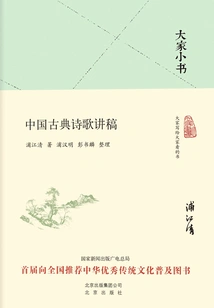
大家小书:中国古典诗歌讲稿
Pujiangqing
This book is compiled from the works of Mr. Pu Jiangqing, a famous literary historian in my country, and is divided into four parts, namely stylistic explanation, writer analysis, work selection, and literary criticism. The content includes "The Book of Songs" and language, the era and characteristics of "The Songs of Chu" and its differences from the "Book of Songs", Exploring the Origin of Ci and Music, Exploring the Origin of Ci and Music (continued), the introduction to "Selected Ci and Music", Sanqu in the Yuan Dynasty, on novels, etc. It has high academic value and is a classic in the field of Chinese literature.
This book is compiled from the works of Mr. Pu Jiangqing, a famous literary historian in my country, and is divided into four parts, namely stylistic explanation, writer analysis, work selection, and literary criticism. The content includes "The Book of Songs" and language, the era and characteristics of "The Songs of Chu" and its differences from the "Book of Songs", Exploring the Origin of Ci and Music, Exploring the Origin of Ci and Music (continued), the introduction to "Selected Ci and Music", Sanqu in the Yuan Dynasty, on novels, etc. It has high academic value and is a classic in the field of Chinese literature.
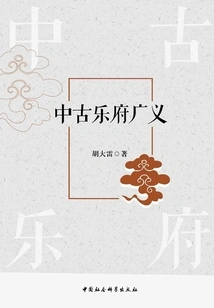
Medieval Yuefu in Broad Terms
Literature中古乐府广义
Hu Dalei
This book is a Yuefu research paper selected from the papers published by the author over the past thirty years. Because its content covers a wide range of topics, it is titled "Medieval Yuefu in a Broad View". The whole book includes five aspects of content. The first one is "Medieval Theory of Yuefu Studies", which explores the original ecological issues of Yuefu works; and discusses the discussion of Yuefu Studies in Shen Yue's "Song Book·Yue Zhi". The second part, "The True Character of Yuefu Poets in Medieval Times", explores the true nature and characteristics of Yuefu poetry creation by outstanding poets Cao Zhi, Fu Xuan, Bao Zhao and Shen Yue in the medieval period. The third part is "Exploring the Songs and Ci of Medieval Yuefu", which respectively explores the original meaning and development changes of certain works in Xianghe's lyrics, drum music, dance music, and miscellaneous songs. The fourth is "Categories of Medieval Yuefu and "Wen Xuan", which explains the categories of Yuefu poems described in "Wen Xin Diao Long" and recorded in "Wen Xuan", and explores the classification of Yuefu poems through comparison between the two. The fifth part is "The Origin of Medieval Yuefu and Palace Style", which explores the connection and difference between Yuefu poetry and palace poetry, and explores the similarities and differences between the true characteristics of folk works and literati poetry.
This book is a Yuefu research paper selected from the papers published by the author over the past thirty years. Because its content covers a wide range of topics, it is titled "Medieval Yuefu in a Broad View". The whole book includes five aspects of content. The first one is "Medieval Theory of Yuefu Studies", which explores the original ecological issues of Yuefu works; and discusses the discussion of Yuefu Studies in Shen Yue's "Song Book·Yue Zhi". The second part, "The True Character of Yuefu Poets in Medieval Times", explores the true nature and characteristics of Yuefu poetry creation by outstanding poets Cao Zhi, Fu Xuan, Bao Zhao and Shen Yue in the medieval period. The third part is "Exploring the Songs and Ci of Medieval Yuefu", which respectively explores the original meaning and development changes of certain works in Xianghe's lyrics, drum music, dance music, and miscellaneous songs. The fourth is "Categories of Medieval Yuefu and "Wen Xuan", which explains the categories of Yuefu poems described in "Wen Xin Diao Long" and recorded in "Wen Xuan", and explores the classification of Yuefu poems through comparison between the two. The fifth part is "The Origin of Medieval Yuefu and Palace Style", which explores the connection and difference between Yuefu poetry and palace poetry, and explores the similarities and differences between the true characteristics of folk works and literati poetry.
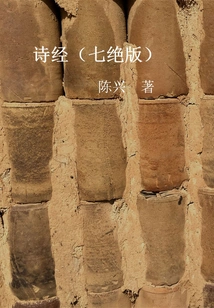
The Book of Songs (Seven Out of Print)
Literature诗经(七绝版)
Chen Xing
Everyone who reads the Book of Songs will probably have their own thoughts and feelings. When I read the Book of Songs, I interpreted it in a seven-character quatrain. Maybe it can also be regarded as a kind of creative reading. Reading the Book of Songs is like traveling back in time to the Zhou Dynasty, feeling the love, hatred, joy, anger, sorrow, and feelings of the people at that time. This is the charm of poetry. In just a few words, it records the pulse of the times, which has been beating in the long river of history. This book is a collection of classic poems called The Book of Songs, with each poem being interpreted with a Qijue poem. I hope this can open a new window for readers to read the Book of Songs, a collection of poems. In fact, it is also a collection of seven masterpieces. A total of 305 songs. Divided into three parts. It is divided into 100 poems in the upper part, "Fusu in the Mountains", 100 poems in the middle part, "There are Jiayu in the South", and 105 poems in the second part, "Why the Grass Is Not Yellow".
Everyone who reads the Book of Songs will probably have their own thoughts and feelings. When I read the Book of Songs, I interpreted it in a seven-character quatrain. Maybe it can also be regarded as a kind of creative reading. Reading the Book of Songs is like traveling back in time to the Zhou Dynasty, feeling the love, hatred, joy, anger, sorrow, and feelings of the people at that time. This is the charm of poetry. In just a few words, it records the pulse of the times, which has been beating in the long river of history. This book is a collection of classic poems called The Book of Songs, with each poem being interpreted with a Qijue poem. I hope this can open a new window for readers to read the Book of Songs, a collection of poems. In fact, it is also a collection of seven masterpieces. A total of 305 songs. Divided into three parts. It is divided into 100 poems in the upper part, "Fusu in the Mountains", 100 poems in the middle part, "There are Jiayu in the South", and 105 poems in the second part, "Why the Grass Is Not Yellow".
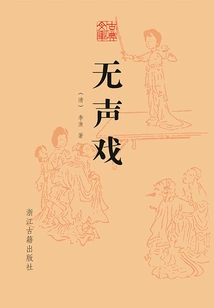
Silent Play (classical Library)
Literature无声戏(古典文库)
Li Yu
The name "Silent Play" takes the opposite meaning to "talkie play", that is, drama, and is intended to depict a living drama on the stage of life. Most of the stories included in it are folk rumors that people love to hear, involving all aspects of social life. This book is based on the engraved edition (twelve chapters) of "Silent Play" in the collection of Zunjingge Library in Japan, and the proofreading is based on the "Collection of Silent Plays" in the library of Peking University.
The name "Silent Play" takes the opposite meaning to "talkie play", that is, drama, and is intended to depict a living drama on the stage of life. Most of the stories included in it are folk rumors that people love to hear, involving all aspects of social life. This book is based on the engraved edition (twelve chapters) of "Silent Play" in the collection of Zunjingge Library in Japan, and the proofreading is based on the "Collection of Silent Plays" in the library of Peking University.
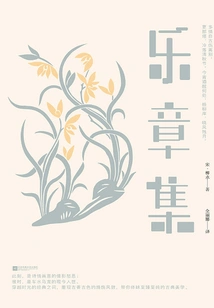
Collection of Movements
Literature乐章集
Liu Yong
The "Collection of Movements" written by Liu Yong mainly describes the emotions of men and women, urban life, city scenery, and travel. It is full of emotions and moving, and the text is elegant and graceful, combining elegance and vulgarity, and has a very high aesthetic value. In addition, "Collection of Movements" develops the form of the words and changes the taste of the words, making them easy to understand and catchy, which can be sung for a while and "sung all over the world". Zheng Wenzhuo, a poet in the Qing Dynasty, commented on Liu's Ci: "The high-pitched tone does not reduce the purity, and the long tune can especially use the majestic spirit and fresh energy to write the wonderful feelings and make the sound of swing."
The "Collection of Movements" written by Liu Yong mainly describes the emotions of men and women, urban life, city scenery, and travel. It is full of emotions and moving, and the text is elegant and graceful, combining elegance and vulgarity, and has a very high aesthetic value. In addition, "Collection of Movements" develops the form of the words and changes the taste of the words, making them easy to understand and catchy, which can be sung for a while and "sung all over the world". Zheng Wenzhuo, a poet in the Qing Dynasty, commented on Liu's Ci: "The high-pitched tone does not reduce the purity, and the long tune can especially use the majestic spirit and fresh energy to write the wonderful feelings and make the sound of swing."
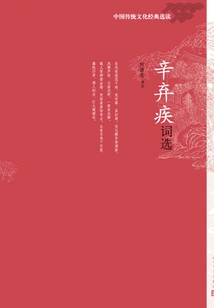
Selected Poems of Xin Qiji
Literature辛弃疾词选
Xin Qiji Liu Yangzhong
Xin Qiji was a famous poet in the Southern Song Dynasty and he was also heroic. His poems are famous for their boldness and majesty, and there is a collection of poems called "Jia Xuan's Long and Short Sentences". This small book selects the poet's most representative works. The commentators not only gave concise annotations on the unfamiliar words in the poems, but also provided in-depth and simple explanations, which can lead everyone to easily enter the world of Xin Ci and appreciate the artistic charm of Xin Ci.
Xin Qiji was a famous poet in the Southern Song Dynasty and he was also heroic. His poems are famous for their boldness and majesty, and there is a collection of poems called "Jia Xuan's Long and Short Sentences". This small book selects the poet's most representative works. The commentators not only gave concise annotations on the unfamiliar words in the poems, but also provided in-depth and simple explanations, which can lead everyone to easily enter the world of Xin Ci and appreciate the artistic charm of Xin Ci.
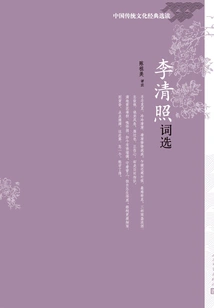
Selected Poems of Li Qingzhao
Literature李清照词选
Chen Zumei
Li Qingzhao is a well-known female poet in the Song Dynasty. Her works are very popular and have been circulated during her lifetime. His collection of poems, "Yi'an Ci", has been lost. The collection of poems compiled by later generations is "Shyu Ci". This small book selects Li Qingzhao's most essential lyrics, which better demonstrates the poet's artistic style and creative level. The commentator annotates the important words of each poem, and then gives a brief commentary to make it easier to understand, which is very suitable for everyone to appreciate the artistic charm of Yi An's poems.
Li Qingzhao is a well-known female poet in the Song Dynasty. Her works are very popular and have been circulated during her lifetime. His collection of poems, "Yi'an Ci", has been lost. The collection of poems compiled by later generations is "Shyu Ci". This small book selects Li Qingzhao's most essential lyrics, which better demonstrates the poet's artistic style and creative level. The commentator annotates the important words of each poem, and then gives a brief commentary to make it easier to understand, which is very suitable for everyone to appreciate the artistic charm of Yi An's poems.
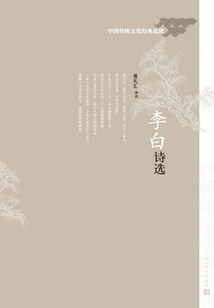
Selected Poems of Li Bai
Literature李白诗选
Commentary By Xiong Lihui
Li Bai is one of the most dazzling poets in the Tang Dynasty. His poems are famous for his heroic talent and unrestrained imagination. He represents the atmosphere and highest achievements of poetry in the prosperous Tang Dynasty. Therefore, he has been accepted and loved by readers from different walks of life in all dynasties. This book serves as a selection and annotation of his poems. There are more than 160 selected poems in total, accounting for about one-sixth of Li Bai's existing poems. The original text is based on the well-received "The Complete Works of Li Taibai" annotated by Wang Qi. The annotations and appreciations draw on or adopt the research results of many ancient and modern experts.
Li Bai is one of the most dazzling poets in the Tang Dynasty. His poems are famous for his heroic talent and unrestrained imagination. He represents the atmosphere and highest achievements of poetry in the prosperous Tang Dynasty. Therefore, he has been accepted and loved by readers from different walks of life in all dynasties. This book serves as a selection and annotation of his poems. There are more than 160 selected poems in total, accounting for about one-sixth of Li Bai's existing poems. The original text is based on the well-received "The Complete Works of Li Taibai" annotated by Wang Qi. The annotations and appreciations draw on or adopt the research results of many ancient and modern experts.
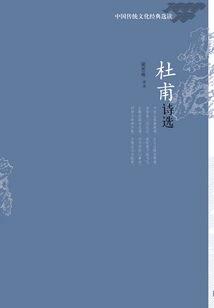
Selected Poems of Du Fu
Literature杜甫诗选
Xie Siwei
Due to its exemplary significance in terms of ideological connotation and artistic form, Du Fu's poetry has been widely welcomed by readers of all levels since the Song Dynasty, and has also aroused great interest among annotators and researchers. Many of his annotations have had a wide impact on ordinary readers. The compilation and selection of this book refers to the annotated editions of the Qing Dynasty and modern times. The selection strives to include Du Fu's most widely read and representative famous works. The annotations are relatively simple, but also strive to be reliable and reliable, which will help readers understand the original works.
Due to its exemplary significance in terms of ideological connotation and artistic form, Du Fu's poetry has been widely welcomed by readers of all levels since the Song Dynasty, and has also aroused great interest among annotators and researchers. Many of his annotations have had a wide impact on ordinary readers. The compilation and selection of this book refers to the annotated editions of the Qing Dynasty and modern times. The selection strives to include Du Fu's most widely read and representative famous works. The annotations are relatively simple, but also strive to be reliable and reliable, which will help readers understand the original works.
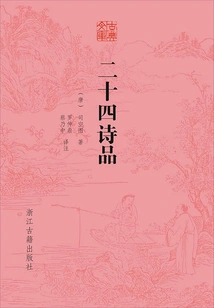
Twenty-four Poems (classical Library)
Literature二十四诗品(古典文库)
(tang Dynasty) Sikong Tu Luo Zhongding Cai Naizhong
"Twenty-Four Poems", written by Sikong Tu, a poet in the late Tang Dynasty, is a unique poetic theory work in the history of ancient Chinese literature. Twenty-four short poems are used to collect, organize and classify the various styles and genres of Tang poetry.
"Twenty-Four Poems", written by Sikong Tu, a poet in the late Tang Dynasty, is a unique poetic theory work in the history of ancient Chinese literature. Twenty-four short poems are used to collect, organize and classify the various styles and genres of Tang poetry.
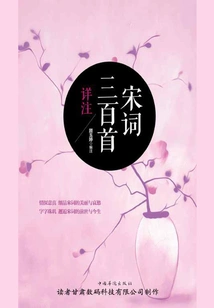
宋词三百首详注
Gu Yuting
The content of the poems touches on patriotism, love in the boudoir, sorrow of separation during a journey, frontier scenery, chanting of history and objects, pastoral landscapes, and folk customs. Some are exquisitely conceived, some are poetic and picturesque, some are local characteristics, or some are profound in meaning, reflecting the historical characteristics of the Song Dynasty and the artistic trajectory of the development of Song Ci. Each lyric piece has a brief introduction to the poet, notes on the lyrics, and an artistic analysis of the lyrics. Detailed interpretation, profound and simple explanations, both elegant and popular.
The content of the poems touches on patriotism, love in the boudoir, sorrow of separation during a journey, frontier scenery, chanting of history and objects, pastoral landscapes, and folk customs. Some are exquisitely conceived, some are poetic and picturesque, some are local characteristics, or some are profound in meaning, reflecting the historical characteristics of the Song Dynasty and the artistic trajectory of the development of Song Ci. Each lyric piece has a brief introduction to the poet, notes on the lyrics, and an artistic analysis of the lyrics. Detailed interpretation, profound and simple explanations, both elegant and popular.
P
Literaturep
J
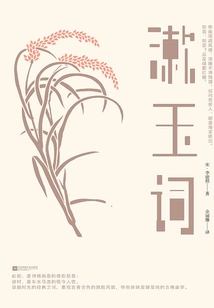
"Shu Yu Ci" is a love work written by Li Qingzhao, the "most talented woman of all time", and a representative work of the graceful Ci school in the Song Dynasty. It is named after the Shu Yu Spring in front of Li Qingzhao's former residence in Jinan. When the poet was young, he and his close friend Zhao Mingcheng were separated several times, and he felt a lot of lovesickness and melancholy. Later, he experienced the separation between husband and wife and the turmoil of the current situation, which made him even more lonely and desolate. He found his own way in writing lyrics, using his beautiful talents and thoughts to express elegant language and wonderful interpretation of music. Yang Shen of the Ming Dynasty commented: "Li Yian is also known as the best lyricist in the Song Dynasty."
"Shu Yu Ci" is a love work written by Li Qingzhao, the "most talented woman of all time", and a representative work of the graceful Ci school in the Song Dynasty. It is named after the Shu Yu Spring in front of Li Qingzhao's former residence in Jinan. When the poet was young, he and his close friend Zhao Mingcheng were separated several times, and he felt a lot of lovesickness and melancholy. Later, he experienced the separation between husband and wife and the turmoil of the current situation, which made him even more lonely and desolate. He found his own way in writing lyrics, using his beautiful talents and thoughts to express elegant language and wonderful interpretation of music. Yang Shen of the Ming Dynasty commented: "Li Yian is also known as the best lyricist in the Song Dynasty."
M
Literaturem
J
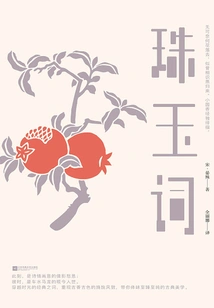
"Zhuyu Ci" is the handed down poetry work of Yan Shu, the "first ancestor of the Yisheng family in the Northern Song Dynasty". His poetry inherited the "beautiful" style of Feng Yanji's poetry in the Southern Tang Dynasty, and also created the graceful style of poetry in the Northern Song Dynasty. Wang Guowei said in "The Words of the World": "Those who have achieved great things and learned great things in ancient and modern times must pass through three realms." Yan Shu's "Last night the west wind withered the green trees, I went up to the tall building alone, looking at the end of the world" is the first realm, and "These words are not something that a great poet can't say."
"Zhuyu Ci" is the handed down poetry work of Yan Shu, the "first ancestor of the Yisheng family in the Northern Song Dynasty". His poetry inherited the "beautiful" style of Feng Yanji's poetry in the Southern Tang Dynasty, and also created the graceful style of poetry in the Northern Song Dynasty. Wang Guowei said in "The Words of the World": "Those who have achieved great things and learned great things in ancient and modern times must pass through three realms." Yan Shu's "Last night the west wind withered the green trees, I went up to the tall building alone, looking at the end of the world" is the first realm, and "These words are not something that a great poet can't say."
M
Literaturem
N
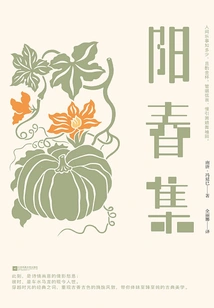
"Yangchun Collection", as a collection of Feng Yansi's poems, shows the poet's inner world. It not only reveals the delicate emotions of sadness for the spring and autumn, lovesickness and hatred, such as "tears asking the flowers but not saying a word", but also often expresses the lament that life is short and time passes like "people are not as romantic as the moon, but they remain forever". Therefore, I advise you to cherish your youth and live up to your life. "Yangchun Collection" has extremely high artistic value and has a profound influence on later generations of poets. Chen Tingzhuo, a famous poet in the late Qing Dynasty, commented: "Zhengzhong Ci is the best in the Five Dynasties. It has entered Fei Qing's room at a high level, but it is not followed by others. It may be out of date."
"Yangchun Collection", as a collection of Feng Yansi's poems, shows the poet's inner world. It not only reveals the delicate emotions of sadness for the spring and autumn, lovesickness and hatred, such as "tears asking the flowers but not saying a word", but also often expresses the lament that life is short and time passes like "people are not as romantic as the moon, but they remain forever". Therefore, I advise you to cherish your youth and live up to your life. "Yangchun Collection" has extremely high artistic value and has a profound influence on later generations of poets. Chen Tingzhuo, a famous poet in the late Qing Dynasty, commented: "Zhengzhong Ci is the best in the Five Dynasties. It has entered Fei Qing's room at a high level, but it is not followed by others. It may be out of date."
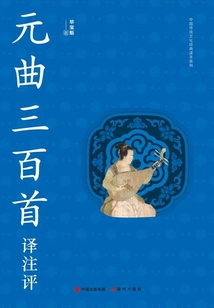
元曲三百首译注评
Bi Baokui Yin Bo
This book is a literary reading that analyzes "Three Hundred Yuan Songs" and is the second in a series of Chinese traditional culture classics. This book is a translation and annotation of the book "Three Hundred Yuan Operas". It was finally written after decades of research on Yuan Opera by the authors Bi Baokui and Yin Bo. In terms of style, this book is divided into several parts: biography of the poet, original poems, translations, annotations, and editorial reviews, and strives to be accurate, complete, and precise. "Three Hundred Yuan Operas with Translation and Commentary" can be used as a textbook for elective courses in colleges and universities, and can also be used as a reference for general Yuan Opera lovers.
This book is a literary reading that analyzes "Three Hundred Yuan Songs" and is the second in a series of Chinese traditional culture classics. This book is a translation and annotation of the book "Three Hundred Yuan Operas". It was finally written after decades of research on Yuan Opera by the authors Bi Baokui and Yin Bo. In terms of style, this book is divided into several parts: biography of the poet, original poems, translations, annotations, and editorial reviews, and strives to be accurate, complete, and precise. "Three Hundred Yuan Operas with Translation and Commentary" can be used as a textbook for elective courses in colleges and universities, and can also be used as a reference for general Yuan Opera lovers.
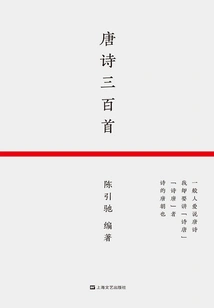
Three Hundred Tang Poems
Literature唐诗三百首
Chen Yinchi
Tang poetry is the pinnacle of ancient Chinese poetry and the essence of traditional Chinese literature. This book is carefully compiled and selected by Professor Chen Yinchi, director of the Chinese Department of Fudan University. It is newly revised on the basis of the classic selection of "Three Hundred Tang Poems" by Hengtang, a retired scholar from the Qing Dynasty, to eliminate the unnecessary and make up for the shortcomings. With this volume in hand, you can easily grasp the most popular chapters of Tang poetry. The poem is followed by annotations and wonderful appreciation, allowing us today to more intimately encounter the beautiful poems from thousands of years ago and resonate with the touching parts of the poems. I hope that the companionship of this book will enable you to see more beautiful scenery in the dazzling palace of Tang poetry.
Tang poetry is the pinnacle of ancient Chinese poetry and the essence of traditional Chinese literature. This book is carefully compiled and selected by Professor Chen Yinchi, director of the Chinese Department of Fudan University. It is newly revised on the basis of the classic selection of "Three Hundred Tang Poems" by Hengtang, a retired scholar from the Qing Dynasty, to eliminate the unnecessary and make up for the shortcomings. With this volume in hand, you can easily grasp the most popular chapters of Tang poetry. The poem is followed by annotations and wonderful appreciation, allowing us today to more intimately encounter the beautiful poems from thousands of years ago and resonate with the touching parts of the poems. I hope that the companionship of this book will enable you to see more beautiful scenery in the dazzling palace of Tang poetry.
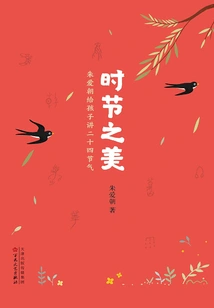
时节之美:朱爱朝给孩子讲二十四节气
Zhu Aichao
Jack Ma recommends: The twenty-four solar terms lesson can be taught like this, it's very interesting! 10 Books that influenced Chinese teachers in 2017. 2017 Mango TV "Children's Favorite" Book Award. Zhu Aichao, a good Chinese teacher and a famous teacher in Changsha, leads children to understand the solar terms and feel the beauty of the seasons. Zhu Aichao uses the traditional twenty-four solar terms as the longitude and the interpretation of Chinese characters as the weft. Starting from the origin of all things, Zhu Aichao tells the children about the twenty-four solar terms in clear and clear language, so that the children can become familiar with the traditional culture, history and customs contained in it, understand the wisdom of Chinese ancestors, gain real life experience of experiencing nature, get the nourishment of nature, discover beauty, feel the beauty, and gain more growth power from the earth.
Jack Ma recommends: The twenty-four solar terms lesson can be taught like this, it's very interesting! 10 Books that influenced Chinese teachers in 2017. 2017 Mango TV "Children's Favorite" Book Award. Zhu Aichao, a good Chinese teacher and a famous teacher in Changsha, leads children to understand the solar terms and feel the beauty of the seasons. Zhu Aichao uses the traditional twenty-four solar terms as the longitude and the interpretation of Chinese characters as the weft. Starting from the origin of all things, Zhu Aichao tells the children about the twenty-four solar terms in clear and clear language, so that the children can become familiar with the traditional culture, history and customs contained in it, understand the wisdom of Chinese ancestors, gain real life experience of experiencing nature, get the nourishment of nature, discover beauty, feel the beauty, and gain more growth power from the earth.
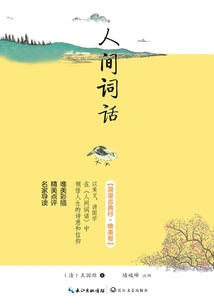
人间词话(浪漫古典行·唯美卷)
Wang Guowei
"Renjian Cihua" is the representative work of the master of Chinese studies Wang Guowei, and it is also a famous classic of Cihua for hundreds of years. This book "The Romantic Classics of Human Words\u002F" annotated by Qiang Junfeng uses a contemporary aesthetic perspective and clear and smooth text to interpret the words to the point, and provides detailed annotations for each poem quoted in the words. It can be called a spectacular and beautiful history of poetry. The appendix contains the interpretation of "Artistic Concept Theory" by Ms. Ye Jiaying, a master of ci studies. This book is a golden key to developing your spirituality.
"Renjian Cihua" is the representative work of the master of Chinese studies Wang Guowei, and it is also a famous classic of Cihua for hundreds of years. This book "The Romantic Classics of Human Words\u002F" annotated by Qiang Junfeng uses a contemporary aesthetic perspective and clear and smooth text to interpret the words to the point, and provides detailed annotations for each poem quoted in the words. It can be called a spectacular and beautiful history of poetry. The appendix contains the interpretation of "Artistic Concept Theory" by Ms. Ye Jiaying, a master of ci studies. This book is a golden key to developing your spirituality.
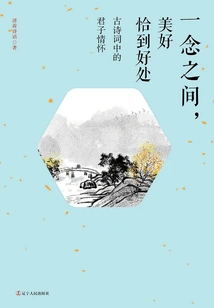
In One Thought, the Beauty is Just Right
Literature一念之间,美好恰到好处
Qinghe Poetry
This book provides a novel and thorough interpretation of classic ancient poetry through beautiful words, integrating the philosophy of life and attitude conveyed in ancient poetry with classical literature and historical stories. Gentlemen in ancient times integrated the beauty, wishes, ideals and ambitions of life into their poems. Their poems were like a lamp that lit up the night, guiding us in the direction of our pursuit. This is the gentleman's sentiment that our hearts call for, using poetry as a sword to make the righteous path of the world an eternal statue.
This book provides a novel and thorough interpretation of classic ancient poetry through beautiful words, integrating the philosophy of life and attitude conveyed in ancient poetry with classical literature and historical stories. Gentlemen in ancient times integrated the beauty, wishes, ideals and ambitions of life into their poems. Their poems were like a lamp that lit up the night, guiding us in the direction of our pursuit. This is the gentleman's sentiment that our hearts call for, using poetry as a sword to make the righteous path of the world an eternal statue.
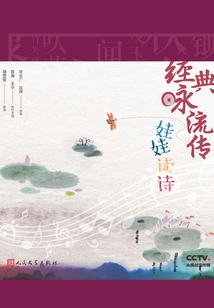
经典咏流传:娃娃读诗
Xu Wenguang Editor-in-chief Guo Tong
"Classic Chanting and Spreading - Dolls Reading Poems" is one of the series of books in the CCTV program of the same name "Classic Chanting and Spreading". The target readers are preschool children, and we strive to create an atmosphere for parents and children to read and sing together. The book is based on the TV program and selects 40 poems suitable for children to read, accompanied by concise and lively text interpretations. In addition, this book will be accompanied by recitation demonstrations that are easy for children to accept, and will use AR technology to watch the program video by scanning the program stills. It is a rich and exquisite children's literature enlightenment book.
"Classic Chanting and Spreading - Dolls Reading Poems" is one of the series of books in the CCTV program of the same name "Classic Chanting and Spreading". The target readers are preschool children, and we strive to create an atmosphere for parents and children to read and sing together. The book is based on the TV program and selects 40 poems suitable for children to read, accompanied by concise and lively text interpretations. In addition, this book will be accompanied by recitation demonstrations that are easy for children to accept, and will use AR technology to watch the program video by scanning the program stills. It is a rich and exquisite children's literature enlightenment book.
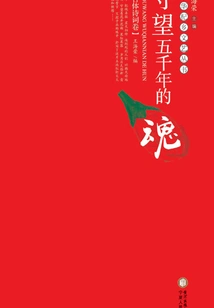
守望五千年的魂·古体诗词卷
A
Dreams are a beacon that leads mankind in the direction of pursuing civilization; dreams are a torch that illuminates the faltering steps of history. Throughout the history of human civilization, people's dream of pursuing a happy and beautiful life has never ceased, but they are often submerged in the struggle between the family and their own selfish interests, sometimes disappearing and appearing. On a stage dominated by heroes, the dreams of ordinary people become eternal footnotes.
Dreams are a beacon that leads mankind in the direction of pursuing civilization; dreams are a torch that illuminates the faltering steps of history. Throughout the history of human civilization, people's dream of pursuing a happy and beautiful life has never ceased, but they are often submerged in the struggle between the family and their own selfish interests, sometimes disappearing and appearing. On a stage dominated by heroes, the dreams of ordinary people become eternal footnotes.
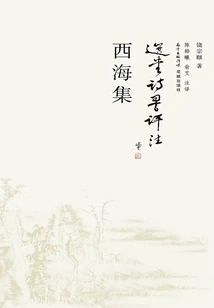
Xihaiji
Literature西海集
Jao Tsung-i
This book is one of Jao Tsung-i's "Commentary on Xuan Tang Poems" series. In 1976, Jao Tsung-I was invited to give lectures in Paris, France. In May, accompanied by the Revian and his wife, he traveled to central and southern France, visited the former residence of the French Enlightenment thinker Montesquieu (1689-1755), and climbed to the top of Puy Mery. In September, he roamed Spain and visited the ancient Islamic holy land of Córdoba and the Ahambre Palace. Along the way, he composed poems and included them in "Collection of the West Sea". The poems combine Chinese and Western styles, are original and unique. This allows readers to follow the story while reading, thus gaining a strong sense of history. At the same time, you can also feel Rao Lao's profound knowledge of Chinese and Western knowledge.
This book is one of Jao Tsung-i's "Commentary on Xuan Tang Poems" series. In 1976, Jao Tsung-I was invited to give lectures in Paris, France. In May, accompanied by the Revian and his wife, he traveled to central and southern France, visited the former residence of the French Enlightenment thinker Montesquieu (1689-1755), and climbed to the top of Puy Mery. In September, he roamed Spain and visited the ancient Islamic holy land of Córdoba and the Ahambre Palace. Along the way, he composed poems and included them in "Collection of the West Sea". The poems combine Chinese and Western styles, are original and unique. This allows readers to follow the story while reading, thus gaining a strong sense of history. At the same time, you can also feel Rao Lao's profound knowledge of Chinese and Western knowledge.
M
Literaturem
H
"Poems of a Thousand Families" is a merger of "Poems of a Thousand Families" compiled by Xie Fangde of the Song Dynasty (all seven-character rhymed poems) and "Poems of a Thousand Families in Five Characters" selected by Wang Xiang of the Ming Dynasty. It is an anthology of enlightenment poems in the old days of our country. Most of the poems selected in it are famous poems from the Tang and Song Dynasties, which are easy to learn and understand, with diverse themes. The content involves various aspects such as landscapes and pastoral, farewell to friends, homesickness and nostalgia, mourning the past and regretting the present, chanting objects and paintings, serving banquets, etc. It broadly reflects the social reality of the Tang and Song Dynasties, so it is widely circulated among the people and has a profound influence. It has the greatest influence among the selected readings of Chinese classical poetry, and has benefited as many people as the sand in the Ganges River. It and "Three Hundred Tang Poems" compiled and selected by Hengtang retired scholars are called the "double treasures" of the Poetry Garden.
"Poems of a Thousand Families" is a merger of "Poems of a Thousand Families" compiled by Xie Fangde of the Song Dynasty (all seven-character rhymed poems) and "Poems of a Thousand Families in Five Characters" selected by Wang Xiang of the Ming Dynasty. It is an anthology of enlightenment poems in the old days of our country. Most of the poems selected in it are famous poems from the Tang and Song Dynasties, which are easy to learn and understand, with diverse themes. The content involves various aspects such as landscapes and pastoral, farewell to friends, homesickness and nostalgia, mourning the past and regretting the present, chanting objects and paintings, serving banquets, etc. It broadly reflects the social reality of the Tang and Song Dynasties, so it is widely circulated among the people and has a profound influence. It has the greatest influence among the selected readings of Chinese classical poetry, and has benefited as many people as the sand in the Ganges River. It and "Three Hundred Tang Poems" compiled and selected by Hengtang retired scholars are called the "double treasures" of the Poetry Garden.
Selected Poems of Bai Juyi
Literature白居易诗选
Wang Zhiqing
Bai Juyi, Li Bai and Du Fu were once known as the three great masters of Tang poetry, and he was one of the weird ones in Yuanhe. The strange thing is that he deliberately followed the vulgar and used vulgarity as beauty. His aesthetic pursuit should be said to be a kind of courage, wisdom and strategy. Bai had a tendency to indulge in exhaustion, and many of his poems were shallow, direct, and written in a stylized way. Therefore, although there are three thousand poems in existence, they are both criticized and praised. For the sake of his integrity, the selections for this anthology are not all popular "traditional articles", nor are they all exquisite articles that are often strange but elegant yet commonplace, nor are they all "people's" works that criticize realism. The chooser pursues the effect of "defamiliarization", reads the text carefully and deeply, and repeats it endlessly. Therefore, there are often understandings, new perspectives, and many things that others have not said.
Bai Juyi, Li Bai and Du Fu were once known as the three great masters of Tang poetry, and he was one of the weird ones in Yuanhe. The strange thing is that he deliberately followed the vulgar and used vulgarity as beauty. His aesthetic pursuit should be said to be a kind of courage, wisdom and strategy. Bai had a tendency to indulge in exhaustion, and many of his poems were shallow, direct, and written in a stylized way. Therefore, although there are three thousand poems in existence, they are both criticized and praised. For the sake of his integrity, the selections for this anthology are not all popular "traditional articles", nor are they all exquisite articles that are often strange but elegant yet commonplace, nor are they all "people's" works that criticize realism. The chooser pursues the effect of "defamiliarization", reads the text carefully and deeply, and repeats it endlessly. Therefore, there are often understandings, new perspectives, and many things that others have not said.