Library
Browse and search books
537 novels found
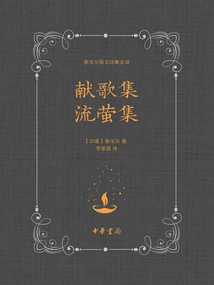
献歌集 流萤集(泰戈尔英文诗集全译)
H
"Song Collection" (old translation "Gitanjali") is one of Tagore's most representative collections of poetry and the main work that won him the Nobel Prize for Literature in 1913. "Song Collection" contains 103 prose poems, which are "fragrant flowers and fruits dedicated to the gods". In his poems, Tagore jumped out of the framework of traditional religion and regarded gods as a universal spiritual force, closely connected with all things in the universe and human life. This collection of poems also includes an introduction written by Yeats, another Nobel Prize winner, the famous Irish poet, the 1913 Nobel Prize for Literature award speech and the dinner speech. "The Collection of Flowing Fireflies" contains 258 short poems, and together with "The Collection of Wandering Birds" is known as the two short poems in Rabindranath Tagore's poetry collection. "The Collection of Flowing Fireflies" originated from Tagore's trip to Japan and China. The poems in it were creatively influenced by Japanese haiku and Chinese quatrains. They are short and readable yet have long meanings, and are full of the poet's profound perception of life.
"Song Collection" (old translation "Gitanjali") is one of Tagore's most representative collections of poetry and the main work that won him the Nobel Prize for Literature in 1913. "Song Collection" contains 103 prose poems, which are "fragrant flowers and fruits dedicated to the gods". In his poems, Tagore jumped out of the framework of traditional religion and regarded gods as a universal spiritual force, closely connected with all things in the universe and human life. This collection of poems also includes an introduction written by Yeats, another Nobel Prize winner, the famous Irish poet, the 1913 Nobel Prize for Literature award speech and the dinner speech. "The Collection of Flowing Fireflies" contains 258 short poems, and together with "The Collection of Wandering Birds" is known as the two short poems in Rabindranath Tagore's poetry collection. "The Collection of Flowing Fireflies" originated from Tagore's trip to Japan and China. The poems in it were creatively influenced by Japanese haiku and Chinese quatrains. They are short and readable yet have long meanings, and are full of the poet's profound perception of life.
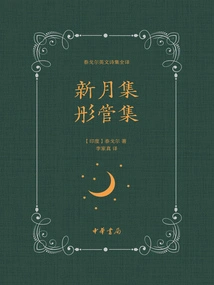
新月集 彤管集(泰戈尔英文诗集全译)
(india) Rabindranath Tagore
"New Moon Collection" is one of the representative works of Indian writer Rabindranath Tagore. It contains 40 poems with the theme of children's life and interests. In the collection of poems, the poet looks at the world from a child's perspective, vividly depicts children's games, and skillfully expresses children's psychology and their lively imagination. This collection of poems has timeless artistic charm, brings us to a pure and innocent world of children, and evokes our beautiful memories of childhood life. "Tongguan Collection" is a collection of poems by Indian writer Rabindranath Tagore, which contains 60 prose poems. In this collection of poems, the poet eulogizes the charm and immortality of love, and shows the fleeting but meaningful moments in life.
"New Moon Collection" is one of the representative works of Indian writer Rabindranath Tagore. It contains 40 poems with the theme of children's life and interests. In the collection of poems, the poet looks at the world from a child's perspective, vividly depicts children's games, and skillfully expresses children's psychology and their lively imagination. This collection of poems has timeless artistic charm, brings us to a pure and innocent world of children, and evokes our beautiful memories of childhood life. "Tongguan Collection" is a collection of poems by Indian writer Rabindranath Tagore, which contains 60 prose poems. In this collection of poems, the poet eulogizes the charm and immortality of love, and shows the fleeting but meaningful moments in life.
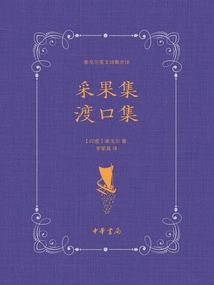
采果集 渡口集(泰戈尔英文诗集全译)
H
"Fruit Collection" contains 86 prose poems by the Indian literary giant Rabindranath Tagore, which can be called the sequel to "Song Collection". Tagore used poetic language to capture spiritual thoughts and ponder the essence of life, leaving us with this moving collection of poems. Every flower, every tree, every grass, every dust, in the poet's writing are all beautiful words and lively thoughts - "All things show their true colors there, as if facing the eyes of the Creator." "The Ferry Collection" contains 78 prose poems by Indian writer Rabindranath Tagore. The poet uses extraordinary brushwork to "meditate on the eternity on the other side", which is full of optimistic and positive emotions and vitality.
"Fruit Collection" contains 86 prose poems by the Indian literary giant Rabindranath Tagore, which can be called the sequel to "Song Collection". Tagore used poetic language to capture spiritual thoughts and ponder the essence of life, leaving us with this moving collection of poems. Every flower, every tree, every grass, every dust, in the poet's writing are all beautiful words and lively thoughts - "All things show their true colors there, as if facing the eyes of the Creator." "The Ferry Collection" contains 78 prose poems by Indian writer Rabindranath Tagore. The poet uses extraordinary brushwork to "meditate on the eternity on the other side", which is full of optimistic and positive emotions and vitality.
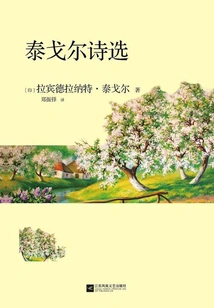
Selected Poems of Rabindranath Tagore
Literature泰戈尔诗选
J
The selection includes Rabindranath Tagore's representative poetry collections "New Moon Collection" and "Birds Collection". "New Moon Collection" uses children's novel and lively imagination and mother's pure and loving words to express simple, holy and lasting human emotions. "The Collection of Birds" allows us to have a more thorough understanding of nature, human beings and the beautiful things in the entire universe. These poems are rich in lyricism, meaningful and profound. No matter which page you turn, you and I can immerse ourselves in the ocean of wisdom and experience the truth, goodness and beauty from the pure and simple words and profound philosophy.
The selection includes Rabindranath Tagore's representative poetry collections "New Moon Collection" and "Birds Collection". "New Moon Collection" uses children's novel and lively imagination and mother's pure and loving words to express simple, holy and lasting human emotions. "The Collection of Birds" allows us to have a more thorough understanding of nature, human beings and the beautiful things in the entire universe. These poems are rich in lyricism, meaningful and profound. No matter which page you turn, you and I can immerse ourselves in the ocean of wisdom and experience the truth, goodness and beauty from the pure and simple words and profound philosophy.
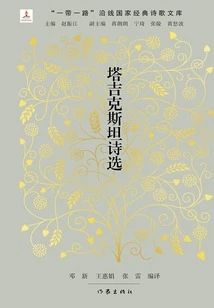
Selected Poems of Tajikistan (Classic Poetry Library of Countries Along the 'belt and Road')
Literature塔吉克斯坦诗选(‘一带一路’沿线国家经典诗歌文库)
Compiled By Deng Xin, Wang Huijuan And Zhang Lei
This book is a collection of poems translated and introduced by Tajikistan's outstanding modern poets and poems. Based on the collection of poems selected by Nizom Kashim (President of the Writers Association of Tajikistan), further selected and translated, it includes representative works of the most outstanding poets of modern Tajikistan, reflecting the ideas, themes, artistic and aesthetic characteristics of Tajik poetry developed in the past hundred years. It is hoped that through the publication of this anthology of poems, more Chinese poetry lovers will learn about Tajikistan's modern and contemporary poetry creation, and contribute to the cultural communication and exchange between China and Tajikistan along the "One Belt, One Road" initiative.
This book is a collection of poems translated and introduced by Tajikistan's outstanding modern poets and poems. Based on the collection of poems selected by Nizom Kashim (President of the Writers Association of Tajikistan), further selected and translated, it includes representative works of the most outstanding poets of modern Tajikistan, reflecting the ideas, themes, artistic and aesthetic characteristics of Tajik poetry developed in the past hundred years. It is hoped that through the publication of this anthology of poems, more Chinese poetry lovers will learn about Tajikistan's modern and contemporary poetry creation, and contribute to the cultural communication and exchange between China and Tajikistan along the "One Belt, One Road" initiative.

新月集·飞鸟集(作家经典文库)
H
This book contains two representative poems of Rabindranath Tagore, "New Moon Collection" and "Flying Bird Collection". "New Moon Collection" celebrates two major themes - innocence and maternal love. Childhood is the most precious human nature, bringing tranquility and stability to the noisy and conflicting world, while maternal love is the purest human emotion, bringing warmth and strength to the impetuous and confused soul. The profound lines of poetry lead readers back to the pure world of children and relive the selfless and profound maternal love. "The Birds" is one of the outstanding collections of philosophical poems in the world. It is a collection of lyrical poems about love and life. More than 300 beautiful poems contain rich thoughts on life, inspiring readers to persevere in pursuing ideals and unremittingly seeking wisdom.
This book contains two representative poems of Rabindranath Tagore, "New Moon Collection" and "Flying Bird Collection". "New Moon Collection" celebrates two major themes - innocence and maternal love. Childhood is the most precious human nature, bringing tranquility and stability to the noisy and conflicting world, while maternal love is the purest human emotion, bringing warmth and strength to the impetuous and confused soul. The profound lines of poetry lead readers back to the pure world of children and relive the selfless and profound maternal love. "The Birds" is one of the outstanding collections of philosophical poems in the world. It is a collection of lyrical poems about love and life. More than 300 beautiful poems contain rich thoughts on life, inspiring readers to persevere in pursuing ideals and unremittingly seeking wisdom.

Dancing in Odessa
Literature舞在敖德萨
(us) Ilya Kaminsky
"Dancing in Odessa" is the first collection of poems by the famous contemporary poet Ilya Kaminsky. Kaminsky breaks down the boundaries of genre, allowing poetry and prose to dance a pas de deux. Once the collection of poems was published, it caused a sensation in the poetry world and was praised by Adam Zagajewski, Robert Pinsky and others. The collection of poems also includes three essays by Kaminsky on Mandelstam, Tsvetaeva, and Paul Celan, as well as an interview with the poet.
"Dancing in Odessa" is the first collection of poems by the famous contemporary poet Ilya Kaminsky. Kaminsky breaks down the boundaries of genre, allowing poetry and prose to dance a pas de deux. Once the collection of poems was published, it caused a sensation in the poetry world and was praised by Adam Zagajewski, Robert Pinsky and others. The collection of poems also includes three essays by Kaminsky on Mandelstam, Tsvetaeva, and Paul Celan, as well as an interview with the poet.
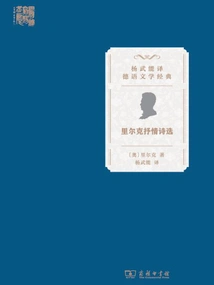
Selected Lyric Poems of Rilke
Literature里尔克抒情诗选
Rilke
This book selects more than 60 lyrical poems by the poet Rilke, most of which are selected from poetry collections such as "Image Collection", "Prayer Book", "New Poems" and several miscellaneous poems. Rilke's poems are full of lonely, painful emotions and pessimistic thoughts of emptiness. He has high artistic attainments and has a huge impact on the development of modern poetry. He is also known as one of the greatest German poets of the 20th century who "made German poetry perfect". The purpose of this poetry anthology is threefold: 1. The passages in the anthology can accurately convey the ideas of the original works; 2. Be as poetic and poetic as possible; 3. Without damaging the ideas and poetic taste, retain the style and rhythm of the original works, but try to avoid being blunt and forced.
This book selects more than 60 lyrical poems by the poet Rilke, most of which are selected from poetry collections such as "Image Collection", "Prayer Book", "New Poems" and several miscellaneous poems. Rilke's poems are full of lonely, painful emotions and pessimistic thoughts of emptiness. He has high artistic attainments and has a huge impact on the development of modern poetry. He is also known as one of the greatest German poets of the 20th century who "made German poetry perfect". The purpose of this poetry anthology is threefold: 1. The passages in the anthology can accurately convey the ideas of the original works; 2. Be as poetic and poetic as possible; 3. Without damaging the ideas and poetic taste, retain the style and rhythm of the original works, but try to avoid being blunt and forced.
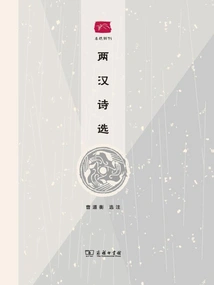
Selected Poems of the Han Dynasty
Literature两汉诗选
Selected Notes By Cao Daoheng
"Selected Poems of the Two Han Dynasties" is an anthology of poems compiled by Mr. Cao Daoheng, dating from the Western Han Dynasty to the Jian'an period. The book is divided into three parts, including Yuefu folk songs, ancient poems without names and works with names, with a total of about 190 poems selected. The anthology not only includes the most popular works of ancient Yuefu ballad poetry, but also selects important representative works in the history of poetry, comprehensively reflecting the process and appearance of the development of poetry in the Han Dynasty for more than four hundred years, and filling the gap that previous anthologies lacked attention to the overall poetry of the Han Dynasty. Each poem has a solution, annotation, author introduction, etc. According to different situations. It explains the profound things in simple terms and is very suitable for modern readers of all levels to understand and study ancient literary works.
"Selected Poems of the Two Han Dynasties" is an anthology of poems compiled by Mr. Cao Daoheng, dating from the Western Han Dynasty to the Jian'an period. The book is divided into three parts, including Yuefu folk songs, ancient poems without names and works with names, with a total of about 190 poems selected. The anthology not only includes the most popular works of ancient Yuefu ballad poetry, but also selects important representative works in the history of poetry, comprehensively reflecting the process and appearance of the development of poetry in the Han Dynasty for more than four hundred years, and filling the gap that previous anthologies lacked attention to the overall poetry of the Han Dynasty. Each poem has a solution, annotation, author introduction, etc. According to different situations. It explains the profound things in simple terms and is very suitable for modern readers of all levels to understand and study ancient literary works.
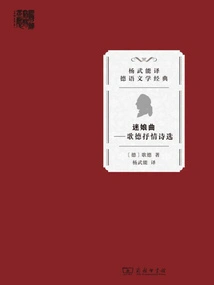
Mignon
Literature迷娘曲
H
This book is a collection of poems by the famous German writer and thinker Goethe. Goethe is a very important writer in the history of world literature. He wrote more than 2,500 poems of various themes and genres in his lifetime. He was praised by Byron as "the king of European poetry". This book selects nearly 400 of Goethe's most representative poems in his more than 70-year creative career. The translator Yang Wuneng is one of the more representative figures in the field of German-Chinese translation. In this book, Yang Wuneng annotates and explains the poems of various periods and themes, helping readers to understand and feel the beauty of Goethe's poetry more deeply. The translation of the book is smooth and beautiful, the words are delicate and precise, and the background knowledge is rich. It has high literary value and publication value.
This book is a collection of poems by the famous German writer and thinker Goethe. Goethe is a very important writer in the history of world literature. He wrote more than 2,500 poems of various themes and genres in his lifetime. He was praised by Byron as "the king of European poetry". This book selects nearly 400 of Goethe's most representative poems in his more than 70-year creative career. The translator Yang Wuneng is one of the more representative figures in the field of German-Chinese translation. In this book, Yang Wuneng annotates and explains the poems of various periods and themes, helping readers to understand and feel the beauty of Goethe's poetry more deeply. The translation of the book is smooth and beautiful, the words are delicate and precise, and the background knowledge is rich. It has high literary value and publication value.
Selected Lyric Poems of Heine
Literature海涅抒情诗选
Ah
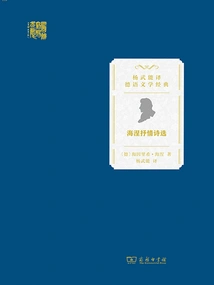
This book contains more than 200 poems written by Heine from 1816 to 1855, which can be roughly divided into three stages: the early lyric poetry stage, the most representative works of this period are "Loreley", "There is a Pine Tree in the North", "You Are Like a Flower" and "Declaration"; in the mature stage of poetry creation, Heine created many poems on political current affairs, many of which are powerful and bold. It became "Ode", "Doctrine", "Tendency", "The Textile Workers of Silesia" and the long poem "Germany - A Winter's Fairy Tale" and other poems full of fighting spirit. Among them, "The Textile Workers of Silesia" (1844) is even known as the "Marseillaise of the German working class"; in the low and tragic late period, the main poems include "Where to Go Now", "Determined Sentinel" and "Testament".
This book contains more than 200 poems written by Heine from 1816 to 1855, which can be roughly divided into three stages: the early lyric poetry stage, the most representative works of this period are "Loreley", "There is a Pine Tree in the North", "You Are Like a Flower" and "Declaration"; in the mature stage of poetry creation, Heine created many poems on political current affairs, many of which are powerful and bold. It became "Ode", "Doctrine", "Tendency", "The Textile Workers of Silesia" and the long poem "Germany - A Winter's Fairy Tale" and other poems full of fighting spirit. Among them, "The Textile Workers of Silesia" (1844) is even known as the "Marseillaise of the German working class"; in the low and tragic late period, the main poems include "Where to Go Now", "Determined Sentinel" and "Testament".
Twenty Love Poems and a Song of Despair
Literature二十首情诗和一首绝望的歌
I
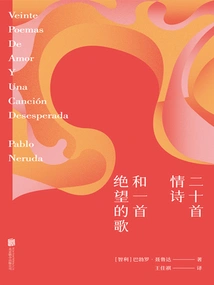
"Twenty Love Poems and a Song of Despair" is one of Neruda's most famous collections of poems. The poet was not yet 20 years old when this work was published in 1924, but since then Neruda's name has become world-famous along with lines such as "Love is so short, but forgetting is so long" and "I want to do to you what spring does to the cherry tree" in the collection of poems. Throughout the work, the poet narrates his memories of love in sad monologues, and describes his experience of contact with women and nature with almost sensual passion. His desire, passion, loneliness and alienation are revealed between the lines, creating an atmosphere of love where beauty and sadness blend.
"Twenty Love Poems and a Song of Despair" is one of Neruda's most famous collections of poems. The poet was not yet 20 years old when this work was published in 1924, but since then Neruda's name has become world-famous along with lines such as "Love is so short, but forgetting is so long" and "I want to do to you what spring does to the cherry tree" in the collection of poems. Throughout the work, the poet narrates his memories of love in sad monologues, and describes his experience of contact with women and nature with almost sensual passion. His desire, passion, loneliness and alienation are revealed between the lines, creating an atmosphere of love where beauty and sadness blend.
永不枯竭的是我的心跳:聂鲁达诗选
(chile) Pablo Neruda
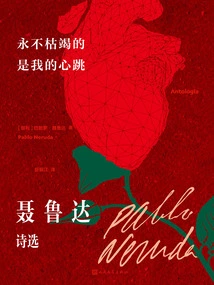
This anthology of poems was carefully polished and compiled by Mr. Zhao Zhenjiang, a well-known Spanish translator, and includes important poems by Neruda at different stages of his life, such as "Twenty Love Poems and a Song of Despair", "The Abode of the Earth", "Spain in the Heart", "Song", "One Hundred Love Sonnets", etc. The themes include love poems, battle poems, poems about objects, etc. Zhao Zhenjiang, as the winner of the "Translation Culture Lifetime Achievement Award" of the Translators Association of China, based on many years of research on Neruda, specially selected items for the Humanities Society edition, and the translation is accurate and clear. In it, you can not only appreciate the overall picture and characteristics of Nie's poetry, but also sort out the color of life of this poet who breathed and shared his fate with the times through his works.
This anthology of poems was carefully polished and compiled by Mr. Zhao Zhenjiang, a well-known Spanish translator, and includes important poems by Neruda at different stages of his life, such as "Twenty Love Poems and a Song of Despair", "The Abode of the Earth", "Spain in the Heart", "Song", "One Hundred Love Sonnets", etc. The themes include love poems, battle poems, poems about objects, etc. Zhao Zhenjiang, as the winner of the "Translation Culture Lifetime Achievement Award" of the Translators Association of China, based on many years of research on Neruda, specially selected items for the Humanities Society edition, and the translation is accurate and clear. In it, you can not only appreciate the overall picture and characteristics of Nie's poetry, but also sort out the color of life of this poet who breathed and shared his fate with the times through his works.
我喜欢你是寂静的:聂鲁达情诗集
J
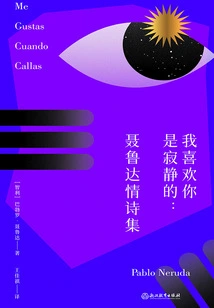
This book is a complete collection of love poems by Nobel Prize winner Pablo Neruda. It includes "Twenty Love Poems and a Song of Despair" that made him famous when he was young; "The Captain's Poems", which was originally published anonymously in Italy and was acknowledged as belonging to it ten years later; and "One Hundred Sonnets of Love" dedicated to his third wife, Mathilde Urrutia. These poems exhaust all expressions of love: lust, obsession, pain, despair... They are romantic monologues that sing about love, scarred marks of love, strong and passionate expressions of love, and evoke memories of love that are both beautiful and sad.
This book is a complete collection of love poems by Nobel Prize winner Pablo Neruda. It includes "Twenty Love Poems and a Song of Despair" that made him famous when he was young; "The Captain's Poems", which was originally published anonymously in Italy and was acknowledged as belonging to it ten years later; and "One Hundred Sonnets of Love" dedicated to his third wife, Mathilde Urrutia. These poems exhaust all expressions of love: lust, obsession, pain, despair... They are romantic monologues that sing about love, scarred marks of love, strong and passionate expressions of love, and evoke memories of love that are both beautiful and sad.
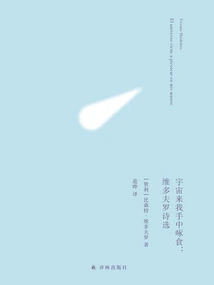
宇宙来我手中啄食:维多夫罗诗选(俄耳甫斯诗译丛)
(chile) Vicente Vidovro
"The poet is a little god of creation." The Chilean poet Vidovro not only wrote this line of poetry, but also used it as an absolute imperative throughout his life's creation. Vidovro's pursuit of originality remained unchanged throughout his life. He is a "craftsman, architect of the castle in the air, and a stubborn alchemist" in Neruda's eyes, and he is the "invisible oxygen" of contemporary Spanish poetry in Paz's mind. As the founder and forerunner of Creacionismo, Vidovro made incomparable contributions to the development of Latin American avant-garde poetry. "The Universe Comes to Peck in My Hands" consists of the thousand-line poem "ALTAZOR", as well as short poems, prose poems, a "creationism" manifesto and a chronology. From the captivating craftsmanship of a work influenced by French poetry to the powerful power of a foundational work, Vidovro is a consistent force of play and fire, a struggle of escape and sacrifice. His poetic intelligence is the key to his glory. Like a magician, he creates poetry: we see mountains, rivers, forests, seas, sailing boats, birds, antelopes, flowers and shells; dewdrops twinkle in the lines of poetry, echoing for a long time the singing of water, the whispering of wind and leaves; the solemn light of humanity completely envelopes his late and final poems. Vidovro was Gao Yu, the "supreme and first poet", who contributed poetry with new images and concepts. The wind carries his flute into the future.
"The poet is a little god of creation." The Chilean poet Vidovro not only wrote this line of poetry, but also used it as an absolute imperative throughout his life's creation. Vidovro's pursuit of originality remained unchanged throughout his life. He is a "craftsman, architect of the castle in the air, and a stubborn alchemist" in Neruda's eyes, and he is the "invisible oxygen" of contemporary Spanish poetry in Paz's mind. As the founder and forerunner of Creacionismo, Vidovro made incomparable contributions to the development of Latin American avant-garde poetry. "The Universe Comes to Peck in My Hands" consists of the thousand-line poem "ALTAZOR", as well as short poems, prose poems, a "creationism" manifesto and a chronology. From the captivating craftsmanship of a work influenced by French poetry to the powerful power of a foundational work, Vidovro is a consistent force of play and fire, a struggle of escape and sacrifice. His poetic intelligence is the key to his glory. Like a magician, he creates poetry: we see mountains, rivers, forests, seas, sailing boats, birds, antelopes, flowers and shells; dewdrops twinkle in the lines of poetry, echoing for a long time the singing of water, the whispering of wind and leaves; the solemn light of humanity completely envelopes his late and final poems. Vidovro was Gao Yu, the "supreme and first poet", who contributed poetry with new images and concepts. The wind carries his flute into the future.
爪哇史颂(汉译世界学术名著丛书)
(indonesia) Prabanza
"Ode to the History of Java" is a hymn written by Prapanca (pseudonym), a court poet of the Majapahit dynasty in Indonesia. The poem has a total of 98 chapters and is translated into Chinese with only over 30,000 words. But this poem not only has important academic significance, but also has irreplaceable historical value. This poem provides a panoramic description of the most glorious era of the Majapahit Dynasty: covering almost the entire Malay Peninsula's political power, the harmonious scene of Hinduism and Buddhism, the prosperity of economy and commerce, and the grand royal religious rituals and folk customs with unique national characteristics. , With clear and credible royal genealogical relationships, as well as vivid scenes of King Hamam Wulu's visits, parades, ancestor worship, pilgrimages, and hunting activities, reproduce a full, dynamic, and three-dimensional image of the empire for readers, and provide rare and vivid historical materials for scholars in various related fields.
"Ode to the History of Java" is a hymn written by Prapanca (pseudonym), a court poet of the Majapahit dynasty in Indonesia. The poem has a total of 98 chapters and is translated into Chinese with only over 30,000 words. But this poem not only has important academic significance, but also has irreplaceable historical value. This poem provides a panoramic description of the most glorious era of the Majapahit Dynasty: covering almost the entire Malay Peninsula's political power, the harmonious scene of Hinduism and Buddhism, the prosperity of economy and commerce, and the grand royal religious rituals and folk customs with unique national characteristics. , With clear and credible royal genealogical relationships, as well as vivid scenes of King Hamam Wulu's visits, parades, ancestor worship, pilgrimages, and hunting activities, reproduce a full, dynamic, and three-dimensional image of the empire for readers, and provide rare and vivid historical materials for scholars in various related fields.
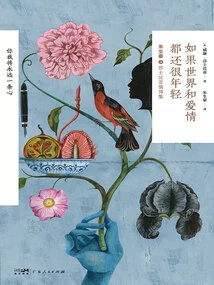
If the World and Love Were Still Young: Shakespeare's Love Poems (revised and Upgraded Edition)
Literature如果世界和爱情都还很年轻:莎士比亚情诗集(修订升级版)
(english) Shakespeare
"If the World and Love Were Still Young" is the essence of Shakespeare's 100 love poems, including 40 selected dramatic love poems, 52 selected sonnets, and 8 short poems. It's the kind of book we need to revisit at some point in our lives. Some people say that you should not read too many of Shakespeare's poems at one time because they will make you sad. Injecting despair into black characters, these love poems are like bleeding roses and crying hearts, telling the truest side of the adult world, naked love and pain. Time will pierce the beauty and delicacy of youth. All we can do now is remember and not forget. This collection of gentle poems will talk to you and comfort you every night you miss me.
"If the World and Love Were Still Young" is the essence of Shakespeare's 100 love poems, including 40 selected dramatic love poems, 52 selected sonnets, and 8 short poems. It's the kind of book we need to revisit at some point in our lives. Some people say that you should not read too many of Shakespeare's poems at one time because they will make you sad. Injecting despair into black characters, these love poems are like bleeding roses and crying hearts, telling the truest side of the adult world, naked love and pain. Time will pierce the beauty and delicacy of youth. All we can do now is remember and not forget. This collection of gentle poems will talk to you and comfort you every night you miss me.
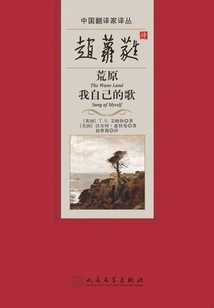
赵萝蕤译荒原 我自己的歌
(uk) T. S. Eliot Et Al.
Walt Whitman (1819-1892) was a famous American poet and humanist who created the Free Verse of poetry. His representative work is the collection of poems "Leaves of Grass", which promoted the beauty and power of freedom and life with unrestrained and passionate verses. T. S. Eliot (1888-1965), a famous British modernist poet and literary critic, won the Nobel Prize in Literature in 1948 for "innovating modern poetry and being an outstanding pioneer". His representative poem "The Waste Land" is an epoch-making work in Western literature in the 20th century and a milestone in modernist poetry. Zhao Luorui is one of the most outstanding modern poets in my country. One of the outstanding translators, she received a master's degree and a doctorate in literature from Columbia University in the United States. She has long devoted herself to studying the writing style and artistic charm of works by Whitman, Eliot and others, and reflected her research experience and unique appreciation in her translation practice. "Whitman's Selected Poems" and "The Waste Land" translated by Zhao Luorui can be called two shining treasures in the history of Chinese translation.
Walt Whitman (1819-1892) was a famous American poet and humanist who created the Free Verse of poetry. His representative work is the collection of poems "Leaves of Grass", which promoted the beauty and power of freedom and life with unrestrained and passionate verses. T. S. Eliot (1888-1965), a famous British modernist poet and literary critic, won the Nobel Prize in Literature in 1948 for "innovating modern poetry and being an outstanding pioneer". His representative poem "The Waste Land" is an epoch-making work in Western literature in the 20th century and a milestone in modernist poetry. Zhao Luorui is one of the most outstanding modern poets in my country. One of the outstanding translators, she received a master's degree and a doctorate in literature from Columbia University in the United States. She has long devoted herself to studying the writing style and artistic charm of works by Whitman, Eliot and others, and reflected her research experience and unique appreciation in her translation practice. "Whitman's Selected Poems" and "The Waste Land" translated by Zhao Luorui can be called two shining treasures in the history of Chinese translation.
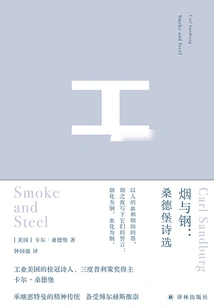
烟与钢:桑德堡诗选(俄耳甫斯诗译丛)
M
Carl Sandburg is not only a journalist and biographer who represents the strength and genius of the United States, but also a poet laureate who embodies the American spirit and writes in the American colloquial language. "He is the United States." He dropped out of school at the age of thirteen and entered the workforce. He saw the world from the noisy streets and alleys of the city and from the bottom of the caravan. He also had an extremely rich experience of wandering and fighting. Because his poems were "people's poems", they were deeply loved by the people and he was called the "people's poet". This book is a collection of Sandburg's poems. It selects the main representative works from his iconic poetry collections - "Chicago Poems", "The Cornhuskers" (Pulitzer Prize-winning work), "Smoke and Steel", "Slates of the Sunburned West", "Good Morning America", "The People, Yes", and "Collected Poems" (Pulitzer Prize-winning work). It contains all high-quality works from his early, prime and late years, and comprehensively presents the evolution of his poetic ideas, techniques and style. In his poems, there are the prayers of steel - smoke-belching chimneys, quenching sprockets, low-level workers in blue; there is the vast imagination - the dreams of humans and machines; there is silence - the skyscrapers entering dreamland and the cornfields soaked in the sun; there is the loneliness of distant times - the open space between the urban rubble and other scenes. Borges once commented: "There is a kind of tired sadness in Sandburg, a kind of sadness in the evening on the plains, the sadness of mud and sand, the sadness of useless but accurate memory, the sadness of a man who feels the passage of time between day and night."
Carl Sandburg is not only a journalist and biographer who represents the strength and genius of the United States, but also a poet laureate who embodies the American spirit and writes in the American colloquial language. "He is the United States." He dropped out of school at the age of thirteen and entered the workforce. He saw the world from the noisy streets and alleys of the city and from the bottom of the caravan. He also had an extremely rich experience of wandering and fighting. Because his poems were "people's poems", they were deeply loved by the people and he was called the "people's poet". This book is a collection of Sandburg's poems. It selects the main representative works from his iconic poetry collections - "Chicago Poems", "The Cornhuskers" (Pulitzer Prize-winning work), "Smoke and Steel", "Slates of the Sunburned West", "Good Morning America", "The People, Yes", and "Collected Poems" (Pulitzer Prize-winning work). It contains all high-quality works from his early, prime and late years, and comprehensively presents the evolution of his poetic ideas, techniques and style. In his poems, there are the prayers of steel - smoke-belching chimneys, quenching sprockets, low-level workers in blue; there is the vast imagination - the dreams of humans and machines; there is silence - the skyscrapers entering dreamland and the cornfields soaked in the sun; there is the loneliness of distant times - the open space between the urban rubble and other scenes. Borges once commented: "There is a kind of tired sadness in Sandburg, a kind of sadness in the evening on the plains, the sadness of mud and sand, the sadness of useless but accurate memory, the sadness of a man who feels the passage of time between day and night."
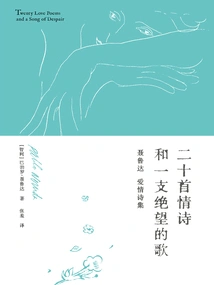
二十首情诗和一支绝望的歌:聂鲁达爱情诗集
(chile) Pablo Neruda
Neruda is famous for his love poems. His most famous collection of poems, "Twenty Love Poems and a Song of Despair", is known as the "Bible of Love Poems" and has sold more than 100 million copies so far. In addition to the full volume of "Twenty Love Poems and a Song of Despair", this book also contains 49 of his most influential love poems in the world. All love has the right to express, and when you have something to say to the one you love deeply, Neruda's poems will naturally find accurate and beautiful language for you.
Neruda is famous for his love poems. His most famous collection of poems, "Twenty Love Poems and a Song of Despair", is known as the "Bible of Love Poems" and has sold more than 100 million copies so far. In addition to the full volume of "Twenty Love Poems and a Song of Despair", this book also contains 49 of his most influential love poems in the world. All love has the right to express, and when you have something to say to the one you love deeply, Neruda's poems will naturally find accurate and beautiful language for you.
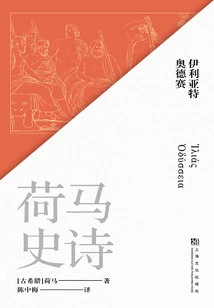
Homer's Epic Poems (all Eight Volumes)
Literature荷马史诗(全八册)
I
Homer's epic is the collective name of "Iliad" and "Odyssey". It is the earliest epic in ancient Greek literature and a model of European narrative poetry. It has greatly influenced the creative style of Western literature starting from ancient Greece, breaking the tradition of epics being limited to historical records, and beginning to pay attention to the hearts of characters. It is the originator of poetic novels. "The Iliad" tells the story of the Greek coalition's siege of Troy. It centers on the quarrel between the Greek coalition commander Agamemnon and the general Achilles, and focuses on what happened fifty days before the end of the war. "The Odyssey" tells the story of Odysseus, who wandered for ten years on his way back home after conquering Troy, and finally returned home after going through hardships.
Homer's epic is the collective name of "Iliad" and "Odyssey". It is the earliest epic in ancient Greek literature and a model of European narrative poetry. It has greatly influenced the creative style of Western literature starting from ancient Greece, breaking the tradition of epics being limited to historical records, and beginning to pay attention to the hearts of characters. It is the originator of poetic novels. "The Iliad" tells the story of the Greek coalition's siege of Troy. It centers on the quarrel between the Greek coalition commander Agamemnon and the general Achilles, and focuses on what happened fifty days before the end of the war. "The Odyssey" tells the story of Odysseus, who wandered for ten years on his way back home after conquering Troy, and finally returned home after going through hardships.

Put Dinner in the Drawer
Literature把晚餐放进抽屉
H
"Put Dinner in the Drawer" contains 60 poems written by Han Jiang in the twenty years since his debut. Transparent night, dark trees, burning wheelchair, winter on the other side of the mirror. In the collection of poems "Put Dinner in the Drawer", Han Jiang re-examines the subtle emotions in daily life, using bloody language drawn from the dark night to describe the loneliness and sadness of life. She gazes eagerly into the human soul, trying to find the shining truth in a world of silence and darkness. Han Jiang's poetry creation runs through her entire writing career. Her poems are intensely emotional and full of sensual imagery, in line with her novels.
"Put Dinner in the Drawer" contains 60 poems written by Han Jiang in the twenty years since his debut. Transparent night, dark trees, burning wheelchair, winter on the other side of the mirror. In the collection of poems "Put Dinner in the Drawer", Han Jiang re-examines the subtle emotions in daily life, using bloody language drawn from the dark night to describe the loneliness and sadness of life. She gazes eagerly into the human soul, trying to find the shining truth in a world of silence and darkness. Han Jiang's poetry creation runs through her entire writing career. Her poems are intensely emotional and full of sensual imagery, in line with her novels.
G
LiteratureG
H
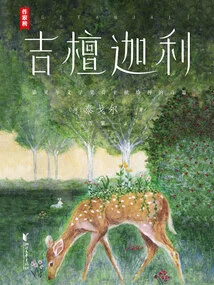
Tagore wrote poetry all his life. At the age of 51, he selected 103 poems and compiled them into a "Psalms dedicated to God", which is "Gitanjali". From daily life to the splendor of the universe, everything is poetically presented in the book. Each poem is a combination of beauty and truth. At the age of 52, Tagore became Asia's first Nobel Prize winner with this book. "Gitanjali" brings unprecedented peace of mind to readers, and it still touches everyone who reads it.
Tagore wrote poetry all his life. At the age of 51, he selected 103 poems and compiled them into a "Psalms dedicated to God", which is "Gitanjali". From daily life to the splendor of the universe, everything is poetically presented in the book. Each poem is a combination of beauty and truth. At the age of 52, Tagore became Asia's first Nobel Prize winner with this book. "Gitanjali" brings unprecedented peace of mind to readers, and it still touches everyone who reads it.
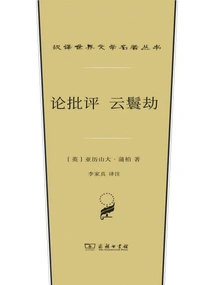
On Criticism Yun Huan Jie
Literature论批评 云鬟劫
N
"On Criticism: Yun Huan Jie" is one of the "Chinese Translation World Literature Masterpiece Series", in the poetry category, two long poems combined into one book. "An Essay on Criticism" (1711) is Pope's famous work. Its main purpose is to elucidate the principles of literary criticism. The poem has a total of 744 lines. Samuel Johnson considered the poem to be "a work of insight, subtlety of analysis, a depth of insight into human nature, and a depth of knowledge both ancient and modern, which even the most seasoned and experienced poets have seldom achieved." "The Rape of the Lock" (1717) is one of Pope's most widely known poems. It takes a farce in the upper class as an opportunity, uses fantastic imagination and gorgeous arrangements, and elucidates profound moral themes in a relaxed and humorous style. It has been praised by many Western commentators as an outstanding representative of satirical epics. The whole poem has a total of 794 lines (148 lines in Chapter 1, 142 lines in Chapter 2, 178 lines in Chapter 3, 176 lines in Chapter 4, and 150 lines in Chapter 5).
"On Criticism: Yun Huan Jie" is one of the "Chinese Translation World Literature Masterpiece Series", in the poetry category, two long poems combined into one book. "An Essay on Criticism" (1711) is Pope's famous work. Its main purpose is to elucidate the principles of literary criticism. The poem has a total of 744 lines. Samuel Johnson considered the poem to be "a work of insight, subtlety of analysis, a depth of insight into human nature, and a depth of knowledge both ancient and modern, which even the most seasoned and experienced poets have seldom achieved." "The Rape of the Lock" (1717) is one of Pope's most widely known poems. It takes a farce in the upper class as an opportunity, uses fantastic imagination and gorgeous arrangements, and elucidates profound moral themes in a relaxed and humorous style. It has been praised by many Western commentators as an outstanding representative of satirical epics. The whole poem has a total of 794 lines (148 lines in Chapter 1, 142 lines in Chapter 2, 178 lines in Chapter 3, 176 lines in Chapter 4, and 150 lines in Chapter 5).

Doors (margaret Atwood Series)
Literature门(玛格丽特·阿特伍德作品系列)
H
Margaret Atwood, the author of "The Handmaid's Tale" and the world's most popular spokesperson for female writing, is a masterpiece of poetry. The famous poet Wu Ang translated the poems and faithfully restored the female voices, letting words illuminate the darkness and witnessing reality with imagination. This book collects Atwood's poetry from 1995 to 2007. Through these works, she seeks to explore the nature of poetry, passages in time, and our shared moral consciousness. This is a brave, passionate collection of poetry that reflects on and interrogates the standpoints of human life, reaffirming Atwood's status as one of the most important English-language poets of our time. Atwood specializes in blank free verse, and has conducted various explorations in poetry forms and creative techniques over the years. Her poems are restrained and calm, focusing on the rhythm of words and the presentation of images. She is also good at using rich creative techniques such as collage and word games. Compared with her early works, these poems in her mature period of creation show a trend of being simpler, clearer and sharper, conveying the poet's powerful spiritual heritage and her examination of society and the times with cold or even sharp language.
Margaret Atwood, the author of "The Handmaid's Tale" and the world's most popular spokesperson for female writing, is a masterpiece of poetry. The famous poet Wu Ang translated the poems and faithfully restored the female voices, letting words illuminate the darkness and witnessing reality with imagination. This book collects Atwood's poetry from 1995 to 2007. Through these works, she seeks to explore the nature of poetry, passages in time, and our shared moral consciousness. This is a brave, passionate collection of poetry that reflects on and interrogates the standpoints of human life, reaffirming Atwood's status as one of the most important English-language poets of our time. Atwood specializes in blank free verse, and has conducted various explorations in poetry forms and creative techniques over the years. Her poems are restrained and calm, focusing on the rhythm of words and the presentation of images. She is also good at using rich creative techniques such as collage and word games. Compared with her early works, these poems in her mature period of creation show a trend of being simpler, clearer and sharper, conveying the poet's powerful spiritual heritage and her examination of society and the times with cold or even sharp language.
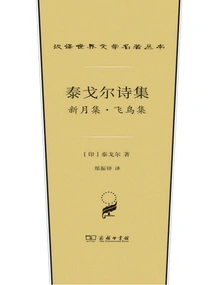
泰戈尔诗集:新月集·飞鸟集
H
This book contains "Crescent Moon Collection" and "Bird Collection" by Indian poet Rabindranath Tagore. In "New Moon Collection", Tagore sings about love in the world from a child's perspective. In "Birds", Tagore praises the various charms of life in nature. These poems that praise love and life are timeless and beautiful. They are also recommended reading materials for middle school Chinese textbooks.
This book contains "Crescent Moon Collection" and "Bird Collection" by Indian poet Rabindranath Tagore. In "New Moon Collection", Tagore sings about love in the world from a child's perspective. In "Birds", Tagore praises the various charms of life in nature. These poems that praise love and life are timeless and beautiful. They are also recommended reading materials for middle school Chinese textbooks.
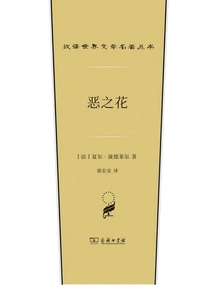
Flower of Evil
Literature恶之花
(france) Charles Baudelaire
"Flowers of Evil" is a collection of poems by Charles Baudelaire (1821-1867). It is a book with logic, structure, beginning and end, and a coherent whole. "Flowers of Evil" is known as "a strange flower blooming" in France's transitional period when "the great tradition has disappeared and new traditions have not yet been formed". The work combines the characteristics of romanticism, symbolism and realism. The poems in "Flowers of Evil" are not arranged according to the year of writing, but are divided into six poetry groups based on content and theme, each with a title: "Melancholy and Ideals", "Paris Scene", "Wine", "Flowers of Evil", "Resistance" and "Death", among which "Melancholy and Ideals" is the most important. The arrangement of the six parts actually draws the trajectory of the conflict between melancholy and ideals. This edition also includes the 1868 supplement to the third edition of "Flowers of Evil", "Collection of Fragmented Poems", "Collection of Romance", "Collection of Inscriptions" and "Collection of Jokes".
"Flowers of Evil" is a collection of poems by Charles Baudelaire (1821-1867). It is a book with logic, structure, beginning and end, and a coherent whole. "Flowers of Evil" is known as "a strange flower blooming" in France's transitional period when "the great tradition has disappeared and new traditions have not yet been formed". The work combines the characteristics of romanticism, symbolism and realism. The poems in "Flowers of Evil" are not arranged according to the year of writing, but are divided into six poetry groups based on content and theme, each with a title: "Melancholy and Ideals", "Paris Scene", "Wine", "Flowers of Evil", "Resistance" and "Death", among which "Melancholy and Ideals" is the most important. The arrangement of the six parts actually draws the trajectory of the conflict between melancholy and ideals. This edition also includes the 1868 supplement to the third edition of "Flowers of Evil", "Collection of Fragmented Poems", "Collection of Romance", "Collection of Inscriptions" and "Collection of Jokes".
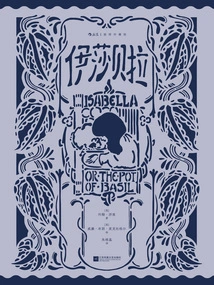
伊莎贝拉(插图珍藏版)
(uk) Written By John Keats Illustrated By William Brown Macdougall
The British poet John Keats is an outstanding representative of the Romantic school of poetry and is known as the "poet among poets". He died young (he did not live to be 26 years old), but in his short seven-year poetry career, he created many imaginative, majestic, and direct-to-people works, making him one of the "greatest poets" in the world. Keats lived during a time when Italian romance was undergoing a revival in England. "Isabella" is based on Boccaccio's story, but Keats made no substantial changes in the plot when adapting it into poetry. He understood that the genre of medieval romance could be traced back to Chaucer in English literature, so he would occasionally insert some brief digressions and prayers in Chaucer's unique style. However, these extracorporeal dialogues do not occupy a long space and do not create an abrupt feeling of forced insertion. Instead, they retain the original narrative process. Isabella lives with her two merchant brothers in Florence, and she and her young associate Lorenzo fall in love with each other. When her two brothers discovered this, they took Lorenzo to a forest, murdered and buried him. One night, Lorenzo's spirit appeared in front of Isabella and told her what happened and where he was buried. Isabella found his body, dug it up, severed the head, took it home and put it in one of her basil pots. Watered by Isabella's tears, a basil plant grew from Lorenzo's head and grew more and more lush. But her two brothers took the basil pot from her hands, and Isabella died of grief after losing her love. This version of "Isabella" has been slightly revised based on the translation by translator Zhu Weiwei, trying to reproduce the moving beauty of language and phonology of the original poem. It also has illustrations by British illustrator William Brown MacDougall, which correspond to the situations expressed in poetry and have high appreciation and collection value.
The British poet John Keats is an outstanding representative of the Romantic school of poetry and is known as the "poet among poets". He died young (he did not live to be 26 years old), but in his short seven-year poetry career, he created many imaginative, majestic, and direct-to-people works, making him one of the "greatest poets" in the world. Keats lived during a time when Italian romance was undergoing a revival in England. "Isabella" is based on Boccaccio's story, but Keats made no substantial changes in the plot when adapting it into poetry. He understood that the genre of medieval romance could be traced back to Chaucer in English literature, so he would occasionally insert some brief digressions and prayers in Chaucer's unique style. However, these extracorporeal dialogues do not occupy a long space and do not create an abrupt feeling of forced insertion. Instead, they retain the original narrative process. Isabella lives with her two merchant brothers in Florence, and she and her young associate Lorenzo fall in love with each other. When her two brothers discovered this, they took Lorenzo to a forest, murdered and buried him. One night, Lorenzo's spirit appeared in front of Isabella and told her what happened and where he was buried. Isabella found his body, dug it up, severed the head, took it home and put it in one of her basil pots. Watered by Isabella's tears, a basil plant grew from Lorenzo's head and grew more and more lush. But her two brothers took the basil pot from her hands, and Isabella died of grief after losing her love. This version of "Isabella" has been slightly revised based on the translation by translator Zhu Weiwei, trying to reproduce the moving beauty of language and phonology of the original poem. It also has illustrations by British illustrator William Brown MacDougall, which correspond to the situations expressed in poetry and have high appreciation and collection value.
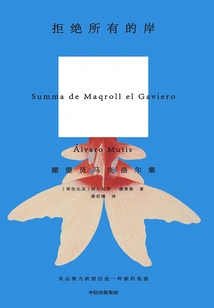
拒绝所有的岸:瞭望员马克洛尔集
K
A collection of poems by Colombian writer and poet Alvaro Mutis. This book compiles and collects Mutis' poetry from 1947 to 2003 in chronological order. As an adventurer and protagonist in the world of Mutis' series of novels, the character of lookout Maclor was born in Mutis's early poems. These poems are also haunted by a tropical atmosphere like his novels: fading beauty, hot and humid time, unfortunate voyages, absurd work... The collection of poems covers Mutis's long creative career. Wandering and the sea, failure and destruction, words and despair, lust and death, history and night, dreams and time... Are themes throughout.
A collection of poems by Colombian writer and poet Alvaro Mutis. This book compiles and collects Mutis' poetry from 1947 to 2003 in chronological order. As an adventurer and protagonist in the world of Mutis' series of novels, the character of lookout Maclor was born in Mutis's early poems. These poems are also haunted by a tropical atmosphere like his novels: fading beauty, hot and humid time, unfortunate voyages, absurd work... The collection of poems covers Mutis's long creative career. Wandering and the sea, failure and destruction, words and despair, lust and death, history and night, dreams and time... Are themes throughout.
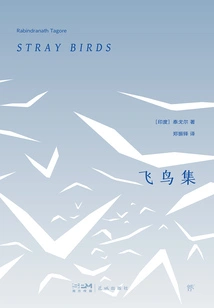
P
Literaturep
H
"Birds" is a collection of Rabindranath Tagore's famous poems, including "Birds" and "Crescent Moon". "Birds" is one of Tagore's outstanding poetry collections. The short, concise, clear and meaningful poems contain profound wisdom and nourish the hearts of hundreds of millions of readers. "New Moon Collection" is also a masterpiece by Rabindranath Tagore. It vividly describes the lively mind and brilliant imagination of children. It uses special and timeless artistic charm to create a pure and beautiful children's world, allowing the pure childlike innocence to illuminate the direction of life.
"Birds" is a collection of Rabindranath Tagore's famous poems, including "Birds" and "Crescent Moon". "Birds" is one of Tagore's outstanding poetry collections. The short, concise, clear and meaningful poems contain profound wisdom and nourish the hearts of hundreds of millions of readers. "New Moon Collection" is also a masterpiece by Rabindranath Tagore. It vividly describes the lively mind and brilliant imagination of children. It uses special and timeless artistic charm to create a pure and beautiful children's world, allowing the pure childlike innocence to illuminate the direction of life.
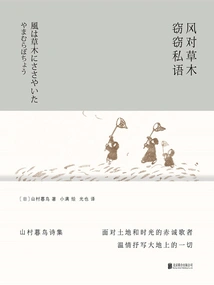
The Wind Whispers to the Grass and Trees
Literature风对草木窃窃私语
(japan) Evening Bird In Mountain Village
"The Wind Whispers to the Grass and Trees" is a collection of poems published by the Japanese poet Yamamura Kutori in the 7th year of Taisho. It compiles more than 120 poems written by Yamamura Kutori in about three years when his collection of poems "Holy Triangular Glass" received bad reviews, lost his job, and lay on the bed with tuberculosis and coughing up blood. The poems use extremely simple everyday language and express the hymns of nature with tenderness. They are written to human beings, to time, to the land, to pain and joy, and to everything on the earth. The poetic style is simple, natural, positive and full of power, and is full of the humanitarian thoughts of the Baihua School.
"The Wind Whispers to the Grass and Trees" is a collection of poems published by the Japanese poet Yamamura Kutori in the 7th year of Taisho. It compiles more than 120 poems written by Yamamura Kutori in about three years when his collection of poems "Holy Triangular Glass" received bad reviews, lost his job, and lay on the bed with tuberculosis and coughing up blood. The poems use extremely simple everyday language and express the hymns of nature with tenderness. They are written to human beings, to time, to the land, to pain and joy, and to everything on the earth. The poetic style is simple, natural, positive and full of power, and is full of the humanitarian thoughts of the Baihua School.
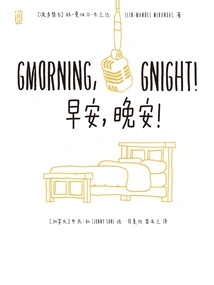
Good Morning, Good Night
Literature早安,晚安
(puerto Rico) Lin-manuel Miranda
"Good morning, good night!" Is a collection of daily poems and greetings published by composer, lyricist, and actor Lin-Manuel Miranda on the Internet. Illustrator Jonny Sun pairs these positive and heart-warming words with fun images.
"Good morning, good night!" Is a collection of daily poems and greetings published by composer, lyricist, and actor Lin-Manuel Miranda on the Internet. Illustrator Jonny Sun pairs these positive and heart-warming words with fun images.

《飞鸟集》汉译七言诗
Zhang Xiangping
We know that "The Birds" is a collection of English poems by the famous Indian poet Rabindranath Tagore. They are all untitled poems in an informal form, and most of them are no more than one or two or three lines in length. The contents are all daily things, such as grass, fallen leaves, birds, stars, rivers, etc. With his keen insight, the author contains rich thoughts and profound philosophy in these few words, and at the same time shows a bright and meaningful style. "The Collection of Flying Birds" Chinese Translation of Seven-Character Poems adopts the genre of traditional Chinese poetry in ancient China to translate "The Collection of Flying Birds", which actually challenges or opens up the way for contemporary literary translation. It is obvious that he ignores the equivalence and contrast between Chinese and English, but his efforts to pursue the spiritual realm of communication between the two is also obvious to all. Moreover, the translator's attitude is very candid. He not only attaches the original English text of Rabindranath Tagore's poems, but also attaches the prose-poetic translation of Mr. Zheng Zhenduo, a famous Chinese writer and translator, and sometimes also attaches translations by other translators, so that readers can see the original text, see the famous translations of famous writers in the past, and naturally compare their own translations.
We know that "The Birds" is a collection of English poems by the famous Indian poet Rabindranath Tagore. They are all untitled poems in an informal form, and most of them are no more than one or two or three lines in length. The contents are all daily things, such as grass, fallen leaves, birds, stars, rivers, etc. With his keen insight, the author contains rich thoughts and profound philosophy in these few words, and at the same time shows a bright and meaningful style. "The Collection of Flying Birds" Chinese Translation of Seven-Character Poems adopts the genre of traditional Chinese poetry in ancient China to translate "The Collection of Flying Birds", which actually challenges or opens up the way for contemporary literary translation. It is obvious that he ignores the equivalence and contrast between Chinese and English, but his efforts to pursue the spiritual realm of communication between the two is also obvious to all. Moreover, the translator's attitude is very candid. He not only attaches the original English text of Rabindranath Tagore's poems, but also attaches the prose-poetic translation of Mr. Zheng Zhenduo, a famous Chinese writer and translator, and sometimes also attaches translations by other translators, so that readers can see the original text, see the famous translations of famous writers in the past, and naturally compare their own translations.

Liu Ying Ji (audio Bilingual Classic)
Literature流萤集(有声双语经典)
J
"The Collection of Flowing Fireflies" and "The Collection of Flying Birds" are both regarded as Tagore's short poems, which contain 257 meaningful poems. Tagore cherished ink like gold. In only eight or nine lines, or even as short as one or two lines, he dedicated to readers a flower, a cloud, a bird in the sky, and a few fireflies in the dark night, forging deep wisdom and eternal love.
"The Collection of Flowing Fireflies" and "The Collection of Flying Birds" are both regarded as Tagore's short poems, which contain 257 meaningful poems. Tagore cherished ink like gold. In only eight or nine lines, or even as short as one or two lines, he dedicated to readers a flower, a cloud, a bird in the sky, and a few fireflies in the dark night, forging deep wisdom and eternal love.
Rubaiyat
Literature鲁拜集
(persia) Omargayin
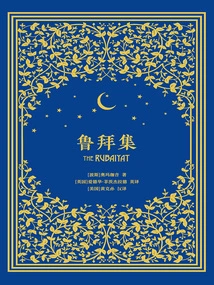
"Rubai" refers to the Persian four-line poem style. Among them, "Rubai" created by Omar Gayan, a Persian mathematician and astronomer in the 11th century, is widely circulated and has become a masterpiece in the history of world literature. In the 19th century, the British writer Edward Fitzgerald selected and translated 101 "Rubaiyat" poems by Omajia and compiled them into the "Rubaiyat". His English translation has beautiful diction and vivid artistic conception, attracting generations of readers and becoming a famous article in English literature. In China, "The Rubaiyat" has also continued to attract writers and poets to translate and create creations. Famous writers such as Guo Moruo, Hu Shi, Wen Yiduo, Xu Zhimo, and Zhu Xiang have all translated "The Rubaiyat". So far, there are about twenty translations. The Yilin Publishing House edition uses Fitzgerald's English translation and the Chinese translation by physicist and poet Huang Kesun. He translated it with seven-character quatrains, which won high praise from Mr. Qian Zhongshu.
"Rubai" refers to the Persian four-line poem style. Among them, "Rubai" created by Omar Gayan, a Persian mathematician and astronomer in the 11th century, is widely circulated and has become a masterpiece in the history of world literature. In the 19th century, the British writer Edward Fitzgerald selected and translated 101 "Rubaiyat" poems by Omajia and compiled them into the "Rubaiyat". His English translation has beautiful diction and vivid artistic conception, attracting generations of readers and becoming a famous article in English literature. In China, "The Rubaiyat" has also continued to attract writers and poets to translate and create creations. Famous writers such as Guo Moruo, Hu Shi, Wen Yiduo, Xu Zhimo, and Zhu Xiang have all translated "The Rubaiyat". So far, there are about twenty translations. The Yilin Publishing House edition uses Fitzgerald's English translation and the Chinese translation by physicist and poet Huang Kesun. He translated it with seven-character quatrains, which won high praise from Mr. Qian Zhongshu.
L
Literaturel
M
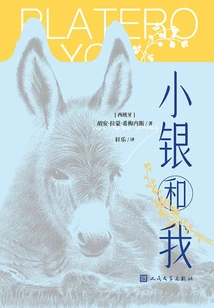
"Little Silver and Me" is a representative work of Jimenez's early literary creation and one of the writer's most important works. The book consists of 138 exquisite prose poems, which tells the story of the poet, accompanied by a beloved silver-white donkey, Xiao Yin, walking through the hustle and bustle of the market and the tranquility of the fields, pouring out his heart to it, and even becoming a confidant. In the book "Little Silver and Me", Juan Ramon Jimenez uses rich nostalgia and clear light colors to depict a set of southern Spanish style paintings for readers. This poetic style painting depicts the poet's hometown of Mogel in the province of Huelva, which is also his final resting place. Xuanle's translation is exclusive to our publisher, and it is also our brand-new translation since the publication of this book in the 1980s. In addition, this book also contains a number of "Ballads" written and published by the poet at the same time, so as to provide readers with a more comprehensive introduction to the poet and his works.
"Little Silver and Me" is a representative work of Jimenez's early literary creation and one of the writer's most important works. The book consists of 138 exquisite prose poems, which tells the story of the poet, accompanied by a beloved silver-white donkey, Xiao Yin, walking through the hustle and bustle of the market and the tranquility of the fields, pouring out his heart to it, and even becoming a confidant. In the book "Little Silver and Me", Juan Ramon Jimenez uses rich nostalgia and clear light colors to depict a set of southern Spanish style paintings for readers. This poetic style painting depicts the poet's hometown of Mogel in the province of Huelva, which is also his final resting place. Xuanle's translation is exclusive to our publisher, and it is also our brand-new translation since the publication of this book in the 1980s. In addition, this book also contains a number of "Ballads" written and published by the poet at the same time, so as to provide readers with a more comprehensive introduction to the poet and his works.
飘鸟·萤火虫:汉英对照
(indian) Original Works By Rabindranath Tagore
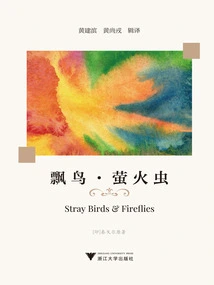
This book is the Chinese translation of the short poem "Flying Birds" by the famous Indian poet and Nobel Prize winner Rabindranath Tagore. It is typed in English-Chinese format. This book is innovative: every syllable in English contains a vowel, and every Chinese character is also a syllable containing a vowel. All the poems in this book are translated one note for one note, which reflects the beauty of the rhythm of English poetry. This method of translation is not the first of its kind, but this book takes this method to its extreme. This book also changes the style of prose poems to arranged in separate lines, which further reflects the formal beauty of poetry. The popular translations are all "Flying Birds", and the book is renamed "Flying Birds", which not only embodies the concept of "corresponding number of words", but also restores Tagore's original meaning. These approaches are innovative and targeted, providing lovers of English poetry with a new way to appreciate the beauty of English poetry.
This book is the Chinese translation of the short poem "Flying Birds" by the famous Indian poet and Nobel Prize winner Rabindranath Tagore. It is typed in English-Chinese format. This book is innovative: every syllable in English contains a vowel, and every Chinese character is also a syllable containing a vowel. All the poems in this book are translated one note for one note, which reflects the beauty of the rhythm of English poetry. This method of translation is not the first of its kind, but this book takes this method to its extreme. This book also changes the style of prose poems to arranged in separate lines, which further reflects the formal beauty of poetry. The popular translations are all "Flying Birds", and the book is renamed "Flying Birds", which not only embodies the concept of "corresponding number of words", but also restores Tagore's original meaning. These approaches are innovative and targeted, providing lovers of English poetry with a new way to appreciate the beauty of English poetry.
清晨之前的月亮:W.S.默温诗集
(u. S.) W. S. Merwin
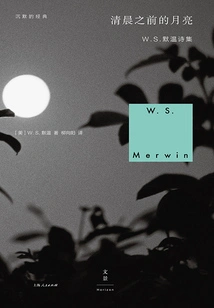
Merwin, winner of the National Book Award and the Pulitzer Prize for Poetry, wrote "Garden Time" when he was nearly ninety years old. He gradually became blind and unable to write, so he dictated it to his wife Paula. The book contains 61 poems. As was his usual signature style, there is not a single punctuation mark throughout the collection. Most of the poems in this collection are short poems, focusing on the passage of time and the continued impact of past memories on current life. He stitches together the distant past and the present, and switches freely between the two, displaying the airy lightness and Zen-like enlightenment that are consistent in his poetry. "The Moon Before Morning" includes his works when he was in his eighties. Some readers commented on this collection of poems and said: "Merwin's poems discuss aging, memory, life, death and legacy. These are topics that a craftsman thinks about when he is ninety years old. If these were spoken by a young man, they would not have such weight."
Merwin, winner of the National Book Award and the Pulitzer Prize for Poetry, wrote "Garden Time" when he was nearly ninety years old. He gradually became blind and unable to write, so he dictated it to his wife Paula. The book contains 61 poems. As was his usual signature style, there is not a single punctuation mark throughout the collection. Most of the poems in this collection are short poems, focusing on the passage of time and the continued impact of past memories on current life. He stitches together the distant past and the present, and switches freely between the two, displaying the airy lightness and Zen-like enlightenment that are consistent in his poetry. "The Moon Before Morning" includes his works when he was in his eighties. Some readers commented on this collection of poems and said: "Merwin's poems discuss aging, memory, life, death and legacy. These are topics that a craftsman thinks about when he is ninety years old. If these were spoken by a young man, they would not have such weight."
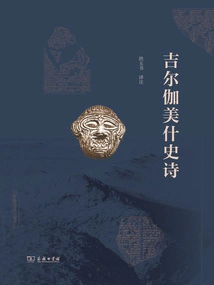
The Epic of Gilgamesh
Literature吉尔伽美什史诗
Translation And Annotation Of Gong Yushu
The "Epic of Gilgamesh" mentioned in this book (for the sake of brevity, hereafter sometimes referred to as the "Epic") refers to a long narrative poem written on twelve clay tablets in Akkadian, with Gilgamesh (Gilgame) as the main character. Content introduction: The Epic of Gilgamesh is the most important epic work handed down from ancient Mesopotamia and a treasure in the treasure house of world literature. The historical period covered by the epic is believed to be between 2700 and 2500 BC, predating the earliest known written literature by 200 to 400 years. The epic revolves around the friendship between King Gilgamesh of Uruk and his friend Enkidu, telling the adventures of the hero and revealing the fate of human beings who cannot obtain eternal life.
The "Epic of Gilgamesh" mentioned in this book (for the sake of brevity, hereafter sometimes referred to as the "Epic") refers to a long narrative poem written on twelve clay tablets in Akkadian, with Gilgamesh (Gilgame) as the main character. Content introduction: The Epic of Gilgamesh is the most important epic work handed down from ancient Mesopotamia and a treasure in the treasure house of world literature. The historical period covered by the epic is believed to be between 2700 and 2500 BC, predating the earliest known written literature by 200 to 400 years. The epic revolves around the friendship between King Gilgamesh of Uruk and his friend Enkidu, telling the adventures of the hero and revealing the fate of human beings who cannot obtain eternal life.
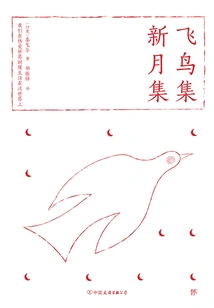
Q
LiteratureQ
H
"Birds and Crescent Moon" is a collection of Rabindranath Tagore's famous poems. "Birds" is one of Rabindranath Tagore's outstanding poetry collections. The short, concise, clear and meaningful poems contain profound wisdom and nourish the hearts of hundreds of millions of readers. "New Moon Collection" is also a masterpiece by Rabindranath Tagore. It vividly describes the lively mind and brilliant imagination of children. It uses special and timeless artistic charm to create a pure and beautiful children's world, allowing the pure childlike innocence to illuminate the direction of life.
"Birds and Crescent Moon" is a collection of Rabindranath Tagore's famous poems. "Birds" is one of Rabindranath Tagore's outstanding poetry collections. The short, concise, clear and meaningful poems contain profound wisdom and nourish the hearts of hundreds of millions of readers. "New Moon Collection" is also a masterpiece by Rabindranath Tagore. It vividly describes the lively mind and brilliant imagination of children. It uses special and timeless artistic charm to create a pure and beautiful children's world, allowing the pure childlike innocence to illuminate the direction of life.
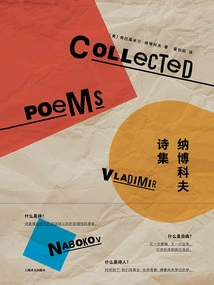
Nabokov's Poems (nabokov's Works Series)
Literature纳博科夫诗集(纳博科夫作品系列)
(us) Vladimir Nabokov
The poetic works of Nabokov, the great stylist of the 20th century, are presented for the first time in the Chinese world, with 90 representative poems covering a 59-year poetry journey. Like Joyce, Nabokov was first and foremost a poet. His obsession with writing poetry began in the summer when he was fifteen, and over the next ten years he wrote thousands of poems. When his first novel, Mary, was published in 1926, Nabokov became one of the great modernists who revolutionized the novel and imbued it with poetry. At the same time, he was still writing poetry, and although the volume was not as good as in his early days, his interest and personality more than made up for it. These poems share the same ideas and themes as his novels and complement each other. "The Collected Poems of Nabokov" contains nearly one hundred poems by Vladimir Nabokov, spanning his fifty-nine years of poetry creation, including Nabokov's earliest surviving work "Music", the long poem "The University Psalms" with a capacity comparable to a short story, and a new translation translated by his son Dmitry for the first time.
The poetic works of Nabokov, the great stylist of the 20th century, are presented for the first time in the Chinese world, with 90 representative poems covering a 59-year poetry journey. Like Joyce, Nabokov was first and foremost a poet. His obsession with writing poetry began in the summer when he was fifteen, and over the next ten years he wrote thousands of poems. When his first novel, Mary, was published in 1926, Nabokov became one of the great modernists who revolutionized the novel and imbued it with poetry. At the same time, he was still writing poetry, and although the volume was not as good as in his early days, his interest and personality more than made up for it. These poems share the same ideas and themes as his novels and complement each other. "The Collected Poems of Nabokov" contains nearly one hundred poems by Vladimir Nabokov, spanning his fifty-nine years of poetry creation, including Nabokov's earliest surviving work "Music", the long poem "The University Psalms" with a capacity comparable to a short story, and a new translation translated by his son Dmitry for the first time.
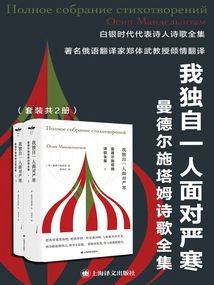
我独自一人面对严寒:曼德尔施塔姆诗歌全集(套装共2册)
Q
The complete collection of poems by the representative poets of the Silver Age, translated with great devotion by the famous Russian translator Professor Zheng Tiwu. The original translation refers to multiple similar Russian versions and contains 590 works of the poet throughout his life. It can be called a "well-deserved" complete collection. _X000b_ Mandelstam published his first work in 1910, which received wide acclaim. Later, he self-financed the publication of the collection of poems "Stones", which established his position in the poetry world in one fell swoop. In the following twenty years of literary career, the poet's personal life was not smooth, but he always insisted on creating and demanded excellence, so he did not publish a few collections of poems throughout his life. Although the poet did not leave many works, almost all of them were excellent works, and many of his works aroused widespread discussion within the poet circle at that time. The poet died unjustly in the winter of 1938, and his works could not be seen by readers for a long time. Fortunately, the poet's widow, relatives and friends tried their best to preserve a large number of the poet's manuscripts and manuscripts, and these immortal poems were finally rediscovered. "The Complete Poems of Mandelstam" was compiled and translated by the famous translator Professor Zheng Tiwu with reference to multiple similar Russian versions. The book contains a total of 590 poems written by Mandelstam throughout his life, including several newly discovered lost works and unfinished works. It is a veritable "complete collection".
The complete collection of poems by the representative poets of the Silver Age, translated with great devotion by the famous Russian translator Professor Zheng Tiwu. The original translation refers to multiple similar Russian versions and contains 590 works of the poet throughout his life. It can be called a "well-deserved" complete collection. _X000b_ Mandelstam published his first work in 1910, which received wide acclaim. Later, he self-financed the publication of the collection of poems "Stones", which established his position in the poetry world in one fell swoop. In the following twenty years of literary career, the poet's personal life was not smooth, but he always insisted on creating and demanded excellence, so he did not publish a few collections of poems throughout his life. Although the poet did not leave many works, almost all of them were excellent works, and many of his works aroused widespread discussion within the poet circle at that time. The poet died unjustly in the winter of 1938, and his works could not be seen by readers for a long time. Fortunately, the poet's widow, relatives and friends tried their best to preserve a large number of the poet's manuscripts and manuscripts, and these immortal poems were finally rediscovered. "The Complete Poems of Mandelstam" was compiled and translated by the famous translator Professor Zheng Tiwu with reference to multiple similar Russian versions. The book contains a total of 590 poems written by Mandelstam throughout his life, including several newly discovered lost works and unfinished works. It is a veritable "complete collection".
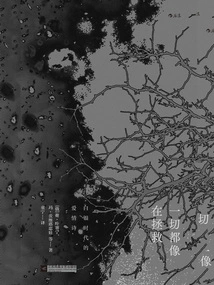
一切都像在拯救:白银时代的爱情诗
(russia) Shay Yesenin Et Al.
The Silver Age was the "second birth" period of Russian literature in the late 19th and early 20th centuries. Amid the turmoil of the current situation and under the influence of modernism, poets introduced novel words rich in multiple connotations into poetry, discovering the beauty of unfamiliarity and complexity, reflecting their concern for the meaning of existence. Yesenin, Tsvetaeva, Blok, Bunin, Akhmatova, Mayakovsky, etc. All left outstanding works during this period. This book selects and translates 201 love poems from 32 poets of the Silver Age.
The Silver Age was the "second birth" period of Russian literature in the late 19th and early 20th centuries. Amid the turmoil of the current situation and under the influence of modernism, poets introduced novel words rich in multiple connotations into poetry, discovering the beauty of unfamiliarity and complexity, reflecting their concern for the meaning of existence. Yesenin, Tsvetaeva, Blok, Bunin, Akhmatova, Mayakovsky, etc. All left outstanding works during this period. This book selects and translates 201 love poems from 32 poets of the Silver Age.
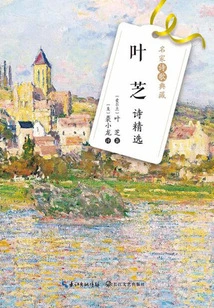
Selected Poems of Yeats
Literature叶芝诗精选
J
This collection of poems is an updated collection of translations of Yeats' poetry collections that the translator has polished and published over the years. It features selected poems such as "When You Are Old" and "Leda and the Swan" by Yeats. The language is concise, but the emotions are rich and true. The poet uses hypothetical imagination, contrast and contrast, image emphasis, symbolic sublimation and other techniques to present a wonderful and wonderful world of poetry. The collection of poems shows his early gorgeous style, which is good at creating a dreamlike atmosphere, and his late modernist poetic style.
This collection of poems is an updated collection of translations of Yeats' poetry collections that the translator has polished and published over the years. It features selected poems such as "When You Are Old" and "Leda and the Swan" by Yeats. The language is concise, but the emotions are rich and true. The poet uses hypothetical imagination, contrast and contrast, image emphasis, symbolic sublimation and other techniques to present a wonderful and wonderful world of poetry. The collection of poems shows his early gorgeous style, which is good at creating a dreamlike atmosphere, and his late modernist poetic style.
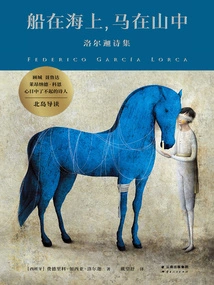
船在海上,马在山中:洛尔迦诗集
I
In the world of poetry, America has Whitman, Chile has Neruda, Britain has Yeats, and Spain has Lorca. For the Spaniards, Lorca is the eternal "Son of Andalusia". With a pure and passionate heart, he sang the praises of Andalusia's clear springs, fragrant orange flowers, vast sea, and brilliant starry sky. His poems contain the soul of Spain. On August 19, 1936, Lorca, who was only 38 years old, was shot dead for opposing fascist rebels. Lorca's death is a wound that is difficult to heal in modern Spanish history.
In the world of poetry, America has Whitman, Chile has Neruda, Britain has Yeats, and Spain has Lorca. For the Spaniards, Lorca is the eternal "Son of Andalusia". With a pure and passionate heart, he sang the praises of Andalusia's clear springs, fragrant orange flowers, vast sea, and brilliant starry sky. His poems contain the soul of Spain. On August 19, 1936, Lorca, who was only 38 years old, was shot dead for opposing fascist rebels. Lorca's death is a wound that is difficult to heal in modern Spanish history.
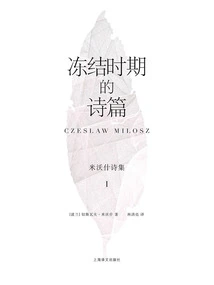
冻结时期的诗篇:米沃什诗集Ⅰ
I
"The purpose of poetry is, and can only be, salvation." "Poems in the Frozen Period: Miłosz's Collected Poems I" contains 56 poems by Miłosz, from "Poems in the Frozen Period" (1933), "Three Winters" (1936), "Salvation" (1945), The Light of Day (1953), "On Poetry" (1957) and "King Poppierre and Others" (1962). Most of them are long poems, which include rich lyricism and description, as well as fierce and indignant ridicule and criticism. During this period, Milosz witnessed many historical events and wrote famous works such as "Piazza Fiori". Czeslaw Milosz, one of the greatest poets of the 20th century, defined the tragedy and beauty of his era with unparalleled precision and elegance. His poems, whether they describe his boyhood in Poland, his grief in war-torn Warsaw, or his pursuit of faith, are all astonishing and awe-inspiring, and they convey a strong sense of life and the individuality of ordinary life. The poem's exploration of death, war, love and faith is gripping, shocking and thought-provoking: "The existence of this land itself is far beyond the description of any language." "Miłosz's Collected Poems" contains 335 of the poet's poems from 1931 to 2001. This poem chapter, according to the year of creation and publication, is divided into four volumes: "Poems of the Frozen Period", "Enchanted Guqiao", "Reminiscences of Homeland" and "Facing the River". It was directly translated from Polish by Polish literature experts. It is the first time that the complete picture of Miłosz's poetry is presented in the Chinese world.
"The purpose of poetry is, and can only be, salvation." "Poems in the Frozen Period: Miłosz's Collected Poems I" contains 56 poems by Miłosz, from "Poems in the Frozen Period" (1933), "Three Winters" (1936), "Salvation" (1945), The Light of Day (1953), "On Poetry" (1957) and "King Poppierre and Others" (1962). Most of them are long poems, which include rich lyricism and description, as well as fierce and indignant ridicule and criticism. During this period, Milosz witnessed many historical events and wrote famous works such as "Piazza Fiori". Czeslaw Milosz, one of the greatest poets of the 20th century, defined the tragedy and beauty of his era with unparalleled precision and elegance. His poems, whether they describe his boyhood in Poland, his grief in war-torn Warsaw, or his pursuit of faith, are all astonishing and awe-inspiring, and they convey a strong sense of life and the individuality of ordinary life. The poem's exploration of death, war, love and faith is gripping, shocking and thought-provoking: "The existence of this land itself is far beyond the description of any language." "Miłosz's Collected Poems" contains 335 of the poet's poems from 1931 to 2001. This poem chapter, according to the year of creation and publication, is divided into four volumes: "Poems of the Frozen Period", "Enchanted Guqiao", "Reminiscences of Homeland" and "Facing the River". It was directly translated from Polish by Polish literature experts. It is the first time that the complete picture of Miłosz's poetry is presented in the Chinese world.
Facing the River: Miłosz's Poems Iv
Literature面对大河:米沃什诗集Ⅳ
(poland) Czeslaw Miłosz
"The pine trees have been injured, but they are growing uncontrollably." "Facing the River: Miłosz Poems IV" contains 120 of Miłosz's poems, from "Facing the River" (1995), "The Puppy on the Road" (1998) and "This" (2000). The poem contains conversations with other people, a cold description of the world, and the passion between the lines is still there, continuing the discussion of good and evil, truth and freedom. The poet blends personal experience with historical perspective to reveal a revelatory insight. Czeslaw Milosz, one of the greatest poets of the 20th century, defined the tragedy and beauty of his era with unparalleled precision and elegance. His poems, whether they describe his boyhood in Poland, his grief in war-torn Warsaw, or his pursuit of faith, are all astonishing and awe-inspiring, and they convey a strong sense of life and the individuality of ordinary life. The poem's exploration of death, war, love and faith is gripping, shocking and thought-provoking: "The existence of this land itself is far beyond the description of any language." "Miłosz's Collected Poems" contains 335 of the poet's poems from 1931 to 2001. This poem chapter, according to the year of creation and publication, is divided into four volumes: "Poems of the Frozen Period", "Enchanted Guqiao", "Reminiscences of Homeland" and "Facing the River". It was directly translated from Polish by Polish literature experts. It is the first time that the complete picture of Miłosz's poetry is presented in the Chinese world.
"The pine trees have been injured, but they are growing uncontrollably." "Facing the River: Miłosz Poems IV" contains 120 of Miłosz's poems, from "Facing the River" (1995), "The Puppy on the Road" (1998) and "This" (2000). The poem contains conversations with other people, a cold description of the world, and the passion between the lines is still there, continuing the discussion of good and evil, truth and freedom. The poet blends personal experience with historical perspective to reveal a revelatory insight. Czeslaw Milosz, one of the greatest poets of the 20th century, defined the tragedy and beauty of his era with unparalleled precision and elegance. His poems, whether they describe his boyhood in Poland, his grief in war-torn Warsaw, or his pursuit of faith, are all astonishing and awe-inspiring, and they convey a strong sense of life and the individuality of ordinary life. The poem's exploration of death, war, love and faith is gripping, shocking and thought-provoking: "The existence of this land itself is far beyond the description of any language." "Miłosz's Collected Poems" contains 335 of the poet's poems from 1931 to 2001. This poem chapter, according to the year of creation and publication, is divided into four volumes: "Poems of the Frozen Period", "Enchanted Guqiao", "Reminiscences of Homeland" and "Facing the River". It was directly translated from Polish by Polish literature experts. It is the first time that the complete picture of Miłosz's poetry is presented in the Chinese world.
故土追忆:米沃什诗集Ⅲ
I
"One sentence is home, and this sentence seems to be forged from steel." "Memories of Homeland: Miłosz Poetry Collection III" contains 87 poems by Miłosz, from "Memories of Homeland" (1986), "Chronicle" (1985-1987) and "The Other Shore" (1991). The poet recalls the people who have passed away and the homeland that is difficult to enter, and ponders our common destiny, but "still cannot learn to narrate properly and be calm". Czeslaw Milosz, one of the greatest poets of the 20th century, defined the tragedy and beauty of his era with unparalleled precision and elegance. His poems, whether they describe his boyhood in Poland, his grief in war-torn Warsaw, or his pursuit of faith, are all astonishing and awe-inspiring, and they convey a strong sense of life and the individuality of ordinary life. The poem's exploration of death, war, love and faith is gripping, shocking and thought-provoking: "The existence of this land itself is far beyond the description of any language." "Miłosz's Collected Poems" contains 335 of the poet's poems from 1931 to 2001. This poem chapter, according to the year of creation and publication, is divided into four volumes: "Poems of the Frozen Period", "Enchanted Guqiao", "Reminiscences of Homeland" and "Facing the River". It was directly translated from Polish by Polish literature experts. It is the first time that the complete picture of Miłosz's poetry is presented in the Chinese world.
"One sentence is home, and this sentence seems to be forged from steel." "Memories of Homeland: Miłosz Poetry Collection III" contains 87 poems by Miłosz, from "Memories of Homeland" (1986), "Chronicle" (1985-1987) and "The Other Shore" (1991). The poet recalls the people who have passed away and the homeland that is difficult to enter, and ponders our common destiny, but "still cannot learn to narrate properly and be calm". Czeslaw Milosz, one of the greatest poets of the 20th century, defined the tragedy and beauty of his era with unparalleled precision and elegance. His poems, whether they describe his boyhood in Poland, his grief in war-torn Warsaw, or his pursuit of faith, are all astonishing and awe-inspiring, and they convey a strong sense of life and the individuality of ordinary life. The poem's exploration of death, war, love and faith is gripping, shocking and thought-provoking: "The existence of this land itself is far beyond the description of any language." "Miłosz's Collected Poems" contains 335 of the poet's poems from 1931 to 2001. This poem chapter, according to the year of creation and publication, is divided into four volumes: "Poems of the Frozen Period", "Enchanted Guqiao", "Reminiscences of Homeland" and "Facing the River". It was directly translated from Polish by Polish literature experts. It is the first time that the complete picture of Miłosz's poetry is presented in the Chinese world.
着魔的古乔:米沃什诗集Ⅱ
I
"There are no flowers in the garden because they have been trampled." "The Enchanted Guccio: Miłosz's Poems II" contains 73 poems by Miłosz, from "The Enchanted Guccio" (1965), "The City without a Name" (1969), "Prose Poems" (1954-1969), "Where the Sun Rises and Sets" (1974) and "Ode to the Pearl" (1981). Most of them were created by the poet after he immigrated to the United States. Some of his works reveal his happiness in settling in the New World, but there is still some inner struggle and pain. Czeslaw Milosz, one of the greatest poets of the 20th century, defined the tragedy and beauty of his era with unparalleled precision and elegance. His poems, whether they describe his boyhood in Poland, his grief in war-torn Warsaw, or his pursuit of faith, are all astonishing and awe-inspiring, and they convey a strong sense of life and the individuality of ordinary life. The poem's exploration of death, war, love and faith is gripping, shocking and thought-provoking: "The existence of this land itself is far beyond the description of any language." "Miłosz's Collected Poems" contains 335 of the poet's poems from 1931 to 2001. This poem chapter, according to the year of creation and publication, is divided into four volumes: "Poems of the Frozen Period", "Enchanted Guqiao", "Reminiscences of Homeland" and "Facing the River". It was directly translated from Polish by Polish literature experts. It is the first time that the complete picture of Miłosz's poetry is presented in the Chinese world.
"There are no flowers in the garden because they have been trampled." "The Enchanted Guccio: Miłosz's Poems II" contains 73 poems by Miłosz, from "The Enchanted Guccio" (1965), "The City without a Name" (1969), "Prose Poems" (1954-1969), "Where the Sun Rises and Sets" (1974) and "Ode to the Pearl" (1981). Most of them were created by the poet after he immigrated to the United States. Some of his works reveal his happiness in settling in the New World, but there is still some inner struggle and pain. Czeslaw Milosz, one of the greatest poets of the 20th century, defined the tragedy and beauty of his era with unparalleled precision and elegance. His poems, whether they describe his boyhood in Poland, his grief in war-torn Warsaw, or his pursuit of faith, are all astonishing and awe-inspiring, and they convey a strong sense of life and the individuality of ordinary life. The poem's exploration of death, war, love and faith is gripping, shocking and thought-provoking: "The existence of this land itself is far beyond the description of any language." "Miłosz's Collected Poems" contains 335 of the poet's poems from 1931 to 2001. This poem chapter, according to the year of creation and publication, is divided into four volumes: "Poems of the Frozen Period", "Enchanted Guqiao", "Reminiscences of Homeland" and "Facing the River". It was directly translated from Polish by Polish literature experts. It is the first time that the complete picture of Miłosz's poetry is presented in the Chinese world.