Library
Browse and search books
513 novels found
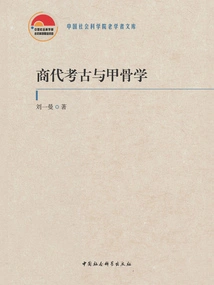
商代考古与甲骨学
Liu Yiman
The content of this book is mainly divided into two parts: the first part contains 14 papers on Shang Dynasty archeology. It not only summarizes the harvest of Shang Dynasty archaeological excavations in the Yinxu area over the past few decades from a macro perspective, but also conducts specific microscopic research on some relics (such as foundation sites, tombs, chariot and horse pits, etc.) And relics (such as bronze ritual vessels, weapons, knives, etc.) Discovered during the excavation of Yinxu. The second part contains 26 papers on oracle bone science and philology, covering the treatment and divination of oracle bone inscriptions; the periodization of oracle bone inscriptions; the interpretation and research of oracle bone inscriptions newly unearthed at the Yin Ruins; discussing the relationship between oracle bone inscriptions and archaeology, and combining the two to study the meanings of oracle bone inscriptions and related content in the oracles, and then explore the issues in social life in the Shang Dynasty; organizing and studying the pottery inscriptions unearthed at the Yin Ruins; and exploring the origin of Chinese characters. This book uses the method of combining oracle bone inscriptions and archeology to study issues in the archeology and oracle bone science of the Shang Dynasty. The research method is more scientific, the viewpoints are novel, the insights are unique, and it has high academic value.
The content of this book is mainly divided into two parts: the first part contains 14 papers on Shang Dynasty archeology. It not only summarizes the harvest of Shang Dynasty archaeological excavations in the Yinxu area over the past few decades from a macro perspective, but also conducts specific microscopic research on some relics (such as foundation sites, tombs, chariot and horse pits, etc.) And relics (such as bronze ritual vessels, weapons, knives, etc.) Discovered during the excavation of Yinxu. The second part contains 26 papers on oracle bone science and philology, covering the treatment and divination of oracle bone inscriptions; the periodization of oracle bone inscriptions; the interpretation and research of oracle bone inscriptions newly unearthed at the Yin Ruins; discussing the relationship between oracle bone inscriptions and archaeology, and combining the two to study the meanings of oracle bone inscriptions and related content in the oracles, and then explore the issues in social life in the Shang Dynasty; organizing and studying the pottery inscriptions unearthed at the Yin Ruins; and exploring the origin of Chinese characters. This book uses the method of combining oracle bone inscriptions and archeology to study issues in the archeology and oracle bone science of the Shang Dynasty. The research method is more scientific, the viewpoints are novel, the insights are unique, and it has high academic value.
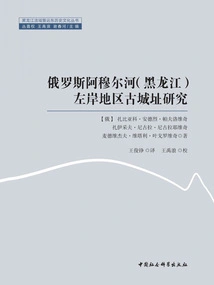
俄罗斯阿穆尔河(黑龙江)左岸地区古城址研究
(russia) Zabiako Andrei Pavlovich (russia) Zaitsev Nikolay Nikolayevich (russia) Medvedev Vitali Yegorovich
This book is based on the changing process of archaeological culture and national history in the left bank of the Amur River (Heilongjiang) from the early Iron Age to the Middle Ages. It describes the ancient city sites on the left bank of the upper reaches of Heilongjiang, the left bank of the middle reaches of Heilongjiang, the Zeya River Basin, and the lower reaches of Heilongjiang, and compares the materials. Special studies were conducted on nearly thirty ancient cities that have been enriched, investigated and excavated in depth. Under the existing research conditions, the spatiotemporal background and geographical environment of these city sites were restored as much as possible, and important issues such as their cultural heritage status and ethnic nature were discussed in detail. The ancient city sites on the left bank of the Amur River (Heilongjiang) were mainly built by the Yilou, Shiwei, Mohe, Jurchen and other ancient ethnic groups in Northeast China.
This book is based on the changing process of archaeological culture and national history in the left bank of the Amur River (Heilongjiang) from the early Iron Age to the Middle Ages. It describes the ancient city sites on the left bank of the upper reaches of Heilongjiang, the left bank of the middle reaches of Heilongjiang, the Zeya River Basin, and the lower reaches of Heilongjiang, and compares the materials. Special studies were conducted on nearly thirty ancient cities that have been enriched, investigated and excavated in depth. Under the existing research conditions, the spatiotemporal background and geographical environment of these city sites were restored as much as possible, and important issues such as their cultural heritage status and ethnic nature were discussed in detail. The ancient city sites on the left bank of the Amur River (Heilongjiang) were mainly built by the Yilou, Shiwei, Mohe, Jurchen and other ancient ethnic groups in Northeast China.
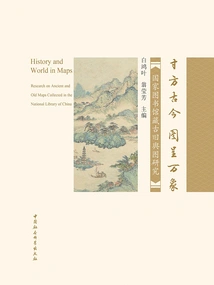
寸方古今,图呈万象:国家图书馆藏古旧舆图研究
Bai Hongye Editor-in-chief Weng Yingfang
The National Library of China's collection of ancient Chinese maps is second to none. Based on the collection and research of ancient Chinese maps collected by the National Library, combined with relevant materials, this book conducts an in-depth discussion of the development context of various thematic maps in ancient China. Based on this, it selects maps from the collection of ancient Chinese maps in the National Library that can represent the development context of each thematic map and introduces them specifically, thereby displaying the development context of ancient Chinese maps more comprehensively and comprehensively. This book contains a total of 59 papers by members of the Map Group of the National Library. It comprehensively displays the appearance of traditional maps from multiple angles, including the business work of national maps, a comprehensive overview of ancient maps, and the origin and flow of thematic maps. It also introduces the long-term map work of the National Library.
The National Library of China's collection of ancient Chinese maps is second to none. Based on the collection and research of ancient Chinese maps collected by the National Library, combined with relevant materials, this book conducts an in-depth discussion of the development context of various thematic maps in ancient China. Based on this, it selects maps from the collection of ancient Chinese maps in the National Library that can represent the development context of each thematic map and introduces them specifically, thereby displaying the development context of ancient Chinese maps more comprehensively and comprehensively. This book contains a total of 59 papers by members of the Map Group of the National Library. It comprehensively displays the appearance of traditional maps from multiple angles, including the business work of national maps, a comprehensive overview of ancient maps, and the origin and flow of thematic maps. It also introduces the long-term map work of the National Library.
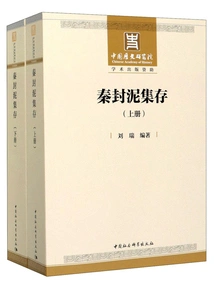
秦封泥集存(全2册)
Compiled By Liu Rui
Qin Fengni is an extremely important unearthed document for restoring the official system and geographical system of the Qin Dynasty. Because most of them were unearthed illegally, scattered among public and private collectors at home and abroad, and published in various books, journals, newspapers, and web pages, it has caused great difficulties for scholars to use them. In view of this, "Qin Feng Mu Collection" comprehensively collects the published Qin Feng Mu data, and performs deduplication processing based on seal rubbings, photos, etc., In order to obtain the most comprehensive information on seal types, quantities, etc. To date. This will have an important impact on the composition and changes of Qin's officials, counties, and Qin's historical research.
Qin Fengni is an extremely important unearthed document for restoring the official system and geographical system of the Qin Dynasty. Because most of them were unearthed illegally, scattered among public and private collectors at home and abroad, and published in various books, journals, newspapers, and web pages, it has caused great difficulties for scholars to use them. In view of this, "Qin Feng Mu Collection" comprehensively collects the published Qin Feng Mu data, and performs deduplication processing based on seal rubbings, photos, etc., In order to obtain the most comprehensive information on seal types, quantities, etc. To date. This will have an important impact on the composition and changes of Qin's officials, counties, and Qin's historical research.
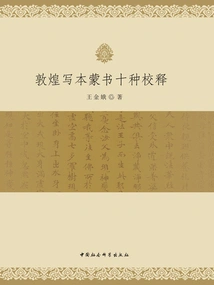
敦煌写本蒙书十种校释
Wang Jin'e
This book mainly selects ten kinds of Dunhuang manuscripts that are more distinctive, relatively complete and representative in content: "New Six-Character Thousand Texts", "Essential Teachings for Enlightenment", "Confucius' Book of Questions", "Collection of Ancient Sages", "Hundred Lines Chapter", "Tai Gong's Tutor", "King Wu's Tutor", "Biancai Tutor", "New Collection of Yan's Tutors" and "Mrs. Cui's Training of Women". The manuscripts are compared, collated and annotated in three parts: topic explanation, text recording and proofreading. The "Explanation" section generally introduces the basic situation of writing the volume and the research situation in the academic field; the "Recording" section identifies the documents based on each written volume; the "Collation" section collates and annotates the literature. It is hoped that through the collation and interpretation of the Dunhuang Mongolian manuscripts, a relatively comprehensive collation will be provided for the academic community to further study this type of documents.
This book mainly selects ten kinds of Dunhuang manuscripts that are more distinctive, relatively complete and representative in content: "New Six-Character Thousand Texts", "Essential Teachings for Enlightenment", "Confucius' Book of Questions", "Collection of Ancient Sages", "Hundred Lines Chapter", "Tai Gong's Tutor", "King Wu's Tutor", "Biancai Tutor", "New Collection of Yan's Tutors" and "Mrs. Cui's Training of Women". The manuscripts are compared, collated and annotated in three parts: topic explanation, text recording and proofreading. The "Explanation" section generally introduces the basic situation of writing the volume and the research situation in the academic field; the "Recording" section identifies the documents based on each written volume; the "Collation" section collates and annotates the literature. It is hoped that through the collation and interpretation of the Dunhuang Mongolian manuscripts, a relatively comprehensive collation will be provided for the academic community to further study this type of documents.
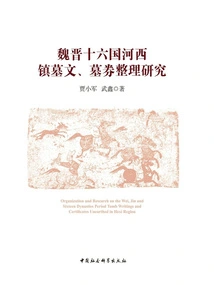
魏晋十六国河西镇墓文、墓券整理研究
Jia Xiaojun Wu Xin
This book systematically organizes and conducts in-depth research on the tomb inscriptions and tomb coupons found in the Wei, Jin and Sixteen Kingdoms periods in the Hexi area. The first volume contains 89 examples of tomb inscriptions in Hexi Town of the Sixteenth Kingdom of Wei and Jin Dynasties, and 39 examples of tomb documents such as tomb certificates, clothing items, name books, inscriptions, and love letters, including newly discovered tomb certificates, clothing items, etc. For example, the format of tomb coupons or clothing items is similar to that in the Hexi area, and the tomb-suppressing texts are interpreted and segmented one by one with reference to relevant materials, and attached with facsimiles or pictures of tomb-suppressing bottles and tomb coupons, which has accumulated a wealth of information for in-depth research on related tomb documents. On this basis, the second volume of the book conducts a special discussion on the above-mentioned materials, including the study of the tomb-inscriptions on "unfortunate life and early death" in the Hexi Corridor, the comparative study of the written and image materials unearthed from the tombs and the exploration of the hidden social and historical information, the sorting out of commemorative information in the tomb-inscriptions and other unearthed documents, and the exploration of the social and historical changes reflected in them. It also reveals the social living conditions and funeral customs of the people in Hexi during the Wei, Jin and Sixteen Kingdoms periods.
This book systematically organizes and conducts in-depth research on the tomb inscriptions and tomb coupons found in the Wei, Jin and Sixteen Kingdoms periods in the Hexi area. The first volume contains 89 examples of tomb inscriptions in Hexi Town of the Sixteenth Kingdom of Wei and Jin Dynasties, and 39 examples of tomb documents such as tomb certificates, clothing items, name books, inscriptions, and love letters, including newly discovered tomb certificates, clothing items, etc. For example, the format of tomb coupons or clothing items is similar to that in the Hexi area, and the tomb-suppressing texts are interpreted and segmented one by one with reference to relevant materials, and attached with facsimiles or pictures of tomb-suppressing bottles and tomb coupons, which has accumulated a wealth of information for in-depth research on related tomb documents. On this basis, the second volume of the book conducts a special discussion on the above-mentioned materials, including the study of the tomb-inscriptions on "unfortunate life and early death" in the Hexi Corridor, the comparative study of the written and image materials unearthed from the tombs and the exploration of the hidden social and historical information, the sorting out of commemorative information in the tomb-inscriptions and other unearthed documents, and the exploration of the social and historical changes reflected in them. It also reveals the social living conditions and funeral customs of the people in Hexi during the Wei, Jin and Sixteen Kingdoms periods.
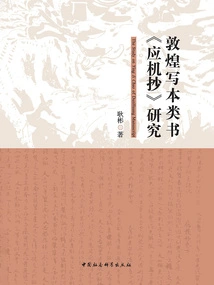
敦煌写本类书《应机抄》研究
Geng Bin
The Dunhuang Manuscript "Ying Ji Chao" is a type of manuscript document in Dunhuang literature. It is an ancient classic produced in the process of the evolution from Shu Cao to the compilation of similar books. The original volume is now in the British National Library, number: S.1380. This book summarizes the essential sayings of scholars and the essence of articles by sages that were popular in the society at that time. It is easy to read and can be consulted when needed. It is an elementary school textbook used by Dunhuang people in the Tang Dynasty to teach basic daily knowledge and academic cultivation, or a family reading book copied by the elders in the family to encourage their descendants. The author of this book has made a comprehensive and systematic proofreading of the volume of "Ying Ji Chao". The research content involves the citation research of the volume, the nature, content and year of the volume, the social and historical background of the compilation, the moral and ethical education of the Tang Dynasty reflected in the volume, etc. It has certain innovation and academic value.
The Dunhuang Manuscript "Ying Ji Chao" is a type of manuscript document in Dunhuang literature. It is an ancient classic produced in the process of the evolution from Shu Cao to the compilation of similar books. The original volume is now in the British National Library, number: S.1380. This book summarizes the essential sayings of scholars and the essence of articles by sages that were popular in the society at that time. It is easy to read and can be consulted when needed. It is an elementary school textbook used by Dunhuang people in the Tang Dynasty to teach basic daily knowledge and academic cultivation, or a family reading book copied by the elders in the family to encourage their descendants. The author of this book has made a comprehensive and systematic proofreading of the volume of "Ying Ji Chao". The research content involves the citation research of the volume, the nature, content and year of the volume, the social and historical background of the compilation, the moral and ethical education of the Tang Dynasty reflected in the volume, etc. It has certain innovation and academic value.
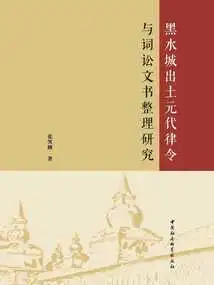
黑水城出土元代律令与词讼文书整理研究
Zhang Xiaofeng
The legal decrees and litigation documents of the Yuan Dynasty unearthed in Heishui City are important first-hand materials for studying the legal system of the Yuan Dynasty. This book contains a total of 307 numbered Yuan Dynasty legal decrees and litigation documents unearthed from Heishui City collected in China, Russia, and the United Kingdom. It corrects some errors in previous records in order to provide a relatively accurate and complete book for the academic community. The textual research on the legal documents of the Yuan Dynasty unearthed in Heishui City can not only see the similarities and differences between the Yuan version and the modern version such as "Dayuan Tongzhi" and "Zhizheng Tiaoge", but also understand the characteristics of the Yuan Dynasty's grassroots trials that followed ancient laws and paid attention to edicts. The study of terminology, litigation trials, official institutions, and criminal cases in the Yuan Dynasty litigation documents unearthed from Heishui City not only directly reveals the litigation and trial procedures at the grassroots level in the Yuan Dynasty, but also provides new clues for studying the history of the grassroots official system and social life history in the Yuan Dynasty.
The legal decrees and litigation documents of the Yuan Dynasty unearthed in Heishui City are important first-hand materials for studying the legal system of the Yuan Dynasty. This book contains a total of 307 numbered Yuan Dynasty legal decrees and litigation documents unearthed from Heishui City collected in China, Russia, and the United Kingdom. It corrects some errors in previous records in order to provide a relatively accurate and complete book for the academic community. The textual research on the legal documents of the Yuan Dynasty unearthed in Heishui City can not only see the similarities and differences between the Yuan version and the modern version such as "Dayuan Tongzhi" and "Zhizheng Tiaoge", but also understand the characteristics of the Yuan Dynasty's grassroots trials that followed ancient laws and paid attention to edicts. The study of terminology, litigation trials, official institutions, and criminal cases in the Yuan Dynasty litigation documents unearthed from Heishui City not only directly reveals the litigation and trial procedures at the grassroots level in the Yuan Dynasty, but also provides new clues for studying the history of the grassroots official system and social life history in the Yuan Dynasty.
A Study on the Words of Guard Soldiers and Military Preparations in "jinguan Han Bamboo Slips
History《金关汉简》戍卒与武备词语研究
Nie Dan
Faced with the intrusion of ethnic minorities in the northwest border counties, the Han Dynasty carried out a large number of troops stationed in the northwest region. The level of military development in the northwest region of the Han Dynasty represented the most advanced level of military development in the Han Dynasty. The military strength and military level of the northwest region in the Han Dynasty are hot issues of concern to both military science and sociology. "Jianshuijinguan Han Bamboo Slips" are Han bamboo slips unearthed from the northwest frontier fortress. They are precious materials left by the Han Dynasty when they stationed troops in the northwest. This batch of Han bamboo slips contains many military and political documents, recording a large amount of military content. As first-hand information, it has a large amount of information and high credibility. Using the "Jianshui Jinguan Han Slips" unearthed in the northwest frontier fortress to study the history of the northwest garrison in the Han Dynasty can unearth a lot of information missing in handed down documents. This book is based on this, and has made an exhaustive collection of terms such as garrison soldiers, armaments, and military facilities in the "Jianshuijinguan Han Slips". On this basis, it conducts systematic research to grasp the military appearance of the northwest frontier fortress in the Han Dynasty and further demonstrate the military policy and armament power of the Han Dynasty.
Faced with the intrusion of ethnic minorities in the northwest border counties, the Han Dynasty carried out a large number of troops stationed in the northwest region. The level of military development in the northwest region of the Han Dynasty represented the most advanced level of military development in the Han Dynasty. The military strength and military level of the northwest region in the Han Dynasty are hot issues of concern to both military science and sociology. "Jianshuijinguan Han Bamboo Slips" are Han bamboo slips unearthed from the northwest frontier fortress. They are precious materials left by the Han Dynasty when they stationed troops in the northwest. This batch of Han bamboo slips contains many military and political documents, recording a large amount of military content. As first-hand information, it has a large amount of information and high credibility. Using the "Jianshui Jinguan Han Slips" unearthed in the northwest frontier fortress to study the history of the northwest garrison in the Han Dynasty can unearth a lot of information missing in handed down documents. This book is based on this, and has made an exhaustive collection of terms such as garrison soldiers, armaments, and military facilities in the "Jianshuijinguan Han Slips". On this basis, it conducts systematic research to grasp the military appearance of the northwest frontier fortress in the Han Dynasty and further demonstrate the military policy and armament power of the Han Dynasty.
《洛阳伽蓝记》研究
Yuan Hongliu
"Luoyang Jialan Ji" is an important document in the Northern Dynasties. This book uses the method of philological textual research to study Yang Xuanzhi's "Luoyang Jialan Ji". This book conducts textual research on "Luoyang Jialan Ji" in four aspects, and the main part is divided into four chapters: 1. Examining the surname, place of origin and life and official career of Yang Xuanzhi, the author of "Luoyang Jialan Ji". 2. Combining relevant historical materials to examine the background of the writing of "Luoyang Jialan Ji". It focuses on analyzing the historical background, academic background and book background of the creation of "Luoyang Jialan Ji". 3. An examination of the characters in "Luoyang Jialan Ji". Compare the characters recorded in "Luoyang Jialan Ji" with the official history one by one. According to the five classification standards of officials, royal family, common people, monks and other characters, there are a total of 204 people. This paper focuses on examining the dates of birth and death, place of origin and life experiences of the characters involved in "Luoyang Jialan Ji"; examining its similarities and differences with official history and unearthed documents, and judging the documentary value of "Luoyang Jialan Ji" in correcting the shortcomings of history. 4. Research on Buddhist temples in "Luoyang Jialan Ji". According to five categories: Buddhist temples in the city, Buddhist temples in the east of the city, Buddhist temples in the south of the city, Buddhist temples in the west of the city, and Buddhist temples in the north of the city, a total of 44 Buddhist temples were collected, organized, and punctuated in other documents. The records of the same Buddhist temples in "Luoyang Jialan Ji" were compared with those in other documents, and the documentary value of "Luoyang Jialan Ji" in the history of Buddhism and architecture was judged.
"Luoyang Jialan Ji" is an important document in the Northern Dynasties. This book uses the method of philological textual research to study Yang Xuanzhi's "Luoyang Jialan Ji". This book conducts textual research on "Luoyang Jialan Ji" in four aspects, and the main part is divided into four chapters: 1. Examining the surname, place of origin and life and official career of Yang Xuanzhi, the author of "Luoyang Jialan Ji". 2. Combining relevant historical materials to examine the background of the writing of "Luoyang Jialan Ji". It focuses on analyzing the historical background, academic background and book background of the creation of "Luoyang Jialan Ji". 3. An examination of the characters in "Luoyang Jialan Ji". Compare the characters recorded in "Luoyang Jialan Ji" with the official history one by one. According to the five classification standards of officials, royal family, common people, monks and other characters, there are a total of 204 people. This paper focuses on examining the dates of birth and death, place of origin and life experiences of the characters involved in "Luoyang Jialan Ji"; examining its similarities and differences with official history and unearthed documents, and judging the documentary value of "Luoyang Jialan Ji" in correcting the shortcomings of history. 4. Research on Buddhist temples in "Luoyang Jialan Ji". According to five categories: Buddhist temples in the city, Buddhist temples in the east of the city, Buddhist temples in the south of the city, Buddhist temples in the west of the city, and Buddhist temples in the north of the city, a total of 44 Buddhist temples were collected, organized, and punctuated in other documents. The records of the same Buddhist temples in "Luoyang Jialan Ji" were compared with those in other documents, and the documentary value of "Luoyang Jialan Ji" in the history of Buddhism and architecture was judged.
塞内冈比亚巨石圈文化景观考古学研究
(french) Gao Chang
The work takes Senegal, a West African country, as a case study, combining archaeological practice and ethnic history research to explore the issue of African cultural landscape. The author believes that cultural landscape is the result of cultural production, and settlement communities transform physical spaces into meaningful places through daily activities, beliefs and values. This book is divided into three parts. The first part explains the archaeological situation and data of the megalithic circle cemeteries in Senegambia. The second part introduces the cultural landscapes on the western and eastern edges of the megalithic circle: the Saloum Delta shell mounds, the Basari and Bedic cultural landscapes. The three landscape cases span the period from the mid-2nd millennium BC to the present. The analysis of the megalithic circle cemeteries is entirely within the scope of archeology; the analysis of the Salum Delta also has strong archaeological significance, but it also includes a discussion of national history; and the case studies of the Bassari and Bedic areas reflect the role of the local tribal people in the formation of cultural landscapes through the process of heroic resistance to foreign invasion.
The work takes Senegal, a West African country, as a case study, combining archaeological practice and ethnic history research to explore the issue of African cultural landscape. The author believes that cultural landscape is the result of cultural production, and settlement communities transform physical spaces into meaningful places through daily activities, beliefs and values. This book is divided into three parts. The first part explains the archaeological situation and data of the megalithic circle cemeteries in Senegambia. The second part introduces the cultural landscapes on the western and eastern edges of the megalithic circle: the Saloum Delta shell mounds, the Basari and Bedic cultural landscapes. The three landscape cases span the period from the mid-2nd millennium BC to the present. The analysis of the megalithic circle cemeteries is entirely within the scope of archeology; the analysis of the Salum Delta also has strong archaeological significance, but it also includes a discussion of national history; and the case studies of the Bassari and Bedic areas reflect the role of the local tribal people in the formation of cultural landscapes through the process of heroic resistance to foreign invasion.
文化遗产的多学科理论与实践研究
Zhang Jingming
This book provides theoretical explanations and case studies on Chinese cultural heritage from the multidisciplinary and multi-field perspectives of archaeology, ethnology and anthropology, art, and intangible cultural heritage. The archeology chapter includes archaeological sites, tombs and unearthed cultural relics in the northern grassland area during the Paleolithic Age, the Han Dynasty, the Sixteen Kingdoms, the Liao Dynasty, the Jin Dynasty, and the Yuan Dynasty, and analyzes them from a historical perspective; the ethnology and anthropology chapter includes the northern ethnic groups in ancient Chinese books, the food culture and population characteristics of Khitan, the cultural exchanges of the Silk Road on the grassland, the diversity of grassland culture, the food behaviors and customs of the northern grassland, etc., Involving ethnology, ecological anthropology, dietary anthropology, etc. The theory and research methods of science and other disciplines; the art chapter mainly covers the plastic arts of ancient nations, the classification and characteristics of folk art, the cultural ecological view of folk art heritage, etc., And explores the diverse cultures hidden behind the arts through artistic representations; the intangible cultural heritage chapter includes both theoretical explanations and specific case analysis, including the theory of intangible cultural heritage research, inheritance, protection and development trends, and an in-depth discussion of its phenomenon and essence. This book can be used as a reference for those interested in archaeology, ethnology, anthropology, art, and cultural heritage.
This book provides theoretical explanations and case studies on Chinese cultural heritage from the multidisciplinary and multi-field perspectives of archaeology, ethnology and anthropology, art, and intangible cultural heritage. The archeology chapter includes archaeological sites, tombs and unearthed cultural relics in the northern grassland area during the Paleolithic Age, the Han Dynasty, the Sixteen Kingdoms, the Liao Dynasty, the Jin Dynasty, and the Yuan Dynasty, and analyzes them from a historical perspective; the ethnology and anthropology chapter includes the northern ethnic groups in ancient Chinese books, the food culture and population characteristics of Khitan, the cultural exchanges of the Silk Road on the grassland, the diversity of grassland culture, the food behaviors and customs of the northern grassland, etc., Involving ethnology, ecological anthropology, dietary anthropology, etc. The theory and research methods of science and other disciplines; the art chapter mainly covers the plastic arts of ancient nations, the classification and characteristics of folk art, the cultural ecological view of folk art heritage, etc., And explores the diverse cultures hidden behind the arts through artistic representations; the intangible cultural heritage chapter includes both theoretical explanations and specific case analysis, including the theory of intangible cultural heritage research, inheritance, protection and development trends, and an in-depth discussion of its phenomenon and essence. This book can be used as a reference for those interested in archaeology, ethnology, anthropology, art, and cultural heritage.
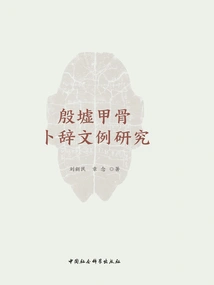
殷墟甲骨卜辞文例研究
Liu Xinmin Zhang Nian
This book conducts a systematic study of the examples of oracle bone inscriptions in the Yin Ruins. The main contents include: research on the types of inscriptions, including basic types and complex types; statistical analysis of the types of large-scale tortoise shell inscriptions and the types of anti-zhen inscriptions; special research on examples of oracle inscriptions on Zhongzhen, Duizhen, and Xuan. The four types of oracle bone inscriptions, Zhen and Buzhen, which account for a high proportion of the oracle bone inscriptions, are specially studied, including the symmetry and asymmetry, positive and negative relationships, layout positions, and direction of inscriptions, etc.; Triangular inscriptions, three-divine inscriptions, and triangular inscriptions arranged in a triangular form. A special study on the inscriptions and "A Thousand Miles of Road"; a special study on the arrangement forms of antithesis and repeated antithesis of the two main types of oracle bone inscriptions; a special study on the relationship between corresponding positions, separated positions, adjacent positions, alternating positions and diagonal relative positions on the same edition and inscriptions ; Application research on the results of research on oracle examples; Research on the divination system, way of thinking, cultural concepts, and aesthetic psychology of the Shang Dynasty reflected in the examples; The impact of oracle bone inscriptions on later generations, and comparative study of oracle examples and the Eight Trigrams and Sixty-Four Hexagrams of the Zhouyi.
This book conducts a systematic study of the examples of oracle bone inscriptions in the Yin Ruins. The main contents include: research on the types of inscriptions, including basic types and complex types; statistical analysis of the types of large-scale tortoise shell inscriptions and the types of anti-zhen inscriptions; special research on examples of oracle inscriptions on Zhongzhen, Duizhen, and Xuan. The four types of oracle bone inscriptions, Zhen and Buzhen, which account for a high proportion of the oracle bone inscriptions, are specially studied, including the symmetry and asymmetry, positive and negative relationships, layout positions, and direction of inscriptions, etc.; Triangular inscriptions, three-divine inscriptions, and triangular inscriptions arranged in a triangular form. A special study on the inscriptions and "A Thousand Miles of Road"; a special study on the arrangement forms of antithesis and repeated antithesis of the two main types of oracle bone inscriptions; a special study on the relationship between corresponding positions, separated positions, adjacent positions, alternating positions and diagonal relative positions on the same edition and inscriptions ; Application research on the results of research on oracle examples; Research on the divination system, way of thinking, cultural concepts, and aesthetic psychology of the Shang Dynasty reflected in the examples; The impact of oracle bone inscriptions on later generations, and comparative study of oracle examples and the Eight Trigrams and Sixty-Four Hexagrams of the Zhouyi.
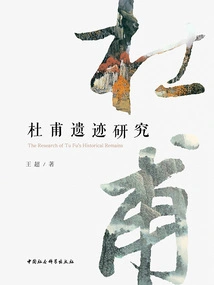
Research on Du Fu's Remains
History杜甫遗迹研究
Wang Chao
This book takes Du Fu's residence and burial place as clues, and takes Du Fu's former residence, ancestral halls, tombs, pavilions and pavilions that have been handed down to later generations as the research object. Based on field investigations, it combines Du Fu's poetics, philology, historical geography and other methods. Method, an in-depth examination of the origin, historical changes and cultural value of Du Fu's relics in fifteen places including Xi'an, Huxian, Yanzhou, Yan'an, Qinzhou, Chengzhou, Liting, Chengdu, Zizhou, Langzhou, Kuizhou, Yanshi, Gongxian, Leiyang and Pingjiang. The chapters in the book are independent but connected with each other, depicting the grand and colorful historical picture of Du Fu's relics from the Tang Dynasty to the present, and showing Du Fu's long-lasting social influence over thousands of years. It is currently the most systematic and comprehensive study of Du Fu's relics.
This book takes Du Fu's residence and burial place as clues, and takes Du Fu's former residence, ancestral halls, tombs, pavilions and pavilions that have been handed down to later generations as the research object. Based on field investigations, it combines Du Fu's poetics, philology, historical geography and other methods. Method, an in-depth examination of the origin, historical changes and cultural value of Du Fu's relics in fifteen places including Xi'an, Huxian, Yanzhou, Yan'an, Qinzhou, Chengzhou, Liting, Chengdu, Zizhou, Langzhou, Kuizhou, Yanshi, Gongxian, Leiyang and Pingjiang. The chapters in the book are independent but connected with each other, depicting the grand and colorful historical picture of Du Fu's relics from the Tang Dynasty to the present, and showing Du Fu's long-lasting social influence over thousands of years. It is currently the most systematic and comprehensive study of Du Fu's relics.
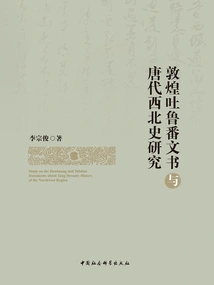
Research on the Dunhuang and Turpan Documents and the History of Northwest China in the Tang Dynasty
History敦煌吐鲁番文书与唐代西北史研究
Li Zongjun
This work is a special study of some documents unearthed from Dunhuang and Turpan. It involves the history and geography of the northwest frontier, ethnic relations, the history of the Guiyi Army and other fields. Many issues are complexly intertwined. The book consists of thirteen articles. The first three articles are historical and geographical research, involving the important value of Dunbo No. 58 Document, the "Shazhou Dudufu Illustrated Book", the Tang and Tibetan roads, etc.; The fourth and fifth articles are a review of several vows. The study of "Collection of the Governor's Envoys of Hexi" (former name) involves the major changes in the military and political situation in Shazhou and Hexi during the Su Dynasty; Chapters 6 and 7 use Dunhuang Bianwen and a series of letters to analyze the history of the Uighurs and other northwest ethnic groups. The study of the history of ethnic relations involves a series of major historical events before and after the Uighurs moved westward to Ganzhou; Chapters 8, 9, 10, and 11 are studies of the history of the Shazhou Guiyi Army, covering the Guiyi Army's management of Liangzhou and the history of Cao's Guiyi Army Several issues; Chapters 12 and 13 are respectively the study of three documents signed by Yao Chong's official title and name and Zhang Renyuan's memorial document to Wu Zetian, which is of great help to the political careers and historical events of the two men.
This work is a special study of some documents unearthed from Dunhuang and Turpan. It involves the history and geography of the northwest frontier, ethnic relations, the history of the Guiyi Army and other fields. Many issues are complexly intertwined. The book consists of thirteen articles. The first three articles are historical and geographical research, involving the important value of Dunbo No. 58 Document, the "Shazhou Dudufu Illustrated Book", the Tang and Tibetan roads, etc.; The fourth and fifth articles are a review of several vows. The study of "Collection of the Governor's Envoys of Hexi" (former name) involves the major changes in the military and political situation in Shazhou and Hexi during the Su Dynasty; Chapters 6 and 7 use Dunhuang Bianwen and a series of letters to analyze the history of the Uighurs and other northwest ethnic groups. The study of the history of ethnic relations involves a series of major historical events before and after the Uighurs moved westward to Ganzhou; Chapters 8, 9, 10, and 11 are studies of the history of the Shazhou Guiyi Army, covering the Guiyi Army's management of Liangzhou and the history of Cao's Guiyi Army Several issues; Chapters 12 and 13 are respectively the study of three documents signed by Yao Chong's official title and name and Zhang Renyuan's memorial document to Wu Zetian, which is of great help to the political careers and historical events of the two men.
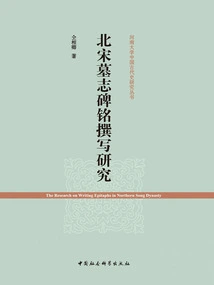
北宋墓志碑铭撰写研究
Tongxiangqing
Through research on the writing of epitaph inscriptions in the Northern Song Dynasty, it is believed that in the formation process of epitaph inscriptions, they will be affected by the writer's personal writing habits, political factors and personal stance, resulting in unclear, obscure, or focused meanings. At the same time, the writing of epitaphs and inscriptions will also be subject to pressure from the bereaved family, which also affects the shape of the epitaphs to a certain extent. Generally speaking, the manuscript analyzes the epitaph inscriptions of the Northern Song Dynasty as "texts". As a writing activity, the content related to epitaph inscriptions cannot be fully covered by "concealing evil and promoting good". Clarifying this issue is not only beneficial to comprehensively grasping the method, content and characteristics of the writing of epitaph inscriptions in the Northern Song Dynasty, which will help to deepen the study of epitaph inscriptions themselves, but also be of great help to the objective understanding of epitaph inscriptions as data.
Through research on the writing of epitaph inscriptions in the Northern Song Dynasty, it is believed that in the formation process of epitaph inscriptions, they will be affected by the writer's personal writing habits, political factors and personal stance, resulting in unclear, obscure, or focused meanings. At the same time, the writing of epitaphs and inscriptions will also be subject to pressure from the bereaved family, which also affects the shape of the epitaphs to a certain extent. Generally speaking, the manuscript analyzes the epitaph inscriptions of the Northern Song Dynasty as "texts". As a writing activity, the content related to epitaph inscriptions cannot be fully covered by "concealing evil and promoting good". Clarifying this issue is not only beneficial to comprehensively grasping the method, content and characteristics of the writing of epitaph inscriptions in the Northern Song Dynasty, which will help to deepen the study of epitaph inscriptions themselves, but also be of great help to the objective understanding of epitaph inscriptions as data.
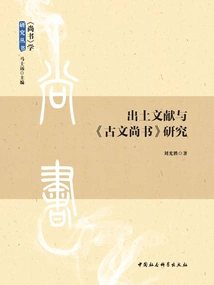
出土文献与《古文尚书》研究
Liu Guangsheng
There are more than twenty "Shangshu"-type documents in Tsinghua bamboo slips, some of which are from modern "Shangshu", such as "Jin Zhuan"; some are found in ancient Kongbi texts or hundreds of "Book Prefaces", such as "Yin Gao" and "Fu Shuo's Ming"; and some are items that are not found in modern and ancient texts, such as "Hou Fu" and "Feng Xu's Ming". This book takes Tsinghua bamboo slips as the main starting point, and comprehensively uses unearthed materials including oracle bone inscriptions, bronze inscriptions, Guodian bamboo slips, Shangbo bamboo slips, and Mawangdui silk scripts to promote the study of the authenticity of "Guwen Shangshu".
There are more than twenty "Shangshu"-type documents in Tsinghua bamboo slips, some of which are from modern "Shangshu", such as "Jin Zhuan"; some are found in ancient Kongbi texts or hundreds of "Book Prefaces", such as "Yin Gao" and "Fu Shuo's Ming"; and some are items that are not found in modern and ancient texts, such as "Hou Fu" and "Feng Xu's Ming". This book takes Tsinghua bamboo slips as the main starting point, and comprehensively uses unearthed materials including oracle bone inscriptions, bronze inscriptions, Guodian bamboo slips, Shangbo bamboo slips, and Mawangdui silk scripts to promote the study of the authenticity of "Guwen Shangshu".
《孔子家语》考述
Wang Xiujiang
This book takes the authenticity and ideological content of "Confucius' Family Sayings" as its main research topic. It first sorts out the formation and spread of "Confucius' Family Sayings". Secondly, it uses a research method that combines history and logic, philology and intellectual history, handed down documents and new archaeological discoveries. It also pays attention to meaning and textual research. From the comparison of "Confucius' Family Sayings" with handed down documents and newly unearthed documents, it analyzes "Confucius' Family Sayings". A more systematic study of the ideological content such as views on nature, moral cultivation, social and political views, etc., Thus confirming that "Confucius' Family Sayings" is an ancient Confucian book with its own origin. Although it may have been processed and polished in the process of dissemination, its main part has not been substantially changed. It has an irreplaceable important position and value in the study of Confucius, Confucianism and even the entire history of Chinese academic thought.
This book takes the authenticity and ideological content of "Confucius' Family Sayings" as its main research topic. It first sorts out the formation and spread of "Confucius' Family Sayings". Secondly, it uses a research method that combines history and logic, philology and intellectual history, handed down documents and new archaeological discoveries. It also pays attention to meaning and textual research. From the comparison of "Confucius' Family Sayings" with handed down documents and newly unearthed documents, it analyzes "Confucius' Family Sayings". A more systematic study of the ideological content such as views on nature, moral cultivation, social and political views, etc., Thus confirming that "Confucius' Family Sayings" is an ancient Confucian book with its own origin. Although it may have been processed and polished in the process of dissemination, its main part has not been substantially changed. It has an irreplaceable important position and value in the study of Confucius, Confucianism and even the entire history of Chinese academic thought.
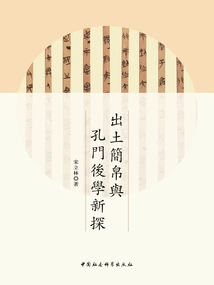
出土简帛与孔门后学新探
Song Lilin
Since Mr. Guo Moruo proposed the concept of "Eight Confucian Schools" in the 1940s, due to insufficient documentation, research on Confucianism has been controversial but insufficient. With the advent of the Mawangdui silk scrolls, especially the unearthed bamboo slips such as Guodian bamboo slips and Shangbo bamboo slips, new opportunities have emerged for the study of post-Confucianism. This book focuses on the Confucianism, and uses a dual evidence method that combines unearthed bamboo slips and handed down documents to analyze the reasons for the differentiation of Confucianism after Confucius, as well as the ideological contributions of Zizhang's Confucianism, Zisi's Confucianism, Yan's Confucianism, Qidiao's Confucianism, Zigong, and Zhonggong, as well as the school's characteristics and influence.
Since Mr. Guo Moruo proposed the concept of "Eight Confucian Schools" in the 1940s, due to insufficient documentation, research on Confucianism has been controversial but insufficient. With the advent of the Mawangdui silk scrolls, especially the unearthed bamboo slips such as Guodian bamboo slips and Shangbo bamboo slips, new opportunities have emerged for the study of post-Confucianism. This book focuses on the Confucianism, and uses a dual evidence method that combines unearthed bamboo slips and handed down documents to analyze the reasons for the differentiation of Confucianism after Confucius, as well as the ideological contributions of Zizhang's Confucianism, Zisi's Confucianism, Yan's Confucianism, Qidiao's Confucianism, Zigong, and Zhonggong, as well as the school's characteristics and influence.
新中国成立初期浙江省文物保护研究(1950—1965)
Qian Wenyan
"Contemporary Zhejiang Academic Library" is a window for the Zhejiang Provincial Federation of Social Sciences to launch academic high-quality products and display academic achievements. The Zhejiang Federation of Social Science and Technology adopts the form of "encouraging applications, expert review, funding publication, and social collection" to select manuscripts that reflect outstanding original academic achievements in the field of philosophy and social sciences in Zhejiang every year, and publish them in phases and batches in the form of "Contemporary Zhejiang Academic Library" to promptly disseminate new ideas, new discoveries, and new progress at the forefront of philosophy and social sciences to the society, strive to achieve great development and prosperity of philosophy and social sciences, and promote the construction of Zhejiang as a "culturally strong province." Organizing and publishing the "Contemporary Zhejiang Academic Library" is an important exploration of the Zhejiang Provincial Federation of Social Sciences to support academic excellence, promote academic innovation, and create a contemporary Zhejiang academic brand. "Contemporary Zhejiang Academic Library" will adhere to academic standards, advocate academic norms, display Zhejiang characteristics, and constantly introduce the latest achievements of Zhejiang academics.
"Contemporary Zhejiang Academic Library" is a window for the Zhejiang Provincial Federation of Social Sciences to launch academic high-quality products and display academic achievements. The Zhejiang Federation of Social Science and Technology adopts the form of "encouraging applications, expert review, funding publication, and social collection" to select manuscripts that reflect outstanding original academic achievements in the field of philosophy and social sciences in Zhejiang every year, and publish them in phases and batches in the form of "Contemporary Zhejiang Academic Library" to promptly disseminate new ideas, new discoveries, and new progress at the forefront of philosophy and social sciences to the society, strive to achieve great development and prosperity of philosophy and social sciences, and promote the construction of Zhejiang as a "culturally strong province." Organizing and publishing the "Contemporary Zhejiang Academic Library" is an important exploration of the Zhejiang Provincial Federation of Social Sciences to support academic excellence, promote academic innovation, and create a contemporary Zhejiang academic brand. "Contemporary Zhejiang Academic Library" will adhere to academic standards, advocate academic norms, display Zhejiang characteristics, and constantly introduce the latest achievements of Zhejiang academics.
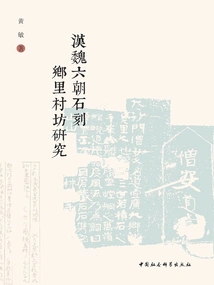
汉魏六朝石刻乡里村坊研究
Huang Min
The stone carvings of the past dynasties are abundant in number and of various types, and the time of publication, place of excavation, and time of excavation are clear, which makes it possible to trace the villages and villages containing information such as place of birth, burial place, and death place in the stone carvings. The book "Research on Stone Carvings in Townships and Villages of the Han, Wei and Six Dynasties" selects stone carving documents of the Han, Wei and Six Dynasties to collect and organize relevant information on villages and villages; examines and analyzes geographical locations, examines counties, counties and villages, and supplements the city and villages in the capital; traces the historical evolution of ancient place names to show the characteristics of towns and villages Inheritance and evolution; explore the rationale for the naming of villages and towns, present the appearance of villages and towns in the Han, Wei and Six Dynasties; seek the lifestyle and ideological concepts of ancient people, explore religious culture, ethnic integration and exchanges, migration of expatriates, and family prefectures, etc., To promote the study of ancient Chinese culture.
The stone carvings of the past dynasties are abundant in number and of various types, and the time of publication, place of excavation, and time of excavation are clear, which makes it possible to trace the villages and villages containing information such as place of birth, burial place, and death place in the stone carvings. The book "Research on Stone Carvings in Townships and Villages of the Han, Wei and Six Dynasties" selects stone carving documents of the Han, Wei and Six Dynasties to collect and organize relevant information on villages and villages; examines and analyzes geographical locations, examines counties, counties and villages, and supplements the city and villages in the capital; traces the historical evolution of ancient place names to show the characteristics of towns and villages Inheritance and evolution; explore the rationale for the naming of villages and towns, present the appearance of villages and towns in the Han, Wei and Six Dynasties; seek the lifestyle and ideological concepts of ancient people, explore religious culture, ethnic integration and exchanges, migration of expatriates, and family prefectures, etc., To promote the study of ancient Chinese culture.
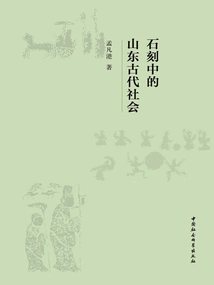
石刻中的山东古代社会
Mengfanggang
As one of the most important birthplaces of Chinese civilization, Shandong has a large number of ancient stone carvings, a wide distribution, a long time span, and rich content. It has witnessed the historical changes of Shandong's ancient society and is a general history of Shandong engraved in stone. This book mainly relies on the representative Qufu Confucian stone carvings, Jining Han Dynasty portrait stones, Taishan Zen stone carvings, Gaomi and Zichuan Zheng Gong Temple stone carvings, etc., To examine issues such as Confucius and his descendants, Shandong society in the Han Dynasty, Tang Xuanzong and Song Zhenzong Taishan Zen, Zheng Xuan and Fan Zhongyan, etc.
As one of the most important birthplaces of Chinese civilization, Shandong has a large number of ancient stone carvings, a wide distribution, a long time span, and rich content. It has witnessed the historical changes of Shandong's ancient society and is a general history of Shandong engraved in stone. This book mainly relies on the representative Qufu Confucian stone carvings, Jining Han Dynasty portrait stones, Taishan Zen stone carvings, Gaomi and Zichuan Zheng Gong Temple stone carvings, etc., To examine issues such as Confucius and his descendants, Shandong society in the Han Dynasty, Tang Xuanzong and Song Zhenzong Taishan Zen, Zheng Xuan and Fan Zhongyan, etc.
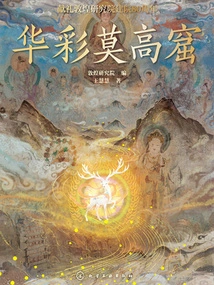
Huacai Mogao Grottoes
History华彩莫高窟
Compiled By Dunhuang Academy And Written By Wang Huihui
Mogao Grottoes, commonly known as "Thousand Buddha Cave", is located on the cliff at the eastern foot of Mingsha Mountain in Dunhuang City. Since the first grotto was dug in 366 AD, it has gone through more than a dozen dynasties for nearly a thousand years, and finally formed the largest and richest grotto group in the world. There are endless mysteries in the Mogao Grottoes. Since the discovery of the Sutra Cave in 1900, this thousand-year-old treasure house that has been dormant for a long time has become famous at home and abroad, attracting countless people to explore. After thousands of years, the Mogao Grottoes have left tens of thousands of square meters of splendid murals, thousands of exquisite painted sculptures, and rich scriptures and documents... The artistic styles of different eras have gathered here to form a colorful landscape. This is a splendid art palace and a miracle of civilization. When you walk into the Mogao Grottoes, you will see exquisite art, colorful folk customs, and feel the accumulation of history and rich culture. Life scenes, clothing, architectural styles, singing and dancing from all eras... All kinds of things in the world are gathered here. This book will lead young readers to visit the Mogao Grottoes, appreciate art, learn knowledge, and appreciate the infinite charm of the Mogao Grottoes through exquisite hand-drawn illustrations and eloquent popular science texts.
Mogao Grottoes, commonly known as "Thousand Buddha Cave", is located on the cliff at the eastern foot of Mingsha Mountain in Dunhuang City. Since the first grotto was dug in 366 AD, it has gone through more than a dozen dynasties for nearly a thousand years, and finally formed the largest and richest grotto group in the world. There are endless mysteries in the Mogao Grottoes. Since the discovery of the Sutra Cave in 1900, this thousand-year-old treasure house that has been dormant for a long time has become famous at home and abroad, attracting countless people to explore. After thousands of years, the Mogao Grottoes have left tens of thousands of square meters of splendid murals, thousands of exquisite painted sculptures, and rich scriptures and documents... The artistic styles of different eras have gathered here to form a colorful landscape. This is a splendid art palace and a miracle of civilization. When you walk into the Mogao Grottoes, you will see exquisite art, colorful folk customs, and feel the accumulation of history and rich culture. Life scenes, clothing, architectural styles, singing and dancing from all eras... All kinds of things in the world are gathered here. This book will lead young readers to visit the Mogao Grottoes, appreciate art, learn knowledge, and appreciate the infinite charm of the Mogao Grottoes through exquisite hand-drawn illustrations and eloquent popular science texts.
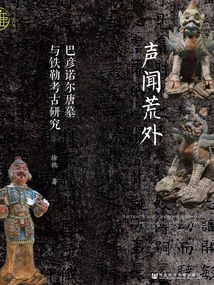
声闻荒外:巴彦诺尔唐墓与铁勒考古研究
Xu Chi
The Tang Tomb of Bayannuoer is a Guanzhong-style Tang Dynasty noble tomb located in the Mobei grassland. A large number of pottery figurines, murals and other early Tang-style cultural relics were found in the tomb. Central Asian and Byzantine-style artifacts were also found in the tomb. The discovery of this tomb and other Tiele archaeological sites in Mobei has provided new historical materials for the study of Jisi Prefecture in the north and the Prairie Silk Road in the Tang Dynasty. This book mainly studies the basic shape, murals, funerary figurines, gold vessels, gold coins, etc. Of the Bayannuoer mural tomb. It also discusses the Tang Dynasty's Jizu rule in Mobei and the cultural exchanges along the Prairie Silk Road from other tombs, city sites, and inscriptions during the Tang Dynasty's Jizu rule.
The Tang Tomb of Bayannuoer is a Guanzhong-style Tang Dynasty noble tomb located in the Mobei grassland. A large number of pottery figurines, murals and other early Tang-style cultural relics were found in the tomb. Central Asian and Byzantine-style artifacts were also found in the tomb. The discovery of this tomb and other Tiele archaeological sites in Mobei has provided new historical materials for the study of Jisi Prefecture in the north and the Prairie Silk Road in the Tang Dynasty. This book mainly studies the basic shape, murals, funerary figurines, gold vessels, gold coins, etc. Of the Bayannuoer mural tomb. It also discusses the Tang Dynasty's Jizu rule in Mobei and the cultural exchanges along the Prairie Silk Road from other tombs, city sites, and inscriptions during the Tang Dynasty's Jizu rule.
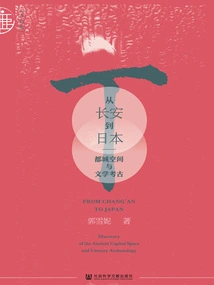
从长安到日本:都城空间与文学考古
Guo Xueni
Using the perspective of "capital", this book explores the duplication and appropriation of Tang Chang'an City space in Japan under the background of the formation and disintegration of the "East Asian Capital Era", and the chain reactions it caused in ancient Japanese literature. Taking the fall of the Tang Dynasty in the tenth century and the loss of Chang'an as a model capital city in East Asia as a watershed, this book attempts to answer two questions: first, the discord between Japan's imitation of the space of Tang Chang'an City before the ninth century and the sparse writing on Chang'an by Japanese literati; second, with the "disappearance" of Tang Chang'an City and the changes in the East Asian pattern since the tenth century, how "Chang'an" became a means for Japanese literati to construct national identity and obtain the identity of "Little China" in the East Asian world. This book comprehensively uses cross-cultural and cross-disciplinary research methods to explain the relationship between capital space, royal writing and national imagination in ancient China and Japan.
Using the perspective of "capital", this book explores the duplication and appropriation of Tang Chang'an City space in Japan under the background of the formation and disintegration of the "East Asian Capital Era", and the chain reactions it caused in ancient Japanese literature. Taking the fall of the Tang Dynasty in the tenth century and the loss of Chang'an as a model capital city in East Asia as a watershed, this book attempts to answer two questions: first, the discord between Japan's imitation of the space of Tang Chang'an City before the ninth century and the sparse writing on Chang'an by Japanese literati; second, with the "disappearance" of Tang Chang'an City and the changes in the East Asian pattern since the tenth century, how "Chang'an" became a means for Japanese literati to construct national identity and obtain the identity of "Little China" in the East Asian world. This book comprehensively uses cross-cultural and cross-disciplinary research methods to explain the relationship between capital space, royal writing and national imagination in ancient China and Japan.
吐鲁番出土官府帐簿文书研究
Huanglou
This book takes the medieval official miscellaneous account books and documents from the Turpan region of Xinjiang as the research object, and discusses the economic and political systems of Chinese local governments and unified dynasties that governed the Turpan region from the Gaochang County of the Sixteen Kingdoms, through the Gaochang Kingdom of Kan and Qu, to the Xizhou period of the Tang Dynasty. Official account books and documents unearthed from Turpan such as the silk account provided by Beiliang Jizun, the colorful carpet account of Kan's Gaochang County, the Gaochang County update book of Xizhou in the Tang Dynasty, and the money collection copy of Beiting envoys during the Kaiyuan period further prove that Gaochang County was established in the Turpan region of Xinjiang more than 2,000 years ago and the county system was implemented. Its political, economic and cultural processes have been integrated with the mainland and are inseparable. Not only that, but it often set the precedent for change in certain fields. Major institutional changes in the Tang Dynasty such as the vassal system and the eunuch-supervised military system that had a profound impact on later generations all originated here.
This book takes the medieval official miscellaneous account books and documents from the Turpan region of Xinjiang as the research object, and discusses the economic and political systems of Chinese local governments and unified dynasties that governed the Turpan region from the Gaochang County of the Sixteen Kingdoms, through the Gaochang Kingdom of Kan and Qu, to the Xizhou period of the Tang Dynasty. Official account books and documents unearthed from Turpan such as the silk account provided by Beiliang Jizun, the colorful carpet account of Kan's Gaochang County, the Gaochang County update book of Xizhou in the Tang Dynasty, and the money collection copy of Beiting envoys during the Kaiyuan period further prove that Gaochang County was established in the Turpan region of Xinjiang more than 2,000 years ago and the county system was implemented. Its political, economic and cultural processes have been integrated with the mainland and are inseparable. Not only that, but it often set the precedent for change in certain fields. Major institutional changes in the Tang Dynasty such as the vassal system and the eunuch-supervised military system that had a profound impact on later generations all originated here.
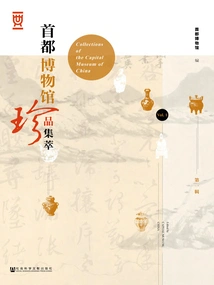
首都博物馆珍品集萃(第1辑)
Capital Museum Editor
Beijing is a city with a history of more than 3,000 years as a city and more than 800 years as a capital. As the city museum of Beijing, the Capital Museum has a large collection of exquisite cultural relics related to Beijing's history. This book interprets the essence of these cultural relics. The book provides in-depth explanations and introductions to 36 cultural relics collected in the Capital Museum. In terms of time, these cultural relics range from the Shang Dynasty to the Republic of China. In terms of cultural relic categories, they include porcelain, jades, bronzes, Buddhist statues, gold and silverware, calligraphy, paintings, folk customs, stone inscriptions, etc. Most of these cultural relics are related to Beijing, either unearthed in Beijing, made in Beijing, made by the royal family, or collected by the royal family.
Beijing is a city with a history of more than 3,000 years as a city and more than 800 years as a capital. As the city museum of Beijing, the Capital Museum has a large collection of exquisite cultural relics related to Beijing's history. This book interprets the essence of these cultural relics. The book provides in-depth explanations and introductions to 36 cultural relics collected in the Capital Museum. In terms of time, these cultural relics range from the Shang Dynasty to the Republic of China. In terms of cultural relic categories, they include porcelain, jades, bronzes, Buddhist statues, gold and silverware, calligraphy, paintings, folk customs, stone inscriptions, etc. Most of these cultural relics are related to Beijing, either unearthed in Beijing, made in Beijing, made by the royal family, or collected by the royal family.
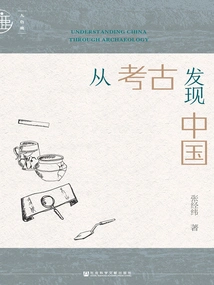
从考古发现中国
Zhang Jingwei
This book is the first collection of book reviews on archeology and history by anthropologist Zhang Jingwei. It is divided into five sections: "Archaeology", "China", "Mythology", "Methods" and "Wild Things". Although archaeological and historical works are thick and profound, when we use anthropological thinking to re-understand all aspects of Chinese civilization, we may be able to read unexpected new ideas from those works. In this sense, the many comments in this collection can not only help us better "understand" documents from a new perspective and reflect on current archaeological and historical research results, but also allow researchers on Chinese civilization to have a broader vision and mind.
This book is the first collection of book reviews on archeology and history by anthropologist Zhang Jingwei. It is divided into five sections: "Archaeology", "China", "Mythology", "Methods" and "Wild Things". Although archaeological and historical works are thick and profound, when we use anthropological thinking to re-understand all aspects of Chinese civilization, we may be able to read unexpected new ideas from those works. In this sense, the many comments in this collection can not only help us better "understand" documents from a new perspective and reflect on current archaeological and historical research results, but also allow researchers on Chinese civilization to have a broader vision and mind.
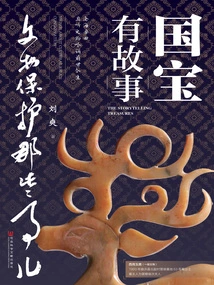
国宝有故事:文物保护那些事儿
Liu Shuang
In the prosperous times, Tibet flourished. As my country's political, economic and other aspects continue to strengthen, the call for building a cultural power is getting louder and louder. The protection, utilization, inheritance and development of traditional cultural heritage have gradually attracted the attention of governments at all levels and the general public. Museums and historical sites have become the most interesting places for tourists to check in. As a new business format in the new era, the integration of culture and tourism has become a new economic growth point... This has also triggered more thinking and discussion about cultural relics and cultural relics protection. This book introduces the 100 most basic and typical issues in cultural relics protection in simple and easy-to-understand language. It is a direct and effective popular science book for understanding cultural relics protection knowledge. It is helpful for understanding and learning of professional knowledge such as basic concepts, principles and systems of cultural relics protection. It is hoped that through professional analysis, it can provide a convenient, intuitive, vivid, concrete, and colorful answer sheet for relevant personnel who are new to cultural relics protection and readers who are interested in cultural relics protection.
In the prosperous times, Tibet flourished. As my country's political, economic and other aspects continue to strengthen, the call for building a cultural power is getting louder and louder. The protection, utilization, inheritance and development of traditional cultural heritage have gradually attracted the attention of governments at all levels and the general public. Museums and historical sites have become the most interesting places for tourists to check in. As a new business format in the new era, the integration of culture and tourism has become a new economic growth point... This has also triggered more thinking and discussion about cultural relics and cultural relics protection. This book introduces the 100 most basic and typical issues in cultural relics protection in simple and easy-to-understand language. It is a direct and effective popular science book for understanding cultural relics protection knowledge. It is helpful for understanding and learning of professional knowledge such as basic concepts, principles and systems of cultural relics protection. It is hoped that through professional analysis, it can provide a convenient, intuitive, vivid, concrete, and colorful answer sheet for relevant personnel who are new to cultural relics protection and readers who are interested in cultural relics protection.
文明探源:考古十讲
Bureau Of Retired Cadres, Chinese Academy Of Social Sciences, Edited By Capital Library
The content of this book is easy to understand without losing its academic nature. It strives to explore the origin and development of Chinese civilization from an archaeological perspective. The content covers: the birth history of "China" from the perspective of archaeology, the archaeological discovery of the beautiful symbol of Chinese culture - the "phoenix"; using archaeological evidence to illustrate the authenticity of the folk legend "Yu met the princes at Tushan, holding jade and silk to conquer all nations"; using the "Chinese Dragon" at the site of Copan, Honduras, a famous city-state of the Mayan civilization, to introduce the connection between Mesoamerican civilization and Chinese civilization; a brief history of Japanese archeology; etc. This book not only includes archaeological discoveries in China, but also analyzes Chinese history and culture in the context of the world. It is vivid and interesting with pictures and texts. After reading it, you can have a deeper understanding of the origin of Chinese civilization.
The content of this book is easy to understand without losing its academic nature. It strives to explore the origin and development of Chinese civilization from an archaeological perspective. The content covers: the birth history of "China" from the perspective of archaeology, the archaeological discovery of the beautiful symbol of Chinese culture - the "phoenix"; using archaeological evidence to illustrate the authenticity of the folk legend "Yu met the princes at Tushan, holding jade and silk to conquer all nations"; using the "Chinese Dragon" at the site of Copan, Honduras, a famous city-state of the Mayan civilization, to introduce the connection between Mesoamerican civilization and Chinese civilization; a brief history of Japanese archeology; etc. This book not only includes archaeological discoveries in China, but also analyzes Chinese history and culture in the context of the world. It is vivid and interesting with pictures and texts. After reading it, you can have a deeper understanding of the origin of Chinese civilization.
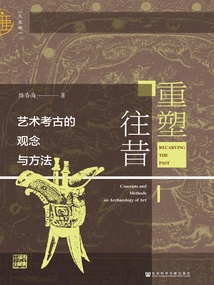
重塑往昔:艺术考古的观念与方法
Lian Chunhai
This book systematically expounds theoretical issues such as the attributes, methods, presentation, materials and applications of "art archeology" from the perspective of the nature of the discipline. It responds to academic hot spots in recent years, reviews various views on the professional nature and methodology of "art archeology" in the archaeological and art history circles, analyzes the more controversial views, and analyzes the new trends in the development of art archaeology research in recent years. The discussion closely follows the academic frontier and points out that in the contemporary cultural context, the presentation method of images and the rational use of materials are becoming increasingly important.
This book systematically expounds theoretical issues such as the attributes, methods, presentation, materials and applications of "art archeology" from the perspective of the nature of the discipline. It responds to academic hot spots in recent years, reviews various views on the professional nature and methodology of "art archeology" in the archaeological and art history circles, analyzes the more controversial views, and analyzes the new trends in the development of art archaeology research in recent years. The discussion closely follows the academic frontier and points out that in the contemporary cultural context, the presentation method of images and the rational use of materials are becoming increasingly important.
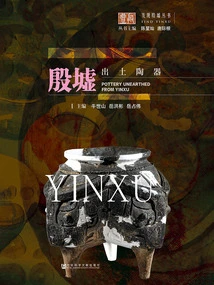
殷墟出土陶器
Niu Shishan, Yue Hongbin, Chief Editor Yue Zhanwei
Yin Ruins is known as the holy land of Chinese archaeology. Over the past 90 years of archeology at Yin Ruins, rich cultural relics of the Yin and Shang dynasties have been discovered, and a large number of ceramic cultural relics have been unearthed, which can be divided into ordinary pottery (or coarse clay pottery), white pottery, hard pottery, primitive porcelain and glazed pottery. Through comprehensive research on the cultural relics of the Yin Ruins, including pottery relics, a periodization system of the late Shang culture has been established, which roughly corresponds to the lineage of the Shang kings recorded in the "Yin Benji" and revised by the royal genealogy in the Yin Ruins inscriptions. Based on the study of the internal composition, formation, and changes of the Yinxu culture, we can further explore issues such as Shang culture, the relationship between Shang culture and surrounding bronze culture, and the interaction of groups of people.
Yin Ruins is known as the holy land of Chinese archaeology. Over the past 90 years of archeology at Yin Ruins, rich cultural relics of the Yin and Shang dynasties have been discovered, and a large number of ceramic cultural relics have been unearthed, which can be divided into ordinary pottery (or coarse clay pottery), white pottery, hard pottery, primitive porcelain and glazed pottery. Through comprehensive research on the cultural relics of the Yin Ruins, including pottery relics, a periodization system of the late Shang culture has been established, which roughly corresponds to the lineage of the Shang kings recorded in the "Yin Benji" and revised by the royal genealogy in the Yin Ruins inscriptions. Based on the study of the internal composition, formation, and changes of the Yinxu culture, we can further explore issues such as Shang culture, the relationship between Shang culture and surrounding bronze culture, and the interaction of groups of people.
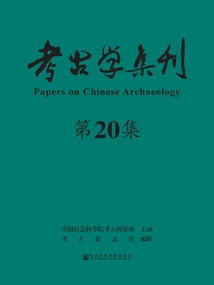
考古学集刊(第20集)
Editor-in-chief Liu Qingzhu
This book contains a total of 15 articles, covering aspects such as archaeological investigation and excavation, special research, technological archeology, and archaeological history. It also focuses on the excavation and research results of the Institute of Archeology of the Chinese Academy of Social Sciences at the Copán site of the Maya civilization in Honduras and the ancient city of Mingtiepe in the Republic of Uzbekistan, as well as the "Inauguration Ceremony of the Foreign Archaeological Research Center of the Chinese Academy of Social Sciences and the Forum on New Archaeological Discoveries Overseas".
This book contains a total of 15 articles, covering aspects such as archaeological investigation and excavation, special research, technological archeology, and archaeological history. It also focuses on the excavation and research results of the Institute of Archeology of the Chinese Academy of Social Sciences at the Copán site of the Maya civilization in Honduras and the ancient city of Mingtiepe in the Republic of Uzbekistan, as well as the "Inauguration Ceremony of the Foreign Archaeological Research Center of the Chinese Academy of Social Sciences and the Forum on New Archaeological Discoveries Overseas".
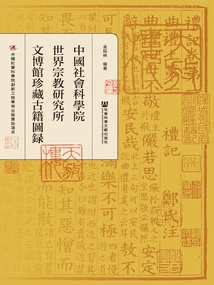
中国社会科学院世界宗教研究所文博馆珍藏古籍图录
Compiled By Jin Yanlin
The Cultural Museum of the Institute of World Religions of the Chinese Academy of Social Sciences contains precious religious classics, documents, hand-written scriptures, as well as some Buddhist statues, religious instruments, religious calligraphy and paintings, letters and inscriptions from celebrities, and other cultural relics. This book contains sixty-nine kinds of ancient books and documents collected by the museum. Most of them are rare books from the Ming and Qing Dynasties, and some are extremely rare and unique copies. For example, "The Collected Works of Mr. Yuanying Wu" has been identified as a Yuan blockbuster. It is one of the only three sets of rare ancient books at present, and is very well preserved. The author organizes these dozens of ancient books one by one, including basic information about the books, author introduction, content introduction, etc., And also attaches high-definition book shadows.
The Cultural Museum of the Institute of World Religions of the Chinese Academy of Social Sciences contains precious religious classics, documents, hand-written scriptures, as well as some Buddhist statues, religious instruments, religious calligraphy and paintings, letters and inscriptions from celebrities, and other cultural relics. This book contains sixty-nine kinds of ancient books and documents collected by the museum. Most of them are rare books from the Ming and Qing Dynasties, and some are extremely rare and unique copies. For example, "The Collected Works of Mr. Yuanying Wu" has been identified as a Yuan blockbuster. It is one of the only three sets of rare ancient books at present, and is very well preserved. The author organizes these dozens of ancient books one by one, including basic information about the books, author introduction, content introduction, etc., And also attaches high-definition book shadows.
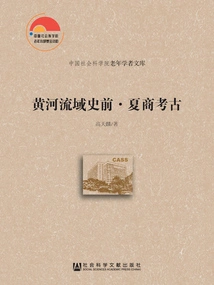
黄河流域史前·夏商考古
Gao Tianlin
This book mainly organizes chapters according to different periods, regions and cultural types, using methods such as stratigraphy and typology. Some papers also use the "double evidence method" to corroborate ancient documents and archaeological results. The archaeological excavation results in the Yellow River Basin include pottery, stone tools, bones, palaces, topography, etc., And are systematically sorted out and studied. The types, ages, stages, characteristics, etc. Of the respective cultures including Yangshao Culture, Longshan Culture, Pre-Shang Culture, etc. Are examined. The book includes 20 articles including "Discussion on the Yangshao Culture of Xiapan Wang in Cixian County", "A Preliminary Study of the Second Phase Culture of Miaodigou in Southern Shanxi", "The Second Phase Culture of Miaodigou and Related Issues".
This book mainly organizes chapters according to different periods, regions and cultural types, using methods such as stratigraphy and typology. Some papers also use the "double evidence method" to corroborate ancient documents and archaeological results. The archaeological excavation results in the Yellow River Basin include pottery, stone tools, bones, palaces, topography, etc., And are systematically sorted out and studied. The types, ages, stages, characteristics, etc. Of the respective cultures including Yangshao Culture, Longshan Culture, Pre-Shang Culture, etc. Are examined. The book includes 20 articles including "Discussion on the Yangshao Culture of Xiapan Wang in Cixian County", "A Preliminary Study of the Second Phase Culture of Miaodigou in Southern Shanxi", "The Second Phase Culture of Miaodigou and Related Issues".
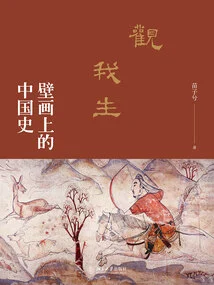
观我生:壁画上的中国史
Miao Zixi
This book uses representative tomb murals from the Han Dynasty to the Song Dynasty as an entry point to interpret the vivid history behind the images. This is a history drawn with lines and colors. All kinds of characters, including royal relatives, wealthy ladies, border officials, visitors from foreign lands, farmers and herdsmen, are all the protagonists of this history. From the fairyland of gods to the pastoral songs of the manor, from the feast of feasts to the outings of brightly dressed and angry horses, from the spring sowing and autumn harvests traveling from south to north, the daily life, life achievements, hopes and emotions of the tomb owner are expressed on the painting wall, and the fashion of the times, social changes and historical events are reflected in the painting.
This book uses representative tomb murals from the Han Dynasty to the Song Dynasty as an entry point to interpret the vivid history behind the images. This is a history drawn with lines and colors. All kinds of characters, including royal relatives, wealthy ladies, border officials, visitors from foreign lands, farmers and herdsmen, are all the protagonists of this history. From the fairyland of gods to the pastoral songs of the manor, from the feast of feasts to the outings of brightly dressed and angry horses, from the spring sowing and autumn harvests traveling from south to north, the daily life, life achievements, hopes and emotions of the tomb owner are expressed on the painting wall, and the fashion of the times, social changes and historical events are reflected in the painting.
大唐的颜色:唐三彩面面观
Zhao Yugong
Through research on museum collections and published materials, as well as archaeological reports and historical documents, the author of this book discusses the attributes of Tang Sancai from the aspects of function, excavated land, category, quantity, texture, traces of use, etc. At the same time, combined with ancient documents, he analyzes various issues of Tang Sancai during the Tang Dynasty. In addition, the author also puts forward his appreciation of Tang Sancai based on his own experience.
Through research on museum collections and published materials, as well as archaeological reports and historical documents, the author of this book discusses the attributes of Tang Sancai from the aspects of function, excavated land, category, quantity, texture, traces of use, etc. At the same time, combined with ancient documents, he analyzes various issues of Tang Sancai during the Tang Dynasty. In addition, the author also puts forward his appreciation of Tang Sancai based on his own experience.
《书经》之成立
Zhao Pei
This book discusses issues such as the text-level analysis of "Book" documents and the canonization process of "Book of Books". There are roughly four paths: first, based on close reading of the text and unearthed material evidence, carry out text-level analysis, and propose the concepts of "synchronic text" and "diachronic text", striving to reveal the composition and evolution process of "Book"-type documents; second, examine the diachronic changes in text form, and summarize the characters The role played by features such as traces, glyphs, and word usage in the process of text derivation and dissemination; third, from the perspective of interpretation and meaning, combing the canonization process of "Shu" documents from Wang Guanzhi to Zhuzi's study, and to the new Wang Guanxue in the Han Dynasty; fourth, on this basis, combined with the changes of later generations, grasp and analyze the general process of the establishment of Confucian classics represented by "Shu Jing" and its uniqueness.
This book discusses issues such as the text-level analysis of "Book" documents and the canonization process of "Book of Books". There are roughly four paths: first, based on close reading of the text and unearthed material evidence, carry out text-level analysis, and propose the concepts of "synchronic text" and "diachronic text", striving to reveal the composition and evolution process of "Book"-type documents; second, examine the diachronic changes in text form, and summarize the characters The role played by features such as traces, glyphs, and word usage in the process of text derivation and dissemination; third, from the perspective of interpretation and meaning, combing the canonization process of "Shu" documents from Wang Guanzhi to Zhuzi's study, and to the new Wang Guanxue in the Han Dynasty; fourth, on this basis, combined with the changes of later generations, grasp and analyze the general process of the establishment of Confucian classics represented by "Shu Jing" and its uniqueness.
What is Archeology
History考古学是什么
Chen Shengqian
This book tells the brief history, content, practice and application of archeology from four parts: how archeology came about, why archeology is possible, what archeology is doing, and archeology and you and me. It popularizes the subject of archeology to the public and reflects the basic theory and disciplinary value of archeology.
This book tells the brief history, content, practice and application of archeology from four parts: how archeology came about, why archeology is possible, what archeology is doing, and archeology and you and me. It popularizes the subject of archeology to the public and reflects the basic theory and disciplinary value of archeology.
甲骨丛编(第一集)
Dong Zuobin
This book is a complete photocopy of the original manuscript of "Oracle Bone Series (Volume 1)". The author Dong Zuobin intends to use the five-phase division method and ten standards in "Oracle Bone Inscriptions Dating Research Examples" to analyze all the oracle bone inscriptions materials seen at that time. In the textual research part, the text will be explained first, and then the research will be divided into special topics. During this period, there will be many pioneering studies on oracle bone inscriptions.
This book is a complete photocopy of the original manuscript of "Oracle Bone Series (Volume 1)". The author Dong Zuobin intends to use the five-phase division method and ten standards in "Oracle Bone Inscriptions Dating Research Examples" to analyze all the oracle bone inscriptions materials seen at that time. In the textual research part, the text will be explained first, and then the research will be divided into special topics. During this period, there will be many pioneering studies on oracle bone inscriptions.
观无量:壁画上的中国史
Miao Zixi
This book focuses on the murals in palaces, temples and caves. The author selected ten groups of murals from the sea of images to discover the historical information hidden in the images, restore the larger time and space scenes behind the murals, and the life stories of the people who lived in these scenes, and constructed a unique Chinese history.
This book focuses on the murals in palaces, temples and caves. The author selected ten groups of murals from the sea of images to discover the historical information hidden in the images, restore the larger time and space scenes behind the murals, and the life stories of the people who lived in these scenes, and constructed a unique Chinese history.
琴史与琴器
Wang Feng
This book is a collection of the results of the author's many years of in-depth study of Guqin. The history of qin focuses on the two most influential qin schools of the Song, Yuan and Ming dynasties, "Jiang Cao" and "Zhe Cao". Centered on the two most powerful qin clans, "Zhe Cao Xu Men" and "Jiang Cao Liu Men", the scattered materials are collected and detailed to restore the historical appearance to the greatest extent. This book contains articles about musical instruments, including Shennong's Qin from the Tang Dynasty, which was "The Great Sage's Sound" collected by Wang Shixiang, Zhongni Qin from the Yuan Dynasty and Zhu Zhiyuan's "Golden Sound and Jade Zhen" style, Feng Crop style Qin from the Ming Dynasty, "Jin Sheng" Qin from the Ming Dynasty's banana leaf style, the "Wanhe Songsheng" Qin from the Song Dynasty, an official Qin from the Song Dynasty discovered by the author, the very significant "Qiutao" Qin from the Southern Song Dynasty, and the Baini Qin from the Ming Dynasty's "Wencheng Sanqi" Qin. Mr. Zheng Minzhong also collected nine qins from the Tang, Song, Yuan and Ming dynasties, and wrote the original story of their inheritance. This book covers both the history of musical instruments and musical instruments, echoing each other and having profound academic value.
This book is a collection of the results of the author's many years of in-depth study of Guqin. The history of qin focuses on the two most influential qin schools of the Song, Yuan and Ming dynasties, "Jiang Cao" and "Zhe Cao". Centered on the two most powerful qin clans, "Zhe Cao Xu Men" and "Jiang Cao Liu Men", the scattered materials are collected and detailed to restore the historical appearance to the greatest extent. This book contains articles about musical instruments, including Shennong's Qin from the Tang Dynasty, which was "The Great Sage's Sound" collected by Wang Shixiang, Zhongni Qin from the Yuan Dynasty and Zhu Zhiyuan's "Golden Sound and Jade Zhen" style, Feng Crop style Qin from the Ming Dynasty, "Jin Sheng" Qin from the Ming Dynasty's banana leaf style, the "Wanhe Songsheng" Qin from the Song Dynasty, an official Qin from the Song Dynasty discovered by the author, the very significant "Qiutao" Qin from the Southern Song Dynasty, and the Baini Qin from the Ming Dynasty's "Wencheng Sanqi" Qin. Mr. Zheng Minzhong also collected nine qins from the Tang, Song, Yuan and Ming dynasties, and wrote the original story of their inheritance. This book covers both the history of musical instruments and musical instruments, echoing each other and having profound academic value.
Our "national Treasure
History我们的“国宝”
Compiled By Zhang Qiyuan
This book focuses on China's representative national treasures, presenting their unique charm in depth and comprehensively. From the spectacular military formation layout of the Terracotta Warriors and Horses in the Mausoleum of Qin Shihuang, to the unique biological characteristics, living habits and habitat of the cute giant panda... Through rich content and vivid descriptions, it shows the past and present life, scientific knowledge, cultural connotation and the importance of protection of these national treasures, leading readers to appreciate the extraordinary style of China's national treasures and enhance their awareness of the protection of cultural heritage and rare species.
This book focuses on China's representative national treasures, presenting their unique charm in depth and comprehensively. From the spectacular military formation layout of the Terracotta Warriors and Horses in the Mausoleum of Qin Shihuang, to the unique biological characteristics, living habits and habitat of the cute giant panda... Through rich content and vivid descriptions, it shows the past and present life, scientific knowledge, cultural connotation and the importance of protection of these national treasures, leading readers to appreciate the extraordinary style of China's national treasures and enhance their awareness of the protection of cultural heritage and rare species.
三星堆:失落的古蜀文明
Qu Xiaoqiang
This book explores the blood relationship between the ancient Shu civilization and the Yellow River civilization and the middle and lower reaches of the Yangtze River civilization dominated by the Central Plains civilization, thereby establishing the status of the ancient Shu civilization in the pluralistic unity of Chinese civilization. It also places the ancient Shu civilization under the perspective of global history, thereby observing the role of the ancient Shu civilization in advancing the history of human civilization. The ancient Shu civilization, represented by the Sanxingdui Civilization, is of the same origin as the Yellow River Civilization and the civilization of the middle and lower reaches of the Yangtze River, and they complement each other. Over the past four to five thousand years, they have weathered the wind and rain without changing their appearance.
This book explores the blood relationship between the ancient Shu civilization and the Yellow River civilization and the middle and lower reaches of the Yangtze River civilization dominated by the Central Plains civilization, thereby establishing the status of the ancient Shu civilization in the pluralistic unity of Chinese civilization. It also places the ancient Shu civilization under the perspective of global history, thereby observing the role of the ancient Shu civilization in advancing the history of human civilization. The ancient Shu civilization, represented by the Sanxingdui Civilization, is of the same origin as the Yellow River Civilization and the civilization of the middle and lower reaches of the Yangtze River, and they complement each other. Over the past four to five thousand years, they have weathered the wind and rain without changing their appearance.
“简”读中国:敦煌汉简里的丝绸之路
Ma Li
This book relies on the precious bamboo slips collected by the Gansu Bamboo Slips Museum and selects first-hand historical materials on the political economy, cultural exchanges, and ethnic relations along the Silk Road during the Han Dynasty. Through innovative excavation of the cultural heritage of bamboo slips, it vividly tells the thought-provoking and real historical events that happened on the Silk Road, and deeply explores the daily life details of ordinary Silk Road people that have not been recorded in official history books. It leads readers to relive the construction process of the Silk Road and gain a deeper understanding of the Chinese history and culture behind the slips.
This book relies on the precious bamboo slips collected by the Gansu Bamboo Slips Museum and selects first-hand historical materials on the political economy, cultural exchanges, and ethnic relations along the Silk Road during the Han Dynasty. Through innovative excavation of the cultural heritage of bamboo slips, it vividly tells the thought-provoking and real historical events that happened on the Silk Road, and deeply explores the daily life details of ordinary Silk Road people that have not been recorded in official history books. It leads readers to relive the construction process of the Silk Road and gain a deeper understanding of the Chinese history and culture behind the slips.
中国考古百问
Editor-in-chief Liu Wensuo
Archeology naturally has some legendary qualities, so what does real archeology look like? What kind of ancient China has archeology discovered? This is the question this book seeks to answer. This book is written by university teachers and scientific researchers who are active on the front line of archeology. It has a total of 100 topics, covering nine major fields including what archeology is, how to do archeology, ancient settlements and urban archeology, ancient tomb archeology, special archeology, grotto archeology, technology and civilization, ancient culture, silk, etc. It introduces the major discoveries made by Chinese archeology over the past century. Ask questions from a novel and ingenious perspective and elicit professional and rigorous archaeological knowledge. It introduces concepts, methods, techniques, important discoveries, important cultural relics, and important sites in a simple and easy-to-understand way, and sorts out the past and present of Chinese archeology, so that readers can have a clear and complete understanding of Chinese archeology, and have a deeper understanding and thinking about Chinese civilization.
Archeology naturally has some legendary qualities, so what does real archeology look like? What kind of ancient China has archeology discovered? This is the question this book seeks to answer. This book is written by university teachers and scientific researchers who are active on the front line of archeology. It has a total of 100 topics, covering nine major fields including what archeology is, how to do archeology, ancient settlements and urban archeology, ancient tomb archeology, special archeology, grotto archeology, technology and civilization, ancient culture, silk, etc. It introduces the major discoveries made by Chinese archeology over the past century. Ask questions from a novel and ingenious perspective and elicit professional and rigorous archaeological knowledge. It introduces concepts, methods, techniques, important discoveries, important cultural relics, and important sites in a simple and easy-to-understand way, and sorts out the past and present of Chinese archeology, so that readers can have a clear and complete understanding of Chinese archeology, and have a deeper understanding and thinking about Chinese civilization.
新出魏晋南北朝墓志疏证(修订本·精装)
Luo Xin Ye Wei
This book contains newly published epitaphs from the Wei, Jin, Southern and Northern Dynasties between the 1950s and 2003. The epitaphs date from the beginning of the Three Kingdoms to the end of the Yang and Sui Dynasties (220-618), totaling 231 square meters. The book is divided into five parts: the Wei, Jin, Sixteen Kingdoms, Southern Dynasties, Northern Wei, Eastern Wei and Northern Qi, Western Wei, Northern Zhou, and Sui. The epitaphs of each party include recordings and evidence, indicating the illustrations, recordings, and research overview. It also provides simple textual research and explanations of the historical events involved in the epitaphs. It is a model work for the collection and research of unearthed documents that integrates information and research.
This book contains newly published epitaphs from the Wei, Jin, Southern and Northern Dynasties between the 1950s and 2003. The epitaphs date from the beginning of the Three Kingdoms to the end of the Yang and Sui Dynasties (220-618), totaling 231 square meters. The book is divided into five parts: the Wei, Jin, Sixteen Kingdoms, Southern Dynasties, Northern Wei, Eastern Wei and Northern Qi, Western Wei, Northern Zhou, and Sui. The epitaphs of each party include recordings and evidence, indicating the illustrations, recordings, and research overview. It also provides simple textual research and explanations of the historical events involved in the epitaphs. It is a model work for the collection and research of unearthed documents that integrates information and research.
《清华大学藏战国竹简》研究与英译1:《逸周书》诸篇
(us) Translated By Xia Hanyi
In July 2008, Tsinghua University rescued a batch of bamboo slips from the Warring States Period from abroad and brought them to Tibet, which are called Tsinghua Slips in academic circles. The contents of Tsinghua Bamboo Bamboo Slips are mostly early classical and historical classics. In addition to the chapters that can be compared with ancient books handed down from ancient times such as "Book of Documents", many of them are unprecedented and lost chapters that have been lost for two thousand years. They are of great academic value for accurately understanding the original appearance of ancient pre-Qin books and reconstructing early Chinese history. The new knowledge brought by Tsinghua Slips and the updated understanding of traditional culture have attracted widespread attention from academia and all walks of life at home and abroad, and are of great significance to the inheritance, dissemination and innovative development of China's excellent traditional culture. The main content of this book is an introduction to the English translation and background knowledge of Tsinghua bamboo slips found in "Yi Zhou Shu" or similar genres ("Ming Xun", "Cheng Huan", "Huangmen", "Ji Gong", "Bao Xun", and "Fengxu Ming"). It also provides some insights into the text circulation of "Yi Zhou Shu". The main readers are overseas scholars engaged in early China studies and general readers who are interested in ancient Chinese civilization.
In July 2008, Tsinghua University rescued a batch of bamboo slips from the Warring States Period from abroad and brought them to Tibet, which are called Tsinghua Slips in academic circles. The contents of Tsinghua Bamboo Bamboo Slips are mostly early classical and historical classics. In addition to the chapters that can be compared with ancient books handed down from ancient times such as "Book of Documents", many of them are unprecedented and lost chapters that have been lost for two thousand years. They are of great academic value for accurately understanding the original appearance of ancient pre-Qin books and reconstructing early Chinese history. The new knowledge brought by Tsinghua Slips and the updated understanding of traditional culture have attracted widespread attention from academia and all walks of life at home and abroad, and are of great significance to the inheritance, dissemination and innovative development of China's excellent traditional culture. The main content of this book is an introduction to the English translation and background knowledge of Tsinghua bamboo slips found in "Yi Zhou Shu" or similar genres ("Ming Xun", "Cheng Huan", "Huangmen", "Ji Gong", "Bao Xun", and "Fengxu Ming"). It also provides some insights into the text circulation of "Yi Zhou Shu". The main readers are overseas scholars engaged in early China studies and general readers who are interested in ancient Chinese civilization.
名物研究十二题
Yangzhishui
Nominology is an interdisciplinary subject involving the history of social life, history of arts and crafts, cultural relics, archaeology and other disciplines. For more than 20 years, Yang Zhishui has carried forward nominology through his solid and rigorous research and diligent writings, injecting new connotations into this ancient knowledge. As the author said: "As archeology gradually matures, today we are fully qualified to make nominology a new research method and solve literary problems." , History, archeology and other fields. "This book covers ancient furniture, Song Dynasty vases, incense, tea, wine vessels, seasonal customs, etc., And describes and reveals the research content, methods and functions of the interdisciplinary subject of nomenclature in the form of special topics.
Nominology is an interdisciplinary subject involving the history of social life, history of arts and crafts, cultural relics, archaeology and other disciplines. For more than 20 years, Yang Zhishui has carried forward nominology through his solid and rigorous research and diligent writings, injecting new connotations into this ancient knowledge. As the author said: "As archeology gradually matures, today we are fully qualified to make nominology a new research method and solve literary problems." , History, archeology and other fields. "This book covers ancient furniture, Song Dynasty vases, incense, tea, wine vessels, seasonal customs, etc., And describes and reveals the research content, methods and functions of the interdisciplinary subject of nomenclature in the form of special topics.