Library
Browse and search books
204 novels found
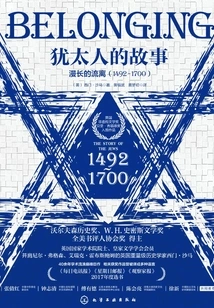
犹太人的故事:漫长的流离(1492—1700)
(uk) Simon Schama
British historian Simon Schama, through forty years of academic wandering and precipitation, archeology, textual research and research, has unfolded for us a large picture of Jewish history spanning multiple continents and centuries. This book is the second part of the "The Story of the Jews" series, which spans 1492 to 1700. It follows the previous work "The Story of the Jews: Searching for the Lost Characters (1000 BC to 1492 AD)" in terms of time period. From point to point, it narrates the sad history of Jewish displacement, difficult integration, and business activities in Europe and Asia for more than 200 years. In 70 AD, with the burning of the Second Temple by the Romans, the Jews entered the "Great Diaspora" period in history. Most of them dispersed as refugees to various parts of Europe, especially countries along the Mediterranean Sea. After losing their land and leaving their homeland, the Jews had to survive in the cracks of material and spiritual persecution. Generations of Jews on the long road of exile began to search for their geographical home and spiritual sustenance. Whether they were trekking on the road to escape or on the way to hawking, whether before being pushed to the stake or sitting on the banker's throne, they never forgot their original intention and the root of their homesickness - Zion, because that was the final destination of their entire bodies and minds. Putting himself in the shoes of an interlocutor, the author hopes to present to the general reader a post-medieval Jewish history, a comprehensive assessment of the common Jewish experience, because in our age of constant anxiety, the Jewish search for home resonates more than ever.
British historian Simon Schama, through forty years of academic wandering and precipitation, archeology, textual research and research, has unfolded for us a large picture of Jewish history spanning multiple continents and centuries. This book is the second part of the "The Story of the Jews" series, which spans 1492 to 1700. It follows the previous work "The Story of the Jews: Searching for the Lost Characters (1000 BC to 1492 AD)" in terms of time period. From point to point, it narrates the sad history of Jewish displacement, difficult integration, and business activities in Europe and Asia for more than 200 years. In 70 AD, with the burning of the Second Temple by the Romans, the Jews entered the "Great Diaspora" period in history. Most of them dispersed as refugees to various parts of Europe, especially countries along the Mediterranean Sea. After losing their land and leaving their homeland, the Jews had to survive in the cracks of material and spiritual persecution. Generations of Jews on the long road of exile began to search for their geographical home and spiritual sustenance. Whether they were trekking on the road to escape or on the way to hawking, whether before being pushed to the stake or sitting on the banker's throne, they never forgot their original intention and the root of their homesickness - Zion, because that was the final destination of their entire bodies and minds. Putting himself in the shoes of an interlocutor, the author hopes to present to the general reader a post-medieval Jewish history, a comprehensive assessment of the common Jewish experience, because in our age of constant anxiety, the Jewish search for home resonates more than ever.
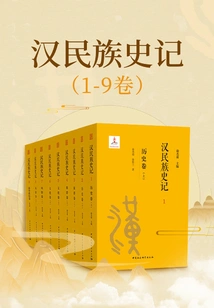
汉民族史记(1-9卷)
Editor-in-chief Xu Jieshun
This book is the first series of books in China to comprehensively record the development history of the Han nation. It inherits the historical tradition initiated by Sima Qian, uses traditional structural models, creatively breaks the framework of previous dynasties, and divides the history of the Han nation into six levels: development history, regional history, ethnic history, cultural history, custom history and overseas immigration history according to the laws of the nation's own development. The editor Xu Jieshun led experts and scholars such as Xu Guilan, Chen Huawen, Peng Qingshen, Wei Dongchao, Liu Bingqing, Luo Caijuan, Yang Jun, Wan Jianzhong, Luo Shujie, Chen Shunxuan, Zhou Yaoming, Wei Xiaopeng, Ding Suan and other experts and scholars to jointly complete the writing of this book, combining historical texts with actual investigations. From the first volume to the ninth volume, it is comprehensive and complete with rich and detailed information. It comprehensively, systematically and vividly demonstrates the continuous history of the Han nation in the world. For more than five thousand years, it has evolved from the formation of an original nation, the connotation of ethnic group, culture and customs development, and the phoenix nirvana and continuous rebirth, until it immigrated overseas and went to the world. With a highly cohesive and majestic national image, it stands in the forest of nations in the world.
This book is the first series of books in China to comprehensively record the development history of the Han nation. It inherits the historical tradition initiated by Sima Qian, uses traditional structural models, creatively breaks the framework of previous dynasties, and divides the history of the Han nation into six levels: development history, regional history, ethnic history, cultural history, custom history and overseas immigration history according to the laws of the nation's own development. The editor Xu Jieshun led experts and scholars such as Xu Guilan, Chen Huawen, Peng Qingshen, Wei Dongchao, Liu Bingqing, Luo Caijuan, Yang Jun, Wan Jianzhong, Luo Shujie, Chen Shunxuan, Zhou Yaoming, Wei Xiaopeng, Ding Suan and other experts and scholars to jointly complete the writing of this book, combining historical texts with actual investigations. From the first volume to the ninth volume, it is comprehensive and complete with rich and detailed information. It comprehensively, systematically and vividly demonstrates the continuous history of the Han nation in the world. For more than five thousand years, it has evolved from the formation of an original nation, the connotation of ethnic group, culture and customs development, and the phoenix nirvana and continuous rebirth, until it immigrated overseas and went to the world. With a highly cohesive and majestic national image, it stands in the forest of nations in the world.
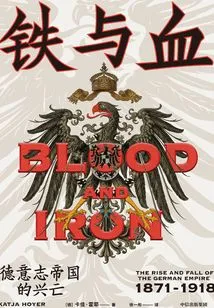
铁与血:德意志帝国的兴亡(1871—1918)
(germany) Katja Hoyer
The German Empire, born in 1871, only had a 48-year history, but it gave birth to modern Germany and made it one of the powerful countries in Europe and even the world. This changed the historical pattern of Europe and continues to this day. The German national soul cultivated in the war against Napoleon in the early 19th century took root and sprouted in the past half century. From the independent state of each state at the beginning of the founding of the country to the "all people defending Germany" when the "World War I" broke out, the national spirit left a deep imprint on the history and memory of the German people. The historical legacy of the German Empire does not end there. The rise of Germany, which seized the opportunity of the emerging industrial revolution and successfully achieved an economic leap, provided the modern world with a development example of a great power that was very different from the rise of other Western European countries through colonial expansion. Bismarck's flexible adjustment of the market mechanism and the construction of the welfare security system under the strategy of real politics also made the German Empire synonymous with economic prosperity, high national prestige, and strong military power. The glory and glory of the "Founding Era" have not faded for more than a hundred years. This book attempts to tell the short history of this iron-blooded empire from its founding in 1871 to its fall and disintegration after the First World War. It abandons stereotypes and re-examines the historical situation and mental journey of the empire's helmsmen - from the empire's founder, the "Iron-blooded Chancellor" Bismarck, to the "puppet emperor" Wilhelm II who led Germany on the road to destruction.
The German Empire, born in 1871, only had a 48-year history, but it gave birth to modern Germany and made it one of the powerful countries in Europe and even the world. This changed the historical pattern of Europe and continues to this day. The German national soul cultivated in the war against Napoleon in the early 19th century took root and sprouted in the past half century. From the independent state of each state at the beginning of the founding of the country to the "all people defending Germany" when the "World War I" broke out, the national spirit left a deep imprint on the history and memory of the German people. The historical legacy of the German Empire does not end there. The rise of Germany, which seized the opportunity of the emerging industrial revolution and successfully achieved an economic leap, provided the modern world with a development example of a great power that was very different from the rise of other Western European countries through colonial expansion. Bismarck's flexible adjustment of the market mechanism and the construction of the welfare security system under the strategy of real politics also made the German Empire synonymous with economic prosperity, high national prestige, and strong military power. The glory and glory of the "Founding Era" have not faded for more than a hundred years. This book attempts to tell the short history of this iron-blooded empire from its founding in 1871 to its fall and disintegration after the First World War. It abandons stereotypes and re-examines the historical situation and mental journey of the empire's helmsmen - from the empire's founder, the "Iron-blooded Chancellor" Bismarck, to the "puppet emperor" Wilhelm II who led Germany on the road to destruction.
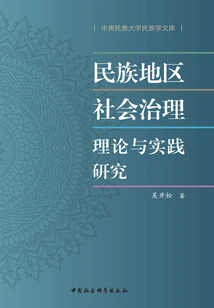
民族地区社会治理理论与实践研究
Wu Kaisong
Social governance in ethnic minority areas is an important part of the national governance system, and its governance theory and practical experience are in urgent need of systematic research. This book is divided into two parts: the theory of social governance in ethnic minority areas and the summary of practical experience. The current social governance theory in China is the Sinicization of Marxist theory, and Western social governance theory also has specific value and applicability. Social governance in ethnic minority areas must be based on the reality of diverse ethnic social values, and the rule of law should be the prerequisite for social governance in ethnic areas; at the same time, basic laws such as the Constitution and the Law on Regional Ethnic Autonomy must be comprehensively applied with local customary laws and village rules and regulations. In addition, in order to properly identify and manage social risks in ethnic minority areas and maintain long-term peace and stability in ethnic minority areas, it is necessary to build a set of social risk identification and governance mechanisms suitable for the stable development of ethnic minority areas.
Social governance in ethnic minority areas is an important part of the national governance system, and its governance theory and practical experience are in urgent need of systematic research. This book is divided into two parts: the theory of social governance in ethnic minority areas and the summary of practical experience. The current social governance theory in China is the Sinicization of Marxist theory, and Western social governance theory also has specific value and applicability. Social governance in ethnic minority areas must be based on the reality of diverse ethnic social values, and the rule of law should be the prerequisite for social governance in ethnic areas; at the same time, basic laws such as the Constitution and the Law on Regional Ethnic Autonomy must be comprehensively applied with local customary laws and village rules and regulations. In addition, in order to properly identify and manage social risks in ethnic minority areas and maintain long-term peace and stability in ethnic minority areas, it is necessary to build a set of social risk identification and governance mechanisms suitable for the stable development of ethnic minority areas.
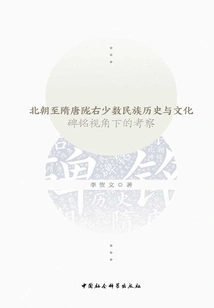
北朝至隋唐陇右少数民族历史与文化
Li Hewen
The book "History and Culture of Longyou Ethnic Minorities from Wei, Jin to Sui and Tang Dynasties" conducts research on the history and culture related to the ethnic minorities in Longyou from the Northern Dynasties to the Sui and Tang Dynasties from the perspective of inscriptions. The main contents include: the development and migration of ethnic minorities in Longyou during this period, the collection and arrangement of relevant inscriptions, the calligraphy analysis of the inscriptions, the analysis of the religious content contained in the inscriptions, the cultural meaning of the names of the characters in the inscriptions, etc. The author of this book works at the School of History and Culture of Tianshui Normal University. He pays close attention to local history. He has also conducted long-term field investigations and collected and compiled a large number of inscriptions and inscriptions. The publication of this book will provide some empirical materials on the history of the changes of ethnic minorities in the Longyou area from the Northern Dynasties to the Sui and Tang Dynasties.
The book "History and Culture of Longyou Ethnic Minorities from Wei, Jin to Sui and Tang Dynasties" conducts research on the history and culture related to the ethnic minorities in Longyou from the Northern Dynasties to the Sui and Tang Dynasties from the perspective of inscriptions. The main contents include: the development and migration of ethnic minorities in Longyou during this period, the collection and arrangement of relevant inscriptions, the calligraphy analysis of the inscriptions, the analysis of the religious content contained in the inscriptions, the cultural meaning of the names of the characters in the inscriptions, etc. The author of this book works at the School of History and Culture of Tianshui Normal University. He pays close attention to local history. He has also conducted long-term field investigations and collected and compiled a large number of inscriptions and inscriptions. The publication of this book will provide some empirical materials on the history of the changes of ethnic minorities in the Longyou area from the Northern Dynasties to the Sui and Tang Dynasties.
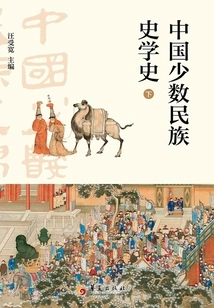
中国少数民族史学史(下册)
Editor-in-chief Wang Shoukuan
This is the first domestic monograph on the historiography of Chinese ethnic minorities. This is a topic proposed by Mr. Bai Shouyi in 1984. In 2005, it was listed as a major project of the Beijing Normal University Historiography Theory and Historiography Research Center as a key research base for the humanities and social sciences of the Ministry of Education. It was completed in 2016 and passed the review of the Ministry of Education. By carefully studying the historical cases of various ethnic minorities in ancient and modern times, this book comprehensively discusses the historical status of ethnic minorities in various periods and regions, and analyzes the content and characteristics of ethnic minority historiography, as well as its relationship with the history of the central dynasty and other ethnic groups.
This is the first domestic monograph on the historiography of Chinese ethnic minorities. This is a topic proposed by Mr. Bai Shouyi in 1984. In 2005, it was listed as a major project of the Beijing Normal University Historiography Theory and Historiography Research Center as a key research base for the humanities and social sciences of the Ministry of Education. It was completed in 2016 and passed the review of the Ministry of Education. By carefully studying the historical cases of various ethnic minorities in ancient and modern times, this book comprehensively discusses the historical status of ethnic minorities in various periods and regions, and analyzes the content and characteristics of ethnic minority historiography, as well as its relationship with the history of the central dynasty and other ethnic groups.
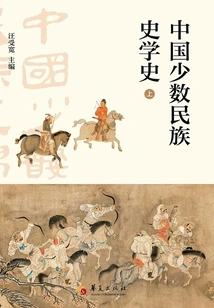
中国少数民族史学史(上册)
Editor-in-chief Wang Shoukuan
This is the first domestic monograph on the historiography of Chinese ethnic minorities. This is a topic proposed by Mr. Bai Shouyi in 1984. In 2005, it was listed as a major project of the Beijing Normal University Historiography Theory and Historiography Research Center as a key research base for the humanities and social sciences of the Ministry of Education. It was completed in 2016 and passed the review of the Ministry of Education. By carefully studying the historical cases of various ethnic minorities in ancient and modern times, this book comprehensively discusses the historical status of ethnic minorities in various periods and regions, and analyzes the content and characteristics of ethnic minority historiography, as well as its relationship with the history of the central dynasty and other ethnic groups.
This is the first domestic monograph on the historiography of Chinese ethnic minorities. This is a topic proposed by Mr. Bai Shouyi in 1984. In 2005, it was listed as a major project of the Beijing Normal University Historiography Theory and Historiography Research Center as a key research base for the humanities and social sciences of the Ministry of Education. It was completed in 2016 and passed the review of the Ministry of Education. By carefully studying the historical cases of various ethnic minorities in ancient and modern times, this book comprehensively discusses the historical status of ethnic minorities in various periods and regions, and analyzes the content and characteristics of ethnic minority historiography, as well as its relationship with the history of the central dynasty and other ethnic groups.
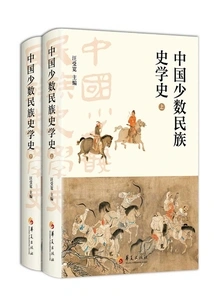
中国少数民族史学史(全二册)
Editor-in-chief Wang Shoukuan
This is the first domestic monograph on the historiography of Chinese ethnic minorities. This is a topic proposed by Mr. Bai Shouyi in 1984. In 2005, it was listed as a major project of the Beijing Normal University Historiography Theory and Historiography Research Center as a key research base for the humanities and social sciences of the Ministry of Education. It was completed in 2016 and passed the review of the Ministry of Education. By carefully studying the historical cases of various ethnic minorities in ancient and modern times, this book comprehensively discusses the historical status of ethnic minorities in various periods and regions, and analyzes the content and characteristics of ethnic minority historiography, as well as its relationship with the history of the central dynasty and other ethnic groups.
This is the first domestic monograph on the historiography of Chinese ethnic minorities. This is a topic proposed by Mr. Bai Shouyi in 1984. In 2005, it was listed as a major project of the Beijing Normal University Historiography Theory and Historiography Research Center as a key research base for the humanities and social sciences of the Ministry of Education. It was completed in 2016 and passed the review of the Ministry of Education. By carefully studying the historical cases of various ethnic minorities in ancient and modern times, this book comprehensively discusses the historical status of ethnic minorities in various periods and regions, and analyzes the content and characteristics of ethnic minority historiography, as well as its relationship with the history of the central dynasty and other ethnic groups.
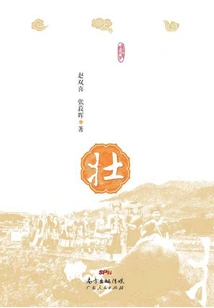
图说广东壮族
Zhao Shuangxi Zhu Shuhui
This book is one of the series "Illustrated Ethnic Religions of Guangdong". The Zhuang people are one of the five major ethnic minorities in Guangdong. The Zhuang people in Guangdong have lived in the southern part of Lianshan County in northern Guangdong for generations. Historically, the Zhuang people here were called "Dong people". Their humanities, customs, art and culture have unique aspects. This book strives to preserve history through pictures, and collects precious pictures of Guangdong's ethnic and religious aspects, which may have historical value, have practical significance, reflect events, or represent characters. Each picture is accompanied by a picture description written by experts so that readers can obtain a holographic image of Guangdong's ethnic religions. The whole book is about 200 pages.
This book is one of the series "Illustrated Ethnic Religions of Guangdong". The Zhuang people are one of the five major ethnic minorities in Guangdong. The Zhuang people in Guangdong have lived in the southern part of Lianshan County in northern Guangdong for generations. Historically, the Zhuang people here were called "Dong people". Their humanities, customs, art and culture have unique aspects. This book strives to preserve history through pictures, and collects precious pictures of Guangdong's ethnic and religious aspects, which may have historical value, have practical significance, reflect events, or represent characters. Each picture is accompanied by a picture description written by experts so that readers can obtain a holographic image of Guangdong's ethnic religions. The whole book is about 200 pages.
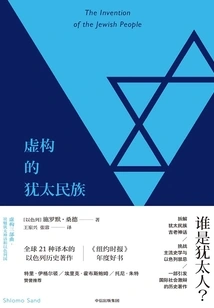
Fictional Jewish Nation
History虚构的犹太民族
(by) Schlomo Sander
Who are the Jews? Why does the Bible become a reliable historical record recording the origin of a nation? Are the Israelites direct descendants of the Jewish people? This book is a representative work of the famous Israeli historian Shlomer Sander that has triggered global heated discussion. It is also a critical national history. It dismantles the entire national memory structure of the Jews, boldly criticizes the widely accepted narrative and historical discourse, and uses modern democratic theory to clarify ancient myths. This book believes that the homelands of most Jews are spread across the Middle East and Eastern Europe. The reason why these scattered Jewish groups can form a Jewish nation and then become a Jewish state can only be because they use adapted history. The national identity of the Israelis has a strong exclusivity. This situation has not always existed, but was invented by historians, archaeologists and others in the second half of the 19th century. Whether it's understanding Israel's past, the current state of the Middle East, resolving disputes, or envisioning the future, this book offers new possibilities. One of the "bravest books of the year." -Terry Eagleton An outstanding book... Should be read by anyone who wants to understand the contemporary Middle East. -Tony Judt Books that combine emotion and scholarship may not change the political landscape, but if they could, this would be a landmark one. --Eric Hobsbawm
Who are the Jews? Why does the Bible become a reliable historical record recording the origin of a nation? Are the Israelites direct descendants of the Jewish people? This book is a representative work of the famous Israeli historian Shlomer Sander that has triggered global heated discussion. It is also a critical national history. It dismantles the entire national memory structure of the Jews, boldly criticizes the widely accepted narrative and historical discourse, and uses modern democratic theory to clarify ancient myths. This book believes that the homelands of most Jews are spread across the Middle East and Eastern Europe. The reason why these scattered Jewish groups can form a Jewish nation and then become a Jewish state can only be because they use adapted history. The national identity of the Israelis has a strong exclusivity. This situation has not always existed, but was invented by historians, archaeologists and others in the second half of the 19th century. Whether it's understanding Israel's past, the current state of the Middle East, resolving disputes, or envisioning the future, this book offers new possibilities. One of the "bravest books of the year." -Terry Eagleton An outstanding book... Should be read by anyone who wants to understand the contemporary Middle East. -Tony Judt Books that combine emotion and scholarship may not change the political landscape, but if they could, this would be a landmark one. --Eric Hobsbawm
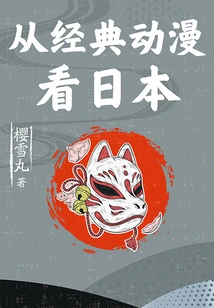
从经典动漫看日本
Sakura Snowmaru
Sakura Yukimaru's masterpiece of popular Japanese history! Take ten classic Japanese anime as an entry point to learn about Japanese history and the popular history of Japanese society through anime! The book selects ten well-known Japanese animations that the author may be familiar with and are popular in mainland China, including "Naruto", "Koga Ninja", "Yu Yu Hakusho", "Ghost", "Smart Ikkyu", "Gintama", "Rurouni Kenshin", "KERORO", "Detective Conan" and "Doraemon". Based on the familiar comic text, the author extends the explanation of Japanese history involved in the comic plot.
Sakura Yukimaru's masterpiece of popular Japanese history! Take ten classic Japanese anime as an entry point to learn about Japanese history and the popular history of Japanese society through anime! The book selects ten well-known Japanese animations that the author may be familiar with and are popular in mainland China, including "Naruto", "Koga Ninja", "Yu Yu Hakusho", "Ghost", "Smart Ikkyu", "Gintama", "Rurouni Kenshin", "KERORO", "Detective Conan" and "Doraemon". Based on the familiar comic text, the author extends the explanation of Japanese history involved in the comic plot.
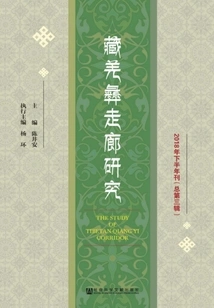
藏羌彝走廊研究(2018年下半年刊\u002F总第3辑)
Yang Huan Chen Jingan
The Tibetan-Qiang-Yi Corridor is the core area for ecological barrier construction in the upper reaches of the Yellow River and Yangtze River in my country, a difficult area for simultaneously building a moderately prosperous society in all respects, the main battlefield for poverty alleviation, and an important area for the country to implement the "Belt and Road" initiative and the construction of the "Yangtze River Economic Belt". It has an important strategic position in geopolitics, ecological security, national defense security, international influence, and social stability. Based on the construction of the Tibetan-Qiang-Yi Corridor, this journal conducts research on hot and difficult issues in the region from the economic, political, social, cultural, and ecological fields, in order to promote excellent traditional culture, promote the construction of the shared spiritual home of the Chinese nation, and provide intellectual support for maintaining human ecological diversity and cultural diversity.
The Tibetan-Qiang-Yi Corridor is the core area for ecological barrier construction in the upper reaches of the Yellow River and Yangtze River in my country, a difficult area for simultaneously building a moderately prosperous society in all respects, the main battlefield for poverty alleviation, and an important area for the country to implement the "Belt and Road" initiative and the construction of the "Yangtze River Economic Belt". It has an important strategic position in geopolitics, ecological security, national defense security, international influence, and social stability. Based on the construction of the Tibetan-Qiang-Yi Corridor, this journal conducts research on hot and difficult issues in the region from the economic, political, social, cultural, and ecological fields, in order to promote excellent traditional culture, promote the construction of the shared spiritual home of the Chinese nation, and provide intellectual support for maintaining human ecological diversity and cultural diversity.
土家族口述史料征编研究
Peng Yan
Guided by the construction of unique library resources and the collection and compilation of endangered ethnic oral historical materials as the starting point, this book comprehensively and systematically explores and discusses the collection, compilation, protection and development and utilization of Tujia ethnic minority oral historical materials. It attempts to provide theoretical and practical basis for the collection and compilation of oral historical materials of other ethnic groups, and provide detailed oral historical materials for all sectors of society to conduct multi-dimensional research on the Tujia people. The book is divided into chapters such as research on Tujia history and culture, oral historical materials and Tujia oral historical materials, collection of Tujia endangered oral historical materials, compilation of Tujia endangered oral historical materials, digital protection of Tujia endangered oral historical materials, and development and utilization of Tujia endangered oral historical materials.
Guided by the construction of unique library resources and the collection and compilation of endangered ethnic oral historical materials as the starting point, this book comprehensively and systematically explores and discusses the collection, compilation, protection and development and utilization of Tujia ethnic minority oral historical materials. It attempts to provide theoretical and practical basis for the collection and compilation of oral historical materials of other ethnic groups, and provide detailed oral historical materials for all sectors of society to conduct multi-dimensional research on the Tujia people. The book is divided into chapters such as research on Tujia history and culture, oral historical materials and Tujia oral historical materials, collection of Tujia endangered oral historical materials, compilation of Tujia endangered oral historical materials, digital protection of Tujia endangered oral historical materials, and development and utilization of Tujia endangered oral historical materials.
云南“直过民族”聚居乡域发展研究:以耿马自治县四排山佤族乡为例
Zi Wenjun
This book is an academic monograph. "Straight-over ethnic groups" specifically refer to ethnic minorities who directly transitioned from primitive society or slave society to socialist society. The manuscript takes the development of the Wa people as the "Zhiguo ethnic group" in Yunnan as the main line of research, and selects the rural areas where the Wa people live in Sipaishan as a point to analyze the problem. Through SWOT analysis, it puts forward suggestions and countermeasures to promote the development of the rural areas where the "Zhiguo ethnic group" live. The book has two parts. The first one explains the concise history, folk customs, etc. Of the Wa people; the second one mainly describes the current development status of the Wa people in China and the development of the Sipaishan Wa settlement township as a selected site. It also puts forward development strategies and suggestions based on the development opportunities in reality.
This book is an academic monograph. "Straight-over ethnic groups" specifically refer to ethnic minorities who directly transitioned from primitive society or slave society to socialist society. The manuscript takes the development of the Wa people as the "Zhiguo ethnic group" in Yunnan as the main line of research, and selects the rural areas where the Wa people live in Sipaishan as a point to analyze the problem. Through SWOT analysis, it puts forward suggestions and countermeasures to promote the development of the rural areas where the "Zhiguo ethnic group" live. The book has two parts. The first one explains the concise history, folk customs, etc. Of the Wa people; the second one mainly describes the current development status of the Wa people in China and the development of the Sipaishan Wa settlement township as a selected site. It also puts forward development strategies and suggestions based on the development opportunities in reality.
纳木依藏族文化初探
Gu Tao Wang Dehe
The contents of this book include the geographical environment and population distribution of the Namgyi Tibetan people, the origin, migration and evolution of the ethnic group, language, production, life and residences, food culture, clothing culture, wedding customs, funeral customs, festival etiquette of Namgyi Tibetans, religious beliefs of the Namgyi Tibetan people, folk taboos and folk stories of the Namgyi Tibetan people.
The contents of this book include the geographical environment and population distribution of the Namgyi Tibetan people, the origin, migration and evolution of the ethnic group, language, production, life and residences, food culture, clothing culture, wedding customs, funeral customs, festival etiquette of Namgyi Tibetans, religious beliefs of the Namgyi Tibetan people, folk taboos and folk stories of the Namgyi Tibetan people.
文化与旅游:东巴文化的旅游展演及活态保护
Guang Yingjiong
This book takes Lijiang and Shangri-La in Yunnan and Oya and Dazu in Sichuan as important case points. It conducts a large number of field surveys and data collection on the current situation of tourism development and cultural protection of Dongba culture, and combines the description of folk cultural life to present and analyze the case points, showing a "culture and tourism" tourism anthropology analysis perspective; at the same time, At the same time, it conducted an in-depth analysis of the connotation, essence, type and social and cultural effects of tourism performances, and constructed a living protection mechanism of culture based on exploring the interactive relationship between tourism performances and living protection. It not only enriched the database of research on Naxi and Dongba culture, but also provided thoughts on the protection and inheritance of culture, and was also of great value to the cross-integration research of tourism anthropology and tourism management.
This book takes Lijiang and Shangri-La in Yunnan and Oya and Dazu in Sichuan as important case points. It conducts a large number of field surveys and data collection on the current situation of tourism development and cultural protection of Dongba culture, and combines the description of folk cultural life to present and analyze the case points, showing a "culture and tourism" tourism anthropology analysis perspective; at the same time, At the same time, it conducted an in-depth analysis of the connotation, essence, type and social and cultural effects of tourism performances, and constructed a living protection mechanism of culture based on exploring the interactive relationship between tourism performances and living protection. It not only enriched the database of research on Naxi and Dongba culture, but also provided thoughts on the protection and inheritance of culture, and was also of great value to the cross-integration research of tourism anthropology and tourism management.
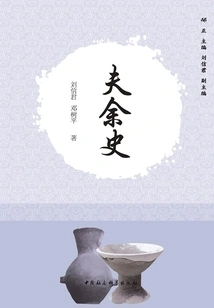
Fu Yushi
History夫余史
Liu Xinjun Deng Shuping
Fuyu State is an early ethnic minority local government established in Northeast China. This book uses a large number of documentary materials, supplemented by field archaeological surveys and archaeological excavation materials, to discuss the origins, clan affiliations, establishment of royal power, relations with neighboring countries and Central Plains dynasties of the Fuyu Kingdom, and narrates the politics, military, economy, culture, characters and demise of the Fuyu Kingdom. The title, name, founding time, activity area, location of the royal city, archaeological culture and other issues of Fuyu Kingdom were researched and some new insights were put forward. This is a brand-new history of Fuyu written in the style of the Twenty-Four Histories, and has important historical and academic value.
Fuyu State is an early ethnic minority local government established in Northeast China. This book uses a large number of documentary materials, supplemented by field archaeological surveys and archaeological excavation materials, to discuss the origins, clan affiliations, establishment of royal power, relations with neighboring countries and Central Plains dynasties of the Fuyu Kingdom, and narrates the politics, military, economy, culture, characters and demise of the Fuyu Kingdom. The title, name, founding time, activity area, location of the royal city, archaeological culture and other issues of Fuyu Kingdom were researched and some new insights were put forward. This is a brand-new history of Fuyu written in the style of the Twenty-Four Histories, and has important historical and academic value.
文艺复兴时期西欧民族历史写作
Xu Bo
The writing of national history in Western Europe can be traced back to the ancient Roman period. In the Middle Ages and early modern Europe, historians told the stories of various ethnic groups and clearly expressed the concept of national political and cultural unity. By the Renaissance, humanist historians from various countries accepted the theme of the nation-state. This book systematically explains the entire process of the development of national history writing in Western Europe during the Renaissance, and conducts comparative research on the contributions of various regions and countries to national history writing, as well as the development paths of their respective national historiographies. We believe that this not only enables us to have an in-depth understanding of the process of Western European historiography moving into modern times, but also enables us to explore the impact of the new factor "nation" on historical scholarship in the early modern period and reveal the interactive relationship between politics and academia.
The writing of national history in Western Europe can be traced back to the ancient Roman period. In the Middle Ages and early modern Europe, historians told the stories of various ethnic groups and clearly expressed the concept of national political and cultural unity. By the Renaissance, humanist historians from various countries accepted the theme of the nation-state. This book systematically explains the entire process of the development of national history writing in Western Europe during the Renaissance, and conducts comparative research on the contributions of various regions and countries to national history writing, as well as the development paths of their respective national historiographies. We believe that this not only enables us to have an in-depth understanding of the process of Western European historiography moving into modern times, but also enables us to explore the impact of the new factor "nation" on historical scholarship in the early modern period and reveal the interactive relationship between politics and academia.
Wei's Korean History
History卫氏朝鲜史
Miao Wei
In the early years of the Western Han Dynasty, King Lu Wan of Yan rebelled. During the rebellion, Wei Man of the Yan people led his troops eastward, crossed the Great Wall, and came to the northwest of the Korean Peninsula on the southern bank of Qingchuan and Han Dynasties. He persuaded the (Ji family) Korea to live to the west. In 195 BC, the rule of the Ji family ended, and Korea entered the period of "Wei family" rule. Wei's North Korea was the "foreign minister" of the Western Han Dynasty and shouldered the obligation to vassal the Han Dynasty. In the past 90 years, North Korea relied on the support of the Han Dynasty to overwhelm the surrounding small countries such as Zhenfan and Lintun. At the same time, it led the peninsula's economy and culture and made great progress. However, due to the failure to fulfill the agreement with the foreign ministers, Emperor Wu of the Han Dynasty sent out land and sea armies to destroy Wei's Korea in 108 BC. He established four counties in his hometown, namely Lelang, Zhenfan, Lintun and Xuantu, thus starting the era of counties on the Korean peninsula.
In the early years of the Western Han Dynasty, King Lu Wan of Yan rebelled. During the rebellion, Wei Man of the Yan people led his troops eastward, crossed the Great Wall, and came to the northwest of the Korean Peninsula on the southern bank of Qingchuan and Han Dynasties. He persuaded the (Ji family) Korea to live to the west. In 195 BC, the rule of the Ji family ended, and Korea entered the period of "Wei family" rule. Wei's North Korea was the "foreign minister" of the Western Han Dynasty and shouldered the obligation to vassal the Han Dynasty. In the past 90 years, North Korea relied on the support of the Han Dynasty to overwhelm the surrounding small countries such as Zhenfan and Lintun. At the same time, it led the peninsula's economy and culture and made great progress. However, due to the failure to fulfill the agreement with the foreign ministers, Emperor Wu of the Han Dynasty sent out land and sea armies to destroy Wei's Korea in 108 BC. He established four counties in his hometown, namely Lelang, Zhenfan, Lintun and Xuantu, thus starting the era of counties on the Korean peninsula.
Jishi's Korean History
History箕氏朝鲜史
Miao Wei
Jizi is one of the "three benevolences" of the Yin Dynasty praised by Confucius. In the early years of the Western Zhou Dynasty, Jizi left the Central Plains and moved east to the Korean Peninsula. King Wu of Zhou made him a Marquis of Korea and implemented the "Eight Principles of Teaching" in the local area. The Ji family has been operating in the Korean Peninsula for more than 800 years and is a princely state of Zhou Dynasty. At the end of the 4th century BC, the Zongzhou rites collapsed, and the Marquis of Yan and others pretended to be kings, and the Marquis of Joseon subsequently called himself the King of Joseon. After the establishment of the Qin Dynasty, the Ji family belonged to Qin, and at the same time had contacts with surrounding forces such as Qi, Yan, and Donghu. In 195 BC, Wei Man of the Yan people replaced the Ji family and became the king of Korea, and Korea entered the era of "Wei family" rule. Jishi Korea played an important role in promoting the civilization, rituals, music, economic development and other historical processes of the Korean Peninsula.
Jizi is one of the "three benevolences" of the Yin Dynasty praised by Confucius. In the early years of the Western Zhou Dynasty, Jizi left the Central Plains and moved east to the Korean Peninsula. King Wu of Zhou made him a Marquis of Korea and implemented the "Eight Principles of Teaching" in the local area. The Ji family has been operating in the Korean Peninsula for more than 800 years and is a princely state of Zhou Dynasty. At the end of the 4th century BC, the Zongzhou rites collapsed, and the Marquis of Yan and others pretended to be kings, and the Marquis of Joseon subsequently called himself the King of Joseon. After the establishment of the Qin Dynasty, the Ji family belonged to Qin, and at the same time had contacts with surrounding forces such as Qi, Yan, and Donghu. In 195 BC, Wei Man of the Yan people replaced the Ji family and became the king of Korea, and Korea entered the era of "Wei family" rule. Jishi Korea played an important role in promoting the civilization, rituals, music, economic development and other historical processes of the Korean Peninsula.
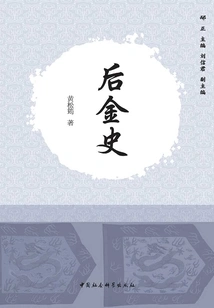
后金史
Huang Songyun
This book is one of the sub-topics of the first batch of major commissioned projects of the National Social Science Fund in 2010, "History of Ancient Northeastern Countries." The Hou Jin Dynasty was the last local political power in the history of Northeast China. It was founded by the Jurchen-Manchuria. It had distinctive national characteristics, complete systems, and reached a high level of development. Based on the research results of previous generations, this book adopts the writing style of general history, classics, biographies, examination of differences, charts, and chronology of major events. It comprehensively and systematically expounds the history of the founding period of the Qing Dynasty for a total of 61 years from Nurhachi's founding of the army in 1583 to the entry of Qing troops in 1644. The book strives to have comprehensive historical materials, clear viewpoints, gather the strengths of various scholars, explain profound things in simple terms, be full of new ideas, and truly and accurately reflect the historical features of Hou Jin Dynasty.
This book is one of the sub-topics of the first batch of major commissioned projects of the National Social Science Fund in 2010, "History of Ancient Northeastern Countries." The Hou Jin Dynasty was the last local political power in the history of Northeast China. It was founded by the Jurchen-Manchuria. It had distinctive national characteristics, complete systems, and reached a high level of development. Based on the research results of previous generations, this book adopts the writing style of general history, classics, biographies, examination of differences, charts, and chronology of major events. It comprehensively and systematically expounds the history of the founding period of the Qing Dynasty for a total of 61 years from Nurhachi's founding of the army in 1583 to the entry of Qing troops in 1644. The book strives to have comprehensive historical materials, clear viewpoints, gather the strengths of various scholars, explain profound things in simple terms, be full of new ideas, and truly and accurately reflect the historical features of Hou Jin Dynasty.
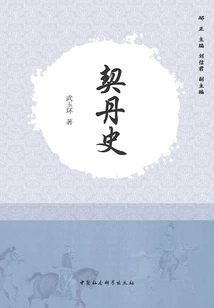
History of Khitan
History契丹史
Wu Yuhuan
"History of the Khitan" is a historical monograph with a unique perspective that comprehensively and comprehensively discusses the rise, growth, growth, and decline of the Khitan nation. This book is divided into seven volumes: general history, classics, biography, examination of differences, charts, chronology of major events, and bibliography of major documents. Based on domestic and foreign research results, this book extensively absorbs historical documents and the latest research results of archaeological excavations in recent years, as well as the author's published research results. It is a summary and summary of the author's teaching and scientific research results over the years. China has been a multi-ethnic country since ancient times. The Khitan Dynasty was a local ethnic government established mainly by the Khitan minority in the north. This book starts from the point of being a unified multi-ethnic country and explores the historical laws and characteristics of the development of the Khitan Dynasty in order to reflect the pluralistic and unified era characteristics of this historical period.
"History of the Khitan" is a historical monograph with a unique perspective that comprehensively and comprehensively discusses the rise, growth, growth, and decline of the Khitan nation. This book is divided into seven volumes: general history, classics, biography, examination of differences, charts, chronology of major events, and bibliography of major documents. Based on domestic and foreign research results, this book extensively absorbs historical documents and the latest research results of archaeological excavations in recent years, as well as the author's published research results. It is a summary and summary of the author's teaching and scientific research results over the years. China has been a multi-ethnic country since ancient times. The Khitan Dynasty was a local ethnic government established mainly by the Khitan minority in the north. This book starts from the point of being a unified multi-ethnic country and explores the historical laws and characteristics of the development of the Khitan Dynasty in order to reflect the pluralistic and unified era characteristics of this historical period.
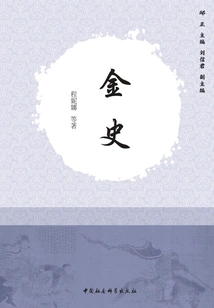
Jinshi
History金史
Cheng Nina Et Al.
In the middle of the 11th century, the Jurchens among the white mountains and black waters began to flourish. In 1115, they established the Jin Kingdom. In just over ten years, they successively destroyed the Liao Dynasty and the Song Dynasty, becoming a powerful northern dynasty. The nearly forty years since the capital of the Kingdom of Jin was located in the Northeast was a period of unprecedented development in the Northeast. The centralized state completed the transformation from the Jurchen old system to the Central Plains-style three provinces and six ministries system, and the local governments basically completed the transformation from the administrative system to the administrative control system, forming a dual governance system with Fuzhou and County and Meng'an Moke system in parallel. The area of cultivated land, agriculture and handicraft technology have reached the best level in history, Confucian culture has been widely spread, the Central Plains culture is the main body at the national level, the grassroots society shows the characteristics of the blending of multi-ethnic cultures, and the "integration" relationship between Northeast China and the Central Plains in all aspects is becoming increasingly closer.
In the middle of the 11th century, the Jurchens among the white mountains and black waters began to flourish. In 1115, they established the Jin Kingdom. In just over ten years, they successively destroyed the Liao Dynasty and the Song Dynasty, becoming a powerful northern dynasty. The nearly forty years since the capital of the Kingdom of Jin was located in the Northeast was a period of unprecedented development in the Northeast. The centralized state completed the transformation from the Jurchen old system to the Central Plains-style three provinces and six ministries system, and the local governments basically completed the transformation from the administrative system to the administrative control system, forming a dual governance system with Fuzhou and County and Meng'an Moke system in parallel. The area of cultivated land, agriculture and handicraft technology have reached the best level in history, Confucian culture has been widely spread, the Central Plains culture is the main body at the national level, the grassroots society shows the characteristics of the blending of multi-ethnic cultures, and the "integration" relationship between Northeast China and the Central Plains in all aspects is becoming increasingly closer.
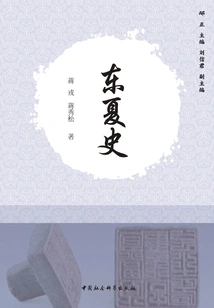
History of Eastern Xia
History东夏史
Jiang Rong Jiang Xiusong
The book "History of Eastern Xia" is based on previous research, combined with recent research results and archaeological data, and elaborates on the political, military, economic, cultural, diplomatic, ethnic and other aspects of the Eastern Xia regime in the northeastern region at the end of the Jin Dynasty and the beginning of the Yuan Dynasty through rigorous analysis and argumentation. It interprets the background, development process, social form, cultural inheritance, and influence of the times of the Eastern Xia regime. This paper examines controversial issues such as the time when the Eastern Xia regime was established, the period of its existence, the reign name used, and its relationship with Mongolia and surrounding regimes. It also puts forward its own opinions and conducts a more comprehensive study of the Eastern Xia regime from multiple levels.
The book "History of Eastern Xia" is based on previous research, combined with recent research results and archaeological data, and elaborates on the political, military, economic, cultural, diplomatic, ethnic and other aspects of the Eastern Xia regime in the northeastern region at the end of the Jin Dynasty and the beginning of the Yuan Dynasty through rigorous analysis and argumentation. It interprets the background, development process, social form, cultural inheritance, and influence of the times of the Eastern Xia regime. This paper examines controversial issues such as the time when the Eastern Xia regime was established, the period of its existence, the reign name used, and its relationship with Mongolia and surrounding regimes. It also puts forward its own opinions and conducts a more comprehensive study of the Eastern Xia regime from multiple levels.
A Comparative Study on the Culture of the Zhuang Nong Dai Tai Ethnic Group in China and Vietnam
History中越壮侬岱泰族群文化比较研究
Lu Yusheng
This book explores the historical roots of the Zhuang Nong Dai Tai ethnic groups in China and Vietnam from multiple perspectives such as history, anthropology, archaeology, etc., And shows the origins of the Zhuang Nong Dai Tai ethnic groups. At the same time, through the comparative study of Chinese and Vietnamese cultures, we can further discover the similarities and differences between the traditional culture and modern culture of the Zhuang Nong Tai Tai ethnic group in foreign and foreign cultural environments, reveal the basic laws of cultural change from the similarities and differences of foreign and foreign cultures, and enrich new materials and content for anthropology, cultural studies, ethnology and other fields.
This book explores the historical roots of the Zhuang Nong Dai Tai ethnic groups in China and Vietnam from multiple perspectives such as history, anthropology, archaeology, etc., And shows the origins of the Zhuang Nong Dai Tai ethnic groups. At the same time, through the comparative study of Chinese and Vietnamese cultures, we can further discover the similarities and differences between the traditional culture and modern culture of the Zhuang Nong Tai Tai ethnic group in foreign and foreign cultural environments, reveal the basic laws of cultural change from the similarities and differences of foreign and foreign cultures, and enrich new materials and content for anthropology, cultural studies, ethnology and other fields.
中国社科院图书馆民族学分馆馆藏西文涉藏书目提要
Wei Zhong
The "Summary of the Spanish-language Books Collection of the Ethnology Branch Library of the Chinese Academy of Social Sciences" mainly catalogs the Spanish-language books (including English, French, German, Italian, Hungarian, Romano and other languages) in the collection of the Institute of Ethnology Library that relate to Tibet and the Tibetan people, and writes a summary of the content for the convenience of researchers. These books span from 1756 to 2007, through the Qing Dynasty, the Republic of China, the peaceful liberation of Tibet, and the counterinsurgency to the present day. They involve nearly a thousand volumes of books and a total of 763 entries. It can be said that a relatively thorough cleanup of the Tibetan-related documents in Spanish collected by ethnic groups over the years has been carried out. This book is rich in content and can be said to be an encyclopedia for understanding the relationship between the West and Tibet.
The "Summary of the Spanish-language Books Collection of the Ethnology Branch Library of the Chinese Academy of Social Sciences" mainly catalogs the Spanish-language books (including English, French, German, Italian, Hungarian, Romano and other languages) in the collection of the Institute of Ethnology Library that relate to Tibet and the Tibetan people, and writes a summary of the content for the convenience of researchers. These books span from 1756 to 2007, through the Qing Dynasty, the Republic of China, the peaceful liberation of Tibet, and the counterinsurgency to the present day. They involve nearly a thousand volumes of books and a total of 763 entries. It can be said that a relatively thorough cleanup of the Tibetan-related documents in Spanish collected by ethnic groups over the years has been carried out. This book is rich in content and can be said to be an encyclopedia for understanding the relationship between the West and Tibet.
黎族习惯法:从自治秩序到统一法律秩序
Ye Yingping
The Li people have no written language of their own, and there is a lack of systematic research and written records on the legal history of the Li people, and little academic attention. The author of this book has conducted in-depth investigations in areas where the Li people live for a long period of time, collected a large amount of first-hand information, and conducted careful and systematic analysis and research on it. This book takes legal order as the main line and analyzes the order value of the Li customary law from the perspective of its historical evolution, content and operation. It also discusses the historical stages of the Li customary law and the characteristics of the Li customary law such as collectivism, equality and mutual assistance, honesty and trustworthiness, and duty-bound conduct. The summary of the evolution and regularity of the Li legal system is of great theoretical value and has practical significance for maintaining the harmony and unity of the Chinese nation. In short, from the perspective of research on the legal history of China's ethnic minorities, this work has the characteristics of new materials, new content, new structure and new perspectives. It is a very valuable research work on the legal history of the Li ethnic group.
The Li people have no written language of their own, and there is a lack of systematic research and written records on the legal history of the Li people, and little academic attention. The author of this book has conducted in-depth investigations in areas where the Li people live for a long period of time, collected a large amount of first-hand information, and conducted careful and systematic analysis and research on it. This book takes legal order as the main line and analyzes the order value of the Li customary law from the perspective of its historical evolution, content and operation. It also discusses the historical stages of the Li customary law and the characteristics of the Li customary law such as collectivism, equality and mutual assistance, honesty and trustworthiness, and duty-bound conduct. The summary of the evolution and regularity of the Li legal system is of great theoretical value and has practical significance for maintaining the harmony and unity of the Chinese nation. In short, from the perspective of research on the legal history of China's ethnic minorities, this work has the characteristics of new materials, new content, new structure and new perspectives. It is a very valuable research work on the legal history of the Li ethnic group.
漂泊的精英:社会史视角下的清末民国内蒙古社会与蒙古族精英
Chang Bao
This book is a social historical study of the social changes and the flow of local Mongolian elites in Inner Mongolia in modern times. The late Qing Dynasty and the Republic of China, more specifically, the second half of the 19th century to the first half of the 20th century, was a crucial period of Chinese history and was particularly valuable for research. This was not only based on the development of the international political and economic environment and trends at that time, but more importantly, the rapid social structural changes not only made the Qing Empire face destruction, but also made the national power and local power of the Republic of China face major choices. The introduction of the concept of "nation" and the beginning of the formation of "nationalism" and "nation-state" have "constructed the nation as the subject of history" (Duara, 2003), changing the previous traditional state construction model, the relationship between the state and local areas, and the ethnic identity and national identity of local elites. A whole set of related discourses and vocabulary such as tradition, feudalism, nationalism, reform, and revolution have emerged.
This book is a social historical study of the social changes and the flow of local Mongolian elites in Inner Mongolia in modern times. The late Qing Dynasty and the Republic of China, more specifically, the second half of the 19th century to the first half of the 20th century, was a crucial period of Chinese history and was particularly valuable for research. This was not only based on the development of the international political and economic environment and trends at that time, but more importantly, the rapid social structural changes not only made the Qing Empire face destruction, but also made the national power and local power of the Republic of China face major choices. The introduction of the concept of "nation" and the beginning of the formation of "nationalism" and "nation-state" have "constructed the nation as the subject of history" (Duara, 2003), changing the previous traditional state construction model, the relationship between the state and local areas, and the ethnic identity and national identity of local elites. A whole set of related discourses and vocabulary such as tradition, feudalism, nationalism, reform, and revolution have emerged.
《大南实录》中国西南边疆相关史料辑
Wang Baizhong
"Da Nam Records" has the largest volume among the Chinese documents handed down in Vietnam. It is the most important historical material for studying the "Zhongxing" of the Le Dynasty in Vietnam, the relationship between the Nguyen Lords, Zheng Lords and the Nguyen clan regimes in Xishan, and the establishment and hereditary rule of the Nguyen Dynasty. This book focuses on the historical materials related to China's southwest border, taking into account historical materials on the relations between China and Vietnam as well as Vietnam's maritime and land border and ethnic historical materials. It pays special attention to the relevant historical materials on the northern provinces of Vietnam bordering China's land border and the relevant historical materials on the Chinese and overseas Chinese living in Vietnam, in order to maximize the macro perspective of border research.
"Da Nam Records" has the largest volume among the Chinese documents handed down in Vietnam. It is the most important historical material for studying the "Zhongxing" of the Le Dynasty in Vietnam, the relationship between the Nguyen Lords, Zheng Lords and the Nguyen clan regimes in Xishan, and the establishment and hereditary rule of the Nguyen Dynasty. This book focuses on the historical materials related to China's southwest border, taking into account historical materials on the relations between China and Vietnam as well as Vietnam's maritime and land border and ethnic historical materials. It pays special attention to the relevant historical materials on the northern provinces of Vietnam bordering China's land border and the relevant historical materials on the Chinese and overseas Chinese living in Vietnam, in order to maximize the macro perspective of border research.
西南地区海外移民史研究:以广西、云南为例
Zheng Yisheng Wang Guoping
This book describes and analyzes the social structure of ethnic minority immigrants in Southwest China, which mainly includes the tangible structure composed of the combination and arrangement of tangible cultural elements such as language, clothing, food, song, dance, and architecture of the immigrants and their descendants; the behavioral structure of the cultural system composed of the group's social structure, social division of labor, interpersonal relationships, and mutual interactions; and the cognitive structure composed of the group's way of thinking, religious beliefs, and folk knowledge. At the same time, it conducts an in-depth analysis of the immigration characteristics, immigration patterns and immigration networks of ethnic minorities in the southwest frontier.
This book describes and analyzes the social structure of ethnic minority immigrants in Southwest China, which mainly includes the tangible structure composed of the combination and arrangement of tangible cultural elements such as language, clothing, food, song, dance, and architecture of the immigrants and their descendants; the behavioral structure of the cultural system composed of the group's social structure, social division of labor, interpersonal relationships, and mutual interactions; and the cognitive structure composed of the group's way of thinking, religious beliefs, and folk knowledge. At the same time, it conducts an in-depth analysis of the immigration characteristics, immigration patterns and immigration networks of ethnic minorities in the southwest frontier.
中越跨境民族研究
Fan Honggui Liu Zhiqiang
Based on documents and materials from China and Vietnam as well as fieldwork books, this book briefly describes the reasons for the formation of cross-border ethnic groups in China and Vietnam, discusses the history of the formation of various cross-border ethnic groups, and the current exchanges between cross-border ethnic groups in terms of economy, culture, national feelings, and feelings of relatives and friends. The book briefly describes and analyzes the clothing, food, housing, transportation, festivals, religious beliefs, folk worship, marriage, funeral and other customs of the cross-border ethnic groups between China and Vietnam. It also has a special chapter to discuss the customary laws, folk literature and art of the cross-border ethnic groups between China and Vietnam.
Based on documents and materials from China and Vietnam as well as fieldwork books, this book briefly describes the reasons for the formation of cross-border ethnic groups in China and Vietnam, discusses the history of the formation of various cross-border ethnic groups, and the current exchanges between cross-border ethnic groups in terms of economy, culture, national feelings, and feelings of relatives and friends. The book briefly describes and analyzes the clothing, food, housing, transportation, festivals, religious beliefs, folk worship, marriage, funeral and other customs of the cross-border ethnic groups between China and Vietnam. It also has a special chapter to discuss the customary laws, folk literature and art of the cross-border ethnic groups between China and Vietnam.
毡乡说荟:陶克涛文集
Tao Ketao
This book is a transcript of the author's many years of study. "Felt Township" covers a large area, starting from the line of Lake Baikal in the north to the two foothills of Yinshan Mountain in the south. Western scholars call it the "Heartland of Asia", while Chinese classics refer to it as outside the "wall" (Great Wall), outside the fortress, and outside the border. Races, tribes, tribes and nationalities with different names live in this area. The thirty-one articles included in this book all focus on the local history, characters, topography, historical sites, ethnic groups, religions, folk literature, etc. Of "Zhan Township". Its main purposes are: first, to dialectically examine the authenticity of various famous objects and events in Zhenxiang to make up for the shortcomings in historical books; second, to talk about one's own assumptions and judgments, to get rid of superstitions, to raise doubts, to collect literature and research, and to formulate a theory of its own.
This book is a transcript of the author's many years of study. "Felt Township" covers a large area, starting from the line of Lake Baikal in the north to the two foothills of Yinshan Mountain in the south. Western scholars call it the "Heartland of Asia", while Chinese classics refer to it as outside the "wall" (Great Wall), outside the fortress, and outside the border. Races, tribes, tribes and nationalities with different names live in this area. The thirty-one articles included in this book all focus on the local history, characters, topography, historical sites, ethnic groups, religions, folk literature, etc. Of "Zhan Township". Its main purposes are: first, to dialectically examine the authenticity of various famous objects and events in Zhenxiang to make up for the shortcomings in historical books; second, to talk about one's own assumptions and judgments, to get rid of superstitions, to raise doubts, to collect literature and research, and to formulate a theory of its own.
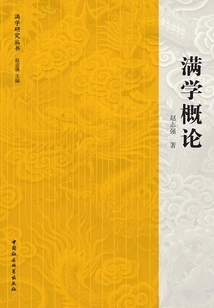
满学概论
Zhao Zhiqiang
This book briefly discusses the concepts, categories, objects, main contents, research methods and significance of Manchu studies, focuses on the nature of Manchu studies and the historical background of the emergence of Manchu studies, and shows the development status of Manchu studies in the late Ming Dynasty, Qing Dynasty, the Republic of China and contemporary times, as well as the important academic achievements of Manchu studies at home and abroad in various periods.
This book briefly discusses the concepts, categories, objects, main contents, research methods and significance of Manchu studies, focuses on the nature of Manchu studies and the historical background of the emergence of Manchu studies, and shows the development status of Manchu studies in the late Ming Dynasty, Qing Dynasty, the Republic of China and contemporary times, as well as the important academic achievements of Manchu studies at home and abroad in various periods.
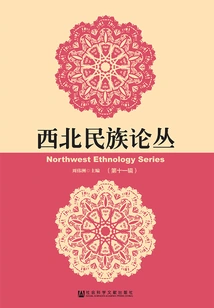
西北民族论丛(第11辑)
Zhou Weizhou
"Northwestern Ethnicities Series" is an academic collection sponsored by the China Western Frontier Research Institute (Northwest Ethnic Research Center) of Shaanxi Normal University. It focuses on the history of ethnic groups in northwest China, the history of economic and cultural exchanges between northwest ethnic groups and neighboring countries, and the natural environment of northwest ethnic areas. The contents of this collection include research on the relationship between the Gaochang Kingdom and the Turks, the imperial pacification of Tibetan stele inscriptions, a study of the relationship between Milan murals and Eastern and Western art, what the nomadic tribes used to be, etc. All articles are first published in this collection.
"Northwestern Ethnicities Series" is an academic collection sponsored by the China Western Frontier Research Institute (Northwest Ethnic Research Center) of Shaanxi Normal University. It focuses on the history of ethnic groups in northwest China, the history of economic and cultural exchanges between northwest ethnic groups and neighboring countries, and the natural environment of northwest ethnic areas. The contents of this collection include research on the relationship between the Gaochang Kingdom and the Turks, the imperial pacification of Tibetan stele inscriptions, a study of the relationship between Milan murals and Eastern and Western art, what the nomadic tribes used to be, etc. All articles are first published in this collection.
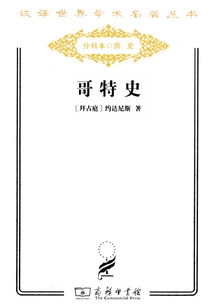
哥特史(汉译世界学术名著丛书)
(byzantine) Jordanes
AD 375-568 is known as the era of great migration in European history. During this period, many barbarian tribes, mainly Germans, invaded the Roman Empire and destroyed it. On the ruins of the Roman Empire, dozens of Germanic "nation-states" were established, laying the foundation for Europe's future political landscape. This period of history extends from the Roman Empire to the Middle Ages, so it is of extremely unique importance. However, due to cultural backwardness, the Germanic peoples rarely wrote historical documents. What is even more regrettable is that due to the acute ethnic, religious, and social conflicts, political chaos, and frequent wars at that time, a large number of precious historical materials on Rome were lost. Among the original historical materials that have survived, most of the chapters have serious incompleteness problems. The few historical materials that have been preserved relatively completely either lack a sufficient time span or are too simple and one-sided to satisfy future generations who are interested in this period of history.
AD 375-568 is known as the era of great migration in European history. During this period, many barbarian tribes, mainly Germans, invaded the Roman Empire and destroyed it. On the ruins of the Roman Empire, dozens of Germanic "nation-states" were established, laying the foundation for Europe's future political landscape. This period of history extends from the Roman Empire to the Middle Ages, so it is of extremely unique importance. However, due to cultural backwardness, the Germanic peoples rarely wrote historical documents. What is even more regrettable is that due to the acute ethnic, religious, and social conflicts, political chaos, and frequent wars at that time, a large number of precious historical materials on Rome were lost. Among the original historical materials that have survived, most of the chapters have serious incompleteness problems. The few historical materials that have been preserved relatively completely either lack a sufficient time span or are too simple and one-sided to satisfy future generations who are interested in this period of history.
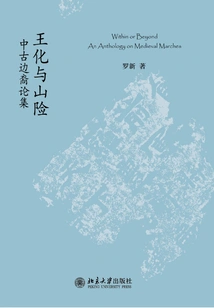
王化与山险:中古边裔论集
Luo Xin
This book contains twenty-nine papers written by the author over the years on ethnic issues on the frontier in the Middle Ages. It fully combines slips, stone carvings and traditional historical materials, and is divided into four themes: "frontiers and center", "discovery and imagination", "names and traditions" and "epitaphs and history". It provides in-depth and precise discussions on important issues such as the nomadic geography of the Han and Tang dynasties, the historical changes of the southern ethnic groups in the Middle Ages, the political development and cultural transformation of the Northern people during the Sixteen Kingdoms and Northern Dynasties, and the investigation and research of the epitaphs inscribed on stone tablets in the Northern Dynasties. The book is rich in material and clear in discussion. It not only contains in-depth excavation and rigorous textual research of historical materials, but also contains reasonable imagination of historical figures and events, demonstrating a solid historical foundation and touching historian's feelings.
This book contains twenty-nine papers written by the author over the years on ethnic issues on the frontier in the Middle Ages. It fully combines slips, stone carvings and traditional historical materials, and is divided into four themes: "frontiers and center", "discovery and imagination", "names and traditions" and "epitaphs and history". It provides in-depth and precise discussions on important issues such as the nomadic geography of the Han and Tang dynasties, the historical changes of the southern ethnic groups in the Middle Ages, the political development and cultural transformation of the Northern people during the Sixteen Kingdoms and Northern Dynasties, and the investigation and research of the epitaphs inscribed on stone tablets in the Northern Dynasties. The book is rich in material and clear in discussion. It not only contains in-depth excavation and rigorous textual research of historical materials, but also contains reasonable imagination of historical figures and events, demonstrating a solid historical foundation and touching historian's feelings.
古代民族史(下)
Xing Chunru Li Munan Jie Baofeng Liu Xinlian
The Chinese culture advocates peace and pursues the ideal personality of moderation. When multiple cultures meet, they are good at integrating, not biased or resentful, and prefer harmony and balance, so that the Chinese nation continues to develop and grow. Chinese culture is like a sea of hundreds of rivers, vast and boundless. "Chinese Cultural History" describes China's extraordinary process of land development, national formation, social evolution, economic and cultural development, and political evolution from prehistory to the present. In order to fully present this magnificent history, this book uses nearly 12 million words, 8 volumes and 191 volumes to describe it.
The Chinese culture advocates peace and pursues the ideal personality of moderation. When multiple cultures meet, they are good at integrating, not biased or resentful, and prefer harmony and balance, so that the Chinese nation continues to develop and grow. Chinese culture is like a sea of hundreds of rivers, vast and boundless. "Chinese Cultural History" describes China's extraordinary process of land development, national formation, social evolution, economic and cultural development, and political evolution from prehistory to the present. In order to fully present this magnificent history, this book uses nearly 12 million words, 8 volumes and 191 volumes to describe it.
清初满蒙关系演变研究
Hasbagen
During the rise of the Later Jin (Qing Dynasty) in the late 16th and early 17th centuries, the inheritance of the Mongolian Yuan Dynasty legacy was one of the key factors for the development and growth of the Manchu regime. This book takes Manchuria's study and utilization of Mongolian systems, symbols and other intangible resources as the starting point, and uses the official titles and names in the Manchu-Mongolian relations in the early Qing Dynasty (the periods of Taizu, Taizong, and Shizu), the alliance oath and proton system, the activities of the vassal council, the alliance system, titles and other policies and measures as the center of investigation, and sorts out the evolution of early Manchu-Mongolian relations from the Manchu perspective. It is hoped that this will explore the significance of Monan Mongolia's surrender to the consolidation and upgrading of the Manchu regime, the establishment of a stable military alliance, the formation of the Qing Dynasty territory and the long-term stability of the country.
During the rise of the Later Jin (Qing Dynasty) in the late 16th and early 17th centuries, the inheritance of the Mongolian Yuan Dynasty legacy was one of the key factors for the development and growth of the Manchu regime. This book takes Manchuria's study and utilization of Mongolian systems, symbols and other intangible resources as the starting point, and uses the official titles and names in the Manchu-Mongolian relations in the early Qing Dynasty (the periods of Taizu, Taizong, and Shizu), the alliance oath and proton system, the activities of the vassal council, the alliance system, titles and other policies and measures as the center of investigation, and sorts out the evolution of early Manchu-Mongolian relations from the Manchu perspective. It is hoped that this will explore the significance of Monan Mongolia's surrender to the consolidation and upgrading of the Manchu regime, the establishment of a stable military alliance, the formation of the Qing Dynasty territory and the long-term stability of the country.
Jiarong Dance Guozhuang: Dances, Rituals and Ethnic Expressions at the Foot of the Mordor Mountains
History嘉绒跳锅庄:墨尔多神山下的舞蹈、仪式与族群表述
Li Fei
At the foot of the Mordo Mountain, the Jinchuan River and the Jinchuan River meander through the Jiarong Tibetan area. In this ancient land, there are the mysterious Mani in Jiaju, the dancing Zhuo and Badi in Suopo and the middle road, and the sacred and solemn Dalga at Taiping Bridge... These vivid local ethnic traditions and the well-known Chinese term Tiaoguozhuang are not only the difference between my pronoun and his pronoun in folklore, but also cannot be easily understood as an analogy between a general term and an individual term. The generic relationship between proper names, and the difference between them is fundamental, is a set of ethnic cultural expression patterns practiced by a community called Jiarong between the sacred and the secular: in the physical practice system represented by song and dance, Jiarong's historical memory and current reality can be connected, and the differences and similarities, distance and proximity between me and him can be distinguished. For Jiarong people, Tiaoguozhuang is not a cultural display under the gaze of tourists, but one of the fundamental ways to understand and express tradition and self, how to adjust identity in the practical context of social processes, and move from the past to the future.
At the foot of the Mordo Mountain, the Jinchuan River and the Jinchuan River meander through the Jiarong Tibetan area. In this ancient land, there are the mysterious Mani in Jiaju, the dancing Zhuo and Badi in Suopo and the middle road, and the sacred and solemn Dalga at Taiping Bridge... These vivid local ethnic traditions and the well-known Chinese term Tiaoguozhuang are not only the difference between my pronoun and his pronoun in folklore, but also cannot be easily understood as an analogy between a general term and an individual term. The generic relationship between proper names, and the difference between them is fundamental, is a set of ethnic cultural expression patterns practiced by a community called Jiarong between the sacred and the secular: in the physical practice system represented by song and dance, Jiarong's historical memory and current reality can be connected, and the differences and similarities, distance and proximity between me and him can be distinguished. For Jiarong people, Tiaoguozhuang is not a cultural display under the gaze of tourists, but one of the fundamental ways to understand and express tradition and self, how to adjust identity in the practical context of social processes, and move from the past to the future.
《蒙古秘史》文献版本考
Bai Temulbagen
This book conducts documentary research on "The Secret History of Mongolia" from an empirical perspective. 1. The writing process of "The Secret History". On the basis of sorting out the main views of the predecessors on the writing time of "Secret History", refer to "Yuan History", "Historical Collection" and Yuan Ren Collected Works, compare different accounts of the deeds of Yuan Taizu and Yuan Taizong, summarize the problems existing in the narrative of historical facts in "Secret History", and examine the writing process of "Secret History". 2. Documentary description of "Secret History". This article summarizes the records of "Secret History" in official and private bibliographies and artistic and literary journals of various dynasties since the publication of the Hongwu edition, and provides examples of scholars in the Ming and Qing dynasties quoting "Secret History" to explore historical facts, and discusses its collection status and influence. 3. Version of "The Secret History". As a materialized form, the "Secret History" has so many engravings and has been widely circulated that it has set the highest record among Mongolian documents for a long time. This monograph respectively elaborates on the production and circulation of the Hongwu edition and the "Yongle Dadian" manuscript, and focuses on summarizing the gains from visiting and collecting various editions over the years. It briefly comments on the advantages and disadvantages of the editions currently stored at home and abroad, and provides a edition basis for the academic community to compile a refined edition. 4. Research on famous objects in "Secret History". "Secret History" is an encyclopedic work, and it mentions many famous objects. This article mainly extracts the etiquette and official names, etc., Focuses on textual research, and elucidates the historical origins of these names appearing in the "Secret History".
This book conducts documentary research on "The Secret History of Mongolia" from an empirical perspective. 1. The writing process of "The Secret History". On the basis of sorting out the main views of the predecessors on the writing time of "Secret History", refer to "Yuan History", "Historical Collection" and Yuan Ren Collected Works, compare different accounts of the deeds of Yuan Taizu and Yuan Taizong, summarize the problems existing in the narrative of historical facts in "Secret History", and examine the writing process of "Secret History". 2. Documentary description of "Secret History". This article summarizes the records of "Secret History" in official and private bibliographies and artistic and literary journals of various dynasties since the publication of the Hongwu edition, and provides examples of scholars in the Ming and Qing dynasties quoting "Secret History" to explore historical facts, and discusses its collection status and influence. 3. Version of "The Secret History". As a materialized form, the "Secret History" has so many engravings and has been widely circulated that it has set the highest record among Mongolian documents for a long time. This monograph respectively elaborates on the production and circulation of the Hongwu edition and the "Yongle Dadian" manuscript, and focuses on summarizing the gains from visiting and collecting various editions over the years. It briefly comments on the advantages and disadvantages of the editions currently stored at home and abroad, and provides a edition basis for the academic community to compile a refined edition. 4. Research on famous objects in "Secret History". "Secret History" is an encyclopedic work, and it mentions many famous objects. This article mainly extracts the etiquette and official names, etc., Focuses on textual research, and elucidates the historical origins of these names appearing in the "Secret History".
最后的皇族:清代宫廷社会史
(us) Luo Youzhi
"The Last Royal Family: A History of Court Society in the Qing Dynasty" is a panoramic display of the court society in the Qing Dynasty. The book is divided into three parts, respectively discussing the material culture, social structure and etiquette system of the Qing Dynasty court. Through detailed data collection and meticulous investigation, Luo Youzhi comprehensively demonstrated the distinctive national customs of the Qing Dynasty in palace dress, language, food, cultural policies, etc., Deeply analyzed the rights system and organizational operations of Qing court personnel such as concubines, princes, servants, etc., And explained in detail the methods of holding public or private ceremonies such as enthronement, birthday ceremonies, rain prayers, and funerals, as well as the cultural significance of beliefs. The core question discussed in "The Last Royal Family" is why the Qing Dynasty was able to establish and maintain its rule for nearly three centuries. As an ethnic minority regime that originated on the border of the Ming Empire, how the Qing ruling group managed numerous subjects with different cultural backgrounds and social habits has always been a hot topic in academic circles. In "The Last Royal Family", Luo Youzhiti believes that the reason for the success of the Qing Dynasty was not because it accepted the assimilation of the dominant Han culture, but because it skillfully integrated the ruling styles of ethnic minorities and the institutional policies of previous Central Plains dynasties. Therefore, the palace governance of the Qing Dynasty and the social structure of the Qing Dynasty have special significance and important influence in Chinese history. "The Last Royal Family" has a clear structure and substantial content. It vividly reveals the palace life of the Qing Dynasty for the first time and is a milestone in the study of Qing history.
"The Last Royal Family: A History of Court Society in the Qing Dynasty" is a panoramic display of the court society in the Qing Dynasty. The book is divided into three parts, respectively discussing the material culture, social structure and etiquette system of the Qing Dynasty court. Through detailed data collection and meticulous investigation, Luo Youzhi comprehensively demonstrated the distinctive national customs of the Qing Dynasty in palace dress, language, food, cultural policies, etc., Deeply analyzed the rights system and organizational operations of Qing court personnel such as concubines, princes, servants, etc., And explained in detail the methods of holding public or private ceremonies such as enthronement, birthday ceremonies, rain prayers, and funerals, as well as the cultural significance of beliefs. The core question discussed in "The Last Royal Family" is why the Qing Dynasty was able to establish and maintain its rule for nearly three centuries. As an ethnic minority regime that originated on the border of the Ming Empire, how the Qing ruling group managed numerous subjects with different cultural backgrounds and social habits has always been a hot topic in academic circles. In "The Last Royal Family", Luo Youzhiti believes that the reason for the success of the Qing Dynasty was not because it accepted the assimilation of the dominant Han culture, but because it skillfully integrated the ruling styles of ethnic minorities and the institutional policies of previous Central Plains dynasties. Therefore, the palace governance of the Qing Dynasty and the social structure of the Qing Dynasty have special significance and important influence in Chinese history. "The Last Royal Family" has a clear structure and substantial content. It vividly reveals the palace life of the Qing Dynasty for the first time and is a milestone in the study of Qing history.
大一统:元至元十三年纪事
Shi Weimin
1276 AD, that is, the thirteenth year of the reign of Kublai Khan, the founder of the Yuan Dynasty, may be a year that is often ignored but has a key significance in Chinese history. In this year, the Yuan army marched south and destroyed the Southern Song Dynasty, which had been peaceful for a long time. After five centuries of division and separatism, the north and south of the Yangtze River were once again reunited as one region. Kublai Khan became the first ethnic minority leader to establish a unified central dynasty in mainland China. Moreover, this unification process also included Yunnan, Tibet and the Western Regions into the Chinese territory. Such a broad-scale unification was the first time in Chinese history. As the most critical year in the process of unification of the Yuan Dynasty, Shi Weimin, the author of "Great Unification - Chronicles of the Thirteenth Year of Yuan to Yuan Dynasty", uses documentary techniques to connect the major events that occurred in 1276 into one chapter, showing readers a brief but vivid historical picture. In addition to the cruel and fierce war process, it focuses on describing the various conflicts brought about by social changes and the interaction between different cultures. Nearly 300 historical figures of different nationalities and cultural backgrounds appear in the book, including emperors, important ministers, generals, martyrs, maids... In 1276, a year of great historical significance, they performed various personal destinies that were lamentable, sad or happy.
1276 AD, that is, the thirteenth year of the reign of Kublai Khan, the founder of the Yuan Dynasty, may be a year that is often ignored but has a key significance in Chinese history. In this year, the Yuan army marched south and destroyed the Southern Song Dynasty, which had been peaceful for a long time. After five centuries of division and separatism, the north and south of the Yangtze River were once again reunited as one region. Kublai Khan became the first ethnic minority leader to establish a unified central dynasty in mainland China. Moreover, this unification process also included Yunnan, Tibet and the Western Regions into the Chinese territory. Such a broad-scale unification was the first time in Chinese history. As the most critical year in the process of unification of the Yuan Dynasty, Shi Weimin, the author of "Great Unification - Chronicles of the Thirteenth Year of Yuan to Yuan Dynasty", uses documentary techniques to connect the major events that occurred in 1276 into one chapter, showing readers a brief but vivid historical picture. In addition to the cruel and fierce war process, it focuses on describing the various conflicts brought about by social changes and the interaction between different cultures. Nearly 300 historical figures of different nationalities and cultural backgrounds appear in the book, including emperors, important ministers, generals, martyrs, maids... In 1276, a year of great historical significance, they performed various personal destinies that were lamentable, sad or happy.
T
HistoryT
H
The book "Steppe Empire (Part 1 and 2)" written by René Grusset covers, in addition to Greater Central Asia, the Eastern European countries east of Poland, namely the Eastern European steppe, the Russian steppe, the West Asian steppe, the Central Asian steppe and the North Asian steppe. There are also many plateaus and mountains adjacent to the grasslands. It stretches from the Danube River in the west to Lake Baikal in the east, from Siberia in the north to the vast area of Pakistan in the south. Now, the area covered by the "History of Central Asian Civilizations" (six volumes) edited by UNESCO is exactly the scope of Grusset's "Steppe Empire", and we can get a glimpse of one aspect of the influence of Grusset's work. The historical events in this book start from the Neolithic Age, the dawn of steppe culture, and end with the Mongolian Khanate in the late 18th century AD. The author carefully researches and cleans up the complex political, economic, social, cultural, ethnic, political chaos, dynasty changes and intricate relationships of various countries in the steppes, and draws out a clue and context of the history of Central Asia. He overcomes obstacles, creates a unique path, and creates a pattern. Gruse is an enlightener and a pathbreaker.
The book "Steppe Empire (Part 1 and 2)" written by René Grusset covers, in addition to Greater Central Asia, the Eastern European countries east of Poland, namely the Eastern European steppe, the Russian steppe, the West Asian steppe, the Central Asian steppe and the North Asian steppe. There are also many plateaus and mountains adjacent to the grasslands. It stretches from the Danube River in the west to Lake Baikal in the east, from Siberia in the north to the vast area of Pakistan in the south. Now, the area covered by the "History of Central Asian Civilizations" (six volumes) edited by UNESCO is exactly the scope of Grusset's "Steppe Empire", and we can get a glimpse of one aspect of the influence of Grusset's work. The historical events in this book start from the Neolithic Age, the dawn of steppe culture, and end with the Mongolian Khanate in the late 18th century AD. The author carefully researches and cleans up the complex political, economic, social, cultural, ethnic, political chaos, dynasty changes and intricate relationships of various countries in the steppes, and draws out a clue and context of the history of Central Asia. He overcomes obstacles, creates a unique path, and creates a pattern. Gruse is an enlightener and a pathbreaker.
胡马度阴山:民族卷
Ge Chengyong
This book is a national volume of "Hu-Han China and Foreign Civilizations". Focusing on the theme of "Hu-Han Souls and Alien Civilizations", this book actively explores the conflicts and integration between Hu-Han during the Han and Tang Dynasties, conducts cutting-edge research from different angles, and writes a series of original papers based on the multi-party interactions between the Steppe Turks, the Western Oasis and the Sogdians in Central Asia, combined with the new results of archaeological excavations and the interpretation of cultural relics, and examines the Central Asian concubines of Emperor Xuanzong of the Tang Dynasty. Concubine Cao Yenaji speculated on the origins of Cui Yingying and the Sogdians in Puzhou, distinguished the differences between Hu Ji and Wu Ji, and traced the blacks, Indians, Turks, Khitans, Xi people, etc. Who entered China in the Middle Ages, which aroused heated discussions in the academic circle. Her thoughts and memories of disappearing races and her subtle interpretation of national evolution have a role in academic review and promotion, and are very beneficial to sorting out the roots of the diverse formation of China's "nationality".
This book is a national volume of "Hu-Han China and Foreign Civilizations". Focusing on the theme of "Hu-Han Souls and Alien Civilizations", this book actively explores the conflicts and integration between Hu-Han during the Han and Tang Dynasties, conducts cutting-edge research from different angles, and writes a series of original papers based on the multi-party interactions between the Steppe Turks, the Western Oasis and the Sogdians in Central Asia, combined with the new results of archaeological excavations and the interpretation of cultural relics, and examines the Central Asian concubines of Emperor Xuanzong of the Tang Dynasty. Concubine Cao Yenaji speculated on the origins of Cui Yingying and the Sogdians in Puzhou, distinguished the differences between Hu Ji and Wu Ji, and traced the blacks, Indians, Turks, Khitans, Xi people, etc. Who entered China in the Middle Ages, which aroused heated discussions in the academic circle. Her thoughts and memories of disappearing races and her subtle interpretation of national evolution have a role in academic review and promotion, and are very beneficial to sorting out the roots of the diverse formation of China's "nationality".
东欧纪实:从多瑙河到伏尔加河
Mo Shen
This is an experiential documentary work completed over 26 years. From the perspective of a writer, through keen observation, profound insight, vivid writing, and a "story-telling" narrative method, the author recorded his experiences and knowledge in the Soviet Union and Eastern Europe twice, and also expressed his own thoughts and emotions. The manuscript is divided into six chapters, namely embarking on the journey, first arriving in Moscow, entering Romania, traveling to Constanta, Budapest, and revisiting Moscow. The manuscript reflects from one side the correctness of China's path of socialism with its own characteristics, and also enthusiastically praises China's steady and gradual reforms from a different perspective.
This is an experiential documentary work completed over 26 years. From the perspective of a writer, through keen observation, profound insight, vivid writing, and a "story-telling" narrative method, the author recorded his experiences and knowledge in the Soviet Union and Eastern Europe twice, and also expressed his own thoughts and emotions. The manuscript is divided into six chapters, namely embarking on the journey, first arriving in Moscow, entering Romania, traveling to Constanta, Budapest, and revisiting Moscow. The manuscript reflects from one side the correctness of China's path of socialism with its own characteristics, and also enthusiastically praises China's steady and gradual reforms from a different perspective.
南方古族论稿
Monmo
"Manuscripts on the Ancient Ethnic Groups of the South" is a must-read for studying the ethnic groups in southwest China. This book is the culmination of Mr. Monmo's decades of research on national history. The author not only has a profound family background, but has also been influenced by the advanced research methods of Western anthropology and sociology. He has entered the ethnic minority inhabited areas in the southwest of China several times over the past few decades to conduct on-the-spot investigations, and conducted in-depth research based on materials in ancient documents. The research conclusions are credible and valid. This book discusses the Yi, Tibetan, Tujia, Gelao, Miao, She, Dong and other important ethnic minorities in southwest China. It has great reference value for historical, archaeological, anthropological and sociological research.
"Manuscripts on the Ancient Ethnic Groups of the South" is a must-read for studying the ethnic groups in southwest China. This book is the culmination of Mr. Monmo's decades of research on national history. The author not only has a profound family background, but has also been influenced by the advanced research methods of Western anthropology and sociology. He has entered the ethnic minority inhabited areas in the southwest of China several times over the past few decades to conduct on-the-spot investigations, and conducted in-depth research based on materials in ancient documents. The research conclusions are credible and valid. This book discusses the Yi, Tibetan, Tujia, Gelao, Miao, She, Dong and other important ethnic minorities in southwest China. It has great reference value for historical, archaeological, anthropological and sociological research.
Great Beginning
History伟大的开端
"liberation Daily" Editor-in-chief Xu Yunqian, Memorial Hall Of The First National Congress Of The Communist Party Of China
This book was jointly published by the "Liberation Daily" and the Memorial Hall of the First National Congress of the Communist Party of China, and invited party history researchers and writers from the Shanghai Writers Association to write 12 special articles, telling the history of the birth and birth of the Communist Party of China in Shanghai, as well as the convening of the First, Second and Fourth National Congresses of the Communist Party of China in Shanghai. The article is rich in historical materials, allowing readers to better understand the history of the birth of the Communist Party of China in Shanghai. The articles in the book were published one after another in the column of "Liberation Daily" from March to June 2016, as a tribute to the 95th anniversary of the founding of the Party.
This book was jointly published by the "Liberation Daily" and the Memorial Hall of the First National Congress of the Communist Party of China, and invited party history researchers and writers from the Shanghai Writers Association to write 12 special articles, telling the history of the birth and birth of the Communist Party of China in Shanghai, as well as the convening of the First, Second and Fourth National Congresses of the Communist Party of China in Shanghai. The article is rich in historical materials, allowing readers to better understand the history of the birth of the Communist Party of China in Shanghai. The articles in the book were published one after another in the column of "Liberation Daily" from March to June 2016, as a tribute to the 95th anniversary of the founding of the Party.
Minimalist World History
History极简世界史
(english) George Wells
"A Minimalist History of the World" is a world history written by the famous British writer George Wells. It is called "the masterpiece of popular world history". It is as beautiful and charming as a novel, and you will definitely be able to read it in one sitting. Wells created many works throughout his life, covering many fields such as literature, science, history, society, politics, philosophy, etc. "A Minimalist World History" is his representative work and a classic work in world history books. In this book, the author uses an extremely broad vision and a brisk and concise style to present the history of mankind since the origin of species in an orderly manner. The writing angle is not strict in textual research, providing readers with a grand and broad vision. It is not only a historical work, but also an excellent popular science reading.
"A Minimalist History of the World" is a world history written by the famous British writer George Wells. It is called "the masterpiece of popular world history". It is as beautiful and charming as a novel, and you will definitely be able to read it in one sitting. Wells created many works throughout his life, covering many fields such as literature, science, history, society, politics, philosophy, etc. "A Minimalist World History" is his representative work and a classic work in world history books. In this book, the author uses an extremely broad vision and a brisk and concise style to present the history of mankind since the origin of species in an orderly manner. The writing angle is not strict in textual research, providing readers with a grand and broad vision. It is not only a historical work, but also an excellent popular science reading.
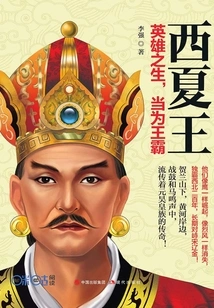
King of Xixia
History西夏王
Li Qiang
"He once dominated the Western Territory, and his civil and martial arts were brilliant." In 1038, the Dangxiang people established a dynasty under the leadership of Li Yuanhao. The country was named Daxia and was known as Xixia in history. Daxia is "bounded by the Yellow River in the east, Yumen in the west, Xiaoguan in the south, and the desert in the north." It is known as the "Land of Thousands of Miles". The Xixia Dynasty dominated the northwest for nearly two hundred years, with ten emperors ascending the throne. With its unique posture, it successively stood up against the Northern Song Dynasty and Liao Dynasty, and confronted the Southern Song Dynasty and Jin Dynasty. This book takes Li Yuanhao, Jingzong of the Western Xia Dynasty, as the main axis, and tells the long origins of the minority Dangxiang people, as well as the history of the Dangxiang royal family establishing the ethnic minority regime in the northwest, developing and growing, and finally dying out. This book examines historical materials and is rigorously written. It deeply analyzes the origin and whereabouts of the Dangxiang people, deciphers the relationship between the Dangxiang people and other minority groups and the Han people, deciphers the Xixia civilization, and reveals the unique historical law of the joint creation and development of Chinese civilization by minority groups and the Han people.
"He once dominated the Western Territory, and his civil and martial arts were brilliant." In 1038, the Dangxiang people established a dynasty under the leadership of Li Yuanhao. The country was named Daxia and was known as Xixia in history. Daxia is "bounded by the Yellow River in the east, Yumen in the west, Xiaoguan in the south, and the desert in the north." It is known as the "Land of Thousands of Miles". The Xixia Dynasty dominated the northwest for nearly two hundred years, with ten emperors ascending the throne. With its unique posture, it successively stood up against the Northern Song Dynasty and Liao Dynasty, and confronted the Southern Song Dynasty and Jin Dynasty. This book takes Li Yuanhao, Jingzong of the Western Xia Dynasty, as the main axis, and tells the long origins of the minority Dangxiang people, as well as the history of the Dangxiang royal family establishing the ethnic minority regime in the northwest, developing and growing, and finally dying out. This book examines historical materials and is rigorously written. It deeply analyzes the origin and whereabouts of the Dangxiang people, deciphers the relationship between the Dangxiang people and other minority groups and the Han people, deciphers the Xixia civilization, and reveals the unique historical law of the joint creation and development of Chinese civilization by minority groups and the Han people.