Library
Browse and search books
2,273 novels found
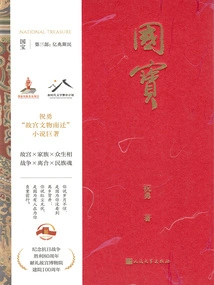
National Treasure Part 3: Billions of People
General Fiction国宝第三部:亿兆斯民
Zhu Yong
This book has been selected for the third issue of the "New Era Literary Climbing Plan" of the Chinese Writers Association. The first volume has been published in the 10th issue of "Chinese Writers" in 2022, and the second volume has been published in the 2023 winter volume of "Harvest" novels. The first two volumes are published by People's Literature Publishing House, and the third volume will be released soon. In 1933, Shanhaiguan fell and Peiping was in danger. Na Wensong and other Forbidden City staff from the Palace Museum made an oath that "the people are here and the cultural relics are there." Amid the dangers of gunpowder smoke and bayonets, and the numerous obstructions from all parties, they resolutely escorted more than 10,000 boxes of the Palace Museum's cultural relics alone on the road. Since then, the vast royal collection has experienced more than ten years of wandering on the land of China, and it has also formed the endless cultural spirit of the Chinese nation that transcends artifacts. Zhu Yong used rich details to restore the historical scene, reconstructed the southward migration with wonderful stories, and put on paper the heart of the Forbidden City people to protect the treasure. "National Treasure" tells the story of a family's turbulent family history caused by the migration to the south through the joys and sorrows of a family, reunions, separations, and migrations. It uses the small to see the big and the family to reflect the country. It witnesses the majestic vicissitudes of modern China from the perspective of daily fireworks. You say that the years are calm because you have not seen leaving home; you say that the world is carefree; it is because someone is carrying the burden for you.
This book has been selected for the third issue of the "New Era Literary Climbing Plan" of the Chinese Writers Association. The first volume has been published in the 10th issue of "Chinese Writers" in 2022, and the second volume has been published in the 2023 winter volume of "Harvest" novels. The first two volumes are published by People's Literature Publishing House, and the third volume will be released soon. In 1933, Shanhaiguan fell and Peiping was in danger. Na Wensong and other Forbidden City staff from the Palace Museum made an oath that "the people are here and the cultural relics are there." Amid the dangers of gunpowder smoke and bayonets, and the numerous obstructions from all parties, they resolutely escorted more than 10,000 boxes of the Palace Museum's cultural relics alone on the road. Since then, the vast royal collection has experienced more than ten years of wandering on the land of China, and it has also formed the endless cultural spirit of the Chinese nation that transcends artifacts. Zhu Yong used rich details to restore the historical scene, reconstructed the southward migration with wonderful stories, and put on paper the heart of the Forbidden City people to protect the treasure. "National Treasure" tells the story of a family's turbulent family history caused by the migration to the south through the joys and sorrows of a family, reunions, separations, and migrations. It uses the small to see the big and the family to reflect the country. It witnesses the majestic vicissitudes of modern China from the perspective of daily fireworks. You say that the years are calm because you have not seen leaving home; you say that the world is carefree; it is because someone is carrying the burden for you.
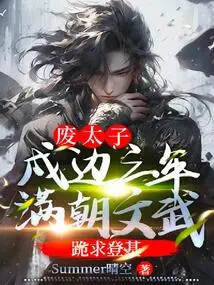
废太子:戍边三年,满朝文武跪求登基
Summer Clear Sky
[History + Imagination + Abandoned Prince + Border Defense + Development] When I wake up, sexy beauties in ancient costumes are shaking the bed online. Xiao Ce traveled through time! The good news is that he traveled through time to the prince! Bad news, this prince is a bit useless, even the dogs in the palace could piss on him. The emperor wants to depose him! The princes want to kill him! You are framed at the beginning and surrounded by wolves, how can you break the situation? Xiao Ce simply followed his plan, slept with the beauty, resigned from the throne, and left the court. Asked to guard the border, his body was wrapped in horse leather. Expelled the Tatars, guarded one side, and developed the frontier. Turk: Who said he was a waste? He is obviously a god of war! Civil and military officials: Your Highness, please inherit the throne!
[History + Imagination + Abandoned Prince + Border Defense + Development] When I wake up, sexy beauties in ancient costumes are shaking the bed online. Xiao Ce traveled through time! The good news is that he traveled through time to the prince! Bad news, this prince is a bit useless, even the dogs in the palace could piss on him. The emperor wants to depose him! The princes want to kill him! You are framed at the beginning and surrounded by wolves, how can you break the situation? Xiao Ce simply followed his plan, slept with the beauty, resigned from the throne, and left the court. Asked to guard the border, his body was wrapped in horse leather. Expelled the Tatars, guarded one side, and developed the frontier. Turk: Who said he was a waste? He is obviously a god of war! Civil and military officials: Your Highness, please inherit the throne!
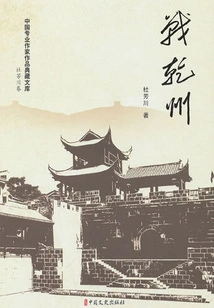
Zhanqianzhou
General Fiction战乾州
Du Fangchuan
The novel "Battle in Qianzhou" is an excellent work that fills the gap in the red history and culture of Qianzhou. It is an excellent work with historical aesthetics and artistic consciousness. "Battle in Qianzhou" is based on the Revolution of 1911, with several famous alleys in Qianzhou City as a typical environment, and the families of Qian, Zhou, Yin and Song. Using the emotional conflicts and fateful ups and downs of several generations as clues, it enthusiastically eulogizes the struggle of the Shaanxi people from isolation to enlightenment, from surrendering to fate to mastering destiny, from standing at the forefront of the old democratic revolution to overthrow the Qing Dynasty, to accepting Marxism and joining the new democratic revolution led by our party. It once again demonstrates the artistic vitality and value of realism with its epic character.
The novel "Battle in Qianzhou" is an excellent work that fills the gap in the red history and culture of Qianzhou. It is an excellent work with historical aesthetics and artistic consciousness. "Battle in Qianzhou" is based on the Revolution of 1911, with several famous alleys in Qianzhou City as a typical environment, and the families of Qian, Zhou, Yin and Song. Using the emotional conflicts and fateful ups and downs of several generations as clues, it enthusiastically eulogizes the struggle of the Shaanxi people from isolation to enlightenment, from surrendering to fate to mastering destiny, from standing at the forefront of the old democratic revolution to overthrow the Qing Dynasty, to accepting Marxism and joining the new democratic revolution led by our party. It once again demonstrates the artistic vitality and value of realism with its epic character.
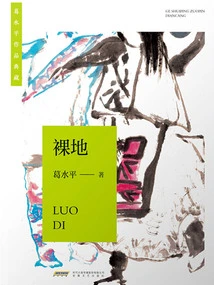
Bare Earth (Collection of Ge Shuixing's Works)
General Fiction裸地(葛水平作品典藏)
Ge Level
This book is a novel with historical themes. Based on the rise and fall of a family and the fate of the heroine, the work shows the great changes in the Taihang Mountains from the late Qing Dynasty and the early Republic of China to the founding of New China. Through the encounter and marriage between Gai Yunchang, a wealthy man in Baodian Town, and an ill-fated girl, a touching story of love and hatred is performed, reflecting the beauty of human nature and full of the author's understanding and analysis of the connotation of life.
This book is a novel with historical themes. Based on the rise and fall of a family and the fate of the heroine, the work shows the great changes in the Taihang Mountains from the late Qing Dynasty and the early Republic of China to the founding of New China. Through the encounter and marriage between Gai Yunchang, a wealthy man in Baodian Town, and an ill-fated girl, a touching story of love and hatred is performed, reflecting the beauty of human nature and full of the author's understanding and analysis of the connotation of life.
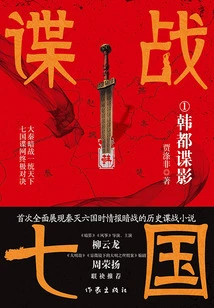
Spy Seven Kingdoms 1: Spies in Handu
General Fiction谍战七国1:韩都谍影
Jia Difei
At the end of the Warring States Period, the world was in turmoil. The Qin State relied on its powerful military and political power to covet the six countries. As an important obstacle to Qin's eastward advance, South Korea became the core battlefield of the Qin-Korean espionage war. The novel revolves around the espionage war between Qin and South Korea. Li Si and Han Fei confront each other in prison, uncovering past grievances and confrontation with South Korea's "Qin Fatigue Plan" and other strategies; brothers Zhang Wei and Zhang Liang, the South Korean police chiefs, track down Qin spies and determine Qin Wei's power with the Qin spy agency. They worked hard to arrest Qin spies such as Han Qi and Ying Shou, and solved the hidden secrets; Wei Wushang had a complicated identity and was lurking in South Korea, dealing with various forces; Tian Mo and others from the Mo family were involved, involving secrets such as the city guard's heavy weapon and the winged man. The fierce competition between multiple forces centered on espionage and city defense maps demonstrated the treacherousness and cruelty of the espionage war in the Seven Kingdoms Conflict.
At the end of the Warring States Period, the world was in turmoil. The Qin State relied on its powerful military and political power to covet the six countries. As an important obstacle to Qin's eastward advance, South Korea became the core battlefield of the Qin-Korean espionage war. The novel revolves around the espionage war between Qin and South Korea. Li Si and Han Fei confront each other in prison, uncovering past grievances and confrontation with South Korea's "Qin Fatigue Plan" and other strategies; brothers Zhang Wei and Zhang Liang, the South Korean police chiefs, track down Qin spies and determine Qin Wei's power with the Qin spy agency. They worked hard to arrest Qin spies such as Han Qi and Ying Shou, and solved the hidden secrets; Wei Wushang had a complicated identity and was lurking in South Korea, dealing with various forces; Tian Mo and others from the Mo family were involved, involving secrets such as the city guard's heavy weapon and the winged man. The fierce competition between multiple forces centered on espionage and city defense maps demonstrated the treacherousness and cruelty of the espionage war in the Seven Kingdoms Conflict.
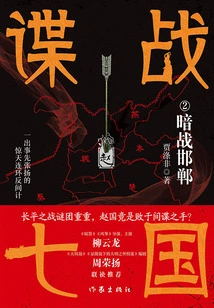
Spy Seven Kingdoms 2: Secret War at Handan
General Fiction谍战七国2:暗战邯郸
Jia Difei
"Spy of Seven Kingdoms 2" succeeds the first "Spy of Seven Kingdoms 1", and the story escalates again in the tense situation at the end of the Warring States Period. The novel opens with the Battle of Changping as the background. Zhao Kuo was trapped in Changping. He learned that the Qin army's leader was Bai Qi and that the reinforcements were blocked. In the end, he led his relatives to break through and died in the battle. Thirty years later, in the Qin State's Xianyang Palace, King Zhaoxiang's dormitory temple, the Zhao State's black guard Zhao Qi and others broke into the trap and stole the Qin State's important keepsakes, jade albums and gold books. This act instantly ignited the espionage war between Qin and Zhao. Ding Qin Wei Wei Wushang and his junior sister A Qi were ordered to go to Zhao to trace the jade book and gold book. Wei Wushang's pursuit in the Zhao State is beset with dangers. At the same time, Qin Guo Wei Liao carefully planned a counterintuitive plan to find the Qin Dajian Winged Man deployed by Fan Ju thirty years ago to cooperate with Qin's plan to subvert Zhao. Above the Zhao court, Zhao Wangqian, Guo Kai, Li Mu and other forces have their own agendas around the jade book and golden book. People's hearts are treacherous, and conspiracies are constantly intertwined, making the whole situation even more confusing.
"Spy of Seven Kingdoms 2" succeeds the first "Spy of Seven Kingdoms 1", and the story escalates again in the tense situation at the end of the Warring States Period. The novel opens with the Battle of Changping as the background. Zhao Kuo was trapped in Changping. He learned that the Qin army's leader was Bai Qi and that the reinforcements were blocked. In the end, he led his relatives to break through and died in the battle. Thirty years later, in the Qin State's Xianyang Palace, King Zhaoxiang's dormitory temple, the Zhao State's black guard Zhao Qi and others broke into the trap and stole the Qin State's important keepsakes, jade albums and gold books. This act instantly ignited the espionage war between Qin and Zhao. Ding Qin Wei Wei Wushang and his junior sister A Qi were ordered to go to Zhao to trace the jade book and gold book. Wei Wushang's pursuit in the Zhao State is beset with dangers. At the same time, Qin Guo Wei Liao carefully planned a counterintuitive plan to find the Qin Dajian Winged Man deployed by Fan Ju thirty years ago to cooperate with Qin's plan to subvert Zhao. Above the Zhao court, Zhao Wangqian, Guo Kai, Li Mu and other forces have their own agendas around the jade book and golden book. People's hearts are treacherous, and conspiracies are constantly intertwined, making the whole situation even more confusing.
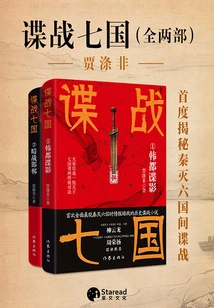
Spy Seven Kingdoms (Both Parts)
General Fiction谍战七国(全两部)
Jia Difei
For the first time, it is a masterpiece of historical espionage that comprehensively displays the intelligence and secret warfare when Qin destroyed the six kingdoms. Liu Yunlong, director and star of "The Conspiracy" and "Kite", leads the recommendation! From the time when Qin Dynasty became a powerful country through Shang Yang's reform to the time when Qin Shihuang took charge, it went through six generations of emperors and more than a hundred years of fighting, but it failed to conquer any of the six powerful countries in the east. How could it be able to destroy all six countries and unify the world in just ten years? "The Art of War" by Sun Tzu says: "A soldier who subjugates the enemy without fighting is a good person." "Therefore, only those with wise rulers and wise generals who can guide the way between them will achieve great success." The "Spy of the Seven Kingdoms" series of novels takes the magnificent era in Chinese history - Qin Shihuang unified the world as the historical background. The intelligence agencies of the seven countries, including the Inspectorate and the Black Guards of Zhao State, are related to the life and death struggle between the destruction of the country and the survival of the country. It recreates the great era of disputes between countries, the contention of a hundred schools of thought, the scheming of intermediaries, and the scheming. It restores the treacherous and exciting secret wars behind the scenes recorded in the history books, and remembers the secret war heroes who exchanged the death of one person for the life of a country and saved all people from danger, but were lost in the long river of history.
For the first time, it is a masterpiece of historical espionage that comprehensively displays the intelligence and secret warfare when Qin destroyed the six kingdoms. Liu Yunlong, director and star of "The Conspiracy" and "Kite", leads the recommendation! From the time when Qin Dynasty became a powerful country through Shang Yang's reform to the time when Qin Shihuang took charge, it went through six generations of emperors and more than a hundred years of fighting, but it failed to conquer any of the six powerful countries in the east. How could it be able to destroy all six countries and unify the world in just ten years? "The Art of War" by Sun Tzu says: "A soldier who subjugates the enemy without fighting is a good person." "Therefore, only those with wise rulers and wise generals who can guide the way between them will achieve great success." The "Spy of the Seven Kingdoms" series of novels takes the magnificent era in Chinese history - Qin Shihuang unified the world as the historical background. The intelligence agencies of the seven countries, including the Inspectorate and the Black Guards of Zhao State, are related to the life and death struggle between the destruction of the country and the survival of the country. It recreates the great era of disputes between countries, the contention of a hundred schools of thought, the scheming of intermediaries, and the scheming. It restores the treacherous and exciting secret wars behind the scenes recorded in the history books, and remembers the secret war heroes who exchanged the death of one person for the life of a country and saved all people from danger, but were lost in the long river of history.
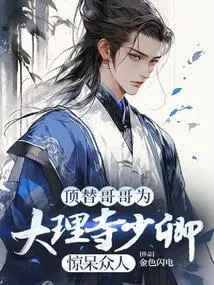
顶替哥哥为大理寺少卿,惊呆众人
Golden Lightning
Chen Zhao traveled to ancient society. Because his brother Chen Jun had been missing for three months, Chen Zhao was forced to replace his brother as the Shaoqing of Dali Temple. With his excellent modern case-handling methods, Chen Zhao shocked everyone. At the same time, he discovered that his brother's disappearance was a huge conspiracy, and he himself was caught in the whirlpool of a power struggle.
Chen Zhao traveled to ancient society. Because his brother Chen Jun had been missing for three months, Chen Zhao was forced to replace his brother as the Shaoqing of Dali Temple. With his excellent modern case-handling methods, Chen Zhao shocked everyone. At the same time, he discovered that his brother's disappearance was a huge conspiracy, and he himself was caught in the whirlpool of a power struggle.
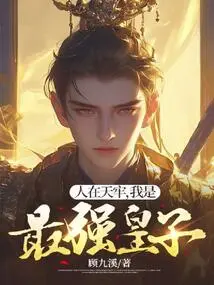
I'm in Prison, I'm the Strongest Prince
General Fiction人在天牢,我是最强皇子
Gu Jiuxi
Once he traveled back in time and became the prince of the Zhou Dynasty, he was happy to be a dandy. Isn't it beautiful? At the beginning, he was thrown into a prison, bullied, and his life was at risk. Well, you are the one who forced me, so don't be a coward and let's just do it! Look at me walking on many corpses, I will be the best!
Once he traveled back in time and became the prince of the Zhou Dynasty, he was happy to be a dandy. Isn't it beautiful? At the beginning, he was thrown into a prison, bullied, and his life was at risk. Well, you are the one who forced me, so don't be a coward and let's just do it! Look at me walking on many corpses, I will be the best!
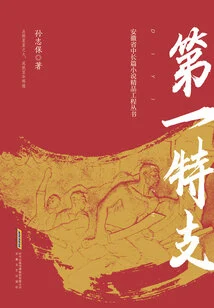
The First Special Branch
General Fiction第一特支
Sun Zhibao
This book is a novel with a red theme. It tells the evocative story of Anhui Province's "First Special Branch" which was established with difficulty in the bloody storm and led the masses in revolutionary struggle. In 1922, young students Cao Shunzhen and Xu Yitong, who were studying at Shanghai University, were sent by the party organization to their hometown, Caodianji, Shoukang County, Anhui Province, to engage in secret party building activities. They fully mobilized local workers and farmers, carried out a series of actions such as workers' strike at Dasong Pharmaceutical Factory and farmers' tax resistance in Yuanhua Village. They established trade unions and agricultural associations, encouraged local youth to join the party, and established the "First Special Branch", the first rural party branch in Anhui Province. After Chiang Kai-shek launched the "April 12" counter-revolutionary coup, members of the First Special Branch headed by Cao Chunzhen established the North Anhui Guerrilla Brigade and launched the famous Mabu Riot. Based on Bagong Mountain, they launched a desperate struggle against the reactionary government and reactionary Huidaomen organizations, and achieved a series of victories. Finally, Cao Shunzhen led the team to join the 25th Red Army and embarked on a new revolutionary journey.
This book is a novel with a red theme. It tells the evocative story of Anhui Province's "First Special Branch" which was established with difficulty in the bloody storm and led the masses in revolutionary struggle. In 1922, young students Cao Shunzhen and Xu Yitong, who were studying at Shanghai University, were sent by the party organization to their hometown, Caodianji, Shoukang County, Anhui Province, to engage in secret party building activities. They fully mobilized local workers and farmers, carried out a series of actions such as workers' strike at Dasong Pharmaceutical Factory and farmers' tax resistance in Yuanhua Village. They established trade unions and agricultural associations, encouraged local youth to join the party, and established the "First Special Branch", the first rural party branch in Anhui Province. After Chiang Kai-shek launched the "April 12" counter-revolutionary coup, members of the First Special Branch headed by Cao Chunzhen established the North Anhui Guerrilla Brigade and launched the famous Mabu Riot. Based on Bagong Mountain, they launched a desperate struggle against the reactionary government and reactionary Huidaomen organizations, and achieved a series of victories. Finally, Cao Shunzhen led the team to join the 25th Red Army and embarked on a new revolutionary journey.
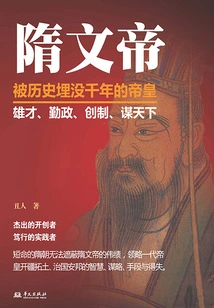
隋文帝:被历史埋没千年的帝皇
Ugly Person
This book starts from the Northern Zhou Dynasty in the late Southern and Northern Dynasties, and describes the difficult journey from the powerful officials of the Northern Zhou Dynasty to killing the emperor and Emperor Wu of the Northern Zhou Dynasty to destroying the Northern Qi Dynasty, laying the foundation for the subsequent unification, to Yang Jian's initial establishment of the Sui Empire's civil strife, the recovery of the Later Liang Dynasty, the pacification of the Chen Dynasty, and finally the end of more than three hundred years of troubled times. The whole novel reproduces the mediocrity, debauchery, depravity and social turmoil of the monarchs in the late Northern and Southern Dynasties; at the same time, it objectively describes that after the founding of the Sui Dynasty, Yang Jian took advantage of the situation and revolutionized the old, ushering in a prosperous age of peace and prosperity for the country and the people.
This book starts from the Northern Zhou Dynasty in the late Southern and Northern Dynasties, and describes the difficult journey from the powerful officials of the Northern Zhou Dynasty to killing the emperor and Emperor Wu of the Northern Zhou Dynasty to destroying the Northern Qi Dynasty, laying the foundation for the subsequent unification, to Yang Jian's initial establishment of the Sui Empire's civil strife, the recovery of the Later Liang Dynasty, the pacification of the Chen Dynasty, and finally the end of more than three hundred years of troubled times. The whole novel reproduces the mediocrity, debauchery, depravity and social turmoil of the monarchs in the late Northern and Southern Dynasties; at the same time, it objectively describes that after the founding of the Sui Dynasty, Yang Jian took advantage of the situation and revolutionized the old, ushering in a prosperous age of peace and prosperity for the country and the people.
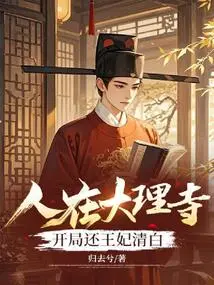
人在大理寺,开局还王妃清白
Go Back
Qin Yu traveled to the Daqian Dynasty and became the Zuosi Cheng of Dali Temple. At the beginning, he was involved in a huge conspiracy. He originally wanted to resign and retire, not wanting to get involved in court battles, but he was reported and almost lost his life, so he had no choice but to continue investigating the case. With his ability to look back in time, Qin Yu was like a god in investigating cases. Corrupt officials all over the world trembled when they saw him, but because of this, he also got involved in the situation and fell into the whirlpool of power struggle.
Qin Yu traveled to the Daqian Dynasty and became the Zuosi Cheng of Dali Temple. At the beginning, he was involved in a huge conspiracy. He originally wanted to resign and retire, not wanting to get involved in court battles, but he was reported and almost lost his life, so he had no choice but to continue investigating the case. With his ability to look back in time, Qin Yu was like a god in investigating cases. Corrupt officials all over the world trembled when they saw him, but because of this, he also got involved in the situation and fell into the whirlpool of power struggle.
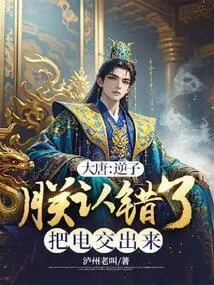
大唐:逆子,朕认错了把电交出来
Luzhou Old Name
Li Ke traveled through time and helped Li Er push the Tang Dynasty into a new era. As a result, he was killed. In anger, he severed the relationship between father and son and fled to Liangcheng secretly. Over there is the escape route he prepared in advance. There are more advanced weapons than those given to Li Er... There are more livelihood skills than those given to Li Er...
Li Ke traveled through time and helped Li Er push the Tang Dynasty into a new era. As a result, he was killed. In anger, he severed the relationship between father and son and fled to Liangcheng secretly. Over there is the escape route he prepared in advance. There are more advanced weapons than those given to Li Er... There are more livelihood skills than those given to Li Er...
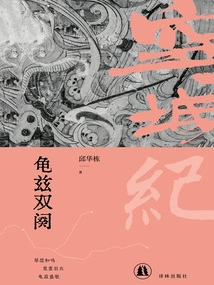
Qiuci Double Tower (empty City Period)
General Fiction龟兹双阕(空城纪)
Qiu Huadong
Qiuci, located in today's Kuqa City, Aksu Prefecture, Xinjiang, is a hub of the Silk Road and an important stronghold of the Western Region Protectorate during the Han and Tang Dynasties. Kucha music and dance are famous all over the world, and "Nishang Yuyi Song" is deeply influenced by Kucha music. "Qiuci Double Tower" is composed of three chapters: "Harmony of Qin and Se", "Neon Clothes and Feathers", and "Qiuci Song". Taking "Qiuci Music" as a clue, the sound and shape of the Han pipa run through the novel. In the first part, Princess Xijun marries from the Central Plains to the Wusun Kingdom in the Western Regions. As a symbol of the national culture of the Central Plains, the Han pipa becomes her favorite to relieve her homesickness, and is later passed on to Princess Jieyou and her daughter Di Shi. His younger brother Shi became acquainted with King Jiangbin of Kucha because of Kucha music. He went to Chang'an to study classics and culture. After returning home, he devoted himself to the organization of Kucha music and the promotion of Han rites. In the second part, during the reign of Emperor Xuanzong of the Tang Dynasty, Bai Mingyue, the prince of Kucha, went to Tang Dynasty to do spice business incognito. As a master of , he and Huo Linglong, a girl from Kucha, were summoned to the palace to play "Dance of Colorful Feather Clothes". The pipa in Huo Linglong's hand was the Han pipa used by Princess Xijun. The sound of the pipa moved and the red clothes were like fire. The third part comes to the present. Wang Xue and Li Gang travel to Xinjiang. The former is preparing for the "Qiuci Song" concert, and the latter is a collector of national musical instruments and plans to find the Han pipa...
Qiuci, located in today's Kuqa City, Aksu Prefecture, Xinjiang, is a hub of the Silk Road and an important stronghold of the Western Region Protectorate during the Han and Tang Dynasties. Kucha music and dance are famous all over the world, and "Nishang Yuyi Song" is deeply influenced by Kucha music. "Qiuci Double Tower" is composed of three chapters: "Harmony of Qin and Se", "Neon Clothes and Feathers", and "Qiuci Song". Taking "Qiuci Music" as a clue, the sound and shape of the Han pipa run through the novel. In the first part, Princess Xijun marries from the Central Plains to the Wusun Kingdom in the Western Regions. As a symbol of the national culture of the Central Plains, the Han pipa becomes her favorite to relieve her homesickness, and is later passed on to Princess Jieyou and her daughter Di Shi. His younger brother Shi became acquainted with King Jiangbin of Kucha because of Kucha music. He went to Chang'an to study classics and culture. After returning home, he devoted himself to the organization of Kucha music and the promotion of Han rites. In the second part, during the reign of Emperor Xuanzong of the Tang Dynasty, Bai Mingyue, the prince of Kucha, went to Tang Dynasty to do spice business incognito. As a master of , he and Huo Linglong, a girl from Kucha, were summoned to the palace to play "Dance of Colorful Feather Clothes". The pipa in Huo Linglong's hand was the Han pipa used by Princess Xijun. The sound of the pipa moved and the red clothes were like fire. The third part comes to the present. Wang Xue and Li Gang travel to Xinjiang. The former is preparing for the "Qiuci Song" concert, and the latter is a collector of national musical instruments and plans to find the Han pipa...
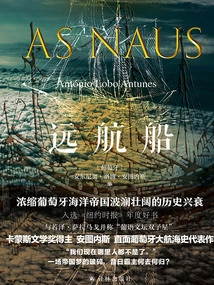
Voyage Ship
General Fiction远航船
(portugal) Antonio Lobo Antunes
In the 15th century, Portugal, located at the end of the European continent, led the "Geographical Discovery" and opened the glorious age of navigation. In the 1970s, as all African colonies became independent, the former maritime heroes were driven back home and hurriedly stranded in the ruins of the empire. In the distorted and superimposed time and space, Fernand Mendez Pinto, who traveled in Asia for decades and wrote "Travel", became a peddler selling defective products. Vasco da Gama, the "discoverer" of India, won half of Portugal by cheating, and Xavier, the saint who was dedicated to spreading the gospel of Christ, turned into a pimp... The truth and falsehood of history gave birth to scenes of absurd tragedies and comedies, and ambition and fanaticism were shattered in the waves along with the dream of empire. The voyage ship returned dejectedly from the sea, but the train connecting Europe on land was roaring. Between the sea and the land, Africa and Europe, Portugal is struggling to reshape its past, present and future.
In the 15th century, Portugal, located at the end of the European continent, led the "Geographical Discovery" and opened the glorious age of navigation. In the 1970s, as all African colonies became independent, the former maritime heroes were driven back home and hurriedly stranded in the ruins of the empire. In the distorted and superimposed time and space, Fernand Mendez Pinto, who traveled in Asia for decades and wrote "Travel", became a peddler selling defective products. Vasco da Gama, the "discoverer" of India, won half of Portugal by cheating, and Xavier, the saint who was dedicated to spreading the gospel of Christ, turned into a pimp... The truth and falsehood of history gave birth to scenes of absurd tragedies and comedies, and ambition and fanaticism were shattered in the waves along with the dream of empire. The voyage ship returned dejectedly from the sea, but the train connecting Europe on land was roaring. Between the sea and the land, Africa and Europe, Portugal is struggling to reshape its past, present and future.
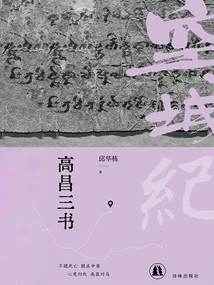
Three Books of Gaochang (empty City Chronicles)
General Fiction高昌三书(空城纪)
Qiu Huadong
Gaochang, located in the Mutugou River oasis on the northern edge of the Turpan Basin, was originally a military and political center. As the heart of the North Silk Road, it controlled the north-south trade routes of the Tianshan Mountains. "Unexpectedly, wonderful things can be seen in Gaochang." Gaochang's calligraphy and ink marks bear witness to the integration of Han culture and highlight the regional color. "Three Books of Gaochang" takes silk scripts, brick scripts and blanket scripts as clues and includes four parts: "Don't Avoid Death", "Rooted in the Central Plains", "Heart is the Place to Go" and "Gaochang Duima". An iron bird runs through history and contemporary times, witnessing the wars, iron horses, and fireworks of the Han, Tang, and Song Dynasties regarding Gaochang. In "Don't Avoid Death", Ban Yong, the son of Ban Chao, the guard of the Western Regions, is imprisoned and awaits the death penalty, recalling the legend of two generations of father and son who are closely connected with the Western Regions by flesh and blood. "Roots in the Central Plains" tells the story of Zhang Huaiji, a famous scholar from Xizhou in the Tang Dynasty, who accompanied the general Wang Xiaojie to conquer Tubo and recover the four towns in Anxi. During the march, he was entrusted with telling the past events of his homeland in Gaochang. During the war, he discovered a mysterious iron bird from the Han Dynasty on a beacon, whose sound traveled through time and space. "Heart Is Home" tells the story of Wang Yande, a chamberlain in the early Northern Song Dynasty, who was ordered by Taizong to serve as an envoy to the Uighur Kingdom in Gaochang. Crossing the quicksand, crossing the Yellow River, and avoiding assassinations, he arrived in Gaochang after going through many hardships. He accidentally obtained a chirping iron bird in the Jiaohe Buddhist niche, which repeatedly provided warnings and saved lives in danger. In the epilogue "Gaochang Duima", art history professors and students visit the ruins of the ancient city of Jiaohe, and paper-cutting restores the thousand-year-old "Gaochang Duima". An ancient iron bird discovered in the Jiaohe channel is magically activated in the moonlight, resonating with the paper-cut horse.
Gaochang, located in the Mutugou River oasis on the northern edge of the Turpan Basin, was originally a military and political center. As the heart of the North Silk Road, it controlled the north-south trade routes of the Tianshan Mountains. "Unexpectedly, wonderful things can be seen in Gaochang." Gaochang's calligraphy and ink marks bear witness to the integration of Han culture and highlight the regional color. "Three Books of Gaochang" takes silk scripts, brick scripts and blanket scripts as clues and includes four parts: "Don't Avoid Death", "Rooted in the Central Plains", "Heart is the Place to Go" and "Gaochang Duima". An iron bird runs through history and contemporary times, witnessing the wars, iron horses, and fireworks of the Han, Tang, and Song Dynasties regarding Gaochang. In "Don't Avoid Death", Ban Yong, the son of Ban Chao, the guard of the Western Regions, is imprisoned and awaits the death penalty, recalling the legend of two generations of father and son who are closely connected with the Western Regions by flesh and blood. "Roots in the Central Plains" tells the story of Zhang Huaiji, a famous scholar from Xizhou in the Tang Dynasty, who accompanied the general Wang Xiaojie to conquer Tubo and recover the four towns in Anxi. During the march, he was entrusted with telling the past events of his homeland in Gaochang. During the war, he discovered a mysterious iron bird from the Han Dynasty on a beacon, whose sound traveled through time and space. "Heart Is Home" tells the story of Wang Yande, a chamberlain in the early Northern Song Dynasty, who was ordered by Taizong to serve as an envoy to the Uighur Kingdom in Gaochang. Crossing the quicksand, crossing the Yellow River, and avoiding assassinations, he arrived in Gaochang after going through many hardships. He accidentally obtained a chirping iron bird in the Jiaohe Buddhist niche, which repeatedly provided warnings and saved lives in danger. In the epilogue "Gaochang Duima", art history professors and students visit the ruins of the ancient city of Jiaohe, and paper-cutting restores the thousand-year-old "Gaochang Duima". An ancient iron bird discovered in the Jiaohe channel is magically activated in the moonlight, resonating with the paper-cut horse.
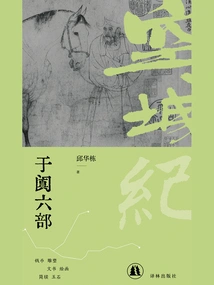
Six Divisions of Khotan (empty City Chronicles)
General Fiction于阗六部(空城纪)
Qiu Huadong
Khotan, located in the Hotan region of Xinjiang, is famous for its rich jade production. Hotan jade is still synonymous with beautiful jade, and "Kungang" in "Jade comes out of Kungang" refers to the ancient country of Khotan. In addition to its beautiful jade, Khotan is also a Buddhist center and an important silk town in the Western Regions. During the Tang Dynasty, Khotan had many contacts with the Central Plains and was one of the four towns in Anxi during the Tang Dynasty. "Six Parts of Khotan" includes six parts: "Coins: Han Dynasty Coins", "Sculptures: The Smile of the Buddha's Head", "Documents: A Sogdian Document", "Paintings: Flowered Horses in Khotan", "Slips and Slips: Slips Falling in the Quicksand", and "Jade: The Moonlight of Yotkan". Coins, sculptures, documents, paintings, slips and jade, these physical evidences that have been silent for thousands of years are revealed for the first time, recreating the civilized scenery of Khotan, the ancient city in the Western Regions. A copper coin witnessed the young Sogdian merchants willing to sacrifice themselves to save the caravan, and witnessed the royal monks self-immolating to pray for rain. A Buddha head wakes up from the quicksand, recalling the figures of Zhu Shixing, Faxian, Xuanzang and other eminent monks seeking Dharma in Khotan, until the kingdom fell. A Sogdian document reveals the blood and tears of Sogdian merchants during the war: Luoyang was burned, trade routes were cut off, and life and death were uncertain. A piebald horse shuttles between rock paintings and thousand-year scrolls. From the time of Zhang Qian to the court of the Northern Song Dynasty, it became an immortal elf in the works of Yuchi Yiseng and Li Gonglin. Four slips "resurrected" late at night, whispering in the museum display cabinet, tell the story of land sales, bizarre abductions, and juvenile pawning for thousands of years. A piece of Hetian jade mysteriously multiplied and decreased in the hands of modern scholars under the Yueguang Ancient Ruins, creating a magical passage connecting modern people with ancient Khotan.
Khotan, located in the Hotan region of Xinjiang, is famous for its rich jade production. Hotan jade is still synonymous with beautiful jade, and "Kungang" in "Jade comes out of Kungang" refers to the ancient country of Khotan. In addition to its beautiful jade, Khotan is also a Buddhist center and an important silk town in the Western Regions. During the Tang Dynasty, Khotan had many contacts with the Central Plains and was one of the four towns in Anxi during the Tang Dynasty. "Six Parts of Khotan" includes six parts: "Coins: Han Dynasty Coins", "Sculptures: The Smile of the Buddha's Head", "Documents: A Sogdian Document", "Paintings: Flowered Horses in Khotan", "Slips and Slips: Slips Falling in the Quicksand", and "Jade: The Moonlight of Yotkan". Coins, sculptures, documents, paintings, slips and jade, these physical evidences that have been silent for thousands of years are revealed for the first time, recreating the civilized scenery of Khotan, the ancient city in the Western Regions. A copper coin witnessed the young Sogdian merchants willing to sacrifice themselves to save the caravan, and witnessed the royal monks self-immolating to pray for rain. A Buddha head wakes up from the quicksand, recalling the figures of Zhu Shixing, Faxian, Xuanzang and other eminent monks seeking Dharma in Khotan, until the kingdom fell. A Sogdian document reveals the blood and tears of Sogdian merchants during the war: Luoyang was burned, trade routes were cut off, and life and death were uncertain. A piebald horse shuttles between rock paintings and thousand-year scrolls. From the time of Zhang Qian to the court of the Northern Song Dynasty, it became an immortal elf in the works of Yuchi Yiseng and Li Gonglin. Four slips "resurrected" late at night, whispering in the museum display cabinet, tell the story of land sales, bizarre abductions, and juvenile pawning for thousands of years. A piece of Hetian jade mysteriously multiplied and decreased in the hands of modern scholars under the Yueguang Ancient Ruins, creating a magical passage connecting modern people with ancient Khotan.
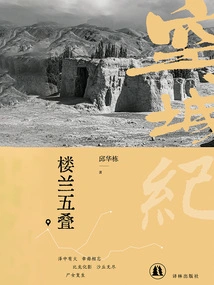
Loulan Five Stacks (empty City Period)
General Fiction楼兰五叠(空城纪)
Qiu Huadong
Loulan, later known as Shanshan, existed from the 2nd century BC to the 6th century AD. The site is located in Ruoqiang County, Xinjiang. Guard the northern and southern bifurcation points of the Silk Road. In modern times, the "rediscovery" of Loulan by Sven Hedin and others and the unearthing of the "Loulan female corpse" have made Loulan reappear in the sea of sand. "Five Layers of Loulan" includes five chapters: "First Layer: There is Fire in the Swamp", "Second Layer: Never Forget Each Other", "Third Layer: The Transformation of a Dragon", "Fourth Layer: Endless Sand Dunes" and "Five Layers: Resurrection of a Corpse Girl". It uses the sound of a bull's horn to run through the front and back, presenting the layered changes in Loulan's history and telling the rise and fall of the "Pearl of the Silk Road" Loulan ancient city and the Lop Nur civilization. Babu and Luhua were given a horn as a token of love by fighting a tiger to prove their love. Later, Luhua died in childbirth. Babu put the horn into his hand and rowed northward to leave. In the Han Dynasty, Fu Jiezi traveled westward under the imperial edict. He carried a horn as a gift from his lover and decisively killed him at a banquet. During the Wei and Jin Dynasties, King Bilong of Loulan faced Tuoba Tao's extermination of Buddhism and Juqu's Anzhou invasion. In order to protect his people, he asked his substitute Cao Wu to lead the tribe to migrate to Qiemo. In 1900, Swedish explorer Sven Hedin was exploring the Lob Wilderness, and his guide Oldeke accidentally discovered the Loulan ruins while looking for a shovel. In 2013, a team of photographers went through many hardships to reach the ancient city of Loulan and picked up a horn horn among the ruins. When the horn was blown at night, the mummy of the "Loulan Beauty" holding the same horn horn in the museum seemed to be awakened, performing a fantasy scene of "resurrection of a corpse girl".
Loulan, later known as Shanshan, existed from the 2nd century BC to the 6th century AD. The site is located in Ruoqiang County, Xinjiang. Guard the northern and southern bifurcation points of the Silk Road. In modern times, the "rediscovery" of Loulan by Sven Hedin and others and the unearthing of the "Loulan female corpse" have made Loulan reappear in the sea of sand. "Five Layers of Loulan" includes five chapters: "First Layer: There is Fire in the Swamp", "Second Layer: Never Forget Each Other", "Third Layer: The Transformation of a Dragon", "Fourth Layer: Endless Sand Dunes" and "Five Layers: Resurrection of a Corpse Girl". It uses the sound of a bull's horn to run through the front and back, presenting the layered changes in Loulan's history and telling the rise and fall of the "Pearl of the Silk Road" Loulan ancient city and the Lop Nur civilization. Babu and Luhua were given a horn as a token of love by fighting a tiger to prove their love. Later, Luhua died in childbirth. Babu put the horn into his hand and rowed northward to leave. In the Han Dynasty, Fu Jiezi traveled westward under the imperial edict. He carried a horn as a gift from his lover and decisively killed him at a banquet. During the Wei and Jin Dynasties, King Bilong of Loulan faced Tuoba Tao's extermination of Buddhism and Juqu's Anzhou invasion. In order to protect his people, he asked his substitute Cao Wu to lead the tribe to migrate to Qiemo. In 1900, Swedish explorer Sven Hedin was exploring the Lob Wilderness, and his guide Oldeke accidentally discovered the Loulan ruins while looking for a shovel. In 2013, a team of photographers went through many hardships to reach the ancient city of Loulan and picked up a horn horn among the ruins. When the horn was blown at night, the mummy of the "Loulan Beauty" holding the same horn horn in the museum seemed to be awakened, performing a fantasy scene of "resurrection of a corpse girl".
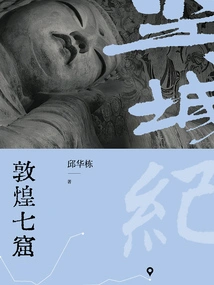
The Seven Grottoes of Dunhuang (empty City Period)
General Fiction敦煌七窟(空城纪)
Qiu Huadong
Dunhuang, located at the westernmost end of the Hexi Corridor, is the gateway to the Central Plains and the Western Regions. Dunhuang Mogao Grottoes, a world cultural heritage, was excavated in the Sixteenth Kingdom and built over the Northern Dynasties, Sui, Tang, Five Dynasties, Song, Xixia, and Yuan Dynasties. It integrates various styles from India, Central Asia, and the Central Plains, and preserves exquisite murals, painted sculptures, architecture, and scripture cave documents. It can be called an encyclopedia of Buddhist art history. "Dunhuang Seven Caves" is based on the seven real caves in Dunhuang Mogao Grottoes (Caves 275, 285, 296, 420, 158, 98, and 17), telling seven stories spanning thousands of years, including the Samana, the murderer, the woman, the soldier, the businessman, the king, and the scholar, as well as the eastward spread of Buddhism and the human fireworks of the Mogao Grottoes. The ascetic breaks off all ties in the world in front of the statue of Maitreya, but he cannot resist the burning gaze of Qingmei; the murderer confesses with blood and tears in front of the "Five Hundred Bandits Becoming a Buddha"; the desperate woman sees her past and present life from the mural; the heads of soldiers killed in battle Obsession returns home; a wealthy businessman meets a dream catcher when questioning life and death in the Nirvana Cave; the dead soul of the King of Khotan caresses the old shadow on the wall; modern scholars have conversations with eminent monks across time and space in the Sutra Cave... Under the light of the Buddha, everyone is undergoing self-transcendence.
Dunhuang, located at the westernmost end of the Hexi Corridor, is the gateway to the Central Plains and the Western Regions. Dunhuang Mogao Grottoes, a world cultural heritage, was excavated in the Sixteenth Kingdom and built over the Northern Dynasties, Sui, Tang, Five Dynasties, Song, Xixia, and Yuan Dynasties. It integrates various styles from India, Central Asia, and the Central Plains, and preserves exquisite murals, painted sculptures, architecture, and scripture cave documents. It can be called an encyclopedia of Buddhist art history. "Dunhuang Seven Caves" is based on the seven real caves in Dunhuang Mogao Grottoes (Caves 275, 285, 296, 420, 158, 98, and 17), telling seven stories spanning thousands of years, including the Samana, the murderer, the woman, the soldier, the businessman, the king, and the scholar, as well as the eastward spread of Buddhism and the human fireworks of the Mogao Grottoes. The ascetic breaks off all ties in the world in front of the statue of Maitreya, but he cannot resist the burning gaze of Qingmei; the murderer confesses with blood and tears in front of the "Five Hundred Bandits Becoming a Buddha"; the desperate woman sees her past and present life from the mural; the heads of soldiers killed in battle Obsession returns home; a wealthy businessman meets a dream catcher when questioning life and death in the Nirvana Cave; the dead soul of the King of Khotan caresses the old shadow on the wall; modern scholars have conversations with eminent monks across time and space in the Sutra Cave... Under the light of the Buddha, everyone is undergoing self-transcendence.
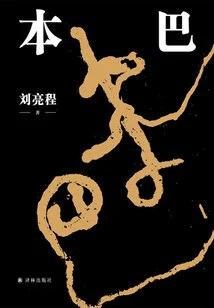
Bemba (work by Liu Liangcheng)
General Fiction本巴(刘亮程作品)
Liu Liangcheng
The Bemba place in Jianggar is a happy paradise on earth. People there are all twenty-five years old, and there is no aging or death. --The Mongolian heroic epic "Janggar". Where the epic stops, Bemba begins. Jiang Geer, who was intoxicated in the youthful feast of seventy-seven forty-nine days, received the challenge from the distant King Hari, and the young hero Hong Guer set off alone to fight. Helan, who did not want to be born, was forced to be born in order to rescue his brother Hong Guer. He used the moving game brought from the mother's womb to turn all the adults on the grassland into children in the game, and finally returned to the mother's womb. In order to find his missing brother, Hungul, who did not want to grow up, played a hide-and-seek game to let half of the people on the grassland hide while the other half went to search. King Hari, who was in charge of the Kingdom of Rama in his mother's womb, used the dream game to make all this his dream, and in his dream he allowed people to see the creator of Bemba in the real world: the epic rapper Qi. At first, these characters only had names. Later, in the stories told around the campfire on snowy nights, they were brought to life and had souls.
The Bemba place in Jianggar is a happy paradise on earth. People there are all twenty-five years old, and there is no aging or death. --The Mongolian heroic epic "Janggar". Where the epic stops, Bemba begins. Jiang Geer, who was intoxicated in the youthful feast of seventy-seven forty-nine days, received the challenge from the distant King Hari, and the young hero Hong Guer set off alone to fight. Helan, who did not want to be born, was forced to be born in order to rescue his brother Hong Guer. He used the moving game brought from the mother's womb to turn all the adults on the grassland into children in the game, and finally returned to the mother's womb. In order to find his missing brother, Hungul, who did not want to grow up, played a hide-and-seek game to let half of the people on the grassland hide while the other half went to search. King Hari, who was in charge of the Kingdom of Rama in his mother's womb, used the dream game to make all this his dream, and in his dream he allowed people to see the creator of Bemba in the real world: the epic rapper Qi. At first, these characters only had names. Later, in the stories told around the campfire on snowy nights, they were brought to life and had souls.
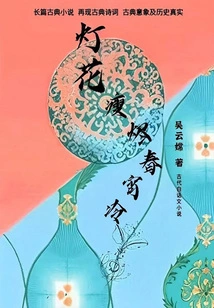
The Lanterns Are Thin and the Spring Night is Cold
General Fiction灯花瘦烬春宵冷
Wu Yunchang
"Deng Hua Thin Ashes Spring Night Cold" is a long classical novel about worldly affairs, divided into five volumes: Green Plum Season, Nanpu Moon, Hangzhou Trip, Bitter Rain Ballad, and Hatred of National Subjugation. Its content covers all aspects of the society of the Song Dynasty, and contains historical thoughts and scholarship. Spirit, the plot of the novel takes Jin Yuanshu's growth and career as the main line, with the love between Su and Li and the rise and fall of the Li family as the sub-line. The content involves literature, history, agriculture, calendar, traditional Chinese medicine, customs, folklore, folk arts, economy, etc. The writing style is delicate and profound, the emotional expression is deep and touching, and each volume has its own emphasis.
"Deng Hua Thin Ashes Spring Night Cold" is a long classical novel about worldly affairs, divided into five volumes: Green Plum Season, Nanpu Moon, Hangzhou Trip, Bitter Rain Ballad, and Hatred of National Subjugation. Its content covers all aspects of the society of the Song Dynasty, and contains historical thoughts and scholarship. Spirit, the plot of the novel takes Jin Yuanshu's growth and career as the main line, with the love between Su and Li and the rise and fall of the Li family as the sub-line. The content involves literature, history, agriculture, calendar, traditional Chinese medicine, customs, folklore, folk arts, economy, etc. The writing style is delicate and profound, the emotional expression is deep and touching, and each volume has its own emphasis.
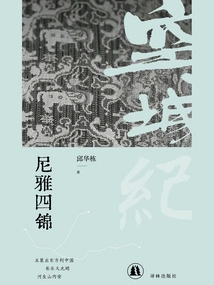
The Four Brocades of Niya (the Empty City)
General Fiction尼雅四锦(空城纪)
Qiu Huadong
Niya, the hometown of Jingjue Kingdom, existed from around the 2nd century BC to the 5th century AD. Its ruins are located in Minfeng County, Hotan Prefecture, Xinjiang. Niya is an important stop on the southern route of the ancient Silk Road and an important node for the exchange of goods and culture between the East and the West. More than a thousand wooden tablets (written in Khalur script) unearthed from the site show that its official language is Gandhara. In 1995, a brocade armband from the Han Dynasty woven with the eight seal characters "Five stars from the east will benefit China" was unearthed in Niya, causing a sensation at home and abroad. "The Four Brocades of Niya" takes the brocades of the Han Dynasty as clues to construct a civilization epic of the Jingjue Kingdom that spans thousands of years. The five stories revolve around the brocade patterns such as "Five stars come out of the east to benefit China", "There is great light in Changle" and "Long live the princes together", connecting themes such as tribal grievances, marriage missions, palace intrigues and the fate of common people. "Yijue" tells the story of the princess Xia Mei who was sent by the Han Dynasty to marry in the Jingjue Kingdom. She tried her best to hide silkworm seeds in her bun and brought them to the Jingjue Kingdom. She helped people raise silkworms and taught Jingjue women how to draw and reel silk to weave brocade silk. "Two Brocades" tells the story of two young princes from the Kingdom of Jingjue who exchanged clothes with the two young princes from the King of Linchuan in a critical moment to save the royal bloodline of the Central Plains. "Three Brocades" tells the story of Shaja Mouwei, a prodigal from the country of Jingjue, who elopes with Shan Ai. Returning to the prologue, the elite ancestors "the Horse Clan" and the "Eagle Clan" merged after the war. It is said that the war dead turned into snowmen and red willow roots. They wanted to return to the city on a moonlit night but disappeared into smoke. The perspective shifts to modern times. Archaeologist Lin Gucun leads a team to visit the ruins of Niya. Yang Yingzheng, the temporary deputy county magistrate, leads the villagers to cultivate new silkworm species. The exquisite civilization is reborn through archeology and inheritance.
Niya, the hometown of Jingjue Kingdom, existed from around the 2nd century BC to the 5th century AD. Its ruins are located in Minfeng County, Hotan Prefecture, Xinjiang. Niya is an important stop on the southern route of the ancient Silk Road and an important node for the exchange of goods and culture between the East and the West. More than a thousand wooden tablets (written in Khalur script) unearthed from the site show that its official language is Gandhara. In 1995, a brocade armband from the Han Dynasty woven with the eight seal characters "Five stars from the east will benefit China" was unearthed in Niya, causing a sensation at home and abroad. "The Four Brocades of Niya" takes the brocades of the Han Dynasty as clues to construct a civilization epic of the Jingjue Kingdom that spans thousands of years. The five stories revolve around the brocade patterns such as "Five stars come out of the east to benefit China", "There is great light in Changle" and "Long live the princes together", connecting themes such as tribal grievances, marriage missions, palace intrigues and the fate of common people. "Yijue" tells the story of the princess Xia Mei who was sent by the Han Dynasty to marry in the Jingjue Kingdom. She tried her best to hide silkworm seeds in her bun and brought them to the Jingjue Kingdom. She helped people raise silkworms and taught Jingjue women how to draw and reel silk to weave brocade silk. "Two Brocades" tells the story of two young princes from the Kingdom of Jingjue who exchanged clothes with the two young princes from the King of Linchuan in a critical moment to save the royal bloodline of the Central Plains. "Three Brocades" tells the story of Shaja Mouwei, a prodigal from the country of Jingjue, who elopes with Shan Ai. Returning to the prologue, the elite ancestors "the Horse Clan" and the "Eagle Clan" merged after the war. It is said that the war dead turned into snowmen and red willow roots. They wanted to return to the city on a moonlit night but disappeared into smoke. The perspective shifts to modern times. Archaeologist Lin Gucun leads a team to visit the ruins of Niya. Yang Yingzheng, the temporary deputy county magistrate, leads the villagers to cultivate new silkworm species. The exquisite civilization is reborn through archeology and inheritance.
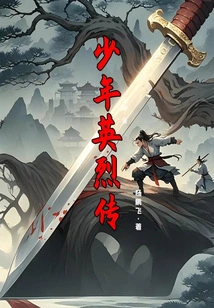
Young Heroes
General Fiction少年英烈传
Yang Pengfei
At the end of the Qing Dynasty, a prodigal son with justice, courage and wisdom traveled between the Tiandihui and the imperial eagle and dog, and jointly performed a swordsmanship and love and hatred that belonged to that era.
At the end of the Qing Dynasty, a prodigal son with justice, courage and wisdom traveled between the Tiandihui and the imperial eagle and dog, and jointly performed a swordsmanship and love and hatred that belonged to that era.
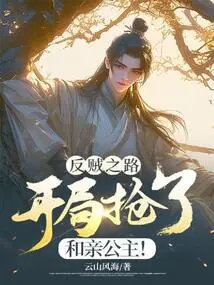
反贼之路:开局抢了和亲公主!
Yunshanfenghai
Chen Ran travels through ancient times and likes to pick up a vending backpack! I wanted to keep to myself and be a king of the mountain. Unexpectedly, his men snatched the princess who was getting married! When the royal army pressed on, Chen Ran took out modern building materials with his backhand. "The camp will turn into a fortress, let's see how you guys get in!" The princess's beautiful eyes sparkled: "Husband, how about we rebel by the way?" From a bandit to an infrastructure madman, from dominating one area to dominating the world, Chen Ran showed the ancients what dimensionality reduction strikes are!
Chen Ran travels through ancient times and likes to pick up a vending backpack! I wanted to keep to myself and be a king of the mountain. Unexpectedly, his men snatched the princess who was getting married! When the royal army pressed on, Chen Ran took out modern building materials with his backhand. "The camp will turn into a fortress, let's see how you guys get in!" The princess's beautiful eyes sparkled: "Husband, how about we rebel by the way?" From a bandit to an infrastructure madman, from dominating one area to dominating the world, Chen Ran showed the ancients what dimensionality reduction strikes are!
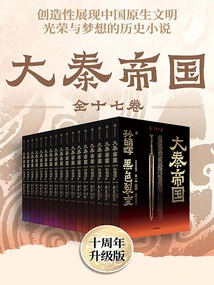
大秦帝国全十七卷(十周年升级版)
Sun Haohui
The panoramic view shows the grand process of Qin's transformation from weak to strong and the unification of six countries. The book is divided into six parts and seventeen volumes, recording the centuries-old changes of the seven monarchs from Qin Xiaogong to Qin Shihuang who worked hard to rule, conquered the Liuhe and unified the world, established a powerful empire, but died in the second generation. The work profoundly depicts major historical events such as Shang Yang's Reform, Hezonglianheng, and the decisive battle of Changping. It reproduces the majestic competition and integration of civilizations during the Warring States Period, and demonstrates the wisdom of doing things, governance strategies, and the enterprising spirit of China's native civilization for strong survival.
The panoramic view shows the grand process of Qin's transformation from weak to strong and the unification of six countries. The book is divided into six parts and seventeen volumes, recording the centuries-old changes of the seven monarchs from Qin Xiaogong to Qin Shihuang who worked hard to rule, conquered the Liuhe and unified the world, established a powerful empire, but died in the second generation. The work profoundly depicts major historical events such as Shang Yang's Reform, Hezonglianheng, and the decisive battle of Changping. It reproduces the majestic competition and integration of civilizations during the Warring States Period, and demonstrates the wisdom of doing things, governance strategies, and the enterprising spirit of China's native civilization for strong survival.
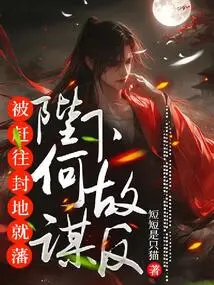
被赶往封地就藩,陛下何故谋反?
Short Is A Cat
[No System + Low Mystery + Alternate History] When he woke up, Cai Linyan found that he was the sixth prince of Daxia who had been relegated to the next generation, poisoned by corpse poison, and whose life or death was unpredictable. But later, Cai Linyan discovered that his corpse poison seemed to be different. It could absorb the most primitive power from the blood. The power of dragon and elephant is an adjective to ordinary people, but to Cai Linyan, it is just a drink of blood. Entering the imperial city again, accompanied by white tigers and black crows, Cai Linyan looked at Emperor Jiaping from a distance, "Your Majesty, why bother?" Emperor Jiaping said: "???"
[No System + Low Mystery + Alternate History] When he woke up, Cai Linyan found that he was the sixth prince of Daxia who had been relegated to the next generation, poisoned by corpse poison, and whose life or death was unpredictable. But later, Cai Linyan discovered that his corpse poison seemed to be different. It could absorb the most primitive power from the blood. The power of dragon and elephant is an adjective to ordinary people, but to Cai Linyan, it is just a drink of blood. Entering the imperial city again, accompanied by white tigers and black crows, Cai Linyan looked at Emperor Jiaping from a distance, "Your Majesty, why bother?" Emperor Jiaping said: "???"
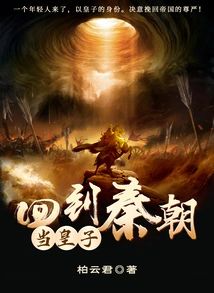
Return to the Qin Dynasty and Become a Prince
General Fiction回到秦朝当皇子
Bai Yunjun
The lamentable empire is about to enter its twilight, and the dusk of the setting sun shines on the towering towers of Xianyang. A young man has arrived. As a prince, he is determined to restore the dignity of the empire! What is the regret of the Qin Dynasty? It was the King of Qin who conquered Liuhe. How heroic was he to look upon him? His great cause of unifying the world actually led to the death of Hu Hai II? Is it Meng Tian who swept across the Huns and regained thousands of miles but was unjustly killed? Was it the merciful and outspoken young master Fusu who was killed on the border? Now that he has crossed over to Master Fusu, all this will be changed. A new story starts now.
The lamentable empire is about to enter its twilight, and the dusk of the setting sun shines on the towering towers of Xianyang. A young man has arrived. As a prince, he is determined to restore the dignity of the empire! What is the regret of the Qin Dynasty? It was the King of Qin who conquered Liuhe. How heroic was he to look upon him? His great cause of unifying the world actually led to the death of Hu Hai II? Is it Meng Tian who swept across the Huns and regained thousands of miles but was unjustly killed? Was it the merciful and outspoken young master Fusu who was killed on the border? Now that he has crossed over to Master Fusu, all this will be changed. A new story starts now.
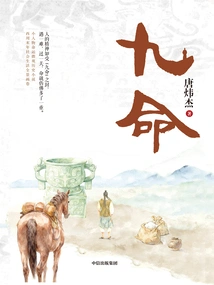
Nine Lives
General Fiction九命
Tang Weijie
On the anniversary of the Western Zhou Dynasty, twenty young people in Liangyi, a small isolated mountain village, were selected as warriors and went out to buy salt. Faced with the prosperity and strict class order outside the mountain, some people insist on climbing the "Nine Lives" level by any means or at any cost; some people regard the "Nine Lives" as a test for themselves. The more they suffer, the more determined they are to return. When the war spreads, everyone must face the final choice: accept the destiny they are born with, or give it a try to win nine lives?
On the anniversary of the Western Zhou Dynasty, twenty young people in Liangyi, a small isolated mountain village, were selected as warriors and went out to buy salt. Faced with the prosperity and strict class order outside the mountain, some people insist on climbing the "Nine Lives" level by any means or at any cost; some people regard the "Nine Lives" as a test for themselves. The more they suffer, the more determined they are to return. When the war spreads, everyone must face the final choice: accept the destiny they are born with, or give it a try to win nine lives?
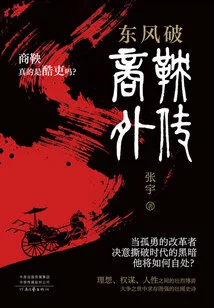
The East Wind Breaks: a Biography of Shang Yang
General Fiction东风破:商鞅外传
Zhang Yu
A historical novel full of reflections on modernity. The writer Zhang Yu uses his amazing literary imagination and deep insight into history to let Shang Yang breathe again on paper: He came from the fringes of the Wei Kingdom clan, tolerated Wei, rose up in Qin, and finally sacrificed his life for the system he created; Shang Yang is no longer a simplified "reform tool", but a complete person struggling between ideals and reality, justice and personal feelings, creation and destruction. His reform spirit and original intention of rule of law are the harbinger of Chinese civilization breaking through the dilemma of rule by man. This book is not only a magnificent epic about Qin's struggle for survival and strength, but also a profound reflection on the rule of law, power and human nature. With surging emotions and profound thinking, the author completes a contemporary dialogue with the historical spirit, providing a soul-shaking mirror for all readers who seek change, advocate the rule of law, and care about the destiny of mankind. This book is not only a magnificent epic about Qin's struggle for survival and strength, but also a profound reflection on the rule of law, power and human nature.
A historical novel full of reflections on modernity. The writer Zhang Yu uses his amazing literary imagination and deep insight into history to let Shang Yang breathe again on paper: He came from the fringes of the Wei Kingdom clan, tolerated Wei, rose up in Qin, and finally sacrificed his life for the system he created; Shang Yang is no longer a simplified "reform tool", but a complete person struggling between ideals and reality, justice and personal feelings, creation and destruction. His reform spirit and original intention of rule of law are the harbinger of Chinese civilization breaking through the dilemma of rule by man. This book is not only a magnificent epic about Qin's struggle for survival and strength, but also a profound reflection on the rule of law, power and human nature. With surging emotions and profound thinking, the author completes a contemporary dialogue with the historical spirit, providing a soul-shaking mirror for all readers who seek change, advocate the rule of law, and care about the destiny of mankind. This book is not only a magnificent epic about Qin's struggle for survival and strength, but also a profound reflection on the rule of law, power and human nature.
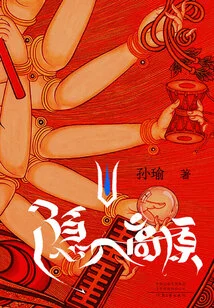
Hidden on the Plateau
General Fiction隐入高原
Sun Yu
The novel "Hiding into the Plateau" uses wonderful imagination to interpret the mystery of why the Gu Dynasty, which once dominated the top of the plateau for seven hundred years, mysteriously disappeared overnight. It tells a legendary story about the entangled struggle of power, emotion, and human nature. The writing style is desolate and gloomy, and it is a masterpiece with epic potential.
The novel "Hiding into the Plateau" uses wonderful imagination to interpret the mystery of why the Gu Dynasty, which once dominated the top of the plateau for seven hundred years, mysteriously disappeared overnight. It tells a legendary story about the entangled struggle of power, emotion, and human nature. The writing style is desolate and gloomy, and it is a masterpiece with epic potential.
Zeng Guofan's First Three Years as an Official
General Fiction曾国藩做官头三年
Zhu Kun
In the eighteenth year of Daoguang's reign, the 28-year-old Zeng Guofan failed in two tests and finally won the top three. Although he was far from his original hope and was only born as a Jinshi, he finally entered the capital with one leg, thus starting his magnificent and ups and downs official career... Throughout history, Zeng Guofan, with no family background and no generous financial support, achieved a counterattack in life and achieved the reputation of an eternal official sage. Even after his death, he still retained his honor and favor a hundred years ago. His unique way of dealing with people is worthy of reading and learning by every aspiring young man! He was mediocre in talent and failed in two tests, but he achieved a counterattack in life and achieved the reputation of being the first official sage in the ages.
In the eighteenth year of Daoguang's reign, the 28-year-old Zeng Guofan failed in two tests and finally won the top three. Although he was far from his original hope and was only born as a Jinshi, he finally entered the capital with one leg, thus starting his magnificent and ups and downs official career... Throughout history, Zeng Guofan, with no family background and no generous financial support, achieved a counterattack in life and achieved the reputation of an eternal official sage. Even after his death, he still retained his honor and favor a hundred years ago. His unique way of dealing with people is worthy of reading and learning by every aspiring young man! He was mediocre in talent and failed in two tests, but he achieved a counterattack in life and achieved the reputation of being the first official sage in the ages.
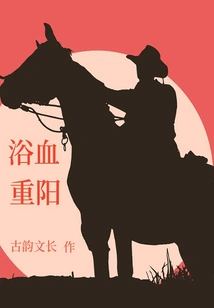
Bloody Double Ninth Festival
General Fiction浴血重阳
Long Ancient Rhyme
At the end of the Northern Song Dynasty, Wanyan Hao, Emperor Taizong of the Jin Dynasty, sent Wanyan Zonghan to attack Shaanxi. They fought continuously for years. The people of the Central Plains were in dire straits. They hated the invasion of the Jin people and were eager to live a peaceful and stable life. Wang Chongyang was born in such a war-torn era. He deeply felt the suffering of the people and worried about the country and the people. He worked hard to practice literature and martial arts since he was a child. This article aims to show the anecdotes of his founding of the Quanzhen Sect, and his efforts with various sects in the Central Plains to fight against the Jin Dynasty and other evil forces, and strive to restore the prosperity of the Song Dynasty.
At the end of the Northern Song Dynasty, Wanyan Hao, Emperor Taizong of the Jin Dynasty, sent Wanyan Zonghan to attack Shaanxi. They fought continuously for years. The people of the Central Plains were in dire straits. They hated the invasion of the Jin people and were eager to live a peaceful and stable life. Wang Chongyang was born in such a war-torn era. He deeply felt the suffering of the people and worried about the country and the people. He worked hard to practice literature and martial arts since he was a child. This article aims to show the anecdotes of his founding of the Quanzhen Sect, and his efforts with various sects in the Central Plains to fight against the Jin Dynasty and other evil forces, and strive to restore the prosperity of the Song Dynasty.
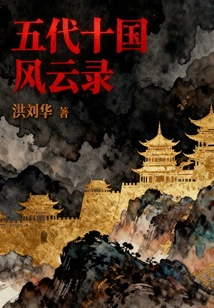
Records of the Five Dynasties and Ten Kingdoms
General Fiction五代十国风云录
Hong Liuhua
At the end of the Tang Dynasty, dozens of military entities existed in China, namely the Five Dynasties: Later Liang, Later Tang, Later Jin, Later Han, and Later Zhou; there were also countries that competed for the Central Plains and were crowned kings and emperors. They were either united or separated from the Five Dynasties, but did not belong to each other. They were called the Ten Kingdoms: Wu, Southern Tang, Wuyue, Min, Chu, Jingnan, and the former Shu, Hou Shu, Southern Han, and Northern Han. They constantly competed, killed, annexed, split, rose, and fell... Later, Zhao Kuangyin, who was born as a soldier, took advantage of the opportunity of being in charge of the young country's suspicion to create the Chenqiao Rebellion and wear a yellow robe. Then he performed a trick of drinking wine to release military power, which consolidated the Zhao family's regime and gradually unified the country.
At the end of the Tang Dynasty, dozens of military entities existed in China, namely the Five Dynasties: Later Liang, Later Tang, Later Jin, Later Han, and Later Zhou; there were also countries that competed for the Central Plains and were crowned kings and emperors. They were either united or separated from the Five Dynasties, but did not belong to each other. They were called the Ten Kingdoms: Wu, Southern Tang, Wuyue, Min, Chu, Jingnan, and the former Shu, Hou Shu, Southern Han, and Northern Han. They constantly competed, killed, annexed, split, rose, and fell... Later, Zhao Kuangyin, who was born as a soldier, took advantage of the opportunity of being in charge of the young country's suspicion to create the Chenqiao Rebellion and wear a yellow robe. Then he performed a trick of drinking wine to release military power, which consolidated the Zhao family's regime and gradually unified the country.
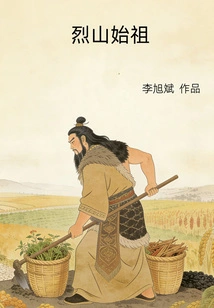
Lieshan Ancestor
General Fiction烈山始祖
Li Xubin
The Ancestor of Lieshan is a long historical story. The story begins with the birth of Lieshan by Emperor Yan Shennong. It is mainly based on the region, humanities and history of Suizhou. Through artistic stories, it reproduces the legendary life of Emperor Yan in pursuit of science and progress.
The Ancestor of Lieshan is a long historical story. The story begins with the birth of Lieshan by Emperor Yan Shennong. It is mainly based on the region, humanities and history of Suizhou. Through artistic stories, it reproduces the legendary life of Emperor Yan in pursuit of science and progress.
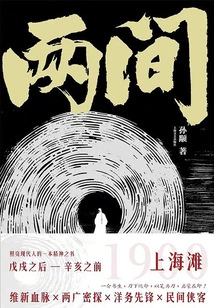
Two Rooms
General Fiction两间
Sun Yong
After the failure of the Reform Movement of 1898, the Seven Gentlemen were interrogated and killed at Caishikou. Tan Sitong's aide Xu Fangbai escaped from the knife and fled in the bloody storm, drifting to Shanghai. He looked up in despair, with nowhere to live. In the dark clouds at the end of the Qing Dynasty, the arrival of Zhang Yuanji brought a glimmer of hope to Xu Fangbai, and the appearance of the chivalrous Shandong brothers and sisters also brought a bright light to Xu Fangbai's lonely life. How will a helpless scholar restart his life that has been stagnant for a while? What kind of new way out will Xu Fangbai face? "Two Rooms" is a newly created novel by Sun Yong with great historical significance. This work continues Sun Yong's thinking on the identity and status of intellectuals in his creative genealogy, and infiltrates his insight into Chinese history and culture. "Two Rooms" uses a novel to imagine the fate of scholars back then, and how intellectuals would find a way out and settle down physically and mentally in the disintegrating social situation.
After the failure of the Reform Movement of 1898, the Seven Gentlemen were interrogated and killed at Caishikou. Tan Sitong's aide Xu Fangbai escaped from the knife and fled in the bloody storm, drifting to Shanghai. He looked up in despair, with nowhere to live. In the dark clouds at the end of the Qing Dynasty, the arrival of Zhang Yuanji brought a glimmer of hope to Xu Fangbai, and the appearance of the chivalrous Shandong brothers and sisters also brought a bright light to Xu Fangbai's lonely life. How will a helpless scholar restart his life that has been stagnant for a while? What kind of new way out will Xu Fangbai face? "Two Rooms" is a newly created novel by Sun Yong with great historical significance. This work continues Sun Yong's thinking on the identity and status of intellectuals in his creative genealogy, and infiltrates his insight into Chinese history and culture. "Two Rooms" uses a novel to imagine the fate of scholars back then, and how intellectuals would find a way out and settle down physically and mentally in the disintegrating social situation.
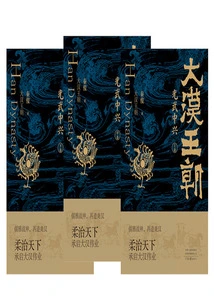
Guangwu Zhongxing: Three Volumes (han Dynasty)
General Fiction光武中兴:全三册(大汉王朝)
Qin Jun
The "Han Dynasty" series of books vividly reproduces the changes in the four hundred years of the Han Dynasty with the unique perspective of folk narrative and the grand historical picture. This set of books totals about 3.6 Million words, constituting a complete historical evolution process of "starting a business - maintaining success - resurgence - decline". It narrates Liu Xiu's process of rebuilding the Han Dynasty, focusing on his legend of Kunyang counterattack of "riding an ox to fight" and his strategy of recuperating and reorganizing the government.
The "Han Dynasty" series of books vividly reproduces the changes in the four hundred years of the Han Dynasty with the unique perspective of folk narrative and the grand historical picture. This set of books totals about 3.6 Million words, constituting a complete historical evolution process of "starting a business - maintaining success - resurgence - decline". It narrates Liu Xiu's process of rebuilding the Han Dynasty, focusing on his legend of Kunyang counterattack of "riding an ox to fight" and his strategy of recuperating and reorganizing the government.
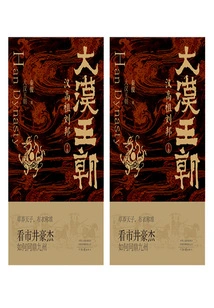
汉高祖刘邦:全二册(大汉王朝)
Qin Jun
The "Han Dynasty" series of books vividly reproduces the changes in the four hundred years of the Han Dynasty with the unique perspective of folk narrative and the grand historical picture. This set of books totals about 3.6 Million words, constituting a complete historical evolution process of "starting a business - maintaining success - resurgence - decline". "Liu Bang, the Great Ancestor of the Han Dynasty" tells the story of Liu Bang's counterattack from a commoner in Peixian County to the founding emperor, focusing on his entrepreneurial story and leadership wisdom of knowing people well.
The "Han Dynasty" series of books vividly reproduces the changes in the four hundred years of the Han Dynasty with the unique perspective of folk narrative and the grand historical picture. This set of books totals about 3.6 Million words, constituting a complete historical evolution process of "starting a business - maintaining success - resurgence - decline". "Liu Bang, the Great Ancestor of the Han Dynasty" tells the story of Liu Bang's counterattack from a commoner in Peixian County to the founding emperor, focusing on his entrepreneurial story and leadership wisdom of knowing people well.
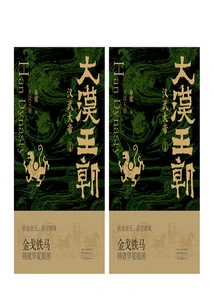
汉武大帝:全二册(大汉王朝)
Qin Jun
The "Han Dynasty" series of books vividly reproduces the changes in the four hundred years of the Han Dynasty with the unique perspective of folk narrative and the grand historical picture. This set of books totals about 3.6 Million words, constituting a complete historical evolution process of "starting a business - maintaining success - resurgence - decline". "Emperor Wu of the Han Dynasty" depicts Emperor Wu of the Han Dynasty's heroic strategy of opening up territories and strengthening centralization of power, showing his daily machinations and also involving anecdotes about seeking immortality.
The "Han Dynasty" series of books vividly reproduces the changes in the four hundred years of the Han Dynasty with the unique perspective of folk narrative and the grand historical picture. This set of books totals about 3.6 Million words, constituting a complete historical evolution process of "starting a business - maintaining success - resurgence - decline". "Emperor Wu of the Han Dynasty" depicts Emperor Wu of the Han Dynasty's heroic strategy of opening up territories and strengthening centralization of power, showing his daily machinations and also involving anecdotes about seeking immortality.
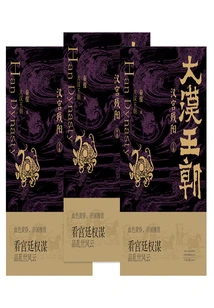
汉宫残阳:全三册(大汉王朝)
Qin Jun
The "Han Dynasty" series of books vividly reproduces the changes in the four hundred years of the Han Dynasty with the unique perspective of folk narrative and the grand historical picture. This set of books totals about 3.6 Million words, constituting a complete historical evolution process of "starting a business - maintaining success - resurgence - decline". "The Setting Sun in the Han Palace" focuses on the autocratic power of foreign relatives and eunuchs, the disasters caused by the party and the Yellow Turban Uprising in the late Eastern Han Dynasty, and depicts the end of the world when the dynasty is about to collapse.
The "Han Dynasty" series of books vividly reproduces the changes in the four hundred years of the Han Dynasty with the unique perspective of folk narrative and the grand historical picture. This set of books totals about 3.6 Million words, constituting a complete historical evolution process of "starting a business - maintaining success - resurgence - decline". "The Setting Sun in the Han Palace" focuses on the autocratic power of foreign relatives and eunuchs, the disasters caused by the party and the Yellow Turban Uprising in the late Eastern Han Dynasty, and depicts the end of the world when the dynasty is about to collapse.
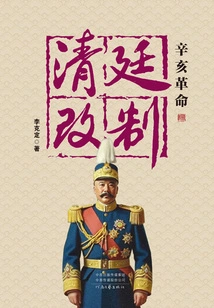
Revolution of 1911: Reorganization of the Qing Court
General Fiction辛亥革命:清廷改制
Li Keding
The Revolution of 1911 that broke out in 1911 ended China's imperial system that had lasted for more than two thousand years and started the journey towards modern civilization. The novel focuses on the magnificent history from 1900 to 1911, recreating the vicissitudes of life from the Gengzi Incident to the Wuchang Uprising. The series is divided into three parts, and this book is the second. The Qing government sent five ministers abroad to inspect the constitutional government, but they were bombed by the revolutionary Wu Yue at the train station. Revolutionary Xu Xilin assassinated Anhui governor Enming, and Jianhu heroine Qiu Jin launched an uprising. On September 1, 1906, the Qing government issued a copycat constitutional edict. At the same time, the political system was reformed, and the previously planned province of Northeast China was implemented. Unexpectedly, this was the direct cause that triggered the "Ding Wei Political Tide" within the supreme ruling group. Sun Yat-sen launched the Great Uprising in Guangdong, Guangxi and Yunnan, and fired the first successful shot of the armed uprising. Yuan Shikai's power became stronger and stronger. During the climax of the political struggle, Guangxu and Cixi passed away at the same time, and the Qing Dynasty became increasingly precarious.
The Revolution of 1911 that broke out in 1911 ended China's imperial system that had lasted for more than two thousand years and started the journey towards modern civilization. The novel focuses on the magnificent history from 1900 to 1911, recreating the vicissitudes of life from the Gengzi Incident to the Wuchang Uprising. The series is divided into three parts, and this book is the second. The Qing government sent five ministers abroad to inspect the constitutional government, but they were bombed by the revolutionary Wu Yue at the train station. Revolutionary Xu Xilin assassinated Anhui governor Enming, and Jianhu heroine Qiu Jin launched an uprising. On September 1, 1906, the Qing government issued a copycat constitutional edict. At the same time, the political system was reformed, and the previously planned province of Northeast China was implemented. Unexpectedly, this was the direct cause that triggered the "Ding Wei Political Tide" within the supreme ruling group. Sun Yat-sen launched the Great Uprising in Guangdong, Guangxi and Yunnan, and fired the first successful shot of the armed uprising. Yuan Shikai's power became stronger and stronger. During the climax of the political struggle, Guangxu and Cixi passed away at the same time, and the Qing Dynasty became increasingly precarious.
Bandit King: the Three Big Bandits in Western Hunan
General Fiction匪王:湘西三大土匪
Zhong Liancheng
From central Hunan to western Hunan, the Xuefeng Mountains stretch for thousands of miles. The folk customs of this place have been fierce since ancient times. According to historical records, Yang Zaixing, the Song Dynasty general who charged into the Hu formation with 300 elite troops, and Lan Yu, the Ming Dynasty general Lan Yu who leveled Mobei with 100,000 cavalry, all came from here. During the period of the Republic of China, due to the melee between warlords, the people were in dire straits. Some gangsters who ran rampant in the countryside took advantage of the situation to form teams, robbed homes and homes, and harmed one party. They were called bandits. Among these bandit teams, large and small, Zhang Yunqing, Guan Yueyun, and Yi Hao were the strongest in terms of strength. Zhang Yunqing, in particular, was vicious and cunning by nature, causing the most trouble and having the greatest influence. He was known as the "King of Bandits". These three groups of ruthless bandits emerged from the wilderness, constantly expanding and annexing other forces, and even developed to the point where they could besiege the county town and compete with the official army. Banditry in central Hunan and western Hunan has become increasingly prevalent, and has even spread to the neighboring provinces of Guizhou and Guangxi. Neither the warlords in Hunan, Guangxi, or Guizhou could extinguish it. Using strategies to recruit people, these bandit leaders surrendered if it was advantageous, and rebelled if it was not advantageous. They used all kinds of deceitful and conspiratorial means in the game between officials and bandits. The three gangs of bandits also divided and combined, exploited each other, and fought with each other. It was the common people who suffered. But when the "bandit king" Zhang Yunqing was at his most prosperous, he ushered in his fierce enemy, Zhang Guangwen, who was from the same hometown and clan as him...
From central Hunan to western Hunan, the Xuefeng Mountains stretch for thousands of miles. The folk customs of this place have been fierce since ancient times. According to historical records, Yang Zaixing, the Song Dynasty general who charged into the Hu formation with 300 elite troops, and Lan Yu, the Ming Dynasty general Lan Yu who leveled Mobei with 100,000 cavalry, all came from here. During the period of the Republic of China, due to the melee between warlords, the people were in dire straits. Some gangsters who ran rampant in the countryside took advantage of the situation to form teams, robbed homes and homes, and harmed one party. They were called bandits. Among these bandit teams, large and small, Zhang Yunqing, Guan Yueyun, and Yi Hao were the strongest in terms of strength. Zhang Yunqing, in particular, was vicious and cunning by nature, causing the most trouble and having the greatest influence. He was known as the "King of Bandits". These three groups of ruthless bandits emerged from the wilderness, constantly expanding and annexing other forces, and even developed to the point where they could besiege the county town and compete with the official army. Banditry in central Hunan and western Hunan has become increasingly prevalent, and has even spread to the neighboring provinces of Guizhou and Guangxi. Neither the warlords in Hunan, Guangxi, or Guizhou could extinguish it. Using strategies to recruit people, these bandit leaders surrendered if it was advantageous, and rebelled if it was not advantageous. They used all kinds of deceitful and conspiratorial means in the game between officials and bandits. The three gangs of bandits also divided and combined, exploited each other, and fought with each other. It was the common people who suffered. But when the "bandit king" Zhang Yunqing was at his most prosperous, he ushered in his fierce enemy, Zhang Guangwen, who was from the same hometown and clan as him...
Black Eagle Dog: Chiang Kai-shek and His "xikou Gang
General Fiction黑色鹰犬:蒋介石和他的“溪口帮”
Zhong Liancheng
Everyone knows about the "Four Big Families" of Chiang Kai-shek, Song Dynasty, Confucius and Chen during the Republic of China, but how many people know that there are also "Four Small Families" in Xikou Town, Fenghua, Zhejiang Province, Chiang Kai-shek's hometown? This little-known secret history of the Republic of China tells the story of Chiang Kai-shek's rise to power in Jiangsu and Zhejiang, his fortune in Huangpu, his Northern Expedition to the Central Plains, and the purge of the Party and the suppression of the Communist Party. The key point is that during this period, his true confidants were not the "Five Tiger Generals" such as Chen Cheng and Liu Zhi, nor the "secret minions" such as Dai Li Kangze, but a group of men known as the "Xikou Gang". These people followed Chiang Kai-shek out of Xikou, fought for world supremacy, and relied on Chiang Kai-shek to gain important power. In front of them, Chen Cheng had to be polite, while Dai Li could only be respectful. When the weather is crazy, it will rain, and when people are crazy, there will be misfortune. The "Xikou Gang" has become more and more powerful as its power and wealth have increased day by day. It attacks political opponents and eliminates dissidents internally; it creates terror and massacres people externally. It made people angry and resentful. It also indirectly affected the stability of Chiang Kai-shek's power, and made him think of cutting his own wings to avoid losing his tail. After several rounds of brutal political struggles, the black eagle dogs of the "Xikou Gang" gradually lost power, and their power status was replaced by a new generation of eagle dogs such as Dai Li...
Everyone knows about the "Four Big Families" of Chiang Kai-shek, Song Dynasty, Confucius and Chen during the Republic of China, but how many people know that there are also "Four Small Families" in Xikou Town, Fenghua, Zhejiang Province, Chiang Kai-shek's hometown? This little-known secret history of the Republic of China tells the story of Chiang Kai-shek's rise to power in Jiangsu and Zhejiang, his fortune in Huangpu, his Northern Expedition to the Central Plains, and the purge of the Party and the suppression of the Communist Party. The key point is that during this period, his true confidants were not the "Five Tiger Generals" such as Chen Cheng and Liu Zhi, nor the "secret minions" such as Dai Li Kangze, but a group of men known as the "Xikou Gang". These people followed Chiang Kai-shek out of Xikou, fought for world supremacy, and relied on Chiang Kai-shek to gain important power. In front of them, Chen Cheng had to be polite, while Dai Li could only be respectful. When the weather is crazy, it will rain, and when people are crazy, there will be misfortune. The "Xikou Gang" has become more and more powerful as its power and wealth have increased day by day. It attacks political opponents and eliminates dissidents internally; it creates terror and massacres people externally. It made people angry and resentful. It also indirectly affected the stability of Chiang Kai-shek's power, and made him think of cutting his own wings to avoid losing his tail. After several rounds of brutal political struggles, the black eagle dogs of the "Xikou Gang" gradually lost power, and their power status was replaced by a new generation of eagle dogs such as Dai Li...
Bank on Chaotianmen
General Fiction朝天门上的银行
Shen Pingzhi
"The Bank on Chaotianmen" is another masterpiece by writer Shen Pingzhi after "Once Upon a Time in Chongqing". It takes the opening of Chongqing (1891) to the early days of the founding of New China as the historical background, focuses on the financial changes in the Chaotianmen area, and weaves a magnificent picture of financial history through the fate of three bankers, Yang Cansan, Kang Xinru, and Liu Hangchen. On the land with a radius of only one or two kilometers around Chaotianmen Pier, 233 financial institutions were once gathered, which was historically known as the "Wall Street" of China's rear area. When you check in at the internet-famous attractions in Chaotianmen, you can imagine the grand scene where banks were lined up and merchants gathered here a hundred years ago; when you stroll through the bustling Hongya Cave, you can think of the dock teahouses and financial games described in the book. The novel takes the Yang family's Juxingcheng Bank, Kang Xinru's leading Bank Meifeng, and Liu Hangchen's integrated Chuankang Bank as the main line, unfolding the intertwined destinies of the three parties. Yang Cansan inherited his father's business and developed Juxingcheng from a traditional bank into a modern commercial bank. After experiencing bank runs, warlords' apportionment, and family strife, he always adhered to the belief of "deeply cultivating the west"; Kang Xinru took charge of the Sino-US joint venture Meifeng Bank and withdrew foreign capital. Surviving in the cracks of separation and frequent wars, Liu Hangchen showed extraordinary business wisdom and national integrity; Liu Hangchen relied on his relationship with the warlord Liu Xiang to integrate banks such as Sichuan Salt and Sichuan Kang, completed the transformation from politics to business, and became a "tycoon" in the financial world. In Chongqing, the "wartime financial center" during the Anti-Japanese War, they faced major historical events such as currency reform, debt-raising turmoil, and the Liji Consortium trend. They finally made different choices in the tide of the times. Some welcomed new life, while others left sadly, and together they composed a symphony of destiny for a generation of Chongqing businessmen. The author uses delicate brushwork to restore the market atmosphere and financial situation of old Chongqing, which has both professional and rigorous historical data value and a vivid and tortuous storyline. This is not only a financial novel, but also an "in-depth travel guide to Chongqing" that takes you from the appearance of internet celebrities to the core of the city.
"The Bank on Chaotianmen" is another masterpiece by writer Shen Pingzhi after "Once Upon a Time in Chongqing". It takes the opening of Chongqing (1891) to the early days of the founding of New China as the historical background, focuses on the financial changes in the Chaotianmen area, and weaves a magnificent picture of financial history through the fate of three bankers, Yang Cansan, Kang Xinru, and Liu Hangchen. On the land with a radius of only one or two kilometers around Chaotianmen Pier, 233 financial institutions were once gathered, which was historically known as the "Wall Street" of China's rear area. When you check in at the internet-famous attractions in Chaotianmen, you can imagine the grand scene where banks were lined up and merchants gathered here a hundred years ago; when you stroll through the bustling Hongya Cave, you can think of the dock teahouses and financial games described in the book. The novel takes the Yang family's Juxingcheng Bank, Kang Xinru's leading Bank Meifeng, and Liu Hangchen's integrated Chuankang Bank as the main line, unfolding the intertwined destinies of the three parties. Yang Cansan inherited his father's business and developed Juxingcheng from a traditional bank into a modern commercial bank. After experiencing bank runs, warlords' apportionment, and family strife, he always adhered to the belief of "deeply cultivating the west"; Kang Xinru took charge of the Sino-US joint venture Meifeng Bank and withdrew foreign capital. Surviving in the cracks of separation and frequent wars, Liu Hangchen showed extraordinary business wisdom and national integrity; Liu Hangchen relied on his relationship with the warlord Liu Xiang to integrate banks such as Sichuan Salt and Sichuan Kang, completed the transformation from politics to business, and became a "tycoon" in the financial world. In Chongqing, the "wartime financial center" during the Anti-Japanese War, they faced major historical events such as currency reform, debt-raising turmoil, and the Liji Consortium trend. They finally made different choices in the tide of the times. Some welcomed new life, while others left sadly, and together they composed a symphony of destiny for a generation of Chongqing businessmen. The author uses delicate brushwork to restore the market atmosphere and financial situation of old Chongqing, which has both professional and rigorous historical data value and a vivid and tortuous storyline. This is not only a financial novel, but also an "in-depth travel guide to Chongqing" that takes you from the appearance of internet celebrities to the core of the city.
Hu Fengzhang, the Fierce Bandit in Troubled Times
General Fiction乱世悍匪胡凤璋
Zhang Wanzhi
[Republic of China + Local History + Non-Routine + Non-Golden Finger] [Complex and multi-faceted hero of troubled times who values friendship but more interests than interests VS the beautiful and intelligent guide Bai Yueguang VS the daughter of a bandit who is his wife] At the end of the 19th century, Hu Bingting, a poor young man in southern Hunan, used a pair of iron fists and full of scheming to smash the shackles of fate in the troubled times of the jungle. From being bullied by others, he became a rookie at the county patrol station; from being on the run after accidentally committing a murder, to joining the army to gain fame. He knows that in this world where people cannibalize people, benevolence, justice and morality are just the wails of the weak, and only power and the barrel of a gun are the eternal truth. He worshiped the wharf, suppressed bandits, cheated on gangsters, and accepted names, and he was caught in the warlords' melee. He is ruthless to his enemies, but also tender to his relatives, and has a difficult balance between friendship and ambition. From Rucheng to Lechang, from an unknown person to the dominant "King of Southern Hunan", every step he took stepped on the bones of his enemies and the rules of the old era. This is not a heroic hymn, but a heroic epic. See how he used betrayal, blood and desire to build his unparalleled kingdom in a collapsed era.
[Republic of China + Local History + Non-Routine + Non-Golden Finger] [Complex and multi-faceted hero of troubled times who values friendship but more interests than interests VS the beautiful and intelligent guide Bai Yueguang VS the daughter of a bandit who is his wife] At the end of the 19th century, Hu Bingting, a poor young man in southern Hunan, used a pair of iron fists and full of scheming to smash the shackles of fate in the troubled times of the jungle. From being bullied by others, he became a rookie at the county patrol station; from being on the run after accidentally committing a murder, to joining the army to gain fame. He knows that in this world where people cannibalize people, benevolence, justice and morality are just the wails of the weak, and only power and the barrel of a gun are the eternal truth. He worshiped the wharf, suppressed bandits, cheated on gangsters, and accepted names, and he was caught in the warlords' melee. He is ruthless to his enemies, but also tender to his relatives, and has a difficult balance between friendship and ambition. From Rucheng to Lechang, from an unknown person to the dominant "King of Southern Hunan", every step he took stepped on the bones of his enemies and the rules of the old era. This is not a heroic hymn, but a heroic epic. See how he used betrayal, blood and desire to build his unparalleled kingdom in a collapsed era.
Endless Collection: Collection of Embroidered Figures
General Fiction无尽藏:绣像典藏本
Pompeii
The novel takes the history of the Southern Tang Dynasty as the center, uses the famous Southern Tang general Lin Renzhao as the introduction, uses the "Triple Prophecy Picture" as the clue, uses "Han Xizai's Night Banquet Picture" and its "geographical" field as the layout, and uses the jade seal symbolizing imperial power as the "foreshadowing" to tell a "story" of revenge that combines politics, history, martial arts, and fantasy shadows. This is a novel that pays homage to Borges, and is also a work that is immersed in traditional Chinese culture. It is a mixture of various novel types with elegant writing, unique plot, and reflections on reality in the maze of history.
The novel takes the history of the Southern Tang Dynasty as the center, uses the famous Southern Tang general Lin Renzhao as the introduction, uses the "Triple Prophecy Picture" as the clue, uses "Han Xizai's Night Banquet Picture" and its "geographical" field as the layout, and uses the jade seal symbolizing imperial power as the "foreshadowing" to tell a "story" of revenge that combines politics, history, martial arts, and fantasy shadows. This is a novel that pays homage to Borges, and is also a work that is immersed in traditional Chinese culture. It is a mixture of various novel types with elegant writing, unique plot, and reflections on reality in the maze of history.
东周列国志(白话版)
Feng Menglong
This book is a chapter-length historical novel that describes the history of the Eastern Zhou Dynasty in my country. It relatively comprehensively reflects the deeds of various countries competing for hegemony and dominance during the Eastern Zhou Dynasty for more than a hundred years. The whole book uses ancient historical books Zuozhuan, Guoyu, strategic policies and historical records as the basic narrative basis, and systematically runs through the tortuous, moving and complicated history of the Eastern Zhou Dynasty.
This book is a chapter-length historical novel that describes the history of the Eastern Zhou Dynasty in my country. It relatively comprehensively reflects the deeds of various countries competing for hegemony and dominance during the Eastern Zhou Dynasty for more than a hundred years. The whole book uses ancient historical books Zuozhuan, Guoyu, strategic policies and historical records as the basic narrative basis, and systematically runs through the tortuous, moving and complicated history of the Eastern Zhou Dynasty.
Time Traveler 2: Gate to the Sky
General Fiction时间旅行者2:天空之门
J
This book is the second part of the long series "Time Travellers" by French writer Eric-Emmanuel Schmitt. This masterpiece, which the writer spent thirty years developing, tells the history of mankind in the form of a novel. "Gate to the Sky" is the second part of the series. It tells the story of the protagonist Nomu who gained the ability to live forever due to chance eight thousand years ago. He lived a life of a wanderer in the world and traveled to the Mesopotamian plains to witness the prosperity of the two river basins. In Babel, one of the earliest cities, he battled wits and courage with the monarch Nimrod. As a witch doctor, he treated all kinds of people from monarchs to slaves. He also witnessed the construction and collapse of the Tower of Babel.
This book is the second part of the long series "Time Travellers" by French writer Eric-Emmanuel Schmitt. This masterpiece, which the writer spent thirty years developing, tells the history of mankind in the form of a novel. "Gate to the Sky" is the second part of the series. It tells the story of the protagonist Nomu who gained the ability to live forever due to chance eight thousand years ago. He lived a life of a wanderer in the world and traveled to the Mesopotamian plains to witness the prosperity of the two river basins. In Babel, one of the earliest cities, he battled wits and courage with the monarch Nimrod. As a witch doctor, he treated all kinds of people from monarchs to slaves. He also witnessed the construction and collapse of the Tower of Babel.
Time Traveler (set of 2 Volumes)
General Fiction时间旅行者(套装全2册)
J
This book is a long series "Time Traveler" by French writer Eric-Emmanuel Schmitt. This masterpiece, which the writer spent thirty years developing, tells the history of mankind in the form of a novel. As the first part of the series, "Lost Paradise" focuses on the end of the Neolithic Age and before and after the Great Flood. It uses a first-person narrative from Nomu's growth and love, to leading the tribe to escape during the Great Flood, thus creating the legend of Noah, to unexpectedly gaining the ability to live forever, wandering, looking for the love of his life who had the same fate, watching his relatives leave one after another, and so on. The narrative also includes a third-person narration about the present and future of people facing serious environmental problems and existential crises. "Gate to the Sky" is the second part of the series. It tells the story of the protagonist Nomu who gained the ability to live forever due to chance eight thousand years ago. He lived a life of a wanderer in the world and traveled to the Mesopotamian plains to witness the prosperity of the two river basins. In Babel, one of the earliest cities, he battled wits and courage with the monarch Nimrod. As a witch doctor, he treated all kinds of people from monarchs to slaves. He also witnessed the construction and collapse of the Tower of Babel.
This book is a long series "Time Traveler" by French writer Eric-Emmanuel Schmitt. This masterpiece, which the writer spent thirty years developing, tells the history of mankind in the form of a novel. As the first part of the series, "Lost Paradise" focuses on the end of the Neolithic Age and before and after the Great Flood. It uses a first-person narrative from Nomu's growth and love, to leading the tribe to escape during the Great Flood, thus creating the legend of Noah, to unexpectedly gaining the ability to live forever, wandering, looking for the love of his life who had the same fate, watching his relatives leave one after another, and so on. The narrative also includes a third-person narration about the present and future of people facing serious environmental problems and existential crises. "Gate to the Sky" is the second part of the series. It tells the story of the protagonist Nomu who gained the ability to live forever due to chance eight thousand years ago. He lived a life of a wanderer in the world and traveled to the Mesopotamian plains to witness the prosperity of the two river basins. In Babel, one of the earliest cities, he battled wits and courage with the monarch Nimrod. As a witch doctor, he treated all kinds of people from monarchs to slaves. He also witnessed the construction and collapse of the Tower of Babel.
The Qing Dynasty (five Volumes)
General Fiction大清王朝(全五册)
Still Young
"The Qing Dynasty (Five Volumes)" begins with Nurha Chiyan driving a chicken castle and ends with the failure of the Taiping Rebellion. It is a long historical novel that systematically reflects the rise and fall of the Qing Dynasty. The book panoramically displays the tremendous changes in economy, politics, society, and culture from the late Ming Dynasty to the late Qing Dynasty. It composes the grand epic of the Qing Dynasty from its unification of the country to its glory days and then its decline. It reproduces the various ups and downs of the Qing Dynasty in the past three hundred years, and vividly depicts nearly a hundred artistic portraits of Huang Taiji, Dorgon, Qianlong, and Cixi with different personalities. The work explains almost all major events and folk customs, while also giving it a unique artistic aesthetic. It is a long masterpiece on historical themes of the Qing Dynasty.
"The Qing Dynasty (Five Volumes)" begins with Nurha Chiyan driving a chicken castle and ends with the failure of the Taiping Rebellion. It is a long historical novel that systematically reflects the rise and fall of the Qing Dynasty. The book panoramically displays the tremendous changes in economy, politics, society, and culture from the late Ming Dynasty to the late Qing Dynasty. It composes the grand epic of the Qing Dynasty from its unification of the country to its glory days and then its decline. It reproduces the various ups and downs of the Qing Dynasty in the past three hundred years, and vividly depicts nearly a hundred artistic portraits of Huang Taiji, Dorgon, Qianlong, and Cixi with different personalities. The work explains almost all major events and folk customs, while also giving it a unique artistic aesthetic. It is a long masterpiece on historical themes of the Qing Dynasty.