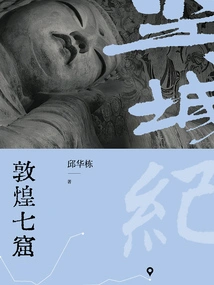
The Seven Grottoes of Dunhuang (empty City Period)
by Qiu Huadong
About This Novel
Dunhuang, located at the westernmost end of the Hexi Corridor, is the gateway to the Central Plains and the Western Regions. Dunhuang Mogao Grottoes, a world cultural heritage, was excavated in the Sixteenth Kingdom and built over the Northern Dynasties, Sui, Tang, Five Dynasties, Song, Xixia, and Yuan Dynasties. It integrates various styles from India, Central Asia, and the Central Plains, and preserves exquisite murals, painted sculptures, architecture, and scripture cave documents. It can be called an encyclopedia of Buddhist art history. "Dunhuang Seven Caves" is based on the seven real caves in Dunhuang Mogao Grottoes (Caves 275, 285, 296, 420, 158, 98, and 17), telling seven stories spanning thousands of years, including the Samana, the murderer, the woman, the soldier, the businessman, the king, and the scholar, as well as the eastward spread of Buddhism and the human fireworks of the Mogao Grottoes. The ascetic breaks off all ties in the world in front of the statue of Maitreya, but he cannot resist the burning gaze of Qingmei; the murderer confesses with blood and tears in front of the "Five Hundred Bandits Becoming a Buddha"; the desperate woman sees her past and present life from the mural; the heads of soldiers killed in battle Obsession returns home; a wealthy businessman meets a dream catcher when questioning life and death in the Nirvana Cave; the dead soul of the King of Khotan caresses the old shadow on the wall; modern scholars have conversations with eminent monks across time and space in the Sutra Cave... Under the light of the Buddha, everyone is undergoing self-transcendence.
Official Sources
What Readers Think
Rating
Community(0)
Rating
Community(0)