Library
Browse and search books
2,037 novels found
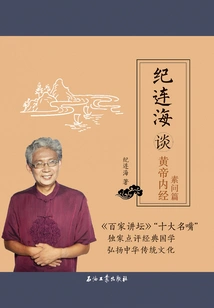
纪连海谈黄帝内经:素问篇
Ji Lianhai
China has a history of five thousand years, which is long and long. In the long history, the Chinese nation has used labor and wisdom to create a splendid civilization and accumulated a unique and charming culture. Culture is the symbol of a nation, and it is also the soul of a nation. Chinese culture is the thinking, exploration and summary of nature, life and society by countless ancient sages, romantic figures and people with lofty ideals. It is the source of wisdom and spiritual support for people of all ethnic groups in our country. It is the dignity and symbol of the Chinese nation, and it is also the image of the Chinese nation standing among the nations of the world. In order to allow more readers to benefit from the tradition, we specially invited Ji Lianhai, the famous lecturer of CCTV's "Hundred Schools Forum", to edit this series of "Famous Masters Talking about Chinese Classics", which mainly includes seven major themes and fifteen volumes: "Ji Lianhai Talks about Confucius", "Ji Lianhai Talks about Tao Te Ching", "Ji Lianhai Talks about the Internal Classics of the Yellow Emperor", "Ji Lianhai talks about Sun Tzu's Art of War", "Ji Lianhai talks about Thirty-Six Strategies", "Ji Lianhai talks about Mencius" and "Ji Lianhai talks about Zhuangzi". These classic works highly condense the essence of five thousand years of Chinese civilization and contain the great ideas and great wisdom for the survival of the Chinese nation.
China has a history of five thousand years, which is long and long. In the long history, the Chinese nation has used labor and wisdom to create a splendid civilization and accumulated a unique and charming culture. Culture is the symbol of a nation, and it is also the soul of a nation. Chinese culture is the thinking, exploration and summary of nature, life and society by countless ancient sages, romantic figures and people with lofty ideals. It is the source of wisdom and spiritual support for people of all ethnic groups in our country. It is the dignity and symbol of the Chinese nation, and it is also the image of the Chinese nation standing among the nations of the world. In order to allow more readers to benefit from the tradition, we specially invited Ji Lianhai, the famous lecturer of CCTV's "Hundred Schools Forum", to edit this series of "Famous Masters Talking about Chinese Classics", which mainly includes seven major themes and fifteen volumes: "Ji Lianhai Talks about Confucius", "Ji Lianhai Talks about Tao Te Ching", "Ji Lianhai Talks about the Internal Classics of the Yellow Emperor", "Ji Lianhai talks about Sun Tzu's Art of War", "Ji Lianhai talks about Thirty-Six Strategies", "Ji Lianhai talks about Mencius" and "Ji Lianhai talks about Zhuangzi". These classic works highly condense the essence of five thousand years of Chinese civilization and contain the great ideas and great wisdom for the survival of the Chinese nation.
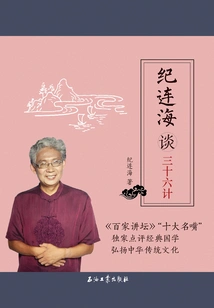
纪连海谈三十六计
Ji Lianhai
China has a history of five thousand years, which is long and long. In the long history, the Chinese nation has used labor and wisdom to create a splendid civilization and accumulated a unique and charming culture. Culture is the symbol of a nation, and it is also the soul of a nation. Chinese culture is the thinking, exploration and summary of nature, life and society by countless ancient sages, romantic figures and people with lofty ideals. It is the source of wisdom and spiritual support for people of all ethnic groups in our country. It is the dignity and symbol of the Chinese nation, and it is also the image of the Chinese nation standing among the nations of the world. In order to allow more readers to benefit from the tradition, we specially invited Ji Lianhai, the famous lecturer of CCTV's "Hundred Schools Forum", to edit this series of "Famous Masters Talking about Chinese Classics", which mainly includes seven major themes and fifteen volumes: "Ji Lianhai Talks about Confucius", "Ji Lianhai Talks about Tao Te Ching", "Ji Lianhai Talks about the Internal Classics of the Yellow Emperor", "Ji Lianhai talks about Sun Tzu's Art of War", "Ji Lianhai talks about Thirty-Six Strategies", "Ji Lianhai talks about Mencius" and "Ji Lianhai talks about Zhuangzi". These classic works highly condense the essence of five thousand years of Chinese civilization and contain the great ideas and great wisdom for the survival of the Chinese nation.
China has a history of five thousand years, which is long and long. In the long history, the Chinese nation has used labor and wisdom to create a splendid civilization and accumulated a unique and charming culture. Culture is the symbol of a nation, and it is also the soul of a nation. Chinese culture is the thinking, exploration and summary of nature, life and society by countless ancient sages, romantic figures and people with lofty ideals. It is the source of wisdom and spiritual support for people of all ethnic groups in our country. It is the dignity and symbol of the Chinese nation, and it is also the image of the Chinese nation standing among the nations of the world. In order to allow more readers to benefit from the tradition, we specially invited Ji Lianhai, the famous lecturer of CCTV's "Hundred Schools Forum", to edit this series of "Famous Masters Talking about Chinese Classics", which mainly includes seven major themes and fifteen volumes: "Ji Lianhai Talks about Confucius", "Ji Lianhai Talks about Tao Te Ching", "Ji Lianhai Talks about the Internal Classics of the Yellow Emperor", "Ji Lianhai talks about Sun Tzu's Art of War", "Ji Lianhai talks about Thirty-Six Strategies", "Ji Lianhai talks about Mencius" and "Ji Lianhai talks about Zhuangzi". These classic works highly condense the essence of five thousand years of Chinese civilization and contain the great ideas and great wisdom for the survival of the Chinese nation.
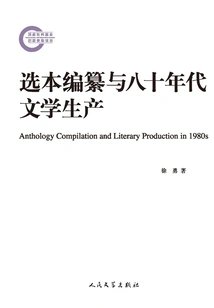
选本编纂与八十年代文学生产
Xu Yong
With the end of the "Cultural Revolution", a series of aspects of the book selection operation, including selection qualifications, selection criteria, selected works, and determination of publishers, have changed accordingly. This change is linked to the changing status of literary criticism. This work strives to reconstruct the literary coordinates of the 1980s from the perspective of anthologies, fully explore the role of anthologies in the formation of critical standards, the renewal of literary history concepts, the construction of cultural identity, the creation of public space and the cohesion of consensus in the new era, and fully explore its unique value in the history of literature, culture and thought.
With the end of the "Cultural Revolution", a series of aspects of the book selection operation, including selection qualifications, selection criteria, selected works, and determination of publishers, have changed accordingly. This change is linked to the changing status of literary criticism. This work strives to reconstruct the literary coordinates of the 1980s from the perspective of anthologies, fully explore the role of anthologies in the formation of critical standards, the renewal of literary history concepts, the construction of cultural identity, the creation of public space and the cohesion of consensus in the new era, and fully explore its unique value in the history of literature, culture and thought.
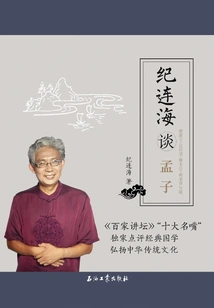
Ji Lianhai Talks About Mencius: King Hui of Liang Gongsun Chou Teng Wengong Li Lou Chapters
Literature纪连海谈孟子:梁惠王·公孙丑·滕文公·离娄章句篇
Ji Lianhai
China has a history of five thousand years, which is long and long. In the long history, the Chinese nation has used labor and wisdom to create a splendid civilization and accumulated a unique and charming culture. Culture is the symbol of a nation, and it is also the soul of a nation. Chinese culture is the thinking, exploration and summary of nature, life and society by countless ancient sages, romantic figures and people with lofty ideals. It is the source of wisdom and spiritual support for people of all ethnic groups in our country. It is the dignity and symbol of the Chinese nation, and it is also the image of the Chinese nation standing among the nations of the world. In order to allow more readers to benefit from the tradition, we specially invited Ji Lianhai, the famous lecturer of CCTV's "Hundred Schools Forum", to edit this series of "Famous Masters Talking about Chinese Classics", which mainly includes seven major themes and fifteen volumes: "Ji Lianhai Talks about Confucius", "Ji Lianhai Talks about Tao Te Ching", "Ji Lianhai Talks about the Internal Classics of the Yellow Emperor", "Ji Lianhai talks about Sun Tzu's Art of War", "Ji Lianhai talks about Thirty-Six Strategies", "Ji Lianhai talks about Mencius" and "Ji Lianhai talks about Zhuangzi". These classic works highly condense the essence of five thousand years of Chinese civilization and contain the great ideas and great wisdom for the survival of the Chinese nation.
China has a history of five thousand years, which is long and long. In the long history, the Chinese nation has used labor and wisdom to create a splendid civilization and accumulated a unique and charming culture. Culture is the symbol of a nation, and it is also the soul of a nation. Chinese culture is the thinking, exploration and summary of nature, life and society by countless ancient sages, romantic figures and people with lofty ideals. It is the source of wisdom and spiritual support for people of all ethnic groups in our country. It is the dignity and symbol of the Chinese nation, and it is also the image of the Chinese nation standing among the nations of the world. In order to allow more readers to benefit from the tradition, we specially invited Ji Lianhai, the famous lecturer of CCTV's "Hundred Schools Forum", to edit this series of "Famous Masters Talking about Chinese Classics", which mainly includes seven major themes and fifteen volumes: "Ji Lianhai Talks about Confucius", "Ji Lianhai Talks about Tao Te Ching", "Ji Lianhai Talks about the Internal Classics of the Yellow Emperor", "Ji Lianhai talks about Sun Tzu's Art of War", "Ji Lianhai talks about Thirty-Six Strategies", "Ji Lianhai talks about Mencius" and "Ji Lianhai talks about Zhuangzi". These classic works highly condense the essence of five thousand years of Chinese civilization and contain the great ideas and great wisdom for the survival of the Chinese nation.
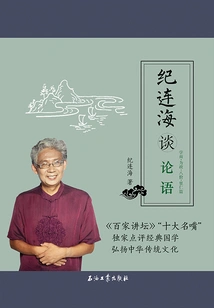
纪连海谈论语:学而·为政·八佾·里仁篇
Ji Lianhai
China has a history of five thousand years, which is long and long. In the long history, the Chinese nation has used labor and wisdom to create a splendid civilization and accumulated a unique and charming culture. Culture is the symbol of a nation, and it is also the soul of a nation. Chinese culture is the thinking, exploration and summary of nature, life and society by countless ancient sages, romantic figures and people with lofty ideals. It is the source of wisdom and spiritual support for people of all ethnic groups in our country. It is the dignity and symbol of the Chinese nation, and it is also the image of the Chinese nation standing among the nations of the world. In order to allow more readers to benefit from the tradition, we specially invited Ji Lianhai, the famous lecturer of CCTV's "Hundred Schools Forum", to edit this series of "Famous Masters Talking about Chinese Classics", which mainly includes seven major themes and fifteen volumes: "Ji Lianhai Talks about Confucius", "Ji Lianhai Talks about Tao Te Ching", "Ji Lianhai Talks about the Internal Classics of the Yellow Emperor", "Ji Lianhai talks about Sun Tzu's Art of War", "Ji Lianhai talks about Thirty-Six Strategies", "Ji Lianhai talks about Mencius" and "Ji Lianhai talks about Zhuangzi". These classic works highly condense the essence of five thousand years of Chinese civilization and contain the great ideas and great wisdom for the survival of the Chinese nation.
China has a history of five thousand years, which is long and long. In the long history, the Chinese nation has used labor and wisdom to create a splendid civilization and accumulated a unique and charming culture. Culture is the symbol of a nation, and it is also the soul of a nation. Chinese culture is the thinking, exploration and summary of nature, life and society by countless ancient sages, romantic figures and people with lofty ideals. It is the source of wisdom and spiritual support for people of all ethnic groups in our country. It is the dignity and symbol of the Chinese nation, and it is also the image of the Chinese nation standing among the nations of the world. In order to allow more readers to benefit from the tradition, we specially invited Ji Lianhai, the famous lecturer of CCTV's "Hundred Schools Forum", to edit this series of "Famous Masters Talking about Chinese Classics", which mainly includes seven major themes and fifteen volumes: "Ji Lianhai Talks about Confucius", "Ji Lianhai Talks about Tao Te Ching", "Ji Lianhai Talks about the Internal Classics of the Yellow Emperor", "Ji Lianhai talks about Sun Tzu's Art of War", "Ji Lianhai talks about Thirty-Six Strategies", "Ji Lianhai talks about Mencius" and "Ji Lianhai talks about Zhuangzi". These classic works highly condense the essence of five thousand years of Chinese civilization and contain the great ideas and great wisdom for the survival of the Chinese nation.
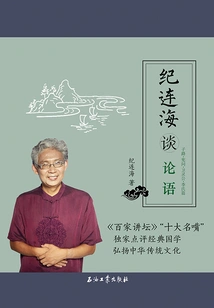
纪连海谈论语:子路·宪问·卫灵公·季氏篇
Ji Lianhai
China has a history of five thousand years, which is long and long. In the long history, the Chinese nation has used labor and wisdom to create a splendid civilization and accumulated a unique and charming culture. Culture is the symbol of a nation, and it is also the soul of a nation. Chinese culture is the thinking, exploration and summary of nature, life and society by countless ancient sages, romantic figures and people with lofty ideals. It is the source of wisdom and spiritual support for people of all ethnic groups in our country. It is the dignity and symbol of the Chinese nation, and it is also the image of the Chinese nation standing among the nations of the world. In order to allow more readers to benefit from the tradition, we specially invited Ji Lianhai, the famous lecturer of CCTV's "Hundred Schools Forum", to edit this series of "Famous Masters Talking about Chinese Classics", which mainly includes seven major themes and fifteen volumes: "Ji Lianhai Talks about Confucius", "Ji Lianhai Talks about Tao Te Ching", "Ji Lianhai Talks about the Internal Classics of the Yellow Emperor", "Ji Lianhai talks about Sun Tzu's Art of War", "Ji Lianhai talks about Thirty-Six Strategies", "Ji Lianhai talks about Mencius" and "Ji Lianhai talks about Zhuangzi". These classic works highly condense the essence of five thousand years of Chinese civilization and contain the great ideas and great wisdom for the survival of the Chinese nation.
China has a history of five thousand years, which is long and long. In the long history, the Chinese nation has used labor and wisdom to create a splendid civilization and accumulated a unique and charming culture. Culture is the symbol of a nation, and it is also the soul of a nation. Chinese culture is the thinking, exploration and summary of nature, life and society by countless ancient sages, romantic figures and people with lofty ideals. It is the source of wisdom and spiritual support for people of all ethnic groups in our country. It is the dignity and symbol of the Chinese nation, and it is also the image of the Chinese nation standing among the nations of the world. In order to allow more readers to benefit from the tradition, we specially invited Ji Lianhai, the famous lecturer of CCTV's "Hundred Schools Forum", to edit this series of "Famous Masters Talking about Chinese Classics", which mainly includes seven major themes and fifteen volumes: "Ji Lianhai Talks about Confucius", "Ji Lianhai Talks about Tao Te Ching", "Ji Lianhai Talks about the Internal Classics of the Yellow Emperor", "Ji Lianhai talks about Sun Tzu's Art of War", "Ji Lianhai talks about Thirty-Six Strategies", "Ji Lianhai talks about Mencius" and "Ji Lianhai talks about Zhuangzi". These classic works highly condense the essence of five thousand years of Chinese civilization and contain the great ideas and great wisdom for the survival of the Chinese nation.
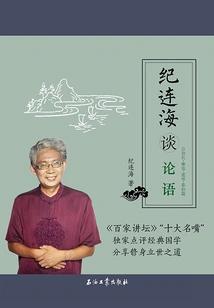
纪连海谈论语:公冶长·雍也·述而·泰伯篇
Ji Lianhai
China has a history of five thousand years, which is long and long. In the long history, the Chinese nation has used labor and wisdom to create a splendid civilization and accumulated a unique and charming culture. Culture is the symbol of a nation, and it is also the soul of a nation. Chinese culture is the thinking, exploration and summary of nature, life and society by countless ancient sages, romantic figures and people with lofty ideals. It is the source of wisdom and spiritual support for people of all ethnic groups in our country. It is the dignity and symbol of the Chinese nation, and it is also the image of the Chinese nation standing among the nations of the world. In order to allow more readers to benefit from the tradition, we specially invited Ji Lianhai, the famous lecturer of CCTV's "Hundred Schools Forum", to edit this series of "Famous Masters Talking about Chinese Classics", which mainly includes seven major themes and fifteen volumes: "Ji Lianhai Talks about Confucius", "Ji Lianhai Talks about Tao Te Ching", "Ji Lianhai Talks about the Internal Classics of the Yellow Emperor", "Ji Lianhai talks about Sun Tzu's Art of War", "Ji Lianhai talks about Thirty-Six Strategies", "Ji Lianhai talks about Mencius" and "Ji Lianhai talks about Zhuangzi". These classic works highly condense the essence of five thousand years of Chinese civilization and contain the great ideas and great wisdom for the survival of the Chinese nation.
China has a history of five thousand years, which is long and long. In the long history, the Chinese nation has used labor and wisdom to create a splendid civilization and accumulated a unique and charming culture. Culture is the symbol of a nation, and it is also the soul of a nation. Chinese culture is the thinking, exploration and summary of nature, life and society by countless ancient sages, romantic figures and people with lofty ideals. It is the source of wisdom and spiritual support for people of all ethnic groups in our country. It is the dignity and symbol of the Chinese nation, and it is also the image of the Chinese nation standing among the nations of the world. In order to allow more readers to benefit from the tradition, we specially invited Ji Lianhai, the famous lecturer of CCTV's "Hundred Schools Forum", to edit this series of "Famous Masters Talking about Chinese Classics", which mainly includes seven major themes and fifteen volumes: "Ji Lianhai Talks about Confucius", "Ji Lianhai Talks about Tao Te Ching", "Ji Lianhai Talks about the Internal Classics of the Yellow Emperor", "Ji Lianhai talks about Sun Tzu's Art of War", "Ji Lianhai talks about Thirty-Six Strategies", "Ji Lianhai talks about Mencius" and "Ji Lianhai talks about Zhuangzi". These classic works highly condense the essence of five thousand years of Chinese civilization and contain the great ideas and great wisdom for the survival of the Chinese nation.
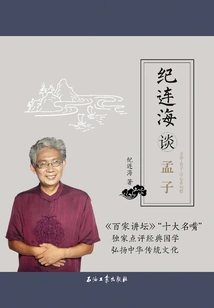
Ji Lianhai Talks About Mencius: Chapters of Ten Thousand Chapters, Gaozi, and Dedicated Chapters
Literature纪连海谈孟子:万章·告子·尽心章句篇
Ji Lianhai
China has a history of five thousand years, which is long and long. In the long history, the Chinese nation has used labor and wisdom to create a splendid civilization and accumulated a unique and charming culture. Culture is the symbol of a nation, and it is also the soul of a nation. Chinese culture is the thinking, exploration and summary of nature, life and society by countless ancient sages, romantic figures and people with lofty ideals. It is the source of wisdom and spiritual support for people of all ethnic groups in our country. It is the dignity and symbol of the Chinese nation, and it is also the image of the Chinese nation standing among the nations of the world. In order to allow more readers to benefit from the tradition, we specially invited Ji Lianhai, the famous lecturer of CCTV's "Hundred Schools Forum", to edit this series of "Famous Masters Talking about Chinese Classics", which mainly includes seven major themes and fifteen volumes: "Ji Lianhai Talks about Confucius", "Ji Lianhai Talks about Tao Te Ching", "Ji Lianhai Talks about the Internal Classics of the Yellow Emperor", "Ji Lianhai talks about Sun Tzu's Art of War", "Ji Lianhai talks about Thirty-Six Strategies", "Ji Lianhai talks about Mencius" and "Ji Lianhai talks about Zhuangzi". These classic works highly condense the essence of five thousand years of Chinese civilization and contain the great ideas and great wisdom for the survival of the Chinese nation.
China has a history of five thousand years, which is long and long. In the long history, the Chinese nation has used labor and wisdom to create a splendid civilization and accumulated a unique and charming culture. Culture is the symbol of a nation, and it is also the soul of a nation. Chinese culture is the thinking, exploration and summary of nature, life and society by countless ancient sages, romantic figures and people with lofty ideals. It is the source of wisdom and spiritual support for people of all ethnic groups in our country. It is the dignity and symbol of the Chinese nation, and it is also the image of the Chinese nation standing among the nations of the world. In order to allow more readers to benefit from the tradition, we specially invited Ji Lianhai, the famous lecturer of CCTV's "Hundred Schools Forum", to edit this series of "Famous Masters Talking about Chinese Classics", which mainly includes seven major themes and fifteen volumes: "Ji Lianhai Talks about Confucius", "Ji Lianhai Talks about Tao Te Ching", "Ji Lianhai Talks about the Internal Classics of the Yellow Emperor", "Ji Lianhai talks about Sun Tzu's Art of War", "Ji Lianhai talks about Thirty-Six Strategies", "Ji Lianhai talks about Mencius" and "Ji Lianhai talks about Zhuangzi". These classic works highly condense the essence of five thousand years of Chinese civilization and contain the great ideas and great wisdom for the survival of the Chinese nation.
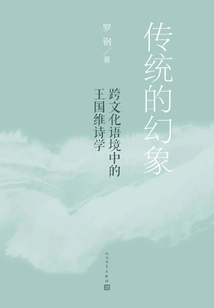
传统的幻象:跨文化语境中的王国维诗学
Luo Gang
This book uses the perspective of comparative poetics to examine the characteristics of Wang Guowei's poetics in the context of Chinese and Western academics. After carefully combing and analyzing the sources of Wang's poetics, it believes that: Wang Guowei's poetics is to a large extent a Chinese variant of Western, especially German, modern aesthetics, rather than being rooted in the ancient Chinese poetic tradition, which has been almost established in the academic world. On this basis, this book raises the issue of "rediscovering tradition", which is quite inspiring for the reflection and reconstruction of the humanities. The research in this book is unconventional and has never been done before. It is a new advancement for the study of Wang Guowei's poetry.
This book uses the perspective of comparative poetics to examine the characteristics of Wang Guowei's poetics in the context of Chinese and Western academics. After carefully combing and analyzing the sources of Wang's poetics, it believes that: Wang Guowei's poetics is to a large extent a Chinese variant of Western, especially German, modern aesthetics, rather than being rooted in the ancient Chinese poetic tradition, which has been almost established in the academic world. On this basis, this book raises the issue of "rediscovering tradition", which is quite inspiring for the reflection and reconstruction of the humanities. The research in this book is unconventional and has never been done before. It is a new advancement for the study of Wang Guowei's poetry.
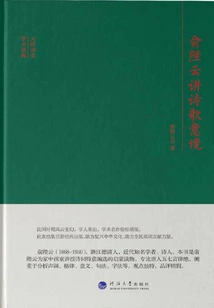
俞陛云讲诗歌意境
Yu Biyun
Yu Biyun, a famous poet and scholar in modern times, wrote enlightenment books for teaching children at home, with unique views and penetrating comments.
Yu Biyun, a famous poet and scholar in modern times, wrote enlightenment books for teaching children at home, with unique views and penetrating comments.
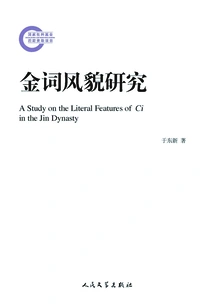
Research on the Style of Jin Ci
Literature金词风貌研究
Yu Dongxin
This book is based on the historical context of the multi-ethnic culture of the Jinyuan period, starting from the creative practice of the Han poets and ethnic minority poets in the Jin Dynasty, and combing and analyzing the creative pursuits, subjective spirits and aesthetic styles of the two types of poets. There are three focuses of attention: the diversity of poetry creation in this period and the characteristics of absorption, integration and mutual learning; secondly, Jin poetry has new development in subject matter than the poetry of the two Song Dynasties, focusing on and expressing the customs of the northern country has become its unique feature. Third, poets in the Jin Dynasty mostly adopted an attitude of escaping from reality and yearning for seclusion. In their creations, they showed their reclusive feelings of abandoning fame and paying attention to the mountains and forests.
This book is based on the historical context of the multi-ethnic culture of the Jinyuan period, starting from the creative practice of the Han poets and ethnic minority poets in the Jin Dynasty, and combing and analyzing the creative pursuits, subjective spirits and aesthetic styles of the two types of poets. There are three focuses of attention: the diversity of poetry creation in this period and the characteristics of absorption, integration and mutual learning; secondly, Jin poetry has new development in subject matter than the poetry of the two Song Dynasties, focusing on and expressing the customs of the northern country has become its unique feature. Third, poets in the Jin Dynasty mostly adopted an attitude of escaping from reality and yearning for seclusion. In their creations, they showed their reclusive feelings of abandoning fame and paying attention to the mountains and forests.
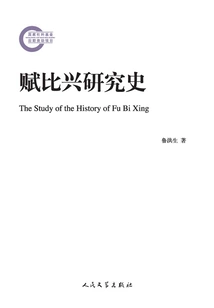
History of Fu Bixing Research
Literature赋比兴研究史
Lu Hongsheng
This book focuses on the study of the thinking methods of fu, comparison and xing in The Book of Songs. Classify and analyze according to the purpose and angle of each interpretation, examine the original meaning of each interpretation of Fu, Bi and Xing and the reasons for its emergence, and explore the true nature of each interpretation. It is divided into six chapters in total, which are divided according to the characteristics of the times and the six periods of literary theory development in the study of Fu, Bi and Xing, and sort out the development context of Fu, Bi and Xing vertically.
This book focuses on the study of the thinking methods of fu, comparison and xing in The Book of Songs. Classify and analyze according to the purpose and angle of each interpretation, examine the original meaning of each interpretation of Fu, Bi and Xing and the reasons for its emergence, and explore the true nature of each interpretation. It is divided into six chapters in total, which are divided according to the characteristics of the times and the six periods of literary theory development in the study of Fu, Bi and Xing, and sort out the development context of Fu, Bi and Xing vertically.
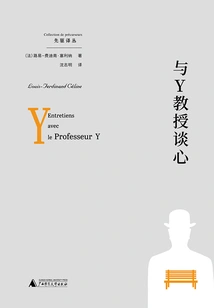
与Y教授谈心
(france)louis Ferdinand Celina
Céline's work, written in the form of an interview, can be described as a wonder in the French literary world. Céline himself, the world-renowned publisher Gaston Gallimard and many writers from the French literary world all appear. The author relies on a conversation between the protagonist Celina and the fictional Professor Y in the park to talk about his own creation and literary style, mocking Gallimard, criticizing writers and critics, and of course the most important thing is to highlight Celina himself, this "genius writer who finally emerged when French literature was about to decline." In "Conversations with Professor Y", Selina's humor and irony are presented to the world in his unique way of laughing and scolding. This exquisite work actually reveals without reservation the secret of Celina's literary creation, that is, how to capture the subtle emotional colors in spoken language and realize it in literary writing. This book allows us to see the real Céline hidden behind his works, and see how this writer, who was once controversial and marginalized in the French literary world, secretly competes with the French language and how he strives to shine his own unique light in the bright starry sky of French literature.
Céline's work, written in the form of an interview, can be described as a wonder in the French literary world. Céline himself, the world-renowned publisher Gaston Gallimard and many writers from the French literary world all appear. The author relies on a conversation between the protagonist Celina and the fictional Professor Y in the park to talk about his own creation and literary style, mocking Gallimard, criticizing writers and critics, and of course the most important thing is to highlight Celina himself, this "genius writer who finally emerged when French literature was about to decline." In "Conversations with Professor Y", Selina's humor and irony are presented to the world in his unique way of laughing and scolding. This exquisite work actually reveals without reservation the secret of Celina's literary creation, that is, how to capture the subtle emotional colors in spoken language and realize it in literary writing. This book allows us to see the real Céline hidden behind his works, and see how this writer, who was once controversial and marginalized in the French literary world, secretly competes with the French language and how he strives to shine his own unique light in the bright starry sky of French literature.
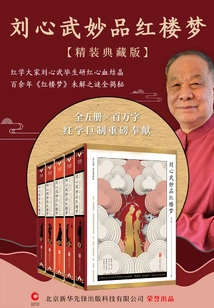
刘心武妙品红楼梦(全5册)
Liu Xinwu
Since "Dream of Red Mansions" was written more than 200 years ago, topics and discussions about it have continued for a long time, and it has gradually developed into a branch of "Red Studies". Starting from Qin Keqing, the famous writer Liu Xinwu researched the life prototypes, family backgrounds and fate of the main characters in the original works such as Jia Yuanchun, Miaoyu, Jia Baoyu, Lin Daiyu, Xue Baochai, Shi Xiangyun, etc., And opened up the cage. The heavy fog that shrouded them; moreover, they deduced and verified the true story after the 80th chapter of "A Dream of Red Mansions", and found out all the answers to the mystery after the 80th chapter of "A Dream of Red Mansions", pushing the study of Red Mansions to a whole new level. This time, Liu Xinwu devoted his whole life to studying "Dream of Red Mansions", his unique results and all his insights, and wrote "Liu Xinwu's Excellent Works of Dream of Red Mansions" (five volumes), which he dedicated to the readers without reservation.
Since "Dream of Red Mansions" was written more than 200 years ago, topics and discussions about it have continued for a long time, and it has gradually developed into a branch of "Red Studies". Starting from Qin Keqing, the famous writer Liu Xinwu researched the life prototypes, family backgrounds and fate of the main characters in the original works such as Jia Yuanchun, Miaoyu, Jia Baoyu, Lin Daiyu, Xue Baochai, Shi Xiangyun, etc., And opened up the cage. The heavy fog that shrouded them; moreover, they deduced and verified the true story after the 80th chapter of "A Dream of Red Mansions", and found out all the answers to the mystery after the 80th chapter of "A Dream of Red Mansions", pushing the study of Red Mansions to a whole new level. This time, Liu Xinwu devoted his whole life to studying "Dream of Red Mansions", his unique results and all his insights, and wrote "Liu Xinwu's Excellent Works of Dream of Red Mansions" (five volumes), which he dedicated to the readers without reservation.
天津当代诗五家论
Wang Shiqiang
This book is an attempt to study a certain aspect of regional culture that has been in the ascendant in recent years. It uses a point-by-point approach to conduct a thematic study of the five most representative and highest-level contemporary poets in Tianjin to examine the value and significance of Tianjin's contemporary poetry and its position in the national poetry map. I also hope that through the investigation of this book, I can summarize the experience accumulated in the historical development of Tianjin poetry and provide some reference for the future development of poetry, literature, and culture.
This book is an attempt to study a certain aspect of regional culture that has been in the ascendant in recent years. It uses a point-by-point approach to conduct a thematic study of the five most representative and highest-level contemporary poets in Tianjin to examine the value and significance of Tianjin's contemporary poetry and its position in the national poetry map. I also hope that through the investigation of this book, I can summarize the experience accumulated in the historical development of Tianjin poetry and provide some reference for the future development of poetry, literature, and culture.
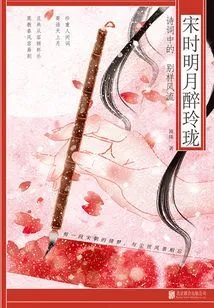
The Bright Moon in the Song Dynasty is Drunk and Exquisite: a Different Kind of Romance in Poetry
Literature宋时明月醉玲珑:诗词中的别样风流
Liuzhu
This book is a unique work of appreciation of Song poetry, carefully selecting the best works handed down from generation to generation by five poets of the Song Dynasty. Among them, Yan Shu, the "prime minister's poet" who "brings a glass of wine with a new song", Ouyang Xiu, one of the "Eight Great Masters of the Tang and Song Dynasties" who "makes the courtyard a little deeper", and Song Qi, the "red apricot minister" who "has a cold dawn outside the green poplar smoke, and a bustling spring on the red apricot branches", are the focus of the writing of this book. The author uses elegant and profound language to interpret the romance and romance of the poets of the Song Dynasty, and integrates his own life experience and unique insights into it. It is full of interest to read and fully demonstrates the peerless elegance and unique style of the Song Dynasty poems that captivated the city and the country.
This book is a unique work of appreciation of Song poetry, carefully selecting the best works handed down from generation to generation by five poets of the Song Dynasty. Among them, Yan Shu, the "prime minister's poet" who "brings a glass of wine with a new song", Ouyang Xiu, one of the "Eight Great Masters of the Tang and Song Dynasties" who "makes the courtyard a little deeper", and Song Qi, the "red apricot minister" who "has a cold dawn outside the green poplar smoke, and a bustling spring on the red apricot branches", are the focus of the writing of this book. The author uses elegant and profound language to interpret the romance and romance of the poets of the Song Dynasty, and integrates his own life experience and unique insights into it. It is full of interest to read and fully demonstrates the peerless elegance and unique style of the Song Dynasty poems that captivated the city and the country.
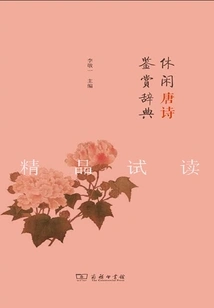
休闲唐诗鉴赏辞典
Editor-in-chief Li Jingyi
This book has outstanding "leisure" features, rich content, unique perspective, brisk writing style, and beautiful language. The selected Tang poems are based on the content of life, and are divided into fourteen categories, including "traveling in mountains and rivers", "singing about the wind and moonlight", "playing chess, calligraphy and painting", and "drinking and tasting tea". Most of them are works that express the poet's broad-minded optimism, high elegance and tranquility, joy and joy, and soothing worries and troubles. Appreciating texts focuses on pondering the most important meanings in the works, and combines it with the phenomena of today's social life and the emotions and life experiences of today's people to experience and speculate on the creative situations of the ancients, so that readers can gain some life enlightenment and the pleasure and enjoyment of "leisure" reading in a relatively relaxed reading atmosphere.
This book has outstanding "leisure" features, rich content, unique perspective, brisk writing style, and beautiful language. The selected Tang poems are based on the content of life, and are divided into fourteen categories, including "traveling in mountains and rivers", "singing about the wind and moonlight", "playing chess, calligraphy and painting", and "drinking and tasting tea". Most of them are works that express the poet's broad-minded optimism, high elegance and tranquility, joy and joy, and soothing worries and troubles. Appreciating texts focuses on pondering the most important meanings in the works, and combines it with the phenomena of today's social life and the emotions and life experiences of today's people to experience and speculate on the creative situations of the ancients, so that readers can gain some life enlightenment and the pleasure and enjoyment of "leisure" reading in a relatively relaxed reading atmosphere.
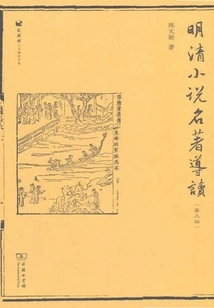
明清小说名著导读
Chen Wenxin
This book is intended for general readers and introduces the cultural connotation, artistic features and development of famous Ming and Qing novels such as Romance of the Three Kingdoms, Water Margin, Journey to the West, Plum in the Golden Ping, "Three Words and Two Pai", Strange Stories from a Chinese Studio, Romance of the Sui and Tang Dynasties, The Scholars, Dream of Red Mansions, Notes from the Yuewei Thatched Cottage. The narrative is both approachable and easy to understand, concise and complex, and the content is exciting and full of new ideas. It combines in-depth art appreciation and profound academic insights into one volume. It can be used as a general textbook and an academic reading for both refined and popular people.
This book is intended for general readers and introduces the cultural connotation, artistic features and development of famous Ming and Qing novels such as Romance of the Three Kingdoms, Water Margin, Journey to the West, Plum in the Golden Ping, "Three Words and Two Pai", Strange Stories from a Chinese Studio, Romance of the Sui and Tang Dynasties, The Scholars, Dream of Red Mansions, Notes from the Yuewei Thatched Cottage. The narrative is both approachable and easy to understand, concise and complex, and the content is exciting and full of new ideas. It combines in-depth art appreciation and profound academic insights into one volume. It can be used as a general textbook and an academic reading for both refined and popular people.
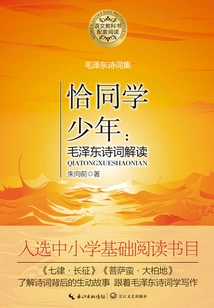
恰同学少年:毛泽东诗词解读
Zhu Xiangqian
"The Boy Who Came Together: An Interpretation of Mao Zedong's Poems" selects 29 of Mao Zedong's most widely circulated poems for appreciation. Each poem is interpreted from three aspects: telling the story of Mao Zedong and introducing the historical and cultural background of the poem; appreciating the poem's expression techniques, rhetorical allusions, ideological content, etc.; And refining the inspiration of Mao Zedong's poems on young people's writing. By studying and appreciating Mao Zedong's poems, young people can see the ideological growth process of the great man's young ambition, draw spiritual strength and cultural nutrition from it, improve their ideological understanding and artistic appreciation ability, and carry forward the excellent revolutionary tradition and patriotism spirit.
"The Boy Who Came Together: An Interpretation of Mao Zedong's Poems" selects 29 of Mao Zedong's most widely circulated poems for appreciation. Each poem is interpreted from three aspects: telling the story of Mao Zedong and introducing the historical and cultural background of the poem; appreciating the poem's expression techniques, rhetorical allusions, ideological content, etc.; And refining the inspiration of Mao Zedong's poems on young people's writing. By studying and appreciating Mao Zedong's poems, young people can see the ideological growth process of the great man's young ambition, draw spiritual strength and cultural nutrition from it, improve their ideological understanding and artistic appreciation ability, and carry forward the excellent revolutionary tradition and patriotism spirit.
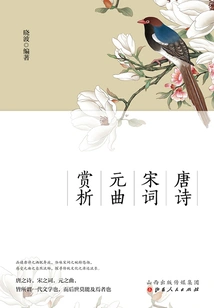
唐诗 宋词 元曲赏析
Compiled By Xiaobo
The works selected in this book are Tang poems, Song lyrics and Yuan operas whose language is as clear as words and touches people's hearts when read. The selection of words in this book goes beyond the scope of the Song Dynasty. This is not only the author's preference, but also due to their artistic beauty. In the order of arrangement, this book is divided into several major categories according to emotions and scenes, such as climbing, nostalgia, sorrow and anger, and joy. Each article contains two basic modules: original text and introduction. Except for the two songs "Song of Everlasting Sorrow" and "Pipa Xing", each article has a translation, and some articles have notes and \u002F or extended reading.
The works selected in this book are Tang poems, Song lyrics and Yuan operas whose language is as clear as words and touches people's hearts when read. The selection of words in this book goes beyond the scope of the Song Dynasty. This is not only the author's preference, but also due to their artistic beauty. In the order of arrangement, this book is divided into several major categories according to emotions and scenes, such as climbing, nostalgia, sorrow and anger, and joy. Each article contains two basic modules: original text and introduction. Except for the two songs "Song of Everlasting Sorrow" and "Pipa Xing", each article has a translation, and some articles have notes and \u002F or extended reading.
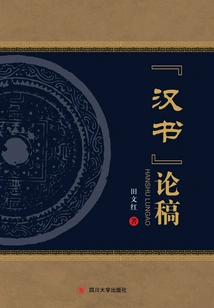
hanshu" Essay Manuscript
Literature《汉书》论稿
Tian Wenhong
This book is divided into 6 chapters, which briefly introduces the author of "Han Shu", the genre, innovation, ideas, content and historical value of "Han Shu", a review of the study of "Han Shu" in the past dynasties, and the evaluation of "Han Shu"; the focus of the whole book is the introduction. Introduce and analyze the specific content of "Hanshu", including the study of historical theory of "Hanshu", the structural system and narrative style of national history writing, the historical perspective, and the study of the five chronicles (criminal law, geography, food and goods, art and literature, and the Five Elements), etc.
This book is divided into 6 chapters, which briefly introduces the author of "Han Shu", the genre, innovation, ideas, content and historical value of "Han Shu", a review of the study of "Han Shu" in the past dynasties, and the evaluation of "Han Shu"; the focus of the whole book is the introduction. Introduce and analyze the specific content of "Hanshu", including the study of historical theory of "Hanshu", the structural system and narrative style of national history writing, the historical perspective, and the study of the five chronicles (criminal law, geography, food and goods, art and literature, and the Five Elements), etc.
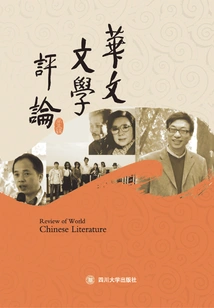
Chinese Literature Review (volume 5)
Literature华文文学评论(第五辑)
Cao Shunqing Editor-in-chief Zhang Fang
Collection of manuscripts and papers. The manuscripts mainly include the relevant literary creation achievements of scholars from mainland China, Hong Kong, Macao and Taiwan, as well as Chinese in North America and other places. The collected articles include not only famous writers and celebrities, but also works that comment on and study new literary phenomena and trends. The principles of the papers included in the book adhere to the Double Hundred Policy and Marxism-Leninism, aiming to reflect the cutting-edge results of literary creation and research.
Collection of manuscripts and papers. The manuscripts mainly include the relevant literary creation achievements of scholars from mainland China, Hong Kong, Macao and Taiwan, as well as Chinese in North America and other places. The collected articles include not only famous writers and celebrities, but also works that comment on and study new literary phenomena and trends. The principles of the papers included in the book adhere to the Double Hundred Policy and Marxism-Leninism, aiming to reflect the cutting-edge results of literary creation and research.
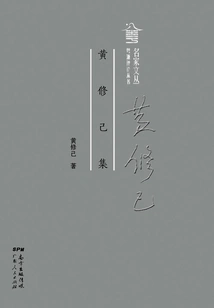
Collection of Huang Xiuji
Literature黄修己集
Huang Xiuji
This book is a collection of personal comments by Huang Xiuji, vice president of the Chinese Modern Literature Research Association and professor of the Chinese Department of Sun Yat-sen University. It is one of the "Cantonese Commentary Series". The book is divided into four volumes. The first volume mainly contains reviews of Lu Xun, Zhou Zuoren, Zhang Ailing and others and their works; the second volume is a review of Zhao Shuli and his works; the third and fourth volumes are research reviews of modern and contemporary literature and this discipline from a macro perspective. It mainly involves the discussion of the relationship between Lu Xun and the left-wing literary and artistic movement, the study of the dispute over the "two slogans" and the literary creation under the guidance of the "Left-leaning" line of the Chinese Communist Party in the 1920s and 1930s. The author analyzes and discusses the works of Lu Xun, Shen Congwen, Guo Moruo, etc. From the perspective of "human literature", describes the historical impact of this trend of thought on modern Chinese literature, and proposes to rewrite the history of modern literature based on the "dual line theory" of mutual influence and common development between the May Fourth literary revolution and national traditional literature. The book is full of historical materials, clear in logic, and has objective and fair views. It is a relatively good academic work.
This book is a collection of personal comments by Huang Xiuji, vice president of the Chinese Modern Literature Research Association and professor of the Chinese Department of Sun Yat-sen University. It is one of the "Cantonese Commentary Series". The book is divided into four volumes. The first volume mainly contains reviews of Lu Xun, Zhou Zuoren, Zhang Ailing and others and their works; the second volume is a review of Zhao Shuli and his works; the third and fourth volumes are research reviews of modern and contemporary literature and this discipline from a macro perspective. It mainly involves the discussion of the relationship between Lu Xun and the left-wing literary and artistic movement, the study of the dispute over the "two slogans" and the literary creation under the guidance of the "Left-leaning" line of the Chinese Communist Party in the 1920s and 1930s. The author analyzes and discusses the works of Lu Xun, Shen Congwen, Guo Moruo, etc. From the perspective of "human literature", describes the historical impact of this trend of thought on modern Chinese literature, and proposes to rewrite the history of modern literature based on the "dual line theory" of mutual influence and common development between the May Fourth literary revolution and national traditional literature. The book is full of historical materials, clear in logic, and has objective and fair views. It is a relatively good academic work.
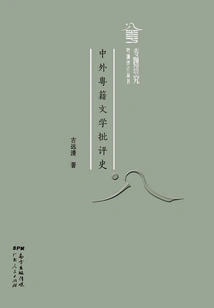
中外粤籍文学批评史
Ancient Yuanqing
This book is one of the "Cantonese Criticism" series. This book focuses on the critical practice of Cantonese literary critics at home and abroad. This is the first history of Chinese literary criticism from the perspective of provincial origin, and it is also one of the histories of Lingnan literature. The author has written through Ye Weilian, Liu Shaoming, Liang Lifang, Fang Xiu, Wang Runhua, Tang Wenbiao, Zhong Ling, Chen Huihua, Lin Manshu, Huang Weiliang, Liang Bingjun, Lu Weiluan and "Beijing and Shanghai Blooming" Yang Yi, Chen Sihe, Zhang Jiang and other commentators, as well as "Take Root" The reviews of the works of "Lingnan" critics such as Xiao Yin, Rao Pengzi, and Chen Jianhui can see the contributions and limitations of Cantonese literary critics in constructing the world's Chinese literary theoretical system, and provide a new frame of reference for "Cantonese criticism" to go global.
This book is one of the "Cantonese Criticism" series. This book focuses on the critical practice of Cantonese literary critics at home and abroad. This is the first history of Chinese literary criticism from the perspective of provincial origin, and it is also one of the histories of Lingnan literature. The author has written through Ye Weilian, Liu Shaoming, Liang Lifang, Fang Xiu, Wang Runhua, Tang Wenbiao, Zhong Ling, Chen Huihua, Lin Manshu, Huang Weiliang, Liang Bingjun, Lu Weiluan and "Beijing and Shanghai Blooming" Yang Yi, Chen Sihe, Zhang Jiang and other commentators, as well as "Take Root" The reviews of the works of "Lingnan" critics such as Xiao Yin, Rao Pengzi, and Chen Jianhui can see the contributions and limitations of Cantonese literary critics in constructing the world's Chinese literary theoretical system, and provide a new frame of reference for "Cantonese criticism" to go global.
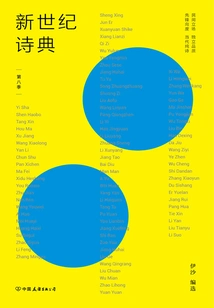
New Century Poetry·season 8
Literature新世纪诗典·第八季
Edited By Isha
"New Century Poetry Dictionary" is a poetry recommendation column on Weibo (WeChat) established by the poet Yisha in 2011. It recommends and reviews an outstanding original contemporary poem every day. On this basis, it is compiled into a "New Century Poetry Dictionary" every year and is officially published. This is the eighth volume. Works are not selected based on posture, attitude, qualifications or seniority, but only based on the quality of the work as the only evaluation criterion. "New Century Poems" is a collective presentation of Chinese poetry since the new century. It records the voice of the times, shows the survival of Chinese people, and conveys the emotions of poets. Yisha's selection is not sectarian and has an all-inclusive atmosphere. His wonderful comments on each poem can also be seen as an overall observation and evaluation of China's current poetry scene.
"New Century Poetry Dictionary" is a poetry recommendation column on Weibo (WeChat) established by the poet Yisha in 2011. It recommends and reviews an outstanding original contemporary poem every day. On this basis, it is compiled into a "New Century Poetry Dictionary" every year and is officially published. This is the eighth volume. Works are not selected based on posture, attitude, qualifications or seniority, but only based on the quality of the work as the only evaluation criterion. "New Century Poems" is a collective presentation of Chinese poetry since the new century. It records the voice of the times, shows the survival of Chinese people, and conveys the emotions of poets. Yisha's selection is not sectarian and has an all-inclusive atmosphere. His wonderful comments on each poem can also be seen as an overall observation and evaluation of China's current poetry scene.
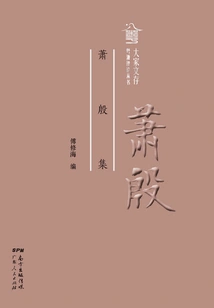
Xiao Yinji
Literature萧殷集
Fu Xiuhai
Xiao Yin has served successively as an editorial board member of Xinhua Daily, a researcher at the Yan'an Academia Sinica, deputy editor-in-chief of Literary Journal, director of the editorial department of People's Literature, deputy director of the Young Writers Working Committee of the Chinese Writers Association, deputy director of the Institute of Literary Studies, professor and director of the Chinese Department of Jinan University, etc. This book mainly collects Xiao Yin's literary criticism articles. The main titles include "On Writing", "On Life, Art and Reality", "Comments on Creation", etc.
Xiao Yin has served successively as an editorial board member of Xinhua Daily, a researcher at the Yan'an Academia Sinica, deputy editor-in-chief of Literary Journal, director of the editorial department of People's Literature, deputy director of the Young Writers Working Committee of the Chinese Writers Association, deputy director of the Institute of Literary Studies, professor and director of the Chinese Department of Jinan University, etc. This book mainly collects Xiao Yin's literary criticism articles. The main titles include "On Writing", "On Life, Art and Reality", "Comments on Creation", etc.
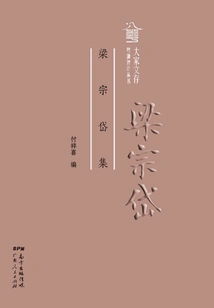
Liang Zongdai Collection
Literature梁宗岱集
Fu Xiangxi
Liang Zongdai is a rare talent in the history of modern literature who combines poet, theorist, critic and translator. He once served as the director of the Department of Foreign Literature at Fudan University, and a professor of French in the Department of Foreign Languages at Sun Yat-sen University and Guangzhou Institute of International Studies. His representative works include "Selected Works of Liang Zongdai" and "Poetry and Truth". Through the integration of Chinese and Western poetics and culture, Liang Zongdai established his own system of theoretical criticism of poetry that is highly modern and local. This book mainly collects Liang Zongdai's poetry criticism articles. The main titles include "On Anti-Japanese War Poetry", "Poetry and Truth", "On Poetry", "On Poetry", etc.
Liang Zongdai is a rare talent in the history of modern literature who combines poet, theorist, critic and translator. He once served as the director of the Department of Foreign Literature at Fudan University, and a professor of French in the Department of Foreign Languages at Sun Yat-sen University and Guangzhou Institute of International Studies. His representative works include "Selected Works of Liang Zongdai" and "Poetry and Truth". Through the integration of Chinese and Western poetics and culture, Liang Zongdai established his own system of theoretical criticism of poetry that is highly modern and local. This book mainly collects Liang Zongdai's poetry criticism articles. The main titles include "On Anti-Japanese War Poetry", "Poetry and Truth", "On Poetry", "On Poetry", etc.
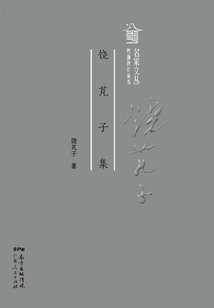
Rao Pengziji
Literature饶芃子集
Rao Pengzi
This book is one of the "Cantonese Commentaries" series. Rao Pengzi was born in Chaozhou, Guangdong in 1935. Professor and doctoral supervisor in the Chinese Department of Jinan University. He has served as Vice Chairman of the Guangdong Federation of Social Science Circles, Vice Chairman of the Guangdong Provincial Writers Association, Vice President of the Chinese Literary Theory Society, Vice President of the Chinese Comparative Literature Society, President of the China World Chinese Literature Society, and a member of the National Social Science Fund Chinese Literature Discipline Review Committee. He is currently the honorary president of the World Chinese Literature Society of China and the vice president of the World Chinese Literature Federation. Published 15 books (including co-authors) including "Chinese and Western Comparative Literature and Art" and "Comparative Literature and Overseas Chinese Literature". This book contains many representative articles by Rao Pengzi, including "Thoughts on Literary Criticism", "From Local Academics to Overseas Sinology", "On the Comparison of Chinese and Western Poetics", "Overseas Chinese Literature from a Multicultural Perspective", etc.
This book is one of the "Cantonese Commentaries" series. Rao Pengzi was born in Chaozhou, Guangdong in 1935. Professor and doctoral supervisor in the Chinese Department of Jinan University. He has served as Vice Chairman of the Guangdong Federation of Social Science Circles, Vice Chairman of the Guangdong Provincial Writers Association, Vice President of the Chinese Literary Theory Society, Vice President of the Chinese Comparative Literature Society, President of the China World Chinese Literature Society, and a member of the National Social Science Fund Chinese Literature Discipline Review Committee. He is currently the honorary president of the World Chinese Literature Society of China and the vice president of the World Chinese Literature Federation. Published 15 books (including co-authors) including "Chinese and Western Comparative Literature and Art" and "Comparative Literature and Overseas Chinese Literature". This book contains many representative articles by Rao Pengzi, including "Thoughts on Literary Criticism", "From Local Academics to Overseas Sinology", "On the Comparison of Chinese and Western Poetics", "Overseas Chinese Literature from a Multicultural Perspective", etc.
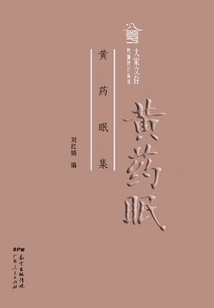
Huangyaomianji
Literature黄药眠集
Liu Hongjuan
Huang Yaomian, a famous writer, poet, and literary theorist. In the 1920s and 1930s, he served as the editor of "Creation Zhoushe". During the Anti-Japanese War, he wrote long papers such as "The Task and Direction of Anti-Japanese War Literature and Art" and "The Mainstream of the Current Literary and Art Movement", which had a great influence on the Chinese poetry circle at that time. This book mainly collects Huang Yaomian's critical articles on literature and art. The main topics include "The Creation of Dreams", "Immortalistic Literature", "Who Literary Artists Should Fight for", "My View on the National Form of Poetry", "On the Creative Direction of Poetry", "On the Techniques of Poetry and Others", "On the Beauty of Poetry and the Image of Poetry", etc.
Huang Yaomian, a famous writer, poet, and literary theorist. In the 1920s and 1930s, he served as the editor of "Creation Zhoushe". During the Anti-Japanese War, he wrote long papers such as "The Task and Direction of Anti-Japanese War Literature and Art" and "The Mainstream of the Current Literary and Art Movement", which had a great influence on the Chinese poetry circle at that time. This book mainly collects Huang Yaomian's critical articles on literature and art. The main topics include "The Creation of Dreams", "Immortalistic Literature", "Who Literary Artists Should Fight for", "My View on the National Form of Poetry", "On the Creative Direction of Poetry", "On the Techniques of Poetry and Others", "On the Beauty of Poetry and the Image of Poetry", etc.
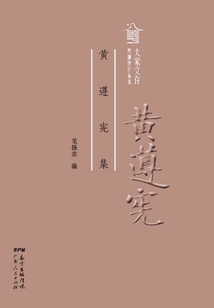
Collection of Huang Zunxian
Literature黄遵宪集
Long Yangzhi
Huang Zunxian was the earliest advocate of the poetic revolution in the history of modern Chinese literature. He, Liang Qichao and others put forward a complete set of poetry programs, among which the idea of "revolution in the poetry world" was an attempt to open up a new path and new realm of poetic language, which had a wide impact at the time. This volume mainly collects Huang Zunxian's articles on literary criticism, including "Preface to the Poems of Ren Jing Lu", "On Poetry with Langshan", "Miscellaneous Thoughts", etc.
Huang Zunxian was the earliest advocate of the poetic revolution in the history of modern Chinese literature. He, Liang Qichao and others put forward a complete set of poetry programs, among which the idea of "revolution in the poetry world" was an attempt to open up a new path and new realm of poetic language, which had a wide impact at the time. This volume mainly collects Huang Zunxian's articles on literary criticism, including "Preface to the Poems of Ren Jing Lu", "On Poetry with Langshan", "Miscellaneous Thoughts", etc.
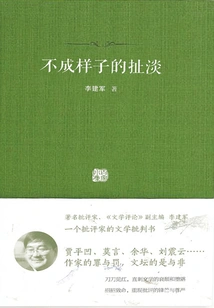
Shameless Nonsense
Literature不成样子的扯淡
Li Jianjun
This book is a collection of 22 articles on literary criticism by the famous scholar and critic Li Jianjun. The book mainly discusses the concept of literary criticism, the current situation of literary creation and literary criticism, the spiritual temperament and ethical responsibility of critics, and exposes the vulgarity of the current literary criticism atmosphere. The author summarizes these literary phenomena with the word "bullshit" to arouse readers' vigilance. The author has a frank attitude, lively writing, distinctive style and unique insights. Many contemporary writers such as Mo Yan, Yu Hua, Jia Pingwa, etc. Are included in his criticism. It is a rare critical work that reflects the responsibility and responsibility of a true critic.
This book is a collection of 22 articles on literary criticism by the famous scholar and critic Li Jianjun. The book mainly discusses the concept of literary criticism, the current situation of literary creation and literary criticism, the spiritual temperament and ethical responsibility of critics, and exposes the vulgarity of the current literary criticism atmosphere. The author summarizes these literary phenomena with the word "bullshit" to arouse readers' vigilance. The author has a frank attitude, lively writing, distinctive style and unique insights. Many contemporary writers such as Mo Yan, Yu Hua, Jia Pingwa, etc. Are included in his criticism. It is a rare critical work that reflects the responsibility and responsibility of a true critic.
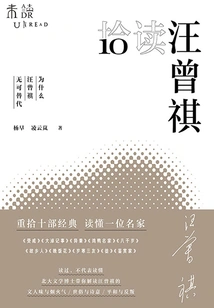
Reading Wang Zengqi
Literature拾读汪曾祺
Yang Zao Ling Yunlan
Having read it does not mean that you understand it. A doctor of literature from Peking University will help you interpret Wang Zengqi's literati and pyrotechnics\u002Fsecular and poetic\u002Fpeace and rebellion. Why is Wang Zengqi irreplaceable? This question deserves us to ask again and again, because it is not only related to Wang Zengqi's reading method, Wang Zengqi's positioning in literary history, but also the possibility of Chinese literature in the past and future. This book selects and carefully interprets ten of Wang Zengqi's most representative "Gaoyou Series" novels, covering such famous works as "Ordering", "Da Nao Chronicles", "Chicken and Duck Masters", and "Different Bings". It conducts in-depth analysis from different perspectives such as historical atmosphere, living environment, creative concepts, narrative style, etc., And explains the unique aesthetic standards that Wang Zengqi adheres to in his literary creation. In the book, we will not only feel the unique charm of the Chinese stories written by Wang Zengqi, but also appreciate the literati and pyrotechnics, secularity and poetry, peace and rebellion that coexist in Wang Zengqi.
Having read it does not mean that you understand it. A doctor of literature from Peking University will help you interpret Wang Zengqi's literati and pyrotechnics\u002Fsecular and poetic\u002Fpeace and rebellion. Why is Wang Zengqi irreplaceable? This question deserves us to ask again and again, because it is not only related to Wang Zengqi's reading method, Wang Zengqi's positioning in literary history, but also the possibility of Chinese literature in the past and future. This book selects and carefully interprets ten of Wang Zengqi's most representative "Gaoyou Series" novels, covering such famous works as "Ordering", "Da Nao Chronicles", "Chicken and Duck Masters", and "Different Bings". It conducts in-depth analysis from different perspectives such as historical atmosphere, living environment, creative concepts, narrative style, etc., And explains the unique aesthetic standards that Wang Zengqi adheres to in his literary creation. In the book, we will not only feel the unique charm of the Chinese stories written by Wang Zengqi, but also appreciate the literati and pyrotechnics, secularity and poetry, peace and rebellion that coexist in Wang Zengqi.
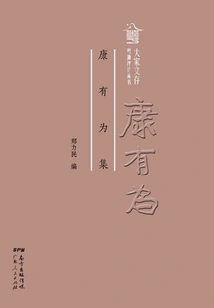
Kang Youwei Collection
Literature康有为集
Zheng Limin
Kang Youwei's academic achievements covered many aspects, all of which made amazing achievements. His writings total more than 7 million words. His political essays and calligraphy essays broke the traditional ancient prose formula, were unrestrained and informal, and pioneered Liang Qichao's "new literary style". This volume focuses on the traditional culture and scholarship and selects and compiles Kang Youwei's literary theory. The main chapters include "A Study of New Learning Apocrypha", "A Study of Confucius' Reform", "A Study of Japan's Political Change", "Book of Datong", "Travel Notes to Eleven European Countries", "A Discussion of Poetry with Shu Yuan and Sent to Ren Gong, Ru Bo and Man Xuan", etc.
Kang Youwei's academic achievements covered many aspects, all of which made amazing achievements. His writings total more than 7 million words. His political essays and calligraphy essays broke the traditional ancient prose formula, were unrestrained and informal, and pioneered Liang Qichao's "new literary style". This volume focuses on the traditional culture and scholarship and selects and compiles Kang Youwei's literary theory. The main chapters include "A Study of New Learning Apocrypha", "A Study of Confucius' Reform", "A Study of Japan's Political Change", "Book of Datong", "Travel Notes to Eleven European Countries", "A Discussion of Poetry with Shu Yuan and Sent to Ren Gong, Ru Bo and Man Xuan", etc.
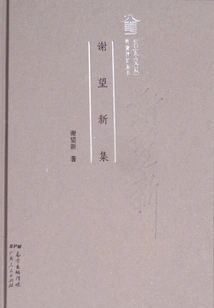
Xie Wang New Collection
Literature谢望新集
Xie Wangxin
This manuscript is a collection of literary criticism written by the famous literary critic Xie Wangxin. Divided into five volumes, the content includes the author's comments on the works of early writers, comments on well-known second-generation writers and their works, comments on emerging writers and their works, expectations for the development of southern literature, and the author's own development process of literary criticism. This book reviews representative writers and novels since the founding of the People's Republic of China. It uses macroscopic observation to accurately grasp and evaluate the ideological and artistic value of contemporary novels and the exploration trends of writers' creations in the past few decades. It is of extraordinary significance for the promotion of Guangdong literature across the country.
This manuscript is a collection of literary criticism written by the famous literary critic Xie Wangxin. Divided into five volumes, the content includes the author's comments on the works of early writers, comments on well-known second-generation writers and their works, comments on emerging writers and their works, expectations for the development of southern literature, and the author's own development process of literary criticism. This book reviews representative writers and novels since the founding of the People's Republic of China. It uses macroscopic observation to accurately grasp and evaluate the ideological and artistic value of contemporary novels and the exploration trends of writers' creations in the past few decades. It is of extraordinary significance for the promotion of Guangdong literature across the country.
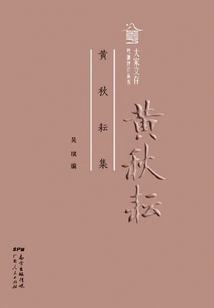
Collection of Huang Qiuyun
Literature黄秋耘集
Wu Qi
Huang Qiuyun has successively served as acting president of the Fujian Branch of Xinhua News Agency, deputy director of the editorial department of "Literary News", deputy director of the Guangdong Provincial Publishing Administration, vice chairman of the Guangdong Branch of the Chinese Writers Association, president of the China Guangzhou PEN Center, and the fourth director of the Chinese Writers Association. This book mainly collects Huang Qiuyun's literary criticism articles. The main titles include "Thoughts on Zhang Jie's Works", "Don't Close Your Eyes in Front of the People", "Trivial Reading and Thoughts", etc.
Huang Qiuyun has successively served as acting president of the Fujian Branch of Xinhua News Agency, deputy director of the editorial department of "Literary News", deputy director of the Guangdong Provincial Publishing Administration, vice chairman of the Guangdong Branch of the Chinese Writers Association, president of the China Guangzhou PEN Center, and the fourth director of the Chinese Writers Association. This book mainly collects Huang Qiuyun's literary criticism articles. The main titles include "Thoughts on Zhang Jie's Works", "Don't Close Your Eyes in Front of the People", "Trivial Reading and Thoughts", etc.
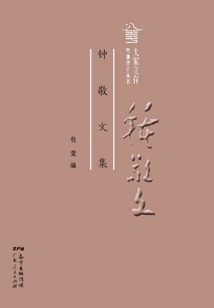
Collected Works of Zhong Jing
Literature钟敬文集
Fu Xiuhai Fu Xiangxi Zheng Limin
Zhong Jingwen, a native of Haifeng County, Guangdong, is a famous folklorist and master of folk literature. While teaching at Sun Yat-sen University and Zhejiang University, he was actively engaged in the research and literary creation of folk literature and folklore. He is the author of a collection of literary short stories, "Liuhua Collection", "Introduction to Folklore", "General History of Folklore", and "Introduction to Folk Literature". This book contains Zhong Jingwen's comments on folk literature. The main chapters include "The Heart of Poetry", "About the Book of Songs", "Talking about Essays", "Talking about Poems", "Exploring Chinese Folk Stories", "About Folk Art", etc.
Zhong Jingwen, a native of Haifeng County, Guangdong, is a famous folklorist and master of folk literature. While teaching at Sun Yat-sen University and Zhejiang University, he was actively engaged in the research and literary creation of folk literature and folklore. He is the author of a collection of literary short stories, "Liuhua Collection", "Introduction to Folklore", "General History of Folklore", and "Introduction to Folk Literature". This book contains Zhong Jingwen's comments on folk literature. The main chapters include "The Heart of Poetry", "About the Book of Songs", "Talking about Essays", "Talking about Poems", "Exploring Chinese Folk Stories", "About Folk Art", etc.
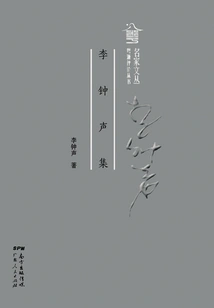
Collection of Li Zhongsheng
Literature李钟声集
Li Zhongsheng
This book is one of the "Cantonese Commentaries" series. Li Zhongsheng, born in 1945, is from Meixian District, Meizhou City, Guangdong Province. Member of the Communist Party of China. Graduated from Jinan University in 1984, majoring in Chinese language and literature. He has successively served as reporter, editor and deputy director and director of the literary and art department of "Nanfang Daily", editorial board member, deputy editor-in-chief and senior editor of "Nanfang Daily". He once served as a member of the presidium of the Guangdong Provincial Writers Association, vice chairman of the Literary Critics Association, and vice president of the China Newspaper Supplement Research Association. He has won the Commendation Award from the Chinese Contemporary Literature Society and the Guangdong Lu Xun Literature Award. This book collects the author's representative critical articles on novels, reportage and drama literature. About 250,000 words.
This book is one of the "Cantonese Commentaries" series. Li Zhongsheng, born in 1945, is from Meixian District, Meizhou City, Guangdong Province. Member of the Communist Party of China. Graduated from Jinan University in 1984, majoring in Chinese language and literature. He has successively served as reporter, editor and deputy director and director of the literary and art department of "Nanfang Daily", editorial board member, deputy editor-in-chief and senior editor of "Nanfang Daily". He once served as a member of the presidium of the Guangdong Provincial Writers Association, vice chairman of the Literary Critics Association, and vice president of the China Newspaper Supplement Research Association. He has won the Commendation Award from the Chinese Contemporary Literature Society and the Guangdong Lu Xun Literature Award. This book collects the author's representative critical articles on novels, reportage and drama literature. About 250,000 words.
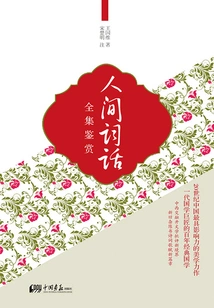
人间词话全集鉴赏
Wang Guowei
"Appreciation of the Complete Works of Human Words" is a work of literary criticism written by the famous Chinese classics master Wang Guowei. It was written in 1908-1909. It is Wang Guowei's review of old Chinese literature from a new perspective after receiving the baptism of Western aesthetic ideas. Published in "Journal of Chinese Culture", it is a famous work on poetry in modern China. "Appreciation of the Complete Works of Human Words" is a landmark work in Chinese classical literary criticism. As an epoch-making work in the history of China's development, the book has novel views, incisive arguments, and a self-contained system, embodying the literary and aesthetic thoughts of the famous scholar Wang Guowei. Each article is full of witty words and unique insights. It not only comments on the poetry works, but also comments on the life circumstances, gains and losses of the poets of the past generations. It can be described as a rare classic of Chinese studies and a masterpiece of aesthetics. The author Wang Guowei is even known as "the end of Chinese academics in the past three hundred years and the founder of academics in the past eighty years."
"Appreciation of the Complete Works of Human Words" is a work of literary criticism written by the famous Chinese classics master Wang Guowei. It was written in 1908-1909. It is Wang Guowei's review of old Chinese literature from a new perspective after receiving the baptism of Western aesthetic ideas. Published in "Journal of Chinese Culture", it is a famous work on poetry in modern China. "Appreciation of the Complete Works of Human Words" is a landmark work in Chinese classical literary criticism. As an epoch-making work in the history of China's development, the book has novel views, incisive arguments, and a self-contained system, embodying the literary and aesthetic thoughts of the famous scholar Wang Guowei. Each article is full of witty words and unique insights. It not only comments on the poetry works, but also comments on the life circumstances, gains and losses of the poets of the past generations. It can be described as a rare classic of Chinese studies and a masterpiece of aesthetics. The author Wang Guowei is even known as "the end of Chinese academics in the past three hundred years and the founder of academics in the past eighty years."
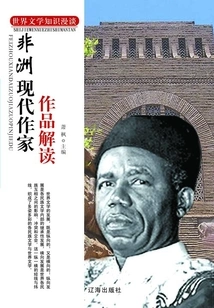
非洲现代作家作品解读
Editor-in-chief Xiao Feng
The content of this book includes Agnon, Shao Ji, Hafez Ibrahim, Taha Hussein, Akkad, Tawfiq al-Hakim, Najib Mahfouz, Sherkawi, Leopold Sedah Senghor, Sambene Usman, Osman Sebena, etc.
The content of this book includes Agnon, Shao Ji, Hafez Ibrahim, Taha Hussein, Akkad, Tawfiq al-Hakim, Najib Mahfouz, Sherkawi, Leopold Sedah Senghor, Sambene Usman, Osman Sebena, etc.
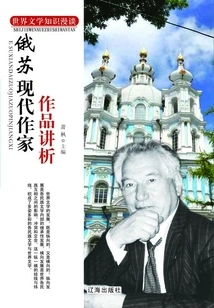
俄苏现代作家作品讲析
Editor-in-chief Xiao Feng
The content of this book includes Pushkin, Gogol, Belinsky, Goncharov, Herzen, Lermontov, Turgenev, Dostoyevsky, Leo Tolstoy, Chernyshevsky, etc.
The content of this book includes Pushkin, Gogol, Belinsky, Goncharov, Herzen, Lermontov, Turgenev, Dostoyevsky, Leo Tolstoy, Chernyshevsky, etc.
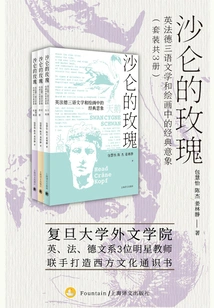
Rose of Sharon
Literature沙仑的玫瑰
Bao Huiyi Chen Jie Jiang Linjing
This highly original and beautiful experience is bound to arouse more enthusiasm for the pursuit of literature and culture. Three star teachers from the Department of English, French and German of the School of Foreign Languages and Literature at Fudan University jointly created a general book on Western culture to explore the historical stories and romantic allusions behind the language. "The Rose of Sharon" was born out of the interdisciplinary and cross-language intensive reading class jointly offered by three star teachers at Fudan University, namely Bao Huiyi, Associate Professor of the English Department, School of Foreign Languages, Chen Jie, Associate Professor of the French Department, and Jiang Linjing, Associate Professor of the German Department, jointly offered by Fudan University for the first time. It starts from six classic images of swans, heads, flowers, towers, wine and roses, and analyzes the imagery of poetry and the vision of painting. The vertical and horizontal guidance from codes to philosophy interprets trilingual literature and painting through an international perspective, extensive knowledge and clear words, and excavates the unique and charming humanistic stories and romantic allusions related to them. Together with the mysterious, noble, confusing, absurd, terrifying and romantic paintings, readers feel like they are in an exotic palace carrying the smoke of history and the mysterious spirituality attached to them.
This highly original and beautiful experience is bound to arouse more enthusiasm for the pursuit of literature and culture. Three star teachers from the Department of English, French and German of the School of Foreign Languages and Literature at Fudan University jointly created a general book on Western culture to explore the historical stories and romantic allusions behind the language. "The Rose of Sharon" was born out of the interdisciplinary and cross-language intensive reading class jointly offered by three star teachers at Fudan University, namely Bao Huiyi, Associate Professor of the English Department, School of Foreign Languages, Chen Jie, Associate Professor of the French Department, and Jiang Linjing, Associate Professor of the German Department, jointly offered by Fudan University for the first time. It starts from six classic images of swans, heads, flowers, towers, wine and roses, and analyzes the imagery of poetry and the vision of painting. The vertical and horizontal guidance from codes to philosophy interprets trilingual literature and painting through an international perspective, extensive knowledge and clear words, and excavates the unique and charming humanistic stories and romantic allusions related to them. Together with the mysterious, noble, confusing, absurd, terrifying and romantic paintings, readers feel like they are in an exotic palace carrying the smoke of history and the mysterious spirituality attached to them.
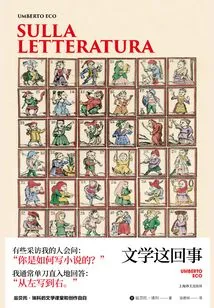
Literature Thing
Literature文学这回事
H
Eco, the encyclopedic writer who is famous in the literary world, summons ancient and modern masters, enumerates literary koans, and confesses his writing career. From here, you can walk into Borges' Library of Babel, listen to the conversation between Joyce and Dante, wander through the mist of Valois in Nerval, and relive the American myths of three generations... We will take you to understand Eco's literary panorama, his joy and anxiety, creation and superstition. "This Thing of Literature" is one of the few literary criticism monographs among Umberto Eco's works. It collects the writer's speeches and essays on literature for various occasions. As a world-renowned semiotician, Eco's extensive knowledge is brought into full play in this book. The eighteen special articles included in this book range from Joyce and Borges to Dante and Rabelais in the Middle Ages, and even Aristotle in the distant past. With a cross-disciplinary perspective that is different from that of ordinary literary critics, Eco accurately analyzes many important literary concepts that echo the past and the present, the eternal pursuit of human nature reflected in literary masterpieces, and the historical process of literary connotation. The whole book is full of literary talent and clear ideas. When you open the book, you feel like you are attending a literature class by a master.
Eco, the encyclopedic writer who is famous in the literary world, summons ancient and modern masters, enumerates literary koans, and confesses his writing career. From here, you can walk into Borges' Library of Babel, listen to the conversation between Joyce and Dante, wander through the mist of Valois in Nerval, and relive the American myths of three generations... We will take you to understand Eco's literary panorama, his joy and anxiety, creation and superstition. "This Thing of Literature" is one of the few literary criticism monographs among Umberto Eco's works. It collects the writer's speeches and essays on literature for various occasions. As a world-renowned semiotician, Eco's extensive knowledge is brought into full play in this book. The eighteen special articles included in this book range from Joyce and Borges to Dante and Rabelais in the Middle Ages, and even Aristotle in the distant past. With a cross-disciplinary perspective that is different from that of ordinary literary critics, Eco accurately analyzes many important literary concepts that echo the past and the present, the eternal pursuit of human nature reflected in literary masterpieces, and the historical process of literary connotation. The whole book is full of literary talent and clear ideas. When you open the book, you feel like you are attending a literature class by a master.
A Study on the Poetics of Bunin's Novels
Literature布宁小说诗学研究
Yang Mingming
Ivan Bunin is a classic writer in the history of Russian literature in the 20th century and the first Russian writer to win the Nobel Prize for Literature. As a domestic work that systematically discusses the creation of Bunin's novels, this book conducts a multi-angle and all-round examination of the author's contemporary context, aesthetic interests, inheritance and development of the Russian classic literary tradition, as well as the philosophical dimensions, aesthetic characteristics, poetic pursuits, narrative paradigms, artistic techniques, themes and genres of his novels, etc., Thus ultimately constructing the poetic ideological system of Bunin's novels. This book can provide reference for teachers, students and researchers in foreign languages and literature and other related majors.
Ivan Bunin is a classic writer in the history of Russian literature in the 20th century and the first Russian writer to win the Nobel Prize for Literature. As a domestic work that systematically discusses the creation of Bunin's novels, this book conducts a multi-angle and all-round examination of the author's contemporary context, aesthetic interests, inheritance and development of the Russian classic literary tradition, as well as the philosophical dimensions, aesthetic characteristics, poetic pursuits, narrative paradigms, artistic techniques, themes and genres of his novels, etc., Thus ultimately constructing the poetic ideological system of Bunin's novels. This book can provide reference for teachers, students and researchers in foreign languages and literature and other related majors.
Kinshido Good Book Series: Collection of Works of Taguchi Yoshihide (set of 2 Volumes in Total)
Literature金石堂好书系列:田口佳史作品集(套装共2册)
(japan) Yoshihiro Taguchi
"The Courage to Show Weakness" is a book written by the Japanese Oriental thinker Taguchi Yoshifumi to explain the Chinese Taoist classic "Tao Te Ching". The book is divided into seven chapters. It uses plain and easy-to-understand words and slowly talks about the wisdom of using softness to overcome hardness, and teaches modern people how to do nothing to achieve something in their busy life. "Winner's Logic" has strength but can't express it. Can't he become the main figure of the team? Are you eager to work with someone but don't know how to approach them? Are you annoyed that you can't stick to your own opinions and are easily led by your own opinions? Long-term development goals are unclear and too many detours have been taken? The art of war is the method of survival. "The Logic of Winners" converts 13 recruitment methods into 47 "winner logics" in the workplace, teaching you how to accurately grasp the right time, location, and people in terms of career development goal management, mentality management in the face of various problems, leadership principles that lead people with heart, image management in self-marketing, etc., And use more professional strategic thinking to optimize life efficiency and start an all-round winning model.
"The Courage to Show Weakness" is a book written by the Japanese Oriental thinker Taguchi Yoshifumi to explain the Chinese Taoist classic "Tao Te Ching". The book is divided into seven chapters. It uses plain and easy-to-understand words and slowly talks about the wisdom of using softness to overcome hardness, and teaches modern people how to do nothing to achieve something in their busy life. "Winner's Logic" has strength but can't express it. Can't he become the main figure of the team? Are you eager to work with someone but don't know how to approach them? Are you annoyed that you can't stick to your own opinions and are easily led by your own opinions? Long-term development goals are unclear and too many detours have been taken? The art of war is the method of survival. "The Logic of Winners" converts 13 recruitment methods into 47 "winner logics" in the workplace, teaching you how to accurately grasp the right time, location, and people in terms of career development goal management, mentality management in the face of various problems, leadership principles that lead people with heart, image management in self-marketing, etc., And use more professional strategic thinking to optimize life efficiency and start an all-round winning model.
中欧现代著名作家(世界文学百科丛书)
Feng Ping Liu Dong Yue Niu Jiang Tao
The content of this book includes Polish writers, Słowacki, Kraszewski, Norwid, Yerzy, Digaczynski, Oreshkova, Konopnitzka, Sienkiewicz, Prusz, Zapolska, Lemont, Dombrovska, Putrament, Miłosz, Hungary Li writers, Flesmarti, Petofi, Jokaj, Mikshat, Moritz, Lukacs, Saab, Nemet, Yuzhov, Czech and Slovak writers, Shtur, Nemtsova, Neruda, Iracek, Kukuchin, Mayerova, Hasek, Sapototsky, etc.
The content of this book includes Polish writers, Słowacki, Kraszewski, Norwid, Yerzy, Digaczynski, Oreshkova, Konopnitzka, Sienkiewicz, Prusz, Zapolska, Lemont, Dombrovska, Putrament, Miłosz, Hungary Li writers, Flesmarti, Petofi, Jokaj, Mikshat, Moritz, Lukacs, Saab, Nemet, Yuzhov, Czech and Slovak writers, Shtur, Nemtsova, Neruda, Iracek, Kukuchin, Mayerova, Hasek, Sapototsky, etc.
Continuation of a Night Story
Literature夜谭续记
Ma Shitu
The reason why this book is called "Continuation of Night Stories" is because it is a sequel to "Ten Notes of Night Stories" published by People's Literature Publishing House in 1982. It still follows the original example and Sichuan people tell Sichuan stories in Sichuan dialect. In their spare time, a dozen or so Sichuan officials gathered together in a small house, drank tea, chatted, and set up a dragon gate array to while away the eternal night. They still use the unique dialect of Sichuan people, humorous conversation style, gossip about Sichuan slang and folk customs, and all kinds of strange anecdotes.
The reason why this book is called "Continuation of Night Stories" is because it is a sequel to "Ten Notes of Night Stories" published by People's Literature Publishing House in 1982. It still follows the original example and Sichuan people tell Sichuan stories in Sichuan dialect. In their spare time, a dozen or so Sichuan officials gathered together in a small house, drank tea, chatted, and set up a dragon gate array to while away the eternal night. They still use the unique dialect of Sichuan people, humorous conversation style, gossip about Sichuan slang and folk customs, and all kinds of strange anecdotes.
两汉文学名作欣赏
Wang Yunxi Et Al.
This book is a popular literary reading for famous writers to appreciate the classic works of Han Dynasty literature. It provides a detailed interpretation of the most representative writers and their classic works in the literature of the Han Dynasty, including Sima Qian, Liu Bang, Yang Xiong, Zhang Heng, Liu Xin, Ban Biao, Xie Zhuang, Xiao Gang, Jia Yi and Han Dynasty. The authors of representative Yuefu works are well-known figures in the academic and cultural circles who specialize in literary research and appreciation, such as Cheng Shihe, Han Zhaoqi, Yu Zhanghua, Shao Bihua, Ji Zhenhuai, Tu An, Pan Shen, He Peixiong, Wu Xiaoru, Zhou Xuanlong, Wang Yunxi, Wang Furen, etc. The collected articles are all vital and influential excellent appreciation articles that have received wide acclaim. Appreciated articles are also recognized as famous articles. They guide readers to appreciate famous literary works from a broader background and a more professional perspective and feel the charm of famous works. It is a good popular reading for understanding and appreciating the literature of the two Han Dynasties.
This book is a popular literary reading for famous writers to appreciate the classic works of Han Dynasty literature. It provides a detailed interpretation of the most representative writers and their classic works in the literature of the Han Dynasty, including Sima Qian, Liu Bang, Yang Xiong, Zhang Heng, Liu Xin, Ban Biao, Xie Zhuang, Xiao Gang, Jia Yi and Han Dynasty. The authors of representative Yuefu works are well-known figures in the academic and cultural circles who specialize in literary research and appreciation, such as Cheng Shihe, Han Zhaoqi, Yu Zhanghua, Shao Bihua, Ji Zhenhuai, Tu An, Pan Shen, He Peixiong, Wu Xiaoru, Zhou Xuanlong, Wang Yunxi, Wang Furen, etc. The collected articles are all vital and influential excellent appreciation articles that have received wide acclaim. Appreciated articles are also recognized as famous articles. They guide readers to appreciate famous literary works from a broader background and a more professional perspective and feel the charm of famous works. It is a good popular reading for understanding and appreciating the literature of the two Han Dynasties.
先秦文学名作欣赏
Wu Xiaoru Et Al.
This book is a popular literary reading for famous people to appreciate the classic works of Pre-Qin literature. It provides a detailed interpretation of the most representative writers and classic works in Pre-Qin literature, including the prose of Zhuzi, "The Book of Songs", "The Analects of Confucius", "Warring States Policy", "The Classic of Mountains and Seas", etc., As well as Zhuangzi , Mencius, Qu Yuan, Song Yu, Li Si and their works, etc. The authors are all well-known figures in the academic and cultural circles who specialize in literary research and appreciation, such as Wu Xiaoru, Wang Furen, Chu Binjie, Chen Yiwei, Zhang Conglin, Zhang Yongxin, Li Shiren, Jin Qihua, Liu Yuqing, etc. The collected articles are all vital, influential and excellent appreciation articles that have received wide acclaim. Appreciated articles are also recognized as famous articles. They guide readers to appreciate famous literary works from a broader background and a more professional perspective and feel the charm of famous works. It is a good popular reading for understanding and appreciating pre-Qin literature.
This book is a popular literary reading for famous people to appreciate the classic works of Pre-Qin literature. It provides a detailed interpretation of the most representative writers and classic works in Pre-Qin literature, including the prose of Zhuzi, "The Book of Songs", "The Analects of Confucius", "Warring States Policy", "The Classic of Mountains and Seas", etc., As well as Zhuangzi , Mencius, Qu Yuan, Song Yu, Li Si and their works, etc. The authors are all well-known figures in the academic and cultural circles who specialize in literary research and appreciation, such as Wu Xiaoru, Wang Furen, Chu Binjie, Chen Yiwei, Zhang Conglin, Zhang Yongxin, Li Shiren, Jin Qihua, Liu Yuqing, etc. The collected articles are all vital, influential and excellent appreciation articles that have received wide acclaim. Appreciated articles are also recognized as famous articles. They guide readers to appreciate famous literary works from a broader background and a more professional perspective and feel the charm of famous works. It is a good popular reading for understanding and appreciating pre-Qin literature.
外国散文戏剧名作欣赏
Fang Pingping
This book is a popular literary reading for famous writers to appreciate foreign prose drama classics. It provides a detailed interpretation of the most representative writers and their classic works in foreign prose drama, including Shakespeare, Russell, Goethe, Bacon, Hugo, Montaigne, Turgenev, and Maury. Ai, Ibsen, Chekhov, Racine, Beckett, etc. The authors are all well-known figures in the academic and cultural circles who specialize in literary research and appreciation, such as Fang Ping, Gao Jian, Qian Hong, Wang Zhiliang, Gu Yu, Yu Fenggao, Chen Shouzhu, Zeng Xianwen, Wu Congju, Zeng Siyi, etc. The collected articles are all vital, influential and excellent appreciation articles that have received wide acclaim. Appreciated articles are also recognized as famous articles, guiding readers to appreciate famous literary works from a broader background and a more professional perspective and feel the charm of famous works. It is a good popular reading for understanding and appreciating foreign prose dramas.
This book is a popular literary reading for famous writers to appreciate foreign prose drama classics. It provides a detailed interpretation of the most representative writers and their classic works in foreign prose drama, including Shakespeare, Russell, Goethe, Bacon, Hugo, Montaigne, Turgenev, and Maury. Ai, Ibsen, Chekhov, Racine, Beckett, etc. The authors are all well-known figures in the academic and cultural circles who specialize in literary research and appreciation, such as Fang Ping, Gao Jian, Qian Hong, Wang Zhiliang, Gu Yu, Yu Fenggao, Chen Shouzhu, Zeng Xianwen, Wu Congju, Zeng Siyi, etc. The collected articles are all vital, influential and excellent appreciation articles that have received wide acclaim. Appreciated articles are also recognized as famous articles, guiding readers to appreciate famous literary works from a broader background and a more professional perspective and feel the charm of famous works. It is a good popular reading for understanding and appreciating foreign prose dramas.