Library
Browse and search books
17,591 novels found
M
General Fictionm
H
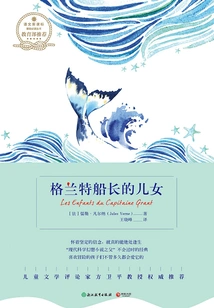
This book tells the story of a justice rescue at sea. When the cruise ship "Duncan" was on its maiden voyage in the channel between Northern Ireland and Scotland, the sailors found a sealed bottle in the belly of a captured shark. The bottle contained three incomplete and unclear distress letters, written in English, French, and German, written by the Scottish explorer Captain Grant. From then on, the "Duncan" began its journey around the world in search of Captain Grant...
This book tells the story of a justice rescue at sea. When the cruise ship "Duncan" was on its maiden voyage in the channel between Northern Ireland and Scotland, the sailors found a sealed bottle in the belly of a captured shark. The bottle contained three incomplete and unclear distress letters, written in English, French, and German, written by the Scottish explorer Captain Grant. From then on, the "Duncan" began its journey around the world in search of Captain Grant...
优雅的冷酷:切萨雷·波吉亚的一生
G
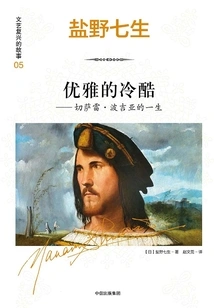
"Elegant Coolness" is a work about Cesare Borgia, the brother of Lucrezia Borgia, a character who appears in "Renaissance Women". Cesare and Lucrezia were both illegitimate sons of the Pope, but he cleverly used this relationship to ambitiously become the overlord of Italy. The work presents the sensuality and cruelty of Cesare, a young man. Although it is a very early work, it is very much Shiono's style.
"Elegant Coolness" is a work about Cesare Borgia, the brother of Lucrezia Borgia, a character who appears in "Renaissance Women". Cesare and Lucrezia were both illegitimate sons of the Pope, but he cleverly used this relationship to ambitiously become the overlord of Italy. The work presents the sensuality and cruelty of Cesare, a young man. Although it is a very early work, it is very much Shiono's style.
Renaissance Women
History文艺复兴的女人们
G
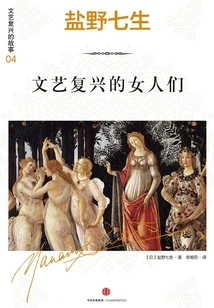
"Renaissance Women" by Shiono Nanao mainly describes the fate of four women in four countries during the four periods of the Renaissance to reflect the history of these four countries and eras. This book takes the Renaissance as the main line and tells the story of four influential women in the Renaissance from the second half of the 15th century to the first half of the 16th century - Isabella d'Este, Lucrezia Borgia, Caterina Sforza, and Caterina Cornaro, as well as the lives, thoughts, and art of the Renaissance people connected by them.
"Renaissance Women" by Shiono Nanao mainly describes the fate of four women in four countries during the four periods of the Renaissance to reflect the history of these four countries and eras. This book takes the Renaissance as the main line and tells the story of four influential women in the Renaissance from the second half of the 15th century to the first half of the 16th century - Isabella d'Este, Lucrezia Borgia, Caterina Sforza, and Caterina Cornaro, as well as the lives, thoughts, and art of the Renaissance people connected by them.
God's Agent
History神的代理人
G
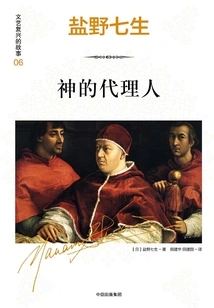
"Renaissance Story 06·God's Agent" 1. Angels and Devils, God's Agent's Choice in the Renaissance. Look at the rise and fall of the Renaissance through the lens of four popes. 2. Explain the profound things in simple terms, it is both a historical work and a popular reading. Yu Minhong once said that Shiono Qisheng's historical works are not ideological and allow stories to be combined with evaluation. All eras and characters have been demonstrated and examined, so they are not fictional, but they still retain readability. Reading this book will be a deeply satisfying experience.
"Renaissance Story 06·God's Agent" 1. Angels and Devils, God's Agent's Choice in the Renaissance. Look at the rise and fall of the Renaissance through the lens of four popes. 2. Explain the profound things in simple terms, it is both a historical work and a popular reading. Yu Minhong once said that Shiono Qisheng's historical works are not ideological and allow stories to be combined with evaluation. All eras and characters have been demonstrated and examined, so they are not fictional, but they still retain readability. Reading this book will be a deeply satisfying experience.
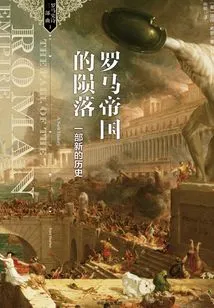
罗马帝国的陨落:一部新的历史
L
At its peak, the Roman Empire ruled from Britain and Spain in the west to the Euphrates River in the east. For thousands of years, the Roman Empire has been regarded as an institutional model for human rule, with a strict defense system, a well-trained professional army, a complex administrative system, and a prosperous transportation and trade network. It was believed at the time that Rome, the "Eternal City," would never fall. "The Fall of the Roman Empire: A New History" will use wonderful stories and detailed details to reconstruct the last hundred years of the Roman Empire.
At its peak, the Roman Empire ruled from Britain and Spain in the west to the Euphrates River in the east. For thousands of years, the Roman Empire has been regarded as an institutional model for human rule, with a strict defense system, a well-trained professional army, a complex administrative system, and a prosperous transportation and trade network. It was believed at the time that Rome, the "Eternal City," would never fall. "The Fall of the Roman Empire: A New History" will use wonderful stories and detailed details to reconstruct the last hundred years of the Roman Empire.
Ae
HistoryaE
I
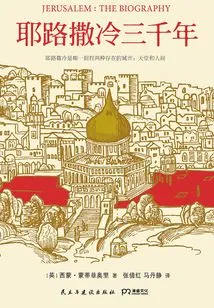
Read "Three Thousand Years of Jerusalem" to understand the real Jerusalem, and you will understand why the world has evolved into what it is today. Jerusalem was once regarded as the center of the world, a holy place for the three major religions of Christianity, Judaism and Islam, a strategic hub for the clash of civilizations, a place that haunts the world, a place where bewildering conspiracies, fictional online legends and 24-hour news take place. In chronological order, Simon Montefiore uses the competition between the three major religions around the "Holy City" and the rise and fall of several major families as the main line to vividly tell the past and present life of Jerusalem. Through extensive field surveys and documentary research, the author uses an objective and neutral perspective to present the city's three thousand years of magnificent history through the lives of soldiers and prophets, poets and kings, farmers and musicians, as well as the families who created Jerusalem, and restore the real Jerusalem...
Read "Three Thousand Years of Jerusalem" to understand the real Jerusalem, and you will understand why the world has evolved into what it is today. Jerusalem was once regarded as the center of the world, a holy place for the three major religions of Christianity, Judaism and Islam, a strategic hub for the clash of civilizations, a place that haunts the world, a place where bewildering conspiracies, fictional online legends and 24-hour news take place. In chronological order, Simon Montefiore uses the competition between the three major religions around the "Holy City" and the rise and fall of several major families as the main line to vividly tell the past and present life of Jerusalem. Through extensive field surveys and documentary research, the author uses an objective and neutral perspective to present the city's three thousand years of magnificent history through the lives of soldiers and prophets, poets and kings, farmers and musicians, as well as the families who created Jerusalem, and restore the real Jerusalem...
Y
General Fictiony
H
The novel begins with the protagonist "Yuan" suddenly encountering his younger brother who has not heard from him for four years. The younger brother moved into the house rented by his older sister and started keeping a "sister's observation diary" every day. After reading it, my sister realized how boring her daily life was, purely "copying and pasting". So she decided to try to change the situation, fell in love with a friend of her younger brother, accepted an invitation from her colleagues to attend the New Year's Eve party, and slowly got out of the trouble of social phobia. Unfortunately, her boyfriend suddenly terminated their relationship at this time, which made her once again face the choice of whether to open her heart.
The novel begins with the protagonist "Yuan" suddenly encountering his younger brother who has not heard from him for four years. The younger brother moved into the house rented by his older sister and started keeping a "sister's observation diary" every day. After reading it, my sister realized how boring her daily life was, purely "copying and pasting". So she decided to try to change the situation, fell in love with a friend of her younger brother, accepted an invitation from her colleagues to attend the New Year's Eve party, and slowly got out of the trouble of social phobia. Unfortunately, her boyfriend suddenly terminated their relationship at this time, which made her once again face the choice of whether to open her heart.
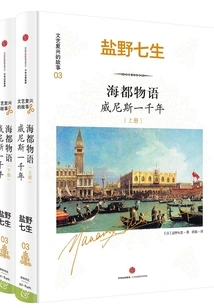
海都物语:威尼斯一千年(全集)
G
It is a historical law that prosperity must inevitably decline. There are no exceptions from ancient times to the present, and no means can reverse it. But no country can maintain such a long period of time without changing the state system like Venice. All human wisdom can do is to slow down the rate of decline and delay the time of decline as much as possible. The Republic of Venice, a country with no resources that has not been favored by God at all, may strive to achieve this difficult cause without any retreat because of its inherent flaws. Such a country emerged and died during the Renaissance, and its fall opened the world's door to the next era.
It is a historical law that prosperity must inevitably decline. There are no exceptions from ancient times to the present, and no means can reverse it. But no country can maintain such a long period of time without changing the state system like Venice. All human wisdom can do is to slow down the rate of decline and delay the time of decline as much as possible. The Republic of Venice, a country with no resources that has not been favored by God at all, may strive to achieve this difficult cause without any retreat because of its inherent flaws. Such a country emerged and died during the Renaissance, and its fall opened the world's door to the next era.
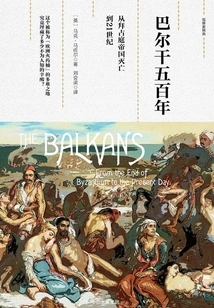
巴尔干五百年:从拜占庭帝国灭亡到21世纪
H
This is a concise short book introducing the history of the Balkans, written by a professor at Columbia University in the United States who specializes in Balkan history research. Due to the special geographical location of the Balkans, more wars and hardships have occurred here than we know. However, it is unfair to regard the Balkans solely as the "powder keg of Europe" and the source of trouble. In "Five Hundred Years in the Balkans", the author Mark Mazoll has deep sympathy for the various ethnic groups in the Balkans, introduces their long history and cultural traditions, and explains how the mountains, rivers, religious beliefs, and ambitious powers from all directions have profoundly affected the history and society of the Balkans. In modern times, the Balkan nation, unwilling to become a pawn in the game between great powers, launched a protracted struggle for independence. But in the twentieth century, the Balkans still could not escape misfortune and became the forefront of two world wars and the "Cold War". From Greece to the former Yugoslavia, from Istanbul to Sarajevo, how many scars are scattered across the Balkans, a land that has been repeatedly ravaged by war? How many past events are worth remembering and pondering? Balkan history expert Mark Mazoor offers a concise and fascinating look at the story of the Balkans, and an apocalypse of the clash and convergence of civilizations.
This is a concise short book introducing the history of the Balkans, written by a professor at Columbia University in the United States who specializes in Balkan history research. Due to the special geographical location of the Balkans, more wars and hardships have occurred here than we know. However, it is unfair to regard the Balkans solely as the "powder keg of Europe" and the source of trouble. In "Five Hundred Years in the Balkans", the author Mark Mazoll has deep sympathy for the various ethnic groups in the Balkans, introduces their long history and cultural traditions, and explains how the mountains, rivers, religious beliefs, and ambitious powers from all directions have profoundly affected the history and society of the Balkans. In modern times, the Balkan nation, unwilling to become a pawn in the game between great powers, launched a protracted struggle for independence. But in the twentieth century, the Balkans still could not escape misfortune and became the forefront of two world wars and the "Cold War". From Greece to the former Yugoslavia, from Istanbul to Sarajevo, how many scars are scattered across the Balkans, a land that has been repeatedly ravaged by war? How many past events are worth remembering and pondering? Balkan history expert Mark Mazoor offers a concise and fascinating look at the story of the Balkans, and an apocalypse of the clash and convergence of civilizations.
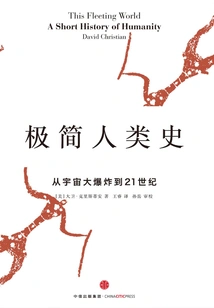
Minimalist Human History
History极简人类史
G
"This Fleeting World: AShort History of Humanity: From the Big Bang to the 21st Century" is a brief history of mankind with a grand vision and clear context. It tells the development trajectory of modern Homo sapiens in the past 100,000 years. Starting from the Big Bang, against the magnificent background of 13.8 Billion years of cosmic evolution, it overlooks the entire process of human history from scratch, and constructs a big picture of human history.
"This Fleeting World: AShort History of Humanity: From the Big Bang to the 21st Century" is a brief history of mankind with a grand vision and clear context. It tells the development trajectory of modern Homo sapiens in the past 100,000 years. Starting from the Big Bang, against the magnificent background of 13.8 Billion years of cosmic evolution, it overlooks the entire process of human history from scratch, and constructs a big picture of human history.
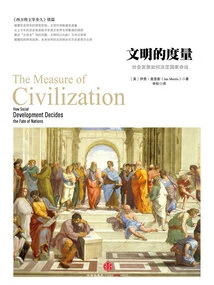
Measure of Civilization
History文明的度量
I
This book spans 15,000 years of human development, focuses on the shift of the center of global civilization, and elaborates on major issues such as when the West began to dominate the world. It quantitatively describes the many factors that determine economic and social development trends, in order to trace the past, present, and future evolution of the economy and society.
This book spans 15,000 years of human development, focuses on the shift of the center of global civilization, and elaborates on major issues such as when the West began to dominate the world. It quantitatively describes the many factors that determine economic and social development trends, in order to trace the past, present, and future evolution of the economy and society.
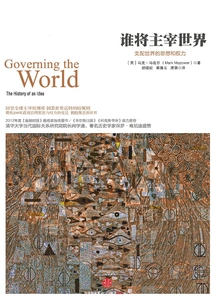
Who Will Dominate the Empire
History谁将主宰帝国
(uk) Mark Mazoll
Looking at the European coordination in 1815 to internationalism in the 19th century, as well as the League of Nations during World War I and the United Nations after World War II, we can see that state status determines the development of international organizations. When Britain was strong, the League of Nations was a vassal of Britain. As the United States gradually grew stronger and became the world's largest power, the early United Nations had to take orders from the United States. However, since the 1960s, the Third World began to enter the international political arena as a real political force, and the United States began to lose its leading position in the world's discourse. The gaudy, exaggerated and comical expectations of the 1990s are also reproduced in the book, and the disintegration of post-millennium optimism and the subsequent fear it has spawned has made the Western world laugh. In the past 200 years or so, Europe and the United States have successively achieved a certain dominant position in the world, but they are no longer what they used to be. A new system of polycentric global balance is taking shape, and a new world of ideas is coming. This work not only fundamentally redefines our understanding of the past, it also offers us an opportunity to reexamine the present. As China rises, what is particularly worth thinking about for Chinese readers is what influential ideas China can provide to international politics. This book should not be missed by anyone who cares about the human condition.
Looking at the European coordination in 1815 to internationalism in the 19th century, as well as the League of Nations during World War I and the United Nations after World War II, we can see that state status determines the development of international organizations. When Britain was strong, the League of Nations was a vassal of Britain. As the United States gradually grew stronger and became the world's largest power, the early United Nations had to take orders from the United States. However, since the 1960s, the Third World began to enter the international political arena as a real political force, and the United States began to lose its leading position in the world's discourse. The gaudy, exaggerated and comical expectations of the 1990s are also reproduced in the book, and the disintegration of post-millennium optimism and the subsequent fear it has spawned has made the Western world laugh. In the past 200 years or so, Europe and the United States have successively achieved a certain dominant position in the world, but they are no longer what they used to be. A new system of polycentric global balance is taking shape, and a new world of ideas is coming. This work not only fundamentally redefines our understanding of the past, it also offers us an opportunity to reexamine the present. As China rises, what is particularly worth thinking about for Chinese readers is what influential ideas China can provide to international politics. This book should not be missed by anyone who cares about the human condition.
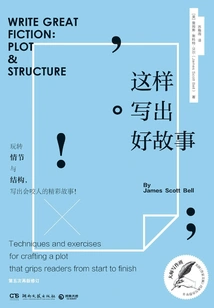
This Makes for a Good Story
Literature这样写出好故事
K
They want to find different experiences in stories, different from what they see every day. Plot and structure are the foundation of a good story. As long as the plot is exciting enough and the structure is complete enough, it can successfully bring readers into a new world. The author of this book, James Scott Bell, is a master of creative writing. He has published more than 20 novels and won the 2000 Christie Award for Fiction. Library Weekly praised him as a "master of suspense." Author of the classic writing guide series "Writer's Digest" in the United States, and professor of fictional writing at Pepperdine University.
They want to find different experiences in stories, different from what they see every day. Plot and structure are the foundation of a good story. As long as the plot is exciting enough and the structure is complete enough, it can successfully bring readers into a new world. The author of this book, James Scott Bell, is a master of creative writing. He has published more than 20 novels and won the 2000 Christie Award for Fiction. Library Weekly praised him as a "master of suspense." Author of the classic writing guide series "Writer's Digest" in the United States, and professor of fictional writing at Pepperdine University.
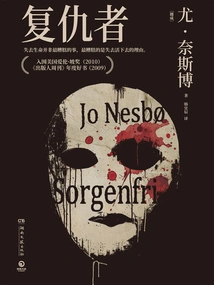
The Avengers
General Fiction复仇者
(norway) Yo Nesbo
A bizarre bank robbery occurred in the center of Oslo. A robber walked into the bank in broad daylight and stole two million kronor in less than two minutes. He also shot and killed a hostage without leaving any evidence. Harry and his colleague Beate discovered from the surveillance footage that the female bank employee who was taken hostage confessed to the robber before she died: "It's all my fault." When the robbery happened again, Harry, who was helpless, decided to go to the legendary Norwegian bank robber Losco. He is said to be the mastermind behind many major robberies and is Anna's uncle. Harry started to investigate according to the clues provided by Ross, but the suspects died unexpectedly one after another, and all the clues were tied up. Who set up this perfect trap?
A bizarre bank robbery occurred in the center of Oslo. A robber walked into the bank in broad daylight and stole two million kronor in less than two minutes. He also shot and killed a hostage without leaving any evidence. Harry and his colleague Beate discovered from the surveillance footage that the female bank employee who was taken hostage confessed to the robber before she died: "It's all my fault." When the robbery happened again, Harry, who was helpless, decided to go to the legendary Norwegian bank robber Losco. He is said to be the mastermind behind many major robberies and is Anna's uncle. Harry started to investigate according to the clues provided by Ross, but the suspects died unexpectedly one after another, and all the clues were tied up. Who set up this perfect trap?
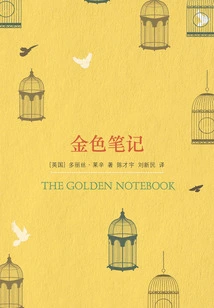
X
General Fictionx
G
This is a record of the growth of "free woman" Anna, consisting of one story and five notebooks. The black notes represent her life as a writer, the red notes represent her political life, the yellow notes represent her love life, and the blue notes represent her spiritual life. The golden note is a philosophical expression and a summary of life. Its colorfulness reflects the protagonist's confused and weightless soul in this chaotic and disorderly world.
This is a record of the growth of "free woman" Anna, consisting of one story and five notebooks. The black notes represent her life as a writer, the red notes represent her political life, the yellow notes represent her love life, and the blue notes represent her spiritual life. The golden note is a philosophical expression and a summary of life. Its colorfulness reflects the protagonist's confused and weightless soul in this chaotic and disorderly world.
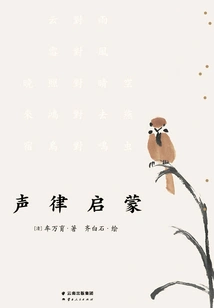
Rhythm Enlightenment
Literature声律启蒙
(qing Dynasty) Che Wanyu
"Rhythm Enlightenment" is an enlightenment book in ancient times that allows children to learn to compose poetic couplets and master the rhyme and rhythm. "The clouds are against the rain, the snow is against the wind, the evening light is against the clear sky. The coming and going birds are against the departing swallows, and the local birds are against the singing insects." From single words to double word pairs, from three, five, seven to eleven word pairs, the poems are harmonious and catchy, and read like singing. This introductory book on poetry has a wide range of content, including astronomy, geography, flowers, trees, birds and animals, as well as a large number of myths, legends and historical stories.
"Rhythm Enlightenment" is an enlightenment book in ancient times that allows children to learn to compose poetic couplets and master the rhyme and rhythm. "The clouds are against the rain, the snow is against the wind, the evening light is against the clear sky. The coming and going birds are against the departing swallows, and the local birds are against the singing insects." From single words to double word pairs, from three, five, seven to eleven word pairs, the poems are harmonious and catchy, and read like singing. This introductory book on poetry has a wide range of content, including astronomy, geography, flowers, trees, birds and animals, as well as a large number of myths, legends and historical stories.
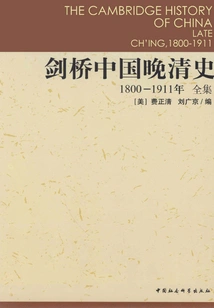
剑桥中国晚清史(1800-1911年)(全集)
U
B
B
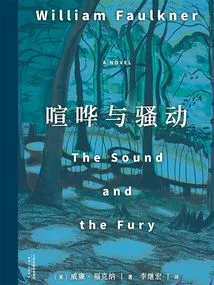
O
General Fictiono
H
The Compson family is a famous family in Jefferson Town. Their ancestors once served as governors and generals, but they have declined by Jason Compson's generation. The Compsons have three sons and one daughter, but their relationship is not happy. The second daughter, Xiaoka, was so willful that she became pregnant out of wedlock. The eldest brother, Quentin, had been obsessed with his sister since he was a child. Inspired by Cam's loss of virginity and marriage, he committed suicide by sinking into a river while studying at Harvard. Quentin's suicide dealt a heavy blow to Mr. Compson, who was already depressed because of Cam. He soon passed away, and his third son Jason became the head of the family. Jason is withdrawn, has mediocre talents, and his greedy nature eventually makes him difficult. The youngest son Benjamin is mentally retarded. Only his sister Xiaoka and the black maid Dilsey gave him real care.
The Compson family is a famous family in Jefferson Town. Their ancestors once served as governors and generals, but they have declined by Jason Compson's generation. The Compsons have three sons and one daughter, but their relationship is not happy. The second daughter, Xiaoka, was so willful that she became pregnant out of wedlock. The eldest brother, Quentin, had been obsessed with his sister since he was a child. Inspired by Cam's loss of virginity and marriage, he committed suicide by sinking into a river while studying at Harvard. Quentin's suicide dealt a heavy blow to Mr. Compson, who was already depressed because of Cam. He soon passed away, and his third son Jason became the head of the family. Jason is withdrawn, has mediocre talents, and his greedy nature eventually makes him difficult. The youngest son Benjamin is mentally retarded. Only his sister Xiaoka and the black maid Dilsey gave him real care.
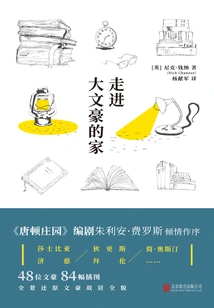
Entering the Home of a Great Writer
Literature走进大文豪的家
Z
"Into the Homes of Great Writers" starts from the perspective of the daily lives of some popular writers and explores the impact of things around writers, including houses, on their writing. These include the home where Agatha Christie lived in seclusion in southwest England, the Worcestershire country house that served as the basis for Evelyn Waugh's late novel "Halfway Again," the wooden cottage in Stratford-upon-Avon where Shakespeare lived as a child, and the small garden in East Sussex that inspired the Sherlock Holmes series. Explore these ordinary buildings and learn the stories behind the vivid characters.
"Into the Homes of Great Writers" starts from the perspective of the daily lives of some popular writers and explores the impact of things around writers, including houses, on their writing. These include the home where Agatha Christie lived in seclusion in southwest England, the Worcestershire country house that served as the basis for Evelyn Waugh's late novel "Halfway Again," the wooden cottage in Stratford-upon-Avon where Shakespeare lived as a child, and the small garden in East Sussex that inspired the Sherlock Holmes series. Explore these ordinary buildings and learn the stories behind the vivid characters.
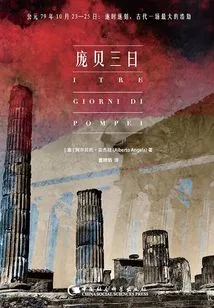
Three Days in Pompeii
History庞贝三日
(italian) Alberto Angela
On October 24, 79 AD, Mount Vesuvius suddenly erupted, destroying the nearby city of Pompeii. Hot lava buried the city, forming pumice up to six meters thick on the ruins. Countless people struggled in misery and tried to escape. They begged the gods for help, but failed to escape the terrifying clutches of death. It was not until modern times that archaeologists were able to discover the twisted remains of these victims. Alberto Angela has been investigating the Vesuvius area for many years. With the help of archaeologists and volcanologists, in this book, he recreates all the living things in Pompeii before and after the volcanic eruption, and restores the occurrence of the disaster, fully showing the scenes before and after this catastrophe, taking readers through time and space, and immersing themselves in the scene. This book also provides illuminating new answers to complex questions. This book combines the latest research on Pompeii and is both detailed and profound: it is an exciting journey into the ancient world, a heart-stopping report of a serious disaster, and a unique book that is easy to understand, educational and entertaining. "Three Days in Pompeii" shows readers the "seemingly real" recovery of the ancient city of Pompeii before it was completely destroyed by the volcanic eruption: landforms, architecture, city scale, people's living habits, transportation methods, and methods of quickly and effectively exchanging information. It will allow readers to get to know the seven survivors one by one who escaped from the worst disaster in history: their gender, name, age, and occupation. It will provide readers with a true and accurate route to explore Pompeii and its surrounding areas: from the streets of the city to the courtyard villas of the nobles, to the farms on the hillside... In addition, it will also overturn the well-known conclusion that "Pompei was annihilated due to the eruption of Vesuvius" and correct the date of the eruption. This book is a brilliant work dedicated to the world by the author Alberto Angella, who conducted twenty years of in-depth and meticulous research through precise and scientific observation of every minute discovery in the archaeological site, and integrated the research and opinions of volcanologists, historians, botanists, anthropologists and forensic experts. The Italian version of this book has been reprinted five times in Italy, and this book is its Chinese version.
On October 24, 79 AD, Mount Vesuvius suddenly erupted, destroying the nearby city of Pompeii. Hot lava buried the city, forming pumice up to six meters thick on the ruins. Countless people struggled in misery and tried to escape. They begged the gods for help, but failed to escape the terrifying clutches of death. It was not until modern times that archaeologists were able to discover the twisted remains of these victims. Alberto Angela has been investigating the Vesuvius area for many years. With the help of archaeologists and volcanologists, in this book, he recreates all the living things in Pompeii before and after the volcanic eruption, and restores the occurrence of the disaster, fully showing the scenes before and after this catastrophe, taking readers through time and space, and immersing themselves in the scene. This book also provides illuminating new answers to complex questions. This book combines the latest research on Pompeii and is both detailed and profound: it is an exciting journey into the ancient world, a heart-stopping report of a serious disaster, and a unique book that is easy to understand, educational and entertaining. "Three Days in Pompeii" shows readers the "seemingly real" recovery of the ancient city of Pompeii before it was completely destroyed by the volcanic eruption: landforms, architecture, city scale, people's living habits, transportation methods, and methods of quickly and effectively exchanging information. It will allow readers to get to know the seven survivors one by one who escaped from the worst disaster in history: their gender, name, age, and occupation. It will provide readers with a true and accurate route to explore Pompeii and its surrounding areas: from the streets of the city to the courtyard villas of the nobles, to the farms on the hillside... In addition, it will also overturn the well-known conclusion that "Pompei was annihilated due to the eruption of Vesuvius" and correct the date of the eruption. This book is a brilliant work dedicated to the world by the author Alberto Angella, who conducted twenty years of in-depth and meticulous research through precise and scientific observation of every minute discovery in the archaeological site, and integrated the research and opinions of volcanologists, historians, botanists, anthropologists and forensic experts. The Italian version of this book has been reprinted five times in Italy, and this book is its Chinese version.
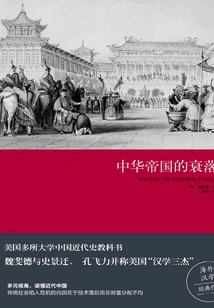
中华帝国的衰落
N
Professor Wei Feide, one of the "Three Masters of American Sinology", has a classic work on modern Chinese history! A detailed analysis of the process by which the Chinese Empire gradually established order, became powerful, fell into trouble, and established order again. "The Decline of the Chinese Empire" is a modern Chinese history textbook adopted by many universities in the United States. The text is concise and smooth, and the content is easy to understand. The manuscript is different from the chronological narrative of traditional general history. It starts from the three groups of farmers, gentry, and merchants who constitute the main structure of traditional society, and analyzes in detail the process of how the Chinese empire established order step by step, became strong, fell into trouble, and established order again. In terms of the historical periodization of modern Chinese history, Wei Feide adopts the views of North American sinologists. The narrative content not only includes the history after the Opium War, but also goes back to the late Ming Dynasty, making the work very "family-speaking" characteristics.
Professor Wei Feide, one of the "Three Masters of American Sinology", has a classic work on modern Chinese history! A detailed analysis of the process by which the Chinese Empire gradually established order, became powerful, fell into trouble, and established order again. "The Decline of the Chinese Empire" is a modern Chinese history textbook adopted by many universities in the United States. The text is concise and smooth, and the content is easy to understand. The manuscript is different from the chronological narrative of traditional general history. It starts from the three groups of farmers, gentry, and merchants who constitute the main structure of traditional society, and analyzes in detail the process of how the Chinese empire established order step by step, became strong, fell into trouble, and established order again. In terms of the historical periodization of modern Chinese history, Wei Feide adopts the views of North American sinologists. The narrative content not only includes the history after the Opium War, but also goes back to the late Ming Dynasty, making the work very "family-speaking" characteristics.
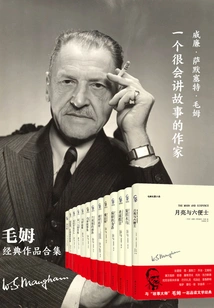
毛姆经典作品合集(套装共13册)
H
"The Works of Somerset Maugham" is a collection of works by the British writer William Somerset Maugham, which includes a total of thirteen works. These works reflect Maugham's creative achievements and writing style. They include the novels "The Moon and Sixpence", "Christmas Holiday", "Carousel", "The Solitary Corner", "The Magician", "This Time", "Lady Craddock", "Catalina", "Lisa of Lambeth", short story collections "First Person Singular", "Malay Stories", "The Fall of Edward Barnard", and reading essays "Books and You".
"The Works of Somerset Maugham" is a collection of works by the British writer William Somerset Maugham, which includes a total of thirteen works. These works reflect Maugham's creative achievements and writing style. They include the novels "The Moon and Sixpence", "Christmas Holiday", "Carousel", "The Solitary Corner", "The Magician", "This Time", "Lady Craddock", "Catalina", "Lisa of Lambeth", short story collections "First Person Singular", "Malay Stories", "The Fall of Edward Barnard", and reading essays "Books and You".
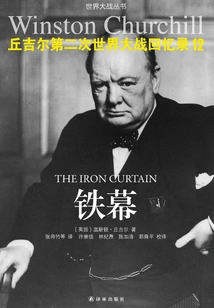
丘吉尔第二次世界大战回忆录12:铁幕
J
This book describes the magnificent history before the Allied forces were about to achieve total victory in the late World War II: the successful convening of the Yalta Conference, the Soviet Red Army's march to Berlin, the defeat and surrender of German fascism, the friction between the United States, Britain and the Soviet Union, the United States dropping two atomic bombs on Japan and the impact of the Potsdam Proclamation. At the same time, it also shows the complex and subtle relationships within the Allies. Although a series of international conferences established a new order, the barriers and contradictions between the Western world and the Soviet Union have never been eliminated. The world was ruthlessly divided into two halves by the "Iron Curtain".
This book describes the magnificent history before the Allied forces were about to achieve total victory in the late World War II: the successful convening of the Yalta Conference, the Soviet Red Army's march to Berlin, the defeat and surrender of German fascism, the friction between the United States, Britain and the Soviet Union, the United States dropping two atomic bombs on Japan and the impact of the Potsdam Proclamation. At the same time, it also shows the complex and subtle relationships within the Allies. Although a series of international conferences established a new order, the barriers and contradictions between the Western world and the Soviet Union have never been eliminated. The world was ruthlessly divided into two halves by the "Iron Curtain".
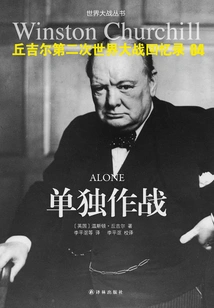
丘吉尔第二次世界大战回忆录04:单独作战
J
In this book, the author tells the story of how, as Prime Minister, First Chancellor of the Exchequer, Defense Minister and Leader of the House of Commons in the early days of World War II, when Germany launched a fatal attack on Britain, in the absence of external assistance, he led the British people to fight bravely and jointly passed through the most difficult period of the war. During this period, although the British people were isolated and helpless, they always held on to the fortress and tenaciously resisted the air attacks of German aircraft day and night. The situation in North Africa is even less optimistic, and the Italians are taking the opportunity to continue to encroach on North African countries. Under this situation, the British government actively sought support from the United States, Spain and other countries in an attempt to jointly fight against the further expansion of fascism.
In this book, the author tells the story of how, as Prime Minister, First Chancellor of the Exchequer, Defense Minister and Leader of the House of Commons in the early days of World War II, when Germany launched a fatal attack on Britain, in the absence of external assistance, he led the British people to fight bravely and jointly passed through the most difficult period of the war. During this period, although the British people were isolated and helpless, they always held on to the fortress and tenaciously resisted the air attacks of German aircraft day and night. The situation in North Africa is even less optimistic, and the Italians are taking the opportunity to continue to encroach on North African countries. Under this situation, the British government actively sought support from the United States, Spain and other countries in an attempt to jointly fight against the further expansion of fascism.
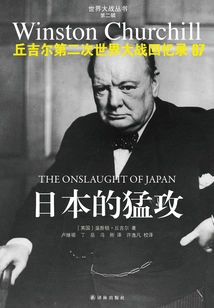
丘吉尔第二次世界大战回忆录07:日本的猛攻
I
This book describes Japan's aggression against relevant countries in Asia and the Pacific Rim in the middle of World War II, as well as the different responses of the United States and Britain to this. After long preparations, Japan launched a comprehensive war of aggression in the Asia-Pacific region, causing the United States to pay a heavy price in the Pacific battlefield and causing Britain to suffer huge losses in Southeast Asia. At that time, the world situation was entering an extremely anxious period. From China to Myanmar, from Malta to Madagascar, everyone was involved in this unpredictable melee. In addition, the book also reflects the key role China played in resisting Japanese aggression.
This book describes Japan's aggression against relevant countries in Asia and the Pacific Rim in the middle of World War II, as well as the different responses of the United States and Britain to this. After long preparations, Japan launched a comprehensive war of aggression in the Asia-Pacific region, causing the United States to pay a heavy price in the Pacific battlefield and causing Britain to suffer huge losses in Southeast Asia. At that time, the world situation was entering an extremely anxious period. From China to Myanmar, from Malta to Madagascar, everyone was involved in this unpredictable melee. In addition, the book also reflects the key role China played in resisting Japanese aggression.
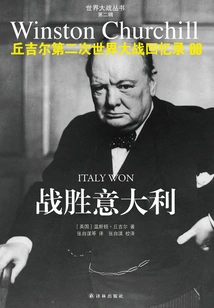
丘吉尔第二次世界大战回忆录09:战胜意大利
(british) Churchill
From June to December 1943, the Allied forces worked together to conquer Sicily and force Mussolini to collapse, thus further tightening the encirclement of Nazi Germany. As the war situation gradually became clearer, the prototype of the post-World War II international order took shape. This book traces and reproduces the entire process of the Allied victory over Italy, touching on the complex and subtle relationships between the United States, Britain, France and other Allied powers.
From June to December 1943, the Allied forces worked together to conquer Sicily and force Mussolini to collapse, thus further tightening the encirclement of Nazi Germany. As the war situation gradually became clearer, the prototype of the post-World War II international order took shape. This book traces and reproduces the entire process of the Allied victory over Italy, touching on the complex and subtle relationships between the United States, Britain, France and other Allied powers.
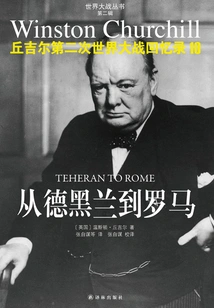
丘吉尔第二次世界大战回忆录10:从德黑兰到罗马
I
This book faithfully records the late period of World War II. After the war in Italy ended, the Allies assessed the situation, cooperated closely, and carefully formulated the final strategy for launching a general offensive against Nazi Germany. From Tehran to Rome, the heads of allied countries held a series of compact and productive meetings, which promoted the final victory of the war and roughly determined the division of the post-war world map. At the same time, in Yugoslavia, Greece, Burma and other places, the war is still arduously continuing, but the dawn of victory has begun to appear in the sky.
This book faithfully records the late period of World War II. After the war in Italy ended, the Allies assessed the situation, cooperated closely, and carefully formulated the final strategy for launching a general offensive against Nazi Germany. From Tehran to Rome, the heads of allied countries held a series of compact and productive meetings, which promoted the final victory of the war and roughly determined the division of the post-war world map. At the same time, in Yugoslavia, Greece, Burma and other places, the war is still arduously continuing, but the dawn of victory has begun to appear in the sky.
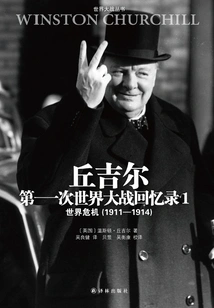
丘吉尔第一次世界大战回忆录01:世界危机(1911—1914)
J
This book mainly describes the historical facts of Europe from 1911 to 1914. When analyzing the real causes of World War I, Churchill revealed the historical origins and intricate international relations of conflicts of interest among major capitalist countries since 1870, outlined the situation of arms expansion and war preparations as World War I approached, and introduced the frequent diplomatic activities of the two major groups. Churchill called the period from August to December 1914 after the outbreak of World War I the first stage of the war. It describes the situation when Germany raided neutral Belgium and invaded France after the war began, and then Britain crossed the sea to support France. At this stage, France and Britain jointly launched the massive Marne River and other battles, resulting in hundreds of thousands of casualties, a waste of lives and nothing gained. In addition, this book also describes the initial stages of the naval battle between Britain and Germany, and the German navy's shelling and continuous harassment of British coastal cities. At the same time, the relationship between Türkiye and the Balkan countries, which will affect the overall situation of World War I, is introduced in more detail.
This book mainly describes the historical facts of Europe from 1911 to 1914. When analyzing the real causes of World War I, Churchill revealed the historical origins and intricate international relations of conflicts of interest among major capitalist countries since 1870, outlined the situation of arms expansion and war preparations as World War I approached, and introduced the frequent diplomatic activities of the two major groups. Churchill called the period from August to December 1914 after the outbreak of World War I the first stage of the war. It describes the situation when Germany raided neutral Belgium and invaded France after the war began, and then Britain crossed the sea to support France. At this stage, France and Britain jointly launched the massive Marne River and other battles, resulting in hundreds of thousands of casualties, a waste of lives and nothing gained. In addition, this book also describes the initial stages of the naval battle between Britain and Germany, and the German navy's shelling and continuous harassment of British coastal cities. At the same time, the relationship between Türkiye and the Balkan countries, which will affect the overall situation of World War I, is introduced in more detail.
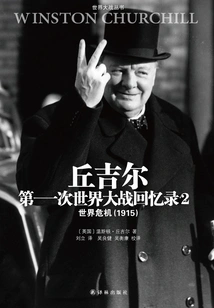
丘吉尔第一次世界大战回忆录02:世界危机(1915)
I
1915 was the second phase of the First World War. France and Britain launched the Battle of Champagne, the Battle of Artois, the Battle of Ypres, and the Battle of Los Loos. In the face of new weapons - machine guns and powerful artillery - the dominant traditional military thinking - frontal attack, charge and fight, and repel the enemy's defense line - became ineffective. The Western Front achieved nothing except a life-consuming battle, and the war reached a stalemate. The British invented tanks and used smoke screens, making only limited progress. The British Navy had control of the sea, but its commander was conservative in thinking and ineffective in naval warfare, so no positive results were achieved. In this volume, Churchill made the strategic decision to attack the Dardanelles, which had a decisive impact on the combination of international forces and the entire war. However, due to the lack of understanding and weak support from most military leaders, the war opportunities were repeatedly delayed, and good opportunities to secure victory were missed more than ten times, and finally ended in failure. The Allies were in crisis.
1915 was the second phase of the First World War. France and Britain launched the Battle of Champagne, the Battle of Artois, the Battle of Ypres, and the Battle of Los Loos. In the face of new weapons - machine guns and powerful artillery - the dominant traditional military thinking - frontal attack, charge and fight, and repel the enemy's defense line - became ineffective. The Western Front achieved nothing except a life-consuming battle, and the war reached a stalemate. The British invented tanks and used smoke screens, making only limited progress. The British Navy had control of the sea, but its commander was conservative in thinking and ineffective in naval warfare, so no positive results were achieved. In this volume, Churchill made the strategic decision to attack the Dardanelles, which had a decisive impact on the combination of international forces and the entire war. However, due to the lack of understanding and weak support from most military leaders, the war opportunities were repeatedly delayed, and good opportunities to secure victory were missed more than ten times, and finally ended in failure. The Allies were in crisis.
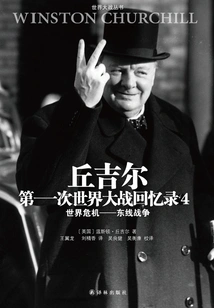
第一次世界大战回忆录4:世界危机:东线战争
(british) Churchill
This book is dedicated to the Eastern Front of World War I. It begins by talking about the historical origins of the quarrel between the two major groups before World War I; then details the assassination of the Austrian crown prince and how this incident became the trigger for the war; details the Austrian declaration of war on Serbia, and the subsequent process of the two major groups declaring war on each other and fighting the war on the Eastern Front. Russia's march into East Prussia reduced the pressure on the German army on the west front against France and Britain, and the Russian army initially achieved victory. However, the situation changed after the German army changed its command, and Hindenburg and Ludendorff took over the command of the eastern front. In addition, the Russian army was surrounded and annihilated by the German army due to leaked telecommunications, and was retreated steadily thereafter. Finally, the October Revolution broke out in Russia and it withdrew from the First World War.
This book is dedicated to the Eastern Front of World War I. It begins by talking about the historical origins of the quarrel between the two major groups before World War I; then details the assassination of the Austrian crown prince and how this incident became the trigger for the war; details the Austrian declaration of war on Serbia, and the subsequent process of the two major groups declaring war on each other and fighting the war on the Eastern Front. Russia's march into East Prussia reduced the pressure on the German army on the west front against France and Britain, and the Russian army initially achieved victory. However, the situation changed after the German army changed its command, and Hindenburg and Ludendorff took over the command of the eastern front. In addition, the Russian army was surrounded and annihilated by the German army due to leaked telecommunications, and was retreated steadily thereafter. Finally, the October Revolution broke out in Russia and it withdrew from the First World War.
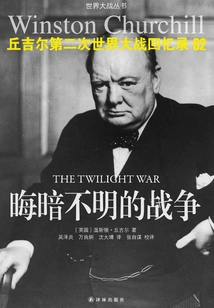
丘吉尔第二次世界大战回忆录02:晦暗不明的战争
I
This book describes how from September 3, 1939 to May 10, 1940, Nazi Germany used mediation in various countries to cover up people's eyes, and under Hitler's instigation, launched a series of activities to annex Central and Northern Europe and other countries, thus paving the way for Germany's eventual invasion of France and the United Kingdom. The author details the fall of Poland, the battle conditions on the French front, and the ravages of the Nordic countries. In addition, as the British Lord of the Admiralty at the time, the author keenly observed the importance of naval warfare in the upcoming war. Therefore, relevant equipment and personnel were carefully prepared in advance, and he also specifically mentioned the importance of magnetic mines in naval warfare. The author gives a thorough description of the haze that permeated Europe due to Nazi Germany's "tyranny" in the early days of the war, allowing readers to immerse themselves in the real scene of the "dark and unclear war".
This book describes how from September 3, 1939 to May 10, 1940, Nazi Germany used mediation in various countries to cover up people's eyes, and under Hitler's instigation, launched a series of activities to annex Central and Northern Europe and other countries, thus paving the way for Germany's eventual invasion of France and the United Kingdom. The author details the fall of Poland, the battle conditions on the French front, and the ravages of the Nordic countries. In addition, as the British Lord of the Admiralty at the time, the author keenly observed the importance of naval warfare in the upcoming war. Therefore, relevant equipment and personnel were carefully prepared in advance, and he also specifically mentioned the importance of magnetic mines in naval warfare. The author gives a thorough description of the haze that permeated Europe due to Nazi Germany's "tyranny" in the early days of the war, allowing readers to immerse themselves in the real scene of the "dark and unclear war".
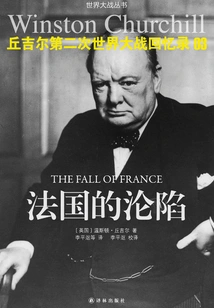
丘吉尔第二次世界大战回忆录03:法国的沦陷
J
This book chronicles the catastrophic process of France being invaded by Germany in 1940 after experiencing a series of defeats in key battles. The fall of France had a bad impact on the war situation: on the one hand, the newly established Vichy government after the fall completely became a puppet of fascism, and the French people were ravaged under the iron heel of the invaders; on the other hand, Germany's occupation of France made Britain face the threat of Germany crossing the English Channel and attacking the British Isles. In the book, the author, as a decision-maker, provides a comprehensive description of the little-known inside information during the development of the war, especially the two major events that occurred during this period, namely the Dunkirk evacuation of the British and French coalition forces and the Oran incident of the British and French navies.
This book chronicles the catastrophic process of France being invaded by Germany in 1940 after experiencing a series of defeats in key battles. The fall of France had a bad impact on the war situation: on the one hand, the newly established Vichy government after the fall completely became a puppet of fascism, and the French people were ravaged under the iron heel of the invaders; on the other hand, Germany's occupation of France made Britain face the threat of Germany crossing the English Channel and attacking the British Isles. In the book, the author, as a decision-maker, provides a comprehensive description of the little-known inside information during the development of the war, especially the two major events that occurred during this period, namely the Dunkirk evacuation of the British and French coalition forces and the Oran incident of the British and French navies.
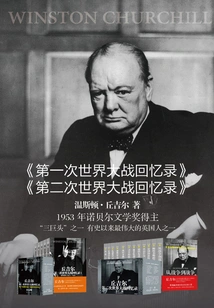
丘吉尔世界大战丛书(第一次世界大战回忆录、第二次世界大战回忆录 共计17册)
U
The First World War began on July 28, 1914 and ended on November 11, 1918. It was a world war that mainly occurred in Europe but affected the whole world. The course of the war was mainly a battle between the Allies and the Entente. Countries such as Germany and Austria-Hungary belonged to the Allied Powers camp, while Britain, France, Russia and Italy belonged to the Allied Powers camp. The war was one of the most destructive in European history. The war resulted in heavy casualties and serious economic losses. The author, Churchill, held an important position in the British government and was directly involved in many events in the First World War. He described this tragic war to readers as an eyewitness and relied on a large amount of detailed and reliable first-hand information. Churchill begins by analyzing the causes of the war and details the development of the war on each front (Eastern Front, Western Front, and Southern Front) until the signing of the post-war "Versailles Peace Treaty" to achieve temporary peace, showing readers a panoramic view of this European war. The Second World War was a global military conflict that broke out from 1939 to 1945. The entire war involved most countries in the world and was eventually divided into two opposing military alliances - the Allies and the Axis Powers. This war was the largest war in history and the deadliest war in human history. The author Churchill recreates the wartime atmosphere and makes readers feel like they are personally there. His heart-shaking speeches, ability to lead the overall situation, and decisiveness in seizing opportunities are all reflected in the book. The book has compact language and detailed content, making it the first choice for readers to understand the history of World War II.
The First World War began on July 28, 1914 and ended on November 11, 1918. It was a world war that mainly occurred in Europe but affected the whole world. The course of the war was mainly a battle between the Allies and the Entente. Countries such as Germany and Austria-Hungary belonged to the Allied Powers camp, while Britain, France, Russia and Italy belonged to the Allied Powers camp. The war was one of the most destructive in European history. The war resulted in heavy casualties and serious economic losses. The author, Churchill, held an important position in the British government and was directly involved in many events in the First World War. He described this tragic war to readers as an eyewitness and relied on a large amount of detailed and reliable first-hand information. Churchill begins by analyzing the causes of the war and details the development of the war on each front (Eastern Front, Western Front, and Southern Front) until the signing of the post-war "Versailles Peace Treaty" to achieve temporary peace, showing readers a panoramic view of this European war. The Second World War was a global military conflict that broke out from 1939 to 1945. The entire war involved most countries in the world and was eventually divided into two opposing military alliances - the Allies and the Axis Powers. This war was the largest war in history and the deadliest war in human history. The author Churchill recreates the wartime atmosphere and makes readers feel like they are personally there. His heart-shaking speeches, ability to lead the overall situation, and decisiveness in seizing opportunities are all reflected in the book. The book has compact language and detailed content, making it the first choice for readers to understand the history of World War II.
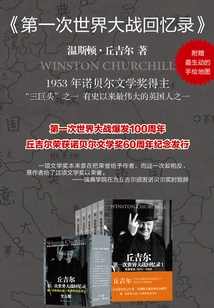
第一次世界大战回忆录(套装共5本)
M
The First World War began on July 28, 1914 and ended on November 11, 1918. It was a world war that mainly occurred in Europe but affected the whole world. The course of the war was mainly a battle between the Allies and the Entente. Countries such as Germany and Austria-Hungary belonged to the Allied Powers camp, while Britain, France, Russia and Italy belonged to the Allied Powers camp. The war was one of the most destructive in European history. The war resulted in heavy casualties and serious economic losses. The author, Churchill, held an important position in the British government and was directly involved in many events in the First World War. He described this tragic war to readers as an eyewitness and relied on a large amount of detailed and reliable first-hand information. Churchill begins by analyzing the causes of the war and details the development of the war on each front (Eastern Front, Western Front, and Southern Front) until the signing of the post-war "Versailles Peace Treaty" to achieve temporary peace, showing readers a panoramic view of this European war.
The First World War began on July 28, 1914 and ended on November 11, 1918. It was a world war that mainly occurred in Europe but affected the whole world. The course of the war was mainly a battle between the Allies and the Entente. Countries such as Germany and Austria-Hungary belonged to the Allied Powers camp, while Britain, France, Russia and Italy belonged to the Allied Powers camp. The war was one of the most destructive in European history. The war resulted in heavy casualties and serious economic losses. The author, Churchill, held an important position in the British government and was directly involved in many events in the First World War. He described this tragic war to readers as an eyewitness and relied on a large amount of detailed and reliable first-hand information. Churchill begins by analyzing the causes of the war and details the development of the war on each front (Eastern Front, Western Front, and Southern Front) until the signing of the post-war "Versailles Peace Treaty" to achieve temporary peace, showing readers a panoramic view of this European war.
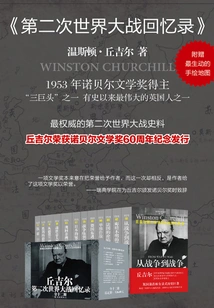
第二次世界大战回忆录(套装共12本)
U
The Second World War was a global military conflict that broke out from 1939 to 1945. The entire war involved most countries in the world and was eventually divided into two opposing military alliances - the Allies and the Axis Powers. This war was the largest war in history and the deadliest war in human history. The author Churchill recreates the wartime atmosphere and makes readers feel like they are personally there. His heart-shaking speeches, ability to lead the overall situation, and decisiveness in seizing opportunities are all reflected in the book. The book has compact language and detailed content, making it the first choice for readers to understand the history of World War II.
The Second World War was a global military conflict that broke out from 1939 to 1945. The entire war involved most countries in the world and was eventually divided into two opposing military alliances - the Allies and the Axis Powers. This war was the largest war in history and the deadliest war in human history. The author Churchill recreates the wartime atmosphere and makes readers feel like they are personally there. His heart-shaking speeches, ability to lead the overall situation, and decisiveness in seizing opportunities are all reflected in the book. The book has compact language and detailed content, making it the first choice for readers to understand the history of World War II.
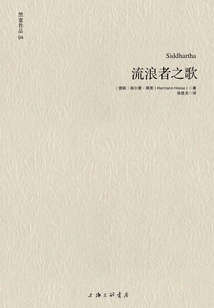
Wanderer's Song (hesse Works 04)
General Fiction流浪者之歌(黑塞作品04)
(germany) Hermann Hesse
This book tells the story of Siddhartha, an aristocratic young man from ancient India, who embarked on a journey of seeking spiritual truth alone in order to pursue spiritual peace. He listened to teachings, met famous prostitutes, and became a wealthy businessman. At this time, Siddhartha's inner and outer enjoyment reached its peak, but he was extremely disgusted with himself. Finally, he abandoned the world and came to the river with the intention of ending his life. In the most desperate moment, he heard the eternal voice of the flow of life...
This book tells the story of Siddhartha, an aristocratic young man from ancient India, who embarked on a journey of seeking spiritual truth alone in order to pursue spiritual peace. He listened to teachings, met famous prostitutes, and became a wealthy businessman. At this time, Siddhartha's inner and outer enjoyment reached its peak, but he was extremely disgusted with himself. Finally, he abandoned the world and came to the river with the intention of ending his life. In the most desperate moment, he heard the eternal voice of the flow of life...
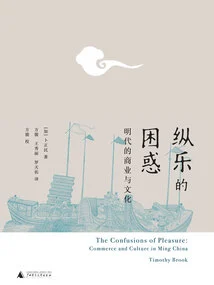
纵乐的困惑:明代的商业与文化
I
This classic work by the famous sinologist Bu Zhengmin shows how business gradually changed the daily lives of people in the Ming Dynasty. In the middle and late Ming Dynasty, China experienced an economic transformation, and the booming development of commerce prompted a series of changes in society and culture. In the early Ming Dynasty, Zhu Yuanzhang built a communication network for a small country with few people, which became the cornerstone of the growth of the business world. People chase fashion and enjoy material pleasures. Wealthy businessmen exchanged their real money for a pass to the upper class. In this bizarre world of the late Ming Dynasty, money seems to have become the only bargaining chip, and old social identities and even moral boundaries are blurred to the point of confusion. With his superb narrative skills, Bu Zhengmin connects officials, tourists, diplomatic envoys, bricklayers, businessmen, textile workers, prostitutes and other characters and their stories into vivid social scenes. At the same time, he retains the rigor and profundity of academic writing. His insights into the culture and society of the Ming Dynasty are still inspiring.
This classic work by the famous sinologist Bu Zhengmin shows how business gradually changed the daily lives of people in the Ming Dynasty. In the middle and late Ming Dynasty, China experienced an economic transformation, and the booming development of commerce prompted a series of changes in society and culture. In the early Ming Dynasty, Zhu Yuanzhang built a communication network for a small country with few people, which became the cornerstone of the growth of the business world. People chase fashion and enjoy material pleasures. Wealthy businessmen exchanged their real money for a pass to the upper class. In this bizarre world of the late Ming Dynasty, money seems to have become the only bargaining chip, and old social identities and even moral boundaries are blurred to the point of confusion. With his superb narrative skills, Bu Zhengmin connects officials, tourists, diplomatic envoys, bricklayers, businessmen, textile workers, prostitutes and other characters and their stories into vivid social scenes. At the same time, he retains the rigor and profundity of academic writing. His insights into the culture and society of the Ming Dynasty are still inspiring.
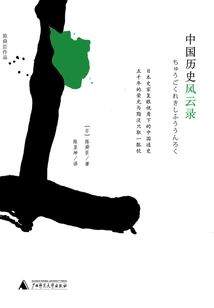
Records of Chinese History
History中国历史风云录
H
The Chinese-Japanese historian has compiled the current general history of China and written down the glory and gloom of five thousand years in the style of a mystery novel. "Chinese History Chronicles", formerly known as "China Five Thousand Years", is the masterpiece of Chen Shunchen, a well-known Chinese historical writer in Japan. It has been best-selling in Japan for more than 30 years. The work takes the rise and fall of dynasty power as a clue, writes about the decisive moments and shining figures in Chinese history with magnificent pen and ink, combines mystery novels with historical themes, lays out historical details and approaches the truth in sorting out the historical context. The Shang Dynasty, where gods and men danced together, the Zhou Dynasty, which was humanistic and pragmatic, the Song Dynasty, which favored literature over martial arts, and the Ming Dynasty, which was overtly profit-oriented... Dynasties with very different personalities are taking turns to appear on paper, ready to come out, showing the glory and gloom of Chinese history from ancient times to modern times. Chen Shun-chen, "Japan's first person on Chinese historical subjects", uses the power of mystery novels, cold literary style, and solid and rich historical materials to integrate the mixed knowledge of history, archeology, and philology to create a general history of China that is both elegant and popular, and full of interest.
The Chinese-Japanese historian has compiled the current general history of China and written down the glory and gloom of five thousand years in the style of a mystery novel. "Chinese History Chronicles", formerly known as "China Five Thousand Years", is the masterpiece of Chen Shunchen, a well-known Chinese historical writer in Japan. It has been best-selling in Japan for more than 30 years. The work takes the rise and fall of dynasty power as a clue, writes about the decisive moments and shining figures in Chinese history with magnificent pen and ink, combines mystery novels with historical themes, lays out historical details and approaches the truth in sorting out the historical context. The Shang Dynasty, where gods and men danced together, the Zhou Dynasty, which was humanistic and pragmatic, the Song Dynasty, which favored literature over martial arts, and the Ming Dynasty, which was overtly profit-oriented... Dynasties with very different personalities are taking turns to appear on paper, ready to come out, showing the glory and gloom of Chinese history from ancient times to modern times. Chen Shun-chen, "Japan's first person on Chinese historical subjects", uses the power of mystery novels, cold literary style, and solid and rich historical materials to integrate the mixed knowledge of history, archeology, and philology to create a general history of China that is both elegant and popular, and full of interest.
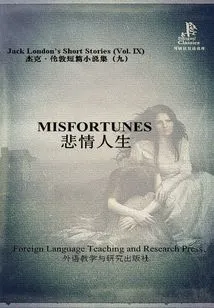
A Tragic Life (jack London Short Story Collection 9)
General Fiction悲情人生(杰克·伦敦短篇小说集9)
(us) Jack London
Collection of Jack London's Short Stories (9) - Tragic Life As a prolific American short story writer in the 20th century, Jack London described the difficult lives of disadvantaged groups in society with emotional writing. "Mapushi's House" accuses the white colonialists of exploiting and plundering the indigenous people; "Too Much Gold" truly represents the arduous and difficult gold mining journey of the poor; "A Thousand Dozen" describes the tortuous and arduous road to wealth for the small people at the bottom of society. The three novels have different plots, but all of them make people deeply understand the hardship and misfortune of the people at the bottom of society. The plot of the novel is fascinating, the structure is compact, and the text is concise and vivid, which further increases the appeal of the novel.
Collection of Jack London's Short Stories (9) - Tragic Life As a prolific American short story writer in the 20th century, Jack London described the difficult lives of disadvantaged groups in society with emotional writing. "Mapushi's House" accuses the white colonialists of exploiting and plundering the indigenous people; "Too Much Gold" truly represents the arduous and difficult gold mining journey of the poor; "A Thousand Dozen" describes the tortuous and arduous road to wealth for the small people at the bottom of society. The three novels have different plots, but all of them make people deeply understand the hardship and misfortune of the people at the bottom of society. The plot of the novel is fascinating, the structure is compact, and the text is concise and vivid, which further increases the appeal of the novel.
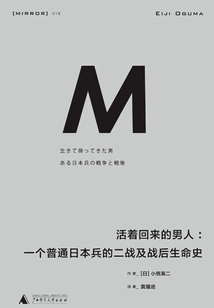
The Man Who Came Back Alive: an Ordinary Japanese Soldier's World War Ii and Postwar Life History
History活着回来的男人:一个普通日本兵的二战及战后生命史
(japan) Bear Eiji
The first history of Japanese life before and after World War II from a common people's perspective, recreating the lives and mental state of ordinary Japanese people. The protagonist in the book, Xiao Xiong Kenji (the author's father), was born in 1925. He was drafted and sent to Northeast China at the age of nineteen. He was later detained by the Soviet Union in a prisoner of war camp and worked in the harsh Siberia for three years. After returning to Japan alive, Kenji contracted tuberculosis, which was considered a terminal disease at the time, while constantly changing jobs. From the age of twenty-five to thirty, the most disappointing period of his life was spent alone in a sanatorium. Kenji, who lost half of his lungs, returned to society at the "old age" of thirty. Fortunately, he caught up with Japan's rapid economic growth and was able to climb from the "lower class of the lower class" to the "middle class of the lower class." After being promoted to a senior citizen, he even became a plaintiff together with Wu Xionggen, a "former Korean Japanese soldier" in Yanbian, China, and initiated a post-war lawsuit against the Japanese government for compensation. The author recorded the life trajectory of his father as an ordinary Japanese soldier with a plain narrative and a broad perspective, and at the same time incorporated the economic, policy, legal and other conditions of the same period, forming a "living history of the twentieth century." The first Japanese to stand on the plaintiff's bench with the Chinese to sue the Japanese government, telling the true experience of the "unrecorded majority".
The first history of Japanese life before and after World War II from a common people's perspective, recreating the lives and mental state of ordinary Japanese people. The protagonist in the book, Xiao Xiong Kenji (the author's father), was born in 1925. He was drafted and sent to Northeast China at the age of nineteen. He was later detained by the Soviet Union in a prisoner of war camp and worked in the harsh Siberia for three years. After returning to Japan alive, Kenji contracted tuberculosis, which was considered a terminal disease at the time, while constantly changing jobs. From the age of twenty-five to thirty, the most disappointing period of his life was spent alone in a sanatorium. Kenji, who lost half of his lungs, returned to society at the "old age" of thirty. Fortunately, he caught up with Japan's rapid economic growth and was able to climb from the "lower class of the lower class" to the "middle class of the lower class." After being promoted to a senior citizen, he even became a plaintiff together with Wu Xionggen, a "former Korean Japanese soldier" in Yanbian, China, and initiated a post-war lawsuit against the Japanese government for compensation. The author recorded the life trajectory of his father as an ordinary Japanese soldier with a plain narrative and a broad perspective, and at the same time incorporated the economic, policy, legal and other conditions of the same period, forming a "living history of the twentieth century." The first Japanese to stand on the plaintiff's bench with the Chinese to sue the Japanese government, telling the true experience of the "unrecorded majority".
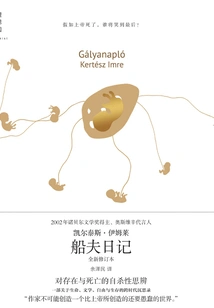
Boatman's Diary (new Revised Edition)
Literature船夫日记(全新修订本)
(hungary) Kertesz Imlay
Nobel Prize winner Kertesz Imlay's "Thanks to Auschwitz" musings across the ages. "The Boatman's Diary" was published in 1992. It is a diary written by Kertés Imlay, the 2002 Nobel Prize winner for literature, from 1961 to 1991. This diary, which lasted for thirty years, records not daily trivial matters, but daily thoughts. It is a philosophical expression and literary record of his daily, almost paranoid thinking. It is a dialogue between him and Pascal, Goethe, Schopenhauer, Nietzsche, Kafka, Camus, Beckett, and Bernhard. Like a calm and rational scientist, Kertesz recorded in detail the fragments of thoughts scattered in daily life with objective eyes, frankly explained his literary concepts and attempts, and organically combined life description with artistic expression.
Nobel Prize winner Kertesz Imlay's "Thanks to Auschwitz" musings across the ages. "The Boatman's Diary" was published in 1992. It is a diary written by Kertés Imlay, the 2002 Nobel Prize winner for literature, from 1961 to 1991. This diary, which lasted for thirty years, records not daily trivial matters, but daily thoughts. It is a philosophical expression and literary record of his daily, almost paranoid thinking. It is a dialogue between him and Pascal, Goethe, Schopenhauer, Nietzsche, Kafka, Camus, Beckett, and Bernhard. Like a calm and rational scientist, Kertesz recorded in detail the fragments of thoughts scattered in daily life with objective eyes, frankly explained his literary concepts and attempts, and organically combined life description with artistic expression.
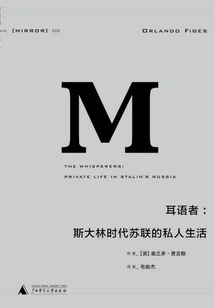
The Whisperers: Private Lives in the Stalinist Soviet Union
General Fiction耳语者:斯大林时代苏联的私人生活
H
This is the first in-depth exploration of the suffocating living conditions and distorted inner lives of ordinary people in the "era of total control". The Stalinist era (1924-1953) was both the beginning and the climax of an era of total control. The transformed Soviets both feared political power and worshiped it. Almost every one of them has become a "whisperer" - either hiding in a corner and whispering to each other, or secretly pandering and becoming a whistleblower to the authorities. Many historical works about the Soviet Union focus on the horrific external phenomena of the gulag, arrests, sentences, imprisonment and even killings, but almost no one pays attention to the private lives of ordinary Soviet people and what they really thought and felt. "The Whisperer" focuses on the living conditions and inner souls of the most extensive ordinary people. It is the first oral history work to deeply explore personal and family life during the Stalin period.
This is the first in-depth exploration of the suffocating living conditions and distorted inner lives of ordinary people in the "era of total control". The Stalinist era (1924-1953) was both the beginning and the climax of an era of total control. The transformed Soviets both feared political power and worshiped it. Almost every one of them has become a "whisperer" - either hiding in a corner and whispering to each other, or secretly pandering and becoming a whistleblower to the authorities. Many historical works about the Soviet Union focus on the horrific external phenomena of the gulag, arrests, sentences, imprisonment and even killings, but almost no one pays attention to the private lives of ordinary Soviet people and what they really thought and felt. "The Whisperer" focuses on the living conditions and inner souls of the most extensive ordinary people. It is the first oral history work to deeply explore personal and family life during the Stalin period.
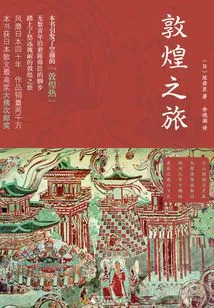
Dunhuang Trip
Literature敦煌之旅
(japan) Chen Shunchen
The word "Dunhuang" means magnificent, vast and mysterious, or does it mean romantic and distant? After traveling to Dunhuang in the 1970s, Chen Shunchen, a famous writer in Japan, combined a large amount of historical data with Chen's imagination and reasoning to present readers with an authentic Dunhuang style. At that time, many Japanese young people read this book and traveled to Dunhuang with their longing for Dunhuang, triggering the unprecedented "Dunhuang fever". Looking back on this book forty years later, Ke Tiao is one of the best reading books for the current "Dunhuang fever".
The word "Dunhuang" means magnificent, vast and mysterious, or does it mean romantic and distant? After traveling to Dunhuang in the 1970s, Chen Shunchen, a famous writer in Japan, combined a large amount of historical data with Chen's imagination and reasoning to present readers with an authentic Dunhuang style. At that time, many Japanese young people read this book and traveled to Dunhuang with their longing for Dunhuang, triggering the unprecedented "Dunhuang fever". Looking back on this book forty years later, Ke Tiao is one of the best reading books for the current "Dunhuang fever".
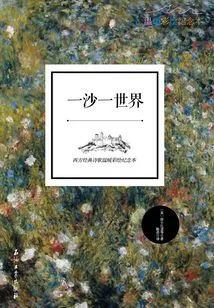
One Sand, One World: a Warmly Illustrated Souvenir of Western Classic Poems (english-chinese)
Literature一沙一世界:西方经典诗歌温暖彩绘纪念本(英汉对照)
F
This book selects more than 70 masterpieces of poetry handed down from generation to generation, including works by many famous foreign literary figures. The selected works are all praised by generations in the history of human poetry, and are filled with the eternal charm of words and the romantic beauty of love.
This book selects more than 70 masterpieces of poetry handed down from generation to generation, including works by many famous foreign literary figures. The selected works are all praised by generations in the history of human poetry, and are filled with the eternal charm of words and the romantic beauty of love.
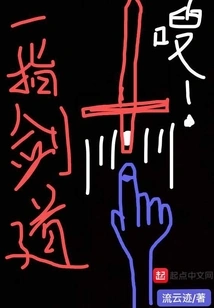
One Finger Sword
Xuanhuan一指剑道
Cloud Traces
Thirty thousand years ago, in order to resist the invasion of foreign lands, tens of thousands of top monks forged three divine swords with their bodies for the saints to use. In the end, the saint slaughtered 800,000 foreign enemies in one day and sealed the world. Countless years later, people seem to have forgotten their hatred, leaving only intrigues and killing each other. On this day, a young man picked up the Wuwei Sword. Facing the seal that is about to disappear, He resolutely held the sword and struck into the starry sky.
Thirty thousand years ago, in order to resist the invasion of foreign lands, tens of thousands of top monks forged three divine swords with their bodies for the saints to use. In the end, the saint slaughtered 800,000 foreign enemies in one day and sealed the world. Countless years later, people seem to have forgotten their hatred, leaving only intrigues and killing each other. On this day, a young man picked up the Wuwei Sword. Facing the seal that is about to disappear, He resolutely held the sword and struck into the starry sky.
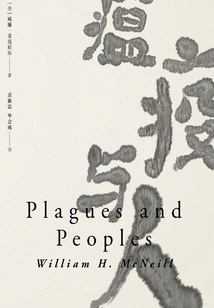
Plague and People
History瘟疫与人
(u. S.) William Mcneil
Epidemics are one of the fundamental parameters and determinants of human history. A generation of historians, William McNeill, used a chronological approach from the perspective of the history of epidemics, writing from prehistoric times to the first half of the last century, to explore in detail how infectious diseases ravaged Europe, Asia, Africa and other birthplaces of civilization, and how these diseases shaped the characteristics of different civilizations. He was the first to combine history with pathology to reinterpret human behavior; he placed infectious diseases at the center of history and gave them their due status; with fluent writing, sharp reasoning, and superb skills, he narrated the important role that infectious diseases played in the changes in human history and the development of civilization. "Plagues and People" is a popular classic work by William McNeil, and it is also an excellent historical work that discusses the relationship between plagues and human history at a macro level. The New York Review of Books said that "this book has since changed the way people look at world history", and the New Yorker believes that this book is "a truly revolutionary work." Pulitzer Prize winner Harrison Salisbury praised it for proposing "innovative and challenging historical concepts with far-reaching influence", while historian Will Durant said: "I have benefited a lot from "Plagues and Men" as a new perspective on history."
Epidemics are one of the fundamental parameters and determinants of human history. A generation of historians, William McNeill, used a chronological approach from the perspective of the history of epidemics, writing from prehistoric times to the first half of the last century, to explore in detail how infectious diseases ravaged Europe, Asia, Africa and other birthplaces of civilization, and how these diseases shaped the characteristics of different civilizations. He was the first to combine history with pathology to reinterpret human behavior; he placed infectious diseases at the center of history and gave them their due status; with fluent writing, sharp reasoning, and superb skills, he narrated the important role that infectious diseases played in the changes in human history and the development of civilization. "Plagues and People" is a popular classic work by William McNeil, and it is also an excellent historical work that discusses the relationship between plagues and human history at a macro level. The New York Review of Books said that "this book has since changed the way people look at world history", and the New Yorker believes that this book is "a truly revolutionary work." Pulitzer Prize winner Harrison Salisbury praised it for proposing "innovative and challenging historical concepts with far-reaching influence", while historian Will Durant said: "I have benefited a lot from "Plagues and Men" as a new perspective on history."
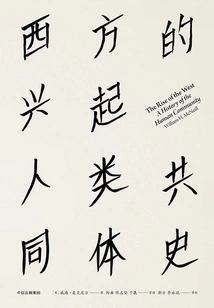
西方的兴起:人类共同体史
(u. S.) William Mcneil
"The Rise of the West: A History of the Human Community" is a foundational masterpiece of global history. It tells the history of the entire human race from a global perspective, allowing you to understand the evolution of human civilization and the world pattern in one book. On the occasion of the first publication of the authorized Chinese version, master historian William McNeil wrote "To Chinese Readers" to express his message to China's renaissance, dedicating this historical masterpiece to Chinese readers who hope to gain insight into human history in a novel way. The global history that is gaining momentum today began in the 1960s, and its representative work is William McNeil's "The Rise of the West." Conceived in 1936, written in 1954, and published in 1963, it took McNeil 27 years to complete this masterpiece of history. After its release, it was immediately highly praised by historians Toynbee and Trevor Roper, and even won the National Book Award.
"The Rise of the West: A History of the Human Community" is a foundational masterpiece of global history. It tells the history of the entire human race from a global perspective, allowing you to understand the evolution of human civilization and the world pattern in one book. On the occasion of the first publication of the authorized Chinese version, master historian William McNeil wrote "To Chinese Readers" to express his message to China's renaissance, dedicating this historical masterpiece to Chinese readers who hope to gain insight into human history in a novel way. The global history that is gaining momentum today began in the 1960s, and its representative work is William McNeil's "The Rise of the West." Conceived in 1936, written in 1954, and published in 1963, it took McNeil 27 years to complete this masterpiece of history. After its release, it was immediately highly praised by historians Toynbee and Trevor Roper, and even won the National Book Award.
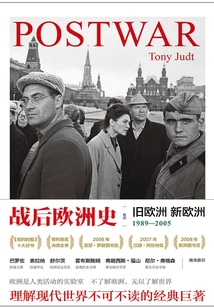
战后欧洲史(卷四):旧欧洲 新欧洲 1989-2005
I
S
S
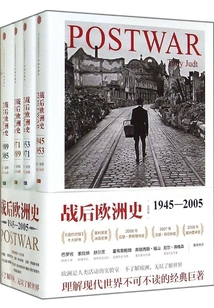
战后欧洲史(全集)
H
"Postwar European History" (a four-volume set) is the most important representative work of Tony Judt, the most respected historian and thinker in the world today. It took 20 years to conceive and 10 years to write. It makes extensive use of documents in 6 languages, covers 34 countries, and takes into account Western Europe. Eastern Europe, covering the whole of Europe, is the first master-class historical masterpiece that comprehensively displays the political, economic and cultural changes of modern Europe over the past 60 years. It is recommended by European and American political leaders such as European Commission President Barroso, European Parliament Speaker Schulz, and EU Foreign Minister Solana. From brutal genocide to the advocacy of human rights values, from fascism sweeping the world to the disintegration of the Soviet Eastern European socialist bloc, from free capital markets to big-government welfare states, from arms races to the establishment of the European Union for mutual assistance and cooperation, from tariff barriers to the unified currency Euro... Europe is a laboratory of human activities. It has experienced the baptism and experimentation of various political systems, ideologies, social systems, economic orders, and cultural trends of thought. No wonder, Tony Judt said: "Like a fox, Europe knows a lot." For the modern public, "it is impossible to understand the world without understanding Europe." "Postwar European History" is a masterpiece that Tony Judt, the top contemporary historian, has worked on for more than ten years. From the end of World War II to the beginning of the 21st century, this book shows the political, economic, social, and cultural history of Europe, comprehensively and concisely reproduces the reality and spiritual process of Europe's reconstruction on the ruins of the war, and reveals Europe's future path toward unity and self-reliance. Tony Judt used keen observation, profound humanistic care and superb narrative ability to refine the sixty years of European history from 1945 to 2005 into a fascinating, significant and deeply personal work. "Postwar European History" received rave reviews after its publication and won numerous awards. It was praised as "the book on postwar European history" and "a great work that cannot be surpassed in the short term". It has become a "must-read classic masterpiece for understanding the modern world" for the public.
"Postwar European History" (a four-volume set) is the most important representative work of Tony Judt, the most respected historian and thinker in the world today. It took 20 years to conceive and 10 years to write. It makes extensive use of documents in 6 languages, covers 34 countries, and takes into account Western Europe. Eastern Europe, covering the whole of Europe, is the first master-class historical masterpiece that comprehensively displays the political, economic and cultural changes of modern Europe over the past 60 years. It is recommended by European and American political leaders such as European Commission President Barroso, European Parliament Speaker Schulz, and EU Foreign Minister Solana. From brutal genocide to the advocacy of human rights values, from fascism sweeping the world to the disintegration of the Soviet Eastern European socialist bloc, from free capital markets to big-government welfare states, from arms races to the establishment of the European Union for mutual assistance and cooperation, from tariff barriers to the unified currency Euro... Europe is a laboratory of human activities. It has experienced the baptism and experimentation of various political systems, ideologies, social systems, economic orders, and cultural trends of thought. No wonder, Tony Judt said: "Like a fox, Europe knows a lot." For the modern public, "it is impossible to understand the world without understanding Europe." "Postwar European History" is a masterpiece that Tony Judt, the top contemporary historian, has worked on for more than ten years. From the end of World War II to the beginning of the 21st century, this book shows the political, economic, social, and cultural history of Europe, comprehensively and concisely reproduces the reality and spiritual process of Europe's reconstruction on the ruins of the war, and reveals Europe's future path toward unity and self-reliance. Tony Judt used keen observation, profound humanistic care and superb narrative ability to refine the sixty years of European history from 1945 to 2005 into a fascinating, significant and deeply personal work. "Postwar European History" received rave reviews after its publication and won numerous awards. It was praised as "the book on postwar European history" and "a great work that cannot be surpassed in the short term". It has become a "must-read classic masterpiece for understanding the modern world" for the public.