Library
Browse and search books
895 novels found
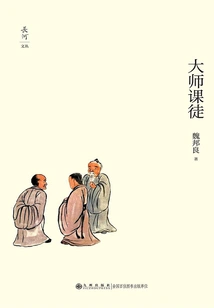
Master Apprentice
History大师课徒
Wei Bangliang
This book takes the relationship between thirteen academic masters of the Republic of China and their disciples as a clue, and focuses on sorting out the outstanding contributions of the masters in teaching, educating people, and inheriting culture. And through a specific angle, it depicts the master Feng Shen, reproduces the master's style, and traces their life based on the spring breeze and rain in the apricot altar.
This book takes the relationship between thirteen academic masters of the Republic of China and their disciples as a clue, and focuses on sorting out the outstanding contributions of the masters in teaching, educating people, and inheriting culture. And through a specific angle, it depicts the master Feng Shen, reproduces the master's style, and traces their life based on the spring breeze and rain in the apricot altar.
阎崇年自选集
Yan Chongnian
This book is an academic self-selected collection by the famous Qing history expert Mr. Yan Chongnian. It has selected 29 representative works and compiled them into a book. It is divided into six groups: the first group includes two articles, including "Forest Culture's Millennium Changes", which is a comprehensive review; the second group, which includes eight articles including "On Nurhachi", is a character category; the third group, which includes six articles including "On the Situation of Ningyuan Struggle", is a war history category; the fourth group is "On Nurhachi" and other six articles, which is a war history category; Five articles including "Manchu Studies" are in the category of Manchu studies; the fifth group of five articles including "Zhang Jiwu and Kangxi Shuntian Prefecture Chronicles" are in the textual research category; the sixth group of three articles including "Report on the Move of the Capital to Beijing by Emperor Yongle of the Ming Dynasty" are in the history of Beijing.
This book is an academic self-selected collection by the famous Qing history expert Mr. Yan Chongnian. It has selected 29 representative works and compiled them into a book. It is divided into six groups: the first group includes two articles, including "Forest Culture's Millennium Changes", which is a comprehensive review; the second group, which includes eight articles including "On Nurhachi", is a character category; the third group, which includes six articles including "On the Situation of Ningyuan Struggle", is a war history category; the fourth group is "On Nurhachi" and other six articles, which is a war history category; Five articles including "Manchu Studies" are in the category of Manchu studies; the fifth group of five articles including "Zhang Jiwu and Kangxi Shuntian Prefecture Chronicles" are in the textual research category; the sixth group of three articles including "Report on the Move of the Capital to Beijing by Emperor Yongle of the Ming Dynasty" are in the history of Beijing.
朱希祖史学研究
Wang Aiwei
Zhu Xizu was a famous historian during the Republic of China. His historical research has a wide scope and rich results, and he has made pioneering contributions in many fields. However, because most of Zhu Xizu's writings have not been published and relevant research is extremely rare, his historical achievements tend to be downplayed in the history of modern Chinese history, and he has never been able to occupy the place that should belong to him. This book takes Zhu Xizu's historiography as the research object. On the basis of extensive collection of historical materials, we examine the social background, academic atmosphere, main results and characteristics of Zhu Xizu's historiography, reveal the contribution of Zhu Xizu's historiography to the independence and scientificization of Chinese historiography, and objectively evaluate its status and influence. This book is divided into several aspects to introduce Zhu Xizu's life and academic achievements, including life friendships, historical research, historical compilation, historical document research, local chronicles and frontier history and geography research, historical views, historical thoughts, and historical management methods.
Zhu Xizu was a famous historian during the Republic of China. His historical research has a wide scope and rich results, and he has made pioneering contributions in many fields. However, because most of Zhu Xizu's writings have not been published and relevant research is extremely rare, his historical achievements tend to be downplayed in the history of modern Chinese history, and he has never been able to occupy the place that should belong to him. This book takes Zhu Xizu's historiography as the research object. On the basis of extensive collection of historical materials, we examine the social background, academic atmosphere, main results and characteristics of Zhu Xizu's historiography, reveal the contribution of Zhu Xizu's historiography to the independence and scientificization of Chinese historiography, and objectively evaluate its status and influence. This book is divided into several aspects to introduce Zhu Xizu's life and academic achievements, including life friendships, historical research, historical compilation, historical document research, local chronicles and frontier history and geography research, historical views, historical thoughts, and historical management methods.
大禹传说与会稽山文化演变研究
Zhang Yanxing
Kuaiji Mountain, named after the legend of Dayu, is one of the five major towns in China. Through the compilation of relevant classics on Kuaiji Mountain, the textual research on cliff inscriptions, and the surrounding field surveys, this book reveals how the two iconic relics of the legend of Dayu on Kuaiji Mountain, the Yao Stone at the northern foot and the Feilai Stone at the southern foot, gradually evolved into the Confucian Temple of Yu and the Taoist Yangming Cave. Finally, it discusses how the creation of the complementary sacred meaning of Confucianism and Taoism in Kuaiji Mountain had a significant impact on the spiritual temperament of a place and the formation of Shaoxing's celebrity culture.
Kuaiji Mountain, named after the legend of Dayu, is one of the five major towns in China. Through the compilation of relevant classics on Kuaiji Mountain, the textual research on cliff inscriptions, and the surrounding field surveys, this book reveals how the two iconic relics of the legend of Dayu on Kuaiji Mountain, the Yao Stone at the northern foot and the Feilai Stone at the southern foot, gradually evolved into the Confucian Temple of Yu and the Taoist Yangming Cave. Finally, it discusses how the creation of the complementary sacred meaning of Confucianism and Taoism in Kuaiji Mountain had a significant impact on the spiritual temperament of a place and the formation of Shaoxing's celebrity culture.
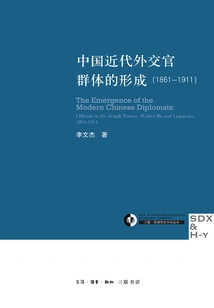
中国近代外交官群体的形成(1861-1911)
Li Wenjie
Officials engaged in Western-style diplomacy in modern times came from the imperial examination. How did they "adapt" to the new "profession" of diplomacy? How to understand the operation methods and characteristics of the Qing Dynasty's diplomatic institutions? From the Qing Dynasty archives, the author examines the biographical data of the Prime Minister's Office, the Ministry of Foreign Affairs, and foreign officials, and examines a series of issues such as their origins, selection, promotion, whereabouts, and group evolution. The author constructs and displays the entire process of the late Qing diplomats from their origin and development to the formation of the so-called "professional" diplomat group. "Diplomats" are a poorly researched group, and the study of this book lays the foundation for future research on the diplomatic history of the late Qing Dynasty.
Officials engaged in Western-style diplomacy in modern times came from the imperial examination. How did they "adapt" to the new "profession" of diplomacy? How to understand the operation methods and characteristics of the Qing Dynasty's diplomatic institutions? From the Qing Dynasty archives, the author examines the biographical data of the Prime Minister's Office, the Ministry of Foreign Affairs, and foreign officials, and examines a series of issues such as their origins, selection, promotion, whereabouts, and group evolution. The author constructs and displays the entire process of the late Qing diplomats from their origin and development to the formation of the so-called "professional" diplomat group. "Diplomats" are a poorly researched group, and the study of this book lays the foundation for future research on the diplomatic history of the late Qing Dynasty.
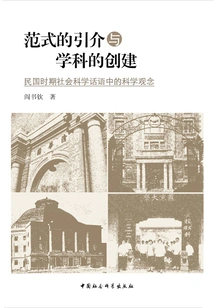
范式的引介与学科的创建:民国时期社会科学话语中的科学观念
Yan Shuqin
The Republic of China period was a critical period for the construction of China's modern social science discipline system. This book uses the social science works of the Republic of China as an examination text to sort out the construction, evolution and division of social science paradigms during the Republic of China. It takes the scientific concepts contained in them as the main axis and systematically reflects the construction of the social science discipline system during the Republic of China. This book mainly includes the following contents: the discussion of scientific issues in social sciences by academic circles during the Republic of China; the selection and integration of American sociological theories by academic circles during the Republic of China; the debate on political science research paradigms during the Republic of China; the Marxist trend of thought in social science discourse during the Republic of China; and the selection of introductory books on humanities and social sciences during the Republic of China. This book contains rich information and specific and in-depth research questions, which deepens the research on the academic history of the Republic of China period.
The Republic of China period was a critical period for the construction of China's modern social science discipline system. This book uses the social science works of the Republic of China as an examination text to sort out the construction, evolution and division of social science paradigms during the Republic of China. It takes the scientific concepts contained in them as the main axis and systematically reflects the construction of the social science discipline system during the Republic of China. This book mainly includes the following contents: the discussion of scientific issues in social sciences by academic circles during the Republic of China; the selection and integration of American sociological theories by academic circles during the Republic of China; the debate on political science research paradigms during the Republic of China; the Marxist trend of thought in social science discourse during the Republic of China; and the selection of introductory books on humanities and social sciences during the Republic of China. This book contains rich information and specific and in-depth research questions, which deepens the research on the academic history of the Republic of China period.
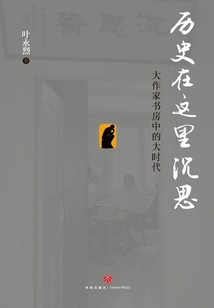
History Meditates Here
History历史在这里沉思
Ye Yonglie
The study is the "home base" for writers to create. "History Meditates Here" explores the creative "home base" of writer Ye Yonglie. Ye Yonglie's study is huge. As a documentary writer, he has collected a large number of precious files obtained during interviews, a large number of letters from famous people, thousands of interview tapes that have become "unforgettable", he also saved hundreds of thousands of photos he took himself, and collected many precious historical photos. Because of this, he named his study "Sitting Room". This book centers on Ye Yonglie's study, showing all aspects of the author's reading, book collection, and writing. There are both the writer's lament that he "sits at home" and the modern practice of keeping pace with the times and arming his study room with the new "Four Treasures of the Study". There are also rich and vivid writing stories behind a large number of books, legendary exchanges with readers and interviewees, as well as verbal and written criticism of infringement, piracy and counterfeit books.
The study is the "home base" for writers to create. "History Meditates Here" explores the creative "home base" of writer Ye Yonglie. Ye Yonglie's study is huge. As a documentary writer, he has collected a large number of precious files obtained during interviews, a large number of letters from famous people, thousands of interview tapes that have become "unforgettable", he also saved hundreds of thousands of photos he took himself, and collected many precious historical photos. Because of this, he named his study "Sitting Room". This book centers on Ye Yonglie's study, showing all aspects of the author's reading, book collection, and writing. There are both the writer's lament that he "sits at home" and the modern practice of keeping pace with the times and arming his study room with the new "Four Treasures of the Study". There are also rich and vivid writing stories behind a large number of books, legendary exchanges with readers and interviewees, as well as verbal and written criticism of infringement, piracy and counterfeit books.
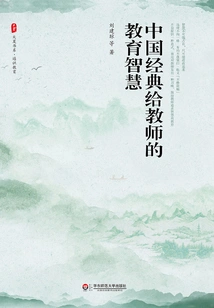
中国经典给教师的教育智慧
Liu Jianqiong
As an ancient civilization in the world, my country has a large amount of ancient classic documents of high quality, which can be called a treasure house of philosophical wisdom. The author of this book has a unique perspective - education, teaching, teachers, students, and career. The book presents the educational wisdom from classics of the past from these five aspects.
As an ancient civilization in the world, my country has a large amount of ancient classic documents of high quality, which can be called a treasure house of philosophical wisdom. The author of this book has a unique perspective - education, teaching, teachers, students, and career. The book presents the educational wisdom from classics of the past from these five aspects.
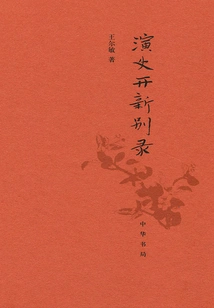
演史开新别录(精装)
Wang Ermin
Wang Ermin has been engaged in researching and studying history for more than sixty years, and he encourages himself with an open mind. Now in his twenties, he is still exploring and publishing new works. The author believes that after Liang Qichao created the "New Historiography", later academic circles have not followed Liang's path. For example, Shen Jianshi's discussion of "new history" in the 1930s referred to linguistics and historical materials, but did not even mention Liang Qichao. Therefore, a new path was opened outside the "new historiography", so it was called "Yan Shi Kai Xin Bie Lu". The author gives detailed examples and discusses the history of Chinese studies. From the Han Dynasty to the Republic of China, and even contemporary history; from the official position of historian to the writing of historical materials, the author has his own opinions. This manuscript contains fifteen special topics, all of which are recent works. The narratives are fair, fair and well-organized.
Wang Ermin has been engaged in researching and studying history for more than sixty years, and he encourages himself with an open mind. Now in his twenties, he is still exploring and publishing new works. The author believes that after Liang Qichao created the "New Historiography", later academic circles have not followed Liang's path. For example, Shen Jianshi's discussion of "new history" in the 1930s referred to linguistics and historical materials, but did not even mention Liang Qichao. Therefore, a new path was opened outside the "new historiography", so it was called "Yan Shi Kai Xin Bie Lu". The author gives detailed examples and discusses the history of Chinese studies. From the Han Dynasty to the Republic of China, and even contemporary history; from the official position of historian to the writing of historical materials, the author has his own opinions. This manuscript contains fifteen special topics, all of which are recent works. The narratives are fair, fair and well-organized.
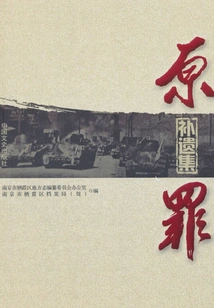
原罪:补遗集
Office Of The Local Chronicles Compilation Committee Of Qixia District, Nanjing Qixia District Archives Bureau Of Nanjing
Collected and sorted out the newly discovered documents, historical facts, new important research results, and major commemorative and memorial activities in the Nanjing area, especially in the Qixia area, related to the Battle of Nanjing and the Nanjing Massacre since 2007. The materials are rich and vivid, objective and true. The book is divided into three sections. The first section is about the Battle of Nanjing, which contains the personal articles of more than a dozen people who witnessed it. The articles written by these authors from different angles and different standpoints reflect the bravery of the Chinese soldiers and civilians in the Qixia area against the Japanese invaders in a three-dimensional way. The second part is the research on the history of the Nanjing Massacre, which is divided into sections. It collects and organizes the historical materials of the investigation and interviews of the Japanese massacre and the oral historical materials of the citizens who witnessed it, etc. The third section contains information on major commemorative and memorial activities in Nanjing and Qixia areas for the soldiers who died in the defense of Nanjing and the victims of the Nanjing Massacre. This book provides new historical materials, new perspectives, and new thinking heights for in-depth study of the history of the Nanjing Massacre. Many of the historical materials are extremely rare and have extremely high research value.
Collected and sorted out the newly discovered documents, historical facts, new important research results, and major commemorative and memorial activities in the Nanjing area, especially in the Qixia area, related to the Battle of Nanjing and the Nanjing Massacre since 2007. The materials are rich and vivid, objective and true. The book is divided into three sections. The first section is about the Battle of Nanjing, which contains the personal articles of more than a dozen people who witnessed it. The articles written by these authors from different angles and different standpoints reflect the bravery of the Chinese soldiers and civilians in the Qixia area against the Japanese invaders in a three-dimensional way. The second part is the research on the history of the Nanjing Massacre, which is divided into sections. It collects and organizes the historical materials of the investigation and interviews of the Japanese massacre and the oral historical materials of the citizens who witnessed it, etc. The third section contains information on major commemorative and memorial activities in Nanjing and Qixia areas for the soldiers who died in the defense of Nanjing and the victims of the Nanjing Massacre. This book provides new historical materials, new perspectives, and new thinking heights for in-depth study of the history of the Nanjing Massacre. Many of the historical materials are extremely rare and have extremely high research value.
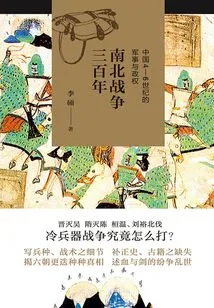
Three Centenary Years of the Civil War: China's Military and Regime from the 4th to 6th Centuries
History南北战争三百年:中国4—6世纪的军事与政权
Li Shuo
Our imaginations of ancient wars usually come from novels, novels and other literary works, but the war scenes in these works are just the fantasies and fictions of novelists and are not real situations. "Three Hundred Years of the Civil War" analyzes and organizes various historical materials, looks for clues from war narratives scattered throughout history books, and uses new historical research results to depict for us the details of major battles in the Wei, Jin, Southern and Northern Dynasties, showing a rich and vivid historical reality. At the same time, this book provides a detailed discussion of the evolution of combat modes and tactics of cavalry and infantry, and a detailed discussion of the impact of factors such as geography, season, and finance on war. Therefore, this book also supplements the details that are not described in official history and ancient books, and provides a new interpretation of the historical process of the Wei, Jin, Southern and Northern Dynasties through the writing of a military history.
Our imaginations of ancient wars usually come from novels, novels and other literary works, but the war scenes in these works are just the fantasies and fictions of novelists and are not real situations. "Three Hundred Years of the Civil War" analyzes and organizes various historical materials, looks for clues from war narratives scattered throughout history books, and uses new historical research results to depict for us the details of major battles in the Wei, Jin, Southern and Northern Dynasties, showing a rich and vivid historical reality. At the same time, this book provides a detailed discussion of the evolution of combat modes and tactics of cavalry and infantry, and a detailed discussion of the impact of factors such as geography, season, and finance on war. Therefore, this book also supplements the details that are not described in official history and ancient books, and provides a new interpretation of the historical process of the Wei, Jin, Southern and Northern Dynasties through the writing of a military history.
一本三跨:飞翔的历史德育
Li Yanan Editor-in-chief Wang Qun
This book is a collection of practical results of the Shanghai History Moral Education Collaborative Innovation Center (Jinshan District). The book is based on the education objectives of basic history courses in middle schools issued by the Teaching and Research Section of the Shanghai Municipal Education Commission. History teachers in Jinshan District carry out cross-study, cross-discipline, and cross-regional moral education practices based on the history subject ontology. On the basis of practical research, the research results are presented in terms of theoretical understanding and practical cases, hoping to provide some inspiration to front-line teachers in the practice of educating people in the history discipline.
This book is a collection of practical results of the Shanghai History Moral Education Collaborative Innovation Center (Jinshan District). The book is based on the education objectives of basic history courses in middle schools issued by the Teaching and Research Section of the Shanghai Municipal Education Commission. History teachers in Jinshan District carry out cross-study, cross-discipline, and cross-regional moral education practices based on the history subject ontology. On the basis of practical research, the research results are presented in terms of theoretical understanding and practical cases, hoping to provide some inspiration to front-line teachers in the practice of educating people in the history discipline.
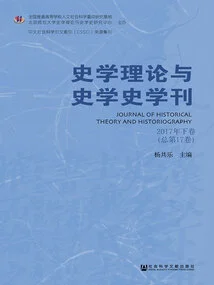
史学理论与史学史学刊(2017年下卷\u002F总第17卷)
Editor-in-chief Yang Gongle
"Journal of Historical Theory and Historiography" is a continuous disciplinary publication sponsored by the Research Center for Historical Theory and Historiography of Beijing Normal University. This volume has columns such as "Written Talks", "Study Experience Talks", "Image and Image History Research", "Comparative Research", "Ancient Chinese History Research", "Modern and Modern Chinese History Research", "Contemporary Scholars Research", "Foreign History Research", "Historical Philology" and "Book Reviews", etc., And publishes 27 manuscripts. The scope is wide and the writing styles are diverse. There are general introductions that appeal to both refined and popular tastes, the scholarly insights of famous experts, and special monographs with in-depth research. There are also major events reflecting the year of Beijing Normal University's Historical Theory and Historiographic History Research Center, as well as keynotes of research papers on historical theory and historiographic history in the past year.
"Journal of Historical Theory and Historiography" is a continuous disciplinary publication sponsored by the Research Center for Historical Theory and Historiography of Beijing Normal University. This volume has columns such as "Written Talks", "Study Experience Talks", "Image and Image History Research", "Comparative Research", "Ancient Chinese History Research", "Modern and Modern Chinese History Research", "Contemporary Scholars Research", "Foreign History Research", "Historical Philology" and "Book Reviews", etc., And publishes 27 manuscripts. The scope is wide and the writing styles are diverse. There are general introductions that appeal to both refined and popular tastes, the scholarly insights of famous experts, and special monographs with in-depth research. There are also major events reflecting the year of Beijing Normal University's Historical Theory and Historiographic History Research Center, as well as keynotes of research papers on historical theory and historiographic history in the past year.
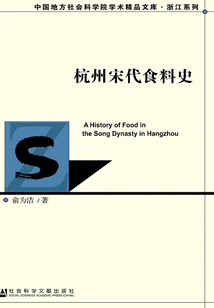
杭州宋代食料史(中国地方社会科学院学术精品文库·浙江系列)
Yu Weijie
"Hangzhou Food History of the Song Dynasty" is the author's first case study after "Chinese Food History". The Song Dynasty is a key node in the history of Hangzhou food. If the previous Hangzhou food was just the traditional "rice, rice, soup and fish" in the south of the Yangtze River and was not much different from the surrounding areas, then the subsequent Hangzhou food appeared with its own rich colors and has been continued ever since. It can be said that the pattern of "Hangzhou food" was established in the Song Dynasty, and the modern so-called "Hangzhou cuisine" is based on this "Hangzhou food". The book introduces a variety of food ingredients and is rich in content.
"Hangzhou Food History of the Song Dynasty" is the author's first case study after "Chinese Food History". The Song Dynasty is a key node in the history of Hangzhou food. If the previous Hangzhou food was just the traditional "rice, rice, soup and fish" in the south of the Yangtze River and was not much different from the surrounding areas, then the subsequent Hangzhou food appeared with its own rich colors and has been continued ever since. It can be said that the pattern of "Hangzhou food" was established in the Song Dynasty, and the modern so-called "Hangzhou cuisine" is based on this "Hangzhou food". The book introduces a variety of food ingredients and is rich in content.
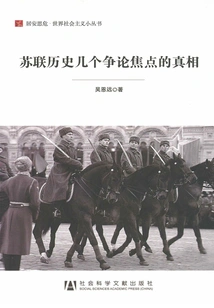
苏联历史几个争论焦点的真相(居安思危·世界社会主义小丛书)
Wu Enyuan
Gong Zizhen, a famous thinker in the Qing Dynasty, once said: "A country that destroys its people must first destroy its history." If a country or a nation cannot view it correctly, or even tamper with, distort or even completely deny its history, it will inevitably lead to the destruction of the country and the decline of the nation. The sudden disintegration of the Soviet Union in the early 1990s just confirmed this rule. President Putin said: The disintegration of the Soviet Union is the greatest historical tragedy for the entire nation. At present, many Russian people have learned from the painful experience and have begun to re-evaluate the history of the Soviet Union objectively and dialectically. The author of this book picks out seven controversial issues in the history of the Soviet Union, uses a large number of the latest views in Russian academic circles, and uses detailed information, sufficient evidence, objective attitude, rational thinking and refined language to expose for us each absurd "myth" that has been or is still circulating, and recreates the historical truth. This is very beneficial for us to view history correctly and carefully summarize the lessons we should learn from the disintegration of the Soviet Union.
Gong Zizhen, a famous thinker in the Qing Dynasty, once said: "A country that destroys its people must first destroy its history." If a country or a nation cannot view it correctly, or even tamper with, distort or even completely deny its history, it will inevitably lead to the destruction of the country and the decline of the nation. The sudden disintegration of the Soviet Union in the early 1990s just confirmed this rule. President Putin said: The disintegration of the Soviet Union is the greatest historical tragedy for the entire nation. At present, many Russian people have learned from the painful experience and have begun to re-evaluate the history of the Soviet Union objectively and dialectically. The author of this book picks out seven controversial issues in the history of the Soviet Union, uses a large number of the latest views in Russian academic circles, and uses detailed information, sufficient evidence, objective attitude, rational thinking and refined language to expose for us each absurd "myth" that has been or is still circulating, and recreates the historical truth. This is very beneficial for us to view history correctly and carefully summarize the lessons we should learn from the disintegration of the Soviet Union.
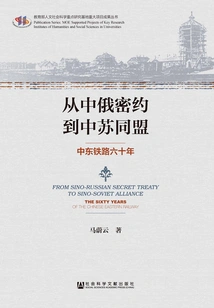
From the Sino-russian Secret Treaty to the Sino-soviet Alliance: Sixty Years of the Eastern Railway
History从中俄密约到中苏同盟:中东铁路六十年
Ma Weiyun
On the basis of historical theory, this book draws on the relevant research results of international politics (relationship) theory and international law, and uses a large number of archival documents (mainly Russian documents) to sort out the current research status of the Middle East Railway issue at home and abroad. It discusses the impact of the construction of the Middle East Railway on Northeast China, analyzes the implementation of Russia's Far East policy and the construction of the Middle East Railway, and expounds the changes in the Soviet Union's attitude on the Middle East Railway issue, as well as the Sino-Soviet negotiations on the issue. This book covers the vicissitudes of the Middle East Railway from its construction to its return to China for more than half a century. It is a monograph that systematically studies the general history of the Middle East Railway at home and abroad.
On the basis of historical theory, this book draws on the relevant research results of international politics (relationship) theory and international law, and uses a large number of archival documents (mainly Russian documents) to sort out the current research status of the Middle East Railway issue at home and abroad. It discusses the impact of the construction of the Middle East Railway on Northeast China, analyzes the implementation of Russia's Far East policy and the construction of the Middle East Railway, and expounds the changes in the Soviet Union's attitude on the Middle East Railway issue, as well as the Sino-Soviet negotiations on the issue. This book covers the vicissitudes of the Middle East Railway from its construction to its return to China for more than half a century. It is a monograph that systematically studies the general history of the Middle East Railway at home and abroad.
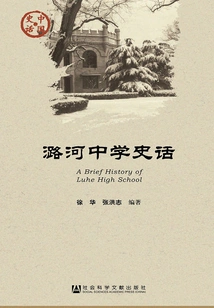
潞河中学史话(中国史话·文化系列)
Compiled By Xu Hua And Zhang Hongzhi
Luhe Middle School is located in Tongzhou District, Beijing, adjacent to Hebei and Tianjin to the east. During the Ming and Qing Dynasties, Tongzhou had developed into an important commercial port in the north. The gathering of merchants and prosperous trade naturally brought about the prosperity of Tongzhou's education and culture. At the same time, Tongzhou also became the first choice for Western missionaries to set foot in the capital. By the beginning of the 20th century, Tongzhou had become one of the areas with the most intensive schools and the most developed education in the capital. The 147-year-old Luhe Middle School is a microcosm of the development of education in Tongzhou. "History of Luhe Middle School" shows readers a historical picture of the spread of Western learning to the east and the rise of national education in the development of education in modern China.
Luhe Middle School is located in Tongzhou District, Beijing, adjacent to Hebei and Tianjin to the east. During the Ming and Qing Dynasties, Tongzhou had developed into an important commercial port in the north. The gathering of merchants and prosperous trade naturally brought about the prosperity of Tongzhou's education and culture. At the same time, Tongzhou also became the first choice for Western missionaries to set foot in the capital. By the beginning of the 20th century, Tongzhou had become one of the areas with the most intensive schools and the most developed education in the capital. The 147-year-old Luhe Middle School is a microcosm of the development of education in Tongzhou. "History of Luhe Middle School" shows readers a historical picture of the spread of Western learning to the east and the rise of national education in the development of education in modern China.
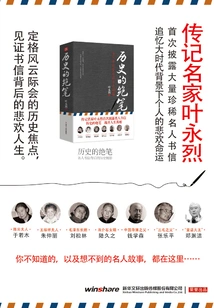
历史的绝笔:名人书信背后的历史侧影
Ye Yonglie
This is a big treasure. Everything you don't know, as well as unexpected celebrity stories, are all here: Chen Yun's wife Yu Ruomu, Wang Jiaxiang's wife Zhu Zhongli, Chiang Kai-shek's son-in-law Lu Jiuzhi, Chen Duxiu's confidential secretary Zheng Chaolin, "Central Cultural Revolution Group" leader Chen Boda, the father of China's aerospace Qian Xuesen, mathematician Hua Luogeng, American science fiction giant Heinlein, "Fairy Tale King" Zheng Yuanjie, "Father of Sanmao" Zhang Leping, famous poet Wang Guozhen, musician He Luting... Ye Yonglie witnessed the legendary lives of many celebrities and captured many fleeting historical moments. He clearly recorded a period of his life with warm writing and short length. When he flipped through it, the characters came to his face with the smoke and dust of history. On the one hand, there is enlightenment, on the other hand, there is emotion. How many people who have gone through vicissitudes of life will read such a masterpiece and sigh.
This is a big treasure. Everything you don't know, as well as unexpected celebrity stories, are all here: Chen Yun's wife Yu Ruomu, Wang Jiaxiang's wife Zhu Zhongli, Chiang Kai-shek's son-in-law Lu Jiuzhi, Chen Duxiu's confidential secretary Zheng Chaolin, "Central Cultural Revolution Group" leader Chen Boda, the father of China's aerospace Qian Xuesen, mathematician Hua Luogeng, American science fiction giant Heinlein, "Fairy Tale King" Zheng Yuanjie, "Father of Sanmao" Zhang Leping, famous poet Wang Guozhen, musician He Luting... Ye Yonglie witnessed the legendary lives of many celebrities and captured many fleeting historical moments. He clearly recorded a period of his life with warm writing and short length. When he flipped through it, the characters came to his face with the smoke and dust of history. On the one hand, there is enlightenment, on the other hand, there is emotion. How many people who have gone through vicissitudes of life will read such a masterpiece and sigh.
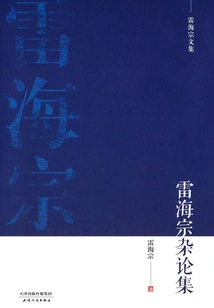
雷海宗杂论集
Lei Haizong
"Collected Works of Lei Haizong: Collection of Miscellaneous Essays of Lei Haizong" is a comprehensive collection of Mr. Lei Haizong's academic achievements and essays, which is of great collection and academic value. A master of history who integrates the East and the West and connects ancient and modern times, he is an inescapable pioneer in the study of Chinese history. This newly compiled collection of essays takes us back to the neglected "Lei Haizong Era".
"Collected Works of Lei Haizong: Collection of Miscellaneous Essays of Lei Haizong" is a comprehensive collection of Mr. Lei Haizong's academic achievements and essays, which is of great collection and academic value. A master of history who integrates the East and the West and connects ancient and modern times, he is an inescapable pioneer in the study of Chinese history. This newly compiled collection of essays takes us back to the neglected "Lei Haizong Era".
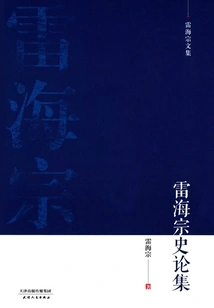
雷海宗史论集(雷海宗文集)
Lei Haizong
This series is a collection of essays by the master historian Lei Haizong, including "Chinese Culture and Chinese Soldiers", "Outline of Chinese History", "Outline of Ancient World History", "Lei Haizong's Miscellaneous Essays", "Lei Haizong's Contemporary Essays", "Lei Haizong's Historical Essays" and a total of six works. It is a comprehensive collection of Mr. Lei Haizong's academic achievements and essays, and is of great collection and academic value.
This series is a collection of essays by the master historian Lei Haizong, including "Chinese Culture and Chinese Soldiers", "Outline of Chinese History", "Outline of Ancient World History", "Lei Haizong's Miscellaneous Essays", "Lei Haizong's Contemporary Essays", "Lei Haizong's Historical Essays" and a total of six works. It is a comprehensive collection of Mr. Lei Haizong's academic achievements and essays, and is of great collection and academic value.
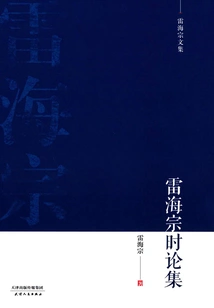
雷海宗时论集
Lei Haizong
"The voice is like thunder, the knowledge is like the sea, and the sect of history" is an inescapable pioneer in the study of Chinese history. He is a master of history who blends Chinese and Western elements and connects ancient and modern times. "Lei Haizong Shi Lun Ji" is a collection of essays by the master of history Lei Haizong. It is a comprehensive collection of Mr. Lei Haizong's academic achievements and essays. It is of great collection and academic value.
"The voice is like thunder, the knowledge is like the sea, and the sect of history" is an inescapable pioneer in the study of Chinese history. He is a master of history who blends Chinese and Western elements and connects ancient and modern times. "Lei Haizong Shi Lun Ji" is a collection of essays by the master of history Lei Haizong. It is a comprehensive collection of Mr. Lei Haizong's academic achievements and essays. It is of great collection and academic value.
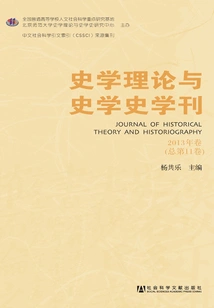
史学理论与史学史学刊(2013年卷\u002F总第11卷)
Editor-in-chief Yang Gongle
"Journal of Historical Theory and Historiography" is a continuous disciplinary publication sponsored by the Research Center for Historical Theory and Historiography of Beijing Normal University. This volume is divided into historical preface, comprehensive research, historical theory and historiography theory, ancient Chinese history, modern Chinese history, foreign historiography, historical philology, book reviews, conference reviews, etc. The included articles not only focus on the frontier areas of historiography development, but also focus on exploring the different characteristics of Chinese historiography and Western historiography, and use a comparative perspective to examine the differences between the two in order to seek common laws, which has high academic value.
"Journal of Historical Theory and Historiography" is a continuous disciplinary publication sponsored by the Research Center for Historical Theory and Historiography of Beijing Normal University. This volume is divided into historical preface, comprehensive research, historical theory and historiography theory, ancient Chinese history, modern Chinese history, foreign historiography, historical philology, book reviews, conference reviews, etc. The included articles not only focus on the frontier areas of historiography development, but also focus on exploring the different characteristics of Chinese historiography and Western historiography, and use a comparative perspective to examine the differences between the two in order to seek common laws, which has high academic value.
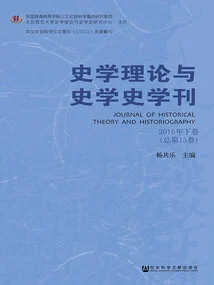
史学理论与史学史学刊(2016年下卷\u002F总第15卷)
Editor-in-chief Yang Gongle
"Journal of Historical Theory and Historiography" is a continuous disciplinary publication sponsored by the Research Center for Historical Theory and Historiography of Beijing Normal University. This volume is a study of modern Chinese historiography. Gu Jiegang, Zhou Yutong, Hou Wailu, Zhang Yinlin, Cai Shangsi, and Wang Shumin are all important historians. They are either famous for their ability to identify falsehoods or textual research, or they are good at studying the history of Confucian classics and the history of thought. The relevant papers published in this volume deepen the study of these historians. Articles on foreign history research all use basic historical materials and reference documents in multiple languages, which reflects that China's foreign history researchers have made great progress in mastering language tools.
"Journal of Historical Theory and Historiography" is a continuous disciplinary publication sponsored by the Research Center for Historical Theory and Historiography of Beijing Normal University. This volume is a study of modern Chinese historiography. Gu Jiegang, Zhou Yutong, Hou Wailu, Zhang Yinlin, Cai Shangsi, and Wang Shumin are all important historians. They are either famous for their ability to identify falsehoods or textual research, or they are good at studying the history of Confucian classics and the history of thought. The relevant papers published in this volume deepen the study of these historians. Articles on foreign history research all use basic historical materials and reference documents in multiple languages, which reflects that China's foreign history researchers have made great progress in mastering language tools.
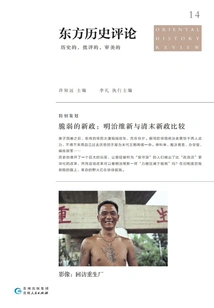
脆弱的新政:明治维新与清末新政比较(东方历史评论14)
Xu Zhiyuan
After the Gengzi national disaster, the magnificent empire building was crumbling and in danger. The imperial rulers of Yongqian were shocked by the Western force and had to resort to methods that they had hated in the past to prolong the life of the last dynasty. Suspension of imperial examinations, elimination of subordinate officials, establishment of schools, training of new armies... History seems to have played a huge joke, allowing people who were once called "conservatives" to make deeper reforms than "reformers". However, can this reform "turn the tide" like the Meiji Restoration? On the road to self-redemption of the old system, the wildfire of revolution is slowly burning.
After the Gengzi national disaster, the magnificent empire building was crumbling and in danger. The imperial rulers of Yongqian were shocked by the Western force and had to resort to methods that they had hated in the past to prolong the life of the last dynasty. Suspension of imperial examinations, elimination of subordinate officials, establishment of schools, training of new armies... History seems to have played a huge joke, allowing people who were once called "conservatives" to make deeper reforms than "reformers". However, can this reform "turn the tide" like the Meiji Restoration? On the road to self-redemption of the old system, the wildfire of revolution is slowly burning.
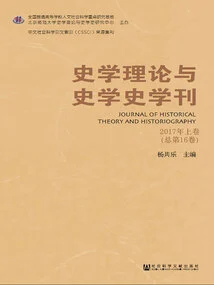
史学理论与史学史学刊(2017年上卷\u002F总第16卷)
Editor-in-chief Yang Gongle
"Journal of Historical Theory and Historiography" is a continuous disciplinary publication sponsored by the Research Center for Historical Theory and Historiography of Beijing Normal University. This volume sets up "Humanities and the Construction of World-Class Universities", "Image History Research", "Oral History Research", "Tsinghua Brief Research", "Ancient Chinese History Research", "Modern and Modern Chinese History Research", "Historical Philology", "Book Reviews" and "Conference Review". The nine columns are written by authors including Liu Jiahe, Qu Lindong, Zheng Shiqu, Chao Fulin, Chen Qitai, Yang Gongle, Gao Dai, Li Guoying, etc. The content not only highlights the current situation faced by the development of the humanities, but also reflects the new progress in historical theory and historical research.
"Journal of Historical Theory and Historiography" is a continuous disciplinary publication sponsored by the Research Center for Historical Theory and Historiography of Beijing Normal University. This volume sets up "Humanities and the Construction of World-Class Universities", "Image History Research", "Oral History Research", "Tsinghua Brief Research", "Ancient Chinese History Research", "Modern and Modern Chinese History Research", "Historical Philology", "Book Reviews" and "Conference Review". The nine columns are written by authors including Liu Jiahe, Qu Lindong, Zheng Shiqu, Chao Fulin, Chen Qitai, Yang Gongle, Gao Dai, Li Guoying, etc. The content not only highlights the current situation faced by the development of the humanities, but also reflects the new progress in historical theory and historical research.
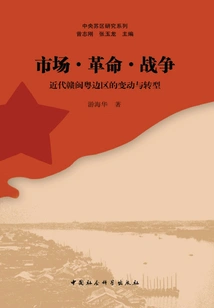
市场·革命·战争:近代赣闽粤边区的变动与转型
You Haihua
The Jiangxi-Fujian-Guangdong Border Region is located in the border area at the junction of Jiangxi, Fujian and Guangdong provinces. Here is a traditional Chinese typical rural society in hilly mountainous areas, which also experienced the impact of modern "capitalism" earlier. This was not only the center of the Soviet revolution led by the Communist Party of China in the early 1930s, but also the base camp of China's southeastern resistance war during the Anti-Japanese War.
The Jiangxi-Fujian-Guangdong Border Region is located in the border area at the junction of Jiangxi, Fujian and Guangdong provinces. Here is a traditional Chinese typical rural society in hilly mountainous areas, which also experienced the impact of modern "capitalism" earlier. This was not only the center of the Soviet revolution led by the Communist Party of China in the early 1930s, but also the base camp of China's southeastern resistance war during the Anti-Japanese War.
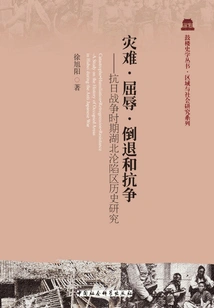
灾难·屈辱·倒退和抗争:抗日战争时期湖北沦陷区历史研究
Xu Xuyang
During the Anti-Japanese War, most of the central and eastern parts of Hubei were occupied by the Japanese army and became occupied areas. The Japanese and puppets carried out barbaric colonial aggression and enslavement rule in this area. In order to strive for national independence, the people of Hubei waged an arduous struggle against Japanese aggression. This book mainly discusses the colonial rule of the Japanese and puppets in the occupied areas of Hubei during the Anti-Japanese War. It mainly includes four aspects. First, the formation process of the occupied areas of Hubei and its regional changes were examined in detail, and the basic spatial scope of the occupied areas of Hubei during the Anti-Japanese War was clarified; second, the political rule of the Japanese and puppets in the occupied areas of Hubei was studied, including military control, puppet regime construction, deceptive propaganda, enslavement education and external relations. Policy; third, the study of the economic plunder of the Japanese and puppets in the occupied areas of Hubei was conducted, demonstrating that the Japanese aggression had a devastating blow to the modern economic development of Hubei; fourth, the study of the social life in the occupied areas of Hubei during the Anti-Japanese War revealed the miserable lives of the people in the occupied areas of Hubei under the rule of the Japanese and puppets. Therefore, this book has certain value in further promoting the research on the Anti-Japanese War and Hubei local history.
During the Anti-Japanese War, most of the central and eastern parts of Hubei were occupied by the Japanese army and became occupied areas. The Japanese and puppets carried out barbaric colonial aggression and enslavement rule in this area. In order to strive for national independence, the people of Hubei waged an arduous struggle against Japanese aggression. This book mainly discusses the colonial rule of the Japanese and puppets in the occupied areas of Hubei during the Anti-Japanese War. It mainly includes four aspects. First, the formation process of the occupied areas of Hubei and its regional changes were examined in detail, and the basic spatial scope of the occupied areas of Hubei during the Anti-Japanese War was clarified; second, the political rule of the Japanese and puppets in the occupied areas of Hubei was studied, including military control, puppet regime construction, deceptive propaganda, enslavement education and external relations. Policy; third, the study of the economic plunder of the Japanese and puppets in the occupied areas of Hubei was conducted, demonstrating that the Japanese aggression had a devastating blow to the modern economic development of Hubei; fourth, the study of the social life in the occupied areas of Hubei during the Anti-Japanese War revealed the miserable lives of the people in the occupied areas of Hubei under the rule of the Japanese and puppets. Therefore, this book has certain value in further promoting the research on the Anti-Japanese War and Hubei local history.
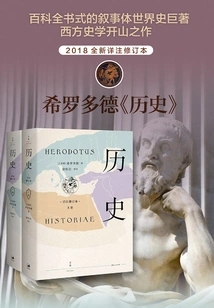
历史(2018全新详注修订本)
K
"History" is the first historical masterpiece in ancient Western times. It is mainly an "investigation and study" of the history and culture of various nations around the world at that time. Taking the relationship between Greeks and foreigners as the main line, Herodotus narrates the geographical environment, ethnic distribution, economic life, political system, historical past, customs, religious beliefs, historical sites, etc. Of Lydia, Media, Babylon, Egypt, Persia... And the Aegean region of Greece. He then focuses on describing the course of the ancient "world war" - the Persian War, starting from the beginning of the war, passing through the Battle of Marathon, the Battle of Salamis, and ending with the Battle of Plataea and the Battle of Mycale. Herodotus is a master of stories and is good at controlling various materials. His works vividly display the mutual relationships and life scenes of many countries, regions and peoples in ancient times, and preserve a large amount of precious information on history, geography, anthropology... As well as geology, biology and other aspects. They are like a "general chronicle" and "encyclopedia" about the ancient world.
"History" is the first historical masterpiece in ancient Western times. It is mainly an "investigation and study" of the history and culture of various nations around the world at that time. Taking the relationship between Greeks and foreigners as the main line, Herodotus narrates the geographical environment, ethnic distribution, economic life, political system, historical past, customs, religious beliefs, historical sites, etc. Of Lydia, Media, Babylon, Egypt, Persia... And the Aegean region of Greece. He then focuses on describing the course of the ancient "world war" - the Persian War, starting from the beginning of the war, passing through the Battle of Marathon, the Battle of Salamis, and ending with the Battle of Plataea and the Battle of Mycale. Herodotus is a master of stories and is good at controlling various materials. His works vividly display the mutual relationships and life scenes of many countries, regions and peoples in ancient times, and preserve a large amount of precious information on history, geography, anthropology... As well as geology, biology and other aspects. They are like a "general chronicle" and "encyclopedia" about the ancient world.
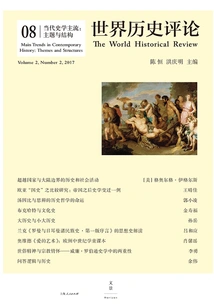
Mainstream of Contemporary Historiography: Themes and Structures (world History Review, No. 8)
History当代史学主流:主题与结构(《世界历史评论》第8辑)
Editor-in-chief Chen Heng Hong Qingming
"World History Review" takes world history as its research scope, is based on the international and domestic historical circles, tracks the general development trend of world history research, sorts out the academic research context, comprehensively displays new developments, new research, and new materials in history, and is an academic high-quality reading for domestic history learners and researchers, striving to provide a good display and development platform for the domestic historical circles. "Mainstream of Contemporary Historiography: Themes and Structure" is the 8th volume of "World History Review". It selects important world historical events, studies and explains a specific group, person, system, etc. In these major events, and makes horizontal comparisons to explain the relationship between world changes and historical research from different perspectives. This volume contains many excellent articles by Wang Qingjia, Jin Shoufu, Lu Heying and other famous writers, with rich and diverse perspectives.
"World History Review" takes world history as its research scope, is based on the international and domestic historical circles, tracks the general development trend of world history research, sorts out the academic research context, comprehensively displays new developments, new research, and new materials in history, and is an academic high-quality reading for domestic history learners and researchers, striving to provide a good display and development platform for the domestic historical circles. "Mainstream of Contemporary Historiography: Themes and Structure" is the 8th volume of "World History Review". It selects important world historical events, studies and explains a specific group, person, system, etc. In these major events, and makes horizontal comparisons to explain the relationship between world changes and historical research from different perspectives. This volume contains many excellent articles by Wang Qingjia, Jin Shoufu, Lu Heying and other famous writers, with rich and diverse perspectives.
理论与史学(第1辑)
Research Office Of Marxist Historiography Theory And Historiography, Institute Of History, Chinese Academy Of Social Sciences
This book adheres to Marxist historical materialism, seeks truth from facts, integrates theory with practice, and implements the policy of "letting a hundred flowers bloom and a hundred schools of thought contend". It pays attention to historical theory, focuses on major academic issues in Chinese history, and advocates academic debate in order to prosper and promote the healthy development of historical science. This book mainly publishes representative academic papers in the fields of historical theory, Chinese historical research, and historical philology. The main columns (content) are as follows: (1) Historical theory. Including Marxist historical theory and academic papers on historical theory. (2) History of Chinese historiography. Including the establishment and development of traditional Chinese historiography and modern Chinese historiography, as well as the study of the emergence and development of Chinese Marxist historiography. (3) Historical philological research. (4) Research topics on ancient Chinese history. (5) Historical commentary. Debate on academic issues under the guidance of Marxist historical theory, as well as discussions on relevant cutting-edge issues in the field of Chinese history.
This book adheres to Marxist historical materialism, seeks truth from facts, integrates theory with practice, and implements the policy of "letting a hundred flowers bloom and a hundred schools of thought contend". It pays attention to historical theory, focuses on major academic issues in Chinese history, and advocates academic debate in order to prosper and promote the healthy development of historical science. This book mainly publishes representative academic papers in the fields of historical theory, Chinese historical research, and historical philology. The main columns (content) are as follows: (1) Historical theory. Including Marxist historical theory and academic papers on historical theory. (2) History of Chinese historiography. Including the establishment and development of traditional Chinese historiography and modern Chinese historiography, as well as the study of the emergence and development of Chinese Marxist historiography. (3) Historical philological research. (4) Research topics on ancient Chinese history. (5) Historical commentary. Debate on academic issues under the guidance of Marxist historical theory, as well as discussions on relevant cutting-edge issues in the field of Chinese history.
唯一的历史科学:马克思学说的自我规定
Shen Xiangping
The relationship between reason and history is an ancient philosophical issue. From the investigation of the history of human understanding of reason and the history of human activities, we can see that their relationship is neither simply reason obeying history, nor simply history obeying reason, but a two-way process of the continuous historicization of "rationality" and the continuous rationalization of history. The former is the history of logic, and the latter is the logic of history. Logic and history are unified in human practical activities. The answers to the problems that arise in the process of historical rationalization rely on the practical transformation of the concept of "rationality," that is, the thorough historicization of "rationality."
The relationship between reason and history is an ancient philosophical issue. From the investigation of the history of human understanding of reason and the history of human activities, we can see that their relationship is neither simply reason obeying history, nor simply history obeying reason, but a two-way process of the continuous historicization of "rationality" and the continuous rationalization of history. The former is the history of logic, and the latter is the logic of history. Logic and history are unified in human practical activities. The answers to the problems that arise in the process of historical rationalization rely on the practical transformation of the concept of "rationality," that is, the thorough historicization of "rationality."
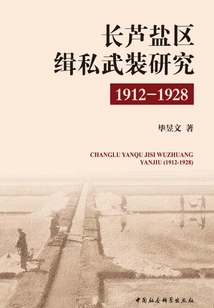
长芦盐区缉私武装研究(1912—1928)
Bi Yuwen
Changlu private salt has a long history and various types. In order to curb illegal salt production, the Beiyang government used legal, administrative, force and other means. Among them, the measure that has invested the most financial resources is to expand the number of Changlu anti-smuggling measures and mistakenly transfer them to anti-smuggling measures. This book first explores the reasons for the establishment of the Changlu Anti-Private Company, and then explains its organizational changes, personnel management system, and development of the leadership and command system. It also analyzes and explains its logistics support system such as funds, salaries, and military supplies, daily anti-government activities, and military ethics and discipline. From the perspective of the organization's internal management, the book analyzes the reasons for its anti-smuggling resistance - the contemporary limitations of the anti-smuggling system and management, coupled with the combined effects of institutional sinuses and social imbalances in the salt industry.
Changlu private salt has a long history and various types. In order to curb illegal salt production, the Beiyang government used legal, administrative, force and other means. Among them, the measure that has invested the most financial resources is to expand the number of Changlu anti-smuggling measures and mistakenly transfer them to anti-smuggling measures. This book first explores the reasons for the establishment of the Changlu Anti-Private Company, and then explains its organizational changes, personnel management system, and development of the leadership and command system. It also analyzes and explains its logistics support system such as funds, salaries, and military supplies, daily anti-government activities, and military ethics and discipline. From the perspective of the organization's internal management, the book analyzes the reasons for its anti-smuggling resistance - the contemporary limitations of the anti-smuggling system and management, coupled with the combined effects of institutional sinuses and social imbalances in the salt industry.
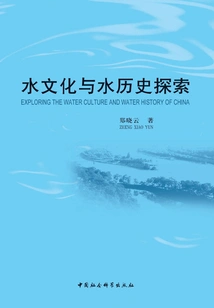
水文化与水历史探索
Zheng Xiaoyun
This book is a collection of the author's research on China's water history and culture published at home and abroad in recent years. The content includes the discussion of water history and water culture theory, water governance issues in ancient Chinese cities, water environment governance issues in border areas, and research on minority water culture issues. Some of the articles have been published in internationally renowned academic journals. This book has novel concepts, extensive content, strong academic rationality, and an international perspective. Some of the fields it covers are cutting-edge at home and abroad. It is the latest achievement in studying China's water issues and international exchanges from a humanistic perspective. Two contemporary internationally recognized water science experts personally wrote the preface to this book.
This book is a collection of the author's research on China's water history and culture published at home and abroad in recent years. The content includes the discussion of water history and water culture theory, water governance issues in ancient Chinese cities, water environment governance issues in border areas, and research on minority water culture issues. Some of the articles have been published in internationally renowned academic journals. This book has novel concepts, extensive content, strong academic rationality, and an international perspective. Some of the fields it covers are cutting-edge at home and abroad. It is the latest achievement in studying China's water issues and international exchanges from a humanistic perspective. Two contemporary internationally recognized water science experts personally wrote the preface to this book.
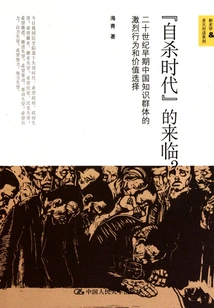
“自杀时代”的来临?:二十世纪早期中国知识群体的激烈行为和价值选择
Haiqing
Under modern rational considerations, "death" has no priority value over "life". Suicide can only be a "short-sightedness". However, people in history have faced a situation where "death" is easy and "suicide" is difficult. Life and death become a topic, often appearing in times of chaos or revolution. This book explores the discussions among intellectual groups from the late Qing Dynasty to the May Fourth era on contemporary issues such as assassination, suicide, and suicidal tendencies, as well as the opinions and imaginations formed on basic life issues such as life and death, self, love, and ethics. The discussion of the problem revolves around violent actions, death events and material cases, trying to trace the era information related to events, public opinions and people's thoughts, and observe the generation and dissolution process of self-worth in the process of China's modern revolution. This is also an explanation of the spiritual form and path choice of modern intellectuals.
Under modern rational considerations, "death" has no priority value over "life". Suicide can only be a "short-sightedness". However, people in history have faced a situation where "death" is easy and "suicide" is difficult. Life and death become a topic, often appearing in times of chaos or revolution. This book explores the discussions among intellectual groups from the late Qing Dynasty to the May Fourth era on contemporary issues such as assassination, suicide, and suicidal tendencies, as well as the opinions and imaginations formed on basic life issues such as life and death, self, love, and ethics. The discussion of the problem revolves around violent actions, death events and material cases, trying to trace the era information related to events, public opinions and people's thoughts, and observe the generation and dissolution process of self-worth in the process of China's modern revolution. This is also an explanation of the spiritual form and path choice of modern intellectuals.
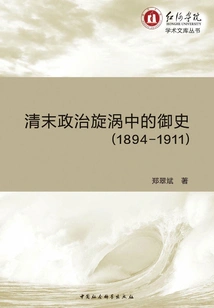
清末政治漩涡中的御史:1894~1911
Zheng Cuibin
The late Qing Dynasty was facing political difficulties both internally and externally, and the imperial court repeatedly issued edicts and vowed to cheer up. The censor was in a position to speak out, either correcting lawlessness or admonishing for reform. Regardless of moral condemnation or safety precautions, public opinion was temporarily suppressed by it. This book uses basic historical methods and a political perspective to reveal the situation in which the censor's discussion activities crowded the government's decision-making space in the late Qing Dynasty. It may also be a useful supplement to the political history of the late Qing Dynasty.
The late Qing Dynasty was facing political difficulties both internally and externally, and the imperial court repeatedly issued edicts and vowed to cheer up. The censor was in a position to speak out, either correcting lawlessness or admonishing for reform. Regardless of moral condemnation or safety precautions, public opinion was temporarily suppressed by it. This book uses basic historical methods and a political perspective to reveal the situation in which the censor's discussion activities crowded the government's decision-making space in the late Qing Dynasty. It may also be a useful supplement to the political history of the late Qing Dynasty.
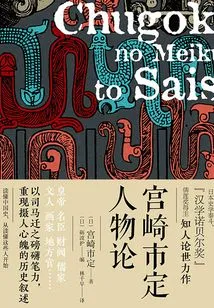
宫崎市定人物论
I
Ichisada Miyazaki has devoted his life to the research and teaching of Chinese history. He has made original ideas in many fields and is considered to represent the highest level of post-war Chinese history research in Japan. This manuscript is a collection of character studies during his career in studying Chinese history. It includes the characters he has focused on during his long research career. It includes four chapters and more than ten characters, covering various eras and classes. The story is interspersed with unique historical perspectives, allowing ordinary readers to have a smooth reading experience.
Ichisada Miyazaki has devoted his life to the research and teaching of Chinese history. He has made original ideas in many fields and is considered to represent the highest level of post-war Chinese history research in Japan. This manuscript is a collection of character studies during his career in studying Chinese history. It includes the characters he has focused on during his long research career. It includes four chapters and more than ten characters, covering various eras and classes. The story is interspersed with unique historical perspectives, allowing ordinary readers to have a smooth reading experience.
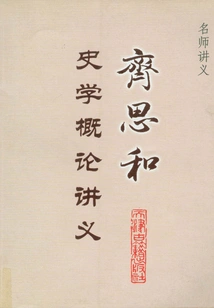
齐思和史学概论讲义(名师讲义)
Qi Sihe
Mr. Qi Sihe has a profound foundation in historical attainments and is knowledgeable in both Chinese and Western history. He has created a new system of introductory history courses that integrates Chinese and foreign history, so that students can learn Chinese and foreign history from the beginning of their enrollment. This book includes two parts: an introduction to history and a book on historical geography.
Mr. Qi Sihe has a profound foundation in historical attainments and is knowledgeable in both Chinese and Western history. He has created a new system of introductory history courses that integrates Chinese and foreign history, so that students can learn Chinese and foreign history from the beginning of their enrollment. This book includes two parts: an introduction to history and a book on historical geography.
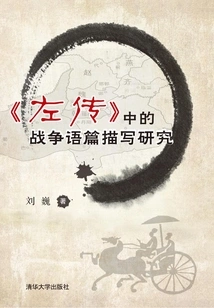
《左传》中的战争语篇描写研究
Liu Wei
This book selects "Zuo Zhuan", a pre-Qin classic, for a closed investigation, focusing on analyzing the war discourse in "Zuo Zhuan", in order to gain a glimpse of the structure of ancient Chinese discourse and provide a new way of exploration for the study of Pre-Qin language documents. The book is divided into 8 chapters. Chapter 1 is the introduction, which introduces the origin of the topic, research ideas, research purpose and significance, etc. Chapter 2 is a research overview, sorting out the current research status of discourse linguistics at home and abroad, and summarizing and analyzing the research results of "Zuo Zhuan" in rhetoric, narrative, vocabulary, and grammar in recent years. Chapter 3: The definition and classification of narrative war discourses in "Zuo Zhuan", identifying 520 narrative war discourses, and dividing the discourses into three categories according to the narrative characteristics of the discourses. Chapter 4 analyzes the narrative discourse structure of "Zuo Zhuan" and summarizes the underlying structure of 168 pure events, 175 simple events, and 177 complex events, and then summarizes the commonly used structural schemas of the discourse. Chapter 5: Expression of event elements. Chapter 6: Expression of Comments. Chapter 7, the generation mechanism of narrative discourse, mainly discusses the three elements of mechanism generation from the perspective of cognitive psychology: subject, environment, and discourse form. Chapter 8 Conclusion. This book pays attention to the originality and localization of research, and hopes to bring new inspiration to the research of discourse linguistics. Studying the discourse construction model of Pre-Qin literature can also promote the integrated development of linguistics, narratology, history, literature and other disciplines.
This book selects "Zuo Zhuan", a pre-Qin classic, for a closed investigation, focusing on analyzing the war discourse in "Zuo Zhuan", in order to gain a glimpse of the structure of ancient Chinese discourse and provide a new way of exploration for the study of Pre-Qin language documents. The book is divided into 8 chapters. Chapter 1 is the introduction, which introduces the origin of the topic, research ideas, research purpose and significance, etc. Chapter 2 is a research overview, sorting out the current research status of discourse linguistics at home and abroad, and summarizing and analyzing the research results of "Zuo Zhuan" in rhetoric, narrative, vocabulary, and grammar in recent years. Chapter 3: The definition and classification of narrative war discourses in "Zuo Zhuan", identifying 520 narrative war discourses, and dividing the discourses into three categories according to the narrative characteristics of the discourses. Chapter 4 analyzes the narrative discourse structure of "Zuo Zhuan" and summarizes the underlying structure of 168 pure events, 175 simple events, and 177 complex events, and then summarizes the commonly used structural schemas of the discourse. Chapter 5: Expression of event elements. Chapter 6: Expression of Comments. Chapter 7, the generation mechanism of narrative discourse, mainly discusses the three elements of mechanism generation from the perspective of cognitive psychology: subject, environment, and discourse form. Chapter 8 Conclusion. This book pays attention to the originality and localization of research, and hopes to bring new inspiration to the research of discourse linguistics. Studying the discourse construction model of Pre-Qin literature can also promote the integrated development of linguistics, narratology, history, literature and other disciplines.
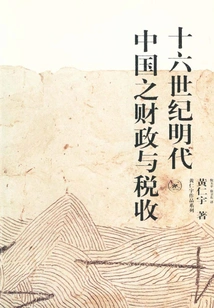
十六世纪明代中国之财政与税收(精装版)
Huang Renyu
The English version of this book was first published in 1974 and is one of Mr. Huang Renyu's representative works. Based on historical materials such as "Records of the Ming Dynasty", "Memories of the Ming Dynasty", "Local Chronicles of the Ming Dynasty" and other historical materials, and fully absorbing the research results of mainland China, Taiwan, Europe, the United States, and Japan, Mr. Huang Renyu conducted a detailed analysis of the finance and taxation of the Ming Dynasty in China in the 16th century, and put forward many valuable viewpoints.
The English version of this book was first published in 1974 and is one of Mr. Huang Renyu's representative works. Based on historical materials such as "Records of the Ming Dynasty", "Memories of the Ming Dynasty", "Local Chronicles of the Ming Dynasty" and other historical materials, and fully absorbing the research results of mainland China, Taiwan, Europe, the United States, and Japan, Mr. Huang Renyu conducted a detailed analysis of the finance and taxation of the Ming Dynasty in China in the 16th century, and put forward many valuable viewpoints.
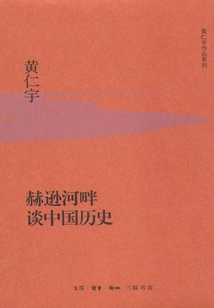
赫逊河畔谈中国历史(精装版)
Huang Renyu
This book is a collection of essays about the history of China from the pre-Qin Dynasty to the late Yuan Dynasty. It lists dozens of important figures in the approximately 2,000-year history from the Spring and Autumn Period and the Warring States Period to the retreat of Emperor Shun of the Yuan Dynasty to the north, and provides a detailed analysis of the cause and effect of China's historical process. Focusing on characters, we explore the characteristics of Chinese history and culture through their people, their events and their actions at key points in history, and analyze them from today's standpoint. The focus is on using the "big historical perspective" to discuss Chinese history and commending the fact that Chinese history has its own characteristics and has been coherent through various dynasties and politically divided stages. Although each chapter is roughly based on the genre of biography, the influence of the narrative far exceeds the personal experience of the people at that time.
This book is a collection of essays about the history of China from the pre-Qin Dynasty to the late Yuan Dynasty. It lists dozens of important figures in the approximately 2,000-year history from the Spring and Autumn Period and the Warring States Period to the retreat of Emperor Shun of the Yuan Dynasty to the north, and provides a detailed analysis of the cause and effect of China's historical process. Focusing on characters, we explore the characteristics of Chinese history and culture through their people, their events and their actions at key points in history, and analyze them from today's standpoint. The focus is on using the "big historical perspective" to discuss Chinese history and commending the fact that Chinese history has its own characteristics and has been coherent through various dynasties and politically divided stages. Although each chapter is roughly based on the genre of biography, the influence of the narrative far exceeds the personal experience of the people at that time.
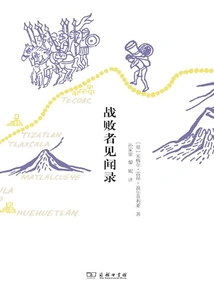
Chronicles of the Vanquished
History战败者见闻录
(mexico) Miguel Leon-portilla
This book is a joint translation of two heavyweight works by the famous Mexican historian Miguel León-Portilla: "Episodes of the Defeated" and "The Witness of the Defeated." "Episodes of the Defeated" was published in 1959. It records the Spanish conquest of the Aztecs in Mexico from the perspective of the Indians. The author extracted typical examples from a large number of Indian writings (including manuscripts written by ancient Indians with pictorial characters) and oral histories to write this book, and noted the sources of the data, which has a very high historical value.
This book is a joint translation of two heavyweight works by the famous Mexican historian Miguel León-Portilla: "Episodes of the Defeated" and "The Witness of the Defeated." "Episodes of the Defeated" was published in 1959. It records the Spanish conquest of the Aztecs in Mexico from the perspective of the Indians. The author extracted typical examples from a large number of Indian writings (including manuscripts written by ancient Indians with pictorial characters) and oral histories to write this book, and noted the sources of the data, which has a very high historical value.
Angel of History
History历史的天使
(french) Stefan Moses
The different moments in history: crises, interruptions and ruptures are more meaningful than superficial homogeneity; light and heavy essays; for three thinkers, Franz Rosenzweig, Walter Benjamin and Gersho Scholem, the problem was a fierce criticism of historical rationality and its axioms, namely the concept of continuity, causality and progress.
The different moments in history: crises, interruptions and ruptures are more meaningful than superficial homogeneity; light and heavy essays; for three thinkers, Franz Rosenzweig, Walter Benjamin and Gersho Scholem, the problem was a fierce criticism of historical rationality and its axioms, namely the concept of continuity, causality and progress.
“小人”的轨迹:“阉党”与晚明政治
Yang Zhengwei
Among the twenty-four official histories of ancient China, only the "History of the Ming Dynasty" lists the "Biography of the Eunuchs". The biography is mainly about the party members of Wei Zhongxian, the eunuch of the Apocalypse. However, only the most notorious ones are listed, and the content is too simple, not enough to get a full picture of the eunuchs, and it will inevitably affect the overall understanding of the party struggle in the late Ming Dynasty. This book mainly discusses the definition and personnel composition of the Eunuch Party of Wei Zhongxian, the reasons and process of the formation of the Eunuch Party, the main activities of the Eunuch Party in various periods such as Wanli, Taichang, Tianqi, Chongzhen, Hongguang, and the early Qing Dynasty, as well as the activities of some descendants of the Eunuch Party, the formation of "History of the Ming Dynasty·Eunuch Party Biography" and other issues. It strives to make up for this shortcoming of the "History of the Ming Dynasty" and enrich and deepen the understanding of the Eunuch Party and the party struggles in the late Ming Dynasty.
Among the twenty-four official histories of ancient China, only the "History of the Ming Dynasty" lists the "Biography of the Eunuchs". The biography is mainly about the party members of Wei Zhongxian, the eunuch of the Apocalypse. However, only the most notorious ones are listed, and the content is too simple, not enough to get a full picture of the eunuchs, and it will inevitably affect the overall understanding of the party struggle in the late Ming Dynasty. This book mainly discusses the definition and personnel composition of the Eunuch Party of Wei Zhongxian, the reasons and process of the formation of the Eunuch Party, the main activities of the Eunuch Party in various periods such as Wanli, Taichang, Tianqi, Chongzhen, Hongguang, and the early Qing Dynasty, as well as the activities of some descendants of the Eunuch Party, the formation of "History of the Ming Dynasty·Eunuch Party Biography" and other issues. It strives to make up for this shortcoming of the "History of the Ming Dynasty" and enrich and deepen the understanding of the Eunuch Party and the party struggles in the late Ming Dynasty.
社会转型与历史教学
Dai Shifeng
The "social transition period" often induces changes or revolutions in many aspects of social politics, economy, and culture, and is the key to our understanding and grasp of history. The "social transition period" is not only a hot issue in the history of the college entrance examination, but also a difficult issue in preparation for the exam. This book selects 10 important "social transformation periods" in Chinese and foreign history, including the Spring and Autumn Period and the Warring States Period, the Ming and Qing Dynasties, the Opium War, the start of political democratization, the transition to socialism, the new socialism, and the rise of capitalism, and interprets them from the aspects of historical overview, conceptual analysis, teaching strategies, expert forums, and extended reading.
The "social transition period" often induces changes or revolutions in many aspects of social politics, economy, and culture, and is the key to our understanding and grasp of history. The "social transition period" is not only a hot issue in the history of the college entrance examination, but also a difficult issue in preparation for the exam. This book selects 10 important "social transformation periods" in Chinese and foreign history, including the Spring and Autumn Period and the Warring States Period, the Ming and Qing Dynasties, the Opium War, the start of political democratization, the transition to socialism, the new socialism, and the rise of capitalism, and interprets them from the aspects of historical overview, conceptual analysis, teaching strategies, expert forums, and extended reading.
用年表读懂世界历史(手绘插图版)
Li Guangxin
"Understanding World History with Chronology" integrates the historical views of Gibbon, Spengler, Toynbee, Stavrianos and others, adopts the epistemology and methodology of the internationally popular new history, and draws on the biographical and chronological methods of traditional Chinese historiography to form a unique and concise global history. This book is positioned as a historical reference book suitable for students and the general public. It abandons obscurity and difficulty and strives to be easy to understand. It is a rare introductory historical book. The chronology is read in parallel with historical events, and the exquisite hand-drawn illustrations are convenient for querying. The combination of pictures and text makes it easy to read and remember. This book uses hand-drawn illustrations to replace the ubiquitous historical pictures, avoiding the strange phenomenon of similar illustrations common in historical books, and bringing readers a new high-quality reading experience. The hand-drawn illustrations maintain the unity of style throughout the book, and are no longer a messy patchwork of various types of pictures from different periods. The layout design of the book is more exquisite, the combination of pictures and text is more accurate, and readers will naturally have a deeper understanding of history.
"Understanding World History with Chronology" integrates the historical views of Gibbon, Spengler, Toynbee, Stavrianos and others, adopts the epistemology and methodology of the internationally popular new history, and draws on the biographical and chronological methods of traditional Chinese historiography to form a unique and concise global history. This book is positioned as a historical reference book suitable for students and the general public. It abandons obscurity and difficulty and strives to be easy to understand. It is a rare introductory historical book. The chronology is read in parallel with historical events, and the exquisite hand-drawn illustrations are convenient for querying. The combination of pictures and text makes it easy to read and remember. This book uses hand-drawn illustrations to replace the ubiquitous historical pictures, avoiding the strange phenomenon of similar illustrations common in historical books, and bringing readers a new high-quality reading experience. The hand-drawn illustrations maintain the unity of style throughout the book, and are no longer a messy patchwork of various types of pictures from different periods. The layout design of the book is more exquisite, the combination of pictures and text is more accurate, and readers will naturally have a deeper understanding of history.
黄土地上的历史年轮
Zhu Shiguang Wang Lixin Duan Youcheng
"Historical Rings on the Loess Earth - An Exploration of Ancient Qingyang Civilization" is divided into eight chapters and more than 400,000 words. The authors Zhu Shiguang, Wang Lixin, and Duan Youcheng started from their own perspectives, concepts, and knowledge, starting from the beginning of human activities in Qingyang, and comprehensively explored the development process of Qingyang ancient civilization and its intrinsic connection with ancient Chinese civilization from the aspects of economy, military, historical and cultural sites, religious beliefs, cultural heritage, folk customs, etc., And examined the personality and characteristics of the development of Qingyang civilization.
"Historical Rings on the Loess Earth - An Exploration of Ancient Qingyang Civilization" is divided into eight chapters and more than 400,000 words. The authors Zhu Shiguang, Wang Lixin, and Duan Youcheng started from their own perspectives, concepts, and knowledge, starting from the beginning of human activities in Qingyang, and comprehensively explored the development process of Qingyang ancient civilization and its intrinsic connection with ancient Chinese civilization from the aspects of economy, military, historical and cultural sites, religious beliefs, cultural heritage, folk customs, etc., And examined the personality and characteristics of the development of Qingyang civilization.
南京大屠杀研究:历史与言说(全2册)
Zhang Lianhong Sun Zhaiwei
This book is the latest research result that uses new materials, unique perspectives and international perspectives to study the frontier hot spots of the Nanjing Massacre. This book breaks through the confrontational thinking of previous academic studies on the Nanjing Massacre. It uses new materials and empirical evidence to focus on cutting-edge academic topics such as war, society, and memory. From the perspective of the history of human civilization, this book dissects and reveals the differences in discourse between the occurrence and aftermath of the Nanjing Massacre atrocities. This book is a landmark achievement in the field of Chinese academic research on the Nanjing Massacre. Its publication will further enhance the influence of international dialogue among Chinese academic circles and promote further in-depth research on the history of the Nanjing Massacre. The book is divided into four parts: historical truth and research, historical narrative and expression, post-war investigation and trial, and national understanding and memory, focusing on the cutting-edge research topics of the Nanjing Massacre. The first part mainly discusses the reality of the war between the Chinese and Japanese armies during the Nanjing War and the humanitarian relief of charitable organizations and institutions, revealing the corruption of Japanese military discipline, the tenacity of the Chinese army and the glory of charitable organizations. The second part focuses on observing the narrative and expression of history from the perspective and standpoint of wartime media propaganda. The third part traces the legal trajectory of the Nanjing Massacre case through the study of the postwar social investigation and court trials of the Nanjing Massacre. The fourth part outlines the understanding and memory of the Nanjing Massacre by the people of China and Japan after the war from different angles, warning the world to be highly aware of the lasting impact of war trauma on human society. The authors of the book are authoritative experts and cutting-edge scholars at home and abroad on the Nanjing Massacre.
This book is the latest research result that uses new materials, unique perspectives and international perspectives to study the frontier hot spots of the Nanjing Massacre. This book breaks through the confrontational thinking of previous academic studies on the Nanjing Massacre. It uses new materials and empirical evidence to focus on cutting-edge academic topics such as war, society, and memory. From the perspective of the history of human civilization, this book dissects and reveals the differences in discourse between the occurrence and aftermath of the Nanjing Massacre atrocities. This book is a landmark achievement in the field of Chinese academic research on the Nanjing Massacre. Its publication will further enhance the influence of international dialogue among Chinese academic circles and promote further in-depth research on the history of the Nanjing Massacre. The book is divided into four parts: historical truth and research, historical narrative and expression, post-war investigation and trial, and national understanding and memory, focusing on the cutting-edge research topics of the Nanjing Massacre. The first part mainly discusses the reality of the war between the Chinese and Japanese armies during the Nanjing War and the humanitarian relief of charitable organizations and institutions, revealing the corruption of Japanese military discipline, the tenacity of the Chinese army and the glory of charitable organizations. The second part focuses on observing the narrative and expression of history from the perspective and standpoint of wartime media propaganda. The third part traces the legal trajectory of the Nanjing Massacre case through the study of the postwar social investigation and court trials of the Nanjing Massacre. The fourth part outlines the understanding and memory of the Nanjing Massacre by the people of China and Japan after the war from different angles, warning the world to be highly aware of the lasting impact of war trauma on human society. The authors of the book are authoritative experts and cutting-edge scholars at home and abroad on the Nanjing Massacre.
北大历史课
Compiled By Cheng Menlixue
"Peking University History Class" brings together many incisive discussions and views on history from Peking University people and students. It takes my country's 5,000-year historical process as the main line and follows the order of dynasty changes. It introduces important figures, institutional evolution and social changes in various periods of Chinese history from the legend of Yan and Huang to the fall of the Qing Dynasty, so that readers can have a concise and comprehensive understanding of Chinese civilization. "Peking University History Class" is suitable for readers who are interested in Chinese history and want to understand more perspectives from historians.
"Peking University History Class" brings together many incisive discussions and views on history from Peking University people and students. It takes my country's 5,000-year historical process as the main line and follows the order of dynasty changes. It introduces important figures, institutional evolution and social changes in various periods of Chinese history from the legend of Yan and Huang to the fall of the Qing Dynasty, so that readers can have a concise and comprehensive understanding of Chinese civilization. "Peking University History Class" is suitable for readers who are interested in Chinese history and want to understand more perspectives from historians.
马克思《历史学笔记》与19世纪(海国图志)
Lin Guorong
The direct combination of knowledge and power was the zeitgeist developed in the 19th century. In Europe in the mid-to-late 19th century, the basic consciousness of the mainstream historical tradition all revealed some kind of progress theory appeal. However, Marx's "Historical Notes" denied any universal intention and only highlighted the violent collision of accidental events in time and space, becoming a clear counter-trend. The author of this book takes the major epistemological and methodological changes in the European historical tradition in the mid-to-late 19th century as the axis to explore the spirit of the times and the political-historical-economic background from which Marx's "Historical Notes" originated. By comparing and contrasting the worldview and historical research methods of different trends at that time, "Historical Notes" was positioned in the European historiographic tradition in the mid-to-late 19th century.
The direct combination of knowledge and power was the zeitgeist developed in the 19th century. In Europe in the mid-to-late 19th century, the basic consciousness of the mainstream historical tradition all revealed some kind of progress theory appeal. However, Marx's "Historical Notes" denied any universal intention and only highlighted the violent collision of accidental events in time and space, becoming a clear counter-trend. The author of this book takes the major epistemological and methodological changes in the European historical tradition in the mid-to-late 19th century as the axis to explore the spirit of the times and the political-historical-economic background from which Marx's "Historical Notes" originated. By comparing and contrasting the worldview and historical research methods of different trends at that time, "Historical Notes" was positioned in the European historiographic tradition in the mid-to-late 19th century.