Library
Browse and search books
2,472 novels found
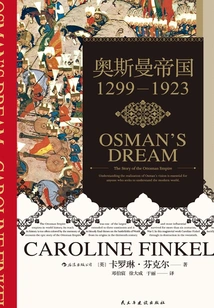
Ottoman Empire: 1299-1923
History奥斯曼帝国:1299-1923
(uk) Caroline Finkel
At its peak in the 16th century, the Ottoman Empire was an empire spanning three continents: Europe, Asia, and Africa. Its every move has a profound impact on the Eurasian continent. However, it gradually declined and became the "sick man of Europe" that was oppressed and exploited by Europe, and finally collapsed after the First World War. This book mainly tells the long history of the Ottoman Turkish Empire from the founding of the country at the end of the 13th century to the great speech of Mustafa Kemal, the father of Turkey, in 1927. It describes the historical development of the Ottoman Empire in 16 chapters. This book is vivid in style and informative in content. It is the first general history of the Ottomans in the English-speaking world that uses a large number of original Ottoman Turkish materials. Different from past works by Western scholars, it attempts to narrate this six-century history from a more neutral perspective. It is very popular in Turkey and has been highly recommended by Nobel Prize winner Orhan Pamuk.
At its peak in the 16th century, the Ottoman Empire was an empire spanning three continents: Europe, Asia, and Africa. Its every move has a profound impact on the Eurasian continent. However, it gradually declined and became the "sick man of Europe" that was oppressed and exploited by Europe, and finally collapsed after the First World War. This book mainly tells the long history of the Ottoman Turkish Empire from the founding of the country at the end of the 13th century to the great speech of Mustafa Kemal, the father of Turkey, in 1927. It describes the historical development of the Ottoman Empire in 16 chapters. This book is vivid in style and informative in content. It is the first general history of the Ottomans in the English-speaking world that uses a large number of original Ottoman Turkish materials. Different from past works by Western scholars, it attempts to narrate this six-century history from a more neutral perspective. It is very popular in Turkey and has been highly recommended by Nobel Prize winner Orhan Pamuk.
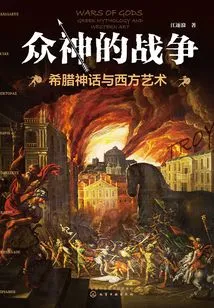
众神的战争:希腊神话与西方艺术
Jiang Zhulang
This book introduces the whole story of the Trojan War in detail. The Goddess of Discord made a scene at a wedding banquet in the divine world, triggering the Golden Apple Trial. Prince Paris, the Trojan prince, took away Queen Helen of Sparta, triggering a war between the Greek coalition and Troy. Because the Trojan city was strong and easy to defend but difficult to attack, the Greek coalition forces and the Trojan warriors faced off for 10 years. Major generals from both sides, including Achilles and Hector, died in battle. The gods intervened in the war many times, and even triggered a melee between humans and gods. Finally, Odysseus in the Greek coalition offered the Trojan horse trick, and the Trojans fell into the trap. The Greek coalition forces cooperated inside and outside to defeat Troy.
This book introduces the whole story of the Trojan War in detail. The Goddess of Discord made a scene at a wedding banquet in the divine world, triggering the Golden Apple Trial. Prince Paris, the Trojan prince, took away Queen Helen of Sparta, triggering a war between the Greek coalition and Troy. Because the Trojan city was strong and easy to defend but difficult to attack, the Greek coalition forces and the Trojan warriors faced off for 10 years. Major generals from both sides, including Achilles and Hector, died in battle. The gods intervened in the war many times, and even triggered a melee between humans and gods. Finally, Odysseus in the Greek coalition offered the Trojan horse trick, and the Trojans fell into the trap. The Greek coalition forces cooperated inside and outside to defeat Troy.
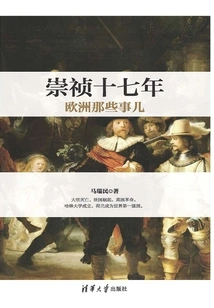
崇祯十七年欧洲那些事儿
Ma Ruimin
Seventeenth century, forties. Ten years in the thousands of years of human history. It has been a decade of great changes in the world, Europe, and China. A decade that shaped the world today. The content of this book centers on the seventeenth year of Chongzhen (1644) and extends forward and backward, telling the rise and fall of European countries during the same period. Let us read about these people and things in Europe with ease and humor.
Seventeenth century, forties. Ten years in the thousands of years of human history. It has been a decade of great changes in the world, Europe, and China. A decade that shaped the world today. The content of this book centers on the seventeenth year of Chongzhen (1644) and extends forward and backward, telling the rise and fall of European countries during the same period. Let us read about these people and things in Europe with ease and humor.
P
HistoryP
H
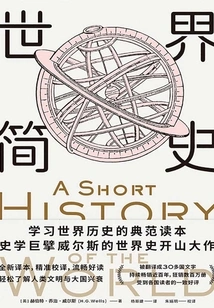
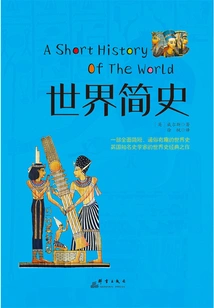
"A Brief History of the World" is a unique history of the world written by the British historian Herbert George Wells. With an extremely broad vision and a brisk and concise style, it sorts out the history of mankind since the origin of biology. The content of this book traces back to the beginning of human civilization, the origin of life, and the evolution of species, to the end of World War I and the reconstruction of world politics and economy. The book has unique descriptions of ancient Egypt, ancient Greece and Rome, the European Renaissance, the Reformation, the British Industrial Revolution, the American War of Independence, the French Revolution, etc.; It also touches on Eastern culture, including Confucianism and Taoism.
"A Brief History of the World" is a unique history of the world written by the British historian Herbert George Wells. With an extremely broad vision and a brisk and concise style, it sorts out the history of mankind since the origin of biology. The content of this book traces back to the beginning of human civilization, the origin of life, and the evolution of species, to the end of World War I and the reconstruction of world politics and economy. The book has unique descriptions of ancient Egypt, ancient Greece and Rome, the European Renaissance, the Reformation, the British Industrial Revolution, the American War of Independence, the French Revolution, etc.; It also touches on Eastern culture, including Confucianism and Taoism.
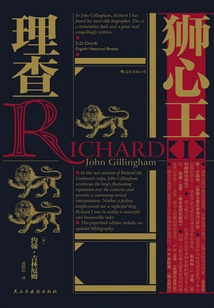
Richard the Lionheart
History狮心王理查
(uk) John Gillingham
Unique and unparalleled among the kings of England, Richard I played an active and leading role in many great achievements in world history. No monarch had ever faced the formidable challenges he faced in the Third Crusade. For centuries, Richard was regarded as one of the greatest kings for his crusading exploits. However, historians in modern times have begun to criticize Richard harshly, believing that he neglected to manage domestic affairs and regarded him as a reckless ruler and an unfit husband. In this authoritative work, Professor John Gillingham examines in detail the reasons for the mixed reviews of Richard and discusses Richard's governance of the country, proposing compelling new perspectives. The book also comes with an updated reference list for the reader's convenience.
Unique and unparalleled among the kings of England, Richard I played an active and leading role in many great achievements in world history. No monarch had ever faced the formidable challenges he faced in the Third Crusade. For centuries, Richard was regarded as one of the greatest kings for his crusading exploits. However, historians in modern times have begun to criticize Richard harshly, believing that he neglected to manage domestic affairs and regarded him as a reckless ruler and an unfit husband. In this authoritative work, Professor John Gillingham examines in detail the reasons for the mixed reviews of Richard and discusses Richard's governance of the country, proposing compelling new perspectives. The book also comes with an updated reference list for the reader's convenience.
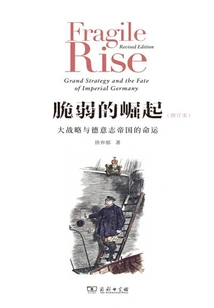
脆弱的崛起:大战略与德意志帝国的命运
Xu Qiyu
After unification in 1871, the German Empire became a great power with rapidly rising power. However, at the same time, the security environment it faced was very complex and fragile. While it was advancing materially, it was becoming increasingly impatient and shallow spiritually. With the help of a large amount of detailed materials, this book combs Germany's foreign, political and military policies from unification to World War I, and discusses how the success or failure of grand strategy determined the fate of the German Empire, thus answering the question "Why did Wilhelm's Germany go to war?" The author points out that with the further development of its strength, Germany's grand strategy is degenerating or even disintegrating, and it is increasingly unable to cope with the changing and complex situation. In January 2017, the English version of this book was published by MIT Press, which attracted the attention of the international academic community.
After unification in 1871, the German Empire became a great power with rapidly rising power. However, at the same time, the security environment it faced was very complex and fragile. While it was advancing materially, it was becoming increasingly impatient and shallow spiritually. With the help of a large amount of detailed materials, this book combs Germany's foreign, political and military policies from unification to World War I, and discusses how the success or failure of grand strategy determined the fate of the German Empire, thus answering the question "Why did Wilhelm's Germany go to war?" The author points out that with the further development of its strength, Germany's grand strategy is degenerating or even disintegrating, and it is increasingly unable to cope with the changing and complex situation. In January 2017, the English version of this book was published by MIT Press, which attracted the attention of the international academic community.
金帐汗国兴衰史
(soviet) Boris Glekov Alexander Jakubovsky Glekov Alexander Jakubovsky
The Golden Horde (also known as the Kipchak Khanate) is one of the four great khanates in Mongolia. It was established by Genghis Khan's eldest son Jochi and his son Batu through an expedition to the southern Russian grasslands. The areas it rules mainly include Central Asia, the middle and lower reaches of the Volga River, the Don River Basin, the Caucasus, Crimea and other regions. It lasted for nearly three hundred years and had a crucial impact on the historical development of the region, especially the Rus region located in the northern part of its territory. "The Rise and Fall of the Golden Horde" was written by the famous Soviet historians Boris Grekov and Alexander Yakubovsky. It has long been one of the most important books on the history of the Golden Horde and the first monograph in the related field to be translated into Chinese. This comprehensive study is divided into three parts, which respectively discuss the rise of the Golden Horde, the evolution of the relationship between the Golden Horde and the Rus principalities, and the decline of the Golden Horde. The author makes use of a large number of Persian and Arabic historical materials, ancient Russian chronicle materials, the edicts of the Golden Horde Khan and the results of archaeological excavations in Central Asia. It can be regarded as a masterpiece of research results on the Golden Horde Khanate by the historical circles of Tsarist Russia and the Soviet Union.
The Golden Horde (also known as the Kipchak Khanate) is one of the four great khanates in Mongolia. It was established by Genghis Khan's eldest son Jochi and his son Batu through an expedition to the southern Russian grasslands. The areas it rules mainly include Central Asia, the middle and lower reaches of the Volga River, the Don River Basin, the Caucasus, Crimea and other regions. It lasted for nearly three hundred years and had a crucial impact on the historical development of the region, especially the Rus region located in the northern part of its territory. "The Rise and Fall of the Golden Horde" was written by the famous Soviet historians Boris Grekov and Alexander Yakubovsky. It has long been one of the most important books on the history of the Golden Horde and the first monograph in the related field to be translated into Chinese. This comprehensive study is divided into three parts, which respectively discuss the rise of the Golden Horde, the evolution of the relationship between the Golden Horde and the Rus principalities, and the decline of the Golden Horde. The author makes use of a large number of Persian and Arabic historical materials, ancient Russian chronicle materials, the edicts of the Golden Horde Khan and the results of archaeological excavations in Central Asia. It can be regarded as a masterpiece of research results on the Golden Horde Khanate by the historical circles of Tsarist Russia and the Soviet Union.
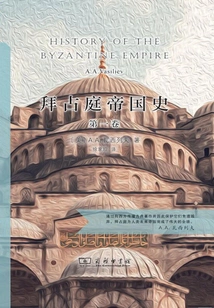
拜占庭帝国史
(us)a. A. Vasiliev(vasiliev)
A. A. Vasilev is recognized by the international historical community as one of the scholars of Byzantine history and culture in the 20th century. His "History of the Byzantine Empire" is a classic masterpiece written based on a large number of original Byzantine documents and making full use of previous research results. The author breaks away from the political and military tradition of studying Byzantium in the past, puts Byzantine's cultural achievements on an equal footing with politics, and comprehensively explains Byzantine's achievements in literature, archaeology, art, architecture, etc., Which can be called an encyclopedia about the Byzantine Empire. The book also involves the history of interactions between Byzantium and various surrounding ethnic groups, and discusses the process of the integration of many civilizational elements in the region.
A. A. Vasilev is recognized by the international historical community as one of the scholars of Byzantine history and culture in the 20th century. His "History of the Byzantine Empire" is a classic masterpiece written based on a large number of original Byzantine documents and making full use of previous research results. The author breaks away from the political and military tradition of studying Byzantium in the past, puts Byzantine's cultural achievements on an equal footing with politics, and comprehensively explains Byzantine's achievements in literature, archaeology, art, architecture, etc., Which can be called an encyclopedia about the Byzantine Empire. The book also involves the history of interactions between Byzantium and various surrounding ethnic groups, and discusses the process of the integration of many civilizational elements in the region.
西学研究(第3辑)
Chen Yingxue
This book is mainly a translation and compilation of original historical materials from ancient and medieval Europe, supplemented by a small number of research papers and book reviews. The translation principle is to translate from the original Latin and Greek documents. The theme of this issue is legal documents. Each translation includes a professional introduction, translation and original text. The research papers are on the modern history of Greece, two articles. Book reviews are short reviews of Chinese professional works in the field of ancient and medieval studies. They mainly objectively introduce the content of the books, as well as academic comments. On the one hand, this book provides first-hand documents for domestic academic circles and promotes domestic academic circles' research in related fields; on the other hand, it sorts out the research trends and directions of domestic academic circles and understands important academic achievements at home and abroad.
This book is mainly a translation and compilation of original historical materials from ancient and medieval Europe, supplemented by a small number of research papers and book reviews. The translation principle is to translate from the original Latin and Greek documents. The theme of this issue is legal documents. Each translation includes a professional introduction, translation and original text. The research papers are on the modern history of Greece, two articles. Book reviews are short reviews of Chinese professional works in the field of ancient and medieval studies. They mainly objectively introduce the content of the books, as well as academic comments. On the one hand, this book provides first-hand documents for domestic academic circles and promotes domestic academic circles' research in related fields; on the other hand, it sorts out the research trends and directions of domestic academic circles and understands important academic achievements at home and abroad.
黄金:权力与财富的世界简史
(german) Bird Stephen Gray
This is a history of world economy, diplomacy, and cultural exchanges connected by gold. The book takes the history of gold as the main line and reproduces the process of mankind's fanatical pursuit of gold. From the gold myths of ancient Greece and Rome to the gold treasures of Europe and Africa in the Middle Ages, from the gold rush in the Americas and Australia to the gold standard and the Bretton Woods system before and after the two world wars, it reproduces the evolution of gold from a simple metal to a symbol of wealth and power, reflecting the flow of world wealth and changes in power centers as well as economic, diplomatic, and cultural exchanges among various regions of the world. It is an interesting and profound masterpiece.
This is a history of world economy, diplomacy, and cultural exchanges connected by gold. The book takes the history of gold as the main line and reproduces the process of mankind's fanatical pursuit of gold. From the gold myths of ancient Greece and Rome to the gold treasures of Europe and Africa in the Middle Ages, from the gold rush in the Americas and Australia to the gold standard and the Bretton Woods system before and after the two world wars, it reproduces the evolution of gold from a simple metal to a symbol of wealth and power, reflecting the flow of world wealth and changes in power centers as well as economic, diplomatic, and cultural exchanges among various regions of the world. It is an interesting and profound masterpiece.
奥斯曼之影:塞利姆的土耳其帝国与现代世界的形成
P
In 1453, Ottoman Sultan Mehmed II led his army to capture Constantinople. The thousand-year-old Eastern Roman Empire was destroyed and Europe was shocked. Over the next half century, the Ottomans continued to expand. By the beginning of the 16th century, although its expansion had achieved certain achievements, the Ottomans were still a medium-sized country mainly composed of the Balkans and Anatolia until it ushered in the ninth sultan: Selim I (1470-1520). Selim was the grandson of Muhammad II. As the non-eldest son, he had no chance of becoming the Sultan. However, due to his brother's rebellion with his father, he took the opportunity to become sultan through a coup. Selim, who ascended to the throne, launched three eastern expeditions. At the Battle of Chaldiran, Selim defeated Ismaili, the founding monarch of the Safavid dynasty of Persia, which was gaining momentum, suppressing the Safavids' rising momentum, and also kicked off the ongoing struggle between Sunnis and Shias within Islam. In the Battle of Dabiq Grassland, Selim defeated the Mamluk dynasty's army in Egypt in one day. The Mamluk Sultan was killed in action, and famous cities such as Aleppo, Damascus and Jerusalem fell into Selim's hands one after another. At the Battle of Raidaniya, Selim defeated the Mamluk army again in less than an hour. Soon, Selim was proclaimed Caliph in Cairo, the Mamluk capital, establishing his supreme status in the Islamic world. In less than four years, under the leadership of Selim, the Ottoman Empire emerged as a world empire spanning Europe, Asia, and Africa. Selim not only reshaped the political ecology of the Ottoman Empire and the Middle East, but the empire that flourished under his leadership also radiated influence around the world. The empire's monopoly on trade routes between the East and the West led Columbus and others to venture across the Atlantic and eventually discover the New World. The Europeans who colonized America also dealt with the Indians in the same way they dealt with the Ottomans in the Old World, thus triggering a series of conflicts in the New World. At the same time, the expansion of the empire also brought a huge sense of oppression to Europe. Some Europeans attributed Europe's disadvantage compared to the Ottomans to moral decay, and mainstream beliefs were challenged. Therefore, we cannot fully understand the world of the Age of Discovery and the Early Modern Age if we ignore the role of the Ottoman Empire. This book is not only a biography about Selim, full of stories of power struggles such as fratricide, father-son antagonism, and son-in-law fighting, as well as Selim's heroic military exploits; it is also an innovative work that breaks away from Eurocentrism and centers on the Ottoman Empire, depicting global history from 1470 to 1520. It emphasizes the role of the Ottoman Empire behind major events such as the Great Navigation and the Reformation, and completes our cognitive picture of the origins of the modern world. The "Shadow of Uthman" and the "Shadow of Allah" are forever cast on the world.
In 1453, Ottoman Sultan Mehmed II led his army to capture Constantinople. The thousand-year-old Eastern Roman Empire was destroyed and Europe was shocked. Over the next half century, the Ottomans continued to expand. By the beginning of the 16th century, although its expansion had achieved certain achievements, the Ottomans were still a medium-sized country mainly composed of the Balkans and Anatolia until it ushered in the ninth sultan: Selim I (1470-1520). Selim was the grandson of Muhammad II. As the non-eldest son, he had no chance of becoming the Sultan. However, due to his brother's rebellion with his father, he took the opportunity to become sultan through a coup. Selim, who ascended to the throne, launched three eastern expeditions. At the Battle of Chaldiran, Selim defeated Ismaili, the founding monarch of the Safavid dynasty of Persia, which was gaining momentum, suppressing the Safavids' rising momentum, and also kicked off the ongoing struggle between Sunnis and Shias within Islam. In the Battle of Dabiq Grassland, Selim defeated the Mamluk dynasty's army in Egypt in one day. The Mamluk Sultan was killed in action, and famous cities such as Aleppo, Damascus and Jerusalem fell into Selim's hands one after another. At the Battle of Raidaniya, Selim defeated the Mamluk army again in less than an hour. Soon, Selim was proclaimed Caliph in Cairo, the Mamluk capital, establishing his supreme status in the Islamic world. In less than four years, under the leadership of Selim, the Ottoman Empire emerged as a world empire spanning Europe, Asia, and Africa. Selim not only reshaped the political ecology of the Ottoman Empire and the Middle East, but the empire that flourished under his leadership also radiated influence around the world. The empire's monopoly on trade routes between the East and the West led Columbus and others to venture across the Atlantic and eventually discover the New World. The Europeans who colonized America also dealt with the Indians in the same way they dealt with the Ottomans in the Old World, thus triggering a series of conflicts in the New World. At the same time, the expansion of the empire also brought a huge sense of oppression to Europe. Some Europeans attributed Europe's disadvantage compared to the Ottomans to moral decay, and mainstream beliefs were challenged. Therefore, we cannot fully understand the world of the Age of Discovery and the Early Modern Age if we ignore the role of the Ottoman Empire. This book is not only a biography about Selim, full of stories of power struggles such as fratricide, father-son antagonism, and son-in-law fighting, as well as Selim's heroic military exploits; it is also an innovative work that breaks away from Eurocentrism and centers on the Ottoman Empire, depicting global history from 1470 to 1520. It emphasizes the role of the Ottoman Empire behind major events such as the Great Navigation and the Reformation, and completes our cognitive picture of the origins of the modern world. The "Shadow of Uthman" and the "Shadow of Allah" are forever cast on the world.
命运之痒:蚊子如何塑造人类历史
(add) Timothy C. Winegard
"The Itch of Destiny: How Mosquitoes Shaped Human History" provides a dramatic new perspective on human history and tells the story of the mosquito's dominance in human history. You will embark on a journey of suffering from mosquitoes in chronological order. Mosquitoes have determined the fate of nations, determined the outcome of key wars, and influenced religious and economic developments because of their ability to transmit highly virulent and highly evolved diseases. Mosquitoes saved the Romans from Hannibal and Europe from the Mongols, caused mosquito-borne diseases that helped Haiti gain independence and fueled the growth of Christianity. In order to combat diseases caused by mosquitoes, people discovered the wonderful effects of coffee and tea, which in turn promoted the development of the coffee and tea industry. In order to resist the deadly bites of mosquitoes, humans have begun continuous exploration of medical treatment, hygiene, and technology. Mosquitoes caused changes in our DNA sequences, and malaria defense mechanisms evolved over generations. The emergence of CRISPR gene editing technology may allow humans to avoid the itch of fate. But even in the face of modern science and medicine, mosquitoes are still dangerous animals facing humans. As global natural climate warming accelerates, mosquitoes have opened up new fronts, entering areas that were once untroubled by mosquito-borne infectious diseases. We have to admit that pesky mosquitoes are of profound significance to the development of human civilization. They allow us to see how yesterday's world has changed and shaped mankind today.
"The Itch of Destiny: How Mosquitoes Shaped Human History" provides a dramatic new perspective on human history and tells the story of the mosquito's dominance in human history. You will embark on a journey of suffering from mosquitoes in chronological order. Mosquitoes have determined the fate of nations, determined the outcome of key wars, and influenced religious and economic developments because of their ability to transmit highly virulent and highly evolved diseases. Mosquitoes saved the Romans from Hannibal and Europe from the Mongols, caused mosquito-borne diseases that helped Haiti gain independence and fueled the growth of Christianity. In order to combat diseases caused by mosquitoes, people discovered the wonderful effects of coffee and tea, which in turn promoted the development of the coffee and tea industry. In order to resist the deadly bites of mosquitoes, humans have begun continuous exploration of medical treatment, hygiene, and technology. Mosquitoes caused changes in our DNA sequences, and malaria defense mechanisms evolved over generations. The emergence of CRISPR gene editing technology may allow humans to avoid the itch of fate. But even in the face of modern science and medicine, mosquitoes are still dangerous animals facing humans. As global natural climate warming accelerates, mosquitoes have opened up new fronts, entering areas that were once untroubled by mosquito-borne infectious diseases. We have to admit that pesky mosquitoes are of profound significance to the development of human civilization. They allow us to see how yesterday's world has changed and shaped mankind today.
N
Historyn
J
"A Brief History of the World" is a unique world history, covering major historical events from the beginning of human civilization to the Second World War. He has unique insights and discussions on ancient Egypt, ancient Greece, ancient Rome, the European Renaissance, the British Industrial Revolution, the Reformation, the French Revolution, the American Revolution, etc. In addition, the book also touches on Eastern culture, including Confucianism and Taoism.
"A Brief History of the World" is a unique world history, covering major historical events from the beginning of human civilization to the Second World War. He has unique insights and discussions on ancient Egypt, ancient Greece, ancient Rome, the European Renaissance, the British Industrial Revolution, the Reformation, the French Revolution, the American Revolution, etc. In addition, the book also touches on Eastern culture, including Confucianism and Taoism.
丘吉尔的非绅士战争
I
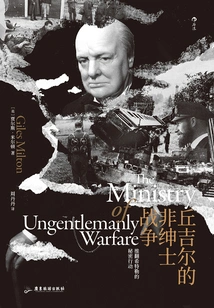
During World War II, facing the powerful Nazi war machine, Britain had to find ways to weaken the enemy. The author of this book, Giles Milton, uses vivid descriptions to describe several wonderful sneak attacks and assassinations carried out by the British army outside the main battlefields of World War II. With the support of Churchill, several typical British gentlemen planned and led these completely ungentlemanly actions, despite the opposition of the old-fashioned people in the army and government who insisted on tradition. They invented new weapons, established schools for training guerrillas, and transported explosives to the resistance organizations in the occupied areas... These secret fighters who did not belong to the conventional army made a huge contribution to the final victory of the war.
During World War II, facing the powerful Nazi war machine, Britain had to find ways to weaken the enemy. The author of this book, Giles Milton, uses vivid descriptions to describe several wonderful sneak attacks and assassinations carried out by the British army outside the main battlefields of World War II. With the support of Churchill, several typical British gentlemen planned and led these completely ungentlemanly actions, despite the opposition of the old-fashioned people in the army and government who insisted on tradition. They invented new weapons, established schools for training guerrillas, and transported explosives to the resistance organizations in the occupied areas... These secret fighters who did not belong to the conventional army made a huge contribution to the final victory of the war.
征服:诺曼人的传奇人生(套装共3册)
(uk) John Julius Norwich Mark Morris
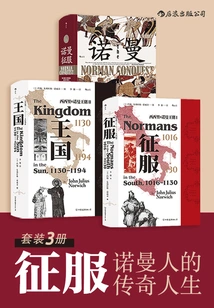
Describes another "Norman Conquest" that took place in Italy during the Middle Ages. In the 11th century, the Normans living in France came to southern Italy by chance. They were originally mercenaries, but gradually became an important political force. They continued to grow in the complex political situation of southern Italy, and finally unified southern Italy and Sicily, and established the Kingdom of Sicily in the 12th century. After the establishment of the Kingdom of Sicily, it was once a powerful country in the Mediterranean region. It profoundly affected the political situation in Italy and even sent troops to fight overseas. The kingdom prospered in an atmosphere of tolerance. However, the Norman dynasty only lasted for about 60 years, and finally perished in tragic circumstances. The Norman Conquest was probably one of the most important military and cultural events in English history. With the arrival of the Normans in England, England, an ancient and new country, took on new vitality. Whether it was language, architecture, military or law, there were sweeping changes within England. So how did the Normans change all that? Why is this change so radical? Mark Morris combs through the historical events before and after the Norman Conquest in extremely detailed strokes, and outlines a new picture of the Norman Conquest. After comparing various evidences, he uses vivid and fluent language to tell readers how England has been integrated into European cultural traditions, and how this has affected the historical process of England.
Describes another "Norman Conquest" that took place in Italy during the Middle Ages. In the 11th century, the Normans living in France came to southern Italy by chance. They were originally mercenaries, but gradually became an important political force. They continued to grow in the complex political situation of southern Italy, and finally unified southern Italy and Sicily, and established the Kingdom of Sicily in the 12th century. After the establishment of the Kingdom of Sicily, it was once a powerful country in the Mediterranean region. It profoundly affected the political situation in Italy and even sent troops to fight overseas. The kingdom prospered in an atmosphere of tolerance. However, the Norman dynasty only lasted for about 60 years, and finally perished in tragic circumstances. The Norman Conquest was probably one of the most important military and cultural events in English history. With the arrival of the Normans in England, England, an ancient and new country, took on new vitality. Whether it was language, architecture, military or law, there were sweeping changes within England. So how did the Normans change all that? Why is this change so radical? Mark Morris combs through the historical events before and after the Norman Conquest in extremely detailed strokes, and outlines a new picture of the Norman Conquest. After comparing various evidences, he uses vivid and fluent language to tell readers how England has been integrated into European cultural traditions, and how this has affected the historical process of England.
Disaster
History劫难
Stony Ground
When Gideon died, the world was in chaos. Gideon married several times and left behind a large family when he died. As soon as the father was buried, the sons began to quarrel over who should succeed their father. One of them, Abimelech, was particularly ambitious. He dreamed of becoming the king of all the Jews, and thought he was qualified to do so. However, it is difficult for such a young man to be appreciated by those who are familiar with him. So Abimelech left home and went to his mother's hometown, the village of Shechem. There he plotted to seize the throne but had no funds. The people of Shechem knew that if he succeeded in seizing the throne, they would be profitable, so they lent him money. He used the money to hire professional assassins and instigated them to murder his own brothers. In just one night, almost all of Abimelech's brothers were killed, and only the youngest, Jotham, escaped.
When Gideon died, the world was in chaos. Gideon married several times and left behind a large family when he died. As soon as the father was buried, the sons began to quarrel over who should succeed their father. One of them, Abimelech, was particularly ambitious. He dreamed of becoming the king of all the Jews, and thought he was qualified to do so. However, it is difficult for such a young man to be appreciated by those who are familiar with him. So Abimelech left home and went to his mother's hometown, the village of Shechem. There he plotted to seize the throne but had no funds. The people of Shechem knew that if he succeeded in seizing the throne, they would be profitable, so they lent him money. He used the money to hire professional assassins and instigated them to murder his own brothers. In just one night, almost all of Abimelech's brothers were killed, and only the youngest, Jotham, escaped.
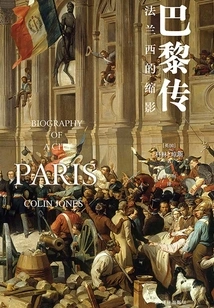
巴黎传:法兰西的缩影(方尖碑)
M
From "Lutetia" in the Roman era to "Grand Paris" in the 21st century, as the capital city, the history of Paris is closely related to the history of France. During the long Middle Ages, Paris witnessed the rise and fall of dynasties. During the magnificent Revolution, Paris was always at the center of the whirlpool, controlling the direction of France. At the turn of the romantic and legendary century, Paris also left a mark as an important cultural and artistic center. This book is a general history of Paris that is both comprehensive and interesting. The construction of the city, the struggle of the people, the derivation of culture... Colin Jones presents the historical process of Paris for more than a thousand years in a vivid and humorous way, and outlines charming pictures of urban life.
From "Lutetia" in the Roman era to "Grand Paris" in the 21st century, as the capital city, the history of Paris is closely related to the history of France. During the long Middle Ages, Paris witnessed the rise and fall of dynasties. During the magnificent Revolution, Paris was always at the center of the whirlpool, controlling the direction of France. At the turn of the romantic and legendary century, Paris also left a mark as an important cultural and artistic center. This book is a general history of Paris that is both comprehensive and interesting. The construction of the city, the struggle of the people, the derivation of culture... Colin Jones presents the historical process of Paris for more than a thousand years in a vivid and humorous way, and outlines charming pictures of urban life.
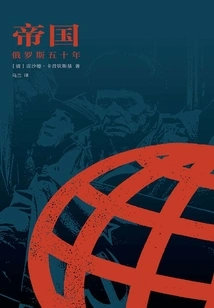
帝国:俄罗斯五十年
(poland) Ryszard Kapuscinski
This book is Kapuchinsky's private report across Russia. He interviewed ordinary people and captured the conflicts and emotions that filled the land as the Soviet Union was about to disintegrate, as well as people's fears and hopes for the future. The 20th century began with the revolution in Soviet Russia and ended with the disintegration of the Soviet Union. There are a lot of books about the Soviet Union, but this documentary literature is the work of Kapuchinsky who devoted all his efforts and efforts, providing readers with an all-round and multi-perspective analysis of Russia's past. The author adopts a prose style, does not stick to the form, and selects representative close-ups to allow readers to deeply understand the essence of the Soviet Union in the details. This not only reflects the author's academic level and writing skills, but also avoids boring and lengthy anecdotes. From every detail of the journey in the Soviet Union to the people there; from the destruction of St. Peter's Cathedral to the Great Purge and the Great Famine; from the poor life of ordinary people to the extravagant decadence of the privileged class; from the bits and pieces of marginal urban and rural towns to the competition at the core of power in the capital Moscow. This documentary literature witnesses conflict, suffering, and hope.
This book is Kapuchinsky's private report across Russia. He interviewed ordinary people and captured the conflicts and emotions that filled the land as the Soviet Union was about to disintegrate, as well as people's fears and hopes for the future. The 20th century began with the revolution in Soviet Russia and ended with the disintegration of the Soviet Union. There are a lot of books about the Soviet Union, but this documentary literature is the work of Kapuchinsky who devoted all his efforts and efforts, providing readers with an all-round and multi-perspective analysis of Russia's past. The author adopts a prose style, does not stick to the form, and selects representative close-ups to allow readers to deeply understand the essence of the Soviet Union in the details. This not only reflects the author's academic level and writing skills, but also avoids boring and lengthy anecdotes. From every detail of the journey in the Soviet Union to the people there; from the destruction of St. Peter's Cathedral to the Great Purge and the Great Famine; from the poor life of ordinary people to the extravagant decadence of the privileged class; from the bits and pieces of marginal urban and rural towns to the competition at the core of power in the capital Moscow. This documentary literature witnesses conflict, suffering, and hope.
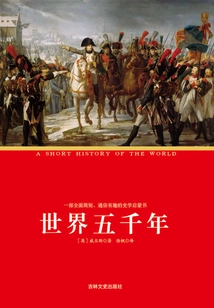
世界五千年
I
"Five Thousand Years of the World" is a popular history book without the scholarly atmosphere of a serious historical work, and it got rid of the intolerance of nationalism and even Eurocentrism earlier than many works of that era. The book focuses on the heritage of human culture, including ideas, culture, religion and other heritages, which are truly valuable things in the course of human civilization. This book discusses the history of the world spanning five continents from the formation of the earth, the origin of living things and human beings to the modern day World War I. Wells summarized the purpose of this book as "to show in a straightforward manner to men of average intelligence the inevitable development of political, social, and economic organization into a world federation if civilization is to continue."
"Five Thousand Years of the World" is a popular history book without the scholarly atmosphere of a serious historical work, and it got rid of the intolerance of nationalism and even Eurocentrism earlier than many works of that era. The book focuses on the heritage of human culture, including ideas, culture, religion and other heritages, which are truly valuable things in the course of human civilization. This book discusses the history of the world spanning five continents from the formation of the earth, the origin of living things and human beings to the modern day World War I. Wells summarized the purpose of this book as "to show in a straightforward manner to men of average intelligence the inevitable development of political, social, and economic organization into a world federation if civilization is to continue."
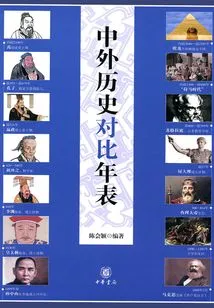
中外历史对比年表
Compiled By Chen Huiying
This book is arranged in chronological order, using a chronology of major events in China on the left and a chronology of major foreign events on the right to compare and arrange the development process of Chinese and foreign history. The intuitive image helps readers: (1) understand and master Chinese and foreign historical events that happened in the same time period, especially for students to make it easier to remember; (2) In the comparison of development in the same period, it is possible to discover when Chinese civilization is ahead of world civilization and when it lags behind other civilizations, and ponder the fate of national development.
This book is arranged in chronological order, using a chronology of major events in China on the left and a chronology of major foreign events on the right to compare and arrange the development process of Chinese and foreign history. The intuitive image helps readers: (1) understand and master Chinese and foreign historical events that happened in the same time period, especially for students to make it easier to remember; (2) In the comparison of development in the same period, it is possible to discover when Chinese civilization is ahead of world civilization and when it lags behind other civilizations, and ponder the fate of national development.
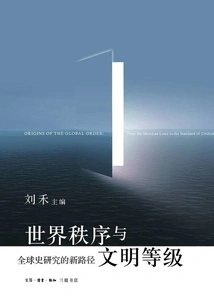
世界秩序与文明等级:全球史研究的新路径
Editor-in-chief Liu He
Over the past decade or so, capitalist globalization has been accompanied by a re-emphasis on civilizational identity, once again highlighting enduring civilizational and historical issues. The book "World Order and Civilization Hierarchy" traces its roots and studies these issues. It reveals how the world order dominated by European and American countries was formed in the past five hundred years, and how "Western" civilization elevated its political organization and knowledge form to universal standards. The spatiotemporal hierarchy set by these standards places stateless societies such as Africa and Oceania (and other indigenous peoples) as "outside", defines Asian societies as "semi-civilized", and capitalist societies in Europe and North America as civilized. As the editor-in-chief of this book points out in the preface, this set of civilizational standards evolved into the self-understanding of people around the world in the 20th century. Nowadays, the hegemony of European and American countries has begun to face challenges, and their status as civilizational hegemony has been questioned again. Along with this, people are calling for a future world order.
Over the past decade or so, capitalist globalization has been accompanied by a re-emphasis on civilizational identity, once again highlighting enduring civilizational and historical issues. The book "World Order and Civilization Hierarchy" traces its roots and studies these issues. It reveals how the world order dominated by European and American countries was formed in the past five hundred years, and how "Western" civilization elevated its political organization and knowledge form to universal standards. The spatiotemporal hierarchy set by these standards places stateless societies such as Africa and Oceania (and other indigenous peoples) as "outside", defines Asian societies as "semi-civilized", and capitalist societies in Europe and North America as civilized. As the editor-in-chief of this book points out in the preface, this set of civilizational standards evolved into the self-understanding of people around the world in the 20th century. Nowadays, the hegemony of European and American countries has begun to face challenges, and their status as civilizational hegemony has been questioned again. Along with this, people are calling for a future world order.
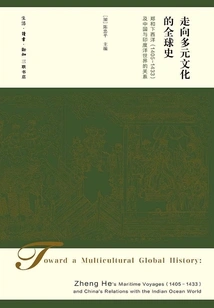
走向多元文化的全球史:郑和下西洋(1405-1433)及中国与印度洋世界的关系
(added) Editor-in-chief Chen Zhongping
The eleven papers included in this book mainly come from the Chinese-English bilingual international conference held at the University of Victoria in Canada in 2014. The theme is "Zheng He's voyages to the West and the relationship between China and the Indian Ocean world since ancient times." Participants of this conference include more than 50 scholars from Asia, Africa, Europe, America and Australia. It is the largest Zheng He research conference held outside Asia. Zheng He's seven voyages to the West in the early Ming Dynasty are well-known major historical events in the field of Chinese history research. However, whether in the field of traditional world history or the emerging global history, this unprecedented feat in the history of human navigation has not received due attention. Not only do mainstream Western scholars lack understanding of Zheng He's voyages to the West, but the theoretical methods they used are also difficult to fully explain this non-Western historical event. The main purpose of this book is to break through this academic dilemma and advocate a multicultural global history through the study of Zheng He from multiple perspectives.
The eleven papers included in this book mainly come from the Chinese-English bilingual international conference held at the University of Victoria in Canada in 2014. The theme is "Zheng He's voyages to the West and the relationship between China and the Indian Ocean world since ancient times." Participants of this conference include more than 50 scholars from Asia, Africa, Europe, America and Australia. It is the largest Zheng He research conference held outside Asia. Zheng He's seven voyages to the West in the early Ming Dynasty are well-known major historical events in the field of Chinese history research. However, whether in the field of traditional world history or the emerging global history, this unprecedented feat in the history of human navigation has not received due attention. Not only do mainstream Western scholars lack understanding of Zheng He's voyages to the West, but the theoretical methods they used are also difficult to fully explain this non-Western historical event. The main purpose of this book is to break through this academic dilemma and advocate a multicultural global history through the study of Zheng He from multiple perspectives.
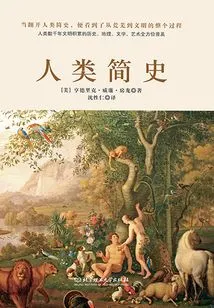
A Brief History of Mankind
History人类简史
H
"A Brief History of Humanity" is one of the classic works by the famous science popularization master Fang Long. It tells the entire process of human beings from desolation to civilization. The origin of mankind, the origin of ancient civilizations, hieroglyphics, the medieval world, the Renaissance, the rise of religion and war, and the revolutions of great powers such as Britain, the United States, France, and Russia. It can be said that this is a book that comprehensively popularizes the history, geography, literature, and art accumulated by human civilization over thousands of years. In addition to showing the major events in the development of human civilization, it also shows the sparkling wisdom and limitations of human beings in a specific era, allowing us to fully understand the history of mankind. Fang Long, a master of "humanism", uses humorous writing style, novel viewpoints and easy-to-understand narrative methods to turn the long history of mankind into pillow reading that everyone can understand. History does not have to be heavy and boring, but can be a more exciting story than a novel; history is not a dead past, but a living past. The housekeeper dragon talks about human history and foresees the future.
"A Brief History of Humanity" is one of the classic works by the famous science popularization master Fang Long. It tells the entire process of human beings from desolation to civilization. The origin of mankind, the origin of ancient civilizations, hieroglyphics, the medieval world, the Renaissance, the rise of religion and war, and the revolutions of great powers such as Britain, the United States, France, and Russia. It can be said that this is a book that comprehensively popularizes the history, geography, literature, and art accumulated by human civilization over thousands of years. In addition to showing the major events in the development of human civilization, it also shows the sparkling wisdom and limitations of human beings in a specific era, allowing us to fully understand the history of mankind. Fang Long, a master of "humanism", uses humorous writing style, novel viewpoints and easy-to-understand narrative methods to turn the long history of mankind into pillow reading that everyone can understand. History does not have to be heavy and boring, but can be a more exciting story than a novel; history is not a dead past, but a living past. The housekeeper dragon talks about human history and foresees the future.

史上最强日本史4
Sakura Snowmaru
Tell the history of Japan in a popular and smooth way.
Tell the history of Japan in a popular and smooth way.
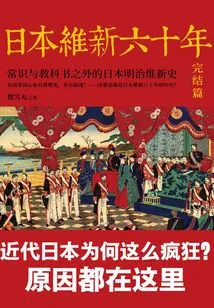
日本维新六十年(完结篇)
Sakura Snowmaru
What is it that makes Japan the country it is today? From the arrival of the black ships to the death of Emperor Meiji, this was almost a 60-year period that completely changed the destiny of Japan. In 1853, the actual ruler of Japan, the Tokugawa Shogunate, declared the country. In 1867, the shogunate returned power to the emperor. The reformists announced the "restoration of royal government." In 1875, Japan announced a preparatory constitutional period. In 1890, Japan convened a congress, and then began its crazy expansion, launching the Sino-Japanese Sino-Japanese Sino-Japanese Sino-Japanese Naval War and the Russo-Japanese War. The victory of the Sino-Japanese War and the Russo-Japanese War made Japan a world-class power. In 1912, Emperor Meiji died and the Meiji era came to an end. It's the end of an era and the end of another crazy era.
What is it that makes Japan the country it is today? From the arrival of the black ships to the death of Emperor Meiji, this was almost a 60-year period that completely changed the destiny of Japan. In 1853, the actual ruler of Japan, the Tokugawa Shogunate, declared the country. In 1867, the shogunate returned power to the emperor. The reformists announced the "restoration of royal government." In 1875, Japan announced a preparatory constitutional period. In 1890, Japan convened a congress, and then began its crazy expansion, launching the Sino-Japanese Sino-Japanese Sino-Japanese Sino-Japanese Naval War and the Russo-Japanese War. The victory of the Sino-Japanese War and the Russo-Japanese War made Japan a world-class power. In 1912, Emperor Meiji died and the Meiji era came to an end. It's the end of an era and the end of another crazy era.
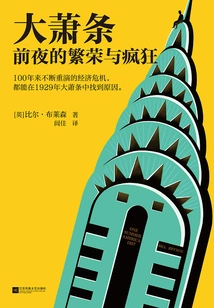
大萧条前夜的繁荣与疯狂
M
This book starts from the events that happened in the United States in a summer of 1927, and tells the prosperity, absurdity and madness of the entire 1920s. In 1927, the U. S. Economy was in excellent condition, with an inflation rate of 0 for four consecutive years. 50% Of the world's gold is in the United States, and most of it is stored in the basement of the Federal Reserve Bank of New York. The United States manufactures 85% of the world's cars, shoots 80% of the movies, and produces 42% of the goods. President Coolidge only worked 4 hours a day and spent most of the rest of the time napping. Moreau, a banker at J. P. Morgan, had 32 servants in his home, which was occupied mostly only on weekends. In 1929, Raskob, chairman of the Democratic Party of the United States, said that anyone can make a fortune from stocks. But in fact, he anticipated that the stock market was about to collapse and had already cashed out most of his stocks...
This book starts from the events that happened in the United States in a summer of 1927, and tells the prosperity, absurdity and madness of the entire 1920s. In 1927, the U. S. Economy was in excellent condition, with an inflation rate of 0 for four consecutive years. 50% Of the world's gold is in the United States, and most of it is stored in the basement of the Federal Reserve Bank of New York. The United States manufactures 85% of the world's cars, shoots 80% of the movies, and produces 42% of the goods. President Coolidge only worked 4 hours a day and spent most of the rest of the time napping. Moreau, a banker at J. P. Morgan, had 32 servants in his home, which was occupied mostly only on weekends. In 1929, Raskob, chairman of the Democratic Party of the United States, said that anyone can make a fortune from stocks. But in fact, he anticipated that the stock market was about to collapse and had already cashed out most of his stocks...
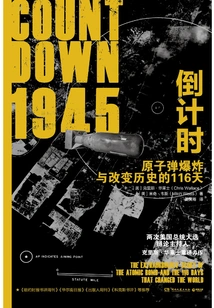
1945倒计时:原子弹爆炸与改变历史的116天
(u. S.) Chris Wallace Mickey Weiss
In 1945, the US military dropped an atomic bomb on Hiroshima, Japan, killing 110,000 people. Three days later, another atomic bomb exploded in Nagasaki, killing 40,000 people. Japan declared unconditional surrender, officially ending World War II. What exactly happened 116 days before the atomic bomb exploded in Hiroshima? Is this the correct military decision? Or a terrible decision that violates humanity? This book begins when Truman takes over the presidency, and uses a countdown to reveal the behind-the-scenes story before the nuclear explosion in Hiroshima: Was it a release? Or wait for Japan to surrender? Will the launch damage the external image of the United States, or will it use it to demonstrate its weapons capabilities against the Soviet Union in the future? Co-authored by well-known journalists Chris Wallace and Mickey Weiss, it truly restores the decision-making process of the Hiroshima nuclear bombing, and goes deep into the inner lives of many elusive and iconic figures involved in the atomic bomb program!
In 1945, the US military dropped an atomic bomb on Hiroshima, Japan, killing 110,000 people. Three days later, another atomic bomb exploded in Nagasaki, killing 40,000 people. Japan declared unconditional surrender, officially ending World War II. What exactly happened 116 days before the atomic bomb exploded in Hiroshima? Is this the correct military decision? Or a terrible decision that violates humanity? This book begins when Truman takes over the presidency, and uses a countdown to reveal the behind-the-scenes story before the nuclear explosion in Hiroshima: Was it a release? Or wait for Japan to surrender? Will the launch damage the external image of the United States, or will it use it to demonstrate its weapons capabilities against the Soviet Union in the future? Co-authored by well-known journalists Chris Wallace and Mickey Weiss, it truly restores the decision-making process of the Hiroshima nuclear bombing, and goes deep into the inner lives of many elusive and iconic figures involved in the atomic bomb program!
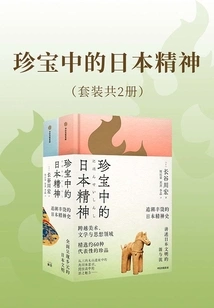
珍宝中的日本精神(套装共2册)
(japan) Hiroshi Hasegawa
The author has long taken European culture and thought as his research object. In the past 20 years, he has devoted himself to the study of Japanese culture and thought and traced the historical trajectory of its development. Finally, the results of his research were condensed into this work, titled "Japanese Spiritual History." As a Hegelian researcher, the author starts with "What is spirit?": "If I have to define it, man coexists with nature and exists in society, and his ability and state of survival is the so-called spirit." Thoughts as texts, as well as various cultures such as pottery, bronze statues, Buddhist statues, architecture, scrolls, gardens, etc. Are all examined in this book. They are all regarded as the spiritual history of Japan. This book can be said to be a fresh masterpiece that re-exposes what Japan is. The ruins of Sannai Maruyama, "Kojiki", "Man'yoshu", "Pillow", the thoughts of samurai, Buddhism, Confucianism, Genroku culture, Ukiyo-e, etc., From the Jomon period to the end of the Edo period, from the middle ages to the modern times, the Japanese spirit gradually showed a trend of diversification and moved towards the modern era. The author disdains awkward and difficult expressions, and his writing style is smooth and easy to understand from beginning to end, vividly showing the dynamic development process of the Japanese spirit.
The author has long taken European culture and thought as his research object. In the past 20 years, he has devoted himself to the study of Japanese culture and thought and traced the historical trajectory of its development. Finally, the results of his research were condensed into this work, titled "Japanese Spiritual History." As a Hegelian researcher, the author starts with "What is spirit?": "If I have to define it, man coexists with nature and exists in society, and his ability and state of survival is the so-called spirit." Thoughts as texts, as well as various cultures such as pottery, bronze statues, Buddhist statues, architecture, scrolls, gardens, etc. Are all examined in this book. They are all regarded as the spiritual history of Japan. This book can be said to be a fresh masterpiece that re-exposes what Japan is. The ruins of Sannai Maruyama, "Kojiki", "Man'yoshu", "Pillow", the thoughts of samurai, Buddhism, Confucianism, Genroku culture, Ukiyo-e, etc., From the Jomon period to the end of the Edo period, from the middle ages to the modern times, the Japanese spirit gradually showed a trend of diversification and moved towards the modern era. The author disdains awkward and difficult expressions, and his writing style is smooth and easy to understand from beginning to end, vividly showing the dynamic development process of the Japanese spirit.
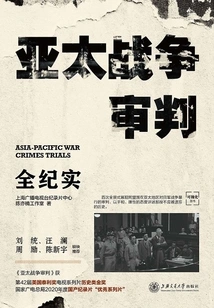
《亚太战争审判》全纪实
Chen Yinan Studio
The documentary "Asia-Pacific War Trials" provides a panoramic view of the Allied Powers' trials of Japanese military war atrocities in the Asia-Pacific region for the first time. The film crew overcame various difficulties such as the vast territory, long distances, and especially the lack of research results. From bustling cities to remote remote villages, from the hinterland of the mainland to the isolated islands in the Pacific, they interviewed the parties, insiders, and relevant scholars of the only remaining historical events. With a calm, rational, and emotional attitude and vision, they valuablely reshaped that period of history that should not be forgotten. This book provides an overview of the Asia-Pacific war trials and the arduous filming process of the documentary.
The documentary "Asia-Pacific War Trials" provides a panoramic view of the Allied Powers' trials of Japanese military war atrocities in the Asia-Pacific region for the first time. The film crew overcame various difficulties such as the vast territory, long distances, and especially the lack of research results. From bustling cities to remote remote villages, from the hinterland of the mainland to the isolated islands in the Pacific, they interviewed the parties, insiders, and relevant scholars of the only remaining historical events. With a calm, rational, and emotional attitude and vision, they valuablely reshaped that period of history that should not be forgotten. This book provides an overview of the Asia-Pacific war trials and the arduous filming process of the documentary.
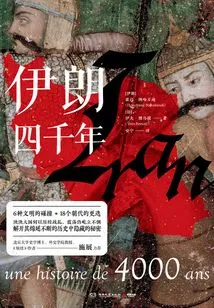
Iran Four Thousand Years
History伊朗四千年
(iran) Hochan Nahavandi (france) Yves Bomati
A book of wisdom that uses philosophy to explain life. Iran, an ancient oriental country with a mysterious face, is the heart of the turbulent zone in the Middle East and the focus of the world's attention. By the 6th century BC, it had become a worldwide empire spanning Asia, Europe, and Africa, and it had also left behind a rich legacy of political governance and literary and artistic treasures. How should we understand Iran and understand its current status? One of the two authors is the former president of Shiraz University and Tehran University in Iran, and the other is a well-known French scholar of Middle East history. As they tell, the 4,000-year historical picture of Iran slowly unfolds in front of us. Here, Elamite civilization, Persian civilization, Greek civilization, Turkic civilization, Mongolian civilization, and Arab civilization alternated and collided, and dynasties were established and destroyed one after another. What administrative system did they adopt, what splendid culture did they leave behind, and what religious policies did they pursue?
A book of wisdom that uses philosophy to explain life. Iran, an ancient oriental country with a mysterious face, is the heart of the turbulent zone in the Middle East and the focus of the world's attention. By the 6th century BC, it had become a worldwide empire spanning Asia, Europe, and Africa, and it had also left behind a rich legacy of political governance and literary and artistic treasures. How should we understand Iran and understand its current status? One of the two authors is the former president of Shiraz University and Tehran University in Iran, and the other is a well-known French scholar of Middle East history. As they tell, the 4,000-year historical picture of Iran slowly unfolds in front of us. Here, Elamite civilization, Persian civilization, Greek civilization, Turkic civilization, Mongolian civilization, and Arab civilization alternated and collided, and dynasties were established and destroyed one after another. What administrative system did they adopt, what splendid culture did they leave behind, and what religious policies did they pursue?
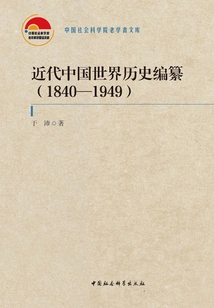
近代中国世界历史编纂(1840—1949)
Yu Pei
This book systematically combs the development process of world history research and compilation by Chinese scholars. From the perspective of combining historical theory and historical education, it explores the theoretical achievements and academic characteristics of Chinese scholars in the field of world history research. It is not only an exploratory work that deeply reflects on the development of the world history discipline and lessons learned, but also an innovative work that analyzes various trends of thought in the field of world history research and looks forward to the future development direction of China's world history. This book uses a broad vision and a big-picture perspective to grasp the important context, pick out the gold from the sand, and reproduce the magnificent moments in human history. World history is an important sub-discipline of history. Its content is a systematic discussion and elaboration of the process of human history from primitive, isolated and dispersed groups of people to the world as a closely connected whole.
This book systematically combs the development process of world history research and compilation by Chinese scholars. From the perspective of combining historical theory and historical education, it explores the theoretical achievements and academic characteristics of Chinese scholars in the field of world history research. It is not only an exploratory work that deeply reflects on the development of the world history discipline and lessons learned, but also an innovative work that analyzes various trends of thought in the field of world history research and looks forward to the future development direction of China's world history. This book uses a broad vision and a big-picture perspective to grasp the important context, pick out the gold from the sand, and reproduce the magnificent moments in human history. World history is an important sub-discipline of history. Its content is a systematic discussion and elaboration of the process of human history from primitive, isolated and dispersed groups of people to the world as a closely connected whole.
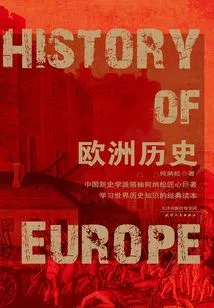
European History
History欧洲历史
He Bingsong
"European History" From monarchs to parliaments, from farming to commerce, from religion to enlightenment, from hegemony to alliances, all characters and events are no longer isolated from each other in the historical logic of this book. It uses historical thinking to integrate specific historical facts, and systematically presents the long and complex European history. Between the latitude and longitude, you will gain insight into this piece of European history that spans thousands of years.
"European History" From monarchs to parliaments, from farming to commerce, from religion to enlightenment, from hegemony to alliances, all characters and events are no longer isolated from each other in the historical logic of this book. It uses historical thinking to integrate specific historical facts, and systematically presents the long and complex European history. Between the latitude and longitude, you will gain insight into this piece of European history that spans thousands of years.
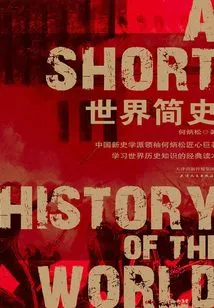
A Brief History of the World
History世界简史
He Bingsong
The first volume of "A Brief History of the World" starts from Asia and narrates the historical facts from the origin of world culture to the rise of Europe. It also intersperses the development of Eastern culture and its influence on Europe. The second volume starts with the formation of world powers and the development of colonial undertakings, and systematically explains how European powers dominated the process of modern world history. The book advocates Chinese culture as the standard. On the basis of referring to the achievements of Western history, and based on the activities and contributions of Asian countries, including China, in world cultural history, it is narrated at appropriate positions. It is intended to use "A Brief History of the World" to explain: Asian culture has greatly promoted the progress of Europe. The prosperity of Europe and the decline of Asia only occurred after Europe carried out world colonization in modern times. Asian nations should view history correctly. This new view of history breaks the long-standing Eurocentric view of history, changes the world history expanded from the European center to a world history composed of Eurasian interaction, and adjusts the new historical perspective.
The first volume of "A Brief History of the World" starts from Asia and narrates the historical facts from the origin of world culture to the rise of Europe. It also intersperses the development of Eastern culture and its influence on Europe. The second volume starts with the formation of world powers and the development of colonial undertakings, and systematically explains how European powers dominated the process of modern world history. The book advocates Chinese culture as the standard. On the basis of referring to the achievements of Western history, and based on the activities and contributions of Asian countries, including China, in world cultural history, it is narrated at appropriate positions. It is intended to use "A Brief History of the World" to explain: Asian culture has greatly promoted the progress of Europe. The prosperity of Europe and the decline of Asia only occurred after Europe carried out world colonization in modern times. Asian nations should view history correctly. This new view of history breaks the long-standing Eurocentric view of history, changes the world history expanded from the European center to a world history composed of Eurasian interaction, and adjusts the new historical perspective.
U
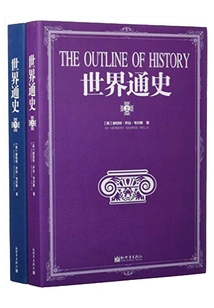
世界通史(全2册)
(english) Herbert George Wells
It is indeed not an easy task to write an interesting, easy-to-read, easy-to-understand world history work that does not require more than a million words, but Wells has accomplished this seemingly impossible task well in "A General History of the World". This book traces the beginnings of human civilization to World War II. The ups and downs of ancient Egypt, ancient Greece, ancient Rome, Christian society, the Islamic world, and great powers such as the United Kingdom, France, and the United States are presented to readers in an orderly manner. The rich knowledge and broad vision provided by "General History of the World" are not inferior to any masterpieces of imperial history.
It is indeed not an easy task to write an interesting, easy-to-read, easy-to-understand world history work that does not require more than a million words, but Wells has accomplished this seemingly impossible task well in "A General History of the World". This book traces the beginnings of human civilization to World War II. The ups and downs of ancient Egypt, ancient Greece, ancient Rome, Christian society, the Islamic world, and great powers such as the United Kingdom, France, and the United States are presented to readers in an orderly manner. The rich knowledge and broad vision provided by "General History of the World" are not inferior to any masterpieces of imperial history.
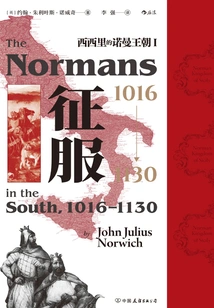
征服,1016—1130:西西里的诺曼王朝Ⅰ
T
This book describes another "Norman Conquest" that took place in Italy during the Middle Ages. In the 11th century, the Normans living in France came to southern Italy by chance. They were originally mercenaries, but gradually became an important political force. They continued to grow in the complex political situation of southern Italy, and finally unified southern Italy and Sicily, and established the Kingdom of Sicily in the 12th century. Centered on the two brothers Robert Guiscard and Roger, this book tells the development of the Normans before the establishment of the Kingdom of Sicily. It clearly shows the interaction between political forces such as the Pope, Germany, Byzantium, Lombards and Arabs and the Normans, and outlines a grand yet detailed historical picture for readers.
This book describes another "Norman Conquest" that took place in Italy during the Middle Ages. In the 11th century, the Normans living in France came to southern Italy by chance. They were originally mercenaries, but gradually became an important political force. They continued to grow in the complex political situation of southern Italy, and finally unified southern Italy and Sicily, and established the Kingdom of Sicily in the 12th century. Centered on the two brothers Robert Guiscard and Roger, this book tells the development of the Normans before the establishment of the Kingdom of Sicily. It clearly shows the interaction between political forces such as the Pope, Germany, Byzantium, Lombards and Arabs and the Normans, and outlines a grand yet detailed historical picture for readers.
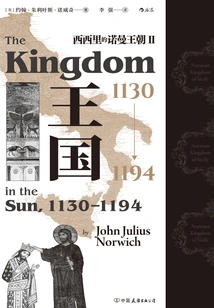
王国,1130—1194:西西里的诺曼王朝Ⅱ
U
After the establishment of the Kingdom of Sicily, it was once a powerful country in the Mediterranean region. It profoundly affected the political situation in Italy and even sent troops to fight overseas. The kingdom prospered in an atmosphere of tolerance. However, the Norman dynasty only lasted for about 60 years, and finally perished in tragic circumstances. This book tells the history of the Norman dynasty from its establishment to its demise, vividly describes its interaction with Germany, the Papal State, Byzantium, the Crusaders and other forces, and shows how a prosperous medieval kingdom gradually perished amid internal and external troubles. The author writes in a popular, humorous and slightly pitiful style, allowing readers to feel not only the glorious achievements of the Norman dynasty, but also the bitterness and helplessness in the decline process.
After the establishment of the Kingdom of Sicily, it was once a powerful country in the Mediterranean region. It profoundly affected the political situation in Italy and even sent troops to fight overseas. The kingdom prospered in an atmosphere of tolerance. However, the Norman dynasty only lasted for about 60 years, and finally perished in tragic circumstances. This book tells the history of the Norman dynasty from its establishment to its demise, vividly describes its interaction with Germany, the Papal State, Byzantium, the Crusaders and other forces, and shows how a prosperous medieval kingdom gradually perished amid internal and external troubles. The author writes in a popular, humorous and slightly pitiful style, allowing readers to feel not only the glorious achievements of the Norman dynasty, but also the bitterness and helplessness in the decline process.
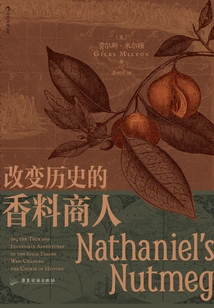
改变历史的香料商人
(english) Giles Milton
At the beginning of the 17th century, the nutmeg produced on an unknown island in the Pacific became the focus of competition among European countries in the spice competition. This triggered a fierce and bloody struggle between the Dutch East India Company and a small group of British spice merchants led by Nathaniel Courtop. This struggle eventually ended with the Netherlands and Britain reaching a deal with a far-reaching impact in history. The British ceded control of Lanyu Island to the Dutch, and in return received Manhattan. This book tells a wonderful adventure story. The author selects several representative spice merchants and vividly reproduces a legendary history for readers through their stories.
At the beginning of the 17th century, the nutmeg produced on an unknown island in the Pacific became the focus of competition among European countries in the spice competition. This triggered a fierce and bloody struggle between the Dutch East India Company and a small group of British spice merchants led by Nathaniel Courtop. This struggle eventually ended with the Netherlands and Britain reaching a deal with a far-reaching impact in history. The British ceded control of Lanyu Island to the Dutch, and in return received Manhattan. This book tells a wonderful adventure story. The author selects several representative spice merchants and vividly reproduces a legendary history for readers through their stories.
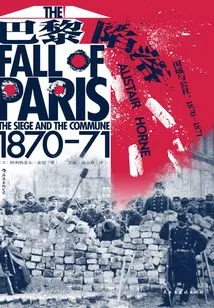
巴黎陷落:围城与公社:1870-1871
S
In 1870, the Franco-Prussian War broke out. French Emperor Napoleon III was quickly defeated and captured in Sedan. However, the collapse of the empire did not end the war. The newly established national defense government still held firm in Paris. The people of Paris suffered from shelling and hunger, and the French army's breakout and siege operations suffered disastrous failures. The defense government finally chose to humiliate Prussia and sue for peace. Anger and disappointment triggered the Commune Uprising that shocked the world. The author uses a large number of unpublished first-hand materials in this book to describe the climax of these dramatic 10 months. His shocking and superb writing skills and the direct records left by countless parties involved in the book make that distant history come alive again.
In 1870, the Franco-Prussian War broke out. French Emperor Napoleon III was quickly defeated and captured in Sedan. However, the collapse of the empire did not end the war. The newly established national defense government still held firm in Paris. The people of Paris suffered from shelling and hunger, and the French army's breakout and siege operations suffered disastrous failures. The defense government finally chose to humiliate Prussia and sue for peace. Anger and disappointment triggered the Commune Uprising that shocked the world. The author uses a large number of unpublished first-hand materials in this book to describe the climax of these dramatic 10 months. His shocking and superb writing skills and the direct records left by countless parties involved in the book make that distant history come alive again.
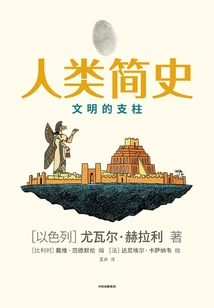
人类简史:文明的支柱
(israel) Written By Yuval Harari (france) Illustrated By Daniel Cassanave
The series of knowledge comics "A Brief History of Humankind: From Animals to God" is adapted from "A Brief History of Humanity: From Animals to God" and is carefully created by author Professor Yuval Harari, Belgian comic artist David van der Meulen, and French illustrator Danielle Casanave. The comic series' scene-based expressions, imaginative fictional stories and cute jokester-like characters are like a comic book movie on paper, taking you through the epic journey of mankind from ancient times to the present. "A Brief History of Humanity: The Pillars of Civilization" is the second part of the series of knowledge comics after "A Brief History of Humanity: The Birth of Mankind". In the book, we will continue to follow Yuval, Zoe, Professor Saraswati, Cindy and Bill, Detective Lopez and the fictional doctor to explore how the "Agricultural Revolution" changed human society. How important is wheat's role in human history? How did war, famine and inequality arise? If humans had not transformed from nomads to settlers 12,000 years ago, would we have been happier than we are now? Did humans domesticate wheat, or did wheat deceive humans? Could the "Agricultural Revolution" be a historical hoax? Only by knowing what happened in the past can we understand why we are where we are now. The interesting, informative and high-quality "Pillars of Civilization" will continue to subvert your understanding like the first "The Birth of Man" and bring more surprises! Confucius, Faust, King Hammurabi, and the heroine Scarlett Hao of "Gone with the Wind" come to the book. Let us join this wild journey of history!
The series of knowledge comics "A Brief History of Humankind: From Animals to God" is adapted from "A Brief History of Humanity: From Animals to God" and is carefully created by author Professor Yuval Harari, Belgian comic artist David van der Meulen, and French illustrator Danielle Casanave. The comic series' scene-based expressions, imaginative fictional stories and cute jokester-like characters are like a comic book movie on paper, taking you through the epic journey of mankind from ancient times to the present. "A Brief History of Humanity: The Pillars of Civilization" is the second part of the series of knowledge comics after "A Brief History of Humanity: The Birth of Mankind". In the book, we will continue to follow Yuval, Zoe, Professor Saraswati, Cindy and Bill, Detective Lopez and the fictional doctor to explore how the "Agricultural Revolution" changed human society. How important is wheat's role in human history? How did war, famine and inequality arise? If humans had not transformed from nomads to settlers 12,000 years ago, would we have been happier than we are now? Did humans domesticate wheat, or did wheat deceive humans? Could the "Agricultural Revolution" be a historical hoax? Only by knowing what happened in the past can we understand why we are where we are now. The interesting, informative and high-quality "Pillars of Civilization" will continue to subvert your understanding like the first "The Birth of Man" and bring more surprises! Confucius, Faust, King Hammurabi, and the heroine Scarlett Hao of "Gone with the Wind" come to the book. Let us join this wild journey of history!
美国小史
Gu Delong
When Americans talk about "Old Thirteen", they proudly remember the thirteen states when the United States was first founded. This "old thirteen" state runs along the Atlantic coast and is like an edge on the vast continent. At that time, the French occupied Canada and wanted to conquer the south and strangle the British along the coast. But the British did not want the French flag to fly in other parts of the Americas, so they sent troops to fight fiercely with the French army with the help of Indians. As a result, Britain won. From then on, French influence in North America completely disappeared. After the battle with France, the British colonies were temporarily quiet for a while, but this quietness was the harbinger of a big storm. The British in the United States at that time never imagined that they would become people from another country, and they would never imagine that they would break away from their boss, Britain. Who knew that within a few years, this unimaginable situation would come to pass. The people of New England actually threw away the shackles of their motherland...
When Americans talk about "Old Thirteen", they proudly remember the thirteen states when the United States was first founded. This "old thirteen" state runs along the Atlantic coast and is like an edge on the vast continent. At that time, the French occupied Canada and wanted to conquer the south and strangle the British along the coast. But the British did not want the French flag to fly in other parts of the Americas, so they sent troops to fight fiercely with the French army with the help of Indians. As a result, Britain won. From then on, French influence in North America completely disappeared. After the battle with France, the British colonies were temporarily quiet for a while, but this quietness was the harbinger of a big storm. The British in the United States at that time never imagined that they would become people from another country, and they would never imagine that they would break away from their boss, Britain. Who knew that within a few years, this unimaginable situation would come to pass. The people of New England actually threw away the shackles of their motherland...
A Brief History of Germany
History德国小史
Feng Hefa
Extracurricular readings from the Republic of China period introduce the historical context and cultural characteristics of Germany. Including: the origin of the Germanic race, the achievements of Charlemagne, the origins of the Holy Roman Empire and the Pope, religious innovation, the Thirty Years' War, the situation before and after World War I, etc.
Extracurricular readings from the Republic of China period introduce the historical context and cultural characteristics of Germany. Including: the origin of the Germanic race, the achievements of Charlemagne, the origins of the Holy Roman Empire and the Pope, religious innovation, the Thirty Years' War, the situation before and after World War I, etc.
法国大革命史
(france) Louis Madlen
A historical masterpiece that fully introduces all aspects of society during the French Revolution. The author analyzes the contradictions between the three major classes in France, elucidates the overt and covert struggles of various party forces at that time and the change of power under Napoleon, and introduces in detail the French Revolution that wiped out the feudal forces in Europe and marked the beginning of civilization in the 19th century. The translator Wu Guangjian was the first person to translate Western classics in vernacular during the Republic of China. He was known as the "Master of Translation" and was highly praised by Hu Shi, Xu Zhimo, Guo Moruo, Mao Dun, Liang Shiqiu, Lao She, Cao Yu, Hu Feng and others. He was even listed as one of the five major translators in China, alongside Xuanzang, Yan Fu, Lu Xun and Fu Lei.
A historical masterpiece that fully introduces all aspects of society during the French Revolution. The author analyzes the contradictions between the three major classes in France, elucidates the overt and covert struggles of various party forces at that time and the change of power under Napoleon, and introduces in detail the French Revolution that wiped out the feudal forces in Europe and marked the beginning of civilization in the 19th century. The translator Wu Guangjian was the first person to translate Western classics in vernacular during the Republic of China. He was known as the "Master of Translation" and was highly praised by Hu Shi, Xu Zhimo, Guo Moruo, Mao Dun, Liang Shiqiu, Lao She, Cao Yu, Hu Feng and others. He was even listed as one of the five major translators in China, alongside Xuanzang, Yan Fu, Lu Xun and Fu Lei.
A Brief History of Egypt
History埃及小史
Gao Zhongzhi
Extracurricular readings from the Republic of China period introduce the historical context and cultural characteristics of Egypt.
Extracurricular readings from the Republic of China period introduce the historical context and cultural characteristics of Egypt.
A Short History of Russia
History俄国小史
Huang Weirong
Russia was only an agricultural country in history, and its industrial development was extremely slow, which was also due to its geography. The people in agricultural countries are relatively ignorant and conservative, so their culture is different from that of Western European countries, and is Asian or oriental. In terms of politics, because the people are accustomed to obedience, it has always been ruled by an autocratic monarch. It was not until the 1920s that the autocratic government was overthrown. All of these are very similar to the situation in our country. The most different thing from our country is that the history of our country is four to five thousand years old at least, while the history of Russia is only more than a thousand years old. But this is not the case in Russia. It is the same in most European countries. This is because the land is close to the cold zone, the people are small, and civilization is late.
Russia was only an agricultural country in history, and its industrial development was extremely slow, which was also due to its geography. The people in agricultural countries are relatively ignorant and conservative, so their culture is different from that of Western European countries, and is Asian or oriental. In terms of politics, because the people are accustomed to obedience, it has always been ruled by an autocratic monarch. It was not until the 1920s that the autocratic government was overthrown. All of these are very similar to the situation in our country. The most different thing from our country is that the history of our country is four to five thousand years old at least, while the history of Russia is only more than a thousand years old. But this is not the case in Russia. It is the same in most European countries. This is because the land is close to the cold zone, the people are small, and civilization is late.
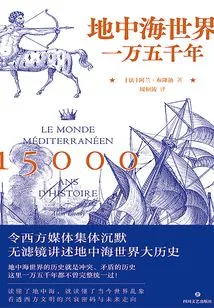
地中海世界一万五千年
(france) Alain Burundi
In this book, Alain Burundi uses his unique combing method to completely reproduce the historical development process of the Mediterranean world from prehistoric times to today. Through a study of the Mediterranean region spanning fifteen thousand years, Alain Burundi integrates Eastern and Western perspectives to not only present the decline of empires, territorial conflicts, and political and religious tensions in modern times, but also to analyze the rifts caused by the confrontation between cultures, nations, and social classes. Reading this book is like completing an in-depth exploration of the Mediterranean. Readers can clearly see the vital role the Mediterranean played in shaping and influencing the historical process of Europe, the Middle East and North Africa.
In this book, Alain Burundi uses his unique combing method to completely reproduce the historical development process of the Mediterranean world from prehistoric times to today. Through a study of the Mediterranean region spanning fifteen thousand years, Alain Burundi integrates Eastern and Western perspectives to not only present the decline of empires, territorial conflicts, and political and religious tensions in modern times, but also to analyze the rifts caused by the confrontation between cultures, nations, and social classes. Reading this book is like completing an in-depth exploration of the Mediterranean. Readers can clearly see the vital role the Mediterranean played in shaping and influencing the historical process of Europe, the Middle East and North Africa.
战后英国英属撒哈拉以南非洲政策研究(1945—1980)
Hang Cong
This book uses first-hand archival materials to point out the shortcomings of certain theories and opinions in domestic and foreign academic circles. It pays special attention to using the economic and social changes in sub-Saharan Africa as a starting point to reflect on the history of colonial rule, and attempts to link case studies with the changes in the capitalist world system. After analyzing the post-war decision-making environment of the British government and the continuity and variability of previous government policies, the British government's policies are examined from four dimensions, namely the political dimension, the military dimension, the economic dimension and the prestige dimension. It also attempts to connect British policies with the changes in world capitalism by comparing the policies of other colonial masters and linking them with the transfer of British and American hegemony. The author sees British policy as proactive in the process of forced withdrawal from the colonies. The pressure of persecution came from the combined result of international pressure, colonial pressure and domestic pressure. The effects of various pressures varied in different regions and time periods. Overall, colonial pressure played a major role. As a result of the combined pressure, economic considerations are the basic basis for the British government to decide the direction of policy, while political or defense considerations play a role in accelerating or delaying policy implementation and specifically determining the method of policy implementation.
This book uses first-hand archival materials to point out the shortcomings of certain theories and opinions in domestic and foreign academic circles. It pays special attention to using the economic and social changes in sub-Saharan Africa as a starting point to reflect on the history of colonial rule, and attempts to link case studies with the changes in the capitalist world system. After analyzing the post-war decision-making environment of the British government and the continuity and variability of previous government policies, the British government's policies are examined from four dimensions, namely the political dimension, the military dimension, the economic dimension and the prestige dimension. It also attempts to connect British policies with the changes in world capitalism by comparing the policies of other colonial masters and linking them with the transfer of British and American hegemony. The author sees British policy as proactive in the process of forced withdrawal from the colonies. The pressure of persecution came from the combined result of international pressure, colonial pressure and domestic pressure. The effects of various pressures varied in different regions and time periods. Overall, colonial pressure played a major role. As a result of the combined pressure, economic considerations are the basic basis for the British government to decide the direction of policy, while political or defense considerations play a role in accelerating or delaying policy implementation and specifically determining the method of policy implementation.
简读日本史
Zhang Hongjie
Japan is a special country. Its cultural core is extremely stable but its appearance is extremely changeable, making the world unpredictable. Only by understanding the uniqueness of Japanese history and the spiritual world of the Japanese can we understand Japan's influence on East Asia and even the direction of world history. This book presents readers with a three-dimensional and rich history of Japan from four dimensions. The first part starts with the unique Japanese sexual concepts and analyzes the uniqueness of Japanese history and culture; the second part briefly describes the history from the Jomon period to the Meiji Restoration in chronological order, focusing on analyzing why Japan carried out the Taika Reform and why the Taika Reform failed, and comparing the similarities between Japan's historical trajectory and China; the third part analyzes the Japanese world concept and the historical Sino-Japanese relations; the fourth part summarizes the causes and characteristics of Japan's national character. This book uses multiple perspectives and understanding paths to answer confusions about Japan, and also provides a reference for understanding the uniqueness of Chinese civilization.
Japan is a special country. Its cultural core is extremely stable but its appearance is extremely changeable, making the world unpredictable. Only by understanding the uniqueness of Japanese history and the spiritual world of the Japanese can we understand Japan's influence on East Asia and even the direction of world history. This book presents readers with a three-dimensional and rich history of Japan from four dimensions. The first part starts with the unique Japanese sexual concepts and analyzes the uniqueness of Japanese history and culture; the second part briefly describes the history from the Jomon period to the Meiji Restoration in chronological order, focusing on analyzing why Japan carried out the Taika Reform and why the Taika Reform failed, and comparing the similarities between Japan's historical trajectory and China; the third part analyzes the Japanese world concept and the historical Sino-Japanese relations; the fourth part summarizes the causes and characteristics of Japan's national character. This book uses multiple perspectives and understanding paths to answer confusions about Japan, and also provides a reference for understanding the uniqueness of Chinese civilization.
历史的碰撞:1493
R
"The Collision of History: 1493" is a classic work that uses an alternative ecological perspective to interpret globalization and world history over the past 500 years. The author has visited various continents in Asia, Europe and the United States, citing the research results of ecologists, anthropologists, archaeologists and historians. He continues to challenge Eurocentrism and focuses on how the ecological collision between Europe and the Americas has substantially changed one aspect of human history. It answers our confusion about the destiny of mankind and the globalization of social development, and fundamentally explains the roots of the industrial revolution, malaria, and political disputes (immigration, trade policy, and culture wars). "The Collision of History: 1493" is both historical and inspiring, breaking the stereotypes of globalization in historical research and teaching. In current history textbooks, there are only a few sentences describing the event of Columbus landing on the American continent, and even less introduction to the history of the American continent. In Charles Mann's writing, Columbus landed on the American continent in 1492, which can be called the source of current globalization problems. It was one of the important events after the extinction of the dinosaurs. The "Columbian Exchange" brought about chaotic exchanges and collisions between the mysterious American continent and other independent continents - American independence and malarial mosquitoes, British Industrial Revolution and Amazon rubber, American silver and the intensification of the demise of the Ming Dynasty... Various seemingly unrelated events contain close connections. It was these events that accelerated the formation of the modern world. Teenagers will discover new perspectives on world history, and adult readers will also rethink the reasons for the stalemate of globalization.
"The Collision of History: 1493" is a classic work that uses an alternative ecological perspective to interpret globalization and world history over the past 500 years. The author has visited various continents in Asia, Europe and the United States, citing the research results of ecologists, anthropologists, archaeologists and historians. He continues to challenge Eurocentrism and focuses on how the ecological collision between Europe and the Americas has substantially changed one aspect of human history. It answers our confusion about the destiny of mankind and the globalization of social development, and fundamentally explains the roots of the industrial revolution, malaria, and political disputes (immigration, trade policy, and culture wars). "The Collision of History: 1493" is both historical and inspiring, breaking the stereotypes of globalization in historical research and teaching. In current history textbooks, there are only a few sentences describing the event of Columbus landing on the American continent, and even less introduction to the history of the American continent. In Charles Mann's writing, Columbus landed on the American continent in 1492, which can be called the source of current globalization problems. It was one of the important events after the extinction of the dinosaurs. The "Columbian Exchange" brought about chaotic exchanges and collisions between the mysterious American continent and other independent continents - American independence and malarial mosquitoes, British Industrial Revolution and Amazon rubber, American silver and the intensification of the demise of the Ming Dynasty... Various seemingly unrelated events contain close connections. It was these events that accelerated the formation of the modern world. Teenagers will discover new perspectives on world history, and adult readers will also rethink the reasons for the stalemate of globalization.