Library
Browse and search novels
8,350 novels found
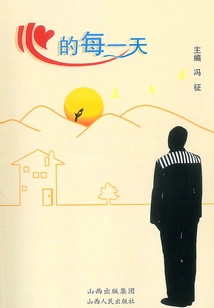
Heart Every Day
General Fiction心的每一天
Feng Zheng
Lines of affectionate text, warm and vivid stories, and pictures with profound meanings concisely and concisely outline the heart-thrilling days of a "special group", and also vividly and vividly depict the difficulty and sacredness of a grand project of "saving souls."
Lines of affectionate text, warm and vivid stories, and pictures with profound meanings concisely and concisely outline the heart-thrilling days of a "special group", and also vividly and vividly depict the difficulty and sacredness of a grand project of "saving souls."
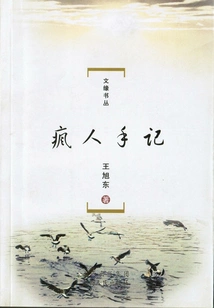
Notes of a Madman
General Fiction疯人手记
Wang Xudong
"A Madman's Notes" is a work with rich meaning and certain ideological depth. What it shows us is the ups and downs of coal worker Shao Shixi and his son Shao Shixi's life experiences and experiences during a historical period from the eve of the liberation of New China, through the "anti-rightist" and the Cultural Revolution after the founding of New China, to the new era. The tragic fate shows the various ways of life of ordinary people in a historical situation full of paradoxes: they either conform to the paradoxical society with simple philosophies of life such as "concealing and deceiving," forbearance, and flattery, or they do the opposite.
"A Madman's Notes" is a work with rich meaning and certain ideological depth. What it shows us is the ups and downs of coal worker Shao Shixi and his son Shao Shixi's life experiences and experiences during a historical period from the eve of the liberation of New China, through the "anti-rightist" and the Cultural Revolution after the founding of New China, to the new era. The tragic fate shows the various ways of life of ordinary people in a historical situation full of paradoxes: they either conform to the paradoxical society with simple philosophies of life such as "concealing and deceiving," forbearance, and flattery, or they do the opposite.
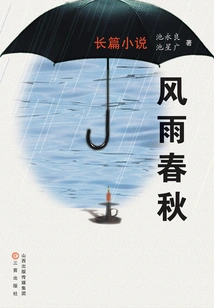
Stormy Spring and Autumn
General Fiction风雨春秋
Chi Yongliang Chi Xingguang
After the Third Plenary Session of the 11th Central Committee of the Communist Party of China, in my 60s, I returned to my old career and completed the novel "Spring and Autumn of Blood and Tears", which is based on the theme of peasant revolution led by the Communist Party. The book is set in Shushulin Village with a population of more than 2,000 people. It panoramically shows the magnificent struggle process during the Anti-Japanese War, Liberation War and Land Reform, and how the villagers followed the Communist Party and the Eighth Route Army without hesitation and sacrifice, and finally lived a happy life as masters of their own country...
After the Third Plenary Session of the 11th Central Committee of the Communist Party of China, in my 60s, I returned to my old career and completed the novel "Spring and Autumn of Blood and Tears", which is based on the theme of peasant revolution led by the Communist Party. The book is set in Shushulin Village with a population of more than 2,000 people. It panoramically shows the magnificent struggle process during the Anti-Japanese War, Liberation War and Land Reform, and how the villagers followed the Communist Party and the Eighth Route Army without hesitation and sacrifice, and finally lived a happy life as masters of their own country...
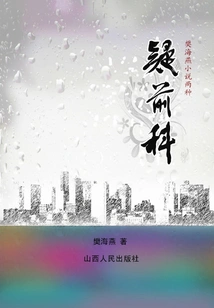
Two Kinds of Novels by Fan Haiyan·suspicious Criminal Record
General Fiction樊海燕小说两种·疑前科
Fan Haiyan
Opening the door of daily life is full of mediocrity, worry, monotony, repetition and other states... And these vulgar and boring trivial matters are entangled together, disrupting the usual order and wasting precious life time. Each chapter of "Suspicious History" revolves around the word "suspicious". By portraying Beicheng Discipline Inspection Secretary Ma Qingxin and his wife, Beicheng TV Station Director Xu Liyang, "Weekend Art" producer Du Mei, host Wang Xiaoling and other vivid characters, as well as related events and scenes, it tortures the trust between people, husband and wife, wife and husband, superiors and subordinates, subordinates against superiors. After a long time of turmoil, the negatives were developed, and there were only four words - "Mediocre people disturb themselves."
Opening the door of daily life is full of mediocrity, worry, monotony, repetition and other states... And these vulgar and boring trivial matters are entangled together, disrupting the usual order and wasting precious life time. Each chapter of "Suspicious History" revolves around the word "suspicious". By portraying Beicheng Discipline Inspection Secretary Ma Qingxin and his wife, Beicheng TV Station Director Xu Liyang, "Weekend Art" producer Du Mei, host Wang Xiaoling and other vivid characters, as well as related events and scenes, it tortures the trust between people, husband and wife, wife and husband, superiors and subordinates, subordinates against superiors. After a long time of turmoil, the negatives were developed, and there were only four words - "Mediocre people disturb themselves."

平安扣(电视剧《那座城这家人》原著)
Li Yan
It has been adapted into the TV series "That Family in That City", which will be broadcast on December 2. This book is set in a city that was hit hard by a major earthquake. It tells the story of the joys and sorrows of two families and three generations. It gives a panoramic view of the living conditions of ordinary people and describes the changes that have taken place in various characters over more than 30 years. In the eloquent narrative, a long scroll of the city with strong local characteristics is outlined. The author adheres to the realistic creation method, and the style of his works is positive and uplifting, with strong appeal and readability.
It has been adapted into the TV series "That Family in That City", which will be broadcast on December 2. This book is set in a city that was hit hard by a major earthquake. It tells the story of the joys and sorrows of two families and three generations. It gives a panoramic view of the living conditions of ordinary people and describes the changes that have taken place in various characters over more than 30 years. In the eloquent narrative, a long scroll of the city with strong local characteristics is outlined. The author adheres to the realistic creation method, and the style of his works is positive and uplifting, with strong appeal and readability.
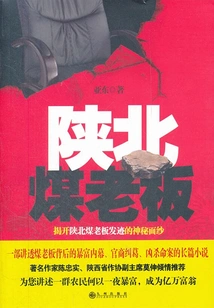
Northern Shaanxi Coal Boss
General Fiction陕北煤老板
Yadong
The book is set in Guta Town, a coal town in northern Shaanxi, and reveals how a group of poorly educated coal bosses "made a fortune" through illegal mining. Those traps and traps, those black and white collusions, outline vivid faces and bizarre stories, allowing you to directly understand the living conditions of this special group of coal bosses. Zi San, a coal boss whose assets and reputation were rapidly expanding, used money and beauty to make friends with the "top leader" of Coal City, County Magistrate Fu, and was hired as an assistant to the county magistrate, causing controversy on the Internet... A lawsuit over a dispute over the dividends of the original Chawan Mine shares led to the death of the original mine owner, Boss Chen. The person who hired the murderer was Zi San's younger brother Zi Si. Zi Si died in a car accident while absconding. Several unsolved cases eventually came to light...
The book is set in Guta Town, a coal town in northern Shaanxi, and reveals how a group of poorly educated coal bosses "made a fortune" through illegal mining. Those traps and traps, those black and white collusions, outline vivid faces and bizarre stories, allowing you to directly understand the living conditions of this special group of coal bosses. Zi San, a coal boss whose assets and reputation were rapidly expanding, used money and beauty to make friends with the "top leader" of Coal City, County Magistrate Fu, and was hired as an assistant to the county magistrate, causing controversy on the Internet... A lawsuit over a dispute over the dividends of the original Chawan Mine shares led to the death of the original mine owner, Boss Chen. The person who hired the murderer was Zi San's younger brother Zi Si. Zi Si died in a car accident while absconding. Several unsolved cases eventually came to light...
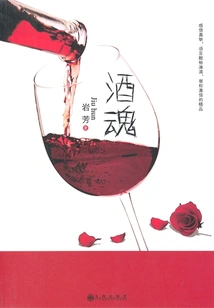
Drunken Spirit
General Fiction酒魂
Iwayoshi
The novel expresses the pain of love and hate between parents and children by describing the emotional disputes between three generations of a family. Emotional entanglements, the importance of friendship, are like the soul of wine that makes people intoxicated. The whole story is about wine, romance, life, and unspeakable grief and indignation. The inextricable stories in real life, telling the unforgettable past in the course of life, and the dimly lit real life, naturally bring people to the edge of drunkenness and sobriety, and stir up the pain of real society.
The novel expresses the pain of love and hate between parents and children by describing the emotional disputes between three generations of a family. Emotional entanglements, the importance of friendship, are like the soul of wine that makes people intoxicated. The whole story is about wine, romance, life, and unspeakable grief and indignation. The inextricable stories in real life, telling the unforgettable past in the course of life, and the dimly lit real life, naturally bring people to the edge of drunkenness and sobriety, and stir up the pain of real society.
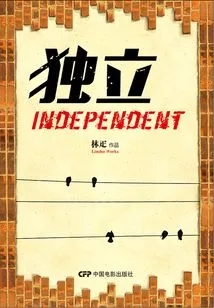
Independent
General Fiction独立
Lin Biao
With their backs to the setting sun, the friends walked along the railroad tracks outside the factory while chatting about whether they had finished their homework.
With their backs to the setting sun, the friends walked along the railroad tracks outside the factory while chatting about whether they had finished their homework.
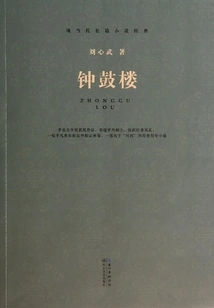
现当代长篇小说经典系列:钟鼓楼
Liu Xinwu
It tells the story of what happened in the Bell and Drum Tower area of Beijing from 5 a. M. To 5 p. M. On December 12, 1982. In an old courtyard house, the Xue family was preparing for a wedding banquet. Around this banquet, the novel outlines the ordinary life history of ordinary people in Beijing for nearly a hundred years. It uses an exquisite structure to connect multiple adjacent families together. Shows the vivid history of each family and each character. Centering around the concept of "time", the novel shows a deep realist perspective and humanistic concern for history, society, and individuals. In the consideration of physics, politics, and history of "time", it shows the author's in-depth thinking with a historical and philosophical color. The novel is also a rich Beijing-style encyclopedia with rich local customs and culture.
It tells the story of what happened in the Bell and Drum Tower area of Beijing from 5 a. M. To 5 p. M. On December 12, 1982. In an old courtyard house, the Xue family was preparing for a wedding banquet. Around this banquet, the novel outlines the ordinary life history of ordinary people in Beijing for nearly a hundred years. It uses an exquisite structure to connect multiple adjacent families together. Shows the vivid history of each family and each character. Centering around the concept of "time", the novel shows a deep realist perspective and humanistic concern for history, society, and individuals. In the consideration of physics, politics, and history of "time", it shows the author's in-depth thinking with a historical and philosophical color. The novel is also a rich Beijing-style encyclopedia with rich local customs and culture.
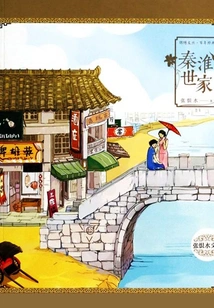
Qinhuai Family
General Fiction秦淮世家
H
Nanjing. By the Taihuai River. Singing girl Mrs. Tang has two daughters, one is Erchun and the other is Xiaochun, both of whom are pretty and lovely. Xiaochun has an outstanding singing voice and becomes a singer. She is very popular. Yang Yuquan, a Shanghai money merchant, took a liking to Xiaochun and molested her many times. After being rejected, he harbored a grudge. He kidnapped and raped Erchun in a poisonous plan, and then gave Erchun to his bodyguard Wei Laoba. Unfortunately, he was shot and killed. Yang Yuquan intensified his efforts and exerted all his lustful force on Mrs. Tang and Xiaochun, forcing the mother and daughter to suffer unspeakably. The people of the lower class along the Qinhuai River were so angry that they united...
Nanjing. By the Taihuai River. Singing girl Mrs. Tang has two daughters, one is Erchun and the other is Xiaochun, both of whom are pretty and lovely. Xiaochun has an outstanding singing voice and becomes a singer. She is very popular. Yang Yuquan, a Shanghai money merchant, took a liking to Xiaochun and molested her many times. After being rejected, he harbored a grudge. He kidnapped and raped Erchun in a poisonous plan, and then gave Erchun to his bodyguard Wei Laoba. Unfortunately, he was shot and killed. Yang Yuquan intensified his efforts and exerted all his lustful force on Mrs. Tang and Xiaochun, forcing the mother and daughter to suffer unspeakably. The people of the lower class along the Qinhuai River were so angry that they united...
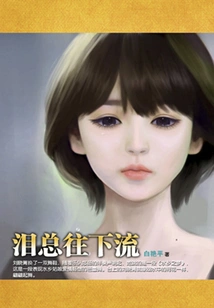
Tears Always Flow Down
General Fiction泪总往下流
Bai Yanping
Each story in "Tears Always Flow Down" is short but full of content, with twists and turns and a thought-provoking ending. The ancient and modern gossips over tea and dinner, the sweet and bitter truths of the world.
Each story in "Tears Always Flow Down" is short but full of content, with twists and turns and a thought-provoking ending. The ancient and modern gossips over tea and dinner, the sweet and bitter truths of the world.
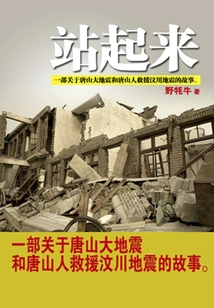
Stand Up
General Fiction站起来
Wild Yak
"Human, no matter how big the ups and downs you encounter, it is best to stand up on your own, and it is best to walk on your own. It is always a little unreliable to let others push or hold you. Let me stand up on my own." This book introduces the inspirational stories about the Tangshan earthquake and the Tangshan people's rescue of the Wenchuan earthquake.
"Human, no matter how big the ups and downs you encounter, it is best to stand up on your own, and it is best to walk on your own. It is always a little unreliable to let others push or hold you. Let me stand up on my own." This book introduces the inspirational stories about the Tangshan earthquake and the Tangshan people's rescue of the Wenchuan earthquake.
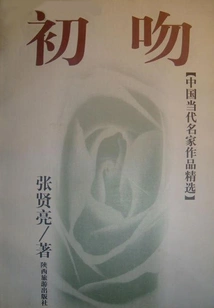
First Kiss
General Fiction初吻
Zhang Xianliang
Zhang Xianliang, male, from Xuyi County, Jiangsu Province, was born in Nanjing in December 1936. In 1957, he was classified as a rightist because he published a long poem "Song of the Wind" in the literary monthly "Yanhe". He was sentenced to labor camp, control, and imprisonment for more than ten years. During this period, he fled and wandered, begging for food. He was rehabilitated in September 1979. In 1980, he was transferred to Ningxia "Shuofang" literary magazine as editor. In the same year, he joined the Chinese Writers Association and began professional literary creation in 1981. He has successively published short stories such as "The Story of Old Man Xing and the Dog", "Spirit and Flesh", "Shor Brak", "First Kiss", etc.; Novellas "Love Stories in the Dungeon", "Dragon Seed", "Children of the River", "Greening Tree", "Romantic Black Cannon", "Half of a Man Is a Woman"; novels "Man's Style", "Getting Used to Death", etc. This book collects "First Kiss", "Descendants of the River", "Puxian Temple", "Shor Brak", and "The Story of Old Man Xing and the Dog"
Zhang Xianliang, male, from Xuyi County, Jiangsu Province, was born in Nanjing in December 1936. In 1957, he was classified as a rightist because he published a long poem "Song of the Wind" in the literary monthly "Yanhe". He was sentenced to labor camp, control, and imprisonment for more than ten years. During this period, he fled and wandered, begging for food. He was rehabilitated in September 1979. In 1980, he was transferred to Ningxia "Shuofang" literary magazine as editor. In the same year, he joined the Chinese Writers Association and began professional literary creation in 1981. He has successively published short stories such as "The Story of Old Man Xing and the Dog", "Spirit and Flesh", "Shor Brak", "First Kiss", etc.; Novellas "Love Stories in the Dungeon", "Dragon Seed", "Children of the River", "Greening Tree", "Romantic Black Cannon", "Half of a Man Is a Woman"; novels "Man's Style", "Getting Used to Death", etc. This book collects "First Kiss", "Descendants of the River", "Puxian Temple", "Shor Brak", and "The Story of Old Man Xing and the Dog"
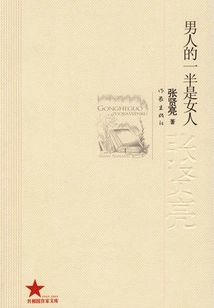
Half of a Man is a Woman
General Fiction男人的一半是女人
Zhang Xianliang
The first novel in contemporary Chinese literature to break through the "sexual forbidden zone", it was selected as one of the "Top 100 Chinese Novels of the 20th Century" by Asia Weekly. After "I" was released from the labor camp, I met Huang Xiangjiu, a woman I had a double relationship with eight years ago in a farm that was once called "Ghost Gate". Although I had only met twice before, and the second time I met her only when passing by in a hurry, this woman named Huang Xiangjiu left an indelible impression on me. The first time I saw Huang Xiangjiu was in the drainage ditch in the rice field of the labor camp: Huang Xiangjiu was taking a bath! Huang Xiangjiu seemed to have forgotten everything and was concentrating on enjoying the joy of taking a bath. She forgot herself, and "I" also forgot myself.
The first novel in contemporary Chinese literature to break through the "sexual forbidden zone", it was selected as one of the "Top 100 Chinese Novels of the 20th Century" by Asia Weekly. After "I" was released from the labor camp, I met Huang Xiangjiu, a woman I had a double relationship with eight years ago in a farm that was once called "Ghost Gate". Although I had only met twice before, and the second time I met her only when passing by in a hurry, this woman named Huang Xiangjiu left an indelible impression on me. The first time I saw Huang Xiangjiu was in the drainage ditch in the rice field of the labor camp: Huang Xiangjiu was taking a bath! Huang Xiangjiu seemed to have forgotten everything and was concentrating on enjoying the joy of taking a bath. She forgot herself, and "I" also forgot myself.
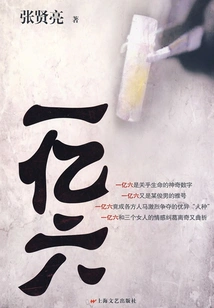
One Hundred and Sixty Million
General Fiction一亿六
Zhang Xianliang
Business tycoon Wang Caogen urgently needs to have a boy to carry on the family line, but unexpectedly his sperm is gone. Eugenics expert Director Liu accidentally discovered that a handsome man had excellent sperm but was ignorant about sex. People from all sides are engaged in a fierce battle for this outstanding "human race" known as 160 million. The emotional entanglement between a handsome man and three women with different personalities is ups and downs, and all kinds of great changes in life outline a picture of contemporary society.
Business tycoon Wang Caogen urgently needs to have a boy to carry on the family line, but unexpectedly his sperm is gone. Eugenics expert Director Liu accidentally discovered that a handsome man had excellent sperm but was ignorant about sex. People from all sides are engaged in a fierce battle for this outstanding "human race" known as 160 million. The emotional entanglement between a handsome man and three women with different personalities is ups and downs, and all kinds of great changes in life outline a picture of contemporary society.
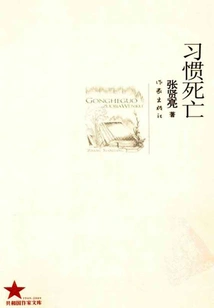
Get Used to Death
General Fiction习惯死亡
Zhang Xianliang
It tells the story of the lonely, depressed and desperate spiritual world of Zhang Yongli, an intellectual who has been severely traumatized. He strongly criticized the ultra-left trend of thought and complained angrily about the historic disaster that the "ten years of turmoil" had brought to the Chinese nation.
It tells the story of the lonely, depressed and desperate spiritual world of Zhang Yongli, an intellectual who has been severely traumatized. He strongly criticized the ultra-left trend of thought and complained angrily about the historic disaster that the "ten years of turmoil" had brought to the Chinese nation.
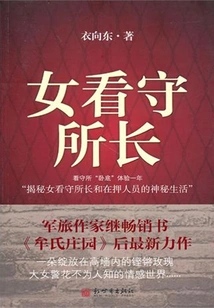
Novels, Novel Network, Latest Popular Novels-qq Reading_website of China Literature Group
General Fiction小说,小说网,最新热门小说-QQ阅读_阅文集团旗下网站
Yi Xiangdong
This book is a genre novel written by the famous writer Yi Xiangdong after experiencing life in a detention center for one year. It describes the life of the eldest daughter of the detention center director Wang Yan through the personal experience and emotional entanglements of the female detention center director Wang Yan. This is completely an ecological community outside normal society. The tolerance and spiritual salvation of the righteous police officers, as well as the emotional entanglement with the prisoners, reveal many unknown aspects of life in the detention center. After reading it, it makes you think deeply.
This book is a genre novel written by the famous writer Yi Xiangdong after experiencing life in a detention center for one year. It describes the life of the eldest daughter of the detention center director Wang Yan through the personal experience and emotional entanglements of the female detention center director Wang Yan. This is completely an ecological community outside normal society. The tolerance and spiritual salvation of the righteous police officers, as well as the emotional entanglement with the prisoners, reveal many unknown aspects of life in the detention center. After reading it, it makes you think deeply.
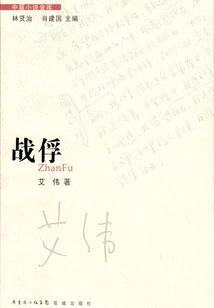
Prisoner of War
General Fiction战俘
Ai Wei
A selection of Ai Wei's short and medium-sized works, including thirteen short and medium-sized articles such as "Prisoners of War", "Ode to Joy", "The Thief", "Termites" and "Psychedelic". His works mainly focus on some gloomy and humble places, using the small to reflect the big, standing on the level of human concern, and writing very profound themes with concise strokes.
A selection of Ai Wei's short and medium-sized works, including thirteen short and medium-sized articles such as "Prisoners of War", "Ode to Joy", "The Thief", "Termites" and "Psychedelic". His works mainly focus on some gloomy and humble places, using the small to reflect the big, standing on the level of human concern, and writing very profound themes with concise strokes.
\
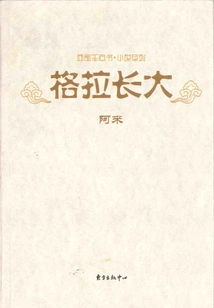
Guerra Grew Up
General Fiction格拉长大
Alai
There is a woman of unknown origin in the sheepfold! The news was like a bolt of lightning, lighting up the lifeless village. People quickly gathered in the sheepfold, where the woman was still sleeping sweetly under the sheepskin. Her face was dirty, no, no, it wasn't really disgusting, but like the paint on her face. Black oil paint, gray oil paint. It was a morning after snow, and this woman of unknown origin fell asleep sweetly in the haystack, amidst the warm smell of mutton, feeling as peaceful as a deity.
There is a woman of unknown origin in the sheepfold! The news was like a bolt of lightning, lighting up the lifeless village. People quickly gathered in the sheepfold, where the woman was still sleeping sweetly under the sheepskin. Her face was dirty, no, no, it wasn't really disgusting, but like the paint on her face. Black oil paint, gray oil paint. It was a morning after snow, and this woman of unknown origin fell asleep sweetly in the haystack, amidst the warm smell of mutton, feeling as peaceful as a deity.
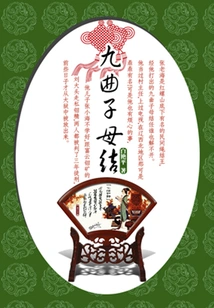
Nine Tune Mother Knot
General Fiction九曲子母结
Bai Yanping
This book selects 38 stories, including folk detectives, strange people from all walks of life, and historical legends. The author also cleverly intersperses and matches the story arrangements, which I believe will be more suitable for the reading habits and appetites of modern readers. These 38 stories are like a sumptuous banquet, trying to satisfy the different tastes of many readers. In this collection of self-selected folk tales, the author not only takes into account reading groups from all walks of life, but also takes care of the reading habits of readers with different educational levels. I believe that as long as you open this book, you will be able to find your own shadow in this book, and along with the characters in the story, you will be sad and happy together, and truly experience a hearty literary journey.
This book selects 38 stories, including folk detectives, strange people from all walks of life, and historical legends. The author also cleverly intersperses and matches the story arrangements, which I believe will be more suitable for the reading habits and appetites of modern readers. These 38 stories are like a sumptuous banquet, trying to satisfy the different tastes of many readers. In this collection of self-selected folk tales, the author not only takes into account reading groups from all walks of life, but also takes care of the reading habits of readers with different educational levels. I believe that as long as you open this book, you will be able to find your own shadow in this book, and along with the characters in the story, you will be sad and happy together, and truly experience a hearty literary journey.
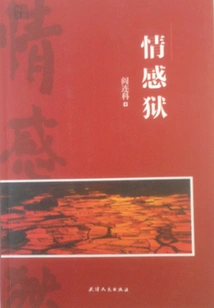
Yan Lianke's Works: Emotional Prison
General Fiction阎连科作品:情感狱
L
This is a novel written by Yan Lianke, China's first winner of the Kafka Literature Prize, and Yan Lianke's most emotional and sexual work. The manuscript truly depicts the living environment, life consciousness and living conditions of the "Yaogou Villagers", writes about the pain and struggle of several generations represented by "Yan Lianke" in difficult situations, and embodies deep philosophical thinking and awareness of worries. The growth process of "Yan Lianke" from immaturity to so-called "maturity" is like an emotional purgatory. It embodies the never-ending dream that generations of Chinese people have been constantly rising and shattering. This dream is sad and ridiculous, but also admirable and tearful.
This is a novel written by Yan Lianke, China's first winner of the Kafka Literature Prize, and Yan Lianke's most emotional and sexual work. The manuscript truly depicts the living environment, life consciousness and living conditions of the "Yaogou Villagers", writes about the pain and struggle of several generations represented by "Yan Lianke" in difficult situations, and embodies deep philosophical thinking and awareness of worries. The growth process of "Yan Lianke" from immaturity to so-called "maturity" is like an emotional purgatory. It embodies the never-ending dream that generations of Chinese people have been constantly rising and shattering. This dream is sad and ridiculous, but also admirable and tearful.
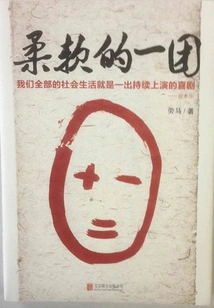
Soft Ball
General Fiction柔软的一团
Rauma
"A Soft Blob" is a series of excellent short stories carefully created by the short story geek Rauma after "Subtext". The content covers all aspects of contemporary Chinese society, with a variety of roles. The author uses his usual humor and sharp writing to peel back the layers of the life we are accustomed to, making people feel a spicy taste while laughing, which is thought-provoking. As the saying goes, "a smile with tears, a smile with irony."
"A Soft Blob" is a series of excellent short stories carefully created by the short story geek Rauma after "Subtext". The content covers all aspects of contemporary Chinese society, with a variety of roles. The author uses his usual humor and sharp writing to peel back the layers of the life we are accustomed to, making people feel a spicy taste while laughing, which is thought-provoking. As the saying goes, "a smile with tears, a smile with irony."

Small Hotel
General Fiction小旅馆
Lei Ligang
This is a process of carnival and disappearance that takes place outside the gate of a foreign language college with many beauties. Xiao Lei, who graduated from university and was admitted as a civil servant, resigned from the government and went to work in the society, but achieved nothing and was exhausted. He pinned his last hope of getting rich on opening a small hotel near the university. After the small hotel opened, it encountered many problems and was also competed and suppressed by other entrepreneurs from surrounding shops. When the business picked up, Xiao Lei was jealous of the landlord and bullied by the village cadres. Because it is close to the university, many beautiful female college students go in and out of small hotels and have complicated and tortuous love stories with Xiao Lei. However, when love encounters setbacks, Xiao Lei has to make a painful trade-off between career and love.
This is a process of carnival and disappearance that takes place outside the gate of a foreign language college with many beauties. Xiao Lei, who graduated from university and was admitted as a civil servant, resigned from the government and went to work in the society, but achieved nothing and was exhausted. He pinned his last hope of getting rich on opening a small hotel near the university. After the small hotel opened, it encountered many problems and was also competed and suppressed by other entrepreneurs from surrounding shops. When the business picked up, Xiao Lei was jealous of the landlord and bullied by the village cadres. Because it is close to the university, many beautiful female college students go in and out of small hotels and have complicated and tortuous love stories with Xiao Lei. However, when love encounters setbacks, Xiao Lei has to make a painful trade-off between career and love.

Butterfly on Fingertips
General Fiction指尖的蝴蝶
Xiangxue
There are so many wonderful things about love in the world that it's hard to describe them all. In the long history of mankind, life will eventually perish, but love will last forever. When the ends of the earth are limited, there will only be endless love.
There are so many wonderful things about love in the world that it's hard to describe them all. In the long history of mankind, life will eventually perish, but love will last forever. When the ends of the earth are limited, there will only be endless love.
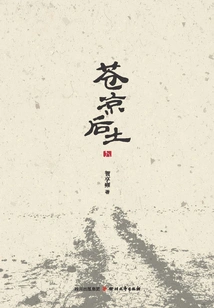
Desolate Back Soil
General Fiction苍凉后土
He Xiangyong
Farmer writer He Xiangyong used his profound life experience and spent several years to write a novel "The Desolate Back Land" with a strong flavor of rural life. The work "The Desolate Land" uses the experiences of the She Zhongming family, a large grain grower, as a clue to show the situation in Sichuan's rural areas in the late 1980s and early 1990s. It expresses the joys and worries of farmers, reflects the existing problems in rural reform, and foreshadows the bright prospects for rural development.
Farmer writer He Xiangyong used his profound life experience and spent several years to write a novel "The Desolate Back Land" with a strong flavor of rural life. The work "The Desolate Land" uses the experiences of the She Zhongming family, a large grain grower, as a clue to show the situation in Sichuan's rural areas in the late 1980s and early 1990s. It expresses the joys and worries of farmers, reflects the existing problems in rural reform, and foreshadows the bright prospects for rural development.
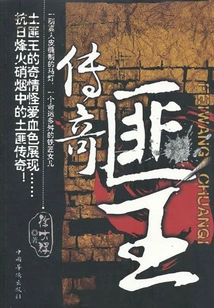
Bandit King Legend
General Fiction匪王传奇
Xu Dahui
In the robbery operation, the four beams and eight pillars must be charged forward, fighting in front and behind, otherwise they are not worthy of being four beams and eight pillars. Prestige is gained by killing, and the true qualities of a hero can only be shown in dangerous moments. Life and death are exchanged for honor, achievement, status, and strength. The thieves and thieves are awarded titles based on merit, and meritorious service must be exchanged for blood. Mustache's words shocked her: How many times can you become a master without dying? She actually fell in love with the bandit leader. The police chief failed to force a marriage and killed the blacksmith shop owner. When choosing to marry the bandit leader and the police chief, she resolutely decided to become the wife of Yazhai, and later became the head of the Tuni family...
In the robbery operation, the four beams and eight pillars must be charged forward, fighting in front and behind, otherwise they are not worthy of being four beams and eight pillars. Prestige is gained by killing, and the true qualities of a hero can only be shown in dangerous moments. Life and death are exchanged for honor, achievement, status, and strength. The thieves and thieves are awarded titles based on merit, and meritorious service must be exchanged for blood. Mustache's words shocked her: How many times can you become a master without dying? She actually fell in love with the bandit leader. The police chief failed to force a marriage and killed the blacksmith shop owner. When choosing to marry the bandit leader and the police chief, she resolutely decided to become the wife of Yazhai, and later became the head of the Tuni family...
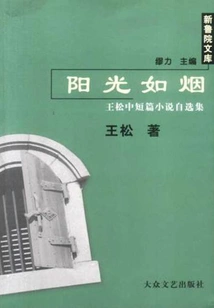
The Sun is Like Smoke
General Fiction阳光如烟
K
This collection contains a total of seven of my novellas. Among them: "Sunshine Like Smoke" was published in the first issue of "Harvest" in 2002. "October Lilac" was published in "Shanghai Literature" in 1998, and was later included in "Chinese Contemporary Emotions and Ethics Book Series". After "Ningyang Yidiao" was published in "Special Zone Literature" at the end of 2001, it was reprinted by "Selected Novels" and included in "2001 Selected Chinese Novels" compiled by the China Writers Association.
This collection contains a total of seven of my novellas. Among them: "Sunshine Like Smoke" was published in the first issue of "Harvest" in 2002. "October Lilac" was published in "Shanghai Literature" in 1998, and was later included in "Chinese Contemporary Emotions and Ethics Book Series". After "Ningyang Yidiao" was published in "Special Zone Literature" at the end of 2001, it was reprinted by "Selected Novels" and included in "2001 Selected Chinese Novels" compiled by the China Writers Association.
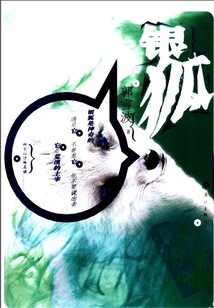
Silver Fox
General Fiction银狐
Guo Xuebo
On the vast grasslands and sands of Horqin, Inner Mongolia, in the underground palace of the ancient Liao royal family, there lived a group of foxes headed by Silver Fox. As a symbol of desert elves and totems, the beauty and charm, magic and spirituality, pain and joy of the silver fox blend into the vastness and mystery of the grassland, the compassion and holiness of primitive shamanism, the richness and depth of history, and reflect the struggle and hope of human beings to find their lost self and spiritual home. It is filled with the writer's compassionate feelings of calling and looking for the guardian angel of nature... The scenes are full of fantastic colors, and the images are ready to be imagined, creating a magnificent, powerful, rough and simple legend of the mutual affection between man and the fox tribe. It can be called a shocking work of grassland culture.
On the vast grasslands and sands of Horqin, Inner Mongolia, in the underground palace of the ancient Liao royal family, there lived a group of foxes headed by Silver Fox. As a symbol of desert elves and totems, the beauty and charm, magic and spirituality, pain and joy of the silver fox blend into the vastness and mystery of the grassland, the compassion and holiness of primitive shamanism, the richness and depth of history, and reflect the struggle and hope of human beings to find their lost self and spiritual home. It is filled with the writer's compassionate feelings of calling and looking for the guardian angel of nature... The scenes are full of fantastic colors, and the images are ready to be imagined, creating a magnificent, powerful, rough and simple legend of the mutual affection between man and the fox tribe. It can be called a shocking work of grassland culture.
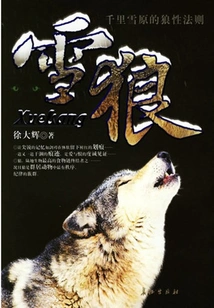
Snow Wolf
General Fiction雪狼
I
The back of a wolf dynasty fades away. The old wolf king, who was kicked off the throne and driven out of the pack by his son, captured and killed a majestic red deer and dragged it back to his territory to prove that he was not old, and finally died sadly. The wolf queen refused to marry the new wolf king and did not migrate with the pack. She lived alone in Xiangwa with the old wolf king's posthumous child. She took a human child from the snow nest and nursed it; a deserter rescued a female wolf from a hunter's steel trap. When the deserter was hunted, the female wolf bravely stood up; when the human mother suddenly appeared in front of the wolf child, what would the wolf child do? When wolves disappear from nature, what people lack is not just a friend, but humanity's own story.
The back of a wolf dynasty fades away. The old wolf king, who was kicked off the throne and driven out of the pack by his son, captured and killed a majestic red deer and dragged it back to his territory to prove that he was not old, and finally died sadly. The wolf queen refused to marry the new wolf king and did not migrate with the pack. She lived alone in Xiangwa with the old wolf king's posthumous child. She took a human child from the snow nest and nursed it; a deserter rescued a female wolf from a hunter's steel trap. When the deserter was hunted, the female wolf bravely stood up; when the human mother suddenly appeared in front of the wolf child, what would the wolf child do? When wolves disappear from nature, what people lack is not just a friend, but humanity's own story.
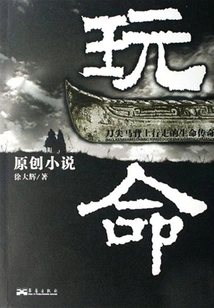
Death-defying
General Fiction玩命
I
Weird gang customs reappear, the thrilling life in the bandits' lair is revealed, and a little-known story told to you by a bandit's descendant. This is a strange book that describes bandits from their perspective and depicts the life of bandits in Northeast China. An old wolf covered in blood, holding a box gun in his mouth, staggered towards the depths of the wilderness. The wolf and Beard forged a grudge against each other in the wilderness on a moonlit night when Big Cabinet returned from gambling and met a pack of wolves. The three accompanying beardies died in the belly of a wolf to save Dakei's life. Dakei ate the wolf's heart as a sacrifice to his dead brothers. On the night of the wolf meat feast, the wolves devoured the bandit's nest.
Weird gang customs reappear, the thrilling life in the bandits' lair is revealed, and a little-known story told to you by a bandit's descendant. This is a strange book that describes bandits from their perspective and depicts the life of bandits in Northeast China. An old wolf covered in blood, holding a box gun in his mouth, staggered towards the depths of the wilderness. The wolf and Beard forged a grudge against each other in the wilderness on a moonlit night when Big Cabinet returned from gambling and met a pack of wolves. The three accompanying beardies died in the belly of a wolf to save Dakei's life. Dakei ate the wolf's heart as a sacrifice to his dead brothers. On the night of the wolf meat feast, the wolves devoured the bandit's nest.
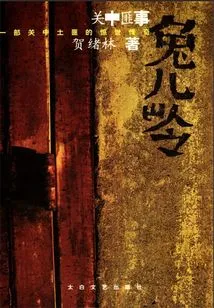
Tu'erling
General Fiction兔儿岭
He Xulin
This book mainly talks about the eighteenth year of the Republic of China. During the 800-mile period, Qinchuan was hit by a severe drought that had never happened in a century. Thousands of miles of red land, starvation and death everywhere, war and chaos, and bandits. The parents of Dunzi, a son of a good family, died at the hands of the security team leader Luo Yuzhang. The orphan escaped from the tiger's mouth and fled to a foreign country with anger. Unexpectedly, he accidentally stumbled into a bandit's lair on the way. On Tu'er Ridge, the young and beautiful Mrs. Yazhai, Xueyan, rescued Dunzi and escaped from the bandit's den. The hot-blooded man finally killed the villain and avenged his father's murder, but was exploited by others and finally escaped death...
This book mainly talks about the eighteenth year of the Republic of China. During the 800-mile period, Qinchuan was hit by a severe drought that had never happened in a century. Thousands of miles of red land, starvation and death everywhere, war and chaos, and bandits. The parents of Dunzi, a son of a good family, died at the hands of the security team leader Luo Yuzhang. The orphan escaped from the tiger's mouth and fled to a foreign country with anger. Unexpectedly, he accidentally stumbled into a bandit's lair on the way. On Tu'er Ridge, the young and beautiful Mrs. Yazhai, Xueyan, rescued Dunzi and escaped from the bandit's den. The hot-blooded man finally killed the villain and avenged his father's murder, but was exploited by others and finally escaped death...
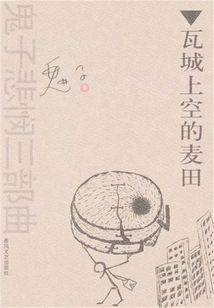
Wheat Fields Above Wa City
General Fiction瓦城上空的麦田
L
His wife was looking motionless into the distance, looking at a white cloud in the distance. Li Si said that it was a wet white cloud, and that kind of white cloud would never be seen in Wacheng. That kind of white cloud seems to be floating slowly, and it seems to be always motionless. His wife often stares at the wet white clouds in a daze. She didn't look back. She said how do I know? If you don't come back, you'll be busy again. Li Si said that he didn't like her answer. She always said that every year, as if she was used to it, it didn't matter to her anymore, it seemed that she was no longer looking forward to their return...
His wife was looking motionless into the distance, looking at a white cloud in the distance. Li Si said that it was a wet white cloud, and that kind of white cloud would never be seen in Wacheng. That kind of white cloud seems to be floating slowly, and it seems to be always motionless. His wife often stares at the wet white clouds in a daze. She didn't look back. She said how do I know? If you don't come back, you'll be busy again. Li Si said that he didn't like her answer. She always said that every year, as if she was used to it, it didn't matter to her anymore, it seemed that she was no longer looking forward to their return...
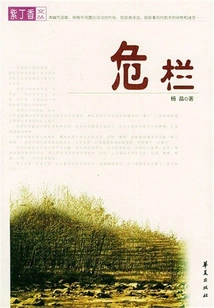
Dangerous Fence
General Fiction危栏
Yang Jing
This book brings ordinary people into the officialdom. This is a protagonist who has been indulged in officialdom for a long time and is not adapted to it, but insists on walking on the road of benevolence. It expresses his unique life experience and tragic appeal, as well as the unique variation of life and inner pain in his living situation. After reading it, I felt a little uncomfortable, had a strange feeling, and felt a little shuddering. This shows that the novel has achieved its purpose. The author brings the protagonist into the structure he set and accepts the torture of the soul of "water and fire". This book has a strong story-telling, concise lines and rapid advancement. This kind of story-telling, clear and beautiful novel is also because it has a preset structure that is consistent with the reader's preconsciousness.
This book brings ordinary people into the officialdom. This is a protagonist who has been indulged in officialdom for a long time and is not adapted to it, but insists on walking on the road of benevolence. It expresses his unique life experience and tragic appeal, as well as the unique variation of life and inner pain in his living situation. After reading it, I felt a little uncomfortable, had a strange feeling, and felt a little shuddering. This shows that the novel has achieved its purpose. The author brings the protagonist into the structure he set and accepts the torture of the soul of "water and fire". This book has a strong story-telling, concise lines and rapid advancement. This kind of story-telling, clear and beautiful novel is also because it has a preset structure that is consistent with the reader's preconsciousness.
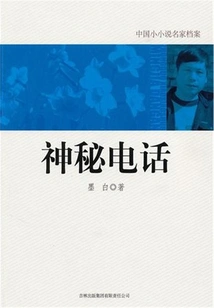
Mysterious Phone Call
General Fiction神秘电话
Mo Bai
This book collects Mo Bai's short novels and is divided into four parts: collection of works, reviews of works, creative experience and creative chronology. Including "Mysterious Phone Call", "Accidental", "Gone", "Missing the Days with Sunshine", etc. It is short in length, flexible in format, close to reality, life, and the masses in content. It has a very distinct flavor of the times and is loved by readers.
This book collects Mo Bai's short novels and is divided into four parts: collection of works, reviews of works, creative experience and creative chronology. Including "Mysterious Phone Call", "Accidental", "Gone", "Missing the Days with Sunshine", etc. It is short in length, flexible in format, close to reality, life, and the masses in content. It has a very distinct flavor of the times and is loved by readers.
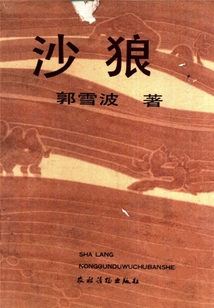
Sand Wolf
General Fiction沙狼
Guo Xuebo
I wonder if it is due to the rapid development of modern civilization that people's lives and interpersonal relationships have become greatly complicated. Our country has a long history of civilization, a particularly large and therefore crowded population, a long cultural tradition of working hard on interpersonal relationships, frequent and violent social changes in the past century, the influence of class struggle as a "main subject" in recent decades, and more and more people flocking to and yearning for cities... All these factors make our literature and our nerves closely focus on the interpersonal affinity and struggle in pigeon-cage buildings. Sometimes, after reading one novel after another, we cannot even imagine the natural environment in which its protagonists live, nor can we imagine their living conditions other than intrigues with others or love and hatred.
I wonder if it is due to the rapid development of modern civilization that people's lives and interpersonal relationships have become greatly complicated. Our country has a long history of civilization, a particularly large and therefore crowded population, a long cultural tradition of working hard on interpersonal relationships, frequent and violent social changes in the past century, the influence of class struggle as a "main subject" in recent decades, and more and more people flocking to and yearning for cities... All these factors make our literature and our nerves closely focus on the interpersonal affinity and struggle in pigeon-cage buildings. Sometimes, after reading one novel after another, we cannot even imagine the natural environment in which its protagonists live, nor can we imagine their living conditions other than intrigues with others or love and hatred.
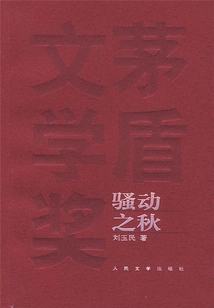
Tumultuous Autumn
General Fiction骚动之秋
Liu Yumin
This book not only describes the various commotions aroused by Yue Pengcheng, a "peasant reformer", in reforming his hometown: from the attention of provincial, municipal and county party committee leaders to the publicity of national and provincial public opinion on marriage registration, from the ancient legend of Li Longshan to the names of Yue Pengcheng and Dashangyuan engraved on the tablets in the back hall of King Li Temple... But at the same time, it also focuses on the various turmoils in Yue Pengcheng's heart. He and his son, Guan Guan, had different experiences during the reform. The conflict between father and son caused by the conflict of opinions; his relationship with Qiuling led to the conflict with his wife and the intensification of family conflicts; his boldness, decisiveness, courage, foresight, etc. In handling problems during the reform did indeed make the township enterprises develop greatly. However, under the impact of the commodity economy and the influence of unhealthy social trends, he used some illegal means to carry out activities of reselling scarce supplies...
This book not only describes the various commotions aroused by Yue Pengcheng, a "peasant reformer", in reforming his hometown: from the attention of provincial, municipal and county party committee leaders to the publicity of national and provincial public opinion on marriage registration, from the ancient legend of Li Longshan to the names of Yue Pengcheng and Dashangyuan engraved on the tablets in the back hall of King Li Temple... But at the same time, it also focuses on the various turmoils in Yue Pengcheng's heart. He and his son, Guan Guan, had different experiences during the reform. The conflict between father and son caused by the conflict of opinions; his relationship with Qiuling led to the conflict with his wife and the intensification of family conflicts; his boldness, decisiveness, courage, foresight, etc. In handling problems during the reform did indeed make the township enterprises develop greatly. However, under the impact of the commodity economy and the influence of unhealthy social trends, he used some illegal means to carry out activities of reselling scarce supplies...
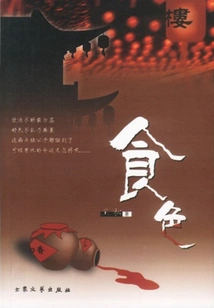
Food and Color
General Fiction食色
Wang Song
The former is nestled against the Shoulong River, and is surrounded by ancient locust trees and green cypresses. Ningyang City looks like a really nice scene. This place is located on the main transportation route from the three northeastern provinces to Shanhaiguan. In the old days, it was already a densely populated commercial town. For many years, merchants from Huguang went to collect mountain goods and medicinal materials outside the customs, and regular customers from the Northeast entered the customs to do silk and tea business. This is also the only way to go. Gradually, a small town became a land and water transportation terminal where vehicles and ships flowed continuously all year round. The city also became prosperous with fireworks, and became a place where merchants from all over the world gathered and mixed together three religions and nine streams. The six streets are lined with shops, teahouses and inns, and every night the streets are filled with people and music.
The former is nestled against the Shoulong River, and is surrounded by ancient locust trees and green cypresses. Ningyang City looks like a really nice scene. This place is located on the main transportation route from the three northeastern provinces to Shanhaiguan. In the old days, it was already a densely populated commercial town. For many years, merchants from Huguang went to collect mountain goods and medicinal materials outside the customs, and regular customers from the Northeast entered the customs to do silk and tea business. This is also the only way to go. Gradually, a small town became a land and water transportation terminal where vehicles and ships flowed continuously all year round. The city also became prosperous with fireworks, and became a place where merchants from all over the world gathered and mixed together three religions and nine streams. The six streets are lined with shops, teahouses and inns, and every night the streets are filled with people and music.
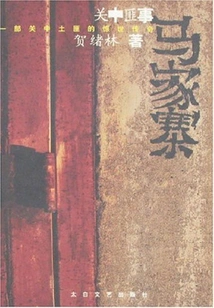
Majiazhai
General Fiction马家寨
He Xulin
The Ma and Feng tribes in Majia Village on the Weibei Plateau have always had a grudge. Ma Tianshou, a descendant of the Ma family, coveted the concubine of Feng Renqian, a wealthy family member of the Feng family. His reckless offense led to a fatal disaster. Fortunately, Mr. Jin Da, a doctor of Yongshou Chang, worked hard to save her. Tianshou forced Luo Cao to become a bandit in Beimang Mountain. He confronted the Feng family in high spirits, kidnapped concubines, smashed shops, and robbed money and food. The Feng family colluded with the local garrison to massacre Majia Village in the name of suppressing bandits. More than 500 villagers bravely defended their homes with their flesh and blood.
The Ma and Feng tribes in Majia Village on the Weibei Plateau have always had a grudge. Ma Tianshou, a descendant of the Ma family, coveted the concubine of Feng Renqian, a wealthy family member of the Feng family. His reckless offense led to a fatal disaster. Fortunately, Mr. Jin Da, a doctor of Yongshou Chang, worked hard to save her. Tianshou forced Luo Cao to become a bandit in Beimang Mountain. He confronted the Feng family in high spirits, kidnapped concubines, smashed shops, and robbed money and food. The Feng family colluded with the local garrison to massacre Majia Village in the name of suppressing bandits. More than 500 villagers bravely defended their homes with their flesh and blood.
Wooden Protrusion
General Fiction木凸
Lu Tianming
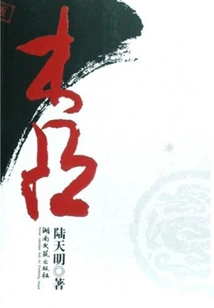
"Mutu" takes the fate of the characters in Tan's Garden as the background, and writes and narrates the stories in life as part of history, depicting the confrontation between old and new ideas in Chinese history. Why can't the men named Tan who live in Tan's Garden live beyond the age of fifty-two, and will all die by then? What does the love story between Tan Zongsan, the heir to the Tan Family Garden, and Huang Keying have to do with the old housekeeper Jing Yimen? How did the old and new forces of Tan Family Garden come about through the overt and covert struggle between Tan Zongsan's Yufeng Company and the conservative faction represented by the Jingyi Sect? ...
"Mutu" takes the fate of the characters in Tan's Garden as the background, and writes and narrates the stories in life as part of history, depicting the confrontation between old and new ideas in Chinese history. Why can't the men named Tan who live in Tan's Garden live beyond the age of fifty-two, and will all die by then? What does the love story between Tan Zongsan, the heir to the Tan Family Garden, and Huang Keying have to do with the old housekeeper Jing Yimen? How did the old and new forces of Tan Family Garden come about through the overt and covert struggle between Tan Zongsan's Yufeng Company and the conservative faction represented by the Jingyi Sect? ...
Popularity
General Fiction人气
Jiang Zilong
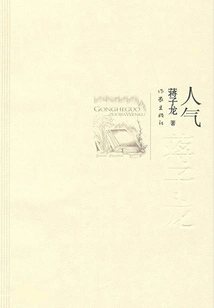
Jiang Zilong, vice chairman of the Chinese Writers Association, has made waves in society many times with novels such as "The Taking of Factory Manager Qiao" and "Red, Orange, Yellow, Green, Blue and Purple". Today, he has devoted ten years of writing to his masterpiece "Popularity". Who doesn't want to be popular, personal, family or country? While expressing the cultural landscape of the metropolis, the work comprehensively reflects the profound changes in interpersonal relationships and the emotional world under the market economy. From the emotional entanglement between a laid-off female worker and the department director, to the hazy love affair between a handsome businessman and a female university teacher, all living beings are ups and downs in the tide of desire, showing both the pure beauty of personality and the ugly bad nature.
Jiang Zilong, vice chairman of the Chinese Writers Association, has made waves in society many times with novels such as "The Taking of Factory Manager Qiao" and "Red, Orange, Yellow, Green, Blue and Purple". Today, he has devoted ten years of writing to his masterpiece "Popularity". Who doesn't want to be popular, personal, family or country? While expressing the cultural landscape of the metropolis, the work comprehensively reflects the profound changes in interpersonal relationships and the emotional world under the market economy. From the emotional entanglement between a laid-off female worker and the department director, to the hazy love affair between a handsome businessman and a female university teacher, all living beings are ups and downs in the tide of desire, showing both the pure beauty of personality and the ugly bad nature.
Black and White
General Fiction黑白
Welfare Fund
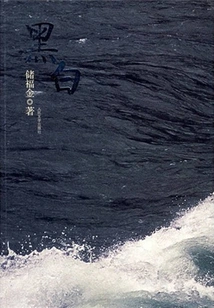
The background of the novel is set in the Republic of China, and it tells the story of Tao Yangzi, a generation of chess kings, who practiced chess on the road. This work, called "China's first full-length masterpiece expressing chess culture" by literary critics, describes the ups and downs of the chess player Tao Yangzi's life. This book tells about a rainy town in the south of the Yangtze River, which is the starting point of Tao Yangzi's life. The aura of water and the obscurity of rain formed his lonely and sensitive character in childhood, and also formed his chess game that is as weak as water and as tough as water. The story revolves around Tao Yangzi's life closely related to Go. He writes about life through Go and writes history through individuals. The theme is unique and it deeply explores the unique charm contained in traditional culture.
The background of the novel is set in the Republic of China, and it tells the story of Tao Yangzi, a generation of chess kings, who practiced chess on the road. This work, called "China's first full-length masterpiece expressing chess culture" by literary critics, describes the ups and downs of the chess player Tao Yangzi's life. This book tells about a rainy town in the south of the Yangtze River, which is the starting point of Tao Yangzi's life. The aura of water and the obscurity of rain formed his lonely and sensitive character in childhood, and also formed his chess game that is as weak as water and as tough as water. The story revolves around Tao Yangzi's life closely related to Go. He writes about life through Go and writes history through individuals. The theme is unique and it deeply explores the unique charm contained in traditional culture.
Konggulan
General Fiction空谷兰
Fang Wenzhai
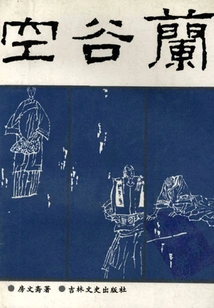
The reason why the work is named "Konggu Lan" is entirely out of deep respect for the three protagonists. Just as the heroine Wei Xiyu uses the orchid in the empty valley as a metaphor for herself, aren't the elegant and heroic male protagonist Yang Yuelou and the other chivalrous and warm-hearted heroine Shen Yuechun like the orchids in the empty valley, elegant and noble, and fragrant? If readers read it with concentration, I believe they will continue to smell the refreshing orchid fragrance. If this is the case, it means that you have become a close friend of "Konggu Lan". As an author, I would be honored!
The reason why the work is named "Konggu Lan" is entirely out of deep respect for the three protagonists. Just as the heroine Wei Xiyu uses the orchid in the empty valley as a metaphor for herself, aren't the elegant and heroic male protagonist Yang Yuelou and the other chivalrous and warm-hearted heroine Shen Yuechun like the orchids in the empty valley, elegant and noble, and fragrant? If readers read it with concentration, I believe they will continue to smell the refreshing orchid fragrance. If this is the case, it means that you have become a close friend of "Konggu Lan". As an author, I would be honored!
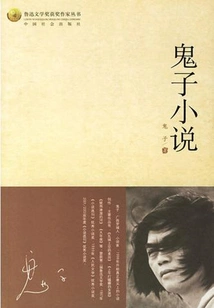
Japanese Novels
General Fiction鬼子小说
J
This book contains a collection of short stories and short stories by writers who won the Lu Xun Literature Award. With their keen thinking, unique insights and thinking about life, and their diverse personalities and sophisticated artistic expressions, I believe that readers will get emotional edification, ideological sublimation and great artistic enjoyment through this tour of elegant literature. Guizi's writing is full of the burning pain inherent in life. This burning pain comes from the people, from the origin of life, and even more from the devil's repeated chewing and endless sympathy for the memory of suffering. It is not only free from mainstream consciousness and public value forms, but also free from the historical depth radiated by grand narratives, but it is closer to the reality of life. The collection of novels selected in this book reflects the Japanese's positive attitude towards the suffering of existence, reflects the Japanese's protection of conscience, morality and dignity as an intellectual writer, and the defense of the purity of art itself.
This book contains a collection of short stories and short stories by writers who won the Lu Xun Literature Award. With their keen thinking, unique insights and thinking about life, and their diverse personalities and sophisticated artistic expressions, I believe that readers will get emotional edification, ideological sublimation and great artistic enjoyment through this tour of elegant literature. Guizi's writing is full of the burning pain inherent in life. This burning pain comes from the people, from the origin of life, and even more from the devil's repeated chewing and endless sympathy for the memory of suffering. It is not only free from mainstream consciousness and public value forms, but also free from the historical depth radiated by grand narratives, but it is closer to the reality of life. The collection of novels selected in this book reflects the Japanese's positive attitude towards the suffering of existence, reflects the Japanese's protection of conscience, morality and dignity as an intellectual writer, and the defense of the purity of art itself.
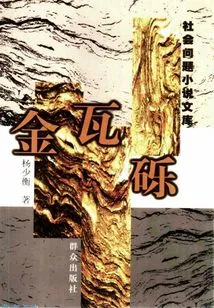
Gold Rubble
General Fiction金瓦砾
Yang Shaoheng
Young entrepreneur Zhou Ping, general manager of a joint venture company Hong Chengzong and cultural relics worker Yu Huaiying happened to pay attention to the rubble on the high ground in the north of the city. The three young people experienced the troubles and emotional ups and downs of their own lives, and revealed their origins, life principles and ideological trajectories in their fights with each other.
Young entrepreneur Zhou Ping, general manager of a joint venture company Hong Chengzong and cultural relics worker Yu Huaiying happened to pay attention to the rubble on the high ground in the north of the city. The three young people experienced the troubles and emotional ups and downs of their own lives, and revealed their origins, life principles and ideological trajectories in their fights with each other.
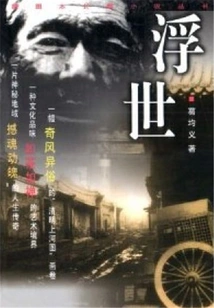
Floating World
General Fiction浮世
Ge Junyi
In the snow-covered flag town, there are three civilized alleys: Caiguan Haohan Lane, Yanguan Shenxian Lane, and Brothel Xinghua Lane; there are also Paper Lantern Street, Pheasant Ridge, Huahua Ridge, the luxurious and elegant Red Mansion with Human Heads, as well as the Peking University Temple and St. Nila Cathedral, where bells often ring. Smokers who grow poppies in the mountains, "skin-pickers" who smuggle across the border late at night, "beards" who kill people, steal goods, kidnap and rob... A mysterious traveler comes to the town, and the thousand-year-old elm tree at the corner of Crotch Street turns green overnight, dooming a soul-stirring legend of the rise and fall of Flag Town. The works have far-reaching realms and connotations, and are elegant in style and taste, just like a long artistic scroll called "Along the River During the Qingming Festival".
In the snow-covered flag town, there are three civilized alleys: Caiguan Haohan Lane, Yanguan Shenxian Lane, and Brothel Xinghua Lane; there are also Paper Lantern Street, Pheasant Ridge, Huahua Ridge, the luxurious and elegant Red Mansion with Human Heads, as well as the Peking University Temple and St. Nila Cathedral, where bells often ring. Smokers who grow poppies in the mountains, "skin-pickers" who smuggle across the border late at night, "beards" who kill people, steal goods, kidnap and rob... A mysterious traveler comes to the town, and the thousand-year-old elm tree at the corner of Crotch Street turns green overnight, dooming a soul-stirring legend of the rise and fall of Flag Town. The works have far-reaching realms and connotations, and are elegant in style and taste, just like a long artistic scroll called "Along the River During the Qingming Festival".
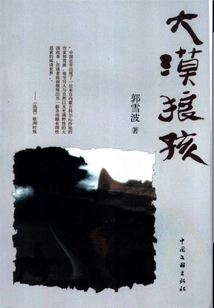
Desert Wolf Boy
General Fiction大漠狼孩
Guo Xuebo
The village chief Hu Lama led a hunting team to destroy the she-wolf family, and the lactating she-wolf took away an innocent person-my younger brother, Xiao Long, who was raised as a wolf child. Another wolf cub I rescued from the she-wolf's stick was secretly raised by Lama Hu. So, the exchange of survival between man and beast, can it still be the original man and beast? His father, Su Ke, went through all kinds of hardships to find his beloved son, Xiao Long. He fought with she-wolves, thieves, and the harsh environment in a desperate fight with great wisdom and courage. He wore wolf skin and pretended to be a wolf in the ruins of the ancient city for several years, trying to get close to the wolf boy. However, the son who was trapped back was no longer the original son. He was completely a half-man, half-beast with a heart for the wilderness and a bloodthirsty nature! The wolf cub I raised, Bai Er, is humane, witty, brave, and has a strong desire for revenge. He clashed with Lama Hu and others who exterminated the wolf tribe many times. He started fighting for revenge and narrowly escaped death. However, when he returned to the wilderness, the mother wolf did not accept his "rebellious son" who was raised by humans!
The village chief Hu Lama led a hunting team to destroy the she-wolf family, and the lactating she-wolf took away an innocent person-my younger brother, Xiao Long, who was raised as a wolf child. Another wolf cub I rescued from the she-wolf's stick was secretly raised by Lama Hu. So, the exchange of survival between man and beast, can it still be the original man and beast? His father, Su Ke, went through all kinds of hardships to find his beloved son, Xiao Long. He fought with she-wolves, thieves, and the harsh environment in a desperate fight with great wisdom and courage. He wore wolf skin and pretended to be a wolf in the ruins of the ancient city for several years, trying to get close to the wolf boy. However, the son who was trapped back was no longer the original son. He was completely a half-man, half-beast with a heart for the wilderness and a bloodthirsty nature! The wolf cub I raised, Bai Er, is humane, witty, brave, and has a strong desire for revenge. He clashed with Lama Hu and others who exterminated the wolf tribe many times. He started fighting for revenge and narrowly escaped death. However, when he returned to the wilderness, the mother wolf did not accept his "rebellious son" who was raised by humans!
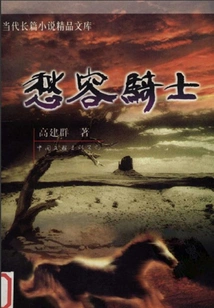
Sad Knight
General Fiction愁容骑士
Gao Jianqun
A group of healthy men suffering from sexual hunger. A group of tough men who are deeply tortured by sexual repression. In the eternal desert wasteland, they chased foreign women like male camels in heat, making terrible screams of "whisper". They are gloomy, sad, they long for women, they want to live a normal life, but it is impossible because they are a special group of human beings. They are the last knights of romanticism.
A group of healthy men suffering from sexual hunger. A group of tough men who are deeply tortured by sexual repression. In the eternal desert wasteland, they chased foreign women like male camels in heat, making terrible screams of "whisper". They are gloomy, sad, they long for women, they want to live a normal life, but it is impossible because they are a special group of human beings. They are the last knights of romanticism.
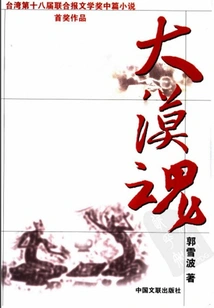
Desert Soul
General Fiction大漠魂
Guo Xuebo
When I read Guo Xuebo's novel, I was fascinated by the author's writing skills, mature style, concise and concise words, and the artistic reproduction ability of this novel. This is excellent work. Born in Kulun Banner in the wild Horqin Sandy Land; he was influenced by Lamaism culture, Mongolian culture and Chinese culture since childhood, and he was obsessed with the purpose of worshiping nature advocated by Mongolian primitive religion - Shamanism culture; he later graduated from Inner Mongolia Mongolian College and the Department of Literature of the Central Academy of Drama, and worked as an assistant researcher at the Institute of Literature of the Inner Mongolia Academy of Social Sciences; he currently works as an associate editor and director of the editorial department of Beijing Chinese Publishing House; he is currently a member of the Chinese Writers Association and a director of the China Environmental Literature Research Association.
When I read Guo Xuebo's novel, I was fascinated by the author's writing skills, mature style, concise and concise words, and the artistic reproduction ability of this novel. This is excellent work. Born in Kulun Banner in the wild Horqin Sandy Land; he was influenced by Lamaism culture, Mongolian culture and Chinese culture since childhood, and he was obsessed with the purpose of worshiping nature advocated by Mongolian primitive religion - Shamanism culture; he later graduated from Inner Mongolia Mongolian College and the Department of Literature of the Central Academy of Drama, and worked as an assistant researcher at the Institute of Literature of the Inner Mongolia Academy of Social Sciences; he currently works as an associate editor and director of the editorial department of Beijing Chinese Publishing House; he is currently a member of the Chinese Writers Association and a director of the China Environmental Literature Research Association.
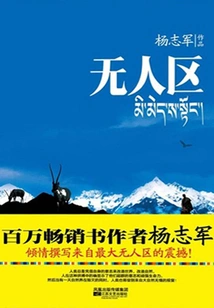
No Man's Land
General Fiction无人区
Yang Zhijun
This was a tragic move toward catastrophe that took place on Earth in western China during the winter of the early 1980s. Tens of thousands of gold diggers come from Qinghai, Gansu, Xinjiang, Sichuan and Ningxia provinces. Many of them perished here, with no bones left, leaving only the screams when they saw the snowy peaks crumbling, only the moment when people were buried in snow and ice, and the last cry of life. The screams and whines turned into pulp, seeped into the ice and rock, soaked in time, and appeared day after day in the immortal Grand Canyon, which was shocking. In the following years, men and women who came to look for their husbands, relatives and friends stood in the gorge for a while in the silence of the evening and listened, and they discovered that the endurance of the nerves was extremely limited...
This was a tragic move toward catastrophe that took place on Earth in western China during the winter of the early 1980s. Tens of thousands of gold diggers come from Qinghai, Gansu, Xinjiang, Sichuan and Ningxia provinces. Many of them perished here, with no bones left, leaving only the screams when they saw the snowy peaks crumbling, only the moment when people were buried in snow and ice, and the last cry of life. The screams and whines turned into pulp, seeped into the ice and rock, soaked in time, and appeared day after day in the immortal Grand Canyon, which was shocking. In the following years, men and women who came to look for their husbands, relatives and friends stood in the gorge for a while in the silence of the evening and listened, and they discovered that the endurance of the nerves was extremely limited...