Library
Browse and search books
2,472 novels found
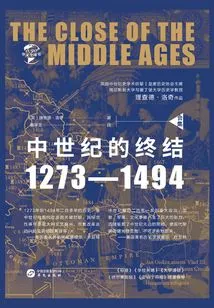
中世纪的终结:1273—1494(华文全球史)
(uk) Richard Lodge
"The End of the Middle Ages: 1273-1494" is the representative work of Richard Lodge, a giant in British medieval history, chairman of the Royal Historical Society, and professor of history at the University of Glasgow and the University of Edinburgh. It focuses on the three major historical events that ended the Middle Ages - the Reformation, the Renaissance and the opening of new shipping routes. It systematically describes the rise and fall of the Holy Roman Empire, the Kingdom of France, the Kingdom of England, the Kingdom of Poland, the Ottoman Empire, the Republic of Florence, the Republic of Venice and other countries during the evolution from the Middle Ages to modern times.
"The End of the Middle Ages: 1273-1494" is the representative work of Richard Lodge, a giant in British medieval history, chairman of the Royal Historical Society, and professor of history at the University of Glasgow and the University of Edinburgh. It focuses on the three major historical events that ended the Middle Ages - the Reformation, the Renaissance and the opening of new shipping routes. It systematically describes the rise and fall of the Holy Roman Empire, the Kingdom of France, the Kingdom of England, the Kingdom of Poland, the Ottoman Empire, the Republic of Florence, the Republic of Venice and other countries during the evolution from the Middle Ages to modern times.
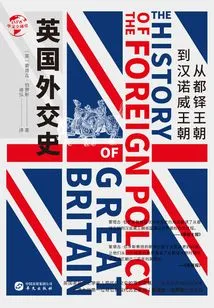
英国外交史:从都铎王朝到汉诺威王朝(华文全球史)
(uk) Montagu Burrows
"British Diplomatic History: From the Tudor Dynasty to the Hanoverian Dynasty" takes the evolution of Britain's foreign policy from the Tudor Dynasty to the Hanoverian Dynasty as the main clue, and shows in detail the entire process of Britain's transformation from an island country into an empire on which "the sun never sets" through means such as vertical and horizontal alliances and overseas colonization. What were the characteristics of Elizabeth I's diplomatic strategy? How was the foreign policy of "balance of power" formed? During the three Anglo-Dutch Wars, what kind of grudges existed between the Republic of the Netherlands, the Kingdom of France and the Kingdom of England? Why did William III return to the Tudor dynasty's "balance of power" diplomatic strategy? What role did the Royal Navy play in British diplomatic history? Why did "one ear" eventually lead to Britain declaring war on the Kingdom of Spain in 1739? How did the French Revolution and the Napoleonic Wars affect British foreign policy? What is Britain's attitude towards the Holy Alliance? What is the relationship between the disintegration of the "Holy Alliance" and Britain's overseas policy? This book will answer it in detail.
"British Diplomatic History: From the Tudor Dynasty to the Hanoverian Dynasty" takes the evolution of Britain's foreign policy from the Tudor Dynasty to the Hanoverian Dynasty as the main clue, and shows in detail the entire process of Britain's transformation from an island country into an empire on which "the sun never sets" through means such as vertical and horizontal alliances and overseas colonization. What were the characteristics of Elizabeth I's diplomatic strategy? How was the foreign policy of "balance of power" formed? During the three Anglo-Dutch Wars, what kind of grudges existed between the Republic of the Netherlands, the Kingdom of France and the Kingdom of England? Why did William III return to the Tudor dynasty's "balance of power" diplomatic strategy? What role did the Royal Navy play in British diplomatic history? Why did "one ear" eventually lead to Britain declaring war on the Kingdom of Spain in 1739? How did the French Revolution and the Napoleonic Wars affect British foreign policy? What is Britain's attitude towards the Holy Alliance? What is the relationship between the disintegration of the "Holy Alliance" and Britain's overseas policy? This book will answer it in detail.
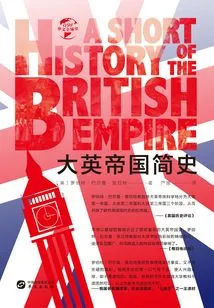
大英帝国简史(华文全球史)
J
"A Brief History of the British Empire" vividly and rigorously tells the history of the establishment, development, strength, and decline of the British Empire from the reign of Elizabeth I to the end of the Ottawa Conference in 1932. This book is divided into three parts, corresponding to the three stages of the British Empire - the British Empire, the Second British Empire and the Third British Empire. The first part mainly tells the history of the British Empire's colonization of the Americas. The second part tells the history of the Second British Empire's colonization of Australia, New Zealand, Canada, South Africa and India. The third part tells the history of the Third British Empire's heavy losses in World War I and the rebirth of the colonies and autonomous dominions after the war.
"A Brief History of the British Empire" vividly and rigorously tells the history of the establishment, development, strength, and decline of the British Empire from the reign of Elizabeth I to the end of the Ottawa Conference in 1932. This book is divided into three parts, corresponding to the three stages of the British Empire - the British Empire, the Second British Empire and the Third British Empire. The first part mainly tells the history of the British Empire's colonization of the Americas. The second part tells the history of the Second British Empire's colonization of Australia, New Zealand, Canada, South Africa and India. The third part tells the history of the Third British Empire's heavy losses in World War I and the rebirth of the colonies and autonomous dominions after the war.
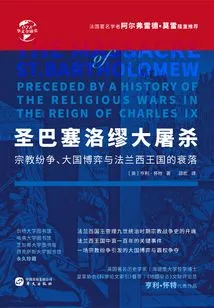
圣巴塞洛缪大屠杀——宗教纷争、大国博弈与法兰西王国的衰落(华文全球史)
(english) Henry White
"The Massacre of St. Bartholomew: Religious Disputes, Great Power Games, and the Decline of the Kingdom of France" is an extremely important academic monograph by Henry White, the most authoritative British scholar who studies the history of the Valois Dynasty in France. It is the first time that "The Massacre of St. Bartholomew was the result of a sudden decision" through systematic argumentation. At the end of the Valois Dynasty, why did the Kingdom of France fall into the dilemma of religious struggle? How did the struggle between royal and aristocratic power become entangled with religious struggles? What was the decision-making process for the St. Bartholomew's Massacre? Should key figures such as Catherine de' Medici and Charles IX be held responsible for the St. Bartholomew's Massacre, and to what extent? How did the St. Bartholomew's Massacre demonstrate the so-called "bigness" in terms of the number of people massacred, its scope, and its impact? Why did the Massacre of Saint Bartholomew become the beginning of the French Wars of Religion and a key event in the decline of the French Kingdom for a hundred years? This book will answer it in detail.
"The Massacre of St. Bartholomew: Religious Disputes, Great Power Games, and the Decline of the Kingdom of France" is an extremely important academic monograph by Henry White, the most authoritative British scholar who studies the history of the Valois Dynasty in France. It is the first time that "The Massacre of St. Bartholomew was the result of a sudden decision" through systematic argumentation. At the end of the Valois Dynasty, why did the Kingdom of France fall into the dilemma of religious struggle? How did the struggle between royal and aristocratic power become entangled with religious struggles? What was the decision-making process for the St. Bartholomew's Massacre? Should key figures such as Catherine de' Medici and Charles IX be held responsible for the St. Bartholomew's Massacre, and to what extent? How did the St. Bartholomew's Massacre demonstrate the so-called "bigness" in terms of the number of people massacred, its scope, and its impact? Why did the Massacre of Saint Bartholomew become the beginning of the French Wars of Religion and a key event in the decline of the French Kingdom for a hundred years? This book will answer it in detail.
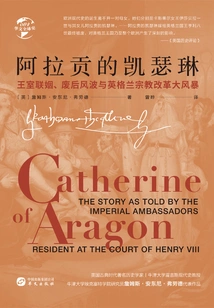
阿拉贡的凯瑟琳:王室联姻、废后风波与英格兰宗教改革大风暴(华文全球史)
(uk) James Anthony Froude
This book takes the divorce case between King Henry VIII of England and Queen Catherine of Aragon as the main line and tells the thrilling history of the English people's religious reform under the leadership of Henry VIII. How did divorce cause the Reformation in England? How did Pope Clement VII handle the divorce case under the triple threat of the Holy Roman Empire, the Kingdom of France and the Kingdom of England? How did the outcome of the divorce case affect the relationship between the three Christian powers, the Holy Roman Empire, the Kingdom of France, and the Kingdom of England? How did the English Parliament step by step pass important bills such as the Supremacy Act, the Succession Act, the Clergy Act, and the Appeal Act to limit the power of the clergy, realize the supremacy of royal power, and ultimately break with the Roman Catholic Church? How did the advancement of the English Reformation affect the fate of England's senior nobles, senior clergy, ordinary clergy and people? How did Catherine of Aragon choose to die in order to defend her dignity, seek help from everywhere, and finally die with hatred? How did Eustace Chapi, my ambassador from the Kingdom of Spain to England, secretly incite the English nobles to revolt? How did the pro-Holy Roman Empire faction and the pro-France faction within the English court intrigue and restrict each other? What's the secret behind Anne Boleyn's adultery case? Was the English Reformation a tyranny carried out by a tyrant for his own selfish desires, or was it the inevitable result of the people's aspirations and historical development? This book will answer it in detail.
This book takes the divorce case between King Henry VIII of England and Queen Catherine of Aragon as the main line and tells the thrilling history of the English people's religious reform under the leadership of Henry VIII. How did divorce cause the Reformation in England? How did Pope Clement VII handle the divorce case under the triple threat of the Holy Roman Empire, the Kingdom of France and the Kingdom of England? How did the outcome of the divorce case affect the relationship between the three Christian powers, the Holy Roman Empire, the Kingdom of France, and the Kingdom of England? How did the English Parliament step by step pass important bills such as the Supremacy Act, the Succession Act, the Clergy Act, and the Appeal Act to limit the power of the clergy, realize the supremacy of royal power, and ultimately break with the Roman Catholic Church? How did the advancement of the English Reformation affect the fate of England's senior nobles, senior clergy, ordinary clergy and people? How did Catherine of Aragon choose to die in order to defend her dignity, seek help from everywhere, and finally die with hatred? How did Eustace Chapi, my ambassador from the Kingdom of Spain to England, secretly incite the English nobles to revolt? How did the pro-Holy Roman Empire faction and the pro-France faction within the English court intrigue and restrict each other? What's the secret behind Anne Boleyn's adultery case? Was the English Reformation a tyranny carried out by a tyrant for his own selfish desires, or was it the inevitable result of the people's aspirations and historical development? This book will answer it in detail.
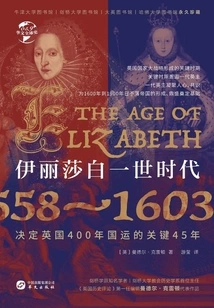
伊丽莎白一世时代:1558—1603(华文全球史)
(uk) Mandel Clayton
It tells the history of the Kingdom of England, under the leadership of Elizabeth I, as it strived to become stronger, reversed its national fortunes, and achieved take-off. In the early days of Elizabeth I's accession to the throne, why did the Kingdom of England fall into the quagmire of religious disputes and internal strife among the nobility? Why did the struggle between Elizabeth I and Mary Queen of Scots for the throne of England alarm the Kingdom of France and Spain? How did Elizabeth I take advantage of the contradiction between the Kingdom of France and the Kingdom of Spain, seize the rare period of strategic opportunity, create a relatively peaceful external environment, mediate the fierce domestic religious and political struggles, stabilize the social situation, strive to develop the economy, and quickly restore national strength? How did Elizabeth I skillfully support the Dutch Revolution and attack the Kingdom of Spain? The Spanish "Invincible Armada" set sail in the name of God. Why was it ultimately defeated by the weak English fleet? This book will answer it in detail.
It tells the history of the Kingdom of England, under the leadership of Elizabeth I, as it strived to become stronger, reversed its national fortunes, and achieved take-off. In the early days of Elizabeth I's accession to the throne, why did the Kingdom of England fall into the quagmire of religious disputes and internal strife among the nobility? Why did the struggle between Elizabeth I and Mary Queen of Scots for the throne of England alarm the Kingdom of France and Spain? How did Elizabeth I take advantage of the contradiction between the Kingdom of France and the Kingdom of Spain, seize the rare period of strategic opportunity, create a relatively peaceful external environment, mediate the fierce domestic religious and political struggles, stabilize the social situation, strive to develop the economy, and quickly restore national strength? How did Elizabeth I skillfully support the Dutch Revolution and attack the Kingdom of Spain? The Spanish "Invincible Armada" set sail in the name of God. Why was it ultimately defeated by the weak English fleet? This book will answer it in detail.
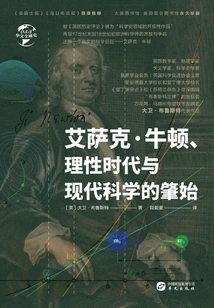
艾萨克·牛顿、理性时代与现代科学的肇始(华文全球史)
(uk) David Brewster
This book is a masterpiece handed down from generation to generation by David Brewster, a member of the Royal Society, chairman of the British Association for the Advancement of Science, the discoverer of "Brewster's Law" and the inventor of the kaleidoscope, horseshoe-shaped electromagnet, and lighthouse lens. It is recognized as a masterpiece in the history of science. The author extensively collects various original manuscripts, taking Isaac Newton's magnificent scientific research as the main line, detailing the arrival of the Age of Reason and the rise and development of modern science, analyzing the astrophysics discovery process of Copernicus, Galileo, Tycho Brahe, John Kepler and Isaac Newton's scientific thoughts, and examining the dispute over the invention of calculus between Isaac Newton and Gottfried Wilhelm Leibniz and the rumors of Isaac Newton's mental illness.
This book is a masterpiece handed down from generation to generation by David Brewster, a member of the Royal Society, chairman of the British Association for the Advancement of Science, the discoverer of "Brewster's Law" and the inventor of the kaleidoscope, horseshoe-shaped electromagnet, and lighthouse lens. It is recognized as a masterpiece in the history of science. The author extensively collects various original manuscripts, taking Isaac Newton's magnificent scientific research as the main line, detailing the arrival of the Age of Reason and the rise and development of modern science, analyzing the astrophysics discovery process of Copernicus, Galileo, Tycho Brahe, John Kepler and Isaac Newton's scientific thoughts, and examining the dispute over the invention of calculus between Isaac Newton and Gottfried Wilhelm Leibniz and the rumors of Isaac Newton's mental illness.
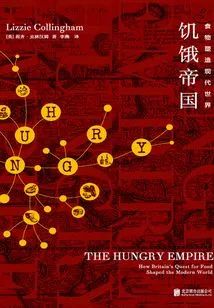
饥饿帝国:食物塑造现代世界
(uk) Lizzie Clingham
"The Hungry Empire" selects twenty delicacies as an entry point for studying the history of the British Empire. Through historical events such as how Africans taught Americans to grow rice, how the East India Company turned opium into tea, and how Americans became the best eaters in the world, it elaborates on the historical process of economic and trade development, species migration, personnel flow, and technological innovation between Britain and its colonies from the 16th century to the present. Food, like other historical materials, reflects the civilization process and social trends of a period. This book not only presents a vivid picture of the social, cultural and material life of the British Empire during the colonial period, but also provides a valuable reference for understanding social life and cultural exchanges in Britain. It also opens up a new path for understanding the formation and development of capitalist economy and modern world civilization.
"The Hungry Empire" selects twenty delicacies as an entry point for studying the history of the British Empire. Through historical events such as how Africans taught Americans to grow rice, how the East India Company turned opium into tea, and how Americans became the best eaters in the world, it elaborates on the historical process of economic and trade development, species migration, personnel flow, and technological innovation between Britain and its colonies from the 16th century to the present. Food, like other historical materials, reflects the civilization process and social trends of a period. This book not only presents a vivid picture of the social, cultural and material life of the British Empire during the colonial period, but also provides a valuable reference for understanding social life and cultural exchanges in Britain. It also opens up a new path for understanding the formation and development of capitalist economy and modern world civilization.
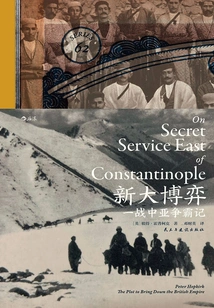
新大博弈:一战中亚争霸记
(uk) Peter Hopkirk
The Great Game has just subsided in Central Asia, and a new Great Game is taking place again. This book tells a thrilling story that happened in Central Asia during the First World War. Around the survival of the British Empire, the Allied Powers and the Entente Powers competed to take action, and on the little-known front, the war was ignited again. The Kaiser tried to attack British India and completely destroy the British Empire's world system; Enver of the Ottoman Empire was eager to establish his own new empire in Central Asia; Russia never gave up its ambitions for Constantinople; officials in British India were worried and alert to any threats from abroad. To this end, they established a defense line in East Persia, made peace with Afghanistan, sent troops to Baku, and supported puppets... This book is highly readable and shows readers little-known stories that happened in Central Asia during the "World War I" period. Some of the stories have had an impact that has not completely disappeared to this day.
The Great Game has just subsided in Central Asia, and a new Great Game is taking place again. This book tells a thrilling story that happened in Central Asia during the First World War. Around the survival of the British Empire, the Allied Powers and the Entente Powers competed to take action, and on the little-known front, the war was ignited again. The Kaiser tried to attack British India and completely destroy the British Empire's world system; Enver of the Ottoman Empire was eager to establish his own new empire in Central Asia; Russia never gave up its ambitions for Constantinople; officials in British India were worried and alert to any threats from abroad. To this end, they established a defense line in East Persia, made peace with Afghanistan, sent troops to Baku, and supported puppets... This book is highly readable and shows readers little-known stories that happened in Central Asia during the "World War I" period. Some of the stories have had an impact that has not completely disappeared to this day.
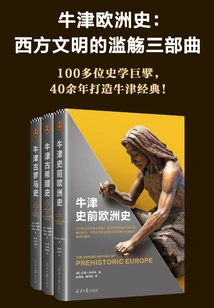
牛津欧洲史:西方文明的滥觞三部曲
(uk) Barry Cunliffe Et Al.
The "Oxford European History" series of books is planned and launched by Oxford University Press. Relying on its strong academic and publishing resources, it has assembled more than 100 historical giants across the ages and spent more than 40 years creating this set of Oxford classics. Famous experts in various fields have devoted their lifetime learning, breaking through the single-threaded general history narrative mode, and contributed to ordinary readers a set of special European histories that represent the high level of Europe and the United States in the past half century. This set of books has also become a treasure of Oxford University Press. It is a designated textbook of Oxford University and is known as "a book that every educated person should read."
The "Oxford European History" series of books is planned and launched by Oxford University Press. Relying on its strong academic and publishing resources, it has assembled more than 100 historical giants across the ages and spent more than 40 years creating this set of Oxford classics. Famous experts in various fields have devoted their lifetime learning, breaking through the single-threaded general history narrative mode, and contributed to ordinary readers a set of special European histories that represent the high level of Europe and the United States in the past half century. This set of books has also become a treasure of Oxford University Press. It is a designated textbook of Oxford University and is known as "a book that every educated person should read."
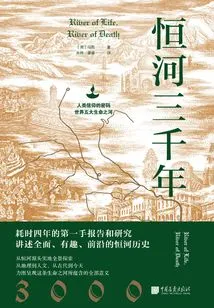
恒河三千年
(uk) Ma Kai
The Ganges River is one of the birthplaces of ancient Indian civilization and is known as the "cradle of Indian civilization" and "the mother river of India". The Ganges River is the soul of India. This book is the latest book by British journalist Ma Kai, which provides a comprehensive account of the relationship between the Ganges and modern India, including the impact of the Ganges on the country's history, religion, literature, politics and environment. We will follow the author's footsteps, listen to his questioning, and jointly face a cruel and absurd paradox in India: Why do Hindus so revere and worship the Ganges, but why do they pollute and even infringe their beloved national river so unrestrainedly?
The Ganges River is one of the birthplaces of ancient Indian civilization and is known as the "cradle of Indian civilization" and "the mother river of India". The Ganges River is the soul of India. This book is the latest book by British journalist Ma Kai, which provides a comprehensive account of the relationship between the Ganges and modern India, including the impact of the Ganges on the country's history, religion, literature, politics and environment. We will follow the author's footsteps, listen to his questioning, and jointly face a cruel and absurd paradox in India: Why do Hindus so revere and worship the Ganges, but why do they pollute and even infringe their beloved national river so unrestrainedly?
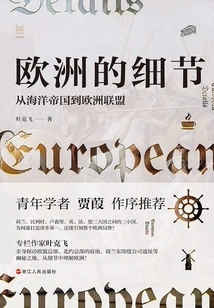
欧洲的细节:从海洋帝国到欧洲联盟
Ye Kefei
This book mainly starts from five aspects: historical details, urban details, cultural details, economic details and educational details. It explains how the three small countries of the Netherlands, Belgium and Luxembourg, surrounded by Britain, France and Germany, discovered their potential, became unique, became the vanguard of the European Union and even the whole of Europe, and led the world's trend with culture, economy and education.
This book mainly starts from five aspects: historical details, urban details, cultural details, economic details and educational details. It explains how the three small countries of the Netherlands, Belgium and Luxembourg, surrounded by Britain, France and Germany, discovered their potential, became unique, became the vanguard of the European Union and even the whole of Europe, and led the world's trend with culture, economy and education.
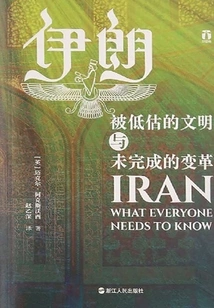
伊朗:被低估的文明与未完成的变革
(uk) Michael Axworthy
Iran (Persia) is one of the most important civilizations in the world and one of the few countries in the world that still maintains the uniqueness of its own civilization. Today, as an Islamic power with extensive regional influence, Iran is deeply integrated into the global economy with its abundant energy reserves. Even so, Iran has always seemed out of step with the Western world. Why does the Iranian government openly express its unwillingness to adapt to Western ideology? When and why did Iran turn into a Shiite state? What factors triggered the Islamic Revolution of 1979? Is Iran's nuclear program really aimed at possessing nuclear weapons? Is Khamenei a dictator? Who is actually running this country? A series of questions related to Iran are about to emerge. To answer these questions, we must have a deep understanding of Iranian history. This book explains one by one the historical roots and evolution of important issues closely related to Iran through questions and answers.
Iran (Persia) is one of the most important civilizations in the world and one of the few countries in the world that still maintains the uniqueness of its own civilization. Today, as an Islamic power with extensive regional influence, Iran is deeply integrated into the global economy with its abundant energy reserves. Even so, Iran has always seemed out of step with the Western world. Why does the Iranian government openly express its unwillingness to adapt to Western ideology? When and why did Iran turn into a Shiite state? What factors triggered the Islamic Revolution of 1979? Is Iran's nuclear program really aimed at possessing nuclear weapons? Is Khamenei a dictator? Who is actually running this country? A series of questions related to Iran are about to emerge. To answer these questions, we must have a deep understanding of Iranian history. This book explains one by one the historical roots and evolution of important issues closely related to Iran through questions and answers.
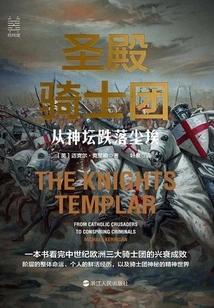
圣殿骑士团:从神坛跌落尘埃
(uk) Michael Kerrigan
There were three major knightly orders in Europe during the Middle Ages: the Knights Templar, the Knights Hospitaller, and the Teutonic Knights. As a religious military organization, knights must not only safeguard their own beliefs, but also be deeply involved in secular affairs. They are a unique existence in human history. This book mainly introduces the history of the rise and fall of the three major knights. The titles of each chapter are connected to show the development trajectory of the knights. The first knights embarked on a journey and fought fiercely in the Middle East. They possessed great strength and mysterious charm with their outstanding qualities; then, the storm came, and the knights suffered heavy losses and retreated to Rhodes Island, experiencing a siege and heart-breaking battle; finally, the old era faded away, and the knights gradually retreated with difficulty, but after almost disappearing, they became legends and attracted endless fascination from future generations. The book contains vivid and detailed descriptions of the knights' daily life, emotions, careers, etc., And also explains the final destination of the knights and the status of the knights that still exist today.
There were three major knightly orders in Europe during the Middle Ages: the Knights Templar, the Knights Hospitaller, and the Teutonic Knights. As a religious military organization, knights must not only safeguard their own beliefs, but also be deeply involved in secular affairs. They are a unique existence in human history. This book mainly introduces the history of the rise and fall of the three major knights. The titles of each chapter are connected to show the development trajectory of the knights. The first knights embarked on a journey and fought fiercely in the Middle East. They possessed great strength and mysterious charm with their outstanding qualities; then, the storm came, and the knights suffered heavy losses and retreated to Rhodes Island, experiencing a siege and heart-breaking battle; finally, the old era faded away, and the knights gradually retreated with difficulty, but after almost disappearing, they became legends and attracted endless fascination from future generations. The book contains vivid and detailed descriptions of the knights' daily life, emotions, careers, etc., And also explains the final destination of the knights and the status of the knights that still exist today.
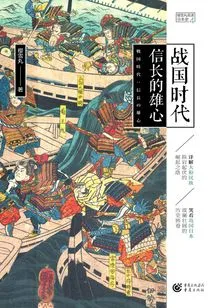
战国时代:信长的雄心
Sakura Snowmaru
This book starts from the birth of Tokugawa Ieyasu until the unification of Japan by Toyotomi Hideyoshi. It mainly tells the history of Japan's Warring States Period in three clues: the first and most important one tells the story of Tokugawa Ieyasu who started as a hostage, unified Mikawa and continued to grow, and his most difficult life years in surviving in the cracks; the second clue , narrates the short but glorious life of Oda Nobunaga from a "Martian" who was not favored by the world, to gradually becoming the overlord of the world, and finally committed suicide in the Honnoji Incident; the third clue describes the arduous struggle of Toyotomi Hideyoshi, who was born in a humble background. It was his talent and strategy that finally unified the entire Japan and ended the dark Warring States Period. While telling the ups and downs of the characters' fate, it more closely reveals the biggest mystery in the history of Japan's Warring States Period - the rebellion of Akechi Mitsuhide, the Incident at Honnoji Temple, and the final outcome of Oda Nobunaga.
This book starts from the birth of Tokugawa Ieyasu until the unification of Japan by Toyotomi Hideyoshi. It mainly tells the history of Japan's Warring States Period in three clues: the first and most important one tells the story of Tokugawa Ieyasu who started as a hostage, unified Mikawa and continued to grow, and his most difficult life years in surviving in the cracks; the second clue , narrates the short but glorious life of Oda Nobunaga from a "Martian" who was not favored by the world, to gradually becoming the overlord of the world, and finally committed suicide in the Honnoji Incident; the third clue describes the arduous struggle of Toyotomi Hideyoshi, who was born in a humble background. It was his talent and strategy that finally unified the entire Japan and ended the dark Warring States Period. While telling the ups and downs of the characters' fate, it more closely reveals the biggest mystery in the history of Japan's Warring States Period - the rebellion of Akechi Mitsuhide, the Incident at Honnoji Temple, and the final outcome of Oda Nobunaga.
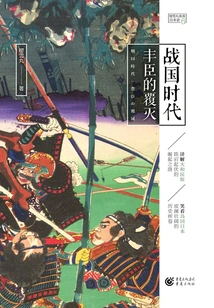
战国时代:丰臣的覆灭
Sakura Snowmaru
After the Battle of Sekihara, Tokugawa Ieyasu was appointed by the Emperor as the General to Conquer the Barbarians, founded the Tokugawa Shogunate, and began his journey to become the first person in Japan. However, the Toyotomi family has always been regarded as orthodox and still powerful. Toyotomi Hideyori also has loyal retainers around him and has a marriage agreement with the Tokugawa family. Tokugawa Ieyasu must start from two aspects, one is to make the world surrender with his strength, and the other is to oust the Toyotomi family from power as legitimately as possible. A competition of intelligence and strength that lasted for more than ten years began. At the same time, the issue of successor was also placed in front of Tokugawa Ieyasu. Who can I trust with my long-lasting achievements? The internal fighting of the Tokugawa family burned the life of this overlord in another way.
After the Battle of Sekihara, Tokugawa Ieyasu was appointed by the Emperor as the General to Conquer the Barbarians, founded the Tokugawa Shogunate, and began his journey to become the first person in Japan. However, the Toyotomi family has always been regarded as orthodox and still powerful. Toyotomi Hideyori also has loyal retainers around him and has a marriage agreement with the Tokugawa family. Tokugawa Ieyasu must start from two aspects, one is to make the world surrender with his strength, and the other is to oust the Toyotomi family from power as legitimately as possible. A competition of intelligence and strength that lasted for more than ten years began. At the same time, the issue of successor was also placed in front of Tokugawa Ieyasu. Who can I trust with my long-lasting achievements? The internal fighting of the Tokugawa family burned the life of this overlord in another way.
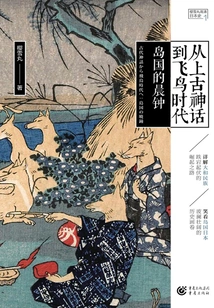
从上古神话到飞鸟时代:岛国的晨钟
Sakura Snowmaru
In 57 AD, the Japanese slave king went to Luoyang to meet Emperor Guangwu of the Han Dynasty Liu Xiu, and was named "the Japanese slave king of the Han Dynasty". At that time, Japan's political power was limited to today's Kyushu Island, divided into dozens of tribes, and there were constant disputes. Until the Three Kingdoms period, various tribes formed an alliance and elected Queen Beimihu as the leader of the alliance. After that, Japan continued to send envoys to China to learn from China's advanced systems and technologies. In 593 AD, Prince Shotoku took over as regent and implemented reforms. After the death of Prince Shotoku, Emperor Kotoku once again implemented reforms after coming to power, which was known as the "Taika Reform" in history. However, the Dahua reform was resisted because it touched the interests of the nobles. It was not implemented again until Empress Saimei (Princess Tao) came to the throne. Soon, the famous "Battle of Shiromura River" broke out, and Japan was defeated and retreated to its homeland.
In 57 AD, the Japanese slave king went to Luoyang to meet Emperor Guangwu of the Han Dynasty Liu Xiu, and was named "the Japanese slave king of the Han Dynasty". At that time, Japan's political power was limited to today's Kyushu Island, divided into dozens of tribes, and there were constant disputes. Until the Three Kingdoms period, various tribes formed an alliance and elected Queen Beimihu as the leader of the alliance. After that, Japan continued to send envoys to China to learn from China's advanced systems and technologies. In 593 AD, Prince Shotoku took over as regent and implemented reforms. After the death of Prince Shotoku, Emperor Kotoku once again implemented reforms after coming to power, which was known as the "Taika Reform" in history. However, the Dahua reform was resisted because it touched the interests of the nobles. It was not implemented again until Empress Saimei (Princess Tao) came to the throne. Soon, the famous "Battle of Shiromura River" broke out, and Japan was defeated and retreated to its homeland.
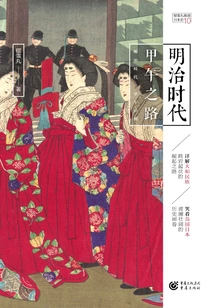
明治时代:甲午之路
Sakura Snowmaru
Through the Meiji Restoration, Japan "left Asia and joined Europe", its national strength greatly increased, and it gradually embarked on the path of aggression and expansion. Correspondingly, the Qing Dynasty at this time appeared to be "returning to glory" through the Westernization Movement, but in fact it was politically corrupt, people lived in poverty, and various factions in the officialdom were fighting overtly and secretly, and intrigues among themselves. Under such circumstances, competition between the two countries became inevitable at that time. In 1876, Japan used force to open the door of North Korea, forced the North Korean government to sign the "Treaty of Ganghwa", and obtained a series of privileges such as consular jurisdiction. In 1894, the Donghak Party uprising broke out in North Korea. The North Korean government troops were retreating steadily and were forced to ask for help from their sovereign state, the Qing Dynasty. Japan took the opportunity to also send troops to North Korea, deliberately provoking a war. The Battle of Toshima broke out on July 25, 1894, and the Sino-Japanese War of 1894-1894 began. Because Japan had been planning for a long time and the Qing Dynasty rushed to fight, the war ended with China's defeat and the complete destruction of the Beiyang Navy.
Through the Meiji Restoration, Japan "left Asia and joined Europe", its national strength greatly increased, and it gradually embarked on the path of aggression and expansion. Correspondingly, the Qing Dynasty at this time appeared to be "returning to glory" through the Westernization Movement, but in fact it was politically corrupt, people lived in poverty, and various factions in the officialdom were fighting overtly and secretly, and intrigues among themselves. Under such circumstances, competition between the two countries became inevitable at that time. In 1876, Japan used force to open the door of North Korea, forced the North Korean government to sign the "Treaty of Ganghwa", and obtained a series of privileges such as consular jurisdiction. In 1894, the Donghak Party uprising broke out in North Korea. The North Korean government troops were retreating steadily and were forced to ask for help from their sovereign state, the Qing Dynasty. Japan took the opportunity to also send troops to North Korea, deliberately provoking a war. The Battle of Toshima broke out on July 25, 1894, and the Sino-Japanese War of 1894-1894 began. Because Japan had been planning for a long time and the Qing Dynasty rushed to fight, the war ended with China's defeat and the complete destruction of the Beiyang Navy.
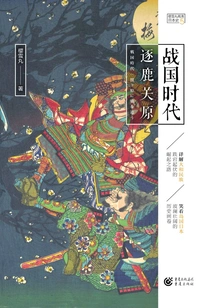
战国时代:逐鹿关原
Sakura Snowmaru
Toyotomi Hideyoshi had just ended a century of turmoil, but he was unable to eliminate the negative effects of this century of war in the short term - low national power, poor people's lives, and conflicts between various forces that had not been completely resolved. In order to divert domestic conflicts, Toyotomi Hideyoshi launched an aggressive war against North Korea. North Korea was vulnerable and could only ask for help from the Ming Dynasty at that time, and relied on the help of the Ming Dynasty to repel the invaders. This failure caused a generation of heroic Toyotomi Hideyoshi to die in depression, leaving his youngest son Toyotomi Hideyori to inherit the family business. However, there are similarities in history both at home and abroad. The accession of a young master to the throne often means the beginning of turmoil. Mitsunari Ishida, who was loyal to the Toyotomi family, and Tokugawa Ieyasu, a powerful minister, had frequent frictions, which eventually led to a war of unprecedented scale. Almost all the forces at that time took sides out of their own considerations. In the end, Tokugawa Ieyasu defeated Ishida Mitsunari in the decisive battle of Sekigahara, seized the entire world, founded the Tokugawa Shogunate, and began the Edo Shogunate era.
Toyotomi Hideyoshi had just ended a century of turmoil, but he was unable to eliminate the negative effects of this century of war in the short term - low national power, poor people's lives, and conflicts between various forces that had not been completely resolved. In order to divert domestic conflicts, Toyotomi Hideyoshi launched an aggressive war against North Korea. North Korea was vulnerable and could only ask for help from the Ming Dynasty at that time, and relied on the help of the Ming Dynasty to repel the invaders. This failure caused a generation of heroic Toyotomi Hideyoshi to die in depression, leaving his youngest son Toyotomi Hideyori to inherit the family business. However, there are similarities in history both at home and abroad. The accession of a young master to the throne often means the beginning of turmoil. Mitsunari Ishida, who was loyal to the Toyotomi family, and Tokugawa Ieyasu, a powerful minister, had frequent frictions, which eventually led to a war of unprecedented scale. Almost all the forces at that time took sides out of their own considerations. In the end, Tokugawa Ieyasu defeated Ishida Mitsunari in the decisive battle of Sekigahara, seized the entire world, founded the Tokugawa Shogunate, and began the Edo Shogunate era.
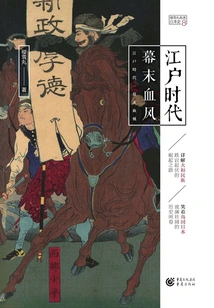
江户时代:幕末血风
Sakura Snowmaru
In June 1853, four steamships from the United States arrived in Edo, Japan, breaking Japan's two-hundred-year policy of seclusion and becoming known as the Black Ships in history. The actual ruler of Japan, the Tokugawa Shogunate, announced the founding of the country and signed a series of treaties with Western powers. At the same time, Japan's local samurai formed the Zunban faction and began a vigorous "overthrow" movement. In 1867, the shogunate returned power to the emperor, but it did not intend to give up control of Japan. The two sides fought a fierce battle at Fushimi Toba in Kyoto. Although it ended in the defeat of the shogunate, Edo Castle was still in the hands of the Tokugawa family.
In June 1853, four steamships from the United States arrived in Edo, Japan, breaking Japan's two-hundred-year policy of seclusion and becoming known as the Black Ships in history. The actual ruler of Japan, the Tokugawa Shogunate, announced the founding of the country and signed a series of treaties with Western powers. At the same time, Japan's local samurai formed the Zunban faction and began a vigorous "overthrow" movement. In 1867, the shogunate returned power to the emperor, but it did not intend to give up control of Japan. The two sides fought a fierce battle at Fushimi Toba in Kyoto. Although it ended in the defeat of the shogunate, Edo Castle was still in the hands of the Tokugawa family.
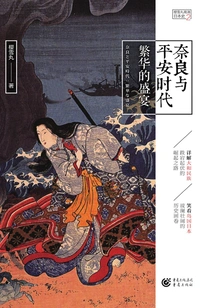
奈良与平安时代:繁华的盛宴
Sakura Snowmaru
After the Battle of Shiromurajiang, Japan's vitality was severely damaged and it retreated to its homeland. In Japan, after the death of Emperor Tenchi, the Imshin Rebellion broke out, and Emperor Tenmu succeeded to the throne. After Tenmu came to power, he took full power and continued to push forward the Daika Reform until Emperor Bunmu and Emperor Genmei formulated the "Daibao Ryuto" and "Youro Ryuto" successively, fully establishing the results of the Daika Reform. In 710, Emperor Genmei moved the capital to Nara Castle, starting the Nara era; in 794, Emperor Tsunemu moved the capital to Heian-kyo, starting the Heian era. The emperor was in power during both the Nara and Heian periods. In 877, Fujiwara Momotsune forced Emperor Seiwa to abdicate and was succeeded by the 9-year-old Emperor Yosei, who served as regent as his uncle. In 887, Emperor Uta succeeded to the throne and announced that Fujiwara Motosune should be "cleared" for all matters, no matter how big or small. This began the famous "photography policy". In 1086, Emperor Shirakawa established the "institutional administration" in order to compete with the Fujiwara clan, which is known as the "institutional administration era" in history. In 1179, Taira Kiyomori led troops into Kyoto and imprisoned Emperor Shirakawa, imposing a dictatorship. In 1185, Minamoto Yoritomo raised an army to eliminate the Taira clan and took control of the central government. He was later appointed by the emperor as the "General for Conquering the Barbarians" and established the shogunate in Kamakura. From this time on, the nobility and the emperor were no longer the center of Japanese political power, and the samurai holding steel swords became the new masters of history.
After the Battle of Shiromurajiang, Japan's vitality was severely damaged and it retreated to its homeland. In Japan, after the death of Emperor Tenchi, the Imshin Rebellion broke out, and Emperor Tenmu succeeded to the throne. After Tenmu came to power, he took full power and continued to push forward the Daika Reform until Emperor Bunmu and Emperor Genmei formulated the "Daibao Ryuto" and "Youro Ryuto" successively, fully establishing the results of the Daika Reform. In 710, Emperor Genmei moved the capital to Nara Castle, starting the Nara era; in 794, Emperor Tsunemu moved the capital to Heian-kyo, starting the Heian era. The emperor was in power during both the Nara and Heian periods. In 877, Fujiwara Momotsune forced Emperor Seiwa to abdicate and was succeeded by the 9-year-old Emperor Yosei, who served as regent as his uncle. In 887, Emperor Uta succeeded to the throne and announced that Fujiwara Motosune should be "cleared" for all matters, no matter how big or small. This began the famous "photography policy". In 1086, Emperor Shirakawa established the "institutional administration" in order to compete with the Fujiwara clan, which is known as the "institutional administration era" in history. In 1179, Taira Kiyomori led troops into Kyoto and imprisoned Emperor Shirakawa, imposing a dictatorship. In 1185, Minamoto Yoritomo raised an army to eliminate the Taira clan and took control of the central government. He was later appointed by the emperor as the "General for Conquering the Barbarians" and established the shogunate in Kamakura. From this time on, the nobility and the emperor were no longer the center of Japanese political power, and the samurai holding steel swords became the new masters of history.
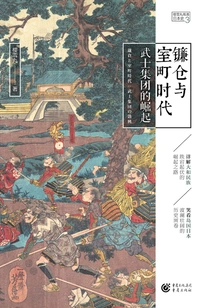
镰仓与室町时代:武士集团的崛起
Sakura Snowmaru
In 1199, Minamoto Yoritomo died. After Minamoto Yoritomo's death, the shogunate power was controlled by his wife Hojo Masako and his father-in-law Hojo Tokimasa. Since then, the shogunate's power has become a mere decoration, and the real power has been led by the hereditary power of the Hojo clan. In 1219, Hojo Yoshitoki instigated Minamoto no Yori family's surviving son Minamoto no Akatsuki to assassinate Minamoto no Tomo, and then used this to kill Minamoto no Kōko. The Minamoto family was extinct. Hojo Masako became the supreme ruler, and supported Fujiwara Yorike, who was related to the Minamoto family, as the general. In 1221, Emperor Gotoba launched a war to overthrow the emperor, which was known as the "Jokyu Rebellion" in history, but it ended in failure. After the Chengjiu Rebellion, the public power began to decline, and the warrior class developed unprecedentedly. However, the stability of the Kamakura shogunate did not last long. The Yuan-Japanese War between China and Japan accelerated the decline and destruction of the Kamakura shogunate and deepened the rift between the public and samurai families. In 1318, Emperor Go-Daigo ascended the throne and was determined to restore the authority of the imperial family, deposed the imperial government, and began his own campaign. In 1331, Emperor Go-Daigo once again conspired to overthrow the emperor, but was defeated by the shogunate army. This was known as the "Motohiro Rebellion" in history. Emperor Go-Daigo was exiled, and the second overthrow movement failed. In 1333, wealthy families in various places began to fall. The shogunate sent Ashikaga Takashi (Ashikaga Takauji) to quell the rebellion. Ashikaga Takashi was already dissatisfied with the autocratic regime of the Hojo clan. He defected on the way and captured Kamakura. The last generation in power, Hojo Takatoki, committed suicide, and the Kamakura shogunate was destroyed. After Emperor Go-Daigo abdicated, he was defeated by Yoshino, and Japan entered the Southern and Northern Dynasties period.
In 1199, Minamoto Yoritomo died. After Minamoto Yoritomo's death, the shogunate power was controlled by his wife Hojo Masako and his father-in-law Hojo Tokimasa. Since then, the shogunate's power has become a mere decoration, and the real power has been led by the hereditary power of the Hojo clan. In 1219, Hojo Yoshitoki instigated Minamoto no Yori family's surviving son Minamoto no Akatsuki to assassinate Minamoto no Tomo, and then used this to kill Minamoto no Kōko. The Minamoto family was extinct. Hojo Masako became the supreme ruler, and supported Fujiwara Yorike, who was related to the Minamoto family, as the general. In 1221, Emperor Gotoba launched a war to overthrow the emperor, which was known as the "Jokyu Rebellion" in history, but it ended in failure. After the Chengjiu Rebellion, the public power began to decline, and the warrior class developed unprecedentedly. However, the stability of the Kamakura shogunate did not last long. The Yuan-Japanese War between China and Japan accelerated the decline and destruction of the Kamakura shogunate and deepened the rift between the public and samurai families. In 1318, Emperor Go-Daigo ascended the throne and was determined to restore the authority of the imperial family, deposed the imperial government, and began his own campaign. In 1331, Emperor Go-Daigo once again conspired to overthrow the emperor, but was defeated by the shogunate army. This was known as the "Motohiro Rebellion" in history. Emperor Go-Daigo was exiled, and the second overthrow movement failed. In 1333, wealthy families in various places began to fall. The shogunate sent Ashikaga Takashi (Ashikaga Takauji) to quell the rebellion. Ashikaga Takashi was already dissatisfied with the autocratic regime of the Hojo clan. He defected on the way and captured Kamakura. The last generation in power, Hojo Takatoki, committed suicide, and the Kamakura shogunate was destroyed. After Emperor Go-Daigo abdicated, he was defeated by Yoshino, and Japan entered the Southern and Northern Dynasties period.
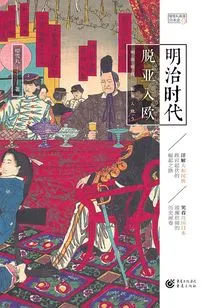
明治时代:脱亚入欧
Sakura Snowmaru
Emperor Meiji, who regained control of the government, worked hard to govern and reform, determined to put Japan on the road to prosperity. In 1871, the Meiji government sent a large-scale mission headed by Right Minister Iwakura Tomomi to visit Europe and the United States to inspect the capitalist state system. The new government actively introduced various European and American systems and carried out many reforms in the economic system, national industry, national education, etc. These reforms are collectively known as the Meiji Restoration. But like all reforms, the Meiji Restoration faced many obstacles from the beginning. Because of reform measures such as the abolition of feudal lords and the establishment of counties, the military system, and the abolition of sword orders, strong dissatisfaction arose among the former samurai class, and rebellions continued in various places. In 1877, the Satsuma Domain led by Saigo Takamori rebelled. This war, known as the Southwest War, lasted for half a year and was the last civil war in Japanese history. With the defeat of the Satsuma Army in the Southwest War, the feudal militaristic state controlled and dominated by the emperor was established, marking the end of Japan's capitalist revolution. After pacifying the southwest, Japan established a parliament in accordance with the model of Western powers, revised its constitution, and conducted diplomacy with Western countries.
Emperor Meiji, who regained control of the government, worked hard to govern and reform, determined to put Japan on the road to prosperity. In 1871, the Meiji government sent a large-scale mission headed by Right Minister Iwakura Tomomi to visit Europe and the United States to inspect the capitalist state system. The new government actively introduced various European and American systems and carried out many reforms in the economic system, national industry, national education, etc. These reforms are collectively known as the Meiji Restoration. But like all reforms, the Meiji Restoration faced many obstacles from the beginning. Because of reform measures such as the abolition of feudal lords and the establishment of counties, the military system, and the abolition of sword orders, strong dissatisfaction arose among the former samurai class, and rebellions continued in various places. In 1877, the Satsuma Domain led by Saigo Takamori rebelled. This war, known as the Southwest War, lasted for half a year and was the last civil war in Japanese history. With the defeat of the Satsuma Army in the Southwest War, the feudal militaristic state controlled and dominated by the emperor was established, marking the end of Japan's capitalist revolution. After pacifying the southwest, Japan established a parliament in accordance with the model of Western powers, revised its constitution, and conducted diplomacy with Western countries.
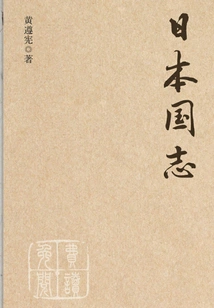
National Chronicle of Japan
History日本国志
Huang Zunxian
A comprehensive work on the study of Japanese history in modern China. There are a total of forty volumes and twelve chapters. After the Meiji Restoration, Japan's national power grew stronger and its ambitions grew. The author Huang Zunxian was China's first counselor in Japan. He felt that Chinese scholar-bureaucrats had a narrow vision and were ignorant of foreign affairs, so he worked hard to write a book, discussing the process of Japan's reform and its pros and cons, and inferring it to our country. Among them, the records of the Meiji Restoration are particularly detailed. For the Qing government, which was in the same predicament as Japan before the Meiji Restoration, this was a theory and experience that was in urgent need of reference. Unfortunately, after the book was published in 1887, it mainly attracted the attention of the Japanese. It was not until the defeat of the Sino-Japanese War that its value became widely known to the Chinese people, and it became famous all over the country.
A comprehensive work on the study of Japanese history in modern China. There are a total of forty volumes and twelve chapters. After the Meiji Restoration, Japan's national power grew stronger and its ambitions grew. The author Huang Zunxian was China's first counselor in Japan. He felt that Chinese scholar-bureaucrats had a narrow vision and were ignorant of foreign affairs, so he worked hard to write a book, discussing the process of Japan's reform and its pros and cons, and inferring it to our country. Among them, the records of the Meiji Restoration are particularly detailed. For the Qing government, which was in the same predicament as Japan before the Meiji Restoration, this was a theory and experience that was in urgent need of reference. Unfortunately, after the book was published in 1887, it mainly attracted the attention of the Japanese. It was not until the defeat of the Sino-Japanese War that its value became widely known to the Chinese people, and it became famous all over the country.
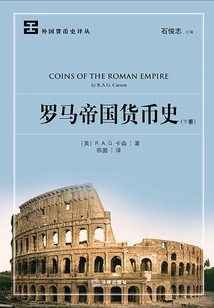
罗马帝国货币史(下册)
(english) R. A. G. Carson
This book is a monograph on the monetary history of the Roman Empire. The whole book is divided into two parts. The first part introduces the currency issuance, minting system and coin characteristics of the Roman Empire in various historical periods from 29 BC to 498 AD in chronological order. The second part discusses the metal resources, mints, coin production system and other issues of Roman Empire coinage according to the theme.
This book is a monograph on the monetary history of the Roman Empire. The whole book is divided into two parts. The first part introduces the currency issuance, minting system and coin characteristics of the Roman Empire in various historical periods from 29 BC to 498 AD in chronological order. The second part discusses the metal resources, mints, coin production system and other issues of Roman Empire coinage according to the theme.
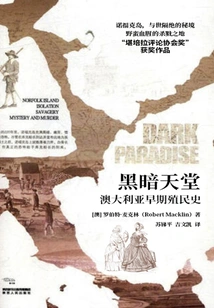
Dark Paradise
History黑暗天堂
(australia)robert Maclean
The author of this book uses rich historical materials and vivid writing to tell the dark historical story of Norfolk Island, Australia. The story begins with Captain James Cook's discovery and colonization of the island, and ends with the murder of Janelle Button in the 21st century. It will include four parts: 1) the history of the British Empire's establishment of a penal colony on Norfolk Island; 2) the "Bounty" rebellion and the settlement of Pitcairn Island by the descendants of the rebels and their migration to Norfolk Island; 3) the establishment of the Anglican Melanesian Mission and its evangelism and other absurd behaviors based on Norfolk Island; 4) the 2002 murder of Janelle Barton attracted world attention and revealed the unique social and historical environment of Norfolk Island. Through the above four stories, MacLean used a large number of historical facts, diaries, and archives to reveal a dark, bloody, and cruel colonial history that was covered up and the evil and chaos it brought, and spliced the fragments originally scattered in the vast sea of historical materials, archives, letters, and diaries into a complete and shocking story.
The author of this book uses rich historical materials and vivid writing to tell the dark historical story of Norfolk Island, Australia. The story begins with Captain James Cook's discovery and colonization of the island, and ends with the murder of Janelle Button in the 21st century. It will include four parts: 1) the history of the British Empire's establishment of a penal colony on Norfolk Island; 2) the "Bounty" rebellion and the settlement of Pitcairn Island by the descendants of the rebels and their migration to Norfolk Island; 3) the establishment of the Anglican Melanesian Mission and its evangelism and other absurd behaviors based on Norfolk Island; 4) the 2002 murder of Janelle Barton attracted world attention and revealed the unique social and historical environment of Norfolk Island. Through the above four stories, MacLean used a large number of historical facts, diaries, and archives to reveal a dark, bloody, and cruel colonial history that was covered up and the evil and chaos it brought, and spliced the fragments originally scattered in the vast sea of historical materials, archives, letters, and diaries into a complete and shocking story.
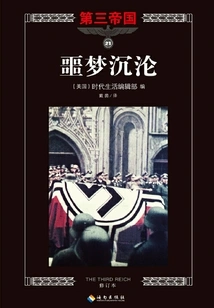
第三帝国系列21:噩梦沉沦
Time Life Editorial Department
"The Third Reich: Nightmare Down (Revised Edition)" tells the story: "If the German people lose this war, then it will prove that they have failed me!" This is what Hitler said before he died. There was no trace of self-blame in his words. In his opinion, the war failed because the people were disloyal to him. After 12 years, the Third Reich fell, and the nightmare of genocide and war ended in tragedy. Although the career of Hitler and his followers only lasted for more than ten years, it has become a pillar of shame that will stand forever, warning the world of how cruel human beings once were.
"The Third Reich: Nightmare Down (Revised Edition)" tells the story: "If the German people lose this war, then it will prove that they have failed me!" This is what Hitler said before he died. There was no trace of self-blame in his words. In his opinion, the war failed because the people were disloyal to him. After 12 years, the Third Reich fell, and the nightmare of genocide and war ended in tragedy. Although the career of Hitler and his followers only lasted for more than ten years, it has become a pillar of shame that will stand forever, warning the world of how cruel human beings once were.
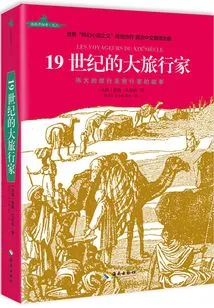
19世纪的大旅行家
G
"The Great Travelers of the 19th Century" mainly tells the exploration and examination of the West and Central Asia, the interior of Africa, global navigation, and the Arctic and Antarctic regions by famous European travelers and navigators in the 19th century. Different from the era of "Geographic Discovery", travelers and navigators turned their attention more to the exploration of the human history and culture of the places they visited. Travelers were also linguists, writers, religious historians and geographers. Their expedition records make human history more vivid and full, and their adventure experiences also inspire people to continue exploring the unknown world.
"The Great Travelers of the 19th Century" mainly tells the exploration and examination of the West and Central Asia, the interior of Africa, global navigation, and the Arctic and Antarctic regions by famous European travelers and navigators in the 19th century. Different from the era of "Geographic Discovery", travelers and navigators turned their attention more to the exploration of the human history and culture of the places they visited. Travelers were also linguists, writers, religious historians and geographers. Their expedition records make human history more vivid and full, and their adventure experiences also inspire people to continue exploring the unknown world.
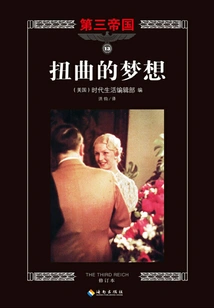
第三帝国系列13:扭曲的梦想
Time Life Editorial Department
After World War 1, Germany was in crisis. The financial system has completely collapsed, and racial, political, religious and other disputes have plagued the people. The people feel at a loss what to do. Many people turn to ancient myths and superstitions to relieve their uneasiness. All this created opportunities for the emergence of the Third Reich. Among them, the Beer Hall Riot is a typical example. Although it failed, the "ghost" of the Nazis was implanted in the hearts of the German people...
After World War 1, Germany was in crisis. The financial system has completely collapsed, and racial, political, religious and other disputes have plagued the people. The people feel at a loss what to do. Many people turn to ancient myths and superstitions to relieve their uneasiness. All this created opportunities for the emergence of the Third Reich. Among them, the Beer Hall Riot is a typical example. Although it failed, the "ghost" of the Nazis was implanted in the hearts of the German people...
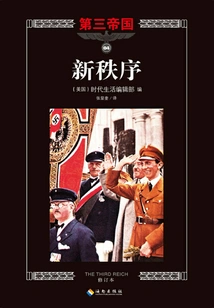
第三帝国系列4:新秩序
Time Life Editorial Department
The "Third Reich" series is a large-scale graphic and text epic work edited by the American Time Life Book Publishing Company (Time Life Editorial Department). There are 21 episodes in the whole series. Each episode brings you first-hand private accounts, never-before-published photographs, eyewitness memoirs and newly declassified official archives. They are like a slowly unfolding giant picture scroll, taking readers back to the bloody dark age, making people feel like they are in the noisy and fanatical Berlin, the rubble-strewn Warsaw, the burning Stalingrad, the dusty North Africa, the chilling concentration camps, secret meetings of the SS, Hitler's office, his study, and bedroom, and even grasp the dynamics of his thoughts. Each book has a central theme, and the entire series together constitutes a complete and detailed "history of the Third Reich" to date. "Third Reich: The New Order (Revised Edition)" is one of the volumes: In order to seize power, Hitler worked hard on propaganda. German cities, no matter how big or small, were occupied by Nazis. The Nazis ignored the government and laws and continued to provoke fights between parties and people. Germany was shrouded in terror. Political terror was on the one hand, and on the other hand, Nazi Germany's war machine was running at high speed. While they were mass-producing weapons, they were also inducing young people to become murderous tools. For the sake of war, the Nazis used all means at their disposal.
The "Third Reich" series is a large-scale graphic and text epic work edited by the American Time Life Book Publishing Company (Time Life Editorial Department). There are 21 episodes in the whole series. Each episode brings you first-hand private accounts, never-before-published photographs, eyewitness memoirs and newly declassified official archives. They are like a slowly unfolding giant picture scroll, taking readers back to the bloody dark age, making people feel like they are in the noisy and fanatical Berlin, the rubble-strewn Warsaw, the burning Stalingrad, the dusty North Africa, the chilling concentration camps, secret meetings of the SS, Hitler's office, his study, and bedroom, and even grasp the dynamics of his thoughts. Each book has a central theme, and the entire series together constitutes a complete and detailed "history of the Third Reich" to date. "Third Reich: The New Order (Revised Edition)" is one of the volumes: In order to seize power, Hitler worked hard on propaganda. German cities, no matter how big or small, were occupied by Nazis. The Nazis ignored the government and laws and continued to provoke fights between parties and people. Germany was shrouded in terror. Political terror was on the one hand, and on the other hand, Nazi Germany's war machine was running at high speed. While they were mass-producing weapons, they were also inducing young people to become murderous tools. For the sake of war, the Nazis used all means at their disposal.
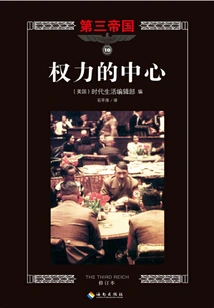
第三帝国系列10:权力的中心
Time Life Editorial Department
Adolf Hitler, an Austrian tramp and a corporal during World War I, finally pushed Germany to the point of no return through militarism. The occurrence of all this is not an accidental phenomenon, it has its profound historical background. After World War I, Germany was devastated, the unemployed population expanded rapidly, and a kind of restlessness spread among the people, which created unique conditions for Hitler to seize power; and the mutual criticism between the major political parties gave the Nazis an opportunity, so Hitler moved his lips and used an iron hand to ascend to the throne of power step by step.
Adolf Hitler, an Austrian tramp and a corporal during World War I, finally pushed Germany to the point of no return through militarism. The occurrence of all this is not an accidental phenomenon, it has its profound historical background. After World War I, Germany was devastated, the unemployed population expanded rapidly, and a kind of restlessness spread among the people, which created unique conditions for Hitler to seize power; and the mutual criticism between the major political parties gave the Nazis an opportunity, so Hitler moved his lips and used an iron hand to ascend to the throne of power step by step.
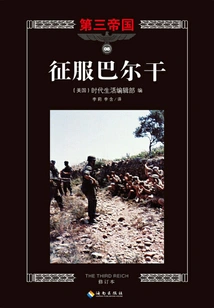
第三帝国系列8:征服巴尔干
Time Life Editorial Department
The Balkan Peninsula has always been a battleground for military strategists, and World War II was no exception. Starting in 1939, Hitler quickly occupied many countries in Eastern, Western and Northern Europe in a blitzkrieg style. While bombing Britain indiscriminately, Hitler planned to continue to expand the territory of the Third Reich and realize his dream of dominating Europe. At this time, the Soviet Union became his enemy on the road to dominance. Before attacking the Soviet Union, Hitler must ensure that the Balkans became his energy base and troop gathering place for the invasion of the Soviet Union. While wooing, tempting and threatening the Balkan countries, Hitler did not hesitate to carry out armed invasions of Yugoslavia and Greece that refused to surrender.
The Balkan Peninsula has always been a battleground for military strategists, and World War II was no exception. Starting in 1939, Hitler quickly occupied many countries in Eastern, Western and Northern Europe in a blitzkrieg style. While bombing Britain indiscriminately, Hitler planned to continue to expand the territory of the Third Reich and realize his dream of dominating Europe. At this time, the Soviet Union became his enemy on the road to dominance. Before attacking the Soviet Union, Hitler must ensure that the Balkans became his energy base and troop gathering place for the invasion of the Soviet Union. While wooing, tempting and threatening the Balkan countries, Hitler did not hesitate to carry out armed invasions of Yugoslavia and Greece that refused to surrender.
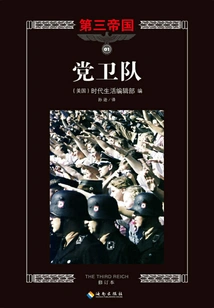
Third Reich Series 1: Ss
History第三帝国系列1:党卫队
Time Life Editorial Department
In the early days, the SS looked more like a propaganda squad that doubled as bodyguards. As the Nazi power rose, under the control of Heinrich Himmler, it cleverly exploited power struggles within the party (eliminating the SA and Röhm, squeezing out Göring) and gradually penetrated other state apparatuses, including the police and the army. Hitler's inscription on it was: "SS, your honor is loyalty." It eventually became Hitler's personal tool, a so-called elite organization that claimed to be crazy about executing genocidal policies. The heinous crimes of Nazi Germany are inextricably linked to the SS.
In the early days, the SS looked more like a propaganda squad that doubled as bodyguards. As the Nazi power rose, under the control of Heinrich Himmler, it cleverly exploited power struggles within the party (eliminating the SA and Röhm, squeezing out Göring) and gradually penetrated other state apparatuses, including the police and the army. Hitler's inscription on it was: "SS, your honor is loyalty." It eventually became Hitler's personal tool, a so-called elite organization that claimed to be crazy about executing genocidal policies. The heinous crimes of Nazi Germany are inextricably linked to the SS.
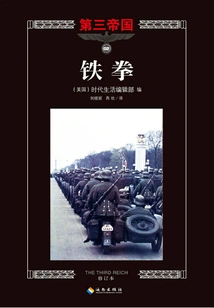
第三帝国系列2:铁拳
Time Life Editorial Department
After the end of World War I, Germany became a defeated nation and was disarmed. However, in just 20 years, Germany rose again and became a powerful military force in Europe. This is almost unimaginable when you consider that it also experienced historically severe inflation and social unrest during this period. "Third Reich: Iron Fist (Revised)" believes that the injustice of the Versailles Peace Treaty signed after the end of World War I was the root cause that led Germany to quickly arm itself in pursuit of revenge. On the other hand, the German Wehrmacht, represented by General Sickert, made great efforts to reorganize its military and prepare its troops. By vigorously strengthening the leadership skills of its soldiers, it prepared talents for a rapidly expanding army in the future. In the end, it embarked on the road of no return through militarism.
After the end of World War I, Germany became a defeated nation and was disarmed. However, in just 20 years, Germany rose again and became a powerful military force in Europe. This is almost unimaginable when you consider that it also experienced historically severe inflation and social unrest during this period. "Third Reich: Iron Fist (Revised)" believes that the injustice of the Versailles Peace Treaty signed after the end of World War I was the root cause that led Germany to quickly arm itself in pursuit of revenge. On the other hand, the German Wehrmacht, represented by General Sickert, made great efforts to reorganize its military and prepare its troops. By vigorously strengthening the leadership skills of its soldiers, it prepared talents for a rapidly expanding army in the future. In the end, it embarked on the road of no return through militarism.
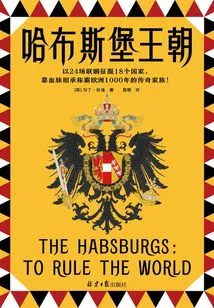
Habsburg Dynasty
History哈布斯堡王朝
(uk) Martin Lardy
There is only one dynasty that has expanded into a world hegemon spanning five continents and four oceans by relying on marriages and weddings. This is the Habsburg dynasty that has spanned Europe for a thousand years. "Laying a foundation" through marriage: In 1273, Rudolf I of Habsburg married eight of his children to major European nobles, quickly rising to become a powerful and important prince in the Holy Roman Empire. "Dominating Europe" through marriage: When Charles, Duke of Burgundy, died in battle in 1477, Maximilian took the opportunity to marry Charles' only daughter, Mary, and inherited the Duchy of Burgundy in its entirety, extending his power to eastern France and the Netherlands. The Habsburg dynasty became the most powerful dynasty in Europe. "Conquering the world" by marriage: In 1496, Prince Philip of Habsburg married Spanish princess Juana. As a result, the Kingdom of Spain became extinct, and the Habsburg family inherited the huge Kingdom of Spain and became the "Empire on which the Sun Never Sets."
There is only one dynasty that has expanded into a world hegemon spanning five continents and four oceans by relying on marriages and weddings. This is the Habsburg dynasty that has spanned Europe for a thousand years. "Laying a foundation" through marriage: In 1273, Rudolf I of Habsburg married eight of his children to major European nobles, quickly rising to become a powerful and important prince in the Holy Roman Empire. "Dominating Europe" through marriage: When Charles, Duke of Burgundy, died in battle in 1477, Maximilian took the opportunity to marry Charles' only daughter, Mary, and inherited the Duchy of Burgundy in its entirety, extending his power to eastern France and the Netherlands. The Habsburg dynasty became the most powerful dynasty in Europe. "Conquering the world" by marriage: In 1496, Prince Philip of Habsburg married Spanish princess Juana. As a result, the Kingdom of Spain became extinct, and the Habsburg family inherited the huge Kingdom of Spain and became the "Empire on which the Sun Never Sets."
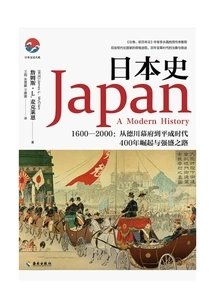
日本史·1600-2000:从德川幕府到平成时代
(us)james L. Mclean
The content of this book spans four hundred years of history from the time when the Tokugawa shogunate was entrusted by the emperor to rule at Fushimi Castle to the Japanese New Year celebrations in 2000. It is divided into five parts: "Japan in the Traditional Era", "Japan in the Revolutionary Era", "Japan in the New Century", "Japan in the War" and "Contemporary Japan". From changes in the political situation to the rise of the business class, from the proletarian workers' movement to changes in gender concepts and family marriage customs, from colonization and war to occupation and democratization... The whole book uses a narrative that combines "big events" and "small stories" to provide an informative and informative Based on historical materials, data and charts, using an objective and neutral attitude towards history, and a panoramic line drawing writing technique, it depicts a multi-dimensional, group-portrait historical narrative for us, showing the setbacks and endeavors, failures and rises of Japanese society in the modernization transformation period.
The content of this book spans four hundred years of history from the time when the Tokugawa shogunate was entrusted by the emperor to rule at Fushimi Castle to the Japanese New Year celebrations in 2000. It is divided into five parts: "Japan in the Traditional Era", "Japan in the Revolutionary Era", "Japan in the New Century", "Japan in the War" and "Contemporary Japan". From changes in the political situation to the rise of the business class, from the proletarian workers' movement to changes in gender concepts and family marriage customs, from colonization and war to occupation and democratization... The whole book uses a narrative that combines "big events" and "small stories" to provide an informative and informative Based on historical materials, data and charts, using an objective and neutral attitude towards history, and a panoramic line drawing writing technique, it depicts a multi-dimensional, group-portrait historical narrative for us, showing the setbacks and endeavors, failures and rises of Japanese society in the modernization transformation period.
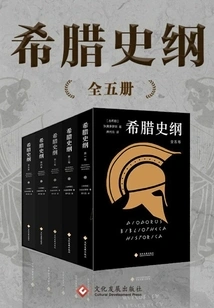
Outline of Greek History
History希腊史纲
(ancient Greece) Diodorus
Spanning nearly a thousand years, it presents a panoramic view of ancient Greek history. The Outline of Greek History is Diodorus' lifelong achievement and is a relatively complete history book in existence.
Spanning nearly a thousand years, it presents a panoramic view of ancient Greek history. The Outline of Greek History is Diodorus' lifelong achievement and is a relatively complete history book in existence.
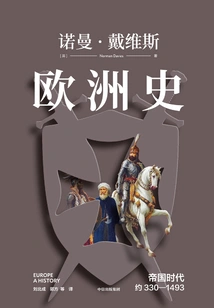
欧洲史:帝国时代(约330—1493)
I
"A History of Europe" is the representative work of British historian Norman Davis. It designs a time and space coordinate system for European history, presenting a rare overall historical impression. It combines traditional narrative methods with close-ups, and accommodates various strange things and ideas that are often ignored by serious historians. It has become a valuable and convincing European general history work in recent years. "European History: The Age of Empires (approximately 330-1493)" tells the history of the European Middle Ages. The central theme of the Middle Ages was the reorganization of Christianity into a new imperial system: from Charlemagne's coronation to the Grand Duke Ivan III of Moscow proclaiming himself Tsar. The foundation of this new system is inseparable from the activities of neighboring peoples such as the Vikings, Magyars, and Mongols. With the addition of new nations, the Christian community continues to expand, and division and decline are brewing within this community. By the late Middle Ages, people realized that the Christian church was riddled with disease, but they were helpless on how to cure it. The Black Death was regarded as God's punishment for the sins of the Christian world. However, the dark society already contains the tendency of change and innovation. It can be said that Europeans in the late Middle Ages were babies born from disaster...
"A History of Europe" is the representative work of British historian Norman Davis. It designs a time and space coordinate system for European history, presenting a rare overall historical impression. It combines traditional narrative methods with close-ups, and accommodates various strange things and ideas that are often ignored by serious historians. It has become a valuable and convincing European general history work in recent years. "European History: The Age of Empires (approximately 330-1493)" tells the history of the European Middle Ages. The central theme of the Middle Ages was the reorganization of Christianity into a new imperial system: from Charlemagne's coronation to the Grand Duke Ivan III of Moscow proclaiming himself Tsar. The foundation of this new system is inseparable from the activities of neighboring peoples such as the Vikings, Magyars, and Mongols. With the addition of new nations, the Christian community continues to expand, and division and decline are brewing within this community. By the late Middle Ages, people realized that the Christian church was riddled with disease, but they were helpless on how to cure it. The Black Death was regarded as God's punishment for the sins of the Christian world. However, the dark society already contains the tendency of change and innovation. It can be said that Europeans in the late Middle Ages were babies born from disaster...
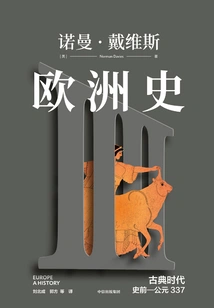
欧洲史:古典时代(史前—公元337)
I
"A History of Europe" is the representative work of British historian Norman Davis. It designs a time and space coordinate system for European history, presenting a rare overall historical impression. It combines traditional narrative methods with close-ups, and accommodates various strange things and ideas that are often ignored by serious historians. It has become a valuable and convincing European general history work in recent years. "History of Europe: Classical Era (Prehistory - AD 337)" is the history of this land before "Europe" officially appeared. Europe is not an independent "continent", but a "peninsula". Landforms, climate, geology and fauna combine to create a benign environment that is fundamental to understanding European history. The history of ancient Greece spans more than 1,000 years. In its heyday, the Greeks made amazing achievements explosively in various fields. The rise of Rome, known for its cohesion, heralded the conquest of "coastline civilization" by a new type of land power. Rome, which absorbed Greek culture, became a cultural hybrid that dominated the political and cultural life of the Roman Empire for hundreds of years until the emergence of a new cultural foundation - Christianity.
"A History of Europe" is the representative work of British historian Norman Davis. It designs a time and space coordinate system for European history, presenting a rare overall historical impression. It combines traditional narrative methods with close-ups, and accommodates various strange things and ideas that are often ignored by serious historians. It has become a valuable and convincing European general history work in recent years. "History of Europe: Classical Era (Prehistory - AD 337)" is the history of this land before "Europe" officially appeared. Europe is not an independent "continent", but a "peninsula". Landforms, climate, geology and fauna combine to create a benign environment that is fundamental to understanding European history. The history of ancient Greece spans more than 1,000 years. In its heyday, the Greeks made amazing achievements explosively in various fields. The rise of Rome, known for its cohesion, heralded the conquest of "coastline civilization" by a new type of land power. Rome, which absorbed Greek culture, became a cultural hybrid that dominated the political and cultural life of the Roman Empire for hundreds of years until the emergence of a new cultural foundation - Christianity.
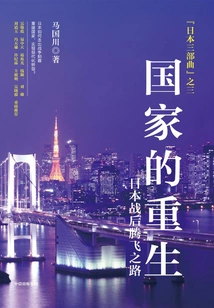
Rebirth of Nation
History国家的重生
Ma Guochuan
After Japan announced its unconditional surrender in 1945, almost the whole country was in ruins, people's livelihood was in decline, and production capacity returned to the level of 1931. On this basis, after more than 20 years of struggle, Japan has become the world's second largest economic power, creating the "Japanese Miracle" that is envied and imitated by many catching-up countries. At the same time as the economy took off, Japan's politics, business, education, culture and other aspects have also undergone earth-shaking changes, becoming a new country that is completely different from the old Japanese Empire. This book describes important historical figures and major historical events in Japan from 1945 to 1973, and vividly records the difficult process of Japan's national rebirth in 28 years. This book is the last part of the "Japanese Trilogy". Together with "The Enlightenment of a Nation" and "The Crossroads of a Country", it forms a long volume of modern Japanese history, reflecting Japan's 120-year history from 1853 to 1973. It describes the complete process of Japan's modernization in a vivid, objective and rational way: founding - catching up - rise - crossroads - destruction - rebirth, which helps readers gain a deeper understanding of Japan's history.
After Japan announced its unconditional surrender in 1945, almost the whole country was in ruins, people's livelihood was in decline, and production capacity returned to the level of 1931. On this basis, after more than 20 years of struggle, Japan has become the world's second largest economic power, creating the "Japanese Miracle" that is envied and imitated by many catching-up countries. At the same time as the economy took off, Japan's politics, business, education, culture and other aspects have also undergone earth-shaking changes, becoming a new country that is completely different from the old Japanese Empire. This book describes important historical figures and major historical events in Japan from 1945 to 1973, and vividly records the difficult process of Japan's national rebirth in 28 years. This book is the last part of the "Japanese Trilogy". Together with "The Enlightenment of a Nation" and "The Crossroads of a Country", it forms a long volume of modern Japanese history, reflecting Japan's 120-year history from 1853 to 1973. It describes the complete process of Japan's modernization in a vivid, objective and rational way: founding - catching up - rise - crossroads - destruction - rebirth, which helps readers gain a deeper understanding of Japan's history.
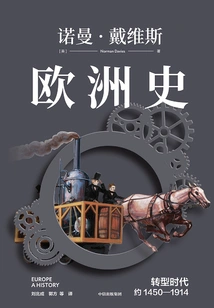
Ad
世界上下五千年(八)
Compiled By Dong Sheng
History is the result of human activities. The bloodshed, rise and fall, magnificence and pathos all enrich the five thousand years of world civilization history. Today's world is the continuation and development of the past world; history records the past of mankind and shows the future of the world. At present, with my country's accession to the WTO and the subsequent changes in people's conceptual understanding, it is increasingly urgent and important for the world to understand China and for China to understand the world.
History is the result of human activities. The bloodshed, rise and fall, magnificence and pathos all enrich the five thousand years of world civilization history. Today's world is the continuation and development of the past world; history records the past of mankind and shows the future of the world. At present, with my country's accession to the WTO and the subsequent changes in people's conceptual understanding, it is increasingly urgent and important for the world to understand China and for China to understand the world.
世界上下五千年(二)
Compiled By Dong Sheng
History is the result of human activities. The bloodshed, rise and fall, magnificence and pathos all enrich the five thousand years of world civilization history. Today's world is the continuation and development of the past world; history records the past of mankind and shows the future of the world. At present, with my country's accession to the WTO and the subsequent changes in people's conceptual understanding, it is increasingly urgent and important for the world to understand China and for China to understand the world.
History is the result of human activities. The bloodshed, rise and fall, magnificence and pathos all enrich the five thousand years of world civilization history. Today's world is the continuation and development of the past world; history records the past of mankind and shows the future of the world. At present, with my country's accession to the WTO and the subsequent changes in people's conceptual understanding, it is increasingly urgent and important for the world to understand China and for China to understand the world.
世界上下五千年(一)
Compiled By Dong Sheng
History is the result of human activities. The bloodshed, rise and fall, magnificence and pathos all enrich the five thousand years of world civilization history. Today's world is the continuation and development of the past world; history records the past of mankind and shows the future of the world. At present, with my country's accession to the WTO and the subsequent changes in people's conceptual understanding, it is increasingly urgent and important for the world to understand China and for China to understand the world.
History is the result of human activities. The bloodshed, rise and fall, magnificence and pathos all enrich the five thousand years of world civilization history. Today's world is the continuation and development of the past world; history records the past of mankind and shows the future of the world. At present, with my country's accession to the WTO and the subsequent changes in people's conceptual understanding, it is increasingly urgent and important for the world to understand China and for China to understand the world.
世界上下五千年(七)
Compiled By Dong Sheng
History is the result of human activities. The bloodshed, rise and fall, magnificence and pathos all enrich the five thousand years of world civilization history. Today's world is the continuation and development of the past world; history records the past of mankind and shows the future of the world. At present, with my country's accession to the WTO and the subsequent changes in people's conceptual understanding, it is increasingly urgent and important for the world to understand China and for China to understand the world.
History is the result of human activities. The bloodshed, rise and fall, magnificence and pathos all enrich the five thousand years of world civilization history. Today's world is the continuation and development of the past world; history records the past of mankind and shows the future of the world. At present, with my country's accession to the WTO and the subsequent changes in people's conceptual understanding, it is increasingly urgent and important for the world to understand China and for China to understand the world.
世界上下五千年(五)
Compiled By Dong Sheng
History is the result of human activities. The bloodshed, rise and fall, magnificence and pathos all enrich the five thousand years of world civilization history. Today's world is the continuation and development of the past world; history records the past of mankind and shows the future of the world. At present, with my country's accession to the WTO and the subsequent changes in people's conceptual understanding, it is increasingly urgent and important for the world to understand China and for China to understand the world.
History is the result of human activities. The bloodshed, rise and fall, magnificence and pathos all enrich the five thousand years of world civilization history. Today's world is the continuation and development of the past world; history records the past of mankind and shows the future of the world. At present, with my country's accession to the WTO and the subsequent changes in people's conceptual understanding, it is increasingly urgent and important for the world to understand China and for China to understand the world.
世界上下五千年(六)
Compiled By Dong Sheng
History is the result of human activities. The bloodshed, rise and fall, magnificence and pathos all enrich the five thousand years of world civilization history. Today's world is the continuation and development of the past world; history records the past of mankind and shows the future of the world. At present, with my country's accession to the WTO and the subsequent changes in people's conceptual understanding, it is increasingly urgent and important for the world to understand China and for China to understand the world.
History is the result of human activities. The bloodshed, rise and fall, magnificence and pathos all enrich the five thousand years of world civilization history. Today's world is the continuation and development of the past world; history records the past of mankind and shows the future of the world. At present, with my country's accession to the WTO and the subsequent changes in people's conceptual understanding, it is increasingly urgent and important for the world to understand China and for China to understand the world.
世界上下五千年(三)
Compiled By Dong Sheng
History is the result of human activities. The bloodshed, rise and fall, magnificence and pathos all enrich the five thousand years of world civilization history. Today's world is the continuation and development of the past world; history records the past of mankind and shows the future of the world. At present, with my country's accession to the WTO and the subsequent changes in people's conceptual understanding, it is increasingly urgent and important for the world to understand China and for China to understand the world.
History is the result of human activities. The bloodshed, rise and fall, magnificence and pathos all enrich the five thousand years of world civilization history. Today's world is the continuation and development of the past world; history records the past of mankind and shows the future of the world. At present, with my country's accession to the WTO and the subsequent changes in people's conceptual understanding, it is increasingly urgent and important for the world to understand China and for China to understand the world.
世界上下五千年(四)
Compiled By Dong Sheng
History is the result of human activities. The bloodshed, rise and fall, magnificence and pathos all enrich the five thousand years of world civilization history. Today's world is the continuation and development of the past world; history records the past of mankind and shows the future of the world. At present, with my country's accession to the WTO and the subsequent changes in people's conceptual understanding, it is increasingly urgent and important for the world to understand China and for China to understand the world.
History is the result of human activities. The bloodshed, rise and fall, magnificence and pathos all enrich the five thousand years of world civilization history. Today's world is the continuation and development of the past world; history records the past of mankind and shows the future of the world. At present, with my country's accession to the WTO and the subsequent changes in people's conceptual understanding, it is increasingly urgent and important for the world to understand China and for China to understand the world.