Library
Browse and search books
2,982 novels found
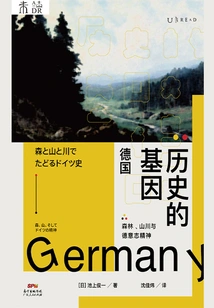
The Dna of History: Germany
History历史的基因:德国
(japan) Ikegami Junichi
The dense Black Forest, the majestic Alps, the surging Rhine River, the tranquil Danube River... The beautiful natural scenery has always been a treasure that Germany is proud of. But the relationship between Germany and nature is by no means superficial: from the time of our ancestors, the Germans, Germans and their history have been inseparable from forests, mountains, and rivers. Germany's developed industry, prosperous music, simple diet, and even rigorous spirit all reflect its people's attitude and contemplation of nature. In this book, Shunichi Ikegami of the University of Tokyo will lead us to look at Germany from a different perspective, revealing Germany's historical genes through its connection with nature, telling us why Made in Germany can be a guarantee of quality for a long time, why Germany is known as the hometown of music, and how German beer and ham are popular around the world...
The dense Black Forest, the majestic Alps, the surging Rhine River, the tranquil Danube River... The beautiful natural scenery has always been a treasure that Germany is proud of. But the relationship between Germany and nature is by no means superficial: from the time of our ancestors, the Germans, Germans and their history have been inseparable from forests, mountains, and rivers. Germany's developed industry, prosperous music, simple diet, and even rigorous spirit all reflect its people's attitude and contemplation of nature. In this book, Shunichi Ikegami of the University of Tokyo will lead us to look at Germany from a different perspective, revealing Germany's historical genes through its connection with nature, telling us why Made in Germany can be a guarantee of quality for a long time, why Germany is known as the hometown of music, and how German beer and ham are popular around the world...
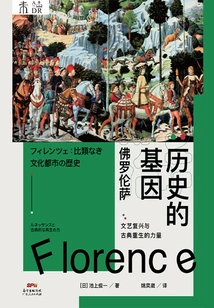
The Dna of History: Florence
History历史的基因:佛罗伦萨
(japan) Ikegami Junichi
As a world-famous art capital, when people mention Florence, they will inevitably think of the Renaissance. In just two to three hundred years, Florence brought countless brilliant painters, sculptors, and architects to Europe and even the world... But there are many metropolises in Europe with profound cultural heritage. Why did Florence become the birthplace of the Renaissance? In this book, Shunichi Ikegami of the University of Tokyo will lead us to look at Florence from a different perspective. By sorting out the historical genes of the city, he will reveal to us how Florence has maintained its unique charm and temperament amidst changes and changes from ancient Rome to the Middle Ages, and from the Renaissance to modern times. If you want to make a pilgrimage to Florence one day, be sure to bring this book with you.
As a world-famous art capital, when people mention Florence, they will inevitably think of the Renaissance. In just two to three hundred years, Florence brought countless brilliant painters, sculptors, and architects to Europe and even the world... But there are many metropolises in Europe with profound cultural heritage. Why did Florence become the birthplace of the Renaissance? In this book, Shunichi Ikegami of the University of Tokyo will lead us to look at Florence from a different perspective. By sorting out the historical genes of the city, he will reveal to us how Florence has maintained its unique charm and temperament amidst changes and changes from ancient Rome to the Middle Ages, and from the Renaissance to modern times. If you want to make a pilgrimage to Florence one day, be sure to bring this book with you.
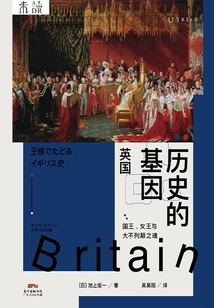
The Dna of History: Britain
History历史的基因:英国
(japan) Ikegami Junichi
The British royal family is one of the most watched royal families in the world. Generations of unique kings have shaped Britain's unique cultural temperament. From the "Conqueror" William I, the "Lion-Hearted King" Richard I, to the "Pirate Queen" Elizabeth I, the "Farmer King" George III, to Queen Victoria who leads the "Empire on which the sun never sets", and the "extremely long standby" Elizabeth II, these "grandparents" have subtly and profoundly affected the words and deeds of the people in their own way. In this book, Professor Shunichi Ikegami of the University of Tokyo will lead us to look at Britain from a different perspective. Through these legendary or ordinary kings and queens, he will analyze the political, social, cultural and other historical genes of Britain, and use delicate strokes to depict a more real Britain.
The British royal family is one of the most watched royal families in the world. Generations of unique kings have shaped Britain's unique cultural temperament. From the "Conqueror" William I, the "Lion-Hearted King" Richard I, to the "Pirate Queen" Elizabeth I, the "Farmer King" George III, to Queen Victoria who leads the "Empire on which the sun never sets", and the "extremely long standby" Elizabeth II, these "grandparents" have subtly and profoundly affected the words and deeds of the people in their own way. In this book, Professor Shunichi Ikegami of the University of Tokyo will lead us to look at Britain from a different perspective. Through these legendary or ordinary kings and queens, he will analyze the political, social, cultural and other historical genes of Britain, and use delicate strokes to depict a more real Britain.
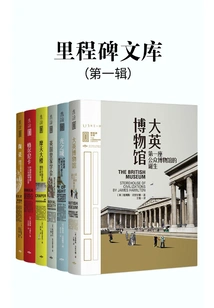
Milestone Library (volume 1)
History里程碑文库(第一辑)
(british) James Hamilton Et Al.
The British Museum is the oldest and grandest comprehensive museum in the world. Over the course of hundreds of years, the British Museum has grown from a small warehouse with randomly stacked collections into a world-renowned public museum with more than 8 million pieces of various collections spanning the entire development of human civilization. As a museum open to the public, how does it attract those "those who are eager to learn and seek knowledge"? The author of this book, James Hamilton, begins with the collector Sir Hans Sloane, and leads readers to review the social and cultural background of this troubled museum at the beginning, its subsequent gradual expansion, as well as those who played an important role in the history of the museum's development, and the museum itself's profound impact on Britain and the world. "Guernica" is one of Picasso's most famous works. This painting was born in a specific era and had its own special mission - to cheer for the Spanish Republic overseas. In this book, James Attlee provides us with an in-depth analysis of the origins of this masterpiece, the social and cultural significance behind it, and how it has influenced countless modern artists and has been endowed with eternal value in the ever-changing social landscape. "City of Light" In 1853, French King Louis Napoleon assigned Georges-Eugène Haussmann, governor of the Seine River, to start a large and ambitious public project for municipal reconstruction. This renovation project - even though it was punctuated by war, revolution, corruption and bankruptcy - not only transformed Paris, but also set a model for urban planning in the 19th and early 20th centuries, and created the enduring urban layout of modern Paris. What are the little-known stories behind this fifteen-year urban renewal project? What lessons can today's city builders learn from this to make cities more livable and more humane? The author of this book, Rupert Christian, will take us back to Paris more than 150 years ago to see how it transformed from a dilapidated medieval city filled with sewage, slums, and disease to a world-famous "City of Lights." "Skyscrapers" As an essential architectural element in modern cities, skyscrapers have greatly changed the face of the city. In this book, Cruickshank takes us back to Chicago of that era, telling how the Reliance Building laid the foundation for urban architecture and the mainstream of architectural engineering in the 20th century, as well as the stories of outstanding figures of the time, such as Louis Sullivan, John Wilborn Root, and Daniel H. Burnham, taking us into some amazing or weird stories. "Ceramics" After people mastered the skill of making fire, they accidentally discovered that burning fire on high-quality clay would make the clay hard. This is the origin of ceramics. In China, the production of ceramics has a history of three thousand years. It has experienced the development process from pottery to porcelain, and then to ceramics. During this period, unique types such as celadon, white porcelain, secret color porcelain, three-color porcelain, multi-color porcelain, and blue and white porcelain were born. Through land and sea trade routes, Chinese porcelain absorbed the characteristics of the Western Regions, and Westerners were impressed by the beauty of Chinese ceramics. Since then, ceramics have become a symbol of Chinese culture. Chinese ceramics with Jingdezhen as the center is a milestone that connects the world as a whole. "The Royal Society" The Royal Society is one of the oldest scientific institutions in the world and has made great contributions to the dissemination of natural science knowledge. Scientific giants such as Newton, Darwin, Leeuwenhoek, Boyle, and Hawking were all its members. In this book, Adrian Tenniswood takes us back to the difficulties and prejudices faced by the Royal Society at its birth, its unremitting efforts to gain social recognition, and the bumpy road it took to promote experimental science. As time goes by, while the rapid development of science and technology has brought about disruptive changes, many problems have arisen. How to carry out scientific research also needs to be rethought. Therefore, the motto of the society - "Do not follow what others say" - still has great practical significance, warning us not to blindly believe in what others say.
The British Museum is the oldest and grandest comprehensive museum in the world. Over the course of hundreds of years, the British Museum has grown from a small warehouse with randomly stacked collections into a world-renowned public museum with more than 8 million pieces of various collections spanning the entire development of human civilization. As a museum open to the public, how does it attract those "those who are eager to learn and seek knowledge"? The author of this book, James Hamilton, begins with the collector Sir Hans Sloane, and leads readers to review the social and cultural background of this troubled museum at the beginning, its subsequent gradual expansion, as well as those who played an important role in the history of the museum's development, and the museum itself's profound impact on Britain and the world. "Guernica" is one of Picasso's most famous works. This painting was born in a specific era and had its own special mission - to cheer for the Spanish Republic overseas. In this book, James Attlee provides us with an in-depth analysis of the origins of this masterpiece, the social and cultural significance behind it, and how it has influenced countless modern artists and has been endowed with eternal value in the ever-changing social landscape. "City of Light" In 1853, French King Louis Napoleon assigned Georges-Eugène Haussmann, governor of the Seine River, to start a large and ambitious public project for municipal reconstruction. This renovation project - even though it was punctuated by war, revolution, corruption and bankruptcy - not only transformed Paris, but also set a model for urban planning in the 19th and early 20th centuries, and created the enduring urban layout of modern Paris. What are the little-known stories behind this fifteen-year urban renewal project? What lessons can today's city builders learn from this to make cities more livable and more humane? The author of this book, Rupert Christian, will take us back to Paris more than 150 years ago to see how it transformed from a dilapidated medieval city filled with sewage, slums, and disease to a world-famous "City of Lights." "Skyscrapers" As an essential architectural element in modern cities, skyscrapers have greatly changed the face of the city. In this book, Cruickshank takes us back to Chicago of that era, telling how the Reliance Building laid the foundation for urban architecture and the mainstream of architectural engineering in the 20th century, as well as the stories of outstanding figures of the time, such as Louis Sullivan, John Wilborn Root, and Daniel H. Burnham, taking us into some amazing or weird stories. "Ceramics" After people mastered the skill of making fire, they accidentally discovered that burning fire on high-quality clay would make the clay hard. This is the origin of ceramics. In China, the production of ceramics has a history of three thousand years. It has experienced the development process from pottery to porcelain, and then to ceramics. During this period, unique types such as celadon, white porcelain, secret color porcelain, three-color porcelain, multi-color porcelain, and blue and white porcelain were born. Through land and sea trade routes, Chinese porcelain absorbed the characteristics of the Western Regions, and Westerners were impressed by the beauty of Chinese ceramics. Since then, ceramics have become a symbol of Chinese culture. Chinese ceramics with Jingdezhen as the center is a milestone that connects the world as a whole. "The Royal Society" The Royal Society is one of the oldest scientific institutions in the world and has made great contributions to the dissemination of natural science knowledge. Scientific giants such as Newton, Darwin, Leeuwenhoek, Boyle, and Hawking were all its members. In this book, Adrian Tenniswood takes us back to the difficulties and prejudices faced by the Royal Society at its birth, its unremitting efforts to gain social recognition, and the bumpy road it took to promote experimental science. As time goes by, while the rapid development of science and technology has brought about disruptive changes, many problems have arisen. How to carry out scientific research also needs to be rethought. Therefore, the motto of the society - "Do not follow what others say" - still has great practical significance, warning us not to blindly believe in what others say.
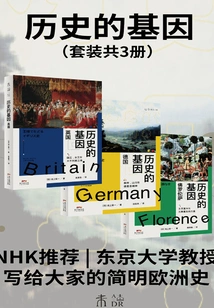
历史的基因(套装共3册)
(japan) Ikegami Junichi
"The Gene of History: Germany" In this book, Shunichi Ikegami of the University of Tokyo will lead us to look at Germany from a different perspective, revealing Germany's historical genes through its connection with nature, telling us why Made in Germany can be a guarantee of quality for a long time, why Germany is known as the hometown of music, and how German beer and ham are popular around the world... "The Gene of History: Florence" In this book, Shunichi Ikegami of the University of Tokyo will lead us to look at Florence from a different perspective. By sorting out the historical genes of this city, he will reveal to us how Florence has maintained its unique charm and temperament amidst changes and changes from ancient Rome to the Middle Ages, and from the Renaissance to modern times. If you want to make a pilgrimage to Florence one day, be sure to bring this book with you. "The Gene of History: Britain" In this book, Professor Shunichi Ikegami of the University of Tokyo will lead us to see Britain from a different perspective. Through these legendary and ordinary kings and queens, he will analyze the political, social, cultural and other historical genes of Britain, and use delicate brushwork to depict a more real Britain.
"The Gene of History: Germany" In this book, Shunichi Ikegami of the University of Tokyo will lead us to look at Germany from a different perspective, revealing Germany's historical genes through its connection with nature, telling us why Made in Germany can be a guarantee of quality for a long time, why Germany is known as the hometown of music, and how German beer and ham are popular around the world... "The Gene of History: Florence" In this book, Shunichi Ikegami of the University of Tokyo will lead us to look at Florence from a different perspective. By sorting out the historical genes of this city, he will reveal to us how Florence has maintained its unique charm and temperament amidst changes and changes from ancient Rome to the Middle Ages, and from the Renaissance to modern times. If you want to make a pilgrimage to Florence one day, be sure to bring this book with you. "The Gene of History: Britain" In this book, Professor Shunichi Ikegami of the University of Tokyo will lead us to see Britain from a different perspective. Through these legendary and ordinary kings and queens, he will analyze the political, social, cultural and other historical genes of Britain, and use delicate brushwork to depict a more real Britain.
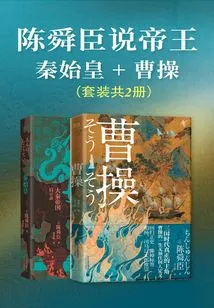
陈舜臣说帝王:秦始皇+曹操(套装共2册)
H
"Cao Cao": More than sixty battles, more than ten narrow escapes from death, three betrayals, and two assassinations. To understand Cao Cao is to understand the Three Kingdoms and the way of history. "Cao Cao" is based on historical facts and takes Cao Cao's family life and career experience as the main line. It objectively presents a flesh-and-blood, three-dimensional and real Cao Cao. A book that allows readers to get to know the different Cao Cao under various labels and the different Three Kingdoms under the war-torn sky! "Qin Shi Huang": He was the founder of the idea of great unification, the inventor of the title "Emperor", the founder of centralization, the builder of the Great Wall, and the creator of the "Eighth Wonder of the World"... Qin Shi Huang, this enigmatic man, how many controversies and myths did he leave behind? The Qin Empire, this glorious but short-lived dynasty, what role did it play in the long history? This book takes the mystery of Qin Shihuang as an entry point and gives a panoramic view of the politics, economy, military, agriculture, culture, society and other aspects of the great era. It can be said that one part about Qin Shihuang is half the history of Chinese civilization.
"Cao Cao": More than sixty battles, more than ten narrow escapes from death, three betrayals, and two assassinations. To understand Cao Cao is to understand the Three Kingdoms and the way of history. "Cao Cao" is based on historical facts and takes Cao Cao's family life and career experience as the main line. It objectively presents a flesh-and-blood, three-dimensional and real Cao Cao. A book that allows readers to get to know the different Cao Cao under various labels and the different Three Kingdoms under the war-torn sky! "Qin Shi Huang": He was the founder of the idea of great unification, the inventor of the title "Emperor", the founder of centralization, the builder of the Great Wall, and the creator of the "Eighth Wonder of the World"... Qin Shi Huang, this enigmatic man, how many controversies and myths did he leave behind? The Qin Empire, this glorious but short-lived dynasty, what role did it play in the long history? This book takes the mystery of Qin Shihuang as an entry point and gives a panoramic view of the politics, economy, military, agriculture, culture, society and other aspects of the great era. It can be said that one part about Qin Shihuang is half the history of Chinese civilization.
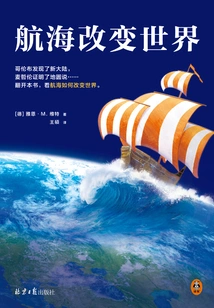
Sailing Changes the World
History航海改变世界
(germany) Yann M. Witte
For three thousand years, the course of world history was changed by navigation. Explorers, traders, navies, and pirates of different races, different beliefs, and different cultural backgrounds embarked on unknown voyages, passing on wealth, wisdom, faith, and disease, and also brought wars and disasters. Zheng He made seven voyages to the West, allowing many Chinese merchants to immigrate to Southeast Asia and establish their own trade network; Columbus discovered the American continent, which not only led to the rise of Europe but also began colonial rule; Magellan proved the theory of a round earth and completed mankind's first circumnavigation Navigating the world; Captain Cook, as the first navigator to enter the Antarctic Circle, drew maps with an accuracy and scale that were unmatched by previous generations; the British Navy led by Nelson completely shattered Napoleon's rule plan and created the glory of the British Empire on which the sun never sets. To this day, various countries have not stopped exploring the ocean. Open this book and see how sailing changes the world.
For three thousand years, the course of world history was changed by navigation. Explorers, traders, navies, and pirates of different races, different beliefs, and different cultural backgrounds embarked on unknown voyages, passing on wealth, wisdom, faith, and disease, and also brought wars and disasters. Zheng He made seven voyages to the West, allowing many Chinese merchants to immigrate to Southeast Asia and establish their own trade network; Columbus discovered the American continent, which not only led to the rise of Europe but also began colonial rule; Magellan proved the theory of a round earth and completed mankind's first circumnavigation Navigating the world; Captain Cook, as the first navigator to enter the Antarctic Circle, drew maps with an accuracy and scale that were unmatched by previous generations; the British Navy led by Nelson completely shattered Napoleon's rule plan and created the glory of the British Empire on which the sun never sets. To this day, various countries have not stopped exploring the ocean. Open this book and see how sailing changes the world.
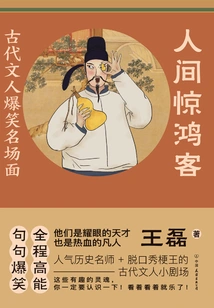
人间惊鸿客:古代文人爆笑名场面
Wang Lei
Did you know that Li Bai was a famous son-in-law in ancient times? Why did the immortal poet, who did not envy wealth, marry into a wealthy family twice? Su Dongpo is not only a great writer in Chinese history, but also a veritable "foodie"! Dongpo pork, Dongpo elbow, Dongpo cuttlefish, Dongpo tofu, Dongpo soup, these delicacies loved by modern people are all related to his old man. Li Qingzhao, a talented woman through the ages, was also trapped by a "scumbag". She would rather spend two years in jail than sue her husband and run towards freedom without hesitation. From Sima Xiangru in the Han Dynasty to Tang Yin in the Ming Dynasty, "The Shocking Guest" selects twenty ancient literati to tell their lives and the historical stories of their dynasties in a humorous way. The whole book uses the stories of literati as clues to connect the rise and fall of Chinese history and explore the historical details hidden in the writings of literati.
Did you know that Li Bai was a famous son-in-law in ancient times? Why did the immortal poet, who did not envy wealth, marry into a wealthy family twice? Su Dongpo is not only a great writer in Chinese history, but also a veritable "foodie"! Dongpo pork, Dongpo elbow, Dongpo cuttlefish, Dongpo tofu, Dongpo soup, these delicacies loved by modern people are all related to his old man. Li Qingzhao, a talented woman through the ages, was also trapped by a "scumbag". She would rather spend two years in jail than sue her husband and run towards freedom without hesitation. From Sima Xiangru in the Han Dynasty to Tang Yin in the Ming Dynasty, "The Shocking Guest" selects twenty ancient literati to tell their lives and the historical stories of their dynasties in a humorous way. The whole book uses the stories of literati as clues to connect the rise and fall of Chinese history and explore the historical details hidden in the writings of literati.
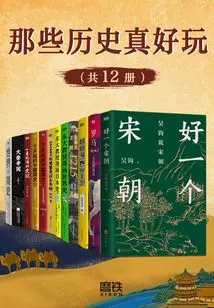
那些历史真好玩(共12册)
Wu Gou Et Al.
The set includes: "A Good Song Dynasty", "Rome: A History of Seven Plunders", "The History of Taoist Comics Emperors (Part 1)", "Plantagenet Dynasty 1215", "The World History of Tokyo University Professor's Comics", "The History of Japan in the Comics of Tokyo University Professor", "I Say Historical Comics: So History is So Interesting", "The Great Brief History of China (2 volumes)", "Historical Records You Can Understand at a Glance", "The Great Qin Empire" and "A Brief History of the World".
The set includes: "A Good Song Dynasty", "Rome: A History of Seven Plunders", "The History of Taoist Comics Emperors (Part 1)", "Plantagenet Dynasty 1215", "The World History of Tokyo University Professor's Comics", "The History of Japan in the Comics of Tokyo University Professor", "I Say Historical Comics: So History is So Interesting", "The Great Brief History of China (2 volumes)", "Historical Records You Can Understand at a Glance", "The Great Qin Empire" and "A Brief History of the World".
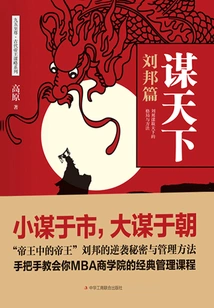
Seeking the World: Liu Bang
History谋天下:刘邦篇
Plateau
Liu Bang's pattern and method of conquering the world. This book is a classic course for MBA business schools, not just management. Counterattack growth, power struggles, managing people, and conspiracy will be unfolded for you one by one in this book. Liu Bang can be called the emperor's teacher, because Li Shimin and Zhu Yuanzhang, who were also emperors, highly praised him. Liu Bang grew up in the marketplace, unable to write or fight. But under his leadership, he gradually killed all the famous figures, killed Xiang Yu, and brought peace to the world. Later, he borrowed the help of others to kill Han Xin and eliminate hidden dangers. It was he who founded the Han Empire for four hundred years! Li Shimin, Emperor Taizong of the Tang Dynasty, and Zhu Yuanzhang, Emperor Taizu of the Ming Dynasty, two emperors who sought to conquer the world, both gave him high praise. Even Mao Zedong commented that "Liu Bang is a brilliant politician" and "a very powerful one among the feudal emperors."
Liu Bang's pattern and method of conquering the world. This book is a classic course for MBA business schools, not just management. Counterattack growth, power struggles, managing people, and conspiracy will be unfolded for you one by one in this book. Liu Bang can be called the emperor's teacher, because Li Shimin and Zhu Yuanzhang, who were also emperors, highly praised him. Liu Bang grew up in the marketplace, unable to write or fight. But under his leadership, he gradually killed all the famous figures, killed Xiang Yu, and brought peace to the world. Later, he borrowed the help of others to kill Han Xin and eliminate hidden dangers. It was he who founded the Han Empire for four hundred years! Li Shimin, Emperor Taizong of the Tang Dynasty, and Zhu Yuanzhang, Emperor Taizu of the Ming Dynasty, two emperors who sought to conquer the world, both gave him high praise. Even Mao Zedong commented that "Liu Bang is a brilliant politician" and "a very powerful one among the feudal emperors."
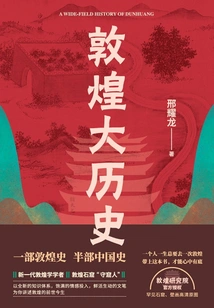
Dunhuang History
History敦煌大历史
Xing Yaolong
This is a popular book on Dunhuang history and culture for general readers. This is a history of Dunhuang and half a history of China; this is a history of Dunhuang that starts from the grottoes, and it is also a history of China that starts from Dunhuang. The author follows the timeline of time and tells the important figures and stories related to Dunhuang in various periods, while incorporating the latest academic progress. Dunhuang, how the border areas were incorporated into the empire's territory; how Dunhuang, the cultural and trade center, was formed; how Dunhuang became a super cultural tourism IP; Dunhuang, how the fate of the little people turned out, and how the ambitions of the big people were displayed; Dunhuang, how the people's lives and beliefs continued, and how the empire's great achievements were managed miserably. Dunhuang, originally the edge of the empire, became the center of the world in a unique way. When we use Dunhuang on the edge as an anchor point to look back on the past, we can suddenly discover a completely different historical context. Dunhuang art attracts tourists from all over the world with its shocking sculptures and murals; Feitian, Thousand-Hand Guanyin, and Nine-Colored Deer have become the most distinctive business cards of Chinese culture. But when we put all of this in the course of history, how should we understand it? Dunhuang Studies, as the most important academic trend since the 20th century, has already rewritten the research process of many disciplines. However, the cognitive update of the academic frontier is still far away from the public. Now, finally, there is a book that tells us all this in a popular way.
This is a popular book on Dunhuang history and culture for general readers. This is a history of Dunhuang and half a history of China; this is a history of Dunhuang that starts from the grottoes, and it is also a history of China that starts from Dunhuang. The author follows the timeline of time and tells the important figures and stories related to Dunhuang in various periods, while incorporating the latest academic progress. Dunhuang, how the border areas were incorporated into the empire's territory; how Dunhuang, the cultural and trade center, was formed; how Dunhuang became a super cultural tourism IP; Dunhuang, how the fate of the little people turned out, and how the ambitions of the big people were displayed; Dunhuang, how the people's lives and beliefs continued, and how the empire's great achievements were managed miserably. Dunhuang, originally the edge of the empire, became the center of the world in a unique way. When we use Dunhuang on the edge as an anchor point to look back on the past, we can suddenly discover a completely different historical context. Dunhuang art attracts tourists from all over the world with its shocking sculptures and murals; Feitian, Thousand-Hand Guanyin, and Nine-Colored Deer have become the most distinctive business cards of Chinese culture. But when we put all of this in the course of history, how should we understand it? Dunhuang Studies, as the most important academic trend since the 20th century, has already rewritten the research process of many disciplines. However, the cognitive update of the academic frontier is still far away from the public. Now, finally, there is a book that tells us all this in a popular way.
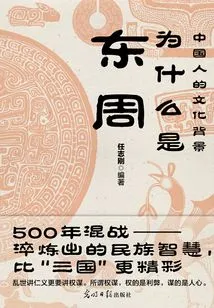
Why the Eastern Zhou Dynasty
History为什么是东周
Compiled By Ren Zhigang
Feng Youlan said: Chinese culture took shape by the Zhou Dynasty. During the Eastern Zhou Dynasty, there emerged a cultural spectacle in which various schools of thought contended. Many fascinating stories and legends have been passed down to this day. This is a dazzling part of the history of Chinese thought. Those thinkers called "Zi" emerged in this period. It was this magnificent, majestic, and heroic era that laid the foundation for the cultural genes of the Chinese people and contributed an unparalleled spiritual core to Chinese civilization. The people and things that happened in Chinese society in the next two thousand years were just an extension of this foundation. This book is not an archaeological study, but an interesting reading of a series of stories from the Eastern Zhou Dynasty. It is divided into the Spring and Autumn Period, the Wuyue Spring and Autumn Period, and the Warring States Period. The book is attached with pull-out pages. It presents the stories of countless ancient sages, heroes and ordinary people in the Eastern Zhou Dynasty over the past five hundred years. The wonderful details, moments, and overlapping stereotyped cultural symbols are presented to everyone, using popular language and simplicity. The simple context and interesting illustrations help readers sort out the intricate humanistic hodgepodge of the Eastern Zhou Dynasty, carefully understand the words and deeds of the sages, find the "Tao" and "Principles" that have remained unchanged for thousands of years, explore the origin of Chinese culture, learn the high-dimensional wisdom of "remaining constant in response to ever-changing changes", and understand the cultural background of the Chinese people faster and better, so as to enhance our cultural identity and cultural confidence.
Feng Youlan said: Chinese culture took shape by the Zhou Dynasty. During the Eastern Zhou Dynasty, there emerged a cultural spectacle in which various schools of thought contended. Many fascinating stories and legends have been passed down to this day. This is a dazzling part of the history of Chinese thought. Those thinkers called "Zi" emerged in this period. It was this magnificent, majestic, and heroic era that laid the foundation for the cultural genes of the Chinese people and contributed an unparalleled spiritual core to Chinese civilization. The people and things that happened in Chinese society in the next two thousand years were just an extension of this foundation. This book is not an archaeological study, but an interesting reading of a series of stories from the Eastern Zhou Dynasty. It is divided into the Spring and Autumn Period, the Wuyue Spring and Autumn Period, and the Warring States Period. The book is attached with pull-out pages. It presents the stories of countless ancient sages, heroes and ordinary people in the Eastern Zhou Dynasty over the past five hundred years. The wonderful details, moments, and overlapping stereotyped cultural symbols are presented to everyone, using popular language and simplicity. The simple context and interesting illustrations help readers sort out the intricate humanistic hodgepodge of the Eastern Zhou Dynasty, carefully understand the words and deeds of the sages, find the "Tao" and "Principles" that have remained unchanged for thousands of years, explore the origin of Chinese culture, learn the high-dimensional wisdom of "remaining constant in response to ever-changing changes", and understand the cultural background of the Chinese people faster and better, so as to enhance our cultural identity and cultural confidence.
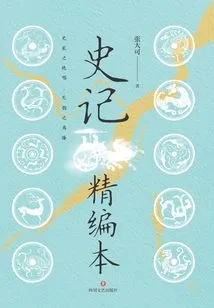
史记精编本
Zhang Dake
This book is a refined vernacular version of the biographical history book "Historical Records". "Historical Records" is the foundation of Chinese civilization. Lu Xun commented that it is "the swan song of historians and the rhymeless Li Sao". "Historical Records" is huge in size. Objectively speaking, it is always difficult for young people to read "Historical Records" patiently. This book selects the most classic chapters of "Historical Records" and re-translates them in vernacular to help readers better understand their subtleties. It can be said to be a wonderful gift for contemporary history lovers. This book follows Mr. Liang Qichao's prompts to interpret, translate and appreciate the "Top Ten Famous Chapters" in "Historical Records". If you read these chapters thoroughly, you will have mastered the essence of this great work "Historical Records".
This book is a refined vernacular version of the biographical history book "Historical Records". "Historical Records" is the foundation of Chinese civilization. Lu Xun commented that it is "the swan song of historians and the rhymeless Li Sao". "Historical Records" is huge in size. Objectively speaking, it is always difficult for young people to read "Historical Records" patiently. This book selects the most classic chapters of "Historical Records" and re-translates them in vernacular to help readers better understand their subtleties. It can be said to be a wonderful gift for contemporary history lovers. This book follows Mr. Liang Qichao's prompts to interpret, translate and appreciate the "Top Ten Famous Chapters" in "Historical Records". If you read these chapters thoroughly, you will have mastered the essence of this great work "Historical Records".
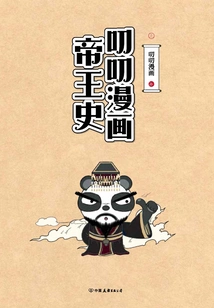
叨叨漫画帝王史(上)
Taotao Comics
A comic history book that you won't be able to put down once you pick it up! Qin Shihuang, who unified the six kingdoms, had such a tragic experience; Liu Bang, who had no background, opened a new show about the Han Dynasty; do you know who is the luckiest emperor in history? Mounting his horse to fight and dismounting to write poems, this is the real Cao Cao in history; Liu Bei, who sold straw sandals, also had big dreams... This book introduces 12 famous emperors in history, including Qin Shihuang, Liu Heng, Cao Cao, Liu Bang, Liu Che, etc., Allowing readers to quickly understand Chinese history in a relaxed and enjoyable way.
A comic history book that you won't be able to put down once you pick it up! Qin Shihuang, who unified the six kingdoms, had such a tragic experience; Liu Bang, who had no background, opened a new show about the Han Dynasty; do you know who is the luckiest emperor in history? Mounting his horse to fight and dismounting to write poems, this is the real Cao Cao in history; Liu Bei, who sold straw sandals, also had big dreams... This book introduces 12 famous emperors in history, including Qin Shihuang, Liu Heng, Cao Cao, Liu Bang, Liu Che, etc., Allowing readers to quickly understand Chinese history in a relaxed and enjoyable way.
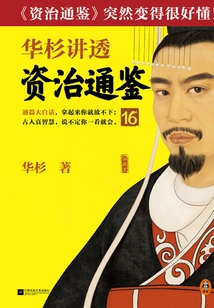
华杉讲透《资治通鉴》16
Huashan
"Zi Zhi Tong Jian" writes from the Warring States Period to the Five Dynasties and Ten Kingdoms, vividly showing the living people and stories in the 1,362-year history of the 16 dynasties. It can be said to be the "big data" and "case collection" of China's political and cultural heritage. The problems and confusions we encounter today have been encountered and dealt with by our historical predecessors, and they have learned lessons from them. The author Hua Shan translates the entire "Zi Zhi Tong Jian" in "vernacular Chinese", and tries his best to retain the charm of the original text, making people pick it up like reading a novel and not be able to put it down. At the same time, it combines the views of famous experts in the past and my own management experience to explain the wisdom in "Zi Zhi Tong Jian" that is truly useful to ordinary people in the 21st century. Open this book, watch the changes in the current situation in the Southern and Northern Dynasties, and learn the necessary qualities of a system manager!
"Zi Zhi Tong Jian" writes from the Warring States Period to the Five Dynasties and Ten Kingdoms, vividly showing the living people and stories in the 1,362-year history of the 16 dynasties. It can be said to be the "big data" and "case collection" of China's political and cultural heritage. The problems and confusions we encounter today have been encountered and dealt with by our historical predecessors, and they have learned lessons from them. The author Hua Shan translates the entire "Zi Zhi Tong Jian" in "vernacular Chinese", and tries his best to retain the charm of the original text, making people pick it up like reading a novel and not be able to put it down. At the same time, it combines the views of famous experts in the past and my own management experience to explain the wisdom in "Zi Zhi Tong Jian" that is truly useful to ordinary people in the 21st century. Open this book, watch the changes in the current situation in the Southern and Northern Dynasties, and learn the necessary qualities of a system manager!
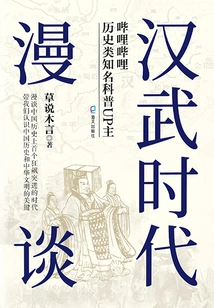
汉武时代漫谈
Grass Speaks Wooden Words
The content of this book comes from authoritative historical books such as "Historical Records", "Hanshu", and "Zizhi Tongjian". Taking the life trajectory of Liu Che, Emperor Wu of the Han Dynasty, as the main line, and using the landmark events of this period as a breakthrough point, through the analysis of the economic, political and social factors behind the events, the historical picture around the first century BC is gradually unfolded, unveiling the mystery of the era of Emperor Wu of the Han Dynasty, revealing the Chinese nation's self-confidence in standing upright for thousands of years, and expressing the Chinese nation's enterprising and unremitting struggle for self-improvement.
The content of this book comes from authoritative historical books such as "Historical Records", "Hanshu", and "Zizhi Tongjian". Taking the life trajectory of Liu Che, Emperor Wu of the Han Dynasty, as the main line, and using the landmark events of this period as a breakthrough point, through the analysis of the economic, political and social factors behind the events, the historical picture around the first century BC is gradually unfolded, unveiling the mystery of the era of Emperor Wu of the Han Dynasty, revealing the Chinese nation's self-confidence in standing upright for thousands of years, and expressing the Chinese nation's enterprising and unremitting struggle for self-improvement.
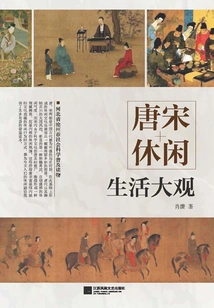
唐宋休闲生活大观
Xiao Xiao
Leisure life in the Tang and Song Dynasties was a typical representative of ancient Chinese leisure in terms of form, content, and the leisure ideas it formed. Through in-depth research and excavation of more than 700 years of history in the Tang and Song Dynasties, this book introduces readers to people's leisure methods, leisure characteristics, and leisure culture in the Tang and Song Dynasties; it also attempts to give a brief explanation of the quiet changes in people's leisure methods and leisure thoughts from the perspective of "Tang and Song changes".
Leisure life in the Tang and Song Dynasties was a typical representative of ancient Chinese leisure in terms of form, content, and the leisure ideas it formed. Through in-depth research and excavation of more than 700 years of history in the Tang and Song Dynasties, this book introduces readers to people's leisure methods, leisure characteristics, and leisure culture in the Tang and Song Dynasties; it also attempts to give a brief explanation of the quiet changes in people's leisure methods and leisure thoughts from the perspective of "Tang and Song changes".
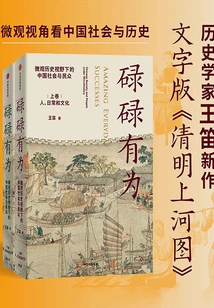
碌碌有为:微观历史视野下的中国社会与民众(全2册)
Wang Di
Is it important for ordinary people like us today to understand Chinese society in the past? Of course it's important. Our culture, traditions, customs, aesthetics and many other aspects today are still deeply influenced by social behaviors and cultural traditions formed over a long period of time in the past. By understanding the past, we can live more comfortably in the present. Usually, what we know about history is mostly about princes and generals, intellectual elites, and heroes, but less about the lives of ordinary people. This book focuses on micro history and uses a combination of micro and macro methods to gradually extend from the stories of ordinary people and families to all aspects of Chinese society, thereby showing the changes in population, food, clothing, housing and transportation, the formation of rural and urban areas, secret societies, customs and habits, literati and education, religious beliefs, law and society, clans and families, etc., Allowing everyone to see a more detailed picture of China. Watching history is like watching a movie. We will see panoramic and medium shots, but a more realistic scene may come from close shots and details. Only by putting history under a microscope and listening to the voices of ordinary people can we see a more vivid and flesh-and-blood history and feel the fireworks and warmth of Chinese society.
Is it important for ordinary people like us today to understand Chinese society in the past? Of course it's important. Our culture, traditions, customs, aesthetics and many other aspects today are still deeply influenced by social behaviors and cultural traditions formed over a long period of time in the past. By understanding the past, we can live more comfortably in the present. Usually, what we know about history is mostly about princes and generals, intellectual elites, and heroes, but less about the lives of ordinary people. This book focuses on micro history and uses a combination of micro and macro methods to gradually extend from the stories of ordinary people and families to all aspects of Chinese society, thereby showing the changes in population, food, clothing, housing and transportation, the formation of rural and urban areas, secret societies, customs and habits, literati and education, religious beliefs, law and society, clans and families, etc., Allowing everyone to see a more detailed picture of China. Watching history is like watching a movie. We will see panoramic and medium shots, but a more realistic scene may come from close shots and details. Only by putting history under a microscope and listening to the voices of ordinary people can we see a more vivid and flesh-and-blood history and feel the fireworks and warmth of Chinese society.
New Thread
History新语丝
Li Yiming
This book can be said to be a modern and contemporary version of "Shishuoxinyu". In the form of short and concise stories, some anecdotes of celebrities with influence in history are narrated. It contains 33 articles on morality, human theory, opinions, and political affairs, etc., And collects a large amount of historical materials with a total of 180,000 words, showing readers a historical picture full of life. The selection of materials focuses on interesting anecdotes of celebrities from the Republic of China to the present day, which will help readers better understand that era. The content is vivid and interesting and has great reference value. Zeng Guofan and Li Hongzhang had a teacher-student relationship, and Zeng Guofan followed his family's motto. He required all his generals to have breakfast with him, but Li Hongzhang often found excuses to be lazy. One morning, the soldiers came to wake him up. Li Hongzhang complained that he had a headache and excused himself from breakfast. After a while, Zeng Guofan's bodyguard came and said that the commander-in-chief had an order: we must have dinner together today. Li Hongzhang had no choice but to "stumbling away with his clothes on". When I rushed to the dining table, I saw that the table was full of civil and military officials sitting solemnly, and no one moved. Seeing Li Hongzhang coming, Zeng Guofan nodded, and everyone started to eat. During the dinner, Zeng Guofan said nothing and buried his head in eating. After eating, Zeng Guofan stared at Li Hongzhang and said something word for word, so that Li Hongzhang would never dare to be lazy again. What are the words? You might as well open the book and read these celebrity anecdotes.
This book can be said to be a modern and contemporary version of "Shishuoxinyu". In the form of short and concise stories, some anecdotes of celebrities with influence in history are narrated. It contains 33 articles on morality, human theory, opinions, and political affairs, etc., And collects a large amount of historical materials with a total of 180,000 words, showing readers a historical picture full of life. The selection of materials focuses on interesting anecdotes of celebrities from the Republic of China to the present day, which will help readers better understand that era. The content is vivid and interesting and has great reference value. Zeng Guofan and Li Hongzhang had a teacher-student relationship, and Zeng Guofan followed his family's motto. He required all his generals to have breakfast with him, but Li Hongzhang often found excuses to be lazy. One morning, the soldiers came to wake him up. Li Hongzhang complained that he had a headache and excused himself from breakfast. After a while, Zeng Guofan's bodyguard came and said that the commander-in-chief had an order: we must have dinner together today. Li Hongzhang had no choice but to "stumbling away with his clothes on". When I rushed to the dining table, I saw that the table was full of civil and military officials sitting solemnly, and no one moved. Seeing Li Hongzhang coming, Zeng Guofan nodded, and everyone started to eat. During the dinner, Zeng Guofan said nothing and buried his head in eating. After eating, Zeng Guofan stared at Li Hongzhang and said something word for word, so that Li Hongzhang would never dare to be lazy again. What are the words? You might as well open the book and read these celebrity anecdotes.
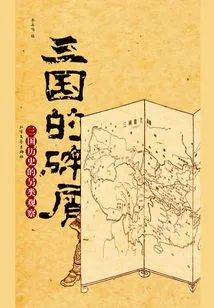
三国的碎屑:三国历史另类观察
Li Yiming
History is often shaped by personal, accidental, even inconspicuous circumstances. The Three Kingdoms was a fascinating era with great changes, vast seas, and heroes emerging in large numbers. It can be said that the country was picturesque and there were so many heroes at one time. This book uses a similar genre as "Shishuoxinyu", excerpting the words, deeds, thoughts and fragments of various characters during this period, showing the true side of human nature through details, and restoring the truth to history. The whole book is divided into fourteen chapters: historical scenes, historical facts, historical materials, monarchs, capable ministers, generals, strategies, allusions, and anecdotes.
History is often shaped by personal, accidental, even inconspicuous circumstances. The Three Kingdoms was a fascinating era with great changes, vast seas, and heroes emerging in large numbers. It can be said that the country was picturesque and there were so many heroes at one time. This book uses a similar genre as "Shishuoxinyu", excerpting the words, deeds, thoughts and fragments of various characters during this period, showing the true side of human nature through details, and restoring the truth to history. The whole book is divided into fourteen chapters: historical scenes, historical facts, historical materials, monarchs, capable ministers, generals, strategies, allusions, and anecdotes.
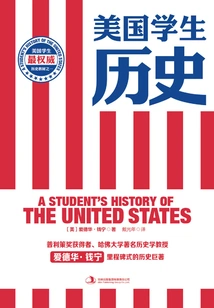
American Student History
History美国学生历史
K
"History for American Students" is a concise textbook on American history written specifically for American middle school students by Edward Channing, a famous history professor at Harvard University. It had a huge and far-reaching impact on subsequent American history textbooks. The book begins with the discovery of America by the Nordics, and is divided into 15 parts to focus on the 300-year history of the United States from 1600 to 1900, including the countless large and small wars fought by the American people to gain independence and unification, as well as the efforts made to improve the political system. The book has a clear context and concise language. It objectively presents the formation and development of the United States like a picture scroll, which is very convenient for students to understand and remember. I believe that after reading this book, readers will have a deeper and more comprehensive understanding of American history and world development history.
"History for American Students" is a concise textbook on American history written specifically for American middle school students by Edward Channing, a famous history professor at Harvard University. It had a huge and far-reaching impact on subsequent American history textbooks. The book begins with the discovery of America by the Nordics, and is divided into 15 parts to focus on the 300-year history of the United States from 1600 to 1900, including the countless large and small wars fought by the American people to gain independence and unification, as well as the efforts made to improve the political system. The book has a clear context and concise language. It objectively presents the formation and development of the United States like a picture scroll, which is very convenient for students to understand and remember. I believe that after reading this book, readers will have a deeper and more comprehensive understanding of American history and world development history.
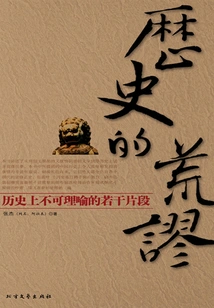
The Absurdity of History
History历史的荒谬
Liu Jie
This is a classic book for history buffs. It contains many absurd past events, which are thought-provoking. This book tells the story of many absurd past events in history, from the "slander" of Zhou Li and Wang Jihu to the literary inquisition of the Qing Dynasty. It reflects many unknown dark and ugly aspects of Chinese history. The shocking and outrageous things in Chinese history mentioned in the book are not hearsay or fabricated. Most of them come from the official revised histories of various dynasties, including the "Twenty-Four Histories" and "Zi Zhi Tong Jian", and a very small part comes from some notes and notes with high historical value. In the book, the author refers to these people and events as "unreasonable fragments in history." After reading this book, readers will enrich their knowledge, better understand the history of the motherland, and cherish their current life more.
This is a classic book for history buffs. It contains many absurd past events, which are thought-provoking. This book tells the story of many absurd past events in history, from the "slander" of Zhou Li and Wang Jihu to the literary inquisition of the Qing Dynasty. It reflects many unknown dark and ugly aspects of Chinese history. The shocking and outrageous things in Chinese history mentioned in the book are not hearsay or fabricated. Most of them come from the official revised histories of various dynasties, including the "Twenty-Four Histories" and "Zi Zhi Tong Jian", and a very small part comes from some notes and notes with high historical value. In the book, the author refers to these people and events as "unreasonable fragments in history." After reading this book, readers will enrich their knowledge, better understand the history of the motherland, and cherish their current life more.
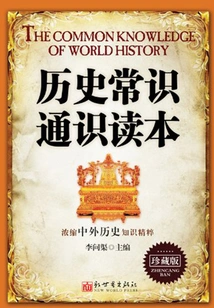
General History Reader
History历史常识通识读本
Editor-in-chief Li Wenqu
The historical philosopher Colin Wood once said: "Today comes from yesterday, today includes yesterday, and yesterday includes the day before yesterday, and it goes back to ancient times; the past history still exists today, it has not died." History, as a mirror, records success and failure, prosperity and decline, the alternation and renewal of the times for mankind. What happened today will be history tomorrow. As the years go by, the sun and the moon rotate, the wheel of history has drifted away in front of us, and what is left to us are the long-standing stories and those vivid characters. Looking through history, we can find endless wisdom. This book brings together important common sense in Chinese and foreign history and is divided into two parts: Chinese history and world history. It uses time as the main line to tell the historical events, cultural celebrities and the brilliant civilization they created in each time period.
The historical philosopher Colin Wood once said: "Today comes from yesterday, today includes yesterday, and yesterday includes the day before yesterday, and it goes back to ancient times; the past history still exists today, it has not died." History, as a mirror, records success and failure, prosperity and decline, the alternation and renewal of the times for mankind. What happened today will be history tomorrow. As the years go by, the sun and the moon rotate, the wheel of history has drifted away in front of us, and what is left to us are the long-standing stories and those vivid characters. Looking through history, we can find endless wisdom. This book brings together important common sense in Chinese and foreign history and is divided into two parts: Chinese history and world history. It uses time as the main line to tell the historical events, cultural celebrities and the brilliant civilization they created in each time period.
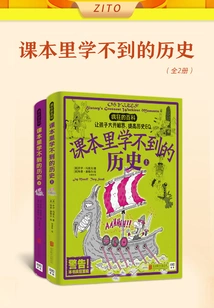
课本里学不到的历史(全2册)
(us) Written By Joey Masoff Illustrated By Terry Serrell
This is a unique historical encyclopedia - revealing the little-known stories of world history. This book lists all kinds of crazy and weird ancient artifacts, such as ferocious kings and queens, bloody executions and duels, etc. It tells various historical stories with humorous language, exquisite and exaggerated illustrations and solid and sufficient historical basis. It also provides support from a scientific perspective, allowing you to appreciate the charm of a different history beyond the textbooks.
This is a unique historical encyclopedia - revealing the little-known stories of world history. This book lists all kinds of crazy and weird ancient artifacts, such as ferocious kings and queens, bloody executions and duels, etc. It tells various historical stories with humorous language, exquisite and exaggerated illustrations and solid and sufficient historical basis. It also provides support from a scientific perspective, allowing you to appreciate the charm of a different history beyond the textbooks.
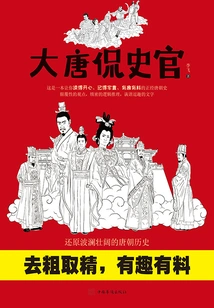
大唐侃史官
Li Fei
This book begins with the decline and fall of the Sui Dynasty. By restoring historical details, this book narrates interesting things about the prosperous Tang Dynasty. It not only presents a magnificent view of history, but also inadvertently outlines the historical details in the big history. It uniquely displays the vertical and horizontal aspects of the Tang Dynasty in front of people, and restores the most authentic people and events in the Tang Dynasty to people.
This book begins with the decline and fall of the Sui Dynasty. By restoring historical details, this book narrates interesting things about the prosperous Tang Dynasty. It not only presents a magnificent view of history, but also inadvertently outlines the historical details in the big history. It uniquely displays the vertical and horizontal aspects of the Tang Dynasty in front of people, and restores the most authentic people and events in the Tang Dynasty to people.
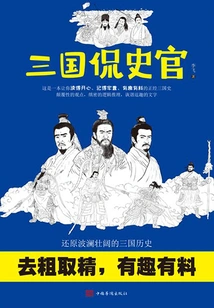
三国侃史官
Li Fei
The writing in this book is humorous, lively, colloquial, yet extremely rigorous. The historical facts of the whole book are accurate, the false is eliminated and the true is retained. There is no longer any strange power that confuses the gods, and no destiny. The "gods" are removed from the altar, the true nature of the characters is exposed, and history is restored to its original appearance. After reading it, you will exclaim: It turns out that the real Three Kingdoms is so wonderful! When writing the book, the author cited a large amount of credible evidence, not only objectively analyzed the personality traits of the main figures in the Three Kingdoms, but also gave a unique interpretation of key historical events, making it truly easy to understand and fascinating.
The writing in this book is humorous, lively, colloquial, yet extremely rigorous. The historical facts of the whole book are accurate, the false is eliminated and the true is retained. There is no longer any strange power that confuses the gods, and no destiny. The "gods" are removed from the altar, the true nature of the characters is exposed, and history is restored to its original appearance. After reading it, you will exclaim: It turns out that the real Three Kingdoms is so wonderful! When writing the book, the author cited a large amount of credible evidence, not only objectively analyzed the personality traits of the main figures in the Three Kingdoms, but also gave a unique interpretation of key historical events, making it truly easy to understand and fascinating.
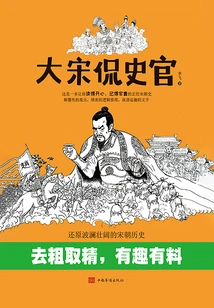
大宋侃史官
Li Fei
This is a history of the Song Dynasty that has soul, content, and powerful information. At this moment in the author's writings, the characters trapped in the depths of history are no longer stiff and stereotyped names, but witnesses of the times whose souls exude interest. This book injects fresh and interesting souls into historical figures, making the truth of history come to life on the page! The serious and serious historical figures in the textbooks all show their true colors here! It can fill the gaps in your historical knowledge and let you show off when chatting and joking. Learning will no longer be boring and life will become more interesting!
This is a history of the Song Dynasty that has soul, content, and powerful information. At this moment in the author's writings, the characters trapped in the depths of history are no longer stiff and stereotyped names, but witnesses of the times whose souls exude interest. This book injects fresh and interesting souls into historical figures, making the truth of history come to life on the page! The serious and serious historical figures in the textbooks all show their true colors here! It can fill the gaps in your historical knowledge and let you show off when chatting and joking. Learning will no longer be boring and life will become more interesting!
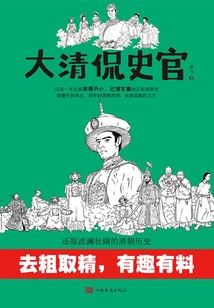
大清侃史官
Li Fei
This is a history of the Qing Dynasty that has soul, content, and powerful information. At this moment in the author's writings, the characters trapped in the depths of history are no longer stiff and stereotyped names, but witnesses of the times whose souls exude interest. This book injects fresh and interesting souls into historical figures, making the truth of history come to life on the page! The serious and serious historical figures in the textbooks all show their true colors here! It can fill the gaps in your historical knowledge and let you show off when chatting and joking. Learning will no longer be boring and life will become more interesting!
This is a history of the Qing Dynasty that has soul, content, and powerful information. At this moment in the author's writings, the characters trapped in the depths of history are no longer stiff and stereotyped names, but witnesses of the times whose souls exude interest. This book injects fresh and interesting souls into historical figures, making the truth of history come to life on the page! The serious and serious historical figures in the textbooks all show their true colors here! It can fill the gaps in your historical knowledge and let you show off when chatting and joking. Learning will no longer be boring and life will become more interesting!
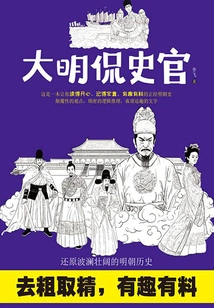
大明侃史官
Li Fei
This book has clear clues, thorough analysis, lively and interesting, yet rigorous. It shows readers the mighty historical process from the rise to decline of the Ming Dynasty, using a panoramic view to analyze the reasons behind the rise and fall of the Ming Dynasty, as well as the fate of the dynasty under the competition between the imperial power, eunuchs, and civil servants. It shows the turbulent undercurrents behind history, analyzes the power behind the dynasty, and gives insight into the complex human nature deep in history. This is a "serious" history of the Ming Dynasty with soul and content. At this moment, those characters trapped in the depths of history are no longer stiff and stereotyped names, but witnesses of the times whose souls exude interest. The author uses humorous techniques that are familiar to modern people to show the development, changes, struggles, love and hatred of the Ming Dynasty from a unique perspective.
This book has clear clues, thorough analysis, lively and interesting, yet rigorous. It shows readers the mighty historical process from the rise to decline of the Ming Dynasty, using a panoramic view to analyze the reasons behind the rise and fall of the Ming Dynasty, as well as the fate of the dynasty under the competition between the imperial power, eunuchs, and civil servants. It shows the turbulent undercurrents behind history, analyzes the power behind the dynasty, and gives insight into the complex human nature deep in history. This is a "serious" history of the Ming Dynasty with soul and content. At this moment, those characters trapped in the depths of history are no longer stiff and stereotyped names, but witnesses of the times whose souls exude interest. The author uses humorous techniques that are familiar to modern people to show the development, changes, struggles, love and hatred of the Ming Dynasty from a unique perspective.
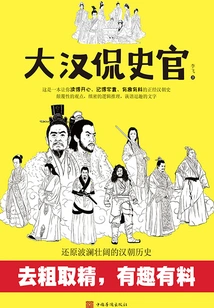
大汉侃史官
Li Fei
This book tells characters from stories, history from characters, and civilization from history. With wonderful and rich content and a different narrative perspective, this book describes the flesh-and-blood history of the Han Dynasty, watching the kings and generals in the prosperous times appear on stage, staged scenes of historical dramas of power chess and people's opposition, and reveals the unexpected historical truth of the Han Dynasty. This is a "serious" history of the Han Dynasty with soul and content. The whole book depicts a large number of historical figures with distinctive personalities and is ready to be revealed, depicting a large and magnificent historical picture with grand spirit and passionate pen and ink, recording the vicissitudes of the rise and fall of the Han Empire.
This book tells characters from stories, history from characters, and civilization from history. With wonderful and rich content and a different narrative perspective, this book describes the flesh-and-blood history of the Han Dynasty, watching the kings and generals in the prosperous times appear on stage, staged scenes of historical dramas of power chess and people's opposition, and reveals the unexpected historical truth of the Han Dynasty. This is a "serious" history of the Han Dynasty with soul and content. The whole book depicts a large number of historical figures with distinctive personalities and is ready to be revealed, depicting a large and magnificent historical picture with grand spirit and passionate pen and ink, recording the vicissitudes of the rise and fall of the Han Empire.
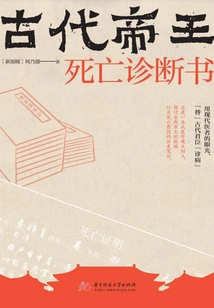
古代帝王死亡诊断书
(singapore) Ho Nai Keung
When reading the stories of Chinese dynasties, the author He Naiqiang no longer pays attention to the proximate and distant causes of the rise and fall of dynasties, no longer judges the loyalty and treachery of historical figures, but pays attention to the illness and death of the emperor's concubines. This may be due to his decades of medical career training his sensitivity to diseases, curiosity about the cause, and doubts about diagnosis... Based on limited information, he read a lot of historical books and modern medical books and even relied on clinical experience to either overturn the ancient statement or confirm its authenticity. Therefore, this is a historical note that explores the diseases and causes of death of ancient emperors from a medical perspective. The author starts with the emperor, concubines, imperial doctors, ministers and others, and uses the perspective of modern doctors to "diagnose" the diseases of ancient monarchs and ministers, analyze their patients, and question the causes of death recorded in historical annals. In order to increase everyone's understanding of some pathologies, the author also uses ancient and modern comparisons to bring in modern interpretations and treatment methods of these diseases.
When reading the stories of Chinese dynasties, the author He Naiqiang no longer pays attention to the proximate and distant causes of the rise and fall of dynasties, no longer judges the loyalty and treachery of historical figures, but pays attention to the illness and death of the emperor's concubines. This may be due to his decades of medical career training his sensitivity to diseases, curiosity about the cause, and doubts about diagnosis... Based on limited information, he read a lot of historical books and modern medical books and even relied on clinical experience to either overturn the ancient statement or confirm its authenticity. Therefore, this is a historical note that explores the diseases and causes of death of ancient emperors from a medical perspective. The author starts with the emperor, concubines, imperial doctors, ministers and others, and uses the perspective of modern doctors to "diagnose" the diseases of ancient monarchs and ministers, analyze their patients, and question the causes of death recorded in historical annals. In order to increase everyone's understanding of some pathologies, the author also uses ancient and modern comparisons to bring in modern interpretations and treatment methods of these diseases.
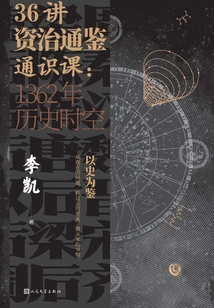
36讲资治通鉴通识课:1362年历史时空
Li Kai
As a classic historical work, "Zi Zhi Tong Jian" is deeply loved by readers. However, in today's busy and fast world, it is very difficult for readers to read such a huge volume of books. Therefore, around this valuable resource and in response to the problems and needs of public readers and history lovers, the topic of "36 Lectures on Zi Zhi Tong Jian General Course" was planned and produced. The most valuable essence of "Zi Zhi Tong Jian" is condensed into 36 chapters. It is hoped that in the era of fragmented reading, it will help readers establish a perspective of time and space and quickly understand the heavy content of "Zi Zhi Tong Jian", so that modern people can "use history as a guide to identify the rise and fall, people as a guide to identify gains and losses, and events as a guide to identify laws" to deal with complex and ever-changing problems of survival and development.
As a classic historical work, "Zi Zhi Tong Jian" is deeply loved by readers. However, in today's busy and fast world, it is very difficult for readers to read such a huge volume of books. Therefore, around this valuable resource and in response to the problems and needs of public readers and history lovers, the topic of "36 Lectures on Zi Zhi Tong Jian General Course" was planned and produced. The most valuable essence of "Zi Zhi Tong Jian" is condensed into 36 chapters. It is hoped that in the era of fragmented reading, it will help readers establish a perspective of time and space and quickly understand the heavy content of "Zi Zhi Tong Jian", so that modern people can "use history as a guide to identify the rise and fall, people as a guide to identify gains and losses, and events as a guide to identify laws" to deal with complex and ever-changing problems of survival and development.
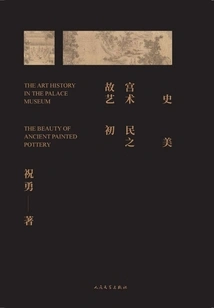
故宫艺术史:初民之美
Zhu Yong
This book is a history of Chinese art connected by the cultural relics collected by the Palace Museum. In other words, the cultural relics collected by the Palace Museum themselves constitute a grand, vast and visible history of Chinese art. The Palace Museum has a total collection of more than 1.86 Million pieces (sets) of cultural relics. From a chronological point of view, the cultural relics collected by the Palace Museum date back to the Neolithic Age, spanning the Xia, Shang, Zhou, Qin, Han, Three Kingdoms, Jin, Southern and Northern Dynasties, Sui, Tang, Five Dynasties, Song, Liao, Xixia, Jin, Yuan, Ming, Qing and other ancient Chinese dynasties, and have gone through the historical events of the 20th century, all the way to today. Whether horizontally or vertically, the cultural relics in the Forbidden City construct the grand system of Chinese civilization and become material evidence that Chinese civilization continues to flourish and never stops flowing. "History of Forbidden City Art" is planned to be composed of ten volumes. The first volume, "The Beauty of the Early People", is about the pottery of the Neolithic Age.
This book is a history of Chinese art connected by the cultural relics collected by the Palace Museum. In other words, the cultural relics collected by the Palace Museum themselves constitute a grand, vast and visible history of Chinese art. The Palace Museum has a total collection of more than 1.86 Million pieces (sets) of cultural relics. From a chronological point of view, the cultural relics collected by the Palace Museum date back to the Neolithic Age, spanning the Xia, Shang, Zhou, Qin, Han, Three Kingdoms, Jin, Southern and Northern Dynasties, Sui, Tang, Five Dynasties, Song, Liao, Xixia, Jin, Yuan, Ming, Qing and other ancient Chinese dynasties, and have gone through the historical events of the 20th century, all the way to today. Whether horizontally or vertically, the cultural relics in the Forbidden City construct the grand system of Chinese civilization and become material evidence that Chinese civilization continues to flourish and never stops flowing. "History of Forbidden City Art" is planned to be composed of ten volumes. The first volume, "The Beauty of the Early People", is about the pottery of the Neolithic Age.
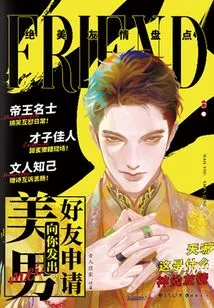
美男向你发出好友申请
The Ancients Were Very Fashionable.
A "sugar-eating" guide about ancient celebrity CPs! Li Bai × Du Fu, Liu Bang × Xiang Yu, Bai Juyi × Yuan Zhen, Li Mi × Li Heng, Yi Hui × Gu Taiqing. Super popular CP story reveals: they are enemy generals but give each other wine and medicine, they are emperors and hermits but sleep on their feet, they are literary confidants but write poems to flirt with each other, they are talented girls of Baylor, and they never dare to forget the love of their life... There are more hidden sugars in the book than you can imagine!
A "sugar-eating" guide about ancient celebrity CPs! Li Bai × Du Fu, Liu Bang × Xiang Yu, Bai Juyi × Yuan Zhen, Li Mi × Li Heng, Yi Hui × Gu Taiqing. Super popular CP story reveals: they are enemy generals but give each other wine and medicine, they are emperors and hermits but sleep on their feet, they are literary confidants but write poems to flirt with each other, they are talented girls of Baylor, and they never dare to forget the love of their life... There are more hidden sugars in the book than you can imagine!
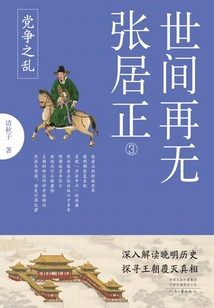
世间再无张居正3:党争之乱
Qingqiuzi
"Zhang Juzheng No More" is a multi-volume popular history book that sorts out the chaos at the end of the Ming Dynasty and explores the reasons for its demise with an objective and fair attitude. This volume describes the rise of party strife in the late Ming Dynasty, reflecting the sharp struggles in the court and officialdom. The culture, politics, and economy of the Ming Empire began to decline, and the government became chaotic. The exclusive power of eunuchs replaced the original well-functioning checks and balances between the monarch and his ministers, triggering a comprehensive crisis.
"Zhang Juzheng No More" is a multi-volume popular history book that sorts out the chaos at the end of the Ming Dynasty and explores the reasons for its demise with an objective and fair attitude. This volume describes the rise of party strife in the late Ming Dynasty, reflecting the sharp struggles in the court and officialdom. The culture, politics, and economy of the Ming Empire began to decline, and the government became chaotic. The exclusive power of eunuchs replaced the original well-functioning checks and balances between the monarch and his ministers, triggering a comprehensive crisis.
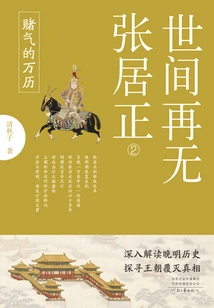
世间再无张居正2:赌气的万历
Qingqiuzi
"Zhang Juzheng No More" is a multi-volume popular history book that sorts out the chaos at the end of the Ming Dynasty and explores the reasons for its demise with an objective and fair attitude. This volume describes that after Zhang Juzheng ascended to the position of chief minister, he began his vigorous and vigorous New Deal reforms, which made the country strong again. After Emperor Wanli came to power, he did not establish a prince for fifteen years and did not go to court for more than twenty years because of his anger with his ministers, which laid hidden dangers for the government.
"Zhang Juzheng No More" is a multi-volume popular history book that sorts out the chaos at the end of the Ming Dynasty and explores the reasons for its demise with an objective and fair attitude. This volume describes that after Zhang Juzheng ascended to the position of chief minister, he began his vigorous and vigorous New Deal reforms, which made the country strong again. After Emperor Wanli came to power, he did not establish a prince for fifteen years and did not go to court for more than twenty years because of his anger with his ministers, which laid hidden dangers for the government.
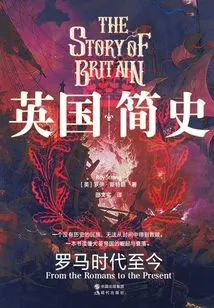
英国简史:罗马时代至今
(uk) Roy Strong
This is a British history book written by British historian Roy Strong. The author tells a brief history of Britain from the Roman era to the present day, sorting out a clear historical context for readers through major events that promoted the process of British history. It not only writes about the evolution of this country, but also writes about the formation of this country's character, showing a three-dimensional Britain.
This is a British history book written by British historian Roy Strong. The author tells a brief history of Britain from the Roman era to the present day, sorting out a clear historical context for readers through major events that promoted the process of British history. It not only writes about the evolution of this country, but also writes about the formation of this country's character, showing a three-dimensional Britain.
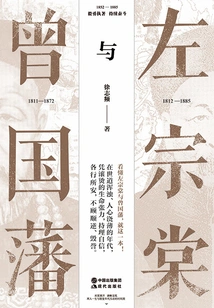
Zuo Zongtang and Zeng Guofan
History左宗棠与曾国藩
Xu Zhipin
Zeng Guofan and Zuo Zongtang were both important ministers in the late Qing Dynasty and the guides in China's great transformation era. They jointly created the overall rise of modern elites. His fame and prestige are so great that they are rare in history. Based on detailed official history and rich anecdotes, this book comprehensively and meticulously outlines the life trajectories of Zeng Guofan and Zuo Zongtang. It focuses on the twists and turns of their interactions, restores their lives of continuous struggle and mutual correction step by step, and deeply analyzes their conflicts, differences and mutual achievements. It reveals five thousand years of traditional Chinese survival philosophy and wisdom of success through the thoughts and practices of the characters themselves, giving readers reference for life and enlightenment of wisdom.
Zeng Guofan and Zuo Zongtang were both important ministers in the late Qing Dynasty and the guides in China's great transformation era. They jointly created the overall rise of modern elites. His fame and prestige are so great that they are rare in history. Based on detailed official history and rich anecdotes, this book comprehensively and meticulously outlines the life trajectories of Zeng Guofan and Zuo Zongtang. It focuses on the twists and turns of their interactions, restores their lives of continuous struggle and mutual correction step by step, and deeply analyzes their conflicts, differences and mutual achievements. It reveals five thousand years of traditional Chinese survival philosophy and wisdom of success through the thoughts and practices of the characters themselves, giving readers reference for life and enlightenment of wisdom.
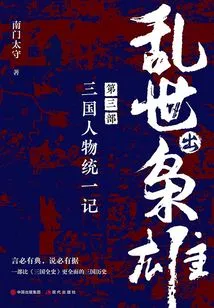
乱世出枭雄(第三部):三国人物统一记
Nanmen Prefect
The Three Kingdoms is an era in which heroes are not judged by their origins. The Three Kingdoms is an era in which heroes are not judged by our enemies. The Three Kingdoms is an era in which heroes are not judged by success or failure. As the saying goes, "In troubled times, heroes emerge." In the history of the Three Kingdoms, many legendary figures emerged. They were either heroes, heroes, or outstanding people. Some of them were extremely loyal and courageous, some had superior intelligence, some adhered to the bottom line, some adhered to principles, some were loyal, and some persisted in their ideals. However, Wang Gang untied the alliance, the world was divided, and the four seas were divided. In the misery of troubled times, people have no hope of living; in the sorrow of troubled times, life is worse than death; in the autumn of troubled times, people's minds are unified. Everyone hopes that the troubled times will end as soon as possible, and the world will return to unification, with Wang Gang unified, the Central Plains under one master, and China restored under one government. For this ideal goal, Cao Cao "served the emperor's orders and refused to submit to them", Liu Bei established the Shu Kingdom in accordance with the unification of the Han Dynasty, and Jiangdong's foundation was based on dangers, and they all struggled for unification throughout their lives. The general trend of the world is that if it is divided for a long time, it will be united, and if it is united for a long time, it will be divided. The Wei State conquered Shu, destroyed the weak Shu Han, and opened the prelude to the unification of the world. The Sima family, covering the sky with one hand, usurped the Wei Dynasty and established the Jin Dynasty. They attacked Wu in six directions. Their power was overwhelming. The three families returned to the Jin Dynasty and the world was unified.
The Three Kingdoms is an era in which heroes are not judged by their origins. The Three Kingdoms is an era in which heroes are not judged by our enemies. The Three Kingdoms is an era in which heroes are not judged by success or failure. As the saying goes, "In troubled times, heroes emerge." In the history of the Three Kingdoms, many legendary figures emerged. They were either heroes, heroes, or outstanding people. Some of them were extremely loyal and courageous, some had superior intelligence, some adhered to the bottom line, some adhered to principles, some were loyal, and some persisted in their ideals. However, Wang Gang untied the alliance, the world was divided, and the four seas were divided. In the misery of troubled times, people have no hope of living; in the sorrow of troubled times, life is worse than death; in the autumn of troubled times, people's minds are unified. Everyone hopes that the troubled times will end as soon as possible, and the world will return to unification, with Wang Gang unified, the Central Plains under one master, and China restored under one government. For this ideal goal, Cao Cao "served the emperor's orders and refused to submit to them", Liu Bei established the Shu Kingdom in accordance with the unification of the Han Dynasty, and Jiangdong's foundation was based on dangers, and they all struggled for unification throughout their lives. The general trend of the world is that if it is divided for a long time, it will be united, and if it is united for a long time, it will be divided. The Wei State conquered Shu, destroyed the weak Shu Han, and opened the prelude to the unification of the world. The Sima family, covering the sky with one hand, usurped the Wei Dynasty and established the Jin Dynasty. They attacked Wu in six directions. Their power was overwhelming. The three families returned to the Jin Dynasty and the world was unified.
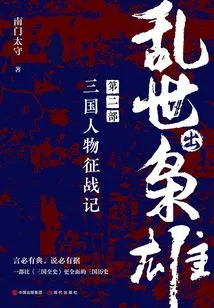
乱世出枭雄(第二部):三国人物征战记
Nanmen Prefect
The Three Kingdoms were in troubled times, with wars raging, wars rising, heroes vying for the throne, and conquests continuing. First there was the Yellow Turban Uprising, then Dong Zhuo took over the capital, and Lu Bu and Ding Yuan turned against each other. Then, the Kwantung Allied Forces rebelled against Dong Zhuo, Cao Cao launched an army against Jiwu, Dong Zhuo and Lu Bu became enemies, Li Jue, Guo Bang, and Fan Chou separatized Xiliang, Sun Ce swept across Jiangdong, Tao Qiancun was the site of four battles, Liu Bei gained and lost Xiaopei, Yuan Shao launched the Guandu War, and finally, Cao Cao burned Wuchao with a fire, defeating more with less, and unified the north. Cao Cao led his army across the dangerous pass of the Great Wall and fought fiercely at Bailang Mountain to stabilize the situation in the north. The proud Cao Cao sent his troops south, and the Battle of Chibi began. Liu Bei stayed under the fence, and Sun Quan was in danger of losing his eggs. Chibi burned tens of thousands of Cao's troops. In the end, Sun and Liu's coalition defeated Cao Cao's northern army with a small victory. Liu Bei and Sun Quan divided Jingzhou, Sun Quan secured the southeast, Liu Bei planned Xichuan, fought against Zhang Lu, captured Ma Chao, and occupied Yizhou, Guan Yu lost Jingzhou, Zhang Fei suffered a misfortune, and Liu Bei insisted on attacking Soochow. Lu Xun set fire to the Shu-Han camp for hundreds of miles, unexpectedly won, and saved Jiangdong's foundation. Liu Bei, whose vitality was severely damaged, had to retreat to Baidi City. Later, Zhuge Liang, the minister who had entrusted the solitary army, launched five expeditions into the Central Plains. Behind the fighting, intrigues, and battles of wits and courage between all parties, on the surface it is killing, conspiracy, and calculation. In fact, it is the suffering of the people, the decline of people's livelihood, and the disaster of living beings. Behind the war of the Three Kingdoms, tracing back to its origin and seeking its purpose, is the uprightness and feelings of family and country in the characters of the Three Kingdoms, as well as the perseverance, perseverance, sacrifice of life for righteousness, and unyielding loyalty of those heroes. It is a generation of virtuous people who dedicated themselves to death. This is the true value and significance of the Three Kingdoms!
The Three Kingdoms were in troubled times, with wars raging, wars rising, heroes vying for the throne, and conquests continuing. First there was the Yellow Turban Uprising, then Dong Zhuo took over the capital, and Lu Bu and Ding Yuan turned against each other. Then, the Kwantung Allied Forces rebelled against Dong Zhuo, Cao Cao launched an army against Jiwu, Dong Zhuo and Lu Bu became enemies, Li Jue, Guo Bang, and Fan Chou separatized Xiliang, Sun Ce swept across Jiangdong, Tao Qiancun was the site of four battles, Liu Bei gained and lost Xiaopei, Yuan Shao launched the Guandu War, and finally, Cao Cao burned Wuchao with a fire, defeating more with less, and unified the north. Cao Cao led his army across the dangerous pass of the Great Wall and fought fiercely at Bailang Mountain to stabilize the situation in the north. The proud Cao Cao sent his troops south, and the Battle of Chibi began. Liu Bei stayed under the fence, and Sun Quan was in danger of losing his eggs. Chibi burned tens of thousands of Cao's troops. In the end, Sun and Liu's coalition defeated Cao Cao's northern army with a small victory. Liu Bei and Sun Quan divided Jingzhou, Sun Quan secured the southeast, Liu Bei planned Xichuan, fought against Zhang Lu, captured Ma Chao, and occupied Yizhou, Guan Yu lost Jingzhou, Zhang Fei suffered a misfortune, and Liu Bei insisted on attacking Soochow. Lu Xun set fire to the Shu-Han camp for hundreds of miles, unexpectedly won, and saved Jiangdong's foundation. Liu Bei, whose vitality was severely damaged, had to retreat to Baidi City. Later, Zhuge Liang, the minister who had entrusted the solitary army, launched five expeditions into the Central Plains. Behind the fighting, intrigues, and battles of wits and courage between all parties, on the surface it is killing, conspiracy, and calculation. In fact, it is the suffering of the people, the decline of people's livelihood, and the disaster of living beings. Behind the war of the Three Kingdoms, tracing back to its origin and seeking its purpose, is the uprightness and feelings of family and country in the characters of the Three Kingdoms, as well as the perseverance, perseverance, sacrifice of life for righteousness, and unyielding loyalty of those heroes. It is a generation of virtuous people who dedicated themselves to death. This is the true value and significance of the Three Kingdoms!
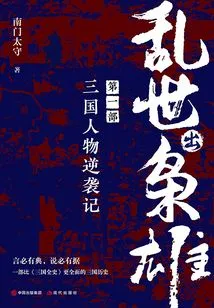
Heroes Emerge in Troubled Times (part 1): the Counterattack of Characters from the Three Kingdoms
History乱世出枭雄(第一部):三国人物逆袭记
Nanmen Prefect
At the end of the Eastern Han Dynasty, foreign relatives had exclusive power, eunuchs took over power, and the land was red with yellow turbans. In troubled times, many heroes have risen together, and heroes have emerged in large numbers. He Jin is in the front, Dong Zhuo succeeds, Yuan Shao succeeds, Cao Cao rises, Lu Bu raises his voice, Liu Bei spreads his name, Sun Jian conquers, Sun Ce returns eastward, Sun Quan dominates the map, and Kong Ming works hard and contributes good strategies. Heroes are chasing each other, heroes are fighting each other, and in troubled times, many legendary counterattack figures have emerged in the Central Plains, the most prominent of which include Cao Cao, Liu Bei, Sun Quan, Zhuge Liang, Sima Yi, etc. Cao Cao, who was originally a eunuch, had a short and ugly appearance. However, with his talent strategy of "elevating talents only by his talents", he recruited talents from all over the world, established a forest of generals, and a horde of counselors, and finally unified the north. Although they failed in the southern expedition, they succeeded in Guanzhong and joined forces with Wu to conquer Shu, thus establishing the Cao Wei Empire. Liu Bei was originally a descendant of a declining clan who made a living by selling shoes and weaving mats. However, by virtue of his people-oriented attitude, he won the hearts of the world and became sworn friends with Guan Yu and Zhang Fei. He appointed loyal and brave men such as Zhao Yun, Huang Zhong and Ma Chao to fight in the south and north. He established himself in Jingzhou and traveled to Bashu, eventually becoming the great cause of the Shu Han Dynasty. Sun Quan was orphaned at the age of seven and came to power at the age of eighteen. He used Zhang Zhao and Lu Su for literature and Zhou Yu and Lu Xun for military affairs. He allied with Shu to resist Wei, used Wei to attack Shu, and later allied with Shu Tucun. Among the Three Kingdoms, it became the longest-lasting country and established the foundation of Jiangdong. Zhuge Liang, a commoner in Nanyang, worked hard to cultivate Longmu and share the world. He joined Wu to fight against Cao and went to Jingyi. He made three expeditions to Qishan Mountain and made five expeditions to the Central Plains. He devoted himself to death and died. He eventually became a virtuous man and a model for intellectuals of all ages. Sima Yi originally wanted to return to seclusion, but was forced to serve as an official by Cao Cao. However, he was not used in the official position and was seized several times. He was still "unbearable". He worked hard and created a new pattern, which finally laid the foundation for the "three families returning to Jin" and became the founder of the Western Jin Dynasty.
At the end of the Eastern Han Dynasty, foreign relatives had exclusive power, eunuchs took over power, and the land was red with yellow turbans. In troubled times, many heroes have risen together, and heroes have emerged in large numbers. He Jin is in the front, Dong Zhuo succeeds, Yuan Shao succeeds, Cao Cao rises, Lu Bu raises his voice, Liu Bei spreads his name, Sun Jian conquers, Sun Ce returns eastward, Sun Quan dominates the map, and Kong Ming works hard and contributes good strategies. Heroes are chasing each other, heroes are fighting each other, and in troubled times, many legendary counterattack figures have emerged in the Central Plains, the most prominent of which include Cao Cao, Liu Bei, Sun Quan, Zhuge Liang, Sima Yi, etc. Cao Cao, who was originally a eunuch, had a short and ugly appearance. However, with his talent strategy of "elevating talents only by his talents", he recruited talents from all over the world, established a forest of generals, and a horde of counselors, and finally unified the north. Although they failed in the southern expedition, they succeeded in Guanzhong and joined forces with Wu to conquer Shu, thus establishing the Cao Wei Empire. Liu Bei was originally a descendant of a declining clan who made a living by selling shoes and weaving mats. However, by virtue of his people-oriented attitude, he won the hearts of the world and became sworn friends with Guan Yu and Zhang Fei. He appointed loyal and brave men such as Zhao Yun, Huang Zhong and Ma Chao to fight in the south and north. He established himself in Jingzhou and traveled to Bashu, eventually becoming the great cause of the Shu Han Dynasty. Sun Quan was orphaned at the age of seven and came to power at the age of eighteen. He used Zhang Zhao and Lu Su for literature and Zhou Yu and Lu Xun for military affairs. He allied with Shu to resist Wei, used Wei to attack Shu, and later allied with Shu Tucun. Among the Three Kingdoms, it became the longest-lasting country and established the foundation of Jiangdong. Zhuge Liang, a commoner in Nanyang, worked hard to cultivate Longmu and share the world. He joined Wu to fight against Cao and went to Jingyi. He made three expeditions to Qishan Mountain and made five expeditions to the Central Plains. He devoted himself to death and died. He eventually became a virtuous man and a model for intellectuals of all ages. Sima Yi originally wanted to return to seclusion, but was forced to serve as an official by Cao Cao. However, he was not used in the official position and was seized several times. He was still "unbearable". He worked hard and created a new pattern, which finally laid the foundation for the "three families returning to Jin" and became the founder of the Western Jin Dynasty.
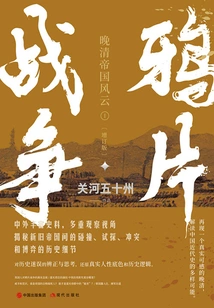
鸦片战争(增订版)
Guanhe Fifty States
The Empire of the Late Qing Dynasty series is a blockbuster work of modern historical writing in the fifty states of Guanhe. This series refers to rich historical materials at home and abroad, using multiple observation perspectives to deeply understand the positions of all parties at the historical scene at that time, as well as their true human background and cognitive logic. It attempts to reorganize the development of modern history, reproduce a real and perceptible past, and interpret the diverse possibilities of history. It is divided into three parts: "The Opium War", "The Rise of the Hunan Army" and "The Burning of the Old Summer Palace". During the late Qing Dynasty, Emperor Daoguang, who had a long history of being conservative, encountered a challenge that traditional Chinese emperors had never faced - the Opium War. It cracked the solid shell of traditional Chinese society. This crisis made the entire Qing Empire unable to cope with the crisis. Just when the Opium War came to an end, bad news came again - something happened in Guangxi... This book uses the "Lin-Qing Incident" in the Jiaqing Dynasty as an introduction, starting from the accession of Emperor Daoguang to the throne, through the interpretation of the many shortcomings of the declining Qing Empire, and the stories of various characters. The multi-perspective display of personality collisions and conflicts reveals the secrets behind the historical scene of the Opium War, interpreting the reasons for the outbreak of the Opium War and China's failure from multiple aspects, as well as many historical details of the collision, temptation, conflict and game with the external British Empire. This edition of "The Opium War" adds more detailed historical materials, enriching our understanding of some historical facts and characters.
The Empire of the Late Qing Dynasty series is a blockbuster work of modern historical writing in the fifty states of Guanhe. This series refers to rich historical materials at home and abroad, using multiple observation perspectives to deeply understand the positions of all parties at the historical scene at that time, as well as their true human background and cognitive logic. It attempts to reorganize the development of modern history, reproduce a real and perceptible past, and interpret the diverse possibilities of history. It is divided into three parts: "The Opium War", "The Rise of the Hunan Army" and "The Burning of the Old Summer Palace". During the late Qing Dynasty, Emperor Daoguang, who had a long history of being conservative, encountered a challenge that traditional Chinese emperors had never faced - the Opium War. It cracked the solid shell of traditional Chinese society. This crisis made the entire Qing Empire unable to cope with the crisis. Just when the Opium War came to an end, bad news came again - something happened in Guangxi... This book uses the "Lin-Qing Incident" in the Jiaqing Dynasty as an introduction, starting from the accession of Emperor Daoguang to the throne, through the interpretation of the many shortcomings of the declining Qing Empire, and the stories of various characters. The multi-perspective display of personality collisions and conflicts reveals the secrets behind the historical scene of the Opium War, interpreting the reasons for the outbreak of the Opium War and China's failure from multiple aspects, as well as many historical details of the collision, temptation, conflict and game with the external British Empire. This edition of "The Opium War" adds more detailed historical materials, enriching our understanding of some historical facts and characters.
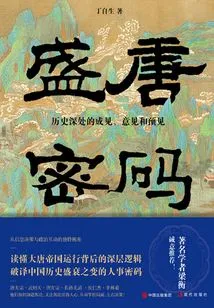
盛唐密码:历史深处的成见、意见和预见
Ding Zisheng
Taizong Li Shimin, Empress Wu Zetian, and Xuanzong Li Longji each led the way for decades, and jointly created the prosperous age of the Tang Dynasty. They have encountered many challenges in their extraordinary lives, the most difficult of which is to make bold predictions in the face of existing prejudices and different opinions. This book is an apocalypse that uses historical figures such as Emperor Taizong, Wu Zetian, Emperor Xuanzong, Changsun Wuji, and Di Renjie as clues to connect the prosperous times of the Tang Dynasty. It vividly reproduces how these people's historical opinions, prejudices, and foresights influenced the major decisions of the dynasty and the direction of the times. It analyzes the deep logic behind the operation of the Tang Empire and deciphers the personnel code of the rise and fall of Chinese history.
Taizong Li Shimin, Empress Wu Zetian, and Xuanzong Li Longji each led the way for decades, and jointly created the prosperous age of the Tang Dynasty. They have encountered many challenges in their extraordinary lives, the most difficult of which is to make bold predictions in the face of existing prejudices and different opinions. This book is an apocalypse that uses historical figures such as Emperor Taizong, Wu Zetian, Emperor Xuanzong, Changsun Wuji, and Di Renjie as clues to connect the prosperous times of the Tang Dynasty. It vividly reproduces how these people's historical opinions, prejudices, and foresights influenced the major decisions of the dynasty and the direction of the times. It analyzes the deep logic behind the operation of the Tang Empire and deciphers the personnel code of the rise and fall of Chinese history.
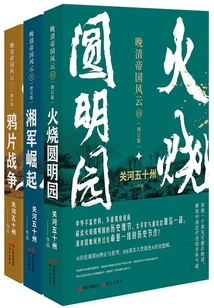
晚清帝国风云系列(增订版)
Guanhe Fifty States
The Empire of the Late Qing Dynasty series is a blockbuster work of modern historical writing in the fifty states of Guanhe. This series refers to rich historical materials at home and abroad, using multiple observation perspectives to deeply understand the positions of all parties at the historical scene at that time, as well as their true human background and cognitive logic. It attempts to reorganize the development of modern history, reproduce a real and perceptible past, and interpret the diverse possibilities of history. It is divided into three parts: "The Opium War", "The Rise of the Hunan Army" and "The Burning of the Old Summer Palace". "The Opium War" begins with the accession of Emperor Daoguang to the throne. Through the interpretation of the many shortcomings of the Qing Empire in decline, as well as the multi-faceted display of the personality clashes and conflicts of various characters, "The Opium War" reveals the secrets behind the historical curtain of the Opium War. It interprets the reasons for the outbreak of the Opium War and China's failure from many aspects, as well as many historical details of the collision, trial, conflict and game with the British Empire. "History has made the Hunan Army, and the Hunan Army has changed history." Based on rich historical materials, "The Rise of the Hunan Army" tells the history of the rise of the Hunan Army from a new perspective, and its combat style of "increasing courage with every setback, and fighting after repeated defeats." It also vividly evaluates the unique organizational structure of the Hunan Army Group, the army's brave fighting style, unique training methods, recruitment system, as well as the personal character, talents and relationships of the leaders of the Hunan Army. "The Burning of the Old Summer Palace" takes the incident of the Burning of the Old Summer Palace as the starting point, and slowly unfolds the turbulent historical scene of the late Qing Empire, and introduces many historical figures such as Emperor Xianfeng, Zeng Guofan, Hu Linyi, Li Hongzhang, Hong Xiuquan, Li Xiucheng, Park Li, Wall... The characters are portrayed and described in depth with the background of human nature; here are the growth and defeat of influential figures, the treacherous waves of court politics, the blood on the battlefield, the dilemma of the Qing government in the external game, and the flash, cowardice and complexity of human nature.
The Empire of the Late Qing Dynasty series is a blockbuster work of modern historical writing in the fifty states of Guanhe. This series refers to rich historical materials at home and abroad, using multiple observation perspectives to deeply understand the positions of all parties at the historical scene at that time, as well as their true human background and cognitive logic. It attempts to reorganize the development of modern history, reproduce a real and perceptible past, and interpret the diverse possibilities of history. It is divided into three parts: "The Opium War", "The Rise of the Hunan Army" and "The Burning of the Old Summer Palace". "The Opium War" begins with the accession of Emperor Daoguang to the throne. Through the interpretation of the many shortcomings of the Qing Empire in decline, as well as the multi-faceted display of the personality clashes and conflicts of various characters, "The Opium War" reveals the secrets behind the historical curtain of the Opium War. It interprets the reasons for the outbreak of the Opium War and China's failure from many aspects, as well as many historical details of the collision, trial, conflict and game with the British Empire. "History has made the Hunan Army, and the Hunan Army has changed history." Based on rich historical materials, "The Rise of the Hunan Army" tells the history of the rise of the Hunan Army from a new perspective, and its combat style of "increasing courage with every setback, and fighting after repeated defeats." It also vividly evaluates the unique organizational structure of the Hunan Army Group, the army's brave fighting style, unique training methods, recruitment system, as well as the personal character, talents and relationships of the leaders of the Hunan Army. "The Burning of the Old Summer Palace" takes the incident of the Burning of the Old Summer Palace as the starting point, and slowly unfolds the turbulent historical scene of the late Qing Empire, and introduces many historical figures such as Emperor Xianfeng, Zeng Guofan, Hu Linyi, Li Hongzhang, Hong Xiuquan, Li Xiucheng, Park Li, Wall... The characters are portrayed and described in depth with the background of human nature; here are the growth and defeat of influential figures, the treacherous waves of court politics, the blood on the battlefield, the dilemma of the Qing government in the external game, and the flash, cowardice and complexity of human nature.
火烧圆明园(增订版)
Guanhe Fifty States
The Empire of the Late Qing Dynasty series is a blockbuster work of modern historical writing in the fifty states of Guanhe. This series refers to rich historical materials at home and abroad, using multiple observation perspectives to deeply understand the positions of all parties at the historical scene, as well as their true human background and cognitive logic. It attempts to reorganize the development of modern history, reproduce a real and perceptible past, and interpret the diverse possibilities of history. It is divided into three parts: "The Opium War", "The Rise of the Hunan Army" and "The Burning of the Old Summer Palace". The burning of the Old Summer Palace, as a landmark event of the Second Opium War, caused great trauma to the hearts of all Chinese people. In the south of the Qing Empire, the decisive battle between the Hunan Army led by Zeng Guofan and the Taiping Army was imminent. How did the Qing Empire survive this most difficult time? Can history give it another chance? This book takes the burning of the Old Summer Palace as the starting point, slowly unfolds the turbulent historical scene of the late Qing Empire, and deeply depicts and describes many historical figures such as Emperor Xianfeng, Zeng Guofan, Hu Linyi, Li Hongzhang, Hong Xiuquan, Li Xiucheng, Park Li, and Wall... ; Here are the growth and failure of influential figures, the treacherous ups and downs of court politics, the blood on the battlefield, the Qing government's dilemma in the external game, the flash, cowardice and complexity of human nature, and the identification and reflection of many historical misunderstandings such as the mystery of the burning of the Old Summer Palace.
The Empire of the Late Qing Dynasty series is a blockbuster work of modern historical writing in the fifty states of Guanhe. This series refers to rich historical materials at home and abroad, using multiple observation perspectives to deeply understand the positions of all parties at the historical scene, as well as their true human background and cognitive logic. It attempts to reorganize the development of modern history, reproduce a real and perceptible past, and interpret the diverse possibilities of history. It is divided into three parts: "The Opium War", "The Rise of the Hunan Army" and "The Burning of the Old Summer Palace". The burning of the Old Summer Palace, as a landmark event of the Second Opium War, caused great trauma to the hearts of all Chinese people. In the south of the Qing Empire, the decisive battle between the Hunan Army led by Zeng Guofan and the Taiping Army was imminent. How did the Qing Empire survive this most difficult time? Can history give it another chance? This book takes the burning of the Old Summer Palace as the starting point, slowly unfolds the turbulent historical scene of the late Qing Empire, and deeply depicts and describes many historical figures such as Emperor Xianfeng, Zeng Guofan, Hu Linyi, Li Hongzhang, Hong Xiuquan, Li Xiucheng, Park Li, and Wall... ; Here are the growth and failure of influential figures, the treacherous ups and downs of court politics, the blood on the battlefield, the Qing government's dilemma in the external game, the flash, cowardice and complexity of human nature, and the identification and reflection of many historical misunderstandings such as the mystery of the burning of the Old Summer Palace.
湘军崛起(增订版)
Guanhe Fifty States
The Empire of the Late Qing Dynasty series is a blockbuster work of modern historical writing in the fifty states of Guanhe. This series refers to rich historical materials at home and abroad, using multiple observation perspectives to deeply understand the positions of all parties at the historical scene at that time, as well as their true human background and cognitive logic. It attempts to reorganize the development of modern history, reproduce a real and perceptible past, and interpret the diverse possibilities of history. It is divided into three parts: "The Opium War", "The Rise of the Hunan Army" and "The Burning of the Old Summer Palace". In the troubled times of the late Qing Dynasty, when China's destiny was in the sunset and the Qing government was almost unsustainable, the Hunan Army Group emerged from nowhere and became almost the only force the Qing government could rely on. The late Qing court was able to survive as a result. The Hunan Army Group also included almost the top talents of the Qing Empire at that time - Hu Linyi, Zeng Guofan, Zuo Zongtang, Li Hongzhang... All of them were capable saviors who could take charge of the overall situation. Based on rich historical materials, this book tells the history of the rise of the Hunan Army from a new perspective. It uses vivid language to reveal the Hunan Army's heroic life of "increasing courage with every setback and repeated defeats." It also has a very vivid evaluation of the Hunan Army Group's unique organizational structure, the army's brave fighting style, unique training methods, recruitment system, as well as the personal character, talents and relationships of the leaders of the Hunan Army. "History has made the Hunan Army, and the Hunan Army has changed history." Just as the war between the Hunan Army and the Taiping Army was raging, Britain and France, with the support of the United States and Russia, jointly launched a new war of aggression against China... This edition of "The Rise of the Hunan Army" has added detailed historical materials, enriching our understanding of some historical facts and figures, such as the Second Opium War, details of the defeat of "Six No Governor" Ye Mingchen, etc.
The Empire of the Late Qing Dynasty series is a blockbuster work of modern historical writing in the fifty states of Guanhe. This series refers to rich historical materials at home and abroad, using multiple observation perspectives to deeply understand the positions of all parties at the historical scene at that time, as well as their true human background and cognitive logic. It attempts to reorganize the development of modern history, reproduce a real and perceptible past, and interpret the diverse possibilities of history. It is divided into three parts: "The Opium War", "The Rise of the Hunan Army" and "The Burning of the Old Summer Palace". In the troubled times of the late Qing Dynasty, when China's destiny was in the sunset and the Qing government was almost unsustainable, the Hunan Army Group emerged from nowhere and became almost the only force the Qing government could rely on. The late Qing court was able to survive as a result. The Hunan Army Group also included almost the top talents of the Qing Empire at that time - Hu Linyi, Zeng Guofan, Zuo Zongtang, Li Hongzhang... All of them were capable saviors who could take charge of the overall situation. Based on rich historical materials, this book tells the history of the rise of the Hunan Army from a new perspective. It uses vivid language to reveal the Hunan Army's heroic life of "increasing courage with every setback and repeated defeats." It also has a very vivid evaluation of the Hunan Army Group's unique organizational structure, the army's brave fighting style, unique training methods, recruitment system, as well as the personal character, talents and relationships of the leaders of the Hunan Army. "History has made the Hunan Army, and the Hunan Army has changed history." Just as the war between the Hunan Army and the Taiping Army was raging, Britain and France, with the support of the United States and Russia, jointly launched a new war of aggression against China... This edition of "The Rise of the Hunan Army" has added detailed historical materials, enriching our understanding of some historical facts and figures, such as the Second Opium War, details of the defeat of "Six No Governor" Ye Mingchen, etc.
朱元璋和他的大臣们
Wang Heng
The last years of the Yuan Dynasty were a time of war, and the people were displaced and lived in poverty. At this time, a cowherd took on the task of saving the people. He was later the famous Zhu Yuanzhang, the founding emperor of the Ming Dynasty. Heroes emerge from troubled times. In the war-torn years of the late Yuan Dynasty, Zhu Yuanzhang rose to prominence and led his army across the river to capture Jiqing in 1356. He then renamed Jiqing Yingtian, and then used Yingtian as his base to actively expand his territory and compete with the powerful Yuan army. Zhu Yuanzhang's proclaimed emperor was indispensable to the contributions of generals and advisers. Li Shanchang, Xu Da, Liu Ji, Chang Yuchun, Li Wenzhong, Tang He, Lan Yu and other famous generals and civil servants made great contributions to Zhu Yuanzhang's proclaimed emperor. Their courage and strategy helped to establish the Ming Dynasty.
The last years of the Yuan Dynasty were a time of war, and the people were displaced and lived in poverty. At this time, a cowherd took on the task of saving the people. He was later the famous Zhu Yuanzhang, the founding emperor of the Ming Dynasty. Heroes emerge from troubled times. In the war-torn years of the late Yuan Dynasty, Zhu Yuanzhang rose to prominence and led his army across the river to capture Jiqing in 1356. He then renamed Jiqing Yingtian, and then used Yingtian as his base to actively expand his territory and compete with the powerful Yuan army. Zhu Yuanzhang's proclaimed emperor was indispensable to the contributions of generals and advisers. Li Shanchang, Xu Da, Liu Ji, Chang Yuchun, Li Wenzhong, Tang He, Lan Yu and other famous generals and civil servants made great contributions to Zhu Yuanzhang's proclaimed emperor. Their courage and strategy helped to establish the Ming Dynasty.
华杉讲透《资治通鉴》15
Huashan
"Zi Zhi Tong Jian" writes from the Warring States Period to the Five Dynasties and Ten Kingdoms, vividly showing the living people and stories in the 1,362-year history of the 16 dynasties. It can be said to be the "big data" and "case collection" of China's political and cultural heritage. The problems and confusions we encounter today have been encountered and dealt with by our historical predecessors, and they have learned lessons from them. The author Hua Shan translates the entire "Zi Zhi Tong Jian" in "vernacular Chinese", and tries his best to retain the charm of the original text, making people pick it up like reading a novel and not be able to put it down. At the same time, it combines the views of famous experts in the past and my own management experience to explain the wisdom in "Zi Zhi Tong Jian" that is truly useful to ordinary people in the 21st century. Open this book and learn the undefeated principle of formulating strategies from the history of the Liu Song royal family's internal strife that led to their destruction!
"Zi Zhi Tong Jian" writes from the Warring States Period to the Five Dynasties and Ten Kingdoms, vividly showing the living people and stories in the 1,362-year history of the 16 dynasties. It can be said to be the "big data" and "case collection" of China's political and cultural heritage. The problems and confusions we encounter today have been encountered and dealt with by our historical predecessors, and they have learned lessons from them. The author Hua Shan translates the entire "Zi Zhi Tong Jian" in "vernacular Chinese", and tries his best to retain the charm of the original text, making people pick it up like reading a novel and not be able to put it down. At the same time, it combines the views of famous experts in the past and my own management experience to explain the wisdom in "Zi Zhi Tong Jian" that is truly useful to ordinary people in the 21st century. Open this book and learn the undefeated principle of formulating strategies from the history of the Liu Song royal family's internal strife that led to their destruction!
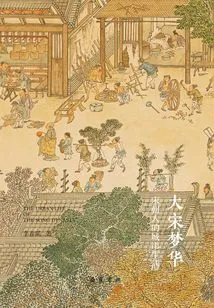
大宋梦华:宋朝人的城市生活
Li Chuntang
This book focuses on big cities such as Tokyo in the Northern Song Dynasty and Lin'an in the Southern Song Dynasty. It describes the politics, economy, culture, religion, folk sentiments, customs and other aspects of the city, starting from small to large, from near to far, to achieve the purpose of showing the social development of the two Song Dynasties. In terms of content, the book is divided into five chapters: "The Game of Thrones," "The Evolution of Folk Customs," "The Awakening of Culture," "The Competition for Business," and "The Hidden Corner." It depicts various aspects of politics, folk customs, culture, and economy in the Song Dynasty, forming a picture of urban life in the Song Dynasty along the river during the Qingming Festival. This book combines academic and interesting aspects, allowing readers to grasp the pulse of history and gain historical knowledge in a relaxed and enjoyable way.
This book focuses on big cities such as Tokyo in the Northern Song Dynasty and Lin'an in the Southern Song Dynasty. It describes the politics, economy, culture, religion, folk sentiments, customs and other aspects of the city, starting from small to large, from near to far, to achieve the purpose of showing the social development of the two Song Dynasties. In terms of content, the book is divided into five chapters: "The Game of Thrones," "The Evolution of Folk Customs," "The Awakening of Culture," "The Competition for Business," and "The Hidden Corner." It depicts various aspects of politics, folk customs, culture, and economy in the Song Dynasty, forming a picture of urban life in the Song Dynasty along the river during the Qingming Festival. This book combines academic and interesting aspects, allowing readers to grasp the pulse of history and gain historical knowledge in a relaxed and enjoyable way.