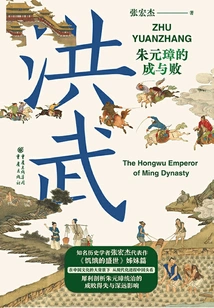
Hongwu: Zhu Yuanzhang's Success and Failure
About This Novel
"Hongwu" is the reign name used by Zhu Yuanzhang, the founding emperor of the Ming Dynasty. In Chinese history, Zhu Yuanzhang is a unique existence. For Zhu Yuanzhang personally, going from abject poverty to emperor is an almost impossible event with a small probability. The peasant uprising at the end of the Yuan Dynasty pushed Zhu Yuanzhang out of the bottom of society. Zhu Yuanzhang successfully ascended to the throne by virtue of his ability to win over people's hearts, his preferential treatment of intellectuals, and his excellent outlook on the overall situation. In traditional China, the ruler's personality, experience, cultural level, etc. Often determine his ruling style. On the one hand, Zhu Yuanzhang's life experience at the bottom made him particularly sympathetic to farmers. He did light corvee and low taxes, created and implemented various welfare systems, and created a long period of peace. On the other hand, he had a strong cultural background in managing the country, with arbitrary and rigid thinking: he deposed the prime minister, slaughtered the meritorious officials, and monopolized power; he set up literary prisons and massacred civil servants; he set up royal guards to monitor the subjects; he suppressed commerce, closed the country, and restricted foreign trade; he forced immigration and interfered in all aspects of people's lives... Zhu Yuanzhang's ruling model made the Hongwu period and even the entire Ming Dynasty show a distinct introversion, closedness, and backwardness. Due to the Qing Dynasty and the Meiji Dynasty, this pattern of rule actually lasted for five to six hundred years. This book vividly narrates Zhu Yuanzhang's legendary experience from beggar to emperor, puts him into the context of Chinese culture, and deeply analyzes the successes and failures of his rule as well as his profound impact on Chinese culture and society.
Official Sources
What Readers Think
Rating
Community(0)
Rating
Community(0)
