Library
Browse and search books
2,273 novels found
Classical Legendary Classic: Huifanglu (1)
General Fiction古典传奇经典:绘芳录(一)
Xiling Yeqiao
"Huifang Lu" is a classic historical book in my country and a long vernacular novel about world affairs in the Qing Dynasty. Also known as "The Complete Record of Huifangyuan" and "A Spring Dream of the Red Boudoir", it tells the stories of famous Jinling celebrities and prostitutes such as Zhu Baiqing, Chen Xiaoru, Wang Lan and Jiang Hancha. Although it is a narrow evil novel, it is different from other similar novels whose main content is prostitution. It not only writes about the love between celebrities and famous prostitutes, but also focuses on the celebrities as high-ranking officials in the court. They do not regard prostitution as inferior, nor do they consider marrying prostitutes as humiliation. Instead, they praise the romantic life after marrying prostitutes and retiring into seclusion. Therefore, it is quite unique. The writing style of the novel is smooth, colorful but not dirty. It describes the love tragedy of Zhu Baiqing and Nie Huizhu, which has certain ideological significance. This novel, written in the late Qing Dynasty, mainly describes a group of officials: they were honest and upright officials with a strong sense of justice. They fought tenaciously and strategically against traitors inside and outside the court for a long time, and finally won. The main idea expressed still has certain practical significance when read today. They respect women and treat the people they love sincerely and equally, thus achieving a relatively pure love. At the same time, they cherished friendship very much. After eradicating the traitors in the court, in order to fully enjoy every day of their lives, they lived an unrestrained, free and elegant life, realizing their life ideals with a strong color of Confucianism. Reading it not only has a free and unrestrained side, but also allows you to feel the joy of a happy life.
"Huifang Lu" is a classic historical book in my country and a long vernacular novel about world affairs in the Qing Dynasty. Also known as "The Complete Record of Huifangyuan" and "A Spring Dream of the Red Boudoir", it tells the stories of famous Jinling celebrities and prostitutes such as Zhu Baiqing, Chen Xiaoru, Wang Lan and Jiang Hancha. Although it is a narrow evil novel, it is different from other similar novels whose main content is prostitution. It not only writes about the love between celebrities and famous prostitutes, but also focuses on the celebrities as high-ranking officials in the court. They do not regard prostitution as inferior, nor do they consider marrying prostitutes as humiliation. Instead, they praise the romantic life after marrying prostitutes and retiring into seclusion. Therefore, it is quite unique. The writing style of the novel is smooth, colorful but not dirty. It describes the love tragedy of Zhu Baiqing and Nie Huizhu, which has certain ideological significance. This novel, written in the late Qing Dynasty, mainly describes a group of officials: they were honest and upright officials with a strong sense of justice. They fought tenaciously and strategically against traitors inside and outside the court for a long time, and finally won. The main idea expressed still has certain practical significance when read today. They respect women and treat the people they love sincerely and equally, thus achieving a relatively pure love. At the same time, they cherished friendship very much. After eradicating the traitors in the court, in order to fully enjoy every day of their lives, they lived an unrestrained, free and elegant life, realizing their life ideals with a strong color of Confucianism. Reading it not only has a free and unrestrained side, but also allows you to feel the joy of a happy life.
Classical Legendary Classic: Huifanglu (5)
General Fiction古典传奇经典:绘芳录(五)
Xiling Yeqiao
"Huifang Lu" is a classic historical book in my country and a long vernacular novel about world affairs in the Qing Dynasty. Also known as "The Complete Record of Huifangyuan" and "A Spring Dream of the Red Boudoir", it tells the stories of famous Jinling celebrities and prostitutes such as Zhu Baiqing, Chen Xiaoru, Wang Lan and Jiang Hancha. Although it is a narrow evil novel, it is different from other similar novels whose main content is prostitution. It not only writes about the love between celebrities and famous prostitutes, but also focuses on the celebrities as high-ranking officials in the court. They do not regard prostitution as inferior, nor do they consider marrying prostitutes as humiliation. Instead, they praise the romantic life after marrying prostitutes and retiring into seclusion. Therefore, it is quite unique. The writing style of the novel is smooth, colorful but not dirty. It describes the love tragedy of Zhu Baiqing and Nie Huizhu, which has certain ideological significance. This novel, written in the late Qing Dynasty, mainly describes a group of officials: they were honest and upright officials with a strong sense of justice. They fought tenaciously and strategically against traitors inside and outside the court for a long time, and finally won. The main idea expressed still has certain practical significance when read today. They respect women and treat the people they love sincerely and equally, thus achieving a relatively pure love. At the same time, they cherished friendship very much. After eradicating the traitors in the court, in order to fully enjoy every day of their lives, they lived an unrestrained, free and elegant life, realizing their life ideals with a strong color of Confucianism. Reading it not only has a free and unrestrained side, but also allows you to feel the joy of a happy life.
"Huifang Lu" is a classic historical book in my country and a long vernacular novel about world affairs in the Qing Dynasty. Also known as "The Complete Record of Huifangyuan" and "A Spring Dream of the Red Boudoir", it tells the stories of famous Jinling celebrities and prostitutes such as Zhu Baiqing, Chen Xiaoru, Wang Lan and Jiang Hancha. Although it is a narrow evil novel, it is different from other similar novels whose main content is prostitution. It not only writes about the love between celebrities and famous prostitutes, but also focuses on the celebrities as high-ranking officials in the court. They do not regard prostitution as inferior, nor do they consider marrying prostitutes as humiliation. Instead, they praise the romantic life after marrying prostitutes and retiring into seclusion. Therefore, it is quite unique. The writing style of the novel is smooth, colorful but not dirty. It describes the love tragedy of Zhu Baiqing and Nie Huizhu, which has certain ideological significance. This novel, written in the late Qing Dynasty, mainly describes a group of officials: they were honest and upright officials with a strong sense of justice. They fought tenaciously and strategically against traitors inside and outside the court for a long time, and finally won. The main idea expressed still has certain practical significance when read today. They respect women and treat the people they love sincerely and equally, thus achieving a relatively pure love. At the same time, they cherished friendship very much. After eradicating the traitors in the court, in order to fully enjoy every day of their lives, they lived an unrestrained, free and elegant life, realizing their life ideals with a strong color of Confucianism. Reading it not only has a free and unrestrained side, but also allows you to feel the joy of a happy life.
Classic Chinese Historical Novels: Blade of Spring and Autumn + Generals of the Hu Family (set of 8 Volumes in Total)
General Fiction中国经典历史小说:锋剑春秋+呼家将(套装共8册)
Anonymous
This set of books selects ancient literary classics "Jianfeng Chunqiu" and "Hujia Jiang", which is suitable for literature lovers to read. Especially lovers of classical literature will be in for a treat. "Fengjian Chunqiu" is a full-length supernatural novel in the vernacular of the Qing Dynasty. It is roughly similar to "The Romance of the Gods" in that they are both novels that use history to talk about gods and monsters. "Fengjian Chunqiu" draws on the past events of the King of Qin's campaign to conquer the six kingdoms and the six kingdoms' desperate struggle to protect the ancestral temple and the country. It tells the story of two factions of gods setting up battle formations and going down to earth to endure calamities. "The Generals of the Generals of the Hu Family" describes the famous Northern Song Dynasty general Hu Yanzan, whose descendant Hu Yandemo is a hero, and the struggle between the Song Dynasty's relatives and the Pang family in the Song Renzong era. It is a traditional book that promotes patriotism and national spirit and is very popular among the public. Together with "The Generals of the Xue Family" and "The Generals of the Yang Family", it constitutes the famous "Three Great General Novels" in the history of popular novels in my country. It was later changed to storytelling with the same name, and was broadcast by Liu Lanfang. These ancient stories have been passed down to this day, providing people with a lot of creative materials. Therefore, whether it is used as a hobby or as a deliberate study, you can gain something. The plot of the work is vivid and highly readable. The many principles contained in it can also play a role in guiding life for today's readers. The work is extremely readable. The stories and characters told in the book have long been deeply rooted in the hearts of the people, and express the people's emotions and emotions to a certain extent. Their plot structures and narrative methods are also suitable for the masses' appreciation habits. Their content is always exciting.
This set of books selects ancient literary classics "Jianfeng Chunqiu" and "Hujia Jiang", which is suitable for literature lovers to read. Especially lovers of classical literature will be in for a treat. "Fengjian Chunqiu" is a full-length supernatural novel in the vernacular of the Qing Dynasty. It is roughly similar to "The Romance of the Gods" in that they are both novels that use history to talk about gods and monsters. "Fengjian Chunqiu" draws on the past events of the King of Qin's campaign to conquer the six kingdoms and the six kingdoms' desperate struggle to protect the ancestral temple and the country. It tells the story of two factions of gods setting up battle formations and going down to earth to endure calamities. "The Generals of the Generals of the Hu Family" describes the famous Northern Song Dynasty general Hu Yanzan, whose descendant Hu Yandemo is a hero, and the struggle between the Song Dynasty's relatives and the Pang family in the Song Renzong era. It is a traditional book that promotes patriotism and national spirit and is very popular among the public. Together with "The Generals of the Xue Family" and "The Generals of the Yang Family", it constitutes the famous "Three Great General Novels" in the history of popular novels in my country. It was later changed to storytelling with the same name, and was broadcast by Liu Lanfang. These ancient stories have been passed down to this day, providing people with a lot of creative materials. Therefore, whether it is used as a hobby or as a deliberate study, you can gain something. The plot of the work is vivid and highly readable. The many principles contained in it can also play a role in guiding life for today's readers. The work is extremely readable. The stories and characters told in the book have long been deeply rooted in the hearts of the people, and express the people's emotions and emotions to a certain extent. Their plot structures and narrative methods are also suitable for the masses' appreciation habits. Their content is always exciting.
Classical Historical Novel: Pearl Marriage (2)
General Fiction古典历史小说:明珠缘(二)
Li Qing
This book is a novel about Wei Zhongxian, also known as "Yao Zhu Xian Commentary", which was a hot topic in the Chongzhen Dynasty. Readers who like historical novels should not miss it. The work mainly describes the historical story of the Ming Dynasty eunuch Wei Zhongxian and Ming Xizong's wet nurse Yinyue colluding with each other to disrupt government and usurp power. The novel uses Wei Zhongxian's life experience as the main clue, showing a relatively broad historical picture of late Ming society. Although this book was published late, it has been widely circulated. Shanghai Ancient Books Publishing House photocopied this book from the Qing Dynasty edition in 1991 and included it in the Collection of Ancient Novels. People's Literature Publishing House also revised this book based on the Qing edition in 1983 and included it in the "Historical Materials on Chinese Novels" series. The work is highly readable. The author writes historical events but is not completely bound by historical materials and can make up some fiction, making the novel a mixture of fiction and reality. Because of the real historical background, the novel appears to be rich in content, has a strong sense of history, is timely and newsworthy. This book has certain historical value, and has been banned because of its individual descriptions. From this perspective, it can arouse people's desire to read.
This book is a novel about Wei Zhongxian, also known as "Yao Zhu Xian Commentary", which was a hot topic in the Chongzhen Dynasty. Readers who like historical novels should not miss it. The work mainly describes the historical story of the Ming Dynasty eunuch Wei Zhongxian and Ming Xizong's wet nurse Yinyue colluding with each other to disrupt government and usurp power. The novel uses Wei Zhongxian's life experience as the main clue, showing a relatively broad historical picture of late Ming society. Although this book was published late, it has been widely circulated. Shanghai Ancient Books Publishing House photocopied this book from the Qing Dynasty edition in 1991 and included it in the Collection of Ancient Novels. People's Literature Publishing House also revised this book based on the Qing edition in 1983 and included it in the "Historical Materials on Chinese Novels" series. The work is highly readable. The author writes historical events but is not completely bound by historical materials and can make up some fiction, making the novel a mixture of fiction and reality. Because of the real historical background, the novel appears to be rich in content, has a strong sense of history, is timely and newsworthy. This book has certain historical value, and has been banned because of its individual descriptions. From this perspective, it can arouse people's desire to read.
Classical Historical Novel: Pearl Marriage (4)
General Fiction古典历史小说:明珠缘(四)
Li Qing
This book is a novel about Wei Zhongxian, also known as "Yao Zhu Xian Commentary", which was a hot topic in the Chongzhen Dynasty. Readers who like historical novels should not miss it. The work mainly describes the historical story of the Ming Dynasty eunuch Wei Zhongxian and Ming Xizong's wet nurse Yinyue colluding with each other to disrupt government and usurp power. The novel uses Wei Zhongxian's life experience as the main clue, showing a relatively broad historical picture of late Ming society. Although this book was published late, it has been widely circulated. Shanghai Ancient Books Publishing House photocopied this book from the Qing Dynasty edition in 1991 and included it in the Collection of Ancient Novels. People's Literature Publishing House also revised this book based on the Qing edition in 1983 and included it in the "Historical Materials on Chinese Novels" series. The work is highly readable. The author writes historical events but is not completely bound by historical materials and can make up some fiction, making the novel a mixture of fiction and reality. Because of the real historical background, the novel appears to be rich in content, has a strong sense of history, is timely and newsworthy. This book has certain historical value, and has been banned because of its individual descriptions. From this perspective, it can arouse people's desire to read.
This book is a novel about Wei Zhongxian, also known as "Yao Zhu Xian Commentary", which was a hot topic in the Chongzhen Dynasty. Readers who like historical novels should not miss it. The work mainly describes the historical story of the Ming Dynasty eunuch Wei Zhongxian and Ming Xizong's wet nurse Yinyue colluding with each other to disrupt government and usurp power. The novel uses Wei Zhongxian's life experience as the main clue, showing a relatively broad historical picture of late Ming society. Although this book was published late, it has been widely circulated. Shanghai Ancient Books Publishing House photocopied this book from the Qing Dynasty edition in 1991 and included it in the Collection of Ancient Novels. People's Literature Publishing House also revised this book based on the Qing edition in 1983 and included it in the "Historical Materials on Chinese Novels" series. The work is highly readable. The author writes historical events but is not completely bound by historical materials and can make up some fiction, making the novel a mixture of fiction and reality. Because of the real historical background, the novel appears to be rich in content, has a strong sense of history, is timely and newsworthy. This book has certain historical value, and has been banned because of its individual descriptions. From this perspective, it can arouse people's desire to read.
Classical Historical Novel: Pearl Marriage (5)
General Fiction古典历史小说:明珠缘(五)
Li Qing
This book is a novel about Wei Zhongxian, also known as "Yao Zhu Xian Commentary", which was a hot topic in the Chongzhen Dynasty. Readers who like historical novels should not miss it. The work mainly describes the historical story of the Ming Dynasty eunuch Wei Zhongxian and Ming Xizong's wet nurse Yinyue colluding with each other to disrupt government and usurp power. The novel uses Wei Zhongxian's life experience as the main clue, showing a relatively broad historical picture of late Ming society. Although this book was published late, it has been widely circulated. Shanghai Ancient Books Publishing House photocopied this book from the Qing Dynasty edition in 1991 and included it in the Collection of Ancient Novels. People's Literature Publishing House also revised this book based on the Qing edition in 1983 and included it in the "Historical Materials on Chinese Novels" series. The work is highly readable. The author writes historical events but is not completely bound by historical materials and can make up some fiction, making the novel a mixture of fiction and reality. Because of the real historical background, the novel appears to be rich in content, has a strong sense of history, is timely and newsworthy. This book has certain historical value, and has been banned because of its individual descriptions. From this perspective, it can arouse people's desire to read.
This book is a novel about Wei Zhongxian, also known as "Yao Zhu Xian Commentary", which was a hot topic in the Chongzhen Dynasty. Readers who like historical novels should not miss it. The work mainly describes the historical story of the Ming Dynasty eunuch Wei Zhongxian and Ming Xizong's wet nurse Yinyue colluding with each other to disrupt government and usurp power. The novel uses Wei Zhongxian's life experience as the main clue, showing a relatively broad historical picture of late Ming society. Although this book was published late, it has been widely circulated. Shanghai Ancient Books Publishing House photocopied this book from the Qing Dynasty edition in 1991 and included it in the Collection of Ancient Novels. People's Literature Publishing House also revised this book based on the Qing edition in 1983 and included it in the "Historical Materials on Chinese Novels" series. The work is highly readable. The author writes historical events but is not completely bound by historical materials and can make up some fiction, making the novel a mixture of fiction and reality. Because of the real historical background, the novel appears to be rich in content, has a strong sense of history, is timely and newsworthy. This book has certain historical value, and has been banned because of its individual descriptions. From this perspective, it can arouse people's desire to read.
Classical Historical Novel: Pearl's Fate (7)
General Fiction古典历史小说:明珠缘(七)
Li Qing
This book is a novel about Wei Zhongxian, also known as "Yao Zhu Xian Commentary", which was a hot topic in the Chongzhen Dynasty. Readers who like historical novels should not miss it. The work mainly describes the historical story of the Ming Dynasty eunuch Wei Zhongxian and Ming Xizong's wet nurse Yinyue colluding with each other to disrupt government and usurp power. The novel uses Wei Zhongxian's life experience as the main clue, showing a relatively broad historical picture of late Ming society. Although this book was published late, it has been widely circulated. Shanghai Ancient Books Publishing House photocopied this book from the Qing Dynasty edition in 1991 and included it in the Collection of Ancient Novels. People's Literature Publishing House also revised this book based on the Qing edition in 1983 and included it in the "Historical Materials on Chinese Novels" series. The work is highly readable. The author writes historical events but is not completely bound by historical materials and can make up some fiction, making the novel a mixture of fiction and reality. Because of the real historical background, the novel appears to be rich in content, has a strong sense of history, is timely and newsworthy. This book has certain historical value, and has been banned because of its individual descriptions. From this perspective, it can arouse people's desire to read.
This book is a novel about Wei Zhongxian, also known as "Yao Zhu Xian Commentary", which was a hot topic in the Chongzhen Dynasty. Readers who like historical novels should not miss it. The work mainly describes the historical story of the Ming Dynasty eunuch Wei Zhongxian and Ming Xizong's wet nurse Yinyue colluding with each other to disrupt government and usurp power. The novel uses Wei Zhongxian's life experience as the main clue, showing a relatively broad historical picture of late Ming society. Although this book was published late, it has been widely circulated. Shanghai Ancient Books Publishing House photocopied this book from the Qing Dynasty edition in 1991 and included it in the Collection of Ancient Novels. People's Literature Publishing House also revised this book based on the Qing edition in 1983 and included it in the "Historical Materials on Chinese Novels" series. The work is highly readable. The author writes historical events but is not completely bound by historical materials and can make up some fiction, making the novel a mixture of fiction and reality. Because of the real historical background, the novel appears to be rich in content, has a strong sense of history, is timely and newsworthy. This book has certain historical value, and has been banned because of its individual descriptions. From this perspective, it can arouse people's desire to read.
Classical Historical Novel: Pearl's Fate (6)
General Fiction古典历史小说:明珠缘(六)
Li Qing
This book is a novel about Wei Zhongxian, also known as "Yao Zhu Xian Commentary", which was a hot topic in the Chongzhen Dynasty. Readers who like historical novels should not miss it. The work mainly describes the historical story of the Ming Dynasty eunuch Wei Zhongxian and Ming Xizong's wet nurse Yinyue colluding with each other to disrupt government and usurp power. The novel uses Wei Zhongxian's life experience as the main clue, showing a relatively broad historical picture of late Ming society. Although this book was published late, it has been widely circulated. Shanghai Ancient Books Publishing House photocopied this book from the Qing Dynasty edition in 1991 and included it in the Collection of Ancient Novels. People's Literature Publishing House also revised this book based on the Qing edition in 1983 and included it in the "Historical Materials on Chinese Novels" series. The work is highly readable. The author writes historical events but is not completely bound by historical materials and can make up some fiction, making the novel a mixture of fiction and reality. Because of the real historical background, the novel appears to be rich in content, has a strong sense of history, is timely and newsworthy. This book has certain historical value, and has been banned because of its individual descriptions. From this perspective, it can arouse people's desire to read.
This book is a novel about Wei Zhongxian, also known as "Yao Zhu Xian Commentary", which was a hot topic in the Chongzhen Dynasty. Readers who like historical novels should not miss it. The work mainly describes the historical story of the Ming Dynasty eunuch Wei Zhongxian and Ming Xizong's wet nurse Yinyue colluding with each other to disrupt government and usurp power. The novel uses Wei Zhongxian's life experience as the main clue, showing a relatively broad historical picture of late Ming society. Although this book was published late, it has been widely circulated. Shanghai Ancient Books Publishing House photocopied this book from the Qing Dynasty edition in 1991 and included it in the Collection of Ancient Novels. People's Literature Publishing House also revised this book based on the Qing edition in 1983 and included it in the "Historical Materials on Chinese Novels" series. The work is highly readable. The author writes historical events but is not completely bound by historical materials and can make up some fiction, making the novel a mixture of fiction and reality. Because of the real historical background, the novel appears to be rich in content, has a strong sense of history, is timely and newsworthy. This book has certain historical value, and has been banned because of its individual descriptions. From this perspective, it can arouse people's desire to read.
Classical Historical Novel: Pearl Marriage (1)
General Fiction古典历史小说:明珠缘(一)
Li Qing
This book is a novel about Wei Zhongxian, also known as "Yao Zhu Xian Commentary", which was a hot topic in the Chongzhen Dynasty. Readers who like historical novels should not miss it. The work mainly describes the historical story of the Ming Dynasty eunuch Wei Zhongxian and Ming Xizong's wet nurse Yinyue colluding with each other to disrupt government and usurp power. The novel uses Wei Zhongxian's life experience as the main clue, showing a relatively broad historical picture of late Ming society. Although this book was published late, it has been widely circulated. Shanghai Ancient Books Publishing House photocopied this book from the Qing Dynasty edition in 1991 and included it in the Collection of Ancient Novels. People's Literature Publishing House also revised this book based on the Qing edition in 1983 and included it in the "Historical Materials on Chinese Novels" series. The work is highly readable. The author writes historical events but is not completely bound by historical materials and can make up some fiction, making the novel a mixture of fiction and reality. Because of the real historical background, the novel appears to be rich in content, has a strong sense of history, is timely and newsworthy. This book has certain historical value, and has been banned because of its individual descriptions. From this perspective, it can arouse people's desire to read.
This book is a novel about Wei Zhongxian, also known as "Yao Zhu Xian Commentary", which was a hot topic in the Chongzhen Dynasty. Readers who like historical novels should not miss it. The work mainly describes the historical story of the Ming Dynasty eunuch Wei Zhongxian and Ming Xizong's wet nurse Yinyue colluding with each other to disrupt government and usurp power. The novel uses Wei Zhongxian's life experience as the main clue, showing a relatively broad historical picture of late Ming society. Although this book was published late, it has been widely circulated. Shanghai Ancient Books Publishing House photocopied this book from the Qing Dynasty edition in 1991 and included it in the Collection of Ancient Novels. People's Literature Publishing House also revised this book based on the Qing edition in 1983 and included it in the "Historical Materials on Chinese Novels" series. The work is highly readable. The author writes historical events but is not completely bound by historical materials and can make up some fiction, making the novel a mixture of fiction and reality. Because of the real historical background, the novel appears to be rich in content, has a strong sense of history, is timely and newsworthy. This book has certain historical value, and has been banned because of its individual descriptions. From this perspective, it can arouse people's desire to read.
Classical Historical Novel: Pearl Marriage (3)
General Fiction古典历史小说:明珠缘(三)
Li Qing
This book is a novel about Wei Zhongxian, also known as "Yao Zhu Xian Commentary", which was a hot topic in the Chongzhen Dynasty. Readers who like historical novels should not miss it. The work mainly describes the historical story of the Ming Dynasty eunuch Wei Zhongxian and Ming Xizong's wet nurse Yinyue colluding with each other to disrupt government and usurp power. The novel uses Wei Zhongxian's life experience as the main clue, showing a relatively broad historical picture of late Ming society. Although this book was published late, it has been widely circulated. Shanghai Ancient Books Publishing House photocopied this book from the Qing Dynasty edition in 1991 and included it in the Collection of Ancient Novels. People's Literature Publishing House also revised this book based on the Qing edition in 1983 and included it in the "Historical Materials on Chinese Novels" series. The work is highly readable. The author writes historical events but is not completely bound by historical materials and can make up some fiction, making the novel a mixture of fiction and reality. Because of the real historical background, the novel appears to be rich in content, has a strong sense of history, is timely and newsworthy. This book has certain historical value, and has been banned because of its individual descriptions. From this perspective, it can arouse people's desire to read.
This book is a novel about Wei Zhongxian, also known as "Yao Zhu Xian Commentary", which was a hot topic in the Chongzhen Dynasty. Readers who like historical novels should not miss it. The work mainly describes the historical story of the Ming Dynasty eunuch Wei Zhongxian and Ming Xizong's wet nurse Yinyue colluding with each other to disrupt government and usurp power. The novel uses Wei Zhongxian's life experience as the main clue, showing a relatively broad historical picture of late Ming society. Although this book was published late, it has been widely circulated. Shanghai Ancient Books Publishing House photocopied this book from the Qing Dynasty edition in 1991 and included it in the Collection of Ancient Novels. People's Literature Publishing House also revised this book based on the Qing edition in 1983 and included it in the "Historical Materials on Chinese Novels" series. The work is highly readable. The author writes historical events but is not completely bound by historical materials and can make up some fiction, making the novel a mixture of fiction and reality. Because of the real historical background, the novel appears to be rich in content, has a strong sense of history, is timely and newsworthy. This book has certain historical value, and has been banned because of its individual descriptions. From this perspective, it can arouse people's desire to read.
Masterpieces of Chinese Classical Literature: the Complete Biography of Haigong Dahongpao (3)
General Fiction中国古典文学名著:海公大红袍全传(三)
Li Chunfang
"The Complete Biography of Haigong Dahongpao" is a public case novel based on Hai Rui. The plot of the novel is full of twists and turns, ups and downs, and unresolved cases, which is fascinating. It vividly creates the image of an upright and honest official who is not afraid of powerful people, solves cases like a god, and is considerate of the people. Hai Rui in the book is a model of upright officials and a symbol of justice in the history of our country. The story of the case narrated in the book is bizarre, complex, ups and downs, shocking and heart-rending. The work is a representative work of public case novels in the Ming and Qing Dynasties. Most of the contents are folk stories. It has been widely circulated and well received. It is a classic work worth reading. The stories in the book are vivid and interesting, and the language is concise and popular. The structural arrangement, character creation, and expression of thoughts and plots are all unique and unique. They are highly readable and suitable for all types of readers.
"The Complete Biography of Haigong Dahongpao" is a public case novel based on Hai Rui. The plot of the novel is full of twists and turns, ups and downs, and unresolved cases, which is fascinating. It vividly creates the image of an upright and honest official who is not afraid of powerful people, solves cases like a god, and is considerate of the people. Hai Rui in the book is a model of upright officials and a symbol of justice in the history of our country. The story of the case narrated in the book is bizarre, complex, ups and downs, shocking and heart-rending. The work is a representative work of public case novels in the Ming and Qing Dynasties. Most of the contents are folk stories. It has been widely circulated and well received. It is a classic work worth reading. The stories in the book are vivid and interesting, and the language is concise and popular. The structural arrangement, character creation, and expression of thoughts and plots are all unique and unique. They are highly readable and suitable for all types of readers.
Masterpieces of Chinese Classical Literature: the Complete Biography of Haigong Dahongpao (4)
General Fiction中国古典文学名著:海公大红袍全传(四)
Li Chunfang
"The Complete Biography of Haigong Dahongpao" is a public case novel based on Hai Rui. The plot of the novel is full of twists and turns, ups and downs, and unresolved cases, which is fascinating. It vividly creates the image of an upright and honest official who is not afraid of powerful people, solves cases like a god, and is considerate of the people. Hai Rui in the book is a model of upright officials and a symbol of justice in the history of our country. The story of the case narrated in the book is bizarre, complex, ups and downs, shocking and heart-rending. The work is a representative work of public case novels in the Ming and Qing Dynasties. Most of the contents are folk stories. It has been widely circulated and well received. It is a classic work worth reading. The stories in the book are vivid and interesting, and the language is concise and popular. The structural arrangement, character creation, and expression of thoughts and plots are all unique and unique. They are highly readable and suitable for all types of readers.
"The Complete Biography of Haigong Dahongpao" is a public case novel based on Hai Rui. The plot of the novel is full of twists and turns, ups and downs, and unresolved cases, which is fascinating. It vividly creates the image of an upright and honest official who is not afraid of powerful people, solves cases like a god, and is considerate of the people. Hai Rui in the book is a model of upright officials and a symbol of justice in the history of our country. The story of the case narrated in the book is bizarre, complex, ups and downs, shocking and heart-rending. The work is a representative work of public case novels in the Ming and Qing Dynasties. Most of the contents are folk stories. It has been widely circulated and well received. It is a classic work worth reading. The stories in the book are vivid and interesting, and the language is concise and popular. The structural arrangement, character creation, and expression of thoughts and plots are all unique and unique. They are highly readable and suitable for all types of readers.
Masterpieces of Chinese Classical Literature: the Complete Biography of Haigong Dahongpao (2)
General Fiction中国古典文学名著:海公大红袍全传(二)
Li Chunfang
"The Complete Biography of Haigong Dahongpao" is a public case novel based on Hai Rui. The plot of the novel is full of twists and turns, ups and downs, and unresolved cases, which is fascinating. It vividly creates the image of an upright and honest official who is not afraid of powerful people, solves cases like a god, and is considerate of the people. Hai Rui in the book is a model of upright officials and a symbol of justice in the history of our country. The story of the case narrated in the book is bizarre, complex, ups and downs, shocking and heart-rending. The work is a representative work of public case novels in the Ming and Qing Dynasties. Most of the contents are folk stories. It has been widely circulated and well received. It is a classic work worth reading. The stories in the book are vivid and interesting, and the language is concise and popular. The structural arrangement, character creation, and expression of thoughts and plots are all unique and unique. They are highly readable and suitable for all types of readers.
"The Complete Biography of Haigong Dahongpao" is a public case novel based on Hai Rui. The plot of the novel is full of twists and turns, ups and downs, and unresolved cases, which is fascinating. It vividly creates the image of an upright and honest official who is not afraid of powerful people, solves cases like a god, and is considerate of the people. Hai Rui in the book is a model of upright officials and a symbol of justice in the history of our country. The story of the case narrated in the book is bizarre, complex, ups and downs, shocking and heart-rending. The work is a representative work of public case novels in the Ming and Qing Dynasties. Most of the contents are folk stories. It has been widely circulated and well received. It is a classic work worth reading. The stories in the book are vivid and interesting, and the language is concise and popular. The structural arrangement, character creation, and expression of thoughts and plots are all unique and unique. They are highly readable and suitable for all types of readers.
Masterpieces of Chinese Classical Literature: the Complete Biography of Haigong Xiaohongpao (3)
General Fiction中国古典文学名著:海公小红袍全传(三)
Li Chunfang
"The Complete Biography of Haigong Xiaohongpao" is the sequel to "The Complete Biography of Haigong Dahongpao". It is a historical koan novel that coherently shows Hai Rui's deeds in the second half of his life after he was 72 years old. It mainly describes Hai Rui's political activities in his later years. Hai Rui in the book is a model of upright officials and a symbol of justice in the history of our country. The story of the case narrated in the book is bizarre, complex, ups and downs, shocking and heart-rending. The work is a representative work of public case novels in the Ming and Qing Dynasties. Most of the contents are folk stories. It has been widely circulated and well received. It is a classic work worth reading. The stories in the book are vivid and interesting, and the language is concise and popular. The structural arrangement, character creation, and expression of thoughts and plots are all unique and unique. They are highly readable and suitable for all types of readers.
"The Complete Biography of Haigong Xiaohongpao" is the sequel to "The Complete Biography of Haigong Dahongpao". It is a historical koan novel that coherently shows Hai Rui's deeds in the second half of his life after he was 72 years old. It mainly describes Hai Rui's political activities in his later years. Hai Rui in the book is a model of upright officials and a symbol of justice in the history of our country. The story of the case narrated in the book is bizarre, complex, ups and downs, shocking and heart-rending. The work is a representative work of public case novels in the Ming and Qing Dynasties. Most of the contents are folk stories. It has been widely circulated and well received. It is a classic work worth reading. The stories in the book are vivid and interesting, and the language is concise and popular. The structural arrangement, character creation, and expression of thoughts and plots are all unique and unique. They are highly readable and suitable for all types of readers.
Masterpieces of Chinese Classical Literature: the Complete Biography of Haigong Xiaohongpao (1)
General Fiction中国古典文学名著:海公小红袍全传(一)
Li Chunfang
"The Complete Biography of Haigong Xiaohongpao" is the sequel to "The Complete Biography of Haigong Dahongpao". It is a historical koan novel that coherently shows Hai Rui's deeds in the second half of his life after he was 72 years old. It mainly describes Hai Rui's political activities in his later years. Hai Rui in the book is a model of upright officials and a symbol of justice in the history of our country. The story of the case narrated in the book is bizarre, complex, ups and downs, shocking and heart-rending. The work is a representative work of public case novels in the Ming and Qing Dynasties. Most of the contents are folk stories. It has been widely circulated and well received. It is a classic work worth reading. The stories in the book are vivid and interesting, and the language is concise and popular. The structural arrangement, character creation, and expression of thoughts and plots are all unique and unique. They are highly readable and suitable for all types of readers.
"The Complete Biography of Haigong Xiaohongpao" is the sequel to "The Complete Biography of Haigong Dahongpao". It is a historical koan novel that coherently shows Hai Rui's deeds in the second half of his life after he was 72 years old. It mainly describes Hai Rui's political activities in his later years. Hai Rui in the book is a model of upright officials and a symbol of justice in the history of our country. The story of the case narrated in the book is bizarre, complex, ups and downs, shocking and heart-rending. The work is a representative work of public case novels in the Ming and Qing Dynasties. Most of the contents are folk stories. It has been widely circulated and well received. It is a classic work worth reading. The stories in the book are vivid and interesting, and the language is concise and popular. The structural arrangement, character creation, and expression of thoughts and plots are all unique and unique. They are highly readable and suitable for all types of readers.
Masterpieces of Chinese Classical Literature: the Complete Biography of Haigong Xiaohongpao (2)
General Fiction中国古典文学名著:海公小红袍全传(二)
Li Chunfang
"The Complete Biography of Haigong Xiaohongpao" is the sequel to "The Complete Biography of Haigong Dahongpao". It is a historical koan novel that coherently shows Hai Rui's deeds in the second half of his life after he was 72 years old. It mainly describes Hai Rui's political activities in his later years. Hai Rui in the book is a model of upright officials and a symbol of justice in the history of our country. The story of the case narrated in the book is bizarre, complex, ups and downs, shocking and heart-rending. The work is a representative work of public case novels in the Ming and Qing Dynasties. Most of the contents are folk stories. It has been widely circulated and well received. It is a classic work worth reading. The stories in the book are vivid and interesting, and the language is concise and popular. The structural arrangement, character creation, and expression of thoughts and plots are all unique and unique. They are highly readable and suitable for all types of readers.
"The Complete Biography of Haigong Xiaohongpao" is the sequel to "The Complete Biography of Haigong Dahongpao". It is a historical koan novel that coherently shows Hai Rui's deeds in the second half of his life after he was 72 years old. It mainly describes Hai Rui's political activities in his later years. Hai Rui in the book is a model of upright officials and a symbol of justice in the history of our country. The story of the case narrated in the book is bizarre, complex, ups and downs, shocking and heart-rending. The work is a representative work of public case novels in the Ming and Qing Dynasties. Most of the contents are folk stories. It has been widely circulated and well received. It is a classic work worth reading. The stories in the book are vivid and interesting, and the language is concise and popular. The structural arrangement, character creation, and expression of thoughts and plots are all unique and unique. They are highly readable and suitable for all types of readers.
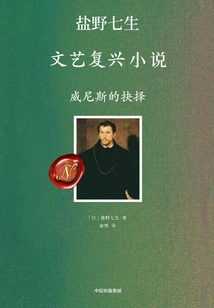
Venice's Choice
General Fiction威尼斯的抉择
G
There is Greek specialty wine that exudes the scent of pine, and roasted chicken with pearls served on a silver plate decorated with the Medici family coat of arms. There are also studios of artists in the center of Florence in the 16th century, major banks all over Europe, and a dazzling array of shops filled with foreign goods. You will pass by plainly dressed civilian women cooking Egyptian bean soup in a large pot, and you will also have a heated discussion about Machiavelli's prophecies with nobles wearing fine satin and lace. Not only that, the love drama between a handsome man and an elegant geisha, the power struggle between ambitious young people, and the complex relationships between the great powers at that time are all presented in this "Renaissance Novel" series. In the 16th century AD, Marco, a young diplomat of the Republic of Venice, received a secret order asking him to save his homeland from the attack of Spain, which attempted to dominate Europe, and the Ottoman Turkish Empire, which dominated the entire Islamic world. Elvis, a close friend who knew Turkey well and was deeply involved with the court, was supposed to be Marco's help. However, the fate of the world was turned upside down by the dark light shining in his eyes. Elvis commanded the armies of the Ottoman Turkish Empire in battle, and was canonized as Governor of Hungary by Sultan Suleiman I. But then the Ottoman Turkish army was unwilling to obey this commander who was not an Ottoman Turk or a Muslim. Elvis was later beheaded by two farmers. The "Committee of Ten" in Venice also discovered Olympia's true identity as a spy for Charles V, the Holy Roman Emperor and King of Spain, and Marco was suspended.
There is Greek specialty wine that exudes the scent of pine, and roasted chicken with pearls served on a silver plate decorated with the Medici family coat of arms. There are also studios of artists in the center of Florence in the 16th century, major banks all over Europe, and a dazzling array of shops filled with foreign goods. You will pass by plainly dressed civilian women cooking Egyptian bean soup in a large pot, and you will also have a heated discussion about Machiavelli's prophecies with nobles wearing fine satin and lace. Not only that, the love drama between a handsome man and an elegant geisha, the power struggle between ambitious young people, and the complex relationships between the great powers at that time are all presented in this "Renaissance Novel" series. In the 16th century AD, Marco, a young diplomat of the Republic of Venice, received a secret order asking him to save his homeland from the attack of Spain, which attempted to dominate Europe, and the Ottoman Turkish Empire, which dominated the entire Islamic world. Elvis, a close friend who knew Turkey well and was deeply involved with the court, was supposed to be Marco's help. However, the fate of the world was turned upside down by the dark light shining in his eyes. Elvis commanded the armies of the Ottoman Turkish Empire in battle, and was canonized as Governor of Hungary by Sultan Suleiman I. But then the Ottoman Turkish army was unwilling to obey this commander who was not an Ottoman Turk or a Muslim. Elvis was later beheaded by two farmers. The "Committee of Ten" in Venice also discovered Olympia's true identity as a spy for Charles V, the Holy Roman Emperor and King of Spain, and Marco was suspended.
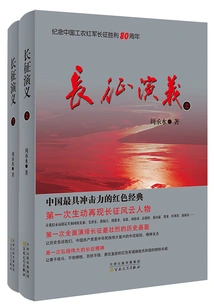
The Romance of the Long March (complete Collection)
General Fiction长征演义(全集)
Zhou Chengshui
The Red Army is not afraid of the difficulties of the expedition, and it can only wait for thousands of rivers and mountains. The five ridges are meandering and the waves are flowing, and the fog is majestic and the mud balls are walking. The golden sand and water are warm against the clouds and the cliffs are warm, while the iron cables across the Dadu Bridge are cold. I am even more happy that there is thousands of miles of snow in Minshan Mountain, and the three armies are all happy after the passing. In the mid-1930s, Chiang Kai-shek launched a frenzied campaign against our revolutionary base areas. Under the influence of Wang Ming's "Left" line, the base areas were lost one after another, the Red Army units from all walks of life were transferred one after another, and the Central Red Army was also forced to leave Ruijin for the Long March. Bogu and Li De stubbornly adhered to the wrong line, causing the Red Army to suffer heavy losses in the Xiangjiang River. The number of more than 80,000 people dropped sharply to more than 30,000. Under the struggles of Mao Zedong, Zhang Wentian, Zhou Enlai, Zhu De, Wang Jiayang and others, the Central Committee held the Zunyi Conference, changed the wrong leadership, reversed the crisis, and arrived in western Sichuan to join forces with the Fourth Red Army. At this time, the 25th Red Army led by Xu Haidong and others arrived in northern Shaanxi to join forces with the Northwest Red Army led by Liu Zhidan and Xi Zhongxun, retaining the last base area. The 26th Red Army Corps led by He Long, Ren Bishi, Xiao Ke, Wang Zhen and others actively supported the 14th Front Army's march north. Due to Zhang Guotao's split, the Fourth Red Army moved south, and Mao Zedong led the 13th Army Corps northward to northern Shaanxi to join the 15th Red Army Corps. The Central Red Army continued to grow and develop after moving north, and the Fourth Front Army was frustrated step by step as it moved south. The 26th Red Army formed the Second Red Front Army and the Fourth Front Army went north side by side. The three front armies were in the Huining Division of Gansu Province.
The Red Army is not afraid of the difficulties of the expedition, and it can only wait for thousands of rivers and mountains. The five ridges are meandering and the waves are flowing, and the fog is majestic and the mud balls are walking. The golden sand and water are warm against the clouds and the cliffs are warm, while the iron cables across the Dadu Bridge are cold. I am even more happy that there is thousands of miles of snow in Minshan Mountain, and the three armies are all happy after the passing. In the mid-1930s, Chiang Kai-shek launched a frenzied campaign against our revolutionary base areas. Under the influence of Wang Ming's "Left" line, the base areas were lost one after another, the Red Army units from all walks of life were transferred one after another, and the Central Red Army was also forced to leave Ruijin for the Long March. Bogu and Li De stubbornly adhered to the wrong line, causing the Red Army to suffer heavy losses in the Xiangjiang River. The number of more than 80,000 people dropped sharply to more than 30,000. Under the struggles of Mao Zedong, Zhang Wentian, Zhou Enlai, Zhu De, Wang Jiayang and others, the Central Committee held the Zunyi Conference, changed the wrong leadership, reversed the crisis, and arrived in western Sichuan to join forces with the Fourth Red Army. At this time, the 25th Red Army led by Xu Haidong and others arrived in northern Shaanxi to join forces with the Northwest Red Army led by Liu Zhidan and Xi Zhongxun, retaining the last base area. The 26th Red Army Corps led by He Long, Ren Bishi, Xiao Ke, Wang Zhen and others actively supported the 14th Front Army's march north. Due to Zhang Guotao's split, the Fourth Red Army moved south, and Mao Zedong led the 13th Army Corps northward to northern Shaanxi to join the 15th Red Army Corps. The Central Red Army continued to grow and develop after moving north, and the Fourth Front Army was frustrated step by step as it moved south. The 26th Red Army formed the Second Red Front Army and the Fourth Front Army went north side by side. The three front armies were in the Huining Division of Gansu Province.
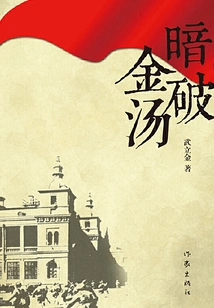
The Golden Soup
General Fiction暗破金汤
Wu Lijin
The espionage novel "The Dark Side" describes that on the eve of the Battle of Pingjin, the Kuomintang garrison commander Chen Changjie and Tianjin Mayor Du Jianshi, who were stationed in Tianjin, both believed that Tianjin's city defenses were impregnable and that the People's Liberation Army would not be able to capture them within half a year and three months. After Liu Ximin, the leader of the Tianjin underground party of the Communist Party of China, received instructions from his superiors to collect Tianjin city defense maps, he finally completed the task assigned by his superiors after a series of thrilling and suspenseful intelligence activities. Because the Northeast Field Army had a large amount of intelligence provided by the Tianjin underground party, especially the detailed city defense maps, the People's Liberation Army's artillery seemed to have eyes, avoiding factories, schools and residential buildings, and accurately destroyed the Tianjin city defense fortifications, which the Kuomintang called "impregnable". The original three-day battle to liberate Tianjin only took 29 hours.
The espionage novel "The Dark Side" describes that on the eve of the Battle of Pingjin, the Kuomintang garrison commander Chen Changjie and Tianjin Mayor Du Jianshi, who were stationed in Tianjin, both believed that Tianjin's city defenses were impregnable and that the People's Liberation Army would not be able to capture them within half a year and three months. After Liu Ximin, the leader of the Tianjin underground party of the Communist Party of China, received instructions from his superiors to collect Tianjin city defense maps, he finally completed the task assigned by his superiors after a series of thrilling and suspenseful intelligence activities. Because the Northeast Field Army had a large amount of intelligence provided by the Tianjin underground party, especially the detailed city defense maps, the People's Liberation Army's artillery seemed to have eyes, avoiding factories, schools and residential buildings, and accurately destroyed the Tianjin city defense fortifications, which the Kuomintang called "impregnable". The original three-day battle to liberate Tianjin only took 29 hours.
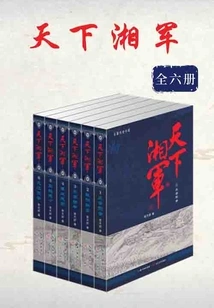
The Hunan Army of the World (six Volumes in Total)
General Fiction天下湘军(全六册)
Chu Tianshu
"Xiang Army" was the name given to the local armed forces in Hunan during the late Qing Dynasty. It was first called "Xiang Yong" and later "Xiang Army". The Hunan Army was founded by Zeng Guofan. It successively established a land division, a naval division, a camp office and a grain station. The main generals were mainly Hunanese. Zeng Guofan was from the same hometown, teachers and students, of the same age, or relatives and friends as them. The Hunan Army attaches great importance to education. Soldiers are recruited by the battalion officers themselves, and sentry commanders and captains are appointed by the battalion officers. Later, sub-commands and commanders were set up above the battalion officers to manage several battalions or dozens of battalions. All levels were subordinated, and the entire army obeyed only one person, Zeng Guofan. When the country is in trouble, just a piece of paper can send the Hunan army thousands of miles to the emergency. They resisted Russia in Xinjiang, Japan in Liaoning, the Eight-Power Allied Forces in Shanxi, and Japan and France in Taiwan and Guangxi. It grew rapidly in the process of fighting against peasant uprisings and foreign invaders from all over the country. There were 29 Hunan Army generals to governors, hundreds of provincial and ministerial officials, and countless seventh-grade holders. "Zhongxing General, Shijiu Huxiang" "Since ancient times, there is no army without Hunan, and the world's Hunan army comes out of Xiangxiang." The Hunan Army has six major factions: Zeng Guofan, Hu Linyi, Zuo Zongtang, Li Hongzhang, Jiang Zhongyuan and Wang Kaiyun.
"Xiang Army" was the name given to the local armed forces in Hunan during the late Qing Dynasty. It was first called "Xiang Yong" and later "Xiang Army". The Hunan Army was founded by Zeng Guofan. It successively established a land division, a naval division, a camp office and a grain station. The main generals were mainly Hunanese. Zeng Guofan was from the same hometown, teachers and students, of the same age, or relatives and friends as them. The Hunan Army attaches great importance to education. Soldiers are recruited by the battalion officers themselves, and sentry commanders and captains are appointed by the battalion officers. Later, sub-commands and commanders were set up above the battalion officers to manage several battalions or dozens of battalions. All levels were subordinated, and the entire army obeyed only one person, Zeng Guofan. When the country is in trouble, just a piece of paper can send the Hunan army thousands of miles to the emergency. They resisted Russia in Xinjiang, Japan in Liaoning, the Eight-Power Allied Forces in Shanxi, and Japan and France in Taiwan and Guangxi. It grew rapidly in the process of fighting against peasant uprisings and foreign invaders from all over the country. There were 29 Hunan Army generals to governors, hundreds of provincial and ministerial officials, and countless seventh-grade holders. "Zhongxing General, Shijiu Huxiang" "Since ancient times, there is no army without Hunan, and the world's Hunan army comes out of Xiangxiang." The Hunan Army has six major factions: Zeng Guofan, Hu Linyi, Zuo Zongtang, Li Hongzhang, Jiang Zhongyuan and Wang Kaiyun.
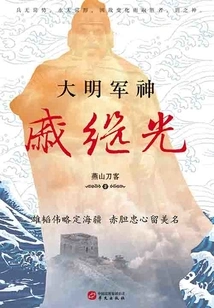
Ming Dynasty Military God Qi Jiguang
General Fiction大明军神戚继光
Yanshan Swordsman
Qi Jiguang was born into a military family and seemed to have been born to fight against the Japanese. He had always had great ambitions. He studied hard and practiced martial arts since he was a child. He showed outstanding abilities and a sense of selflessness. With the support of Hu Zongxian, Qi Jiguang recruited new troops in Yiwu, formed the famous Qi Family Army in Chinese history, designed the Yuanyang Formation, and won many brilliant victories such as Cengang and Taizhou, which frightened the Japanese pirates and called them "Qi Tigers". Subsequently, Qi Jiguang led the Qi family army into Fujian and won victories in the battles of Hengyu, Pinghaiwei, and Xianyou. Together with Yu Dayou and others, they basically eliminated the Japanese plague that had harmed China's southeastern coast for more than two centuries. After pacifying the Japanese pirates, Qi Jiguang went north to guard the border fortress and subdued the enemy's troops without fighting, so that the Mongols did not dare to invade for sixteen years. His "New Book of Records" and "Records of Military Training" are immortal classics in the history of Chinese military theory. The author uses vivid and smooth writing style and emotional brushstrokes to reproduce the legendary life of the Ming God of War - the perseverance and courage of Pingbo in the southeast, the far-sightedness of guarding the northern border, the love and hate with his wife, Mrs. Wang, and the unfortunate encounters he suffered in his later years. At the same time, it also restores that magnificent era for us.
Qi Jiguang was born into a military family and seemed to have been born to fight against the Japanese. He had always had great ambitions. He studied hard and practiced martial arts since he was a child. He showed outstanding abilities and a sense of selflessness. With the support of Hu Zongxian, Qi Jiguang recruited new troops in Yiwu, formed the famous Qi Family Army in Chinese history, designed the Yuanyang Formation, and won many brilliant victories such as Cengang and Taizhou, which frightened the Japanese pirates and called them "Qi Tigers". Subsequently, Qi Jiguang led the Qi family army into Fujian and won victories in the battles of Hengyu, Pinghaiwei, and Xianyou. Together with Yu Dayou and others, they basically eliminated the Japanese plague that had harmed China's southeastern coast for more than two centuries. After pacifying the Japanese pirates, Qi Jiguang went north to guard the border fortress and subdued the enemy's troops without fighting, so that the Mongols did not dare to invade for sixteen years. His "New Book of Records" and "Records of Military Training" are immortal classics in the history of Chinese military theory. The author uses vivid and smooth writing style and emotional brushstrokes to reproduce the legendary life of the Ming God of War - the perseverance and courage of Pingbo in the southeast, the far-sightedness of guarding the northern border, the love and hate with his wife, Mrs. Wang, and the unfortunate encounters he suffered in his later years. At the same time, it also restores that magnificent era for us.
Jingde of the Song Dynasty
General Fiction大宋景德
Zhan Mingrong
The book takes the ambitious and enterprising Emperor Zhao Heng of the Song Dynasty as the main line, and narrates the changes in the early Northern Song Dynasty through the ups and downs of the plot. The other main line revolves around the development of Jingdezhen's porcelain industry, the establishment of the town in the first year of Jingde (1004), and Jingdezhen's unique porcelain-making technology. The author Zhan Mingrong graduated from Jiangxi Normal University with a bachelor's degree in Chinese language and literature. He is a writer, artist, ceramicist, and a visiting scholar of fine arts at the Graduate School of the China Academy of Arts. He has successively served as deputy director of the Propaganda Department of the Leping Municipal Party Committee, editor-in-chief of the Leping Newspaper, vice-chairman of the Jingdezhen Federation of Literary and Art Circles, and deputy director of the Education, Science, Culture and Health Committee of the Jingdezhen Municipal People's Congress. He is the author of a collection of essays "Blue Moonlight" and a collection of novels "Venus of the Lotus Lake".
The book takes the ambitious and enterprising Emperor Zhao Heng of the Song Dynasty as the main line, and narrates the changes in the early Northern Song Dynasty through the ups and downs of the plot. The other main line revolves around the development of Jingdezhen's porcelain industry, the establishment of the town in the first year of Jingde (1004), and Jingdezhen's unique porcelain-making technology. The author Zhan Mingrong graduated from Jiangxi Normal University with a bachelor's degree in Chinese language and literature. He is a writer, artist, ceramicist, and a visiting scholar of fine arts at the Graduate School of the China Academy of Arts. He has successively served as deputy director of the Propaganda Department of the Leping Municipal Party Committee, editor-in-chief of the Leping Newspaper, vice-chairman of the Jingdezhen Federation of Literary and Art Circles, and deputy director of the Education, Science, Culture and Health Committee of the Jingdezhen Municipal People's Congress. He is the author of a collection of essays "Blue Moonlight" and a collection of novels "Venus of the Lotus Lake".
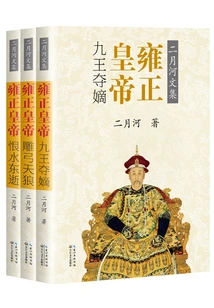
Emperor Yongzheng: Newly Revised Collector's Edition with Color Illustrations (all Three Volumes)
General Fiction雍正皇帝:全新修订彩插珍藏版(全三册)
February River
"Emperor Yongzheng (Complete Three Volumes)", the first volume describes the battle between the nine kings to seize the rightful son, and Yongzheng won the victory in danger. The second volume describes Yongzheng's response to the Ba Ye Party's undying desire to seize the throne, while selecting talents and appointing capable people to implement the New Deal. The third volume writes about the turbulence in the Qianqing Palace on one side and the various situations of the Yongzheng Dynasty on the other. The layout of the plot is more exquisite and full of atmosphere. From this we can see a glimpse of Emperor Yongzheng's power game skills of "talking less nonsense and doing more important things", breaking out of the siege of power, seizing opportunities, relying on strength, and operating skillfully.
"Emperor Yongzheng (Complete Three Volumes)", the first volume describes the battle between the nine kings to seize the rightful son, and Yongzheng won the victory in danger. The second volume describes Yongzheng's response to the Ba Ye Party's undying desire to seize the throne, while selecting talents and appointing capable people to implement the New Deal. The third volume writes about the turbulence in the Qianqing Palace on one side and the various situations of the Yongzheng Dynasty on the other. The layout of the plot is more exquisite and full of atmosphere. From this we can see a glimpse of Emperor Yongzheng's power game skills of "talking less nonsense and doing more important things", breaking out of the siege of power, seizing opportunities, relying on strength, and operating skillfully.
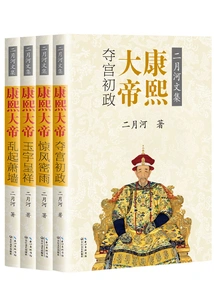
Emperor Kangxi: Newly Revised Collector's Edition with Color Illustrations (four Volumes)
General Fiction康熙大帝:全新修订彩插珍藏版(全四册)
February River
The first volume of "Emperor Kangxi (four volumes)" begins when Kangxi ascended the throne at the age of eight, and describes how he sided with the Qing Dynasty and punished Obai; the second volume describes how he pacified the three vassals and wiped out rebellion; the third volume describes how he worked hard to govern and create a unified state; the fourth volume describes how he was riddled with maladministration in his later years, elected the crown prince, and determined that Yongzheng, who would leave his name in Qing history, would inherit the unified rule. From this, we can get a glimpse of Emperor Kangxi's forbearance, iron-bloodedness, foresight, and strategic wisdom of being patient when necessary and decisive when necessary.
The first volume of "Emperor Kangxi (four volumes)" begins when Kangxi ascended the throne at the age of eight, and describes how he sided with the Qing Dynasty and punished Obai; the second volume describes how he pacified the three vassals and wiped out rebellion; the third volume describes how he worked hard to govern and create a unified state; the fourth volume describes how he was riddled with maladministration in his later years, elected the crown prince, and determined that Yongzheng, who would leave his name in Qing history, would inherit the unified rule. From this, we can get a glimpse of Emperor Kangxi's forbearance, iron-bloodedness, foresight, and strategic wisdom of being patient when necessary and decisive when necessary.
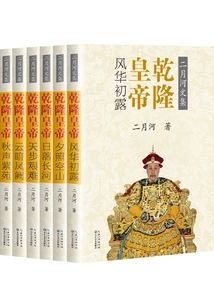
Emperor Qianlong: Newly Revised Collector's Edition with Color Illustrations (six Volumes)
General Fiction乾隆皇帝:全新修订彩插珍藏版(全六册)
February River
"Emperor Qianlong (Six Volumes)", Emperor Qianlong was determined to create a prosperous era of the Qing Dynasty after he succeeded to the throne. He governed with leniency, paid private visits incognito, and was ambitious and enterprising. He reorganized the government, reorganized the army, and put down rebellions, and made seven trips to the south of the Yangtze River. In his later years, the court was in turmoil, the borders were in danger, the princes were intrigued, and a prosperous dynasty was gradually declining. From this book, it can be seen that Qianlong's political principles of decentralization and checks and balances were followed.
"Emperor Qianlong (Six Volumes)", Emperor Qianlong was determined to create a prosperous era of the Qing Dynasty after he succeeded to the throne. He governed with leniency, paid private visits incognito, and was ambitious and enterprising. He reorganized the government, reorganized the army, and put down rebellions, and made seven trips to the south of the Yangtze River. In his later years, the court was in turmoil, the borders were in danger, the princes were intrigued, and a prosperous dynasty was gradually declining. From this book, it can be seen that Qianlong's political principles of decentralization and checks and balances were followed.
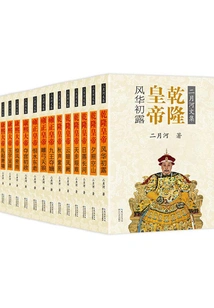
二月河文集:全新修订彩插珍藏版(康熙+雍正+乾隆套装全十三册)
February River
The February River Emperor series includes "Emperor Kangxi (4 volumes)", "Emperor Yongzheng (3 volumes)", "Emperor Qianlong (6 volumes)". The three volumes of "Emperor", taken together, are a magnificent, majestic and encyclopedic historical scroll of the prosperous Qing Dynasty.
The February River Emperor series includes "Emperor Kangxi (4 volumes)", "Emperor Yongzheng (3 volumes)", "Emperor Qianlong (6 volumes)". The three volumes of "Emperor", taken together, are a magnificent, majestic and encyclopedic historical scroll of the prosperous Qing Dynasty.
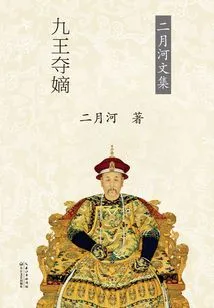
雍正皇帝·九王夺嫡(第1卷)
February River
This book is the first volume in the series of long historical novels "Emperor Yongzheng". The behavior of emperors and the secrets of the palace have always been of concern to readers. This book describes the little-known life of the Qing court, but it is not limited to the small Forbidden City. The elder brother's faction fights, murderous intent looms, Longting changes hands, and Yongzheng narrowly wins. Change the imperial edict, say patricide, say succession? A period of history that is full of doubts, confusing and difficult to decipher.
This book is the first volume in the series of long historical novels "Emperor Yongzheng". The behavior of emperors and the secrets of the palace have always been of concern to readers. This book describes the little-known life of the Qing court, but it is not limited to the small Forbidden City. The elder brother's faction fights, murderous intent looms, Longting changes hands, and Yongzheng narrowly wins. Change the imperial edict, say patricide, say succession? A period of history that is full of doubts, confusing and difficult to decipher.
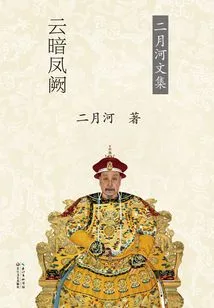
Emperor Qianlong·yunnanfengque (volume 5)
General Fiction乾隆皇帝·云暗凤阙(第5卷)
February River
Volume 5 is "Emperor Qianlong·Yun An Feng Que". Just as the over-early Qianlong could not resist the decline of his body, the Qianlong dynasty, which had gone through the last heyday of China's feudal society, was also showing its age. Although on the surface it still maintained good food and clothing, and enjoyed peace and prosperity, in fact it was riddled with contradictions and crises. Officials are corrupt and licentious, the people are hungry, bandits are on the rise, and the border is becoming increasingly restless...
Volume 5 is "Emperor Qianlong·Yun An Feng Que". Just as the over-early Qianlong could not resist the decline of his body, the Qianlong dynasty, which had gone through the last heyday of China's feudal society, was also showing its age. Although on the surface it still maintained good food and clothing, and enjoyed peace and prosperity, in fact it was riddled with contradictions and crises. Officials are corrupt and licentious, the people are hungry, bandits are on the rise, and the border is becoming increasingly restless...
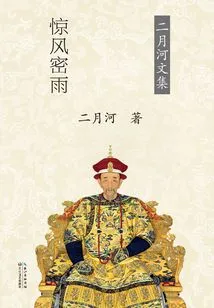
Emperor Kangxi·the Storm and the Rain (volume 2)
General Fiction康熙大帝·惊风密雨(第2卷)
February River
This book is the second volume in the series of historical novels "Emperor Kangxi". The way of heaven is vast, and the truth is there. The sky is clear, and the rivers and lakes are looking forward to clearing up. After the evil forces of Aobei were eliminated, the young Kangxi took charge of the government. However, the treasury was empty and people's hearts were floating. It could be said that he was besieged on all sides: in the south, the "Three Feuds" headed by Wu Sangui gathered millions of troops and rebelled and proclaimed themselves emperor; in the north, Chahar rebelled against the Qing cavalry and took advantage of the opportunity to attack Beijing; in the west, Wang Shirong massacred the imperial envoys and led to the Chang'an mutiny. The "Zhong Sanlang" Xianghui, whose purpose was to fight against the Qing Dynasty and restore the Ming Dynasty, had millions of members, secretly colluded everywhere, and instigated dozens of eunuchs to act as internal agents. They conspired to raise fire as a signal, and started rebellions at the same time to overthrow the Qing Dynasty.
This book is the second volume in the series of historical novels "Emperor Kangxi". The way of heaven is vast, and the truth is there. The sky is clear, and the rivers and lakes are looking forward to clearing up. After the evil forces of Aobei were eliminated, the young Kangxi took charge of the government. However, the treasury was empty and people's hearts were floating. It could be said that he was besieged on all sides: in the south, the "Three Feuds" headed by Wu Sangui gathered millions of troops and rebelled and proclaimed themselves emperor; in the north, Chahar rebelled against the Qing cavalry and took advantage of the opportunity to attack Beijing; in the west, Wang Shirong massacred the imperial envoys and led to the Chang'an mutiny. The "Zhong Sanlang" Xianghui, whose purpose was to fight against the Qing Dynasty and restore the Ming Dynasty, had millions of members, secretly colluded everywhere, and instigated dozens of eunuchs to act as internal agents. They conspired to raise fire as a signal, and started rebellions at the same time to overthrow the Qing Dynasty.
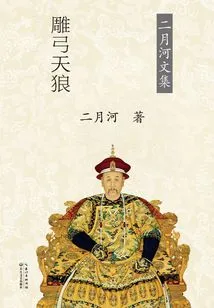
Emperor Yongzheng·diao Gong Tian Lang (volume 2)
General Fiction雍正皇帝·雕弓天狼(第2卷)
February River
This book is the second volume of the series of historical novels "Emperor Yongzheng". Nine kings seized the throne, Yongzheng narrowly won, and the old talisman was replaced with a new peach in the Forbidden City. But the tree wants to be quiet but the wind has not stopped. Inside and outside the imperial city, north and south of the river, murderous intent is still everywhere. The Ba Ye Party is dead but not dead, and they are aggressive in their desire to replace them; the special general Nian Gengyao is proud of his achievements and supports the army in politics; even Longkodo, the lonely and important minister, has two boats and is good at sending soldiers into the forbidden garden. For a time, the wind was strong and the waves were dangerous, and the floating clouds blocked the sun.
This book is the second volume of the series of historical novels "Emperor Yongzheng". Nine kings seized the throne, Yongzheng narrowly won, and the old talisman was replaced with a new peach in the Forbidden City. But the tree wants to be quiet but the wind has not stopped. Inside and outside the imperial city, north and south of the river, murderous intent is still everywhere. The Ba Ye Party is dead but not dead, and they are aggressive in their desire to replace them; the special general Nian Gengyao is proud of his achievements and supports the army in politics; even Longkodo, the lonely and important minister, has two boats and is good at sending soldiers into the forbidden garden. For a time, the wind was strong and the waves were dangerous, and the floating clouds blocked the sun.
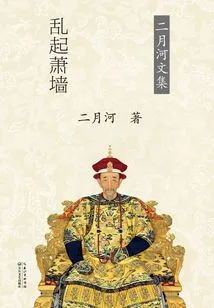
Emperor Kangxi: the Chaos of Xiao Qiang (volume 4)
General Fiction康熙大帝·乱起萧墙(第4卷)
February River
This book is the fourth volume in the series of long historical novels "Emperor Kangxi". This volume mainly describes the story of Kangxi's choice of crown prince in his later years and the intrigues among his elder brothers to compete for the crown prince. In the later years of Kangxi's reign, there were many maladministrations, corrupt officialdom, rampant corruption, numerous injustice cases, uneven land distribution, high concentration of land, poverty among the people, and civil uprisings. The royal relatives borrowed money from the treasury, causing the treasury to be in deficit. All the elder brothers coveted the throne, and each formed a clique for personal gain... The Kangxi Dynasty was full of hidden worries during the great governance. Faced with such a situation, Kangxi was exhausted both physically and mentally, and he made many clean-ups and rectifications. All of these were due to the fact that the crown prince Yinreng was greedy, lustful, ignorant of government affairs, and took inappropriate measures to end the matter.
This book is the fourth volume in the series of long historical novels "Emperor Kangxi". This volume mainly describes the story of Kangxi's choice of crown prince in his later years and the intrigues among his elder brothers to compete for the crown prince. In the later years of Kangxi's reign, there were many maladministrations, corrupt officialdom, rampant corruption, numerous injustice cases, uneven land distribution, high concentration of land, poverty among the people, and civil uprisings. The royal relatives borrowed money from the treasury, causing the treasury to be in deficit. All the elder brothers coveted the throne, and each formed a clique for personal gain... The Kangxi Dynasty was full of hidden worries during the great governance. Faced with such a situation, Kangxi was exhausted both physically and mentally, and he made many clean-ups and rectifications. All of these were due to the fact that the crown prince Yinreng was greedy, lustful, ignorant of government affairs, and took inappropriate measures to end the matter.
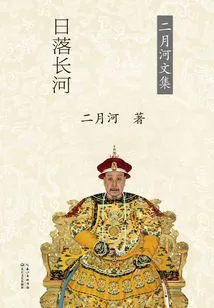
Emperor Qianlong·the Sunset River (volume 3)
General Fiction乾隆皇帝·日落长河(第3卷)
February River
Volume 3 is "Emperor Qianlong·Sunset River". The Qing government's army of more than 100,000 troops conquered the more than 30,000 Tibetan troops led by the rebellious chieftain Shaluoben in Jinchuan. The result was a disastrous defeat and they were forced to form a humiliating and humiliating alliance under the city walls. Qianlong reluctantly killed the commander-in-chief Huang Qin Neqin, and sent Fu Heng, Minister of Military Aircraft Department, to attack again.
Volume 3 is "Emperor Qianlong·Sunset River". The Qing government's army of more than 100,000 troops conquered the more than 30,000 Tibetan troops led by the rebellious chieftain Shaluoben in Jinchuan. The result was a disastrous defeat and they were forced to form a humiliating and humiliating alliance under the city walls. Qianlong reluctantly killed the commander-in-chief Huang Qin Neqin, and sent Fu Heng, Minister of Military Aircraft Department, to attack again.
Emperor Kangxi·yuyu Chengxiang (volume 3)
General Fiction康熙大帝·玉宇呈祥(第3卷)
February River
This book is the third volume in the series of long historical novels "Emperor Kangxi". It focuses on the performance of Kangxi's literary, Taoist and military strategies in unifying China and governing the country and the people. After quelling the rebellion of the "Three Feudatories", Kangxi went around looking for ministers who could manage rivers. He went to Bianliang in person to inspect the Yellow River, and appointed capable ministers to dredge water transportation, which finally made the Yellow River clear; As a minister, he eased ethnic conflicts; he visited Jinling in the south to worship Taizu of the Ming Dynasty and united with the elders of the former Ming Dynasty; he accepted loyal advice, rectified the administration of officials, punished corrupt officials, and created a new trend; he visited Shengjing in the north to form an alliance with the kings of Eastern Mongolia, and then conquered Galdan in the west to complete the great cause of unifying China.
This book is the third volume in the series of long historical novels "Emperor Kangxi". It focuses on the performance of Kangxi's literary, Taoist and military strategies in unifying China and governing the country and the people. After quelling the rebellion of the "Three Feudatories", Kangxi went around looking for ministers who could manage rivers. He went to Bianliang in person to inspect the Yellow River, and appointed capable ministers to dredge water transportation, which finally made the Yellow River clear; As a minister, he eased ethnic conflicts; he visited Jinling in the south to worship Taizu of the Ming Dynasty and united with the elders of the former Ming Dynasty; he accepted loyal advice, rectified the administration of officials, punished corrupt officials, and created a new trend; he visited Shengjing in the north to form an alliance with the kings of Eastern Mongolia, and then conquered Galdan in the west to complete the great cause of unifying China.
Emperor Yongzheng·hateful Water Died to the East (volume 3)
General Fiction雍正皇帝·恨水东逝(第3卷)
February River
This book is the third volume of the series of historical novels "Emperor Yongzheng". This volume is the final volume in the series of historical novels "Emperor Yongzheng" by Mr. Yuehehe, a famous historical novelist. The writer has been immersed in traditional culture for a long time. He is not only familiar with the three religions and nine streams, Buddhism, Taoism and Confucianism, but also has a lot of research on the career of the emperor and the historical facts of the Qing Dynasty.
This book is the third volume of the series of historical novels "Emperor Yongzheng". This volume is the final volume in the series of historical novels "Emperor Yongzheng" by Mr. Yuehehe, a famous historical novelist. The writer has been immersed in traditional culture for a long time. He is not only familiar with the three religions and nine streams, Buddhism, Taoism and Confucianism, but also has a lot of research on the career of the emperor and the historical facts of the Qing Dynasty.
Emperor Qianlong: Hard Steps in Heaven (volume 4)
General Fiction乾隆皇帝·天步艰难(第4卷)
February River
Volume 4 is "Emperor Qianlong: Difficulties in Life". Emperor Qianlong visited the south of the Yangtze River, and Fu Heng used troops in Jinchuan and Jinchuan. This volume revolves around these two main clues, laying out the civil and military achievements of Qianlong in his prime, shaping the images of a number of officials such as Liu Tongxun, Ji Yun, Fu Heng, and Dou Guangnai, and portraying many women, such as Tang'er and Duo Yun, who may be strong or weak.
Volume 4 is "Emperor Qianlong: Difficulties in Life". Emperor Qianlong visited the south of the Yangtze River, and Fu Heng used troops in Jinchuan and Jinchuan. This volume revolves around these two main clues, laying out the civil and military achievements of Qianlong in his prime, shaping the images of a number of officials such as Liu Tongxun, Ji Yun, Fu Heng, and Dou Guangnai, and portraying many women, such as Tang'er and Duo Yun, who may be strong or weak.
Emperor Qianlong: Empty Mountain at Sunset (volume 2)
General Fiction乾隆皇帝·夕照空山(第2卷)
February River
The second volume is "Emperor Qianlong: Sunset on the Empty Mountain". In his prime, Qianlong had basically completed his father's legacy and matured. At this time, he was full of ambition, determined to forge ahead, and devoted himself to the great cause of creating the most prosperous era of the Qing Dynasty. He fought against all opinions and restored the Mulan Qiuhuang established by his ancestors to reorganize the army; provided disaster relief and released grain to stabilize the people's hearts and arrest the rebels to prevent civil unrest; he sent troops to Jinchuan to stabilize the country; he surveyed the people's sentiments to rectify government affairs; he borrowed ancient folk books and compiled the ancient great book "Sikuquanshu".
The second volume is "Emperor Qianlong: Sunset on the Empty Mountain". In his prime, Qianlong had basically completed his father's legacy and matured. At this time, he was full of ambition, determined to forge ahead, and devoted himself to the great cause of creating the most prosperous era of the Qing Dynasty. He fought against all opinions and restored the Mulan Qiuhuang established by his ancestors to reorganize the army; provided disaster relief and released grain to stabilize the people's hearts and arrest the rebels to prevent civil unrest; he sent troops to Jinchuan to stabilize the country; he surveyed the people's sentiments to rectify government affairs; he borrowed ancient folk books and compiled the ancient great book "Sikuquanshu".
Emperor Kangxi: the First Emperor of the Palace (volume 1)
General Fiction康熙大帝·夺宫初政(第1卷)
February River
This book is the first volume in the series of long historical novels "Emperor Kangxi". Kangxi ascended the throne at the age of eight, and was ordered by Shunzhi to serve as his assistant ministers. Among them, Ao Bai was arrogant and domineering. After his old minister Sony died of illness, he roped in Yi Bilong and executed Suk Saha who refused to cooperate with him. He even dominated the government, often roaring at the Golden Palace, and forcing Kangxi to submit to his will. Kangxi came into power at the age of fourteen, but Obai not only refused to return power to the emperor, but instead formed a clique for personal gain, wooed his best friends, and plotted to kill the emperor and establish himself on his own. Kangxi was smart and precocious since childhood. On the one hand, he secretly worshiped Wu Ciyou, a talented man from the south of the Yangtze River, as his disciple, and diligently studied the governance experience of previous emperors; on the other hand, with his personal guard Wei Dongting as the core, he carefully selected and trained more than a dozen young warriors in the name of practicing martial arts, waiting for the opportunity to eliminate the biggest hidden dangers around him.
This book is the first volume in the series of long historical novels "Emperor Kangxi". Kangxi ascended the throne at the age of eight, and was ordered by Shunzhi to serve as his assistant ministers. Among them, Ao Bai was arrogant and domineering. After his old minister Sony died of illness, he roped in Yi Bilong and executed Suk Saha who refused to cooperate with him. He even dominated the government, often roaring at the Golden Palace, and forcing Kangxi to submit to his will. Kangxi came into power at the age of fourteen, but Obai not only refused to return power to the emperor, but instead formed a clique for personal gain, wooed his best friends, and plotted to kill the emperor and establish himself on his own. Kangxi was smart and precocious since childhood. On the one hand, he secretly worshiped Wu Ciyou, a talented man from the south of the Yangtze River, as his disciple, and diligently studied the governance experience of previous emperors; on the other hand, with his personal guard Wei Dongting as the core, he carefully selected and trained more than a dozen young warriors in the name of practicing martial arts, waiting for the opportunity to eliminate the biggest hidden dangers around him.
Emperor Qianlong·autumn Sound Ziyuan (volume 6)
General Fiction乾隆皇帝·秋声紫苑(第6卷)
February River
Volume 6 is "Emperor Qianlong·Qiu Sheng Zi Yuan". In the later years of Qianlong, wars raged one after another. The chieftains of Jinchuan and Jinchuan in Sichuan, Hezhuo Muhuojizhan in Xinjiang, Gorkhas entrenched on the border of Nepal, and Lin Shuangwen in Taiwan rebelled one after another. In Zhili, Huguang and other places, the White Lotus Sect, Tiandihui... Civil uprisings occurred one after another.
Volume 6 is "Emperor Qianlong·Qiu Sheng Zi Yuan". In the later years of Qianlong, wars raged one after another. The chieftains of Jinchuan and Jinchuan in Sichuan, Hezhuo Muhuojizhan in Xinjiang, Gorkhas entrenched on the border of Nepal, and Lin Shuangwen in Taiwan rebelled one after another. In Zhili, Huguang and other places, the White Lotus Sect, Tiandihui... Civil uprisings occurred one after another.
Emperor Qianlong's First Appearance of Glory (volume 1)
General Fiction乾隆皇帝·风华初露(第1卷)
February River
Volume 1 is "Emperor Qianlong: The First Reveal of His Splendor". Yongzheng died suddenly, and Qianlong succeeded to the throne. He was determined to usher in the heyday of the Qing Dynasty. He advocated "governing with leniency", corrected the harsh punishments of the previous dynasty, and vindicated wrongful convictions, so that victims of the previous dynasty such as Yang Mingshi, Shi Yizhi, Sun Jiagan, and Zhang Zhao were able to recover, be re-awarded important positions, and continue to serve the court. Qianlong believed that the peace that was whitewashed would eventually be revealed. He simply did not believe the lie in some memorials that "the people were prosperous and happy."
Volume 1 is "Emperor Qianlong: The First Reveal of His Splendor". Yongzheng died suddenly, and Qianlong succeeded to the throne. He was determined to usher in the heyday of the Qing Dynasty. He advocated "governing with leniency", corrected the harsh punishments of the previous dynasty, and vindicated wrongful convictions, so that victims of the previous dynasty such as Yang Mingshi, Shi Yizhi, Sun Jiagan, and Zhang Zhao were able to recover, be re-awarded important positions, and continue to serve the court. Qianlong believed that the peace that was whitewashed would eventually be revealed. He simply did not believe the lie in some memorials that "the people were prosperous and happy."
Pillar of the Late Qing Dynasty: Zhang Zhidong
General Fiction晚清栋梁:张之洞
Yang Min
Based on a large number of historical materials, this book combines folklore, anecdotes, and unofficial history. It is further refined and processed during the search. The work restores history, puts the characters in a specific historical background, reveals their character and destiny, and interprets the joys and sorrows of the characters. Show readers a brand new "Zhang Zhidong".
Based on a large number of historical materials, this book combines folklore, anecdotes, and unofficial history. It is further refined and processed during the search. The work restores history, puts the characters in a specific historical background, reveals their character and destiny, and interprets the joys and sorrows of the characters. Show readers a brand new "Zhang Zhidong".
Founding Queen: Empress Xiaozhuang
General Fiction开国艳后:孝庄皇后
Xia Likun
Based on a large number of historical materials, this book combines folklore, anecdotes, and unofficial history. It is further refined and processed during the search. The work restores history, puts the characters in a specific historical background, reveals their character and destiny, and interprets the joys and sorrows of the characters. Show readers a brand new "Queen Xiaozhuang".
Based on a large number of historical materials, this book combines folklore, anecdotes, and unofficial history. It is further refined and processed during the search. The work restores history, puts the characters in a specific historical background, reveals their character and destiny, and interprets the joys and sorrows of the characters. Show readers a brand new "Queen Xiaozhuang".
Emperor Chongzhen
General Fiction崇祯皇帝
Fu Cangsong
Based on a large number of historical materials, this book combines folklore, anecdotes, and unofficial history. It is further refined and processed during the search. The work restores history, puts the characters in a specific historical background, reveals their character and destiny, and interprets the joys and sorrows of the characters. Show readers a brand new "Emperor Chongzhen".
Based on a large number of historical materials, this book combines folklore, anecdotes, and unofficial history. It is further refined and processed during the search. The work restores history, puts the characters in a specific historical background, reveals their character and destiny, and interprets the joys and sorrows of the characters. Show readers a brand new "Emperor Chongzhen".
The Wise King of Zte: Yi Xin
General Fiction中兴贤王:奕訢
Xu Qian
Based on a large number of historical materials, this book combines folklore, anecdotes, and unofficial history. It is further refined and processed during the search. The work restores history, puts the characters in a specific historical background, reveals their character and destiny, and interprets the joys and sorrows of the characters. Show readers a brand new "Yixin".
Based on a large number of historical materials, this book combines folklore, anecdotes, and unofficial history. It is further refined and processed during the search. The work restores history, puts the characters in a specific historical background, reveals their character and destiny, and interprets the joys and sorrows of the characters. Show readers a brand new "Yixin".
The Confucian Commander of the Qing Dynasty: Zuo Zongtang
General Fiction大清儒帅:左宗棠
Li Wencheng
Based on a large number of historical materials, this book combines folklore, anecdotes, and unofficial history. It is further refined and processed during the search. The work restores history, puts the characters in a specific historical background, reveals their character and destiny, and interprets the joys and sorrows of the characters. Show readers a brand new "Zuo Zongtang".
Based on a large number of historical materials, this book combines folklore, anecdotes, and unofficial history. It is further refined and processed during the search. The work restores history, puts the characters in a specific historical background, reveals their character and destiny, and interprets the joys and sorrows of the characters. Show readers a brand new "Zuo Zongtang".
Veteran of the Three Dynasties: Zhang Tingyu
General Fiction三朝元老:张廷玉
Yaozi
Based on a large number of historical materials, this book combines folklore, anecdotes, and unofficial history. It is further refined and processed during the search. The work restores history, puts the characters in a specific historical background, reveals their character and destiny, and interprets the joys and sorrows of the characters. Show readers a brand new "Zhang Tingyu".
Based on a large number of historical materials, this book combines folklore, anecdotes, and unofficial history. It is further refined and processed during the search. The work restores history, puts the characters in a specific historical background, reveals their character and destiny, and interprets the joys and sorrows of the characters. Show readers a brand new "Zhang Tingyu".
Hundred Days of Puppet Emperor: Wu Sangui
General Fiction百日伪帝:吴三桂
Zhou Pengfei
Based on a large number of historical materials, this book combines folklore, anecdotes, and unofficial history. It is further refined and processed during the search. The work restores history, puts the characters in a specific historical background, reveals their character and destiny, and interprets the joys and sorrows of the characters. Show readers a brand new "Wu Sangui".
Based on a large number of historical materials, this book combines folklore, anecdotes, and unofficial history. It is further refined and processed during the search. The work restores history, puts the characters in a specific historical background, reveals their character and destiny, and interprets the joys and sorrows of the characters. Show readers a brand new "Wu Sangui".
Anderhay
General Fiction安德海
Liu Xuehui
Based on a large number of historical materials, this book combines folklore, anecdotes, and unofficial history. It is further refined and processed during the search. The work restores history, puts the characters in a specific historical background, reveals their character and destiny, and interprets the joys and sorrows of the characters. Show readers a brand new "Eunuch Andehai".
Based on a large number of historical materials, this book combines folklore, anecdotes, and unofficial history. It is further refined and processed during the search. The work restores history, puts the characters in a specific historical background, reveals their character and destiny, and interprets the joys and sorrows of the characters. Show readers a brand new "Eunuch Andehai".
Empress Dowager Cixi
General Fiction慈禧太后
Liu Xuehui
Based on a large number of historical materials, this book combines folklore, anecdotes, and unofficial history. It is further refined and processed during the search. The work restores history, puts the characters in a specific historical background, reveals their character and destiny, and interprets the joys and sorrows of the characters. Show readers a brand new "Empress Dowager Cixi".
Based on a large number of historical materials, this book combines folklore, anecdotes, and unofficial history. It is further refined and processed during the search. The work restores history, puts the characters in a specific historical background, reveals their character and destiny, and interprets the joys and sorrows of the characters. Show readers a brand new "Empress Dowager Cixi".
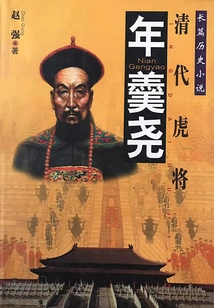
Tiger General of the Qing Dynasty: Nian Gengyao
General Fiction清代虎将:年羹尧
Zhao Qiang
Based on a large number of historical materials, this book combines folklore, anecdotes, and unofficial history. It is further refined and processed during the search. The work restores history, puts the characters in a specific historical background, reveals their character and destiny, and interprets the joys and sorrows of the characters. Show readers a brand new "Nian Gengyao".
Based on a large number of historical materials, this book combines folklore, anecdotes, and unofficial history. It is further refined and processed during the search. The work restores history, puts the characters in a specific historical background, reveals their character and destiny, and interprets the joys and sorrows of the characters. Show readers a brand new "Nian Gengyao".