Library
Browse and search books
17,591 novels found
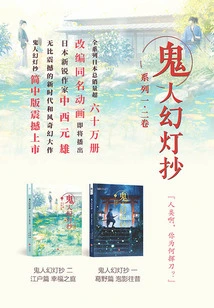
Volume 1 and 2 of the Ghost Man Slideshow Series: the Lost Past + the Garden of Happiness (world Fantasy Masters Series)
General Fiction鬼人幻灯抄系列一·二卷:泡影往昔+幸福之庭(世界奇幻大师丛书)
J
The set contains 2 volumes, including "Keijin Slide 1: Kuzuno Chapter: The Lost Past" and "Kei Ren Slide 2: Edo Chapter: The Garden of Happiness".
The set contains 2 volumes, including "Keijin Slide 1: Kuzuno Chapter: The Lost Past" and "Kei Ren Slide 2: Edo Chapter: The Garden of Happiness".
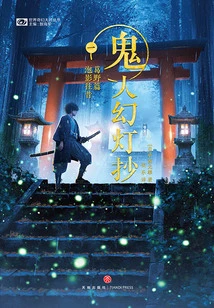
Ghost Man Slideshow Copy 1·kudzu Ye Chapter: the Lost Past (world Fantasy Masters Series)
General Fiction鬼人幻灯抄一·葛野篇:泡影往昔(世界奇幻大师丛书)
J
Kuzuno, a mountain village, is famous for its sword forging, and the swords it makes are said to be able to "kill ghosts." Swordsmiths believe in the god of fire, and the shrine maiden "Saihime" who communicates with the god of fire is regarded as an existence equal to the god. Miko Morimotoji adopted two homeless siblings, Jinta and Suzune, and brought them to Kuzuno to live with herself and her daughter Shirayuki. The three children soon became close friends. Jinta practiced swordsmanship diligently and became a shrine maiden; Suzune was half-human and half-demon, but lived peacefully under the kindness of the villagers; Shirayuki inherited the post of Saihime and changed her name to Byakuya. One day, two ghosts suddenly attacked the village, and Jinta went to fight them. Everyone is worried that the ghost is here to take Saihime's life, but the ghost predicts that "ghosts" will be born in Kuzuno one hundred and seventy years later, and they are here to find the key figure in the prophecy - Suzune. From Edo to Heisei, a grand picture spanning 170 years unfolds.
Kuzuno, a mountain village, is famous for its sword forging, and the swords it makes are said to be able to "kill ghosts." Swordsmiths believe in the god of fire, and the shrine maiden "Saihime" who communicates with the god of fire is regarded as an existence equal to the god. Miko Morimotoji adopted two homeless siblings, Jinta and Suzune, and brought them to Kuzuno to live with herself and her daughter Shirayuki. The three children soon became close friends. Jinta practiced swordsmanship diligently and became a shrine maiden; Suzune was half-human and half-demon, but lived peacefully under the kindness of the villagers; Shirayuki inherited the post of Saihime and changed her name to Byakuya. One day, two ghosts suddenly attacked the village, and Jinta went to fight them. Everyone is worried that the ghost is here to take Saihime's life, but the ghost predicts that "ghosts" will be born in Kuzuno one hundred and seventy years later, and they are here to find the key figure in the prophecy - Suzune. From Edo to Heisei, a grand picture spanning 170 years unfolds.
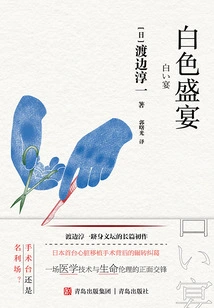
White Feast
General Fiction白色盛宴
H
Originally titled "Heart Transplant", the work was adapted from the heart transplant procedure performed at the Sapporo Medical University Affiliated Hospital in 1968. It is a novel by Jun Watanabe. Driven by the motivation to become a heart transplant performer, the protagonist Yusuke Shigeto transplants the heart of a young man who was brain-dead due to drowning into a young patient with congenital heart disease. The process is accompanied by opposition within the hospital and doubts from the patient's family. Newspaper reporter Kentaro Tomatsuka keenly sensed the huge news value behind this incident, and worked hard to dig out internal information in order to write sensational headlines. The novel is driven by a two-line narrative, which not only has a sense of semi-documentary reality, but also develops a rich imagination of the protagonist's inner world. The tense atmosphere between characters with different positions is vividly expressed on the page through the author's vivid description. Through this work, we can find the origin of the narrative charm of Watanabe Junichi's novels.
Originally titled "Heart Transplant", the work was adapted from the heart transplant procedure performed at the Sapporo Medical University Affiliated Hospital in 1968. It is a novel by Jun Watanabe. Driven by the motivation to become a heart transplant performer, the protagonist Yusuke Shigeto transplants the heart of a young man who was brain-dead due to drowning into a young patient with congenital heart disease. The process is accompanied by opposition within the hospital and doubts from the patient's family. Newspaper reporter Kentaro Tomatsuka keenly sensed the huge news value behind this incident, and worked hard to dig out internal information in order to write sensational headlines. The novel is driven by a two-line narrative, which not only has a sense of semi-documentary reality, but also develops a rich imagination of the protagonist's inner world. The tense atmosphere between characters with different positions is vividly expressed on the page through the author's vivid description. Through this work, we can find the origin of the narrative charm of Watanabe Junichi's novels.
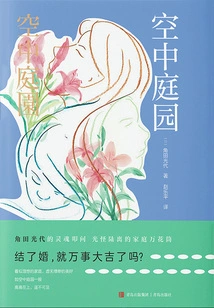
Sky Garden
General Fiction空中庭园
I
This is a satirical novel about whether family members should have no reservations about each other. Under the cover of the so-called open and honest family rules, family members each have their own secrets. The grandmother has a little-known story, the mother has been acting out of character recently, the son is on the verge of collapse, the daughter plans to stalk the mother, and there is an unspoken relationship between the father and the tutor. The appearance of a peaceful life is just the tip of the iceberg. How many dark secrets are there under the water? Many people believe that marriage is a crucial part of life, but once you get married, is everything going to be fine? The fictitious beauty is like a garden in the sky, high above but out of reach.
This is a satirical novel about whether family members should have no reservations about each other. Under the cover of the so-called open and honest family rules, family members each have their own secrets. The grandmother has a little-known story, the mother has been acting out of character recently, the son is on the verge of collapse, the daughter plans to stalk the mother, and there is an unspoken relationship between the father and the tutor. The appearance of a peaceful life is just the tip of the iceberg. How many dark secrets are there under the water? Many people believe that marriage is a crucial part of life, but once you get married, is everything going to be fine? The fictitious beauty is like a garden in the sky, high above but out of reach.
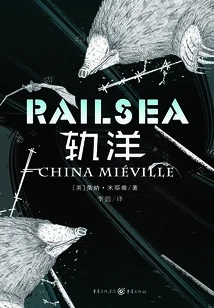
Rail Ocean
General Fiction轨洋
I
First time introduction! A new work by the genius writer Zine Miéville. Unbridled imagination, pursue adventure exploration at the edge of the ocean world! The most important fantasy writer in the 21st century and the founder of the "New Weird" style - China Miéville is recognized as a genius novelist. He has repeatedly won many fantasy honors around the world: Locus Award, Hugo Award, Arthur C. Clark Award, British Fantasy Award, World Fantasy Award, etc. He has a unique writing style and is good at using the fantasy world to explore real life and social and cultural issues. Super creativity x super imagination. This is a magical and dangerous world. Countless railroad tracks criss-cross the frozen land, like a sea of tracks, and the railcars that shuttle between them are like ships, complete with captains, switchmen, and forkmen. Strange giant carnivores lurk under the ocean, ready to devour anyone who accidentally falls...
First time introduction! A new work by the genius writer Zine Miéville. Unbridled imagination, pursue adventure exploration at the edge of the ocean world! The most important fantasy writer in the 21st century and the founder of the "New Weird" style - China Miéville is recognized as a genius novelist. He has repeatedly won many fantasy honors around the world: Locus Award, Hugo Award, Arthur C. Clark Award, British Fantasy Award, World Fantasy Award, etc. He has a unique writing style and is good at using the fantasy world to explore real life and social and cultural issues. Super creativity x super imagination. This is a magical and dangerous world. Countless railroad tracks criss-cross the frozen land, like a sea of tracks, and the railcars that shuttle between them are like ships, complete with captains, switchmen, and forkmen. Strange giant carnivores lurk under the ocean, ready to devour anyone who accidentally falls...
I Am in One Piece Summit
Light Novel我在海贼登顶至上
R
Everything you walk through will leave traces, and you can extract abilities from life experiences and history. Life lies in breathing, what can I get from breathing... The magnetic drum country in the cold winter... Haki... Devil Fruit... East China Sea... The person who leads the world to upgrade world... Vegapunk discovered the design map of life... The blood factor. Moses understood the essence of life from his breathing, sublimated his domineering power, and led the world to excellence. This era... Then, one day, Moses gained transcendence, cast his sight into endless dimensions, and broke through the wall of the world... PS: New book, One Piece: It turns out to be Cataclysm! A post-catastrophic world background, a wonderful world where everyone can awaken their natural abilities. Welcome to come and see.
Everything you walk through will leave traces, and you can extract abilities from life experiences and history. Life lies in breathing, what can I get from breathing... The magnetic drum country in the cold winter... Haki... Devil Fruit... East China Sea... The person who leads the world to upgrade world... Vegapunk discovered the design map of life... The blood factor. Moses understood the essence of life from his breathing, sublimated his domineering power, and led the world to excellence. This era... Then, one day, Moses gained transcendence, cast his sight into endless dimensions, and broke through the wall of the world... PS: New book, One Piece: It turns out to be Cataclysm! A post-catastrophic world background, a wonderful world where everyone can awaken their natural abilities. Welcome to come and see.
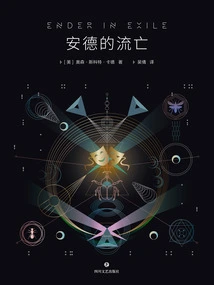
Ender's Exile
General Fiction安德的流亡
H
After the Zerg War, Ender became the "exterminator of aliens" in the eyes of everyone. There is no place for him on the earth. Perhaps interstellar travel can answer his confusion. On the colonial planet, the game of power and desire ensues, and Ender accidentally discovers the mysterious structure left by the Zerg. The end of exile is redemption, but also deeper sin.
After the Zerg War, Ender became the "exterminator of aliens" in the eyes of everyone. There is no place for him on the earth. Perhaps interstellar travel can answer his confusion. On the colonial planet, the game of power and desire ensues, and Ender accidentally discovers the mysterious structure left by the Zerg. The end of exile is redemption, but also deeper sin.
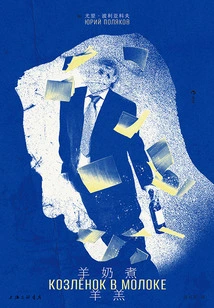
Lamb Cooked in Goat's Milk
General Fiction羊奶煮羊羔
L
It all stems from an extremely boring bet... In this era when everyone can become the opposite of a hero, as a writer, I believe that writing is meaningless, while at the same time I am eager to write my "primary" work. When I was hesitating, a friend sent me the miraculous "Bude Soup", and I made a bet while drunk that I could turn a loser into a great writer. The semi-literate Vitek accidentally fell into a gambling game. After some packing, we entered the Moscow literary circle. All the big and small people got involved and regarded this person as a genius. With trepidation, I found myself embarking on the rugged road of fighting against absurdity. You have to get the scalp of this unfair life before you give up! Soon, the news spread that the genius had written a mysterious novel, and everyone was eager to see it. Comments, interviews, and live TV broadcasts came one after another. Everything seemed so smooth. Who could have expected that a big mess would happen on live TV, and the disaster was almost inevitable... At this time, the Baker Award jury across the ocean extended an olive branch... Between fear and trembling, intoxication and sobriety, how will this farce end?
It all stems from an extremely boring bet... In this era when everyone can become the opposite of a hero, as a writer, I believe that writing is meaningless, while at the same time I am eager to write my "primary" work. When I was hesitating, a friend sent me the miraculous "Bude Soup", and I made a bet while drunk that I could turn a loser into a great writer. The semi-literate Vitek accidentally fell into a gambling game. After some packing, we entered the Moscow literary circle. All the big and small people got involved and regarded this person as a genius. With trepidation, I found myself embarking on the rugged road of fighting against absurdity. You have to get the scalp of this unfair life before you give up! Soon, the news spread that the genius had written a mysterious novel, and everyone was eager to see it. Comments, interviews, and live TV broadcasts came one after another. Everything seemed so smooth. Who could have expected that a big mess would happen on live TV, and the disaster was almost inevitable... At this time, the Baker Award jury across the ocean extended an olive branch... Between fear and trembling, intoxication and sobriety, how will this farce end?
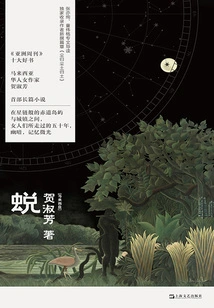
Shed
General Fiction蜕
L
"Asia Weekly" Top Ten Best Books, the first novel by Malaysian Chinese female writer He Shufang! Between the star chain of equatorial islands and towns, the fifty years that women have walked through are dark and dim, and their memories are dim. On May 13, 1969, a sudden disaster changed the lives of Guiying's family, as well as her friends and neighbors who rented in Sardine House. He Shufang, a Malaysian Chinese female writer who was born in 1970, intervened in the historical events that occurred a year before her birth in the form of a novel. Write about the lives of the heroines on the day when the incident occurred and in the delayed years that followed. From the late 1960s to the 2010s, they experienced dark memories, traveled south and north, accepted the fate of being together and separated, and survived tenaciously. As if forced into a never-ending wandering, he gradually ages, is born, and changes in the rubber forests, mines, lakes, and urban landscapes. Slow healing across isolation and broken lives.
"Asia Weekly" Top Ten Best Books, the first novel by Malaysian Chinese female writer He Shufang! Between the star chain of equatorial islands and towns, the fifty years that women have walked through are dark and dim, and their memories are dim. On May 13, 1969, a sudden disaster changed the lives of Guiying's family, as well as her friends and neighbors who rented in Sardine House. He Shufang, a Malaysian Chinese female writer who was born in 1970, intervened in the historical events that occurred a year before her birth in the form of a novel. Write about the lives of the heroines on the day when the incident occurred and in the delayed years that followed. From the late 1960s to the 2010s, they experienced dark memories, traveled south and north, accepted the fate of being together and separated, and survived tenaciously. As if forced into a never-ending wandering, he gradually ages, is born, and changes in the rubber forests, mines, lakes, and urban landscapes. Slow healing across isolation and broken lives.
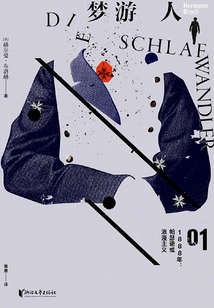
Sleepwalker 1: 1888: Paseno or Romanticism
General Fiction梦游人1:1888年:帕瑟诺或浪漫主义
I
The first part, "1888: Passeno or Romanticism": Passeno, an aristocratic officer, a "sleepwalker" wandering between tradition and modernity. Paseno deeply identifies with his identity as an "officer." He is obsessed with uniforms because uniforms clarify the hierarchical order of the world and are the most certain thing he owns. But his good friend Bertrand retired from the army midway and became a cynical businessman, which had a great impact on Paseno, who advocated traditional values. At the same time, Passerno found himself besieged by life, unable to escape from the great uncertainty. When he was a boy, he followed the tradition of "the second son joining the army" and was forced to leave his hometown and enter a military academy. As an adult, due to the unexpected death of his brother, he faced the difficult choice of taking over the manor. He fell in love with the prostitute Ruzena, but eventually married Elizabeth, the well-matched daughter of the manor owner. But no matter what he chooses, Paseno cannot gain true inner peace...
The first part, "1888: Passeno or Romanticism": Passeno, an aristocratic officer, a "sleepwalker" wandering between tradition and modernity. Paseno deeply identifies with his identity as an "officer." He is obsessed with uniforms because uniforms clarify the hierarchical order of the world and are the most certain thing he owns. But his good friend Bertrand retired from the army midway and became a cynical businessman, which had a great impact on Paseno, who advocated traditional values. At the same time, Passerno found himself besieged by life, unable to escape from the great uncertainty. When he was a boy, he followed the tradition of "the second son joining the army" and was forced to leave his hometown and enter a military academy. As an adult, due to the unexpected death of his brother, he faced the difficult choice of taking over the manor. He fell in love with the prostitute Ruzena, but eventually married Elizabeth, the well-matched daughter of the manor owner. But no matter what he chooses, Paseno cannot gain true inner peace...

Sleepwalker (all Three Volumes)
General Fiction梦游人(全三册)
J
"The Sleepwalker" is the first novel by the Austrian writer Hermann Bloch, and is known as "the immortal masterpiece after "Ulysses"." The novel focuses on the turbulent thirty years in Europe from the late 19th century to the early 20th century, and creates the image of three generations of "sleepwalkers" in the form of a trilogy. The sleepwalker walks between waking and deep sleep, reality and dreams, which is a condensation of people's mental state in an era when social values continue to collapse. Because of writing "The Sleepwalker", Bloch became a well-deserved literary giant in modern Europe.
"The Sleepwalker" is the first novel by the Austrian writer Hermann Bloch, and is known as "the immortal masterpiece after "Ulysses"." The novel focuses on the turbulent thirty years in Europe from the late 19th century to the early 20th century, and creates the image of three generations of "sleepwalkers" in the form of a trilogy. The sleepwalker walks between waking and deep sleep, reality and dreams, which is a condensation of people's mental state in an era when social values continue to collapse. Because of writing "The Sleepwalker", Bloch became a well-deserved literary giant in modern Europe.
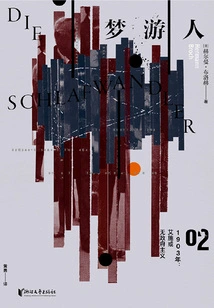
Sleepwalker 2: 1903: Ash or Anarchism
General Fiction梦游人2:1903年:艾施或无政府主义
(austria) Hermann Bloch
The second part, "1903: Ash or Anarchism": Ash, an accountant, a "sleepwalker" who tries in vain to save the world. Ash didn't understand why his coworkers who committed fraud were given important tasks, but he who worked hard was fired. In his view, a world with inverted values is a "bad debt", and he is eager to "liquidate" social injustices. In this era, however, Ash's efforts appear futile and contradictory. He was dissatisfied with the world of black and white, but he was unable to make the right choice: In order to save an actress who was engaged in dangerous performances, Ash bought an acrobatic troupe, but soon started a sensational women's wrestling competition; in order to save a friend who was in prison, Ash sought help everywhere, but in the end he chose to report an innocent person... In a chaotic era, he was part of the collapse of value.
The second part, "1903: Ash or Anarchism": Ash, an accountant, a "sleepwalker" who tries in vain to save the world. Ash didn't understand why his coworkers who committed fraud were given important tasks, but he who worked hard was fired. In his view, a world with inverted values is a "bad debt", and he is eager to "liquidate" social injustices. In this era, however, Ash's efforts appear futile and contradictory. He was dissatisfied with the world of black and white, but he was unable to make the right choice: In order to save an actress who was engaged in dangerous performances, Ash bought an acrobatic troupe, but soon started a sensational women's wrestling competition; in order to save a friend who was in prison, Ash sought help everywhere, but in the end he chose to report an innocent person... In a chaotic era, he was part of the collapse of value.
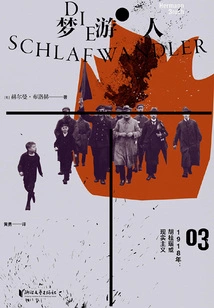
Sleepwalker 3: 1918: Hu Guinao or Realism
General Fiction梦游人3:1918年:胡桂瑙或现实主义
J
The third part "1918: Hu Guinao or Realism": Hu Guinao, a selfish deserter, a "sleepwalker" who is complicit in the chaotic and disordered era. The deserter Hu Guinao hid in Tibet and came to the small town of Trier. Relying on his lies, he transformed into an agent of the arms group. He dealt with dignitaries and celebrities led by Major Passeno, purchased the newspaper edited by Ash, and legitimately lived in the small town as the publisher of the newspaper. Unlike Hu Guinao, under the shadow of war, everyone else in the town was in pain and hesitation: the depressed lawyer's wife died of the influenza, the wartime reserve soldier who escaped death suffered a mental breakdown, the second lieutenant who lost his arm lost hope in life... As the war continued, a riot and fire completely overturned the already precarious tranquility of the town.
The third part "1918: Hu Guinao or Realism": Hu Guinao, a selfish deserter, a "sleepwalker" who is complicit in the chaotic and disordered era. The deserter Hu Guinao hid in Tibet and came to the small town of Trier. Relying on his lies, he transformed into an agent of the arms group. He dealt with dignitaries and celebrities led by Major Passeno, purchased the newspaper edited by Ash, and legitimately lived in the small town as the publisher of the newspaper. Unlike Hu Guinao, under the shadow of war, everyone else in the town was in pain and hesitation: the depressed lawyer's wife died of the influenza, the wartime reserve soldier who escaped death suffered a mental breakdown, the second lieutenant who lost his arm lost hope in life... As the war continued, a riot and fire completely overturned the already precarious tranquility of the town.
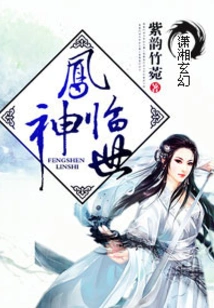
Phoenix God Comes to the World
Fantasy Romance凤神临世
Purple Rhyme Bamboo Wand
She is the uncrowned emperor of the modern killer world and an undefeated myth in the business world. She is cold and cold, but she pours out her tenderness for only one person. However, infatuation is always hurt by ruthlessness. She is reborn with hatred and swears to the sky: she will never love again! In the Fengling Continent, the four kingdoms are at odds, and the heroine is ups and downs. Step by step, she reaches a position that is difficult for others to reach, and with the appearance of a man, the ice in her heart is gradually broken. Is the ancient legend of the Phoenix God, the wars and disputes in the four kingdoms, and the unknown dark forces somehow destined? Or is it a cycle of cause and effect in past and present lives? Solemn promise: never give up writing! ---------------------------
She is the uncrowned emperor of the modern killer world and an undefeated myth in the business world. She is cold and cold, but she pours out her tenderness for only one person. However, infatuation is always hurt by ruthlessness. She is reborn with hatred and swears to the sky: she will never love again! In the Fengling Continent, the four kingdoms are at odds, and the heroine is ups and downs. Step by step, she reaches a position that is difficult for others to reach, and with the appearance of a man, the ice in her heart is gradually broken. Is the ancient legend of the Phoenix God, the wars and disputes in the four kingdoms, and the unknown dark forces somehow destined? Or is it a cycle of cause and effect in past and present lives? Solemn promise: never give up writing! ---------------------------
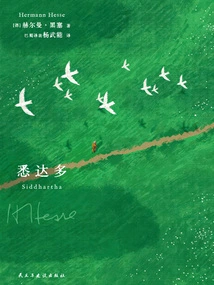
T
General Fictiont
G
"Siddhartha" is a classic work that explores the soul and the meaning of life written by Nobel Prize winner Hermann Hesse. Siddhartha, the young son of a Brahmin, had a privileged family background, but he resolutely gave up worldly comfort and embarked on a long journey to find the meaning of life. He sharpened his will in asceticism, experienced desires in the world, and constantly tortured his soul in confusion and struggle. Along the way, he experienced countless unknowns and challenges, and gained profound life wisdom. If you feel confused in life, you might as well open "Siddhartha" and embark on this soul-touching journey with him to find your own true meaning of life.
"Siddhartha" is a classic work that explores the soul and the meaning of life written by Nobel Prize winner Hermann Hesse. Siddhartha, the young son of a Brahmin, had a privileged family background, but he resolutely gave up worldly comfort and embarked on a long journey to find the meaning of life. He sharpened his will in asceticism, experienced desires in the world, and constantly tortured his soul in confusion and struggle. Along the way, he experienced countless unknowns and challenges, and gained profound life wisdom. If you feel confused in life, you might as well open "Siddhartha" and embark on this soul-touching journey with him to find your own true meaning of life.
P
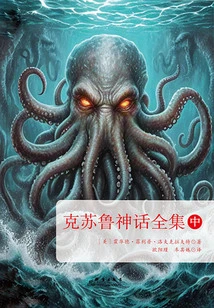
The Complete Collection of Cthulhu Mythos (part 2)
General Fiction克苏鲁神话全集(中)
(us) Howard Philip Lovecraft
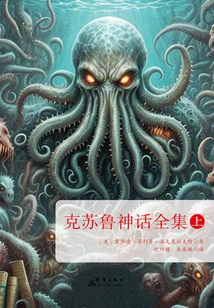
The most influential horror novel system of the 20th century! The authoritative translation, the introductory guide to the Cthulhu Mythos! "The Complete Mythos of Cthulhu" (3 volumes in total) includes Lovecraft's famous works: "The Call of Cthulhu", "Dagon", "The Sabbat", "The Stranger", "Pickman's Model", "The Rat in the Wall", "The Dunwich Horror", "The Haze over Innsmouth", "The Nameless City", "The Black "Whispers in the Dark", "The Shadow Beyond Time", "At the Mountains of Madness", "Facts About the Late Arthur Jermyn and His Family", "The Cat of Ursa", "The God of Bodies", "Hypnos", "The Dream of Kadath", "The North Star", "The Night Stalker", "The Disaster that Became Sarnath", etc.
The most influential horror novel system of the 20th century! The authoritative translation, the introductory guide to the Cthulhu Mythos! "The Complete Mythos of Cthulhu" (3 volumes in total) includes Lovecraft's famous works: "The Call of Cthulhu", "Dagon", "The Sabbat", "The Stranger", "Pickman's Model", "The Rat in the Wall", "The Dunwich Horror", "The Haze over Innsmouth", "The Nameless City", "The Black "Whispers in the Dark", "The Shadow Beyond Time", "At the Mountains of Madness", "Facts About the Late Arthur Jermyn and His Family", "The Cat of Ursa", "The God of Bodies", "Hypnos", "The Dream of Kadath", "The North Star", "The Night Stalker", "The Disaster that Became Sarnath", etc.
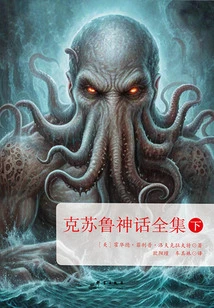
The Complete Collection of Cthulhu Mythos (part 2)
General Fiction克苏鲁神话全集(下)
(us) Howard Philip Lovecraft
The most influential horror novel system of the 20th century! The authoritative translation, the introductory guide to the Cthulhu Mythos! "The Complete Mythos of Cthulhu" (3 volumes in total) includes Lovecraft's famous works: "The Call of Cthulhu", "Dagon", "The Sabbat", "The Stranger", "Pickman's Model", "The Rat in the Wall", "The Dunwich Horror", "The Haze over Innsmouth", "The Nameless City", "The Black "Whispers in the Dark", "The Shadow Beyond Time", "At the Mountains of Madness", "Facts About the Late Arthur Jermyn and His Family", "The Cat of Ursa", "The God of Bodies", "Hypnos", "The Dream of Kadath", "The North Star", "The Night Stalker", "The Disaster that Became Sarnath", etc.
The most influential horror novel system of the 20th century! The authoritative translation, the introductory guide to the Cthulhu Mythos! "The Complete Mythos of Cthulhu" (3 volumes in total) includes Lovecraft's famous works: "The Call of Cthulhu", "Dagon", "The Sabbat", "The Stranger", "Pickman's Model", "The Rat in the Wall", "The Dunwich Horror", "The Haze over Innsmouth", "The Nameless City", "The Black "Whispers in the Dark", "The Shadow Beyond Time", "At the Mountains of Madness", "Facts About the Late Arthur Jermyn and His Family", "The Cat of Ursa", "The God of Bodies", "Hypnos", "The Dream of Kadath", "The North Star", "The Night Stalker", "The Disaster that Became Sarnath", etc.
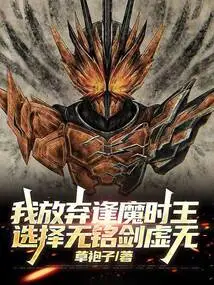
我放弃逢魔时王,选择无铭剑虚无
T
In this world, when everyone reaches 18 years old, during the awakening ceremony, they can submit one or more Kamen Riders or Armored Warriors to choose from based on their qualifications! Luo Bai's three major options are: 1. Kamen Rider. Meet the devil! 2. Armored warrior. Emperor! 3. Kamen Rider. The Void Sword Wuming! But after Luo Bai confirmed his top-level qualifications, he instead chose to obtain the power of the Void Sword Wuming, which attracted ridicule from the entire Internet! "Damn it! He actually rejected the power of the demon! Is he mentally ill?" "Give up the useless armor. Emperor, forget it, why choose the Void Sword Wu Ming!" "Look at his teacher and principal, they have fainted. I guess they have never seen such stupid people in their lives, hahahaha." However, in the face of ridicule from the entire Internet, Luo Chen said that as a special photographer, you know nothing, but I have no system! Still an ordinary person! 1. The King of Time when encountering demons is stronger than the power of encountering demons! Secondly, the power of the full knight. Do you think I look like Tokiwa Shogo? 2. The Emperor's Armor, I have no bloodline, and my strength is the way of heaven, what's the matter with the Emperor's Armor? Do you think I look like Tiandao? 3. Void Sword Wu Ming, look at the conditions of the first two, do I have a choice? This is the numerical monster that civilian players should play. It is immortal and will become stronger as it dies. As the Sephiroth is "knowledge", it can also use any fantasy book, and cooperate with the Book of Destruction from the same source to directly destroy the world. And who told you that I can't have the power of Encountering Demons and the Emperor. When I take out Encountering Demons and Emperor's Armor, then I ask you, who should I choose? (Mainly special travel.)
In this world, when everyone reaches 18 years old, during the awakening ceremony, they can submit one or more Kamen Riders or Armored Warriors to choose from based on their qualifications! Luo Bai's three major options are: 1. Kamen Rider. Meet the devil! 2. Armored warrior. Emperor! 3. Kamen Rider. The Void Sword Wuming! But after Luo Bai confirmed his top-level qualifications, he instead chose to obtain the power of the Void Sword Wuming, which attracted ridicule from the entire Internet! "Damn it! He actually rejected the power of the demon! Is he mentally ill?" "Give up the useless armor. Emperor, forget it, why choose the Void Sword Wu Ming!" "Look at his teacher and principal, they have fainted. I guess they have never seen such stupid people in their lives, hahahaha." However, in the face of ridicule from the entire Internet, Luo Chen said that as a special photographer, you know nothing, but I have no system! Still an ordinary person! 1. The King of Time when encountering demons is stronger than the power of encountering demons! Secondly, the power of the full knight. Do you think I look like Tokiwa Shogo? 2. The Emperor's Armor, I have no bloodline, and my strength is the way of heaven, what's the matter with the Emperor's Armor? Do you think I look like Tiandao? 3. Void Sword Wu Ming, look at the conditions of the first two, do I have a choice? This is the numerical monster that civilian players should play. It is immortal and will become stronger as it dies. As the Sephiroth is "knowledge", it can also use any fantasy book, and cooperate with the Book of Destruction from the same source to directly destroy the world. And who told you that I can't have the power of Encountering Demons and the Emperor. When I take out Encountering Demons and Emperor's Armor, then I ask you, who should I choose? (Mainly special travel.)
Tianlong: Khitan Storm
Martial Arts天龙:契丹风云
Golden Palace Jackdaw
The Prequel of Tian Long Focus on writing the story of the Liao Kingdom in the Tianlong World There is no time traveler, but it is related to the time traveler.
The Prequel of Tian Long Focus on writing the story of the Liao Kingdom in the Tianlong World There is no time traveler, but it is related to the time traveler.
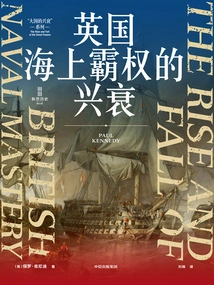
The Rise and Fall of British Maritime Supremacy ("the Rise and Fall of the Great Powers" Series)
Military英国海上霸权的兴衰(“大国的兴衰”系列)
O
In this book, Professor Paul Kennedy has begun to use the research methods he later used in his book "The Rise and Fall of the Great Powers". He combines historical narrative with strategic analysis to provide an innovative explanation of the rise and fall of British maritime hegemony. He believed that Britain's acquisition of world hegemony not only relied on sea power, but also relied on the combination of sea power and land power. This was the case both in the Elizabethan era and in the Napoleonic era. . He also viewed sea power more rationally, believing that after entering the 20th century, the importance of sea power has begun to decline. Only countries with both land and sea power can become a new generation of hegemonic countries. No country that once held world hegemony can retain its hegemony forever. The sun never sets on an empire that has long since set. But looking back at the ups and downs of British maritime hegemony over more than 400 years may help us gain insight into the accelerated evolution of the current world structure!
In this book, Professor Paul Kennedy has begun to use the research methods he later used in his book "The Rise and Fall of the Great Powers". He combines historical narrative with strategic analysis to provide an innovative explanation of the rise and fall of British maritime hegemony. He believed that Britain's acquisition of world hegemony not only relied on sea power, but also relied on the combination of sea power and land power. This was the case both in the Elizabethan era and in the Napoleonic era. . He also viewed sea power more rationally, believing that after entering the 20th century, the importance of sea power has begun to decline. Only countries with both land and sea power can become a new generation of hegemonic countries. No country that once held world hegemony can retain its hegemony forever. The sun never sets on an empire that has long since set. But looking back at the ups and downs of British maritime hegemony over more than 400 years may help us gain insight into the accelerated evolution of the current world structure!
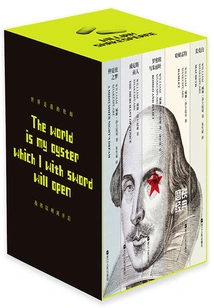
磨铁经典文库系列:莎士比亚戏剧选集(中英双语·5册套装)
(english) Shakespeare
When in love, people become Romeo and Juliet; when in hesitation, people question survival or destruction. From the collapse of royal power to the noise of the market, from the whispers of love to the struggle for power - all emotions resonate in Shakespeare's writings. Power, desire, love, justice and fantasy, five eternal propositions, are staged in the theater of the book. "Hamlet", "Macbeth", "Romeo and Juliet", "The Merchant of Venice" and "A Midsummer Night's Dream" are five drama monuments spanning four hundred years, covering tragedies, dramas and comedies. They depict the purest humanity and are still radiating bright light in the long river of human civilization.
When in love, people become Romeo and Juliet; when in hesitation, people question survival or destruction. From the collapse of royal power to the noise of the market, from the whispers of love to the struggle for power - all emotions resonate in Shakespeare's writings. Power, desire, love, justice and fantasy, five eternal propositions, are staged in the theater of the book. "Hamlet", "Macbeth", "Romeo and Juliet", "The Merchant of Venice" and "A Midsummer Night's Dream" are five drama monuments spanning four hundred years, covering tragedies, dramas and comedies. They depict the purest humanity and are still radiating bright light in the long river of human civilization.
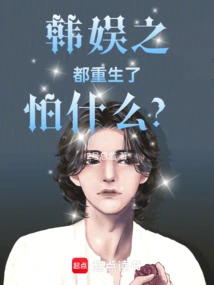
韩娱之都重生了怕什么?
V
Short drama actor Bae Ji-hoon was taken away by a disposable chip after being reborn in South Korea. Let's see how he stirs up the storm and creates his own legend in this era! Bae Ji-hoon said: "I have been reborn, why do I still have to suffer from this bird-like attitude?" No matter if you are a rich man from a wealthy family or a senior, all of you should kneel down to me. If he is so awesome, then why are there so few women?
Short drama actor Bae Ji-hoon was taken away by a disposable chip after being reborn in South Korea. Let's see how he stirs up the storm and creates his own legend in this era! Bae Ji-hoon said: "I have been reborn, why do I still have to suffer from this bird-like attitude?" No matter if you are a rich man from a wealthy family or a senior, all of you should kneel down to me. If he is so awesome, then why are there so few women?
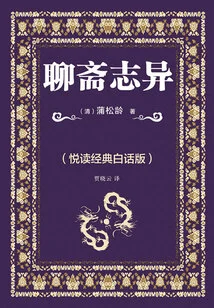
聊斋志异(悦读经典白话版)
J
"Yuedu Classics Vernacular Edition" selects ancient Chinese classics. The selected works have largely removed the classical Chinese color, while maintaining the integrity of the original structure. Annotations are added, which are more independent and detailed than ordinary annotations. It has the characteristics of "expanding reading of knowledge points". The entire series of books modernizes and popularizes classic works, making it understandable and easy for the public readers. "Strange Stories from a Chinese Studio" was written by Pu Songling in the Qing Dynasty. It is a collection of short stories in classical Chinese. It uses ghosts, foxes, fairies and monsters as its theme. It exposes the darkness of society through fantasy stories, satirizes feudal ethics, and praises free love and the truth, goodness and beauty of human nature. The work has strange imagination, concise language, and is both literary and critical. It is praised as the pinnacle of ancient Chinese short stories in classical Chinese. This book has been translated into vernacular Chinese, making it easy to understand and read.
"Yuedu Classics Vernacular Edition" selects ancient Chinese classics. The selected works have largely removed the classical Chinese color, while maintaining the integrity of the original structure. Annotations are added, which are more independent and detailed than ordinary annotations. It has the characteristics of "expanding reading of knowledge points". The entire series of books modernizes and popularizes classic works, making it understandable and easy for the public readers. "Strange Stories from a Chinese Studio" was written by Pu Songling in the Qing Dynasty. It is a collection of short stories in classical Chinese. It uses ghosts, foxes, fairies and monsters as its theme. It exposes the darkness of society through fantasy stories, satirizes feudal ethics, and praises free love and the truth, goodness and beauty of human nature. The work has strange imagination, concise language, and is both literary and critical. It is praised as the pinnacle of ancient Chinese short stories in classical Chinese. This book has been translated into vernacular Chinese, making it easy to understand and read.
A
General FictionA
H
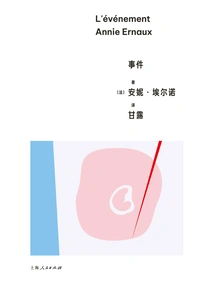
In 1963, 23-year-old unmarried Anne Ernault discovered she was pregnant. Shame hit her like a plague, she understood that her pregnancy would make her and her family losers in society, and she knew she could not keep the child. Forty years later, Erno wrote this story about a trauma she never overcame. In France, where abortion was illegal at the time, she tried to take matters into her own hands with a knitting needle, but to no avail. In fear and despair, she finally found an underground doctor, but ended up being sent to the hospital emergency room and almost died. In "The Incident", Ernault combs through her memories and clearly and accurately unearths the social significance of this special experience as a woman.
In 1963, 23-year-old unmarried Anne Ernault discovered she was pregnant. Shame hit her like a plague, she understood that her pregnancy would make her and her family losers in society, and she knew she could not keep the child. Forty years later, Erno wrote this story about a trauma she never overcame. In France, where abortion was illegal at the time, she tried to take matters into her own hands with a knitting needle, but to no avail. In fear and despair, she finally found an underground doctor, but ended up being sent to the hospital emergency room and almost died. In "The Incident", Ernault combs through her memories and clearly and accurately unearths the social significance of this special experience as a woman.
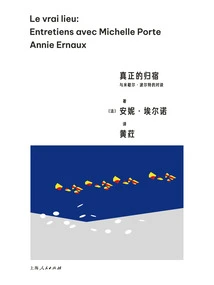
真正的归宿:与米歇尔·波尔特的对谈
H
In 2011, Anne Ernault was interviewed by female documentary director Michelle Porte at Serge's home, where she writes daily. No writer better fits the premise of this interview than Ernault: the place where we grow up and live is the real-life context in which writing takes root. In this interview, Ernault discusses the connection between her life and writing, the birth of her desire to write, and the social, political, and mythological significance she attributes to her writing. How to look at life from a writer's perspective? Why are there works of this style? Why must we write about life? What does literature mean? Through the author's own answers to these questions in the book, readers can have a more comprehensive and in-depth understanding of her works.
In 2011, Anne Ernault was interviewed by female documentary director Michelle Porte at Serge's home, where she writes daily. No writer better fits the premise of this interview than Ernault: the place where we grow up and live is the real-life context in which writing takes root. In this interview, Ernault discusses the connection between her life and writing, the birth of her desire to write, and the social, political, and mythological significance she attributes to her writing. How to look at life from a writer's perspective? Why are there works of this style? Why must we write about life? What does literature mean? Through the author's own answers to these questions in the book, readers can have a more comprehensive and in-depth understanding of her works.
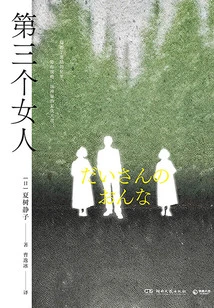
Third Woman
General Fiction第三个女人
O
The first female winner of the Japan Mystery Literature Award is Natsuki Shizuko's masterpiece of mystery. Out of print for more than 20 years, it has been published again. This is a masterpiece of twists and turns where the murder plot is told at the beginning, but the truth is still not guessed! At the whim of the God of Love, a man and a woman meet in Barbizon on the outskirts of Paris on a stormy night. Unexpectedly, a casual love would lead to two murders without any motive in Fukuoka and Hakone. The two county police officers separately tracked down the murderer, but unexpectedly there were twists and turns... The truth of the case is staggering! The irresistible reality and the mysterious behind-the-scenes are both a suspense novel and a human entanglement. The author Shizuko Natsuki is a representative writer of the Japanese social mystery school and is highly praised by Ellery Quinn. The French version of this book won the French Crime Novel Award.
The first female winner of the Japan Mystery Literature Award is Natsuki Shizuko's masterpiece of mystery. Out of print for more than 20 years, it has been published again. This is a masterpiece of twists and turns where the murder plot is told at the beginning, but the truth is still not guessed! At the whim of the God of Love, a man and a woman meet in Barbizon on the outskirts of Paris on a stormy night. Unexpectedly, a casual love would lead to two murders without any motive in Fukuoka and Hakone. The two county police officers separately tracked down the murderer, but unexpectedly there were twists and turns... The truth of the case is staggering! The irresistible reality and the mysterious behind-the-scenes are both a suspense novel and a human entanglement. The author Shizuko Natsuki is a representative writer of the Japanese social mystery school and is highly praised by Ellery Quinn. The French version of this book won the French Crime Novel Award.
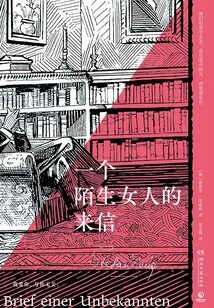
D
General FictionD
H
"The Catcher of the Soul" is Zweig's masterpiece of short stories and short stories. A new authoritative translation, a literal translation of the original German version, translated by Pang Wenwei, associate professor and director of the Teaching and Research Section of the German Department of Tongji University. "I only have you in this world, you who know nothing about me and are a stranger. You have never recognized me, but I have always loved you." "Letter from a Strange Woman" is a world-renowned work by "The Catcher of the Soul" Zweig. I love you and it has nothing to do with you. They grow in love and perish in love, but love lasts forever.
"The Catcher of the Soul" is Zweig's masterpiece of short stories and short stories. A new authoritative translation, a literal translation of the original German version, translated by Pang Wenwei, associate professor and director of the Teaching and Research Section of the German Department of Tongji University. "I only have you in this world, you who know nothing about me and are a stranger. You have never recognized me, but I have always loved you." "Letter from a Strange Woman" is a world-renowned work by "The Catcher of the Soul" Zweig. I love you and it has nothing to do with you. They grow in love and perish in love, but love lasts forever.
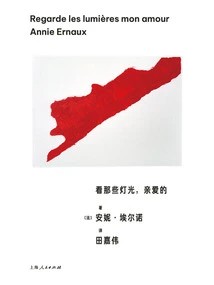
Look at Those Lights, Honey
General Fiction看那些灯光,亲爱的
H
Anne Ernault has always pushed the conventional boundaries of which stories are worth telling and which themes are worth exploring. In this book, she sets her sights on big box stores and supermarkets. This is a ubiquitous feature of modern life but one that has received little attention in literature. Ernault spent more than a year documenting her visits to Auchan, a large supermarket chain located in the suburbs of Paris. In her view, the supermarket is "a huge human gathering place, a real cultural landscape." Capital production, cultural production and class stratification converge here and govern our desires. Ernault uses her ruthlessly sharp observation to look at this place that we think we are familiar with, calling on us to explore those daily routines that have been ignored by us, and to peer deeper into ordinary life.
Anne Ernault has always pushed the conventional boundaries of which stories are worth telling and which themes are worth exploring. In this book, she sets her sights on big box stores and supermarkets. This is a ubiquitous feature of modern life but one that has received little attention in literature. Ernault spent more than a year documenting her visits to Auchan, a large supermarket chain located in the suburbs of Paris. In her view, the supermarket is "a huge human gathering place, a real cultural landscape." Capital production, cultural production and class stratification converge here and govern our desires. Ernault uses her ruthlessly sharp observation to look at this place that we think we are familiar with, calling on us to explore those daily routines that have been ignored by us, and to peer deeper into ordinary life.
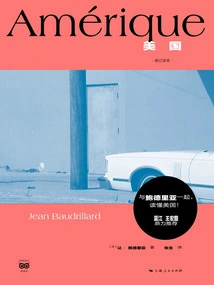
美国(修订译本)
J
As a thinker and master of postmodernism, Baudrillard did not understand the conceptual United States from documentary materials. He spent his time in the deserts, mountains, highways, Los Angeles, Safeway supermarkets, and depressed towns in the United States instead of the lecture halls of universities. "America" is a cultural criticism of the United States from the perspective of old Europe. Baudrillard expressed his amazing thoughts on the smiles on the faces of Americans everywhere, as well as the popular phenomena such as elections, jogging, break dancing, graffiti, and marathons in the United States. In Baudrillard's eyes, desert culture is the most important feature of American culture, and the vast, pure, uncivilized desert is the backdrop of American cities. America is neither a dream nor reality, it is a hyperreality.
As a thinker and master of postmodernism, Baudrillard did not understand the conceptual United States from documentary materials. He spent his time in the deserts, mountains, highways, Los Angeles, Safeway supermarkets, and depressed towns in the United States instead of the lecture halls of universities. "America" is a cultural criticism of the United States from the perspective of old Europe. Baudrillard expressed his amazing thoughts on the smiles on the faces of Americans everywhere, as well as the popular phenomena such as elections, jogging, break dancing, graffiti, and marathons in the United States. In Baudrillard's eyes, desert culture is the most important feature of American culture, and the vast, pure, uncivilized desert is the backdrop of American cities. America is neither a dream nor reality, it is a hyperreality.
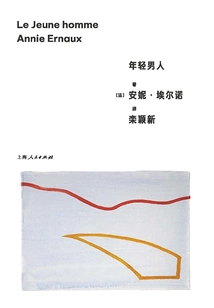
Young Men (collection of Anne Ernault)
General Fiction年轻男人(安妮·埃尔诺作品集)
H
She was in her fifties and began dating a man thirty years her junior. He left his girlfriend who was his own age and fell in love with her with an unprecedented passion. But this intimate romantic episode was also political, and they were constantly met with malicious looks on the streets, in restaurants and at the beach. She became the "Scandal Girl" of her youth again, but now she felt no shame at all, but a sense of relief. At some point, he can no longer stand the beauty she once was, and she's just repeating her past. Although "he was her angel, evoking the past and making it everlasting," what does this mean for the future? "Young Man" is not a simple love story, but a powerful and powerful philosophical work that has overcome classism, ageism, and sexism over the years. It is the writer's questioning of time and the meaning of writing, so naked, like a sharp knife.
She was in her fifties and began dating a man thirty years her junior. He left his girlfriend who was his own age and fell in love with her with an unprecedented passion. But this intimate romantic episode was also political, and they were constantly met with malicious looks on the streets, in restaurants and at the beach. She became the "Scandal Girl" of her youth again, but now she felt no shame at all, but a sense of relief. At some point, he can no longer stand the beauty she once was, and she's just repeating her past. Although "he was her angel, evoking the past and making it everlasting," what does this mean for the future? "Young Man" is not a simple love story, but a powerful and powerful philosophical work that has overcome classism, ageism, and sexism over the years. It is the writer's questioning of time and the meaning of writing, so naked, like a sharp knife.
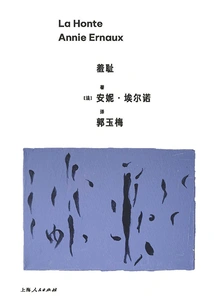
Shame (collection of Works by Anne Ernault)
General Fiction羞耻(安妮·埃尔诺作品集)
H
"One Sunday in June, just after noon, my father wanted to kill my mother..." The book begins with this horrifying scene that happened when the author was twelve years old. The horrific event was never mentioned within the family thereafter, and Elno was forced to deal with her fear and shame alone for the rest of her life. In this book, Anne Ernault offers a powerful reflection on life experience and the power of violent memories with the emotional richness and sharp vision of a literary writer, showing how insights into life can become the driving force for writing.
"One Sunday in June, just after noon, my father wanted to kill my mother..." The book begins with this horrifying scene that happened when the author was twelve years old. The horrific event was never mentioned within the family thereafter, and Elno was forced to deal with her fear and shame alone for the rest of her life. In this book, Anne Ernault offers a powerful reflection on life experience and the power of violent memories with the emotional richness and sharp vision of a literary writer, showing how insights into life can become the driving force for writing.
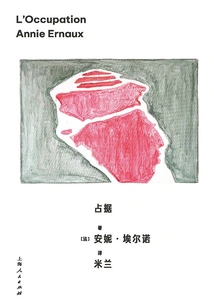
Occupy (collection of Works by Anne Ernault)
General Fiction占据(安妮·埃尔诺作品集)
H
Out of a sense of burnout, and because he had just escaped from a marriage of more than ten years and was unable to give up the freedom he had regained, the author took the initiative to end his six-year relationship with W. One night, W called and told him that he was moving out and living with another woman. From then on, this unknown woman invaded her mind, influenced her emotions, and entered her body. She was completely possessed. The author uses the first person to unearth, expose, and dissect her own desires nakedly and frankly, presenting a female narrative voice without pretense.
Out of a sense of burnout, and because he had just escaped from a marriage of more than ten years and was unable to give up the freedom he had regained, the author took the initiative to end his six-year relationship with W. One night, W called and told him that he was moving out and living with another woman. From then on, this unknown woman invaded her mind, influenced her emotions, and entered her body. She was completely possessed. The author uses the first person to unearth, expose, and dissect her own desires nakedly and frankly, presenting a female narrative voice without pretense.
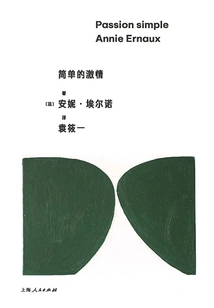
Simple Passions (collection of Anne Ernault)
General Fiction简单的激情(安妮·埃尔诺作品集)
H
With her concise and simple style, Anne Ernault recorded the desire and humility of a heart completely swallowed up by passion. She blurs the lines between fact and fiction in an attempt to chart her two-year emotional and physical journey with a married man. In this process, every word, every thing, every person is either related to her lover, or she is indifferent. With courage and precision, Erno seeks the truth behind an era that existed entirely for others.
With her concise and simple style, Anne Ernault recorded the desire and humility of a heart completely swallowed up by passion. She blurs the lines between fact and fiction in an attempt to chart her two-year emotional and physical journey with a married man. In this process, every word, every thing, every person is either related to her lover, or she is indifferent. With courage and precision, Erno seeks the truth behind an era that existed entirely for others.

外面的生活(安妮·埃尔诺作品集)
H
Why did Anne Ernault, who took herself as the starting point of her writing, reverse her writing perspective and focus on the outside world? The answer lies in this social observation record spanning seven years (1993-1999). From the war in Bosnia to social issues such as poverty and AIDS, from the terrorist attacks on the Paris subway to subtle interactions with ordinary store clerks, Ernault attempts to reach the reality of an era by capturing a large number of snapshots of people's daily lives. The feeling of time passing does not come from ourselves. It comes from outside, from children growing up, from neighbors who move away, from those who grow old and die. --"The Life Outside" "The Life Outside" is a perfect example of the reason for the existence of the act of writing. --"Le Monde"
Why did Anne Ernault, who took herself as the starting point of her writing, reverse her writing perspective and focus on the outside world? The answer lies in this social observation record spanning seven years (1993-1999). From the war in Bosnia to social issues such as poverty and AIDS, from the terrorist attacks on the Paris subway to subtle interactions with ordinary store clerks, Ernault attempts to reach the reality of an era by capturing a large number of snapshots of people's daily lives. The feeling of time passing does not come from ourselves. It comes from outside, from children growing up, from neighbors who move away, from those who grow old and die. --"The Life Outside" "The Life Outside" is a perfect example of the reason for the existence of the act of writing. --"Le Monde"
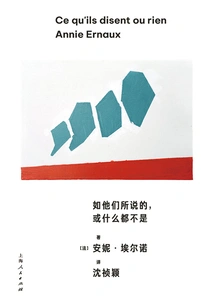
As They Say, or Nothing (anne Ernault Collection)
General Fiction如他们所说的,或什么都不是(安妮·埃尔诺作品集)
I
This book is Anne Ernault's second published novel. The protagonist is Anna, an adolescent girl who has graduated from junior high school and is about to enter high school. She longs to understand the world and contact others, but she cannot escape loneliness after all. As she grows up, Anna's feelings about her parents, education, and sex change, and she becomes more mature, but also more conflicted and unhappy. She found that she had surpassed her parents in education and worldview, and was getting further and further away from them. Anna's story is splendidly narrated in a colloquial language style and stream-of-consciousness writing. The value of this work is not only that it allows us to see the beginning and development of Erno's writing style, but also allows us to witness the literary turning point of a master, which is fascinating.
This book is Anne Ernault's second published novel. The protagonist is Anna, an adolescent girl who has graduated from junior high school and is about to enter high school. She longs to understand the world and contact others, but she cannot escape loneliness after all. As she grows up, Anna's feelings about her parents, education, and sex change, and she becomes more mature, but also more conflicted and unhappy. She found that she had surpassed her parents in education and worldview, and was getting further and further away from them. Anna's story is splendidly narrated in a colloquial language style and stream-of-consciousness writing. The value of this work is not only that it allows us to see the beginning and development of Erno's writing style, but also allows us to witness the literary turning point of a master, which is fascinating.
A Call Came
Urban来电话了
This Winter And Next Spring
Tang Xuegao, a college student, suffered from depression and was overwhelmed by pressure after entering the society. At the critical moment when he was about to jump off the building, he received a call from his crush on his girlfriend Liao Lingwei, and saved Tang Xuegao with his true feelings.
Tang Xuegao, a college student, suffered from depression and was overwhelmed by pressure after entering the society. At the critical moment when he was about to jump off the building, he received a call from his crush on his girlfriend Liao Lingwei, and saved Tang Xuegao with his true feelings.
斗罗开局系统跑路?靠补偿无敌
M The End Of The Sea
This book contains Douluo + Dou Po + multiple female protagonists In the early stage, the main focus is to fight against the timeline, and after becoming a god, fight to break the world. Blue Star Qian Duoduo travels through Douluo Continent and binds the system After asking, I found out that the system brought me to Douluo Dalu. As a result, the system said that the wrong person was bound. Need to be untied on the spot Before the system left, Qian Duoduo asked the system for three compensations. Relying on these three compensations to defeat Douluo and Douqi Continent The protagonist of this book is not a bitter and resentful type. After all, life is not sweet in the first place. If you are still bitter and resentful after reading this novel, why should you watch him? Because the timeline is based on the protagonist, Zhu Zhuqing will be about half a year older than the original one. There will be one or two chapters in the early stage to fight against the world, mainly to prevent someone from making mistakes. After all, Xun'er before three years old and Xun'er after three years old are two people. Ps: No rabbits or Bibi Dong! ! ! No rabbits or Bibi Dong! ! ! No rabbits or Bibi Dong! ! !
This book contains Douluo + Dou Po + multiple female protagonists In the early stage, the main focus is to fight against the timeline, and after becoming a god, fight to break the world. Blue Star Qian Duoduo travels through Douluo Continent and binds the system After asking, I found out that the system brought me to Douluo Dalu. As a result, the system said that the wrong person was bound. Need to be untied on the spot Before the system left, Qian Duoduo asked the system for three compensations. Relying on these three compensations to defeat Douluo and Douqi Continent The protagonist of this book is not a bitter and resentful type. After all, life is not sweet in the first place. If you are still bitter and resentful after reading this novel, why should you watch him? Because the timeline is based on the protagonist, Zhu Zhuqing will be about half a year older than the original one. There will be one or two chapters in the early stage to fight against the world, mainly to prevent someone from making mistakes. After all, Xun'er before three years old and Xun'er after three years old are two people. Ps: No rabbits or Bibi Dong! ! ! No rabbits or Bibi Dong! ! ! No rabbits or Bibi Dong! ! !
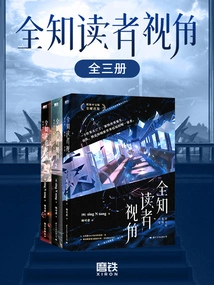
The Perspective of an Omniscient Reader (all Three Volumes)
General Fiction全知读者视角(全三册)
J
There are three volumes in the set, including "The Omniscient Reader's Perspective", "The Omniscient Reader's Perspective 2", and "The Omniscient Reader's Perspective 3".
There are three volumes in the set, including "The Omniscient Reader's Perspective", "The Omniscient Reader's Perspective 2", and "The Omniscient Reader's Perspective 3".
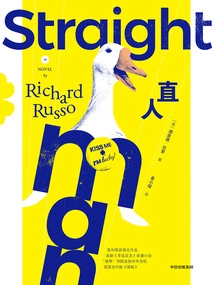
Straight Person
General Fiction直人
(us) Richard Russo
William Henry Devereaux, Jr. (Known as "Hank"), acting chair of the English Department at Western Pennsylvania State University, is about to celebrate his fiftieth birthday. This wisecracking, middle-aged professor finally realizes that he is not suitable for an academic career. Although it took him twenty years to realize this, if not for the accumulation of self-deception over the years, how could this awakening be as hearty as the collapse of a brick wall? It is the cruelest month of April, and this special week is destined to be difficult: his wife is about to go to Philadelphia to interview for a new job; his obsession with multiple women, including the adult daughter of his colleague, is shaking his loyalty to his pragmatic wife Lily; his romantic father, who has been separated for forty years, is about to return to his mother's residence; The youngest daughter is preparing to end her marriage because her husband is unemployed; his nose was smashed by a sharp-tongued colleague with the spiral edge of a loose-leaf notebook, causing nosebleeds; the university is about to cut 20% of its staff funding; he is also well-founded and suspected by a group of harsh scholars, citizens and students of torturing the goose. A crazy mid-life crisis is brewing...
William Henry Devereaux, Jr. (Known as "Hank"), acting chair of the English Department at Western Pennsylvania State University, is about to celebrate his fiftieth birthday. This wisecracking, middle-aged professor finally realizes that he is not suitable for an academic career. Although it took him twenty years to realize this, if not for the accumulation of self-deception over the years, how could this awakening be as hearty as the collapse of a brick wall? It is the cruelest month of April, and this special week is destined to be difficult: his wife is about to go to Philadelphia to interview for a new job; his obsession with multiple women, including the adult daughter of his colleague, is shaking his loyalty to his pragmatic wife Lily; his romantic father, who has been separated for forty years, is about to return to his mother's residence; The youngest daughter is preparing to end her marriage because her husband is unemployed; his nose was smashed by a sharp-tongued colleague with the spiral edge of a loose-leaf notebook, causing nosebleeds; the university is about to cut 20% of its staff funding; he is also well-founded and suspected by a group of harsh scholars, citizens and students of torturing the goose. A crazy mid-life crisis is brewing...
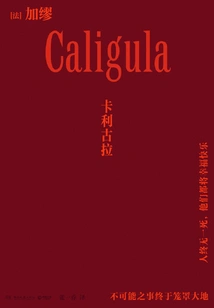
A
LiteratureA
H
Nobel Prize winner Camus' masterpiece drama, "The Stranger" and "Happy Death" are newly translated by translator Zhang Yiqiao. After Caligula's lover died, he disappeared for three days. When he came back, his temperament changed drastically, and he suddenly claimed that he had discovered the truth, that is, "people are mortal, and they are not happy." Faced with this unchangeable fate, Caligula wanted to achieve the "impossible". He wanted to hold the moon in his hand, mix the sky into the sea, confuse beauty and ugliness, and make the suffering people laugh. He wants to give this century the gift of equality for all living beings. Until the impossible finally covers the earth, and in the end, no one dies and they will all be happy. In order to realize all this, a great trial begins. Caligula pushes the emperor's power to the limit, and everything in the world is waiting to be transformed...
Nobel Prize winner Camus' masterpiece drama, "The Stranger" and "Happy Death" are newly translated by translator Zhang Yiqiao. After Caligula's lover died, he disappeared for three days. When he came back, his temperament changed drastically, and he suddenly claimed that he had discovered the truth, that is, "people are mortal, and they are not happy." Faced with this unchangeable fate, Caligula wanted to achieve the "impossible". He wanted to hold the moon in his hand, mix the sky into the sea, confuse beauty and ugliness, and make the suffering people laugh. He wants to give this century the gift of equality for all living beings. Until the impossible finally covers the earth, and in the end, no one dies and they will all be happy. In order to realize all this, a great trial begins. Caligula pushes the emperor's power to the limit, and everything in the world is waiting to be transformed...
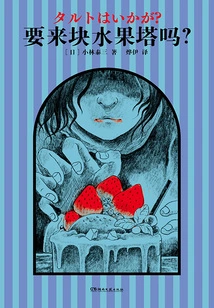
Want a Fruit Tart?
General Fiction要来块水果塔吗?
J
Japanese Nebula Award winner and science fiction master Kobayashi Taizo, a masterpiece collection of thriller and suspense short stories. The ultimate reversal! This book selects 11 representative short stories by Kobayashi Taizo, integrating multiple themes such as science fiction, suspense, and ghost stories. It involves many elements such as dystopia, Cthulhu, human nature, time travel, and AI simulation. The stage of the story extends from daily life to cosmic space. Kobayashi Taizo interweaves and confronts weirdness and ethics, keenly capturing the secrets hidden deep in human nature, and issuing thought-provoking thoughts on life, existence, self-awareness, identity, human rationality and other propositions.
Japanese Nebula Award winner and science fiction master Kobayashi Taizo, a masterpiece collection of thriller and suspense short stories. The ultimate reversal! This book selects 11 representative short stories by Kobayashi Taizo, integrating multiple themes such as science fiction, suspense, and ghost stories. It involves many elements such as dystopia, Cthulhu, human nature, time travel, and AI simulation. The stage of the story extends from daily life to cosmic space. Kobayashi Taizo interweaves and confronts weirdness and ethics, keenly capturing the secrets hidden deep in human nature, and issuing thought-provoking thoughts on life, existence, self-awareness, identity, human rationality and other propositions.
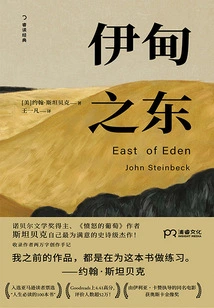
East of Eden
General Fiction伊甸之东
I
Steinbeck, the Nobel Prize winner in literature and the author of "The Grapes of Wrath", is the pinnacle of his literary life. The film of the same name was directed by Elia Kazan and won an Academy Award! After being reprinted for many years, this is the first time to include Steinbeck's 20,000 words of creative notes, showing the beginning and end of the creation of "East of Eden" and presenting the novel's time and space background and character creation. This is a family saga that lasts for half a century. Poverty, war, wealth, murder, love, family affection, lies... It tells about life and their free will that confuse every generation. Set in the Salinas Valley of California, the novel uses a blend of symbolism and realism to tell the half-century story of two families from the Civil War to World War I. Here, Steinbeck creates some of his most captivating characters and explores his most timeless themes: the mystery of identity, the blindness of love, and the murderous consequences of its absence.
Steinbeck, the Nobel Prize winner in literature and the author of "The Grapes of Wrath", is the pinnacle of his literary life. The film of the same name was directed by Elia Kazan and won an Academy Award! After being reprinted for many years, this is the first time to include Steinbeck's 20,000 words of creative notes, showing the beginning and end of the creation of "East of Eden" and presenting the novel's time and space background and character creation. This is a family saga that lasts for half a century. Poverty, war, wealth, murder, love, family affection, lies... It tells about life and their free will that confuse every generation. Set in the Salinas Valley of California, the novel uses a blend of symbolism and realism to tell the half-century story of two families from the Civil War to World War I. Here, Steinbeck creates some of his most captivating characters and explores his most timeless themes: the mystery of identity, the blindness of love, and the murderous consequences of its absence.
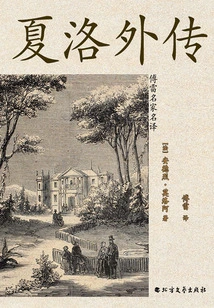
The Biography of Charlotte (translated by Fu Lei)
General Fiction夏洛外传(傅雷名家名译)
(france) Andre Mauroa
Charlotte, the protagonist of "Charlotte", is the prototype of Chaplin's classic character, the Tramp. After Charlotte played the silent love drama in "City Lights", she didn't know what new adventure she was pursuing. But one thing I dare to say is that Charlotte's adventure is limited, but his life is infinite. He is a friend not only to modern humanity, but also to future and eternal humanity, since human suffering is endless.
Charlotte, the protagonist of "Charlotte", is the prototype of Chaplin's classic character, the Tramp. After Charlotte played the silent love drama in "City Lights", she didn't know what new adventure she was pursuing. But one thing I dare to say is that Charlotte's adventure is limited, but his life is infinite. He is a friend not only to modern humanity, but also to future and eternal humanity, since human suffering is endless.
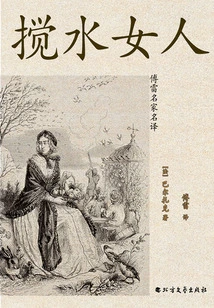
The Woman Who Troubled the Water (translated by Fu Lei)
General Fiction搅水女人(傅雷名家名译)
H
Philippe, a retired army officer from Paris, was up to no good. When he heard that his uncle Rogee had a large inheritance in the countryside of Isoutun, he came to the countryside to make careful plans. Max, the rogue leader of Isutun, is idle and does all kinds of bad things. He colludes with Luo Ri's mistress Flor, and also covets the inheritance of old Luo Ri. Because of Flor's instigation, the two began a life-and-death struggle, which eventually turned into a duel...
Philippe, a retired army officer from Paris, was up to no good. When he heard that his uncle Rogee had a large inheritance in the countryside of Isoutun, he came to the countryside to make careful plans. Max, the rogue leader of Isutun, is idle and does all kinds of bad things. He colludes with Luo Ri's mistress Flor, and also covets the inheritance of old Luo Ri. Because of Flor's instigation, the two began a life-and-death struggle, which eventually turned into a duel...

Eugenie Grandet (translated by Fu Lei)
General Fiction欧也妮·葛朗台(傅雷名家名译)
H
It tells a story about money destroying human nature and causing family tragedy. It revolves around the central event of Eugenie's love tragedy and uses three intertwined plot threads to connect the novel: the waves caused by the autocracy within the Grandet family, the open and secret fights between the bankers and notaries outside the family, and the painful human experience of Eugenie's love for Charles Grandet and Charlie's betrayal. This is a colorful social custom painting from the French provinces in the first half of the 19th century, which exposes the evils of capitalist society and the corrosion and destruction of people's minds and souls by money.
It tells a story about money destroying human nature and causing family tragedy. It revolves around the central event of Eugenie's love tragedy and uses three intertwined plot threads to connect the novel: the waves caused by the autocracy within the Grandet family, the open and secret fights between the bankers and notaries outside the family, and the painful human experience of Eugenie's love for Charles Grandet and Charlie's betrayal. This is a colorful social custom painting from the French provinces in the first half of the 19th century, which exposes the evils of capitalist society and the corrosion and destruction of people's minds and souls by money.
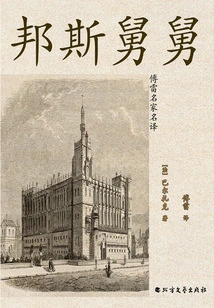
Uncle Bangs (translated by Fu Lei)
General Fiction邦斯舅舅(傅雷名家名译)
I
Uncle Bangs was a musician, an honest and noble self-reliant man. He loved the art of painting very much. In order to enrich his collection of famous paintings, he devoted all his energy and thought. When people did not know that he had all these treasures in his house, no one took him seriously. When they learned the value of these famous paintings, in order to seize the inheritance of the lonely old man Bangs, some people from the upper class headed by Camusot tried every means to obtain his wealth.
Uncle Bangs was a musician, an honest and noble self-reliant man. He loved the art of painting very much. In order to enrich his collection of famous paintings, he devoted all his energy and thought. When people did not know that he had all these treasures in his house, no one took him seriously. When they learned the value of these famous paintings, in order to seize the inheritance of the lonely old man Bangs, some people from the upper class headed by Camusot tried every means to obtain his wealth.
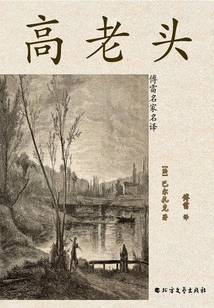
Old Man Gao (translated by Fu Lei)
General Fiction高老头(傅雷名家名译)
H
"Petro Goriot" is set in Paris from the end of 1819 to the beginning of 1820, and describes a thought-provoking story: the noodle merchant Goriot made his fortune by selling grain, but was abandoned by his daughter after raising him, and died tragically in the attic of the Voquet apartment; the young man Rastinana gradually embarked on a path of depravity under the corrosion of the upper class society in Paris. Old Man Goriot is both a pursuer of money and a victim of money worship. Before his death, he uttered a long howl intertwined with love and hate. It was a blood-and-tear indictment of the sins of money, and was hailed as the "eternal masterpiece."
"Petro Goriot" is set in Paris from the end of 1819 to the beginning of 1820, and describes a thought-provoking story: the noodle merchant Goriot made his fortune by selling grain, but was abandoned by his daughter after raising him, and died tragically in the attic of the Voquet apartment; the young man Rastinana gradually embarked on a path of depravity under the corrosion of the upper class society in Paris. Old Man Goriot is both a pursuer of money and a victim of money worship. Before his death, he uttered a long howl intertwined with love and hate. It was a blood-and-tear indictment of the sins of money, and was hailed as the "eternal masterpiece."
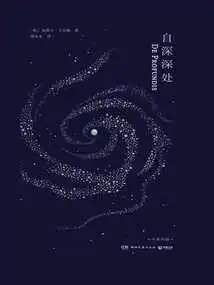
From the Depths (2025 New Version)
Literature自深深处(2025新版)
G
Chinese-English bilingual commemorative edition, a high-quality translation by translator Mr. Liang Yongan! This is a collection of essays. "From the Deep" is an epistolary essay written by Oscar Wilde, a British writer, poet, dramatist, and artist. In 1897, Oscar Wilde wrote this long letter to a friend. The letter concentrated on his views on literature, thoughts on life, and views on art. The whole book is full of literary talent, brilliance, and emotion. It can be called Wilde, a true portrayal of the innermost thoughts of this well-known great writer of the 19th century. When this work was written, Wilde was in his prime, in the prime of life, and had profound thinking. At the same time, this work is very frank and sincere. It can be said that in addition to its extremely high value in literature and art, "From the Deep" is also an important material for later generations of scholars to study Wilde's life.
Chinese-English bilingual commemorative edition, a high-quality translation by translator Mr. Liang Yongan! This is a collection of essays. "From the Deep" is an epistolary essay written by Oscar Wilde, a British writer, poet, dramatist, and artist. In 1897, Oscar Wilde wrote this long letter to a friend. The letter concentrated on his views on literature, thoughts on life, and views on art. The whole book is full of literary talent, brilliance, and emotion. It can be called Wilde, a true portrayal of the innermost thoughts of this well-known great writer of the 19th century. When this work was written, Wilde was in his prime, in the prime of life, and had profound thinking. At the same time, this work is very frank and sincere. It can be said that in addition to its extremely high value in literature and art, "From the Deep" is also an important material for later generations of scholars to study Wilde's life.