Library
Browse and search novels
1,305 novels found
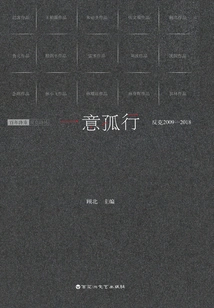
Go Your Own Way: Counterattack 2009-2018
Literature一意孤行:反克2009—2018
Editor-in-chief Gu Bei
This book is an anthology of poetry genres, focusing on the construction of poetic texts. The Anti-Ke Poetry School was founded in 2009. It is a regional writing group with Fujian poets as its main members and is committed to exploring contemporary avant-garde poetry writing. "Anti-gram" has no meaning as far as the word is concerned. It is just a combination of sounds and words. It is just a meaningless combination of two Chinese characters, a poetic and artistic symbol. This book focuses on the important poetry works of fifteen anti-Kremlin poets in the past ten years since the establishment of the Anti-Kremlin Poetry School. It is an important collection of works for a comprehensive understanding of the anti-Kremlin poets and their creations.
This book is an anthology of poetry genres, focusing on the construction of poetic texts. The Anti-Ke Poetry School was founded in 2009. It is a regional writing group with Fujian poets as its main members and is committed to exploring contemporary avant-garde poetry writing. "Anti-gram" has no meaning as far as the word is concerned. It is just a combination of sounds and words. It is just a meaningless combination of two Chinese characters, a poetic and artistic symbol. This book focuses on the important poetry works of fifteen anti-Kremlin poets in the past ten years since the establishment of the Anti-Kremlin Poetry School. It is an important collection of works for a comprehensive understanding of the anti-Kremlin poets and their creations.
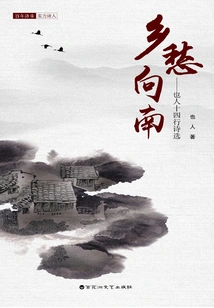
乡愁向南:也人十四行诗选
Also People
The book is divided into four series, with 28 songs in each series, totaling 112 songs. The first volume of "Nostalgia: Can't Leave Hometown" tends to start from the village of Hengnan, where the poet was born, and write about rural scenery and nostalgia. The poems have specific mirror images and artistic conceptions, forming an individual's unique experience narration of his hometown; the second volume of "Walking: In front of the Great Waterfall" focuses on Using the displacement of the poet's spatial position as if he had a picture of the distant sky, the author shows the contradictory and dialectical thinking of a certain side of the tense urban development and the rural people who cannot go back, and expresses a subtle feeling of the changes in the urban scenery he has arrived at. The poetic feeling left by the interaction between people and scenery; the third volume of "Season: Waiting for a Lover" mainly describes the twenty-four solar terms of the lunar calendar such as the beginning of spring, the autumnal equinox, and heavy snow with highly accurate conception and keen and careful observation. The language has a broad artistic conception, and the poem is full of recording life. The fourth volume of "The Past: The Other Half of Myself" is a vivid and concentrated expression of the author's philosophical worldview that emerges from his rooted thoughts in life, based on lingering topics in life such as nostalgia, city, family affection, and seasons. The expression is profound, far-reaching, and thought-provoking.
The book is divided into four series, with 28 songs in each series, totaling 112 songs. The first volume of "Nostalgia: Can't Leave Hometown" tends to start from the village of Hengnan, where the poet was born, and write about rural scenery and nostalgia. The poems have specific mirror images and artistic conceptions, forming an individual's unique experience narration of his hometown; the second volume of "Walking: In front of the Great Waterfall" focuses on Using the displacement of the poet's spatial position as if he had a picture of the distant sky, the author shows the contradictory and dialectical thinking of a certain side of the tense urban development and the rural people who cannot go back, and expresses a subtle feeling of the changes in the urban scenery he has arrived at. The poetic feeling left by the interaction between people and scenery; the third volume of "Season: Waiting for a Lover" mainly describes the twenty-four solar terms of the lunar calendar such as the beginning of spring, the autumnal equinox, and heavy snow with highly accurate conception and keen and careful observation. The language has a broad artistic conception, and the poem is full of recording life. The fourth volume of "The Past: The Other Half of Myself" is a vivid and concentrated expression of the author's philosophical worldview that emerges from his rooted thoughts in life, based on lingering topics in life such as nostalgia, city, family affection, and seasons. The expression is profound, far-reaching, and thought-provoking.
Changsha in Poetry
Literature诗歌里的长沙
Liu Yang Editor-in-chief Feng Bieyun
This is another Changsha poetry reader edited and published by Hunan Erliban Poetry Group. The book is divided into five volumes: New Coordinates, New Discovery, New Dictionary, New Style, and New Interpretation. It includes the works of some poets who are active in the contemporary poetry circle. They use the unique art form of poetry to write Changsha stories, Changsha characters, and Changsha sounds that reflect Changsha's urban spirit, urban landscape, urban humanities and other themes.
This is another Changsha poetry reader edited and published by Hunan Erliban Poetry Group. The book is divided into five volumes: New Coordinates, New Discovery, New Dictionary, New Style, and New Interpretation. It includes the works of some poets who are active in the contemporary poetry circle. They use the unique art form of poetry to write Changsha stories, Changsha characters, and Changsha sounds that reflect Changsha's urban spirit, urban landscape, urban humanities and other themes.
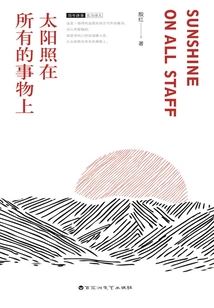
The Sun Shines on Everything
Literature太阳照在所有的事物上
Yin Hong
"The Sun Shines on Everything" selects more than 200 newly created works by the famous Jiangxi poet Yin Hong, who returned after a break of 20 years. The collection of poems is divided into six volumes: "Moonlight falls on the roof", "The temptation of dark blue", "There are many things", "We dare not mention", "Looking at you across a river", "Every cloud has its own hometown", "A jar of old wine" and "Still burnt by the years". After experiencing the ups and downs of life, his poems have faded away from the prosperity, leaving only sincerity and simplicity. This is a warm poem written in warm language. What the poet wants to do is to let the sun shine on everything.
"The Sun Shines on Everything" selects more than 200 newly created works by the famous Jiangxi poet Yin Hong, who returned after a break of 20 years. The collection of poems is divided into six volumes: "Moonlight falls on the roof", "The temptation of dark blue", "There are many things", "We dare not mention", "Looking at you across a river", "Every cloud has its own hometown", "A jar of old wine" and "Still burnt by the years". After experiencing the ups and downs of life, his poems have faded away from the prosperity, leaving only sincerity and simplicity. This is a warm poem written in warm language. What the poet wants to do is to let the sun shine on everything.
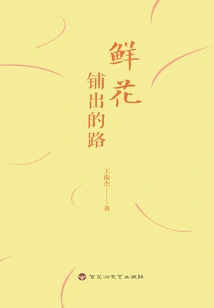
Road Paved with Flowers
Literature鲜花铺出的路
Wang Junjie
"The Road Paved with Flowers" is a collection of original poems that records the author's mental journey over thirty or forty years. The book includes more than 120 poems, most of which are descriptions of various plants in the botanical garden. People's gratitude to plants and even the natural world is revealed between the lines. After reading the whole article, a simple emotion flows through it, which is simple and touching.
"The Road Paved with Flowers" is a collection of original poems that records the author's mental journey over thirty or forty years. The book includes more than 120 poems, most of which are descriptions of various plants in the botanical garden. People's gratitude to plants and even the natural world is revealed between the lines. After reading the whole article, a simple emotion flows through it, which is simple and touching.
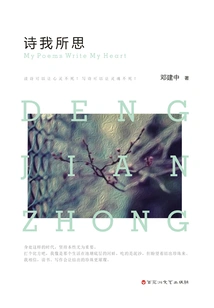
Poetry I Think
Literature诗我所思
Deng Jianzhong
This is a collection of modern poems published by Deng Jianzhong, a teacher from Yongzhou Middle School in Hunan. "Poems I Think" is divided into six volumes, including Thousand Miles of Incense, Dreamland, Gone Valentine's Day, Moon in the Mountains, Beautiful Encounter, and Night Rain in Xiaoxiang. These works include a series of themes such as dreams, love, hometown, and time, and are all faithful records of reality and life.
This is a collection of modern poems published by Deng Jianzhong, a teacher from Yongzhou Middle School in Hunan. "Poems I Think" is divided into six volumes, including Thousand Miles of Incense, Dreamland, Gone Valentine's Day, Moon in the Mountains, Beautiful Encounter, and Night Rain in Xiaoxiang. These works include a series of themes such as dreams, love, hometown, and time, and are all faithful records of reality and life.
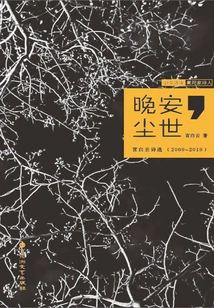
晚安,尘世:宫白云诗选(2009-2018)
Gong Baiyun
This book contains 260 excellent poems written by Gong Baiyun from 2009 to 2018. It is a collection of poems with themes involving life, society, nature, aesthetics and other aspects of experience, as well as daily life. It reflects the poet's thinking about life, all things, and the reality of existence, and expresses the author's exploration of the good and evil of human nature, his gaze on the soul, his examination of the soul, his emotions and nostalgia for family, friendship, love, hometown, etc. Pursue the uniqueness, creativity and freshness of poetry in the art of poetry. The field of vision it focuses on is broad, and people's spiritual world and destiny are both the scope and direction of thinking.
This book contains 260 excellent poems written by Gong Baiyun from 2009 to 2018. It is a collection of poems with themes involving life, society, nature, aesthetics and other aspects of experience, as well as daily life. It reflects the poet's thinking about life, all things, and the reality of existence, and expresses the author's exploration of the good and evil of human nature, his gaze on the soul, his examination of the soul, his emotions and nostalgia for family, friendship, love, hometown, etc. Pursue the uniqueness, creativity and freshness of poetry in the art of poetry. The field of vision it focuses on is broad, and people's spiritual world and destiny are both the scope and direction of thinking.
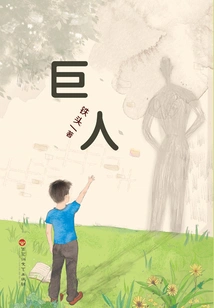
Giant
Literature巨人
Iron Head
The book "Giant" collects poems written by Tietou from 2017 to 2018. In addition to imagination and childishness, these poems also begin to focus on one's own growth, the joy and distress of growing up, and the contradictions, conflicts, and mutual adaptation that growth brings with family and the whole world. "Giant" is a collection of original poems that records the growth experience of the young poet Tietou as he approaches his early youth.
The book "Giant" collects poems written by Tietou from 2017 to 2018. In addition to imagination and childishness, these poems also begin to focus on one's own growth, the joy and distress of growing up, and the contradictions, conflicts, and mutual adaptation that growth brings with family and the whole world. "Giant" is a collection of original poems that records the growth experience of the young poet Tietou as he approaches his early youth.
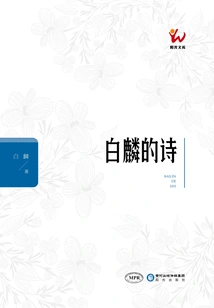
Bai Lin's Poems
Literature白麟的诗
Bai Lin
This manuscript is a collection of poetry works, one of the series "Sunshine Library". The manuscript is divided into four series, each containing more than a dozen poems, mainly praising the country and describing love. The first volume is Ukiyo-e, which mainly depicts autumn scenery and city lights; the second volume is Looking at Hometown, expressing the author's homesickness; the third volume is Song Travel, which describes the author's feelings when visiting Jiayuguan and Qinghai; the fourth volume is Ode to Fengya, which reflects the author's feelings when reading the Book of Songs on a daily basis.
This manuscript is a collection of poetry works, one of the series "Sunshine Library". The manuscript is divided into four series, each containing more than a dozen poems, mainly praising the country and describing love. The first volume is Ukiyo-e, which mainly depicts autumn scenery and city lights; the second volume is Looking at Hometown, expressing the author's homesickness; the third volume is Song Travel, which describes the author's feelings when visiting Jiayuguan and Qinghai; the fourth volume is Ode to Fengya, which reflects the author's feelings when reading the Book of Songs on a daily basis.
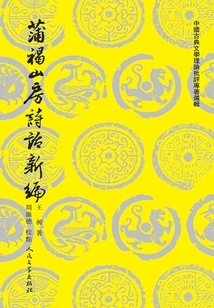
蒲褐山房诗话新编
(qing Dynasty) Written By Wang Chang And Edited By Zhou Weide
In addition to poetry reviews, this book also contains accurate and vivid anecdotes about friendships and anecdotes, providing first-hand material for studying the works and creations of writers during the Qianlong period. It also records the major events in social and political life at that time, providing useful information for studying the political, economic and culture of that time. It contains materials that have been lost in historical records and can be used to fill in the gaps.
In addition to poetry reviews, this book also contains accurate and vivid anecdotes about friendships and anecdotes, providing first-hand material for studying the works and creations of writers during the Qianlong period. It also records the major events in social and political life at that time, providing useful information for studying the political, economic and culture of that time. It contains materials that have been lost in historical records and can be used to fill in the gaps.
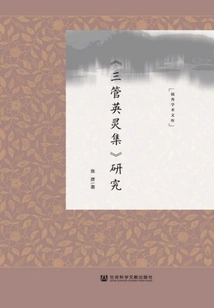
《三管英灵集》研究
Zhang Yan
This book takes the compilation of "San Guan Ying Ling Ji" as the research object, uses classical literature, ancient poetics, and ancient academic research as the theoretical basis, and studies the compilation background, document sources, compilation content, poetic history construction, and compilation value of "San Guan Ying Ling Ji" as the research path, and systematically analyzes the compilation value, poetic value, literary value, and cultural value of "Three Guan Ying Ling Ji".
This book takes the compilation of "San Guan Ying Ling Ji" as the research object, uses classical literature, ancient poetics, and ancient academic research as the theoretical basis, and studies the compilation background, document sources, compilation content, poetic history construction, and compilation value of "San Guan Ying Ling Ji" as the research path, and systematically analyzes the compilation value, poetic value, literary value, and cultural value of "Three Guan Ying Ling Ji".
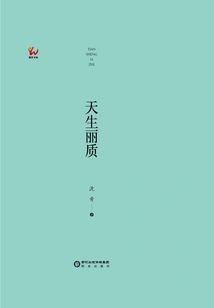
Natural Beauty
Literature天生丽质
Shen Qi
This book contains 64 poems written by poet and poetry critic Shen Qi over a period of 6 years, along with 16 short essays and long reviews and dozens of quintessential comments, which will help readers comprehensively and deeply understand Shen Qi's poetic style and creative ideas.
This book contains 64 poems written by poet and poetry critic Shen Qi over a period of 6 years, along with 16 short essays and long reviews and dozens of quintessential comments, which will help readers comprehensively and deeply understand Shen Qi's poetic style and creative ideas.
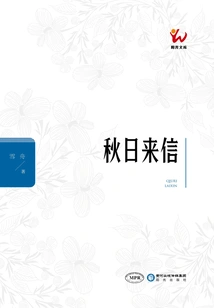
Letters from Autumn
Literature秋日来信
Sesshu
This manuscript is a collection of poems, one of the series "Sunshine Library". The manuscript includes 200 poems written by the author in the past 15 years from 2005 to 2019 and published in various literary journals and newspaper supplements across the country. Most of the works focus on describing the mountains, rivers, land and customs of the hometown, while the rest are works about family affection and hometown complex.
This manuscript is a collection of poems, one of the series "Sunshine Library". The manuscript includes 200 poems written by the author in the past 15 years from 2005 to 2019 and published in various literary journals and newspaper supplements across the country. Most of the works focus on describing the mountains, rivers, land and customs of the hometown, while the rest are works about family affection and hometown complex.
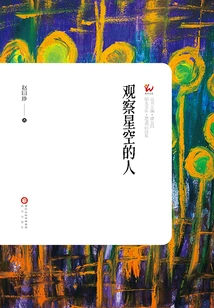
Person Who Observes the Stars
Literature观察星空的人
Zhao Muzhen
In the history of the development of contemporary Chinese poetry, the naming of genres and literary history of emerging poet groups has always been an interesting poetic phenomenon. Since the genre naming of the "Misty Poetry Group" has gained conventional recognition and spread in the poetry world, the genre and generational naming of poetry groups such as "Third Generation Poets", "Post-Misty Poetry Group", "Intellectual Poet", "Folk Poet", "Post-60s Poets" (also often called "Middle Generation Poets"), "Post-70s Poets", "Post-80s Poets", "Post-90s Poets" and other poetry groups have successively appeared in people's field of vision. If we delve a little deeper, it is not difficult to find that behind the naming of these poetry genres and generations, it reflects the attempts of later poets to get rid of the "anxiety of influence" mentality of the predecessor poets, and to a greater extent, their desire to enter literary history.
In the history of the development of contemporary Chinese poetry, the naming of genres and literary history of emerging poet groups has always been an interesting poetic phenomenon. Since the genre naming of the "Misty Poetry Group" has gained conventional recognition and spread in the poetry world, the genre and generational naming of poetry groups such as "Third Generation Poets", "Post-Misty Poetry Group", "Intellectual Poet", "Folk Poet", "Post-60s Poets" (also often called "Middle Generation Poets"), "Post-70s Poets", "Post-80s Poets", "Post-90s Poets" and other poetry groups have successively appeared in people's field of vision. If we delve a little deeper, it is not difficult to find that behind the naming of these poetry genres and generations, it reflects the attempts of later poets to get rid of the "anxiety of influence" mentality of the predecessor poets, and to a greater extent, their desire to enter literary history.
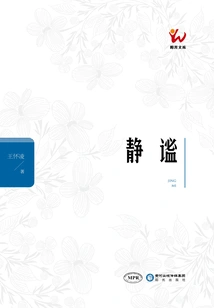
Quiet
Literature静谧
Wang Huailing
The works collected in this book mainly include: Silence, Making a Fire, The Man in the Sheepskin Coat Backward, Mother Taking a Mid-Day Break on the Sofa, Tears, Noise, I Can Only Point to You the Milky Way - To My Daughter, Farewell, I Always Spend My Time Here, I Can't Tell You How Much Pain I Am, etc.
The works collected in this book mainly include: Silence, Making a Fire, The Man in the Sheepskin Coat Backward, Mother Taking a Mid-Day Break on the Sofa, Tears, Noise, I Can Only Point to You the Milky Way - To My Daughter, Farewell, I Always Spend My Time Here, I Can't Tell You How Much Pain I Am, etc.
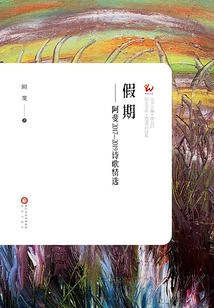
假期:阿斐2017—2019诗歌精选
A Fei
In the current development of contemporary Chinese poetry, the naming of genres and literary history of groups of emerging poets has always been an interesting poetic phenomenon. Since the genre naming of the "Misty Poetry" group has gained conventional recognition and spread in the poetry world, the genre and generational naming of poetry groups such as "Third Generation Poets", "Post-Misty Poetry Group", "Intellectual Poet", "Folk Poet", "Post-60s Poets" (also often called "Middle Generation Poets"), "Post-70s Poets", "Post-80s Poets", "Post-90s Poets" and other poetry groups have successively appeared in people's field of vision. If we delve a little deeper, it is not difficult to find that behind the naming of these poetry genres and generations, it reflects the attempts of later poets to get rid of the "anxiety of influence" mentality of the predecessor poets, and to a greater extent, their desire to enter literary history.
In the current development of contemporary Chinese poetry, the naming of genres and literary history of groups of emerging poets has always been an interesting poetic phenomenon. Since the genre naming of the "Misty Poetry" group has gained conventional recognition and spread in the poetry world, the genre and generational naming of poetry groups such as "Third Generation Poets", "Post-Misty Poetry Group", "Intellectual Poet", "Folk Poet", "Post-60s Poets" (also often called "Middle Generation Poets"), "Post-70s Poets", "Post-80s Poets", "Post-90s Poets" and other poetry groups have successively appeared in people's field of vision. If we delve a little deeper, it is not difficult to find that behind the naming of these poetry genres and generations, it reflects the attempts of later poets to get rid of the "anxiety of influence" mentality of the predecessor poets, and to a greater extent, their desire to enter literary history.
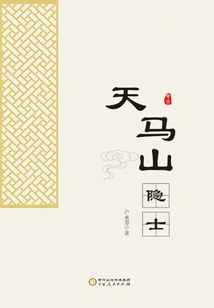
Hermit of Tianma Mountain
Literature天马山隐士
Lu Yongfang
"The Hermit of Tianma Mountain" is a collection of modern poetry published by Ningxia People's Publishing House.
"The Hermit of Tianma Mountain" is a collection of modern poetry published by Ningxia People's Publishing House.
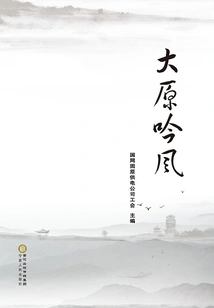
Ohara Ginfeng
Literature大原吟风
Chief Editor Of The Labor Union Of State Grid Guyuan Power Supply Company
This book is a collection of poetry works, which has selected 176 poems by employees, including 158 modern poems and 18 ancient poems. It is one of the important achievements of employee cultural creation of State Grid Guyuan Power Supply Company in recent years. The manuscript mainly eulogizes the love and dedication of front-line power workers who are not afraid of hardships and fight on the front line, and uses poetic language to give it a romantic color. There are also some poems that express love for country and family, which are catchy to read. The content of the manuscript is healthy and does not comply with publishing regulations.
This book is a collection of poetry works, which has selected 176 poems by employees, including 158 modern poems and 18 ancient poems. It is one of the important achievements of employee cultural creation of State Grid Guyuan Power Supply Company in recent years. The manuscript mainly eulogizes the love and dedication of front-line power workers who are not afraid of hardships and fight on the front line, and uses poetic language to give it a romantic color. There are also some poems that express love for country and family, which are catchy to read. The content of the manuscript is healthy and does not comply with publishing regulations.
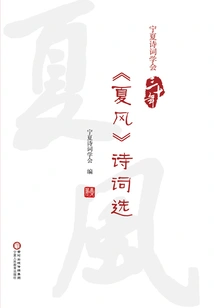
Selected Poems from "summer Wind" Published by Ningxia Poetry Society over the Past 30 Years
Literature宁夏诗词学会三十年《夏风》诗词选
Ningxia Poetry Society
This book includes: Flying Geese on a Rainy Night, Sentimental Teacher Yorita on a Cold Night, Dancing Yangko on the Streets of Beijing, Peach Blossoms in March, Replying to Old Classmates, Suiye City, the birthplace of Li Bai in Kyrgyzstan, Returning to Sanqing Mountain, Happy Lahu Tribe, Feeling the Success of my country's First Manned Space Flight, Visiting the Poverty Alleviation and Huanghuang Project, and Looking at General Taibao Monument to the Red Army Reunion, praising the anti-Japanese hero Ma Benzhai, visiting Fuxi Temple, returning to Pingluo Yuhuang Pavilion, small trees, chanting in the Plum Bookstore, lotus chant collection, Mother's Day to commemorate the fifth anniversary of the mother's death, a sentimental poem for being named "Outstanding Retired Cadre and Party Member in the District", Qinyuan Chun·Ode to Nanjing, etc.
This book includes: Flying Geese on a Rainy Night, Sentimental Teacher Yorita on a Cold Night, Dancing Yangko on the Streets of Beijing, Peach Blossoms in March, Replying to Old Classmates, Suiye City, the birthplace of Li Bai in Kyrgyzstan, Returning to Sanqing Mountain, Happy Lahu Tribe, Feeling the Success of my country's First Manned Space Flight, Visiting the Poverty Alleviation and Huanghuang Project, and Looking at General Taibao Monument to the Red Army Reunion, praising the anti-Japanese hero Ma Benzhai, visiting Fuxi Temple, returning to Pingluo Yuhuang Pavilion, small trees, chanting in the Plum Bookstore, lotus chant collection, Mother's Day to commemorate the fifth anniversary of the mother's death, a sentimental poem for being named "Outstanding Retired Cadre and Party Member in the District", Qinyuan Chun·Ode to Nanjing, etc.
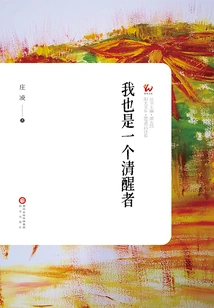
I Am Also a Sober Person
Literature我也是一个清醒者
Zhuang Ling
In the current development of contemporary Chinese poetry, the naming of genres and literary history of groups of emerging poets has always been an interesting poetic phenomenon. Since the genre naming of the "Misty Poetry" group has gained conventional recognition and spread in the poetry world, the genre and generational naming of poetry groups such as "Third Generation Poets", "Post-Misty Poetry Group", "Intellectual Poet", "Folk Poet", "Post-60s Poets" (also often called "Middle Generation Poets"), "Post-70s Poets", "Post-80s Poets", "Post-90s Poets" and other poetry groups have successively appeared in people's field of vision. If we delve a little deeper, it is not difficult to find that behind the naming of these poetry genres and generations, it reflects the attempts of later poets to get rid of the "anxiety of influence" mentality of the predecessor poets, and to a greater extent, their desire to enter literary history.
In the current development of contemporary Chinese poetry, the naming of genres and literary history of groups of emerging poets has always been an interesting poetic phenomenon. Since the genre naming of the "Misty Poetry" group has gained conventional recognition and spread in the poetry world, the genre and generational naming of poetry groups such as "Third Generation Poets", "Post-Misty Poetry Group", "Intellectual Poet", "Folk Poet", "Post-60s Poets" (also often called "Middle Generation Poets"), "Post-70s Poets", "Post-80s Poets", "Post-90s Poets" and other poetry groups have successively appeared in people's field of vision. If we delve a little deeper, it is not difficult to find that behind the naming of these poetry genres and generations, it reflects the attempts of later poets to get rid of the "anxiety of influence" mentality of the predecessor poets, and to a greater extent, their desire to enter literary history.
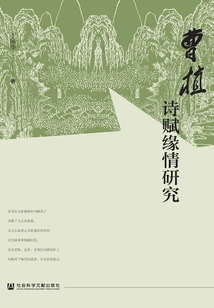
曹植诗赋缘情研究
Yu Guohua
This book sorts out emotional poems on love, family, friendship, etc. From the Pre-Qin Dynasty to the Han and Wei dynasties, and believes that Hongdu sects, character criticism, the gradual application of paper, the Three Orders for Talents, and Cao Pi's advocacy of equality are the direct reasons for the expansion of Cao Zhi's emotional world and the era foundation for the development of poems and poems. This book reproduces Cao Zhi's family world with the focus on "capturing the clan", and discusses the characteristics of Cao Zhi's family expression from four aspects: the construction of the family world, the combination of virtual and real, metaphorical characteristics, and genre selection. At the same time, this book conducts an in-depth analysis of Cao Zhi's world of friendship, the emotional characteristics of friendship poems, and the emotional characteristics of Cao Zhi's poems.
This book sorts out emotional poems on love, family, friendship, etc. From the Pre-Qin Dynasty to the Han and Wei dynasties, and believes that Hongdu sects, character criticism, the gradual application of paper, the Three Orders for Talents, and Cao Pi's advocacy of equality are the direct reasons for the expansion of Cao Zhi's emotional world and the era foundation for the development of poems and poems. This book reproduces Cao Zhi's family world with the focus on "capturing the clan", and discusses the characteristics of Cao Zhi's family expression from four aspects: the construction of the family world, the combination of virtual and real, metaphorical characteristics, and genre selection. At the same time, this book conducts an in-depth analysis of Cao Zhi's world of friendship, the emotional characteristics of friendship poems, and the emotional characteristics of Cao Zhi's poems.
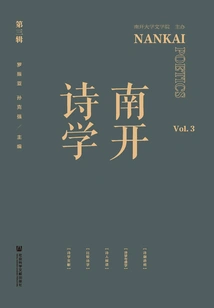
Nankai Poetics (3rd Series)
Literature南开诗学(第3辑)
Luo Zhenya Editor-in-chief Sun Keqiang
This book is the third volume of "Nankai Poetics". It is divided into five columns: "Perspective on Poetry Trends", "Poetics and Buddhism", "Poet's Interpretation", "Comparative Poetics" and "Poetic Literature". The topics cover many aspects such as the evolution of new poetry over the past century, ancient Chinese poetics, comparison of Chinese and Western poetics, and the connection between poetics and Buddhism. It not only explores the connection between Chinese avant-garde poetry in the 20th century and the marginalized living conditions, but also discusses its related characteristics in depth at the poetry scene. It not only elaborates on the poetic pursuit of "emotional nature" and the interoperability of Zen mind and poetic thinking, but also focuses on the comparison of Chinese and British romantic poetics and the acceptance of symbolism by modern poets.
This book is the third volume of "Nankai Poetics". It is divided into five columns: "Perspective on Poetry Trends", "Poetics and Buddhism", "Poet's Interpretation", "Comparative Poetics" and "Poetic Literature". The topics cover many aspects such as the evolution of new poetry over the past century, ancient Chinese poetics, comparison of Chinese and Western poetics, and the connection between poetics and Buddhism. It not only explores the connection between Chinese avant-garde poetry in the 20th century and the marginalized living conditions, but also discusses its related characteristics in depth at the poetry scene. It not only elaborates on the poetic pursuit of "emotional nature" and the interoperability of Zen mind and poetic thinking, but also focuses on the comparison of Chinese and British romantic poetics and the acceptance of symbolism by modern poets.
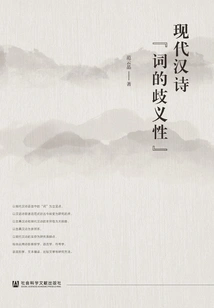
现代汉诗“词的歧义性”
Fan Yunjing
The research focus of this book is the issue of "ambiguity of words" in modern Chinese poetry. Taking the "word" in the language of modern Chinese poetry as the foothold, taking the ancient and modern changes in the discourse paradigm of Chinese poetry as the starting point for research, taking the differences between classical Chinese poetry and modern Chinese poetry as the major premise, taking classical Chinese poetry as the frame of reference, taking the existence of modern Chinese poetry as the research foothold, and based on the combination of the elaboration of poetic concepts and the close reading of poetic texts. Starting from the "word" of modern Chinese poetry, it systematically discusses the connotation, characteristics, functions, necessity and rationality of existence, reasons for generation, operating mechanism, expression strategies, meaning and influence of "ambiguity of words" from two dimensions: vertical (history and changes) and horizontal (specific poetic texts), macro and micro dimensions.
The research focus of this book is the issue of "ambiguity of words" in modern Chinese poetry. Taking the "word" in the language of modern Chinese poetry as the foothold, taking the ancient and modern changes in the discourse paradigm of Chinese poetry as the starting point for research, taking the differences between classical Chinese poetry and modern Chinese poetry as the major premise, taking classical Chinese poetry as the frame of reference, taking the existence of modern Chinese poetry as the research foothold, and based on the combination of the elaboration of poetic concepts and the close reading of poetic texts. Starting from the "word" of modern Chinese poetry, it systematically discusses the connotation, characteristics, functions, necessity and rationality of existence, reasons for generation, operating mechanism, expression strategies, meaning and influence of "ambiguity of words" from two dimensions: vertical (history and changes) and horizontal (specific poetic texts), macro and micro dimensions.
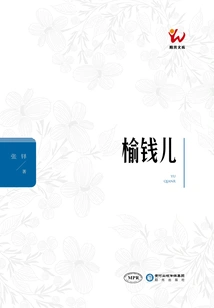
Yu Qian'er
Literature榆钱儿
Zhang Duo
This manuscript is a collection of poetry works, one of the series "Sunshine Library". The works included in the manuscript are the author's outstanding works in recent years, most of which are relatively short, and are divided into four parts: Part 1, Songs on the Wall; Part 2, The Rhythm of Life; Part 3, Rain in the Countryside; Part 4, Dew in the World. These works are like strings of elm money, simple and honest, even a little rustic, but when chewed, they are fresh and natural, with sincere emotions and full of philosophical thoughts. It makes people imagine the author's true emotional journey, candid attitude towards life and serious thinking about life.
This manuscript is a collection of poetry works, one of the series "Sunshine Library". The works included in the manuscript are the author's outstanding works in recent years, most of which are relatively short, and are divided into four parts: Part 1, Songs on the Wall; Part 2, The Rhythm of Life; Part 3, Rain in the Countryside; Part 4, Dew in the World. These works are like strings of elm money, simple and honest, even a little rustic, but when chewed, they are fresh and natural, with sincere emotions and full of philosophical thoughts. It makes people imagine the author's true emotional journey, candid attitude towards life and serious thinking about life.
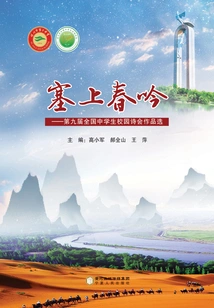
Spring Songs on the Wall: Selected Works from the Ninth National Middle School Poetry Competition
Literature塞上春吟:第九届全国中学生校园诗会作品选
Editor-in-chief Gao Xiaojun Hao Quanshan Wang Ping
This book selects outstanding poems from the 9th National Middle School Poetry Competition, divided into three chapters: You Feng Lai Yi, Sai Shang Chun Yin, and Helan Song. It aims to promote the poetry culture, praise spring, praise the enterprising new era, nourish students' souls, pursue poetic life, use beautiful poems to illuminate the spiritual world of teenagers, and cultivate students' healthy growth.
This book selects outstanding poems from the 9th National Middle School Poetry Competition, divided into three chapters: You Feng Lai Yi, Sai Shang Chun Yin, and Helan Song. It aims to promote the poetry culture, praise spring, praise the enterprising new era, nourish students' souls, pursue poetic life, use beautiful poems to illuminate the spiritual world of teenagers, and cultivate students' healthy growth.
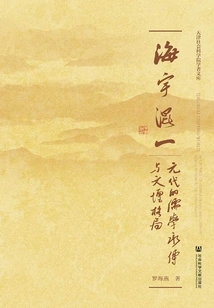
海宇混一:元代的儒学承传与文坛格局
Luo Haiyan
This book explores the interactive relationship between the Confucian school and poetry schools in the Yuan Dynasty. The book is divided into two parts. The first part is the general part. It provides a macro-level discussion of the academic changes and faction differentiation, the linkage between academia and poetry, the inheritance of Neo-Confucianism and the formation of poetry schools in the Southern Song, Jin and Yuan Dynasties. It also focuses on the Confucian inheritance and literary creation of Xu Heng and the Zhongzhou Literary School of the Yuan Dynasty, Liu Yin and the Northern Literary School of the Yuan Dynasty, Xu Qian and the Jinhua Literary School of the Yuan Dynasty, Li Qixian and the Goryeo Literary School of the Yuan Dynasty. The lower part is the textual research part, which compiles the research materials of Li Qixian, a Korean scholar in the Yuan Dynasty, and compiles the "Chronology of Literary Activities in China, Korea, Vietnam and Japan in the Yuan Dynasty".
This book explores the interactive relationship between the Confucian school and poetry schools in the Yuan Dynasty. The book is divided into two parts. The first part is the general part. It provides a macro-level discussion of the academic changes and faction differentiation, the linkage between academia and poetry, the inheritance of Neo-Confucianism and the formation of poetry schools in the Southern Song, Jin and Yuan Dynasties. It also focuses on the Confucian inheritance and literary creation of Xu Heng and the Zhongzhou Literary School of the Yuan Dynasty, Liu Yin and the Northern Literary School of the Yuan Dynasty, Xu Qian and the Jinhua Literary School of the Yuan Dynasty, Li Qixian and the Goryeo Literary School of the Yuan Dynasty. The lower part is the textual research part, which compiles the research materials of Li Qixian, a Korean scholar in the Yuan Dynasty, and compiles the "Chronology of Literary Activities in China, Korea, Vietnam and Japan in the Yuan Dynasty".
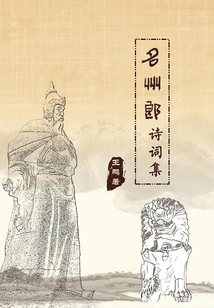
Selected Poems of Mingzhoulang
Literature名州郎诗词选
Wang Peng
"Collected Poems of Mingzhou Lang" is a collection of creative writings mainly composed of poems, which records the author's reflections on every detail of life. The content of this book is exquisitely conceived and full of pictures. There are a large number of interesting "acrostic poems" expressing feelings and praising the things around you that are worth recording and praising. The language of the manuscript alternates between ancient and new rhymes, reflecting modernity and fully expressing the feelings of family and country. Among them, the love and longing for hometown and family, the understanding and praise of work and colleagues all express a strong meaning. The lines of the manuscript are full of the author's righteousness and positive attitude towards life. They are catchy, full of passion and reveal positive energy.
"Collected Poems of Mingzhou Lang" is a collection of creative writings mainly composed of poems, which records the author's reflections on every detail of life. The content of this book is exquisitely conceived and full of pictures. There are a large number of interesting "acrostic poems" expressing feelings and praising the things around you that are worth recording and praising. The language of the manuscript alternates between ancient and new rhymes, reflecting modernity and fully expressing the feelings of family and country. Among them, the love and longing for hometown and family, the understanding and praise of work and colleagues all express a strong meaning. The lines of the manuscript are full of the author's righteousness and positive attitude towards life. They are catchy, full of passion and reveal positive energy.
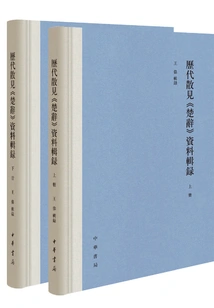
A Compilation of Scattered Materials on "the Songs of Chu" Through the Ages (two Volumes in Total)
Literature历代散见《楚辞》资料辑录(全二册)
Compiled By Wang Wei
Wang Wei's "Compilation of Scattered Materials on the Songs of Chu in the Past Dynasties" is divided into three parts. It compiles comments and annotations on the Songs of Chu in the past dynasties from hundreds of classics such as Confucian classics, history books, Leishu, primary school books, notes, etc. It is a comprehensive collection of comments in addition to research monographs and collations on the Songs of Chu. The collected works are sorted in chronological order, and the sources are marked with the page numbers of the original text and the current edition of the works for easy review. The complete sentences of the words and phrases related to Chu Ci are also listed to facilitate readers' comparison and correction.
Wang Wei's "Compilation of Scattered Materials on the Songs of Chu in the Past Dynasties" is divided into three parts. It compiles comments and annotations on the Songs of Chu in the past dynasties from hundreds of classics such as Confucian classics, history books, Leishu, primary school books, notes, etc. It is a comprehensive collection of comments in addition to research monographs and collations on the Songs of Chu. The collected works are sorted in chronological order, and the sources are marked with the page numbers of the original text and the current edition of the works for easy review. The complete sentences of the words and phrases related to Chu Ci are also listed to facilitate readers' comparison and correction.
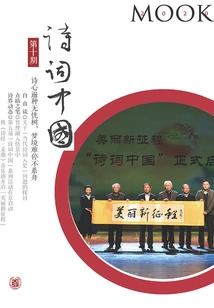
Poetry in China" Issue 10
Literature《诗词中国 》第10期
Poetry China Series Editorial Department
"Poetry China·MOOK" is co-sponsored by Zhonghua Book Company and the Chinese Poetry Research Institute and is published and distributed to the whole society. It aims to "collect the most moving contemporary poetry, collect the most authoritative poetic techniques, and share the most interesting poetic words." It mainly focuses on discussing writing skills, exchanging writing experiences, and appreciating pictures, texts, and poems, and strives to become a spiritual home for experts to communicate. This issue is a regular offseason column. This issue summarizes the opinions of consultants and judges and revise the column. The "Ancient Poetry Appreciation" and "Viewpoint" columns were deleted, and the "Finding Touch", "Meeting Friends with Poetry" and "Poetic Picks" were added, and the "Famous Poetry Notes" were changed to "Famous Poetry Notes". The main content is as follows: [Free Talk] The theme is "Contemporary Poetry Entering History", and Zhou Xiaotian, Zhong Zhenzhen, Qian Zhixi, etc. Were invited to discuss it. [Famous Masters Say Poems] includes Lin Xiu's "Good Poems on Wall Graffiti" and Xing Han's "Three Don'ts in Poetry Creation". [The finishing touch] includes Tao Wenpeng's "Philosophy Integrated into Situations". [Famous Poetry Notes] contains Feng Zikai's poetry works. Newsletters related to the launch of the fifth competition and call for submissions will be added to the second cover, third cover or [Poetry News] column, to be added.
"Poetry China·MOOK" is co-sponsored by Zhonghua Book Company and the Chinese Poetry Research Institute and is published and distributed to the whole society. It aims to "collect the most moving contemporary poetry, collect the most authoritative poetic techniques, and share the most interesting poetic words." It mainly focuses on discussing writing skills, exchanging writing experiences, and appreciating pictures, texts, and poems, and strives to become a spiritual home for experts to communicate. This issue is a regular offseason column. This issue summarizes the opinions of consultants and judges and revise the column. The "Ancient Poetry Appreciation" and "Viewpoint" columns were deleted, and the "Finding Touch", "Meeting Friends with Poetry" and "Poetic Picks" were added, and the "Famous Poetry Notes" were changed to "Famous Poetry Notes". The main content is as follows: [Free Talk] The theme is "Contemporary Poetry Entering History", and Zhou Xiaotian, Zhong Zhenzhen, Qian Zhixi, etc. Were invited to discuss it. [Famous Masters Say Poems] includes Lin Xiu's "Good Poems on Wall Graffiti" and Xing Han's "Three Don'ts in Poetry Creation". [The finishing touch] includes Tao Wenpeng's "Philosophy Integrated into Situations". [Famous Poetry Notes] contains Feng Zikai's poetry works. Newsletters related to the launch of the fifth competition and call for submissions will be added to the second cover, third cover or [Poetry News] column, to be added.
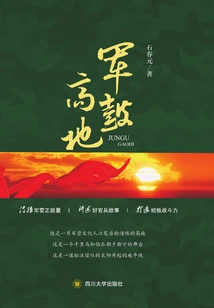
Snare Heights
Literature军鼓高地
Shi Chunyuan
This collection of poems is composed of poems written by military poet Shi Yuanchun in the past ten years. It is divided into six parts: Military Drum Highlands, Troop Epigrams, Jialing Cutting Scales, Love Rock, Bingga Military Saucer, and Iron Kite, with more than 100 poems. The content reflects national self-esteem and praises the people and the army of the motherland. The content is healthy, positive and upward. Tie Yi, president of the Chinese Writers Association, wrote a preface of more than 10,000 words.
This collection of poems is composed of poems written by military poet Shi Yuanchun in the past ten years. It is divided into six parts: Military Drum Highlands, Troop Epigrams, Jialing Cutting Scales, Love Rock, Bingga Military Saucer, and Iron Kite, with more than 100 poems. The content reflects national self-esteem and praises the people and the army of the motherland. The content is healthy, positive and upward. Tie Yi, president of the Chinese Writers Association, wrote a preface of more than 10,000 words.
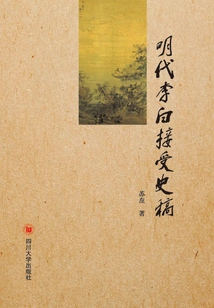
明代李白接受史稿
Su Tao
This book systematically organizes the original materials about Li Bai's reading and acceptance in the Ming Dynasty, and conducts a more detailed sorting and analysis of Li Bai's acceptance activities in the Ming Dynasty. Against the background that scholars have focused too much on the general history of reception in recent years, this book takes specific and detailed textual data as the starting point for research, combines historical periodization and the evolution of social thought, and fully supplements the study of Li Bai's chronological reception since the Tang Dynasty. On the basis of similar studies such as the history of Li Bai's acceptance in the Tang Dynasty and the history of Li Bai's acceptance in the Song Dynasty, we strive to outline the general appearance of the history of Li Bai's acceptance in the Ming Dynasty, and use this as an opportunity to promote further refinement and in-depth research on Li Bai.
This book systematically organizes the original materials about Li Bai's reading and acceptance in the Ming Dynasty, and conducts a more detailed sorting and analysis of Li Bai's acceptance activities in the Ming Dynasty. Against the background that scholars have focused too much on the general history of reception in recent years, this book takes specific and detailed textual data as the starting point for research, combines historical periodization and the evolution of social thought, and fully supplements the study of Li Bai's chronological reception since the Tang Dynasty. On the basis of similar studies such as the history of Li Bai's acceptance in the Tang Dynasty and the history of Li Bai's acceptance in the Song Dynasty, we strive to outline the general appearance of the history of Li Bai's acceptance in the Ming Dynasty, and use this as an opportunity to promote further refinement and in-depth research on Li Bai.
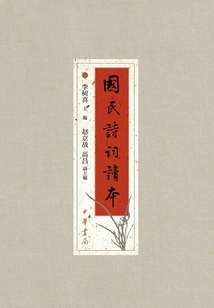
National Poetry Reader
Literature国民诗词读本
Zhao Jingzhan Li Shuxi Gao Chang
The selection of this book covers the development process of Chinese poetry from the pre-Qin Dynasty to the late Qing Dynasty. With a comprehensive overview in one volume, you can grasp the history of poetry. Among them, Tang and Song poems are the main body (about two-thirds of the total), taking into account Yuan opera and famous poems since the Book of Songs. There are three parts at the end of each poem: the first is "Introduction to the Author", which plays a necessary supporting role for readers to understand the author and appreciate the poem; the second is "Annotation", which provides appropriate explanations for unfamiliar words; the third is "Appreciation", which is a brief introduction to the main content, writing techniques, artistic features, etc. Of the work to facilitate readers' understanding, appreciation and reference. The annotations, especially the appreciation, in this book highlight individuality, draw on the strengths of others, and strive to create something new based on the facts.
The selection of this book covers the development process of Chinese poetry from the pre-Qin Dynasty to the late Qing Dynasty. With a comprehensive overview in one volume, you can grasp the history of poetry. Among them, Tang and Song poems are the main body (about two-thirds of the total), taking into account Yuan opera and famous poems since the Book of Songs. There are three parts at the end of each poem: the first is "Introduction to the Author", which plays a necessary supporting role for readers to understand the author and appreciate the poem; the second is "Annotation", which provides appropriate explanations for unfamiliar words; the third is "Appreciation", which is a brief introduction to the main content, writing techniques, artistic features, etc. Of the work to facilitate readers' understanding, appreciation and reference. The annotations, especially the appreciation, in this book highlight individuality, draw on the strengths of others, and strive to create something new based on the facts.
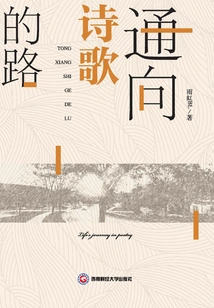
The Road to Poetry
Literature通向诗歌的路
Yuhong Bl
This collection of poems expresses the author's aesthetic perception of the existence of nature and the accumulation of human feelings; it shows the simple and beautiful collective image of the first generation of female workers, and expresses the author's admiration for women of that generation; it embodies the author's understanding of modern society, and expresses the author's thoughts and feelings about life. It can be described as "the poetry version of youth".
This collection of poems expresses the author's aesthetic perception of the existence of nature and the accumulation of human feelings; it shows the simple and beautiful collective image of the first generation of female workers, and expresses the author's admiration for women of that generation; it embodies the author's understanding of modern society, and expresses the author's thoughts and feelings about life. It can be described as "the poetry version of youth".
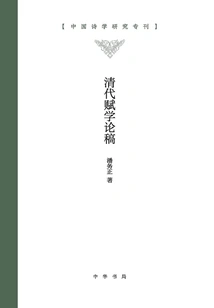
Essays on Fu Studies in the Qing Dynasty
Literature清代赋学论稿
Pan Wuzheng
The field of research on Ci and Fu has always focused on the great Fu of the Han Dynasty and the Tang and Song Dynasties. Although there was attention paid to Ci and Fu in the Ming and Qing Dynasties, it could not be compared with the previous generations. This book focuses on Fu studies in the Qing Dynasty, with a view to promoting the deepening of research in this field. This book discusses from five aspects: First, the cultural policy and the revival of Fu studies in the early Qing Dynasty, especially the Bo Xue Hong Ci examination held in the 18th year of Kangxi's reign, in order to attract Han scholars to become officials and use poems to compose propositions. This move stimulated the flourishing of fu-study creation and theory. Second, in the Qing Dynasty, Fu was emphasized in Guange Hanyuan, and Fu was tested in court examinations, official classes, loose examinations, and major examinations. Therefore, the study of Fu was an important lesson for people at that time. For this reason, various collections of poems from museums and pavilions emerged, and the style of Hanyuan poems led the trend in the literary world. Third, due to Hanyuan's examination of Fu, the discussion of Fu studies became the focus of Fu theory in the Qing Dynasty, and the selection of Fu paid special attention to the revelation of Fu methods. Fourthly, compared with previous generations, Fu studies in the Qing Dynasty were not only popular in palaces and pavilions, but also highlighted a strong regional flavor. Fifth, the relationship between Fu studies and other art forms in the Qing Dynasty was extremely close. The phenomenon of calligraphy Fu, painting Fu and writing novels using Fu was relatively popular, and Fu style branched into various art categories. This book combines literature research with theoretical explanation, reveals the development patterns of Fu studies in the Qing Dynasty through case studies, and strives to make up for the shortcomings of Fu studies.
The field of research on Ci and Fu has always focused on the great Fu of the Han Dynasty and the Tang and Song Dynasties. Although there was attention paid to Ci and Fu in the Ming and Qing Dynasties, it could not be compared with the previous generations. This book focuses on Fu studies in the Qing Dynasty, with a view to promoting the deepening of research in this field. This book discusses from five aspects: First, the cultural policy and the revival of Fu studies in the early Qing Dynasty, especially the Bo Xue Hong Ci examination held in the 18th year of Kangxi's reign, in order to attract Han scholars to become officials and use poems to compose propositions. This move stimulated the flourishing of fu-study creation and theory. Second, in the Qing Dynasty, Fu was emphasized in Guange Hanyuan, and Fu was tested in court examinations, official classes, loose examinations, and major examinations. Therefore, the study of Fu was an important lesson for people at that time. For this reason, various collections of poems from museums and pavilions emerged, and the style of Hanyuan poems led the trend in the literary world. Third, due to Hanyuan's examination of Fu, the discussion of Fu studies became the focus of Fu theory in the Qing Dynasty, and the selection of Fu paid special attention to the revelation of Fu methods. Fourthly, compared with previous generations, Fu studies in the Qing Dynasty were not only popular in palaces and pavilions, but also highlighted a strong regional flavor. Fifth, the relationship between Fu studies and other art forms in the Qing Dynasty was extremely close. The phenomenon of calligraphy Fu, painting Fu and writing novels using Fu was relatively popular, and Fu style branched into various art categories. This book combines literature research with theoretical explanation, reveals the development patterns of Fu studies in the Qing Dynasty through case studies, and strives to make up for the shortcomings of Fu studies.
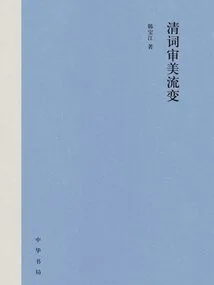
Aesthetic Evolution of Qing Ci
Literature清词审美流变
Han Baojiang
The manuscript clarifies the evolution of the aesthetic orientation of Ci poetry from the early to the mid-Qing Dynasty, which has always been unclear. From both internal and external aspects, we conducted an in-depth and detailed investigation of the shift in aesthetic opinions from the Western Zhejiang Ci School to the Changzhou Ci School in the Qing Dynasty: First, we made a relatively comprehensive and in-depth discussion of the literary thoughts and aesthetic tastes of Zhu Yizun, Li E and Zhang Huiyan in terms of family origin, growing environment, circle of friends, academic experience, Ci works, theoretical propositions of Ci, and influence on the development of Ci in the Qing Dynasty. Then he made a detailed analysis of the social environment, political orientation, literati mentality, academic trends, literary criticism trends and other factors at that time, and pointed out the impact of these objective conditions on literary thought and the aesthetic style of the Ci world.
The manuscript clarifies the evolution of the aesthetic orientation of Ci poetry from the early to the mid-Qing Dynasty, which has always been unclear. From both internal and external aspects, we conducted an in-depth and detailed investigation of the shift in aesthetic opinions from the Western Zhejiang Ci School to the Changzhou Ci School in the Qing Dynasty: First, we made a relatively comprehensive and in-depth discussion of the literary thoughts and aesthetic tastes of Zhu Yizun, Li E and Zhang Huiyan in terms of family origin, growing environment, circle of friends, academic experience, Ci works, theoretical propositions of Ci, and influence on the development of Ci in the Qing Dynasty. Then he made a detailed analysis of the social environment, political orientation, literati mentality, academic trends, literary criticism trends and other factors at that time, and pointed out the impact of these objective conditions on literary thought and the aesthetic style of the Ci world.
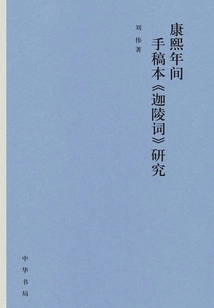
康熙年间手稿本《迦陵词》研究
Liu Wei
The research object of this manuscript is the "Jialing Ci" handwritten manuscript of the Sanse Hui Commentary during the Kangxi period stored in the Nankai University Library. Through a large amount of literature analysis and compilation, the author conducted a comprehensive and in-depth analysis of the manuscript of "Jialing Ci" and clarified the following important issues: 1. The formation and dissemination of the manuscript version of "Jaling Ci" and its important documentary value; 2. With the help of textual research on the large number of annotations, seals, memory collections and appendices in the manuscript of "Jaling Ci", Chen Wei Song as the center, carry out research on the group of poets in the early Qing Dynasty; third, use the manuscript "Jialing Ci" as a research operation platform to explore the theory and aesthetic style of Chen Weisong and the Yangxian Ci School, restore the literati association and singing style of that era, and gain a glimpse of the world and literary style at that time; fourth, summarize Chen Weisong's theoretical thoughts on Ci from the manuscript "Jialing Ci" and the attached specific comments.
The research object of this manuscript is the "Jialing Ci" handwritten manuscript of the Sanse Hui Commentary during the Kangxi period stored in the Nankai University Library. Through a large amount of literature analysis and compilation, the author conducted a comprehensive and in-depth analysis of the manuscript of "Jialing Ci" and clarified the following important issues: 1. The formation and dissemination of the manuscript version of "Jaling Ci" and its important documentary value; 2. With the help of textual research on the large number of annotations, seals, memory collections and appendices in the manuscript of "Jaling Ci", Chen Wei Song as the center, carry out research on the group of poets in the early Qing Dynasty; third, use the manuscript "Jialing Ci" as a research operation platform to explore the theory and aesthetic style of Chen Weisong and the Yangxian Ci School, restore the literati association and singing style of that era, and gain a glimpse of the world and literary style at that time; fourth, summarize Chen Weisong's theoretical thoughts on Ci from the manuscript "Jialing Ci" and the attached specific comments.
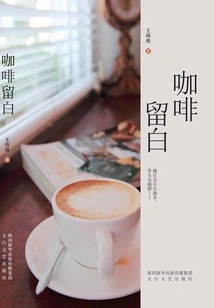
Coffee Blank
Literature咖啡留白
Wang Weiwei
This book collects poems written by the author in recent years. The author uses dreamlike words and phrases to express his perception and yearning for a better life. The book is divided into ten series: the first series - embroidering the night in a familiar fantasy world; the second series - God just asked him to be a short hour hand; the third series - happiness grows and shortens in its folded wings; the fourth series - the black cat is a pet wandering in the consciousness; the fifth series - I heard that standing with the sun will make you happy. Condensed into a luminous body; The sixth series - talking about ignorance and anger, not forgetting and nobility; The seventh series - I want to be a bandit galloping in civilization; The eighth series - The wind lurks in the ruthless place of the wind; The ninth series - A bird perches on the branches of the fleeting time; The tenth series - I only need to close my eyes and chant, and the dream will be endless. Each collection contains about 16 poems.
This book collects poems written by the author in recent years. The author uses dreamlike words and phrases to express his perception and yearning for a better life. The book is divided into ten series: the first series - embroidering the night in a familiar fantasy world; the second series - God just asked him to be a short hour hand; the third series - happiness grows and shortens in its folded wings; the fourth series - the black cat is a pet wandering in the consciousness; the fifth series - I heard that standing with the sun will make you happy. Condensed into a luminous body; The sixth series - talking about ignorance and anger, not forgetting and nobility; The seventh series - I want to be a bandit galloping in civilization; The eighth series - The wind lurks in the ruthless place of the wind; The ninth series - A bird perches on the branches of the fleeting time; The tenth series - I only need to close my eyes and chant, and the dream will be endless. Each collection contains about 16 poems.
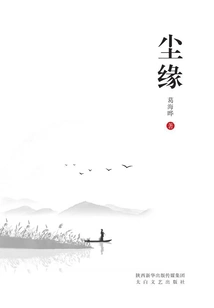
Bonds of This World
Literature尘缘
Ge Haiye
The work contains 209 poems, divided into eleven series: wind blows in the world, spring is warm and flowers are blooming, summer lotuses and rain are charming, autumn mountains and autumn water are windy, flowers, snow and moon, there is love in the mortal world, looking at the moon is melancholy, walking and singing, wind and rain life, the book of relatives, time is silent. The work expresses his emotions in the form of poetry, which is full of the author's sincere concern for his close relatives and family, his deep love for his hometown, and his natural description and heartfelt understanding of the colorful landscapes and creatures. Whether it is expressing the secret emotions deep in the soul, or intuitively expressing feelings about the world we live in, there is a kind of understanding and wisdom that has experienced the world. Each poem shows the author's creative level and unique insights into himself and the world.
The work contains 209 poems, divided into eleven series: wind blows in the world, spring is warm and flowers are blooming, summer lotuses and rain are charming, autumn mountains and autumn water are windy, flowers, snow and moon, there is love in the mortal world, looking at the moon is melancholy, walking and singing, wind and rain life, the book of relatives, time is silent. The work expresses his emotions in the form of poetry, which is full of the author's sincere concern for his close relatives and family, his deep love for his hometown, and his natural description and heartfelt understanding of the colorful landscapes and creatures. Whether it is expressing the secret emotions deep in the soul, or intuitively expressing feelings about the world we live in, there is a kind of understanding and wisdom that has experienced the world. Each poem shows the author's creative level and unique insights into himself and the world.
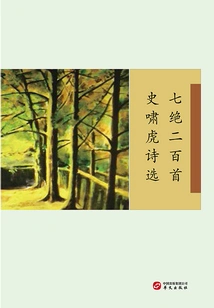
七绝二百首:史啸虎诗选
Shi Xiaohu
Since the "May 4th" New Culture Movement, with the increasing popularity of poetry creation, modern poetry, that is, vernacular poetry, has developed greatly. The characteristics of modern poetry are straightforward language, changeable styles, and no restrictions on word count and rhyme format. It is suitable for people of all cultural levels to recite, and it is also consistent with the low cultural level of the entire nation at that time. This is also the main reason why modern poetry existed and became popular in the decades after that.
Since the "May 4th" New Culture Movement, with the increasing popularity of poetry creation, modern poetry, that is, vernacular poetry, has developed greatly. The characteristics of modern poetry are straightforward language, changeable styles, and no restrictions on word count and rhyme format. It is suitable for people of all cultural levels to recite, and it is also consistent with the low cultural level of the entire nation at that time. This is also the main reason why modern poetry existed and became popular in the decades after that.
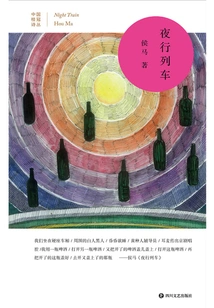
Night Train
Literature夜行列车
Houma
This book selects more than 70 poems by the poet Houma, covering the poet Houma's writing process for the past 30 years. The poems are all masterpieces and cannot be eliminated from his writing map. This collection of poems especially demonstrates the amazing breakthroughs Houma has made in the past 10 years at the creative level. With his continuous improvement in writing, he has painted a portrait of himself as a great poet.
This book selects more than 70 poems by the poet Houma, covering the poet Houma's writing process for the past 30 years. The poems are all masterpieces and cannot be eliminated from his writing map. This collection of poems especially demonstrates the amazing breakthroughs Houma has made in the past 10 years at the creative level. With his continuous improvement in writing, he has painted a portrait of himself as a great poet.
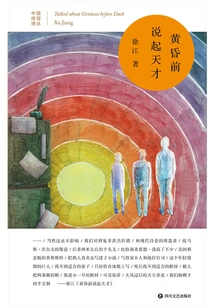
Talking About Genius Before Dusk
Literature黄昏前说起天才
Xujiang
This book begins with a selection of works written by the poet Xu Jiang in 1988, covering his works from the early stages of creation to the present, using more than 70 excellent works to fully reflect the overall style of his creation. Xu Jiang used his unique aesthetic persistence to show us the depth that poetry can achieve in terms of humanistic spirit, literary nature, and spiritual value.
This book begins with a selection of works written by the poet Xu Jiang in 1988, covering his works from the early stages of creation to the present, using more than 70 excellent works to fully reflect the overall style of his creation. Xu Jiang used his unique aesthetic persistence to show us the depth that poetry can achieve in terms of humanistic spirit, literary nature, and spiritual value.
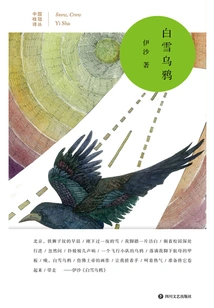
Snow Crow
Literature白雪乌鸦
Isha
This collection of poems demonstrates Isha's broad writing vision, strong language skills, accessible life wisdom, and outstanding poetic contributions. The poet Yisha has abundant creative power and writes a large amount of poems. "Snow White Crow" is a model collection of poems carefully selected from his poetry mine. The more than 70 poems in this collection, whether they are quintessential short poems or long poem series such as "Tang" and "Untitled", all can withstand repeated readings.
This collection of poems demonstrates Isha's broad writing vision, strong language skills, accessible life wisdom, and outstanding poetic contributions. The poet Yisha has abundant creative power and writes a large amount of poems. "Snow White Crow" is a model collection of poems carefully selected from his poetry mine. The more than 70 poems in this collection, whether they are quintessential short poems or long poem series such as "Tang" and "Untitled", all can withstand repeated readings.
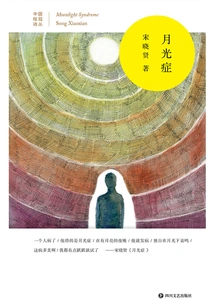
Lunar Syndrome
Literature月光症
Song Xiaoxian
This book is a rare collection of poetry by the poet Song Xiaoxian. The more than 70 poems included in it are selected from his writing career of more than 30 years. This collection of poems not only displays the events and thoughts experienced by the poet in different eras, but also reproduces many real details in history and life because of its delicate expressions.
This book is a rare collection of poetry by the poet Song Xiaoxian. The more than 70 poems included in it are selected from his writing career of more than 30 years. This collection of poems not only displays the events and thoughts experienced by the poet in different eras, but also reproduces many real details in history and life because of its delicate expressions.

Yearning for Tomorrow
Literature向往明天
Feng Wanzhi
This manuscript is a collection of poems that showcase the affectionate poetry of a seventy-year-old man. It contains more than 100 clear and lively poems by the author. The manuscripts are divided into three series: "Care for Tomorrow", "Ordinary Outstanding" and "Lovely Shehong", all of which inspire and encourage people with their deep caring feelings and full of positive energy. Among the more than 30 poems in "Care for Tomorrow", the author interprets the traditional virtues of filial piety and gratitude in poetic language; the more than 40 poems in "Ordinary Outstanding" extend his writing to the broader society and ordinary people from all walks of life, praising and promoting their caring, caring and grateful people. The more than 30 poems in "Lovely Shehong" mostly stand at the forefront of the times, focus on the changes and development of Shehong, write about Shehong's humanistic scenery, highlight Shehong's pioneering and enterprising spirit, and express long shots and big feelings about Shehong. Poetry always pays attention to life, society, people's livelihood, and the times. It always focuses on truth, goodness, and beauty. It always expresses true feelings with sincere descriptions of real things, giving people enlightenment, encouragement, and hope.
This manuscript is a collection of poems that showcase the affectionate poetry of a seventy-year-old man. It contains more than 100 clear and lively poems by the author. The manuscripts are divided into three series: "Care for Tomorrow", "Ordinary Outstanding" and "Lovely Shehong", all of which inspire and encourage people with their deep caring feelings and full of positive energy. Among the more than 30 poems in "Care for Tomorrow", the author interprets the traditional virtues of filial piety and gratitude in poetic language; the more than 40 poems in "Ordinary Outstanding" extend his writing to the broader society and ordinary people from all walks of life, praising and promoting their caring, caring and grateful people. The more than 30 poems in "Lovely Shehong" mostly stand at the forefront of the times, focus on the changes and development of Shehong, write about Shehong's humanistic scenery, highlight Shehong's pioneering and enterprising spirit, and express long shots and big feelings about Shehong. Poetry always pays attention to life, society, people's livelihood, and the times. It always focuses on truth, goodness, and beauty. It always expresses true feelings with sincere descriptions of real things, giving people enlightenment, encouragement, and hope.
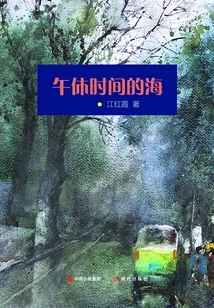
The Sea During Lunch Break
Literature午休时间的海
Jiang Hongxia
This book is divided into four series, with a total of 140 poems. The author uses the language of poetry to intervene in the details of life, and uses the rich perception and experience of urban women to strive to explore the universal meaning of life and survival. Emotions are looming in the calm, and the language is occasionally strange in the plain, revealing the poetry and "truth" that are obscured in daily life. The collection of poems embodies the author's reflection on himself and exploration of the world over more than ten years, and presents the author's unique density of language and thoughts.
This book is divided into four series, with a total of 140 poems. The author uses the language of poetry to intervene in the details of life, and uses the rich perception and experience of urban women to strive to explore the universal meaning of life and survival. Emotions are looming in the calm, and the language is occasionally strange in the plain, revealing the poetry and "truth" that are obscured in daily life. The collection of poems embodies the author's reflection on himself and exploration of the world over more than ten years, and presents the author's unique density of language and thoughts.
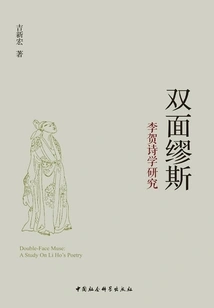
双面缪斯:李贺诗学研究
Ji Xinhong
Starting from the perspective of "identity and poetry", this book analyzes the unique "dual characteristics" of Li He's poetry from the three levels of image, soul and character, revealing the complex connection between the aesthetic value of Li He's poetry and his survival dilemma as a lower-class literati; it reveals the attributes and cultural value of "Li He's poetics" in the twist of "survival and poetry", and shows the fate of the marginal literati in the Ti country and their creative style.
Starting from the perspective of "identity and poetry", this book analyzes the unique "dual characteristics" of Li He's poetry from the three levels of image, soul and character, revealing the complex connection between the aesthetic value of Li He's poetry and his survival dilemma as a lower-class literati; it reveals the attributes and cultural value of "Li He's poetics" in the twist of "survival and poetry", and shows the fate of the marginal literati in the Ti country and their creative style.
An Outline of Modern Chu Ci Studies
Literature近代楚辞学论纲
Wu Huijun
This book takes modern Chu Ci as the research object, and strives to comprehensively and systematically display the results of modern Chu Ci research, evaluate these results, and construct the final course of the history of ancient Chu Ci. The whole book is based on the chronology of researchers and different types of important research works on Chu Ci. It not only shows the status and characteristics of Chu Ci research in different periods, but also reflects the connection between Chu Ci research and the changes of the times, achieving a combination of macroscopic grasp and microscopic analysis.
This book takes modern Chu Ci as the research object, and strives to comprehensively and systematically display the results of modern Chu Ci research, evaluate these results, and construct the final course of the history of ancient Chu Ci. The whole book is based on the chronology of researchers and different types of important research works on Chu Ci. It not only shows the status and characteristics of Chu Ci research in different periods, but also reflects the connection between Chu Ci research and the changes of the times, achieving a combination of macroscopic grasp and microscopic analysis.
唐人佚诗解读
Chen Shangjun
Teacher Chen Shangjun compiled more than 2,000 lost poems of the Tang Dynasty from Dunhuang posthumous documents, foreign documents, stone inscriptions and other sources. The twenty-four poems collected in this book are based on this. The author pays attention to the poet's life experience and the first interpretation and evaluation of these lost poems. He is very creative and helps readers to understand Tang poetry more comprehensively.
Teacher Chen Shangjun compiled more than 2,000 lost poems of the Tang Dynasty from Dunhuang posthumous documents, foreign documents, stone inscriptions and other sources. The twenty-four poems collected in this book are based on this. The author pays attention to the poet's life experience and the first interpretation and evaluation of these lost poems. He is very creative and helps readers to understand Tang poetry more comprehensively.
明代复古的众声与别调
Yu Laiming
"Voices and Different Tune of Retrospection in the Ming Dynasty", written by Yu Laiming. This book is intended to change the narrative method and research ideas in which the study of modern Ming poetry takes the works of writers as the main body and develops according to the era. Through the overall grasp of the evolution of Ming poetry, it explores the historical trajectory behind the evolution of Ming poetry. The author strives to break through the previous structure of Ming Dynasty poetic history based on the comparison of writers and schools, and grasp the changes in poetry creation styles in the Ming Dynasty, the rise and fall of the poetry world, the flow of poet groups, and the transformation of poetry theory in the process of historical evolution. The author attempts to examine the Ming Dynasty poetry history as a dynamic historical object, thereby clarifying the historical process of the evolution of the Ming Dynasty poetry history. By analyzing various aspects related to Ming Dynasty poetry such as writers' works, theoretical propositions, social gatherings and group activities, etc., A three-dimensional and rich image of Ming Dynasty poetry history is presented.
"Voices and Different Tune of Retrospection in the Ming Dynasty", written by Yu Laiming. This book is intended to change the narrative method and research ideas in which the study of modern Ming poetry takes the works of writers as the main body and develops according to the era. Through the overall grasp of the evolution of Ming poetry, it explores the historical trajectory behind the evolution of Ming poetry. The author strives to break through the previous structure of Ming Dynasty poetic history based on the comparison of writers and schools, and grasp the changes in poetry creation styles in the Ming Dynasty, the rise and fall of the poetry world, the flow of poet groups, and the transformation of poetry theory in the process of historical evolution. The author attempts to examine the Ming Dynasty poetry history as a dynamic historical object, thereby clarifying the historical process of the evolution of the Ming Dynasty poetry history. By analyzing various aspects related to Ming Dynasty poetry such as writers' works, theoretical propositions, social gatherings and group activities, etc., A three-dimensional and rich image of Ming Dynasty poetry history is presented.
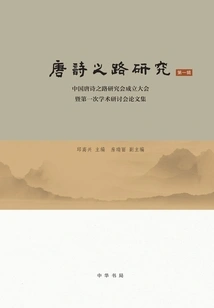
唐诗之路研究(第一辑)
Editor-in-chief Qiu Gaoxing
This collection of essays is the academic achievement of the "Inauguration Conference and the First Academic Seminar of the Chinese Tang Poetry Road Research Association". A total of more than 50 papers are included, which carry out in-depth exchanges and discussions on the Tang Poetry Road from the perspectives of the regional spatial definition of the Tang Poetry Road, research on poets and poetry roads, research on the religious philosophy of the Poetry Road and its cultural resources, and research on the protection and development of the Poetry Road heritage. It demonstrates the new results of the Tang Poetry Road research in the academic circles in recent years, and provides new concepts and new ideas for the protection and development of the Tang Poetry Road.
This collection of essays is the academic achievement of the "Inauguration Conference and the First Academic Seminar of the Chinese Tang Poetry Road Research Association". A total of more than 50 papers are included, which carry out in-depth exchanges and discussions on the Tang Poetry Road from the perspectives of the regional spatial definition of the Tang Poetry Road, research on poets and poetry roads, research on the religious philosophy of the Poetry Road and its cultural resources, and research on the protection and development of the Poetry Road heritage. It demonstrates the new results of the Tang Poetry Road research in the academic circles in recent years, and provides new concepts and new ideas for the protection and development of the Tang Poetry Road.