Library
Browse and search books
653 novels found
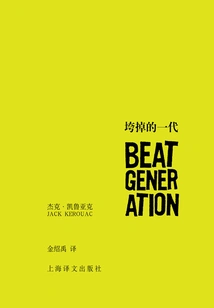
Beat Generation
Literature垮掉的一代
Jack Kerouac
"The Beat Generation" is a play by Jack Kerouac. It has been sealed for a long time and now it has been discovered for the first time. The work was written in the autumn of 1957, the same year that Kerouac's classic novel "On the Road" was published. The play tells the story of Jack, a famous character in Kerouac's literary works and his alter ego, who spent a day drinking, betting on horses, and taking drugs. It is the most realistic and realistic portrayal of the life of the "Beat Generation" at that time. It is real, natural, and decadent. The entire script is interspersed with satire on religion and rebellion against reality.
"The Beat Generation" is a play by Jack Kerouac. It has been sealed for a long time and now it has been discovered for the first time. The work was written in the autumn of 1957, the same year that Kerouac's classic novel "On the Road" was published. The play tells the story of Jack, a famous character in Kerouac's literary works and his alter ego, who spent a day drinking, betting on horses, and taking drugs. It is the most realistic and realistic portrayal of the life of the "Beat Generation" at that time. It is real, natural, and decadent. The entire script is interspersed with satire on religion and rebellion against reality.
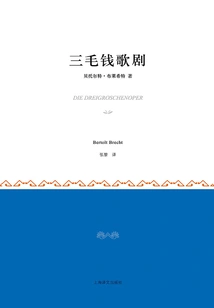
Three Cent Opera
Literature三毛钱歌剧
H
Brecht's early drama masterpiece. The story takes place in London, England in the 1920s. Mike is the bandit leader, and businessman Peachum controls the fate of beggars in the city. Mike secretly married Peachum's daughter Polly. Peachum regarded his daughter as his capital and felt that the loss was huge, so he reported Mike to the authorities. Although the police chief had a special relationship with Mike, he still arrested him under pressure. Peachum coerces the beggars to march at the Queen's coronation and forces the police chief to execute Mike. Mike is ready to exchange money for freedom, but his wife Polly and the bandit brothers value money more. No one is willing to save him, and Mike's life hangs on a thread.
Brecht's early drama masterpiece. The story takes place in London, England in the 1920s. Mike is the bandit leader, and businessman Peachum controls the fate of beggars in the city. Mike secretly married Peachum's daughter Polly. Peachum regarded his daughter as his capital and felt that the loss was huge, so he reported Mike to the authorities. Although the police chief had a special relationship with Mike, he still arrested him under pressure. Peachum coerces the beggars to march at the Queen's coronation and forces the police chief to execute Mike. Mike is ready to exchange money for freedom, but his wife Polly and the bandit brothers value money more. No one is willing to save him, and Mike's life hangs on a thread.
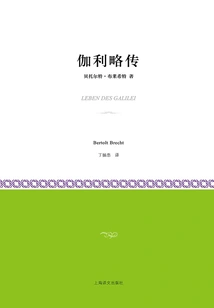
Galileo Galilei
Literature伽利略传
(germany) Bertolt Brecht
"The Life of Galileo" is a historical and philosophical drama, based on the life of the 17th-century Italian astronomer and physicist Galileo Galilei. It combines historical experience and lessons with the real struggles of the 20th century, showing the struggle between science and ignorance, change and reaction at the transition between the old and the new.
"The Life of Galileo" is a historical and philosophical drama, based on the life of the 17th-century Italian astronomer and physicist Galileo Galilei. It combines historical experience and lessons with the real struggles of the 20th century, showing the struggle between science and ignorance, change and reaction at the transition between the old and the new.
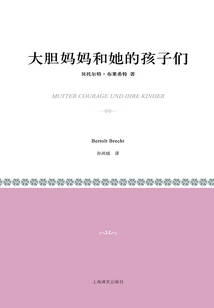
Courageous Mother and Her Children
Literature大胆妈妈和她的孩子们
I
The subtitle of "Mom Courage and Her Children" is "Chronicle of the Thirty Years' War", and the background is the Thirty Years' War in Germany in the 17th century. Anna Fairling, known as the "Courageous Mother", took her two sons and a mute daughter, pulled a truck and hawked goods with the army. She regarded the war as a means of livelihood and a source of wealth. A soldier looked at her truck and prophesied: "Whoever wants to live on war will have to hand it over something." This woman, who placed all her hope in life on war, eventually ended up with her family and her family destroyed. This is the tragedy of a woman who was not afraid to take risks and was reckless in order to make a living during the war. The name "Mother Courage" comes from the 17th-century German novelist Grimmelhausen's picaresque novel "The Liar and the Wanderer Kulasche". The word "Courage" in the Baroque era meant the "scheming" of women to seduce men. In Brecht's writing, it means the "courage" necessary for little people to survive.
The subtitle of "Mom Courage and Her Children" is "Chronicle of the Thirty Years' War", and the background is the Thirty Years' War in Germany in the 17th century. Anna Fairling, known as the "Courageous Mother", took her two sons and a mute daughter, pulled a truck and hawked goods with the army. She regarded the war as a means of livelihood and a source of wealth. A soldier looked at her truck and prophesied: "Whoever wants to live on war will have to hand it over something." This woman, who placed all her hope in life on war, eventually ended up with her family and her family destroyed. This is the tragedy of a woman who was not afraid to take risks and was reckless in order to make a living during the war. The name "Mother Courage" comes from the 17th-century German novelist Grimmelhausen's picaresque novel "The Liar and the Wanderer Kulasche". The word "Courage" in the Baroque era meant the "scheming" of women to seduce men. In Brecht's writing, it means the "courage" necessary for little people to survive.
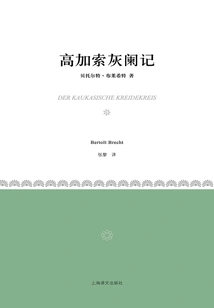
The Caucasus Gray Trap
Literature高加索灰阑记
H
The content is taken from the Chinese Yuan Dynasty drama "The Story of the Gray Land", written by Li Qianfu, and its full name is "The Story of the Gray Landing" by Bao Dai Zhi Zhi Kan. The governor of Georgia was killed in a riot, and the governor's wife abandoned her biological son, Michael, when she fled in panic; the kind-hearted maid risked her life and went through hardships to raise him; after the rebellion subsided, the governor's wife asked for the child in order to inherit the inheritance. Judge Azdak used gray (chalk) to decide the case: The greedy and cruel governor's wife pulled the child out regardless of life and death, but the maid could not bear to have the child injured... The ending of the story is that the child was not awarded to his biological mother, but to the adoptive mother and maid.
The content is taken from the Chinese Yuan Dynasty drama "The Story of the Gray Land", written by Li Qianfu, and its full name is "The Story of the Gray Landing" by Bao Dai Zhi Zhi Kan. The governor of Georgia was killed in a riot, and the governor's wife abandoned her biological son, Michael, when she fled in panic; the kind-hearted maid risked her life and went through hardships to raise him; after the rebellion subsided, the governor's wife asked for the child in order to inherit the inheritance. Judge Azdak used gray (chalk) to decide the case: The greedy and cruel governor's wife pulled the child out regardless of life and death, but the maid could not bear to have the child injured... The ending of the story is that the child was not awarded to his biological mother, but to the adoptive mother and maid.
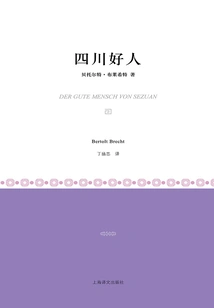
Sichuan Good People
Literature四川好人
I
"The Good Man from Sichuan" tells the story of two thousand years of hard work for good people in the world, so three gods came to the world to look for good people. They encountered difficulties from the beginning: neither the rich nor the poor were willing to provide them with a place to live, and only the kind-hearted prostitute Shen De took them in. The next day, the three gods gave Shen De more than a thousand silver dollars in the name of paying accommodation fees. In this way, Shen De no longer has to work as a prostitute. He opens a small cigarette shop and provides free food and accommodation to those who seek help. Instead of being rewarded, her kindness made it difficult for the smoke shop to survive. The helpless Shen De had to put on a mask and appear as his cousin Shuida. He opened a cigarette factory to provide employment opportunities. Cruel exploitation and strict management made the factory larger and more prosperous. While people were grateful to Shuida for giving them jobs and bread, they also missed the kind-hearted Shen De very much. Someone suspected that Shuida had murdered his cousin in order to occupy the tobacco shop, and Shuida was reported. In front of the three gods disguised as judges, Shui Da showed Shen De's true form and expressed his difficulties: "I have to be kind to others and treat myself well at the same time, which I can't do." The three gods were also helpless in front of this problem. "Is it to change people, or to change the world?" Brecht set the background of the story in distant China and wrote an allegorical drama.
"The Good Man from Sichuan" tells the story of two thousand years of hard work for good people in the world, so three gods came to the world to look for good people. They encountered difficulties from the beginning: neither the rich nor the poor were willing to provide them with a place to live, and only the kind-hearted prostitute Shen De took them in. The next day, the three gods gave Shen De more than a thousand silver dollars in the name of paying accommodation fees. In this way, Shen De no longer has to work as a prostitute. He opens a small cigarette shop and provides free food and accommodation to those who seek help. Instead of being rewarded, her kindness made it difficult for the smoke shop to survive. The helpless Shen De had to put on a mask and appear as his cousin Shuida. He opened a cigarette factory to provide employment opportunities. Cruel exploitation and strict management made the factory larger and more prosperous. While people were grateful to Shuida for giving them jobs and bread, they also missed the kind-hearted Shen De very much. Someone suspected that Shuida had murdered his cousin in order to occupy the tobacco shop, and Shuida was reported. In front of the three gods disguised as judges, Shui Da showed Shen De's true form and expressed his difficulties: "I have to be kind to others and treat myself well at the same time, which I can't do." The three gods were also helpless in front of this problem. "Is it to change people, or to change the world?" Brecht set the background of the story in distant China and wrote an allegorical drama.
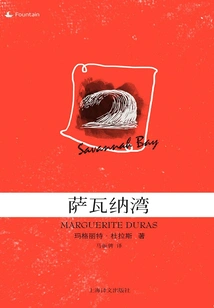
Savannah Bay
Literature萨瓦纳湾
Marguerite Duras
"The Bay of Savannah" is a play written by the famous French writer Marguerite Duras. It tells the story of the stage actress Madeleine who became famous in various countries when she was young. She lost her memory when she got old and lived like a ghost near the bay where her daughter drowned. Every night a young woman came to visit her, her granddaughter, trying to help her grandmother recall the old things about her daughter, her mother.
"The Bay of Savannah" is a play written by the famous French writer Marguerite Duras. It tells the story of the stage actress Madeleine who became famous in various countries when she was young. She lost her memory when she got old and lived like a ghost near the bay where her daughter drowned. Every night a young woman came to visit her, her granddaughter, trying to help her grandmother recall the old things about her daughter, her mother.
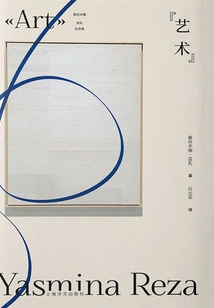
Art
Literature艺术
(french) Yasmina Reza
The French contemporary comedy "Art" is the famous work of the new French female playwright Yasmina Reza. Dermatologist Serge has recently become obsessed with modern art. He spent 200,000 francs to buy a work by a famous painter - an all-white oil painting. This incident triggered an unexpected emotional storm between him and his old friends Mark and Ivan... The whole play is completed in one go. The author depicts a series of subtle changes in the emotions of the three men with his unique and delicate writing style, which is humorous, ironic and hilarious. He has won the Molière Award for Best Screenplay, the Tony Award for Best Drama, and the Laurence Olivier Award for Best Comedy.
The French contemporary comedy "Art" is the famous work of the new French female playwright Yasmina Reza. Dermatologist Serge has recently become obsessed with modern art. He spent 200,000 francs to buy a work by a famous painter - an all-white oil painting. This incident triggered an unexpected emotional storm between him and his old friends Mark and Ivan... The whole play is completed in one go. The author depicts a series of subtle changes in the emotions of the three men with his unique and delicate writing style, which is humorous, ironic and hilarious. He has won the Molière Award for Best Screenplay, the Tony Award for Best Drama, and the Laurence Olivier Award for Best Comedy.
God of Killing
Literature杀戮之神
M
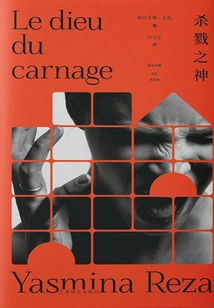
"The God of Murder" is the representative play of French playwright Yasmina Reza. On an ordinary day, two 11-year-old boys had an argument in the park. The former broke the latter's mouth with a stick. This minor dispute over children brought together two couples who had never had any contact with each other. Starting from the negotiation of the child's injury, they uncovered the undercurrents surging under the surface of peaceful life one by one. The laughter, anger, and cynicism between families, between husbands and wives, and between men and women are not only doubts and refutations about the two cognitive concepts of civilization and roughness, but also the collision of Western values : killing or peace, heroism or silence. After the release of "God of Killing", it has been performed in many countries around the world. The film of the same name adapted by Polanski won the 2011 Boston Film Critics Award for Best Ensemble, the 2011 Venice Film Festival Little Golden Lion Award, and the Caesar Film Festival Best Adapted Screenplay Award. The script has been adapted on the stage many times in mainland China.
"The God of Murder" is the representative play of French playwright Yasmina Reza. On an ordinary day, two 11-year-old boys had an argument in the park. The former broke the latter's mouth with a stick. This minor dispute over children brought together two couples who had never had any contact with each other. Starting from the negotiation of the child's injury, they uncovered the undercurrents surging under the surface of peaceful life one by one. The laughter, anger, and cynicism between families, between husbands and wives, and between men and women are not only doubts and refutations about the two cognitive concepts of civilization and roughness, but also the collision of Western values : killing or peace, heroism or silence. After the release of "God of Killing", it has been performed in many countries around the world. The film of the same name adapted by Polanski won the 2011 Boston Film Critics Award for Best Ensemble, the 2011 Venice Film Festival Little Golden Lion Award, and the Caesar Film Festival Best Adapted Screenplay Award. The script has been adapted on the stage many times in mainland China.
大教堂凶杀案:艾略特文集·戏剧
H
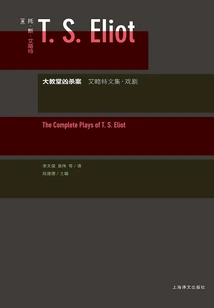
This book is based on the translation of the drama part of "The Complete Poems and Dramas of Thomas Eliot" published by Faber Publishing House in 1969. It includes Eliot's five major dramas: "The Cathedral Murders", the most famous British poetic drama since the seventeenth century, which combines elements of Greek drama and detective drama in the mid-twelfth century, and shows the main themes. "Family Reunion", a work about the hero's self-redemption process; Eliot's most popular play "The Cocktail Party", which explores the twisted outlook on life; "Secretary", the only drama on the New York Times bestseller list in the past thirty years; and the author's last work "The Elder Statesman". His realistic approach and storyline, as well as his pursuit of deep symbolic meaning in his works, had a huge influence on the playwrights of his generation.
This book is based on the translation of the drama part of "The Complete Poems and Dramas of Thomas Eliot" published by Faber Publishing House in 1969. It includes Eliot's five major dramas: "The Cathedral Murders", the most famous British poetic drama since the seventeenth century, which combines elements of Greek drama and detective drama in the mid-twelfth century, and shows the main themes. "Family Reunion", a work about the hero's self-redemption process; Eliot's most popular play "The Cocktail Party", which explores the twisted outlook on life; "Secretary", the only drama on the New York Times bestseller list in the past thirty years; and the author's last work "The Elder Statesman". His realistic approach and storyline, as well as his pursuit of deep symbolic meaning in his works, had a huge influence on the playwrights of his generation.
"Alice in Bed" is\
推销员之死(达斯汀·霍夫曼主演同名电影原著)
H
S
S
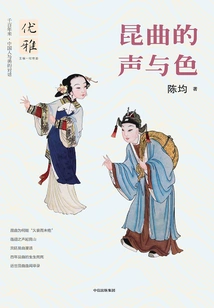
优雅丛书10:昆曲的声与色
Chen Jun
In the way of storytelling, the author tells the origin and development of Kun Opera, its grand spread in the court and among the people, its ups and downs in the Republic of China and contemporary times, and continues to talk about today's Bai Xianyong and why the youth version of "The Peony Pavilion" has become popular all over the country. He also writes a special chapter about Kun Opera's anecdotes, such as the connection between Peking University and Kun Opera. The story is fascinating and the content is rich and rigorous, showing the development process and charming charm of Kun Opera.
In the way of storytelling, the author tells the origin and development of Kun Opera, its grand spread in the court and among the people, its ups and downs in the Republic of China and contemporary times, and continues to talk about today's Bai Xianyong and why the youth version of "The Peony Pavilion" has become popular all over the country. He also writes a special chapter about Kun Opera's anecdotes, such as the connection between Peking University and Kun Opera. The story is fascinating and the content is rich and rigorous, showing the development process and charming charm of Kun Opera.
They Are All My Sons
Literature都是我的儿子
H
"All My Sons" is Arthur Miller's famous work. It was an instant success after being staged in 1947 and ran for 328 performances. The script tells the story of factory owner Joe Keller who sold cracked cylinder heads to the Army Air Forces during World War II, causing twenty-one plane crashes. At that time, Joe's son Larry was fighting in the war. After hearing the news from the newspaper, he felt ashamed to see others, so he deliberately crashed his plane and committed suicide during the mission. Before he died, he wrote a letter to his girlfriend Ann. When Joe was under investigation, he blamed his partner Steve Deaver. Deaver was imprisoned because of this, and even his daughter Ann and son George were convinced of this, and they ignored their father in prison from then on. Three years later, Larry's brother Chris planned to marry Ann. However, Joe's wife Kate insists that Larry is still alive, and she is counting on Ann to wait as long as she does for Larry to return. At this time, George brought shocking news. He learned from his father that Joe was the culprit. Therefore, he firmly opposed the marriage between Ann and Chris. Chris heard the truth from the conversation between Joe and Kate, and angrily accused Joe of killing his brothers. Joe thought he did it for his family. Ann was forced to tell the truth about Larry's death. Keller finally realized that he had made a big mistake by sacrificing his big family for his small family, killing twenty-one pilots. Finally, he finally said "They are all my sons" and shot himself.
"All My Sons" is Arthur Miller's famous work. It was an instant success after being staged in 1947 and ran for 328 performances. The script tells the story of factory owner Joe Keller who sold cracked cylinder heads to the Army Air Forces during World War II, causing twenty-one plane crashes. At that time, Joe's son Larry was fighting in the war. After hearing the news from the newspaper, he felt ashamed to see others, so he deliberately crashed his plane and committed suicide during the mission. Before he died, he wrote a letter to his girlfriend Ann. When Joe was under investigation, he blamed his partner Steve Deaver. Deaver was imprisoned because of this, and even his daughter Ann and son George were convinced of this, and they ignored their father in prison from then on. Three years later, Larry's brother Chris planned to marry Ann. However, Joe's wife Kate insists that Larry is still alive, and she is counting on Ann to wait as long as she does for Larry to return. At this time, George brought shocking news. He learned from his father that Joe was the culprit. Therefore, he firmly opposed the marriage between Ann and Chris. Chris heard the truth from the conversation between Joe and Kate, and angrily accused Joe of killing his brothers. Joe thought he did it for his family. Ann was forced to tell the truth about Larry's death. Keller finally realized that he had made a big mistake by sacrificing his big family for his small family, killing twenty-one pilots. Finally, he finally said "They are all my sons" and shot himself.
《柯岩文集》第八卷·戏剧 影视
Keyan
This book is one of Ke Yan's anthologies, mainly including Ke Yan's film and television literature scripts, children's dramas, dramas, poetry dramas, and opera scripts. Among them, "Mom, Mom" and "In the Jungle of Black Africa" express the people's memory for the older generation of proletarian revolutionaries with sincere emotions, and have touched the hearts of countless people. "Things Mommy Don't Know" and "Doll Shop" use children's innocent eyes and hearts to experience the world, reflecting some problems in real life. These works show that the author's sincere affection is closely connected with the readers, and naturally arouse resonance in people's hearts.
This book is one of Ke Yan's anthologies, mainly including Ke Yan's film and television literature scripts, children's dramas, dramas, poetry dramas, and opera scripts. Among them, "Mom, Mom" and "In the Jungle of Black Africa" express the people's memory for the older generation of proletarian revolutionaries with sincere emotions, and have touched the hearts of countless people. "Things Mommy Don't Know" and "Doll Shop" use children's innocent eyes and hearts to experience the world, reflecting some problems in real life. These works show that the author's sincere affection is closely connected with the readers, and naturally arouse resonance in people's hearts.
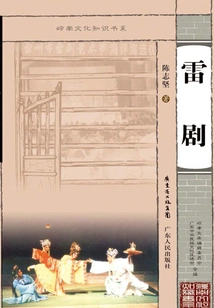
Thunder Drama
Literature雷剧
Chen Zhijian
Lei Opera is a literary and artistic form that is popular among the people of Leizhou Peninsula. After years of singing and music reform and integrating the essence of other dramas, it has developed into a drama with unique local characteristics. This book provides an in-depth and simple introduction to the development and inheritance of Lei Opera, singing art, performance skills, drama repertoire and stage art.
Lei Opera is a literary and artistic form that is popular among the people of Leizhou Peninsula. After years of singing and music reform and integrating the essence of other dramas, it has developed into a drama with unique local characteristics. This book provides an in-depth and simple introduction to the development and inheritance of Lei Opera, singing art, performance skills, drama repertoire and stage art.
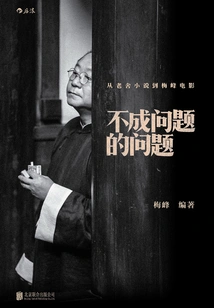
不成问题的问题:从老舍小说到梅峰电影
Meifeng
This book is the final script of the working version of the movie "No Problem". It is adapted from Lao She's novel of the same name published in 1943. It tells the story of Ding Wuyuan, the director of Chongqing's "Shuhua" Farm during the Anti-Japanese War, who was good at dealing with things despite poor management. The script basically follows the narrative structure of the novel, retains the conciseness and humor of Lao She's language, and uses more details to restore the sophistication of the people and the style of the Republic of China in the 1940s. In addition to exclusively presenting the complete script, the book also includes the original novel, creative explanations from the film's creative members, a blockbuster interview with the director, as well as selected behind-the-scenes artwork, shot lists, etc. Readers can combine the above content to figure out how to adapt literary classics, understand the aesthetic choices and creative ideas of the film, feel the inheritance of literary tradition and care for reality in "new literati films", and witness the birth of this film in an all-round way.
This book is the final script of the working version of the movie "No Problem". It is adapted from Lao She's novel of the same name published in 1943. It tells the story of Ding Wuyuan, the director of Chongqing's "Shuhua" Farm during the Anti-Japanese War, who was good at dealing with things despite poor management. The script basically follows the narrative structure of the novel, retains the conciseness and humor of Lao She's language, and uses more details to restore the sophistication of the people and the style of the Republic of China in the 1940s. In addition to exclusively presenting the complete script, the book also includes the original novel, creative explanations from the film's creative members, a blockbuster interview with the director, as well as selected behind-the-scenes artwork, shot lists, etc. Readers can combine the above content to figure out how to adapt literary classics, understand the aesthetic choices and creative ideas of the film, feel the inheritance of literary tradition and care for reality in "new literati films", and witness the birth of this film in an all-round way.
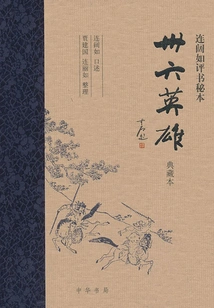
卅六英雄 连阔如评书秘本(典藏本)
Oral Narration By Lian Kuoru, Edited By Jia Jianguo And Compiled By Lian Liru
This book is the oral storytelling secret book of Mr. Lian Kuoru, a famous storytelling master of the generation, compiled by Jia Jianguo and Lian Liru. There are ninety-nine chapters in the book, starting with Qin Qiong rescuing Li Yuan in Lintong Mountain and ending with the Xuanwu Gate Incident. This book repeatedly comes up with new ideas in details, such as why it is wrong for us to say "spend a knife for a friend", but should be "spare a knife for a friend"; and why did Pei Yuanqing take advantage of the golden embankment? Etc. The full text was originally serialized in a newspaper of the Republic of China, in traditional Chinese in vertical format. Now it has been re-punctuated, corrected and errors, and published in simplified Chinese in horizontal format, trying to preserve the authenticity of the original work.
This book is the oral storytelling secret book of Mr. Lian Kuoru, a famous storytelling master of the generation, compiled by Jia Jianguo and Lian Liru. There are ninety-nine chapters in the book, starting with Qin Qiong rescuing Li Yuan in Lintong Mountain and ending with the Xuanwu Gate Incident. This book repeatedly comes up with new ideas in details, such as why it is wrong for us to say "spend a knife for a friend", but should be "spare a knife for a friend"; and why did Pei Yuanqing take advantage of the golden embankment? Etc. The full text was originally serialized in a newspaper of the Republic of China, in traditional Chinese in vertical format. Now it has been re-punctuated, corrected and errors, and published in simplified Chinese in horizontal format, trying to preserve the authenticity of the original work.
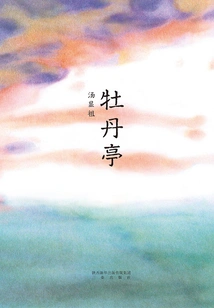
D
LiteratureD
G
The story takes place in the Southern Song Dynasty. Du Bao, the governor of Nan'an, had a daughter, Du Liniang. One spring day when she was 16 years old, Du Liniang visited the garden for the first time. When she was sleepy, she dreamed of a scholar who broke willow trees. When I woke up from a spring dream, the scholar was gone. Du Liniang never became ill. Before she died, she asked her family to hide her self-portrait under the Taihu stone in the Peony Pavilion. At this time, the Jin soldiers named Li Quan King of Liujin and attacked the Huaiyang area. Du Bao buried Du Liniang in Meihua Temple, and was quickly transferred to Huaiyang to guard it. The scholar in the dream is Liu Mengmei from Lingnan. His family was in decline and he decided to leave his hometown and go north to seek fame. When passing by Nan'an, I picked up Du Liniang's self-portrait by chance. At night, he saw the woman in the painting - it turned out that Du Liniang, with the permission of the King of Hell, left the city of Fusi. Her soul came to Plum Blossom Temple and had a tryst with Liu Mengmei at night. Liu Mengmei was not afraid after learning that Du Liniang was a ghost. He managed to obtain the elixir, dug up the grave, and brought Liniang back to life. However, the play in ancient times did not end until the first prize was won. Liu Mengmei and Du Liniang went to Lin'an to take the exam together. When the list was unveiled, Li Quan's rebellion happened again, and Du Bao was besieged. In troubled times, can Du Liniang, who has broken through the two realms of yin and yang, be reunited with her parents and finally get married to Liu Mengmei... There is a bold emotion in Du Liniang. In Liu Mengmei, there are intellectual ideals and grievances. Tang Xianzu, who left officialdom at the age of 49, wrote about his understanding of life in "The Peony Pavilion".
The story takes place in the Southern Song Dynasty. Du Bao, the governor of Nan'an, had a daughter, Du Liniang. One spring day when she was 16 years old, Du Liniang visited the garden for the first time. When she was sleepy, she dreamed of a scholar who broke willow trees. When I woke up from a spring dream, the scholar was gone. Du Liniang never became ill. Before she died, she asked her family to hide her self-portrait under the Taihu stone in the Peony Pavilion. At this time, the Jin soldiers named Li Quan King of Liujin and attacked the Huaiyang area. Du Bao buried Du Liniang in Meihua Temple, and was quickly transferred to Huaiyang to guard it. The scholar in the dream is Liu Mengmei from Lingnan. His family was in decline and he decided to leave his hometown and go north to seek fame. When passing by Nan'an, I picked up Du Liniang's self-portrait by chance. At night, he saw the woman in the painting - it turned out that Du Liniang, with the permission of the King of Hell, left the city of Fusi. Her soul came to Plum Blossom Temple and had a tryst with Liu Mengmei at night. Liu Mengmei was not afraid after learning that Du Liniang was a ghost. He managed to obtain the elixir, dug up the grave, and brought Liniang back to life. However, the play in ancient times did not end until the first prize was won. Liu Mengmei and Du Liniang went to Lin'an to take the exam together. When the list was unveiled, Li Quan's rebellion happened again, and Du Bao was besieged. In troubled times, can Du Liniang, who has broken through the two realms of yin and yang, be reunited with her parents and finally get married to Liu Mengmei... There is a bold emotion in Du Liniang. In Liu Mengmei, there are intellectual ideals and grievances. Tang Xianzu, who left officialdom at the age of 49, wrote about his understanding of life in "The Peony Pavilion".
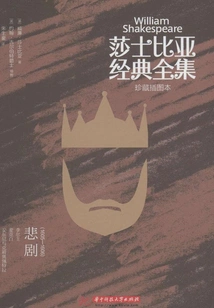
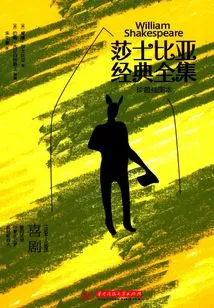
莎士比亚经典全集:悲剧(1605-1606)
G
Zhu Shenghao's 1947 World Book Company translation, original flavor. The British vintage cover features exquisite illustrations by Sir John Gilbert, president of the Royal Watercolor Society in the 19th century, reviving the classic. Including "King Lear", "Macbeth" and "Antony and Cleopatra".
Zhu Shenghao's 1947 World Book Company translation, original flavor. The British vintage cover features exquisite illustrations by Sir John Gilbert, president of the Royal Watercolor Society in the 19th century, reviving the classic. Including "King Lear", "Macbeth" and "Antony and Cleopatra".
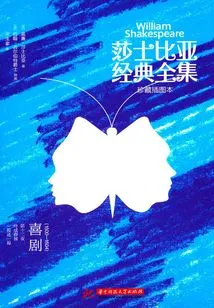
莎士比亚经典全集:喜剧(1594-1596)
(english) Shakespeare
Zhu Shenghao's 1947 World Book Company translation, original flavor. The British vintage cover features exquisite illustrations by Sir John Gilbert, president of the Royal Watercolor Society in the 19th century, reviving the classic. Including "Love in vain", "A Midsummer Night's Dream" and "The Merchant of Venice".
Zhu Shenghao's 1947 World Book Company translation, original flavor. The British vintage cover features exquisite illustrations by Sir John Gilbert, president of the Royal Watercolor Society in the 19th century, reviving the classic. Including "Love in vain", "A Midsummer Night's Dream" and "The Merchant of Venice".
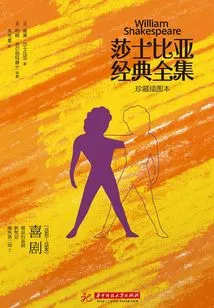
莎士比亚经典全集:喜剧(1600-1604)
G
Zhu Shenghao's 1947 World Book Company translation, original flavor. The British vintage cover features exquisite illustrations by Sir John Gilbert, president of the Royal Watercolor Society in the 19th century, reviving the classic. It includes three chapters: "Twelfth Night", "Finally Married" and "Tit for Tat".
Zhu Shenghao's 1947 World Book Company translation, original flavor. The British vintage cover features exquisite illustrations by Sir John Gilbert, president of the Royal Watercolor Society in the 19th century, reviving the classic. It includes three chapters: "Twelfth Night", "Finally Married" and "Tit for Tat".
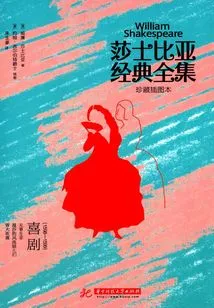
莎士比亚经典全集:喜剧(1592-1594)
G
Zhu Shenghao's 1947 World Book Company translation, original flavor. The British vintage cover features exquisite illustrations by Sir John Gilbert, president of the Royal Watercolor Society in the 19th century, reviving the classic. Contains "The Comedy of Errors", "The Taming of the Shrew" and "The Two Gentlemen of Verona".
Zhu Shenghao's 1947 World Book Company translation, original flavor. The British vintage cover features exquisite illustrations by Sir John Gilbert, president of the Royal Watercolor Society in the 19th century, reviving the classic. Contains "The Comedy of Errors", "The Taming of the Shrew" and "The Two Gentlemen of Verona".
莎士比亚经典全集:喜剧(1598-1599)
G
Zhu Shenghao's 1947 World Book Company translation, original flavor. The British vintage cover features exquisite illustrations by Sir John Gilbert, president of the Royal Watercolor Society in the 19th century, reviving the classic. It includes three chapters: "Much Ado About Nothing", "The Merry Wives of Windsor" and "As You Like It".
Zhu Shenghao's 1947 World Book Company translation, original flavor. The British vintage cover features exquisite illustrations by Sir John Gilbert, president of the Royal Watercolor Society in the 19th century, reviving the classic. It includes three chapters: "Much Ado About Nothing", "The Merry Wives of Windsor" and "As You Like It".
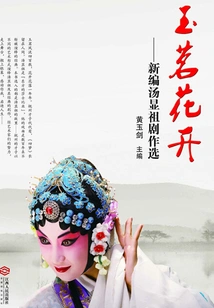
玉茗花开:新编汤显祖剧作选
Topaz Sword
"Jade Tea Blossoms: New Selections of Tang Xianzu's Plays" includes modern adaptations of Tang Xianzu's "Four Dreams of Linchuan", namely "The Peony Pavilion", "The Purple Hairpin", "The Handan" and "The Nanke". The screenwriters are all local writers from Fuzhou City, Jiangxi. In addition, it also collected seven scripts in total, including "The Peony Pavilion" and "Tears on Jade Tea Blossoms", which were newly created by Fuzhou local writers and screenwriters and wrote about the life story of Tang Xianzu, as well as the film and literary script "Tang Xianzu". These plays interpret Tang Xianzu and his classic masterpieces through different art forms, and have touched the world and inspired lives through hundreds of performances in various places. 2016 Is the 400th anniversary of the death of Tang Xianzu, as well as the 400th anniversary of the death of Shakespeare. The national commemoration activities for the 400th anniversary of Tang Xianzu's death will be very grand and international. Publishing modern adaptations of Tang Xianzu's classic plays and stage plays of his life events can inject Tang Xianzu's spirit into the connotation of the times.
"Jade Tea Blossoms: New Selections of Tang Xianzu's Plays" includes modern adaptations of Tang Xianzu's "Four Dreams of Linchuan", namely "The Peony Pavilion", "The Purple Hairpin", "The Handan" and "The Nanke". The screenwriters are all local writers from Fuzhou City, Jiangxi. In addition, it also collected seven scripts in total, including "The Peony Pavilion" and "Tears on Jade Tea Blossoms", which were newly created by Fuzhou local writers and screenwriters and wrote about the life story of Tang Xianzu, as well as the film and literary script "Tang Xianzu". These plays interpret Tang Xianzu and his classic masterpieces through different art forms, and have touched the world and inspired lives through hundreds of performances in various places. 2016 Is the 400th anniversary of the death of Tang Xianzu, as well as the 400th anniversary of the death of Shakespeare. The national commemoration activities for the 400th anniversary of Tang Xianzu's death will be very grand and international. Publishing modern adaptations of Tang Xianzu's classic plays and stage plays of his life events can inject Tang Xianzu's spirit into the connotation of the times.
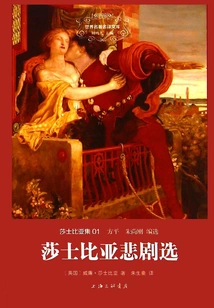
Selected Tragedies of Shakespeare
Literature莎士比亚悲剧选
H
This collection of Shakespeare's tragedies, translated by Zhu Shenghao, has selected passages including "Occidental", "Hamlet", "Othello", "Romeo and Juliet" and "King Lear". These tragic works represent Shakespeare's most outstanding achievements and profoundly depict the tragedy of human nature and the destiny of mankind. In terms of the depth and breadth of the social and psychological issues raised in these tragedies, or in terms of the richness of their ideas and the delicacy and profundity of their character descriptions, they are among the greatest works of world literature.
This collection of Shakespeare's tragedies, translated by Zhu Shenghao, has selected passages including "Occidental", "Hamlet", "Othello", "Romeo and Juliet" and "King Lear". These tragic works represent Shakespeare's most outstanding achievements and profoundly depict the tragedy of human nature and the destiny of mankind. In terms of the depth and breadth of the social and psychological issues raised in these tragedies, or in terms of the richness of their ideas and the delicacy and profundity of their character descriptions, they are among the greatest works of world literature.
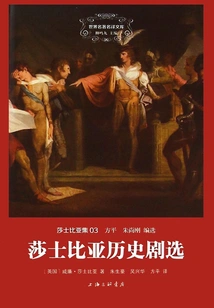
Selected Historical Plays of Shakespeare
Literature莎士比亚历史剧选
H
Includes 7 historical plays by Shakespeare "The Tragedy of Richard II" (Richard II) "Henry IV" (Part 1) "Henry IV" (Part 2) "Henry V" "The Martyrdom of the Queen" (Antony and Cleopatra) "The Murder of Caesar" (Julius Caesar) "The Heroic Treason" (Coriolanus)
Includes 7 historical plays by Shakespeare "The Tragedy of Richard II" (Richard II) "Henry IV" (Part 1) "Henry IV" (Part 2) "Henry V" "The Martyrdom of the Queen" (Antony and Cleopatra) "The Murder of Caesar" (Julius Caesar) "The Heroic Treason" (Coriolanus)
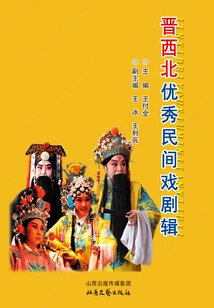
晋西北优秀民间戏剧集
Wang Fujin
Due to the impact of modern multiculturalism, some local operas that are popular among the people and rely only on word-of-mouth and heart-to-heart teaching by veteran artists are on the verge of being lost. Mr. Wang Fuquan, an old literary and art worker in northwestern Shanxi, worked tirelessly with great enthusiasm for art and national culture. After seven years of visiting old artists in many counties and cities in three provinces, he carefully compiled and adapted this 14 excellent folk dramas in northwestern Shanxi, including Taoist dramas, Yangge operas, Shanxi operas and other dramas. Its far-reaching social significance is self-evident.
Due to the impact of modern multiculturalism, some local operas that are popular among the people and rely only on word-of-mouth and heart-to-heart teaching by veteran artists are on the verge of being lost. Mr. Wang Fuquan, an old literary and art worker in northwestern Shanxi, worked tirelessly with great enthusiasm for art and national culture. After seven years of visiting old artists in many counties and cities in three provinces, he carefully compiled and adapted this 14 excellent folk dramas in northwestern Shanxi, including Taoist dramas, Yangge operas, Shanxi operas and other dramas. Its far-reaching social significance is self-evident.
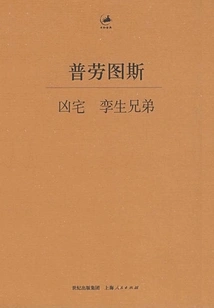
凶宅:孪生兄弟(日知古典)
(ancient Rome) Plautus
The plot of "Haunted House" unfolds among prostitutes. In the play, a young man takes advantage of his father's absence to have sex with a prostitute. After his father returns, the clever slave devises a clever plan to fool the old man and help the young master get out of trouble. The book provides a relatively detailed description of the daily life of prostitutes. Another elderly person in the play may also be in business, although the play does not specify this. There are also loan sharks in the play, who are called people who hate money and are the targets of ridicule and criticism. "Twins" is a comedy of misunderstandings. The plot of the play is based on the brothers' complete imagination. The exact similarity in appearance of the characters caused many misunderstandings, which provided the conditions for the playwright to show off his clever humorous talents and produced many ridiculous comedy scenes. This is a lively, action-packed comedy.
The plot of "Haunted House" unfolds among prostitutes. In the play, a young man takes advantage of his father's absence to have sex with a prostitute. After his father returns, the clever slave devises a clever plan to fool the old man and help the young master get out of trouble. The book provides a relatively detailed description of the daily life of prostitutes. Another elderly person in the play may also be in business, although the play does not specify this. There are also loan sharks in the play, who are called people who hate money and are the targets of ridicule and criticism. "Twins" is a comedy of misunderstandings. The plot of the play is based on the brothers' complete imagination. The exact similarity in appearance of the characters caused many misunderstandings, which provided the conditions for the playwright to show off his clever humorous talents and produced many ridiculous comedy scenes. This is a lively, action-packed comedy.
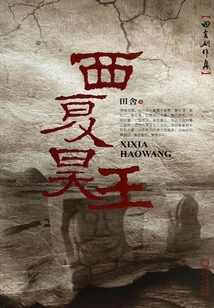
西夏昊王:田舍剧作集
Farmhouse
This book is a collection of scripts created by the author, including three scripts: "King Hao of Xixia" is a four-act Xixia historical drama, "Yuan Hao and the Xian Fei" is a newly adapted historical drama for opera, and "Yang Yanxuan" is a newly adapted historical drama for opera. "King Hao of Western Xia" is strictly based on history, and also provides a high degree of artistic summary. It condenses Li Yuanhao's dramatic life into four life scenes, creating an image of an ancient emperor rich in the bold and resolute character of the ethnic minorities in the northwest.
This book is a collection of scripts created by the author, including three scripts: "King Hao of Xixia" is a four-act Xixia historical drama, "Yuan Hao and the Xian Fei" is a newly adapted historical drama for opera, and "Yang Yanxuan" is a newly adapted historical drama for opera. "King Hao of Western Xia" is strictly based on history, and also provides a high degree of artistic summary. It condenses Li Yuanhao's dramatic life into four life scenes, creating an image of an ancient emperor rich in the bold and resolute character of the ethnic minorities in the northwest.
Three Kinds of Plays
Literature剧作三种
Rauma
Rural Clinic. A square table with several bottles of items similar to alcohol, iodine, and pharmaceuticals placed on it. There is a long wooden bench on each side. Six or seven patients were standing or sitting, including men and women, old and young. They were dressed like country folk, simple and even shabby. Dr. Anton Chekhov was bending over to examine the throat of the coachman on the couch. Chekhov (gently supporting the patient's head with one hand, inserting the tongue depressor into the patient's open mouth with the other hand) said "ah-ah-ah"... Coachman (making a series of strange noises) ah-ah-ah ah... Chekhov (steps back two steps, waving his hand in front of his nose) How much wine have you drunk, my lord? Do you drink alcohol early in the morning? Coachman (covering his cheek with one hand, stood up from his chair) My dear Dr. Chekhov, who said you can't drink alcohol in the morning? Do you have to choose a good day to drink?
Rural Clinic. A square table with several bottles of items similar to alcohol, iodine, and pharmaceuticals placed on it. There is a long wooden bench on each side. Six or seven patients were standing or sitting, including men and women, old and young. They were dressed like country folk, simple and even shabby. Dr. Anton Chekhov was bending over to examine the throat of the coachman on the couch. Chekhov (gently supporting the patient's head with one hand, inserting the tongue depressor into the patient's open mouth with the other hand) said "ah-ah-ah"... Coachman (making a series of strange noises) ah-ah-ah ah... Chekhov (steps back two steps, waving his hand in front of his nose) How much wine have you drunk, my lord? Do you drink alcohol early in the morning? Coachman (covering his cheek with one hand, stood up from his chair) My dear Dr. Chekhov, who said you can't drink alcohol in the morning? Do you have to choose a good day to drink?
Beautiful Life on Plateau
Literature高原美丽人生
Yang Dezhi
This is a true story that happened in Huangzhong County, Xining City, Qinghai Province. The main characters in the play all have their real names, and the events have all really happened. It tells the touching story of Ma Fuxing, a disabled (handless) Hui teacher from Xiamaer Village, Huangzhong County, Xining City. After reading his news and in-depth interviews with him, my soul was deeply shaken. He interprets the meaning of life and the beauty of life in a different way. On the three-foot podium and in life, he embodies the value of life with tenacity and perseverance beyond ordinary people's imagination. Anyone who knows Teacher Ma Fuxing will say: "Teacher Ma has hands, and his hands are in his heart." Ma Fuxing has won honors such as CCTV's "Three Rural Figures", "Outstanding Communist Party Member of Qinghai Province", National "May 1st" Labor Model, and the honorary title of "The Most Beautiful Rural Teacher in the Country".
This is a true story that happened in Huangzhong County, Xining City, Qinghai Province. The main characters in the play all have their real names, and the events have all really happened. It tells the touching story of Ma Fuxing, a disabled (handless) Hui teacher from Xiamaer Village, Huangzhong County, Xining City. After reading his news and in-depth interviews with him, my soul was deeply shaken. He interprets the meaning of life and the beauty of life in a different way. On the three-foot podium and in life, he embodies the value of life with tenacity and perseverance beyond ordinary people's imagination. Anyone who knows Teacher Ma Fuxing will say: "Teacher Ma has hands, and his hands are in his heart." Ma Fuxing has won honors such as CCTV's "Three Rural Figures", "Outstanding Communist Party Member of Qinghai Province", National "May 1st" Labor Model, and the honorary title of "The Most Beautiful Rural Teacher in the Country".
Beautiful Home
Literature美丽的家
Liu Heng
Resident Ding: Find a welder and weld the garbage chute! Resident E: You can make up your mind whether we are allowed to raise pigeons or not! Resident: We keep throwing bowls upstairs, one every day, which makes my mother almost crazy! Resident Geng: I don't have a damn job, you have to find me a job! Resident Xin: Director, did you know that someone keeps a donkey in the boiler room! Damin probably didn't hear it at all, he was just intoxicated by the feeling of being surrounded by stars, and he actually waved his arms and shook them at everyone, just like the slow and majestic movements of a leader, or like a fashionable presidential candidate on TV. He was really drunk. There was a rapid trumpet sound.
Resident Ding: Find a welder and weld the garbage chute! Resident E: You can make up your mind whether we are allowed to raise pigeons or not! Resident: We keep throwing bowls upstairs, one every day, which makes my mother almost crazy! Resident Geng: I don't have a damn job, you have to find me a job! Resident Xin: Director, did you know that someone keeps a donkey in the boiler room! Damin probably didn't hear it at all, he was just intoxicated by the feeling of being surrounded by stars, and he actually waved his arms and shook them at everyone, just like the slow and majestic movements of a leader, or like a fashionable presidential candidate on TV. He was really drunk. There was a rapid trumpet sound.
Qingming
Literature清明
Yao Baoxuan Wei Zhong
The drama "Qingming" is another masterpiece by famous playwrights Yao Baoxuan and Wei Zhong in our province after "The Beginning of Autumn". The drama "The Beginning of Autumn" focuses on interpreting the image of integrity of Shanxi merchants during the great historical changes. The plot is magnificent and exciting. With fascinating stories and vivid language, it has successfully shaped the artistic image of three generations of Shanxi merchants. Since its premiere on April 27, 2004, a total of 660 performances have been performed in 9 years. It is one of the important gains in cultural construction during the "11th Five-Year Plan" period of Shanxi Province. The fifth issue of this magazine in 2005 released the unperformed version of "The Beginning of Autumn", which aroused strong responses among readers. The "Qingming" published in this issue is still an unperformed version of the play.
The drama "Qingming" is another masterpiece by famous playwrights Yao Baoxuan and Wei Zhong in our province after "The Beginning of Autumn". The drama "The Beginning of Autumn" focuses on interpreting the image of integrity of Shanxi merchants during the great historical changes. The plot is magnificent and exciting. With fascinating stories and vivid language, it has successfully shaped the artistic image of three generations of Shanxi merchants. Since its premiere on April 27, 2004, a total of 660 performances have been performed in 9 years. It is one of the important gains in cultural construction during the "11th Five-Year Plan" period of Shanxi Province. The fifth issue of this magazine in 2005 released the unperformed version of "The Beginning of Autumn", which aroused strong responses among readers. The "Qingming" published in this issue is still an unperformed version of the play.
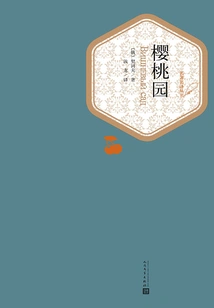
Cherry Orchard
Literature樱桃园
J
With its profound themes and unique artistic style, Chekhov's dramatic works made outstanding contributions to the development of modern Russian drama at the turn of the 19th and 20th centuries. "Chekhov's Drama Collection" will include Ru Long's translation of Chekhov's famous plays "Ivanov", "The Seagull", "Uncle Vanya", "Three Sisters" and "The Cherry Orchard".
With its profound themes and unique artistic style, Chekhov's dramatic works made outstanding contributions to the development of modern Russian drama at the turn of the 19th and 20th centuries. "Chekhov's Drama Collection" will include Ru Long's translation of Chekhov's famous plays "Ivanov", "The Seagull", "Uncle Vanya", "Three Sisters" and "The Cherry Orchard".
Bakhtin's Carnival
Literature巴赫金的狂欢
Rauma
Bedroom and study. Simple furniture, single bed, desk. There were piles of books on the floor and on the desk. Bakhtin was writing at his desk. Enter landlady. She stretched out her clothes and apron, and deliberately coughed twice. Landlady, I'm sorry, Mr. Bakhtin. I have to interrupt your work, if staying in the house all day counts as work. Bakhtin Oh, hello, my dear landlady! Your arrival is just the time to give my rapidly spinning brain a break. I was actually working, not slacking off at all. This kind of work is somewhat different from concentrated labor on factory floors and collective farms, but it is essentially the same.
Bedroom and study. Simple furniture, single bed, desk. There were piles of books on the floor and on the desk. Bakhtin was writing at his desk. Enter landlady. She stretched out her clothes and apron, and deliberately coughed twice. Landlady, I'm sorry, Mr. Bakhtin. I have to interrupt your work, if staying in the house all day counts as work. Bakhtin Oh, hello, my dear landlady! Your arrival is just the time to give my rapidly spinning brain a break. I was actually working, not slacking off at all. This kind of work is somewhat different from concentrated labor on factory floors and collective farms, but it is essentially the same.
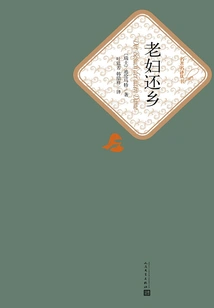
Old Woman Returns Home
Literature老妇还乡
(switzerland) Dürenmatt
"The Return of the Old Woman" is Dürrenmatt's famous work. It tells the story of the billionaire Lyle who returns to her hometown of Gulen after forty-five years and wants to spend one billion donations to kill her former lover, Il, who abandoned her and turned her into a prostitute. Her request was initially rejected by the Gulen people, but the temptation of money was too great, and the Gulen people finally had to give in before money. They collectively strangled El and "upheld justice" in exchange for the prosperity of the city. This book also includes the author's plays such as "Meteor".
"The Return of the Old Woman" is Dürrenmatt's famous work. It tells the story of the billionaire Lyle who returns to her hometown of Gulen after forty-five years and wants to spend one billion donations to kill her former lover, Il, who abandoned her and turned her into a prostitute. Her request was initially rejected by the Gulen people, but the temptation of money was too great, and the Gulen people finally had to give in before money. They collectively strangled El and "upheld justice" in exchange for the prosperity of the city. This book also includes the author's plays such as "Meteor".
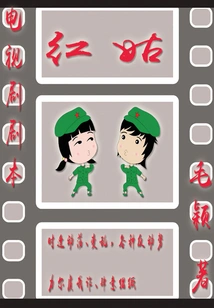
Honggu
Literature红姑
Mao Ying
In the 1930s, banditry was rampant in southeastern Guizhou. Rural pharmacist Meng Lao led the villagers to resist bandit exploitation and was brutally killed. His daughter Meng Caihong rose up to resist, was hunted down, and was rescued. She stayed at the home of bodyguard Luo Qiye and changed her name to Luo Honggu. She studied martial arts with Luo Qiye, spent time with fellow apprentices Long Hu and Qiangzi, and fell in love with Qiangzi. An unreasonable disaster caused by a bandit robbery broke the peace, tore apart the relationship, and pushed the 18-year-old Honggu into a dangerous situation. Zhao Jian, an underground worker of the Communist Party, rescued her in time, and discovered Honggu's pursuit of justice and bright temperament and extraordinary courage and strategy. He deeply appreciated and guided her carefully. In times of turmoil and chaos, various reactionary forces are scheming and running rampant. In order to "run the place" and please the local richest tycoon Zhu Shinan, they devise a conspiracy to force Honggu to marry the old Zhu Shinan at a young age in order to save Luo Qiye and Qiangzi.
In the 1930s, banditry was rampant in southeastern Guizhou. Rural pharmacist Meng Lao led the villagers to resist bandit exploitation and was brutally killed. His daughter Meng Caihong rose up to resist, was hunted down, and was rescued. She stayed at the home of bodyguard Luo Qiye and changed her name to Luo Honggu. She studied martial arts with Luo Qiye, spent time with fellow apprentices Long Hu and Qiangzi, and fell in love with Qiangzi. An unreasonable disaster caused by a bandit robbery broke the peace, tore apart the relationship, and pushed the 18-year-old Honggu into a dangerous situation. Zhao Jian, an underground worker of the Communist Party, rescued her in time, and discovered Honggu's pursuit of justice and bright temperament and extraordinary courage and strategy. He deeply appreciated and guided her carefully. In times of turmoil and chaos, various reactionary forces are scheming and running rampant. In order to "run the place" and please the local richest tycoon Zhu Shinan, they devise a conspiracy to force Honggu to marry the old Zhu Shinan at a young age in order to save Luo Qiye and Qiangzi.
Dead Knot
Literature死结
Liao Tianyun
The time is the 1970s. The location is a remote mountain village in southwest China. Character Wang Mantang, male, 26-36 years old, farmer. Queen Mother, female, 60-70 years old, mother of Wang Mantang. Li Fengying, female, 19-29 years old, wife of Wang Mantang. Liu Banxian, male, 50-60 years old, travels in the countryside as a doctor, tells fortunes by pinching his fingers, works as a matchmaker, is a host of ceremonies and supports guests, he knows everything. Grandma Sun, female, over 50 years old, farmer, rural midwife. Da Ya, the eldest daughter of Wang Mantang, was 13 years old when she appeared. Erya, Wang Mantang's second daughter, was 11 years old when she appeared. Sanya, the third daughter of Wang Mantang, was 9 years old and mute when she appeared. Family planning staff A and B, and several extras.
The time is the 1970s. The location is a remote mountain village in southwest China. Character Wang Mantang, male, 26-36 years old, farmer. Queen Mother, female, 60-70 years old, mother of Wang Mantang. Li Fengying, female, 19-29 years old, wife of Wang Mantang. Liu Banxian, male, 50-60 years old, travels in the countryside as a doctor, tells fortunes by pinching his fingers, works as a matchmaker, is a host of ceremonies and supports guests, he knows everything. Grandma Sun, female, over 50 years old, farmer, rural midwife. Da Ya, the eldest daughter of Wang Mantang, was 13 years old when she appeared. Erya, Wang Mantang's second daughter, was 11 years old when she appeared. Sanya, the third daughter of Wang Mantang, was 9 years old and mute when she appeared. Family planning staff A and B, and several extras.
Leshen
Literature乐神
Liao Tianyun
Time (Qing Dynasty) Xianfeng period. The character, Luo Kannan, is in his 20s, a pillar bearer, a drummer, and the leader of the Monkey Opera Troupe. He is eloquent, good at singing, and humorous. He is known as a living treasure. Luo Straw Sandals, the father of Luo Kan, is over 50 years old. He went to a private school and is somewhat educated. He makes a living selling straw sandals. His nickname is Luo Straw Sandals and he likes to be public. She is a beauty from Shantao Mountain and was formerly a trainer of the hippopotamus troupe. She is in her prime of life, good at speaking and singing, has a lively personality and a flexible mind. She is known as the Singing Fairy and Luo Kan's wife. Yao Sao is the owner of Yaozhan Inn in her 30s. She is charitable, chivalrous and generous. Li Chuanping is a male in his 40s, a local rich man, a village chief, and later a township chief. He is lustful, charming, and ruthless.
Time (Qing Dynasty) Xianfeng period. The character, Luo Kannan, is in his 20s, a pillar bearer, a drummer, and the leader of the Monkey Opera Troupe. He is eloquent, good at singing, and humorous. He is known as a living treasure. Luo Straw Sandals, the father of Luo Kan, is over 50 years old. He went to a private school and is somewhat educated. He makes a living selling straw sandals. His nickname is Luo Straw Sandals and he likes to be public. She is a beauty from Shantao Mountain and was formerly a trainer of the hippopotamus troupe. She is in her prime of life, good at speaking and singing, has a lively personality and a flexible mind. She is known as the Singing Fairy and Luo Kan's wife. Yao Sao is the owner of Yaozhan Inn in her 30s. She is charitable, chivalrous and generous. Li Chuanping is a male in his 40s, a local rich man, a village chief, and later a township chief. He is lustful, charming, and ruthless.
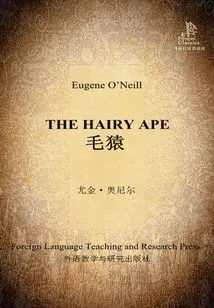
Hairy Ape
Literature毛猿
J
"The Hairy Ape" is a play written by Eugene O'Neill that combines realism, expressionism and symbolism. The protagonist Yank is a stoker on an ocean liner. He is proud of his physical strength and is respected by his companions. However, after being insulted by a rich woman among the passengers, he loses the direction of his life and searches for his own sense of belonging. He becomes friends with a gorilla in the zoo, but dies in its strong embrace. The script shows that in a ruthless capitalist society, workers like Yank can only endure inhuman treatment. If they want to change this situation, they will only suffer a more tragic ending.
"The Hairy Ape" is a play written by Eugene O'Neill that combines realism, expressionism and symbolism. The protagonist Yank is a stoker on an ocean liner. He is proud of his physical strength and is respected by his companions. However, after being insulted by a rich woman among the passengers, he loses the direction of his life and searches for his own sense of belonging. He becomes friends with a gorilla in the zoo, but dies in its strong embrace. The script shows that in a ruthless capitalist society, workers like Yank can only endure inhuman treatment. If they want to change this situation, they will only suffer a more tragic ending.
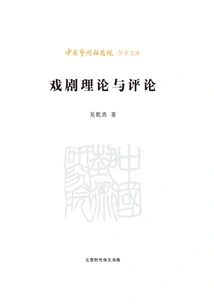
Theater Theory and Criticism
Literature戏剧理论与评论
Wu Qianhao
This book is a selected collection of the author's writings since he has been engaged in drama research, especially in the last 30 years. The book has more than 300,000 words and is divided into five parts: (1) The preface and postscript of his personal monograph, a small number of chapters in national key scientific research projects, and the edited series of books. The preface is a preface written for other people's writings; (2) Thoughts on the current situation of opera from an overall and macro perspective; (3) Articles about opera types and genres; (4) Introduction to opera and opera reviews; (5) Articles and reviews on drama.
This book is a selected collection of the author's writings since he has been engaged in drama research, especially in the last 30 years. The book has more than 300,000 words and is divided into five parts: (1) The preface and postscript of his personal monograph, a small number of chapters in national key scientific research projects, and the edited series of books. The preface is a preface written for other people's writings; (2) Thoughts on the current situation of opera from an overall and macro perspective; (3) Articles about opera types and genres; (4) Introduction to opera and opera reviews; (5) Articles and reviews on drama.
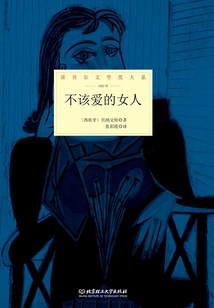
不该爱的女人(诺贝尔文学奖大系)
(spain) Benavente
This book contains two classic plays by Benavente. "The Woman Who Shouldn't Love" successfully creates an image of a woman that is said to be "the most Spanish", and "A Strong Connection" describes a series of funny and unexpected events that happened after two liars arrived in a Spanish city. Benavente's works are known for their smooth, natural and elegant dialogue. Benavente has a pessimistic and negative attitude towards social reform and progress. Therefore, most of his scripts are not deep enough, but they are light, smooth, and full of humor. The dialogues between the characters are particularly excellent, and they are often philosophical and profound.
This book contains two classic plays by Benavente. "The Woman Who Shouldn't Love" successfully creates an image of a woman that is said to be "the most Spanish", and "A Strong Connection" describes a series of funny and unexpected events that happened after two liars arrived in a Spanish city. Benavente's works are known for their smooth, natural and elegant dialogue. Benavente has a pessimistic and negative attitude towards social reform and progress. Therefore, most of his scripts are not deep enough, but they are light, smooth, and full of humor. The dialogues between the characters are particularly excellent, and they are often philosophical and profound.
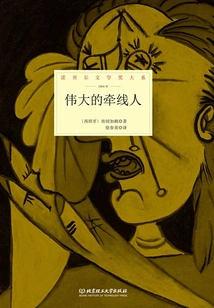
伟大的牵线人(诺贝尔文学奖大系)
(spain) Echegaray
This book is Echegaray's masterpiece. The play describes the protagonist's peaceful life being broken by rumors from the outside world, which eventually leads to the breakdown of the family. The script tells us that the purest characters can be tainted by people's gossip, and malicious slander can make people deformed. At the same time, it fully reveals the destructive power of rumors and slander. The characters' personalities are vivid, outstanding, very typical and full of appeal.
This book is Echegaray's masterpiece. The play describes the protagonist's peaceful life being broken by rumors from the outside world, which eventually leads to the breakdown of the family. The script tells us that the purest characters can be tainted by people's gossip, and malicious slander can make people deformed. At the same time, it fully reveals the destructive power of rumors and slander. The characters' personalities are vivid, outstanding, very typical and full of appeal.
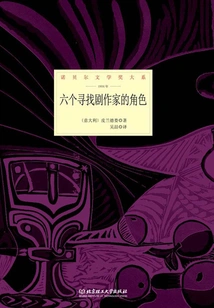
六个寻找剧作家的角色(诺贝尔文学奖大系)
(italy) Pirandello
"Six Characters in Search of the Playwright" is Pirandello's classic play. The work uses the form of "play within a play" to develop two themes in parallel: the story of the "characters" is the main theme. This theme is not to tell an old human story of joys and sorrows, but to explore the reasons for the tragedy of the "characters": the most profound reason lies in human nature and the existence of people themselves. Another theme is the discussion of the essence of drama, which clarifies the relationship between stage and reality, form and essence. This work has both psychological depth and philosophical connotation, and is highly stimulating to both the senses and the mind.
"Six Characters in Search of the Playwright" is Pirandello's classic play. The work uses the form of "play within a play" to develop two themes in parallel: the story of the "characters" is the main theme. This theme is not to tell an old human story of joys and sorrows, but to explore the reasons for the tragedy of the "characters": the most profound reason lies in human nature and the existence of people themselves. Another theme is the discussion of the essence of drama, which clarifies the relationship between stage and reality, form and essence. This work has both psychological depth and philosophical connotation, and is highly stimulating to both the senses and the mind.
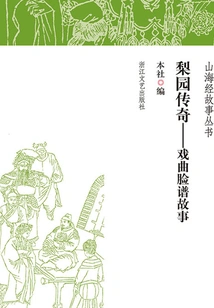
梨园传奇:戏曲脸谱的故事
Head Office
It turns out that Guan Gong's surname is not Guan, and his face is not red. Why does Guan Gong's facial makeup on the stage have a heavy jujube face, red phoenix eyes, and silkworm eyebrows? There is a point to this.
It turns out that Guan Gong's surname is not Guan, and his face is not red. Why does Guan Gong's facial makeup on the stage have a heavy jujube face, red phoenix eyes, and silkworm eyebrows? There is a point to this.
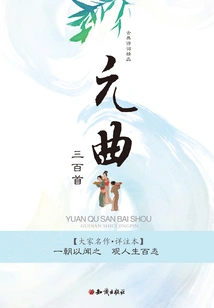
Three Hundred Yuan Songs
Literature元曲三百首
Anonymous
"Three Hundred Yuan Songs" covers the works of most writers at that time. In order to facilitate readers' reading, while striving to maintain the original appearance of the works, the editors deliberately add notes to difficult-to-understand words after each work. And classify each author's Sanqu works, and attach an introduction to the author before the first article so that readers can better understand the works.
"Three Hundred Yuan Songs" covers the works of most writers at that time. In order to facilitate readers' reading, while striving to maintain the original appearance of the works, the editors deliberately add notes to difficult-to-understand words after each work. And classify each author's Sanqu works, and attach an introduction to the author before the first article so that readers can better understand the works.
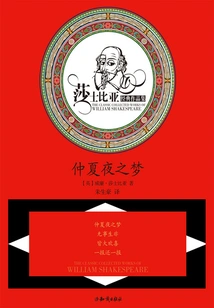
仲夏夜之梦(莎士比亚经典作品集)
G
"A Midsummer Night's Dream" is the most mature comedy work of Shakespeare's youth, and it is also one of the most famous comedies in Shakespeare's works. The book tells the story of conflicts caused by "magic juice" and the resolution of the conflicts, and finally the lovers finally get married. This play has a huge influence on the history of world literature, especially the history of drama.
"A Midsummer Night's Dream" is the most mature comedy work of Shakespeare's youth, and it is also one of the most famous comedies in Shakespeare's works. The book tells the story of conflicts caused by "magic juice" and the resolution of the conflicts, and finally the lovers finally get married. This play has a huge influence on the history of world literature, especially the history of drama.
辛白林(莎士比亚经典作品集)
(english) Shakespeare
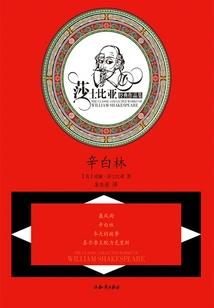
"Cymbeline" is Shakespeare's late comedy work from 1610 to 1611. This play describes the story of King Cymbeline of Britain. His daughter has a private life-long engagement with her childhood sweetheart Pushumo. Cymbeline is furious and banishes Pushumo to distant Rome in anger. The exiled Pushumo was convinced that his wife would definitely be loyal to him, but Pushumo's friend Echimo believed that the princess would definitely remarry. The two then made a bet. If Echimo could get the bracelet on the princess's hand, Pushumo would lose and lose the ring on his hand that symbolized love to him. In order to win the bracelet, the treacherous Echimo resorted to all kinds of lies and deceptions, and even shamelessly courted the princess. However, the clever princess resolved all Echimo's scams and proved her pure heart.
"Cymbeline" is Shakespeare's late comedy work from 1610 to 1611. This play describes the story of King Cymbeline of Britain. His daughter has a private life-long engagement with her childhood sweetheart Pushumo. Cymbeline is furious and banishes Pushumo to distant Rome in anger. The exiled Pushumo was convinced that his wife would definitely be loyal to him, but Pushumo's friend Echimo believed that the princess would definitely remarry. The two then made a bet. If Echimo could get the bracelet on the princess's hand, Pushumo would lose and lose the ring on his hand that symbolized love to him. In order to win the bracelet, the treacherous Echimo resorted to all kinds of lies and deceptions, and even shamelessly courted the princess. However, the clever princess resolved all Echimo's scams and proved her pure heart.