Library
Browse and search books
2,273 novels found
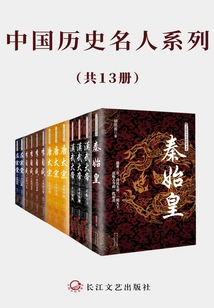
中国历史名人系列(套装共13册)
Hu Gaopu Yang Huanting Zhao Yang Xueyin Zhang Hongfu
Qin Shihuang - the emperor of the ages in the eyes of Easterners. It reproduces the magnificent life of Qin Shihuang with mixed successes and failures. The story is majestic, the plot climaxes one after another, and the ending is breathtaking, vividly showing readers the true character of Ying Zheng's generation of overlords. Emperor Wu of the Han Dynasty - he established a country with unprecedented dignity. It begins with Liu Che's childhood, taking over the throne through risks, seizing power, using talents to reform, respecting the king and rejecting the barbarians and other major events. It revolves around the conflicts between life and death, gain and loss, love and hatred, and shows the ups and downs of Emperor Wu of the Han Dynasty and the era when heroes emerged. Taizong of the Tang Dynasty - the Ming Emperor in Chinese history. At the age of 18, he launched an army to rebel against the Sui Dynasty. He defeated Liu Wuzhou along the way, defeated Song Jingang, forced Wang Shichong to surrender, and captured Dou Jiande alive... He made great achievements and laid the territorial foundation for the Tang Dynasty. Li Zicheng - an "encyclopedia" of Chinese feudal society. Based on the principle of "going deep into history and jumping out of history", it describes the intricate historical process and the magnificent peasant uprising of more than 300 years ago. Zuo Zongtang - There is skill in being an official and a person in the right way. True historical materials tell the legendary life of Zuo Zongtang, an important minister of the late Qing Dynasty, and demonstrate Zuo Zongtang's political wisdom and military talents.
Qin Shihuang - the emperor of the ages in the eyes of Easterners. It reproduces the magnificent life of Qin Shihuang with mixed successes and failures. The story is majestic, the plot climaxes one after another, and the ending is breathtaking, vividly showing readers the true character of Ying Zheng's generation of overlords. Emperor Wu of the Han Dynasty - he established a country with unprecedented dignity. It begins with Liu Che's childhood, taking over the throne through risks, seizing power, using talents to reform, respecting the king and rejecting the barbarians and other major events. It revolves around the conflicts between life and death, gain and loss, love and hatred, and shows the ups and downs of Emperor Wu of the Han Dynasty and the era when heroes emerged. Taizong of the Tang Dynasty - the Ming Emperor in Chinese history. At the age of 18, he launched an army to rebel against the Sui Dynasty. He defeated Liu Wuzhou along the way, defeated Song Jingang, forced Wang Shichong to surrender, and captured Dou Jiande alive... He made great achievements and laid the territorial foundation for the Tang Dynasty. Li Zicheng - an "encyclopedia" of Chinese feudal society. Based on the principle of "going deep into history and jumping out of history", it describes the intricate historical process and the magnificent peasant uprising of more than 300 years ago. Zuo Zongtang - There is skill in being an official and a person in the right way. True historical materials tell the legendary life of Zuo Zongtang, an important minister of the late Qing Dynasty, and demonstrate Zuo Zongtang's political wisdom and military talents.
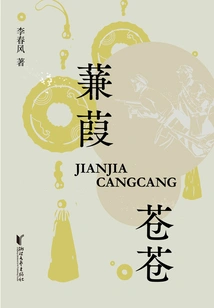
Jian Jia Cang Cang
General Fiction蒹葭苍苍
Li Chunfeng
In 2008, Yu Xiaoya, a 19-year-old girl born in Qingyang, Gansu Province, had just finished taking the college entrance examination when her mother died suddenly. Before her death, her mother told Yu Xiaoya to go to Daqiao Township, a mountainous area in Longnan, thousands of miles away, and asked her to give up her studies. This was a big blow to Yu Xiaoya, who had been studying diligently since she was a child. What puzzled Yu Xiaoya even more was that her mother gave her a wooden box before she died. There was a jade pendant broken into half pieces in the wooden box. Is this half piece of jade related to Daqiao Township where she is going? Yu Xiaoya finally knew that the purpose of her trip was to find out the secret of the jade pendant and her life experience, but no one expected that going to the bridge would actually connect her to a big river: a Western Han Dynasty water flowing out of the "Book of Songs", an endless river. With the unveiling of the mystery of his life experience, a past event in the 1930s and 1940s can be restored. The ancestors struggled with war and bloodshed, but still maintained an unmerciful conscience despite their humble status. When the banditry was finally eliminated, the appearance of a man in a long gown led to the liberation of the whole place... In order to protect the cultural relics from being lost, Yuan Xi made an incredible decision in desperation, which eventually led to himself being imprisoned... Bai Weihan, Li Lu, Jian Jia... Women living on both sides of the Western Han River, like Jia Jia in the wind, fluctuated with their fate, but their lives were endless.
In 2008, Yu Xiaoya, a 19-year-old girl born in Qingyang, Gansu Province, had just finished taking the college entrance examination when her mother died suddenly. Before her death, her mother told Yu Xiaoya to go to Daqiao Township, a mountainous area in Longnan, thousands of miles away, and asked her to give up her studies. This was a big blow to Yu Xiaoya, who had been studying diligently since she was a child. What puzzled Yu Xiaoya even more was that her mother gave her a wooden box before she died. There was a jade pendant broken into half pieces in the wooden box. Is this half piece of jade related to Daqiao Township where she is going? Yu Xiaoya finally knew that the purpose of her trip was to find out the secret of the jade pendant and her life experience, but no one expected that going to the bridge would actually connect her to a big river: a Western Han Dynasty water flowing out of the "Book of Songs", an endless river. With the unveiling of the mystery of his life experience, a past event in the 1930s and 1940s can be restored. The ancestors struggled with war and bloodshed, but still maintained an unmerciful conscience despite their humble status. When the banditry was finally eliminated, the appearance of a man in a long gown led to the liberation of the whole place... In order to protect the cultural relics from being lost, Yuan Xi made an incredible decision in desperation, which eventually led to himself being imprisoned... Bai Weihan, Li Lu, Jian Jia... Women living on both sides of the Western Han River, like Jia Jia in the wind, fluctuated with their fate, but their lives were endless.
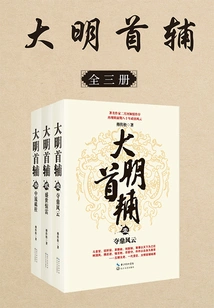
大明首辅(全集)
Fu Chuansong
The earth-shaking changes in the Ming Dynasty from Jianwen to Hongxi years, as well as the scenes of emperors and ministers such as Zhu Di, Zhu Gaochi and Yang Pu working hard to achieve great governance in the world. In the fifth month of the thirty-first year of Hongwu, Zhu Yuanzhang, the founding emperor of the Ming Dynasty, died in the West Palace, and the emperor's grandson Zhu Yunwen succeeded to the throne. Soon, King Yan Zhu Di's "Jingnan" army rose up. In an instant, there was a bloody war. Yang Pu, who had just entered the political arena, made his debut in the turbulent court and went to Beijing to make peace.
The earth-shaking changes in the Ming Dynasty from Jianwen to Hongxi years, as well as the scenes of emperors and ministers such as Zhu Di, Zhu Gaochi and Yang Pu working hard to achieve great governance in the world. In the fifth month of the thirty-first year of Hongwu, Zhu Yuanzhang, the founding emperor of the Ming Dynasty, died in the West Palace, and the emperor's grandson Zhu Yunwen succeeded to the throne. Soon, King Yan Zhu Di's "Jingnan" army rose up. In an instant, there was a bloody war. Yang Pu, who had just entered the political arena, made his debut in the turbulent court and went to Beijing to make peace.
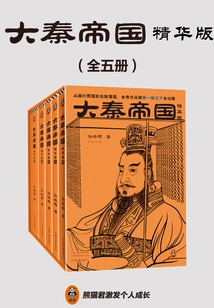
Great Qin Empire·essential Edition (five Volumes in Total)
General Fiction大秦帝国·精华版(全五册)
Sun Haohui
During the Warring States Period, when various countries were in conflict, Qin was a weak country on the northwest border. It was hampered by nobles internally and powerful enemies were watching from outside. It was on the verge of subjugation. At this time of crisis, Qin's wise kings and wise ministers emerged one after another. In more than a hundred years, it transformed from a weak country that was beaten to an invincible power sweeping the world. After Qin Xiaogong came to the throne, he recruited talents and appointed Shang Yang's reforms, and the Qin State rose rapidly; during the period of King Qin Huiwen, Zhang Yi was used as the prime minister to unite the six kingdoms, and Sima Cuo was used as the general, and Bashu was taken as the granary; during the period of King Qin Zhaoxiang, Fan Ju used the strategy of distant friendship and close attack, and used military force Bai Qi attacked Chu and defeated Zhao, and the six kingdoms surrendered; finally, the remnants of Ying Zheng Fen VI, with the assistance of Li Si, Meng Tian, etc., Destroyed Han, Zhao, Wei, Chu, Yan, and Qi in just a few years, and established the first unified centralized state in Chinese history. Open this book and see how Qin fought against the heroes and unified the six kingdoms!
During the Warring States Period, when various countries were in conflict, Qin was a weak country on the northwest border. It was hampered by nobles internally and powerful enemies were watching from outside. It was on the verge of subjugation. At this time of crisis, Qin's wise kings and wise ministers emerged one after another. In more than a hundred years, it transformed from a weak country that was beaten to an invincible power sweeping the world. After Qin Xiaogong came to the throne, he recruited talents and appointed Shang Yang's reforms, and the Qin State rose rapidly; during the period of King Qin Huiwen, Zhang Yi was used as the prime minister to unite the six kingdoms, and Sima Cuo was used as the general, and Bashu was taken as the granary; during the period of King Qin Zhaoxiang, Fan Ju used the strategy of distant friendship and close attack, and used military force Bai Qi attacked Chu and defeated Zhao, and the six kingdoms surrendered; finally, the remnants of Ying Zheng Fen VI, with the assistance of Li Si, Meng Tian, etc., Destroyed Han, Zhao, Wei, Chu, Yan, and Qi in just a few years, and established the first unified centralized state in Chinese history. Open this book and see how Qin fought against the heroes and unified the six kingdoms!
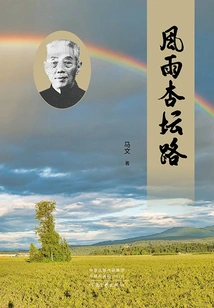
Fengyu Xingtan Road
General Fiction风雨杏坛路
Marvin
This long historical novel takes the life course of Mr. Wang Gongbi, an educator and patriotic democrat, as the main line. Based on in-depth interviews with relevant people and the integration of historical documents, it truly reproduces the hero's life of patriotism, pursuit of truth, and devotion to education. It vividly describes the hero's life stories such as participating in the Tongmenghui, overthrowing the feudal monarchy, opposing Yuan Shikai's proclaimed emperor, opposing the 21 Articles, supporting the Anti-Japanese War, founding rural schools, and participating in the construction of New China. It depicts the feelings of a modern intellectual about his family and country. The works are full of touching power that reaches the soul, inspiring positive energy, and are of high ideological and artistic quality.
This long historical novel takes the life course of Mr. Wang Gongbi, an educator and patriotic democrat, as the main line. Based on in-depth interviews with relevant people and the integration of historical documents, it truly reproduces the hero's life of patriotism, pursuit of truth, and devotion to education. It vividly describes the hero's life stories such as participating in the Tongmenghui, overthrowing the feudal monarchy, opposing Yuan Shikai's proclaimed emperor, opposing the 21 Articles, supporting the Anti-Japanese War, founding rural schools, and participating in the construction of New China. It depicts the feelings of a modern intellectual about his family and country. The works are full of touching power that reaches the soul, inspiring positive energy, and are of high ideological and artistic quality.
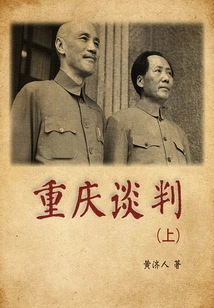
Chongqing Negotiations (part 1)
General Fiction重庆谈判(上)
Huang Jiren
On June 6, 1944, the Allied forces opened the second battlefield in Europe and launched the Normandy landing in "Operation Overlord", destroying the German "Atlantic Barrier" in one fell swoop. Therefore, Roosevelt turned his attention to Asia, focusing on China. This novel has a grand and novel conception. It places the 43 days of Chongqing negotiations between Mao Zedong and Chiang Kai-shek in the international environment. Various contradictions are complicated, the plot is designed to be relaxed, the scene description is intense, the atmosphere is rich, and the language is concise and concise. It created a touching artistic image of Mao Zedong who was both great and ordinary. Other historical figures, such as Zhou Enlai, Wang Ruofei, Stalin, Churchill, Roosevelt, Hurley, Stilwell, Guo Moruo, Zhang Lan, Liu Yazi, etc. Are all lifelike. This is a magnificent historical picture that is highly readable.
On June 6, 1944, the Allied forces opened the second battlefield in Europe and launched the Normandy landing in "Operation Overlord", destroying the German "Atlantic Barrier" in one fell swoop. Therefore, Roosevelt turned his attention to Asia, focusing on China. This novel has a grand and novel conception. It places the 43 days of Chongqing negotiations between Mao Zedong and Chiang Kai-shek in the international environment. Various contradictions are complicated, the plot is designed to be relaxed, the scene description is intense, the atmosphere is rich, and the language is concise and concise. It created a touching artistic image of Mao Zedong who was both great and ordinary. Other historical figures, such as Zhou Enlai, Wang Ruofei, Stalin, Churchill, Roosevelt, Hurley, Stilwell, Guo Moruo, Zhang Lan, Liu Yazi, etc. Are all lifelike. This is a magnificent historical picture that is highly readable.
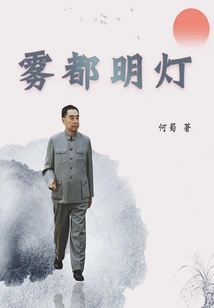
Light in the Foggy City
General Fiction雾都明灯
He Shu
In a person's life, four years may not be too long. In the long history, four years can only be regarded as a short moment. However, sometimes, a brief moment can radiate a dazzling light... Zhou Enlai's four years in Chongqing were the most important years of China's Anti-Japanese War and the most critical years when China faced two future choices after the victory of the Anti-Japanese War. In the fog-shrouded capital of Chongqing, the Southern Bureau of the CPC Central Committee headed by Zhou Enlai lit up a dazzling light in the hearts of people from all walks of life with such outstanding work of historic significance. As a result, there are many touching stories that spread like wildfire...
In a person's life, four years may not be too long. In the long history, four years can only be regarded as a short moment. However, sometimes, a brief moment can radiate a dazzling light... Zhou Enlai's four years in Chongqing were the most important years of China's Anti-Japanese War and the most critical years when China faced two future choices after the victory of the Anti-Japanese War. In the fog-shrouded capital of Chongqing, the Southern Bureau of the CPC Central Committee headed by Zhou Enlai lit up a dazzling light in the hearts of people from all walks of life with such outstanding work of historic significance. As a result, there are many touching stories that spread like wildfire...
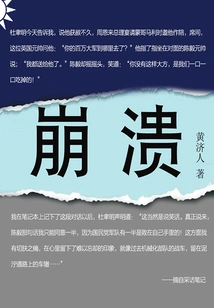
Collapse
General Fiction崩溃
Huang Jiren
"Collapse" reveals the reasons for the collapse of the Kuomintang on the battlefield - first of all, its internal collapse. Through many little-known descriptions of the Kuomintang's military activities during the War of Resistance Against Japan and the War of Liberation, it provides an artistic observation and historical representation of the backbone of the Kuomintang's rule, from the intrigues within the military's top brass to the inevitable fate of disintegration.
"Collapse" reveals the reasons for the collapse of the Kuomintang on the battlefield - first of all, its internal collapse. Through many little-known descriptions of the Kuomintang's military activities during the War of Resistance Against Japan and the War of Liberation, it provides an artistic observation and historical representation of the backbone of the Kuomintang's rule, from the intrigues within the military's top brass to the inevitable fate of disintegration.
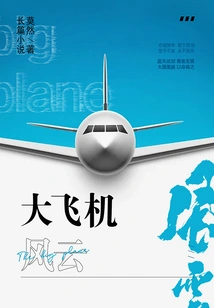
Big Plane Storm
General Fiction大飞机风云
Moran
I would like to dedicate this book to my alma mater, Northwestern Polytechnical University, which has cultivated many aviation elites, my classmates and colleagues, who work hard for the aviation industry of the motherland, and also to the lost youth of our generation of aviation people! I would also like to dedicate it to the aircraft designers who have worked hard for the development of large aircraft for decades - loyal to their mission, dare to take responsibility, persevere and never give up! As well as China's civil aircraft test pilots and flight test engineers - testing swords in the blue sky, brave men and fearless, great weapons of great power, forged with life!
I would like to dedicate this book to my alma mater, Northwestern Polytechnical University, which has cultivated many aviation elites, my classmates and colleagues, who work hard for the aviation industry of the motherland, and also to the lost youth of our generation of aviation people! I would also like to dedicate it to the aircraft designers who have worked hard for the development of large aircraft for decades - loyal to their mission, dare to take responsibility, persevere and never give up! As well as China's civil aircraft test pilots and flight test engineers - testing swords in the blue sky, brave men and fearless, great weapons of great power, forged with life!
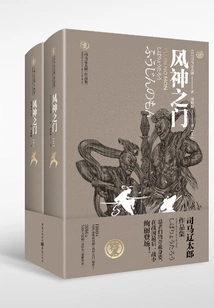
Gate of the Wind God
General Fiction风神之门
I
Born in Iga, he is as free as the wind, and his talents are only willing to be sold at a price; born in Koga, he is as stubborn as a rock, and he will be loyal to his lord without regrets. They fought openly and secretly, but also cherished each other, and finally both succumbed to the Sanada family's six cents banner. However, the enemy waiting for them was the most terrifying man in Japan... In the autumn of the fifth year of Keicho (1600), the Battle of Sekigahara broke out, and the world's situation became finalized. On this day, Sarutobi Sasuke, with his lord Yukimura's ideal of regaining the Toyotomi family, approached Iga's genius ninja Kirigakure Saizo and gave him two choices: join the Sanada family, or die. In the summer of the 20th year of Keicho (1615), Osaka Castle was heavily besieged by Tokugawa troops, and its fall was imminent. On the eve of the decisive battle, Sasuke said goodbye to Saizo and confessed that he was determined to live and die with his master. This puts Saizo, who could have left, into a dilemma... The glory of the past will eventually fade away; the setting sun at Osaka Castle reflects the last appearance of the Ten Warriors of Sanada!
Born in Iga, he is as free as the wind, and his talents are only willing to be sold at a price; born in Koga, he is as stubborn as a rock, and he will be loyal to his lord without regrets. They fought openly and secretly, but also cherished each other, and finally both succumbed to the Sanada family's six cents banner. However, the enemy waiting for them was the most terrifying man in Japan... In the autumn of the fifth year of Keicho (1600), the Battle of Sekigahara broke out, and the world's situation became finalized. On this day, Sarutobi Sasuke, with his lord Yukimura's ideal of regaining the Toyotomi family, approached Iga's genius ninja Kirigakure Saizo and gave him two choices: join the Sanada family, or die. In the summer of the 20th year of Keicho (1615), Osaka Castle was heavily besieged by Tokugawa troops, and its fall was imminent. On the eve of the decisive battle, Sasuke said goodbye to Saizo and confessed that he was determined to live and die with his master. This puts Saizo, who could have left, into a dilemma... The glory of the past will eventually fade away; the setting sun at Osaka Castle reflects the last appearance of the Ten Warriors of Sanada!
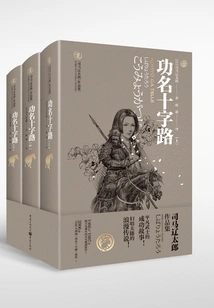
Crossroads of Fame and Fame
General Fiction功名十字路
I
He is an extremely mediocre warrior; she is an extremely intelligent woman. He only knows how to go into battle to kill the enemy and gain fame; she helps him move around and turn danger into safety. At every crossroads of fate, the couple worked together to overcome the troubled times, build the Tosa Ichi Domain's foundation for more than 200 years, and achieve great success. In the twelfth year of Eiroku (1569), when Oda Nobunaga was at the height of his power, a little-known general, Kinoshita Tokichiro, gradually emerged. At the suggestion of his wife Chiyo, Yamauchi Kazutoyo, who was originally Nobunaga's valet, turned to join the military general. He did not expect that this unpopular move would be the key to his life or death thirteen years later! Late at night on July 23rd of the fifth year of Keicho (1600), Chiyo sent an urgent messenger to secretly deliver a document box from Osaka. Yamauchi Kazutoyo handed it to Tokugawa Ieyasu, who was struggling to prepare for the war. This laid the foundation for the victory of the Battle of Sekigahara and the foreshadowing of the future expansion of the Yamauchi family's territory... A concubine should be like pampas grass, and a king should be like a rock. I am willing to devote my whole life to protecting the knot!
He is an extremely mediocre warrior; she is an extremely intelligent woman. He only knows how to go into battle to kill the enemy and gain fame; she helps him move around and turn danger into safety. At every crossroads of fate, the couple worked together to overcome the troubled times, build the Tosa Ichi Domain's foundation for more than 200 years, and achieve great success. In the twelfth year of Eiroku (1569), when Oda Nobunaga was at the height of his power, a little-known general, Kinoshita Tokichiro, gradually emerged. At the suggestion of his wife Chiyo, Yamauchi Kazutoyo, who was originally Nobunaga's valet, turned to join the military general. He did not expect that this unpopular move would be the key to his life or death thirteen years later! Late at night on July 23rd of the fifth year of Keicho (1600), Chiyo sent an urgent messenger to secretly deliver a document box from Osaka. Yamauchi Kazutoyo handed it to Tokugawa Ieyasu, who was struggling to prepare for the war. This laid the foundation for the victory of the Battle of Sekigahara and the foreshadowing of the future expansion of the Yamauchi family's territory... A concubine should be like pampas grass, and a king should be like a rock. I am willing to devote my whole life to protecting the knot!
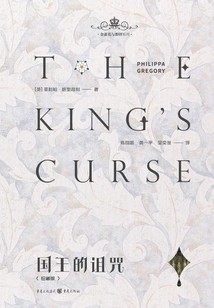
The King's Curse (collector's Edition)
General Fiction国王的诅咒(珍藏版)
H
Power and love are always difficult to have at the same time, but truth and death go hand in hand - in the spring of 1502, Arthur Tudor, who was only sixteen years old, died unexpectedly. The young crown prince who had the same name as the ancient British king passed away before he could realize his ideals of governing the country. The king and his wife lost their beloved son, and his young widow Catherine had to wait for the king's brother to come of age to remarry him... In the autumn of 1514, a newborn baby stopped breathing in his infancy. Queen Catherine suffered the loss of another son, and the Tudor dynasty still had not yet welcomed the expected heir. Only the last of the Plantagenets, Margaret Pole, might know why. That was a curse, derived from the power of the water goddess Melusina-those who murder the princes in the tower will also be cut off from their own escape. The book "The King's Curse" tells the story of the troubled life of Margaret Pole, a descendant of Plantagenet. Her noble birth was the reason why she was deposed by the Tudor family. She fell into abject poverty and lived in hardship for a time. After Henry VIII succeeded to the throne, she regained the favor of the royal family and her status rose. She was even later named Countess of Salisbury. Queen Catherine's inability to give birth to an heir becomes a dark cloud hanging over the Tudor royal family. Margaret remembers a secret curse passed down in the family: the descendants of anyone who murders the Plantagenet Prince in the Tower will suffer the same fate. As Henry fell out with the queen, Margaret, who sided with Catherine, once again lost the king's trust, and her fate became precarious... Readers who want to understand the history of the Tudor Dynasty can feel the intensity of the various struggles surrounding the throne of England at that time from the book.
Power and love are always difficult to have at the same time, but truth and death go hand in hand - in the spring of 1502, Arthur Tudor, who was only sixteen years old, died unexpectedly. The young crown prince who had the same name as the ancient British king passed away before he could realize his ideals of governing the country. The king and his wife lost their beloved son, and his young widow Catherine had to wait for the king's brother to come of age to remarry him... In the autumn of 1514, a newborn baby stopped breathing in his infancy. Queen Catherine suffered the loss of another son, and the Tudor dynasty still had not yet welcomed the expected heir. Only the last of the Plantagenets, Margaret Pole, might know why. That was a curse, derived from the power of the water goddess Melusina-those who murder the princes in the tower will also be cut off from their own escape. The book "The King's Curse" tells the story of the troubled life of Margaret Pole, a descendant of Plantagenet. Her noble birth was the reason why she was deposed by the Tudor family. She fell into abject poverty and lived in hardship for a time. After Henry VIII succeeded to the throne, she regained the favor of the royal family and her status rose. She was even later named Countess of Salisbury. Queen Catherine's inability to give birth to an heir becomes a dark cloud hanging over the Tudor royal family. Margaret remembers a secret curse passed down in the family: the descendants of anyone who murders the Plantagenet Prince in the Tower will suffer the same fate. As Henry fell out with the queen, Margaret, who sided with Catherine, once again lost the king's trust, and her fate became precarious... Readers who want to understand the history of the Tudor Dynasty can feel the intensity of the various struggles surrounding the throne of England at that time from the book.
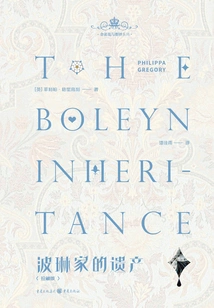
The Pauline Legacy (collector's Edition)
General Fiction波琳家的遗产(珍藏版)
H
Power and love are always difficult to have at the same time, but truth and death go hand in hand - in the winter of 1540, Henry VIII married his fourth wife. Even though she was wearing a tiara, Anne of Cleves could only feel a bone-chilling chill - the ghost of the second queen, Anne Boleyn, was never far away. Why did Jane Boline, who once narrowly escaped death, go to great lengths to return to the court that had swallowed up her husband and his sister? And can Anne's cousin, Catherine Howard, who is only fourteen years old, recreate the glory of the Boleyn family? The legacy of the Boleyns is power, wealth, and the seed of tragedy... The protagonists of "The Legacy of the Boleyns" are three court women - Anne of Cleves, Henry VIII's fourth queen, Catherine Howard, the fifth queen, and Jane Boleyn, the sister of the second queen. These three women, who had a very close relationship with Hengba in his later years, were at the center of the Tudor political storm: The shadow of Henry's bad habit of "killing his wife" has always shrouded Anne. During this unhappy marriage, she also personally experienced this capricious monarch's pursuit of power and desire; Catherine had witnessed the tragedy of the queen's cousin, but she still had to fly into the flame to pursue everything she didn't deserve; while Jane, on the surface, was friendly with all the queens, but actually had an ulterior dark side...
Power and love are always difficult to have at the same time, but truth and death go hand in hand - in the winter of 1540, Henry VIII married his fourth wife. Even though she was wearing a tiara, Anne of Cleves could only feel a bone-chilling chill - the ghost of the second queen, Anne Boleyn, was never far away. Why did Jane Boline, who once narrowly escaped death, go to great lengths to return to the court that had swallowed up her husband and his sister? And can Anne's cousin, Catherine Howard, who is only fourteen years old, recreate the glory of the Boleyn family? The legacy of the Boleyns is power, wealth, and the seed of tragedy... The protagonists of "The Legacy of the Boleyns" are three court women - Anne of Cleves, Henry VIII's fourth queen, Catherine Howard, the fifth queen, and Jane Boleyn, the sister of the second queen. These three women, who had a very close relationship with Hengba in his later years, were at the center of the Tudor political storm: The shadow of Henry's bad habit of "killing his wife" has always shrouded Anne. During this unhappy marriage, she also personally experienced this capricious monarch's pursuit of power and desire; Catherine had witnessed the tragedy of the queen's cousin, but she still had to fly into the flame to pursue everything she didn't deserve; while Jane, on the surface, was friendly with all the queens, but actually had an ulterior dark side...
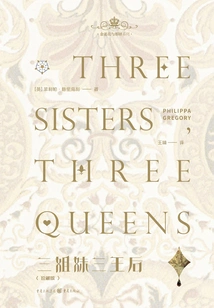
Three Sisters and Three Queens (collector's Edition)
General Fiction三姐妹三王后(珍藏版)
H
Power and love are always difficult to have at the same time, but truth and death go hand in hand - In the hot summer of 1503, Margaret of the Tudor family held a grand ceremony with the King of Scotland. The marriage and coronation simultaneously gave the Tudor princess happiness and power. She was very satisfied with the marriage: she was marrying a mature monarch, while Catherine, who was married to her brother Arthur, was just a princess. However, thousands of miles away and alone, she could only confide in endless letters with Catherine and her sister Mary, who was married to France. The three aristocratic women were like sisters, but they also had hidden jealousies. They had no choice about the future. Giving birth to a precious heir was the only meaning of becoming a queen. Conspiracy and lust for power separate their emotions. How will they finally make a choice? "Three Sisters and Three Queens" focuses on the three women around Henry VIII: his biological sisters and his first queen. Margaret and Mary married in Scotland and France respectively, while Catherine, who became his queen, came from Spain. Although the three of them were royal ladies, they essentially still had to rely on male dignitaries to make a living. The meaning of life was just to give birth to children, but under the harsh medical conditions at the time, every birth was like a trip to hell. Whichever of them gives birth to a prince first, may become the mother of the Tudor heir. The emotions of the three people are interdependent and undercurrent... The book shows the reality of the low social status of women at that time from the side many times, and can also see the budding self-awareness of women who are bound by traditional education.
Power and love are always difficult to have at the same time, but truth and death go hand in hand - In the hot summer of 1503, Margaret of the Tudor family held a grand ceremony with the King of Scotland. The marriage and coronation simultaneously gave the Tudor princess happiness and power. She was very satisfied with the marriage: she was marrying a mature monarch, while Catherine, who was married to her brother Arthur, was just a princess. However, thousands of miles away and alone, she could only confide in endless letters with Catherine and her sister Mary, who was married to France. The three aristocratic women were like sisters, but they also had hidden jealousies. They had no choice about the future. Giving birth to a precious heir was the only meaning of becoming a queen. Conspiracy and lust for power separate their emotions. How will they finally make a choice? "Three Sisters and Three Queens" focuses on the three women around Henry VIII: his biological sisters and his first queen. Margaret and Mary married in Scotland and France respectively, while Catherine, who became his queen, came from Spain. Although the three of them were royal ladies, they essentially still had to rely on male dignitaries to make a living. The meaning of life was just to give birth to children, but under the harsh medical conditions at the time, every birth was like a trip to hell. Whichever of them gives birth to a prince first, may become the mother of the Tudor heir. The emotions of the three people are interdependent and undercurrent... The book shows the reality of the low social status of women at that time from the side many times, and can also see the budding self-awareness of women who are bound by traditional education.
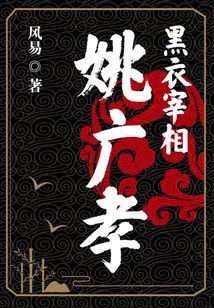
Prime Minister in Black: Yao Guangxiao
General Fiction黑衣宰相:姚广孝
Feng Yi
In the eighth year of Hongwu, the forty-year-old Yao Guangxiao was recruited into the palace, intending to get close to Zhu Yuanzhang and calm his inner demons. When his official career was not going smoothly, he decided to get close to Zhu Di and assist Zhu Di in ascending to power, in order to get rid of the inner demons that might endanger the Ming Dynasty and millions of people. For this reason, Yao Guangxiao worked hard, made suggestions, and united with strange people to jointly assist Zhu Di in ascending the throne. After a fight, Zhu Di finally ascended to the throne, but the demons in his heart have not been removed. Yao Guangxiao decided to fight his inner demons to the death. In the end, the inner demon was defeated, and after experiencing all the world, he finally understood that the so-called inner demon was desire, and letting go of desire would calm the inner demon. After that, the Ming Dynasty was stable and the people were at peace.
In the eighth year of Hongwu, the forty-year-old Yao Guangxiao was recruited into the palace, intending to get close to Zhu Yuanzhang and calm his inner demons. When his official career was not going smoothly, he decided to get close to Zhu Di and assist Zhu Di in ascending to power, in order to get rid of the inner demons that might endanger the Ming Dynasty and millions of people. For this reason, Yao Guangxiao worked hard, made suggestions, and united with strange people to jointly assist Zhu Di in ascending the throne. After a fight, Zhu Di finally ascended to the throne, but the demons in his heart have not been removed. Yao Guangxiao decided to fight his inner demons to the death. In the end, the inner demon was defeated, and after experiencing all the world, he finally understood that the so-called inner demon was desire, and letting go of desire would calm the inner demon. After that, the Ming Dynasty was stable and the people were at peace.
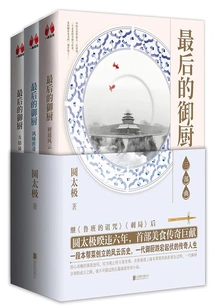
The Last Royal Chef (complete Series)
General Fiction最后的御厨(全集)
Round Tai Chi
A turbulent history of the establishment of local cuisine, and the ups and downs of the legendary life of a generation of royal chefs. The trilogy of the "The Last Imperial Chef" series tells the legendary story of Xu Zhiwei, the last imperial chef, who was framed and ran away from the capital, went to Shanghai alone, established himself as a chef, and created his own cuisine.
A turbulent history of the establishment of local cuisine, and the ups and downs of the legendary life of a generation of royal chefs. The trilogy of the "The Last Imperial Chef" series tells the legendary story of Xu Zhiwei, the last imperial chef, who was framed and ran away from the capital, went to Shanghai alone, established himself as a chef, and created his own cuisine.
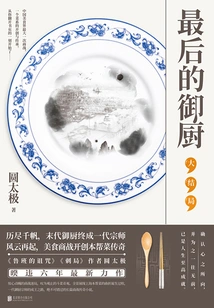
The Last Chef: Finale
General Fiction最后的御厨:大结局
Round Tai Chi
A turbulent history of the establishment of local cuisine, and the ups and downs of the legendary life of a generation of royal chefs. The trilogy of the "The Last Imperial Chef" series tells the legendary story of Xu Zhiwei, the last imperial chef, who was framed and ran away from the capital, went to Shanghai alone, established himself as a chef, and created his own cuisine.
A turbulent history of the establishment of local cuisine, and the ups and downs of the legendary life of a generation of royal chefs. The trilogy of the "The Last Imperial Chef" series tells the legendary story of Xu Zhiwei, the last imperial chef, who was framed and ran away from the capital, went to Shanghai alone, established himself as a chef, and created his own cuisine.
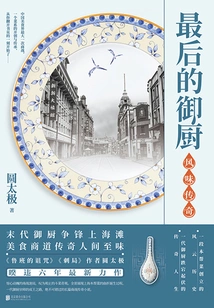
The Last Chef: Legend of Flavor
General Fiction最后的御厨:风味传奇
Round Tai Chi
A turbulent history of the establishment of local cuisine, and the ups and downs of the legendary life of a generation of royal chefs. The trilogy of the "The Last Imperial Chef" series tells the legendary story of Xu Zhiwei, the last imperial chef, who was framed and ran away from the capital, went to Shanghai alone, established himself as a chef, and created his own cuisine.
A turbulent history of the establishment of local cuisine, and the ups and downs of the legendary life of a generation of royal chefs. The trilogy of the "The Last Imperial Chef" series tells the legendary story of Xu Zhiwei, the last imperial chef, who was framed and ran away from the capital, went to Shanghai alone, established himself as a chef, and created his own cuisine.
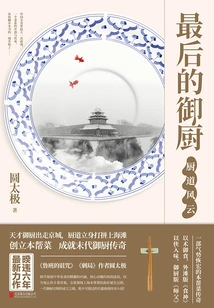
The Last Royal Chef: Kitchen Style
General Fiction最后的御厨:厨道风云
Round Tai Chi
A turbulent history of the establishment of local cuisine, and the ups and downs of the legendary life of a generation of royal chefs. The trilogy of the "The Last Imperial Chef" series tells the legendary story of Xu Zhiwei, the last imperial chef, who was framed and ran away from the capital, went to Shanghai alone, established himself as a chef, and created his own cuisine.
A turbulent history of the establishment of local cuisine, and the ups and downs of the legendary life of a generation of royal chefs. The trilogy of the "The Last Imperial Chef" series tells the legendary story of Xu Zhiwei, the last imperial chef, who was framed and ran away from the capital, went to Shanghai alone, established himself as a chef, and created his own cuisine.
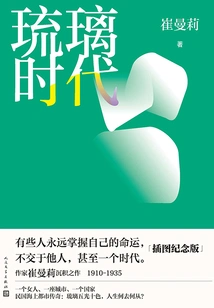
Glazed Age
General Fiction琉璃时代
Cui Manli
Using Fengyi's growth as a clue, the novel depicts the fate of three entrepreneurs, Shao Yuanren, Yuan Zixin, and Fang Yexian, as well as the operating models of Yuantai, Hexing, and Chemical Society, as well as their strengths and limitations in development. It also describes the fierce conflicts of interest and complex relationships between foreign capital, local capital, gangs, and government forces in the Republic of China. The novel's presentation of the Republic of China, ranging from the historical background and historical events to clothing, clothing, hairstyles, catering, shopping, entertainment, etc., Is all based on historical data and fully and realistically restores that period of history.
Using Fengyi's growth as a clue, the novel depicts the fate of three entrepreneurs, Shao Yuanren, Yuan Zixin, and Fang Yexian, as well as the operating models of Yuantai, Hexing, and Chemical Society, as well as their strengths and limitations in development. It also describes the fierce conflicts of interest and complex relationships between foreign capital, local capital, gangs, and government forces in the Republic of China. The novel's presentation of the Republic of China, ranging from the historical background and historical events to clothing, clothing, hairstyles, catering, shopping, entertainment, etc., Is all based on historical data and fully and realistically restores that period of history.
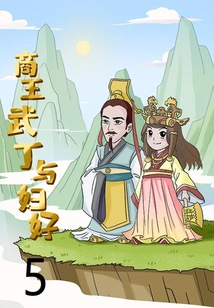
Shang King Wu Ding and His Wife 5
General Fiction商王武丁与妇好5
Yang Shaozi
Wu Hao, the consort of Wu Ding, the 22nd generation monarch of the Shang Dynasty, was the first female protagonist in Chinese history. In everyone's impression, Wu Zetian's position as the first female protagonist belongs to none other than Wu Zetian. Wu Ding and the queen had a good marriage. The great idea of the couple was to revive great merchants. What they wanted to revive was the spirit of business, contract and scholar that the founding sage Chengtang upheld and promoted.
Wu Hao, the consort of Wu Ding, the 22nd generation monarch of the Shang Dynasty, was the first female protagonist in Chinese history. In everyone's impression, Wu Zetian's position as the first female protagonist belongs to none other than Wu Zetian. Wu Ding and the queen had a good marriage. The great idea of the couple was to revive great merchants. What they wanted to revive was the spirit of business, contract and scholar that the founding sage Chengtang upheld and promoted.
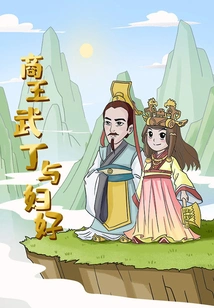
Shang King Wu Ding and His Wife (volume 1-5)
General Fiction商王武丁与妇好(1-5卷)
Yang Shaozi
The emergence of Wu Ding, the 22nd generation monarch of the Shang Dynasty, and his consort, Fu Shuo, a good wife and a virtuous prime minister, provided the right answer at the right time and the right place. The basic idea of Wu Ding, Fu Hao and Fu Shuo is to revitalize great business. What they want to revive is the spirit of business and contract upheld and promoted by the founding sage Chengtang.
The emergence of Wu Ding, the 22nd generation monarch of the Shang Dynasty, and his consort, Fu Shuo, a good wife and a virtuous prime minister, provided the right answer at the right time and the right place. The basic idea of Wu Ding, Fu Hao and Fu Shuo is to revitalize great business. What they want to revive is the spirit of business and contract upheld and promoted by the founding sage Chengtang.
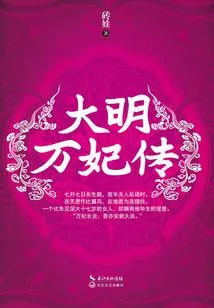
The Legend of Ten Thousand Concubines of the Ming Dynasty
General Fiction大明万妃传
Brick Doll
This book is a biography of a historical figure. Concubine Wan Gui entered the palace at the age of four. When the "Tumu Fort Incident" was in danger, she was ordered by the Queen Mother to protect the crown prince Zhu Jianshen. Over the next thirty years, the two experienced ups and downs and touching moments. In the love life of all Chinese emperors, they could be said to have experienced the most adversity, the greatest age difference, the longest duration, and the greatest degree of love. The author tells the legendary story of Concubine Wan Gui based on his awe for history, sincere writing attitude and original historical materials.
This book is a biography of a historical figure. Concubine Wan Gui entered the palace at the age of four. When the "Tumu Fort Incident" was in danger, she was ordered by the Queen Mother to protect the crown prince Zhu Jianshen. Over the next thirty years, the two experienced ups and downs and touching moments. In the love life of all Chinese emperors, they could be said to have experienced the most adversity, the greatest age difference, the longest duration, and the greatest degree of love. The author tells the legendary story of Concubine Wan Gui based on his awe for history, sincere writing attitude and original historical materials.
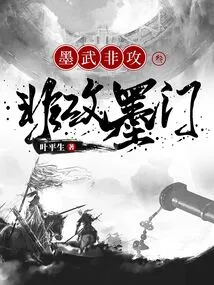
Mo Wu Fei Gong 3: Fei Gong Mo Gate
General Fiction墨武非攻3:非攻墨门
Ye Pingsheng
After a hard battle, with the help of the Mohists, Teng finally repelled the invading Lu army. But along with the great victory came a more complex and cruel power struggle. Facing the Mohists who were supported by the people, the king of Teng State began to feel suspicious. At this time, Gong Loser, who was forced to the point of desperation by Sanhuan, came to Teng State, and the two organizations and families cooperated again due to an unexpected combination of circumstances. Gongshuban's mind was swallowed up by the fireworks of revenge, but Mo Zhai, who was exhausted mentally and physically after several power struggles, had doubts about his own ambitions. When faced with another betrayal by the public losers, Mo Zhai chose to completely break with the public losers. Gongshu and Mo, who used to be close allies, have now completely turned against each other. When all the conspiracies disappear, the two people stick to their obsessions, cut off the past with the long sword in their hands, and create a new future. Mo Zhai vowed to spend the rest of his life realizing the path of universal love and non-attack.
After a hard battle, with the help of the Mohists, Teng finally repelled the invading Lu army. But along with the great victory came a more complex and cruel power struggle. Facing the Mohists who were supported by the people, the king of Teng State began to feel suspicious. At this time, Gong Loser, who was forced to the point of desperation by Sanhuan, came to Teng State, and the two organizations and families cooperated again due to an unexpected combination of circumstances. Gongshuban's mind was swallowed up by the fireworks of revenge, but Mo Zhai, who was exhausted mentally and physically after several power struggles, had doubts about his own ambitions. When faced with another betrayal by the public losers, Mo Zhai chose to completely break with the public losers. Gongshu and Mo, who used to be close allies, have now completely turned against each other. When all the conspiracies disappear, the two people stick to their obsessions, cut off the past with the long sword in their hands, and create a new future. Mo Zhai vowed to spend the rest of his life realizing the path of universal love and non-attack.
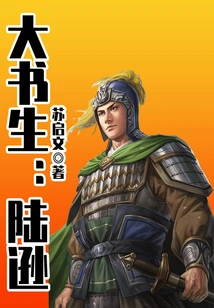
Great Scholar: Lu Xun
General Fiction大书生:陆逊
Su Qiwen
Lu Xun was a scholar who belonged to a wealthy family and lived a life without worries about food and clothing. When he was eleven years old, Sun Ce invaded Lujiang City. The entire people of Lujiang City also suffered from war because of Sun Ce's invasion, and corpses were everywhere. Lu Xun and his surviving family had to flee Lujiang, so he vowed to make the Sun family pay for their blood debt. At the age of twenty-one, he joined the Sun family and secretly united Baiyue troops and government officials to plot to invade Jianye and massacre the entire Sun family. Unfortunately, due to bad luck, assassination plans failed repeatedly. At this time, Liu Bei was raising a large army to defeat Soochow. Unwilling to do so, he tried to cooperate with him inside and outside, but unexpectedly set fire to the company and achieved unparalleled feats. In his later years, he intervened in the dispute between the Sun family and the East Palace, intending to destroy the Sun family. Unexpectedly, the oriole followed and died in depression.
Lu Xun was a scholar who belonged to a wealthy family and lived a life without worries about food and clothing. When he was eleven years old, Sun Ce invaded Lujiang City. The entire people of Lujiang City also suffered from war because of Sun Ce's invasion, and corpses were everywhere. Lu Xun and his surviving family had to flee Lujiang, so he vowed to make the Sun family pay for their blood debt. At the age of twenty-one, he joined the Sun family and secretly united Baiyue troops and government officials to plot to invade Jianye and massacre the entire Sun family. Unfortunately, due to bad luck, assassination plans failed repeatedly. At this time, Liu Bei was raising a large army to defeat Soochow. Unwilling to do so, he tried to cooperate with him inside and outside, but unexpectedly set fire to the company and achieved unparalleled feats. In his later years, he intervened in the dispute between the Sun family and the East Palace, intending to destroy the Sun family. Unexpectedly, the oriole followed and died in depression.
Mo Wu Fei Gong (complete Collection)
General Fiction墨武非攻(全集)
Ye Pingsheng
This book is a derivative work under the "Mowu" world view, with the core setting of ancient mechanism display. This set includes: "Mo Wu Fei Gong 1: Duckweed in Troubled Times", "Mo Wu Fei Gong 2: Confucianism and Taoism Gongshu", "Mo Wu Fei Gong 3: Fei Gong Momen".
This book is a derivative work under the "Mowu" world view, with the core setting of ancient mechanism display. This set includes: "Mo Wu Fei Gong 1: Duckweed in Troubled Times", "Mo Wu Fei Gong 2: Confucianism and Taoism Gongshu", "Mo Wu Fei Gong 3: Fei Gong Momen".
History of Chinese Go
General Fiction中华围棋史话
Boxiang
The period from the mid-Ming Dynasty to the early Qing Dynasty was the most glorious period in the history of Chinese Go, with numerous famous players and legends. This article is based on the nearly two hundred years of Go history from the Jiajing period of the Ming Dynasty to the mid-Qing Dynasty when Fan and Shi fought for hegemony. It is created in the form of a Ming and Qing story-telling novel, showing the changes in the Chinese Go world in the past two hundred years. In the middle of the Ming Dynasty, the three major chess schools of Yongjia, Xin'an and Jingshi were established and competed with each other for supremacy. First, Yongjia sent Bao Yizhong to defeat the capital, then the capital sent Li Fu to sweep across the south of the Yangtze River, and then Xin'an sent heroes to compete, and heroes emerged in large numbers. Just when the outcome of the three major sects was hard to decide, it was a master outside the three major sects, a man who did not want to be a chess player - Yangzhou Fang Zizhen, who won the name of the world's national player in these troubled times. At the end of the Ming Dynasty and the beginning of the Qing Dynasty, a generation of chess kings who were over 100 years old unified the three major sects and ended the troubled times in the chess world. However, at the time of the change of dynasties, the Go world suffered a catastrophe. Waiting for the world to decide, Zhou Lanyu, a young chess player who suddenly emerged from the army, launched an unprecedented ten-game chess hegemony against his predecessor who was over 100 years old. After Zhou Lanyu briefly unified the chess world, he suddenly disappeared, leaving an empty position for the world's best player, which made the heroes covet him. Unexpectedly, a younger young genius Huang Longshi emerged from nowhere and swept the world's chess players, creating a name for China's chess saint at a young age. What was even more unexpected was that Huang Longshi died young at the age of thirty. His disciple Xu Xingyou inherited the legacy of his mentor and continued the past, which finally gave birth to the peak era of Chinese ancient chess - Fan Xiping and Shi Xiangxia. The two great chess masters were born in the same era, starting the most brilliant competition for hegemony in the history of Chinese Go.
The period from the mid-Ming Dynasty to the early Qing Dynasty was the most glorious period in the history of Chinese Go, with numerous famous players and legends. This article is based on the nearly two hundred years of Go history from the Jiajing period of the Ming Dynasty to the mid-Qing Dynasty when Fan and Shi fought for hegemony. It is created in the form of a Ming and Qing story-telling novel, showing the changes in the Chinese Go world in the past two hundred years. In the middle of the Ming Dynasty, the three major chess schools of Yongjia, Xin'an and Jingshi were established and competed with each other for supremacy. First, Yongjia sent Bao Yizhong to defeat the capital, then the capital sent Li Fu to sweep across the south of the Yangtze River, and then Xin'an sent heroes to compete, and heroes emerged in large numbers. Just when the outcome of the three major sects was hard to decide, it was a master outside the three major sects, a man who did not want to be a chess player - Yangzhou Fang Zizhen, who won the name of the world's national player in these troubled times. At the end of the Ming Dynasty and the beginning of the Qing Dynasty, a generation of chess kings who were over 100 years old unified the three major sects and ended the troubled times in the chess world. However, at the time of the change of dynasties, the Go world suffered a catastrophe. Waiting for the world to decide, Zhou Lanyu, a young chess player who suddenly emerged from the army, launched an unprecedented ten-game chess hegemony against his predecessor who was over 100 years old. After Zhou Lanyu briefly unified the chess world, he suddenly disappeared, leaving an empty position for the world's best player, which made the heroes covet him. Unexpectedly, a younger young genius Huang Longshi emerged from nowhere and swept the world's chess players, creating a name for China's chess saint at a young age. What was even more unexpected was that Huang Longshi died young at the age of thirty. His disciple Xu Xingyou inherited the legacy of his mentor and continued the past, which finally gave birth to the peak era of Chinese ancient chess - Fan Xiping and Shi Xiangxia. The two great chess masters were born in the same era, starting the most brilliant competition for hegemony in the history of Chinese Go.
The Heroes of the Tang Dynasty and Five Dynasties
General Fiction残唐五代尽英雄
Ma Xiaoyao
This book mainly takes Zhu Wen, the founder of the Later Liang Dynasty in the Five Dynasties, as the main line, from his birth and growth to his rise, proclaiming himself emperor, and death, and finally ends with the destruction of the Later Liang Dynasty and the establishment of the Later Tang Dynasty. This is an era of war, chaos and turmoil. At the same time, it is also an era of heroes and excitement, with wind and rain and smoke everywhere. You and I are deceitful, and the sea is flowing. The author carefully selects from the voluminous historical materials and intercepts wonderful profiles one by one. Zhu Wen, Li Cunxu, Shi Jingtang, Li Cunxiao, Feng Dao, etc. Take turns to appear, explaining the details in simple terms and covering the details, so that readers can understand this special historical period of the Five Dynasties in a relaxed and enjoyable reading.
This book mainly takes Zhu Wen, the founder of the Later Liang Dynasty in the Five Dynasties, as the main line, from his birth and growth to his rise, proclaiming himself emperor, and death, and finally ends with the destruction of the Later Liang Dynasty and the establishment of the Later Tang Dynasty. This is an era of war, chaos and turmoil. At the same time, it is also an era of heroes and excitement, with wind and rain and smoke everywhere. You and I are deceitful, and the sea is flowing. The author carefully selects from the voluminous historical materials and intercepts wonderful profiles one by one. Zhu Wen, Li Cunxu, Shi Jingtang, Li Cunxiao, Feng Dao, etc. Take turns to appear, explaining the details in simple terms and covering the details, so that readers can understand this special historical period of the Five Dynasties in a relaxed and enjoyable reading.
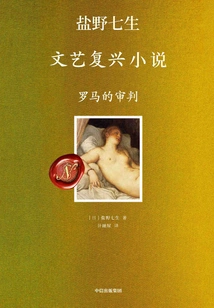
Roman Judgment
General Fiction罗马的审判
(japan) Shiono Nansei
There is Greek specialty wine exuding the scent of pine, roasted guinea chicken served on a silver plate decorated with the coat of arms of the Medici family, Pecorino goat cheese, and snacks made of almond flour wrapped in cream that can be swallowed in one bite. There are also studios of artists in the center of Florence in the 16th century, major banks all over Europe, and a dazzling array of shops filled with foreign goods. You will pass by plainly dressed civilian women cooking Egyptian bean soup in a cauldron, and you will have a heated discussion about Machiavelli's prophecies with aristocrats wearing fine satin and lace. What's even more incredible is that you can also go to watch and "interrupt" Michelangelo's own creation of the Sistine Chapel's ceiling frescoes! Not only that, the love drama between a handsome man and an elegant geisha, the power struggle between ambitious young people, and the complex relationships between the great powers at that time are all presented in this "Renaissance Novel" series. Marco came to Rome, Olympia's hometown, and met Michelangelo, the painter of the Sistine Chapel ceiling. He was influenced by art. Under the leadership of Enzo, he immersed himself in searching for ancient ruins every day and felt the charm of ancient Rome. After learning about Olympia's past, he decided to cross social barriers and marry her. However, when Venice lost a naval battle with Turkey, Marco's sense of national honor forced him to return to Venice. The fate of the two people once again encountered the impact of the historical wave.
There is Greek specialty wine exuding the scent of pine, roasted guinea chicken served on a silver plate decorated with the coat of arms of the Medici family, Pecorino goat cheese, and snacks made of almond flour wrapped in cream that can be swallowed in one bite. There are also studios of artists in the center of Florence in the 16th century, major banks all over Europe, and a dazzling array of shops filled with foreign goods. You will pass by plainly dressed civilian women cooking Egyptian bean soup in a cauldron, and you will have a heated discussion about Machiavelli's prophecies with aristocrats wearing fine satin and lace. What's even more incredible is that you can also go to watch and "interrupt" Michelangelo's own creation of the Sistine Chapel's ceiling frescoes! Not only that, the love drama between a handsome man and an elegant geisha, the power struggle between ambitious young people, and the complex relationships between the great powers at that time are all presented in this "Renaissance Novel" series. Marco came to Rome, Olympia's hometown, and met Michelangelo, the painter of the Sistine Chapel ceiling. He was influenced by art. Under the leadership of Enzo, he immersed himself in searching for ancient ruins every day and felt the charm of ancient Rome. After learning about Olympia's past, he decided to cross social barriers and marry her. However, when Venice lost a naval battle with Turkey, Marco's sense of national honor forced him to return to Venice. The fate of the two people once again encountered the impact of the historical wave.
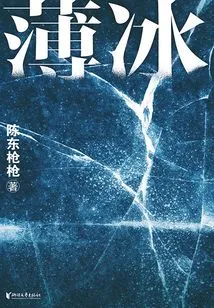
Thin Ice
General Fiction薄冰
Chen Dongqiangqiang
In Shanghai in 1944, Chen Qian, an ace agent code-named "Lü Bu" by the military command, disguised himself as the Japanese emissary "Mitsuo Asai" and lurked in the Mei Agency in order to destroy the Japanese conspiracy. He went deep into the enemy camp and successfully foiled the Japanese conspiracy to seize uranium ore resources. During the execution of the mission, he witnessed the cruelty of the military commander's actions. After "Feitian" died, he gradually found his true faith in his heart, joined the Communist Party of China, and took the initiative to take over the joint work between "Feitian" and our party's underground organization. On the eve of liberation, Chen Qian returned to Chongqing, lurked within the military command, and worked hand in hand with the new "Feitian" to successfully uncover the military spy "civet cat" lurking on our side, thwarted the military command's "Nirvana Plan", and ushered in the liberation of Chongqing.
In Shanghai in 1944, Chen Qian, an ace agent code-named "Lü Bu" by the military command, disguised himself as the Japanese emissary "Mitsuo Asai" and lurked in the Mei Agency in order to destroy the Japanese conspiracy. He went deep into the enemy camp and successfully foiled the Japanese conspiracy to seize uranium ore resources. During the execution of the mission, he witnessed the cruelty of the military commander's actions. After "Feitian" died, he gradually found his true faith in his heart, joined the Communist Party of China, and took the initiative to take over the joint work between "Feitian" and our party's underground organization. On the eve of liberation, Chen Qian returned to Chongqing, lurked within the military command, and worked hand in hand with the new "Feitian" to successfully uncover the military spy "civet cat" lurking on our side, thwarted the military command's "Nirvana Plan", and ushered in the liberation of Chongqing.
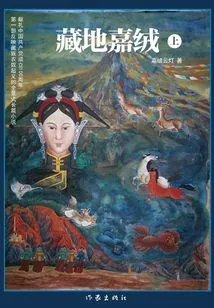
Jiarong, Tibet (part 1)
General Fiction藏地嘉绒(上)
Jiarong Cloud Lantern
During the reign of Emperor Guangxu of the Qing Dynasty, thousands of serfs led by Degamuka Bulong in the Jiarong-Tibet area of Sichuan rose up in rebellion, overthrew the rule of native women, abolished the Ula service, and equalized land wealth, which dealt a heavy blow to the brutal ruling class. They resisted the serfs and fought bloody battles with the Qing army. In the end, they were outnumbered and the uprising failed miserably. This serf uprising, known in history as the "Qiongshan Uprising" or "Kalong Incident", was a serf uprising with great influence in Tibetan history. As the first panoramic novel to reflect the Tibetan serf uprising, it profoundly exposes the dark backwardness of Tibetan serfdom in history, vividly describes the heroic deeds of heroic resistance to serfdom, comprehensively displays the unique history, culture, customs and customs of Jiarong Tibetans, and reveals for the first time some little-known secrets in Tibetan history.
During the reign of Emperor Guangxu of the Qing Dynasty, thousands of serfs led by Degamuka Bulong in the Jiarong-Tibet area of Sichuan rose up in rebellion, overthrew the rule of native women, abolished the Ula service, and equalized land wealth, which dealt a heavy blow to the brutal ruling class. They resisted the serfs and fought bloody battles with the Qing army. In the end, they were outnumbered and the uprising failed miserably. This serf uprising, known in history as the "Qiongshan Uprising" or "Kalong Incident", was a serf uprising with great influence in Tibetan history. As the first panoramic novel to reflect the Tibetan serf uprising, it profoundly exposes the dark backwardness of Tibetan serfdom in history, vividly describes the heroic deeds of heroic resistance to serfdom, comprehensively displays the unique history, culture, customs and customs of Jiarong Tibetans, and reveals for the first time some little-known secrets in Tibetan history.
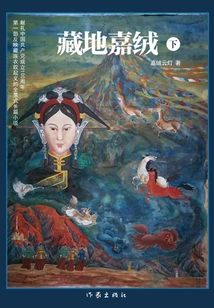
Jiarong, Tibet (part 2)
General Fiction藏地嘉绒(下)
Jiarong Cloud Lantern
During the reign of Emperor Guangxu of the Qing Dynasty, thousands of serfs led by Degamuka Bulong in the Jiarong-Tibet area of Sichuan rose up in rebellion, overthrew the rule of native women, abolished the Ula service, and equalized land wealth, which dealt a heavy blow to the brutal ruling class. They resisted the serfs and fought bloody battles with the Qing army. In the end, they were outnumbered and the uprising failed miserably. This serf uprising, known in history as the "Qiongshan Uprising" or "Kalong Incident", was a serf uprising with great influence in Tibetan history. As the first panoramic novel to reflect the Tibetan serf uprising, it profoundly exposes the dark backwardness of Tibetan serfdom in history, vividly describes the heroic deeds of heroic resistance to serfdom, comprehensively displays the unique history, culture, customs and customs of Jiarong Tibetans, and reveals for the first time some little-known secrets in Tibetan history.
During the reign of Emperor Guangxu of the Qing Dynasty, thousands of serfs led by Degamuka Bulong in the Jiarong-Tibet area of Sichuan rose up in rebellion, overthrew the rule of native women, abolished the Ula service, and equalized land wealth, which dealt a heavy blow to the brutal ruling class. They resisted the serfs and fought bloody battles with the Qing army. In the end, they were outnumbered and the uprising failed miserably. This serf uprising, known in history as the "Qiongshan Uprising" or "Kalong Incident", was a serf uprising with great influence in Tibetan history. As the first panoramic novel to reflect the Tibetan serf uprising, it profoundly exposes the dark backwardness of Tibetan serfdom in history, vividly describes the heroic deeds of heroic resistance to serfdom, comprehensively displays the unique history, culture, customs and customs of Jiarong Tibetans, and reveals for the first time some little-known secrets in Tibetan history.
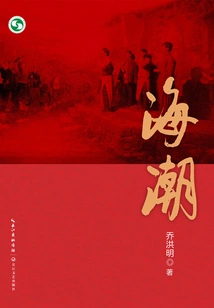
Tide
General Fiction海潮
Qiao Hongming
"The Tide" is a novel that uses an epic style to describe the people of Weihai, Shandong Province's resistance against Japan and Japan. In the late 1930s, Jiaodong fell, and the people were plunged into the misery of losing their country and family. The people in the occupied areas, represented by progressive young people Yang Ziqian, Wang Bing, Bi Yun, Liancheng and others, fought desperately against the Japanese and puppet bandits to resist aggression and oppression.
"The Tide" is a novel that uses an epic style to describe the people of Weihai, Shandong Province's resistance against Japan and Japan. In the late 1930s, Jiaodong fell, and the people were plunged into the misery of losing their country and family. The people in the occupied areas, represented by progressive young people Yang Ziqian, Wang Bing, Bi Yun, Liancheng and others, fought desperately against the Japanese and puppet bandits to resist aggression and oppression.
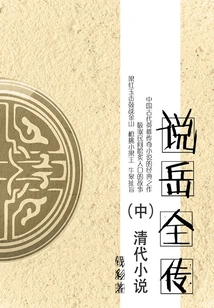
清代小说:说岳全传(中)
Money Lottery
"Shuo Yue Quan Zhuan" is the full name of "New Jing Zhong Romance Shuo Ben Yue Wang Quan Zhuan", also known as "Jing Zhong Yue Zhuan", which is a classic of ancient Chinese heroic romance novels. It mainly tells the story of Yue Fei, the famous anti-Jin Dynasty general in the Southern Song Dynasty, who grew up from a poor family to a famous general, served the country loyally, and later died unjustly. This book is worth reading for readers interested in such topics. Since the Southern Song Dynasty, the story of Yue Fei has been widely circulated among the people. In the Yuan and Ming Dynasties, it became more popular and became the subject of creations by talking artists, dramatists, and novelists. It can be found in various forms such as plain talk, dramas, legends, and ballads. In the Qing Dynasty, literati Qian Cai, Jin Feng and others reorganized and created "The Complete Biography of Shuo Yue" based on some original "Shuo Yue" romances and folklore. The main theme of the book adheres to the idea of loyalty to the emperor and patriotism that has lasted for hundreds of years since the Song Dynasty. It enthusiastically praises the patriotic spirit of Yue Fei and his generals in resisting the enemy and defending the country, and denounces the shameless behavior of Qin Hui and other powerful traitors who surrendered and betrayed the country and harmed loyal people. "Shuo Yue Quan Zhuan" once offended the Qing emperor and was listed as a banned book during the Qianlong period. Despite this, "The Complete Story of Yue Shuo" is generally an excellent work, its leading idea is positive, and it also has a commendable aspect in the art of the novel. This book is the most accomplished one in the "Shuo Yue" series of novels, with several comic books of the same name published. At the same time, it was adapted into storytelling, which had a profound influence and was one of the important members of the historical romance novels in the early Qing Dynasty.
"Shuo Yue Quan Zhuan" is the full name of "New Jing Zhong Romance Shuo Ben Yue Wang Quan Zhuan", also known as "Jing Zhong Yue Zhuan", which is a classic of ancient Chinese heroic romance novels. It mainly tells the story of Yue Fei, the famous anti-Jin Dynasty general in the Southern Song Dynasty, who grew up from a poor family to a famous general, served the country loyally, and later died unjustly. This book is worth reading for readers interested in such topics. Since the Southern Song Dynasty, the story of Yue Fei has been widely circulated among the people. In the Yuan and Ming Dynasties, it became more popular and became the subject of creations by talking artists, dramatists, and novelists. It can be found in various forms such as plain talk, dramas, legends, and ballads. In the Qing Dynasty, literati Qian Cai, Jin Feng and others reorganized and created "The Complete Biography of Shuo Yue" based on some original "Shuo Yue" romances and folklore. The main theme of the book adheres to the idea of loyalty to the emperor and patriotism that has lasted for hundreds of years since the Song Dynasty. It enthusiastically praises the patriotic spirit of Yue Fei and his generals in resisting the enemy and defending the country, and denounces the shameless behavior of Qin Hui and other powerful traitors who surrendered and betrayed the country and harmed loyal people. "Shuo Yue Quan Zhuan" once offended the Qing emperor and was listed as a banned book during the Qianlong period. Despite this, "The Complete Story of Yue Shuo" is generally an excellent work, its leading idea is positive, and it also has a commendable aspect in the art of the novel. This book is the most accomplished one in the "Shuo Yue" series of novels, with several comic books of the same name published. At the same time, it was adapted into storytelling, which had a profound influence and was one of the important members of the historical romance novels in the early Qing Dynasty.
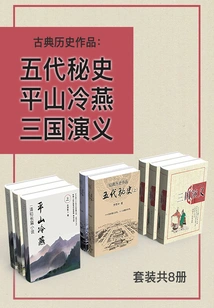
古典历史作品:五代秘史+平山冷燕+三国演义(套装共8册)
(ming Dynasty) Luo Guanzhong (qing Dynasty) Di'an Sanren
This set of books includes a total of 8 volumes including "Secret History of the Five Dynasties Part 2", "Pingshan Lengyan Part 2" and "Four Classic Chinese Classics: Romance of the Three Kingdoms 3 Volumes". Readers who like classic novels, this set of books is worth reading. "Secret History of the Five Dynasties" is also known as "Five Dynasties and the End of the Tang Dynasty" and "The History of the End of the Five Dynasties and the Five Dynasties". In a chronological style, it describes the turbulent rise and fall of this period from the Huangchao Uprising to the Chenqiao Mutiny. It is mainly based on the major political and military struggles in the late Tang Dynasty and the Five Dynasties period. It is written based on relevant stories in the new and old "Tang Shu", "History of the Five Dynasties" and folklore. The novel follows "The Romance of the Three Kingdoms" in its creation, and some chapters are more vivid. It is widely circulated among the people and has a certain influence on the creation of novels and dramas in later generations. "Pingshan Lengyan" was written in the early years of Shunzhi in the Qing Dynasty. It mainly tells the marriage story of two young couples, Yan Baijin and Shan Dai, Ping Ruheng and Leng Jiangxue. The title of the book is a combination of the surnames of the four main characters. This book is worth reading for readers interested in such topics. The essence of the content of "Pingshan Lengyan" is not about love and marriage, but weaves a new "official promotion chart" through the marriage story: on the one hand, it advocates talent and love for talent, and on the other hand, it exposes the reliance on family influence to become an official. The novel depicts Shandai and Jiangxue as women who are "beautiful in the aura of mountains and rivers" and "beautiful in poetry and prose", while describing those Yutang bachelors and famous poets in the poetry society as pedantic. It aims to praise women's talents and denounce corrupt scholars and their incompetence. It had its own progressive significance at the time. The ending of Yuci's marriage story in the novel has been imitated by many novels and is a relatively influential work.
This set of books includes a total of 8 volumes including "Secret History of the Five Dynasties Part 2", "Pingshan Lengyan Part 2" and "Four Classic Chinese Classics: Romance of the Three Kingdoms 3 Volumes". Readers who like classic novels, this set of books is worth reading. "Secret History of the Five Dynasties" is also known as "Five Dynasties and the End of the Tang Dynasty" and "The History of the End of the Five Dynasties and the Five Dynasties". In a chronological style, it describes the turbulent rise and fall of this period from the Huangchao Uprising to the Chenqiao Mutiny. It is mainly based on the major political and military struggles in the late Tang Dynasty and the Five Dynasties period. It is written based on relevant stories in the new and old "Tang Shu", "History of the Five Dynasties" and folklore. The novel follows "The Romance of the Three Kingdoms" in its creation, and some chapters are more vivid. It is widely circulated among the people and has a certain influence on the creation of novels and dramas in later generations. "Pingshan Lengyan" was written in the early years of Shunzhi in the Qing Dynasty. It mainly tells the marriage story of two young couples, Yan Baijin and Shan Dai, Ping Ruheng and Leng Jiangxue. The title of the book is a combination of the surnames of the four main characters. This book is worth reading for readers interested in such topics. The essence of the content of "Pingshan Lengyan" is not about love and marriage, but weaves a new "official promotion chart" through the marriage story: on the one hand, it advocates talent and love for talent, and on the other hand, it exposes the reliance on family influence to become an official. The novel depicts Shandai and Jiangxue as women who are "beautiful in the aura of mountains and rivers" and "beautiful in poetry and prose", while describing those Yutang bachelors and famous poets in the poetry society as pedantic. It aims to praise women's talents and denounce corrupt scholars and their incompetence. It had its own progressive significance at the time. The ending of Yuci's marriage story in the novel has been imitated by many novels and is a relatively influential work.
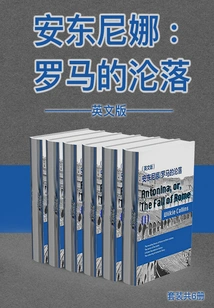
经典英文小说:安东尼娜·罗马的沦落(套装共6册)
Wilkie Collins
"Antonina" is also called "The Fall of Rome". It was written by the British detective novelist Collins based on the creative materials and inspiration he accumulated while living in Italy. It is a historical novel set in the life of Rome in the 6th century. Although it did not cause a sensation, it launched Collins's creative career as a real writer. This book is the original English version and should not be missed by English lovers. Wilkie Collins is known as the father of British detective novels. He is also an indispensable writer in the history of world detective novels. Before him, no one had led short detective stories to full-length creations. He took the lead in shaping the witty, brave, sincere and kind official detective-Inspector Cuff. Collins was extremely famous during his lifetime. Some critics call him a pioneer of suspense and detective novels. Especially in terms of carefully weaving stories, many mystery novelists in later generations learned many useful experiences from Collins.
"Antonina" is also called "The Fall of Rome". It was written by the British detective novelist Collins based on the creative materials and inspiration he accumulated while living in Italy. It is a historical novel set in the life of Rome in the 6th century. Although it did not cause a sensation, it launched Collins's creative career as a real writer. This book is the original English version and should not be missed by English lovers. Wilkie Collins is known as the father of British detective novels. He is also an indispensable writer in the history of world detective novels. Before him, no one had led short detective stories to full-length creations. He took the lead in shaping the witty, brave, sincere and kind official detective-Inspector Cuff. Collins was extremely famous during his lifetime. Some critics call him a pioneer of suspense and detective novels. Especially in terms of carefully weaving stories, many mystery novelists in later generations learned many useful experiences from Collins.
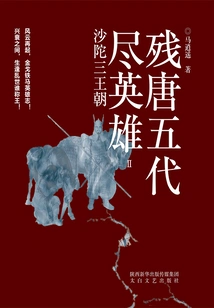
The End of the Tang Dynasty and the Five Dynasties: All Heroes Ii: the Three Dynasties of Shatuo
General Fiction残唐五代尽英雄Ⅱ:沙陀三王朝
Ma Xiaoyao
This book is the second part of the "Heroes of the Fragmented Tang Dynasty and Five Dynasties" series. It follows the end of the first book and mainly tells the history from the founding of the country by Li Cunxu in the Later Tang Dynasty to the founding of the Han Dynasty by Liu Zhiyuan, which is the era of the "Three Shatuo Dynasties" in history. On the basis of ensuring the accuracy of historical facts, this book continues the writing style of the previous work. The content is vivid and humorous, and the characters and events are vividly depicted. In thirteen chapters, it describes the Shatuo Three Dynasties, an era of war, chaos, turmoil, heroes and splendid events. The author carefully selects from the voluminous historical materials and cuts out wonderful silhouettes one after another. Shi Jingtang, Yelu Deguang, Liu Zhiyuan, etc. Take turns to appear, explaining the details in simple terms and covering the details, so that readers can understand this special historical period of the Five Dynasties in a relaxed and enjoyable reading.
This book is the second part of the "Heroes of the Fragmented Tang Dynasty and Five Dynasties" series. It follows the end of the first book and mainly tells the history from the founding of the country by Li Cunxu in the Later Tang Dynasty to the founding of the Han Dynasty by Liu Zhiyuan, which is the era of the "Three Shatuo Dynasties" in history. On the basis of ensuring the accuracy of historical facts, this book continues the writing style of the previous work. The content is vivid and humorous, and the characters and events are vividly depicted. In thirteen chapters, it describes the Shatuo Three Dynasties, an era of war, chaos, turmoil, heroes and splendid events. The author carefully selects from the voluminous historical materials and cuts out wonderful silhouettes one after another. Shi Jingtang, Yelu Deguang, Liu Zhiyuan, etc. Take turns to appear, explaining the details in simple terms and covering the details, so that readers can understand this special historical period of the Five Dynasties in a relaxed and enjoyable reading.
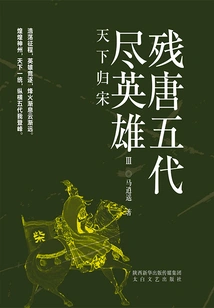
The Remaining Tang Dynasty and Five Dynasties Are All Heroes Iii: the World Returns to the Song Dynasty
General Fiction残唐五代尽英雄Ⅲ:天下归宋
Ma Xiaoyao
This book is the third part of the series "Heroes of the Remaining Tang Dynasty and Five Dynasties". This volume is called "The World Returns to the Song Dynasty". The content follows the end of the previous two books. It mainly tells the history from the Later Han Dynasty under the rule of Liu Chengyou to the establishment of the Later Zhou Dynasty by Chai Rong, that is, the late history of the Five Dynasties. On the basis of ensuring the accuracy of historical facts, this book continues the writing style of the previous work. The content is vivid and humorous, and the characters and events are vividly depicted. The book describes in twelve chapters the splendid era of feudal rule, martial arts, war, chaos, heroes and heroes in the Five Dynasties and Ten Kingdoms. The author carefully selects from the voluminous historical materials and intercepts wonderful profiles one by one. Liu Chengyou, Chai Rong, Guo Wei, etc. Take turns to appear, explain the profound things in simple terms, and cover the details, so that readers can understand this special historical period in the middle and late Five Dynasties in a relaxed and enjoyable reading.
This book is the third part of the series "Heroes of the Remaining Tang Dynasty and Five Dynasties". This volume is called "The World Returns to the Song Dynasty". The content follows the end of the previous two books. It mainly tells the history from the Later Han Dynasty under the rule of Liu Chengyou to the establishment of the Later Zhou Dynasty by Chai Rong, that is, the late history of the Five Dynasties. On the basis of ensuring the accuracy of historical facts, this book continues the writing style of the previous work. The content is vivid and humorous, and the characters and events are vividly depicted. The book describes in twelve chapters the splendid era of feudal rule, martial arts, war, chaos, heroes and heroes in the Five Dynasties and Ten Kingdoms. The author carefully selects from the voluminous historical materials and intercepts wonderful profiles one by one. Liu Chengyou, Chai Rong, Guo Wei, etc. Take turns to appear, explain the profound things in simple terms, and cover the details, so that readers can understand this special historical period in the middle and late Five Dynasties in a relaxed and enjoyable reading.
Classical Legendary Classic: Huifanglu (thirteen)
General Fiction古典传奇经典:绘芳录(十三)
Xiling Yeqiao
"Huifang Lu" is a classic historical book in my country and a long vernacular novel about world affairs in the Qing Dynasty. Also known as "The Complete Record of Huifangyuan" and "A Spring Dream of the Red Boudoir", it tells the stories of famous Jinling celebrities and prostitutes such as Zhu Baiqing, Chen Xiaoru, Wang Lan and Jiang Hancha. Although it is a narrow evil novel, it is different from other similar novels whose main content is prostitution. It not only writes about the love between celebrities and famous prostitutes, but also focuses on the celebrities as high-ranking officials in the court. They do not regard prostitution as inferior, nor do they consider marrying prostitutes as humiliation. Instead, they praise the romantic life after marrying prostitutes and retiring into seclusion. Therefore, it is quite unique. The writing style of the novel is smooth, colorful but not dirty. It describes the love tragedy of Zhu Baiqing and Nie Huizhu, which has certain ideological significance. This novel, written in the late Qing Dynasty, mainly describes a group of officials: they were honest and upright officials with a strong sense of justice. They fought tenaciously and strategically against traitors inside and outside the court for a long time, and finally won. The main idea expressed still has certain practical significance when read today. They respect women and treat the people they love sincerely and equally, thus achieving a relatively pure love. At the same time, they cherished friendship very much. After eradicating the traitors in the court, in order to fully enjoy every day of their lives, they lived an unrestrained, free and elegant life, realizing their life ideals with a strong color of Confucianism. Reading it not only has a free and unrestrained side, but also allows you to feel the joy of a happy life.
"Huifang Lu" is a classic historical book in my country and a long vernacular novel about world affairs in the Qing Dynasty. Also known as "The Complete Record of Huifangyuan" and "A Spring Dream of the Red Boudoir", it tells the stories of famous Jinling celebrities and prostitutes such as Zhu Baiqing, Chen Xiaoru, Wang Lan and Jiang Hancha. Although it is a narrow evil novel, it is different from other similar novels whose main content is prostitution. It not only writes about the love between celebrities and famous prostitutes, but also focuses on the celebrities as high-ranking officials in the court. They do not regard prostitution as inferior, nor do they consider marrying prostitutes as humiliation. Instead, they praise the romantic life after marrying prostitutes and retiring into seclusion. Therefore, it is quite unique. The writing style of the novel is smooth, colorful but not dirty. It describes the love tragedy of Zhu Baiqing and Nie Huizhu, which has certain ideological significance. This novel, written in the late Qing Dynasty, mainly describes a group of officials: they were honest and upright officials with a strong sense of justice. They fought tenaciously and strategically against traitors inside and outside the court for a long time, and finally won. The main idea expressed still has certain practical significance when read today. They respect women and treat the people they love sincerely and equally, thus achieving a relatively pure love. At the same time, they cherished friendship very much. After eradicating the traitors in the court, in order to fully enjoy every day of their lives, they lived an unrestrained, free and elegant life, realizing their life ideals with a strong color of Confucianism. Reading it not only has a free and unrestrained side, but also allows you to feel the joy of a happy life.
Classical Legendary Classic: Huifanglu (12)
General Fiction古典传奇经典:绘芳录(十二)
Xiling Yeqiao
"Huifang Lu" is a classic historical book in my country and a long vernacular novel about world affairs in the Qing Dynasty. Also known as "The Complete Record of Huifangyuan" and "A Spring Dream of the Red Boudoir", it tells the stories of famous Jinling celebrities and prostitutes such as Zhu Baiqing, Chen Xiaoru, Wang Lan and Jiang Hancha. Although it is a narrow evil novel, it is different from other similar novels whose main content is prostitution. It not only writes about the love between celebrities and famous prostitutes, but also focuses on the celebrities as high-ranking officials in the court. They do not regard prostitution as inferior, nor do they consider marrying prostitutes as humiliation. Instead, they praise the romantic life after marrying prostitutes and retiring into seclusion. Therefore, it is quite unique. The writing style of the novel is smooth, colorful but not dirty. It describes the love tragedy of Zhu Baiqing and Nie Huizhu, which has certain ideological significance. This novel, written in the late Qing Dynasty, mainly describes a group of officials: they were honest and upright officials with a strong sense of justice. They fought tenaciously and strategically against traitors inside and outside the court for a long time, and finally won. The main idea expressed still has certain practical significance when read today. They respect women and treat the people they love sincerely and equally, thus achieving a relatively pure love. At the same time, they cherished friendship very much. After eradicating the traitors in the court, in order to fully enjoy every day of their lives, they lived an unrestrained, free and elegant life, realizing their life ideals with a strong color of Confucianism. Reading it not only has a free and unrestrained side, but also allows you to feel the joy of a happy life.
"Huifang Lu" is a classic historical book in my country and a long vernacular novel about world affairs in the Qing Dynasty. Also known as "The Complete Record of Huifangyuan" and "A Spring Dream of the Red Boudoir", it tells the stories of famous Jinling celebrities and prostitutes such as Zhu Baiqing, Chen Xiaoru, Wang Lan and Jiang Hancha. Although it is a narrow evil novel, it is different from other similar novels whose main content is prostitution. It not only writes about the love between celebrities and famous prostitutes, but also focuses on the celebrities as high-ranking officials in the court. They do not regard prostitution as inferior, nor do they consider marrying prostitutes as humiliation. Instead, they praise the romantic life after marrying prostitutes and retiring into seclusion. Therefore, it is quite unique. The writing style of the novel is smooth, colorful but not dirty. It describes the love tragedy of Zhu Baiqing and Nie Huizhu, which has certain ideological significance. This novel, written in the late Qing Dynasty, mainly describes a group of officials: they were honest and upright officials with a strong sense of justice. They fought tenaciously and strategically against traitors inside and outside the court for a long time, and finally won. The main idea expressed still has certain practical significance when read today. They respect women and treat the people they love sincerely and equally, thus achieving a relatively pure love. At the same time, they cherished friendship very much. After eradicating the traitors in the court, in order to fully enjoy every day of their lives, they lived an unrestrained, free and elegant life, realizing their life ideals with a strong color of Confucianism. Reading it not only has a free and unrestrained side, but also allows you to feel the joy of a happy life.
Classical Legendary Classic: Huifanglu (11)
General Fiction古典传奇经典:绘芳录(十一)
Xiling Yeqiao
"Huifang Lu" is a classic historical book in my country and a long vernacular novel about world affairs in the Qing Dynasty. Also known as "The Complete Record of Huifangyuan" and "A Spring Dream of the Red Boudoir", it tells the stories of famous Jinling celebrities and prostitutes such as Zhu Baiqing, Chen Xiaoru, Wang Lan and Jiang Hancha. Although it is a narrow evil novel, it is different from other similar novels whose main content is prostitution. It not only writes about the love between celebrities and famous prostitutes, but also focuses on the celebrities as high-ranking officials in the court. They do not regard prostitution as inferior, nor do they consider marrying prostitutes as humiliation. Instead, they praise the romantic life after marrying prostitutes and retiring into seclusion. Therefore, it is quite unique. The writing style of the novel is smooth, colorful but not dirty. It describes the love tragedy of Zhu Baiqing and Nie Huizhu, which has certain ideological significance. This novel, written in the late Qing Dynasty, mainly describes a group of officials: they were honest and upright officials with a strong sense of justice. They fought tenaciously and strategically against traitors inside and outside the court for a long time, and finally won. The main idea expressed still has certain practical significance when read today. They respect women and treat the people they love sincerely and equally, thus achieving a relatively pure love. At the same time, they cherished friendship very much. After eradicating the traitors in the court, in order to fully enjoy every day of their lives, they lived an unrestrained, free and elegant life, realizing their life ideals with a strong color of Confucianism. Reading it not only has a free and unrestrained side, but also allows you to feel the joy of a happy life.
"Huifang Lu" is a classic historical book in my country and a long vernacular novel about world affairs in the Qing Dynasty. Also known as "The Complete Record of Huifangyuan" and "A Spring Dream of the Red Boudoir", it tells the stories of famous Jinling celebrities and prostitutes such as Zhu Baiqing, Chen Xiaoru, Wang Lan and Jiang Hancha. Although it is a narrow evil novel, it is different from other similar novels whose main content is prostitution. It not only writes about the love between celebrities and famous prostitutes, but also focuses on the celebrities as high-ranking officials in the court. They do not regard prostitution as inferior, nor do they consider marrying prostitutes as humiliation. Instead, they praise the romantic life after marrying prostitutes and retiring into seclusion. Therefore, it is quite unique. The writing style of the novel is smooth, colorful but not dirty. It describes the love tragedy of Zhu Baiqing and Nie Huizhu, which has certain ideological significance. This novel, written in the late Qing Dynasty, mainly describes a group of officials: they were honest and upright officials with a strong sense of justice. They fought tenaciously and strategically against traitors inside and outside the court for a long time, and finally won. The main idea expressed still has certain practical significance when read today. They respect women and treat the people they love sincerely and equally, thus achieving a relatively pure love. At the same time, they cherished friendship very much. After eradicating the traitors in the court, in order to fully enjoy every day of their lives, they lived an unrestrained, free and elegant life, realizing their life ideals with a strong color of Confucianism. Reading it not only has a free and unrestrained side, but also allows you to feel the joy of a happy life.
Classical Legendary Classic: Huifanglu (10)
General Fiction古典传奇经典:绘芳录(十)
Xiling Yeqiao
"Huifang Lu" is a classic historical book in my country and a long vernacular novel about world affairs in the Qing Dynasty. Also known as "The Complete Record of Huifangyuan" and "A Spring Dream of the Red Boudoir", it tells the stories of famous Jinling celebrities and prostitutes such as Zhu Baiqing, Chen Xiaoru, Wang Lan and Jiang Hancha. Although it is a narrow evil novel, it is different from other similar novels whose main content is prostitution. It not only writes about the love between celebrities and famous prostitutes, but also focuses on the celebrities as high-ranking officials in the court. They do not regard prostitution as inferior, nor do they consider marrying prostitutes as humiliation. Instead, they praise the romantic life after marrying prostitutes and retiring into seclusion. Therefore, it is quite unique. The writing style of the novel is smooth, colorful but not dirty. It describes the love tragedy of Zhu Baiqing and Nie Huizhu, which has certain ideological significance. This novel, written in the late Qing Dynasty, mainly describes a group of officials: they were honest and upright officials with a strong sense of justice. They fought tenaciously and strategically against traitors inside and outside the court for a long time, and finally won. The main idea expressed still has certain practical significance when read today. They respect women and treat the people they love sincerely and equally, thus achieving a relatively pure love. At the same time, they cherished friendship very much. After eradicating the traitors in the court, in order to fully enjoy every day of their lives, they lived an unrestrained, free and elegant life, realizing their life ideals with a strong color of Confucianism. Reading it not only has a free and unrestrained side, but also allows you to feel the joy of a happy life.
"Huifang Lu" is a classic historical book in my country and a long vernacular novel about world affairs in the Qing Dynasty. Also known as "The Complete Record of Huifangyuan" and "A Spring Dream of the Red Boudoir", it tells the stories of famous Jinling celebrities and prostitutes such as Zhu Baiqing, Chen Xiaoru, Wang Lan and Jiang Hancha. Although it is a narrow evil novel, it is different from other similar novels whose main content is prostitution. It not only writes about the love between celebrities and famous prostitutes, but also focuses on the celebrities as high-ranking officials in the court. They do not regard prostitution as inferior, nor do they consider marrying prostitutes as humiliation. Instead, they praise the romantic life after marrying prostitutes and retiring into seclusion. Therefore, it is quite unique. The writing style of the novel is smooth, colorful but not dirty. It describes the love tragedy of Zhu Baiqing and Nie Huizhu, which has certain ideological significance. This novel, written in the late Qing Dynasty, mainly describes a group of officials: they were honest and upright officials with a strong sense of justice. They fought tenaciously and strategically against traitors inside and outside the court for a long time, and finally won. The main idea expressed still has certain practical significance when read today. They respect women and treat the people they love sincerely and equally, thus achieving a relatively pure love. At the same time, they cherished friendship very much. After eradicating the traitors in the court, in order to fully enjoy every day of their lives, they lived an unrestrained, free and elegant life, realizing their life ideals with a strong color of Confucianism. Reading it not only has a free and unrestrained side, but also allows you to feel the joy of a happy life.
Classical Legendary Classic: Huifanglu (9)
General Fiction古典传奇经典:绘芳录(九)
Xiling Yeqiao
"Huifang Lu" is a classic historical book in my country and a long vernacular novel about world affairs in the Qing Dynasty. Also known as "The Complete Record of Huifangyuan" and "A Spring Dream of the Red Boudoir", it tells the stories of famous Jinling celebrities and prostitutes such as Zhu Baiqing, Chen Xiaoru, Wang Lan and Jiang Hancha. Although it is a narrow evil novel, it is different from other similar novels whose main content is prostitution. It not only writes about the love between celebrities and famous prostitutes, but also focuses on the celebrities as high-ranking officials in the court. They do not regard prostitution as inferior, nor do they consider marrying prostitutes as humiliation. Instead, they praise the romantic life after marrying prostitutes and retiring into seclusion. Therefore, it is quite unique. The writing style of the novel is smooth, colorful but not dirty. It describes the love tragedy of Zhu Baiqing and Nie Huizhu, which has certain ideological significance. This novel, written in the late Qing Dynasty, mainly describes a group of officials: they were honest and upright officials with a strong sense of justice. They fought tenaciously and strategically against traitors inside and outside the court for a long time, and finally won. The main idea expressed still has certain practical significance when read today. They respect women and treat the people they love sincerely and equally, thus achieving a relatively pure love. At the same time, they cherished friendship very much. After eradicating the traitors in the court, in order to fully enjoy every day of their lives, they lived an unrestrained, free and elegant life, realizing their life ideals with a strong color of Confucianism. Reading it not only has a free and unrestrained side, but also allows you to feel the joy of a happy life.
"Huifang Lu" is a classic historical book in my country and a long vernacular novel about world affairs in the Qing Dynasty. Also known as "The Complete Record of Huifangyuan" and "A Spring Dream of the Red Boudoir", it tells the stories of famous Jinling celebrities and prostitutes such as Zhu Baiqing, Chen Xiaoru, Wang Lan and Jiang Hancha. Although it is a narrow evil novel, it is different from other similar novels whose main content is prostitution. It not only writes about the love between celebrities and famous prostitutes, but also focuses on the celebrities as high-ranking officials in the court. They do not regard prostitution as inferior, nor do they consider marrying prostitutes as humiliation. Instead, they praise the romantic life after marrying prostitutes and retiring into seclusion. Therefore, it is quite unique. The writing style of the novel is smooth, colorful but not dirty. It describes the love tragedy of Zhu Baiqing and Nie Huizhu, which has certain ideological significance. This novel, written in the late Qing Dynasty, mainly describes a group of officials: they were honest and upright officials with a strong sense of justice. They fought tenaciously and strategically against traitors inside and outside the court for a long time, and finally won. The main idea expressed still has certain practical significance when read today. They respect women and treat the people they love sincerely and equally, thus achieving a relatively pure love. At the same time, they cherished friendship very much. After eradicating the traitors in the court, in order to fully enjoy every day of their lives, they lived an unrestrained, free and elegant life, realizing their life ideals with a strong color of Confucianism. Reading it not only has a free and unrestrained side, but also allows you to feel the joy of a happy life.
Classical Legendary Classic: Huifanglu (8)
General Fiction古典传奇经典:绘芳录(八)
Xiling Yeqiao
"Huifang Lu" is a classic historical book in my country and a long vernacular novel about world affairs in the Qing Dynasty. Also known as "The Complete Record of Huifangyuan" and "A Spring Dream of the Red Boudoir", it tells the stories of famous Jinling celebrities and prostitutes such as Zhu Baiqing, Chen Xiaoru, Wang Lan and Jiang Hancha. Although it is a narrow evil novel, it is different from other similar novels whose main content is prostitution. It not only writes about the love between celebrities and famous prostitutes, but also focuses on the celebrities as high-ranking officials in the court. They do not regard prostitution as inferior, nor do they consider marrying prostitutes as humiliation. Instead, they praise the romantic life after marrying prostitutes and retiring into seclusion. Therefore, it is quite unique. The writing style of the novel is smooth, colorful but not dirty. It describes the love tragedy of Zhu Baiqing and Nie Huizhu, which has certain ideological significance. This novel, written in the late Qing Dynasty, mainly describes a group of officials: they were honest and upright officials with a strong sense of justice. They fought tenaciously and strategically against traitors inside and outside the court for a long time, and finally won. The main idea expressed still has certain practical significance when read today. They respect women and treat the people they love sincerely and equally, thus achieving a relatively pure love. At the same time, they cherished friendship very much. After eradicating the traitors in the court, in order to fully enjoy every day of their lives, they lived an unrestrained, free and elegant life, realizing their life ideals with a strong color of Confucianism. Reading it not only has a free and unrestrained side, but also allows you to feel the joy of a happy life.
"Huifang Lu" is a classic historical book in my country and a long vernacular novel about world affairs in the Qing Dynasty. Also known as "The Complete Record of Huifangyuan" and "A Spring Dream of the Red Boudoir", it tells the stories of famous Jinling celebrities and prostitutes such as Zhu Baiqing, Chen Xiaoru, Wang Lan and Jiang Hancha. Although it is a narrow evil novel, it is different from other similar novels whose main content is prostitution. It not only writes about the love between celebrities and famous prostitutes, but also focuses on the celebrities as high-ranking officials in the court. They do not regard prostitution as inferior, nor do they consider marrying prostitutes as humiliation. Instead, they praise the romantic life after marrying prostitutes and retiring into seclusion. Therefore, it is quite unique. The writing style of the novel is smooth, colorful but not dirty. It describes the love tragedy of Zhu Baiqing and Nie Huizhu, which has certain ideological significance. This novel, written in the late Qing Dynasty, mainly describes a group of officials: they were honest and upright officials with a strong sense of justice. They fought tenaciously and strategically against traitors inside and outside the court for a long time, and finally won. The main idea expressed still has certain practical significance when read today. They respect women and treat the people they love sincerely and equally, thus achieving a relatively pure love. At the same time, they cherished friendship very much. After eradicating the traitors in the court, in order to fully enjoy every day of their lives, they lived an unrestrained, free and elegant life, realizing their life ideals with a strong color of Confucianism. Reading it not only has a free and unrestrained side, but also allows you to feel the joy of a happy life.
Classical Legendary Classic: Huifanglu (7)
General Fiction古典传奇经典:绘芳录(七)
Xiling Yeqiao
"Huifang Lu" is a classic historical book in my country and a long vernacular novel about world affairs in the Qing Dynasty. Also known as "The Complete Record of Huifangyuan" and "A Spring Dream of the Red Boudoir", it tells the stories of famous Jinling celebrities and prostitutes such as Zhu Baiqing, Chen Xiaoru, Wang Lan and Jiang Hancha. Although it is a narrow evil novel, it is different from other similar novels whose main content is prostitution. It not only writes about the love between celebrities and famous prostitutes, but also focuses on the celebrities as high-ranking officials in the court. They do not regard prostitution as inferior, nor do they consider marrying prostitutes as humiliation. Instead, they praise the romantic life after marrying prostitutes and retiring into seclusion. Therefore, it is quite unique. The writing style of the novel is smooth, colorful but not dirty. It describes the love tragedy of Zhu Baiqing and Nie Huizhu, which has certain ideological significance. This novel, written in the late Qing Dynasty, mainly describes a group of officials: they were honest and upright officials with a strong sense of justice. They fought tenaciously and strategically against traitors inside and outside the court for a long time, and finally won. The main idea expressed still has certain practical significance when read today. They respect women and treat the people they love sincerely and equally, thus achieving a relatively pure love. At the same time, they cherished friendship very much. After eradicating the traitors in the court, in order to fully enjoy every day of their lives, they lived an unrestrained, free and elegant life, realizing their life ideals with a strong color of Confucianism. Reading it not only has a free and unrestrained side, but also allows you to feel the joy of a happy life.
"Huifang Lu" is a classic historical book in my country and a long vernacular novel about world affairs in the Qing Dynasty. Also known as "The Complete Record of Huifangyuan" and "A Spring Dream of the Red Boudoir", it tells the stories of famous Jinling celebrities and prostitutes such as Zhu Baiqing, Chen Xiaoru, Wang Lan and Jiang Hancha. Although it is a narrow evil novel, it is different from other similar novels whose main content is prostitution. It not only writes about the love between celebrities and famous prostitutes, but also focuses on the celebrities as high-ranking officials in the court. They do not regard prostitution as inferior, nor do they consider marrying prostitutes as humiliation. Instead, they praise the romantic life after marrying prostitutes and retiring into seclusion. Therefore, it is quite unique. The writing style of the novel is smooth, colorful but not dirty. It describes the love tragedy of Zhu Baiqing and Nie Huizhu, which has certain ideological significance. This novel, written in the late Qing Dynasty, mainly describes a group of officials: they were honest and upright officials with a strong sense of justice. They fought tenaciously and strategically against traitors inside and outside the court for a long time, and finally won. The main idea expressed still has certain practical significance when read today. They respect women and treat the people they love sincerely and equally, thus achieving a relatively pure love. At the same time, they cherished friendship very much. After eradicating the traitors in the court, in order to fully enjoy every day of their lives, they lived an unrestrained, free and elegant life, realizing their life ideals with a strong color of Confucianism. Reading it not only has a free and unrestrained side, but also allows you to feel the joy of a happy life.
Classical Legendary Classic: Huifanglu (6)
General Fiction古典传奇经典:绘芳录(六)
Xiling Yeqiao
"Huifang Lu" is a classic historical book in my country and a long vernacular novel about world affairs in the Qing Dynasty. Also known as "The Complete Record of Huifangyuan" and "A Spring Dream of the Red Boudoir", it tells the stories of famous Jinling celebrities and prostitutes such as Zhu Baiqing, Chen Xiaoru, Wang Lan and Jiang Hancha. Although it is a narrow evil novel, it is different from other similar novels whose main content is prostitution. It not only writes about the love between celebrities and famous prostitutes, but also focuses on the celebrities as high-ranking officials in the court. They do not regard prostitution as inferior, nor do they consider marrying prostitutes as humiliation. Instead, they praise the romantic life after marrying prostitutes and retiring into seclusion. Therefore, it is quite unique. The writing style of the novel is smooth, colorful but not dirty. It describes the love tragedy of Zhu Baiqing and Nie Huizhu, which has certain ideological significance. This novel, written in the late Qing Dynasty, mainly describes a group of officials: they were honest and upright officials with a strong sense of justice. They fought tenaciously and strategically against traitors inside and outside the court for a long time, and finally won. The main idea expressed still has certain practical significance when read today. They respect women and treat the people they love sincerely and equally, thus achieving a relatively pure love. At the same time, they cherished friendship very much. After eradicating the traitors in the court, in order to fully enjoy every day of their lives, they lived an unrestrained, free and elegant life, realizing their life ideals with a strong color of Confucianism. Reading it not only has a free and unrestrained side, but also allows you to feel the joy of a happy life.
"Huifang Lu" is a classic historical book in my country and a long vernacular novel about world affairs in the Qing Dynasty. Also known as "The Complete Record of Huifangyuan" and "A Spring Dream of the Red Boudoir", it tells the stories of famous Jinling celebrities and prostitutes such as Zhu Baiqing, Chen Xiaoru, Wang Lan and Jiang Hancha. Although it is a narrow evil novel, it is different from other similar novels whose main content is prostitution. It not only writes about the love between celebrities and famous prostitutes, but also focuses on the celebrities as high-ranking officials in the court. They do not regard prostitution as inferior, nor do they consider marrying prostitutes as humiliation. Instead, they praise the romantic life after marrying prostitutes and retiring into seclusion. Therefore, it is quite unique. The writing style of the novel is smooth, colorful but not dirty. It describes the love tragedy of Zhu Baiqing and Nie Huizhu, which has certain ideological significance. This novel, written in the late Qing Dynasty, mainly describes a group of officials: they were honest and upright officials with a strong sense of justice. They fought tenaciously and strategically against traitors inside and outside the court for a long time, and finally won. The main idea expressed still has certain practical significance when read today. They respect women and treat the people they love sincerely and equally, thus achieving a relatively pure love. At the same time, they cherished friendship very much. After eradicating the traitors in the court, in order to fully enjoy every day of their lives, they lived an unrestrained, free and elegant life, realizing their life ideals with a strong color of Confucianism. Reading it not only has a free and unrestrained side, but also allows you to feel the joy of a happy life.
Classical Legendary Classic: Huifanglu (4)
General Fiction古典传奇经典:绘芳录(四)
Xiling Yeqiao
"Huifang Lu" is a classic historical book in my country and a long vernacular novel about world affairs in the Qing Dynasty. Also known as "The Complete Record of Huifangyuan" and "A Spring Dream of the Red Boudoir", it tells the stories of famous Jinling celebrities and prostitutes such as Zhu Baiqing, Chen Xiaoru, Wang Lan and Jiang Hancha. Although it is a narrow evil novel, it is different from other similar novels whose main content is prostitution. It not only writes about the love between celebrities and famous prostitutes, but also focuses on the celebrities as high-ranking officials in the court. They do not regard prostitution as inferior, nor do they consider marrying prostitutes as humiliation. Instead, they praise the romantic life after marrying prostitutes and retiring into seclusion. Therefore, it is quite unique. The writing style of the novel is smooth, colorful but not dirty. It describes the love tragedy of Zhu Baiqing and Nie Huizhu, which has certain ideological significance. This novel, written in the late Qing Dynasty, mainly describes a group of officials: they were honest and upright officials with a strong sense of justice. They fought tenaciously and strategically against traitors inside and outside the court for a long time, and finally won. The main idea expressed still has certain practical significance when read today. They respect women and treat the people they love sincerely and equally, thus achieving a relatively pure love. At the same time, they cherished friendship very much. After eradicating the traitors in the court, in order to fully enjoy every day of their lives, they lived an unrestrained, free and elegant life, realizing their life ideals with a strong color of Confucianism. Reading it not only has a free and unrestrained side, but also allows you to feel the joy of a happy life.
"Huifang Lu" is a classic historical book in my country and a long vernacular novel about world affairs in the Qing Dynasty. Also known as "The Complete Record of Huifangyuan" and "A Spring Dream of the Red Boudoir", it tells the stories of famous Jinling celebrities and prostitutes such as Zhu Baiqing, Chen Xiaoru, Wang Lan and Jiang Hancha. Although it is a narrow evil novel, it is different from other similar novels whose main content is prostitution. It not only writes about the love between celebrities and famous prostitutes, but also focuses on the celebrities as high-ranking officials in the court. They do not regard prostitution as inferior, nor do they consider marrying prostitutes as humiliation. Instead, they praise the romantic life after marrying prostitutes and retiring into seclusion. Therefore, it is quite unique. The writing style of the novel is smooth, colorful but not dirty. It describes the love tragedy of Zhu Baiqing and Nie Huizhu, which has certain ideological significance. This novel, written in the late Qing Dynasty, mainly describes a group of officials: they were honest and upright officials with a strong sense of justice. They fought tenaciously and strategically against traitors inside and outside the court for a long time, and finally won. The main idea expressed still has certain practical significance when read today. They respect women and treat the people they love sincerely and equally, thus achieving a relatively pure love. At the same time, they cherished friendship very much. After eradicating the traitors in the court, in order to fully enjoy every day of their lives, they lived an unrestrained, free and elegant life, realizing their life ideals with a strong color of Confucianism. Reading it not only has a free and unrestrained side, but also allows you to feel the joy of a happy life.
Classical Legendary Classic: Huifanglu (3)
General Fiction古典传奇经典:绘芳录(三)
Xiling Yeqiao
"Huifang Lu" is a classic historical book in my country and a long vernacular novel about world affairs in the Qing Dynasty. Also known as "The Complete Record of Huifangyuan" and "A Spring Dream of the Red Boudoir", it tells the stories of famous Jinling celebrities and prostitutes such as Zhu Baiqing, Chen Xiaoru, Wang Lan and Jiang Hancha. Although it is a narrow evil novel, it is different from other similar novels whose main content is prostitution. It not only writes about the love between celebrities and famous prostitutes, but also focuses on the celebrities as high-ranking officials in the court. They do not regard prostitution as inferior, nor do they consider marrying prostitutes as humiliation. Instead, they praise the romantic life after marrying prostitutes and retiring into seclusion. Therefore, it is quite unique. The writing style of the novel is smooth, colorful but not dirty. It describes the love tragedy of Zhu Baiqing and Nie Huizhu, which has certain ideological significance. This novel, written in the late Qing Dynasty, mainly describes a group of officials: they were honest and upright officials with a strong sense of justice. They fought tenaciously and strategically against traitors inside and outside the court for a long time, and finally won. The main idea expressed still has certain practical significance when read today. They respect women and treat the people they love sincerely and equally, thus achieving a relatively pure love. At the same time, they cherished friendship very much. After eradicating the traitors in the court, in order to fully enjoy every day of their lives, they lived an unrestrained, free and elegant life, realizing their life ideals with a strong color of Confucianism. Reading it not only has a free and unrestrained side, but also allows you to feel the joy of a happy life.
"Huifang Lu" is a classic historical book in my country and a long vernacular novel about world affairs in the Qing Dynasty. Also known as "The Complete Record of Huifangyuan" and "A Spring Dream of the Red Boudoir", it tells the stories of famous Jinling celebrities and prostitutes such as Zhu Baiqing, Chen Xiaoru, Wang Lan and Jiang Hancha. Although it is a narrow evil novel, it is different from other similar novels whose main content is prostitution. It not only writes about the love between celebrities and famous prostitutes, but also focuses on the celebrities as high-ranking officials in the court. They do not regard prostitution as inferior, nor do they consider marrying prostitutes as humiliation. Instead, they praise the romantic life after marrying prostitutes and retiring into seclusion. Therefore, it is quite unique. The writing style of the novel is smooth, colorful but not dirty. It describes the love tragedy of Zhu Baiqing and Nie Huizhu, which has certain ideological significance. This novel, written in the late Qing Dynasty, mainly describes a group of officials: they were honest and upright officials with a strong sense of justice. They fought tenaciously and strategically against traitors inside and outside the court for a long time, and finally won. The main idea expressed still has certain practical significance when read today. They respect women and treat the people they love sincerely and equally, thus achieving a relatively pure love. At the same time, they cherished friendship very much. After eradicating the traitors in the court, in order to fully enjoy every day of their lives, they lived an unrestrained, free and elegant life, realizing their life ideals with a strong color of Confucianism. Reading it not only has a free and unrestrained side, but also allows you to feel the joy of a happy life.
Classical Legendary Classic: Huifanglu (2)
General Fiction古典传奇经典:绘芳录(二)
Xiling Yeqiao
"Huifang Lu" is a classic historical book in my country and a long vernacular novel about world affairs in the Qing Dynasty. Also known as "The Complete Record of Huifangyuan" and "A Spring Dream of the Red Boudoir", it tells the stories of famous Jinling celebrities and prostitutes such as Zhu Baiqing, Chen Xiaoru, Wang Lan and Jiang Hancha. Although it is a narrow evil novel, it is different from other similar novels whose main content is prostitution. It not only writes about the love between celebrities and famous prostitutes, but also focuses on the celebrities as high-ranking officials in the court. They do not regard prostitution as inferior, nor do they consider marrying prostitutes as humiliation. Instead, they praise the romantic life after marrying prostitutes and retiring into seclusion. Therefore, it is quite unique. The writing style of the novel is smooth, colorful but not dirty. It describes the love tragedy of Zhu Baiqing and Nie Huizhu, which has certain ideological significance. This novel, written in the late Qing Dynasty, mainly describes a group of officials: they were honest and upright officials with a strong sense of justice. They fought tenaciously and strategically against traitors inside and outside the court for a long time, and finally won. The main idea expressed still has certain practical significance when read today. They respect women and treat the people they love sincerely and equally, thus achieving a relatively pure love. At the same time, they cherished friendship very much. After eradicating the traitors in the court, in order to fully enjoy every day of their lives, they lived an unrestrained, free and elegant life, realizing their life ideals with a strong color of Confucianism. Reading it not only has a free and unrestrained side, but also allows you to feel the joy of a happy life.
"Huifang Lu" is a classic historical book in my country and a long vernacular novel about world affairs in the Qing Dynasty. Also known as "The Complete Record of Huifangyuan" and "A Spring Dream of the Red Boudoir", it tells the stories of famous Jinling celebrities and prostitutes such as Zhu Baiqing, Chen Xiaoru, Wang Lan and Jiang Hancha. Although it is a narrow evil novel, it is different from other similar novels whose main content is prostitution. It not only writes about the love between celebrities and famous prostitutes, but also focuses on the celebrities as high-ranking officials in the court. They do not regard prostitution as inferior, nor do they consider marrying prostitutes as humiliation. Instead, they praise the romantic life after marrying prostitutes and retiring into seclusion. Therefore, it is quite unique. The writing style of the novel is smooth, colorful but not dirty. It describes the love tragedy of Zhu Baiqing and Nie Huizhu, which has certain ideological significance. This novel, written in the late Qing Dynasty, mainly describes a group of officials: they were honest and upright officials with a strong sense of justice. They fought tenaciously and strategically against traitors inside and outside the court for a long time, and finally won. The main idea expressed still has certain practical significance when read today. They respect women and treat the people they love sincerely and equally, thus achieving a relatively pure love. At the same time, they cherished friendship very much. After eradicating the traitors in the court, in order to fully enjoy every day of their lives, they lived an unrestrained, free and elegant life, realizing their life ideals with a strong color of Confucianism. Reading it not only has a free and unrestrained side, but also allows you to feel the joy of a happy life.