Library
Browse and search books
513 novels found
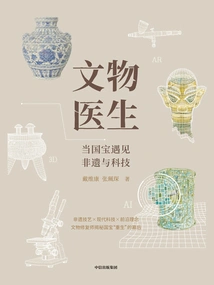
Cultural Relic Doctor: When National Treasure Meets Intangible Cultural Heritage and Technology
History文物医生:当国宝遇见非遗与科技
David Kang Zhang Peichen
This book tells ten real stories of cultural relic restoration. The magnificent turquoise bronze medallion, the mysterious Sanxingdui bronze head, and the buried fragments of the imperial kiln all fully demonstrate the craftsmanship and wisdom tempered by the ancestors. The inheritors of the national intangible cultural heritage skills of the Shanghai Museum combine traditional restoration techniques with contemporary digital technology with ingenuity, continue to preserve Chinese civilization in the restoration work, and convey new restoration concepts.
This book tells ten real stories of cultural relic restoration. The magnificent turquoise bronze medallion, the mysterious Sanxingdui bronze head, and the buried fragments of the imperial kiln all fully demonstrate the craftsmanship and wisdom tempered by the ancestors. The inheritors of the national intangible cultural heritage skills of the Shanghai Museum combine traditional restoration techniques with contemporary digital technology with ingenuity, continue to preserve Chinese civilization in the restoration work, and convey new restoration concepts.
七至十世纪朝鲜半岛石刻碑志整理研究
Baigenxing
This book contains 83 relatively complete stone inscriptions from the Korean Peninsula from the seventh to the tenth centuries, divided into two parts: "Compilation" and "Research". The "Compilation Chapter" first punctuates the sentence fragments of each stone inscription and makes corresponding proofreading and annotation based on existing research; secondly, each stone inscription is accompanied by a solution to explain the writing situation of the stone inscription, the longitude and latitude of discovery, content, collection status, etc. For some important inscriptions, the inscriptions and postscripts written by previous researchers are also included; finally, the relevant collection status and research papers of each stone inscription are listed, fully displaying the latest research trends on stone inscriptions on the Korean Peninsula from the seventh to the tenth century. The "Research Chapter" explores the issues involved in the stone inscriptions on the Korean Peninsula. At the back of the book, there is also a catalog of incomplete stone inscriptions on the Korean Peninsula from the seventh to the tenth century that are not included in this book, and a brief list of the main stone inscriptions on the Korean Peninsula before the seventh century.
This book contains 83 relatively complete stone inscriptions from the Korean Peninsula from the seventh to the tenth centuries, divided into two parts: "Compilation" and "Research". The "Compilation Chapter" first punctuates the sentence fragments of each stone inscription and makes corresponding proofreading and annotation based on existing research; secondly, each stone inscription is accompanied by a solution to explain the writing situation of the stone inscription, the longitude and latitude of discovery, content, collection status, etc. For some important inscriptions, the inscriptions and postscripts written by previous researchers are also included; finally, the relevant collection status and research papers of each stone inscription are listed, fully displaying the latest research trends on stone inscriptions on the Korean Peninsula from the seventh to the tenth century. The "Research Chapter" explores the issues involved in the stone inscriptions on the Korean Peninsula. At the back of the book, there is also a catalog of incomplete stone inscriptions on the Korean Peninsula from the seventh to the tenth century that are not included in this book, and a brief list of the main stone inscriptions on the Korean Peninsula before the seventh century.
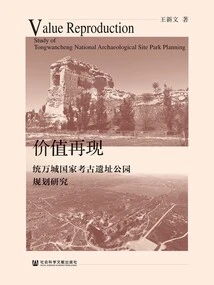
Value Reappearance: Research on the Planning of Tongwancheng National Archaeological Site Park
History价值再现:统万城国家考古遗址公园规划研究
Wang Xinwen
This book conducts in-depth discussions on key issues such as boundary delineation, spatial structure layout, site display, management and operation of the archaeological site park. Based on the actual situation of the Tongwancheng site, it focuses on the planning strategies of the archaeological site park's flexible response to development uncertainty, landscape safety pattern construction, spatial narrative site display, and scenic village coordination. The book uses multi-disciplinary research ideas from archeology, history, urban and rural planning, and cultural heritage to achieve a combination of document collection and on-site investigation, and a combination of qualitative and quantitative methods. In the form of a combination of pictures and texts, the book systematically explores the planning strategy of the national archaeological site park in ecologically fragile areas. It also systematically sorts out the research progress of the archaeological site park, which has certain significance in promoting the current research and practice of the archaeological site park.
This book conducts in-depth discussions on key issues such as boundary delineation, spatial structure layout, site display, management and operation of the archaeological site park. Based on the actual situation of the Tongwancheng site, it focuses on the planning strategies of the archaeological site park's flexible response to development uncertainty, landscape safety pattern construction, spatial narrative site display, and scenic village coordination. The book uses multi-disciplinary research ideas from archeology, history, urban and rural planning, and cultural heritage to achieve a combination of document collection and on-site investigation, and a combination of qualitative and quantitative methods. In the form of a combination of pictures and texts, the book systematically explores the planning strategy of the national archaeological site park in ecologically fragile areas. It also systematically sorts out the research progress of the archaeological site park, which has certain significance in promoting the current research and practice of the archaeological site park.
东亚文明(第3辑)
Chief Editor, Department Of Cultural Relics And Museum Studies, Nanjing Normal University
"East Asian Civilizations" is an academic journal sponsored by the Department of Cultural Relics and Museum Studies, School of Social Development, Nanjing Normal University. This book is the third volume and is divided into eight parts: Pre-Qin archeology, archaeological research on cultural relics in historical periods, regional history and culture, foreign heritage, scientific and technological archeology, archaeological history, museum and cultural heritage protection, and field archaeological reports. The content covers Shang and Zhou bronze decorations, the northern expansion of Liangzhu culture, and silk The origin of the cocoon-shaped pot against the background of the road, the ceramic art and literati culture of the Ming Dynasty, the comparison between the Mayan civilization and the Chinese civilization, new methods in zooarchaeology, the protection of immovable cultural relics, as well as a batch of important field reports disclosed for the first time, reflect the new achievements of the archaeological and cultural profession in recent years.
"East Asian Civilizations" is an academic journal sponsored by the Department of Cultural Relics and Museum Studies, School of Social Development, Nanjing Normal University. This book is the third volume and is divided into eight parts: Pre-Qin archeology, archaeological research on cultural relics in historical periods, regional history and culture, foreign heritage, scientific and technological archeology, archaeological history, museum and cultural heritage protection, and field archaeological reports. The content covers Shang and Zhou bronze decorations, the northern expansion of Liangzhu culture, and silk The origin of the cocoon-shaped pot against the background of the road, the ceramic art and literati culture of the Ming Dynasty, the comparison between the Mayan civilization and the Chinese civilization, new methods in zooarchaeology, the protection of immovable cultural relics, as well as a batch of important field reports disclosed for the first time, reflect the new achievements of the archaeological and cultural profession in recent years.
考古学集刊(第24集)
Editor-in-chief Zhu Yanshi
The content of this book includes three sections: briefings on archaeological surveys and excavations, special research papers, and briefings on foreign archaeological excavations. The archaeological survey and excavation briefing covers the Warring States Period M8 tomb in Yuyao Cemetery in Linzi City, Shandong Province, the Wei, Jin, Sui, Tang, Song and Yuan Dynasty tombs in the east of Dasikong Village in Anyang City, Henan Province, and the Tang Dynasty kiln sites along the coast of Beibu Gulf, Guangxi; the special research mainly focuses on Sichuan's Neolithic Age pottery technology and the funeral system of Tao Temple Culture , the identity of the owner of the tomb of Marquis Ancheng of the Western Han Dynasty in Jiangxi Province, the nature of the "chicken entry and exit book" on the hanging spring slips in Dunhuang, the "mirror dance" portrait stone of the Han Dynasty, the brick inscriptions of the Han and Jin Dynasties on the Yunnan-Guizhou Plateau, the image of the "pot-grown lotus platform" in the Southern Dynasties; the foreign archaeological excavation briefing is the archaeological investigation briefing of the Naderi Mound in Iran.
The content of this book includes three sections: briefings on archaeological surveys and excavations, special research papers, and briefings on foreign archaeological excavations. The archaeological survey and excavation briefing covers the Warring States Period M8 tomb in Yuyao Cemetery in Linzi City, Shandong Province, the Wei, Jin, Sui, Tang, Song and Yuan Dynasty tombs in the east of Dasikong Village in Anyang City, Henan Province, and the Tang Dynasty kiln sites along the coast of Beibu Gulf, Guangxi; the special research mainly focuses on Sichuan's Neolithic Age pottery technology and the funeral system of Tao Temple Culture , the identity of the owner of the tomb of Marquis Ancheng of the Western Han Dynasty in Jiangxi Province, the nature of the "chicken entry and exit book" on the hanging spring slips in Dunhuang, the "mirror dance" portrait stone of the Han Dynasty, the brick inscriptions of the Han and Jin Dynasties on the Yunnan-Guizhou Plateau, the image of the "pot-grown lotus platform" in the Southern Dynasties; the foreign archaeological excavation briefing is the archaeological investigation briefing of the Naderi Mound in Iran.
考古学集刊(第21集)
Editor-in-chief Zhu Yanshi
This book is divided into five parts, covering: archaeological investigation, exploration and excavation data of salt industry sites in the Pre-Qin period, city sites in the Warring States, Qin and Han Dynasties, and tombs from the Eastern Han Dynasty to the Song Dynasty; the phenomenon of "destruction of soldiers" in the tombs of the Shang Dynasty, rock paintings in the Tongtian River Basin, original porcelain of the Warring States period in the Jiangnan area, and Yunnan stone Research on the Zhaishan Culture, Dongshan Culture in Vietnam and the Upper Han Civilization in archeology; analysis of the standard drawing methods of cross-sections and sections in archaeological drawings; research on the transformation of cave houses into Pueblo architecture, and re-study of the Southern Han and Northern Song Dynasty inscriptions unearthed in Bodhgaya, India.
This book is divided into five parts, covering: archaeological investigation, exploration and excavation data of salt industry sites in the Pre-Qin period, city sites in the Warring States, Qin and Han Dynasties, and tombs from the Eastern Han Dynasty to the Song Dynasty; the phenomenon of "destruction of soldiers" in the tombs of the Shang Dynasty, rock paintings in the Tongtian River Basin, original porcelain of the Warring States period in the Jiangnan area, and Yunnan stone Research on the Zhaishan Culture, Dongshan Culture in Vietnam and the Upper Han Civilization in archeology; analysis of the standard drawing methods of cross-sections and sections in archaeological drawings; research on the transformation of cave houses into Pueblo architecture, and re-study of the Southern Han and Northern Song Dynasty inscriptions unearthed in Bodhgaya, India.
随园论道:考古学理论与实践讲演录
Editor-in-chief Wang Zhigao
This book contains 62 minutes of some lectures and 10 minutes of meetings organized by the Archeology and Cultural Museum of Nanjing Normal University. It is the 103rd lecture of the archeology lecture series as of June 10, 2023. The whole book is divided into two parts: the first part is the lecture minutes, and the second part is the meeting minutes. For the convenience of readers, the first part is divided into six units according to the lecture content: "Theory and Methods", "Discovery and Research", "Discussion and Debate", "New Knowledge on Ceramics", "Exchanges and Mutual Learning among Civilizations" and "Academic Legacy". The "Theory and Methods" unit focuses on cutting-edge research on archaeological theories and methodologies, showing the diversified development prospects of archaeology. The "Discovery and Research" unit takes important archaeological discoveries and related research as its theme, and systematically introduces the significance and latest research results of relevant archaeological discoveries, including some museum research. The "Discussion and Debate" unit is the latest research results of the speaker on some hot topics. Many of the viewpoints in the lecture are very innovative, providing readers with a new perspective. "New Knowledge on Ceramics" is a special topic on ceramic research. The speakers are all well-known domestic ceramic archaeological experts, bringing together the cutting-edge trends in ceramic archeology. The "Exchanges and Mutual Learning of Civilizations" section focuses on cultural exchanges between ancient China and foreign countries as well as foreign archaeological discoveries. It includes discussions by Japanese and Korean scholars on exchanges between ancient East Asian countries, as well as the gains of Chinese scholars from overseas archaeological excavations. "Academic Legacy" is the last unit of the previous chapter. It contains two summaries, one is Mr. Wang Shimin's summary of Mr. Xia Nai's contribution to the creation of archeology in New China, and the other is Mr. Yang Xinhua's review of his forty years of cultural and museum work. It shows the feelings and responsibilities of the predecessors of cultural and archaeological workers, and is a spiritual role model for young archaeological and cultural students.
This book contains 62 minutes of some lectures and 10 minutes of meetings organized by the Archeology and Cultural Museum of Nanjing Normal University. It is the 103rd lecture of the archeology lecture series as of June 10, 2023. The whole book is divided into two parts: the first part is the lecture minutes, and the second part is the meeting minutes. For the convenience of readers, the first part is divided into six units according to the lecture content: "Theory and Methods", "Discovery and Research", "Discussion and Debate", "New Knowledge on Ceramics", "Exchanges and Mutual Learning among Civilizations" and "Academic Legacy". The "Theory and Methods" unit focuses on cutting-edge research on archaeological theories and methodologies, showing the diversified development prospects of archaeology. The "Discovery and Research" unit takes important archaeological discoveries and related research as its theme, and systematically introduces the significance and latest research results of relevant archaeological discoveries, including some museum research. The "Discussion and Debate" unit is the latest research results of the speaker on some hot topics. Many of the viewpoints in the lecture are very innovative, providing readers with a new perspective. "New Knowledge on Ceramics" is a special topic on ceramic research. The speakers are all well-known domestic ceramic archaeological experts, bringing together the cutting-edge trends in ceramic archeology. The "Exchanges and Mutual Learning of Civilizations" section focuses on cultural exchanges between ancient China and foreign countries as well as foreign archaeological discoveries. It includes discussions by Japanese and Korean scholars on exchanges between ancient East Asian countries, as well as the gains of Chinese scholars from overseas archaeological excavations. "Academic Legacy" is the last unit of the previous chapter. It contains two summaries, one is Mr. Wang Shimin's summary of Mr. Xia Nai's contribution to the creation of archeology in New China, and the other is Mr. Yang Xinhua's review of his forty years of cultural and museum work. It shows the feelings and responsibilities of the predecessors of cultural and archaeological workers, and is a spiritual role model for young archaeological and cultural students.
考古学集刊(第25集):创刊40周年纪念(1981—2021)
Editor-in-chief Zhu Yanshi
"Archaeology Collection" mainly publishes long field archaeological excavation reports, archaeological research papers, as well as experimental reports and papers on scientific and technological archeology and other academic and informative works related to archeology. This book is the 25th volume and is divided into three sections. The investigation and excavation section covers the lower Xiajiadian cultural relics of Gaojiataizi in Chifeng City, Inner Mongolia, the Han Dynasty family cemetery in Shuanghe Village, Shuangliu District, Chengdu City, and the Taizicheng mountain city ruins in Xinbin County, Liaoning. The research and exploration section mainly focuses on the prehistoric sites unearthed in the Central Plains. There are themes such as the flat-pocket foot pottery, the late Western Zhou Dynasty bronze arrowhead plate, the Yanghai cemetery in the northwest of Yanghaixia Village, Tuyugou Township, Shanshan County, Turpan City, Xinjiang, the South Gobi Yanghai Cemetery in the Flame Mountains, and the screen stone bed in Qinyang in the Northern Dynasties. The archeology and science and technology section introduces and explains the application of "lithofacies technology" in ceramic archaeological research.
"Archaeology Collection" mainly publishes long field archaeological excavation reports, archaeological research papers, as well as experimental reports and papers on scientific and technological archeology and other academic and informative works related to archeology. This book is the 25th volume and is divided into three sections. The investigation and excavation section covers the lower Xiajiadian cultural relics of Gaojiataizi in Chifeng City, Inner Mongolia, the Han Dynasty family cemetery in Shuanghe Village, Shuangliu District, Chengdu City, and the Taizicheng mountain city ruins in Xinbin County, Liaoning. The research and exploration section mainly focuses on the prehistoric sites unearthed in the Central Plains. There are themes such as the flat-pocket foot pottery, the late Western Zhou Dynasty bronze arrowhead plate, the Yanghai cemetery in the northwest of Yanghaixia Village, Tuyugou Township, Shanshan County, Turpan City, Xinjiang, the South Gobi Yanghai Cemetery in the Flame Mountains, and the screen stone bed in Qinyang in the Northern Dynasties. The archeology and science and technology section introduces and explains the application of "lithofacies technology" in ceramic archaeological research.
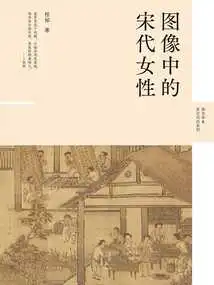
Song Dynasty Women in Images
History图像中的宋代女性
Cheng Yu
This book conducts an in-depth study of women's social participation in the Song Dynasty, pays attention to lower-class working women, absorbs the results of art history research and archaeological research, focuses on two types of images: infant play pictures and female education pictures in the Song Dynasty, and is divided into four chapters to observe the real life and ideological concepts of two groups, court women and working women, to present the evolution of social gender views in the Song Dynasty. Women were important performers of agricultural labor in the Song Dynasty, but due to the popularization of the term "men farmed and women weaved" in the Song Dynasty, stereotyped gender prejudices were formed in the world. In fact, they play an important role in manual labor such as rice and wheat harvesting, not limited to sericulture and weaving. In addition, the occupations of women in the Song Dynasty were widely distributed in silk weaving, selling, shop and hotel services, and medicine. Female chefs also worked in the kitchens of wealthy households, bringing about changes in the food structure that included small poultry and livestock in the menu and the popularity of fermented pasta.
This book conducts an in-depth study of women's social participation in the Song Dynasty, pays attention to lower-class working women, absorbs the results of art history research and archaeological research, focuses on two types of images: infant play pictures and female education pictures in the Song Dynasty, and is divided into four chapters to observe the real life and ideological concepts of two groups, court women and working women, to present the evolution of social gender views in the Song Dynasty. Women were important performers of agricultural labor in the Song Dynasty, but due to the popularization of the term "men farmed and women weaved" in the Song Dynasty, stereotyped gender prejudices were formed in the world. In fact, they play an important role in manual labor such as rice and wheat harvesting, not limited to sericulture and weaving. In addition, the occupations of women in the Song Dynasty were widely distributed in silk weaving, selling, shop and hotel services, and medicine. Female chefs also worked in the kitchens of wealthy households, bringing about changes in the food structure that included small poultry and livestock in the menu and the popularity of fermented pasta.
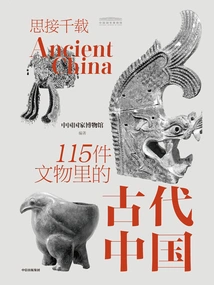
思接千载:115件文物里的古代中国
Compiled By The National Museum Of China
"Thinking About Ancient China in 115 Cultural Relics Over Thousand Years" is officially produced by the National Museum of China. It is a general reading book for the public for the National Museum. The text is easy to understand, breaking the reading threshold of previous professional cultural and museum books, and filling the gap in the National Museum's books showing the outstanding achievements of Chinese civilization in the field of mass communication. This book selects 115 treasures that bear witness to the progress of Chinese civilization from the basic display of "Ancient China". It is compiled by social and educational professionals from the National Museum of China with rich experience in explaining work, sharing with the public readers the memories and glory left to us by our ancestors. The Chinese characters on oracle bones, Jijin, and stone scriptures are written in different styles but are of the same origin. The discovery of the Jiahu bone flute rewrote the history of Chinese music. Langya stone carvings record the great achievements of the Qin Dynasty. Three-color glazed pottery camel-carrying music figurines portray the prosperous Tang Dynasty that embraced all rivers. Zheng He's cast bronze bells ring with the sail of friendship... Through the stories behind these cultural relics The story guides readers to better understand China's millions of years of human history, 10,000 years of cultural history, and more than 5,000 years of civilization history, to better understand the outstanding continuity, innovation, unity, inclusiveness, and peace of Chinese civilization, and to better answer the ancient questions of "who are we, where do we come from, and where are we going?"
"Thinking About Ancient China in 115 Cultural Relics Over Thousand Years" is officially produced by the National Museum of China. It is a general reading book for the public for the National Museum. The text is easy to understand, breaking the reading threshold of previous professional cultural and museum books, and filling the gap in the National Museum's books showing the outstanding achievements of Chinese civilization in the field of mass communication. This book selects 115 treasures that bear witness to the progress of Chinese civilization from the basic display of "Ancient China". It is compiled by social and educational professionals from the National Museum of China with rich experience in explaining work, sharing with the public readers the memories and glory left to us by our ancestors. The Chinese characters on oracle bones, Jijin, and stone scriptures are written in different styles but are of the same origin. The discovery of the Jiahu bone flute rewrote the history of Chinese music. Langya stone carvings record the great achievements of the Qin Dynasty. Three-color glazed pottery camel-carrying music figurines portray the prosperous Tang Dynasty that embraced all rivers. Zheng He's cast bronze bells ring with the sail of friendship... Through the stories behind these cultural relics The story guides readers to better understand China's millions of years of human history, 10,000 years of cultural history, and more than 5,000 years of civilization history, to better understand the outstanding continuity, innovation, unity, inclusiveness, and peace of Chinese civilization, and to better answer the ancient questions of "who are we, where do we come from, and where are we going?"
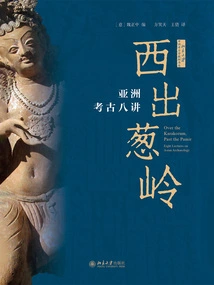
西出葱岭:亚洲考古八讲
(italian) Compiled By Wei Zhengzhong
"Westward from Congling: Eight Lectures on Asian Archeology" is compiled based on the lecture series of the School of Archeology and Museology of Peking University in the fall of 2022. The content covers the main parts of the Asian continent west of China. The first lecture introduces the overall historical background of West Asia from the 4th century BC to the 3rd century AD. The second to eighth lectures respectively introduce the social evolution of the Indus Valley Civilization in the Indo-Pakistan region; Buddhist remains in the historical period of India; more than 70 Italian archaeological workers in Pakistan, especially the Swat Valley. Excavations over the years; the daunting challenges faced by archaeological work in Afghanistan; the great archaeological achievements in the South Caucasus, especially during the Kingdom of Urartu; the history and methods of archeology in Iran, especially issues related to religious architecture; the history of archeology in Central Asia, and several issues in different periods. The authors of "From Congling in the West: Eight Lectures on Asian Archeology" are famous Italian scholars who work in many research institutions. It shows the new progress of Asian archaeological research in recent years and the new courage of Chinese archaeologists to look at the world.
"Westward from Congling: Eight Lectures on Asian Archeology" is compiled based on the lecture series of the School of Archeology and Museology of Peking University in the fall of 2022. The content covers the main parts of the Asian continent west of China. The first lecture introduces the overall historical background of West Asia from the 4th century BC to the 3rd century AD. The second to eighth lectures respectively introduce the social evolution of the Indus Valley Civilization in the Indo-Pakistan region; Buddhist remains in the historical period of India; more than 70 Italian archaeological workers in Pakistan, especially the Swat Valley. Excavations over the years; the daunting challenges faced by archaeological work in Afghanistan; the great archaeological achievements in the South Caucasus, especially during the Kingdom of Urartu; the history and methods of archeology in Iran, especially issues related to religious architecture; the history of archeology in Central Asia, and several issues in different periods. The authors of "From Congling in the West: Eight Lectures on Asian Archeology" are famous Italian scholars who work in many research institutions. It shows the new progress of Asian archaeological research in recent years and the new courage of Chinese archaeologists to look at the world.

考古不是挖宝(增订本)
Gao Moong River
What exactly is archeology? Are you going to the bottom of poverty and falling into the underworld, blindly pursuing cultural relics and treasures? Or should we rely on history in the hope of clearing the fog and seeing the truth? ... This book captures topics of interest to the general public, such as whether there are national treasure-level cultural relics, whether the Mausoleum of Qin Shihuang should be excavated, the contingency of archaeological discoveries, how much history has been rewritten by archeology, etc. It tells what the real archaeological enterprise and the true style of archaeologists are, and introduces the extraordinary achievements of archeology and the rights and wrongs of the archaeological industry.
What exactly is archeology? Are you going to the bottom of poverty and falling into the underworld, blindly pursuing cultural relics and treasures? Or should we rely on history in the hope of clearing the fog and seeing the truth? ... This book captures topics of interest to the general public, such as whether there are national treasure-level cultural relics, whether the Mausoleum of Qin Shihuang should be excavated, the contingency of archaeological discoveries, how much history has been rewritten by archeology, etc. It tells what the real archaeological enterprise and the true style of archaeologists are, and introduces the extraordinary achievements of archeology and the rights and wrongs of the archaeological industry.
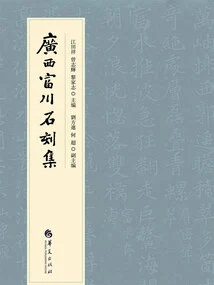
廣西富川石刻集
Editor-in-chief Jiang Tianxiang Zeng Zhihui Li Jiazhi
Guangxi Fuchuan Yao Autonomous County is located in the northeastern part of Guangxi, at the junction of Hunan, Guangxi and Guangdong provinces, between the remaining mountains of Dupang and Mengzhu in the western section of the Nanling Mountains. It is a border town with tens of thousands of years of primitive civilization, 5,000 years of history and culture, and more than 2,000 years of county-building history. This is one of the starting points of the Guangdong and Guangxi sections of the Maritime Silk Road and an important part of the current national "Belt and Road" development strategy. The compilation of "Guangxi Fuchuan Stone Carving Collection" is an active response to and implementation of the national "One Belt, One Road" development strategy in accordance with local conditions, and vigorous exploration of Fuchuan's local historical and cultural resources. The book "Collection of Stone Carvings in Fuchuan, Guangxi" includes two major contents. 1. Materials (Compilation of stone inscriptions) With the assistance of rubbing experts, the stone inscriptions were rubbed as much as possible, organized according to the format of the stone inscriptions (horizontal or vertical), simplified, punctuated, and various information such as the location of the stone inscriptions, length, width, height, font diameter, calligraphy, etc., And a small number of rubbing pictures. It collects about 150 full texts of inscriptions, a small number of Ming Dynasty inscriptions, mainly Qing Dynasty inscriptions, and 10 rubbings or photos. Most of the inscriptions are about road construction, wind and rain bridges, academy education, government city construction, notices, ancestral halls, gate towers, etc. 2. The history and culture chapter (focusing on the introduction and research of stone carving materials by topic) is to write an introduction to the whole book, and generally summarize the preservation and distribution characteristics of Fuchuan stone carvings; select several topics for special research, such as Fuchuan Xiaohe Ancient Road, transportation and society, Fengyu Bridge, national culture, gate tower culture, etc., To highlight the academic value and practical significance of the Fuchuan stone carving collection.
Guangxi Fuchuan Yao Autonomous County is located in the northeastern part of Guangxi, at the junction of Hunan, Guangxi and Guangdong provinces, between the remaining mountains of Dupang and Mengzhu in the western section of the Nanling Mountains. It is a border town with tens of thousands of years of primitive civilization, 5,000 years of history and culture, and more than 2,000 years of county-building history. This is one of the starting points of the Guangdong and Guangxi sections of the Maritime Silk Road and an important part of the current national "Belt and Road" development strategy. The compilation of "Guangxi Fuchuan Stone Carving Collection" is an active response to and implementation of the national "One Belt, One Road" development strategy in accordance with local conditions, and vigorous exploration of Fuchuan's local historical and cultural resources. The book "Collection of Stone Carvings in Fuchuan, Guangxi" includes two major contents. 1. Materials (Compilation of stone inscriptions) With the assistance of rubbing experts, the stone inscriptions were rubbed as much as possible, organized according to the format of the stone inscriptions (horizontal or vertical), simplified, punctuated, and various information such as the location of the stone inscriptions, length, width, height, font diameter, calligraphy, etc., And a small number of rubbing pictures. It collects about 150 full texts of inscriptions, a small number of Ming Dynasty inscriptions, mainly Qing Dynasty inscriptions, and 10 rubbings or photos. Most of the inscriptions are about road construction, wind and rain bridges, academy education, government city construction, notices, ancestral halls, gate towers, etc. 2. The history and culture chapter (focusing on the introduction and research of stone carving materials by topic) is to write an introduction to the whole book, and generally summarize the preservation and distribution characteristics of Fuchuan stone carvings; select several topics for special research, such as Fuchuan Xiaohe Ancient Road, transportation and society, Fengyu Bridge, national culture, gate tower culture, etc., To highlight the academic value and practical significance of the Fuchuan stone carving collection.
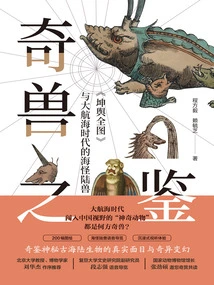
奇兽之鉴:《坤舆全图》与大航海时代的海怪陆兽
Cheng Fangyi Lai Yuzhi
Balea, Swordfish, Steppe, Renyu, Bolibo, Kraken, Flying Fish, Pike, Loosma, Seahorse, Sea Beast as Big as an Island, Xileng, Sea Man, Unpaired Bird, Nose-horned Beast, Slothful, Huoluo, Rhinoceros, Lagado, Ena Western, Su, llama... More than 300 years ago, these "magical animals" that Europeans had witnessed during the Age of Discovery were introduced to China through a Chinese version of the world map drawn by missionaries in the Ming Dynasty - "The Complete Map of Kunyu". All these strange beasts of the sea and land were included in the "Collection of Ancient and Modern Books", but they were lost in history, rarely known, and became a lost treasure in the ocean. Retracing their origins in Europe and tracking their whereabouts in China, historical scholars on both sides of the Taiwan Strait have worked together to explore ancient and modern Chinese and foreign history, geography, literature, art documents, and European classic \u002F niche natural history works to reveal to us one by one the "true" faces of these mysterious ancient sea and land creatures.
Balea, Swordfish, Steppe, Renyu, Bolibo, Kraken, Flying Fish, Pike, Loosma, Seahorse, Sea Beast as Big as an Island, Xileng, Sea Man, Unpaired Bird, Nose-horned Beast, Slothful, Huoluo, Rhinoceros, Lagado, Ena Western, Su, llama... More than 300 years ago, these "magical animals" that Europeans had witnessed during the Age of Discovery were introduced to China through a Chinese version of the world map drawn by missionaries in the Ming Dynasty - "The Complete Map of Kunyu". All these strange beasts of the sea and land were included in the "Collection of Ancient and Modern Books", but they were lost in history, rarely known, and became a lost treasure in the ocean. Retracing their origins in Europe and tracking their whereabouts in China, historical scholars on both sides of the Taiwan Strait have worked together to explore ancient and modern Chinese and foreign history, geography, literature, art documents, and European classic \u002F niche natural history works to reveal to us one by one the "true" faces of these mysterious ancient sea and land creatures.
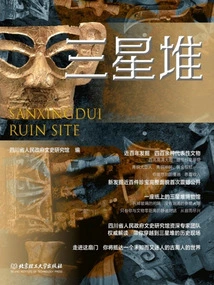
Sanxingdui Scene
History三星堆现场
Compiled By The Sichuan Provincial People's Government Literature And History Research Institute
This book selects more than 400 of the most representative Sanxingdui cultural relics and treasures, and presents them in 100-megapixel high-definition large-scale images with exquisite details, including world-famous heavy objects such as bronze giants, bronze sacred trees, and golden scepters, as well as nearly a hundred newly unearthed rare treasures such as bronze altars, gold masks, and turtle-back grids. It is authoritatively interpreted by a team of senior experts from the Sichuan Provincial People's Government Cultural and Historical Research Institute, using core cultural relics to explain the youth of the ancient Shu civilization. The copper code shows the spiritual pursuit of the ancient Shu people from the jade articles, and presents the daily fireworks of the ancient Shu society in the pottery, from the magnificent bronze statues, the weird vertical-eyed masks, to the sacred trees and wheel-shaped objects that symbolize sun worship. Then there are the dazzling gold vessels, the warm jade ritual vessels, as well as the ivory, seashells and special pottery that contain communication codes, all of which fully demonstrate the amazing artistic imagination, unique religious beliefs and exquisite craftsmanship of the ancient Shu people.
This book selects more than 400 of the most representative Sanxingdui cultural relics and treasures, and presents them in 100-megapixel high-definition large-scale images with exquisite details, including world-famous heavy objects such as bronze giants, bronze sacred trees, and golden scepters, as well as nearly a hundred newly unearthed rare treasures such as bronze altars, gold masks, and turtle-back grids. It is authoritatively interpreted by a team of senior experts from the Sichuan Provincial People's Government Cultural and Historical Research Institute, using core cultural relics to explain the youth of the ancient Shu civilization. The copper code shows the spiritual pursuit of the ancient Shu people from the jade articles, and presents the daily fireworks of the ancient Shu society in the pottery, from the magnificent bronze statues, the weird vertical-eyed masks, to the sacred trees and wheel-shaped objects that symbolize sun worship. Then there are the dazzling gold vessels, the warm jade ritual vessels, as well as the ivory, seashells and special pottery that contain communication codes, all of which fully demonstrate the amazing artistic imagination, unique religious beliefs and exquisite craftsmanship of the ancient Shu people.
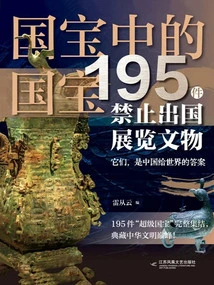
National Treasures Among National Treasures: 195 Cultural Relics Banned from Overseas Exhibitions
History国宝中的国宝:195件禁止出国展览文物
Compiled By Lei Congyun
With cultural relics as the eye and history as the pulse, this book focuses on 195 national treasure-level cultural relics that are "prohibited for overseas exhibition" according to relevant documents of the State Administration of Cultural Heritage. It combines a large number of precious archives, nearly 800 full-color illustrations and writing by front-line experts to tell the "past and present", detailed craftsmanship and historical value of the cultural relics, presenting a clear and intuitive system to readers. At the same time, some cultural relics have been lost overseas. This book deeply explores their historical background, loss process, retrieval efforts and return stories, revealing the mourning of civilization and the process of defending national dignity behind the cultural relics. It leads readers into the world of national treasures, learns about cultural relics, appreciates history, promotes the Chinese civilization in cultural relics, enhances the cultural confidence of the Chinese people, and allows the excellent traditional Chinese culture to be inherited and carried forward in the new era.
With cultural relics as the eye and history as the pulse, this book focuses on 195 national treasure-level cultural relics that are "prohibited for overseas exhibition" according to relevant documents of the State Administration of Cultural Heritage. It combines a large number of precious archives, nearly 800 full-color illustrations and writing by front-line experts to tell the "past and present", detailed craftsmanship and historical value of the cultural relics, presenting a clear and intuitive system to readers. At the same time, some cultural relics have been lost overseas. This book deeply explores their historical background, loss process, retrieval efforts and return stories, revealing the mourning of civilization and the process of defending national dignity behind the cultural relics. It leads readers into the world of national treasures, learns about cultural relics, appreciates history, promotes the Chinese civilization in cultural relics, enhances the cultural confidence of the Chinese people, and allows the excellent traditional Chinese culture to be inherited and carried forward in the new era.
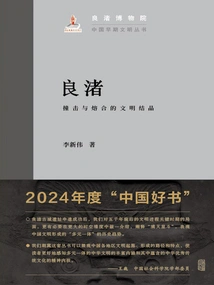
良渚:撞击与熔合的文明结晶
Li Xinwei
About 6000-5000 years ago, China's prehistoric era entered a brilliant turning point of leap-forward development. "Ancient countries" emerged in various places, as bright as the stars in the sky. Hongshan Culture, Lingjiatan Culture, Dawenkou Culture, Daxi Culture, Yangshao Culture, etc. Each implemented different strategies of social complexity and achieved remarkable achievements. With the construction of the "long-distance communication network for the upper class of society", the "original China" was formed. Around 5,300 years ago, the Liangzhu culture was "fused" in the area around Taihu Lake. It repaired sacred mountains and built cities, all of which demonstrated the majesty of the king. As the first brilliant result of collision and fusion within "original China", the early state established by the Liangzhu Culture is an important symbol of the formation of Chinese civilization. The brilliance of its Congbi is dazzling.
About 6000-5000 years ago, China's prehistoric era entered a brilliant turning point of leap-forward development. "Ancient countries" emerged in various places, as bright as the stars in the sky. Hongshan Culture, Lingjiatan Culture, Dawenkou Culture, Daxi Culture, Yangshao Culture, etc. Each implemented different strategies of social complexity and achieved remarkable achievements. With the construction of the "long-distance communication network for the upper class of society", the "original China" was formed. Around 5,300 years ago, the Liangzhu culture was "fused" in the area around Taihu Lake. It repaired sacred mountains and built cities, all of which demonstrated the majesty of the king. As the first brilliant result of collision and fusion within "original China", the early state established by the Liangzhu Culture is an important symbol of the formation of Chinese civilization. The brilliance of its Congbi is dazzling.
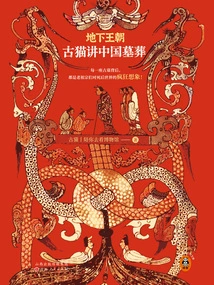
地下王朝:古猫讲中国墓葬
Ancient Cattake You To The Museum
Behind every ancient tomb is the crazy imagination of our ancestors about the world after death! Sort out China's 35,000-year tomb culture and experience the mystery and romance of the "underworld" immersively! This is a hard-core and interesting introductory book on Chinese tomb archeology, which comprehensively reviews the evolution of Chinese tomb culture over the past 35,000 years. After death, you are buried under the bed, your head is steamed in a pot, the underworld rules the world, the gods have their own arrangements... This is not a novel, but a real history! Combining the knowledge points of professional disciplines such as anthropology, archaeology, religion, and ancient architecture, the origin and evolution of tomb culture are sorted out according to time and space, subverting the records of single history books, restoring neglected historical details, and showing the spiritual world and social life of the ancients from a new perspective. Containing a large number of real archaeological excavation cases, from the majestic pre-Qin imperial mausoleums, to the magnificent and fantastic Mawangdui in Changsha, to the ingenious tomb designs of the Ming and Qing Dynasties, this book tells the ins and outs of the evolution of Chinese tombs...
Behind every ancient tomb is the crazy imagination of our ancestors about the world after death! Sort out China's 35,000-year tomb culture and experience the mystery and romance of the "underworld" immersively! This is a hard-core and interesting introductory book on Chinese tomb archeology, which comprehensively reviews the evolution of Chinese tomb culture over the past 35,000 years. After death, you are buried under the bed, your head is steamed in a pot, the underworld rules the world, the gods have their own arrangements... This is not a novel, but a real history! Combining the knowledge points of professional disciplines such as anthropology, archaeology, religion, and ancient architecture, the origin and evolution of tomb culture are sorted out according to time and space, subverting the records of single history books, restoring neglected historical details, and showing the spiritual world and social life of the ancients from a new perspective. Containing a large number of real archaeological excavation cases, from the majestic pre-Qin imperial mausoleums, to the magnificent and fantastic Mawangdui in Changsha, to the ingenious tomb designs of the Ming and Qing Dynasties, this book tells the ins and outs of the evolution of Chinese tombs...
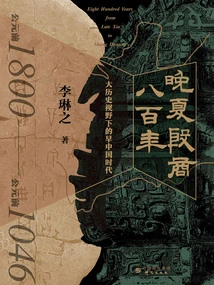
晚夏殷商八百年
Li Linzhi
The author uses the results of archaeology and oracle bone inscriptions to reconstruct the history from the late summer to the late Shang Dynasty, clarify the changes in the capital and the rise and fall of dynasties, and reproduce the grand epic of the early Chinese era. Based on the generally recognized principle of dividing the human civilization process of "chiefdoms-ancient states-kingdoms-empires" in the academic circles and the actual development of ancient Chinese history, the author defines the special period from 4000 BC to 1046 BC, the birth, birth and initial development of "China", as three stages: the Pre-Chinese Era, the Yuan-Chinese Era and the Early Chinese Era. The author mainly uses archaeological results and the achievements of many experts and scholars in interpreting oracle bone inscriptions and bronze inscriptions, and compares them with documentary records to correct some untrue words and ambiguous statements in the literature. He determines the specific location of the city sites in the late Xia and the early, middle and late Shang Dynasties, and systematically restores and displays the magnificent historical picture of the early Chinese era.
The author uses the results of archaeology and oracle bone inscriptions to reconstruct the history from the late summer to the late Shang Dynasty, clarify the changes in the capital and the rise and fall of dynasties, and reproduce the grand epic of the early Chinese era. Based on the generally recognized principle of dividing the human civilization process of "chiefdoms-ancient states-kingdoms-empires" in the academic circles and the actual development of ancient Chinese history, the author defines the special period from 4000 BC to 1046 BC, the birth, birth and initial development of "China", as three stages: the Pre-Chinese Era, the Yuan-Chinese Era and the Early Chinese Era. The author mainly uses archaeological results and the achievements of many experts and scholars in interpreting oracle bone inscriptions and bronze inscriptions, and compares them with documentary records to correct some untrue words and ambiguous statements in the literature. He determines the specific location of the city sites in the late Xia and the early, middle and late Shang Dynasties, and systematically restores and displays the magnificent historical picture of the early Chinese era.
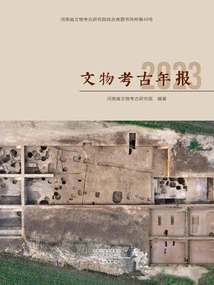
2023文物考古年报
Compiled By Henan Provincial Institute Of Cultural Relics And Archeology
This book contains a total of ten chapters: "Overview", "Large Site Archaeological Projects", "Subject Archaeological Projects", "Capital Construction and Rescue Archaeological Projects", "Public Archeology and Heritage Protection", "Cultural Relics Protection, Scientific Archeology and Archaeological Technology", "Data Information Management and Book Editing", "Scientific Research Projects and Achievements", "Academic Exchanges" and "Institutional Settings", which provides a detailed and systematic introduction to the work results of the Henan Provincial Institute of Cultural Relics and Archeology in 2023. These achievements play a vital role in preserving and inheriting historical culture, and help future generations understand the cultural features, social conditions and the evolution of human civilization in historical periods. At the same time, it helps to popularize archaeological knowledge and improve public awareness of cultural heritage and protection awareness.
This book contains a total of ten chapters: "Overview", "Large Site Archaeological Projects", "Subject Archaeological Projects", "Capital Construction and Rescue Archaeological Projects", "Public Archeology and Heritage Protection", "Cultural Relics Protection, Scientific Archeology and Archaeological Technology", "Data Information Management and Book Editing", "Scientific Research Projects and Achievements", "Academic Exchanges" and "Institutional Settings", which provides a detailed and systematic introduction to the work results of the Henan Provincial Institute of Cultural Relics and Archeology in 2023. These achievements play a vital role in preserving and inheriting historical culture, and help future generations understand the cultural features, social conditions and the evolution of human civilization in historical periods. At the same time, it helps to popularize archaeological knowledge and improve public awareness of cultural heritage and protection awareness.
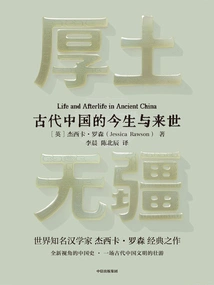
厚土无疆:古代中国的今生与来世
(uk) Jessica Rosen
Jessica Rosen, a world-renowned sinologist and professor at Oxford University, has a new work, "Thick Soil Without Boundaries," which takes twelve tomb sites across vast distances of time and space as an entry point, and uses a new perspective of cross-regional material and cultural exchanges to interpret ancient China vividly and comprehensively from multiple disciplines including archeology, history, geography, ecology, and art. It systematically reconstructs the vivid picture of the world before and after the ancients for more than 5,000 years, and repeatedly outlines the synchronization and uniqueness of China's national civilization with the civilizations of other major countries in the world, as well as the cultural integration across the Eurasian continent, showing us a grand tour of early Chinese civilization spanning 3,000 years. This book is rooted in archeology. The twelve tomb sites selected are all new discoveries and gains in Chinese archeology in the past half century. However, it is not a superficial introduction to new archaeological knowledge, but tells the history of ancient China through the tomb sites. It spans time, space, regions and ethnic groups, and launches an invitation for Chinese people to "find their roots." At the same time, "Thick Soil without Borders" is also a masterpiece of exchanges and mutual learning among civilizations. It vividly presents the richness and diversity of Chinese civilization, which stems from the connectivity and mutual influence between cultures in various regions. As a result, Chinese civilization is always full of possibilities for development. Most of the twelve tomb sites involved have museums. This book introduces the important collections of many museums in detail and can also be used as a recommended reading for in-depth tours of museums.
Jessica Rosen, a world-renowned sinologist and professor at Oxford University, has a new work, "Thick Soil Without Boundaries," which takes twelve tomb sites across vast distances of time and space as an entry point, and uses a new perspective of cross-regional material and cultural exchanges to interpret ancient China vividly and comprehensively from multiple disciplines including archeology, history, geography, ecology, and art. It systematically reconstructs the vivid picture of the world before and after the ancients for more than 5,000 years, and repeatedly outlines the synchronization and uniqueness of China's national civilization with the civilizations of other major countries in the world, as well as the cultural integration across the Eurasian continent, showing us a grand tour of early Chinese civilization spanning 3,000 years. This book is rooted in archeology. The twelve tomb sites selected are all new discoveries and gains in Chinese archeology in the past half century. However, it is not a superficial introduction to new archaeological knowledge, but tells the history of ancient China through the tomb sites. It spans time, space, regions and ethnic groups, and launches an invitation for Chinese people to "find their roots." At the same time, "Thick Soil without Borders" is also a masterpiece of exchanges and mutual learning among civilizations. It vividly presents the richness and diversity of Chinese civilization, which stems from the connectivity and mutual influence between cultures in various regions. As a result, Chinese civilization is always full of possibilities for development. Most of the twelve tomb sites involved have museums. This book introduces the important collections of many museums in detail and can also be used as a recommended reading for in-depth tours of museums.
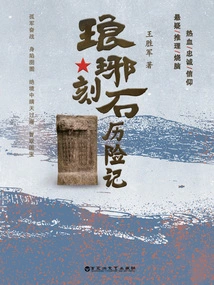
琅琊刻石历险记
Wang Shengjun
The Langya Stone Carvings located in Qingdao, Shandong Province were erected by Qin Shihuang when he visited Langyata in 219 BC. They are hailed as "the supreme masterpiece" by epigraphers. In February 1938, when the Japanese army invaded Qingdao and approached Langyatai, the Japanese Emperor Hirohito learned of the importance of the carved stones and quickly sent a special envoy to snatch the Langyata carved stones. At the same time, both the Chinese Communist Party and Germany learned the secret through secret channels and sent personnel to search for the treasure. The elites of the three countries staged wonderful spy war stories one after another. In the end, the outstanding agents of the 115th Division of the Eighth Route Army went through many twists and turns and recaptured all the carved stones from the Kuomintang and the Japanese army. In January 1959, the carved stone was transferred to the China History Museum (now the National Museum of China), where it was preserved in a vacuum and not displayed to the public. It is now a treasure of the National Museum.
The Langya Stone Carvings located in Qingdao, Shandong Province were erected by Qin Shihuang when he visited Langyata in 219 BC. They are hailed as "the supreme masterpiece" by epigraphers. In February 1938, when the Japanese army invaded Qingdao and approached Langyatai, the Japanese Emperor Hirohito learned of the importance of the carved stones and quickly sent a special envoy to snatch the Langyata carved stones. At the same time, both the Chinese Communist Party and Germany learned the secret through secret channels and sent personnel to search for the treasure. The elites of the three countries staged wonderful spy war stories one after another. In the end, the outstanding agents of the 115th Division of the Eighth Route Army went through many twists and turns and recaptured all the carved stones from the Kuomintang and the Japanese army. In January 1959, the carved stone was transferred to the China History Museum (now the National Museum of China), where it was preserved in a vacuum and not displayed to the public. It is now a treasure of the National Museum.
Baoji Taoist Monuments
History宝鸡道教碑石记
Compiled By Wu Shouju
This book is a "Publication Funding Project of the Chinese Academy of Social Sciences' Senior Research Fund". It is a compilation of rubbings and contents of Taoist inscriptions from the Song, Yuan and Ming dynasties in Baoji, Shaanxi Province. Among them, the Tiansheng of the Northern Song Dynasty rebuilt the Changning Guan Monument in Changchun, the Zhengda Changchun Zhenren Benxing Monument in the Yuan Dynasty, the Yuchen Palace Records in Jingfushan, Longmen, Longzhou in the Yuan Dynasty, the Monument of the Emperor Yongle's Search for Zhang Sanfeng in the Ming Dynasty, the Monument of Zhang Sanfeng's Relics in Tomorrow Shun, and the newly unearthed stone carvings of twenty-four poems of "The Rootless Tree" by Zhang Sanfeng, etc., Which have great documentary value.
This book is a "Publication Funding Project of the Chinese Academy of Social Sciences' Senior Research Fund". It is a compilation of rubbings and contents of Taoist inscriptions from the Song, Yuan and Ming dynasties in Baoji, Shaanxi Province. Among them, the Tiansheng of the Northern Song Dynasty rebuilt the Changning Guan Monument in Changchun, the Zhengda Changchun Zhenren Benxing Monument in the Yuan Dynasty, the Yuchen Palace Records in Jingfushan, Longmen, Longzhou in the Yuan Dynasty, the Monument of the Emperor Yongle's Search for Zhang Sanfeng in the Ming Dynasty, the Monument of Zhang Sanfeng's Relics in Tomorrow Shun, and the newly unearthed stone carvings of twenty-four poems of "The Rootless Tree" by Zhang Sanfeng, etc., Which have great documentary value.
开创性的中国考古实践与成果
Hu Qianying
This book is a systematic summary of the academic career and research results of the famous archaeologist researcher Hu Qianying. The book mainly includes the author's growth, academic and archaeological practice experience, fruitful innovative scientific research results, academic thoughts and their influence, etc., Which fully reflects the author's academic style and academic level. It focuses on the author's achievements in exploring the Fenghao capital ruins, pre-Zhou culture and pre-Zhou history, Changshan lower-class culture, Yangshao culture Dongzhuang village type, and cave dwelling culture in the loess area; clarifies that human sacrifice was popular in ancient Chinese tombs as a funeral custom and system for the ruling class of the Shang and Zhou slave-owning societies; and further advances the research on Siwa culture.
This book is a systematic summary of the academic career and research results of the famous archaeologist researcher Hu Qianying. The book mainly includes the author's growth, academic and archaeological practice experience, fruitful innovative scientific research results, academic thoughts and their influence, etc., Which fully reflects the author's academic style and academic level. It focuses on the author's achievements in exploring the Fenghao capital ruins, pre-Zhou culture and pre-Zhou history, Changshan lower-class culture, Yangshao culture Dongzhuang village type, and cave dwelling culture in the loess area; clarifies that human sacrifice was popular in ancient Chinese tombs as a funeral custom and system for the ruling class of the Shang and Zhou slave-owning societies; and further advances the research on Siwa culture.
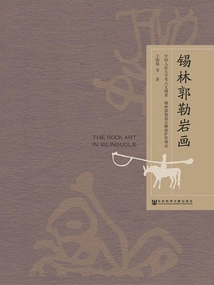
Xilingol Rock Paintings
History锡林郭勒岩画
Wang Xiaokun Et Al.
This book is the first survey report that comprehensively and systematically introduces the rock paintings in the Xilin Gol area. Xilin Gol is one of the three major grasslands in my country. It has rich rock art remains and is in good preservation condition. In the autumn of 2016, Renmin University of China and the Xilingol League Cultural Relics Protection and Management Station conducted a systematic survey of the rock art remains in Xilingol. The investigation involved 25 rock painting sites, recording 1,396 rock paintings and 3,968 individual rock paintings. The Xilin Gol rock paintings have a wide range of themes, vivid shapes, and flexible expression forms, which provide important physical reference materials for studying the production and life, economic methods, aesthetic consciousness, and religious concepts of the ancient Xilin Gol grassland.
This book is the first survey report that comprehensively and systematically introduces the rock paintings in the Xilin Gol area. Xilin Gol is one of the three major grasslands in my country. It has rich rock art remains and is in good preservation condition. In the autumn of 2016, Renmin University of China and the Xilingol League Cultural Relics Protection and Management Station conducted a systematic survey of the rock art remains in Xilingol. The investigation involved 25 rock painting sites, recording 1,396 rock paintings and 3,968 individual rock paintings. The Xilin Gol rock paintings have a wide range of themes, vivid shapes, and flexible expression forms, which provide important physical reference materials for studying the production and life, economic methods, aesthetic consciousness, and religious concepts of the ancient Xilin Gol grassland.
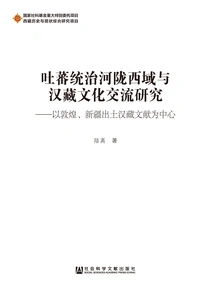
吐蕃统治河陇西域与汉藏文化交流研究:以敦煌、新疆出土汉藏文献为中心
Lu Li
Based on the existing research in the academic circles, this book uses Sino-Tibetan documents, epigraphic inscriptions, Sino-Tibetan historical records, etc. Unearthed in Dunhuang, Xinjiang and other places to analyze the entry and exit of Tubo in the Helong region and the military and political establishment in the early Tang Dynasty, as well as the Jiedushi envoys, governors, tribes, etc. During the period when Tubo ruled the Helong Western Region. Conduct research on issues such as tribal envoys, and conduct some investigation and analysis of the issues of Sino-Tibetan cultural exchanges reflected in them, and explain my own opinions, in the hope of being able to provide a starting point for further in-depth research on the history of Tubo's rule in the Helongxi region and the history of Sino-Tibetan cultural exchanges during this period.
Based on the existing research in the academic circles, this book uses Sino-Tibetan documents, epigraphic inscriptions, Sino-Tibetan historical records, etc. Unearthed in Dunhuang, Xinjiang and other places to analyze the entry and exit of Tubo in the Helong region and the military and political establishment in the early Tang Dynasty, as well as the Jiedushi envoys, governors, tribes, etc. During the period when Tubo ruled the Helong Western Region. Conduct research on issues such as tribal envoys, and conduct some investigation and analysis of the issues of Sino-Tibetan cultural exchanges reflected in them, and explain my own opinions, in the hope of being able to provide a starting point for further in-depth research on the history of Tubo's rule in the Helongxi region and the history of Sino-Tibetan cultural exchanges during this period.
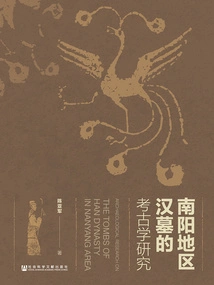
南阳地区汉墓的考古学研究
Chen Yajun
This book is a systematic and comprehensive study of Han tombs in Nanyang area. The book first conducts an archaeological typology analysis of various Han Dynasty tombs and their relics in the Nanyang area, uses chronological methods to uniformly stage and date the Han Dynasty tombs in the area, and clarifies the chronological sequence and development of the tombs in the area; then uses cultural factor analysis methods to analyze the Han Dynasty tombs in the area. Cultural structure, while adopting a dynamic inspection method to analyze the evolution process of Han Dynasty tomb culture in the area, summarizing the tomb system and regional cultural characteristics of the area; finally, briefly exploring the historical background behind the above phenomena, and discussing the structure of Han tombs in the area, the identity of the tomb owners and other related issues.
This book is a systematic and comprehensive study of Han tombs in Nanyang area. The book first conducts an archaeological typology analysis of various Han Dynasty tombs and their relics in the Nanyang area, uses chronological methods to uniformly stage and date the Han Dynasty tombs in the area, and clarifies the chronological sequence and development of the tombs in the area; then uses cultural factor analysis methods to analyze the Han Dynasty tombs in the area. Cultural structure, while adopting a dynamic inspection method to analyze the evolution process of Han Dynasty tomb culture in the area, summarizing the tomb system and regional cultural characteristics of the area; finally, briefly exploring the historical background behind the above phenomena, and discussing the structure of Han tombs in the area, the identity of the tomb owners and other related issues.
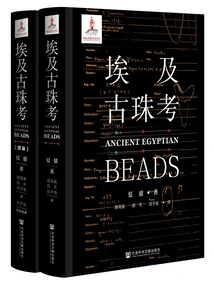
埃及古珠考(全2册)
Xia Nai
This book is translated from the English version of Mr. Xia Nai's doctoral thesis "Research on Ancient Egyptian Beads", and 1,400 pictures are added. The book uses classification research combined with statistical methods to conduct in-depth research on the archaeological value of beads, research methods, production techniques, classification, dating, and cultural exchanges between ancient Egypt and other regions. Its English version has received widespread attention since its publication, and so far it remains the only monograph on bead research. In view of the special historical and academic value of this book, it is very necessary to publish a Chinese version on the basis of the English version to introduce it to the academic community and the general readership.
This book is translated from the English version of Mr. Xia Nai's doctoral thesis "Research on Ancient Egyptian Beads", and 1,400 pictures are added. The book uses classification research combined with statistical methods to conduct in-depth research on the archaeological value of beads, research methods, production techniques, classification, dating, and cultural exchanges between ancient Egypt and other regions. Its English version has received widespread attention since its publication, and so far it remains the only monograph on bead research. In view of the special historical and academic value of this book, it is very necessary to publish a Chinese version on the basis of the English version to introduce it to the academic community and the general readership.
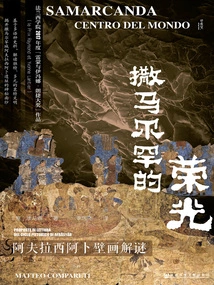
撒马尔罕的荣光:阿夫拉西阿卜壁画解谜
(italian) Kangmatai
In 1965, during the construction of a highway connecting the historical city of Samarkand and Tajikistan, the ruins known as the "Afrasiab Mural" resurfaced. Although it was partially damaged, it is still a very interesting masterpiece of traditional Sogdian painting. With the insight of a historian and the sensitivity of an iconographer, the Italian scholar Dr. Comatei narrated the history of the Sogdian region from multiple levels and angles by focusing on the frescoes of the "Ambassador's Hall" in Room 1 of the Afrasiab site, and sketched a panoramic picture of the cultural diversity of Central Asia.
In 1965, during the construction of a highway connecting the historical city of Samarkand and Tajikistan, the ruins known as the "Afrasiab Mural" resurfaced. Although it was partially damaged, it is still a very interesting masterpiece of traditional Sogdian painting. With the insight of a historian and the sensitivity of an iconographer, the Italian scholar Dr. Comatei narrated the history of the Sogdian region from multiple levels and angles by focusing on the frescoes of the "Ambassador's Hall" in Room 1 of the Afrasiab site, and sketched a panoramic picture of the cultural diversity of Central Asia.
新石器时代的生计方式:基于岭南地区的分析
Chen Weiju
This book conducts zoning, staging and chronological research on the Neolithic cultural relics in the Lingnan area, and establishes the spatio-temporal framework of the Neolithic culture in the region. Integrate evidence such as animal, plant and tool remains to conduct a systematic analysis of the livelihood methods of each culture within the framework. On this basis, the Neolithic evolution process in the Lingnan region from a broad-spectrum gathering, fishing and hunting economy to rice cultivation or a specialized fishing and hunting economy is discussed. Finally, a comparative analysis is conducted with the evolution of Neolithic livelihoods in other regions to explore the common rules and regional differences in the evolution of Neolithic livelihoods.
This book conducts zoning, staging and chronological research on the Neolithic cultural relics in the Lingnan area, and establishes the spatio-temporal framework of the Neolithic culture in the region. Integrate evidence such as animal, plant and tool remains to conduct a systematic analysis of the livelihood methods of each culture within the framework. On this basis, the Neolithic evolution process in the Lingnan region from a broad-spectrum gathering, fishing and hunting economy to rice cultivation or a specialized fishing and hunting economy is discussed. Finally, a comparative analysis is conducted with the evolution of Neolithic livelihoods in other regions to explore the common rules and regional differences in the evolution of Neolithic livelihoods.
京津冀方志金石文献述论
Zhang Zhiyong
This book takes various epigraphic documents such as epitaphs, cliff carvings, and Buddhist statues from the Beijing-Tianjin-Hebei region as the research object. It mainly provides an in-depth interpretation of the creations of famous literary figures and dignitaries, elaborating on their creative characteristics and significance in literary history. It also explores the value contained in them at multiple levels from the perspectives of ethics, education, folklore, academics, religion, etc., And summarizes the regional cultural characteristics. In addition, from the perspective of philology, combined with historical biographies, general collections, separate collections, etc., The unique function of local chronicles and epigraphic documents in collation and compilation is discussed.
This book takes various epigraphic documents such as epitaphs, cliff carvings, and Buddhist statues from the Beijing-Tianjin-Hebei region as the research object. It mainly provides an in-depth interpretation of the creations of famous literary figures and dignitaries, elaborating on their creative characteristics and significance in literary history. It also explores the value contained in them at multiple levels from the perspectives of ethics, education, folklore, academics, religion, etc., And summarizes the regional cultural characteristics. In addition, from the perspective of philology, combined with historical biographies, general collections, separate collections, etc., The unique function of local chronicles and epigraphic documents in collation and compilation is discussed.
民族·盟约·边界·战争:陕西出土宋代墓志辑释
Dang Bin
This book contains nearly 150 types of Song Dynasty epitaphs unearthed in Shaanxi. It is the result of a systematic documentation of the Song Dynasty epitaphs unearthed in Shaanxi. It aims to find out the overall situation of the Song Dynasty epitaphs unearthed in Shaanxi through research and investigation, interpret and textualize the epitaph texts based on rubbings or related image materials, and then explore their documentary value from different disciplines and cross-field perspectives such as history, literature, religion, sociology, etc. The epitaphs of the Song Dynasty are not only important unearthed documents, but also precious cultural relic resources. The publication of this book will promote the relevant departments to pay attention to and protect the cultural relics resources of the epitaphs of the Song Dynasty unearthed in Shaanxi, and will also attract more scholars to push the research work in related fields to a more in-depth stage.
This book contains nearly 150 types of Song Dynasty epitaphs unearthed in Shaanxi. It is the result of a systematic documentation of the Song Dynasty epitaphs unearthed in Shaanxi. It aims to find out the overall situation of the Song Dynasty epitaphs unearthed in Shaanxi through research and investigation, interpret and textualize the epitaph texts based on rubbings or related image materials, and then explore their documentary value from different disciplines and cross-field perspectives such as history, literature, religion, sociology, etc. The epitaphs of the Song Dynasty are not only important unearthed documents, but also precious cultural relic resources. The publication of this book will promote the relevant departments to pay attention to and protect the cultural relics resources of the epitaphs of the Song Dynasty unearthed in Shaanxi, and will also attract more scholars to push the research work in related fields to a more in-depth stage.
Six Dynasties Civilization
History六朝文明
(us) Ding Aibo
"Civilization of Six Dynasties" is the representative work of Professor Albert E. Dien of Stanford University in the United States. Ding Aibo has studied and worked in many famous universities in the United States. His academic interests include Chinese history and language, and Inner Asian history and culture. However, his main research fields are the history and archeology of the Six Dynasties. He is a very influential Western sinologist. This book is a masterpiece of Six Dynasties research that he completed over thirty years of work. This book is based on archaeological excavated objects, and makes a comprehensive investigation of the society of the Six Dynasties with reference to handed down documents. The content includes urban development, architectural forms, funeral customs, handicrafts, religion, food, clothing, housing and transportation, etc. It also provides a macro analysis of the politics and society of the Six Dynasties. It also contains a microscopic observation of the daily life of the Six Dynasties. It explains the changing society of the Six Dynasties from a new perspective and shows the splendid civilization of the Six Dynasties. It is a historical and archaeological monograph with a broad vision and depth. It can be called a classic work in the study of the Six Dynasties.
"Civilization of Six Dynasties" is the representative work of Professor Albert E. Dien of Stanford University in the United States. Ding Aibo has studied and worked in many famous universities in the United States. His academic interests include Chinese history and language, and Inner Asian history and culture. However, his main research fields are the history and archeology of the Six Dynasties. He is a very influential Western sinologist. This book is a masterpiece of Six Dynasties research that he completed over thirty years of work. This book is based on archaeological excavated objects, and makes a comprehensive investigation of the society of the Six Dynasties with reference to handed down documents. The content includes urban development, architectural forms, funeral customs, handicrafts, religion, food, clothing, housing and transportation, etc. It also provides a macro analysis of the politics and society of the Six Dynasties. It also contains a microscopic observation of the daily life of the Six Dynasties. It explains the changing society of the Six Dynasties from a new perspective and shows the splendid civilization of the Six Dynasties. It is a historical and archaeological monograph with a broad vision and depth. It can be called a classic work in the study of the Six Dynasties.
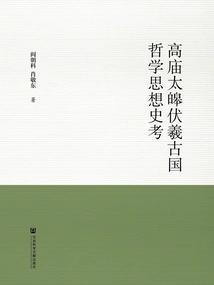
高庙太皞伏羲古国哲学思想史考
Xiao Jingdong Yan Chaoke
This is a short book that examines the history of ancient Chinese thought and culture based on the Fuxi Yili Lianshan Bagua. The book is divided into five chapters. The first chapter is a brief introduction to the development history of the Gaomiao Cultural Site and its culture. The remaining four chapters follow the order of historical time, starting from the earliest evidence unearthed by archaeological excavations 200,000 years ago, to elaborate on the ideological and culture of the ancient Gaomiao Taihao Fuxi Kingdom with the Gaomiao Culture as the background, and the historical process from its inception to its mature development.
This is a short book that examines the history of ancient Chinese thought and culture based on the Fuxi Yili Lianshan Bagua. The book is divided into five chapters. The first chapter is a brief introduction to the development history of the Gaomiao Cultural Site and its culture. The remaining four chapters follow the order of historical time, starting from the earliest evidence unearthed by archaeological excavations 200,000 years ago, to elaborate on the ideological and culture of the ancient Gaomiao Taihao Fuxi Kingdom with the Gaomiao Culture as the background, and the historical process from its inception to its mature development.
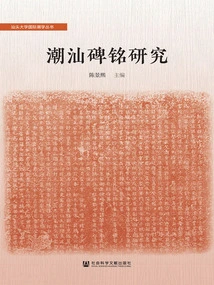
潮汕碑铭研究
Editor-in-chief Chen Jingxi
This book is a collection of papers from the academic conference "Compilation and Research of Chaoshan Inscriptions" held at Shantou University from December 8 to 9, 2018. It is divided into three sections: "Research on Chaoshan Inscriptions and Regional Social History", "Research on Chaoshan Inscriptions and Maritime History", and "Research on Chaoshan Inscriptions and Historical Events". The 16 articles mainly conduct research on Chaoshan's regional social history, maritime history, and textual research on inscriptions and historical facts based on the inscription places, local chronicles and other materials in the Chaoshan area. In particular, the textual research on these inscriptions scattered among the people makes in-depth research on Chaoshan culture more meaningful.
This book is a collection of papers from the academic conference "Compilation and Research of Chaoshan Inscriptions" held at Shantou University from December 8 to 9, 2018. It is divided into three sections: "Research on Chaoshan Inscriptions and Regional Social History", "Research on Chaoshan Inscriptions and Maritime History", and "Research on Chaoshan Inscriptions and Historical Events". The 16 articles mainly conduct research on Chaoshan's regional social history, maritime history, and textual research on inscriptions and historical facts based on the inscription places, local chronicles and other materials in the Chaoshan area. In particular, the textual research on these inscriptions scattered among the people makes in-depth research on Chaoshan culture more meaningful.
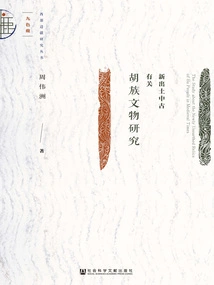
新出土中古有关胡族文物研究
Zhou Weizhou
This book is about the exploration of the "Hu people" in medieval China. It is divided into five parts. The first chapter includes four articles on the research and interpretation of the epitaphs of the Hu people in the Northern Dynasties; the second chapter includes four articles on the study of the epitaphs of the Hu people's cultural relics in the Sui and Tang Dynasties; the third chapter includes the cultural relics related to the Hu people unearthed in the Sui and Tang Dynasties, and the "Six Hu" Four articles on the study of "states" and the starting point of the Silk Road; Chapter 4 includes two articles on the author's research on the music and dance of the Tang Dynasty from the "music and dance images" unearthed from relevant Hu people's tombs; the appendix includes one article on the author's many years of research on the northern Hu people and their relationships during the Wei, Jin, Southern and Northern Dynasties.
This book is about the exploration of the "Hu people" in medieval China. It is divided into five parts. The first chapter includes four articles on the research and interpretation of the epitaphs of the Hu people in the Northern Dynasties; the second chapter includes four articles on the study of the epitaphs of the Hu people's cultural relics in the Sui and Tang Dynasties; the third chapter includes the cultural relics related to the Hu people unearthed in the Sui and Tang Dynasties, and the "Six Hu" Four articles on the study of "states" and the starting point of the Silk Road; Chapter 4 includes two articles on the author's research on the music and dance of the Tang Dynasty from the "music and dance images" unearthed from relevant Hu people's tombs; the appendix includes one article on the author's many years of research on the northern Hu people and their relationships during the Wei, Jin, Southern and Northern Dynasties.
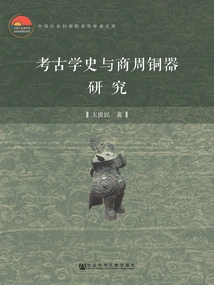
考古学史与商周铜器研究
Wang Shimin
This book brings together the author's papers on the history of Chinese archeology and Shang and Zhou bronzes. In terms of archaeological history, it includes long papers summarizing the development of Chinese archeology, monographs discussing several issues in epigraphy, the predecessor of Chinese archeology, and reviews of the academic contributions of many older generation experts such as Guo Moruo, Zheng Zhenduo, Liang Siyong, Xia Nai, and Chen Mengjia. In terms of Shang and Zhou bronzes, it includes Review and prospect of the study of Shang and Zhou bronzes, a discussion of the research methods for the periodization of Western Zhou bronzes, as well as monographs on the bronzes of the Western Zhou princes, the title of princes in the Western Zhou bronze inscriptions, the ritual system of the two-week period, and the development of chimes. It also includes special papers or reviews on metal coinage and Han Dynasty textiles, Chu tombs in the south and Mawangdui Han tombs, and Bu Tianshou's "Zheng's Commentary on the Analects of Confucius".
This book brings together the author's papers on the history of Chinese archeology and Shang and Zhou bronzes. In terms of archaeological history, it includes long papers summarizing the development of Chinese archeology, monographs discussing several issues in epigraphy, the predecessor of Chinese archeology, and reviews of the academic contributions of many older generation experts such as Guo Moruo, Zheng Zhenduo, Liang Siyong, Xia Nai, and Chen Mengjia. In terms of Shang and Zhou bronzes, it includes Review and prospect of the study of Shang and Zhou bronzes, a discussion of the research methods for the periodization of Western Zhou bronzes, as well as monographs on the bronzes of the Western Zhou princes, the title of princes in the Western Zhou bronze inscriptions, the ritual system of the two-week period, and the development of chimes. It also includes special papers or reviews on metal coinage and Han Dynasty textiles, Chu tombs in the south and Mawangdui Han tombs, and Bu Tianshou's "Zheng's Commentary on the Analects of Confucius".
Archaeological Wayfinding
History考古寻路
Huo Wei
This book is composed of the author's selected academic papers, lecture transcripts, interviews, and large-scale exhibition catalogs. With the theme of "path-finding", there are many masterpieces that explore the current situation of Chinese archeology, the theories and methods of building Chinese archeology, especially the archeology of the Qinghai-Tibet Plateau and the "Plateau Silk Road" that have been relatively weak in previous studies. This is a collection of "quasi-academic" and "lightly academic" academic essays that appeal to both refined and popular tastes. It covers a wide range of topics and explores the path of cultural dissemination and the creative wisdom of the ancients.
This book is composed of the author's selected academic papers, lecture transcripts, interviews, and large-scale exhibition catalogs. With the theme of "path-finding", there are many masterpieces that explore the current situation of Chinese archeology, the theories and methods of building Chinese archeology, especially the archeology of the Qinghai-Tibet Plateau and the "Plateau Silk Road" that have been relatively weak in previous studies. This is a collection of "quasi-academic" and "lightly academic" academic essays that appeal to both refined and popular tastes. It covers a wide range of topics and explores the path of cultural dissemination and the creative wisdom of the ancients.
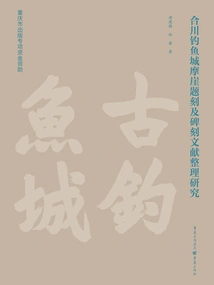
Compilation and Research on the Cliff Inscriptions and Stele Inscriptions in Hechuan Diaoyu City
History合川钓鱼城摩崖题刻及碑刻文献整理研究
Tang Jianqiang Lin Hao
This book is a document collection of the inscriptions and inscriptions on the cliffs of the Diaoyu City in Hechuan, Chongqing. It collects the inscriptions and inscriptions that have survived in the Diaoyu City from the Song Dynasty to the present day. It explains and verifies the inscription age, location, loss, and textual content. It is also accompanied by 144 pictures taken, which comprehensively reflects the appearance of the cliff inscriptions and inscriptions in the Diaoyu City. There are five chapters in total, divided into cliff inscriptions and stele inscriptions in the Song Dynasty, cliff inscriptions and stele inscriptions in the Ming Dynasty, cliff inscriptions and stele inscriptions in the Qing Dynasty, cliff inscriptions and stele inscriptions in the Republic of China, and cliff inscriptions and stele inscriptions after the founding of New China.
This book is a document collection of the inscriptions and inscriptions on the cliffs of the Diaoyu City in Hechuan, Chongqing. It collects the inscriptions and inscriptions that have survived in the Diaoyu City from the Song Dynasty to the present day. It explains and verifies the inscription age, location, loss, and textual content. It is also accompanied by 144 pictures taken, which comprehensively reflects the appearance of the cliff inscriptions and inscriptions in the Diaoyu City. There are five chapters in total, divided into cliff inscriptions and stele inscriptions in the Song Dynasty, cliff inscriptions and stele inscriptions in the Ming Dynasty, cliff inscriptions and stele inscriptions in the Qing Dynasty, cliff inscriptions and stele inscriptions in the Republic of China, and cliff inscriptions and stele inscriptions after the founding of New China.
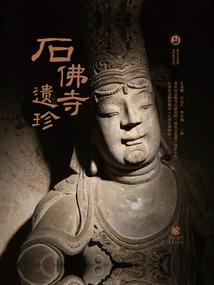
石佛寺遗珍
Niu Yingbin Bai Jiujiang Li Dadi
This manuscript is a compilation and display of the archaeological excavation results of the Jiangjin Shifo Temple site by the Chongqing Institute of Cultural Relics and Archeology. The Jiangjin Stone Buddha Temple Site is the most complete grotto temple site revealed by archaeological excavations in the Sichuan and Chongqing region. It is a representative religious settlement site in the Sichuan and Chongqing region. It makes up for the shortcomings of previous research on grotto temples in the Sichuan and Chongqing region that there were caves but no temples. In terms of content, the manuscript collects archaeological results such as architectural remains, stone carvings, stele inscriptions, monks and laymen's tombs, etc., With 199 selected photos, 98 line drawings, and 29 rubbings. It overall reflects the most important material and cultural aspects of the site in various periods and stages, and embodies the historical, scientific and artistic value of the site.
This manuscript is a compilation and display of the archaeological excavation results of the Jiangjin Shifo Temple site by the Chongqing Institute of Cultural Relics and Archeology. The Jiangjin Stone Buddha Temple Site is the most complete grotto temple site revealed by archaeological excavations in the Sichuan and Chongqing region. It is a representative religious settlement site in the Sichuan and Chongqing region. It makes up for the shortcomings of previous research on grotto temples in the Sichuan and Chongqing region that there were caves but no temples. In terms of content, the manuscript collects archaeological results such as architectural remains, stone carvings, stele inscriptions, monks and laymen's tombs, etc., With 199 selected photos, 98 line drawings, and 29 rubbings. It overall reflects the most important material and cultural aspects of the site in various periods and stages, and embodies the historical, scientific and artistic value of the site.
敦煌石窟丝路图像研究
Shatakeda
Dunhuang is a dazzling pearl on the Silk Road. The rich murals of past dynasties preserved in the Dunhuang Grottoes are precious image materials for interpreting the history and culture of the Silk Road. This book uses the method of "illustration of history" to deeply explore the images related to Silk Road exchanges in Dunhuang murals, and explains the cultural attributes, historical cognition, and Silk Road appearance behind them. Through special research on images such as merchants being stolen, silk paintings, Hu Xuan dances, and Korean Peninsula characters, we reveal the historical color and cultural elements of the Silk Road contained in each type of image, and restore a series of real and vivid historical scenes of Silk Road exchanges, exchanges, and blends. It can be called a graphic version of Silk Road history. This book is an important academic achievement that explains Dunhuang as "a city where Huarong was connected", "the throat of the Silk Road" and "the intersection of the world's four major civilizations". It reveals the far-reaching significance of the Dunhuang Grottoes in recording Silk Road transportation and trade, material exchanges, cultural dissemination and artistic interaction, and provides valuable data support for understanding the close relationship between Dunhuang and the Silk Road.
Dunhuang is a dazzling pearl on the Silk Road. The rich murals of past dynasties preserved in the Dunhuang Grottoes are precious image materials for interpreting the history and culture of the Silk Road. This book uses the method of "illustration of history" to deeply explore the images related to Silk Road exchanges in Dunhuang murals, and explains the cultural attributes, historical cognition, and Silk Road appearance behind them. Through special research on images such as merchants being stolen, silk paintings, Hu Xuan dances, and Korean Peninsula characters, we reveal the historical color and cultural elements of the Silk Road contained in each type of image, and restore a series of real and vivid historical scenes of Silk Road exchanges, exchanges, and blends. It can be called a graphic version of Silk Road history. This book is an important academic achievement that explains Dunhuang as "a city where Huarong was connected", "the throat of the Silk Road" and "the intersection of the world's four major civilizations". It reveals the far-reaching significance of the Dunhuang Grottoes in recording Silk Road transportation and trade, material exchanges, cultural dissemination and artistic interaction, and provides valuable data support for understanding the close relationship between Dunhuang and the Silk Road.
China in the Museum
History博物馆里的中国
Compiled By Beiya
This is a unique cultural and creative book that combines the function of recording national treasures and cultural relics with a handbook. The museum handbook displays 150 national treasures from dozens of museums in order of historical chronology. This book is divided into eight chapters based on historical chronology: Dawn of Civilization (ancient times), Zhaizi China (Xia, Shang and Western Zhou Dynasties), Struggle for Hegemony (Spring and Autumn and Warring States), Unification of Great Powers (Qin and Han Dynasties), Wei and Jin Dynasties (Three Kingdoms, Two Jins, Southern and Northern Dynasties), Songs of Prosperity (Sui, Tang and Five Dynasties), Coexistence of Diversity (Liao, Song, Xia, Jin and Yuan), Inheritance of the past and emergence of the new (Ming and Qing dynasties). The content includes basic information about representative cultural relics in historical dynasties, explanations of the history and culture behind the cultural relics, and extensions of some cultural themes. Interpret the historical background from the national treasure and see the inventions and creations, artistic imagination, science and technology, intangible cultural heritage, and life folk customs of the ancients. Each cultural relic is accompanied by high-definition photography.
This is a unique cultural and creative book that combines the function of recording national treasures and cultural relics with a handbook. The museum handbook displays 150 national treasures from dozens of museums in order of historical chronology. This book is divided into eight chapters based on historical chronology: Dawn of Civilization (ancient times), Zhaizi China (Xia, Shang and Western Zhou Dynasties), Struggle for Hegemony (Spring and Autumn and Warring States), Unification of Great Powers (Qin and Han Dynasties), Wei and Jin Dynasties (Three Kingdoms, Two Jins, Southern and Northern Dynasties), Songs of Prosperity (Sui, Tang and Five Dynasties), Coexistence of Diversity (Liao, Song, Xia, Jin and Yuan), Inheritance of the past and emergence of the new (Ming and Qing dynasties). The content includes basic information about representative cultural relics in historical dynasties, explanations of the history and culture behind the cultural relics, and extensions of some cultural themes. Interpret the historical background from the national treasure and see the inventions and creations, artistic imagination, science and technology, intangible cultural heritage, and life folk customs of the ancients. Each cultural relic is accompanied by high-definition photography.
物色:金瓶梅读“物”记(增订本)
Yangzhishui
This book is a groundbreaking work that combines nomological and literary studies. The book focuses on daily utensils such as gold and silver jewelry (such as Jin Ping Mei, Man Chi Jiao Fen), furniture (such as Nanjing gold-painted bed), wine and tea sets (silver pots, almond leaf teaspoons) that appear in the novel "Jin Ping Mei". It uses cultural relics and documents to compare and verify each other, and brilliantly restores the rich story. The details of daily life in the Ming Dynasty not only open a unique window for interpreting the literary world of novels, but also provide the basis for cultural relics and images for us to perceive the lives of ancient people today. It builds a bridge of communication between ancient and modern, literature and history, words and images\u002F cultural relics.
This book is a groundbreaking work that combines nomological and literary studies. The book focuses on daily utensils such as gold and silver jewelry (such as Jin Ping Mei, Man Chi Jiao Fen), furniture (such as Nanjing gold-painted bed), wine and tea sets (silver pots, almond leaf teaspoons) that appear in the novel "Jin Ping Mei". It uses cultural relics and documents to compare and verify each other, and brilliantly restores the rich story. The details of daily life in the Ming Dynasty not only open a unique window for interpreting the literary world of novels, but also provide the basis for cultural relics and images for us to perceive the lives of ancient people today. It builds a bridge of communication between ancient and modern, literature and history, words and images\u002F cultural relics.
Tianchang Jizhuang Han Tomb Wooden Slabs (later Funded Project of the National Social Science Fund)
History天长纪庄汉墓木牍(国家社科基金后期资助项目)
Compiled By The Bamboo And Silk Research Center Of The Chinese Academy Of Social Sciences
This book is a comprehensive, systematic and in-depth compilation, interpretation and study of the Han Tomb No. 19 (M19) unearthed in Jizhuang, Anle Town, Tianchang City, Anhui Province in 2004. It includes an overview, color plates and interpretations of wooden tablets, infrared plates and interpretations of wooden tablets, explanatory notes, excavation reports, research on wooden tablets, etc. The 34 wooden slips unearthed from the Jizhuang Han Tomb in Tianchang are rich in content, including household registers, arithmetic books, letters, gift lists, prescriptions, etc. They provide rich information and physical samples for the study of Han Dynasty calligraphy and local society, and have a unique status in the history of Chinese slips.
This book is a comprehensive, systematic and in-depth compilation, interpretation and study of the Han Tomb No. 19 (M19) unearthed in Jizhuang, Anle Town, Tianchang City, Anhui Province in 2004. It includes an overview, color plates and interpretations of wooden tablets, infrared plates and interpretations of wooden tablets, explanatory notes, excavation reports, research on wooden tablets, etc. The 34 wooden slips unearthed from the Jizhuang Han Tomb in Tianchang are rich in content, including household registers, arithmetic books, letters, gift lists, prescriptions, etc. They provide rich information and physical samples for the study of Han Dynasty calligraphy and local society, and have a unique status in the history of Chinese slips.
碑铭里的乡村社会:明清以降清水江流域的历史人类学考察
Li Bin
The manuscript uses the inscriptions in the Qingshui River Basin as the core historical data. From the perspective of communication, exchange and integration, it analyzes the relationship between immigration and social changes in the inscriptions, revealing the inner mechanism of the formation of the multi-ethnic settlement pattern of "you are among me, and you are among me"; it examines the orderly world shown in the inscriptions, and through the "gang organization", the Jiangjiang case, Jiang It analyzes the path and development process of the government and the people in establishing social order in the Qingshuijiang area, including the step-by-step system, "rock discussion", "erecting monuments for government notices" and rural public order. In addition, it outlines the "female laymen" in the inscriptions, showing the higher social activity ability of ethnic minority women and their right to share social discourse.
The manuscript uses the inscriptions in the Qingshui River Basin as the core historical data. From the perspective of communication, exchange and integration, it analyzes the relationship between immigration and social changes in the inscriptions, revealing the inner mechanism of the formation of the multi-ethnic settlement pattern of "you are among me, and you are among me"; it examines the orderly world shown in the inscriptions, and through the "gang organization", the Jiangjiang case, Jiang It analyzes the path and development process of the government and the people in establishing social order in the Qingshuijiang area, including the step-by-step system, "rock discussion", "erecting monuments for government notices" and rural public order. In addition, it outlines the "female laymen" in the inscriptions, showing the higher social activity ability of ethnic minority women and their right to share social discourse.
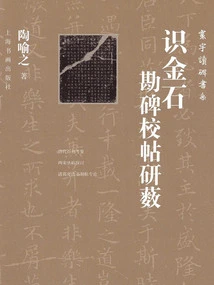
寰宇读碑书系·识金石:勘碑校帖研薮
Tao Yuzhi
The book "Knowing Gold and Stone" is the culmination of decades of research by Tao Yuzhi, a research librarian at the Painting and Calligraphy Research Department of the Shanghai Museum. It is based on decades of professional research from first-class museums, and connects the history of calligraphy in easy-to-understand terms. The whole book uses time as a clue and is divided into three parts: "Tang Dynasty Stone Inscriptions", "Two Song Dynasty Collections" and "Zhuge Liang's Calligraphy Inscriptions". It conducts a special analysis of several explorable and interesting issues in the study of stele inscriptions. Epigraphy began and flourished in the Song Dynasty. In addition to paying attention to the study of inscriptions in the past dynasties since the Qin and Han Dynasties, it also created the era of engravings and rubbings to study ancient and contemporary famous calligraphy. Therefore, this part of "Two Song Dynasty Engraved Tie" is to review the origin and end of the style of engraved series of Tie, and secondly explores the issues related to several important collections of Tie. The study of "Zhuge Liang's calligraphy and engravings" is a concentrated study out of the author's own interests.
The book "Knowing Gold and Stone" is the culmination of decades of research by Tao Yuzhi, a research librarian at the Painting and Calligraphy Research Department of the Shanghai Museum. It is based on decades of professional research from first-class museums, and connects the history of calligraphy in easy-to-understand terms. The whole book uses time as a clue and is divided into three parts: "Tang Dynasty Stone Inscriptions", "Two Song Dynasty Collections" and "Zhuge Liang's Calligraphy Inscriptions". It conducts a special analysis of several explorable and interesting issues in the study of stele inscriptions. Epigraphy began and flourished in the Song Dynasty. In addition to paying attention to the study of inscriptions in the past dynasties since the Qin and Han Dynasties, it also created the era of engravings and rubbings to study ancient and contemporary famous calligraphy. Therefore, this part of "Two Song Dynasty Engraved Tie" is to review the origin and end of the style of engraved series of Tie, and secondly explores the issues related to several important collections of Tie. The study of "Zhuge Liang's calligraphy and engravings" is a concentrated study out of the author's own interests.
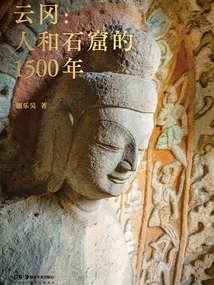
云冈:人和石窟的1500年
Kuai Lehao
Recommended by Chen Danqing! From the Northern Wei Dynasty to the AI era, this book understands the past and present life of Yungang Grottoes. With pictures and texts, more than 70 pieces of precious black and white photography materials, and 10 high-definition full-page pictures, you can appreciate the exquisiteness and wisdom of the Yungang Grottoes art. Containing a route guide, it is a must-have book that should not be missed before visiting Yungang Grottoes. The Yungang Grottoes are a group of grottoes excavated by the royal family during the Northern Wei Dynasty. They are a treasure that cannot be missed in the treasure house of Chinese grotto art. "Yungang: 1500 Years of Humanity and Grottoes" is a historical non-fiction work about the Yungang Grottoes and the Yungang people of all generations. It tells a story about "human faith" and "human engineering". "Fifteen hundred years ago, people devoutly vowed to build a supreme Buddhist kingdom on the giant rock of Lingshan Mountain." During the Northern Wei Dynasty, with the support of Emperor Wencheng, Tan Yao presided over the excavation and construction of the Yungang Grottoes. During the period of Emperor Xiaowen and Empress Dowager Feng, the construction of grottoes became more and more prosperous, but gradually declined in the late Northern Wei Dynasty. The Yungang Grottoes have been abandoned and rebuilt many times, and even once withstood severe tests of theft. It was not until modern times that archaeologists paid attention again, and more national treasures were prevented from wandering overseas. This book combs through the history of Yungang Grottoes, and also tells the stories of countless Yungang people: Mr. Su Bai, the founder of Yungang Studies in China, who took back the academic initiative in one fell swoop; Hang Kan, the guardian of Yungang and the president of Yungang Research Institute who bravely opened up a new track; the new generation of scholars who use ancient architectural ideas to restore the construction of the Grottoes Peng Minghao, the cultural relic doctors who protect the grottoes, and the digital collectors who work hard to leave the grottoes as they are today... Human beings are the measure of all things and the core of civilization. Yungang not only shows the world the beauty of grotto art that spans thousands of years, but also demonstrates the beauty of human nature that uses a short life to connect to eternity.
Recommended by Chen Danqing! From the Northern Wei Dynasty to the AI era, this book understands the past and present life of Yungang Grottoes. With pictures and texts, more than 70 pieces of precious black and white photography materials, and 10 high-definition full-page pictures, you can appreciate the exquisiteness and wisdom of the Yungang Grottoes art. Containing a route guide, it is a must-have book that should not be missed before visiting Yungang Grottoes. The Yungang Grottoes are a group of grottoes excavated by the royal family during the Northern Wei Dynasty. They are a treasure that cannot be missed in the treasure house of Chinese grotto art. "Yungang: 1500 Years of Humanity and Grottoes" is a historical non-fiction work about the Yungang Grottoes and the Yungang people of all generations. It tells a story about "human faith" and "human engineering". "Fifteen hundred years ago, people devoutly vowed to build a supreme Buddhist kingdom on the giant rock of Lingshan Mountain." During the Northern Wei Dynasty, with the support of Emperor Wencheng, Tan Yao presided over the excavation and construction of the Yungang Grottoes. During the period of Emperor Xiaowen and Empress Dowager Feng, the construction of grottoes became more and more prosperous, but gradually declined in the late Northern Wei Dynasty. The Yungang Grottoes have been abandoned and rebuilt many times, and even once withstood severe tests of theft. It was not until modern times that archaeologists paid attention again, and more national treasures were prevented from wandering overseas. This book combs through the history of Yungang Grottoes, and also tells the stories of countless Yungang people: Mr. Su Bai, the founder of Yungang Studies in China, who took back the academic initiative in one fell swoop; Hang Kan, the guardian of Yungang and the president of Yungang Research Institute who bravely opened up a new track; the new generation of scholars who use ancient architectural ideas to restore the construction of the Grottoes Peng Minghao, the cultural relic doctors who protect the grottoes, and the digital collectors who work hard to leave the grottoes as they are today... Human beings are the measure of all things and the core of civilization. Yungang not only shows the world the beauty of grotto art that spans thousands of years, but also demonstrates the beauty of human nature that uses a short life to connect to eternity.
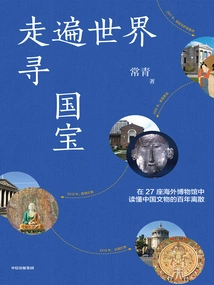
走遍世界寻国宝
Evergreen
According to incomplete statistics, there are a total of about 1.6 Million pieces of ancient Chinese art collected in public museums in the West and Japan, but this is only about 20% of the Chinese cultural relics lost overseas. From the Dunhuang silk paintings in the British Museum, to the Buddhist sculptures in the Guimet Museum in Paris, to the Turpan murals in the Asian Art Museum in Berlin, these cultural relics are not only masterpieces of art, but also witnesses of Chinese history and culture. How did they become displaced during war, exploration and trade? How do they continue to tell the story of China in foreign museums? Author Chang Qing spent thirty years making in-depth visits to 25 world-renowned museums, leading us to uncover the history and legends behind these cultural relics and experience the wanderings and reunions of civilizations. This is a search for a lost national treasure and a rediscovery of Chinese culture. If you want to inspect every Chinese national treasure that has been lost overseas, it is definitely not something that one person can do in a lifetime. This requires the efforts of several generations, and we look forward to more people participating in the "hunting for national treasures".
According to incomplete statistics, there are a total of about 1.6 Million pieces of ancient Chinese art collected in public museums in the West and Japan, but this is only about 20% of the Chinese cultural relics lost overseas. From the Dunhuang silk paintings in the British Museum, to the Buddhist sculptures in the Guimet Museum in Paris, to the Turpan murals in the Asian Art Museum in Berlin, these cultural relics are not only masterpieces of art, but also witnesses of Chinese history and culture. How did they become displaced during war, exploration and trade? How do they continue to tell the story of China in foreign museums? Author Chang Qing spent thirty years making in-depth visits to 25 world-renowned museums, leading us to uncover the history and legends behind these cultural relics and experience the wanderings and reunions of civilizations. This is a search for a lost national treasure and a rediscovery of Chinese culture. If you want to inspect every Chinese national treasure that has been lost overseas, it is definitely not something that one person can do in a lifetime. This requires the efforts of several generations, and we look forward to more people participating in the "hunting for national treasures".
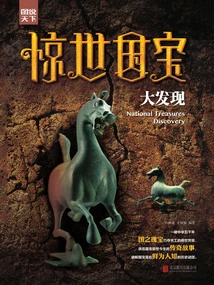
图说天下:惊世国宝大发现
Compiled By Leng Linwei And Song Wanru
The oracle bones of the Yin Ruins, the Dafang Ding of Simuwu, and the terracotta warriors and horses from the Mausoleum of the First Emperor of Qin... These treasures of Chinese civilization, with their mottled bodies, bear witness to the changes in history. "Five Cows", "Han Xizai's Night Banquet" and "Orchid Pavilion Preface"... Behind these handed down national treasures, there are many confusing stories. The square pot with crane and lotus, the jade garment with golden threads and the Buddha finger relics, mysterious national treasures, have been reappeared in the world... This book is divided into five chapters, the national treasures are reappeared in a shocking way, the immortal heart of the craftsman, wandering in the world of mortals, how many dreams have been made in the past, the only items in the country, and the unparalleled treasures. It tells 60 legendary stories of national treasures. Vivid and smooth text, supplemented by more than 200 precious pictures of cultural relics, present readers with a gorgeous and wonderful cultural feast.
The oracle bones of the Yin Ruins, the Dafang Ding of Simuwu, and the terracotta warriors and horses from the Mausoleum of the First Emperor of Qin... These treasures of Chinese civilization, with their mottled bodies, bear witness to the changes in history. "Five Cows", "Han Xizai's Night Banquet" and "Orchid Pavilion Preface"... Behind these handed down national treasures, there are many confusing stories. The square pot with crane and lotus, the jade garment with golden threads and the Buddha finger relics, mysterious national treasures, have been reappeared in the world... This book is divided into five chapters, the national treasures are reappeared in a shocking way, the immortal heart of the craftsman, wandering in the world of mortals, how many dreams have been made in the past, the only items in the country, and the unparalleled treasures. It tells 60 legendary stories of national treasures. Vivid and smooth text, supplemented by more than 200 precious pictures of cultural relics, present readers with a gorgeous and wonderful cultural feast.