Library
Browse and search books
471 novels found
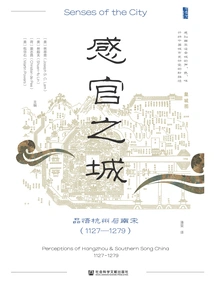
感官之城:品悟杭州与南宋(1127—1279)
(dutch) Editor-in-chief Lin Cuiqing And Others
This book contains nine original essays written by cultural historians, classical writers, art historians, and music historians. They used literature as a path to discover the sights, sounds and smells of the Southern Song Dynasty from 1127 to 1279 and its capital in Hangzhou (then called Lin'an). They tell readers the importance of music and dance in the lives of scholars in the Southern Song Dynasty, where the sense of uneasiness came from in the "metropolis" of the 12th century, and how when people walk through the streets in the countryside, they will hear the symphony of chirping birds, the ringing of temple bells and labor trumpets. The author of this book does not intend to explore general trends of the times such as urban architecture and commercial development, but only focuses on a text, a writer or a literary style, so as to restore the specific and historical relationship between the text and the city, and between the act of writing and urban experience. "City of the Senses" proposes a new approach to the study of Chinese cities; it also contributes to the study of the general history of urban senses.
This book contains nine original essays written by cultural historians, classical writers, art historians, and music historians. They used literature as a path to discover the sights, sounds and smells of the Southern Song Dynasty from 1127 to 1279 and its capital in Hangzhou (then called Lin'an). They tell readers the importance of music and dance in the lives of scholars in the Southern Song Dynasty, where the sense of uneasiness came from in the "metropolis" of the 12th century, and how when people walk through the streets in the countryside, they will hear the symphony of chirping birds, the ringing of temple bells and labor trumpets. The author of this book does not intend to explore general trends of the times such as urban architecture and commercial development, but only focuses on a text, a writer or a literary style, so as to restore the specific and historical relationship between the text and the city, and between the act of writing and urban experience. "City of the Senses" proposes a new approach to the study of Chinese cities; it also contributes to the study of the general history of urban senses.
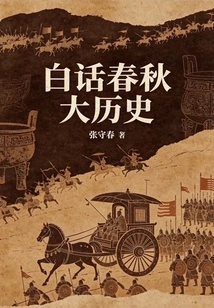
白话春秋大历史
Zhang Shouchun
This book tells the entire 300-year history of the Spring and Autumn Period. It is a vernacular narration of "Zuo Zhuan", but it is not a word-for-word translation, but a profound and vivid narration of history, revealing the context and progression of historical trends. This book allows you to quickly understand the history of the Spring and Autumn Period and gain some wisdom or rules that can be learned. "History" is the history writer's understanding of the past with an eye on the future, which makes us never see the real history clearly. However, this "history" also has the valence of affecting the present and the future.
This book tells the entire 300-year history of the Spring and Autumn Period. It is a vernacular narration of "Zuo Zhuan", but it is not a word-for-word translation, but a profound and vivid narration of history, revealing the context and progression of historical trends. This book allows you to quickly understand the history of the Spring and Autumn Period and gain some wisdom or rules that can be learned. "History" is the history writer's understanding of the past with an eye on the future, which makes us never see the real history clearly. However, this "history" also has the valence of affecting the present and the future.
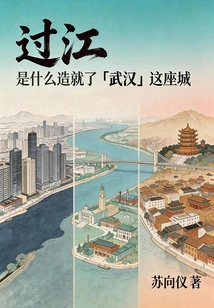
过江:是什么造就了“武汉”这座城
Su Xiangyi
A big city does not grow naturally. It was forged by layers of forces-and Wuhan is the most extreme version of this story. Wuhan is not a city. It is three cities - Wuchang, Hankou, Hanyang - split into three pieces by the Yangtze River and Hanshui River. Each of the three cities lived for hundreds of years: Wuchang was in charge of officials, Hankou was in charge of business, and Hanyang was in charge of iron manufacturing. They can see the other side when they look up every day, but it takes half a day to cross the river, and it is a business trip to cross the river. What screws them together? In the Ming Dynasty, merchants used silver to sew the first stitches. In 1861, foreigners put yoke on the country by treaty. Zhang Zhidong used iron factories and arsenals to weld the three towns to death. The artillery fire of the year of 1911 burned out the first "we". In 1927, the name "Wuhan" was first included in the official document, and then was removed and added again, and it took 22 years of repetition before it was finally finalized. This book talks about the whole process of suturing: who was pushing, who was pulling, and why the words "crossing the river" are still on the lips of Wuhan people to this day.
A big city does not grow naturally. It was forged by layers of forces-and Wuhan is the most extreme version of this story. Wuhan is not a city. It is three cities - Wuchang, Hankou, Hanyang - split into three pieces by the Yangtze River and Hanshui River. Each of the three cities lived for hundreds of years: Wuchang was in charge of officials, Hankou was in charge of business, and Hanyang was in charge of iron manufacturing. They can see the other side when they look up every day, but it takes half a day to cross the river, and it is a business trip to cross the river. What screws them together? In the Ming Dynasty, merchants used silver to sew the first stitches. In 1861, foreigners put yoke on the country by treaty. Zhang Zhidong used iron factories and arsenals to weld the three towns to death. The artillery fire of the year of 1911 burned out the first "we". In 1927, the name "Wuhan" was first included in the official document, and then was removed and added again, and it took 22 years of repetition before it was finally finalized. This book talks about the whole process of suturing: who was pushing, who was pulling, and why the words "crossing the river" are still on the lips of Wuhan people to this day.
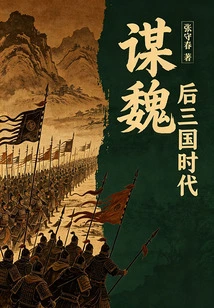
谋魏:后三国时代
Zhang Shouchun
This book begins when Cao Pi and Liu Bei proclaim themselves emperors and truly enter the Three Kingdoms. After Liu Bei's death, Zhuge Liang, Sun Quan, and Sima Yi interact in many ways until the end of the Three Kingdoms. The reason why it is called plotting Wei includes the external attack on Wei from the perspective of Shu Han and Soochow, and the internal plotting against Wei from the perspective of Sima Yi and his son. Eventually, it was also replaced by the Jin Dynasty. After the Eastern Han Dynasty, the next dominant dynasty was Wei. This book is about the history of the fall of Wei State.
This book begins when Cao Pi and Liu Bei proclaim themselves emperors and truly enter the Three Kingdoms. After Liu Bei's death, Zhuge Liang, Sun Quan, and Sima Yi interact in many ways until the end of the Three Kingdoms. The reason why it is called plotting Wei includes the external attack on Wei from the perspective of Shu Han and Soochow, and the internal plotting against Wei from the perspective of Sima Yi and his son. Eventually, it was also replaced by the Jin Dynasty. After the Eastern Han Dynasty, the next dominant dynasty was Wei. This book is about the history of the fall of Wei State.
Travel Through the Ages
History穿越千古
Chen Busong
This article is an excerpt from the literary works of Chen Busong (pen name: Chen Jie), a member of the Chinese Writers Association. The author has been deeply involved in literary creation for many years, and has published many short stories and monographs. Many of his works have been selected into national literary anthologies. He has profound creative skills. This excerpt is also his masterpiece that focuses on the heroic spirit of his family and country and inherits the national spirit.
This article is an excerpt from the literary works of Chen Busong (pen name: Chen Jie), a member of the Chinese Writers Association. The author has been deeply involved in literary creation for many years, and has published many short stories and monographs. Many of his works have been selected into national literary anthologies. He has profound creative skills. This excerpt is also his masterpiece that focuses on the heroic spirit of his family and country and inherits the national spirit.
从春秋到战国
Wang Wei
Following "The First Book to Understand the World Pattern", the author Wang Wei returns his unique perspective to China. "From the Spring and Autumn Period to the Warring States Period" details the historical events that reconstructed the world from the Spring and Autumn Period to the Warring States Period, including the decline of the Western Zhou Dynasty and the upstarts of Jianghan and Han Dynasties. It analyzes the subtle games between the various countries in the Spring and Autumn Period and the Warring States Period from the perspective of big historical perspective and strategic thinking, presenting a wonderful historical drama. Putting China in the overall world structure, the author makes good use of vivid metaphors and a relaxed and lively tone, so that readers can understand the origin of the formation of China's structure and its future direction.
Following "The First Book to Understand the World Pattern", the author Wang Wei returns his unique perspective to China. "From the Spring and Autumn Period to the Warring States Period" details the historical events that reconstructed the world from the Spring and Autumn Period to the Warring States Period, including the decline of the Western Zhou Dynasty and the upstarts of Jianghan and Han Dynasties. It analyzes the subtle games between the various countries in the Spring and Autumn Period and the Warring States Period from the perspective of big historical perspective and strategic thinking, presenting a wonderful historical drama. Putting China in the overall world structure, the author makes good use of vivid metaphors and a relaxed and lively tone, so that readers can understand the origin of the formation of China's structure and its future direction.
大汉君臣访谈录
Zhang Shouchun
The Western Han Dynasty established by Liu Bang was one of the most masculine eras in early China. This book is based on the historical materials of "Historical Records" and "Hanshu". It is divided into 37 interview stories and tells the story of the court struggles and fierce military battles of the Western Han Dynasty ministers in the first person. Their wonderful lives, ambitions and pains, ecstasy and tragedy, are enough to become part of our dreams today. His people, his deeds, this kind of strength and pride are the masculine waves of the rising sun of the Han nation.
The Western Han Dynasty established by Liu Bang was one of the most masculine eras in early China. This book is based on the historical materials of "Historical Records" and "Hanshu". It is divided into 37 interview stories and tells the story of the court struggles and fierce military battles of the Western Han Dynasty ministers in the first person. Their wonderful lives, ambitions and pains, ecstasy and tragedy, are enough to become part of our dreams today. His people, his deeds, this kind of strength and pride are the masculine waves of the rising sun of the Han nation.
文章僧命达:大唐文人的遇与不遇
Chu Jinsong
A psychological history of a literary master of the Tang Dynasty in his later years. The author writes about the experiences and thoughts of 11 literary giants of the Tang Dynasty in their later years, including Li Bai, Du Fu, Wang Wei, Meng Haoran, Han Yu, Liu Zongyuan, Bai Juyi, Liu Yuxi, Du Mu, Li Shangyin, and Wen Tingyun, using historical books, chronology, anthologies, diaries, selected annotations, and authoritative biographies of various writers. Based on the records and historical facts, it faithfully restores their ups and downs, migrations, relegations and exiles, resting lives, contacts and travels, changes in poetic style, etc. In their later years. It promotes the humanistic spirit, pays attention to the beauty and philosophy of the words, and the depth and strength of their thoughts. While analyzing the temperament, life and works of the literary giants of the Tang Dynasty, and perceiving and restoring their spiritual world, it also combines the observation of the history of literature and thought to illuminate and highlight the spiritual beauty of the literary giants of the Tang Dynasty with modern spirit.
A psychological history of a literary master of the Tang Dynasty in his later years. The author writes about the experiences and thoughts of 11 literary giants of the Tang Dynasty in their later years, including Li Bai, Du Fu, Wang Wei, Meng Haoran, Han Yu, Liu Zongyuan, Bai Juyi, Liu Yuxi, Du Mu, Li Shangyin, and Wen Tingyun, using historical books, chronology, anthologies, diaries, selected annotations, and authoritative biographies of various writers. Based on the records and historical facts, it faithfully restores their ups and downs, migrations, relegations and exiles, resting lives, contacts and travels, changes in poetic style, etc. In their later years. It promotes the humanistic spirit, pays attention to the beauty and philosophy of the words, and the depth and strength of their thoughts. While analyzing the temperament, life and works of the literary giants of the Tang Dynasty, and perceiving and restoring their spiritual world, it also combines the observation of the history of literature and thought to illuminate and highlight the spiritual beauty of the literary giants of the Tang Dynasty with modern spirit.
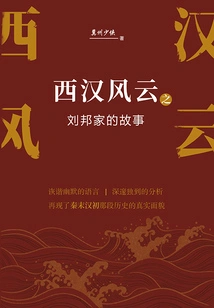
西汉风云之刘邦家的故事
Jizhou Shaoxia
The book takes the life events of the five emperors of the Western Han Dynasty and the empress Lu Pheasant from the Liu Bang to Liu Che period as the main line. It uses humorous language and profound and unique analysis to reproduce the true appearance of the history of the late Qin and early Han Dynasties. The book not only contains vivid historical stories, but also has delicate psychological depictions and objective knowledge allusions. Readers can not only understand the historical mist of the early Han Dynasty in popular and humorous language, but also taste the enlightenment that history brings to the soul in a relaxed and entertaining mood. For history lovers who like reading and are thirsty for knowledge, it can be regarded as a leisure masterpiece to accompany their spare time; for those who are in the workplace and long for success, it can be regarded as a good teacher and helpful friend who enlightens the wisdom of life.
The book takes the life events of the five emperors of the Western Han Dynasty and the empress Lu Pheasant from the Liu Bang to Liu Che period as the main line. It uses humorous language and profound and unique analysis to reproduce the true appearance of the history of the late Qin and early Han Dynasties. The book not only contains vivid historical stories, but also has delicate psychological depictions and objective knowledge allusions. Readers can not only understand the historical mist of the early Han Dynasty in popular and humorous language, but also taste the enlightenment that history brings to the soul in a relaxed and entertaining mood. For history lovers who like reading and are thirsty for knowledge, it can be regarded as a leisure masterpiece to accompany their spare time; for those who are in the workplace and long for success, it can be regarded as a good teacher and helpful friend who enlightens the wisdom of life.
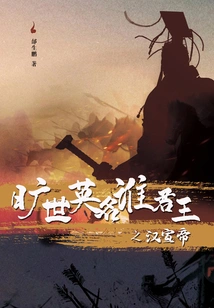
旷世英名谁君王之汉宣帝
Tai Shengpeng
Emperor Xuan of the Han Dynasty Liu Xun (91 BC - 49 BC), whose real name was Liu Bingji and whose courtesy name was Ciqing. The great-grandson of Liu Che, Emperor Wu of the Han Dynasty, and the grandson of Prince Wei Liu Ju, he was the tenth emperor of the Western Han Dynasty and reigned from 74 BC to 49 BC. During the Witchcraft Rebellion, Prince Liu Ju's family was brutally massacred. Liu Xun, who was still an infant at the time, was lucky enough to escape, but was imprisoned and later adopted by his grandmother Shi's family. It was not until Emperor Wu of the Han Dynasty issued an edict to raise him in court that Liu Xun returned to the Han clan's official membership and acquired royal status. After Liu He, the king of Changyi, was deposed in the first year of Yuanping (74 BC), Huo Guang and other ministers welcomed him into the palace from the people. He was first named Marquis of Yangwu. In July of the same year, he ascended the throne and proclaimed himself emperor. In this year, Liu Xun was eighteen years old, and all military and state affairs were entrusted to Huo Guang. After Huo Guang's death, Liu Xunjian eliminated the Huo family, strengthened the centralization of power, worked hard to govern, surrendered the Xiongnu, ruled the Western Regions, and created the first pattern in Chinese history where all nations came to the dynasty. His civil and military skills were comparable to those of Emperor Wu. From then on, the Han Empire climbed to a new peak from the decline in the last years of Emperor Wu, and its territory and national power reached its peak. Emperor Xuan of the Han Dynasty also became one of the few wise monarchs in the Western Han Dynasty with a temple name. He was also the only emperor in Chinese history who suffered in prison before ascending the throne. This book aims to restore a true and full image of a historical figure, and also to let more people understand history and the spirit of our nation. Chinese history and culture have a long history, are extensive and profound. History is the past of a country and a nation, and it is also the basis for the development of a country and a nation. Paying attention to history and getting experiences and lessons from history to guide the present will be of great benefit.
Emperor Xuan of the Han Dynasty Liu Xun (91 BC - 49 BC), whose real name was Liu Bingji and whose courtesy name was Ciqing. The great-grandson of Liu Che, Emperor Wu of the Han Dynasty, and the grandson of Prince Wei Liu Ju, he was the tenth emperor of the Western Han Dynasty and reigned from 74 BC to 49 BC. During the Witchcraft Rebellion, Prince Liu Ju's family was brutally massacred. Liu Xun, who was still an infant at the time, was lucky enough to escape, but was imprisoned and later adopted by his grandmother Shi's family. It was not until Emperor Wu of the Han Dynasty issued an edict to raise him in court that Liu Xun returned to the Han clan's official membership and acquired royal status. After Liu He, the king of Changyi, was deposed in the first year of Yuanping (74 BC), Huo Guang and other ministers welcomed him into the palace from the people. He was first named Marquis of Yangwu. In July of the same year, he ascended the throne and proclaimed himself emperor. In this year, Liu Xun was eighteen years old, and all military and state affairs were entrusted to Huo Guang. After Huo Guang's death, Liu Xunjian eliminated the Huo family, strengthened the centralization of power, worked hard to govern, surrendered the Xiongnu, ruled the Western Regions, and created the first pattern in Chinese history where all nations came to the dynasty. His civil and military skills were comparable to those of Emperor Wu. From then on, the Han Empire climbed to a new peak from the decline in the last years of Emperor Wu, and its territory and national power reached its peak. Emperor Xuan of the Han Dynasty also became one of the few wise monarchs in the Western Han Dynasty with a temple name. He was also the only emperor in Chinese history who suffered in prison before ascending the throne. This book aims to restore a true and full image of a historical figure, and also to let more people understand history and the spirit of our nation. Chinese history and culture have a long history, are extensive and profound. History is the past of a country and a nation, and it is also the basis for the development of a country and a nation. Paying attention to history and getting experiences and lessons from history to guide the present will be of great benefit.
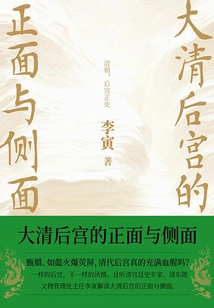
大清后宫的正面与侧面
Li Yin
Here are the positive answers to various questions you may encounter in movies and TV dramas - Did Zhen Huan really exist in history? Is the emperor's power in the harem as bloody as the outer dynasty? Was Yongzheng a sentimental person or a diligent emperor? ... There are also jokes about the harem of the Qing Dynasty that you haven't learned about in history textbooks: Kangxi's role as an actor, Qianlong's health secrets, Zhen Huan's "red apricot affair", Cixi's fear of her daughter... Same harem, different style. Let Li Yin, an expert on Qing palace history and director of the Cultural Relics Management Office of the Eastern Tombs of the Qing Dynasty, explain to you the front and side of the Qing harem.
Here are the positive answers to various questions you may encounter in movies and TV dramas - Did Zhen Huan really exist in history? Is the emperor's power in the harem as bloody as the outer dynasty? Was Yongzheng a sentimental person or a diligent emperor? ... There are also jokes about the harem of the Qing Dynasty that you haven't learned about in history textbooks: Kangxi's role as an actor, Qianlong's health secrets, Zhen Huan's "red apricot affair", Cixi's fear of her daughter... Same harem, different style. Let Li Yin, an expert on Qing palace history and director of the Cultural Relics Management Office of the Eastern Tombs of the Qing Dynasty, explain to you the front and side of the Qing harem.
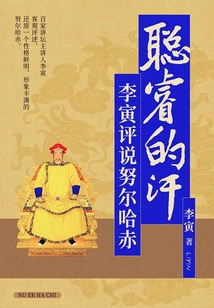
聪睿的汗:李寅评说努尔哈赤
Li Yin
This book is one of the series "Essays on the Twelve Emperors of the Qing Dynasty by Famous Speakers from Hundreds of Forums". It is divided into six chapters and introduces the life of Nurhachi in a popular way. From his birth to his debut, from his debut to his rise to fame, and from his rise to prominence, Nurhachi was full of thorns and experienced ups and downs. He had a rare tenacity. If he was knocked down today, he would stand up tomorrow. With this tenacity, he achieved victory again and again. However, the extremely admirable "Victorious General" finally ended his life sadly with the failure of the "Battle of Ningyuan". This book tells the story of his life's battles, as well as his family and emotional life, restoring to readers a Nurhachi with a distinctive personality and full image.
This book is one of the series "Essays on the Twelve Emperors of the Qing Dynasty by Famous Speakers from Hundreds of Forums". It is divided into six chapters and introduces the life of Nurhachi in a popular way. From his birth to his debut, from his debut to his rise to fame, and from his rise to prominence, Nurhachi was full of thorns and experienced ups and downs. He had a rare tenacity. If he was knocked down today, he would stand up tomorrow. With this tenacity, he achieved victory again and again. However, the extremely admirable "Victorious General" finally ended his life sadly with the failure of the "Battle of Ningyuan". This book tells the story of his life's battles, as well as his family and emotional life, restoring to readers a Nurhachi with a distinctive personality and full image.
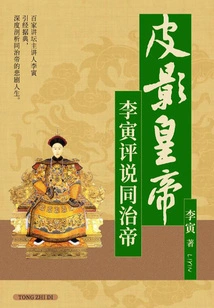
皮影皇帝:李寅评说同治帝
Li Yin
Emperor Tongzhi died at the age of 9 and was the shortest-lived emperor in the Qing Dynasty. During his reign, almost all political affairs were handled by his mother, Empress Cixi. He may be just a shadow figure, controlled by Cixi behind the scenes. The author of this book, Li Yin, combines historical records and describes the major events that occurred in Emperor Tongzhi's short thirteen years in chronological order, showing a vivid and real Tongzhi from multiple dimensions such as Tongzhi's character, education, emotions, and cause of death.
Emperor Tongzhi died at the age of 9 and was the shortest-lived emperor in the Qing Dynasty. During his reign, almost all political affairs were handled by his mother, Empress Cixi. He may be just a shadow figure, controlled by Cixi behind the scenes. The author of this book, Li Yin, combines historical records and describes the major events that occurred in Emperor Tongzhi's short thirteen years in chronological order, showing a vivid and real Tongzhi from multiple dimensions such as Tongzhi's character, education, emotions, and cause of death.
The Wind is Blowing
History大风起兮
Wang Jingzhong
This book is a work that uses historical stories as a carrier to systematically reflect the traditional Chinese concept of talent. The book has a total of four chapters and a total of 150,000. The author selects a large number of classic stories from history books and combines his own independent thinking to conduct a comprehensive discussion on the selection, training, and use of talents. He summarizes relevant experiences and lessons from the two perspectives of managers seeking talents and appointing talents and building talents themselves, so as to achieve the purpose of using the past for the present. The whole book adopts the form of rambles and essays, quoting from other sources, talking about the past and the present, integrating knowledge, thought and interest. The historical figures involved in the book span a wide range, the historical materials are detailed, and the content is rich. It is a masterpiece worth reading again and again.
This book is a work that uses historical stories as a carrier to systematically reflect the traditional Chinese concept of talent. The book has a total of four chapters and a total of 150,000. The author selects a large number of classic stories from history books and combines his own independent thinking to conduct a comprehensive discussion on the selection, training, and use of talents. He summarizes relevant experiences and lessons from the two perspectives of managers seeking talents and appointing talents and building talents themselves, so as to achieve the purpose of using the past for the present. The whole book adopts the form of rambles and essays, quoting from other sources, talking about the past and the present, integrating knowledge, thought and interest. The historical figures involved in the book span a wide range, the historical materials are detailed, and the content is rich. It is a masterpiece worth reading again and again.
Talking About the Republic of China: Lawsuits Written by Famous People in the Republic of China
History口水民国:民国名人的笔墨官司
Wang Kai
This book mainly focuses on the public cases and legal battles during the Republic of China, and describes in detail the debates on some social issues in academic, political, industrial and commercial circles during the Republic of China. The protagonists of these debates were famous scholars, politicians and other celebrities during the Republic of China. There were discords, differences, cooperation and contacts among them. Their debates on key social issues, either serious or humorous, formed the contention of a hundred schools of thought during the Republic of China, constituted a unique cultural landscape during the Republic of China, and objectively promoted the prosperity and development of the culture of the Republic of China.
This book mainly focuses on the public cases and legal battles during the Republic of China, and describes in detail the debates on some social issues in academic, political, industrial and commercial circles during the Republic of China. The protagonists of these debates were famous scholars, politicians and other celebrities during the Republic of China. There were discords, differences, cooperation and contacts among them. Their debates on key social issues, either serious or humorous, formed the contention of a hundred schools of thought during the Republic of China, constituted a unique cultural landscape during the Republic of China, and objectively promoted the prosperity and development of the culture of the Republic of China.
Prayer Flags
History经幡
Xu Jian
This book is a long historical documentary prose written by the famous military writer Xu Jian. It includes three parts: "Lingshan", "Lingdi" and "Linghu", telling three stories. "Spiritual Mountain" tells the story of French orientalist and sinologist David Neal who went deep into Tibet to find the "Kingdom of Shambhala" in his dreams; "Spiritual Land" tells the story of Liu Manqing, the female special envoy of the Republic of China who traveled thousands of miles to Qiangtang to enter Tibet, showing the central government's far-reaching sentiments and striving to maintain national unity and harmonious interethnic coexistence; "Spiritual Lake" tells the story of Tibet's famous "Regent Reting" who reached the peak of power and then fell. The soul characters in these three stories are organically combined by the author to form a coherent whole, which dialogues and echoes the author's travels and feelings at that time and place. The most distinctive feature of this book is that it adopts the writing form of dialogue between "here and now" and "characters of that time". Each story echoes before and after, and the three stories form a connection in time and space, which three-dimensionally presents the social features of Tibet in various periods of modern my country. The author is a narrator, an observer, and a thinker. The perspective is on today, the focus is on yesterday, cross-conversion, unfolding in sequence, and finally intertwined and integrated to form a complete century-old Tibetan narrative.
This book is a long historical documentary prose written by the famous military writer Xu Jian. It includes three parts: "Lingshan", "Lingdi" and "Linghu", telling three stories. "Spiritual Mountain" tells the story of French orientalist and sinologist David Neal who went deep into Tibet to find the "Kingdom of Shambhala" in his dreams; "Spiritual Land" tells the story of Liu Manqing, the female special envoy of the Republic of China who traveled thousands of miles to Qiangtang to enter Tibet, showing the central government's far-reaching sentiments and striving to maintain national unity and harmonious interethnic coexistence; "Spiritual Lake" tells the story of Tibet's famous "Regent Reting" who reached the peak of power and then fell. The soul characters in these three stories are organically combined by the author to form a coherent whole, which dialogues and echoes the author's travels and feelings at that time and place. The most distinctive feature of this book is that it adopts the writing form of dialogue between "here and now" and "characters of that time". Each story echoes before and after, and the three stories form a connection in time and space, which three-dimensionally presents the social features of Tibet in various periods of modern my country. The author is a narrator, an observer, and a thinker. The perspective is on today, the focus is on yesterday, cross-conversion, unfolding in sequence, and finally intertwined and integrated to form a complete century-old Tibetan narrative.
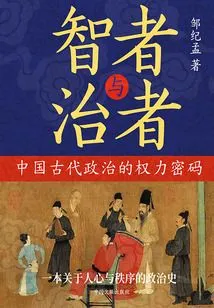
智者与治者:中国古代政治的权力密码
Zou Jimeng
In China's thousands of years of political history, "wise men" and "rulers" have always jointly written the destiny of the dynasty. "The Wise Man and the Governor" uses political thought and governance practice as dual clues to tell the story of those great figures who thought about power, constructed order, and changed the times in the historical wave - some of them illuminated politics with their ideas, and some achieved governance with means. From the kingship and moral governance of Laozi and Confucius, to the magic and tactics of Han Fei and Shang Yang; from Zhuge Liang's wisdom in governing the country, to Wang Anshi's reform ideal; from the emperor's employment of people, to the checks and balances of counselors - this book deeply analyzes the underlying logic of ancient Chinese politics, reveals the tension between thought and practice, and also reflects the growth trajectory of political civilization. This is a book about political wisdom, but also a general history about human hearts and order. Only by understanding the "wise man" can we understand the boundaries of power; only by understanding the "ruler" can we see the nature of politics clearly.
In China's thousands of years of political history, "wise men" and "rulers" have always jointly written the destiny of the dynasty. "The Wise Man and the Governor" uses political thought and governance practice as dual clues to tell the story of those great figures who thought about power, constructed order, and changed the times in the historical wave - some of them illuminated politics with their ideas, and some achieved governance with means. From the kingship and moral governance of Laozi and Confucius, to the magic and tactics of Han Fei and Shang Yang; from Zhuge Liang's wisdom in governing the country, to Wang Anshi's reform ideal; from the emperor's employment of people, to the checks and balances of counselors - this book deeply analyzes the underlying logic of ancient Chinese politics, reveals the tension between thought and practice, and also reflects the growth trajectory of political civilization. This is a book about political wisdom, but also a general history about human hearts and order. Only by understanding the "wise man" can we understand the boundaries of power; only by understanding the "ruler" can we see the nature of politics clearly.
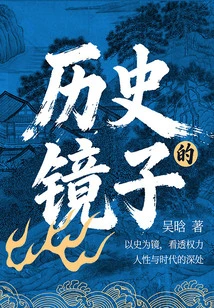
Mirror of History
History历史的镜子
Wu Han
History is never just the past, it is a mirror that may shine at you and me at any time. Who collapses due to greed, and who protects himself due to sobriety; how the system rots in glory, and how it is reborn in collapse. Those seemingly distant emperors, generals, successes and failures are actually the same human choices being played out over and over again. Wu Han uses solid historical data as his basis and sharp judgment as his blade to dissect the most sensitive parts of history - how power seduces people, how the system devours people, and how the times rewrite personal destiny. The writing is restrained, but every sentence stabs at reality; the narrative is calm, but makes people shudder. This is not only a historical essay, but also a sobering lesson about power, human nature and destiny.
History is never just the past, it is a mirror that may shine at you and me at any time. Who collapses due to greed, and who protects himself due to sobriety; how the system rots in glory, and how it is reborn in collapse. Those seemingly distant emperors, generals, successes and failures are actually the same human choices being played out over and over again. Wu Han uses solid historical data as his basis and sharp judgment as his blade to dissect the most sensitive parts of history - how power seduces people, how the system devours people, and how the times rewrite personal destiny. The writing is restrained, but every sentence stabs at reality; the narrative is calm, but makes people shudder. This is not only a historical essay, but also a sobering lesson about power, human nature and destiny.
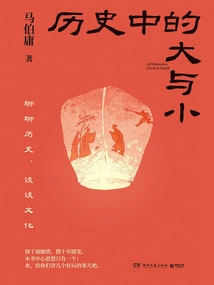
Big and Small in History
History历史中的大与小
Ma Boyong
This is a loose collection of historical essays, which collects some small articles that I have written scatteredly over the past ten years. Really, extra bulk. Among them are my personal experience of reading classic classics with my children, the history of toothaches from ancient times that I summarized to divert my pain when I had a toothache, my comments on Pu Songling's "College Entrance Examination Essay" corrections, and the insights I gained when I visited the Qin Palace Tomb. There are even commemorative articles about the martyrs who resisted Japan and aided Korea in the Ming Dynasty and movie scripts about the Dunhuang rebels, which are very different. If they have anything in common, when I wrote these articles, I had no distracting thoughts, only abundant, pure and even a little excessive desire for expression and curiosity. If history has a keyhole, curiosity is the golden key.
This is a loose collection of historical essays, which collects some small articles that I have written scatteredly over the past ten years. Really, extra bulk. Among them are my personal experience of reading classic classics with my children, the history of toothaches from ancient times that I summarized to divert my pain when I had a toothache, my comments on Pu Songling's "College Entrance Examination Essay" corrections, and the insights I gained when I visited the Qin Palace Tomb. There are even commemorative articles about the martyrs who resisted Japan and aided Korea in the Ming Dynasty and movie scripts about the Dunhuang rebels, which are very different. If they have anything in common, when I wrote these articles, I had no distracting thoughts, only abundant, pure and even a little excessive desire for expression and curiosity. If history has a keyhole, curiosity is the golden key.
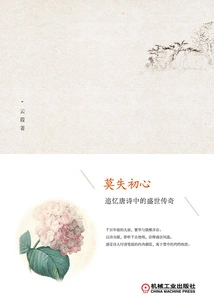
Never Lose Your Original Intention: Recalling the Legend of the Prosperous Times in Tang Poetry
History莫失初心:追忆唐诗中的盛世传奇
Yunjia
Does Bai Juyi's "Heaven and Earth will last forever" hide his regret that his first love, Xiang Ling, has never healed in his life? Li Shangyin, who "can wait to reminisce about this feeling", for whom was he writing "Jin Se"? Between power and love, who did Shangguan Wan'er love? Who else have you let down? Wang Wei, the "Poetry Buddha", never renewed his love affair throughout his life. Is it infatuation, worshiping the Buddha, or is he hiding a secret feeling in his heart? Yuan Zhen wrote "Once upon a time, it was difficult to change the sea", why did he turn around and fall in love with Xue Tao and Liu Caichun? From a unique perspective, this book leads readers to revisit the ordinary and legendary life journeys of 20 poets of the Tang Dynasty; through the dazzling halo given to them by art critics of the past dynasties, which has always shrouded them and made them appear more and more unattainable, they can experience the sadness and joy behind the glorious chapters of the era they wrote, and witness the wars and love that once happened under the distant sky. The love, hate, obsession, involuntariness and fate that are sealed in the poems will be revealed one by one in this book. The real struggles, betrayals, perseverance and regrets behind those love poems emerge vividly on the page. This is a book about love, and it is also a historical essay that glimpses the atmosphere of the Tang Dynasty, the character of literati and the destiny of women through love.
Does Bai Juyi's "Heaven and Earth will last forever" hide his regret that his first love, Xiang Ling, has never healed in his life? Li Shangyin, who "can wait to reminisce about this feeling", for whom was he writing "Jin Se"? Between power and love, who did Shangguan Wan'er love? Who else have you let down? Wang Wei, the "Poetry Buddha", never renewed his love affair throughout his life. Is it infatuation, worshiping the Buddha, or is he hiding a secret feeling in his heart? Yuan Zhen wrote "Once upon a time, it was difficult to change the sea", why did he turn around and fall in love with Xue Tao and Liu Caichun? From a unique perspective, this book leads readers to revisit the ordinary and legendary life journeys of 20 poets of the Tang Dynasty; through the dazzling halo given to them by art critics of the past dynasties, which has always shrouded them and made them appear more and more unattainable, they can experience the sadness and joy behind the glorious chapters of the era they wrote, and witness the wars and love that once happened under the distant sky. The love, hate, obsession, involuntariness and fate that are sealed in the poems will be revealed one by one in this book. The real struggles, betrayals, perseverance and regrets behind those love poems emerge vividly on the page. This is a book about love, and it is also a historical essay that glimpses the atmosphere of the Tang Dynasty, the character of literati and the destiny of women through love.
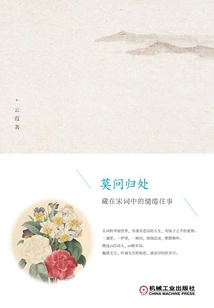
莫问归处:藏在宋词中的缱绻往事
Yunjia
Why is Qin Guan, the "Shanmo Weiyun Lord", called the "Sad Man of Ancient Times"? How much unspoken choking is hidden behind Lu You and Tang Wan's "The Hairpin-headed Phoenix"? Did Lin Bu, the "Plum Wife and Crane Son", ever have an unforgettable love? Yan Rui, Zhu Shuzhen, Zhang Yuniang... How do those talented women who have been drowned by the times use words as swords and hearts as paper? In ancient times, most men and women made lifelong decisions based on "the orders of their parents and the words of the matchmaker." However, the constraints of etiquette and law cannot stop the growth of love. They fell in love at first sight, and they expressed their love through words... So we saw a masterpiece that has been passed down to this day. The reserved ancient people liked to use poetry to express their feelings of not being able to love, which is very similar to today's love sickness. This has been true since ancient times. This sentiment, which seems romantic but makes people forget about food and drink, is the same for anyone. The pain of lovesickness cannot be explained. Only through personal experience can the pain be felt.
Why is Qin Guan, the "Shanmo Weiyun Lord", called the "Sad Man of Ancient Times"? How much unspoken choking is hidden behind Lu You and Tang Wan's "The Hairpin-headed Phoenix"? Did Lin Bu, the "Plum Wife and Crane Son", ever have an unforgettable love? Yan Rui, Zhu Shuzhen, Zhang Yuniang... How do those talented women who have been drowned by the times use words as swords and hearts as paper? In ancient times, most men and women made lifelong decisions based on "the orders of their parents and the words of the matchmaker." However, the constraints of etiquette and law cannot stop the growth of love. They fell in love at first sight, and they expressed their love through words... So we saw a masterpiece that has been passed down to this day. The reserved ancient people liked to use poetry to express their feelings of not being able to love, which is very similar to today's love sickness. This has been true since ancient times. This sentiment, which seems romantic but makes people forget about food and drink, is the same for anyone. The pain of lovesickness cannot be explained. Only through personal experience can the pain be felt.
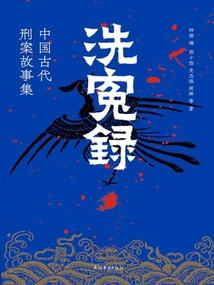
洗冤录:中国古代刑案故事集
Compiled By Zhong Yuan, Zheng Xiaoyou Is Waiting
In the form of a single case, it tells the occurrence, judgment, execution and impact of real cases in ancient times. The manuscript covers the four dynasties of Song, Yuan, Ming and Qing, and more than 20 large and small cases. The focus is on family and clan life, the living conditions of women, and the ambiguities and gaps in legal judgments. It attempts to restore the social situation at that time through each specific case, and reveals that the road to rule of law has been "impeded and long" from ancient times to the present.
In the form of a single case, it tells the occurrence, judgment, execution and impact of real cases in ancient times. The manuscript covers the four dynasties of Song, Yuan, Ming and Qing, and more than 20 large and small cases. The focus is on family and clan life, the living conditions of women, and the ambiguities and gaps in legal judgments. It attempts to restore the social situation at that time through each specific case, and reveals that the road to rule of law has been "impeded and long" from ancient times to the present.
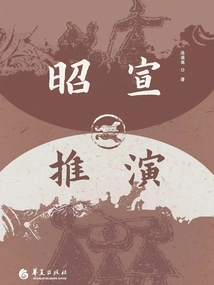
Zhaoxuan Deduction
History昭宣推演
Tu Shenggao
The Zhaoxuan era was an important turning point in the history of the Western Han Dynasty, and its historical facts are mainly recorded in the "Book of Han". "Hanshu" is known for its ancient and profound elegance. It is very difficult for modern readers to directly read the original text of "Hanshu". The author of this book, Mr. Tu Shenggao, attempts to narrate this period of history in ancient Chinese, retaining the original style of "Han Shu" and serving as an introductory reading for "Han Shu". This book is called "Deduction". Some of the narratives are beyond the records of the "Book of Han" and contain the author's bold assumptions and imagination about history. This is also the main feature of the book.
The Zhaoxuan era was an important turning point in the history of the Western Han Dynasty, and its historical facts are mainly recorded in the "Book of Han". "Hanshu" is known for its ancient and profound elegance. It is very difficult for modern readers to directly read the original text of "Hanshu". The author of this book, Mr. Tu Shenggao, attempts to narrate this period of history in ancient Chinese, retaining the original style of "Han Shu" and serving as an introductory reading for "Han Shu". This book is called "Deduction". Some of the narratives are beyond the records of the "Book of Han" and contain the author's bold assumptions and imagination about history. This is also the main feature of the book.
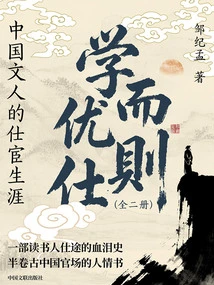
学而优则仕:中国文人的仕宦生涯
Zou Jimeng
The whole book uses the growth trajectory of scholars in the past dynasties as a clue to show the life logic of "study-entering officialdom-establishing oneself-retiring" in traditional Chinese society. From the path to fame through the imperial examination to the ups and downs of the officialdom; from the ideal of "cultivating oneself, harmonizing the family, governing the country, and bringing peace to the world" to the sigh that "articles have ruined my life for half my life" - this book reveals the only way to power in the minds of literati, and also reveals the confusion and cost on this road. This is not a simple history book, but a cultural history about the spiritual ideals of the Chinese people. It allows us to understand: why for thousands of years, studying and being an official have been closely linked; and why, countless scholars continued to advance despite knowing the dangerous path.
The whole book uses the growth trajectory of scholars in the past dynasties as a clue to show the life logic of "study-entering officialdom-establishing oneself-retiring" in traditional Chinese society. From the path to fame through the imperial examination to the ups and downs of the officialdom; from the ideal of "cultivating oneself, harmonizing the family, governing the country, and bringing peace to the world" to the sigh that "articles have ruined my life for half my life" - this book reveals the only way to power in the minds of literati, and also reveals the confusion and cost on this road. This is not a simple history book, but a cultural history about the spiritual ideals of the Chinese people. It allows us to understand: why for thousands of years, studying and being an official have been closely linked; and why, countless scholars continued to advance despite knowing the dangerous path.
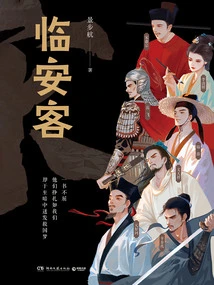
Lin'an Guest
History临安客
Jing Buhang
"Lin'an Guests", written by Jing Buhang and his wife, traces the sorrow and cries in the lives of seven representative figures of the Southern Song Dynasty. "Lin'an Guests" is a collection of historical figures created by the young writer Jing Buhang. It is a companion book to "Bianjing Guests". It takes Lin'an, the capital of the Southern Song Dynasty, as the starting point. It tells the story of the great artist Song Huizong, the eternal talented woman Li Qingzhao, the Song Dynasty war god Yue Fei, the great Zhongxing poet Lu You, and the bold poet Zong Xin. The life stories of seven major figures in the Southern Song Dynasty: Qi Ji, the northern literary hero Yuan Haowen, and the loyal poet Wen Tianxiang. It focuses specifically on the Southern Song Dynasty's literati and military generals who felt powerless when their country's territory was encroached and swallowed up by the powerful northern tribes after the Jingkang Incident.
"Lin'an Guests", written by Jing Buhang and his wife, traces the sorrow and cries in the lives of seven representative figures of the Southern Song Dynasty. "Lin'an Guests" is a collection of historical figures created by the young writer Jing Buhang. It is a companion book to "Bianjing Guests". It takes Lin'an, the capital of the Southern Song Dynasty, as the starting point. It tells the story of the great artist Song Huizong, the eternal talented woman Li Qingzhao, the Song Dynasty war god Yue Fei, the great Zhongxing poet Lu You, and the bold poet Zong Xin. The life stories of seven major figures in the Southern Song Dynasty: Qi Ji, the northern literary hero Yuan Haowen, and the loyal poet Wen Tianxiang. It focuses specifically on the Southern Song Dynasty's literati and military generals who felt powerless when their country's territory was encroached and swallowed up by the powerful northern tribes after the Jingkang Incident.
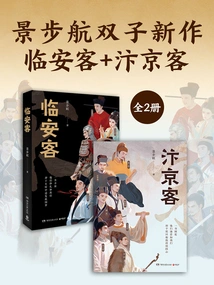
景步航双子新作:临安客+汴京客(全2册)
Jing Buhang
Jing Buhang, a talented Columbia University girl and author of "Girls in Flames and Blossoms", has returned to China to write a new series! "Guests from Bianjing": Li Yu, Liu Yong, Fan Zhongyan, Ouyang Xiu, Wang Anshi, Su Shi and Yan Jidao, seven stories of climbing uphill in difficulties, seven episodes of cultivating one's family, governing the country and bringing peace to the world. "Lin'an Guests": traces the sorrow and shouting in the lives of seven representative figures of the Southern Song Dynasty. Seven literati and military generals including Song Huizong, Li Qingzhao, Yue Fei, Lu You, Xin Qiji, Yuan Haowen, and Wen Tianxiang continued to write the story of the Southern Song Dynasty. Jing Buhang restores history with non-fiction writing methods, and the cover illustrations are done by Chinese style painter Fu Shu, which beautifully presents the wisdom and character of the Northern Song Dynasty literati and the unyielding spirit of the Southern Song literati. "A Guest from Bianjing" in the Northern Song Dynasty is the cry of a strong nation, and "A Guest from Lin'an" in the Southern Song Dynasty is the struggle to save the country. The two books combined represent the three hundred years of suffering and glory of the Song Dynasty.
Jing Buhang, a talented Columbia University girl and author of "Girls in Flames and Blossoms", has returned to China to write a new series! "Guests from Bianjing": Li Yu, Liu Yong, Fan Zhongyan, Ouyang Xiu, Wang Anshi, Su Shi and Yan Jidao, seven stories of climbing uphill in difficulties, seven episodes of cultivating one's family, governing the country and bringing peace to the world. "Lin'an Guests": traces the sorrow and shouting in the lives of seven representative figures of the Southern Song Dynasty. Seven literati and military generals including Song Huizong, Li Qingzhao, Yue Fei, Lu You, Xin Qiji, Yuan Haowen, and Wen Tianxiang continued to write the story of the Southern Song Dynasty. Jing Buhang restores history with non-fiction writing methods, and the cover illustrations are done by Chinese style painter Fu Shu, which beautifully presents the wisdom and character of the Northern Song Dynasty literati and the unyielding spirit of the Southern Song literati. "A Guest from Bianjing" in the Northern Song Dynasty is the cry of a strong nation, and "A Guest from Lin'an" in the Southern Song Dynasty is the struggle to save the country. The two books combined represent the three hundred years of suffering and glory of the Song Dynasty.
Rizhilu
History日知录
A Scene Of The Moon
This book is a collection of historical essays with broad coverage and profound insights. The author uses a unique perspective and vivid writing to analyze many historical events and figures from the Spring and Autumn Period and the Warring States Period to the Ming and Qing Dynasties. The book not only contains exquisite analysis of war strategies, such as the wisdom of Zhao State in handling the corpses of enemy soldiers during the Warring States Period; it also contains profound revelations of political tactics, such as the clever implementation of Emperor Wu of the Han Dynasty's "Tianfa Order". At the same time, the author also demonstrates the important role of wisdom and strategy in the historical process through comments on historical figures such as Deng Xi, Zhuge Liang, and Zhang Juzheng. In addition, the book contains many unique insights into cultural and social phenomena, such as reflections on the popularization of Buddhism in the Song Dynasty and the imperial examination system in the Ming Dynasty.
This book is a collection of historical essays with broad coverage and profound insights. The author uses a unique perspective and vivid writing to analyze many historical events and figures from the Spring and Autumn Period and the Warring States Period to the Ming and Qing Dynasties. The book not only contains exquisite analysis of war strategies, such as the wisdom of Zhao State in handling the corpses of enemy soldiers during the Warring States Period; it also contains profound revelations of political tactics, such as the clever implementation of Emperor Wu of the Han Dynasty's "Tianfa Order". At the same time, the author also demonstrates the important role of wisdom and strategy in the historical process through comments on historical figures such as Deng Xi, Zhuge Liang, and Zhang Juzheng. In addition, the book contains many unique insights into cultural and social phenomena, such as reflections on the popularization of Buddhism in the Song Dynasty and the imperial examination system in the Ming Dynasty.
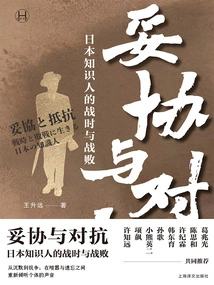
Compromise and Confrontation: the Wartime and Defeat of Japanese Intellectuals (history School)
History妥协与对抗:日本知识人的战时与战败(历史学堂)
Wang Shengyuan
Although World War II has passed, wars still happen every day on this earth. Japan's war era seems to be over, but as a historical legacy, has war-like thinking gone with it? Will the tragedies that happened during World War II "reappear yesterday" and happen in other corners of the world? Starting from the perspective of "individuals" in the history of war, this book focuses on the individual fate of Japanese intellectuals during World War II and the early post-war period. It goes deep into the details of history and attempts to perceive the "human condition" in the complex environment of the times. The book uses diaries, essays, literary works, etc. As the entry point to present in detail the complex positions and ideological fluctuations of people such as Nagai Karikaze, Ozaki Shiro, Hieno Hiei, Yoshino Genzaburo, Tsurumi Shunsuke, etc. Before and after the war; at the same time, it combines the works of animation master Hayao Miyazaki as a mirror of the times. Explore the war metaphors and moral issues hidden behind fairy tale narratives; on this basis, we will expand our horizons to a broader ideological and cultural level, exploring the construction of historical memory, the collision of Chinese and Japanese historical views, and the dilemma of intellectuals between "country" and "individual". The extreme logic of war still lurks in the gaps of human society. Can we learn from the ashes of that history how we should think about responsibility, choice and resistance today?
Although World War II has passed, wars still happen every day on this earth. Japan's war era seems to be over, but as a historical legacy, has war-like thinking gone with it? Will the tragedies that happened during World War II "reappear yesterday" and happen in other corners of the world? Starting from the perspective of "individuals" in the history of war, this book focuses on the individual fate of Japanese intellectuals during World War II and the early post-war period. It goes deep into the details of history and attempts to perceive the "human condition" in the complex environment of the times. The book uses diaries, essays, literary works, etc. As the entry point to present in detail the complex positions and ideological fluctuations of people such as Nagai Karikaze, Ozaki Shiro, Hieno Hiei, Yoshino Genzaburo, Tsurumi Shunsuke, etc. Before and after the war; at the same time, it combines the works of animation master Hayao Miyazaki as a mirror of the times. Explore the war metaphors and moral issues hidden behind fairy tale narratives; on this basis, we will expand our horizons to a broader ideological and cultural level, exploring the construction of historical memory, the collision of Chinese and Japanese historical views, and the dilemma of intellectuals between "country" and "individual". The extreme logic of war still lurks in the gaps of human society. Can we learn from the ashes of that history how we should think about responsibility, choice and resistance today?
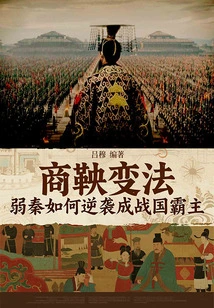
商鞅变法:弱秦如何逆袭成战国霸主
Compiled By Lu Mu
On the edge of the Warring States period, how did the Qin State, despised by the princes of the Central Plains, turn from a trapped beast in the west to become a overlord that made the world tremble? This book focuses on the ground-breaking "Shang Yang's Reform". It tells the story of the unappreciated Legalist scholar Wei Yang, who won the trust of Qin Xiaogong and implemented reforms with thunderous means... From the political show of "moving trees to establish trust" to the cruel incentives of "military meritocracy", he single-handedly forged the weak Qin into a country of tigers and wolves. However, why did the hero who created the hegemony end up being torn apart by a car and not ending well? This book will analyze it layer by layer for you, exploring the iron-blooded laws of a country's rise and the tragedy of a reformer's fate.
On the edge of the Warring States period, how did the Qin State, despised by the princes of the Central Plains, turn from a trapped beast in the west to become a overlord that made the world tremble? This book focuses on the ground-breaking "Shang Yang's Reform". It tells the story of the unappreciated Legalist scholar Wei Yang, who won the trust of Qin Xiaogong and implemented reforms with thunderous means... From the political show of "moving trees to establish trust" to the cruel incentives of "military meritocracy", he single-handedly forged the weak Qin into a country of tigers and wolves. However, why did the hero who created the hegemony end up being torn apart by a car and not ending well? This book will analyze it layer by layer for you, exploring the iron-blooded laws of a country's rise and the tragedy of a reformer's fate.
如果古代有朋友圈
Compiled By Sun Yi
This is a creative work that uses modern social media "moments" as a carrier to connect ancient Chinese historical figures. From a unique perspective, this book boldly imagines the circle of friends of historical celebrities such as Cao Cao, Li Bai, Su Shi, Wu Zetian, and Cixi. Each chapter features a historical figure as the protagonist, and their multi-faceted lives are vividly displayed through their "circle of friends" updates. Here, Cao Cao is no longer just a hero, he is also a writer who shared the poem "Viewing the Sea"; Li Bai is no longer just a poet, he is also a "slash youth" who records travels and drinks with friends; Su Shi is no longer just a demoted official, he is also a gourmet who shares the "Dongpo Pork" recipe and enjoys hardships.
This is a creative work that uses modern social media "moments" as a carrier to connect ancient Chinese historical figures. From a unique perspective, this book boldly imagines the circle of friends of historical celebrities such as Cao Cao, Li Bai, Su Shi, Wu Zetian, and Cixi. Each chapter features a historical figure as the protagonist, and their multi-faceted lives are vividly displayed through their "circle of friends" updates. Here, Cao Cao is no longer just a hero, he is also a writer who shared the poem "Viewing the Sea"; Li Bai is no longer just a poet, he is also a "slash youth" who records travels and drinks with friends; Su Shi is no longer just a demoted official, he is also a gourmet who shares the "Dongpo Pork" recipe and enjoys hardships.
We Are Different
History我们不一样
Golden Horn King
Use a unique perspective to explore those legendary figures who have been misunderstood and forgotten in the long history. From Bao Zheng, who solved the case with integrity, to Jiang Ziya, who was both civil and military, from Hua Mulan, who joined the army on behalf of his father, to Xuanzang, who studied in the West, the book not only restores their true appearance, but also reveals the historical misunderstandings behind "Chen Shimei, the heartless man". The book also digs deep into the neglected inventors around Wu Zetian, as well as the poignant stories behind the four beauties who fell into love with each other. Through delicate writing, the author shows the little-known side of these historical figures, allowing readers to appreciate the depth of history and the charm of the characters in easy reading. This is not only a biography of a historical figure, but also a brave exploration of historical truth, taking you to appreciate a different historical landscape.
Use a unique perspective to explore those legendary figures who have been misunderstood and forgotten in the long history. From Bao Zheng, who solved the case with integrity, to Jiang Ziya, who was both civil and military, from Hua Mulan, who joined the army on behalf of his father, to Xuanzang, who studied in the West, the book not only restores their true appearance, but also reveals the historical misunderstandings behind "Chen Shimei, the heartless man". The book also digs deep into the neglected inventors around Wu Zetian, as well as the poignant stories behind the four beauties who fell into love with each other. Through delicate writing, the author shows the little-known side of these historical figures, allowing readers to appreciate the depth of history and the charm of the characters in easy reading. This is not only a biography of a historical figure, but also a brave exploration of historical truth, taking you to appreciate a different historical landscape.
Mirror of History
History历史的镜子
Wu Han
This book is a selection of Mr. Wu Han's essays, including 45 selected essays from Mr. Wu Han's five essays, "Mirror of History", "Historical Events and Figures", "Lengxia Collection", "Study Collection", "Spring Collection", and some newspapers and periodicals. It aims to present the depth and breadth of history through carefully selected chapters. The topics of the articles are wide-ranging, scattered but not chaotic, covering all aspects of politics, economy, culture, life, military, war, etc. The articles are rich in content, either discussions or comments, popular science or testimonials, showing Wu Han's deep thinking on history and concern for reality.
This book is a selection of Mr. Wu Han's essays, including 45 selected essays from Mr. Wu Han's five essays, "Mirror of History", "Historical Events and Figures", "Lengxia Collection", "Study Collection", "Spring Collection", and some newspapers and periodicals. It aims to present the depth and breadth of history through carefully selected chapters. The topics of the articles are wide-ranging, scattered but not chaotic, covering all aspects of politics, economy, culture, life, military, war, etc. The articles are rich in content, either discussions or comments, popular science or testimonials, showing Wu Han's deep thinking on history and concern for reality.
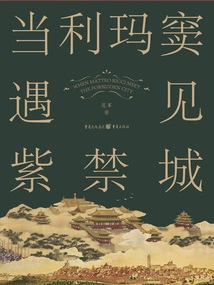
当利玛窦遇见紫禁城
Fan Jun
The book contains a total of more than 20 articles including "Su Shi's Huangzhou", "Under the Peach Blossom Fan", "Under the Sky of the Tang Dynasty", "On the Northeastern Land", "Warm Emotions and Tearful Reunion", "Runaways and Encounters", "Overseas Students", "Confucius and the Hundred Schools of Philosophers", "Confucius: Walking on the Earth", and "Ye Shaoweng's All Things in the World". These articles condense some key fragments and events in history, telling the self-acceptance and self-realization achieved by historical and cultural celebrities during their migrations, the migrations of ordinary people as they traveled through the Guandong, the West, and Southeast Asia, as well as the flows and collisions, integration, and evolution between civilizations in different regions.
The book contains a total of more than 20 articles including "Su Shi's Huangzhou", "Under the Peach Blossom Fan", "Under the Sky of the Tang Dynasty", "On the Northeastern Land", "Warm Emotions and Tearful Reunion", "Runaways and Encounters", "Overseas Students", "Confucius and the Hundred Schools of Philosophers", "Confucius: Walking on the Earth", and "Ye Shaoweng's All Things in the World". These articles condense some key fragments and events in history, telling the self-acceptance and self-realization achieved by historical and cultural celebrities during their migrations, the migrations of ordinary people as they traveled through the Guandong, the West, and Southeast Asia, as well as the flows and collisions, integration, and evolution between civilizations in different regions.
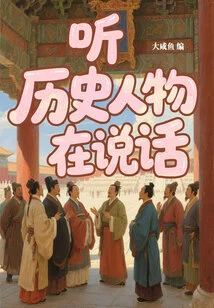
听,历史人物在说话
Big Salted Fish Braid
The work is a collection of small allusions, which is very interesting. Integrate knowledge and readability into one. The time span is concentrated from the Republic of China to the founding of the People's Republic of China, and the words and deeds of many historical figures are used to show their positions, characters and destiny in major historical events. The opening chapter starts from the absurdity of Yuan Shikai proclaiming himself emperor, to Duan Qirui's chess skills and tutoring, to Zhang Zuolin's heroism and cherishing talents, and so on. The period of warlords' melee was long, full of ugliness, the tragedy of the Anti-Japanese War, and the tenacity of the intellectuals. Through these vivid details that are absolutely unique, we can have a glimpse of the various social situations in that changing era, and feel the complexity of history and the diversity of human nature. These historical moments are like a kaleidoscope and vivid slices, which together constitute a microcosm of that era. While reading and experiencing the fun, it also reminds us not to forget history and take history as a mirror to make the future prosperous.
The work is a collection of small allusions, which is very interesting. Integrate knowledge and readability into one. The time span is concentrated from the Republic of China to the founding of the People's Republic of China, and the words and deeds of many historical figures are used to show their positions, characters and destiny in major historical events. The opening chapter starts from the absurdity of Yuan Shikai proclaiming himself emperor, to Duan Qirui's chess skills and tutoring, to Zhang Zuolin's heroism and cherishing talents, and so on. The period of warlords' melee was long, full of ugliness, the tragedy of the Anti-Japanese War, and the tenacity of the intellectuals. Through these vivid details that are absolutely unique, we can have a glimpse of the various social situations in that changing era, and feel the complexity of history and the diversity of human nature. These historical moments are like a kaleidoscope and vivid slices, which together constitute a microcosm of that era. While reading and experiencing the fun, it also reminds us not to forget history and take history as a mirror to make the future prosperous.
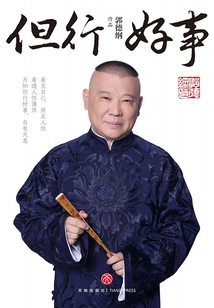
But Do Good Deeds
History但行好事
Guo Degang
This book is a brand new work by the famous cross talk actor Guo Degang. Focusing on the core concept of "doing good deeds", the author selects novel stories of ancient Chinese historical figures, and uses humorous language to tell the experiences and fates of historical figures such as Cang Gong, Huang Chao, Zhuge Liang, and Wang Yangming, who are well-known to the public, as well as the relatively unfamiliar Princess Linhai of the Jin Dynasty, and Wang Yanchao, a general of the Five Dynasties. The author will lead us to dig out legendary stories in the gaps of history. Through each interesting story, we can increase our understanding of history, understand people's hearts and human nature, broaden our horizons, and enhance our understanding of the world, thereby gaining insight into world affairs and living a more sober and calm life.
This book is a brand new work by the famous cross talk actor Guo Degang. Focusing on the core concept of "doing good deeds", the author selects novel stories of ancient Chinese historical figures, and uses humorous language to tell the experiences and fates of historical figures such as Cang Gong, Huang Chao, Zhuge Liang, and Wang Yangming, who are well-known to the public, as well as the relatively unfamiliar Princess Linhai of the Jin Dynasty, and Wang Yanchao, a general of the Five Dynasties. The author will lead us to dig out legendary stories in the gaps of history. Through each interesting story, we can increase our understanding of history, understand people's hearts and human nature, broaden our horizons, and enhance our understanding of the world, thereby gaining insight into world affairs and living a more sober and calm life.
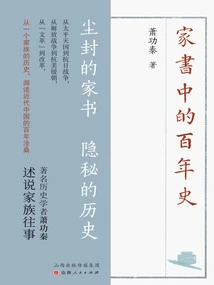
家书中的百年史
Xiao Gongqin
This book is the memoirs of Mr. Xiao Gongqin, a famous Chinese historian. The Xiao family is a wealthy family in Hengyang, Hunan. The development and changes of the Xiao family in modern times are exactly the epitome of China's ups and downs in a century of history. Therefore, from the Taiping Heavenly Kingdom to the Anti-Japanese War, from the founding of New China to the War to Resist U. S. Aggression and Aid Korea, from the Cultural Revolution to Reform, the history of modern China has been truly recorded through the traditional form of family letters. The author Xiao Gongqin uses family letters as a starting point to reveal the unknown stories of his family that have been secreted for many years, and writes down the life experiences of some relatives and friends. From this, we can see the destiny of five generations of a family and the portraits of intellectuals in the changing times.
This book is the memoirs of Mr. Xiao Gongqin, a famous Chinese historian. The Xiao family is a wealthy family in Hengyang, Hunan. The development and changes of the Xiao family in modern times are exactly the epitome of China's ups and downs in a century of history. Therefore, from the Taiping Heavenly Kingdom to the Anti-Japanese War, from the founding of New China to the War to Resist U. S. Aggression and Aid Korea, from the Cultural Revolution to Reform, the history of modern China has been truly recorded through the traditional form of family letters. The author Xiao Gongqin uses family letters as a starting point to reveal the unknown stories of his family that have been secreted for many years, and writes down the life experiences of some relatives and friends. From this, we can see the destiny of five generations of a family and the portraits of intellectuals in the changing times.
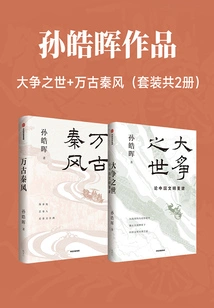
Works by Sun Haohui: the Age of Great Controversy + Eternal Qin Feng (set of 2 Volumes in Total)
History孙皓晖作品:大争之世+万古秦风(套装共2册)
Sun Haohui
"Eternal Qin Feng": a new collection of cultural essays by Sun Haohui, a historian and Chinese native civilization theorist. The book is divided into three parts. The first part is "Nostalgic", which is about the monuments of Qin culture; the second part is "Sir people", which is about ancient and modern figures; the third part is "Years", which is about Qin culture, especially poetry, wine, etc. Since ancient times, the wine style has never been as strong as the wine style of the Warring States Period, nor as bold as the people of Qin. Legacy is the gene of our life and the foundation of our soul. What is Qin Feng? The tenacious spirit that never sinks. "The Age of Great Controversy: On the Reconstruction of Chinese Civilization": This book is Sun Haohui's new collection of historical essays after "The Great Qin Empire". The book provides an in-depth analysis of Qin's strategic logic and institutional innovation in destroying six kingdoms, reorganizing Lingnan, and unifying the world. It explores the resilience of Chinese civilization that has endured thousands of years of impact, and reveals how Chinese civilization can break through the current international changes from the dimensions of diplomacy, rule of law, and national integration.
"Eternal Qin Feng": a new collection of cultural essays by Sun Haohui, a historian and Chinese native civilization theorist. The book is divided into three parts. The first part is "Nostalgic", which is about the monuments of Qin culture; the second part is "Sir people", which is about ancient and modern figures; the third part is "Years", which is about Qin culture, especially poetry, wine, etc. Since ancient times, the wine style has never been as strong as the wine style of the Warring States Period, nor as bold as the people of Qin. Legacy is the gene of our life and the foundation of our soul. What is Qin Feng? The tenacious spirit that never sinks. "The Age of Great Controversy: On the Reconstruction of Chinese Civilization": This book is Sun Haohui's new collection of historical essays after "The Great Qin Empire". The book provides an in-depth analysis of Qin's strategic logic and institutional innovation in destroying six kingdoms, reorganizing Lingnan, and unifying the world. It explores the resilience of Chinese civilization that has endured thousands of years of impact, and reveals how Chinese civilization can break through the current international changes from the dimensions of diplomacy, rule of law, and national integration.
宠物的外交传奇
Compiled By Pang Bin
Did you know? Those cats and dogs that have been playing cute and rolling around in the long history are actually secretly "diplomats"! This book will take you through time and space to see how these furry little guys changed the world with their cuteness. From the ancient Egyptians who worshiped cats as gods, to the Chinese emperor who couldn't put down his love for Persian cats; from the European royal families giving each other hunting dogs to show their national strength, to the modern politicians relying on cats and dogs to build closer relationships - these cute pets are not just good at acting cute, they also shoulder important diplomatic missions! You will read: Why did the nobles of the Tang Dynasty flock to "foreign cats"? How did the giant panda become the "peace ambassador" of New China? Why does the Russian president's Akita make serious diplomatic situations instantly relaxed? There are also those cats who have become "Internet celebrity civil servants" by being cute. How do they use their cuteness to resolve international conflicts? This book does not talk about boring political theories, but only uses the most interesting stories to tell you: when humans are still racking their brains for diplomatic rhetoric, these furry children have already conquered the world with their "cute power". Opening this book, you will find that history can be so "soft and cute" and politics can be so "healing"! Are you ready to be wowed by cuteness? Let us follow these "four-legged diplomats" and embark on an interesting and informative historical journey! Remember, the next time your master is ignoring you, he may be thinking about some international event!
Did you know? Those cats and dogs that have been playing cute and rolling around in the long history are actually secretly "diplomats"! This book will take you through time and space to see how these furry little guys changed the world with their cuteness. From the ancient Egyptians who worshiped cats as gods, to the Chinese emperor who couldn't put down his love for Persian cats; from the European royal families giving each other hunting dogs to show their national strength, to the modern politicians relying on cats and dogs to build closer relationships - these cute pets are not just good at acting cute, they also shoulder important diplomatic missions! You will read: Why did the nobles of the Tang Dynasty flock to "foreign cats"? How did the giant panda become the "peace ambassador" of New China? Why does the Russian president's Akita make serious diplomatic situations instantly relaxed? There are also those cats who have become "Internet celebrity civil servants" by being cute. How do they use their cuteness to resolve international conflicts? This book does not talk about boring political theories, but only uses the most interesting stories to tell you: when humans are still racking their brains for diplomatic rhetoric, these furry children have already conquered the world with their "cute power". Opening this book, you will find that history can be so "soft and cute" and politics can be so "healing"! Are you ready to be wowed by cuteness? Let us follow these "four-legged diplomats" and embark on an interesting and informative historical journey! Remember, the next time your master is ignoring you, he may be thinking about some international event!
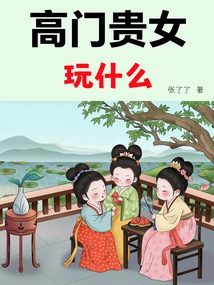
高门贵女玩什么(图文版)
Got Nervous
The images of noble ladies in film and television works may be well-educated and knowledgeable in all kinds of music, chess, calligraphy and painting, or they may be arrogant and domineering, using power for personal gain and committing many evil deeds. In fact, the living conditions of real noble ladies in ancient times were more contradictory and complicated than those in movies and TV dramas: they enjoyed the fine clothing, food, and top-notch educational resources brought by family wealth, but they were also cut into symbols of family interests by the ethical system. The admonition that "a woman's lack of talent is a virtue" forms a wonderful balance with the elite education of aristocratic families. The noble ladies study piano, chess, calligraphy and painting not only to improve their personal accomplishment, but also as an added value in marriage negotiations. The story of Yuan Jicong in the Northern Wei Dynasty confirms this contradiction: although she was proficient in literature and history, she was reduced to a power link in a political marriage, and her poetry and talent eventually became the lace that decorated the lintel of her husband's family. The right of expression granted to them by education has always been limited within the framework of "not exceeding etiquette and law." However, the noble women never gave up their pursuit of subjectivity. The spiritual fire they buried in their makeup boxes, poems, and gardens constituted the most secret history of ancient women's awakening. This book, starting from what ancient noble ladies played, invites you to walk into the elegant tastes of the ladies and ignite the spiritual fire of civilization at that moment.
The images of noble ladies in film and television works may be well-educated and knowledgeable in all kinds of music, chess, calligraphy and painting, or they may be arrogant and domineering, using power for personal gain and committing many evil deeds. In fact, the living conditions of real noble ladies in ancient times were more contradictory and complicated than those in movies and TV dramas: they enjoyed the fine clothing, food, and top-notch educational resources brought by family wealth, but they were also cut into symbols of family interests by the ethical system. The admonition that "a woman's lack of talent is a virtue" forms a wonderful balance with the elite education of aristocratic families. The noble ladies study piano, chess, calligraphy and painting not only to improve their personal accomplishment, but also as an added value in marriage negotiations. The story of Yuan Jicong in the Northern Wei Dynasty confirms this contradiction: although she was proficient in literature and history, she was reduced to a power link in a political marriage, and her poetry and talent eventually became the lace that decorated the lintel of her husband's family. The right of expression granted to them by education has always been limited within the framework of "not exceeding etiquette and law." However, the noble women never gave up their pursuit of subjectivity. The spiritual fire they buried in their makeup boxes, poems, and gardens constituted the most secret history of ancient women's awakening. This book, starting from what ancient noble ladies played, invites you to walk into the elegant tastes of the ladies and ignite the spiritual fire of civilization at that moment.
Eternal Qin Feng
History万古秦风
Sun Haohui
This book is a new collection of historical essays focusing on Qin culture after Sun Haohui's novel "The Qin Empire". It is divided into three major themes: historical relics, ancient and modern figures, and culture and art, and deeply explores the core spirit of Qin civilization. The book contains admiration for historical landmarks such as Chang'an, Qinling, and Xianyang, as well as affectionate remembrances of historical figures such as Li Jing and Yang Xiu, as well as the heroic and poetic flavor of Qin Feng and Qin Opera displayed through poetry and wine culture. The whole book integrates history, culture, literary insights and personal walking experience, showing the author's deep thinking on Qin culture for decades, and praising the simplicity and majesty of Qin civilization. As the author of the best-selling historical novel "The Great Qin Empire", Sun Haohui has been paying close attention to Qin culture for a long time. For fans of "The Great Qin Empire", this book is another book for them to get closer to the Qin culture.
This book is a new collection of historical essays focusing on Qin culture after Sun Haohui's novel "The Qin Empire". It is divided into three major themes: historical relics, ancient and modern figures, and culture and art, and deeply explores the core spirit of Qin civilization. The book contains admiration for historical landmarks such as Chang'an, Qinling, and Xianyang, as well as affectionate remembrances of historical figures such as Li Jing and Yang Xiu, as well as the heroic and poetic flavor of Qin Feng and Qin Opera displayed through poetry and wine culture. The whole book integrates history, culture, literary insights and personal walking experience, showing the author's deep thinking on Qin culture for decades, and praising the simplicity and majesty of Qin civilization. As the author of the best-selling historical novel "The Great Qin Empire", Sun Haohui has been paying close attention to Qin culture for a long time. For fans of "The Great Qin Empire", this book is another book for them to get closer to the Qin culture.
冷月孤灯:唐浩明读史随笔集
Tang Haoming
Why didn't Zeng Guofan become emperor? Is Zeng Guofan a traitor and traitor? How did Zeng Guofan know and employ people? Why did Zeng Guofan feel so painful and helpless in his later years when he was a highly respected minister? What did Liang Qichao learn from Zeng Guofan? ... A selection of Tang Haoming's essays over the past forty years, interpreting the real Zeng Guofan and his circle of friends in history, and revealing the creative experience of historical novels and the wonderful stories behind them.
Why didn't Zeng Guofan become emperor? Is Zeng Guofan a traitor and traitor? How did Zeng Guofan know and employ people? Why did Zeng Guofan feel so painful and helpless in his later years when he was a highly respected minister? What did Liang Qichao learn from Zeng Guofan? ... A selection of Tang Haoming's essays over the past forty years, interpreting the real Zeng Guofan and his circle of friends in history, and revealing the creative experience of historical novels and the wonderful stories behind them.
这世界最终是一件奇怪的事
(french) Jean Duanmusong
"On a clear morning in July, I asked myself, where do we come from, where are we going, and what are we doing in this world? What is life and where does it come from? How does the universe work? Why is there something rather than nothing?" From mathematicians and Greek philosophers to Einstein and quantum theory, Newton and Darwin, people have been trying to answer these questions for three thousand years. In the past three or four centuries, the pace of history has accelerated. We have entered modernity and postmodernity. Science, technology and numbers have conquered the planet. Reason seems to have prevailed, allowing humans to replace gods and become the leaders of world affairs. Does life have any meaning, or is it just a bracket between two nothings? Is there hope beyond death? Jean Duanmusong, who loves travel, sea bathing, books and all the joys of human existence, explores these eternal problems from a new perspective, while raising questions about the mystery of human destiny and sketching novel pictures of life, history and mythology.
"On a clear morning in July, I asked myself, where do we come from, where are we going, and what are we doing in this world? What is life and where does it come from? How does the universe work? Why is there something rather than nothing?" From mathematicians and Greek philosophers to Einstein and quantum theory, Newton and Darwin, people have been trying to answer these questions for three thousand years. In the past three or four centuries, the pace of history has accelerated. We have entered modernity and postmodernity. Science, technology and numbers have conquered the planet. Reason seems to have prevailed, allowing humans to replace gods and become the leaders of world affairs. Does life have any meaning, or is it just a bracket between two nothings? Is there hope beyond death? Jean Duanmusong, who loves travel, sea bathing, books and all the joys of human existence, explores these eternal problems from a new perspective, while raising questions about the mystery of human destiny and sketching novel pictures of life, history and mythology.
带献帝去旅行:历史书写的中古风景
Xu Chong
After the Wei and Jin Dynasties, although the Western Jin Dynasty still regarded Cao Wei as the official orthodoxy, the situation began to change. Chen Shou's "Three Kingdoms" juxtaposed the three kingdoms of Wei, Shu, and Wu, but it was accepted by the elites of both the government and the public. This is a dangerous signal in itself. The destruction of Wu in the Western Jin Dynasty completed the unification of the north and the south, and provided a stage for the circulation of many rumors written from the standpoint of an enemy country during the Sun Wu era, making them gradually enter the mainstream field of vision. When they arrived at the southern crossing of Yongjia, the Jiankang elite repeatedly reviewed Zhongzhou's past, and the situation was finally completely reversed. Xi Chizhi's "Han, Jin, Spring and Autumn" traces its origins, and Fan Ye's "Book of the Later Han" establishes its origins. We have witnessed the decline of Cao Wei's royal power in historical writing; Emperor Xian himself was sacrificed to this belated "revenge" in a dramatic tragic image. Focusing on the two major themes of "Han and Wei Revolutions" and "Northern Wei Epitaphs", this book conducts a multi-level exploration of Chinese history from the 3rd to 6th centuries. The so-called "taking Xian Emperor to travel" focuses not on Xian Emperor Liu Xie's personal travel experience, but on the path and scenery of the journey itself. The author wanders between the "surface", "inside", "inside" and "outside" of the text, trying to liberate the "landscape" from the multiple constraints of historical writing and reproduce the "blind tone".
After the Wei and Jin Dynasties, although the Western Jin Dynasty still regarded Cao Wei as the official orthodoxy, the situation began to change. Chen Shou's "Three Kingdoms" juxtaposed the three kingdoms of Wei, Shu, and Wu, but it was accepted by the elites of both the government and the public. This is a dangerous signal in itself. The destruction of Wu in the Western Jin Dynasty completed the unification of the north and the south, and provided a stage for the circulation of many rumors written from the standpoint of an enemy country during the Sun Wu era, making them gradually enter the mainstream field of vision. When they arrived at the southern crossing of Yongjia, the Jiankang elite repeatedly reviewed Zhongzhou's past, and the situation was finally completely reversed. Xi Chizhi's "Han, Jin, Spring and Autumn" traces its origins, and Fan Ye's "Book of the Later Han" establishes its origins. We have witnessed the decline of Cao Wei's royal power in historical writing; Emperor Xian himself was sacrificed to this belated "revenge" in a dramatic tragic image. Focusing on the two major themes of "Han and Wei Revolutions" and "Northern Wei Epitaphs", this book conducts a multi-level exploration of Chinese history from the 3rd to 6th centuries. The so-called "taking Xian Emperor to travel" focuses not on Xian Emperor Liu Xie's personal travel experience, but on the path and scenery of the journey itself. The author wanders between the "surface", "inside", "inside" and "outside" of the text, trying to liberate the "landscape" from the multiple constraints of historical writing and reproduce the "blind tone".
老谋子司马懿:一个潜伏者的黑色进阶史
Ou Qiming
"Old Conspirator Sima Yi" reveals the survival rules of the most complex Machiavellian in the Three Kingdoms! He was Cao Cao's feared "Wolf Gu Prime Minister", a powerful enemy that Zhuge Liang could not defeat throughout his life, and the ultimate trader who laid the foundation of the Jin Dynasty with forty years of forbearance. This book is based on historical facts and unofficial history, and deeply explores how Sima Yi climbed to the pinnacle of power step by step from a Yingchuan scholar who was forced to serve as an official: pretending to be ill for seven years to paralyze political opponents, the psychological game with Zhuge Liang on the battlefield, and a thunderous blow during the Gaoping Ling Incident, which finally brought the chaos of the Three Kingdoms into Sima's hands. A textbook for survival in troubled times, it deciphers how to strike first in the stranglehold of power and turn disadvantages into deadly weapons. Open this book and see through the ultimate wisdom of those who are dormant and have the last laugh.
"Old Conspirator Sima Yi" reveals the survival rules of the most complex Machiavellian in the Three Kingdoms! He was Cao Cao's feared "Wolf Gu Prime Minister", a powerful enemy that Zhuge Liang could not defeat throughout his life, and the ultimate trader who laid the foundation of the Jin Dynasty with forty years of forbearance. This book is based on historical facts and unofficial history, and deeply explores how Sima Yi climbed to the pinnacle of power step by step from a Yingchuan scholar who was forced to serve as an official: pretending to be ill for seven years to paralyze political opponents, the psychological game with Zhuge Liang on the battlefield, and a thunderous blow during the Gaoping Ling Incident, which finally brought the chaos of the Three Kingdoms into Sima's hands. A textbook for survival in troubled times, it deciphers how to strike first in the stranglehold of power and turn disadvantages into deadly weapons. Open this book and see through the ultimate wisdom of those who are dormant and have the last laugh.
名城印象:历史光影中的城市风情
High Mountains And Flowing Clouds
Historical cities are witnesses of history and carry rich historical and cultural heritage. This book introduces the development and changes of world-famous historical cities and tells you the historical stories, cultural heritage and celebrity anecdotes in the city. You will learn about the origin, development and prosperity of these cities, and feel the historical and cultural atmosphere they contain. At the same time, you will also get to know the celebrities who have lived in the city, and their stories and achievements will bring you endless enlightenment.
Historical cities are witnesses of history and carry rich historical and cultural heritage. This book introduces the development and changes of world-famous historical cities and tells you the historical stories, cultural heritage and celebrity anecdotes in the city. You will learn about the origin, development and prosperity of these cities, and feel the historical and cultural atmosphere they contain. At the same time, you will also get to know the celebrities who have lived in the city, and their stories and achievements will bring you endless enlightenment.
民国城市记忆
Wei Botong
Deeply explore the urban memories of the Republic of China, from Shanghai's Shili Foreign Market to Beijing's ancient capital style. It tells the prosperity of the city and the stories behind it, and shows the charm and challenges of the city in that era.
Deeply explore the urban memories of the Republic of China, from Shanghai's Shili Foreign Market to Beijing's ancient capital style. It tells the prosperity of the city and the stories behind it, and shows the charm and challenges of the city in that era.
民国传奇人物志
Wei Botong
During the Republic of China, many legendary figures emerged. From political leaders to cultural celebrities, from revolutionary heroes to business tycoons. In their own unique ways, they have left a mark on the stage of history. This book selects representative figures from the Republic of China period, tells their life stories, achievements and setbacks, and shows their character charm and the spirit of the times. Through the experiences of these legendary figures, you will have a deeper understanding of the history and culture of the Republic of China.
During the Republic of China, many legendary figures emerged. From political leaders to cultural celebrities, from revolutionary heroes to business tycoons. In their own unique ways, they have left a mark on the stage of history. This book selects representative figures from the Republic of China period, tells their life stories, achievements and setbacks, and shows their character charm and the spirit of the times. Through the experiences of these legendary figures, you will have a deeper understanding of the history and culture of the Republic of China.
民国风华录
Qian Sanqi
The Republic of China was an era full of old dreams and memories. The prosperity of Shili Foreign Market, the charm of ancient streets and alleys, the romance of talented people and beautiful ladies, and the passion of revolutionary patriots. This book uses delicate writing methods to describe the social scene, people's daily life, and stories buried by the years during the Republic of China. It will take you through time, relive the old dream of the Republic of China when prosperity and vicissitudes were intertwined, and appreciate the unique style of that era.
The Republic of China was an era full of old dreams and memories. The prosperity of Shili Foreign Market, the charm of ancient streets and alleys, the romance of talented people and beautiful ladies, and the passion of revolutionary patriots. This book uses delicate writing methods to describe the social scene, people's daily life, and stories buried by the years during the Republic of China. It will take you through time, relive the old dream of the Republic of China when prosperity and vicissitudes were intertwined, and appreciate the unique style of that era.
民国风云录
Qian Sanqi
This book takes you into the magnificent history of the Republic of China. From the gunfire of the Revolution of 1911 to the beacon fire of the Anti-Japanese War, from the turmoil of the warlords' melee to the ideological collision of the New Culture Movement. We have witnessed countless heroes and literati working hard for the independence of the country and the rejuvenation of the nation in this special era. Through detailed historical materials and vivid narratives, it shows the changes in politics, economy, culture and other aspects during the Republic of China period, allowing you to feel the unique charm and challenges of that era.
This book takes you into the magnificent history of the Republic of China. From the gunfire of the Revolution of 1911 to the beacon fire of the Anti-Japanese War, from the turmoil of the warlords' melee to the ideological collision of the New Culture Movement. We have witnessed countless heroes and literati working hard for the independence of the country and the rejuvenation of the nation in this special era. Through detailed historical materials and vivid narratives, it shows the changes in politics, economy, culture and other aspects during the Republic of China period, allowing you to feel the unique charm and challenges of that era.