Library
Browse and search books
2,169 novels found
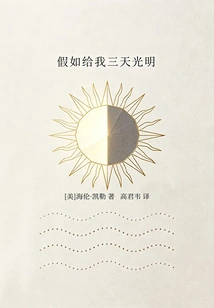
假如给我三天光明(有质量文库)
Helen Keller
"If you were only given three days of light, what would you use to see?" Helen Keller set this question for herself in a dark and silent world. She will use these three days to see relatives, art and life. The text in Gao Junwei's translation is clean and restrained, like a blind man running his fingertips across the raised characters and reading his life word by word. A man who has been blind almost all his life wants to see the whole world with three days of light. But when we keep our eyes open every day, we often forget what we really want to see. This book asks, perhaps, each of us.
"If you were only given three days of light, what would you use to see?" Helen Keller set this question for herself in a dark and silent world. She will use these three days to see relatives, art and life. The text in Gao Junwei's translation is clean and restrained, like a blind man running his fingertips across the raised characters and reading his life word by word. A man who has been blind almost all his life wants to see the whole world with three days of light. But when we keep our eyes open every day, we often forget what we really want to see. This book asks, perhaps, each of us.
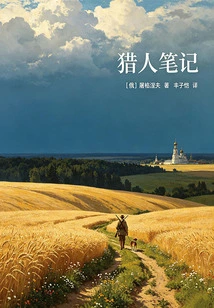
Hunter's Notes (With Quality Library)
Literature猎人笔记(有质量文库)
Turgenev
Deep in the dark forest, who is secretly stalking the little girl picking mushrooms at dusk? Why did the singing coming from the landlord's house late at night make the coachman outside the window burst into tears? Walking across Russia with a shotgun, what did Turgenev see? He saw that farmers understand dignity better than landowners, and saw those humble but hot souls under the pale sky. He didn't shout, just watched quietly, and then wrote everything down in this "Hunter's Notebook". Mr. Feng Zikai's translation is so flavorful, it's as if you can hear the sound of pine needles falling to the ground in the Russian forest. Birds have feathers and people have clothes. Strip away our clothes and class, and what are we left with? This book will tell you the answer. Perhaps, being able to see the tears of the humble is the greatest power of literature. Open it and you will understand why Tolstoy said: "After reading "A Hunter's Notebook", it is even difficult for me to write anymore."
Deep in the dark forest, who is secretly stalking the little girl picking mushrooms at dusk? Why did the singing coming from the landlord's house late at night make the coachman outside the window burst into tears? Walking across Russia with a shotgun, what did Turgenev see? He saw that farmers understand dignity better than landowners, and saw those humble but hot souls under the pale sky. He didn't shout, just watched quietly, and then wrote everything down in this "Hunter's Notebook". Mr. Feng Zikai's translation is so flavorful, it's as if you can hear the sound of pine needles falling to the ground in the Russian forest. Birds have feathers and people have clothes. Strip away our clothes and class, and what are we left with? This book will tell you the answer. Perhaps, being able to see the tears of the humble is the greatest power of literature. Open it and you will understand why Tolstoy said: "After reading "A Hunter's Notebook", it is even difficult for me to write anymore."
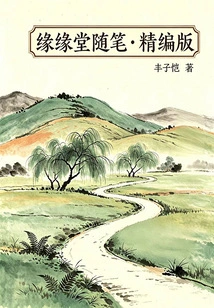
缘缘堂随笔·精编版(有质量文库)
Feng Zikai
Feng Zikai may be the most understanding of life among Chinese literati. He wrote about eating melon seeds, and he was able to write about the Chinese people's "doctorate" skills; he wrote about the white goose, saying that it is full of arrogance, needs to be served when eating, and is more vicious than a dog; about children, they use stools as trains and banana fans as bicycles, and they play more seriously than adults. He hides in Yuanyuan Hall to see the world, and uses the simplest words to describe the most profound human world. You think he is talking about romance and family affairs, but in fact, he is talking about life in every sentence. But it was these trivial matters that he wrote into short chapters that have been handed down from generation to generation. It's no wonder that Zhu Ziqing, Ba Jin, and Junichiro Tanizaki couldn't help but praise a few words. Opening this book, you will find that there are so many poems and philosophies hidden in life that have been deliberately ignored.
Feng Zikai may be the most understanding of life among Chinese literati. He wrote about eating melon seeds, and he was able to write about the Chinese people's "doctorate" skills; he wrote about the white goose, saying that it is full of arrogance, needs to be served when eating, and is more vicious than a dog; about children, they use stools as trains and banana fans as bicycles, and they play more seriously than adults. He hides in Yuanyuan Hall to see the world, and uses the simplest words to describe the most profound human world. You think he is talking about romance and family affairs, but in fact, he is talking about life in every sentence. But it was these trivial matters that he wrote into short chapters that have been handed down from generation to generation. It's no wonder that Zhu Ziqing, Ba Jin, and Junichiro Tanizaki couldn't help but praise a few words. Opening this book, you will find that there are so many poems and philosophies hidden in life that have been deliberately ignored.
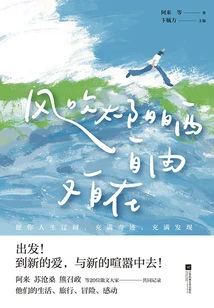
Wind and Sun, Freedom and Ease
Literature风吹太阳晒,自由又自在
Editor-in-chief Bian Yufang
This book is a collection of excellent essays by more than 20 famous contemporary Chinese writers including Alai, Liang Heng, and Su Cangsang, which focus on China's famous tourist attractions, unique natural landscapes, and characteristic geographical regions. The articles take the form of "travel notes", "travel notes", "describing hometown", "reminiscing about hometown", etc. To describe the landscapes and scenic spots, introduce relevant geographical and historical knowledge, and express personal emotions and feelings about home and country. This book highlights the characteristics of "famous writers writing about famous places", with classic content, strong literary nature and high text quality. For readers, especially student readers, reading each article is not only a "paper journey" but also a "literary and historical exploration", and you can also share the beauty of literature and feelings with famous writers.
This book is a collection of excellent essays by more than 20 famous contemporary Chinese writers including Alai, Liang Heng, and Su Cangsang, which focus on China's famous tourist attractions, unique natural landscapes, and characteristic geographical regions. The articles take the form of "travel notes", "travel notes", "describing hometown", "reminiscing about hometown", etc. To describe the landscapes and scenic spots, introduce relevant geographical and historical knowledge, and express personal emotions and feelings about home and country. This book highlights the characteristics of "famous writers writing about famous places", with classic content, strong literary nature and high text quality. For readers, especially student readers, reading each article is not only a "paper journey" but also a "literary and historical exploration", and you can also share the beauty of literature and feelings with famous writers.
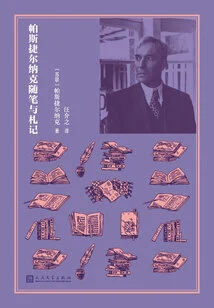
Pasternak's Essays and Notes
Literature帕斯捷尔纳克随笔与札记
(soviet Union) Pasternak
Nobel Prize winner Pasternak is a poet, writer and translator. "Essays and Notes" is translated from the fifth volume of the Russian version of "The Complete Works of Pasternak". It includes Pasternak's literary reviews, essays, speeches at conferences, translator's prefaces, notes, etc., Such as "About Futurism", "About Shakespeare", "Some Opinions on the Translation of Shakespeare", "Hamlet, Prince of Denmark (Translator's Words)", "To the Presidium of the Writers Association", etc., Showing the author's views on literature and translation. These contents are translated into Chinese for the first time, and only a few articles have been published in the magazine "World Literature", which is of great supplementary significance to the study of Pasternak's creative writing.
Nobel Prize winner Pasternak is a poet, writer and translator. "Essays and Notes" is translated from the fifth volume of the Russian version of "The Complete Works of Pasternak". It includes Pasternak's literary reviews, essays, speeches at conferences, translator's prefaces, notes, etc., Such as "About Futurism", "About Shakespeare", "Some Opinions on the Translation of Shakespeare", "Hamlet, Prince of Denmark (Translator's Words)", "To the Presidium of the Writers Association", etc., Showing the author's views on literature and translation. These contents are translated into Chinese for the first time, and only a few articles have been published in the magazine "World Literature", which is of great supplementary significance to the study of Pasternak's creative writing.
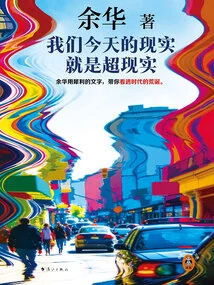
Our Reality Today is Hyper-reality
Literature我们今天的现实就是超现实
Yu Hua
Yu Hua's 2026 new speech collection! Use sharp words to help you see through the absurdity of the times. "China is changing so fast that, let alone foreigners, I, as a Chinese, can't keep up." --Yu Hua. In just a few decades, China has followed the path that the West took in hundreds of years. Rapid development has brought about ubiquitous dislocation and fragmentation: the coexistence of the noble and the vulgar, the collision of ideals and reality, and the conflict between rules and life. We live in such a daily life full of contrasts. This book collects the essence of Yu Hua's fifteen speeches. From China to the world, from the past to the present, Yu Hua looks at the social changes of decades and uses sharp and straightforward words to expose the absurd nature of the times. He does not avoid or whitewash, and with the sensitivity of a writer, he breaks through the crux of society and resolves people's confusion. See the truth clearly in the absurdity, and live soberly in the contradiction. Open this book and understand the era we live in.
Yu Hua's 2026 new speech collection! Use sharp words to help you see through the absurdity of the times. "China is changing so fast that, let alone foreigners, I, as a Chinese, can't keep up." --Yu Hua. In just a few decades, China has followed the path that the West took in hundreds of years. Rapid development has brought about ubiquitous dislocation and fragmentation: the coexistence of the noble and the vulgar, the collision of ideals and reality, and the conflict between rules and life. We live in such a daily life full of contrasts. This book collects the essence of Yu Hua's fifteen speeches. From China to the world, from the past to the present, Yu Hua looks at the social changes of decades and uses sharp and straightforward words to expose the absurd nature of the times. He does not avoid or whitewash, and with the sensitivity of a writer, he breaks through the crux of society and resolves people's confusion. See the truth clearly in the absurdity, and live soberly in the contradiction. Open this book and understand the era we live in.
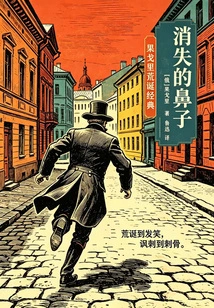
消失的鼻子:果戈里荒诞经典
(russian) Gogol
An eighth-grade civil servant woke up and found that his nose was missing. What's even more bizarre is that the nose actually wore the gold-embroidered dress of a fifth-class civil servant, rode a carriage through the streets of Petersburg, and called himself "Your Excellency." The barber cut it out of freshly baked bread, and the police intercepted it in the fleeing carriage - but it refused to return to the face, leaving only a smooth surface. Gogol's "The Nose" is the most bizarre and bitter satirical masterpiece in the history of Russian literature. Mr. Lu Xun used his unique writing skills to translate this absurd farce vividly. The vanity of officialdom, the ignorance of ordinary people, and society's morbid worship of "status" are all stripped naked in the bizarre adventure of One Nose. It's short, sharp, hilarious, and makes people shiver down their spine after laughing - because that arrogant nose may be on each of our faces.
An eighth-grade civil servant woke up and found that his nose was missing. What's even more bizarre is that the nose actually wore the gold-embroidered dress of a fifth-class civil servant, rode a carriage through the streets of Petersburg, and called himself "Your Excellency." The barber cut it out of freshly baked bread, and the police intercepted it in the fleeing carriage - but it refused to return to the face, leaving only a smooth surface. Gogol's "The Nose" is the most bizarre and bitter satirical masterpiece in the history of Russian literature. Mr. Lu Xun used his unique writing skills to translate this absurd farce vividly. The vanity of officialdom, the ignorance of ordinary people, and society's morbid worship of "status" are all stripped naked in the bizarre adventure of One Nose. It's short, sharp, hilarious, and makes people shiver down their spine after laughing - because that arrogant nose may be on each of our faces.
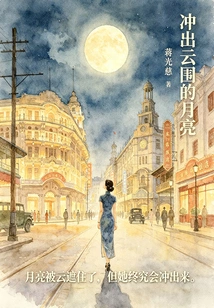
The Moon Breaks Out of the Clouds
Literature冲出云围的月亮
Jiang Guangci
[The Collapse and Rebirth of a Woman] She was once a female soldier in the revolutionary army, full of ideals, and rushed to the battlefield; after her failure, she ended up on the streets of Shanghai, using her body as a weapon to retaliate against society. She teased the comprador's son, humiliated officials, mocked poets, and even gave illness as a gift - in the abyss of despair, she thought she had seen the truth of the world. However, Alian, a little girl who lost her parents, and Li Shangzhi, a revolutionary who has always been loyal, were like two beams of light, shining into her dark life. When the moon finally breaks out of the clouds, can she find her former self? Jiang Guangci is a pioneer of "revolutionary literature". This novel, written in 1930, boldly explores women's mental dilemma and the torn body and soul after the failure of the revolution. Its fiery, rebellious and painful reality is one of the most unique female growth narratives in the history of modern Chinese literature.
[The Collapse and Rebirth of a Woman] She was once a female soldier in the revolutionary army, full of ideals, and rushed to the battlefield; after her failure, she ended up on the streets of Shanghai, using her body as a weapon to retaliate against society. She teased the comprador's son, humiliated officials, mocked poets, and even gave illness as a gift - in the abyss of despair, she thought she had seen the truth of the world. However, Alian, a little girl who lost her parents, and Li Shangzhi, a revolutionary who has always been loyal, were like two beams of light, shining into her dark life. When the moon finally breaks out of the clouds, can she find her former self? Jiang Guangci is a pioneer of "revolutionary literature". This novel, written in 1930, boldly explores women's mental dilemma and the torn body and soul after the failure of the revolution. Its fiery, rebellious and painful reality is one of the most unique female growth narratives in the history of modern Chinese literature.
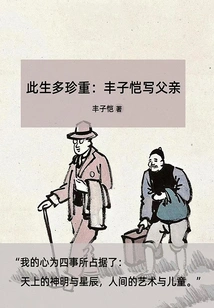
此生多珍重:丰子恺写父亲
Feng Zikai
Feng Zikai wrote about his father with warmth and transparency rare in the history of literature. The father in his novel, the last civil servant in the Qing Dynasty, clung to the dignity and loneliness of a scholar despite the drastic changes of the times; and as a father, he regarded the innocence of his children as precious as gods and stars. These six articles include the family memories of the end of the imperial examination in "The Successful Person" and the sincere praise of childlike innocence in "Children" and "To My Children". Feng Zikai used his unique simplicity and humor to write about the two sides of a father: one is the ups and downs in the torrent of history, and the other is the deep affection in daily fireworks.
Feng Zikai wrote about his father with warmth and transparency rare in the history of literature. The father in his novel, the last civil servant in the Qing Dynasty, clung to the dignity and loneliness of a scholar despite the drastic changes of the times; and as a father, he regarded the innocence of his children as precious as gods and stars. These six articles include the family memories of the end of the imperial examination in "The Successful Person" and the sincere praise of childlike innocence in "Children" and "To My Children". Feng Zikai used his unique simplicity and humor to write about the two sides of a father: one is the ups and downs in the torrent of history, and the other is the deep affection in daily fireworks.
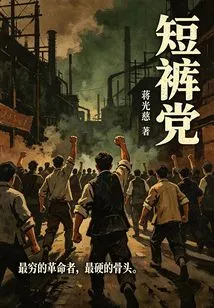
Shorts Party
Literature短裤党
Jiang Guangci
[The first novel in the history of modern literature to express the armed struggle of workers] This is a red classic novel in the history of modern Chinese literature that directly addresses the armed uprising of workers in Shanghai. Jiang Guangci uses fiery documentary writing to restore the passionate struggle of a group of simple-dressed and passionate bottom revolutionaries known as the "Pants Party" during the revolutionary storm of 1927. Female cotton mill workers, steel workers, young people with ideals, tuberculosis revolutionaries... Under the butcher knife of warlords, the iron hoof of imperialism and white terror, they used their flesh and blood as torches and faith as their flags to launch General Alliance strikes and armed riots, using their lives to smash the shackles of darkness. There are no gorgeous words, only hot blood; there are no heroic legends, only the awakening of ordinary people to death. This book is a true slice of the revolutionary era and a monument to the cry of the bottom souls. It is exciting to read and touches people's hearts.
[The first novel in the history of modern literature to express the armed struggle of workers] This is a red classic novel in the history of modern Chinese literature that directly addresses the armed uprising of workers in Shanghai. Jiang Guangci uses fiery documentary writing to restore the passionate struggle of a group of simple-dressed and passionate bottom revolutionaries known as the "Pants Party" during the revolutionary storm of 1927. Female cotton mill workers, steel workers, young people with ideals, tuberculosis revolutionaries... Under the butcher knife of warlords, the iron hoof of imperialism and white terror, they used their flesh and blood as torches and faith as their flags to launch General Alliance strikes and armed riots, using their lives to smash the shackles of darkness. There are no gorgeous words, only hot blood; there are no heroic legends, only the awakening of ordinary people to death. This book is a true slice of the revolutionary era and a monument to the cry of the bottom souls. It is exciting to read and touches people's hearts.
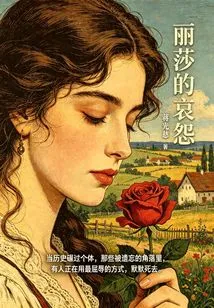
Lisa's Sorrow
Literature丽莎的哀怨
Jiang Guangci
[The woman after the collapse of the old world] She was once a Russian nobleman, the wife of the leader, a delicate white flower. The storm of the October Revolution destroyed her greenhouse and threw her into the foreign country of Shanghai. From lady to dancer, from dancer to prostitute - Lisa exchanged her body for bread, exposed her dignity in front of thousands of people, and buried her love in the arms of countless strangers. After ten years of exile, she lost her country, her husband, her purity, and finally her health. Racked by illness, she was left with only sorrow for her fate and despair for her homeland. Jiang Guangci wrote the history of a woman's sinking in the torrent of revolution with cold and affectionate writing. "Lisa's Lament" is not only the lament of the Belarusian diaspora, but also a complex elegy about class, gender and survival. It allows us to see: when history rolls over individuals, in those forgotten corners, there are people who are dying silently in the most humiliating way.
[The woman after the collapse of the old world] She was once a Russian nobleman, the wife of the leader, a delicate white flower. The storm of the October Revolution destroyed her greenhouse and threw her into the foreign country of Shanghai. From lady to dancer, from dancer to prostitute - Lisa exchanged her body for bread, exposed her dignity in front of thousands of people, and buried her love in the arms of countless strangers. After ten years of exile, she lost her country, her husband, her purity, and finally her health. Racked by illness, she was left with only sorrow for her fate and despair for her homeland. Jiang Guangci wrote the history of a woman's sinking in the torrent of revolution with cold and affectionate writing. "Lisa's Lament" is not only the lament of the Belarusian diaspora, but also a complex elegy about class, gender and survival. It allows us to see: when history rolls over individuals, in those forgotten corners, there are people who are dying silently in the most humiliating way.
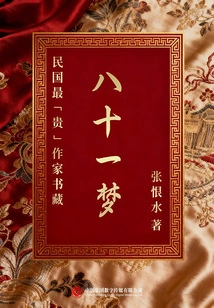
民国最“贵”作家书藏:八十一梦
Zhang Henshui
This book is Zhang Henshui's masterpiece of satire and criticism during the Anti-Japanese War, and is known as the pinnacle of "national crisis novels". The author uses the writing method of "Nineteen fables, entrusted to dreams" to construct more than a dozen bizarre dreams, such as "I am Sun Wukong", "Journey to Heaven", etc., Matching the gods and ancient figures in the sky with the corrupt officials, speculators and corrupt elements in reality, making him laugh and curse at his best. The work profoundly exposes the dark reality of bureaucratic corruption and extravagance in the "Fog Chongqing" in the rear area in the late Anti-Japanese War. It was even banned by the authorities for its intrusiveness. It is not only a turning point in Zhang Henshui's creative career, but also a strange book in the history of modern Chinese literature that directly addresses the current ills.
This book is Zhang Henshui's masterpiece of satire and criticism during the Anti-Japanese War, and is known as the pinnacle of "national crisis novels". The author uses the writing method of "Nineteen fables, entrusted to dreams" to construct more than a dozen bizarre dreams, such as "I am Sun Wukong", "Journey to Heaven", etc., Matching the gods and ancient figures in the sky with the corrupt officials, speculators and corrupt elements in reality, making him laugh and curse at his best. The work profoundly exposes the dark reality of bureaucratic corruption and extravagance in the "Fog Chongqing" in the rear area in the late Anti-Japanese War. It was even banned by the authorities for its intrusiveness. It is not only a turning point in Zhang Henshui's creative career, but also a strange book in the history of modern Chinese literature that directly addresses the current ills.
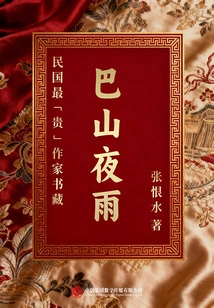
民国最“贵”作家书藏:巴山夜雨
Zhang Henshui
This is Zhang Henshui's later novel with a strong autobiographical color and summary meaning. The story is set in Chongqing during the Anti-Japanese War. Through the life of the protagonist Li Nanquan's family and his neighbors taking refuge in a mountain village, the story describes the living conditions, inner depression and tenacity of ordinary intellectuals in the war and chaos. The title of the book is taken from Li Shangyin's poem "How can we cut candles from the western window together and talk about the night rain in Bashan?" The book is full of deep thoughts on life, family, and country in the continuous night rain. The writing is concise, the artistic conception is desolate, and the art is mature. It is considered one of his best works.
This is Zhang Henshui's later novel with a strong autobiographical color and summary meaning. The story is set in Chongqing during the Anti-Japanese War. Through the life of the protagonist Li Nanquan's family and his neighbors taking refuge in a mountain village, the story describes the living conditions, inner depression and tenacity of ordinary intellectuals in the war and chaos. The title of the book is taken from Li Shangyin's poem "How can we cut candles from the western window together and talk about the night rain in Bashan?" The book is full of deep thoughts on life, family, and country in the continuous night rain. The writing is concise, the artistic conception is desolate, and the art is mature. It is considered one of his best works.
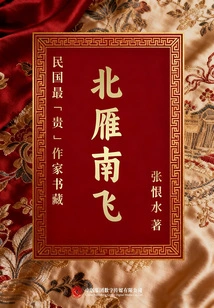
民国最“贵”作家书藏:北雁南飞
Zhang Henshui
The novel is set in the late Qing Dynasty and the early Republic of China, and tells a love tragedy that took place in an old school. Young teacher Li Xiaoxia fell in love with female student Xiaoqiu (Yao Chunhua), but was cruelly obstructed by feudal ethics and family. The work profoundly criticizes the destruction of the beautiful emotions of young men and women by arranged marriages, the feudal imperial examination system, and such stereotypes as "men and women are not intimate with each other". The title of the book "Northern Wild Geese Flying South" symbolizes farewell and lovesickness, and is full of sadness. The story is delicate and touching, and the depiction of the old education system and rural customs is very realistic. It is one of Zhang Henshui's social romance novels with a stronger color of critical realism.
The novel is set in the late Qing Dynasty and the early Republic of China, and tells a love tragedy that took place in an old school. Young teacher Li Xiaoxia fell in love with female student Xiaoqiu (Yao Chunhua), but was cruelly obstructed by feudal ethics and family. The work profoundly criticizes the destruction of the beautiful emotions of young men and women by arranged marriages, the feudal imperial examination system, and such stereotypes as "men and women are not intimate with each other". The title of the book "Northern Wild Geese Flying South" symbolizes farewell and lovesickness, and is full of sadness. The story is delicate and touching, and the depiction of the old education system and rural customs is very realistic. It is one of Zhang Henshui's social romance novels with a stronger color of critical realism.
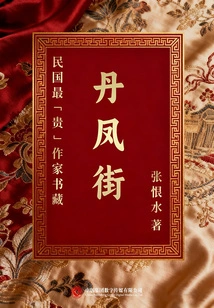
民国最“贵”作家书藏:丹凤街
Zhang Henshui
The novel takes "Danfeng Street", a famous old street in Nanjing, as the stage, and vividly depicts the ordinary people living here - shop assistants, vendors, craftsmen, old artists, etc. The story centers on the tragic experience of Lao Wu, a girl who sells vegetables, and shows the simple feelings of these lower-class civilians who help each other and are heroic and courageous in suffering. The "Civilian Mutual Aid Association" they formed is a symbol of their solidarity and mutual assistance. The work is full of rich local color and flavor of life, praising the kindness, integrity and generous character of the working people, and is known as a "biography of a market hero".
The novel takes "Danfeng Street", a famous old street in Nanjing, as the stage, and vividly depicts the ordinary people living here - shop assistants, vendors, craftsmen, old artists, etc. The story centers on the tragic experience of Lao Wu, a girl who sells vegetables, and shows the simple feelings of these lower-class civilians who help each other and are heroic and courageous in suffering. The "Civilian Mutual Aid Association" they formed is a symbol of their solidarity and mutual assistance. The work is full of rich local color and flavor of life, praising the kindness, integrity and generous character of the working people, and is known as a "biography of a market hero".
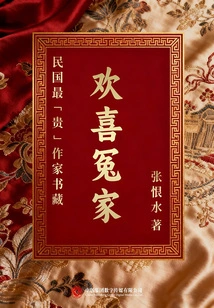
The Collection of Books by the Most "expensive" Writers of the Republic of China: Happy Enemies
Literature民国最“贵”作家书藏:欢喜冤家
Zhang Henshui
"Happy Enemies" is a social romance novel with a light comedy color. It tells the tortuous and interesting love story between young men and women He Shuchun and Bai Guiying. The male protagonist He Shuchun was once prejudiced against the heroine due to misunderstandings and regarded her as an "enemy". However, through repeated contacts and collisions, the misunderstandings were gradually eliminated, the beautiful qualities of the other party were discovered, and the lovers finally got married. Through the interaction of this pair of "happy enemies", the work shows the living conditions, emotional concepts and social outlook of urban youth at that time. The plot is vivid and the language is humorous, which reflects Zhang Henshui's skill in controlling worldly affairs and romance themes.
"Happy Enemies" is a social romance novel with a light comedy color. It tells the tortuous and interesting love story between young men and women He Shuchun and Bai Guiying. The male protagonist He Shuchun was once prejudiced against the heroine due to misunderstandings and regarded her as an "enemy". However, through repeated contacts and collisions, the misunderstandings were gradually eliminated, the beautiful qualities of the other party were discovered, and the lovers finally got married. Through the interaction of this pair of "happy enemies", the work shows the living conditions, emotional concepts and social outlook of urban youth at that time. The plot is vivid and the language is humorous, which reflects Zhang Henshui's skill in controlling worldly affairs and romance themes.
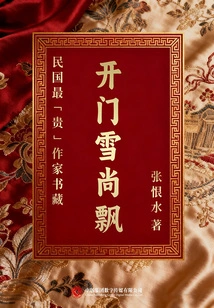
民国最“贵”作家书藏:开门雪尚飘
Zhang Henshui
This is a novel about ordinary family life and emotional changes during the Republic of China. The title of the book is full of poetic and symbolic meaning. The "open door" faces the "still falling" snow, which hints at the coldness and difficulties faced by the protagonist in a new stage of life. The story may revolve around a family's troubles in the changing times, such as economic pressure, ethical relationships, children's education and other issues. Through delicate brushstrokes, it depicts the tenacity and warmth of ordinary people maintaining families and working hard to live in troubled times, reflecting Zhang Henshui's deep concern and insight into urban life.
This is a novel about ordinary family life and emotional changes during the Republic of China. The title of the book is full of poetic and symbolic meaning. The "open door" faces the "still falling" snow, which hints at the coldness and difficulties faced by the protagonist in a new stage of life. The story may revolve around a family's troubles in the changing times, such as economic pressure, ethical relationships, children's education and other issues. Through delicate brushstrokes, it depicts the tenacity and warmth of ordinary people maintaining families and working hard to live in troubled times, reflecting Zhang Henshui's deep concern and insight into urban life.
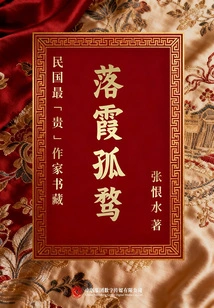
The Collection of Books by the Most "expensive" Writers of the Republic of China: Luoxia Guhuan
Literature民国最“贵”作家书藏:落霞孤骛
Zhang Henshui
This novel tells the tortuous love story between Luoxia, a woman with a new education, and Jiang Qiuyu, a revolutionary young man, in the early years of the Republic of China. Although Luoxia has a rough life, she pursues independence and happiness. Her union with Jiang Qiuyu breaks the traditional concept of family status. The title of the book is taken from Wang Bo's "Preface to Prince Teng's Pavilion" "The falling clouds and the solitary owl fly together, the autumn water is the same color as the sky". The artistic conception is beautiful and slightly sentimental, hinting at the fate and emotions of the protagonist. The work reflects the changes in social concepts after the Revolution of 1911, and praises the hero and heroine's pursuit of free love and revolutionary ideals. It is one of the representative works of Zhang Henshui's early social romance novels.
This novel tells the tortuous love story between Luoxia, a woman with a new education, and Jiang Qiuyu, a revolutionary young man, in the early years of the Republic of China. Although Luoxia has a rough life, she pursues independence and happiness. Her union with Jiang Qiuyu breaks the traditional concept of family status. The title of the book is taken from Wang Bo's "Preface to Prince Teng's Pavilion" "The falling clouds and the solitary owl fly together, the autumn water is the same color as the sky". The artistic conception is beautiful and slightly sentimental, hinting at the fate and emotions of the protagonist. The work reflects the changes in social concepts after the Revolution of 1911, and praises the hero and heroine's pursuit of free love and revolutionary ideals. It is one of the representative works of Zhang Henshui's early social romance novels.
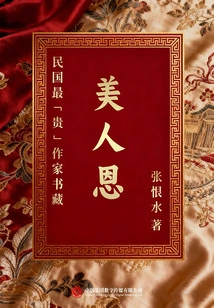
民国最“贵”作家书藏:美人恩
Zhang Henshui
The novel explores the complex relationship between "favor" and "love", as well as the test of money on human nature. The protagonist is a kind-hearted young man who once rescued a woman (beauty) in distress and showed kindness to her. However, when circumstances change, this kindness becomes fragile in the face of real interests. Through the evolution of the relationship between the male and female protagonists, the work profoundly reveals how vulnerable emotions based solely on gratitude are in the material society, and tactfully satirizes the harshness of the world and the snobbery of people.
The novel explores the complex relationship between "favor" and "love", as well as the test of money on human nature. The protagonist is a kind-hearted young man who once rescued a woman (beauty) in distress and showed kindness to her. However, when circumstances change, this kindness becomes fragile in the face of real interests. Through the evolution of the relationship between the male and female protagonists, the work profoundly reveals how vulnerable emotions based solely on gratitude are in the material society, and tactfully satirizes the harshness of the world and the snobbery of people.
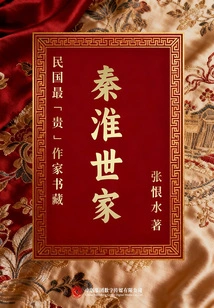
The Collection of the Most "expensive" Writers in the Republic of China: the Qinhuai Family
Literature民国最“贵”作家书藏:秦淮世家
Zhang Henshui
The novel is set on the banks of the Qinhuai River in Nanjing, and depicts the grievances, resentments, and ups and downs of fate between three families and two generations. The core of the story is the choices and struggles of the three Tang sisters (Sister Tang, Erchun, and Sanhua) on different life paths. Through the joys and sorrows of these families, the work vividly outlines a broad picture of Nanjing's civil society before and after the Anti-Japanese War, and the images of people from three religions and nine circles emerge vividly on the page. The sound of oars, lights and shadows on the Qinhuai River are intertwined with the bloody storms of the changing times. It contains both a delicate depiction of the world and a deep lamentation about war and destiny.
The novel is set on the banks of the Qinhuai River in Nanjing, and depicts the grievances, resentments, and ups and downs of fate between three families and two generations. The core of the story is the choices and struggles of the three Tang sisters (Sister Tang, Erchun, and Sanhua) on different life paths. Through the joys and sorrows of these families, the work vividly outlines a broad picture of Nanjing's civil society before and after the Anti-Japanese War, and the images of people from three religions and nine circles emerge vividly on the page. The sound of oars, lights and shadows on the Qinhuai River are intertwined with the bloody storms of the changing times. It contains both a delicate depiction of the world and a deep lamentation about war and destiny.
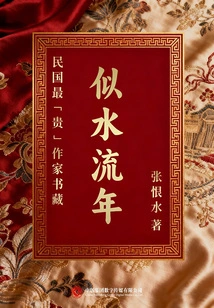
The Collection of Books by the Most "expensive" Writers of the Republic of China: Time Flies
Literature民国最“贵”作家书藏:似水流年
Zhang Henshui
This novel explores the themes of time, life and destiny through an allegorical story. Due to chance, the protagonist is able to "borrow" other people's future time and advance the success and enjoyment of life in advance, but the price must be repaid in the end. Within the framework of a romantic story, the work contains profound philosophical thinking: about the irreversibility of time, the choices and costs of life, and the exploration of the true meaning of happiness. The concept was quite innovative at the time, and it reflected Zhang Henshui's courage to explore art without being limited to clichéd romances in his creations.
This novel explores the themes of time, life and destiny through an allegorical story. Due to chance, the protagonist is able to "borrow" other people's future time and advance the success and enjoyment of life in advance, but the price must be repaid in the end. Within the framework of a romantic story, the work contains profound philosophical thinking: about the irreversibility of time, the choices and costs of life, and the exploration of the true meaning of happiness. The concept was quite innovative at the time, and it reflected Zhang Henshui's courage to explore art without being limited to clichéd romances in his creations.
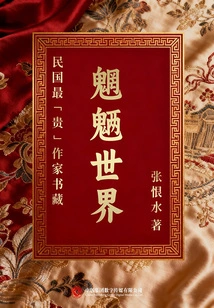
民国最“贵”作家书藏:魍魉世界
Zhang Henshui
This book, also known as "The Cows and Horses Walk", is Zhang Henshui's masterpiece that deeply analyzes the social mentality of the rear areas during the war. The novel uses the activities of Mr. And Mrs. Ximende, a doctor of psychology, as clues to describe the bizarre social scene of Chongqing, the "accompanying capital" during the stalemate period of the Anti-Japanese War: bureaucratic corruption, rampant profiteers, the struggle of intellectuals, and the hardship of ordinary people. The title of the book "Monster" means ghost, which refers to the distortion of human nature, moral decay and the chaos of demons in that special environment. The work provides sharp criticism and realistic records of the social and economic contradictions in the Kuomintang-controlled areas and the survival philosophies of various people, and is of high cognitive value.
This book, also known as "The Cows and Horses Walk", is Zhang Henshui's masterpiece that deeply analyzes the social mentality of the rear areas during the war. The novel uses the activities of Mr. And Mrs. Ximende, a doctor of psychology, as clues to describe the bizarre social scene of Chongqing, the "accompanying capital" during the stalemate period of the Anti-Japanese War: bureaucratic corruption, rampant profiteers, the struggle of intellectuals, and the hardship of ordinary people. The title of the book "Monster" means ghost, which refers to the distortion of human nature, moral decay and the chaos of demons in that special environment. The work provides sharp criticism and realistic records of the social and economic contradictions in the Kuomintang-controlled areas and the survival philosophies of various people, and is of high cognitive value.
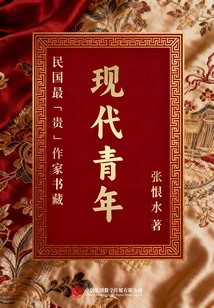
民国最“贵”作家书藏:现代青年
Zhang Henshui
The novel is set in the society after the "May 4th" Movement, focusing on the thoughts and life dilemmas of the generation of "modern youth" at that time. The protagonists have accepted the influence of new education and ideological trends, and pursue the liberation of personality and freedom of love. However, when faced with the constraints of the old family, old ethics and the cruelty of social reality, they are full of confusion, struggle and compromise. The work profoundly reflects the anguish and exploration of young intellectuals in the transition period between the old and new eras. It is an artistic response to the contemporary proposition "What happens after Nora leaves?" And has distinctive characteristics of the times.
The novel is set in the society after the "May 4th" Movement, focusing on the thoughts and life dilemmas of the generation of "modern youth" at that time. The protagonists have accepted the influence of new education and ideological trends, and pursue the liberation of personality and freedom of love. However, when faced with the constraints of the old family, old ethics and the cruelty of social reality, they are full of confusion, struggle and compromise. The work profoundly reflects the anguish and exploration of young intellectuals in the transition period between the old and new eras. It is an artistic response to the contemporary proposition "What happens after Nora leaves?" And has distinctive characteristics of the times.
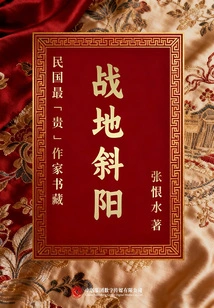
民国最“贵”作家书藏:战地斜阳
Zhang Henshui
This work depicts life on the battlefield from a unique perspective. The title of the book, "The Setting Sun on the Battlefield," has a desolate and magnificent artistic conception. It not only refers to the setting sun on the battlefield, but also a metaphor for how humanity and emotions still shine like the setting sun amidst the test of blood and fire. The story may revolve around the experiences of war reporters, medical staff or ordinary soldiers. Through what they see, hear, think and feel in the smoke of gunfire, it shows the true face of war and praises the brilliance of humanity and the feelings of family and country that have not been lost in extreme environments.
This work depicts life on the battlefield from a unique perspective. The title of the book, "The Setting Sun on the Battlefield," has a desolate and magnificent artistic conception. It not only refers to the setting sun on the battlefield, but also a metaphor for how humanity and emotions still shine like the setting sun amidst the test of blood and fire. The story may revolve around the experiences of war reporters, medical staff or ordinary soldiers. Through what they see, hear, think and feel in the smoke of gunfire, it shows the true face of war and praises the brilliance of humanity and the feelings of family and country that have not been lost in extreme environments.
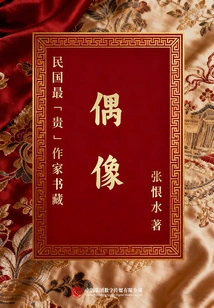
民国最“贵”作家书藏:偶像
Zhang Henshui
This novel cleverly reflects on and satirizes the phenomenon of "idol worship" in society. The story may revolve around an "idol" figure (such as a cultural celebrity, a knight, etc.) Who is held up by the public, revealing that the true face behind his halo may not be so glorious, or exploring the distortion caused by blind worship to individuals and society. The work goes beyond mere romance and explores issues such as fame, vanity, and social psychology in depth, demonstrating Zhang Henshui's critical edge as a social novelist.
This novel cleverly reflects on and satirizes the phenomenon of "idol worship" in society. The story may revolve around an "idol" figure (such as a cultural celebrity, a knight, etc.) Who is held up by the public, revealing that the true face behind his halo may not be so glorious, or exploring the distortion caused by blind worship to individuals and society. The work goes beyond mere romance and explores issues such as fame, vanity, and social psychology in depth, demonstrating Zhang Henshui's critical edge as a social novelist.
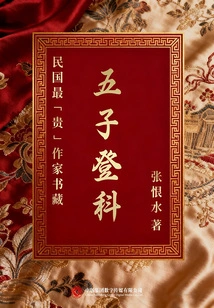
民国最“贵”作家书藏:五子登科
Zhang Henshui
This novel is another satirical masterpiece by Zhang Henshui after "The Eighty-One Dream". It focuses on the ugly behavior of the Kuomintang's "recruitment of senior officials" after the victory of the Anti-Japanese War. The "Five Sons" in the title of the book cleverly represent the goals that corrupt officials were madly chasing at that time: gold, houses, cars, money, and women. The story revolves around the activities of the receptionist Jin Ziyuan after he flew to Peking. It describes how he used his power to enrich himself, took bribes and perverted the law, and dealt with many women. The work sharply criticizes that what the so-called "victory" brings is not light and reconstruction, but a new round of robbery and corruption. It is a mirror that reveals the chaos of post-war society.
This novel is another satirical masterpiece by Zhang Henshui after "The Eighty-One Dream". It focuses on the ugly behavior of the Kuomintang's "recruitment of senior officials" after the victory of the Anti-Japanese War. The "Five Sons" in the title of the book cleverly represent the goals that corrupt officials were madly chasing at that time: gold, houses, cars, money, and women. The story revolves around the activities of the receptionist Jin Ziyuan after he flew to Peking. It describes how he used his power to enrich himself, took bribes and perverted the law, and dealt with many women. The work sharply criticizes that what the so-called "victory" brings is not light and reconstruction, but a new round of robbery and corruption. It is a mirror that reveals the chaos of post-war society.
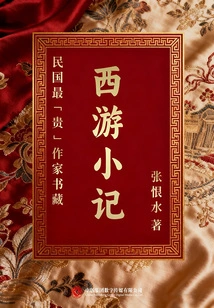
民国最“贵”作家书藏:西游小记
Zhang Henshui
This is not the mythical novel "Journey to the West", but a travelogue written by Zhang Henshui, which records his travel experience in northwest China (such as Shaanxi, Gansu and other places). The book describes in detail the natural scenery, historical relics (such as Xi'an Forest of Steles), folk customs, and the poverty and isolation of Northwest society at that time. The author incorporates deep historical sentiments and concern for the country's development of the northwest into his travel notes. His writing style is concise and record-keeping, demonstrating his dual qualities as a reporter and a writer.
This is not the mythical novel "Journey to the West", but a travelogue written by Zhang Henshui, which records his travel experience in northwest China (such as Shaanxi, Gansu and other places). The book describes in detail the natural scenery, historical relics (such as Xi'an Forest of Steles), folk customs, and the poverty and isolation of Northwest society at that time. The author incorporates deep historical sentiments and concern for the country's development of the northwest into his travel notes. His writing style is concise and record-keeping, demonstrating his dual qualities as a reporter and a writer.
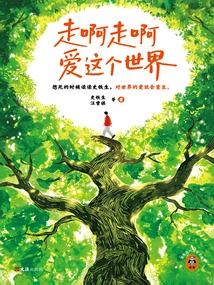
Go, Go, Love This World
Literature走啊走啊爱这个世界
Shi Tiesheng Et Al.
Read Shi Tiesheng when you want to die, and your love for the world will be reborn. Shi Tiesheng, Wang Zengqi, Xiao Hong and other 22 modern and contemporary literary masters jointly presented their works! 65 Must-read prose classics in the history of literature, each one a gentle gaze and sincere love for the world. What they wrote down with great care and attention were all ordinary things in life. It is these seemingly ordinary things that make this world precious. From the beautiful scenery of the four seasons to the warm human feelings, there is no end to my deep love for this world. Add vitality to the text. From Shi Tiesheng to Wang Zengqi and Feng Zikai, they have loved this world of bitterness and joy. Their writings are full of warm and vigorous vitality, healing every tired soul! Opening this book, the world turns out to be so lovely.
Read Shi Tiesheng when you want to die, and your love for the world will be reborn. Shi Tiesheng, Wang Zengqi, Xiao Hong and other 22 modern and contemporary literary masters jointly presented their works! 65 Must-read prose classics in the history of literature, each one a gentle gaze and sincere love for the world. What they wrote down with great care and attention were all ordinary things in life. It is these seemingly ordinary things that make this world precious. From the beautiful scenery of the four seasons to the warm human feelings, there is no end to my deep love for this world. Add vitality to the text. From Shi Tiesheng to Wang Zengqi and Feng Zikai, they have loved this world of bitterness and joy. Their writings are full of warm and vigorous vitality, healing every tired soul! Opening this book, the world turns out to be so lovely.
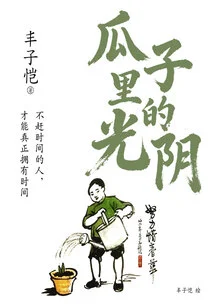
Time in Melon Seeds
Literature瓜子里的光阴
Feng Zikai
Eating melon seeds and traveling, these small things that were ignored in the fast-paced era, regained warmth and weight in Feng Zikai's writings. He is not eager to reason, nor does he deliberately express his feelings about life. Instead, he writes about the flow of time, the tranquility of people's hearts, and his sympathy and tolerance for worldly affairs in the fragments of life. Time is not a rushing torrent, but the slow taste hidden in a melon seed, a leisurely meal, and a period of silence. When the world urges you to move forward, Feng Zikai reminds you gently: life does not have to be too fast.
Eating melon seeds and traveling, these small things that were ignored in the fast-paced era, regained warmth and weight in Feng Zikai's writings. He is not eager to reason, nor does he deliberately express his feelings about life. Instead, he writes about the flow of time, the tranquility of people's hearts, and his sympathy and tolerance for worldly affairs in the fragments of life. Time is not a rushing torrent, but the slow taste hidden in a melon seed, a leisurely meal, and a period of silence. When the world urges you to move forward, Feng Zikai reminds you gently: life does not have to be too fast.
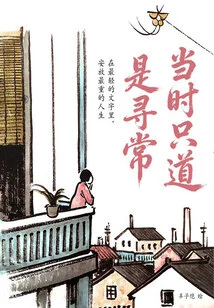
At That Time, it Was Just Commonplace
Literature当时只道是寻常
Feng Zikai
There are no grand issues, and there are few intense emotions, but more of a gaze on daily life: the warmth of family affection, the brightness of childlike innocence, the propriety of human relationships, and the compassion and love that quietly appear in the passage of time. Feng Zikai writes about ordinary people and things in extremely plain language - a meal, a farewell, and a look back at childhood. However, he tells the truth of life quietly: many things worth cherishing often only understand their weight after they are lost. Because of this, his writing does not teach people, but it comforts people; it is not ostentatious, but it lasts forever.
There are no grand issues, and there are few intense emotions, but more of a gaze on daily life: the warmth of family affection, the brightness of childlike innocence, the propriety of human relationships, and the compassion and love that quietly appear in the passage of time. Feng Zikai writes about ordinary people and things in extremely plain language - a meal, a farewell, and a look back at childhood. However, he tells the truth of life quietly: many things worth cherishing often only understand their weight after they are lost. Because of this, his writing does not teach people, but it comforts people; it is not ostentatious, but it lasts forever.
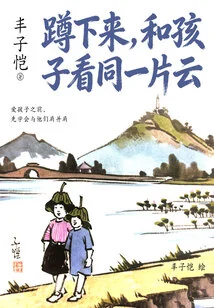
蹲下来,和孩子看同一片云
Feng Zikai
The innocence of children, the gentleness of daily life, and the insight into world affairs and people's hearts combine to create the unique "joy of the world" in his writings. From family affection and friendship to the relationship between teachers and students, from the scenery of the journey to the compassion of the world, Feng Zikai recorded the past scenery with soft words, and also guarded the goodness and beauty of human nature with his affectionate eyes. These proses are like a breeze blowing on the face, with both poetic clarity and the fireworks of life, allowing readers to rediscover their patience and gentleness towards the world in the complex reality. Reading this book is like sitting across from someone who understands life and compassion, and learns to still retain innocence in this world.
The innocence of children, the gentleness of daily life, and the insight into world affairs and people's hearts combine to create the unique "joy of the world" in his writings. From family affection and friendship to the relationship between teachers and students, from the scenery of the journey to the compassion of the world, Feng Zikai recorded the past scenery with soft words, and also guarded the goodness and beauty of human nature with his affectionate eyes. These proses are like a breeze blowing on the face, with both poetic clarity and the fireworks of life, allowing readers to rediscover their patience and gentleness towards the world in the complex reality. Reading this book is like sitting across from someone who understands life and compassion, and learns to still retain innocence in this world.
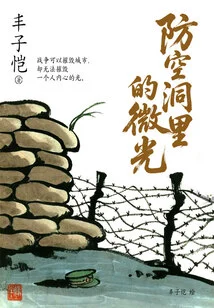
Glimmer in the Air Raid Shelter
Literature防空洞里的微光
Feng Zikai
In an era of frequent wars, falling cities, and round-the-clock warnings, Feng Zikai was forced to move around, hiding in air-raid shelters, villages, and temporary shelters. The outside world is filled with artillery fire, escape and broken lives, but his words always retain an almost stubborn tenderness. In these chapters, the air-raid shelter is not only a space to avoid bombing, but also a place to observe human nature and rest the soul. Children's eyes, ordinary people's daily lives, trivial kindnesses, and fleeting quiet moments were all recorded by him one by one. Feng Zikai uses extremely light brushstrokes to write about extremely heavy realities: the cruelty of war, the fragility of life, and the kindness and dignity that people still maintain in desperate situations.
In an era of frequent wars, falling cities, and round-the-clock warnings, Feng Zikai was forced to move around, hiding in air-raid shelters, villages, and temporary shelters. The outside world is filled with artillery fire, escape and broken lives, but his words always retain an almost stubborn tenderness. In these chapters, the air-raid shelter is not only a space to avoid bombing, but also a place to observe human nature and rest the soul. Children's eyes, ordinary people's daily lives, trivial kindnesses, and fleeting quiet moments were all recorded by him one by one. Feng Zikai uses extremely light brushstrokes to write about extremely heavy realities: the cruelty of war, the fragility of life, and the kindness and dignity that people still maintain in desperate situations.
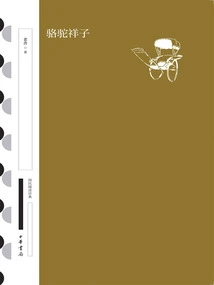
骆驼祥子(国民阅读经典·典藏版)
Lao She
"Camel Xiangzi" tells the story of the ups and downs of Xiangzi, a young, strong and energetic rickshaw puller in the city of Beiping, China. Xiangzi came from the countryside. He was a bankrupt young farmer who was diligent, simple and kind. He retained everything that the countryside had nurtured and taught him, but he never wanted to go back to the countryside. Xiangzi, who came to the city from the countryside, was eager to buy a car of his own with his honest labor. It was Xiangzi's wish, hope, and even religion to be an independent worker. With diligence and perseverance, he spent three years frugally, and finally realized his ideal and became a self-reliant first-class coachman. But just half a year after pulling the cart, the cart was kidnapped by deserters in the chaos of war. Xiangzi lost the cart and only brought back three camels. Xiangzi was not discouraged. He still stubbornly started from scratch and drove the cart more self-consciously to save money. However, before he could buy another car, all his savings were extorted and robbed by detectives, and his dream of buying a car came to nothing again. When Xiangzi pulled into his car again, it was at the expense of a deformed marriage with Huniu. The good times did not last long, because Huniu died in childbirth, and he had to sell the rickshaw to attend to the funeral. At this point, his life ideal was completely shattered. Coupled with the suicide of his beloved woman Xiao Fuzi, the last spark of hope in his heart was blown out. Suffering repeated blows from life, Xiangzi began to lose any aspirations and confidence in life. He could no longer muster the courage to live. He was no longer proud of pulling carts as before. He hated pulling carts and hated working. Xiangzi, who was teased by life, started playing games, eating, drinking, whoring and gambling. In order to drink, Xiangzi swindled money everywhere and became a "urban garbage". In the end, he made a living by working as a handyman for weddings and funerals. Xiangzi was reduced from a "decent, strong, dreamy, self-interested, personal, strong, and great" lower-class worker to a "degenerate, selfish, unfortunate, born in the womb of social disease, and the end of individualism."
"Camel Xiangzi" tells the story of the ups and downs of Xiangzi, a young, strong and energetic rickshaw puller in the city of Beiping, China. Xiangzi came from the countryside. He was a bankrupt young farmer who was diligent, simple and kind. He retained everything that the countryside had nurtured and taught him, but he never wanted to go back to the countryside. Xiangzi, who came to the city from the countryside, was eager to buy a car of his own with his honest labor. It was Xiangzi's wish, hope, and even religion to be an independent worker. With diligence and perseverance, he spent three years frugally, and finally realized his ideal and became a self-reliant first-class coachman. But just half a year after pulling the cart, the cart was kidnapped by deserters in the chaos of war. Xiangzi lost the cart and only brought back three camels. Xiangzi was not discouraged. He still stubbornly started from scratch and drove the cart more self-consciously to save money. However, before he could buy another car, all his savings were extorted and robbed by detectives, and his dream of buying a car came to nothing again. When Xiangzi pulled into his car again, it was at the expense of a deformed marriage with Huniu. The good times did not last long, because Huniu died in childbirth, and he had to sell the rickshaw to attend to the funeral. At this point, his life ideal was completely shattered. Coupled with the suicide of his beloved woman Xiao Fuzi, the last spark of hope in his heart was blown out. Suffering repeated blows from life, Xiangzi began to lose any aspirations and confidence in life. He could no longer muster the courage to live. He was no longer proud of pulling carts as before. He hated pulling carts and hated working. Xiangzi, who was teased by life, started playing games, eating, drinking, whoring and gambling. In order to drink, Xiangzi swindled money everywhere and became a "urban garbage". In the end, he made a living by working as a handyman for weddings and funerals. Xiangzi was reduced from a "decent, strong, dreamy, self-interested, personal, strong, and great" lower-class worker to a "degenerate, selfish, unfortunate, born in the womb of social disease, and the end of individualism."
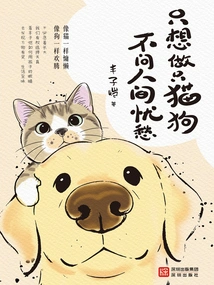
只想做只猫狗,不问人间忧愁
Feng Zikai
Feng Zikai's prose is the poetry of childlike innocence and the painting of life. A cat, a flower, a dream... In Feng Zikai's writings, everything can be written down, and everything can be seen in the heart. This book collects his most representative prose works, including "To My Children", "Children", "White Elephant" and other famous articles. It not only contains tender records of the growth of children, but also has detailed observations of all things in nature, as well as a profound understanding of the philosophy of life. Feng Zikai used his words to build a spiritual "Yuanyuan Hall" for us, where worries can be temporarily put aside and innocence can last forever.
Feng Zikai's prose is the poetry of childlike innocence and the painting of life. A cat, a flower, a dream... In Feng Zikai's writings, everything can be written down, and everything can be seen in the heart. This book collects his most representative prose works, including "To My Children", "Children", "White Elephant" and other famous articles. It not only contains tender records of the growth of children, but also has detailed observations of all things in nature, as well as a profound understanding of the philosophy of life. Feng Zikai used his words to build a spiritual "Yuanyuan Hall" for us, where worries can be temporarily put aside and innocence can last forever.
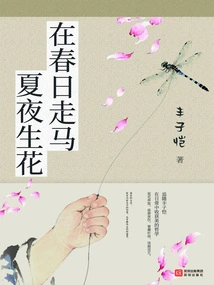
在春日走马,夏夜生花
Feng Zikai
Feng Zikai's prose is a model of Chinese life aesthetics. This book contains complete collections of famous works such as "Drinking at the Lakeside", "The Sentient World" and "Sweet Aftertaste". It is divided into four chapters to present Feng Zikai's thoughts and perceptions on daily life, society and culture. From the daily observations of "dogs, horses, flowers and grass" to the travel notes of "The Troubled World"; from the youthful memories of "Trouble in the World" to the perseverance of art in "hard times" - each article is his most sincere confession of life. "When you cry, cry with all your strength, and when you laugh, laugh with all your strength." I hope everyone who lives seriously can find the moment of knowing smile in Feng Zikai's writings.
Feng Zikai's prose is a model of Chinese life aesthetics. This book contains complete collections of famous works such as "Drinking at the Lakeside", "The Sentient World" and "Sweet Aftertaste". It is divided into four chapters to present Feng Zikai's thoughts and perceptions on daily life, society and culture. From the daily observations of "dogs, horses, flowers and grass" to the travel notes of "The Troubled World"; from the youthful memories of "Trouble in the World" to the perseverance of art in "hard times" - each article is his most sincere confession of life. "When you cry, cry with all your strength, and when you laugh, laugh with all your strength." I hope everyone who lives seriously can find the moment of knowing smile in Feng Zikai's writings.
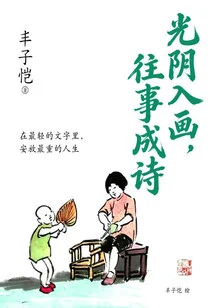
光阴入画,往事成诗
Feng Zikai
Time is not an abstract passage, but a stroke on a piece of paper; the past is not a heavy memory, but a fragment of life gently held up by poetry. Feng Zikai integrated poetry, painting and life into one, giving ordinary life a gentle luster, and allowing suffering and turmoil to be placed in poetry. This book is not only a collection of poems, but also a spiritual essay. It is also an attitude towards life that maintains goodwill and childlike innocence towards the world. When you open it, you feel as if you are hearing a kind-hearted elder whispering in a turbulent era: how to live calmly, compassionately and clearly in a limited time.
Time is not an abstract passage, but a stroke on a piece of paper; the past is not a heavy memory, but a fragment of life gently held up by poetry. Feng Zikai integrated poetry, painting and life into one, giving ordinary life a gentle luster, and allowing suffering and turmoil to be placed in poetry. This book is not only a collection of poems, but also a spiritual essay. It is also an attitude towards life that maintains goodwill and childlike innocence towards the world. When you open it, you feel as if you are hearing a kind-hearted elder whispering in a turbulent era: how to live calmly, compassionately and clearly in a limited time.
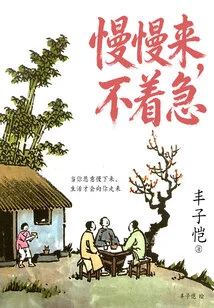
Take Your Time, Don't Rush
Literature慢慢来,不着急
Feng Zikai
There are no grand issues, and there is no rush to reason. Instead, we slowly expand our understanding of life from daily trivial matters, family warmth, childlike world, and the ups and downs of life. The really important things in life are often hidden in the details that we ignore: a meal, a painting, a chat, a state of mind that is neither fighting nor grabbing. In the complicated and fast reality, only by slowing down can you see; by not being in a hurry, you will not easily go astray. Let the days pass by inch by inch and your heart calm down minute by minute.
There are no grand issues, and there is no rush to reason. Instead, we slowly expand our understanding of life from daily trivial matters, family warmth, childlike world, and the ups and downs of life. The really important things in life are often hidden in the details that we ignore: a meal, a painting, a chat, a state of mind that is neither fighting nor grabbing. In the complicated and fast reality, only by slowing down can you see; by not being in a hurry, you will not easily go astray. Let the days pass by inch by inch and your heart calm down minute by minute.
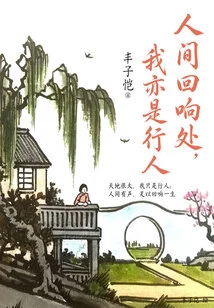
人间回响处,我亦是行人
Feng Zikai
Use your steps to measure the world, and use compassion to place yourself at ease. Travel is not about reaching a distant place, but slowly getting closer to the heart. Wherever your steps go, there are silhouettes of life: the noise and silence of the world, the passage and pause of time, all echo gently inadvertently. As a result, mountains and rivers are no longer just mountains and rivers, walking has become a kind of spiritual practice. Feng Zikai walked the world with a childish heart and recorded the world with a warm pen. He does not judge the world, but only watches quietly; he does not occupy the scenery, but only places the moment into eternity. Reading these words is like walking side by side with a humble pedestrian. In the passing time, learn to slow down and be gentle.
Use your steps to measure the world, and use compassion to place yourself at ease. Travel is not about reaching a distant place, but slowly getting closer to the heart. Wherever your steps go, there are silhouettes of life: the noise and silence of the world, the passage and pause of time, all echo gently inadvertently. As a result, mountains and rivers are no longer just mountains and rivers, walking has become a kind of spiritual practice. Feng Zikai walked the world with a childish heart and recorded the world with a warm pen. He does not judge the world, but only watches quietly; he does not occupy the scenery, but only places the moment into eternity. Reading these words is like walking side by side with a humble pedestrian. In the passing time, learn to slow down and be gentle.
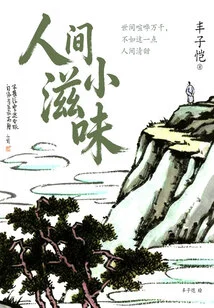
A Little Taste of the World
Literature人间小滋味
Feng Zikai
The heat of a bowl of pearl rice, a family sitting leisurely, a slow walk, and a period of silence that needs no words. There are so many things in the world, but he chooses the lightest, smallest and most inconspicuous moments to polish the roughness of life into soft light. In his writing, the taste is not a feast, but ordinary; happiness does not need to be grand, but only quiet. The innocence of children, the warmth of family, the passage of time, and the consideration of life are all written in a light and interesting way, with depth hidden in silence. This is a book that teaches people to slow down and reminds us that the real sweetness of life is often hidden in the days that are ignored.
The heat of a bowl of pearl rice, a family sitting leisurely, a slow walk, and a period of silence that needs no words. There are so many things in the world, but he chooses the lightest, smallest and most inconspicuous moments to polish the roughness of life into soft light. In his writing, the taste is not a feast, but ordinary; happiness does not need to be grand, but only quiet. The innocence of children, the warmth of family, the passage of time, and the consideration of life are all written in a light and interesting way, with depth hidden in silence. This is a book that teaches people to slow down and reminds us that the real sweetness of life is often hidden in the days that are ignored.
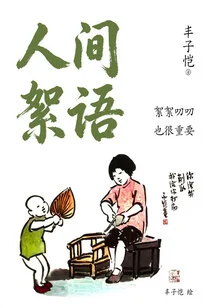
Human Whispers
Literature人间絮语
Feng Zikai
Feng Zikai used a very light pen to write about a very heavy life: the joy and sorrow in the four seasons, the tears and joy of relatives and friends. In the trivial human sounds, he slowly expressed his consideration for life and compassion for the world. These words are like whispering in the ears, talking about the world where childlike innocence is still intact, and the reason why one is still willing to believe in tenderness in the chaotic reality. Whether it is looking back at family affection, pity for all living beings, or contemplating the ups and downs of the times, Feng Zikai always protects the most authentic corner of life for readers with a quiet heart. Reading "Whispers of the World", it is like hearing again the sounds that the world should have outside the hustle and bustle: not grand, but long-lasting; not sharp, but moving.
Feng Zikai used a very light pen to write about a very heavy life: the joy and sorrow in the four seasons, the tears and joy of relatives and friends. In the trivial human sounds, he slowly expressed his consideration for life and compassion for the world. These words are like whispering in the ears, talking about the world where childlike innocence is still intact, and the reason why one is still willing to believe in tenderness in the chaotic reality. Whether it is looking back at family affection, pity for all living beings, or contemplating the ups and downs of the times, Feng Zikai always protects the most authentic corner of life for readers with a quiet heart. Reading "Whispers of the World", it is like hearing again the sounds that the world should have outside the hustle and bustle: not grand, but long-lasting; not sharp, but moving.
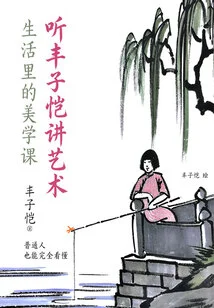
听丰子恺讲艺术:生活里的美学课
Feng Zikai
Feng Zikai uses popular language to talk about art issues such as painting, music, literature, and aesthetic education, and turns difficult art theories into what he sees and feels in daily life. In his writings, art is not a knowledge hanging in a palace, but a way of cultivation that is closely related to life; it is not a pile of techniques, but the settlement of the soul. Feng Zikai starts from the eyes of children, the lives of ordinary people, and the aesthetics of the East, and talks about the nature of art, how "beauty" nourishes people's hearts, and how art can keep people awake and compassionate in the turbulent reality.
Feng Zikai uses popular language to talk about art issues such as painting, music, literature, and aesthetic education, and turns difficult art theories into what he sees and feels in daily life. In his writings, art is not a knowledge hanging in a palace, but a way of cultivation that is closely related to life; it is not a pile of techniques, but the settlement of the soul. Feng Zikai starts from the eyes of children, the lives of ordinary people, and the aesthetics of the East, and talks about the nature of art, how "beauty" nourishes people's hearts, and how art can keep people awake and compassionate in the turbulent reality.
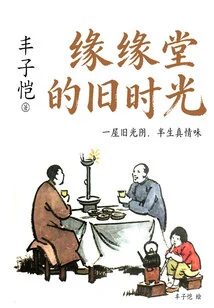
The Old Days of Yuanyuantang
Literature缘缘堂的旧时光
Feng Zikai
"The Old Times of Yuanyuantang" is a volume of prose written for the years. Feng Zikai was in the Yuan Yuan Hall, looking down at the world and listening to the time with a high heart. He slowly wrote the daily daily necessities, innocent laughter, the figures of relatives and friends, and the passing of the four seasons into the text. There is no noisy history here, only a quiet life; there are no grand propositions, only the deep affection in every meal and every vegetable. The old times do not appear stale in his writing, but are as gentle as before, like a lamp, illuminating the softest corners of people's hearts. Reading this book is like pushing the door open at dusk, sitting across from the past, and listening to the whispers of life.
"The Old Times of Yuanyuantang" is a volume of prose written for the years. Feng Zikai was in the Yuan Yuan Hall, looking down at the world and listening to the time with a high heart. He slowly wrote the daily daily necessities, innocent laughter, the figures of relatives and friends, and the passing of the four seasons into the text. There is no noisy history here, only a quiet life; there are no grand propositions, only the deep affection in every meal and every vegetable. The old times do not appear stale in his writing, but are as gentle as before, like a lamp, illuminating the softest corners of people's hearts. Reading this book is like pushing the door open at dusk, sitting across from the past, and listening to the whispers of life.
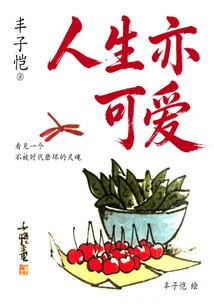
Life is Also Lovely
Literature人生亦可爱
Feng Zikai
Feng Zikai used letters as a boat, carrying tenderness, respect and quiet affection, sailing towards his teachers, close friends and relatives. In the letters written to teachers, there is humility and gratitude, and every word is the foundation of life; in the letters written to friends, there are clear conversations and understanding, and the storms of life are turned into a cup of light tea; in the letters written to relatives, there is no great talk, only daily fireworks, but the most sincere. In the years of war, wandering, and poverty, Feng Zikai still believed: The world may be difficult, but people's hearts can be gentle; even if life has its shortcomings, it is still lovely. These letters do not seek to be thrilling, but only teach people how to live gently and how to keep an undistorted heart in the chaos.
Feng Zikai used letters as a boat, carrying tenderness, respect and quiet affection, sailing towards his teachers, close friends and relatives. In the letters written to teachers, there is humility and gratitude, and every word is the foundation of life; in the letters written to friends, there are clear conversations and understanding, and the storms of life are turned into a cup of light tea; in the letters written to relatives, there is no great talk, only daily fireworks, but the most sincere. In the years of war, wandering, and poverty, Feng Zikai still believed: The world may be difficult, but people's hearts can be gentle; even if life has its shortcomings, it is still lovely. These letters do not seek to be thrilling, but only teach people how to live gently and how to keep an undistorted heart in the chaos.
New Story
Literature故事新编
Lu Xun
This book collects eight unique short stories written by Lu Xun over the past thirteen years. The story is based on ancient legends, but it is different from traditional historical novels. It is more like a realistic and ironic rewriting of historical texts, a pot of "strange soup" that combines tradition and modernity, history and reality. Here, familiar characters from history or mythology appear one by one in bizarre or comic ways. The plot of the novel is absurd, the technique is outstanding, and it presents an unprecedented style. Reading it to this day, it still feels avant-garde.
This book collects eight unique short stories written by Lu Xun over the past thirteen years. The story is based on ancient legends, but it is different from traditional historical novels. It is more like a realistic and ironic rewriting of historical texts, a pot of "strange soup" that combines tradition and modernity, history and reality. Here, familiar characters from history or mythology appear one by one in bizarre or comic ways. The plot of the novel is absurd, the technique is outstanding, and it presents an unprecedented style. Reading it to this day, it still feels avant-garde.
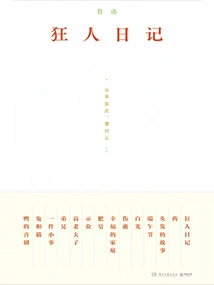
Diary of a Madman
Literature狂人日记
Lu Xun
This book contains fourteen classic short stories by Lu Xun. In "Diary of a Madman", Lu Xun put his nascent vernacular prose on paper, creating a precedent for modern vernacular novels. The melancholy, suspicion, panic, and delusion of the "madman's" thoughts are still connected with the emotions of readers to this day. The "madman's" questions have also passed through the time and space barriers of a hundred years and echo today - "It has always been like this, is it right?" "Lu Xun is a person who is constantly communicating with the times. A popular person, he has been touching the most sensitive nerves of the times." From his characters such as "Madman", Hua Laoshuan, Chen Cheng, Zijun and Juansheng, we get a glimpse of the wandering between light and dark, the boredom under the passion, and at the same time, we get a glimpse of our own life and death love.
This book contains fourteen classic short stories by Lu Xun. In "Diary of a Madman", Lu Xun put his nascent vernacular prose on paper, creating a precedent for modern vernacular novels. The melancholy, suspicion, panic, and delusion of the "madman's" thoughts are still connected with the emotions of readers to this day. The "madman's" questions have also passed through the time and space barriers of a hundred years and echo today - "It has always been like this, is it right?" "Lu Xun is a person who is constantly communicating with the times. A popular person, he has been touching the most sensitive nerves of the times." From his characters such as "Madman", Hua Laoshuan, Chen Cheng, Zijun and Juansheng, we get a glimpse of the wandering between light and dark, the boredom under the passion, and at the same time, we get a glimpse of our own life and death love.
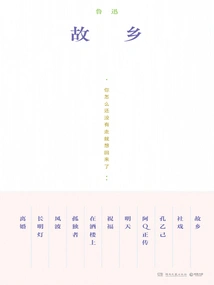
Home
Literature故乡
Lu Xun
This book contains eleven classic short stories by Lu Xun. The story takes place in "Lu Town", "S City", "Weizhuang", "Pingqiao Village", etc. These places carry the author's complex emotions towards the small town of Shaoxing. Lu Xun and many of his characters - Runtu, Ah Q, Kong Yiji, Xianglin's wife, etc. - Lived inside and outside Taimen. The chapters with Shaoxing as the background appear in one volume, focusing on the appearance of hometown in Lu Xun's novels.
This book contains eleven classic short stories by Lu Xun. The story takes place in "Lu Town", "S City", "Weizhuang", "Pingqiao Village", etc. These places carry the author's complex emotions towards the small town of Shaoxing. Lu Xun and many of his characters - Runtu, Ah Q, Kong Yiji, Xianglin's wife, etc. - Lived inside and outside Taimen. The chapters with Shaoxing as the background appear in one volume, focusing on the appearance of hometown in Lu Xun's novels.
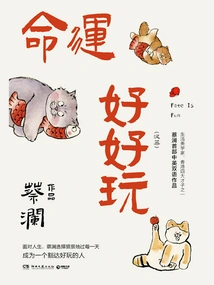
Destiny is Fun (Chinese-english)
Literature命运好好玩(汉英)
Cai Lam
Cai Lam is humorous and elegant. He tells what he sees and hears in vivid and vivid words and shares his insights with readers. He said: "Writing for the joy of writing is the real beginning. In addition to the merit of writing, it must also be truthful and frank enough." The essays are so touching and interesting that you can feel the philosophy of life seeping out bit by bit from the words. This book "Funful Destiny" is the final work of Mr. Cai's trilogy of life wisdom. It is also Mr. Cai's first Chinese-English bilingual work in 80 years. The book shares his fun life wisdom. The book is divided into three parts: I decided to live interestingly; experience life while having fun; living a fulfilling life makes people confident. Those who are interested will naturally see Mr. Cai's open-mindedness and gain inspiration and wisdom from Cai Lam's essay-style writing.
Cai Lam is humorous and elegant. He tells what he sees and hears in vivid and vivid words and shares his insights with readers. He said: "Writing for the joy of writing is the real beginning. In addition to the merit of writing, it must also be truthful and frank enough." The essays are so touching and interesting that you can feel the philosophy of life seeping out bit by bit from the words. This book "Funful Destiny" is the final work of Mr. Cai's trilogy of life wisdom. It is also Mr. Cai's first Chinese-English bilingual work in 80 years. The book shares his fun life wisdom. The book is divided into three parts: I decided to live interestingly; experience life while having fun; living a fulfilling life makes people confident. Those who are interested will naturally see Mr. Cai's open-mindedness and gain inspiration and wisdom from Cai Lam's essay-style writing.
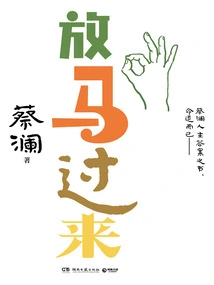
Come Here
Literature放马过来
Cai Lam
Cai Lam's book of answers to life! It's just fate, let him come here! Mr. Cai Lam is interesting and transparent! He wrote about illness and pain into jokes, and looked at life and death as extra bonuses. Read him and you will find the answer to anti-emo life! Cai Lam's answers to readers' questions, the confusions of the times, and the bad things in life are all hidden in the words he left behind. The 80,000-word book is light and easy to read. It takes 3 hours to read and understand the life wisdom of making money, spending money, and having fun! This book is a collection of essays by Mr. Cai Lan, which describes the fireworks in the world and the mountains and rivers in his heart. He talked about a steaming bowl of noodles and how he parted with his relatives and friends... He scolded the hypocritical social life and laughed at his own forgetfulness. He said that when he gets older, he should laugh wildly, eat hard, love slowly, and treat every day as an extra bonus. There are no dogmas in the book, only warmth: it will teach you how to be alone, learn to be picky, and learn to be soft-hearted. After reading it, I felt as if I was being patted on the shoulder by his warm palm: Good or bad, just let fate take its course.
Cai Lam's book of answers to life! It's just fate, let him come here! Mr. Cai Lam is interesting and transparent! He wrote about illness and pain into jokes, and looked at life and death as extra bonuses. Read him and you will find the answer to anti-emo life! Cai Lam's answers to readers' questions, the confusions of the times, and the bad things in life are all hidden in the words he left behind. The 80,000-word book is light and easy to read. It takes 3 hours to read and understand the life wisdom of making money, spending money, and having fun! This book is a collection of essays by Mr. Cai Lan, which describes the fireworks in the world and the mountains and rivers in his heart. He talked about a steaming bowl of noodles and how he parted with his relatives and friends... He scolded the hypocritical social life and laughed at his own forgetfulness. He said that when he gets older, he should laugh wildly, eat hard, love slowly, and treat every day as an extra bonus. There are no dogmas in the book, only warmth: it will teach you how to be alone, learn to be picky, and learn to be soft-hearted. After reading it, I felt as if I was being patted on the shoulder by his warm palm: Good or bad, just let fate take its course.
Straw Pillow
Literature草枕
(japan) Natsume Soseki
In order to pursue the pure true meaning of art, the young painter deliberately escaped from the secular world and embarked on a journey to collect scenery in the mountains. He held himself in a detached state of mind and observed the world from an "impersonal" aesthetic perspective. He tried to include the teahouse grandmother, the beautiful girl, and the barber shop owner in the painting. However, the painting failed many times, which triggered his in-depth thinking about the mood of painting and Eastern aesthetics. After a short journey, the painter returned to the real world, and his views on nature and art have been reconstructed. This is not only a landscape journey in the real world, but also a spiritual journey into the world of art, guiding people to touch the essence of art.
In order to pursue the pure true meaning of art, the young painter deliberately escaped from the secular world and embarked on a journey to collect scenery in the mountains. He held himself in a detached state of mind and observed the world from an "impersonal" aesthetic perspective. He tried to include the teahouse grandmother, the beautiful girl, and the barber shop owner in the painting. However, the painting failed many times, which triggered his in-depth thinking about the mood of painting and Eastern aesthetics. After a short journey, the painter returned to the real world, and his views on nature and art have been reconstructed. This is not only a landscape journey in the real world, but also a spiritual journey into the world of art, guiding people to touch the essence of art.