Library
Browse and search books
51,874 novels found
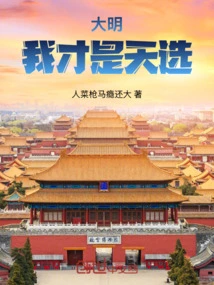
Daming: I Am the Chosen One
History大明:我才是天选
People Are Addicted To Food And Guns
The father of the Ming Dynasty was kind and his son was filial. When watching the glory of the Ming Dynasty, modern young people couldn't help but complain that Zhu Zhanji was considered a great grandson. Unfortunately, he was electrocuted and traveled to the Yongle period of the Ming Dynasty to become Zhu Di's fourth son, Zhu Gaoyuan. An unexpected combination of circumstances allowed Zhu Gaoyuan, who should have died in infancy, to be the one to inherit the throne. Let's see how Zhu Gaoyun, who was also the fourth son, would change the Ming Dynasty with his modern memories...
The father of the Ming Dynasty was kind and his son was filial. When watching the glory of the Ming Dynasty, modern young people couldn't help but complain that Zhu Zhanji was considered a great grandson. Unfortunately, he was electrocuted and traveled to the Yongle period of the Ming Dynasty to become Zhu Di's fourth son, Zhu Gaoyuan. An unexpected combination of circumstances allowed Zhu Gaoyuan, who should have died in infancy, to be the one to inherit the throne. Let's see how Zhu Gaoyun, who was also the fourth son, would change the Ming Dynasty with his modern memories...
I, the Salted Fish, Stand Up
History我,咸鱼翻身
Mei Qin Xing
Come to China Literature's website to read more of my works!
Come to China Literature's website to read more of my works!
七魄争鼎逆穿大明风云录
Writer28xtm4
The background of the story is set in ancient times, starting with the Ming Dynasty. In the second year after Zhu Yuanzhang's death, Zhu Yunwen began to cut down the vassals in large quantities. At this moment, a sudden change occurred, Originally, he had already disappeared several characters in the long history. Otherwise, starting a business in this time and space will replace some of the original people. Xiang Yu, the overlord of Western Chu, became Zhu Shu, the king of Qi. Ran Min, the King of Wu Daotian, became Zhu Zhen, King of Chu?, When Liu Yu opened his eyes again, he found that he had traveled through time and became "Liao King Zhu Zhi". Ning Wang Zhu Quan just asked Zhao Kuangyin to take charge. Now that the five rebels have joined together, one of them will directly compete with the Seven Heroes from the Spring and Autumn Period and the Warring States Period. In addition, Li Shimin, Emperor Taizong of the Tang Dynasty, traveled through time and became: Zhu Chun, King of Shu. Cao Cao traveled through time and became: King Qing Zhu Zhuan. In this way, we can get together with the Seven Heroes of the Warring States Period. A new chapter begins, and the timeline at this time is less than a month away from Zhu Di's victory in Fengtian. What story will happen? What new chapter will open as they travel through time? This is the way imagination creates a book. It can definitely explode. According to this idea, create the first chapter directly, At the same time, give the book a good name.
The background of the story is set in ancient times, starting with the Ming Dynasty. In the second year after Zhu Yuanzhang's death, Zhu Yunwen began to cut down the vassals in large quantities. At this moment, a sudden change occurred, Originally, he had already disappeared several characters in the long history. Otherwise, starting a business in this time and space will replace some of the original people. Xiang Yu, the overlord of Western Chu, became Zhu Shu, the king of Qi. Ran Min, the King of Wu Daotian, became Zhu Zhen, King of Chu?, When Liu Yu opened his eyes again, he found that he had traveled through time and became "Liao King Zhu Zhi". Ning Wang Zhu Quan just asked Zhao Kuangyin to take charge. Now that the five rebels have joined together, one of them will directly compete with the Seven Heroes from the Spring and Autumn Period and the Warring States Period. In addition, Li Shimin, Emperor Taizong of the Tang Dynasty, traveled through time and became: Zhu Chun, King of Shu. Cao Cao traveled through time and became: King Qing Zhu Zhuan. In this way, we can get together with the Seven Heroes of the Warring States Period. A new chapter begins, and the timeline at this time is less than a month away from Zhu Di's victory in Fengtian. What story will happen? What new chapter will open as they travel through time? This is the way imagination creates a book. It can definitely explode. According to this idea, create the first chapter directly, At the same time, give the book a good name.
乱世枭雄:从乞丐到开国
Jiannan Spring Breeze
In the cold winter of the thirty-seventh year of Jingtai in the Dayong Dynasty, the leaden clouds hung low and the snow broke like knives. In the "mud alley" outside the capital, hungry and cold beggars struggled on the edge of death. Thirteen-year-old orphan Xiao Yan, who is thin but has sharp eyes, and her crippled brother Shitou, who depend on each other, survive in the cracks of the weak and the strong. Their "leader" Scarface is fierce and domineering, and is a direct threat to their survival. The leftovers dumped every day at Fuxing Restaurant at the entrance of the alley are the only hope for Mud Mud Alley. With keen observation, Xiao Yan managed to grab a white-flour steamed bun dipped in vegetable soup amidst the chaos of swill and snow. However, the cruelty of the competition goes beyond hunger - the old beggar was trampled, the little girl was robbed of her food, and the struggle of humanity was nakedly staged in the ice and snow. Xiao Yan hid the food and shared the meager income with Shitou in the dilapidated temple, which was surrounded by drafts. He used the last bits of wheat bran and firewood to maintain the weak warmth. A vague but firm idea quietly sprouted in the young man's heart: He wanted to find a way to make himself, Shitou, and all people like them live less like dogs in this troubled and cold winter. A small footprint steps into the wind and snow, and a journey that begins with survival and leads to resistance begins.
In the cold winter of the thirty-seventh year of Jingtai in the Dayong Dynasty, the leaden clouds hung low and the snow broke like knives. In the "mud alley" outside the capital, hungry and cold beggars struggled on the edge of death. Thirteen-year-old orphan Xiao Yan, who is thin but has sharp eyes, and her crippled brother Shitou, who depend on each other, survive in the cracks of the weak and the strong. Their "leader" Scarface is fierce and domineering, and is a direct threat to their survival. The leftovers dumped every day at Fuxing Restaurant at the entrance of the alley are the only hope for Mud Mud Alley. With keen observation, Xiao Yan managed to grab a white-flour steamed bun dipped in vegetable soup amidst the chaos of swill and snow. However, the cruelty of the competition goes beyond hunger - the old beggar was trampled, the little girl was robbed of her food, and the struggle of humanity was nakedly staged in the ice and snow. Xiao Yan hid the food and shared the meager income with Shitou in the dilapidated temple, which was surrounded by drafts. He used the last bits of wheat bran and firewood to maintain the weak warmth. A vague but firm idea quietly sprouted in the young man's heart: He wanted to find a way to make himself, Shitou, and all people like them live less like dogs in this troubled and cold winter. A small footprint steps into the wind and snow, and a journey that begins with survival and leads to resistance begins.
小说,小说网,最新热门小说-QQ阅读_阅文集团旗下网站
Happy Gathering Of Big Fish
Lu Yi, a young man from the Yu Kingdom, fled with his family due to a royal disaster when he was young. Later, he was appreciated by the new master and recruited as an aide. He was ordered to travel around the country and form an alliance in the Kunlun Mountains. This mission allowed Lu Yi to witness the ups and downs of various countries.
Lu Yi, a young man from the Yu Kingdom, fled with his family due to a royal disaster when he was young. Later, he was appreciated by the new master and recruited as an aide. He was ordered to travel around the country and form an alliance in the Kunlun Mountains. This mission allowed Lu Yi to witness the ups and downs of various countries.
皇帝直播看我中路架大狙
Book Presentation Hairpin
I thought I would be a teacher for the rest of my life, but I didn't expect to be watched live by Emperor Dakang and his ministers. . . Xu Yibai, a high school teacher, accidentally traveled through time and became a teacher at a private school in a small town in the Kang Dynasty and obtained the system. My mentality is shattered. How can I survive in the court from now on?
I thought I would be a teacher for the rest of my life, but I didn't expect to be watched live by Emperor Dakang and his ministers. . . Xu Yibai, a high school teacher, accidentally traveled through time and became a teacher at a private school in a small town in the Kang Dynasty and obtained the system. My mentality is shattered. How can I survive in the court from now on?
Unparalleled Ruffianism
History痞气无双
Shun Geng Potatoes
When you want to destroy a person, force him to the end of the road; when you want to achieve someone, also force him to the end of the road. A boy named Pi'er has the character of a mastiff. After many hardships, he finally became a benevolent person.
When you want to destroy a person, force him to the end of the road; when you want to achieve someone, also force him to the end of the road. A boy named Pi'er has the character of a mastiff. After many hardships, he finally became a benevolent person.
四百八十寺
No Latitude And Longitude
The master said to Shui Gen: "Now this monk is more ruthless than an official. He sits on the heads of ordinary people and shits on them." "Thousands of miles away, the oriole cries and the green reflects the red, Shuicun Shanguo wine flag style. Four hundred and eighty temples in the Southern Dynasties, How many towers are in the mist and rain?" Emperor Wu of the Liang Dynasty in the Southern Dynasties worshiped religion and worshiped Buddhism and built temples extensively. Officials, monks, and merchants in the DPRK took advantage of the opportunity to build temples to amass money, plunder the people, kidnap, sell, and play with women, and oppress the people. The people of Jiankang City were in dire straits. Emperor Wu of Liang, who had a profound insight into current affairs, issued many orders to investigate and deal with corruption, but all investigations failed because of "officials protecting each other". Emperor Wu of Liang became a monk three times in anger and asked officials suspected of corruption to redeem his life in order to recover some of his money. However, the trend of making money by building temples became more and more popular, and Emperor Wu of Liang planned to become a monk for the fourth time. This time, can the purpose of punishing evil be achieved...
The master said to Shui Gen: "Now this monk is more ruthless than an official. He sits on the heads of ordinary people and shits on them." "Thousands of miles away, the oriole cries and the green reflects the red, Shuicun Shanguo wine flag style. Four hundred and eighty temples in the Southern Dynasties, How many towers are in the mist and rain?" Emperor Wu of the Liang Dynasty in the Southern Dynasties worshiped religion and worshiped Buddhism and built temples extensively. Officials, monks, and merchants in the DPRK took advantage of the opportunity to build temples to amass money, plunder the people, kidnap, sell, and play with women, and oppress the people. The people of Jiankang City were in dire straits. Emperor Wu of Liang, who had a profound insight into current affairs, issued many orders to investigate and deal with corruption, but all investigations failed because of "officials protecting each other". Emperor Wu of Liang became a monk three times in anger and asked officials suspected of corruption to redeem his life in order to recover some of his money. However, the trend of making money by building temples became more and more popular, and Emperor Wu of Liang planned to become a monk for the fourth time. This time, can the purpose of punishing evil be achieved...
Nanyang Fengyun 1864
History南洋风云1864
Grape Toothless
The new book "Starting from the Gulf Storm" has officially set sail. Interested readers and friends are invited to collect it with their little hands and wait until it is fattened before slaughtering.
The new book "Starting from the Gulf Storm" has officially set sail. Interested readers and friends are invited to collect it with their little hands and wait until it is fattened before slaughtering.
三国:荆州有个李世民
Expires At 5 P. M.
? The soul of Tian Khan travels through the Three Kingdoms, and counterattacks in desperate situations to rewrite history! ?? Emperor Zhenguan Li Shimin passed away, but he mysteriously traveled through time and became Liu Qi, the deposed chief of Jingzhou in the late Han Dynasty. Facing the deadlock of Cai Mao seizing power, Cao Cao suppressing the situation, and Sun Quan eyeing him, he smiled with the bad cards in hand: How can the emperor's mind and tactics be defeated by you? ? Recruit powerful generals, gain counselors, and marry beautiful women! ?? Li Shimin reorganized the country with his iron-blooded methods. In this era of numerous heroes, he wanted to make the name of "Liu Qi" resound throughout the world, and let the heroes of the late Han Dynasty see what the true power of the Khan of Heaven was! ? Struggles for power and hegemony, fierce battles, let's see how Li Shimin stirred up the Three Kingdoms and reopened the glorious Tang Dynasty! ??
? The soul of Tian Khan travels through the Three Kingdoms, and counterattacks in desperate situations to rewrite history! ?? Emperor Zhenguan Li Shimin passed away, but he mysteriously traveled through time and became Liu Qi, the deposed chief of Jingzhou in the late Han Dynasty. Facing the deadlock of Cai Mao seizing power, Cao Cao suppressing the situation, and Sun Quan eyeing him, he smiled with the bad cards in hand: How can the emperor's mind and tactics be defeated by you? ? Recruit powerful generals, gain counselors, and marry beautiful women! ?? Li Shimin reorganized the country with his iron-blooded methods. In this era of numerous heroes, he wanted to make the name of "Liu Qi" resound throughout the world, and let the heroes of the late Han Dynasty see what the true power of the Khan of Heaven was! ? Struggles for power and hegemony, fierce battles, let's see how Li Shimin stirred up the Three Kingdoms and reopened the glorious Tang Dynasty! ??
说好汉室宗亲,你说你是太平教徒
Lingnan Clothing
Liu Mi, who is a fake Han clan clan member, looked at the "Taiping Qing Ling Dao" in his hand and couldn't help but shook his head. The Han clan was hopeless, and peace was difficult to establish. How could we govern the world well with these insects? No, taken individually they are insects, but together they are not insects! ? * "What, you mean this general is also involved with demons?" "The two capitals and thirteen states of the Han Dynasty are all carried on Gu's shoulders. It's not your turn to say the words "rebellious ministers and traitors!" "Belief in Taoism is just a little hobby of mine..." "Actually, I have been a believer of the Taiping Religion for a long time!" Several years later, at a meeting in the imperial court, Changshi Zhong suddenly said: Now, please ask the ministers who think the Taiping Road is better to stand on the left side of the hall, and the ministers who think the Han Dynasty is better, please stand on the right side of the hall. Most people stood on the right, a few people stood on the left, and only one person sat still in the middle. Upon seeing this, Zhongchang Shi immediately asked: Do you think Taiping Road or the Han Dynasty is better? The man replied: I believe in the Taiping religion, but I am a member of the Han clan. After hearing this, Zhongchang's face turned pale: "Then please sit on the dragon chair as soon as possible!"
Liu Mi, who is a fake Han clan clan member, looked at the "Taiping Qing Ling Dao" in his hand and couldn't help but shook his head. The Han clan was hopeless, and peace was difficult to establish. How could we govern the world well with these insects? No, taken individually they are insects, but together they are not insects! ? * "What, you mean this general is also involved with demons?" "The two capitals and thirteen states of the Han Dynasty are all carried on Gu's shoulders. It's not your turn to say the words "rebellious ministers and traitors!" "Belief in Taoism is just a little hobby of mine..." "Actually, I have been a believer of the Taiping Religion for a long time!" Several years later, at a meeting in the imperial court, Changshi Zhong suddenly said: Now, please ask the ministers who think the Taiping Road is better to stand on the left side of the hall, and the ministers who think the Han Dynasty is better, please stand on the right side of the hall. Most people stood on the right, a few people stood on the left, and only one person sat still in the middle. Upon seeing this, Zhongchang Shi immediately asked: Do you think Taiping Road or the Han Dynasty is better? The man replied: I believe in the Taiping religion, but I am a member of the Han clan. After hearing this, Zhongchang's face turned pale: "Then please sit on the dragon chair as soon as possible!"
朱棣:我家老四,是千古一帝?
Meng Xikong
Time traveled as Zhu Gaoshuo, the fourth son of Zhu Di. He originally wanted to go to the fiefdom to develop quietly. In the future, he would imitate his father's rebellion and become an emperor for eternity. Let future generations see, King Qin Yingzheng was born a thousand years before me. Is it because he is afraid of me, or because the king does not see the king? But in the end, his plan to rebel was exposed by the sudden appearance of the sky. [What is standing in front of you now is the Earth's Ball Leader, the most powerful carbon-based creature in the 15th century, the ceiling of combat power in the world] [At the age of 16, he led 300 cavalrymen across the grassland, sealed the wolf as a slave, and drank from the vast ocean of horses] [In the defense of Kyoto, if you defend to the death, you are called the emperor defending the country, and the king will die in the country] [Bringing the Ming Dynasty, which is about to be broken, back to its peak] [He is my charming ancestor, Ming Zhongzu, Zhu Gaoshuo] ......... I, Zhu Di, am the third emperor of the Ming Dynasty. Suddenly one day, Tianmu appeared and introduced the first emperor of all ages to the world. An Emperor through the Ages: Born in the Ming Dynasty, he was the fourth eldest child in his family. Revolted and seized the throne. Fenglangjuxu.... Hearing these words, I was so happy that I couldn't sleep. But it turns out that the emperor of the ages is actually my incompetent fourth child? Zhu Di was confused: "Who can tell me what should I do?"
Time traveled as Zhu Gaoshuo, the fourth son of Zhu Di. He originally wanted to go to the fiefdom to develop quietly. In the future, he would imitate his father's rebellion and become an emperor for eternity. Let future generations see, King Qin Yingzheng was born a thousand years before me. Is it because he is afraid of me, or because the king does not see the king? But in the end, his plan to rebel was exposed by the sudden appearance of the sky. [What is standing in front of you now is the Earth's Ball Leader, the most powerful carbon-based creature in the 15th century, the ceiling of combat power in the world] [At the age of 16, he led 300 cavalrymen across the grassland, sealed the wolf as a slave, and drank from the vast ocean of horses] [In the defense of Kyoto, if you defend to the death, you are called the emperor defending the country, and the king will die in the country] [Bringing the Ming Dynasty, which is about to be broken, back to its peak] [He is my charming ancestor, Ming Zhongzu, Zhu Gaoshuo] ......... I, Zhu Di, am the third emperor of the Ming Dynasty. Suddenly one day, Tianmu appeared and introduced the first emperor of all ages to the world. An Emperor through the Ages: Born in the Ming Dynasty, he was the fourth eldest child in his family. Revolted and seized the throne. Fenglangjuxu.... Hearing these words, I was so happy that I couldn't sleep. But it turns out that the emperor of the ages is actually my incompetent fourth child? Zhu Di was confused: "Who can tell me what should I do?"
I Have Traveled Through Time
History我穿越了
Writerjs7wdl
Come to China Literature's website to read more of my works!
Come to China Literature's website to read more of my works!
人在大唐,开局救了长孙皇后
Xiaoyunha
Come to China Literature's website to read more of my works!
Come to China Literature's website to read more of my works!
红楼:荣府外孙,开局七珠亲王
Sun And Moon Hanging In The Sky
Traveling through the world of Red Mansions and reborn in the royal palace at the beginning! My father was originally an idle prince, but unexpectedly a palace incident happened and he immediately took the throne. Before she had time to be happy, she became a pawn in the power struggle because of her status as mother and concubine! Luo Hui refused to be manipulated by fate and strengthened himself through choices again and again, intending to do what the Tang Zong and Song Zu did! Different surnames: king, prince, prince, supreme emperor, emperor... Opponents fall one by one, the chess pieces seize the power, the game becomes a dragon, all the gold hairpins are collected, and the world is dominated! Tentative world: Red Mansion, Zhifou, Menghualu, Liuzhouji
Traveling through the world of Red Mansions and reborn in the royal palace at the beginning! My father was originally an idle prince, but unexpectedly a palace incident happened and he immediately took the throne. Before she had time to be happy, she became a pawn in the power struggle because of her status as mother and concubine! Luo Hui refused to be manipulated by fate and strengthened himself through choices again and again, intending to do what the Tang Zong and Song Zu did! Different surnames: king, prince, prince, supreme emperor, emperor... Opponents fall one by one, the chess pieces seize the power, the game becomes a dragon, all the gold hairpins are collected, and the world is dominated! Tentative world: Red Mansion, Zhifou, Menghualu, Liuzhouji
重生南唐,让大唐再次伟大
Put Aside The Facts
The sadness of the past is reflected in the laughter and laughter of the past. Fragments of short stories about heroes are always motivated by fame. Everyone is vigorous and busy, and everyone is in a hurry. Prosperity and wealth turn away in vain, just like a dream. There was a lot of chaos, you just finished singing and I came on stage, and in the end I made wedding clothes for others. Let's see how Li Hongji, who was reborn as the eldest son of the Emperor of the Southern Tang Dynasty, conquered the Song Dynasty, unified the world, and had beautiful women.
The sadness of the past is reflected in the laughter and laughter of the past. Fragments of short stories about heroes are always motivated by fame. Everyone is vigorous and busy, and everyone is in a hurry. Prosperity and wealth turn away in vain, just like a dream. There was a lot of chaos, you just finished singing and I came on stage, and in the end I made wedding clothes for others. Let's see how Li Hongji, who was reborn as the eldest son of the Emperor of the Southern Tang Dynasty, conquered the Song Dynasty, unified the world, and had beautiful women.
汉祚飘摇:陈玄的汉末初
Lonely Scholar
Come to Yuewen's website to read more of my works
Come to Yuewen's website to read more of my works
盛唐新纪:临淄王
Qianjiangjiu
Come to China Literature's website to read more of my works!
Come to China Literature's website to read more of my works!
大唐:师承玄奘,你说这是西游?
Shaofu Boy
Chu Yang traveled through the Tang Dynasty and became a monk! His name is Bian Ji. He faced a fatal situation at the beginning, but found that there seemed to be something different in this world! Why does Qian Niuwei's sword smell black? Why is Master Xuanzang covered in golden light? Why does Princess Gaoyang have such a charming face? How can Li Lizhi still wield a sword? Later, Chu Yang found out that he still had four senior brothers. They are: Fight against the Buddha! Messenger of the Purifying Altar! Golden Arhat! Eight Heavenly Dragon Horses! "Amitabha, this poor monk only knows Buddhism and doesn't know how to fight. If you want to compete in martial arts, please invite my senior brother!" Chu Yang said.
Chu Yang traveled through the Tang Dynasty and became a monk! His name is Bian Ji. He faced a fatal situation at the beginning, but found that there seemed to be something different in this world! Why does Qian Niuwei's sword smell black? Why is Master Xuanzang covered in golden light? Why does Princess Gaoyang have such a charming face? How can Li Lizhi still wield a sword? Later, Chu Yang found out that he still had four senior brothers. They are: Fight against the Buddha! Messenger of the Purifying Altar! Golden Arhat! Eight Heavenly Dragon Horses! "Amitabha, this poor monk only knows Buddhism and doesn't know how to fight. If you want to compete in martial arts, please invite my senior brother!" Chu Yang said.
我的舍友是长乐公主
Hao Miao
When Qin Feng woke up, he found that Princess Changle of the Tang Dynasty had become his roommate. To be precise, they should be bedmates! His room and Princess Changle's room were strangely merged together, even the bed was merged! Not only that, Qin Feng discovered that not only could he travel in and out of the Tang Dynasty freely, but even Princess Changle could travel in and out of modern times freely! So... One by one, historical figures have come to modern times! Until that day, the room completely merged and disappeared...
When Qin Feng woke up, he found that Princess Changle of the Tang Dynasty had become his roommate. To be precise, they should be bedmates! His room and Princess Changle's room were strangely merged together, even the bed was merged! Not only that, Qin Feng discovered that not only could he travel in and out of the Tang Dynasty freely, but even Princess Changle could travel in and out of modern times freely! So... One by one, historical figures have come to modern times! Until that day, the room completely merged and disappeared...
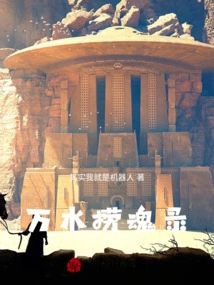
Wanshui Soul Hunting Record
History万水捞魂录
Actually I Am A Robot
Come to China Literature's website to read more of my works!
Come to China Literature's website to read more of my works!
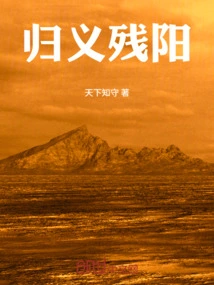
The Setting Sun of Guiyi
History归义残阳
Know The World
Come to China Literature's website to read more of my works!
Come to China Literature's website to read more of my works!
三国演义古话今说
Ry134627
Interpretation of the Romance of the Three Kingdoms
Interpretation of the Romance of the Three Kingdoms
山河戎马录
Ry134627
From the beacon smoke of the Spring and Autumn Period to the vastness of the late Ming Dynasty, from the desert in the north of the Great Wall to the swamps in the south of the Yangtze River, a group of sword-holders galloping across the land of China are rewriting history: They may strategize and use military strategies to split the world; or they may use their swords and horses to avert a dangerous situation with their lonesome courage. Under the blood-stained banner is Sun Wu's military perfection of "subjugating the enemy without fighting", Huo Qubing's bold oath that "the Xiongnu are not destroyed, why should we take care of our family", Yue Fei's anger that "Jingkang is a shame, but it has not yet snowed", and Qi Jiguang's loneliness in "I don't want to be crowned a prince, but I hope the sea will be peaceful"...
From the beacon smoke of the Spring and Autumn Period to the vastness of the late Ming Dynasty, from the desert in the north of the Great Wall to the swamps in the south of the Yangtze River, a group of sword-holders galloping across the land of China are rewriting history: They may strategize and use military strategies to split the world; or they may use their swords and horses to avert a dangerous situation with their lonesome courage. Under the blood-stained banner is Sun Wu's military perfection of "subjugating the enemy without fighting", Huo Qubing's bold oath that "the Xiongnu are not destroyed, why should we take care of our family", Yue Fei's anger that "Jingkang is a shame, but it has not yet snowed", and Qi Jiguang's loneliness in "I don't want to be crowned a prince, but I hope the sea will be peaceful"...
大明第三帝国:从欧洲归来开始
There Will Be No Me In The Future
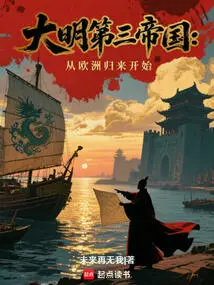
Jiashen is in national crisis, and the land of China is sinking. When everyone thought that the bloodline of Emperor Chongzhen had withered in the flames of war, no one could have imagined that his youngest son Zhu Cijiong, carrying a soul from the future, would embark on a shocking gamble across Europe and Asia. "The remnants of the previous dynasty colluded with Western barbarians to land in Taiwan" "The unspeakable giant sea pirate is approaching the coast of Fujian." "Despicable traitors enter Quanzhou." "Zhu Cijiong captures Hangzhou." "His Royal Highness Zhu Cijiong, the commander-in-chief of the Ming Army, is marching towards Nanjing." "His Majesty, the Supreme and Holy Emperor of the Ming Empire, arrived in his loyal Forbidden City today!" Many years later... One of the imperial censors burst into tears: "How can the national treasury be controlled by a foreigner from the West! Newton is just a craftsman, and he can sit in the same court as us and other scholar-bureaucrats! Please remove this person and set the record straight!" Upon hearing this, Sir Isaac Newton, Prime Minister of the Empire and Chief Minister of Finance, the Royal Academy of Sciences, the Ministry of Industry, and the General Office of Patents, slapped his quill on the table: "Who do you think you are? The Ming Dynasty's two capitals and thirteen provinces, the food and clothing of billions of people, the military expenditure of the Royal Navy, and the budgets of three universities are all shouldered by my Lord! Apart from presenting a few scraps of paper, what else can you do!"
Jiashen is in national crisis, and the land of China is sinking. When everyone thought that the bloodline of Emperor Chongzhen had withered in the flames of war, no one could have imagined that his youngest son Zhu Cijiong, carrying a soul from the future, would embark on a shocking gamble across Europe and Asia. "The remnants of the previous dynasty colluded with Western barbarians to land in Taiwan" "The unspeakable giant sea pirate is approaching the coast of Fujian." "Despicable traitors enter Quanzhou." "Zhu Cijiong captures Hangzhou." "His Royal Highness Zhu Cijiong, the commander-in-chief of the Ming Army, is marching towards Nanjing." "His Majesty, the Supreme and Holy Emperor of the Ming Empire, arrived in his loyal Forbidden City today!" Many years later... One of the imperial censors burst into tears: "How can the national treasury be controlled by a foreigner from the West! Newton is just a craftsman, and he can sit in the same court as us and other scholar-bureaucrats! Please remove this person and set the record straight!" Upon hearing this, Sir Isaac Newton, Prime Minister of the Empire and Chief Minister of Finance, the Royal Academy of Sciences, the Ministry of Industry, and the General Office of Patents, slapped his quill on the table: "Who do you think you are? The Ming Dynasty's two capitals and thirteen provinces, the food and clothing of billions of people, the military expenditure of the Royal Navy, and the budgets of three universities are all shouldered by my Lord! Apart from presenting a few scraps of paper, what else can you do!"
三国:曹家暴君,开局屠了司马氏
Night Dancer 1
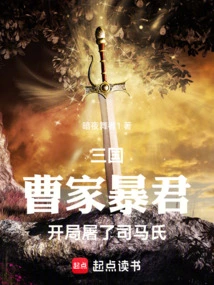
Cao Shuo was reborn in the late Han Dynasty and became Cao Cao's second son. Binding [God Level? Choice? System], there are three options: Mingjun, Renjun, and Tyrant. If you choose the tyrant option at the beginning, you will kill Sima Yi's family. [Ding, the host killed Sima Yi's clan and obtained three thousand Xuanjia troops. [Ding, the host kills Zhang Xiu and obtains the overlord's force value. [Ding?,? The host killed Yuan Shao, stole Yuan Shao's daughter-in-law, and obtained one hundred thousand great Qin warriors. ... Yuan Shao: Kill my beloved son, seize my inheritance, rob my daughter-in-law, thug Cao Shuo, you and I are at odds with each other. Liu Bei: I have been benevolent and righteous throughout my life, but I never expected that I would lose to a cruel traitor. I am not willing to accept it. Cao Cao: With this unicorn alone, why worry about not being able to conquer the world?
Cao Shuo was reborn in the late Han Dynasty and became Cao Cao's second son. Binding [God Level? Choice? System], there are three options: Mingjun, Renjun, and Tyrant. If you choose the tyrant option at the beginning, you will kill Sima Yi's family. [Ding, the host killed Sima Yi's clan and obtained three thousand Xuanjia troops. [Ding, the host kills Zhang Xiu and obtains the overlord's force value. [Ding?,? The host killed Yuan Shao, stole Yuan Shao's daughter-in-law, and obtained one hundred thousand great Qin warriors. ... Yuan Shao: Kill my beloved son, seize my inheritance, rob my daughter-in-law, thug Cao Shuo, you and I are at odds with each other. Liu Bei: I have been benevolent and righteous throughout my life, but I never expected that I would lose to a cruel traitor. I am not willing to accept it. Cao Cao: With this unicorn alone, why worry about not being able to conquer the world?
大明:我朱瞻基,打造日不落帝国
Qingqiu Little White Fox
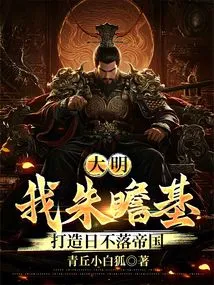
As soon as Zhu Zhanji opened his eyes, he was reborn in the Ming Dynasty and became the emperor's grandson in the tenth year of Yongle reign of the Ming Dynasty. Faced with Zhu Di, the horse-riding emperor who created the Yongle era in history and conquered Mobei for five times, he took out the granular gunpowder formula with his backhand: "Grandpa Huang, what does Mahamu mean? My grandson will take you to use explosive packs to destroy King Mobei's tent!" When the improved version of the Crouching Tiger Cannon exploded into a thousand-meter sea of flames on the grassland, Zhu Di held the smoking barrel and looked up to the sky and laughed wildly: "Preach the decree! All six units of saltpeter will be under the control of the grandson!" Turning around, he saw the prince's father, Zhu Gaochi, who was getting fat even after drinking water. Zhu Zhanji roared: "Dad! From today on, I will give up sugar and control fat, and do fifty squats every day!" Seeing his second uncle Zhu Gaoxu with a sinister smile, he quietly handed over the map of the Japanese silver mine: "Second uncle, I heard that you are short of money? If you dig out the stone and see the silver mountain, you can get as many golden beans as you want!" Facing his third uncle Zhu Gaosui, who was addicted to beauty, Zhu Zhanji waved his hand: "Send twelve Persian war horses to His Highness King Zhao... Oh no, twelve blond horses!" From then on, Zhu Gaoxu dug up three silver mountains in Japan! Zhu Gaosui set sail and found the American continent. The Ming Dynasty embarked on a great voyage and became the first super empire to unify the world.
As soon as Zhu Zhanji opened his eyes, he was reborn in the Ming Dynasty and became the emperor's grandson in the tenth year of Yongle reign of the Ming Dynasty. Faced with Zhu Di, the horse-riding emperor who created the Yongle era in history and conquered Mobei for five times, he took out the granular gunpowder formula with his backhand: "Grandpa Huang, what does Mahamu mean? My grandson will take you to use explosive packs to destroy King Mobei's tent!" When the improved version of the Crouching Tiger Cannon exploded into a thousand-meter sea of flames on the grassland, Zhu Di held the smoking barrel and looked up to the sky and laughed wildly: "Preach the decree! All six units of saltpeter will be under the control of the grandson!" Turning around, he saw the prince's father, Zhu Gaochi, who was getting fat even after drinking water. Zhu Zhanji roared: "Dad! From today on, I will give up sugar and control fat, and do fifty squats every day!" Seeing his second uncle Zhu Gaoxu with a sinister smile, he quietly handed over the map of the Japanese silver mine: "Second uncle, I heard that you are short of money? If you dig out the stone and see the silver mountain, you can get as many golden beans as you want!" Facing his third uncle Zhu Gaosui, who was addicted to beauty, Zhu Zhanji waved his hand: "Send twelve Persian war horses to His Highness King Zhao... Oh no, twelve blond horses!" From then on, Zhu Gaoxu dug up three silver mountains in Japan! Zhu Gaosui set sail and found the American continent. The Ming Dynasty embarked on a great voyage and became the first super empire to unify the world.
穿越万朝成为皇帝
Mengying Looks At Xinqing Every Day
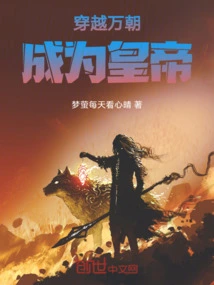
The protagonist accidentally gets a system, With the help of the system, I traveled to all the worlds, Traveling through one dynasty after another, Our key characters create a new legendary journey, Qin Shi Huang Ying Zheng, Prince Fu Su, Emperor Wu of Han Dynasty Liu Che, Prince Liu Ju, Tang Gaozong Li Yuan, Tang Taizong Li Shimin, and Li Jiancheng, Li Yuanji or Li Chengqian, Travel to the Song Dynasty and become Zhao Kuangyin or become a well-known figure. Travel to the Ming Dynasty and become Zhu Yuanzhang or Zhu Di, This is the most stable prince Zhu Biao. Let us look forward to it!
The protagonist accidentally gets a system, With the help of the system, I traveled to all the worlds, Traveling through one dynasty after another, Our key characters create a new legendary journey, Qin Shi Huang Ying Zheng, Prince Fu Su, Emperor Wu of Han Dynasty Liu Che, Prince Liu Ju, Tang Gaozong Li Yuan, Tang Taizong Li Shimin, and Li Jiancheng, Li Yuanji or Li Chengqian, Travel to the Song Dynasty and become Zhao Kuangyin or become a well-known figure. Travel to the Ming Dynasty and become Zhu Yuanzhang or Zhu Di, This is the most stable prince Zhu Biao. Let us look forward to it!
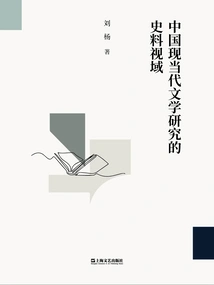
The Perspective of Historical Materials in the Study of Modern and Contemporary Chinese Literature
History中国现当代文学研究的史料视域
Liu Yang
From the compilation of the "Chinese New Literature Series (1917-1927)" to the publication of several monographs on the study of historical materials of modern and contemporary Chinese literature, the role of historical materials in the academic development of Chinese literature has received more and more attention. The "historical materials craze" has become an eye-catching phenomenon in the field of modern and contemporary Chinese literature research in the past decade. Through theoretical analysis and specific research examples, the author of this book deeply discusses the experience and problems in the collection and use of historical materials in the practice of literary history research. At the same time, he analyzes how the perspective of historical materials can further activate and enrich the study of writers' works, literary trends of thought, and literary history. The book goes from macro to meso to micro. It not only clarifies the academic relationship between historical materials and literary history research, as well as the macro characteristics of historical materials, but also summarizes the historical experience in key areas of existing research and analyzes how to break through weak links. As a kind of "academic preparation", this book integrates the author's recent thoughts on how historical materials, theories, and texts can be organically unified in the study of literary history.
From the compilation of the "Chinese New Literature Series (1917-1927)" to the publication of several monographs on the study of historical materials of modern and contemporary Chinese literature, the role of historical materials in the academic development of Chinese literature has received more and more attention. The "historical materials craze" has become an eye-catching phenomenon in the field of modern and contemporary Chinese literature research in the past decade. Through theoretical analysis and specific research examples, the author of this book deeply discusses the experience and problems in the collection and use of historical materials in the practice of literary history research. At the same time, he analyzes how the perspective of historical materials can further activate and enrich the study of writers' works, literary trends of thought, and literary history. The book goes from macro to meso to micro. It not only clarifies the academic relationship between historical materials and literary history research, as well as the macro characteristics of historical materials, but also summarizes the historical experience in key areas of existing research and analyzes how to break through weak links. As a kind of "academic preparation", this book integrates the author's recent thoughts on how historical materials, theories, and texts can be organically unified in the study of literary history.
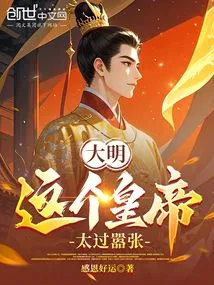
大明:这个皇帝太过嚣张
Thanksgiving Good Luck
The young emperor Zhu Houzhao ascended the throne. Relying on the help of Yuhuatian, Cao Zhengchun and others and what he had learned in his previous life, he suppressed all kinds of dissatisfaction.
The young emperor Zhu Houzhao ascended the throne. Relying on the help of Yuhuatian, Cao Zhengchun and others and what he had learned in his previous life, he suppressed all kinds of dissatisfaction.
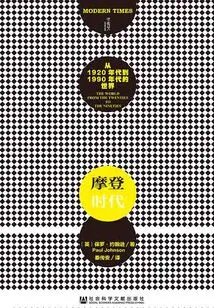
摩登时代:从1920年代到1990年代的世界(全2册)
(uk) Paul Johnson
This is Paul Johnson's most important world history work. The book is 1,200 pages thick and is divided into 20 chapters. It starts with the introduction of the "theory of relativity", an epoch-making event of the scientific revolution, and contains a deep sense of criticism and suspicion from the beginning. It can be said that the history of the 20th century that we are most familiar with so far often presents a different aspect in his writing, such as a new understanding of the theory of relativity and its proposers, contributors, and followers, as well as his reinterpretation of many so-called "major historical events" and so on.
This is Paul Johnson's most important world history work. The book is 1,200 pages thick and is divided into 20 chapters. It starts with the introduction of the "theory of relativity", an epoch-making event of the scientific revolution, and contains a deep sense of criticism and suspicion from the beginning. It can be said that the history of the 20th century that we are most familiar with so far often presents a different aspect in his writing, such as a new understanding of the theory of relativity and its proposers, contributors, and followers, as well as his reinterpretation of many so-called "major historical events" and so on.
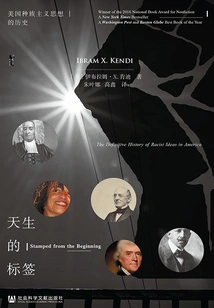
天生的标签:美国种族主义思想的历史
(u. S.) Ibram X. Kendi
After Obama was elected president in 2008, has the United States really entered a "post-racial society" as some media said? In fact, racist ideas are still prevalent in the United States, and they are more subtle and sophisticated than before. Kendi traces the history of anti-Black racist ideas and their surprising power. Using five outstanding figures in American history as his guide, he sharply reveals that racist ideas are not caused by ignorance or hatred, but are designed by the most influential minds.
After Obama was elected president in 2008, has the United States really entered a "post-racial society" as some media said? In fact, racist ideas are still prevalent in the United States, and they are more subtle and sophisticated than before. Kendi traces the history of anti-Black racist ideas and their surprising power. Using five outstanding figures in American history as his guide, he sharply reveals that racist ideas are not caused by ignorance or hatred, but are designed by the most influential minds.
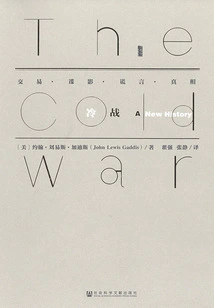
冷战:交易·谍影·谎言·真相
(us) John Lewis Gaddis
Cold War, the most gripping nonfiction book of the year, gives us an unprecedented sense of what it was like to be in a world on the verge of destruction. Here's the truth behind all the spy novels you've read: why the United States and the Soviet Union were at a standoff; how close we came to nuclear catastrophe; what contemporary leaders, from Stalin to Mao, Reagan to Gorbachev, had in mind; how intelligence agents plotted, and how East German vacationers contributed to the fall of the Berlin Wall. This is a story about crisis talk, excuses, tyrants and power struggles, and ordinary people changing the course of history.
Cold War, the most gripping nonfiction book of the year, gives us an unprecedented sense of what it was like to be in a world on the verge of destruction. Here's the truth behind all the spy novels you've read: why the United States and the Soviet Union were at a standoff; how close we came to nuclear catastrophe; what contemporary leaders, from Stalin to Mao, Reagan to Gorbachev, had in mind; how intelligence agents plotted, and how East German vacationers contributed to the fall of the Berlin Wall. This is a story about crisis talk, excuses, tyrants and power struggles, and ordinary people changing the course of history.
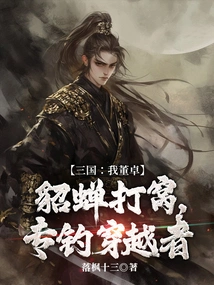
三国:我董卓,貂蝉打窝,专钓穿越者
Falling Maple Thirteen
When he woke up, he was shocked to find that he had become the tyrannical Grand Master Dong Zhuo who was infamous for thousands of years and was about to be crushed by the eighteen princes! Dominate the government and the public? To occupy the Queen Mother He? In the blink of an eye, the heroes of the Kanto region are about to launch a crusade against him. The original owner is seeking death without restraint, and everyone has betrayed his family. The fate is certain! Just when Dong Zhuo was desperate, the [Interception System] awakened! There is no novice gift pack, only one bloody rule: kill or conquer the traverser, and you can plunder one of their golden fingers! What's even more terrifying is that the system gives a cold reminder: In this world of the Three Kingdoms, 99 travelers have arrived at the same time! 99 "Variables" who are familiar with the trend of history and intend to rewrite destiny! They were eyeing the time travellers, such as Diao Chan, Xiao Qiao, Cai Wenji... And even Queen Mother He. The entertainment, poetry, and food systems may be just appetizers. What if there is the ability to cultivate immortality and change fate against the will of heaven? Dong Zhuo felt an unprecedented crisis, so he decided to attack Diao Chan first!
When he woke up, he was shocked to find that he had become the tyrannical Grand Master Dong Zhuo who was infamous for thousands of years and was about to be crushed by the eighteen princes! Dominate the government and the public? To occupy the Queen Mother He? In the blink of an eye, the heroes of the Kanto region are about to launch a crusade against him. The original owner is seeking death without restraint, and everyone has betrayed his family. The fate is certain! Just when Dong Zhuo was desperate, the [Interception System] awakened! There is no novice gift pack, only one bloody rule: kill or conquer the traverser, and you can plunder one of their golden fingers! What's even more terrifying is that the system gives a cold reminder: In this world of the Three Kingdoms, 99 travelers have arrived at the same time! 99 "Variables" who are familiar with the trend of history and intend to rewrite destiny! They were eyeing the time travellers, such as Diao Chan, Xiao Qiao, Cai Wenji... And even Queen Mother He. The entertainment, poetry, and food systems may be just appetizers. What if there is the ability to cultivate immortality and change fate against the will of heaven? Dong Zhuo felt an unprecedented crisis, so he decided to attack Diao Chan first!
满城哀嚎满地血,无非一念救苍生
Liu Hou Zhang Liang
During the Spring Festival, the protagonist travels to the end of the Eastern Han Dynasty and becomes the adopted son of the great virtuous teacher Zhang Jiao.
During the Spring Festival, the protagonist travels to the end of the Eastern Han Dynasty and becomes the adopted son of the great virtuous teacher Zhang Jiao.
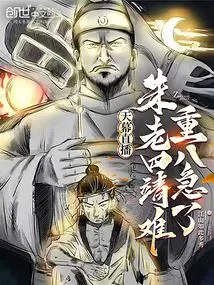
天幕直播:朱老四靖难,重八急了
There Are So Many Beautiful Places In The Country
Expose Zhu Di, the fourth son of the Zhu family! I originally thought about leaving my father, Zhu Yuanzhang, but I didn't expect that Zhu Yuanzhang's minions are all over Peiping. Zhu Di, who was highly nervous, was directly exposed by the canopy! [The third emperor of Ming Dynasty, Ming Taizong Zhu Di! Zhu Yuanzhang: "Zhu Laosi! Come out and explain!" [Now standing in front of you is the most powerful carbon-based creature in the 15th century, King Yan of the Ming Dynasty, who looks like a dragon and a phoenix, and looks like the sun in the sky! Zhu Di, Taizong of Ming Dynasty! Zhu Yuanzhang: "You talkative kid!" ------------ I, Zhu Yuanzhang, the founding monarch of the Ming Dynasty, am originally a commoner from Huaishi, how can the world be better than me! Tianmu Goudan appears and introduces to everyone 'the emperor of the ages! ' The One Emperor Through the Ages: "I was born in the Ming Dynasty, the fourth eldest son, and I have a good son." Zhu Yuanzhang was very happy when Tianmu said that the Ming Dynasty had created an emperor for all eternity, but when he heard that it was the fourth eldest son of the Zhu family, he seemed unhappy. After all, Zhu Di was the fourth eldest son and there was no way he could inherit the throne! ------------ Zhu Di: "Dad, listen to my explanation. I just want to survive. I didn't think..." Zhu Yuanzhang: "You talk nonsense, and you dare to talk nonsense!" Zhu Gaochi, Zhu Gaoxu, and Zhu Gaosui: "Father, just admit it. Our family is a rebellion, not a succession."
Expose Zhu Di, the fourth son of the Zhu family! I originally thought about leaving my father, Zhu Yuanzhang, but I didn't expect that Zhu Yuanzhang's minions are all over Peiping. Zhu Di, who was highly nervous, was directly exposed by the canopy! [The third emperor of Ming Dynasty, Ming Taizong Zhu Di! Zhu Yuanzhang: "Zhu Laosi! Come out and explain!" [Now standing in front of you is the most powerful carbon-based creature in the 15th century, King Yan of the Ming Dynasty, who looks like a dragon and a phoenix, and looks like the sun in the sky! Zhu Di, Taizong of Ming Dynasty! Zhu Yuanzhang: "You talkative kid!" ------------ I, Zhu Yuanzhang, the founding monarch of the Ming Dynasty, am originally a commoner from Huaishi, how can the world be better than me! Tianmu Goudan appears and introduces to everyone 'the emperor of the ages! ' The One Emperor Through the Ages: "I was born in the Ming Dynasty, the fourth eldest son, and I have a good son." Zhu Yuanzhang was very happy when Tianmu said that the Ming Dynasty had created an emperor for all eternity, but when he heard that it was the fourth eldest son of the Zhu family, he seemed unhappy. After all, Zhu Di was the fourth eldest son and there was no way he could inherit the throne! ------------ Zhu Di: "Dad, listen to my explanation. I just want to survive. I didn't think..." Zhu Yuanzhang: "You talk nonsense, and you dare to talk nonsense!" Zhu Gaochi, Zhu Gaoxu, and Zhu Gaosui: "Father, just admit it. Our family is a rebellion, not a succession."
Power over the Worlda
History权倾天下a
Writerxzs64d
Come to China Literature's website to read more of my works!
Come to China Literature's website to read more of my works!
大雍残照
Writer Z95snt
Chen Ming, a student of modern history, accidentally traveled to the Yong Dynasty during the Wanli period. At that time, the government was corrupt, famines were widespread, refugees were everywhere, the smell of wine and meat in wealthy families, and people freezing to death on the roads opened up before his eyes the cruelest picture of troubled times. With a wealth of historical knowledge but no ability to tie a chicken, he started out as a refugee and met Shen Luoyan, the daughter of a medical officer, in a desperate situation. One understands modern agricultural technology, the other has a benevolent medical skill. The two met in Liulin Town. In order to protect themselves and the people, Chen Ming took out the "future" knowledge at the bottom of his box - teaching rural farmers to grow potatoes, modify farm tools, build river embankments, and dig deep wells, trying to plant hope for survival in this barren land. But there is never peace in troubled times. Corrupt inspections, ruthless tax collectors, eyeing refugees, the undercurrent of distant courts, and layers of crises like turbid waves crashing on the shore. Chen Ming not only had to fight wits and courage with the officials, protect the potato fields that had just sprouted, but also had to struggle to survive in famine and epidemics. He also had to face his status as a "foreigner" and his confusion about the future. Shen Luoyan's firmness and gentleness are his light in troubled times; the fresh green in the fields is his confidence to fight against the torrent. When modern wisdom collides with a decadent dynasty, and when a person's glimmer of light meets the great wheel of the times, can they plant a piece of their own vitality in this troubled world where the setting sun is as bloody as blood? This is a story about survival, perseverance and hope - in the darkest times, there are always people who try their best to survive for a full meal, an acre of fertile land, and a person worth protecting.
Chen Ming, a student of modern history, accidentally traveled to the Yong Dynasty during the Wanli period. At that time, the government was corrupt, famines were widespread, refugees were everywhere, the smell of wine and meat in wealthy families, and people freezing to death on the roads opened up before his eyes the cruelest picture of troubled times. With a wealth of historical knowledge but no ability to tie a chicken, he started out as a refugee and met Shen Luoyan, the daughter of a medical officer, in a desperate situation. One understands modern agricultural technology, the other has a benevolent medical skill. The two met in Liulin Town. In order to protect themselves and the people, Chen Ming took out the "future" knowledge at the bottom of his box - teaching rural farmers to grow potatoes, modify farm tools, build river embankments, and dig deep wells, trying to plant hope for survival in this barren land. But there is never peace in troubled times. Corrupt inspections, ruthless tax collectors, eyeing refugees, the undercurrent of distant courts, and layers of crises like turbid waves crashing on the shore. Chen Ming not only had to fight wits and courage with the officials, protect the potato fields that had just sprouted, but also had to struggle to survive in famine and epidemics. He also had to face his status as a "foreigner" and his confusion about the future. Shen Luoyan's firmness and gentleness are his light in troubled times; the fresh green in the fields is his confidence to fight against the torrent. When modern wisdom collides with a decadent dynasty, and when a person's glimmer of light meets the great wheel of the times, can they plant a piece of their own vitality in this troubled world where the setting sun is as bloody as blood? This is a story about survival, perseverance and hope - in the darkest times, there are always people who try their best to survive for a full meal, an acre of fertile land, and a person worth protecting.
重生三国之龙魂天下
Longjiang Beitang
This novel is the author's dream of the Three Kingdoms that has never been realized. It transcends the definition of the historical time of the Three Kingdoms, and the influential figures show their talents. This work tells the story of a special soldier who was abandoned by the country and was reborn in the Three Kingdoms era. He worshiped famous teachers, recruited talents, acquired beauties, expelled foreigners, and realized his dream of building a country in the Three Kingdoms step by step. Any similarity is purely coincidental!
This novel is the author's dream of the Three Kingdoms that has never been realized. It transcends the definition of the historical time of the Three Kingdoms, and the influential figures show their talents. This work tells the story of a special soldier who was abandoned by the country and was reborn in the Three Kingdoms era. He worshiped famous teachers, recruited talents, acquired beauties, expelled foreigners, and realized his dream of building a country in the Three Kingdoms step by step. Any similarity is purely coincidental!
东汉末年,刘月关张桃园三结义
Xiaoyueyu
At the end of the Eastern Han Dynasty, the protagonist is a commoner
At the end of the Eastern Han Dynasty, the protagonist is a commoner
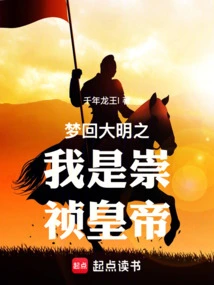
梦回大明之我是崇祯皇帝
Millennium Dragon King L
"Dream Back to the Ming Dynasty: I Am Emperor Chongzhen" is a shocking serialization! Li Hao, a modern useless writer, accidentally awakens the power of time and space. Whenever night falls, his soul will penetrate the body of Emperor Chongzhen - he is a poor code typist during the day, and he is in charge of the Ming Dynasty at night! In front of the dragon bed, the most beautiful concubines are vying for favor and fawning. In the court hall, the Donglin Party and the Eunuch Party are fighting fiercely. With his left hand, he built an army of steam firearms, and with his right hand, he extinguished the spark of Li Zicheng's uprising. When modern technology hit the battlefield of cold weapons: Wei Zhongxian knelt down and begged for mercy, Huang Taiji's soul was broken at Shanhaiguan, and the armored fleet even went straight to Japan to capture the emperor alive! The craziest thing is that the emperor's biological mother, who was obliterated by history books, was trembling in the dragon tent... See how the 21st century keyboard warrior uses the industrial revolution in the mobile phone memo to rewrite the Jiashen National War in parallel time and space! Is the dragon robe that I wear every night a curse or a destiny? When two spaces and times begin to overlap...
"Dream Back to the Ming Dynasty: I Am Emperor Chongzhen" is a shocking serialization! Li Hao, a modern useless writer, accidentally awakens the power of time and space. Whenever night falls, his soul will penetrate the body of Emperor Chongzhen - he is a poor code typist during the day, and he is in charge of the Ming Dynasty at night! In front of the dragon bed, the most beautiful concubines are vying for favor and fawning. In the court hall, the Donglin Party and the Eunuch Party are fighting fiercely. With his left hand, he built an army of steam firearms, and with his right hand, he extinguished the spark of Li Zicheng's uprising. When modern technology hit the battlefield of cold weapons: Wei Zhongxian knelt down and begged for mercy, Huang Taiji's soul was broken at Shanhaiguan, and the armored fleet even went straight to Japan to capture the emperor alive! The craziest thing is that the emperor's biological mother, who was obliterated by history books, was trembling in the dragon tent... See how the 21st century keyboard warrior uses the industrial revolution in the mobile phone memo to rewrite the Jiashen National War in parallel time and space! Is the dragon robe that I wear every night a curse or a destiny? When two spaces and times begin to overlap...
Yongyedu
History永夜渡
Writerxgsbra
The Yongjia Rebellion broke out in Jiuzhou. When the night ends and the day dawns, the north and the south are reunited.
The Yongjia Rebellion broke out in Jiuzhou. When the night ends and the day dawns, the north and the south are reunited.
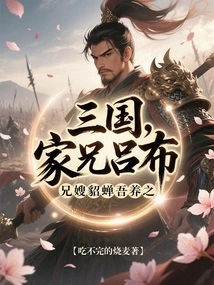
三国:家兄吕布,兄嫂貂蝉吾养之
Endless Siomai
Travel through the late Eastern Han Dynasty. Lu Meng became Lu Bu's half-brother. In order to activate the system, I started shepherding sheep in Jiuyuan County for eight years. Eight years later, just when Lu Meng was about to activate the system, he unexpectedly learned that Lu Bu was besieged by Cao Cao in Xiapi City and was about to die on the battlefield. Fortunately, at the critical moment, the system was activated. The starting reward is 3,000 Xuanjia troops, inheriting Li Cunxiao's power. Just as Lu Meng led his army to Xiapi City, he witnessed his brother Lu Bu being beheaded by Cao Cao at the city gate. Seeing this scene, Lu Meng was heartbroken! "Old thief Cao Cao, sooner or later, I will kill you to avenge my brother!" "Brother, you go first. Brother and sister-in-law Diao Chan, I will raise it for you!" "You don't have to worry..."
Travel through the late Eastern Han Dynasty. Lu Meng became Lu Bu's half-brother. In order to activate the system, I started shepherding sheep in Jiuyuan County for eight years. Eight years later, just when Lu Meng was about to activate the system, he unexpectedly learned that Lu Bu was besieged by Cao Cao in Xiapi City and was about to die on the battlefield. Fortunately, at the critical moment, the system was activated. The starting reward is 3,000 Xuanjia troops, inheriting Li Cunxiao's power. Just as Lu Meng led his army to Xiapi City, he witnessed his brother Lu Bu being beheaded by Cao Cao at the city gate. Seeing this scene, Lu Meng was heartbroken! "Old thief Cao Cao, sooner or later, I will kill you to avenge my brother!" "Brother, you go first. Brother and sister-in-law Diao Chan, I will raise it for you!" "You don't have to worry..."
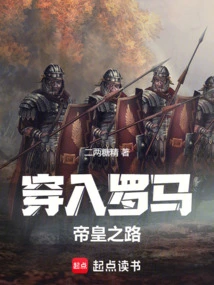
穿入罗马,帝皇之路
Two Ounces Of Saccharin
In the first century AD, the Roman Empire was in turmoil. Modern man Li Xi travels into the body of a dying retired centurion, facing the desperate situation of his wife's death and daughter's illness, and being pursued by loan sharks. He carried sacks from Egyptian grain ships and earned copper coins from his blood at the docks of the Tiber River. His faded scarlet cloak bore witness to his past glory. The turnaround came from sugarcane bagasse left behind by a Syrian merchant ship. Li Xi set up an iron pot in the abandoned bathhouse and used distillation to boil crystal sugar cubes. When the sugar-carved Venus made a stunning appearance at the senator's birthday party, the Roman aristocrats went crazy for the sweetness. The huge profits led to a night attack, but they were counterattacked by the poisonous crossbow in the dark wall. Under the moonlight, caramel and blood blended strangely. Li Xi took advantage of the opportunity to cling to the senator Claudius and dig out ironclad evidence that his political enemies were collaborating with the enemy. On the night when the emperor suddenly died, he led three hundred veterans to control the Bohe granary, and his dagger pierced the golden breastplate of the commander of the Imperial Guard. When the Gallic legions defected, the Senate tremblingly presented purple and gold ribbons. During the coronation ceremony, the skylight of the Pantheon enveloped the frosted map, and the daughter's Sabine turban and purple robe shone brightly. Stroking the rusty soldier card of the original owner, the new emperor listened to the sugar factory boiling the blood and sweat of slaves into gold crystals - this empire was made of honey and steel, and the bones of the enemy were spread under the throne. The undercurrent of the Tiber River surges, and the New Rome spawned by the Sweet Revolution is forging the iron law of slavery and capital into a sharper ruling machine.
In the first century AD, the Roman Empire was in turmoil. Modern man Li Xi travels into the body of a dying retired centurion, facing the desperate situation of his wife's death and daughter's illness, and being pursued by loan sharks. He carried sacks from Egyptian grain ships and earned copper coins from his blood at the docks of the Tiber River. His faded scarlet cloak bore witness to his past glory. The turnaround came from sugarcane bagasse left behind by a Syrian merchant ship. Li Xi set up an iron pot in the abandoned bathhouse and used distillation to boil crystal sugar cubes. When the sugar-carved Venus made a stunning appearance at the senator's birthday party, the Roman aristocrats went crazy for the sweetness. The huge profits led to a night attack, but they were counterattacked by the poisonous crossbow in the dark wall. Under the moonlight, caramel and blood blended strangely. Li Xi took advantage of the opportunity to cling to the senator Claudius and dig out ironclad evidence that his political enemies were collaborating with the enemy. On the night when the emperor suddenly died, he led three hundred veterans to control the Bohe granary, and his dagger pierced the golden breastplate of the commander of the Imperial Guard. When the Gallic legions defected, the Senate tremblingly presented purple and gold ribbons. During the coronation ceremony, the skylight of the Pantheon enveloped the frosted map, and the daughter's Sabine turban and purple robe shone brightly. Stroking the rusty soldier card of the original owner, the new emperor listened to the sugar factory boiling the blood and sweat of slaves into gold crystals - this empire was made of honey and steel, and the bones of the enemy were spread under the throne. The undercurrent of the Tiber River surges, and the New Rome spawned by the Sweet Revolution is forging the iron law of slavery and capital into a sharper ruling machine.
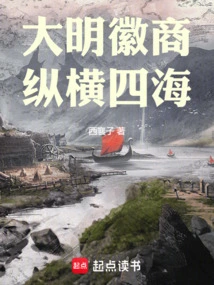
大明徽商,纵横四海
Xixiangzi
AD 1625, the fifth year of the Great Ming Dynasty and the tenth year of the Later Jin Dynasty. In this year, Nurhaci unified the Jurchen tribes, moved the capital to Shenyang, and renamed it Shengjing; In this year, Xiong Tingbi, who had visited Liaodong three times, was framed and killed by Wei Zhongxian, and was reported to nine parties. The Donglin Party was implicated in Xiong Tingbi's case. In this year, Jiang He traveled from later generations and became the second son of the Jiang family of the Huizhou merchant family in She County in the late Ming Dynasty. He ran a newspaper, trained new soldiers, fought against Shanxi merchants, entered the court, and destroyed the Hou Jin... This started his magnificent life that spanned the world.
AD 1625, the fifth year of the Great Ming Dynasty and the tenth year of the Later Jin Dynasty. In this year, Nurhaci unified the Jurchen tribes, moved the capital to Shenyang, and renamed it Shengjing; In this year, Xiong Tingbi, who had visited Liaodong three times, was framed and killed by Wei Zhongxian, and was reported to nine parties. The Donglin Party was implicated in Xiong Tingbi's case. In this year, Jiang He traveled from later generations and became the second son of the Jiang family of the Huizhou merchant family in She County in the late Ming Dynasty. He ran a newspaper, trained new soldiers, fought against Shanxi merchants, entered the court, and destroyed the Hou Jin... This started his magnificent life that spanned the world.
Joachim
History约阿希姆
Tanuma
This is an experimental historical and philosophical novel, and is not intended to conduct historical fact investigation or philosophical speculation. Rather, it is based on the author's interest in the life and thoughts of Joachim, a theologian in the Middle Ages, and combined with the historical background of the Crusades in which he lived, to make a fictional review of the emergence of Joachim's historical philosophy and the changes in the spiritual outlook of medieval Europe.
This is an experimental historical and philosophical novel, and is not intended to conduct historical fact investigation or philosophical speculation. Rather, it is based on the author's interest in the life and thoughts of Joachim, a theologian in the Middle Ages, and combined with the historical background of the Crusades in which he lived, to make a fictional review of the emergence of Joachim's historical philosophy and the changes in the spiritual outlook of medieval Europe.
Herding Daming
History放牧大明
Anhua Army
This was the most prosperous time of the Ming Dynasty, and Fang Jun was shocked to find that he had traveled through time. Fortunately, he was born smart, so he took part in the imperial examination, became a Jinshi, and became a county magistrate. He was assigned to the south, made inventions based on his memory, participated in maritime trade, and became a famous minister. This is a story about a later generation of scholars who gradually rose up in the Ming Dynasty and sat firmly in high places.
This was the most prosperous time of the Ming Dynasty, and Fang Jun was shocked to find that he had traveled through time. Fortunately, he was born smart, so he took part in the imperial examination, became a Jinshi, and became a county magistrate. He was assigned to the south, made inventions based on his memory, participated in maritime trade, and became a famous minister. This is a story about a later generation of scholars who gradually rose up in the Ming Dynasty and sat firmly in high places.
一个现代人与祖逖的北伐
Du Shaolin
He traveled back to the Yongjia Rebellion and saw hell on earth when he opened his eyes. Bones cover the fields, barbarians burn the villages, babies are hung on dead trees and shaken... He originally wanted to survive, but he heard a name - Zu Ti. The man who once swore to "attack the enemy in the middle" is recruiting rebels in Jingkou for the Northern Expedition to regain the Central Plains. He dragged his wounded body southward to offer advice, train troops, conduct night raids, and cut off food supplies... Use modern thinking to help the tragic heroes of the ages create a better future. But the court was jealous, the food was depleted and the troops were exhausted, and the loyal ministers died with hatred. Before Zu Ti died, he held his hand and said, "If one day, someone succeeds in my ambition... Even if they are not from my clan, they will still be my heart." Ten years later, on the bank of the Yellow River, the setting sun was like blood. He led the last three hundred men to face a hundred thousand cavalry. Someone asked him: "Can you still win the battle?" He raised his sword and laughed: "I'm not here to win- I want to tell them that the backbone of the Han people has never been broken! " An epic of troubled times written for all those who are unwilling to bow their heads. There is no system, no magical skills, only blood, fire and unyielding will Knowing that something cannot be done and doing it is the true heroism Keywords: #history #timetravel #hotblood #tragic #ancestorti #Northern Expedition #Reality [Literary Texture Edition]--Profound artistic conception + emotional resonance In 311 AD, the Yongjia Rebellion occurred. The land in the Central Plains is sinking, and there is no rooster crow for thousands of miles. A modern man wakes up in a mountain of corpses and a sea of blood. He doesn't understand swords, but he understands people's hearts; He doesn't know magic, but he knows discipline; He came from a thousand years later, but he only wanted to complete a Northern Expedition that was destined to fail.
He traveled back to the Yongjia Rebellion and saw hell on earth when he opened his eyes. Bones cover the fields, barbarians burn the villages, babies are hung on dead trees and shaken... He originally wanted to survive, but he heard a name - Zu Ti. The man who once swore to "attack the enemy in the middle" is recruiting rebels in Jingkou for the Northern Expedition to regain the Central Plains. He dragged his wounded body southward to offer advice, train troops, conduct night raids, and cut off food supplies... Use modern thinking to help the tragic heroes of the ages create a better future. But the court was jealous, the food was depleted and the troops were exhausted, and the loyal ministers died with hatred. Before Zu Ti died, he held his hand and said, "If one day, someone succeeds in my ambition... Even if they are not from my clan, they will still be my heart." Ten years later, on the bank of the Yellow River, the setting sun was like blood. He led the last three hundred men to face a hundred thousand cavalry. Someone asked him: "Can you still win the battle?" He raised his sword and laughed: "I'm not here to win- I want to tell them that the backbone of the Han people has never been broken! " An epic of troubled times written for all those who are unwilling to bow their heads. There is no system, no magical skills, only blood, fire and unyielding will Knowing that something cannot be done and doing it is the true heroism Keywords: #history #timetravel #hotblood #tragic #ancestorti #Northern Expedition #Reality [Literary Texture Edition]--Profound artistic conception + emotional resonance In 311 AD, the Yongjia Rebellion occurred. The land in the Central Plains is sinking, and there is no rooster crow for thousands of miles. A modern man wakes up in a mountain of corpses and a sea of blood. He doesn't understand swords, but he understands people's hearts; He doesn't know magic, but he knows discipline; He came from a thousand years later, but he only wanted to complete a Northern Expedition that was destined to fail.
徐庶之嗣:蜀汉崛起之路
Mo Mei Lingxu
The history of the Three Kingdoms is always full of regrets, especially those of the Shu Han Dynasty. This book takes Xu Shu's son as the protagonist, who inherits his father's ambition to help the Han Dynasty rejuvenate.
The history of the Three Kingdoms is always full of regrets, especially those of the Shu Han Dynasty. This book takes Xu Shu's son as the protagonist, who inherits his father's ambition to help the Han Dynasty rejuvenate.