Library
Browse and search books
40,760 novels found

Peter 2.0
General Fiction彼得2.0
(uk) Peter Scott-morgan
Robot scientist Peter was diagnosed with motor neuron disease (MND), commonly known as "ALS" in 2017. He was told the condition would damage his brain and nerve cells, cause all muscles to atrophy, and kill him in about two years. He may only live until the end of 2019. Peter refused to give in to fate. He did not want to lose the things he loved, his family, friends, and the ability to travel the world. He was especially reluctant to leave his partner who had shared weal and woe with him... Based on his understanding of artificial intelligence and robotics, and his insights into the future development of this field, he decided to regard this terminal illness as an opportunity to put his fascination with robotics into practice and transform himself into a cyborg (cyborg). This transformation required a series of extremely complex and dangerous surgeries. After the surgeries were completed, Peter 1.0 As a human was officially transformed into Peter 2.0 As a cyborg. Despite the hardships, Peter is very optimistic about the future. He sees this transition as a good opportunity to realize his scientific ambitions and to explore new options for mankind.
Robot scientist Peter was diagnosed with motor neuron disease (MND), commonly known as "ALS" in 2017. He was told the condition would damage his brain and nerve cells, cause all muscles to atrophy, and kill him in about two years. He may only live until the end of 2019. Peter refused to give in to fate. He did not want to lose the things he loved, his family, friends, and the ability to travel the world. He was especially reluctant to leave his partner who had shared weal and woe with him... Based on his understanding of artificial intelligence and robotics, and his insights into the future development of this field, he decided to regard this terminal illness as an opportunity to put his fascination with robotics into practice and transform himself into a cyborg (cyborg). This transformation required a series of extremely complex and dangerous surgeries. After the surgeries were completed, Peter 1.0 As a human was officially transformed into Peter 2.0 As a cyborg. Despite the hardships, Peter is very optimistic about the future. He sees this transition as a good opportunity to realize his scientific ambitions and to explore new options for mankind.
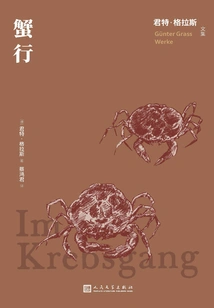
Crab Walk
General Fiction蟹行
I
"The Crab Walk" is the late masterpiece of German writer Günter Grass. The novel is based on real history: In 1945, the German cruise ship "Gustloff" carrying more than 10,000 refugees and soldiers was sunk by the Soviet army, killing nearly 10,000 people, including about 4,000 children. The novel reveals the serious disasters brought by the war initiators to the people of the country. Tula, a pregnant woman on the ship, was rescued, and her son Paul was born on the night of the disaster. Mother and son fled to Germany. The elderly Tula told his grandson Conrad about the shipwreck and other experiences. Conrad developed extreme ideas, founded a neo-Nazi website, advocated racial hatred, and shot and killed netizens who pretended to be Jewish youths. The work explores the tragedy caused by the Nazis and the war, and analyzes the underlying reasons for the resurgence of right-wing racist ideas in Germany.
"The Crab Walk" is the late masterpiece of German writer Günter Grass. The novel is based on real history: In 1945, the German cruise ship "Gustloff" carrying more than 10,000 refugees and soldiers was sunk by the Soviet army, killing nearly 10,000 people, including about 4,000 children. The novel reveals the serious disasters brought by the war initiators to the people of the country. Tula, a pregnant woman on the ship, was rescued, and her son Paul was born on the night of the disaster. Mother and son fled to Germany. The elderly Tula told his grandson Conrad about the shipwreck and other experiences. Conrad developed extreme ideas, founded a neo-Nazi website, advocated racial hatred, and shot and killed netizens who pretended to be Jewish youths. The work explores the tragedy caused by the Nazis and the war, and analyzes the underlying reasons for the resurgence of right-wing racist ideas in Germany.

新中国70年70部长篇小说典藏:生命册
Li Peifu
This book is the most important part of the "Plains Trilogy" created by the author. It won the 9th Mao Dun Literary Award (first edition by Writers Press) because of its profound thoughts and outstanding artistic features. The protagonist "I" in the novel is an intellectual who moves from the countryside to the city, a "person who walks with the land on his back." From the countryside to the provincial capital to Beijing, and then from Beijing to Shanghai, my identity has also changed from a university teacher to a "Beijing drifter" gunman, a trader on the stock market, and the person in charge of a listed company. From his intricate social relationships, we can see the chaotic world between the city and the countryside.
This book is the most important part of the "Plains Trilogy" created by the author. It won the 9th Mao Dun Literary Award (first edition by Writers Press) because of its profound thoughts and outstanding artistic features. The protagonist "I" in the novel is an intellectual who moves from the countryside to the city, a "person who walks with the land on his back." From the countryside to the provincial capital to Beijing, and then from Beijing to Shanghai, my identity has also changed from a university teacher to a "Beijing drifter" gunman, a trader on the stock market, and the person in charge of a listed company. From his intricate social relationships, we can see the chaotic world between the city and the countryside.
Money (2nd Edition)
General Fiction金钱(第2版)
(french) Zola
"Money" is the nineteenth novel in the French writer Zola's masterpiece "The Rougon-Macquart Family". Published in 1892, it occupies an important position in Zola's entire creation due to the significance of its subject matter and the success of its artistic depiction. It uses vivid and rich images to express a series of major social phenomena in the early days of modern capitalism: new problems in the financial market, the role of capital, social speculative psychology, and the human tragedies and comedies that occurred around these. "Money" expresses the role of money in social life from a sociological perspective, highlighting a special form of activity and role of money capital in social life under capitalism. That is, once money capital is formed, it will inevitably turn into financial speculation, and the exchanges that carry out such speculative activities have become the focus of "Money".
"Money" is the nineteenth novel in the French writer Zola's masterpiece "The Rougon-Macquart Family". Published in 1892, it occupies an important position in Zola's entire creation due to the significance of its subject matter and the success of its artistic depiction. It uses vivid and rich images to express a series of major social phenomena in the early days of modern capitalism: new problems in the financial market, the role of capital, social speculative psychology, and the human tragedies and comedies that occurred around these. "Money" expresses the role of money in social life from a sociological perspective, highlighting a special form of activity and role of money capital in social life under capitalism. That is, once money capital is formed, it will inevitably turn into financial speculation, and the exchanges that carry out such speculative activities have become the focus of "Money".
Anthology of Panjim's Novels (2 Volumes in Total)
General Fiction般吉姆小说选集(全2册)
(india) Panjimchondro Chudobathe
Panjim is a famous Bengali novelist and the founder of modern Indian novels. "Selected Novels of Panjim" includes Panjim's six novels in total: "Moonlight", "Krishna Kanta's Testament", "Indira", "Poison Tree", "Radarani" and "Rajsingh". Among them, "Indira" and "Radarani" are novellas, and the remaining four are novels. The above-mentioned six novels selected by the translator are the essence of Panjim's novels and are also favorite works of Bengali readers. They are classics of Bengali literature and are well-known in Bangladesh and West Bengal, India.
Panjim is a famous Bengali novelist and the founder of modern Indian novels. "Selected Novels of Panjim" includes Panjim's six novels in total: "Moonlight", "Krishna Kanta's Testament", "Indira", "Poison Tree", "Radarani" and "Rajsingh". Among them, "Indira" and "Radarani" are novellas, and the remaining four are novels. The above-mentioned six novels selected by the translator are the essence of Panjim's novels and are also favorite works of Bengali readers. They are classics of Bengali literature and are well-known in Bangladesh and West Bengal, India.
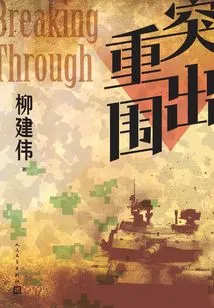
Break Out of the Encirclement
General Fiction突出重围
Liu Jianwei
"Breakout" describes a directorless exercise simulating a local war under high-tech conditions. The realistic war atmosphere, fierce tactical confrontation, and the display of high-tech war factors such as electronic warfare, information warfare, and digital battlefields make the novel a gripping reading charm. It profoundly demonstrates the severe survival challenges faced by the Chinese military in the world's military, political, and economic landscape at the end of the twentieth century. The work praises the heroic temperament of contemporary outstanding Chinese soldiers who fought their way out amid the siege of technological backwardness, obsolete ideas nourished for a long time under peaceful conditions, personal selfish desires, and external material inducements. It has the simplicity and power of Hemingway.
"Breakout" describes a directorless exercise simulating a local war under high-tech conditions. The realistic war atmosphere, fierce tactical confrontation, and the display of high-tech war factors such as electronic warfare, information warfare, and digital battlefields make the novel a gripping reading charm. It profoundly demonstrates the severe survival challenges faced by the Chinese military in the world's military, political, and economic landscape at the end of the twentieth century. The work praises the heroic temperament of contemporary outstanding Chinese soldiers who fought their way out amid the siege of technological backwardness, obsolete ideas nourished for a long time under peaceful conditions, personal selfish desires, and external material inducements. It has the simplicity and power of Hemingway.
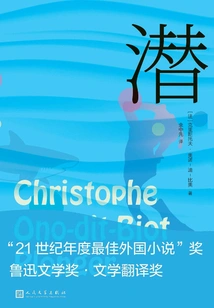
Latent
General Fiction潜
(france)christophe Honor-di-bio
The novel is Cesar's narration to his son Hector, which involves art and statues such as photography, painting and sculpture, the relationship between humans and animals, especially sharks, the history of the world and the contemporary international situation. The novel contains both touching love and detective thrills. It is an excellent and fascinating work.
The novel is Cesar's narration to his son Hector, which involves art and statues such as photography, painting and sculpture, the relationship between humans and animals, especially sharks, the history of the world and the contemporary international situation. The novel contains both touching love and detective thrills. It is an excellent and fascinating work.
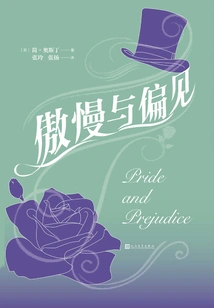
N
General Fictionn
G
"Pride and Prejudice" describes the love and marriage of middle-class men and women. The novel uses comedy techniques to express serious criticism of life and explores the heroine's psychological process of self-discovery from love to marriage. The marriage between the heroine and Darcy is a happy marriage that the author praises as "setting an example for all lovers in the world".
"Pride and Prejudice" describes the love and marriage of middle-class men and women. The novel uses comedy techniques to express serious criticism of life and explores the heroine's psychological process of self-discovery from love to marriage. The marriage between the heroine and Darcy is a happy marriage that the author praises as "setting an example for all lovers in the world".
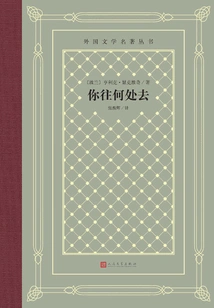
Where Are You Going
General Fiction你往何处去
(wave)henryk Sienkiewicz
"Where Are You Going" is the representative work of the Polish writer Sienkiewicz. It uses the love story of the young Roman aristocrat Vinicius and the Christian girl Lygia as a clue. It portrays the "elegant judge" Petronius, the tyrant Nero, the Saint Paul, Peter and many other historical figures in a profound way. It vividly shows the historical truth of the Roman Empire's brutal suppression of the early Christian movement, and reproduces the historical process of the decline and destruction of the Roman Empire and the rise of Christianity. It is known as a "true Christian epic." A series of Sienkiewicz's historical novels have been translated into many foreign languages and are widely circulated in countries around the world. "Where Are You Going" is even more favored by readers. It has the most translations and circulation of all Sienkiewicz's works, and has been adapted into movies many times.
"Where Are You Going" is the representative work of the Polish writer Sienkiewicz. It uses the love story of the young Roman aristocrat Vinicius and the Christian girl Lygia as a clue. It portrays the "elegant judge" Petronius, the tyrant Nero, the Saint Paul, Peter and many other historical figures in a profound way. It vividly shows the historical truth of the Roman Empire's brutal suppression of the early Christian movement, and reproduces the historical process of the decline and destruction of the Roman Empire and the rise of Christianity. It is known as a "true Christian epic." A series of Sienkiewicz's historical novels have been translated into many foreign languages and are widely circulated in countries around the world. "Where Are You Going" is even more favored by readers. It has the most translations and circulation of all Sienkiewicz's works, and has been adapted into movies many times.
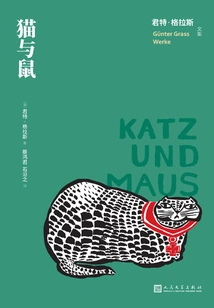
Cat and Mouse
General Fiction猫与鼠
I
"Tom and Jerry" is a novel written by German writer Günter Grass, first published in 1961. "Cat and Mouse" tells the story of a period of youth surrounded by the normalcy of Danzig citizens, Nazi ideology and the flames of war during World War II. It tells how people became fanatical Nazi believers and how Nazi propaganda occupied the physical and mental desires of teenagers. Through the protagonist's representative story, it reveals the fate of an entire generation susceptible to the temptation of ideology. It explores the issue of guilt, criticizes the inaction of schools and churches during the Nazi period and even aids in abuse, reveals how the Nazis used the concept of sports for propaganda and ideology, and describes how idealism and heroism were used by the Nazis.
"Tom and Jerry" is a novel written by German writer Günter Grass, first published in 1961. "Cat and Mouse" tells the story of a period of youth surrounded by the normalcy of Danzig citizens, Nazi ideology and the flames of war during World War II. It tells how people became fanatical Nazi believers and how Nazi propaganda occupied the physical and mental desires of teenagers. Through the protagonist's representative story, it reveals the fate of an entire generation susceptible to the temptation of ideology. It explores the issue of guilt, criticizes the inaction of schools and churches during the Nazi period and even aids in abuse, reveals how the Nazis used the concept of sports for propaganda and ideology, and describes how idealism and heroism were used by the Nazis.
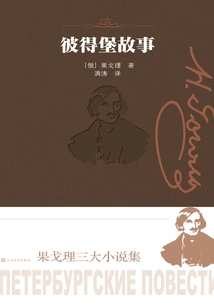
Petersburg Story
General Fiction彼得堡故事
H
"Stories of Petersburg" is a series of seven works written by Gogol in the 1830s and 1840s. It is named because the stories all take place in Petersburg. Another main line of this series of works is that the protagonists of the stories are all minor characters. This collection of novels contains seven works: "Nevsky Prospekt", "The Nose", "Portrait", "Coat", "Carriage", "Diary of a Madman" and "Rome", which express the writer's more mature worldview and literary outlook. Chinese readers are more familiar with "The Jacket" and "Diary of a Madman". Reading under the two major theme frameworks of Petersburg and Little People is more helpful in grasping the writer's view of literary creation. Gogol's three novels form a set of readings, which is conducive to a centralized grasp of Gogol's literary concepts and creative characteristics.
"Stories of Petersburg" is a series of seven works written by Gogol in the 1830s and 1840s. It is named because the stories all take place in Petersburg. Another main line of this series of works is that the protagonists of the stories are all minor characters. This collection of novels contains seven works: "Nevsky Prospekt", "The Nose", "Portrait", "Coat", "Carriage", "Diary of a Madman" and "Rome", which express the writer's more mature worldview and literary outlook. Chinese readers are more familiar with "The Jacket" and "Diary of a Madman". Reading under the two major theme frameworks of Petersburg and Little People is more helpful in grasping the writer's view of literary creation. Gogol's three novels form a set of readings, which is conducive to a centralized grasp of Gogol's literary concepts and creative characteristics.
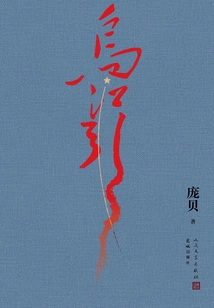
Wujiangyin
General Fiction乌江引
Pompeii
The manuscript is a full-length novel with a word count of 160,000 words. The manuscript uses "sketch" and "profile" as its main structure, with the work of the Second Bureau of the Central Military Commission, the technical investigation and intelligence agency on the Long March, as the core, recreating the arduous anti-encirclement and suppression struggle on the Long March. Especially around 1935, after the huge losses in the Battle of Xiangjiang, the critical juncture of where our party and army were headed, the intelligence work of the Second Bureau played a crucial role. This book is based on this period of history. After extensive review of declassified archives, the author used solid historical materials and objective historical facts to create characters with novel imagination and reproduce history with "non-fiction" writing. He not only wrote about the spirit of the Long March, the demeanor of great men and the dedication and sacrifice of the officers and soldiers of the Second Bureau, but also wrote about the significance of red history to today. What is even more commendable is that the novel is cleverly conceived. It uses the activities in the secret front of the Second Bureau, the history of several key figures in the Second Bureau and the difficult searches of descendants to cleverly connect the entire history of the Long March, the Anti-Japanese War, and the War of Liberation, and write about the youth, faith, wisdom and original intention of a generation of communists. It is both intimate and touching, yet magnificent and has strong appeal and profound educational significance. It is a rare and excellent party history novel in recent years.
The manuscript is a full-length novel with a word count of 160,000 words. The manuscript uses "sketch" and "profile" as its main structure, with the work of the Second Bureau of the Central Military Commission, the technical investigation and intelligence agency on the Long March, as the core, recreating the arduous anti-encirclement and suppression struggle on the Long March. Especially around 1935, after the huge losses in the Battle of Xiangjiang, the critical juncture of where our party and army were headed, the intelligence work of the Second Bureau played a crucial role. This book is based on this period of history. After extensive review of declassified archives, the author used solid historical materials and objective historical facts to create characters with novel imagination and reproduce history with "non-fiction" writing. He not only wrote about the spirit of the Long March, the demeanor of great men and the dedication and sacrifice of the officers and soldiers of the Second Bureau, but also wrote about the significance of red history to today. What is even more commendable is that the novel is cleverly conceived. It uses the activities in the secret front of the Second Bureau, the history of several key figures in the Second Bureau and the difficult searches of descendants to cleverly connect the entire history of the Long March, the Anti-Japanese War, and the War of Liberation, and write about the youth, faith, wisdom and original intention of a generation of communists. It is both intimate and touching, yet magnificent and has strong appeal and profound educational significance. It is a rare and excellent party history novel in recent years.
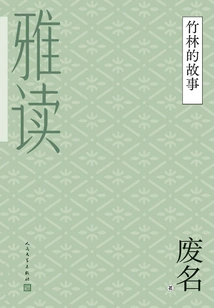
The Story of Bamboo Forest
General Fiction竹林的故事
Waste Name
This book compiles and selects Fei Ming's representative works such as "The Story of the Bamboo Forest", "Taoyuan" and "Ling Dang". The novels of this period are based on local memories and realism. The influence of foreign literature is combined with the local regional color, just like making a reed flute out of simple green bamboo. These novels describe rural life, with a dilute style, detailed scene descriptions, and rich poetic artistic conception. With condensed and endless charm of writing, they outline a pastoral picture full of poetry, youthfulness, and the misery of life hidden in the patriarchal countryside. The novel hides its emotional tendencies and highlights the artistic conception of quiet poetry. What constitutes the "eyes" of this quiet artistic conception is the language expressed in the work, which concisely and ethereally expresses the intuition and epiphany about nature and life.
This book compiles and selects Fei Ming's representative works such as "The Story of the Bamboo Forest", "Taoyuan" and "Ling Dang". The novels of this period are based on local memories and realism. The influence of foreign literature is combined with the local regional color, just like making a reed flute out of simple green bamboo. These novels describe rural life, with a dilute style, detailed scene descriptions, and rich poetic artistic conception. With condensed and endless charm of writing, they outline a pastoral picture full of poetry, youthfulness, and the misery of life hidden in the patriarchal countryside. The novel hides its emotional tendencies and highlights the artistic conception of quiet poetry. What constitutes the "eyes" of this quiet artistic conception is the language expressed in the work, which concisely and ethereally expresses the intuition and epiphany about nature and life.
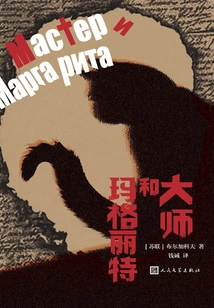
S
General Fictions
I
"The Master and Margarita" is a rare Russian novel with magical and grotesque colors. It was published twenty-five years after the author's death. The ingenious conception, bizarre plot, profound philosophy and perfect art form have attracted generations of readers. It is known in the West and Russia as "the peak of satire literature, fantasy literature and rigorous realism literature". Two narrative levels unfold alternately in "The Master and Marguerite". One is the level where reality and fantasy blend; the other is the level where history and legend blend. The novel describes the trial and execution of Joshua by Pilate, the Jewish governor of the Roman Empire.
"The Master and Margarita" is a rare Russian novel with magical and grotesque colors. It was published twenty-five years after the author's death. The ingenious conception, bizarre plot, profound philosophy and perfect art form have attracted generations of readers. It is known in the West and Russia as "the peak of satire literature, fantasy literature and rigorous realism literature". Two narrative levels unfold alternately in "The Master and Marguerite". One is the level where reality and fantasy blend; the other is the level where history and legend blend. The novel describes the trial and execution of Joshua by Pilate, the Jewish governor of the Roman Empire.
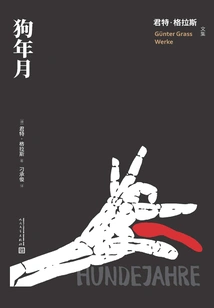
Year of the Dog
General Fiction狗年月
K
"Dog Years" is the masterpiece of the German writer Günter Grass's novel and the third part of the "Danzig Trilogy". The work is divided into three parts: "Morning Shift", "Love Letter" and "Matern Story", and the writing style is novel and unique. The book narrates the ups and downs of Matern and Amsel, two friends with very different personalities, reflects the social landscape of Germany from the 1920s to the 1950s, and describes the changes in Germany and even Europe before and after the Second World War. Glass's playful language and relaxed writing style contain the dignity of history. The story of the shepherd dog "Prince" who became the pet of the Führer profoundly satirizes the absurd reality of the "Dog Years".
"Dog Years" is the masterpiece of the German writer Günter Grass's novel and the third part of the "Danzig Trilogy". The work is divided into three parts: "Morning Shift", "Love Letter" and "Matern Story", and the writing style is novel and unique. The book narrates the ups and downs of Matern and Amsel, two friends with very different personalities, reflects the social landscape of Germany from the 1920s to the 1950s, and describes the changes in Germany and even Europe before and after the Second World War. Glass's playful language and relaxed writing style contain the dignity of history. The story of the shepherd dog "Prince" who became the pet of the Führer profoundly satirizes the absurd reality of the "Dog Years".
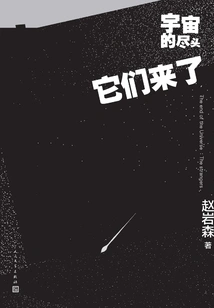
The End of the Universe (trilogy) 1: They Are Coming
General Fiction宇宙的尽头(三部曲)1:它们来了
Zhao Yansen
Around 2045, the concept of a community with a shared future for mankind advocated by China has been widely recognized around the world. Global science and technology have advanced by leaps and bounds, human exploration of space has deepened, and global scientific cooperation has reached a new peak. At this moment, a spaceship that had been missing for many years returned at a speed that was not human technology, and brought back the female astronaut Zheng Yue, who had disappeared with the spaceship several years ago, unharmed. This broke the peace of China and even the entire world. As the investigation unfolds step by step, mankind has for the first time faced direct contact and challenges with a civilization from another star system, and the entire human community has begun to fight side by side... Based on scientific facts, the novel uses bold imagination and rigorous inference to construct a civilization and race in another star system. At the same time, it adds richness to the story and characters, and explores the development and iteration of the entire human civilization in it. It is both science fiction and readable. The script adapted from the novel "Interstellar War Future Academy" has been approved by the State Administration of Radio, Film and Television in 2019 and is expected to start filming in mid-2022.
Around 2045, the concept of a community with a shared future for mankind advocated by China has been widely recognized around the world. Global science and technology have advanced by leaps and bounds, human exploration of space has deepened, and global scientific cooperation has reached a new peak. At this moment, a spaceship that had been missing for many years returned at a speed that was not human technology, and brought back the female astronaut Zheng Yue, who had disappeared with the spaceship several years ago, unharmed. This broke the peace of China and even the entire world. As the investigation unfolds step by step, mankind has for the first time faced direct contact and challenges with a civilization from another star system, and the entire human community has begun to fight side by side... Based on scientific facts, the novel uses bold imagination and rigorous inference to construct a civilization and race in another star system. At the same time, it adds richness to the story and characters, and explores the development and iteration of the entire human civilization in it. It is both science fiction and readable. The script adapted from the novel "Interstellar War Future Academy" has been approved by the State Administration of Radio, Film and Television in 2019 and is expected to start filming in mid-2022.
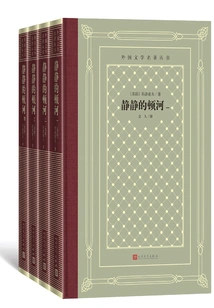
The Quiet Don River (four Volumes)
General Fiction静静的顿河(全四册)
As
"Quiet Don" is an outstanding work of socialist realism. The novel is set between World War I and the Soviet Civil War in 1922. It describes the turbulent life of the Cossacks in the Don River region during these ten years and reflects the customs, social changes and major historical events in this region. The protagonist Gregory has become a very dazzling figure in the gallery of world literary figures because of his bumpy and complicated experiences.
"Quiet Don" is an outstanding work of socialist realism. The novel is set between World War I and the Soviet Civil War in 1922. It describes the turbulent life of the Cossacks in the Don River region during these ten years and reflects the customs, social changes and major historical events in this region. The protagonist Gregory has become a very dazzling figure in the gallery of world literary figures because of his bumpy and complicated experiences.

Sleepless Nights for Consultation
General Fiction咨询夜不眠
Lan Yi
Joy Song returned to the world's top strategy consulting firm after graduating from Harvard University with an MBA. In the high-pressure environment of "promote or leave", she also experienced a series of incidents such as being framed by PUAs in the workplace, being framed by nude photos, being marginalized and beaten, and leading a team to confront competitors. However, with the tenacity and hard work of daring to think, dare to do and never admit defeat, she was promoted from a junior strategic consultant to a top partner. In the process, Joey let go of his ten-year crush and fell in love with the cold-faced and warm-hearted Ji Jin. Ji Jin: "Song Joey, if you can't find the direction, just walk towards me."
Joy Song returned to the world's top strategy consulting firm after graduating from Harvard University with an MBA. In the high-pressure environment of "promote or leave", she also experienced a series of incidents such as being framed by PUAs in the workplace, being framed by nude photos, being marginalized and beaten, and leading a team to confront competitors. However, with the tenacity and hard work of daring to think, dare to do and never admit defeat, she was promoted from a junior strategic consultant to a top partner. In the process, Joey let go of his ten-year crush and fell in love with the cold-faced and warm-hearted Ji Jin. Ji Jin: "Song Joey, if you can't find the direction, just walk towards me."
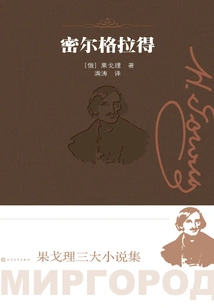
Mirgrad
General Fiction密尔格拉得
H
"Mirgrad", first published in 1835, is Gogol's second anthology of novels and the sequel to "Nights in the Countryside". This novel collective includes four works in total: "Old-Style Landlord", "Taras Bulba", "Vi" and "The Story of the Quarrel between Ivan Ivanovich and Ivan Nikiforovich". These works are full of strong folklore flavor, describing the charming scenery and vivid life of Ukraine, and discovering truths that can shock the soul in daily life. Gogol's three novels form a set of readings, which is conducive to a centralized grasp of Gogol's literary concepts and creative characteristics.
"Mirgrad", first published in 1835, is Gogol's second anthology of novels and the sequel to "Nights in the Countryside". This novel collective includes four works in total: "Old-Style Landlord", "Taras Bulba", "Vi" and "The Story of the Quarrel between Ivan Ivanovich and Ivan Nikiforovich". These works are full of strong folklore flavor, describing the charming scenery and vivid life of Ukraine, and discovering truths that can shock the soul in daily life. Gogol's three novels form a set of readings, which is conducive to a centralized grasp of Gogol's literary concepts and creative characteristics.
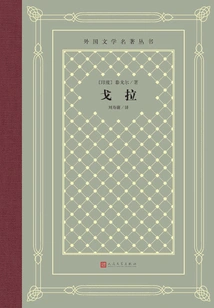
Gora
General Fiction戈拉
(india) Rabindranath Tagore
The protagonist of this book, Gora, is a passionate patriotic young man and Indian nationalist. His only goal in life is to realize the liberation of his motherland. Whenever he hears someone making even the slightest criticism of India, he will get angry and unbearable. When he hears someone mocking or bullying his compatriots, he will stand up for injustice. He hopes to awaken the masses of people at the bottom, restore their faith in the motherland, and make them believe in their own strength. Therefore, he chooses to unconditionally defend all traditions and practices it himself. This conformity not only caused his own inner conflicts, but also affected his relationships with family and friends, and affected his judgment on relationships. It wasn't until he understood his life experience that he completely got rid of the shackles of tradition and dedicated himself to fighting for his goals.
The protagonist of this book, Gora, is a passionate patriotic young man and Indian nationalist. His only goal in life is to realize the liberation of his motherland. Whenever he hears someone making even the slightest criticism of India, he will get angry and unbearable. When he hears someone mocking or bullying his compatriots, he will stand up for injustice. He hopes to awaken the masses of people at the bottom, restore their faith in the motherland, and make them believe in their own strength. Therefore, he chooses to unconditionally defend all traditions and practices it himself. This conformity not only caused his own inner conflicts, but also affected his relationships with family and friends, and affected his judgment on relationships. It wasn't until he understood his life experience that he completely got rid of the shackles of tradition and dedicated himself to fighting for his goals.
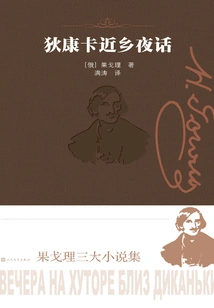
Dekanka's Night Talk in the Countryside
General Fiction狄康卡近乡夜话
H
First published in 1829, "Dykonka Nights" is Gogol's first anthology of novels and the first collection of novels that established the writer's position in the history of Russian literature. It includes eight works: "Saudinsky Market", "St. John's Eve", "May Night", "The Lost Credentials", "Christmas Eve", "Terrible Revenge", "Ivan Fedorovich Shpanka and His Aunt" and "The Devil's Land". Most of these works are based on Ukrainian folklore, reflecting the people's lives and historical events in Ukraine, and revealing the thematic features and descriptive features that will appear in "Dead Souls" in the future. Gogol's three novels form a set of readings, which is conducive to a centralized grasp of Gogol's literary concepts and creative characteristics.
First published in 1829, "Dykonka Nights" is Gogol's first anthology of novels and the first collection of novels that established the writer's position in the history of Russian literature. It includes eight works: "Saudinsky Market", "St. John's Eve", "May Night", "The Lost Credentials", "Christmas Eve", "Terrible Revenge", "Ivan Fedorovich Shpanka and His Aunt" and "The Devil's Land". Most of these works are based on Ukrainian folklore, reflecting the people's lives and historical events in Ukraine, and revealing the thematic features and descriptive features that will appear in "Dead Souls" in the future. Gogol's three novels form a set of readings, which is conducive to a centralized grasp of Gogol's literary concepts and creative characteristics.
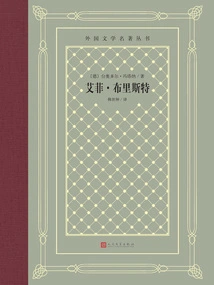
Effie Brister
General Fiction艾菲·布里斯特
(germany) Theodore Fontane
"Effie Brister" is the masterpiece of the German writer Fontana's novel. The work describes the marriage tragedy of the aristocratic lady Effie Brister. Effie's parents made the decision to marry the seventeen-year-old Effie to the county magistrate Yin Shitton, who was twenty-one years older than him. Effie is far removed from her husband in terms of age and relationship. She cheated on her because she was seduced by the playboy Krambas. Afterwards, she regretted it. Six years later, Instaton discovered Krambas's love letter, killed Krambas in a duel, and divorced Effie. Effie was also rejected by her parents due to customary reasons. She rented a small house alone with her maid, and became depressed and ill, and eventually died of illness at her parents' home. Through Effie's marriage and love tragedy, the author exposes and criticizes the hypocrisy and cruelty of the moral customs of the Prussian aristocracy.
"Effie Brister" is the masterpiece of the German writer Fontana's novel. The work describes the marriage tragedy of the aristocratic lady Effie Brister. Effie's parents made the decision to marry the seventeen-year-old Effie to the county magistrate Yin Shitton, who was twenty-one years older than him. Effie is far removed from her husband in terms of age and relationship. She cheated on her because she was seduced by the playboy Krambas. Afterwards, she regretted it. Six years later, Instaton discovered Krambas's love letter, killed Krambas in a duel, and divorced Effie. Effie was also rejected by her parents due to customary reasons. She rented a small house alone with her maid, and became depressed and ill, and eventually died of illness at her parents' home. Through Effie's marriage and love tragedy, the author exposes and criticizes the hypocrisy and cruelty of the moral customs of the Prussian aristocracy.

Night and Day
General Fiction夜与日
I
"Night and Day" is an important novel by the famous British female writer Virginia Woolf. It mainly describes the story of Miss Catherine, a descendant of the great poet, and Rodney, a talented and charming young poet. The works express themes such as egotism, ideals, retreat, intimacy, and career.
"Night and Day" is an important novel by the famous British female writer Virginia Woolf. It mainly describes the story of Miss Catherine, a descendant of the great poet, and Rodney, a talented and charming young poet. The works express themes such as egotism, ideals, retreat, intimacy, and career.
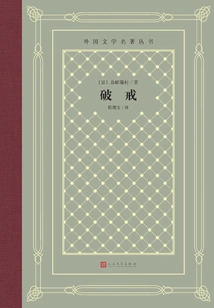
Break the Precept
General Fiction破戒
Y
The protagonist Segawa Umatsu is an elementary school teacher with a Burakumin background. In order not to be abandoned by society, he concealed his origin. Uchimatsu has progressive ideas, hates evil forces, sympathizes with the weak, and worships Inoko Rentaro, a thinker who was also a tribesman. He was inspired by Rentaro's writings and wanted to challenge society and bravely reveal his identity, but he was afraid of this ruthless society. As a result, I feel conflicted and full of annoyance and distress. His progressive tendencies and popularity among students aroused the suspicion and hatred of the principal, who attempted to squeeze Chou Song out using insidious means. After Rentaro was killed by a political enemy, Usomatsu made up his mind to reveal his origins and asked the students to forgive him for concealing his behavior. Although he broke the rules, he was not accepted by the society at that time. With the encouragement and comfort of his lover Shiho, Usomatsu is determined to start a new life in North America...
The protagonist Segawa Umatsu is an elementary school teacher with a Burakumin background. In order not to be abandoned by society, he concealed his origin. Uchimatsu has progressive ideas, hates evil forces, sympathizes with the weak, and worships Inoko Rentaro, a thinker who was also a tribesman. He was inspired by Rentaro's writings and wanted to challenge society and bravely reveal his identity, but he was afraid of this ruthless society. As a result, I feel conflicted and full of annoyance and distress. His progressive tendencies and popularity among students aroused the suspicion and hatred of the principal, who attempted to squeeze Chou Song out using insidious means. After Rentaro was killed by a political enemy, Usomatsu made up his mind to reveal his origins and asked the students to forgive him for concealing his behavior. Although he broke the rules, he was not accepted by the society at that time. With the encouragement and comfort of his lover Shiho, Usomatsu is determined to start a new life in North America...
C
General FictionC
H
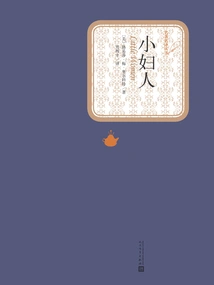
This book is a complete translation of "Little Women" and consists of the first and second parts of "Little Women". The original "Little Women" published by our company only contained the content of the first part. However, most books of the same name on the market are a combined version of the first and second parts, and when the book was adapted into a movie, the content of both parts was also used. It should be said that "Little Women" composed of two parts is the complete version. Therefore, the original translator is now requested to revise the content of the first part, newly translate the content of the second part, and publish a new full translation. The first part of "Little Women" tells the story of the four March sisters. After its publication, it was well received by readers and critics and is called one of the best family novels in the United States.
This book is a complete translation of "Little Women" and consists of the first and second parts of "Little Women". The original "Little Women" published by our company only contained the content of the first part. However, most books of the same name on the market are a combined version of the first and second parts, and when the book was adapted into a movie, the content of both parts was also used. It should be said that "Little Women" composed of two parts is the complete version. Therefore, the original translator is now requested to revise the content of the first part, newly translate the content of the second part, and publish a new full translation. The first part of "Little Women" tells the story of the four March sisters. After its publication, it was well received by readers and critics and is called one of the best family novels in the United States.

A
General FictionA
I
"Jacob's Room: The Haunted House and Beyond" was published in 1922. The plot of "Jacob's Room" is very simple. It mainly tells the short life of a young man, Jacob Flanders. The novel consists of a series of life episodes: studying at Cambridge, traveling in Europe, and finally dying in the war. This book is generally regarded as a turning point in her creative process, the beginning of her attempt to use the stream-of-consciousness technique, and a prelude to her later famous stream-of-consciousness novels.
"Jacob's Room: The Haunted House and Beyond" was published in 1922. The plot of "Jacob's Room" is very simple. It mainly tells the short life of a young man, Jacob Flanders. The novel consists of a series of life episodes: studying at Cambridge, traveling in Europe, and finally dying in the war. This book is generally regarded as a turning point in her creative process, the beginning of her attempt to use the stream-of-consciousness technique, and a prelude to her later famous stream-of-consciousness novels.
Tin Drum
General Fiction铁皮鼓
U
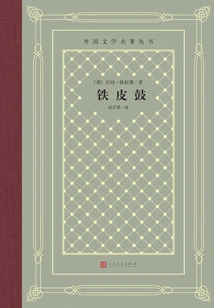
"The Tin Drum" is a masterpiece of novels by German writer and Nobel Prize winner Günter Grass, and one of the "Danzig Trilogy". The protagonist Oscar's father is German, and his maternal grandmother is the Kashubian, an ancient resident of the Danzig area. When Oscar was three years old, he discovered that his mother was having an affair with his cousin and decided not to grow taller. From his perspective, society and the people around him are weird and crazy. He beats the tin drum and uses his superpower of singing about broken glass to vent his indignation against the deformed society. Later, the girl Maria fell in love with him. After becoming pregnant, she married her father and gave birth to Oscar's son Kurt. Oscar accompanied the dwarf acrobatic troupe to visit the German soldiers. Three years later, the Soviet army captured Danzig, and his father, a Nazi, was shot dead... The novel narrates the dark history of Germany with black humor and absurd writing.
"The Tin Drum" is a masterpiece of novels by German writer and Nobel Prize winner Günter Grass, and one of the "Danzig Trilogy". The protagonist Oscar's father is German, and his maternal grandmother is the Kashubian, an ancient resident of the Danzig area. When Oscar was three years old, he discovered that his mother was having an affair with his cousin and decided not to grow taller. From his perspective, society and the people around him are weird and crazy. He beats the tin drum and uses his superpower of singing about broken glass to vent his indignation against the deformed society. Later, the girl Maria fell in love with him. After becoming pregnant, she married her father and gave birth to Oscar's son Kurt. Oscar accompanied the dwarf acrobatic troupe to visit the German soldiers. Three years later, the Soviet army captured Danzig, and his father, a Nazi, was shot dead... The novel narrates the dark history of Germany with black humor and absurd writing.
O
General FictionO
I
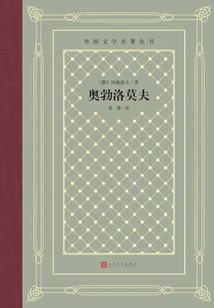
The creation of the novel "Oblomov" began in the 1840s. It is the representative work of the outstanding Russian realist writer Goncharov. It was not completed until 1859 and occupies an important position in the history of Russian literature. The novel creates an image of a character who is upright, kind, and gentle, but also lazy, obsessed with fantasy, inactive, and conservative. Oblomov, a landowner and intellectual, was pampered and regarded labor and public service as unbearable burdens. Although he envisioned a huge action plan, he was unable to accomplish anything. In the end, he could only lie on the sofa and dawdle, becoming a complete lazy man and waste. Russian writer Turgenev said: "Even when there is only one Russian left, he will remember Oblomov."
The creation of the novel "Oblomov" began in the 1840s. It is the representative work of the outstanding Russian realist writer Goncharov. It was not completed until 1859 and occupies an important position in the history of Russian literature. The novel creates an image of a character who is upright, kind, and gentle, but also lazy, obsessed with fantasy, inactive, and conservative. Oblomov, a landowner and intellectual, was pampered and regarded labor and public service as unbearable burdens. Although he envisioned a huge action plan, he was unable to accomplish anything. In the end, he could only lie on the sofa and dawdle, becoming a complete lazy man and waste. Russian writer Turgenev said: "Even when there is only one Russian left, he will remember Oblomov."

Voyage
General Fiction远航
I
The work "Collected Works of Woolf: Voyages" took nearly nine years from conception to final publication, and went through several revisions. It was finally published in the UK for the first time in March 1915, and received a very good response at that time. In April of that year, the "Observer" published an article congratulating Woolf and making the following evaluation of the novel: "... The humor, irony, and occasionally spicy writing and creative talent shown in the book are impressive..."
The work "Collected Works of Woolf: Voyages" took nearly nine years from conception to final publication, and went through several revisions. It was finally published in the UK for the first time in March 1915, and received a very good response at that time. In April of that year, the "Observer" published an article congratulating Woolf and making the following evaluation of the novel: "... The humor, irony, and occasionally spicy writing and creative talent shown in the book are impressive..."
U
General Fictionu
I
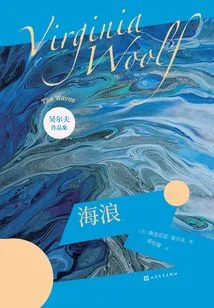
"The Waves" is a novel written by British female writer Virginia Woolf in 1931. The author uses a very hazy and symbolic brushwork to describe the inner monologues of six characters: Bernard, Neville, Louise, Susan, Jenny and Rhoda from childhood to twilight. The six parallel streams of consciousness respectively express the six types of consciousness and the growth and experience of the "six eras of human beings".
"The Waves" is a novel written by British female writer Virginia Woolf in 1931. The author uses a very hazy and symbolic brushwork to describe the inner monologues of six characters: Bernard, Neville, Louise, Susan, Jenny and Rhoda from childhood to twilight. The six parallel streams of consciousness respectively express the six types of consciousness and the growth and experience of the "six eras of human beings".

Intermission
General Fiction幕间
(british) Virginia Woolf
"Interlude", written in 1942, was Virginia Woolf's last work before her death. When the novel progresses to about the first fifth of the novel, the writer tells Poyntz's maid who does menial work to take a breather by the cool water lily pond. Ten years ago, a noble lady drowned there. It was a patch of dark green water in which countless fish "swimmed in a self-centered world, shining brightly."
"Interlude", written in 1942, was Virginia Woolf's last work before her death. When the novel progresses to about the first fifth of the novel, the writer tells Poyntz's maid who does menial work to take a breather by the cool water lily pond. Ten years ago, a noble lady drowned there. It was a patch of dark green water in which countless fish "swimmed in a self-centered world, shining brightly."
S
General Fictions
I
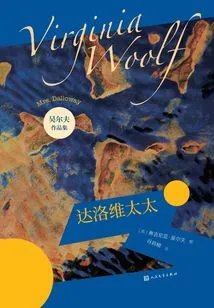
Mrs. Dalloway is a stream-of-consciousness novel published by Virginia Woolf in 1925. The protagonist's character traits may have come from a friend of the author, Ms. Ottoline Morel. The novel describes the details of one day in the life of the protagonist Clarissa Dalloway in Britain after World War I. As one of Woolf's masterpieces, the novel was named one of the 100 best English novels from 1923 to 2005 by Time magazine.
Mrs. Dalloway is a stream-of-consciousness novel published by Virginia Woolf in 1925. The protagonist's character traits may have come from a friend of the author, Ms. Ottoline Morel. The novel describes the details of one day in the life of the protagonist Clarissa Dalloway in Britain after World War I. As one of Woolf's masterpieces, the novel was named one of the 100 best English novels from 1923 to 2005 by Time magazine.

Years
General Fiction岁月
(british) Virginia Woolf
"The Years" is Woolf's eighth novel and her penultimate novel. In fact, she committed suicide by drowning before she had finished revising her last novel, Intermission. Therefore, "The Years", a work that she repeatedly revised, has an extraordinary status in her novel creation; it not only reflects Woolf's later maturity in novel concepts, but also one of her successful practices of continuous innovation and breakthrough in novel writing.
"The Years" is Woolf's eighth novel and her penultimate novel. In fact, she committed suicide by drowning before she had finished revising her last novel, Intermission. Therefore, "The Years", a work that she repeatedly revised, has an extraordinary status in her novel creation; it not only reflects Woolf's later maturity in novel concepts, but also one of her successful practices of continuous innovation and breakthrough in novel writing.
Idiot
General Fiction白痴
(france) Pierre Guyota
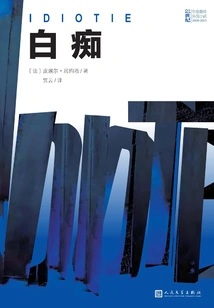
This book "Idiot" narrates the stage when "I" entered adulthood between the ages of eighteen and twenty-two, that is, between 1958 and 1962. The author's exploration of the female body, the conflicting relationship with the so-called "reality", the tension in each moment of moving toward art and broader humanity, and the continuous impulse of rebellion: resisting "my" beloved father; "I" enlisted in the army and then became a soldier in the Algerian war, resisted military authority, was arrested, accused, tortured, imprisoned, and then sent to a disciplinary department. "My" rebellion at that time and its consequences: running away from home, hunger, theft, guilt, wandering, several blows and imprisonment in the army, the physical manifestations of the rejection of this imposed reality: the reader will read some impressive scenes in the book. Inner tragedies, politics, friendships, comradeship, and funny things are all experienced in the physical impulse of youth.
This book "Idiot" narrates the stage when "I" entered adulthood between the ages of eighteen and twenty-two, that is, between 1958 and 1962. The author's exploration of the female body, the conflicting relationship with the so-called "reality", the tension in each moment of moving toward art and broader humanity, and the continuous impulse of rebellion: resisting "my" beloved father; "I" enlisted in the army and then became a soldier in the Algerian war, resisted military authority, was arrested, accused, tortured, imprisoned, and then sent to a disciplinary department. "My" rebellion at that time and its consequences: running away from home, hunger, theft, guilt, wandering, several blows and imprisonment in the army, the physical manifestations of the rejection of this imposed reality: the reader will read some impressive scenes in the book. Inner tragedies, politics, friendships, comradeship, and funny things are all experienced in the physical impulse of youth.
Main Street (album)
General Fiction大街(集册)
W
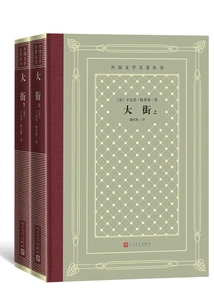
"Main Street" is the representative work of Nobel Prize winner Sinclair Lewis. The novel is set in a small town in the United States before and after World War I. It describes Carol, an urban female intellectual, who marries into a small town and becomes the wife of a country doctor. At first she was full of enthusiasm and tried to "transform" this small town bound by traditional conservative forces, but she encountered huge resistance. Her thoughts were so incompatible with the reality of the town that she was forced to leave the town and go to Washington to find a job, but in the end she had to return to the town and continue to face the old traditional forces that she could not change. This book is highly satirical and provides an in-depth discussion of social issues in the United States.
"Main Street" is the representative work of Nobel Prize winner Sinclair Lewis. The novel is set in a small town in the United States before and after World War I. It describes Carol, an urban female intellectual, who marries into a small town and becomes the wife of a country doctor. At first she was full of enthusiasm and tried to "transform" this small town bound by traditional conservative forces, but she encountered huge resistance. Her thoughts were so incompatible with the reality of the town that she was forced to leave the town and go to Washington to find a job, but in the end she had to return to the town and continue to face the old traditional forces that she could not change. This book is highly satirical and provides an in-depth discussion of social issues in the United States.
Dolls (full Collection)
General Fiction玩偶(全集)
(poland) Prussia
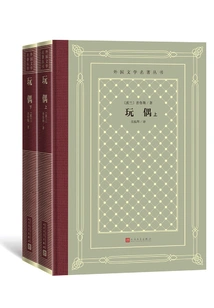
"Doll" is an important representative work in Prussian literary creation and a masterpiece of Polish critical realism in the 19th century. The story described in the novel took place from early 1878 to October 1879. The work mainly reflects the development of Polish commercial capitalism after the anti-Russian national uprising in January 1863, mainly through plots such as the failed pursuit of the aristocratic lady Isabella by the bourgeois upstart Vukulski, and his complicated relationship with people from all walks of life in Warsaw. It extensively and profoundly reflected the social outlook of Poland at that time, and occupied a very important position not only in the history of Polish literature, but also in European realist literature.
"Doll" is an important representative work in Prussian literary creation and a masterpiece of Polish critical realism in the 19th century. The story described in the novel took place from early 1878 to October 1879. The work mainly reflects the development of Polish commercial capitalism after the anti-Russian national uprising in January 1863, mainly through plots such as the failed pursuit of the aristocratic lady Isabella by the bourgeois upstart Vukulski, and his complicated relationship with people from all walks of life in Warsaw. It extensively and profoundly reflected the social outlook of Poland at that time, and occupied a very important position not only in the history of Polish literature, but also in European realist literature.
Pastoral Trilogy
General Fiction田园三部曲
I
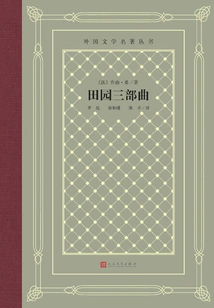
The "Pastoral Trilogy" contains three pastoral novels by the 19th-century French romantic novelist George Sand: "The Enchanted Marsh," "Little Fadette" and "The Outcast François." "The Enchanted Marsh" is the first pastoral novel written by George Sand when he secluded himself in his own manor in Nohant. It tells the story of farmer Germain and his neighbor little Marie walking together and falling in love with each other. This group of pastoral works based on rural life depicts simple and peaceful pastoral scenery, and eulogizes the innocent love between young men and women that transcends social class and the gap between rich and poor. With its bright and cheerful atmosphere, innocent and simple style, and the consistent awareness of social equality, it has won the love of many readers.
The "Pastoral Trilogy" contains three pastoral novels by the 19th-century French romantic novelist George Sand: "The Enchanted Marsh," "Little Fadette" and "The Outcast François." "The Enchanted Marsh" is the first pastoral novel written by George Sand when he secluded himself in his own manor in Nohant. It tells the story of farmer Germain and his neighbor little Marie walking together and falling in love with each other. This group of pastoral works based on rural life depicts simple and peaceful pastoral scenery, and eulogizes the innocent love between young men and women that transcends social class and the gap between rich and poor. With its bright and cheerful atmosphere, innocent and simple style, and the consistent awareness of social equality, it has won the love of many readers.
Selected Novels and Novels by Sienkiewicz
General Fiction显克维奇中短篇小说选
(wave)henryk Sienkiewicz
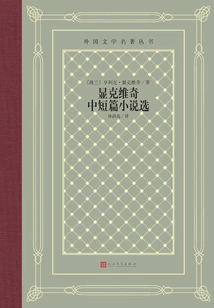
The creation of short stories and short stories runs through Sienkiewicz's entire literary career. "Selected Novels and Novels of Sienkiewicz" selects more than ten short stories and short stories from the more than sixty short stories he wrote throughout his life. They all take real life as the main content and are full of strong emotional color. These works are not only an important part of Sienkiewicz's creations, but also treasures in world literature. They are widely circulated in countries around the world and are loved by readers. "Yanko the Musical" and "Angel" reflect the tragic fate of Polish rural children, and the former was selected into Chinese textbooks. "Charcoal Sketch" and "Memories of a Tutor" reflect the darkness of Tsarist Russia's rule at that time and the tragic fate of the people. "The Lighthouse Keeper" tells the story of Polish exiles and was introduced to the country by Lu Xun in the early 20th century.
The creation of short stories and short stories runs through Sienkiewicz's entire literary career. "Selected Novels and Novels of Sienkiewicz" selects more than ten short stories and short stories from the more than sixty short stories he wrote throughout his life. They all take real life as the main content and are full of strong emotional color. These works are not only an important part of Sienkiewicz's creations, but also treasures in world literature. They are widely circulated in countries around the world and are loved by readers. "Yanko the Musical" and "Angel" reflect the tragic fate of Polish rural children, and the former was selected into Chinese textbooks. "Charcoal Sketch" and "Memories of a Tutor" reflect the darkness of Tsarist Russia's rule at that time and the tragic fate of the people. "The Lighthouse Keeper" tells the story of Polish exiles and was introduced to the country by Lu Xun in the early 20th century.
Doctor Zhivago
General Fiction日瓦戈医生
(soviet) Boris Pasternak
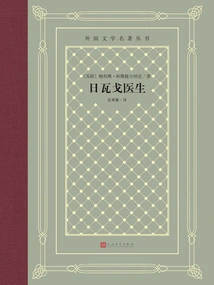
The core of "Doctor Zhivago" is a history of the fate of intellectuals. The protagonist of the novel, Yuli Zhivago, experienced a series of complex and turbulent stages in the history of Russia and the Soviet Union in his short life of less than forty years. In the novel, the writer relies on an era of rapid changes and casts his thoughts on many issues into his fate. The novel is the reflection of the poet's sensitive soul on the living conditions of people in the changing era under new historical conditions.
The core of "Doctor Zhivago" is a history of the fate of intellectuals. The protagonist of the novel, Yuli Zhivago, experienced a series of complex and turbulent stages in the history of Russia and the Soviet Union in his short life of less than forty years. In the novel, the writer relies on an era of rapid changes and casts his thoughts on many issues into his fate. The novel is the reflection of the poet's sensitive soul on the living conditions of people in the changing era under new historical conditions.
茅盾文学奖获奖作品全集:生命册
Li Peifu
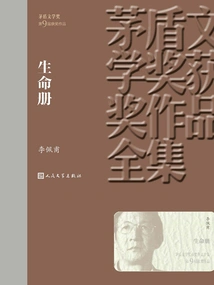
Written in the first person, the novel takes the life and psychological transformation of the protagonist Wu Zhipeng from plain rural areas to cities as the main line, outlines the scene of social changes in the past fifty years, and records the "book of life" belonging to many people. In the author's writing, "countryside and city, history and reality, ideals and desires are juxtaposed, and he tries to find out the relationship between the times and the fate of the characters." The novel completes the examination of the destiny of a generation through the description of a series of life choices and mental states made by intellectuals represented by the protagonist and "Camel" during the period of social transformation, such as graduating from college, entering the "system" job, resigning, and going into business.
Written in the first person, the novel takes the life and psychological transformation of the protagonist Wu Zhipeng from plain rural areas to cities as the main line, outlines the scene of social changes in the past fifty years, and records the "book of life" belonging to many people. In the author's writing, "countryside and city, history and reality, ideals and desires are juxtaposed, and he tries to find out the relationship between the times and the fate of the characters." The novel completes the examination of the destiny of a generation through the description of a series of life choices and mental states made by intellectuals represented by the protagonist and "Camel" during the period of social transformation, such as graduating from college, entering the "system" job, resigning, and going into business.

F
General FictionF
I
"There are exactly two kinds of sympathy. One kind of sympathy is cowardly and sentimental, which is actually just the anxiety of the soul. When you see the misfortune of others, you are eager to get out as soon as possible to avoid being moved and falling into an embarrassing situation. This kind of sympathy is not a sympathy for the pain of others at all, but just an instinctive resistance to prevent it from touching your own heart. The other kind of sympathy can be regarded as true sympathy." This book is Zweig's only novel published when he was exiled abroad in 1938. The work describes the emotional tragedy between a fledgling young officer and a disabled girl who came from a rich family. The work's portrayal of the characters' psychology, especially the psychology of the heroine, is profound and unforgettable.
"There are exactly two kinds of sympathy. One kind of sympathy is cowardly and sentimental, which is actually just the anxiety of the soul. When you see the misfortune of others, you are eager to get out as soon as possible to avoid being moved and falling into an embarrassing situation. This kind of sympathy is not a sympathy for the pain of others at all, but just an instinctive resistance to prevent it from touching your own heart. The other kind of sympathy can be regarded as true sympathy." This book is Zweig's only novel published when he was exiled abroad in 1938. The work describes the emotional tragedy between a fledgling young officer and a disabled girl who came from a rich family. The work's portrayal of the characters' psychology, especially the psychology of the heroine, is profound and unforgettable.
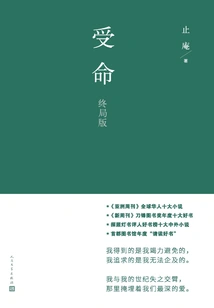
Ordered: Final Edition
General Fiction受命:终局版
Zhi'an
"Entrusted" is Zhi'an's first novel. The story of the novel takes place in Beijing in the 1980s. Two young people, Bing Feng and Ye Sheng, who have just graduated from university, meet at a poetry recital. Because of their common hobbies, the two young people started visiting bookstores, walking in alleys, and talking about literature. But as the relationship continues to deepen, what lies between the two are some ancient grievances between their parents. Bing Feng carries such a secret with him every day. Facing the lively and cheerful Ye Sheng, he finds it difficult to let go and continue to interact with each other. The story unfolds in the ups and downs of this entangled emotion and intertwined life. The novel adopts Bing Feng's perspective and tells readers in detail about an unbearable love and a memory that keeps catching up. Although the author's written expressions are calm and restrained, they form a certain tension with the fiery emotions, which adds to the reading experience of the novel, which is both soothing and tense. The novel is also interspersed with a branch line about brother Bingfeng and brother Ye Sheng going south to Shenzhen to start a business, which further expands the novel. In order to truly restore the scenery of Beijing's streets in 1986, Zhi'an went to the library to do research for two years.
"Entrusted" is Zhi'an's first novel. The story of the novel takes place in Beijing in the 1980s. Two young people, Bing Feng and Ye Sheng, who have just graduated from university, meet at a poetry recital. Because of their common hobbies, the two young people started visiting bookstores, walking in alleys, and talking about literature. But as the relationship continues to deepen, what lies between the two are some ancient grievances between their parents. Bing Feng carries such a secret with him every day. Facing the lively and cheerful Ye Sheng, he finds it difficult to let go and continue to interact with each other. The story unfolds in the ups and downs of this entangled emotion and intertwined life. The novel adopts Bing Feng's perspective and tells readers in detail about an unbearable love and a memory that keeps catching up. Although the author's written expressions are calm and restrained, they form a certain tension with the fiery emotions, which adds to the reading experience of the novel, which is both soothing and tense. The novel is also interspersed with a branch line about brother Bingfeng and brother Ye Sheng going south to Shenzhen to start a business, which further expands the novel. In order to truly restore the scenery of Beijing's streets in 1986, Zhi'an went to the library to do research for two years.
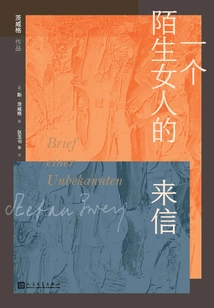
M
General Fictionm
I
Zweig is a world-renowned master of psychological novels. "Letter from a Strange Woman" includes Zweig's "Letter from a Strange Woman", "Twenty-Four Hours in a Woman's Life", "Women and the Earth", "The Governess" and other masterpieces of short and medium-length novels with the theme of female emotions. The translators of "Letter from a Strange Woman" are German literary translators such as Zhang Yushu, Zhang Penggao, Pan Zili, and Zhang Rongchang. Their translation is faithful and smooth, and conveys the charm of the original work very well. Zweig is a German-language writer loved by Chinese readers. 2022 Marks the 80th anniversary of his death. This book is released as a commemoration of him.
Zweig is a world-renowned master of psychological novels. "Letter from a Strange Woman" includes Zweig's "Letter from a Strange Woman", "Twenty-Four Hours in a Woman's Life", "Women and the Earth", "The Governess" and other masterpieces of short and medium-length novels with the theme of female emotions. The translators of "Letter from a Strange Woman" are German literary translators such as Zhang Yushu, Zhang Penggao, Pan Zili, and Zhang Rongchang. Their translation is faithful and smooth, and conveys the charm of the original work very well. Zweig is a German-language writer loved by Chinese readers. 2022 Marks the 80th anniversary of his death. This book is released as a commemoration of him.
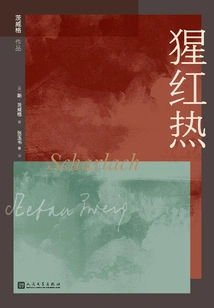
T
General Fictiont
H
Zweig is a world-renowned master of psychological novels. This book is planned to be included in Zweig's popular short and medium-sized novels such as "Fear", "Emotional Chaos", "The Story of Chess", "Mendel the Used Bookseller", "The Sinking of the Heart" and "Invisible Pressure". These works deeply portray the psychology of the characters, especially the subconscious. The translators Zhang Yushu, Zhao Dengrong, Pan Zili, Zhang Rongchang, and Hu Qiding are all well-known German literary translators in China. Their translations are faithful and smooth and convey the charm of the original work very well. Zweig is a German-language writer loved by Chinese readers. 2022 Marks the 80th anniversary of his death. This book is released as a commemoration of him.
Zweig is a world-renowned master of psychological novels. This book is planned to be included in Zweig's popular short and medium-sized novels such as "Fear", "Emotional Chaos", "The Story of Chess", "Mendel the Used Bookseller", "The Sinking of the Heart" and "Invisible Pressure". These works deeply portray the psychology of the characters, especially the subconscious. The translators Zhang Yushu, Zhao Dengrong, Pan Zili, Zhang Rongchang, and Hu Qiding are all well-known German literary translators in China. Their translations are faithful and smooth and convey the charm of the original work very well. Zweig is a German-language writer loved by Chinese readers. 2022 Marks the 80th anniversary of his death. This book is released as a commemoration of him.
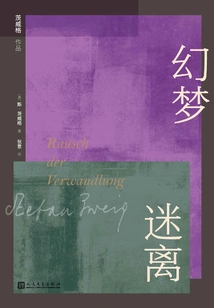
T
General Fictiont
H
"Dream" is the posthumous work of Zweig's novel. The heroine Christina is a female clerk from a poor family. The vacation opportunity provided by her wealthy relatives caused her unchanging life to undergo a "change". This change was actually only "short-lived" and "dream-like." After this short-lived, dream-like change came to an abrupt end, the heroine's real life did not change at all. It was still the hopeless, poor, and monotonous life that she could not get rid of no matter how hard she tried. This was the heroine's fate, which made her resentful, suffocated, and despairing. She complained repeatedly in her heart about this, but in the end she stopped complaining and decided to use real actions to change this fate without hesitation.
"Dream" is the posthumous work of Zweig's novel. The heroine Christina is a female clerk from a poor family. The vacation opportunity provided by her wealthy relatives caused her unchanging life to undergo a "change". This change was actually only "short-lived" and "dream-like." After this short-lived, dream-like change came to an abrupt end, the heroine's real life did not change at all. It was still the hopeless, poor, and monotonous life that she could not get rid of no matter how hard she tried. This was the heroine's fate, which made her resentful, suffocated, and despairing. She complained repeatedly in her heart about this, but in the end she stopped complaining and decided to use real actions to change this fate without hesitation.
U
General Fictionu
I
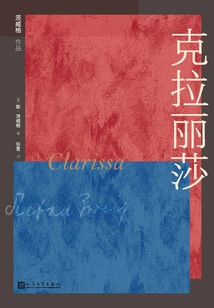
"Clarissa" is Zweig's posthumous novel. The story takes place before World War I. Clarissa is the daughter of an Austrian general, and her boyfriend is French. After the war broke out, there was no news. She did not dare to mention him to anyone, not even to her own father, just because he was from a hostile country, that is, an enemy, and what a great sin it was to be pregnant with the enemy's child! The war prevented lovers from meeting each other, and prevented close relatives and friends from interacting with each other. The greatest pain caused by the First World War to Zweig finally appeared in "Clarissa". Zweig is deeply loved by Chinese readers. 2022 Marks the 80th anniversary of his death. At this time, a single volume of Zweig's posthumous work is released as a commemoration of him.
"Clarissa" is Zweig's posthumous novel. The story takes place before World War I. Clarissa is the daughter of an Austrian general, and her boyfriend is French. After the war broke out, there was no news. She did not dare to mention him to anyone, not even to her own father, just because he was from a hostile country, that is, an enemy, and what a great sin it was to be pregnant with the enemy's child! The war prevented lovers from meeting each other, and prevented close relatives and friends from interacting with each other. The greatest pain caused by the First World War to Zweig finally appeared in "Clarissa". Zweig is deeply loved by Chinese readers. 2022 Marks the 80th anniversary of his death. At this time, a single volume of Zweig's posthumous work is released as a commemoration of him.
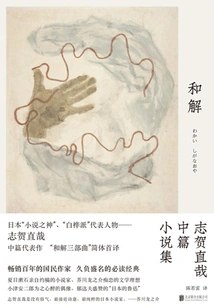
Reconciliation: a Collection of Novellas by Naoya Shiga
General Fiction和解:志贺直哉中篇小说集
J
This book includes the "Reconciliation Trilogy" - "Otsu Junkichi", "Reconciliation" and "The Death of a Man and His Sister", Naoya Shiga's autobiographical masterpiece. This book is a must-read for modern Japanese literature and is published in simplified Chinese for the first time.
This book includes the "Reconciliation Trilogy" - "Otsu Junkichi", "Reconciliation" and "The Death of a Man and His Sister", Naoya Shiga's autobiographical masterpiece. This book is a must-read for modern Japanese literature and is published in simplified Chinese for the first time.
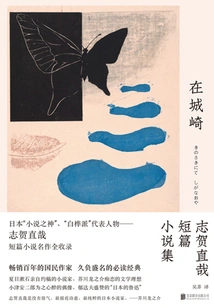
In Kinosaki: a Collection of Short Stories by Naoya Shiga
General Fiction在城崎:志贺直哉短篇小说集
K
This book is a carefully compiled collection of Naoya Shiga's short story masterpieces, including seventeen immortal masterpieces from different periods of his creative career, including "In Kinosaki", "Walking to the Net", "Van's Crime", "Seibei and the Gourd", "The God of the Apprentice", "Grey Moon", etc., Which comprehensively demonstrates the style of his short story creation.
This book is a carefully compiled collection of Naoya Shiga's short story masterpieces, including seventeen immortal masterpieces from different periods of his creative career, including "In Kinosaki", "Walking to the Net", "Van's Crime", "Seibei and the Gourd", "The God of the Apprentice", "Grey Moon", etc., Which comprehensively demonstrates the style of his short story creation.

Would You Like to Have a Cup of Tea with Me?
General Fiction你愿意陪我喝杯茶吗
(west) Francis Miales Angeles Donate
Tony accidentally lost his brother's ashes on a cliff in California, and accidentally met Mr. Guangzheng who lived alone in a cabin. It turns out that this is a "suicide holy land". As long as he sees someone without a camera and looking in a hurry, the old man will go to care about him, talk to him, or give him a hand in time when someone has already taken that step. Through this method for decades, Mr. Guangzheng has saved many lives, heard many stories, and helped countless people rekindle their hope in life, reach reconciliation with themselves, and return to a positive life. He is the guardian of lost souls and the guide who helps souls find their way back. And Tony's appearance also revealed the secret that Mr. Guangzheng had kept deep in his heart for many years... This book is adapted from the true story of Tojinbo Cliff in Japan. In real life, the old man has discouraged more than 600 short-term seekers and has become a good story.
Tony accidentally lost his brother's ashes on a cliff in California, and accidentally met Mr. Guangzheng who lived alone in a cabin. It turns out that this is a "suicide holy land". As long as he sees someone without a camera and looking in a hurry, the old man will go to care about him, talk to him, or give him a hand in time when someone has already taken that step. Through this method for decades, Mr. Guangzheng has saved many lives, heard many stories, and helped countless people rekindle their hope in life, reach reconciliation with themselves, and return to a positive life. He is the guardian of lost souls and the guide who helps souls find their way back. And Tony's appearance also revealed the secret that Mr. Guangzheng had kept deep in his heart for many years... This book is adapted from the true story of Tojinbo Cliff in Japan. In real life, the old man has discouraged more than 600 short-term seekers and has become a good story.